h1

Art+Design Magazine: From New Orleans To The World With Love – The Mr. Magazine™ Interview With Steve Martin, Founder & Publisher, Art+Design Magazine.

September 19, 2016

“While the Internet shows you what’s out there, it’s not what you always see. There are images that look great on the Internet, but once you see them in person, they’re not that hot. So, I think someone spending $25,000 and up for a painting rarely will buy it sight unseen on the Internet, unless it has provenance that it’s to an artist they have already experienced on some more intimate level in person. art-design
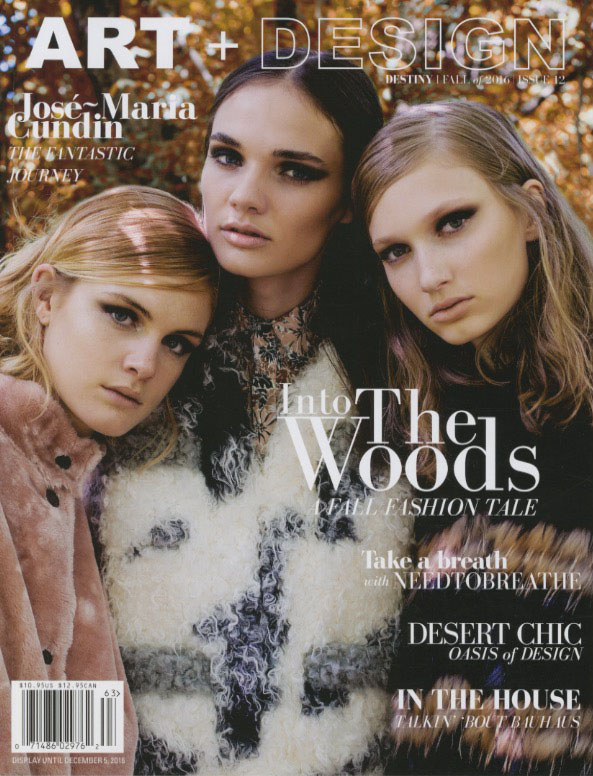
“Taking that idea and putting it back to the magazine; it’s like when people look at an artwork, they want to have a tactile experience, so picking up a magazine and looking at it, feeling the weight of the magazine in your hand, the thickness of the paper, the high visual quality of what’s on the page; it kind of creates a world that you can get sucked into. It captures your attention and your emotions, and you can experience it by holding it in your hand, take it home with you and read it at your leisure. It’s just a completely, I think, more rewarding experience than looking at an online magazine.” Steve Martin

Art+Design magazine is a New Orleans-based publication that is spreading its local wings and going global. Something its founder and publisher, Steve Martin, said has been the ultimate goal all along. The magazine is taking on the luxury market and adding a healthy dash of creative artistry to the mix by viewing each and every topic from an artistic lens, an interesting concept that certainly spices things up and changes the niche game entirely.

I spoke with Steve recently and we talked about his “worldly” expectations for Art+Design and also touched on the local insert that will soon start plumping the book with even more goodness of content, his new magazine called Canvas, an idea that came to him as he thought about some local advertisers who might get left behind with the new global slant of the parent publication.

Steve is an artist and a patron saint of the art districts of New Orleans and Miami, having galleries in both for quite some time. Today, he concentrates on his own studio in the Crescent City and his magazines that promise to bring art, fashion, photography, interiors and many other luxury topics to the four corners of the world, all covered in the creative style he knows so well, the artists’ eye. He is a man who is open about his deep and abiding faith in God and his sheer sincerity shines through each and every expression of his work that he shares.

So, I hope that you enjoy this very informative and interesting discussion with an artist and a creator of print that is both an entrepreneur and an experienced publisher in his own right, the Mr. Magazine™ interview with Steve Martin, Founder and Publisher, Art+Design magazine.
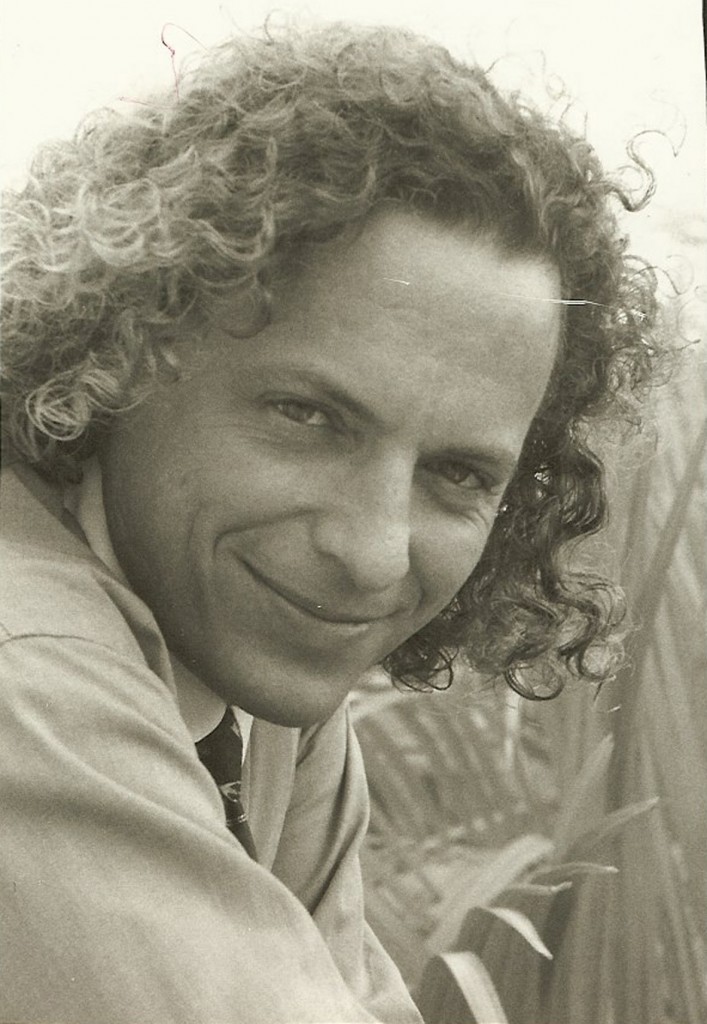
Steve Martin

Steve Martin

But first the sound-bites:

On the history of Art+Design: I started thinking about where people were coming from when it came to my own art and it was the luxury market. And I began to think about luxury lifestyle magazines and how when you look at W Magazine, they have an art editorial in there and it really means something, and there’s Architectural Digest that has an art essay in it, and it really just stands out. I came up with the idea of creating a magazine that encompassed art, design and the experience of that luxury lifestyle and that’s where Art+Design came from.

On why he felt that a print magazine was the best platform for Art+Design: It’s like when people look at an artwork, they want to have a tactile experience, so picking up a magazine and looking at it, feeling the weight of the magazine in your hand, the thickness of the paper, the high visual quality of what’s on the page; it kind of creates a world that you can get sucked into. It captures your attention and your emotions, and you can experience it by holding it in your hand, take it home with you and read it at your leisure. It’s just a completely, I think, more rewarding experience than looking at an online magazine.

On why he decided to go global with the magazine:
New Orleans has definitely injected into the world a great number of very influential people: writers, artists and musicians. It’s the birthplace of jazz and there’s quite a bit of culture that has permeated the world from New Orleans. I was thought that New Orleans was on the same level as New York and Paris in its cultural impact. And I really thought it should be elevated and there was nothing in New Orleans that elevated New Orleans or made anyone think of anything that they weren’t already thinking, which was that we were provincial. So, when I started this thing out I wanted it to be an international magazine. It was never meant to just stay local. My long-term vision was to launch it into the international public eye as quickly as possible.

On why he thinks it took so long for someone like himself to come along and realize that the city of New Orleans was deserving of a global magazine that documented the luxury lifestyle in an artistic way: It’s a little bit of that provincial nature that everyone saw from outside New Orleans. They weren’t off; it is provincial in a way. It’s a hip little city and a tight community. It’s done a certain way.

On whether he believes that as long as there is art, there will be print: Yes. I think that the demise of print magazines is premature. I don’t think that the Internet can give the experience that a magazine does. Now, will it kill off the weaker magazines; yes, it’s already done that. You’ve seen the decline in the print market and that’s due to the weaning process that’s heightened by the Internet. I don’t think that you get a chance to hang around if you’re not staying alive by figuring out how to stay alive. You have to be proactive in it. You can’t just create it, then let it coast.

On how he is being proactive with Art+Design:
We’re assignment driven, so we get submissions all of the time, but that’s never really worked out for us, so it’s really just keeping our eyes opened and looking at world trends. One of the things that I try to do, and is an interesting direction, I think, is that because New Orleans is that international city; we look for stories that are in the world and either have some thread back to New Orleans, and that can be really thin, or from a story that’s already here and has some effect out in the world.

On the biggest stumbling block he’s had to face and how he overcame it:
I guess it was the money because I started with none. I didn’t have a backer; it’s self-sustaining, I guess. The way that I created it was I took a notepad and I laid out 80 pages, hand-drawn in the notepad, and then I went into Vanity Fair, Vogue and Architectural Digest and Art News and tore pages out of those magazines and then created an 80-page, stapled together copy of those stripped out pages and I walked around the city and I showed people my notebook of what I wanted to design and what I wanted the layout of the magazine to be and the concept behind it, and then I showed them the ads and the stories that were in the stripped out pages that I had, and I said this is what I’m shooting for, for my magazine to be of this caliber and quality and this level of publication.
And I basically sold enough ads from that to start it, so the difficulty has been every issue for the first four years now has been hand-to-mouth.

On what kind of art he creates: My website is stevemartinfineart.com and I paint, sculpt and draw. I make prints. I’m self-taught, so I haven’t run into anything that I haven’t tried. (Laughs) I’m always experimenting. Again, I came from a little town and I have always been an artist. I won a competition when I was five years old and I got to go on television for an art piece that I did. And that’s when I decided that I wanted to be an artist. I got all that attention and some candy. And I’ve stayed with it.

On anything else he’d like to add: Art+Design is meant to be the global magazine, I want it to be on par with Vanity Fair, Town & Country, Architectural Digest; all of those magazines. That’s been the goal, to be in that peer group. Now that I have launched into that arena and we’re striving to get there, the local market at some point may get left behind, not in content all the way, but the ability for some of the local advertisers to hang. So, I came up with the idea of Canvas, our new magazine, and the name came from the art side; a blank canvas full of infinite possibilities. And then the other side of the coin is when you move into a new area you canvas the area to see what’s cool and what’s going on. So I took that as the catalyst for Canvas and decided that could be the growth vehicle, a certain level where the main focus would be Art+Design, but we could create an attachable magazine called Canvas Chicago; Canvas New Orleans; Canvas Atlanta; Canvas Miami, and then grow it from there.

On what someone would find him doing if they showed up unexpectedly at his home one evening: Sleeping, because I don’t stop. A few years ago, I sort of started over in my life, and I started the magazine at that same time. And I had a painting studio uptown New Orleans that’s literally a 10×10 room and I moved into that and basically took everything that I could make or create and I would put it into the magazine. So, I still live in that 10×10 room; I don’t need anything else because I just come here and sleep. I’m typically always working. If you want to catch me in the afternoon; I’ll probably be at work and we could have dinner, but when I go home, it’s just to fall into bed exhausted.

On what keeps him up at night: Nothing; I’ve come to a place in my life where, and I think it was in the last publisher’s letter before this, you can see some of the stuff I write a lot about, my experiences. One of the things that I used to do was come up with an idea; work like hell to make it come to pass, and then worry it to death. I’d worry about it all of the time. I have since learned through my faith to change my attitude from worrying about everything to having faith that things will work out. So, I haven’t changed my work ethic, I still come up with a zillion ideas and I still tenaciously work hard at it, but rather than worrying about it all of the time, now I have faith that it will either be or not be and I’m leaving that up to God to decide and then I just keep moving forward.

And now the lightly edited transcript of the Mr. Magazine™ interview with Steve Martin, founder and publisher, Art+Design magazine.

Samir Husni: Congratulations on the national launch of Art+Design. I picked up the magazine recently and loved it.

Steve Martin: Thank you. We’ve been working on it quite a while. We actually, through Curtis Circulation, went global with this issue, so we’re shipping magazines from Iceland, throughout Europe and down into Singapore, Australia and New Zealand, and then Panama, with more countries coming.

Samir Husni: Tell me the story of Art+Design.

Steve Martin: I’m an artist and I have a gallery on Julia Street in New Orleans and have had one there since the 1990s. It has always been a challenge as an artist and a gallery owner to build a sustainable branding campaign through advertising. The cash flow was always so uneven. And it made it difficult to assign contracts to get breaks for advertising in the magazine that we thought would bring buyers to the door.

So, I had always been interested in magazines since I was a kid. I grew up in a little rural town near Alexandria, Louisiana called Tioga. I’d joke around and say the only art they had in the whole town was the calendar that was at the gas station. It was very rural. But somehow in that rural setting I would get my hands on interior design magazines and I was amazed at all of the architecture and interiors that I saw in them. So I started looking at magazines and magazine design, and that was back in the 60s and 70s.

I moved to New Orleans in 1987 and was “discovered” by a gallery owner and I began having one-man shows, building my art career up from there. In the process of my art career, I became the president of the arts district here in New Orleans. And I did that up until Katrina hit. And when I moved to Miami to keep my New Orleans gallery going, I opened up two places and for three years I flew back and forth each month, from New Orleans to Miami. While in Miami, I created an arts district down there called “Miami Art Design and Entertainment District,” which was in what’s now the Design District, and later became Wynwood.

In the process of creating that district, I was trying to figure out a way to advertise the district and what we’d done in New Orleans was to create a walking brochure that basically had a little blurb about each gallery and a map and directory. So, I posed that to the people who became members of that organization down there and we had something that we’d never had in New Orleans, which was money to operate on. We had 110 members and they all put about $2,500, so we had $250,000 of operating cash for the 501(c) (3) to promote ourselves.

The young man that I was working with to create the walking brochure; we sat down and we started thinking about it and he said that this was kind of an opportunity to create something like an airline magazine for our neighborhood, where it’s only shown around in the district and it only writes about the people, the members, who are in the district and it would contain the brochure, but it would have editorial about the galleries and the shops, content that we can basically control. Then all of those people could place their ads around it.

So, we created something called the “Miami Design District Guide.” And it’s still going. The young man that runs it is John White. And he was the publisher; I was just helping with sales and getting the members to come on board.

Then when New Orleans got on its feet and I moved back from Miami, I brought that idea back here and I created a little magazine called “Art New Orleans.” And it was just for the New Orleans arts district. The editorials were about the galleries and artists in the district and advertisers were the art galleries around it. It was very myopic in its vision and it was only about art, therefore subject to the cash flow problems that galleries and artists generally always struggle with. So, it was never really viable; it couldn’t grow. It was a 32-page, saddle stitched magazine and it was promotional in nature. We only wrote about the people who advertised in there, or the district. And it stayed around for seven years; it was just kind of there. But it gave me an opportunity to learn a whole lot about the nature of publishing and what people are looking for and how to work within the industry.

When John White decided that after seven years of not making any money, actually losing money, that he didn’t want to be a part of the New Orleans one anymore, I offered to buy him out and he said no, let’s just let it kind of go away, and I told him that I was going to start another magazine and he said OK, and he went his way and I went mine and it was all on good terms.

I sat for a year thinking about how I wanted to move forward. And what I determined was magazines, basically being myopic in their vision, really got attention from the academic crowd, from other gallery owners and from other artists and teachers. And those were people interested in art and interested in seeing themselves in print and interested in what was going on in the art world. But it didn’t really bring a lot of art buyers in. And that’s what sustains the business.

So, I started thinking about where people were coming from when it came to my own art and it was the luxury market. And I began to think about luxury lifestyle magazines and how when you look at W Magazine, they have an art editorial in there and it really means something, and there’s Architectural Digest that has an art essay in it and it really just stands out.

I came up with the idea of creating a magazine that encompassed art, design and the experience of that luxury lifestyle and that’s where Art+Design came from. It’s a simple name, and because it’s so simple, I guess that’s why it was still there. I started looking for magazine names to name the publication and it seemed like everything that I could think of for a name had already been taken and was a magazine somewhere in the world. Finally it just came down to Art+Design, which is what it is, and that wasn’t taken and it worked, and it said what we were going to do.

So, the whole concept behind the magazine’s vision looked at every aspect of the luxury lifestyle through an artistic lens, and used that as the catalyst to write about whatever we wrote about, so it could be fashion or whatever; it’s an artistic view about fashion. Or if it’s an interior design, it’s an artist’s residence or an artistic view of the residence, because it’s different or it has a great art collection. And I thought that was something that may show up in other magazines, but it isn’t really focused on in other magazines. And that was the catalyst for the nature of what we were going to put out.

Samir Husni: Why did you feel that a printed magazine was the best platform for you to promote the art district and that luxury lifestyle?art-2
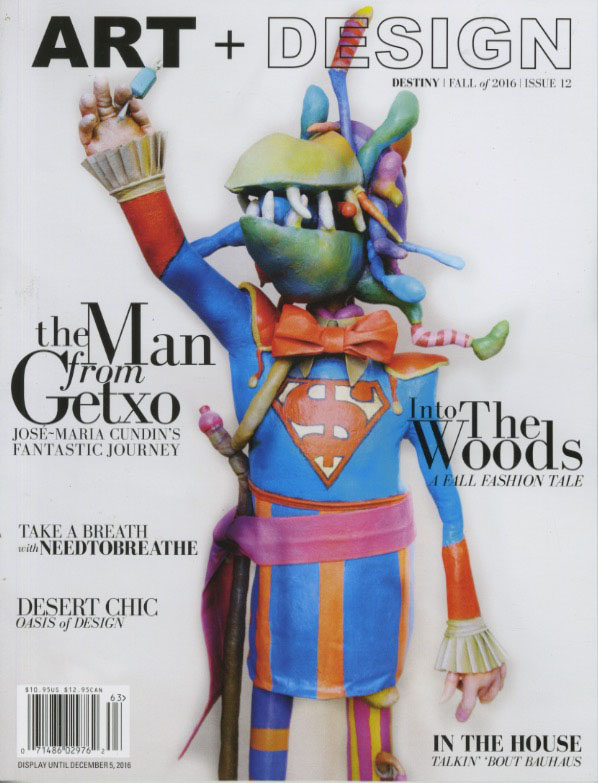
Steve Martin: Having experience with art, I know the Internet is a great research engine and it allows you to get out and look around to determine where things are that you might like or what you might like, but it’s not a great vehicle for selling art. You don’t know what you get until you have bought it and received it by mail basically. When you buy a painting, I think it’s a lot more of a tactile experience. You want to walk up to it and look at it; you want to touch it and have that intimate experience of being next to it when you’re thinking about bringing it home and putting it on your wall.

And while the Internet shows you what’s out there, it’s not what you always see. There are images that look great on the Internet, but once you see them in person, they’re not that hot. So, I think someone spending $25,000 and up for a painting rarely will buy it sight unseen on the Internet, unless it has provenance that it’s to an artist they have already experienced on some more intimate level in person.

Taking that idea and putting it back to the magazine; it’s like when people look at an artwork, they want to have a tactile experience, so picking up a magazine and looking at it, feeling the weight of the magazine in your hand, the thickness of the paper, the high visual quality of what’s on the page; it kind of creates a world that you can get sucked into. It captures your attention and your emotions, and you can experience it by holding it in your hand, take it home with you and read it at your leisure. It’s just a completely, I think, more rewarding experience than looking at an online magazine.

Samir Husni: And why did you make the decision to have a magazine that is still based in New Orleans, but now also global?

Steve Martin: I’ve always thought of New Orleans as an international city. And I experienced a little bit of frustration in Miami because it was another international city and I thought the closeness in the culture would make it a really easy transition. I really enjoyed Miami but the perception that people from different parts of the world have of New Orleans is quite different than what people in New Orleans think. We had Katrina going on at that time, and then there was the mayor of New Orleans who was always in the news with something he had done, and most of what people thought of about New Orleans was that it was a great place to visit, very historic, a lot of fun because of Bourbon Street and the French Quarter, but other than that people thought of it as being very provincial.

And being from Louisiana and New Orleans; New Orleans has definitely injected into the world a great number of very influential people: writers, artists and musicians. It’s the birthplace of jazz and there’s quite a bit of culture that has permeated the world from New Orleans. I was thought that New Orleans was on the same level as New York and Paris in its cultural impact. And I really thought it should be elevated and there was nothing in New Orleans that elevated New Orleans or made anyone think of anything that they weren’t already thinking, which was that we were provincial.

So, when I started this thing out I wanted it to be an international magazine. It was never meant to just stay local. My long-term vision was to launch it into the international public eye as quickly as possible.

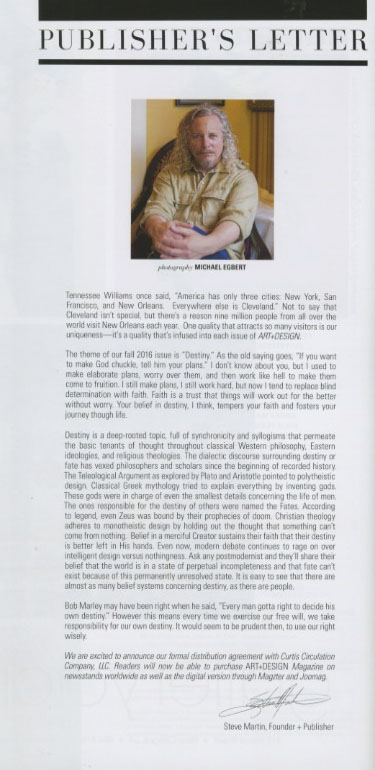
Samir Husni: In your letter from the publisher you quote Tennessee Williams: the United States has three major cities, New York, Los Angeles and New Orleans. And everywhere else is Cleveland.

Steve Martin: Yes, that was in my publisher’s letter. art-design-pl-2
Samir Husni: There are plenty of magazines in New Orleans; why do you think it took so long for someone like yourself to come along and recognize what a cultural hub New Orleans is and that it should be made more global than it already is by documenting that globalization?

Steve Martin: It’s a little bit of that provincial nature that everyone saw from outside New Orleans. They weren’t off; it is provincial in a way. It’s a hip little city and a tight community. It’s done a certain way.

One of the things that I run into a lot is there are some advertisers here that aren’t global, but could be global advertisers. And I’ve approached them with the magazine and they’re not interested in advertising because we’re not a social magazine. All of the other magazines in New Orleans pretty much are social. There are pictures of who’s who, where they work, and the party, who they were with and so on. And that’s the local attitude. I don’t think they thought they could be more than what they were. They’ve been like they have for so long and that’s all that has mattered. New Orleans is somewhat isolated in its business culture; people do a lot of business out of New Orleans in different places, but it’s kind of closely-held here. I guess. And I don’t think they’ve dared to have the vision to see themselves in that arena somehow.

And there was really nothing else out there for them to do, it was kind of just what was available, I guess. I haven’t seen anything like that available to them in the 20 years that I’ve been here, a magazine that would not be just locally oriented.

Samir Husni: As an artist, do you believe that as long as there’s art, there will be print?

Steve Martin: Yes. I think that the demise of print magazines is premature. I don’t think that the Internet can give the experience that a magazine does. Now, will it kill off the weaker magazines; yes, it’s already done that. You’ve seen the decline in the print market and that’s due to the weaning process that’s heightened by the Internet. I don’t think that you get a chance to hang around if you’re not staying alive by figuring out how to stay alive. You have to be proactive in it. You can’t just create it, then let it coast.

Samir Husni: How do you do that? How are you being creative and not just letting it coast? How are you being proactive with Art+Design?

Steve Martin: We’re assignment driven, so we get submissions all of the time, but that’s never really worked out for us, so it’s really just keeping our eyes opened and looking at world trends. One of the things that I try to do, and is an interesting direction, I think, is that because New Orleans is that international city; we look for stories that are in the world and either have some thread back to New Orleans, and that can be really thin, or from a story that’s already here and has some effect out in the world.

We just try and keep our ears to the ground and really look for interesting things to write about because we want our editorial to be strong. It’s not a pay-to-play magazine, so we have a wall of separation between the editorials and the advertising, which is another thing that New Orleans is kind of bad about. It’s like all of the advertising here drives the editorial in most of the magazines. Not all of it, but a lot of it; a good portion of it.

In my experience with Art New Orleans, which was a little art promotional magazine that I did, it was all promotional and one of the comments that we received was, after a while people realized that you were only written about if you paid for it, and so it lost some of its impact. So, we made a decision to, with the creation of this magazine, or I made a decision, to keep that completely separate. You cannot buy an ad and get an article. It has to stand on its own legs. We don’t punish you if you’re an advertiser with a good story, we’ll write about it. But the key is it has to be a good story.

So with that said we look for good interesting stories. We’re not investigative journalism, it’s a lot of feel-good stuff; it’s not pie-in-the-sky stuff, we just like to write entertaining stories with witty and pithy commentary and points-of-view that people will enjoy reading. If you have a strong, visual content with no story behind it, it’s going to be just fluff, so we put in what we think are strong readable stories and then try to amaze everybody with the visual content, which is the art side of it.

Samir Husni: What has been the biggest stumbling block that you’ve had to face and how did you overcome it?

Steve Martin: I guess it was the money because I started with none. I didn’t have a backer; it’s self-sustaining, I guess. The way that I created it was I took a notepad and I laid out 80 pages, hand-drawn in the notepad, and then I went into Vanity Fair, Vogue and Architectural Digest and Art News and tore pages out of those magazines and then created an 80-page, stapled together copy of those stripped out pages and I walked around the city and I showed people my notebook of what I wanted to design and what I wanted the layout of the magazine to be and the concept behind it, and then I showed them the ads and the stories that were in the stripped out pages that I had, and I said this is what I’m shooting for, for my magazine to be of this caliber and quality and this level of publication.

And I basically sold enough ads from that to start it, so the difficulty has been every issue for the first four years now has been hand-to-mouth. There hasn’t been a cash cushion, so that makes things pretty nerve-wracking from time to time. And it’s based on what we sell in ads as to how thick the magazine is going to be and we’ve been blessed by people getting onboard and staying with us.

Samir Husni: You mentioned that you’re an artist, so do you paint or sculpt; what type of art do you create?

Steve Martin: My website is stevemartinfineart.com and I paint, sculpt and draw. I make prints. I’m self-taught, so I haven’t run into anything that I haven’t tried. (Laughs) I’m always experimenting. Again, I came from a little town and I have always been an artist. I won a competition when I was five years old and I got to go on television for an art piece that I did. And that’s when I decided that I wanted to be an artist. I got all that attention and some candy. And I’ve stayed with it.

My father was a contractor, a practical man who taught me business and the values of hard work and determination. A lot of what I’ve done is that I haven’t known any better. I didn’t know that I couldn’t do something, so I just tried it and was determined to make it work.

Samir Husni: Is there anything else you’d like to add?

Steve Martin: Art+Design is meant to be the global magazine, I want it to be on par with Vanity Fair, Town & Country, Architectural Digest; all of those magazines. That’s been the goal, to be in that peer group. Now that I have launched into that arena and we’re striving to get there, the local market at some point may get left behind, not in content all the way, but the ability for some of the local advertisers to hang.

So, I thought about how I wanted to expand this thing, what model I wanted to follow. One of the models that I looked at was modern luxury magazines and they have the different city magazines, such as Houston, C.S., and D.C. They have 26 labels. A certain percentage of each magazine is national content, similar across the board, and then depending on the local sales team’s ability, another percentage is for that city. And I thought that was one growth model, but it seemed cumbersome for what I had to work with here.

So, I came up with the idea of Canvas, our new magazine, and the name came from the art side; a blank canvas full of infinite possibilities. And then the other side of the coin is when you move into a new area you canvas the area to see what’s cool and what’s going on. So I took that as the catalyst for Canvas and decided that could be the growth vehicle, a certain level where the main focus would be Art+Design, but we could create an attachable magazine called Canvas Chicago; Canvas New Orleans; Canvas Atlanta; Canvas Miami, and then grow it from there. canvas
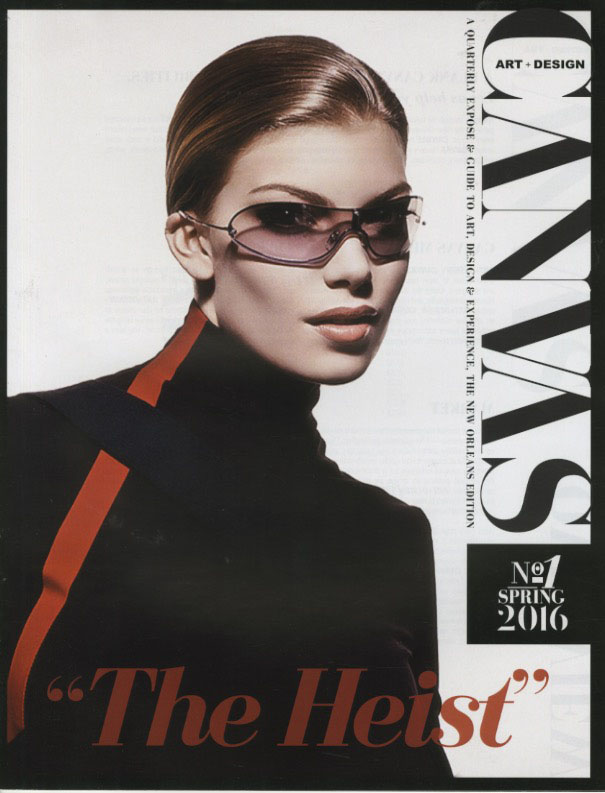
That was the thinking, how to bring local promotional content into magazine without compromising the integrity of the magazine. And I came up with creating a separate magazine that goes along with it where you could write profiles and you could put in advertorials and do things that were a little bit more local-based. I jokingly say that it’s going to be a cross between Scout Guide and Where Magazine.

Samir Husni: If I showed up unexpectedly to your home one evening after work, what would I find you doing; reading a magazine, reading your iPad, watching television, painting, or something else?

Steve Martin: Sleeping, because I don’t stop. A few years ago, I sort of started over in my life, and I started the magazine at that same time. And I had a painting studio uptown New Orleans that’s literally a 10×10 room and I moved into that and basically took everything that I could make or create and I would put it into the magazine. So, I still live in that 10×10 room; I don’t need anything else because I just come here and sleep. I’m typically always working. If you want to catch me in the afternoon; I’ll probably be at work and we could have dinner, but when I go home, it’s just to fall into bed exhausted.

Samir Husni: My typical last question; what keeps you up at night?

Steve Martin: Nothing; I’ve come to a place in my life where, and I think it was in the last publisher’s letter before this, you can see some of the stuff I write a lot about, my experiences. One of the things that I used to do was come up with an idea; work like hell to make it come to pass, and then worry it to death. I’d worry about it all of the time.

I have since learned through my faith to change my attitude from worrying about everything to having faith that things will work out. So, I haven’t changed my work ethic, I still come up with a zillion ideas and I still tenaciously work hard at it, but rather than worrying about it all of the time, now I have faith that it will either be or not be and I’m leaving that up to God to decide and then I just keep moving forward. If something fails, it’s a learning experience that I can incorporate into the next thing. I’ve had enough successes and failures in life to know that it’s life and mountains and valleys come and you never know where they’re going to be, you just have to have your head on right so that you can get through whatever. If you’re at the top of the mountain, don’t let it give you the big head, and if you’re in the valley, don’t despair.

Samir Husni: Thank you.
h1

Forbes’ Editor Randall Lane Celebrates Five Years & Proves The Golden Age For Print Magazines Has Only Just Begun – The Mr. Magazine™ Interview With Randall Lane, Editor, Forbes Magazine

September 6, 2016

Randall 2016

“We just got our new MRI numbers a few weeks ago. Forbes magazine is at the highest print readership in its 99 year history; print readership. Not online, but print. And that’s MRI, independent research. We’re well over six million and pushing toward seven million readers in print, and we’ve never hot those numbers before.” Randall Lane

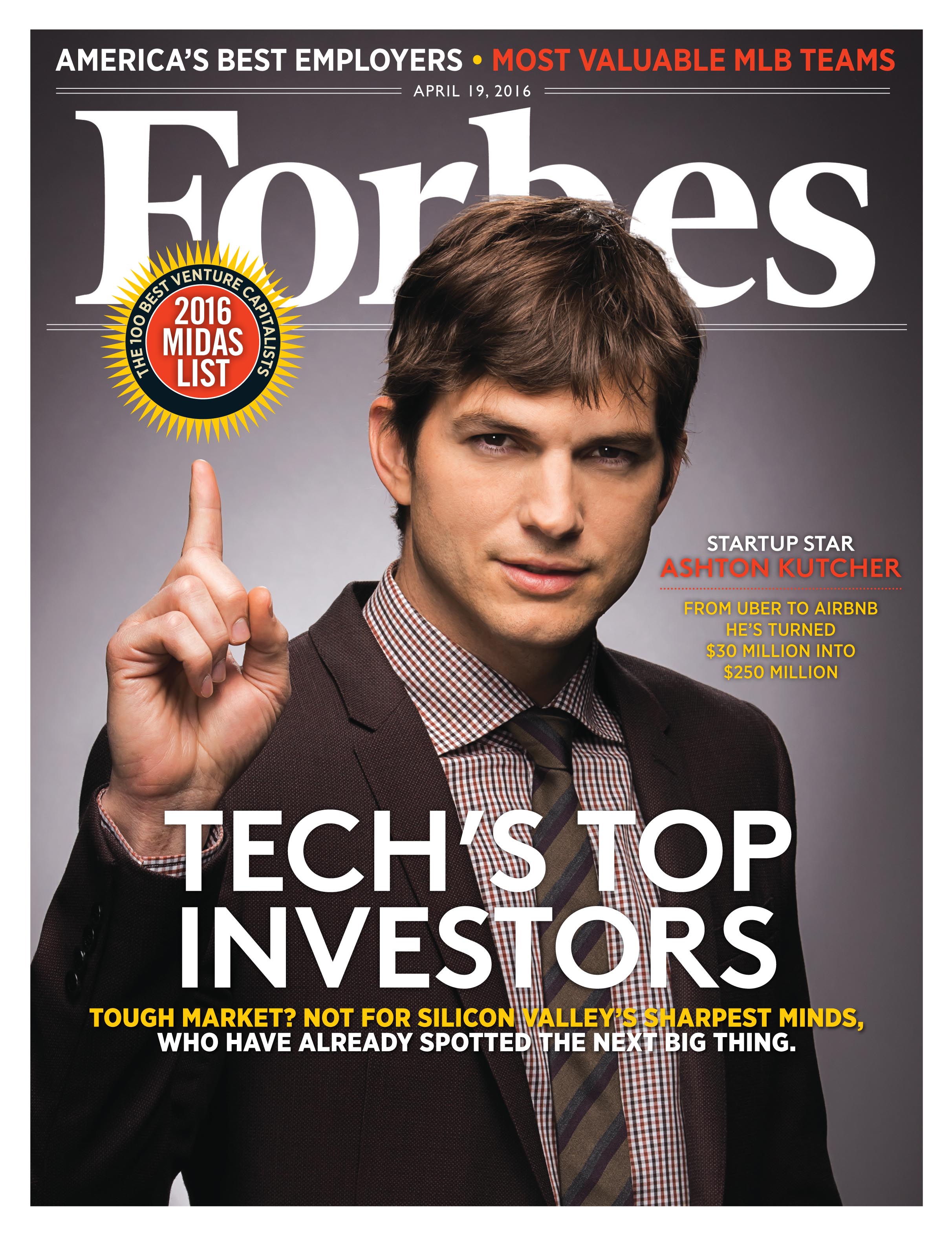
“This year, we had our highest, best-read print magazine ever; the cover with Ashton Kutcher had 8.8 million readers for that issue. So, when you do it right, the market for print magazines is as big as it’s ever been, maybe bigger than it’s ever been, as shown by the numbers. Our newsstand sales over the last five years have crept up, while our draw has gone down and our average price point has gone up. It’s a hard balance, but we’re able to do it because we’re putting out a more focused product and being smart about it.” Randall Lane

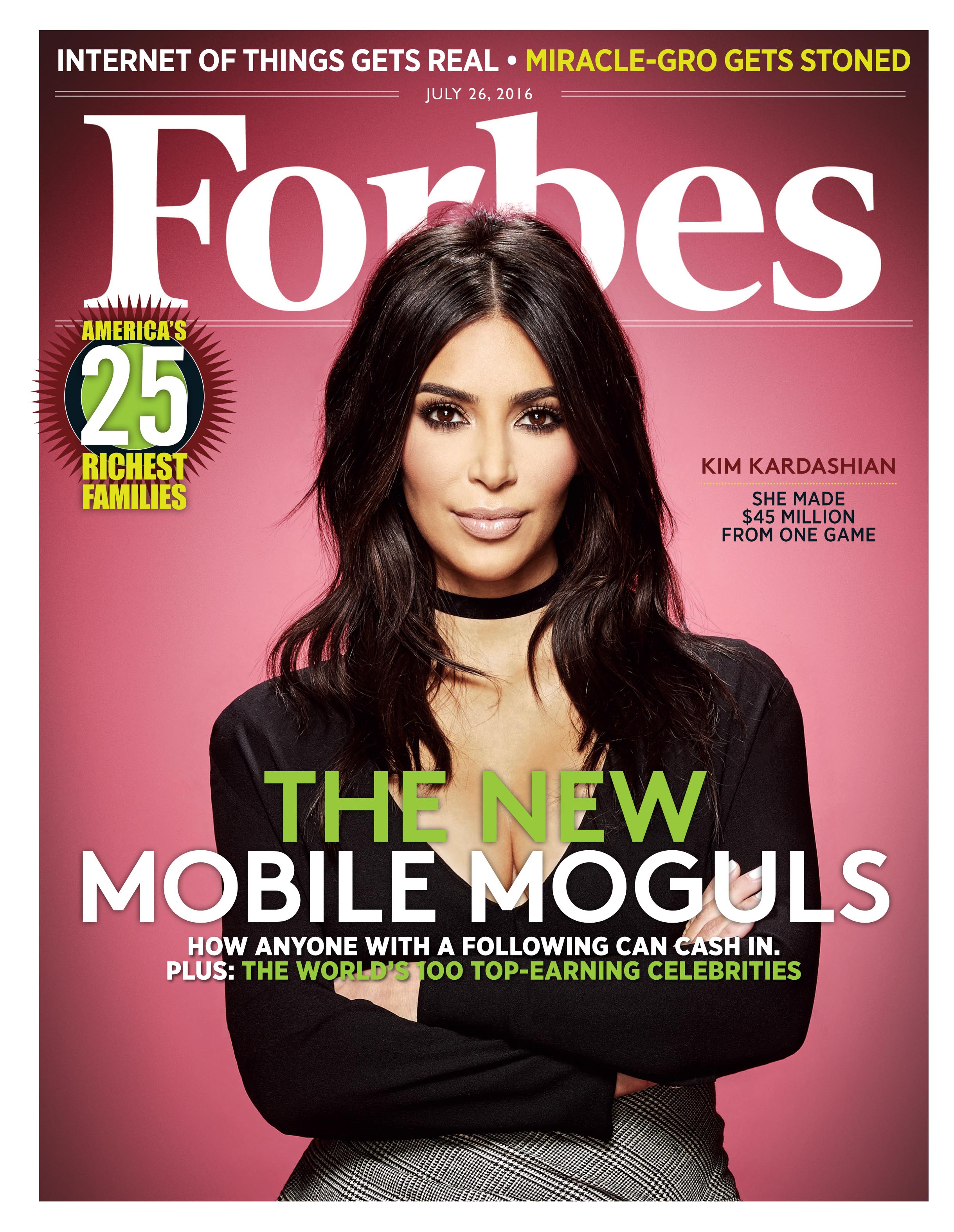
forbes cover 072616 celebrity kardashianAs Forbes magazine prepares to celebrate its centennial anniversary in 2017, the legacy brand’s editor, Randall Lane is celebrating his fifth year at the helm. And according to the title’s latest numbers, there is much for Randall and the magazine to be excited about.

Randall has taken Forbes magazine to peak levels of readership. According to this spring’s MRI report, the title’s readership is at 6.8 million in the U.S., a new all-time high in their 99-year history. And the magazine’s most-read issue ever, featuring Ashton Kutcher on the cover, was published this April and had 8.8 million readers. Over the past five years, Randall has also focused on investing more in the magazine, as well as uncovering new ways to develop and deliver content for today’s magazine reader. For example, he uses data from online content to learn about what content readers want most. And it is these innovative ideas that have given birth to the realization that the golden age of print may have just begun.

I spoke with Randall recently and we talked about the upcoming 100th anniversary of Forbes and about his five-years as captain of the very large ship. Internationally, Forbes content and its mission of entrepreneurial capitalism continue to resonate, particularly with emerging economies. As he sees it, when people from around the world look to the United States for present-day heroes, it’s at the entrepreneurs that continue to bravely climb those mountains that most wouldn’t dare to.

Randall has also been focused on capturing the millennial audience and, based on the numbers; a new generation of doers is highly engaged with Forbes content across multiple platforms. Over the last seven years, Forbes magazine has seen a 50% increase with readers aged 18-34 – the largest increase of all 144 publications measured by MRI. Shortly after joining in 2011, Randall launched the annual Forbes 30 Under 30 list and has since transformed it into one of Forbes’ most successful franchises. Today the Forbes’ Under 30 franchise is a global multichannel platform, which comprises 30 Under 30 lists published in print and online all over the world; live summits in the U.S., Asia and Israel; an Under 30 channel on Forbes.com and a Forbes Under 30 app.

So, having all of this to celebrate, and an upcoming centennial anniversary to boot; well, needless to say, the Mr. Magazine™ interview with Randall Lane was a creative and interesting conversation about Forbes, past and present, and the bright future of print that he is a strong believer in. And Mr. Magazine™ would have to agree with him.

Up first the sound-bites:

On how his role as an editor has changed over the years: That’s a good question. In my opinion, the editor’s role has gotten so much more interesting and three-dimensional. You can’t look at a magazine as simply an inorganic printed media product, but as one platform of a multiplatform entity that’s really about telling a story and using a brand to reach as many people as possible, and be as groundbreaking as possible. So, to me, over the last five to ten years, the job has become much more interesting and rewarding.

On the biggest stumbling block he’s had to face over the years and how he overcame it: The stumbling blocks are really only opportunities. Forbes is all about entrepreneurship and it’s been that way for 99 years. And entrepreneurship is all about problem-solving and taking advantage of opportunities, and both the stumbling block and the opportunity over the last five years has been how do you take a brand, and Mike Perlis (President & CEO, Forbes Media) has said it many times; how do we build a company as big as the brand, and specifically for Forbes magazine; how do we take that reputation that we have, one that’s almost a century old, where you have people like Bruno Mars singing “I want to be on the cover of Forbes magazine,” we’re one of those iconic brands that means something, and everybody knows what it means; so how do you build a product that over delivers on their promise, so that’s what we’ve done over the last five years.

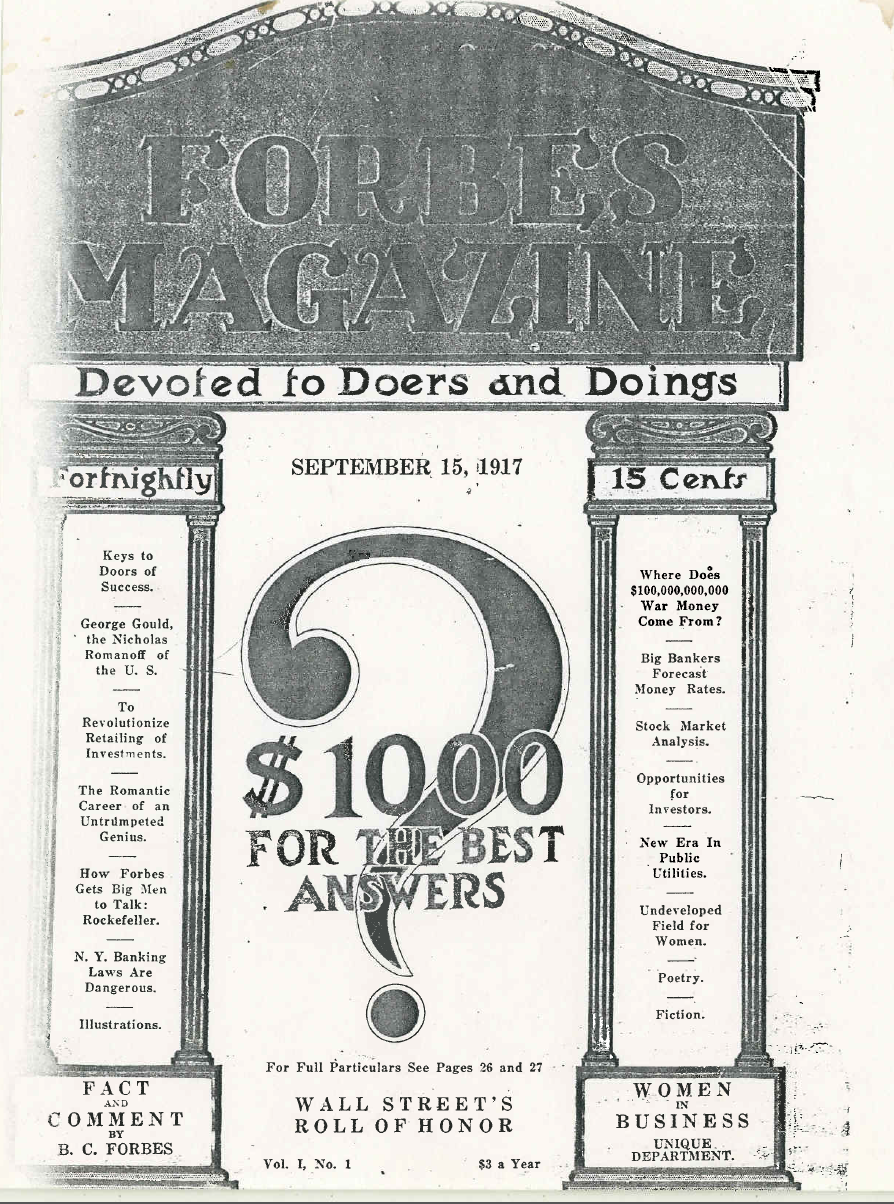
Forbes First EditionOn his plans for Forbes magazine as it celebrates its centennial anniversary next year: We are neck-deep in planning. We’re almost exactly a year-out from the anniversary, and we have a team of about 10 people that’s been working on this already for about six months. I don’t want to give away any secrets, other than it will involve a lot of very big names, and most important, a lot of very cool innovations.

On whether he thinks print will always be around: Well, I think so. Magazines are inherently, if produced correctly, a form that humans love consuming. We just have to understand why they’re consuming them and understand that there was a point 30 or 40 years ago where magazines had, again, an oligopoly on information, because people had to read them. No they don’t have to read them, so you have to make it where they love to read them. That’s a challenge, but it’s also a huge opportunity.

On his secret recipe for gaining a new audience, while maintaining his long-time readers as well: It’s respect for the brand. And I started with Forbes out of college, so I respect the brand. We have so many veterans on the management team, such as Lewis DVorkin. We have so many people who have entrepreneurial experience who also respect the brand, so we’re not trying to change what Forbes is; we’re making it more Forbes. And expand that base to a larger audience.

On the need for the printed Forbes with all of the information that’s out there on the web: What the magazine isn’t trying to do is compete with all of that information, because it just can’t. What the magazine is meant to do is, in a world where there is so much information, we curate a package that’s inspiring and teaches lessons; it reveals things that you’ve never seen or read before, and thus it becomes kind of a beacon in a world where information is everywhere.

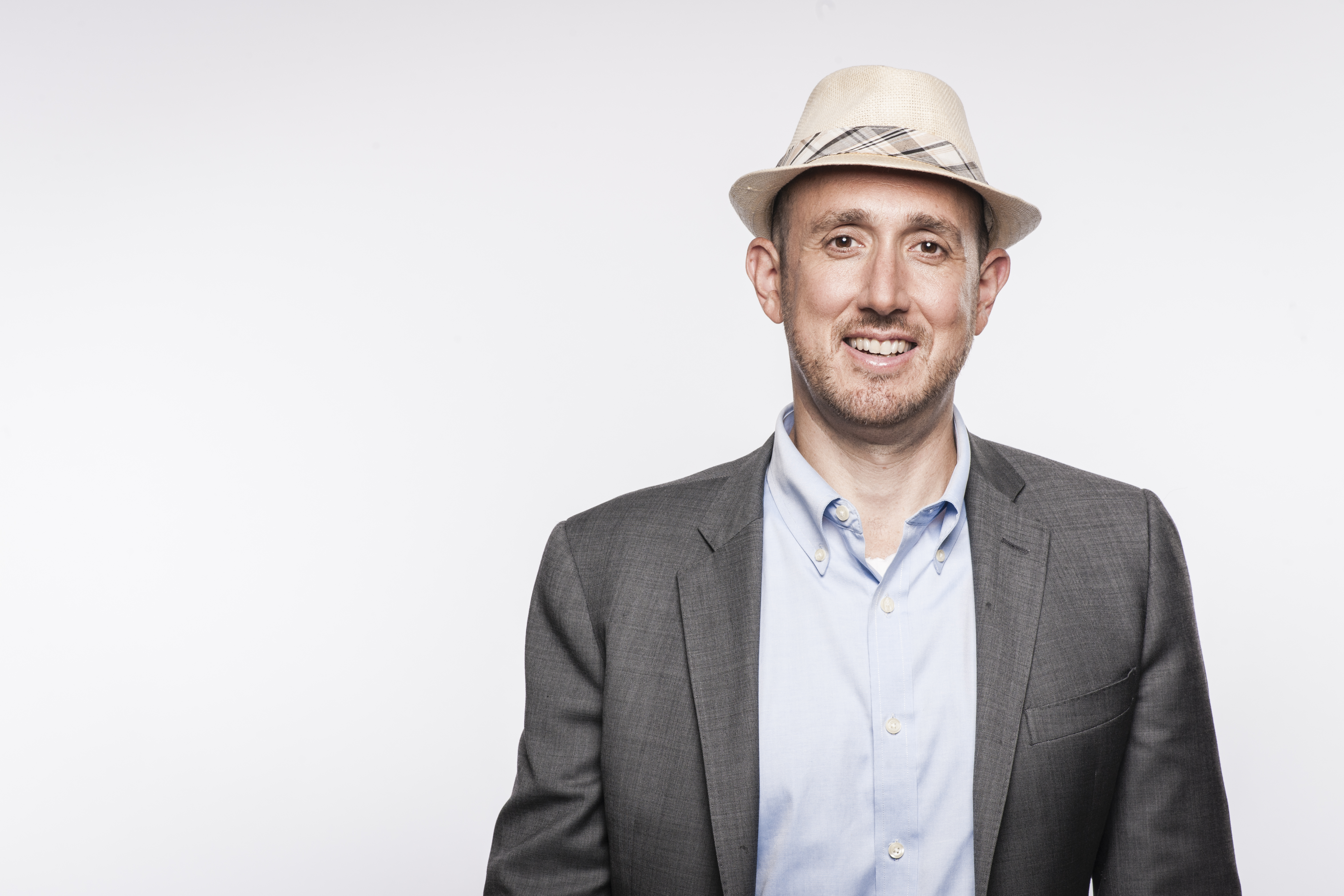
RandallLane with Hat 2016On how the term “brand voice” differentiates Forbes from everything else out there: Brand voice is our product in native advertising, but it differentiates because Forbes was a pioneer in doing that. It’s now become sort of an industry standard and a salvation. But again, Lewis and Forbes were the pioneers and took a lot of criticism, which I never really understood, because there has always been advertorial in native advertising for decades. The only difference is they were trying to disguise it as editorial. The innovation in the power brand voice is that it’s completely transparent and it gives brands a way to tell great stories in a completely transparent way.

On what he thinks the focus of Forbes will be in the near future: We’re focused on entrepreneurship, and it’s only going to get stronger coming out of the election. The future of America and the strength of America is entrepreneurship and the greatest stories of America are the Facebook’s; the Snapchat’s; and the Instagram’s; and the Uber’s, and these young innovative companies. These are the heroes of America right now. It’s very hard to look at politics and get anything more than a little queasy.

On Forbes’ investigative pieces: We won a Loeb Award a year ago for an investigative piece looking at the looting in Angola and actually following the money, and looking at how the daughter of the president suddenly became the first woman billionaire from Africa.

On whether we are in better or worse shape as journalists today in the U.S.: I think it’s two things: journalism is in better shape just because there is no longer a system where only a few people have the power of the press in a few companies; today, anyone with talent can be a journalist. Now, anybody who is talented can be a journalist and break stories and get noticed, in terms of doing it themselves, and/or having the opportunity to do it within an organization.

On what keeps him up at night: Continuing to innovate enough and not resting on our laurels. Complacency is part of human nature. Our numbers are good, but that doesn’t mean we sit back and say we’re done. This fall, we’re going to tweak the editorial formula, not really tweak, but we’re in constant reinvention.

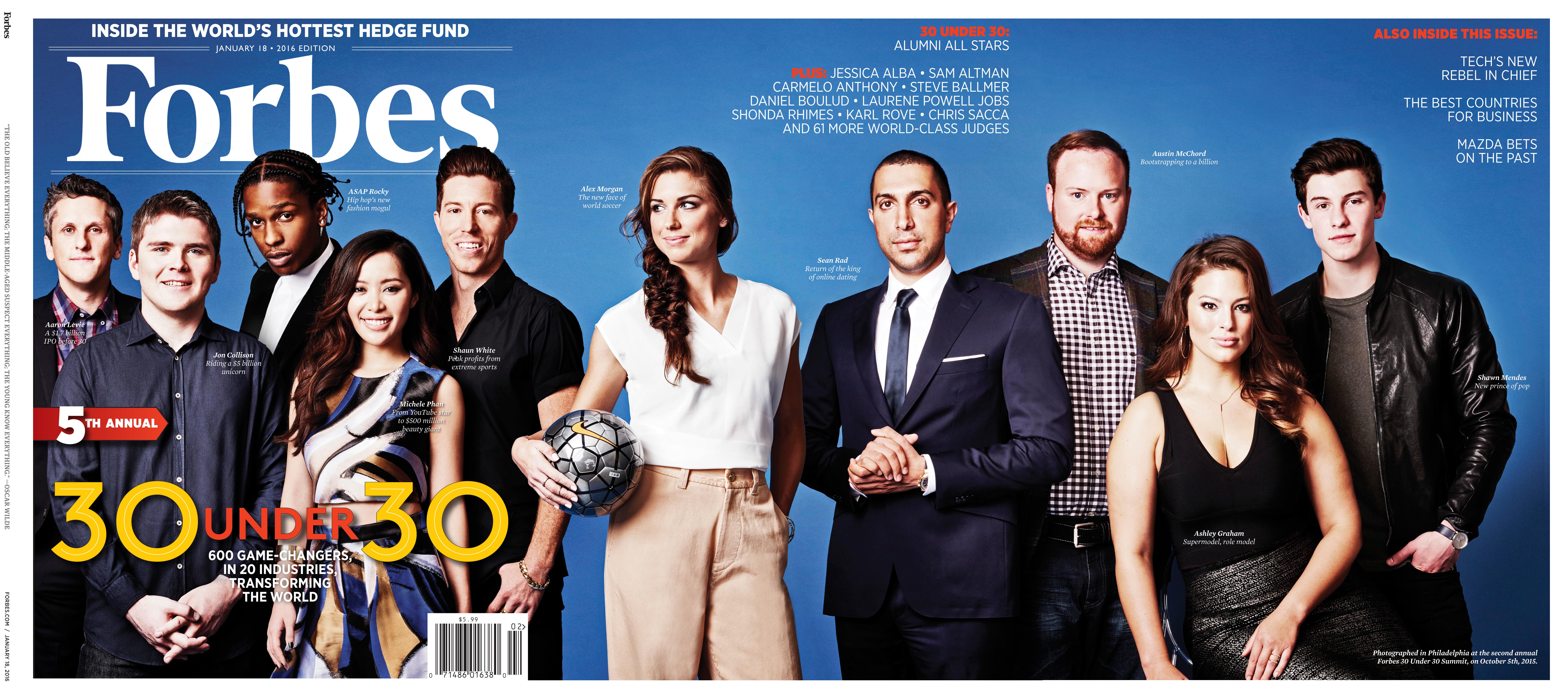
FORBES 011816 gatefold
And now the lightly edited transcript of the Mr. Magazine™ interview with Randall Lane, Editor, Forbes Magazine.

Samir Husni: You’re approaching your fifth anniversary at Forbes, and over your entire career, you’ve technically done it all; from a food and restaurant critic to the editor of Justice Magazine and financial magazines. Can you tell me how your role as an editor has changed over the last five to ten years?

Randall Lane: That’s a good question. In my opinion, the editor’s role has gotten so much more interesting and three-dimensional. You can’t look at a magazine as simply an inorganic printed media product, but as one platform of a multiplatform entity that’s really about telling a story and using a brand to reach as many people as possible, and be as groundbreaking as possible. So, to me, over the last five to ten years, the job has become much more interesting and rewarding. And if it’s done right, the outcome is much better, because you’re able to reach people in so many different ways and change lives in so many different ways.

Samir Husni: What has been the biggest stumbling block that you’ve had to face over the years and how did you overcome it?

Randall Lane: The stumbling blocks are really only opportunities. Forbes is all about entrepreneurship and it’s been that way for 99 years. And entrepreneurship is all about problem-solving and taking advantage of opportunities, and both the stumbling block and the opportunity over the last five years has been how do you take a brand, and Mike Perlis (President & CEO, Forbes Media) has said it many times; how do we build a company as big as the brand, and specifically for Forbes magazine; how do we take that reputation that we have, one that’s almost a century old, where you have people like Bruno Mars singing “I want to be on the cover of Forbes magazine,” we’re one of those iconic brands that means something, and everybody knows what it means; so how do you build a product that over delivers on their promise, so that’s what we’ve done over the last five years.

We’ve honed in on how we can make the magazine experience richer and more “magazinier,” to coin a new word. How do you look at the environment of magazines that no longer have an oligopoly on information, and realize that it’s no longer enough to just print information on dead trees for the audience? We have to create an exceptional magazine experience specifically for our audience. We’ve made the articles longer and more in depth; we’ve invested a lot in photography, and we’ve invested in paper. We’ve strengthened the classic Forbes point of view, so that every story has an attitude and a voice. We’ve focused on packaging, so that when you read the print product, you see different elements on every page. Those are all things that are accentuated by print magazines. Again, we’ve focused on what makes magazines great, because quick stories that are timely and on the news are better for the website.

Samir Husni: What are your plans for Forbes magazine as it celebrates its 100th anniversary next year?

Randall Lane: We are neck-deep in planning. We’re almost exactly a year-out from the anniversary, and we have a team of about 10 people that’s been working on this already for about six months. I don’t want to give away any secrets, other than it will involve a lot of very big names, and most important, a lot of very cool innovations, because what we’re going to do with the centennial is not just honor and focus on the past, but also focus on the future and use it as a springboard to show what business, entrepreneurship and also what magazines can be like for the next 100 years.

Samir Husni: Can you think of any other product or any other entities, besides magazines in print that have lasted for such a long time?

Randall Lane: Electricity. (Laughs)

Samir Husni: (Laughs too).

Randall Lane: Telephones?

Samir Husni: So, as long as we have electricity and telephones, we’ll have magazines?

forbes cover midas kutcher domestic 04-19-2016Randall Lane: (Laughs) Well, I think so. Magazines are inherently, if produced correctly, a form that humans love consuming. We just have to understand why they’re consuming them and understand that there was a point 30 or 40 years ago where magazines had, again, an oligopoly on information, because people had to read them. No they don’t have to read them, so you have to make it where they love to read them. That’s a challenge, but it’s also a huge opportunity.

We just got our new MRI numbers a few weeks ago. Forbes magazine is at the highest print readership in its 99 year history; print readership. Not online, but print. And that’s MRI, independent research. We’re well over six million and pushing toward seven million readers in print, and we’ve never hot those numbers before.

This year, we had our highest, best-read print magazine ever; the cover with Ashton Kutcher had 8.8 million readers for that issue. So, when you do it right, the market for print magazines is as big as it’s ever been, maybe bigger than it’s ever been, as shown by the numbers. Our newsstand sales over the last five years have crept up, while our draw has gone down and our average price point has gone up. It’s a hard balance, but we’re able to do it because we’re putting out a more focused product and being smart about it. If you look at our readership; the average median age, and I think this is key to the driver, has gone down. We’re now at age 42 as our average reader. So, we have a bigger and younger readership. And looking at our research numbers, we also have the same HHI or slightly up, so we’re able to make it a richer readership too. That’s a very trick to pull off, but if you’re focused on the product, this can be a glorious time for print.

Samir Husni: You’ve managed to attract new readership without losing loyal, long-time readers; it hasn’t been either/or with you as it has with so many other magazines, and I give you and your editorial team and all the other people working at Forbes all the credit for that. What’s your secret? So many other magazines have tried, but many lose their old audience and never really gain traction with a new audience. But in your case, you’ve kept the old audience and gained a new audience as well. What’s your secret recipe?

Randall Lane: It’s respect for the brand. And I started with Forbes out of college, so I respect the brand. We have so many veterans on the management team, such as Lewis DVorkin. We have so many people who have entrepreneurial experience who also respect the brand, so we’re not trying to change what Forbes is; we’re making it more Forbes. And expand that base to a larger audience.

The core message of Forbes: entrepreneurial capitalism, has never been more resonant, because if you think about it, especially for young people, when they come out of college their career aspirations aren’t to get some job with a big corporation and work there for 40 years; they want to start their own thing. They want to be Mark Zuckerberg or Elon Musk. And that’s always been what Forbes is about, so we happen to have a very resonant message. Entrepreneurship has never been more important, and we’ve been able to pivot slightly and also understand that we can embrace young entrepreneurship. The 30 Under 30 franchise has become an incredibly important driver for us. Every year we do the Under 30 Summit, it is the biggest live event that Forbes has ever done.

So, we’re able to reach that younger audience, but this is also very relevant information for the more mature audience as well. It’s respectful of the core brand. There’s nobody craning their necks and saying, wait a second, this isn’t the magazine that I’m used to. Hopefully, it’s just a better, more relevant version of what they’ve always enjoyed.

Samir Husni: As you move forward and we, as a country, get through this crazy election year, do you think as you enter your centennial anniversary, you’ll find there’s more need for Forbes than ever before? There is so much information out there, but who is doing the curation?

Randall Lane: That’s a really smart question and the answer is, you’re so right about there being more information out there, that’s why forbes.com, and we just got our comScore numbers recently, and forbes.com just hit its highest ever readership; we’re at 52 million on comScore, which is more than twice of the Wall Street Journal. So, for all of that information out there, we have an amazing website to juggernaut business media and it’s able to do that.

But what the magazine isn’t trying to do is compete with all of that information, because it just can’t. What the magazine is meant to do is, in a world where there is so much information, we curate a package that’s inspiring and teaches lessons; it reveals things that you’ve never seen or read before, and thus it becomes kind of a beacon in a world where information is everywhere. It says, OK, here’s your regular dose of inspiration and cool stories to get yourself motivated to go out and change the world as much as you can.

Samir Husni: You’re the first entity that I remember to use the term “brand voice.” Why do you think coming up with the term “brand voice” instead of native advertising or content marketing, or whatever the current buzzword terminology is; how does the term “brand voice” differentiate from everything else that’s out there?

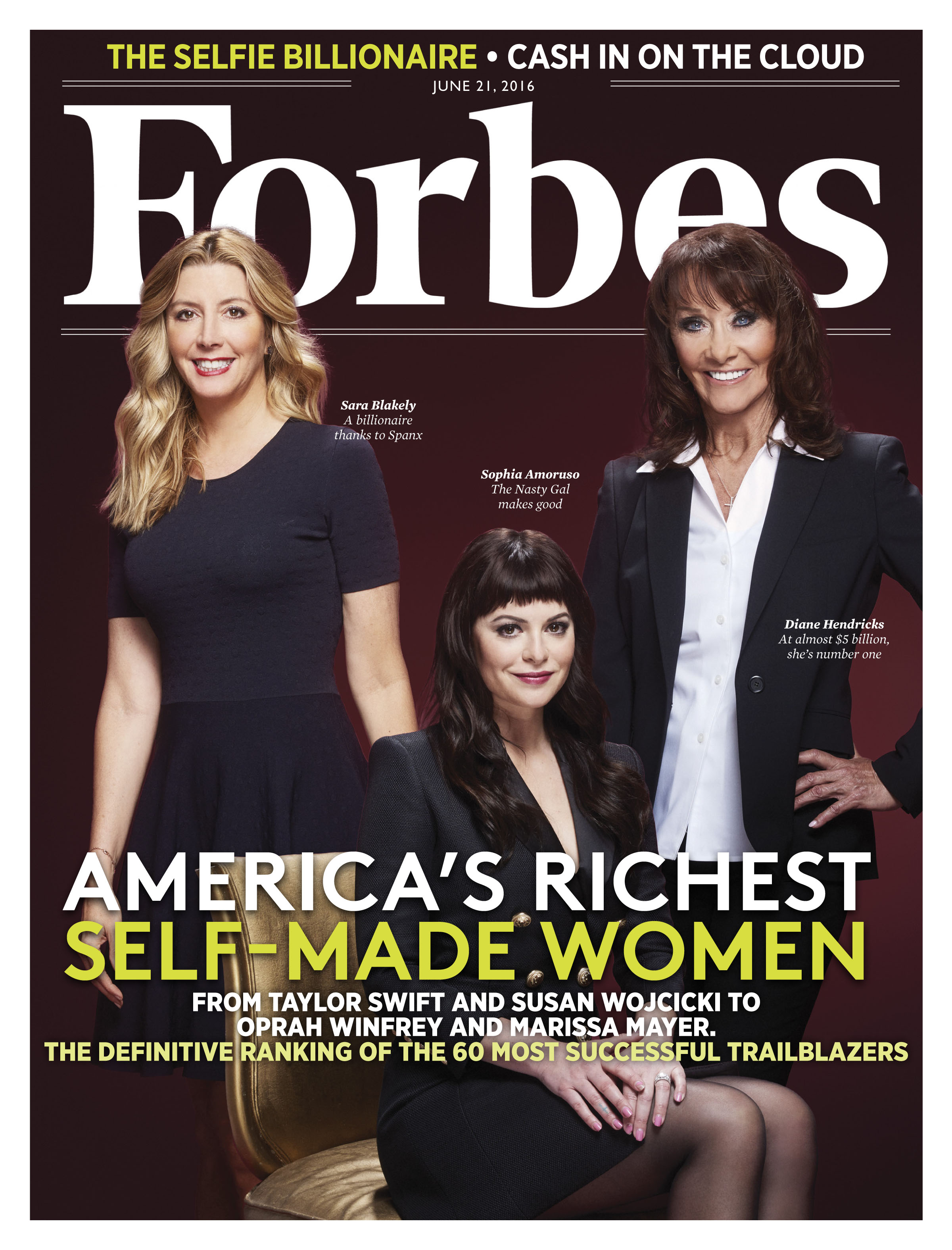
0524_forbes-cover-self-made-women-06-21-2016Randall Lane: Brand voice is our product in native advertising, but it differentiates because Forbes was a pioneer in doing that. It’s now become sort of an industry standard and a salvation. But again, Lewis and Forbes were the pioneers and took a lot of criticism, which I never really understood, because there has always been advertorial in native advertising for decades. The only difference is they were trying to disguise it as editorial. The innovation in the power brand voice is that it’s completely transparent and it gives brands a way to tell great stories in a completely transparent way. It’s something that has been copied, but we’re still the innovators in that area. It’s been a great driver in terms of allowing our company to produce great journalism.

Samir Husni: Looking into the future and at you celebrating your sixth anniversary as editor at Forbes; with the elections behind us, what do you imagine the focus of Forbes will be next year?

Randall Lane: We haven’t really focused much on the elections because the core purpose of Forbes is entrepreneurial capitalism. I actually personally wrote a story on Donald Trump last year for the Forbes 400, detailing his 30-year dance with Forbes. We have decades of history on questioning what his net worth was and is.

We’re focused on entrepreneurship, and it’s only going to get stronger coming out of the election. The future of America and the strength of America is entrepreneurship and the greatest stories of America are the Facebook’s; the Snapchat’s; and the Instagram’s; and the Uber’s; and these young innovative companies. These are the heroes of America right now. It’s very hard to look at politics and get anything more than a little queasy. But when you look at what people around the world are looking at when it comes to America; who are the icons of America that people look up to in every country as entrepreneurs and innovators? And that’s what Forbes has always celebrated and that’s what we’re celebrating now to a degree that we’ve never done before. We’re really trying to focus on those people who are changing the world.

We also do a lot of investigative stories. My mentor, Jim Michaels, used to call Forbes the drama critic of capitalism, because we’re all for calling out the bad guys too. We’re the place you can go to look for heroes, lessons and people who have done wrong as well.

Samir Husni: I remember you not only questioned Trump’s wealth, but also Prince Al-Waleed bin Talal of Saudi Arabia’s wealth…

Randall Lane: We won a Loeb Award a year ago for an investigative piece looking at the looting in Angola and actually following the money, and looking at how the daughter of the president suddenly became the first woman billionaire from Africa. How does that happen? (Laughs) We were able to give a very definitive blueprint of how, in reality, a country can be looted. And what was hailed originally when she hit our billionaire’s list was kind of a moment, because we had a woman billionaire from Africa. When we kind of rooted and dug into why, it actually became quite a sensation. We had 400,000 views online for a story about Angolan money and it also won a Loeb Award, so there is a civic good to following the money.

Samir Husni: Separate yourself from Forbes for just a bit and put on just your journalist’s hat; are we in better or worse shape today as journalists in the United States?

Randall Lane: I think it’s two things: journalism is in better shape just because there is no longer a system where only a few people have the power of the press in a few companies; today, anyone with talent can be a journalist. Now, anybody who is talented can be a journalist and break stories and get noticed, in terms of doing it themselves, and/or having the opportunity to do it within an organization.

We’ve never had a more diverse set of media options, in terms of what you read; we’ve never had more opportunity if you have a story to tell when it comes to ways of putting it out. If you have a story that’s true, in this environment, it will find a way to get out and you don’t have to convince somebody in one of the ten places that matter to tell your story. And I think that’s very powerful.

The second thing is that the journalistic model, the model to produce journalism in a way that allows the journalist/storyteller to make a living is challenged and there are ways around that. Places like Forbes are thriving, but it is challenging. And that’s something that we obviously have to keep an eye on.

Samir Husni: My typical last question; what keeps you up at night?

Randall Lane: Continuing to innovate enough and not resting on our laurels. Complacency is part of human nature. Our numbers are good, but that doesn’t mean we sit back and say we’re done. This fall, we’re going to tweak the editorial formula, not really tweak, but we’re in constant reinvention.

I don’t really like redesigns or re-architectures, because I think you only do that in a situation where things are really not good, but I think on the flipside, if you are constantly kind of renovating, such as with your house; what can we do better? You can look at things room by room to see what can be done better or differently. We want to be cutting edge and do things that continue to push our readers.

So, again this fall, you’ll see another kind of twist where we’re going to focus on context and make each page a little more contextual, so that you’re getting more and more things out of every page you turn, which again makes the print experience that much more relevant. It’s a new way of looking at it. It’s not reinventing the wheel, but we’re going to turn up the wheel a little.

Samir Husni: Thank you.
h1

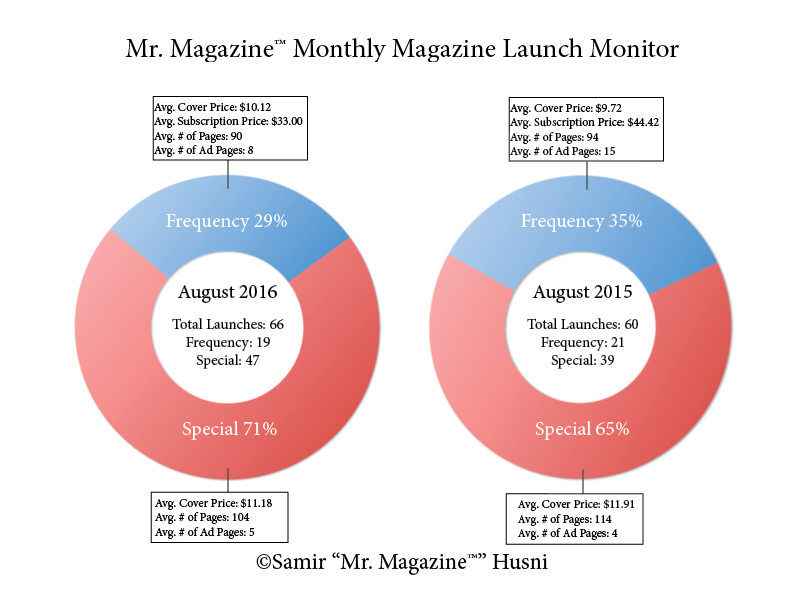
The Mr. Magazine™ Launch Monitor: August 2016 Vs. August 2015

September 2, 2016

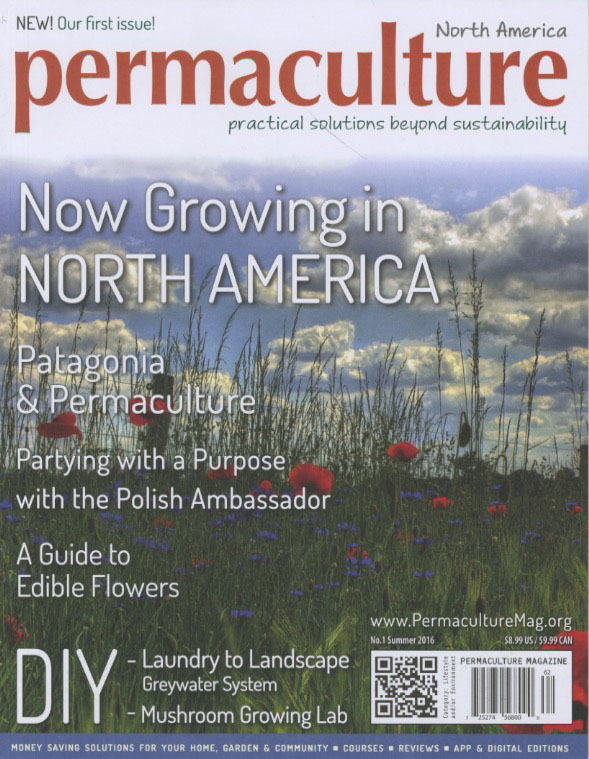
Launch Monitor August 2016 vs 2015

To see all the new titles of 2016 so far please click here.

h1

An Auspicious August As We Welcome 66 New Titles To The Newsstand…19 With Promised Frequency

September 1, 2016

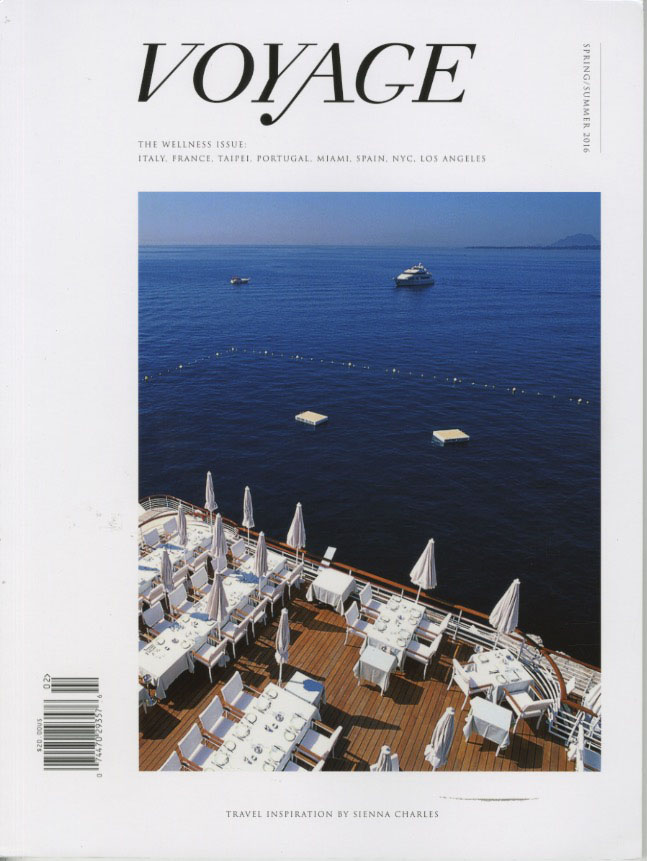
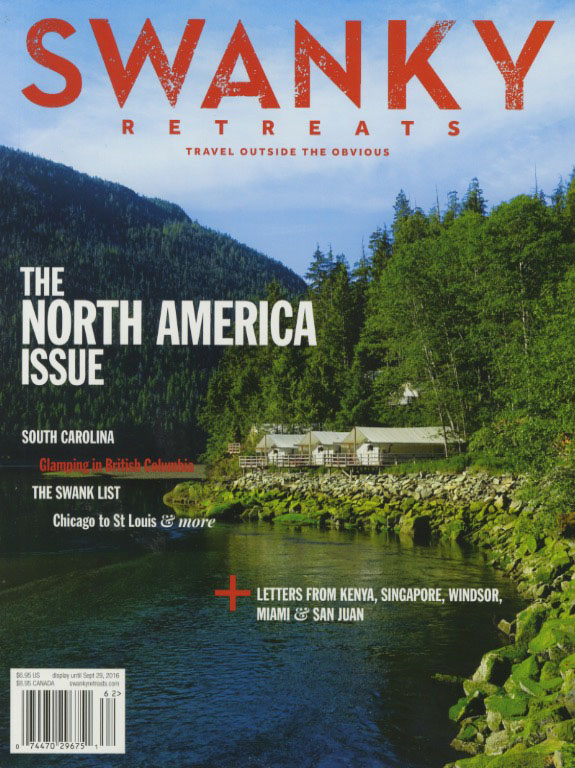
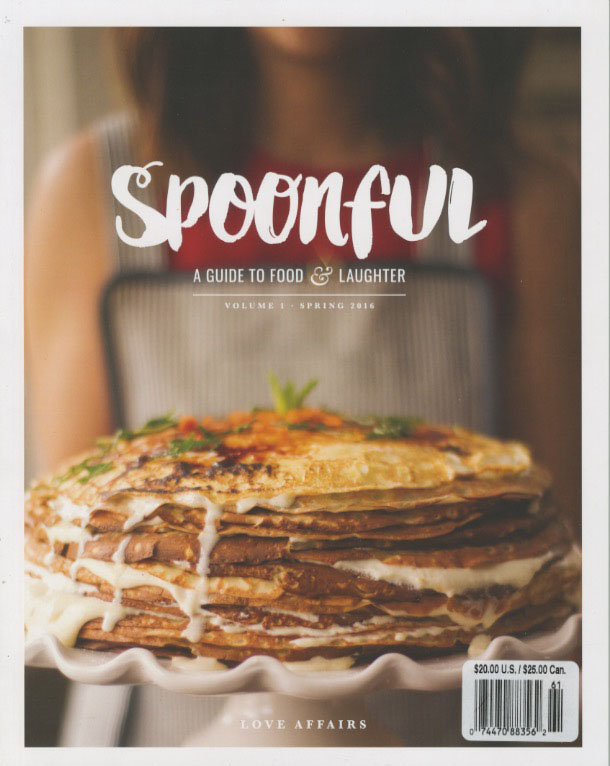
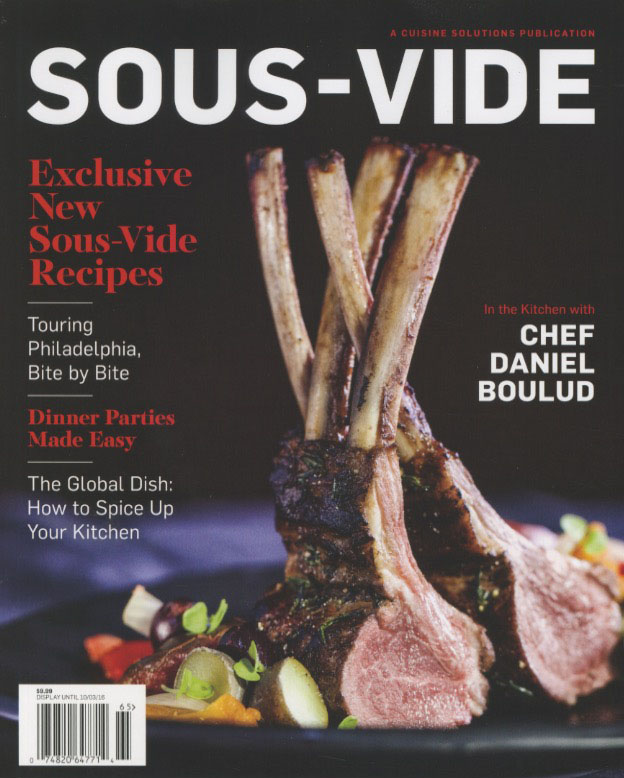
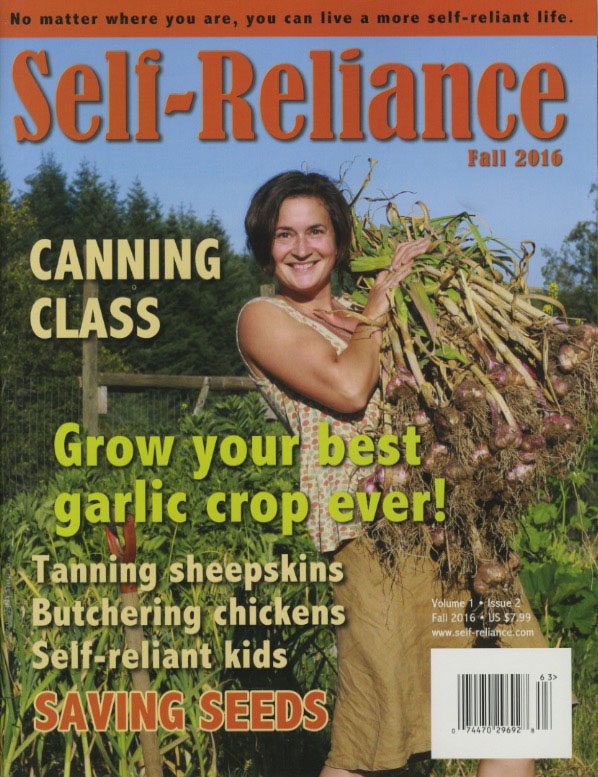
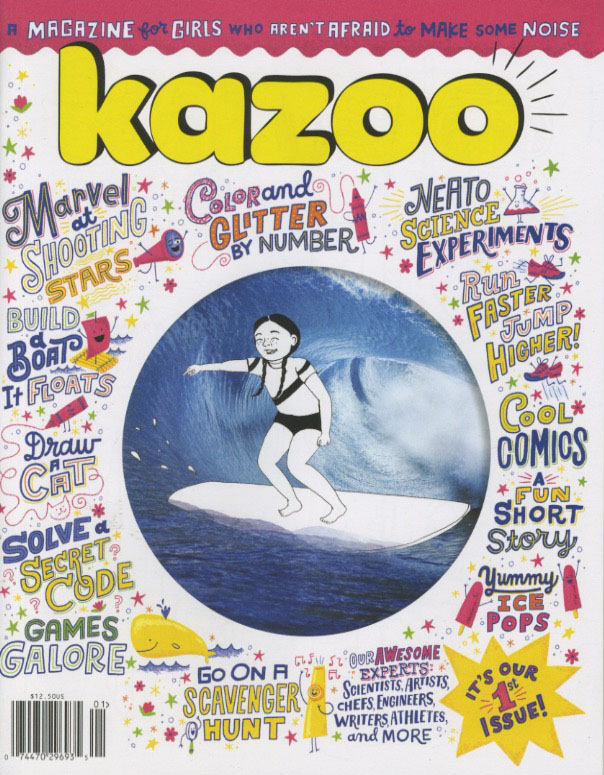
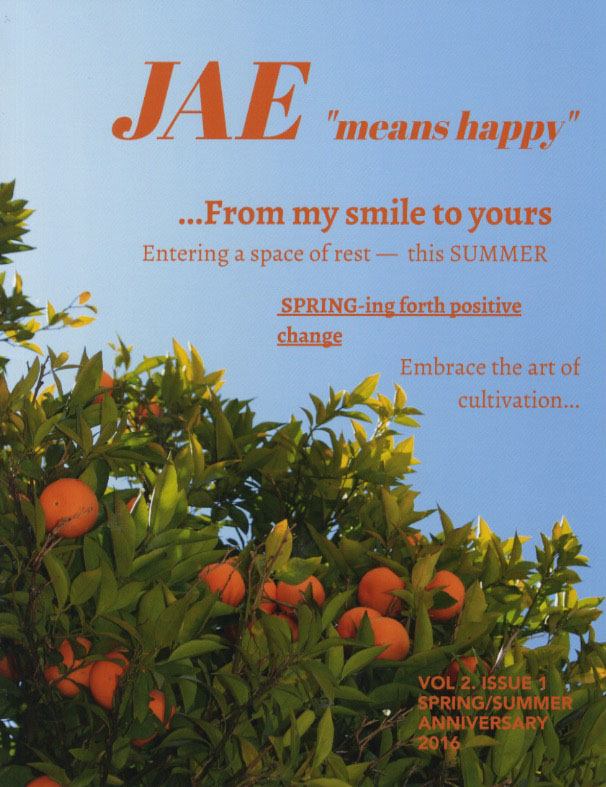
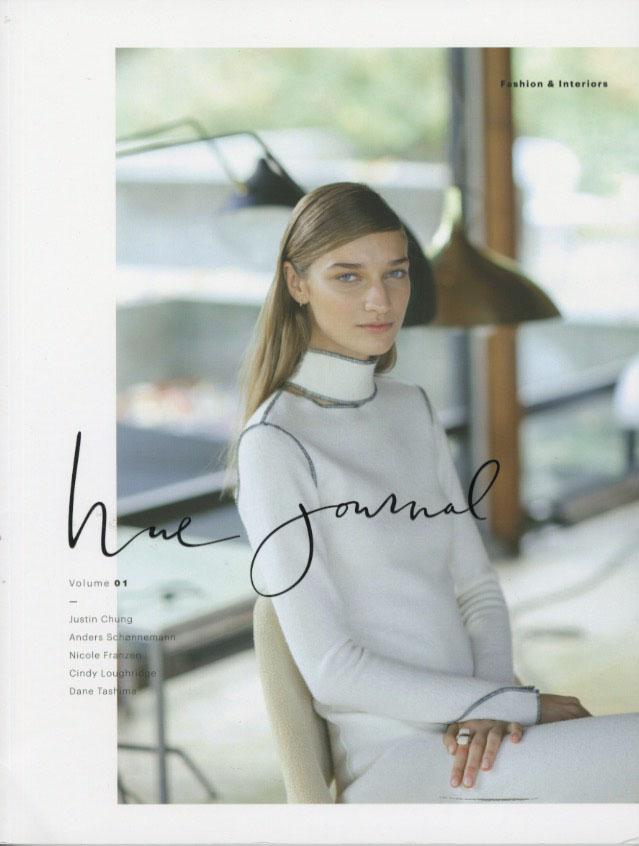
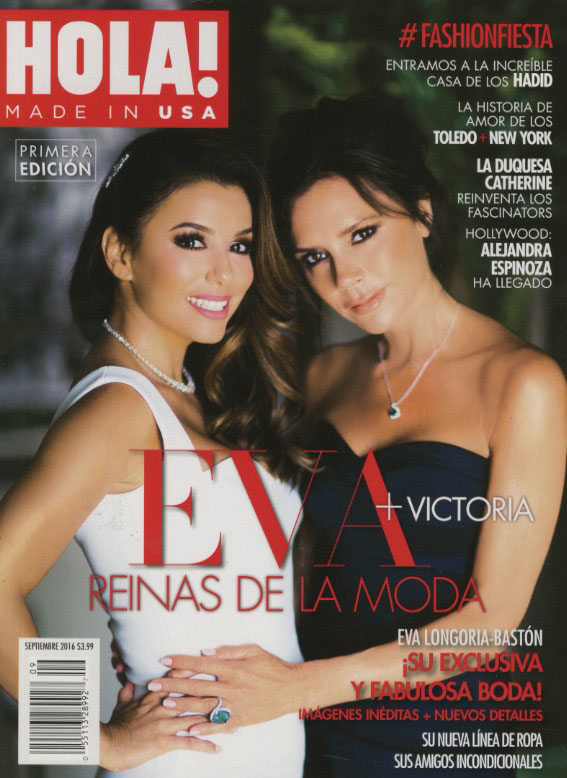
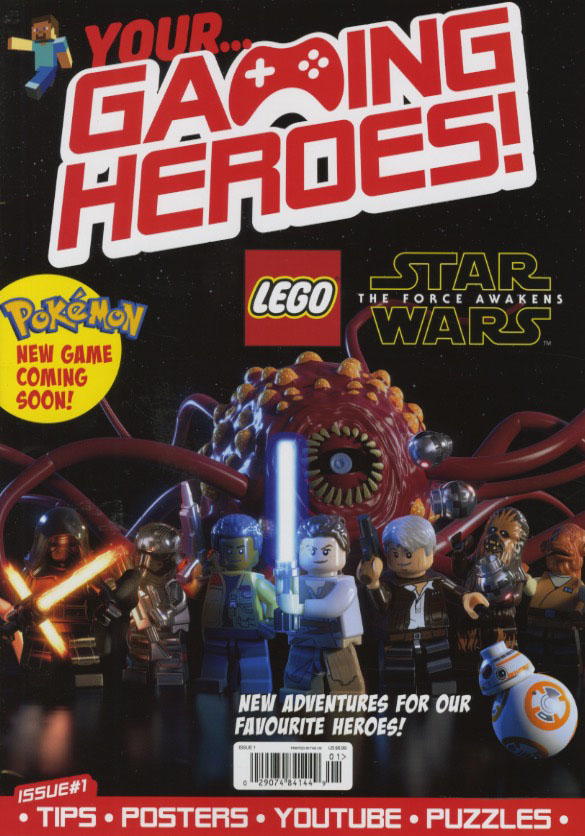
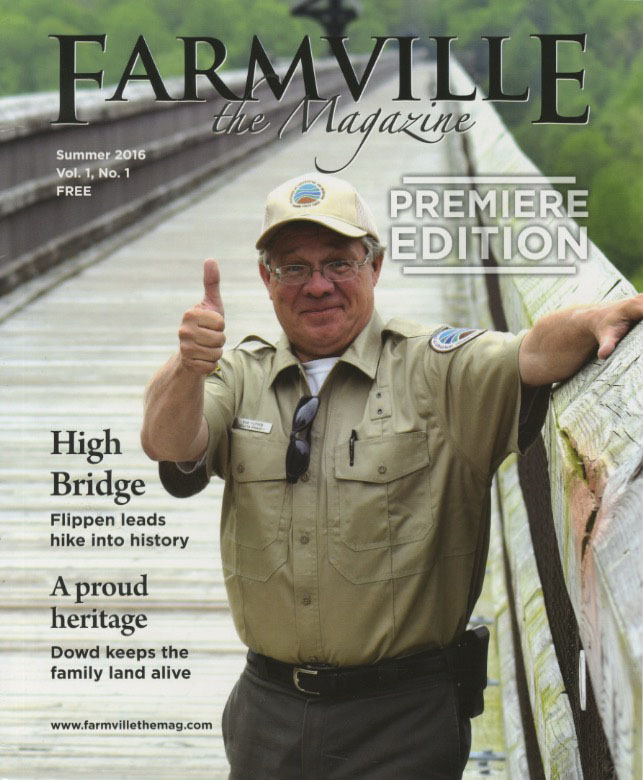
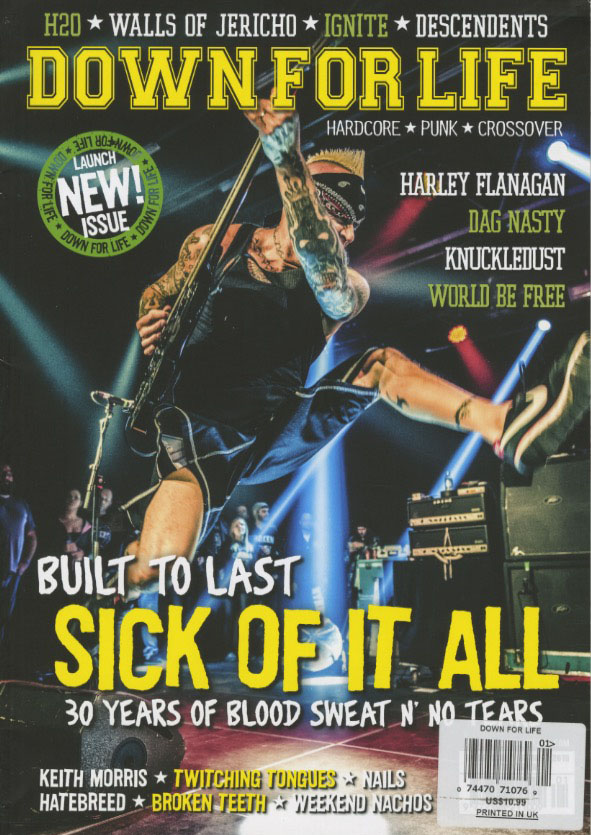
As summer winds down and fall approaches, thoughts of cooler temps, football, and of course new magazines, are at the forefront of everyone’s mind, or at least they are mine. August brought us another diverse delivery of entertaining and informative reading. From frequency titles like “Spoonful,” a magazine with the tagline: a guide to food & laughter, to a magazine called “Kazoo” that was started by a mom, her daughter and a Kickstarter campaign when they couldn’t find a magazine they liked to read together; the month of August produced some very memorable magazine moments, with many more promised from these new titles in the months to come.

So, enjoy these beautiful covers and until next month – happy magazine reading!

Up first, our frequency titles:

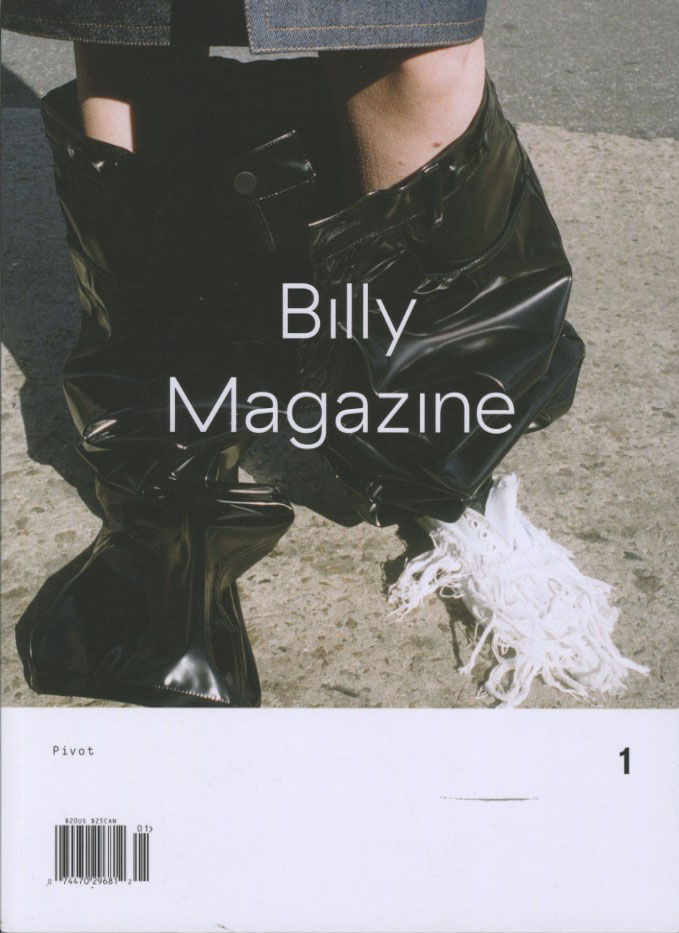
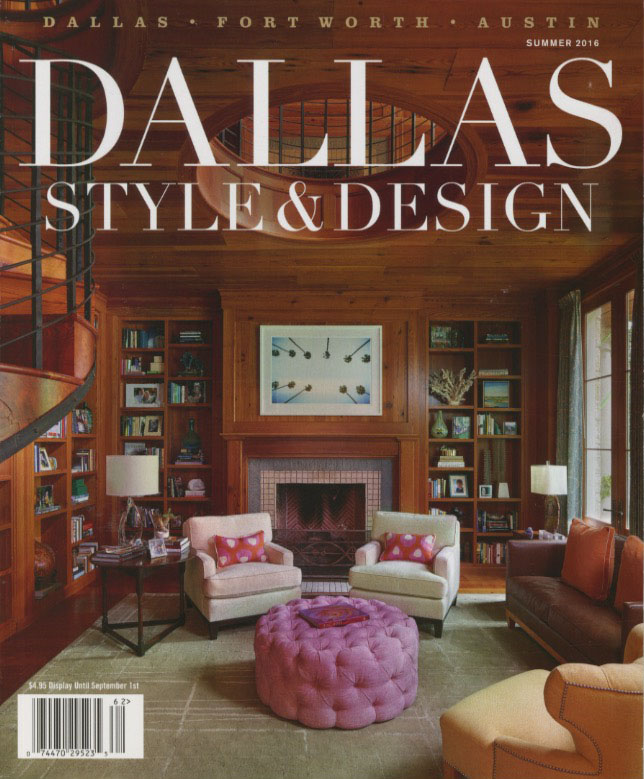
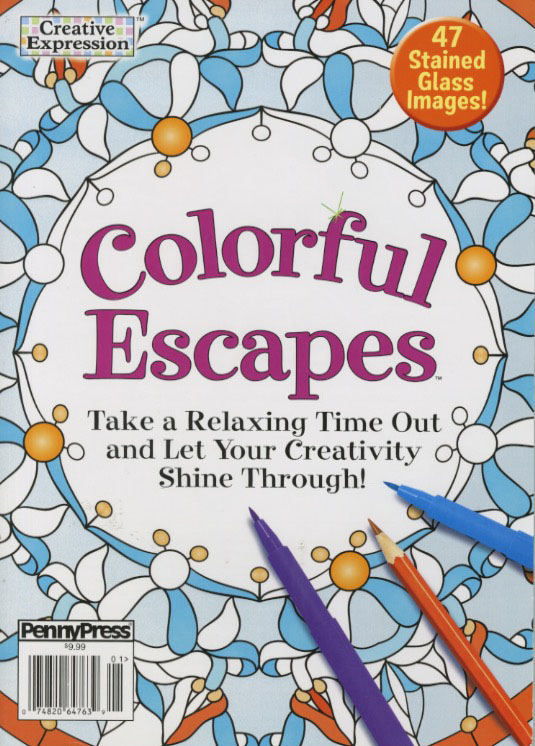
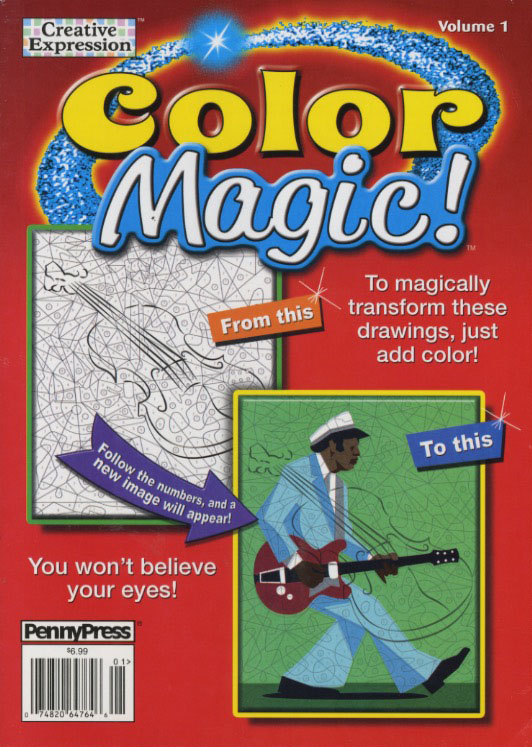
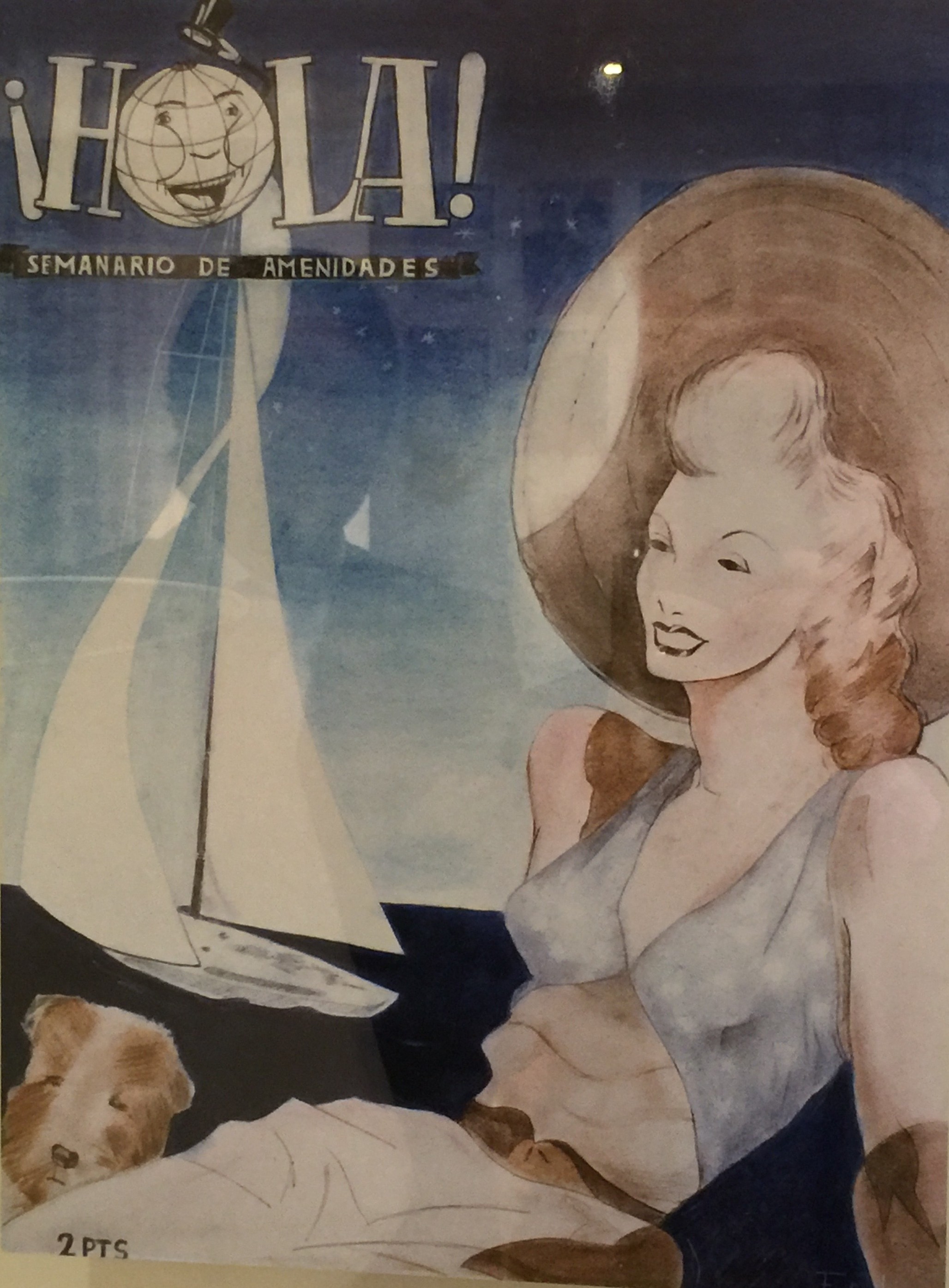
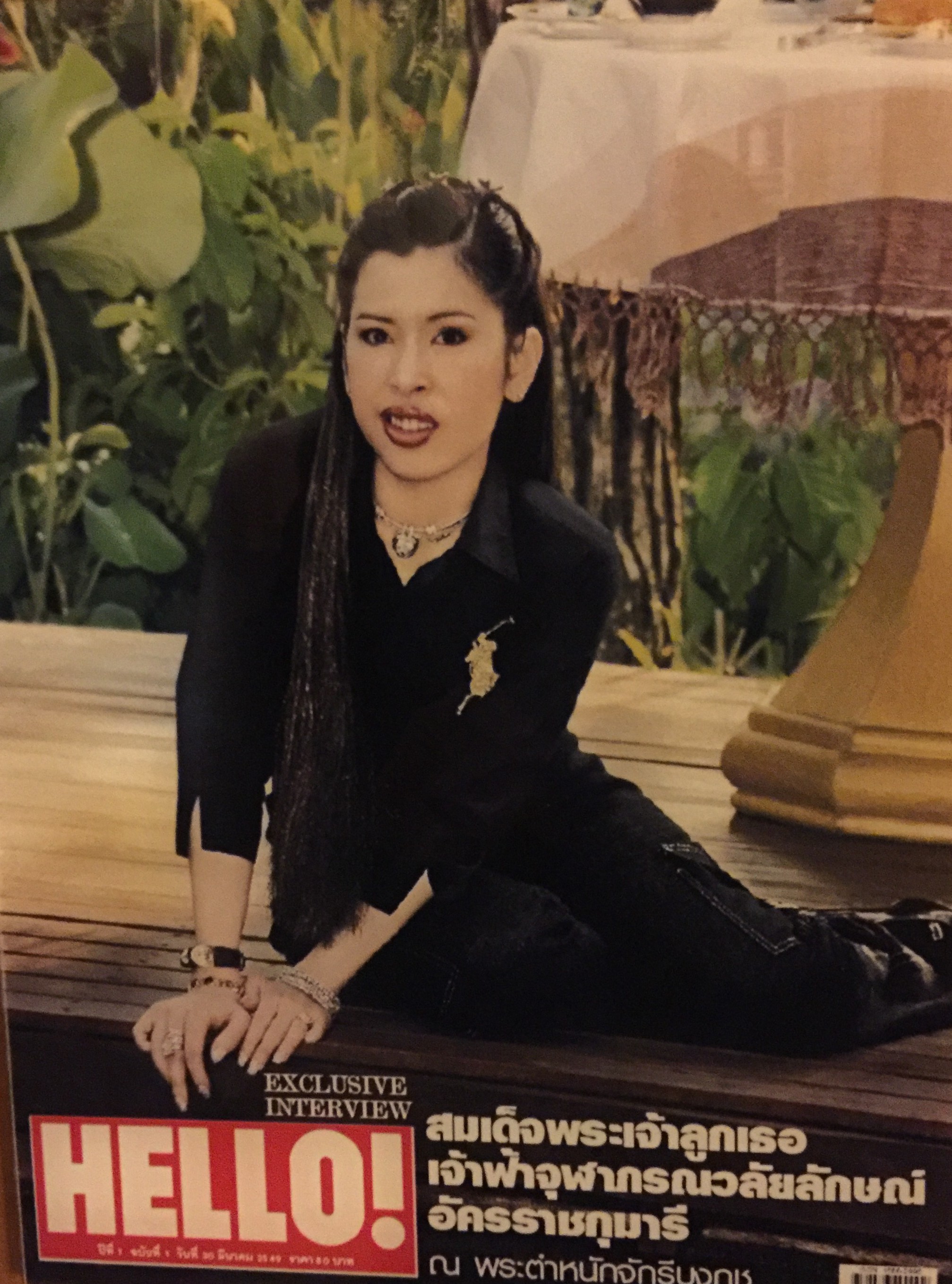
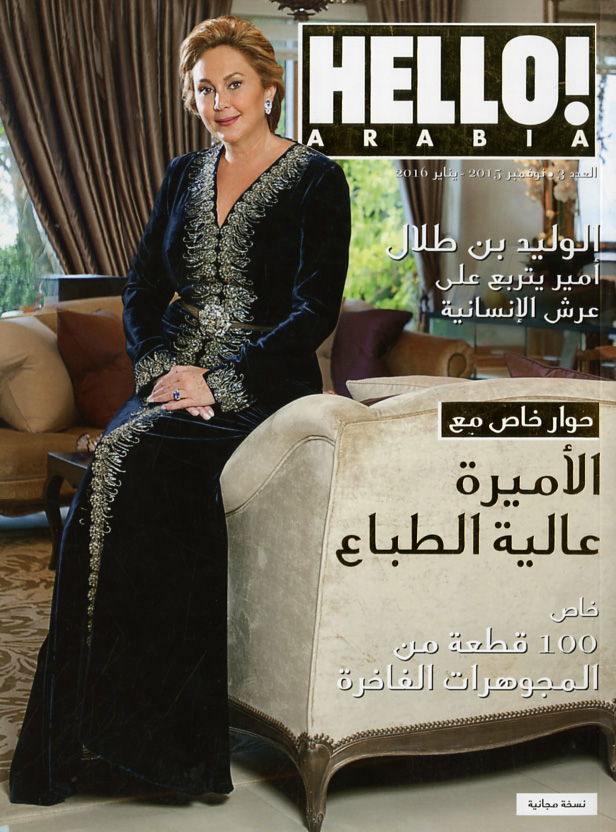
Billy Voyage swanky Spoonful sous Self Reliance permaculture Object Minecraft Mayhem kazoo jae Hue Journal hola heros farmville Down for Life 1 Dallas Colorful Escapes Color Magic


And now our specials, bookazines & annuals:

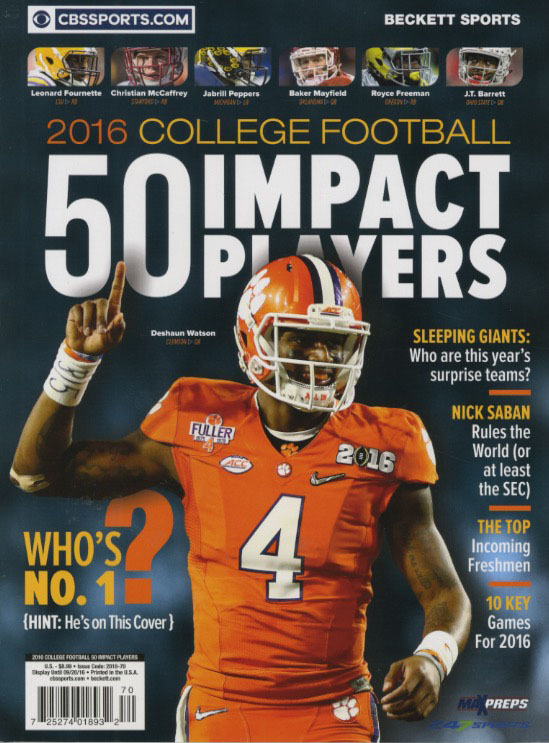
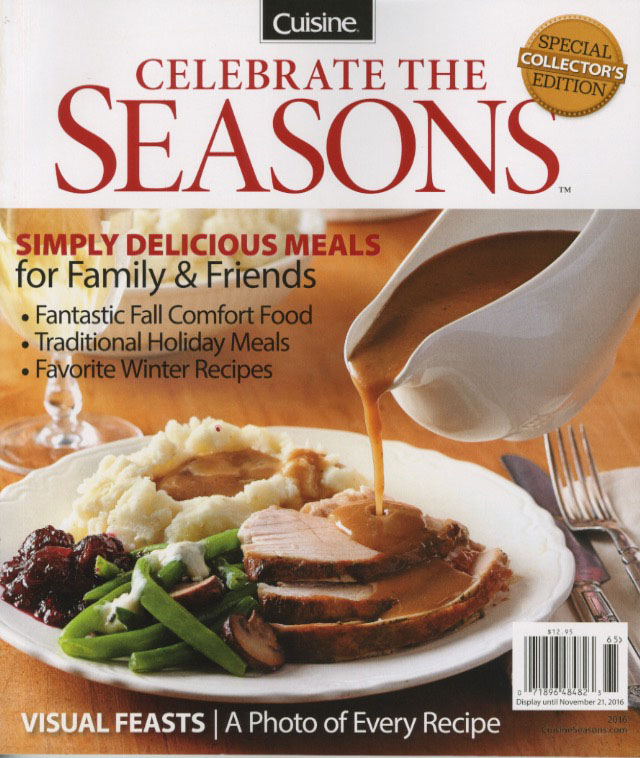
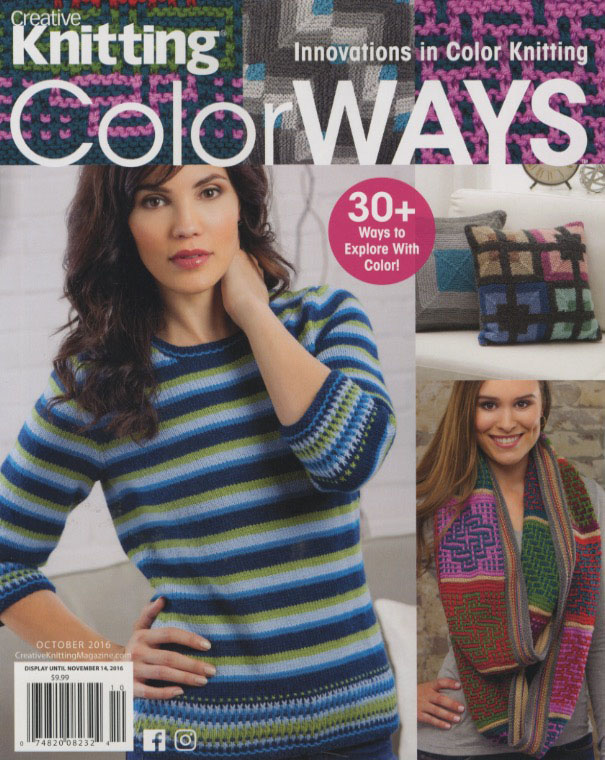
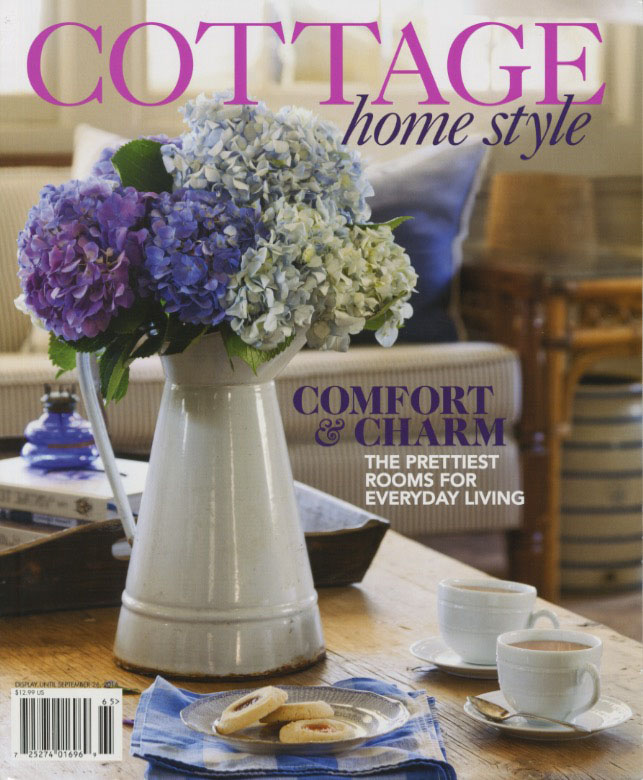
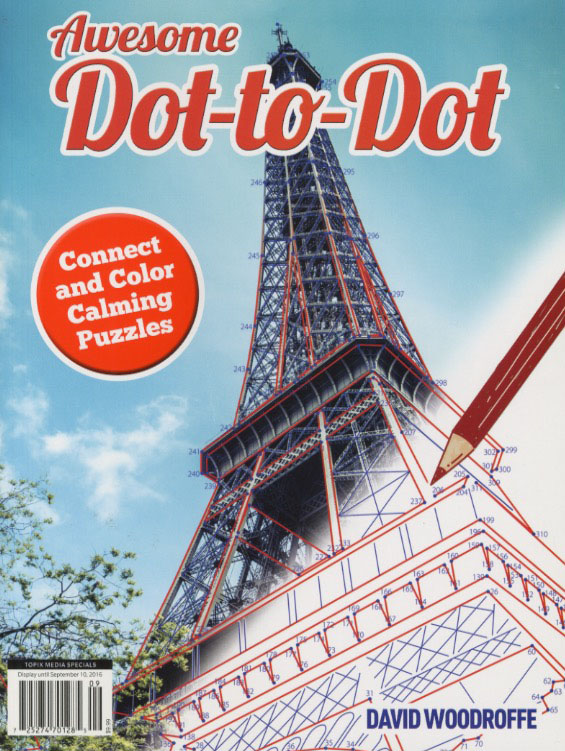
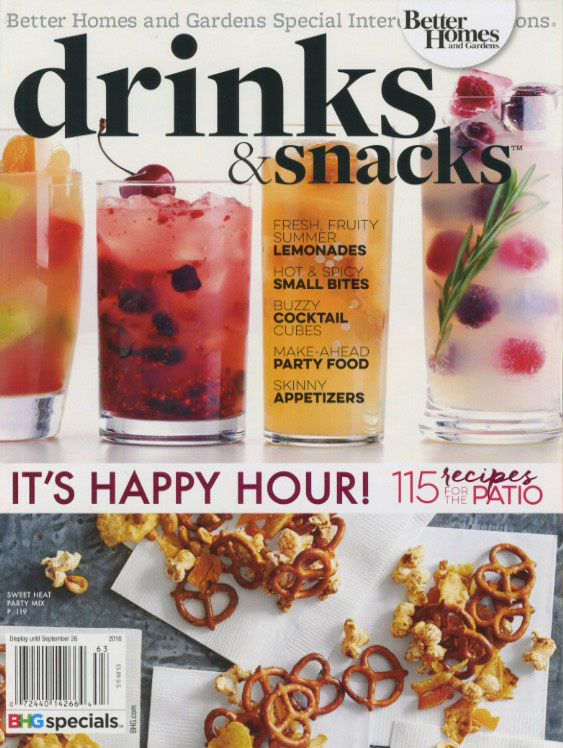
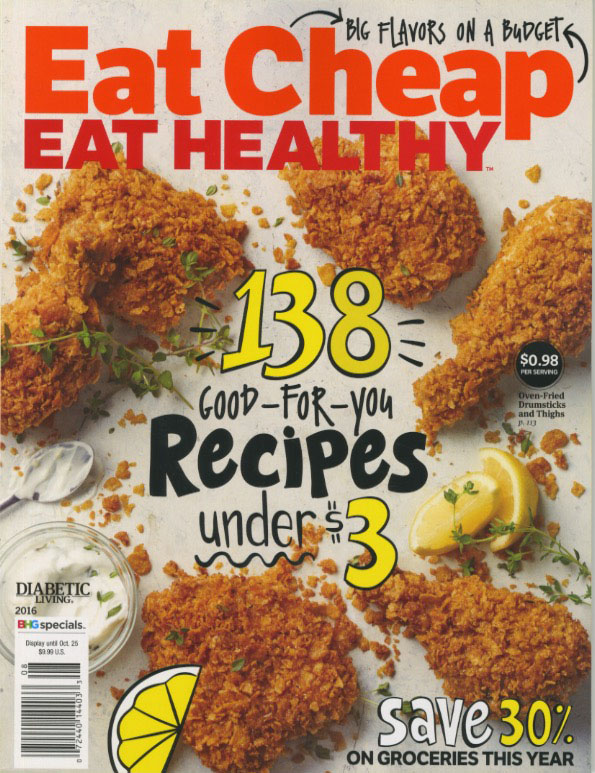
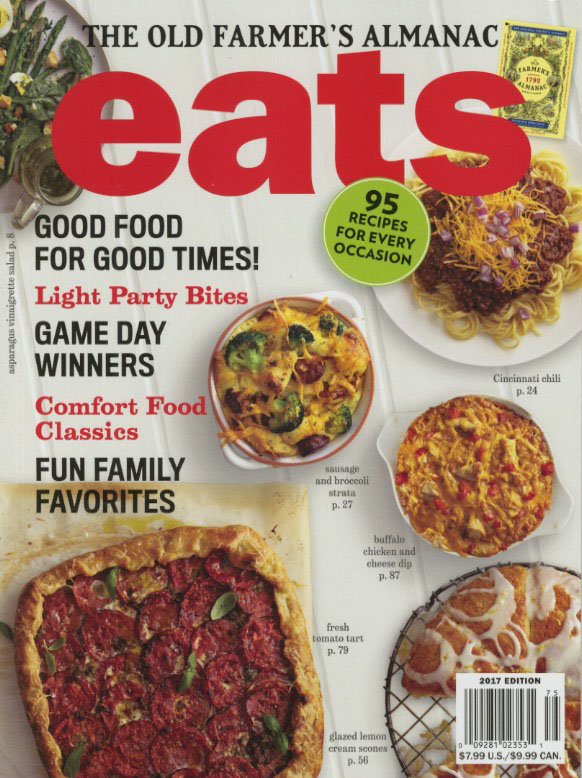
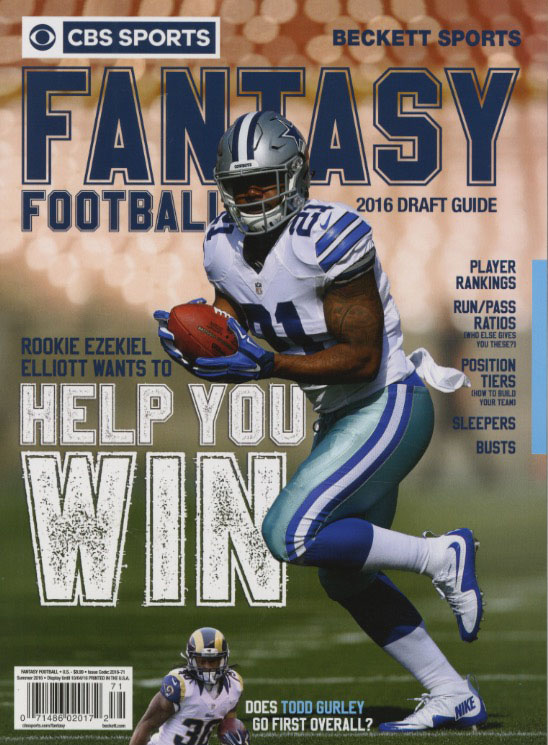
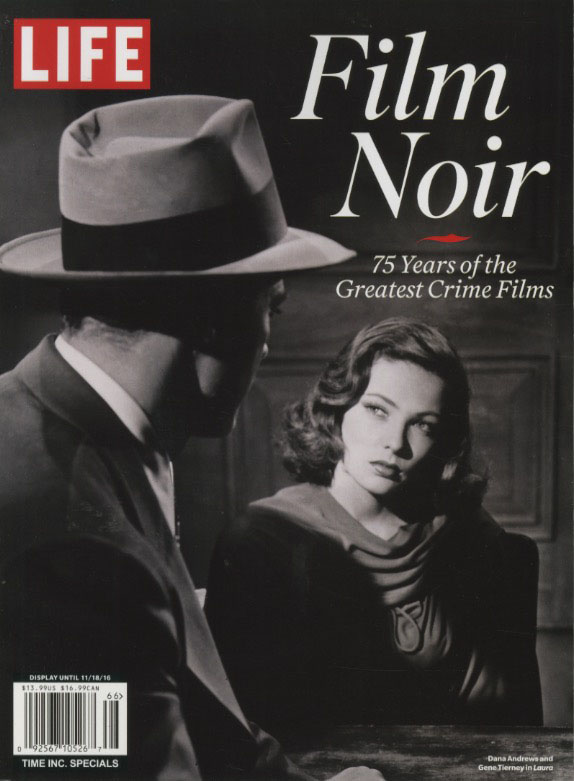
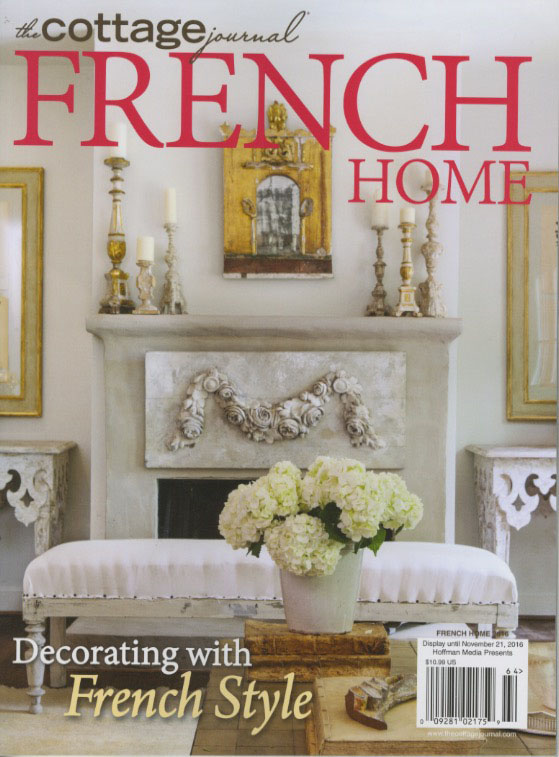
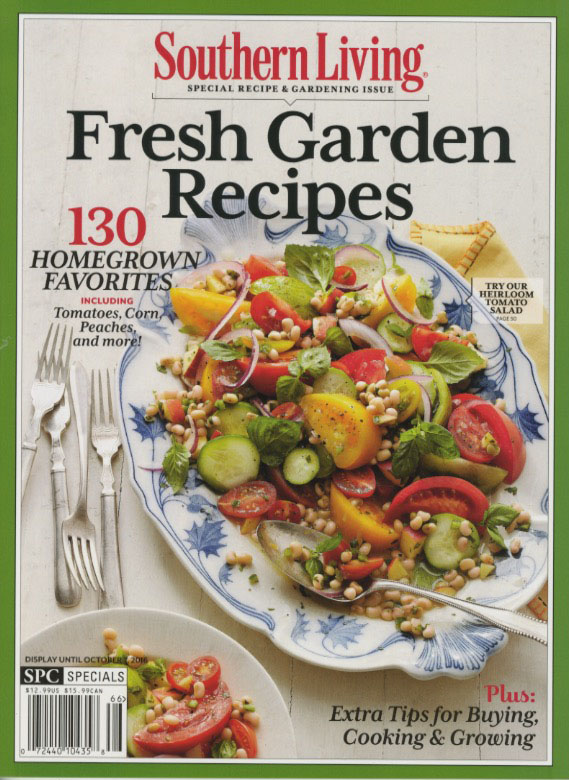
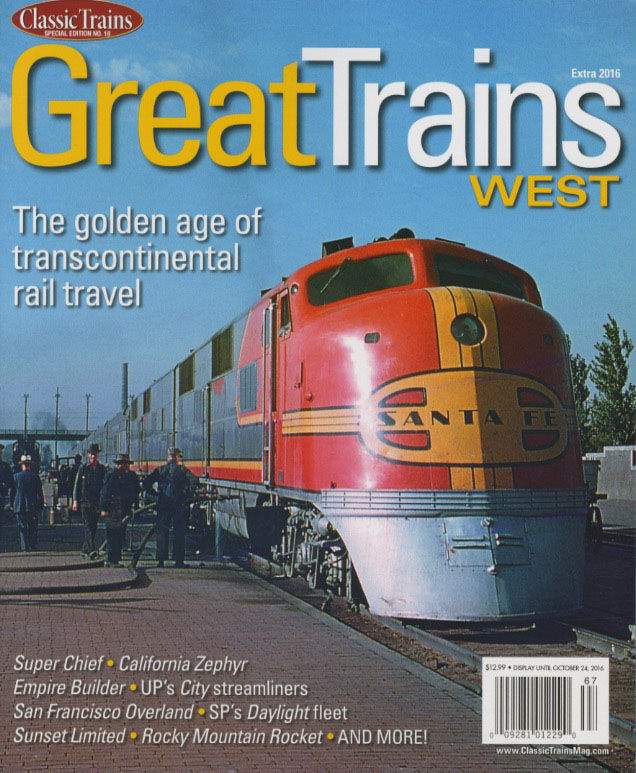
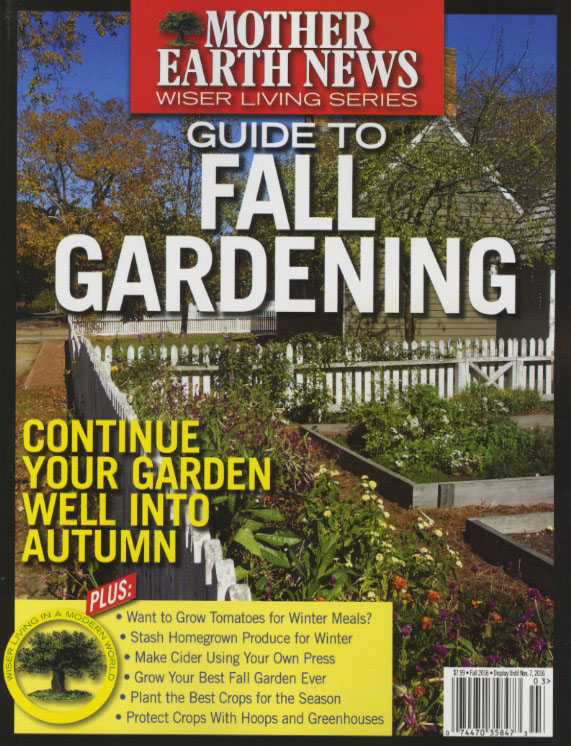
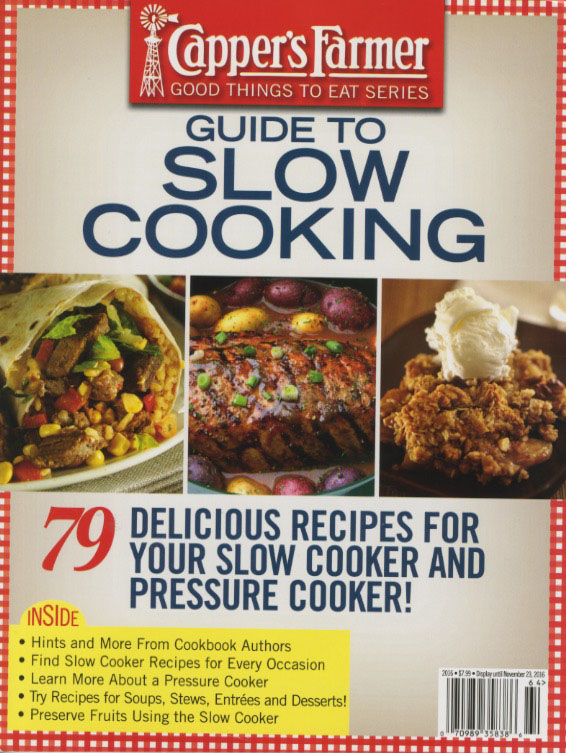
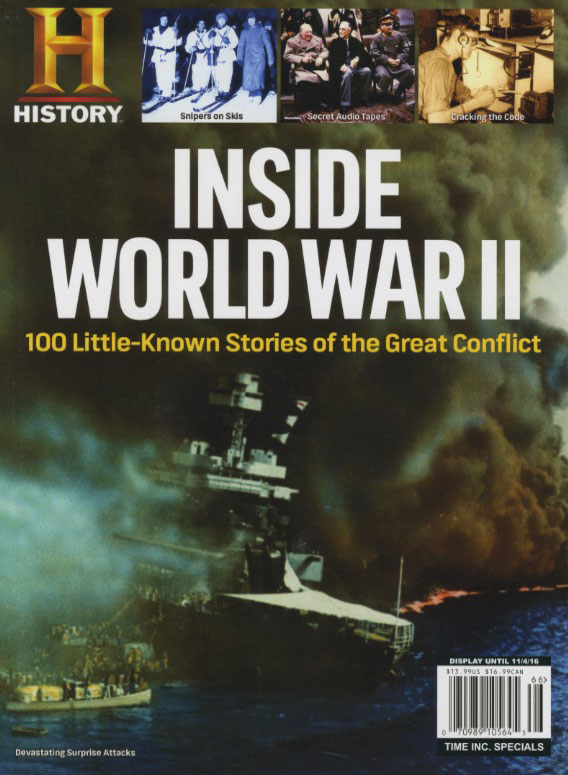
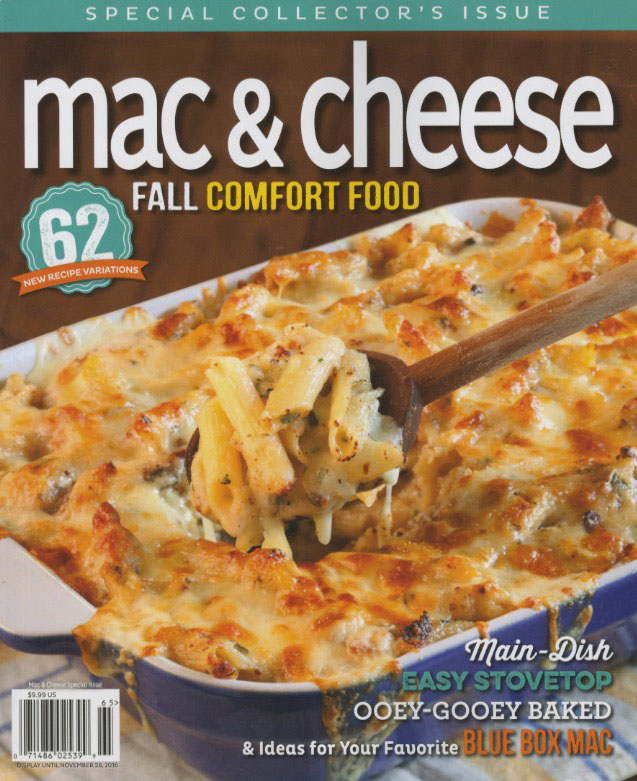
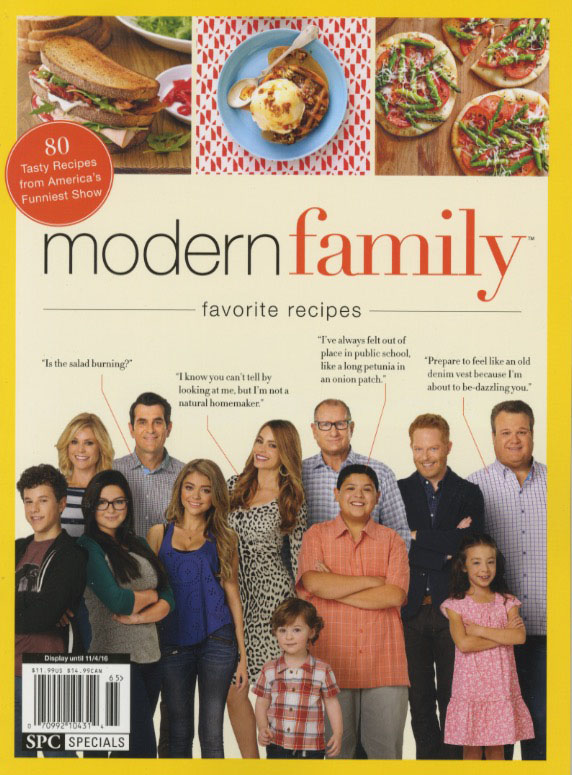
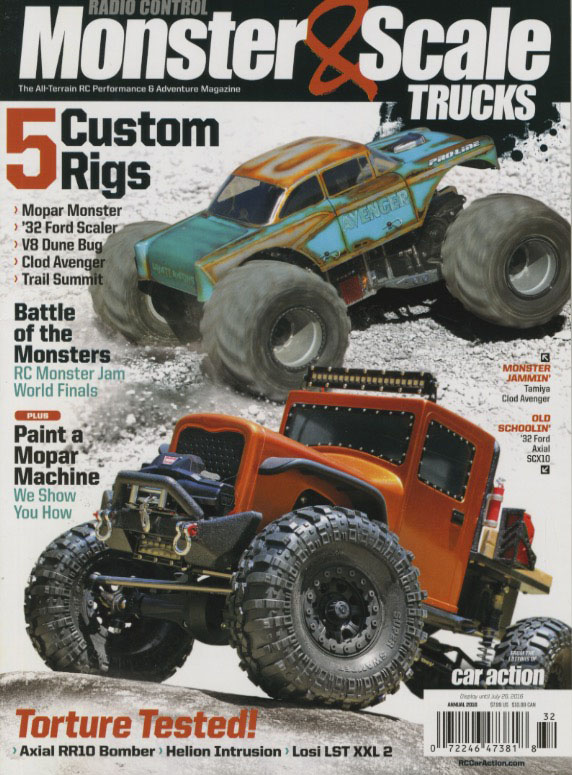
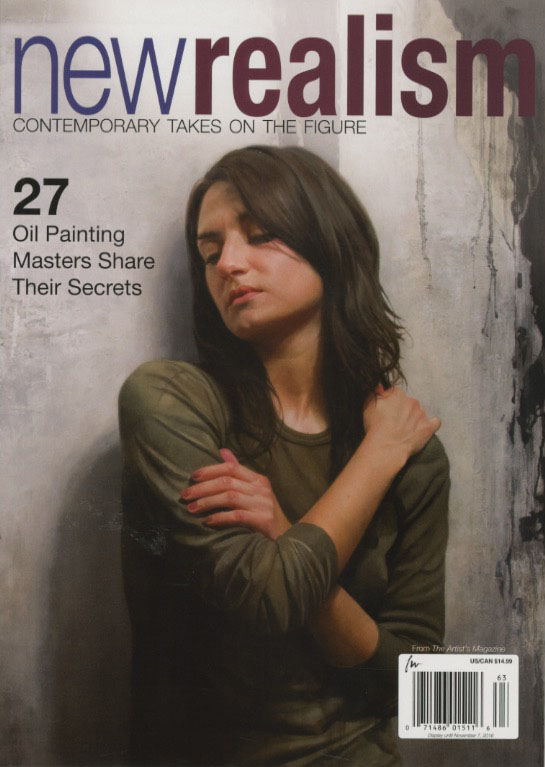
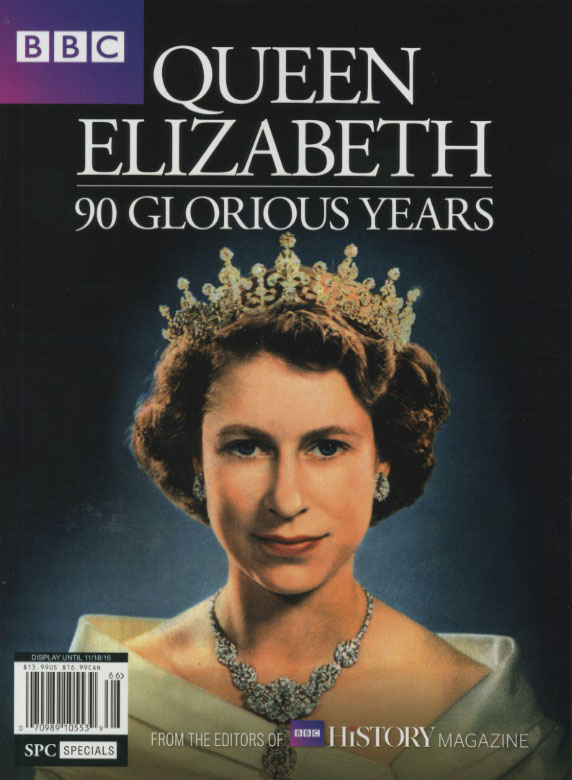
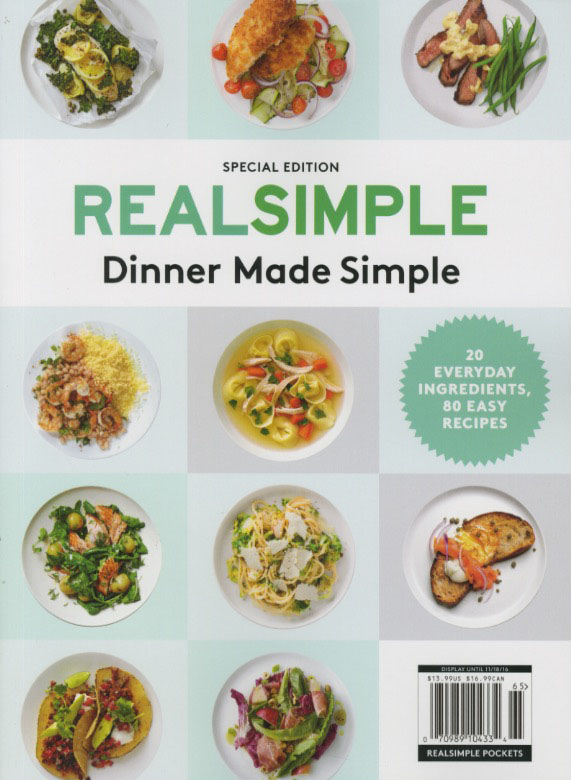
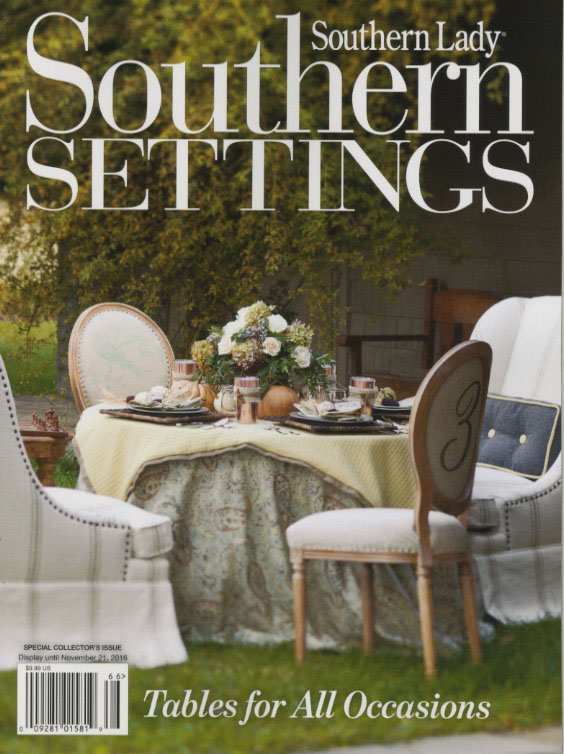
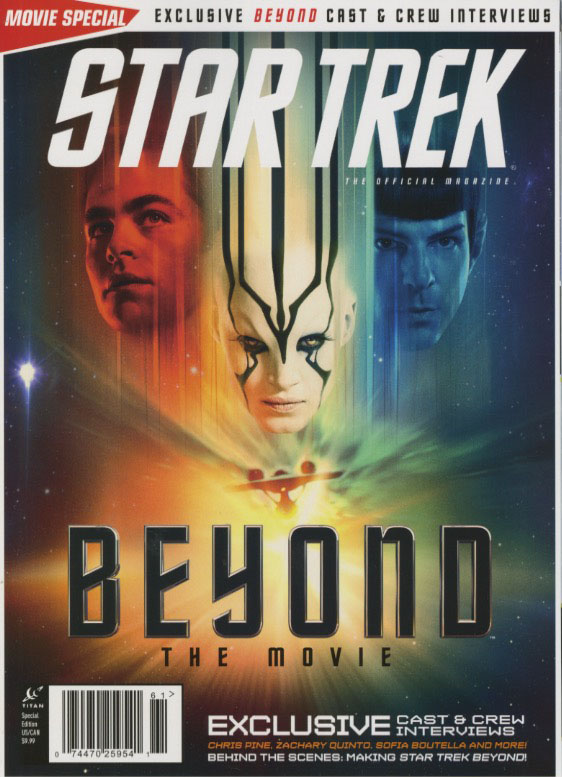
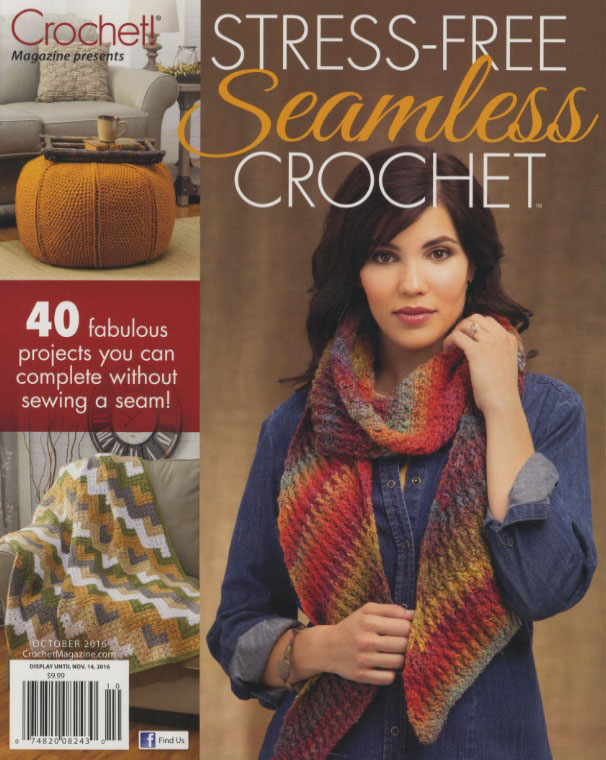
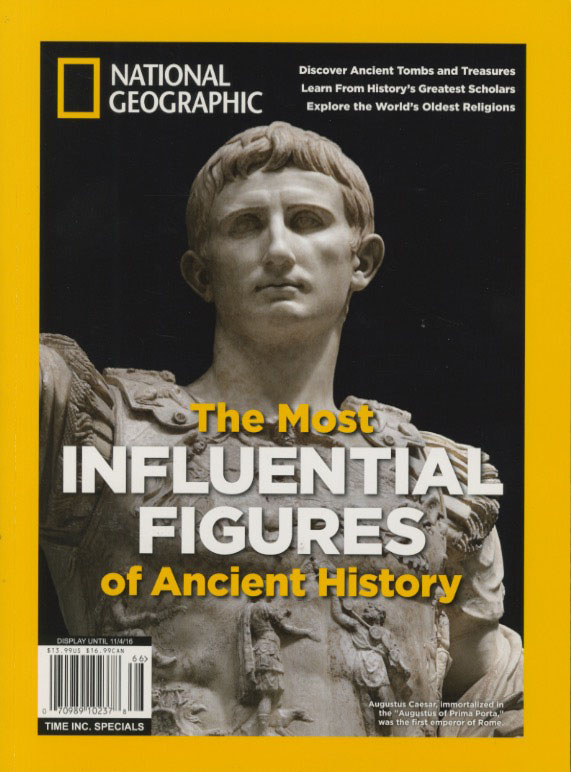
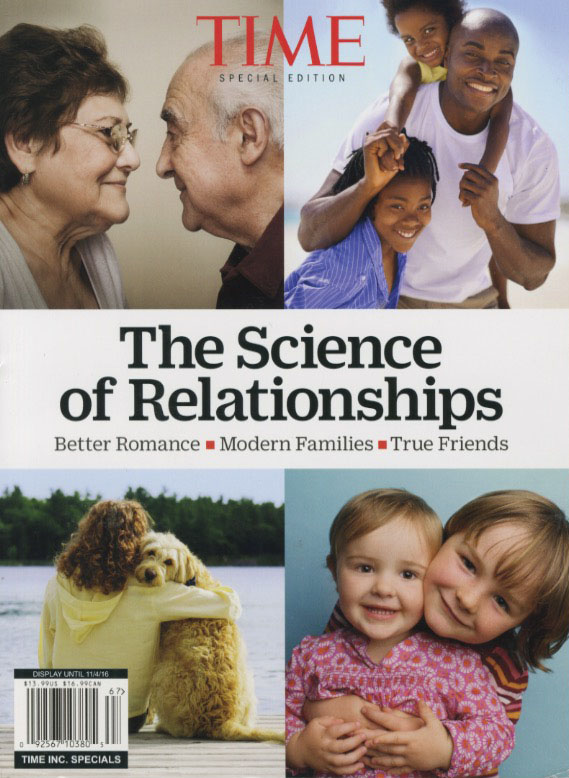
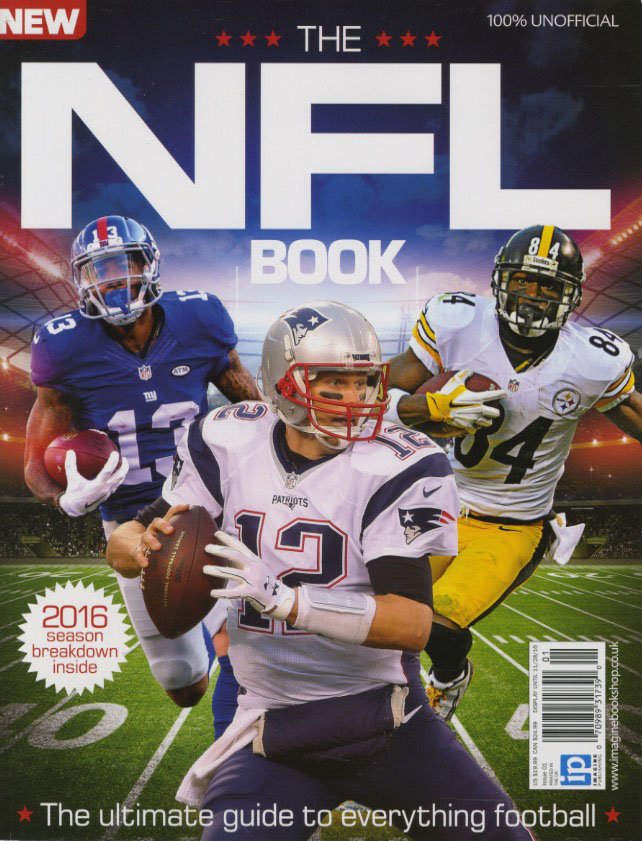
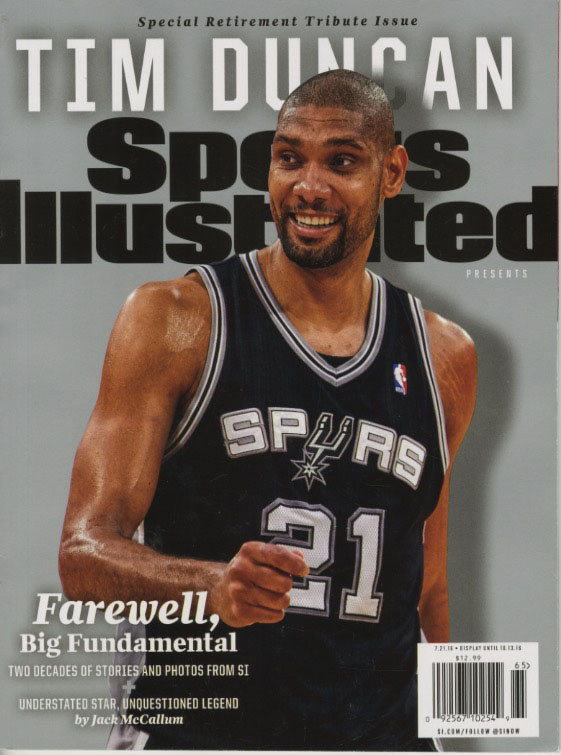
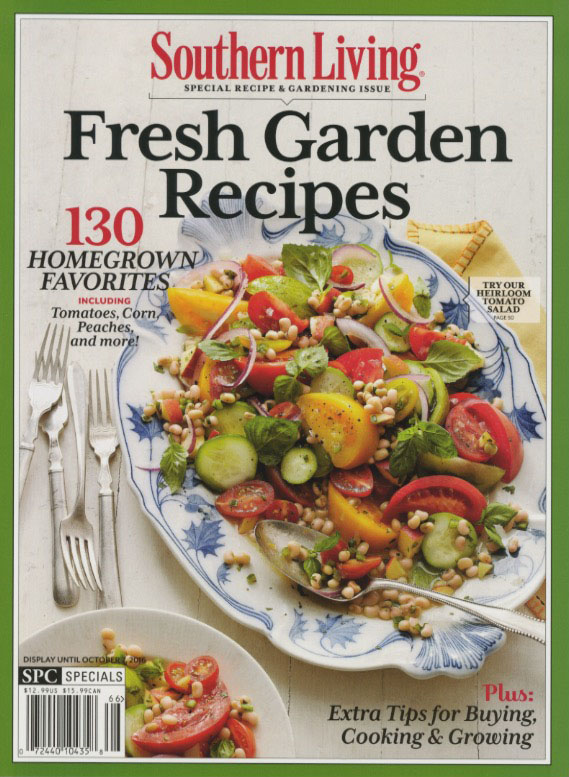
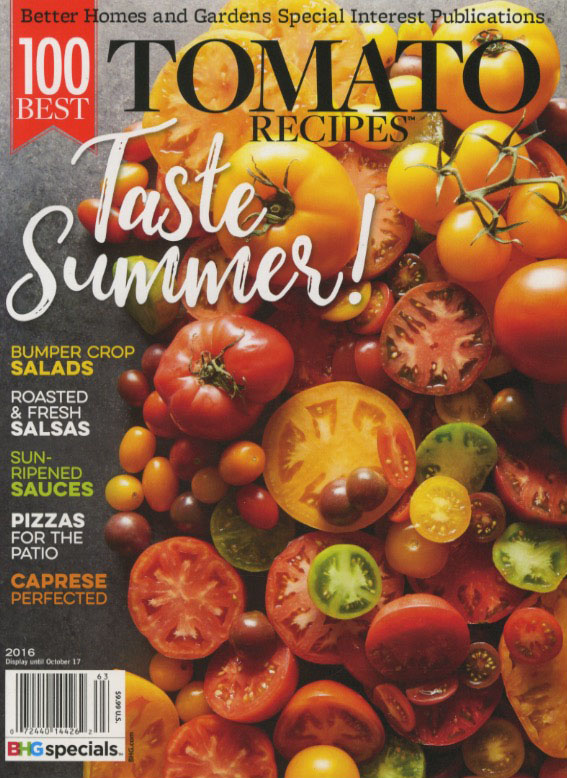
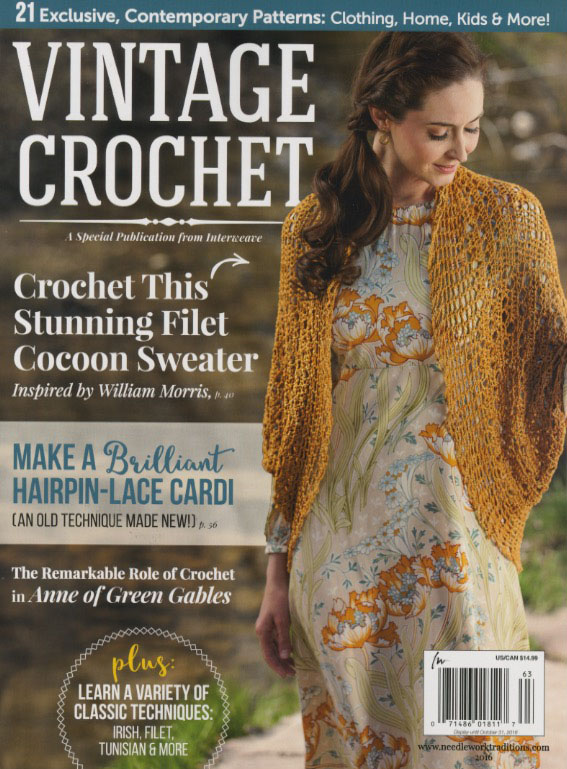
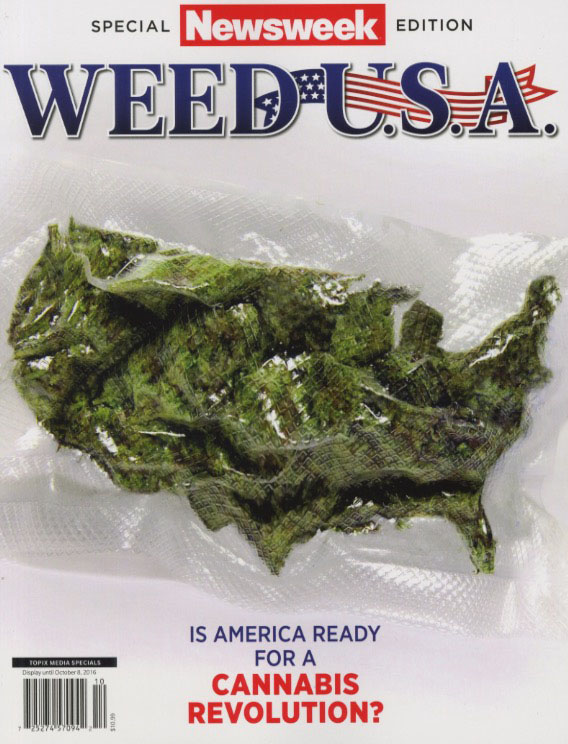
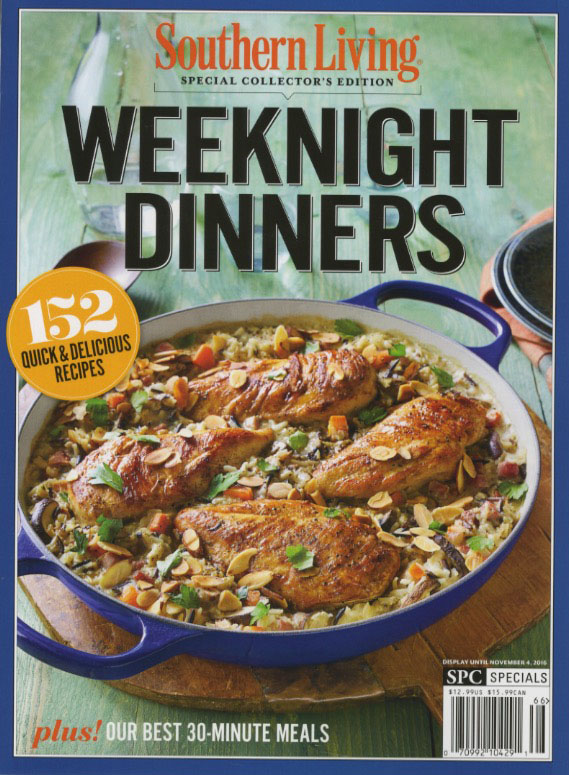
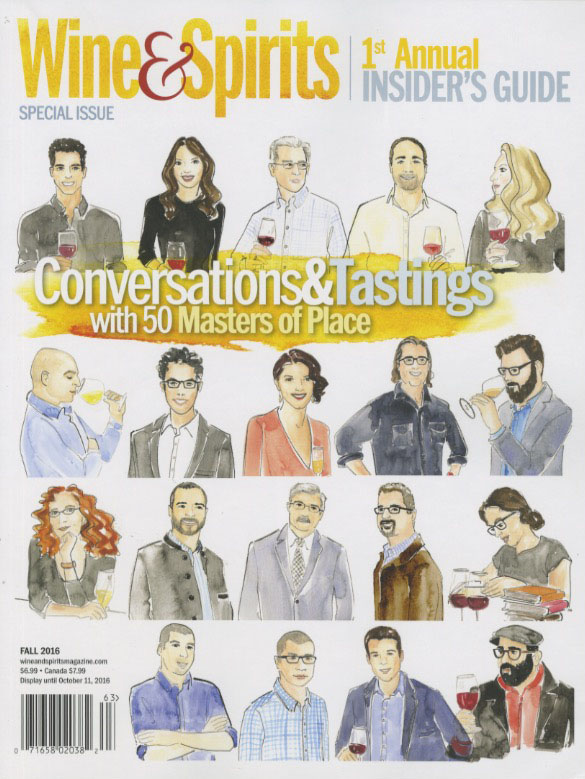
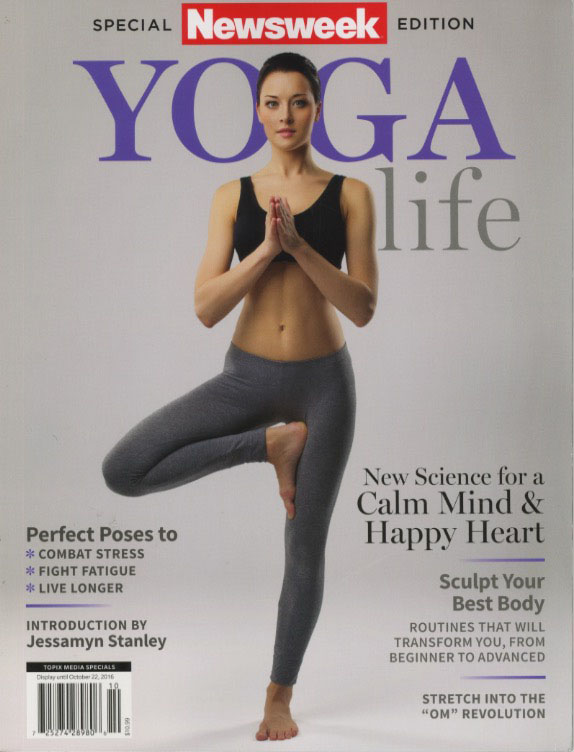
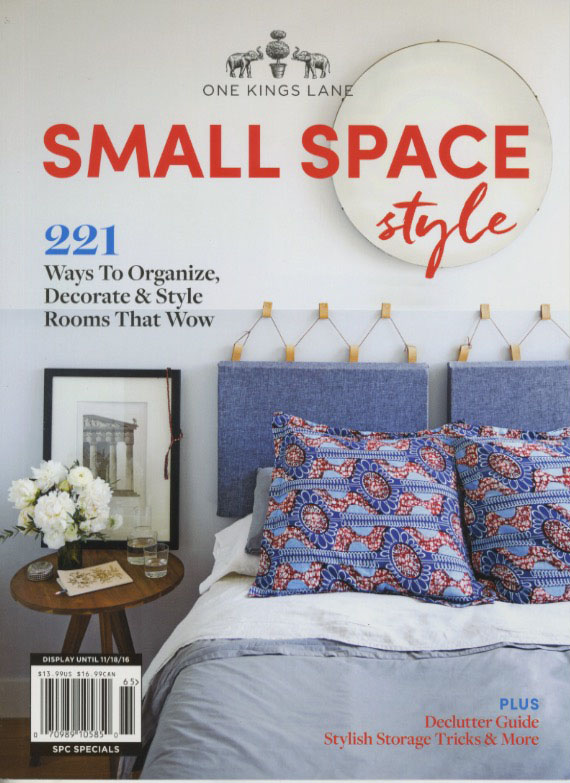
50 impact players Ali All-Season Throws American Girl animal kingdom Best of Urban Farm bigger bucks Bohemian Home British STyle Celebrate the Seasons Colorways Cottage Country Cottage Home Style 1 dot to dot Drinks & Snacks Eat CHeap eats Fantasy Football FIlm Noir French Home Fresg Garden Recipes Great Trains West Guide to Fall Gardening Guide to Slow Cooking 3 Inside World War II Mac & Cheese Modern Family Monster & Scale Trucks New Realism Organic Life Queen Elizabeth Real SImple Southern Settings star trek Stress-free seamless crochet The Most Influential The Science of Relationships TheNFL Book tim duncan Tomato Recipes 1 Tomato Recipes Vintage Crochet WEED USA Weeknight Dinners 1 WIne and Spirits yoga lifeSmall Space Style

h1

Imagination… Or The Time When There Were No Google…

August 31, 2016

A Mr. Magazine™ Musing…

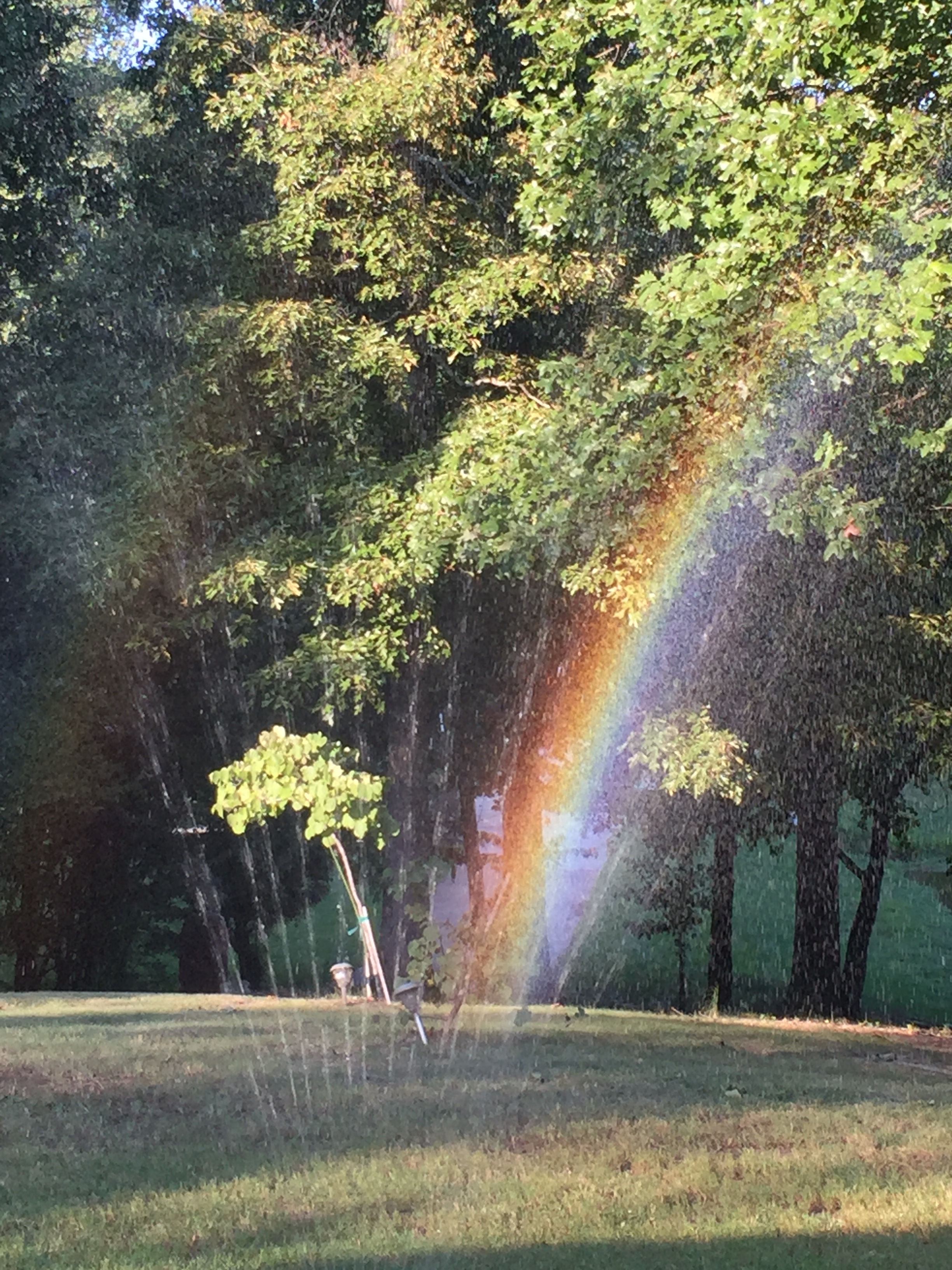
Rainbow in yardWhen you consider that someone had to imagine Google, or the Internet, for that matter, you may wonder why I’m concerned. However, when sudden realization dawns in your gray matter, the way that it did in mine, about what kind of havoc having every piece of information you could possibly ask for at the touch of your fingertips could wreak on future generations, let alone our own, I think you’ll understand the validity of this discussion.

Let me start where Google, and cyberspace, cannot: the beginning.

When I travel abroad; I visit the newsstands first, then I visit a lot of museums in many different countries, and I’ve always been amazed by all of the beautiful and provocative paintings from famous artists such as Rembrandt and Diego Velázquez. These are paintings by some of the masters of the 17th century. They had no digital images and no Internet, yet the paintings are so detailed. Though there were no pictures or other visuals to necessarily influence their work, their imaginations were so vivid and their research tactics so detailed they were able to visualize how history actually presented itself.

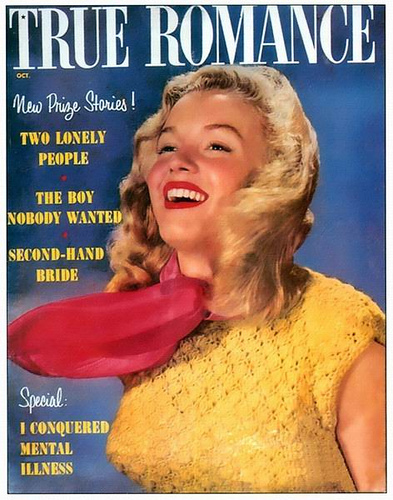
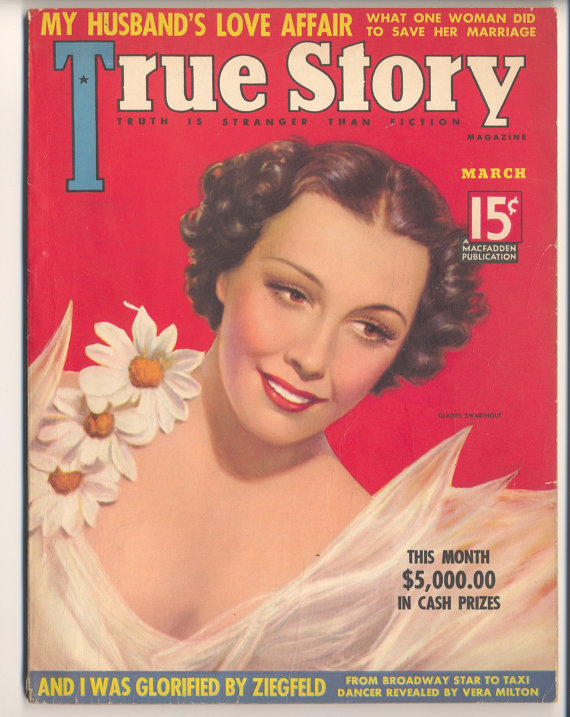
true romance True Story

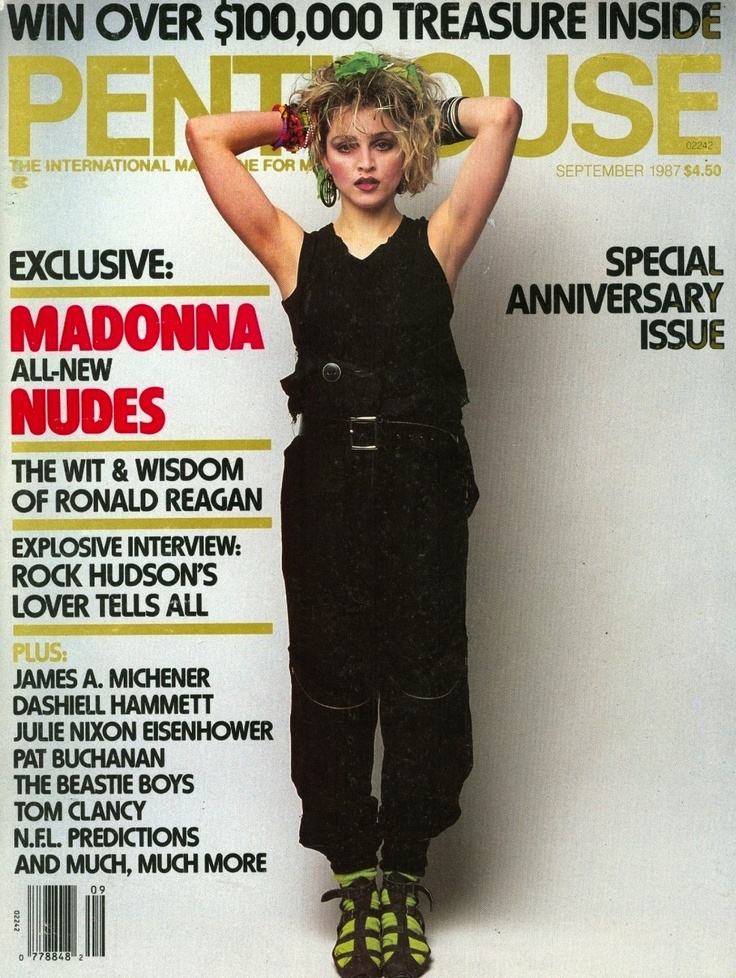
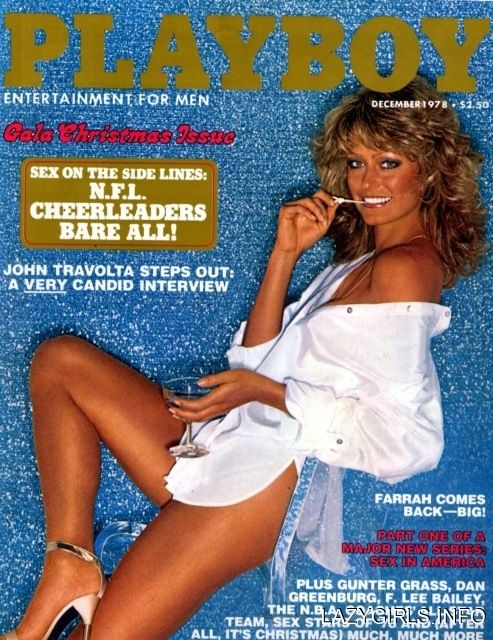
Fast forward to a time when we first had magazines in the U.S. Magazines like True Romance or True Story that would tell us tales of romance. The late Professor William Howard Taft at the University of Missouri-Columbia and author of “Magazines in the Eighties,” used to tell me while I was helping him collect data and magazines for his book, “but when that moment came and the couple retired to their boudoir, the bedroom door was slammed in your face penthouseplayboyand your imagination took over. Then Playboy magazine came along and flung the bedroom door open wide and invited us inside. Penthouse hit the scene with a shockingly blatant sweep of its scintillating hand and literally pulled the sheets from the couples’ bodies, showing us things we had only before imagined.” And if I may add, then the Internet came along and nothing was sacred anymore. Not even your imagination.

It was after pondering these intriguing points of fact that I began to formulate a question in my brain: when you have access to everything, both good and bad, what happens to your imagination?

After that initially disturbing self-inquiry, other questions began to hit in rapid succession: What’s going to happen to our future? What’s going to happen to the importance of research and study? Will we ever discover anything again if we have all-access at our fingertips? With a click of the mouse, we can answer any questions our brains can come up with in mere moments.

In previous years (translated: before Google and its cyber-relatives), if I wanted to know something I would go to the library and start digging through different books. And invariably, as I was searching through these things, looking for what I originally sought, I would be delightedly surprised to find something else that I did not know about, and in fact, had no idea that I even wanted to know about until discovering it. Are those types of moments gone forever?

With the dependence and importance that we put on the Internet each and every day, are we significantly damaging our interpretative and cognitive research and study skills? It is a most legitimate question, and one that is disturbing when we consider the weight of our online presence.

Baroness Susan Greenfield is a British scientist, writer, broadcaster and speaker. Greenfield is Senior Research Fellow at Lincoln College, Oxford University, and was Professor of Synaptic Pharmacology. She is also interested in the neuroscience of consciousness and the impact of technology on the brain. In an article she wrote for The Guardian, titled “We are at risk of losing our imagination,” she makes a startling comparison:

When you read a book, the author usually takes you by the hand and you travel from the beginning to the middle to the end in a continuous narrative of interconnected steps. It may not be a journey with which you agree, or one that you enjoy, but none the less, as you turn the pages, one train of thought succeeds the last in a logical fashion. We can then compare one narrative with another and, in so doing, start to build up a conceptual framework that enables us to evaluate further journeys, which, in turn, will influence our individualized framework. We can place an isolated fact in a context that gives it significance. So, traditional education has enabled us to turn information into knowledge.

 Now imagine there is no robust conceptual framework. You are sitting in front of a multimedia presentation where you are unable, because you have not had the experience of many different intellectual journeys, to evaluate what is flashing up on the screen. The most immediate reaction would be to place a premium on the most obvious feature, the immediate sensory content, the “yuk” and “wow” factor.

You would be having an experience rather than learning. The sounds and sights of a fast-moving multimedia presentation displace any time for reflection, or any idiosyncratic or imaginative connections we might make as we turn the pages, and then stare at a wall to reflect upon them.

So, today, are folks turning information into knowledge without the proper conceptual framework? And what about the creative side of things for all of us? What about our imaginations? If we can’t imagine the outcome, if we always have the answers to each and every question at our fingertips; how do we weave dreams and fantasize about “Somewhere over the Rainbow” when we can find out with a click that it doesn’t exist?

These are questions that are impactful because they’re relative to our futures and the futures of our children and grandchildren. These are questions that we should all ask ourselves whenever we tell one of those impressionable minds to pull up a seat at the computer and ask Google.

Until next time…

See you at the library or better yet at the newsstands…

h1

Factoids From Show, American Cavalcade and Ken Magazines. From My Vault of Classic “New” Magazines – Part 3.

August 26, 2016

A few weeks ago I used the very secret combination to my very beloved vault of classic “new” magazines to begin this “The Way We Were” journey. It has been an extremely eye-opening experience. To say that there is much to be learned from these masters of journalism and creativity would be an understatement.

In Part 3, I wanted to share some very important points of interest from these classic first editions with you, and a few comparisons I’ve made between yesterday and the magazine media world in which we live today.


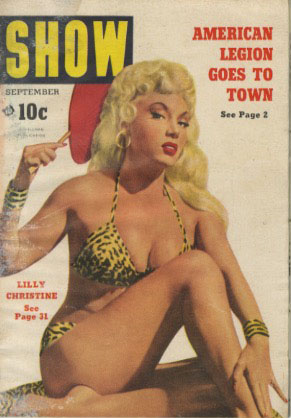
show


Show magazine Vol. 1, No. 1, launched in September 1952 and was ad free. It was a small sized magazine, able to fit into a gentleman’s pocket (thus the name pocket-sized magazine), and featured the famous burlesque exotic dancer and men’s magazine model of the late 1940s through the early 1960s on its cover. The intro reads:

Show is a magazine of excitement. Most of it comes from the world of entertainment – the hush of a Broadway first night, the antics of a TV comedian. Some comes from the way people live – in small, sleepy towns; on the champagne-splattered sand of the Riviera. Wherever people enjoy life with zest and abandon, this is Show.


This magazine promises you an experience with that description. I mean, if the words chosen and the order in which they were placed doesn’t conjure up an escape unlike any you have felt in a long time then you’ve definitely been staring at pixels too long. THIS is an experience and this magazine is an experience maker. Tangible and completely palpable; Show is a magazine that could teach us all some very important “new” adjectives just from the intro alone.

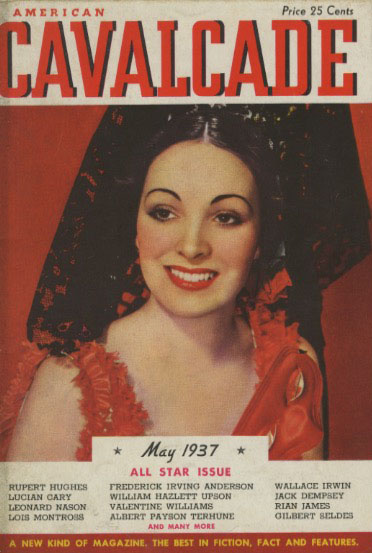
 cavalcade

American Cavalcade was first published in May 1937 and was totally ad free as well. The title alone brings an image of a procession or a parade to mind. A procession of great “fiction, facts and features,” with fascinating photos and illustrations. Its editor, Thomas B. Costain took the entire back page of the first issue to define his idea of what a magazine is, and oddly enough, things haven’t changed too much in that respect over the years:

It is the firm conviction of the publishers and the editors of Cavalcade that all material presented in magazines today should be brief and swift; that fiction should be conceived and written in the vivid lengths which O. Henry employed and in which Kipling and De Maupassant told their finest tales; that articles, always more vital and interesting when concerned with events and people, should tread closely on the heels of news.

 It is our conviction also that periodical readers are being surfeited with opinion, with argument, with analysis of conditions and debate of trends. It is not our aim to be too serious, nor is it our intent to instruct or uplift the over-instructed and too vehemently uplifted public. We shall be content if we succeed in diverting and entertaining the readers who are kind enough to venture along with us.

The opportunity to tell stories in this length will, we are sure, create a new school of writers, and will be welcomed by established authors as well. Certainly nothing could be more gratifying than the avidity with which the leaders in the fiction field today have accepted the length. Our numbers, we are proud to say, will teem with the best names in the magazine world, with writers whose technique has been developed to such a high peak of perfection that their product has the strength and the richness of old wine.

We are equally proud to say that this old wine will be presented in the most modern of bottles. Our art editors have developed a method of presentation, which, we believe, is arrestingly new.

 In today’s digital age, brief and to the point has become the catch phase in all media forms; short, newsy articles have become the mainstay for websites, mobile and even print at times. The long, flowing articles once relished by many magazines, were replaced by word counts that would embarrass and shame Truman Capote. But thankfully, in print, long form is returning and the art of storytelling using diversion and entertainment is being carried on, as we realize daily how important our escape from the short, new lengths we refer to today as notifications really is.

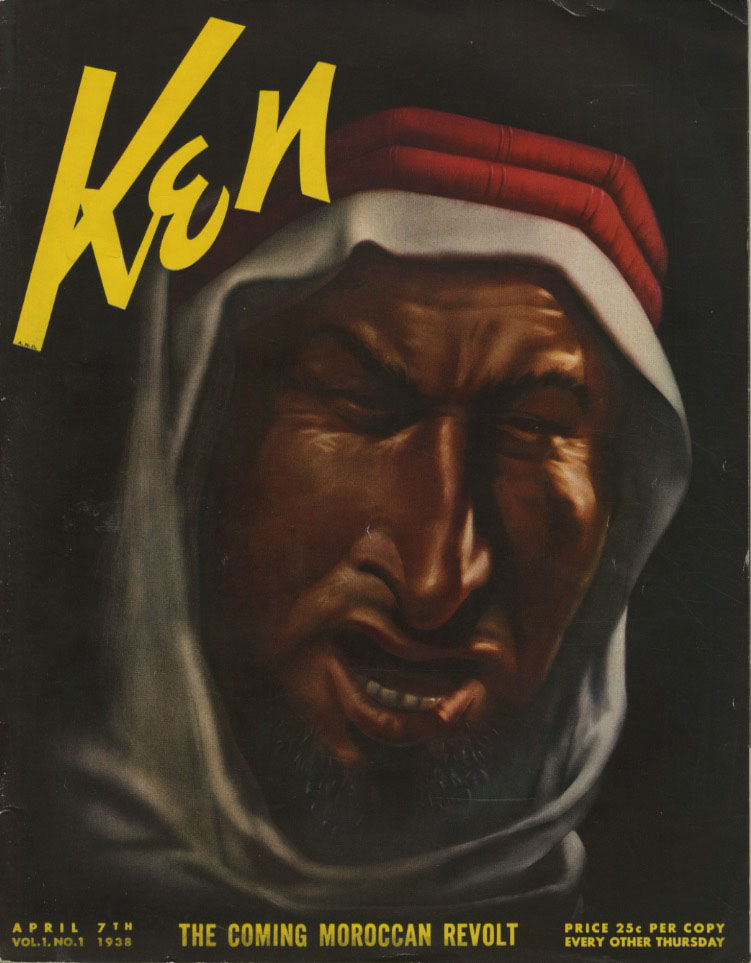
ken72


Ken Magazine was launched on April 7, 1938. It was a large format magazine that was political in nature and a bit controversial for its time. Ernest Hemingway was a contributor for the short-lived magazine that was published every two weeks on Thursdays. Hemingway was also contracted to be an editor for the magazine, but didn’t seem to be in a hurry to fulfill that job duty. In fact, by the time the first issue actually hit newsstands, there was this disclaimer in the magazine:


“If he sees eye to eye with us on Ken, we would like to have him as an editor. If not, he will remain as a contributor until he is fired or quits.”

It seems Hemingway insisted on the disclaimer and the magazine obliged, as Hemingway was a bit skeptical about Ken’s political leanings. Either way this was a magazine that’s first issue said a lot about both the content of the magazine and the content of one journalist’s character.

These points of interest from the past  are made to rejuvenate today’s innovators and creators of magazines by reminding them of a few of our own discoverers; the Christopher Columbus’s, if you will, of the world of magazine media. The entrepreneurs and the risk-takers of the past were no different than those of the 21st century, except for maybe the lessons they learned. And now, we are the ones learning.


Until next time when we open the Mr. Magazine™ classic “new” magazine vault…

h1

New Magazines Are Here To Stay: Mr. Magazine’s Study Shows An Increase In Survival Rates Of Magazine Launches 2006 – 2015.

August 18, 2016

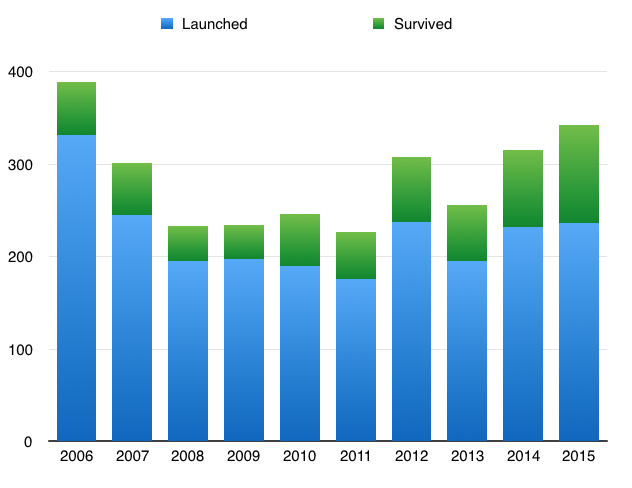
Screen Shot 2016-08-18 at 11.16.03 AMSurvival rates of new magazines are on the up.  More magazines are remaining in business after ten years of publishing despite all the news of doom and gloom some try to project.

Almost two out of every ten new magazines launched ten years ago are still in business today.  That rate of survival has been the domain of magazines launched four years ago.  The survival rate after four years is now at three out of ten titles remain in business.

The chart below looks at all the new magazine launched since 2006 until the end of 2015 with an intended frequency of four times or more (needless to say I have them all and they all fit my definition of what is a magazine, yes, you guessed it, ink on paper…)

Samir “Mr. Magazine™” Husni’s

New Magazine Launches and Survival Rates 2006 – 2015*

__________________________________________________________

Year                            Total                  Total                  Survival

Launched                   Launches           Survived            Percentage

 2006:                           332                     57                       17.17%    

2007:                           245                    56                       22.86%

2008:                           195                    38                       19.49%

2009:                           197                     37                       18.78%

2010:                           190                     56                       29.47%

2011:                           176                     51                       28.98%

2012:                           237                     71                       29.96%

2013:                           195                     61                       31.28%

2014:                           232                     83                       35.78%

2015:                           236                     106                     44.92%

____________________________________________________

Total:                          2235                   616                     27.57%

*Source: Samir “Mr. Magazine™” Husni’s Guide to New Magazines and Mr. Magazine’s Launch Monitor.

Numbers above represent magazines that were launched since 2006 with an intended frequency of 4 times or more.  The survival numbers reflect those magazines that are still being published as of August 15, 2016.


h1

Prevention Magazine’s New Editor In Chief Brings Her Own “Healthy” Focus To The Recently Reimagined Legacy Brand – The Mr. Magazine™ Interview With Barbara O’Dair, Editor In Chief, Prevention Magazine

August 16, 2016

COVER_HI

“These days we have to think of ourselves as a brand editor, which includes all kinds of digital products, books, events and experiences for the readers, in addition to the print publication. I don’t think print is going out any time soon, that might be a minority opinion, but I believe it has a strong place in our culture and among readers. But, I’m also glad that we have other platforms to work on and build.” Barbara O’Dair

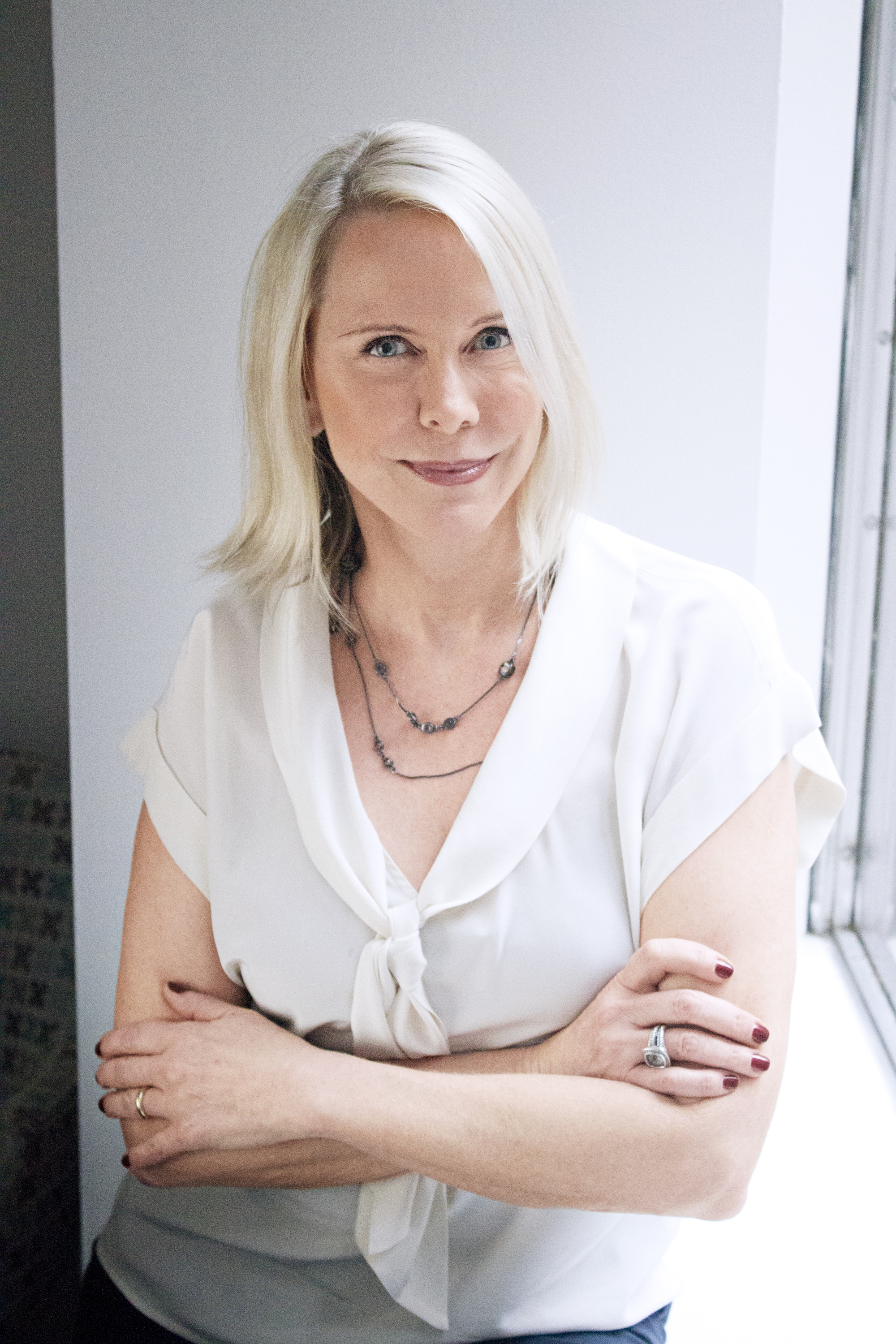
Barbara O’Dair knows a thing or two about magazines. From Reader’s Digest to MORE; from US to Teen People; Barbara has worked at some of the top magazines in the country and has brought her talents and skills along with her to make a strong impact on each title.

Today, Barbara has taken over the reins of Prevention as editor in chief, and has a clear vision for a legacy brand that has recently switched directions as an ad-free model, which Barbara agrees, offers more freedoms than the title may have ever had. And she’s determined to use those freedoms wisely and extensively.

I spoke with Barbara recently and we talked about this ad-free liberation the new Prevention offers both the reader and the magazine; the new direction that she’s taking with the title, and the overall focus of hard-health that she is implementing.

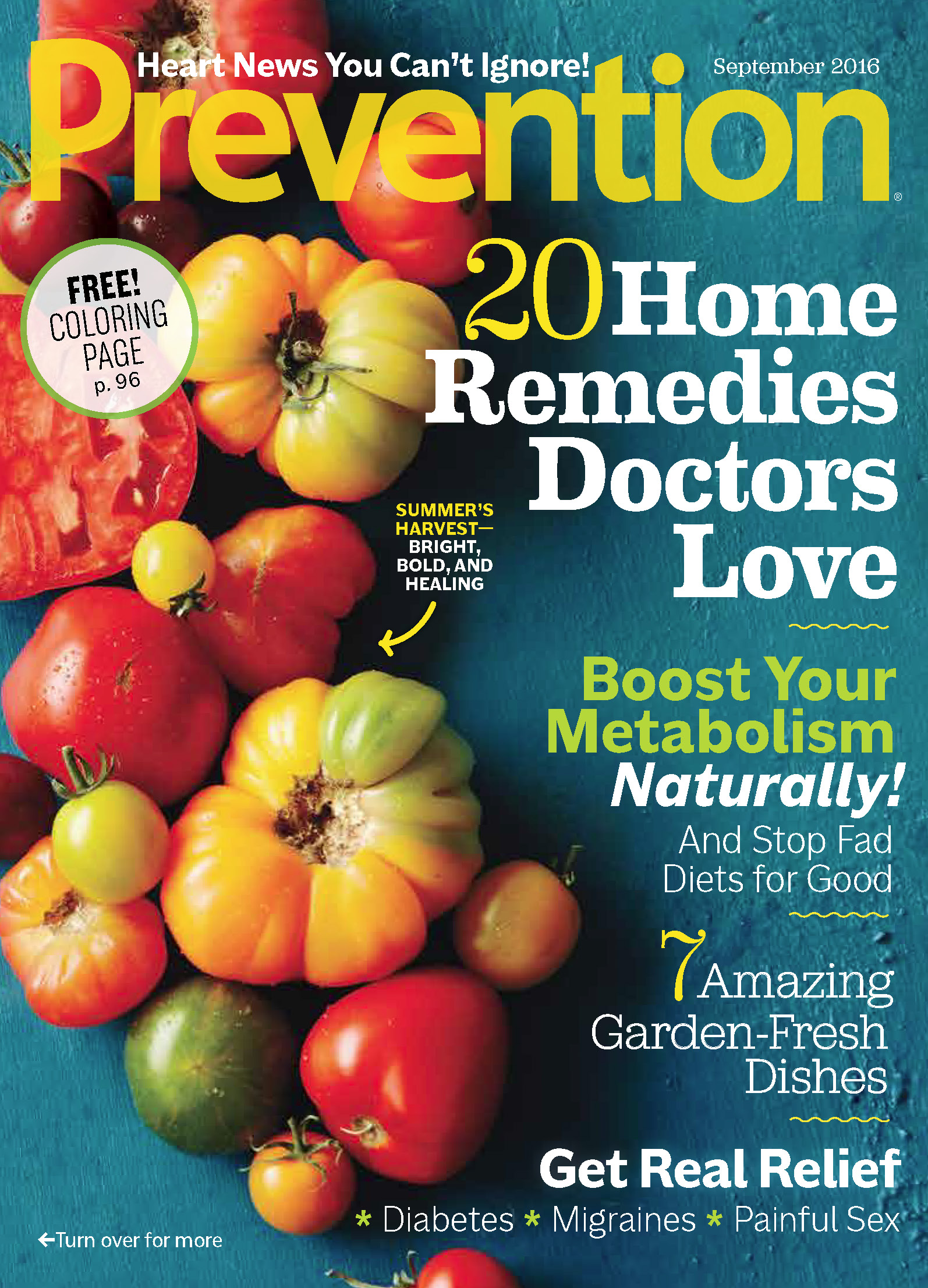
The September issue, on sale today, will reflect many of those O’Dair-influences she talks about in the interview, the renaming of sections of the book, the energetic new feel, and the experts that have been added to the already prestigious list of doctors and other notables that are a mainstay of Prevention.

It was an exciting and informative discussion that gives you the sense that while a title can be legacy and a trusted product that many people rely on; it can also rejuvenate with new birth, new focus and a new captain at the wheel.

And now, the Mr. Magazine™ interview with Barbara O’Dair, Editor In Chief, Prevention magazine.

But first the sound-bites:

BODair_2On how, under her leadership, she plans to make the new Prevention magazine different from the other healthy lifestyle titles: Any magazine can have a claim to healthier and happier; we do. We have 66 years of that under our belt and I think it’s in keeping with what Preventions’ mission has always been, and I’m going to turn that up even more.

On how editing a magazine with no advertising is different from editing one that does: It’s so much fun. I’m really enjoying it. I open the magazine when it comes back from the printer and it’s just great story after great story, with gorgeous visuals and it feels very rich to me. I think that we have all kinds of freedoms now that we might not have had before.

On how she feels the role of an editor has changed today when it comes to print: These days we have to think of ourselves as a brand editor, which includes all kinds of digital products, books, events and experiences for the readers, in addition to the print publication. I don’t think print is going out any time soon, that might be a minority opinion, but I believe it has a strong place in our culture and among readers. But, I’m also glad that we have other platforms to work on and build.

On the shopping experience, Prevention Picks: It’s part of the idea of being a brand editor, where I pull in a number of platforms that include our shopping experience, which is shopprevention.com. And we’ve been very careful to curate products for that service to our readers. As much as possible, we choose sustainable, organic products, high-quality; we have guidelines that steer us in the right direction, in terms of what we include in our shopping experience.

On how she differentiates Prevention from other health magazines out there: I actually don’t know of another pure health magazine out there. I know fitness magazines and food magazines, and even websites that are devoted to health, such as everyday health or more condition-related health, but I don’t know any product that brings it all together.

On her focus when it comes to the magazine’s covers: Nothing is a sure bet. I think we’re still looking for just the right approach to the covers. We have had great success in the past with our gorgeous food covers, but we don’t want to be limited to that, so we do test models regularly and I mean models as in people, not as in test runs. So, we’re certainly open to that.

On how her role at Prevention is different from anything else that she’s done: That’s a really good question. To me it feels like the culmination of many different strands of what I’ve pursued in the past, and I have to say that I look an awful lot at Reader’s Digest and MORE about our Prevention reader. Primarily, women of a certain age; however, we do have some male readers and we have younger readers, and I’m sure we’ll attract more with our new direction. But the core readership is someone that I feel I totally understand. And that comes partly from working at Reader’s Digest and MORE in the past, and also having an orientation toward that reader.

On whether the September issue, her first as editor, will have a noticeable change from past issues: That’s a great question. I plan to evolve it, but I’m also interested in establishing a few different things for the reader right away. One is to make the connection outward to them; I feel that with Prevention in the recent past, and with many magazines, it’s a one-way conversation. And it’s really important to me to hear back and for Prevention readers to feel like that they’re part of a community and that their voices are being heard. And then, just a certain level of energy and dynamism that I’d like to think are within the pages. I renamed some of the book’s sections, which I’m evolving slowly toward more hard health, but I wanted it to look really energetic. And so the opener is a great brain image and it’s about how oral storytelling activates the entire brain in ways that nothing else does. So, it’s maybe a slightly different approach to this new section and I renamed it “Pulse.” I’d like to think it gives it more of an edge, more appeal and more urgency.

On whether she feels the magazine now has its finger on the “Pulse” of the reader: (Laughs) Yes, I think that’s it. Pulse is a nice play on words, and it has two definitions; it’s a verb and a noun. And I just liked that idea of a beating heart to begin the magazine. It lays out what you’re going to find in a deeper, longer form as you go along in the magazine.

 On how she stays happier and healthier: I try to eat right, but just as an aside, I was worried about coming to Prevention, because I thought I might have to be perfect. (Laughs) My healthy practices… (Laughs again) So, I started thinking, what sport can I add into my style or would I ever be able to eat a potato chip again? And what I found was that at Prevention, we take our readers and we give them information about how to improve and maintain their health, but we’re really speaking to the everyday person who wants to be healthier, but who is not necessarily a fanatic. They’re looking to learn more.

On how Prevention is an “experience” for the reader: I totally agree that experience is the key word here. I think the idea that Prevention is a community plays into that. I’m striving for that with the emotional connection with the readers that I talked about, and with the overture to the readers to engage themselves with the magazine. I feel that’s experiential on the most basic level. And they usually respond to that.

On anything else that she’d like to add: You’ve seen only the beginning and we have really wonderful projects that are on the table now, going forward into 2017. I think they will be lots of fun and very engaging. I’m not at liberty to go into detail at the moment, but just in terms of what we can see in the September issue, adding some experts, and I would include our humorists among experts, because the humor column has run in the two issues before September. But we’re making a commitment to that, because we feel the magazine can afford to be fun in places too. We really need that, and then the addition of a sexuality expert, along with our standby, Doctor Weil and Doctor Low Dog.

On what someone would find her doing if they showed up unexpectedly in the evening at her home: The house is a very busy place, because we have four teenagers and they have lots of people in their lives, so there are a lot of ins and outs, comings and goings, and they’re all very creative, energetic people. Some of the time I’m sending them off, so I can have a little peace and quiet, and anything from weeding my flower garden, to surfing the web, to watching just a couple of TV shows that I consider my mainstays, but I’m not a huge TV watcher.

On what keeps her up at night: As I did mention I’m a night owl. (Laughs) So, I keep myself up at night. But seriously, I and my team have been given an incredible gift here with our new direction and new parameters. And I’m very excited about that. I want it to succeed and I guess I run through different scenarios in my mind, whether it’s about a certain writer or a project that I want to do. I’m not really fretting very much; I’m just thinking, so it’s a creative effort.

And now the lightly edited transcript of the Mr. Magazine™ interview with Barbara O’Dair, Editor In Chief, Prevention magazine.

COVER_HISamir Husni: In your first editorial in the magazine, you wrote, “When we are healthier, we are happier.” It seems every editor that I speak to these days; the phrase du jour is “healthier and happier.” Can you talk about how the new Prevention, under your leadership, is going to make us “healthier and happier?”

Barbara O’Dair: Yes, any magazine can have a claim to healthier and happier; we do. We have 66 years of that under our belt and I think it’s in keeping with what Preventions’ mission has always been, and I’m going to turn that up even more.

I’m folding in all kinds of stores that gladden the notion of heart health, I would say. And much of it is psychology, sexuality and alternative healing. And that helps to round out the picture for ordinary people who want to know how to improve their health. I think all of that contributes to a healthier, happier life.

Samir Husni: If I’m correct, this is the first time that you’ve worked on a magazine that has no advertising?

Barbara O’Dair: Yes, it is.

Samir Husni: How is this different from editing a magazine with advertising?

Barbara O’Dair: It’s so much fun. I’m really enjoying it. I open the magazine when it comes back from the printer and it’s just great story after great story, with gorgeous visuals and it feels very rich to me. I think that we have all kinds of freedoms now that we might not have had before. We can pay more attention to what the readers want, rather than other sources in the market. And that is really exciting. I love to hear from the readers and I love to work for them. And that’s opened up a whole new avenue in editing and putting the mix together for the magazine.

Samir Husni: I know that you’re overseeing not only the print edition, but the online and digital as well. Being in this business for as long as you have; how do you feel the role of editor has changed today when it comes to print?

Barbara O’Dair: These days we have to think of ourselves as a brand editor, which includes all kinds of digital products, books, events and experiences for the readers, in addition to the print publication. I don’t think print is going out any time soon, that might be a minority opinion, but I believe it has a strong place in our culture and among readers. But, I’m also glad that we have other platforms to work on and build.

And we are actually working on a project right now that is not quite in place, but will be a special for the print readers online, so that’s an exciting prospect.

 Samir Husni: One thing that I noticed you’ve added in this September issue that wasn’t in previous issues is the “Prevention Picks.”

Barbara O’Dair: Yes.

Samir Husni: Can you tell me a bit more about that, because “Prevention Picks” directs you to a website that’s part of Prevention; one that allows you to shop and buy merchandise. Can you tell me more about it?

Barbara O’Dair: It’s actually not new, but I think we’ve called it out more prominently in this issue. It’s part of the idea of being a brand editor, where I pull in a number of platforms that include our shopping experience, which is shopprevention.com. And we’ve been very careful to curate products for that service to our readers. As much as possible, we choose sustainable, organic products, high-quality; we have guidelines that steer us in the right direction, in terms of what we include in our shopping experience. We’re pretty active curators and I think that extends the mission of Prevention, being healthy and accessible.

Samir Husni: If someone stopped you on the street and you introduced yourself as the editor in chief of Prevention and they responded with, oh, it’s another health magazine. How do you differentiate to them that Prevention is not just another health magazine?

Barbara O’Dair: I actually don’t know of another pure health magazine out there. I know fitness magazines and food magazines, and even websites that are devoted to health, such as everyday health or more condition-related health, but I don’t know any product that brings it all together.

As I mentioned before, we have expanded the idea of health, but I’m very much interested in putting health at the front and center of the magazine experience here. We may have wandered from that in the past, and we really provide a unique service to our readers by covering that territory in a serious way. We also try to have fun with it too.

But for the most part, I really want health to be the driving force, and the nutrition, fitness, psychology and other things that round out the idea of health come as part and parcel of that, but I really want the magazine to focus on health.

And to further answer your question, I look at Prevention as having three very strong functions: one is to be a leader in its field and our inclusion of experts all throughout the book is one good example of how we’re a leader. We’re also a guide through the thickets of massive amounts of health information out there online. I think we have become a trusted brand over the years and we’re the authority on so many things that readers know when they come to us they’re getting the real deal, and hopefully surprising stories that they won’t read anywhere else.

And last, I look at Prevention as a coach, and that’s on a more micro level, whether it’s a fitness routine or a recipe, or a way to make some organic product; maybe a mouthwash. So, we offer that kind of service to our readers too. At the very nitty-gritty, they can take care of their everyday health needs. But then we have the bigger picture as well, whether it’s public health or a controversial subject in medicine; I think we’re covering it all.

Prevention 2Samir Husni: With the July issue, and I know that was before you took over the reins, they tested a model on the cover and food. But August and September is food and food; is that a new trend in covers that you will be focusing on? Or will it depend on the content of that particular issue of the magazine?

Barbara O’Dair: Nothing is a sure bet. I think we’re still looking for just the right approach to the covers. We have had great success in the past with our gorgeous food covers, but we don’t want to be limited to that, so we do test models regularly and I mean models as in people, not as in test runs. So, we’re certainly open to that.

There was a time at Prevention where models were on the cover almost exclusively, and then we kind of went with the food route. And now with some new direction, we’re open to trying different things to find out what works from the readers and feedback. So far we’ve gotten incredibly good feedback from readers, it’s a little too soon to tell numbers, but in terms of letters and word on the street, people seem to be excited by the magazine, which is very gratifying. As far as the covers go, I think we’re still open to trying different things.

Samir Husni: Your career in magazines has been extensive and diverse; you’ve edited at US magazine, Teen People, MORE, just a variety of different types of magazines where you’ve had to handle a variety of subjects and topics; how would you define your role now at Prevention and how is it different than anything else you’ve done?

Barbara O’Dair: That’s a really good question. To me it feels like the culmination of many different strands of what I’ve pursued in the past, and I have to say that I look an awful lot at Reader’s Digest and MORE about our Prevention reader.

Primarily, women of a certain age; however, we do have some male readers and we have younger readers, and I’m sure we’ll attract more with our new direction. But the core readership is someone that I feel I totally understand. And that comes partly from working at Reader’s Digest and MORE in the past, and also having an orientation toward that reader, choosing things for her and really trying to make that emotional connection to her really matters to me a lot. And when you have that, you have some measure of success secured, because that’s what people remember. They might read something very useful and that they could apply to their everyday lives, but they come back when there’s that emotional connection.

And I think I’ve learned that through the years at various jobs. When we’ve had that with readers and when we haven’t had that with readers. I know how important it is. And I feel that’s what I can offer.

Not to mention the size of the magazine, which I’m familiar with. I’m used to figuring out how to get the most bang out of the buck when the pages are small, so we have to be very creative, in terms of being thorough in our coverage. But it’s a fun challenge to me. I think it’s great to be this size, because it’s literally something you can put in your back pocket or your purse and carry with you. In that way, it really fulfills its mission as a guide.

Samir Husni: How do you differentiate between the September issue, which is the one that you edited, and the previous issues? Is the reader going to see a major difference; will we see Barbara’s influence dramatically in the September edition?

Barbara O’Dair: That’s a great question. I plan to evolve it, but I’m also interested in establishing a few different things for the reader right away. One is to make the connection outward to them; I feel that with Prevention in the recent past, and with many magazines, it’s a one-way conversation. And it’s really important to me to hear back and for Prevention readers to feel like that they’re part of a community and that their voices are being heard.

I think you’ll see more real women in the pages and an example of that might be the metabolism story, down to weight loss, which is a story about yo-yo dieting. I made sure that we brought in real women’s stories and their pictures. And that may not be as typical of the recent Prevention, but it’s very important to me. I think readers need to see themselves reflected in the pages.

And then, just a certain level of energy and dynamism that I’d like to think are within the pages. I renamed some of the book’s sections, which I’m evolving slowly toward more hard health, but I wanted it to look really energetic. And so the opener is a great brain image and it’s about how oral storytelling activates the entire brain in ways that nothing else does. So, it’s maybe a slightly different approach to this new section and I renamed it “Pulse.” I’d like to think it gives it more of an edge, more appeal and more urgency.

It’s very hard to place any kind of news in a monthly publication, but I think it’s our mandate to surprise and delight readers, so we try to find those stories that are buried or that we can do a second take on, or stories that are just entertaining. There is so much fascinating material and I really want to bring that to the surface in the magazine.

PV0716_COVERSamir Husni: So, rather than being on the edge; you now have your finger on the “Pulse” of health?

Barbara O’Dair: (Laughs) Yes, I think that’s it. Pulse is a nice play on words, and it has two definitions; it’s a verb and a noun. And I just liked that idea of a beating heart to begin the magazine. It lays out what you’re going to find in a deeper, longer form as you go along in the magazine.

And back to my other point about making a connection with the readers, I did reinstitute a “Letters” page, which we hadn’t had in quite a while. And we have this back page that you can pull out, it’s perforated. It’s a coloring page. And we’ve asked readers to submit their artwork and we’ll publish it if we think it’s great.

There are also a couple of other places in the magazine that I’ve added call-outs to the readers for their stories, opinions and recommendations. So that is another thing that differentiates the magazine now.

Samir Husni: How does Barbara stay “happy and healthy?”

Barbara O’Dair: I try to eat right, but just as an aside, I was worried about coming to Prevention, because I thought I might have to be perfect. (Laughs) My healthy practices… (Laughs again) So, I started thinking, what sport can I add into my style or would I ever be able to eat a potato chip again? And what I found was that at Prevention, we take our readers and we give them information about how to improve and maintain their health, but we’re really speaking to the everyday person who wants to be healthier, but who is not necessarily a fanatic. They’re looking to learn more.

So, I would put myself in that category. There have been times in my life where I’ve been deeply into nutrition and/or fitness. And I’m bringing that back into my life now. I’ve been weight turning for a while; I have this amazing Russian trainer, who used to be on a national Russian volleyball team, so he comes to my house and we do workouts two or three times a week and that I care about a lot.

And I try to get downstairs to the organic cafeteria for lunch. I don’t always do it, but that’s a goal. And just also finding a way to incorporate different kinds of experiences into my life, whether it’s travel or friends; when you work really hard it’s easy to let certain things go and it’s really important for me to have a balanced life. And I think that does lead to happiness of a sort. We’re always striving for balance, but I think I’m getting better at it as I get older.

Samir Husni: One thing that I always tell my students is that print magazines are much more than content; they’re an experience. One: do you agree with that? Two: How is the print edition of Prevention an experience?

Barbara O’Dair: I totally agree that experience is the key word here. I think the idea that Prevention is a community plays into that. I’m striving for that with the emotional connection with the readers that I talked about, and with the overture to the readers to engage themselves with the magazine. I feel that’s experiential on the most basic level. And they usually respond to that.

Beyond that, I think it’s just being associated with Prevention. We have very loyal readers. And we have a mandate to produce premium content at this point, and that would include events and experiences that go beyond the pages of the magazine. So, there are things like that in the works. And being a subscriber and a reader, there is definitely an experience, because you’re drenching yourself in this healthy lifestyle material. And I think it really moves the needle for people and they’re largely affected by it.

For me, it’s great to know that we can really have an impact, not just on people’s lives, but maybe in a larger sense, in terms of public policy. If we’re doing deeper, investigative pieces, which I plan to do, maybe we’ll affect something politically and have an impact on culture in that way, and socially. But, for the most part, we’re looking at helping our readers to find their peace and their joy, and their good health.

Samir Husni: Is there anything else that you’d like to add?

Barbara O’Dair: You’ve seen only the beginning and we have really wonderful projects that are on the table now, going forward into 2017. I think they will be lots of fun and very engaging. I’m not at liberty to go into detail at the moment, but just in terms of what we can see in the September issue, adding some experts, and I would include our humorists among experts, because the humor column has run in the two issues before September. But we’re making a commitment to that, because we feel the magazine can afford to be fun in places too. We really need that, and then the addition of a sexuality expert, along with our standby, Doctor Weil and Doctor Low Dog.

We’re also bringing in a brain science column, written by different experts, and that I’m very excited about, because there are all kinds of rich material in neuroscience these days. And we can tie it to things that our readers are concerned about in an everyday way. So, it’s the addition of some experts that I feel is going to be really exciting and you’ll see that in the September issue and also in subsequent issues. There’ll be more.

And we’ll be doing deeper reads, survey pieces for a deeper dive into a subject or a health topic; a medical topic or a social topic. We have certain freedoms now and I really want to use them. I’m excited about that.

Samir Husni: If I show up unexpectedly one evening at your home, what would I find you doing; reading a magazine, reading your iPad, watching TV, or something else?

Barbara O’Dair: The house is a very busy place, because we have four teenagers and they have lots of people in their lives, so there are a lot of ins and outs, comings and goings, and they’re all very creative, energetic people. Some of the time I’m sending them off, so I can have a little peace and quiet, and anything from weeding my flower garden, to surfing the web, to watching just a couple of TV shows that I consider my mainstays, but I’m not a huge TV watcher.

But mostly, I think it’s communing with my husband, because I keep long hours and I work late, and I’m also a night owl, so I work late at home sometimes. I think it’s important to keep the family relationships going.

Samir Husni: And my typical last question; what keeps you up at night?

Barbara O’Dair: As I did mention I’m a night owl. (Laughs) So, I keep myself up at night. But seriously, I and my team have been given an incredible gift here with our new direction and new parameters. And I’m very excited about that. I want it to succeed and I guess I run through different scenarios in my mind, whether it’s about a certain writer or a project that I want to do. I’m not really fretting very much; I’m just thinking, so it’s a creative effort. It’s pretty energizing, so that’s why I stay up late, as opposed to worrying, at least, for now.

Samir Husni: Thank you.
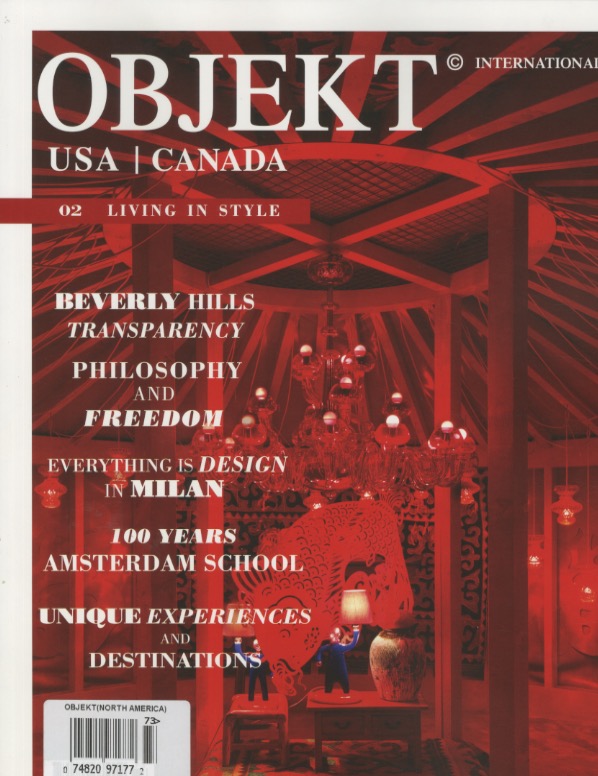


h1

Hola! Made In USA Magazine: The Passion & The Legacy Continues Through The Third Generation – The Mr. Magazine™ Interview With Eduardo Sánchez Pérez, Editor-In-Chief, ¡Hola! and Hello Magazines. An Encore Presentation

August 15, 2016

Hola! Made In USA magazine just hit the newsstands in the United States and in honor of this new edition to the wonderful world of print, here is an encore  Mr. Magazine™ interview from February, 2016 with ¡Hola!’s Editor In Chief, Eduardo Sánchez Pérez. 

August 2016 issue of ¡Hola! that hit U.S. newsstands.

August 2016 issue of ¡Hola! that hit U.S. newsstands.

“I don’t envision a day when we will have no print editions. I don’t know if ¡Hola! will be forever, but a magazine with beautiful pictures and positive stories will always be there. You cannot give the same product in digital. With a print magazine, you can buy it, collect it, and share it with someone. And you have that ownership feeling that this magazine is yours. Also the flow of the content into the magazine is important. We always start with beautiful houses or beautiful people at home; this is a product that needs some physical connection, it’s real and tangible, so paper is the best way to present it.” Eduardo Sánchez Pérez

From Spain with love…

HOLA-2 A magazine born from a beautiful love story that’s all about family, tradition and legacy; ¡Hola! was founded in Barcelona in 1944 by Antonio Sánchez Gómez and his wife, Mercedes Junco Calderón. The two had a dream of creating a small magazine that could entertain readers and show them the beauty of life through great stories and breathtaking photographs.

As the magazine grew over the years, their son Eduardo Sánchez Junco, joined the family business, along with his wife, Mamen Pérez Villota and the values of family, respect and honor were woven deeply into the ¡Hola! brand.

Today, ¡Hola! and Hello magazines are still family owned and ran by the children of Eduardo Sánchez Junco and Mamen Pérez Villota, along with Eduardo’s 95-year-old mother, who still does layouts and works for the magazine.

Their youngest child, Eduardo Sánchez Pérez is Editor-In-Chief of ¡Hola! and Hello and oversees, along with his sisters, the “small” magazine that has grown into a readership of 20 million according to Eduardo, and is translated into 11 different languages.

Hello III-15 I spoke with Eduardo on a recent trip to Spain and we talked about the special ingredients that have made both magazines so successful. As Eduardo’s father called it: the “Espuma de la vida” or the froth of life that both ¡Hola! and Hello are committed to bringing their readers each week. We also talked about all of the expansions and growth the brand has seen over the years and its possible print birth in the United States. It was a moving and inspiring conversation with a man who appreciates the traditions of his family’s past, while keeping his eyes firmly on the future.

So, I hope you enjoy this Mr. Magazine™ interview with Eduardo Sánchez Pérez, Editor-In-Chief, ¡Hola! and Hello magazines as he shows us that the family who publishes together definitely stays together through many generations.

But first the sound-bites:

EIC On the legacy of ¡Hola! and Hello: If you ask someone in Spain about ¡Hola!, people who know the business, they would say that ¡Hola! is Eduardo Sánchez Junco, my father. They would say my father. My father had three children and I am the youngest of the three. I have two sisters; Mamen is the oldest; and my other sister is called Mercedes. Although Mamen, the oldest, is the one that is more involved with me in the magazine and she’s the editor of the Mexican edition, while Mercedes is more involved in different parts of the business.

On how the company has managed to maintain its familial structure over the years and not become traded and have shares and shareholders: That’s probably because we’re a third generation and what we’ve seen over the years. My father was the only son of my grandparents. My grandfather was very much focused on journalism; he worked at a newspaper first and then he had the idea to create ¡Hola! in 1944 in Barcelona. So then my father continued the tradition in the 1980s doing all of the same things my grandfather had done and continuing the secret of this business, which is what he described as “being in the kitchen.” We have the restaurant and so we have to do the cooking, so we put together the ingredients.

On the ingredients that go into ¡Hola! to make it different from all the other celebrity magazines out there: (Laughs) It’s difficult to know exactly, but probably every cook would say a lot of love and a lot of charm. (Laughs again) It’s true that we have to do things thinking in the long-term. We never make any editorial decision based on the short-term, so it’s focusing very much on what ¡Hola! or Hello means. I sometimes feel like I’m just continuing a heritage that I received. And I will one day pass it to my children. At least, we hope someone from the family continues it. We follow what my grandfather called “Espuma de la vida” which is our brand name. We call it “Espuma de la vida,” a froth of life, but basically we do content that is normally positive, more than negative.

On the fact that his father was able to buy pictures of Lady Diana topless and then buried them in the archives so they would never be published: Yes, that was really exceptional. But my father was very exceptional. He had this intuition to move quickly when making decisions. And that’s probably one reason he was so successful. It never took him very long to make any decision about anything of great importance such as that, or any important piece of news. He always said that was an advantage, that he was the owner and the editor, which put him in another position when it came to important decisions about the company. But yes, he made the quick decision to buy and destroy the pictures. Nowadays, it would seem difficult that this could be repeated. And also Lady Diana was someone our readers loved and sometimes there is that special relationship between readers and personalities. And we consider our readers as part of our family. And of course, my family was shocked when Lady Diana died.

cover after fundraisingfamily with royal familyOn the decision to launch Hello magazine in the U.K.: My sisters were staying in London in the 80s and we went a couple of times to visit them, I think in the summertime. And my father always told me wherever I went for holiday or in the summer, I was in this business, so if there was a kiosk nearby, go and see what was out there. My father and I went to Harrod’s and there was a kiosk there and we looked for ¡Hola! and it was there buried in the same place as all of the other magazines and newspapers. Then we saw two English ladies come into Harrod’s for tea and they bought ¡Hola! magazine in Spanish, sat down in the restaurant and began chatting with the magazine in their hands, without speaking Spanish. Suddenly, my father realized that there wasn’t anything in the market with Lady Diana on the cover the way ¡Hola! had; we had her on the cover all of the time.

On the expansion of ¡Hola! or Hello almost globally: The expansion of ¡Hola! magazine probably started with ¡Hola! Spain in the 60s by going to Latin America. Well, actually, it probably started with my grandfather. Latin America has always liked ¡Hola! very much. There’s always been, and there still is, this connection between Latin America and Spain. We feel very much that we are united; we’re connected by the language and also by our way of life and we just have many things in common. ¡Hola! has always been very welcomed in all of the American countries, including the Hispanic speaking Americas.

On how he decides which country gets which magazine: ¡Hola! or Hello and how decisions such as those are made: We try to analyze a country and its market. That’s why it’s so important to have local partnerships, local people who can understand everything better. We’re publishing in 11 or 12 different languages right now. We reach more than 20 million readers. It’s quite a challenge, of course, but the principles are the same; we’re deeply respectful of the personalities and the local traditions and also the readers who are going to buy it.

On whether his grandmother, who started the magazine with her husband and who is 95 now, ever expect the magazine to be worldwide: (Laughs) No, of course not. In the beginning they had the idea to launch this small magazine. In a country like Spain in the 40s, it was after the War, their expectations were to create a small business for maybe 10 years or so. That’s why my grandfather asked my father to go to university to study something else other than journalism. Not because he didn’t love journalism, but because he thought ¡Hola! magazine would only last several years. No one ever thought it would grow as big as it is right now.

On his mother and father returning to school and his dad getting a degree in journalism after a law was passed in Spain requiring one to be an editor of a magazine: Yes, I remember when I was younger going with my mother and father to the university to see if they passed their exams. He went for four or five years to the university at the same time that he was editing the magazine. I know he enjoyed it and he liked it very much. It was probably a good thing because you always learn when you go to the university. So, that’s true. My mother and my father went.

On what motivates him to get out of bed in the morning: I feel very lucky because it’s always different every week. And it’s very exciting every week. Every week you have to find the right story for the cover and find the right people to talk with. Every week you find interesting people and their stories that you can share with your readers. And sometimes you receive a story so beautiful that the feeling is it’s the right content and it’s an exciting thing. And we have the satisfaction of knowing that we’re making a product that our readers like. There are some weeks better than others, of course, but then another week comes and it’s great. With the weekly, I have a little time to relax and make decisions with my small team, along with my main family members.

On whether he can ever envision a day when ¡Hola! and Hello are digital only: No, I don’t envision a day when we will have no print editions. I don’t know if ¡Hola! will be forever, but a magazine with beautiful pictures and positive stories will always be there. You cannot give the same product in digital. With a print magazine, you can buy it, collect it, and share it with someone. And you have that ownership feeling that this magazine is yours. Also the flow of the content into the magazine is important. We always start with beautiful houses or beautiful people at home; this is a product that needs some physical connection, it’s real and tangible, so paper is the best way to present it.

On whether the magazine is coming to the United States soon: We are starting with the website right now, hola.com-usa. We will have a team that will be working with both the website and then the magazine too. For example, on two occasions we have published a big scoop on hola.com-usa first, such as Paulina Rubio being pregnant. The scoop was to be in all of our magazines, but we decided to put it on our American website first. So the American print edition is an absolute priority.

On anything else he’d like to add: People have to feel it’s their magazine; it’s not international. It’s the magazine of their country. It doesn’t matter the ownership, because the spirit of the magazine is done for British people by British people.

On what keeps him up at night: What’s probably most difficult is, one of the brand values of ¡Hola! and Hello is when we publish a story or any piece of news, we’re very sure about the content. We’re very sure that we’re not wrong. You have to be very sure about the content. To be correct every week and not to fail in any small thing and continue to be the magazine that’s reliable and truthful; that’s probably my main worry.

And now the lightly edited transcript of the Mr. Magazine™ interview with Eduardo Sánchez Pérez, Editor-In-Chief, ¡Hola! and Hello.

With Eduardo Sánchez Pérez at the magazine's offices in Madrid.

With Eduardo Sánchez Pérez at the magazine’s offices in Madrid.

Samir Husni: In this world of corporate ownership it’s rare to see a grandson continuing the traditions of his grandfather and also his dad. Your grandfather started the magazine in Barcelona, moved it to Madrid, and now it’s almost worldwide. Everywhere you go there’s an ¡Hola! or Hello magazine, and it’s still in the family.

Eduardo Sánchez Pérez: If you ask someone in Spain about ¡Hola!, people who know the business, they would say that ¡Hola! is Eduardo Sánchez Junco, my father. They would say my father. My father had three children and I am the youngest of the three. I have two sisters; Mamen is the oldest; and my other sister is called Mercedes. Although Mamen, the oldest, is the one that is more involved with me in the magazine and she’s the editor of the Mexican edition, while Mercedes is more involved in different parts of the business.

Samir Husni: No one thinks of ¡Hola! as a family business because it’s worldwide. Everywhere you go; the Middle East, Canada, the Philippines, Thailand; just everywhere there is either an ¡Hola! or a Hello. How have you been able to maintain that family ownership and not become Wall Street traded or another company-traded with shares and shareholders?

Eduardo Sánchez Pérez: That’s probably because we’re a third generation and what we’ve seen over the years. My father was the only son of my grandparents. My grandfather was very much focused on journalism; he worked at a newspaper first and then he had the idea to create ¡Hola! in 1944 in Barcelona.

So then my father continued the tradition in the 1980s doing all of the same things my grandfather had done and continuing the secret of this business, which is what he described as “being in the kitchen.” We have the restaurant and so we have to do the cooking, so we put together the ingredients. And we do the meal every day. (Laughs) Well, every week in this case. And we serve it as if we were the owners of a restaurant. We feel the contact with our readers and our audience and our clients as strongly as if they were a part of our house or our family. We’ve always believed that that is the differentiation and the value of all of our business We’ve always been in control of the editorial line of the magazines and the little touch of the ¡Hola! family point of view. We always want that touch to be behind the product. And as the third generation, we are very much involved in this right now.

active at 95 I’m the editor of ¡Hola!, the magazine of Spain, and editor-in-chief of Hello magazine and trying to oversee all of the operations, my sister is co-editor of ¡Hola! and also editor in Mexico and we also have some other members of the family like my aunt; my uncle (General Manager of ¡Hola, Javier Junco Aguado) and my mother and my grandmother who is still around and a part of things. My grandmother, Mercedes Junco Calderon, is 95-years-old, but she still continues to do one magazine, this one. She is the founder and she makes the selections and deals with all of the productions of these different articles and different photo shoots. So this DNA; this business, is a big part of our family. We believe if we lose this family contact with the business, it would not be the same.

That’s one reason when we started being more international, our partners have to always think like and see that the original family owners are still involved when making decisions. So, when we go to a country, sometimes we own it; we buy the operation from the family. Sometimes we license the brand, but we always sustain control of the editorial line of the ¡Hola! family in Spain.

And we hope the spirit continues like this. And it’s not that we control every page of every magazine in the world, but we try, with everyone doing ¡Hola! magazine from every part of the world, to think what the ¡Hola! family would do in each case. And if there’s any doubt, they ask me; they ask Madrid and we share opinions about other experiences and we make sure to put the brand in the hands of some of our favorite partners in every country. Plus, the feeling that our partners have that they’re in good hands when we share this kind of market is very important to us.

Samir Husni: Let me go with you to the kitchen; what are the ingredients of that recipe that you serve every week and how is it different than all of the other celebrity magazines; all of the other weeklies that are out there? What’s your grandfather’s secret recipe that you continue using?

Eduardo Sánchez Pérez: (Laughs) It’s difficult to know exactly, but probably every cook would say a lot of love and a lot of charm. (Laughs again) It’s true that we have to do things thinking in the long-term. We never make any editorial decision based on the short-term, so it’s focusing very much on what ¡Hola! or Hello means.

illustradted issue I sometimes feel like I’m just continuing a heritage that I received. And I will one day pass it to my children. At least, we hope someone from the family continues it. We follow what my grandfather called “Espuma de la vida” which is our brand name. We call it “Espuma de la vida,” a froth of life, but basically we do content that is normally positive, more than negative. It’s glamorous and it’s happiness; it celebrates life. When you open the magazine, you forget about your worries and you know that you are in a comfortable environment. You’re not going to find anything inside the magazine that is going to increase your daily worries.

I would say that that’s the main part. There’s nothing in the short-term that’s worth changing the editorial line of the magazine that we’ve had for all of these years. But basically the ingredients are to get exclusive content of the personal life or the human interest of famous people. And not only celebrities, but personalities. We normally don’t call it celebrities; we prefer to say personalities or relevant people.

As another ingredient; it’s never-before-seen pictures of a certain event, or exclusive pictures of an event. So, when you have all of these things, you have our main menu. (Laughs)

Samir Husni: One of the examples I heard that reflects that menu or those ingredients was that your father was able to buy the pictures of Lady Diana topless and he buried them in the archives so that they would never be published. Do you think that you could find a publisher today or an editor today who would go to that extreme to buy a scoop and bury it, rather than publishing it? And did that happen after the launch of the magazine in the U.K.? And I’d like for you to tell me the story again of how Lady Diana was influential through her pictures of publishing the magazine in the U.K.

Eduardo Sánchez Pérez: Yes, that was really exceptional. But my father was very exceptional. He had this intuition to move quickly when making decisions. And that’s probably one reason he was so successful. It never took him very long to make any decision about anything of great importance such as that, or any important piece of news. He always said that was an advantage, that he was the owner and the editor, which put him in another position when it came to important decisions about the company.

I wasn’t involved really in the decision, but he always said that he had the opportunity to protect someone who was the main reason we were launching in the U.K. from bad pictures. And the main reason that we were so successful in the U.K. Lady Diana had given us hundreds of covers. And the fact that he had this opportunity was the unusual thing. Normally, these photographers prefer to do bigger business by spreading that content all over the world.

But he had the opportunity at that moment and he made the decision quickly and of course it was very personal to him. And the decision was based only on his appreciation of the image of someone who had done so much for him, without her knowing that she had done anything at all. But Hello could express its gratitude by doing this. It was preferable that those pictures were never published.

But yes, he made the quick decision to buy and destroy the pictures. Nowadays, it would seem difficult that this could be repeated. And also Lady Diana was someone our readers loved and sometimes there is that special relationship between readers and personalities. And we consider our readers as part of our family. And of course, my family was shocked when Lady Diana died.
People really get involved in this business, as you know; you’re passionate about it. And our readers feel these personalities are a part of their lives and that’s how we want to produce the product; with respect to these personalities and respect to the readers. We want to respect personalities because they deserve respect, but also because we put ourselves as readers too, as buyers even. And they deserve the respect and the attention, so we want to make every page of the magazine special. And maybe that’s one of the reasons we have these special relationships with the stories that we approach.

Samir Husni: Going back to Lady Diana; you told me the story of how the decision was made to launch the British edition of Hello. Can you recall that story?

Eduardo Sánchez Pérez: My sisters were staying in London in the 80s and we went a couple of times to visit them, I think in the summertime. And my father always told me wherever I went for holiday or in the summer, I was in this business, so if there was a kiosk nearby, go and see what was out there. My father and I went to Harrod’s and there was a kiosk there and we looked for ¡Hola! and it was there buried in the same place as all of the other magazines and newspapers. Then we saw two English ladies come into Harrod’s for tea and they bought ¡Hola! magazine in Spanish, sat down in the restaurant and began chatting with the magazine in their hands, without speaking Spanish.

Suddenly, my father realized that there wasn’t anything in the market with Lady Diana on the cover the way ¡Hola! had; we had her on the cover all of the time. Whenever we had a doubt about ¡Hola!’s cover, we would put Lady Diana or Caroline of Monaco on the cover. As far as what we had been told, the English press was in a big crisis in the 80s. In general, the U.K. was in an economic crisis.

So, the market was a bit stagnant, not many new magazines were being launched. So it was another great decision of my father’s after studying the market somewhat, that even though the environment wasn’t very good to launch a magazine, he was certain that he could bring something new to the market as ¡Hola! and Hello magazine had done with our different approach to the news and beautiful pictures.

Samir Husni: And the rest of the story is history. ¡Hola! or Hello are almost everywhere.

Eduardo Sánchez Pérez: The expansion of ¡Hola! magazine probably started with ¡Hola! Spain in the 60s by going to Latin America. Well, actually, it probably started with my grandfather. Latin America has always liked ¡Hola! very much. There’s always been, and there still is, this connection between Latin America and Spain. We feel very much that we are united; we’re connected by the language and also by our way of life and we just have many things in common.

¡Hola! has always been very welcomed in all of the American countries, including the Hispanic speaking Americas. So, the magazine has always put a lot of attention on international stories. Spain in the 60s; we used to put a lot of American stars on the covers. For example, I remember when the three astronauts went to the moon; we covered that so ¡Hola! has always had the idea of being a very international magazine. We believe it doesn’t always matter who, but what or how.

I remember my father, who didn’t speak English, when he started Hello in the U.K. and began working with the British team and was trying to explain what Hello was all about. And it was probably one of the biggest success stories of the British press for a magazine. And it was just by sharing stories more than names. It’s the human interest stories basically and putting all of the ingredients together which has given the magazine such success.

International stories have always been a part of our magazine, so after the success of the British edition, we went to Mexico, where we’re quite successful right now. Then we started finding certain partners in other countries. And in the beginning it was more of an adventure, an unknown field.
For example, what would happen if we started a magazine in a certain county? Russia and Turkey were the first two countries where we went into a partnership with another country and the result was fantastic and we found great people who understood the essence of the brand and how to take care of it. We found out that the Hello and ¡Hola! brand was more flexible than we believed at the beginning. And now we are in 35 different countries.

Of course, you need to find the right partner and you need the right team; a team that you can explain the way you want the product to be done and they instinctively know.

Samir Husni: I’ve heard a lot of stories, such as when you launched Hello in Thailand, with the Royal Family on the cover. You had an issue with where to put the logo because you can’t put anything above the Royal Family. And I saw one of the copies in the hallway when I first came into the building and it had the logo on the bottom of the page. How sensitive do you have to be to all of the cultural issues with Hello in the Middle East or Thailand or the Philippines? And also, how do you decide which country gets Hello as the name or ¡Hola!? I noticed the Philippine edition is ¡Hola!, although it’s in English. How do you make those decisions?

Thai coverEduardo Sánchez Pérez: We try to analyze a country and its market. That’s why it’s so important to have local partnerships, local people who can understand everything better. We’re publishing in 11 or 12 different languages right now. We reach more than 20 million readers. It’s quite a challenge, of course, but the principles are the same; we’re deeply respectful of the personalities and the local traditions and also the readers who are going to buy it.

It’s true that royal families are very important to us. Royalties, in our opinion, are an asset for a country and that joins the different values and makes royal families try and be good examples for society. They are our ambassadors and are the essence of traditions of the countries they are born to and also people who are working for the benefits of the society.

And being the first family, they have to attend to guests when they come to the country, so they show others much hospitality. They’re a mixture of glamour, high society and aristocracy, which is something that people like to read about. ¡Hola! and Hello take the reader to places they don’t normally have access to. So it’s important that we show how it is to be a part of the glitz and glamour and the parties. So, the royal families are an important part of our magazine and our product.

Yet, this was something that we didn’t really know about when we started in Thailand. That was something that the local editor of the magazine was very clear about, that nothing goes above the Royal Family, such as a logo, and there was no problem then. We were honored by the princess of Thailand, who was the first cover of the magazine. It was a very important thing for us and we are very grateful to the Royal Family that they would give us this consideration.

Actually, the first cover of Hello magazine was Princess Anne; it was an exclusive interview with Princess Anne inside the royal palace.

Samir Husni: Did you ever have a discussion with your grandmother, who is 95 now; did she ever expect that this little magazine that she and her husband created would grow to such magnitude? And it’s my understanding that he was the journalist and she was the designer?

Eduardo Sánchez Pérez: Yes, that’s right.

Samir Husni: Did she, in her wildest dreams, ever expect ¡Hola! and Hello to be this worldwide publication?

Eduardo Sánchez Pérez: (Laughs) No, of course not. In the beginning they had the idea to launch this small magazine. In a country like Spain in the 40s, it was after the War, their expectations were to create a small business for maybe 10 years or so. That’s why my grandfather asked my father to go to university to study something else other than journalism. Not because he didn’t love journalism, but because he thought ¡Hola! magazine would only last several years. No one ever thought it would grow as big as it is right now.

It’s a very beautiful story. My grandmother said she became a journalist for love; she was in love with my grandfather and she wanted to spend more time with him. And he thought it was a great idea. So he left his job at the newspaper and they began to work together from their home. And that’s how it all began. They worked at a very small table in a small room. They were a couple in love and making a magazine that they believed would entertain people. The magazine was created to entertain and to take readers to places they wouldn’t otherwise have access to. And to take the best of life and put it into a magazine and into pictures.

frist pic coverAn interesting anecdote is, those first five covers of the magazine have illustrations, because at that time prestigious magazines had illustrations on the covers and not pictures. The magazine was more or less about the society of Spain, but also you’ll read about Hollywood actors and some very interesting stories. But the cover was always a glamourous illustration, done by a very well-known illustrator, and of glamourous events. The first cover is the seaside in Barcelona; another cover was about going to the theatre; another one is horseracing at a country club; and it was done weekly. We’ve always been weekly since 1944. We have always been ready for our readers every week.

So, after five covers, they had to cut to reduce costs and my grandfather was very concerned about losing the illustration, they were very expensive. He thought there was nothing else to cut, he had analyzed everything and he would have to stop doing the illustrations and put a picture on the cover instead. So he went to the cinemas, because the cinemas were the first clients of ¡Hola! and also he had a good relationship with the owners of the cinemas in Barcelona. So he went to see his friends and asked what the next film they were showing would be. And it was a Clark Gable film, so he put a picture of Clark Gable on the cover. (Laughs)

Samir Husni: (Laughs too).

Eduardo Sánchez Pérez: And he discovered by accident, all because he wanted to reduce costs, what people really liked; to have pictures of celebrities on the covers. Why did he choose Hollywood actors; well first, because he had always wanted to include film reviews and talk about Hollywood celebrities in the magazine. But also because the only way you can have access to good quality pictures was to ask the cinemas to give you pictures they received from Hollywood. They would receive the films plus pictures to promote the film. It was an easy way to find high resolution pictures of Hollywood actors.

It’s interesting, my grandfather wrote a little bit about the story of the magazine when we published issue 2,000. And he talked about the phrase “Espuma de la vida,” which is what’s at the top of the glass of say, champagne, for example. The froth of life is at the top of the glass of champagne, which he related with happiness, with a glamorous life. He said business and economics; these things were heavy and made people think too much. That kind of heavy news goes to the bottom of the glass; what’s at the top? That’s ours; our news.

That’s why we don’t talk about politics or economics or anything like that. That’s why ¡Hola! and Hello are read by a large number of different kinds of people. And we hope that they all find something inside to help them forget about their problems and something that makes them feel better. And at the same time, they can talk and share the magazine with others and maybe find solutions to their own problems by reading how others have done it. Reading about family sagas, such as Lady Diana and now seeing Prince William; people have that feeling of involvement or of a relationship with the family.

Samir Husni: As fate would have it, your dad studied engineering and then there was a law in Spain that you have to have a degree in journalism to be an editor of a magazine. So, it’s my understanding that he went back with your mother to school to study journalism.

Eduardo Sánchez Pérez: Yes, I remember when I was younger going with my mother and father to the university to see if they passed their exams. He went for four or five years to the university at the same time that he was editing the magazine. I know he enjoyed it and he liked it very much. It was probably a good thing because you always learn when you go to the university. So, that’s true. My mother and my father went. A little bit more of their love story. My young parents doing what they needed to do. And my mother saying of course she would go, she could spend more time with her husband. My mother was originally involved in the magazine, so she went because she wanted to help my father.

Samir Husni: And did they advise you and say don’t go to school for journalism, there’s no future in it; go for something else? Or did you go to school for journalism too?

Eduardo Sánchez Pérez: I went to the Journalism University here in Madrid. I have two degrees basically, journalism and business and administration. So, I have a little bit of both. My father always said to me he would trade his degree to speak English. (Laughs)

Samir Husni: (Laughs too).

Eduardo Sánchez Pérez: English or another language. He spoke French, but he felt very bad that he couldn’t communicate his thoughts to the English-speaking people. Fortunately, he always had a good team of people who spoke both Spanish and English around him.

We live in the house where my grandparents lived when they left Barcelona and came to Madrid. They bought two floors of a house, the basement and the first floor where they put the office and they lived on the second floor.

Another example, my father said we were like farmers; they have a house underneath their house. (Laughs) It’s more or less the same. We live on the second floor and the cow is in the basement.
I don’t think it’s still there, but my grandfather had a small connection from the house to the office, a way to go in without going through the main entrance, because many times my grandfather and father would go to work in pajamas. (Laughs) And I remember my father would receive visitors anytime. The office was so small that he didn’t have a proper meeting room, so where I used to study and watch TV was his meeting room. So, I’d come home from school and go to watch TV and there might be someone famous standing there with him.

And that carried over to the magazine; you’re in my house, you’re part of my family. We used to say that ¡Hola! magazine should be something that you could leave on the table and not be afraid for your children to read. It’s a family magazine. You won’t find anything inside that would be bad for them, family-friendly, but very interesting.

a letter and KingAnd it’s not always positive, sometimes it’s a sad story, but what you get at the end, even if it’s sad, is a positive message. And the pictures are always beautiful. And it was a family unit, my grandparent and my parents would discuss why they did this or that in the magazine. And you learned a lot from these conversations. We’re bigger now, but we’re still in the same building and we still have lunch with my grandmother almost every day. And now we explain to her why we’ve done this or that. We all still try to share opinions. We feel more like journalists and publishers than businesspeople.

And also designers in a way; the design of ¡Hola! is another secret or another ingredient, which is big pictures and finding those big pictures from the right selection of pictures and giving them the right space and the right number of pages. We never begin a story thinking about how many pages we want to use. We just let our imagination flow. But if we have to cut, we always do more first and then cut. (Laughs)

Samir Husni: Through osmosis or something, magazines are in you. You’ve seen it from your grandfather; your father; your grandmother; your mother; what motivates you to get out of bed in the morning? Is it tradition, because your entire family has done it all of your life or there is something that excites you every morning and causes you to look forward to going to the office?

Eduardo Sánchez Pérez: I feel very lucky because it’s always different every week. And it’s very exciting every week. Every week you have to find the right story for the cover and find the right people to talk with. Every week you find interesting people and their stories that you can share with your readers. And sometimes you receive a story so beautiful that the feeling is it’s the right content and it’s an exciting thing. And we have the satisfaction of knowing that we’re making a product that our readers like. There are some weeks better than others, of course, but then another week comes and it’s great. With the weekly, I have a little time to relax and make decisions with my small team, along with my main family members.

As we’re improving and increasing the size, it’s very important that we keep professionalism a top priority. To have a professional team is very important. That’s something that we’ve been building on in the last years. Knowing that our business must have an important technology element, art, and we actually have more people working on the website now than in the magazines. So, there are many changes that we know we have to face and we’ll face them in a very professional way, while trying to continue with the family ownership. And keeping the family in on the editorial line and in every piece of print that we publish; I believe that we’re building a very professional team. And internationally we are competitive.

Samir Husni: Can you ever envision a day when there is no print component to ¡Hola! or Hello?

Hello Arabia II-10Eduardo Sánchez Pérez: No, I don’t envision a day when we will have no print editions. I don’t know if ¡Hola! will be forever, but a magazine with beautiful pictures and positive stories will always be there. You cannot give the same product in digital. With a print magazine, you can buy it, collect it, and share it with someone. And you have that ownership feeling that this magazine is yours. Also the flow of the content into the magazine is important. We always start with beautiful houses or beautiful people at home; this is a product that needs some physical connection, it’s real and tangible, so paper is the best way to present it.

Of course, there are technological advances that are really interesting and can be really beautiful. We were awarded by Apple the best newsstand application. We’re doing videos and we’re also including QR codes for watching videos. There is a lot of interaction that you can have with your readers by using the telephone and the magazine at the same time.

And I’m completely sure that magazines like ¡Hola! are necessary for a society. A healthy society will always have an ¡Hola! or Hello magazine.

Samir Husni: Are you bringing the magazine to the United States soon?

Eduardo Sánchez Pérez: We are starting with the website right now, hola.com-usa. We will have a team that will be working with both the website and then the magazine too. For example, on two occasions we have published a big scoop on hola.com-usa first, such as Paulina Rubio being pregnant. The scoop was to be in all of our magazines, but we decided to put it on our American website first. So the American print edition is an absolute priority. We don’t have a partner there, we’re going by ourselves. We already have some readership in the U.S. with ¡Hola! Spain in California. And at the same time we’re building a beautiful website with reliable information. Thankfully, we have learned a lot about digital from our Spanish readers and in the summertime we hope to establish the magazine. But for now we’re starting with the website.

Samir Husni: Is there anything else you’d like to add?

Eduardo Sánchez Pérez: People have to feel it’s their magazine; it’s not international. It’s the magazine of their country. It doesn’t matter the ownership, because the spirit of the magazine is done for British people by British people. It’s a British product. Everywhere we go; the product is about the people and their stories.

Samir Husni: My typical last question; what keeps you up at night?

Eduardo Sánchez Pérez: What’s probably most difficult is, one of the brand values of ¡Hola! and Hello is when we publish a story or any piece of news, we’re very sure about the content. We’re very sure that we’re not wrong. You have to be very sure about the content. To be correct every week and not to fail in any small thing and continue to be the magazine that’s reliable and truthful; that’s probably my main worry.

Plus, of course, to continue to have this relationship with our readers; the relationship of community and knowledge of what they like.

Samir Husni: Thank you.
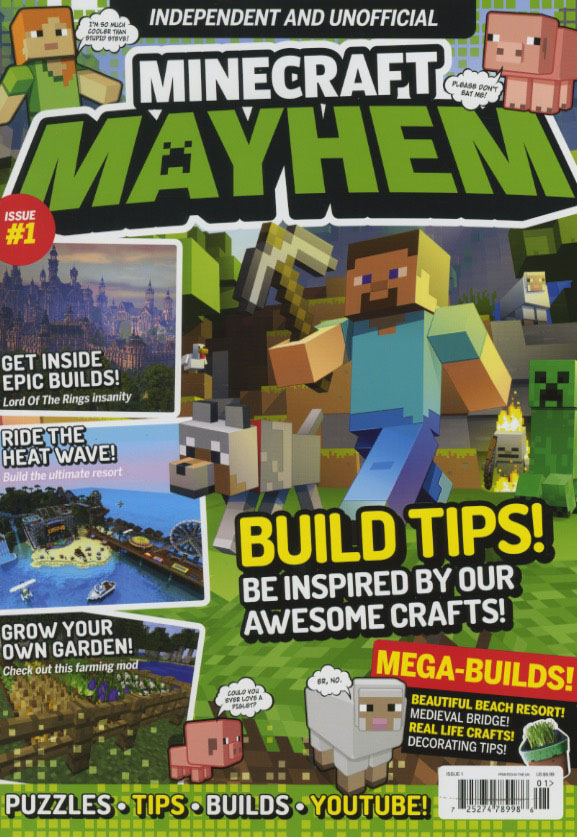
h1

From My Vault Of Classic “New” Magazines – The Business Week And The New Yorker. Part 2.
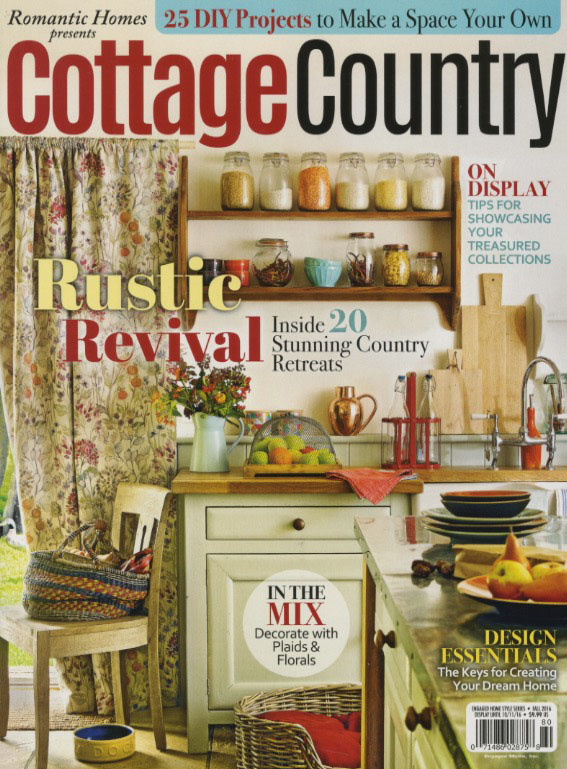
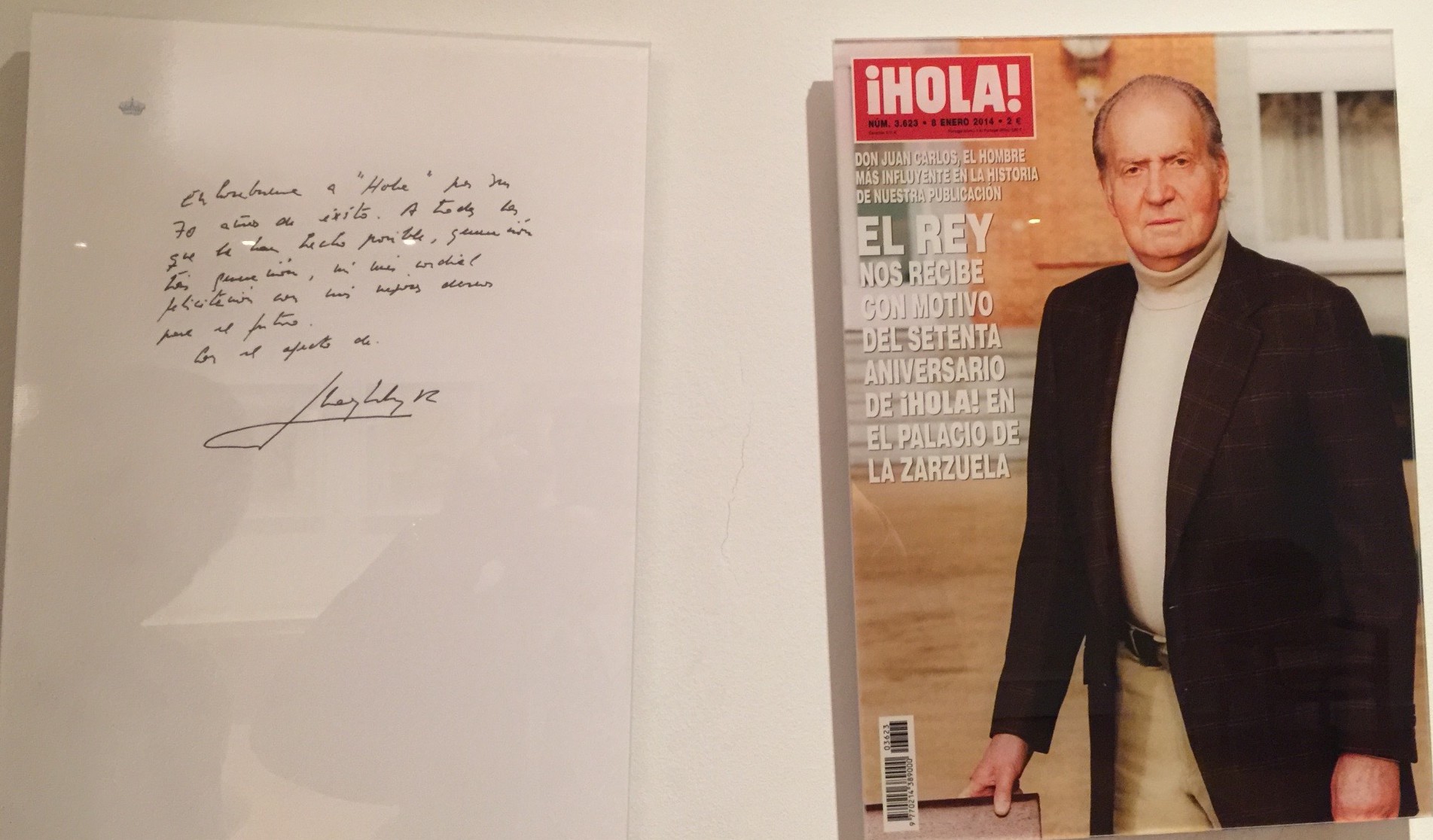
August 12, 2016
A Mr. Magazine™ Musing
 I am going to go ahead and open my classic “new” magazines’ vault and start reporting on some words of wisdom editors, publishers, marketers and circulation folks used to write to introduce their new magazines, their readers, and their advertisers.
Consider this an informative journey down memory lane, for there is much we can learn from these masters; things we can either repeat or avoid in today’s marketplace.
In part two of this “classic new magazines” musings, I look at the first issues of  THE BUSINESS WEEK, September 7, 1929 and THE NEW YORKER, February 21, 1925.  Notice the importance of the word “THE” in both titles.
The Business WeekThe Business Week:  No. 1
Mission statement:
Malcolm Muir, President of McGraw-Hill Publishing Co. wrote in the first issue:
“THE BUSINESS WEEK herewith makes its first appearance — on a great plan, with a high ambition. Its ambition is to become indispensable — no less — to the business man of America.  Its plan, we trust, shows forth in its pages.”
“Swiftly, intelligently, tersely, it tells the week’s business news, and the news of business. The distinction is not fine-spun. Business news impinges upon business from outside — news of the tariff, of the reparations settlement, of crops. New of business originates within business — news of developments in management technic, of improved production process, and (outstanding these days) of changes in marketing methods.”
Curation at its best:
“The whole story of the week is set forth in compact limits, a study in the fine art of saving the reader’s time. Nothing irrelevant is included; nothing really important is omitted.”
Strong editorials and opinions:
“You will find THE BUSINESS WEEK always has a point of view, and usually a strong opinion. Both of which it does not hesitate to express.
You may find a little humor somewhere, if you look sharp.
And all the way through, we hope, you will discover it is possible to write sanely and intelligently of business without being pompous or ponderous.
We hope you will miss those vague but solemn generalities about business that pass so often for deep wisdom.”
The New YorkerThe New Yorker: Vol. 1, No. 1
A who’s who:
Advisory editors: Ralph Barton, Marc Connelly, Rea Irvin, George S. Kaufman, Alice Duer Miller, Dorothy Parker, Alexander Woollcott
A good starting point:
“One of the first things you do in starting a magazine, after you have got the notion to do it and, as our advertising friends say, sold your associates on the idea, is to rent an office and the next thing you do is get a telephone.”
Mission statement:
“THE NEW YORKER starts with a declaration of serious purpose but with a concomitant declaration that it will not be too serous in executing it. It hopes to reflect metropolitan life, to keep up with events and affairs of the day, to be gay, humorous, satirical but to be more than a jester.”
“It will publish facts that it will have to go behind the scenes to get, but it will not deal in scandal nor sensation for the  sake of sensation.”
The audience:
“It will conscientiously to keep its readers informed of what is going on in the fields in which they are most interested. It has announced that it is not edited for the old lady in  Dubuque. By this it means that it is not of that group of publications engaged in tapping the Great Buying Power of the North American steppe region by trading mirrors and colored beads in the form of our best brands of hokum.”
Until next time, read, learn and laugh… All the best.