This is a first for me. Don’t get me wrong, I have ranked and rated magazines before. However this is the first time I am ranking magazines dealing with a single topic: Michael Jackson, the King of Pop. So far, I was able to find 15 magazines which devoted the entire magazine, most of the magazine or a section of the magazine to the late music star. I have spend more than 24 hours reading and looking at those magazines and here is my final result to which ones you should buy, which ones you should collect and which one you should just glance at while shopping at the supermarket. Those magazines also brought out the professor in me, so I graded them with A+ being the highest grade and F, obviously, the lowest grade. So, without further due, here are three groups of magazines ranked in order:
The Fab Five:
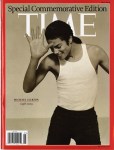 1. TIME magazine: By far the best publication regarding the untimely death of Michael Jackson. The writing, the photography, the design, the paper, you name it, is by far of a much higher quality than any of the remaining 17 titles. The cover is outstanding in its look and lack of judgment, the info charts inside the magazine are unique and well executed, the writing and photography gives a new meaning to the phrase “visual impact of print,” and even the only ad in the magazine is devoted to the King of Pop. All in all a job much better than well done. An excellent issue that you must buy and collect if you are a Michael Jackson fan. Price: $5.99. Grade: A+
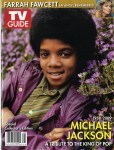
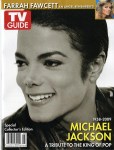 2. TV Guide: The only other regularly published magazine to devote an entire issue (with few pages devoted to the late Farrah Fawcett) for the late star. Building on the rich archives of TV Guide, the magazine divides MJ’s life into different segments, from TV to DVD and everything in between. A nice recap of the star and his music with special excerpts from previous interviews with him that have appeared in older issues of TV Guide.
This ad-less issue of the magazine comes in two different covers and could have used some better quality paper to reflect the “Special Collector’s Edition” cover label. Price: $3.99. Grade: B+
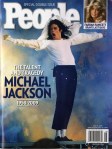
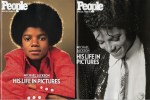 3. People: Maybe because I was expecting more from People magazine that when I went through the issue I was unhappy with what I saw. People, I always felt, is the magazine that gives pop culture and celebrities that human touch and keep them well, alive and down to earth. While the cover of the magazine, and the two different back covers, grab your attention, the inside (MJ fans have to dig deep into the magazine before they reach the MJ section, unless they flip the magazine and start from the back) of the magazine was lacking any stoppers. Well, maybe the covers of all the previous People issues that had MJ on the cover stopped for a little bit more than the rest of the pages. A good effort, but not what I expected from a top student. Still, I say buy it, just because it carries the name People. Price: $4.49. Grade: B
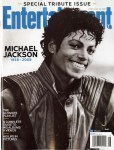
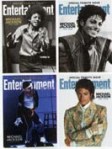 4. Entertainment Weekly: The man, the magic, the mystery is how the tribute section of this week’s issue of EW begins. Almost half of the magazine is devoted to MJ with a tribute written by Stephen King and a final picture page carrying a quote from Madonna, “The world has lost one of the greats.” The magazine provides a historical look back at MJ from the beginning to the end illustrating the power of the man whose music “captured the DNA” or our pop culture. EW captures that DNA through this issue that is a must read for every “pop culture” fan. A nice easy read that it will be OK to pass along later to a friend. EW published four different covers for this issue. Price: $3.95. Grade: B
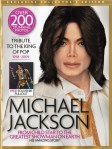 5. The Nameless Magazine: With a tag line that states “exclusive collector’s edition” this nameless magazine offers a tribute to MJ from “child star to the greatest showman on earth.” Published by American Media Inc. (publishers of Star and National Enquirer) the magazine offers over 200 pictures that captures every stage of the star’s life up to “the day the music died.” A very emotional issue with pages tagged “we’ll never forget you” the magazine truly captures the fan-spirit of the many followers who adored the music and entertainment of Michael Jackson. It is a magazine created with fans in mind and the headings and captions for all these pictures reflect that. A must buy to the fan and an emotional souvenir for those who are mourning MJ’s death. (By the way, it seems that this nameless magazine was the reason that Star magazine was the only celebrity/gossip magazine to play down the death of MJ on its cover. See my review of Star #18). Price: $5.99 Grade: C+
The So-So Fab Four:
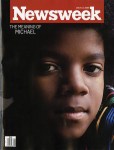 6. Newsweek: As I mentioned in an earlier blog, this issue of Newsweek with MJ on the cover in only on the single copy issues of the magazine. The subscribers received their Best Books to Read cover. So, that alone should be worth something in the world of collecting. There is no question that the execution of the special section in this issue of Newsweek is very well done, but it you are only buying the magazine for the MJ cover story, you will be disappointed. A high cover price combined with very few pages ( 9 to be exact) makes buying this issue questionable. However, I need to add that there is a tribute by Quincy Jones that is of interest to the King of Pop fans. To buy or not to buy is the question. Price: $6.95 Grade: C
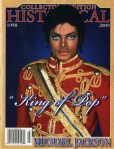 7. Collector’s Edition Historical: This monthly magazine that devoted its entire issues to a single topic (President Obama had the lion share of the issues, a total of five devoted to him. Sarah Palin had one and so did the First Lady). Now it is the King of Pop’s issue. The publisher of this pictorial issue pays tribute to MJ who and “proudly present this magazine as a testament to his musical genius and creativity that earned him the undisputed title of ‘King of Pop’.” This magazine is more of a photo album filled with pin-ups and may be suitable for the young fans of MJ (Are there young MJ fans?) Not much to read, but a nice collection of pictures on nice paper that gives the magazine a sense of being a collector’s item. A hefty cover price for this Collector’s Edition Historical magazine that I leave the decision to part with your hard earned dollars to you to decide. Price: $7.99 Grade: C-
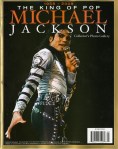 8. The King of Pop: Another one of those Collector’s Photo Gallery magazines aimed the “pin-up” fans of MJ. This is a not to be read magazine, I repeat not to be read magazine, just go through the pictures and enjoy the trip through memory lane. As I tell people time and time again, any magazine that identifies itself as a collector’s magazine or a collector’s issue, it is a sign that there are millions of those collector’s issues, and few years from now, that magazine and five dollars may buy you a cup of coffee. So if you are not a MJ fan and you are going to buy this magazine as a future investment, do not. You have been warned. As for the rest of you, go ahead and make my day. Every magazine sold is another testament to the unique relationship between print and humans, since none of you is doing to download the “collector’s web page” that carried the MJ news. Price: $7.99 Grade: C-
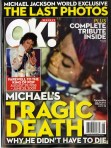 9. OK! Weekly: Yes, I know, nothing sells more magazines than a celebrity dying all of a sudden in his or her prime. Princess Di is the best example I can give. However, does anyone really wants to see and remember the dead body of the celebrity or they want to remember the glory days. The decision to put the picture of MJ during his transport to the hospital on the cover of OK! Weekly and touting it as a “Michael Jackson World Exclusive The Last Photos” may get the media attention, but will it get the fans and followers of MJ to pick up the magazine on the newsstands? The next few weeks will tell us whether this issue of OK! Weekly was a hit or a miss. Personally, I felt that this cover was one of the worst on the newsstands and all the attempts to have “a complete tribute inside” pale in comparison to the cover shot. I would have expected a newspaper or a television station to use this image, but not on a cover of a celebrity magazine. However, this issue maybe the one that the so-called magazine collectors would buy and not the fans of MJ, the King of Pop. Price: $3.49 Grade: D
The NOT So-Fab Six
I know my parents taught me that if I have nothing good to say, then I should say nothing, but those remaining six magazines that devoted space and covers to Michael Jackson forces me to say at least a little something. However, do keep in mind that all the ranking, comments and grades are in direct relation to the Michael Jackson coverage and not to the magazines as a whole.
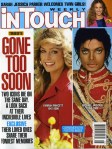 10. In Touch Weekly. From a journalistic point of view, maybe we need to treat both dead celebrities the same, but when it comes to the fans, you can’t have it both ways. Would have been much better off of a split cover one for MJ and one for FF if you’ve felt they have equal fan base. Price $2.99 Grade: D
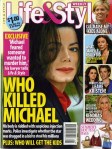 11. Life & Style Weekly. Nothing out of the ordinary here. Typical Life & Style Weekly cover story. However, this was anything but a typical week. A different treatment was definitely needed here. Price $2.99 Grade: D
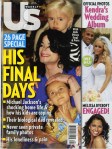 12. US Weekly. I am sure that Rolling Stone will be publishing a special issue on MJ, but the little sibling of RS has opted to cover the final days of MJ, rather than the artist, musician and pop culture icon that I am sure RS will cover. Price $3.99 Grade: D
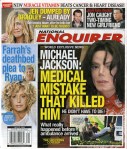 13. National Enquirer. Really surprised by how little space the “world exclusive news” occupied from the cover and the inside. I would have expected to see the picture of the body in the white sheet taking over the entire cover. Is the National Enquirer tame now? Price $3.59 Grade: D
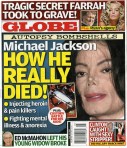 14. Globe. Well, in the day and age where all the CSI programs give you results of DNA testing, autopsy results in less than few minutes, why not the Globe? Price $3.59 Grade: F
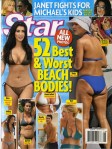 15. Star. The only celebrity/gossip magazine not to devote the main cover story to MJ. (See rank number 5 above). I wonder whether American Media on purpose decided to forgo the coverage in Star to promote and sell the special nameless magazine, or they just opted to gamble in the hope that the annual “beach bodies” will outsell the rest of the magazines. Time will tell. Price $3.99 Grade: F
So here you have it, 15 magazines so far are out there devoted to the King of Pop. I will keep you posted with updates on any new titles arriving at the nation’s newsstands in the next few days. And, by the way, for those who still doubt the power of print and ink on paper, please help explain to me this phenomena that drives folks to the newsstands and makes them dig into their pockets and buy all these magazines every time a major event takes place. Amazing!


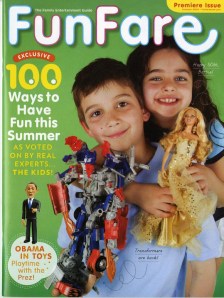 My friend Gareb Shamus, of Wizard magazine fame, just launched a new magazine for parents and their kids called Funfare. In typical Shamus style the magazine is poly bagged with one of president Obama’s collector’s cards. I asked Gareb why would he publish a new magazine at a time others are folding them. His answer, “With FunFare, we’ve created a new media brand targeted at parents and children (under 14) whose primary focus is toys, games and anything fun. This is the perfect time to launch as families are looking for ways to spend more time together, make the right purchasing decisions and just have fun.”
 Gareb is no stranger to fun himself. Check out his letter from the editor written and designed in cartoon form. A job well done and a much needed magazine for parents of children under 14. (I am talking here first hand, a grandparent of a child under 2)!







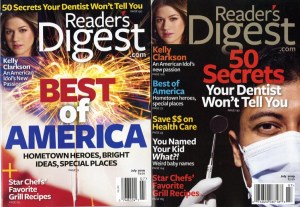
 As editor-in-chief of Reader’s Digest since November, 2007, I am happy to clear up the confusion generated by the New York Times article, which has been picked up, quoted, and spun out into the far reaches of the blogosphere. To be perfectly clear, Reader’s Digest has not changed its editorial direction to a more conservative approach. What we have done over the last year is modernize our look, sharpen our voice, and add new sections that hark back to our roots as a ‘digester’ of valuable content—all while maintaining our focus on the “hometown” values that our millions of readers share.
 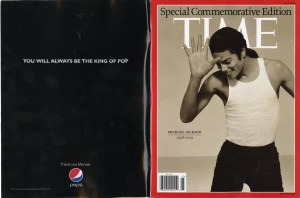 Do you want a commemorative edition that honors, explains and documents the late King of Pop Michael Jackson? Well look no further than the special issue of TIME magazine that started arriving on the newsstands last Sunday afternoon beating all the celebrities titles including TIME’s parent company’s own People magazine. The 68-page magazine (all devoted to MJ) was done in less than 24 hours and was printed on heavier stock cover and inside paper. In addition the magazine was able to sell one ad page to Pepsi that created an ad in honor of the late King of Pop. (See cover and ad above). Newsweek, on the other hand. had to do some quick adjusting to their issue hitting the newsstands last Monday. The main cover story was about books and what to read now.
 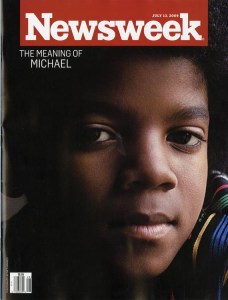 However, the newsstands cover was replaced by a picture of MJ and the tag line The Meaning of Michael and a 9-page special section was produced devoted to MJ. The subscribers cover remained unchanged. What bothered me with the Newsweek cover is that it was made to appear as a special issue on MJ rather than a few pages insert, especially that the cover price for this issue has been hiked to $6.95, one dollar more than the regular price of $5.95. (For the record, TIME also increased its cover price on the special issue by one dollar to $5.99 from $4.99).