 Check the preview issue of Mr. Magazine™ Monday Morning newsletter by clicking here. Be sure to register to start receiving the newsletter directly to your inbox every Monday morning. You can subscribe here and check the preview issue here.

Mr. Magazine™ Monday Morning: A New Free Newsletter from Mr. Magazine™
March 10, 2014The Return of Newsweek to Print… More Cheers for its Rebirth than Jeers of its Demise. A Mr. Magazine™ Interview with Newsweek’s Editor Jim Impoco
March 6, 2014“I will say I expected some publicity. I didn’t expect it to be so global and so intense. I am really surprised and I think, in a funny way, it’s getting more publicity for coming back than it got for going out of print. I don’t know, I love the fact that people are talking about it — it speaks to the power of the brand.”
…Jim Impoco
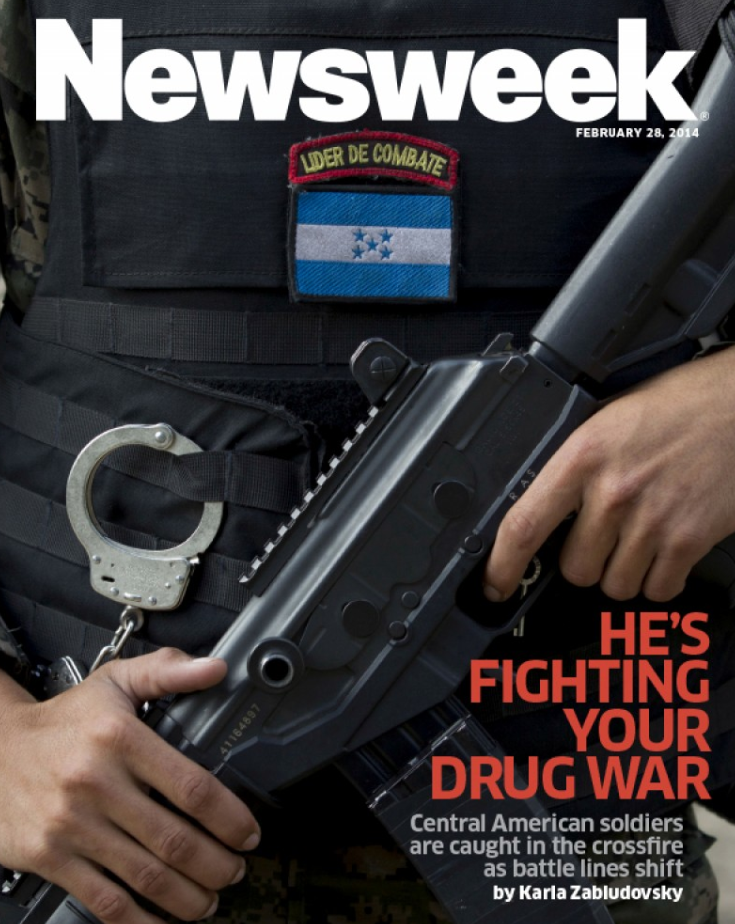

 I put my money where my mouth is. I believe so much in this consumer-centric business model that I went ahead and bought a subscription to the Newsweek Premier Subscription deal: all access for $149.99. The all access is the only way you can receive Newsweek by mail; otherwise you have to buy it on the newsstands (which I will also do). There is no print-only subscription. Print reigns supreme.
So why now and why the return to print? Well, to answer my questions I reached out to Jim Impoco, Newsweek’s editor in chief, who is amazed and pleasantly surprised by the amount of publicity the return of Newsweek is receiving.
Read the Mr. Magazine™ conversation with Jim Impoco, Editor of Newsweek, and discover why he thinks the new business model for the ink on paper magazine is certain to work.
But first the sound-bites:
 On the negativity surrounding the success of the new Newsweek: It’s funny, even Tina Brown tweeted this morning that she believed a small, targeted circulation is perfect for Newsweek. So I don’t know, the people that say it won’t work, maybe it won’t.
On whether digital entities coming to print may be the new trend: It’s definitely a trend but there are several reasons for it. Some are doing it for marketing and vanity reasons and others, like us, are doing it for commercial reasons as well as legacy reasons.
On whether or not he feels the new business model for Newsweek will work: I think it’s going to work, I’m betting a lot on it.
On the biggest stumbling block the magazine will have to overcome: I would say the biggest stumbling block is the lead time required for print.
On whether or not Newsweek can be the bridge that links yesterday to today: Well, that’s not what we’re trying to do anymore. I think that the era where Newsweek is the last word on last week is over.
On his statement that Newsweek would be like a monthly on a weekly basis: That’s exactly right. It just makes perfect sense that you need that kind of sensibility.
On the publicity the return of Newsweek is getting in the media: I will say I expected some publicity. I didn’t expect it to be so global and so intense.
On what keeps him up at night: Lots of things keep me up at night, but it’s like, are you making the right news call?
And now the lightly edited transcript of the Mr. Magazine™ interview with Jim Impoco, Editor of Newsweek.
Samir Husni: Why do you think there are a lot of negative media reports about the possible success of the new Newsweek?
Jim Impoco: I actually don’t think so. I look at Ken Doctor’s report, he is sort of like the Dr. Gloom of print, right, and he himself said there are a couple of cross currents that could make this work. It’s funny, even Tina Brown tweeted this morning that she believed a small, targeted circulation is perfect for Newsweek. So I don’t know, the people that say it won’t work, maybe it won’t.
SH: I’ve read a lot, you’ve been interviewed a lot, and we’re seeing a lot of digital entities crossing that virtual line and coming to print. Do you think this is a trend?
JI: It’s definitely a trend but there are several reasons for it. Some are doing it for marketing and vanity reasons and others, like us, are doing it for commercial reasons as well as legacy reasons. In other words, Politico doesn’t expect to make any money, I would imagine, right now from its quarterly publication. It’s hard to see what some of those entities have — you know some of their financial models are transparent and others aren’t.
SH: What’s your expectation for the new Newsweek and its new business model? When will you feel that this business plan — the $7.99 cover price and $150 subscription — is working? Do you need to hit 50,000, 100,000 or more?
JI: Actually, well under 50,000 makes us hold.
SH: Do you expect it to work?
JI: I think it’s going to work, I’m betting a lot on it. I am confident that it’s going to work.
SH: From an editorial point of view, what do you think is going to be the biggest stumbling block that you have to overcome?
JI: I would say the biggest stumbling block is the lead time required for print. You have to be able to predict what’s going to be topical four days later.
SH: Is there a way Newsweek can be the bridge that links last week to next week?
JI: Well, that’s not what we’re trying to do anymore. I think that the era where Newsweek is the last word on last week is over. We don’t even think in terms of weeks really, we’re just trying to see where we can advance the conversation, create our own weather.
SH: I’m giving a talk in Germany in two weeks for the newspaper industry about how newspapers must become weeklies on a daily basis. I’ve noticed you’ve mentioned that you’re going to be a monthly on a weekly basis…
JI: That’s exactly right. It just makes perfect sense that you need that kind of sensibility. The Week, the magazine, does a perfectly good job of giving you a concise summary of last week’s news and I think what we’re going to try to do is be a very topical monthly that comes out once a week.
SH: What keeps Jim up at night?
JI: Well, you know, when we close this issue it wasn’t entirely clear if Putin was going to send tanks in or not. Print is a tricky business. Lots of things keep me up at night, but it’s like, are you making the right news call?
SH: Were you surprised by the amount of publicity that the return of Newsweek to print is generating?
JI: I will say I expected some publicity. I didn’t expect it to be so global and so intense. I am really surprised and I think, in a funny way, it’s getting more publicity for coming back than it got for going out of print. I don’t know, I love the fact that people are talking about it — it speaks to the power of the brand.
SH: Thank you.
A Baptism by Fire in the Print World: Book-a-Zines Discover Their Spiritual Side and Faith is Made Strong
March 6, 2014From The Holy Land to The Bible: 50 Ways it Can Change Your Life, to Billy Graham and Faith, many publishers are devoting multitudes of book-a-zines to topics of religion and faith.


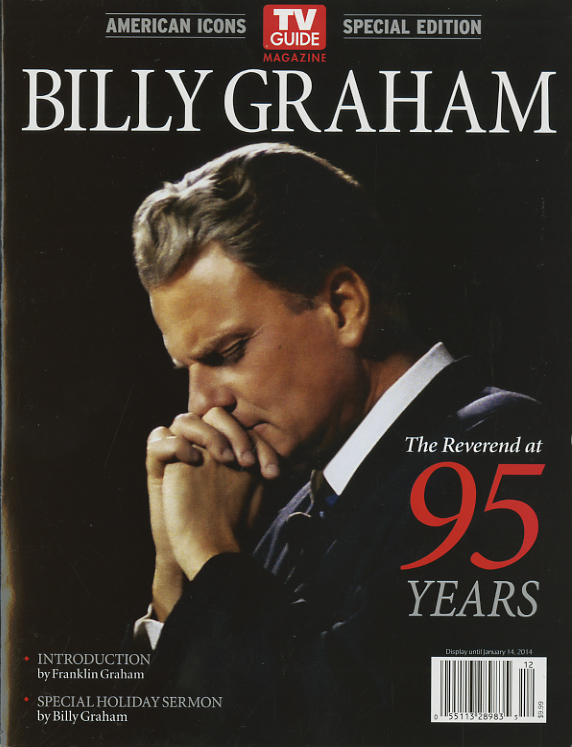
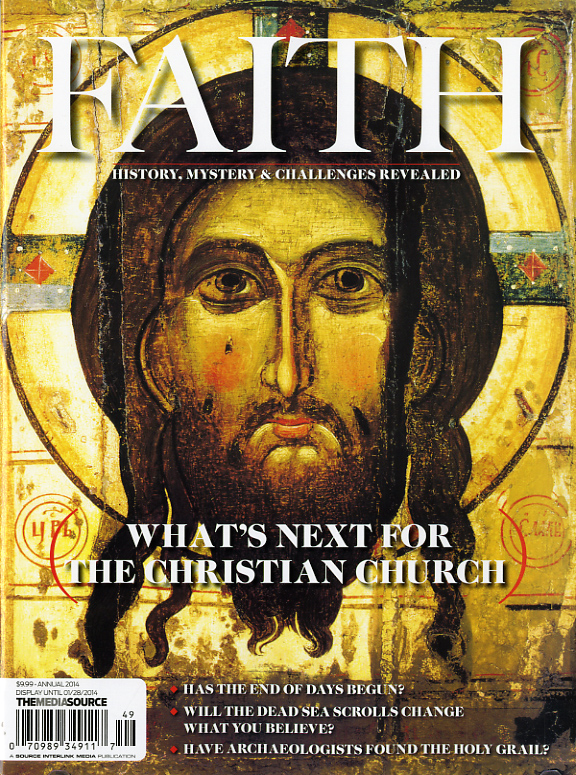
Over the last six months alone, there have been innumerous titles exploring God and His word and the staunch servants who deliver it today.
This month, so far, four different titles have come out: Newsweek’s Jesus, I-5 Publishing’s The Life of Jesus of Nazareth, Beckett’s Where Jesus Walked and TV Guide’s Pope Francis.
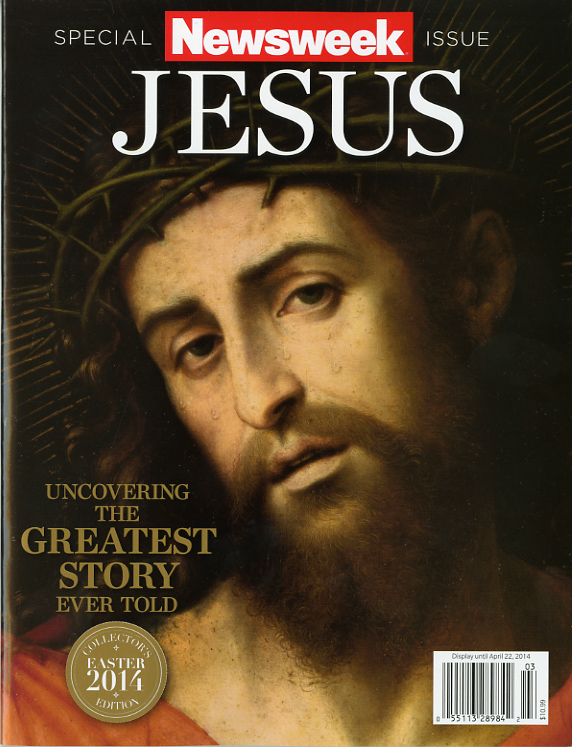
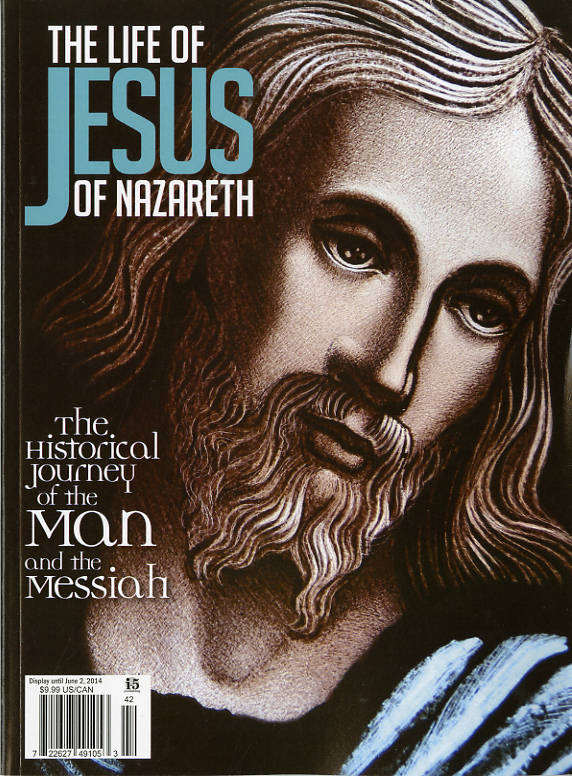
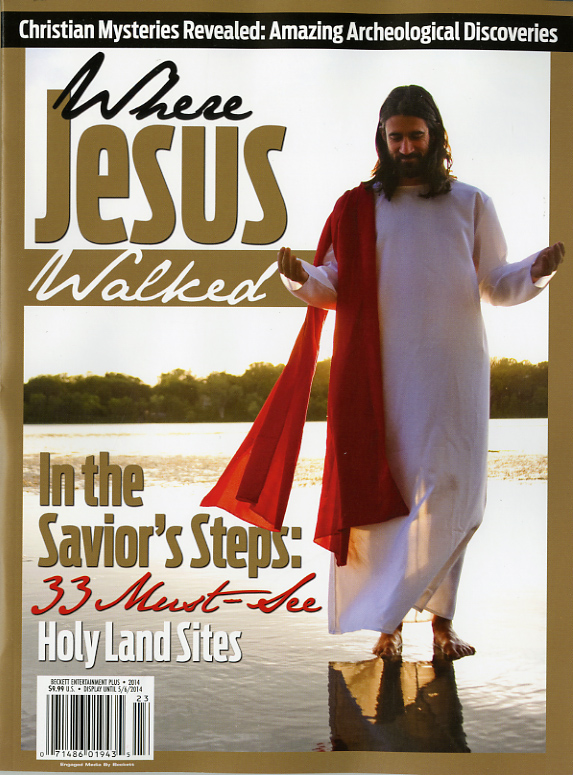
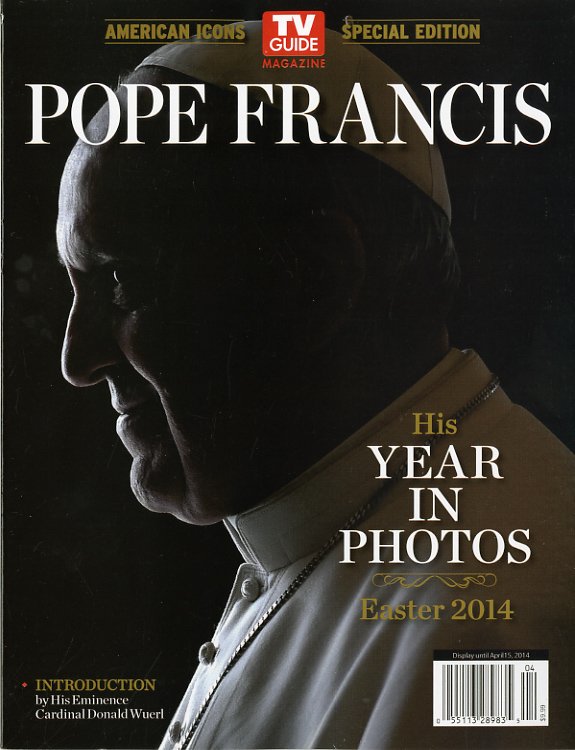
But not just spirituality is being explored in book-a-zines, there have been a broad range of topics over the last year alone: JFK, Nelson Mandela, The Beatles, The Rolling Stones, The Civil War, John Wayne and the Obama’s are just a select handful of subjects covered within the pages of these special entities. Where all of these titles are dealing with more earthly issues, book-a-zines are now extending their reach into the divine realms as we see from the abovementioned editions.
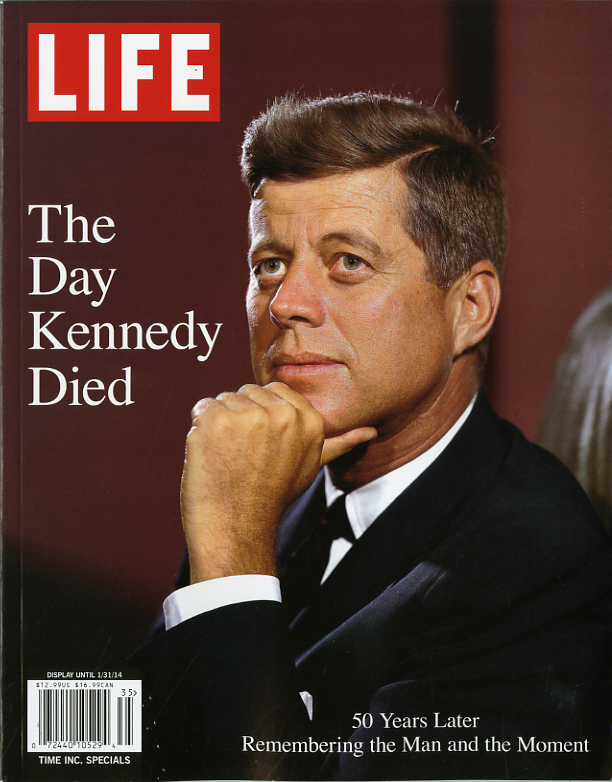
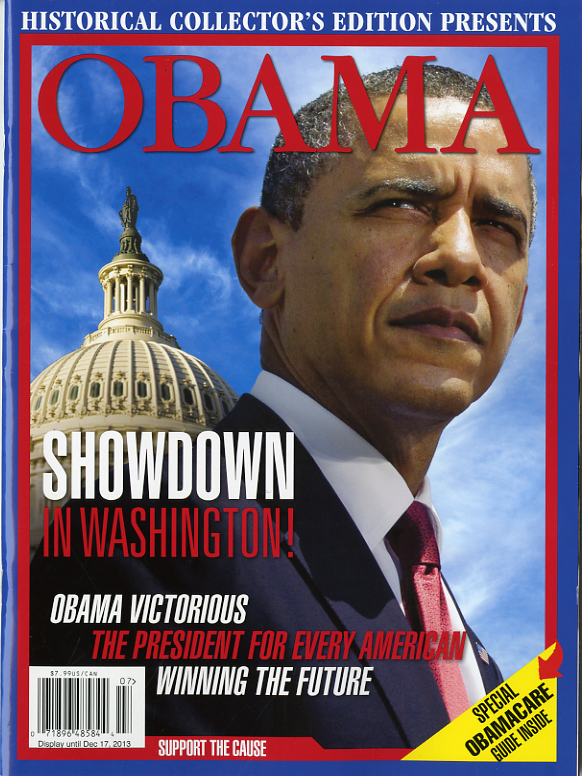
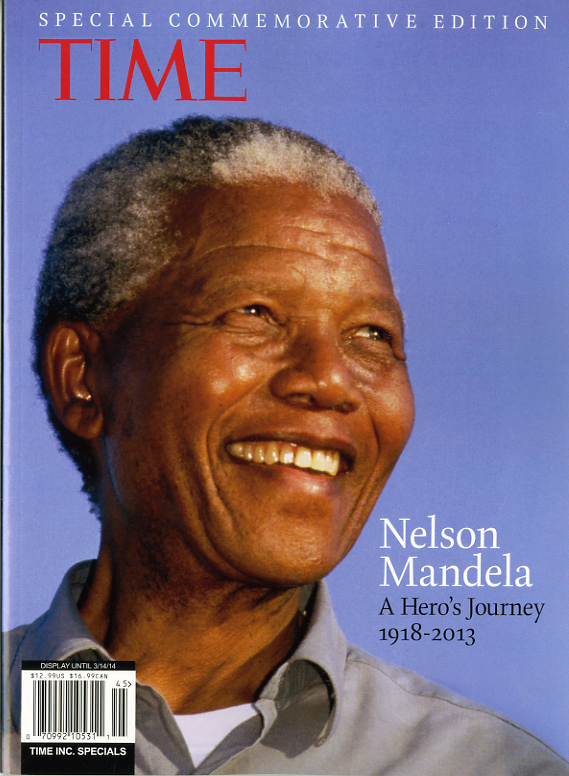
And with the release of the movie “Son of God,” which follows on the heels of the History Channel’s very successful Bible series and “God’s Not Dead,” which includes a special appearance by Willie and Korie Robertson of Duck Dynasty fame, the expectations of more of these spiritual journals are definitely on the horizon.
So are book-a-zines becoming the reflectors of society, thus usurping the role regular magazines have always held: freezing trends on and within ink on paper, rather than fleeting moments of digital time?
It should be noted, regardless of brand name, whether it’s TV Guide, Newsweek, National Geographic, Time, Life, or People, there are a handful of companies that are creating all these book-a-zines on behalf of those brands.
For example, Time Inc. is publishing on behalf of the American Bible Society and National Geographic. Topix Media Lab did two of the faith-based book-a-zines that have come out this month (TV Guide’s and Newsweek’s), I-5 Publishing did one and Beckett Media the fourth. In addition to the aforementioned, Source Interlink and Husdon News are also producing a lot of book-a-zines under countless titles and brands: the former releasing Real Food Real Kitchens last August.
So the brand appears to be happenstance; what doesn’t, is the burgeoning success of book-a-zines and their in depth information on whatever person, place, or thing that might interest an individual.
So keep the faith, as these special entities we call book-a-zines seem to be. With Jesus on the cover of several of these ink on paper editions lately; there is definitely hope for the print world and all of us!
InStyle Stays In Touch with its Audience and Proves that Knowing Your Brand and Why It Should Exist is Not Only Important; It’s An Absolute. Mr. Magazine’s™ Interview with InStyle Editor, Ariel Foxman.
March 3, 2014“If you don’t know why your brand needs to exist and how it exists in all those other arenas, whether it’s on social media feeds or digitally or on mobile; if you don’t know your voice and how you’re different than everybody else, you’re really screwed.” Ariel Foxman
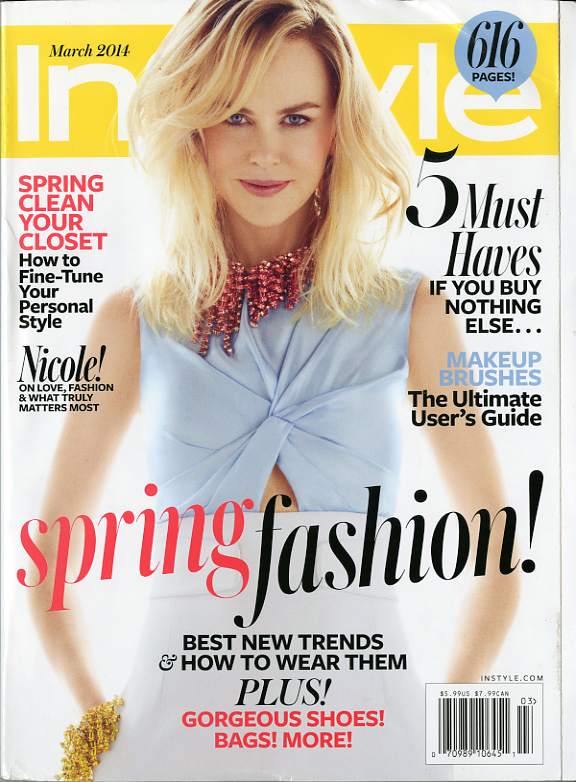
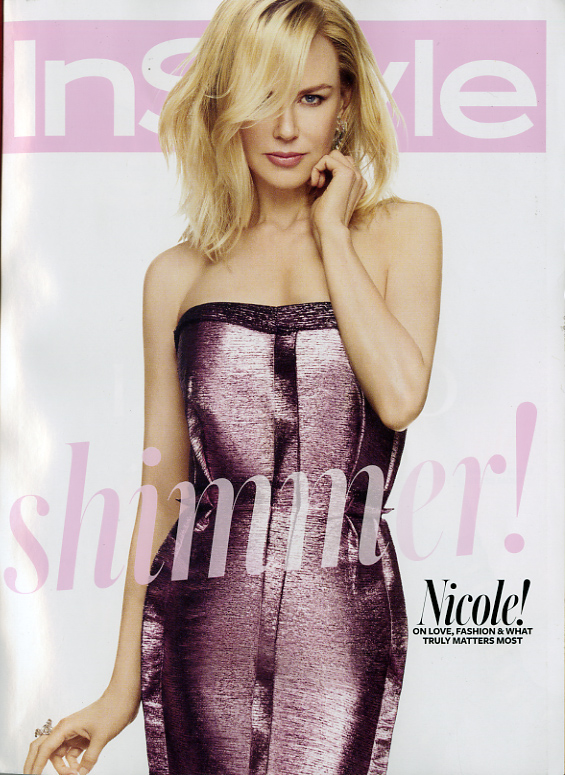
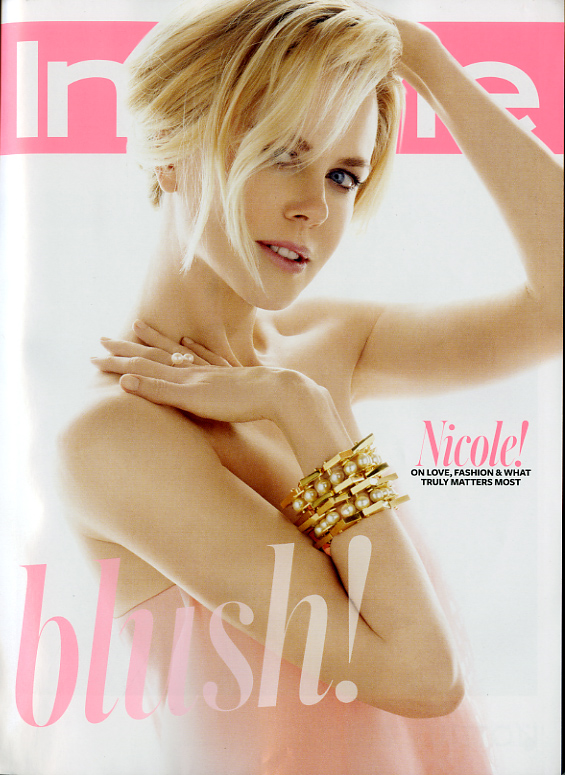
Fashion and style, with a sense of mystique and fantasy; InStyle Magazine remains a compelling leader in the category today. Editor, Ariel Foxman believes the brand says it all and that giving your customers what they want, when they want it and via the relevant platform secures their top spot among the elite. As a magazine connoisseur, Foxman follows his competition set closely, especially new launches.
“If it’s in print and it’s in our world, I definitely want to look at it,” Foxman said.
From experimenting with covers and colors – the daring move of using the no-no of green and making it work, to testing shiny versus matte; InStyle spins the chamber of the magazine, hoping for a bullet that hits and resonates with its audience. And proving that taking chances pays off when you know your audience and your brand intimately.
Ariel took time between his trips to Milan and Paris to talk with me about the magazine, the future, and the reasons behind InStyle’s success. What follows is a conversation between one self-proclaimed magazine junkie to another:
But first – the sound-bites.
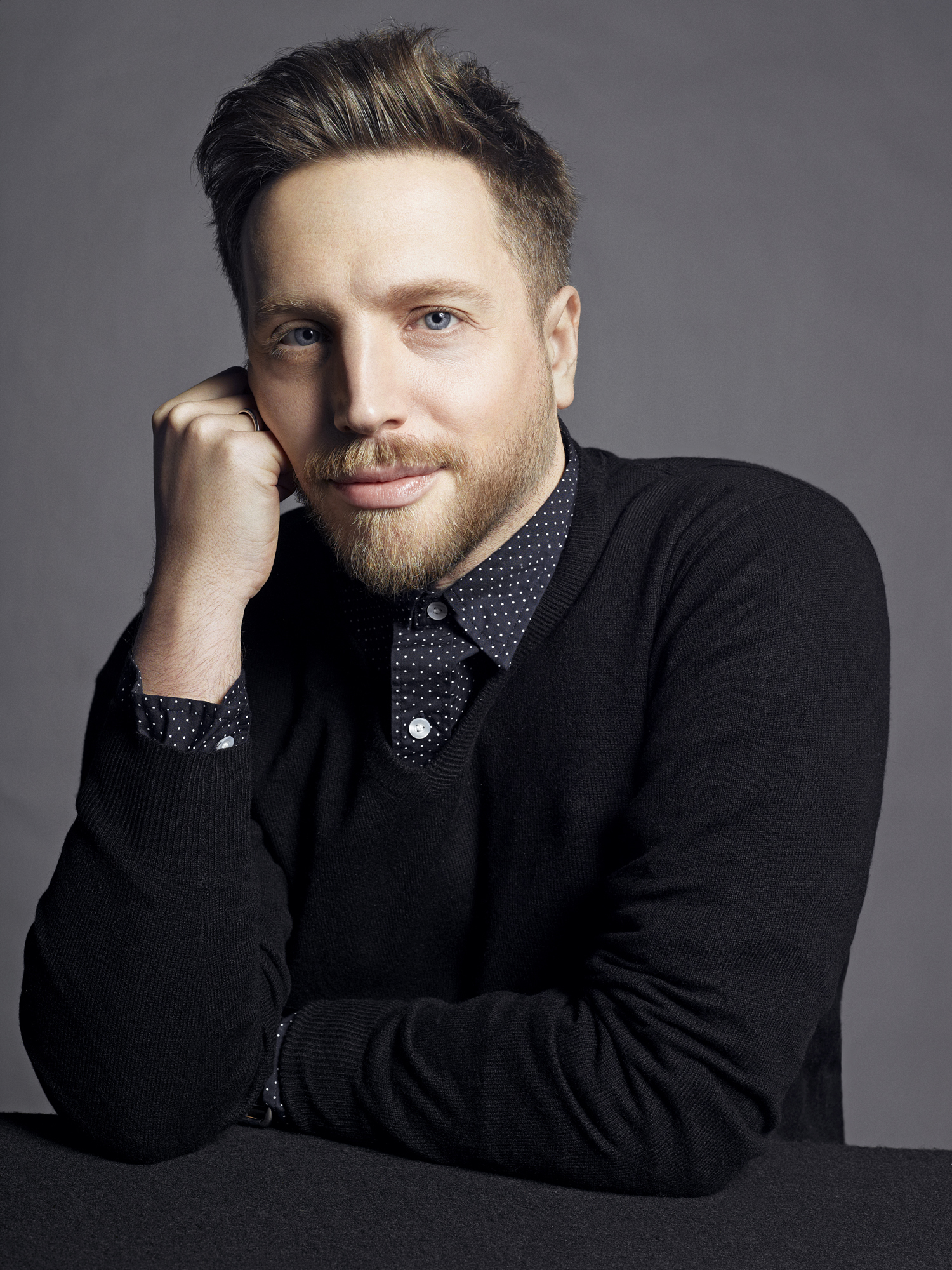
Ariel Foxman’s Sound-bites:
On the importance of a magazine’s point of view…
I think the inherent challenge of any editor or anybody who is creating content for an audience that’s hungry for news or hungry for service is to make sure your point of view is really differentiated.On the fashion and style world…
Fashion and the world of style have to have an element of mystique and fantasy in it to remain compelling. In order to draw people in, the world of fashion has to be mysterious, it has to have allure, a sex appeal and it has to have an element of what’s around the corner.
On keeping tabs on the other fashion/style magazines in Instyle’s competitive set…
You know, it would be disingenuous for me to say that I don’t look at everything that’s in the category at large because not only am I an editor but I’m also a magazine junkie like yourself. If something is in print and it’s in our world, then I definitely want to look at it.On the assumption that green on a cover is a no-no on newsstands…
Magazines start to blend into each other after a while. And green really was striking because no one does green.On the importance of a magazine brand being unique…
If you don’t know why your brand is unique in your field, what it has to say about your category and how it says it, you’re having a very hard time right now.
On native advertising being a new term for an old practice…
I’m happy that there are conversations now about native advertising and that everybody in the room and then some now has a word for this sort of thing because it’s not a new idea. Sponsored content is not a new idea, it’s a very old idea and it’s existed in every media including print.
On whether a new venture should start in print versus other platforms…
Once you know that audience exists you can answer the question then; where is that audience primarily looking for the content? If it’s digital start there, if it’s print start there.
On what keeps Ariel Foxman up at night…
What keeps me up at night? From the magazine it really has to do with our readers. I really want to make sure that our magazine stays fun and fresh.
And now Mr. Magazine’s™ lightly edited conversation with the Editor of InStyle Magazine, Ariel Foxman.
Samir Husni: This is the largest March issue of InStyle and in September you had the largest September issue — this has been going on and on. Do you think we have a problem in print, in general with ink on paper or do we have a problem in content?
Ariel Foxman: When you say that we’re experiencing our newest issues and it’s going on and on and on, I don’t see a problem with that. I think that my challenge as an editor is always to make sure that we are remaining relevant and useful and entertaining in an environment that is getting more and more fragmented and louder and louder.
I think the inherent challenge of any editor or anybody who is creating content for an audience that’s hungry for news or hungry for service is to make sure your point of view is really differentiated so that with everything that’s being served to you whether it’s for a fee or free is very clearly differentiated and I know InStyle is enjoying the success that it’s enjoying because InStyle’s point of view is incredibly clear.
It’s equal parts inspiring and informative, so if you like style and you want that to be a part of your everyday experience, you know that InStyle, whether it’s digital or print, is going to give you that experience, where you’re taken to a fantasy place but at the same time you’re able to experience that piece of the world of style in reality.
SH: So in this world of inspiration and aspiration and mixing service and fantasy; do you think this is the secret recipe for the success of InStyle?
AF: You know I don’t think there is one secret to our success, but I think it’s a very big piece of why we resonate with millions and millions of women.
Fashion and the world of style have to have an element of mystique and fantasy in it to remain compelling. In order to draw people in, the world of fashion has to be mysterious, it has to have allure, sex appeal and it has to have an element of what’s around the corner. And that’s not true of every industry, so inherently there’s this tension in fashion and style that to draw people in and make it compelling — there’s mystery.
But along with mystery comes confusion, there comes the potential for alienation so InStyle is able to take that magnetism that is inherent in the mystique of style and turn that inside out and take you to the next level. So is it a secret ingredient? I don’t know, but it’s what we do best. We inspire you but we don’t just then drop you off a cliff.
It’s very easy to inspire people with gorgeous images — it’s very easy to show people a gorgeous dress on a beautiful woman — people have been doing that for hundreds of thousands of years. What’s not easy is to inspire somebody and then explain to them — knowing what their life is all about — that they can do something like that that makes sense for their everyday. That is what we do and I think that’s one of the secrets to our success.
SH: So, that’s one major issue that differentiates InStyle from the rest of the crowd in this category. However, in this category it looks like there are more newcomers coming. I’m sure you saw the media reports, that Porter is now a threat to Vogue, and all these media pundits are suddenly issuing their usual predictions of doom and gloom. It went against the trend that print is dead almost with no exception; yet all these magazines are growing in print and expanding their brand. What do you think about newcomers like Porter or Editorialist — are they enhancing the category, are they making your job harder or are you just going on doing your own thing with blinders on?
AF: You know, it would be disingenuous for me to say that I don’t look at everything that’s in the category at large because not only am I an editor but I’m also a magazine junkie like yourself. If something is in print and in it’s in our world, then I definitely want to look at it. To say I don’t look at anything would be just an out and out lie.
So I’m looking at everything not only as an editor but also as a consumer — a consumer of style news and a consumer of style period. I think you blur the lines when you broaden the category of our set to include everything that looks like a magazine to be a magazine.
But to answer your question about blinders, InStyle is a very unique proposition and I’m very focused on making sure that InStyle remains differentiated and deliver to our readers and our users what they love about InStyle the best. Do I look at the competition? Of course. Do I try to do an InStyle version of the competition? Absolutely not. Nobody wants that, nobody needs that and quite frankly we’re in the No. 1 position so it’s my job to make sure that we only grow our market share, it’s not my job to make sure we do a little bit of this and a little bit of that.
And I also think the sort of competition that a lot of the articles are about in our competition set is really media writing about the set in a way that isn’t even necessarily what’s happening. I think the set is a lot more supportive than is really even reported.
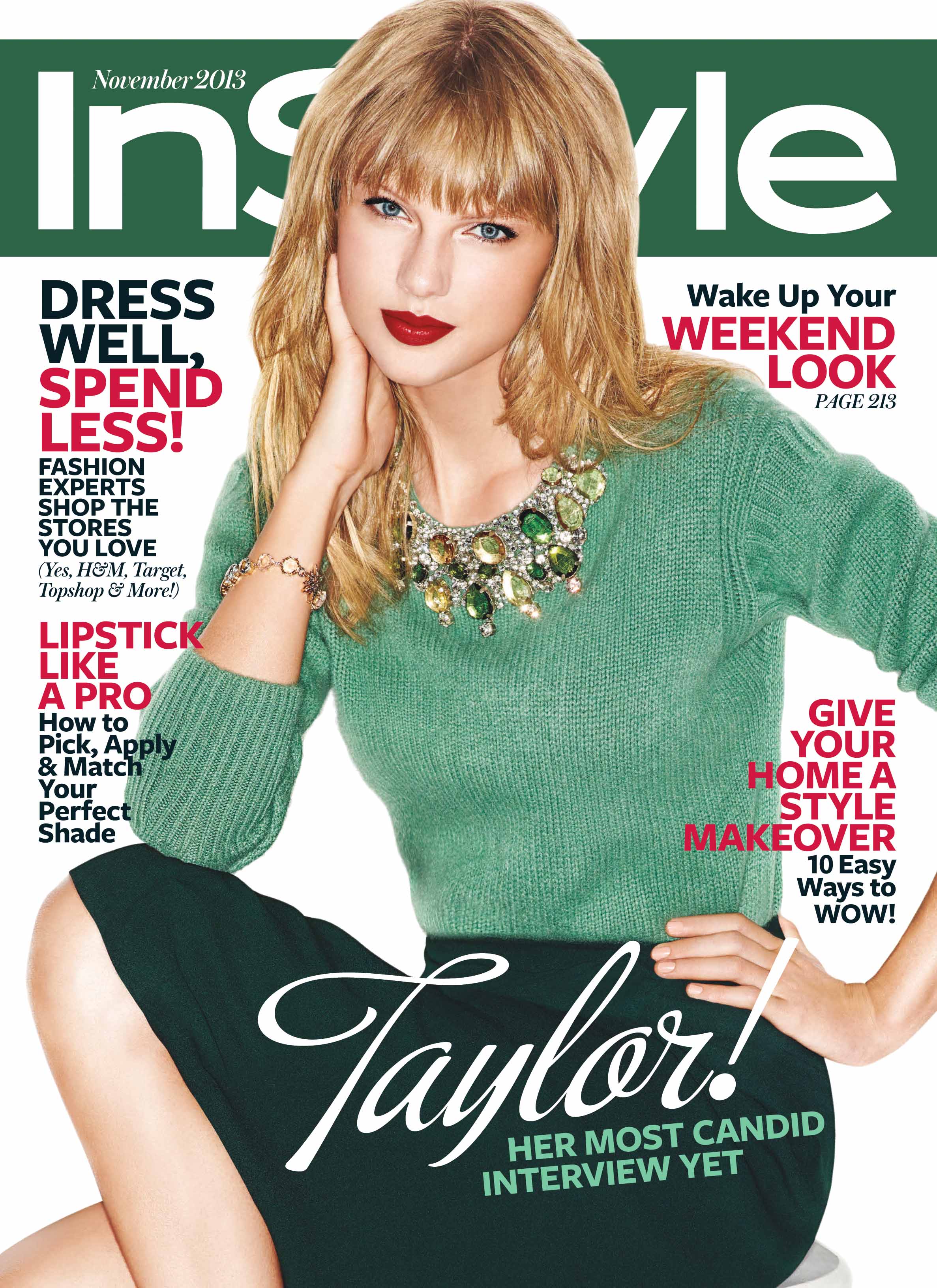
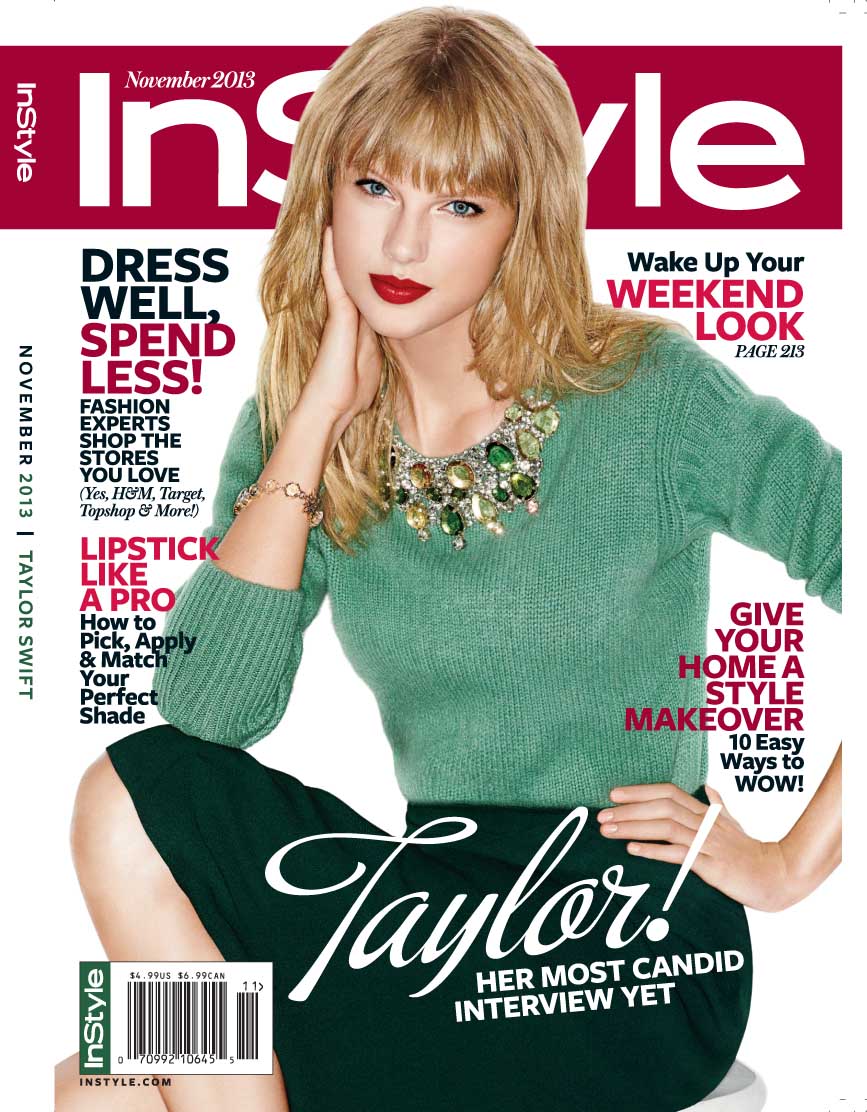 SH: Lately, I’ve noticed that you’ve been doing a lot of testing with the covers. I see one place where InStyle is in red, and I see once place where it’s in silver. What’s the idea? What are you trying to achieve by manipulating the colors on the cover?
AF: We’ve been doing a lot of market testing for years now. We’re celebrating our 20th anniversary and over that time, Time Inc. has afforded InStyle the opportunity to pre-test covers and that’s always happened and we’ve had a history of that which is wonderful.
It doesn’t select the cover ultimately, but it definitely helps us fine-tune cover lines and maybe one iteration of an image over another. In terms of live market testing, it’s really interesting for us to be able to test our own conventional wisdom about certain things.
For instance, when you’re talking silver over red, that is a very specific situation where we had an idea in our head that foil on a cover may or may not attract more readers to newsstands. Conventional wisdom would argue that if it’s shiny more people will notice and more people will buy it, right? But you really don’t know that until you put it out in the market with a non-shiny alternative. So that’s why you see it in some markets with shiny covers and some markets not. And you have to do it a few times before you can really say that that was statistically significant. That’s what you’re seeing.
Another interesting live market test that we just did has to do with the conventional wisdom amongst editors that green covers do not sell. Don’t put somebody in a green dress, don’t put green type on. Like people have an aversion to green on the newsstands.
Well, we shot Taylor Swift in November 2013 in this gorgeous green Burberry sweater and skirt and we shot her in a bunch of other things, the film came back, and I was like “that’s the outfit, that’s the image.” And rather than fighting it and trying to balance the green, we designed a cover, our creative director created this gorgeous very holistic green, all green cover and we thought to ourselves “Wow we’re really crazy.” Not only are we having green on the cover, we’re going full-throttle.
And we loved the cover and we all responded to it, and I said, “Look, how can so many of us be wrong? Somebody else is going to respond to this on the newsstand.” And I thought this is a great opportunity to test this conventional wisdom. Let’s put the majority on the newsstand all green and then let’s put a small sample of it out on the newsstand live market with the green outfit and do a crimson InStyle logo and the reality is the issue was up eight percent year over year and the green cover overall was up eight percent year over year.
So it performed really well, people did love green. And when you look at the green versus the crimson cover, the green outperformed the crimson. So it’s less about throwing things out there to see what will stick or uncertainty and more about using the live market to test hunches that we’ve grown accustomed to having and saying, “Why do you think that and is it even true?”
SH: It stopped me on my tracks when I saw the green cover with the green logo.
AF: Magazines start to blend into each other after a while. And green really was striking because no one does green. But when I came on board six years ago, one of the covers that I had worked on was an April issue with Renee Zellweger in a bright, bright green ball gown and I remember everyone saying we might as well not even deliver these copies to the newsstands, not because Renee Zellweger is not appealing, but because it’s this big green dress. It sold so many copies.
So if green is done great or at the right moment in time depending on what’s on the newsstands in comparison, green can do really well.
SH: It’s time for me to change my lecture on design when I tell the students never ever use green on your cover.
AF: Well, we’re the outlier.
SH: How did your job change over those six years. We’ve seen a massive change in the magazine industry, in the magazine media industry — how did the job of the editor change to become the chief content officer with everything else that surrounds that job?
AF: Things changed immensely. If you don’t know why your brand is unique in your field, what it has to say about your category and how it says it, you’re having a very hard time right now.
It was one thing to be able to put out a magazine, if you had skills just to be able to put out a print publication — which is no small task — your skills were really just about creating and picking beautiful images and flow of magazine, all still things I have to do, but if you weren’t really sure of this is what we say and how we say it and why we say it and why do we all that differently, now with the explosion of all the different platforms, if you didn’t know all those things, you don’t know why your brand needs to exist and how it exists in all those other arenas, whether it’s on social media feeds or digitally or on mobile; if you don’t know your voice and how you’re different than everybody else, you’re really screwed.
A good chunk of my job, and it wasn’t the case three or four years ago, is making sure our brand maintains those values and shows up in those places and delivers the content in that voice to the women who want that brand experience either in addition to print or outside of print. And that is the challenge. So you love what InStyle delivers, how we are delivering it to you wherever and whenever you want.
The second change is the brand is a business, it’s not a magazine. The magazine is a very big piece of our business — like 616 pages, our largest ever — but the growth is not only coming from year over year growth in print, it’s coming from additional revenue streams. Now the magazine always had extensions, we’ve always had special issues, we’ve always had foreign publications, we had TV shows, all that. But now the expectations of the editor are what else are you putting out there for a consumer?
So just last year we launched a shoe line, a collaboration with Nine West. We launched a shirt collection. This year we’re looking to grow both of those. We’re looking at a way to evolve our subscription offerings. We’re re-launching our website with a completely fresh design that will allow us to produce additional content with more native opportunities.
So it’s really about putting on that hat where you’re thinking OK, yes the business has to have multiple spokes which honestly, that should have been the job of the editor many years ago. If you weren’t planting the seeds ultimately you would have hit a wall in terms of growth. There’s only so many ads that any brand can carry without diversification. If a brand doesn’t show diversification in other places, it really doesn’t show vibrancy. Without vibrancy you’re not going to attract more ads, it’s very cyclical.
SH: You mentioned briefly native advertising. As a journalist, as a chief content officer, do you think there’s more pressure on editors now from the business side to incorporate native advertising, to do something with advertising or are you still safeguarding the print and putting native advertising on the web? What’s your philosophy?
AF: I don’t think there’s more pressure, I feel like the pressure is the same. There’s always pressure to make money, which I think is a very healthy pressure.
The delineation is very clear; who is selling and who is creating. I think that everybody including the sales team has a very strong respect for the consumer without whom there is no business. If there isn’t a consumer who respects the product and comes back repeatedly for the product you have no business, you have no client that is attracted to any product. Everybody has a very clear and articulated respect for that.
So I think we’re very, very good about that. I think any pressure you have to make money; the foundation is based on a respect for the consumer. I’m happy that there are conversations now about native advertising and that everybody in the room and then some now has a word for this sort of thing because it’s not a new idea.
Sponsored content is not a new idea, it’s a very old idea and it’s existed in every media including print. Advertorial, content solutions, every big publishing company has had a content solutions department for years, you’ve seen native advertising for decades. You ask, and I know you ask this knowing the answer, is it just digital only?
We’ve had advertorial in print for many, many, many years and I’m happy to run advertorial. Why? Because they’re well executed, they fit firmly in the book, they bring revenue, and most importantly they’re clearly marked. Promotion, sponsored advertising, whatever it is. And native advertising, digitally, will also be clearly marked. And you know what? Sometimes they have really good content. Sometimes now that they’re brought into the light, there will be an opportunity for more attention, not to the sacrifice of editorial attention, but more attention can be brought to them to up the quality of these enterprises. I think that serves the consumer and the client as well. I think talking about it only helps. And you know backroom conversations about do we think the consumer will know the difference is not helpful, the more people talking about it the better.
SH: What advice would you give someone who came to you today and said, “I have this great idea! Can I start in print or do I have to be on all the platforms from the very beginning?” I see all these digital companies are coming to print. What would you tell the person?
AF: I would never tell anyone who had a good idea that they were crazy. First I would ask them what is the reason that your voice needs to exist? If the person could clearly define what is the differentiated voice in that category then it’s not only a good idea, it’s an idea that needs to exist.
So if that idea needs to exist that means there’s a disenfranchised audience somewhere. There’s an audience that’s hungry for that voice in that category sphere. Once you know that that audience exists you can answer the question then; where is that audience primarily looking for the content?
If it’s digital start there, if it’s print start there. If they’re looking for a certain type of execution in different spheres, figure out where is going to be the easiest to launch. I think you have to decide also where the client base is. But meet your audience where he or she is going to be. It’s much easier than creating something and moving people to a place.
Find a need, create a voice, and meet them where they are. But people are launching things all the time and the only reason why they do is they see a need, a disenfranchised audience and they know a way to reach them. I’m always happily surprised when you see a digital enterprise decide you know what it would be nice to create a quarterly magazine based on the aesthetic, the voice, the audience that we’ve created primarily.
SH: Here’s the question, you are at home, sitting on your favorite chair or lounge with a glass of wine in your hand reading a magazine. Forget about InStyle; what other magazine would that be?
AF: What would that magazine be? That’s a good question. It’s either New York Magazine or Departures.
SH: My last question to you… What keeps Ariel up at night?
AF: What keeps me up at night? From the magazine it really has to do with our readers. I really want to make sure that our magazine stays fun and fresh. The biggest concern I have about the magazine is when do we retire something that I know is very popular in the magazine or online and introduce something new that I think they would really get a kick out of. That’s the type of thing I’m always kind of struggling with.
SH: Thank you.
© Samir “Mr. Magazine™” Husni, 2014.
“Move Forward” with Fitness Magazine and its New Tagline. Mr. Magazine’s™ Interview with Fitness Publisher, Eric Schwarzkopf, as the Magazine Rejoices in Its Print Persona and Propels Forward On Its Multi-Platform Purpose…
February 25, 2014“And you know magazines are not going away. The one thing that I think is so special about print is it’s the one medium where consumers say that the advertising is part of the overall experience.”
…Eric Schwarzkopf
 A call to action is the description Fitness Magazine’s publisher, Eric Schwarzkopf, gives the magazine’s new tagline: “Move Forward.” A unique twist to magazine renovations; promoting a tagline change is something not usually done. But Fitness Magazine (a Meredith publication) has always been a motivator and an inspiration to women since its inception in 1992. And retiring the ‘Mind, Body, Spirit’ tagline shows a print product determined to “move forward” and continue that energetic impetus.
A man who believes in print, but concurs that every platform must be a viable option for the customer, Schwarzkopf knows the value of the brand. Changing the tagline to a more forceful, dominant command brings this stellar debut its own special connotation: to “Move Forward” to a more healthier and vibrant you. Something he thinks each of the magazine’s readers can and will appreciate.
So sit back and enjoy the Mr. Magazine™ interview with the publisher of Fitness Magazine, Eric Schwarzkopf.
But first the sound-bites:
 On digital brands venturing into print…
I think it’s important to be everywhere that the consumer is and if digital brands are realizing that print is a smart and viable place that people are not abandoning then it’s wise for them to be everywhere with their message.
On Fitness Magazine changing its tagline…
“Mind, Body, Spirit” had been our tagline for 20 years and it really embraced our philosophy and the way women were looking at the world and what they wanted from their lives, and that probably still applies to this day. We just felt that after two decades it was probably time to modernize that and just give it a fresh new voice.
On an explanation of the new tagline “Move Forward”…
We feel like it’s another way to differentiate our brand from what can be a crowded category. I hope it resonates with readers, I think it will because it sort of invokes that Newton’s Law of Motion — objects and things in motion stay in motion.

On why the tagline isn’t on the cover…
It’s on the spine and inside the magazine. So we put it in those two places and whether it finds its way to the front cover, we’ll see.
On the future of Fitness magazine…
Still the publisher of a brand that is primarily driven by print but one that has other assets that are catching up and certainly online advertising will continue to grow so that will be a bigger percentage of our overall revenue. And we do very well with events and experiential marketing. But I believe print three years from now will still be by far our largest piece of the pie but the others will certainly grow.
On the biggest stumbling block for magazines and magazine media today…
I would have to say it is less dollars available in print, so in past years advertisers might buy three or four titles within our category. Nowadays, they’re only buying one, or magazines within a category. They’re not going as deep with their buys so that creates quite a competitive battle.
On how Fitness Magazine can get past that stumbling block…
Well, we need to continue to prove to advertisers that our readers are more engaged and more responsive to these ad messages than those in our competitors.
On something new Fitness Magazine is doing…
We have about two million e-newsletters that we send out on a monthly basis and one of the more successful ones is called the Daily Fit Tip and there are over 525,000 women who have opted in to receive that Daily Fit Tip email every day.
And now the lightly edited Mr. Magazine™ conversation with the publisher of Fitness magazine, Eric Schwarzkopf.
—–
Samir Husni: First what I’d like to know from you, if you’re the doctor that was going to keep your hand on the pulse of Fitness, how would you describe it? What’s the pulse of Fitness magazine today and fitness in general?
Eric Schwarzkopf: The pulse of the magazine today is thriving and ever evolving. As the media landscape changes and consumers’ media consumptions change, we have to stay in lock and step with that and try to move as fast as we can. As ad dollars sort of flow in different directions and have this slight trickle away from print, we need to make sure we can be there with our editorial voice and our advertiser’s messages at every touch point in a woman’s life.
SH: You mentioned the ad dollars trickling away from print; why do you think then we are seeing a lot of digital entities — like Pitchfork or Porter or a lot of these digital websites — migrating into print and launching print magazines in addition to their digital?
ES: And allrecipes.com right?
SH: Is it time for us to rethink the business model of print or the entire business model for the magazine media?
ES: I think it’s important to be everywhere that the consumer is and if digital brands are realizing that print is a smart and viable place that people are not abandoning then it’s wise for them to be everywhere with their message. What we’re trying to do, they’re just doing it in reverse.
SH: Tell me a little bit about this move with Fitness from “Mind, Body, Spirit” to “Move Forward,” this new tagline. What was the thinking behind it, besides the commitment to move the advertising partners’ business forward by connecting their brands — what you mentioned in the press release — but more in reality, how do you identify…
ES: “Mind, Body, Spirit” had been our tagline for 20 years and it really embraced our philosophy and the way women were looking at the world and what they wanted from their lives, and that probably still applies to this day. We just felt that after two decades it was probably time to modernize that and just give it a fresh new voice.
So we worked with an outside company and we had top editors and our top folks on the marketing and advertising side and we reviewed many different taglines and this was the one we honed in on. It was one of those that we said, “That’s it, there it is.” That’s what you want out of these brainstorming sessions — the one idea that everybody says, “There it is, that captures the essence of it.”
It really does have this double entendre to it about the physical and the fitness piece of moving forward and building a healthy mind and a healthy body. But also the figurative side to it, moving forward in your life. Whether that’s from a healthy attitudinal spirit, it can apply to your professional life. It just sort of moves people toward goals that drive this sense of confidence. We felt like that was a good one.
SH: In all honesty, I can’t remember a day in recent memory where a magazine focused so much on the tagline. It’s a first that a magazine is sending press releases and doing all sorts of publicity based on a tagline. How important is the tagline to the industry, to the advertisers or are you combining the tagline with something else? Is there something bigger than just changing a tagline?
ES: We feel like it’s another way to differentiate our brand from what can be a crowded category. I hope it resonates with readers, I think it will because it sort of invokes that Newton’s Law of Motion — objects and things in motion stay in motion.
In such a busy world, it’s nice to think of it in multiple ways: One in your physicality but two in your sort of spirituality, if you will. I think we’re just trying to create one more point of differentiation for us. It can be for people at any level, at any age. You don’t have to be an expert exerciser or triathlete. You can be an absolute beginner. It’s celebrating women’s power to sort of take control of their lives and be confident.
SH: You mentioned that there’s a lot of competition now. Kristine Welker, the publisher of Dr. Oz The Good Life, talks a lot about wellness. Is fitness wellness?
ES: Absolutely. Oh gosh, yes. In fact, I think the tagline helps us because I think there is a propensity for people to see our name and think of it in a very vertical manner. And it is definitely not the way our website or our magazine or our social media is really conveyed. Certainly exercise is a part of our story but we deliver the most health and wellness edit of any magazine in our category, in fact, even more than Health Magazine.
So yes, wellness is enormous and it touches so many facets of our lives — the food we eat, the way we stay active, our mental health. The wellness piece is very important.
SH: I don’t know if that’s a split test, but the copy that I found on the newsstands of fitness did not have the tagline on the cover. Is that something that was done on purpose?
ES: It’s on the spine and inside the magazine. So we put it in those two places and whether it finds its way to the front cover, we’ll see. That’s certainly up to Betty Wong, our editor in chief. At this juncture we all feel comfortable with it starting out on the spine and the masthead.
SH: Can you tell me a little bit about the market in general? I mean you’ve been dealing with print and you are now “moving forward” to digital and other platforms. With events, with everything else that Fitness magazine is sponsoring; what does the future look like for you two or three years from now? Will you still be a publisher of a brand strictly based in print or will you be publisher of a brand that’s digital that has a print entity. Where do you see yourself three years from now?
ES: Still the publisher of a brand that is primarily driven by print but one that has other assets that are catching up and certainly online advertising will continue to grow so that will be a bigger percentage of our overall revenue. And we do very well with events and experiential marketing.
We have a lot of web series that we are out there producing for people and we have custom videos that we’re doing more and more of, so I think we’ll continue to see our growth in those areas. Social media continues to be very big as well and that’s a revenue builder as well. So I think the ad revenue pie will grow in the other areas. But I believe print three years from now will still be by far our largest piece of the pie but the others will certainly grow.
SH: Are you facing any, not necessarily challenges, but any demands from advertisers to use native advertising on the pages of the magazine?
ES: Yes, that’s been happening for a number of years. We feel that print was the originator for native advertising. We started that. We’ve been talking about brands in our articles since the beginning of time so I believe we’ve been doing that, not generating ad revenue — there’s the church and state line. But yes, that pressure and those requests continue from clients and agencies. So we’re trying to navigate our way through that and maintain the respect for editors as well as not creating confusion for the consumer.
SH: What’s the most difficult hurdle that you see facing magazines and magazine media in the near future? What’s your biggest stumbling block today?
ES: I would have to say it is less dollars available in print, so in past years advertisers might buy three or four titles within our category. Nowadays, they’re only buying one, or magazines within a category. They’re not going as deep with their buys so that creates quite a competitive battle.
SH: Then you can predict my next question…How are you going to jump over that hurdle?
ES: Well, we need to continue to prove to advertisers that our readers are more engaged and more responsive to these ad messages than those in our competitors. And we have some very solid research that does prove that, whether it’s Starch from MRI and we consistently score exceptionally high on that, quite often No. 1 versus our competitive set for buying a product, telling a friend about a product, tearing out an ad, visiting a website. That is compelling stuff.
And then of course as far as Meredith is concerned, we’re the only company that has partnered with Nielsen Homescan to prove ROI with a money back guarantee. The Meredith sales guarantee has been a wonderful tool to have in our arsenal.
SH: Are you using that in Fitness also now?
ES: Oh, yes. I think 27 brands have taken advantage of the Meredith sales guarantee and the Nielsen Homescan data and every single brand has seen a lift in sales and Fitness has been involved with I would say at least one third of those if not half of them. So it’s been a solid tool for us.
SH: Who do you consider to be your No. 1 or No. 2 competitor? You keep on referring to the competitive set. Who is your competitive set?
ES: Our competitive set is Shape, Women’s Health and Self. We include Health in that group from time to time. Their median age is about 10 years older than ours so they are sometimes not in our competitive just because they’re older. The core books are Shape, Women’s Health and Self.
SH: With the demands on print and with advertisers now selecting one or two instead of going deeper into each category; do you fear that a day will come when each one of these categories will only have one or two? Is it the survival of the fittest? Or what’s your recipe for success, for staying a leader in this category because all the names you mentioned are tough competition?
ES: We think delivering our reader, our woman exactly what she wants, that that is the key to success and not trying to be all things to all people. We know that our readers love our brand because they love our exercise-related editorial, our nutrition editorial, our health editorial. We aren’t trying to cover sex and relationships and finance and a lot of other things and there are magazines out there that are trying to become almost general interest.
We know why our readers like our magazine and our website and we try to stay true to that. We feel that is the real key to success, giving her what she wants and what she needs. And our audience numbers, we just had a 24 percent increase in our audience the fall wave of MRI and every other magazine in our category had a decrease. So we had a substantial growth there.
Our web traffic is enormous and we are generally No. 1 or No. 2 in web traffic for monthly unique visitors. We’re at 4.7 million uniques right now from comScore. There are really solid numbers being delivered. We have 1.2 million followers on Facebook, which is huge within our category. We give her what she wants so she comes back.
SH: If somebody comes to you and says, “Eric, you’re a publisher, you’ve been doing this for some time, I have an idea for a new magazine,” what would you tell them?
ES: I would tell them make sure you have good financial backing. That you have all the other mediums covered off. That you must have a good website, you must have a strong social media platform and you must really understand who your target audience is and what they want and deliver that in a best-in-class manner.
SH: My final question, my traditional final question, what keeps Eric up at night?
ES: Thinking about the next cool, compelling idea that’s going to make our advertisers jump for joy, ring their registers and make our female audience very happy with the content they’re receiving or the experience they’re receiving from our brand. We’re always thinking about the next cool thing.
We are just unveiling something new as well; I don’t think the press release has anything on this, so you’re getting a little scoop.
We have about two million e-newsletters that we send out on a monthly basis and one of the more successful ones is called the Daily Fit Tip and there are over 525,000 women who have opted in to receive that Daily Fit Tip email every day.
And we just partnered with The Better Show, Meredith’s daily talk show, and we’re now bringing the Daily Fit Tip to life so it’s a really fun 60-second segment that takes place every day on the daily show and now we can integrate advertisers not only into the newsletter and into the magazine but also into the TV show as well. That’s a new program we have out there.
Last year, we also reached out to the folks at Men’s Journal. That was a rarity in the media industry. I reached out to the folks at Wenner Media because we don’t have any purely male titles at Meredith and felt like it would be a good thing for both of our brands to have a male/female counterpart. So that has proven to be a successful partnership for us as well with the Men’s Journal folks.
It’s those types of things that keep me up at night, trying to think of the next new program, the best new ways to deliver advertisers messages.
And you know, magazines are not going away. The one thing that I think is so special about print is it’s the one medium where consumers say that the advertising is part of the overall experience.
SH: Thank you.
© Samir “Mr. Magazine™” Husni, 2014.
Digital is Putting its Best Pixel Forward & Going Print: The Audience-Empowered Print Future
February 20, 2014MOTHER INK HAS NEVER BEEN SO PROUD
Why The Pixels on the Screen Transition to Ink on Paper is Working Today?
 I’ve always firmly believed that life without print in the magazine media industry would be unbalanced, a bit off kilter, just not right. It would be like Kojak without his sucker, a stuffy kid without Vicks VapoRub or Mr. Magazine™ sans his mustache; some things are destined to be under your nose, no matter what. And ink on paper is one of those when it comes to magazine media.
When I founded the Magazine Innovation Center (MIC) in 2009, I did it listening to the naysayers of the publishing world who were shouting at the top of their lungs: “Print is dying or already dead! Long live digital!” Luckily, I’ve never believed much in negativity or ghostly visions seen by prophets of doom; everyone needs their eyes checked occasionally.
I was determined to amplify the future of print in a digital age with MIC and I wanted, and continue to evangelize the importance and seriousness of its value to the industry. Digital without a foundation (where magazine media is concerned) will not stand. In the business of publishing it is a proven fact tangibility counts for something. Vast amounts of cyberspace are a wondrous thing, but where is the ownership, the showmanship and the membership of digital? You can buy an app, but can you really physically touch it and feel its pages, like you can with print?
The answers are obvious, as some recent maneuvers by magazine media have proven.
But if you doubt me, have a look at some of these quotes from executives and notables in the business who are finding out that print is a bondable commodity when it comes to sticking to your audience’s mind, heart and wallet.
Net-A-Porter’s Natalie Massenet on the new print launch of Porter magazine:
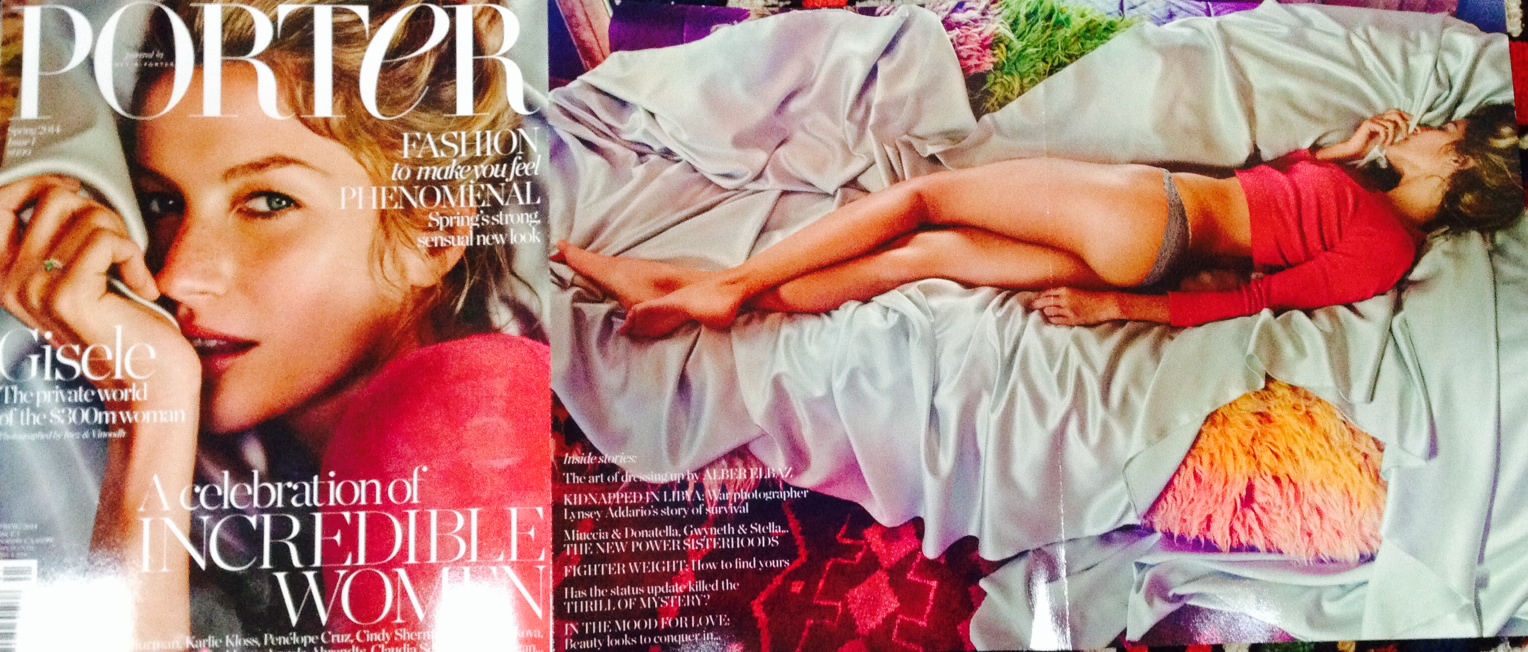
“We think it’s a continuation of our service,” she said of the forthcoming magazine. “It will be entirely shoppable, ads will be shoppable — we’re going to try and create something completely new there.”
“I know it sounds crazy,” Ms. Massenet said. “It’s not for the fainthearted, but we’re a multimedia company, and in the same way that you have to have a Facebook page and an Instagram account and be on mobile and have a website, you also need to be in print.”
*****
What did she say? You also need to be in print, was it? Finally, the hyperbole of digital-only has been unmasked. In the 21st century, in this digital age, there is absolutely no reason our customers can’t have it all. There is no either/or in this scenario. To satisfy the needs and wants of our readers; we must deliver relevant content, via the relevant platform to that particular arena’s relevant audience. People are moved and touched by the tactile nature of the printed product.
Audience-empowered print is just common sense. Magazines that are using all kinds of print integration and optimization, but at the same time leaving the decision to the readers about whether they want to activate the pages or not. The audience can enjoy the magazine as is, or can use their mobile device to access the second and third screens. It is an audience-empowered print, short and simple.
Delish

Michael A. Clinton is president of marketing and also publishing director at Hearst Magazines in New York. He had this to say about the printed product that is Delish:
“It’s part of a larger Hearst strategy we call pop-up edit,” Mr. Clinton said, using the industry shorthand for editorial content. “Across our portfolio, we’re looking for different ways to inject value for the reader.”
*****
Value for the reader… an absolute must in our day and age. People are looking for that quality and quantitative value in everything they buy.
Pitchfork goes Print
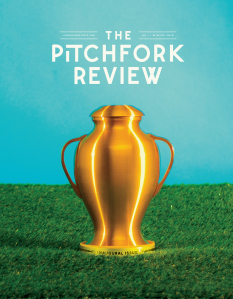
And on the new magazine’s cryptic cover — an urn, just an urn — Chris Kaskie, president of Pitchfork Media, explains:
“That’s about, well, if print is supposedly dead, let’s join them.”
Michael Renaud , Pitchfork’s creative director:
“It’s our way of saying we know a lot of people expect this to fail, but we believe in print.”
*****
And this comes from a music commentary publication that has been Internet-only for over 15 years. Quite a powerful statement: “we believe in print.”
The Power of Print for Politico – Meeting a Need

Executive editor Jim VandeHei said the reason for doing a printed newspaper was mostly to meet a need, one they expect to grow as they expand coverage of banking and the legislature.
“Our paper is targeted at the most influential readers in the country—lawmakers, policy official, top staff, etc. This move is designed to make sure the most influential readers in New York, who intersect and interact constantly with Washington officials, get the same paper in a same timely way.”
MISC Magazine

MISC started as simply thoughts from the blog of publisher, editor-in-chief, contributor and photographer, Idris Mootee. Transferred to print, the patchwork of latent ideas on business strategy, design, innovation and technology layer as a critical exploration of creativity, collaboration and co-created meanings.
Newsweek Plans Return to Print

And of course, then you have those magazines that were loved for generations by millions, only to be jerked from the newsstands and sent to digital-only heaven, which proved to be immortal hell, and finally brought back among the land of the living print once again.
“It’s going to be a more subscription-based model, closer to what The Economist is compared to what Time magazine is,” Editor-in-Chief Jim Impoco said. “We see it as a premium product, a boutique product.”
Hope reigns supreme…
*****

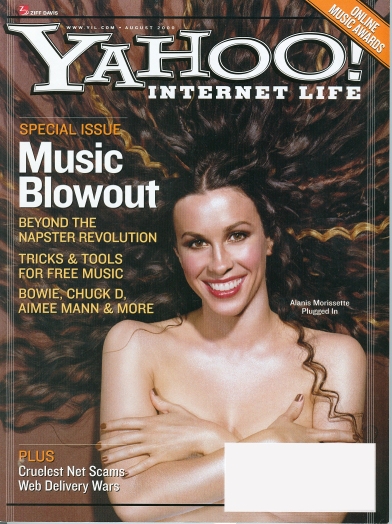
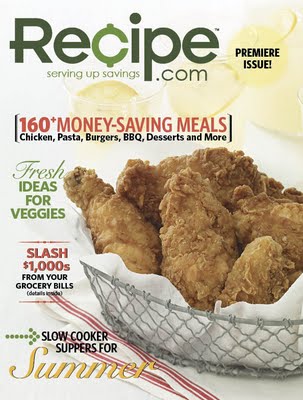
The idea of audience-empowered print in today’s world, if you think about it, is not only plausible; it’s happening.
Look at the following names of some very famous companies who depended solely on their websites, but then decided to go with a print counterpart that didn’t make it: Travelocity, Expedia, Yahoo Internet Life, eBay, Lifetime, Recipe.com and MixingBowl.com to name a few. All of these very popular sites tried to interact with their audiences by also offering a print product. It didn’t work.
Why? Is it because these were launched during the height of the Internet craze and almost each and every word within the print product led you straight back to the site? Is it because these magazines couldn’t possibly offer the customer anything different, unique or stimulating without their mother – dotcom – stepping into the picture ? Then you look at WebMD, The Knot.com, The Food Network, HGTV, Allrecipes and Style.com; all websites first, but now with an ink on paper companion and you find total and complete success.
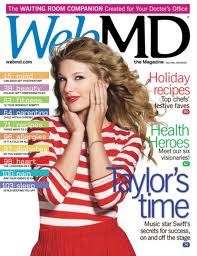
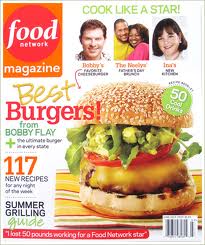

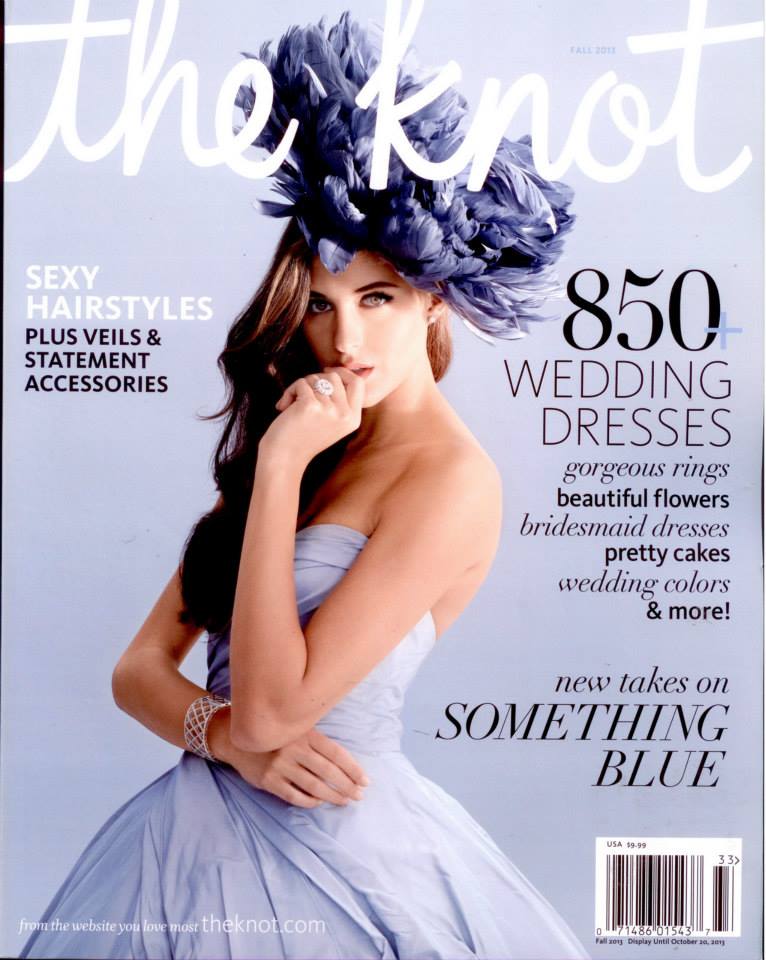
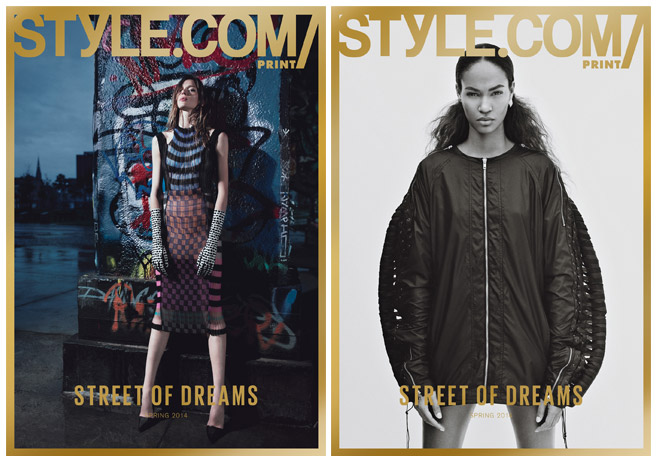
Why are today’s digital-to-print entities working while yesterday’s are barely a memory? Could it have something to do with that phrase: audience-empowered magazines? The secret to the success stories of today and for the audience-empowered product is to create a publication that can stand on its own feet without the website.
WebMD created a magnificent magazine that actually contained different material than their site — material that was necessary, sufficient and relevant to their audience. The magazine depended on the brand, rather than the URL to propel it into a successful future. The same for Food Network magazine, Allrecipes, HGTV magazine and Style; while the differences between the concepts of say Recipe.com’s printed version and Allrecipes’ ink on paper product might be very similar; the executions weren’t. Once again, luring customers to the website appeared to be the only purpose of Travelocity or Ebay magazines, while Porter and Allrecipes’ printed magazine offer an experience unto itself.
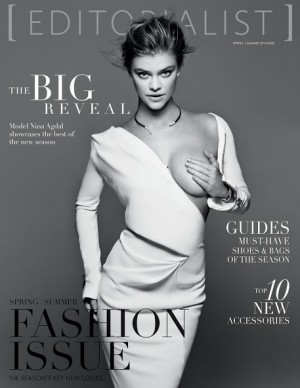 Using the power of the brand rather than the portal is not only smart, it’s essential in today’s magazine media world. These print children can’t just be replicas of their parent sites; they must provide a necessary, sufficient and relevant experience without the need of the website or the TV network.
New print launches from Editorialist and Net-A-Porter are shining on the horizon because of the strong, powerful brands behind them. This new print — audience-empowered print — is visually and mentally exciting. Print as a foundation for digital always made sense and now going from strictly digital to adding an ink on paper component (and adding it the right way, as a separate entity that can stand strong on its own spine and cover), only makes me more certain than ever that print’s future is looking brighter and better than ever!
© Samir “Mr. Magazine™” Husni,2014.
Awesome Additions – What Television Can Teach Magazines and Magazine Media.*
February 14, 2014
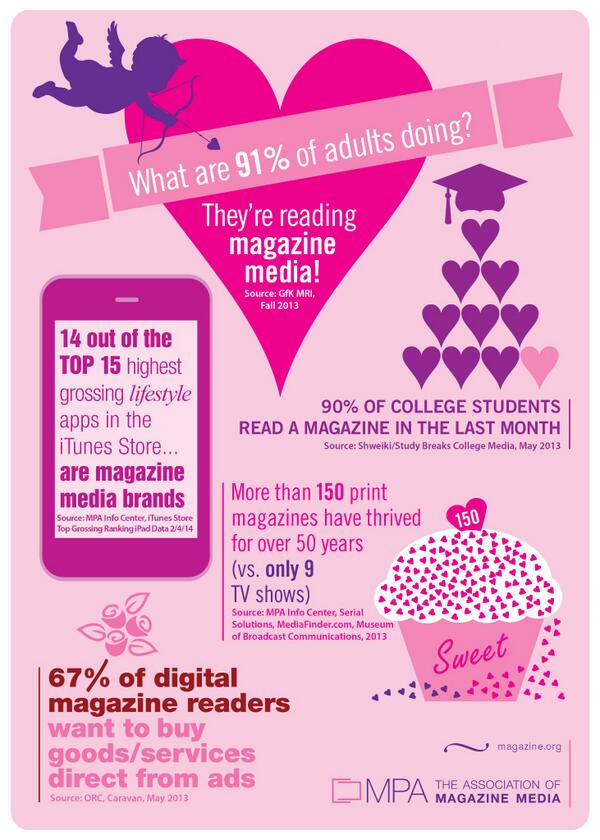
Be sure to check out the best Valentine’s magazine media card courtesy of The Association of Magazine Media at the end of this post. Happy Valentine’s Day.
 Last week I was the guest of Reed Phillips, CEO and Managing Partner of Desilva+ Phillips at the Dealmakers Summit in NYC. The one-day summit covered all aspects of media, old and new. The following entry is more of a reporter’s notebook from the one-day summit with some direct applications I feel the magazine media folks can easily apply to their publishing model.
Whether you are in marketing, advertising, journalism, print or digital the buzzword heard around media circles lately is awesomeness. In the midst of all the fragmentation that is going on in today’s media world, people are looking for awesomeness and greatness when it comes to how they consume their content and in the actual information itself.
There is no question that we all live in an age of disruption, technological and otherwise. Between pop-up ads, a notification on our mobile devices or simply from the space technology occupies in our lives; we all know what it means to get interrupted. It’s the norm today when it comes to the way media interacts with us, its consumers.
 But there is something to be said for relaxation and time well spent, even in today’s busy world. But how can we monetize relevance and creativity into the equation of time well spent? Do we have to continue shoving something old into a new platform or worse yet shoving something new into our consumer’s faces while simultaneously expending a product they’ve trusted and grown accustomed to over the years? How can we avoid the problem of making a marketing story into a news story, when that isn’t the case at all?
Rest in Peace “Real Time,” Long Live “Right Time”…
Real people have real lives and real wants and needs. Thus until lately the words “Real Time” became the buzzwords of this digital era. However, now the same folks who brought us the “Real Time” have discovered that “Real Time” is not always the “Right Time.” Rest in peace “Real Time,” long live “Right Time.” Others who preached this platform or that platform are now preaching the brand and not the platform. The brands are what are important, not how they’re delivered. Some will insist that there is a difference between tech brands and platform brands. But which brand should you be after? Or does it even matter?
There is no way out. The same answer was heard loud and clear at the one-day summit: “Deal with it!” There’s really only one road-map to all those questions: Audience and content first…pure and simple.
The Search for Talent…
But content, the right content to the right audience, needs talent. And talent, my friends, is what is missing in our picture. It is a never-ending story; some things appear to never change. And one is if you can’t attract the best talent to your company, then your business will suffer and so will your audience and content.
Today’s young talent doesn’t just want to ‘do’ something; they want to be a part of it all, as it should be. And that’s where human contribution dollops into the mix. Human-created content will always be important and if you’re betting on a data-driven creativity – well, that’s a sure-fire fall to the bottom of the hill.
Of course these days, brands themselves are now content creators; they generate their own content about their own products. Some call that “content marketing,” others call it “native advertising,” and yet some others call it “journalism.” This is a big WORRY for those of us who still believe in the profession of journalism and the creation of good quality content that can easily be based on my simple formula for today’s journalist: Content Curators, Solution Creators, and Experience Makers.
But we have to do more than just create and curate content; we must create content that starts a conversation. Both content and the conversation must be quality-driven in order to engage the consumer. That and only that will provide you with an audience of awesome disturbers. This audience is just like the young talents. Some of the time they would enjoy a laid back glass of wine in hand, and a willingness to take it on. However they do not want to be taken advantage of in their down time. They still want to be engaged, disturbed, called for action…you name it. So do not take advantage of them and do not, most of all, waste their time.
Different and Better…
This is the media future. Having something unique, i.e. different and better, interactive and experiential, regardless of the platform and the number of the screens, which people will be willing to pay for, that’s what it’s all about.
Think about television for a moment, television and the second screen (any digital device we watch or engage TV on besides the actual television). From a free distribution model (just buy the television set) to a hefty monthly bill, operators have not killed the set, they just kept adding to it.
 ESPN, for example, has a second screen (and third, fourth, etc.) for all its sports programs and those of other networks’ sports programs. In fact, 19 out of 20 sporting events not carried by ESPN, find folks watching said events using and interacting with ESPN on their second or third screen. In television the buzz word is addition and not elimination. Everything is an addition to TV, not a replacement for it, growing the market and the channels and not vice versa. Television is becoming personalized by the second screen.
Lessons for Magazines and Magazine Media…
Why can’t magazine media learn from television and create a second, third, even fourth screen in addition to the printed one, without euthanizing the senior parent from which the new platforms are born? Better yet, when will magazine media offer the same level of interactivity linking the first real screen to the many virtual screens out there? I was amazed that the television people at the event never mentioned the rise and increase of revenue and audience from the second screen based on the demise of the first screen.
 It always saddens me when I hear magazine media executives talking about the demise of their printed product and touting how their digital and mobile platforms are going to thrive, while television and digital people talk about the success and future of the second, third and fourth screen in addition to their original legacy first screen. Nowhere is there a headstone in the cemetery of supposedly ‘dead’ media with the name Television etched on it, nor should there be. My friend Jim Elliott reminded me of that fact on our way from the one-day summit. It was an awesomely amazing moment. Eureka! Magazines are not using their second screens the same way television is.
When magazine publishers hook up the IV and send their ink on paper platforms to that print heaven in the sky, only to breathe life into digital and mobile counterparts that depended on the foundations of that print product in the first place, they’re opening themselves up to defeat before they even design their apps and sites.
The word legacy can translate into its synonym birthright. Magazines (and you know my definition of the word magazine: ink on paper), old and new, hold the birthright to everything magazine media is today. They have the privilege of being the eldest, the parent, if you will; of every platform of media today that isn’t ink on paper. And until magazine media learns that eliminating the foundation of their second, third or fourth screen will only destabilize the entire edifice, publishing will remain an iffy proposition in the 21st century and only continue to survive on shaky ground.
So, in short, the future is in those awesome additions to the original magazine screen, the page, the spread. Historically magazine publishers were the creators of the second screen for television…now it is their time to create their second, third and fourth screens without breaking or killing their first one. Awesome audiences deserve and demand awesome content in an age of awesome disturbance.
© Samir “Mr. Magazine™” Husni, 2014.
* A shorter version of this post appeared on minonline.com minsiders Feb. 12, 2014
————————————————————————————————————————————-
Happy Valentine’s Day: I can’t find a better Valentine’s card than the one created by The Association of Magazine Media. Share and Enjoy.
Dr. Oz The Good Life: Real Time, Right Time, Real Audience, Right Audience, Real Magazine, Right Magazine…A Story of a Good Magazine Launch – The Mr. Magazine™ Interview with Kristine Welker, Publisher and Pursuant of The “Good Life.”
February 11, 2014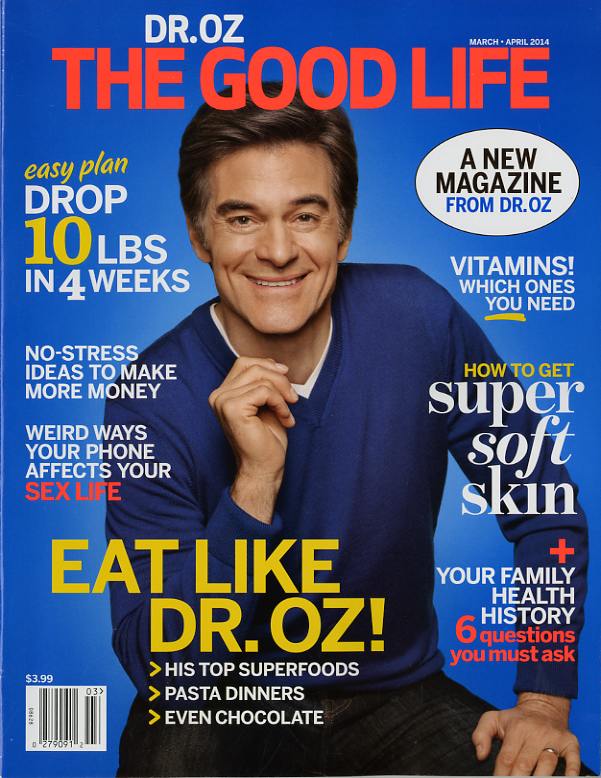 Imagine over 60 advertisers signing on to a magazine sight unseen, no workable name created and not even a prototype to look at. Well, you really don’t have to just imagine it; you can actually believe it, because it really happened with Dr. Oz The Good Life magazine.
In the conference room of the 16th Floor at the Hearst Tower in NYC, vice president, publisher and chief revenue officer of Dr. Oz The Good Life magazine, Kristine Welker spoke with me about the power of the brand:
“They signed on based on the concept. We didn’t have a name and we didn’t have a prototype. Talk about the power of magazines and voice. All of these advertisers felt like this magazine so belonged or this brand belonged in print that without a prototype and without a name they said, “I’ll be in the issue.” Over 60 of them.”
Now that’s print power personified!
Ms. Welker was the founding publisher of Cosmo Girl! magazine in the late 90s, and the former chief revenue officer of Hearst Digital Media, a job she held for the last seven years.
With her digital background and experience in launching magazines, Welker brings a plethora of talent and creativity to the magazine that no one else could and believes in the Oz brand vehemently and the new launch of a print magazine in today’s digital world.
So sit back and enjoy Mr. Magazine’s™ hale and hearty interview with Kristine Welker, publisher of Dr. Oz The Good Life Magazine… But first the sound-bites.
The Sound-Bites:
On backing away from the print versus digital argument and focusing on Dr. Oz as a brand…
I don’t see it as print or digital — it’s about a brand and you know I really responded to the power of and I believe in the brand around Dr. Oz. So for me I saw it as a giant opportunity not to go from digital to print but really to say this is a great brand opportunity, a great brand platform and a brand that millions of consumers want to see in print.On printed magazines in today’s digital world…
With magazines we have to view technology as an enabler not as an inhibitor to growing our brands.On launching a new magazine in today’s digital world…
You have to build upon your strength at the newsstand, but then begin to mine your own data to really prospect and find a new audience.On her view of the digital future…
When I think about digital, I don’t just think about digital as your mobile device; I think about digital as maybe your Fitbit and your Jawbone and all the data.On the first major step to ensure the future of a new magazine…
So the first part of it is for us to prove that we’re reaching and connecting with consumers today in a way that no other brand is and maybe no other platform.On creating a new category of magazines…
What I was very happy to hear and to see from a media standpoint is that they see the white space that we do. We believe that like we did with Food Network and HGTV magazine that there’s an opportunity to go in and redefine the health and wellness magazine category.On the power of the printed magazine…
You know there is a moment in time – in real time – that real people sit down on their real couch and they read a magazine for two hours and they enjoy every minute of this magazine.On the biggest challenge for the magazine thus far…
I think the biggest challenge, which I’m not surprised by, is the struggle (advertising) people will have because they’re saying we don’t have a print budget. And I am trying to change that conversation to say: why don’t we talk about your brand budget and whether or not this brand fits with the profile of what your brand is trying to accomplish and not look at this as a print spend but brand affiliation.On Kristine Welker’s predictions for the magazine a year from now…
I imagine it being a powerhouse in the magazine arena the way HGTV Magazine and Food Network Magazine became leaders in their field and redefined their categories.On the genius that is the name — “The Good Life”…
That’s a great question and it’s a brilliant name…The Good Life. Everybody aspires to live the good life and they want to be on the path to a good life, a happier and healthier life.On what keeps Kristine Welker up at night…
What I worry about is talent and maintaining the talent within big media companies that are perceived as legacy organizations and you know it’s important for us to be able to inspire and attract talent and say, “How excited would you be to work on a startup?” Everybody wants to work at a startup as opposed to, “How excited are you to launch a magazine?”

And now the lightly edited transcript of Mr. Magazine’s™ conversation with Kristine Welker, Publisher of Dr. Oz The Good Life magazine.
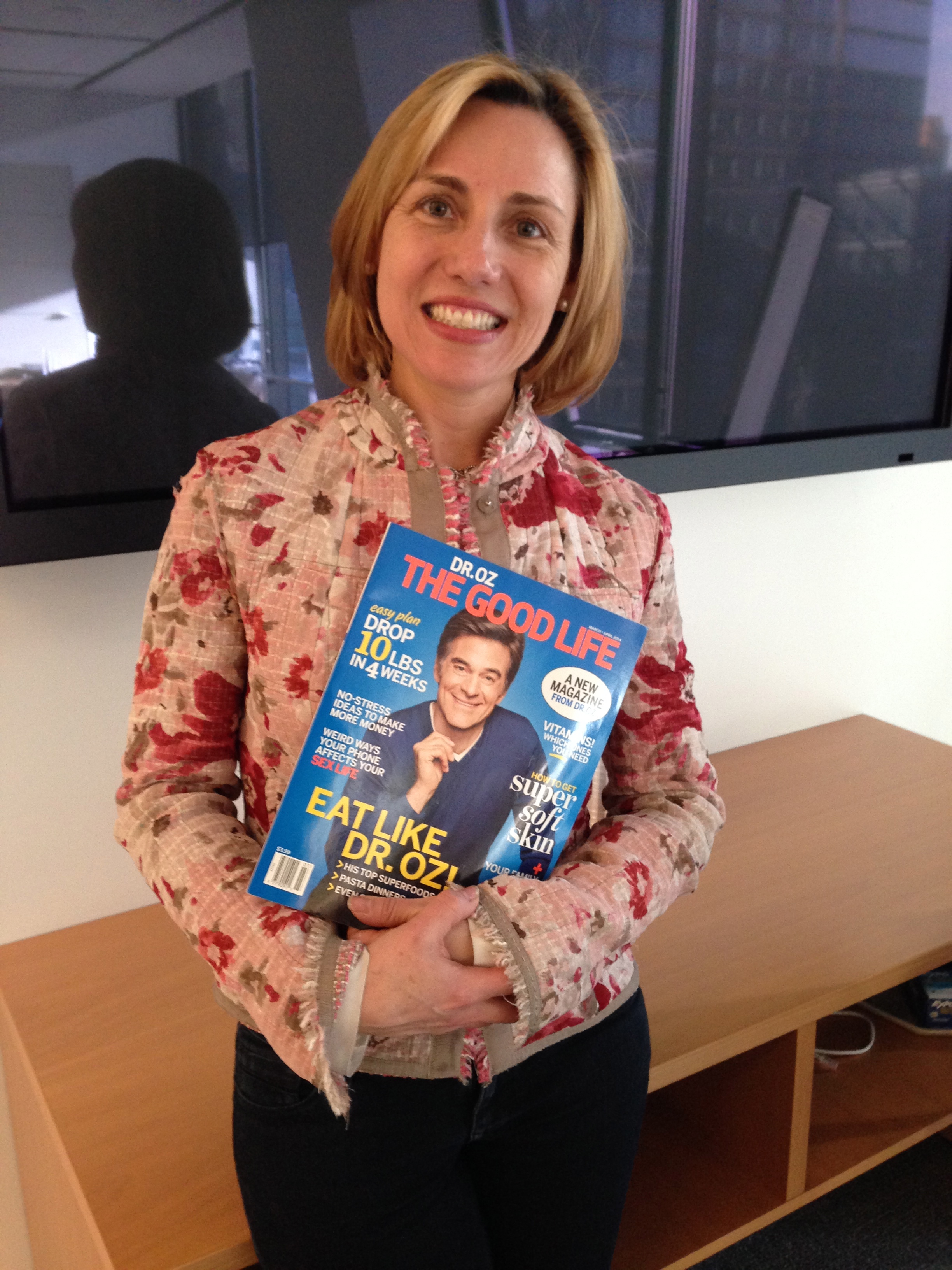 Samir Husni: Of course the obvious question…a lot of your colleagues are jumping ship from print to work with digital and here you were in charge of digital and now you’re back to print. What’s going on?
Kristine Welker: You want to know if I’ve gone crazy, if I’ve gone nuts, right? I don’t see it as print or digital — it’s about a brand and you know I really responded to the power of and I believe in the brand around Dr. Oz. So for me I saw it as a giant opportunity not to go from digital to print but really to say this is a great brand opportunity, a great brand platform and a brand that millions of consumers want to see in print.
And so when you think about it every time he is on anybody’s cover whether it’s a magazine we own and operate or not, you name it, as you’ve been reporting; he’s one of the best if not the best selling magazine on newsstand for those magazines. So for me it wasn’t about going from digital back to print, it was looking at this as we all should — that this is a great brand opportunity and a brand that should be in print.
And clearly if you look at all the research, people want to buy magazines from him so why not a magazine? Anyway, I saw this as a great career opportunity to launch his magazine brand. But it’s also what do I take from digital to bring over to this magazine launch that might be different? How do we create the new model behind launching magazines? So it’s taking what we learned in digital and bringing it over to launching this brand.
SH: As you reflect on your career from working at Meredith in advertising and then going through CosmoGirl! and then going to digital…If you look at it from the beginning to now, how did things change for you in relationship to the industry?
KW: If I look back to CosmoGirl!, that was a great opportunity — launching CosmoGirl!. I was there for seven years and I had a terrific time. We were the first magazine to launch the magazine and the website simultaneously. So that was very, very unique.
What I learned was the power of the youth market, the power of the future. And I really began to listen and watch carefully to how they were consuming media. Obviously they were early adapters of technology. I decided I wanted to follow technology and that’s what brought me over to digital. But you know CosmoGirl! brought me on the path to understanding how people wanted to consume media. And if we look at the younger generation, from early on they wanted a magazine and a website. They wanted a magazine and mobile. It wasn’t one versus the other — they still wanted both.
So that put me on I believe an organic path, because when I started watching how they were consuming media that’s how I then decided to follow the technology, understand the world of digital and how that is changing how people are consuming brands and so that’s why I decided to move into digital.
I’d say what I learned in digital is how do you take existing models and bridge that with new models. So it was never an either or, it wasn’t print or digital. It’s not even native versus display or tablet versus mobile. It’s not an either or, like you said… it’s how do all of these touch points all work together? In digital what I would say I have learned is technology matters. With magazines we have to view technology as an enabler not as an inhibitor to growing our brands.
And so how do you take digital and bring it into the world of evolving the magazine model and bringing that forward? So after being in digital for seven years, I thought it’s time, the right brand and I thought this was the right brand, the right time and I thought the right product to say how might we do things differently? How might we launch a magazine differently?
And so in the past we would launch magazines on the newsstand exclusively and that’s how we would test and then we would do some consumer marketing testing. With this particular launch we were really smart about leveraging our data and so what we’ve learned in digital is the value of data and what publishers do really well now is realize that all of this data is a currency that we need to take advantage of more.
In launching this magazine I thought what was really smart is that we put it on newsstands like we normally do and have a great cover that’s going to pop on newsstand and great newsstand penetration but on top of that we had a really smart consumer marketing data driven strategy, where when we first decided to launch this magazine we had all these women that were what we call ‘hand raisers’ and they said sign me up for when this magazine came out. We call them “super fans” so there were 10,000 women almost over night that said when the magazine comes out I want to know more.
So we said let’s begin to profile the 10,000 women and turn that into a lookalike model and begin to find other likeminded women throughout the Hearst database of around 70 million names. And so that’s where it became very, very interesting.
From there we then learned in the focus groups that there are women who may not be watching Dr. Oz on the TV show because they’re working. They may not be even taping Dr. Oz because they’re taping something else like Scandal or The Good Wife or something else they might be interested in and we know that they may or may not stumble across the magazine at newsstand.
From there in the focus groups when they saw it and said this really speaks to me because I may not be reading parenting magazines anymore, I may not be reading health magazines because I’m not really focused on flat abs in five weeks anymore, but I would read this magazine. And so out of the focus groups we realized we may not stumble across these women.
Then we added Cosmo and Marie Claire into the mix. So anyway, you can begin to see that we became very savvy about using our data and so the company decided that it’s no longer good enough to just say I’m going to polybag this with Good Housekeeping because we know that when he’s on Good Housekeeping they’ll buy that magazine. I thought that was really interesting and we poly-bagged this on its own.
So you see where we began to pull data into doing database modeling and we did lookalike modeling. So all the things that digital advertising is credited for, lookalike modeling, targeted advertising; you know all the things that people love about digital, we took all of that learning and applied it to how we wanted to launch this magazine and we became very targeted in our approach.
So what I wove in there was how I made my journey, but I wanted to give you a sense of how we pulled some digital expertise and knowledge into saying how might we launch a magazine differently. And we decided to layer on the data and that doesn’t mean we didn’t do that it just means that we’re doing it more strategically.
SH: What was the most pleasant surprise in doing this — using digital to help with the launch of Dr. Oz The Good Life?
KW: I thought that was one interesting thing. I really believe that that’s a new approach to launching a magazine and its new model. And so we’re going to build upon our strength at newsstand but then begin to mine our own data to really prospect and find a new audience.
And that’s what I thought was really interesting. I think we’ll find an incremental audience because of that and I think that’s what’s interesting. I think digital for this magazine has only just begun.
What I think is going to be even more interesting is if you step back and look at the wellness space broadly and I’m not talking magazines, I’m talking wellness through the lens of a consumer; when you look around how many people are wearing the Fitbit or the jawbone? When I step back and look at new models I say he is the most trusted voice in the wellness category; so how does a magazine interact not just with your mobile device but what about your Fitbit and your Jawbone.
So when I think about digital I don’t just think about digital as your mobile device I think about digital as maybe your Fitbit and your Jawbone and all the data or I should say all the — obsession’s not the right word — but you know this is no longer a health movement, this is a cultural shift to people wanting to own their wellbeing and their wellness. Just the way people wanted to document their life on Facebook, if you look at the wellness space, people are documenting their own wellbeing so I think that’s where the digital opportunity for Dr. Oz comes in is how do you step back and look at the wellness space and how consumers are consuming wellness and so that’s where I think digital gets really interesting in what we do through that lens.
We’re not there yet but when we think further out such as how does ESPN communicate with twitter, then how do we communicate with our Jawbone? Those are the kinds of thing that I find interesting or fun.
SH: What was the biggest stumbling block? You had a great asset in the launch model, you had a great brand, you used digital to help execute the brand and besides all the naysayers in the media, what was or is the major stumbling block that may hinder The Good Life from succeeding?
KW: Well, first of all let me tell you the positive first. I’ve only been in front of advertisers and the press for about a week now. But advertisers because my friends in the press world don’t have any money to buy ad pages and we all know how important that is, so I’ll talk about it through the advertiser’s lens first.
What I was very happy to hear and to see from a media standpoint is that they see the white space that we do. We believe that like we did with Food Network and HGTV that there’s an opportunity to go in and redefine the health and wellness category. And that doesn’t mean that we want to be a health magazine, in fact we see this as a new kind of healthy women’s lifestyle magazine that covers everything from fitness to cooking, parenting, financial well being, beauty, you know all of the categories.
What I found most refreshing was the willingness of the media industry to not feel the need to categorize us. Because as we know the way people live their lives they don’t live through a vertical lens and from a media standpoint it’s often easier to put you in a vertical category. And I was really happy to hear that people felt like there are opportunities to take a horizontal approach. What I mean is the tendency is to say, “Well, what are you? Are you a health magazine or are you an “x” magazine.” So people, No. 1 saw the white space and really believed that there was an opportunity to create something totally unique. They obviously buy into the trusted voice of the authority of Dr. Oz. People respect the track record Hearst has in launching magazines and redefining categories like food and home.
I think the biggest challenge, which I’m not surprised by, is the struggle people will have because they’re saying we don’t have a print budget. And I am trying to change that conversation to say why don’t we talk about your brand budget and whether or not this brand fits with the profile of what your brand is trying to accomplish and not look at this as a print spend but brand affiliation. Does my brand align with your brand message because this brand holistically isn’t just print…it’s print, it’s digital and if we wanted to go even further, it’s television broadly and everything else that the Dr. Oz brand touches.
So that’s again my two weeks on the road. I’m not surprised by it but that’s the conversation that I need to change. Not talking about a print spend but a brand spend and getting them to look at us as brand to brand. Because if you look at so many brand marketers today, so many of their brand messages speak to health and wellness. And then with the beauty category it’s all about wellbeing and feeling better and taking care of you. If you look at insurance it’s all about being healthier and happier so there’s no question that there’s a brand allegiance — it’s getting past the print versus something else.
SH: I know you’ve only been on the road two weeks explaining this major shift in thinking. How long do you think it will take the media buyers to understand that it’s a brand, it’s not like ink on paper or pixels on a screen and what can you offer them in return?
KW: The first thing we need to do, and we are on the path to doing this, is to prove the power of this brand platform, because ultimately what an agency wants is to connect with an audience – the right audience of course.
And what does a marketer want? The marketer charges their agency with finding that audience and so I think the first thing is to prove that we are doing our job and branding the magazine and connecting with that audience and the audience at scale. And that’s what I would focus on. That’s what I will focus on because a marketer will always stop and say, “I want to reach people,” and right now they believe they can reach people in ways that sometimes include print and then sometimes don’t include magazines, so the first part is to prove that we’re touching the right audience and a sizeable audience because that’s what the marketer at the end of the day wants – they want to reach an audience and they want to reach the right audience.
So the first part of it is for us is to prove that we’re reaching and connecting with consumers today in a way that no other brand is and maybe no other platform is.
SH:One of the buzzwords today is that it’s no longer about the real time, it’s about the right time. You’ve used words like the right audience…
KW: Real time, right message, right context and then the right consumer. And sometimes the magazine might not be the right context so what they’re saying is if there’s a very targeted, click now, download, whatever it is, that may be better served. A highly-targeted, promotionally-driven response right this second to go get an offer of something that happens to be in a store right this moment. I mean that lends itself to a mobile driven strategy.
But yes it is real time, right now; right message and magazines do live in real time. I love that. People don’t read magazines in real time? When do they read them then, in their past life? You know there is a moment in time – in real time – that real people sit down on their real couch and they read a magazine for two hours and they enjoy every minute of this magazine.
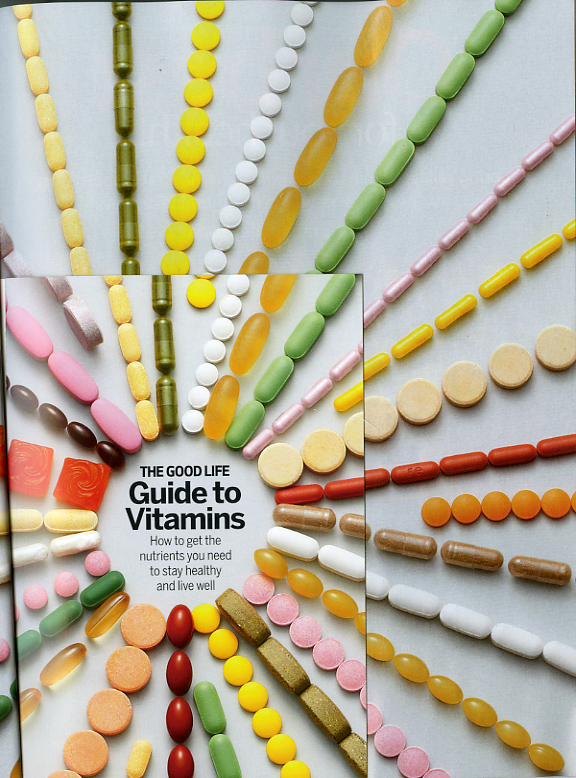 And what Dr. Oz loves is that they pull this out, this insert inside the magazine, this definitive guide to vitamins and they pass this along to other people in their family — it’s the power of living paper as Michael Clinton, (president and marketing & publishing director at Hearst Magazines), calls it. Here’s Dr. Oz, this is the stuff he says he can’t do on television. He can talk about dropping 10 pounds in 10 weeks. This is the thing he says somebody is going to take out of the magazine and put it up on their refrigerator. And what I love that he said once, “I’ll take it one refrigerator at a time, because that’s the door they open every day and if they want to take my magazine apart and put it up on their refrigerator, that’s the power of print.” That’s the power of touch, the power of connecting with people. Show me an advertiser that doesn’t want someone to tear their vitamin booklet out with the Walmart ad on the back and they don’t want this thing floating around the house for three months. That’s the ROI.
So that’s why I’m happy to be back in the magazine world because I have never felt that magazines didn’t matter even when I spent seven years in digital. It was always the power of brand at scale and at digital that we were able to aggregate audiences at scale and do interesting things.
But there are certain magazines that belong in print and this is definitely one of them. And Dr. Oz has proven that he can move an audience to take action. Because whenever he promotes something, whether it’s a diet or a product, people respond. And he himself believes that he can take that into a magazine format and he believes that he can touch more people. He doesn’t believe that he touches everybody… through all of the platforms that he’s on and he decided to go into magazines because he feels like he’s missing a huge audience and a huge opportunity.
SH: When I call you next year and make an appointment to speak with you what will you tell me about Dr. Oz The Good Life a year from now? Where do you imagine yourself to be with the magazine a year from now?
KW: I imagine the magazine published 10 times a year if not more. I imagine the magazine being a powerhouse in the magazine arena the way HGTV and Food Network became leaders in their field and redefined their categories.
But I also like to believe that we have done a good job finding other ways to connect other people to the good life and thinking about cross-platform in new and different ways and I believe people are so engaged with his brand and his content that they will go deeper within his community. Then they pay more to go deeper within that community.
And so I think that lends itself to lots of interesting opportunities for us as publishers of brands and content to do interesting things with that content. It goes back to something you said earlier, you mentioned the word community just in passing; I believe there is a very loyal community around Dr. Oz that will allow us to do interesting things and it could be by partnering with a wearable device or just sort of owning wellness in ways you might not have expected. And hopefully showing that magazines can penetrate and build an audience beyond just the pages of the magazine and I don’t just mean having a website and mobile but to do other things and I’m hesitant to use the term paid content model but you get where I’m going.
What else can we do to engage our audience beyond the pages of the magazine? It’s not just about a website any longer. That’s almost an antiquated model. So it’s redefining what cross-platform looks like is the best way to say it because the new model is no longer, I have a magazine and a website or I have a magazine and I have a mobile optimized site. That’s not the new model any longer.
So the question becomes, as we look back in a year, how we will move the new model forward and I haven’t figured that out yet. But there is something around this sort of momentum behind the health and wellness category and the fact that people want to document their wellness through the Jawbone and the Fitbit the way they wanted to document their lives on Facebook.
Our brand belongs in that space because the good life sets us up to helping people find that path towards living the good life. That could be apps that could be the Fitbit and the Jawbone, it could be a little bit with what Popular Mechanics is doing where they now have their online seminars. It’s all of these things that might take these people with us to achieving the good life that allows us to jump from the pages in the magazine to something out. I haven’t figured out the something else.
SH:Just make sure that I’ll be the first one when you figure it out, let me know and I’ll publish it.
KW: The wearable devices…think about it, TIME last week did a whole piece on mindfulness and everybody is walking around with their Jawbone and Fitbit. This is all about people documenting their health and wellbeing and I’m excited about that because people aren’t going to do that on Facebook. Facebook serves a purpose; I’ve documented my life on FB. But you see that people are now documenting their path to the good life. That’s what the Jawbone is.
SH: You’re focusing so much on the Good Life. I don’t think we can find a single human being and you promise them the good life and they say no I want the miserable life. Is that a purposeful marketing strategy, the focus on the good life more than Dr. Oz in the branding, in the name?
KW: That’s a great question and it’s a brilliant name…The Good Life. Because it’s exactly what you said, everybody aspires to live the good life and they want to be on the path to a good life, a happier and healthier life.
The way we all settled on The Good Life, and there were lots of names, really one came through focus groups, the focus groups that we did through the magazine research, and also the focus groups that Dr. Oz has been doing in touching so many people whether it’s at the hospital or on the TV show. You know we heard in focus groups that people were saying, “It’s not about flat abs, it’s not about my aliment, I genuinely want to live a good life – I want to be healthy and happy. That’s what I’m in pursuit of, the good life.”
What Dr. Oz says so brilliantly is that he wants to meet people where they are. Not everybody is at the same point along that journey to the good life. Somebody might be thinking about losing 10 pounds, somebody might not need to lose 10 pounds but might want to connect more with friends and family. Everybody is at a different place, but what we were hearing through the focus groups and what we’ve heard Dr. Oz comment about as well is that even when people were talking to him is that I want to be happy and healthy and that is speaking very much to what people were looking for in a magazine but also from him.
They don’t just see him as a doctor; they see him as somebody who is living a good life. He’s optimistic, he’s happy and he’s upbeat. And he is a very informed person who happens to be America’s favorite doctor, but they really see him not just as a doctor, they almost see him as the ultimate coach.
I think that’s a good way to look at it…a coach to being healthy of course, but being happy because he appears so happy. When you talk to him and ask him all these questions, and that’s where we felt so good about the Good Life, and then when we were talking more about it with focus groups, were immediately aspired to it and when we were hearing about the white space, the other thing and you’ll find your way to say this, the other thing we were hearing is that they realize that life isn’t one-dimensional and they recognize that life isn’t real simple.
That’s where with the lifestyle approach to the magazine we felt very comfortable and validated by it. Again our lives are just not one-dimensional. If they are time–deprived they may not be able to go deep into a category of interests. It might not just be about fitness or eating well or losing weight…so that was the other thing too.
All of these things rolled up for them as the things that they wanted in achieving the good life. So The Good Life was a great umbrella and the focus groups loved it. Now from a marketing standpoint, I will tell you it was the market speaking and the market of consumers spoke loudly, as you pointed out yourself, who doesn’t want the good life, so everybody really loved it. I will tell you from a marketing standpoint I think it speaks to what we want to do in the magazine very clearly. We don’t want to be a house magazine; we want to be a healthy living magazine, a healthy lifestyle magazine, so the good life says it all. So I love the title. I’m on the path to the good life.
SH: My last question to you…What keeps you up at night?
KW: Well, so I’m in the staffing mode right now. It doesn’t keep me up at night…let me answer not through the lens of just this magazine, maybe pulling back on the industry broadly.
I look at my career as a bit of a narrative and I think it’s important that people do things that they find interesting and not that they feel like they have to do. So this is something that I find very interesting.
What I worry about as an industry, and I get this question a lot, which is…you know people that stay at a company for a very long time, they see me as a throwback as opposed to somebody that has stayed at a company for over a decade and is working on their third start-up. So I latched onto a term that I love called an entrepreneur. I heard that somewhere.
What I worry about is talent and maintaining the talent within big media companies that are perceived as legacy organizations and you know it’s important for us to be able to inspire and attract talent and say, “How excited would you be to work on a start-up?” Everybody wants to work at a start-up as opposed to, “How excited are you to launch a magazine?”
I think it’s the whole idea that we have to continue to motivate and retain talent and keep them exciting and engaged in the idea of big media companies and also the world of media which includes magazines. So that’s the thing, I don’t know if I worry about it and stay up every night about it, but I do think it’s important and then I worry about the next issue.
SH: Thank you.
© Samir “Mr. Magazine™” Husni, 2014.
From Print to Digital and Back to Print: The Journey of Kristine Welker, Publisher, Dr. Oz The Good Life Magazine
February 8, 2014To some it may seem crazy, but to the passionate, fired-up, excited and curious Kristine Welker, vice president, publisher, and chief revenue officer of the newly launched Dr. Oz The Good Life magazine, the move back to print is nothing but a logical step in her publishing career journey. Dr. Oz The Good Life magazine is the third major print launch from Hearst magazines in the last five years, and Hearst is betting on a trifecta!
Ms. Welker was the founding publisher of Cosmo Girl! magazine in the late 90s, and the former chief revenue officer of Hearst Digital Media, a job she held for the last seven years. Now, she is back in the print saddle with the launch of Dr. Oz The Good Life magazine. What gives?
For the Mr. Magazine™ Minute, I asked her why did she move back to print from the digital world? Her answer below:
And stay tuned Tuesday for the in-depth Mr. Magazine™ Interview with Kristine Welker, publisher of Dr. Oz The Good Life magazine.
© Samir “Mr. Magazine™” Husni, 2014.
The Magnificent Fourteen: A Tale of Ink on Paper’s Resilience
February 3, 2014Before there was a web, there were magazines; and today, at the height of the web era there are magazines, and after the new innovations in the web era are discovered, there will be magazines…and by magazines I mean the ink on paper publications as they were first called in 1731.
The period of tremendous growth for the internet happened in the latter half of the 1990s. It went from a scientific and governmental research network to a commercial and consumer marketplace. It revolutionized the way we communicate, socialize, and conduct business. In 2000, after the dot.com of the 90s crashed in what has become known as dot.gone, Web 2.0 was born, and so were a host of new ink on paper magazines.
With the web explosion, magazines have always been and continue to be a breed apart from other media. There is a tactile expression of ownership and showmanship in the print versions of these glossy entities with the creatively enticing covers.
With the new millennium fast approaching and the web weaving even more intricate designs in cyberspace, magazines never gave up and some actually flourished and are still blossoming in 2014.
To celebrate 2014 here are the Magnificent 14 Magazines launched between 2000 & 2009. They are in chronological order of their birth:
Real Simple was launched by Time Inc. in 2000 and since then the magazine hasn’t looked back. In a time of uncertainty and ambiguity, Real Simple has proven to be a mainstay with its manifestation of its title: remaining ‘Real Simple.’
According to its mission statement, REAL SIMPLE makes life easier by giving creative, practical, and inspiring solutions for both the everyday and special occasions. It’s a magazine that definitely has found its niche audience, even in 2014.
Dwell magazine also launched in 2000 and is a publication devoted to modern architecture and design. According to Michela O’Connor Abrams – President of Dwell Media – they now have 10 platforms at Dwell Media. The magazine is about 55% of the business and four years ago it was 94% of the business. But the magazine and the SIP’s for the newsstand remain very healthy. The reason O’Connor Abrams gives for the company’s continued success: her background in technology media and the focus on the audience and the communities Dwell has built and serves faithfully.

O magazine is another mega-giant that was launched right after the onset of the web craze. With Oprah Winfrey and Hearst Corporation as its founders, failure just seemed impossible. A second printing of the first issue had to be ordered, a first in the history of American magazines. And of course, it’s still surviving and thriving in 2014. Another success story born amidst the digital boom.
American Profile is a national magazine for community newspaper readers that launched in April 2000 with more than 2.5 million in circulation and was one of the top magazine introductions in years. In 2014, the magazine still proves that it has what it takes to survive in this digital age. American Profile’s current circulation is a perfect 10 million (ink on paper) copies weekly.
Lucky is a shopping and style magazine that launched in December 2000 and is one of Condé Nast’s biggest success stories. Today, Lucky has undergone a major transformation since new Editor and Chief Eva Chen took over. Along with artistic director, the famed Vogue editor Anna Wintour, the magazine stays true to its shopping brand, yet shows a newer creativity and an ability to withstand the Googler trends of 2014.
The Week started out as a weekly British news magazine and was introduced in America by Felix Dennis in 2001. It has been described as neither a liberal mag nor a conservative one, but a publication that presents both sides of the issues, something that may very well be a component in its longevity during the age of digital. In 2014 you can still think of The Week as the Rolls Royce of the newsweeklies.

In Touch Weekly is a celebrity magazine that was launched in 2002 by Bauer Publishing. It was one of the first from the ground up new mass weeklies introduced in the United States in a long time. It is still going strong today, which definitely says a lot about its character and personality, considering a person can jump on Google’s search train and find out just about anything concerning celebrities and their latest exploits via the Internet.
All You is a women’s magazine that was first published in 2004 by Time Inc. and was only sold at Wal-Mart and Sam’s Club. This targeted niche marketing is one survival technique that magazine publisher’s devised to combat drops in newsstand sales due to the increase in competition from digital and other print entities. The magazine now can be found in all retail stores and is available by subscription. So, in the case of All You, it’s working very well, thank you.
WebMD magazine was one of the early adaptors to ink on paper from pixels on a screen. It launched in 2005 with a million circulation and never looked back. The health website decided to integrate their extremely popular digital health information center with print and distribute free copies to practicing physicians all across the country. One of the beginning cases of digital and print integration. A definite sign of things to come.
Women’s Health was created in 2005 as a sister publication of Men’s Health magazine. The women’s lifestyle magazine speaks to women all across the world with sections on fitness, sex & love, food and weight loss. Women’s Health proved to be an egg born from the pouch of the seahorse, Men’s Health, alongside a very caring Rodale Inc. family of magazines. Proof that ink on paper (as long as the content is necessary, relevant and sufficient) can still get in the ring with digital anytime, anyplace.
OK Weekly began in 1993 as a weekly British magazine, specializing in celebrity news. Its American counterpart crossed the pond in 2005 and has been keeping us abreast of celebrity weddings, gossip and news ever since. After a very rough and expensive beginning, the magazine was bought by American Media Inc. and is now surviving along side its sister Star magazine and the rest of the celebrity-info world that has seen some tough challenges in this digital age.

Afar magazine is a travel magazine for those who are not faint of heart. It is not your typical travel magazine, which was exactly the intention of its co-founder Greg Sullivan who launched AFAR in 2009 with cofounder Joe Diaz in the midst of the worst economic crisis America was facing. Against all odds, AFAR has since become one of the leading experiential travel magazine media companies. The print component of Afar media works hand-in-hand with their foundation and website and displays integration at its best.
Food Network Magazine born in 2009 when other media companies were killing their food magazines, Hearst Magazines and Scripps Networks Interactive spun the ink on paper magazine from the highly popular Food Network television network. The first official print issue came out in June 2009 and has been cookin’ ever since. The magazine started out with a 300,000-issue rate base guarantee to advertisers and only grew as time went on. This success story combines Internet, television and print – a total integration of media, a major survival strategy for print that is still being utilized in 2014, bringing an eleventh rate base increase to 1.8 million in less than six years of its existence.
WSJ magazine is a glossy news and lifestyle magazine published by The Wall Street Journal. It started out as a quarterly in 2008 and became a monthly (10X) magazine in 2009. In its infancy, it was an insert with weekend home deliveries of The Wall Street Journal in some of the larger U.S. and European markets. Now the magazine is in every copy of the newspaper available for all the paper’s readers, but never-the-less its tag-line still says THE WORLD’S LEADING LUXURY MAGAZINE, and it’s still going strong in 2014.
It’s a comforting thought to those of us in love with print that the above-mentioned magazines are just a few that are still thriving and surviving in 2014. Knowing that integration is the key in this day and age, most publications are conjoining their digital and print children as closely as twins.
Staying necessary, relevant and sufficient in this digital age is vital to magazines. Their content must give readers what they want and then they will find what they need.
Happy magazine reading in 2014 and remember: the power of print integrated in the 21st century is Just Common Sense!


 Mr. Magazine