Archive for the ‘Words of Wisdom’ Category

h1

SimpleCirc’s Managing Director Dave Jones To Samir “Mr. Magazine™” Husni: “People Just Have To Stay The Course.” The Mr. Magazine™ Interview…

May 7, 2020

Publishing During A Pandemic (29)

“People just have to stay the course. If you’re losing out on advertising, that’s understandable. But keep in contact with your advertisers, keep in contact with your customers. I think that’s really important for a publication, whether you’re emailing them and letting them know what’s up or when you think the next issue is coming, just put something in their hand and let them know. You have a captive audience right now of readers who normally wouldn’t be home or have time to read your publication.” … Dave Jones

SimpleCirc subscription software is designed to help publishers manage their circulation and increase subscriber retention while saving them time and money. Dave Jones is the managing director of the company and one of its founders. Being in the small publishing business themselves, Dave and SimpleCirc know all about what it takes to move forward in small or large publishing, but what about during a pandemic?

I spoke with Dave recently and we talked about that. About how staying the course is really the only thing you can do and maybe pausing in an attempt to weather the crisis and move through it and come out on the other side as strong as possible. Dave said that keeping in close contact with your customers and reminding them that you’re there for them is an important part of staying that course.

Indeed. We all need to know we’re in this together.

And now the 29th Mr. Magazine™ interview in the series of Publishing During A Pandemic with Dave Jones, managing director, SimpleCirc.

But first the sound-bites:

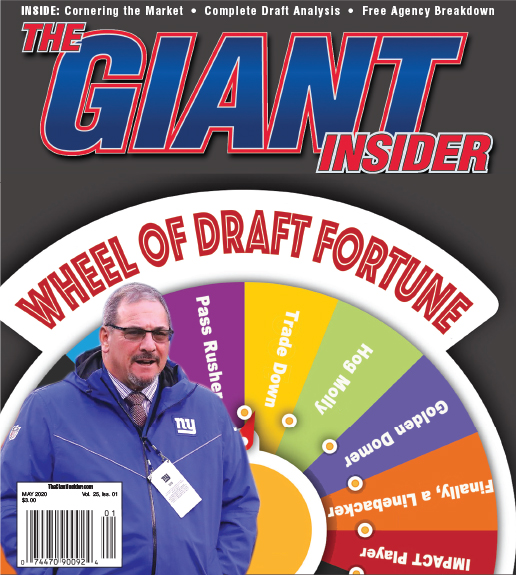
On how SimpleCirc is operating during the pandemic: What we did is reach out to all of our publishers, of course, to let them know different ways that they can take advantage of this opportunity, because as a small publisher myself, we do eight small publications for the National Football League; we have found that people seem to be reading more and they’re more engaged because they’re home.

On the genesis of SimpleCirc: We own a publishing company, as I mentioned. We’re small publishers and we’ve had it for a long time, it covers the National Football League. I went through a whole bunch of different software, installed software that would crash on the server; we tried software that was too advanced and had too many things on it that we wouldn’t use, all these different features. So, we created SimpleCirc for us to use in our publications only. And then other publishers and associations that we belonged to started asking us about it, so we gave it to them. Then we added more features, but we kept everything that small publishers need.

On SimpleCirc publishing sports magazines and how they are adjusting to the ever-changing sports landscape during the pandemic: That’s a good question, because we’re football publications. I’ll just give you a quick example, we had to do a draft guide, the NFL Draft is at the end of April, so we had to have it all ready to go and printed by February to mail off to everybody. And if you didn’t get it out by then no one would receive it. We’d have to give tens of thousands of dollars in refunds and as a small company we couldn’t do that.

On what advice he gives to small publishers during this pandemic: I talk to them about marketing, because a lot of these small publishers do not know how to market effectively. So, I tell them to utilize their emails, utilize their global mailings; let’s see what your mail house is doing. We put all of those things together and we help them. Also, we make them take advantage of their digital product. That’s an uphill battle, because a lot of publishers don’t use digital products. So, we tell them to offer their customers a digital product; email them out.

On when he and his partners decided to share SimpleCirc with other small publishers: We were at a convention, we have all the publishers meet every year in Las Vegas, and we were telling some of the other publishers about it and they really liked it, so we let them use it. They fell in love with it. And they would pass it on to some other people that weren’t in the sports field who would then try it out. And people really enjoyed it.

On the one, two, three of how SimpleCirc helps publishers: We will import their data, give them a free trial, three months of using SimpleCirc. I would give them a quick presentation, an overview of how it works. There are no instructions with SimpleCirc, none. If you go to our website, it kind of walks you through it. It’ll read: type in your publication and how many issues you do per year. Then type in your price. So, we walk you through it and you can be set up in 20 minutes.

On who owns the data: They own it. We use Amazon servers, so we’re not using servers in the basement. It’s all on Amazon, so obviously they own it. The good thing is they have really easy access to the data. They can download their data 100 times a day if they want to. The easy access was important, because the company we used before this, we had no access to our data. It was like asking permission, like we were beholden to them. So, it was crazy.

On how he feels about the near future: What scares me is the football aspect, whether or not they’re going to play football. But here’s the good thing, we know that football is not going away. As a publisher, I know that. It may get postponed or come on a limited basis. So, that’s good. We won’t have customers saying give us our money back because football is being put out of business. We tell our customers we’re putting everything on pause.

On any additional words of wisdom: People just have to stay the course. If you’re losing out on advertising, that’s understandable. But keep in contact with your advertisers, keep in contact with your customers. I think that’s really important for a publication, whether you’re emailing them and letting them know what’s up or when you think the next issue is coming, just put something in their hand and let them know. You have a captive audience right now of readers who normally wouldn’t be home or have time to read your publication.

On what keeps him up at night: The big thing is what does the future hold, because everybody knows that what you lose in print, you don’t pick up in digital. The numbers are much smaller. That scares me. I want to be able to get through this and have a kind of plan to move forward. None of us know, however. We don’t know what’s going to happen, we can only guess. And then, I have to get out of the house. (Laughs) I need to get out.
And now the lightly edited transcript of the Mr. Magazine™ interview with Dave Jones, managing director, SimpleCirc.

Samir Husni: How is SimpleCirc operating during this pandemic?

Dave Jones: What we did is reach out to all of our publishers, of course, to let them know different ways that they can take advantage of this opportunity, because as a small publisher myself, we do eight small publications for the National Football League; we have found that people seem to be reading more and they’re more engaged because they’re home.

So, when we sent out our renewal notices, we had a renewal notice that went out early February and we had a very high return, which some of it had to do with the pandemic, but what we did is reach out to our customers to make sure they are keeping in contact their subscribers. We built this link, because a lot of them didn’t do email for some reason, they would just do snail mail and that would take forever, so we built this renewal link where every subscriber that they had would have their own special link and then when they would send it out, the customer would click on it and an order form would already be filled out. All they would have to do is drop in their credit card number. And that seemed to help a lot of different publishers bring in money during this time.

Samir Husni: Tell me the story behind SimpleCirc.

Dave Jones: We own a publishing company, as I mentioned. We’re small publishers and we’ve had it for a long time, it covers the National Football League. I went through a whole bunch of different software, installed software that would crash on the server; we tried software that was too advanced and had too many things on it that we wouldn’t use, all these different features. So, we created SimpleCirc for us to use in our publications only.

And then other publishers and associations that we belonged to started asking us about it, so we gave it to them. Then we added more features, but we kept everything that small publishers need. We had all the sales reports, email… because at the end of the day it’s just a database, that’s all we are, we’re not doing anything special. So, we put everything together and collaborated with small publishers. Then it just took off.

I think people really like it because we’re publishers ourselves, we aren’t tech people, and we built it so publishers could understand. And we’re adding a lot of different features to it. We only sell it bimonthly, and in the 2½ years we’ve been selling it, no one has left us because they think it’s just great for them. And we make it real easy for them as well. That’s one of the things about SimpleCirc.
Samir Husni: It seems this pandemic has hit you with a double whammy, your magazines are all sports-related, National Football League. So, between publishing the magazines and what’s happening in the sports world, how are you adjusting to this ever-changing landscape?

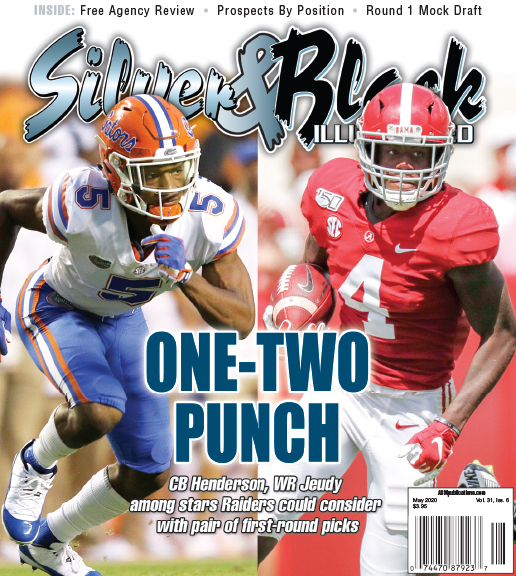
Dave Jones: That’s a good question, because we’re football publications. I’ll just give you a quick example, we had to do a draft guide, the NFL Draft is at the end of April, so we had to have it all ready to go and printed by February to mail off to everybody.

And if you didn’t get it out by then no one would receive it. We’d have to give tens of thousands of dollars in refunds and as a small company we couldn’t do that. So, we got it all ready and then our printer closed down. We had to find a new printer, resize everything, and then we found someone who could do it. Our mail house closed down as well, so we had to find someone to mail it out.

To make a long story short, we got the issue out and I think our subscribers for our team publications that received the Draft Digest knew that we were still publishing and people were calling us and thanking us for publishing it. Now, we’re just waiting for football season. If football season doesn’t start, we’re in big trouble.

A lot of the publishers, they aren’t into sports, but they have the same issue. They’re not selling advertising; subscribers are wondering if they’re going to keep publishing; the printers have closed, so we kind of coached them on switching people to digital, which was really hard to do, because I’m sure you know, when people like print they like print. Most of the print people are older clientele, so you’re right, we got hit both ways. Our publishers haven’t seen any effects yet, but that’s coming down the road, I think, within the next two months.

Samir Husni: When you reach out to those small publishers, what advice are you giving them?

Dave Jones: I talk to them about marketing, because a lot of these small publishers do not know how to market effectively. So, I tell them to utilize their emails, utilize their global mailings; let’s see what your mail house is doing. We put all of those things together and we help them. Also, we make them take advantage of their digital product. That’s an uphill battle, because a lot of publishers don’t use digital products. So, we tell them to offer their customers a digital product; email them out.

I saw you did an interview with the guys from The Week. I get that publication. They did a letter for a couple of issues, right on the front, that said here’s what’s going to happen. They’ve done that and I think the publishers have seen pretty good results from that.

Another problem that we’re coming across is snail mail is going so slow with the post office. It took some people 30 days to receive our Draft Digest in the mail. That was in New York City and New Jersey. And we mail from Buffalo, N.Y. We had people in Arizona receiving it before people in New York, because delivery was so messed up due to the virus.

Samir Husni: When you and your partners came up with the idea for SimpleCirc, it was mainly to serve yourselves; when was that “light bulb” moment that you said, we’ve done something good, we should share it?

Dave Jones: We were at a convention, we have all the publishers meet every year in Las Vegas, and we were telling some of the other publishers about it and they really liked it, so we let them use it. They fell in love with it. And they would pass it on to some other people that weren’t in the sports field who would then try it out. And people really enjoyed it. We started out with small publishers, but now we actually have large publishers too. We have some publishers who have under 1,000 and now we have some that have 300,000. So, it has really grown quite a bit. We keep adding it and growing it as we go.

Once we knew our customers liked it, we knew we really had something here. It’s really the service that they like the most, I think. We have really good service and understand their business.

Samir Husni: If a publisher calls you and says, Dave, I have a magazine with 10,000 subscribers, what can you do for me? Tell me the one, two, three of how you would help them.

Dave Jones: We will import their data, give them a free trial, three months of using SimpleCirc. I would give them a quick presentation, an overview of how it works. There are no instructions with SimpleCirc, none. If you go to our website, it kind of walks you through it. It’ll read: type in your publication and how many issues you do per year. Then type in your price. So, we walk you through it and you can be set up in 20 minutes.

I tell people let’s get them set up so they can play around with it. Test it out, do some real orders. You can do everything real on it, take real orders on it. That gives them a feel and they can take ownership of it. We have 150 publishers and they can talk to anyone they want.

Samir Husni: Who owns the data? Who owns the names on the circulation lists?

Dave Jones: They own it. We use Amazon servers, so we’re not using servers in the basement. It’s all on Amazon, so obviously they own it. The good thing is they have really easy access to the data. They can download their data 100 times a day if they want to. The easy access was important, because the company we used before this, we had no access to our data. It was like asking permission, like we were beholden to them. So, it was crazy.

Samir Husni: Did you ever imagine that you would be working during a pandemic and how do you feel about the near future?

Dave Jones: What scares me is the football aspect, whether or not they’re going to play football. But here’s the good thing, we know that football is not going away. As a publisher, I know that. It may get postponed or come on a limited basis. So, that’s good. We won’t have customers saying give us our money back because football is being put out of business. We tell our customers we’re putting everything on pause.

The other part is you don’t want your writers getting sick, you want to keep paying them, which we are because they’re working. We have them in every city. The big thing is I want people to get their product through the mail. I don’t think it’s going away, but mail is under attack, and we have to make sure they can still deliver our product. So, there are always outside factors that have nothing to do with us.

You want the teams to do well. If most of them stink in the NFL we cover, that can hurt you. Then the pandemic hurts you, so it’s a bit strange how we have to do everything. But I know magazines aren’t going away right now. With SimpleCirc, we just have to put things on pause and give customers a break and help them out if they have issues. We’re very proactive in that.

Samir Husni: Any additional words of wisdom?

Dave Jones: People just have to stay the course. If you’re losing out on advertising, that’s understandable. But keep in contact with your advertisers, keep in contact with your customers. I think that’s really important for a publication, whether you’re emailing them and letting them know what’s up or when you think the next issue is coming, just put something in their hand and let them know. You have a captive audience right now of readers who normally wouldn’t be home or have time to read your publication.

Samir Husni: My typical last question; what keeps you up at night?

Dave Jones: The big thing is what does the future hold, because everybody knows that what you lose in print, you don’t pick up in digital. The numbers are much smaller. That scares me. I want to be able to get through this and have a kind of plan to move forward. None of us know, however. We don’t know what’s going to happen, we can only guess. And then, I have to get out of the house. (Laughs) I need to get out.

Samir Husni: Thank you.
h1

Executive Media Global’s Publisher & Editor In Chief, Gemma Peckham, To Samir “Mr. Magazine™ Husni: “All We Can Do In A Situation Like This Is Stay The Course, That’s Important.” The Mr. Magazine™ Interview…

May 6, 2020

Publishing During A Pandemic (28)

“I’m always trying to think of new magazine ideas. We’re trying to build Executive Media Global to a point where we have a number of publications that work for us. I always think of things that appeal to me, obviously, because the more interested I am the more likely it is that it will be successful because you need to have that passion for something.” … Gemma Peckham

“All we can do in a situation like this is stay the course, that’s important. I’ve been doing a bit of research about crises in the past, things like the recessions and the Depression, and you have to have confidence in what you’re doing and in moving forward, knowing that this will end at some point, and making sure that you still have something that you’re focused on. You can’t prepare, I don’t believe, but you need to stay true to the ethos of the publication. We’re making alterations, but we can still keep true to the core of what it is we’re trying to do.” … Gemma Peckham

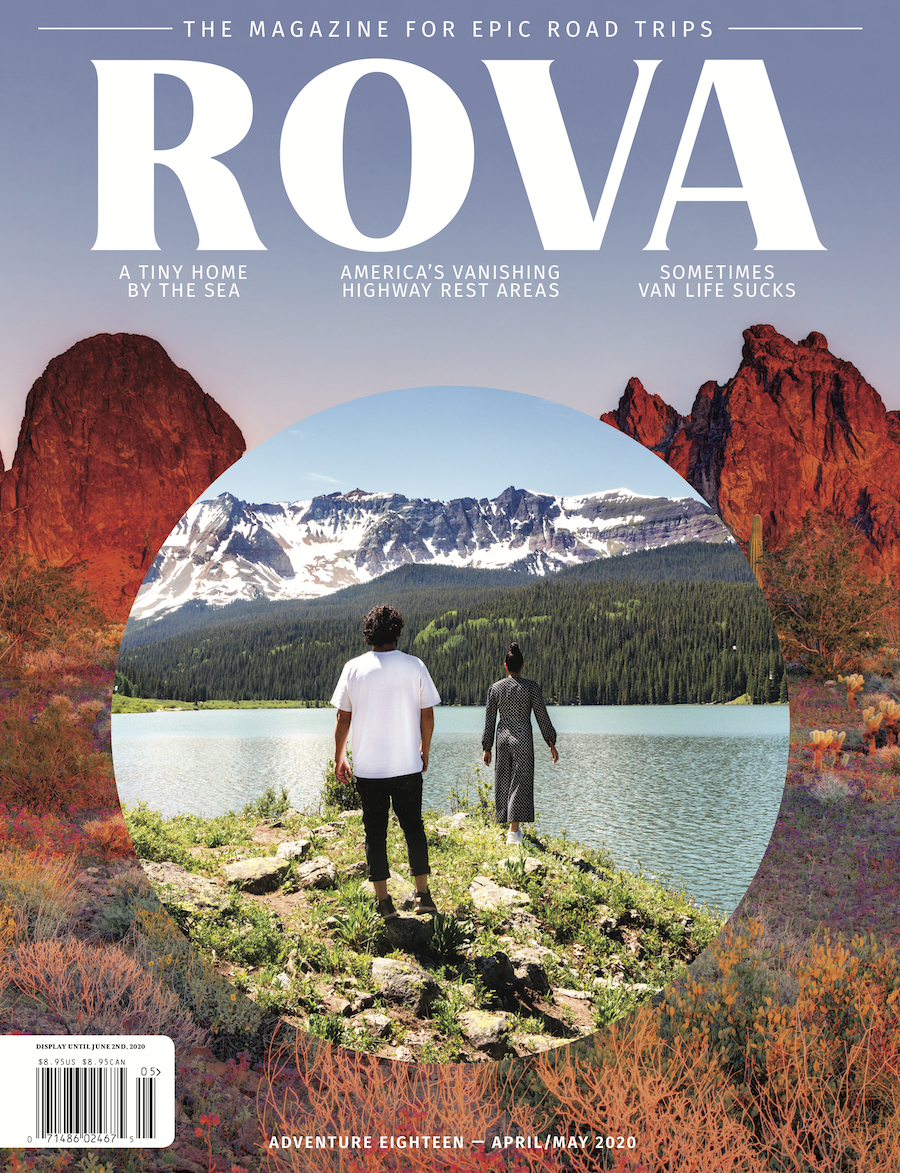
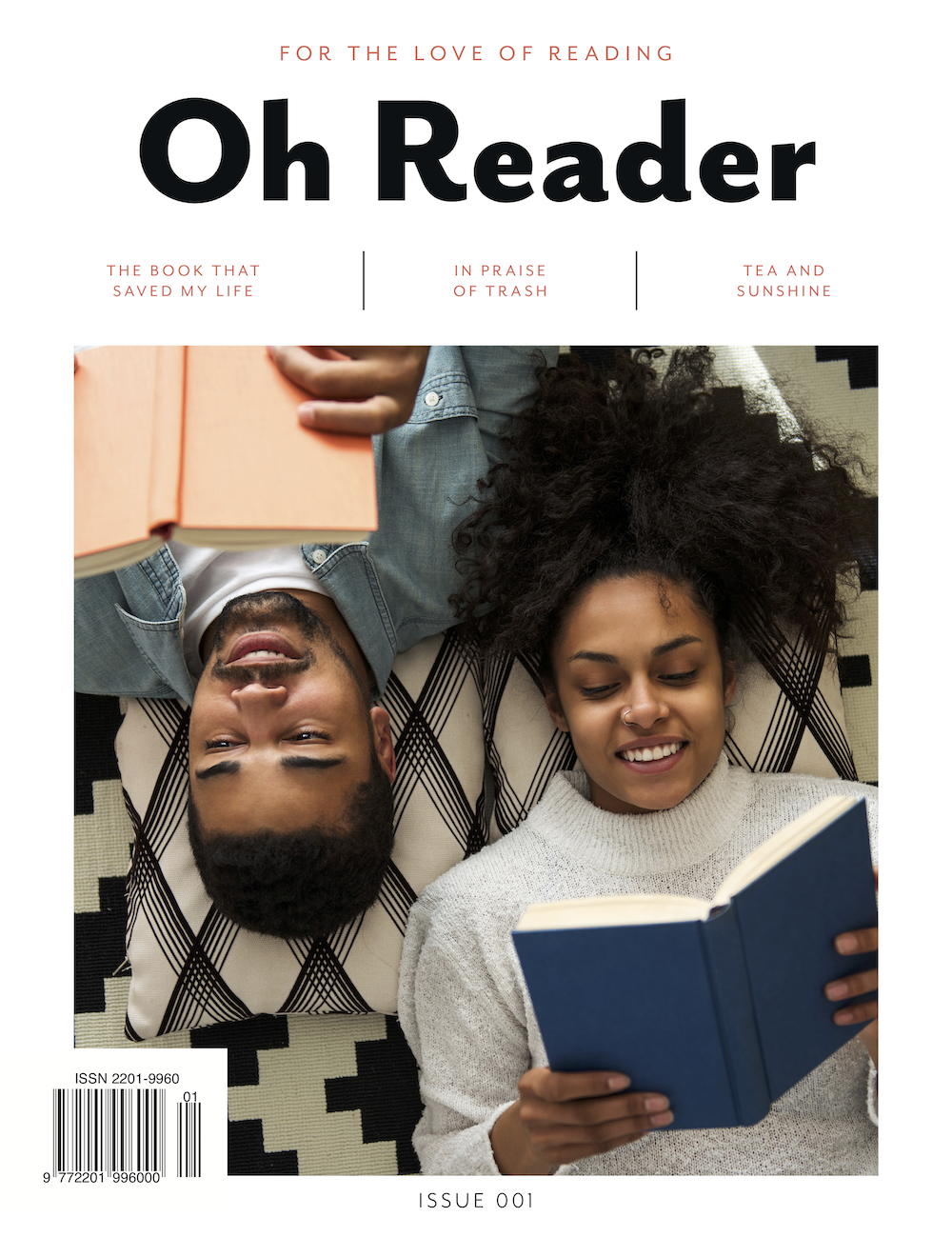
Stay the course. During a pandemic, that is very sound advice, indeed. And Gemma Peckham, publisher and editor in chief at Executive Media Global, is planning on taking it and holding steady and strong. From Rova magazine, a travel title for the perpetual RV person, to a brand new launch getting ready to hit the market called Oh Reader, for reading enthusiasts everywhere, she and her Australian-based company, Executive Media Global, are determined to not only hold strong, but build up their portfolio of titles as they move forward.

I spoke with Gemma recently and we talked about the launch of the new “Oh Reader” and how “Rova” was rolling along during these uncertain times. While she was of course realistic, she was also hopeful about the future of magazines and magazine publishing.

And now the 28th Mr. Magazine™ interview in the series of Publishing During A Pandemic with Gemma Peckham, Executive Media Global’s Publisher & Editor In Chief.

But first the sound-bites:

On how she is managing a travel magazine, Rova, and launching a new title, Oh Reader, during a pandemic: The last few weeks in particular have been – it’s a matter of making decisions about what’s going to work best for the business. So, it’s been tough trying to figure out the best way. And because the two magazines are at such different stages, we have to give them considerations from different points of view.

On how easy, hard, or disruptive was the move to working from home: We actually have an office in Manhattan, where myself, an editorial assistant, and our sales staff work together. So, as soon as all of this stuff happened, I instructed everybody to work from home. It’s changed in terms of our physical location, but it’s lucky that we can do most of what we do from any location that has Internet. I’m very used to collaborating with people who aren’t necessarily in front of me, so it’s been an easier transition for me, I suppose, than maybe for other publishers.

On whether she thinks the RV travel magazine, Rova, is more relevant today than ever before because of this pandemic or there will be a better time for it after this is over: I think after is what we’re looking at because initially I thought it would be great for people who are out on the road, not great, but they’re in a situation where they can move their vehicle somewhere and stay there to ride out the pandemic. But a lot of state parks and RV parks are closing down, so they’re actually saying the opposite, now they’re scrambling to find somewhere to stay, all these full-time RVers, because they don’t have a permanent place of residence.

On the new magazine Oh Reader: I would say that it’s a magazine for people who like to read. The tagline is “For The Love of Reading.” And it’s about the way that people interact with books and literature. Rather than having book reviews and interviews and things like that, we have stories about how a particular book has shaped somebody’s life or how reading has helped someone come through a difficult situation.

On why she thinks the magazine as a platform is still relevant today: That’s a really good question. For Oh Reader, it’s really based on my own experience with reading. Obviously, I’m coming from a unique standpoint in that I am a magazine publisher and I love to read books, so I automatically put those things together. But I think when you listen to readers talking, part of what they say they love about reading is holding the book and turning the pages. Many are reluctant to start reading with technology because they just love that experience with the paper.

On whether she had ever thought of working during something like a pandemic and if she thinks someone could prepare for something like it: No, you can’t prepare for it. Who would have thought a couple of months ago that this would be the situation that we’re in. The news is changing every day, they don’t know what’s going to happen tomorrow. They’re realizing things about yesterday that are not correct.

On what keeps her up at night: That’s a pretty loaded question at the moment. (Laughs) There’s a lot actually, from a personal perspective. I’m thinking about my family back in Australia and when I can see them again. Just when things might get back to a point where we can see our loved ones and give them a hug.

And now the lightly edited transcript of the Mr. Magazine™ interview with Gemma Peckham, Publisher & Editor In Chief at Executive Media Global.

Samir Husni: You have a bimonthly travel magazine called Rova and you’re getting ready to launch a new magazine, Oh Reader. How are you functioning as a magazine editor/publisher in the midst of this pandemic?

Gemma Peckham: The last few weeks in particular have been – it’s a matter of making decisions about what’s going to work best for the business. So, it’s been tough trying to figure out the best way. And because the two magazines are at such different stages, we have to give them considerations from different points of view. With Rova, for example, we did discuss skipping an edition; we talked about combining an edition so that we would have a double edition later on down the track. But after conversations that I’ve had with professionals in the industry, for our subscribers of Rova, our loyal readers, I didn’t want them to have to wait for the next edition. I didn’t want to disrupt the continuity we have going with it.

Obviously, print bills and other things are an issue because of lower advertising, just people not spending, they’re not actually paying their bills at the moment because they’re saying that they don’t have the money.

But we’re continuing with whatever newsstand circulation we can get, which is a lot lower than it was before because of, obviously, Barnes & Noble and the other bookstore closures. That has significantly reduced the newsstand circulation. We are going to be selling preorder copies online, which we haven’t really done before. We’ll ask people to purchase them ahead of time, so that we can factor that into the print order and we can get them straight out from the printer. And we’re actually reducing the page extent from 96 to 80 as well.

All of those decisions were made between myself and the president of the company, who’s in Australia. It’s hard because we don’t know what we’re going to be able to sell, in terms of preorders; we don’t know how many people will be actually going to stores to pick up magazines and that’s really affected our advertising sales as well, because a lot of our advertisers are concerned that their ads won’t be reaching anywhere near as many people as they were before. So, that has really been a struggle.

Having said that, we’ve actually had a few inquiries from advertisers recently about getting into the June edition for summer. It’s difficult, because the news is showing people that the country is going to be open again in a month or so, which I don’t necessarily believe is the case, particularly being here in New York. It doesn’t feel like a possibility for us, at least. But I do think there are people who are planning still for editions down the road, maybe summer, into fall.

All of that is a long-winded way of saying it’s a difficult time and it’s a time where you have to make decisions without really knowing what the outcome of those are going to be, because it’s such an unprecedented circumstance.

And with Oh Reader, it’s a magazine we were set to launch in June. We were going to do a launch party in New York City, invite all of these bloggers over, obviously we can’t do that now. And also just launching into our whole marketing strategy, which was to go into bookstores, such as Barnes & Noble and Books-A-Million, because it’s a magazine about reading. Without any of those stores currently accepting magazines, we didn’t think it was the right time to do that.

So, we’re still going to proceed with our June launch; we’ll do a digital edition and a print-on-demand run for anyone who has preordered it, anyone who has already subscribed and then we’ll actually do a harder launch for the September edition. Hopefully.

I had already gathered all the content for Oh Reader, and it’s all such great content that I don’t want to do a disservice to the authors by only publishing online. I also don’t want to put off the publication date, because we’ve had all these plans in place. And I think some good could come out of keeping the launch in June. If we make it available online, hopefully it will generate some interest through the online channels and social media. We will print as many copies as we need to and we’ll print promotional copies as well to send out to advertisers.

There could be some good to come out this, for sure. And we’re just excited to get it launched as well, because it’s a fun magazine.

Samir Husni: How easy, hard, or disruptive was the move to working from home?

Gemma Peckham: We actually have an office in Manhattan, where myself, an editorial assistant, and our sales staff work together. So, as soon as all of this stuff happened, I instructed everybody to work from home. It’s changed in terms of our physical location, but it’s lucky that we can do most of what we do from any location that has Internet. I’m very used to collaborating with people who aren’t necessarily in front of me, so it’s been an easier transition for me, I suppose, than maybe for other publishers. And also, larger publishers, because we’re so small we can kind of mover around and it’s not too difficult for us.

The location has changed, but I’m still able to do everything I was doing before and sales is a fun-based job so I can keep making those calls.

Samir Husni: Do you think Rova is more relevant today than ever before because of this pandemic or will it be better after?

Gemma Peckham: I think after is what we’re looking at because initially I thought it would be great for people who are out on the road, not great, but they’re in a situation where they can move their vehicle somewhere and stay there to ride out the pandemic. But a lot of state parks and RV parks are closing down, so they’re actually saying the opposite, now they’re scrambling to find somewhere to stay, all these full-time RVers, because they don’t have a permanent place of residence.

So, I think in terms of those readers they’re a little bit displaced at the moment, they’re not necessarily planning more travel, they’re planning to stay still. But on the other side of that, and this is something we’ve seen previously, once all of the restrictions lift, I think people will be much more likely to be traveling domestically than internationally. Road trips as opposed to air travel will become a lot more popular.

We have a magazine in Australia that’s similar called “Caravanning Australia” and directly after 9/11 the popularity and the sales of that magazine just shot up. It was a really big time for us at that publication. And part of its success was that road trips and travel became more prominent and the way people preferred to travel because of the fear around air travel.

So, we’re hoping that out of this will come a bit of a surge in domestic travel, and more interest in what we do.

Samir Husni: Tell me briefly about the new magazine, Oh Reader.

Gemma Peckham: I’m always trying to think of new magazine ideas. We’re trying to build Executive Media Global to a point where we have a number of publications that work for us. I always think of things that appeal to me, obviously, because the more interested I am the more likely it is that it will be successful because you need to have that passion for something.

I was looking around and reading a lot of books, looking for magazines that were related to the book industry, reading as a lifestyle. Most of the magazines that I could find, things like Bookforum and a bunch of other publications that were… I mean, they’re great for what they are, but they’re book reviews, author interviews, and all of that is fantastic, but there was nothing that spoke to me as a reader, with the kinds of things I like to do and think about when it comes to reading.

I would say that it’s a magazine for people who like to read. The tagline is “For The Love of Reading.” And it’s about the way that people interact with books and literature. Rather than having book reviews and interviews and things like that, we have stories about how a particular book has shaped somebody’s life or how reading has helped someone come through a difficult situation.

We have some humorous pieces as well. There’s a mother who’s writing an article about the five stages of grief, when she realizes her child doesn’t like Harry Potter. It’s just the way people interact with books and are inspired by literature.

There are so many people who love to read; if you get on Instagram, Books Hashtag Instagram has 30 or 40 million hashtags and they’re people who love to show off their bookshelves and what they’re reading, they love to discuss what they’re reading and there wasn’t a magazine that really catered to those people. So, we wanted to fill that gap, keep people inspired and connect them as well, because it’s such a huge community of readers. I think that we can tell them each other’s stories to keep them connected and interested.

Samir Husni: Why do you think the magazine as a platform is still relevant today?

Gemma Peckham: That’s a really good question. For Oh Reader, it’s really based on my own experience with reading. Obviously, I’m coming from a unique standpoint in that I am a magazine publisher and I love to read books, so I automatically put those things together. But I think when you listen to readers talking, part of what they say they love about reading is holding the book and turning the pages. Many are reluctant to start reading with technology because they just love that experience with the paper.

This magazine will only work in a printed format because that’s what this particular passionate segment of the market is into, that’s what they’re going to want to read. We’ll obviously have a digital edition as well, but I think the printed product is, for this particular audience, unique. It’s one of the only sectors where you can say people will definitely want to read this on paper as opposed to digitally.

More broadly, obviously there has been a lot of talk about the death of the magazine and the death of print publishing. I can see the point a lot of people are trying to make with that, but I also see that people are reverting to authenticity and they’re going back to more analog methods of interacting, such as magazines, just because we have screen fatigue. I have three screens in front of me right now and I can’t wait to get away from them to read my books. The information overload that we have, because of all of these screens coming at us is really causing people to want to detach from that a little bit.

And I think that’s helping, particularly niche publications, where people are escaping to something that they love, a hobby or pastime, and they can get away from all these screens and they can relax.

Samir Husni: Did you ever imagine that you would be working during a pandemic and do you think anyone could ever prepare for something like this?

Gemma Peckham: No, you can’t prepare for it. Who would have thought a couple of months ago that this would be the situation that we’re in. The news is changing every day, they don’t know what’s going to happen tomorrow. They’re realizing things about yesterday that are not correct.

All we can do in a situation like this is stay the course, that’s important. I’ve been doing a bit of research about crises in the past, things like the recessions and the Depression, and you have to have confidence in what you’re doing and in moving forward, knowing that this will end at some point, and making sure that you still have something that you’re focused on. You can’t prepare, I don’t believe, but you need to stay true to the ethos of the publication. We’re making alterations, but we can still keep true to the core of what it is we’re trying to do.

Samir Husni: My typical last question; what keeps you up at night?

Gemma Peckham: That’s a pretty loaded question at the moment. (Laughs) There’s a lot actually, from a personal perspective. I’m thinking about my family back in Australia and when I can see them again. Just when things might get back to a point where we can see our loved ones and give them a hug.

Professionally, I’m thinking a lot about just the future of all of these publications we’re doing. Also, the new endeavor that we’ve taken on, which is Mag Box, a box of five magazines that includes other Indie publishers who have collaborated with us, we’re just trying to get that moving. You get online, buy the bundle and it’s delivered to your house. It’s very early, we only launched it last week. We’re excited about it.

But honestly, I have had quite a few nights recently where I couldn’t sleep because I was thinking about what’s going to happen tomorrow and how will I take the next steps forward.

Samir Husni: Thank you.

h1

Liz Vaccariello, Editor In Chief, REAL SIMPLE Magazine, To Samir “Mr. Magazine™” Husni: “When You Make A Magazine, It’s Important To Look Around And Realize How Much Of What We Do Is Relevant In The Best Of Times, And Also During The Worst Of Times.” The Mr. Magazine Interview…

April 30, 2020

Publishing During A Pandemic (26)

“No matter if it’s 9/11 or if it’s a global pandemic, people care about their happiness and their families. They want to find ways to be healthier; they want to find ways to simplify their lives; they want to see the world, whether they’re able to travel at that moment or if they want to travel vicariously through others, and so the nature of magazines is to transport our readers. To make our readers’ lives a little better warms my heart. We’re not curing brain cancer, but we do improve people’s lives. It shows by how excited they are when the magazine arrives in their mailboxes.” …Liz Vaccariello

“When you look at the brands in the magazine industry, they all have that serendipitous connection right now with their readers. This is exactly what readers need at this moment. And that’s why I love this brand.” … Liz Vaccariello

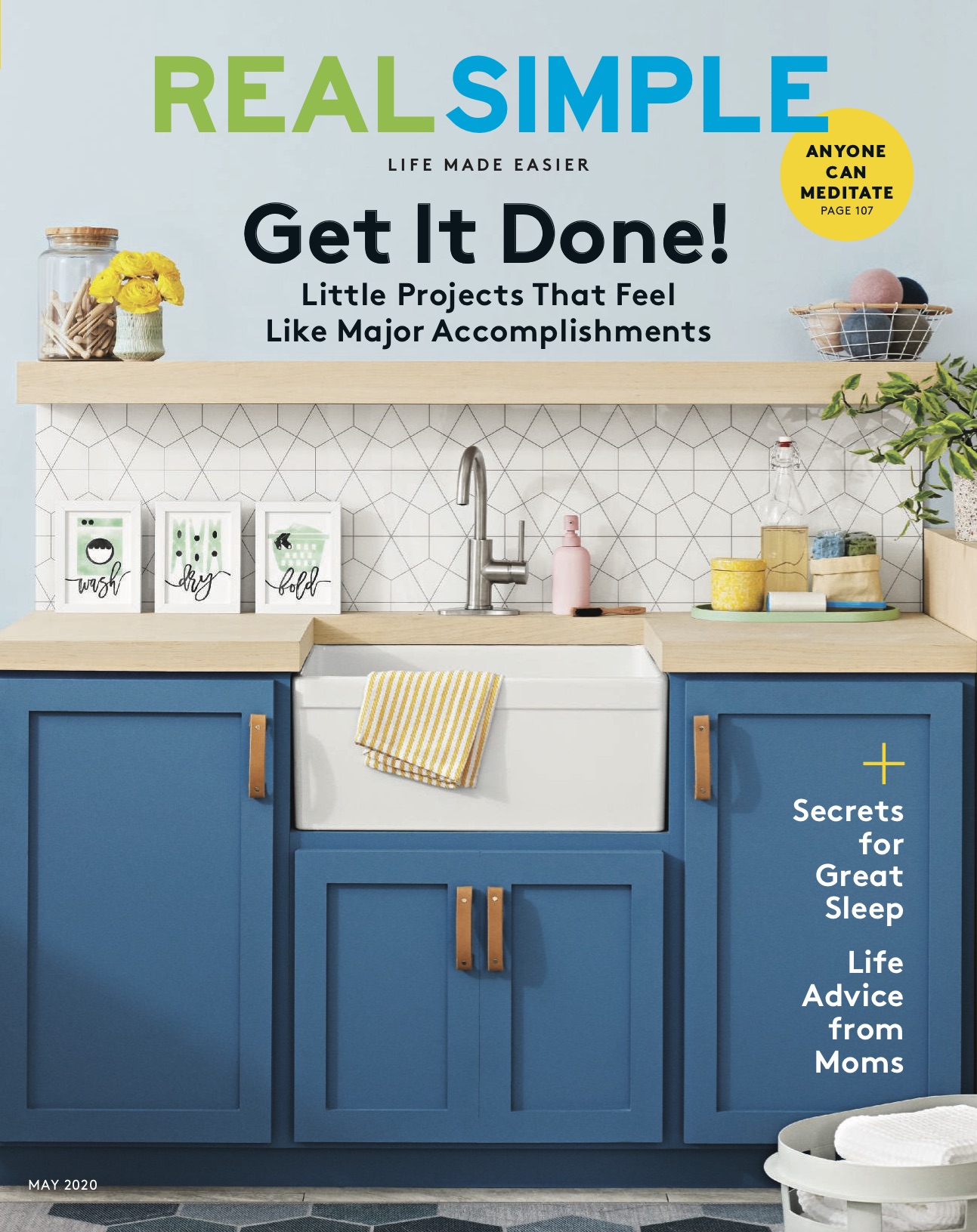
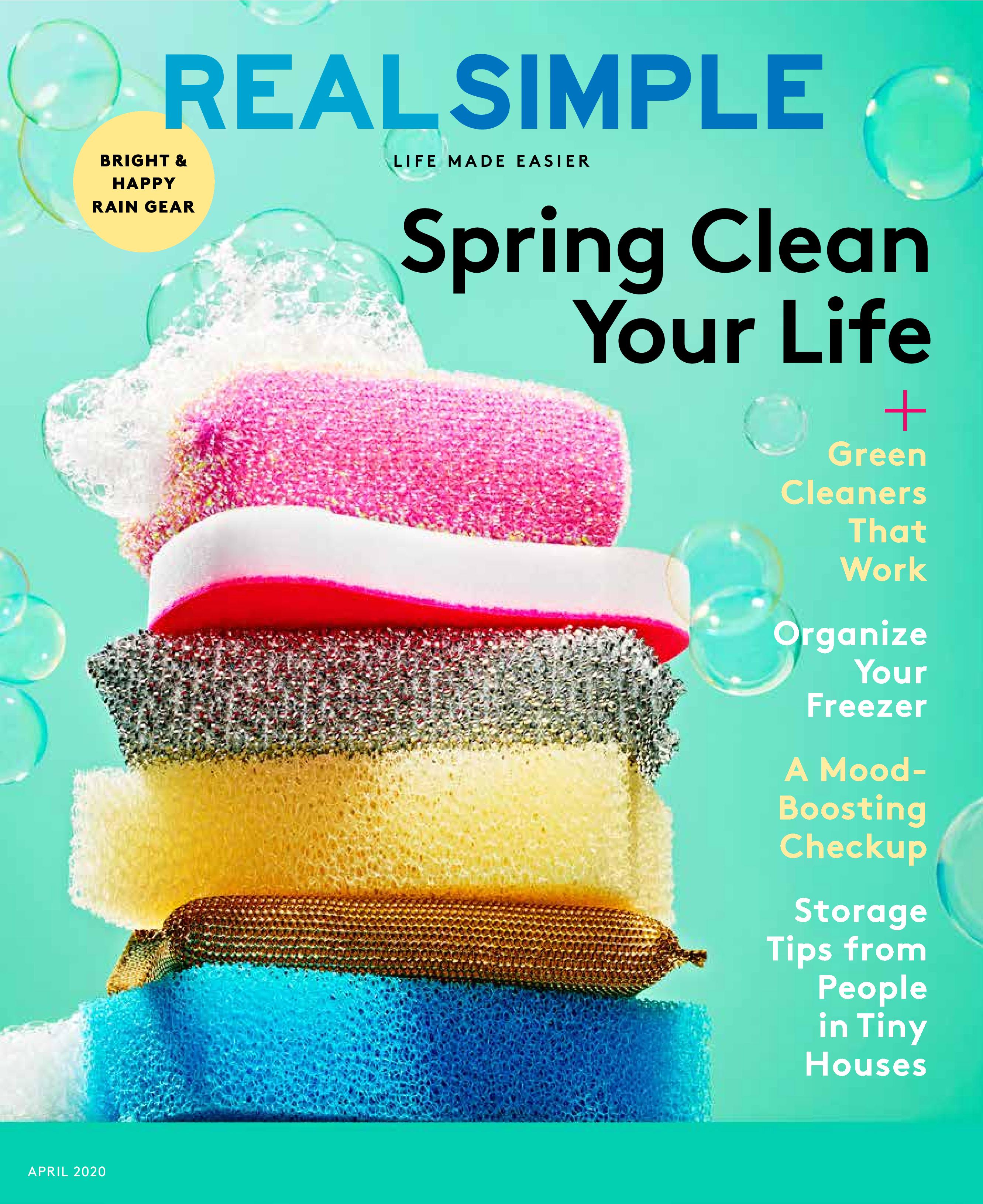
Nothing has been “Real Simple” of late. Not the news; not the world we live in; not the way of life we all knew and quite possibly took for granted. Nothing. Nothing that is, except that loyal and trusted friend we all call REAL SIMPLE magazine. Even during a pandemic, REAL SIMPLE has stayed true to form by giving us useful and helpful tips that are “simply” what we need at this uncertain time we’re living in. The May issue offers “Life Made Easier” by showing us how to Get It Done while we have quite a bit of time on our hands. It’s, as Editor in Chief, Liz Vaccariello calls it, “a serendipitous connection.”

I spoke with Liz recently and we talked about this bit of serendipity that REAL SIMPLE has with its readers. While the world may seem like its spinning out of control, REAL SIMPLE, the brand, keeps us focused and alert to what is really important: our friends and family and keeping them safe and as happy as possible.

And now the 26th Mr. Magazine™ interview in the series of Publishing During A Pandemic with Liz Vaccariello, editor in chief, REAL SIMPLE.

But first the sound-bites:

On if it has been “Real Simple” or tough operating REAL SIMPLE during the pandemic: It’s been both. It’s been “REAL SIMPLE” because at the end of the day, life is about our families, our homes, the spaces around us, feeling at peace and finding a way to discover happiness. It’s about making a good dinner for the family; it’s about loving my dog more than I ever have before. Those are “REAL SIMPLE” things. At the same time, this is a very complicated time because uncertainty is complicated.

On how easy, hard, or disruptive was the move to working from home: One of the many surprises about working from home has been how much more connected I feel with my team. We are having Webex staff meetings at the beginning of every day instead of once a week.

On whether she thinks once the pandemic is behind us the way things are done might change or be influenced by the pandemic: So much has changed, but so much is the same. When I’m working on a print product, I’m working with paper, so I often want to see a layout on paper. Right now, we don’t have that luxury.

On whether she thinks readers will be ready to get back to a “normal” mode of operation: I always post the cover of my editor’s letter on my Instagram and social media feeds, and I often hear from readers that way and I watch our REAL SIMPLE feeds. Readers are also excited to get the issue in the mail. It’s this treat that arrives. Bless the U.S. Postal Service. (Laughs)

On whether she ever imagined she’d be working during a pandemic: No, not at all. I’ve read stories about epidemiologists and global health experts warning about a global pandemic and I watched SARS carefully years ago. There’s a certain element of humanity that believes it’s not going to happen to us, or it’s not going to happen in the United States, or the people in charge are on top of it and they would never let it get out of hand.

On any additional words of wisdom: It’s been heartwarming for me to look around at the publishing industry, not just REAL SIMPLE and not just Meredith, but all of our colleagues. When you make a magazine, it’s important to look around and realize how much of what we do is relevant in the best of times, and also during the worst of times. No matter if it’s 9/11 or if it’s a global pandemic, people care about their happiness and their families.

On what keeps her up at night: People who interpret dreams and who charge for it could probably make a killing these days. (Laughs) I will just say that the metaphors of my dreams are quite something. It’s about stress; it’s about, yes, we’re going to come back, the economy is going to come back someday, but we might be in this for a long slog.

And now the lightly edited transcript of the Mr. Magazine™ interview with Liz Vaccariello, editor in chief, REAL SIMPLE magazine.

Samir Husni: Has it been “REAL SIMPLE” or tough operating during this pandemic?

Liz Vaccariello: It’s been both. It’s been “REAL SIMPLE” because at the end of the day, life is about our families, our homes, the spaces around us, feeling at peace and finding a way to discover happiness. It’s about making a good dinner for the family; it’s about loving my dog more than I ever have before. Those are “REAL SIMPLE” things. At the same time, this is a very complicated time because uncertainty is complicated.

We’re all working remotely. We sorted all of those things out very quickly and we’ve all had to adjust. Change is often complicated.

Samir Husni: How easy, hard, or disruptive was the move to working from home?

Liz Vaccariello: One of the many surprises about working from home has been how much more connected I feel with my team. We are having Webex staff meetings at the beginning of every day instead of once a week.

I speak with every member of the REAL SIMPLE team by phone one-on-one much more regularly. Whereas before in the office this one-on-one communication was less, I’m getting to know people even more. I’m calling them up and asking them how they’re doing; how their family is doing. There has been a higher level of connection in some ways.

Samir Husni: Do you think in the six or so weeks we’ve been dealing with the pandemic, it’s going to force you to change the way you do things once it’s behind us?

Liz Vaccariello: So much has changed, but so much is the same. When I’m working on a print product, I’m working with paper, so I often want to see a layout on paper. Right now, we don’t have that luxury. Everything has gone electronic, which I think is a good thing in terms of ecology and the environment. If we print less paper in our daily work lives, that’s better.

When I’m shipping the magazine, there is this need and desire as an editor in chief to see that one page, that one layout, on real paper. Even though you’ve seen it on your screen a hundred times, the experience of the product is paper. It’s holding it in your hands. I look forward to getting my final proof on paper and bringing out my red pen again.

Samir Husni: Do you think readers will feel the same? Yes, they will see REAL SIMPLE online and they will see a PDF edition, but it’s not the same as when they get their copy in the mail and actually hold their ink on paper magazine?

Liz Vaccariello: That’s been one of the delights of this entire experience and I can talk about it in terms of advertisers, readers and staff. First of all, in terms of the staff, when the May “Get It Done”-themed issue came out, it was about the little projects on your to-do lists that you’ve been meaning to get done for the last year and that you seem to never get around to. This came out and I called the Production team and asked them to send me two big boxes of the issue. Then I went to Staples with my mask on, I bought envelopes, my own set of office supplies, and then I mailed a copy of the issue to everyone on my staff. I sent a quick note that read, “Liked your story on dusting,” or “Glad we ran this photo,” or something personal about something they had done with that issue.

I was surprised at how touched they were. I wanted them to see the issue. I almost teared up. We’ve been apart and we’re making this magazine that lives and breathes and exists in people’s hands. To see it and hold it was a point of pride.

We also did a mailing to some of our advertisers in which we provided a digital edition of the issue to people so they could see it. We also continue to mail boxes of magazines that Meredith publishes to our biggest clients and they receive these issues with a note that reads: Happy Reading. And our partners are thrilled because there is something very special and magical about the print edition.

I always post the cover of my editor’s letter on my Instagram and social media feeds, and I often hear from readers that way and I watch our REAL SIMPLE feeds. Readers are also excited to get the issue in the mail. It’s this treat that arrives. Bless the U.S. Postal Service. (Laughs)

Samir Husni: You’ve been editor of Prevention magazine, Reader’s Digest; you’ve seen it all in terms of categories, from health to making life easier. Did you ever imagine that you would be working during a pandemic?

Liz Vaccariello: No, not at all. I’ve read stories about epidemiologists and global health experts warning about a global pandemic and I watched SARS carefully years ago. There’s a certain element of humanity that believes it’s not going to happen to us, or it’s not going to happen in the United States, or the people in charge are on top of it and they would never let it get out of hand.

To your point, I was at Fitness magazine during 9/11. The world can change in a day and that’s what happened here. It’s nice to be able to tell my daughters, who are 15, that this feels like we’re in this pit of something truly awful, and yes, the world has changed, and life will change, but there is hope. Life will go back to normal — a new normal. We will get through this. So yes, there is something to be said for being an old lady like me who has seen it all.

Samir Husni: Any additional words of wisdom?

Liz Vaccariello: It’s been heartwarming for me to look around at the publishing industry, not just REAL SIMPLE and not just Meredith, but all of our colleagues. When you make a magazine, it’s important to look around and realize how much of what we do is relevant in the best of times, and also during the worst of times. No matter if it’s 9/11 or if it’s a global pandemic, people care about their happiness and their families. They want to find ways to be healthier; they want to find ways to simplify their lives; they want to see the world, whether they’re able to travel at that moment or if they want to travel vicariously through others, and so the nature of magazines is to transport our readers. To make our readers’ lives a little better warms my heart. We’re not curing brain cancer, but we do improve people’s lives. It shows by how excited they are when the magazine arrives in their mailboxes.

Our April issue of REAL SIMPLE was the “spring-cleaning issue, spring clean your life.” It hit newsstands on March 20 and people have asked if we knew something, and of course, we didn’t. However, what we do organically is perfect for the times.

When you look at the brands in the magazine industry, they all have that serendipitous connection right now with their readers. This is exactly what readers need at this moment. And that’s why I love this brand.

Samir Husni: My typical last question; what keeps you up at night?

Liz Vaccariello: People who interpret dreams and who charge for it could probably make a killing these days. (Laughs) I will just say that the metaphors of my dreams are quite something. It’s about stress; it’s about, yes, we’re going to come back, the economy is going to come back someday, but we might be in this for a long slog.

So, keeping me up at night is how long the pain is going to be for Americans, for my family, and for my readers. For people who are buying food and trying to put dinner on the table, and who want to maybe make their homes look a little better, or they want to take a trip. I want those people to have that ability sooner rather than later. I’m hopeful, though there is uncertainty.

Samir Husni: Thank you.

h1

Beach Happy Magazine: A New Title Bringing The Voice Of Hope & Optimism During A Pandemic – The Mr. Magazine™ Interview With Mike Ragsdale, Founder Of 30A & Will Estell, Editor In Chief/ Director of Publishing, The 30A Company…

April 27, 2020

Photo by Lauren Athalia

Publishing During A Pandemic (24)

“We just launched this new endeavor, which again might seem like strange timing, but as Will said, this has been in the works for a very long time. We looked at it and we could have all walked away, but the reality is the world needs optimism. I’m not saying that in some philosophical, mumbo-jumbo kind of way, I’m saying just like fast-food found an anecdote by offering organic, free-range healthy alternatives, we’re going to be one of the first movers in providing a healthy information alternative to all of the toxic news and information that we consume every, single day.” … Mike Ragsdale 

“We’re thinking positive; the sky is the limit. We believe this publication can do better right now  than it would have done 10 years ago. And I think more people in our industry need to have that kind of mindset with what they’re doing.” … Will Estell

The 30A Company and the nationally distributed travel publication, Beaches, Resorts & Parks have merged and created a new title called Beach Happy. The moniker alone makes you smile. And we can all certainly use something to smile about in these uncertain times.

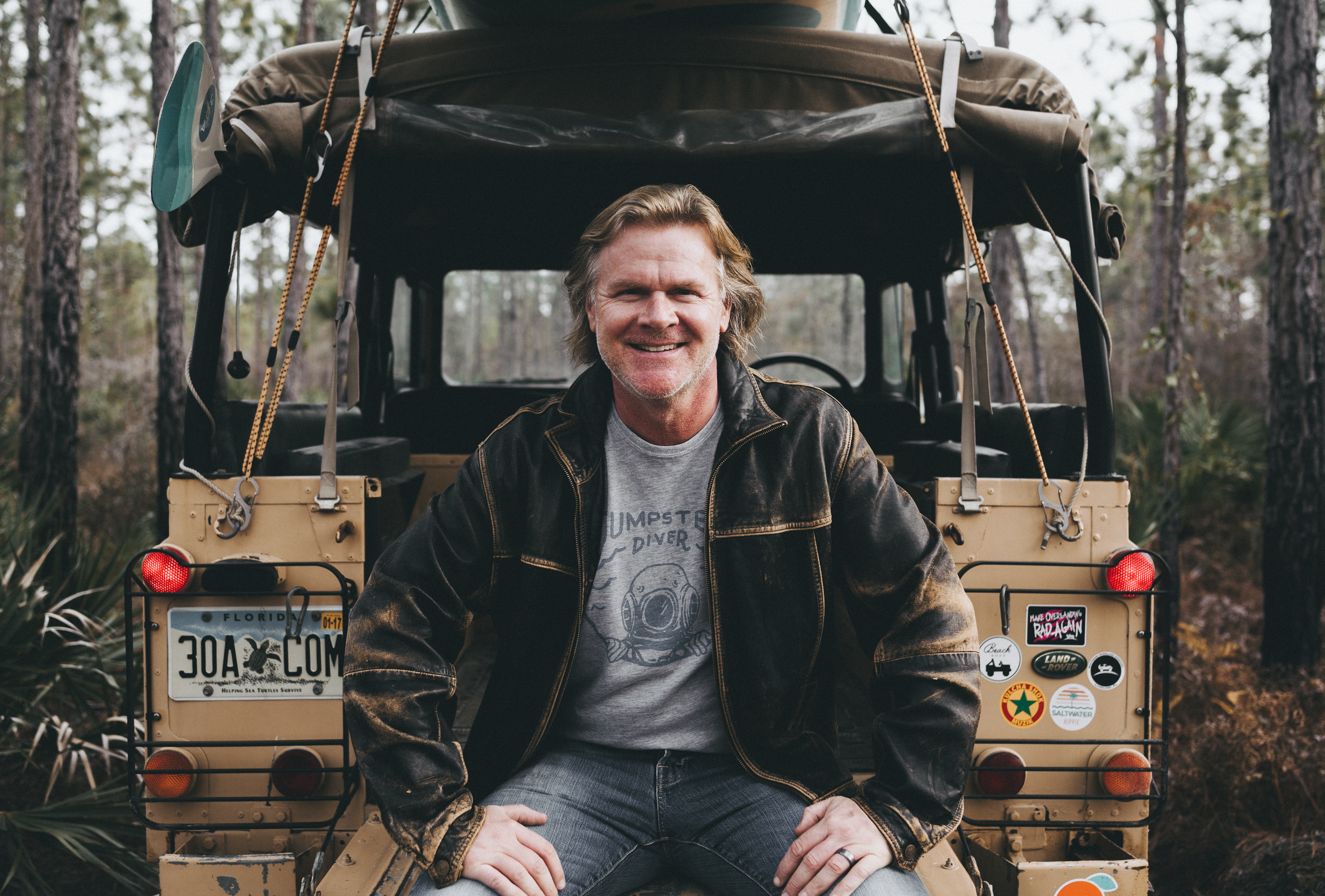
Mike Ragsdale by Peyton Hollis,
Good Grit magazine

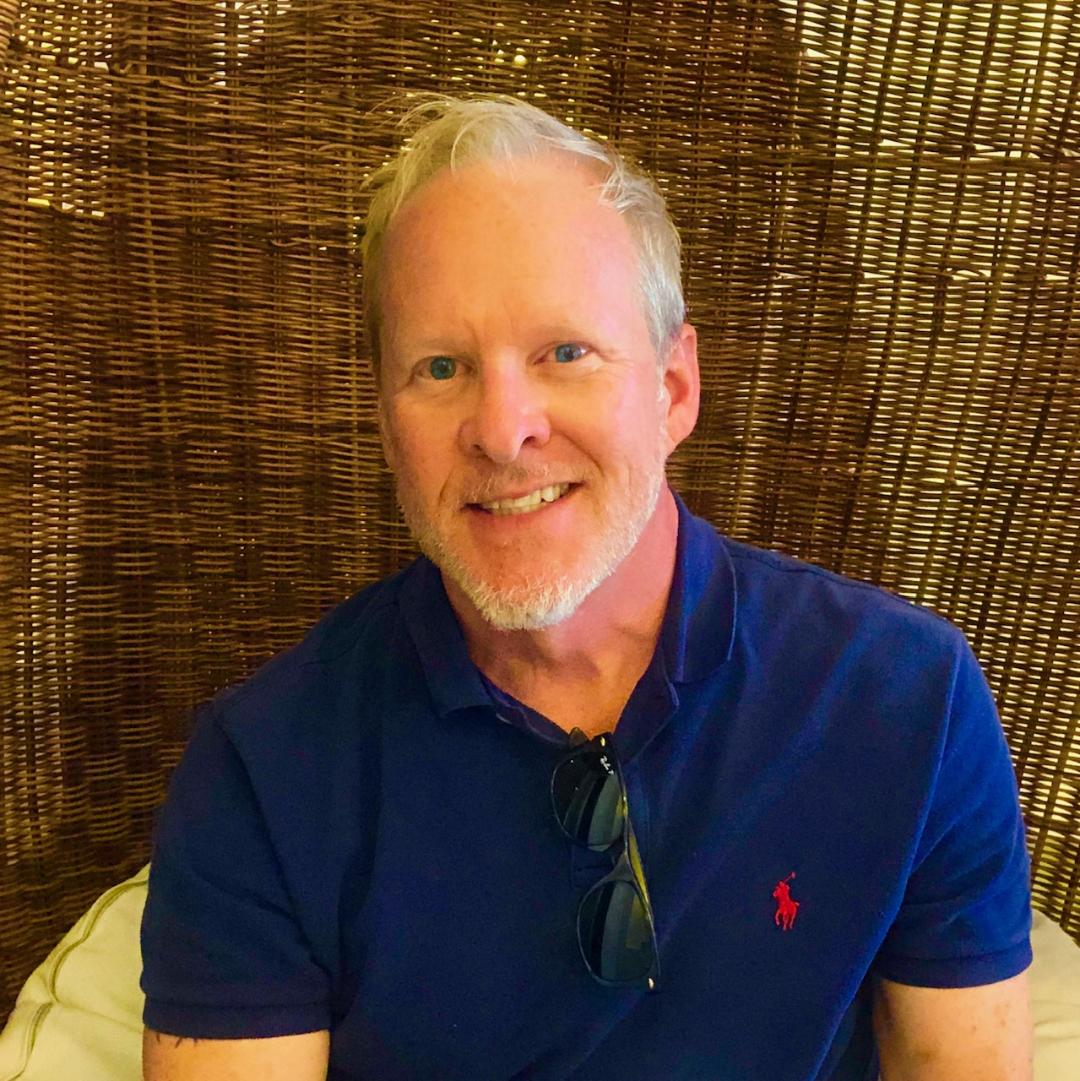
Mike Ragsdale, founder of 30A and Will Estell, former founder & editor-in-chief of Beaches, Resorts & Parks and now editor in chief/ director of publishing, The 30A Company have joined forces, and between the two of them have big plans for their new magazine, even during a pandemic.

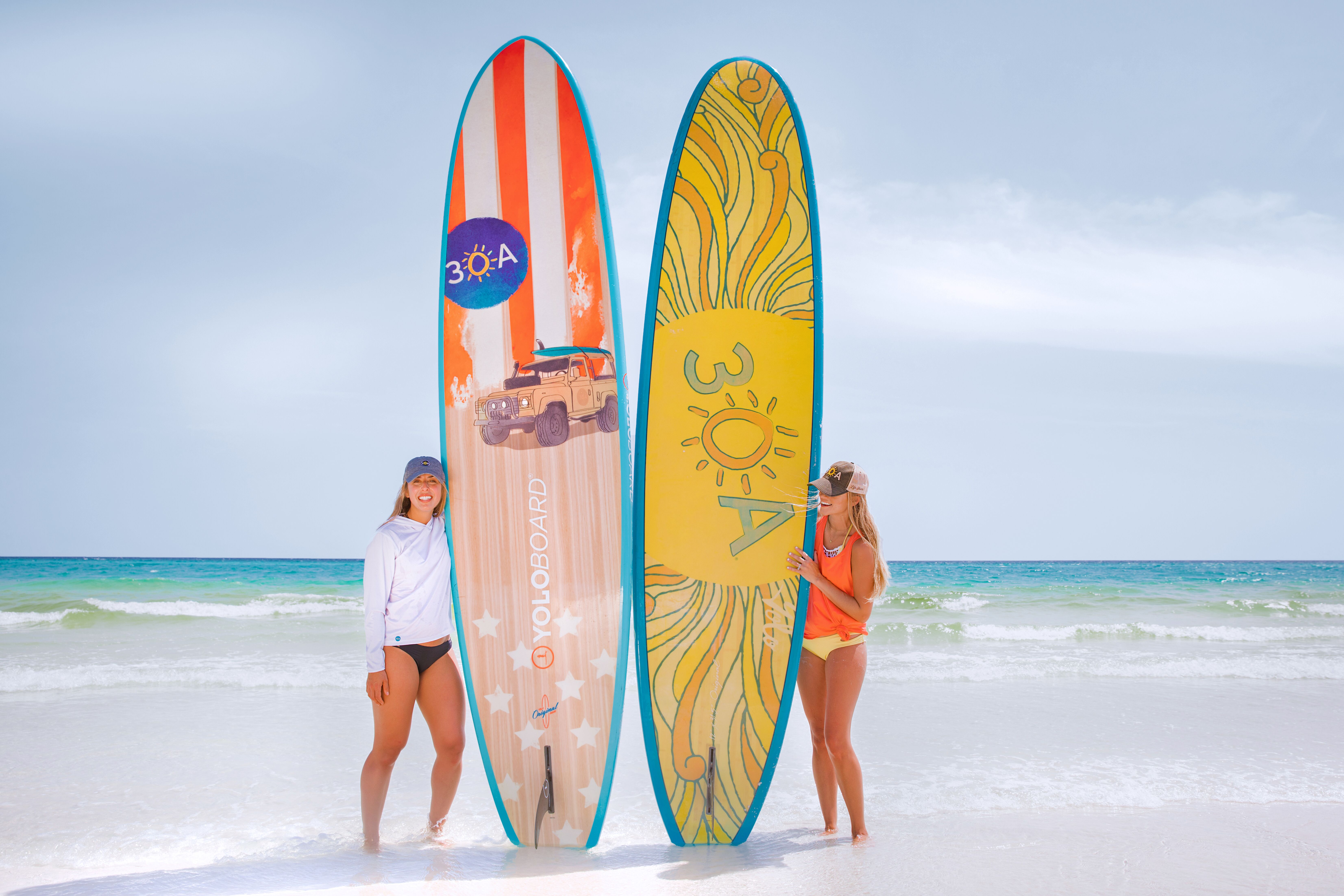
According to the Beach Happy brand and motto, “30A is the official and original BEACH HAPPY brand. Inspired by a two-lane road that meanders along Florida’s Gulf Coast, 30A shares eco-friendly products and stories that celebrate our small beach town way of life.” Mr. Magazine™ couldn’t have said it better himself.

In fact, I didn’t have to. I spoke with Mike and Will recently and we discussed this negativity and doom and gloom that seems to permeate our world today. From Mike’s observation, we’re getting too much toxic information, even during a pandemic, and our brains are in overload. Beach Happy magazine and the brand itself are here to uplift and give us hope and optimism with stories from beaches around the world, not just that two-lane road on the Florida Coast.

Will joins Mike’s sense of buoyancy and exuberates his own optimism by not allowing negativity to enter his thoughts very often. And while this may seem like an inopportune time to start a new print magazine, even one with an extensive digital reach,  Mike and Will suggest we all have faith and just “Be Happy.”

And now the 24th Mr. Magazine™ interview in the series of Publishing During A Pandemic with Mike Ragsdale, founder Of 30A & Will Estell, editor in chief/ director of publishing, The 30A Company.

But first the sound-bites:

Will Estell

On launching a new magazine during a pandemic (Mike Ragsdale): I’ll be honest, I am an optimist and I believe and have believed for a long time now, more than a decade, that we are suffering a mental health crisis in our nation, and perhaps in other parts of the world as well. I’ve been trying to sound the alarm, at least among my peer groups and our audience, that we have a lot to be happy about and we have a lot to be optimistic about. So, we’re promoting the agenda that news isn’t always negative, it doesn’t have to be.

On how he went from selling Beaches, Resorts & Parks to 30A and then becoming editor in chief of the new magazine (Will Estell): I’m kind of married to this thing and I tell you, there have been times when it would have been a lot easier to jump ship, to sell it out. We had offers in the past to buy Beaches outright that I probably would have gone along with, but this just seemed like the perfect opportunity and I’ve always been a huge fan of the 30A Company, literally going back to Mike’s early days with the company some 10 years ago. I was donning the stickers on my car and wearing the first T-shirt and all that.

On when the first issue will be launched (Mike Ragsdale): We were planning to launch in mid-May and it will be a quarterly publication at first, and so the issue would have been on newsstands in June, July and August, with a follow-up issue in the fall. We’re not going to deviate from that path very far. We’re waiting really until May 1 to make the decision. We’re going to be prepared to go to print on May 1, but if circumstances call for us to wait a few more weeks so we’ll know a little more, then we may push it back.

On how they’re going to take the large social media base, the radio base, the merchandising, and curate all of that onto the pages of a printed magazine (Will Estell): That’s something that we’re still working through, but the positive aspect is that we do have to be concerned about that. In other words, those things exist, so this magazine is not in a startup phase, standing alone, and having to go out there and find Reader One from Day One. It will be more of a pairing of both sides, where the other side of the 30A Company, be it the apparel or the decals, or people following the website to find events; all of that will promote the magazine just as the magazine will promote all of that.

Photo by Lauren Athalia

On whether the creation of 30A was a walk in a rose garden for Mike or he had some challenges along the way (Mike Ragsdale): It’s interesting, I’ve had a couple of really amazing successes and I’ve absolutely buried those with the failures I’ve had in business. I received my master’s degree in advertising and public relations, but I couldn’t get a job, despite sending out all of the resumes I could send and doing a few interviews, but I just wasn’t able to secure anything. So, I became an entrepreneur by accident and out of necessity to pay the bills, scrounging to stay afloat.

On anything they would like to add (Will Estell): The only thing I would add is for all the negativity and all the doom and gloom that’s talked about in the industry, and I know you’re a huge advocate for the growth and continued success of magazines, what we’re doing with this and what a lot of the companies that have learned to survive are doing is we’re finding new ways to get our message out, still be a magazine, but do it in  different ways.

On what keeps them up at night (Mike Ragsdale): Right now, of course, I’m concerned during my waking hours about the fact that we have a business that’s struggling like everyone is. Our three stores are closed; our 380 wholesale partner stores are closed; our digital advertisers, from restaurants to rental companies are shut down. And so we’re not expecting to see them paying any bills.

Mike Ragsdale

On what keeps them up at night (Will Estell): I do not lay in bed and worry about things. I don’t lay in bed and worry about the fact that the world has stopped spinning for a period of time right now. I don’t worry about the fact that we’re not out selling advertisers left and right. Now that doesn’t mean I’m not concerned about those things, but I have learned to be more solution-oriented in my thinking than problematic. It takes the same amount of energy to find a solution than worry about the problem.

And now the lightly edited transcript of the Mr. Magazine™ interview with Mike Ragsdale, Founder Of 30A & Will Estell, Editor In Chief/ Director of Publishing, The 30A Company.

Samir Husni: You’re launching a new magazine during a pandemic, what are you thinking?

Mike Ragsdale: I’ll be honest, I am an optimist and I believe and have believed for a long time now, more than a decade, that we are suffering a mental health crisis in our nation, and perhaps in other parts of the world as well. Despite living in the greatest time in human history and despite the fact that so many amazingly good things are happening in the world despite the current circumstances, we’re seeing an alarming increase in depression and suicides.

I believe personally it’s because about 10 or 15 years ago, we began consuming information at a rate that our minds simply aren’t accustomed to. We are absorbing so much negativity and bad information and stressful, anxious information that, despite the fact that we live in the golden era of humankind, we’re increasingly depressed and increasingly suicidal and anxious. I believe that we’re going to find in the years ahead that consuming so much information, good, bad, indifferent, consuming so much information is skewing our worldview and it is causing a great deal of suffering.

Photo by Lauren Athalia

I believe it is going to be akin to the ‘70s and ‘80s when people began to come to the realization about the health risks of smoking and then later with fast food consumption or foods that haven’t been grown under the right circumstances which causes heart disease and other health issues. So, I think consuming so much information as we do today is like eating one Big Mac after another. And we’re going to realize that the mental toll it’s taking on us individually and collectively is immense.

I’ve been trying to sound the alarm, at least among my peer groups and our audience, that we have a lot to be happy about and we have a lot to be optimistic about. So, we’re promoting the agenda that news isn’t always negative, it doesn’t have to be. But unfortunately, and you know this as well as I do, no one writes about the millions of planes that land safely, they write about the one that had the issues. And that’s the nature of where we’ve come with news. And news has really stopped becoming news, it’s more entertainment. It’s no longer Tom Brokaw or Dan Rather talking for 22 minutes a night and that’s it.

When I was growing up the news that we were consuming had to be bundled within 22 minutes of time. And if it didn’t make that cut, then you never heard about it. But now we hear about every single awful thing because we’re in a 24/7 news cycle. And not just that, we have pushup notifications and breaking news alerts, so we hear every awful thing that happens.

So, Beach Happy the brand is something that we’ve been promoting internally. And then when Will comes along with this publication that has this great distribution and great reach, it just seemed like a perfect marriage for us and to say, let’s take what we’re already doing on the digital side, kind of a bastion for optimism and positivity, and let’s reach all new audiences across newsstands. We’re already doing the work of content writing; we’re already doing the work of photography and content creation, we might as well add an additional platform. And

Will has really been brilliant in the way he has architected his business, in that it doesn’t require as much overhead as the more traditional publications, so we don’t view it as a risky proposition at all. We view it perhaps as the perfect message at the perfect time. And we certainly wouldn’t wish ill on anyone else who is on the newsstands, but we also know the impact on those companies that have massive overheads, so we’re lean and mean and we’re looking at it as an opportunity to present a platform for happiness and positivity.

Will Estell

Samir Husni: Will, I read the press release and you sold your Beaches Resorts & Parks to 30A Company, which Mike heads, so people might think you’re jumping ship. But then when I finished reading the press release, you’re editor in chief of the new magazine. Can you explain what happened?

Will Estell: I have managed through four different iterations of Beaches Resorts & Parks and of course, you were familiar with the magazine when you tracked it that first year. In 2013, you named us the New Launch of 2012, with the highest newsstand sell-through at the time, and the magazine continued to do really well. There were four different iterations of ownership, including one period where I solely owned it on my own, which by the way, was not an easy thing and not the way I would ever want to go again.

You know though, I’m kind of married to this thing and I tell you, there have been times when it would have been a lot easier to jump ship, to sell it out. We had offers in the past to buy Beaches outright that I probably would have gone along with, but this just seemed like the perfect opportunity and I’ve always been a huge fan of the 30A Company, literally going back to Mike’s early days with the company some 10 years ago. I was donning the stickers on my car and wearing the first T-shirt and all that.

I’m a lot like Mike in that I’m an optimist too, so I saw this as a great pairing. Actually, we’d been talking about this, I guess our first conversation was about the potential of 30A doing the magazine, probably about six years ago. But then we really got serious about this around last June and again talked about it. I can’t think of a better entity to be able to acquire the Beaches Resorts & Parks magazine than 30A. I’ve worked for quite  a few publishing companies outside of partnerships of my own, some large companies and some small companies in the past, and I’ve never had the ability to work for a company that had a magazine that already had a brand and a consumer reach that 30A does already built around it. So, we’re super-stoked about what we think this can do and the people it can reach.

And that’s part of the opportunity. Will had newsstand reach; he obviously had decades of print experience that we did not have. But we did have 1.5 million social media followers; we’ve got a quarter-million newsletter subscribers; we have orders that are being shipped to all states every day out of our fulfilment warehouse. So, we have the ability to take Will’s newsstand reach and combine it with our digital audience.

Mike Ragsdale: As Will and I were working through this, we realized we have an audience size that very few people can touch. There are some companies out there that have big established, decades’ worth of audiences, but to be able to come in with Issue One and have a print reach that Will has and have a digital reach of 1.5 million fans is a great platform to build upon.

Photo By Lauren Athalia

Samir Husni: When will the first issue be released?

Mike Ragsdale: We were planning to launch in mid-May and it will be a quarterly publication at first, and so the issue would have been on newsstands in June, July and August, with a follow-up issue in the fall. We’re not going to deviate from that path very far. We’re waiting really until May 1 to make the decision. We’re going to be prepared to go to print on May 1, but if circumstances call for us to wait a few more weeks so we’ll know a little more, then we may push it back. But we’re not going to push it off more than a month. One way or another we’ll be in May or June and we’re just waiting to see what happens with COVID-19 and the travel restrictions.

To us, and this is why it’s important that the launch isn’t really predicated on the physical; in my mind, again, Will comes from a little bit of a different place with the prior magazine, it really was focused on a lot of destinations, and we’re certainly going to have destination information in the magazine, but it’s as much or more about lifestyle.

In a regular week, the 30A brand; we do not think of ourselves as a travel or tourism brand. We’re a lifestyle brand that keeps people in touch with the beach when they can’t be there. So, whether you want to talk about Margaritaville or Disney World, you can’t be at Disney World every week. Our target audience is not people who are here on this beach and it’s not people who are coming to this beach next week. Our target audience is the people who wish they could be on the beach, whether it’s this beach, Key West, or whether it’s a fantasy beach in their mind.

So, we’re all about reaching that person who’s landlocked, wherever they may be. We want to reach that person who is having a tough time, be it their mortgage, boss or because they’re freaking out about the pandemic, we’re about giving them a moment of vacation in their minds, even if they can’t be on vacation at the moment. And that’s really what we build our products around. We have 30A Radio, which plays uplifting beach music 24/7; we have recycled apparel, shirts, hats, drinkware; we have all these things that I liken to Corona or Red Stripe, no one drinks Red Stripe beer because it’s great beer, they drink it because it mentally transports them to an island, Jamaica typically. And never mind that it’s brewed in Pennsylvania. It’s a way for them to step away from the pressure of their jobs or anything that is stressful, it enables them to take a beach vacation.

And Beach Happy, the magazine is the same thing. It’s really not about booking immediate plans and coming down to spend a week with us in Florida, we want to bring stories to people that make them happy and make them smile, give them a little bit of relief during what can only be described as some of the most stressful times we’ve seen as a nation in recent memory.

Photo by Lauren Athalia

Samir Husni: How are you going to take this large social media base, the radio base, the merchandising, and curate all of that onto the pages of a printed magazine?

Will Estell: That’s something that we’re still working through, but the positive aspect is that we do have to be concerned about that. In other words, those things exist, so this magazine is not in a startup phase, standing alone, and having to go out there and find Reader One from Day One. It will be more of a pairing of both sides, where the other side of the 30A Company, be it the apparel or the decals, or people following the website to find events; all of that will promote the magazine just as the magazine will promote all of that.

So, we’re being careful within the magazine not to let it come off like a glorified marketing piece or a catalog, if you will, for the 30A Company, but instead to, obviously, show a lot of what we offer and to show what the 30A Company is about, while also integrating that with everything else that has to do with the beach too.

I think in a lot of ways the magazine will be a lot like any other travel magazine, except beach-oriented, it won’t be a heavy push on necessarily promoting only 30A,  just the beach in general. I don’t think we’ll have to do a whole lot different than if we were just launching any travel magazine. It just has the backing of the rest of the brand behind it.

I would also say that obviously, a lot of people who would know about this or hear about this might think that we’re ignoring the fact that we’re a publication that’s launching in what could be deemed a bad time, if nothing else than economically speaking, because it’s no secret that advertisers aren’t jumping through hoops with any publication right now to put ads out there. But we do believe that the lifestyle surrounding the beach will be something that comes back quicker than anything else in our current economic situation.

So, we made that commitment to go ahead and put that issue out like Mike told you, however, we think as soon as everything opens up, advertisers are going to want in the issue. We don’t have any doubts about people buying the issue, but back to Mike’s point about the timing being potentially better than ever, I think after all of us have been cooped up for 30 to 45 days, we haven’t left our homes and we haven’t taken vacations, we haven’t even been able to walk in a store and buy our favorite apparel or anything, everyone is going to be ready for some good news and nothing is better to some people than the whole lifestyle surrounding the beach.

Mike Ragsdale by Peyton Hollis,
Good Grit magazine

Samir Husni: Mike, was creating your company 30A just a walk in a rose garden for you or did you have some challenges along the way?

Mike Ragsdale: It’s interesting, I’ve had a couple of really amazing successes and I’ve absolutely buried those with the failures I’ve had in business. I received my master’s degree in advertising and public relations, but I couldn’t get a job, despite sending out all of the resumes I could send and doing a few interviews, but I just wasn’t able to secure anything. So, I became an entrepreneur by accident and out of necessity to pay the bills, scrounging to stay afloat.

The first business I started was a success, it still took seven or eight years to build it and to exit at the right time, but it was a trial by fire and a wonderful thing to experience as a young person, the ability to grow a company from a literal idea into 70-person operation, then to be able to sell it. It was awesome.

But it was also a curse, because as a young arrogant person who went through that process, you think that was easy, I’ll be able to do that easily enough again. But the reality is that’s not how entrepreneurship works, you can have the best business plan in the world, you can have the best minds and a great idea, but it just doesn’t always work.

I spent the next 10 years just absolutely striking out, having failure after failure. And although it was painful and demoralizing to go through, it also enabled me to understand what things I’m good at and what things I’m not. And to stay away from the things I’m not good at and recruit other people. A great example, there’s not a chance in the world that I would have gotten into the print business if Will was not staying on. This merger would not have happened if Will’s experience wasn’t part of the package, because I don’t want to go in and learn a business; I can’t learn his 20 years of expertise myself. I don’t have that kind of time or inclination.

I have learned some important things and what I have learned is to focus on what I do very well and what I don’t do well, either stay away form or partner with someone who does do it well. And Will certainly does print publications well.

In some ways we’re really looking at Beach Happy as a cooler, hipper version of some of the more traditional publications, such as Coastal Living. I’m not knocking Coastal Living, but one of the things that we’re doing is integrating our audiences. We’re making it more fun, some of the themes we might have are : Five  Beach Beers You Need In Your Cooler This Summer. Fan comments: If This Were Your Beach Ball, What Would You Name It? That way, we make our fans some of the stars in the new publication.

It’s not a catalog; it’s not a 30A mouthpiece, and it’s not even about the particular stretch of beach we live on. I tell our team all the time, we’re like Coastal Living, we just happened to headquartered on a beach as opposed to being headquartered in Birmingham, Ala. But being on our beach doesn’t mean we can’t share incredible stories from Bali or Turkey or Ecuador or other beaches around the world.

Will Estell

Samir Husni: Is there anything either of you would like to add?

Will Estell: The only thing I would add is for all the negativity and all the doom and gloom that’s talked about in the industry, and I know you’re a huge advocate for the growth and continued success of magazines, what we’re doing with this and what a lot of the companies that have learned to survive are doing is we’re finding new ways to get our message out, still be a magazine, but do it in  different ways.

And one of those is all the ways we have of reaching people through digital means. It’s no secret that Beach Happy magazine will reach a lot more readers digitally than in print. Although we hope to grow the print way beyond what I ever had with Beaches Resorts & Parks. I’m saying all this because everyone in the industry, no matter what point they’re at, whether they’re an editor in chief or writer coming right out of school or a publisher in the business for 20 years, everyone has to rethink how we’re doing things. I would love to hear an end to the doom and gloom and just have more people think about new ways to do stuff. And that’s with every industry, not just  magazines.

We’re thinking positive; the sky is the limit. We believe this publication can do better right now  than it would have done 10 years ago. And I think more people in our industry need to have that kind of mindset with what they’re doing.

Samir Husni: My typical last question; what keeps you both up at night these days?

Mike Ragsdale: Right now, of course, I’m concerned during my waking hours about the fact that we have a business that’s struggling like everyone is. Our three stores are closed; our 380 wholesale partner stores are closed; our digital advertisers, from restaurants to rental companies are shut down. And so we’re not expecting to see them paying any bills.

We just launched this new endeavor, which again might seem like strange timing, but as Will said, this has been in the works for a very long time. We looked at it and we could have all walked away, but the reality is the world needs optimism. I’m not saying that in some philosophical, mumbo-jumbo kind of way, I’m saying just like fast-food found an anecdote by offering organic, free-range healthy alternatives, we’re going to be one of the first movers in providing a healthy information alternative to all of the toxic news and information that we consume every, single day.

This is an immense business opportunity. We’re going to start to see that information is causing slowly and in small bites, in fact, so slowly we don’t even realize it, to affect our minds. Once those studies start to come out, once we realize the suicides and depression are related to the ingestion of information, people are going to be unplugging. We’re already seeing that happen on our own, but they will be seeking healthy sources of information. And positive sources of information.

So, we view Beach Happy as being right in that first mover just as if someone was coming out with the first free-range organic product on the grocery aisle. We’re going to be one of those first movers to give people a sense of hope and optimism and a sense of escapism on a crowded shelf, competing with people who are peddling in scandal, sensationalism and division.

Will Estell: I go to bed at night and many times lay there for about two hours. The last time, for example, that I looked at my phone this morning was about 2:00 a.m. and I fell asleep right after that.

But all that to say, I do not lay in bed and worry about things. I don’t lay in bed and worry about the fact that the world has stopped spinning for a period of time right now. I don’t worry about the fact that we’re not out selling advertisers left and right. Now that doesn’t mean I’m not concerned about those things, but I have learned to be more solution-oriented in my thinking than problematic. It takes the same amount of energy to find a solution than worry about the problem.

So, I stay up at night, but I am brainstorming mostly. I’m thinking of a new article to write or a new way to reach people or how to do something no one else has done, even within our industry. Coming up with something that hasn’t been done does occupy my thoughts.

You will never find a piece of negative information within the pages of Beach Happy. There will not be an interview where we put someone down.  And I think people are ready for that. And that’s what keeps me up at night.

If there’s any negativity in my world right now, even with what we’re going through with this pandemic, it would be that I have three children, one in Atlanta, Georgia, one in Birmingham, Ala. and one that lives with his mom in Oxford, Ala. And the only thing that does keep me up at night from a negative standpoint is the fact that I haven’t been able to see them through this for about six weeks now. Other than that, nothing negative on my part.

Samir Husni: Thank you both.  

h1

Sue Holt, Managing Director, ITP Consumer, ITP Live and ITP Gaming (United Arab Emirates) To Samir “Mr. Magazine™” Husni: “We Can Get Through This And Will.” The Mr. Magazine™ Interview…

April 24, 2020

Sue Holt

Publishing During A Pandemic (23)

“People want and need information and entertainment from trusted sources. Magazines and credible journalism have made magazine media arguably more relevant in the current landscape.” … Sue Holt

“Initially we struggled with this as there is a fine line between us still wanting to do business and generate revenue, but also being sympathetic to our clients who have been deeply impacted. We learned very quickly which clients wanted to discuss creative ways to still operate and promote themselves during this time, and which ones didn’t want to have a discussion now, and which ones are still planning for an upturn in Q4-2020.” … Sue Holt

Magazines fall under the umbrella of “Credible Journalism” very easily. Just ask Sue Holt Managing Director of ITP Media Group (ITP), the Middle East’s largest publisher of international multi-platform magazine brands. She manages a team of over 250+ editorial, digital, advertising, marketing and event team members including Time Out Dubai, Harper’s Bazaar Arabia, GQ Middle East, ArabianBusiness.com, Condé Nast Traveler and Cosmopolitan ME. During this pandemic, Sue says that credible journalism is more important than ever.

“People want and need information and entertainment from trusted sources. Magazines and credible journalism have made magazine media arguably more relevant in the current landscape.”

I reached out to Sue recently to ask her how the company and she and her team were operating during these uncertain times. She answered that while ITP had reduced its hours, they were still producing quality content and hosting many important and innovative digital content with relevance to the world we live in today.

And now the 23rd Mr. Magazine™ interview in the series of Publishing During A Pandemic with Sue Holt, Managing Director, ITP Consumer, ITP Live and ITP Gaming (UAE).

But first the sound-bites:

On how ITP Consumer (UAE) is operating during the pandemic: ITP has reduced its working hours to 3 days a week or 25 hours per week across shifts for editors/digital content team. This was in order that we could ensure no losses and our teams would receive some pay at least. We have also deployed our events team (as there are no events expected until September 2020) and they are learning new skills such as digital marketing, content creation, research etc.

On how easy, hard or disruptive the move to working from home was: Easy in terms of most things can now be done digitally such as meetings, co-ordination of schedules etc. Difficult regarding content creation and keeping the content fresh and exciting.

On the impact so far on the publishing frequency, printing, events, etc. of the company: We have cancelled all of our events until September 2020 and now reformatting these as online conferences, forums etc. We have reduced the print cycle of most of our print publications as the print distribution and printing has been effected with printers closed for now in Qatar and Saudi Arabia. We have also offered ‘at home’ subscriptions so people still receive the physical magazines.

On whether she had ever thought of working during something like a pandemic and if she thinks someone could prepare for something like it: No. I’m not sure what we could’ve done to be prepared aside from arranging the tech side for more flexibility working from home. This was, however, done quite quickly (2-3 days and the whole company of 500 people had it set up).

On what message she is communicating with her readers during these uncertain times: To our readers we just want to say that we have one of the largest business magazine news-sites in the region – ArabianBusiness.com – and we are ensuring that we are correctly and responsibly reporting the Covid-19 facts and how they relate to the region, plus what other businesses are doing to get through this. From other magazines, such as women’s lifestyle, we are hosting digital retreats with relevant subjects, such as mental health, wellness and cooking. Positive messages and how we are all in this together are particularly important.

On what makes magazine media relevant today: People want and need information and entertainment from trusted sources. Magazines and credible journalism have made magazine media arguably more relevant in the current landscape.

On any additional words of wisdom: As an industry we may be suffering due to the loss in advertising revenue but this is short term and the increased digital readership and engagement is something we should be extremely proud of and focus on the retention of once we come out of this.

On what keeps her up at night: Nothing. We can get through this and will.

And now the lightly edited transcript of the Mr. Magazine™ interview with Sue Holt, managing director, ITP Consumer, ITP Live and ITP Gaming.

Sue Holt

Samir Husni: How is ITP Consumer, United Arab Emirates operating during the pandemic?

Sue Holt: ITP has reduced its working hours to 3 days a week or 25 hours per week across shifts for editors/digital content team. This was in order that we could ensure no losses and our teams would receive some pay at least.

We have also deployed our events team (as there are no events expected until September 2020) and they are learning new skills such as digital marketing, content creation, research etc.

Everyone is mainly working from home, however on occasion our production managers or photography team will go into the office with government passes for exceptions.

Samir Husni: How easy, hard, or disruptive was the move to working from home?

Sue Holt: Easy in terms of most things can now be done digitally such as meetings, co-ordination of schedules etc. Difficult regarding content creation and keeping the content fresh and exciting. Obviously, also pages such as photoshoots with models etc. are proving challenging operationally.

Samir Husni: What is the impact so far on the publishing frequency, printing, events, etc.?

Sue Holt: We have cancelled all of our events until September 2020 and now reformatting these as online conferences, forums etc. We have reduced the print cycle of most of our print publications as the print distribution and printing has been effected with printers closed for now in Qatar and Saudi Arabia. We have also offered ‘at home’ subscriptions so people still receive the physical magazines.

Samir Husni: Did you ever imagine that you would be working during a pandemic and do you think anyone could ever prepare for something like this?

Sue Holt: No. I’m not sure what we could’ve done to be prepared aside from arranging the tech side for more flexibility working from home. This was, however, done quite quickly (2-3 days and the whole company of 500 people had it set up).

Samir Husni: What message are you communicating with your staff, advertisers, and readers during these uncertain times?

Sue Holt: To our readers we just want to say that we have one of the largest business magazine news-sites in the region – ArabianBusiness.com – and we are ensuring that we are correctly and responsibly reporting the Covid-19 facts and how they relate to the region, plus what other businesses are doing to get through this. From other magazines, such as women’s lifestyle, we are hosting digital retreats with relevant subjects, such as mental health, wellness and cooking. Positive messages and how we are all in this together are particularly important.

To our advertisers, initially we struggled with this as there is a fine line between us still wanting to do business and generate revenue, but also being sympathetic to our clients who have been deeply impacted. We learned very quickly which clients wanted to discuss creative ways to still operate and promote themselves during this time, and which ones didn’t want to have a discussion now, and which ones are still planning for an upturn in Q4-2020.

And to our staff, we are in constant communication with our teams and are trying to keep them motivated during this time. We have organized a ‘Creative Challenge’ across all the offices (UAE, Saudi, U.K., India, Qatar, LA) where people work with people they don’t normally work with to generate interesting creative commercial solutions for now and post-crisis with prizes such as free Deliveroo, online supermarket shopping vouchers etc. This is something we had always spoken about but never had time for previously and has been well received as an initiative.

Samir Husni: What makes magazines and magazine media relevant today?

Sue Holt: People want and need information and entertainment from trusted sources. Magazines and credible journalism have made magazine media arguably more relevant in the current landscape.

Samir Husni: Any additional words of wisdom?

Sue Holt: As an industry we may be suffering due to the loss in advertising revenue but this is short term and the increased digital readership and engagement is something we should be extremely proud of and focus on the retention of once we come out of this. In the Gulf region we are also heavily reliant on advertising / sponsorship revenue – we need to diversify our business and this situation has now made this a bigger priority.

Samir Husni: And my typical last question; what keeps you up at night?

Sue Holt: Nothing. We can get through this and will.

Samir Husni: Thank you.
h1

Your Teen Magazine’s Founder & Editor/Publisher, Susan Borison, To Samir “Mr. Magazine™” Husni: “At Your Teen, We Feel That It Is More Important Than Ever To Let Parents Know That They Are not Alone.” The Mr. Magazine™ Interview…

April 23, 2020

Publishing During A Pandemic (22)

“At Your Teen Media, we’ve all become attached to the word “pivot” because the pandemic has required all of us to adjust our approach—not just as a business but as parents and humans. Our biggest pivot has been to turn our May/June print issue into a bonus digital edition focused on the new normal of parenting teens in social distancing/quarantine: Parenting in a Pandemic.” … Susan Borison

 “As people have become more isolated at home, they need the support of a parenting community. That’s why we published the bonus edition of our magazine about parenting in a pandemic. It includes so much information to help parents of teenagers get through this new reality.” … Susan Borison

Susan Borison is the founder and editor/publisher of Your Teen Magazine, a parenting magazine for parents of teenagers. The magazine began because Susan herself had five children and when they began reaching adolescence, she felt the need for some parenting tips. So she created “Your Teen.” Today the magazine and the brand are dealing with the pandemic as all of us are: straightforwardly and as bravely as possible.

I reached out to Susan recently and she told me that it had been an intense time for her and her team, but they are learning to pivot quickly as new ways of business present themselves, such as the free digital magazine they’re offering readers called: Parenting in a Pandemic. Coping skills for teens and ways to stay connected with their friends while still being apart are just two topics covered. It is definitely a tool that parents can use to assist them during these uncertain times.

And now the 22nd Mr. Magazine™ interview in the series of Publishing During A Pandemic with Susan Borison, founder & editor/publisher, Your Teen Media.

But first the sound-bites:

On how Your Teen Media has been operating during the pandemic: At Your Teen Media, we’ve all become attached to the word “pivot” because the pandemic has required all of us to adjust our approach—not just as a business but as parents and humans. Our biggest pivot has been to turn our May/June print issue into a bonus digital edition focused on the new normal of parenting teens in social distancing/quarantine: Parenting in a Pandemic.

On how easy, hard or disruptive the transition to working from home was: Our staff has always worked from home, but we had regular in-person meetings at our office/coffee shop/kitchen table as we worked through different projects. These meetings now occur entirely on Zoom.

On some things she’s been doing for her readers and their families to help during the pandemic: It’s been a very intense time; we’ve been sharing a daily expert interview since the pandemic upended much of what is considered to be typical for families and teenagers. One of our most popular interviews is with Wendy Mogel, Ph.D., author of Voice Lessons for Parents; she spoke about those high school and college seniors who are experiencing the loss of big life cycle events like graduation.

On how things have changed for her personally: In my own house, I have gone from being an empty-nester to having four of my kids at home, and I find myself spending my days locked in my bedroom where I have set up my “office”. The days are so busy with work and my family that I can feel purposeful. But the nights are longer.

On the message she is communicating with her readers during this difficult time: At Your Teen, we feel that it is more important than ever to let parents know that they are not alone. As people have become more isolated at home, they need the support of a parenting community. That’s why we published the bonus edition of our magazine about parenting in a pandemic.

On any additional words of wisdom: Of course, we wish we never had to create this issue, but the pandemic had other ideas. Now, we hope that we can provide support, advice, and ideas to as many families as possible.

And now  the lightly edited transcript of the Mr. Magazine™ interview with Susan Borison, founder & editor/publisher, Your Teen Media.

Samir Husni: How has Your Teen Media been operating during this pandemic?

Susan Borison: At Your Teen Media, we’ve all become attached to the word “pivot” because the pandemic has required all of us to adjust our approach—not just as a business but as parents and humans. Our biggest pivot has been to turn our May/June print issue into a bonus digital edition focused on the new normal of parenting teens in social distancing/quarantine: Parenting in a Pandemic.

Samir Husni: How easy, hard, or disruptive was the move to working from home?

Susan Borison: Our staff has always worked from home, but we had regular in-person meetings at our office/coffee shop/kitchen table as we worked through different projects. These meetings now occur entirely on Zoom.

Samir Husni: What are some things you’ve been doing for your customers’ families and teenagers during this pandemic to help?

Susan Borison: It’s been a very intense time; we’ve been sharing a daily expert interview since the pandemic upended much of what is considered to be typical for families and teenagers. One of our most popular interviews is with Wendy Mogel, Ph.D., author of Voice Lessons for Parents; she spoke about those high school and college seniors who are experiencing the loss of big life cycle events like graduation. Dr. Mogel delivers life changing advice.

Samir Husni: What about your own life, how have things changed for you personally?

Susan Borison: In my own house, I have gone from being an empty-nester to having four of my kids at home, and I find myself spending my days locked in my bedroom where I have set up my “office”. The days are so busy with work and my family that I can feel purposeful. But the nights are longer. I put my head on the pillow, and that seems to be the signal for all the thoughts that I’ve been keeping at bay to enter my brain.

I remember feeling strangely calm about Covid-19 at the beginning of March. When I look back, maybe it was denial. Now, I haven’t left my house in weeks, except for taking the dog for walks. That transition happened so fast.

I wonder if many families have gone through a similar trajectory. At first, we felt a little giddy that we were all home, and we framed the experience as an adventure. Now, several weeks in, we know people who have lost loved ones due to Covid-19. Plus the extra family time seems less adventurous as we get more annoyed with each other and impatient to find out how long the stay-home orders will last. In the midst of it all, I know that my family has much to be grateful for, but we also feel the loss of freedom and increase in anxiety.

Samir Husni: What message are you communicating with your readers during this difficult time?

Susan Borison: At Your Teen, we feel that it is more important than ever to let parents know that they are not alone. As people have become more isolated at home, they need the support of a parenting community. That’s why we published the bonus edition of our magazine about parenting in a pandemic. It includes so much information to help parents of teenagers get through this new reality.

The FREE digital magazine includes dedicated sections on:

∙ Coping strategies for families sheltering in place

∙ Learning at home – do’s and don’ts for parents

∙ Ways to stay connected while apart

∙ Free resources and ideas for family fun

∙ College students – what now?

∙ Staying positive and looking ahead

More than 13 years ago, we got into this business because we wanted to make sure that parents of teenagers didn’t feel alone. We are so grateful that our magazine is seen as a valuable resource by readers:

“First, I could not put it down. Every article was on point and exactly what I needed to hear. Second, as a teacher, I can’t recommend enough your section, Learning at Home. As a mother of a high school freshman and a college freshman, you are my hero of the year!”  – Ada Milka-Wood, via Instagram

“It’s a brilliant, necessary issue.” – Dr. John Duffy, psychologist and parenting expert

 Samir Husni: Any additional words of wisdom?

Susan Borison: Of course, we wish we never had to create this issue, but the pandemic had other ideas. Now, we hope that we can provide support, advice, and ideas to as many families as possible.

Samir Husni: Thank you.
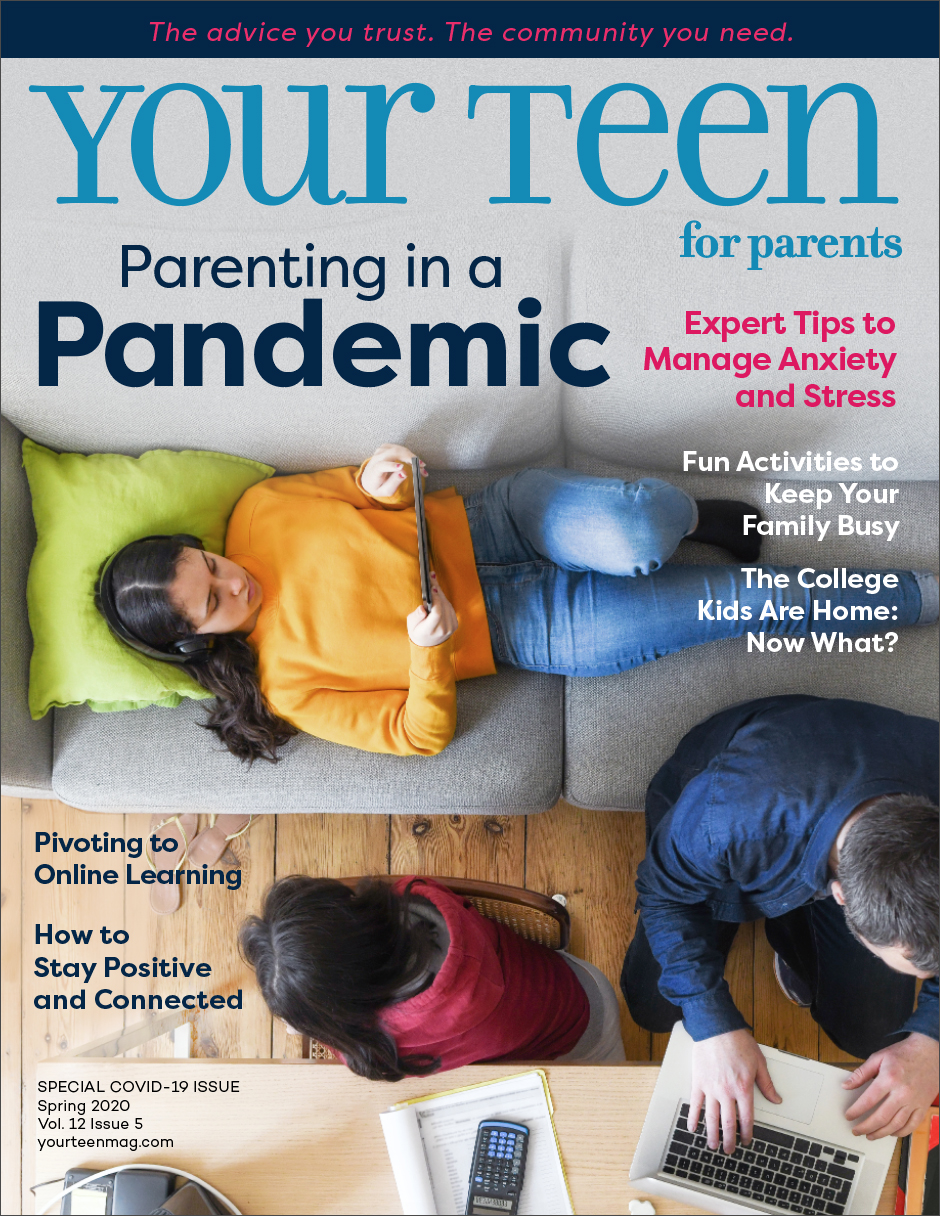
h1

Royle Printing’s President & Owner, Chris Carpenter, To Samir “Mr. Magazine™” Husni: “Remain Strong, We’ll Get Through This.” The Mr. Magazine™ Interview…

April 23, 2020

Publishing During A Pandemic (21)

“We have a number of catalog companies who have actually increased their counts. They see this as an opportunity to have a more engaged moment with a customer…fewer distractions. I think this is true for both publishers and catalogs, but it requires good content for a magazine and unique goods for sale in a catalog.” … Chris Carpenter

 “It really comes down to content.  If you create and publish content that people desire, you have a basic foundation for the publishing/advertising model.  The distribution of the content will vary, involving both print and digital delivery, but consumers will subscribe and purchase these services.” … Chris Carpenter

Located in Sun Prairie, Wisconsin, Royle Printing is an independently owned and managed printing company specializing in high quality graphic and distribution services, and has been in business for 70 years. Chris Carpenter is president & owner of Royle and like the rest of us is adapting to the Covid-19 way of life as best as he can.

I reached out to Chris recently and asked him how, under the circumstances, Royle is doing? There was no surprise there. Mainly, Royle is doing well, however, some things have been negatively affected, “We have seen shifts in page counts, circulation and in some cases, issues have been postponed.  Businesses centered in travel and meetings have been affected the most.  We’re working with all of our customers, making the necessary adjustments to help them get through this period.”

While others were actually more positive, “I will add, we have a number of catalog companies who have actually increased their counts. They see this as an opportunity to have a more engaged moment with a customer…fewer distractions. I think this is true for both publishers and catalogs, but it requires good content for a magazine and unique goods for sale in a catalog.”

Remaining strong and positive is Chris’s message to all. Indeed.

So, here is the 21st Mr. Magazine™ interview in the series of Publishing During A Pandemic with Chris Carpenter, president & owner, Royle Printing.

But first the sound-bites:

On how Royle Printing is operating during the pandemic: Considering the circumstances, we’re doing alright. Our associates remain healthy and strong, for the good of their families and the Royle Community. While we have a very diverse customer base, both in publishing and catalogs, most are being negatively affected.

On the steps they are taking to ensure everyone working onsite is social distancing and staying as safe as possible: We follow and implement the parameters set forth by the CDC, communicating daily with associates, vendors and customers.  As hard as it is, I think everyone has adjusted pretty well.

On the impact so far on publishing frequencies, printing, mailing, etc.: We have seen shifts in page counts, circulation and in some cases, issues have been postponed.  Businesses centered in travel and meetings have been affected the most.  We’re working with all of our customers, making the necessary adjustments to help them get through this period.  I will add, we have a number of catalog companies who have actually increased their counts.

On any shortage in paper, ink, or workforce: To date, we’ve not experienced any major delays in receiving paper, ink or other consumables required for production.  We might see some momentary delays in shipments or freight, but it typically gets resolved without impacting our customers.  As for labor, we are always looking for committed and skilled people to join Royle Printing and the printing industry – even in a pandemic!

On whether he had ever thought of working during something like a pandemic: I don’t think anyone saw this coming or that it would have such a broad, lasting effect.  It’s absolutely terrible and shocking to see so many people being affected by the pandemic, the worst being so many lives lost.

On what message he is communicating with his employees and clients during these uncertain times: Remain strong, we’ll get through this.  All of us will need to make some adjustments, some of which will remain in place for the foreseeable future.

On what makes magazine media relevant today: It really comes down to content.  If you create and publish content that people desire, you have a basic foundation for the publishing/advertising model.

On any additional words of wisdom: A special thanks to the healthcare providers who have tirelessly served the sick and needy though this pandemic…you’re bright lights in the world – thank you.

On what keeps him up at night: The general concern for so many who are affected by this pandemic.  In time, we’ll heal, learn and get stronger, but I worry about the lasting effects on families, businesses and the general economy.

And now  the lightly edited transcript of the Mr. Magazine™ interview with Chris Carpenter, president & owner, Royle Printing.

Samir Husni: How is Royle Printing operating during this pandemic?

Chris Carpenter: Considering the circumstances, we’re doing alright. Our associates remain healthy and strong, for the good of their families and the Royle Community. While we have a very diverse customer base, both in publishing and catalogs, most are being negatively affected. It’s really important that we practice patience and understanding as we make our way through this tough period.  One inspiring event at Royle is the installation of our new Manroland Rotoman S press.  While the timing could be considered questionable, we feel strongly that it puts us in a great position when we get back to normal business conditions.

Samir Husni: Since you can’t print from home, what are the steps you are taking to social distance and ensure that everyone left onsite is as safe as possible?

Chris Carpenter: We follow and implement the parameters set forth by the CDC, communicating daily with associates, vendors and customers.  As hard as it is, I think everyone has adjusted pretty well.  The bulk of administrative staff works from home and the operations team is diligent about hygiene and social distancing.  We are fortunate to have a modern manufacturing platform, which includes a great deal of automation. This also creates a fair amount of autonomy and space between associates.

Samir Husni: What has been the impact so far on publishing frequencies, printing, mailing, etc.? Any change in the print schedule from your clients? Skipping issues, reducing print run, etc.

Chris Carpenter: We have seen shifts in page counts, circulation and in some cases, issues have been postponed.  Businesses centered in travel and meetings have been affected the most.  We’re working with all of our customers, making the necessary adjustments to help them get through this period.  I will add, we have a number of catalog companies who have actually increased their counts. They see this as an opportunity to have a more engaged moment with a customer…fewer distractions. I think this is true for both publishers and catalogs, but it requires good content for a magazine and unique goods for sale in a catalog.

Samir Husni: Are you seeing any shortage in paper, ink, workforce?

Chris Carpenter: To date, we’ve not experienced any major delays in receiving paper, ink or other consumables required for production.  We might see some momentary delays in shipments or freight, but it typically gets resolved without impacting our customers.  As for labor, we are always looking for committed and skilled people to join Royle Printing and the printing industry – even in a pandemic!  This is an issue that’s troubled our industry for years.  Print can provide meaningful careers for people and we have to do a better job of telling our story. Our doors are always open and we’d love to hear from you if you’re looking to join a talented team.

Samir Husni: Did you ever imagine that you would be working during a pandemic and do you think anyone could ever prepare for something like this?

Chris Carpenter: I don’t think anyone saw this coming or that it would have such a broad, lasting effect.  It’s absolutely terrible and shocking to see so many people being affected by the pandemic, the worst being so many lives lost. I hope we’re able to learn from this, placing more attention on prevention and treatment.  The next 6-months will be interesting to see what advances are made.  As for business preparedness, it certainly underscores the importance of having a committed and thriving culture, along with being financially disciplined.

Samir Husni: What message are you communicating with your employees and clients during these uncertain times?

Chris Carpenter: Remain strong, we’ll get through this.  All of us will need to make some adjustments, some of which will remain in place for the foreseeable future.  We will do our very best to take care of our associates and clients, being patient and understanding as we move forward.

Samir Husni: What makes magazines and magazine media relevant today?

Chris Carpenter: It really comes down to content.  If you create and publish content that people desire, you have a basic foundation for the publishing/advertising model.  The distribution of the content will vary, involving both print and digital delivery, but consumers will subscribe and purchase these services.

Samir Husni: Any additional words of wisdom?

Chris Carpenter: A special thanks to the healthcare providers who have tirelessly served the sick and needy though this pandemic…you’re bright lights in the world – thank you.

Samir Husni: My typical last question; what keeps you up at night?

Chris Carpenter: The general concern for so many who are affected by this pandemic.  In time, we’ll heal, learn and get stronger, but I worry about the lasting effects on families, businesses and the general economy. Getting people back to work, in a safe and planned way, will go a long way in getting things back to normal.

Samir Husni: Thank you.

h1

Katriina Kaarre, Publishing Director, Octavamedia, Finland, To Samir “Mr. Magazine™” Husni: “This Situation Will Change Things For Good.” The Mr. Magazine™ Interview…

April 21, 2020

Publishing During A Pandemic (19)

“This situation will change things for good: redo content planning to serve the audience in the current mental atmosphere, connect with co-workers digitally just to see how everyone is doing, don’t waste energy on things you cannot change. And to the readers: try to make the best of this, go out and focus on quality time at home. We’re re-packaging content for the audience to make the best of time spent at home.” … Katriina Kaarre

 “Knowing the reader, anticipating his/her behavior. Giving content that serves them well at the right time, in the right channel, in the right package. Trusting in trustworthy quality content that the readers are willing to pay for it.” … Katriina Kaarre (On the relevancy of magazines)

A leading player among Finnish magazine publishers, Otavamedia Ltd. is part of the Otava Group and publishes a total of 25 magazines in Finland and more than 30 websites. Katriina Kaarre is publishing director for the company and is dealing with the pandemic much like her American counterparts, as best she can.

I reached out to Katriina recently and asked her about this “new normal” the magazine and magazine media industry are having to adjust to for now: working from home, social distancing and anticipating a truly uncertain future. Katriina is staying positive and said, “Corona will help the quality media thrive, the hunger for good (quality) content is stronger than ever, which can be seen in our figures, especially on the web. The power of legacy brands is stronger than ever.”

Indeed, quality content is always needed, especially through times such as today.

So, now the 19th Mr. Magazine™ interview in the series of Publishing During A Pandemic with Katriina Kaarre, publishing director, Octavamedia.

But first the sound-bites:

On how Octavamedia is operating during this pandemic: Otavamedia has been doing fairly well through this so far. However, our print media sales are down and anticipated to drop even more toward the end of the year; online is doing a lot better (but will not be enough to cover for the print loss). We thought that single copy sales would take a stronger blow but they haven’t (since people go to grocery stores less frequently). By far our biggest sales channel, subscription sales, is down by five percent.

On how easy, hard, or disruptive the move to working from home was: Luckily, we renewed the tech when moving to our new offices the end of February and all the connections have worked well. The move from office to homes has been easier than expected (so many Finns are introverts anyhow). For people with small kids at home, it has been a lot harder.

On the impact so far on the publishing frequency, printing, events, etc.: There has not been any changes to frequencies of publications so far. Also, we print almost all of our magazines in Finland, so we haven’t had problems on that front either. Events have been cancelled, so we’re expecting big losses of sales in that. The year’s biggest event called “Housing Fair” is still in the works, but the prospect is that it will at least be moved to a later date or cancelled.

On whether she ever imagined she would be working during a pandemic: There had been a few stories about the next possible pandemic in the past years, but we never imagined anything on this scope. Finland has basically had the same problems that other countries have had: insufficient resources to test the virus, the lack of respirator masks and scarcity of respirators. Finland is coping rather well with the situation, all in all, and the percentage of people deceased is still quite moderate.

On what message she is communicating with her employees, clients and readers during these uncertain times: This situation will change things for good: redo content planning to serve the audience in the current mental atmosphere, connect with co-workers digitally just to see how everyone is doing, don’t waste energy on things you cannot change. And to the readers: try to make the best of this, go out and focus on quality time at home. We’re re-packaging content for the audience to make the best of time spent at home.

On what makes magazines and magazine media relevant today: Knowing the reader, anticipating his/her behavior. Giving content that serves them well at the right time, in the right channel, in the right package. Trusting in trustworthy quality content that the readers are willing to pay for it.

On any additional words of wisdom: Corona will help the quality media thrive, the hunger for good (quality) content is stronger than ever, which can be seen in our figures, especially on the web. The power of legacy brands is stronger than ever.

On what keeps her up at night: The economical state of Finland and the world, the speed with how fast it is getting worse. At least we can comfort our readers and give them advice on how to get through these crazy times.

And now  the lightly edited transcript of the Mr. Magazine™ interview with Katriina Kaarre, publishing director, Octavamedia.

Samir Husni: How is Octavamedia in Finland operating during this pandemic?

Katriina Kaarre: Otavamedia has been doing fairly well through this so far. However, our print media sales are down and anticipated to drop even more toward the end of the year; online is doing a lot better (but will not be enough to cover for the print loss). We thought that single copy sales would take a stronger blow but they haven’t (since people go to grocery stores less frequently). By far our biggest sales channel, subscription sales, is down by five percent. Since nobody knows how long the situation will last, we’re making estimations every month of the whole.  All this means is that we will not able to make the budget for this year and have had to cut some costs.

However, we are not cutting development cost of the digital, which has been on a significant rise, both in media sales and in subscription sales.

The staff of Otavamedia is of course worried about the situation, but are working conscientiously, getting the work done as well as possible.

Samir Husni: How easy, hard, or disruptive was the move to working from home?

Katriina Kaarre: Luckily, we renewed the tech when moving to our new offices the end of February and all the connections have worked well. The move from office to homes has been easier than expected (so many Finns are introverts anyhow). For people with small kids at home, it has been a lot harder. Also, developing things (bouncing ideas, testing reactions etc.) hasn’t been easy, but we’re getting better at it.

 Samir Husni: What has been the impact so far on the publishing frequency, printing, events, etc.?

Katriina Kaarre: There has not been any changes to frequencies of publications so far. Also, we print almost all of our magazines in Finland, so we haven’t had problems on that front either. Events have been cancelled, so we’re expecting big losses of sales in that. The year’s biggest event called “Housing Fair” is still in the works, but the prospect is that it will at least be moved to a later date or cancelled.

Samir Husni: Did you ever imagine that you would be working during a pandemic? And can you ever be prepared for something like this?

Katriina Kaarre: There had been a few stories about the next possible pandemic in the past years, but we never imagined anything on this scope. Finland has basically had the same problems that other countries have had: insufficient resources to test the virus, the lack of respirator masks and scarcity of respirators. Finland is coping rather well with the situation, all in all, and the percentage of people deceased is still quite moderate. People gathering together is strictly forbidden, but people can move outdoors quite freely (in a party of only a few people).

Samir Husni: What message are you communicating with your employees, clients and readers during these uncertain times?

Katriina Kaarre: This situation will change things for good: redo content planning to serve the audience in the current mental atmosphere, connect with co-workers digitally just to see how everyone is doing, don’t waste energy on things you cannot change. And to the readers: try to make the best of this, go out and focus on quality time at home. We’re re-packaging content for the audience to make the best of time spent at home. Besides corona stories (which do still really well on the web), do-it yourself, gardening, grilling, knitting tips are well read now. Also, we’re constantly developing new native concepts for advertisers that adapt to the current situation. Print advertisers are particularly cautious and we’re expecting at least a 30-50 percent drop by the end of the year. Digital sales and single copy sales are doing okay (people have time to read) so far.

Samir Husni: What makes magazines and magazine media relevant today?

Katriina Kaarre: Knowing the reader, anticipating his/her behavior. Giving content that serves them well at the right time, in the right channel, in the right package. Trusting in trustworthy quality content that the readers are willing to pay for it.

Samir Husni: Any additional words of wisdom?

Katriina Kaarre: Corona will help the quality media thrive, the hunger for good (quality) content is stronger than ever, which can be seen in our figures, especially on the web. The power of legacy brands is stronger than ever.

Samir Husni: And my typical last question; what keeps you up at night?

Katriina Kaarre: The economical state of Finland and the world, the speed with how fast it is getting worse. At least we can comfort our readers and give them advice on how to get through these crazy times.

Samir Husni: Thank you.
h1

Steve Cohn, Former Editor in Chief, min: Media Industry Newsletter To Samir “Mr. Magazine™” Husni: “[Magazines] Haven’t Changed In This Day & Age From Past Days & Ages; It’s Connecting, Establishing Relationships With The Readers.” The Mr. Magazine™ Interview…

April 20, 2020

Publishing During A Pandemic (18)

“It’s the emotions of the publishers and editors out there; it was their emotions that I always tried to convey in the Newsletter. I never liked to use the word “it” for a magazine, it was always the editor, publisher or a top executive of the magazine that I would talk to that was representing the magazine. It was always their emotions that I tried to convey. To me, that made it very personal and not only to me, but also to the readers and really reflected on what they did.” … Steve Cohn

 “One thing I used to write about all the time was advertising is finite, but media is infinite. And that’s always been a challenge for publishers. And it’s a deeper challenge now. Publishers and editors who connect with readers, who give them content that they want to read right away, are the ones who will succeed. I always worried about that myself. I wanted to write what people wanted to read because I didn’t want to waste their time. That was a real concern of mine.” … Steve Cohn

If you are in the magazine and magazine media world, the name Steve Cohn has to conjure up good memories of a journalist who edited the leading magazine media newsletter, min: media industry newsletter, for 30 years, and edited it well, very well indeed.  He is, in fact, the only journalist I have never heard anyone say a single negative word about.  He took his job seriously and acted as any good journalist would, he reported the facts and documented the magazine media world with numbers and figures.  His lunches with the “who’s who” in the business were a fixture of his reporting and people awaited the arrival of the newsletter every Monday morning nonstop.

I spoke with Steve recently to chat about his views on the world of magazines and magazine media, as someone who watched and reported on the industry for years. He was there after the attacks of September 11, 2001, and he was there during the economic crisis of 2008/09.  I asked his opinion  of the current magazine media situation as a part of my series of Publishing During A Pandemic.  His stroll through memory lane sheds a lot of highlights on an industry that is determined to be resilient and in search of a new business model after a century of success with an ad-driven one.

Please join me as Steve and I take a stroll down magazine media memory lane and stay tuned for more in the series of Publishing During  A Pandemic.

But first the sound-bites:

On people saying he is an expert at putting a positive spin on things: I was being honest, I put a positive spin because I didn’t just write things willy-nilly. Obviously as a good journalist, I talked to them and got their answers to my questions. If they said something positive, I would record that. I also questioned it, and I would record that too. I was being fair, I wasn’t being a Pollyanna.

On what he thinks the role of magazines are today in these uncertain times: If you look at The New Yorker, for example, it’s just as influential as it’s always been. I think magazines have to be out there and they have to be a voice. It’s far more challenging with the Covid-19 outbreak; it’s probably more challenging than it’s ever been before. But they have to be out there because people depend on them.

On a quote from his former boss, the late Bill Barlow– Magazines are a people business: Definitely, because it’s the emotions. It’s the emotions of the publishers and editors out there; it was their emotions that I always tried to convey in the Newsletter. I never liked to use the word “it” for a magazine, it was always the editor, publisher or a top executive of the magazine that I would talk to that was representing the magazine. It was always their emotions that I tried to convey.

On what he thinks makes magazines relevant in this day and age: It hasn’t changed in this day and age from past days and ages; it’s connecting, establishing relationships with the readers. Whatever sector you’re in, be it fashion, sports, news; be it science or lifestyle, there has to be a one-to-one connection with the reader. I think PEOPLE magazine does that brilliantly, that’s why they’re so strong.

On making people need a magazine rather than just wanting one: I think in order to change a want to a need, you have to put the content out there that people really want. Home improvement magazines do that; if you need to fix your house in some way, you buy The Family Handyman. The cover lines attract you and that’s why they’re so important, especially on newsstand, because they can hook the reader. Then you can change that want to a need.

On what advice he would give the magazine industry today about moving forward: It might seem Pollyannaish, so I apologize, but I’d say just do the best job you can and put out the best content you can. In a correct society, that would bring results. It doesn’t always do that, but just be as professional as you can. That’s easier said than done sometimes, I also know that too, especially with what’s going on today with Covid-19. It has to be unbelievably challenging to publishers. Obviously, I think digital editions’ readerships are probably going up with most everyone at home.

On the highlight of his long career: The highlight of my career was the way MIN responded after the 9/11 attack. It was a very difficult time, especially in New York, as it is today. And there was a lot of media out there. And with the travel magazines, people were afraid to travel, to fly, as they are today, but for different reasons. I decided, instead of all the publishers asking me what I was going to do, I decided to call an editor, in this case Nancy Novogrod, she was the editor of Travel + Leisure.

On what he is doing these days: I live in White Plains, New York and I write a lot of stuff gratis for the library. I’ve been doing that for about three or four years. I do it to keep me busy and test my writing skills to some degree. I’ve also written articles for Folio. I did one on David Carey when he retired from Hearst, but now he’s back.

On whether he has considered writing a memoir or a book about his life: I would say to some degree, I have been thinking about it for a while. People will ask me why I don’t write a book about this or that. There are two things I’ve thought about: number one, if I wrote a book it wouldn’t have a lot of people who would buy it, maybe the Square, which is 14th Street, and Columbus Circle, which is 59th Street, the rest of the country, with some exceptions, maybe Oxford, Miss. (Laughs), probably wouldn’t buy it. So, I haven’t taken it really very seriously, and I still don’t.

On what kept him up at night when he was editor of MIN: What kept me up at night then was worrying about the issue, mostly Sunday nights, just worrying about the issue closing.

And now  the lightly edited transcript of the Mr. Magazine™ interview with Steve Cohn, former editor, Media Industry Newsletter (MIN).

Samir Husni: People have said that you’re an expert at putting a positive spin on things, no matter how bad they look.

Steve Cohn: I was being honest, I put a positive spin because I didn’t just write things willy-nilly. Obviously as a good journalist, I talked to them and got their answers to my questions. If they said something positive, I would record that. I also questioned it, and I would record that too. I was being fair, I wasn’t being a Pollyanna. And being fair was really important to me, because the health of MIN (Media Industry Newsletter) depended on the health of the industry, the magazine industry. To just knock everybody didn’t do me any good, unless there was justification for it.

So, a positive spin? Yes, you’re correct to a degree. I was an honest journalist. If the magazine was in trouble I would report on it. If their ad pages were down at the time, that was a fact. I based on facts not on rumors. I tried to be honest. That’s something I did throughout my career.

And I think it worked, because obviously, I built a trust with many of the people I talked to. And that was important because there’s a natural adversarial relationship between a journalist and his/her subject. You deal with these people day-to-day and their wellbeing made my wellbeing. It’s a symbiotic relationship.

Samir Husni: In your opinion, as a 30+ year journalist and as editor of one of the most influential media newsletters that we’ve had, what is the role of magazines today in the midst of this doom and gloom that we’re passing through now?

Steve Cohn: If you look at The New Yorker, for example, it’s just as influential as it’s always been. I think magazines have to be out there and they have to be a voice. It’s far more challenging with the Covid-19 outbreak; it’s probably more challenging than it’s ever been before. But they have to be out there because people depend on them.

I think in the short-term, they will be more dependent on their websites, because single copies may be hard to buy with all the stores closed, at least limited anyway. So, the websites are important. And also magazines offer reassurance and service, and that’s something unique.

Today, in 2020, to some degree it’s like what happened after September 11, to some degree. There was a lot of gloom and doom back then, especially for the travel magazines. But they pulled through and hopefully they will again. I think the challenge is must greater because we don’t know when this is going to end. And we don’t know if the Coronavirus is going to come back.

Samir Husni: One of my favorite quotes is one that you told me your former boss, the late Bill Barlow said, “Magazines are a people business.”

Steve Cohn: Definitely, because it’s the emotions. It’s the emotions of the publishers and editors out there; it was their emotions that I always tried to convey in the Newsletter. I never liked to use the word “it” for a magazine, it was always the editor, publisher or a top executive of the magazine that I would talk to that was representing the magazine. It was always their emotions that I tried to convey. To me, that made it very personal and not only to me, but also to the readers and really reflected on what they did.

One of my favorite stories – in 2003 I had lunch with David Remnick, editor of The New Yorker, and we talked for a bit. He’s a brilliant guy who’s still there. And I asked him how long he thought he was going to be at The New Yorker, and he answered, “Until my knees creak.” And I put that in the Newsletter because it was an emotion. And he’s still there, to his credit. It was a way to catch a little of the emotion behind the person and the personality, more than just blah, blah, blah.

I see a lot of bland reporting out there, and certainly I’ve also done my share, but I think you have to try and make things emotional so you can connect with your readers, especially if you have a newsletter like MIN, which is sort of a one-to-one relationship with the audience. That was something I believed in. Bill Barlow certainly did too, and he influenced me. He passed away in 1994, but he was the owner and the guy who hired me.

He was also the guy who introduced me to you too, I don’t think he knew you, but he had heard about somebody at Meredith, and I guess it was Jim Autry at the time, who had hired someone who had a connection with you, and he told me about you. And I called you – it was August 1986, and that’s how we met.

Ironically, Bill also gave me the idea in December to do a launch review. And in those days there was no Internet, so I had to go to the New York Library and get back issues of Folio. I used to do a launch roundup every month. I did that for about a year or two and then I got wiser. (Laughs) I started leaving that to you. But Bill was a big influence. He was a guy who lived on the Upper Eastside, very wealthy. MIN Newsletter launched in 1947 and he bought it in the mid-‘70s as a hobby and that’s sort of how he treated it. But he needed someone to do the work, the nitty-gritty, and that’s why I was hired in 1986.

Samir Husni: What do you think makes magazines relevant, necessary and sufficient in this day and age?

Steve Cohn: It hasn’t changed in this day and age from past days and ages; it’s connecting, establishing relationships with the readers. Whatever sector you’re in, be it fashion, sports, news; be it science or lifestyle, there has to be a one-to-one connection with the reader. I think PEOPLE magazine does that brilliantly, that’s why they’re so strong. I think Vogue and Anna Wintour has done that brilliantly; to make the audience feel like a part of the business and not strangers. I think that’s very important. It always has been and it always will be. Those are the magazines that are the most successful.

When they publish an article that strikes a chord and gets a lot of attention and that the reader really wants to read, and not just put away for a rainy day, those are the magazines that are successful and they will be and will continue to be.

Samir Husni: And can you make people need a magazine, instead of just wanting one? Can you change that want to a need?

Steve Cohn: I think in order to change a want to a need, you have to put the content out there that people really want. Home improvement magazines do that; if you need to fix your house in some way, you buy The Family Handyman. The cover lines attract you and that’s why they’re so important, especially on newsstand, because they can hook the reader. Then you can change that want to a need. That can be a very difficult challenge, especially in 2020 with so much media out there.

One thing I used to write about all the time was advertising is finite, but media is infinite. And that’s always been a challenge for publishers. And it’s a deeper challenge now. Publishers and editors who connect with readers, who give them content that they want to read right away, are the ones who will succeed. I always worried about that myself. I wanted to write what people wanted to read because I didn’t want to waste their time. That was a real concern of mine.

If there was big news early in the week and I came out on a Friday with it, I couldn’t just write the same thing that was already out there a thousand times, I had to put my own spin to it. I needed to tell them something they didn’t know. And that was a way of connecting with the readers. They would see something they hadn’t seen before and they wanted to read it. That was the key to our success for many years, that and the Box Scores and our other features.

I always put the weekly Box Scores on an odd page, either number 3 or 5. And I would always go directly to page three to see how I was doing, New York Magazine, versus my competition. I never forgot that. And I put a lot of emphasis on their accuracy and the monthly Box Scores accuracy, just making sure we had all the participants. And that was a big challenge for me every week. I didn’t do the work personally, but I was responsible for it. And that was really paramount to our success, because Ad Week and everybody published words, but only we had the numbers.

After 9/11, for example, with the Box Scores, everything dropped precipitously after the attack, it wasn’t the fault of the economy, it was the fault of Osama Bin Laden. I didn’t use those words, but it was the terrorist attacks that made everything tank from the fall of 2001 to the fall of 2002. So I tried to be sensitive to that and write it carefully, and it was the right thing to do.

Samir Husni: If you were to reach out to the magazine industry today, the CEOs, publishers and editors; if they were to ask your advice, based upon your experience, about what they should do to move forward, what would you tell them?

Steve Cohn: It might seem Pollyannaish, so I apologize, but I’d say just do the best job you can and put out the best content you can. In a correct society, that would bring results. It doesn’t always do that, but just be as professional as you can. That’s easier said than done sometimes, I also know that too, especially with what’s going on today with Covid-19. It has to be unbelievably challenging to publishers. Obviously, I think digital editions’ readerships are probably going up with most everyone at home.

Samir Husni: Can you tell me the highlight of your long career?

Steve Cohn: The highlight of my career was the way MIN responded after the 9/11 attack. It was a very difficult time, especially in New York, as it is today. And there was a lot of media out there. And with the travel magazines, people were afraid to travel, to fly, as they are today, but for different reasons. I decided, instead of all the publishers asking me what I was going to do, I decided to call an editor, in this case Nancy Novogrod, she was the editor of Travel + Leisure.

It was about 10 days after 9/11 and I asked her what she was going to do. She said she was closing the November issue and the editor’s note that she had planned to write, she changed it to the importance of travel and how travel was needed, even in the difficult times after 9/11. And I asked her to fax it to me, email was relatively new back then. So she faxed it to me. I put it in the Newsletter and over the next three months, other editors began sending these things to me. I didn’t even request them. I received tons of them. And I ran a page of them from September through Thanksgiving. Maybe a little beyond. And that was my proudest moment.

I got editors to share their thoughts about the major tragedy of that time and how they were persevering. And if I was editor of MIN today, I’d probably try and do the same thing, although it would be more difficult because the tragedy is ongoing.

My favorite story, David Zinczenko, who at that time was in his first or second year as editor of Men’s Health, told me in those days he lived near the World Trade Center and he ran past it very early on the morning of 9/11 before the attacks came. And then he went back to his apartment. Later, he met a police officer who had found someone’s keys or something like that, and he asked David if he knew whose they were and David said no. Afterward, he wondered whether that officer had run down to the World Trade Center after the attack. He asked that question in his editor’s letter. It turned out the officer was okay. But that struck a chord with me. And hopefully with the readers. Just another thing in my career that I’ll never forget.

Samir Husni: What are you doing these days? Enjoying retirement, reading a lot of magazines?

Steve Cohn: I live in White Plains, New York and I write a lot of stuff gratis for the library. I’ve been doing that for about three or four years. I do it to keep me busy and test my writing skills to some degree. I’ve also written articles for Folio. I did one on David Carey when he retired from Hearst, but now he’s back. And I did one on Glenda Bailey about a year ago when she was then editor of Harper’s Bazaar, when she was about the sole survivor left among editors, except for Anna Wintour and David Remnick.

If you ever talk to her she sounds very Cockney, very East End London, sort of like Eliza Doolittle before My Fair Lady. And she was put down because of that when she was editor of Bazaar, yet she succeeded. It’s a wonderful story. I have done things like that for Folio, all gratis, for free. I tried to do the Barbara Smith story, but they said they were “too busy” for it, and it was suggested that I send it to you, which I did and thank you for publishing it.

I try to keep busy and really observe the industry from afar, rather than up close. It concerns me and its wellbeing concerns me. I read Ad Age, Adweek, The New York Post, and Mr. Magazine™ and Women’s World Daily, just to see what’s going on. Most of the names I worked with, other than a few, are no longer there anymore. I left MIN in July 2016 and I think easily the majority of the editors and publishers I worked with are gone.

It’s a difficult time for the industry and who knows where it’ll be a year from now or five years with this virus. That’s what is so scary. Your health is paramount. So you social distance and stay indoors and hope for the best. If I were editor of MIN today and not being able to see people, that would be a huge detriment to my reporting. It would be so much harder. Meeting people was one of the most enjoyable parts of my job.

Samir Husni: Are we going to see a memoir or a book from your long career in journalism?

Steve Cohn: I would say to some degree, I have been thinking about it for a while. People will ask me why I don’t write a book about this or that. There are two things I’ve thought about: number one, if I wrote a book it wouldn’t have a lot of people who would buy it, maybe the Square, which is 14th Street, and Columbus Circle, which is 59th Street, the rest of the country, with some exceptions, maybe Oxford, Miss. (Laughs), probably wouldn’t buy it. So, I haven’t taken it really very seriously, and I still don’t. I like to reminisce a lot and that’s why I was happy to do this interview. And I thank you for that.

Samir Husni: What kept you up at night when you were editor of MIN?

Steve Cohn: What kept me up at night then was worrying about the issue, mostly Sunday nights, just worrying about the issue closing. I used to use an old expression, if you’ve watched the movie “The Godfather,” it was X-rated, but James Caan’s character, Sonny Corleone, in one scene mentioned that he didn’t want his brother, Michael, to come out of the toilet with just his private part in his hand. I always thought about that, and “when the fat lady sings,” I had to be ready. I didn’t want to be like Michael Corleone or something, I wanted to be prepared. So, that was a motivator for me, believe it or not. A line from “The Godfather”…(Laughs)

It was a motivator for me to get the issue out. I was the editor, so the buck stopped with me. It was my responsibility. In 30 years, I broke my elbow once, so I missed maybe five closings at the most, when my kids were born, something like that. Otherwise, I was there every Friday. It was a challenging job, a demanding job, but it was a fun job.

Samir Husni: Thank you.

h1

Philip Drumheller, President & Owner, Lane Press, Inc. To Samir “Mr. Magazine™” Husni: “I Would Advise Publishers To Lean On Their Printers For Problem-Solving – Now More Than Ever.” The Mr. Magazine™ Interview…

April 20, 2020

Publishing During A Pandemic (17)

 “Magazines have always been an effective form of entertainment – a chance to dive into a tactile, sensory experience that is immersive and can take your mind off the stresses of the day. How much do we all need that right now? To step back and read about inspiring home design or the noble undertakings of our alumni peers, or just to look through a curated photo gallery? When your favorite magazine comes right to you at your doorstep and you can sit back and get lost in it – that’s something we can all benefit from now.” … Philip Drumheller


Founded in 1904, Lane Press, located in Burlington, Vermont, is distinguished by its rich history of printing and publishing innovation. During this pandemic, Philip Drumheller, president and owner of the company, said they are open and ready to serve their clients, but are operating “very carefully and very thoughtfully.”

I reached out to Philip recently and asked him about this tragic pandemic, its effect on the business, and what he feels makes magazines and magazine media relevant, especially during these uncertain times.

“At a time like this, people are seeking trustworthy content that helps them understand the many aspects of this evolving health care crisis.”

So, here is the 17th Mr. Magazine™ interview in the series of Publishing During A Pandemic with Philip Drumheller, president & owner, Lane Press, Inc.

But first the sound-bites:

On how Lane Press is operating during this pandemic: Very carefully and very thoughtfully. We are an essential business per the state of Vermont’s Governor’s “Stay Home” order, and we very much agree with that. We know how important it is for publishers to be able to communicate with their readership without interruption – especially in such an unusual time.

On the steps they are taking to keep employees who are still working onsite safe: The health and safety of our employees is our number one priority. We have followed the guidance of the CDC from the very beginning of the outbreak. We have very thorough cleaning and disinfecting procedures in place; we ensure that employees who are in the plant maintain adequate distancing between each other; and we have as many employees working from home as possible

On the impact of the pandemic on the business: We do have a few customers who are cancelling their spring issues. Some are consolidating their spring issues with summer or combining months. It very much depends on market segment – we serve many different types of magazine publishers, all of whom have different needs and challenges right now. Our goal is to help them meet those challenges by being as flexible and creative as we can.

On any shortage of materials or workforce: No, we haven’t seen any disruption in our supply chain. And our workforce is incredibly dedicated.

On whether he ever imagined working during something like a pandemic: I’m sure none of us imagined anything of this ilk and magnitude occurring, but we’ve always believed it’s important to be prepared for the unexpected. We’ve always focused on having solid processes and well-established lines of communication in place – both internally and with our customers – so that when something comes up, these foundational pillars give us a functional, effective framework to operate in.

On what message he is communicating with his clients and his employees: Lane Press remains open and is here to help publishers continue serving their readership. And we’re doing this with a constant eye toward protecting our employees and our community.

On what he feels makes magazines and magazine media relevant today: Magazines are a vehicle for high-quality content – vetted, trustworthy, in-depth content. At a time like this, people are seeking trustworthy content that helps them understand the many aspects of this evolving health care crisis.

On any additional words of wisdom: I would advise publishers to lean on their printers for problem-solving – now more than ever. When our customers tell us they’re challenged in a particular way, we work hard to come up with novel ways to help them.

On what keeps him up at night: Concerns about the economy keep me up. There are so many small businesses in our local community and among our customer base that have worked so hard to build their businesses. And there are so many employees depending on them to continue to do so.

And now  the lightly edited transcript of the Mr. Magazine™ interview with Philip Drumheller, president & owner, Lane Press, Inc.

Samir Husni: How is Lane Press operating during this pandemic?

Philip Drumheller: Very carefully and very thoughtfully. We are an essential business per the state of Vermont’s Governor’s “Stay Home” order, and we very much agree with that. We know how important it is for publishers to be able to communicate with their readership without interruption – especially in such an unusual time. People need continued access to information and thought leadership. We’re glad that we can be here, open, and of service to our customers in this delicate time.

Samir Husni: Since you can’t print from home, what are the steps you are taking to social distance and ensure everyone still at the workplace is as safe as possible?

Philip Drumheller: The health and safety of our employees is our number one priority. We have followed the guidance of the CDC from the very beginning of the outbreak. We have very thorough cleaning and disinfecting procedures in place; we ensure that employees who are in the plant maintain adequate distancing between each other; and we have as many employees working from home as possible – our administrative staff and a portion of our customer service staff. I think it’s fair to say we haven’t skipped a beat.

Samir Husni: What has been the impact so far on the publishing frequency, printing, mailing, etc.? Any change in the print schedule from your clients? Skipping issues, reducing print run, etc.

Philip Drumheller: We do have a few customers who are cancelling their spring issues. Some are consolidating their spring issues with summer or combining months. It very much depends on market segment – we serve many different types of magazine publishers, all of whom have different needs and challenges right now. Our goal is to help them meet those challenges by being as flexible and creative as we can.

For example, we’ve been offering our customers special incentives on add-on features so they can add pandemic-related messaging to their magazine – like on a bellyband, a tip, or an onsert inside a polybag. All of these are great ways to add an extra layer of communication at this time. We’re also offering special pricing on a publication of narrow specifications – one we can produce most quickly and cost-efficiently. Our goal is to help publishers stay in contact with their readers. This type of flexible approach enables publishers to do that even while they’re dealing with their own very new and constantly evolving constraints.

Samir Husni: Are you seeing any shortage in paper, ink, workforce?

Philip Drumheller: No, we haven’t seen any disruption in our supply chain. And our workforce is incredibly dedicated.

Samir Husni: Did you ever imagine that you would be working during a pandemic? And can you ever be prepared for something like this?

Philip Drumheller: I’m sure none of us imagined anything of this ilk and magnitude occurring, but we’ve always believed it’s important to be prepared for the unexpected. We’ve always focused on having solid processes and well-established lines of communication in place – both internally and with our customers – so that when something comes up, these foundational pillars give us a functional, effective framework to operate in.  It worked for us during the outbreak of the Spanish Flu, two world wars, the Great Depression, numerous banking crises, oil embargos, the Great Recession, and, of course, 9/11. Together with nearly 120 years of experience, I’d say that’s why we’ve been able to adjust so quickly to this situation.

Samir Husni: What message are you communicating with your employees and clients during these uncertain times?

Philip Drumheller: Lane Press remains open and is here to help publishers continue serving their readership. And we’re doing this with a constant eye toward protecting our employees and our community.

Samir Husni: What makes magazines and magazine media relevant today?

Philip Drumheller: Magazines are a vehicle for high-quality content – vetted, trustworthy, in-depth content. At a time like this, people are seeking trustworthy content that helps them understand the many aspects of this evolving health care crisis. Many of the magazines we produce provide this kind of content to readers in business, health care, education, and wellness sectors. But also, magazines have always been an effective form of entertainment – a chance to dive into a tactile, sensory experience that is immersive and can take your mind off the stresses of the day. How much do we all need that right now? To step back and read about inspiring home design or the noble undertakings of our alumni peers, or just to look through a curated photo gallery? When your favorite magazine comes right to you at your doorstep and you can sit back and get lost in it – that’s something we can all benefit from now.

Samir Husni: Any additional words of wisdom?

Philip Drumheller: I would advise publishers to lean on their printers for problem-solving – now more than ever. When our customers tell us they’re challenged in a particular way, we work hard to come up with novel ways to help them. All businesses are thinking out-of-the-box right now. And it’s incredibly refreshing to see businesses and consumers relying on each other in such creative ways. I truly believe this is how we’ll come out of this stronger – by trusting and relying on each other.

Further, despite the enormous and obvious challenges of this pandemic, it is also a calling to simpler times… meals with family, a reduction in the frenetic pace of life, more time to read (magazines) and reflect, less noise, cleaner air and water…. It seems to me this is a crucial and especially opportune time for publishers to deliver their product to their readers’ doors.

Samir Husni: And my typical last question; what keeps you up at night?

Philip Drumheller: Concerns about the economy keep me up. There are so many small businesses in our local community and among our customer base that have worked so hard to build their businesses. And there are so many employees depending on them to continue to do so.

Samir Husni: Thank you.