Archive for the ‘News and Views’ Category

h1

Michael Clinton: Hearst Magazines’ Strong Belief In Its Core Print Product & Its Continued Dedication To Digital Innovation Makes For A Bright Future – The Mr. Magazine™ Interview With Michael Clinton, President, Marketing and Publishing Director, Hearst Magazines…

June 19, 2017

“Great ideas do get funded. You know, create and sell. Great ideas get funded. Oftentimes, what I would tell our team when they would say “Well, they don’t have a print budget.” I would say, “Let me ask you a question: do they have a budget?” Because every brand has a marketing budget, right? And, if you bring them a great idea, a great idea will get funding. And so we have many, many, many examples of business that has been created with no budget. The idea creates the budget. So, my mantra is “Great ideas do get funded” when you have the great, innovative idea.” Michael Clinton…

Hearst Magazines has been at the forefront of print since the dawn of the digital age. While never turning a deaf ear on what the innovations of the 21st century offered, Hearst also never gave their core product the cold shoulder either. Print was and still is the foundation of their company and no one has ever felt the need to apologize for that. Kudos to Hearst. Mr. Magazine™ has never felt that particular need either. Print remains the backbone of publishing and the only format that defines the word “magazine.”

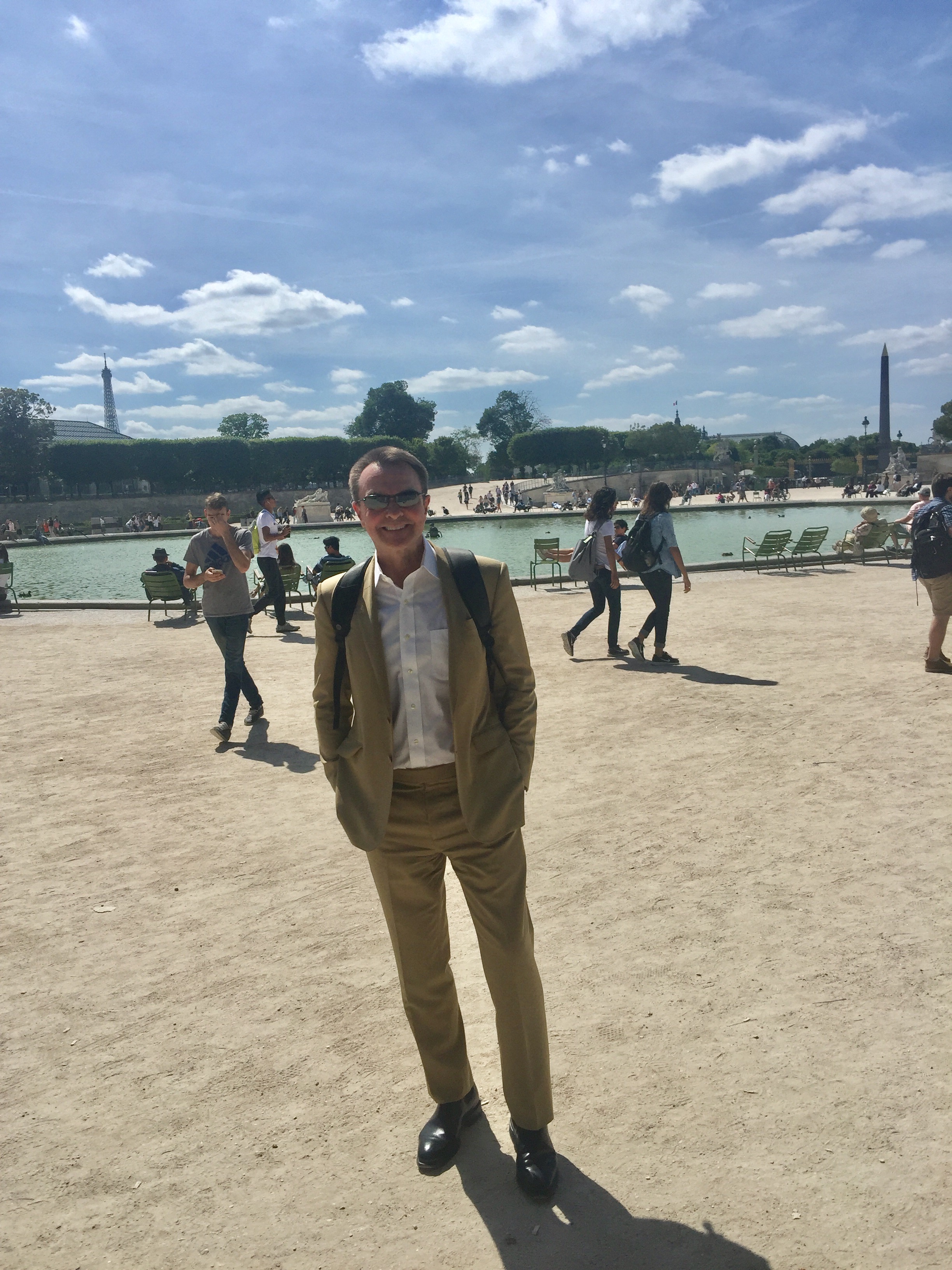
That being said, we’re approaching that midway point in 2017, and I wanted to catch up with Michael Clinton, president, marketing and publishing director of Hearst Magazines, and ask him how things were going at this stage of the yearly game, and also what the future looked like for Hearst Magazines. Michael was in Paris recently and I spoke to him by phone to propose a few questions. He was kind enough to take time out of his busy schedule to talk to me about the company and about new things that are up and coming, which are both innovative and exciting.
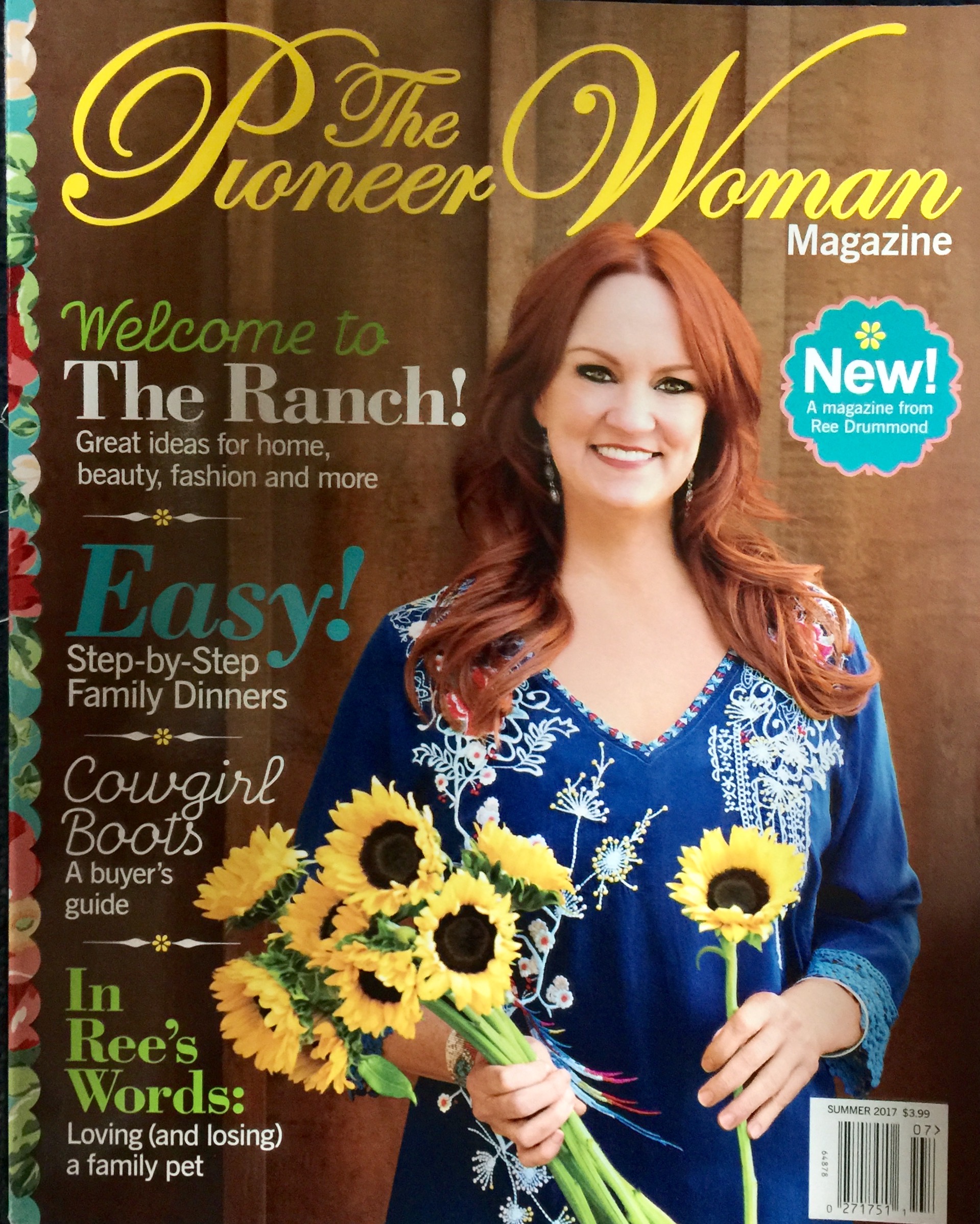
From Hearst for Humanity to partnerships with companies like Airbnb and Pioneer Woman, Hearst is leading the way when it comes to new ideas and projects. As Michael himself put it, “Great ideas do get funded” when you have the great, innovative idea.” Enough said.

I hope that you enjoy the Mr. Magazine™ interview with a man who is both grounded in print, but open to all of the possibilities that the 21st century has to offer, Michael Clinton, president, marketing and publishing director, Hearst Magazines.

But first the sound-bites:

On where he thinks Hearst is heading in the future: It continues to be a very topsy-turvy time in the business world at large–all business, all media. You may have read recently that Amazon is buying Whole Foods, so you’re getting all sorts of interesting acquisitions and partnerships and all of that. You know, in the midst of it I think that we continue to have a very strong point of view about our business. Obviously, we believe in our core product—which is print. Why do we believe so strongly? It’s because the consumer believes so strongly in it.

On how he keeps up with the fast-paced changes in the publishing world today: I think that you have to figure out where you’re going to place your bets. You know, you have to figure out when the marketplace is shifting. For example, it was shifting to mobile first. It was really great [for us], because we were right there at that moment with all our technology and our digital team. So, it’s capturing the shift at the time that it [the current trend] begins to get stale and [the new trend] begins to gain momentum.

On why he thinks partnerships are the key to the future of magazines: Partnerships are a very important part of our strategy. And, you know, with a lot of noise and a lot of clutter out there, it’s always great to partner with a brand that has lots of touch points with consumers. Airbnb is a great example. Obviously, it is a community driven brand. The Airbnb community has a huge brand allegiance and is connected to the Airbnb world, and they learn lots of different things from Airbnb.

On anything that might be in the hopper for the future: We always have a couple of things that are, you know, “in the hopper,” but we do this process called the “discovery phase.” I think that before we even knew that we were talking to Airbnb, there was maybe a year of this discovery phase. You know, it is a way to get the name checker, the research, and really understand the plan, get the opportunities, talk to consumers, talk to advertisers, and so there are a couple of ideas that we have “in the hopper.” Oftentimes they never see the light of day, but, you know, a new idea is born.

On why Dr. Oz The Good Life became a bookazine: I think it has an enormous consumer following. And, you know, when we looked at the business model, and we looked at how we thought we could make a bigger business and profit, we felt that shifting it to the bookazine model would give us a bigger partnership together.
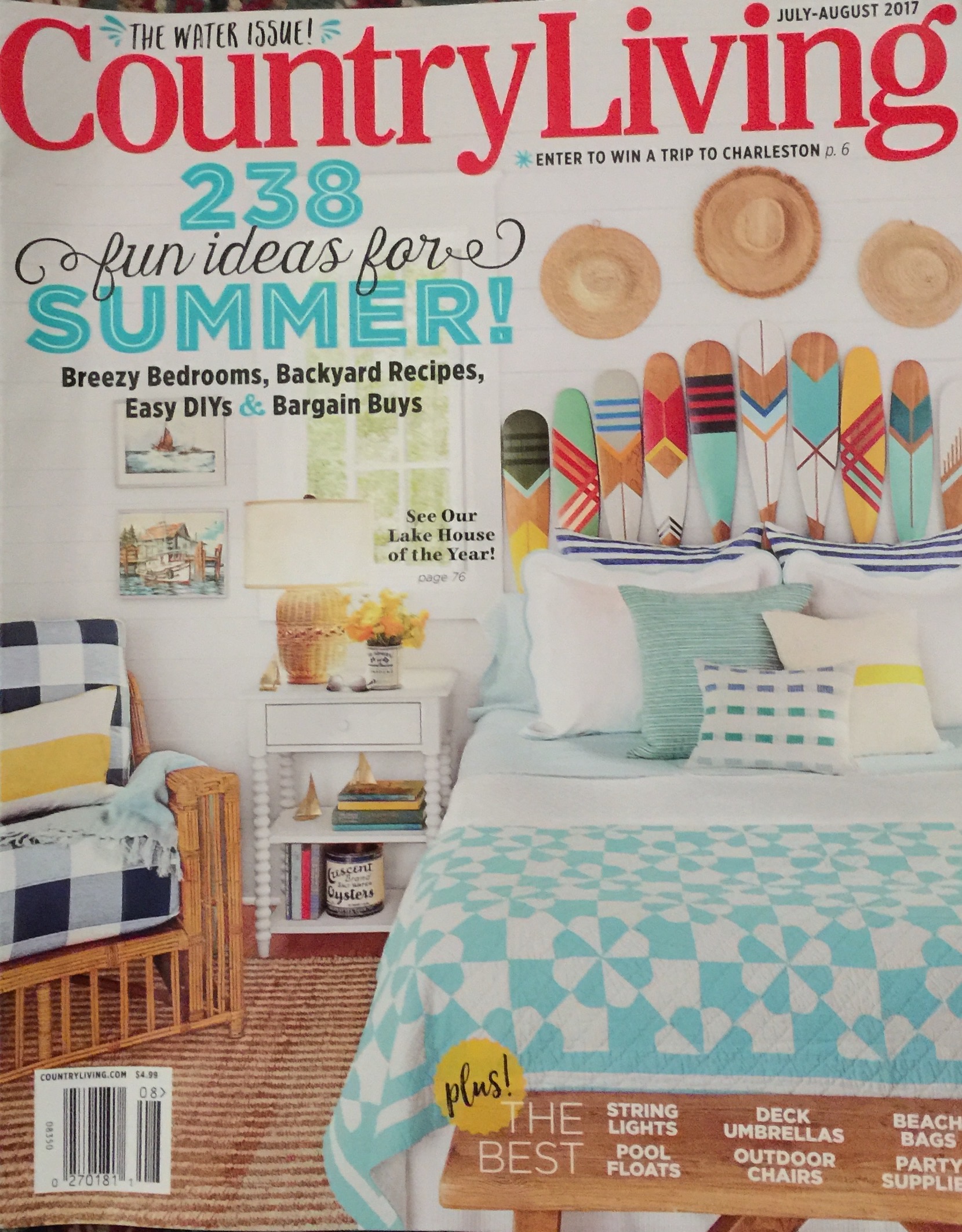
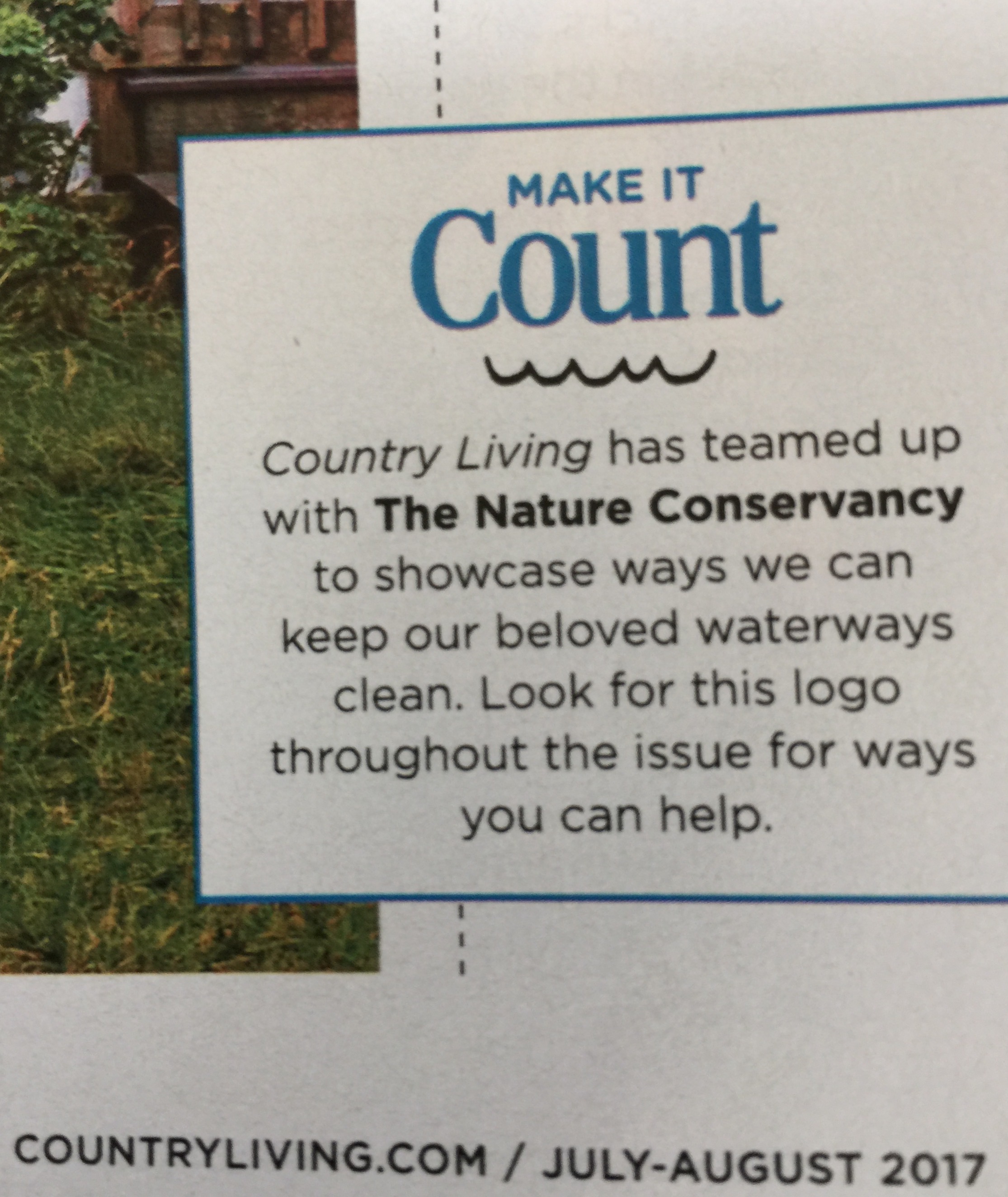
On what Hearst for Humanity is about: Well, first of all it won’t be every magazine every month. I had an observation, as many people have, that started about eighteen months ago. Many consumers, especially younger consumers, especially those “famous millennials,” like to buy products where there is a give back, a cause-relationship, an ability for them to participate in a way that they feel they’re a part of doing good. And so, I challenged our consumer marketing team—and it took about a year to put in place—to come up with what could be a unique cause-related platform for the Hearst magazines to create and develop. This is what has become Hearst for Humanity. So, if our editors, in any given issue, decide that there is a theme that has the potential, they will inform our consumer marketing department, who will then create with them a give back approach. We’re going to test it in the second half of this year with four magazines.

On anything else he’d like to add: I’m trying to think if there’s any sort of hot news that I didn’t cover. You might be interested in this. We’ve had a very successful—extremely successful—business with delish.com, so we began to look at other areas of other categories where we might be able to use that digital model. So, we’re going to launch later in the year a new site called Glo.com. Glo is going to be in the wellness/health/fitness space. It will be what delish is and it will be predominantly video. It’ll have a fun, quirky sense of humor, and it’ll be cheeky the way delish is—and fun. We’re going to see if we can create another digital business along the delish model with Glo later in the year.

On what he would tattoo on his brain that he would like people to remember about him forever: Great ideas do get funded. You know, create and sell. Great ideas get funded. Oftentimes, what I would tell our team when they would say “Well, they don’t have a print budget.” I would say, “Let me ask you a question: do they have a budget?” Because every brand has a marketing budget, right? And, if you bring them a great idea, a great idea will get funding. And so we have many, many, many examples of business that has been created with no budget. The idea creates the budget. So, my mantra is “Great ideas do get funded” when you have the great, innovative idea.

And now the lightly edited transcript of the Mr. Magazine™ interview with Michael Clinton, president, marketing and publishing director, Hearst Magazines.

Samir Husni: Michael, what’s your feeling now, as we hit that midpoint in 2017? You’ve launched two new magazines this year and you’ve relaunched other magazines last year. Where do you think Hearst Magazines is heading?

Michael Clinton: Well, you know, it continues to be a very topsy-turvy time in the business world at large–all business, all media. You may have read recently that Amazon is buying Whole Foods, so you’re getting all sorts of interesting acquisitions and partnerships and all of that. You know, in the midst of it I think that we continue to have a very strong point of view about our business. Obviously, we believe in our core product—which is print. Why do we believe so strongly? It’s because the consumer believes so strongly in it.

I think you know, because we’ve talked about this in the past, that magazine circulations have been surprisingly stable, in terms of consumer buying. It’s been a very, very stable part of the business. The audiences are actually growing in a lot of places, and there aren’t a lot of media that can say that. When you think of all media—television, cable, newspapers—magazine audiences continue to be very strong. Now, as we know, newsstands continue to be a challenge for a whole host of reasons, but we ask consumers to pay for our media. You know, that’s a big differentiator. So, it’s one of the reasons why we continue to test new products, like Airbnb and Pioneer Woman, and always innovate on our existing products, you know, evolve them. And then, as things become available, we take a look at products that might be available to buy.

So, that’s sort of part one, you know, continuing to believe in our core business. Then, of course, like everyone else, have a very significant build-out on all digital and social platforms. All that has to run parallel to our print issues. We want our brands living everywhere. Now we have six brands on Snapchat. We want our brands to be on Snapchat and on Instagram and on Facebook and on whatever is going to be invented in the next, you know, year or two. Somebody could invent something new and we’re going to want to be there too.

I think that’s a multiplatform approach, with the core always being very important.

Samir Husni: Tell me Michael, as you expand the brand on all platforms: for now everyone is saying “Video, video, video. We have to be on video. Mobile is the thing for now.” You know, ten years ago it was the tablet. Before that, it was the homepage. So, how can you, keep up with the pace of the changes that are taking place that we have no control over?

Michael Clinton: Well, I think that you have to figure out where you’re going to place your bets. You know, you have to figure out when the marketplace is shifting. For example, it was shifting to mobile first. It was really great [for us], because we were right there at that moment with all our technology and our digital team.

So, it’s capturing the shift at the time that it [the current trend] begins to get stale and [the new trend] begins to gain momentum. So, you know, right now everybody is talking about “voice first” as the next thing. At the CES Show in Las Vegas, it was all about Alexa and all about Siri and now Amazon has announced its product, so this is the next thing on the horizon; the “voice first” platform. But, it’s still in its early days, you know? At what point do you say “Okay, I’m going to spend time, money, and people to build out a “voice first” acquisition. You have to figure out when the market is going to be ripe to go in and make that move. Then you decide how you spend your resources.

So, you’re absolutely right. On the iPad—when the iPad was born–all the magazines had a mad rush to the iPad. Certainly, we were on the front, leading edge of that; we’re always going to want to try and be the first mover in the beginning, to test different things.

We created the “App Lab,” you might remember. And it was our little incubator for trying and testing and playing with different formats on the iPad. I mean, others did too. You know, we put the resources against it, to make sure we were tracking it, watching it, and, as you know, it didn’t have the big promise—or certainly hasn’t had the big promise yet—nor did it have the big promise that everyone thought.

You know, every year there seems to be a new “next thing.” We have to play in the space, and we have to know when to push forward or to pull back based on time and resources and people. And so that’s just the skill of it, I think. Yes, we always have to look at everything.

Samir Husni: One of the things that you looked at and that you did very well with were the partnerships you created. Since the launch of O, The Oprah Magazine, to the Food Network, HGTV, Dr. Oz; some are very successful and some, you know, are limping a little bit. Why do you think partnerships and launching new magazines is going to be the key to our future? Or do you think that?

Michael Clinton: No; as you point out, that has been a very important part of our strategy. And, you know, with a lot of noise and a lot of clutter out there, it’s always great to partner with a brand that has lots of touch points with consumers. Airbnb is a great example. Obviously, it is a community driven brand. The Airbnb community has a huge brand allegiance and is connected to the Airbnb world, and they learn lots of different things from Airbnb. Airbnb communicates with them, obviously through their site, but also through newsletters and email and social, so being able to join forces with them to talk to their community about a new magazine that they’re going to do with us has really been a great example. You know, the famous Pioneer Woman has twenty-six million blog followers.

So, when she puts out a communication to her followers, that sure does help, in terms of having a successful liftoff of a new product. So, I think today and in the future, it’s those brands that have lots of various touchpoints with consumers [that help us]. You know, comments that say like Food Network and HGTV. Obviously, there’s a big Cable channel play, and conversations when Oprah was on daily television. Airbnb is more of a digital communication. So, you know if you get the right idea and the right partner, it can all work very well.

Samir Husni: Last time I was in NYC, David [David Carey; President, Hearst Magazines] was talking about something in the hopper for next year?

Michael Clinton: Did he now? (Both laugh) You know, we always have a couple of things that are, you know, “in the hopper,” but we do this process called the “discovery phase.” I think that before we even knew that we were talking to Airbnb, there was maybe a year of this discovery phase. You know, it is a way to get the name checker, the research, and really understand the plan, get the opportunities, talk to consumers, talk to advertisers, and so there are a couple of ideas that we have “in the hopper.” Oftentimes they never see the light of day, but, you know, a new idea is born.

Samir Husni: Well, you were hoping for a trifecta with The Food Network, HGTV, and Dr. Oz The Good Life. What happened with Dr. Oz The Good Life?

Michael Clinton: You know, I think it has an enormous consumer following. And, you know, when we looked at the business model, and we looked at how we thought we could make a bigger business and profit, we felt that shifting it to the bookazine model would give us a bigger partnership together. Obviously that would give us a bigger plot structure than a magazine, a magazine staff, and all that stuff. I think that, when you look at the consumer and you do the research, when you see how we approach the bookazine, there’s going to be a deeper dive into a variety of different health subjects. So, we just thought that this shift in this business model, I think David [David Carey] was quoted, and it’s true, that, aside from regularly published magazines, the bookazine sector is very strong at the moment. We haven’t played a lot in that space, but we want to, and this was a really good opportunity to pivot.

How we see the future is: not all magazines will be [published] ten times [a year]. Some will be six. Some will be four. Some might be two, you know? I’m not saying necessarily our existing magazines, but, maybe. And maybe new magazines. I think that, when you look at where there’s consumer engagement and on what level, then you decide from there. We looked at the Esquire Big Black Book and, you know, we think it makes sense to continue to do that twice a year. We don’t think it makes sense to do it four times.

But, then again, we might look at something else and say that, okay, this is four times. So, we haven’t made the decision too early on our newest products: Pioneer Woman and Airbnb. But I think we have to break out of our traditional thinking that you go out with a new product and it automatically has to become a ten times a year product; that’s not necessarily so. So, we’ve been looking into different approaches.

Samir Husni: Yes, you know, the worst thing we can do is the same thing we did five hundred years ago. (Laughs)

Michael Clinton: Right, exactly.

Samir Husni: So, tell me a little bit about Hearst for Humanity. I was reading recently about you launching this venture, where every magazine or every brand would team with a charitable or humane organization. What’s the genesis of that? I mean I know your folks talk so much about your generosity. So, is this a reflection of you? Or is this a whole Hearst venture?

Michael Clinton: Well, first of all it won’t be every magazine every month. I had an observation, as many people have, that started about eighteen months ago. Many consumers, especially younger consumers, especially those “famous millennials,” like to buy products where there is a give back, a cause-relationship, an ability for them to participate in a way that they feel they’re a part of doing good. And so, I challenged our consumer marketing team—and it took about a year to put in place—to come up with what could be a unique cause-related platform for the Hearst magazines to create and develop. This is what has become Hearst for Humanity.

So, if our editors, in any given issue, decide that there is a theme that has the potential, they will inform our consumer marketing department, who will then create with them a give back approach. We’re going to test it in the second half of this year with four magazines.

So the first one, this year’s Country Living magazine, they have something called the ‘Water’ issue. It’s all about, not just the spawning of lakes and oceans and summertime and getting out on the water, but literally [it’s about] clean water, if your community water is clean, etcetera.

Throughout the magazine, there are tips about how you can conserve water, keep water clean, use water in an efficient and green way. Then, if you believe in this as a cause, you can participate by going online to donate to The Nature Conservancy Group. We have a big water initiative.

So, if someone is a reader of Country Living and they say “You know what, I really believe in clean water and good water and all this stuff they’re putting in the magazine. This is a really important cause to me. I’m going to go online and make a donation towards the cause, I’m going to learn a little more about the cause.” Obviously, we’ll connect that to a special offer to subscribe to Country Living if you’re not a subscriber.

Then when Marie Claire wants to do an issue on sustainable fashion or if Good Housekeeping wanted to do a theme on feeding hungry children in poor parts of the country, we can connect the stories directly to the charity that is their partner. So everybody wins. The magazine wins because it’s doing good, the consumer wins because they’re being informed and connected to an important cause, and the cause wins because they’re getting engagement and—hopefully—a donation and may talk to people who want to be a part of their world.

It all started with this observation that—and you’ve seen this research too—brands that are connected to causes have a higher level of brand engagement with their consumers. And some good examples of that in the product stage is the Iowa Company, Toms Shoes; there have been other one-off initiatives in media like “Stand Up for Cancer” in the television world, which you might be familiar with. You know, the old fashioned thing was the telethon. This is our way of saying, “How do we build out a cause-related platform?” And this is really through our editorial products. I mean, our editors have another arm.

Samir Husni: Is there anything else you’d like to add?

Michael Clinton: I’m trying to think if there’s any sort of hot news that I didn’t cover. You might be interested in this. We’ve had a very successful—extremely successful—business with delish.com, so we began to look at other areas of other categories where we might be able to use that digital model. So, we’re going to launch later in the year a new site called Glo.com. Glo is going to be in the wellness/health/fitness space. It will be what delish is and it will be predominantly video. It’ll have a fun, quirky sense of humor, and it’ll be cheeky the way delish is—and fun. We’re going to see if we can create another digital business along the delish model with Glo later in the year.

You know, our big push in the last year has been on a lot of our global buildout, and so one of the reasons why I’m spending a few days in the marketplace here in Paris before I get down to Cannes, is that we’re doing a lot of big digital, global deals, which is very exciting. We’ve taken our platform media in the US and we’ve pushed it across the globe, [such as] all of our owned and operated companies, for starters. From a digital point, a brand can buy a digital campaign or a digital cobranded project across ten countries, and we can deliver it in a very seamless way because we have the technology now. We’re having a lot of success in that area. We’ve gone more global in our digital technology, in our digital abilities. So that’s a big area of development.

Samir Husni: My new final question; if you were to tattoo or engrave something on your brain that people would remember you forever for, and you would remember yourself, what would it be?

Michael Clinton: Well, it would be something we just did. We just did a fun session that we do every year in the company which is called Unbound 360, which is when all the magazines present to each other their best and most innovative projects of the year. And I can share with you that Harper’s BAZAAR won, because the whole company votes. You might be familiar with Harper’s BAZAAR’s Empire State Building project a while back. And, you know, Tiffany was the business partner; Tiffany was our advertising partner in this huge project. It was extremely innovative in print, digital, video, and all the above.

So, management all had a little piece of advice, and mine was, “Great ideas do get funded.” You know, create and sell. Great ideas get funded. Oftentimes, what I would tell our team when they would say “Well, they don’t have a print budget.” I would say, “Let me ask you a question: do they have a budget?” Because every brand has a marketing budget, right? And, if you bring them a great idea, a great idea will get funding. And so we have many, many, many examples of business that has been created with no budget. The idea creates the budget. So, my mantra is “Great ideas do get funded” when you have the great, innovative idea.

Samir Husni: Thank you.
h1

Learning From The Past When It Comes To Launching A New Magazine – Sometimes The Vintage Ways Work The Best. Plus Time Inc. Multi Media Ventures Circ. 1930s…

June 16, 2017

A Mr. Magazine™ Musing…

I often hear the question: how do you launch a magazine in today’s digital age? And what role does digital play in today’s magazine media market place? Now, those are loaded queries if I’ve ever heard one, simply because there is no definitive answer. You need passion, innovation, a really good idea, stick-to-itiveness, which is a non-word that will become your mantra, and of course, financial backing. So what better answers to get from searching our past as we chart the present and the future.

A new launch and the role of digital in today’s magazine world can always use a leg-up as well; an edge, if you will. That’s why this Mr. Magazine™ Musing was written, because I discovered a golden nugget from the past that still rings very true today. Going that extra mile or offering that little oomph that maybe some other magazine isn’t, could quite possible be someone’s “leg-up” or “edge” when it comes to launching a new magazine today. There really is nothing new under the sun; if you thought of it, so has someone else. Even Time Inc. in the 1930s opted to go beyond print to spread its content. So here are some pearls of wisdom from the past that people fail to look for; just because the oyster’s shell is old, doesn’t mean there isn’t a treasure inside.

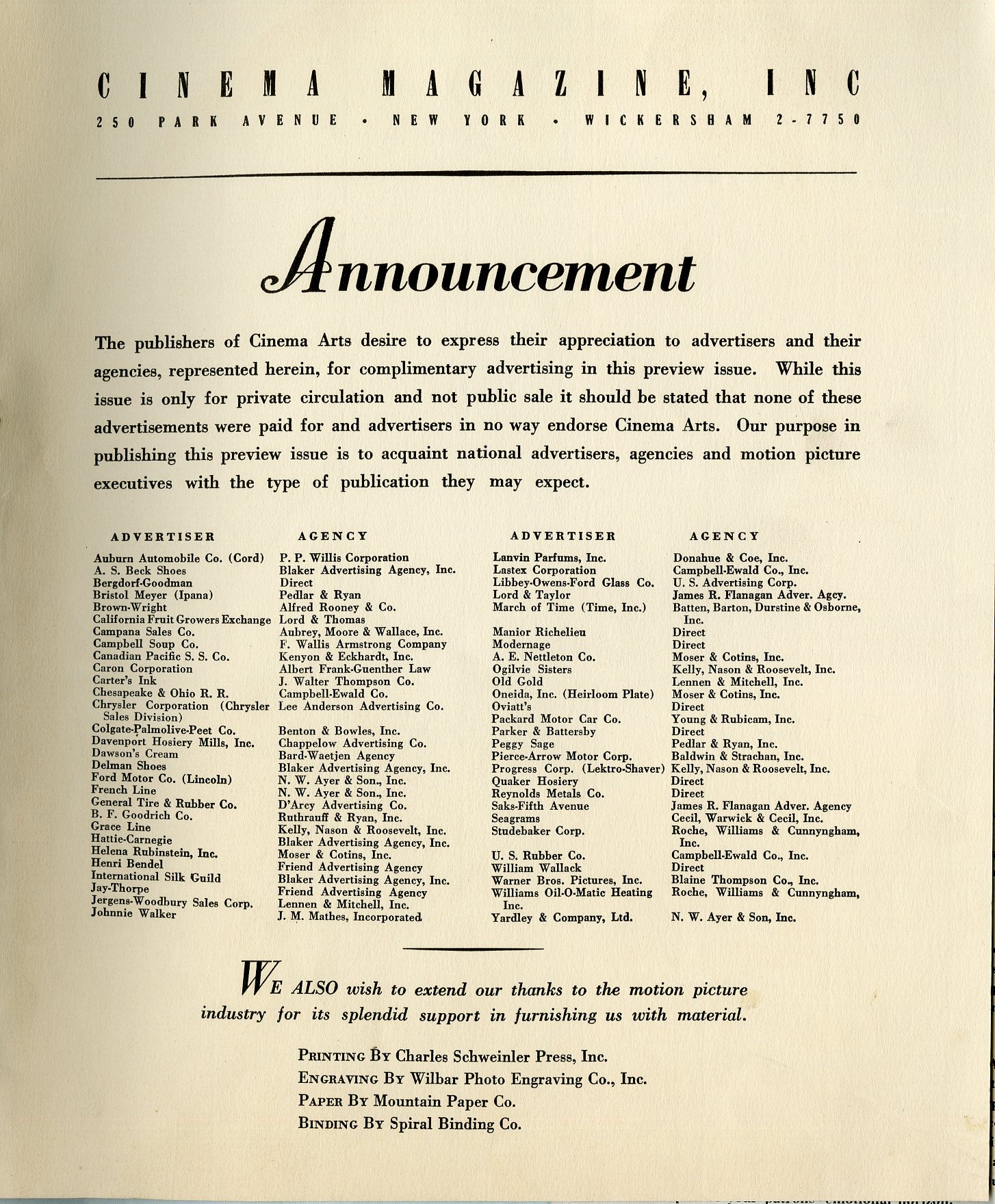
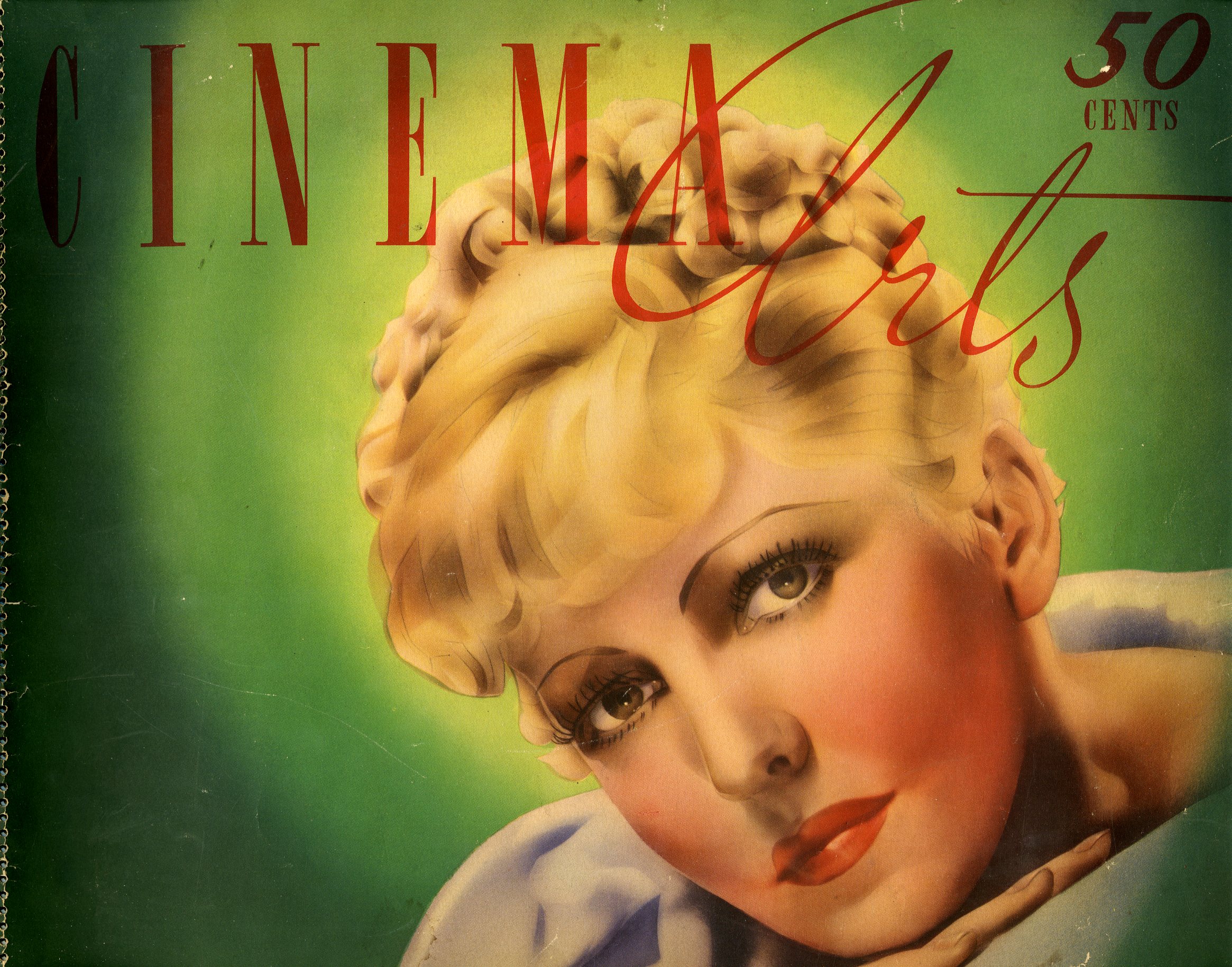
I was perusing the treasures inside the Mr. Magazine™ Classic Vault recently, (my own personal oyster shell pile) when I stumbled upon an amazing find. Beneath the bounty of exquisite classic titles, in a corner all its own, lay the oversized (14 x 17 inches) preview issue of Cinema Arts magazine, launched in September, 1936 . The cover showcases the striking features of the inimitable actress Jean Arthur, who in 1936, with the release of the Frank Capra film, “Mr. Deeds Goes to Town,” was celebrating her first featured role.

Now, what is so significant and important to note with this preview issue, not that the beautiful Jean Arthur was anything to sneeze at, is that this particular sneak peek at the magazine was meant entirely for private circulation and not for public sale.

The magazine has an announcement at the very front of the book which proclaims that, “it should be stated that none of these advertisements were paid for and advertisers in no way endorse Cinema Arts. Our purpose in publishing this preview issue is to acquaint national advertisers, agencies and motion picture executives with the type of publication they may expect.” The announcement goes on to list the advertisers, agencies, and they also thank people in the motion picture industry.

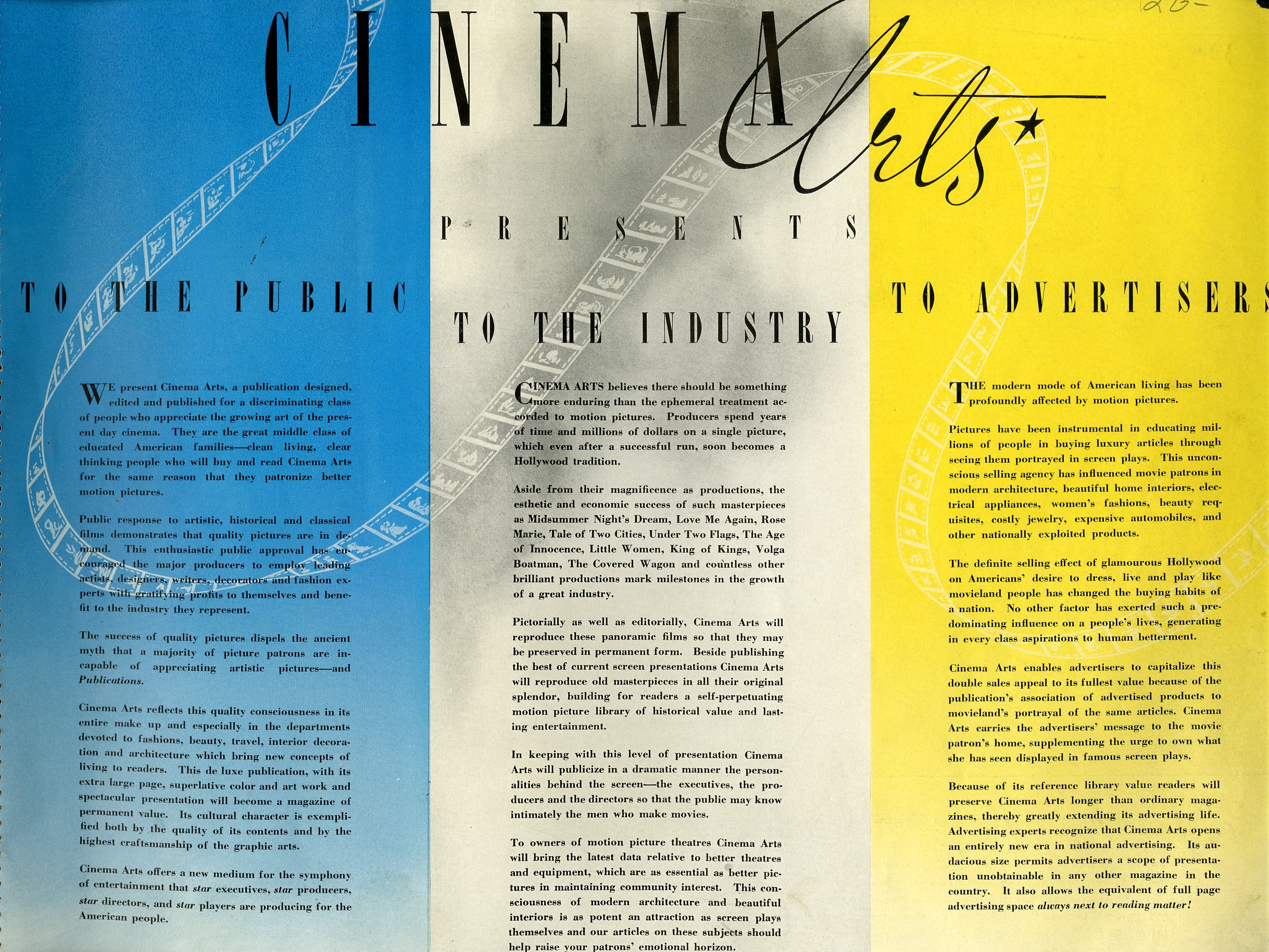
However, what really grabbed my attention and impressed me was the magazine, in this private issue, introduced itself to the public, the industry and the advertisers. It didn’t just show up in someone’s mailbox or on their doorstep. The publisher actually took the time to explain the magazine’s mission statement and its goal to each of the publication’s three different customers that it would be serving.

There is an introduction for each one in the beginning of the book and this is a fantastic lesson for new magazines today to learn from. You have to cater to your customers who count, instead of trying to count all of John Q. Public as your customers. And in the case of Cinema Arts those customers were the film industry, as a whole, the public and the advertisers. So, in the Cinema Arts Presents introduction, each individual consumer is addressed singularly.

Another amazing thing about the magazine is the quality of the printing and the size of the preview issue. It’s an experience unto itself, before you even start to read it. Just touching the paper that they used for some of the pages gives you such a sensory perception of the passionate offering the magazine put out there.

Time Inc. Multi Media Ventures

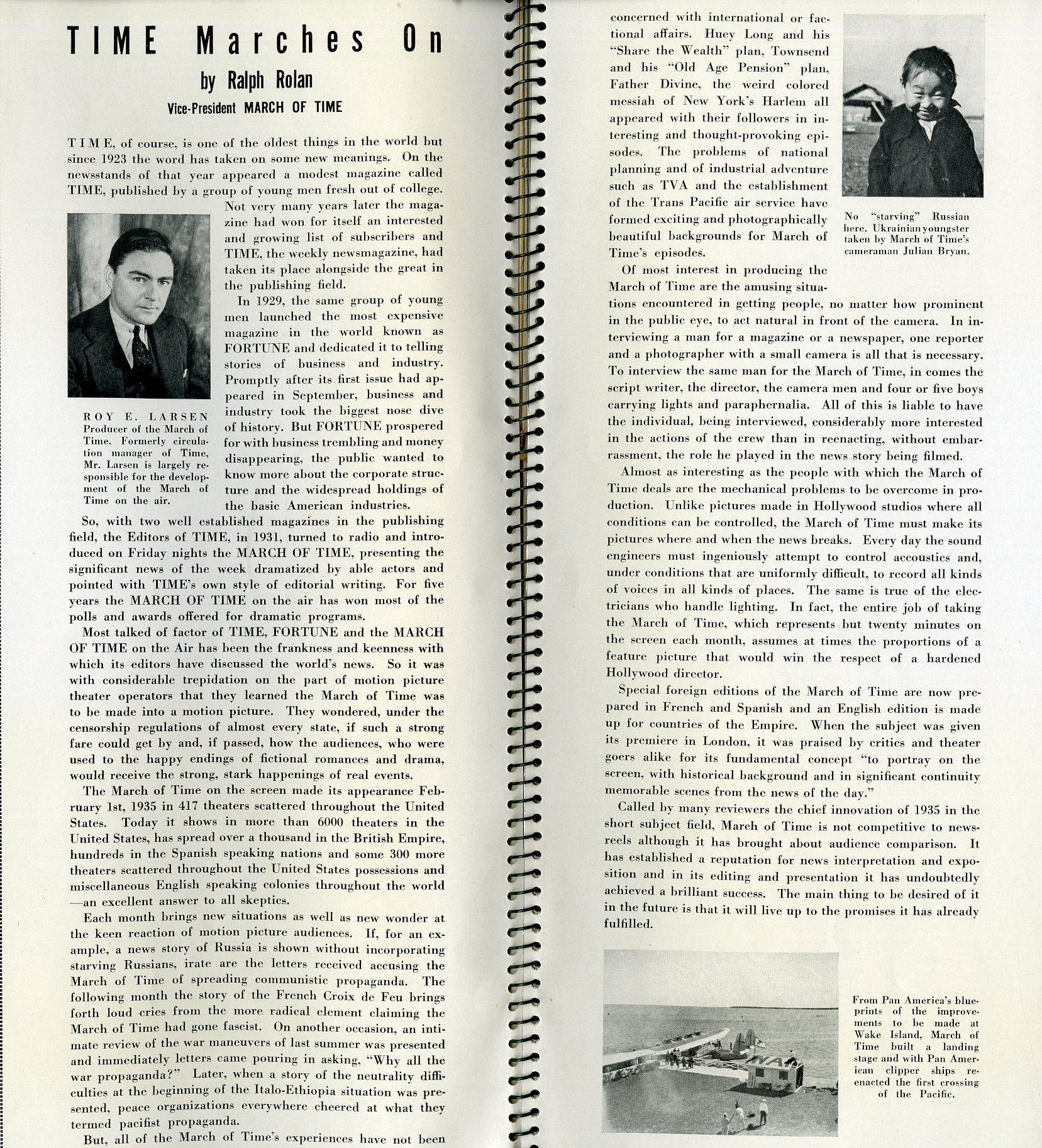
In addition to the way the magazine was introduced, there were unbelievably interesting and informative articles within its pages. One that really caught my attention was written by Ralph Rolan, who was vice president of radio’s, “MARCH OF TIME,” and was also circulation manager of TIME before he became the producer of “MARCH OF TIME.”

In the article he talks about how in 1931, Henry Luce, “After establishing two great magazines in the publishing field, “TIME” and “FORTUNE,” turned to radio and introduced on Friday nights, the “MARCH OF TIME,” presenting the significant news of the week dramatized by able actors and pointed with TIME’s own style of editorial writing. For five years the “MARCH OF TIME” on the air has won most of the polls and awards offered for dramatic programs.”

The article continues with more enlightening content: “Most talked of factor of TIME, FORTUNE and the MARCH OF TIME on the air has been the frankness and keenness with which its editors have discussed the world’s news. So it was with considerable trepidation on the part of motion picture theater operators that they learned the MARCH OF TIME was to be made into a motion picture. They wondered, under the censorship regulations of almost every state, if such a strong fare could get by and, if passed, how the audiences, who were used to the happy endings of fictional romances and drama, would receive the strong, stark happenings of real events.”

“The MARCH OF TIME on the screen made its appearance February 1st, 1935 in 417 theaters scattered throughout the United States. Today it shows in more than 6,000 theaters in the United States, has spread over a thousand in the British Empire, hundreds in the Spanish speaking nations and some 300 more theaters scattered throughout the United States possessions and miscellaneous English speaking colonies throughout the world – an excellent answer to all skeptics.”

So, this magazine, Cinema Arts, had the vision of reaching its three audiences, and producing some very informative articles, such as the one that caught my attention about Time Inc. and its role in multimedia from the company’s inception. The importance of what Rolan was talking about in his article shows the depth and value of good content. Something that still holds true today.

For those of us willing to open our minds and see the possibilities that history presents us and the very real publishing lessons that we can learn, there’s no telling what “new” information we might reintroduce to the world of magazines.

Until next time…

See you at the newsstands…

h1

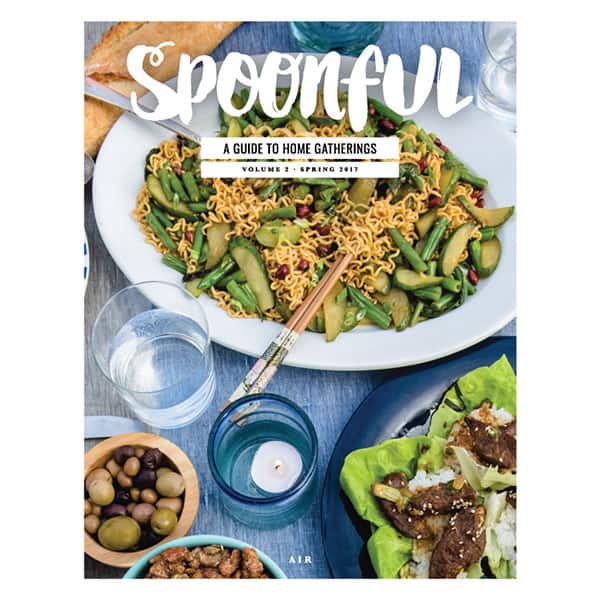
Spoonful Magazine: When Passionate Entrepreneurship Is The Prescription For Launching A Magazine, A “Spoonful” Is Definitely The Right Dose – The Mr. Magazine™ Interview With Kristina Pines, Founder/Publisher, Spoonful Magazine…

June 15, 2017

“The truth is, we didn’t have much time to reflect quietly on the magazine because, as soon as it got printed, we actually had a launch party. I think that I hadn’t even had a chance to read through the entire physical copy of the magazine until after the launch party. At that point, everyone had a copy and everyone was just feeling it. They were feeling that it had a soft-touch glaze and they would smell the pages—there’s something really wonderful about freshly-printed magazines. So they were sniffing it, they were feeling it. There was such a tactile sense to the product that they were literally petting it during the launch party.” Kristina Pines…

A Mr. Magazine™ Launch Story…

In 2016, Spoonful Magazine was one of Mr. Magazine’s™ picks for the 30 Hottest Magazine Launches of the year. The passion that radiated from the pages of the unique food magazine was palpable. After talking at length with its founder/publisher, Kristina Pines, I now see where the magazine gets its intense warmth and zeal from.

Kristina started the magazine with a group of friends who had one thing in common: they were creatives who had a strong belief and love for the subject matter they were about to launch into the magazine marketplace. While the business side of publishing wasn’t exactly their forte, the entrepreneurial spirit was certainly something they were riding high on. And when you flip through the pages of Spoonful Magazine, you can see and feel the result of Kristina’s dream.

Having grown up in Saudi Arabia, watching her parents open their home to other immigrants that were living and working in the country, home entertaining became second nature to Kristina and the experience has overflowed into the pages of Spoonful. It’s a unique magazine that uses food and home cooking to bring people together. And isn’t that what magazines do best? Bring people into the circle of communities where they can experience joy and comfort?

I spoke with Kristina recently and we talked about Spoonful and her hopes for its continued production. And while nothing is assured in this crazy world that we live in today, one thing is absolute when it comes to her passion and love for the magazine: a “Spoonful” is definitely the right dose for her dream’s prescription.

And now the Mr. Magazine™ interview with Kristina Pines, Founder/Publisher, Spoonful Magazine.

But first, the sound-bites:

On how she used her own passion for the subject matter to create the magazine: This was a passion project between friends that kind of took over and became its own thing, and became this magazine. We’re hoping that with this magazine we’re giving the modern-home cook—those who don’t have the same luxury of time as in years past—to entertain again in their home by giving them recipes that other home cooks have trusted for years in their own family, giving them time management tips, and giving them other resources that would make it a successful event for them.

On how she took her passionate idea and actually turned it into a magazine: I was always a writer, and I wanted a platform to bring this message out there. I’ve had a blog for a long time. My other friends that have worked in various publications helped me start this. But, we were all freelancers. We had never done this full time. So, we just started researching, asking, “What are the practical measures?” and “How much do we need to raise?” We knew that the concept of the magazine was interesting enough. It was a niche in the food industry that hadn’t been covered yet.

On her most pleasant surprise after holding the finished magazine in her hands for the first time: To be able to kind of step back and watch everyone else who was seeing it for the first time fall in love with it, and to just understand what we’re trying to get… When we say that we’re about celebrating home cooking, it’s such a vague concept, you know? There are a lot of other publications that talk about home cooking and, you know, the different niches that are in home cooking; whether it’s gluten-free or paleo or easy recipes under thirty minutes and that type of thing. But we [Spoonful] are talking about specifically entertaining, and when all of these people who have thrown parties and who have opened their doors for us to take photos of them and show other people how they gather and then they see it all put together, they’re like, “Oh, this is what it is! I understand now.”

On the biggest challenge that she’s had to face: The problem is that we are not as widely circulated. Our distribution is still pretty minimal, compared to a lot of the other publications, so we’re not able to attract the same advertisers. And we kind of held off too long. So, I think the honeymoon started dwindling when we were trying to make this a financially viable project, and it was no longer just a passion project. But it’s all still about passion and just doing it for fun. You know, you kind of throw caution to the wind and say, “Okay, whatever happens happens.”

On the magazine’s current circulation: We have just over 1,000 subscribers, and we have 14,000 circulating as single copies throughout stores. About 500 single-issue purchasers per issue, at least, and then the rest are through our distribution point.

On whether she has any regrets about the magazine’s $20 cover price: I wish that we’d been more pragmatic and immediately dove into trying to get those ad sales. We were hoping, to be quite honest, that we would survive just through subscribers, you know? We were kind of like a “Field of Dreams” philosophy, “If you build it, they will come,” that type of thing. And they are coming, but it’s not as fast as we were hoping it would be, and it’s not as widely distributed as we would want it to be.

On what someone would find her doing if they showed up unexpectedly one evening to her home: At the end of the day, I cook. I mean, I cook every single day for my family. Friday nights are my only night off; I’ve decided that’s when we order in stuff. But for every other day, every meal, I cook. That’s what I do, and I find joy in that.

On what keeps her up at night: I think the sense of uncertainty that is in the publishing industry, but specifically for Spoonful; I want this to be stable for the people that are working for me. I want them to continue with that sense of joy and pride, without feeling vulnerable because our product feels vulnerable to the tides of time.

And now the lightly edited transcript of the Mr. Magazine™ interview with Kristina Pines, Founder/Publisher, Spoonful Magazine.

Samir Husni: I know for a lot of people who publish new magazines these days, it’s more of a passion rather than a business. So, tell me, how did you combine that passion of yours for this specific subject matter, Spoonful, and create the magazine?

Kristina Pines: You’re right, this was a passion project between friends that kind of took over and became its own thing, and became this magazine.

I personally grew up in Saudi Arabia. When my parents moved there, met each other there, and got married, they didn’t really know the people that lived in the area. So, to combat that loneliness, they started inviting people to their home – as a potluck party. Through that, they started building a community in Saudi. That community became their family. And they kept up the tradition.

Soon, they became known as the people that would invite you over if you were new in town. So, if you were a fresh, new immigrant to Saudi Arabia; if you were working there; if you didn’t know anything about the city, and didn’t know anyone else, you were typically invited to my parents’ home. That’s where all of these other immigrants, from all over the world, would come together and they would have weekend potluck parties. That was my childhood.

When I came to America and moved to Chicago, I first experienced that sense of separation—there’s so much space in America, more than I’ve experienced in any other country that I’ve lived. In the Philippines, certainly, everyone lives side by side. So, there you didn’t really have that sense of separation or isolation.

So, when we moved to Chicago my parents did the same thing—they decided to open their doors, invite in strangers, and soon our immediate neighborhood became our community, our family, and our friends. When I moved to Philadelphia, I did the exact same thing. I had moved away from my family, I didn’t know anyone in the Philadelphia area, and I knew the power food had over building communities. I wanted to show that.

So, Spoonful is really the vehicle for me to send that message out there, and it makes sure that people continue inviting people over. Because, these days, you don’t hear people saying, “Come on over for dinner!” They say, “Let’s go out for pizza.” Or, “Let’s go eat somewhere at a restaurant.” Which does build a relationship, but it’s not the same sense of intimacy.

And so, we’re hoping that with this magazine we’re giving the modern-home cook—those who don’t have the same luxury of time as in years past—to entertain again in their home by giving them recipes that other home cooks have trusted for years in their own family, giving them time management tips, and giving them other resources that would make it a successful event for them.

Samir Husni: Besides the family upbringing and all the travels, what gave you the idea to do a magazine? Just thinking: ‘Oh, I know nothing about this magazine business, but I know a lot about how I grew up.’ How did you put the two together?

Kristina Pines: (Laughs) I was always a writer, and I wanted a platform to bring this message out there. I’ve had a blog for a long time. My other friends that have worked in various publications helped me start this. But, we were all freelancers. We had never done this full time.

It really began when we started reading books on how to launch a magazine. We used Lorraine Phillips’ “Publish Your First Magazine” as a guide. That book had very practical tips in it. We also used James B. Kobak’s “How to Start a Magazine: And Publish It Profitably.”

So, we just started researching, asking, “What are the practical measures?” and “How much do we need to raise?” We knew that the concept of the magazine was interesting enough. It was a niche in the food industry that hadn’t been covered yet. So much of the food magazine industry currently is focused on celebrity chefs and how they cook at home. And there are other magazines that don’t have that same angle, but we’re really all about entertaining. We knew that at the heart of the concept of the publication, it would work and, at least be attractive to people.

We knew what we wanted—visually. We decided to hunt around for a printer that would partner with us, and we were lucky enough to find Standard Group Analytics that was able to handle our small run. At first, we were looking at larger printers, but they had a minimum of 50,000 and we just couldn’t commit to that.

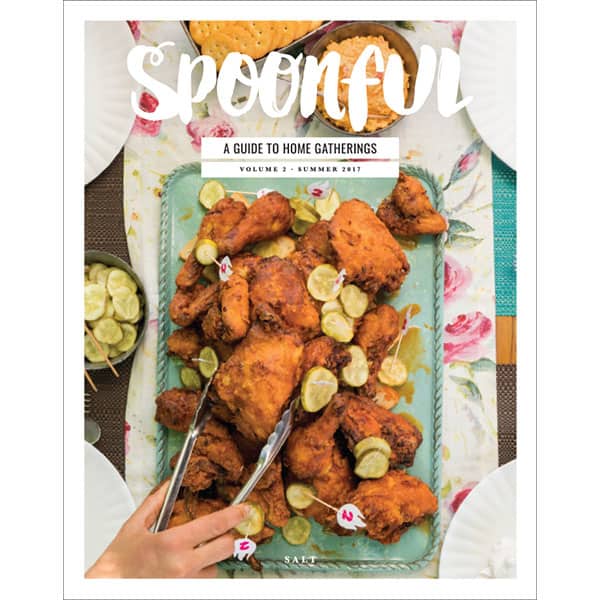
So, having gotten the numbers and having gotten a practical understanding of what we needed to start it, we began putting together a pitch for investors. Our immediate funders were private investors—people that we knew, family, friends. And, as you put it in that entrepreneur article that I read; we were “Family, friends, and fools.” (Laughs) But, most of them were family and friends. I hope that they weren’t fooled, anyway. They were very supportive of the concept, and that’s how we got our first seed funding. From there, we started building our first issue, which was the ‘Love Affairs’ issue, Spring 2016, and we are now on our 6th issue. We just released our ‘Salt’ issue, with Carla Hall as the feature story.

Samir Husni: What was the most pleasant surprise that you can recall when the issue came back from the printer and you were flipping through the pages? What was the most pleasant moment for you when you finally held your baby in your hands for the first time?

Kristina Pines: The truth is, we didn’t have much time to reflect quietly on the magazine because, as soon as it got printed, we actually had a launch party. I think that I hadn’t even had a chance to read through the entire physical copy of the magazine until after the launch party. At that point, everyone had a copy and everyone was just feeling it. They were feeling that it had a soft-touch glaze and they would smell the pages—there’s something really wonderful about freshly-printed magazines. So they were sniffing it, they were feeling it. There was such a tactile sense to the product that they were literally petting it during the launch party.

I think the most pleasant surprise was being able to step back that evening and watch their reaction to this thing we’d been working on for a year. We had a year lead time to prep the Spring 2016, so, for me, it was old material. We were already at that point working on our third issue, at least content-wise. So, mentally, I was no longer really attached to the subject of the first issue.

But to be able to kind of step back and watch everyone else who was seeing it for the first time fall in love with it, and to just understand what we’re trying to get… When we say that we’re about celebrating home cooking, it’s such a vague concept, you know? There are a lot of other publications that talk about home cooking and, you know, the different niches that are in home cooking; whether it’s gluten-free or paleo or easy recipes under thirty minutes and that type of thing.

But we [Spoonful] are talking about specifically entertaining, and when all of these people who have thrown parties and who have opened their doors for us to take photos of them and show other people how they gather and then they see it all put together, they’re like, “Oh, this is what it is! I understand now.” And that type of understanding that they had on the concept of the magazine, the support that they’d already given us, plus having that double, even triple that evening was really a pleasant surprise and a pleasant experience.

Samir Husni: What has been the biggest challenge with the magazine? Is the honeymoon phase still going on, or have you had your first fight?

Kristina Pines: (Laughs) I think the first fight happens when you start feeling like it’s not as profitable as you’d hoped it would be. We also didn’t have as much experience with publishing. First of all, we didn’t have 100,000 in circulation. We couldn’t attract the same advertisers that we wanted to at the beginning—at least not the big, national brands. So, we were hoping to build more of a portfolio to attract them, to show them how we are unique, and who all our subscribers are.

Now we’re in our second year and we have a 90% re-subscribe rate, which is amazing. So the people that have signed on with us in the first year, have then actually recruited their friends to subscribe. It’s amazing, really, the reception to the magazine. Once you understand and see the magazine, you fall in love with the magazine.

The problem is that we are not as widely circulated. Our distribution is still pretty minimal, compared to a lot of the other publications, so we’re not able to attract the same advertisers. And we kind of held off too long. So, I think the honeymoon started dwindling when we were trying to make this a financially viable project, and it was no longer just a passion project. But it’s all still about passion and just doing it for fun. You know, you kind of throw caution to the wind and say, “Okay, whatever happens happens.”

But when you start relying on it as a source of income, as a source of stability, your relationship with it becomes tenuous, because it’s now laden with other responsibilities. You’re making it responsible for your livelihood. So, that makes it a little bit more of a difficult relationship. We still love what we’re doing, we still love the product that we’re producing. I think we have a really beautiful product, and with the launch of our summer issue, I think we’ve really hit our stride, in terms of the look and the writing and the aesthetic that we’re trying to put out there. But, at the same time, there is a lot more strain in making this profitable.

Samir Husni: What is your current circulation; how many subscribers do you have now?

Kristina Pines: We have just over 1,000 subscribers, and we have 14,000 circulating as single copies throughout stores. About 500 single-issue purchasers per issue, at least, and then the rest are through our distribution point.

Samir Husni: And, if I may add, your cover price is $20?

Kristina Pines: Yes, it is.

Samir Husni: And what’s your subscription price now?

Kristina Pines: We usually have a 10%-20% off discount, depending on the season. It’s $80 a year standard, but it’s usually around $64 to $72, depending on what promotion we’re putting out there.

Samir Husni: You’re one of the many, what they like to call in the United Kingdom, boutique magazines, where you need to find your cult audience and get them to pay that high cover price, because for the price of one issue of Spoonful, you can buy two years of other food magazines on the marketplace. But, yours is more like the “Kinfolk,” more like the “Jarry” magazines—I mean all of these boutique magazines that have the very high cover price, yet, once the honeymoon is over and you start thinking about the business model, that’s where the rubber meets the road. So, as you look toward the future, do you have any regrets? I mean is there ever a time that that you’ve said, “I wish that I had done this, rather than that?”

Kristina Pines: If we could start over, knowing what I know now, we would have started looking for advertisers as soon as our first issue hit the shelves, and for our second, third, and other issues. We wouldn’t have waited until we’d perfected our writing style or really found our voice.

But, we were hoping that once we kind of put together the perfect package, what we thought was the best work that we could really put out there, that it would just come; that other people would agree; that advertisers would see what we’re trying to do and say, “Yes, I believe in what you’re doing. Here’s some advertising money.”

I wish that we’d been more pragmatic and immediately dove into trying to get those ad sales. We were hoping, to be quite honest, that we would survive just through subscribers, you know? We were kind of like a “Field of Dreams” philosophy, “If you build it, they will come,” that type of thing. And they are coming, but it’s not as fast as we were hoping it would be, and it’s not as widely distributed as we would want it to be.

Samir Husni: If I show up at your house unexpectedly one evening after work, what do I find you doing; sitting on your couch, having a glass of wine; cooking; reading a book or a magazine; watching TV; or something else?

Kristina Pines: At the end of the day, I cook. I mean, I cook every single day for my family. Friday nights are my only night off; I’ve decided that’s when we order in stuff. But for every other day, every meal, I cook. That’s what I do, and I find joy in that. My family would much prefer to eat in than they would eating out. That’s how I relax. After business hours are over, I step away from my phone—I literally turn it off and put it away—because I devote all of my focus on my family at that time.

Samir Husni: My typical last question; what keeps you up at night?

Kristina Pines: I think the sense of uncertainty that is in the publishing industry, but specifically for Spoonful; I want this to be stable for the people that are working for me. I want them to continue with that sense of joy and pride, without feeling vulnerable because our product feels vulnerable to the tides of time. We don’t know if it’s going to survive the test of time. So, we’ll see.

Samir Husni: Thank you.

h1

Magazines Always Deliver… Whether Numbers Are Up Or Down – Magazines Never Disappoint

June 12, 2017

A Mr. Magazine™ Musing Comparing The First Five Months Of 2017 To 2016

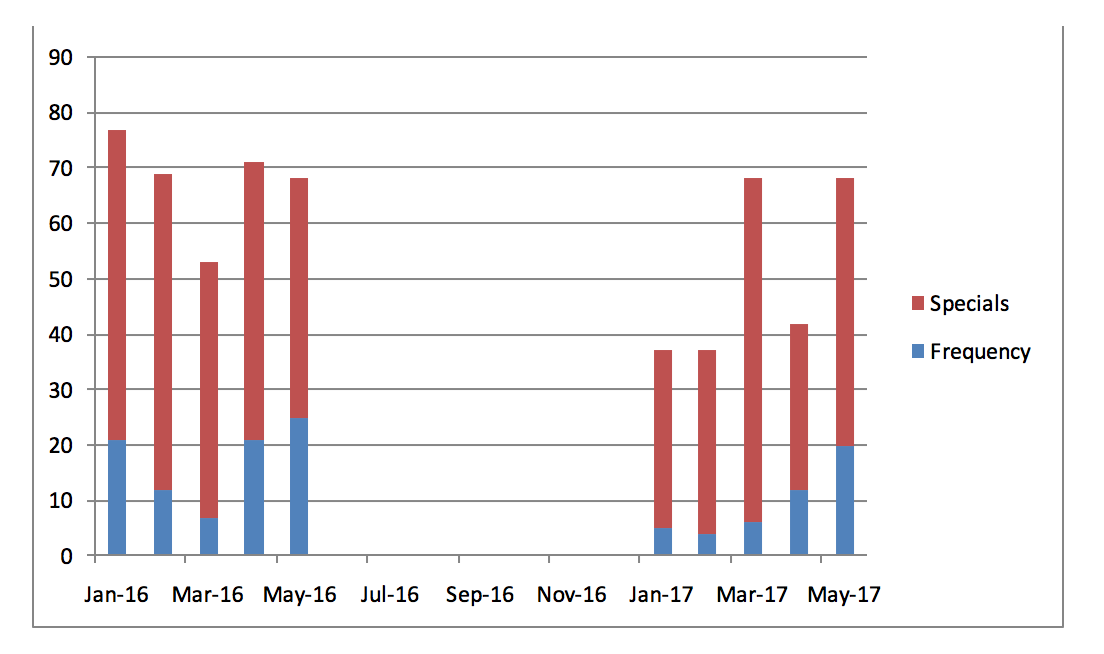
As I surveyed the Mr. Magazine™ Launch Monitor for the first five months of 2017, I couldn’t ignore that the musing I am about to write comes to you with a slight bittersweet positivity. An odd description, you might think, but the reason for the oxymoronic tinge of phrasing is because, unfortunately, as happens occasionally, the numbers being compared for the first five months of 2017 show a slight downward trend, in both frequency and specials. However, on the flip side, that positive flow that always propels ink on paper is still supremely prevalent. No matter the “numbers,” magazines always deliver the goods. Always. Just as Mr. Magazine™ himself feels the random slowdown, so does the stream of magazines rolling off the presses. It doesn’t mean that I or they are down for the count, it merely signifies an “off” day, so to speak.

From January through May, 2017, the numbers are as follows:

• Total Frequency Titles – 47
• Total Special Titles (including bookazines & annuals) – 205

From January through May, 2016, the numbers are as follows:

• Total Frequency Titles – 86
• Total Special Titles (including bookazines & annuals) – 252

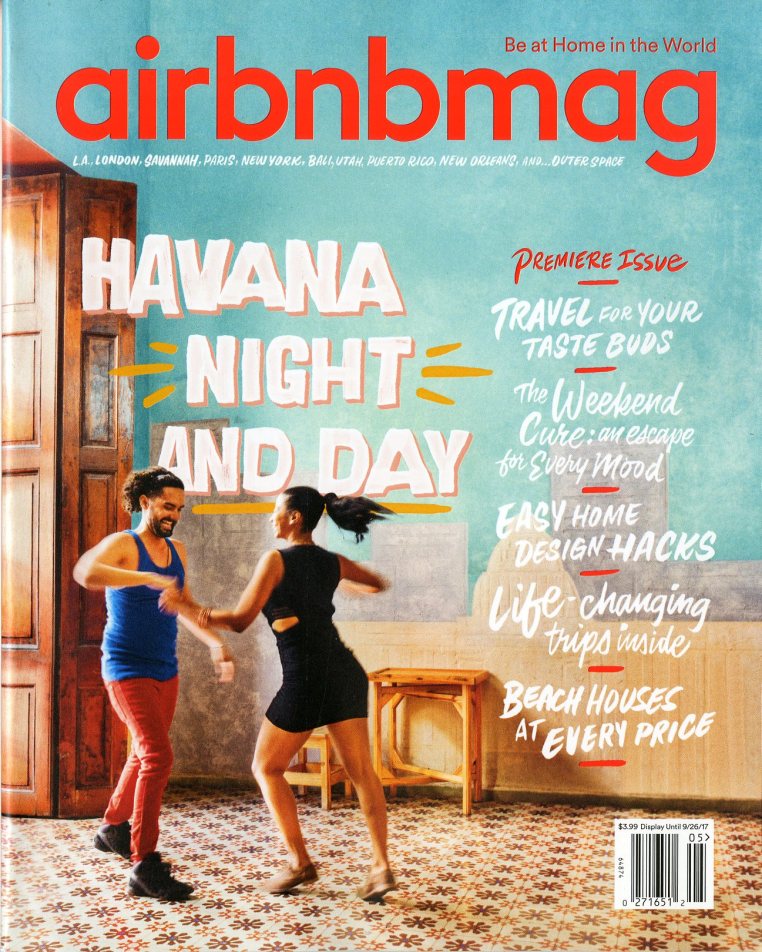
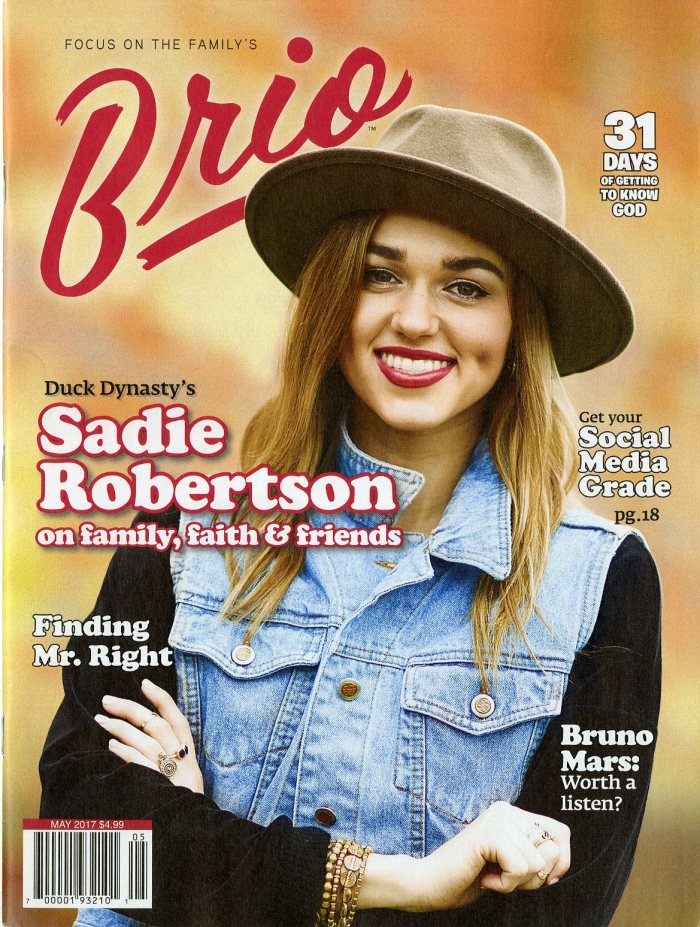
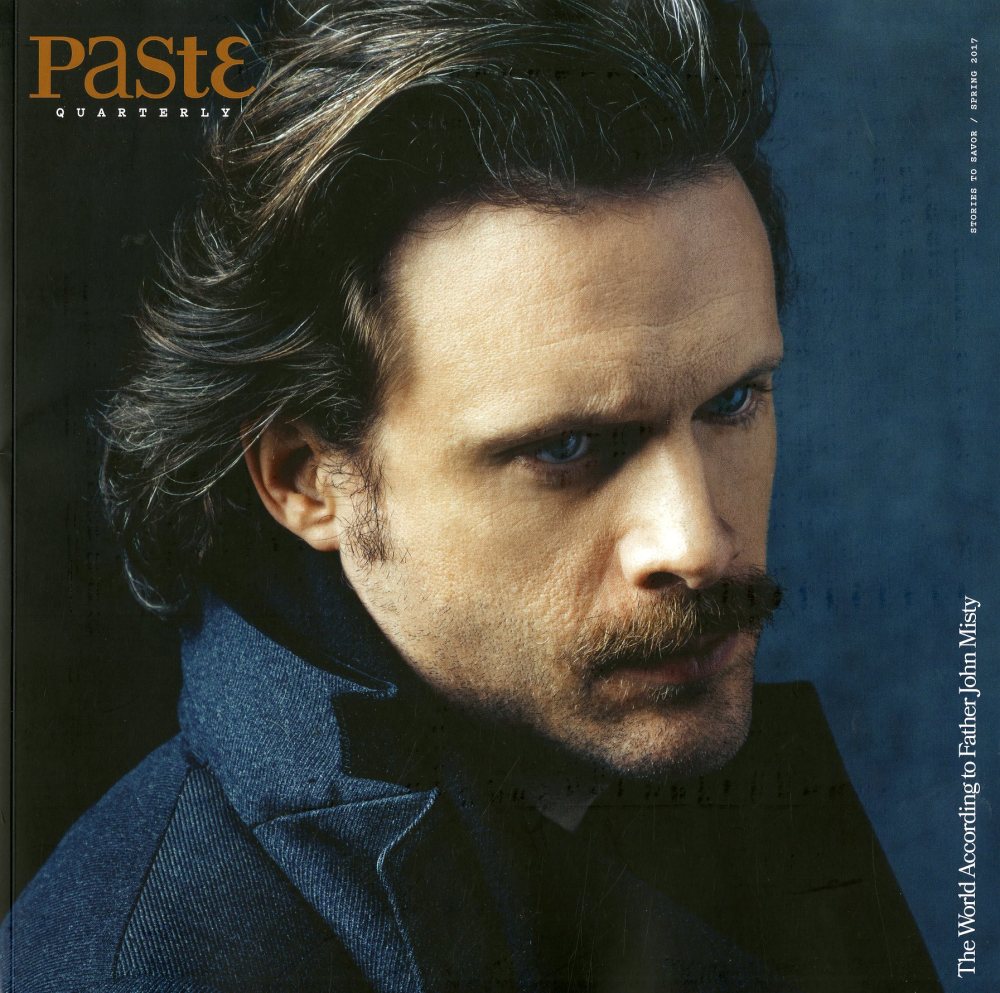
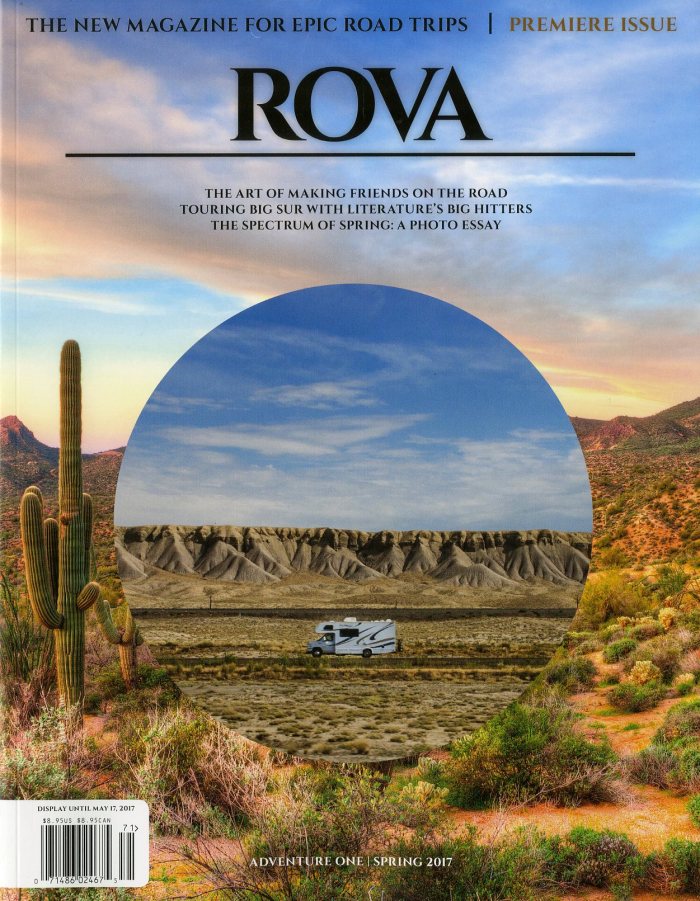
As I’m sure you can do the math yourself, I won’t waste your time showing you the actual numerical difference. Suffice it to say, major publishers and companies haven’t let the thought of a “slowdown” curtail them in the least. This year alone, we’ve seen past magazines reborn, leading companies creating new ones, and entrepreneurs stepping out onto that visionary limb to go for their dreams. From the rebirths of Paste, Brio, and Zink magazine to the premiere issue of Airbnb Mag, the successful company’s new travel magazine published with partnership with Hearst Magazines, to the February, 2017 magazine launch, Rova (about millennials who love to roam the open roads in their RV’s) that any entrepreneur would be proud to call their offspring, new launches are still being catapulted into that stratosphere called the magazine market. Slowdown means nothing to the medium that knew what it was like to stand against the forces of darkness a few years ago, namely the naysayers who were determined that the last nail in the magazine coffin belonged to them.

Of course the launch of The Pioneer Woman (this month, and also published in partnership with Hearst Magazines) is not included in this musing, neither the one million new circulation numbers for The Magnolia Journal (published in partnership with Meredith)… just keep in mind we are comparing the first five months of 2017 to that of 2016.

But have no fear magazine lovers everywhere: the printed word is going nowhere. Except maybe onto the page of the next new magazine launch, which I’m sure will be out any day now.

Until we meet at the newsstands…

The chart below compares the first five months of 2017 to that of 2016 and is followed by the month to month breakdown of the numbers:

• January 2017:

• Frequency – 5
• Specials – 32

• January 2016:

• Frequency – 21
• Specials – 56

• February 2017:

• Frequency – 4
• Specials – 33

• February 2016:

• Frequency – 12
• Specials – 57

• March 2017:

• Frequency – 6
• Specials – 62

• March 2016:

• Frequency – 7
• Specials – 46

• April 2017:

• Frequency – 12
• Specials – 30

• April 2016:

• Frequency – 21
• Specials – 50

• May 2017:

• Frequency – 20
• Specials – 48

• May 2016:

• Frequency – 25
• Specials – 43

h1

The Story Of HOLA! Made In The U.S.A.: The Final ACT 7 Experience

June 7, 2017

The final ACT 7 Experience was reserved for Sylvia Banderas, Publisher/VP Integrated Sales, HOLA! newly launched Spanish magazine in the United States. Ms. Banderas presented the story of the launch and the need for such a publication in the U.S. market… Click below to watch the video.

h1

Building Communities Through A Shared Reading Experience Of A Printed Book… ACT 7 Experience, Day 3, Part 5.

June 1, 2017

Building communities through a shared reading experience of a printed book was presented by professor Alison Baverstock from the United Kingdom. The presentation was part of the Magazine Innovation Center’s ACT 7 Experience. Watch this presentation in the video below and stay tuned for the final two presentations from the ACT 7 Experience soon.

h1

Life In Custom Publishing… ACT 7, Day 3, Part 4

May 30, 2017

As we wind the video presentations from the Magazine Innovation Center’s ACT 7 Experience Christian Anderson, Associate Publisher, iostudio and Bobby Stark, President, Parthenon Publishing share their views about Life In Custom Publishing. Enjoy the video below and stay tune for the remaining videos from the ACT 7 Experience.

h1

Introducing Franska.NL, The Truth About Digital Ad Lies, And Life Lessons In Single Copy Sales. ACT 7 Experience, Day 3, Part 3.

May 18, 2017

We continue the taped presentations of the Magazine Innovation Center’s ACT 7 Experience. First is Franska Stuy, the celebrated editor in chief from The Netherlands, talks about her new digital baby Franska.nl. Next is Bo Sacks’ presentation on the Truth About Digital Advertising Lies. And last but not least in this segment is John Harrington’s recap of a life in single copy sales. Enjoy the three videos below and stay tuned for more…

h1

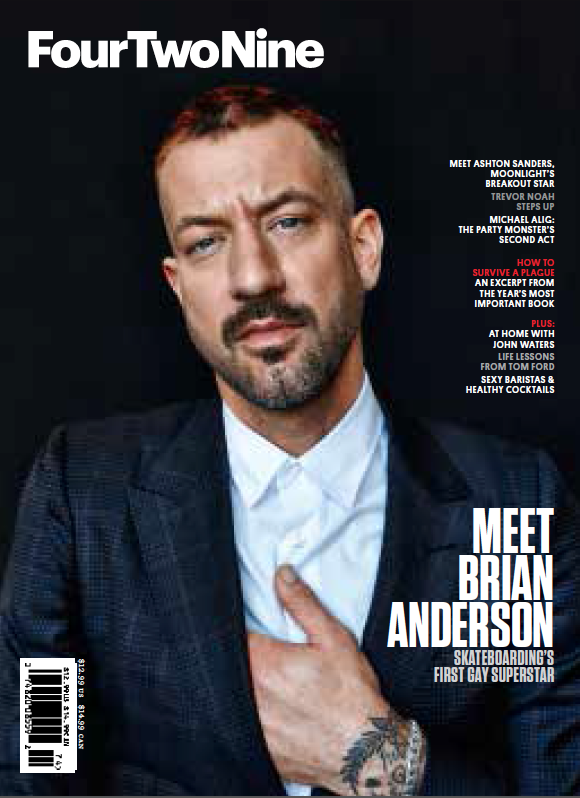
FourTwoNine: Cracking The 429 Code In Luxury Men’s Magazines – The Mr. Magazine™ Interview With Maer Roshan, Editor In Chief/Chief Content Officer & Richard Klein, Publisher/Chief Creative Officer, FourTwoNine Magazine…

May 16, 2017

“When people say print is dead, I just think that’s idiotic. Print stays relevant in the sense that it needs to provide an aesthetic, sensory and tactile experience that the web can’t. You ought to use print to display gorgeous photography or a deeper read, where you’re not hunched over your cell phone reading. I just read recently that e-books are plummeting, while printed books are really doing amazingly well. And I think what we’re going to see with magazines is similar. I don’t think the newsy magazines, like Time, are going to do very well in this Internet age. But if your magazine is about a more leisurely, substantial read, or about the imagery; you can have great imagery, but on the web it just doesn’t hit you in the same way, you know? In the same way that vinyl and books are back, I think magazines will definitely have a place.” Maer Roshan

“People like something tangible. The magazine is quarterly right now, and it definitely feels like a coffee table book, but back to the reverse engineering of media; we’re also very focused on our website as well. While we started out as a social network, we’re now a print magazine; a huge event company, in June alone, we’re doing 18 events; and then of course, our digital. Maer is running the contents of the website as well.” Richard Klein

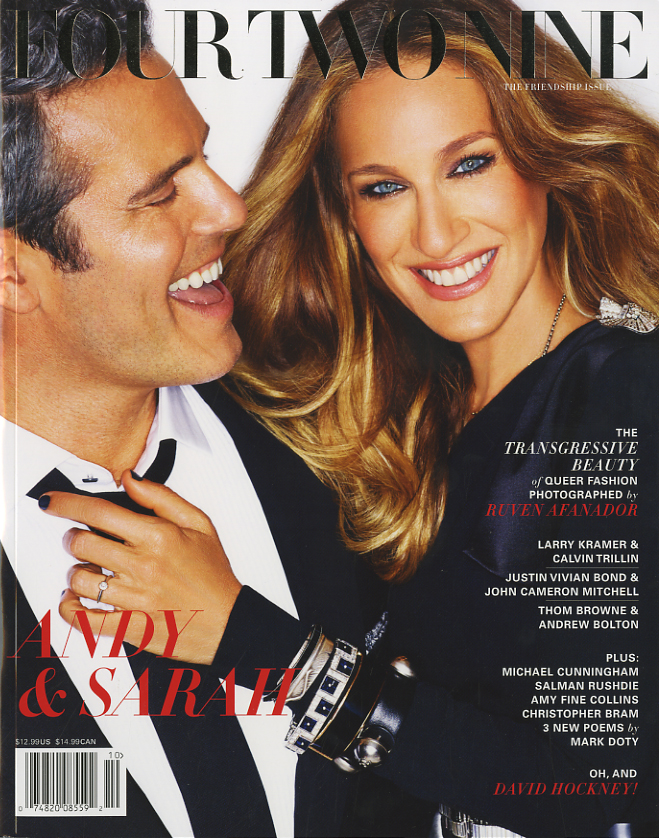
You say 007, folks say James Bond. You say 429, folks-in-the-know say the very successful website, dot429, the online network for LGBT professionals, a brand that also manifested itself through the pages of an ink on paper magazine, aptly named FourTwoNine. But where did the name originates from, well, you don’t have to look further than the dialing pad on your phone. Four is for G, Two is for A, and Nine is for Y. Four Two Nine = GAY. However, the magazine focuses on a myriad of topics, from politics to fashion, and touts itself as much more than just a gay-based magazine. According to publisher, Richard Klein, it’s a men’s title and a brand that aims itself at people of all genders.

Editor in chief, Maer Roshan, who has known success at such high-profile titles as Talk, Radar, and Vanity Fair, hopped onboard with Richard and agrees that FourTwoNine is definitely a differentiator among the LGBT magazine communities.

I spoke with Maer and Richard recently and we talked about the factors that make FourTwoNine a game changer when it comes to content, design and audience engagement within the gay magazine space. It was an often fun-filled conversation, but also a very informative glimpse into what each of them think a gay magazine should be. And according to Maer, it’s most definitely not supposed to be earnest, dull, or predictable.

So, without further ado, enjoy the Mr. Magazine™ interview with the powers behind FourTwoNine Magazine, Maer Roshan and Richard Klein.

But first the sound-bites:

On how FourTwoNine is different than other gay media (Richard Klein):

Richard Klein, publisher and creative director, FourTwoNIne magazine

We’re a small brand, but we’re growing. We don’t really brand ourselves necessarily as a completely gay magazine. We have taken more of a sense that within this landscape right now, there really are no brands, in terms of gender. We see ourselves as more of a men’s title.

On how FourTwoNine is different than the many other magazines that Maer Roshan has worked at or started (Maer Roshan): I think in the universe of gay magazines right now; when Richard said that we’re not trying to brand ourselves as gay, I think what makes FourTwoNine Magazine a gay magazine is its sensibility more than its entire content. We did a piece on Adam Schiff, and it’s not exactly a gay story. It has interest to gay people; he happens to be a congressman from West Hollywood, but it wasn’t told from a particularly gay perspective. But it’s within our world, so it made sense.

On how the magazine seems aimed at a very upscale audience (Richard Klein): The magazine was born from Dot429, which was the professional website/social network. When we started that, which was over five years ago now, it was aimed at a very affluent audience within the LGBT community. Really, the professionals. Brands like Cartier, Lexus and Cadillac have longed to really reach this community and demographic, and we are producing a product that they feel comfortable within. There isn’t a lot out there that they’re able to reach this audience with.

On what Maer thinks and says about the magazine at the end of the day (Maer Roshan): Every day it’s going to be something different. I want something that stands on its own and that people will look at and not just say it’s a good “gay” magazine, but they’ll say FourTwoNine is a great magazine, period. And that’s actually enthusing, because a lot of friends of mine who are not gay, but in the media business, subscribe to the magazine and read it and then get back to me. And the fact that it’s them and they have something to relate to, that’s pretty cool to me. As Richard was talking about; we’re aiming for a high demographic, in the sense that we have a culturally aware audience.

On whether they feel there is still room for print in this digital age (Maer Roshan):

Maer Roshan, editor in chief, FourTwoNine magazine.

For sure. And you know, I went and did The Fix after Radar, which we sold, and it has done very well. It’s like the biggest recovery website in the world now. Obviously, Radar Online, we’ve worked really hard on, and it’s huge now. And then I work with Tina (Brown) and Women in the World for the Times. So, I love what you can do digitally and it gives you a lot of room for things that you couldn’t do in print. But, when people say print is dead, I just think that’s idiotic. Print stays relevant in the sense that it needs to provide an aesthetic, sensory and tactile experience that the web can’t. You ought to use print to display gorgeous photography or a deeper read, where you’re not hunched over your cell phone reading.

On whether they feel there is still room for print in this digital age (Richard Klein): People like something tangible. The magazine s quarterly right now, and it definitely feels like a coffee table book, but back to the reverse engineering of media; we’re also very focused on our website as well. While we started out as a social network, we’re now a print magazine; a huge event company, in June alone, we’re doing 18 events; and then of course, our digital.

On how Richard balances his roles as both publisher and chief creative officer (Richard Klein): I studied architecture and graphic design as well. When I launched Surface magazine; I launched it as the creative director, but I think in publishing, when you are a staff of a dozen, or less than 20 people, everybody wears a lot of different hats. Maer and I were in New York recently, visiting a number of different partners and advertisers, and focused very much on the business side of things. We both have a clear vision of what the aesthetic of the brand should be; what image-makers we want to work with.

On the strategy behind the multiple covers of the same issue (Maer Roshan): It’s a general interest magazine in some ways, which is a rarity. It’s obviously a gay magazine, but under that umbrella, we cover fashion; we cover personalities, and many other topics. And what that allows us to do is to showcase different elements of what we’re doing to the different audiences that we have.

On whether Maer believes the journal-like, high cover-priced magazines can overtake the industry (Maer Roshan): I’m glad that you just said that, because there’s one point that I’ve been wanting to make as well, which is, and this is something that I think makes us new and from just looking at other magazines that are like that, the ones that charge a lot of money, and stay longer on the newsstand or are a coffee table magazine, those are not very vital, up-to-date, or in the moment. A lot of times, their content could be from last year and you wouldn’t know, because it’s kind of vague and not trying to keep up with the moment.

On the comparison of FourTwoNine to Monocle (Richard Klein): Monocle is such an iconic brand today, and you mention Monocle to somebody and they know exactly who the reader is and where the magazine fits in the landscape. And I think that’s really important for what we’re doing too. And while we’re a print magazine and events and the website; we’re really creating this brand. And when someone picks it up or we talk about FourTwoNine, we know who we are.

On the origins of the name FourTwoNine for the magazine (Richard Klein): The number 429 on the telephone keypad spells GAY. So, when we launched the social network, we wanted to create a name that wasn’t hitting you over the head, but it was kind of like a handshake, if you will.

On anything either of them would like to add (Richard Klein): I think the only thing that we really didn’t touch on is the West Coast sensibility.

On anything either of them would like to add (Maer Roshan): Oh, thanks. You know me, I’ve been an East Coast boy for many years, and then I moved to the West, along with a lot of other people. Back in the day, you would have gone to L.A. and thought of it as kind of a second-rate version of New York, but that has changed. Particularly with the political energies; the cultural energy, there has been a big shift westward.

On what either of them would be doing if someone showed up at their house unexpectedly one evening (Maer Roshan): That’s an interesting question; I would be working. (Laughs) Funny enough, recently, I was on my way home and I drove by this theatre here; the Director’s Guild, and I wondered what was going on there. As it turned out, that was where James Comey was supposed to speak. And so I called one of our reporters and told him that he had to get there, because that was where he was supposed to be. So, we both found our way into this place.

On what either of them would be doing if someone showed up at their house unexpectedly one evening (Richard Klein): I moved to Los Angeles from San Francisco a year and a half ago. And I’m exploring the city almost every night. But as I said, we do a ton of events. And there’s always something going on in Los Angeles. We have a really close relationship with Soho House. There’s seems to always be an event or a talk going on at Soho House. A friend of mine just launched a gallery; a kind of popup gallery at her loft. There is literally always a major event going on in Los Angeles. It’s a lot of friends and things are popping up all over the place here.

On what keeps them up at night (Richard Klein): There are a lot of things that keep me up at night. (Laughs) If you’re asking what my worries are; we are holding this with a very careful team. We’re kind of in the throe of that, while we’re starting to see really great traction. It’s still quite a bit of work. But we’re keeping at it. And then just the issue of how to keep us alive. But, as I said, we’re getting it and it’s going well.

On what keeps them up at night (Maer Roshan): Donald Trump. (Laughs) That’s about it. But I wake up every morning excited about being a journalist, so for that, I guess I should thank him.

And now the lightly edited transcript of the Mr. Magazine™ interview with Maer Roshan, editor in chief/chief content office & Richard Klein, publisher/chief creative officer, FourTwoNine Magazine.

Samir Husni: Richard, since you’re more of the publisher and chief creative officer, which is somewhat of a rarity in the magazine business; if someone were to ask you how you differentiated FourTwoNine from all of the other gay media out there today, what would you say?

Richard Klein: It has changed quite a bit. We’re a small brand, but we’re growing. We don’t really brand ourselves necessarily as a completely gay magazine. We have taken more of a sense that within this landscape right now, there really are no brands, in terms of gender. We see ourselves as more of a men’s title.

Samir Husni: Maer, you’ve edited several magazines, whether as top editor or in starting your own. How do you differentiate? If someone asked you: you’re the editor of FourTwoNine, how is that different from anything else you’ve done; what would you say?

Maer Roshan: That’s a good question. One of the first magazines that I started right after college was a gay weekly in New York, called NYQ, and it was right in the midst of the AIDS crisis. Eventually, it was sold to Time Inc.

But what made me interested in doing this (FourTwoNine) was how much the gay landscape has changed since I did NYQ. And just the definition of how gay people fit into society and what gay culture means has changed dramatically.

Basically, I know how to do a very limited amount of things. I like making new stuff and pushing the envelope a little bit. And adjusting culture and good writing. So, we try to do the same thing in every magazine, and in that way things haven’t changed.

But I think in the universe of gay magazines right now; when Richard said that we’re not trying to brand ourselves as gay, I think what makes FourTwoNine Magazine a gay magazine is its sensibility more than its entire content. We did a piece on Adam Schiff, and it’s not exactly a gay story. It has interest to gay people; he happens to be a congressman from West Hollywood, but it wasn’t told from a particularly gay perspective. But it’s within our world, so it made sense. And we’ve had a great response. We’re one of the earliest people to cover him in that way.

You mix that with some of the other stories that we’ve done, especially when applying a sensibility, and I think that things now are more political for gay people that it’s been in a while. But it defines itself less just as being gay; it’s part of a larger movement.

One of the things that has always amazed me about a lot of gay magazines is that gay culture is humorous and fun, and kind of pushing the envelope. And gay magazines tend to be so earnest and dull. (Laughs) A while back someone had talked to me about doing Logo, the gay network, and they asked me what Logo should be like. And I said Logo should be Bravo, so it’s not ostensibly a gay network. And if we were to put magazines in that way, we would go to a Bravo model over a Logo model, which is earnest and dry…

Samir Husni: (Laughs)

Maer Roshan: …if that gives you some idea.

Samir Husni: Richard, in addition to the great editorial content; even looking at the ads, it seems like you’re aiming at a very upscale audience. Is that by choice or is that another point of differentiation? You’re not a mass magazine, or like you said; you’re not a big major brand, but at the same time, you’re aiming high.

Richard Klein: The magazine was born from Dot429, which was the professional website/social network. When we started that, which was over five years ago now, it was aimed at a very affluent audience within the LGBT community. Really, the professionals. As we built that network, and started speaking to the membership of the network and to partner that with the way we sort of differentiated ourselves from brands like the dating sites that were out there and the hook-up sites, and some of the magazines that aren’t with us any longer, such as “Instinct” or “Next,” that kind of syllabus in the gay landscape.

So, brands like Cartier, Lexus and Cadillac have longed to really reach this community and demographic, and we are producing a product that they feel comfortable within. There isn’t a lot out there that they’re able to reach this audience with.

Samir Husni: Maer, I noticed that you’ve assembled quite a team, from your East Coast editor, Hal (Rubenstein), to all the others working and writing for the magazine; at the end of the day, what do you think and say about the magazine?

Maer Roshan: Every day it’s going to be something different. I want something that stands on its own and that people will look at and not just say it’s a good “gay” magazine, but they’ll say FourTwoNine is a great magazine, period. And that’s actually enthusing, because a lot of friends of mine who are not gay, but in the media business, subscribe to the magazine and read it and then get back to me. And the fact that it’s them and they have something to relate to, that’s pretty cool to me. As Richard was talking about; we’re aiming for a high demographic, in the sense that we have a culturally aware audience.

But I also hate pretentiousness, you know? One of the things that I’d talked to Richard about when he asked me to come over here was, when I think about what the purpose of the magazine is I think “Vanity Fair” meets “Vice.” It has great reporting and great production values and great writing. It’s edgier and pushes the envelope and has its finger on the pulse of culture.

Samir Husni: Maer, you’ve worked at some very high profile titles, whether it’s Talk or Radar, which you started. And then we came to a point where everyone was saying print is dead, we’re folding our print edition and going online. Yet, FourTwoNine is almost reverse engineering; it started as a website and now it’s a print magazine. Do you feel that there’s still room for print in today’s digital age?

Maer Roshan: For sure. And you know, I went and did The Fix after Radar, which we sold, and it has done very well. It’s like the biggest recovery website in the world now. Obviously, Radar Online, we’ve worked really hard on, and it’s huge now. And then I work with Tina (Brown) and Women in the World for the Times. So, I love what you can do digitally and it gives you a lot of room for things that you couldn’t do in print.

But, when people say print is dead, I just think that’s idiotic. Print stays relevant in the sense that it needs to provide an aesthetic, sensory and tactile experience that the web can’t. You ought to use print to display gorgeous photography or a deeper read, where you’re not hunched over your cell phone reading. I just read recently that e-books are plummeting, while printed books are really doing amazingly well. And I think what we’re going to see with magazines is similar. I don’t think the newsy magazines, like Time, are going to do very well in this Internet age. But if your magazine is about a more leisurely, substantial read, or about the imagery; you can have great imagery, but on the web it just doesn’t hit you in the same way, you know? In the same way that vinyl and books are back, I think magazines will definitely have a place.

Richard Klein: People like something tangible. The magazine is quarterly right now, and it definitely feels like a coffee table book, but back to the reverse engineering of media; we’re also very focused on our website as well. While we started out as a social network, we’re now a print magazine; a huge event company, in June alone, we’re doing 18 events; and then of course, our digital. Maer is running the contents of the website as well.

Maer Roshan: I don’t think you could have a media property these days and not have web and print and events and all that stuff. The days where you could just have one of those things are over. All of those things play into each other and they’re vitally important . All of these different elements work together and are important in building a community, which we’re trying to do, but also building an ad-base and a web engine base too.

Samir Husni: I started as a graphic designer, even when I was in high school, before I left Lebanon. That was my whole work before I went to college, and now I work more on the business side. How do you balance your roles? Do you work both sides of the brain when you’re the publisher and the chief creative officer? Do you have to change hats or does it just come naturally to you?

Richard Klein: I studied architecture and graphic design as well. When I launched Surface magazine; I launched it as the creative director, but I think in publishing, when you are a staff of a dozen, or less than 20 people, everybody wears a lot of different hats. Maer and I were in New York recently, visiting a number of different partners and advertisers, and focused very much on the business side of things. We both have a clear vision of what the aesthetic of the brand should be; what image-makers we want to work with. While it’s left-lane, right-lane in one sense, they both go hand-in-hand and are very much a brand ambassador to FourTwoNine.

Samir Husni: In the case of the print magazine, I noticed that with the first issue you had different covers; with the second issue, you had three covers that you edited. What’s the strategy behind the multiple covers of the same issue?

Maer Roshan: It’s a general interest magazine in some ways, which is a rarity. It’s obviously a gay magazine, but under that umbrella, we cover fashion; we cover personalities, and many other topics. And what that allows us to do is to showcase different elements of what we’re doing to the different audiences that we have. It’s all tied together by sensibility and point of view, but there are some people who are really interested in one thing and some who are interested in another, so we try and showcase different elements within the magazine that will hopefully resonate with different audiences.

Samir Husni: There is a lot of buzz around these new types of magazines that look like a journal, but read like a magazine. They have the high cover price and the connectivity with the audience; can those types of magazines overtake the industry?

Maer Roshan: I’m glad that you just said that, because there’s one point that I’ve been wanting to make as well, which is, and this is something that I think makes us new, and from just looking at other magazines that are like that, the ones that charge a lot of money and stay longer on the newsstand or are a coffee table magazine, those are not very vital, up-to-date, or in the moment. A lot of times, their content could be from last year and you wouldn’t know, because it’s kind of vague and not trying to keep up with the moment.

And if you look through our issue, we’re as up-to-date as possible. And part of that is because we keep our deadlines really, really late, before we go to press, precisely because we want to stay in the moment. It gives you this rare combination of really good production values and coffee table quality, but most of the content is vital and makes news. Looking at newsstands, which I obviously did a lot before starting this venture, there’s not a lot of magazines that provide both of those things. And that’s what made me interested in this project.

Samir Husni: When I picked up Issue #9 and then Issue #10, the magazine that comes to mind more than anything else is Monocle. I don’t know whether it’s the combination of glossy and matte paper or the design; am I way off here?

Maer Roshan: I could see where you would say that. What you should look at as maybe a better example is Monitor. I like Monocle a lot; it’s very packaged and glib. I’m hoping that we’re less that. When I hold Monocle, I love what it says about me, but I’m not sure that I would be an avid reader of the magazine. Does that make any sense?

Samir Husni: Yes.

Richard Klein: “Monocle” is such an iconic brand today, and you mention Monocle to somebody and they know exactly who the reader is and where the magazine fits in the landscape. And I think that’s really important for what we’re doing too. And while we’re a print magazine and events and the website; we’re really creating this brand. And when someone picks it up or we talk about FourTwoNine, we know who we are.

Maer Roshan: “Monocle” also seems a bit earnest to me at times. I think that we take a little bit more liberties and that’s because of our content and our audience. We have a little bit more of a point of view. But it’s beautiful and very well-conceived and put together. And it’s a compliment for you to compare us to it.

Samir Husni: To me, Maer, FourTwoNine is one of the best magazines that you have created so far.

Maer Roshan: Thank you.

Samir Husni: Richard, what is the origin of the name FourTwoNine? It isn’t the area code.

Richard Klein: The number 429 on the telephone keypad spells GAY. So, when we launched the social network, we wanted to create a name that wasn’t hitting you over the head, but it was kind of like a handshake, if you will.

Samir Husni: Is there anything that either of you would like to add?

Maer Roshan: I think we covered everything; the combination of things that we’re doing. The fact that it’s not just in one sphere, it’s all these different spheres at once.

Richard Klein: I think the only thing that we really didn’t touch on is the West Coast sensibility.

Maer Roshan: Oh, thanks. You know me, I’ve been an East Coast boy for many years, and then I moved to the West, along with a lot of other people. Back in the day, you would have gone to L.A. and thought of it as kind of a second-rate version of New York, but that has changed. Particularly with the political energies; the cultural energy, there has been a big shift westward.

And while we’re a national magazine, I kind of look at it like when I was in New York, working for “Talk” or “Vanity Fair.” You covered the nation, but it was from a distinct New York/East Coast sensibility. It’s kind of amazing to me how few magazines are like this, are rooted in the West Coast ideas and values, but cover the world from that. It’s not really a regional magazine, but takes the best of what the cultures are doing on this coast and magnifies it in coverage and everything else.

Samir Husni: If I showed up at either of your houses unexpectedly one evening after work, what would I find you doing; reading a book; watching TV; cooking; having a glass of wine; or something else?

Maer Roshan: That’s an interesting question; I would be working. (Laughs) Funny enough, recently, I was on my way home and I drove by this theatre here; the Director’s Guild, and I wondered what was going on there. As it turned out, that was where James Comey was supposed to speak. And so I called one of our reporters and told him that he had to get there, because that was where he was supposed to be. So, we both found our way into this place. (Laughs) Most of the reporters were waiting outside, but we were saying that we might possibly want to join the FBI, so they ended up letting us in and then I got kicked out. (Laughs again) They checked my ID. But my reporter went in and I think we were one of the only people to be reporting from the actual location of where James Comey was supposed to be. And it’s on our website now.

I go out with friends and try to keep up with the culture, because that’s my job, but also because I love it. A lot of it goes into the things that excite me, and that ends up making me a good editor, I think. Curiosity brings a lot of different stuff. I try to keep up with all the appointments, television, things like that. I still read books, because I’m old school that way. And I hang out with friends.

Richard Klein: I moved to Los Angeles from San Francisco a year and a half ago. And I’m exploring the city almost every night. But as I said, we do a ton of events. And there’s always something going on in Los Angeles. We have a really close relationship with Soho House. There’s seems to always be an event or a talk going on at Soho House. A friend of mine just launched a gallery; a kind of popup gallery at her loft. There is literally always a major event going on in Los Angeles. It’s a lot of friends and things are popping up all over the place here.

Samir Husni: My typical last question; what keeps you up at night?

Richard Klein: There are a lot of things that keep me up at night. (Laughs) If you’re asking what my worries are; we are holding this with a very careful team. We’re kind of in the throe of that, while we’re starting to see really great traction. It’s still quite a bit of work. But we’re keeping at it. And then just the issue of how to keep us alive. But, as I said, we’re getting it and it’s going well.

Maer Roshan: Donald Trump. (Laughs) That’s about it. But I wake up every morning excited about being a journalist, so for that, I guess I should thank him.

Samir Husni: Thank you.
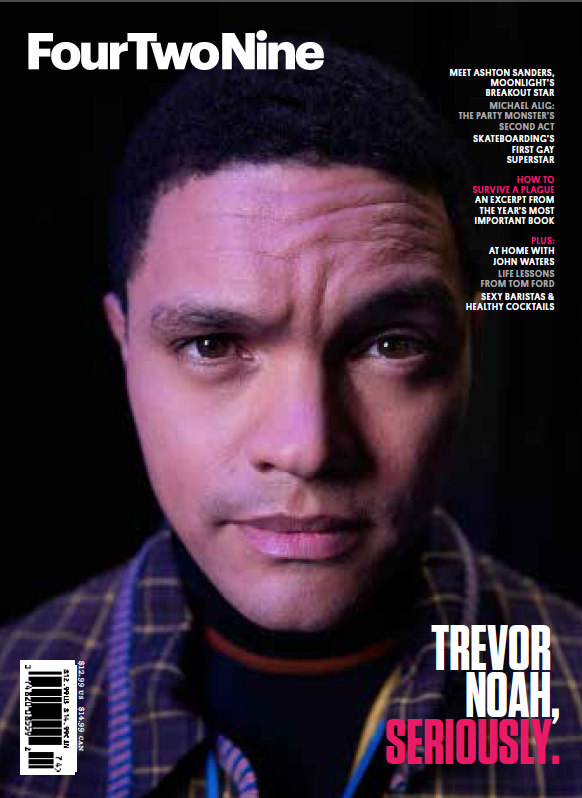
h1

The Return Of The Electric Car And Other Stories From The Mr. Magazine™ Vault…

May 11, 2017

Will the electric car come back? And movies American can’t see are two from many topics revealed in the August issue of Modern Man magazine.

The editor writes, “Each month the pages of Modern Man represent the sum total of labor by writers and photographers working in widely-scattered cities around the earth. Typical of the wide span of distance covered by these journalists are the contents of this current issue.”

The two aforementioned stories (the return of the electric car) and (movies American can’t see) include the following ledes:

Once America’s leading car, electrics outsold gasoline buggies until they proved unpractical – now they may return in atomic version.

U.S. ideas of morality ban many European pictures and incense foreigners who see film violence as more indecent than nudity.

Did I fail to mention that Modern Man August’s issue was from 1955? Check the magazine and the spreads from the issue below: