Archive for the ‘News and Views’ Category

h1

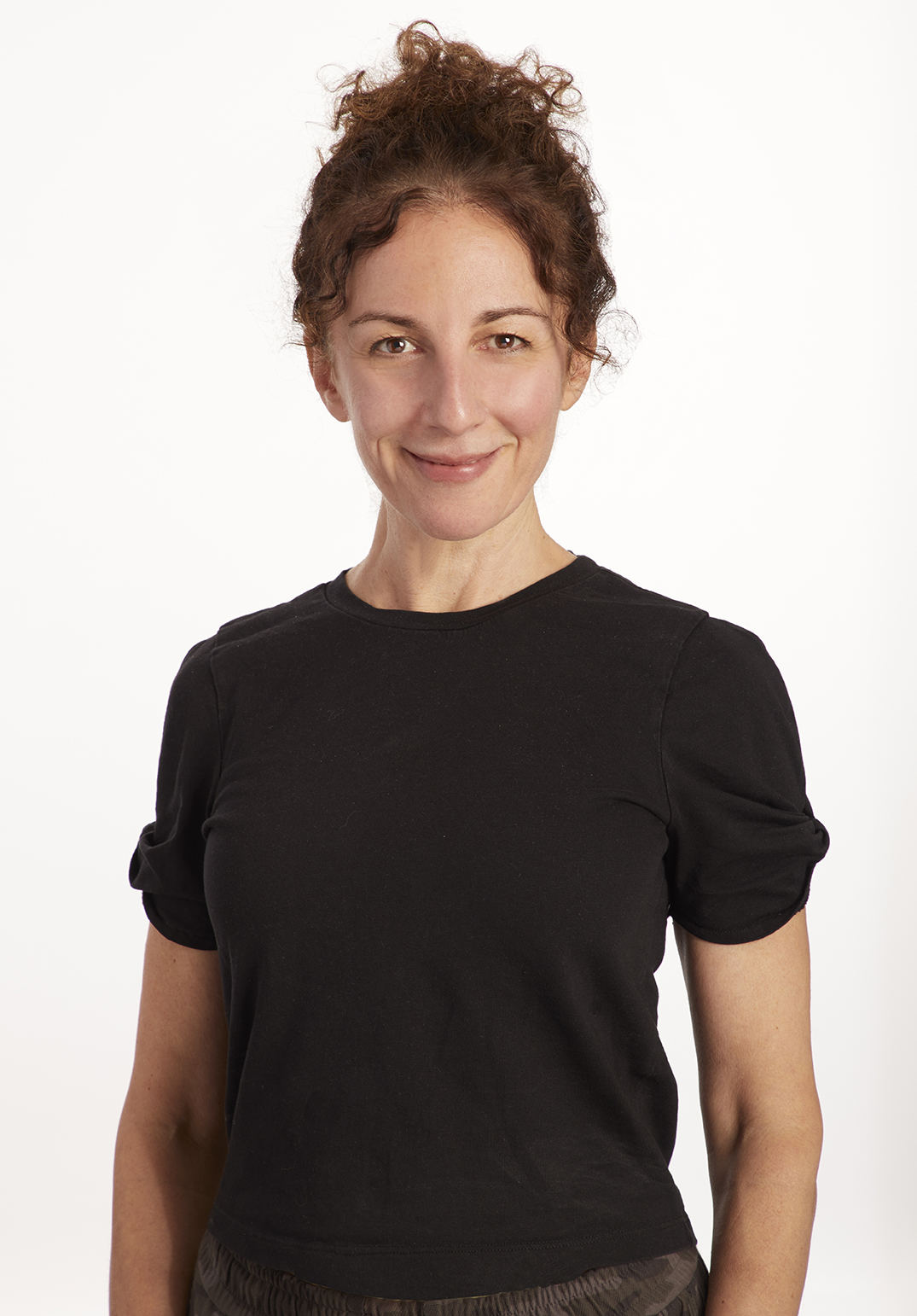
HearstMade: Threading The Needle Between Clients & Hearst’s Own Brand Voices – The Mr. Magazine™ Interview With Editorial Director, Brett Hill, HearstMade…

October 7, 2019

“This is really all about authentic storytelling. And consumers are really savvy, they know when they’re being delivered an ad and it’s our job to deliver something that feels editorial and feels like it has a plot to it. And we think about that all the time when we’re creating campaigns, whether it’s for print or digital. The idea that it feels authentic and organic to the client is really important. And coming at that editorially is what makes these things work and why more and more people are coming to us for it.”… Brett Hill

Connecting clients with audiences and spurring them toward action is something HearstMade has become extremely good at. From creating content for print products to storytelling across every major digital and social platform, HearstMade partners with advertisers to set real-world goals and then work toward them, first determining a distribution strategy, and then crafting a creative approach that marshals the unique voices of the brands, the authority of the editors and the depth of the audience data. It’s branded content at its best.

Brett Hill is editorial director at HearstMade and comes to this position after nine years as executive editor of Hearst Magazines’ HGTV Magazine. Brett is a wordsmith and a firm believer in telling a good story, no matter the media form it takes. While some might think launching a print magazine from a digital app was both unnecessary and impossible, Brett and her team did it with Bumble magazine. Their latest creation is an ink on paper product for REI called Uncommon Path, a title that tells the stories of the experiences, events, issues and ideas that shape the relationship between people and life outside. Brett believes that everyone has a story to tell, even advertisers.

I spoke with Brett recently and we talked about her extremely busy life at HearstMade and how she wouldn’t have it any other way. Between meetings and clients (of which they have over 200-plus, Brett’s daily work schedule is challenging, but satisfying. She leads a team of editors, writers and producers to create and distribute campaigns, products and custom publications on behalf of clients. Brett has described HearstMade as a rapidly growing, dynamic operation that creates data-informed print, digital and social content on a global scale, providing best-in-class solutions for its advertising partners. And with partners like Airbnb, REI and Bumble, along with many, many more, it’s definitely easy to see why Brett and her team are so busy and so very proud of what they do with their multiplatform storytelling.

And now, enjoy the Mr. Magazine™ interview with Brett Hill, editorial director, HearstMade.

But first the sound-bites:
On how she would sum up her first year as editorial director of HearstMade: It has been incredibly busy, I’ll tell you that. We have worked with over 200 clients this year; we’ve created over 350 campaigns; we’ve launched two magazines, I’m wearing lots of different hats. It has been incredibly exciting and every day something new is happening and that’s really what I love about it.

On what exactly she and her team do at HearstMade: HearstMade is basically two arms of the unit of Hearst Magazines. We create branded content for clients that live on our own Hearst platforms and we also create custom content for clients like Airbnb, REI and Bumble. So, the first part of my job, which was really up and running already when I started, is creating digital content, whether that lives on our own site, whether it’s amplified on social media, and that takes up a huge part of what we do at HearstMade. We have a creative director, myself, and a team of about 45 people who are creating all of that digital content.

On whether naming this division of Hearst “HearstMade” is like putting the Hearst seal of approval on all the content created under that umbrella: We use the same creative sensibilities and acumen for our advertising partners as we do when we create our own products, so yes, there’s a Hearst stamp of approval, if you will. Our tagline at HearstMade is: Editorial Minds Solving Business Problems. I’m an editor; I’ve always been an editor and I think like an editor. What I like doing best is telling stories through products, and stories that really resonate with our audience and our clients’ audience. It’s like we’re threading the needle between the clients’ KPIs and our brand voices. And that’s our job at HearstMade.

On the thinking behind bringing the digital app Bumble to print: When Bumble came to us, what they wanted was for their audience to become aware that they were more than just a dating site. There’s a platform for making friends or a platform for building your career, and there’s a platform for feeling good about yourself. So, their goal was to help us market them as more than just a dating app. And that’s really what we’ve done with the magazine. The magazine is divided into four sections: one is about feeling good about yourself, one is about making connections through friends, one is about making connections through work, and then of course, there’s the dating section.

On whether in today’s digital world there is still a need for an editor who knows what he or she is doing: Absolutely, 100 percent. This is really all about authentic storytelling. And consumers are really savvy, they know when they’re being delivered an ad and it’s our job to deliver something that feels editorial and feels like it has a plot to it. And we think about that all the time when we’re creating campaigns, whether it’s for print or digital. The idea that it feels authentic and organic to the client is really important. And coming at that editorially is what makes these things work and why more and more people are coming to us for it.

On whether she needed to change hats between creating the print Bumble and their latest creation, the print magazine for REI called Uncommon Path: It’s interesting, the people that are working for me and who work on these projects know the category, so we’re hiring people who know the outdoors category; we’re hiring people who understand the Bumble audience. I don’t need to understand the audience as well as I need to understand how to talk to the clients about telling the stories that they want to tell in a way that we feel really proud of. And we can sort of teach them along the way, much like you teach. And it’s really interesting to work with them. So yes, I wear the same hat in that I’m overseeing creatives, it’s just for different categories and I’m lucky that the people who work under me on those categories know the brands and the audiences really well. So, it doesn’t matter if it’s for a Bumble audience or an REI audience.

On whether she differentiates among her babies: I feel proud of all of them. And so much work goes into each one of them and the relationship with the clients is all different. Obviously, when you get a print product in your hand and you hold it, and you know this better than anyone, that’s a really proud moment, speaking of babies. But it’s equally exciting to see a video campaign that was shot in Switzerland and that we’ve been talking about for months come to life online. It’s a different process, but in the end it’s most important that it feels like a good, cohesive, compelling story that reaches the right audience.

On what she would hope to tell someone she had accomplished in another year as editorial director of HearstMade: I will say that we have had a lot of interest based on the work that we’ve done for Airbnb, REI, and Bumble with creating content for other clients. And I feel really good about it; I feel like we have a great portfolio already in our hands. I know that we’re going to continue doing more of that. The branded content that we’re producing is really nonstop and it’s only going to get busier and busier. I think that we do a really good job of being good partners with our clients. I feel like there’s just more and more excitement every day on the 20th floor where we live.

On whether she feels the audience is multiplatform or more segmented: The audience is a multiplatform audience and they want a lot of content, that’s what they want. It’s our job to figure out how to deliver it to them most effectively. They want content on their phone, on their laptop, on their iPad; they want content they can read on the subway, they want content they can take with them on vacation and read leisurely by a pool, so the platforms that we’re creating for are the platforms that audiences are craving. Obviously, we target, depending on who the client is, but it’s not black or white.

On the biggest challenge she’s faced since taking the job: I think it’s a combination between switching gears between meetings with, let’s say, a food client, then fifteen minutes later brainstorming about a high-end fashion client, followed an hour later by a brainstorming meeting about a car company, combined with launching two magazines. It’s very different from when I worked at HGTV Magazine, where I worked for nine years, where I was focused on one brand. I’m now working with 25-plus first brands and 200-plus clients. So, it’s about delivering what all of those people want and there’s a lot of players in every game.

On what keeps her sane: Oh my gosh, working out. I have to work out in the morning before I come here so that I can clear my head. And I know everyone says that, but I’ve realized this year how important it is to come in really clearheaded and feeling physically strong every day. I can’t stress that enough.

On any new print magazines that are up and coming that she can talk about or anything she’d like to add: There are a lot of things percolating that I can’t really talk about right now, but I do want to say that just the way we create content for any of the Hearst brands is by using data to inform the content we create. We use the same strategy in creating content for any client; we understand what an audience is responding to. We create content that we know is going to resonate with them and we see how it performs, and then we create content that continues to drive those channels that we know the audiences are responding to.

 On the biggest misconception she thinks people have about her: I’m a really honest person and I think I’m pretty easy to read, and I believe that’s what makes me good at my job. I work with so many different departments here at Hearst, marketing, sales, all the editors, all the brands, plus all the clients, and I think I have to be straightforward and clear or we won’t get anything done. So, I don’t know that there are any misconceptions about me, but it’s kind of why I think I’m good at my job.

On what someone would find her doing if they showed up unexpectedly one evening at her home: I’m wondering if there’s a word for a multiple of multitasking, because that’s really what I feel like I do when I get home. Laptop is open on the kitchen counter, cooking dinner, responding to emails, chopping broccoli, texting the dog walker, and proofreading a college essay, just loads of multitasking. We have to come up with a name for that. 

On what keeps her up night: Honestly, my six-month-old puppy. That’s what keeps me up at night.

And now the lightly edited transcript of the Mr. Magazine™ interview with Brett Hill, editorial director, HearstMade.

Samir Husni: As you approach your first anniversary, you started the job on October 30, 2018, how would you sum up your first year as editorial director of HearstMade?

Brett Hill: It has been incredibly busy, I’ll tell you that. We have worked with over 200 clients this year; we’ve created over 350 campaigns; we’ve launched two magazines, I’m wearing lots of different hats. It has been incredibly exciting and every day something new is happening and that’s really what I love about it.

Samir Husni: When you got the job, Troy Young, president of Hearst Magazines, said that you would be in charge of creating data-informed content for all platforms, can you expand a little bit on that?

Brett Hill: HearstMade is basically two arms of the unit of Hearst Magazines. We create branded content for clients that live on our own Hearst platforms and we also create custom content for clients like Airbnb, REI and Bumble. So, the first part of my job, which was really up and running already when I started, is creating digital content, whether that lives on our own site, whether it’s amplified on social media, and that takes up a huge part of what we do at HearstMade. We have a creative director, myself, and a team of about 45 people who are creating all of that digital content.

We have editors, a photo team, a video team, a post-production team, a talent team, so all day, all week, they’re creating campaigns for clients that have to, not only resonate with the clients’ KPIs, but feel authentic to the Hearst-brand voices. For example, if we’re creating a campaign for a beauty client that is going to live on Cosmopolitan, that is going to look and sound very different from a campaign for that same beauty client that’s going to live on Elle or Bazaar. So, it’s our job to make sure that the client is getting what they need, in terms of their deliverable, but that we’re also making something that feels really authentic to our brand.

Samir Husni: By naming it HearstMade, is that like putting the Hearst seal of approval, such as a Good Housekeeping Seal of Approval, on all of the content that is being produced?

Brett Hill: We use the same creative sensibilities and acumen for our advertising partners as we do when we create our own products, so yes, there’s a Hearst stamp of approval, if you will. Our tagline at HearstMade is: Editorial Minds Solving Business Problems. I’m an editor; I’ve always been an editor and I think like an editor. What I like doing best is telling stories through products, and stories that really resonate with our audience and our clients’ audience. It’s like we’re threading the needle between the clients’ KPIs and our brand voices. And that’s our job at HearstMade.

Samir Husni: Tell me about your first print magazine launch, Bumble. Anytime I mention to my graduate students, who some of them are users of Bumble, I think, when I mention that Bumble launched a print magazine, they’re astonished. And many ask: why? So, what was the thinking behind bringing that platform to ink on paper?
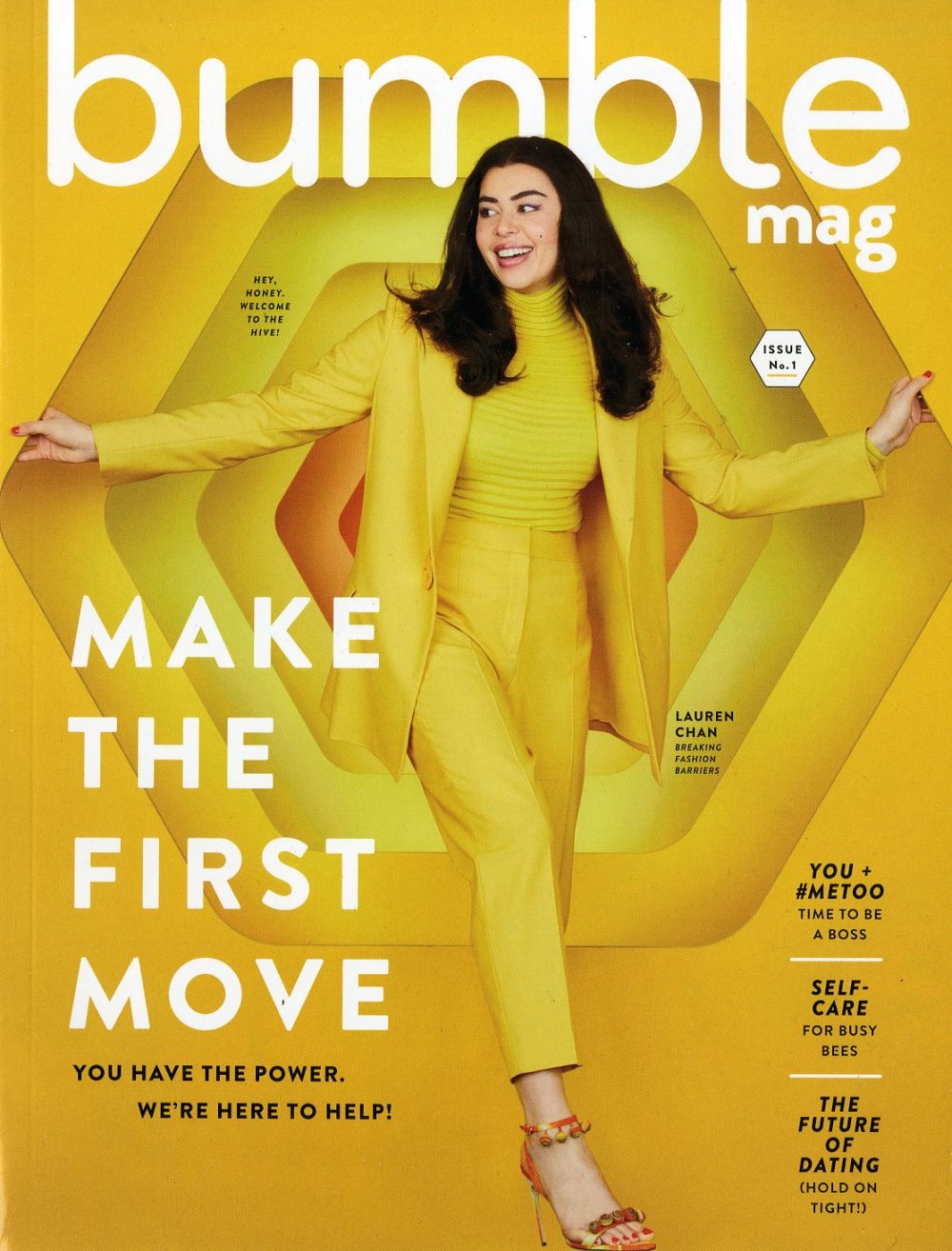
Brett Hill: When Bumble came to us, what they wanted was for their audience to become aware that they were more than just a dating site. There’s a platform for making friends or a platform for building your career, and there’s a platform for feeling good about yourself. So, their goal was to help us market them as more than just a dating app. And that’s really what we’ve done with the magazine. The magazine is divided into four sections: one is about feeling good about yourself, one is about making connections through friends, one is about making connections through work, and then of course, there’s the dating section.

What they had was a very clear voice when it came to dating and women feeling empowered to make the first move, but it wasn’t clear to their audience that they do all of these other things. And that was our job, to make these other platforms that they stand for tangible to their audience, and also to engage new members. And it was sent out through Bumble marketers, that’s how it was distributed. All of the copies were distributed through Bumble marketers at their own Bumble events. It was really exciting to work on, because it really helped us give their brand a voice, and that is something that we talk a lot about at HearstMade.

Samir Husni: With your creative background, do you think the skills that you learned as an editor and that you applied to Bumble, and now you’ve also applied to your latest print launch, Uncommon Path for REI,  do you think those skills are needed in today’s marketplace? That no matter which platform you’re going to be on, there is still a need for an editor who knows what he or she is doing?  

Brett Hill: Absolutely, 100 percent. This is really all about authentic storytelling. And consumers are really savvy, they know when they’re being delivered an ad and it’s our job to deliver something that feels editorial and feels like it has a plot to it. And we think about that all the time when we’re creating campaigns, whether it’s for print or digital. The idea that it feels authentic and organic to the client is really important. And coming at that editorially is what makes these things work and why more and more people are coming to us for it.

So, we have dedicated teams of editors on all of these projects and they come from editorial backgrounds. And thinking like an editor is a really important aspect when we’re considering who is going to work on these projects. It’s really about creating a paper connection with the audience, no matter who that audience is and that’s what editors are good at.
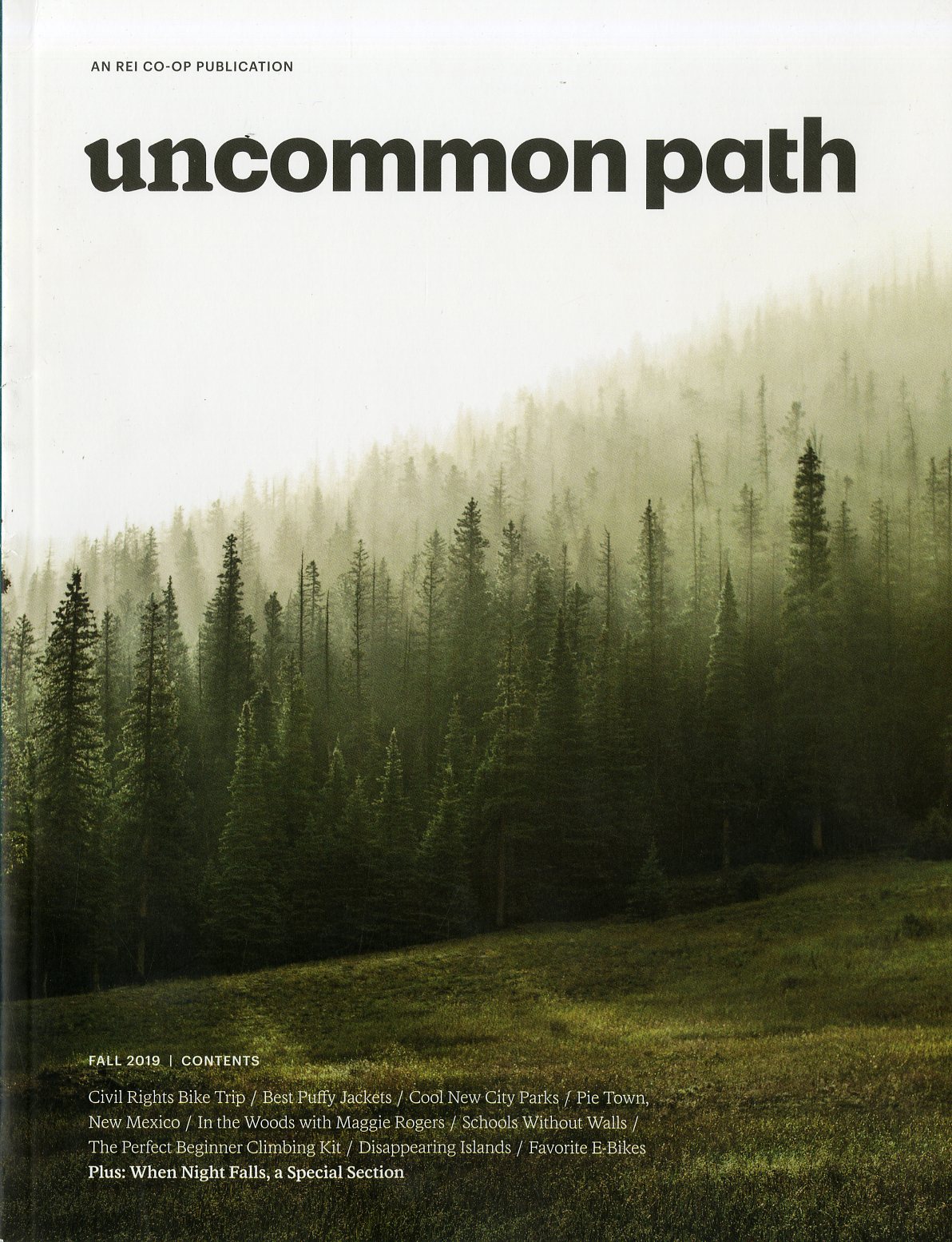
Samir Husni: Did you need to change hats when you went from creating Bumble to creating Uncommon Path? Those are two print products, but if I heard you right, you also created another 198 other things. (Laughs)

Brett Hill: At least. It’s interesting, the people that are working for me and who work on these projects know the category, so we’re hiring people who know the outdoors category; we’re hiring people who understand the Bumble audience. I don’t need to understand the audience as well as I need to understand how to talk to the clients about telling the stories that they want to tell in a way that we feel really proud of. And we can sort of teach them along the way, much like you teach. And it’s really interesting to work with them. So yes, I wear the same hat in that I’m overseeing creatives, it’s just for different categories and I’m lucky that the people who work under me on those categories know the brands and the audiences really well. So, it doesn’t matter if it’s for a Bumble audience or an REI audience.

Samir Husni: Which one of all of these products do you feel like: wow! When you look at those 200 + platforms; when you’re holding Bumble in your hands or you’re looking at a screen, do you differentiate among your babies or they’re all your babies?

Brett Hill: I feel proud of all of them. And so much work goes into each one of them and the relationship with the clients is all different. Obviously, when you get a print product in your hand and you hold it, and you know this better than anyone, that’s a really proud moment, speaking of babies. But it’s equally exciting to see a video campaign that was shot in Switzerland and that we’ve been talking about for months come to life online. It’s a different process, but in the end it’s most important that it feels like a good, cohesive, compelling story that reaches the right audience.

Samir Husni: If you and I are having this conversation a year from now, where you’ll be in your second year as editorial director, what would you hope to tell me you had accomplished in that year?

Brett Hill: I will say that we have had a lot of interest based on the work that we’ve done for Airbnb, REI, and Bumble with creating content for other clients. And I feel really good about it; I feel like we have a great portfolio already in our hands. I know that we’re going to continue doing more of that. The branded content that we’re producing is really nonstop and it’s only going to get busier and busier. I think that we do a really good job of being good partners with our clients. I feel like there’s just more and more excitement every day on the 20th floor where we live.

Sometimes the magazine is just the starting point of what a client is asking for, but we’re thinking of these business opportunities as more of a larger ecosystem of delivering content. They might say that they want a print product, and that’s great, we can deliver an amazing print product, but once we start talking to them they also realize that we can create really compelling digital content and still show content somewhere very efficient. We can do a photo shoot or a video shoot and from either of those get 50 assets that a client can use in all different ways.

And it’s the same with a print product. Just because a client says at first: I love Airbnb magazine, which everyone does by the way, loves Airbnb magazine, as they should, that’s often just a starting point of a conversation and it turns into a much larger conversation about creating content in a bigger ecosystem.

Samir Husni: As your team learns about that audience and you’re putting the audience first, do you feel that audience is broken into segments: a group that wants social media, a group that wants print, or the entire audience has become more of a multiplatform group in and of itself?

Brett Hill: The audience is a multiplatform audience and they want a lot of content, that’s what they want. It’s our job to figure out how to deliver it to them most effectively. They want content on their phone, on their laptop, on their iPad; they want content they can read on the subway, they want content they can take with them on vacation and read leisurely by a pool, so the platforms that we’re creating for are the platforms that audiences are craving. Obviously, we target, depending on who the client is, but it’s not black or white.

Samir Husni: Since you took this job, what has been your biggest challenge, or has it been a walk in a rose garden for you?

Brett Hill: No, not quite a walk in a rose garden. I think it’s a combination between switching gears between meetings with, let’s say, a food client, then fifteen minutes later brainstorming about a high-end fashion client, followed an hour later by a brainstorming meeting about a car company, combined with launching two magazines. It’s very different from when I worked at HGTV Magazine, where I worked for nine years, where I was focused on one brand. I’m now working with 25-plus first brands and 200-plus clients. So, it’s about delivering what all of those people want and there’s a lot of players in every game.

Samir Husni: What keeps you sane in that environment?

Brett Hill: Oh my gosh, working out. I have to work out in the morning before I come here so that I can clear my head. And I know everyone says that, but I’ve realized this year how important it is to come in really clearheaded and feeling physically strong every day. I can’t stress that enough.

Samir Husni: Is there any new print magazine coming up that you can talk about or anything you’d like to add?

Brett Hill: There are a lot of things percolating that I can’t really talk about right now, but I do want to say that just the way we create content for any of the Hearst brands is by using data to inform the content we create. We use the same strategy in creating content for any client; we understand what an audience is responding to. We create content that we know is going to resonate with them and we see how it performs, and then we create content that continues to drive those channels that we know the audiences are responding to.

Samir Husni: What do you think is the biggest misconception people have about you?

Brett Hill: I’m a really honest person and I think I’m pretty easy to read, and I believe that’s what makes me good at my job. I work with so many different departments here at Hearst, marketing, sales, all the editors, all the brands, plus all the clients, and I think I have to be straightforward and clear or we won’t get anything done. So, I don’t know that there are any misconceptions about me, but it’s kind of why I think I’m good at my job.

Samir Husni: If I showed up unexpectedly at your home one evening after work, what would I find you doing? Having a glass of wine; reading a magazine; cooking; gardening; watching TV; or something else? How do you unwind?

Brett Hill: I’m wondering if there’s a word for a multiple of multitasking, because that’s really what I feel like I do when I get home. Laptop is open on the kitchen counter, cooking dinner, responding to emails, chopping broccoli, texting the dog walker, and proofreading a college essay, just loads of multitasking. We have to come up with a name for that.

Samir Husni: My typical last question; what keeps you up at night?

Brett Hill: Honestly, my six-month-old puppy. That’s what keeps me up at night.

Samir Husni: Thank you.
 

h1

The iPhones Of The 1950s: Yesterday’s Newsstands Bring You Surprises & A Glimpse Into The Future…

October 3, 2019

A Mr. Magazine™ Musing…

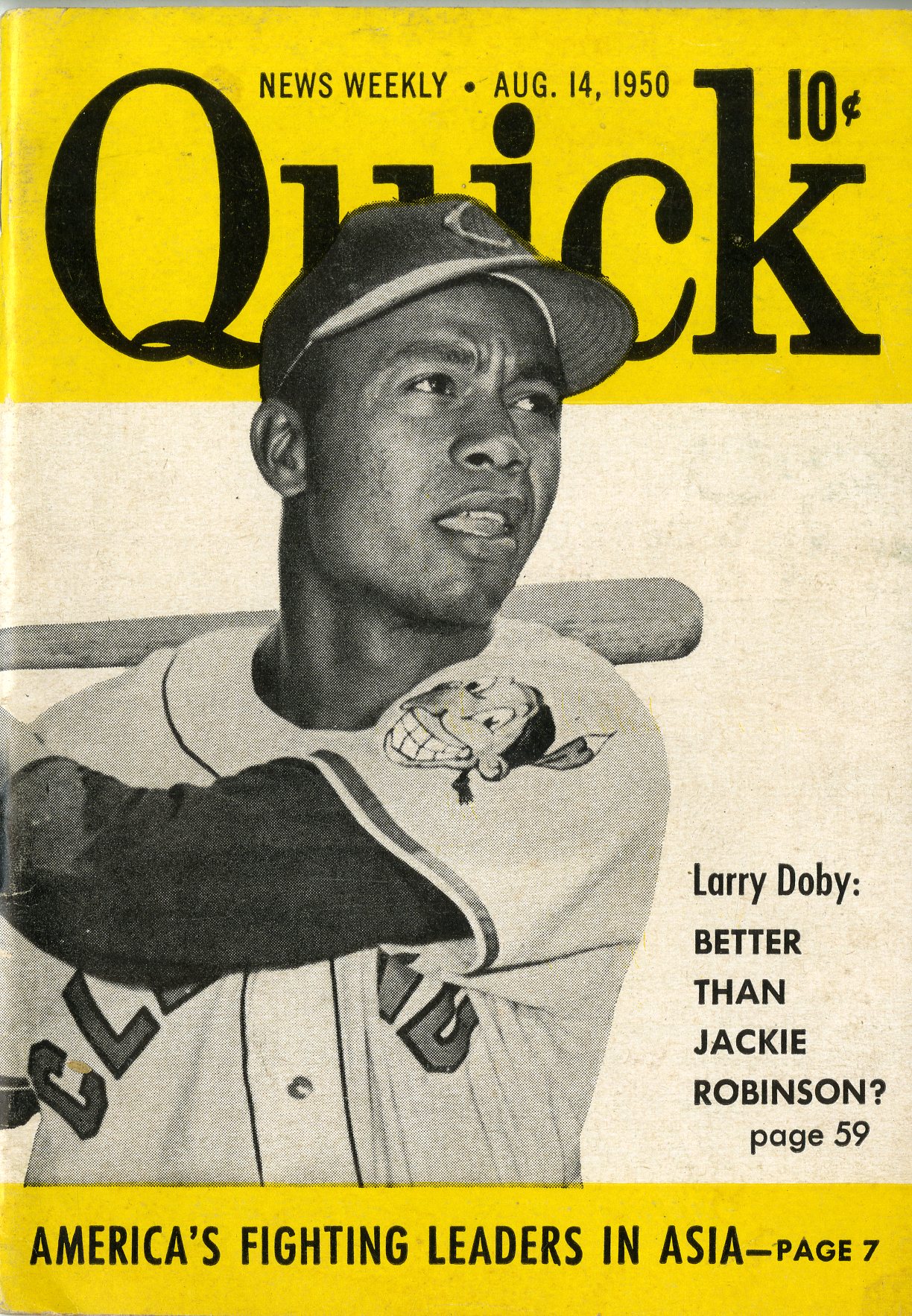
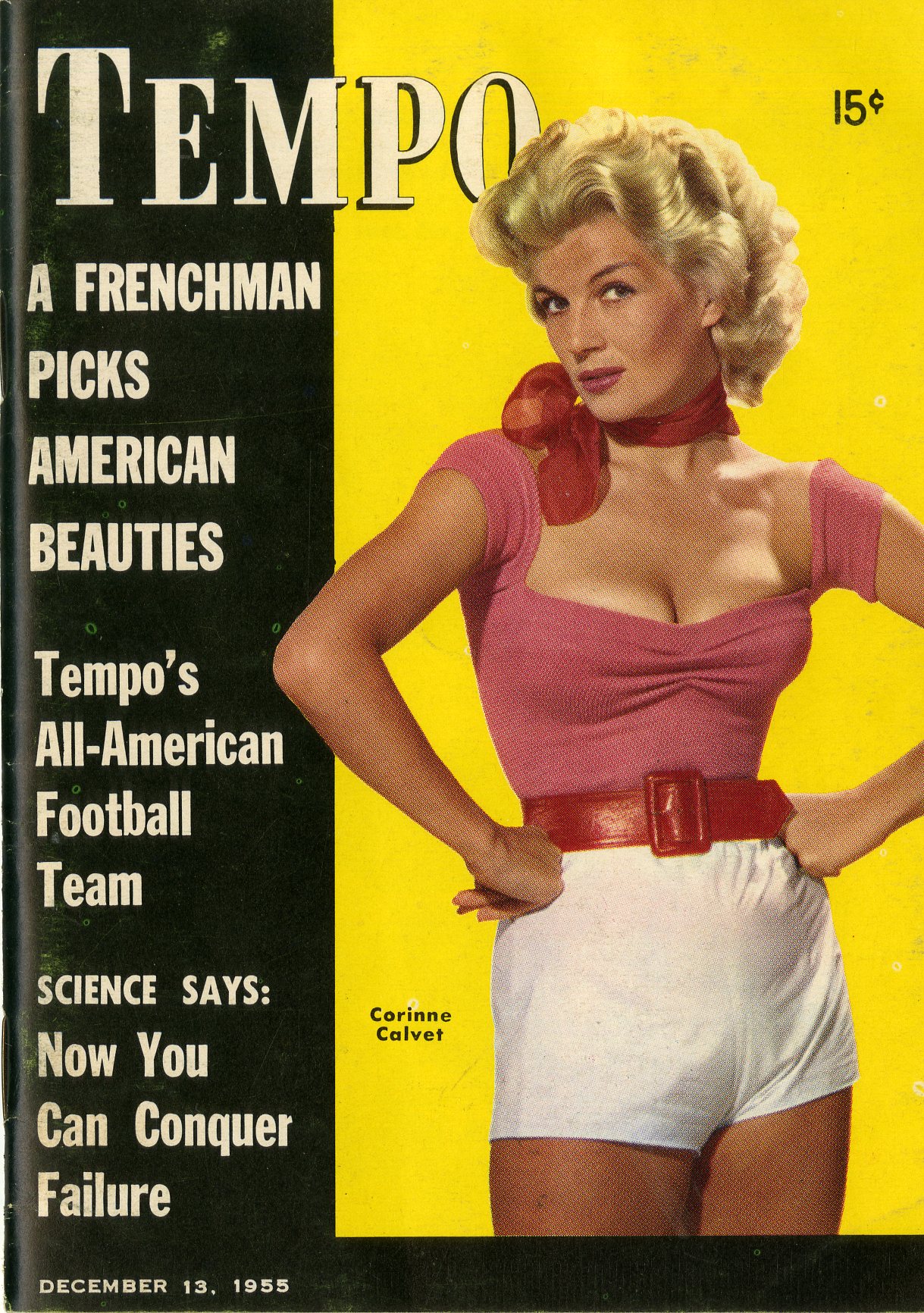
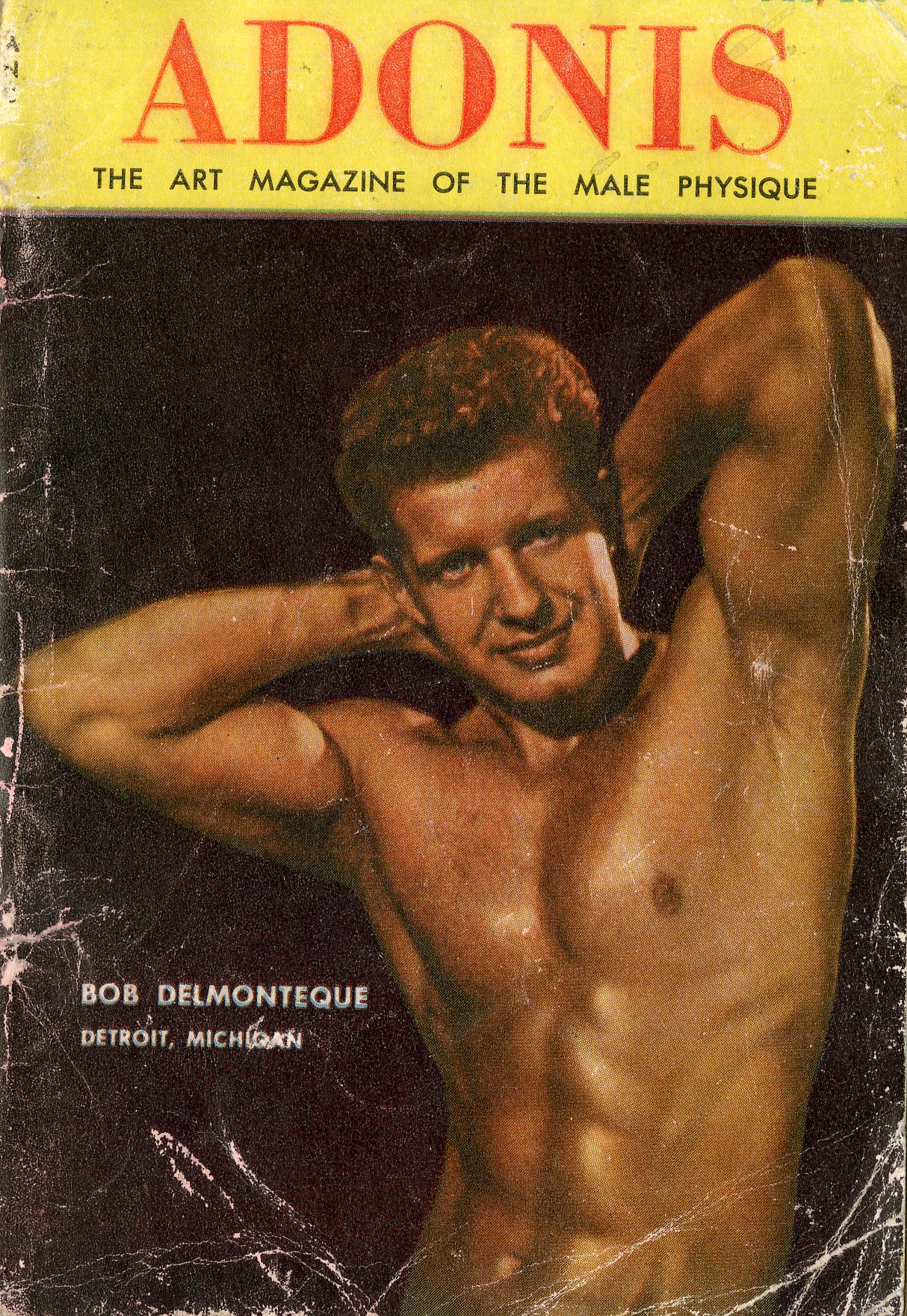
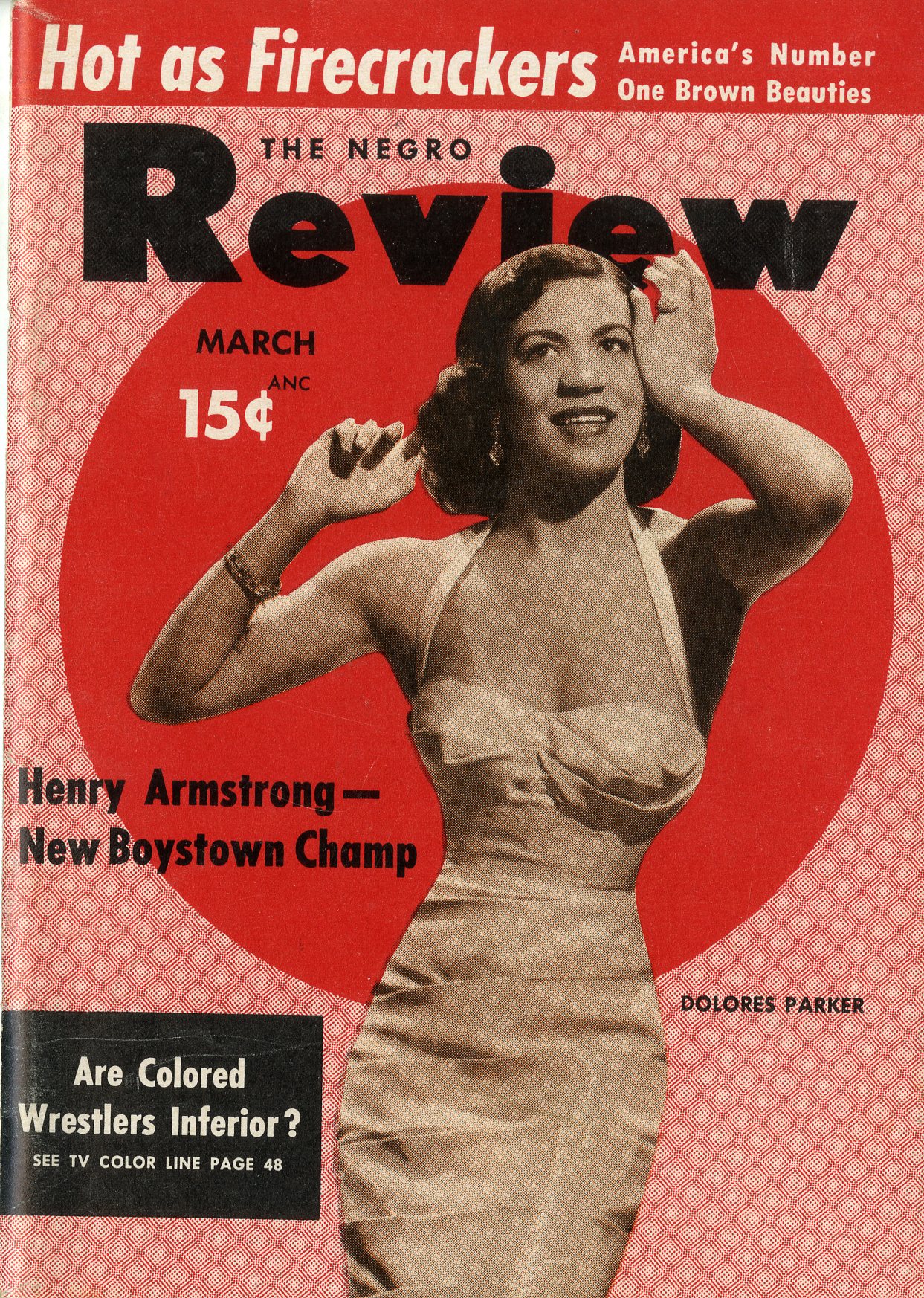
In my research, I discovered a genre of magazines that has technically been ignored. I haven’t seen anything really written about them that give this group of magazines the credit that they deserve. These magazines would have to be described as the “iPhones” of the 1950s. They are the size of a shirt pocket and they were touted as such, “pocket-sized” titles, small enough for men to carry in their shirt pockets or women to carry in their purses. The amazing thing is that even in the 1950s, magazine makers realized that people needed information on-the-go, and if you think about it, these magazines actually blazed the trail for the technology we have today.

In fact, in March 2001, Glamour burst onto newsstands in the U.K. with its own pocket-sized version, promoted as the magazine that “fits into your life and your handbag,” and it was an immediate hit. But long before the 21st century, magazines of this convenient and mobile size were in the marketplace.

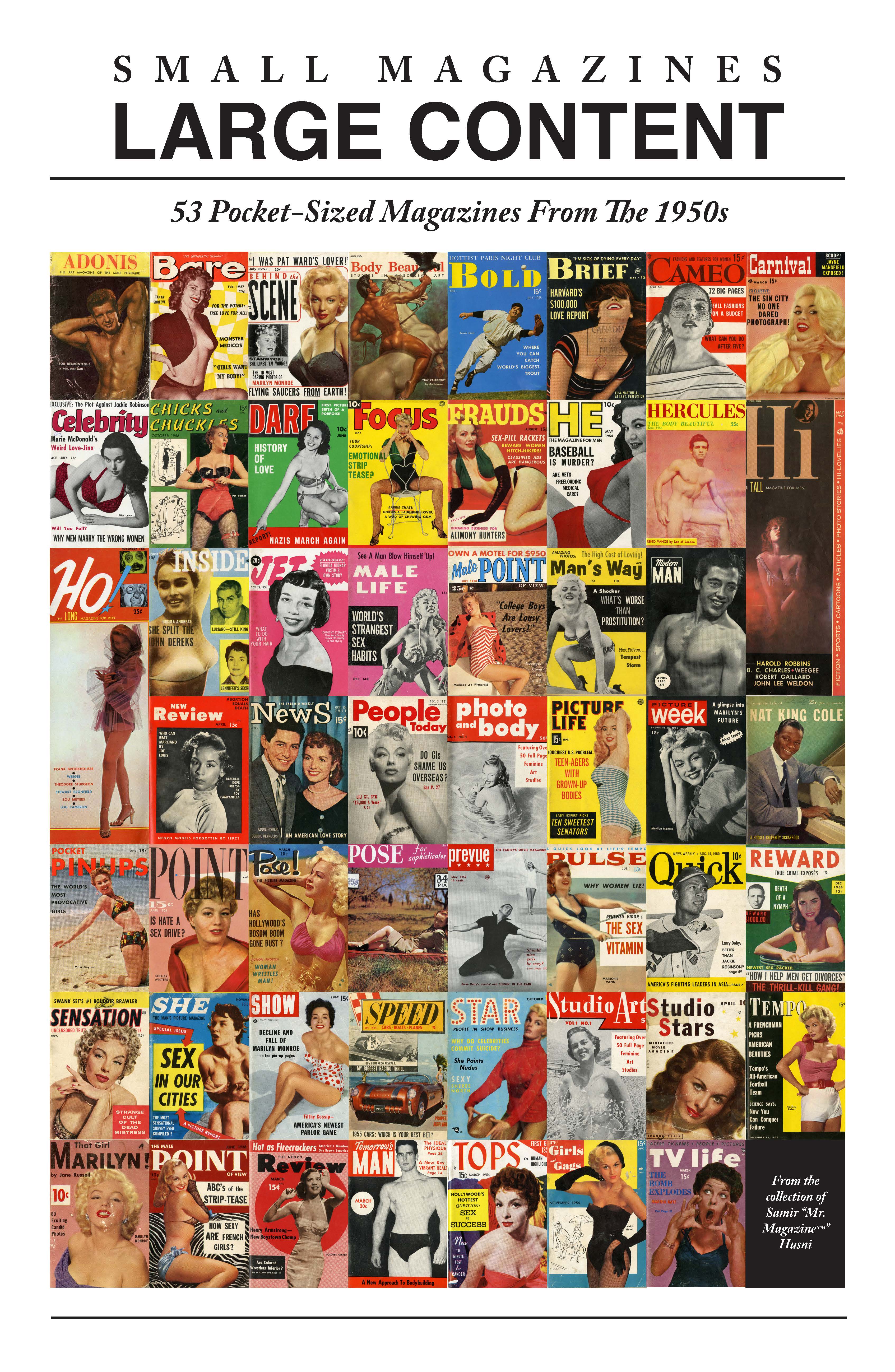
I was able to find 53 pocket-sized titles that covered the gamut when it came to topics. From the newsweekly, a magazine called Quick that was launched by Look magazine, and of course, everyone knows that Look magazine was one of the trio that ruled the magazine industry in the 1940s and the 1950s: Life, Look and The Saturday Evening Post. People are more familiar with those three titles during that era than any of the other magazines.

So, Look launched this weekly magazine called Quick, which was a newsweekly that fit into your shirt pocket or purse. When Quick folded, the staff of that magazine took over and launched another magazine called Tempo, then later on Tempo and Quick merged.

These titles were a personification of the entire magazine industry and the pop culture of that era. They did exactly what digital is doing today, making one’s pocket or purse an outlet for information and the news of the moment. And in the 1950s, those magazines provided the same thing.

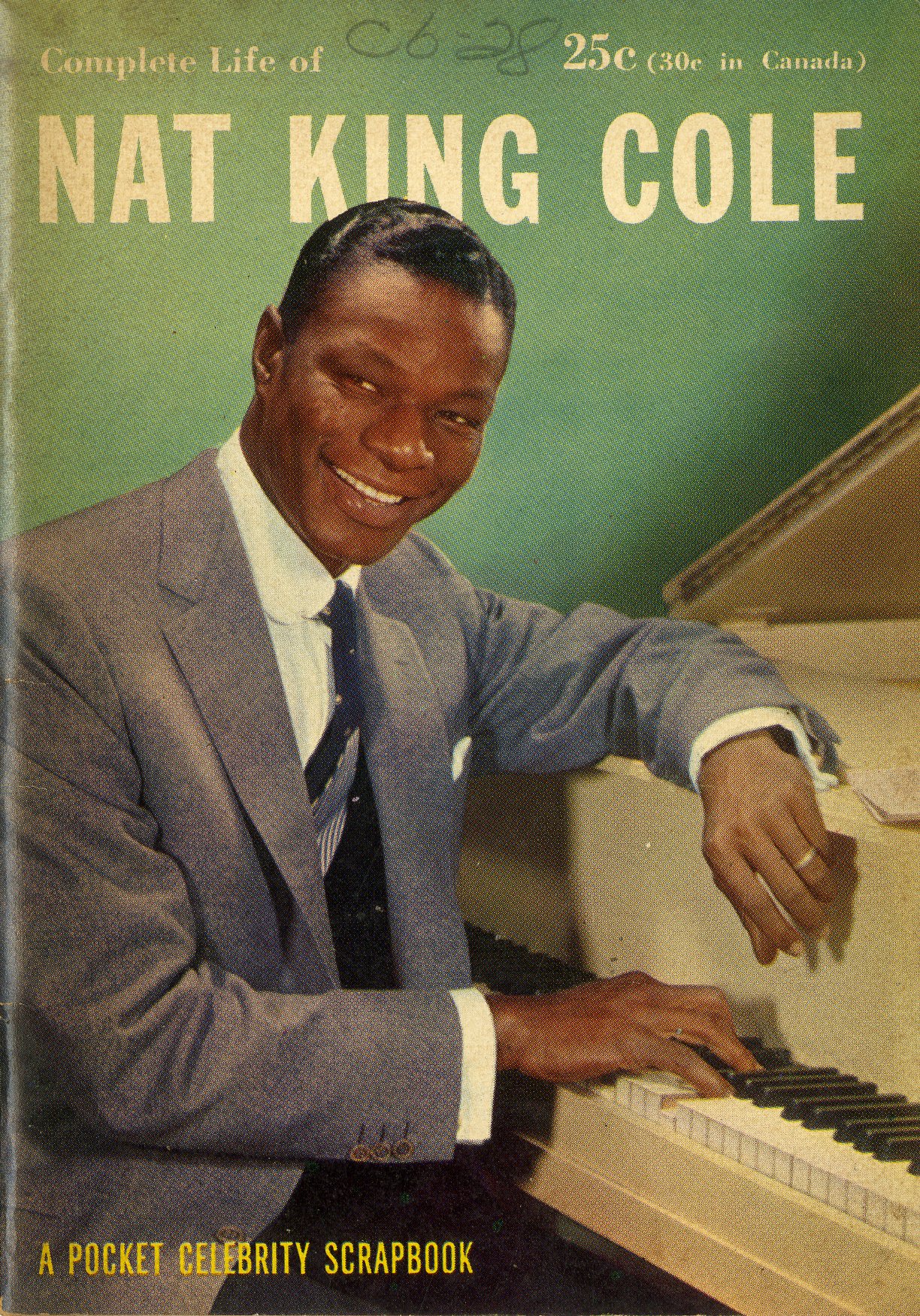
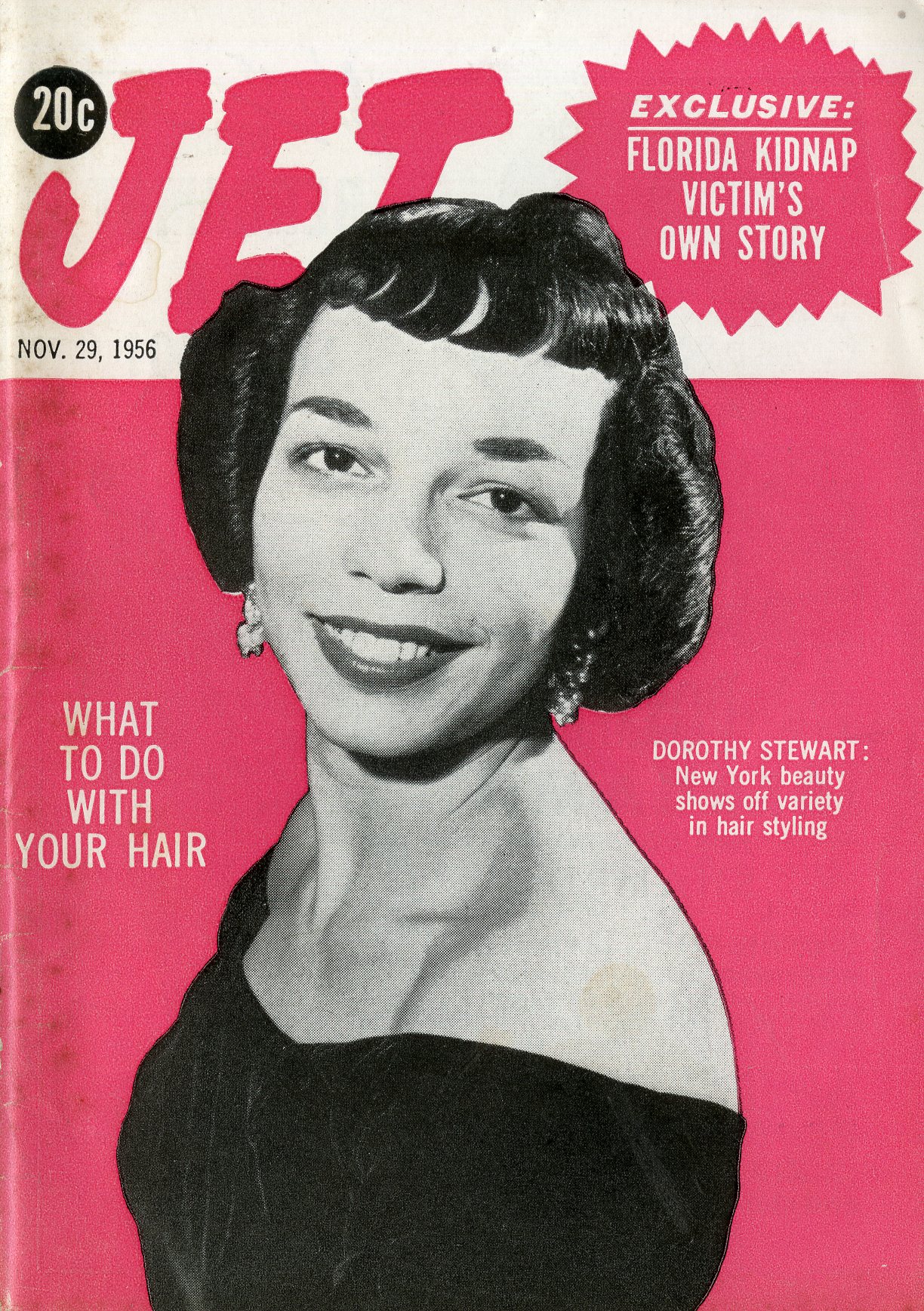
And the information and news they provided was diverse, from Adonis, the art magazine of the male physique to TV Life, which provided people with the latest TV news, people and pictures, and then just everything in between. Sports, celebrities; even Jet magazine, which many people are familiar with today, was part of that genre, and between Jet and The Negro Review, they served the African American audience well. There was the Pocket Celebrity Scrapbook, which gave complete details about the celebrities of the day, such as Nat King Cole and Marilyn Monroe.

However, these titles didn’t shy away from any topic. There were no taboos, although there were a lot of topics that would be considered today not politically correct. Whether it was homosexuality, sex outside the marriage or sex inside the marriage, stories about the dangers of the birth control pill, stories criticizing baseball and stories praising baseball, tales of the world’s most provocative women and tales about the ideal physique for men.

If you look at the titles from the poster I created of these 53 magazines, you will see the variety of the subject matter. From humor to the most serious of topics, these magazines reflected society in their time. That’s why I’ve always said that magazines are the best reflectors of society, no matter what era one may live in. There is nothing that compares to magazines when it comes to mirroring pop culture in the world we live in.


So, enjoy a glimpse of these great covers from the 1950s and keep on reading magazines, for you never know what you might encounter along the way.

Until the next time…

Mr. Magazine™ will see you at the newsstands, somewhere between today and the portals of the past…

h1

Less Than 15 Years Since Its Introduction: Americans Are Already Wary Of The Role Social Media Plays In Delivering The News – The Mr. Magazine™ Interview With Elisa Shearer, Lead Research Associate, Pew Research Center…

October 2, 2019

“When you ask if you think that they (social media) are prioritizing companies that have high reporting standards, for example, or are well-established, maybe from older platforms like print, a lot fewer people see those types of organizations being emphasized on social media. Granted, that’s the public’s view of what’s happening, but they definitely don’t see that when they’re turning to these platforms. They’re seeing  a lot of content from companies that aren’t necessarily well-established or that don’t have super-high reporting standards.”…Elisa Shearer


A Mr. Magazine™ Musing…

It took years, hundreds of years in the case of print and ink on paper,  before people were wary of the role newspapers, magazines, and even television play in delivering the news to their audience.  However, according to a new study from the Pew Research Center, people are wary of the role social media plays in delivering the news, a platform that is less than 15 years old.  While people are turning more and more to social media, they’re not exactly placing their full trust in the resources they find there.

I reached out to Elisa Shearer, lead research associate in the study, and she gave me some very interesting background and statistics on what they found during this eye-opening research study.

Elisa said that while people do use social media for their news, it’s not necessarily for its validity. Convenience, quickness, and the fact that breaking information can usually be found in a matter of seconds after it happens, would appear to be some of the main reasons people gravitate toward their social media when it comes to consuming news.

It’s a very interesting study that shows quite a few insights into our fascination and often obsession with logging into all things social media when it comes to educating ourselves about what’s going on in the world.

So, I hope that you enjoy this Mr. Magazine™ interview with Elisa Shearer, lead research associate on this study, Pew Research Center. I think you’ll be amazed and somewhat surprised.

But first the sound-bites:

On whether the fact that more and more people are using social media for news, yet they’re  wary of it, surprised her: Actually, no, we have seen something like that before. Last year we saw the majority of social media news users who thought that the news they were going to see was largely inaccurate. But when we asked about the reasons why they were using social media for news, a lot of them cited the convenience; they liked interacting with people; it was useful for getting breaking news, so we know some of the reasons that people are turning to these sources even though they’re very pessimistic about it.

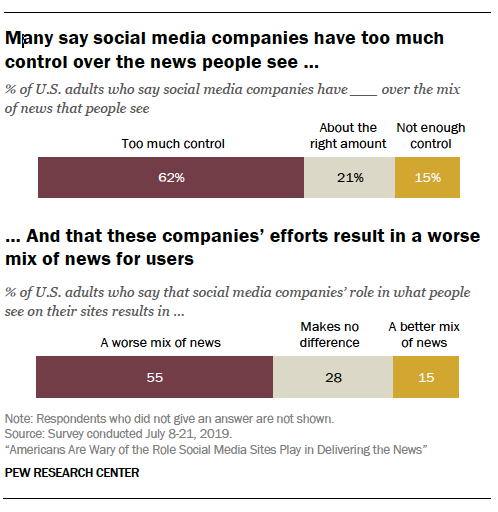
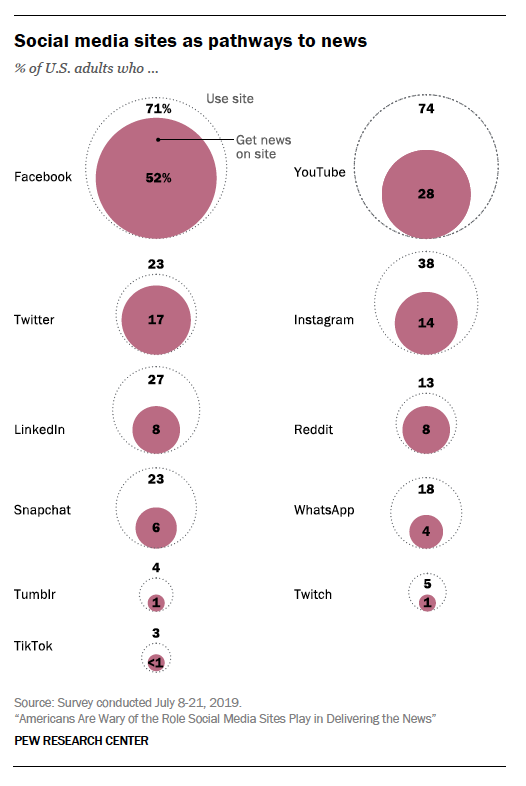
 On whether the rift we’re seeing in our country is also reflected in social media: That’s an interesting question. Thinking about the role this kind of pessimism, about the role social media companies are playing; you see 62 percent of Americans saying that these social media companies have too much control; 55 percent say that what these companies are doing results in a worse mix of news. You do see a party break there, where Republicans are more skeptical about these things; 75 percent of Republicans say that social media companies have too much control, for example. That’s more than the Democrats who say that.

On why she feels there is this big dependency on social media: We’ve compared the trust that people have in national news organizations and local news organizations. For example, the trust that they have with the news that they get from social media, and the trust of those national and local news organizations; it’s much higher with the national and local news sources than with the news they get from social media.

On whether she is concerned by the fact that many people who are aged 65 + aren’t big social media users: Based on the different platforms that people are going to, there is a lot of large age differences in the people who are getting news from TV, for example. This is from 2018, only 8 percent of the 65 + are getting news from social media, but also a lot of the growth in the online news that we’ve seen recently has been led by those 50 and older.

 On whether she is concerned by the status of news today based on her research: I don’t usually speak to my personal concern, but we have been seeing really interesting changes in the way that people are getting news. Last year, the percent of those who get their news consumption from social media often has just surpassed those who get their news from print newspapers often. But also I see a lot of consistency, so I’m tracking social media news here right now. We’ve seen a lot of growth over the past couple of years, but at the same time overall, television is still the most commonly-used platform for news.

On whether the question has come up during her research of why people use social media so much if they’re wary of it: Yes, we have asked that question, but people typically say that it’s very convenient. They’re going to social media sites for a different reason and the news just kind of shows up there. Or that they go there when there’s breaking information, they will go to Twitter, for example. And people have said that they enjoy interacting with people, they enjoy the speed that they get to news, and they enjoy the fact that it’s up-to-date. That’s from a study that we did last year.

On if her research might indicate there is still hope for ink on paper publications when it comes to news: I can’t speak to that directly. We asked people about their sense of what types of organizations are being prioritized by social media companies. Most people say that they know that social media companies are treating some news organizations differently than others. And most people said they kind of see them prioritizing companies that produce attention-grabbing articles or that have a lot of social media followers.

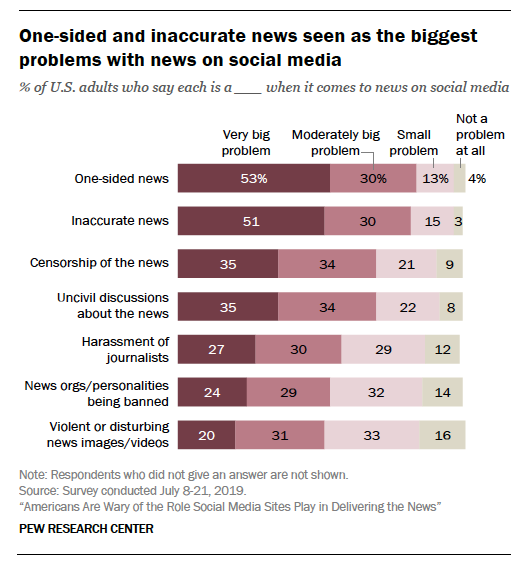
On what she hopes the general public will take away from this study: Great question. People have a lot of different concerns with news on social media, one-sided news, inaccurate news; both of those things are named as a very big problem by about half of the public. There’s also a number of other problems that people named; 35 percent said they disliked the uncivil discussions about the news on social media; 27 percent said that they’re concerned about harassment of journalists; 24 percent said they’re concerned about news organizations being banned, for example. So, I hope that the general public who are reading the study will see part of their own experience reflecting in the figures and be able to think about that more clearly.

On anything she’d like to add: It is interesting that we haven’t seen a lot of growth in social media news use from about 2016. The percent of news gotten in 2016 there often was 18 percent; 20 percent in 2017; 20 percent in 2018. And this year it increased to 28 percent, so 28 percent of Americans are getting their news from social media often. And 55 percent of Americans get news from social media often or sometimes. So, that’s a growth that we’ve seen in the past year.

And now the lightly edited transcript of the Mr. Magazine™ interview with Elisa Shearer, lead research associate, Pew Research Center.

 Samir Husni: People are using more and more social media, yet they are wary of social media when it comes to delivering news. Was that a big surprise to you?

Elisa Shearer: Actually, no, we have seen something like that before. Last year we saw the majority of social media news users who thought that the news they were going to see was largely inaccurate. But when we asked about the reasons why they were using social media for news, a lot of them cited the convenience; they liked interacting with people; it was useful for getting breaking news, so we know some of the reasons that people are turning to these sources even though they’re very pessimistic about it.

Samir Husni: Do you feel that this rift we’re seeing in our country is also reflected in social media?

Elisa Shearer: That’s an interesting question. Thinking about the role this kind of pessimism, about the role social media companies are playing; you see 62 percent of Americans saying that these social media companies have too much control; 55 percent say that what these companies are doing results in a worse mix of news. You do see a party break there, where Republicans are more skeptical about these things; 75 percent of Republicans say that social media companies have too much control, for example. That’s more than the Democrats who say that.

But what’s interesting to me is that even though Republicans are a little bit more pessimistic about this, about half of the Democrats are giving these kind of negative answers. So, 52 percent of Democrats say that the companies have too much control; 49 percent of Democrats and lean Democrats say that these actions result in a worse mix of news.

Samir Husni: Why do you think there’s this big dependency on social media? Do you feel that the legacy news organizations have given up or they just can’t do anything about it?

Elisa Shearer: We’ve compared the trust that people have in national news organizations and local news organizations. For example, the trust that they have with the news that they get from social media, and the trust of those national and local news organizations; it’s much higher with the national and local news sources than with the news they get from social media.

Another thing to consider is that in a different study that we did, we asked people in real time whether they were getting news online. And after they got that news by clicking on a link, we asked them to write down the name of the source of that link. So, a lot of those were from social media. They would click on a link and we’d ask them to name the organization that they ended up on. And people could only provide an answer about half of the time. I think one thing to consider is that a lot of times social media news consumers aren’t even aware or they don’t remember the name of the actual organizations they’re consuming from. We know a lot of the news on social media sites comes from legacy news organizations, like The New York Times dotcom, CNN; they all have a social media presence too.

But there’s kind of a disconnect between people’s awareness of where that news is coming from when they’re getting it from a place like Facebook or Twitter.

Samir Husni: As a researcher, are you worried that when you look at the numbers and you find that the majority of the people who are aged 65 +, which there is almost 72 million of them in this country, are not big users of social media? Is that adding to the divide in the country between the baby boomers and everybody else?

Elisa Shearer: Based on the different platforms that people are going to, there is a lot of large age differences in the people who are getting news from TV, for example. This is from 2018, only 8 percent of the 65 + are getting news from social media, but also a lot of the growth in the online news that we’ve seen recently has been led by those 50 and older.

 Samir Husni: Looking at one of the graphics in the report, it’s funny that it’s only Facebook and Twitter when it comes to the more mature people. 

Elisa Shearer: That graphic isn’t telling you that 24 percent of 50 to 64 year olds get news on Facebook, what it’s telling you is that 24 percent of Facebook’s news users are 50 to 64. Snapchat and Reddit are definitely the sites where the news consumers who view are a lot younger.

Samir Husni: If someone asks you if you’re concerned about the status of news in our country based on your research, what would you say?

Elisa Shearer: I don’t usually speak to my personal concern, but we have been seeing really interesting changes in the way that people are getting news. Last year, the percent of those who get their news consumption from social media often has just surpassed those who get their news from print newspapers often. But also I see a lot of consistency, so I’m tracking social media news here right now. We’ve seen a lot of growth over the past couple of years, but at the same time overall, television is still the most commonly-used platform for news.

So, we’re tracking these new ways that people are getting news and all the ways that’s changing, but a lot of the stuff, like the dependency on television, we just did a big study on local news and local TV, a lot of that kind of environment hasn’t changed that much.

Samir Husni: Have you asked yourself, if people are so wary of social media, why are they using it more?

Elisa Shearer: Yes, we have asked that question, but people typically say that it’s very convenient. They’re going to social media sites for a different reason and the news just kind of shows up there. Or that they go there when there’s breaking information, they will go to Twitter, for example. And people have said that they enjoy interacting with people, they enjoy the speed that they get to news, and they enjoy the fact that it’s up-to-date. That’s from a study that we did last year.

So, we’ve asked that question because so many people do kind of expect it to be inaccurate, they’re concerned about inaccuracies, they’re concerned about biased news on those platforms, but they like the fact that it’s convenient and that it can come to them quickly.

Samir Husni: Based on this research, does this give hope to the print publications, to the newsweeklies, to newspapers, there is still room for ink on paper publications when it comes to news? Or news on paper is an oxymoron now?

Elisa Shearer: I can’t speak to that directly. We asked people about their sense of what types of organizations are being prioritized by social media companies. Most people say that they know that social media companies are treating some news organizations differently than others. And most people said they kind of see them prioritizing companies that produce attention-grabbing articles or that have a lot of social media followers.

When you ask if you think that they are prioritizing companies that have high reporting standards, for example, or are well-established, maybe from older platforms like print, a lot fewer people see those types of organizations being emphasized on social media. Granted, that’s the public’s view of what’s happening, but they definitely don’t see that when they’re turning to these platforms. They’re seeing  a lot of content from companies that aren’t necessarily well-established or that don’t have super-high reporting standards.

 Samir Husni: What do you want the public to take away from this study?

Elisa Shearer: Great question. People have a lot of different concerns with news on social media, one-sided news, inaccurate news; both of those things are named as a very big problem by about half of the public. There’s also a number of other problems that people named; 35 percent said they disliked the uncivil discussions about the news on social media; 27 percent said that they’re concerned about harassment of journalists; 24 percent said they’re concerned about news organizations being banned, for example. So, I hope that the general public who are reading the study will see part of their own experience reflecting in the figures and be able to think about that more clearly.

 Samir Husni: Is there anything you’d like to add?

Elisa Shearer: It is interesting that we haven’t seen a lot of growth in social media news use from about 2016. The percent of news gotten in 2016 there often was 18 percent; 20 percent in 2017; 20 percent in 2018. And this year it increased to 28 percent, so 28 percent of Americans are getting their news from social media often. And 55 percent of Americans get news from social media often or sometimes. So, that’s a growth that we’ve seen in the past year.

Samir Husni: Thank you.

h1

The Spectator Magazine: The British Are Coming… The Mr. Magazine™ Interview With Freddy Gray, Editor, The Spectator, US Edition…

September 30, 2019

A Mr. Magazine™ Launch Story…

“I think people like having The Spectator on their coffee tables at home, and I believe they like the physicality of a printed product. People are tired of looking at screens. You know, we used to talk about “lean back and lean forward” with publications. Lean forward with things like The Economist, lean back with things like Vanity Fair, but I’ve always thought The Spectator was both. We’re informative and we’re entertaining, something that you can read at home and relax with.”…Freddy Gray

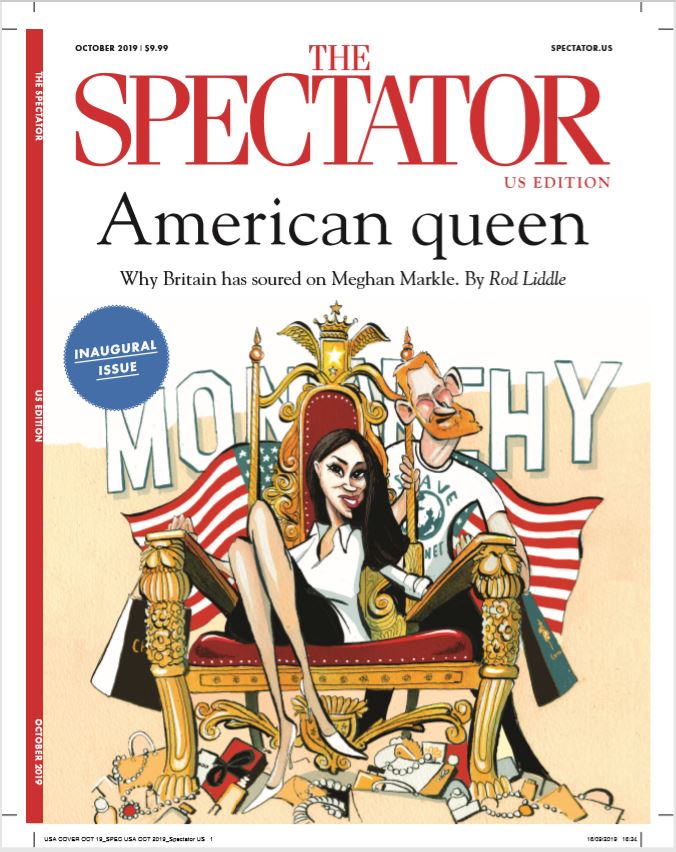
The Spectator, one of the world’s oldest, continuously published magazines (since 1828), is launching a U.S. monthly print version of the magazine on October 1 after starting a U.S. digital presence last year. Freddy Gray is the editor of the new American edition, and deputy editor of its British bulwark, The Spectator, a weekly which  features politics, culture, and current affairs.

The Spectator’s brand of journalism is unique and doesn’t strive to have its readers agree with them. In fact, according to Freddy, he would prefer a little dissension between the content and the reader, it makes for a richer relationship.

I spoke with Freddy recently and we talked about this new American version of the British magazine that’s been around for almost two centuries. Freddy said the powers-that-be at The Spectator were very pleased with how the U.S. website had done here in the states in the year since it began. But why print? Well, the ink on paper magazine has performed excellently in the U.K. for the past three years, no reason to think it won’t here as well.

And while The Spectator is trying to do something unique, Freddy said if he had to compare it to another magazine here in the states, its competition, it would have to be a title like National Review, but they don’t really see themselves as strictly a political magazine, since they have a big focus on books and art, and life in the realm. “We have a whole life section, which is about living life. And I think that makes us unique,” Freddy shared.

His perspective is they aren’t publishing stories in order to tell readers how to think. They aren’t politics bores. They aren’t interested in shaping the conservative or any other movement. They are The Spectator: their highest priority is to provide readers with engaging, beautifully written and entertaining copy.

So, I hope that you enjoy this tale from across the pond that is landing on our American shores soon, the Mr. Magazine™ interview with Freddy Gray, editor, The Spectator (U.S.).

But first the sound-bites:

On why he feels in this digital age there is a need for another print publication, especially one where there are conflicting opinions on the content: The reason we are encouraged by what The Spectator has done so far in the U.S., is that the website has done so well in the last year from scratch. And we know that print works for us in the U.K., it’s been doing really well for the last three years. And I think The Spectator’s USP is “don’t think alike.” We like to publish different opinions in the same magazine. In a world that’s increasingly tribal and polarized, I think people quite enjoy that. Readers like to be challenged.

On how the print edition will be different from the website: The print edition’s features will be more durable, obviously the website is a daily take on the passing scene, but the print edition is a monthly thing.

On what he feels will be the audience’s expectation after reading the first issue and what will be the “wow factor” making them want more: The idea is to challenge and entertain. The Spectator has kept a sense of fun, although I’m a great admirer of American magazines like the National Review and I used to work for The American Conservative. So, I think they’re all great magazines, but I think something that happened with American publications is they stopped having fun. And The Spectator has always kept a sense of humor and that is sorely lacking in these rather stiff and puritanical times.

On whether he feels working for The American Conservative magazine in the past will help him create this new political magazine now: Yes, I think so. The American Conservative is a very interesting publication and a very great publication, because it was set up to kind of oppose the war in Iraq when the rest of the conservative media were thundering toward the invasion of Iraq. It gave me an insight into the Conservative movement, such as it is, that perhaps other British people don’t quite have.

On the biggest challenge he thinks the magazine will have here in the States: The biggest challenge is going to be finding our audience, though we’re starting to do that now. I suppose the biggest challenge is in not falling into these sort of tribal impulses and the nature of these culture wars.

On the rather hefty subscription price of $24 per quarter after the initial first three months for $10: I think you’ll find a higher quality of writing and a higher quality of thinking. And that’s worth paying for.

On this combination of writing and thinking in The Spectator: I’m not exactly sure how much you know about The Spectator, but we’ve always published the greatest English writers. You can look back: Chesterton, Evelyn Waugh, Graham Greene, and many more. We also published quite a few great American writers: Michael Lewis, for example, we published his first-ever piece in The Spectator. We’ve always had this ability to focus on good writing and good writing is a product of good thinking. And that’s something we specialize in.

On how he balances his job between being deputy editor of the mother ship, The Spectator, and editor of the newborn The Spectator in the U.S.: With great difficulty. (Laughs) My editor back in London has been extremely kind and generous and has allowed me to focus on this project, certainly for the last couple of months, almost exclusively. At the moment, I’m pretty much focused on the American title.

On who is his competition in America: I think we’re trying to do something unique, but I suppose the natural competition would be the other conservative magazines like National Review, but I think we’re actually trying to do something a bit different. We sort of see ourselves as not really a political magazine, everybody obsesses over politics in America, and it is fascinating; we’re fascinated by politics, but we also have a big focus on books and art, and life in the round. We have a whole life section, which is about living life. And I think that makes us unique.

On why he thinks, in this digital age, The Spectator has seen this resurgence in print in the U.K. for the last three years: There is a combination of things. I think people like having The Spectator on their coffee tables at home, and I believe they like the physicality of a printed product. People are tired of looking at screens. You know, we used to talk about “lean back and lean forward” with publications. Lean forward with things like The Economist, lean back with things like Vanity Fair, but I’ve always thought The Spectator was both. We’re informative and we’re entertaining, something that you can read at home and relax with.

On what he would hope to tell someone he had accomplished with the magazine in one year: We want to get a foothold in the American magazine market. And I’m confident that we’ll do that.

On whether they’re in it for the long run: We are in it for the long run, our owner is very supportive. And I think they’re going to back us.

On how he would introduce The Spectator to his American audience: The story I would tell people is when I was starting The Spectator there was a letter in it from a reader and it said, I’ve just read the latest issue of The Spectator and I agreed with every article, therefore I’d like to cancel my subscription. And I’ve always thought that’s the great appeal of The Spectator, is that every magazine should have something that you profoundly disagree with or something that irritates you. We can challenge you, but you have to read it and enter into our world, which is a world of challenging what you think and being amusing.

On his opinion of today’s journalism being a bit hard to pinpoint: I think there’s an interesting difference, isn’t there, between the American approach to journalism and the British approach. Americans tend to take journalism a bit too seriously, I think. And it can become a bit stiff and a sort of civic duty. The British probably have the reverse problem of not really caring what’s true and just banging out anything anyway. (Laughs) I think The Spectator is a happy medium between the two.

On anything he’d like to add: I don’t know if you’ve seen our first editorial about our link to America. I think the history of The Spectator in America is quite interesting. The fact that we supported the North in the Civil War and that the former editor was invited to the White House by Teddy Roosevelt when he came over to work on The Spectator. I can’t say that I’ve been offered the same hospitality. (Laughs) But I am happy to be here.

On the biggest misconception he thinks people have about him: (Laughs) I think there are many conceptions about Freddy Gray, so I don’t know if there are many misconceptions, I try not to talk about myself. (Laughs again) I suppose people might think that I’m a bit more rightwing than I am. I’d like to think that a bit like The Spectator, I’m quite heterodox, I have different opinions about different things. I’m not informed by one particular ideology. I like to think differently.

On what someone would find him doing if they showed up unexpectedly one evening at his home: I would almost certainly be drinking a glass of wine and I like reading books, and seeing friends and family, that’s what I do most of the time.

On what keeps him up at night: The time difference between America and Britain. (Laughs)

And now the lightly edited transcript of the Mr. Magazine™ interview with Freddy Gray, editor, The Spectator.

Samir Husni: In the middle of everything that’s taking place in the magazine industry today, why do you feel there is a need for yet another publication, one where half of the readers may agree with the content and the other half may not?

Freddy Gray: The reason we are encouraged by what The Spectator has done so far in the U.S., is that the website has done so well in the last year from scratch. And we know that print works for us in the U.K., it’s been doing really well for the last three years. And I think The Spectator’s USP is “don’t think alike.” We like to publish different opinions in the same magazine. In a world that’s increasingly tribal and polarized, I think people quite enjoy that. Readers like to be challenged.

Samir Husni: How do you think the print edition will be different from what you’ve created on the web?

Freddy Gray: The print edition’s features will be more durable, obviously the website is a daily take on the passing scene, but the print edition is a monthly thing.

Samir Husni: Once I flip through that first issue, what is the expectation from the audience, whether they’re familiar with your website or not? What are you going to offer them and me that is going to wow us to want more?

Freddy Gray: The idea is to challenge and entertain. The Spectator has kept a sense of fun, although I’m a great admirer of American magazines like the National Review and I used to work for The American Conservative. So, I think they’re all great magazines, but I think something that happened with American publications is they stopped having fun. And The Spectator has always kept a sense of humor and that is sorely lacking in these rather stiff and puritanical times.

Samir Husni: You mentioned that you worked at The American Conservative magazine, you were the literary editor there, do you think your background will help you create this new political magazine that has a bit of a twist, so to speak?

Freddy Gray: Yes, I think so. The American Conservative is a very interesting publication and a very great publication, because it was set up to kind of oppose the war in Iraq when the rest of the conservative media were thundering toward the invasion of Iraq. It gave me an insight into the Conservative movement, such as it is, that perhaps other British people don’t quite have.

Samir Husni: The first American issue of The Spectator is coming out on Tuesday, October 1. What do you think is going to be your biggest challenge?

Freddy Gray: The biggest challenge is going to be finding our audience, though we’re starting to do that now. I suppose the biggest challenge is in not falling into these sort of tribal impulses and the nature of these culture wars.

Samir Husni: I see that the magazine is going to be rather expensive, you can get the first three months for $10, but then it’s going to be $24 for every quarter after that. In comparison to most of the American magazines that’s a hefty price to pay. What’s the philosophy behind that?

Freddy Gray: I think you’ll find a higher quality of writing and a higher quality of thinking. And that’s worth paying for.

Samir Husni: Tell me more about that combination of the writing and the thinking.

Freddy Gray: I’m not exactly sure how much you know about The Spectator, but we’ve always published the greatest English writers. You can look back: Chesterton, Evelyn Waugh, Graham Greene, and many more. We also published quite a few great American writers: Michael Lewis, for example, we published his first-ever piece in The Spectator. We’ve always had this ability to focus on good writing and good writing is a product of good thinking. And that’s something we specialize in.

Samir Husni: How do you balance your job between being deputy editor of the mother ship, The Spectator, and editor of the newborn The Spectator in the U.S.?

Freddy Gray: With great difficulty. (Laughs) My editor back in London has been extremely kind and generous and has allowed me to focus on this project, certainly for the last couple of months, almost exclusively. At the moment, I’m pretty much focused on the American title.

Samir Husni: Who’s your competition in America?

Freddy Gray: I think we’re trying to do something unique, but I suppose the natural competition would be the other conservative magazines like National Review, but I think we’re actually trying to do something a bit different. We sort of see ourselves as not really a political magazine, everybody obsesses over politics in America, and it is fascinating; we’re fascinated by politics, but we also have a big focus on books and art, and life in the round. We have a whole life section, which is about living life. And I think that makes us unique.

Samir Husni: You said that in the U.K. The Spectator has had great success in print for the last three years, and needless to say, it is one of the oldest, continuously published magazines in the world. Why do you think, in this digital age, it has seen this resurgence in print for the last three years?

Freddy Gray: There is a combination of things. I think people like having The Spectator on their coffee tables at home, and I believe they like the physicality of a printed product. People are tired of looking at screens. You know, we used to talk about “lean back and lean forward” with publications. Lean forward with things like The Economist, lean back with things like Vanity Fair, but I’ve always thought The Spectator was both. We’re informative and we’re entertaining, something that you can read at home and relax with.

 Samir Husni: Do you have any set goals? If you and I are having this conversation one year from now, what would you hope to tell me you had accomplished with The Spectator?

Freddy Gray: We want to get a foothold in the American magazine market. And I’m confident that we’ll do that.

Samir Husni: We both know it takes deep pockets to start a magazine. Is there a dedicated investor who is going to keep this going even if you hit some stumbling blocks along the way? Are you in it for the long run?

Freddy Gray: We are in it for the long run, our owner is very supportive. And I think they’re going to back us.

Samir Husni: How would you introduce The Spectator to your American audience? What’s your elevator pitch?

Freddy Gray: The story I would tell people is when I was starting The Spectator there was a letter in it from a reader and it said, I’ve just read the latest issue of The Spectator and I agreed with every article, therefore I’d like to cancel my subscription. And I’ve always thought that’s the great appeal of The Spectator, is that every magazine should have something that you profoundly disagree with or something that irritates you. We can challenge you, but you have to read it and enter into our world, which is a world of challenging what you think and being amusing.

Samir Husni: I’ve read your editorial about the uniqueness of the brand of journalism, and in this day and age, where even as a professor of journalism we are sometimes at a loss for what to teach students, is journalism good or bad…

Freddy Gray: I think there’s an interesting difference, isn’t there, between the American approach to journalism and the British approach. Americans tend to take journalism a bit too seriously, I think. And it can become a bit stiff and a sort of civic duty. The British probably have the reverse problem of not really caring what’s true and just banging out anything anyway. (Laughs) I think The Spectator is a happy medium between the two.

Samir Husni:  Is there anything else you’d like to add?

Freddy Gray: I don’t know if you’ve seen our first editorial about our link to America. I think the history of The Spectator in America is quite interesting. The fact that we supported the North in the Civil War and that the former editor was invited to the White House by Teddy Roosevelt when he came over to work on The Spectator. I can’t say that I’ve been offered the same hospitality. (Laughs) But I am happy to be here.

Samir Husni: As we look at the role of the journalist today, what do you think is the biggest misconception people have about you?

Freddy Gray: (Laughs) I think there are many conceptions about Freddy Gray, so I don’t know if there are many misconceptions, I try not to talk about myself. (Laughs again) I suppose people might think that I’m a bit more rightwing than I am. I’d like to think that a bit like The Spectator, I’m quite heterodox, I have different opinions about different things. I’m not informed by one particular ideology. I like to think differently.

Samir Husni: If I showed up unexpectedly at your home one evening after work, what would I find you doing? Having a glass of wine; reading a magazine; cooking; gardening; watching TV; or something else? How do you unwind?

Freddy Gray: I would almost certainly be drinking a glass of wine and I like reading books, and seeing friends and family, that’s what I do most of the time.

Samir Husni: My typical last question; what keeps you up at night?

Freddy Gray: The time difference between America and Britain. (Laughs)

Samir Husni: Thank you.
 

h1

“Is Print Media Obsolete?” – “Can You Physically Feel, Smell Or Touch The Internet?” Question Answered.

September 27, 2019

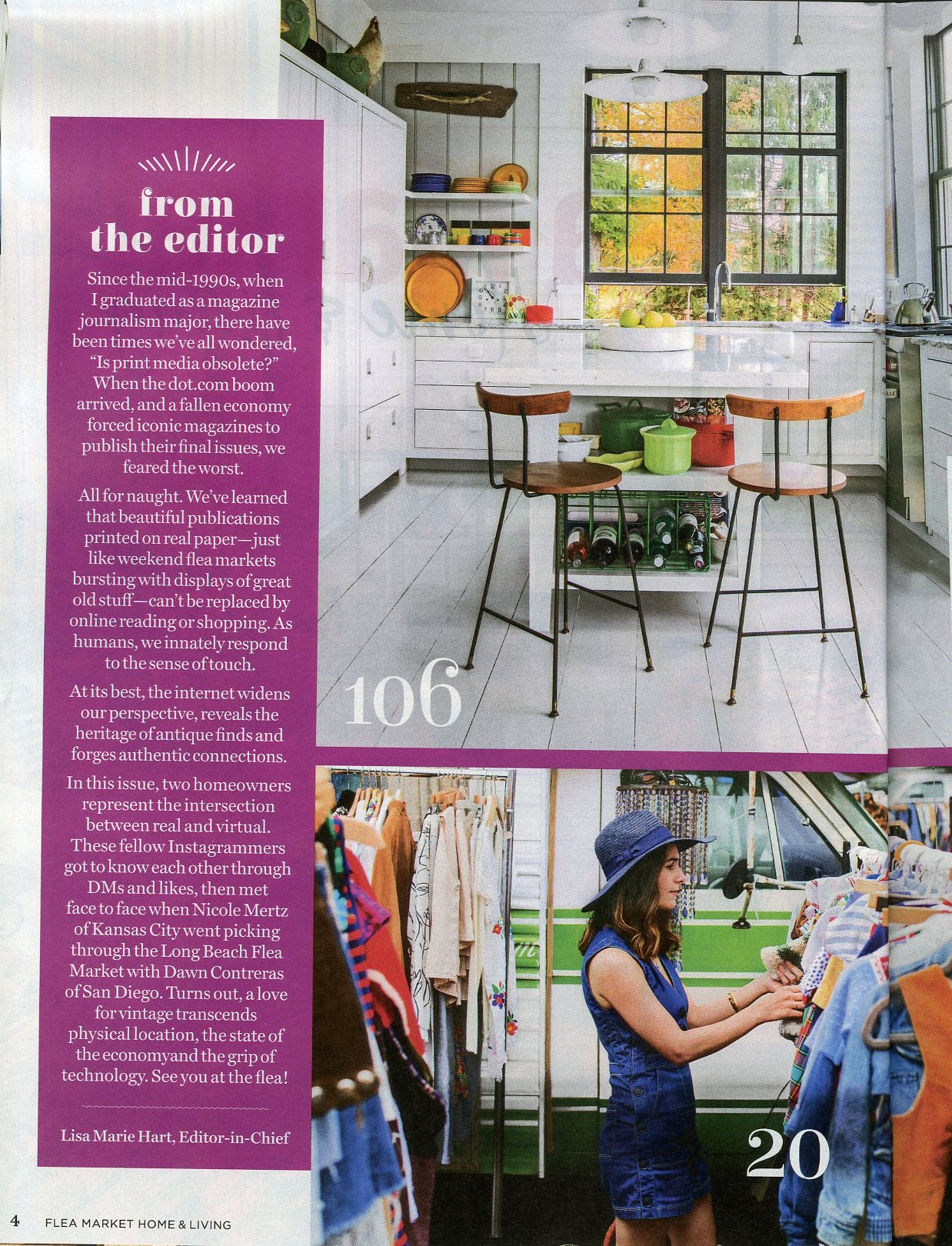
I bought the latest issue of Centennial Media’s Flea Market Home & Living recently, a magazine filled with great ideas and gorgeous images. And when I came upon the Editor’s Letter of this issue, as usual, as I do with all my magazines, I couldn’t wait to read it. The question was put out there that everyone in the industry may have asked themselves at one point in time: “Is Print Media Obsolete?” I was blown away by the eloquence and truth of Editor in Chief, Lisa Marie Hart’s answer, comparing a beautiful ink on paper publication to a weekend flea market overflowing with “great old stuff.” As I held the magazine in my hand and read her words, I knew what she was saying. That while many today may still think print is dead or dying, the proof is in the “paper,” so to speak. You can’t replace experiencing an intriguing flea market on a beautiful Saturday morning with just visiting a website. Same goes for experiencing a lustrous ink on paper magazine, pixels just can’t compare! Print Media will never be obsolete!

From the Editor

Since the mid-1990s, when I graduated as a magazine journalism major, there have been times we’ve all wondered, “Is print media obsolete?” When the dot.com boom arrived, and a fallen economy forced iconic magazines to publish their final issues, we feared the worst.

All for naught. We’ve learned that beautiful publications printed on real paper – just like weekend flea markets bursting with displays of great old stuff – can’t be replaced by online reading or shopping. As humans, we innately respond to the sense of touch.

At its best, the internet widens our perspective, reveals the heritage of antique finds and forges authentic connections.

h1

Bauer’s Secret Sauce For Success: Connectivity With The Readers. The Mr. Magazine™ Interview with Steven Kotok, CEO, Bauer Media Group USA.

September 23, 2019

I think the successes (of Bauer in 2019) were really that we’re the only major publisher to have absolute growth in the ad revenue, the absolute year after year growth in the subscription revenue and the continued share growth on the newsstand. The successes as well, being our products in a reader-driven company, the changes we made to Woman’s World based on our reader study, taking it even more toward inspirational type of content… And the kind of editorial success, where we feel like we’re still engaging our readers the way that we want to engage them.” …Steve Kotok (On the success story of Bauer in 2019)


Would you believe me if I told you that there is a magazine media company in the United States of America that is doing well, very well indeed, on all fronts: advertising revenue, subscription revenue, and holding its own on the newsstands revenue.  Ad revenue up 38% in the first six months of 2019, ad pages up 24% for the same period.  Subscription revenue is up year to year, and the newsstands, in a market where some publishers have seen a drop as deep as 22%, Bauer has performed better than all the top publishers by dropping only 4% in retail dollars.

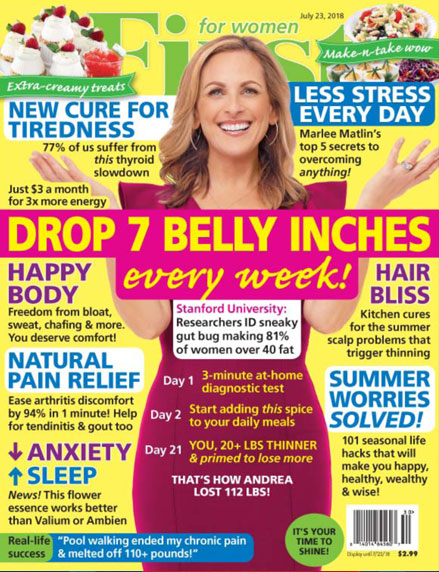
Add to that Bauer Media USA publishes the two bestselling magazines at retail in the country, Woman’s World and First for Women. The refocus on women for the entire company has been a continuation of success for Bauer. Success that has produced a partnership with the world’s largest retailer: Walmart. Whoa, Wait. available exclusively at Walmart, originated from a pair of personal shoppers who gained their fame on Instagram (a prime example of print and digital working together) and who now can be found on the pages of print in a magazine you can find both at the frontend by checkouts and in the mainline of the store.

Steven Kotok is CEO of Bauer Media Group USA and believes reader connection is key to media companies being successful today. With the two largest selling magazines on the newsstands, Woman’s World and First for Women, Bauer and its master at the helm know a thing or two about women’s service journalism. So much so that while others are seeing a decline in ad pages and ad revenue, Bauer is seeing increases. No top publisher has performed better than Bauer on the newsstands, and they have the smallest subscription to newsstand sale ratio. Market shares are growing and Woman’s World sells more total copies than any other magazine.

So what’s the secret sauce? How are they performing these daring feats? I asked Steve just that in a recent conversation we had and his answer was simple:  we believe in our connection with the reader. Audience first. Music to Mr. Magazine’s™ ears. During the conversation, I heard the total love for Bauer and for what he is doing in the tone of his voice. The humble and kind way he spoke about his coworkers and his staff, the generosity he gave all the other titles out there belonging to other publishing companies was inspirational. And his true and total belief in Bauer’s mission in women’s service magazines was stalwart.

While many others are still in scared-mode and have a “the-sky-is-falling” mentality, Steve is hopeful. To paraphrase what he said: the sky is always falling to some degree, have hope, it hasn’t hit the ground yet. And Mr. Magazine™ believes it never will.

So, I hope that you enjoy this delightful conversation with a man who is both humble and visionary, the Mr. Magazine™ interview with Steven Kotok, CEO, Bauer Media Group USA.

But first the sound-bites:

On how he would describe the status of magazine media today from Bauer’s point of view: As you know, Bauer is a very unique company in that 90 percent of the revenue comes from our readers, so I wouldn’t say that we’re typical or a bellwether. From our perspective the state of media is obviously a challenging industry, but for us it’s strong. Our readers still connect with our products. Our concern is gatekeepers; it’s the gatekeepers on the retail side, which is part of why we’ve been building our subscription base more aggressively so that we have that ability to connect with them. For our demographic and what we do and the way we do it – service content for the readers we serve, it’s strong. Our concern is the supply chain and things like that, not reader demand.

On being quoted as saying that Bauer was “looking for alternatives” to that supply chain: We are. That may be more of a medium term project, but we’re definitely, on an ongoing basis, kind of pricing out whether there was a shock to the supply chain, because we need to know how to get our product to where the readers are buying it in a different way or very quickly. We make a choice at some point to make that change. It seems prudent to know how we would go about that and to, on an ongoing basis, understand the financial costs, as well the resource and logistical distraction type costs.

On the fact that publishers used to work together to get readers and now that’s not so common: I don’t want to overgeneralize, and I’m sure someone can point to a lot of counter examples, but I’ve generally found that on the reader revenue side there’s a lot of collaboration. I mean, publishers who were supposed bitter rivals would always allow each other to mail each other’s mailing lists for direct mail, for example. Not out of the goodness of their hearts, but out of reciprocity. They wanted that ability and they figured if you mailed their people and they mailed your people, the right people are going to subscribe to the right magazine.

On retail space shrinking in the giant chains, yet Bauer has just published a magazine specifically for Walmart: There are trends and then there are individual products. An individual product that is going to connect with the readers is still going to succeed in an up market or a down market. The Whoa, Wait Walmart is designed for that Walmart shopper, the content is shoppable. We worked with Walmart; we followed their guidance and were able to put that Walmart label on the cover and it’s actually one of the rare  magazines sold both in the frontend by the cash registers, but also in the mainline.

On why Walmart chose an ink on paper product for an idea that originated on Instagram: I don’t know that they chose it. I think the Whoa, Wait Instagram account and blog, from two women who have really connected with their audience in a very unique way; I think Walmart was aware of the power of that. I think honestly, if we had come to them with a product that they thought didn’t do what the shopper wanted, we wouldn’t have gotten anywhere with them. They get offered a lot of things all the time, so I don’t think they chose it as much as we made them a pitch based on our partners’ understanding of the Walmart shopper and our understanding of the Walmart shopper. And Walmart believed that we hit it right.


On why no one has been able to replicate the success of Woman’s World and First for Women: I don’t know that anyone is trying to replicate the formula. Again, we build our business from a different revenue model than a lot of these other also great products. As you are, I’m a lover of magazines, so I don’t look around and see a bunch of terrible products and then just two great ones. There are a ton of great products out there, ours happens to be oriented toward the retail buyer. It’s meant to be purchased for a certain use and a certain environment.

On why Bauer’s numbers are up, subscriptions are growing, ad revenues are up, while many other publishing companies can’t say that: On the subscription side it’s really investment; we believe in our connection with the reader. It hasn’t really been as much of a focus in the past, when the retail supply chain was healthier, it wasn’t as much of a need, but we wouldn’t make those investments if they didn’t return to us in the readers responding and subscribing and renewing, but that’s purely from investment.

On whether it was the right decision to sell the celebrity titles and focus on women’s magazines: It was definitely the right decision. The way that category was going, there needed to be an efficiency of one owner of that category. When we looked again, and as Mrs. Bauer said recently, in terms of decades, not in terms of years, as we looked over the real long-term, if we’re going to make that kind of investment, it seemed like making it in the women’s space was the best place to make it. So, we made the decision to sell, but we’re looking to make acquisitions in the U.S., but probably not in that category. AMI is a very good operator and we respect them a lot, but it’s a tough category. Those titles are down pretty significantly on the newsstand.

On Bauer’s interest in acquisitions: It takes a lot of work to do that, but yes, that’s where we have a big focus going forward into 2020. Again, as a long-term operator we think there are opportunities, whether that’s print properties, like the celebrity portfolio that we think will fare better under AMI’s ownership than maybe things that will fare better under our ownership, or whether it’s more in the digital space. Again, with the focus on properties driven by consumer revenue, or at least consumer action, a consumer performance type of marketing.

On whether they ever ask themselves about publishing another women’s weekly magazine: We do ask those kind of questions a lot. We look at First for Women, which does so well, and think could we raise the frequency of that? It’s strange because First for Women is maybe the only 17 x per year product out there, but it actually seems to be the right frequency for it. We’ve looked at taking it more frequent and for a variety of reasons I think it’s going to perform better at the frequency it is. So, no, I don’t think we believe there’s a way to slice and dice the market that way. We definitely have ideas, things that we’d love to do editorially, but I just don’t know if that… it’s just so tough to get that retail space now. The investment isn’t just investing in the brand and in the staff, it’s really investing in that real estate. It’s not impossible, but I think a weekly would probably be unlikely.

On who devalued magazines at retail, the publishers or the retailers and distributors, who’s to blame: For some products, their demand may have changed. Obviously, there has been an overall decline in retail sales for some. Maxim, where I used to work, we would sell a million of some issues and those days, selling a young men’s product like that, are gone. So, I do think some of it was a readjustment to what types of products work in that medium. I don’t think it was killed by retailers. Like a Maxim, for example, I don’t think we would still be selling a million if not for the evil retailers. I believe that this rapidly changing society and economy, and what content in what medium people want, does change.

On whether he feels the bookazine market is saturated: There’s probably some oversaturation there, But I don’t think that’s uncommon when there’s a growth area in print. I think we’ve seen that in many categories that showed growth, as you see a little bit of a mini gold rush from oversaturation. I don’t think it’s a great thing and that it will equalize to where it should be, but I think it’s a good thing in the sense that the vitality and growth is there and that people want to invest into that.

On what success stories he would share with Mrs. Bauer from 2019: First of all, anyone meeting with Mrs. Bauer should be talking about 2020 and 2030 and what they’re doing to build the company she owns. But if she were to ask, I think the successes were really that we’re the only major publisher to have absolute growth in the ad revenue, the absolute year after year growth in the subscription revenue and the continued share growth on the newsstand. The successes as well, being our products in a reader-driven company, the changes we made to Woman’s World based on our reader study, taking it even more toward inspirational type of content. That’s just as important to her. And the kind of editorial success, where we feel like we’re still engaging our readers the way that we want to engage them.

On any stories he would share with Mrs. Bauer about things that he wished the company hadn’t done: That’s a good question. I think a lot of those are things that you wished you’d done sooner. There are so many things, as much as we want to be a fast-moving company and a low bureaucracy company, there’s still things like the CMS we’re on or certain types of process things, where we could run more efficiently, probably all of those, if we were wiser, we would have gotten there faster. But I don’t think we made any big missteps. I believe there are some things in our own bookazine program that we’ve really made more efficient and more successful, but again, that’s more a matter of things we probably could have done more quickly.

On anything he’d like to add: The main thing is a lot of it is the people. We’ve done so much work here internally to get to know each other better and to communicate with each other better. The numbers are great, but the hidden strength is that we are all starting to work really well together. There are a lot of new people here and it has taken us time to get to know each other and I think that’s a strength.

On the biggest misconception he thinks people have about him: I’m not sure anyone thinks about me enough to have a misconception. (Laughs) I think people have pretty accurate perceptions. When I was a print guy, people would perceive your ability in a certain way; when I was at the Wirecutter, which was 100 percent digital, people perceived it in a certain way; now I’m at a print company and people perceive it in a certain way. Something that I get when I’m interviewing people is that people’s abilities are  more diverse and flexible than I think most people realize.

On what keeps him up at night: I think when you’re in media, in general, including digital, anyone who started doing this long ago learned that you have to be able to sleep at night. The sky is always somewhat falling, in digital as well, as you see with BuzzFeed and others, I think if you don’t sleep well at night, you should be in a different business, because of its very nature. The idea that you don’t sleep well at night is because something is changing in a scary way, but that’s been the case for 20 years, to the extent that it really shouldn’t be scary anymore.

And now the lightly edited transcript of the Mr. Magazine™ interview with Steven Kotok, CEO of Bauer Media Group USA.

Samir Husni: How would you describe the status of magazine media today from Bauer’s point of view?

Steven Kotok: As you know, Bauer is a very unique company in that 90 percent of the revenue comes from our readers, so I wouldn’t say that we’re typical or a bellwether. From our perspective the state of media is obviously a challenging industry, but for us it’s strong. Our readers still connect with our products. Our concern is gatekeepers; it’s the gatekeepers on the retail side, which is part of why we’ve been building our subscription base more aggressively so that we have that ability to connect with them. For our demographic and what we do and the way we do it – service content for the readers we serve, it’s strong. Our concern is the supply chain and things like that, not reader demand.

Samir Husni: You were quoted recently that you were “looking for alternatives” for that supply chain.

Steven Kotok: We are. That may be more of a medium term project, but we’re definitely, on an ongoing basis, kind of pricing out whether there was a shock to the supply chain, because we need to know how to get our product to where the readers are buying it in a different way or very quickly. We make a choice at some point to make that change. It seems prudent to know how we would go about that and to, on an ongoing basis, understand the financial costs, as well the resource and logistical distraction type costs.

Samir Husni: As they like to say in Europe, in the “golden-olden” days, magazine publishers used to work together, whether it was to establish national distributors, wholesalers… they were always working together. You don’t see that anymore. Has the industry become so fragmented and dominated by publishers that they don’t want to work with each other?

Steven Kotok: I don’t want to overgeneralize, and I’m sure someone can point to a lot of counter examples, but I’ve generally found that on the reader revenue side there’s a lot of collaboration. I mean, publishers who were supposed bitter rivals would always allow each other to mail each other’s mailing lists for direct mail, for example. Not out of the goodness of their hearts, but out of reciprocity. They wanted that ability and they figured if you mailed their people and they mailed your people, the right people are going to subscribe to the right magazine.

On the retail side, it’s a little more competitive for space, but I think there is also collaboration on working to make the larger retail chains understand the value of the magazine retail buyer. People who buy magazines in retail also buy, surprisingly, a lot more groceries and other items.

On the reader side, I think there has always been a lot of collaboration, because it’s not really competitive, people can buy more than one magazine. On the advertising side, I find it’s a little more of a zero-sum game, the ad budgets are fixed and people compete for that. So, I don’t want to overgeneralize, I’m sure people will point to all sorts of ad cooperation, but that’s generally what I’ve seen. And because the U.S. magazine business is kind of more ad-driven, they’re often run by people from that side, but historically I think there has been less of that cooperation than in Europe.

Samir Husni: You mentioned there is cooperation on the retail side, yet you can see that the retail space is shrinking, the nature of the magazines distributed in the retail space is moving from regular frequency magazines to bookazines. And even a giant retailer like Walmart is reducing the space allocated for magazines, yet you have published a magazine specifically for Walmart. Can you elaborate on that?

Steven Kotok: There are trends and then there are individual products. An individual product that is going to connect with the readers is still going to succeed in an up market or a down market. The Whoa, Wait Walmart is designed for that Walmart shopper, the content is shoppable. We worked with Walmart; we followed their guidance and were able to put that Walmart label on the cover and it’s actually one of the rare  magazines sold both in the frontend by the cash registers, but also in the mainline.

So, we had that support with them and Walmart isn’t known as a company that’s not thoughtful about what they do. So, that was based on their understanding of their shopper and their appreciation for what we were offering them. So, I think a good product can still break through decline or growth.

Samir Husni: Why did Walmart choose an ink on paper product for an idea that originated on Instagram?

Steven Kotok: I don’t know that they chose it. I think the Whoa, Wait Instagram account and blog, from two women who have really connected with their audience in a very unique way; I think Walmart was aware of the power of that. I think honestly, if we had come to them with a product that they thought didn’t do what the shopper wanted, we wouldn’t have gotten anywhere with them. They get offered a lot of things all the time, so I don’t think they chose it as much as we made them a pitch based on our partners’ understanding of the Walmart shopper and our understanding of the Walmart shopper. And Walmart believed that we hit it right.

Samir Husni: Bauer has Woman’s World and First for Women, the largest selling magazines on newsstands. Technically, nothing comes close to them, especially with Woman’s World. What’s the secret sauce that you use and why do you think nobody has been able to replicate this formula?

Steven Kotok: I don’t know that anyone is trying to replicate the formula. Again, we build our business from a different revenue model than a lot of these other also great products. As you are, I’m a lover of magazines, so I don’t look around and see a bunch of terrible products and then just two great ones. There are a ton of great products out there, ours happens to be oriented toward the retail buyer. It’s meant to be purchased for a certain use and a certain environment.

Other products are really made more for subscribers and on a more ad-revenue model. And they may be incredibly successful at that, but I don’t know that a lot of other publications are trying to serve the reader that we serve, in the environment that we serve them in. We’re all just doing different things. I do think that we’re the best at what we do, but someone else may be the best at what they do. So, I don’t think others have failed, we’ve just gone a very unique path as part of our European heritage of that kind of reader-driven business model.

Samir Husni: When I look at the numbers, I see that your ad revenues are up, where not too many companies can say that. You have the largest total number of copies sold on newsstands; you’re growing your subscriptions; you’re challenging the retail market – do you feel like a loner in this space, or are you getting ready for call to arms, or is it the New Jersey water instead of New York?

Steven Kotok: (Laughs) On the subscription side it’s really investment; we believe in our connection with the reader. It hasn’t really been as much of a focus in the past, when the retail supply chain was healthier, it wasn’t as much of a need, but we wouldn’t make those investments if they didn’t return to us in the readers responding and subscribing and renewing, but that’s purely from investment.

On the advertising side it definitely comes from hiring great people here. We really focused our message when we focused our company around being a women-focused company. We did a deep reader study and brought those reader insights to the advertising community.

I think a lot of it too is, whether it’s a pendulum or whether it’s a shift, there is a recognition that reader connection is more important than ever. And I think that’s driving, just anecdotally from our experience, and it is from the advertiser’s response, it seems to be driving advertising decisions maybe in a more significant way than it has in the past. Maybe magazines aren’t as glamorous or something, so just the pure efficacy matters more, which is where we think we really separate ourselves with engagement.

It’s hard to say, but I think that there has definitely been a shift and as magazines are trying to get more revenue out of their readers, I think that advertisers also recognize ability to activate is more important. So, we definitely changed our messaging, but I also think what the advertising community values and emphasizes may have shifted as well.

Samir Husni: When you made the decision to sell the celebrity titles and focus on women’s magazines, and in fact refocus the entire Bauer Media in the United States on that, some people asked whether you had lost your mind or just what was going on, the company had launched all of these weeklies and now you were selling them, many may have thought the company was in trouble. As you look back, was that the right decision? And now as a Monday morning quarterback, do you have any regrets or maybe think you should have done something differently, or are you happy with your decision?

Steve Kotok: It was definitely the right decision. The way that category was going, there needed to be an efficiency of one owner of that category. When we looked again, and as Mrs. Bauer said recently, in terms of decades, not in terms of years, as we looked over the real long-term, if we’re going to make that kind of investment, it seemed like making it in the women’s space was the best place to make it. So, we made the decision to sell, but we’re looking to make acquisitions in the U.S., but probably not in that category. AMI is a very good operator and we respect them a lot, but it’s a tough category. Those titles are down pretty significantly on the newsstand.

So, we absolutely know that we made the right decision and it has paid off with the products we have seeing growth, an absolute growth in multiple revenue streams, not just share growth. And we’re going to back that by investing further into the category, whether it’s print or digital. That’s the focus for us really, around the women and health space.

Samir Husni: And did I hear you right when you said you’re looking to acquire or buy?

Steve Kotok: We are. It takes a lot of work to do that, but yes, that’s where we have a big focus going forward into 2020. Again, as a long-term operator we think there are opportunities, whether that’s print properties, like the celebrity portfolio that we think will fare better under AMI’s ownership than maybe things that will fare better under our ownership, or whether it’s more in the digital space. Again, with the focus on properties driven by consumer revenue, or at least consumer action, a consumer performance type of marketing.

Samir Husni: Being the publisher of the only women’s weekly magazine left in the country, a women’s service journalism weekly, have you ever asked yourself why don’t we compete with ourselves and publish another women’s weekly? Or do you think the market can only handle one?

Steve Kotok: We do ask those kind of questions a lot. We look at First for Women, which does so well, and think could we raise the frequency of that? It’s strange because First for Women is maybe the only 17 x per year product out there, but it actually seems to be the right frequency for it. We’ve looked at taking it more frequent and for a variety of reasons I think it’s going to perform better at the frequency it is. So, no, I don’t think we believe there’s a way to slice and dice the market that way. We definitely have ideas, things that we’d love to do editorially, but I just don’t know if that… it’s just so tough to get that retail space now. The investment isn’t just investing in the brand and in the staff, it’s really investing in that real estate. It’s not impossible, but I think a weekly would probably be unlikely.

Samir Husni: What about that retail space? Was it the publishers who devalued the magazines at retail or was it the retailers and the distributors who felt like print was going away? People kept saying print was dead, so why would they carry something that was dying in their stores? Who’s to blame?

Steve Kotok: For some products, their demand may have changed. Obviously, there has been an overall decline in retail sales for some. Maxim, where I used to work, we would sell a million of some issues and those days, selling a young men’s product like that, are gone. So, I do think some of it was a readjustment to what types of products work in that medium. I don’t think it was killed by retailers. Like a Maxim, for example, I don’t think we would still be selling a million if not for the evil retailers. I believe that this rapidly changing society and economy, and what content in what medium people want, does change.

We know that the audience we serve is incredibly engaged in print with our products and there are plenty of products. The growth of the SIP, the bookazine, even with that being so different, that’s been massive growth in a retail print product, which again shows that it may be changing and morphing, but that demand is still there. The smart marketers can kind of keep up with what kind of content people want and in what form.

Samir Husni: Do you feel that whole bookazine market, with Meredith putting out 1,200 titles or more a year, with AMI putting out bookazines… I’ve lost count with all the bookazines on the newsstands.

Steve Kotok: If you’ve lost count, that’s something. (Laughs) You’re the counters of all counters.

Samir Husni: (Laughs too).

 Steve Kotok: There’s probably some oversaturation there, But I don’t think that’s uncommon when there’s a growth area in print. I think we’ve seen that in many categories that showed growth, as you see a little bit of a mini gold rush from oversaturation. I don’t think it’s a great thing and that it will equalize to where it should be, but I think it’s a good thing in the sense that the vitality and growth is there and that people want to invest into that.

If it changes and consumers start wanting something else in the medium that we’re providing, in that retail environment, obviously, someone will figure that out first. Then there will be other people who feel they’re good at connecting with those consumers in the retail environment and they will probably follow again. Hopefully, that happens.

So, yes, it’s concerning when you’re trying to put out your own product. I think last year the total number of SIP/bookazine products increased double digits, but a significant decline per publication, in terms of the average sale per publication. So, that’s obviously concerning, but people who aren’t being successful at it will probably eventually leave the market and those of us who are committed to it will try and continue and hopefully thrive or at least make a living at it.

Samir Husni: If I’m a fly on the wall when you’re meeting with Mrs. Bauer, what success story will you share with her from 2019?

Steve Kotok: First of all, anyone meeting with Mrs. Bauer should be talking about 2020 and 2030 and what they’re doing to build the company she owns. But if she were to ask, I think the successes were really that we’re the only major publisher to have absolute growth in the ad revenue, the absolute year after year growth in the subscription revenue and the continued share growth on the newsstand. The successes as well, being our products in a reader-driven company, the changes we made to Woman’s World based on our reader study, taking it even more toward inspirational type of content. That’s just as important to her. And the kind of editorial success, where we feel like we’re still engaging our readers the way that we want to engage them.

So, I think those are the major successes. We have lots of other little seeds we’re planting, but if we were done talking about 2020 and 2030, I think that’s what is important.

Samir Husni: Would you point out anything to her that you wished the company hadn’t done in 2019?

Steve Kotok: That’s a good question. I think a lot of those are things that you wished you’d done sooner. There are so many things, as much as we want to be a fast-moving company and a low bureaucracy company, there’s still things like the CMS we’re on or certain types of process things, where we could run more efficiently, probably all of those, if we were wiser, we would have gotten there faster. But I don’t think we made any big missteps. I believe there are some things in our own bookazine program that we’ve really made more efficient and more successful, but again, that’s more a matter of things we probably could have done more quickly.

Hopefully, we’ll try enough new things in 2020 that there are a few mistakes, but for this year it was mostly good things that probably could have happened sooner.

Samir Husni: Is there anything you’d like to add?

Steve Kotok: The main thing is a lot of it is the people. We’ve done so much work here internally to get to know each other better and to communicate with each other better. The numbers are great, but the hidden strength is that we are all starting to work really well together. There are a lot of new people here and it has taken us time to get to know each other and I think that’s a strength.

My immediate team is really excellent and the whole team is great. When I got here, the biggest thing that struck me was how proud people were to work at Bauer. They may have loved everything, they may have had things that they wanted to tell me that we could change, but the pride of the people working here was really exciting.

When you see numbers and things like that, the hidden piece of that is all the people working.  And half of the good things or 90 percent of the good things happen where I’m not even going to know about it enough to know that it’s two people working together, figuring out something better that doesn’t make a big Mrs. Bauer presentation. That’s the one missing piece from the numbers that’s worth mentioning.

Samir Husni: What do you think is the biggest misconception people have about you?

Steve Kotok: I’m not sure anyone thinks about me enough to have a misconception. (Laughs)

Samir Husni: (Laughs too).

Steve Kotok: I think people have pretty accurate perceptions. When I was a print guy, people would perceive your ability in a certain way; when I was at the Wirecutter, which was 100 percent digital, people perceived it in a certain way; now I’m at a print company and people perceive it in a certain way. Something that I get when I’m interviewing people is that people’s abilities are  more diverse and flexible than I think most people realize.

The idea, especially in this day and age, of anyone attached to any particular medium is… I get the question all the time, to me I’m a consumer revenue guy, whether that’s print or digital. And I think the same goes for people who are great at connecting with brands and in helping them understand how to spend their promotional money. In this day and age, that kind of transcends the medium. I have no compunction in hiring a print person to sell digital or a digital person to sell print because it becomes such a consultative type of sell that you’re really doing marketing programs for people.

I’m not sure that’s a misconception about me or just media in general, but really it’s about understanding the way a customer, whether that’s a reader or an advertiser, engages with what you’re doing, more than it’s about the medium itself.

Samir Husni: My typical last question; what keeps you up at night?

Steve Kotok: (Laughs) I think when you’re in media, in general, including digital, anyone who started doing this long ago learned that you have to be able to sleep at night. The sky is always somewhat falling, in digital as well, as you see with BuzzFeed and others. I think if you don’t sleep well at night, you should be in a different business, because of its very nature. The idea that you don’t sleep well at night is because something is changing in a scary way, but that’s been the case for 20 years, to the extent that it really shouldn’t be scary anymore.

When I work with younger people in digital, I always tell them and it’s always been borne out, whatever your number one traffic sources are today, you just have to assume they won’t be around in five years because that’s the nature of how this medium changes. Facebook traffic, where people used to get Yahoo linked to whatever; I just think all parts of media, maybe the whole concept of media, at least the parts that I know, are just changing so rapidly. At this point, I sleep very well at night because I expect exactly the level of change that we’re getting, which is rapid and kind of complete. I hope my colleagues are the same because we need great, well-rested people guiding our content company.

Samir Husni: Thank you.
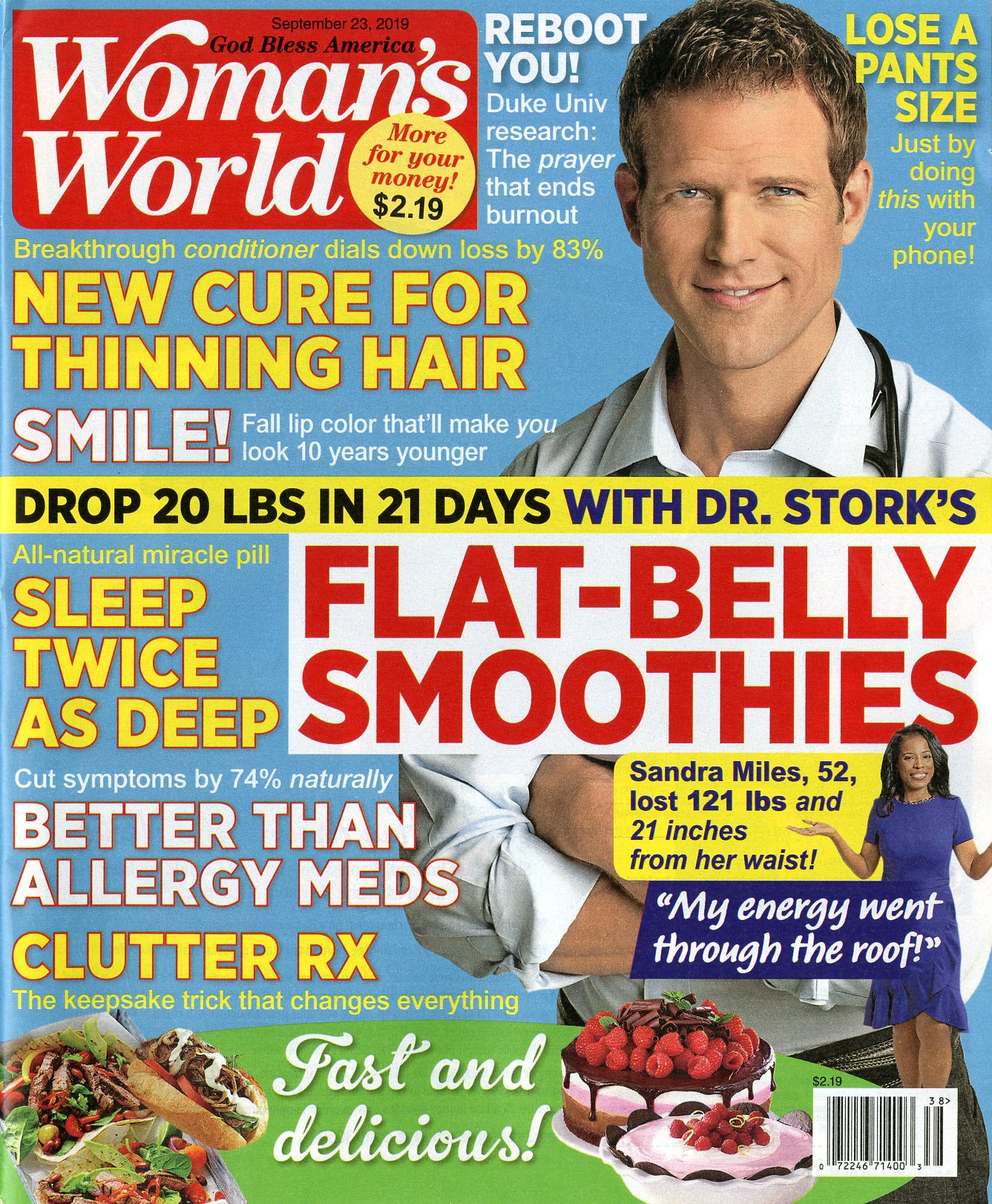
 

h1

Road Grays Magazine: A New Print-Only Title About Baseball That Digs Deeper Into The Stories Of The Sport For The “Curious” Fan – The Mr. Magazine™ Interview With Aaron Stahl, Cofounder, Editor & Creative Director…

September 19, 2019

“A lot of it was wanting to provide something that allowed people to slow down a little bit, especially with sports media, there’s so much on the Internet that’s about “what happened in the game last night,” “what’s going to happen coming up this weekend.” It’s all about “right now.” And there’s a place for that and it’s really important if you’re following a team or you’re following a sport. But we wanted to do the opposite of that. We felt like there was a niche for the exact opposite, where you’re slowing down, you’re not worrying about what’s happening right now, you’re worrying about things that are a bit more timeless. And that’s something that print can do really well.” … Austin Stahl

A Mr. Magazine™ Launch Story…

Available in print-only and dedicated to the “curious” baseball fan, Road Grays is a new magazine from Austin Stahl and his wife Megan Deyo Stahl that is beautifully done and tells original nonfiction stories from the world of baseball. Austin is an art director and designer by trade, working often for professional associations and educational institutions.

I spoke with Austin recently and we talked about this creative project that has become a twice-yearly published magazine that he is thrilled to say belongs entirely to his vision, from start to finish. Something he can’t say when he is designing work for others. And of course, Mr. Magazine™ is thrilled to see print the number one (and only) way to receive this great new title.

As with many others who have come to realize; in the world we live in today, slowing down and moving away from our screens on occasion is becoming a necessity for our psyches, and that’s one of the reasons Austin decided on a print-only format. The website will give you a preview of the magazine and give you a place to order it, but to enjoy it, you have to hold it in your hands, feel it, touch it, and experience it.

Austin adds that he and his wife’s goal is to tell great nonfiction stories, from all eras and levels of the game, that use baseball as a lens through which to see the world. And these stories are deeper and richer than most you find on the Internet or in other sports magazines on newsstands already. The storytelling doesn’t concentrate on the “right now” as the Internet does, but instead takes you down many times unknown paths and to baseball diamonds you may not have heard too much about until Road Grays.

So, I hope that you enjoy this delightful interview with a man who has been in love with the sport of baseball since he was a child and has found a way to express that love through the pages of a magazine, (if you print it, they will come), the Mr. Magazine™ interview with Austin Stahl, cofounder, editor & creative director, Road Grays magazine.

But first the sound-bites:

On why he decided to publish a print magazine in this digital age and why one about baseball: I’ve been an art director and designer for quite a while and specifically in the publication world. And I really love print; I always have, but most of my work has been for clients, serving their visions and their missions. So, a couple of years ago I got the itch to create something that was entirely my own. We weren’t sure at first what we wanted it to be; my wife, Megan, is my partner in this project and we spent a lot of time talking about what the magazine could be if we did our own thing. Ultimately, we hit on this idea of a different kind of baseball magazine. It seemed like there weren’t really any other magazines quite like this idea already out there. There are some really interesting ones about other sports that do a similar thing to what we’re trying to do: digging a little bit deeper and going into stories that aren’t being told anywhere else.

On what makes Road Grays different from other sports magazines: The idea is that we’re using baseball as a lens to see the world. These are stories about real people, whether it’s people who play the game, watch the game, or the people who make it happen behind the scenes. We’re not really focusing on big stars or stats, or what’s happening on the field day-to-day. Really we’re focusing on the stories that maybe you haven’t heard before, about the real people who are involved.

On why the magazine is available in a print-only format: For us, I think a lot of it was wanting to provide something that allowed people to slow down a little bit, especially with sports media, there’s so much on the Internet that’s about “what happened in the game last night,” “what’s going to happen coming up this weekend.” It’s all about “right now.” And there’s a place for that and it’s really important if you’re following a team or you’re following a sport. But we wanted to do the opposite of that. We felt like there was a niche for the exact opposite, where you’re slowing down, you’re not worrying about what’s happening right now, you’re worrying about things that are a bit more timeless. And that’s something that print can do really well.

On any stumbling blocks he’s had to face since launching the first issue in February 2019: I think my main challenge has been getting enough people to know about it. I’ve always been on the making of the magazine side, not so much about selling or promoting it. So, that’s been a bit of a learning curve, determining how best to do that and how best to get the word out. And that’s something that we’re still figuring out. Through a lot of trial and error; what are the best strategies on social media, or what other ways can you get the word out about what you’re doing. So, I think our biggest struggle right now is just growing enough to make this sustainable.

On what he’s learned since the execution of the first issue that has helped him with the second issue: Different strategies on social media and advertising, it’s been a lot of trial and error. I think slowly, as we continue to do each issue, we learn which things get a little more traction and which things don’t, in terms of actually making the magazine itself. I learned a whole lot about being an editor (Laughs), which is a new thing for me. And I found that I actually really enjoy it more than I even thought that I might. Just little things about how far in advance you need to talk to people and how long certain parts of the process takes on the editorial side. In my career, I’ve been used to just getting the content when it’s done and taking it from there as a designer. So, learning how to do it all from step-one has involved a bit of just jumping in and doing it.

On what type of experience he envisions his audience having with Road Grays: As I said before, I think it’s a slower experience, certainly, than what you get as a sports fan on the Internet, where everything is pretty much about right now. We wanted to emphasize that in the way that the stories are laid out and the way that the entire package is put together. It’s something that you want to sit down and spend some time with and just slow yourself down a little bit as you read. So, we wanted to design it in that way.

On what he would like to tell someone he had accomplished one year from now with the magazine: Hopefully, to have grown enough or reached enough people to make it a more sustainable project. We’re not making any money yet (Laughs), so I would like to get to a point where it’s at least paying for itself well enough that we can imagine doing it for quite a while. And I think that’s just a matter of reaching a little bit more people every single time.

On how he felt when he received that first issue of the magazine from the printer: It was exciting. I remember opening the box up and seeing all of them stacked up. Our first issue’s cover is a larger-than-life baseball (Laughs), so it was kind of cool to just open the box for the first time and see that cover staring back at me. The smell of ink is always exciting to me. As I’m sure you know as a magazine maker, there’s always something nice about that sensory thing that happens when you smell the ink for the first time. So, I remember that well. It’s always exciting when you get something back from the printer and it’s real, something that you’ve only seen on the screen until that moment, suddenly you can hold it in your hand. It was even more exciting because this time it was entirely mine, from start to finish.

On where he came up with the name Road Grays: I think it was one of those things where it just popped into my head and felt right, but the idea behind it is, traditionally in baseball the home team wears white and the visiting team wears gray. So, I kind of liked the implication that we were going out on a road trip, visiting all of these different people and stories kind of metaphorically. And bringing what we found back to you, the reader. Maybe there’s a little bit of a subliminal message in there about that idea of going out into the world and seeing what’s out there.

On why it’s available in print only: The print-only aspect is really about time; we’re doing this in our spare time, we have day jobs. So, it felt like a little bit too much to bite off if we were also running a website, a website that was more than just a place to purchase the magazine, but was an entity in and of itself. So, part of it was that and part of it was I just liked the idea of something more permanent, something that people might want to keep on their shelves, and maybe even refer back to it years later. I wanted to be sure that it felt quality enough that people wanted to keep it.

On the fact there is no advertising in the magazine and if that was a conscious decision based on the business model: We do have what we call sponsorships. Brands can sponsor us and we’ll thank them on a page in the magazine, but not having any display advertising was definitely a conscious decision, because I didn’t want it to take away from what we were doing, content-wise and design-wise. I guess I kind of wanted a little bit more control of everything that was on the pages.

On the magazine’s tagline: The Magazine For Curious Baseball Fans, and how he would define “curious” baseball fans: I think it’s people who want to dig a little bit deeper into some of the stories, instead of just the day-to-day of a long season or what’s happening on the field. People who are more curious about what goes on behind the scenes or who are interested in some of the stories beyond what you see at game time.

On anything he’d like to add: Just that my wife’s role is business and marketing advisor and she has been invaluable in helping with the business side of the magazine.

On what someone would find him doing if they showed up unexpectedly one evening at his home: Honestly, probably working on Road Grays. (Laughs) As I said, it’s more of an evenings and weekends thing for us, because we have day jobs. I would probably be getting something done on the magazine, or, I’m also a musician, so maybe playing some music or just hanging out with our dogs.

On the biggest misconception he thinks people have about him: One thing that I’ve had a few people who have gotten in touch with us suggest is, it seems like they think that we’re a much larger organization than we really are. I think people don’t realize that it’s just a couple of people in a spare bedroom making this magazine. (Laughs) And they kind of assume that we’re some big publishing company, which I guess is rather flattering. (Laughs again) Maybe it means that we’re doing something right.

On what keeps him up at night: I spend a lot of time worrying about the state of our country right now, the state of the world. Sometimes it kind of feels frivolous to be spending a lot of time thinking about a game, given what’s going on in the world right now, but maybe putting a little bit more empathy into the world by telling people stories is something positive, so that’s something I hold onto.

And now the lightly edited transcript of the Mr. Magazine™ interview with Austin Stahl, cofounder, editor & creative director.

Samir Husni: You launched your new print magazine, Road Grays, earlier this year and it’s about baseball and the human stories behind the game. Why did you decide in this day and age to publish a print magazine and why one about baseball?

Austin Stahl: I’ve been an art director and designer for quite a while and specifically in the publication world. And I really love print; I always have, but most of my work has been for clients, serving their visions and their missions. So, a couple of years ago I got the itch to create something that was entirely my own. We weren’t sure at first what we wanted it to be; my wife, Megan, is my partner in this project and we spent a lot of time talking about what the magazine could be if we did our own thing.

Ultimately, we hit on this idea of a different kind of baseball magazine. It seemed like there weren’t really any other magazines quite like this idea already out there. There are some really interesting ones about other sports that do a similar thing to what we’re trying to do: digging a little bit deeper and going into stories that aren’t being told anywhere else. There are a lot of great ones about soccer, and of course, Racquet, which is about tennis, and a number of others, but there wasn’t anything about baseball. Once we hit on that idea, we started to get pretty excited about it and it came together pretty quickly after that.

Samir Husni: What makes Road Grays different? Give me your elevator pitch for the magazine if someone asks you to define the concept.

Austin Stahl: The idea is that we’re using baseball as a lens to see the world. These are stories about real people, whether it’s people who play the game, watch the game, or the people who make it happen behind the scenes. We’re not really focusing on big stars or stats, or what’s happening on the field day-to-day. Really we’re focusing on the stories that maybe you haven’t heard before, about the real people who are involved.

Samir Husni: What do you think the role of print plays today in magazine publishing and how do you think it plays into Road Grays specifically, because even on your website you explain that it’s a “print-only” magazine. You can see a preview to order the magazine, but you can only receive it in print.

Austin Stahl: For us, I think a lot of it was wanting to provide something that allowed people to slow down a little bit, especially with sports media, there’s so much on the Internet that’s about “what happened in the game last night,” “what’s going to happen coming up this weekend.” It’s all about “right now.” And there’s a place for that and it’s really important if you’re following a team or you’re following a sport.

But we wanted to do the opposite of that. We felt like there was a niche for the exact opposite, where you’re slowing down, you’re not worrying about what’s happening right now, you’re worrying about things that are a bit more timeless. And that’s something that print can do really well. Hopefully, if you make it well, if you make an object that people like and want to keep around for a little while, they can come back to it a year from now if it’s still on their shelf and the stories are still just as relevant as they were then. That was our thinking on that. The Internet has its place, but print also has its place. They each do their own thing well.

Samir Husni: Since the first issue came out in February 2019, has this journey been a walk in a rose garden for you? Or have you had some stumbling blocks along the way?

Austin Stahl: I think my main challenge has been getting enough people to know about it. I’ve always been on the making of the magazine side, not so much about selling or promoting it. So, that’s been a bit of a learning curve, determining how best to do that and how best to get the word out. And that’s something that we’re still figuring out. Through a lot of trial and error; what are the best strategies on social media, or what other ways can you get the word out about what you’re doing. So, I think our biggest struggle right now is just growing enough to make this sustainable.

Samir Husni: What have you learned since the execution of the first issue that has helped you to enhance or change or do with the second issue?

Austin Stahl: Different strategies on social media and advertising, it’s been a lot of trial and error. I think slowly, as we continue to do each issue, we learn which things get a little more traction and which things don’t, in terms of actually making the magazine itself. I learned a whole lot about being an editor (Laughs), which is a new thing for me. And I found that I actually really enjoy it more than I even thought that I might. Just little things about how far in advance you need to talk to people and how long certain parts of the process takes on the editorial side. In my career, I’ve been used to just getting the content when it’s done and taking it from there as a designer. So, learning how to do it all from step-one has involved a bit of just jumping in and doing it.


Samir Husni: One thing I tell my students and my clients is that in this day and age you have to be more than just content providers, you have to be an experience maker. What type of experience do you envision your audience having with Road Grays?

Austin Stahl: As I said before, I think it’s a slower experience, certainly, than what you get as a sports fan on the Internet, where everything is pretty much about right now. We wanted to emphasize that in the way that the stories are laid out and the way that the entire package is put together. It’s something that you want to sit down and spend some time with and just slow yourself down a little bit as you read. So, we wanted to design it in that way.

We also wanted to make sure that there was enough fun involved too. The way that I have approached the art direction is making sure there’s enough color and plenty of smart editorial illustrations. We wanted the readers to feel like they’re being taken care of.

Samir Husni: Now that you have issue two under your belt, if you and I are talking again one year from now, what would you hope to tell me you had accomplished with the magazine?

Austin Stahl: Hopefully, to have grown enough or reached enough people to make it a more sustainable project. We’re not making any money yet (Laughs), so I would like to get to a point where it’s at least paying for itself well enough that we can imagine doing it for quite a while. And I think that’s just a matter of reaching a little bit more people every single time.

Samir Husni: If we could go back in time just a bit; can you describe the emotions it stirred within you when you received that first issue from the printer?

Austin Stahl: It was exciting. I remember opening the box up and seeing all of them stacked up. Our first issue’s cover is a larger-than-life baseball (Laughs), so it was kind of cool to just open the box for the first time and see that cover staring back at me. The smell of ink is always exciting to me. As I’m sure you know as a magazine maker, there’s always something nice about that sensory thing that happens when you smell the ink for the first time. So, I remember that well. It’s always exciting when you get something back from the printer and it’s real, something that you’ve only seen on the screen until that moment, suddenly you can hold it in your hand. It was even more exciting because this time it was entirely mine, from start to finish.

Samir Husni: How did you come up with the name? From all of the names you could have called a baseball magazine, why did you choose Road Grays?

Austin Stahl: I think it was one of those things where it just popped into my head and felt right, but the idea behind it is, traditionally in baseball the home team wears white and the visiting team wears gray. So, I kind of liked the implication that we were going out on a road trip, visiting all of these different people and stories kind of metaphorically. And bringing what we found back to you, the reader. Maybe there’s a little bit of a subliminal message in there about that idea of going out into the world and seeing what’s out there.

Samir Husni: Was it a conscious business model decision that you’re ad free, with a $12 cover price, on premium paper and only available in print?

Austin Stahl: The print-only aspect is really about time; we’re doing this in our spare time, we have day jobs. So, it felt like a little bit too much to bite off if we were also running a website, a website that was more than just a place to purchase the magazine, but was an entity in and of itself. So, part of it was that and part of it was I just liked the idea of something more permanent, something that people might want to keep on their shelves, and maybe even refer back to it years later. I wanted to be sure that it felt quality enough that people wanted to keep it.

Samir Husni: And the decision not to have any advertising?

Austin Stahl: We do have what we call sponsorships. Brands can sponsor us and we’ll thank them on a page in the magazine, but not having any display advertising was definitely a conscious decision, because I didn’t want it to take away from what we were doing, content-wise and design-wise. I guess I kind of wanted a little bit more control of everything that was on the pages.

Samir Husni: Define your audience for me. Your tagline is: The Magazine For Curious Baseball Fans, define the “curious” baseball fans.

Austin Stahl: I think it’s people who want to dig a little bit deeper into some of the stories, instead of just the day-to-day of a long season or what’s happening on the field. People who are more curious about what goes on behind the scenes or who are interested in some of the stories beyond what you see at game time.

Samir Husni: Is there anything you’d like to add?

Austin Stahl: Just that my wife’s role is business and marketing advisor and she has been invaluable in helping with the business side of the magazine.

Samir Husni: If I showed up unexpectedly at your home one evening after work, what would I find you doing? Having a glass of wine; reading a magazine; cooking; gardening; watching TV; or something else? How do you unwind?

Austin Stahl: Honestly, probably working on Road Grays. (Laughs) As I said, it’s more of an evenings and weekends thing for us, because we have day jobs. I would probably be getting something done on the magazine, or, I’m also a musician, so maybe playing some music or just hanging out with our dogs.

Samir Husni: What do you think is the biggest misconception people have about you?

Austin Stahl: One thing that I’ve had a few people who have gotten in touch with us suggest is, it seems like they think that we’re a much larger organization than we really are. I think people don’t realize that it’s just a couple of people in a spare bedroom making this magazine. (Laughs) And they kind of assume that we’re some big publishing company, which I guess is rather flattering. (Laughs again) Maybe it means that we’re doing something right.

Samir Husni: My typical last question; what keeps you up at night?

Austin Stahl: I spend a lot of time worrying about the state of our country right now, the state of the world. Sometimes it kind of feels frivolous to be spending a lot of time thinking about a game, given what’s going on in the world right now, but maybe putting a little bit more empathy into the world by telling people stories is something positive, so that’s something I hold onto.

Samir Husni: Thank you.

h1

NatuRx Magazine: A New Title For Better Living Through Cannabis – The Mr.™ Magazine Interview With Peter Moore, Editor In Chief…

September 15, 2019

A Mr. Magazine™ Launch Story…

“… We need to sort out the good from the bad; we need to follow the best science that’s going down now, and there have been tremendous impediments to studying cannabis that are only now just falling away, so we feel like we’re in a position to emphasize the usefulness of cannabis. So, that’s why we went with NatuRx, because we wanted to put the focus, not on the “stoner” excesses that cannabis has been a part of in the past, but instead look at it as a tool for better living, and that’s where the subline came from: Better Living Through Cannabis.” Peter Moore…

Active Interest Media’s (AIM) newest entry into the marketplace is NatuRx (pronounced Nature Rx), a multimedia platform whose mission is to educate health-conscious consumers about cannabis. Peter Moore, former editor at Men’s Health, is the editor in chief of this new title that’s tagline is “Better Living Through Cannabis.” And as Peter told me in a recent conversation, what differentiates this cannabis title from all of the others out there is its stand on being a guide for people when it comes to the best and worst cannabis scenarios, sorting the good from the bad, and helping people better understand cannabis. NatuRx is determined be a critical and watchful eye on this new world of green and to explain the healing powers and usefulness of the plant. And of course, it is the first big national service magazine focusing on cannabis.

Talking with Peter, I hear his passion for service journalism and in serving his readers. Helping people to better understand what cannabis can be used for when it comes to better health and fighting the detriments of certain conditions, such as PTSD, is so apparent in his words and in his vision for the magazine.

And as President & CEO Andrew Clurman said in a recent AIM press release, “As the publisher of wellness magazines such as Yoga Journal, Clean Eating, and Better Nutrition, we’ve been inundated with questions from our readers about the safe, legal use of CBD and THC as part of an active lifestyle. Our editors have been reporting on this emerging category for years, so it was a natural choice for us to create a new type of cannabis magazine, one that approaches cannabis from a health and fitness perspective and will appeal to affluent, educated adults.”

Peter would definitely agree as he told me how important his mission as an editor and the mission of advertisers for this magazine about cannabis is and will continue to be: “Our mission as editors will be to discover the very best uses for it, and that will also be the mission of the advertisers who will show up in NatuRx. What can we responsibly offer to people that will really improve their lives? I feel like with this magazine, as with Men’s Health, edit and advertising will be in lockstep, expressing different aspects of the same mission.”

It’s a beautifully done title and one Peter is very passionate about. And he believes in the people who are contributing and working on the magazine, describing them as some of the best in the business. A man whose professional life is filled with words and conversation, Peter enjoys painting in his spare time, clearing his thoughts with acrylics and watercolors to better prepare him for the next day of magazine passion. So, please enjoy this Mr. Magazine™ interview with a man who believes service journalism should be just that: a service to the readers and plans on delivering that with NatuRx, Editor in Chief, Peter Moore.

But first the sound-bites:

On when he moved to Colorado: I was laid off from Men’s Health in December 2015 and my wife and I had been looking around for what the next big thing was going to be for us. I had been coming out here to ski, backpack and backcountry ski for 20 years from Men’s Health, because I love to do all that stuff. And we thought, you know what, now’s our chance, let’s move to Fort Collins. So, we arrived here in May 2017.

On the interest in starting NatuRx magazine: The conversation had turned from “let’s get high” to “what use can we put cannabis to” and “what’s it good for?” And as a guy who had been trained for 20 years at Men’s Health and in service journalism, it was occurring to me that there’s a big need out there to understand the drug, to explain it, to see what it’s good for and what it’s not good for, up sides and down sides, it’s all a service magazine mission. And ironically enough, four months later, there was Jonathan Dorn inviting me down to Boulder, an hour away from Fort Collins where I lived, saying we really should do a magazine on cannabis. And the more we talked the more excited we got. Then the next thing you know, he was saying that we had a commitment from Meredith to partner on this, they’re our partner in the first issue, and we have newsstand commitments for a circulation of about 250,000. And people just kept signing on.

On the magazine’s title and not having the word “cannabis” in it: What we wanted to do was focus on the healing powers in particular. And its usefulness. I come out of the tradition of tons of useful stuff at Men’s Health. And part of what came out of the conversation I told you about was that people were looking for ways to improve their lives. One of the things that I’m proud of is while the magazine is called NatuRx, the subline is “Better Living Through Cannabis.” And I think that’s the focus that people have, this is a tool for living or it can be if you employ it in the right way. And people may not understand how it can be a positive in their lives, rather than a negative.

On empowering a brand on multichannel platforms: I think what we start with is an idea and a need. We live in a world where people select the version of it that’s going to fit best with their lives. So, for some people taking an online course is the way to go. And AIM has shown tremendous skill at putting that out there. Some people live on their phones and their tablets, for them NatuRx.com may be where they want to consume the content. Others want to hold a magazine in their hands. And for people of a certain generation, the magazine is still the best way to get their information. And it’s certainly an extraordinary design vehicle, especially because AIM puts its money where its mouth is, as far as paper stock and the great creative director, Bryan Nanista, who has a long history himself in this industry.

On how as an editor he balances between the art of creation and the art of curation: That’s where my experience at Men’s Health comes in very handy. I was trained for a couple of decades in how to sort out good information from bad, good studies from bad studies, reputable sources from non-reputable sources. And thank you very much Men’s Health magazine for giving me those skills. Even more important, how to apply those skills in the Wild West of cannabis, because some of the sources are… well, people have rushed into this area because there’s this so-called Green Rush toward cannabis, people trying to make their fortunes right now, and that means they’re putting out a lot of garbage. And there are also reputable, good companies that are putting out great stuff too.

On whether the Internet is a blessing or a curse to him as an editor: It’s widely known that “Dr. Google” can be a quack. And there are a lot of people who take at face value the first thing that shows up in their feed when they do a search. Overall, I would say that the Internet has been a blessing, if you have the tools to use it in the right way, but in the wrong hands those tools can do damage. Frankly, as a health editor, it’s a great thing for me that people do need help to be pointed in the right direction and I feel like I have the skills to help them judge what’s good, bad, and dangerous. And that they need that help means they’re going to be turning to NatuRx, and we certainly hope so.

On how he copes with all of the changes taking place in the magazine industry and the merger between church and state: I’m no stranger to that merger and I lived through it at Men’s Health, absolutely, with fairly intense partnerships between Men’s Health, advertisers and the editorial side. There is an old school part of me that says, gosh, it’s too bad that world went away, but it did go away. So, now what I need to do is use my brain and my instincts and my research to note that there are places we can’t go and shouldn’t go, and there’s not even any advertisers’ interests that we go there because it’s going to scuttle our credibility with readers. It’s all about a relationship with the reader.

On whether he expects a long-lasting relationship with his audience or a one-night stand after the first issue: My role when I was sitting in that room with that group of people after the Memorial service a couple of years ago, was as somebody who could answer questions from a base of knowledge and understanding, and take a sober look at an intoxicating drug, and at intoxicating possibilities, and people really need that. I feel like it’s a shoulder-to-shoulder relationship, where we’re going through this revolution along with people, but maybe we are a slightly more prepared, better-researched, discerning group who can guide the conversation with what we know and be honest about what we don’t know.

On what differentiates NatuRx from all the other cannabis magazines already on the market today: I feel like we are the first big national service magazine concentrating on cannabis. And given the background of all the people who are contributing to it, I think we have a track record on the staff of being among the very best to do this kind of reporting. So many of the magazines that I see out there are enthusiast magazines, meaning supporters, drunk with the possibilities, whereas I think that NatuRx is going to take a step backward to assess the progress of the revolution and to guide people to the parts of it that are going to serve them best. We’re going to be a critical eye on cannabis and we’re going to support the best advances and the most promising treatments and uses for cannabis. So, I feel that is going to be a good niche for us and it’s something that people really need right now.

On the biggest misconception he feels people have about him: I’ve always felt that some people look down their noses at service journalism and maybe I did too before I landed at Men’s Health. But the mission of somebody who is out to use all the tools that are available to journalists now to improve lives has been transformative for me as a journalist. My education at Men’s Health showed me that you really can help people if you provide timely information in the right format and with the right tone. And that’s an expertise that I have now and I’m grateful to Men’s Health and Rodale for providing that to me. And I’m just thrilled that this revolution swept along in cannabis and that I arrived in Colorado at just the right moment to find a new way to help people. And that’s my mission.

‘The Morning Commute, by Peter Moore

On what someone would find him doing if they showed up unexpectedly one evening at his home: What you will find me doing often is being upstairs in my renovated barn in my backyard in Fort Collins where my day-to-day office is, and the half of it facing east is my editorial office and the other half facing west is my art studio. I’m an acrylics painter and watercolorist and if I turn around it’s looking pretty nice over there with all my paintings leaning against the wall. I’m not Picasso, but I’m working hard at it and it’s something that I love to do, in particular because it does not have anything to do with words. And I need that, something that’s going to take me off the hook from talking and writing all the time. So, at night I just shut up and paint.

On what keeps him up at night: The thing that scares me and scares a lot of editors that I’ve seen on your blog is the attack on the press, which is one of those pillars of our democracy. Having a free and active, aggressive press. And the assault on that is unprecedented and unhealthy. It requires great care on our part to answer it in the right way. And the way to answer it is by using all of our skills to find out what’s wrong, what’s evil, and what’s great about what’s going on right now. And to justify people’s faith in that pillar of democracy.

And now the lightly edited transcript of the Mr. Magazine™ interview with Peter Moore, editor in chief, NatuRx magazine.

Samir Husni: When did you move to Colorado?  

Peter Moore: I was laid off from Men’s Health in December 2015 and my wife and I had been looking around for what the next big thing was going to be for us. I had been coming out here to ski, backpack and backcountry ski for 20 years from Men’s Health, because I love to do all that stuff. And we thought, you know what, now’s our chance, let’s move to Fort Collins. So, we arrived here in May 2017.

Given my background as a health writer and editor, all my old pals from the New York magazine industry were suddenly crowding around and giving me assignments to write about cannabis. It’s not like I had any particular expertise or even much experience with cannabis before we came out here, but at the urging of my old magazine buddies I began investigating it carefully and personally, yes, Samir…

Samir Husni: (Laughs)

Peter Moore: (Laughs too) …and when you develop an expertise, people notice it. And Jon Dorn did. So, there you go.

Samir Husni: I tell everyone I interview with magazines about cannabis, you do it for educational and medicinal purposes, of course.

Peter Moore: But it’s so interesting and I mentioned it in my editor’s note in the first issue; we were at a Memorial service a couple of years ago, and at about 8:00 p.m. after the Memorial service the adults in the room were sitting around and of course, now that I live in Colorado, the conversation turned to Colorado cannabis legalization.

And all of these people were gathered from all across the country, each started recounting their own use of cannabis; a lot of it for medicinal purposes, but recreational as well. We’re of the generation that went through that in college dorm rooms decades ago. But the conversation had turned from “let’s get high” to “what use can we put cannabis to” and “what’s it good for?” And as a guy who had been trained for 20 years at Men’s Health and in service journalism, it was occurring to me that there’s a big need out there to understand the drug, to explain it, to see what it’s good for and what it’s not good for, up sides and down sides, it’s all a service magazine mission.

And ironically enough, four months later, there was Jonathan Dorn inviting me down to Boulder, an hour away from Fort Collins where I lived, saying we really should do a magazine on cannabis. And the more we talked the more excited we got. Then the next thing you know, he was saying that we had a commitment from Meredith to partner on this, they’re our partner in the first issue, and we have newsstand commitments for a circulation of about 250,000. And people just kept signing on.

Albertsons chain of grocery stores; the magazine is going to be in more than 800 of those and their affiliates across the country by the end of September. Plus Meredith’s circulation is right behind it. And we’ve also got a really good team from Active Interest Media, who saw this in their participant media empire, as a very natural adjunct to the other stuff they have going.

I was thrilled to be asked by Jon, who was a pal of mine when Backpacker was owned by Rodale, to collaborate on this as well. So, here we go. A big magazine launch and I’m thrilled to be a part of it.

Samir Husni: Tell me about the name NatuRx. This is one of the few cannabis magazines that does not have the word cannabis in the title.

Peter Moore: Well, what we wanted to do was focus on the healing powers in particular. And its usefulness. I come out of the tradition of tons of useful stuff at Men’s Health. And part of what came out of the conversation I told you about was that people were looking for ways to improve their lives. One of the things that I’m proud of is while the magazine is called NatuRx, the subline is “Better Living Through Cannabis.” And I think that’s the focus that people have, this is a tool for living or it can be if you employ it in the right way. And people may not understand how it can be a positive in their lives, rather than a negative.

The recent difficulties with Vape pens shows you there is a downside to juvenile use among teenagers and young people. So, we need to sort out the good from the bad; we need to follow the best science that’s going down now, and there have been tremendous impediments to studying cannabis that are only now just falling away, so we feel like we’re in a position to emphasize the usefulness of cannabis. So, that’s why we went with NatuRx, because we wanted to put the focus, not on the “stoner” excesses that cannabis has been a part of in the past, but instead look at it as a tool for better living, and that’s where the subline came from: Better Living Through Cannabis.

Samir Husni: Peter, you’ve been involved with service journalism, as you said, for over 20 years. You’ve done it through multiple channels; do you feel that today you can’t practice service journalism in only one channel? AIM is launching NatuRx in print, tablet, mobile, education, social, events, email; do you create the brand and then have its products, or is it that you start with the product and create the brand as you grow?

Peter Moore: I think what we start with is an idea and a need. We live in a world where people select the version of it that’s going to fit best with their lives. So, for some people taking an online course is the way to go. And AIM has shown tremendous skill at putting that out there. Some people live on their phones and their tablets, for them NatuRx.com may be where they want to consume the content. Others want to hold a magazine in their hands. And for people of a certain generation, the magazine is still the best way to get their information. And it’s certainly an extraordinary design vehicle, especially because AIM puts its money where its mouth is, as far as paper stock and the great creative director, Bryan Nanista, who has a long history himself in this industry.

It all comes down to where people want to be when they’re receptive to the information they need to improve their lives. And I think that’s where AIM hangs its hat, in being there for readers in all the places they want to be.

And it’s a time for great opportunity as well, because when I was beginning my journalism career, there were 78 total magazines. And now, through your work I’ve learned that there are 800 launches per year and 5,000 titles that are out there now, and that isn’t even taking into account all of the various formats that can exist out there.

Samir Husni: As you put your editor’s hat on and look at the wealth of information out there, the good, the bad and the ugly, how do you balance between the art of creation as an editor and the art of curation as an editor?

Peter Moore: That’s where my experience at Men’s Health comes in very handy. I was trained for a couple of decades in how to sort out good information from bad, good studies from bad studies, reputable sources from non-reputable sources. And thank you very much Men’s Health magazine for giving me those skills. Even more important, how to apply those skills in the Wild West of cannabis, because some of the sources are… well, people have rushed into this area because there’s this so-called Green Rush toward cannabis, people trying to make their fortunes right now, and that means they’re putting out a lot of garbage. And there are also reputable, good companies that are putting out great stuff too.

And that’s what we need to do, sort out between the bad, crazy stuff that you see on the Internet and in your emails all the time, and the people who are doing it the right way and putting out quality products based on solid research , and that’s our mission as editors is to be an advocate for readers saying head this way, not that way, that way being danger-wise. If we can do a good job of sorting between danger and advantage, we’re doing an amazing service for people, especially right now.

Samir Husni: You mentioned especially right now, how in your 20-year career, and you started before the Internet was widely available, to today where almost anyone has access; how has your job or your thinking changed since then? Is the Internet a blessing or a curse?

Peter Moore: It’s widely known that “Dr. Google” can be a quack. And there are a lot of people who take at face value the first thing that shows up in their feed when they do a search. Overall, I would say that the Internet has been a blessing, if you have the tools to use it in the right way, but in the wrong hands those tools can do damage.

Frankly, as a health editor, it’s a great thing for me that people do need help to be pointed in the right direction and I feel like I have the skills to help them judge what’s good, bad, and dangerous. And that they need that help means they’re going to be turning to NatuRx, and we certainly hope so.

Samir Husni: As I look at the media kit for NatuRx, I see a combination of the traditional and the non-traditional, like ad rates from the basic inside-front cover to the advertorial spread to the guest-expert interview spread. As an editor, how do you cope with all of these changes taking place in the industry and the merger of church and state?

Peter Moore: I’m no stranger to that merger and I lived through it at Men’s Health, absolutely, with fairly intense partnerships between Men’s Health, advertisers and the editorial side. There is an old school part of me that says, gosh, it’s too bad that world went away, but it did go away. So, now what I need to do is use my brain and my instincts and my research to note that there are places we can’t go and shouldn’t go, and there’s not even any advertisers’ interests that we go there because it’s going to scuttle our credibility with readers. It’s all about a relationship with the reader.

At Men’s Health, and I believe at NatuRx, that relationship with the reader is important on the ad pages just as its important on the editorial pages. And I felt like, at Men’s Health certainly for 20 years, the advertisers were in it for the same reasons that we were, which was to provide information that was going to help people live better lives.

In a burgeoning industry, a soon-to-be, and is now, and will increasingly become, a multibillion dollar industry in the U.S., especially as legalization, that wildfire, spreads across the land, this is going to be a very big industry with its hands in all sorts of things. There will be competition for liquor intoxicants, in the fashion realm for fabric, sleep remedies, pain remedies; there isn’t a part of U.S. commerce that will not be impacted by cannabis. It’s going to be everywhere.

Our mission as editors will be to discover the very best uses for it, and that will also be the mission of the advertisers who will show up in NatuRx. What can we responsibly offer to people that will really improve their lives. I feel like with this magazine, as with Men’s Health, edit and advertising will be in lockstep, expressing different aspects of the same mission.

Samir Husni: As you move toward that relationship with your audience, your customers, whether they’re readers or advertisers; what do you expect the first issue to be like between you and them: a first date, a one-night stand, a love affair, or a long-lasting relationship?

Peter Moore: My role when I was sitting in that room with that group of people after the Memorial service a couple of years ago, was as somebody who could answer questions from a base of knowledge and understanding, and take a sober look at an intoxicating drug, and at intoxicating possibilities, and people really need that. I feel like it’s a shoulder-to-shoulder relationship, where we’re going through this revolution along with people, but maybe we are a slightly more prepared, better-researched, discerning group who can guide the conversation with what we know and be honest about what we don’t know.

There is so much that will be coming to light about this in the next few years, especially as the government monopoly on the source of research-grade cannabis breaks down. Recently, there was a big lawsuit from Dr. Sue Sisley in Arizona to end that government monopoly. She’s doing a double-blind study on the impact of cannabis on PTSD. There are going to be a thousand sources blooming on research and information on cannabis. Some of it is going to be cautionary, some very exciting and positive, and we’re going to help sort that out for readers. I think we’re sorting it out for ourselves, each of us on the editorial staff at the same time; we’re sorting it out for a potentially gigantic audience of people who need that information.

Samir Husni: If someone came to you and said, okay, you’re launching another cannabis magazine, where would you put it among the 20-plus titles already out there? Whether it’s MJ Lifestyle for women, Marijuana Ventures, Kitchen Toke – cooking with cannabis, or Ember; is it a competitor to those, a complementary, a corrective magazine? How would you define your unique selling proposition in the midst of all of these other titles on the market today?

Peter Moore:  I feel like we are the first big national service magazine concentrating on cannabis. And given the background of all the people who are contributing to it, I think we have a track record on the staff of being among the very best to do this kind of reporting. So many of the magazines that I see out there are enthusiast magazines, meaning supporters, drunk with the possibilities, whereas I think that NatuRx is going to take a step backward to assess the progress of the revolution and to guide people to the parts of it that are going to serve them best. We’re going to be a critical eye on cannabis and we’re going to support the best advances and the most promising treatments and uses for cannabis. So, I feel that is going to be a good niche for us and it’s something that people really need right now.

Samir Husni: What do you think is the biggest misconception that people have about you?

Peter Moore: I’ve always felt that some people look down their noses at service journalism and maybe I did too before I landed at Men’s Health. But the mission of somebody who is out to use all the tools that are available to journalists now to improve lives has been transformative for me as a journalist. My education at Men’s Health showed me that you really can help people if you provide timely information in the right format and with the right tone. And that’s an expertise that I have now and I’m grateful to Men’s Health and Rodale for providing that to me. And I’m just thrilled that this revolution swept along in cannabis and that I arrived in Colorado at just the right moment to find a new way to help people. And that’s my mission.

Samir Husni: If I showed up unexpectedly at your home one evening after work, what would I find you doing? Having a glass of wine; smoking some cannabis; reading a magazine; cooking; gardening; watching TV; or something else? How do you unwind?

Peter Moore: (Laughs) What you will find me doing often is being upstairs in my renovated barn in my backyard in Fort Collins where my day-to-day office is, and the half of it facing east is my editorial office and the other half facing west is my art studio. I’m an acrylics painter and watercolorist and if I turn around it’s looking pretty nice over there with all my paintings leaning against the wall. I’m not Picasso, but I’m working hard at it and it’s something that I love to do, in particular because it does not have anything to do with words. And I need that, something that’s going to take me off the hook from talking and writing all the time. So, at night I just shut up and paint.

Samir Husni: My typical last question; what keeps you up at night?

Peter Moore: The thing that scares me and scares a lot of editors that I’ve seen on your blog is the attack on the press, which is one of those pillars of our democracy. Having a free and active, aggressive press. And the assault on that is unprecedented and unhealthy. It requires great care on our part to answer it in the right way. And the way to answer it is by using all of our skills to find out what’s wrong, what’s evil, and what’s great about what’s going on right now. And to justify people’s faith in that pillar of democracy.

Samir Husni: Thank you.
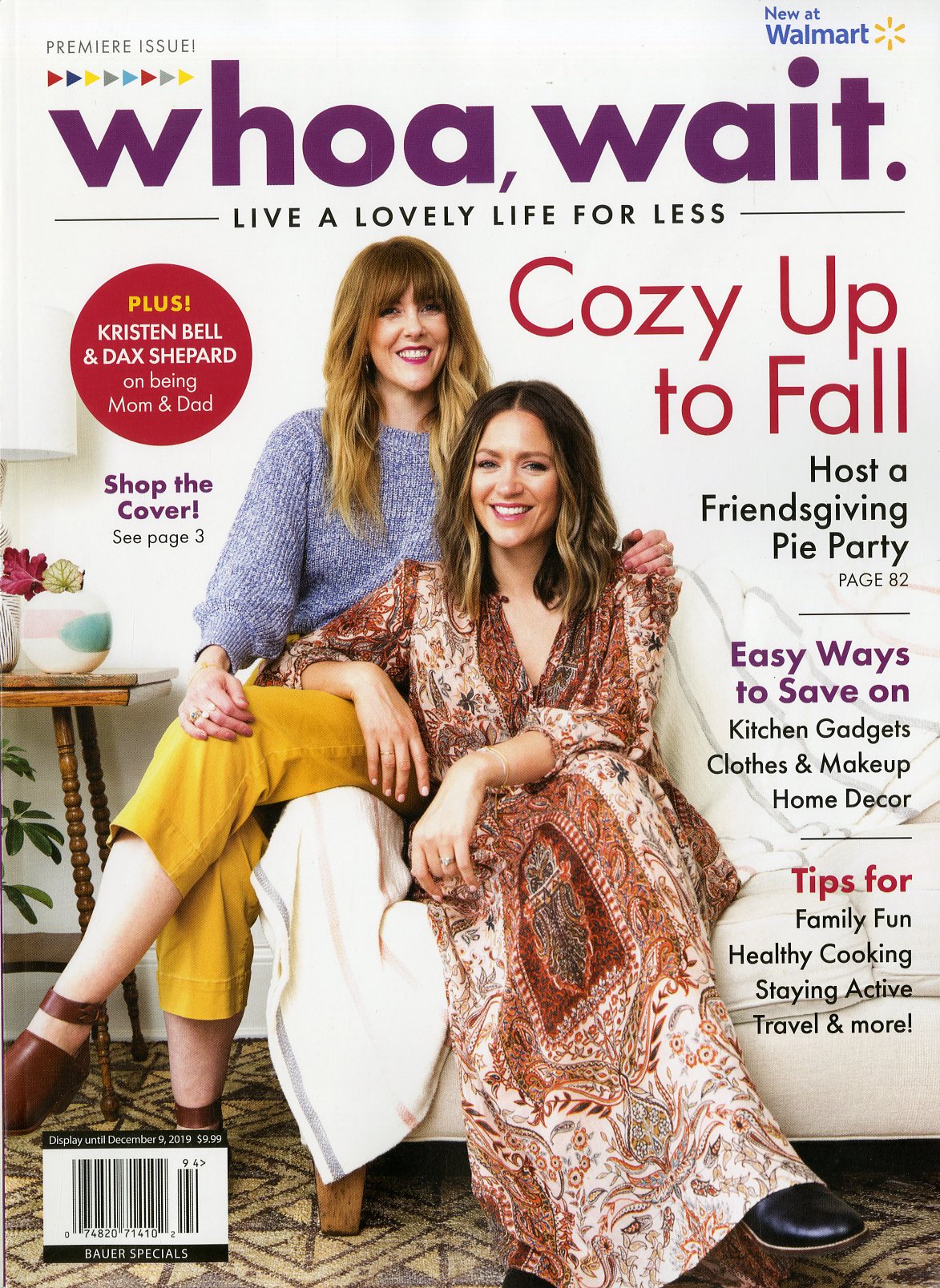
h1

The Wonderful World Of New International Magazines… A Mr. Magazine™ Musing
September 12, 2019

In today’s digital world, many people think print magazines, both new and established, are barely hanging on by the hair of their inky chin chins. I assure you, that is not the case. From the west coast to the east coast, north to south, new magazines in the United States are being loaded onto newsstands daily, and the ink of legacy print, for the most part, still smells as strongly today as it did years ago; albeit, often in a totally different way.

But what about international titles, what is the health status of magazines in other countries? Well, Mr. Magazine™ is happy to report life in the wonderful world of magazines would appear to be flourishing around the globe.

Here are 12 new titles from all over the world, proving that ink on paper is alive and well everywhere. And please take note of the abundance of “me time” titles: Declutter Your Life, Dream Journal, and Wellness, to name a few. People everywhere are beginning to realize the importance of stepping away from those screens every once in awhile.

In alphabetical order):

Aww is a new magazine from Hong Kong that’s first issue is the “Meow & Woof” issue and has more than 200 illustrations from many different artists, along with great content on the topic of pets. The illustrations are wonderful and the content is diverse and has everything from recipes to travel, with animal elements. The Zen is amazing.

Bellissimo is from two London-based photographers, Paolo Zerbini and Ivan Ruberto, and according to its creators: it is dedicated to glorify the understated. The first issue takes us on a hidden tour of the beach of Rome, Ostia, and showcases photographs of places not commonly known, but amazingly unique. It’s a great new title.

Cacao Magazine is the first international print magazine fully dedicated to craft chocolate. And much like the chocolate making process itself, the layout of the magazine follows the “bean-to-bar” sequence. This new title was born in Berlin and its first issue is dedicated to the craft chocolate enthusiasts of Germany. Mr. Magazine™ is looking forward to issue two. Yummy.

Citizen is a new quarterly magazine for everybody engaged in the challenge of creating the future city. Published by the London School of Architecture, the magazine’s mission is to allow people living in cities to have more fulfilled and more sustainable lives. It’s beautifully well done and very well received here in Mr. Magazine’s™ world.

Creative Journeys is a new title from the creators of Project Calm magazine, our friends over in the U.K., and is filled with creative ideas and craft projects inspired by travel. It’s packed with artistic inspiration from around the world and you can read about art, music, mindfulness, maps, photography and prints.

Dream Journal is another new magazine from Future pic, a global multi-platform media company based in the U.K., but with offices in Australia in the U.S. The magazine was born to guide you on a path to reflection, self-evaluation and being more mindful. Learn more about what dreaming is and use the dream diary to record and reflect on your dreams.

Learn How to Declutter Your Life is from the same folks who brought you the Dream Journal and is an interactive decluttering guide created to help one organize and simplify their life. And don’t we all need that?!

Recharge magazine is the third new title from Future pic and teaches us that it’s all too easy to get caught up in the busyness of our everyday lives and the demands placed upon us, whether by family members, friends, colleagues or clients. We have to Recharge, else we burn out.

Simply Lettering is another British title for anyone interested in modern calligraphy, from complete beginners to seasoned experts. The first issue comes complete with a brush lettering starting kit and practice sheets and templates. Some more me-time is waiting.

Take Care magazine is a collection of creative responses to the U.K. housing crisis, ranging from art and literature to journalism. Five friends who were between London and Glasgow created the magazine: Sarah Bethan Jones, Charlotte Fountaine, Frances Gordon, Lewis Gordon and Romany Rowell. It came to life through Kickstarter and the niche title is only shipping to the United Kingdom for now.

Tortoise Quarterly is a new magazine from Tortoise Media in England. Tortoise Media was another Kickstarter success story and was started to slow down the news. They do no breaking news; just what drives today’s news stories. The launch issue of its magazine is called “Journeys,” and is very proud of its slow news ways – translation – Tortoise Quarterly loves its print format.

(A Journal for) Wellness is one more new title from the same folks across the pond that gave us Creative Journeys and Project Calm. This beautiful journal covers some key areas in your day-to-day living – Eat, Sleep, Move, Relax, Think, Grow and Create – to help you improve, develop or just explore your wellbeing.

And there you have it! Magazines are sprouting everywhere, from one corner of this big beautiful world to another. Mr. Magazine™ is very happy to bring you this glimpse of international beauty when it comes to new print titles.

Keep an eye out for more from Mr. Magazine’s™ Wonderful World of Magazines. You never know what I may find out there, or where I’ll find it!

Until the next time…

I’ll see you at the newsstands, here and across the pond…

h1

The Collectability Factor of the Magazine Cover – Try & Claim That With Digital…

September 9, 2019

Want to see my picture on the cover

(Stone)Wanna’ buy five copies for my mother (yes)

(Stone)Wanna’ see my smilin’ face

On the cover of the Rollin’ Stone

…Dr. Hook and the Medicine Show

 A Mr. Magazine™ Musing…

Attention getting, brand making, sometimes controversial, but above all – inspiring; magazine covers are the gateway into a publication’s inner sanctum: its contents. And as the good Dr. Hook sang in Cover of the Rolling Stone, seeing one’s face on the front of a magazine can be Utopia for a celebrity’s career, even if it’s a controversial cover. After all, if it ignites a firestorm of conversation about the person or the object on that front door, what could be better? Actual ink on paper legitimizes in a way that digital just can’t. With the open-door policy of digital, you can find just about anyone or anything online, but I can promise you that my third cousin, twice-removed, will not be on the cover of People magazine…unless of course, he sweeps Miley Cyrus away from her latest “till death do us part.” And that ain’t happening.

And the second line of the song’s chorus: Wanna’ buy five copies for my mother – well, that’s something else to consider. There is nothing more intoxicating than the collectability factor of an ink on paper magazine and its cover. Granted, you can find just about any and all magazine covers and their contents online, but Mr. Magazine™ is positive that a generation from now, you won’t find them still waiting on you to revisit. Collectability is a leg-up for print that cyberspace just can’t compete with.

Take the current issue of Women’s Health, for example. Julianne Hough is the cover star of the Women’s Health Naked Strength issue and appears on five different covers of the magazine’s September issue. The actress, singer, and America’s Got Talent judge, saw this as a transformational year for her and decided to commemorate it with the magazine photo shoot. It’s monumental for her and her fans, and monumental for Women’s Health, since there are five different covers for those fans and fans of the magazine to collect. It’s a win-win situation for all.

Men’s Health decided its Fall 2019 Guide to Style needed to showcase Tom Brady in two different covers, front and back, with different cover lines for subscribers and for the newsstands. The quarterback for the New England Patriots has never had more collectability value than on these great covers.


Publishers have realized that there’s more to the front door of the book these days than merely creating a dynamic one-only magazine cover. Just like the collectability of the posters of yesteryear within titles like Tiger Beat and Teen Beat; magazine covers can become that addictive to collect, because people love to attain all of an item, especially if they know there’s more than one out there to get.


The September issue of Good Housekeeping is celebrating the 110th anniversary of its Seal of Approval, with four different covers. And for GH fans, this will be epic, collecting and sharing each of these covers among its communities.

The Source, the original hip hop website and magazine, published a two-cover Special Edition recently called “The Future” issue, and in The Source’s case, both covers are numbered with either 1 of 2 or 2 of 2, so there’s no mistaking for fans how many collectables are out there.

Magazine covers have always been the selling point of a publication to its audience, but today with digital able to provide fingertip content, the covers are even more valuable. They give your ink on paper publication something digital can’t: they give it in-your-face, tactile collectability. And that’s very valuable.

Until next time…see you at the newsstands

Mr. Magazine™ will be there collecting covers…