Archive for the ‘News and Views’ Category

h1

Troy Young, President, Hearst Magazines To Samir “Mr. Magazine™” Husni On Publishing During A Pandemic: “We Have To Be More Innovative Than Ever.” The Mr. Magazine™ Interview…

April 3, 2020

Publishing During A Pandemic (5)

“It’s time for us to be leaders. We have to be insanely creative in how we work and how we understand value as we’re creating. We have to be more innovative than ever, and there are going to be times that it’s really hard. We need to fuel that emotion and then move on.” Troy Young

“We’re seeing people want to consume lifestyle content because in some ways it’s an alternative to just the relentlessness of hard news. So, people want our content, they love our brands. And figuring out how we deliver against that and how we pay for it is one reason why we’re going through a period of so much change.” Troy Young

In this fifth installment of publishing during a pandemic, I reached out to Troy Young, president of Hearst Magazines, to see how Hearst was managing during this tragic and uncertain time. As we continue to see the gloom and doom in the news media, and very rare mention of anything uplifting or positive, Troy and his team are determined to shed some bloom and brightness with quality content. The glass can be viewed as half full as easily as it can half empty, and Hearst is pushing forward with serving their customers where they are and via any platform they like.

I spoke with Troy very recently and we talked about how magazines and magazine media content is more relevant today than ever before. People are looking for valued and trusted information  from those credible brands that they have come to know. Troy pointed out that in one month alone,  the Hearst Magazine brands published 1,900 health-related articles.  Amazing indeed.

Trusted content will always come from trusted brands…

So, please enjoy the fifth installment of the Mr. Magazine™  series: Publishing During A Pandemic with Troy Young, president, Hearst Magazines.

But first the sound-bites:

On how Hearst Magazines is operating during this pandemic: The first thing we had to do is move our workforce into collaborating and connecting in an entirely new way. Fortunately,— because we have a fairly large composition of very technically sophisticated workers, be it engineers or digital editors — it’s been relatively seamless. And, we have been using digital tools to connect with each other for a while now, so the transition to working remotely has been less disruptive than you’d expect. I’ve heard that from many others too, so I think the world is adjusting well.

On when the pandemic is over if he thinks there will be a pause for consideration in the traditional office environment:  I’m actually hopeful that we can use this as an opportunity to create some more lasting change. One of the bright spots for many people and for many senior executives is — for example — how efficient we can be when we create a virtual meeting. We set up a Zoom link and five people can be looking at each other and we can run a very productive meeting in 25 minutes. That gives us more flexibility in a lot of ways, in terms of our personal lives and our professional lives.

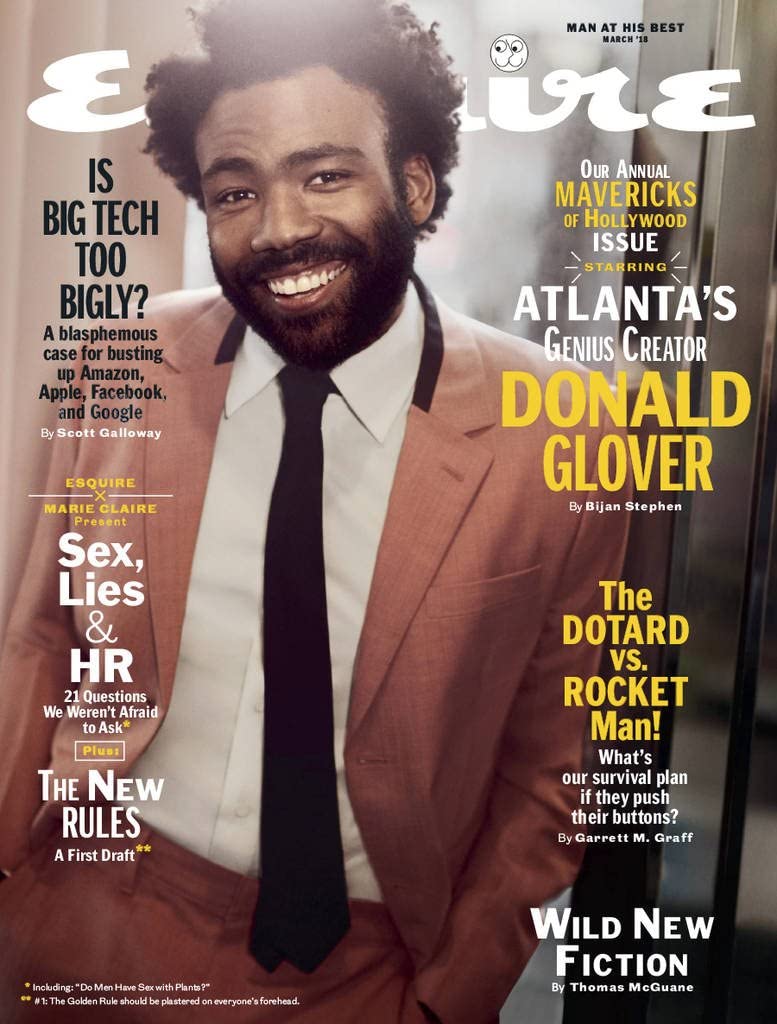
 On whether Hearst is considering any publishing schedule or frequency changes: What’s really important to me is wherever we’re creating a product —whether it’s a print, digital, video or experiential product — it has to be a great product and consumers have to value it. I think you’ll see us look critically at frequency across some of our titles, as we’ve been doing for a long time. We made the decision to change frequency on Esquire months before the pandemic crisis — you may see more of that.

On whether he had ever envisioned a crisis situation like we have today and how he might have prepared for it: I don’t know if you can prepare for it, but I feel like the fundamental structural transformation that we have gone through in magazine media was hard work and we had to make a lot of hard decisions. To an extent, that prepared us for the next set of hard decisions that are coming at us so quickly because of this pandemic. But, I don’t think any of us could have seen this coming as quickly as it did and as aggressively as it did.

On whether he thinks magazines and magazine media are relevant today: I think that we should separate two sides of magazine media: What is the content and how is it being packaged and distributed? To me, magazine media never goes away. And to me, magazine media is not the news. It is point of view; it is passions; and it is perspective; and it moves in and around the news and the things that people care about, but it brings more perspective to that conversation. And that’s what is so wonderful about it. And all of the journalism that surrounds it.

On any message he would like to send his advertisers, readers or staff: The first thing for our advertisers right now is we’re thinking about them, because I know that their businesses are incredibly difficult. And whether you’re in retail, luxury, fashion, beauty, or the automotive space, your business is facing many significant challenges. As a partner, I’m worried about them and their businesses and want to know how we can help them.

On what he tells his teams when they get together for a meeting: It’s time for us to be leaders. We have to be insanely creative in how we work and how we understand value as we’re creating. We have to be more innovative than ever, and there are going to be times that it’s really hard. We need to fuel that emotion and then move on.

 On what keeps him up at night: What keeps me up at night is that, as a society, we need to stay connected to our better angels. Cuomo said it best, and I totally agree: How do we keep positive; how do we keep helping one another. And I worry sometimes that in a crisis like this, we can let it get the better of us. And I think that we have to be like that on every level. With our families; with our coworkers; and in society. And if I worry about anything it’s, how are we reacting to these challenges and are we staying positive?
And now the lightly edited Mr. Magazine™ interview with Troy Young, president, Hearst Magazines.

Samir Husni: There’s so much doom and gloom taking place currently, not only in the world, but in the media circles. How are you as president of Hearst Magazines operating the company during this pandemic?

Troy Young: The first thing we had to do is move our workforce into collaborating and connecting in an entirely new way. Fortunately,— because we have a fairly large composition of very technically sophisticated workers, be it engineers or digital editors — it’s been relatively seamless. And, we have been using digital tools to connect with each other for a while now, so the transition to working remotely has been less disruptive than you’d expect. I’ve heard that from many others too, so I think the world is adjusting well.

We’re starting to see some of the challenges though, in terms of the effect it can have on mental health. We’re seeing the challenges of parents who are having to balance managing a school in their home and doing their work simultaneously. These types of changes are concerning given that they have the potential to put more stress on our employees.

The other question is how — during these unusual circumstances — do we move bigger projects forward and implement bigger initiatives that we were planning. How do we get those going. I think this might be a little harder to do in the remote workforce.

On top of that, we have real challenges across the industry. We have a varied portfolio, from women’s services to luxury to men’s publications, but some of those worlds are being hit tremendously hard — fashion and luxury, in particular. It will impact everybody’s revenue in the industry. I’ve spoken to many across the magazine industry and the sentiment is pretty consistent, this is going to be a really challenging time.

Our point of view is that the effects of coronavirus will accelerate trends that we’ve already been working on for quite some time. And those trends are managing rate bases more aggressively: growing our digital business, growing consumer revenue, becoming a leader in the commerce space and further developing our video production capabilities. But those are challenges that we were facing before —they are now just coming at us really fast.

Samir Husni: When the pandemic is behind us, do you think there’s a possibility that, as in education, where universities are rethinking how they’re teaching online, considering how well your teams are working remotely, do you think there will be a pause for reconsideration of the traditional office environment?

Troy Young: I’m actually hopeful that we can use this as an opportunity to create some more lasting change. One of the bright spots for many people and for many senior executives is — for example — how efficient we can be when we create a virtual meeting. We set up a Zoom link and five people can be looking at each other and we can run a very productive meeting in 25 minutes. That gives us more flexibility in a lot of ways, in terms of our personal lives and our professional lives.

So, I do think some of the learnings will rewire how we think as workers and certainly as a media company. And some of those will be really positive.

Samir Husni: Are you thinking of changing any publishing schedules, any frequencies for the print products? Are you concentrating more on digital or is everything for now still status quo?

Troy Young: What’s really important to me is wherever we’re creating a product —whether it’s a print, digital, video or experiential product — it has to be a great product and consumers have to value it. I think you’ll see us look critically at frequency across some of our titles, as we’ve been doing for a long time. We made the decision to change frequency on Esquire months before the pandemic crisis — you may see more of that.

Some of these changes may be short-term, given the lack of ad-demand right now, some may not be. But what’s really important underneath all of it is that you still create a product that the consumer really desires.

Samir Husni: Did you ever, in your worst nightmares, envision a situation like this? And how do you prepare for it?

Troy Young: I don’t know if you can prepare for it, but I feel like the fundamental structural transformation that we have gone through in magazine media was hard work and we had to make a lot of hard decisions. To an extent, that prepared us for the next set of hard decisions that are coming at us so quickly because of this pandemic. But, I don’t think any of us could have seen this coming as quickly as it did and as aggressively as it did.

Samir Husni: In the midst of all that’s happening, why do you think that magazines and magazine media are relevant today? Or are they relevant today?

Troy Young: I think that we should separate two sides of magazine media: What is the content and how is it being packaged and distributed? To me, magazine media never goes away. And to me, magazine media is not the news. It is point of view; it is passions; and it is perspective; and it moves in and around the news and the things that people care about, but it brings more perspective to that conversation. And that’s what is so wonderful about it. And all of the journalism that surrounds it.

I think that will persist. How a model of delivering that content on the printed page in a package through a set of distributors and retailers and how that gets reshaped are different questions. But I believe there will be demand for the printed product for a long time and it will hold up better in some categories than others. I think it holds up really well in shelter and fashion.

And in other places like lifestyle media for men and in health — we see a strong demand and consumers really like the product. It’s changing and as it changes, our job is to evolve how we distribute content. And if you look at what magazine publishers have done over the last decade, we’ve become incredibly nimble at creating content for ten different distribution points. And creating multiple different types of content from short Tweets to new video formats to online features — and we still continue to produce magazines. I think our industry is really resilient, and our job as leaders is to follow how consumers want to consume our content.

Samir Husni: Is there any message you want to send to your staff or your readers or to your advertisers during all of this?

Troy Young: The first thing for our advertisers right now is we’re thinking about them, because I know that their businesses are incredibly difficult. And whether you’re in retail, luxury, fashion, beauty, or the automotive space, your business is facing many significant challenges. As a partner, I’m worried about them and their businesses and want to know how we can help them.

The second thing that I would say is, I just looked at our March digital performance — in terms of the content we created and how it was read, and I can tell you that people still want to hear from us. The distribution of our content continues to grow; year over year we’re up. Our teams have been incredibly responsive.

Last month, we published 1,900 articles around Covid-19, but found different ways to talk about it that was relevant to our different audiences. And we’re seeing people want to consume lifestyle content because in some ways it’s an alternative to just the relentlessness of hard news. So, people want our content, they love our brands. And figuring out how we deliver against that and how we pay for it is one reason why we’re going through a period of so much change.

Samir Husni: What do you tell your team every time you meet for a meeting? What’s your message of encouragement?

Troy Young: It’s time for us to be leaders. We have to be insanely creative in how we work and how we understand value as we’re creating. We have to be more innovative than ever, and there are going to be times that it’s really hard. We need to fuel that emotion and then move on.

And, most importantly, we have to care for our coworkers.

Samir Husni: My typical last question; what keeps you up at night?

Troy Young: It’s so funny that you ask that, Samir, because our executive team meets every morning at 9:00 a.m. and sometimes we talk about a broad range of things. This morning, it started with how many people right now are waking up in the middle of the night? And I made the joke that maybe we should shift the call to 3:00 a.m.

But what keeps me up at night is that, as a society, we need to stay connected to our better angels. Cuomo said it best, and I totally agree: How do we keep positive; how do we keep helping one another. And I worry sometimes that in a crisis like this, we can let it get the better of us. And I think that we have to be like that on every level. With our families; with our coworkers; and in society. And if I worry about anything it’s, how are we reacting to these challenges and are we staying positive?

Samir Husni: Thank you.
h1

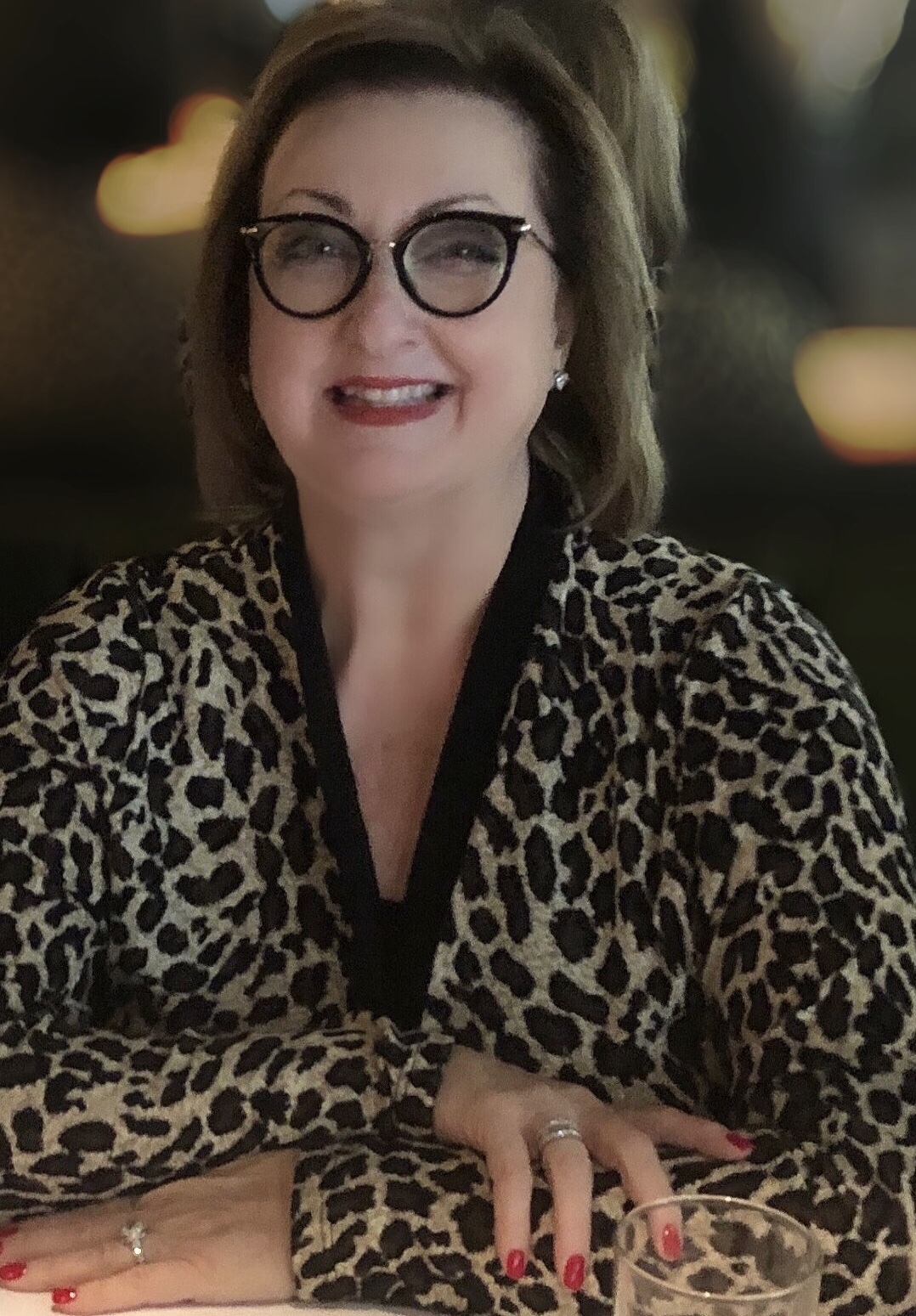
Phyllis Hoffman DePiano, Chairman & CEO, Hoffman Media To Samir “Mr. Magazine™” Husni: “We Want To Bring Hope And Beauty To The World… Our Words Of Encouragement Are We’re All In This Together.” Publishing During A Pandemic (3)…

April 1, 2020

“… We’re carrying on as much as possible. And it’s giving our people a focus; it’s also giving them time to be creative. As you know when you’re in an office everything is going wide open with the business aspect of it, telephones ringing. Now, you really just have a lot of quiet time. And I think what’s good about this is our editors and editorial teams working individually and together are having time to really think about good editorial. What can we do in the future? What has been valuable to people during this?” Phyllis Hoffman DePiano

Positivity and staying strong and focused is the mindset that Hoffman Media has taken during this tragic pandemic. With keeping their people safe and healthy the main goal of their efforts, Chairman & CEO Phyllis Hoffman DePiano, said her team is working from home and still producing the great content their readers expect.

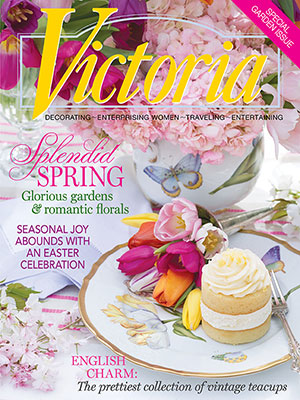
I spoke with Phyllis recently and we talked about a few of her titles, such as Bake From Scratch, Victoria, and Taste of the South, and about how Hoffman brands center on home and hearth, which everyone is interested in anyway, but especially now. Providing the comfort of home and food, Hoffman titles bring hope and joy to these uncertain times we find ourselves living in.

In Phyllis’s words: “People need hope. They need hope and they need to know that this is going to pass and we’re going to get through it if we work together as a nation. And if people will stay home and separate themselves.

And what better item to have at home with you than a Hoffman magazine. Along with their social media and online resources, the community spirit the brands foster brings everyone together even while social distancing prevails.

So, I hope that you enjoy this third in a series of Publishing During A Pandemic Mr. Magazine™ interview with Phyllis Hoffman DePiano, Chairman & CEO, Hoffman Media.

 But first the sound-bites:

On how Hoffman Media is operating during this pandemic: Hoffman Media is good. We’ve mobilized our entire business to work remotely and we’re still producing great content. With the magazines we work so far ahead and we have a lot of seasonal photographs and things and now we can do the editorial work to go with them. And we continue producing the content that our readers want.

On whether she would have ever anticipated anything like this ever happening: As far as whether I have ever anticipated anything like this, not to this magnitude. Years and years ago when we were very small, Desert Storm was happening and that was the first time our country had been in a conflict like that in years, I guess since the Vietnam War. Everything shut down, people were scared to death. That passed, and of course 9/11 was devastating to everybody. But what we have found is we gear our editorial toward making your home your haven. Even our travel is evergreen. I think people are spending more time with their magazines and we’re doing a lot of online encouragements to our readers.

 On her message to Hoffman’s employees, readers, and advertisers during these uncertain times: As far as our staff, Brian or Eric (Hoffman) or I will write a letter to all of them every week encouraging and thanking them for their work and letting them know that we’re doing everything in our power to maintain operations as they are. And for advertisers; people are spending more time with our magazines and I think that’s true even of the back issues. I’m getting emails from people that tell me they’re reading one of our magazines from a year ago. Our magazines are normally not thrown away, they’re kind of little treasures. So, we’re seeing people engaged heavily with our magazines during this time.

On whether she feels having that print magazine in hand enhances that sense of community and eliminates a little bit of that social distancing factor we all are practicing: I think it does because even with our advertisers, people are going to their websites and really spending time with the resources that we present. And I do think that it is a sense of community because I know each of our magazines like Victoria, for example, Victoria has a huge sense of community, so their social media, websites and blogs are very community-spirited. So yes, we’re seeing that is very important and it kind of keeps you from feeling that you’re isolated because you’re actually reading and seeing what other people are commenting, and it’s really refreshing.

On what keeps her up at night: What keeps me up right now is the safety of our employees. Are they safe? Do they have everything they need? I want to make sure they have food and supplies. I’m making masks right now, face masks for needs that we have among our people. So, that’s what keeps me up, is everybody who works for us, that we’re committed to and they’re committed to us, do they have everything they need during this time. My phone is on, as I told them, text me, call me if you need anything. We will figure out how to get it to you.

And now the lightly edited Mr. Magazine™ interview with Phyllis Hoffman DePiano, Chairman & CEO, Hoffman Media.

Samir Husni: How is Hoffman Media operating during this tragic pandemic?

Phyllis Hoffman DePiano: Hoffman Media is good. We’ve mobilized our entire business to work remotely and we’re still producing great content. With the magazines we work so far ahead and we have a lot of seasonal photographs and things and now we can do the editorial work to go with them. And we continue producing the content that our readers want.

Our subscriber business has not fallen; our grocery sales are up in the newsstand, but I think that would be true of everyone. That’s where you can go these days, the grocery store and the drugstore. And we’re just being very patient and working with our partners in advertising and tourism. When it comes back we’re going to be looking for ways to help them rebound. We’re still seeing custom content for our food clients as big. But all in all, it’s early, but we’re pulling together as a team. And that’s all you can do right now.

We’re doing teamwork remotely and our IT department has set up conference apps where the whole team can be on the screen at the same time and talk through things. It’s very unusual but it’s working.

Samir Husni: The magazine industry has been through tough times, after September 11 and many other things that have happened, but we’ve never faced anything like this social distancing. Did you ever anticipate anything like what we’re seeing today?

Phyllis Hoffman DePiano: As far as whether I have ever anticipated anything like this, not to this magnitude. Years and years ago when we were very small, Desert Storm was happening and that was the first time our country had been in a conflict like that in years, I guess since the Vietnam War. Everything shut down, people were scared to death. That passed, and of course 9/11 was devastating to everybody.

But what we have found is we gear our editorial toward making your home your haven. Even our travel is evergreen. I think people are spending more time with their magazines and we’re doing a lot of online encouragements to our readers. We’re bringing editorial to them, our baking crowd and cooking crowd. Taste of the South is absolutely exploding, but people are home cooking. Our magazines by the very nature of them lend themselves to spending a lot of time with them during times like this when you are sheltering at home.

Samir Husni: And what’s your message to your employees, readers, and advertisers? What words of wisdom can you offer in these uncertain times?

Phyllis Hoffman DePiano: As far as our staff, Brian or Eric (Hoffman) or I will write a letter to all of them every week encouraging and thanking them for their work and letting them know that we’re doing everything in our power to maintain operations as they are. And for advertisers; people are spending more time with our magazines and I think that’s true even of the back issues. I’m getting emails from people that tell me they’re reading one of our magazines from a year ago. Our magazines are normally not thrown away, they’re kind of little treasures. So, we’re seeing people engaged heavily with our magazines during this time.

And how long will things be this way, who knows. I wish I had a crystal ball, I really do. I’m ready for it to be over like everyone else. But we’re concerned mainly with the safety of our staff. We wouldn’t want anything to happen to anyone. That would be tragic. So, I don’t know where we are in this timeline of this Covid-19 virus. You think surely we’re getting to the end and then you don’t know.

But we’re carrying on as much as possible. And it’s giving our people a focus; it’s also giving them time to be creative. As you know when you’re in an office everything is going wide open with the business aspect of it, telephones ringing. Now, you really just have a lot of quiet time. And I think what’s good about this is our editors and editorial teams working individually and together are having time to really think about good editorial. What can we do in the future? What has been valuable to people during this?

And our words of encouragement are we’re all in this together. It’s not that Hoffman Media is the only one experiencing this, this is worldwide and all media companies are experiencing it to various degrees of severity. We’re very grateful for our staff and they’re just phenomenal. It’s a comfort to know that they take ownership of this business as we do. We look forward to coming out on the other side of this with a different perspective maybe of appreciation for even the tiniest of things that we can encourage people with through the pages of our magazine.

Emails are important, our social media is very important and our websites; we’re keeping those updated regularly. We’re seeing in our sewing and craft division a lot of at-home education, because we have an extensive program of learn-to-sew and enhance your skills at home. The educational site launched right before this happened, so we’re seeing that we are a resource for people who truly are staying home and want to continue to learn. And it’s the same thing with bake and our cooking. We’re doing videos partnering with our advertisers, teaching people how to do things.

It’s really returned us to, I won’t say the basics, but I will say to the things that people really want to learn. It has made us look at that and think this is a great time to bring that to people.

Samir Husni: Do you think in this age of social distancing or what I call isolated connectivity, holding or having a print magazine in hand enhances that sense of community or eliminates a little bit of that social distancing?

Phyllis Hoffman DePiano: I think it does because even with our advertisers, people are going to their websites and really spending time with the resources that we present. And I do think that it is a sense of community because I know each of our magazines like Victoria, for example, Victoria has a huge sense of community, so their social media, websites and blogs are very community-spirited. So yes, we’re seeing that is very important and it kind of keeps you from feeling that you’re isolated because you’re actually reading and seeing what other people are commenting, and it’s really refreshing.

We have had a wonderful time – I write a blog “The Ribbon” in my journal and it’s nothing but encouragement. I think that to our readers, if I can bring any kind of encouragement to them on a weekly basis, I’m going to do that. I’m going to spend time writing, because you just never know what you might say or you might lead them to something that could help them. It’s been a really wonderful sense of community for me to write that blog. And of course our editors and their staff all work on their own individual social media platforms, including Instagram.

So yes, it’s an extension of our community that we have, not only through the pages, but for the extension of the pages. Our online store is a resource for a lot of people who are not near, for example, bookstores that might carry the Bake From Scratch annual edition. We’re seeing our online store sales continue to meet budget and we’re very excited about that. People need hope. They need hope and they need to know that this is going to pass and we’re going to get through it if we work together as a nation. And if people will stay home and separate themselves.

We have found in our business that when things are like this, such as after 9/11, our readers really band together and bring forth to social media platforms, which are today a lot more extensive than they were when 9/11 occurred, they were in their infancy then. It’s very rewarding when someone says they were so pleased to read an article about a certain topic in one of our magazines.

We want to bring hope and beauty to the world; we want to bring encouragement, because there’s too much reality right now that people are having to deal with.

Samir Husni: My typical last question; what keeps you up at night?

Phyllis DePiano: What keeps me up right now is the safety of our employees. Are they safe? Do they have everything they need? I want to make sure they have food and supplies. I’m making masks right now, face masks for needs that we have among our people. So, that’s what keeps me up, is everybody who works for us, that we’re committed to and they’re committed to us, do they have everything they need during this time. My phone is on, as I told them, text me, call me if you need anything. We will figure out how to get it to you.

The face masks I’m making actually started with my doctor who I had asked a few weeks ago if he needed any. At the time he was good. Then he called me and said they were having a huge shortage, so I made 40 for his office staff.

And I was talking to Brian recently and he told me about some people who needed masks too. So, I’m making those. They’re not couture by any means, but they work. We feel like we’re helping here and you want to do something to help. Even though it’s small and insignificant, anything we can do to make our world a better place and to show people we care about them, because that makes a difference in people’s lives so much, that somebody cares about you.

Samir Husni: Thank you.

h1

Publishing During A Pandemic (2): Andy Clurman, President & CEO, Active Interest Media (AIM) To Samir “Mr. Magazine™” Husni On Changing Or Halting Any Print Schedules: “We Have Not Done That As Of Yet.” The Mr. Magazine™ Interview…

April 1, 2020

“We are studying different impacts (Of The Current Pandemic), but so far advertising has held up. There has been some cancellations, but there have been more delays, with people pushing campaigns back. At least as of the end of last week we hadn’t seen a material drop in advertising, which made us read that every issue of the moment was going to be profitable, but we’re keeping our eyes wide opened and everybody is communicating in real time what they’re seeing in our different markets. It would be surprising if advertising didn’t come down a bit.”… Andy Clurman

Ingenuity and determination. Two descriptive traits that we Americans have proven over the years to have an abundance of. And during this life-altering pandemic that we’re all facing, never have we demonstrated it more, both personally and professionally. And magazines and magazine media are no different.

Recently, I spoke with Andy Clurman, president and CEO at Active Interest Media. Andy told me that his team at AIM were unbelievable, taking the work-from-home directive and running with it, coming up with creative and new ideas to keep even their events business operational (a Facebook Live team roping event) during the social distancing that we’re all practicing. From events to their print titles, AIM is moving forward during this tragedy with hope, grace and fortitude, as Andy and his team develop an awareness for this new world we are all living in currently, while keeping the business an Active, Interest-ing Media company.

So, without further ado, here is the Mr. Magazine™ interview with Andy Clurman, president and CEO, Active Interest Media (AIM).

But first the sound-bites:

On how he is conducting business during this pandemic: We have a lot of people working remotely and thankfully through technology it wasn’t a big leap for us two weeks ago to ask everyone to work from home. We have a couple of essential positions where those people have to come in periodically, but so far just using all the tools we have and the ones we’ve gotten better at, such as Microsoft teams that I think are fully functioning, we’re doing good. The thing that has been most impacted is obviously our event business, which is growing to be a larger and larger part of our company. Fortunately, none of our largest marketing events are happening this time of the year, but we did have to cancel, postpone, or virtualize a whole number of events which included a boutique boat show we were doing in Seattle, a log and timber home show in Minneapolis, a number of team roping events in New Mexico, a fitness and yoga event that we were doing.

On whether they are changing or halting any of their print schedules for now: We have not done that as of yet. We are studying different impacts, but so far advertising has held up. There has been some cancellations, but there have been more delays, with people pushing campaigns back. At least as of the end of last week we hadn’t seen a material drop in advertising, which made us read that every issue of the moment was going to be profitable, but we’re keeping our eyes wide opened and everybody is communicating in real time what they’re seeing in our different markets. It would be surprising if advertising didn’t come down a bit.

On whether he thinks the business model will reinvent itself after the pandemic is over: Long before all the longer-term impacts and social changes, I think people were accelerating or reinventing the business on the fly, for example, we started an ecommerce initiative a while ago, last summer, and it’s been honestly somewhat languishing. Then suddenly when we got to the end of this year, we really ramped it up and we’re seeing signs of incredible traction,. Across the company, just in the last two weeks, as we’ve been looking at what else we could do to help diversify and safeguard the business against a decline in advertising, we ramped up the ecommerce-related effort and a new product that we’re going to be bringing to the market in a few weeks.

On the message he would like to send to his team during these difficult times: I think the message is all of us are in this business and in different sections of the business because we have a mission and we’re driven by what we think is a valuable service to our audience, our marketing partners, and the community that we have as a team in our company. This is a moment when I think it’s proving to be a test of people’s character and commitment. And it’s really gratifying to see the extraordinary levels people are stepping up to in order to fulfill those commitments to each other and to their communities.

On the message he would send his advertisers and readers: We’ve been sending those out almost daily. We’ve been sending access to our online yoga classes for anxiety, health and wellness classes. So our message is we’re here to support them and we’re here to support each other. The sum of that preserves the bedrock of what we all do and our business. We might all take some lumps in the short term, but it will preserve and probably create some unexpected evolution that we’ll all be a part of when we navigate through this.

On anything he’d like to add: You don’t want to be blindly optimistic, but seeing the character and the collaboration that people are rising to is a testament to the quality of our people and everyone else as well.

On what keeps him up night: In a perverse way; intellectually it focuses the mind when you’re presented with problems that you haven’t ever encountered in your very long career and think you’ve seen everything. I guess the thing that I’m wondering most is you don’t know what you don’t know, right? So what is it that I don’t know since I’ve never encountered this before? Are we doing enough of the right things?

And now the lightly edited Mr. Magazine™ interview with Andy Clurman, president and CEO, Active Interest Media (AIM).

Samir Husni: Magazines and magazine media have adapted through many crises over the years, but to my recollection there has been nothing like this. How are you conducting business through this pandemic?

Andy Clurman: We have a lot of people working remotely and thankfully through technology it wasn’t a big leap for us two weeks ago to ask everyone to work from home. We have a couple of essential positions where those people have to come in periodically, but so far just using all the tools we have and the ones we’ve gotten better at, such as Microsoft teams that I think are fully functioning, we’re doing good.

We’re very happy at the moment and grateful that we have not seen a big impact, as of yet, on people’s health as far as we can tell. We’re doing daily check-ins with everyone. We have a twice per week town hall meeting with everybody. Leadership meetings, all using videoconferencing, so people have been improving their videoconferencing game with lots of clever tricks of the trade.

The thing that has been most impacted is obviously our event business, which is growing to be a larger and larger part of our company. Fortunately, none of our largest marketing events are happening this time of the year, but we did have to cancel, postpone, or virtualize a whole number of events which included a boutique boat show we were doing in Seattle, a log and timber home show in Minneapolis, a number of team roping events in New Mexico, a fitness and yoga event that we were doing.

But what has been so amazing is how creative my team has been in coming up with ways to not just do virtual events, but finding ways to, for example, do a team roping event using Facebook Live and still be able to have people compete from the privacy of their own backyard practice arenas. So, that business is certainly challenged. And figuring out what to communicate, and the things that are longer-ranged. For example, our largest fitness event is in mid-July at Disneyland, so researching alternate dates, making contingency plans, communicating with all of our presenters and our attendees with what we’re doing so they’re not in the dark.

Another thing that has been really impressive is how each one of our groups has stepped up with different kinds of industry support and leadership efforts and assistance, particularly in places that have been really hard hit like the fitness industry where fitness trainers aren’t able to do in-person training with their clients. The skiing industry has summarily shut down and the outdoor industry, most of the retailers are closed. We have a lot of industry impacts and we’re trying to be helpful and supportive and give people resources to either be able to do what they love or, for example, we’ve opened up our entire online education library for free to all of our industry partners in all of our categories.

Samir Husni: What about the publishing side? I understand how the events side is heavily impacted, but what about the magazines? Are you changing print schedules or halting any of the print titles for now?

Andy Clurman: We have not done that as of yet. We are studying different impacts, but so far advertising has held up. There has been some cancellations, but there have been more delays, with people pushing campaigns back. At least as of the end of last week we hadn’t seen a material drop in advertising, which made us read that every issue of the moment was going to be profitable, but we’re keeping our eyes wide opened and everybody is communicating in real time what they’re seeing in our different markets. It would be surprising if advertising didn’t come down a bit.

Samir Husni: When this is behind us, do you think the publishing business model will readjust or reinvent itself? What’s your expectations in the midst of what’s going on now?

Andy Clurman: Long before all the longer-term impacts and social changes, I think people were accelerating or reinventing the business on the fly, for example, we started an ecommerce initiative a while ago, last summer, and it’s been honestly somewhat languishing. Then suddenly when we got to the end of this year, we really ramped it up and we’re seeing signs of incredible traction,. Across the company, just in the last two weeks, as we’ve been looking at what else we could do to help diversify and safeguard the business against a decline in advertising, we ramped up the ecommerce-related effort and a new product that we’re going to be bringing to the market in a few weeks.

There’s been a lot of looking at the things that we had in our development pipeline and really focusing on the ones that we think would be most helpful to our customers right now and things that will add more diversification to the business. Even though everybody is hunkered down at home, there’s a lot of creative energy flowing that’s going into driving some of these new revenue streams, which we’ve always been pretty good at, but the team is even more energized and more creative when we’re dealing with all of these unknowns.

On the social and business impact, this is really proving how much technology allows us to function in all kinds of places. I don’t know if you’re experiencing this, but I have; you can conduct your classes on Zoom, but the engagement level of students, and I would imagine the same holds true for a team, and even though it’s implicit, the quality of communication you have when you’re in person with people is much better than it is over a really good video platform.

Samir Husni: What message would you want to send to your team during these difficult times?

Andy Clurman: I think the message is all of us are in this business and in different sections of the business because we have a mission and we’re driven by what we think is a valuable service to our audience, our marketing partners, and the community that we have as a team in our company. This is a moment when I think it’s proving to be a test of people’s character and commitment. And it’s really gratifying to see the extraordinary levels people are stepping up to in order to fulfill those commitments to each other and to their communities.

One example of that I can share is shortly after we all hit the work-from-home button, our marketing services group launched a project called “Newton.” And the idea behind “Newton” was to pull together our different groups and come up with what sort of products and services we could build and bring to market at a time when all the terms of commerce and community had phased at least temporarily. They called it “Newton” because Isaac Newton was famously quarantined during the Great Plague in 1665, and that’s when he discovered gravity. So, without any prompting, one of our groups took a leadership role and pulled together other parts of the company to try and come up with some great new ideas. It’s inspiring to see people step up like that.

Samir Husni: Do you have a special message for the advertisers and the readers?

Andy Clurman: We’ve been sending those out almost daily. We’ve been sending access to our online yoga classes for anxiety, health and wellness classes. So our message is we’re here to support them and we’re here to support each other. The sum of that preserves the bedrock of what we all do and our business. We might all take some lumps in the short term, but it will preserve and probably create some unexpected evolution that we’ll all be a part of when we navigate through this.

Samir Husni: Is there anything you’d like to add?

Andy Clurman: You don’t want to be blindly optimistic, but seeing the character and the collaboration that people are rising to is a testament to the quality of our people and everyone else as well.

 Samir Husni: My typical last question; what keeps you up at night?

Andy Clurman: In a perverse way; intellectually it focuses the mind when you’re presented with problems that you haven’t ever encountered in your very long career and think you’ve seen everything. I guess the thing that I’m wondering most is you don’t know what you don’t know, right? So what is it that I don’t know since I’ve never encountered this before? Are we doing enough of the right things?

Samir Husni: Thank you.
 

h1

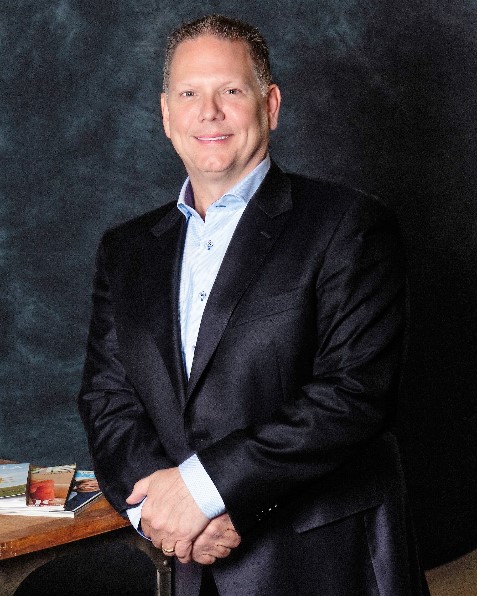
Diane Silberstein, Former Playboy Publisher, To Samir “Mr. Magazine™” Husni: “This Is A Time For Reinvention.” The Mr. Magazine™ Interview…

March 30, 2020

“I am very privileged. I’ve worked with some amazing people in my career, and it’s not over yet. I’ve met some incredible people… I’ve worked with some of the most incredible marketers around, people at agencies and on the client’s side. And my colleagues that have never failed to impress and inspire me. And we just keep going. This is a time of reinvention, that’s for sure.” … Diane Silberstein

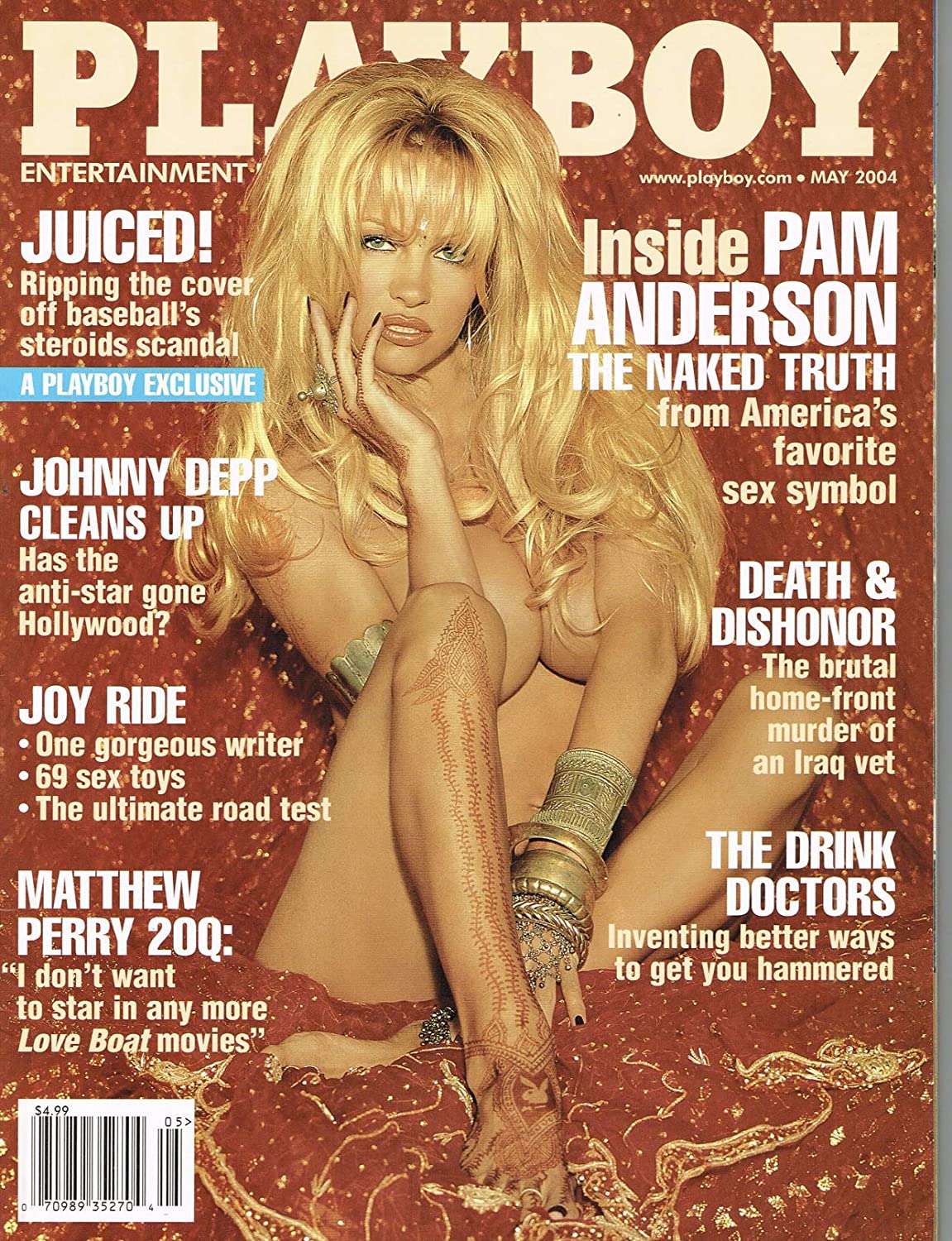
Playboy is folding the print component of its iconic brand, citing the Coronavirus as the reason. A victim of the pandemic and its tragic hold on the world as a whole right now? Some may believe that, but as for me personally, I don’t think so. I believe the brand as a whole, and not just the magazine, lost its relevance long before Hefner’s death or the Me Too movement.  But rather than lead with my assumptions, I decided to go to an insider who has been at the helm of Playboy and ask her opinion.

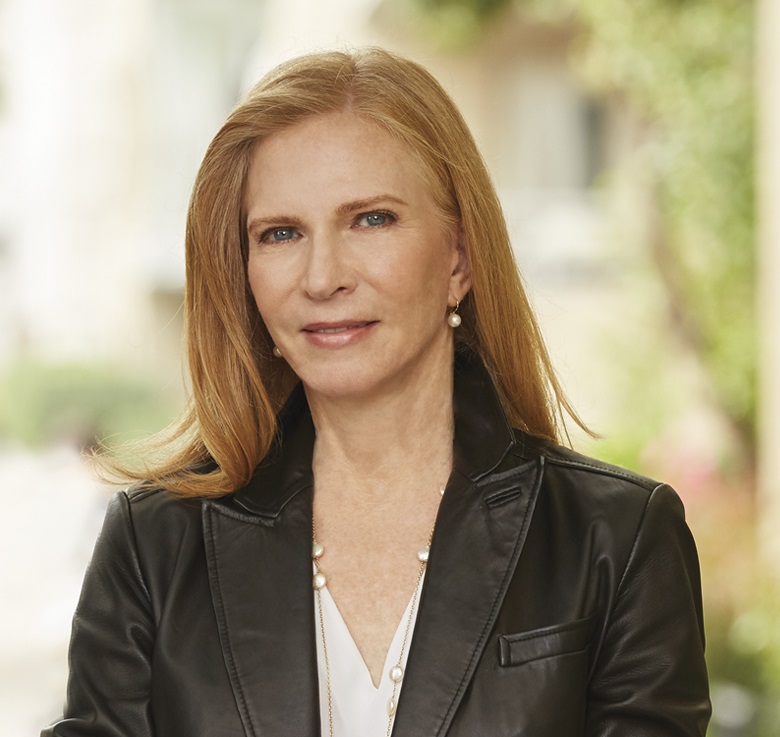
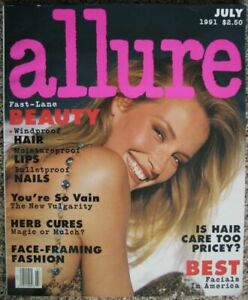
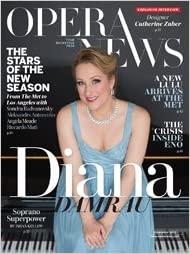
Diane Silberstein is no novice when it comes to the world of magazines. From launching Allure to  being at Elle and The New Yorker, combined with her days at Playboy and Opera News, she is a woman who knows her way around magazines and publishing. And when it comes to Playboy and being the first female publisher at the gentlemen’s magazine, well, she is definitely a groundbreaker.

I spoke with Diane recently about her illustrious career in publishing and all of those wonderful brands she worked on. It was a delightful conversation and one where she agreed that Playboy was Hugh Hefner and Hef was Playboy: “Mr. Hefner was a big part of the brand. I wish that Playboy had continued on building the brand in a way that evolved it for the next generation.” The idea of being a part of a brand that was at one time untouchable in circulation when it came to men’s magazines, makes Diane an inimitable part of magazines and magazine publishing.

So, I hope that you enjoy this informative interview with a woman who has had a magnificent career in the past and has no intention of slowing down when it comes to the future. Once this pandemic has passed, and she firmly believes it will, the time for reinvention is at hand. For magazine brands and their publishing mantras. And now the Mr. Magazine™ interview with Diane Silberstein, former publisher, Playboy.

But first the sound-bites:

On being a former publisher of Playboy and her reaction to the news that the print magazine was closing up shop: My first emotions were very sad, another iconic brand shuttering its doors. I had the same reaction when I heard that Glamour magazine was suspending publication, which is the first place I worked; it was my first job out of college. But here was an iconic brand that meant so much to such a great number of men. The circulation was three million when I was there. I was there in 2003, 2004, and 2005. So, that’s going back a number of years, but with a circulation of three million, the readership was up to almost seven million. We reached a lot of men in America. So it was just heartbreaking to hear that it was going away.

On whether she feels the reason the magazine didn’t make it was because Hefner was no longer there: I think Mr. Hefner was a big part of the brand. I wish that Playboy had continued on building the brand in a way that evolved it for the next generation. During the early 2000s, Playboy was battling against Maxim, which was a huge brand at the time as well for young men. And I don’t think there’s been another brand that has taken over and stepped into the role to really capture the attention of young men today.

On whether she was comfortable showing the photography to the ad community considering she was a female publisher for Playboy: It was very comfortable for me to talk about the magazine and it was very comfortable to be in a presentation, and especially talk to other women who were buying media, about the magazine and explain the mindset of women talking about Playboy, and marketing Playboy, with it being the magazine that was entertainment for men.

On the transition of going from working at Elle and fashion to Playboy and skin: You’re not necessarily working with solely the editorial content, you’re really working as a publisher with an audience, and that’s what you’re marketing. So, at Elle, we were really marketing an audience of women who were interested in fashion and beauty. At Playboy we were marketing an audience of men, red-blooded American men, who were interested not just in women, but who were also interested in cars and electronics and in looking good and grooming. And that was the audience that we were marketing.

On Diane Silberstein the publisher and the difference between working for a nonprofit and a profit publication: My publisher self and my experience in sales and marketing stays with me and continues with me now into my career in real estate. I think the differences between not-for-profit and profit is everything looks at the bottom line for profitability. In my own experience in the nonprofit world, I found change to be slow in spending and very challenging, because the approval process is many layered between management and reporting to a board that has varying points of view. So, it just takes much longer to get things accomplished. And to me that’s the biggest difference.

On some of the highlights of her career: When I look back on the whole of my career, one of the highlights that stands out in my mind is launching Allure magazine, because rarely do you have the privilege of working for a man like S.I. Newhouse. And being able to launch a magazine where you have incredible resources at your disposal and the top talent that’s in the business, and the ability to create something from the ground up. And probably the most interesting as a highlight was certainly working at Playboy, because it was so varied and it was the first time I had ever worked for a public company, so it involved quarterly reporting; it was a different set of skills that were needed and I was able to work with so many different areas.

On whether visiting the Playboy mansion was ever part of an advertising coup: (Laughs) Every client wanted to go to the mansion, but no, that wasn’t a prerequisite for signing, not at all. But a lot of clients did use the mansion for events and programs, and we certainly allowed that. But no, that was not a carrot for clients. Not at all.

 On what Hefner was like as a boss: Well, I reported to Christie Hefner who was CEO of the company, I did not report to Hef. I think to get more in depth knowledge that probably came from Jim Kaminsky, who was editorial director during my term there. But Mr. Hefner, from my observations, did make the final call on everything.

On the advice she would give someone today (after the tragic pandemic is behind us) who wanted to launch a new magazine in this digital age: I think you have to be really honed in on a niche topic. And you have to build your audience really from the ground up. It has to happen organically and it’s a tough thing to do today. I wouldn’t advise anyone to do it, especially if they’re investing their own capital in it. It’s a very difficult time for all media brands and everybody is struggling for support. And when I say support, I mean marketing and advertising support.

On her vision of the future of the printed magazine: I think it’s obvious that the migration to online and how we consume media is in a digital world going forward.

On how she proposes people can make money from digital media: With digital media, you’re either charging the consumer for exclusive content or you’re very specifically charging for your audience that you can target and micro-target.

On whether anyone today can replicate her own footsteps in the marketplace or advertising world or those were the good old days: I hate to discourage anyone from going into the business today, because obviously we need journalists and people to report on what’s happening today in the industry. So, I would say if your passion is writing, definitely do it. But there is a new way in which we do business. My friends who are still in the industry on the business side, they are all stretched so thin because they’re not doing single titles anymore, they’re working on multiple titles, everything has been condensed. We do talk about the fun that it used to be. It was such a great business, both from the client side and our side as media sellers. It was fun and it was great, money was free flowing because advertisers only had the choice of print media or television to get their eyeballs. That was it. Business wasn’t as fractured.

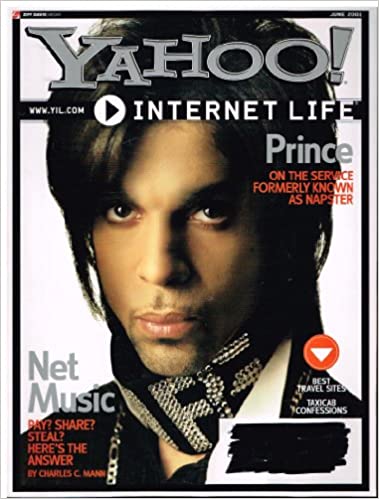
On any other career highlights she’d like to mention: Other highlights that were very challenging for me; my time at Ziff Davis Media, Yahoo! Internet Life magazine, which was back in 2001 and 2002, I was there as publisher at 9/11 and right after 9/11, Ziff Davis Media closed its entire consumer magazine division and that included Expedia Travels, Yahoo! Internet Life, and a small magazine called Family Internet Life. And there was no advertising. Certainly nothing in the travel industry, because no one was traveling after 9/11.

On being the first female publisher of Playboy magazine: It was an amazing time to be there. It really was. And Christie (Hefner) was my role model because I was on the fence about working there, but she was so smart, she pointed out to me that many of the writers who wrote for The New Yorker also wrote for Playboy. I took home two years’ worth of the magazine and read them. My whole background had been basically marketing to women and here was my opportunity to market to men on a very grand scale. And it just made sense. And to be able to work for a public company, which was a big draw.

On the biggest misconception she thinks people have about her: I think the biggest misconception people have about me is that I don’t eat junk food, (Laughs) I’ve always been pretty much the same size. But I have a wicked sweet tooth and a weakness for ice cream. And I’ll never turn down pizza.

On what keeps her up at night: What really keeps me up is what will happen to this country should Trump be reelected. And I’m very worried about the Coronavirus, but I feel that this too shall pass if everyone will stay in and stay home. But I’m worried about longer-term when it comes to what’s going to happen in this country.

And now the lightly edited Mr. Magazine™ interview with Diane Silberstein, former publisher, Playboy.

Samir Husni: Amidst the horrible reports of Covid-19 all over the world came the news that Playboy has decided to stop its print edition. As a former publisher of Playboy magazine, were you surprised by that decision? What were your first emotions when you heard the news?

Diane Silberstein: My first emotions were very sad, another iconic brand shuttering its doors. I had the same reaction when I heard that Glamour magazine was suspending publication, which is the first place I worked; it was my first job out of college. But here was an iconic brand that meant so much to such a great number of men. The circulation was three million when I was there. I was there in 2003, 2004, and 2005. So, that’s going back a number of years, but with a circulation of three million, the readership was up to almost seven million. We reached a lot of men in America. So it was just heartbreaking to hear that it was going away.

Samir Husni: Did you ever have the feeling that without Hefner being there the magazine wouldn’t make it, as though he and the brand were one in the same?

Diane Silberstein: I think Mr. Hefner was a big part of the brand. I wish that Playboy had continued on building the brand in a way that evolved it for the next generation. During the early 2000s, Playboy was battling against Maxim, which was a huge brand at the time as well for young men. And I don’t think there’s been another brand that has taken over and stepped into the role to really capture the attention of young men today.

What are young men looking at? I feel like I have almost a focus group here between my own sons and their friends. What do they look at and what do they read? They’re not really consuming media, lest it’s a complete vertical. They’re not consuming general interest media, unless it’s online. And I think addressing young men, you really had to morph brands online much quicker and include much more content. They all talk about Thrillist, they all look at Thrillest. And then they go vertical; they go into the sports; they follow food; they listen to podcasts; they all follow their entertainment online, but there’s not a general interest option. And Playboy was general interest, but Playboy was a little bit too risqué for general interest tastes. It didn’t follow the times; it needed to adjust itself and take the nudity out of the magazine to be much more politically correct. Certainly in today’s times with everything that we’re going through with the “Me Too” movement.

Samir Husni: Steve Cohn said to me that you once told him that being a female publisher at Playboy was to your advantage because you were more comfortable showing the pictures, the photography, to the ad community than your male sales people were.

Diane Silberstein: Yes, that’s true. It was very comfortable for me to talk about the magazine and it was very comfortable to be in a presentation, and especially talk to other women who were buying media, about the magazine and explain the mindset of women talking about Playboy, and marketing Playboy, with it being the magazine that was entertainment for men.

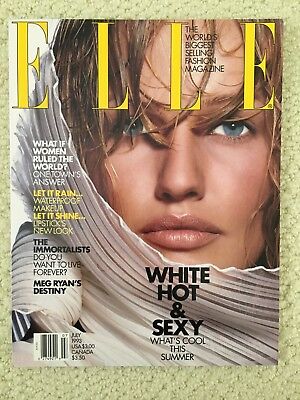
Samir Husni: You’ve been at Elle, The New Yorker; you’ve worked with Tom Florio and Tina Brown, you’ve been there. How was the transition going from working with Elle and fashion, to Playboy and skin?

Diane Silberstein: You’re not necessarily working with solely the editorial content, you’re really working as a publisher with an audience, and that’s what you’re marketing. So, at Elle, we were really marketing an audience of women who were interested in fashion and beauty. At Playboy we were marketing an audience of men, red-blooded American men, who were interested not just in women, but who were also interested in cars and electronics and in looking good and grooming. And that was the audience that we were marketing.

Samir Husni: The last time you and I talked, you were the publisher of Opera News and I asked you if there was a difference between being a publisher for a not-for-profit and for a profit publication. And you told me that once a publisher, always a publisher. Tell me more about Diane, the publisher. I know you’re in real estate now, but you were in publishing for years. Tell me about that time.

Diane Silberstein: My publisher self and my experience in sales and marketing stays with me and continues with me now into my career in real estate. I think the differences between not-for-profit and profit is everything looks at the bottom line for profitability. In my own experience in the nonprofit world, I found change to be slow in spending and very challenging, because the approval process is many layered between management and reporting to a board that has varying points of view. So, it just takes much longer to get things accomplished. And to me that’s the biggest difference.

And wearing a publisher hat is really the managerial and executive skills that I take now into my own business; I’m my own boss now. And how I run my business are the same marketing skills and the same bottom line skills, I’m running a P & L for my business. And the same people skills that I use now in meeting people every single day. Each person is a new client and it’s a new adventure. It’s wonderful.

Samir Husni: If you were going to tell me three highlights of your career so far, what would they be?

Diane Silberstein: It’s very hard to edit it down to three highlights, but when I look back on the whole of my career, one of the highlights that stands out in my mind is launching Allure magazine, because rarely do you have the privilege of working for a man like S.I. Newhouse. And being able to launch a magazine where you have incredible resources at your disposal and the top talent that’s in the business, and the ability to create something from the ground up.

The idea of launching Allure was very controversial at the time because the industry said who needs another magazine about beauty, but it was a different approach and it was the new face of beauty, but there were a lot of naysayers. It was a very tenacious group of people and staff that we hired to get it off the ground. It was so much fun; it was hard work, but it was so much fun and we were all in it together.

When you hire a staff and you pick people and you put them together, it’s such a cohesive bunch when you’re working together on a launch, there’s really nothing like it when you’re creating something from the ground up. So, I would have to say that’s one of the highlights of my career.

Certainly, working at Elle magazine was another highlight, because being publisher at Elle, at the time Elle was in the third place position after Vogue and Harper’s Bazaar, and we were able to rebuild Elle into the number two position behind Vogue. That took a lot of hard work, and again it was the team there and they were amazing.

And probably the most interesting as a highlight was certainly working at Playboy, because it was so varied and it was the first time I had ever worked for a public company, so it involved quarterly reporting; it was a different set of skills that were needed and I was able to work with so many different areas. I worked with the group that did international licensing, I worked with product licensing; I was able to work with our dotcom team, somewhat with the entertainment division. The brand had so many different legs that it just made the job so much more interesting.

 Samir Husni: One of your colleagues said that the reason advertising flourished at Playboy during some stages of the magazine’s lifespan was that before some signed the deal they wanted a visit to the mansion. Did you get a lot of requests to visit the mansion before you closed a deal with clients?

Diane Silberstein: (Laughs) Every client wanted to go to the mansion, but no, that wasn’t a prerequisite for signing, not at all. But a lot of clients did use the mansion for events and programs, and we certainly allowed that. But no, that was not a carrot for clients. Not at all.

Samir Husni: What was your experience with Hefner? I had heard he was somewhat of a control freak, but in your view what was he like as a boss?

Diane Silberstein: Well, I reported to Christie Hefner who was CEO of the company, I did not report to Hef. I think to get more in depth knowledge that probably came from Jim Kaminsky, who was editorial director during my term there. But Mr. Hefner, from my observations, did make the final call on everything.

Samir Husni: Was he involved with the advertising at all, as he was with the editorial?

Diane Silberstein: No, he wasn’t involved in the advertising.

Samir Husni: What advice would you give someone today, after this tragic pandemic is behind us, on launching a new magazine in today’s digital age?

Diane Silberstein: I think you have to be really honed in on a niche topic. And you have to build your audience really from the ground up. It has to happen organically and it’s a tough thing to do today. I wouldn’t advise anyone to do it, especially if they’re investing their own capital in it. It’s a very difficult time for all media brands and everybody is struggling for support. And when I say support, I mean marketing and advertising support.

Samir Husni: Can you envision a future without print magazines and being only online? What is your vision of the future of the industry?

Diane Silberstein: I think it’s obvious that the migration to online and how we consume media is in a digital world going forward.

Samir Husni: And how do you propose people can make money from digital media?

Diane Silberstein: With digital media, you’re either charging the consumer for exclusive content or you’re very specifically charging for your audience that you can target and micro-target.

Samir Husni: Can anyone replicate your steps in today’s marketplace or those were the days?

Diane Silberstein: I hate to discourage anyone from going into the business today, because obviously we need journalists and people to report on what’s happening today in the industry. So, I would say if your passion is writing, definitely do it. But there is a new way in which we do business.

My friends who are still in the industry on the business side, they are all stretched so thin because they’re not doing single titles anymore, they’re working on multiple titles, everything has been condensed. We do talk about the fun that it used to be. It was such a great business, both from the client side and our side as media sellers. It was fun and it was great, money was free flowing because advertisers only had the choice of print media or television to get their eyeballs. That was it. Business wasn’t as fractured.

When digital was introduced, and I was there at the early beginning with Phase 2 Media, it was the wild, wild west in 1999 and 2000, because no one knew what the Internet would become or how to advertise on it; how would they reach people? And no one knew that ecommerce would become such a big part of how we live, especially today. With how we’re living today, thank God for ecommerce because we can sit home and we can order electronics and no one has to go out and shop. You can have anything delivered to your doorstep. It’s wonderful and keeps you from feeling isolated. But no one ever thought that 15 or 20 years ago.

It was just a very different way in which we all lived. The way we entertained clients; the way we went out; the events; the way we had sales meetings. You tell these stories and the young people in the business today scratch their heads. You did what? You took your whole staff to Puerto Rico for a sales meeting? I can’t believe you did that. (Laughs) Those are the days that will probably never repeat themselves, that’s for sure.

Samir Husni: Any other highlights from your career that you’d like to add or mention that we haven’t talked about?

Diane Silberstein: Other highlights that were very challenging for me; my time at Ziff Davis Media, Yahoo! Internet Life magazine, which was back in 2001 and 2002, I was there as publisher at 9/11 and right after 9/11, Ziff Davis Media closed its entire consumer magazine division and that included Expedia Travels, Yahoo! Internet Life, and a small magazine called Family Internet Life. And there was no advertising. Certainly nothing in the travel industry, because no one was traveling after 9/11.

This was in September, so Yahoo! Internet Life was about to close its holiday issue, which was all about electronics and gadgets and gear. No one was advertising so we had no revenue streams coming in, everyone pulled their marketing and media budget. And finally Ziff Davis just said they couldn’t support it; they couldn’t go forward. I think we published two or three more issues and then they pulled the plug. We had to tell the staff that the magazine was closing. We didn’t even own the title of Yahoo! Internet Life; Ziff Davis’s contract said that it was licensed with Yahoo and it said that if they made any changes that Yahoo got the title back, they weren’t even able to retain the Yahoo title.

The hardest thing was facing an entire room of people and thinking my first job now as publisher is to help everybody get a new job. And I did. I called everybody I knew in publishing and everyone had a new job within two and a half weeks. Then I thought, what am I going to do. (Laughs) So, I started talking to people and that’s when I ended up at Playboy.

Samir Husni: I remember that was groundbreaking. You were the first female publisher of Playboy magazine.

Diane Silberstein: It was an amazing time to be there. It really was. And Christie was my role model because I was on the fence about working there, but she was so smart, she pointed out to me that many of the writers who wrote for The New Yorker also wrote for Playboy. I took home two years’ worth of the magazine and read them. My whole background had been basically marketing to women and here was my opportunity to market to men on a very grand scale. And it just made sense. And to be able to work for a public company, which was a big draw.

Samir Husni: What do you think is the biggest misconception people have about you?

Diane Silberstein: I think the biggest misconception people have about me is that I don’t eat junk food, (Laughs) I’ve always been pretty much the same size. But I have a wicked sweet tooth and a weakness for ice cream. And I’ll never turn down pizza.

Samir Husni: My typical last question; what keeps you up at night?

Diane Silberstein: That’s a loaded question. What really keeps me up is what will happen to this country should Trump be reelected. And I’m very worried about the Coronavirus, but I feel that this too shall pass if everyone will stay in and stay home. But I’m worried about longer-term when it comes to what’s going to happen in this country.

But overall, I am very privileged. I’ve worked with some amazing people in my career, and it’s not over yet. I’ve met some incredible people, including yourself and Steve Cohn. I’ve worked with some of the most incredible marketers around, people at agencies and on the client’s side. And my colleagues that have never failed to impress and inspire me. And we just keep going. This is a time of reinvention, that’s for sure.

Samir Husni: Thank you.
h1

“The Gravest Danger Was Fear Itself.” Words of Wisdom From The Pages of Magazines

March 30, 2020

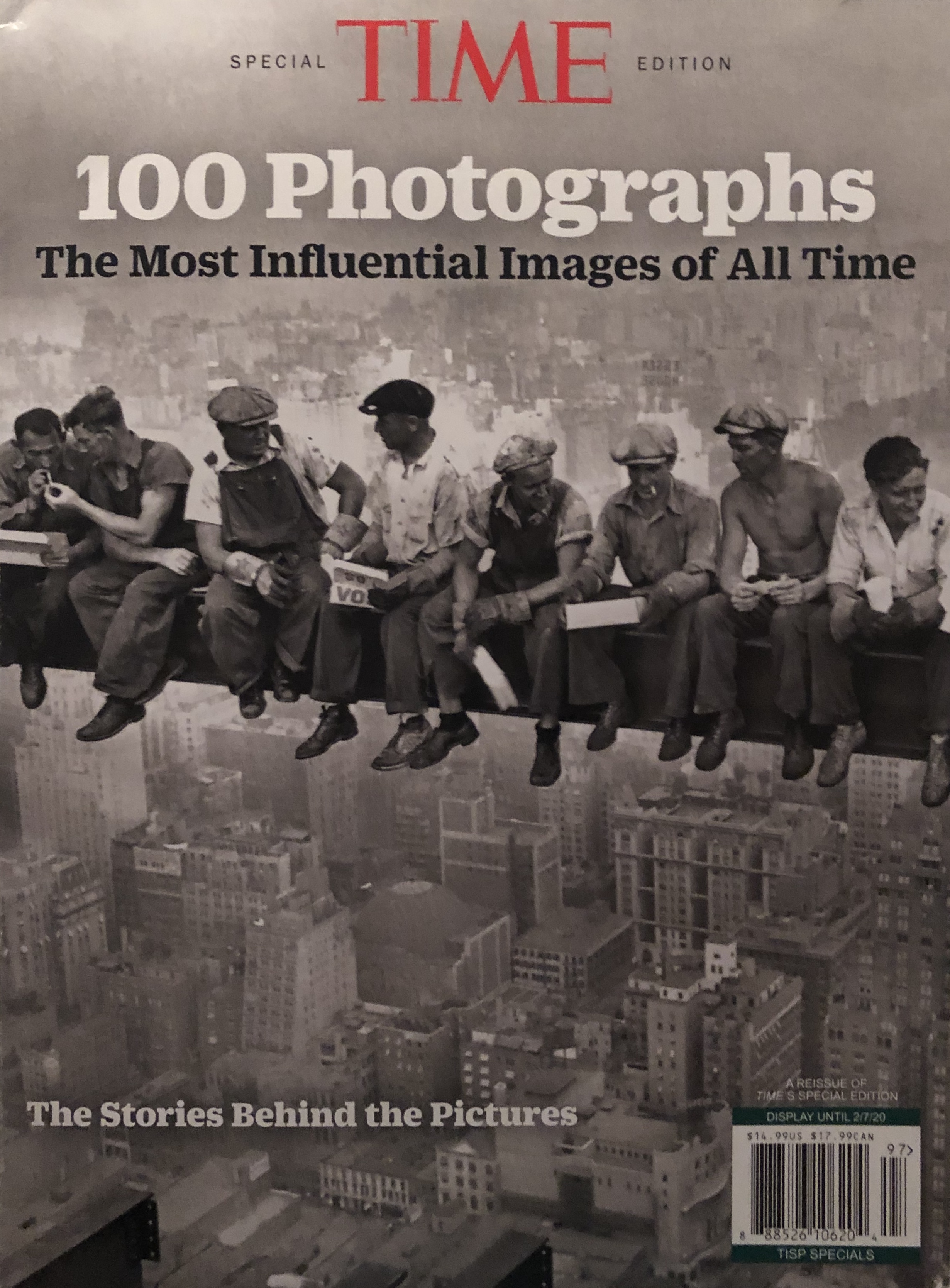
Here is a great picture and a quote from a special edition of TIME magazine on the 100 Photographs The Most Influential Images of All Time.  The cover image and its description caught my attention and that description could not be any less appropriate today than it was in 1932.

“One September day in 1932, in the depths of the Great Depression, the PR team for one of the world’s wealthiest clans set out to fan excitement for the family’s latest project: Rockefeller Center, some 6 million square feet of skyscraper space built on 22 acres in the heart of Manhattan. The team took a lot of photos that day, but only one became iconic. It showed 11 men sitting casually on a girder 800 feet above the pavement. They chat, scan newspapers, cadge a light, all while dangling their feet in an ocean of thin air. Lunch Atop a Skyscraper suggests the peril that yawned in 1932, when America, and the world dangled over an abyss. And it contains the crazy confidence of a nation that knew the gravest danger was fear itself.”


h1

Publishing During A Pandemic: Doug Olson, President, Meredith Magazines, To Samir “Mr. Magazine™” Husni: “It’s Important For Us To Stay Laser-Focused On Creating Relevant And Essential Content For Consumers And Supporting Our Partners…We’re All In This Together” – A Mr. Magazine™ Exclusive Interview…

March 27, 2020

“If you would have told me six months ago that in the middle of March every employee would be working from home and creating the same premium content, that we would be selling advertising, putting our magazines together, and updating our websites from our home environments, I would have said that would be very difficult. But within a matter of a day or two, we had all of our operations up and running from work-from-home scenarios thanks to a talented and tireless team working behind-the-scenes to make that happen seamlessly and they continue to do so. I’m so proud to be part of this stellar organization.” … Doug Olson

 “I think from our perspective, our content and premium storytelling is resonating with consumers right now, even more so than usual. Our content is vital and an important much-needed escape from the current C-19 crisis.”… Doug Olson

These could certainly be described as the “worst of times” in some ways. The world is facing a pandemic of gargantuan proportions; people are sheltering inside their homes to prevent the spread, allowing those who can to work from home and try and go about their normal duties as efficiently as possible.

The world of magazines is no different. With the added challenges of bookstores and newsstands temporarily closing, the already stretched profitability of some magazine media companies has become an even thinner line of revenue. As everyone awaits the end of Covid-19 and hope that we and our friends and families stay safe and healthy, we also know that we are strong and resilient. That our country as a whole will come back and be better than ever.

Over at Meredith Corporation, Doug Olson, president, Meredith Magazines, has the same opinion. And while before this pandemic, Meredith was launching and publishing new titles at successive speeds, believe it or not, not much has changed for them. Their “secret sauce” is still working, even in this time of uncertainty.

I spoke with Doug recently and we talked about his team’s ability to just jump in and do what was needed to be done during this time. And about how proud he was of them and their dedication. His belief that we’re all in this together is an attitude that permeates Meredith before and during Covid-19.

So, I hope that you enjoy this ray of hope that Doug and his team offer all of us as we try and get past this tragic time in our lives and focus more on the positive side of things. And always remember, this too shall pass. And now the Mr. Magazine™ interview with Doug Olson, president, Meredith Magazines.

 But first the sound-bites:

On his message to his staff during these trying and uncertain times: Our number one message throughout this crisis continues to be keeping our employees and their families safe and healthy. We’re all in this together. We are so proud of how our Meredith family is overcoming the extremely difficult circumstances throughout this crisis. Obviously, most of our offices are closed because of state directives or local guidance, and in locations where we’re able to remain open, we’re recommending that everyone work from home.

On any plans he has to slow down the publication schedule of the special interest titles: We clearly evaluate our publishing schedule every week, but currently there are no changes. We do realize that Barnes & Noble is not currently taking any new products given the circumstances. We saw an uptick at newsstand in the first week when everybody began working from home. The last week has been virtually flat. We sell the bulk of our product at Walmart, Target and the big grocery chains. There’s a lot of traffic, and keep in mind, every checkout aisle is open. Under  normal circumstances, a lot of those checkout lanes are not open and people do a lot of the self-checkouts. Under the current circumstances, with the number of people in the store, all checkout lanes are open. As consumers wait to check out o, as they’re waiting to check out, they have the opportunity to take a look at some of our products and many are putting them in their cart and their hard-earned money toward the immersive experiences our brands provide.

On whether Meredith plans to launch the new Ayesha Curry magazine as scheduled during the tragic pandemic: Yes, the magazine is complete and we’re talking to Ayesha’s team about the launch. We’re currently planning to launch it as scheduled in late April.

On whether they have a name for the new magazine yet: We do have a name for it. I believe she is going to announce it on her social media a little closer to launch. The magazine is printed and ready to go. Ayesha has over nine million social media followers, so she plans to unveil the name to those brand enthusiasts.

On Meredith’s positive attitude toward their continued publication of new titles and the company’s secret sauce for success: I think from our perspective, our content and premium storytelling is resonating with consumers right now, even more so than usual. Our content is vital and an important much-needed escape from the current C-19 crisis. That said, magazine media is a challenging business. We continue to read about the doom and gloom, but we’ve proven that with a powerful portfolio and trusted premium content leading the way, you can outperform the market significantly. There are definitely obstacles ahead for all of us. It’s important for us to stay laser-focused on creating relevant and essential content for consumers and supporting our partners. That, I believe, will carry the day.

On his message for the future to his readers, customers and advertisers: Our message is we’re all in this together. By banding together this country has always proven that it can overcome any situation. I believe we play a small part in that at Meredith, whether it’s a magazine, website, video, or social media, we’re going to continue to inform, inspire and entertain our audience. Together, all of us will overcome this crisis and move ahead to brighter days.

 On whether he thinks working from home could turn into a future business model for Meredith: I know that we have many employees who work for us that would love to come back to the office for the socialization aspect of their regular jobs, but I see your point. Some of this may be looked upon differently when we move forward.

On anything he’d like to add: Again, our number one focus throughout this crisis continues to be keeping our employees and their families safe and healthy. Obviously, keeping the business moving forward is very important to us, especially as a publicly-traded company. But our paramount focus continues to be the safety and well-being of our team. At the end of the day, that’s the most important priority right now. I believe the business is thriving because our employees are safe and secure.

And now the lightly edited Mr. Magazine™ interview with Doug Olson, president, Meredith Magazines, Meredith Corporation.

Samir Husni: It seems that the people in the media business are always quick to sound the alarms of doom and gloom, not only for the country, but for magazine media as well. When Playboy magazine folded, it’s because of the Coronavirus and when Esquire goes to six times per year, it’s also the pandemic. You’re the president of the magazine division of Meredith, the largest magazine group in the world; in the midst of all of this Covid-19 and all of these shutdowns, what’s your message to your magazine people?

Doug Olson: Our number one message throughout this crisis continues to be keeping our employees and their families safe and healthy. We’re all in this together.

We are so proud of how our Meredith family is overcoming the extremely difficult circumstances throughout this crisis. Obviously, most of our offices are closed because of state directives or local guidance, and in locations where we’re able to remain open, we’re recommending that everyone work from home.

If you would have told me six months ago that in the middle of March every employee would be working from home and creating the same premium content, that we would be selling advertising, putting our magazines together, and updating our websites from our home environments, I would have said that would be very difficult. But within a matter of a day or two, we had all of our operations up and running from work-from-home scenarios thanks to a talented and tireless team working behind-the-scenes to make that happen seamlessly and they continue to do so. I’m so proud to be part of this stellar organization.

PEOPLE has put out two issues in the last two weeks, completely done remotely, with a 200-member team. These are tremendous accomplishments and there is enormous innovation, creativity and collaboration happening across the board.  I’m humbled and grateful for our employees’ response to all of this.

Our employees are dealing with a lot of different circumstances right now. Some are caring for their elderly parents; some are homeschooling their kids now that Spring Break is mostly over, at least in the Midwest.

The fact that we’re overcoming all of the challenges, putting out the same premium quality content in our magazines and across all of our platforms is deeply satisfying and prideful.

Samir Husni: Excluding the magazines that are subscription-driven, whether it’s PEOPLE, Better Homes & Gardens or REAL SIMPLE, how do you think this shutdown or stay-at-home way of working is going to impact the strategy for the special interest publications? With all of these millions of copies you’ve been putting on the newsstand and with Barnes & Noble stopping shipments of magazines because people can’t got to the bookstores or newsstands, any change in plans or slowing down in those titles?

Doug Olson: We clearly evaluate our publishing schedule every week, but currently there are no changes. We do realize that Barnes & Noble is not currently taking any new products given the circumstances.

We saw an uptick at newsstand in the first week when everybody began working from home. The last week has been virtually flat. We sell the bulk of our product at Walmart, Target and the big grocery chains. There’s a lot of traffic, and keep in mind, every checkout aisle is open. Under  normal circumstances, a lot of those checkout lanes are not open and people do a lot of the self-checkouts. Under the current circumstances, with the number of people in the store, all checkout lanes are open. As consumers wait to check out o, as they’re waiting to check out, they have the opportunity to take a look at some of our products and many are putting them in their cart and their hard-earned money toward the immersive experiences our brands provide.

It’s also important to keep in mind that 96 percent of all of our rate-based titles are subscription-based. We only have four percent that are newsstand. And subscriptions have sold at a higher than normal average as well. So, if something’s index is normally at 100, we’ve seen most of our direct mail campaigns and some of our digital subscription activities actually over index, past that 100 mark.

The special media titles, to your point, we do put out roughly 300 products per year, the higher-priced, higher quality magazines that we’re famous for here at Meredith.  And so far the sales trends are holding as well.

Samir Husni: Are you still going to launch the new Ayesha Curry magazine as scheduled?

Doug Olson: Yes, the magazine is complete and we’re talking to Ayesha’s team about the launch. We’re currently planning to launch it as scheduled in late April.

Samir Husni: Is there a name for it yet?

Doug Olson: We do have a name for it. I believe she is going to announce it on her social media a little closer to launch. The magazine is printed and ready to go. Ayesha has over nine million social media followers, so she plans to unveil the name to those brand enthusiasts.

Samir Husni: You sound very optimistic and you continue to publish magazines, while many cry doom and gloom, touting the closure of some magazines as the end of days. Why does the media only shout the bad news, rather than the good news, such as Meredith’s continuation of new titles? And what is Meredith’s secret sauce that secures that positive attitude?

Doug Olson: I think from our perspective, our content and premium storytelling is resonating with consumers right now, even more so than usual. Our content is vital and an important much-needed escape from the current C-19 crisis.

That said, magazine media is a challenging business. We continue to read about the doom and gloom, but we’ve proven that with a powerful portfolio and trusted premium content leading the way, you can outperform the market significantly. There are definitely obstacles ahead for all of us. It’s important for us to stay laser-focused on creating relevant and essential content for consumers and supporting our partners. That, I believe, will carry the day.

Samir Husni: If you were going to send a message to your readers, customers, advertisers; whether you called it a message of hope or simply Doug looking into his crystal ball for the future, what would that message be?

Doug Olson: Our message is we’re all in this together. By banding together this country has always proven that it can overcome any situation. I believe we play a small part in that at Meredith, whether it’s a magazine, website, video, or social media, we’re going to continue to inform, inspire and entertain our audience. Together, all of us will overcome this crisis and move ahead to brighter days.

Samir Husni: Do you think working under pressure, working from home will be a model for the future or this is just temporary and everyone will return to the office once the pandemic is over?

Doug Olson: I know that we have many employees who work for us that would love to come back to the office for the socialization aspect of their regular jobs, but I see your point. Some of this may be looked upon differently when we move forward.

We’ve proven that we can execute many parts of our jobs remotely, including some tasks we never dreamed we could do. In all of our business continuity plans we always assumed that one office within Meredith would have some kind of challenge that we’d have to overcome, but I don’t think any of our scenarios took into account that all of the employees would be working from home.

Again, I’m so proud of our team. I know that there are a lot of other organizations out there that have accomplished similar Herculean efforts and this speaks to the silver lining of this crisis — it brings out the best in everybody. So, we’re going to continue to support one and all and do the best job we can.

Samir Husni: Anything you’d like to add?

Doug Olson: Again, our number one focus throughout this crisis continues to be keeping our employees and their families safe and healthy. Obviously, keeping the business moving forward is very important to us, especially as a publicly-traded company. But our paramount focus continues to be the safety and well-being of our team. At the end of the day, that’s the most important priority right now. I believe the business is thriving because our employees are safe and secure.

When we’re able to bring them back together, we’re going to learn and apply some great lessons from this, and make some adjustments. Now more than ever, I love our Meredith family, our business, our portfolio and I genuinely appreciate people like you who support our organization and industry. Stay well!

Samir Husni: Thank you, stay safe, stay well, and stay inside.

h1

Nothing New Under The Sun… Words of Wisdom and Words of Warning From A Century Ago

March 26, 2020

From The Vault…

A Mr. Magazine™ Musing…

“If you do not put good men into office bad men will put themselves in.” Calvin Coolidge, April 24, 1920

When it comes to journalism and the media, the platforms may change, but the message is still the same.  Today is just like yesterday and tomorrow is going to be like today.  There is really nothing new under the sun. A new twist from here, another from there, but at the end of the day, it is all the same.

Take a look at the April 24, 1920 (yes, you read that right), Leslie’s Illustrated Weekly Newspaper, The Oldest Illustrated Weekly Newspaper In The United States then, and my aforementioned statement will be as clear as crystal.

The cover shows a grim-fisted Uncle Sam with an open and empty U.S. Treasury safe box. The headline touts The Red Success in Russia and on the editorial page under the tag line: “STAND BY THE FLAG: IN GOD WE TRUST” has a guest note from Stephen C. Mason, then president of Association of Manufacturers.  Under the heading  “We Need the Open Shop,” he writes:

“The only truly American standard is the open shop, with equal opportunity for all. I believe every good citizen will agree with us that the time has arrived when organized labor in the United States had better take stock of its policies and practices from a thoroughly American standpoint. The American people are no longer going to accept lip service from those organizations which are leading the nation to the brink of the most serious economic and social crisis in our history. Oft-repeated declarations of Americanism and frequent disclaimers of Bolshevistic beliefs are not sufficient to conceal their constant efforts to stimulate unsound and dangerous industrial theories.”

I asked professor Joe Atkins, my colleague at The University of Mississippi’s School of Journalism and New Media, and our resident expert on labor unions and all things labor, to comment on Mr. Mason’s editorial.

His response: “Sounds like classic “Red Scare” verbiage from that era, a time when J. Edgar Hoover and the predecessor to the modern FBI were raiding unions and shutting down foreign language newspapers (the so-called “Palmer Raids”), all in the name of “democracy” when in reality it was a kind of American brand of fascism. All a “closed shop” means is a worker at a unionized factory shouldn’t enjoy the hard-won benefits that the union fought and struggled for without being a member of that union. All an “open shop” is, is a sweet-sounding effort to destroy the union.”

Another article entitled All Progress The Result of Economy (with great advice from a man who ended up being president himself, Massachusetts Governor Calvin Coolidge) and a subtitle: Some plain truth from Calvin Coolidge, “The Silent Man on Beacon Hill.”

By Fred John Splitstone

But the most amazing part of that interview was this section:

“The Men We Need in Office

“Here I thought of a remark made that morning by one of the Governor’s friends, who said: “The ruler of Italy is credited with saying that being a king is a business like any other, and that it is the duty of one who follows it to make good on the job. That is the conception that Calvin Coolidge has of office-holding, and he has devoted the past twenty-two years of his life to fitting himself to make good in whatever capacity the people may call him.”

I asked the Governor how we were going to get the kind of men he specified into public office.

“By each citizen realizing and doing his duty at the polls. If you do not put good men into office bad men will put themselves in. If you put good men into the elective offices they will see that the subordinate administrative places are properly filled. What we require, both in State and National affairs, is a class of officers who realize that the duty the government now owes to the people is to reduce their burdens by paying off the obligations that came from the war, rather than imposing additional burdens for the support of new projects. Government expenses must be reduced from a war to a peace basis.”

True words of wisdom, yesterday, today and tomorrow…

And as Robert Heinlein once wrote…
“A generation which ignores history has no past and no future.”

Peace in our times and stay well, stay safe and stay inside….


h1

From The Archives: On Playboy and Esquire… A Mr. Magazine™ Moment

March 25, 2020

From the archives, a Mr. Magazine™ 2019 moment on video about Playboy and Esquire. Both magazines were in the news this week, Playboy folding its print edition and Esquire reducing its frequency to 6X a year.

h1

Smithsonian Media Group’s Chief Revenue Officer, Amy P. Wilkins, to Samir “Mr. Magazine™” Husni On The Future Of Magazine Media: “Focus On What You Do Best And Then Give It To The Audience In Every Format You Can Think Of.” The Mr. Magazine Interview…

March 20, 2020

“I think that in this day and age, something that can just completely delight, entertain and engage you is what makes a huge difference. And we see that in all of our communications from our readers.” … Amy P. Wilkins

Even in the midst of gloom and doom, Smithsonian Magazine shines with its 50th anniversary issue which focuses on and celebrates the future of our planet. While Americans, along with much of the world, learns to work from home and to self-distance themselves from others to stop the spread of the Coronavirus, Smithsonian offers a look back at half a century of covering the planet, and also offers some reasons for optimism, even in today’s climate of uncertainty.

When Smithsonian magazine debuted in 1970 in the midst of cultural havoc surrounding the first Earth Day—including concerns such as oil spills, the looming energy crisis, the rise in pollution and the decline of wildlife— the magazine promised to examine the circumstances and ideals that shape humanity. In the five decades since, the magazine has continued to be optimistic in its exploration of the challenges and discoveries of life on Earth in a nonpartisan manner.

Earlier this week I talked with Chief Revenue Officer Amy P. Wilkins about this 50th anniversary issue and the state of the magazine media world today. Amy was the epitome of optimism as she firmly believes the world will return to normal and be better because of what we as a global community have endured together. Hope for our planet’s future abounds and the Smithsonian and its flagship print publication celebrates that profound optimism.

So, please enjoy this Mr. Magazine™ interview with Amy P. Wilkins, chief revenue office, Smithsonian Media Group as we all connect through the power of magazines.

But first the sound-bites:

On why she thinks the Smithsonian magazine and brand has not only survived, but has thrived for 50 years: It’s a combination of things. The first thing is, there’s something about the Smithsonian itself that inspires people. So, it’s mission-driven. And then what happens is somebody receives the magazine and they become a national member of the Smithsonian. And the magazine is the core member benefit. And the minute they get it, they’re like wow! Every issue of Smithsonian is a surprise. They have no idea what’s going to be inside.

On being in an age where there is a divided media landscape, among other things, and how she thinks the Smithsonian has managed to deal with some very important and sometimes controversial subjects, yet stay away from any particular political party: I love that you said we’ve stayed away; I feel that the truth is it’s very hard to stay away completely because almost any topic can become politicized in an environment like this. I would say that our editors work very, very hard to deliver truthful, balanced reporting and journalism. It’s less about reporting, because we don’t “report” news, we tackle topics and subjects and we deliver them in a way that is meant to explain or delve deeper into a topic and really cover it in the most balanced way we can. And it’s a mandate really for us, because when you think about it, the Smithsonian is a nonprofit and we feed the central trust, that is our responsibility. So, we have to be nonpartisan, because we are basically everyone’s magazine. The Smithsonian belongs to everyone.

On how she thinks the media landscape has changed since the ink on paper magazine began 50 years ago: It has definitely changed a lot. There are some fundamentals that still oddly work for the moment, in terms of how we reach new subscribers and new members. And that is, direct mail still works for us. And overall, the industry becomes less efficient and we’ve had to create teams who can handle both print and digital, whether they be on the ad sales side or what is happening now with our editorial team newly uniting to create our future. So, we are definitely having to look at how we will invest digitally and where those investments will be best-placed, where we will reap the most benefits. And that’s where a lot of our energy and effort is going right at this moment.

On how she plans to sustain the magazine for the next 50 years as the chief revenue officer: Some of what we’re looking at right now is how we can actually expand the way we look at membership. Membership is an important part of who we are and why people actually come to us. It’s not why they always stay, but it’s definitely why they initially will join. But there are a lot of memberships throughout the Institution and we’re working very closely with some of those other important memberships, which are more about philanthropy, to figure out if there are other member benefits that we can be offering that would dramatically impact what people are willing to give.

On whether she can envision a day without the ink on paper magazine: I think that’s possible, at some point in time. I don’t see that right now because the commitment and connection that this existing membership base has is  really strong. And we are going to have to bring new people into the fold. What we find is that because we are really all about curiosity and that love of learning, it’s clear and it’s true that there are lifelong learners at every stage of life, but it’s also true that there’s a moment in time when you get to actually learn just because you love learning. And that has often been the audience that is attracted to Smithsonian, which tends to be older. Because at that point you’re not necessarily learning because you’re trying to learn about a specific career or you’re trying to forward something in your business; you’re learning because you want to learn. And that’s something that we’re grappling with. How can we attract a younger audience?

On whether she uses a different side of her brain when she works for a non-profit versus a for-profit entity: People have said that when you think of Smithsonian, it’s almost like you have to think of a massive university; it’s a little like that at times. (Laughs) For me, the most important thing, the only part of my brain that I get to use here that maybe I didn’t get to use anywhere else is – I love what we stand for, this mission is inspiring to me, increasing and diffusing knowledge, that’s what the Smithsonian exists to do. So, I’m inspired by the mission.

On how she thinks the pandemic will affect the Smithsonian and the magazine going forward: It’s going to be impacted. We’re seeing a significant impact in the upcoming months and that’s across both our print and digital. We are highly reliant on the travel category and that’s a category that’s obviously hurting significantly in this moment. But we’re also noticing the other sectors are pulling back. I think they’ll return and I’m already hearing that; we have a travel business that’s already planning for what’s coming. I’m fortunate that we have our own business in travel and they can keep me informed about what’s happening at the lowest part of the funnel in travel, so that we are in a position to respond when things are ready to go.

On living and working in these uncertain times, and the message she sends to her team and those in the industry: I am on phone calls with my team every day and it’s saying that this too shall pass, and we may feel some pain from it. We’re fortunate that we went into our fiscal year that started in October way ahead of the game, so I’m not concerned at all. We were really strong, both on our consumer marketing side, to the point where we were reinvesting in direct mail and still are, and we were way ahead on our digital ad sales. And our print ad sales were really strong as well. I know we may miss our budget this year due to what’s happened, but it’s not going to be anywhere near what it could have been if we weren’t so far ahead.

On how her role has changed, going from publisher previously to chief revenue officer today: When I was the publisher I was responsible for ad sales only. In the role of CRO, consumer marketing is also my responsibility, so all of the revenue that gets generated flows through me. So, that’s a different role and that’s how it changed. I didn’t have that responsibility when I was the publisher previously.

On whether her present-day role is easier or harder: (Laughs) It’s more exciting. It’s a huge challenge, but I love it. I learn something every day and I have to be on my toes at all times and that I love.

On anything she’d like to add: Only that people should really pick up this issue. They can pick it up or get it on all of our platforms. They can visit our site and get access to it. It’s chocked full of hope for the future of our planet.

On what someone would find her doing if they showed up unexpectedly one evening at her home: Most likely I would be re-watching Schitt’s Creek and laughing my butt off. (Laughs)

On the biggest misconception she thinks people have about her: I’m not sure I can answer that. Oh wow…I just don’t know. (Laughs) Maybe that I’m too serious. They might actually think that.

On the future of magazine media in one sentence: I would say focus on what you do best, and give it to them in every format that you can think of.

On what keeps her up at night: Right now it’s how to support my team remotely.

And now the lightly edited Mr. Magazine™ interview with Amy. P. WIlkins, chief revenue officer, Smithsonian Media Group.

Samir Husni: Why do you think the Smithsonian has survived for 50 years as an ink on paper magazine and now has expanded to all of these other platforms? What are the secret ingredients that have seen the brand not only survive but thrive with 1.6 million subscribers?

Amy P. Wilkins: It’s a combination of things. The first thing is, there’s something about the Smithsonian itself that inspires people. So, it’s mission-driven. And then what happens is somebody receives the magazine and they become a national member of the Smithsonian. And the magazine is the core member benefit. And the minute they get it, they’re like wow! Every issue of Smithsonian is a surprise. They have no idea what’s going to be inside.

And it’s going to be this range of topics that really just delights them; it’s science, history, nature, the arts, and it’s always this idea of “it’s what you don’t know that you don’t know.” They don’t even know that this is something that they’re interested in. It would be difficult to Google this topic because you didn’t even know it existed or you didn’t know it existed in this way.

So, that’s what the Smithsonian is capable of doing. And I think that in this day and age, something that can just completely delight, entertain and engage you is what makes a huge difference. And we see that in all of our communications from our readers. When they send us mail, and they send us a lot, the number one thing that they like to do, they like to correct us, every once and awhile there might be a typo. (Laughs) We have had that happen, which is hilarious. But on top of that they tell us that we are a respite from a weary world. We’re there to entertain and engage, and really challenge them intellectually. They love that we speak up to them. If we’re speaking at their level; we’re not dumbing things down, we’re delivering it in a really intelligent way. And they like that too.

Samir Husni: You deal with a lot of controversial subjects, yet at the same time you deliver the information in a nonpartisan way. You’ve managed to stay that trusted media brand. In this age of the divided media landscape, among other things, how has the Smithsonian managed to deal with those very important and sometimes controversial subjects, yet stay away from any particular political party?

Amy P. Wilkins: I love that you said we’ve stayed away; I feel that the truth is it’s very hard to stay away completely because almost any topic can become politicized in an environment like this. I would say that our editors work very, very hard to deliver truthful, balanced reporting and journalism. It’s less about reporting, because we don’t “report” news, we tackle topics and subjects and we deliver them in a way that is meant to explain or delve deeper into a topic and really cover it in the most balanced way we can. And it’s a mandate really for us, because when you think about it, the Smithsonian is a nonprofit and we feed the central trust, that is our responsibility. So, we have to be nonpartisan, because we are basically everyone’s magazine. The Smithsonian belongs to everyone.

Samir Husni: In April, you’ll be celebrating the 50th anniversary of the ink on paper magazine. And you’ll be looking at the future of our planet. What about the future of the magazine and the future of ink on paper? How has your media landscape changed since 1970?

Amy P. Wilkins: It has definitely changed a lot. There are some fundamentals that still oddly work for the moment, in terms of how we reach new subscribers and new members. And that is, direct mail still works for us. And overall, the industry becomes less efficient and we’ve had to create teams who can handle both print and digital, whether they be on the ad sales side or what is happening now with our editorial team newly uniting to create our future. So, we are definitely having to look at how we will invest digitally and where those investments will be best-placed, where we will reap the most benefits. And that’s where a lot of our energy and effort is going right at this moment.

Samir Husni: As the chief revenue officer for the Smithsonian, I know you’re not for profit, but to sustain the ink on paper magazine and all of its expansions, what are your plans for sustainment?

Amy P. Wilkins: Some of what we’re looking at right now is how we can actually expand the way we look at membership. Membership is an important part of who we are and why people actually come to us. It’s not why they always stay, but it’s definitely why they initially will join. But there are a lot of memberships throughout the Institution and we’re working very closely with some of those other important memberships, which are more about philanthropy, to figure out if there are other member benefits that we can be offering that would dramatically impact what people are willing to give.

And it’s going to take something. It’s going to take some creativity on our part to figure out what kind of member benefits are going to make a real difference, given the fact that our audience – our members live everywhere. They’re not in the DC/Metro area where a number of our most logical member benefits would exist, our physical member benefits. So, that’s one area that we’re looking at very closely. We’re in the middle of a very big project on that as we speak. We see membership as a big part of that.

Samir Husni: Do you believe that the printed magazine is that membership card or can you envision a day without the ink on paper magazine?

Amy P. Wilkins: I think that’s possible, at some point in time. I don’t see that right now because the commitment and connection that this existing membership base has is  really strong. And we are going to have to bring new people into the fold. What we find is that because we are really all about curiosity and that love of learning, it’s clear and it’s true that there are lifelong learners at every stage of life, but it’s also true that there’s a moment in time when you get to actually learn just because you love learning. And that has often been the audience that is attracted to Smithsonian, which tends to be older. Because at that point you’re not necessarily learning because you’re trying to learn about a specific career or you’re trying to forward something in your business; you’re learning because you want to learn. And that’s something that we’re grappling with. How can we attract a younger audience?

And we see that we do that digitally; we’re looking at a lot of different ways of capturing that. We’re in the middle of this massive project to look at both how we are offering ourselves up digitally, expanding and attracting new audiences, which we already can see that we do digitally because our digital audience is significantly younger by almost 10 years than our magazine audience. So, that’s an important area for us.

The other is the alignment that we have within our own division; we have a travel unit, which obviously is having some challenges at the moment, but that won’t be forever, and we work with them very closely because our audiences love to travel. And so the ways in which we can actually feed and support other businesses within Smithsonian Enterprises is important, whether it’s ecommerce or travel; whether it’s our book unit, those are areas that we can continue to be an important player in and supportive of.

Samir Husni: You’ve worked with a for-profit, you were the group publisher at Martha Stewart Media and you worked with Martha Stewart Omnimedia before Meredith; do you have to use a different side of your brain when you work for a for-profit entity as opposed to a non-profit?

Amy P. Wilkins: People have said that when you think of Smithsonian, it’s almost like you have to think of a massive university; it’s a little like that at times. (Laughs) For me, the most important thing, the only part of my brain that I get to use here that maybe I didn’t get to use anywhere else is – I love what we stand for, this mission is inspiring to me, increasing and diffusing knowledge, that’s what the Smithsonian exists to do. So, I’m inspired by the mission.

I’m driven every day to make sure that we’re delivering what the castle and the central trust need from us, and that is trying in these moments. Over the years we have given millions and millions of dollars back to the Institution, but we’re giving less. So, we’re consistently looking at how we can serve the broader organization and still be a financial contribution, but also find other soft contributions that make a difference.

Samir Husni: As we look forward, past this horrible pandemic, how do you think revenue will be affected for the Smithsonian and the magazine?

Amy P. Wilkins: It’s going to be impacted. We’re seeing a significant impact in the upcoming months and that’s across both our print and digital. We are highly reliant on the travel category and that’s a category that’s obviously hurting significantly in this moment. But we’re also noticing the other sectors are pulling back. I think they’ll return and I’m already hearing that; we have a travel business that’s already planning for what’s coming. I’m fortunate that we have our own business in travel and they can keep me informed about what’s happening at the lowest part of the funnel in travel, so that we are in a position to respond when things are ready to go.

But there’s no doubt that we’re going to be impacted by this. We had some significant wins around our anniversary, both because we were celebrating the planet at a time when the Institution was also celebrating the planet with a program called “Earth Optimism,” and they’ve had to cancel that live event. It’s now going to be digital only. We had a number of sponsors that were part of that and they’re still with us, but they’re not going to be able to do the event.

We’d also moved Museum Day, which I actually created on our 35th anniversary as a way to celebrate members across the country. It was getting free access to a museum on one day. We launched it on our 35th anniversary and this year we decided to move it from the fall because that happened when I left the Smithsonian, they actually moved it to the fall (Laughs). We moved it back to the spring this year, it was going to be April 4 and we did have to cancel that. Lexus was our partner on that. To be responsible, there was no way that event could move forward. We had over 1,200 museums that were going to participate in the spring event. It’s one of the biggest events that we do a year. And it will come back, but not this spring.

Samir Husni: When you are meeting with your staff, either in person or as today, virtually, are you telling them “Have no fear, Amy is here?” What’s your message to the people in the industry, including your own team?

Amy P. Wilkins: I am on phone calls with my team every day and it’s saying that this too shall pass, and we may feel some pain from it. We’re fortunate that we went into our fiscal year that started in October way ahead of the game, so I’m not concerned at all. We were really strong, both on our consumer marketing side, to the point where we were reinvesting in direct mail and still are, and we were way ahead on our digital ad sales. And our print ad sales were really strong as well. I know we may miss our budget this year due to what’s happened, but it’s not going to be anywhere near what it could have been if we weren’t so far ahead.

So, what I’m doing right now is working with each member; we’re on the phone often with each other and we’re going to be creating a strategy for when things get moving. And we’re going to be respectful of how we communicate. One of the questions my team has is how do I call people no in the middle of this pandemic? I tell them that people want to connect right now. I’ve actually noticed that people want and need to connect, so as long as you’re adding value to a conversation, they’re going to want to have it with you. If you’re just calling and asking, hey, when are you going to start advertising again, then that’s going to be a problem. (Laughs) But if you’re calling them with an offer of how can I help you, such as when this thing gets moving, I want to be ready to support you in your message.

We’re looking at all the areas that matter to the Institution and that matter to our audiences: the environment, education, equality; all of the topics that are just so important. And we’re going to look at the companies that have already said those things also matter to them, and be ready to have those conversations and to build a case for why we can help support them when they’re ready to go. Because they will be. They’re going to be ready to go; just right now, maybe not. So, I think it gives us space to do that.

And at the same time we’re looking at initiatives within the Institution that are important and that we believe could be in perfect alignment with us, so we can partner. Like we did with “Earth Optimism,” that was an event, a program, an initiative of the Institution and we got really close to the unit that was responsible for it. And we have identified a few others like that which will be great for us in 2021. So, I’m optimistic.

Samir Husni: Twenty years ago you were the publisher of the Smithsonian and then you came back as the chief revenue officer; how has your role changed since then?

Amy P. Wilkins: When I was the publisher I was responsible for ad sales only. In the role of CRO, consumer marketing is also my responsibility, so all of the revenue that gets generated flows through me. So, that’s a different role and that’s how it changed. I didn’t have that responsibility when I was the publisher previously.

Samir Husni: Is it easier for you or harder?

Amy P. Wilkins: (Laughs) It’s more exciting. It’s a huge challenge, but I love it. I learn something every day and I have to be on my toes at all times and that I love.

Samir Husni: Is there anything you’d like to add?

Amy P. Wilkins: Only that people should really pick up this issue. They can pick it up or get it on all of our platforms. They can visit our site and get access to it. It’s chocked full of hope for the future of our planet.

Samir Husni: Once we’re done with the social distancing and I show up unexpectedly at your home one evening after work, what do I find you doing? Having a glass of wine; reading a magazine; cooking; or something else? How do you unwind?

Amy P. Wilkins: Most likely I would be re-watching Schitt’s Creek and laughing my butt off. (Laughs)

Samir Husni: What do you think is the biggest misconception people have about you?

Amy P. Wilkins: I’m not sure I can answer that. Oh wow…I just don’t know. (Laughs) Maybe that I’m too serious. They might actually think that.

 Samir Husni: Could you sum up the future of magazine media in one sentence?

Amy P. Wilkins: I would say focus on what you do best, and then give it to the audience in every format you can think of.

Samir Husni: My typical last question; what keeps you up at night?

Amy P. Wilkins: Right now it’s how to support my team remotely.

Samir Husni: Thank you.
 

h1

Riverdale Avenue Books Acquires Circlet Press: Publisher Lori Perkins Still Believes In The World Of Book Publishing, Both Print & Digital, Just In An Innovative Way – The Mr. Magazine™ Interview With Publisher, Lori Perkins…

March 16, 2020

“The plus is that creative things come out of chaos, so we have some really great art coming out now. Complacency makes you just keep on doing the same thing and difficulties make you see things in new ways. There is some incredible print out there, but also visual, music and many other different formats, it’s an incredibly creative time. The negative is that people get distracted by things that they can’t control and a lot of creative people are depressed.” … Lori Perkins

The innovative hybrid publisher, Riverdale Avenue Books, has just acquired the assets of independent publisher Circlet Press. Riverdale Avenue Books will obtain the complete backlist and republish Circlet’s catalogue under Riverdale’s new Circlet imprint.

Publisher Lori Perkins, owner of Riverdale Avenue Books said she is thrilled to be acquiring Circlet Press and can’t wait to reposition and relaunch the over 170 titles Circlet has. Cecilia Tan, founder of Circlet, will remain on staff to edit Circlet’s upcoming titles and Circlet’s entire backlist will remain in print.

I spoke with Lori recently and we talked about this bold move and how excited she is to bring Circlet under her wing:

“I’ve known Circlet and I’ve known the books. They’ve had their life and they’re good books, but they were marketed specifically to the science-fiction, fantasy and erotic reader. And some of these books have a wider audience. And we’re going to reposition and relaunch them and see if we can find that. And it’s really exciting.”

So, please enjoy this Mr. Magazine™ interview with a woman who knows her way around the world of publishing and is determined to prove that books and reading will never go away – the Mr. Magazine™ interview with Lori Perkins, publisher, Riverdale Avenue Books.

But first the sound-bites:

On why she’s buying when many other book publishing companies are trimming down or even closing: We’re a small, boutique publishing company. We have very low costs. Every single one of our books makes back the money that we put into it, so it’s fine for us to keep on publishing. We’ve bought another company, so these books already exist. We cover and promote them, but it’s not like we’re doing it from scratch. I know these books well, Cecilia (Tan) and I have been colleagues for probably two decades.

On why she decided to buy a book publishing company in this digital age: I’ve been in publishing for 30 years. The cost for entry used to be exorbitant. And once digital books came along it was possible to start a publishing company with a tenth of what it used to cost. And because I know publishing, like I said, I’ve been in it for a long time, it’s not a new business for me. There are parts of publishing that I felt was too expensive. I had been a newspaper editor-publisher decades before and one of the changes that happened with digital was that publishing could go from being a 9-5, Mon.- Fri. business to basically being a 24 hr. business and you could do things quicker, get books out sooner, almost like newspapers.

On whether she feels publishing more niche titles is the future of print and digital book publishing: That’s part of it, but there’s now two distinct publishing markets. The big publishers really need books that will sell 25,000 copies and more in order to break even because their overhead is so high. And you can see they’re doing these big, splashy celebrity books that kind of come with an audience. And then there’s self-publishing or small publishing, easy publishing, where the cost is much less. If it costs you $2,000 to do a book, then you could sell 200 copies and break even. And that’s what’s happening.

On where the money comes from for her: Well, there’s really multiple SKU’s of revenue. We have bookstores; we have digital platforms, and it’s not just Amazon. There’s iTunes,  Smashwords, Overdrive and Hoopla are library sales, which is a completely different kind of reader. We have audio sales; there are foreign rights, film rights; there are multiple streams of revenue for a book.

On why she decided to go specifically into the science fiction, erotica, romance genre: It’s a very large selection. We do fiction and non-fiction. We are the leading LGBT publishing company in the country. We do sports, memoir and lifestyle. We have an imprint specifically for women over 35, so it’s not just genre. We have a pop culture imprint and we just started the Bingewatchers Guide in print, which is a pop culture line to guide you through binging through TV shows and movie series. And we have a mystery line too. These are things that we know does have a niche audience, that’s really what it comes down to.

On whether she feels the reading experience differs when you read a book in print, digital or hear it on audio: Not really. When I read the very large Stephen King novel, 11/22/63, it was 1,100 pages and I don’t have a lot of free time. I bought it in print; I had it on CD for driving; and I had it on my Kindle. I would go from device to device to device to get through the book. And I don’t think it changed the experience. I preferred to read it on the Kindle because the physical book was so big I couldn’t read it in bed. Actually, I would love if a publisher had a bundle with a discount where I could buy the hardcover, the Kindle and the audio for the book all at once so that I could go through the different ways of reading it.

On whether she has any concerns that certain audiences prefer material on certain platforms: Over the spectrum of the 13 imprints, certain books do better in print than other books. Romance is a very digital audience. So, we don’t sell that many copies in print, but they’re there for people who want to read them or collect them. The LGBT audience is very print oriented, so we sell more copies in print. It’s the same thing with the sports audience; it’s also a very print audience. It’s easy for us to publish both books simultaneously, both formats.

On that “wow” moment she’s had since launching her own publishing company: I don’t think it’s happened yet. (Laughs) We’re like a magazine, we publish 50 books a year. With the Me Too book, it was actually the culmination of my publishing skills, I had been speaking to various women in publishing that I knew and was encouraging them to write essays about Me Too. One of them said to me, Lori, you own a publishing company, why don’t you do a book? And it made me think. So, I contacted all of these authors I knew and I contacted people who had recently done essays and I asked my staff if they would be willing to basically work 24 hrs. to get a book out in eight days, and they said yes. So, we published a book eight days after the Harvey Weinstein story broke. And we published it for free, so it’s available for free.

On why media people aren’t as open to change as they maybe should be: Well, you have to change money. (Laughs) Look at your sales; if your sales are down you have to figure out how to change things, but the wonderful thing about this particular incarnation of publishing is you really can reinvent the wheel every 30 days. There is always a different way because there are so many different and multiple streams of revenue. You can figure out which one to work on and improve it.

On which hat she enjoys wearing the most, that of publisher, corporate head or author: Well, they’re very different skills. I love editing. I was a professor at NYU on and off for 20 years too, so that mentoring is a very important part of who I am. I love getting people published. I love taking something that’s good and making it really better and knowing that I was part of the process of getting it there. It’s a very different experience than writing something from scratch, which I also love. I haven’t been doing quite as much of that; running this company has really taken a lot of my creative energy. I’ve been writing for three decades too, I think I’ve published something like 35 books. But I haven’t published anything in the last year. I know that when I have a story that won’t let go, I’ll sit down and figure out how to make the time to write it and I’ll go to work. But not full-time. (Laughs)

On whether the current editorial environment is a plus or minus for creativity: It’s both. The plus is that creative things come out of chaos, so we have some really great art coming out now. Complacency makes you just keep on doing the same thing and difficulties make you see things in new ways. There is some incredible print out there, but also visual, music and many other different formats, it’s an incredibly creative time. The negative is that people get distracted by things that they can’t control and a lot of creative people are depressed.

On how she provides an escape with the books she publishes: What kind of books can I do to make a change? What kind of books can I do to give people an escape? That’s what I do to throw myself into the pop culture. I’m very excited about the Bingewatcher’s Guide. I have wanted to do this book for 20 years. As a literary agent, I sold a lot of non-fiction books about science fiction and fantasy. I represent Paul Sammon, who wrote the definitive Blade Runner book called Future Noir. He’s made a fortune off of it and it’s still selling 20 years later.

On touching on many pop culture themes: No, only pop culture things that I can edit (Laughs), because if I don’t know the material or the editors that I work with can’t tell me they really know the material, I cannot market it. And marketing is so important to publishing.

On what someone would find her doing if they showed up unexpectedly one evening at her home: All of that. The publishing company is truly an outgrowth of things that I’m interested in. Some more passionately than others, we haven’t done a cooking book.  And art, I have an art history degree, so I love going to art museums. But all of that. I love to read, I still read for pleasure. Travel, but travel is also work-related. I go to about 13 conferences a year. I went to Cuba last year before it was closed. It was on my bucket list and I’m so glad I did, because that was such an incredible experience.

On the biggest misconception she thinks people have about her: I think people know that I love books and that I’m trying to make this new way of publishing work, which it is for me, but on a small scale. Perhaps, they think the company is bigger than it is. It’s a good boutique publishing company, but yes, some people often compare me to Simon or Shuster and I’ll tell them, I’m eight years old. Yes, Simon and Shuster could do that, but Lori Perkins at Riverdale Avenue books can’t do that.

On what keeps her up at night: The economy and the changes in our democracy. Those are the things that really keep me up, especially the threats to the First Amendment and from that, if that happens, are we going to be able to continue to publish the books we want to publish or are we going to have to worry about that too.

And now the lightly edited transcript of the Mr. Magazine™ interview with Lori Perkins, publisher, Riverdale Avenue Books.

Samir Husni: Other publishing companies are trimming down, even closing, yet you’re buying. What gives?

Lori Perkins: We’re a small, boutique publishing company. We have very low costs. Every single one of our books makes back the money that we put into it, so it’s fine for us to keep on publishing. We’ve bought another company, so these books already exist. We cover and promote them, but it’s not like we’re doing it from scratch. I know these books well, Cecilia (Tan) and I have been colleagues for probably two decades.

We’re a more traditional publishing company than Circlet was, so we’ll actually be taking these books and hopefully improving their income. It’s a very calculated business decision. And I love the books. I really feel it’s a compatible editorial joining. Our readers know this market and they kind of expect this from us.

Samir Husni: In 2012 you started Riverdale Avenue Books, which was smack dab in the middle of the digital revolution. Why did you decide to buy a book publishing company in this digital age?

Lori Perkins: I’ve been in publishing for 30 years. The cost for entry used to be exorbitant. And once digital books came along it was possible to start a publishing company with a tenth of what it used to cost. And because I know publishing, like I said, I’ve been in it for a long time, it’s not a new business for me. There are parts of publishing that I felt was too expensive. I had been a newspaper editor-publisher decades before and one of the changes that happened with digital was that publishing could go from being a 9-5, Mon.- Fri. business to basically being a 24 hr. business and you could do things quicker, get books out sooner, almost like newspapers.

Traditional publishing has a lead time of 18 months, that’s too long. To make a book relevant or trendy you need a much smaller window. Traditional publishing had too many people and too much time off to really meet the need of a reader in that way. It used to be they would tell popular authors like Nora Roberts and Stephen King just write a book a year. Well, we’ve shown that readers will read 20 books by an author if they can write 20 books during that time. Now I’m not saying Stephen King and Nora Roberts should do that, but many of these romance authors do indeed write a book a month because they also see writing as a job where they’re working 40 hours per week writing. As a journalist, if you’re good, with 40 hours a week, you’re going to produce more than one book per year.

Samir Husni: Do you feel that the future of books, both in print and in digital, is going to be very niche, such as with magazines? In your case, with Riverdale, you have 13 different imprints and it would appear the more specialty titles you have, the better. Do you feel that’s a glimpse of the future?

Lori Perkins: That’s part of it, but there’s now two distinct publishing markets. The big publishers really need books that will sell 25,000 copies and more in order to break even because their overhead is so high. And you can see they’re doing these big, splashy celebrity books that kind of come with an audience. And then there’s self-publishing or small publishing, easy publishing, where the cost is much less. If it costs you $2,000 to do a book, then you could sell 200 copies and break even. And that’s what’s happening.

But I was between being a newspaper publisher and being a publisher of a small publishing company and I’ve been a literary agent. And one of the things that I’ve always told my office is if you write a book; if you feel there’s an audience for a book, it may only be 50 people, but that’s 50 people who would like what you’re doing. And that’s where self-publishing and indie publishing comes in. If you’re not trying to reach 25,000 people and if you can break even at 200, 600, or 2,000, it becomes viable.

Samir Husni: And with this age of digital printing, you can afford to print 500 or 1,000 copies.

Lori Perkins: Absolutely. Reading is never going to disappear and both fiction and non-fiction have a place in our society. It’s just how we get it and how many copies we get that’s going to change. We see fluctuation in how people read and get information. When digital came there was a big boom in digital, but we’ve seen a return to indie publishers and indie bookstores, so that part of the business has gone back up a little bit. And audio is booming because more people are listening to books that way. So, I think we’ll continue to grow and evolve, but I don’t see book publishing disappearing. I just don’t know about breaking even on 25,000 copies for everything that’s published. I think that model is hard.

Advertising is very difficult now and that used to support the newspaper and magazine business. Today, it’s evolved. And subscriptions have also evolved. There’s so much free content that people don’t want to pay if they can get it free and they expect to get it free. So, where does the money come from?

Samir Husni: Can you answer that for me? In your case, where does the money come from? Unlike the newspaper business, you have one source of revenue.

Lori Perkins: Well, there’s really multiple SKU’s of revenue. We have bookstores; we have digital platforms, and it’s not just Amazon. There’s iTunes,  Smashwords, Overdrive and Hoopla are library sales, which is a completely different kind of reader. We have audio sales; there are foreign rights, film rights; there are multiple streams of revenue for a book.

Samir Husni: When you put your newspaper career on the shelf, why did you specifically decide to go into the science fiction, erotica, romance genre?

Lori Perkins: It’s a very large selection. We do fiction and non-fiction. We are the leading LGBT publishing company in the country. We do sports, memoir and lifestyle. We have an imprint specifically for women over 35, so it’s not just genre. We have a pop culture imprint and we just started the Bingewatchers Guide in print, which is a pop culture line to guide you through binging through TV shows and movie series. And we have a mystery line too. These are things that we know does have a niche audience, that’s really what it comes down to.

And how I went from newspapers to book publishing; I’ve actually always been a word person, so I’ve explored all the different ways of getting words to the public.

Samir Husni: Do you think it differs if I read a book as a print, digital or audio experience?

Lori Perkins: Not really. When I read the very large Stephen King novel, 11/22/63, it was 1,100 pages and I don’t have a lot of free time. I bought it in print; I had it on CD for driving; and I had it on my Kindle. I would go from device to device to device to get through the book. And I don’t think it changed the experience. I preferred to read it on the Kindle because the physical book was so big I couldn’t read it in bed. Actually, I would love if a publisher had a bundle with a discount where I could buy the hardcover, the Kindle and the audio for the book all at once so that I could go through the different ways of reading it.

Samir Husni: You are a publisher; are you offering that bundle?

Lori Perkins: (Laughs) We sell the audio rights, so we’re not in charge of the audio price. We have in the past done the bundle through Amazon with the print and digital, but people don’t seem to want that. They haven’t ordered it from us that way yet.

Samir Husni: Do you have any concerns that certain audiences prefer certain platforms: print over digital or vice versa?

Lori Perkins: Over the spectrum of the 13 imprints, certain books do better in print than other books. Romance is a very digital audience. So, we don’t sell that many copies in print, but they’re there for people who want to read them or collect them. The LGBT audience is very print oriented, so we sell more copies in print. It’s the same thing with the sports audience; it’s also a very print audience. It’s easy for us to publish both books simultaneously, both formats.

Samir Husni: Since you launched your publishing company what was that “wow” moment that happened and made you sit up and take notice?

Lori Perkins: I don’t think it’s happened yet. (Laughs) We’re like a magazine, we publish 50 books a year. With the Me Too book, it was actually the culmination of my publishing skills, I had been speaking to various women in publishing that I knew and was encouraging them to write essays about Me Too. One of them said to me, Lori, you own a publishing company, why don’t you do a book? And it made me think. So, I contacted all of these authors I knew and I contacted people who had recently done essays and I asked my staff if they would be willing to basically work 24 hrs. to get a book out in eight days, and they said yes. So, we published a book eight days after the Harvey Weinstein story broke. And we published it for free, so it’s available for free.

The book has been course adopted and it has won a bunch of awards, but it’s more about being able to get a book out that quickly. I always said that one of the great things about digital publishing is that if we ever had the Pentagon papers it would be out in 24 hrs. And it was wonderful to have the Me Too book out in eight days.

Samir Husni: People in the media love to talk about change, yet they are the last folks to usually change.

Lori Perkins: Well, you have to change money. (Laughs) Look at your sales; if your sales are down you have to figure out how to change things, but the wonderful thing about this particular incarnation of publishing is you really can reinvent the wheel every 30 days. There is always a different way because there are so many different and multiple streams of revenue. You can figure out which one to work on and improve it.

Samir Husni: You are a publisher, head of a company, and an author; which hat do you enjoy wearing the most?

Lori Perkins: Well, they’re very different skills. I love editing. I was a professor at NYU on and off for 20 years too, so that mentoring is a very important part of who I am. I love getting people published. I love taking something that’s good and making it really better and knowing that I was part of the process of getting it there. It’s a very different experience than writing something from scratch, which I also love. I haven’t been doing quite as much of that; running this company has really taken a lot of my creative energy. I’ve been writing for three decades too, I think I’ve published something like 35 books. But I haven’t published anything in the last year. I know that when I have a story that won’t let go, I’ll sit down and figure out how to make the time to write it and I’ll go to work. But not full-time. (Laughs)

Samir Husni: Do you think that the current climate we’re living in is a plus or a minus to the creative ability of people to sit down and write?

Lori Perkins: It’s both. The plus is that creative things come out of chaos, so we have some really great art coming out now. Complacency makes you just keep on doing the same thing and difficulties make you see things in new ways. There is some incredible print out there, but also visual, music and many other different formats, it’s an incredibly creative time. The negative is that people get distracted by things that they can’t control and a lot of creative people are depressed.

Samir Husni: How do you provide an escape with your books?

Lori Perkins: What kind of books can I do to make a change? What kind of books can I do to give people an escape? That’s what I do to throw myself into the pop culture. I’m very excited about the Bingewatcher’s Guide. I have wanted to do this book for 20 years. As a literary agent, I sold a lot of non-fiction books about science fiction and fantasy. I represent Paul Sammon, who wrote the definitive Blade Runner book called Future Noir. He’s made a fortune off of it and it’s still selling 20 years later.

And I would go around to the various mainstream publishers and say you should have a line of non-fiction books about science fiction and fantasy, from movies, interviews; how to write, just all sorts of stuff. And they would always say to me, oh Lori, you’re so funny, nobody wants to read that. But these books do very well. I couldn’t get anybody else to invest in it, so I did it myself for people who want to stay home and binge-watch.

Our first book was Dr. Who; we’re actually doing 11 books on Dr. Who because Dr. Who is a 50-year-old or so show and there’s a lot of material. The next book we’re doing is the films of Harry Potter; we’re doing The Addams Family, Friends, Golden Girls and Downton Abbey. If you’re going to sit home and binge these shows, here’s a book you can read before and after to see all the metaphors and gossip associated with them. And that will bring people tremendous pleasure. This is a very creative project that we’ve invested in.

Even taking on Circlet Press. As I said, I’ve known Circlet and I’ve known the books. They’ve had their life and they’re good books, but they were marketed specifically to the science-fiction, fantasy and erotic reader. And some of these books have a wider audience. And we’re going to reposition and relaunch them and see if we can find that. And it’s really exciting.

Samir Husni: It seems you have almost touched on every pop culture theme out there.

Lori Perkins: No, only pop culture things that I can edit (Laughs), because if I don’t know the material or the editors that I work with can’t tell me they really know the material, I cannot market it. And marketing is so important to publishing.

We started the mystery line and we worked with someone who had been a mystery editor and swore that he would be able to market them. And when the books came out he couldn’t market them to this new audience, and basically said you do the marketing and I told him, I don’t know the mystery market. And that was hard. That was when I realized I had to make a commitment to the material; I personally have to be able to go and sell it on the streets. (Laughs) And if I can’t do that then the book or the series isn’t for me.

Samir Husni: If I showed up unexpectedly at your home one evening after work, what would I find you doing? Having a glass of wine; reading a magazine; cooking; or something else? How do you unwind?

Lori Perkins: All of that. The publishing company is truly an outgrowth of things that I’m interested in. Some more passionately than others, we haven’t done a cooking book.  And art, I have an art history degree, so I love going to art museums. But all of that. I love to read, I still read for pleasure. Travel, but travel is also work-related. I go to about 13 conferences a year. I went to Cuba last year before it was closed. It was on my bucket list and I’m so glad I did, because that was such an incredible experience.

Samir Husni: What do you think is the biggest misconception people have about you?

Lori Perkins: I think people know that I love books and that I’m trying to make this new way of publishing work, which it is for me, but on a small scale. Perhaps, they think the company is bigger than it is. It’s a good boutique publishing company, but yes, some people often compare me to Simon or Shuster and I’ll tell them, I’m eight years old. Yes, Simon and Shuster could do that, but Lori Perkins at Riverdale Avenue books can’t do that.

Samir Husni: My typical last question; what keeps you up at night?

Lori Perkins: The economy and the changes in our democracy. Those are the things that really keep me up, especially the threats to the First Amendment and from that, if that happens, are we going to be able to continue to publish the books we want to publish or are we going to have to worry about that too.

Samir Husni: Thank you.