Archive for the ‘News and Views’ Category

h1

A cover with more “strength and calm” for Men’s Health!

March 22, 2011

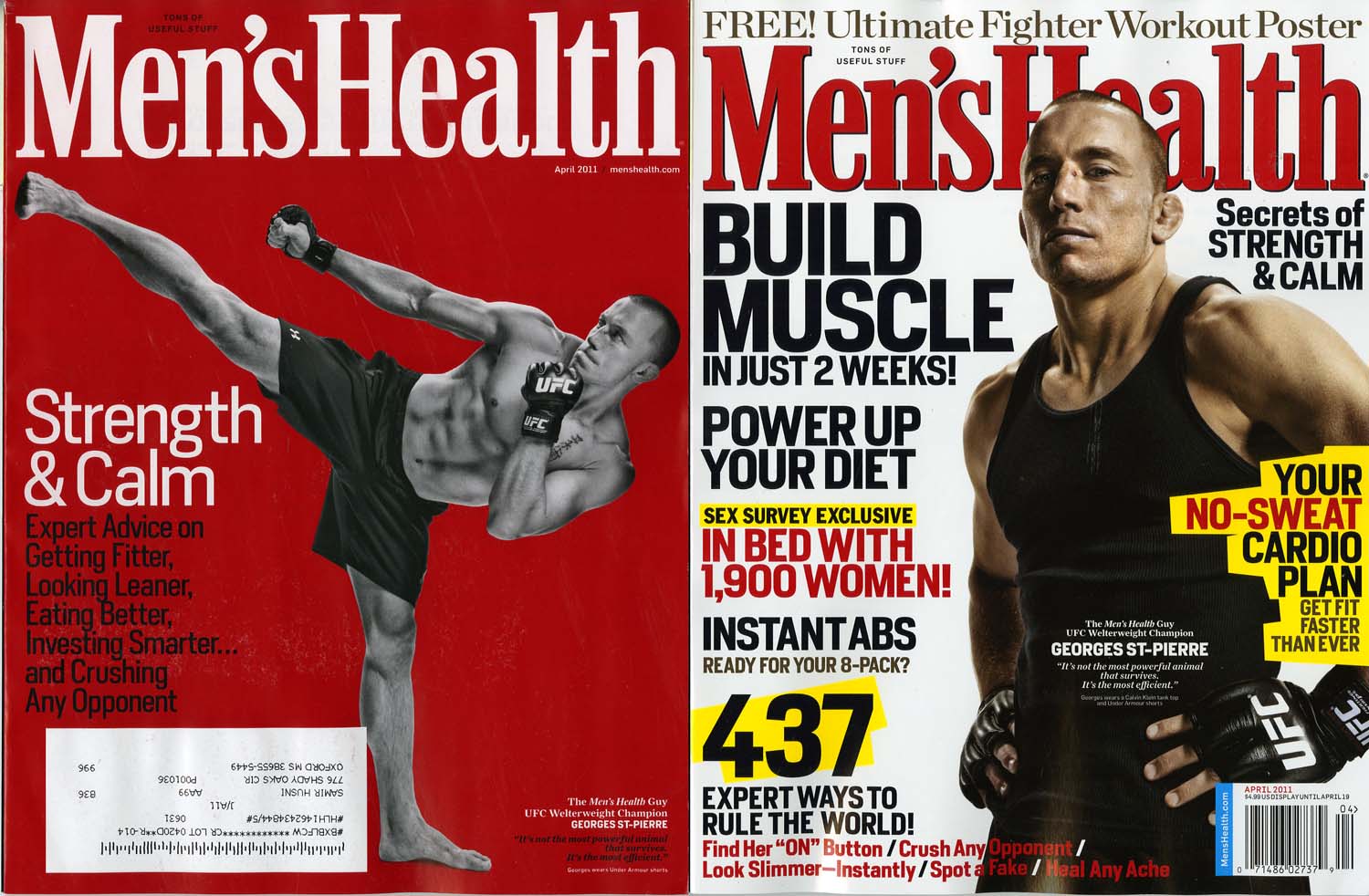
Wow! That was my reaction when the April’s copy of Men’s Health magazine arrived in my mailbox. A complete departure from their traditional cover design and colors. Men’s Health has been a leader in creating subscribers’ covers that differed from the single copy ones (usually with reduced type size and fewer cover lines), but the April issue subscription edition is new to me and the rest of the magazine subscribers.

Gone is the familiar white background and the majority of the cover lines. In, is an action and active, rather than passive, picture. Gone are the multiple cover lines. In, the one cover line offering all kind of “Expert advice on getting fitter, looking leaner, eating better, investing smarter… and crushing any opponent.”

Who says you need technology to create innovation in print! Covers that make readers take a second look are an innovation by themselves. Once you take a second look, you are engaged and the magazine is already in your hands. Enjoy!

h1

“Fine” Family Business: The Success Story of Taunton Press. The Mr. Magazine™ Interview with Sue Roman, President of Taunton Press

March 15, 2011

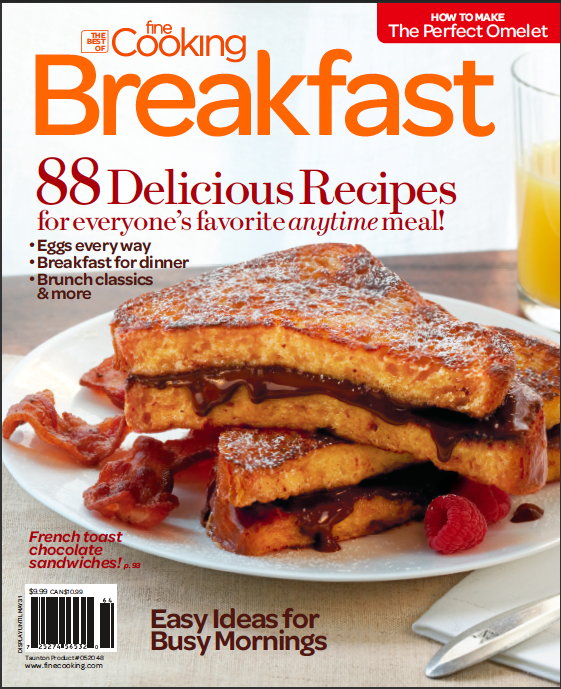
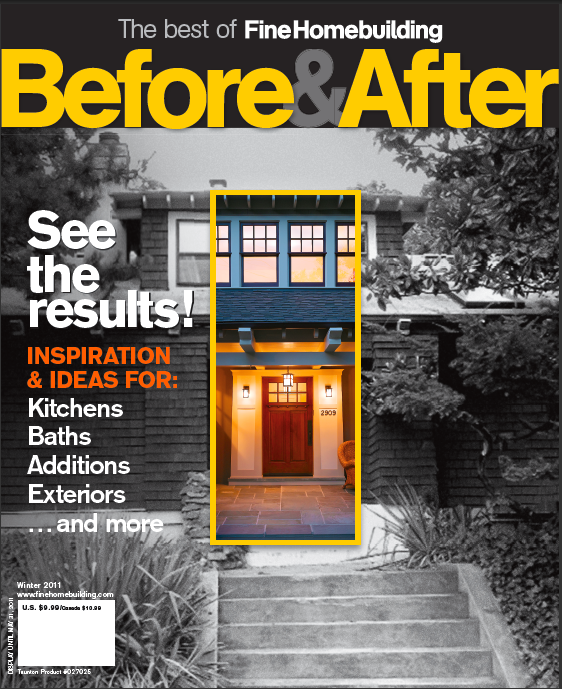
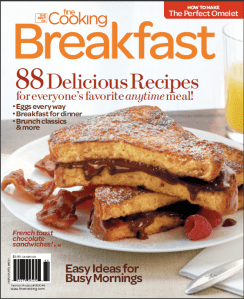
This is a story of a family business, a very successful family business. Taunton Press, publisher of everything “Fine” was founded more than 35 years ago. Its corner stones: consumers; its publishing model: consumer centric. The end result is one “Fine” magazine after another. Fine Woodworking, Fine Cooking, Fine Gardening… you get the picture.

I had the opportunity to talk with one “Fine” member of Taunton Press, Sue Roman, the president of the company and daughter of the founders Paul and Janice Roman. After my initial questions about the company and its role in today’s market place, I found myself going back for more. I discovered that there was as good a story about Sue Roman as the one about the company she leads. Sue was gracious enough to answer my “company” questions and then sits for a second round of questions, but this time about her story, her dreams and how she ended up on the helm of such a very successful magazine company.

So, in the usual Mr. Magazine™ Interviews, here are the sound bites followed by the two interviews, the company one and the personal one:

In our magazines, the reader is at the center. We ask them for a hefty subscription price, and then work really hard to deliver that high value in the magazine.

We strive to serve all the information needs of our customers.

All advertising is endemic to the subject of the magazine for all of our magazines.

We honor both the reader and the advertiser. Readers know to look for the advertisements in the front and the back of the book; however when they are in the article well they will find no advertisements to distract them from the content at hand.

Our editorial/art teams are masterful with using the magazine format to take complex ideas and processes and make them accessible and engaging.

If the publisher doesn’t think the magazine is valuable, as signaled by the subscription price, the reader won’t think it is valuable either.

When you’re focusing on communities of people who are passionate and who will talk to you and who like what you’re doing, you just kind of keep wanting to do more and figuring out what you can do.

I thrive on the challenge of what’s new and what’s going to resonate with people today.

I think one of the best skills you could ever have is being a good writer, a good thinker and a good interviewer. If you can do those three things, you can go far in any kind of publishing.

Where I see the difficulty is in the already-existing businesses that have already trained their readers to not value their product, to not pay for the product.

And now for the interviews:

Samir Husni: Let us start from the beginning, the foundation of Taunton Press. Take us through this consumer centric family business.

Sue Roman: Much of the foundation of how we operate was established at the beginning. My father, Paul Roman, started Fine Woodworking magazine, and hence the company, in 1975 to serve people just like him. He was a hobbyist woodworker and wanted to make beautiful things out of wood, but couldn’t find good information. He talked to the best woodworkers in the country at the time and asked them if they would be willing to share their expertise. Several key woodworkers said yes and he knew he could make the magazine. Next he and my mother, Janice Roman, his business partner, had to find out if enough people wanted the magazine. They created a direct mail piece that instructed people to send $8.00 for a quarterly magazine to a post office box in Connecticut. The response was very high (15%), so they cashed those checks, used that money to send out more direct mail, and with the first issue they had 25,000 subscribers and a sustainable business. I’m including a scan of the first direct mail piece and an article written about the launch for Fine Woodworking’s 25th anniversary.
From the beginning, advertising has been a service to the reader to help them find the tools and materials they needed to practice woodworking. All advertising is endemic to the subject of the magazine for all of our magazines. Even though Taunton magazines have a high demographic (the average HHI for our magazine readers is $150,000), the point of the advertising is to serve them as enthusiasts. This creates a win-win for the reader and the advertiser. Readers read the advertisements with great interest and need, and advertisers reach highly qualified, highly active participants. We honor both the reader and the advertiser. Readers know to look for the advertisements in the front and the back of the book; however when they are in the article well they will find no advertisements to distract them from the content at hand. All size advertisers are important to us, as they are to our readers, and you will see fractional ads in prominent places in both the front and the back of the magazine. All of our magazines follow this format.

We strive to serve all the information needs of our customers. Not only does Taunton serve them through magazines, but also through websites, books, DVDs, apps, and ebooks. We do fulfillment in house so we can stay close to our customers. When you call customer service you are speaking to someone in Newtown, CT who can help you with all product needs, or put you in touch with one of our editors if you have a question about the activity itself. We had a guy ankle-deep in wet concrete call Fine Homebuilding with a foundation question. That’s not uncommon at all. We had a gentleman sadly call our customer service to cancel his Fine Woodworking subscription after many years because he had developed an allergy to wood. After letting him unload his disappointment about giving up a hobby he loved, our customer service rep suggested he needed a new hobby, and by the end of the call he had switched his subscription to Fine Cooking.

SH: Your were one of the early practitioner of the “consumer centric” magazine publishing model before a host of companies started paying lip-service to the phrase. Can you expand on that consumer centric concept.

SR: In our magazines, the reader is at the center. We ask them for a hefty subscription price ($29.95-$37.95 for a one-year subscription depending on the title), and then work really hard to deliver that high value in the magazine in terms of finding the best experts in the field to be authors, producing detailed photos and drawings, and using archival quality paper. The beauty of our model is that by staying close to our readers, and serving them well, we can provide advertisers a highly engaged audience who are hungry for the products and services they offer. The readers are highly qualified because they have spent a good amount of money on the magazine demonstrating that they are willing to spend money on their passion because they are deeply engaged. The engagement level our readers have with every one of our magazine is off the charts (for instance, an average of 2.4 hours spent reading each issue of Fine Woodworking; Source: Harvey Research 2010 subscriber study). This means that the ads are in front of our readers multiple times. Since Taunton’s beginnings and even in the most recent surveys, well over 90% of our readers tell us that they keep every back issue for future reference. For convenience we have produced DVD archives of all our issues, which have been big sellers for us.
SH: What are the secrets of success in your publishing business model?

SR: We look for three things in a magazine. First, will the readers support the magazine? That means will they pay a subscription price and single copy price that is sufficient to profitably produce the magazine. Second, is there a strong base of advertisers who want to specifically reach these people? Third, is the subject matter well served by the format of the magazine? Can it be compellingly communicated on a magazine spread, and is there an ongoing conversation about the topic that will keep the magazine lively for years to come.

SH: Do you think that is the reason of your success story on the newsstands?

SR: We’re doing very well on the newsstand because readers can see and feel the quality of the magazine when it is in their hands. But there’s another factor–Taunton’s approach is in perfect alignment with the needs of wholesalers and retailers. We have high cover prices ($6.99 – $7.99 for core issues, $6.99 to $12.99 for SIPs) and manage our sell-thrus carefully. Combine that with consumers wanting our magazines, and the result is that wholesalers and retailers can make good money on our distribution without handling tons of copies. And because newsstand sales is a profit center for us, we continue to spend promotional dollars even in the economic downturn. We also treat the wholesalers and distributors as our partners, and send them a monthly electronic newsletter to keep them up to date on the new issues we are bringing out.

SH: Lately you have been publishing a host of special interest publications (SIPs). Is this a trend? How do you see the future of SIPs?

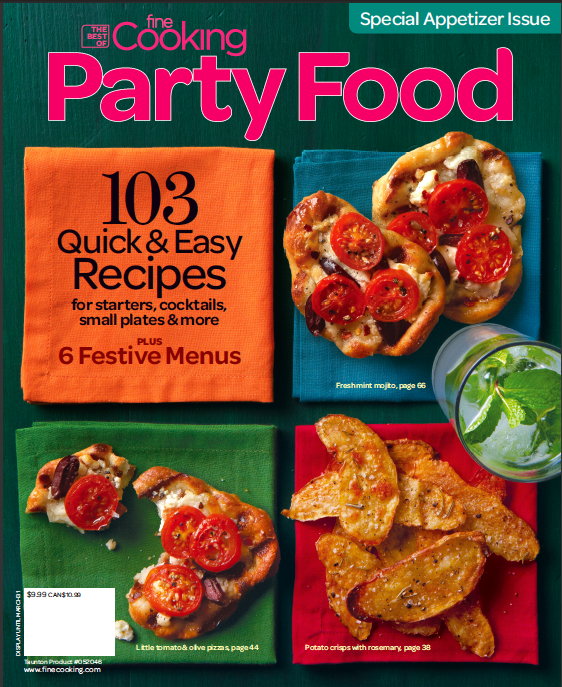
SR: In the last seven years we have produced a number of SIPs. Using our excellent newsstand distribution, we publish issues around particular topics that complement our regular issues. We work hard to make these highly valuable products, and the cover price matches that value. Because we produce some of the most in-depth, authentic information on the interests we publish in to satisfy our core hobbyists, SIPs with their single-topic orientation represent “the last and best word” for many folks who are not full-out enthusiasts. Introducing them to Taunton in this way helps us garner direct sales of other products while they are focused on their projects.

SH: Although you are consumer centric, yet your magazines include advertising. What role advertising play in your publishing business model?

SR: While the biggest proportion of our revenue comes from the reader in subscription sales, direct ancillary product sales, newsstand, and trade sales of our nearly 1,500 products, the advertising revenue is very important to us from the standpoint of overall profitability. Part of our mission is to connect enthusiasts with the suppliers of the tools and materials they need to be successful in their activities. We can do this in a number of ways including in the magazine, on our website, and in apps. Our leads are highly qualified because they have demonstrated their commitment with the money they spent to purchase our magazine and with the time they spend reading it. Taunton is an integral part of the markets we are in, and we want the tools, materials, and supply makers and distributors to be as successful as possible. We will work with them in creative ways to get in front of the people who want their products and services.

SH: If you take a look into the crystal ball, how do you see the future of printed magazines and what are you doing to amplify it?

SR: If you study our magazines, you will see how well served the information is by the magazine format. We can combine technical drawings, how-to photos, and deeply informative and engaging text all on the same spread. Our editorial/art teams are masterful with using the magazine format to take complex ideas and processes and make them accessible and engaging. Readers recognize this when they hold one of our magazines in their hands, and are willing to pay a high newsstand price or subscription price for it. This bodes well to me for the future of our type of printed magazine.

Our readers refer to back issues many times. We have used digital editions as a handy reference for them to search through past issues. We have been selling digital archives in CD or DVD format for nine years. Digital editions are also highly valuable to our international readers because they can get them on the publication date and not wait weeks for their issue to arrive in the mail. Digital issues are also a good way for people to have access to the magazine wherever they are.

And there are many other ways to serve enthusiasts both in print and digital formats. Taunton has a robust book program with more than 40 new titles per year and a backlist of more than 500 books available. Our fastest growing area has been online–Taunton’s Home and Garden Network is now number 15 in Comscore’s home category for web visits. We can connect and serve enthusiasts on our websites in ways that complement and support our magazines. Our magazine editors are completely plugged into our web activities. Video is a very compelling medium for how-to information, and we produce a lot of it for our sites. Our online audience is also highly engaged and makes the commitment to pay a fair price for content. We have over 80,000 paid members to our websites.

SH: If someone comes to you and say, “Sue, I would like to start a new magazine,” what would you tell that person?

SR: When people ask me for advice, I tell them to charge a subscription price that truly reflects the value of the magazine. If the publisher doesn’t think the magazine is valuable, as signaled by the subscription price, the reader won’t think it is valuable either. This also frees you from ups and downs of advertising for the success of the magazine.

In good times and in bad times, people have a fundamental need to create things with their own hands. People like to control their corner of the world, and make things to share with family and friends. We saw more people realize this after 9/11, and sales of our magazines, especially on the newsstand, reflected this. The economic crash in 2008 definitely hurt foot traffic in stores, decreased the money advertisers had to spend, and hurt the housing industry overall, and we felt all those things. However the underlying business model proved to be sound. With a balanced revenue portfolio between subscriptions, newsstand, and advertising, and with a rapidly growing digital/online business, we were able to cope and adjust to the new economic circumstances.

SH: How do you view the future of Taunton Press five years from today?

SR: Five years from now, Taunton will be fulfilling its mission of connecting enthusiasts with compelling and trusted information, services and products that help them fulfill their aspirations. We’re counting on print still being a viable format, but we are also preparing for more digital delivery through apps, mobile, web, and formats yet to be invented. Basically, our premise doesn’t change because enthusiasts will always want relevant, in-depth information and celebration of their passion. However, we are excited about the increased numbers of tools we have in digital media to address these passions and the ability to serve the reader anytime, anyplace, and in whatever form they want.

And now for the lightly edited, in typical Mr. Magazine style, interview that focuses on the woman who reigns today on the helm of Taunton Press and her dreams that came true and the one dream that, one day, maybe one day will come true. Intrigued enough, read on…

SH: One of the fascinating things is that Taunton Press is a family business. How did your parents drag you into this business?

SR: When my parents launched this, I was just getting into my teenage years. I was very much aware of what was going on. It was a very fast-growing business.
They would come home from work and talk about what they were doing over the dinner table every night. They were wrestling with, “How do we grow this company? What’s next?” It permeated the house with all their business discussions. At one point we told them that they couldn’t talk business at the dinner table anymore.
I worked here every summer through high school, through college. They were always short-handed and growing fast, and there were lots of opportunities. So, each summer they would throw me into a different area and say, “Go help out this person,” or “Go figure that out.” It was great training. I did everything from typing in subscription orders, developing photos in the darkroom; one summer I drew the charts for one of our first woodworking books. I programmed computers.

In 1984, my father said, “Well I don’t really have a good sense of how all the different parts of this business work together, will you collect all the data?” I spend all summer collecting data on all the different parts of the company; talking to different people and I put together this huge report for him, which I labeled at the time, “The Hitchhikers’ Guide to the Taunton Press.” It was just a wonderful way to grow up.

When we started video, I got a call when I was in college and got asked if I wanted to go out to California and be the grip on a photo shoot. I said, “Of course,” and I spent a week in a photo shoot with the brass wood-turners in the country. I always had a very good feel of what it was all about growing up. But when I graduated college, I couldn’t get far enough away from here.

I actually went off in a different direction. I was very interested in cultural studies. I studied African history, I did a semester in Nepal and after college I moved to Mexico. I thought I was going to be an anthropologist or do something with cross-cultural interaction. Then I got interested in bilingual publishing. I decided before I go start my own bilingual publishing company, maybe I should make sure I know what I need to know. My parents had always told us they didn’t want us to come back here and work after college. That wasn’t a problem; nobody wanted to.

Then five, seven, eight years later, my parents were telling us, “Any of you want to come back and work here?” I said I would come back for a couple years and learn the ropes because I really wanted to start a bilingual publishing company. So, I moved back from Mexico and they plugged me into a marketing job and then a year later, Fine Cooking was an idea that we started working on. I told my father I really wanted to get on the editorial side. Then I became an assistant editor. I completed 19 years here the other day. I guess I never got around to doing that bilingual publication.

It’s just been a fascinating place to work. It’s been constantly evolving, constantly changing. I gravitated to the editorial side and new product development. I spend a lot of my time here in new products. When the web was young I spent a couple years trying to figure out what that was going to do for us and leading our new media group. When you’re focusing on communities of people who are passionate and who will talk to you and who like what you’re doing, you just kind of keep wanting to do more and figuring out what you can do. There are so many different ways of doing that. Magazines are great and they’ve gotten a lot more interesting over the years with all the new tools. And there are books, web, video, digital, mobile and apps, and I just find it really fun and exciting.

SH: The entire environment for the Taunton Press was consumer-centric even before that term existed. A lot of people are paying lip-service to the term “consumer-centric,” but you’ve been practicing it and you continue to practice it. Did that make an impact on your decision?

SR: People here are very close to what they’re doing. One of the ways we recruit Fine Woodworking editors is we show them our workshop. And we tell them,”Well, you can do your own projects there on nights and weekends.” You’re surrounded by people who are the audience; they are cooks, they are woodworkers, they are sewers. There’s no gap between us and who we’re writing for. You just get that feeling that we are really a part of all of our communities that we’re in. We have people here who are on the high-passion end and they really get our readers. Most of our editors were readers before they came here. It flows very authentically.

SH: Do you see more magazines going in the direction of your business model, or it is impossible to do at this point? Can the Taunton Press business model be replicated in today’s marketplace?

SR: Definitely. I’m part of the independent magazine group at the MPA and there are many more companies like us now. I think you can start a business like this. Where I see the difficulty is in the already-existing businesses that have already trained their readers to not value their product, to not pay for the product, to wait for a subscription notice to tell them their product gets cheaper and cheaper the longer you dawdle on your renewal.

The companies that have already trained their customers to think a certain way; I think it’s going to be tough for them to make this switch. Also, it goes back to the DNA of the company. Where is the power and authority within the company and is it balanced or is it in the hands of the advertising? And if it is, that’s a hard shift for a company to make if you launch that way and you’ve been that way, then getting into these new distribution streams or into new gadgets and delivery mechanisms, they’re just more of a new twist on what you’ve already been doing.

With our business model, we can add on more of an ad based product, we can add on a completely user paid product, a continuity thing, like a subscription, we can add more of a one-off product, like our book sales. Or we can do something that is very blended, which is how online is for us. We’ve got a whole mix of businesses online and they can all play together.

SH: What makes you tick? What makes you say, “Wow, I love my life,” or “God, here’s another day.” Give me the reason you get out of bed in the morning.

SR: I thrive on the challenge of what’s new and what’s going to resonate with people today. It may or may not resonate with them yesterday, but what’s going to resonate with them today, what’s going to resonate with them tomorrow and how can we figure out how to make that. I love making things.

SH: What advice do you give to journalism students? Should they just give up and go major in something like anthropology? Do they have a future in journalism?

SR: I think one of the best skills you could ever have is being a good writer, a good thinker and a good interviewer. If you can do those three things, you can go far in any kind of publishing, and also having a lot of flexibility. I didn’t get into what our editors do here, but our editors travel out to the woodworkers, to their woodshops; they interview them, they have dinner with them, they help them write their stories, they take photographs, they might take video, they might blog about their trip. Being open to the interesting things going on in the world and being able to distill them in ways that other people can understand, which I think is what journalism is all about, is a great skill. There are more outlets for that now than there have ever been, so I think it’s an even more desired bundle of skills.

SH: Thank you.

h1

In the Good News department: There are 10,000 unique magazine titles today and Felix Dennis buys Mental Floss

March 14, 2011

Amazing news comes via John Harrington’s The New Single Copy regarding the total number of titles that were distributed on the American newsstands last year: 10,000. John cites MagNet as the source and writes: “MagNet found that more than 10,000 BIPAD numbers, each representing a different title, were reported as having some sales by its member wholesalers, who account for approximately 99% of all magazine sales.” The 10,000 number of titles is FIVE times that of the number of titles back in 1980. Amazing indeed.

Also, more amazing news comes via today’s The Wall Street Journal Felix Dennis buys Mental Floss magazine. A smart move from a man who knows a good thing when he sees one. Congratulations are in order for both the buyer and sellers. The two founders Will Pearson and Mangesh Hattikudur will continue with the magazine that aims to make you feel smarter.

What a great way to start your Monday morning… Enjoy.

h1

When One Picture Makes Two Magazine Covers… (Make that three covers)

March 9, 2011

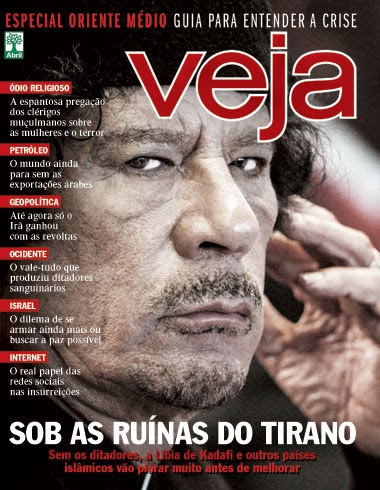
From the many pictures that came out of Libya, one image of the Libyan leader Qaddafi found its way to two magazine covers: The Economist and The Weekly Standard. The Economist used a touch of “blood and oil” colors to accent the picture and The Weekly Standard opted for the straight shot. Which magazine do you think did the better job with the picture? It is amazing when you think that there were probably thousands of pictures to pick from, and two magazines on both sides of the Atlantic chose the same picture. I guess great pictures still dictate the great editors’ choices. Judge for yourself.
Addendum: Well, that is not the end of the story, thanks to a comment from Jean Pluvinage (see the comments section) the Brazilian news weekly Veja also used the same image. See below

h1

On Creating A Magazine “Well Worth Holding In Your Hands”: The Mr. Magazine™ Interview with Steve and Debbee Pezman, Founders of The Surfer’s Journal

March 2, 2011

Would you believe it if someone told you that 20 years ago, a new magazine was launched with a cover price of $12.95. Yes, you’ve read that right: almost $13 for a single issue. The cost of this one issue was more than what other magazines sold their annual subscriptions in those days (and sadly for the majority of magazines, in these days too).

“Selling magazine subscriptions” became the goal of the founders of the aforementioned magazine, The Surfer’s Journal “rather than selling advertising to a volatile industry.”

I had the opportunity to interview Steve and Debbee Pezman, founders this “reader-supported publication” The Surfer’s Journal, the state-of-the-art surfing bimonthly magazine that is celebrating its 20th anniversary and that continues to cover surfing’s “people, culture, travel, and art from a purist point of view.”

A beautiful and very addictive magazine to hold and enjoy, even if you are not a surfer, TSJ’s founders share the genesis and conception of their idea from birth to 20 years and beyond. You can feel the passion in their answers and the love of the magazine and its subject matter. A story that need to be told and a business plan that was, is and will continue to be the best business model to launch any new magazine: find the customers who count and forget about the business of counting customers to sell to advertisers.

What follows is more than interview. It is in fact a road map to launching a new magazine. A new, ink on paper, successful, make that very successful magazine. Enjoy.

But first, as is with The Mr. Magazine™ Interviews, here are the sound-bites, followed by the Q and A with Debbee and Steve Pezman:

Each time we sweated over raising the cover price we discovered that surfers were willing to pay more if they really wanted something.

Our target readers had grown up, still surfed avidly, and their relationship to the sport had matured beyond that stage. No publication was targeting them as they aged because the advertisers didn’t.

Serving a passion by honoring it in a high quality, high-brow way, without pandering to the pressures or opportunities to commercialize our “reader-supported” approach.

The nugget of our idea applies to many topics, some with bigger potential than our own. It’s about creating compelling in-depth content in an uplifting package that makes the enthusiast feel good about their passion for that topic.

The major determinant for a printed magazine to survive in 2011 and beyond is to make something well worth holding in your hand.

And now for the full interview with Steve and Debbee Pezman:


Samir Husni: As The Surfer’s Journal approaches its 20th Anniversary, can you recall those moments when the magazine was launched? What was the idea behind the magazine?

Debbee and Steve: The idea was to publish a high-end periodical for the adult surfer (age 25+), a market that wasn’t being served. Both Steve and I had 25+ years publishing for this audience and recognized a need.

After years at Surfer, Debbee and I wanted to do our own thing. I had known a publisher of annual scholarly Journals who was able to charge a $100 for a 40-page one-color booklet because the info was absolutely necessary to the specialists in that field. That stuck in my mind. Another factor: at Surfer, each time we sweated over raising the cover price we discovered that surfers were willing to pay more if they really wanted something. The third factor: in 1992 we were in a downturn in the surf wear business and advertising spending was sinking. We thought about what would be a more reliable basis—a surfer’s undying stoke! That translated into selling them subscriptions rather than selling advertising to a volatile industry. What we wanted to publish was a pre-sold periodical book.

SH: What were you thinking charging $12.95 cover price for a magazine in 1992 when the average cover price back then was less than $4.00?

D & S: It was the highest price we then had the nerve to charge and it was how much we needed to make our idea work. It was also wanting to set The Journal apart—overall, to look, feel and read unlike anything else.

SH: What was the biggest hurdle you had to overcome to ensure that the magazine was going to make it?

D & S: One hurdle was that we were targeting a just a portion of a relatively small market, but it was the most dedicated segment. We started off with a direct mail drop of about 40,000 pieces, to Surfer subscribers who had renewed more than once and Surfrider Foundation members. We got a unheard of 8% cash response and we hadn’t published an issue yet. They responded to the fact that someone was finally going serve their level of sophistication. Because we wouldn’t be available at traditional newsstands we were counting on them to spread the word. At the time, the normal surf magazines were all focused on delivering 14-24 year-old eyeballs to their advertisers, whom they carried at a 50/50 ratio to edit. Our target readers had grown up, still surfed avidly, and their relationship to the sport had matured beyond that stage. No publication was targeting them as they aged because the advertisers didn’t. They felt abandoned until we came along.

SH: What was the most pleasant surprise during those 20 years?

D & S: Stopping at our post office box on the way to the small office we had rented, about ten days after we had dropped that direct mailing, and after 7-8 days of checking and seeing nothing there, finding the P.O. Box full plus a plastic bin overflowing with envelopes with checks in them. We took one look and Debbee shouted, “Bingo!”

SH: A lot of folks and major publishing companies doubted your venture and gave you zero chances of survival… how did you beat the odds?

D & S: Serving a passion by honoring it in a high quality, high-brow way, without pandering to the pressures or opportunities to commercialize our “reader-supported” approach. Our business model is not a “big money” idea, unlike a full-on successful ad driven publication. After we had survived for a while and appeared to have become stable, Surfer and few others noticed ran the numbers to see what we were up to. We didn’t look like much, so they shrugged us off. We were happy about that. We’ve also received sincere compliments from publishers that had done the hard labor of putting out major titles for years. They appreciated the pure esthetic of our approach. For example, the recently retired Publisher of Vogue sent us a letter congratulating us on our model. He explained that he was preparing to use a lot of our idea to publish a periodical based on the designs, culture, history, adventure travels and personalities surrounding a large premium yacht builder that would target subscription sales to their thousands of boat owners and the many more that would like to be. They were super expensive yachts. The owner demographics were through the roof. It felt almost automatic that a high % would pay a premium for a publication that enriched and glorified their boat ownership.

The nugget of our idea applies to many topics, some with bigger potential than our own. It’s about creating compelling in-depth content in an uplifting package that makes the enthusiast feel good about their passion for that topic. If you do it well, enough money comes with it to make it worthwhile, and it makes for a feel-good endeavor if you love that topic yourself! The reward is the esthetic of the model you get to engage in. The reality of the regular magazine business can get pretty ugly. This is the art gallery part of it.

SH: If someone comes to you today and said I am going to start a new magazine, what advice do you give them?

D & S: Most who come to us for advice seem to be editor types whose life is deeply engaged in the subject matter. Typically, they have an idea about a different slant or type of content package that they can’t put into play with a conventional approach. They are convinced they can compel their peers to respond to a fresh and compelling delivery vehicle. For an editor, the publishing and/or business aspects can be less developed than the content idea. You need both sets of skills at high levels to succeed. Then, you need real solid plus-factors in more than one aspect of the business plan. Of course, you always need more money than you start with. Finally, you need really great access to and familiarity with all parts of your target market (contributors, prospective readers, the specialized industry around it) as well as credibility within it. It really helps if they recognize you as an expert.

SH: As we live this digital age, do you think there a future for print and what are you doing to help amplify the future of the printed The Surfer’s Journal?

D & S: We see The Journal as a rather durable form of print: a highly specialized tangible object that titillates your brain and is rewarding to hold in your hand. For the foreseeable future, there will be a need for those traditional qualities, but the gap between traditional and new age delivery modes will become more and more extreme as generations pass.

SH: Where do you think you will be five years from now?

D & S: We will have earned an even greater sustainable base with TSJ, be evolving our model and adding and/or cobbling together a community of like titles on wide ranging subjects to share efficiencies and synergies.

SH: How can you, if you can, replicate The Surfer’s Journal business plan? Can you launch a magazine today and achieve the same results you’ve achieved with The Surfer’s Journal?

D & S: In a word, yes. It’s a simple idea that requires a team of unusual talent with thoughtful execution to succeed. Our idea is for each title to be built by a small satellite group of specialists, orbiting a central service structure that provides the non-specialized services at a high level.

SH: One final question, if you were to finish this sentence how would finish it…. The major determinant for a printed magazine to survive in 2011 and beyond is…

D & S: … Make something well worth holding in your hand.

SH: Thank you.
h1

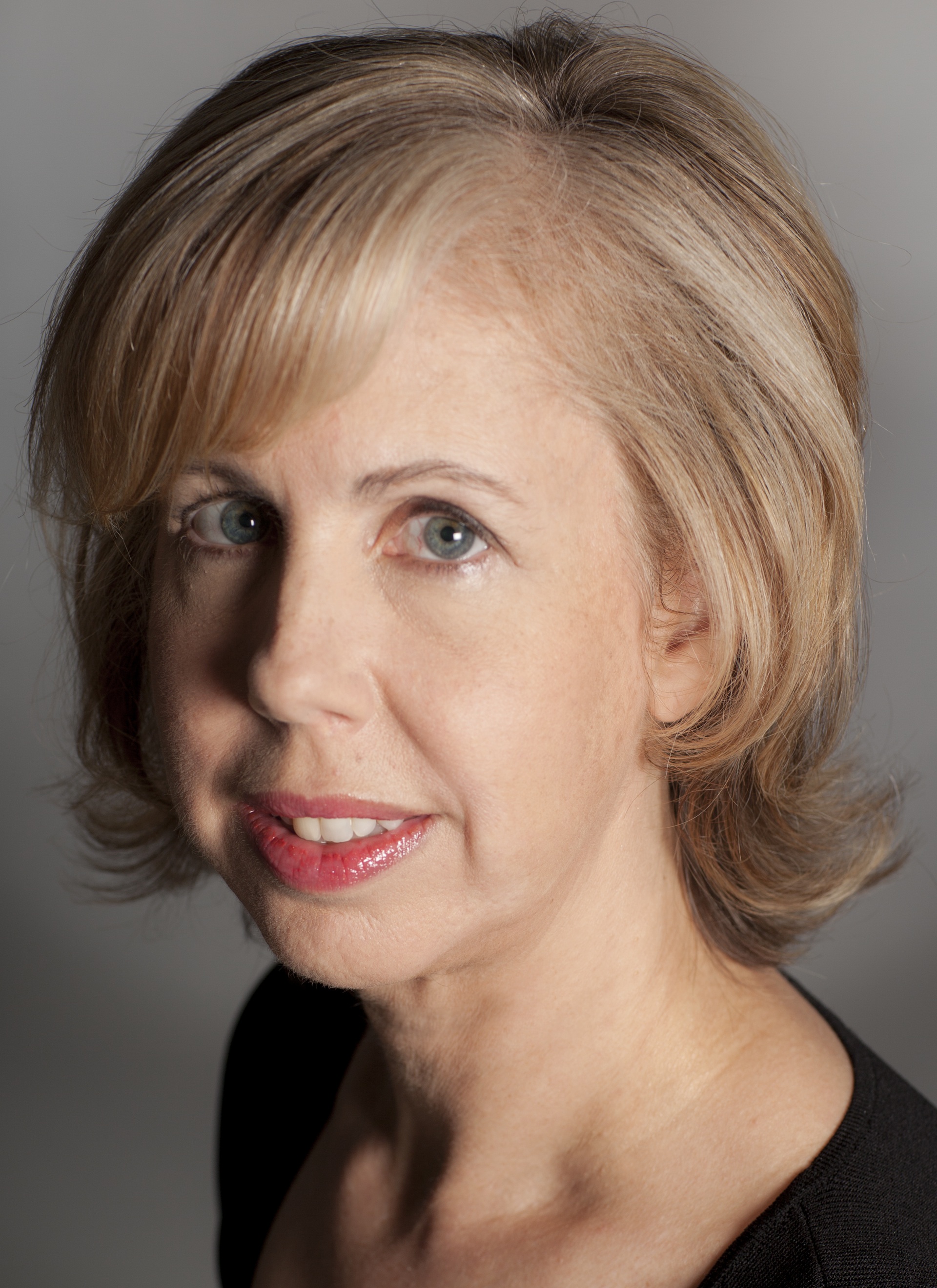
Nancy Gibbs, TIME’s Executive Editor to Samir Husni: This is a Fantastic Time to be in Journalism and the Changes in Technology Only Make it Better: The Mr. Magazine™ Interview

February 24, 2011

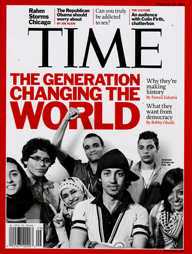
Change is the only constant in the media business. And the changes in the hierarchy of Time Inc. last week, sadly overshadowed some innovative changes at TIME, the magazine.

Rick Stengel, TIME’s managing editor, wrote in his Editor’s Desk under the “predictive” heading “Changes All Around”

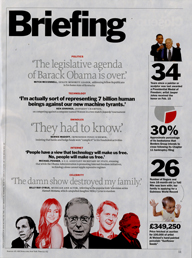
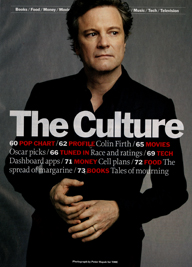
“If you think this issue of TIME looks a bit different, you’re right. We’ve tweaked the front of the magazine, adding an Economy page and a photo spread; moved 10 Questions to the back page; and created one large section called The Culture, which combines the old Life and Arts sections. The design evolution was led by executive editor Nancy Gibbs, along with assistant managing editor Radhika Jones and our design director, D.W. Pine…”


I had the opportunity to talk with Nancy Gibbs, TIME’s executive editor who led those innovative changes. I asked her about the changes at TIME, the future of print and digital, the role of the magazine vs. the online and the tablets and the status of journalism and its future today. Here are some sound bites followed by, in typical Mr. Magazine™ Interviews, lightly edited transcript of the interview.

The sound bites:

No matter how much technology changes, no matter how much the political environment changes, the human need for stories is every bit as powerful as the need for food and water and sleep.

Storytelling as an important service and art form is always going to be important. Having more ways to tell a great story, having more platforms for storytelling is terrific.

What print allows you to do is to have a contract with your reader that they’re willing to spend some time with you.

Everything seems to be additional, rather than a replacement. That doesn’t worry me. I love print, but I also love what we’re finding we’re able to do on these other platforms as well.

If you want to have a much more manageable, edited and curated account of things that really matter and are interesting and surprising and provocative to think about, then the magazine is a very efficient vehicle for that.

This whole (change) process was launched and pursued completely independently of anything Newsweek was doing.

This is a fantastic time to be in journalism and the changes in technology only make it better.

And now for the full, lightly edited, interview with Nancy Gibbs, executive editor of TIME.

Samir Husni: TIME underwent a redesign in 2007 to become what I refer to as the first glossy intellectual weekly, so what’s the reasoning behind this new round of changes?

Nancy Gibbs: This is really an evolution of that design; you won’t notice–and I don’t think our readers will notice–a dramatic change. The fonts and typefaces are the same. The general feeling of the magazine is very much the same. It is more of a reorganization and I think a freshening–almost a cleaning up–of that design, because, as you know very well, over the years where you start adding various features and adding new little trinkets here and there, any design can get too busy sometimes and may lose some of its clarity.

What we were looking for was supposed to increase the clarity and the flexibility that we had. One thing that would frustrate us from week to week was that as we have an audience online–it is almost as big as the audience for our printed magazine– and there’s very little overlap between the two and yet we were producing fantastic stories on time.com for which there wasn’t really a home in the magazine. It was not easy, natural or organic to have stories that started out online and ended up in the magazine and vice-versa. So, we thought if there were a way to look at the architecture of the magazine: how we cover the news, how we cover feature stories, how we use photography–it would let us harvest the best of time.com through the week, and that would be very helpful.

A good example of that is one of the most successful features that we’ve had, both on time.com and on the iPad, is the way we feature photojournalism. We are certainly able to use photographs in our features-well stories, however we still have pictures that we wish we had a place for (in the printed magazine) even if they didn’t necessarily go with some major news that we were writing about in the well of the magazine, but we want readers to see. We can do that now with the briefings section at the front of the magazine. When you turn to the first page you have what we call “Close Up”, which is just whatever we think is the most knock-your-socks-off picture of the week. So it was with things like that that we just wanted to have the flexibility to find a home for things in the magazine that we know the readers really like. We knew if we made the architecture even clearer that we could be much more flexible about what we put in it.

SH: Everybody is talking now about apps. Everybody is paying so much attention to digital and here, yet again, TIME magazine surprises people by refocusing on print saying, “How can we amplify the printed edition.” Do you think we are spending too much time on digital and ignoring print? Or do you think there is a future for both? Or are we all going to be worshiping the machines?

NG: I absolutely think there’s a place for both and partly because there are things that are suited to print more than to reading on a screen or experiencing on a screen, and there are things that are great on a screen. I think that great stories are great stories. Storytelling as an important service and art form is always going to be important. Having more ways to tell a great story, having more platforms for storytelling is terrific. I don’t think we should view this as a competition or some sort of fight to the death between digital and print. I think it allows everything to reach its highest level. The experience you have reading a magazine is just a different experience than you have when you’re sitting at a computer. The tablets add yet a third kind of experience. The tablets are not the same as sitting with your desktop, they’re not the same, obviously, as sitting with a printed magazine, and so we’re still learning in exciting ways about each new platform. I’m sure we will learn more and more going forward. I don’t by any means think that they replace print anymore as everyone has pointed out. It’s not as if television replaced radio. It’s not as though cable television replaced broadcast television. It’s not as though the Internet replaced movies or TV. Everything seems to be additional, rather than a replacement. That doesn’t worry me. I love print, but I also love what we’re finding we’re able to do, and we’ll be doing down the road on these other platforms as well.

SH: One of the things I tell the students is that we’re no longer journalists; we are now experience makers. You talked so much about the differences in the experience, between TIME, the magazine, the website and the tablet. Can you briefly tell me how you define the experience when you are flipping through the pages of a printed magazine, and how do you differentiate that experience from the online and from the tablet experience?

NG: One handy distinction people will make is distinguishing between a lean-back experience and a lean-forward experience. When you are sitting at your computer and you have the screen open to time.com, or to another news site, you also may have instant messages coming in, your email is buzzing, you’re constantly being invited to move away from whatever page you’re reading. I think people who write for websites and blogs and news sites realize that they must command the reader’s attention instantly, and they should not count on holding on to it for very long because you’re able to jump around a bunch. Websites invite you to jump around. There are links that will take you away from whatever it is they have been trying to get you to read in the first place.

It’s a very different experience than a magazine, which is a much more lean-back experience where I see people settle in to read a magazine knowing that they can get lost in it; knowing that the magazine is not suddenly going to interrupt itself. That’s a much more immersive experience.

So far the tablets can go either way. No one is particularly ready to read a book sitting at their desktop but people have been reading books on e-readers now for years. The experience of the brighter screen and the ease of “teaching” through a book on an iPad is also a good experience. You can’t, at the moment, as easily scribble in the margin or turn down the corner of the page or do various things that you are used to doing with a tactile experience of a book. It is possible to have an immersive experience with tablets that I don’t think is possible to have in the same way with websites. In that sense, the tablets are a more natural extension of the print magazine.

What we do on time.com is very different than what we do in TIME magazine and the actual content of TIME Magazine is a tiny fraction of the content of time.com. Time.com is wholly its own real-time, 24/7 news site.

I think what print allows you to do is have a sort of contract with your reader that they’re willing to spend some time with. It doesn’t mean you’re allowed to waste their time. You still have to signal that you are respectful that they’re spending time with you, but you don’t have to grab the reader by the scruff of the neck with the first five words of your story. You can sometimes enter into a story more artfully. It can be longer than typically what we see anyone doing online. In a way, with the photography integrated into it, it is a richer, three-dimensional experience.

SH: Do readers want a 24/7? Or do they want a gatekeeper? When they get TIME magazine, do they feel up to speed on what’s going on? Is once a week more than enough? Or do you think that we are so immersed with technology now that we are forgetting about the human being?

NG: I think that what we hear from our readers is they are aware that at any minute of any hour of any day they can find out what is happening anywhere in the world. They know that’s all available to them. But, we’re all busy people and we do not have time to spend, 12, 15, 18 hours a day reading through news sites and four newspapers and the live streams of whether it’s Al Jazeera this week and the BBC last week and NBC next week. People do not have time, and if they want to remain informed about important stories that are both those in the news–what on earth is going on in Libya right now, and stories sort of behind the news–they need for us to be the curators for them.

There are a limited amount of hours in the day, and what we hear from our readers is they like for the magazine to start with a very efficient overview of important events grabbed from the last week. They find that enormously useful. They don’t want a lot of extra bells and whistles and gimmicks. They want an efficient digest of the news. In the feature well they want us to take them somewhere where they would not be able to go; to take them into the rooms where the doors are locked. What was the president really saying to his top advisors as Egypt was going through these earthquakes? What was really going on down on Wall Street as Lehman Brothers was collapsing? This helps readers understand not only what really happened but also why it happened, what it meant and why it affects them.

The way news is delivered online, the 24/7 news, all those by definition can’t be storytelling. That is delivering the news as it’s happening and to pull back and say, “Well here’ s the overall story. Here’s the background and the context. Here are the most important factors that lead up to this.” You cannot do that in sort of continuous stream. You can only do that when enough time has passed and it’s possible to make sense of an event. This is why the weekly rhythm of TIME magazine is really ideal. It is enough time to be making sense and taking stock of the important events of the moment and to put them into context and sort out what’s passing, significant, trivial and what really matters and what we should be paying attention to.
Yet, the great thing about having time.com is we can also be doing real-time updates of here’s what’s happening today in Bahrain. Here’s what’s happening right now in Yemen or, in the Senate. We have the best of both worlds; we can be an authoritative, reliable, trusted news source for people who want to know what is happening right now, but those same people also want us to pull back and tell them what this means, how it affects me and why I should care about it. That’s what we’re able to do in the magazine.

SH: What I hear from some people is we’re having an information overload. We’re bombarded…

NG: That’s exactly where our opportunity lies. It is exactly because people feel overloaded. They cannot possible take it all in and sort it all out. What we’re saying is we will give you as much of the news as you want. Log on to time.com, subscribe to our Twitter feed, and we are there. But if you want to have a much more manageable, edited and curated account of things that really matter and are interesting and surprising and provocative to think about, then the magazine is a very efficient vehicle for that.

SH: Is there any reason why Time has made changes now? Is it because Newsweek is changing? There is a lot of talk with Tina Brown changing Newsweek.

NG: That’s so funny. I laugh with people about this, but we started to make these changes roughly a year ago. Not only was Tina Brown nowhere near Newsweek, Newsweek hadn’t been sold yet. Newsweek was going along, doing its thing. This whole process was launched and pursued completely independently of anything Newsweek was doing. When we were ready to do it, we were ready to do it. These things take a long time. Even when the changes are not big, it takes a long time to sort out what we want to do.

Things like the new “Culture” section in the back; I’m so excited about it because it is really fun, and it was designed to be a very smart, very friendly, sort of intimate conversation with readers about the things that people will tend to care most about: your health, your money, what movie to see this weekend, your kids, the more personal conversations that tend to be what people talk about over dinner. That’s what we get to do in that “Culture” section. It is fantastic to now have this, again, very flexible vehicle to cover all those topics that we’ve always covered but in a different way or improvised way every week. Now, having that section and figuring out what we’re going to do with it this week is just as much fun as I’ve had in a long time.

SH: You’ve done a great job in making TIME a must read. It’s no longer an option if you are in this business. Being a teacher, a professor, what do you tell incoming journalists now? You’re a woman who was has written more cover stories for Time magazine, more columns; you have your hand on the pulse of America. What do you tell those incoming journalism students? Is there a future for them?

NG: Absolutely. I sure hope so, and I absolutely think so. I think there is something about human nature that will not change. No matter how much technology changes, no matter how much the political environment changes, the human need for stories is every bit as powerful as the need for food and water and sleep. It is stories that let us make sense of our world and understand our placement. In a sense, the busier and more information-clogged our lives become, the more important it is to have as part of one’s diet a kind of storytelling that explains not just what’s happening but what it means. Doing that is so much fun. Our job is basically figuring out things that people are interested in and finding out more about it. It is, by nature, an always-fascinating job. I was talking to a journalism class last week, and it was a fantastic group of kids from all over the world, and I think one thing that we’re seeing right now with the extraordinary news stories we’re seeing is that the importance of bearing witness and the importance of explanation and information that is reliable and authoritative has never been greater. I think that this is a fantastic time to be in journalism and the changes in technology only make it better.

SH: Thank you.
h1

Too Quick to Cover Up: Bossoms or Guns? An Unexpected Magazine Cover Wrap

February 18, 2011

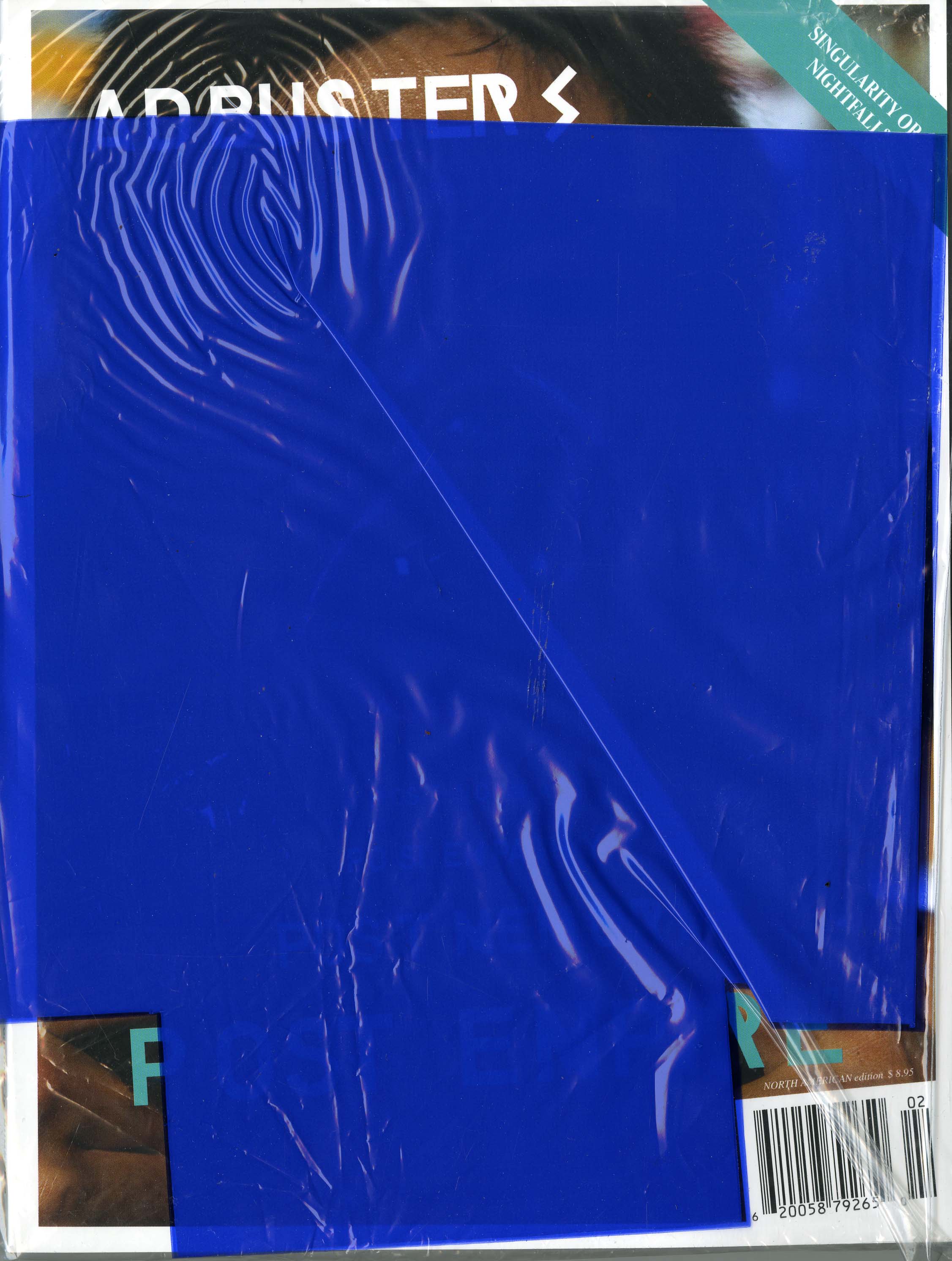
I was surprised as I walked into one of my regular newsstands to see a magazine wrapped in solid blue plastic. That treatment is usually reserved for magazines with nudity or semi-nudity on their covers. I knew that this specific bookstore does not carry any magazines with nudity (including magazines like Playboy and Penthouse). So, needless to say I was surprised to see this magazine displayed.

The name of the magazine was not even showing. Only the Universal Price Code so folks will know how much to pay. I had to push the plastic wrap down in order to see the name of the magazine: Adbusters.


I was stunned to say the least. What did they put on the cover that forced the magazine distributor to put it in taped blue plastic wrapper (an honor as I mentioned earlier reserved for magazines with nudity or too much revealing pictures or information on their covers)?

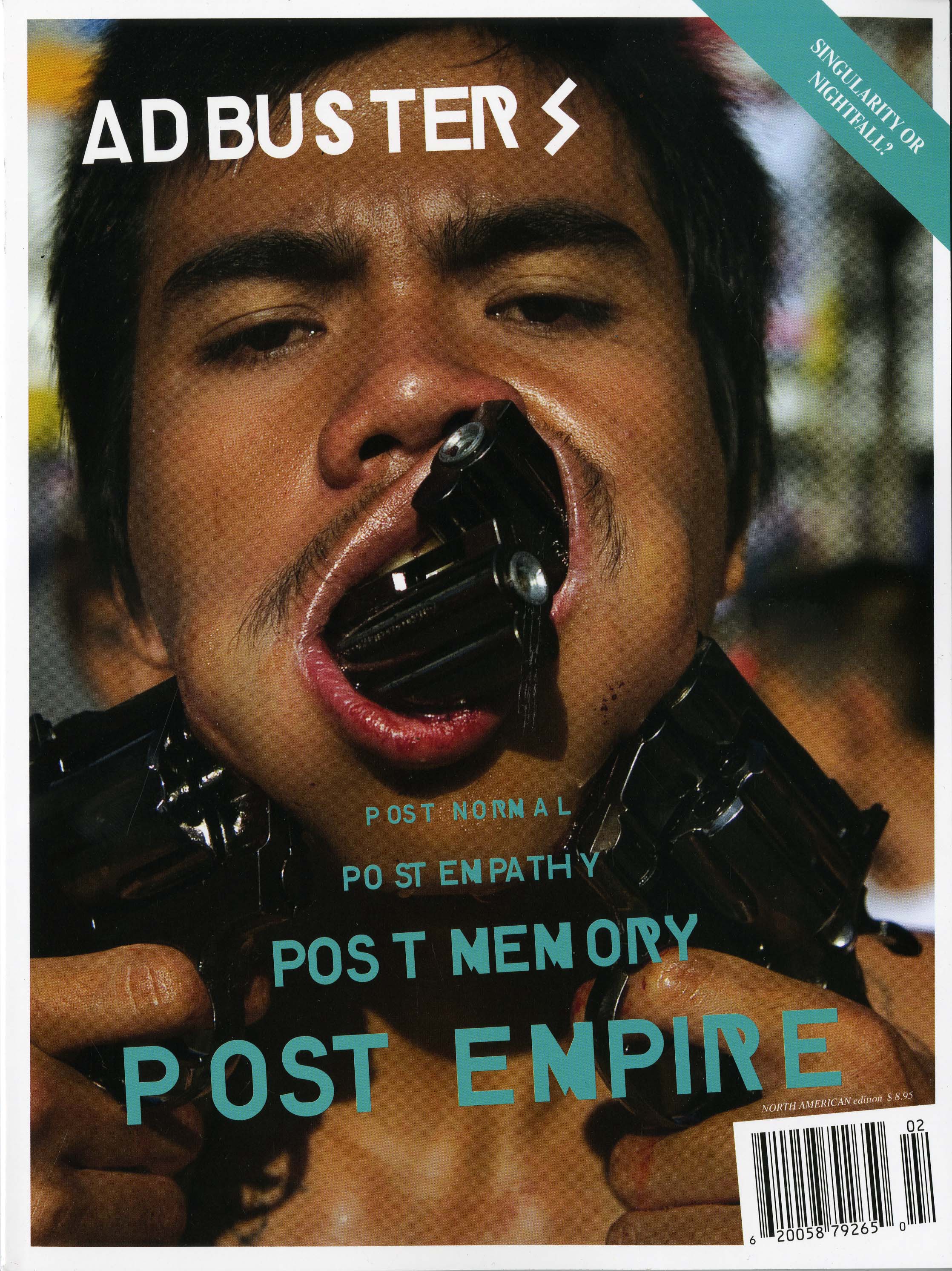
The minute I paid for the magazine, I opened the wrapper and wow! A stunning, freeze in your place, cover picture of two guns coming in and out of the mouth of the picture of the guy on the cover. A picture that is worth much more than a 1,000 words. Ready or not, take a look and judge for yourself… wrapper or no wrapper?

h1

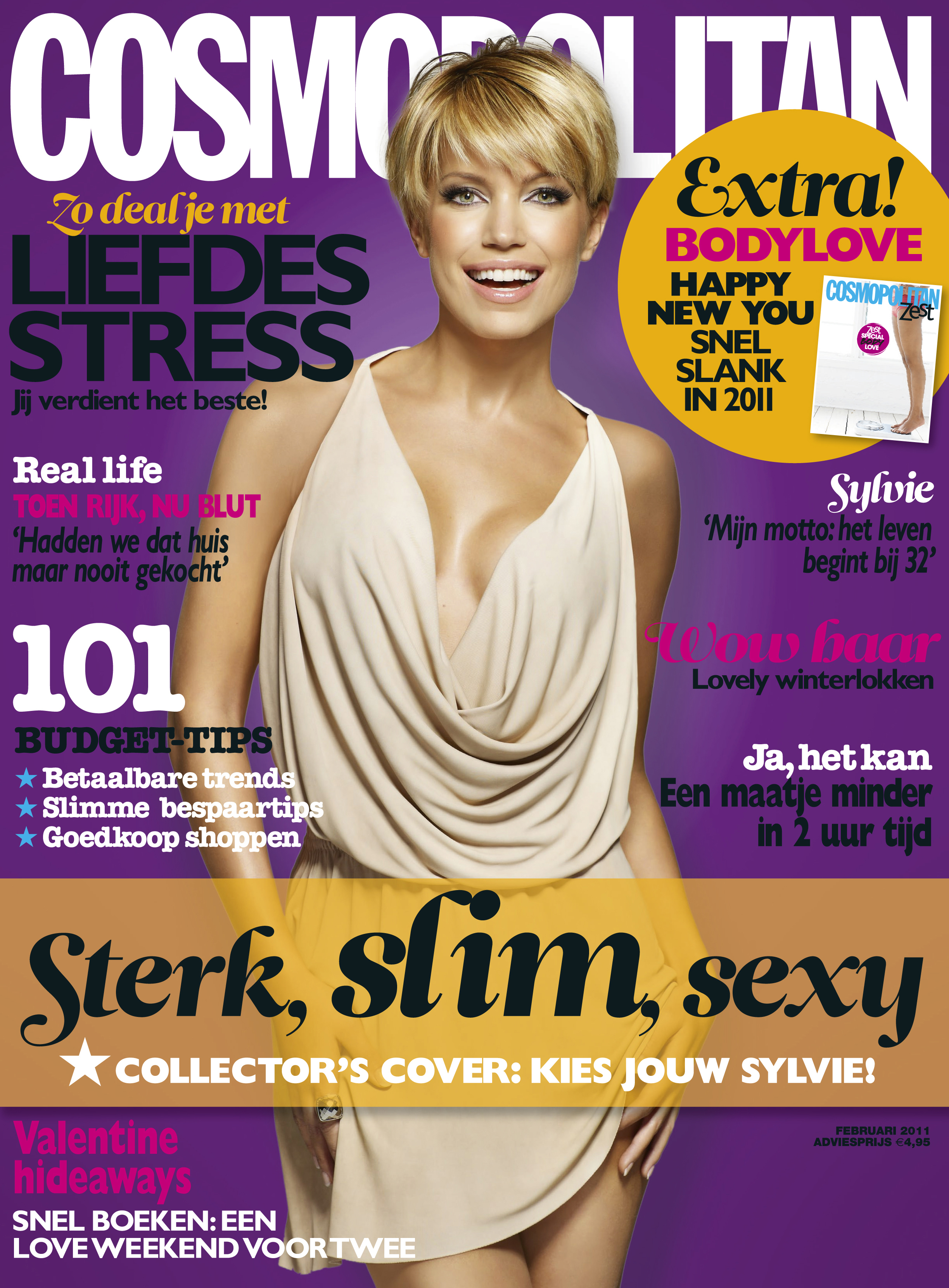
The Strong, Smart and Sexy Dutch Cosmo Women!

February 17, 2011

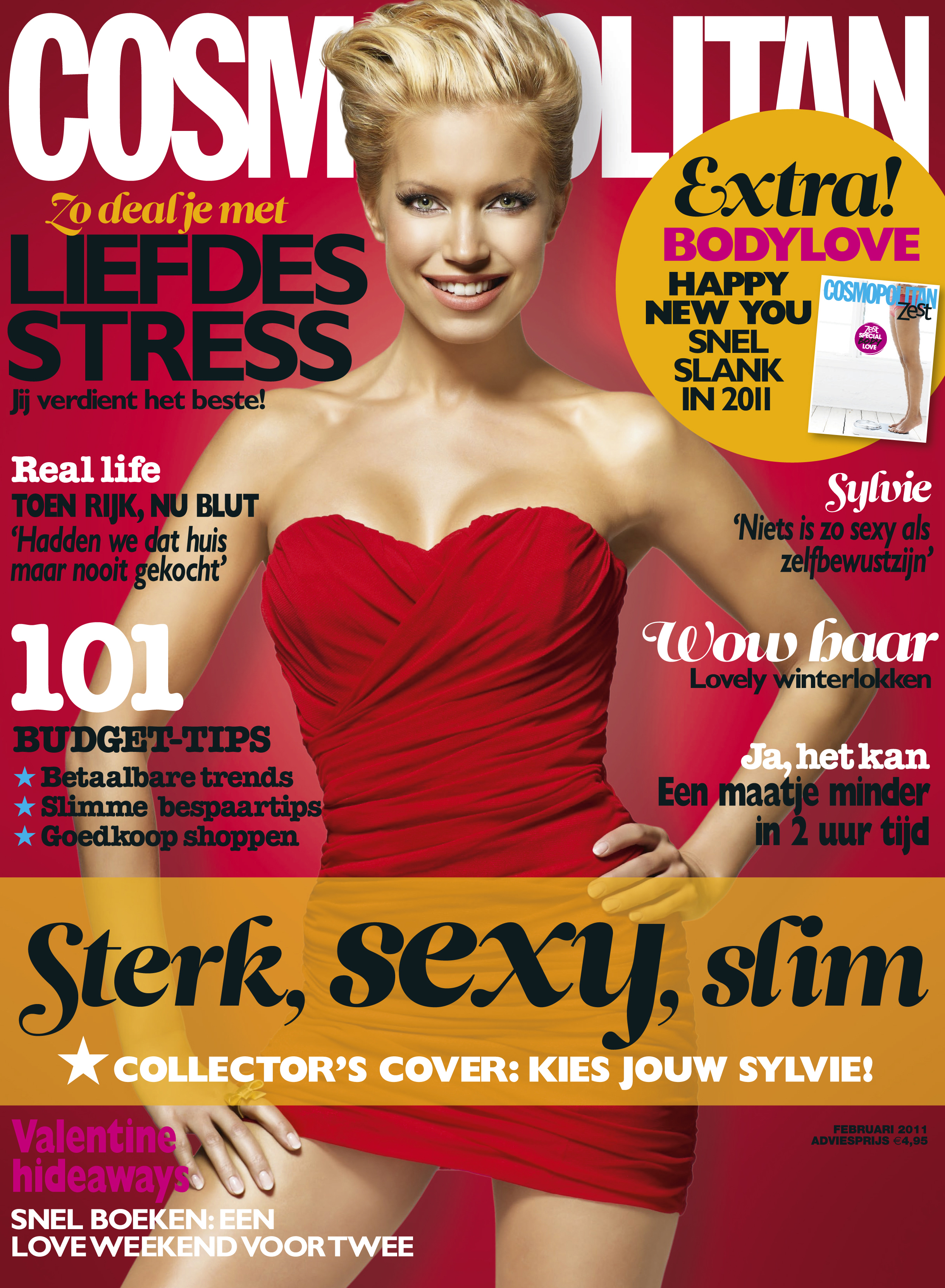
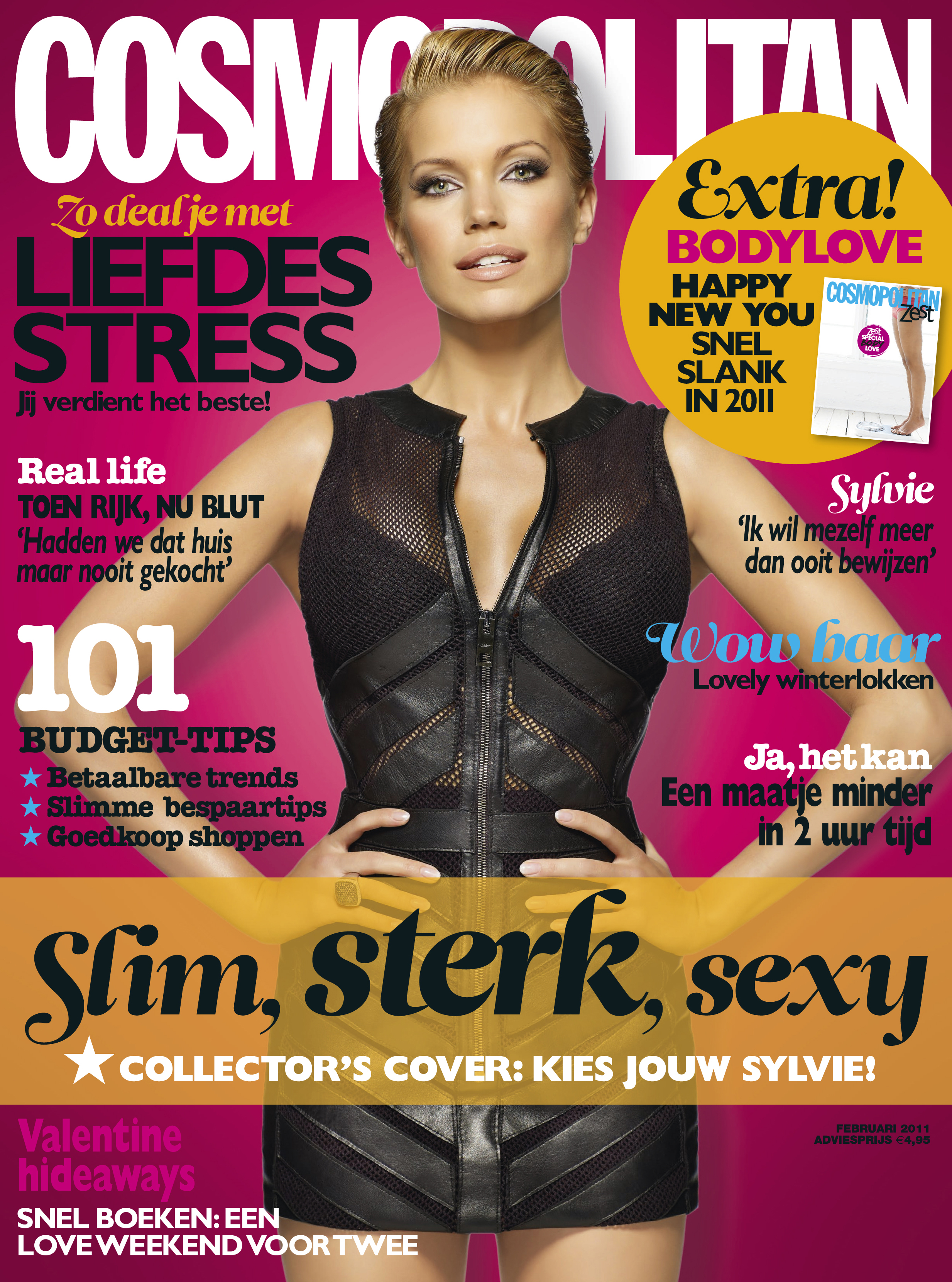
Technology is making it easier for print to offer split covers of the same magazine. This trend of split-covers is neither new nor is limited to the United States. However, while most magazines print split covers to test an image, a cover line, a price, etc., the Dutch edition of Cosmopolitan used the three-way split cover to enhance the editorial message about the Cosmo Dutch women who are Smart, Strong and Sexy.

The February edition of the Dutch Cosmo sports a split run with three covers of the fabulous Dutch Sylvie van der Vaart. Why three you may ask? Dutch Cosmo’s publishing director Sanne Visser is quick to answer: “because Cosmo-women are (Sterk) that is Strong in English, (Slim) that is Smart in English and Sexy. So we had a Strong, a Smart and a Sexy cover.”

Take a look at the “Sterk,” “Slim” and “Sexy” covers and judge for yourself. Enjoy.

h1

On the occasion of Valentine’s Day: Falling in Love with our Customers

February 12, 2011

What follows is a blog post I wrote for PM: Poslovni Mediji in Slovenia where I am going to speak at their POMP forum next March. On the occasion of Valentine’s Day I thought it will be a good idea to share and spread the love.

Falling in love

It is time to end the love affair with technology and the machines that accompany those technologies, whether they start with an i or not. It seems to me we are wasting as much time today, if not more, than we’ve wasted in the last and lost first decade of the 21st Century trying to convince ourselves the Internet is the way to go.

The source to all our troubles dates back to 1964. The media guru of the 20th Century Marshall McLuhan coined the phrase, The Medium Is the Message, in his book Understanding Media: The Extensions of Man, and since then the relationship of the medium to the message became an important and essential part of media world lingo. Well, I propose that the time has come to bury this phrase and replace it with a more relevant phrase for today’s media world: The Customer is the Message, regardless of the medium.

Technology is moving faster than the speed of light and change has become the only constant in the world of media platforms. In fact, technology is moving faster than any of us humans can keep up with on a regular basis, and unlike years past, humans are outlasting technology and not vice versa. Our challenge today is to stop, take a deep breath and decide whom we need to focus on and what message we need to dispense.

I am going to argue for the customer. I am going to fight to put the attention on the customer regardless of the machine. I want you to have a love affair with your customers. Know them inside out. Start by defining your customers. In my book I am always serving two types of customers: those who are on the receiving end of the message and those who are on the sending end.

The receiving customers are those readers, viewers, listeners and users who are looking for an engaging message that answers the simple question, What Is In It for Me? Note the three IIIs in the expression. All the focus should be on those IIIs, which collectively make our receiving customers.

The sending customer – the company, the advertiser, the brand maker – is seeking an engaging message that will provide the answer to the simple question, What Is In It for Me?

And what about us, the media folks? We are the romantic bridge that would and should connect those customers together and walk them through an engaging message we hope will create a long lasting relationship.

Romancing our customers should be our first and major mission while we are creating any medium. Falling in love with our customers and not our machines should be our goal for 2011 and beyond. Forget about the machines, forget about ink on paper, forget about pixels on a screen and forget about bytes on the airwaves. Fall in love with your customers, both on the sending and receiving ends. The result will be the best conceived media that will engage both senders and receivers. Let the love begin.

© Samir “Mr. Magazine™” Husni, Ph.D., Founder and Director, Magazine Innovation Center, @ The University of Mississippi’s Meek School of Journalism and New Media

To get in touch with Mr. Magazine™, send an e-mail at samir.husni@gmail.com or visit his blog at http://www.mrmagazine.wordpress.com.

Mr. Magazine™ will be a keynote speaker at the POMP forum, 17 March 2011, in Ljubljana, Slovenia.

h1

The misleading numbers and headlines and the industry that does not care to promote and defend itself!

February 10, 2011

It is amazing that the industry that I love and cherish does not even take the time to defend itself or at least try to explain some of the numbers and some of the misleading headlines that the prophets of doom and gloom continue to use to predict the magazine industry’s demise…


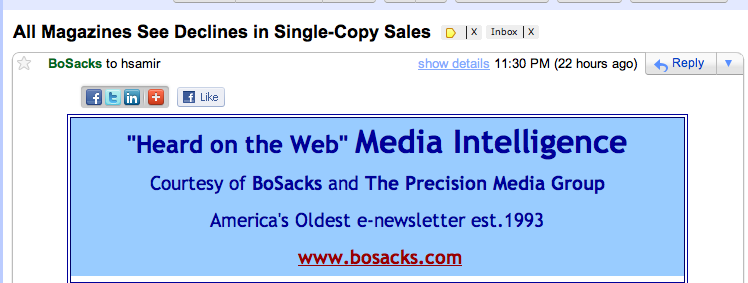
Some media pundits, such as my friend Bob Sacks, takes an article written by Ad Age’s Nat Ives and e mails it in his e-newsletter under the heading “All Magazines See Declines in Single-Copy Sales.” The story in fact, never mentioned “All Magazines” and that statement is dead wrong. Vogue, Fortune, All You, Martha Stewart Living, Food Network Magazine, and Rolling Stone among others, all saw their number go up. In fact the intro of Ives story read,

NEW YORK (AdAge.com) — Magazines have lost a little bit of paid circulation — again.
Glossy publishers still counted more than 308 million paying readers in the new semiannual circulation report from the Audit Bureau of Circulations despite the latest drip of declines. That’s a hefty customer base even if it’s down from nearly 312 million in the report a year earlier. And it’s not certain that magazines are merely helplessly losing ground among the media passions Americans will pay for. Many publishers are slowly charging loyal readers more while shedding less committed, less profitable consumers…

The article goes on to say,

Single-copy sales fell 7.3% in the second half of 2010 compared with the second half of 2009, a bigger drop than the 5.6% decline that came in the first half of last year. Newsstand sales previously plunged 9.1% in the second half of 2009, 12.4% in the first half of 2009 and 11.1% in the second half of 2008.

So, what is the problem? Well, those numbers reflect the ABC numbers, the Audit Bureau of Circulation which audits and reports those numbers twice a year. Do you know how many magazines the ABC audits and reports on? In 2009 that number was one short of 500. Do you know how many magazines were distributed and sold on the newsstands in 2009: 9,200. That means that ABC does not measure the status of 8,700 magazines. Of course that 8,700 number includes all the specials, one shots, book-a-zines and other special interest publications that publishers are now flooding the marketplace with.


I, by no means, am saying that the total circulation numbers are up. My friend John Harrington of The New Single Copy newsletter reports that the total units of all magazines sold on the newsstand last year was down by 8%. My question to the media pundits and the industry as a whole, can you please tell me how many specials can you find at any given time, on the newsstands and at the check out counters, with the TIME magazine logo? How many with the People logo? How many spin-offs from Fine Cooking? Fine Gardening? Reader’s Digest? Taste of Home? US Weekly? Better Homes and Gardens? Good Housekeeping? etc. etc. The list goes on and on and on. Who is buying those special issues and are readers buying those publications (with cover prices at least three times the regular issues cover prices) instead of the mother magazine? Are those sales effecting the sales of the mother magazine? Who is keeping track of those sales and the revenues they are generating? Are we victims of our own marketing techniques or there is a method behind the madness?

The sad part of the whole numbers ordeal, is that nobody questions numbers any more, including my own numbers. We’ve become a society consumed by lists, numbers and catchy headlines whether those numbers and headlines reflect reality or not. How much money are magazine publishers making from the newsstands as a whole, even with the 5, 6 and even 10% decline in their newsstands sale? And how big is the single copy revenue share from the total circulation magazine revenues? The MPA figures show that number at only 10% while the remaining 90% comes from subscriptions.

And here are some more questions for you to ponder. How many magazines, out of the 9,200, offer any subscriptions to readers? My educated guess, based on the number of new consumer magazines and their frequency, is less than one third at most. So what are those non-subscription magazines doing and how much revenue are they generating? How are the announced numbers this week compare to those of other media industries? Remember when three television networks each had 70 million viewers at any given time? What happened when the total number of television channels changed to 600 plus? Does any of those 600 channels command a 70 million audience on a regular basis? Is TV dead? Is Cable dead? You get my drift.

We have more magazines than ever. We have more options than ever. And just like television, the more channels we have, the fewer time we spend with each channel. Change is the only constant in our business. Why don’t we promote that and why don’t we give the numbers and the headlines yet another look. The magazine industry, compared to many other businesses, is still thriving, kicking and alive. You do not have to believe me or any of the media pundits. Just ask the folks who put more than 800 new titles on the market place last year alone.

Numbers lie, headlines mislead, and the medium is NO longer the message. An industry with more than 300 million active customers and more than 9,000 magazines to choose from and another 800 or so on their way, is NOT an industry on its way out. New technologies are helping and preparing the way to amplify the future of print (More on this in a later blog). Last time I checked we are in the communications business. Let us start to communicate with our customers and for now, ladies and gentlemen, restart your engines… the race is not over!