Archive for the ‘News and Views’ Category

h1

Do You Have What It Takes To Innovate? 24 Media Leaders Will Show You How at the ACT 2 Experience Oct. 26 – 28

September 15, 2011

An unprecedented gathering of some of the biggest names in the magazine and media industry will descend on Oxford, Mississippi on Oct. 26, 27 and 28 to share with an audience of industry professionals and journalism students their perspectives on the future of the printed word in a digital age.

The second ACT (Amplify, Clarify and Testify) Experience, hosted by the Magazine Innovation Center at the Meek School of Journalism and New Media, promises to be the most intimate, innovative experience to date, with seminars conducted by media CEOs, presidents, publishers, printers, marketing and advertising gurus, circulation experts, editors in chief, creative directors, software developers, brand renovators and futurists. It all makes for two-and-a-half days of great testimonials on the status of the magazine industry today, tomorrow and in the years to come. You are invited to have a center stage seat with the 24 speakers as we “think and do” the future of the printed word in a digital age.

The agenda is set and registration is still open for the remaining few seats from the 100 reserved for media professionals attending the ACT 2 Experience. Check the agenda here and register here.

Any questions, feel free to email me at samir.husni@gmail.com

Join us for two and a half days of Magazines, Music and Mississippi. Register now.

h1

The Insane American Magazine Business Model is Back with a Vengeance!

September 12, 2011


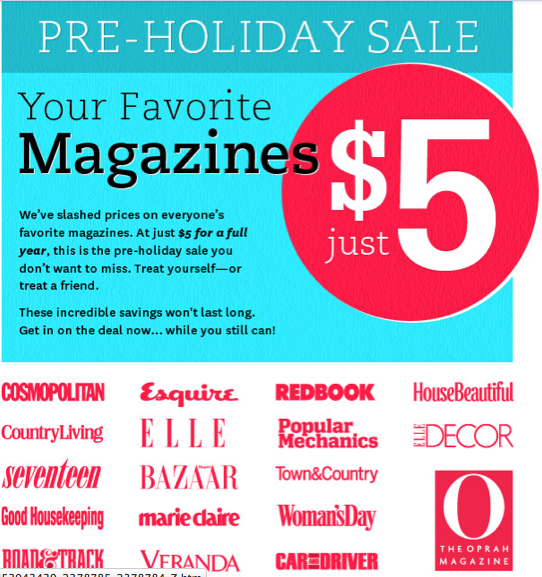
What if I tell you that over the weekend I ordered 201 (Two hundred and one, I had to spell it out so folks won’t think it is a typo) issues of 18 different magazines published by Hearst Magazines and paid less than 45 cents an issue? A total of $90 dollars guaranteed me an entire-year- subscription to all but one magazine from the Hearst Magazines stable of magazines. The one exception, missing from the list, is one of the few major success stories of a new magazine launch in the last five years: Food Network magazine. This is insanity at its best. A year of Cosmo, the number one selling magazine on the newsstands for $5.00. Same can be said about the remaining 17 magazines offered at this “pre-holiday price for one week only!”

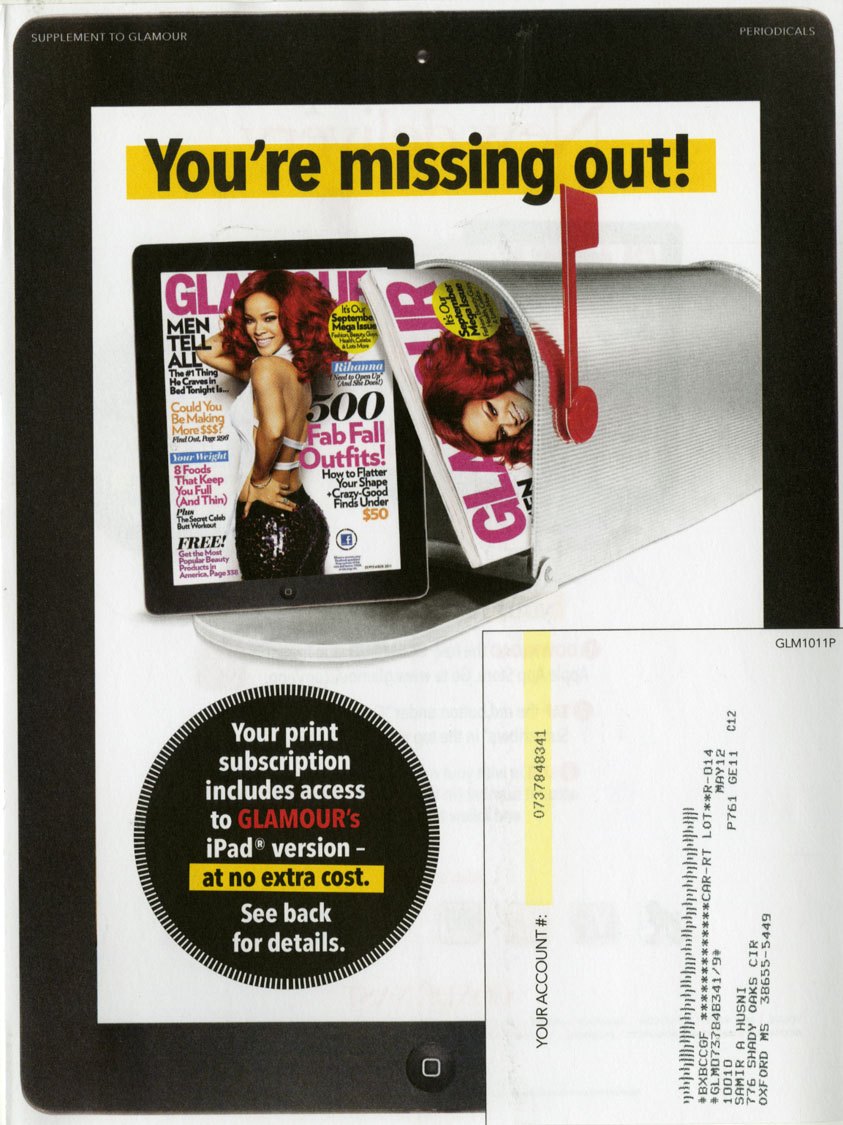
And Hearst is not alone. Condé Nast is offering its print magazine subscribers free access to its digital Apps. on your tablet. Condé Nast magazine subscribers are reminded the minute they pick up their magazines from the mailbox that “You’re missing out! Your print subscription includes access to (insert magazine name)’s iPad version- at no extra cost.” Great and thank you. However, I have a problem now because I bought a new iPad and every time I try to access the free Apps, I am reminded that I have an account already and what I know is free, I have to buy. I tried emailing customer service to solve this problem and all what I receive back is details on how to enter my account number and sign in. I even deleted the Apps from my older iPad and still to no avail.

Well that is not the end of the story. I also received emails from Condé Nast asking me to renew my subscriptions to Wired and Vanity Fair. The offers give you the opportunity to give a one year’s free subscription to a friend, receive a gift and renew your own for one low price. What is going on? I recall the early years of Wired when the price of a subscription used to be higher than the cost of buying the magazine on the newsstands and there was no “bill me later.”

As an outsider watching our industry struggle to stay afloat, I plea with my friends at the aforementioned magazine companies and the rest of the magazine industry to stop committing suicide and later wonder why did we die. The business of counting customers have departed this planet on Sept. 2008. Let us get back to the business of customers who count. The Audit Bureau of Circulation must go back to counting subscriptions that count and not just counting. A penny paid for a subscription should not count as a paid subscription. Remember when paid subscriptions used to be at least half of the basic subscription price. Those were the days my friend and they have to come back. I know that is only one of the many problems surrounding the advertising driven business model, but we have to start somewhere. It is never too late.

h1

Ten Years Later… American Photo Pays a Photographic Tribute to 9/11/01

September 11, 2011


On the 10th anniversary of 9/11/01 American Photo magazine released an App. reliving those horrifying moments that followed the attacks of Sept. 11 from the photographers’ own stories. The App. is free and can be downloaded here. The magazine is asking readers/viewers to donate to a list of charities listed on the opening page of the App. It is worth every penny. Check it out and join the rest of the nation as we remember the victims of Sept. 11 and their families.

h1

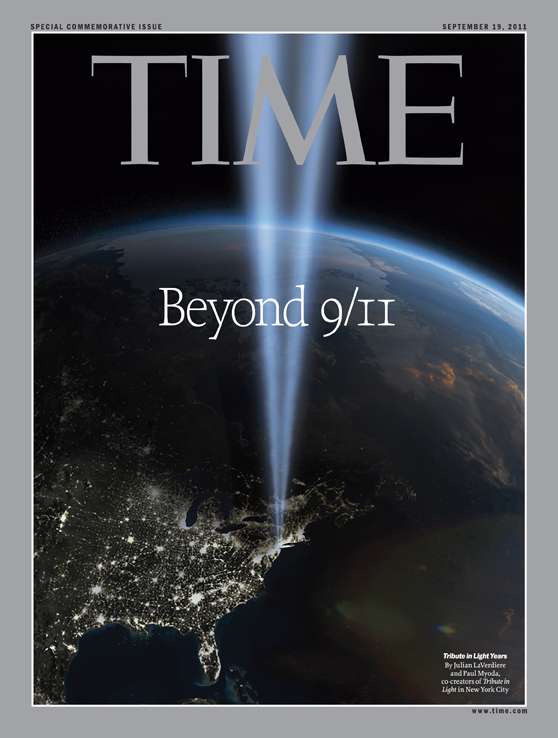
Marking its third departure from the Red Border, TIME’s 10th anniversary cover of 9/11 displays a majestic Sliver Border

September 5, 2011

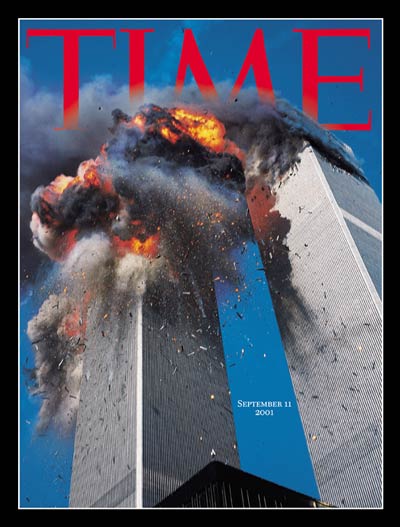
The front cover image of TIME’s special issue on the occasion of the 10th anniversary of the attacks of September 11, 2001 marks the third time in the magazine’s history that the trademarked red border was not used on the cover. TIME opted for a silver border surrounding the image created by Julian LaVerdiere and Paul Myoda, co-creators of the original Tribute in Light memorial in New York City. It shows a photo-illustration imagining the Tribute in Light as seen from space.

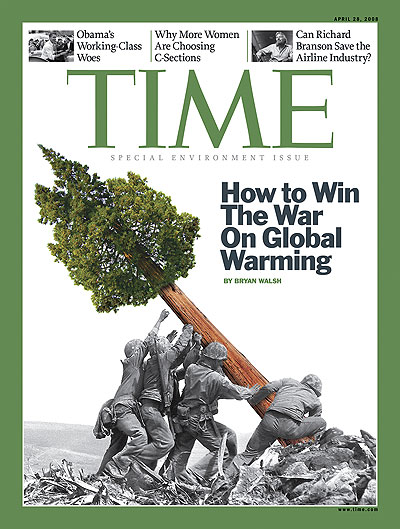
The other two times the magazine changed its border were on the special issue of TIME following the attacks of September 11, 2001 when black was used for the border and during the celebration of Earth Day in April of 2008 when green was used for the border. It is also the first time that I recall a weekly releases its cover four days before the magazine hits the newsstands.

Yet another example of how magazines continue to be experience makers and conversation starters. The special issue of TIME will hit the newsstands on Thursday September 8.

h1

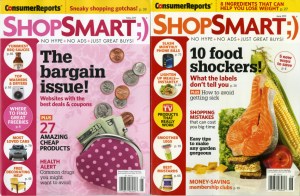
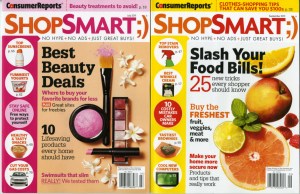
NO ADS and Successful: All The Shopping, None of the ADS. Shop Smart;) Magazine Celebrates its Fifth Anniversary The Mr. Magazine™ Interview with Lisa Lee Freeman, Shop Smart’s Editor In Chief

September 1, 2011

When times are good, or so it seems, the magazine business model always seems to tilt back toward that “advertising centric” model and the business of counting and selling customers’ eyeballs to the advertisers. When times are not so good, you start hearing about publishers who want to be in the “consumer centric” model and who are looking for customers who count rather than just counting their “eyeballs.”

My friend Roy Reiman, founder of Reiman Publications, proved it once, twice and more than a dozen times that the “consumer centric” business model for your magazine can and will work if your magazine is necessary, sufficient and relevant. Roy did it the 80s, 90s and the early parts of the new century. However skeptics today say it can’t be done now. Times are different. Indeed they are, and indeed before Roy’s huge success with his titles which ranged from Country to Taste of Home (the largest selling cooking magazine in America), someone else have been publishing a “consumer centric” magazine in Yonkers, New York aptly named Consumer Reports.

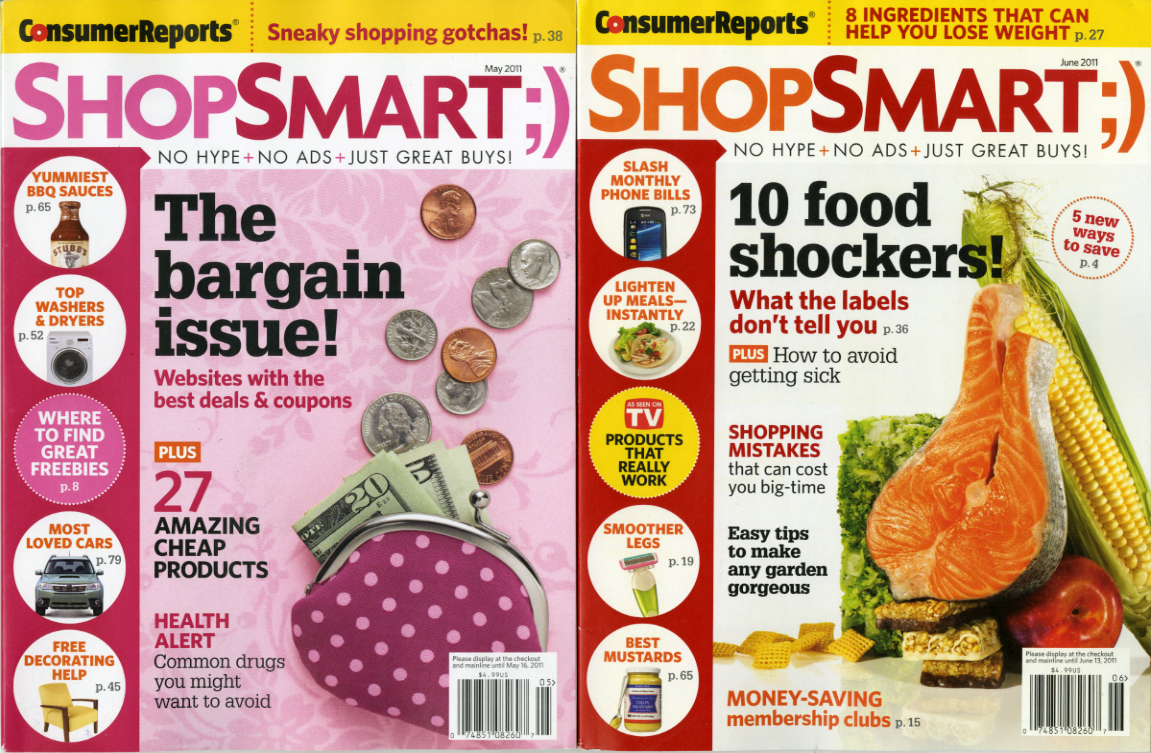
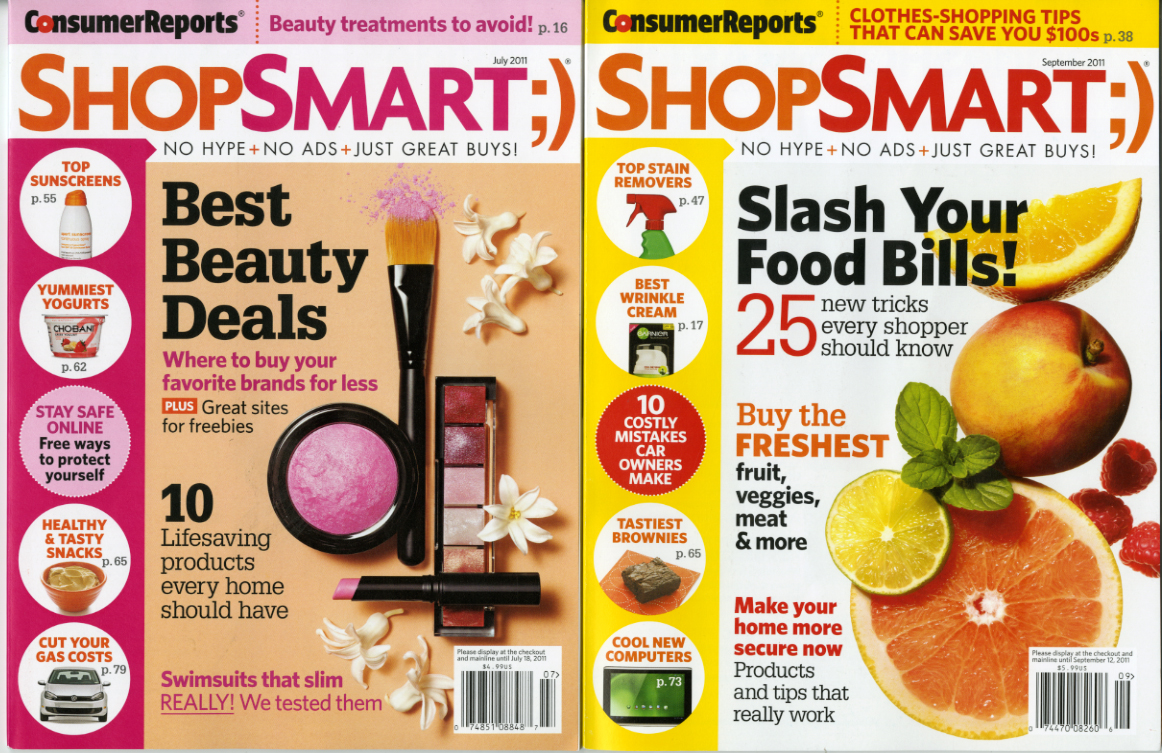
For years Consumer Union, the publisher of Consumer Reports published the magazine without a single page of advertising and not only the magazine succeeded, it also thrived. Well, taking a page from Consumer Reports business model, the publisher decided to launch a new magazine five years ago in the midst of an “advertising centric” thriving magazine business model. Times were good, very good indeed when the first issue of a new shopping magazine called Shop Smart appeared for the first time on the nation’s newsstands in September of 2006. Shop Smart was born with one catch to its business model: NO Advertising. Another attempt to launch a “consumer centric” magazine, not out of necessity but rather out of a philosophy and firm belief that the model still works.

Shop Smart celebrates this month its fifth anniversary and on that occasion I had the opportunity to interview Lisa Lee Freeman, the magazine’s editor in chief. In typical Mr. Magazine™ Interview’s style, what follows are the sound bites followed by a very lightly edited full interview.

The Sound Bites:

The positives of a “consumer centric” business model: If you are always depending on your readers to pay for content and to value that content, then you have a much more solid long-term business model, in terms of stability from year to year.

The negatives of a “consumer centric” business model
: I think a lot of companies don’t have the patience to wait for something to grow using this kind of model. It’s not for everyone, that’s for sure.

The link between print and digital: We had decided early on that Shop Smart was going to be very Internet friendly and have a digital focus in terms of shopping.

The young ones who don’t read magazines
: For the ones that don’t, you’re never going to reach that audience with print, so you need to have some kind of digital product. You need to be able to reach them and get them in the habit of paying for your content in the digital space.

The role of an editor today
: Being an editor right now is a really big challenge. It is a big challenging time right now. You can’t just be a print editor. You can’t just think that you’re just this magazine editor. You’re a dinosaur if you think that way.

Best advice for future journalists
: If you can package content in a compelling way that is your most important skill. That’s going to help you on any platform. It’s all about knowing how to package content for different platforms.

The future of print
: I think print is still very vital and I think it will be for the foreseeable future but I do think that print is going to be translated into the digital space.

The role of printed magazines: We are in the business of delighting people and surprising people. People go on the web for more social interaction and information gathering and it’s less of that escape than curling up with a magazine. It’s a very different experience.

The function of a printed magazine
: Magazines really are about enjoyment, finding a few moments to steal for you. Magazines provide that little escape. It’s fun that people still want that experience. It’s not just about the information.

The most important role of editors
: It’s all about creating an entertaining experience. You’re a curator, as an editor and doing a print magazine you’re working within a very strict set framework that is very fun. It’s like painting a picture every month and you’re giving it to people to enjoy.

The changing role of editors
: I still have to be really hands on but that is probably unusual in the business. You have to let go, if you love writing and editing then you might not want to become an editor.
And now, for the lightly, very lightly edited transcript of the interview with Lisa Freeman, editor in chief of Shop Smart magazine:

Samir Husni: We have heard a lot lately in our business, every time the economy is down, that we need to return to that consumer centric model instead of the advertising centric model. Why do you think, even a shopping magazine succeeds in this consumer centric model, and why do you think other people are not imitating what you are doing?

Lisa Lee Freeman: The truth of it is that when you start a new magazine and you’re not allowed to take advertising, it almost feels like you’re tying your hands behind your back. It’s like eliminating revenue that most magazines have. It is kind-of a crazy business model in some ways, but in other ways it brings discipline to the process because it requires you to make money on your content and not rely on advertisers. We’re not growing quickly in terms of subscriptions. We have to make money on every single subscription we sell and that’s a very high bar. You do sacrifice growth for profitability. In these times, I think a lot of magazines have gotten too dependent on advertising and that ultimately hurts a lot of magazines. If you are always depending on your readers to pay for content and to value that content, then you have a much more solid long-term business model, in terms of stability from year to year. You’re not going to have as much fluctuation. Once you have a subscriber they tend to stick with you and they are the ones supplying the funds.

SH: We live in an age now where nobody is patient anymore. Everybody wants everything now. Everybody wants to break even within six months, make money within nine months, and yet you are telling me that the consumer centric business model is more of a model that is slowly building, step-by-step. Does that drive you crazy as an editor?

LF: YES. We could have gotten much bigger much faster, if we had a different model. With that said, I think that people really value our content and when you charge for what you provide people are paying a price for the value. It has taken awhile for us to make money. At the end of the day, it takes years to get up to a level of profitability. You just have to have patience. I think a lot of companies don’t have the patience to wait for something to grow using this kind of model. It’s not for everyone, that’s for sure.

SH: Do you think Shop Smart’s business model would have worked if Consumer Reports was not behind it?

LF: No, I don’t think it would have actually worked. I think the Consumer Reports brand has provided a lot of support for the product. I think it would be very difficult to launch a magazine into the market place right now, especially given our economy. That foundation and that brand recognition we had right out of the gate really helped us. With that said, a lot of our customers are new to the brand and have never purchased any Consumer Reports products. While CR has helped because it has given a certain amount of brand recognition that is not the only reason people are buying it. What Shop Smart has done is really broaden the audience for the content we produce at Consumer Reports, which has been very satisfying for me.

SH: Lets go back five years in history… Can you recreate that first time you were told that you were going to publish a shopping new magazine, with no hypes, no ads, just great buys? When you first knew that Consumer Reports was going to do this magazine?

LF: When I came here I saw the need for a women’s magazine. I proposed this magazine and it was originally turned down. This was six years ago and I had just come on board at Consumer Reports. A lot of my friends weren’t reading CR because they thought it really wasn’t for them. It was boring and it was all about charts and graphs. They bought it but only when they absolutely needed it, like if they were buying a refrigerator they would pick it up or they would subscribe to the website. I thought that with the kind of information we had here we could create something really compelling without the charts, without the graphs. It could really be focused on just the best. Women don’t have a lot of time. Just tell people what to buy, what not to buy, and give them some tips on how to find a good deal. That was the genesis of my idea. I wrote a long proposal. Elizabeth Crow, the editorial director, at the time was wowed and thought it was brilliant. I had proposed that we really needed to test more women’s products. The company said they didn’t have money to test for a new magazine. We had several meetings and it kind-of got kicked to the side.
The art director, Tim LaPalme, at Consumer Reports, had pitched a magazine for young men and it was very visual and very much what I had envisioned for Shop Smart. It had short, little charts, it was quick and fast moving and more visual. He actually did some mock-ups. When they saw them the marketing department said “Wow, you know what, maybe we should do some focus groups.” The marketing department here is really smart and they invited a few women. The men in the focus groups were asking about the charts and icons for ratings. The women in the groups felt that this was something they might be interested in. The head of newsstand at the time came running down the hallway after the focus group and said “Lisa, you’ve got a magazine!” She explained to me that she was in the meetings for the original concept that I had come up with and she said, Lisa you should work with Tim, who was the designer for this other magazine. We came up with some more mock-ups. In my vision it was the women’s magazine that I had envisioned. We took out all ratings, even mentions of ratings, made it visual, gave it a completely different voice, a different look and feel, and added a lot of the how-to and the service stuff that women’s magazines are known for. We then went back out and did some more focus groups. Women went berserk— they loved it. Online shopping was really coming into it’s own, it was still early on but people were still really eager to learn about the websites they should go to and that sort of thing. We had decided early on that Shop Smart was going to be very Internet friendly and have a digital focus in terms of shopping. For the focus groups I put together all these fake websites and descriptions of them. I also added some wacky cleaning tips that I made up, like use pencil shavings and alcohol to clean all your chandeliers. We knew we had a winner when women in the focus groups were literally taking this made up stuff jotting down. They wanted to take the materials with them. I had to run in there after the groups were done and let them know these are not real websites and don’t use pencil shavings on your chandeliers. We had more focus groups and shortly after we launched Shop Smart.

SH: The magazine was born and it was ink on paper in this digital age. You have a very successful marriage between print and digital and CR has the same thing. Do you really think any magazine today can exist for 5 years without a digital presence?

LF: You have to have the right digital presence. I think a lot of publications made the mistake of thinking, ‘well, we’re just going to throw up a website and put a bunch of free content up there, so that we’re there and our brand is out there in the digital space.’ In some ways that was a big mistake because a lot of people got used to not paying for stuff online because they have all this free information out there. What Shop Smart is focusing on and what I hope to accomplish over the next several years is digital model with applications that will play off our material, things that people are going to pay for. The reason we all have to do this is even though we’re not going to make money off of it right away and there are not a lot of big bucks even where people are paying, we have to be there because if you spend any time with people in their 20s, you’ll find out that print magazines are not one of their things. A lot of them do read print magazines but a lot of them don’t. For the ones that don’t, you’re never going to reach that audience with print, so you need to have some kind of digital product. You need to be able to reach them and get them in the habit of paying for your content in the digital space. You can’t do that just by throwing up a free website and thinking that they’re going to become familiar with your brand and then they are going to start buying your print magazine. I don’t think this generation is going to do that. I don’t think we can count on that kind of transition.

SH: So, how do you capture them? How do you reach them?

LF: I think you have to reimagine the content that you provide and figure out a way to provide it in new platforms that people are willing to pay for; mobile apps, iPad apps, tablet apps, and things of that nature. A lot of companies are now creating TV shows and they have products that they’re selling with their brand. You have to find new ways to reach those audiences and you have to think about your brand in a whole new way. Being an editor right now is a really big challenge. You can’t just be a print editor. You can’t just think that you’re just this magazine editor. You’re a dinosaur if you think that way. We all know this. The challenge is finding the time and the resources to figure out what to do with all these product extensions and figure out how we are eventually going to make money off of these things. No one’s really making big bucks off these product extensions yet.

SH: Did your education help you or prepare you for this new role as an editor? What should we be doing in terms of educating and preparing for the future editors? Should we add marketing, should we add digital skills? If someone graduates with the basics, writing, editing, reporting, design, critical thinking… are you telling me this is no longer enough?

LF: I think it is no longer enough. We can’t lose sight of it. If you can package content in a compelling way that is your most important skill. That’s going to help you on any platform. It’s all about knowing how to package content for different platforms. That’s how you’re going to succeed. It doesn’t hurt to have some knowledge of digital, social media; editors need to be in the social media space. Editors need to be familiar with how it works and how it gets done. If your not doing it in school, you need to keep up with it and figure it out. If you don’t have the business and marketing skills, then you need a strong team behind you and really you need a partner. I don’t work with an ad sale rep, a traditional publisher that’s selling advertising, but I do have to partner with the business side in order to make the products get off the ground. So far, we only have a digital version of Zinio and on the Nook but we’re planning other things. If you don’t have those business skills, you certainly have to partner with the people on the business side to figure out how to make this stuff work. Sorry I’m stating the obvious, but it’s something I wrestle with everyday.

SH: A lot of magazines are killing their print editions and opting to stay online only. I tell whoever is willing to listen that if your magazine is dying in print, online only is not your ticket to the life after. If you are failing in print, digital is not the salvation. What do you think?

LF: I think print is still very vital and I think it will be for the foreseeable future but I do think that print is going to be translated into the digital space. Already we are seeing some interesting stuff with the iPad apps. Those really are magazines, it doesn’t matter that they are not on paper, they are still more or less traditional magazines the way they are put together. Print or digital, the way that they are imagined and the way that they are packaged are very similar. Add video, add some pyrotechnics but at the end of the day it’s all about creating an entertaining experience. You’re a curator. An editor who is doing a print magazine you are working within a very strict set framework that is very fun. It’s like painting a picture every month and you’re giving it to people to enjoy. We just finished a bunch of focus groups and from some of the informal discussions the one thing that we are finding is what magazines were to them. The thing that came about over and over again is that magazines really are about enjoyment, finding a few moments to steal for you. Magazines provide that little escape. It’s fun that people still want that experience. It’s not just about the information, it’s about providing an experience and entertainment, a little relief and maybe you’ll come away with some ideas you didn’t have before. We heard a lot of people in the focus group saying “wow, I didn’t even know I didn’t know that” or “I didn’t even know that was something I might be interested in.” We are in the business of delighting people and surprising people. People go on the web for more social interaction and information gathering and it’s less of that escape than curling up with a magazine. It’s a very different experience.

SH: What’s your biggest challenge today, as someone who has a success story on his or her hands?

LF: Time. I have no time. I do a lot of media as part of my job. I have three television appearances this week. Over the weekend I was on the Early Show, yesterday I was doing the Nat Burke show and I was there all afternoon, tomorrow morning I have the Today Show. I have to be out there being the spokesperson. I have my people out there too but there is so much media. I feel that I have to be part of that media machine. I have to be a solider for the magazine and be a spokesperson and engage with other media outlets; newspapers, radios, TV stations. We need to be part of the conversation. I feel like I need to be twittering. I think as editors you can’t just sit in an air-conditioned building all day, at your desk, cooking up page layouts. You have to be out there engaging with your audience in new and different ways that includes not just being a spokesperson but also figuring out ways to extend your brand and to reach people in different ways. There are a lot of days that I don’t even know what to do first and I feel overwhelmed because I know that there is so much work to be done. I haven’t even launched any of these products yet. I am working on all of these different angles. You are pulled in a lot of different directions, the biggest challenge is figuring out what do I do first every day, how to prioritize. There are days that I can’t do any editing at all. So little of my time these days is devoted to sitting down and planning and editing. I have such a small staff that I still have to be really hands on but that is probably unusual in the business. You have to let go, if you love writing and editing then you might not want to become an editor.

SH: What makes Lisa get up in the morning? What’s the source of energy that gets you going everyday, even if your day is a 20-hour day instead of an 8-hour day?

LF: I am so excited everyday, in spite of the time and prioritizing, I am really excited about what we are doing here and being a part of this brand, of this place, of helping people make good choices in their life when it comes to being a consumer. I feel like we do a lot of really good work here on safety, on getting good deals, and in so many areas of people’s lives. People get so excited about shopping and they are interested in making good choices and getting good deals and keeping their family healthy and safe. I feel like we are doing really good work here. I talk to people and they really feel gratified by Shop Smart. We have this cult following, we don’t have huge subscribers but the people that we do have are engaged. I get letters everyday saying how wonderful this magazine is. I feel so gratified every day because of the impact that we are having. Even though the magazine is not as big as I would like it to be, I feel like the impact goes way beyond the magazine because of all the media that we do.

SH: In 2016 you’ll be 10 years old, where do you see Shop Smart? Five years from now, what can you tell me about Shop Smart?

LF: I would hope that we would be a lot bigger. I would like to see us at 1 million. Even though we are growing so painfully slow right now. We are going to be a lot bigger and a lot more than just a print magazine. We are going to have a lot of other properties and a lot of other ways that we are reaching out with our information. I am hoping we will have all the apps, a much more enhanced website, and outreach through social media. I am hoping that the fruits of all my efforts right now will be seen in the next five years. It will be seen, as it’s own brand and come out of the shadow of Consumer Reports. It’s poised for really good growth and to be a recognized brand in it’s own right.

h1

Oklahoma Today magazine: When collecting six covers of one issue becomes more like an old fashioned baseball cards collecting game…

August 31, 2011

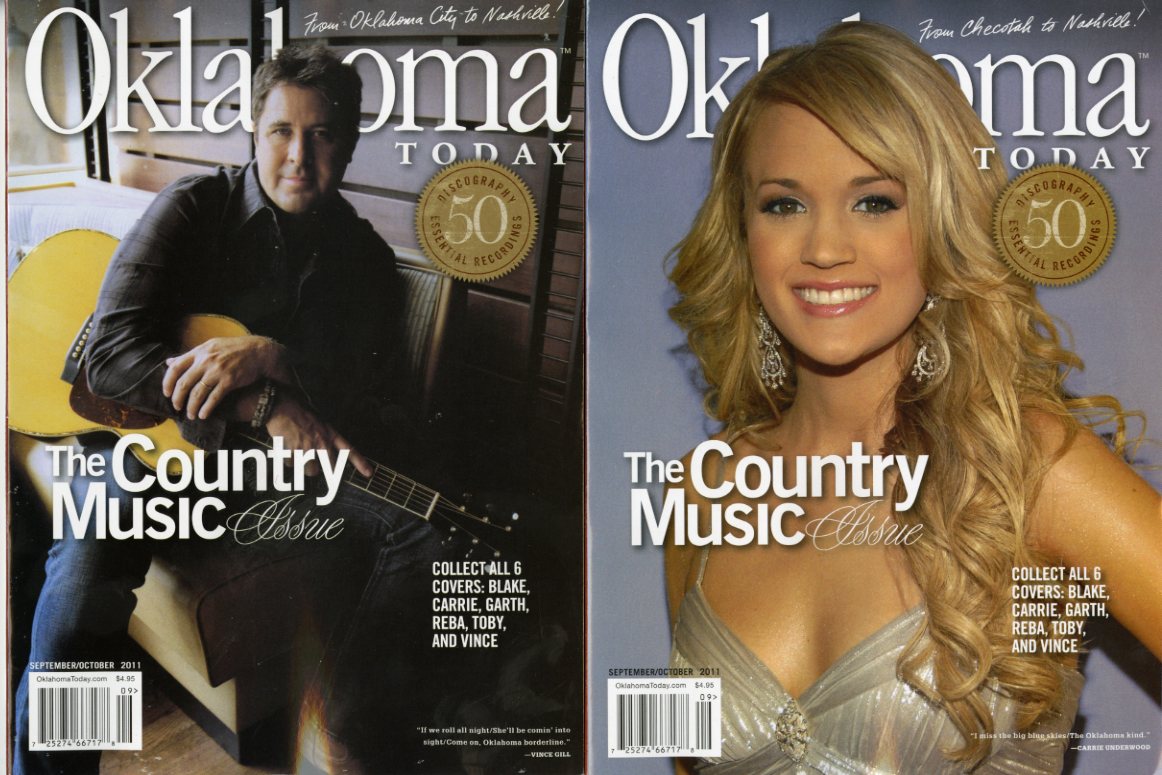
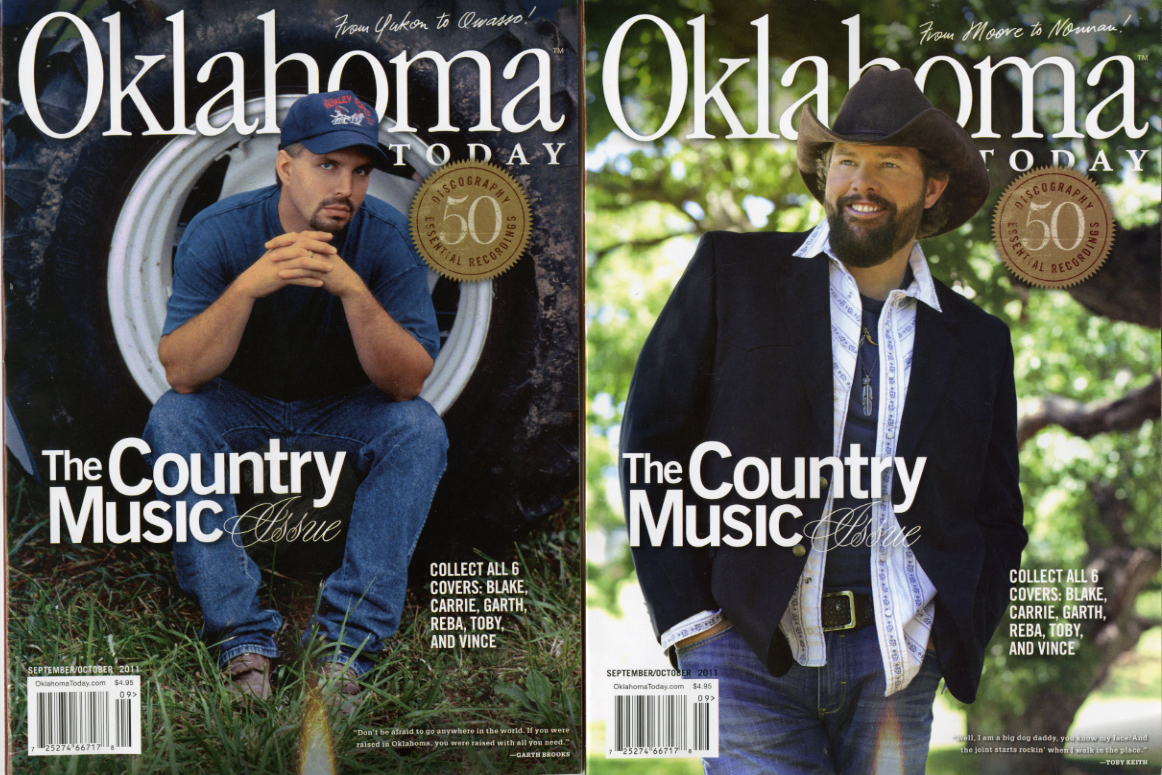
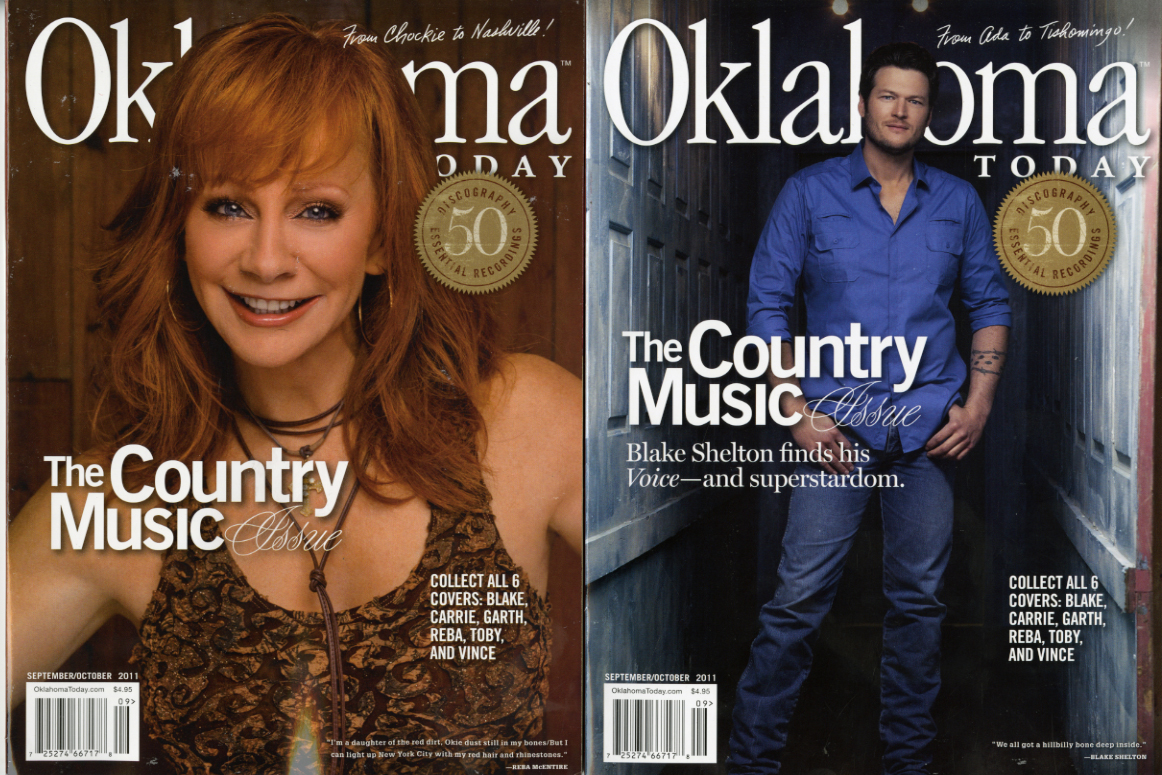
Oklahoma Today’s September/October issue is a special one indeed. Special in dual ways: content and presentation. Oklahoma Today magazine devotes this 132-page issue of the state-wide publication to “Oklahoma’s unprecedented contribution to country music…” and since “Oklahoma country music can’t be communicated in a single cover…” the magazine offers “unprecedented (they must love this word) six cover looks.”

I was lucky enough that my friend Joan Henderson, the magazine’s publisher, mailed me all six covers: Blake Shelton, Garth Brooks, Vince Gill, Toby Keith, Reba McEntire and Carrie Underwood. Once I started reading the magazine and comparing the issues I was surprised to find out that the “Newsstand buyers will find the Blake Shelton cover. Subscribers will receive…” one of the other covers. The catch, the magazine asks readers to collect all 6 covers.

My question, how can you do that if you can’t buy them at the newsstands? Since all the copies on the newsstands have the same cover, one has to buy six issues of the Blake cover and start trading with other subscribers to get the collection of the six covers. Does this remind you of the good old days of baseball cards trading and collecting? Anyone willing to trade their Reba cover with my Blake cover?

A good idea waiting for execution… who will be the first in Oklahoma to get the entire 6 covers of Oklahoma Today and what will be the price for such a collection on eBay? Good luck and let the games begin!

(Truth in reporting: I used to work as a publishing consultant for Oklahoma Today magazine)

h1

Digital and On-Line is NOT the New Cemetery Plot for Print… and BoSacks Speaks Out. YOU BE THE JUDGE

August 25, 2011

Lately the pace of magazines announcing the folding of their ink on paper editions while continuing to publish on-line has increased. To those folks I have three words: YOU ARE DEAD. There is no ifs or buts about it. YOU ARE DEAD.

Any magazine, that existed in ink on paper, and cannot survive in its original medium is DEAD. If a magazine loses its two sources of revenue, the readers and the advertisers, how on earth it is going to survive by the mere change of the platform? Do magazine publishers really think they can save money by not printing and distributing the ink on paper publication and can get the advertisers back just by transforming their publication to digital only? They better think twice.

For one, to create a digital publication, with all the bells and whistles digital requires, that cost is going to overcome the cost of printing and distribution. Replicas of print, no matter how many pluses you can add to them, are still replicas and are not serving the purpose and capabilities of what digital can provide. A good new medium deserves a good business model and a new way to present content; not just being a replica of another medium. Digital publications that are well done and produced are going to be much more expensive to create than similar ink and paper magazines. Think the cost of good video and audio and additional photo-shoots to provide more content to that ease of swiping touches of the screen!

In addition to that, if your ink on paper magazine drops in circulation, regardless of the many reasons that exist out there (competition, time, bombardment of information, you name it) what makes a publisher think that just moving to digital will eliminate the aforementioned problems and will wipe up all the reasons for the readers’ departure in the first place. Same can be said about the advertisers. The advertisers are not having the problem with the medium, but with its reach. Do you think a digital only (after years of being in print) will be easier to attract and keep readers, and thus provide customers to the advertisers? Think twice. Remember the old saying, out of sight, out of mind.

So do yourself and the industry a favor. If your magazine is losing its audience and its advertisers, let it rest in peace. Do not torture the old soul and send it to live in the digital world only. You will soon discover that the digital world is not a resting cemetery plot for your magazine. It is a torture chamber that will lead to a very slow death. Just check with the many titles who used digital as an excuse to fold their print editions over the last ten years or so. Do you know where they are now? DEAD.

So if you can’t reinvent your magazine (which by the way is still a very good and viable option), in its original medium and make it necessary, sufficient and relevant (the three holy ingredients needed for any magazine to survive), than take the bold step and KILL the magazine. Do not torture the poor soul any longer. It must have served you well during its years of glory. Digital only is not the way to reward the memory of a good departed friend.

Digital and on-line only are new media, so treat them that way. They deserve a different treatment and can produce wonderful products. Replicas of print they are NOT. Cemeteries for print they are NOT. They are new media and we better treat them as such. If you consider yourself a creative person, why can’t you be an innovator and not a renovator?

And, here I go again, one last time, the problem with print today is not digital or on-line. The problem with print is the content we are producing for print. It is the message that has the problem and not the messenger. So rather than torturing the poor soul and transferring the same message to digital from print, recheck that message and pay attention on what each medium can provide. It does not take a genius to do that. Just some common sense.

Addendum… Addendum… Addendum… Bob Sacks Responds to Samir Husni’s Blog Entry…
Here he goes again… my friend Bob Sacks wrote a rant in his electronic newsletter based on his understanding of my blog entry. In my opinion, Bob failed to see my main point regarding print and digital: If a magazine is failing in print, folding the print edition and moving to digital only, is not going to save said magazine.

Here is Bob’s response. Judge for yourself and feel free to comment below:

My Friend Samir has written a rant of monumental proportions which I have printed below. I think the hot weather in Mississippi has been too much for him, or perhaps the latest announcements of many magazines closing or moving onto the web as solo digital products was just too much for him to handle.

He says: “Lately the pace of magazines announcing the folding of their ink on paper editions while continuing to publish on-line has increased. To those folks I have three words: YOU ARE DEAD. There is no ifs or buts about it. YOU ARE DEAD”

To me that comment is at best, grandly excessive. Going to the web is not death nor anywhere near it. It is joining the future of the publishing platform. Several national research analysts like Forrester Research and mediaIDEAS have come to some very similar conclusions that by 2020, 60% of publishers revenue will be from digital sources and 40% from print. They go on to announce that there will still be billions of dollars of print revenue for publishers and printers alike. That is nothing to be ashamed of, and I would like just a sliver of that printed revenue pie. But it also means that there is not only life for publishers on the web but also an opportunity for very great prosperity.

Samir goes on to suggest that: “to create a digital publication, with all the bells and whistles digital requires, that cost is going to overcome the cost of printing and distribution.” I do not believe that to be an accurate statement at all. It does depend upon what niche title you are publishing. If in the 21st century your subject is best stated and covered with video, then staying in print will not help you when your competitors are soaking up your entire old readership on the web.

But bells and whistles are not the be-all and the end-all. I believe that our true franchise is words and they can be reproduced on any substrate. The New Yorker is doing quite well without any bells or whistles with their iPad app with just damn good words and an occasional B/W cartoon. That is, of course, a print and web success story, but there are hundreds of web-only success stories too.

I could go on all night here, but let me close with the following thought. Print will survive quite nicely, but it isn’t going to be the predominant way that people will read. In all likelihood print will be a coveted and expensive luxury item.

There is much life, vibrancy and tons of money to be made on the web. To suggest that it is the burial ground for print publishers is totally off base. As I have said before, it is the first inning of a double header and there is only one out.

h1

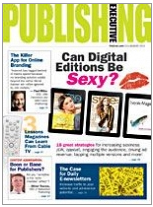
From Publishing Executive Magazine: Mr. Magazine™’s M.O.: 3 Lessons Magazines Can Learn from Cable

August 10, 2011

Change is the only constant in our magazine business; however, most apply that change to content and design rather than their business model for a changing magazine industry.

Since its birth, the American consumer magazine has followed a variation of one business model: circulation revenue from single-copy sales and subscriptions, and later advertising. In the early days, circulation was the major source of revenue; later, advertising became the major source, reaching a whopping 80 percent of the total revenue. When the economy collapsed in September 2008, the advertising market dried up, leaving the magazine industry facing a major crisis.

Add to that technological advances, expansion of digital media and the creation of tablets, and it’s clear that signs of the demise of the magazine industry’s business model were written all the over the wall. All of a sudden, industry leaders started talking about the need to reinvent the business model and to become more “consumer-centric” rather than “advertising-centric.” With the economy rebounding and digital solutions explored, the talks about the new business model have dried up, and we are back to our old ways.

1: Content and 2: Price
For years I have felt that cable television has been the best thing to ever happen to the magazine industry, and that we can learn and apply a lot from both its content and its business models in our own business. From its very beginnings, cable television has followed a consumer-centric model, regardless of how much advertising was later added to its programming. Consumers had to pay a price (and a high price, for that matter) for the premium channels they wanted to receive. That price came on the heels of free television when all consumers had to do was pay for the television set. Today, the average family pays almost $70 a month for cable services—compare that to free television just 30 years ago.
Having more choices means less time spent on different channels, but it also means paying much higher prices for those channels. The more specialized the channel, the more specific the amount of time spent with it and the higher the price paid for it. Whether it is the Playboy Channel or HBO, people are willing to pay more for it.

The same should be the case with magazines. Having 10,000 titles available for the general public today, compared to 3,000 only 30 years back, does not translate to selling more magazines. In fact, the opposite is true. More means less. However, for example, when an almost ad-free magazine caters to the needs of a specialized, literary-minded audience who are interested in food as a culture, Lucky Peach magazine is born with a single-issue price ($10, in this case) that is equal to almost a two-year subscription to a host of general-interest magazines.

3: Distribution
In addition to the price and content, the distribution method of cable television provides the magazine industry with a last, but not least idea for sales and distribution. Cable is sold via bundles, not per channel. A few tests are taking place worldwide regarding the business of selling media via bundle rather than individual entities. On a recent trip to the Netherlands and to the United Kingdom, I witnessed magazines sold via bundles on the newsstands. Three, four and up to seven magazines bundled in one unit—aimed at a targeted audience, and sold at a discounted price—are available to customers to purchase.

Back in the days of broadcasting, folks were able to get one, two or three channels, based on the receiver they bought. Today, a basic cable package is at least 30 channels or more. No individual choices, but starting with the basic and going up with the specific bundles the customer needs, from sports (as many channels as you are willing to pay for and as specialized as multichannel packages for specific sports) to movies, to adult programs, to news, etc. Trying to sell magazines as a specialized bundle may also be another way to promote the consumer-centric model that can survive both the technological changes and the advertising-dependent business model.

No matter what the next step is, one thing is for sure: Doing the same thing over and over again is, as the Chinese say, insanity. We must change our business model, and we must change today. Tomorrow is already too late. PE

Samir Husni, aka Mr. Magazine™, is founder and director of the Magazine Innovation Center at The University of Mississippi’s Meek School of Journalism and New Media. He can be reached at samir.husni@gmail.com and can be followed at MrMagazine.com.

This column appeared in the current issue of Publishing Executive magazine. Click here to check it out and the entire current issue of Publishing Executive magazine.

h1

Rave Previews for the ACT2 Experience… Register Today, Space is Limited to 100

August 3, 2011

The previews for the Magazine Innovation Center’s ACT2 Experience, “Restart Your Engines: The Future of the Printed Word in a Digital Age,” are starting to appear. Media Industry Newsletter (min) and The New Single Copy newsletter previewed the ACT2 Experience in their August 1, 2011 editions. The ACT 2 Experience is limited to 100 “experience makers.” To be one of the 100, you need to register today because once the 100 slots are filled, you will have to wait for next year. The ACT 2 Experience takes place Oct. 26 thru Oct. 28 at the campus of the University of Mississippi Meek School of Journalism and New Media. To register click here or visit http://www.magazineinnovationcenter.org/act2

Here is The New Single Copy Preview:

ACT2 Experience. The Second Act Set for
Mississippi in October

The Magazine Innovation Center at the University of Mississippi will be the scene for the second edition of the ACT Experience, called “Restart Your Engines: The Future of the Printed Word in a Digital Age.” The dates are October 26 to 28, 2011. The director of the Innovation Center is Samir Husni, journalism professor at the University. Among the speakers will be Frank Anton, CEO of Hanley-Wood; Scott Crystal, former president of TV Guide; Sid Evans, group editor, Time Inc. Lifestyle Division; Phyllis Hoffman DePiano, CEO, Hoffman Media; Kent Johnson, CEO of Highlights for Children, Inc.; Steven Kotok, president, The Week; Will Pearson, president, Mental Floss Inc.; Roy Reiman, founder, Reiman Publications; Sue Roman, president, The Taunton Press; Bob Sacks (AKA BoSacks), Precision Media Group; and John Harrington, publisher/editor, The New Single Copy. Other speakers and participants include Vito Di Bari, designer and futurologist (Italy); Scott Coopwood, publisher, Delta magazine; James Elliott, the James G. Elliott Co.; Nina Gerwin founder, Eye Capture; Jeremy Leslie, editorial designer and founder, magCulture.com (U.K.); David McDonald, CEO, True North Custom Media; Mark Pasetsky, founder, Cover Awards; and Franska Stuy, editor in Chief, Libelle (The Netherlands). Husni also plans a panel, featuring printers and paper company executives, on “The Future of the Printed Word.” For more information on ACT2, go to http://www. mrmagazine.com/act/.

The first edition of ACT, which stands for amplify, clarify, testify, was held in October 2010. It differed from any other publishing conference I have ever attended. To some degree, it was because of the eclectic group of speakers, but it was also elevated because of the university atmosphere, and the participation of the university’s journalism students, who contributed an enthusiasm and excitement that convinced the grayer heads that there will be a future for print in the age of digital.■

And here is the min preview:


SAMIR HUSNI ANNOUNCES AN “ACT 2” FOR THE MAGAZINE INNOVATION CENTER.

Newest hat worn by the University of Mississippi journalism professor and Guide to New Magazines author is Magazine Innovation Center founder (July 2009), and in that capacity Husni will host the second ACT (amplify, clarify, and testify) conference on the Ole Miss campus from October 26-28. Theme is Restart your engines: the future of the printed word in a digital world, and the faculty includes the recently hired Time Inc. Lifestyle Division group editor Sid Evans, ex-TV Guide president Scott Crystal, The Week president Steven Kotok, Hanley-Wood ceo Frank Anton, and Reiman Publications founder (1965) Roy Reiman. Returning from last year’s inaugural Reimagining our future while we still have time are The New Single Copy editor/publisher John Harrington, and Precision Media Group founder/ president Bob Sacks (better known for his bosacks.com Web monicker).

h1

Carson Magazine is Now Untitled and Here is the Reason Why?…

July 30, 2011

Anyone with an iota of interest in magazine design, the news of David Carson’s launching a new magazine, simply called Carson, was a major news event. Bloggers wrote about it, designers could not wait and reporters and subscribers kept waiting for the first issue to arrive. The first issue was supposed to appear in January, however it did not surface until late March and the second issue “should be arriving any time now.”

However, the second issue carries a major surprise. The name Carson is crossed with what looks like a magic marker and the website of the magazine has changed to a new website promoting the same magazine under a different name, Untitled Magazine. On David Carson’s personal website there was this note buried in a sea of other notes:

david carson has no connection whatsoever with the magazine calling itself “carson mag”,

So, considering the note and the new name for both the magazine and the website, I reached out, via email, to Alex Storch, the magazine’s editor with few questions about the situation. Here are my questions and his answers:

Samir Husni: What is the story behind the shift from Carson magazine to Untitled magazine?

Alex Storch: We bent over backwards to try and accommodate David but unfortunately he made working together impossible. The funny thing is, under all of this drama, we’ve realized that the real story here is how remarkable the magazine is. We have amazing content in Issue Two, which features Noam Chomsky, Mike Doughty, Neil Strauss, Shepard Fairey, and more. We’re currently in the process of changing the name and bringing on new designers for future issues, but hey, life goes on.

SH: Is the second issue with the line on top of Carson’s name going to be sold on the newsstands as such?

AS: Yes.

SH: What about the future?

AS: We are moving forward as planned, and have increased subscription numbers as well as distribution. We should be in all Barnes & Noble stores for the next issue and have some exciting collaborations planned. Stay tuned!