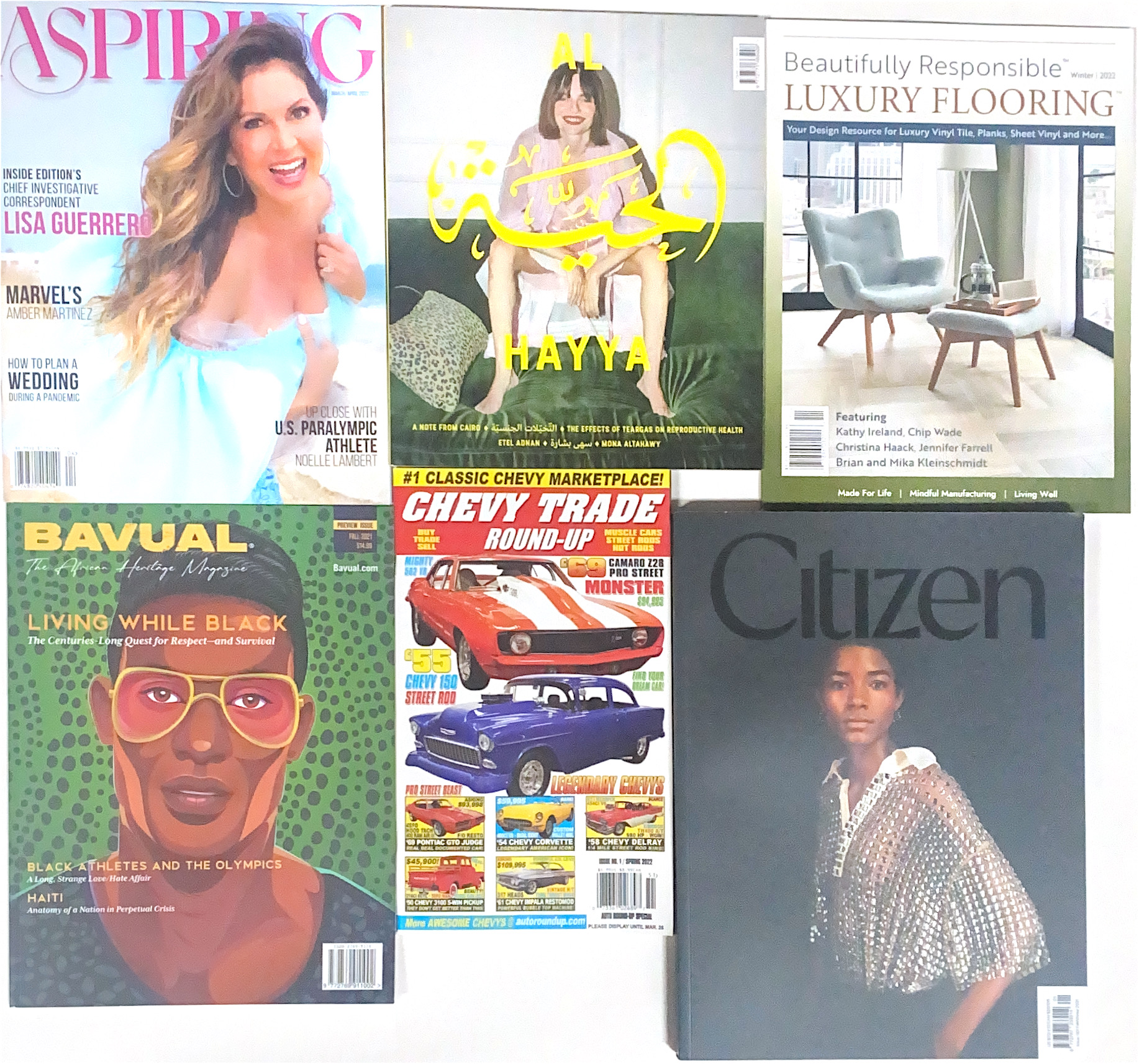
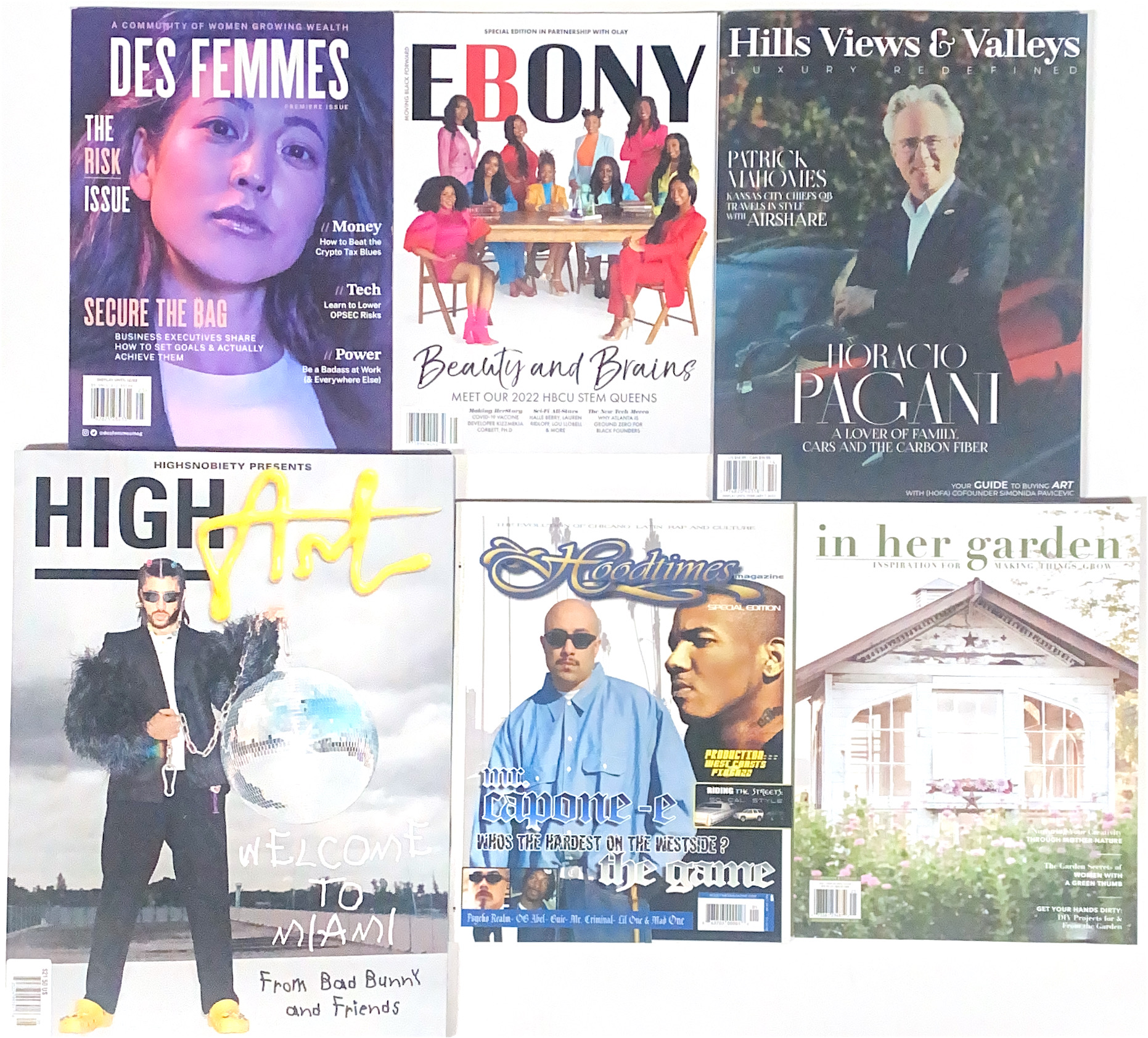
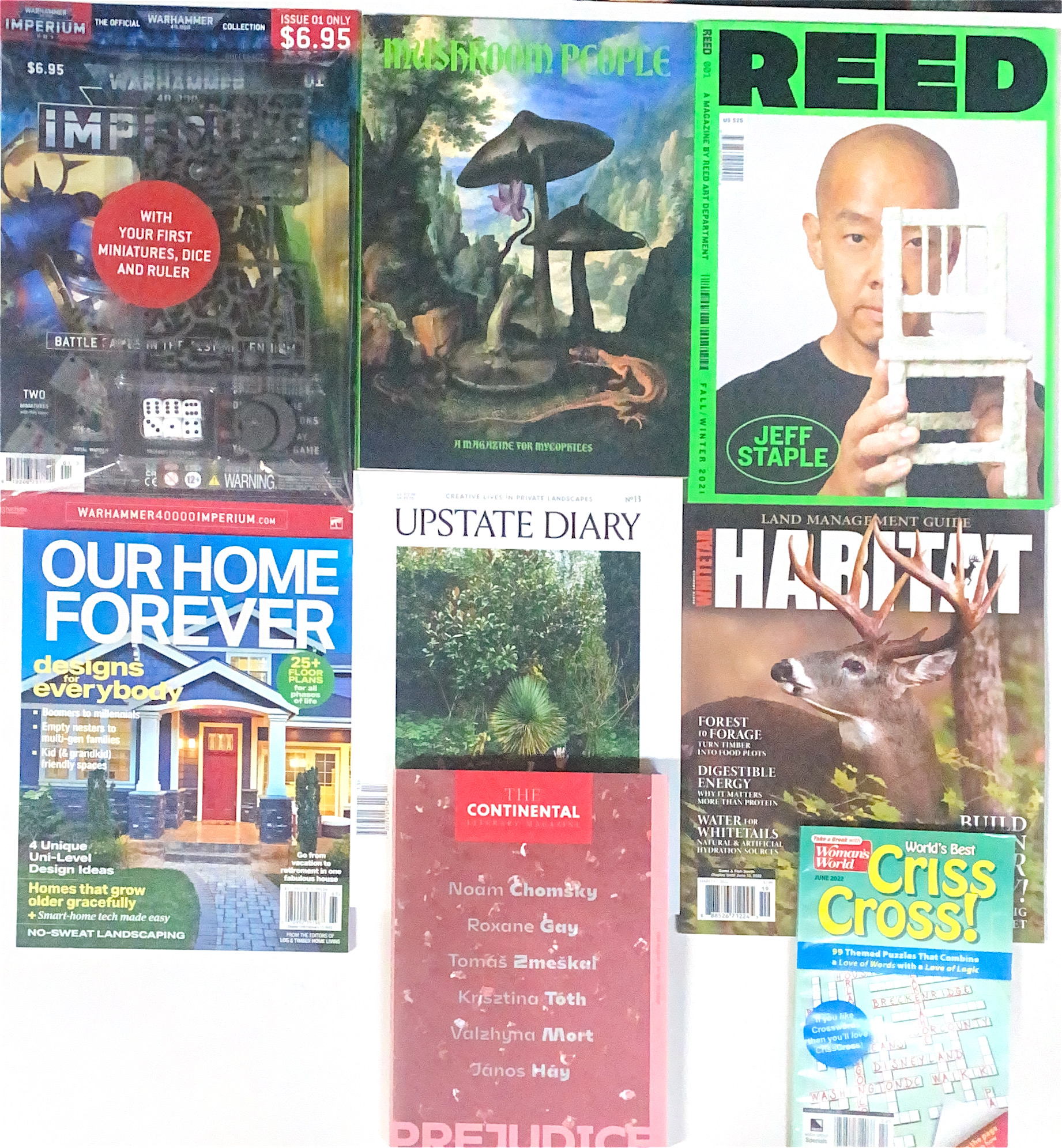
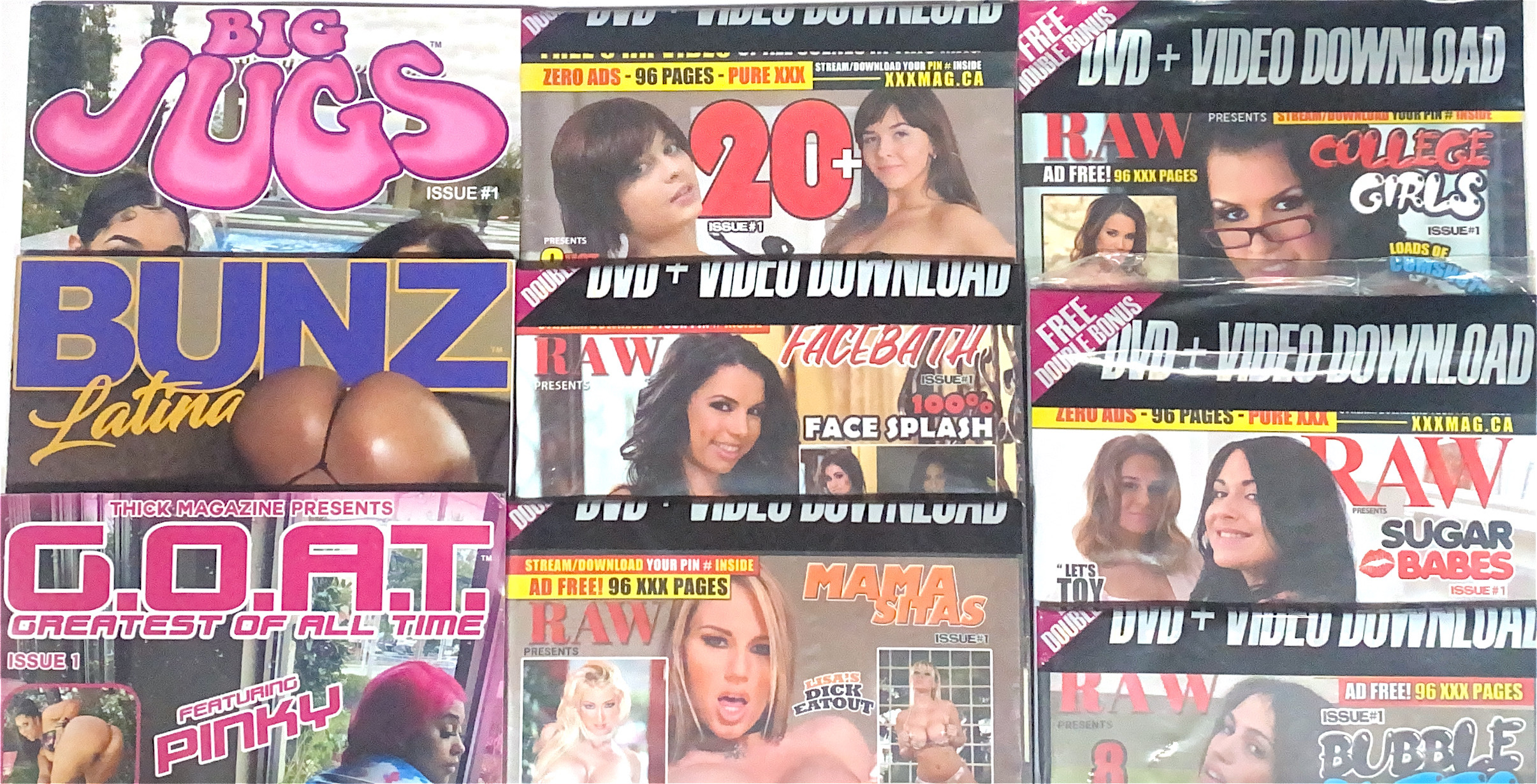
Keeping on track with the first quarter of 2021, a total of 29 magazines were available at the marketplace (whether at the newsstands or available via digital newsstands selling print). The magazines were as diverse in their subject matter and content as anyone can imagine.
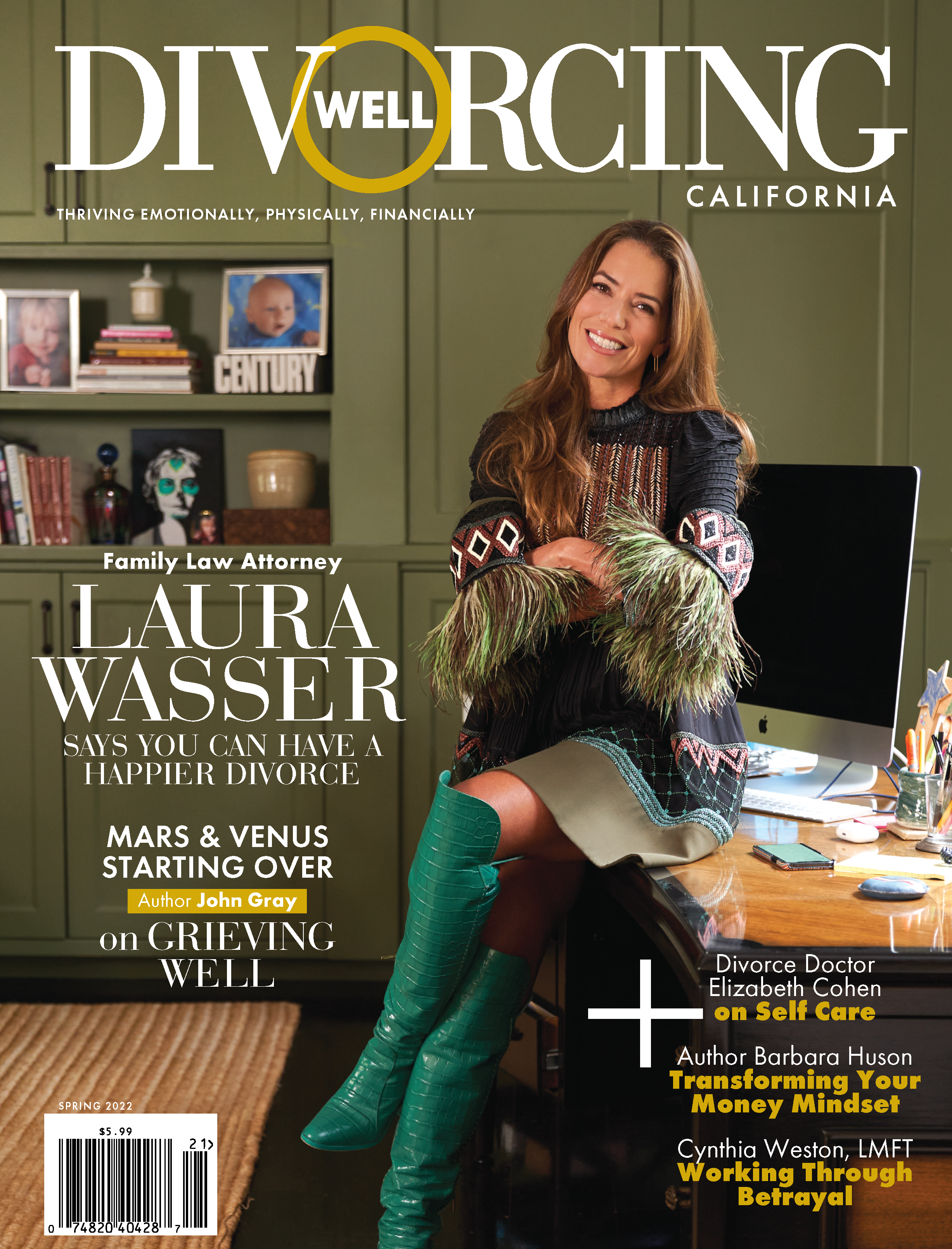
Those new titles ranged in topics from Divorcing Well to In Her Garden, from Aspiring who launched its first national issue after being a regional magazine, to Al-Hayya a bilingual magazine in Arabic and English aimed at Arab women all over the globe. Ebony made its return to print with a special issue and Bavual made its debut after a preview issue earlier last Fall. Hills Views & Valleys is attempting to redefine luxury, while Reed is attempting to redefine design.
Of note the return of sex magazines to the marketplace. Nine of the 29 titles were sex titles as you can see in the pictures below.
Keep in mind that if it is not ink on paper, it is not a magazine in my book, and if I do not have a physical copy of the magazine it is not on the list.
Here are the titles that I was able to find in the first Quarter of 2022. Enjoy.
“Magazines have an element of magic – they capture a reader’s attention and keep them engaged for a longer period than their digital counterparts.” Monique Reidy, founder and publisher, Divorcing Well.
“Launching Divorcing Well magazine on newsstands on Valentine’s Day is a proclamation that being single and happy in one’s own skin is a celebration regardless of romantic attachment.” M.R.
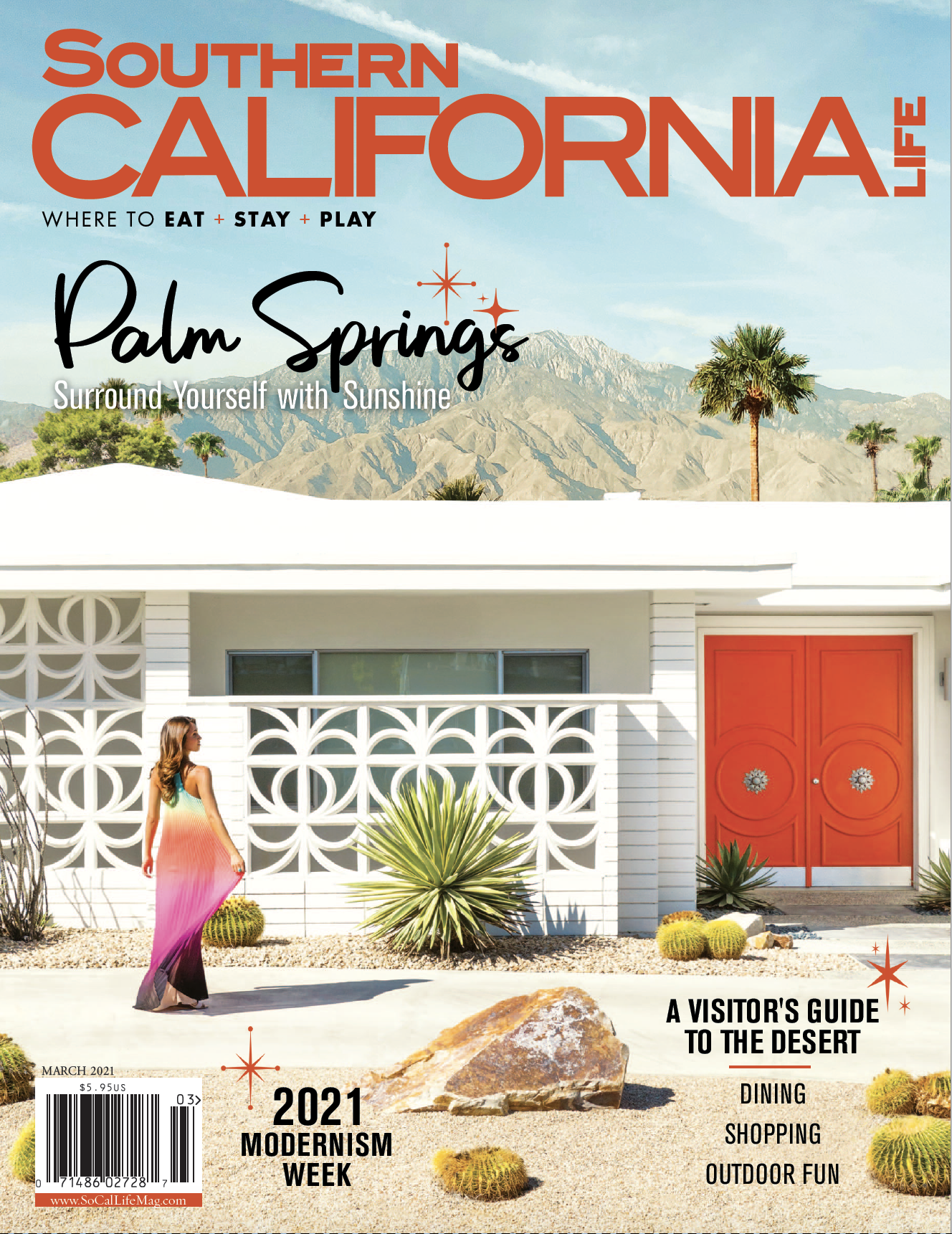
“A successful divorce is much better than a failed marriage,” my late brother used to tell us after he and his wife divorced. I was reminded of his statement once I learned that Monique Reidy, the publisher and president of Southern California Life is getting ready to launch her newest magazine, Divorcing Well.
Others have tried to publish divorce magazines, but needless to say they failed after an issue or two. The beauty of Ms. Reidy newest magazine is the Well part of Divorcing… It is like lighting a candle rather than cursing the dark. The new magazine aims to help the divorcee to thrive emotionally, physically, and financially. A tall order, but Ms. Reidy is sure the magazine is going to fulfill.
Judging by the selection of the articles and the design of the magazine, it seems that Ms. Reidy is on the right track. The magazine will hit the newsstands in the state of California on Valentine’s Day and I will leave to Ms. Reidy to explain to you why did she choose this specific day to publish the magazine.
So, here is the Mr. Magazine™ interview with Monique Reidy, founder and publisher of Divorcing Well magazine:
Samir “Mr. Magazine™” Husni: This is your third magazine launch, why are you still a believer in print in this digital age?
Monique Reidy: People still love magazines because they can read at their own pace and they’re able to enjoy the images and content in a relaxed manner. While digital information can be accessed instantaneously, it can be a challenge to get through an article online with the multitude of intrusive ads and continual distractions. Affiliate ads are now everywhere on the internet, luring readers to click links that hijack them away from what they’re reading to some sort of retail trap. I can’t get through an article about foods that could potentially be poisonous to my dogs without being led shoe shopping (thank you programmatic advertising).
I’m still a believer in print because the medium holds more credibility than the internet in the eyes of most consumers. Magazines have an element of magic – they capture a reader’s attention and keep them engaged for a longer period than their digital counterparts. Studies have shown that a digital piece will attract a person for 10 minutes while readers can linger for 30 minutes or more with a print magazine. It’s rewarding to hear that people enjoy our publications and that they’ve been informed and inspired.
S.H.: You mentioned you want the magazine to be out in times of Valentine’s, what are you celebrating?
M.R.: February 14th is traditionally a couple’s celebration of their romantic relationship. While it’s a worthwhile occasion, singles can sometimes feel left out because they don’t have a partner with whom to mark the event. Valentine’s day is another reminder to singles that they are in fact … single. And for those who wish to be in an amorous relationship, it’s just rubbing salt into that emotional wound. A newly separated person, particularly one whose spouse left the marriage to be with someone else, could spend a lonely Valentine’s Day marinating in anxious thoughts about how the “ex” is enjoying the evening in the arms of another.
Launching Divorcing Well magazine on newsstands on Valentine’s Day is a proclamation that being single and happy in one’s own skin is a celebration regardless of romantic attachment. The magazine underscores the importance of self-care and self-worth and that it doesn’t take another human to make one feel worthwhile. Our objective is to inspire readers to love who they are enough to fix what’s broken emotionally and aspire to create a happier life on their own terms.
S.H.: What has been the biggest hurdle that you were able to overcome with this launch?
M.R.: Since our first launch of Southern California Life magazine eight years ago, I’ve had to listen to a lot of snarky opinions about why this or that idea won’t work. (And trust me, there’s never a shortage of people who want to hold a storm cloud over your head if you’re on a momentous mission.) I was vulnerable and easily influenced in those early days, so the pessimists and naysayers sometimes caused me to second guess my goals. Learning to listen to opinions without allowing them to steer me off track has been one of the biggest hurdles I’ve had to overcome.
When you have a vision and you are focused on a specific target, you better not take your eyes off that mark and just keep moving forward. That’s not to discount getting advice from other professionals, but at the end of the day the backseat drivers can tell you where they think you should go, but you’re the one at the wheel, pressing the gas pedal.
S.H.: What was the most pleasant surprise?
M.R.: As a magazine publisher I can imagine about a dozen topics a day that would make a good magazine – but not all of them would make sense. But after I went through a difficult divorce the first time and a bloodbath the second, I decided a magazine offering support to people working through that messy dissolution process would be helpful. The most pleasant surprise has been the overwhelming positive feedback from both divorce professionals as well as individuals currently going through marital divorce. While books can certainly be valuable, a magazine with smaller “get to the point” advice can be much more useful. Every issue will cover how to stay well emotionally, physically, financially, and legally through the arduous divorce process. The objective is to have readers feel encouraged, motivated, and hopeful with every read. The most perplexing part about the project is why no one had thought of this concept before.
S.H.: Divorce laws differ from state to state, how are you going to cover all the states and their laws in the magazine? Are you starting regional (like California first) and then expanding to the rest of the country?
M.R.: The largest sector heading to court are the 50 + year-olds. The divorce rate in the State of California is now at 60% and climbing. I launched Divorcing Well first in California because this is where I live and I’m most familiar with the laws governing dissolution within my State, having just gone through the experience. But while divorce laws differ from State to State within the U.S., some things remain the same, regardless of region.
For example, when we suffer a marital betrayal, the tools to help us through those feelings of loss and abandonment are not bound by geography. Some of us may have at some point felt like we want to accidentally run over our ex’s new girlfriend. We all feel similar feelings and most of the magazine tackles issues pertaining to staying well on every level (including why running over the girlfriend is a stupid idea). Some of the articles, specifically those that address legal strategies, must be modified based on the laws that apply to each State. Divorcing Well can easily expand to other States as most of the content is universally meaningful. The pieces that address divorce laws would have to be modified to adapt to the laws governing divorce in each State.
S.H.: My typical last question is what keeps Monique up at night these days?
M.R.: Nothing keeps me up at night. I believe in a good and gracious God who keeps my family safe and helps me at every turn. I have many friends who have trouble sleeping — I tell them they should learn to trust God or invest in an effective sleeping pill.
S.H.: Any additional things you’d like to add or I failed to ask you…
Divorce really does suck. And those going through one that is complicated and contentious need a lot of support from friends, family, psychotherapists, divorce coaches and whomever else they can find to dispense constant encouragement. I hope our publication can be a resource to help breathe life to the heartbroken and tired individuals going through this hardship. Our company is a mostly female group and many of us have experienced divorce. We are putting our hearts and souls into helping readers get through divorce and do it well.
S.H.: Congratulations on the new launch and thank you.
“Although we have an online presence (and our culture does thrive on the immediacy of online engagement), there’s nothing like the print experience: sitting down with a great magazine and being transported via images, various stories, and content that teaches and inspires. Print is altogether a different thing – an actual real experience.” Judith Manigault, Editor-in-Chief, Link2Us.
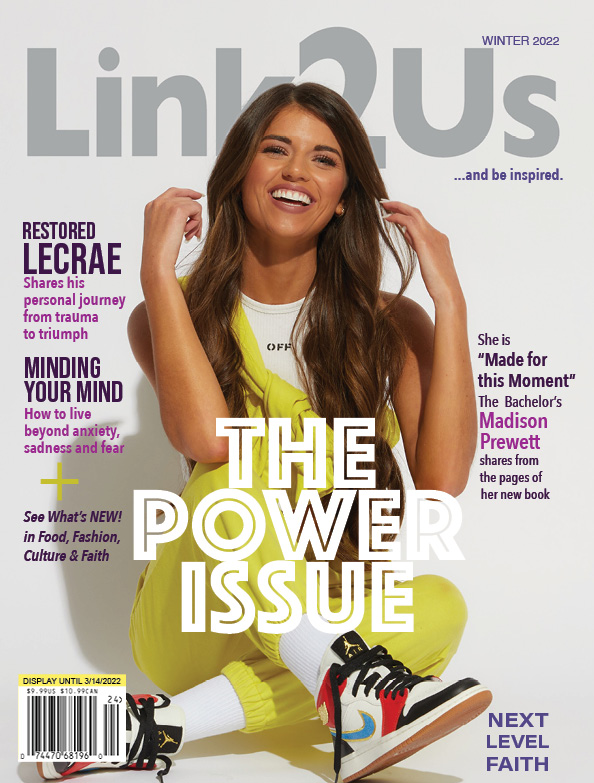
Link2Us Premiere Issue Winter 2022
“At the intersection of faith and popular culture lies Link2Us, a new lifestyle publication providing readers with a blueprint for living their best and most authentic lives. The new magazine delivers fresh and engaging content, including health and wellness news, finance tips, style trends and more, with faith and inspiration at its core,” so says the press release for the last new magazine launch of 2021. The first issue of the magazine arrived late in December at the nation’s bookstores featuring cover star and ABC’sThe Bachelor alum, Madison Prewett.
The digital entity was launched in 2019 and migrated from the womb of digital to the reality world of ink on paper. I had the opportunity to chat with Editor-in-Chief, Judith Manigault “who birthed the magazine’s concept while on a quest to find faith-based content that spoke to the issues of everyday life in a contemporary and relevant way.” Judith noticed a lack in print offerings that filled this faith-based contend, and decided to do something about it.
And thus, Link2Us was born. Please enjoy this conversation with Judith Manigault, founder and editor-in-chief, Link2Us.
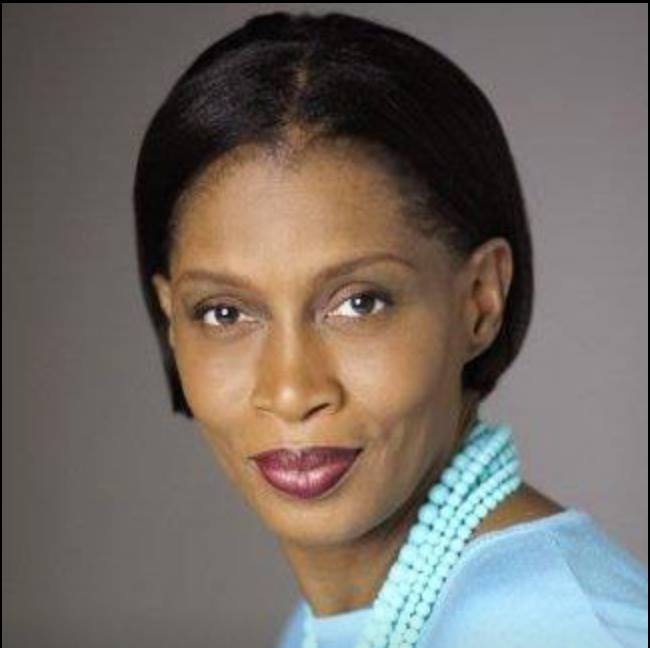
Judith Manigault, founder and editor in chief, Link2Us magazine
Samir “Mr. Magazine™” Husni: Congratulations on the launch of Link2Us newsstands’ debut. Can you please tell me about the idea behind the magazine and why did you decide to launch it in print on the newsstands now?
Judith Manigault : As a new publication, we fill a most overlooked niche: a culture hub for the 70% of adult Americans who consider themselves Christians. Historically, faith-based publications have centered their reach on ALL things spiritual but overlook prominent themes covered in mainstream outlets: note-worthy inspirational personalities, entertainment, food, fashion, travel, and more.
A few years ago, I noticed this missing link as I combed through an airport newsstand. Not one magazine bridged the gap between a world of faith and inspiration (which we all need now more than ever) and the everyday lifestyle topics that make our world a more vibrant place. So, we went to work and created a beautiful hybrid we believe millions will enjoy.
Although we have an online presence (and our culture does thrive on the immediacy of online engagement), there’s nothing like the print experience: sitting down with a great magazine and being transported via images, various stories, and content that teaches and inspires. Print is altogether a different thing – an actual real experience. It has the power to slow us down, make us pause, pay attention—and so we thought, what better time to engage the culture with a physical magazine?
S.H.: The brand was founded in 2019. How did it evolve and what was the most challenging aspect of creating this brand?
J.M.: Well, the evolution of the brand was relatively seamless. We listened to our readers, expanded on what worked, and took the limits off of what is generally considered faith-based content. We meet the reader where they are and bring a fresh perspective to the conversation. You’d be surprised at how many folks search for a better way of thinking, being, and doing life.
S.H.: What was the most pleasant moment during this experience?
J.M.: As a promotional tactic, we asked our readers around the country to find us at their local Barnes & Nobles, Books-A-Million, and airports. Their posts and videos have been fantastic. Knowing that we have made the leap, and they can now find us across the U.S. – from California to NYC (and now Canada) – is exhilarating!
S.H.: What is the role of print in a digital age, and where does the print edition of Link2Us fit in the brand formula?
J.M.: Print is a media format that will continue to thrive as long as people have stories to tell. Readers everywhere still love to curl up with their favorite book at home, or bring their daily newspaper to their local coffee shop for a skim. Turning the pages to see what’s next (in a story, or what’s next in fashion, for example) is still incredibly exciting. Learning about the next trend or finding inspiration for the weeks ahead, especially at this particular time in our lives, is a basic human need and Link2Us is here to meet it.
S.H.: Your tagline is Link2Us and be inspired… and your motto is Next Level Faith… Can you please expand?
J.M.: “Link2Us and be inspired” was simply a way to convey our mission to inspire the masses. “Next level faith” grapples with how we see ourselves as people of faith in the world, and challenges our readers to reach new heights and create a life of faith that is more dynamic, appealing, and compelling.
S.H.: Is there anything else you’d like to add.
J.M.: While we are living in times marked by cultural, political, and social divides, the reality is that we do need each other to survive. It is my hope that Link2Us will serve as a common ground, where conversations revolve around the things that connect us, and not what separates us.
S.H.: My typical last question is what keeps you up at night?
J.M.: Believe it or not, that would be expansion. For us, the ability to talk to and reach a broader audience is of utmost importance. Launching at retail is a major step in connecting with the masses, and we are thrilled.
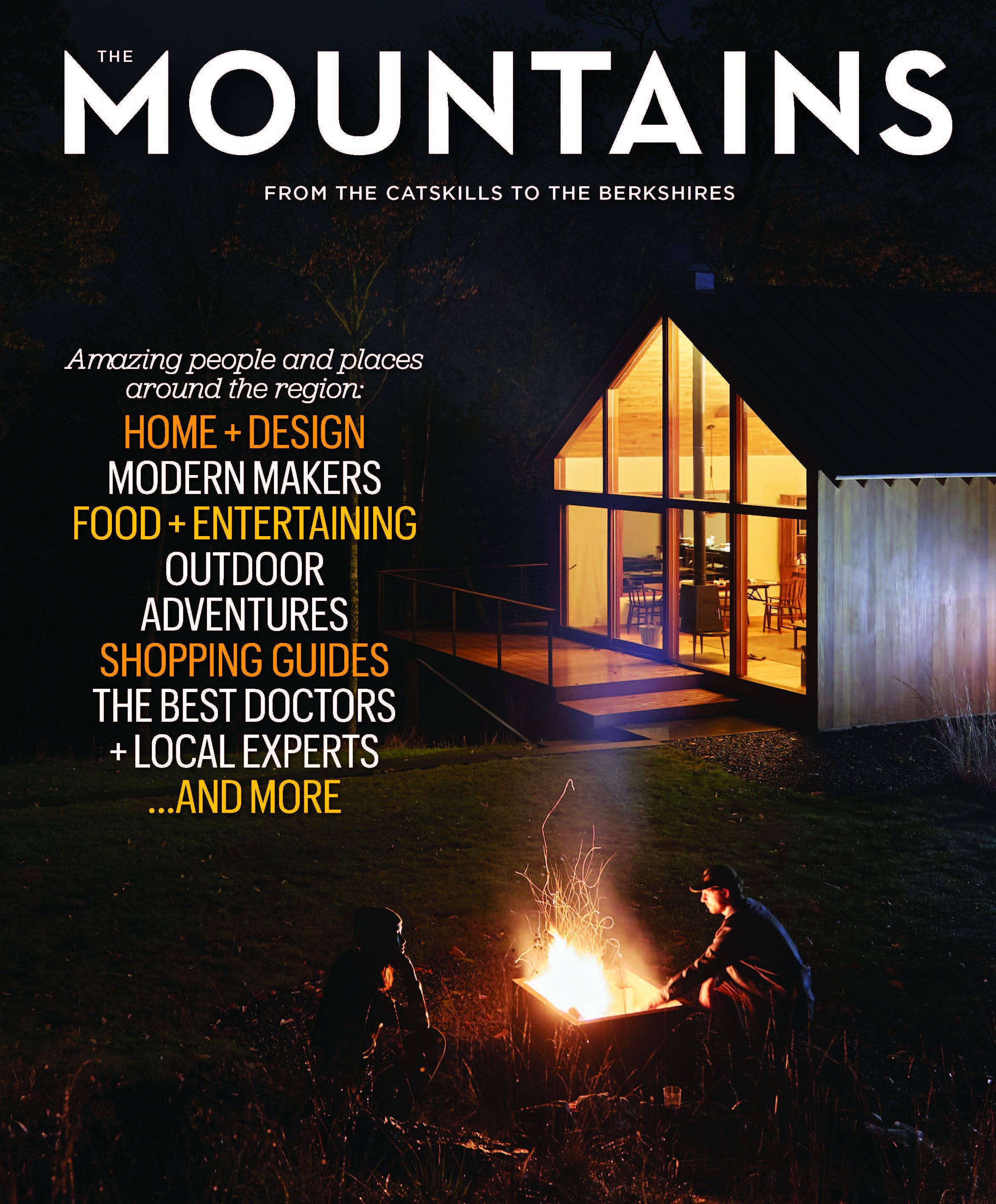
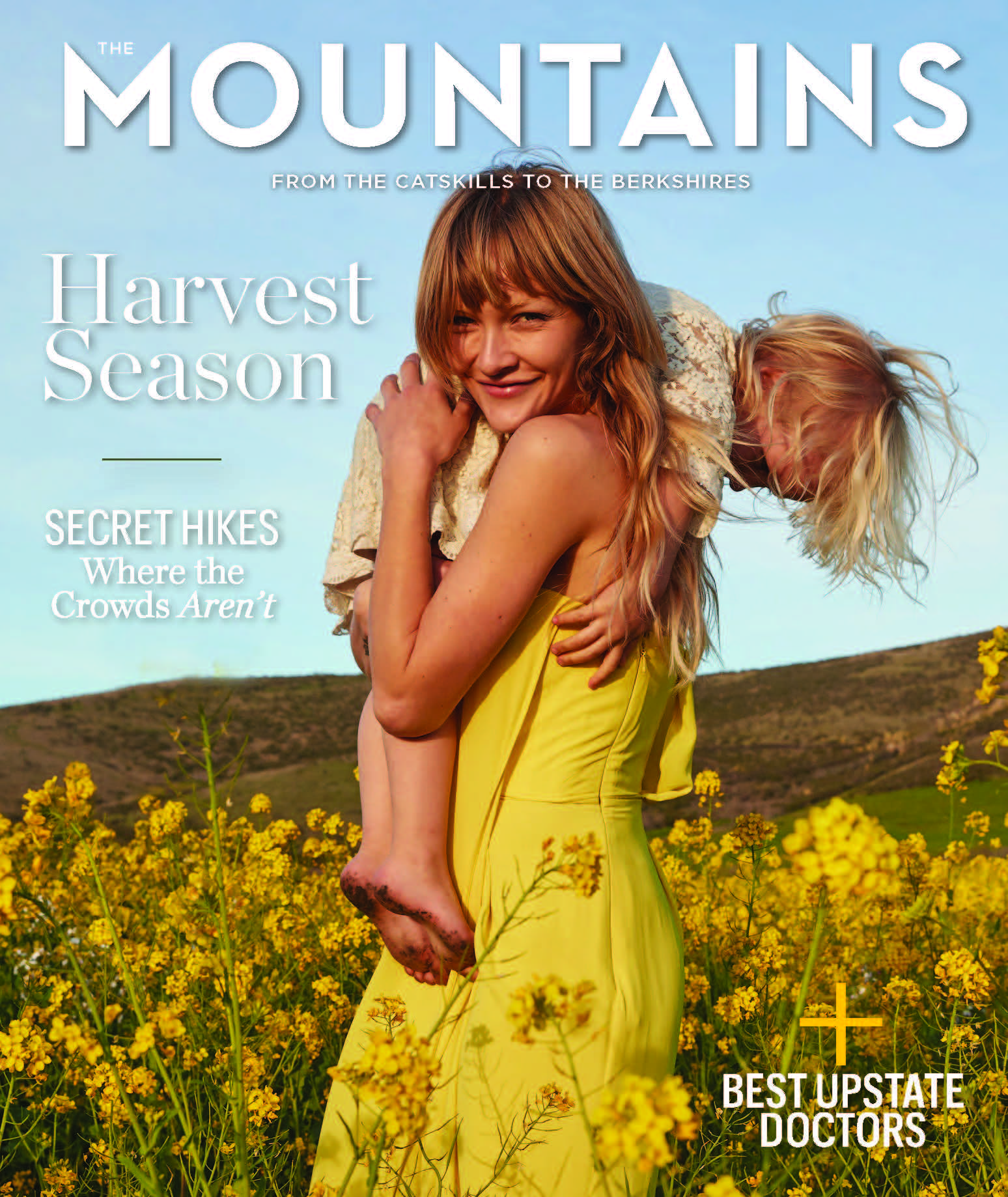
“With The Mountains, we’re bringing world-class photography and service journalism to an audience that has “decentralized luxury” and is tricky for advertisers to reach.” Alan Katz, Founder and CEO, The Mountains.
“Then in my adult life, I gave the Hamptons a shot, but it wasn’t my vibe. Pun intended, I just thought it was so much cooler in the mountains!” Alan Katz
What can a “dynamic, highly connected sales and marketing executive with over 20 years experience driving growth and developing new businesses and brand extensions across diverse media platforms — from print to digital to e-commerce,” do next? Well, for the man who held top executive jobs in the magazine media world for almost a quarter century, there is nothing else to do but head to The Mountains, (pun intended). Alan Katz, the former publisher of Cargo, Vanity Fair, Interview, and New York magazines, and the former CEO of AKA Media and Chief Revenue Officer of DuJour Media, is ready to be his own boss and ready to launch a new venture called, you guessed it, The Mountains: the magazine that tags itself as the magazine “from to the Catskills to the Berkshires.”
I had the opportunity to ask Alan seven questions regarding his new venture, so without any further ado, here is the Mr. Magazine™ Interview with Alan Katz, Founder and CEO, The Mountains.
Samir “Mr. Magazine™” Husni: The late Steve Florio once described entrepreneurs launching magazines as “terribly naive about what it takes to make a magazine successful,” yet he was kind enough to call this group of future publishers “the romantics.” As a former Condé Nast executive and publisher, do you consider the entrepreneurial launch of your new magazine The Mountains a romantic affair or a genuine new media business?
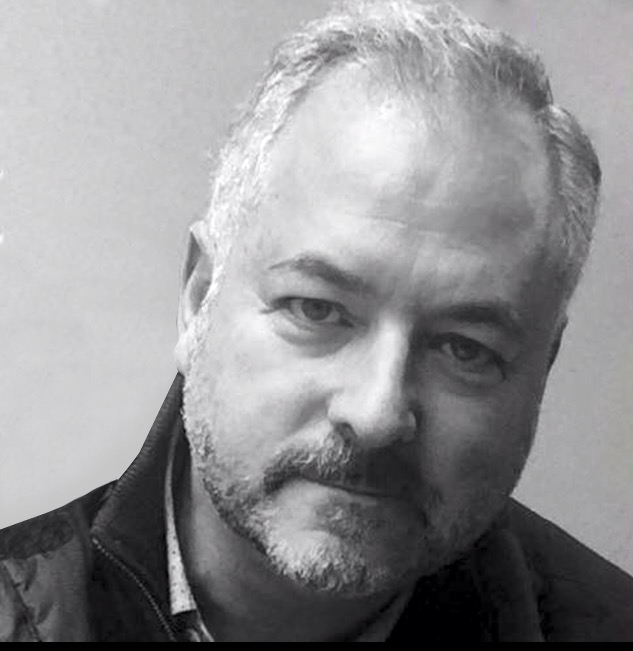
Alan Katz, Founder and CEO, The Mountains
Alan Katz: Both. Steve hired me in 2003 to launch Cargo, a terrific men’s magazine. It was both a romantic notion and a genuine new media business–as is The Mountains.
To me, the word “mountains” itself is romantic; it’s what my parents called the Catskills back in the day. A magical oasis from the big city, where you could find fantastical hotels and retreats.
I chose the name both for its nostalgia and because it’s so relevant to our mission: to be the exciting new resource for the residents, weekenders and visitors of the region from the Catskills to the Berkshires. What’s more romantic than that? We all LOVE this region. It’s gorgeous, bucolic, adventure-filled, rooted in community.
But make no mistake…this is a genuine business. The region is BOOMING—4 of the top 10 zip codes in the U.S. with the biggest growth in net migration 2019 to 2020 were in our geography. Real estate and new businesses are off the charts. The pandemic fueled a “rebalancing” between cities and more rural areas that was already underway. The result is a more sophisticated audience not being served by the existing media in the area.
With The Mountains, we’re bringing world-class photography and service journalism to an audience that has “decentralized luxury” and is tricky for advertisers to reach.
S.H.: How do you approach the launch of The Mountains as opposed to the launch of Cargo?
A.K.: Back to Steve, he famously said at my first team meeting, “There’s nothing like a Condé Nast launch,” and in 2003 he was so right!
The main difference is fundraising. We’ve chosen to seek investment from strategic partners who care about the community and want to support fantastic writers and creative talent that will help bring this region to life, uncover hidden gems and inspire new discovery.
S.H.: What is the genesis of The Mountains?
A.K.: I’ve always loved the area. In my childhood, I experienced it all: a bungalow colony, sleepaway camp and fine hotels, all in the Catskills. I even had my prom at Grossinger’s. From “A Walk on the Moon” to “Dirty Dancing: to “Meatballs” (and these day, “The Marvelous Ms Maisel”), I’ve enjoyed it all!!
Then in my adult life, I gave the Hamptons a shot, but it wasn’t my vibe. Pun intended, I just thought it was so much cooler in the mountains!
So after 25 years as a weekender and homeowner in Columbia County, traveling around the Catskills and Berkshires and randomly seeing the various media, I was often left wanting more. More original photography. More insightful writing. More useful advice. I’d worked at New York Magazine, Cargo, Vanity Fair, Andy Warhol’sInterview and DuJour, to name a few. My standards were understandably high, but I believed someone should attempt to deliver the best for the market. Then one day, I finally realized that person should be me.
S.H.: You are launching both in print and digital, what is the plan?
A.K.: Yes, the plan is to launch with both seasonal print and daily digital in Spring 2022. This is a market that doesn’t have the best digital or cable service. It’s a thing. Hopefully that will improve, but until then, a high-quality magazine is what business owners and consumers want and need. They like to lean back and enjoy great writing and cool finds. Print has a certain credibility and luxury, plus it’s power outage-proof!
Our readers come to the mountains to be disconnected, yet want to stay connected, so we’ll fill in the timely facts with daily digital, email newsletters, social media and future video series and podcasts.
S.H.: Tell me about the team working with you and the goals you expect to achieve prior to the Spring 2022 launch.
A.K.: We’ve hit the ground running with super-talented and connected editors, writers, designers, sellers, marketers and financial folks. They have deep roots in the community and have worked at some of the best brand in the business such as; New York Magazine, US Weekly,Vanity Fair, Apple, Airbnb, Architectural Digest, 1stdibs, Complex, Travel & Leisure, Departures and The New Yorker.
Prior to 2022 we are building the team and the content strategy, uncovering the fun facts and relationships that will enhance our platforms. And seeking advertising support from local and national businesses, brands and service providers, as well as financial and strategic investment partners.
I’m thrilled to say, both are going exceedingly well!
S.H.: Anything else you’d like to add…
A.K.: I can’t express how much fun this has been, and how welcoming and collaborative the community has been.Everyone says it’s a long time coming, and appreciates our bringing the counties together under The Mountains moniker. Some of our first advertisers are signing on for 2-year schedules!
S.H.: My typical final question, what keeps you up at night these days?
A.K.: What keeps me up at night these days is two kids in college, one just starting her first great job and the uncertainty of this global pandemic.
As per The Mountains, every aspect of the business tends to keep me up–my mind is racing with new ideas and ways to improve the media landscape for our audience and marketing partners. I mean it. Let’s go!!
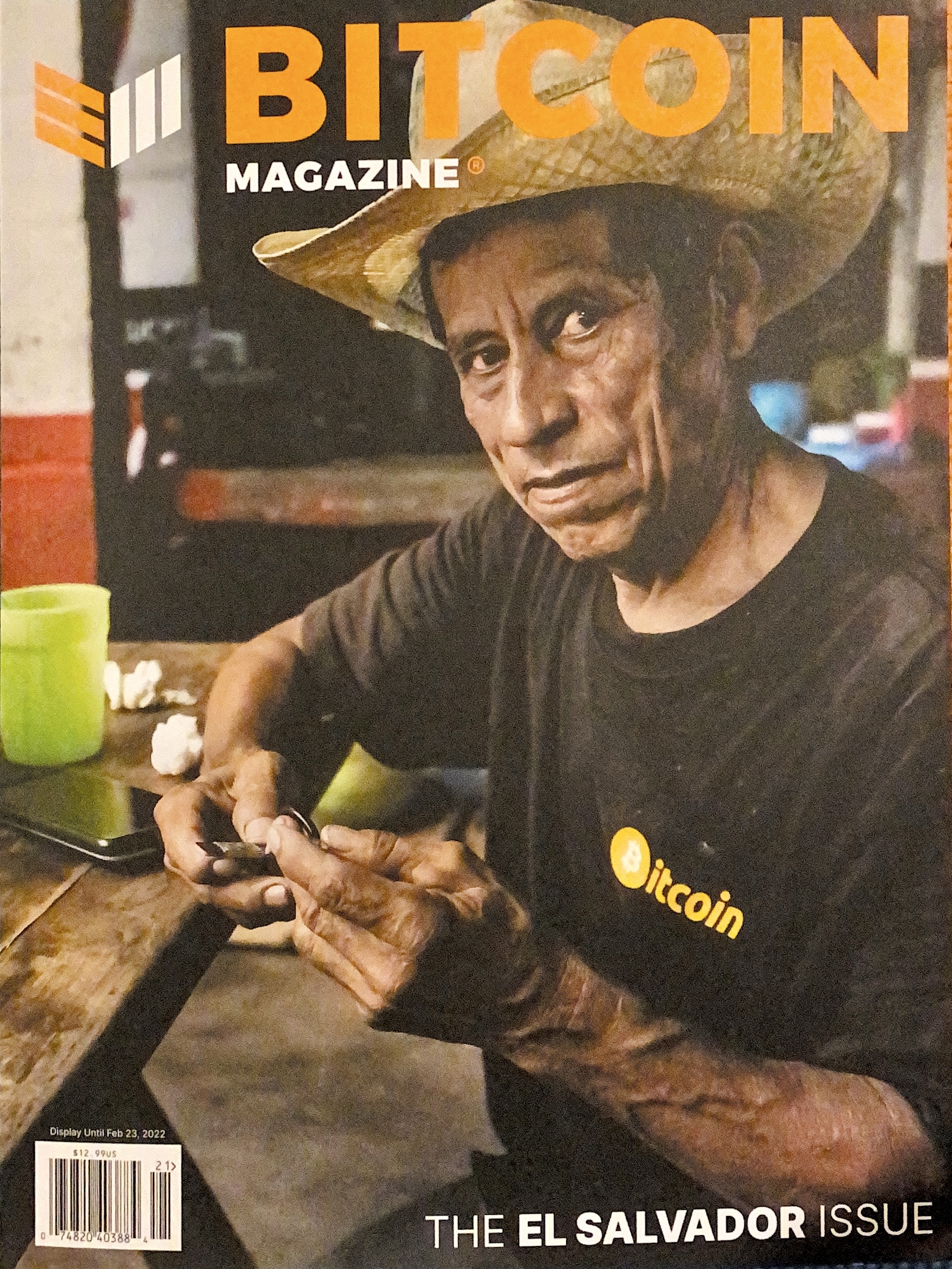
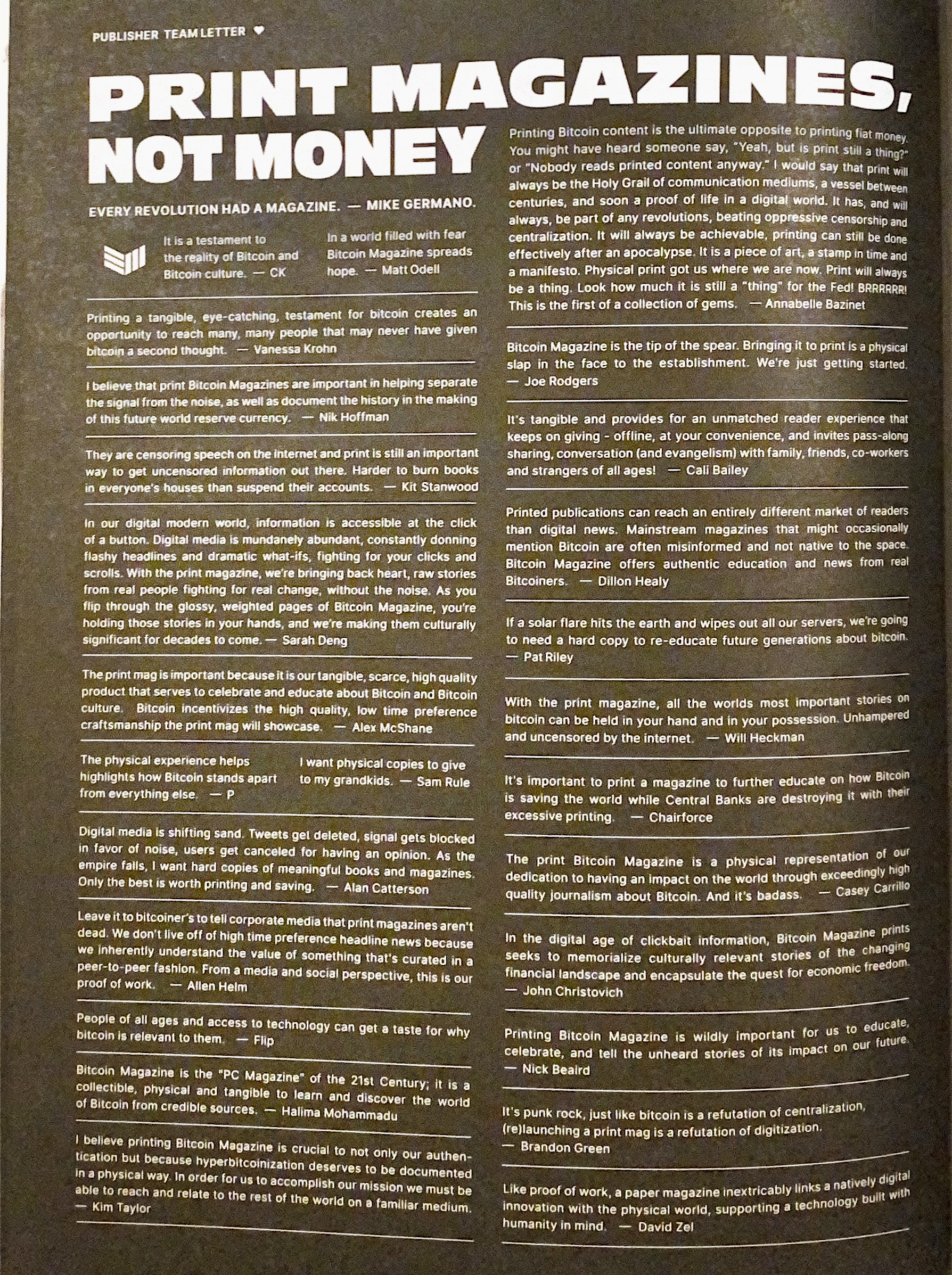
The relaunched Bitcoin magazine (Fall 2021) published a team letter from the publisher celebrating the necessity of print and why print is needed today more than ever. I rarely reprint someone’s else work, but in this case I am going to make an exception and reprint some of Bitcoin magazine’s the power of print reasons… Enjoy.
You can read the entire reasons for the power of print by clicking on the image below, but here are three of my favorites:
“Every revolution had a magazine.” Mike Germano
“Like proof of work, a paper magazine inextricably links a negatively digital innovation with the physical world, supporting a technology built with humanity in mine.” David Zel
“With the print magazine, all the worlds most important stories on bitcoin can be held in your hand and in your possession. Unhampered and uncensored by the internet.” Will Heckman
And what is good for Bitcoin magazine in print is good for the majority of the magazines out there. So, head to the nearest newsstand or bookstore and pick up a magazine or two and feel the power of print in your hands…
“So a beautiful, oversized print product that is delivered to your home can have the effect of connecting you to the sport.” Magnus Greaves, Publisher, RACEWKND
Never give up trying new ideas. The aforementioned can easily describe Magnus Greaves, the man coming from the world of finance and an entire Wall Street driven media magazine venture, Double Down Media, that went belly up when the entire market, and the American magazine business model that was based on that market, went belly up too! Magnus, the ever-dreaming and planning financier, found yet another way in this digital age to enhance print and ensure its success in a completely different way than his previous ventures at Double Down Media, MyMag, and Rev.
In 2021 Magnus Greaves founded RACEWKND, a magazine that celebrates the culture and lifestyle of Formula 1 and delivers the racing experience right into your home.
I asked Magnus seven questions about his new venture. My questions and his answers are below. Enjoy…
Q1: In a nutshell, tell me what is RACEWKND? When was it started and how often it is going to be published? RACEWKND celebrates the culture and lifestyle of Formula 1, the highest level of motorsport which is also seen as one of the world’s most glamorous sports. Back in 2015 I started a similar magazine called Rev Journal but was inspired during the pandemic to make significant changes to the branding, packaging, distribution and overall business model. This resulted in RACEWKND which has been extremely well received and we are now on a schedule to publish four issues per year.
Q2: How is this launch different from your previous venture MyMag? MYMAG was a personal publishing platform for famous people but was sadly a bit ahead of it’s time (which I know sounds odd for a print product!) The innovation was in how we worked with the individual and I’m actually revisiting that concept again as I feel it ties in extremely well with social media. RACEWKND is much different as the original premise was more about filling a void in the market (this sexy global sport had no media product that celebrated its sexiness) and the innovation this time comes through the business model and distribution plan.
Q3: Who is the audience of RACEWKND and how to you plan to reach them? Formula 1 has been extremely popular globally for decades but it’s never been able to crack the US market. In recent years the sport was also having a very hard time attracting new fans. That all changed quite dramatically with the Netflix show “Drive to Survive” which explores Formula 1 through the personalities, drama and locations. As a result, F1 is now exploding in the USA and is attracting a far more diverse audience. RACEWKND is created to appeal to this new audience as our editorial approach and design sensibility is a perfect next step for these new fans which, given the size of Netflix, now outnumber the size of the old-school F1 fan base.
Q4: What are some of the obstacles, if any, facing you with this venture and how do you plan to overcome them? The biggest obstacle we face is in connecting with the American F1 fan base in an efficient way. I will never, ever go down the newsstand route again and that simply wouldn’t be effective with this audience anyway, particularly in the USA. And unlike sports such as basketball, there are no stadiums that host multiple home games and no chains like Foot Locker that sell team merchandise, snaking it hard to find alternative channels to fans. So we had to come up with a completely new plan and that lead to a genuine breakthrough- RACEWKND has adopted the modern direct-to-consumer business/distribution model that’s been so successfully implemented for products such as eyeglasses, clothing, mattresses, etc. I figured if this approach works for mattresses, then certainly a light, flat product like a magazine should be perfect and the results have been amazing. We start the process with targeted advertising and affiliate partnerships which connect us to F1 fans. We then sell every subscription on our Shopify platform and send magazines out very efficiently using AmazonFBA. In fact, I’m thinking about working with other magazines to show them how to implement this great business model which brings so many benefits.
Q5: Some say we don’t have a print problem, we have a business model problem in the magazine media industry, what do you think? What is the role of print in today’s media landscape? What is the future of print? Well I 100% agree with this statement!! Per my answer above, studying the direct-to-consumer business model (as well as the subscription box business model) completely changed how I perceive the magazine business, and it’s completely changed the economics of running a magazine company. As for the role of print, I feel it’s more relevant than ever for publishers that use it in a way that truly takes advantage of the medium, which unfortunately not many do. But the flip side of that is that many publishers have done an amazing job of adapting their offering to beautiful new tablets, so growth for magazine brands can come in many forms. As for RACEWKND, a tangible print product has enormous value as Formula 1 hosts 23 races in 23 different countries resulting in 95%+ of fans not attending a race during the season. So a beautiful, oversized print product that is delivered to your home can have the effect of connecting you to the sport. When there is only one shop in the USA that is dedicated to selling F1 merchandise, having a product like RACEWKND come to your house is a nice experience that is hard to replicate.
Magnus Greaves, publisher, RACEWKND
Q6: Anything else you’d like to add before my typical last question? Operating in this new direct-to-consumer business environment has really highlighted to me the value of print as a product in a fresh way as well as the need to create a brand that reflects your overall goals rather than simply what you aim to achieve with a magazine. As a result, I feel less exposed to the various direct threats of the traditional publishing industry and more connected to the innovative companies that are being launched and celebrated in different arenas. And you will have noticed there is not one ad in our magazines- this new business approach eliminates that hassle!!
Q7: What keeps Magnus up at night? I go to sleep every night thinking of new ways to connect with the potential RACEWKND audience and making sure that we are doing a good job communicating the attributes of our great print product across digital channels. The tools are in place to achieve all of this but you have to continuously seek out best practices (from outside the publishing industry!) to stay on top of it all.
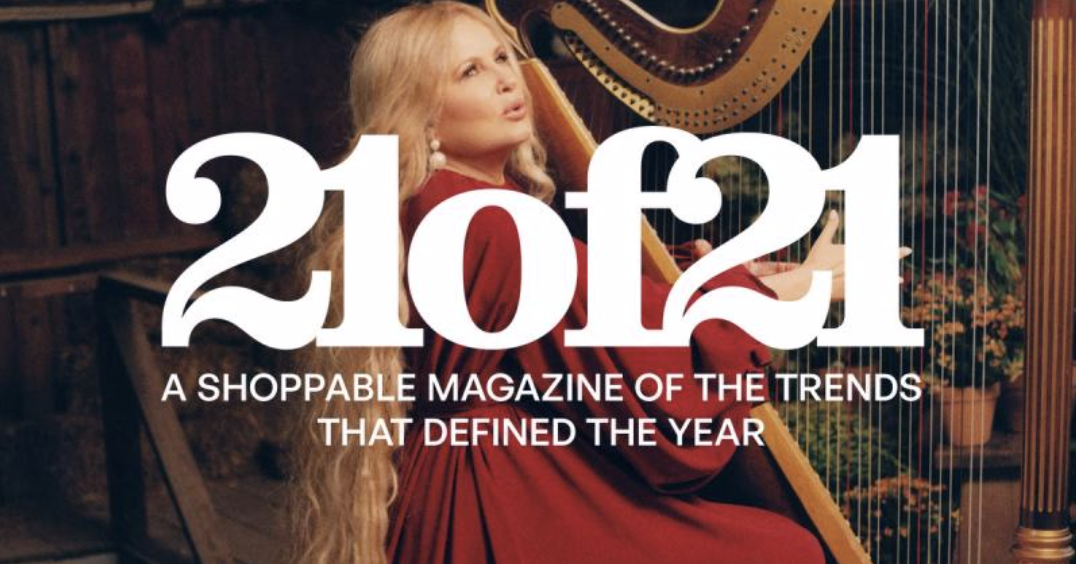
The News: “PAPER and Google Shopping have partnered to transform the trends of 2021 into an innovative shoppable magazine. Celebrities and influencers Jennifer Coolidge, Bella Poarch, Bretman Rock, Bia and Law Roach are featured. The shoppable magazine packages 21 of the most boundary-pushing trends in an editorial feature conceived by cultural disruptor PAPER. The trend list, including ‘cottagecore’ and TikTok Beauty was curated based on Google trends data.”
The Interview: Having seen the aforementioned press release, I decided to reach out to Tom Florio, of Vogue & Condé Nast’s fame and currently the founder & CEO of ENTtech Media Group LLC, which owns PAPER, and engaged in a Mr. Magazine™ conversation about ENTtech Media Group, 21of21 Shoppable magazine, the past, present and future of magazines and media brands. Here is part one from our conversation presented in a new Mr. Magazine™ interviews format. Hope you will enjoy…
The concept of ENTtech Media Group: I don’t approach what I do with the parameters of a magazine or not a magazine. I think that what we’ve built is an entertainment technology company (ENTtech Media Group). The foundation of the company is the distribution part, right? Like you talk about magazines, you have content, you have distribution and you have an audience. And I think when you come from the media world with that point of view, you create content for an audience, as opposed to what we see a lot of. Many brands and many agencies think they’re in the content business, but they’re not really creating content to bring in an audience. They’re creating content with a brand in mind to communicate to an audience like a group of people, a consumer.
Defining a magazine: So my answer to your question is magazines have a connection with a consumer base and they’re creating content for that consumer base to, to accept, to take it in. So, I think that the first step is there needs to be a content strategy and there needs to be an audience. Then, with some regularity, you’re communicating with that audience, but that could also apply to Tik Tok, right? You have multiple infinite numbers of creators that have created an audience, but they’re not magazines, like the D’Amelio girls have 25 million followers bigger than Vogue, you know? But to me, when I approach a magazine, it’s to create content for like-minded people, and to communicate it with a certain curated informed point of view. That’s the idea of ENTtech Media Group. It is to let the creative process drive the content, but to use technology, to identify and distribute the content.
Circulation vs. Advertising: Unlike the old days of magazines, where you basically bought your audience with the lowest price, a dollar a name, and we know how it worked. You sell a bunch to the airlines and the airlines would send you a check. You create a circulation base and then you charge a CPM against that circulation base with the rare situations of like the People magazines of the world, or like The New Yorker, which I actually was the one who pushed The New Yorker from $16 a subscription where we were losing $16, because it costs $33 initially to break even on that subscription, to $50. Right. And this is back in 1995, The New Yorker was able to actually raise the subscription price and not lose any circulation at all.
Usually, as you know, there is a relationship between how much you raise the subscription price and the fall out in circulation. There was none. But if you looked at that field, looked at the circulation of The New Yorker, pre Tina (Brown), people like up here who has been subscribing for 10 plus years, and we drop the subscription to $16 to bring in all these other people over here because they wanted to make it cool and like a Condé Nast magazine. Right. But, in reality, the consumer should always pay for The New Yorker and the advertising should be secondary. So you have The New Yorker, you have People magazine, you have a handful of publications that were making money on circulation, but most weren’t.
The genesis of ENTtech Media Group: So what I wanted to do is to use technology to identify audiences and serve audiences messages based on their interests. And you don’t need a subscription strategy to do that. I took the team out of a company called The Audience.
The Audience was a social architecture company, started by Sean Parker, Ari Emanuel and Oliver Lockett. The Audience was one of the first social media companies that could identify groups of people and serve them messages via social media, like using Facebook and such. What they wanted to do then was build these audiences around celebrities for the purpose, not of today’s influencer marketing was way too soon, but to drive movie viewership and things like that.
The approach that they used ended up failing. Not the technology, but the approach and I took the team out of that and were actually one of the founders of ENTtech. So my idea was if I could create a content strategy that’s highly creative and curated, and now I could identify people out there in the world, I could just push my content out to these people and then build my website. And that what was interesting about Paper specifically when I acquired it. Paper had just broken the internet with that famous Kim Kardashian cover. In fact “break the internet” is now a phrase trademarked by Paper. So I had seen that while I was interested in this new business model for media. And I was like, well, that was interesting because if we look at Paper’s Kim cover versus the Vogue’s Kim cover that was shot by Annie Leibovitz, which was four months apart. Let’s say that the Vogue cover cost $200,000 because it is Annie’s, right. Jean-Paul Goude shot the Paper cover for $10,000. The Vogue cover generated 750,000 uniques to the Vogue website. The Paper cover generated 30 million uniques to the Paper site, which nobody knew about Paper.
What I found to be very interesting is, here’s this social architecture that is really not being exploited across media properties. You had politicians using it very successfully, as we saw for this last election, you had brands buying it and using it on Facebook, but you really didn’t have media properties going in and using it to find audiences. So, I had this Paper that knew how to make content for the internet, which was really low budget content that would go viral. The idea of ENTtech was to bring these two things together and to use it that way and to see if we could repeat it. And we did.
The changing business model:The print magazine, which I would have closed anyway, even without COVID, was more like marketing and merchandising PR, but nobody is buying print advertising really. It didn’t make sense and it wasn’t part of the strategy. It didn’t matter how much circulation Paper had or even its three and a half million uniques across our social platforms.
Take for example AT&T; they were sponsoring the Jennifer Lopez Super Bowl Saturday concert. We just created all the meme marketing around it, and white labeled our social architecture. We went into the market by doing AB testing and everything else with our content. We went back to AT&T and said I know you are using this other company out there to do your social buying, a very big one that also does Procter & Gamble. I said, but I can tell you right now, Jennifer’s real fans are not going to tune in to Super Bowl Saturday on Facebook at 10 o’clock at night and watch her video. And they were like, what are you talking about? And we came up with this whole strategy that was kind of content. And then using our social architecture and with a $2 million budget delivered 7 million live streams, bigger than Taylor swift the year before who had a big social presence and actually gave AT&T a million dollars back. And they were like, wait a minute. Guess what, I did it with three people.
So that’s when I knew we were onto something. That’s when we first launched ENTtech; it was three months into the company. And they were like, wait a minute. You know, like this other company, you outperform them two to one. And, and so we as a brand, the Paperbrand sits at this intersection of internet culture and pop culture. We amplify internet culture in a pop culture way. So, for example, Paper covered Billie Eilish five years ago and then it pushed that content out through the internet. So now we get to this project and we, this long history of doing this including all the social media for the BTS concert in Riyadh globally. We also did the social media for the 20th anniversary of Target and delivered 16 million live streams, bigger than CNN’s Trump debate.
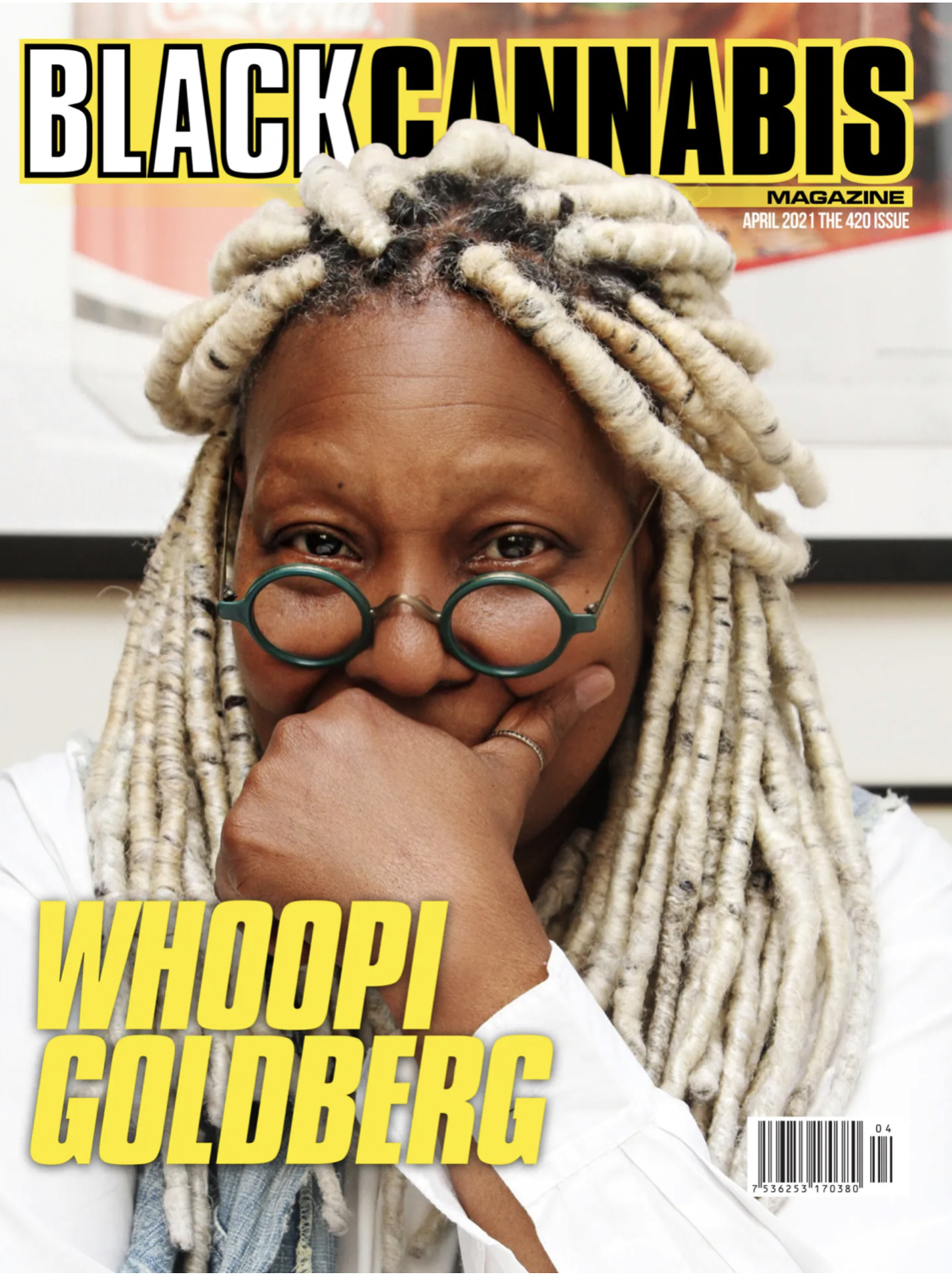
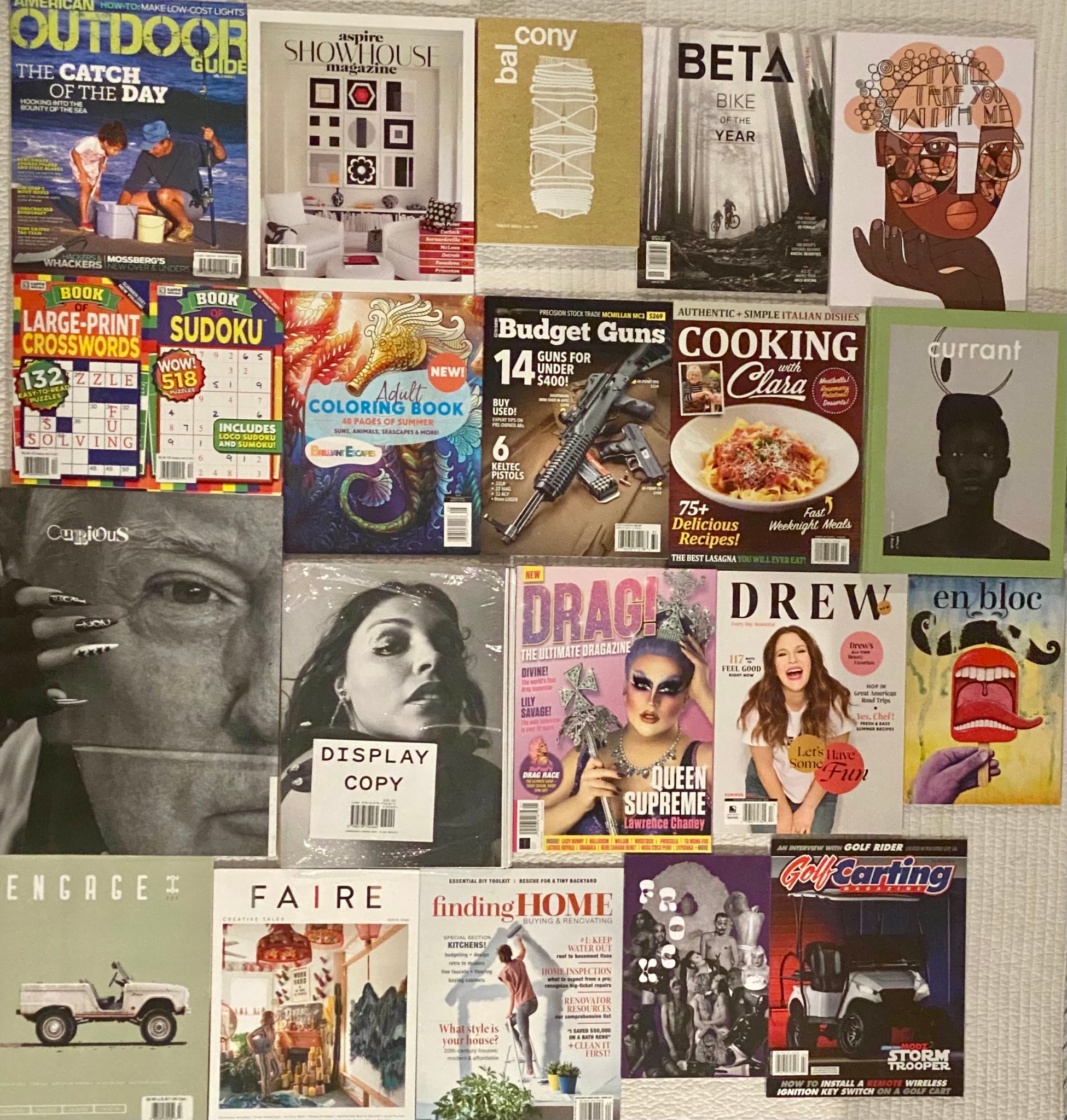
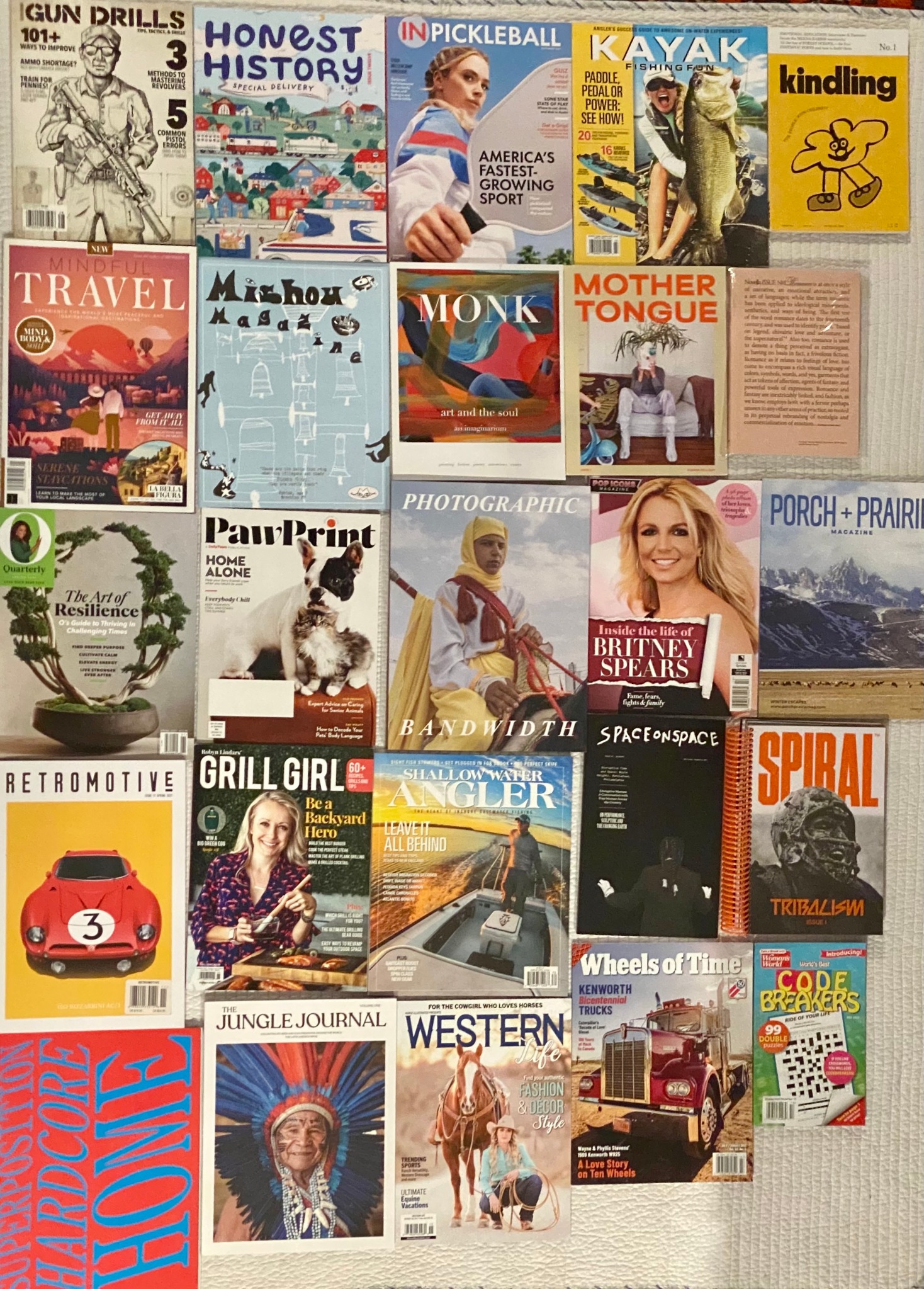
Black Cannabis magazine and 46 other new titles arrived to the nation’s newsstands during the months of April to September of 2021. The new arrivals join the 34 titles launched in the first quarter of 2021 bringing the total of new titles to 81 titles so far. The new magazines covered every conceivable subject from the indoors to the outdoors and beyond. In a climate that is filled with uncertainty, the new titles continue to pump new blood in a magazine media market that has seen so many changes in the last few years.
From Bauer’sDrew magazine to AIM’s Finding Home, there is no shortage of new ideas to reach customers searching for curated and edited content. From Kindling to Mother Tongue, from InPickleball to PawPrint, and from the $95 a copy (and worth every penny) Curious magazine from the newly established Curious Society, to the latest addition in bicycling magazines BETA… you name the subject and rest assured you are going to find a title or two (well make that three or four) that addresses that subject matter in a very engaging, entertaining, and authentic way like no other mass media can ever do.
So, here are the titles that yours truly was able to find in the last six months, some are brand new, some just made their arrival to the newsstands, and some arrived from overseas to our shores.
Keep in mind that in my book magazines are much more than content providers, they are experience makers.
So, take a look at the new experience makers below and please remember, if Mr. Magazine™ can’t physically hold, touch and purchase the magazine, it does not enter the monthly counts. And counts now include only the titles with a regular frequency that are either new, first-seen on Mr. Magazine’s™ radar, or arriving to the national newsstands for the first time.
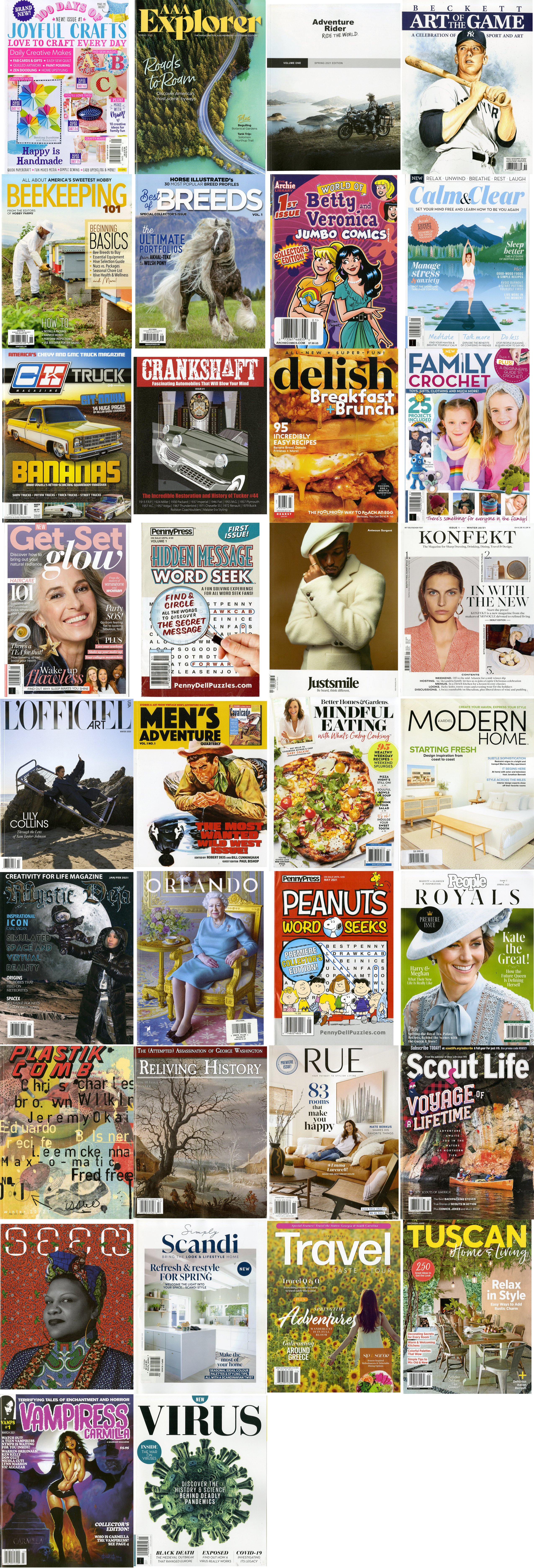
Whether you want to take a RoyalsRue or you want to Justsmile and be Seen, or take a Men’s Adventure or be an Adventure Rider with or without a Crankshaft, there is always room for Delish and there is a new magazine with all the aforementioned names that appeared on the nation’s newsstands in the first quarter of 2021. Indeed there were 34 new titles that were launched or relaunched in those first three months, and this number is more than half of the total number of 60 magazines that launched in 2020.
Boys’ Life; published since 1911, changed its name to Scout Life to pave the way for a gender-free community of scouts. And it’s a new name and a new look for AAA members as the print edition of its member publication is now known as AAA Explorer, giving the title a fresh look and a fresh new moniker.
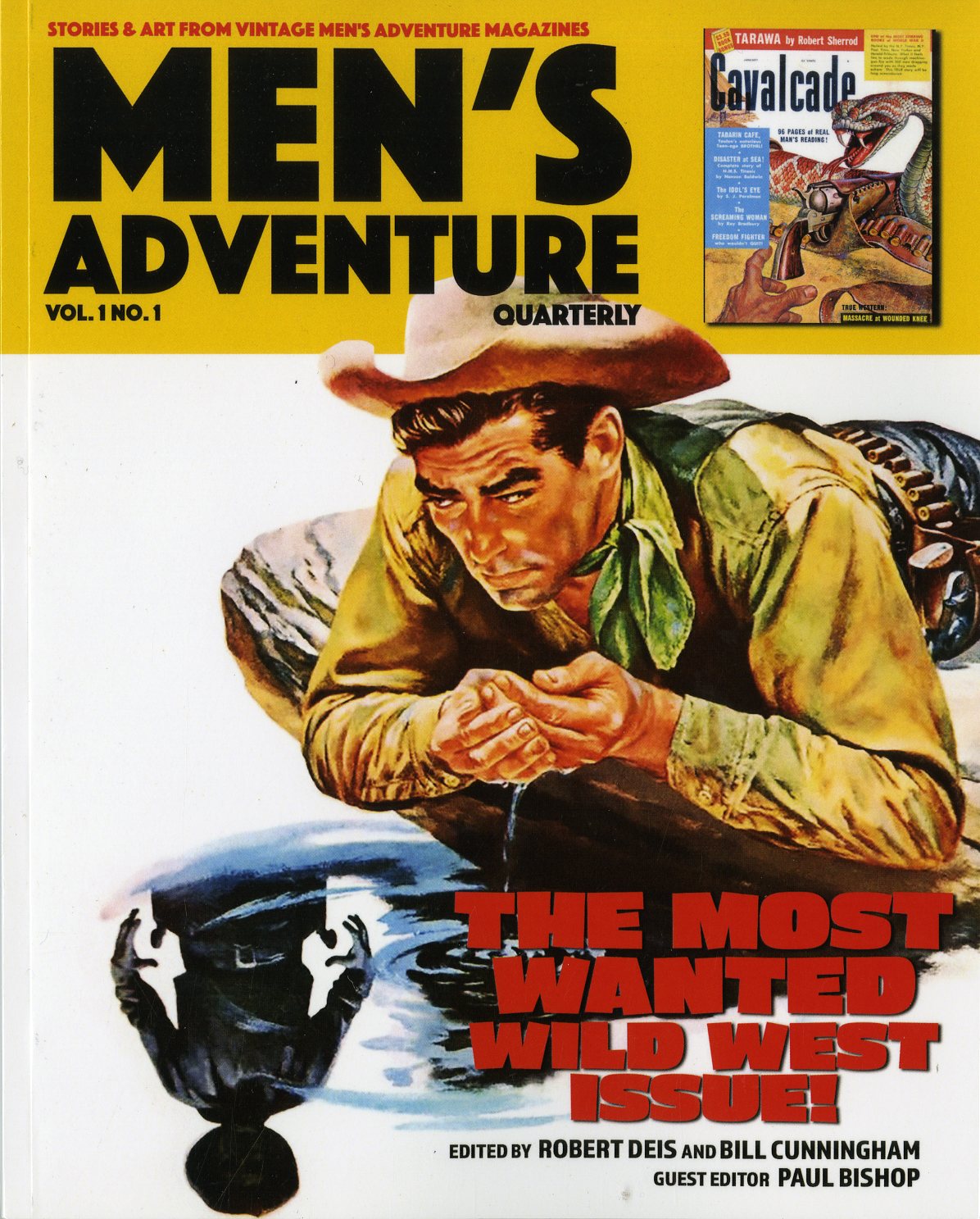
And if you remember the men’s adventure magazines of the 1950s, you’ll definitely want to order the first issue of Men’s Adventure Quarterly, a new print-on-demand magazine (when you order it, they send it) that features many of the exciting adventure stories born in the 1950s and 1960s. It’s a retro feeling old fans will love and new fans will quickly cultivate.
A successful digital-first brand from Hearst that has seen immeasurable growth with not only its website, but its printed bookazines and cookbooks, Delish.com is launching a quarterly print magazine. Delish in print will be sold at the newsstands, but will also be an integral part of the subscription model the brand has in place for its online footprint. Issue 1 features some delectable ideas for breakfast + brunch.
And with the world infatuated with the Royal family more so today than ever before, PEOPLE brings us a new quarterly magazine simply called Royals. It’s sure to satisfy the most enthusiastic of Royal lovers.
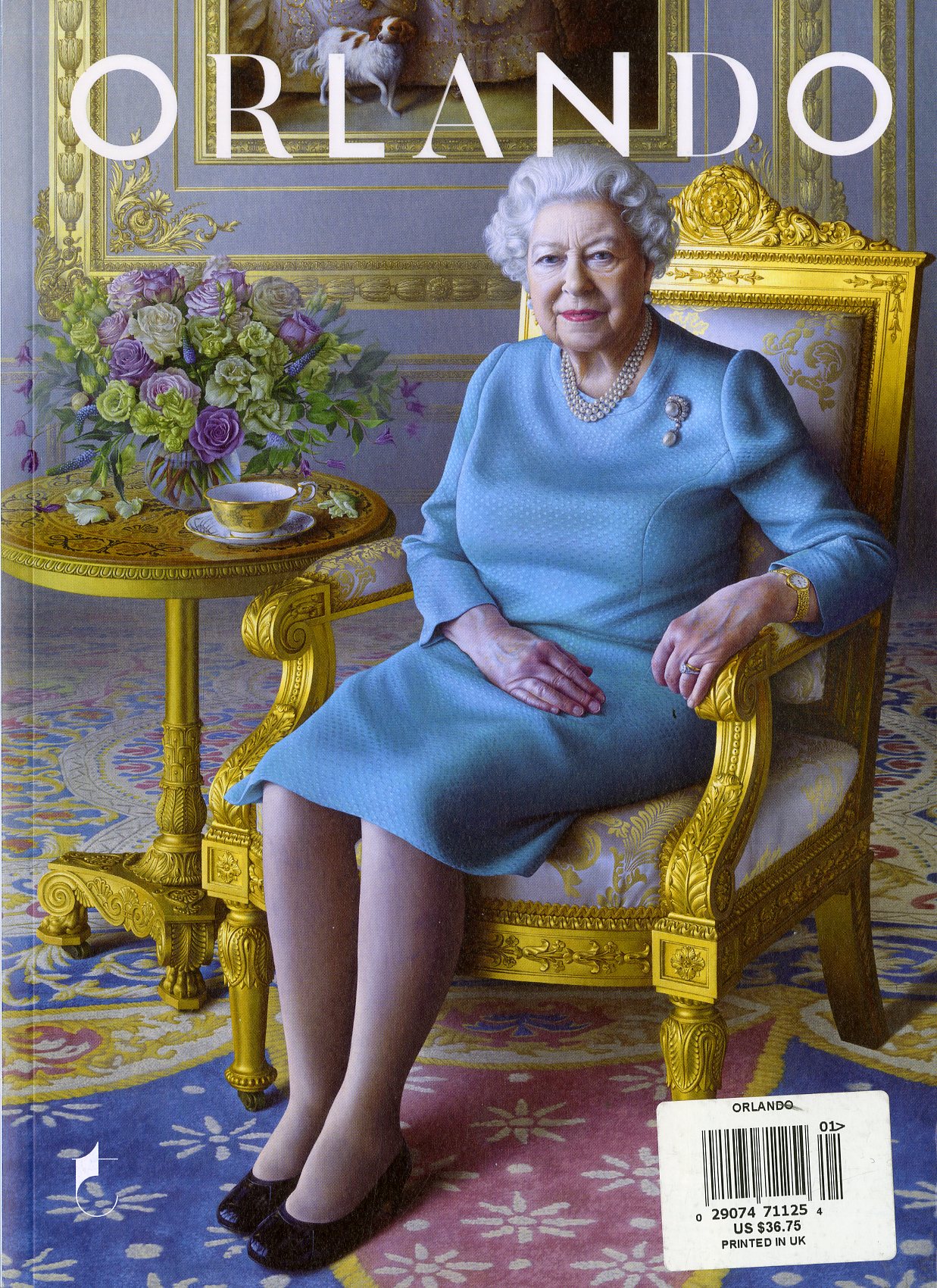
And there are a lot of global magazines that are reaching newsstands in America. Magazines created and appreciated in our neighboring countries across the pond that are now showing up here for us to enjoy, such as Konfekt. A sharp, elegant and well-turned-out new magazine from the creators of Monocle. It’s a quarterly publication covering fashion, travel, design, drinking, dining and culture in both English and German. And so is Orlando, not the city, but an international Italian magazine with Queen Elizabeth II gracing the cover of its first edition, and Simply Scandi setting the stage for a welcoming spring.
On the home front, Justsmile magazine is an independent cultural publication at the cross-section of fine art, fashion, ideas, self-expression, and inclusivity, according to its website. Mr. Magazine™ thinks it’s a sharp-looking new title that can be used as a tool for expressing ideas and dialogues. Created for everyone, Justsmile aims to shine a light on honest examples of inclusivity and diversity, providing a collaborative platform for Black and people of color voices to explore their work.
So, without any further delay, here are the covers of the 34 new titles launched in the first three months of 2021.
***And please remember, if Mr. Magazine™ can’t physically hold, touch and purchase the magazine, it does not enter the monthly counts. And counts now include only the titles with a regular frequency that are either new, first-seen on Mr. Magazine’s™ radar, or arriving to the national newsstands for the first time.
“As great as social media is and as great as having a digital magazine is, it still doesn’t feel like a total representation until you have something in print. Something you can have on your kitchen table or your coffee table and say this is what I read. And that’s missing when you have it only in digital.” Patricia DeLuca…
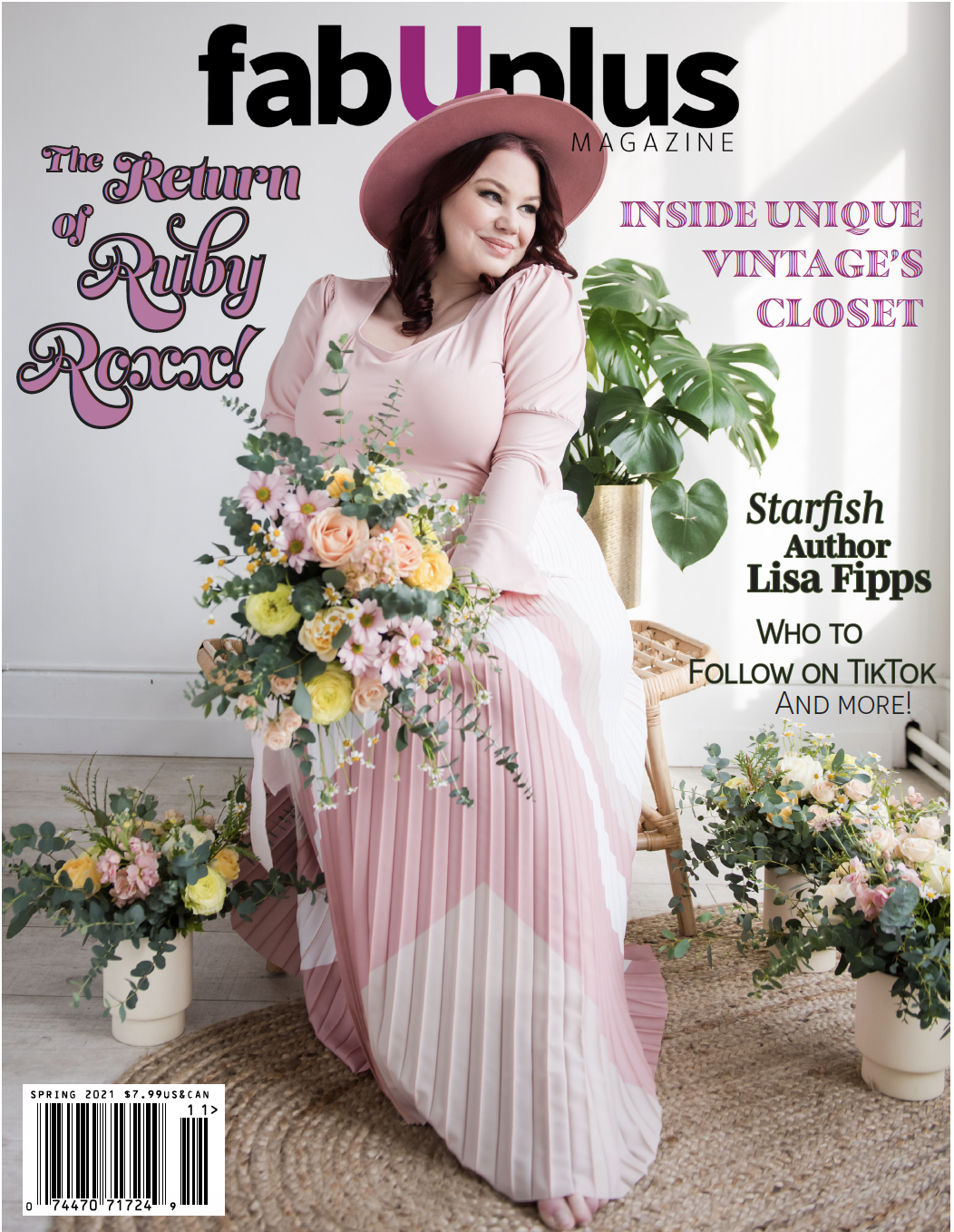
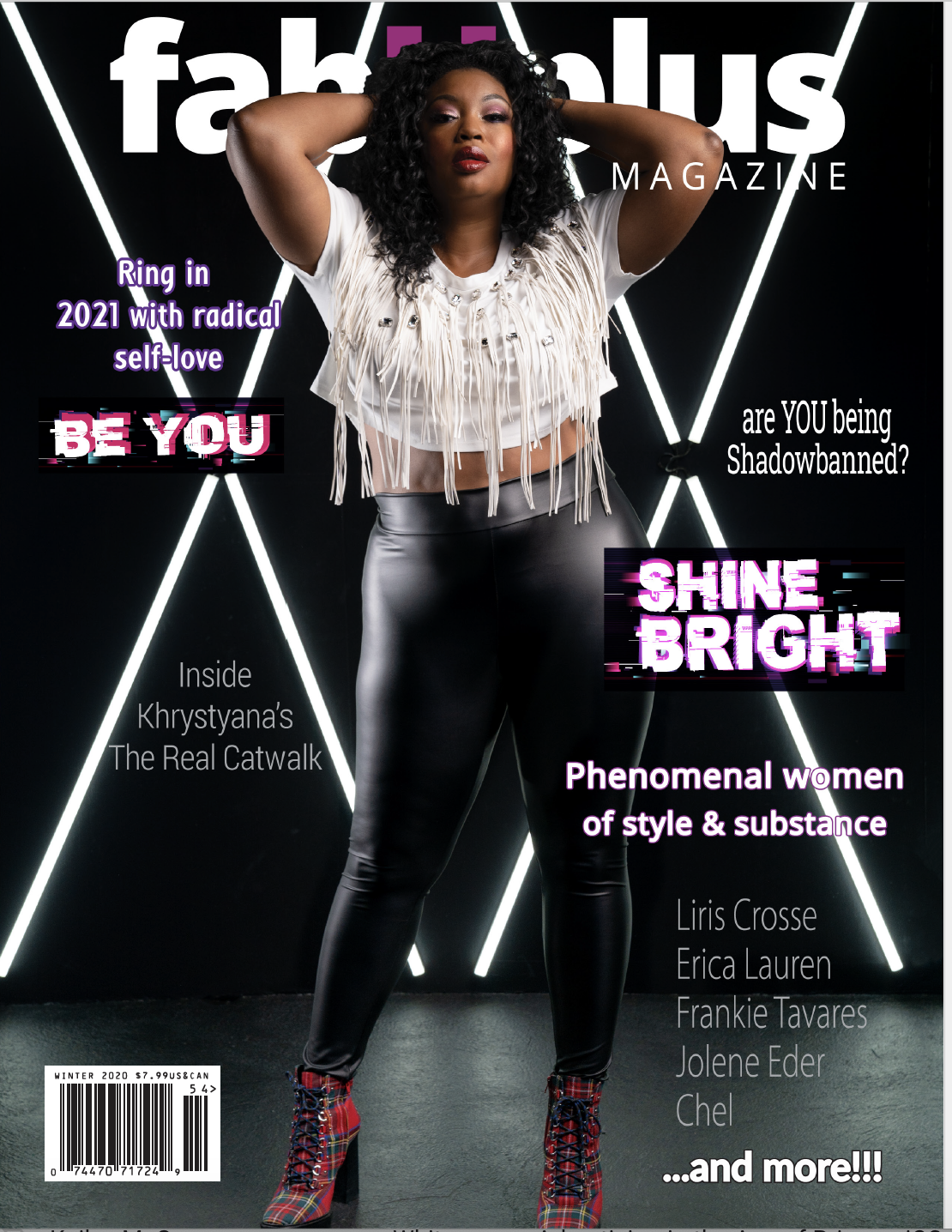
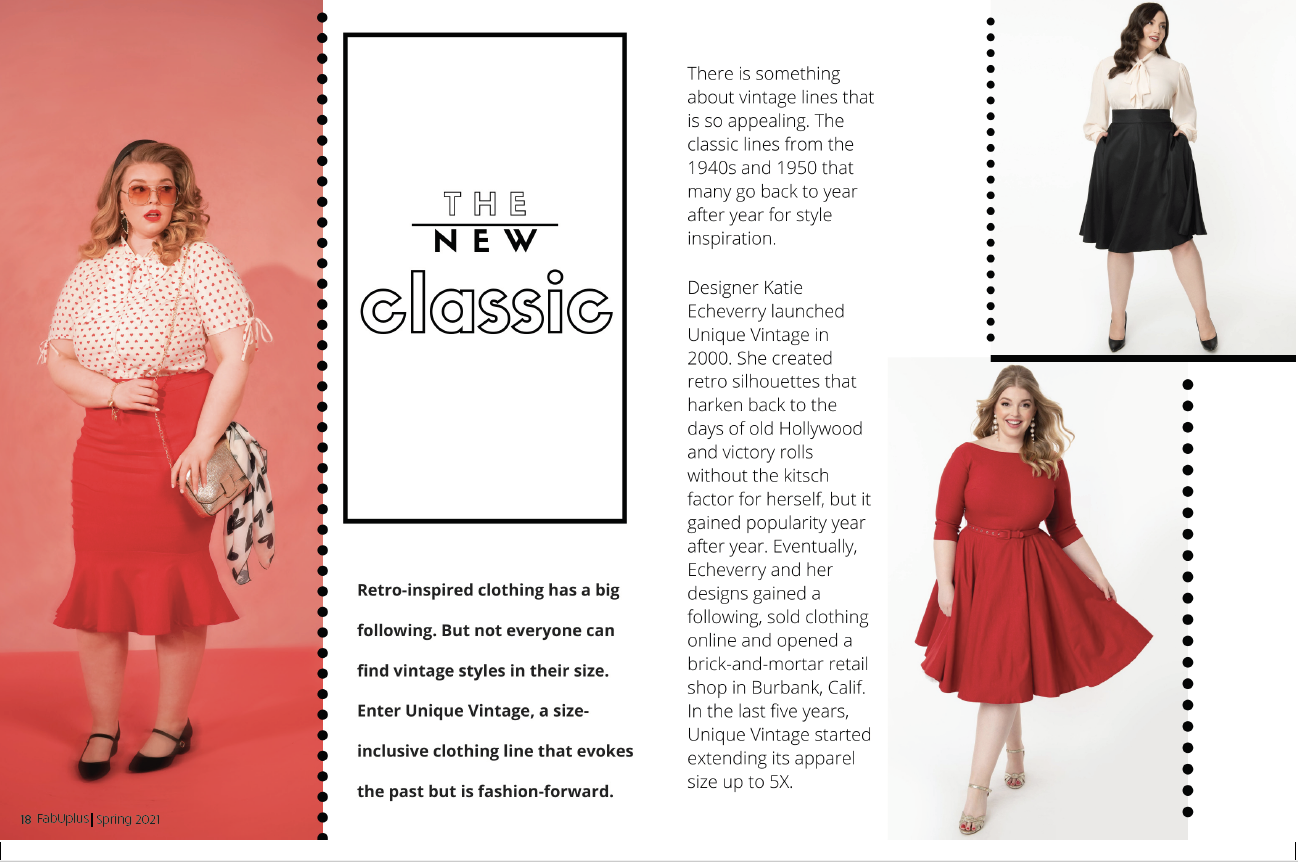
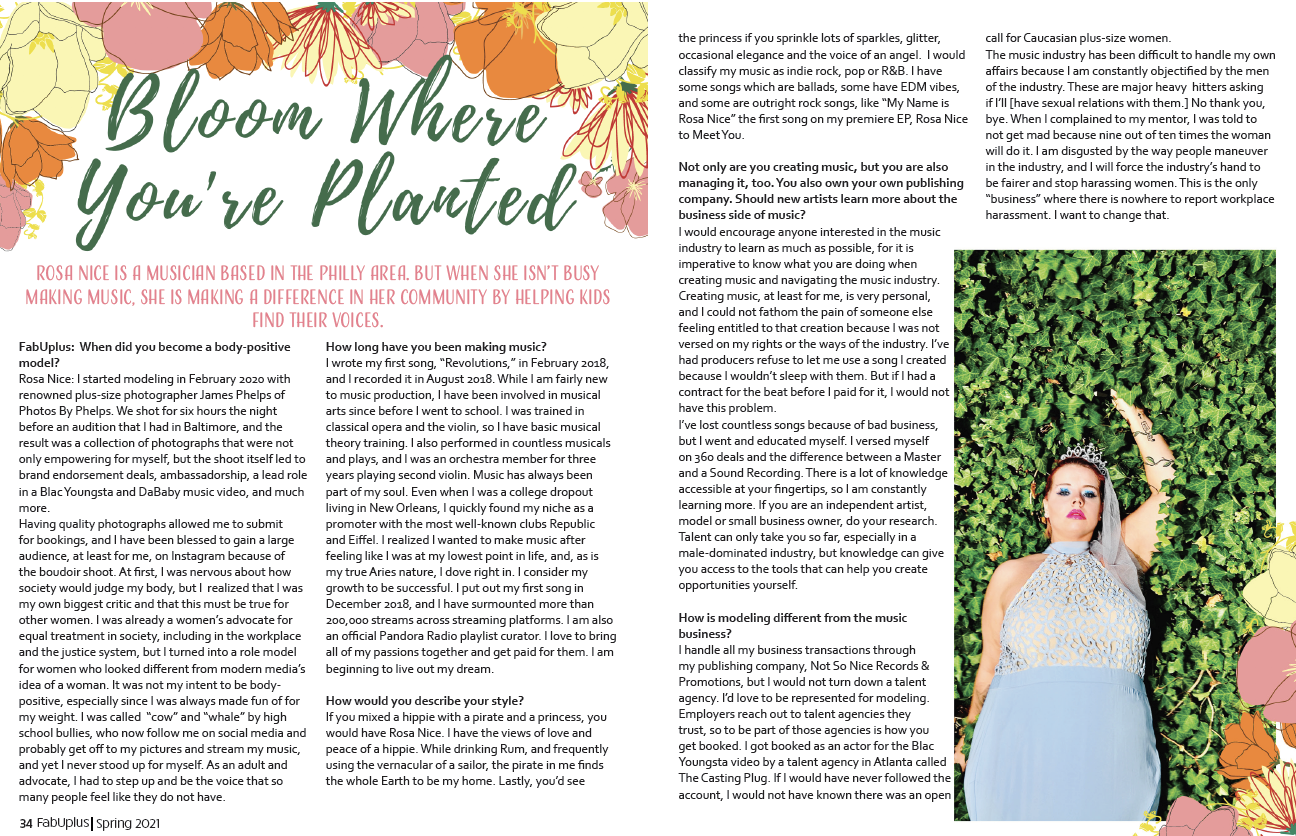
Body positivity for all sizes, that is the mission for FabUplus magazine. FabUplus is a health, fitness and lifestyle magazine dedicated to women with curves. The brand went on an 18-month hiatus and is now back in print with a fresh new relaunch. According to editorial director, Patricia DeLuca, the brand’s goal is to empower, encourage and inspire women to maintain a healthy lifestyle no matter what their size.
I spoke with Patricia recently and we talked about the brand’s strong belief that size does not define one’s health and fitness level. Patricia stressed that FabUplus celebrates a woman’s inner curves and the unique editorial content relates to the plus-sized community, engaging and informing women to be fit, healthy and curvy at the same time. Patricia said watch for the Spring 2021 issue, which is scheduled to hit newsstands this week.
Mr. Magazine™ will definitely be watching for it.
And now please enjoy the Mr. Magazine™ interview with Patricia DeLuca, editorial director, FabUplus.
But first the sound-bites:
On publishing during a pandemic: I’m still asking myself that question. How did we get through this? The decision to relaunch FabUplus happened sometime in early 2020. And it was the publisher, Christopher Salute, who really persevered. He felt there was a need for FabUplus to return to print, and I agreed with him. It was doing okay digitally, but there was a need there. There are plenty of publications that are doing well digitally, but there’s still something about grabbing a magazine and feeling it in your hands.
On the magazine’s competitive set today: There are other magazines out there; Maddie Jones with Plus magazine, she’s been doing this for a really long time and she brings fashion and glamour, all that to the shoot, and we want that as well, but we also want to represent different types of beauty. There’s beauty in strength and we want to focus on wellness and fitness. There are women who go to the gym for their mental health, not just to fit into a size smaller.
On challenges she might face with FabUplus: I see two challenges. One is with advertisers. I don’t know how comfortable some advertisers will feel about working with a company that’s very body positive. We do represent women of all shapes. There are some companies that like the idea of body positivity, but then if someone is above a size 24, they may say whoa, we don’t know about that. So, I’m hoping we can work with companies and advertisers that walk the walk and will support a brand that supports body positivity in every size.
On relaunching with a print component: As great as social media is and as great as having a digital magazine is, it still doesn’t feel like a total representation until you have something in print. Something you can have on your kitchen table or your coffee table and say this is what I read. And that’s missing when you have it only in digital.
On any chance they’ll increase the frequency from just quarterly: For right now, it’s quarterly. We’ll see how it goes. We still need to build our following. We had a strong following back when FabUplus was still in print, and when they took the hiatus, the brand definitely felt it. But when we returned, we got a welcoming return, people were glad to see us back on the newsstands. But I also think we need to re-earn our followers’ trust again, to show them we’re not going away again, that we’re here to stay.
On anything she’d like to add: I would like to thank our supporters for making FabUplus a part of their everyday lives. We hear them online and we definitely heard them when we were in print. We’ll keep championing body positivity as long as people want to see it. And we feel like this is something that is here to stay.
On what makes her tick and click: I feel like I always have to search for the new thing; what’s going on. Part of my every day checklist is going onto social media and seeing what’s new and in the news, which may not be the healthiest thing, but it’s something I’ve always done, whether it’s been a newspaper, magazine, or online. It’s what is happening and how can my experience help my community.
On whether she enjoys the business side or the editorial side better: I knew editorial was a part of the pie chart, but placement was very valuable too. And I learned so much about publishing as a whole by doing the field rep job. I knew when we had great issues and people were really proud of it, but sometimes they didn’t sell. And maybe it just wasn’t a strong cover or something. You could have all of this great content inside, but if the cover wasn’t compelling, it wouldn’t sell.
On how she unwinds at the end of the day: I have a dog, so I make sure he’s taken care of. Since I’ve been working from home, he’s been by my side and I think there will be real separation anxiety if we ever do return to the office. (Laughs) I spend time with my dog and our gym just reopened in our local neighborhood, so I go there, but there’s only five people or so there and we’re all spread out.
On what keeps her up at night: It’s always going to be deadlines. Even with my day job at License Global. We recently had a relatively smooth deadline and then I thought instantly about the next one. Once the deadline is done, then there is that in-between time, leaving the printer and going to the printer, and once it’s on stands, there’s that space or that timing where I’m thinking, did we get it right; did it look good; are we going to hear back from this person; is it going to sell.
And now the lightly edited Mr. Magazine™ interview with Patricia DeLuca, editorial director, FabUplus.
Samir Husni: You’ve been in publishing for quite some time now, from your days at Time Out New York to today and FabUplus. How have you handled publishing during a pandemic?
Patricia DeLuca: I’m still asking myself that question. How did we get through this? The decision to relaunch FabUplus happened sometime in early 2020. And it was the publisher, Christopher Salute, who really persevered. He felt there was a need for FabUplus to return to print, and I agreed with him. It was doing okay digitally, but there was a need there. There are plenty of publications that are doing well digitally, but there’s still something about grabbing a magazine and feeling it in your hands.
With the relaunch, Christopher also wanted to make sure that it came back very strong and to do that we needed some help. So we relied on other people who were in print publishing as well. We had a guest editor for the relaunch, Renee Cafaro, who is the U.S. editor of a plus size magazine called Slink. She was very generous with her time and her connections as well to help us relaunch with the Winter issue.
And we did shoots during a pandemic. One shoot was a classic shoot; it wasn’t through an iPad or an iPhone; we had people onset. Everyone that was there complied with the CDC guidelines, so it was a very closed set.
Despite all that, I don’t think anyone would have known we were at limited resources because of COVID, but I thought it was a very successful issue. The cover looked great. And this was something that everyone truly believed needed to be done in the market.
Samir Husni: You’ve been involved with other launches, such as King and Rides Magazines for Harris Publications, who at one time also published a plus size magazine called Mode. Who would you consider your competitive set today?
Patricia DeLuca: I think Mode was very ahead of its time. The photo shoots were gorgeous; the clothing was all high-end at a time when most women were still trying to find where to buy clothing for themselves. One of the articles I wrote for Time Out New York was about where to find plus size fashion in New York City because people who visit are from everywhere but New York and chances are they’re not a size six, so where do you go if you need something?
And King magazine was really championing a beauty that wasn’t recognized as well with Black women. And the body types that weren’t being represented in other men’s magazines like Maxim and FHM. And it was great to work on the magazine.
There’s a real need. There’s a lot of talk about body positivity and how everybody should be addressing it, but there isn’t really one particular brand that’s going to represent it and represent it well. And not do it for lip service or maybe they’re feeling pressure from advertisers or somewhere else higher up. This is something we’ve all lived with. There are different levels of privilege; there’s body privilege. There are people who have had doors opened for them because of how their body looks. And I can speak from experience about that. I’ve been fatter; I’ve been thinner and I’ve seen those differences.
I think with FabUplus coming back to the market, it’s a return to that representation. That yes, there’s all this glad talk about body positivity and about having representation; other magazines get big pops when they feature somebody not classically suited for their magazine. But there isn’t one magazine that shows different body types on the regular and I think FabUplus fits in.
There are other magazines out there; Maddie Jones with Plus magazine, she’s been doing this for a really long time and she brings fashion and glamour, all that to the shoot, and we want that as well, but we also want to represent different types of beauty. There’s beauty in strength and we want to focus on wellness and fitness. There are women who go to the gym for their mental health, not just to fit into a size smaller. So, we want to focus on that. And we really want to be inclusive and we’re hoping down the line that FabUplus becomes more and more inclusive.
Samir Husni: What do you think will be your biggest challenge with FabUplus?
Patricia DeLuca: I see two challenges. One is with advertisers. I don’t know how comfortable some advertisers will feel about working with a company that’s very body positive. We do represent women of all shapes. There are some companies that like the idea of body positivity, but then if someone is above a size 24, they may say whoa, we don’t know about that. So, I’m hoping we can work with companies and advertisers that walk the walk and will support a brand that supports body positivity in every size.
And then also the plus sized community. It’s been very supportive, but like every community there is always gatekeepers, and whenever we do something wrong we will hear about it through social media. We’re under the umbrella of Bold Holdings, so there’s FabUplus, Bold Magazine, which is more of a literary publication, and then Strutter, which is a little more pop culture. So we’re three brands that really don’t fit into what the plus sized community is right now, which is very strong on influencers and very strong on fashion. We want to bring in all the other things that encompass plus size life and culture.
And I’m editorial director for all three, but I’ve been working with FabUplus more as editor in chief because there was more of a need, since we’re in print and I have print experience. We were trying to not only relaunch, but also slowly rebrand the issue because we need to freshen up the layouts and that’s not an overnight thing. It’s going to take some time. We’re currently working on our summer issue and there will be some tweaks to that as well. Hopefully by year’s end we’ll have a solid look that’s true to our brand.
Samir Husni: Why did the brand feel it was important to come back in print?
Patricia DeLuca: As great as social media is and as great as having a digital magazine is, it still doesn’t feel like a total representation until you have something in print. Something you can have on your kitchen table or your coffee table and say this is what I read. And that’s missing when you have it only in digital.
And there’s something very private about digital as well, everything is on your phone or on your laptop, so you have this community that’s very small. But with print, it feels more stable. There’s this feeling of realness when you get a print edition of something. It feels very official. And to invest in printing and design, all these elements that come together to make a print magazine, it feels like that movement is very real. And it’s not just a hashtag. Hashtags do have power, we’ve seen it, but this leap from the screen onto the page is not a backward move at all. There will be a digital and social presence, but we felt it was really important to have that print aspect too. We want to be more than something that just lives on your screen, we want to be part of your everyday life in real life. We’re a quarterly magazine and we want to be on your tables for a long while.
Samir Husni: Any chance you’ll increase the frequency?
Patricia DeLuca: For right now, it’s quarterly. We’ll see how it goes. We still need to build our following. We had a strong following back when FabUplus was still in print, and when they took the hiatus, the brand definitely felt it. But when we returned, we got a welcoming return, people were glad to see us back on the newsstands. But I also think we need to re-earn our followers’ trust again, to show them we’re not going away again, that we’re here to stay.
Samir Husni: Is there anything you’d like to add?
Patricia DeLuca: I would like to thank our supporters for making FabUplus a part of their everyday lives. We hear them online and we definitely heard them when we were in print. We’ll keep championing body positivity as long as people want to see it. And we feel like this is something that is here to stay.
Samir Husni: What makes you tick and click and motivates you to get out of bed in the mornings?
Patricia DeLuca: I feel like I always have to search for the new thing; what’s going on. Part of my every day checklist is going onto social media and seeing what’s new and in the news, which may not be the healthiest thing, but it’s something I’ve always done, whether it’s been a newspaper, magazine, or online. It’s what is happening and how can my experience help my community. Whether my community is within my household or a circle of friends or my work team. So I guess it’s service, in one way or another. What’s happening and how can I help.
Samir Husni: You’ve been on both sides, business and editorial. Which side do you enjoy more?
Patricia DeLuca: If you would have asked me that when I first started out, I would have said editorial. When I was a field rep at Time Out New York, I had a lot of outdoor time; I was outdoors for half the day, making sure the magazine had great positioning, the posters we used to print had prime placement.
And talk about a gradual change, I would go to newsstand reps and at first no one wanted anything to do with Time Out, I was a pest asking how many copies they sold. And then weeks later, they would ask me if I had another poster, and in a weird way, working in circulation, I knew when a magazine was going to do well because I knew when the newsstand owners would ask me for more posters to get more copies, I would be the liaison between our circulation team and them But when random people would ask me about the magazine, I knew it was popular.
I knew editorial was a part of the pie chart, but placement was very valuable too. And I learned so much about publishing as a whole by doing the field rep job. I knew when we had great issues and people were really proud of it, but sometimes they didn’t sell. And maybe it just wasn’t a strong cover or something. You could have all of this great content inside, but if the cover wasn’t compelling, it wouldn’t sell. I will always champion the editorial, but I learned a lot working in circulation.
Samir Husni: How do you unwind at the end of the day?
Patricia DeLuca: I have a dog, so I make sure he’s taken care of. Since I’ve been working from home, he’s been by my side and I think there will be real separation anxiety if we ever do return to the office. (Laughs) I spend time with my dog and our gym just reopened in our local neighborhood, so I go there, but there’s only five people or so there and we’re all spread out.
Going back to what I said about the community of FabUplus readers who go to the gym for mental health and clarity, that’s why I go too, because at the end of the day I just need an hour to not think about deadlines and layouts, all the things that tend to take up space in my mind.
And then just catching up with friends and family. I’m on my phone constantly, because if it’s not through social media, I’m on the phone. Once I get away from my screen, I try to have some Facetime with real people.
And I’m here with my parents as well, so I’m checking in with them constantly to make sure they’re okay. Some of my spare time recently, between my day job, which is with License Global, when I had down time, it was looking for a place for my parents to be vaccinated. It’s tough to get appointments.
And I do enjoy picking out magazines; I pick up a magazine to read it because I enjoy it. I truly love magazines. There is something about magazines that has always intrigued me. And I try to hold off on the glass of wine until the weekend.(Laughs)
Samir Husni: My typical last question; what keeps you up at night?
Patricia DeLuca: It’s always going to be deadlines. Even with my day job at License Global. We recently had a relatively smooth deadline and then I thought instantly about the next one. Once the deadline is done, then there is that in-between time, leaving the printer and going to the printer, and once it’s on stands, there’s that space or that timing where I’m thinking, did we get it right; did it look good; are we going to hear back from this person; is it going to sell.
I’m thinking about that right now with FabUplus because it’s being shipped to Barnes & Noble and my thing is will it have good placement. I know the last issue did. But will we continue to have that? And how do we keep this going? And while it may keep me up at night, it is something that I’m enjoying.






 Mr. Magazine