Archive for the ‘New Launches’ Category

h1

Celebrating the new blood of the magazine industry: 25 Notable New Magazines from the last 25 Years

June 28, 2010

New magazines are the new blood that runs through the veins and arteries of our industry. They are what gives our industry the constant pulse that keeps the industry well, alive and kicking. In celebration of my 25th anniversary of Samir Husni’s Guide to New Magazine I revealed earlier today, at the Retail Marketplace Conference that is hosted by the Magazine Publishers of American and the Periodical & Book Association of America in Boston, Ma, the names of 25 notable new magazines published for the first time between 1985 and 2010.

What follows is an adaptation of my presentation at the conference and the list of the 25 notable new magazines of the last 25 years.

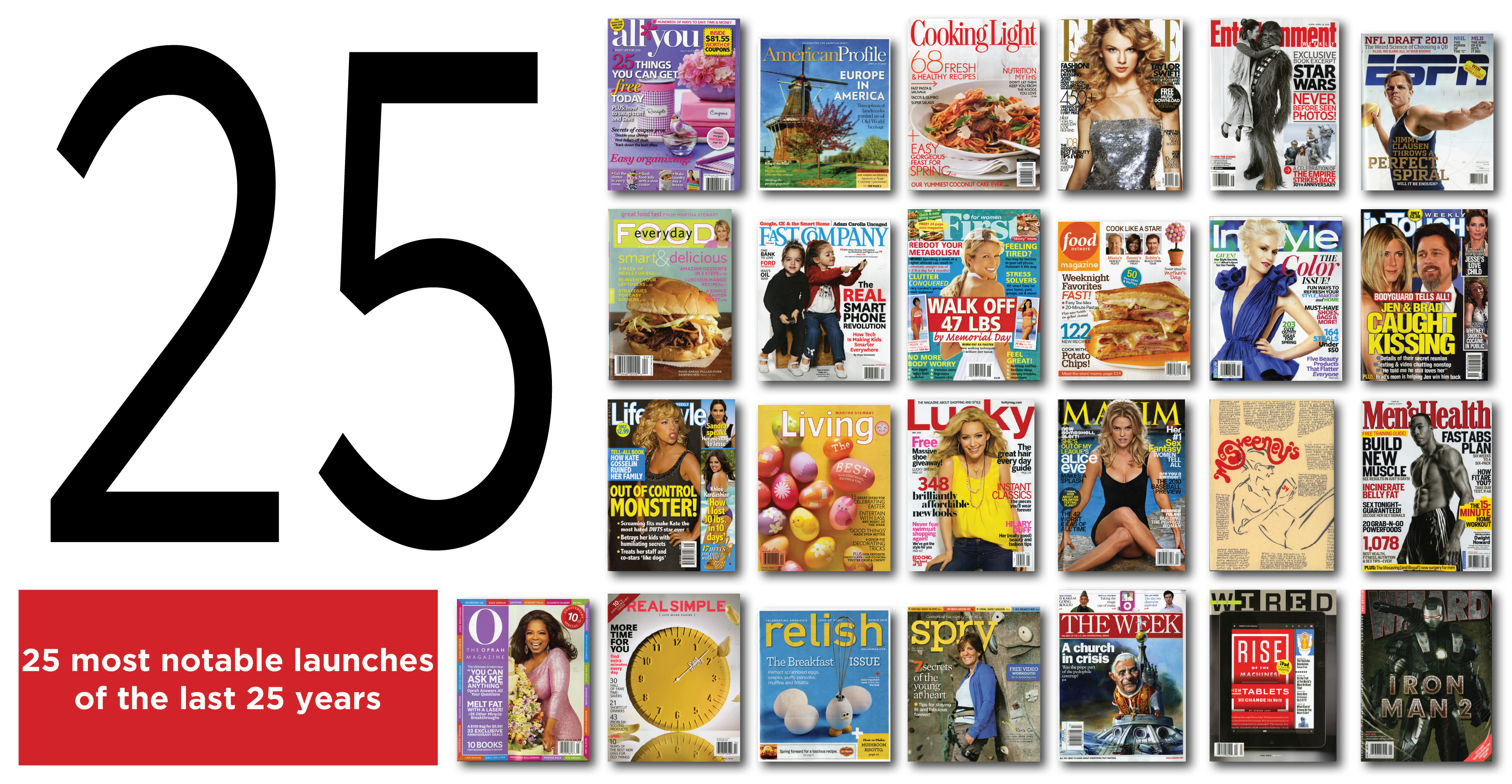
25 Notable Magazine Launches from the last 25 Years

Over 25 years I have counted, collected, coded and consulted thousands of magazines. There have been good years, bad years, strange years and frustrating years; but every year has been an enjoyable year. When I started, there were people telling us that magazines were dying, that television was choking their life away. There were folks saying print was dead, and that I hadn’t yet caught on to changing trends.

The following list 25 notable magazines from the last 25 years is dedicated to those individuals who have been saying we are publishing in vain and that magazines are a soon-to-be-extinct medium. They were wrong 25 years ago, and they are still wrong and you will continue to be wrong. To paraphrase Roy Reiman’s famous advice for those who want to start a new magazine, the magazines in this list know how to be different and know how to be better.

The options were endless. A lot of magazines had a great run for years and then changed ownership and with that their days of glory faded. Some were ground breakers, but the copy cats came along and outsmarted and outperformed them. Some continued to be true to their DNA from day one and thus rose to the top of the pile..

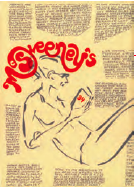
Magazines like McSweeney’s show that the magazine buyers in America are hungry for unique, quality products. You won’t find a more innovative magazine on the newsstands or a more devoted readership. But aside from uniqueness, all of these magazines share three common characteristics: recognition, repetition and addiction.

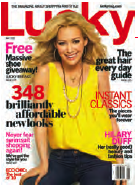
Magazines like Lucky and Spry recognize who their audiences are and can better address their needs, wants and desires. This recognition is paramount because no magazine can be successful when it doesn’t know who its audience is. All magazine audiences want a level or repetition. They are not looking for the same story issue after issue, but read over the cover lines of Men’s Health for the last year. Men’s Health will always talk about better sex and better abs. This doesn’t make the magazine boring, it helps readers know what to expect at the newsstands. Repetition is all about developing a formula that matches up readers with content and sticking with what works. By sticking with that formula, these magazines have built addictive content. Just like Wizard magazine has done, once readers are addicted to the product you are producing, you have an audience that no economic downturn or increase in paper prices can destroy.

This list has magazines that have shown this is the medium that understands the American people, focuses on the positives in life and seeks to provide service to millions of readers every issue. No other medium can make those claims, and no other medium is as trusted, loved and celebrated as the magazine medium is. Even with such new inventions as the iPad, nothing can take the place of my first love.

Choosing the most notables of the last quarter century was not an easy task. However, when all was reviewed and checked 25 magazines climbed to the top of the thousands plus ladder. They are listed by historical order and they have three things in common: They all are still being published; they all stayed true to their DNA; and they all cared from day one about the customers who count and not counting customers. Readers were the customers of those magazines and this list shows you why.

1985 Elle
As a small magazine that challenged the fashion big wigs, Elle soon became the centerpiece of the fashion publishing world. The first import from France whish now shares a brand with 42 other international siblings. It dared to sell an idea rather than a business plan and the dare worked.

1986 Men’s Health
When you come up with a formula that works, stick with it. That’s what Men’s Health has done for years and it still draws in millions of readers every month.

1987 Cooking Light
If you ever question the viability of print, just take a look at Cooking Light. This magazine hasn’t stopped growing in circulation and advertising since it hit the newsstands almost 25 years ago.

1989 First for Women
Not all business models are created equal. By distributing in shopping carts and not requiring retailers to return cover price revenue for sold magazines, Bauer carved out a section of the magazine industry all for themselves.

1990 Entertainment Weekly
Despite a slow start, Entertainment Weekly is now the source for all things entertaining. Over the last 20 years, this example of success has followed pop culture and given us great writing and photography.

1990 Martha Stewart Living
Martha Stewart Living shows how powerful print can be in branding not just a category of interest but also an individual. As an offshoot of her television show, MSL defined home and home Service magazines.

1992 Wizard
Wizard makes you wonder if anyone over there could see into the future. Since before comics were a pop culture craze, Wizard has been dishing out all the information about anything and everything comic related.

1993 Fast Company
Fast Company proves that the good survives. With its launch before the dot com bust of the 90s, Fast Company has earned its keep by showing that no matter the economy, good content can sell.

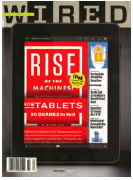
1993 Wired
Wired understands that all things electronic and innovative are a lifestyle–or to be more exact—an obsession for some people. Just like the technology in its pages, there aren’t very many magazines in this category that have survived the test of time, but
Wired has and it is growing.

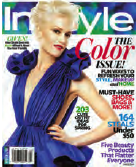
1994 InStyle
Success breeds success they say, and InStyle is a great example. With its start in the pages of People magazine, InStyle has grown into the source for celebrity-obsessed
Americans. The first magazine to humanize celebrities and show them shoeless in its pages.

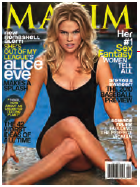
1997 Maxim
Maxim proves there is no such thing as a dumb idea. Despite everyone saying it would never work, Felix Dennis launched Maxim and was soon the owner of a 1 million plus circulation title.

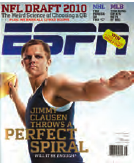
1998 ESPN
As a magazine that was multiplatform before multi-platform was even a term, ESPN the Magazine proved that great writing and photography can allow you to challenge anyone, even the biggest sports magazine on the market.

1998 Timothy McSweeney’s Quarterly Concerns
McSweeney’s is based on innovation from frustration. After roadblocks concerning the current business model, Dave Eggers launched McSweeney’s. There is no denying that this magazine is quite possibly the definition of innovation.

2000 American Profile
Knowing your audience and providing them with great content will always be a successful formula. The Publishing Group of America took this advice to heart and is still benefiting from this 2000 launch.

2000 Lucky
Luck had nothing to do with the success of this title all about shopping. By taking a successful trend overseas and adapting it to the American market, Lucky magazine transformed a common activity and made a successful business

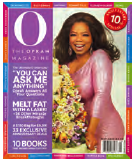
2000 O, the Oprah Magazine
What can you say about Oprah’s magazine? It’s a great extension of an individual who has proven she knows how to market herself and package her brand

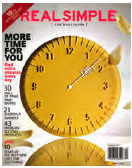
2000 Real Simple
On a newsstand dominated by women’s magazines full of sex, celebrities and chocolate,
Real Simple proved these weren’t necessary for a good launch. Millions of readers and advertisers agree each month.

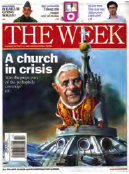
2001 The Week
The Week is the curator of the best journalism money can buy and the publication that makes even the most ignorant aware of what is going on in the world. It also personifies the Mr. Magazine tagline of more information in less time and less space.

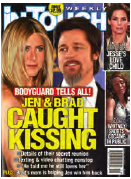
2002 InTouch Weekly
The fast and fun content of InTouch Weekly is perfectly in line with the expectations of the 800,000 weekly readers of this celebrity title. It proves again that knowing your reader is still key to a successful magazine.

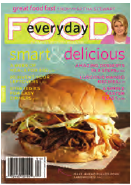
2003 Everyday Food
Everyday Food is the little engine that could of the newsstands. No one thought that Martha Stewart could launch a successful title after her court troubles, but this title showed that Martha still knows this category front to back.

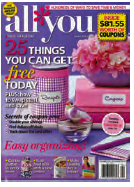
2004 All You
As a great partnership between the country’s largest retailer and one of the country’s largest magazine companies, All You shows that it doesn’t have to be difficult to find customers where they are.

2004 Life & Style Weekly
As another magazine that traces its roots back to its sister InTouch magazine, Life & Style Weekly proves that the successful apple doesn’t fall far from the tree.
It’s a spin-off, but it lacks none of the quality of the original.

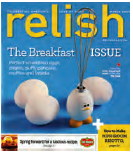
2006 Relish
Circulation of 6 million is a great goal, especially when it’s the initial circulation at launch. But that 6 million is nothing now that you see Relish has a circulation around 15 million.

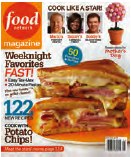
2008 Food Network Magazine
When asked what would make their experience better, hundreds of thousands of Food Network viewers said they wanted a magazine. Now with a circulation of 1.4 million,
Food Network is skyrocketing on the newsstands and mailboxes.

2008 Spry
As a newspaper supplement focusing on health and well-being, Spry quickly found its niche and carves out a spot among its 9 million readers. This is a great addition to America’s hurting newspapers. Maybe the Spry visit will be what the doctor’s prescribed for a healthy newspaper.

I would love to read your comments on the aforementioned selections and which magazine do you think deserves to be THE MOST NOTABLE LAUNCH of the last 25 years. Enjoy.

h1

It is NOT an Odd thing for students to be publishing a PRINT magazine

June 23, 2010

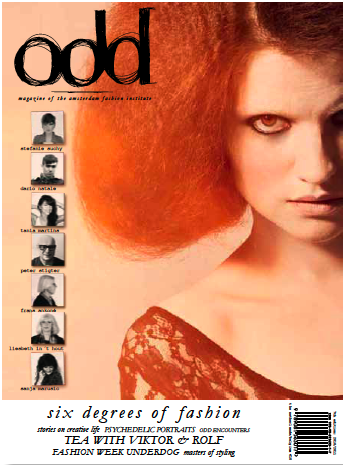
In less than six days the newsstands in Amsterdam, The Netherlands, will welcome the newest magazine launch of the year: Odd magazine. The magazine is being published by the the students of the Amsterdam Fashion Institute who have a magazine minor. With a tag line “six degrees of fashion” the students have been able to create an almost 200 pages of stunning photography, typography and one heck of a visual impact of print.

Prior to the launch, the students are utilizing digital and the web to promote and support the launch of the printed first issue. On their website thisisodd.com the magazine is using all the electronic tricks to pump up the support and buzz for the printed magazine. A hide and seek ticket hunt for the launch part is in progress. Seven tickets have been hidden in the center of Amsterdam and readers have been asked to follow the clues on Facebook and Twitter to find the invitation tickets to come to the party.

A press kit has been sent to the media world to help promote the magazine and the event. A countdown timer on the website register the days, hours, minutes and seconds before the magazine reaches the newsstands. I had the chance to take a peek at the first issue and I must say that this independent student magazine is nothing but a great testimony of the efforts and experience of what only a printed magazine can provide and a permanent record of the experience the students’ work and what they had to go through in creating the magazine. Odd is a realistic non-virtual keepsake that they can call their own.

Holding Odd in their hands and flipping the pages one after the other is indeed not an odd thing. It is real and they know it and are very proud of it. If students who are minoring in magazine studies can do that, dare I ask what would they have done if they were majoring in magazine studies.

Needless to say, I can’t wait to see the magazine hit the shelves and read about the rest of the folks reaction to this beautiful Odd thing. As for me, I am sending a very hearty congratulations to each and every member of the team at the Amsterdam Fashion Institute. A job very well done, in print, on the web and all of the social networks. You are anything but Odd. And, by the way, I do agree with y’all, “it is an Odd world, after all!”

h1

25 Years of Samir Husni’s Guide to New Magazines and Still Counting…

June 21, 2010

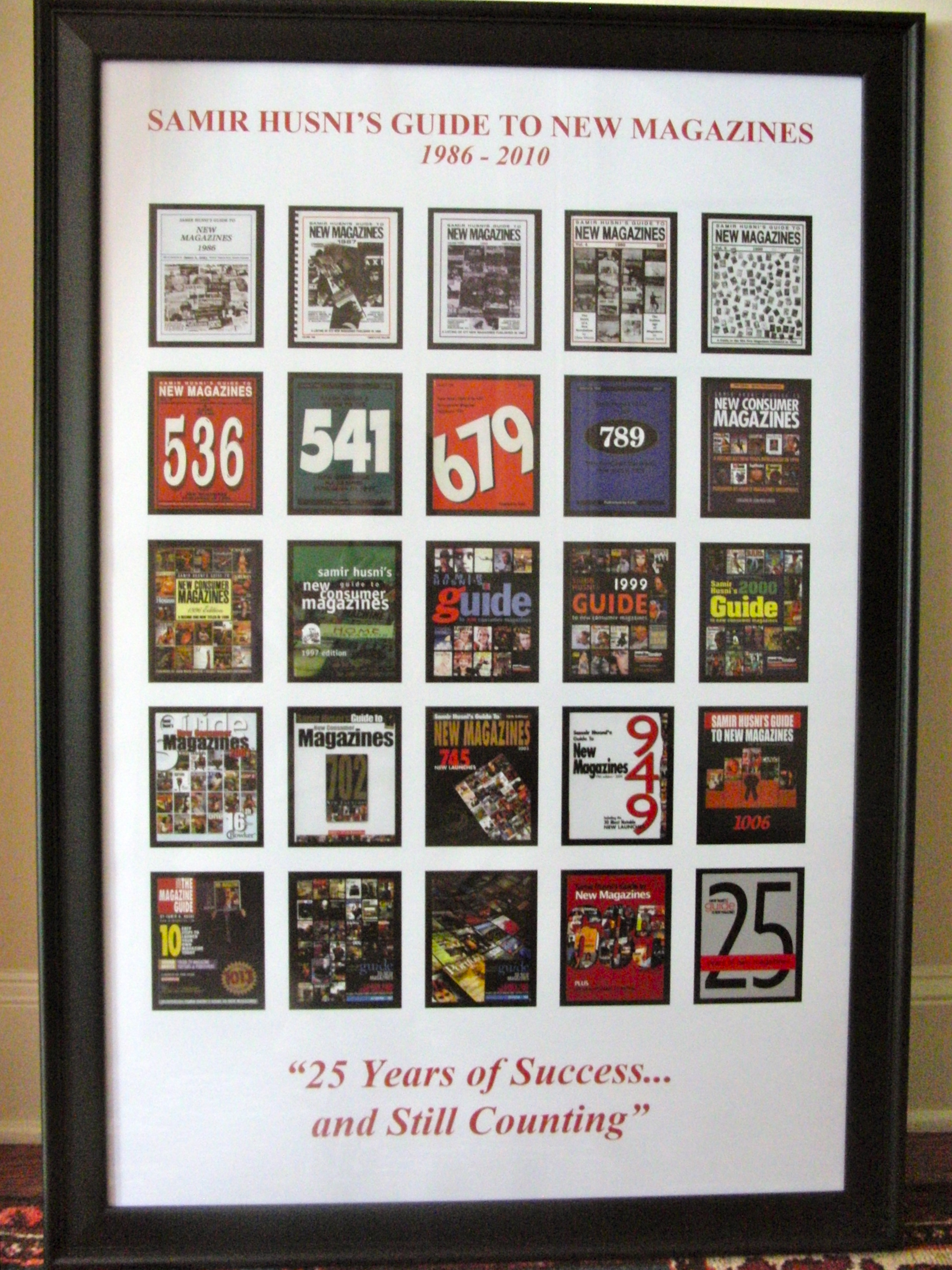
As much as I try to avoid writing about personal stuff in this blog, however the gift I received from my kids (picture on the right) for Father’s Day yesterday forced this blog to be written.

25 years ago, in 1986, I published my first Samir Husni’s Guide to New Magazine listing the 234 new magazines that I was able to find and document in 1985. In few days the 25th Anniversary edition of the Guide will be out listing 704 new magazines that were first launched in 2009.

The Guide has been and continue to be a labor of love. The name came from my wife who suggested calling it Samir Husni’s Guide just in case I missed a magazine launch here or there. My kids, who accompanied me on many many trips to the newsstands and witnessed my love affair with magazines first hand, rewarded me on this 25th anniversary year of the Guide with a poster that they designed, scanned, printed and framed with all the 25 covers of the Guide.

And, so I will not think they are asking me to stop, they wrote on the poster, “25 Years of Success… and Still Counting.” They assured me that the “counting” is a “pun intended!” Thank you Marie for helping give birth to the Guide and thank you Diala, Laura and Afeef for the best Father’s Day gift yet. And for the thousands of publishers of new magazines, thank you for the first 25 years of new magazines and here’s to the next quarter century of new magazine launches… that is ink on paper new magazine launches. Cheers.

h1

Digital maybe Goliath, but David is Out There (and that’s not Creative Nonfiction) with few other ink on paper magazines reminding us that PRINT IS NOT DEAD! Part 1

May 9, 2010

April has been a great month for new ink on paper magazines. Yes, I know, all the attention has been focused on the iPad and the future of digital publishing, so when 64 new magazines appeared on the newsstands for the first time last month no one took notice. Everyone was so busy counting how many iPads have been sold and how much should we charge for the magazine apps on the iPad. No one bothered to take note that the number of magazines launched in April of 2010 is 18 more magazines than that of April 2009. In addition to that 16 of those newly introduced titles have a frequency of 4 times or more. You can see each and every one of those magazines (and the first three months of 2010) here.

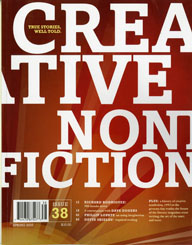
In the next few days I will be reporting on some of the new magazines being introduced on the marketplace, here and abroad. Here is part one with three magazines: DAVID, Out There and Creative Nonfiction.

DAVID: “For people whose understanding of history informs their contemporary identities,” writes Max and Joanne Friedland, the magazine publishers in the premier edition of David, the magazine. Aimed at the Las Vegas’ Jewish community, the Friedlands add, “in a city full of transplants, DAVID is our native son, born in this season of new beginnings, a testament to our creative will unbroken, and always inspired by what is possible.” The magazine editor in chief Martin Stein describes the mission of DAVID and its relation to Las Vegas as such. “This is Las Vegas, after all — the entertainment, dining and shopping capital of the world,” Stein writes. “With that in mind, we decided to create a bold, hip magazine that reflects our modern, Jewish reality,” he adds.

A hip, upbeat, necessary, sufficient and relevant magazine for the Las Vegas Jewish community with a lot of benefits for both Jews and Gentiles. A must if you live in Las Vegas, and a must if you plan to visit there.

Out There: The mission of this UK import is “to celebrate all aspects of homoculture, to scour the world to discover your talent, delight in your stories, to show just what a sexy, savvy, sweet and sour bunch we are.” Uwern Jong, the magazine publisher and Martin Perry, the creative/editorial director of Out There know that the launch issue of the magazine “isn’t a complete picture of the global gay experience, but there was only so much that we could fit into 200 pages. We are only what you make us, so if you like what you see, or think you know something we should be covering please let us know. We know you’re Out There.”

Out There could easily be dubbed the MONOCLE of the global gay culture. In fact, the size, design and type of paper Out There use is nothing but a reminder to me of Monocle. Whoever said imitation is the best form of flattery was never wrong. It is easy to say, Out There is one of the best new magazine launches I have seen out there.

Creative Nonfiction: Lee Gutkind, the creative non-fiction guru states it very well when he writes in the introduction to the first issue of the new magazine, “I believe there are many reasons for creative nonfiction’s popularity, beginning with the practical fact that people — readers — respond to stories, to narrative.” Started as journal in 1993, the publication evolved with this issue into a magazine. Why you may ask? Well, maybe the answer can be found in Gutkind’s remarks on the the status of society today. He writes, “Even as new technologies bring the world closer together, our lives are becoming increasingly isolated. Many of us don’t even know our neighbors’ names. Social media have replaced actual social life. And yet, we crave the intimacy that humans forge through storytelling, through sharing and comparing our experiences.”

And Mr. Gutkind is not telling you a fib. In this day and age of “isolated connectivity” people are hungrier than ever to hear a good story, to share a good story and to be part of a good story. In a world of celebrities and fiction, fantasy and virtual reality, the world needs some creative nonfiction. In fact it needs a lot!

To be continued…

h1

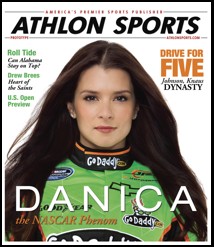
Print is Dead? Think Again! Athlon Sports Launches this October with 7 Million Circulation

April 22, 2010

The largest sports magazine in the country is ready to launch with a 7-million circulation rate base this coming October. The magazine, Athlon Sports, will be a publication of Athlon Sports Communication, Inc, an integrated sports media company known for its sports annual publications. Stephen Duggan, the newly appointed President of Athlon Media called me with the news this afternoon. Mr. Duggan who was previously Chief Executive Officer of Alpha Media Group, publisher of Maxim magazine and a founder of Publishing Group of America, publisher of American Profile, Relish and Spry magazines.
“The magazine is expected to debut with 7 million circulation, via daily newspapers, making it the largest sports magazine in the country,” Duggan told me. Athlon Sports will profile America’s elite athletes and will provide preseason insights from America’s premier sports editors, in addition to telling compelling sports stories from around the country.
Athlon Sports will follow a similar distribution method to that of other newspaper distributed magazines, however it will have a larger concentration on the A and B counties rather than the C and D.
Mr. Duggan who has acquired a minority stake in Athlon is assuming the role of President, Athlon Media. Joining him as Senior Vice President for publisher relations, is Jerry Lyles. Mr. Lyles previously held the same position at Publishing Group of America.

h1

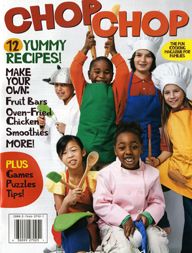
Knock Knock. Who’s There? ChopChop, the new food magazine for children. The Mr. Magazine™ Interview with ChopChop’s Editor in Chief Steven Slon

April 19, 2010

“Cooking is the one area where print beats digital for convenience.” “The very old and the very young are both still reading printed material.” “I think the classic magazine revenue model is dead.” The aforementioned soundbites are but three sentences of the many words of wisdom Steven Slon, the editor in chief of the new children’s magazine ChopChop had to see in the Mr. Magazine™ interview.

The newest entry to the children’s magazine market focuses on food as its corner stone, but also covers health and nutrition as it ventures into new areas no other children magazine have ventured before. Both on the business side and the editorial side ChopChop takes a completely different approach to launching a magazine and to reaching an audience ignored by magazine publishers for so long.

I asked Mr. Slon (via e mail) who was, for years, the editor of AARP, The Magazine (aimed at 50+), and now the editor in chief of the new magazine ChopChop (aimed at 5+) about the shift to editing a children’s magazine, the magazine marketplace today and the future of print. What follows is the complete exchange with Steven Slon.

Samir Husni: With the internet taking off faster than a speeding bullet, iPads and other tablets moving printed magazines and books out of the front page news, why would you start a printed childern’s magazine?

Steve Slon: Cooking is the one area where print beats digital for convenience. You want to be able to lay the pages displaying the recipe open next to where you’re working. No matter if it gets splattered on or lightly dusted with flour. You can’t place your ipad,iphone, or Kindle on the stove. Or near it. And, yes, you could print a recipe and carry it to the stove, but that’s a couple of extra steps. Having made all these points, we are building out a website as we speak, and have future plans for developing apps and other tools of the hand-held communication world.

SH: Do you know whether it makes a difference for kids to read from a laptop, digital device or a printed magazine or book? Any studies you are aware of? etc. etc.

SS: Don’t know of any studies per se, but our mission is to reach children of all economic levels, with special attention to children at and below poverty level. Low income families are much less likely to own a computer. According to a recent paper, “Home Computer Use and the Development of Human Capital,” in the U.S, “less than half of children with family incomes under $25,000 lived in a household with a computer, compared to 92 percent of those with family incomes over $100,000.” [Citation from Stephen J Dubner’s blog, PDF of paper at http://www.columbia.edu/%7Ecp2124/papers/computer.pdf.] That said, even young children who have computers enjoy the tactile and visual pleasures of holding a book or magazine in their hands.

SH: The Food Network magazines is doing very well and so are the rest of the new food magazines, what are the odds for ChopChop to make it in this crowded marketplace?

SS: There isn’t much in the market aimed at children. But what makes us different is primarily a) Quality and b) Authority. I’ll explain in a minute, but let me back up first and say that we’re competing, not as a magazine, but as a health and nutrition educational resource that happens to be in the form of a printed magazine. We began by marketing ourselves to pediatricians who are extremely frustrated by their inability to make the slightest dent in the massive and growing childhood obesity crisis. They feel that they are spitting into the wind when they tell a family with overweight children that the children need to watch their food intake and exercise more. Lecturing doesn’t work. ChopChop, for them, is a tool that they can “prescribe” to families. And pediatricians are telling us they are thrilled to have this tool at their disposal. The big goal is to move the dial in the direction of cooking and eating together as a family. So, our mission is not really to produce a magazine, but to encourage nutritional literacy that will last a lifetime. That said, it’s a great magazine! Unlike most “educational” materials, ChopChop is lively and engaging and fun. It has the look and feel of a consumer publication. So, back to the point of our differentiation: We’ve put together a top-notch team of veteran magazine-industry designers, photographers, and reporters—all working pro bono to support what we all feel is a valuable mission. (Please note especially the charming profile of a 14 year old chicken farmer by Susan Orlean.) As to the second point of differentiation, authority, our brilliant and charismatic founder Sally Sampson, a well-known cook book author, is deeply networked in the health community, particularly in the Boston area. She has put together an advisory team that includes leading names from Harvard, Tufts, BU and more. This kind of backing and knowledge can’t be replicated.

SH: How would you describe today’s children’s magazine marketplace? Is it in a state of growth or retreat?

SS: The beauty of ChopChop magazine is that it is completely outside the classic magazine model—children’s or otherwise—in that we do not depend on newsstand or advertising—and in fact, while we offer subscriptions, that’s not a serious revenue stream either; subs are only for the convenience of people who’ve heard of the publication and want to get it at home. We are supported in the most part by foundation, government and corporate dollars. We also receive modest levels of financial support from schools, children’s hospitals, childrens’ clubs and pediatricians.

SH: Will it matter where your great content is consumed? On the screen or on the pages of the magazine?

SS: For the present, it’s better in the printed magazine form, for reasons covered in the first question. And also because the product needs to be tangible in order for pediatricians and family physicians to “prescribe” it to their patients. In the future, that model may shift as the tools for transmitting information change. But for now, we think it works best as a physical entity.

SH: What advice you will give for someone coming to you and saying “I want to start a new kid’s magazine…” What would you tell that someone?

SS: Magazines succeed with their audience if they connect in a personal way. I would say, you’ve got to think like a kid and imagine what you’d want a magazine for you (as a kid) to be like. On the business side, I’d say, you’ve got to think very creatively. You have to do something different. I think the classic magazine revenue model is dead.

SH: On a personal note, you have made an 180 degrees switch from editing a magazine for the 50+ (AARP, The Magazine) to a magazine for the 5+. How does feel to make such a move?

SS: For one thing, the very young and the very old are both still reading printed material. The old because of custom, and the young because of school. (Schools are not completely wired…yet.) But, yes, of course it’s different. And, it’s a wonderful change of pace. I need regular change and big challenges to keep the juices flowing.

SH: What is the goal and vision of ChopChop and what do you expect to accomplish from launching such a magazine?

SS: I think I said some of this above, but our mission is to “Teach kids to cook and to be nutritionally curious and literate; Empower kids to actively participate as health partners with their families & doctors; Establish and support better eating habits for a lifetime of good nutrition; and σtem the tide of unhealthy children who are growing into unhealthy adults.” Our grand vision is to reverse and prevent childhood obesity.

SH: What are you doing to ensure a print future in a digital age?

To paraphrase the character Vinnie telling Robert De Niro about the murder of Joe Pesci in the movie Goodfellas, “[it’s] gone and we coudn’t do nothin about it.”

h1

The Husni Report: 1st Quarter 2010 Launches Same as 1st Quarter 2009 (and a response on why my numbers are different than other published numbers)

April 14, 2010

170 new magazines appeared for the first time on the nation’s newsstands in the first quarter of 2010. That is exactly the same number of magazines that were launched in the first quarter of 2009 (we reported back then 167 new titles, but the final tally ended up with 170 titles). This number represents 16 titles more than the 154 titles first published in 2007 and 17 titles more than the 153 titles first published in 2008. Call it what you want, but yet again the innovative media companies and entrepreneurs have shown a resiliency against all odds, and for that matter against the prophets of doom and gloom.

The new magazines of 2010 included 43 titles with a stated regular frequency and 137 with annual, two times, special, or frequency stated. Compare that with 58 new magazines with a stated frequency in 2009 and 112 with annual, two times, special, or frequency or no frequency stated. Amazing to say the least, is that in the worst of times American magazines will know that the best of magazines were launched in the worst of times. To paraphrase Charles Dickens, these are the worst of times. Let the new magazines roll off the presses and enjoy the images of the some of the new magazines launched in the month of March.
(I have received a comment from a reader and I have opted to post it as an addition to the post with my answer following the reader’s comment/question:
Mace asks:

How does the info here differ so widely from MediaFinder.com numbers? As noted on btobonline.com…
“Magazine launches in the first quarter totaled 25, down from 110 in the first quarter of 2009, according to data released Monday by MediaFinder.com, an online database of publications. Magazine closures also slowed, with 22 titles folding in this year’s first quarter compared with 95 in the year-earlier period.”
Any idea why the big difference?

My answer:

I do have every single magazine I report on and count. I do not deal with press releases, e mail information or any other data collection. It is that pure and simple: if I do not have a hard copy of the magazine I do not count. I have no idea how others count the launches, but my numbers are based on facts and actual magazines. I do this as a hobby and education. I am not in the business of selling data bases or anything else. You can check the covers of every issue on the mrmagazine.com website. I divide my numbers by total and break it down by those published 4 times a year and more and the other frequencies. Also the magazines I count are mainly consumer magazines and not trade or b2b magazines or organizational magazines. I have been doing this since 1978 and do have every magazine I ever count.

h1

New Magazine Launches: A Big January 2010 Comeback

February 8, 2010

January may have been the coldest month weather wise so far, but it had been anything but cold for the new magazine launches. Almost double the number of new magazines were started last month than in 2009. January 2010 witnessed the arrival and birth of 56 new titles for the first time on the nation’s newsstands. The 56 titles of 2010 compare with only 28 titles in 09, and 43 titles in 08, but still a little bit short of the 63 titles of January 2007.

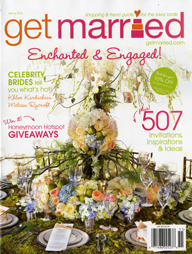
From those 56 new titles only 15 were published with any intended frequency while the remaining 41 were either book-a-zines or one shots celebrating specific events and foods (college football, comfort food, etc.) Leading the pack of January 2010 are magazines such as the advertising free, circulation driven My Home My Style from August Home Publishing in Des Moines, IA (six times a year with a subscription price of $19.95), and the web and television based getmarried.com publication Get Married published by the Atlanta, GA Get Married Media, Inc (four times a year with a cover price of $4.99). And talking about jumping from the web to print (what a great new discovery) is Hearst’s Delish.com new magazine Light & Delish that sells for $9.99 and comes full with recipes “developed and tested by the editors of Good Housekeeping, Redbook & Country Living.”

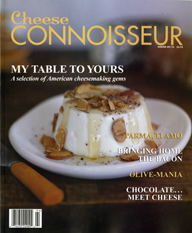
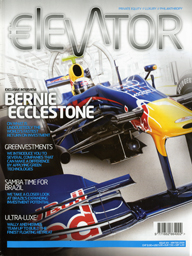
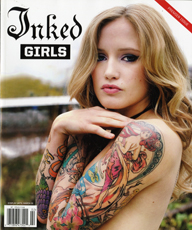
Also appearing for the first time on the nation’s stands is the British import HEPT Media Ltd. Elevator (quarterly with a $5.99 cover price) that is making its debut on the United States shores providing information on private equity, luxury and philanthropy. And celebrating its first anniversary by reaching out to the nation’s stands is Cheese Connoisseur published by Phoenix Media Network, Inc. in Boca Raton, FL (four times a year with a cover price of $5.95). Just in case you were a connoisseur of “art on the body,” the beautiful Inked magazine launched their first spin off Inked Girls filled with “world’s most beautiful women with tattoos.” Inked Girls comes with a bonus “Sailor Jerry pin up 2010 calendar” and costs $7.99 per issue.

So here you have it, a recap of the first month of the second decade of the 21st century showing no signs of cold, death or any frozen in on paper experience. Also recapping the numbers of launches of the last three years here are the latest numbers after we’ve added some, deleted few duplicates and went through 36 boxes of new magazines each representing a month since the beginning of 2007. The total number of launched in 2007 stands at 713, the total number of launches in 2008 stands at 685 and the total number of launches in 2009 stands at 747.

Enjoy the early signs of the crop of 2010 and keep on working your magic in ensuring a print future in a digital age.

h1

Innovation in Print: The Qlix’s Experience Tenisha Anderson’s New Magazine in an Envelope

February 5, 2010


They say good things come in small packages, and they are right! When the first issue of Qlix magazine landed on my desk, WOW, was my first reaction. I know I have been writing about innovation in print every now and then, but now I am starting to see more of that innovation coming my way. Maybe, at last, that light at the end of the tunnel is not the train coming after all.

Last year I wrote about Abe’s Penny (it is one year old this month), a magazine that comes in weekly post cards mailed to the readers one card at a time. It is an attempt to utilize the sense that print, and only print, can master: A product you anticipate, you touch and feel, it comes to you, it seeks your address and knocks on your door steps, and then you sit back, relax, grab that glass of wine or cup of coffee and get engaged in an experience of the most “me-time” that can ever exist.

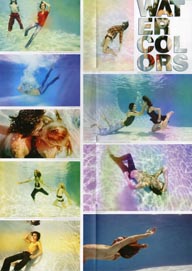
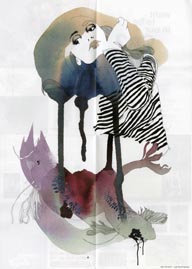
Well, Qlix magazine, published by TenStyle Media Inc. of Chicago, provides such an experience. It is innovative, creative, romantic, and above all engaging. It is a “found” experience to use a phrase from the tag line of the magazine. The magazine is divided into four sections: The Envelope (the cover of the magazine) that holds the content, Collectible Cards (interviews/profiles of emerging talents and concepts in the fashion industry), Fashion Poster (fashion visual editorial), and Poster Magazine (article features, columns and departments). The inspiration of the magazine comes from overseas and similar innovative magazine concepts such as South Africa’s MK Bruce Lee and Spain’s La Mas Bella magazines.

I asked Tenisha Anderson, the magazine’s publisher and editor three questions regarding Qlix magazine that aims to create “a visual and kinesthetic experience within an independent publication that celebrates all emerging talents and concepts within fashion semi-annually.” What follows are my questions and her answers.

Samir Husni: How did you come with this idea and why?

Tenisha Anderson: During my time at Colophon 2009 in Luxembourg, being around various independent magazine publishers and learning how they started, and just seeing how enthusiastic people were about print magazines really inspired me to pursue a long time goal of starting a magazine. Qlix’s packet format was inspired by several publications I came across at Colophon 2009 that bucked the normality of what a magazine is aesthetically suppose to look like and I was drawn to their magazines and seeing what they are about just from their unique format, more so then many of the others that would typical catch my eye. Therefore, I felt that if I was going to create a magazine, and a fashion magazine at that, that I needed to add my own ingenuity of how I wanted to present it. I didn’t want Qlix to appear as your typical independent fashion publication, although the content of Qlix covers emerging fashion talent (and who doesn”t), we also focus on emerging fashion concepts that are coming out. Plus the talent we cover isn’t only an emerging fashion designer, or photographer, but we also try to cover the talent that is sometimes forgotten (i.e. business mavens behind a new fashion pr firm or retailer, or a fresh forward illustrator, a crazy-skilled textile designer, fashion writer, a trend forecaster, etc.). Qlix knows it takes a village to showcase the end result.

SH: How important is the print component of the “experience” of the Emerging, Fashion and Found?

It’s very important, because the print component of the Qlix brand is to show that “Print IS NOT Dead”, but just evolving. Although Qlix is a multiplatformed brand with Qlix magazine, Qlixmag.com and the upcoming Qlix TV, the experience that the readers get with the print component is a kinesthetic one, encouraging reader interaction with the content, building a cohesive community between the reader and the publication.
Thus, whenever our readers “experience” Qlix magazine , they become inspired/motivated by what their peers, people just like them, are doing. Inspiration doesn’t always come from the top of the totem pole, and exposure for an emerging talent can come from some of the unlikeliest places. In a nutshell, I feel when you see what your peers are doing and that people are taking notice of that, then hopefully it will motivate you to do the same. That’s the Qlix experience.

SH: Why fashion and do you see this experience going into other categories?

I chose to do a fashion publication for several reasons, 1) fashion is my background, both educational and career-wise; 2) I’m part of the market I’m targeting; 3) I wanted to create a magazine where it didn’t seem like work to me, no matter how much research I do or how many hours I put into Qlix, it never feels like a job. Plus, fashion appeals to so many of the senses, I don’t think fashion magazines will ever be irrelevant. I hope this type of “experience” goes into other categories, although I do agree with your last interviewee, Magnus Greaves, that all magazines that are in print right now are not best served by that format. However, I do believe such creativity and innovativeness regarding the aesthetic of print magazines could revitalize the industry again and subdue all the naysayers that want to see the doom of print.

Here you have it. A new experience waiting for you to immerse into. Don’t wait, click here to order your free copy of the limited edition first issue, and get ready to relax and enjoy.

h1

Magnus Greaves to Mr. Magazine™: “I was in the business of paying for paper and giving it away for free… I woke up one day and decided that’s not very good.” The Mr. Magazine™ Interview: MYMAG and the New Magazine Business Model Behind Greaves’ New Venture

January 25, 2010

What can you do to ensure a print future in a digital age? The answer to this question came with ease to Magnus Greaves, the man coming from the world of finance and an entire Wall Street driven media magazine venture, Double Down Media, that went belly up when the entire market, and the American magazine business model that was based on that market, went belly up too! Magnus, the ever-dreaming and planning financier, found a way to use the digital age to enhance print and ensure its success in a completely different way than his first venture Double Down Media.
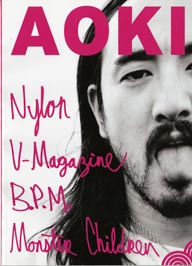
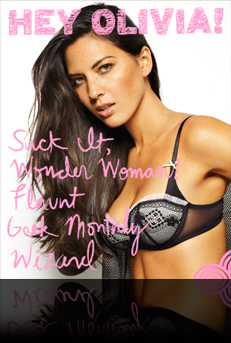
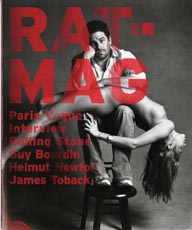
In Nov. 2009 Magnus Greaves founded MYMAG magazine, “a whole new concept in print magazines – one that leverages a celebrity’s fan base to reach an audience of readers/buyers.” Each issue of the magazine is a limited edition by itself and is created by a celebrity tastemaker for distribution to his/her fans “in order to share first-person and unfiltered insights on his/her interests and inspirations.”

I had the chance to talk with Magnus about MYMAG, the glossy print magazine and the Web site, “the celebrity’s ever-expanding online universe, providing exclusive video, commentary and links.” What follows are the sounds bites of the interview followed by the typical Mr. Magazine™ loosely edited transcript of the interview.

Magnus Greaves on the genesis of MYMAG idea:

“It started out by analyzing the magazine business then realizing like everything else now, it’s about people and their own personal networks”

Magnus Greaves on the selection of the tastemakers:

“The ultimate criteria wasn’t to find the most popular people, it was to find people that were popular and meaningful and had a good following within their particular niche.”

Magnus Greaves on why tastemakers want to be involved in MYMAG:

“Everybody responds very well to it because we kind of introduced it to them on the basis of it being a personal media platform, which they control.”

Magnus Greaves on MYMAG’s innovative distribution channel:

“We’re not going to send 10 to the newsstand hoping to sell 3. We’re not going to spend a lot of money trying to figure out who their (the tastemakers) audience is and how do we sell it to them. We’re facilitating something that wants to happen, which is a fan connecting with a particular celebrity.”

Magnus Greaves on the old American magazine business model: “

“I was in the business of paying for paper and giving it away for free… I woke up one day and decided that’s not very good. The rest of the time was spent trying to chase 40 or 50 advertisers on a monthly schedule. That was really tough.”

Magnus Greaves on the future of magazines:

“When you say magazine I think of a brand that creates content around a particular message. In that respect, I think the future looks fantastic.”

Magnus Greaves on the way he defines his business model:

“I think it’s important that people understand that yes, we are using magazines, but we’re not just purely in the magazine business. I look at our business as being one of connecting interesting, influential pacemakers and the people that follow them.”
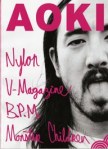

And now for the complete, lightly edited, transcript of my interview with Magnus Greaves the founder of the new magazine MYMAG:

Samir Husni: How are you doing?

Magnus Greaves: I’m doing great. Thing are exciting, so I’m having fun.

SH: That’s what the magazines look like. All those folks are having fun and digging into their archives and picking up things. Tell me how did you come up with this the MYMAG idea? Did you wake up one day and say, “there is a void in the marketplace and I am going to fill it?”

MG: It was almost like that. Double Down Media was my first venture into the magazine business. Prior to that I had been in the world of finance and trading so when I got into the magazine business, because I love magazines, I thought there was an opportunity to create something unique for the trading community. Those magazines turned out really great; they were great products. We tried to come up with a unique business model, but the overall business model for magazines was pretty terrible. At the same time, it was really when the internet and online properties started kicking in. I was always watching and trying to analyze the trends that were making these online properties so valuable, but at the same time affecting magazines in a negative way. About three years ago I was reading one of those books about Google and the whole concept of targeted advertising and then it kind of clicked to me; wouldn’t it be amazing if you could apply all these principles and trends of online media, personalization and on-demand and customization, and apply that to the magazine business. So, the original concept for my magazine was that any individual could create a magazine for themselves, or to distribute to their friends if they so chose. I did a lot of work in that regard. I partnered up with HP, did a lot of work with the people over at Google, a lot of really smart people. But then I realized one day, that’s not really going to fly. The more we went into it, the more we realized, it’s more about the person making the choice of content and sharing it. So, we decided that it would be probably a better business model to focus on well known individuals, taste-makers, celebrities, and have them create magazines which we could then print in a limited run to distribute to their fans. It started out by analyzing the magazine business then realizing like everything else now, it’s about people and their own personal networks and then that’s how we changed the focus to MYMAG and I’m really glad we did.

SH: On what basis did you select those three first MYMAG’s?

MG: It was important for us to choose three very different people, and it was also important for us to choose individuals that were well known but most importantly had a very tight connection with their fan base. The ultimate criteria wasn’t to find the most popular people, it was to find people that were popular and meaningful and had a good following within their particular niche. We wanted to make sure they connected with their fans directly in some way. With Olivia Munn, the actress and the television hostess, she is amazing when it comes to Twitter and her website to engage directly with her fans. Steve Aoki, he has his own clothing line, which is distributed in retail shops around the world and he tours constantly. Brett Ratner does a lot of personal appearances and people connect with him through his films and he’s picking up his own social media activity. So, it was important to us that we were able to work directly with these people and they have a direct connection with their fans because we decided we weren’t going to go through a traditional newsstand distribution model; that we wanted to sell the magazines primarily online via our website. So, these first three pacemakers have proven just fantastic to work with. The funny thing is when you read all their letters is that they each harbored a fantasy one way or another at some point of creating their own magazines. So, a collaboration with each of them was wonderful.

SH: What really fascinates me about the concept is that back when I was growing up all the celebrity magazines were about them. It was a fan club but more like the outsider looking in. Now you are giving the followers of those celebrities an inside peek of the mind of those celebrities.

MG: Exactly. I think we all have people we look up to, whether it’s an actor or a scientist or an academic, and we hope that a magazine that we like will do an article about them and we hope that the writer that they chose is going to have a good day and dig up the information that we want. MyMag flips that around and takes all the kind of death work out of it and we just hand it over to that particular individual. Collaborating with Brett Ratner was phenomenonal. He knew every article of every magazine that he wanted and where he wanted it placed. He knew the message that he wanted to get across and the personal stuff he wanted to contribute. So, the end product allows one of his fans to really get a great glimpse of what makes him tick. You see the content from other sources that inspires him and informs him and educates him at the same time he gives something personal of himself and that’s him. Our creative director kind of helped get that out of him and made sure that we there to acquire the content that he wanted. But, that’s really Brett Ratner. I think that’s what makes this quite a fun project for us to do but also for people to buy the magazine and see, “Hey, what’s this guy all about?”

SH: What role are the taste-makers playing in promoting the magazine?

MG: Again, we’re really trying to work with people that have their own personal channels directly into their fans. If you take Olivia Munn for example, she’s on Twitter, she’s on Facebook, she’s on her own website, she does personal appearances, she has her own TV show; for each of those channels that she has to connect with her fans, she’s talking about the magazine, she’s talking about how she put it together. We had a photo shoot with her and then she chose three of the photos and posted those online for the fans to vote with poster ultimately went into our magazine. So that’s what we ended up including. They get very actively involved. With Steve Aoki, now I’m working with his management team to make sure that the magazines follow him on tour, and are part of the merchandise that’s available at each of his shows. I worked with him to make sure we get it at his fashion retail outlets. I think it’s such a fun process for them. It’s not, “Ok, we’ll do one meeting and then we’ll drop it.” It’s very collaborative and we have to work quite closely from start until right through the selling process. With each of them we’re talking about doing a follow-up magazine at some point as well. I think they really get a lot out of it too.

SH: Who’s lined up next for MyMag?

MG: We’ve had a pretty phenomenal series of conversations. Everybody responds very well to it because we kind of introduced it to them on the basis of it being a personal media platform, which they control. So, we are looking at it in different ways. We want to get more people from the area of music and film and entertainment. We’ve recently started having a lot of conversations with the people from the world of sports. We are looking at expanding in the UK where I used to live so we’re having a lot of conversations about UK pacemakers as well. I really want to reach out to business leaders or people from the world of technology or science or economics. I want to make sure we go to a diverse a range of people as possible to show how unique MyMag is. It’s interesting. When we did the original prototype, we called it “MyMag by Olivia Munn.” Then we realized it’s actually “Olivia Munn by MyMag.” Then we started getting into the collaborative process where we realized this is just Olivia Munn and she can call it whatever she wants. That was just a real change of mindset and it opened everything up for us. And it was at that point we realized, whoa, this is their unique magazine, so we can work with an astronaut and a cheerleader at the same time, going to two totally different audiences and that’s what we facilitate.

SH: You’re selling the magazine for $10 per copy. What’s the reaction? How are the sales? I don’t know if you can reveal the numbers, how many copies are we selling or…

MG: The sales have actually being going great. We made a point of really analyzing the fan base of each of these individuals to make sure the print run of each was limited so that we didn’t have a huge amount of pressure on our selves. Would we be able to sell out? We’re not going to send 10 to the newsstand hoping to sell 3. We’re not going to spend a lot of money trying to figure out who their audience is and how do we sell it to them. We’re facilitating something that wants to happen, which is a fan connecting with a particular celebrity. With Olivia Munn we started with her marketing campaign right away and having done the photo shoot and the video and the vote for the poster, that allowed us to sell a lot of magazines very very quickly. Our distribution model with Steve Aoki was slightly different. As I mentioned we’re going to go on tour with him. We’re going to go the retail outlets. Brett Ratner always has a lot of amazing projects lined up. So, we’re tying his magazine to those events as well. One of the things we made sure to do with each of these that it’s a timeless magazine. If Brett Ratner took content from the 50s, 60s, 70s, and 80s… There is nothing there that is time sensitive where if we don’t sell it by the end of the month it’s not expired. But these magazines, you could pick it up now, you could pick it up in a year’s time and it’s still going to be very relevant. That also takes the sales pressure off of us to just focus on running a great little business.

SH: Again, it’s customer based, you are going to make the money from the customers, the readers who are going to buy the magazines. There’s very limited advertising. Tell me about a little bit more about this business model.

MG: When I was in the business of paying for paper and giving it away for free… I woke up one day and decided that’s not very good. The rest of the time was spent trying to chase 40 or 50 advertisers on a monthly schedule. That was really tough. The advertising market gets tougher and that business model gets even dicier. Also, you want to give each advertiser meaningful opportunities. So, we decided to look at it from a fresh start. We decided, this is this individual’s magazine, so let’s not try to find 48 advertisers to go in there. Let’s really focus on the content and what this person has to say. Because we were able to make money on the actual magazine, then we could therefore offer a meaningful exclusive sponsorship to one sponsor, one brand. And the brands have reacted very positively to that because effectively, it’s not like they’re putting an ad in a magazine, it’s as though they are getting an additional endorsement from a particular celebrity. That’s a much easier business to be in as well than to be in the magazine advertising sales business. We also allow the pacemaker to put in an ad for a personal project that they have and we also encourage them to each put in an ad for a non-profit or charity that they support. Over time the advertising world is going to grow. The advertisers that we are speaking to at the moment, the sponsors we are speaking to now, they want to tie in an event with the celebrity, or some form of retail distribution, put the magazines in their stores and their outlets. Maybe eventually we might get more than one advertiser per issue, but for the moment, that’s all we need to make our business model work, which is a lot less stressful.

SH: Do any of the celebrity tastemakers have a say in terms of veto power over the advertiser?

MG: Absolutely. It’s their magazine. So we don’t want to force a brand on them that they don’t believe in. What’s actually been great is that most of these celebrities I speak to already have some form of existing brand relationship and they want us to talk to those particular brands first to see if we can come up with an interesting program. It’s just completely different from the old advertising model that I dealt with with the traditional magazine publishing.

SH: What’s a number, if you can identify a number that will make you say that you’ve achieved your goal? Or there is no such thing in this new business model?

MG: Absolutely. I’m happy to share our print runs. The initial print run for Steve Aoki and Brett Ratner was 75,000 magazines each, and we did an initial print run for Olivia Munn of 15,000 magazines. We are able to sell those magazines at very achievable numbers and be profitable. That’s why it becomes a nice business. So, it’s not about trying to sell a million magazines, it’s not about trying to get on to the newsstand and lose money that way in order to hopefully make it back on advertising. We set those numbers low. We analyzed what their fan base is. We look at the channels we have to reach that fan base. We don’t make it too difficult on ourselves. It also gives us the flexibility of creating the magazine that we want or the individual wants. There’s no pressure to kind of, “Oh, we better do it this way in order to do more sales.” We tell them to do whatever they want to do. They know their fans and those are the numbers we have to hit.

SH: I noticed there was a difference between the first magazine and Steve Aoki, and then Brett and Olivia were a different size. Is that just purely for printing purposes?

MG: The matte finish we had with Aoki was something that we collaborated with him and decided it was the best finish given the magazine he wanted to put together and then Brett and Olivia wanted a glossier finish, so we changed the paper for that. We also looked at the magazine and thought some of the content they had we might try slightly wider paper, which we actually feels achieves sort of the dimensions and presence that we wanted. I think that sort of paper size we went with Hey Olivia and Rat Mag is probably what we’ll go with forward. Although if any of the people that we work with wants to choose something different then that’s up for discussion as well.

SH: Do we know who is pacemaker #4?

MG: It’s going to be pacemaker 4, 5, and 6. We’re going to do another series of 3. I will personally send you the announcement in about a week’s time. We have a really outstanding individual who’s signed on and we’re sitting down with him and creating a magazine right now and we’re just getting the other two that are going to be in the same series, we’re getting all that started as well. We’re going to put out our press release probably about a week or two’s time. It’s some terrific people that we’re talking with.

SH: I’ve noticed when you gave me the list of the pacemakers, movie stars, fashion, music… You said you want to broaden into sports. You avoided the word politics. Will we ever see an Obama Mag?

MG: You know what, I would love it. I’d love Obama MYMAG and a Sarah Palin MYMAG. Absolutely. Politics is on there as well. If a politician that is in office is allowed to do it, that would be just phenomenal. But maybe if it’s somebody who just left office, that might be a little bit easier, but that would be on our radar screen. We need to think as across the board as possibly can to try and find unique audiences. Here’s the deal, it’s amazing to me when you look on say, Twitter, and you see people that have audiences of 100’s of thousands of people, which I’ve never heard of this individual. That’s what’s so wonderful about it is. It doesn’t matter if I’ve heard about them or not. Those 100’s of thousands of people have and all we’re trying to do is just facilitate that two-way communication. What I find interesting is at one point it was really unique for celebrities to have their own website, and then to have a blog and then have Twitter. But now everybody is following different paths and what we’re trying to offer with MyMag is a different medium, which allows them to get a different message across with bigger content. The response we’ve had to the first three magazines tells me that we are helping to do that.

SH: Do you believe in the future of print?

MG: 100 percent, absolutely. I don’t think all the magazines that are in print right now are best served by print. I think there are certain magazines, fashion magazines, longer reads, those types of magazines; I personally love in a print format. But there’s other types of magazines where it’s more about the brand and this table of writers and their message and I enjoy reading that on my laptop or on my iPhone. Print is an extremely portable, wonderful medium. I just think it’s better suited to some publications than others. What we’re trying to do is to look at a different way of looking a print and also a different way of collaborating with those great kinds of magazine brands. If you look at some of the magazines that participated in this project, it’s kind of blown my mind. It’s all fantastic publishers. It’s not like we had to go out and get second rate content. What’s been great about those conversations is to see how the magazine publishers are also looking at print and are willing to support innovative models in print as well.

SH: What keeps you up at night?

MG: In terms of this business? I get just kind of excited. My mind wanders off in different direction thinking about what we can do and where we can go with it. Suddenly we’ve been having conversations with brands. So, at the moment, these magazines that we’re talking about are really personality driven. Brands have been speaking to us about creating magazines which are personality driven but are also brand driven in a different way. It’s almost kind of in the custom publishing model. My mind starts fantasizing about that. I start thinking about the unique aspects of the opportunities out there. I think about how we’re going to apply the model in that context. I’m fascinated to bring this to Asia. I have some friends from Japan that just really want to bring it over there because they think it’ll be big, extremely well received. In terms of the business, strategic things, is the chess game to try and figure out the best ways to get the magazines in the hands of the fans. What we’ve found is that it’s really just about awareness and communication. If you let them know that this individual created a magazine, why they did it, and what’s in it, they come to our website. The traffic on our website some days boggles my mind. It’s been fantastic. We’re at the stage where it’s really the excitement of the project that really keeps me up at night. I can tell you that previously I was kept up at night by far worse problems. I have many nights where I was completely sleepless. This is a very exciting experience.

SH: If you put your futuristic cap on, how does the future look for the magazine business in the United States?

MG: It’s funny. When you say magazine I think of a brand that creates content around a particular message. In that respect, I think the future looks fantastic. Last month I bought Esquire and GQ on my iPhone and I really enjoyed both of those experiences. So the thought of Apple bringing out a tablet, I just think that that’s going to be a terrific medium for reading a magazine. I wasn’t overly excited about the Kindle or any of those other ones but I think if Apple does something with a tablet that’s similar to the iPhone, but bigger and better, that’s an exciting opportunity for those brands. I think that there’s a lot of magazines out there. There’s a lot of overlap. I think that the brands that are meant to stay out there hopefully will. I think that people should use the proper platform and take advantage of its unique characteristics. But I think a lot of those brands might just end up distributing content via online platform. If people are smart about it and they go with it and they learn from some of the other media forms that went online and faced the whole digitalization process before, I think that a lot of them will do quite well. Others, not so well.

SH: You mentioned you enjoyed the GQ and Esquire on your iPhone. Did you feel there was a difference in how you experienced the magazine between having the printed copy in your hand and having it on your iPhone?

MG: Absolutely. First of all, I felt that the GQ application was done a lot better than the Esquire application. I thought that there were a lot of cool things about the way GQ did it. I thought that given that the sort of screen and resolution on the screen, a lot of the photography came up really really well. Also you can turn it sideways and see the layout from the magazine itself and I thought that was really interesting in case you needed the sense of comfort of, “Whoa, what am I missing?” Then you realize, “I’m not really missing that much.” Will I do it every month like that? I might alternate back and forth. If it’s a particularly special issue for whatever reason, I’ll take it in a print format. But I have to say, for a first time out, I thought that the GQ app especially was pretty good. There are certain magazines like Paradis or Carl’s Car that I would never ever buy those in anything except for a print format just because those are such wonderful print experiences.

I think it’s important that people understand that yes, we are using magazines, but we’re not just purely in the magazine business. I look at our business as being one of connecting interesting, influential pacemakers and the people that follow them. It’s been a three plus year journey of trying to figure out what is the future of magazines and how do I create a business model that takes advantage of that as part of the conversation and then realizing I’m not in the magazine business, I’m in a different business. I think MyMag ended up in a really nice place and we have some very exciting opportunities in front of us.

SH: Thank you.