Archive for the ‘New Launches’ Category

h1

Numbers are UP for new magazine launches in Third Quarter 2011

September 26, 2011

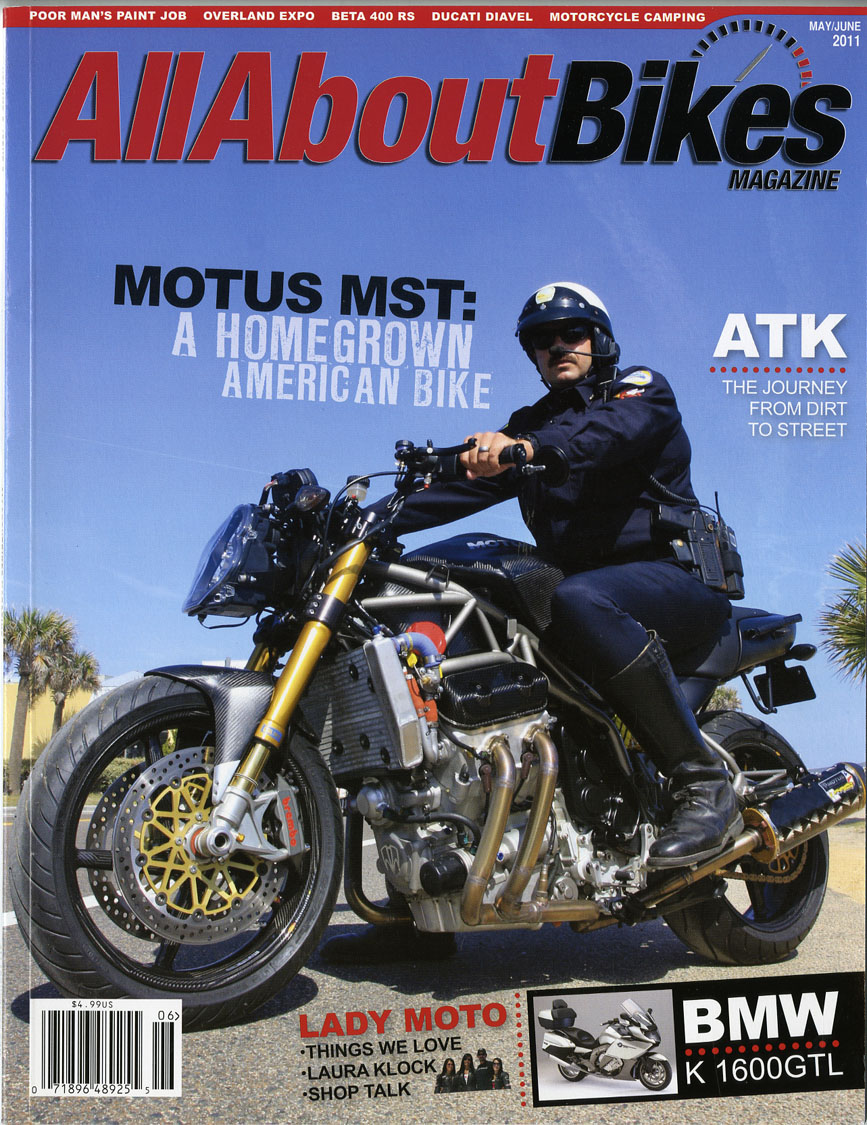
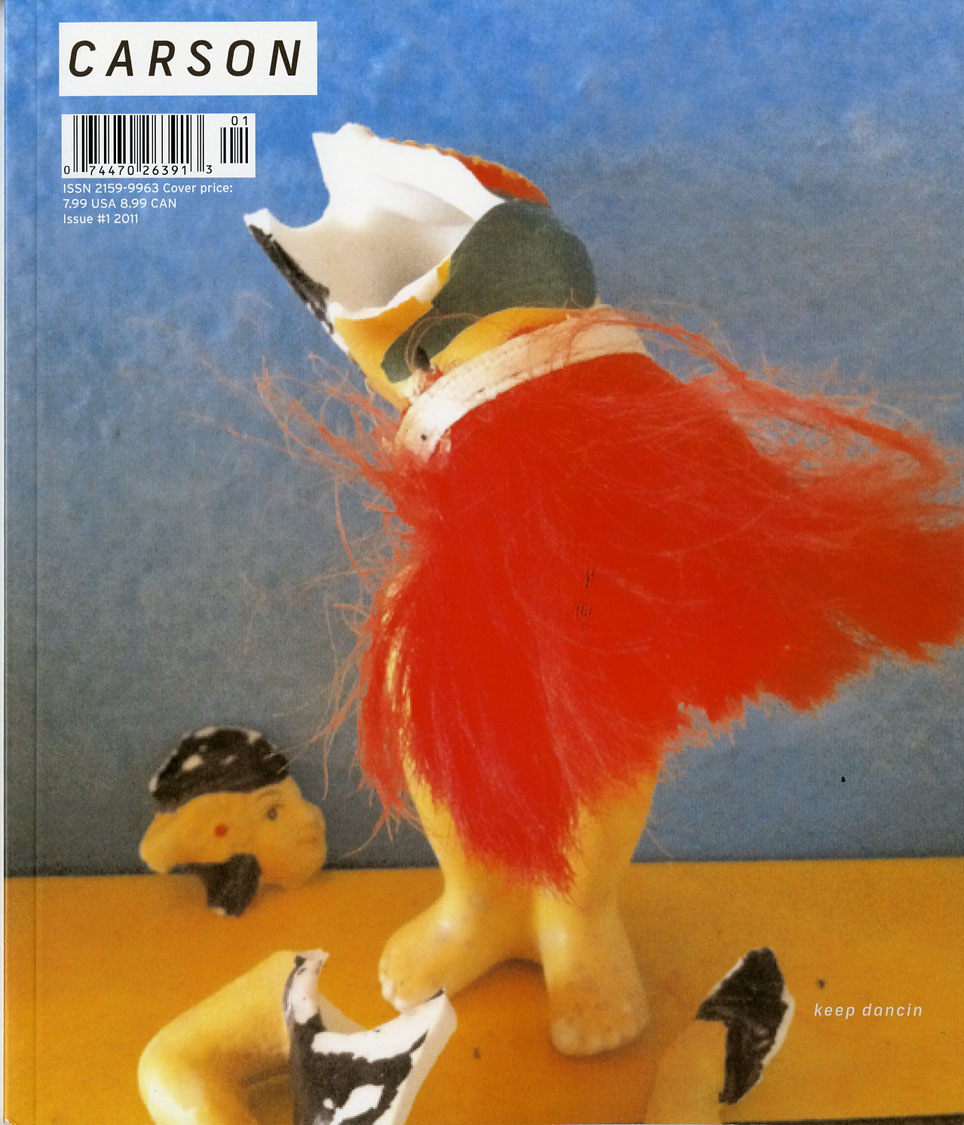
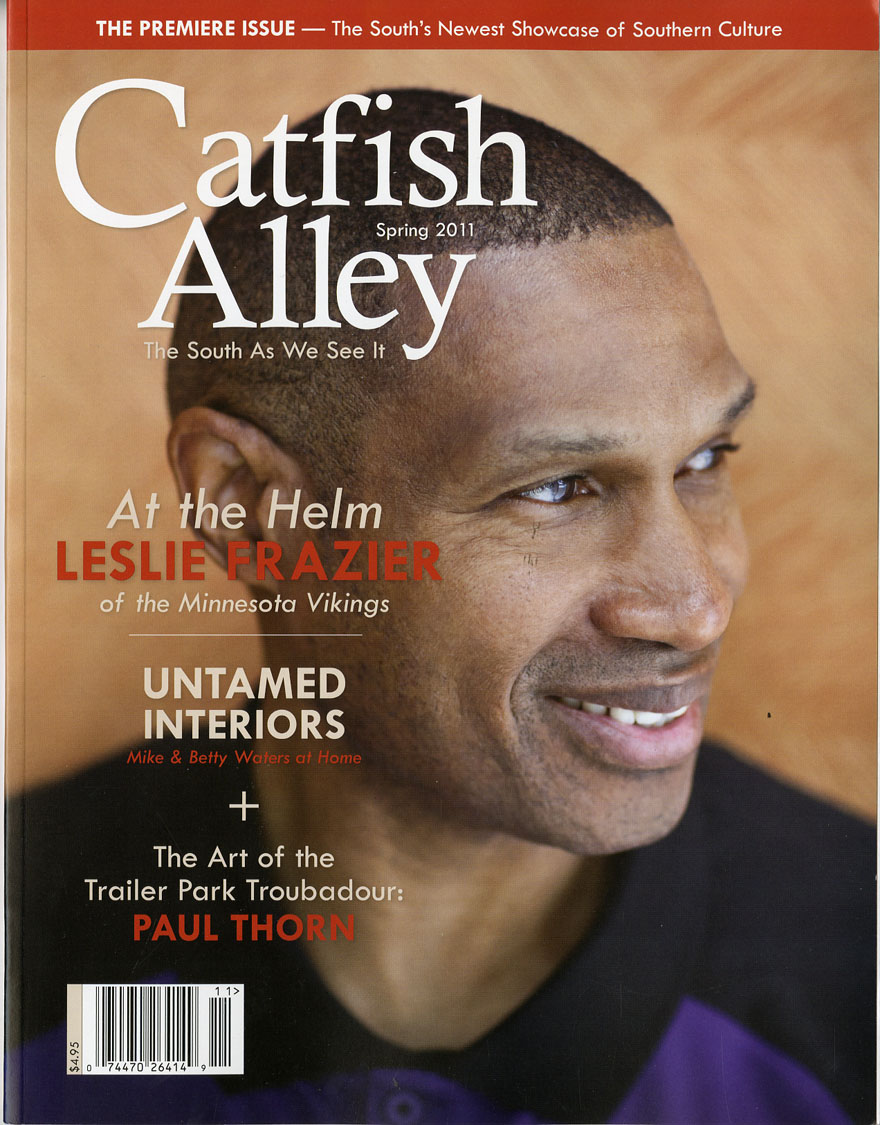
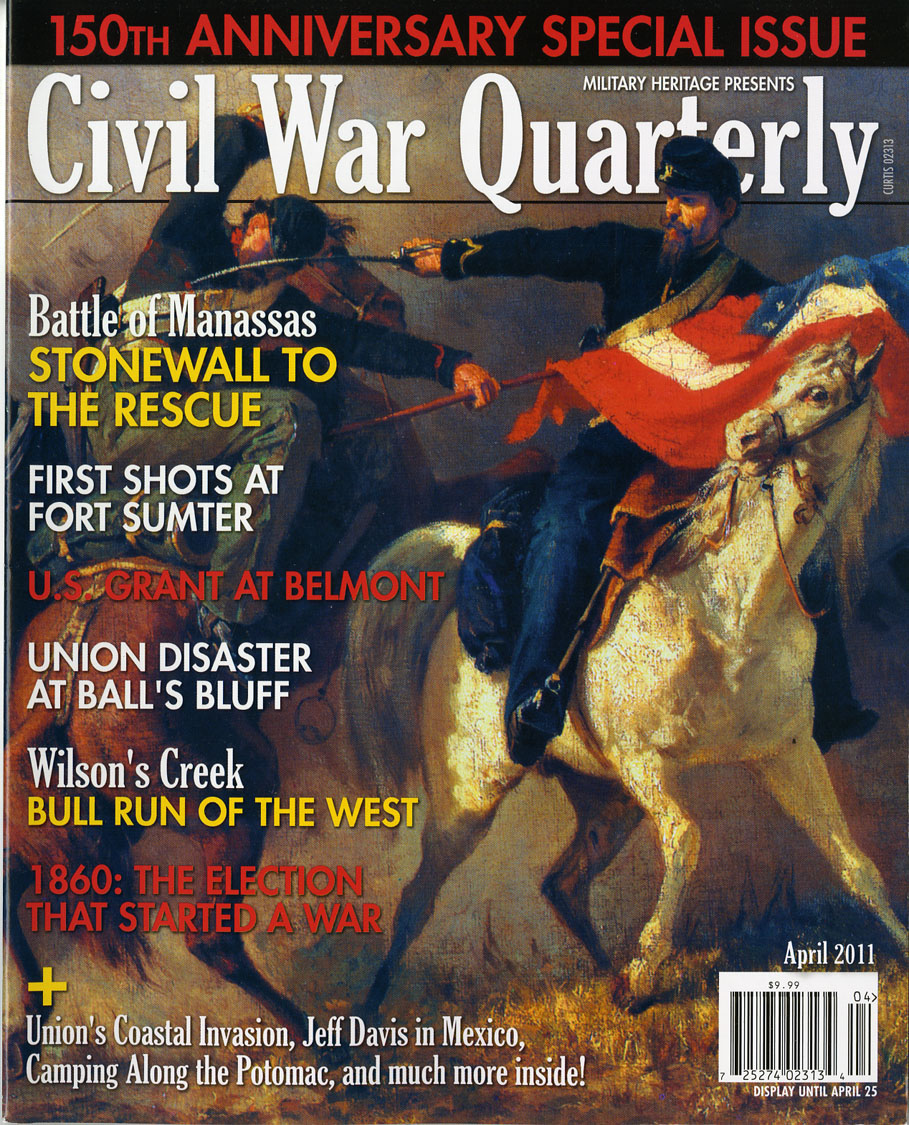
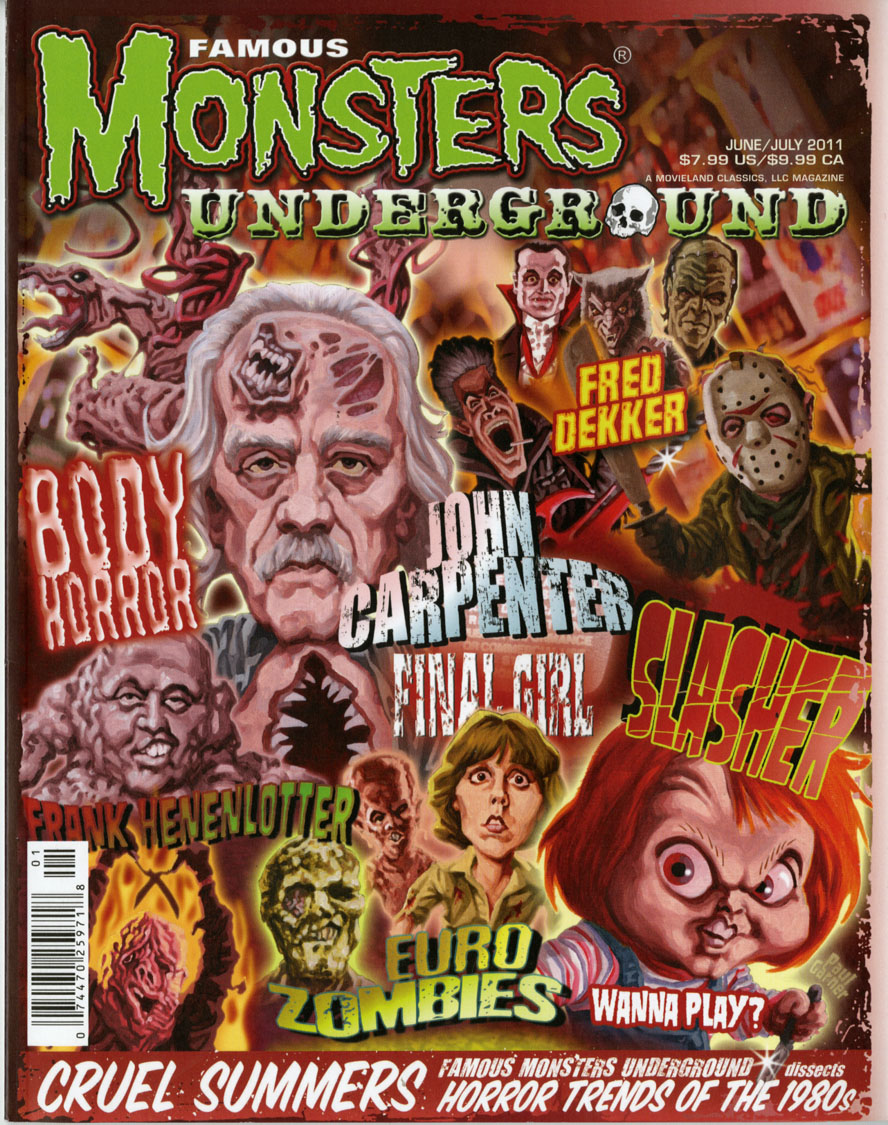
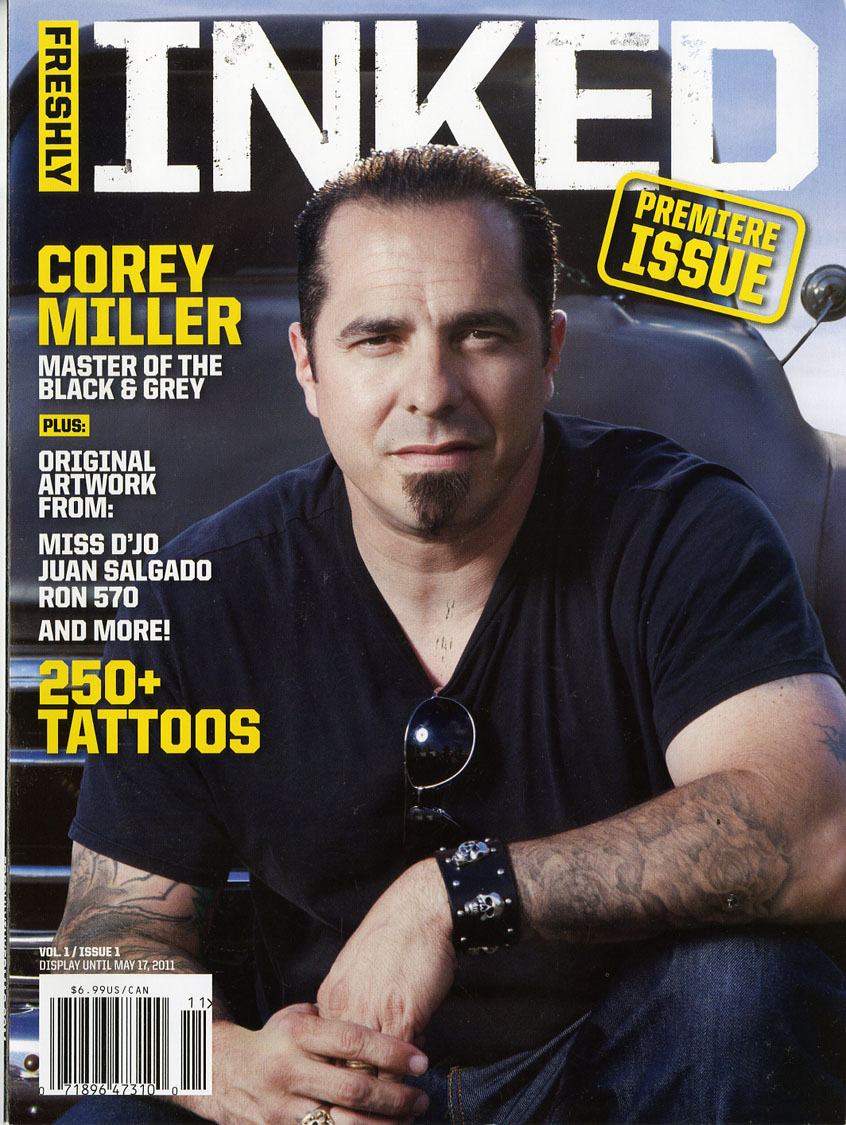
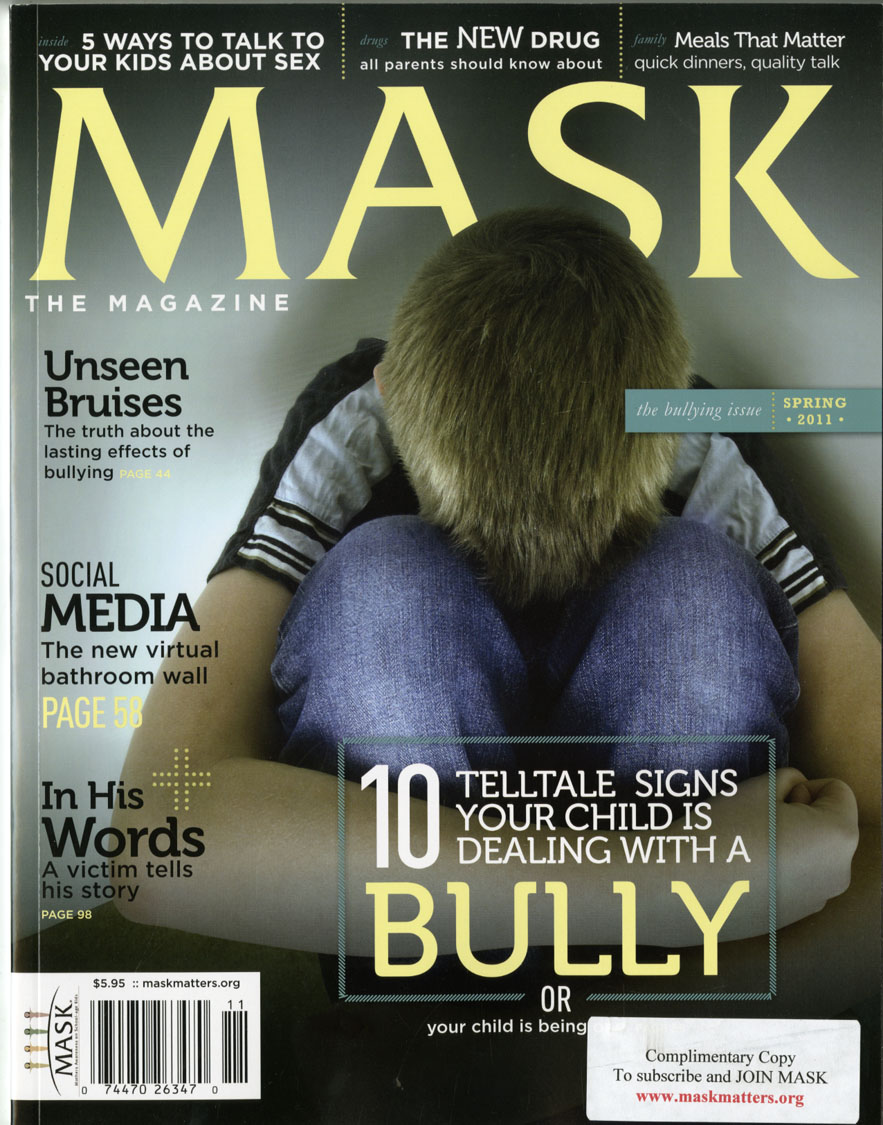
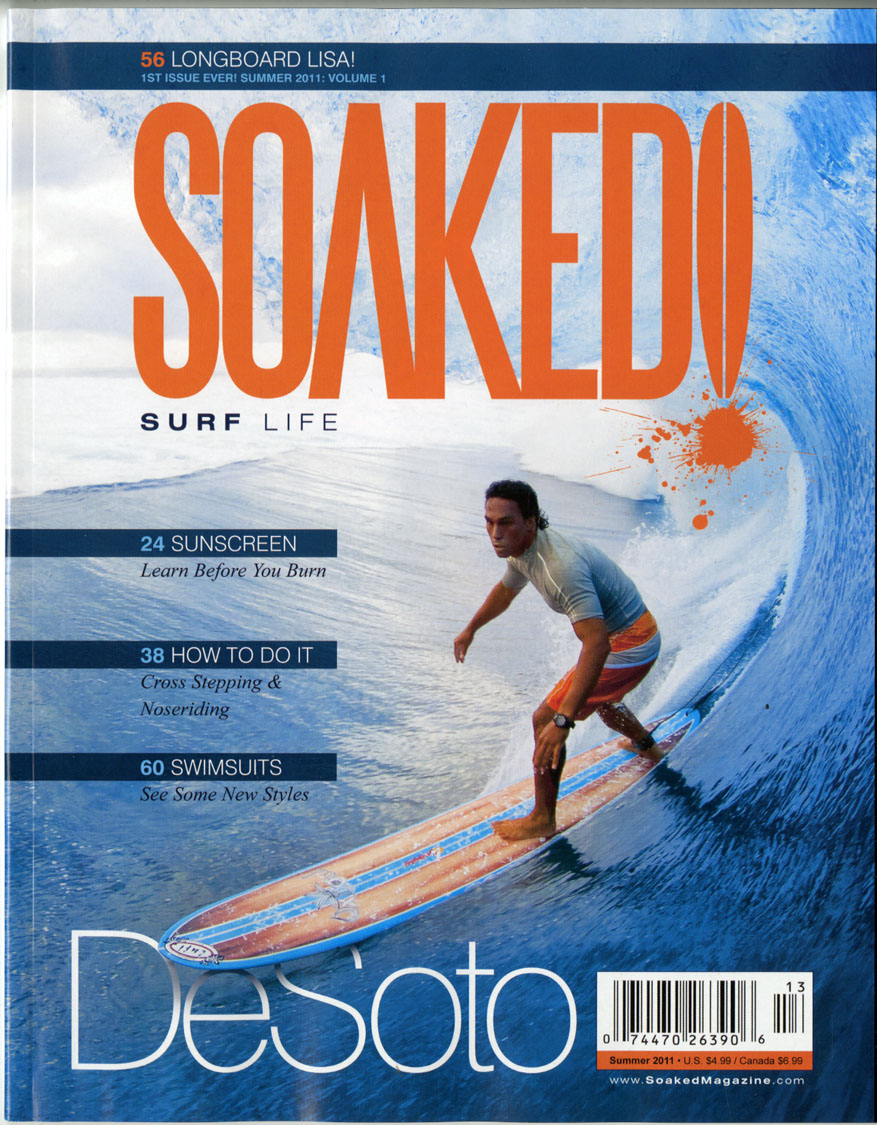
At least 219 new titles have appeared on the nation’s stands for the first time in the third quarter of 2011. That is an increase of 33 titles than the 186 new titles that appeared on the stands for the first time in the third quarter of 2010 and 8 more than the 211 titles that appeared for the first time in the third quarter of 2009.

From the 219 titles, 47 magazines had the intention to publish at least four times a year, leaving the majority of the titles to either an annual frequency or a the ever-so-popular book-a-zines. Those 47 new magazines represent an increase of five titles over the same period of 2011.

The total number of new magazines introduced so far this year stands at 657 titles with 151 of them published with a frequency of four or more times a year.

With few of the leading major magazine publishers re-entering the field of new magazine launches, and if I may add, the ones in ink on paper, 2011 is shaping to be a good year for the new magazine titles arriving at the stands, in spite of all the doom and gloom surrounding the closings of bookstores and the shrinking spaces at retail.

The legendary John Mack Carter used to tell me every time I saw him, “New magazines are the lifeblood of our industry and the newsstands are the acid test of any new magazine.” Amen to that.

h1

Something to hold and own for everyone and every taste: That’s what new magazines offer readers of print in a digital age

September 21, 2011

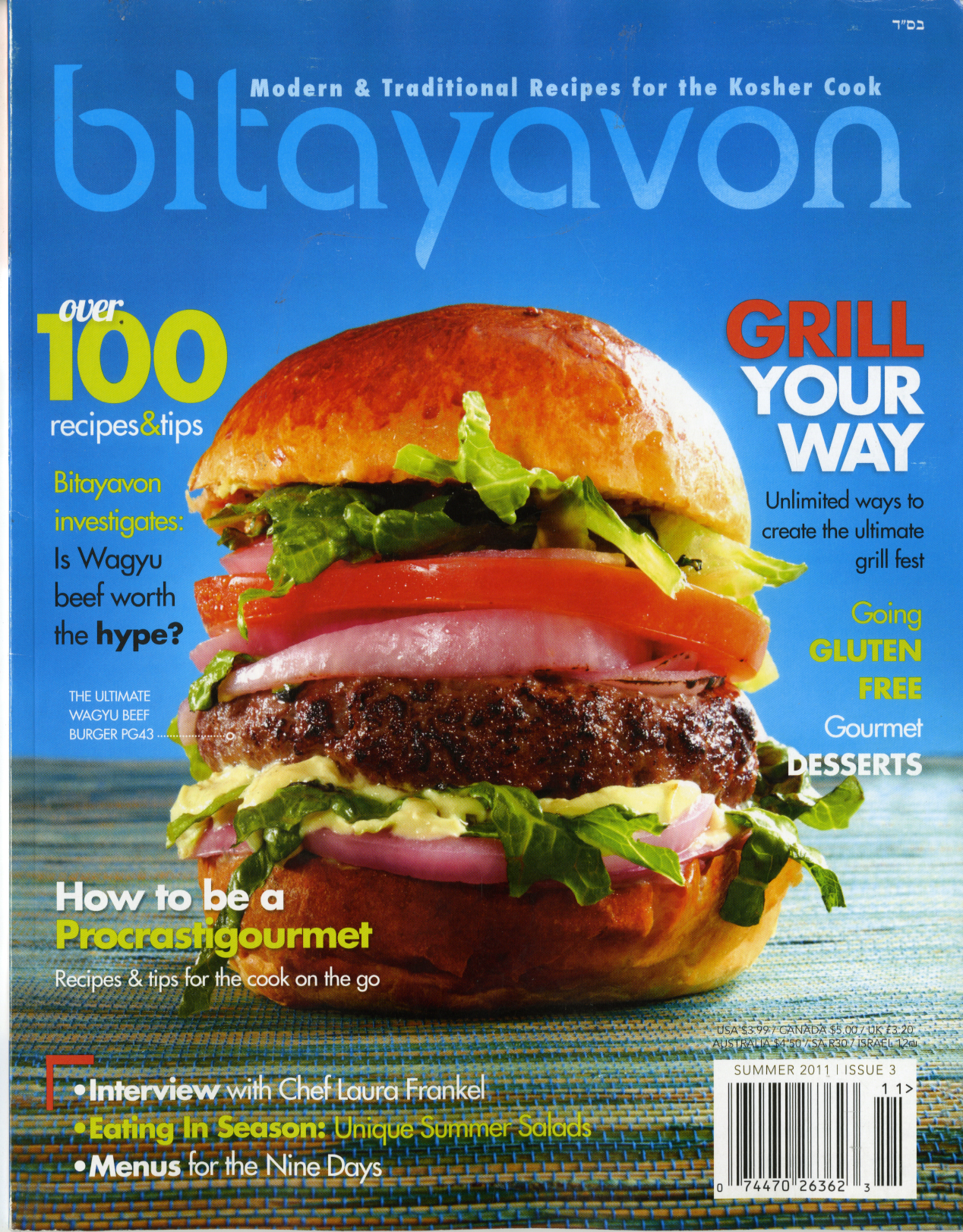
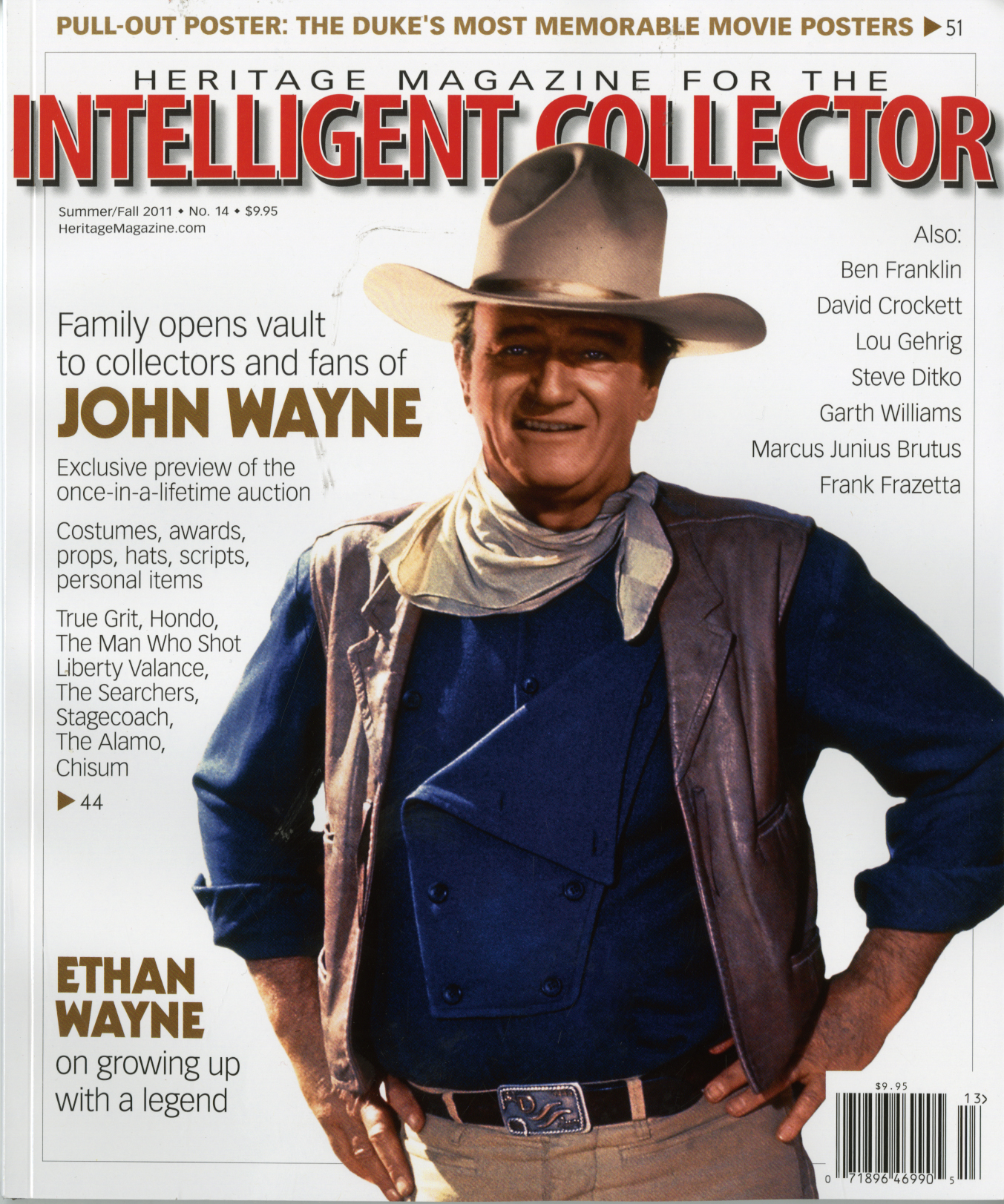
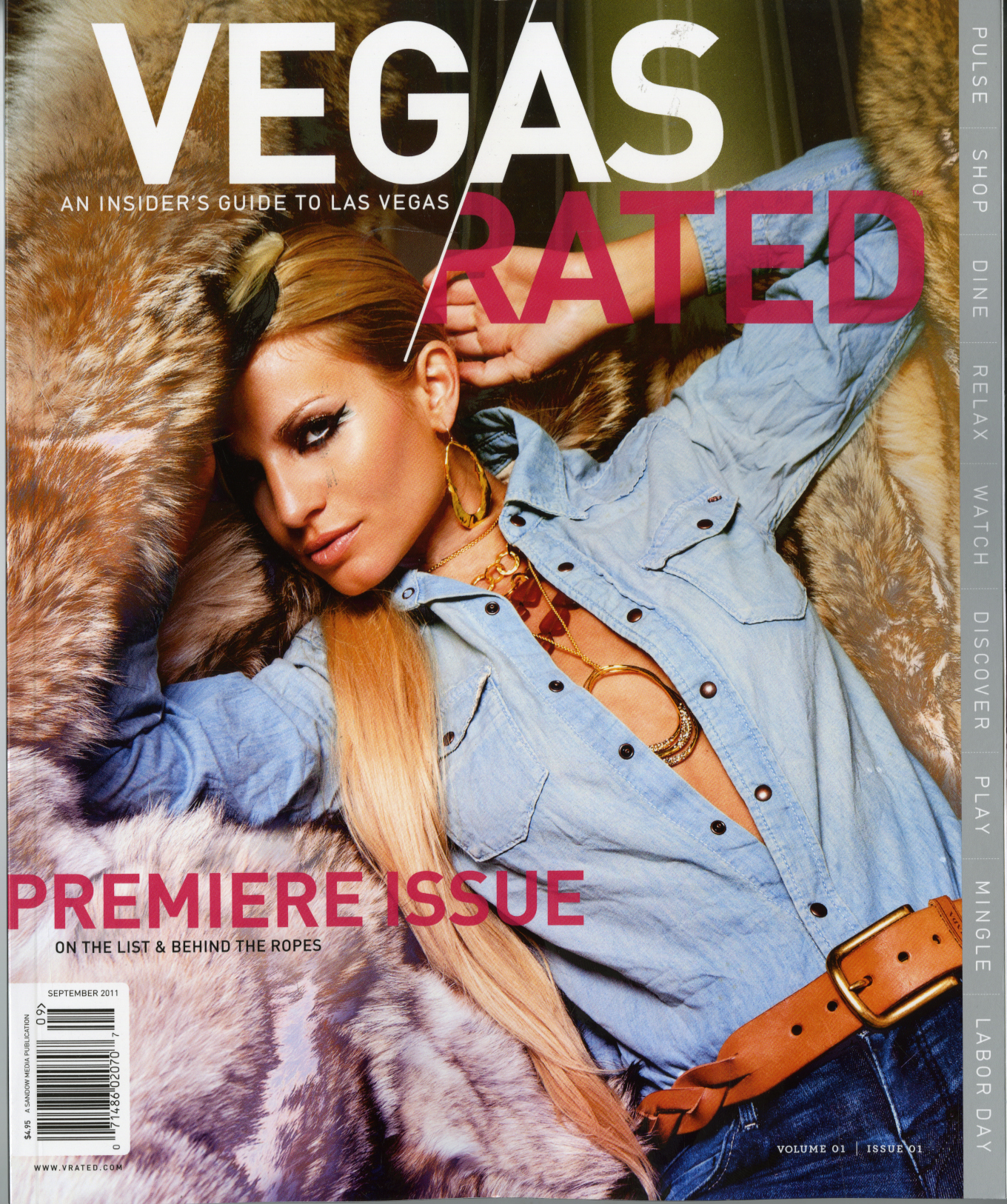
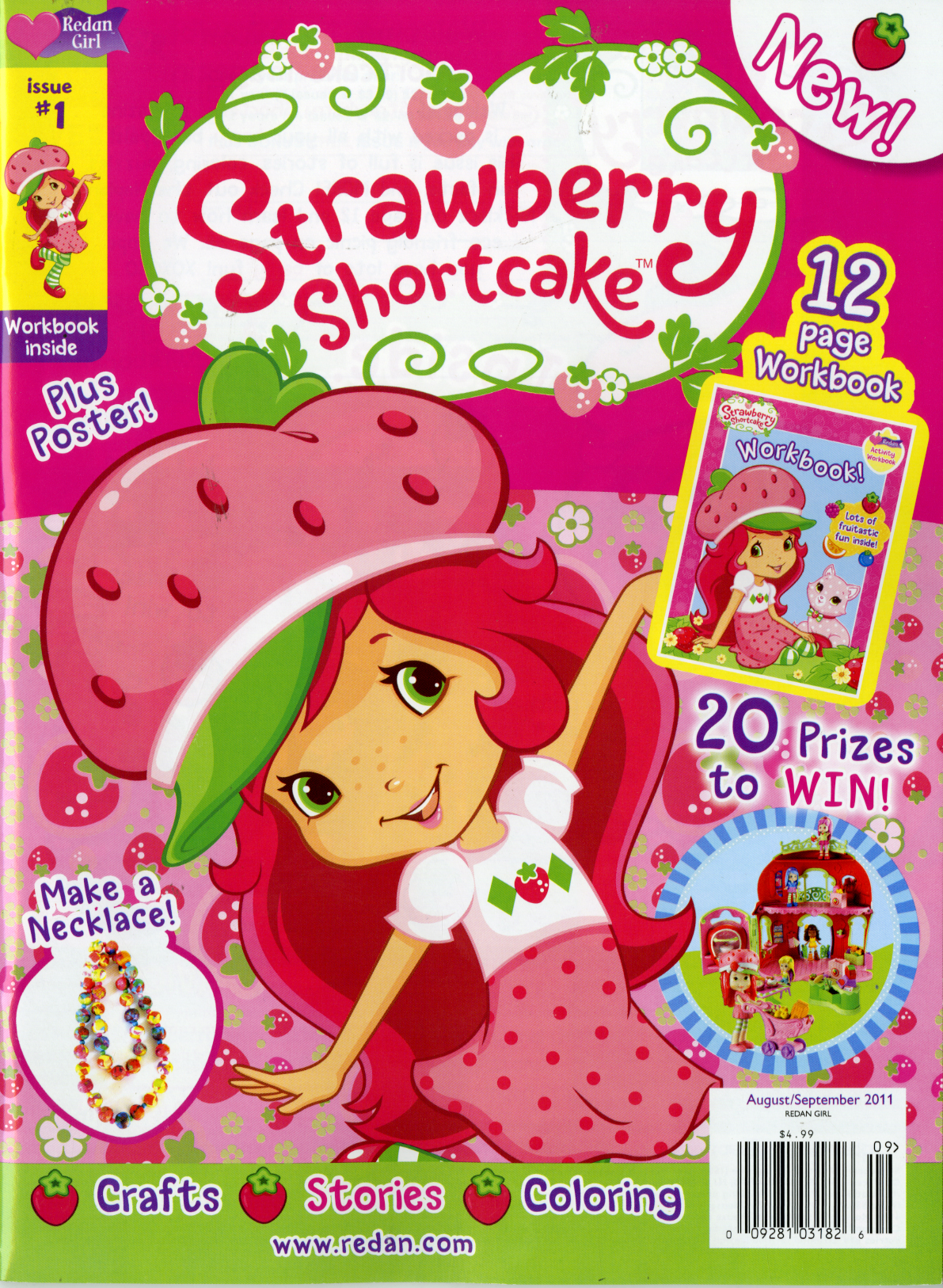
To paraphrase the old saying, “one magazine is worth a 1,000 blogs.” So, without further ado, here are some new magazines making their first debut to the nation’s newsstand this month. Some are brand new, some were never distributed on the stands before. In either case, those titles from major, minor and somewhere in-between publishers, show the vitality and variety of the new magazine titles. There is a new magazine for every taste, every gender, every race, every (you fill in the blank)…

Here is a sample of those magazines with direct quotes from the pages of each one of the titles. Enjoy, visit a newsstand and buy one or two of those magazines, or one of the many other titles you will find and discover. Contrary to rumors, there are plenty of ink on paper magazines out there. Check them out.

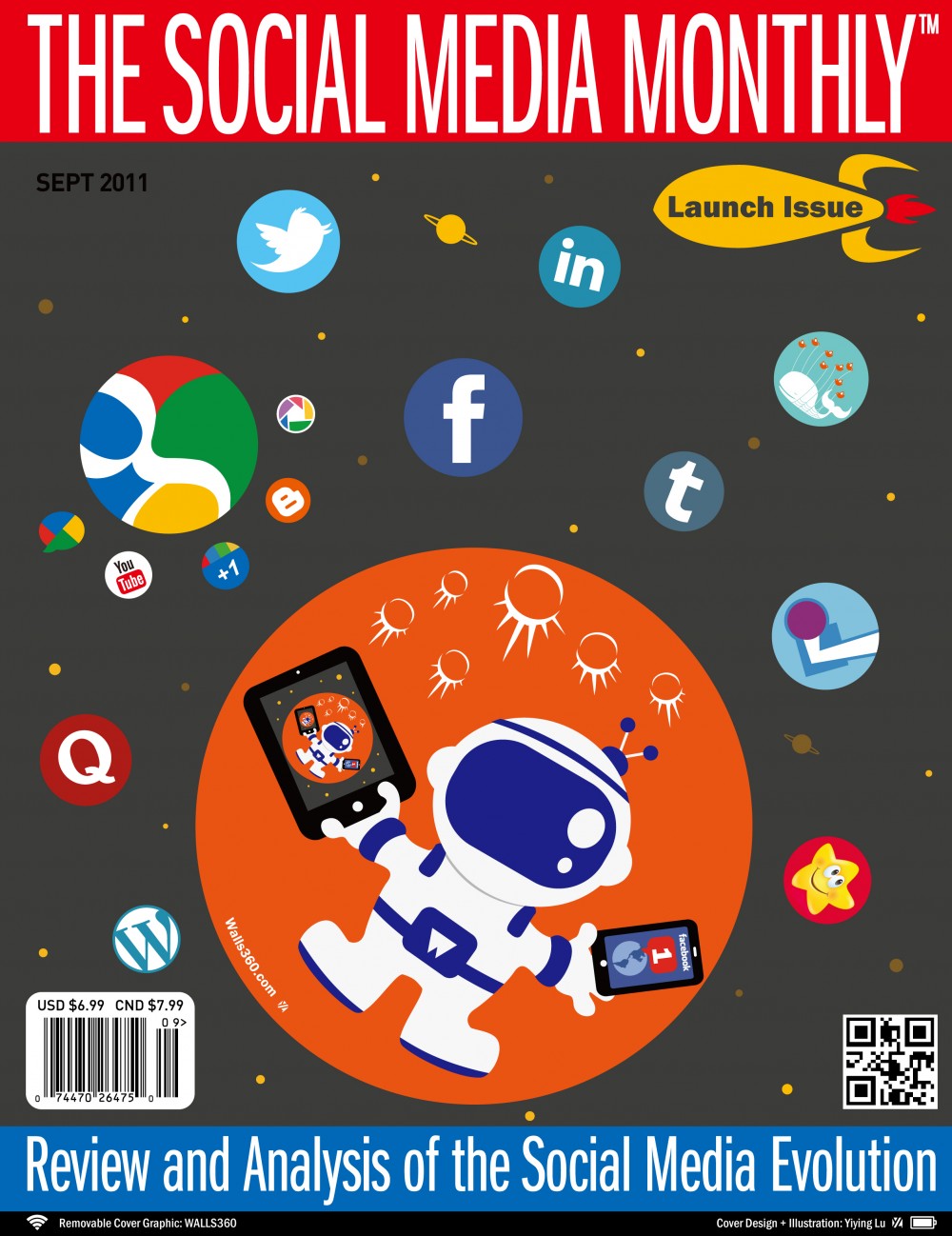
“Welcome to the launch issue of The Social Media Monthly, the first print (yes, print) magazine devoted to the exploration and review of social media.”

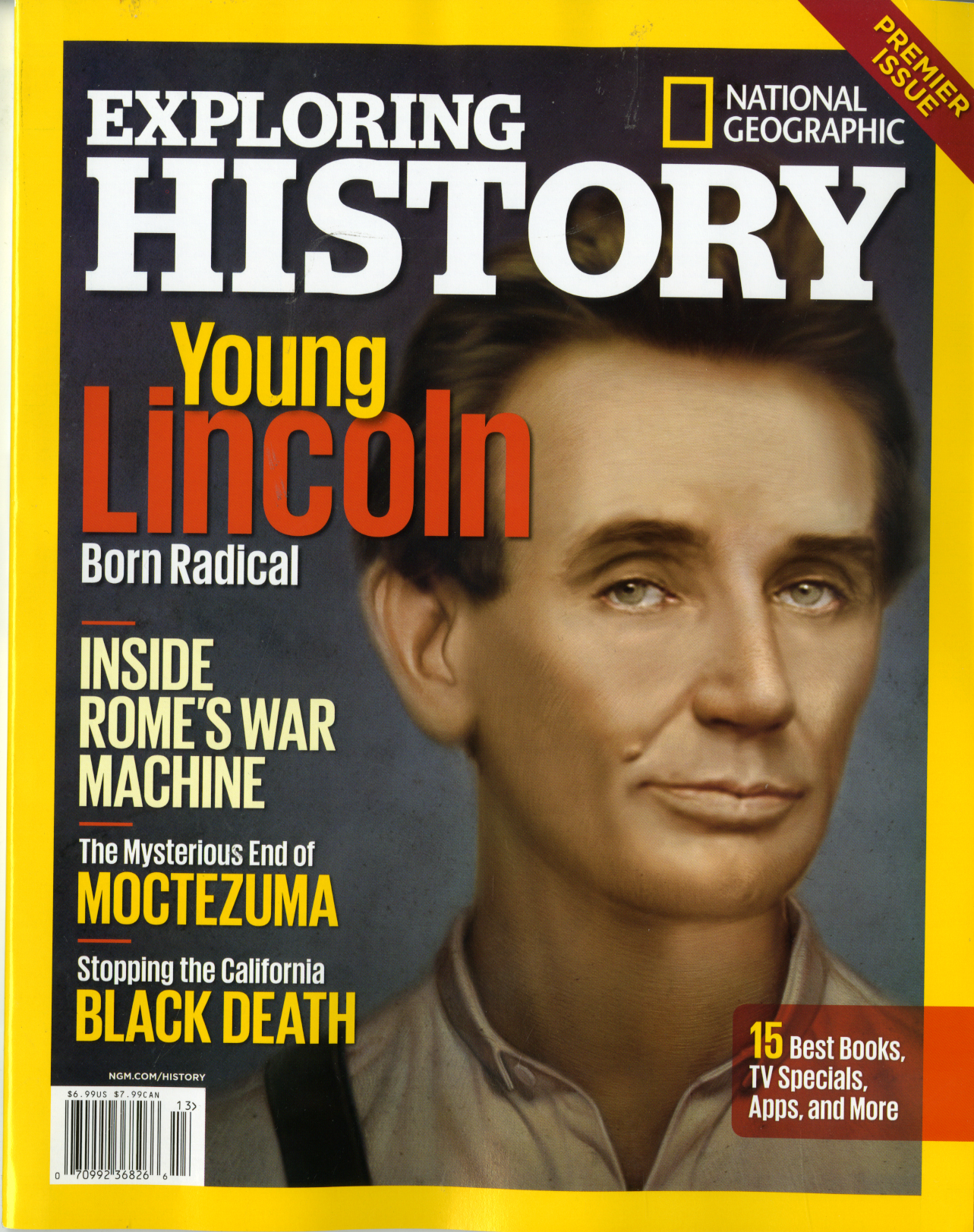
“We are proud to introduce – and welcome you to- Exploring History. Just as National Geographic has been revealing the wonders of the world to readers for more than a century, this magazine will dig deep to unlock the mysteries of time, from the dawn of civilization to the modern era.”

Bitayavon Magazine is a compilation of loads of exciting and mouthwatering recipes and tips for the kosher cook.”

“You’ll notice that we’ve now placed an emphasis on the Intelligent Collector part of the cover title. We believe this more succinctly tells readers what we’re all about.”

“The team at Overland Journal started a new adventure, one quite different from the typical border crossings and desert travel we had enjoyed as travelers – we started a magazine.”

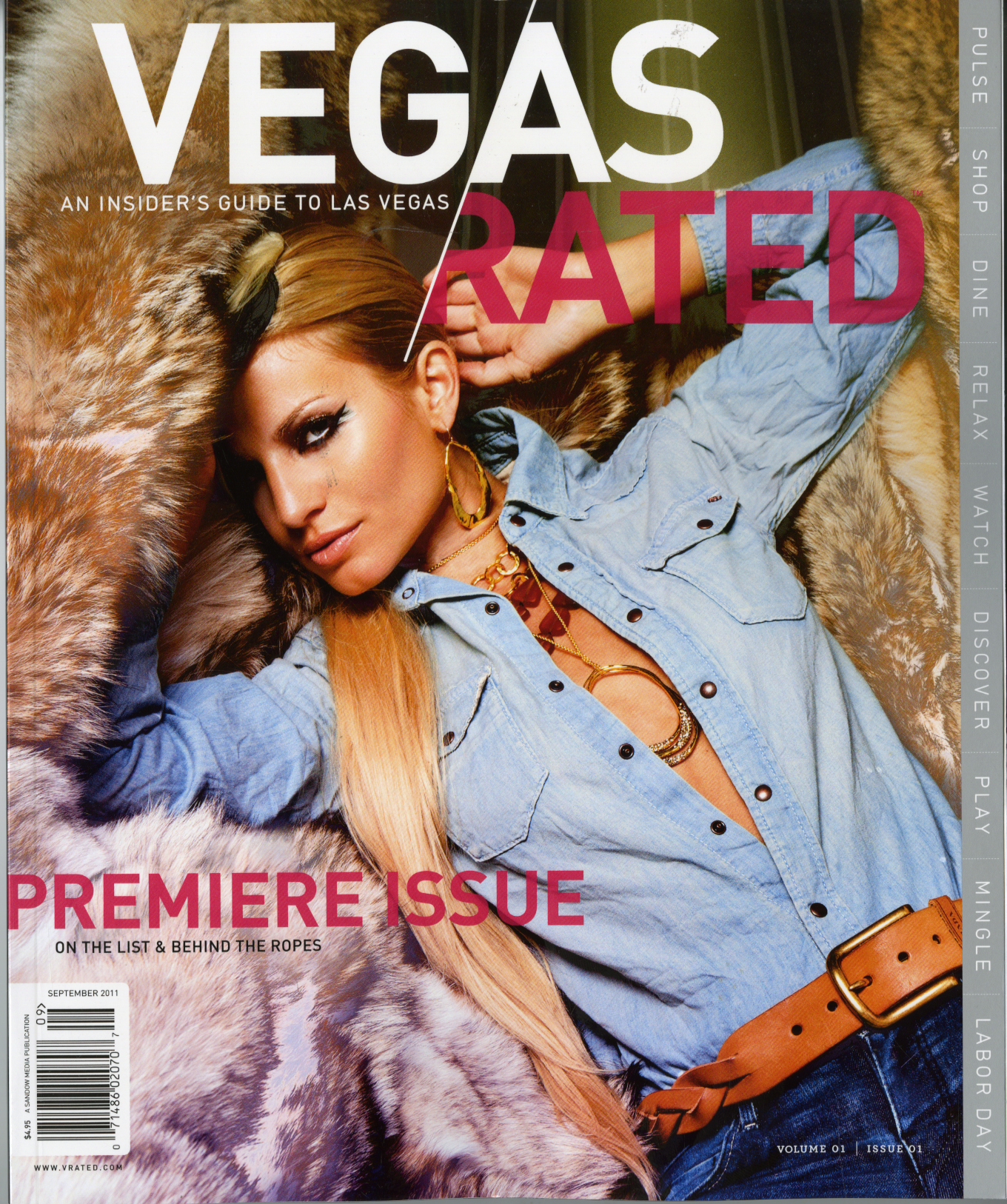
“Vegas is a city for those who want it all, and Vegas/Rated is the window onto this world. From cover to cover, Vegas/Rated brings the city beyond its borders and tells the new story of one of America’s most iconic destinations.”

“Welcome! Strawberry Shortcake magazine is packed with all your berry best pals! This issue is full of stories, coloring, puzzles, fun facts, and MORE!”

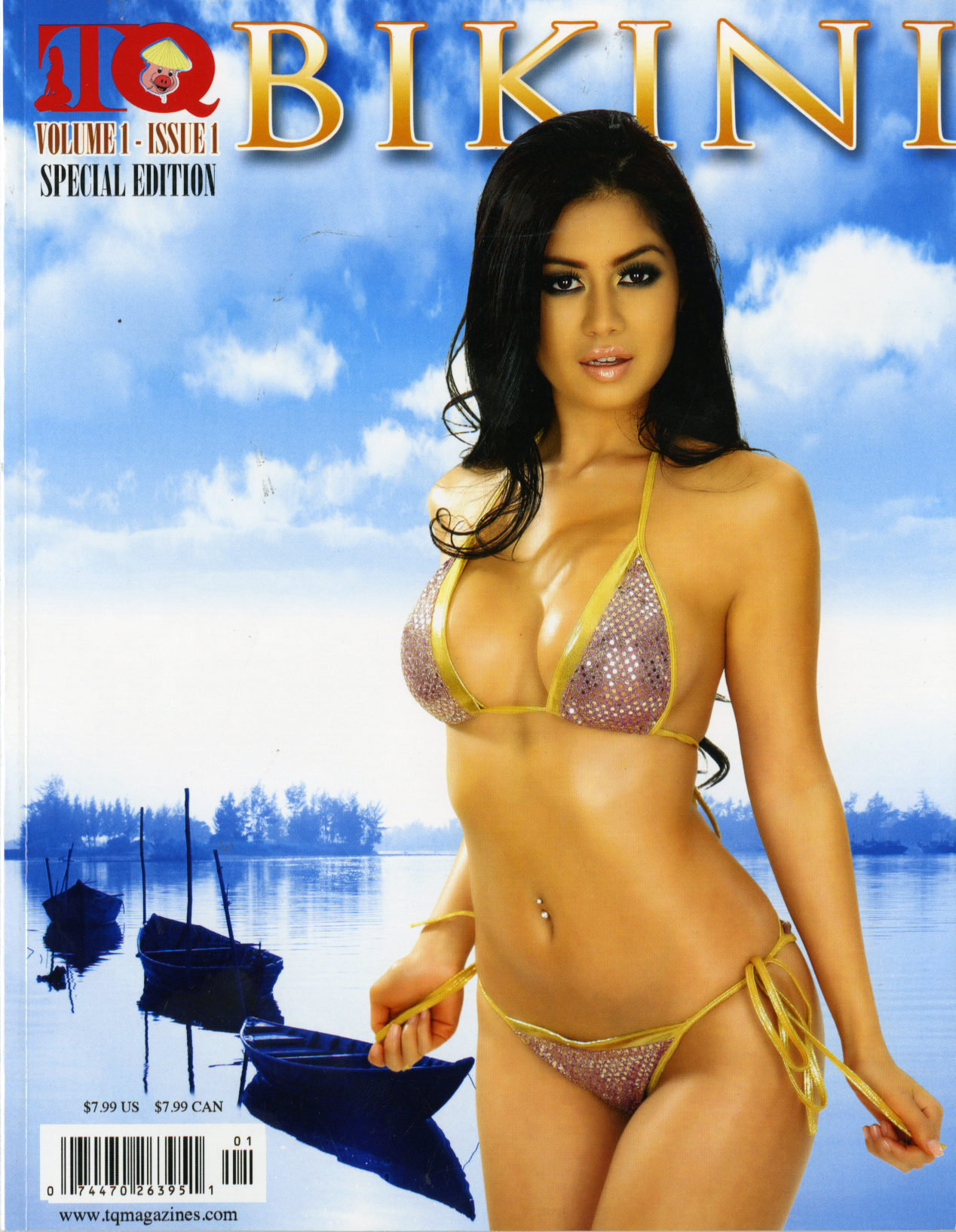
“What better way to kick off the summer than with our first TQ Magazine Bikini Issue. Our talented team of photographers, writers and graphic designers were thrilled with the idea of a bikini issue. After countless hours of collaboration, we are truly impressed with our final product.”

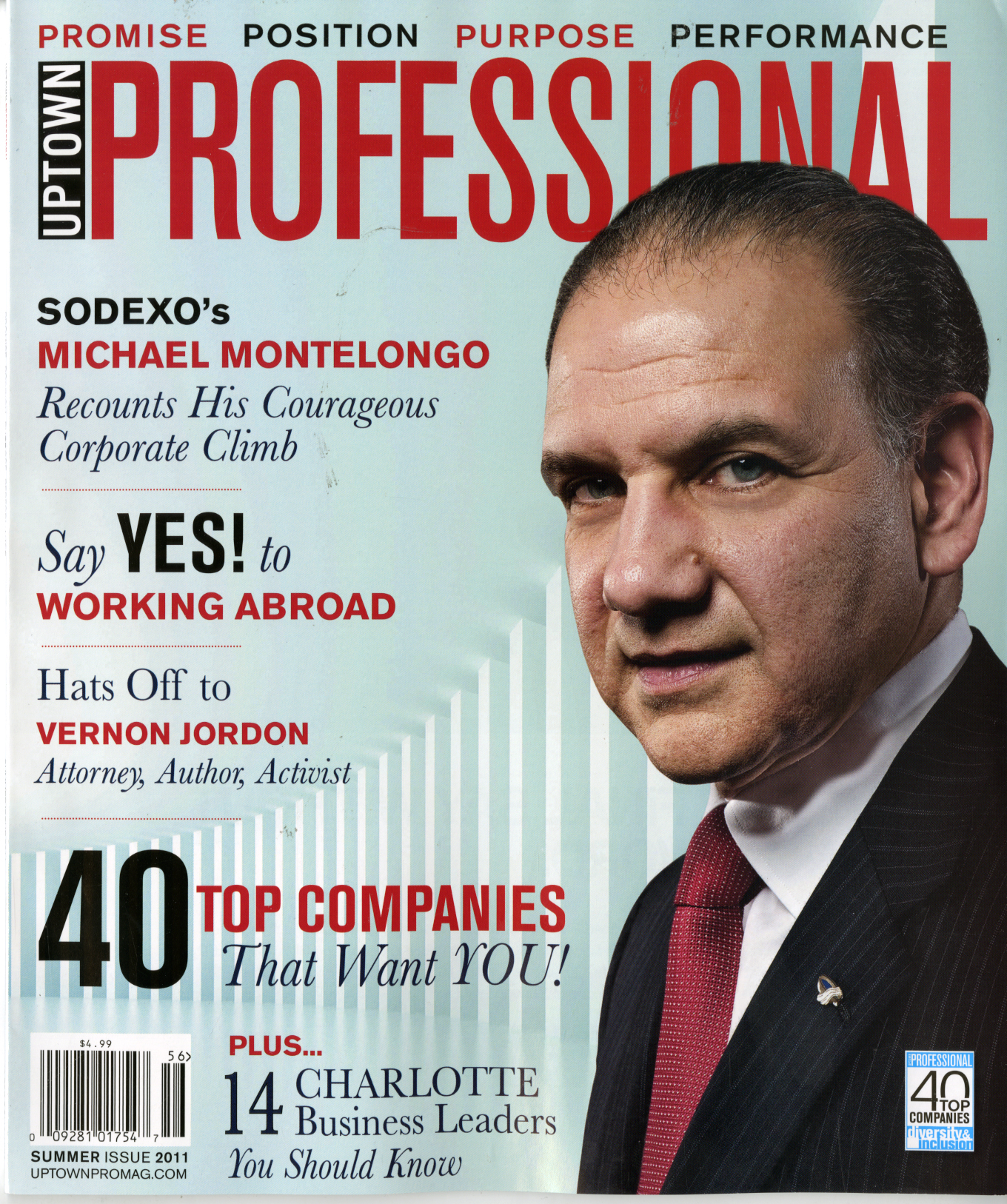
Uptown Professional is the new national, cutting-edge magazine for Urban Professionals with 5 or more years experience in corporate America. Covering relevant topics for African American, Hispanic, Asian, Women and GLBT professionals.”

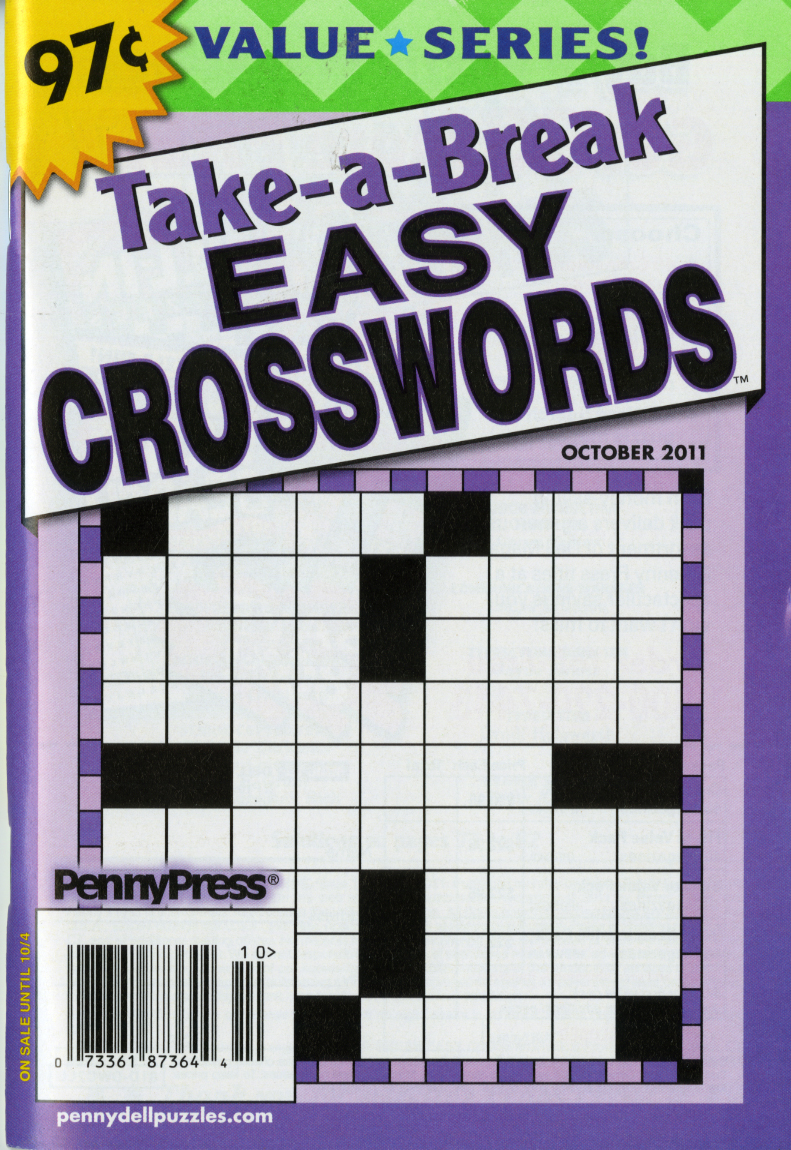
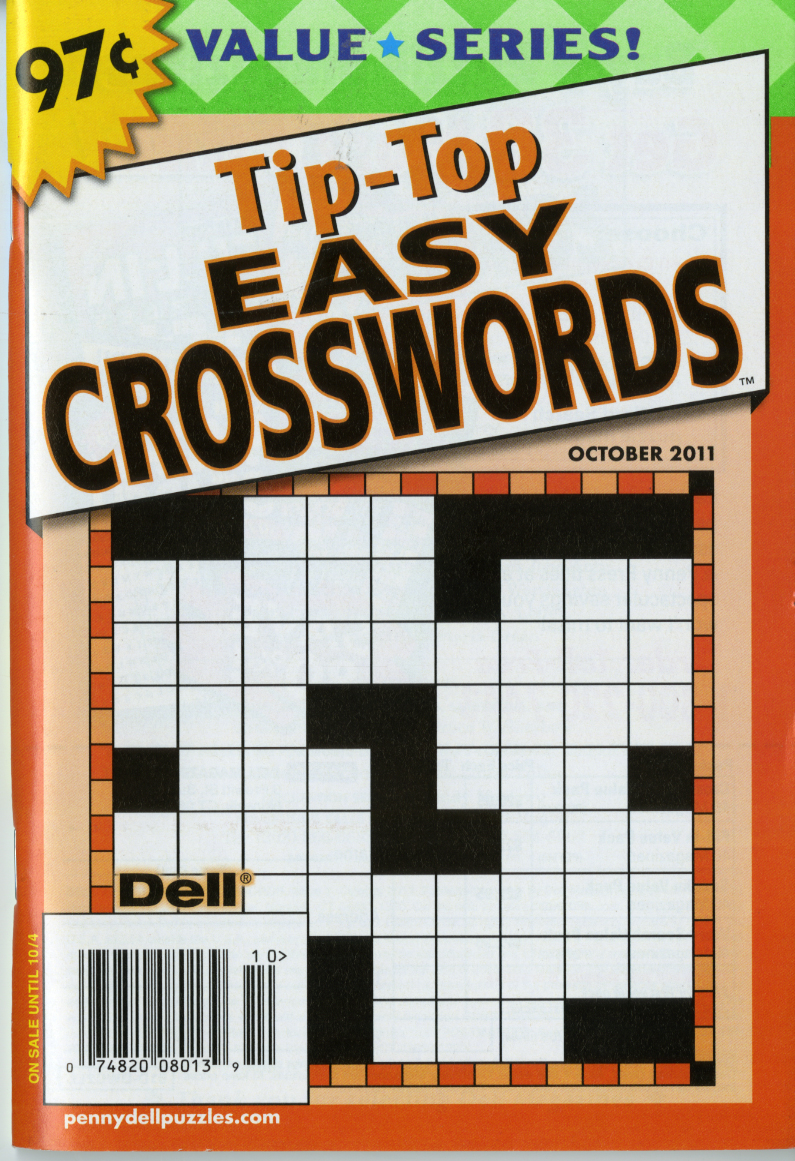
“We want you to see firsthand just how good our crossword magazines are.” The new series of magazines under the 97 cents Value Series from Dell offers a variety of monthly titles such as Tip-Top Easy Crosswords and Take-a-Break Easy Crosswords.

h1

First Half of 2011 Ushers More New Consumer Magazines Than 2010: 438 New Titles With 104 Regularly Published Magazines Launched.

June 28, 2011

Yes indeed! More new consumer magazines were launched in the first half of 2011 than that of the first half of 2010. A total 438 new consumer magazines were introduced to the market place for the first time in the fist six months of 2011. The magazines were divided into 104 magazines published with an intended frequency of four times or more and an additional 334 magazines published with either an annual frequency or as a special interest publication or a book-a-zine. In comparison, the first half of 2010 witnessed the birth of 381 new consumer magazines that were divided into 99 magazines with a frequency of four times or more per year and 282 annuals, one-time and book-a-zines.

The second quarter of 2011 witnessed the birth of approximately 80 titles each month. April ushered 84 titles, May 80 and June another 86 for a total of 250 titles. From those titles 65 of them were published with the intended frequency of four times or more. Both numbers are higher than those of 2010 when 211 titles were published from which 56 were published four times or more a year.

The first quarter of 2011 witnessed the birth of 188 titles from which 39 titles were published four times or more a year. In 2010 the numbers for the first quarter were 170 new titles from which 43 of them were published with a four times or more a year frequency.

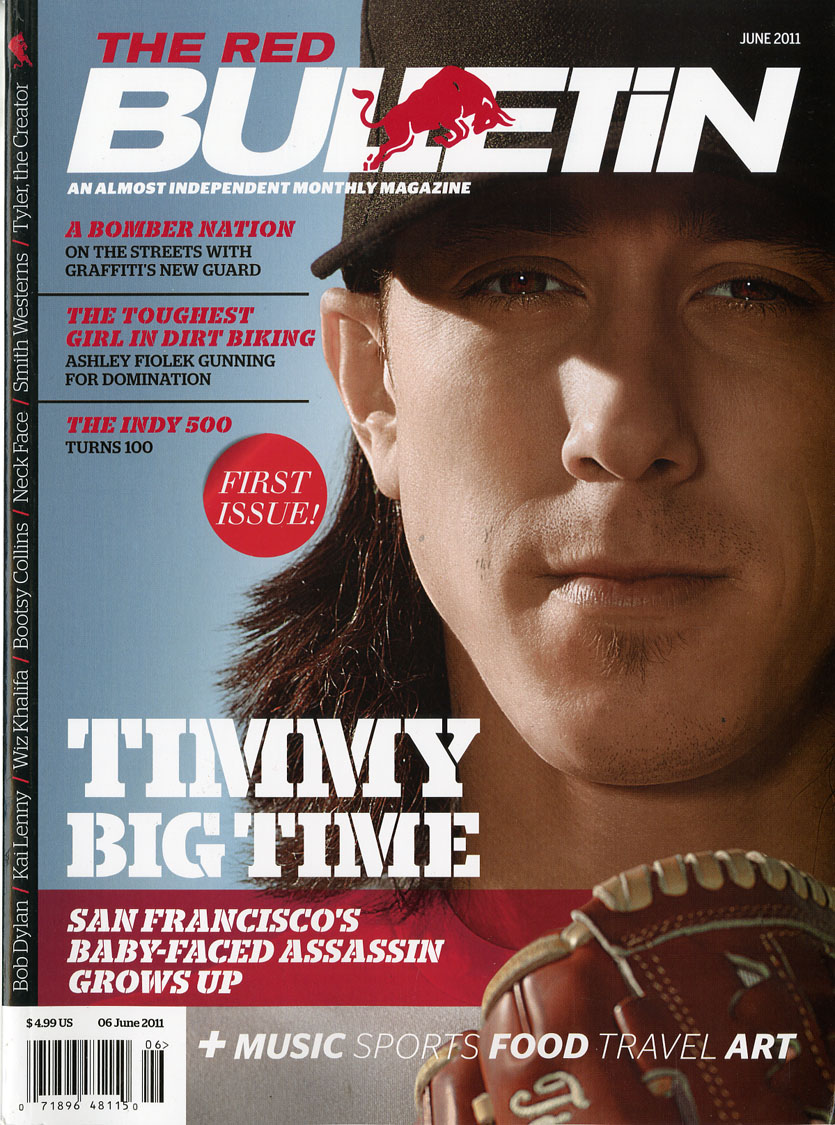
Below are pictures of a sample of ten new magazines, from the new magazines of the last three months, that illustrates the vitality, variety and value of the new magazine industry, the industry that I call the life-blood of our business. Enjoy, get inspired, walk to the newsstand and pick up a copy today… It is still the best investment you can make when it comes to the great three Es of magazines: entertaining, educating and informing. Yeah, I know, information starts with an i, but what about the three Rs of education: reading, writing and arithmetics. Well, at least I got two of three Es correct. Relax and have fun. The power of magazines can be seen on every newsstand you visit and every mailbox you open.

h1

Athlon Sports and Dash share the top spot for Mr. Magazine™ Most Notable Launch of 2010. Announcing the 30 Most Notable Launches of 2010

June 16, 2011

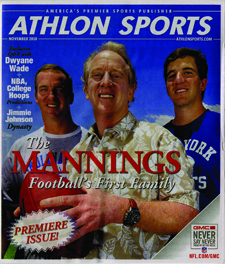
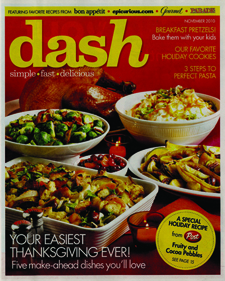
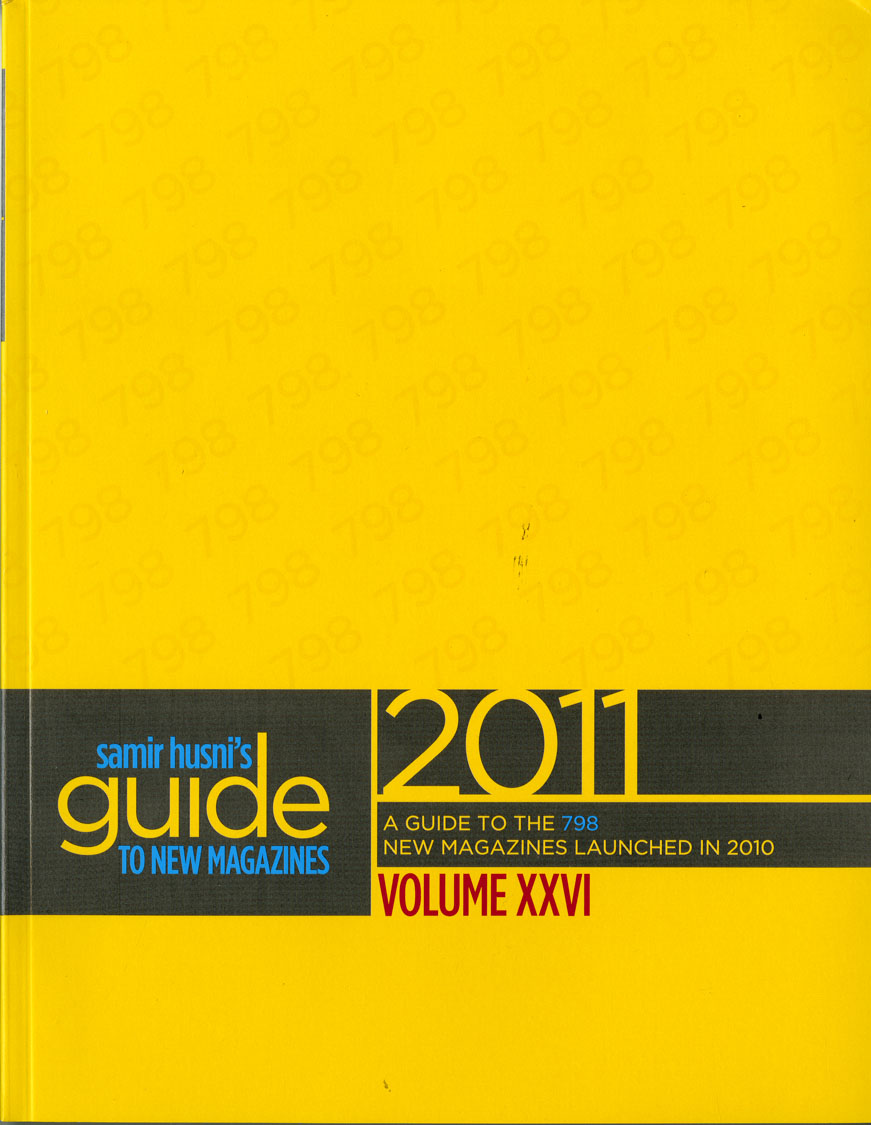
Two magazines out of 798 new magazine launches share more than one thing in common between the two of them: Dash and Athlon Sports. Both titles are distributed via newspapers and they are both named Mr. Magazine™ Most Notable Magazine Launch of 2011 in the latest edition of the Samir Husni’s Guide to New Magazines, Volume 26. The Guide, which has just been released, lists all 798 new titles that arrived at the nation’s newsstands or customers’ mailboxes and coffee tables for the first time in 2010.

In addition to Athlon Sports and Dash, 28 other magazines were named notable launches of 2010. The selection of the notable launches of last year is based on five questions that the Mr. Magazine™ team try to answer when reviewing all the new magazine launches of the previous year. The questions are:

1. How much publicity did the magazine generate at launch?
2. How relevant was the magazine to intended market?
3. Was the magazine notably diversified and specialized?
4. How innovative was the magazine?
5. Was the magazine so bizarre that it had to be included?

What follows are the 30 Notable Magazine Launches in 2010 starting with the two Co-Most Notable Launches of the Year:

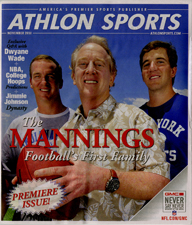
Athlon Sports– (The Co-Most Notable Launch of the Year) From the leading publisher of Athlon annuals, here comes he first-ever monthly newspaper-distributed-magazine aimed at men with an initial circulation of seven million. Athlon Sports debuts as the largest sports magazine in the United States and the world for that purpose. This unheard-of and unprecedented launch is truly something to be noted and proud of. It’s a testament to the power of print and its incredible reach to a vast audience. Well written and illustrated this new launch, while big in print, does not limit itself to the ink on paper, but adds a hefty web presence. Athlon Sports deserves to share the most notable launch honor with Dash, yet another daring launch in that same newspaper-distributed-magazine category.

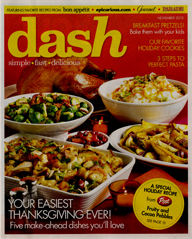
Dash– (The Co-Most Notable Launch of the Year) Sharing the top honors with Athlon Sports, Dash magazine is another manifestation of the power of ink on paper and the success of newspaper-distributed-magazines. With a launch circulation of more than 8 million copies, the monthly Dash presents itself at the front of the pack of cooking magazines. This magazine has found enormous success as an insert magazine for newspapers, finding an entirely new female audience in those who don’t subscribe to cooking magazines. From the mother of all newspaper-distributed-magazine Parade, Dash deserves the top spot in the world of new magazine launches of 2010.

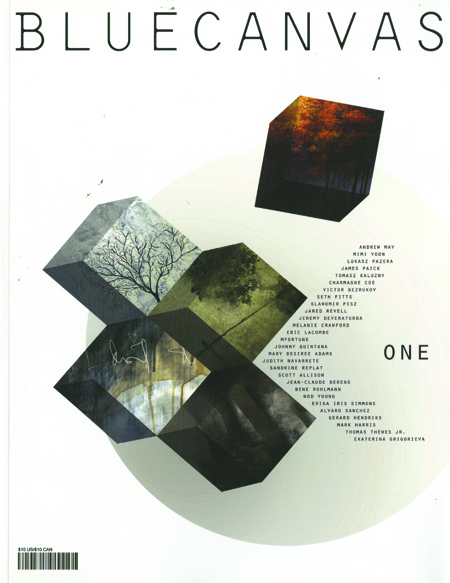
Blue Canvas– is another manifestation of the coffee table approach of print that combines art and literature into one unified publication. It’s one of the best packages a publisher can offer, and provides its audience with well-constructed editorial and beautifully produced imagery. Bluecanvas brings its page to live through all kind of activities and events that bring the magazine to life and humanize the ink on paper. Talk about smart, elegant and beautiful all in one!

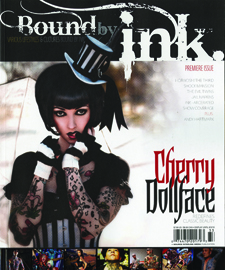
Bound By Ink – If there’s one phrase to describe 2010, it is the “year of ink,” and not necessarily just ink on paper, but ink on skin. Bound By Ink takes tattoo magazines to an entirely new level, providing a must-see collection of stunning tattoos rendered by today’s most skilled artists, showcased by the beautiful bodies who proudly display them. Looks more like a journal with a feel of the top glossies, this magazine sets a new standard for the tattoo magazines currently on the marketplace.

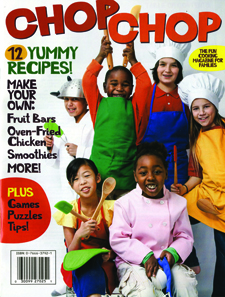
Chop Chop – The food magazine for families whose kids want to be in the kitchen, Chop Chop shares recipes, activities and ideas that require a child’s touch. Focusing on one of the largest trends in new magazines for the last three years, Chop Chop adds the children to the picture and focus on their involvement in every aspect of food, cooking and nutrition. The magazine brings a entirely new meaning for the term, “having a kid in the kitchen.” Now the children can do more than the easting in the kitchen thanks to Chop Chop.

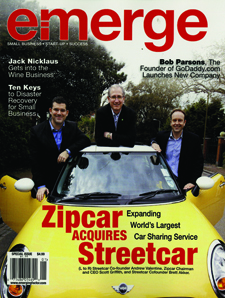
Emerge – This magazine is like taking a page from the Harvard Business Review and adding a unique, emotional personal touch to its pages. Emerge tries to humanize the world of business interactions to help its readers understand business transactions. With a mean focus on the people behind the business, Emerge carves a niche for itself in the world of business magazines that makes useful, helpful and full of “stories” about business interactions one after the other. Humanizing print, one story at a time.

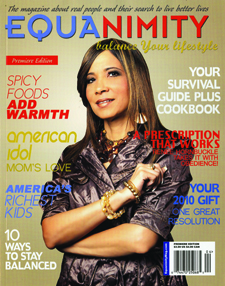
Equanimity – “Diversity meets specialization.” This is a new breed of magazines we are going to see much more of in the future. A single magazine can be a better reflection of our society offering a multitude of diverse topics covered in one, single publication, instead of multiple magazines covering multiple targets. A good attempt in achieving a new breed of magazines and a lot of credit for being the leader of the pack. Sill, editorially speaking, the magazine needs more meat to provide its readers of a full meal of Equanimity.

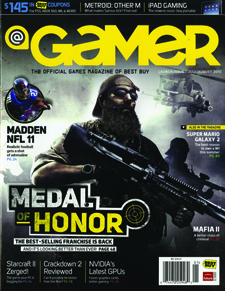
@Gamer – When a major magazine publisher meets a major electronic retailer, the product has the potential to be nothing short of pure success. That’s entirely what @Gamer has proven itself to be. A great magazine with a very specific audience, @Gamer is the result of UK based Future publishers and Best Buy, who has the exclusivity of selling the magazine solely in its stores. A must have for the gamer and a must inclusion in the most notable launches of 2010.

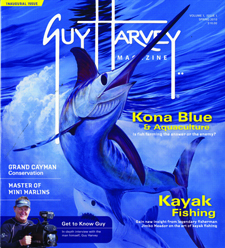
Guy Harvey – This magazine is an extension of the world-famous Guy Harvey brand that takes the dictionary definition of the word “magazine” (meaning a storehouse) and moves it from the brick and mortar to the ink on paper of the enterprise. This lifestyle magazine brings the world of Guy Harvey into a single publication, offering editorial content and beautiful photography, while allowing readers to purchase a diverse selection of products. Well designed and written the magazine is good for both window shopping and actual shopping. Guy Harvey is waiting for you to interact with the store. Welcome inside.

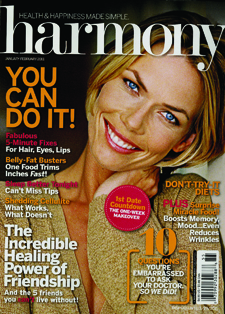
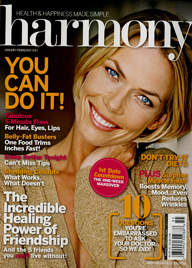
Harmony – Another foray into women’s lifestyle and fitness magazines, Harmony captures both the body and the soul of its audience. Anyone courageous enough to start a magazine in a market already bombarded with countless publications aimed at women deserves to be noted, and what makes Harmony even more deserving of notoriety is its success in producing a valuable, well-crafted publication. Harmony magazine provides content that is as harmonious as the name of the magazine itself. A title deserving the honor of being a notable launch of 2010.

High Times Medical Marijuana
– From the publishers of leading marijuana-focused (no pun intended) magazine, High Times, comes the medical version of the mother ship. Medical Marijuana capitalizes on the current status of debate and laws related to the medicinal usage of marijuana in many states of the union. The magazine, a first of its kind, deals with Mary Jane from a medical point of view, dispensing advice, ideas and pages for debate among readers, users and maybe dispensers.

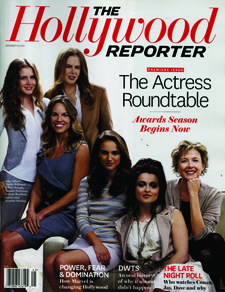
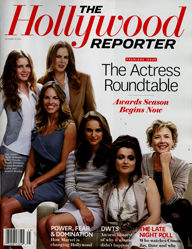
Hollywood Reporter – If you’re looking for a formula on converting a trade daily publication into a consumer weekly, look no further than the Hollywood Reporter. Mixing the business side with the consumer side, this magazine presents Hollywood and its stars on a silver platter for those interested in both the business and beauty of the city. A very successful attempt into widening the reach of a trade publication into a wider consumer base without losing the narrow trade focus. A step in the right direction and a new magazine that must be noted.


Indigo
– Anyone who has the guts to launch a cultural, sociological and political magazine aimed at a young audience deserves to be praised. What seemed like a “mission impossible” has been successfully brought forth on the pages of Indigo, a magazine that will undoubtedly remain at the forefront of niche publications attempting to find an ultra-specialized, fragmented audience within a broad youth audience engulfed in entertainment and celebrity culture. A noted magazine with a journal feel and a young audience who have yet to be introduced to the world of journals.

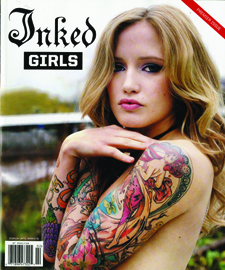
Inked Girls
– A spinoff of what is probably the best tattoo magazine in the marketplace, Inked Girls combines the beauty of ink and the women who wear it. This magazine is a must have for anyone in love with the art of tattoos and beautiful women. Building upon the success of Inked magazine, this female counter-part provides page after page of beautiful inks and beautiful women making it a must for both men and women. The first will definitely enjoy the women and their ink and the second will enjoy, the women and the ink also! What else did you expect me to write? I always believed that beauty is a two-way street.

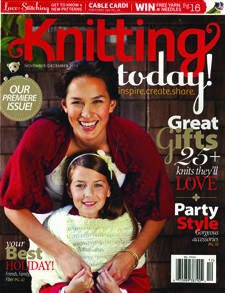
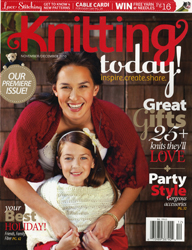
Knitting Today! – Ten years ago in the aftermath of 9/11, women’s craft and how-to magazines went through an enormous resurgence due to the national cocooning and isolation movement in today’s mainstream culture. Capitalizing on this trend, Knitting Today has found success by bringing back the timeless art of knitting to the forefront of craft publications. Well-crafted (no pun intended) Knitting Today proudly takes its place on the newsstand’s shelves next to the many craft and hobbies titles that for three years in a row have been in the top three categories of new magazine launches.

LAVA – Lava is riding the wave of recent popularity in the world of triathlon competitions. Combining photography, how-to articles and great editorial content, this magazine brings the excitement of triathlons to the masses who enjoy the sport. With an oversized pages, big pictures and a step by step approach to tri-athletics, Lava is a beauty to look at, a joy to read, and a lot of hard work to exercise. There is no need for any volcanic eruptions to get this Lava. Just take a stroll through the pages of Lava and find out why we think Lava deserves to be one of the most noted new titles of 2010.

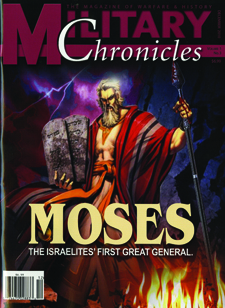
Military Chronicles – From the makers of North And South magazine, Military Chronicles expands far beyond the era of the Civil War. Following the example of its mother publication, Military Chronicles presents a wide range of historical content, connecting a 21st-century audience with valuable information and warfare accounts. From the days of Mosses leading the Hebrews through Egypt and the dessert, this magazine takes you through one historical battle after the other. If you are a military history buff, this magazine is for you. A great companion to the civil war magazine. With the two titles, your military history is complete.

MyHome MyStyle – My Home My Style inspires individual ideas, practical projects and simple solutions to home life and décor. A circulation customer-centric publication that focuses on the need of individual home owner regardless of the marketing and advertising world surrounding the home and home market field. The magazine gives service a true road map so that folks can depend and follow the instructions one page at time without an hidden agendas or sales pitches. A must have guide for anyone interested in shedding some light (no pun intended) on their home or home plans.

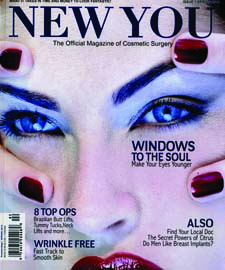
New You – Adding to an already crowded market that deals with beauty and self-improvement, New You attempts to give the individual a complete makeover, all through plastic surgery. The magazine, through page after page, feels and looks more than the yellow pages of plastic surgery all done in the name of providing the reader with a better option for a better you. New You gives a new meaning to the phrase, beauty is more than skin deep. It this case it is just the skin.

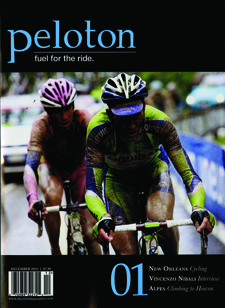
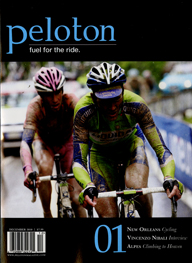
Peloton – A bicycling magazine that differentiates itself from all other cycling publications due to its literary-journal feel, Peloton takes bicycling to a higher level, not just celebrating the sport as a hobby, but as a state of mind. A ground breaker in this crowded field, the combination of photos and essays opens the gates to future imitators who, with no doubts, will “bike” their way into other sports publications using the same approach Peloton is using with bicycling. A must have for those who rides bicycles and enjoy reading and viewing the “hobby” at the same time.

Qlix – Qlix focuses on emerging fashion in a very innovative way. Thinking outside the box and produced in a box (well, for that matter an envelope), Qlix provides its readers with fashion spreads all folded inside a nice envelope that makes the reader feel that they are opening one gift after the other as they remove the pages from the envelope. All credit should be given for such a magazine that enters an extremely crowded field, but has the guts to think and present differently than the rest of the fashion crowd. Innovation in print at its best.

Rebel – A new revolution regarding society, culture and social lift, Rebel holds a unique twist: it focuses and targets men. This magazine presents a new style of publication for men in that it aims at a man’s brains, instead of his drains. Rebel, with its social conscience, tries to create a new genre of magazines that goes beyond the politically correct genres of magazines, and offers its readers a wealth of well-thought, well-written essays combined with great easy to follow design. All in all this Rebel comes well packaged for the new century and the revolutions ahead for years to come.

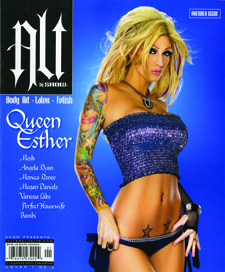
Show-Alt – We’ve said it before and we’ll say it again: tattoos are the ‘in’ thing. This spinoff of Show magazine adds the ink to the ladies – a winning combination. Enjoy the show. The customer, whether there for the ladies or the tattoos, will have a feast for the eyes and nothing but the eyes. Like its sister publications in the Show family, this magazine only “shows.” There is little in term of “says” and “talks.” More like a photo album than a magazine, Show-Alt offers what can be considered a collection of pictures “suitable for framing” on every single page of the magazine.

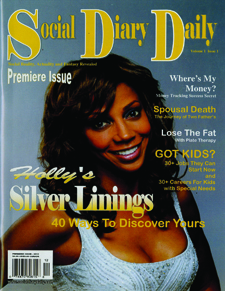
Social Diary Daily – If there is a magazine that needed to be included in the Most Notable Launches, it is Social Diary Daily. It epitomizes what anyone starting a magazine should not do. From its name to its design to its content, Social Diary Daily is the quarterly published poster child of a poor magazine. With very amateurish content, bad pixilated pictures and even worse design skills, Social Diary Daily is a recipe to what folks need to avoid when launching a new magazine. I applaud the founders on their desire and will to create a magazine, but I urge them to take a look at a nearby newsstand and compare their title to the rest of the magazines out there. In one word Social Diary Daily is UNIQUE!

THC Expose – A magazine focused on medical marijuana, THC Expose offers this content in a platform of great design, beautiful women and excellent editorial for those who immerse themselves in this culture. A brand extension to an event convention with the same name, this magazine surely brings the convention to life and not vice versa. It also gives customers the opportunity to go behind the scenes of such a convention without being “seen” at the convention. With medical marijuana in the news, I doubt that the two magazines in those 30 most notable launches are going to be anything but the “tip of the iceberg” to come for the “standing in line” customers.

Thriving Family
– From the folks at Focus On The Family comes the revamped and mainstream publication aimed at today’s Christian family. This magazine creates a hopeful and optimistic method of improving families by showcasing families currently improving themselves, rather than families who appear to have reached their goals. Trying to reach the crowded stands in the nations’ bookstores, Thriving Family is an attempt to preach beyond the choir and hope to spread the message for a wider audience nationwide.

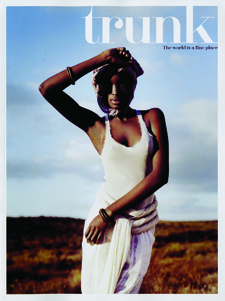
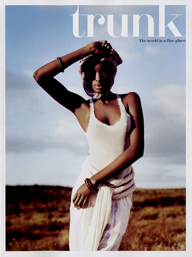
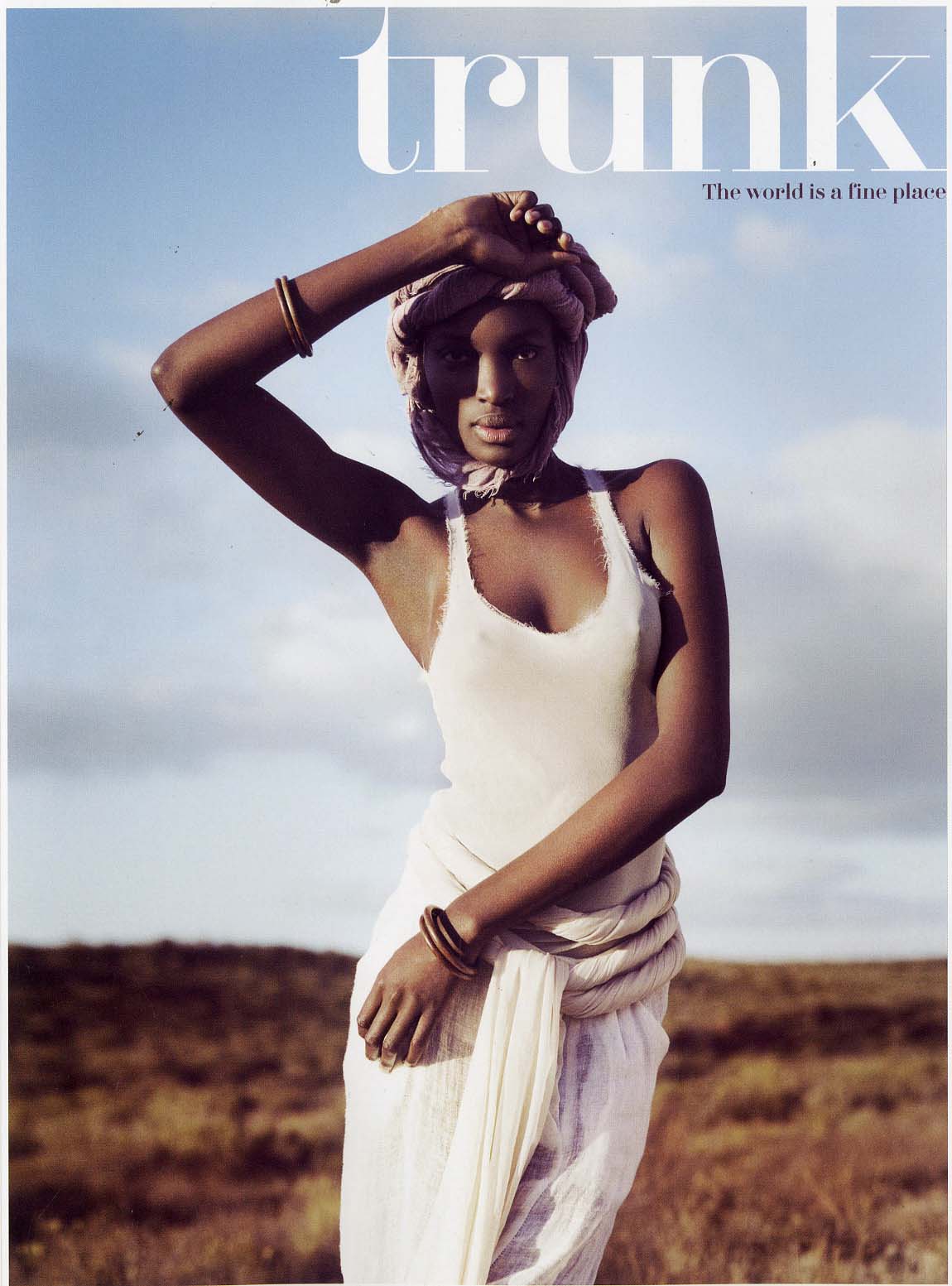
Trunk – For most people, opening a trunk is like opening a treasure chest of secret, invaluable items. That’s exactly what Trunk magazine is for its audience. From great destinations to stunning photography to beautifully written editorial, Trunk captures the world and elegantly offers it to its audience in a well-crafted publication. But, what else would you expect from a magazine that the team behinds it has an excellent history of great photography, greater writing and greatest design?

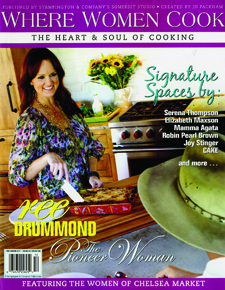
Where Women Cook – The folks at Stampington Press continue to produce one great magazine after the other. This magazine combines food and culture, making the art of cooking a celebrated pastime among their country, recipe-loving audience. With its high cover and subscription prices, Where Women Cook is aimed at the heart, soul and pocket of the common foodie. If anyone ever doubts the power of reaching the “customers who count, rather than counting customers,” Where Women Cook and its sister publications are a must see and learn breed of publications that can put you on the right path for publishing in this day and age.

Whole Living – When Martha Stewart touches something, the least she can do is change it. Revamping Body and Soul magazine, a reincarnation came under the name, Whole Living, which fits perfectly with its holistic approach to combining both the intake and outtake of individuals interested in that very specific way of life. Whole Living, now more mainstreamed, provides an essential guide to this new way of life without feeling “alternative” or a “fish out of water.” Needless to say, the writing, design and photography are all now “packaged” Martha’s style, so they can’t be but good, if not better. Enjoy your new “Whole Living.”

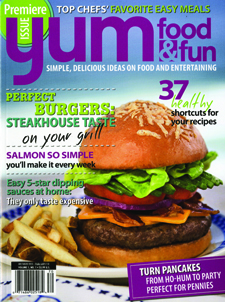
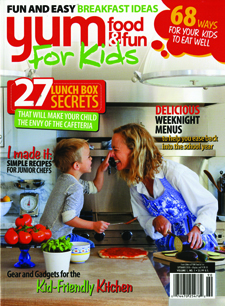
Yum Food & Fun / Yum Food & Fun For Kids – Food, food and more food. If it is not the year of the Tattoos, than it must be the year of the food. With more than a hundred new titles launched in 2010 alone, Yum Food & Fun and Yum Food & Fun for Kids complete the circle of food magazines by leaving no one outside the family without a publication to learn, enjoy and practice the art of cooking. Adding a touch of fun to food, both titles provide a nice niche and twist to the genre of food magazines and brings them to the notable list. The concept of launching two separate magazine, right from the first year of launch is a notable event by itself, considering all the other “kids” magazines on the marketplace came years after the “mother” titles were born. Talk about a “kid” having a “kid.” Enjoy!

Samir Husni’s Guide to New Magazines is now available for sale by clicking here.

h1

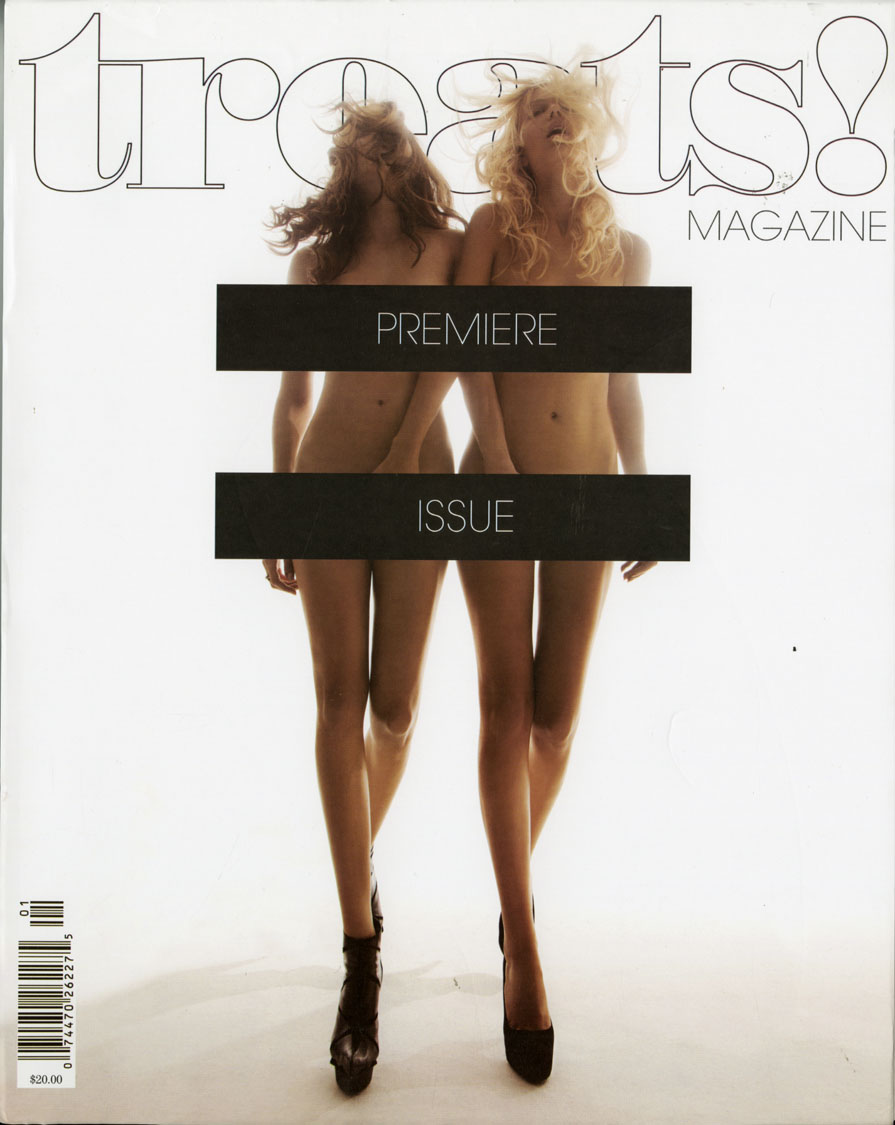
All treats and no tricks: The Mr. Magazine™ Interview with Rob Hill, Editor TREATS! magazine: “The big problems for the magazine industry lately has been more of a perception, fear and hyperbole thing than the actual apocalypse of print.”

April 28, 2011

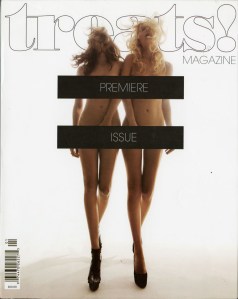
Bringing more treats than tricks is the key behind the launch of the new ultra glossy quarterly magazine TREATS! With a hefty $20 cover price for a single issue and “double the treats” on both front and back covers of the premiere issue, the European-styled magazine is turning heads of folks in the publishing industry including a one by the name of Hugh Hefner. “A few days after our launch party,” Rob Hill, TREATS! editor told me, “we got a call at the office form Hugh Hefner’s secretary saying she wanted to send a messenger asap for two copies for Hef. Someone at the party told him about it. He loves it; was really just raving about it.”

So, what is the secret of the new magazine that makes a legend like Hef ask for two copies. Well, I had the opportunity to ask Mr. Hill few questions about TREATS! and what makes the magazine tick and click in this day and age. His answers were candid, amazing and intriguing. In typical Mr. Magazine™ Interviews here are the sound-bites first followed by the entire interview.

Here are the sound-bites:

What I saw in TREATS! was a modern multi-platform media company with a fresh and well executed idea, that had a plan, a buzz, and a print product that was its anchor but not sole property by any means.

The marriage of photos and words on a printed page is very potent—especially put in the context of a well crafted magazine.

The (new magazine business) model will be to invest heavily in edit and content, charge a premium for it in both newsstand and subscriptions, market it smartly, find an audience, and grow slowly into it all.

Good magazines are good because of who goes up and down the elevators, not what printing press you use or who you buy your paper from.

We are trying to accomplish is introduce a brand that can thrive in many different areas, anchored by a great magazine.

And now for the full interview with Rob Hill:

Samir Husni: What is the trick behind Treats, i.e. what is the story of Treats!?

Rob Hill: TREATS! is the brainchild of Steve Shaw, the founder and publisher. Steve has been a very successful photographer for some time now. He’s one of the few photographers that really knows that fine line between taking sexy photos and sensual photos and the last few years he found that most of his assignments from magazines involved taking manufactured, parochial and pandering photos. As a lover of photography and photographers he wanted to start a publication—media company—that would give some of the best photographers, stylists, and models the platform to indulge and execute their creative fantasies without some draconian editorial edict: the only guidelines are spontaneity, sensuality, artistic and long, very long, stories; 15-20 and 25 pages. There are few magazines, mostly in London, that do aspects of this, but he really wanted it to have a L.A. point of view—the non-Hollywood one—even though it’s truly an international magazine, distributed in NYC, London, Paris, The Netherlands, Australia etc. There’s no doubt that L.A. is the city of not only the present bu the future in terms of art, inspiration, style etc. I think Tom Ford said that a few years ago. My job was to come in and find great writers and off-the-beaten-path long form articles mixed with artists, architecture, big Q&As and travel stories.

SH: The magazine is more of a treat to the eye and a meal to the brain, how is this combination of brains and beauty essential to the future of the magazine?


RH: When I first started at TREATS! most of the photo shoots were done and on the wall and I must admit I was intimidated. The shoots were so lush, original, provocative & almost dizzying. I was like, ‘Jeez, what can i bring to this?’ Then I really scoured old, vintage magazines, bathed myself in some of the great European magazines and came up with my vision of what should shoulder these amazing pictures. The article that really flipped the switch for me was the GARDEN OF ALLAH by Kirk Silsbee. Almost lost in history, the GARDEN OF ALLAH was a walled compound of villas, pools, and gardens on the corner of Sunset Blvd. and Laurel Canyon that was GROUND ZERO for some of the best parties, trysts, antics and tomfoolery of the biggest celebrities in the world—Monroe, Hemingway, Flynn, Bacall, Garbo, Marx brothers, Fitzjerald etc— from the 1920s to the 1950s; sorta the west coast Algonquin mixed with the Playboy Mansion, before there was a Playboy Mansion, with nice doses of the South of France sitting in the middle of Hollywood. That really set a nice tone and turns out to be the article that most people comment on a lot.

SH: From your launch letter, you sound like a major believer in print, you’ve never given up on print although most of the magazines you’ve worked for are no longer in print (Ray Gun, Bikini, FHM, Giant). How is Treats! different?

RH: Thanks for reminding me! Ha. But it’s true, it’s very difficult to launch a magazine, get it up and running, and keep it going and all those magazines were launches. I suppose I’ve never worked at any of the stalwarts that have been around for 30 or 40 years—maybe I have an underdog complex or something. What I saw in TREATS! was a modern multi-platform media company with a fresh and well executed idea, that had a plan, a buzz, and a print product that was its anchor but not sole property by any means. But the biggest thing for me is that I saw this as a brand—what Steve really saw it as, too, from the beginning—that could have tentacles in many different lifestyle categories. For a start our offices are next to SMUDGE PHOTO STUDIOS, which Steve founded as-well, and it’s really doing well, always booked and thriving with activity. But I would not be surprised at all that in the near future we have some sort of media or TV channel, small retail shops selling candles, apparel, prints, make-up, lipstick etc. things like that.

SH: The magazine is published with a quarterly frequency and a $20 cover price. Is this the new business model for print?

RH: Well, there is a new business model emerging in the magazine industry, just like every industry that has to reinvent itself or go extinct. We’ve seen it with the automobile industry, the banking industry, the movie industry, energy, etc. There’s gonna be lots of magazine launches happening in the near future—but they won’t be $70 million dollar launches with parties on Ellis Island and MC’d by ex-presidents; those days are over. But there will be launches for $500,000, a million, two million, even 5 to 10 million: If the idea is good and has traction across the media spectrum. The model will be to invest heavily in edit and content, charge a premium for it in both newsstand and subscriptions, market it smartly, find an audience, and grow slowly into it all. I think Tyler Brule at MONOCLE has invented the new model, really. He invested big time in edit, the product, charges $10 for it at the newsstand and $150 for a year’s subscription; I believe he has almost 20,000 subscriber’s or so…so do the math, it’s a healthy business, expanding, adding staff, creating new revenue streams; he now has half a dozen small retail MONOCLE shops around the world that sell luggage, fragrances, watches, etc. If you are an advertiser and book an ad in MONOCLE you may not be reaching 1.5 million people but the 120,000 or so you do reach you know are heavily invested in the product and most likely will be interested in YOUR product. It’s already been proven that a consumer is more likely to buy a product if they see the ad in a well-crafted, good looking magazine over, say, a radio ad, TV ad, Internet ad—especially for apparel, glasses, watches, hotels, furniture, architecture etc.

The experience of reading a magazine comes with the notion, or general acceptance, that the ads are something to be gazed at, a part of the product, where as, I think, the ads that pop up on a website are intrusive, annoying, and to be clicked off immediately. TV the same, except for the Superbowl, of course, and some other event type shows. Video ads on websites are a different story; they can be fun, provocative and engaging if done right and paired with the right kind of video content. This is where we see our website really gaining traction and the right marketing partners. But back to the business model idea: Playboy was right to up their cover price, sub price, and take their rate base down. I understand the whole rate base/ad game, I do, but look at what happened a few years ago when advertising fell of a cliff…all of a sudden all these good, greats, magazines had no revenue because they have been giving away their subs for years and just putting their magazines on the newsstand hoping people will buy them. Vanity Fair is a very well crafted, luxurious, premium product and yet it gives its subs away like it is Costco. I mean, a Vanity Fair subscriber won’t pay more than $12 a year to have THAT PRODUCT delivered to their door? It’s a bit schizophrenic, I think. But then again maybe there are army’s of people on whole floors of skyscrapers running the numbers and say they will lose hundreds of thousands readers. But then again, maybe there isn’t. Who knows.

SH: What are you trying to accomplish, prove with this latest print entity?


RH: Not out to prove anything, really. What, in the end, we are trying to accomplish is introduce a brand that can thrive in many different areas, anchored by a great magazine. My old boss always used to say, ‘Magazines are sorta like wine, people get passionate and emotional about their favorites—you can’t let them down. Ever!’ It’s true: poor, lazy, head-in-the-sand editors can bury a magazine the same way great editors can bring it alive. Good magazines are good because of who goes up and down the elevators, not what printing press you use or who you buy your paper from.

SH: As an experienced editor, who have seen it all, how is journalism and magazine editing today different than say ten years ago?

RH: You know what’s been great to see the last few years? Magazines that have been around for awhile operating on maybe their highest levels ever: Rolling Stone, Vanity Fair, Wired, Esquire etc. Esquire has made a very conscious effort to push the medium as far as they can being a big consumer magazine. It’s obvious that Jann Wenner has counter intuitively invested heavily in edit when everyone else was batting down the hatches and they are thriving. And to see what Bloomberg has done with Business Week is very inspiring. It’s a vital, exciting and poignant product. Very impressive. The competition and fear that the last few years have produced was maybe the best thing that ever happened to magazines—it forced them to hustle, rethink their medium, their place in the media landscape. Some were late to the game and some got there fast. And then to see all the great smaller launches like MAN ABOUT TOWN, PORT, and LULA in the UK; AFAR and TRUNK in the US; and a great magazine called ABOVE.

SH: What does the future hold to Rob Hill? What makes Rob tick and click every day in this media environment?

RH: I’ve always loved reading and working at magazines. Magazines are the most intimate and personal form of media that is out there—still. As the industry comes out of this vertiginous period of change and uncertainty, it’s very exciting. I’ve worked at a half a dozen magazines and I have never seen a response to any of them like with TREATS! A few days after our launch party we got a call at the office form Hugh Hefner’s secretary saying she wanted to send a messenger asap for two copies for Hef. Someone at the party told him about it. He loves it; was really just raving about it. He’s invited Steve up there a few times and now he is a regular! In fact, lots of those guys who hang out up there used to hang at the GARDEN OF ALLAH and were blown away by the article. What I think he—HEF—sees is that we’ve brought the medium and vision to a different level, a unique and invigorating product/brand for 2011 etc. And, well, he did it better than anyone back in 1955 so he knows it when he sees it, right? People like Ellen Von Unwerth, Donna Karan, Tom Ford, Shepard Fairey, Alessandra Ambrosio, Brett Ratner etc. have all been really supportive and excited about the brand. Everyday it’s someone new, it seems, ringing up, wanting to meet, talk etc. The manager of Book Soup in West Hollywood said she’s never seen a magazine sell 50 copies so fast. When we hear things like this we like to get up in the morning, even if we are hungover!

SH: What advice would you give someone wanting to start a new print magazine today?

RH: Invest in edit/content. Build a brand that transcends the magazine, and go slowly. Also, market, market, market. I mean when HBO has a new show, they market it. When Calvin Klein has a new line they market it. When Wrigley has a new gum they market it. When an indie film comes to town they market it. But magazines…well, they do nothing, really. I’m not saying spend millions on marketing but be creative. We’ve made a big move to market through Twitter and Facebook but also micro-marketing at newsstands, certain retail shops that makes sense for us, magazine and champagne signings at book stores, maybe some taxi cab stuff in NYC in the summer, London, too. I’ve never understood why magazines don’t market their products better. And, most importantly, don’t fall asleep at the wheel. Take note of Blockbuster, Friendster and My Space. Brands dead in the water; they drove right of the cliff in their fancy sports cars, stock options and hubris. In the 70s the NBA was Dead League Walking; look at it now. Adapt, adapt, adapt. It’s not survival of the fittest anymore, it’s survival of the adaptable!

SH: What are some of the pitfalls of launching a new magazine in this day and age?

RH: See above answer and inject it with steroids!

SH: Everyone is talking about a future where print and digital will live side by side. Your views please?

RH: It’s interesting, I went to visit my nephew in college and when I got to his Frat house there were magazines everywhere! Sports Illustrated, Maxim, US, Dwell, ESPN, GQ, Wired etc. I was like, Whoa, you guys read a lot of magazines. And they were like, ‘Uh, yes, we love magazines and magazines were not meant to be read on Blackberry’s or iPhones.’ Magazines are so much more than just vessels of information; they are accessories that help define who you are or who you want to be. My neighbor subscribes to MONOCLE but never reads it. One day I said to him, ‘Why do you pay $150 for a magazine you don’t read,’ and he said, ‘I like having it in my loft and I like knowing it’s there and I like looking at the ads!’ Pretty interesting statement. Would be hard to say about Perez Hilton, Pop Sugar or Tmz. We think magazine websites do two things really well: video and blogs. We have invested in both of those heavily. But the web doesn’t do long form writing and big, lush photography well—but magazines do. The web can’t sit on your coffee table or enhance you bookshelf. The marriage of photos and words on a printed page is very potent—especially put in the context of a well crafted magazine. My uncle fought in Vietnam and I asked him the other day, ‘How was the war really stopped? Was it the evening news? The protests? What? He said, ‘Still pictures and words. Life magazine. Esquire magazine.’ Obviously that was a different era and now revolutions are spearheaded by social media but great photos and words are still a powerful union.

I think the big problems for the magazine industry lately has been more of a perception, fear and hyperbole thing than the actual apocalypse of print. The publishers are scared they are going extinct so they don’t invest in their products, staff, marketing; the perception of media buyers that people don’t read or like magazines anymore; and the hyperbole of the media about the end of print. It was like the perfect storm… but also a bit of an illusion. Yes, the business model needed revamping but the desire for a great magazine hasn’t waned at all from what I can see. Every apartment or house I go to I see at the very minimum of 4 different brands of magazines: from married couples, to single friends to men, women, everything. And now with Zinio and the iPad the creative and financial possibilities are very exciting and make sense. As far as our website we will have some of the best and original video content—we have one of the best videographers in L.A. running this department—and a must read, exciting blog. We’ll create viral videos for our marketing partners that will be embedded by the most influential fashion and photography blogs in the world and, of course, on Vimeo, You Tube etc. The reason we are so bullish, really, is that now that people are beginning to understand that the same way sitcoms don’t work on the radio and radio shows—sans Howard—don’t work on TV, magazines aren’t meant to be read on mobile devices or websites, we can all get back to work creating exciting, envelope-pushing, multi-platform products that are fluid, appealing and circles that fit into circles. But what I am really interested to see is what happens when mobile devices become the primary way people use the Internet. Ever since I got a blackberry ninety percent of the time I spend of sites like Facebook or Huffington Post or IMDB is done through it so I never see ANY ads on those sites. And no one I know does, either. How do you solve this? I don’t know but somehow Steve Jobs will probably be involved in a solution, right?

SH: Thank you.

h1

New Borns and the Life Cycle of New Magazines… A Grandpa’s Story

April 26, 2011

I am sure you’ve heard this simile before: “Launching a new magazine is like giving a birth to a new baby.”

Well, I had the opportunity to put this simile to the test this month, and I promise this will be one of the very few times I bring personal and family issues to the blog. But as long as it is relevant, I figured why not?

My second grandson was born April 8. Baby Michael had difficulty breathing on his own (which meant we all had difficulty breathing). So, for ten days or so, the joys of birth turned into the agony of survival; and that my friends, is what led to this particular topic — the life cycle of new magazines.

When I have heard people use the aforementioned simile, I used to take it for granted.

However, I gave it a lot of thought during the past three weeks, and decided to compare human life with the life of a new magazine. After all, I have been preaching and teaching the importance to humanize media, particularly print, for years now. Without any further delay, here are the life cycles of a new magazine:

The Joys and Pleasures of Conception
Consider the A-HA! moment when you get the idea for a new magazine and the pleasure you feel, the joy that makes you rush and share the news about your idea with others. It is the same as the pleasures of making love hoping to conceive and have a baby.

It is the act of conceiving that brings all the joy and pleasure to the couple, the same as the act of coming up with an idea you think is going to be worth a million bucks! Many folks call me or email me daily with ideas they just conceived and want to share the news, seek advice or start the planning process of the “birth” of this new baby. It is rare during this stage that any negative thoughts come to mind. It is all about new beginnings and the joy of the moment at hand.

The Pains of Labor
Giving birth is not as much fun as conceiving. It does not take a genius or even a man to understand that. Women know it and feel it. Giving birth is hard labor, but the pains of labor are an important part of the life cycle of that newborn, whether a human or a magazine. After months of nurturing and tender loving, the time comes to give birth.

The pains of labor are well-documented and need no explanation. Getting that first issue out, meeting the deadlines and hoping all is A-OK are all part of the life cycle. It is the same with the mother and baby. You have to go through the pains of labor before you are able to enjoy and celebrate the birth, which leads us to the next stage of the life cycle of new magazines.

The Celebration of Birth
While the pleasures of conception may last a few moments, the celebration of birth is supposed to last a lifetime. With a new birth, you are only thinking positive thoughts, happy thoughts. Excitement is in the air and all around you. You are so proud of your new baby, new magazine.

You check every part of the baby; you check every page of the magazine. In most cases, you are there at the printer waiting for that first signature to come out from the presses. You hold it in your hands exactly like a mother holds the baby for the first time. Birth means celebration. Your future freezes at the present moment and the world gets reduced to your surroundings and the new creature (baby or magazine) at hand. You do not want any interruptions of that moment of celebration.

Then, as if lightning strikes, reality hits — and all of a sudden, you are not alone. You discover that the joy of celebration is just the beginning to the next step of the life cycle of the newborn — the fight for survival.

The Fight for Survival
It is a jungle out there. There are so many magazines and there are so many babies in the world. You have to carve your own niche. If the baby can’t breathe on his or her own, your entire world stops. You change course and plans. Your new magazine is out, but now you have to put it in the hands of the distributors. The tender, loving care you’ve given your new creation is no longer in your hands. Someone else is in charge.
You feel like you are losing control, and the doctors — the distributors — are in charge of that newborn. The baby must fight for survival. The new magazine must fight for survival.

The big difference here is new babies, thank God, have a much higher survival rate that new magazines. Here is where the similarities end: Survival rate for new magazines is less than two in 10 after four years of publishing.

Thank goodness for human life. We age much better than magazines, but in both cases we have to start the journey of life.

The Journey of Life

As in any creation, life does not stop at birth. Life continues, day after day, issue after issue. The journey of new magazine launches starts slow, very slow, and progresses as those new magazines try to develop customers who count, thus giving the magazine a long journey in life.

Folks in our publishing industry now plan their new launches around the 11-to-13-year life span: Three years to establish the magazine and lose money in the process of building the magazine base; four years of solid growth and money making; three to five years of reaching a plateau and one final year to prepare the demise of the publication.

Thank God the journey of life for new babies is not the same as the journey of life for magazines. The simile ends with the beginning of life. The journey, my friends, is a completely different story. Let the never-ending story begins.

For the record, this blog has been approved by Mr. Magazine Jr.™ and big brother to baby Michael, Mr. Elliott himself.

h1

More New Magazines, More Variety Headlines Quarter One of 2011

April 7, 2011

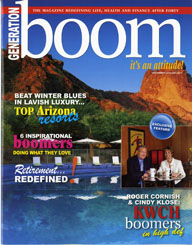
The numbers are in and they are good. There is a boom (as you can see with Generation Boom magazine) in the new magazine launches. At least 188 new consumer magazine titles appeared on the nation’s newsstands in the first quarter of 2011. (Trust me, I have every single one of them). From those there were 39 magazines published with a frequency of four times or more in the first quarter. While the total number is up by 18 titles from the 170 new magazines that appeared for the first time in the first quarter of 2010, the total number of magazines published with a four time or higher frequency was down by four from the 43 published in the previous year.

It should be noted that the new magazines arriving to the marketplace today are becoming more and more diverse in content and specializations. Just take a look at some of the new arrivals this quarter and enjoy the ride.

A simple trip to the newsstands will always give you this shot in the arm booster that print is well, alive and kicking. There is still a lot of money to be made in print, which by the way, is the topic for the Magazine Innovation Center’s second ACT Experience this coming Oct. 26 to 28 in Oxford, Mississippi at The University of Mississippi. Watch this blog for more details soon about the second ACT Experience: Restart Your Engines: The Future of the Printed Word.

h1

100 plus More New Magazines Launched in 2010 than 2009…

February 3, 2011

The numbers are almost ready and they are good. The total number of new titles arriving at the nation’s newsstands in 2010 exceeds that of 2009 by more than 100 titles.

In 2010 more than 805 new titles appeared on the stands for the first time compared with 702 in 2009.

While the number of magazines with any intended frequency took a little dip in 2010 to 187 compared with 197 in 2009, the number of specials and book-a-zines has jumped by almost 100 titles to more than 600.

The complete analysis and numbers will be out at the end of the month and the complete details and pictures of every single new magazine cover will be in the 26th edition of Samir Husni’s Guide to New Magazine that will be out soon.

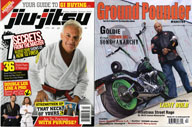
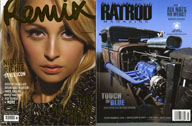
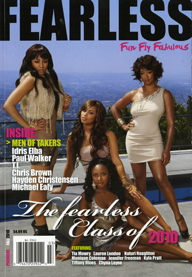
For now, enjoy the covers of some of the more than 800 new magazines published in 2010.

h1

The Only “Trunk” You Need to Have and to Give This Holiday Season… The Mr. Magazine™ Interview with David Cicconi, Founder of Trunk magazine

December 20, 2010

What happens when three creative magazine people put their energy and creativity in one trunk? Trunk magazine is born. The new magazine with the tagline “The World is a Fine Place,” is more than a welcomed addition to the world of magazines and media. It is the best gift that I, or anyone who shares my interest in the magazine, photography or design worlds, will find as a “wowing” ending for the 2010 and a “wowing” beginning for 2011. The best way to end a year and ring in the new year.

The “wowing” team behind Trunk is led by David Cicconi, the former photo director at Travel + Leisure.

“Trunk, in short, does what print was made to do,” Founder and Creative Director David Cicconi told me. “It is pure inspiration, with long reads and stunning images, for a demographic that embraces travel as a lifestyle. It will not compete with the internet: no lists. It will not talk down to its readers with travel tips: no articles through the eyes of locals or ex-pats. Our readers already know how to travel. It is simply a collection, issue after issue, of the most compelling and fascinating stories we could find around the world–nothing more… or less.”

“Trunk advertisers and controlled distribution for the debut issue are a testament to our niche,” Cicconi added. “The magazine was distributed at all Thompson Hotels, at Kartell, Swatch, Flight 001, Temperley of London, select Balazs properties, Emirates Airline lounges, Levis, Project No. 8, and many other similar travel, fashion and design venues. It can also be found (albeit sparingly) in locations in Paris, Milan, Rome, Berlin, London and Copenhagen.”

I had the opportunity to ask David few questions regarding this beautiful and inspiring magazine. What follows is the Mr. Magazine™ Interview with David Cicconi, founder and creative director of Trunk.

Samir Husni: Why Trunk and Why Now?

David Cicconi: Though it may not look like it or read like it, Trunk is a travel magazine. We see it as the only travel title occupying the Monocle / Wallpaper space. Much like these titles, Trunk is for an audience that leads an international lifestyle–people who embrace travel as a way of life rather than a break from life (or who at least have the curiosity and desire to do so). This is what makes Trunk unique–that it approaches travel as lifestyle and not merely a twice a year vacation. Nor are we about “how to travel like a local” or packing tips. Our readers know how to do this. They’re worldly, savvy, stylish and are just looking for inspiration and what to explore next.

Existing travel magazines are for a different audience and don’t offer content or an aesthetic consistent with the sensibility of the Trunk reader. Trunk’s mission is to showcase the most fascinating stories from around the world with as much style, originality and wit as we can muster. It also targets the very media professionals who produce it: writers, photographers, designers, etc. If we can please them with the results, then the general public is going to love what Trunk has to offer. We want to convey to our readers that same privilege and access to a culture/place/topic that our contributors experience on an assignment. As such, in the pages of Trunk it is the norm to find a 16-pg fashion spread with notes/backstory from the team behind it; or editorially, more beautiful and daring reads, including personal essays and fiction. We believe these types of stories paint a compelling picture of their setting and inspire readers to make a trip just as much or more so than a traditional travel narrative.

So “why Trunk?” It is the only magazine in its genre that does what it does and caters to this audience. And “why now?” This is a growing and influential niche in an ever-globalizing world. We’re doing it now because it’s a good idea and no one else has tapped this demographic by addressing (in an appropriate way) the very key to their mobile lifestyle: travel.

SH: You’ve launched both in print and online? What are you doing to ensure a print future for Trunk in a digital age?

DC: The short answer is that we have a more rudimentary site up right now. Over the next several issues, a full-blown website and iPad version / mobile app will become key components of the brand. But everything that I mentioned above–16-page photo essays, long reads, etc–is for the print medium. We’re surprised that travel magazines are moving more towards service and facts and lists, when that is exactly what the internet will always do much better and faster than any other medium.

Trunk, the print publication, will endure because, one, it does what print was meant to do and two it is the face of a larger lifestyle brand that will extend into TV, retail, branding, digital media, and beyond. The magazine is, in essence, the ultimate marketing tool and the principal aggregator of all content that will power the rest of the brand. It provides the inspiration, while the brand’s other extensions provide its audience with the facility and access to realize and attain whatever it is they read in the pages of Trunk. As such, the magazine is an indispensable element of the brand. Without it, how would we draw people in, motivate them to utilize Trunk’s other products and what would these products be offering without the original print content?

SH: The folks behind Trunk seem to have come from some very established magazines. Why is the reason for departure and what are they betting on this new launch?

DC: Our respective departures from our respective employers happened well before the launch of Trunk (some five+ years ago for all of us) and were for personal reasons to pursue a more freelance career. I moved to Europe (for a couple of years) to work as a freelance editorial photographer. Trunk’s editor-in-chief did the same as a freelance writer. And our design director moved to Italy with her family where she set up shop designing for a string of international titles. It was, however, this common experience of actually living abroad with an entirely mobile way of life that sparked Trunk’s evolution from its original incarnation of just an experiential travel magazine into the more refined concept of travel as lifestyle.

We are betting with Trunk that we can make a travel magazine that is more interesting to read, stylish to look at and that covers anything of interest from around the world without playing it safe and without tying our own hands creatively. We’d like to produce something more sophisticated and gutsy for an audience that would appreciate it–an audience that is much larger and more influential now than it ever was–and make the model work, without ever compromising the magazine’s mission. We’re also taking this uncompromising style, content, philosophy and breaking it out into a larger lifestyle brand that provides content and services for our target audience and beyond, with the same integrity and quality that people found in the print magazine.

SH: Your tagline, The World is a Fine Place shows rather a positive believe in our world rather than the doom and gloom attitude many are taking… Why? As founder, what are you trying to accomplish with this magazine?

DC: One of the key goals of Trunk is to demystify the world. We feel that a particular culture or destination does not need to be exoticized in order to make it interesting or worth visiting. In fact sometimes it is what’s familiar about a place that makes it more intriguing–to find out that people over there do things very similarly to how we do them over here is fascinating to Trunk. We obviously embrace what is singular about any given culture. But in our opinion, it’s that combination of the unique and universal–i.e. the common thread that connects us, coupled with indigenous nuance–that truly defines a place.

Trunk’s editor-in-chief and I spent two months in South Africa producing this debut issue. During that time, we were granted access to its budding design scene. Though we were in a country far from home, a place with its own history and issues, it was that dichotomy of a common ground amidst all the differences that made such an impact on us.

South Africa is a place with a dark past and a challenging present and future, to say the least. Until recently, there was not much positive coverage of the country, and American’s had (and still have) an incomplete view of what South Africa is about. One of Trunk’s goals is to break through the stereotypes and clichés–to not run away from the complexity of a foreign culture, but rather to embrace it, even extol it to the point that it is no longer so mysterious or alien. In fact, our alternate tagline for the magazine is, “There are no foreign lands.”

Destinations, the world over, are pigeon holed every day by the media. Africa is the perfect example of an entire continent with poor branding. This is something I read in Monocle a couple of years ago. There are obviously serious issues in many countries across Africa that need to be reported and addressed. But there are positives as well, and they also need to be exposed and explored.

Another perfect example of this is Kashmir. I was there over a year ago. And yes, there is still unrest. But it is a region struggling to get back on its feet–a place with hospitable people, beautiful scenery, and young minds passionate about resuscitating their homeland with innovation and determination. But western media is obsessed only with the doom and gloom of Kashmir. The people I met with did not want to contribute to more articles about the conflict. They were very hungry to convey to the world a different, more positive, and ultimately much more unique side to Kashmir. This is very similar to what Trunk’s photographer, Frédéric Lagrange, experienced when he produced his photo essay on the region. It is one of many things we hope to accomplish with Trunk, issue after issue.

SH: Thank you and best of luck on Trunk.

h1

What makes THE Most Notable Launch of the Last 25 Years Tick, Click and Stick: The Mr. Magazine™ Interview with David Zinczenko

December 14, 2010

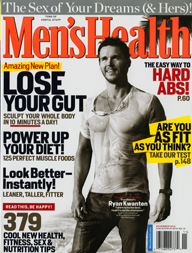
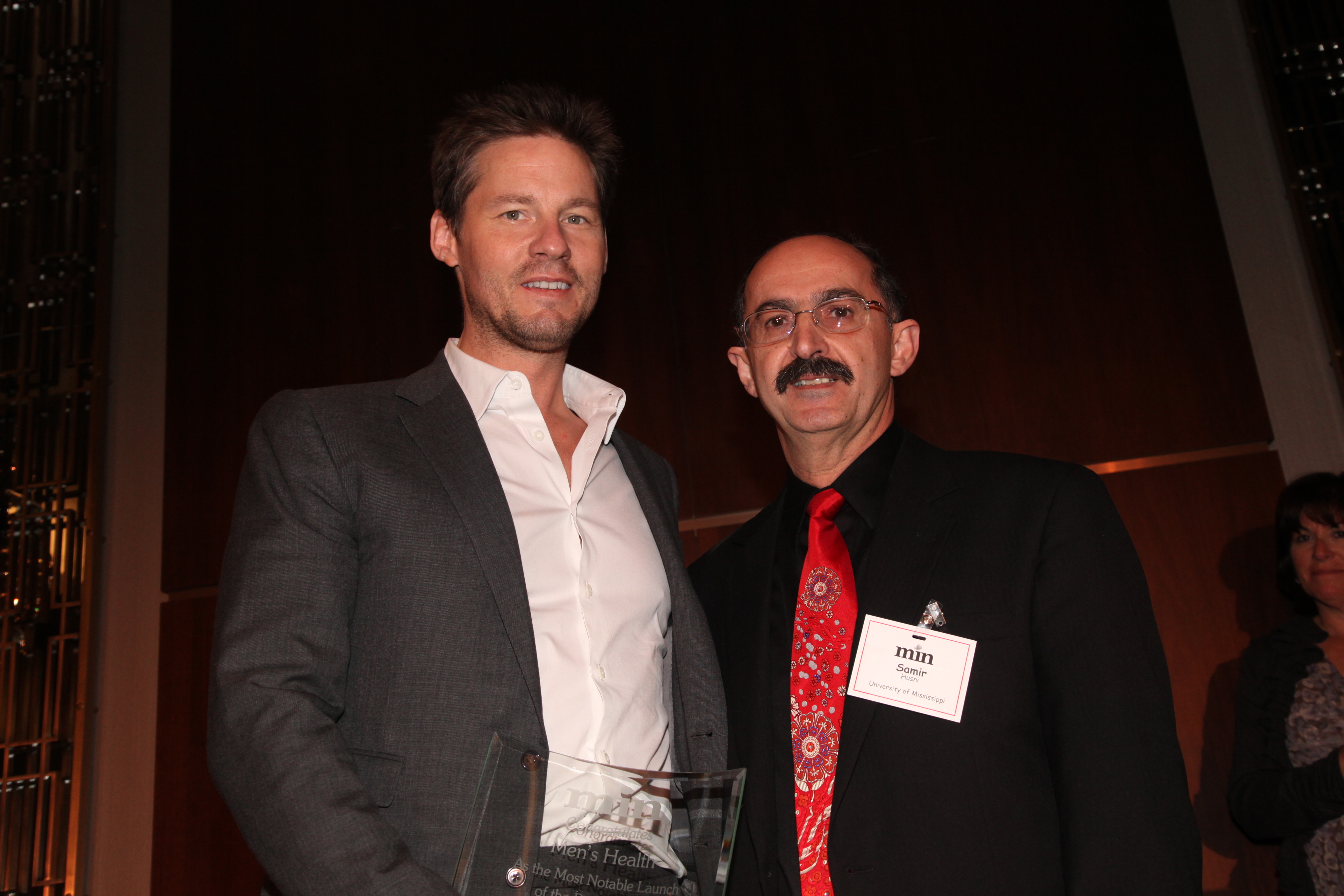
In the last 25 years more than 18,000 new magazines were introduced to the marketplace in the United States alone. Last week at min’s Most Intriguing Event in New York City, I revealed the name of The Most Notable Magazine Launch of the Last 25 Years. That prestigious honor went to Men’s Health magazine. Accepting the award was David Zinczenko, the editor in chief who, together with the entire Men’s Health team, made and continue to makes the magazine the power player it is today. Rooted in the United States with branches all over the world, Men’s Health is now more than a magazine. It has become a world-wide experience for men all over the world.

I had the opportunity to ask Mr. Zinczenko seven questions regarding what makes Men’s Health tick, click and stick with its readers, users, viewers, listeners and customers. His answers, each in two takes (thanks for his generosity with his time), shed more than a light on what can be considered a formula for success that others can try to imitate to create a successful publication for the 21st century and beyond.

Mr. Zinczenko secrets of success start and end with the readers. He values reader service more than anything else. His definition, “reader service is: compulsively actionable tips that can change lives. It has to be practical, it has to be effective, it has to be backed by solid science, and it has to be delivered to our guys in a way that doesn’t talk down to them, doesn’t nag them, doesn’t bore them.”

What follows is the complete, and lightly edited, Mr. Magazine™ Interview in which you will find “tons of useful ideas” from the man at the helm of the magazine that provides “tons of useful stuff.”

Samir Husni: Since the launch of Men’s Health many other imitators have come and gone. What is the secret of longevity for Men’s Health?

David Zinczenko: (Take One) We put an enormous amount of time and effort into reader research. Every single issue we do is run through a panel of reader/editors, who give us feedback on what’s working for them. And we do a staff post-mortem to review the findings. And a lot of our long-term success is based on institutional knowledge. The average editor on staff has been here about a decade. It takes several years to understand the voice and to get to know the important people in the fields of health, fitness and nutrition.

(Take Two) Omega 3 Fatty Acids. But seriously, a magazine lives and dies by the hardiness of the underlying idea that drives it. For us, the bedrock is helping men seize control of all of the most troublesome aspects of their lives. Their relationships. Their jobs, Their waistlines. Their health. Those needs are universal, and the responses to them change as the years go by, as well. We keep track of the primary mission, and constantly evolve the approaches to responding to it.

SH: What makes MH tick? What is the pulse of MH? The heart beat that keeps it going….

DZ: (Take One) Men’s Health is a place for men to go where they’re going to be told that they’re ok—that other men have the same concerns that they have. It was a revolutionary idea back in 1988 and it remains so to this day.

(Take Two) The beating heart of the magazine is reader service. Every editor who comes to work here has to be reeducated about what real reader service is: compulsively actionable tips that can change lives. It has to be practical, it has to be effective, it has to be backed by solid science, and it has to be delivered to our guys in a way that doesn’t talk down to them, doesn’t nag them, doesn’t bore them. We are the wise older brother our readers never had…even for guys who are older than we are.

SH: What makes MH click? What is the sound, the voice of the magazine?

DZ: (Take One) It’s a sensibility: the idea that we have something important to say, and we are going to say it in a way that’s going to entertain you, and entertain ourselves at the same time. We will not waste your time with blather, but neither will we bore you with self-importance.

(Take Two) The magazine’s voice is that of a guy who really knows what he’s talking about, but who is self-aware enough not to be a blowhard about it. That’s why we can get away with giving our guys advice without putting them off, and also maintain a great sense of humor when we do it. The fact is, we editors have had nearly all of the same problems we’re helping our readers to solve, so how could we possibly talk down to them?

SH: What makes MH stick? What are the values of the magazines? What keeps the conversation engaging with its readers?

DZ: (Take One) Positive, passionate, intensely researched, life-altering service. If it can’t change the lives of a majority of its readers, in big ways or in small ones, then it probably isn’t a Men’s Health story

(Take Two) The needs and yearnings of men are universal, and they’ve been around for a very long time. We’re able to identify those needs because we identify with them personally. We don’t have personal problems; we have story ideas, as an editor here once said. That’s our bond with our readers, and it’s a strong one.

SH: If you are to humanize MH, who will it be? The person, the identity, the voice, values and vision?

DZ: (Take One) It’s a bit of a cliché, but MH is that older brother, that wised-up guy who’s looking out for you. A lot of other men’s magazines seems to say, “we’re cooler than you, but if you give us your lunch money, we’ll let you sit at our table.” Men’s Health says, “we’re just like you. We just have learned a little bit more on our way here.”

(Take Two) The subline for the magazine started out as “tons of useful stuff for regular guys,” and that sticks with us still today. There’s a “regular guy” inside all of us; whether it’s our March cover guy Matt Damon or a subscriber in Iowa City. We’re all fighting to live a great life, be strong, be there for our loved ones, and the magazine supports that quest for “regular” guys around the globe.

SH: Where do you see MH 25 years from now?

DZ: (Take One) I think it’s easier to predict where men’s health will be than where the rest of the publishing industry will be. We’ve already made the leap out of the magazine category and into a larger space as a media brand and a format-agnostic information provider. Unless someone invents something more important to the individual than their own health and well-being, and that of their loved ones, I have to assume we’ll remain the category leader, as long as we stay true to our values and our voice.

(Take Two) I’ve heard so many of my peers in the magazine industry bemoan the death of print and worry about their futures. The fact is, we’re living in an age of unprecedented expansion in the tools we have to do our jobs, and the territory we can expand into. In fact, too many media people are like citizens of St. Louis in the early 1800s, looking west, and complaining about the Indians out there. What they should be doing is looking for California.

SH: What is the future of MH? Its ink on paper future and its digital future!

DZ: (Take One) We have to remain poised to expand into any media that we haven’t yet conquered. That means a greater TV presence, perhaps, as well-being ready to move on whatever new technologies arise. we’ve conquered apps for both the iPhone and iPad; what’s next?

(Take Two) About five years ago, we ceased to think about ink-on-paper vs. digital vs. whatever else is coming down the pike. Instead, it’s print and digital and smartphones and TV and radio and books and any other thing the communications geniuses dream up. Media will change and evolve in exciting ways, and our message will work on all of them. Our guys need help, and want to lead better lives. We’ll find them wherever they are, and lead them to the promised land. And by doing that, we’ll reach the promised land.

SH: Thank you.

The picture above is from the min event with David Zinczenko accepting The Most Notable Launch of the Last 25 Years. Photo by Doug Goodman Photography http://www.douggoodman.com