Archive for the ‘Magazine Power’ Category

h1

The Changing World Of Magazines & Magazine Media According To Chris Llewellyn, FIPP President and CEO. The Mr. Magazine™ Interview.

October 16, 2015

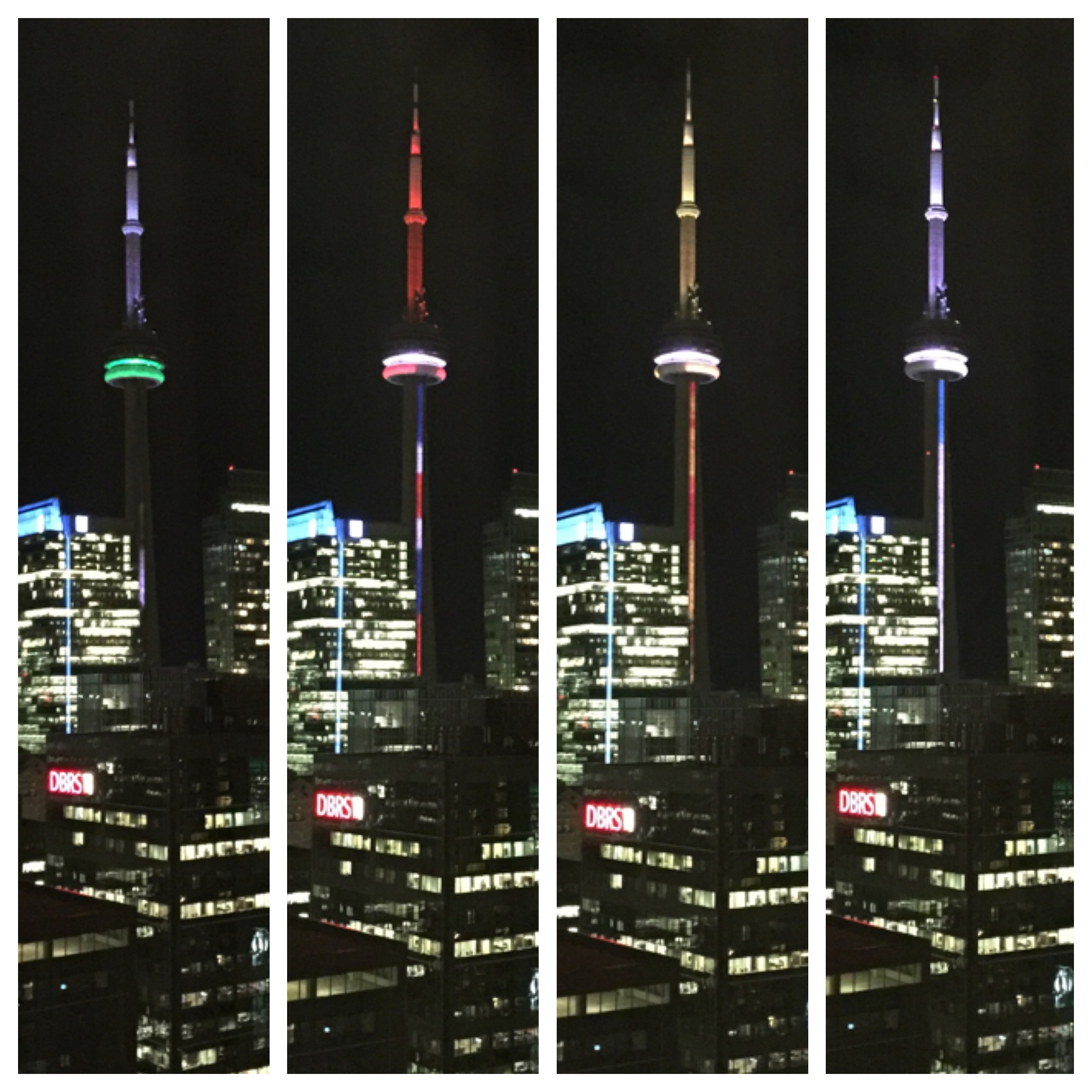
CN Tower photo by Samir Husni

The Mr. Magazine™ Reports from the FIPP 40th Congress in Toronto, Canada.

“They key thing for FIPP is we bring an industry together to work with each other. And that industry now is the old silo definition of breaking down. We’ve heard of silos within an organization breaking down, but it’s happening in associations. We are no longer defined by magazine; we’re defined by the content we create, how we create it and the audiences we reach. So, I think FIPP is about content reaching defined audiences.” Chris Llewellyn

FIPP – The Worldwide Magazine Media Association, held its 40th World Congress in Toronto, October 13-15. The event is the largest and most prestigious global magazine media event in the world. It offers the opportunity to hear from some of the industry’s top speakers on the latest trends, developments and innovations in magazines and magazine media publishing.

I had the opportunity to attend the event and listened to and spoke with so many industry leaders and magazine media publishers who talked about creativity and audience first, along with innovation and change. The energy that could be felt at the World Congress was palpable.

Chris Llewellyn 2 Chris Llewellyn has been the president and CEO of FIPP since October 2009. He is a man who is both knowledgeable, with 30 years in the magazine business under his belt, and open-minded about the future of magazines and magazine media. His thoughts on the fact that he believes the industry cannot be defined by the word “magazine” anymore is proof of that. Chris said that we’re defined by the content we create, how we create it and the audiences we reach, definitely an accurate description in the digital age we live in.

During the World Congress, Chris and I sat down for a riveting conversation about all of those things and many other issues that face magazines and magazine media today. From global digital changes to the FIPP events (such as the World Congress) that help industry leaders and individuals come together to learn the latest trends and innovations in order to do business with each other and discover many other opportunities.

As always, the event was enlightening and insightful, much like the Mr. Magazine™ interview with Chris Llewellyn. I hope you are as inspired as I was.

But first, the sound-bites:

On the major change that he’s witnessed worldwide in magazines and magazine media over the years and on whether it was a change for the better or the worse: There have been some changes that have affected our geography. In some countries they still don’t know there’s change in the air. In China or even in India, magazines are still being launched. The Indian magazine conference was held earlier this year. I was there five years ago when one of the publishers, who shall remain nameless, said the Internet will never catch on in India, and that was five years ago. This year the Association of Indian Magazines was 90% discussing digital; in India. And I think that’s a sign of the times. It’s changed. We’re talking about the digital transformation of this industry.

On why he thinks it took five or six years for people in the media industry, who are supposedly the most creative people on the face of the earth, to discover that digital is not our enemy and print isn’t going away: I think there are two reasons and one is your stakeholders, whether you’re public or private, they want a return and they want to launch magazines and make money. And even then we’ve got a problem. But digital just seems like such a gamble. And there are just so many gambles you can make in a year, so you have a lot of failure. And a lot of shareholders started resisting that level of investment. I think now as we start to see some success, they’re starting to see it too.

On the biggest challenge he thinks magazines and magazine media companies are facing in 2015: If you look at my program from this World Congress, you’ll see that this isn’t a magazine conference. Peter Kreisky and I argue about who invented the first magazine major, but that in itself is becoming redundant as a phrase. If you see my program, we’ve had BuzzFeed, Huffington Post, the Business Insider, Politico; Slate was on this afternoon, world famous magazine companies, world famous content creators, and world famous audience aggregators; yes, that’s what we are.

On what FIPP does to help magazines and magazine media companies to complement their new competitors, such as Google, Facebook and Twitter: By exposing different levels of thinking, by bringing more examples into the picture. Again, look at this Congress. The events are really what it’s all about. We’re there to network. We’re not there as a national association that does lobbying and argues with different services, things that I find extremely necessary, but frankly boring. We’re there to help the members, but that’s businesses. And the way to do that is meet face to face. That’s the best way to do it.

On whether he thinks in this digital age we live in, licensing and going across borders has become easier or harder: Ironically, both, which is not very hopeful. If you’re an English-language publication, your audience isn’t just, from my point of view, the U.K. And if you’re American, it’s not just America. You have to do business across borders. And there are great opportunities there. But what you also find is borders do still exist, borders of culture and language and borders of this-is-how-we-do-things-here.

On anything else he’d like to add: We are no longer defined by magazine; we’re defined by the content we create, how we create it and the audiences we reach. So, I think FIPP is about content reaching defined audiences. And therefore our events and products and services will start to reflect that, so it’s not about “here’s good news for magazine publishers,” it’s about “here are some people producing some great content and distributing it in a really interesting way and there’s a business opportunity getting together.”

On what motivates him to get out of bed in the mornings: It’s such a great job. I’ve got 30 years in magazines. I love magazines; I love the brands that we have in this industry and I’m really excited about what those brands are doing and I lead an organization which I think its job is to get out in front of what’s happening. And that’s really interesting.

On what keeps him up at night: Nothing really; I sleep pretty well. I think when I was at EMAP, that’s a publishing company I spent the bulk of my career with; you were really involved in the day-to-day activity and as a manager the accounting of everything, especially when they had to announce to their shareholders why we were down three percent. Well, no one is asking me that at FIPP, which is a great release. The Board doesn’t measure me on a P&L. The Board doesn’t measure me on year-to-year growth. The Board measures me on is this event delivering.

And now the lightly edited transcript of the Mr. Magazine™ conversation with Chris Llewellyn, President and CEO, FIPP.

Samir Husni: Through the years, you’ve been witnessing the change in the magazine and magazine media environment worldwide, not just in one specific country. What do you think has been the major change that took place in the industry and was it a change for the better or the worse?

Chris Llewellyn: There have been some changes that have affected our geography. In some countries they still don’t know there’s change in the air. In China or even in India, magazines are still being launched. If I took more time and looked at the Indian magazine conference earlier this year; I was there five years ago when one of the publishers, who shall remain nameless, said the Internet will never catch on in India, and that was five years ago. This year the Association of Indian Magazines was 90% discussing digital; in India. And I think that’s a sign of the times. It’s changed. We’re talking about the digital transformation of this industry.

I think we’ve gone through the phase of wanting it to be like it was in the past and then the blind panic of what do we do. I think we’re in the phase now where we’re experimenting; some of those experiments are working really well. And we’re finding new businesses and new business models. Actually, I’m seeing a lot of confidence and I’m going to share some information at the conference on how we measure industry pessimism and optimism and it’s becoming more optimistic.

Samir Husni: Why do you think it took five or six years for people in the media industry, who are supposedly the most creative people on the face of the earth, to discover that digital is not our enemy and print isn’t going away?

Chris Llewellyn: I think there are two reasons and one is your stakeholders, whether you’re public or private, they want a return and they want to launch magazines and make money. And even then we’ve got a problem. But digital just seems like such a gamble. And there are just so many gambles you can make in a year, so you have a lot of failure. And a lot of shareholders started resisting that level of investment. I think now as we start to see some success, they’re starting to see it too.

And that’s one issue, the financial pressures. I think the other one is a generational issue. I’m a Baby Boomer like you are, and it’s hard, isn’t it? It’s really hard to understand some things.

I know exactly how to put a magazine together, there’s nothing you can tell me about the design of a cover and the flow of the pages and what makes a good story or why that logo is that color and why we should use that type font. But I have no idea if any of that works on a website. I’m learning, but it’s going to take a lot of time.

Meanwhile, there are 26-year-olds who just do it. And that’s another thing that we’re seeing now, that generation of managers, the Baby Boomer managers, who don’t understand accepting that they’re never going to learn from the 26-year-olds. And the role of those managers, and we have some of this information from FIPP surveys that we do with our members, those managers now if you asked them what are the most important things they’re looking at, the biggest thing that they manage is culture, not product. They’re not looking at the nuts and bolts of the business, it’s the managing of culture that’s the big change over the last three or four years.

And that’s what has taken us so long; it’s that manager-mindset that had to grasp what its real role was. And we needed shareholders, people who fund what we do, to accept that things don’t always work as they used to.

Samir Husni: As you travel the globe and head an association that brings all magazines and magazine media companies together; what do you think is the biggest challenge that we’re facing in 2015?

Chris Llewellyn: If you look at my program from this World Congress, you’ll see that this isn’t a magazine conference. Peter Kreisky and I argue about who invented the first magazine major, but that in itself is becoming redundant as a phrase.

If you see my program, we’ve had BuzzFeed, Huffington Post, the Business Insider, Politico; Slate was on this afternoon, world famous magazine companies, world famous content creators, and world famous audience aggregators; yes, that’s what we are. And I think defining us as magazines is over-summing.

Samir Husni: I did an interview with Bob Garfield not too long ago. He said our biggest competitors today are companies that really don’t consider themselves media companies, such as Google, Facebook and Twitter. How is FIPP helping the magazines and magazine media companies complement all of these new competitors?

Chris Llewellyn: By exposing different levels of thinking, by bringing more examples into the picture. Again, look at this Congress. The events are really what it’s all about. We’re there to network. We’re not there as a national association that does lobbying and argues with different services, things that I find extremely necessary, but frankly boring. We’re there to help the members, but that’s businesses. And the way to do that is meet face to face. That’s the best way to do it.

So, I’m bringing people together who want to do business. And increasingly, the people who want to do business…well, it used to be, “I want to do business with that magazine company in that country.” But now that’s not the rules. There all kinds of different options they want. They want to meet e-commerce companies or data analytic companies. They want to meet the new digital pure plays.

It’s interesting, talking about one of the big innovation trends coming, which is Refinery29, they’re speaking at my conference in Berlin in March. I’m exposing them to a new audience that wants to see and hear about these people. FIPP’s objective is to find people you’ve never heard of, because they have something to say.

Samir Husni: I noticed at this FIPP Congress, a lot of companies are trying to license their products and to reach across borders; do you think in this digital age we live in, licensing and going across borders has become easier or harder?

Chris Llewellyn: Ironically, both, which is not very hopeful. If you’re an English-language publication, your audience isn’t just, from my point of view, the U.K. And if you’re American, it’s not just America. You have to do business across borders. And there are great opportunities there.

But what you also find is borders do still exist, borders of culture and language and borders of this-is-how-we-do-things-here. If we go back to India, the Bollywood magazine, I think it’s Filmfare; suddenly, they sold their digital edition to the Indian diaspora and they’re rubbing their hands with glee. They’re making more money off of that than they ever did in India.

What the digital change has meant is content can become feed really quickly and easily. Content management systems make that easy. I think they realize that there’s an international opportunity, look at the Huffington Post My Story. I think what they’re doing is probably the right way. They’re getting to market quickly.

George Green is here, the grandfather of 50 editions of Cosmo; we were doing this 30 years ago. And I just discovered the joy of having an international network and how it amplifies your brand and your opportunity to make money.

Samir Husni: Is there anything else you’d like to add?

Chris Llewellyn: They key thing for FIPP is we bring an industry together to work with each other. And that industry now is the old silo definition of breaking down. We’ve heard of silos within an organization breaking down, but it’s happening in associations. We are no longer defined by magazine; we’re defined by the content we create, how we create it and the audiences we reach. So, I think FIPP is about content reaching defined audiences. And therefore our events and products and services will start to reflect that, so it’s not about “here’s good news for magazine publishers,” it’s about “here are some people producing some great content and distributing it in a really interesting way and there’s a business opportunity getting together.”

Samir Husni: What motivates you to get out of bed in the mornings?

Chris Llewellyn: It’s such a great job. I’ve got 30 years in magazines. I love magazines; I love the brands that we have in this industry and I’m really excited about what those brands are doing and I lead an organization which I think its job is to get out in front of what’s happening. And that’s really interesting.

It’s all about innovation. I was a marketing manager, but I was also a marketing research manager for a long time, specifically on new products. Something new and exciting has always gotten me out of bed. I don’t want to be doing a budget for the same thing for the twentieth time.

So that’s really what motivates me. This is not about industry; these people are really interesting people. They’re clever, they’re smart and intelligent and they have interesting things to say. You really want to work with them.

Samir Husni: My typical last question; what keeps you up at night?

Chris Llewellyn: Nothing really; I sleep pretty well. I think when I was at EMAP, that’s a publishing company I spent the bulk of my career with; you were really involved in the day-to-day activity and as a manager the accounting of everything, especially when they had to announce to their shareholders why we were down three percent. Well, no one is asking me that at FIPP, which is a great release. The Board doesn’t measure me on a P&L. The Board doesn’t measure me on year-to-year growth. The Board measures me on is this event delivering. And that’s wonderful. And that makes me sleep easier because I can do that.

Samir Husni: Thank you.
h1

Joe Ripp, Time Inc.’s CEO, To Samir “Mr. Magazine™” Husni, “We Are Putting Emphasis On Wherever The Customer Wants The Content…” The Mr. Magazine™ Interview

October 15, 2015

CN Tower photo by Samir Husni

The Mr. Magazine™ Reports from the FIPP 40th Congress in Toronto, Canada.

“We’re going to put emphasis on wherever the customer wants to consume content. If customers like our print products, we’ll continue to sell them. Print isn’t going away; it’s going to be around for the next 50 years. It’s still a very significant part of our business and it will be for the next 25 years.” Joe Ripp


When Joe Ripp speaks, media people listen. After all, he is the head of the largest magazine media company in the United States and the United Kingdom.

Joe was the keynote speaker at the the 40th FIPP World Congress in Toronto, Canada, and in typical Joe Ripp style he told the audience that when folks at Time Inc. were questioning him about what the company founder Henry Luce would think about all the changes he is making at Time Inc., Mr. Ripp had one answer, “Who cares, Henry Luce is dead.” It was the the new style of forward-looking leadership and full-steam ahead attitude that the leader of Time Inc. has in place as he surges ahead with the new and improved Time Inc. after its separation from Time Warner.

After his keynote, Joe and I discussed the great success of Time Inc.’s bookazine titles and the fact that the magazine division is opening up its portals and looking at the many platforms that Time Inc. offers to its many brands. Audience first has always been paramount with Time Inc., but never more so than now as the company is determined to offer the consumption of its content on whatever platform its readers want.

So, first is my Mr. Magazine™ minute with Joe after his speech and later my interview with him about some new exciting information that was released later in the day. So sit down and relax and watch this Mr. Magazine™ Minute with Joe Ripp and then read the transcript of the interview, plus the additional questions-and-answers with Mr. Ripp at the later part of the blog entry.

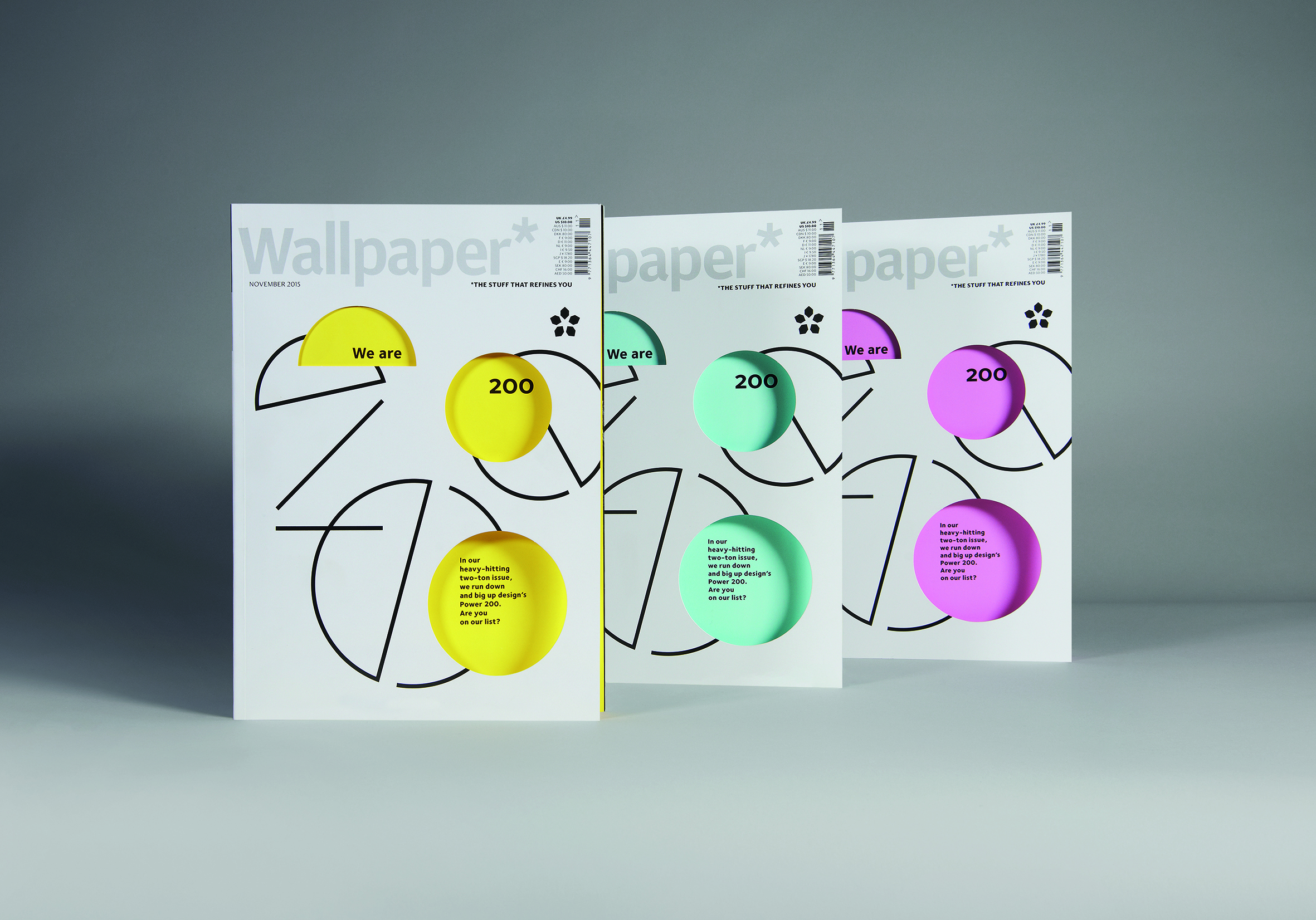
We also talked about the news that Wallpaper* Magazine is moving across the Atlantic and making its debut in the United States, with the launch of a U.S. bespoke edition of Wallpaper* which will significantly increase U.S.-related content to Wallpaper.com.

The launch of Wallpaper* U.S. Bespoke Edition on November 1 coincides with the 200th issue of the international design, fashion and lifestyle title. The new print edition will be delivered four times a year to 250,000 young, affluent consumers in major markets throughout the United States. Digitally, Wallpaper.com reaches 500K consumers each month and has a social following of more than 2 million. With the launch of the U.S. edition, that reach is expected to grow significantly.

And now the Mr.Magazine™ interview with Joe Ripp, CEO, Time Inc.

But first, the sound-bites:

On plans to bring Wallpaper* Magazine from the U.K. to the United States: Yes, we’re very excited about that. It’s the first crossover from our British compatriots.

On why the selection of Wallpaper* with so many other titles the company has in the U.K.: Wallpaper* has a very large international following; people around the world follow it and love it.

On the enormous volume of bookazines that Time Inc. puts out each month: I believe we have 182,000 pockets out there in supermarkets where we sell bookazines. Bookazines are highly profitable for Time Inc. We publish them for many other publishers; we work with National Geographic, for instance and other publishers, creating content around them. They’re highly-priced; they help the distribution chain and the distributors love them because it’s helping to fuel profitability there.

On why he thinks bookazines sell so well: They sell because of the richness of our archives. We have the most incredible content in our archives. And for the most part the bookazines can come from that. However, we recently did one on the Pope’s visit to the United States. I actually gave a copy to the Pope.

On where he sees the future distribution of Time Inc.’s content heading: As a platform agnostic company, Time Inc. is really heading for distribution of its content to whatever platform is available. Our audiences have not had any lack of interest in what we produce, there’s more interest in our content than there’s ever been before.

On whether the company is going to place less emphasis on print or will it be equal attention to all of its platforms: We’re going to put emphasis on wherever the customer wants to consume content. If customers like our print products, we’ll continue to sell them. Print isn’t going away; it’s going to be around for the next 50 years. It’s still a very significant part of our business and it will be for the next 25 years.

On why, if media people are supposedly the most creative people around, it took five or six years for the industry to recognize the credibility of his plan for the future of Time Inc.’s content: I don’t think it had anything to do with the media people; I think it was the structure of Time Inc. within Time Warner. At Time Warner there was a video division and there was a division that dealt with the Internet, and so Time Inc. was told: you’re the magazine division. It’s that label that was the problem, because once you define yourself by your distribution vehicle, then you’re stuck with that vehicle. So, when Time Inc. said that it wanted to grow its websites, the response was, well, you don’t really need to do that, you’re a magazine company.

And now the lightly edited transcript of the Mr. Magazine™ conversation with Joe Ripp, CEO, Time Inc.

Samir Husni: I just learned that there are plans to bring Wallpaper* to the United States.

Wallaper_200th_CMYK2-1 Joe Ripp: Yes, we’re very excited about that. It’s the first crossover from our British compatriots. Wallpaper* is a great magazine, and as you know, it was started in the U.K. and now we’re bringing it in to the United States and we’re going to be talking about that very shortly.

Samir Husni: From all the titles that you have in the U.K., why Wallpaper*?

Joe Ripp: Wallpaper* has a very large international following; people around the world follow it and love it. And we think there’s a great opportunity for U.S. advertisers to reach the audiences who love it in the U.S. and we’ll distribute it even further here now.

Samir Husni: May we talk a little bit about bookazines? Time Inc. is putting out, by last count, at least 15 or 20 titles every month…

Joe Ripp: I believe we have 182,000 pockets out there in supermarkets where we sell bookazines. Bookazines are highly profitable for Time Inc. We publish them for many other publishers; we work with National Geographic, for instance and other publishers, creating content around them. They’re highly-priced; they help the distribution chain and the distributors love them because it’s helping to fuel profitability there. They’re also very profitable for the retail establishments, the supermarkets and other venues where they’re sold. And consumers love them because they have great content produced from our archives for the most part, about particular topics of importance.

Samir Husni: And why do you think they’re selling so well? I looked at the numbers and one of the highest selling ones was Time: D-Day, which actually used the same cover that was used on TIME Magazine on the 60th anniversary of D-Day.

Joe Ripp: They sell because of the richness of our archives. We have the most incredible content in our archives. And for the most part the bookazines can come from that. However, we recently did one on the Pope’s visit to the United States. I actually gave a copy to the Pope.

So, the reality is there’s a tremendous number of things, pop cultural events and others, which we can create content around, because we can come up with a bookazine within three days. When Robin Williams died, three days later we had on the newsstand two bookazines about his life, his movies and his death. And that sold very, very well because there was a huge interest in that subject.

Samir Husni: Where do you see the future of distribution with Time Inc.’s content heading?

Joe Ripp: As a platform agnostic company, Time Inc. is really heading for distribution of its content to whatever platform is available. Our audiences have not had any lack of interest in what we produce, there’s more interest in our content than there’s ever been before. There’s just less people interested in printed pages. So, by growing our digital audiences and by growing our video output, by growing our conferences and events, there’s more ways for consumers who love the things that we produce, to interact with us and that’s what we’re doing.

Samir Husni: Does that mean you’re going to put less emphasis on print or all platforms will be equal?

Joe Ripp: We’re going to put emphasis on wherever the customer wants to consume content. If customers like our print products, we’ll continue to sell them. Print isn’t going away; it’s going to be around for the next 50 years. It’s still a very significant part of our business and it will be for the next 25 years. But the reality is there are other areas of growth for us and we’ve ignored those for years and we’re going into those areas right now and that’s why our digital audiences are growing substantially; our video and mobile audiences are growing substantially, because we are recognizing the fact that our print product has incredible content that can be distributed quite easily in other formats for distribution.

Samir Husni: Supposedly, the most creative people on the face of the earth are media people. If that’s true, why do you think it took us five or six years to discover this fact that you’re preaching now?

Joe Ripp: I don’t think it had anything to do with the media people; I think it was the structure of Time Inc. within Time Warner. At Time Warner there was a video division and there was a division that dealt with the Internet, and so Time Inc. was told: you’re the magazine division. It’s that label that was the problem, because once you define yourself by your distribution vehicle, then you’re stuck with that vehicle. So, when Time Inc. said that it wanted to grow its websites, the response was, well, you don’t really need to do that, you’re a magazine company. When we wanted to get involved in video projects, the response was, well, you’re not the video department, go talk to the studios; they’ll do that for you.

The reality is we were a content company. It was the definition of ourselves by a distribution vehicle that was what limited our ability to distribute across multiple formats.

Samir Husni: Thank you.
h1

Esquire Magazine @ 1,000: Creation And Curation At Its Best – The Mr. Magazine™ Interview With David Granger, Editor-In-Chief, Esquire

October 14, 2015

“The advantage that print has is really two-fold. One is that as digital media moves to the phone, it’s pretty easy to see what the difference is between digital media and print media. Print is just so much bigger and the display is huge, the colors are vibrant and you get to use design and it’s just a completely different experience. Fifteen years ago everybody was just trying to put what magazines did or what newspapers did onto a computer screen. And this is kind of the same thing. Now, what gets created for a phone is very different from what gets created for a magazine. In general, though there are some exceptions to this these days, what’s being created for a magazine is more ambitious and more sprawling and more built-to-last.” David Granger

“I’ve been discouraged and disappointed when people expressed this idea that inevitably print was going to go away. And it’s not just because I believe that it’s the greatest medium ever created. I think that there is some appeal to it that is being demonstrated all over again. You see sales in books, in paper, are climbing while the digital experience in books is beginning to decline.” David Granger

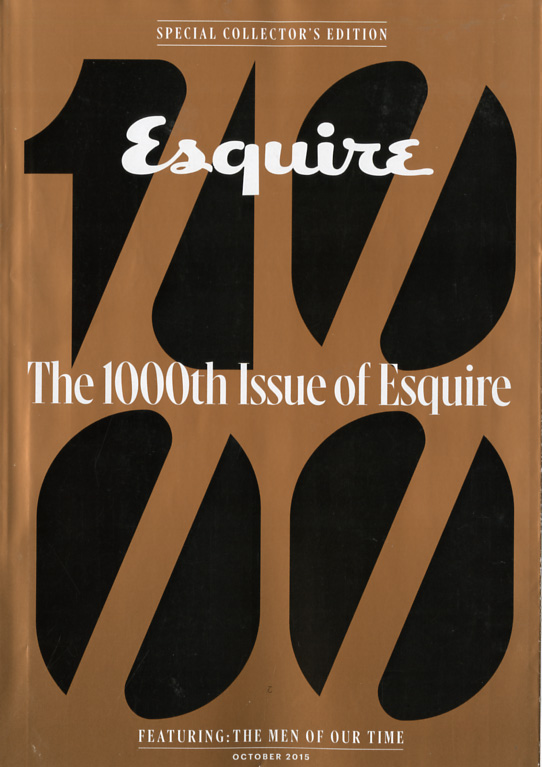
Esquire 100-4 Esquire has been the original men’s magazine on style and fashion for the last 82 years. And with a legacy of quintessential content such as that, finding an innovative and creative way to present it to the masses and bring that premier information to life once again in new ways was the driving force behind Esquire Classic. Well, that and its prolific team led by their insightful Editor-In-Chief, David Granger.

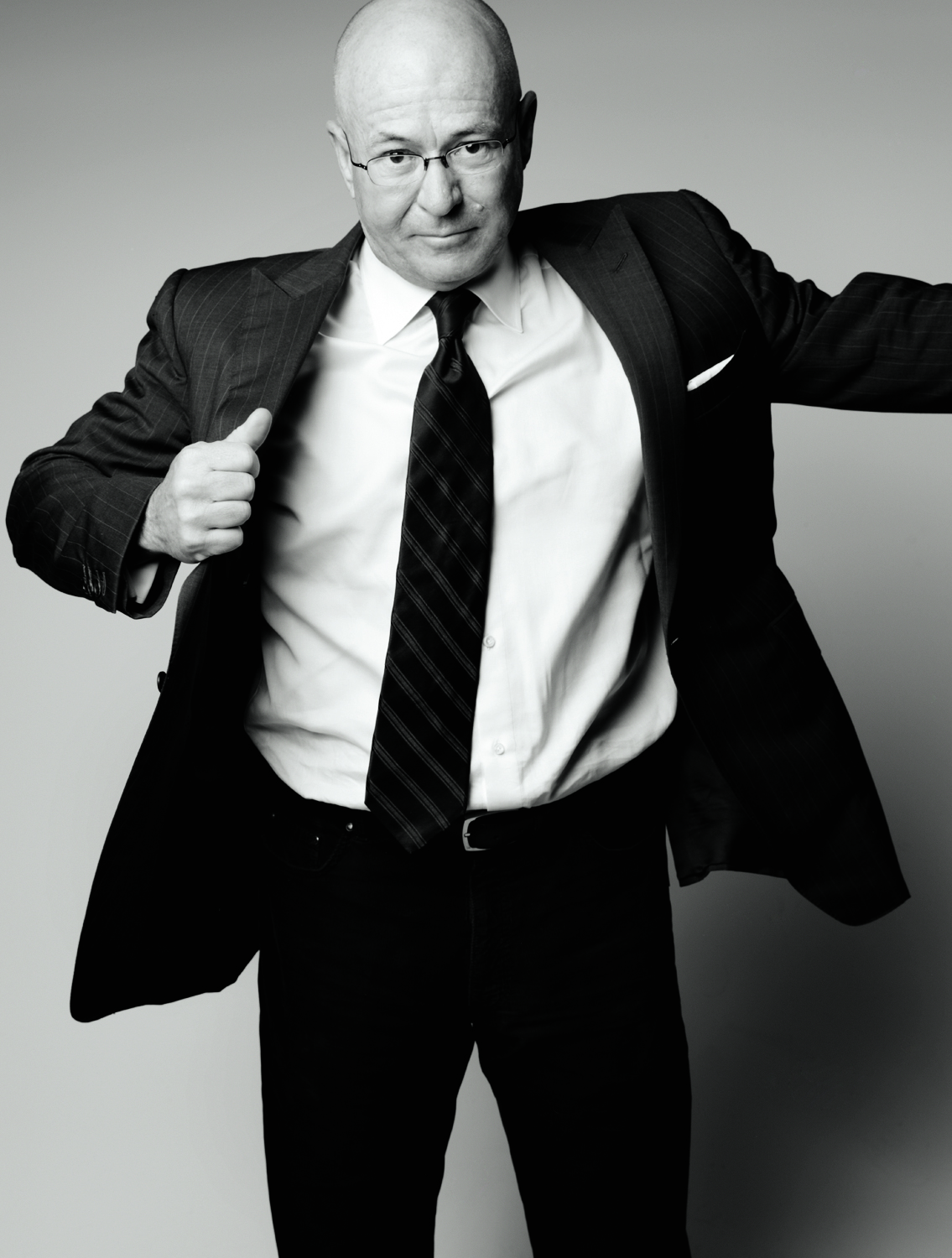
David has been at the helm of Esquire for 18 years and knows a thing or two about what the magazine’s readers want when it comes to their essential dose of Esquire. He has immersed himself in the brand and believes the key to being a successful editor in 2015 is to be constantly open to new ideas and possibilities, whether his own or ones from his superb staff.

Recently the 1000th issue of Esquire was lovingly dressed (in Esquire-finest, of course) and sent on its way, with scores of references to people, events and articles of the last 82 years. And as an added feature to its readers, and through a partnership with Shazam’s new visual recognition technology, readers are able to use their mobile devices to connect directly from the print magazine to Esquire’s coverage of those moments within the new digital archive.

And also to celebrate the 1000th issue, Esquire joined forces with PRX, an award-winning public media company, to launch a podcast deconstructing classic non-fiction stories from the vault of the 82-year-old magazine that continues to push the envelope when it comes to narrative journalism. These podcasts will be published every two weeks. Talk about creative innovation.

I spoke with David recently about his time at Esquire and the many innovations and creative ways he and his team are constantly reinventing and reinvigorating the brand. It was a delightful conversation that took me back to the magazine’s past and invariably full-circle into its future. And truly it’s a given, no one knows Esquire like the man in charge.

So, I hope you enjoy the Mr. Magazine™ interview with the charismatic David Granger, editor-in-chief, Esquire, as you read how a legacy magazine can take a cue from its past and continue to flourish.

But first, the sound-bites:

ESQ040113_024 On the last 18 years he’s spent at Esquire and what conclusions his own life has lead him to draw about the magazine: That’s such a good question. The only thing that seems to be consistent about Esquire is that for it to thrive we have to constantly think about how to reinvent and reinvigorate it and continue to enable it to address the desires and needs of our readers as the world changes. I can’t say that there’s something that we can do or have done consistently for 18 years, except to try and come up with new ways to use the magazine mediums. We try to find interesting new ways to use paper and ink and design and words.

On how busy he is as an editor in the 21st century and when he has time to sleep: I have really good people working with me and that enables me to entrust them with many responsibilities. I don‘t do this all by myself is what I’m saying. I think the key to being an editor now in 2015 is being constantly open to new things. I don’t have every idea but I have to be open to the possibilities when the people on my staff or people from outside my staff present me with new opportunities like the whole thing we’re doing now with the archive and with trying to make a business essentially out of our past. That wasn’t my idea, but I was open enough that I wanted to advocate for it with David Carey and the other people in the Hearst executive pool to make it happen.

On whether his editor’s role today makes him more of a curator than a creator, especially with the launch of Esquire Classic: It’s both. Yes, have the idea, but once Tyler had the revelation, I thought, wow, we have like hundreds and hundreds of audio interviews; what can we do with those? And then I think it might have been Cal (Fussman), who’s done the bulk of our “What I’ve Learned”s, who introduced us to an animator who’d actually animated an interview that Cal had done with Larry King just for his own purposes. And after that I knew that we could do this with a lot of people, so it’s not just being a curator, but it’s having the idea to do something different. Curating is very important, especially with the archive.

On whether he thinks there are more editors out there like him that believe in both print and other forms of expression: I think there are a lot of really excellent editors who believe in print, but also believe in expanding their creative impulses across other forms of expression too. I don’t think that I’m unique; I think there are more people who see the unique value of print, but also see the power of dissemination that’s offered by the web or other forms of digital media.

On whether there was ever a time in his career that he believes that print was a dying breed: No, I’ve never felt that. I’ve been discouraged and disappointed when people expressed this idea that inevitably print was going to go away. And it’s not just because I believe that it’s the greatest medium ever created. I think that there is some appeal to it that is being demonstrated all over again. You see sales in books, in paper, are climbing while the digital experience in books is beginning to decline.

On a major stumbling block he’s faced and how he overcame it: The biggest challenge for anybody is overcoming the conventional wisdom, because from 2008 and for at least five years after, the conventional wisdom was that print was a less exciting medium, which is kind of why I did all of those gimmicks because I wanted to prove that print was the most exciting medium ever. It makes your job even harder when you have to do your job, plus convince people as well as you can, that what your life’s work is will continue to be the most exciting medium that’s ever been invented.

On whether he thinks consumers today are gravitating more toward the tried and true brands that they’ve always known rather than the new ones that have come and gone: If that’s true I think it’s because in this generation that advertisers and marketers call millennials, there’s a hunger for the most overused term in marketing, which is authenticity. I believe a younger generation that’s looking for guidance looks to tried and true sources.

On what he might be doing in the evenings if someone came unannounced to his home: (Laughs) It depends on the season. When it’s warm, I’m usually sitting on my back deck with a glass of tequila and reading either a magazine or a book. But I could also be watching television, but yes, I think you would find me most likely having a drink and reading something, or enjoying dinner with my wife.

On anything else he’d like to add: I’m in the midst of a series of planning meetings for issues in 2016, so I’m intensely looking forward to what we’re doing and where we’re going. But I’m also finding that exploration of our past to be really fascinating. It’s just so cool that in addition to the archive, we’ve also launched this podcast series called Esquire Classic that dovetails with that. So, the archive is promoting the fact that we are using elements from our archive, whether it’s an F. Scott Fitzgerald story or a Nora Ephron story, to create new forms of entertainment in this podcast that we’re doing with PRX that we recently launched.

On what keeps him up at night: I’ve been sleeping pretty well lately. It’s been an extremely good year and I guess that’s my answer; I’ve been sleeping pretty well lately.

And now for the complete, lightly edited Mr. Magazine™ conversation with David Granger, editor-in-chief, Esquire magazine.

Samir Husni: David, you’ve published at least one-fifth of all the issues Esquire has done in its entire history, and if my math is correct, that would be about 200 issues under your belt.

David Granger: Yes, it’s more than 200, but I don’t know exactly how many.

Samir Husni: But it’s around one-fifth of the total number of issues.

David Granger: Right.

Samir Husni: You took the job in 1997 and Esquire was a completely different magazine then than it is today. Through those 18 years, what conclusions has your own life lead you to draw about the life of Esquire over the last 18 years?

David Granger: That’s such a good question. The only thing that seems to be consistent about Esquire is that for it to thrive we have to constantly think about how to reinvent and reinvigorate it and continue to enable it to address the desires and needs of our readers as the world changes.

I can’t say that there’s something that we can do or have done consistently for 18 years, except to try and come up with new ways to use the magazine mediums. We try to find interesting new ways to use paper and ink and design and words.

The only thing that I can think of that we’ve done the entire time is this column called “What I’ve Learned,” which seems to have some enduring appeal because we do exactly what you’re asking me to do right now; try and draw conclusions and wisdom from them. And that has proved to be sort of eternally entertaining or gratifying to our readers. But other than that I think we’ve changed just about everything.

Samir Husni: With the column “What I’ve Learned” and in just taking a look at the older issues of Esquire; you’ve left almost no one out when it comes to learning something from them, from God to just about every mortal. (Laughs)

David Granger: (Laughs too). Are you saying we should be running out of subjects?

Samir Husni: (Laughs again) You have all the angels left, you can expand on them.

David Granger: (Continues to laugh).

Samir Husni: When you started 18 years ago, you knew exactly what the job of editor entailed. Today, if I follow what you do in just one week, the question that comes to my mind is when does David have time to sleep?

David Granger: I have really good people working with me and that enables me to entrust them with many responsibilities. I don‘t do this all by myself is what I’m saying.

I think the key to being an editor now in 2015 is being constantly open to new things. I don’t have every idea but I have to be open to the possibilities when the people on my staff or people from outside my staff present me with new opportunities like the whole thing we’re doing now with the archive and with trying to make a business essentially out of our past. That wasn’t my idea, but I was open enough that I wanted to advocate for it with David Carey and the other people in the Hearst executive pool to make it happen. That started more than two years ago when I was able to convince Hearst to allow Tyler Cabot to accept a Nieman fellowship. And nobody in the Hearst magazine division had ever been offered or accepted a Nieman before, so they had to make an exception. Their policy is to allow that to happen and they did.

When he got back and he had a billion different ideas of new ways to both tell stories and sell stories, I had to advocate for his ideas with David and get him to approve a modest budget so that we could move forward.

It’s been amazing, but as the editor I don’t always have all the ideas, I just have to be open to the best ones or the ones that seem like they can lead us to someplace that enhances the potential of the magazine. And this idea of trying to use elements of the magazine’s past to create something that’s completely new is thrilling to me right now. We’ve been working on this for 2½ years, this notion and how to bring it to life. And I think it’s really something that’s pretty unique and it’s exciting. It’s going to do good things for us.

In my editor’s letter about this issue, I talk about this idea of “the eternal now,” how more than ever everything is present and my metaphor was when the iTunes store launched I would see my daughters browsing it and occasionally buying music from it, and they weren’t buying music because it was new, they didn’t know if they were listening to the Beatles and a song that came from 1967, they were just experiencing it as something new. And I think that’s what’s happening with the archive that we’ve created and launched. And with several other projects as well.

What we’re doing is we’re taking things that were created decades ago in many cases and we’re making them completely new to people who were never aware of their existence, which is just fascinating.

We did that with the “What I’ve Learned” mini-site that we created on the medium platform where we used the old interviews from “What I’ve Learned.” We actually had the audio and we turned them into animations. So, we had a three minute animation of George Clooney’s “What I’ve Learned” and a three minute animation of Tom Cruise’s “What I’ve Learned” and we did eight or ten others. And then we did a lot of original ones and some classic ones and created a whole new experience for people who were probably never aware that Esquire did this. And we got Microsoft to sponsor it and actually made some money.

It’s like this whole idea of taking things that we created a long time ago and giving them new life; I think it has a ton of potential and it’s really exciting right now.

Samir Husni: Does that put more responsibility on the editor to be more of a curator, rather than just a creator?

David Granger: It’s both. Yes, have the idea, but once Tyler had the revelation, I thought, wow, we have like hundreds and hundreds of audio interviews; what can we do with those? And then I think it might have been Cal (Fussman), who’s done the bulk of our “What I’ve Learned”s, who introduced us to an animator who’d actually animated an interview that Cal had done with Larry King just for his own purposes.

And after that I knew that we could do this with a lot of people, so it’s not just being a curator, but it’s having the idea to do something different. Curating is very important, especially with the archive.

And that’s what’s radically different about Esquire’s archive from any magazine archive that’s come before. Most magazine archives, or all of them that I know of, they’re just sort of presented for you. Here it is. It’s from The New Yorker and it’s organized by issue date and cover and there is a search function, but they don’t actively tell you what you might be interested in reading. So, we created a homepage that is distinct from the archive platform, but it dovetails with it, on which we take news events and say, OK, this happened today, people could be interested in reading this. Recently when the MacArthur grants were announced, we went back into the archive and found all the MacArthur geniuses who had written for Esquire in the past. And we surfaced their stories.

Or when Elon Musk recently launched a new model X, we resurfaced Tom Junod’s epic profile of Elon and promoted it on the homepage of the archive. So, we’re giving people the sense that the past is urgent. In order to understand the present, you can come to us and we can help you put things that are happening right now into context.

Samir Husni: You’ve always been a defender of print and talked about the necessity of print, but you’re always looking to all the other platforms or media and everything that’s out there. In fact, on the web you identify yourself as the editor of Esquire magazine, not just Esquire. Why do you think we don’t have more David Granger’s out there?

David Granger: I think there are a lot of really excellent editors who believe in print, but also believe in expanding their creative impulses across other forms of expression too. I don’t think that I’m unique; I think there are more people who see the unique value of print, but also see the power of dissemination that’s offered by the web or other forms of digital media.

It’s a cliché, but look at Adam Moss who creates a great magazine and whose web offshoots are as exciting as anything on the Internet. The guys at Fast Company in ink work really hard across all sorts of media without ever thinking that print is the ugly cousin. I think there are a number of people who are thinking in all of these different ways, while continuing to try and improve what they do in print. And they seem even more vital and special.

The advantage that print has is really two-fold. One is that as digital media moves to the phone, it’s pretty easy to see what the difference is between digital media and print media. Print is just so much bigger and the display is huge, the colors are vibrant and you get to use design and it’s just a completely different experience.

Fifteen years ago everybody was just trying to put what magazines did or what newspapers did onto a computer screen. And this is kind of the same thing. Now, what gets created for a phone is very different from what gets created for a magazine. In general, though there are some exceptions to this these days, what’s being created for a magazine is more ambitious and more sprawling and more built-to-last. I think more than ever, and I see this when I go out and talk to advertisers around the country, that they’re beginning to see that we’re not even in the same game. Digital media has created one thing and print is creating another and they’re probably appealing to different kinds of people in large part. So, you have to create advertising and marketing that’s unique to those forms. I think you kind of have to keep your feet in both camps while you’re trying to do amazing things in each.

Samir Husni: You’re one of the few editors that I’ve met who never lost faith in print. Am I dreaming that fact about you or did you believe at one stage in your career that print was dying?

David Granger: No, I’ve never felt that. I’ve been discouraged and disappointed when people expressed this idea that inevitably print was going to go away. And it’s not just because I believe that it’s the greatest medium ever created. I think that there is some appeal to it that is being demonstrated all over again. You see sales in books, in paper, are climbing while the digital experience in books is beginning to decline.

There’s just an inherent appeal to it that, even if you don’t do anything extraordinary, is going to survive. But then when you take the advantage of the print, the things that get me excited that we’ve done to try and expand what print can do then I think it will have a long and colorful and wonderful life. I’ve always believed that and I’ve been open to the possibility that I was completely wrong, but as it turns out my and my staff’s faith in our medium has been rewarded for quite some time.

Samir Husni: For you personally, what has been the major stumbling block that you’ve faced and how did you overcome it?

David Granger: I would say that each year every editor in the business is faced with trying to do the things that we value and the things that make a magazine successful with slightly fewer resources. So, you have to be endlessly creative on how you get the most out of the dollars you spend.

But that’s been true for every year of the 18 years that I’ve been at Esquire. We’ve produced cost for at least 17 of those 18 years. There might have been one year where we stayed about level with the previous year. And that’s always a little bit of a challenge, but we’ve sort of gotten used to that.

The biggest challenge for anybody is overcoming the conventional wisdom, because from 2008 and for at least five years after, the conventional wisdom was that print was a less exciting medium, which is kind of why I did all of those gimmicks because I wanted to prove that print was the most exciting medium ever. It makes your job even harder when you have to do your job, plus convince people as well as you can, that what your life’s work is will continue to be the most exciting medium that’s ever been invented.

Those are like little stumbling blocks, but mostly the hardest thing is having good ideas. (Laughs)

Samir Husni: (Laughs too).

David Granger: But that’s the joy of the job too.

Samir Husni: As we look ahead to the next five years; I feel, at least as an outsider looking in, there’s some sort of resurgence of men’s magazines, such as Esquire and GQ, they seem to be getting fatter and bigger. Do you think that our audience, our consumers, our customers out there are gravitating more toward the tried and true brands that they’ve always known, rather than the new brands that have come and gone, and if so, why?

David Granger: If that’s true I think it’s because in this generation that advertisers and marketers call millennials, there’s a hunger for the most overused term in marketing, which is authenticity. I believe a younger generation that’s looking for guidance looks to tried and true sources. I just think that we can be trusted in a way that some newer brands can’t. Newer brands have the advantage of being exciting and groundbreaking and all of those things, but I do think there is a valued heritage and that may be part of why some of these well-established brands are having a pretty good run right now.

Samir Husni: If I was ever to visit you unannounced at your home, what would I catch David doing in the evening? Are you reading a magazine or a book on your iPad or none of the above?

David Granger: (Laughs) It depends on the season. When it’s warm, I’m usually sitting on my back deck with a glass of tequila and reading either a magazine or a book. But I could also be watching television, but yes, I think you would find me most likely having a drink and reading something, or enjoying dinner with my wife. When I’m home, I’m pretty low-key. I dabble in watching sports and television series, but when I’m home it’s mostly time for some kind of relaxation or meeting with friends.

Samir Husni: Is there anything else that you’d like to add?

David Granger: I’m in the midst of a series of planning meetings for issues in 2016, so I’m intensely looking forward to what we’re doing and where we’re going. But I’m also finding that exploration of our past to be really fascinating. It’s just so cool that in addition to the archive, we’ve also launched this podcast series called Esquire Classic that dovetails with that. So, the archive is promoting the fact that we are using elements from our archive, whether it’s an F. Scott Fitzgerald story or a Nora Ephron story, to create new forms of entertainment in this podcast that we’re doing with PRX that we recently launched.

I love doing original journalism, but I’m also really getting excited about doing completely novel things with archival material. It’s like to make the past present and it’s really exciting. It’s like a new way forward and I think there are many entities that have done that, whether it’s movie studios using their catalogue of old film, but it’s very rare in the magazine business that people have found a way to make the old both new and profitable. And I think it’s really exciting.

Samir Husni: My typical last question; what keeps you up at night?

David Granger: I’ve been sleeping pretty well lately. It’s been an extremely good year and I guess that’s my answer; I’ve been sleeping pretty well lately.

Samir Husni: Thank you.
h1

GQ – The Magazine & The Brand: Much More Than Just Two Letters – The Mr. Magazine™ Interview With Howard Mittman, Publisher, GQ.

October 12, 2015

“I think forever and always there will be an audience for print. I don’t think the inevitable path for print is to go away, I don’t even think the inevitable path is for print to be some sort of retro-iconic version of what records are to music lovers. But what I do think is print will evolve and print will change and I believe the path that we’re on, expanding the size and the weight and increasing the experience for consumers as opposed to decreasing, which is what most of our competitors are doing, is the right path.” Howard Mittman

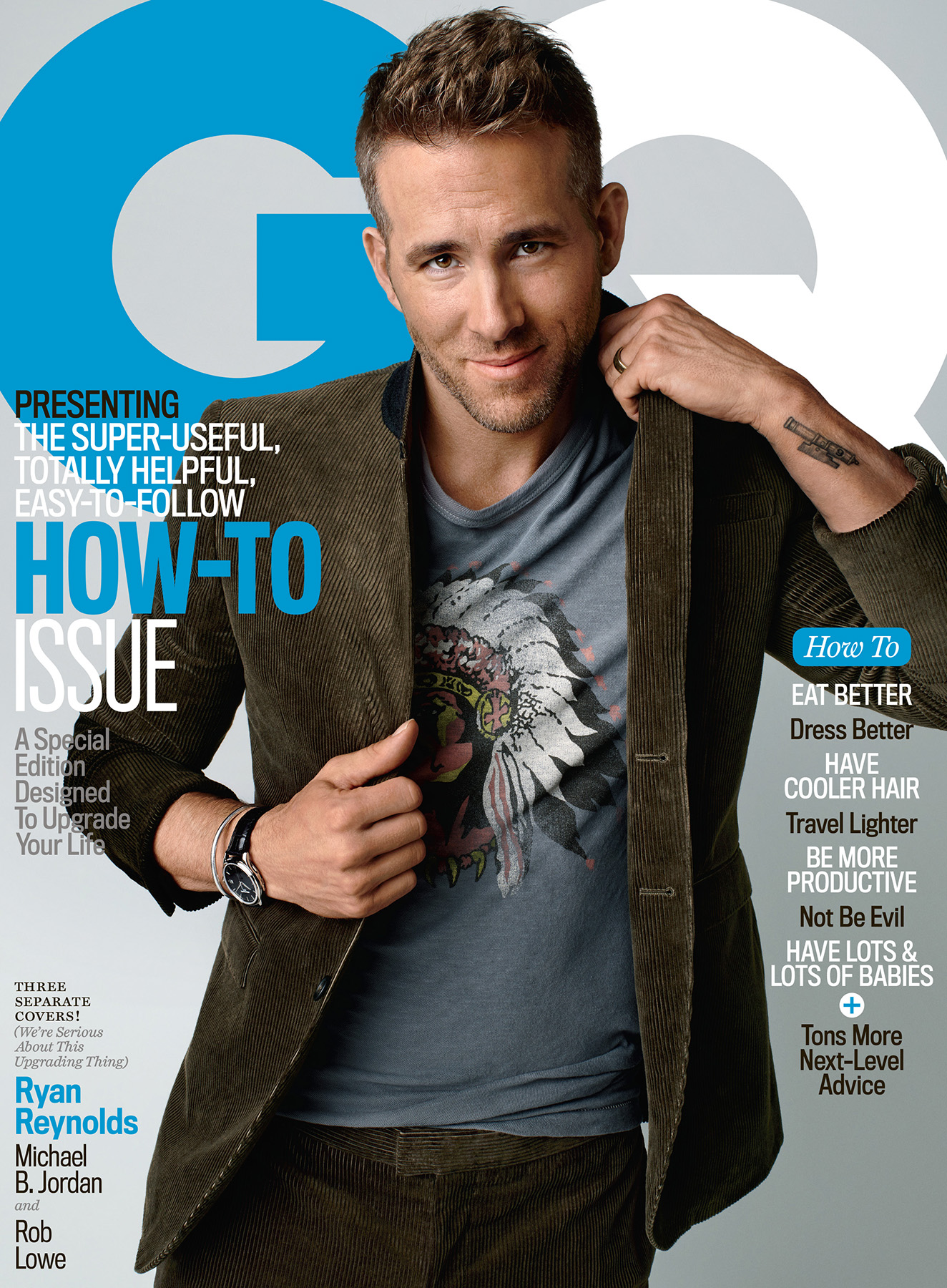
Ryan Reynolds Cover The pinnacle of men’s fashion and lifestyle, GQ Magazine is looking to the future with creative innovation and boldness, both with its print product and all of its digital facets. And the man leading and driving the brand into the future is celebrating his one year anniversary with the magazine this month.

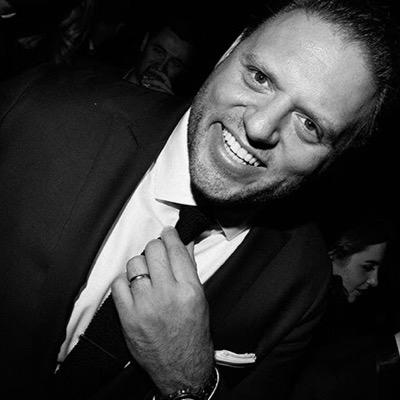
Howard Mittman is gregariously passionate when he talks about the brand he now calls his own. Coming from Wired after serving as vice president and publisher; Howard took the technologically savvy magazine to new heights under his guidance and he’s doing the same with GQ.

I spoke with Howard recently and we talked about the changes that have already been implemented at GQ and a hint about a few that are in the works. It was a lively and enjoyable discussion that made me feel as if I was talking with Howard in the comfort of his living room at home. The man is personable, open and very knowledgeable when it comes to the role of publisher of a major magazine.

So, straighten your tie and polish your shoes (ladies too) and get ready to enjoy the Mr. Magazine™ interview with Howard Mittman, Publisher, GQ.

But first, the sound-bites:

Howard Mittman GQ Publisher-Pablo Frisk On why if print is dead, the October issue of GQ is filled to capacity with advertising: Let me say first; print is not dead, a statement I’m fairly certain that you agree with. I truly think that print is evolving, and really all of media is evolving. So if you’re lucky enough to have the opportunity to work at a brand like GQ that is clearly number one in its category, whether you’re looking at fashion, style or just general interest for men, I have a really strong notion that we’ll be able to capture a significant part of the, not only advertising dollars, but the consumer mindset and attention that comes along with having a brand that’s more than a brand; it’s an adjective.

On how his approach has changed from being chief revenue officer at Wired to becoming chief revenue officer at GQ:
One of the opportunities afforded to me at Wired was to be deeply immersed inside the digital culture. And the opportunity to take that kind of culture and bring it here is enormous. GQ, from a digital perspective, has a fair amount of really good things going on. Think about it this way for a second and this almost translates back to your first question about print being dead; every 60 seconds a consumer types in #GQ into Instagram. Every 30 seconds a consumer types in #GQ into Instagram and Facebook and every 20 seconds a consumer types in #GQ across all social media. That means consumers are associating their pictures, their friends and themselves with our brand. That’s a really powerful statement about what GQ is, what it means and the relationship it has with not only it’s current consumers, but with millennial and Gen Z consumers.

On whether he believes the tablet and the homepage are dead:
So often in the industry things are cool, and shiny new objects get our attention, like dogs with firetrucks that go down the street, inevitably we realize that we can’t catch them. One thing I will say though, what happens is maybe tablets haven’t realized their full dream, in terms of transforming the entirety of our business, but they’re a really smart component to print. The whole direction of the future of Condé Nast and the industry of print has not been changed by tablets, but we still have 85 or 90,000 subscribers a month and it’s a really healthy component to print. And I think that’s the difference; we’re too quick to anoint new things as the next savior, or the next end-all-be-all versus the reality of them as just being a part of a larger story.

On whether GQ is doing anything different with its print product:
We’re doing a few things that I think you might find really interesting. In September we pushed the cover price from $5.99 to $7.99. And we’ve seen no negative impact at all on sales; it’s been a really wonderful test that gives us a sense of the potential of elasticity on the consumer side. In December, we’ll be doing the same thing, but in addition to pushing the price, we’ll also be pushing the size of the folio. It’s going to be a larger folio and a heavier paper stock. Again, testing the consumer side’s demand for a product that we think can be more luxurious and look more like a coffee table book than a magazine. And I think the inevitable future of print is that it will become an enthusiast’s product; people who love it will love it.

On why it took so long for publishers, using Jim Nelson’s (editor, GQ) quote to “make print printier,” when it wasn’t too long ago everyone was decreasing their print product instead of increasing it:
That’s a good question. I think ultimately like all businesses and all mediums everywhere, like television or radio, when you’re the only game in town; you tend to do things that work for that moment as opposed to building for the future. Who could have predicted that GQ’s Instagram feed would have 2 million followers or that Taylor Swift would have 50 million, right?

On any major stumbling block he’s faced and how he overcame it:
The challenge has been transitioning the mindset and the behaviors of the team. What I’ve been really excited to find is that there was and is this absolute thirst to learn the secret sauce of what it means to exist in a multi-platform business and a digital environment. And I’ve seen this team, on both ad and edit, and not all because of me, run toward this opportunity to transform themselves in so many different ways.

On how his role of publisher/chief revenue officer has changed over the years since the dawn of the digital age and is it easier or harder: We’re competing with startups that don’t care about profit, but care about evaluation. In video we’re competing against broadcast, networks and cable networks; in digital we’re competing against social networks; in events we’re competing against event spaces. So as we continue to grow this footprint, to grow this brand, we’re seemingly in competition with everyone. That’s the challenge. And there are only so many hours in a day and you have to figure out how and where to focus your attentions. So, it is harder; I think it’s significantly harder. The flip side is this kind of challenge or opportunity, or these kinds of distribution mechanisms, digital and otherwise, interest you; I don’t think there has ever been a more interesting or exciting time to be in this seat or have this role.

On whether he can ever envision the GQ brand without the print component:
I can envision it, but I don’t actually think it will ever happen. I think forever and always there will be an audience for print. I don’t think the inevitable path for print is to go away, I don’t even think the inevitable path is for print to be some sort of retro-iconic version of what records are to music lovers. But what I do think is print will evolve and print will change and I believe the path that we’re on, expanding the size and the weight and increasing the experience for consumers as opposed to decreasing, which is what most of our competitors are doing, is the right path.

On what motivates him to get out of bed every morning:
I set the alarm for 5:23 and I go to SoulCycle most days before work, so that truthfully is what gets me out of bed. What gets me showered and to work is there’s a genuine level of enthusiasm here for this brand at GQ and for the opportunities that lay ahead. And some days I’m just completely left in awe at the level of intelligence and passion and dedication of the team here at GQ. They are some of the smartest people that I’ve ever worked with. And I think that what you find throughout this floor is that the cheekiness and the irreverence and the humor, the intelligence and the style that exists in the magazine and in the content online permeates the offices and the cubicles here in a way that I’ve never seen before.

On anything else he’d like to add:
I’d like to talk about young talent for a second because we hear a lot about millennials and the challenges of working with millennials, but I’ve found the complete opposite hear at GQ. We’re surrounded by so many 20-somethings who work incredibly long hours and are passionate and dedicated and are the complete opposite of what popular culture and mass media would have you believe about that generation.

On what keeps him up at night:
Finding a private school for my son. (Laughs) To be honest, I’m sleeping soundly with GQ, but the private school admission process in New York City is a daunting one for sure.

And now the lightly edited transcript of the Mr. Magazine™ conversation with Howard Mittman, Publisher, GQ.

Samir Husni: If print is dead; why do I have to wait until page 56 to find the Letter from the Editor in the October, 2015 issue of GQ? It’s filled to capacity with advertising, what’s going on?

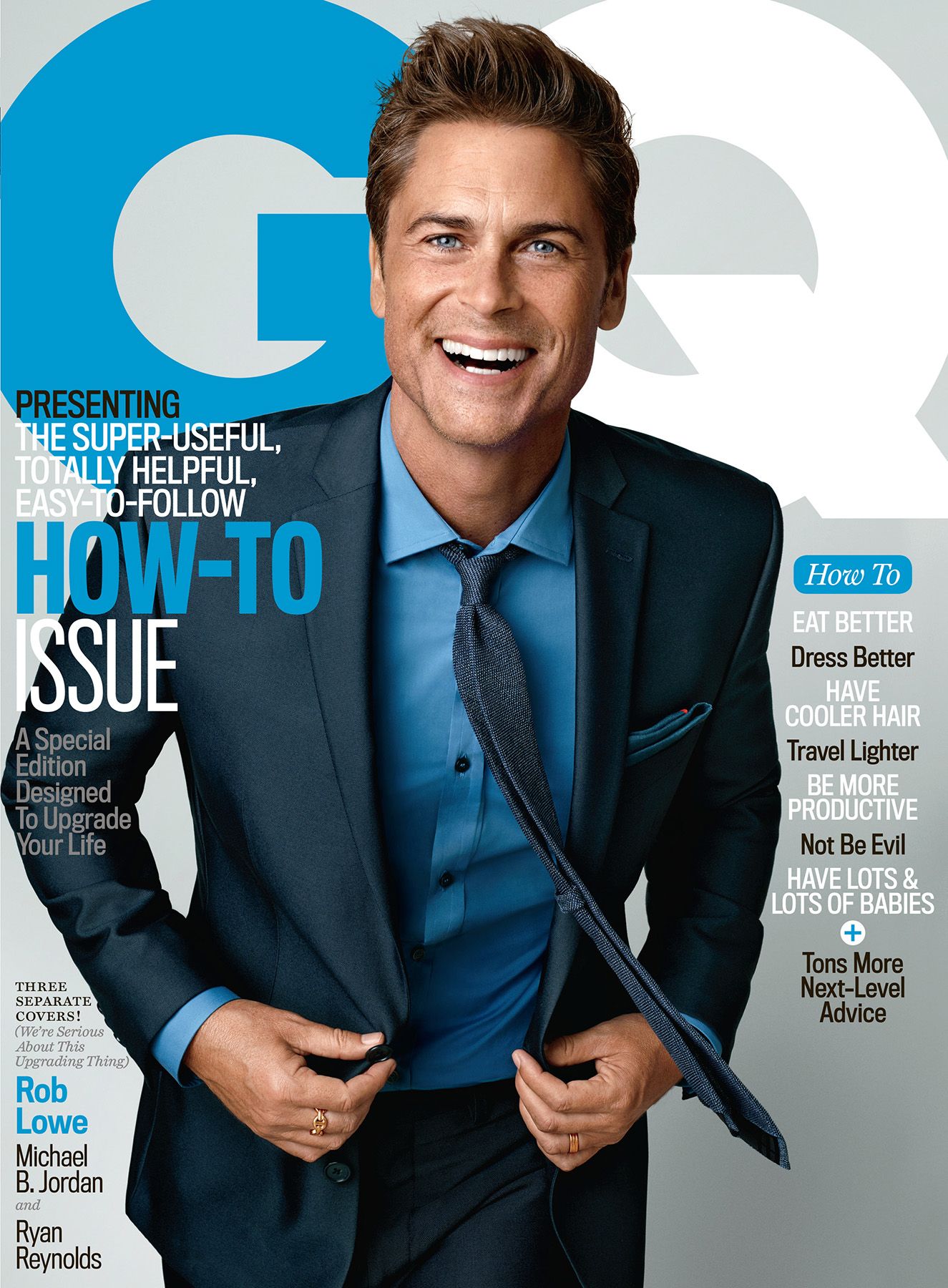
Rob Lowe Cover Howard Mittman: Let me say first; print is not dead, a statement I’m fairly certain that you agree with. I truly think that print is evolving, and really all of media is evolving. Television is probably going through what print went through three or four years ago. There are a lot of seismic shifts happening.

But from a print perspective, gone are the days when men are going to subscribe to three, four or five magazines. There’s just an infinite amount of choice and there’s an ability to find likeminded content almost anywhere these days, from your laptop to your phone to the screen inside your elevator.

So, I think what’s happened is men specifically, and I’ll speak about men since I know that market better, are looking to maybe invest in one magazine brand. And they’re looking at it not as a magazine; they’re looking at it as a media property that they can go deeper and wider into.

So if you’re lucky enough to have the opportunity to work at a brand like GQ that is clearly number one in its category, whether you’re looking at fashion, style or just general interest for men, I have a really strong notion that we’ll be able to capture a significant part of the, not only advertising dollars, but the consumer mindset and attention that comes along with having a brand that’s more than a brand; it’s an adjective. GQ is a heck of a lot larger than just two letters, it’s an actual representation of what it means to be an American gentleman; it’s a compliment.

From my perspective, magazines are evolving but strong brands and brands that even outpunch their weight, such as GQ, have a real opportunity in a variety of different ways and places.

Samir Husni: Coming from being publisher of Wired, you were used to working with people and technology. When you were offered the job of publisher at GQ, where you would be dealing more with humans-only and men specifically; can you take me back to that particular moment when you took the job and what you were feeling?

Howard Mittman: Probably wow; I’ve got to buy some new suits. (Laughs)

Samir Husni: (Laughs too).

Howard Mittman: (Laughs again).

Samir Husni: Can you tell me the difference in your approach from being the chief revenue officer at Wired to now the chief revenue officer at GQ? How has your modus operandi changed when it comes to selling, marketing and just taking care of your new brand?

Howard Mittman: One of the opportunities afforded to me at Wired was to be deeply immersed inside the digital culture. And the opportunity to take that kind of culture and bring it here is enormous.

GQ, from a digital perspective, has a fair amount of really good things going on. Think about it this way for a second and this almost translates back to your first question about print being dead; every 60 seconds a consumer types in #GQ into Instagram. Every 30 seconds a consumer types in #GQ into Instagram and Facebook and every 20 seconds a consumer types in #GQ across all social media. That means consumers are associating their pictures, their friends and themselves with our brand. That’s a really powerful statement about what GQ is, what it means and the relationship it has with not only it’s current consumers, but with millennial and Gen Z consumers.

It also speaks to the opportunities inherent from a social and digital perspective to us should we put ourselves in a position to capitalize on it. And I’ve spent the better part of the last year, along with Jim Nelson and Mike Hofman and a lot of really talented people here, doing just that.

We revamped the entirety of our web program from the CMS (Content Management System) the site runs on, to the homepage, to the article pages, to the mobile platform, the recirculation modules and the slideshows, to say nothing of the massive amount of content we’re now producing. We’re doing maybe 35 to 36 unique stories per day on GQ.com. We’re publishing across multiple platforms and doing it seamlessly and we’ve seen our track click increase from 6 million uniques to 11 million uniques. These are some miraculous jumps inside of a year and I think they hint at just the very beginning of what opportunities that we have digitally.

Wired helped me because I knew how to do this; GQ helps me because the enormity of the brand is unlike anything else, I think, in this entire industry. There are very few brands, maybe a Vogue that has that kind of presence, and so capitalizing on that and being able to stand on the shoulders of it is fun.

Samir Husni: The first time you and I met you were at Wired and you were showing me the Wired app.

Howard Mittman: I remember that, yes.

Samir Husni: Now I hear people in New York telling me that the tablet is dead, the homepage is dead; why do you think we’re so quick to welcome all of these new digital devices and platforms, yet so quick to bury them as well? Do you really believe the tablet and the homepage are dead?

Howard Mittman: So often in the industry things are cool, and shiny new objects get our attention, like dogs with firetrucks that go down the street, inevitably we realize that we can’t catch them.

One thing I will say though, what happens is maybe tablets haven’t realized their full dream, in terms of transforming the entirety of our business, but they’re a really smart component to print. And I think that what we’ve found is ultimately the tablet is in between a desktop and a laptop, but moreover it’s really much more of a consumption device than a production device. And in that, it’s more akin to a digital magazine than it is a mobile phone or a desktop, so sure, the whole direction of the future of Condé Nast and the industry of print has not been changed by tablets, but we still have 85 or 90,000 subscribers a month and it’s a really healthy component to print.

And I think that’s the difference; we’re too quick to anoint new things as the next savior, or the next end-all-be-all versus the reality of them as just being a part of a larger story.

Samir Husni: Why do you think now, more than ever before, that we’re seeing this resurgence of life to the print product, specifically GQ, it’s becoming bigger and fatter. Is it the whole combination of your process or are you doing something specific with print that you haven’t done before?

Howard Mittman: We’re doing a few things that I think you might find really interesting. In September we pushed the cover price from $5.99 to $7.99. And we’ve seen no negative impact at all on sales; it’s been a really wonderful test that gives us a sense of the potential of elasticity on the consumer side.

In December, we’ll be doing the same thing, but in addition to pushing the price, we’ll also be pushing the size of the folio. It’s going to be a larger folio and a heavier paper stock. Again, testing the consumer side’s demand for a product that we think can be more luxurious and look more like a coffee table book than a magazine. And I think the inevitable future of print is that it will become an enthusiast’s product; people who love it will love it. And what we’ll find inside that reaction of enthusiasts is that they’ll be willing to pay more for a product that has a greater level of luxury that gives them more of what they love about the medium and as Jim Nelson is fond of saying. “Makes print printier.”

We’re testing this now actively on the newsstand; we’re testing the size and the weight of the issue in December and I believe that will help us transition the kind of experience we deliver in print at the same time that we increase our digital offerings and make sure that we push content out across a variety of distribution mechanisms, because ultimately it’s the consumer who decides if they want to interact with GQ. We just happen to be fortunate enough to be in a brand they want to interact with in all these different places. Print will still be a big part of that.

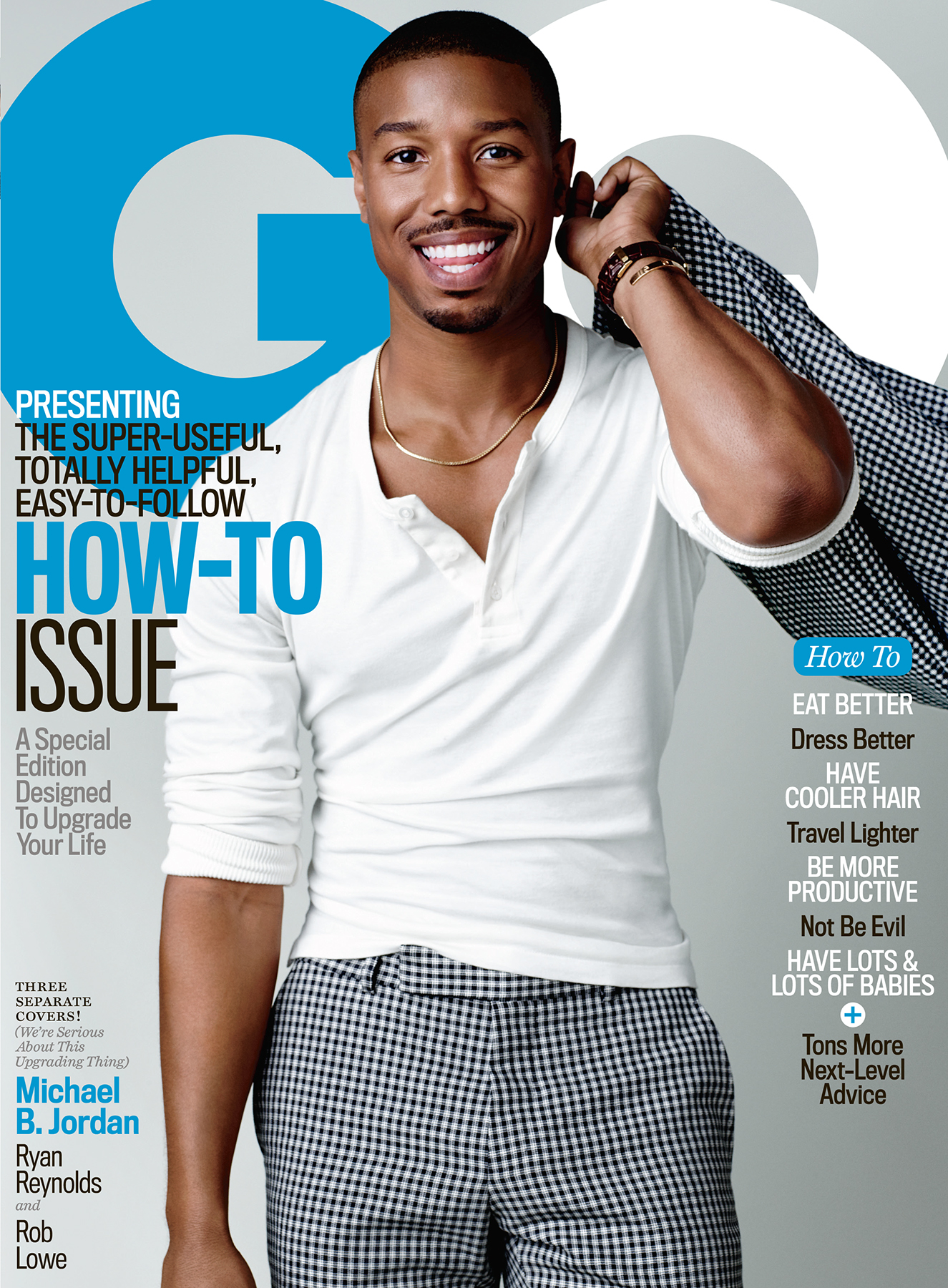
Michael B Jordan Cover Samir Husni: I’m delighted to hear that because I’ve always wondered why magazine publishers as a whole went through a period where they were decreasing the quality of paper and almost giving the magazine away. Why did it take us so long to quote Jim, “Make print printier?”

Howard Mittman: That’s a good question. I think ultimately like all businesses and all mediums everywhere, like television or radio, when you’re the only game in town; you tend to do things that work for that moment as opposed to building for the future. Who could have predicted that GQ’s Instagram feed would have 2 million followers or that Taylor Swift would have 50 million, right?

We used to own the printing press, literally and figuratively. Now, there’s a printing press in Taylor’s pocket; there’s a printing press in my pocket. As the world evolves, I think some of those decisions to decrease the point of entry for the price of the magazine to increase the scale of the audience and have that subsidized by advertisers, well, that model doesn’t work in the same way that it used to.

And so what we’re doing, in terms of pushing price and trying to move the brand out, is get it into a space where we can probably transition subscription through membership. That’s our goal. A subscription is $20 per year and someone sends a check. A membership is $60 or $100 or $200 or even $500 and it involves product boxes, samples or access to events and concierge services, and just a whole host of other things. All of those opportunities are being explored around this moment of disruption. And in spite of the disruption, it brings a ton of opportunities if you have a strong brand and strong connections with your community and GQ has both.

Samir Husni: Just from hearing you, it would seem that it’s been smooth sailing and full steam ahead during your first year as publisher of GQ. Have you had any moment that you would call a major stumbling block during this past year, and if so, how did you overcome it?

Howard Mittman: The challenge has been transitioning the mindset and the behaviors of the team. What I’ve been really excited to find is that there was and is this absolute thirst to learn the secret sauce of what it means to exist in a multi-platform business and a digital environment. And I’ve seen this team, on both ad and edit, and not all because of me, run toward this opportunity to transform themselves in so many different ways.

So, making sure you have the right people in place; making sure that you have the right mindset in place; these things are never easy and they take time. But from a digital perspective, whether it’s traffic or the KPIs (Key Performance Indicators) we’re delivering for advertisers or the revenue that we’re bringing in, we’re so far ahead of where I thought we’d be at this time. But like always, there’s still work to do.

Samir Husni: Speaking of more work to do; comparing your job of publisher/chief revenue officer prior to 2007, prior to the dawn of the digital age, to today’s role; do you think the job has become easier or harder? How has it changed?

Howard Mittman: I was promoted to publisher in February 2009 at Wired, so I wouldn’t know what it was like before that. And that was the worst time to be promoted as far as the economy goes, by the way. (Laughs) But the job is significantly different. It’s significantly harder.

We’re competing with startups that don’t care about profit, but care about evaluation. In video we’re competing against broadcast, networks and cable networks; in digital we’re competing against social networks; in events we’re competing against event spaces. So as we continue to grow this footprint, to grow this brand, we’re seemingly in competition with everyone. That’s the challenge. And there are only so many hours in a day and you have to figure out how and where to focus your attentions. So, it is harder; I think it’s significantly harder.

The flip side is this kind of challenge or opportunity, or these kinds of distribution mechanisms, digital and otherwise, interest you; I don’t think there has ever been a more interesting or exciting time to be in this seat or have this role. We are in this wonderful position where we get to look out onto the horizon and chart the course for what this business will look like in the next five,10 or 20 years. And that’s a really enviable position. And it’s probably the most fun thing we do. The decisions that we’re making now are building the foundation for what GQ will look like in the next 50 years and what the magazine will be. That definitely means longer days and a little less sleep and it means the era of the three-martini lunch is long gone and won’t be coming back. But I love my job and I think it’s so much fun to have this opportunity to do more than just sell a page for a color bleed.

Samir Husni: Can you ever envision the GQ brand without the printed magazine?

Howard Mittman: I can envision it, but I don’t actually think it will ever happen. I think forever and always there will be an audience for print. I don’t think the inevitable path for print is to go away, I don’t even think the inevitable path is for print to be some sort of retro-iconic version of what records are to music lovers

But what I do think is print will evolve and print will change and I believe the path that we’re on, expanding the size and the weight and increasing the experience for consumers as opposed to decreasing, which is what most of our competitors are doing, is the right path.

And when you look at things like GQ Style, which is our biannual magazine that we produce; we’ve seen enormous consumer success with that, and it sells for $13.99 on the newsstand and it’s up 30% every year. So, again there are opportunities for expansion in print if you can find the right opportunity to hit the cross-section between advertiser and consumer interest. And I think some of those specialty properties like GQ Style are doing a really nice job of that.

Samir Husni: Can you expand a little bit on the whole idea of the GQ membership; are you going full-force with that and testing it now as we speak?

Howard Mittman: We are testing it now, but I probably don’t want to get too far down the path with that, but we are in the middle of doing a handful of tests that are producing great excitement about the possibilities of what this could do to transform the subscription model here.

Samir Husni: As you celebrate your first anniversary as publisher of GQ; what motivates you each morning to get out of bed and say it’s going to be a great day?

Howard Mittman: I set the alarm for 5:23 and I go to SoulCycle most days before work, so that truthfully is what gets me out of bed. What gets me showered and to work is there’s a genuine level of enthusiasm here for this brand at GQ and for the opportunities that lay ahead.

And some days I’m just completely left in awe at the level of intelligence and passion and dedication of the team here at GQ. They are some of the smartest people that I’ve ever worked with. And I think that what you find throughout this floor is that the cheekiness and the irreverence and the humor, the intelligence and the style that exists in the magazine and in the content online permeates the offices and the cubicles here in a way that I’ve never seen before. And so there’s a collegiality and a level of dedication and pride for what we do that I’ve never had the opportunity to work with in that level of intensity before. Coming here to work every day is a treat and I’ll do it as long as Bob and Chuck let me.

Samir Husni: If I met you on the streets of New York today, would I say that you’re definitely a GQ man?

Howard Mittman: (Laughs) It’s funny; I laugh because I think the power of the GQ brand when it comes to fashion and style is such that the things I wore at Wired that no one noticed, I think they’d notice now. I have a feeling that I could come in wearing tuxedo pants and a Knicks jersey and people would think that’s in style just because I work at GQ. (Laughs) It’s hard for me to say.

But if you’re lucky enough to see folks like Jim Moore, Mark Anthony Green, Will Welch and Jim Nelson come in everyday, you can figure out ways to copy a little ebit of what they do so you look better than most, but never as good as them.

Samir Husni: Is there anything else you’d like to add?

Howard Mittman: I’d like to talk about young talent for a second because we hear a lot about millennials and the challenges of working with millennials, but I’ve found the complete opposite hear at GQ. We’re surrounded by so many 20-somethings who work incredibly long hours and are passionate and dedicated and are the complete opposite of what popular culture and mass media would have you believe about that generation.

And I think part of the reason that we’re able to have that is because while startup brands and places like Google and Twitter seem like wonderful opportunities for young talent, the truth is that in the same way that it was true in the 70s, 80s and 90s coming with us is an incredible experience and incubated unlike anything else we’ve ever seen.

And the way that this company, and not just GQ, but this entire company is pushing out into digital and social, events and licensing and a whole host of other places, the access and the opportunity you get on these brands is unmatched, I think. We don’t produce people or brands that stay in one specific vertical. We don’t produce linear opportunities for knowledge and I think I’m lucky enough to be surrounded by so many smart, talented young people who see that. And I wish that was spoken about a little more frequently inside of magazines and with the popular press because these jobs are a treat, a pleasure and a privilege and we’re always looking for smart people.

Samir Husni: My typical last question; what keeps you up at night?

Howard Mittman: Finding a private school for my son. (Laughs) To be honest, I’m sleeping soundly with GQ, but the private school admission process in New York City is a daunting one for sure.

Samir Husni: Thank you.
h1

Beekman 1802 Almanac: Two Men & A Magazine – From Farm To Press. The Mr. Magazine™ Interview with Brent Ridge, Co-Founder and Co-Editor-in-Chief.

October 9, 2015

A Mr. Magazine™ Launch Story…

“I also think that there is a way for print magazines to live on, they just have to adapt. We look at some great magazines like Kinfolk Magazine and Sweet Paul Magazine, even Edible Magazine to some degree; these are people who are doing great things with print, but also trying to rejigger the business model of the print magazine. And that’s really what we’re doing with the partnership with Meredith; we wanted to create this really beautiful magazine using amazing paper; a magazine that people would actually want to keep and hold onto, rather than toss it away.” Brent Ridge

1802-1 Most of the time you’ll hear the phrase “I love all magazines equally” flow from the lips of Mr. Magazine™. And that’s because it’s true. Very rarely do I differentiate between my children; I love all of them the same. Every cover, every size and every finish; just every element of ink on paper brings me joy.

However on occasion there have been times, few and far, far between, where I have been overwhelmed by the subtle beauty and the pleasing content of a magazine. So much so that I find myself reading and rereading from front cover to back many times over.

That would be the case with Beekman 1802 Almanac. It’s an original twist on a generational favorite: the Farmer’s Almanac. Modernized, but not to the point that the old-time concept is unrecognizable, the magazine is a breath of fresh air on a hot, sweltering day at the newsstands.

Brent Ridge and Josh Kilmer-Purcell are co-editors-in-chief of this new title. And the two young men practice what they preach when it comes to the content and concept of the magazine. They live on a rural farm that was built in 1802 by Judge William Beekman and they love the farm life and experience it daily; they raise pigs, protect their apple trees from deer and practice the art of soap making. All farm-type things they learned from their neighbors, who are people that always believe in being neighborly. It’s a throwback existence that they enjoy immensely. And it shows throughout the pages of the magazine.

Partnered with the Meredith Corporation, which has assisted them in reaching a much broader audience, the sky (or I better say, Brent and Josh) seems to be the limit for this refreshing magazine.

I spoke to one half of this farm-loving duo recently, Brent Ridge. Brent and I discussed the genesis of the magazine, whether he and Josh had been accused of being crazy for starting a print magazine in this digital age, and we even covered a stumbling block or two that they had to face when getting it off the ground. But hey, for two guys who can muck out a barn, putting together a magazine should have been a piece of cake, right?

Find out the answer to that one as you read and enjoy the Mr. Magazine™ interview with Brent Ridge, co-editor-in-chief, Beekman 1802 Almanac.

But first, the sound bites:

Brent Ridge, co editor-in-chief and co founder, Beekman 1802 Almanac.

Brent Ridge, co editor-in-chief and co founder, Beekman 1802 Almanac.

On the genesis of Beekman 1802 Almanac: We’re always looking at the past and trying to modernize things from the past. So, the idea of doing a modern version of an almanac was something that had always intrigued us. We also felt that just from the people who were on our blog and our social media; there was a hunger for really great content that wasn’t being met.

On whether anyone has asked them yet if they’re out of their minds for starting a print magazine, especially an almanac, in a digital age: As I said, we always try to modernize old things; we do a modern take on very traditional things. So, that was in our wheelhouse. I also think that there is a way for print magazines to live on, they just have to adapt. We look at some great magazines like Kinfolk Magazine and Sweet Paul Magazine, even Edible Magazine to some degree; these are people who are doing great things with print, but also trying to rejigger the business model of the print magazine.

On any stumbling blocks they had to face and overcome during the process of putting the magazine together:
For us the hardest part was figuring out what the architecture of the magazine was going to be. And thinking about the things that were typically in a magazine, such as the letter from the editor and what our take would be on our own letter from the editor. So, that became “Life Lessons” for us. What will be the front-of-book feature in our magazine? And so that became the “Gazette.” And so, really just figuring out what was going to be the hallmark elements of the magazine that was the labor part.

On the most pleasant moment they’ve had throughout the process of the first issue: I think the most pleasant moment was when we saw the layout of the Gazette, which is our front-of-book feature. The theme of the magazine is “cultivate a better life” and that tagline was chosen deliberately, particularly the word cultivate. So many people today talk about living your best life and going after that best life, so that word cultivate has a certain amount of grit to it and the idea that you actually have to work for something in order to get it to grow and flourish. And that’s really what we believe.

On whether he thinks it’s easy to cultivate and duplicate the farm life through a magazine to someone who may be confined to the city limits:
I don’t think living a better life is ever easy; I do think it’s something that you have to work towards. We’re not experts at anything. When we got the farm, we weren’t farmers; we had to learn how to do that. We had to learn how to start our business and we had to learn how to put together a magazine.

On how they go beyond just a content-provider to being an experience maker instead:
What we hope to do as future issues of the magazine come out; we’re aiming to be a quarterly, so each season we would have this almanac guide to enjoying the individual seasons, but we hope to have actual events around the country built around each season of the almanac so that people could come and experience the content and we’ll bring the content of every issue to life and we’ll do that all across the country.

On if someone only had 15 minutes to read the magazine he would suggest reading only the Gazette: Yes, if you only have 15 minutes to sit down and read it, I would start with the Gazette because you’re going to get 20 amazing things to educate yourself and learn about.

On whether the 1802 concept of the magazine will keep me in the past the entire time I spend with it:
No, definitely not. Again, we say that everything that we do is a modern take on traditional life. We think that there are a lot of lessons that can be learned from the way people lived their lives in 1802, in terms of the quality of things that they produced, the level of detail on the things that they produced and the overall craftsmanship of their work.

On the working relationship between him and Josh while creating the magazine:
We are complete opposites. Anybody who has ever spent time with us will realize that. And I think that’s actually very beneficial to us, because we’re opposites and we’re also not afraid to present our viewpoint and to argue our viewpoint and I think that makes everything that we design, whether it’s one of our books or one of our products; I think it makes everything better by the fact that we have differing opinions.

On who the magazine’s audience is:
What we’ve found with our company, Beekman 1802, is that we’re really a mother/daughter brand, which I think very few brands like that exist these days, where you’re getting the moms and grandmothers to show an interest in what you’re doing. But we’re also getting that 22-year-old who’s just starting out their life out of college. And we go to do our book signings and other events; we can sometimes have three generations of people who are there to see us and get their books signed.

On what gives them the most satisfaction out of everything they do:
I think the biggest satisfaction for us comes from building community and finding likeminded people. We call everybody who comes into our realm our neighbors, whether they happen to be right down the street or halfway around the world. We call them our neighbors because we have a collective mindset.

On anything he’d like to add:
I hope that everybody enjoys the magazine as much as you did. We think that it’s different from anything else out there and we’re so lucky to have a great partner like Meredith. We just hope people find enjoyment in it.

On what motivates him to get up each morning:
I am a true Pollyanna. I get up every morning singing and I’m always in a good mood. And even if we’re not on the farm, if we’re traveling some place, I get up every morning and go outside and try to find something beautiful to reflect on.

On what keeps him up at night:
I’m a very good sleeper. Nothing keeps me up. I exhaust myself during the day so that when I hit the pillow I’m ready for sleep. So nothing keeps me up right now.

And now the lightly edited transcript of the Mr. Magazine™ conversation with Brent Ridge, co-editor-in-chief, Beekman 1802 Almanac.

Brent Ridge and Josh Kilmer-Purcell Samir Husni: Congratulations for putting out such a great magazine. I loved it. I found myself looking at every page; I couldn’t put it down.

Brent Ridge: Thank you; I’m so pleased to hear you say that.

Samir Husni: Could you give me a little bit of background about the genesis of Beekman 1802 Almanac – this two men and a magazine dream? When was that conception moment when you both said, “We can do a magazine?”

Brent Ridge: We’re always looking at the past and trying to modernize things from the past. So, the idea of doing a modern version of an almanac was something that had always intrigued us. We also felt that just from the people who were on our blog and our social media; there was a hunger for really great content that wasn’t being met.

That’s really why we decided to do the magazine, because we felt that there was a desire for great content and then we just used the old Farmer’s Almanac as a jumping off point for our design and the concept.

Samir Husni: But has anyone asked either of you yet if you’re out of your minds for starting a print magazine, especially an almanac, when we’re living in a digital age?

Brent Ridge: As I said, we always try to modernize old things; we do a modern take on very traditional things. So, that was in our wheelhouse. I also think that there is a way for print magazines to live on, they just have to adapt. We look at some great magazines like Kinfolk Magazine and Sweet Paul Magazine, even Edible Magazine to some degree; these are people who are doing great things with print, but also trying to rejigger the business model of the print magazine.

And that’s really what we’re doing with the partnership with Meredith; we wanted to create this really beautiful magazine using amazing paper; a magazine that people would actually want to keep and hold onto, rather than toss it away. But in order to do a magazine like that and get it out to a wide audience, we needed the partnership of someone like Meredith, who could help us out with the paper, printing and distribution, so it’s a match made in heaven with Meredith.

Samir Husni: After you and Josh (Josh Kilmer-Purcell, co-editor-in-chief) decided once-and-for-all to do the magazine, tell me about that nine month experience; was it a tough labor or was it a strictly smooth delivery? Were there any stumbling blocks that you had to face and overcome?

Brent Ridge: Obviously, we had never put together a magazine before. I had worked at Martha Stewart, so I had contributed to a magazine, but had never actually sat down and thought about the elements that needed to be in place to make a great magazine.

For us the hardest part was figuring out what the architecture of the magazine was going to be. And thinking about the things that were typically in a magazine, such as the letter from the editor and what our take would be on our own letter from the editor. So, that became “Life Lessons” for us. What will be the front-of-book feature in our magazine? And so that became the “Gazette.” And so, really just figuring out what was going to be the hallmark elements of the magazine that was the labor part. After we got the structure down, it was easy to come up with great stories and pictures and things like that because the world is full of interesting things to talk about. It was just figuring out what was going to be the format.

Samir Husni: What has been the most pleasant moment for you during this process?

Brent Ridge: I want to say being finished with it. (Laughs)

Samir Husni: (Laughs too). But you know there is a second issue coming, so you’re never really finished.

Brent Ridge: Yes, exactly. I think the most pleasant moment was when we saw the layout of the Gazette, which is our front-of-book feature. The theme of the magazine is “cultivate a better life” and that tagline was chosen deliberately, particularly the word cultivate.

So many people today talk about living your best life and going after that best life, so that word cultivate has a certain amount of grit to it and the idea that you actually have to work for something in order to get it to grow and flourish. And that’s really what we believe.

The idea of the Gazette was that in each issue we’re going to give you these 20 themes that will help you to cultivate a better life. And when we saw that feature come together as our front-of-book feature, we said, yes, this clearly states what this magazine is going to be about.

Samir Husni: Do you think it’s easy to cultivate and duplicate your lifestyle, living on a farm, to a mass audience who may fantasize about living the farm life, but are still confined to the city limits?

Brent Ridge: I don’t think living a better life is ever easy; I do think it’s something that you have to work towards. We’re not experts at anything. When we got the farm, we weren’t farmers; we had to learn how to do that. We had to learn how to start our business and we had to learn how to put together a magazine.

So, the approach that we take with both our website and certainly with our magazine is that we’re not experts and we’re not trying to tell you how to live your life, we’re learning how to live and cultivate a better life and we just want to invite other people to learn along with us.

Samir Husni: When you invite people to have that dinner experience with the “Fabulous Beekman Boys,” how do you see your magazine going beyond just a content-provider to being an experience maker instead?

Brent Ridge: I’m glad you said that because we often think of what we’re doing as an experiential thing. Whether it’s our flagship store or our mercantile and shared screens or when people come and tour the farm in Sharon Springs, New York, we’re always thinking about how people can touch it or feel it and experience it; we think that’s so critical.

And what we hope to do as future issues of the magazine come out; we’re aiming to be a quarterly, so each season we would have this almanac guide to enjoying the individual seasons, but we hope to have actual events around the country built around each season of the almanac so that people could come and experience the content and we’ll bring the content of every issue to life and we’ll do that all across the country.

Samir Husni: What are you waiting for to decide about going quarterly? What are the determinates that will tell you it’s a go?

Brent Ridge: It will really depend on how the consumer responds to the magazine. If enough people like the things that we’ve put together here and like the content and spread the word, then that’s what we’ll do. You have to supply the consumer with something that they want. We always say that you can make any number of beautiful things that no one ever sees, so you do have to keep the consumer in mind and give them what they want. Hopefully, we’ve done that and if the consumer says so, then we’ll move forward.

Samir Husni: And do you think that people can replicate or duplicate that experience from the pages of the magazine?

Brent Ridge: That’s our goal and all of the things that we’re going to be talking about are very simple and very easy for the person who is either living on a farm and doesn’t have a lot of time because they’re farming, or that person who lives in the city or the suburbs who just dreams of that life. And so they can bring a little bit of that into their own home.

Samir Husni: If I told you that I only had 15 minutes to spend with your magazine, would you tell me; Samir, read nothing but the Gazette?

Brent Ridge: Yes, if you only have 15 minutes to sit down and read it, I would start with the Gazette because you’re going to get 20 amazing things to educate yourself and learn about.

Samir Husni: I see that we’re in 1802 from the title of the magazine, what will bring me back to the present as I’m reading? Will I need a goat or a donkey or something to kick me back into 2015 from the pages of 1802?

Brent Ridge: (Laughs) No, definitely not. Again, we say that everything that we do is a modern take on traditional life. We think that there are a lot of lessons that can be learned from the way people lived their lives in 1802, in terms of the quality of things that they produced, the level of detail on the things that they produced and the overall craftsmanship of their work.

So, we do think there are a lot of lessons that have been forgotten about when it comes to life in that timeframe, but we also try to put everything in the context of our modern world. For instance, one of the features in every issue is going to be the InstaStory, I don’t know if you noticed the story about the ice harvest, so in every issue of the Almanac there’s going to be an InstaStory taken from Instagram. It’s a story that’s told through our Instagram feed or one of our reader’s Instagram feeds. So, it’s the whole story told in pictures, because that’s so much how the modern consumer looks at life, with their Instagram feed. And we know that’s how people are living their lives, but how does that apply to what we’re trying to say in the Almanac? So, it really is about trying to blend the two worlds.

Samir Husni: Speaking of blending; can you talk a little bit about the working relationship between you and Josh when it comes to creating the magazine?

Brent Ridge: We are complete opposites. Anybody who has ever spent time with us will realize that. And I think that’s actually very beneficial to us, because we’re opposites and we’re also not afraid to present our viewpoint and to argue our viewpoint and I think that makes everything that we design, whether it’s one of our books or one of our products; I think it makes everything better by the fact that we have differing opinions. And sometimes if you can argue your point well enough, it doesn’t change the other person’s mind completely, but it moves the needle a little bit to a place where you may not have landed before and sometimes that’s more interesting.

We’ve been together now for 15 years; we understand how to communicate with one another and I think that’s critical.

Samir Husni: Who’s your audience? Whom do you want to see reading Beekman 1802 Almanac?

Brent Ridge: What we’ve found with our company, Beekman 1802, is that we’re really a mother/daughter brand, which I think very few brands like that exist these days, where you’re getting the moms and grandmothers to show an interest in what you’re doing. But we’re also getting that 22-year-old who’s just starting out their life out of college. And we go to do our book signings and other events; we can sometimes have three generations of people who are there to see us and get their books signed.

They’re all compelled by the story and they’re all really interested in cultivating a better life, they really are. We really don’t try and segment and say this is the audience we’re going after; we just want to provide great content that everybody can learn from.

Samir Husni: From everything you’re doing, the magazine, the blog and the products; what brings you the most joy at the end of the day when you sit down with that glass of wine or warm milk? What gives you that feeling of intense satisfaction?

Brent Ridge: I think the biggest satisfaction for us comes from building community and finding likeminded people. We call everybody who comes into our realm our neighbors, whether they happen to be right down the street or halfway around the world. We call them our neighbors because we have a collective mindset.

So, I think that building that community and finding likeminded people; that’s what we love to do and when you look at our Facebook page and all the people who have bought the magazine in any given week, they’re excited by it. And that’s what we’re honored by; that someone has chosen to bring a little bit of what we’ve done or our lives into their homes and share it with us and that’s an incredible honor. And I don’t think there’s anything better than that.

Samir Husni: Is there anything that you’d like to add?

Brent Ridge: I hope that everybody enjoys the magazine as much as you did. We think that it’s different from anything else out there and we’re so lucky to have a great partner like Meredith. We just hope people find enjoyment in it.

Samir Husni: What makes you tick and click and motivates you to get up each morning?

Brent Ridge: I am a true Pollyanna. I get up every morning singing and I’m always in a good mood. And even if we’re not on the farm, if we’re traveling some place, I get up every morning and go outside and try to find something beautiful to reflect on. And that’s why almost every morning there’s some photo on our Instagram feed or on our Facebook page of something beautiful, because I think it’s so important to start your day off with a beautiful thought. And that’s what gets me started every morning.

Samir Husni: My typical last question; what keeps you up at night?

Brent Ridge: I’m a very good sleeper. Nothing keeps me up. I exhaust myself during the day so that when I hit the pillow I’m ready for sleep. So nothing keeps me up right now.

Samir Husni: Thank you.

h1

Cooking Light: Bringing Readers Home To A Healthier, Happier Kitchen – The Mr. Magazine™ Interview With Hunter Lewis, Editor, Cooking Light.

October 7, 2015

“I don’t believe in the death of either of those (the homepage and the tablet) because, you know yourself, the “death of print” has been covered extensively over the last few years; we’ve read hundreds of articles about the death of print and we know that prediction was BS. It’s not about the death of the tablet or the death of the homepage; it’s about where the audience is and how they’re getting their information.” Hunter Lewis

Cooking Light-2 The day magazines and magazine media can conduct business and engage readers on all the various platforms without singling out which is which and who’s in charge of print or digital or mobile or whatever the next phase of our fast spinning world is, will be the day the industry knows true success. Working as one wheel with many spokes is the only way to succeed for the majority of the folks in today’s publishing world.

Cooking Light magazine has achieved that non-biased, non-prejudiced viewpoint and is kicking it in the healthy food space. From its 28-years-old print product to its many arms in the digital realms, the magazine goes beyond recognizing that it’s not an either/or stratosphere, nor is it a simply an integrated one anymore; it’s a normal workday around the magazine offices. It’s innovation that’s become second nature and habitual. And without habitual innovation in today’s magazine media world, the industry as a whole is lost.

Hunter Lewis has been at the helm of Cooking Light for one year now and this matter-of-fact way of looking at the many platforms that magazines must be on today in order to stand out in the very busy marketplace of food magazines, is the main reason for the title’s ability to shine on each and every one: their captain-at-the-wheel sees very few choppy waters when it comes to platform distinctions. To Hunter, each and every one is vital, necessary and all a part of a day-in-his-life.

I spoke with Hunter recently and we talked about how each platform Cooking Light maintains for its content is important to the magazine’s success, and yet, works as one entity instead of many to achieve it. A man as passionate about his brand as he is his cooking, Hunter believes that food brings joy to the people and healthy food brings a happier, healthier life too. His spot-on insights when it comes to print and digital working as one is refreshing and oh-so true in the 21st century. Visual, interactive and written are the elements needed in magazine media today and Cooking Light is serving them up, right along with some of the most delicious recipes around.

I hope you enjoy this cooking lesson that’s on the light and bright side as you read the Mr. Magazine™ interview with Hunter Lewis, Editor, Cooking Light.

But first, the sound-bites:


On whether he’s still as excited about Cooking Light as he was a year ago when he took the editor’s position or whether he’s had any second thoughts:
(Laughs) No second thoughts; I’m more fired up now than I was even then because I feel like I understand the brand much better, it’s become part of my DNA and I understand who the reader is.

On the many responsibilities of today’s editor and how he balances his day-to-day duties and whether he feels he has too many pots on the stove: It’s funny, I keep my daily to-do list in a notebook and I use to divvy up the to-do list for all the jobs, from print to digital to my staff, social and video, and about six months ago I just stopped doing that because now everything is so intertwined. And now it’s about the stories and the content and the recipes and where they go first. And how you deliver them and tell the story on any particular medium.

Hunter Lewis Photo On whether or not he believes in the latest phrases, death of the homepage and death of the tablet:
I don’t believe in the death of either of those because, you know yourself, the “death of print” has been covered extensively over the last few years; we’ve read hundreds of articles about the death of print and we know that prediction was BS. It’s not about the death of the tablet or the death of the homepage; it’s about where the audience is and how they’re getting their information.

On what he’s doing to ensure the future of the printed edition of Cooking Light with its mass audience:
It’s interesting, from on the outside, before I came to Cooking Light, I thought of Cooking Light as a service book. We’re serving up 75+ recipes and 25+ tips a month for readers to go out and use. But it’s not only a service book; it’s an enthusiast’s magazine as well. All of our staff; we’re all passionate about home cooking and we’re bringing that joy to the page. So, when people buy the magazine and they open it up, we want it to be a joyful experience. And we want our readers to go out and act upon the tips and to use the recipes.

On why he believes there has been such an explosion in food magazines in the last few years:
I think it’s a reflection of our culture and it speaks to the explosion of interest and passion for food. If you think about the way that we ate in this country fifty years ago, we don’t eat that way anymore. And if you think about the level of overall food knowledge of the average American, it’s much greater now than it used to be. Our access to good ingredients, at least for the folks that can afford them, has gotten much better. If you look at what’s on the supermarket shelves now versus 10 years ago, supermarkets are following the trends of what’s happening in restaurants, the chefs are the point of the spear for new American cuisine. And you’re seeing those flavors and tastes evolve and then trickle down to consumers in a mass way in supermarkets.

On one moment that happened throughout his first year at the helm of Cooking Light that made him know he had made the right decision and that he was where he belonged:
I think that there are a few touchstones; certainly interviewing Michelle Obama and talking to the First Lady about her goal to get more people in this country back in the kitchen to cook for good health; that was one moment where it really began to crystallize for us to think more about what we were doing here in Birmingham.

On the major stumbling block he’s had to face and how he overcame it: I think our biggest stumbling block is just what we’re fighting every day in the sense that, back in the day print was everything. It was the product that we were working on every waking moment. And so the big challenge has been to take a team that’s used to working on that one product and to marshal them together to work on all the different platforms. And that’s not something that happens overnight, because part of the game right now is that the digital platforms are changing so quickly that you have to stay up-to-date and you have to try new things and move into new spaces, while you’re also maintaining the core part of your brand which is print.

On whether he thinks his staff feels more gratified seeing their work appearing in print or digital or it doesn’t make a difference: With print you work on something for many months and you put it out and you might not hear anything. With digital what’s fascinating is that you know immediately whether or not you’ve pleased people and you know immediately, or pretty soon after, if that content has gone viral. So, you can measure that. And I think that’s important. To think about what you can measure and how you can analyze that.

On whether he’s trying to come up with ideas to bring the print audience to the editorial table and make them a part of the creation process:
Absolutely. I think a lot about Cooking Light Diet, which is a new product for us, it’s a completely different digital entity than cookinglight.com; it’s a completely different revenue stream than the magazine and to date we have thousands of subscribers for this new digital product. It’s this amazing, healthy meal planner. And what we’ve seen from these folks that are using the diet is that we’re getting these testimonials on a daily basis and it’s changing their lives. People are losing dozens of pounds on this and their cholesterol is dropping and they’ve convinced their families to eat healthier. So, what we’re doing is taking these testimonials and bringing some of those rock star subscribers to the Cooking Light Diet, some of our most engaged subscribers, and we’re starting a Facebook community with them and we’re featuring them in the magazine.

On what he’d like to accomplish and talk about one year from now when it comes to the magazine:
I hope that we’re talking about video and social video and just increasing the levels of engagement with video. I guarantee that we’ll be talking about the Time Inc. Food Studios and this massive new sweets test kitchens and photo and video studios that we’re opening here in Birmingham. And how Cooking Light and these studios will play together to create best-in-class video and recipes and stories. It’s a big, big deal for Time Inc.

On anything else he’s like to add: A couple of things are the huge November double issue which comes to mind because we’re shipping the last pages today. That’ll be coming out soon and I’m really excited about it. It has twice as many recipes and twice as many pages as we typically publish. Cooking Light Diet is top of mind and then also January is a big, big time for us. That’s when people are making their New Year’s resolutions and they’re thinking more practically about how they’re going to live a healthier life in the New Year. And so right now we’re working on the January issue and making it the absolute best that we can.

On what keeps him up at night:
The exact same thing that I said one year ago and I have it on a sticky note here on my wall. It’s the quote from the guy over at Microsoft, what drives me every morning and what keeps me up every night is one thing, “this business is not about longevity; it’s about relevance.” Every day what we’re doing is prioritizing and reprioritizing, based on how the game is changing.


And now the lightly edited transcript of the Mr. Magazine™ interview with Hunter Lewis, Editor, Cooking Light.


Samir Husni: It’s been a year now since you became editor of Cooking Light; are you still as happy and excited as when you first took the job? Or maybe you’re having second thoughts in hindsight?

Hunter Lewis: (Laughs) No second thoughts; I’m more fired up now than I was even then because I feel like I understand the brand much better, it’s become part of my DNA and I understand who the reader is. I also understand my team and what makes them tick more than I did a year ago when I was just starting out.

So, I’m really fired up about the next year and our next two to three years and the changes that we’re going to continue to make and what we’re going to be doing in the digital space.

Samir Husni: This is something that I hear form almost every editor, that no one is talking about either/or, nobody is talking print or digital; it’s all about the experience and print + digital, plus whatever else is going to be invented. How are you balancing your day-to-day as compared to when you were just working at a magazine? Do you feel that you have too many pots on the stove, so to speak?

Hunter Lewis: It’s funny, I keep my daily to-do list in a notebook and I use to divvy up the to-do list for all the jobs, from print to digital to my staff, social and video, and about six months ago I just stopped doing that because now everything is so intertwined. And now it’s about the stories and the content and the recipes and where they go first. And how you deliver them and tell the story on any particular medium.

So, who we were a year ago as a brand and how we approached digital has changed immensely. And a lot of it is just the mentality of the staff and getting them to think about digital in a different way than they previously had. I think the old way of doing it doesn’t work where you’ve got print editors and digital editors, and where several years ago what we put on dotcom or what we put on Facebook was sort of what was left on the cutting room floor from a print story. And you can’t do that anymore. Everything has to be compelling on every medium.

And every time we are coming up with an edit calendar, we think about what we’re planning and photographing, and how we’re going to make the story compelling on Facebook and the Cooking Light blog, and compelling through a series of 140-character Tweets? How are we going to take that story about chili and make it resonate on Instagram?

So, it’s always a part of who we are everyday to think about how we’re going to surprise and delight people in the digital space.

Samir Husni: I was in New York few months ago with a group of my students and we heard two things that were really stunning to me, one was the death of the homepage and the other was the death of the tablet. That today it’s all mobile and it’s all video; everything is on your Smartphone. Do you agree that after a very few years people are already talking about the death of the homepage and the tablet?

Hunter Lewis: I don’t believe in the death of either of those because, you know yourself, the “death of print” has been covered extensively over the last few years; we’ve read hundreds of articles about the death of print and we know that prediction was BS. It’s not about the death of the tablet or the death of the homepage; it’s about where the audience is and how they’re getting their information.

So, when we think about the rise of mobile and how important it is, in particular for food content, if you’re a consumer and you’re looking for that chili recipe, whether you’re at your desk or you’re at the supermarket and you’re looking at ingredients, you have to think smartly about where the consumer is; what they’re doing at that hour, and what device they’re using, and not only what device; what platform.

For us, we’ve grown Facebook exponentially over the last couple of years and we’ll probably hit five million Facebook followers in a few months. So for us it’s just as important to think about how we’re reaching those people and entertaining them and surprising and delighting them, getting them to come back to the site.

We talk a lot about social referrals and that’s a big, big deal. We talk about more about social referrals now than we do the homepage because if you think about general search and SEO (search engine optimization), those are hugely important, but you have to divvy up the pie with the audience and you have to figure out ways to get people to come back to the site through a compelling video on Facebook, let’s say, or through a compelling Tweet or Instagram. However, not Instagram as much per se; linking back is getting better on Instagram, but it’s really about Facebook at this point and how you use Facebook as its own platform to attract people, but also how you use it to compel people to come back to your site.

Samir Husni: What are you doing at the same time to ensure the future of the printed edition of Cooking Light with its mass audience?

Picture 35 Hunter Lewis: It’s interesting, from on the outside, before I came to Cooking Light, I thought of Cooking Light as a service book. We’re serving up 75+ recipes and 25+ tips a month for readers to go out and use. But it’s not only a service book; it’s an enthusiast’s magazine as well. All of our staff; we’re all passionate about home cooking and we’re bringing that joy to the page. So, when people buy the magazine and they open it up, we want it to be a joyful experience. And we want our readers to go out and act upon the tips and to use the recipes.

So, it’s about making delicious recipes and it’s about creating beautiful photography; as I said last year, the recipes have to be delicious and the photography has to be beautiful. And those two things have to be working hand-in-hand. It’s about writing sharp copy and it’s about writing sharp display; it’s about all the fundamentals that have always been important. Always bringing passion to the page and making people happy.

One thing that we’ve really worked on this year is thinking about our print and about how we can use it to empower people to get into the kitchen, because part of our mission moving forward is teaching people how to cook and getting them excited about being in the kitchen. Healthy is the new mainstream. And we know that when people cook for their families, those families are healthier. And Cooking Light is a real empowerment tool for good health.

Over the past year has really been about dialing in that message and I think it started with the March issue, which was our family dinner issue, and putting Michelle Obama on the cover and really making a splash with that. But it was great to see the staff come together and really think about our weeknight recipes in a different way. We’ve always been known for our healthy weeknight recipes, but we had to dial in the messaging and talk more about how Cooking Light is an empowerment tool for people to manage and take control of their own health, because how you eat can dictate your health.

Samir Husni: Somebody said that food magazines today are what celebrity magazines were in the early part of the 21st century. Why do you think there has been this explosion in food magazines? The specialization is tremendous, from crockpot cooking to how to bake the perfect chicken breast; the titles are plentiful. Why do you think there’s such a demand for food magazines today?

Hunter Lewis: I think it’s a reflection of our culture and it speaks to the explosion of interest and passion for food. If you think about the way that we ate in this country fifty years ago, we don’t eat that way anymore. And if you think about the level of overall food knowledge of the average American, it’s much greater now than it used to be. Our access to good ingredients, at least for the folks that can afford them, has gotten much better. If you look at what’s on the supermarket shelves now versus 10 years ago, supermarkets are following the trends of what’s happening in restaurants, the chefs are the point of the spear for new American cuisine. And you’re seeing those flavors and tastes evolve and then trickle down to consumers in a mass way in supermarkets.

And I think all of these food brands, whether they’re digital magazines or traditional print magazines have a place; the brand extensions of Cooking Light, with our special editions and books have a place. There’s a reason why we’re producing more of these, because the marketplace for all of these magazines has grown.

If we’re talking about Cooking Light in particular and about how we stand out in that very busy marketplace, I think for us in the past we were considered a mass brand and a healthy recipe book. And I’ve said this before, but I really believe it; part of our mantra everyday here with the team is to think about delivering content at that intersection where food and wellness meet. As I said, healthy is the new mainstream and our culture is coming to Cooking Light looking for healthy recipes, but also looking for accessible advice for living a better and healthier life with food at the core of it. But that’s really part of our mission moving forward is for press stories and our blog content, for our Facebook and newsletters to be more and more about how we can share that mission of health and wellness through food.

Samir Husni: Through this last year that you’ve been at the helm of Cooking Light, can you pinpoint one moment where you just knew that you’d made the right decision and you were where you belonged?

Hunter Lewis: I think that there are a few touchstones; certainly interviewing Michelle Obama and talking to the First Lady about her goal to get more people in this country back in the kitchen to cook for good health; that was one moment where it really began to crystallize for us to think more about what we were doing here in Birmingham.

We’ve got this program that’s a couple of years old called The Family Kitchen and we’ve partnered with Jones Valley Teaching Farm, which is a great, very progressive urban farm downtown. It’s also in Birmingham City Schools. And we’ve been preparing Cooking Light recipes and Southern Living recipes with these elementary school students and their families and it’s really broken down a lot of barriers and brought our weeknight recipes to life. It’s taught us more about healthy home cooking and how to reduce and lower as many barriers as possible so that the recipes will really stick and the cooking lessons will resonate. And by that I mean, recipes that are 30 minutes or less and $12 or less for a family of four, and you can buy every ingredient at Wal-Mart; you’re not using very many tools or pots and pans, but the recipes are delicious. And you see the responses and you see the way that these families come together at the table after they’ve made a meal with us; that’s a very empowering thing.

We took that experience with The Family Kitchen and the local elementary school students and we took Mrs. Obama’s message to heart with her “Let’s Cook” movement and her “Let’s Move” movement and we created a curriculum called “Let’s Cook.” It’s a curriculum that’s on our website and it’s in Spanish and English. It’s a series of recipes that fulfill those ideals that I was talking about; the 30 minutes or less and the $12 or less for a family of four. And that’s just a part of what I think really helped to bring our recipes to life and it helped our staff to think about our recipes beyond the page and how they can resonate with people. So, that was important. In terms of big, digital stories, that was a big one for us because we released the story online first.

We had a great summer cookbook this year in June and I think that was the first example for us where we’re going to deliver the story one way in print, but we’re also going to cover the 50 best farmer’s markets in the country and the way that resonated online and the way it resonated on Facebook and the traffic that drew was powerful. And it was a different way of telling a story than we would have done it in print. That was big.

And then we had a really big clean-eating package this spring that we released and that was important for us because clean-eating is in the news, it’s what a lot of companies are pointing to in terms of their value system and we saw a lot of traffic around that. All of this is a part of telling stories in different ways on different platforms.

Samir Husni: What has been the major stumbling block that you’ve had to face and how did you overcome it?

Hunter Lewis: I think our biggest stumbling block is just what we’re fighting every day in the sense that, back in the day print was everything. It was the product that we were working on every waking moment. And so the big challenge has been to take a team that’s used to working on that one product and to marshal them together to work on all the different platforms. And that’s not something that happens overnight, because part of the game right now is that the digital platforms are changing so quickly that you have to stay up-to-date and you have to try new things and move into new spaces, while you’re also maintaining the core part of your brand which is print. So, that’s the real challenge and it’s a challenge every day for every editor.

Samir Husni: Do you think your staff feels more gratified if they see their work appearing in the print edition or in digital or it makes no difference?

Hunter Lewis: I think about it like a series of deadlines and I think about as a cook; when you cook for somebody, whether it’s at home or in a restaurant, you know immediately if that person is happy and you’ve pleased them. You know if they like that dish.

With print you work on something for many months and you put it out and you might not hear anything. With digital what’s fascinating is that you know immediately whether or not you’ve pleased people and you know immediately, or pretty soon after, if that content has gone viral. So, you can measure that. And I think that’s important. To think about what you can measure and how you can analyze that.

Samir Husni: Are you trying to come up with some ideas where you’re actually bringing the audience to the editorial print table, not to comment, but rather to be a part of the creation of the print magazine?

Hunter Lewis: Absolutely. I think a lot about Cooking Light Diet, which is a new product for us, it’s a completely different digital entity than cookinglight.com; it’s a completely different revenue stream than the magazine and to date we have thousands of subscribers for this new digital product. It’s this amazing, healthy meal planner.

And what we’ve seen from these folks that are using the diet is that we’re getting these testimonials on a daily basis and it’s changing their lives. People are losing dozens of pounds on this and their cholesterol is dropping and they’ve convinced their families to eat healthier.

So, what we’re doing is taking these testimonials and bringing some of those rock star subscribers to the Cooking Light Diet, some of our most engaged subscribers, and we’re starting a Facebook community with them and we’re featuring them in the magazine. We just went and shot video with a woman in Georgia who’s one of our star dieters and we’re creating a healthy meal plan for her that we’re putting into the January issue. So, yes, we want that kind of participation; we want that feedback. And just like with the elementary school students here in Birmingham and what they’re telling us about our healthy recipes and how they taste and work, we’re listening to the folks that are using the Cooking Light Diet and figuring out new ways to share their experiences in the magazine.

Samir Husni: Next year, if you and I are sitting down and having a second anniversary interview; what do you hope to tell me? What’s in store for Cooking Light and what’s in store for Hunter as we move toward the second year?

Hunter Lewis: I hope that we’re talking about video and social video and just increasing the levels of engagement with video. I guarantee that we’ll be talking about the Time Inc. Food Studios and this massive new sweets test kitchens and photo and video studios that we’re opening here in Birmingham. And how Cooking Light and these studios will play together to create best-in-class video and recipes and stories. It’s a big, big deal for Time Inc.

And I think we’ll be talking about the continued comeback of Time Inc. and where the company is going and how Cooking Light is innovating and helping to drive that comeback.

Samir Husni: Is there anything else that you’d like to add?

Hunter Lewis: A couple of things are the huge November double issue which comes to mind because we’re shipping the last pages today. That’ll be coming out soon and I’m really excited about it. It has twice as many recipes and twice as many pages as we typically publish. And that’s exciting because it allows us to publish some long reads that we don’t typically have room to stretch and publish.

Cooking Light Diet is top of mind and then also January is a big, big time for us. That’s when people are making their New Year’s resolutions and they’re thinking more practically about how they’re going to live a healthier life in the New Year. And so right now we’re working on the January issue and making it the absolute best that we can. But we’re also working on a compelling digital package so that every day in January our audience is getting, not just one tip for one recipe, but scores of them that will help them to live a healthier 2016.

Samir Husni: My typical last question; what keeps you up at night?

Hunter Lewis: The exact same thing that I said one year ago and I have it on a sticky note here on my wall. It’s the quote from the guy over at Microsoft, what drives me every morning and what keeps me up every night is one thing, “this business is not about longevity; it’s about relevance.” Every day what we’re doing is prioritizing and reprioritizing, based on how the game is changing. And thinking about the stories that we’re telling and the content that we’re delivering and making sure that it’s going to resonate the most on whichever platform we put it on.

Samir Husni: Thank you.
h1

Rachael Ray Every Day Magazine: The “Everyday Name” That Became THE Moniker For Food, Fun & Recipes, Celebrates Its 10th Anniversary. The Mr. Magazine™ Interview with Lauren Purcell, Editor-in-Chief.

October 5, 2015

“You’re not going to be surprised to hear me say that print is very important, I’m sure, but I will tell you why. And I’ll even go one step further, which is, although I certainly don’t have insight into all of the financials of the Rachael Ray brand, but I would guess that we’re not her main moneymaker, given that she has a national daily TV show. Obviously, we’re profitable and successful, but what I will say is the magazine for her is her legacy piece, no offense to television at all, but television doesn’t really have the longevity that a print product does. Rachael’s books and this magazine are where she can deliver a message that she can be unbelievably passionate about over and over again, so that the message is really sticky.” Lauren Purcell

Rachael Ray Every Day: Before and After

Rachael Ray Every Day: Before and After

With its 10th anniversary, Every Day with Rachael Ray becomes Rachael Ray Every Day Magazine, reaching this milestone with plans for many more as the magazine moves forward into its next decade with an eye on maintaining and achieving even more success and audience relevance. It’s a new name and a new look, but the same resonating content that has made it one of the most popular titles out there for its entire 10 years.

Lauren Purcell has been editor-in-chief of the magazine for four years, coming from her position as executive editor at Self. I spoke with Lauren recently and we talked about the important changes that were made regarding the logo and title. Lauren believes that the new name makes a stronger, more immediate connection for the consumer with Rachael and her unique brand.

Lauren told me that Rachael considered multiple versions with both the original name, Every Day with Rachael Ray, and the new one, Rachael Ray Every Day, and Rachael and Lauren based their decision on both visual impact and reader recognition. She believes the new name more closely echoes what their readers call the magazine in casual use on Facebook, Instagram and Twitter, and in conversations both Rachael and she have had with readers in person, in which they often refer to the magazine as “Rachael Ray magazine.” In testing, fans were very engaged by seeing Rachael’s name more prominently placed.

Lauren and Rachael Ray have a collegial working relationship that is based on a mutual trust and love for the brand, something that is sometimes rare to find in celebrity/editor relationships.

So, I hope you enjoy this lively and entertaining conversation with a woman who knows how to keep relevance and freshness in a magazine that some might consider mature, but is in fact still evolving “Every day.” And now the Mr. Magazine™ interview with Lauren Purcell, Editor-in-Chief, Rachael Ray Every Day Magazine.

But first, the sound-bites:

Lauren Purcell, editor-in-chief, Rachael Ray Every Day magazine.

Lauren Purcell, editor-in-chief, Rachael Ray Every Day magazine.

On the 10th anniversary of Every Day with Rachael Ray and what she would say the state of the magazine is today: It’s interesting to be at the point of a 10th anniversary right now, because the tendency would be to perceive that as a mature magazine, but in truth Rachael’s brand has been evolving so quickly that I think we’re really looking forward. In fact, her real directive when I sat down with her about planning this particular issue was, sure, we can do a little bit of a lookback, but forward, forward, forward. Let’s look forward.

On working with Rachael Ray and whether or not it’s all the honeymoon phase or there have been some stumbling blocks: I don’t think it’s a honeymoon as much as it’s our third honeymoon. We’re like colleagues anywhere, we go through cycles of agreeing or disagreeing about things, but my relationship with Rachael has been really collegial from the beginning. The truth about Rachael is that she actually is that person that you see on TV who you believe might be sitting in your kitchen next Tuesday having a glass of wine and telling you a funny joke. It’s not spin; I would spin it, of course, Samir, if I had to, (Laughs) but I don’t have to. I really think that she’s an ideal editorial director.

On the fact that Rachael Ray is so down-to-earth and real: She’s truly a genuine person and one of the things that I hear from all of her people, people who work on her show and hair and makeup people, her PR people; she’s unbelievably loyal and I’ve really experienced that. When we’ve gone through times where we’re really tussling with something in the magazine, what direction we want to go in or should we try a different strategy, and we sit down together, she’s really as interested in coming out of it with me being comfortable and positive about the direction we take moving forward as she is. And we don’t stop until we have achieved some kind of collaboration that we’re both really happy with.

On the reinvention of the magazine for its second decade: It was really just a back and forth, with us doing all the nitty-gritty, really hardcore design work on our end, working with a great designer out in San Francisco, and then bringing them to Rachael and just having her react. And I think her vision of the brand is so internal to her that the easiest way for her to react is not to have to really articulate it, although she is very articulate about the brand; it’s just to say to me, this one feels like us, this one doesn’t. And then Heather and I were able to say, OK, what she’s reacting to is a slightly wider lettering or she likes this color palette of our back color palette and that’s really how Rachael and I handle the magazine in general. It’s really collaborative and yet to her credit, she has hired experts, such as me and my team, and she lets us run with the ball.

On whether we’ll see more or less of Rachael on the cover with the new redesign: We are going to see about the same, perhaps a tiny bit more. To be honest, in all the research, sales of the magazine are about the same, whether the main image on the cover is food or Rachael and there’s always a little image of Rachael. And because we haven’t suffered any sort of loss in showing food, some of it has to do with the fact that Rachael is busier than ever and when we can give her a break from needing to appear in a cover shoot; I think she’s appreciative of that.

On a typical day in her professional life as she puts the magazine together: I don’t know if I can describe a typical day to you, but you do hit on something that is crucial to this brand. And that is, how much Rachael can we deliver to the audience because the magazine is largely about our Rachael fans. Our audience is absolutely Rachael fans, but if there are people who feel lukewarm about her, they might be attracted to a food cover and that’s one of the reasons they began experimenting with just food on the cover and I’ve continued that.

On a major stumbling block she’s had to face and how she overcame it: The one thing that we continue to work on, and it has improved, we’ve done really well with it since I’ve been here, is that the arms of Rachael’s brand are so numerous and are headed by different people, and getting those arms to work together so that the TV show and the magazine and Meyer, which makes her cookware, and Yum-o! her philanthropic effort, even her Food Network show appearances, and they obviously have their own magazine and Rachael has hers, and yet our readers are interested in everything that Rachael does and that includes when she’s on Food Network.

On how important the ink on paper magazine is to a woman like Rachael Ray whose face is everywhere: I think that she sees the magazine as a mouthpiece for her philosophy. And the role of the TV shows is that they are popular and quicker and the ratings drive everything and the message has to be, I think, very upbeat and quick. And the magazine is a place where she can be more heartfelt and more earnest and really delve into why she started to this in the first place.

On anything else she’d like to add: You’ve been very good at letting me get across how excited I am about this 10th anniversary and as editor-in-chief; this is my first editor-in-chief role. And while I’ve put together anniversary books at other places I’ve worked, this is my first anniversary baby. And I’m so, so proud of it. And yet, also kind of grateful to Rachael for even setting me straight and saying, but we’re looking forward. We’re looking forward. So, I think you’re going to see great things from this magazine, whether I helm it or not; Rachael is it’s patron saint and she’s not going anywhere.

On what motivates her to get up in the morning and say it’s going to be a great day: To be honest, it’s the people. I have often said there are lots of great magazine makers out there and I take my cues from lots of them and I’ve borrowed lots of wisdom from people I’ve worked for who I think are great, but I think unless you can make a magazine that’s staff is happy in doing it, especially in this world where we’re constantly bombarded by the whole “print is dead” mantra, which as you can imagine, I completely don’t believe.

On what keeps her up at night: What keeps me up at night is that Rachael will not look both ways when she crosses the street. If you want to talk about the one vulnerability in a celebrity brand it is that she has to be alive and kicking.

And now the lightly edited transcript of the Mr. Magazine™ conversation with Lauren Purcell, editor-in-chief, Every Day with Rachael Ray.

Samir Husni: You’ve arrived at the 10th anniversary of Every Day with Rachael Ray and the magazine has now been under two owners, two major magazine publishers: Reader’s Digest and Meredith. What would you say is the state of the magazine today?

The 10th anniversary issue of Rachael Ray Every Day sporting a new name and logo.

The 10th anniversary issue of Rachael Ray Every Day sporting a new name and logo.

Lauren Purcell: It’s interesting to be at the point of a 10th anniversary right now, because the tendency would be to perceive that as a mature magazine, but in truth Rachael’s brand has been evolving so quickly that I think we’re really looking forward. In fact, her real directive when I sat down with her about planning this particular issue was, sure, we can do a little bit of a lookback, but forward, forward, forward. Let’s look forward.

She’s at the top of her game right now; the brand is incredibly vibrant. Her daytime TV show is popular; her cookware brands are selling like hotcakes; she is one of the most popular talk show hosts in the nation and the magazine is right along with that.

So, I really see the 10th anniversary as a moment to stop just for a second and say, look at what these brands have accomplished and then turn right around and look forward and say, but we’re still going to keep it fresh and interesting. It’s a success and I don’t see that as doing anything else but growing in the future.

What we’ve done to coincide with the anniversary is freshen up the logo, and in fact I’m dying to release it to you because it’s so terrific-looking, we’ve got it embargoed for just another few days.

But it’s the same great magazine, just with a look that reflects the fact that the brand is really contemporary and modern, and keeping up and changing really rapidly with the times. As the times really do right now; there’s nothing complacent, tired or boring about this brand.

So, we’ve changed the look of the cover and the inside, but the content and the message are essentially the same, because it’s just as resonant now. Rachael’s whole message is that “every day” can be a little bit of an adventure and you don’t need to be rich to live a rich life. And that was resonant 10 years ago and it has gone through all sorts of cycles, but the message really connects with readers just as much today. So, I’m looking forward to the next 10 years.

Samir Husni: That’s great and congratulations on this milestone.

Lauren Purcell: Thank you.

Samir Husni: You hear love stories and horror stories from editors about working with “celebrities,” but you sound so radiant when you talk about the magazine. As you work with Rachael, is it all fun, without stumbling blocks? Are you still on a honeymoon period with Rachael?

Lauren Purcell: I don’t think it’s a honeymoon as much as it’s our third honeymoon. We’re like colleagues anywhere, we go through cycles of agreeing or disagreeing about things, but my relationship with Rachael has been really collegial from the beginning.

I think one of the reasons that we hit it off from the very first time that I met her is that I really believe in what she’s doing and what her message is. I don’t know if you know this about my background, but in addition to coming from a women’s lifestyle kind of magazine background, I had also written a cookbook with my sister. But the message of it really was, look we’re just two girls from a small town in the south who moved to New York and proved that you can throw cocktail parties; it was a cocktail party how-to book, without having a culinary degree or hiring caterers or anything like that. And that is essentially so in line with Rachael’s overall message; she too is not a trained chef and she calls herself instead, a cook.

And so I think I just got her and her message from the very beginning and that has enabled her to really relax into letting us run the magazine, which is not to say that she’s not heavily involved. She sees every page, we talk about what we’re planning to do; she is really instrumental in setting new directions that we go in.

So, not so much a honeymoon period as it’s just really an excellent fit, I think. And that’s lucky because I came from Condè Nast and had my share of celebrity run-ins and that’s just not the way of this relationship. The truth about Rachael is that she actually is that person that you see on TV who you believe might be sitting in your kitchen next Tuesday having a glass of wine and telling you a funny joke. It’s not spin; I would spin it, of course, Samir, if I had to, (Laughs) but I don’t have to. I really think that she’s an ideal editorial director.

Samir Husni: I can attest to that. When I first met Rachael at the launch party for the magazine 10 years ago, my daughter, who lived in New York at the time, went with me and Rachael was talking with my daughter as if she had known her for years. I was simply stunned at how down-to-earth she was. She took pictures with my daughter and anyone else there who wanted to and mingled with everyone as if she were simply attending the party, instead of being the celebrity guest of honor.

Lauren Purcell: That’s actually a better description than I could even give you. She’s a real person and I do think that’s rare among celebrities; I don’t think that your observation is off the mark at all. I have funny stories about other celebrities that I’ve worked with in the past, but I just don’t have them about Rachael. The stories about her are always things like, she told me a joke when I was in her office one day and I almost fell off my chair laughing.

She’s truly a genuine person and one of the things that I hear from all of her people, people who work on her show and hair and makeup people, her PR people; she’s unbelievably loyal and I’ve really experienced that. When we’ve gone through times where we’re really tussling with something in the magazine, what direction we want to go in or should we try a different strategy, and we sit down together, she’s really as interested in coming out of it with me being comfortable and positive about the direction we take moving forward as she is. And we don’t stop until we have achieved some kind of collaboration that we’re both really happy with. And that dialogue being that open has been; I won’t lie to you, maybe a bit of a surprise. I wasn’t sure what to expect when I started working with her four years ago, but she is responsive, and the best thing about her is that she’s real, as you saw with her interaction with your daughter. And she’s truly accessible and really interested; none of that is fake and that’s my highest compliment to her.

Samir Husni: Tell me about the process, how the two of you or just you and the team, handled the redesign and essentially the reinvention of the magazine for its second decade.

The last issue of Every Day with Rachael Ray before the name and logo changes.

The last issue of Every Day with Rachael Ray before the name and logo changes.

Lauren Purcell: Well, it’s been an interesting process because we started working on a new logo last December. So, we’re really talking about nine or ten months of working on that. And in the middle of that we had a change in creative directors. So, you can imagine that made things a little tricky in terms of continuity.

And I have to give credit to Heather Haggerty, who is my new creative director who isn’t so new anymore, but who joined us earlier this year, in picking up that ball and running with it. And for the logo in particular, I would take multiple iterations to Rachael, who is very visual, so it wasn’t the kind of thing where I could sit down and say, tell me what you envision or what kind of type styles you like or what would you like it to look like.

What I needed to do was sit down with my team, get a start on what we wanted and those words had to be modern, in keeping with the digital age, fresher, energetic and casual. And then do a bunch of designs and there must have been 70 iterations in the beginning that we just put in front of Rachael that she could say yea or nay to without having to worry about why she liked something. Yes, I like it or no, I don’t. And then we went back and we were able to interpret from that what kinds of things she liked. Would she like it to be more feminine, less feminine? Upper case, lower case; you’ll see a change in the logo towards lower case, which reflects a social media sensibility, a casualness about capitalization.

It was really just a back and forth, with us doing all the nitty-gritty, really hardcore design work on our end, working with a great designer out in San Francisco, and then bringing them to Rachael and just having her react.

And I think her vision of the brand is so internal to her that the easiest way for her to react is not to have to really articulate it, although she is very articulate about the brand; it’s just to say to me, this one feels like us, this one doesn’t. And then Heather and I were able to say, OK, what she’s reacting to is a slightly wider lettering or she likes this color palette of our back color palette and that’s really how Rachael and I handle the magazine in general. It’s really collaborative and yet to her credit, she has hired experts, such as me and my team, and she lets us run with the ball.

Samir Husni: Are we going to see more of Rachael on the cover or less of her?

Lauren Purcell: We are going to see about the same, perhaps a tiny bit more. To be honest, in all the research, sales of the magazine are about the same, whether the main image on the cover is food or Rachael and there’s always a little image of Rachael. And because we haven’t suffered any sort of loss in showing food, some of it has to do with the fact that Rachael is busier than ever and when we can give her a break from needing to appear in a cover shoot; I think she’s appreciative of that.

That being said, she’s happy to appear on all of them and you’ll see her on November and December and then she’s appearing again in March. So, you may see a little bit of an uptick in how often she appears on the cover, but I think we’re doing just as well with food and while that’s unusual to have two very different kinds of cover tracks like that, until I see that it’s confusing the consumer, and I see no evidence of that, I see no reason not to continue with both. They’ve both been really successful.

Samir Husni: Let’s go inside your mind for a moment as you put the magazine together and you’re thinking about the fact that you have a team and you’re working with Rachael, but at the same time you have an audience that could probably be described as a Rachael Ray cult. Can you describe a day in your life as editor-in-chief of a major magazine? How do you go through your day thinking about the millions who follow Rachael and who want everything to have Rachael Ray’s name on it and then knowing you also have an audience that you’re introducing to Rachael for maybe the first time and knowing that you have Rachael herself to consider?

Lauren Purcell: I don’t know if I can describe a typical day to you, but you do hit on something that is crucial to this brand. And that is, how much Rachael can we deliver to the audience because the magazine is largely about our Rachael fans. Our audience is absolutely Rachael fans, but if there are people who feel lukewarm about her, they might be attracted to a food cover and that’s one of the reasons they began experimenting with just food on the cover and I’ve continued that.

If you assume that, and we’re really now mostly talking about a newsstand audience, which is pretty small for us, but of course for an editor-in-chief it’s always a measure of vitality. If you assume that you’re capturing with a Rachael image Rachael fans, you still have to wonder about the people we might be able to convert into Rachael fans by the strength of what’s inside the magazine, which is terrific, accessible food, an approach to lifestyle that really does take into consideration the value and fun of life, and it’s not over the heads of its readers and it really speaks to her. And it’s largely women, although not completely, but it speaks to her where she lives, on a Tuesday or a busy Wednesday. What is she going to do tomorrow or next week as opposed to just special occasions and holidays?

I have actually taken advantage of how strong Meredith is in the research side of things and tested a lot of that, so as I said, one of the first things I did was test to see if the food cover was as popular as a Rachael cover and if not we need to change that. I was lucky to find out that they are and they actually perform the same in sales.

I’ve also asked my readers, frankly I’ve gone directly to them and asked, do you feel there is the right amount of Rachael in this magazine or do you wish there was more or less? And people feel there is the right amount. And I think my team does a very good job of understanding who Rachael is and that the brand is this woman. And also in fusing the magazine with everything we know about her and her voice.

And she’s also of course literally there; she writes her own 30-minute meals, so this is a woman who is very involved in the brand that has her name on it. But when you talk about day-to-day, what we think about all the time, and this is true of any magazine editor, so this is no particular secret sauce of mine, it’s just that I have a celebrity who is a real living, breathing brand, and so it’s easy for us to ask, would Rachael do that or does this feel like Rachael? Is this the kind of thing that Rachael is interested in? And if I don’t have a gut instinct, although I usually do, I text her and I ask her. And that’s really beautiful.

And as Rachael evolves, the magazine has this really natural permission to also change and grow and it doesn’t disconcert the readers; they’re not thinking to themselves, oh my goodness, what happened to my Every Day with Rachael Ray because they are aware of her and they know that, for instance, she is more interested in let’s say, vegetarian cooking, something that she decided she was interested in pursuing, which surprised me. That didn’t surprise the readers at all, they believe that she’s like them and she gets enthusiasm and she pursues them and then she reports back.

So, I have to say that rather than it being a difficult thing to have a celebrity, it makes it really easy. I have a touchstone that’s right there on the other end of the phone line or sitting across the desk from me and I can say, what do you think about doing x, y or z? It’s a great guideline and to her credit, never constraining because she herself shows interest and is open-minded.

Samir Husni: In the last four years since you’ve been at the helm of the magazine, what has been the major stumbling block that you’ve had to face and how did you overcome it?

Lauren Purcell: The one thing that we continue to work on, and it has improved, we’ve done really well with it since I’ve been here, is that the arms of Rachael’s brand are so numerous and are headed by different people, and getting those arms to work together so that the TV show and the magazine and Meyer, which makes her cookware, and Yum-o! her philanthropic effort, even her Food Network show appearances, and they obviously have their own magazine and Rachael has hers, and yet our readers are interested in everything that Rachael does and that includes when she’s on Food Network.

And so I think the thing I concentrate on as the magazine is running very smoothly, four years in, I think we do have a really good momentum and it runs very smoothly day-to-day, is how we can get more and more synergy among all the arms. And I know from speaking to the people who run all of those, they’re all concerned about doing that as well.

A good example is Rachael has her own book in print with Simon & Shuster and there just hadn’t been a lot of conversation between the magazine and the book. And that didn’t make any sense. We’re natural outlets for one another. So we just recently finished collaborating on a great program where if you purchase Rachael’s new book which is coming out at the end of October, you also get a free subscription to the magazine. And that sounds so simple, but because the properties are owned by entirely different corporations, it really took a lot of collaboration and me involving a lot of people on my corporate side, Simon & Shuster getting people involved from their corporate side and really working together over the course of weeks.

That was a small win, but a significant one. And I think that’s my major sort of challenge or objective going forward; how can we get more and more of those wins, where the arms of this brand all work together and we’re more than the sum of the parts. You can’t just work in isolation; that’s not how brands work anymore, as we all know. We want the TV show and the magazine to collaborate and the book to get involved too and then the product line and the philanthropic effort and all of the things that she’s going to do. And I expect her to do more and more things.

Samir Husni: So we can easily say that you have been Meredith-ized? That has been a Meredith trend for years. You used to buy the Better Homes and Gardens cookbook and you got the magazine subscription free.

Lauren Purcell: Right. And if our brand worked the way Better Homes and Gardens did within Meredith, I think that would be much more seamless and easy to accomplish. And because we are a little bit of a different business model, it has not been as natural a collaboration. I’m really proud of achieving and making strides in that arena and I just want to keep going with that because I think that there’s unlimited potential. The drawback is also the advantage; the fact that there are multiple arms with different companies means that there are lots and lots of resources that wholly-owned Meredith brands might not be able to take advantage of. But it’s my challenge to figure out how to make those collaborations work when they’re not wholly-owned by Meredith, of course, you have to figure out how everybody benefits. And that’s good business negotiation and I’m learning as I go, and as I said, have chocked up some wins, and frankly, have had some things that haven’t worked out in the end and we couldn’t come to an agreement.

But I think that going forward that’s going to be what I look back on and regard as my greatest success. Of course I’m proud of how successful the magazine is on its own, but to be able to look back and say that we really advanced the entire brand, with the magazine as an engine, that would be a terrific legacy.

Samir Husni: How important is the printed magazine for a woman like Rachael Ray, who is everywhere and on almost every pixel on every screen? She’s all over; how important is the ink on paper magazine?

Lauren Purcell: You’re not going to be surprised to hear me say that print is very important, I’m sure, but I will tell you why. And I’ll even go one step further, which is, although I certainly don’t have insight into all of the financials of the Rachael Ray brand, but I would guess that we’re not her main moneymaker, given that she has a national daily TV show. Obviously, we’re profitable and successful, but what I will say is the magazine for her is her legacy piece, no offense to television at all, but television doesn’t really have the longevity that a print product does. Rachael’s books and this magazine are where she can deliver a message that she can be unbelievably passionate about over and over again, so that the message is really sticky.

And so I think that she sees the magazine as a mouthpiece for her philosophy. And the role of the TV shows is that they are popular and quicker and the ratings drive everything and the message has to be, I think, very upbeat and quick. And the magazine is a place where she can be more heartfelt and more earnest and really delve into why she started to this in the first place.

And she’s been on-message from the beginning because it’s something that she feels so passionate about and that’s why she called it “Every Day” because she really believes that food and all the things that surround it are a way to make every single day a little bit better and a little bit more personal and a little bit more filled with love. As cheesy as that might sound, that’s a message that she’s never going to get tired of getting across and the print product is just the place where I think the audience has a lot more tolerance for that kind of deep, thoughtful message, packaged obviously with her humor and brilliant visuals and terrific food and all of those things. And we’ll never stop delivering that, but I know that she’s really proud of having a place where she can accomplish these things. And you’ll find this in the book too, to some extent. But the magazine is a place where over and over again, ten times every year, we can say, this is what Rachael Ray stands for.

Samir Husni: Is there anything else that you’d like to add?

Lauren Purcell: You’ve been very good at letting me get across how excited I am about this 10th anniversary and as editor-in-chief; this is my first editor-in-chief role. And while I’ve put together anniversary books at other places I’ve worked, this is my first anniversary baby. And I’m so, so proud of it. And yet, also kind of grateful to Rachael for even setting me straight and saying, but we’re looking forward. We’re looking forward. So, I think you’re going to see great things from this magazine, whether I helm it or not; Rachael is it’s patron saint and she’s not going anywhere. And I think everything that she has to say and everything that she’s done for American cooking; I’m really proud to be able to get that message across. It’s an exciting time to be here.

Samir Husni: What motivates you to get up in the mornings and say it’s going to be a great day?

Lauren Purcell: To be honest, it’s the people. I have often said there are lots of great magazine makers out there and I take my cues from lots of them and I’ve borrowed lots of wisdom from people I’ve worked for who I think are great, but I think unless you can make a magazine that’s staff is happy in doing it, especially in this world where we’re constantly bombarded by the whole “print is dead” mantra, which as you can imagine, I completely don’t believe.

I only want to go to work each day and make sure that my staff enjoys working there, is proud of what we’re putting out, feels creatively challenged, knows that I’m fostering their careers, and there’s kind of a joke within Meredith that I’m constantly needing to hire new editorial assistants, and the reason for that is because we mentor them so thoroughly that they get snapped up by other media companies and promoted, well beyond what I can offer them and I’m really proud of that. That there is a whole set of people walking around who got their chops working on this magazine under me. I believe in mentoring more than anything else and while obviously it is my job to make a terrific product and to make sure it sells and is relevant, I want to do that as well as create an atmosphere where great editors are being developed on my team and they’re proud of what they’re doing and are happy to come to work every day.

Samir Husni: My typical last question; what keeps you up at night?

Lauren Purcell: What keeps me up at night is that Rachael will not look both ways when she crosses the street. If you want to talk about the one vulnerability in a celebrity brand it is that she has to be alive and kicking. And I have said that to her. She used to a fan of skydiving and I don’t know if it was the insurance company, her husband or her own good sense that made her stop doing that, but I just saw an interview where she said that she would love to take it up again. And I texted her and said, please don’t. (Laughs)

Samir Husni: Thank you.
h1

More Magazines, Less Frequency: The 3rd Quarter New Magazine Numbers…

October 2, 2015

The numbers are in for the third quarter of 2015 and they are good. More magazines were published in the third quarter of this year compared to that of 2014.

A minimum of 194 new titles arrived at the nation’s stands in the third quarter compared with 193 in 2014. The big difference, 43 were published with an intended frequency of four issues a year or more compared to 55 in 2014.

Below is a sample from the September launches and below the pictures the stats for September and the third quarter of 2015 compared with 2014.

via-corsa-2

conde-nast-modern-design-6

roadkill-1

southern-home-1

everyday-wisdom-from-the-bible-8

do-3

And here are the charts:
3rd quarter 2015 vs 2014 pie graphs

3rd quarter top categories 2015 vs 2014

September 2015 vs sept 2014 pie graphs

Sept 2015 v 2014 top categories bar graph

To see each and every new magazine launch, please visit the Mr. Magazine™ Launch Monitor here.

h1

Hoffman Media: From A Crafting & Needlework Village To An Epic Women’s Interest Empire – The Mr. Magazine™ Interview With Phyllis Hoffman DePiano & Brian Hart Hoffman.

October 1, 2015

At the Hottest Magazine Launches awards held on Friday Dec. 9, 2016 at the Yale Club in New York City, Phyllis Hoffman DePiano was named the publisher of the year and Bake From Scratch was named the hottest magazine launch of the year. What follows is an interview I did with the hottest publisher of the year Phyllis Hoffman DePiano and Brian Hart Hoffman, the editor in chief of the hottest magazine launch of the year Bake From Scratch, back in October of 2015.  Enjoy the stroll along memory lane…

“…That tactile experience of turning pages and not being glued to a screen is important. I think in the beginning everyone thought digital was going to replace everything, but that quiet restorative experience of sitting down and reading a magazine and marking your favorite page; our readers really enjoy that.” Phyllis Hoffman DePiano

“… In a world where we are consuming digital so often in our day, such as in today’s business and the personal time we spend with our phones and tablets; I think print is still an escape that people love and enjoy. Looking at the indicators in the business and the marketplace, we haven’t seen any reason to abandon introducing new print titles. People love them and they’re selling really well and we’re going to keep delivering that to them based on demand.” Brian Hart Hoffman

Southern Home-4 Everything southern; Hoffman Media publications are the epitome of everything the south stands for: charm, grace, etiquette and delicious food; along with beautiful homes, craftwork and exquisite sewing. The magazines are very much like their owners, down-to-earth and extremely real.

Phyllis Hoffman DePiano and her two sons, Brian Hart Hoffman and Eric Hoffman, along with a team of creative talent, make up Hoffman Media, one of the few remaining family-owned and operated publishing houses around. Starting out very small many years ago, Phyllis took the company and grew it into the women’s interest empire that it is today. From niche titles with frequency to special bookazines that cover diverse topics, Hoffman Media has become a force to be reckoned with when it comes to southern women’s magazines.

And now with her two sons assisting her at the helm, Phyllis sees nothing but growth and success for the future. I spoke with Phyllis and Brian recently and we talked about that very subject: Hoffman Media’s past, present and future. The family connection of passion and dedication to the brand, its readers and the creative people they employ, was vibrant.

Bake from Scratch-3 From Southern Homes to Bake From Scratch to Southern Cast Iron, the Hoffman’s know what it means to be southern and to give their audience the real deal; it’s a total immersion that is both natural and refreshingly authentic.

So sit back and relax, have a mint julep and enjoy the Mr. Magazine™ interview with Phyllis Hoffman DePiano and Brian Hart Hoffman, Hoffman Media.

But first, the sound-bites:

On the history of Hoffman Media and how it went from a small group of needlework and crafting magazines to the empire it is today: (Phyllis Hoffman DePiano) We were in the needlework and craft market for 10 years after we started our company in 1983. And then we sold our business to PJS Publications, which was a bigger business in the craft and needlework space. And after five years, all of us, PJS and all of the subsidiaries, were sold to PRIMEDIA and they went through a series of transitions and changes and moving people around, and they started consolidating their offices and wanted me to move to Denver. My boys were seniors in high school and we were embedded here in Birmingham, so I wasn’t open to a move. Steve Elzy asked me would I like to buy the original magazine back. So, in 1998 we bought our business back and started again as Hoffman Media. Fast-forwarding to where we are today, we have added titles in the cooking and entertaining space. In fact, we recently approved the magazine 10 Years with Paula Deen, and so our company took a big transition once we diversified some of the crafts into the cooking and entertaining space. And that has really been exciting for us.

On why Hoffman is immersed in the idea of producing collectible items with every issue they publish today: (Brian Hart Hoffman) One thing that we’ve never been apologetic about is that we are, what we would consider, a premium publisher. Our readers enjoy beautiful photography, very nice paper and they tell us that they want more of it. And for lack of a better word, it’s trendy right now to be using the wide format, larger publications and readers want the high-quality. They love cookbooks and they also love collector’s editions’ publications. We just really try to do our homework and respond to what consumers and the industry are asking for and are enjoying.

On whether she ever felt any competition with the other Birmingham-based publications: (Phyllis Hoffman DePiano) No, we did not. And Southern Living is what we’re talking about, of course, and what’s so funny is that all of the people who were in the top management years ago are all still good friends of mine today; it’s really a wonderful community here. We wrote our first southern magazine unapologetically geared toward women. And that is something that had not been done in the south because we had the beautiful Veranda, Southern Living and Southern Accents that were geared to the reader period, be it man or woman.

Phyllis shot holding magazines On being a woman at the helm of an operation like Hoffman Media and whether that may have made a difference in her relationship with the readers: (Phyllis Hoffman DePiano) I think so because I believe that they could relate to us as people who are also going home and setting our tables too. It’s funny, because I do speak at a lot of women’s events, and I think it is a good connection, I really do.

On whether Hoffman Media is trying to dominate the southern women’s market with all of its many titles: (Brian Hart Hoffman) I would say that we would absolutely like to dominate the southern publishing space, but by doing it in a very disciplined manner, where our editorial is still very niche-focused. Southern foods, southern lifestyles, southern personalities and southern décor; these are all things that are in our backyard here in the south and we have relationships with so many people in the industry, with home interior design and shops that own restaurants and food brands that make the south just such a wonderful place to be.

On why in this digital age, Hoffman Media is bringing so many print titles to the marketplace: (Brian Hart Hoffman)When I spoke at the ACT 5 conference last year, I referenced this in my presentation; we’ve heard so many people in the last 8 to 10 years telling us that print is dying and it’s all going digital, and all of these alerts and alarms about what’s going to ultimately happen, but we thoroughly see and believe that there’s an audience for multiple forms of media. You have to have the digital components and the social media presence, but people still love holding that high-quality publication in their hands. They take it to the kitchen with them; they curl up on the sofa and read it like a book.

On a new sewing magazine Hoffman Media is introducing: (Phyllis Hoffman DePiano) The reason that we’re bringing this back is all of the magazines in that space have been folded. They have fallen into the hands of companies that are digital-only and so the print magazines have gone away. In tune with those audiences, people want print magazines in that sewing space because of the same reason they want the pictures, to put them on their shelves in their sewing rooms. They want to have the patterns so they can reproduce what is going on. Children’s sewing right now is one of the hottest markets that there is and women today who are sewing still love the visual.

On any major stumbling block she’s had to face and how she overcame it: (Phyllis Hoffman DePiano) Probably in our current days, such as last year with the folding of Source Interlink and the effect it had on the newsstands. That was a huge setback for us, in terms of our distributions; we had to work very, very diligently to overcome that and we did.

On what has been the highlight of Brian’s career so far since joining his mom at Hoffman Media: (Brian Hart Hoffman) In the last eight years, the highlight of learning from mom, the CEO, and the professional development that I’ve been able to experience and tapping into my creative brain that I wasn’t fully aware of, the brainpower and the creative instincts that I had to lead an editorial division of a publishing company; every day is the highlight. We work with such talented people who make the creative process that much more fun. And I get to see my mom and brother, so that’s a pretty good gig.

On anything else they’d like to add: (Phyllis Hoffman DePiano) In our company, like Brian said, we’re committed to growing this company by keeping our eyes and ears opened to what is going on in the market and what the trends and demands are, and through consultants a well. We’re very cautious in that we don’t just completely jump in without testing markets and listening to our advertisers. From that standpoint, that’s why a lot of what we do is not assuming that we have all the answers; we’re very in tune with the people in our industry and the trends that they’re seeing and the wants and needs of the reader.

Brian Hoffman 2014 On anything else they’d like to add: (Brian Hart Hoffman) I think that I would reiterate Mom’s same sentiment; the DNA of our company is to really just look for voids in the marketplace and opportunities for us to be very niched in our approach to magazine publishing, and again, delivering products that are high-quality into a marketplace of people who are seeking out content in that particular genre of titles. We never wanted to be a mass-reach, broad reader service. We’re not trying to take on the multimillion circulation magazines. We’re trying to be the best Hoffman Media we can be.

On what keeps them up at night: (Phyllis Hoffman DePiano) For me, it’s the self-imposed understanding that we’re responsible for our employees, these people who have committed their lives and their professional careers to us. Making sure that we’re making prudent decisions about our business and growth, giving them opportunities and looking down the road, because to me, as I said when I spoke at one of the ACT conferences, our assets walk in and out of our door between 8-5, or whenever they go home, and making sure they have opportunities to be a part of the growth and to have a good foundation is vital.

On what keeps them up at night: (Brian Hart Hoffman) For me personally, new ideas and creativity keep me up at night. I believe I do some of my best thinking when I wake up at 2:00 a.m. with a good idea that I need to jot down or if I’m writing an article, because it comes to me in the night sometimes. I would say that creativity keeps me up at night.

And now the lightly edited transcript of the Mr. Magazine™ conversation with Phyllis Hoffman DePiano and Brian Hart Hoffman, Hoffman Media:

Samir Husni: You’ve been in the publishing business for many years now and a lot has changed. Today, when someone hears the name Hoffman Media, people stop and they listen. Can you take me through that progression from that small group of craft and needlework magazines of yesterday to the “empire” Hoffman Media is today?

Phyllis Hoffman DePiano: Yes, I can. I’ll try to be brief. We were in the needlework and craft market for 10 years after we started our company in 1983. And then we sold our business to PJS Publications, which was a bigger business in the craft and needlework space. That was also a folio company of John Suhler & Associates.

And after five years, all of us, PJS and all of the subsidiaries, were sold to PRIMEDIA and they went through a series of transitions and changes and moving people around, and they started consolidating their offices and wanted me to move to Denver. My boys were seniors in high school and we were embedded here in Birmingham, so I wasn’t open to a move.

Steve Elzy asked me would I like to buy the original magazine back. At the time that I was with them, we had eight magazines, I think it was; we’d started McCall’s Quilting and just a whole McCall’s needlework franchise. And that stayed with them because they were buying up some other quilting titles as well.

So, in 1998 we bought our business back and started again as Hoffman Media. From there we still had a presence in the needlework and craft industry, but we realized that there was a southern market out there for women that was basically untapped, specifically written for women. And so we launched Southern Lady and from that we have launched several other magazines that are now in our portfolio of magazines.

Fast-forwarding to where we are today, we have added titles in the cooking and entertaining space. In fact, we recently approved the magazine 10 Years with Paula Deen, and so our company took a big transition once we diversified some of the crafts into the cooking and entertaining space. And that has really been exciting for us.

Our readers are people who love to do things with their hands, whether it’s cooking or entertaining, flower-showing, you name it; they’re very hands-on, can-do people. They also love to eat out, so restaurants have a great appeal to our readers too and we do a lot in the food space. And Brian can speak to that, because that’s really where all of these meal publications have come in.

Samir Husni: Brian, from the days of Southern Lady and even Cooking with Paula Deen, which were all good magazines, but didn’t necessarily have that collectible feel as the new magazines you’re putting out today do, such as Southern Home or Southern Cast Iron. Why the change in not only the specialization, but in the quality of the paper and the sizes of the magazines; why are you so immersed in producing collectible items with every issue now?

Brian Hart Hoffman: One thing that we’ve never been apologetic about is that we are, what we would consider, a premium publisher. Our readers enjoy beautiful photography, very nice paper and they tell us that they want more of it. And for lack of a better word, it’s trendy right now to be using the wide format, larger publications and readers want the high-quality. They love cookbooks and they also love collector’s editions’ publications.

We just really try to do our homework and listen to what the industry is asking for and what consumers are enjoying. That higher price point, that premium bookazine product is something that our readers and consumers are really embracing right now.

Phyllis Hoffman DePiano: Also, a lot of our magazines are collector’s items. With Southern Lady, we have probably half of our readership that is original and they collect every issue. We treat each magazine as if it were going to be collected because we put things in there specifically that are timeless. We’re trendy, but for example, if we’re doing a feature on Thanksgiving, our recipes and all of the ideas that we have, we try to make them timeless so that these magazines do have value for a long time.

So, the new ones are very exciting to us because they are in the wide format and they do have the matte finish paper which is something people love. Some of our magazines are still on gloss, because that audience likes the glossy, shiny, slick pages. We’re very choosy with our readers because at the end of the day your product has to please your readers and the perceived value a lot of times is in the materials that we use.

It’s funny to me in publishing a magazine on matte finish it’s perceived to be more expensive, more valuable and luxurious than one on a pretty gloss paper. And we’ve seen that coming I don’t know how many times.

Samir Husni: In the beginning when people looked at some of your titles and compared them to the other southern magazines that are based and published in Birmingham, many said yes, they’ll probably be here for a few years, then they’ll be gone. Now, you are a force to be reckoned with; did you ever feel that you were in any competition with your next door neighbors?

Phyllis Hoffman DePiano: No, we did not. And Southern Living is what we’re talking about, of course, and what’s so funny is that all of the people who were in the top management years ago are all still good friends of mine today; it’s really a wonderful community here.

We wrote our first southern magazine unapologetically geared toward women. And that is something that had not been done in the south because we had the beautiful Veranda, Southern Living and Southern Accents that were geared to the reader period, be it man or woman. In fact, it’s funny we have Victoria now, because when Hearst started Victoria magazine years ago, we at Hoffman Media kept saying, why would someone do a magazine for southern women because we have beautiful homes and talented entrepreneurs and no one is really celebrating them? And one of our art directors looked at me, it was so funny, he asked me, why do you think as a publishing company we have to just stick to needlework? And that was kind of a cold, sobering, ice-in-the-face feeling and I thought, you know, he’s right.

And that’s when we did the prototype for Southern Lady, centering on the traditions of the south and the home and places women love to visit. But we did it from a woman’s perspective, written by women, for women. So, it was a different slant. It was funny because when I had the concept; people at Southern Living wanted to hear my presentation and said they’d love to give me their opinion. And I met with them, and when I think about that now, I realize how huge that was. (Laughs) And they all said, oh, my wife would love this magazine.

We knew that we’d never be the size of a machine like Southern Living, but we knew that we had a market if their wives would love the magazine, many women would. So, we did the prototype and put it out there. And we discovered that it had found a place where it was about women and entrepreneur issues, women who had formed businesses and were doing great things in their communities.

So, yes, they are the big southern giant, but we found that we don’t have to have millions of subscribers to be successful. And we have good circulations, large circulations, but we also have targeted audiences and that makes a difference. We’re not marketing to the masses.

It’s really been an amazing ride. And Tea Time, which is all about afternoon tea, is the only magazine in that market space. And we’ve enjoyed being in that niche market.

One by one, Taste of the South, then Cooking with Paula Deen, and Paula Deen is probably the one that put us on the map, where people actually said, oh, that Hoffman Media because it went huge right alongside Rachael Ray, in fact they launched two weeks apart, and neither one knew the other was doing a magazine, so that was kind of amazing. But it was one of the first celebrity magazines and that kind of put us on the map, so to speak. And from there and the titles that we see today, Taste of the South has grown amazingly.

The south is an exciting place and that’s where we and Brian step in to tell people that we’re really in tune with what’s going on throughout the south, be it a small tea room or a huge, gorgeous restaurant or food festivals and I think that’s what separates us. We’re small enough to be nimble. We can move quickly to cover something that’s important and that I think separates us. We’re very involved, from the top down, with our advertisers and our readers. I’m not saying they’re not, don’t misunderstand me, but when you have the readerships that they do, millions of people, that’s a great thing. But we find that the intimacy in the markets that we’re in has great appeal.

Samir Husni: Being a woman at the helm of this operation, like the founder of Veranda; do you think that created or made a difference in your relationship with the southern woman?

Phyllis Hoffman DePiano: I think so because I believe that they could relate to us as people who are also going home and setting our tables too. It’s funny, because I do speak at a lot of women’s events, and I think it is a good connection, I really do. Not so much now as it used to be because as in our foods category, we’ve got a great male editor, Josh Miller… He’s wonderful. Of course, Brian is the editor of Bake From Scratch.

Samir Husni: When is Bake From Scratch going to be on the newsstands?

Phyllis Hoffman DePiano: It won’t be on sale until October. But yes, it was a gutsy move to be honest with you, for a woman to even own a publishing company; to start up a small company amidst the big giants. But we trolled at the more intimate spaces, shops, designers and I think that people could relate to us, I really do, because of that.

Samir Husni: Last time I visited with you both, you were in small, crammed offices where everybody could see everybody. I don’t know how big the offices are now, but…

Phyllis Hoffman DePiano: Much bigger. (Laughs)

Samir Husni: (Laughs too) But as you turn that engine where you are producing one title after another, one SIP after another, one bookazine after another; are you planning to dominate this market, in terms of cooking and decorating? With your latest magazine, Southern Home, and with the specialty bookazines, whether they’re for baking or Christmas Baking, or with Celebrate and Enjoy, just all of these titles; from an editorial point of view, are you trying to cast a huge net over the southern ocean?

Southern Cast Iron-5 Brian Hart Hoffman: I would say that we would absolutely like to dominate the southern publishing space, but by doing it in a very disciplined manner, where our editorial is still very niche-focused. Southern foods, southern lifestyles, southern personalities and southern décor; these are all things that are in our backyard here in the south and we have relationships with so many people in the industry, with home interior design and shops that own restaurants and food brands that make the south just such a wonderful place to be.

We absolutely want to be partners with them and dominate the southern publishing space. We are an authority; we work with experts and our publications are beautiful and respected by readers and continue to grow.

Phyllis Hoffman DePiano: One thing that I think that sets us apart from other magazines and it’s an intentional thing that we do, is our recipes have to be successful in a home kitchen. The ingredients need to be common ingredients that you can find in the grocery stores and I think that’s part of why people love our magazines. When I say common, I don’t mean that in a derogatory way; it’s a celebration of traditional southern foods, with maybe a little twist. But we make an intentional effort that any person in a kitchen can follow our instructions and they’re easy to accomplish recipes. That’s where you have success with readers; when they can relate and when what you publish is relevant.

Samir Husni: Brian, didn’t anyone tell you or remind you that we live in a digital age; why are you bringing all of these print titles to the marketplace?

Brian Hart Hoffman: When I spoke at the ACT 5 conference last year, I referenced this in my presentation; we’ve heard so many people in the last 8 to 10 years telling us that print is dying and it’s all going digital, and all of these alerts and alarms about what’s going to ultimately happen, but we thoroughly see and believe that there’s an audience for multiple forms of media. You have to have the digital components and the social media presence, but people still love holding that high-quality publication in their hands. They take it to the kitchen with them; they curl up on the sofa and read it like a book.

I think in a world where we are consuming digital so often in our day, such as in today’s business and the personal time we spend with our phones and tablets; I think print is still an escape that people love and enjoy. Looking at the indicators in the business and the marketplace, we haven’t seen any reason to abandon introducing new print titles. People love them and they’re selling really well and we’re going to keep delivering that to them based on demand.

Phyllis Hoffman DePiano: We have our digital platforms as well and I think they’re two different leaders, with different audience members. But that tactile experience of turning pages and not being glued to a screen is important. I think in the beginning everyone thought digital was going to replace everything, but that quiet restorative experience of sitting down and reading a magazine and marking your favorite page; our readers really enjoy that.

Samir Husni: Phyllis, following your Facebook page, I’ve noticed that you’re going back to your roots and introducing a new craft magazine.

Phyllis Hoffman DePiano: It’s going to be sewing and the reason that we’re bringing this back is all of the magazines in that space have been folded. They have fallen into the hands of companies that are digital-only and so the print magazines have gone away. In tune with those audiences, people want print magazines in that sewing space because of the same reason they want the pictures, to put them on their shelves in their sewing rooms. They want to have the patterns so they can reproduce what is going on. Children’s sewing right now is one of the hottest markets that there is and women today who are sewing still love the visual. A lot of these women are sewing on $8,000 to $10,000 sewing machines. It’s not a saving-money thing like it used to be years ago. It is an art form for creating beautiful sewn garments and it’s just like painting a portrait to an artist.

So, that’s the market we’re in and it’s a gutsy move; it’s $75 per year. It’s an expensive magazine to produce, but in the market space that these readers are in, it’s not out of line at $18.75 an issue. That’s for the pattern, instructions and there’s also a lot of digital, there’s downloadable designs, downloadable patterns and so it’s a combination of print and digital in one subscription.

Samir Husni: When is the first issue of Classic Sewing coming out?

Phyllis Hoffman DePiano: In December.

Samir Husni: From hearing the two of you talk, people might think your journey has been a path through a rose garden; a highway to magazine heaven. What has been one of the major stumbling blocks you’ve had to face and how did you overcome it?

Phyllis Hoffman DePiano: Probably in our current days, such as last year with the folding of Source Interlink and the effect it had on the newsstands. That was a huge setback for us, in terms of our distributions; we had to work very, very diligently to overcome that and we did.

As far as a major stumbling block, early on in our career when (the national distributor) Select Magazines bellied up, we had just begun putting our magazines on the newsstands and they filed bankruptcy and we had to recover from that.

As with all businesses, I think we have ebbed and flowed with what’s going on with the economy. I can recall two events when we had Desert Storm, that was the first time our country had been at war in modern times; we saw a drying up of people, they were holding on to their incomes, advertisers weren’t advertising, nobody knew what was going to happen. It was a scary time. And we had to weather that slump.

And after 9/11, it was the same thing, the fear in our country and what everyone was going to do. Our readers stayed with us; we weathered the ups and downs of newsstand and advertising and that was a difficult time.

The economics and the economy of newsstand; just like everybody else, those things have been tough. And things that are out of your control, such as paying for postage, you can’t control that. It’s day-to-day things like that. Even Katrina; when it blew away the whole coast, it was the same thing. Our whole southern district was affected. If you’re in the magazine world, you just have to ebb and flow with the national concerns.

Samir Husni: Brian, if you were to select a pivotal moment since you joined the company with your mom, what has been the highlight of your experience so far?

Brian Hart Hoffman: One thing that I always say is I never really knew that I had a dream to be in magazine publishing because my first career in the airline industry was such a big part of my life and my dreams as a child, but I think that I took it for granted growing up in a household where this passion was also in my life, whether I knew it or not.

And in the last eight years, the highlight of learning from Mom, the CEO, and the professional development that I’ve been able to experience and tapping into my creative brain that I wasn’t fully aware of, the brainpower and the creative instincts that I had to lead an editorial division of a publishing company; every day is the highlight. We work with such talented people who make the creative process that much more fun. And I get to see my mom and brother, so that’s a pretty good gig.

Phyllis Hoffman De Piano: It’s a great gig. Eric and Brian were promoted to co-president this year. Eric is the president, chief operating officer and Brian is the president, chief creative officer and I’m the chairman of the board now, because they have moved into areas of responsibilities that I have pushed down to them. As the evolution of a legacy business continues, that’s what has to take place as time moves on, so that was a big event too in their lives. It certainly was in mine because I realized the two kids that I raised are now the presidents of the company I started when they were two-years-old.

Samir Husni: Is there anything either of you would like to add?

Phyllis Hoffman De Piano: In our company, like Brian said, we’re committed to growing this company by keeping our eyes and ears opened to what is going on in the market and what the trends and demands are, and through consultants a well. We’re very cautious in that we don’t just completely jump in without testing markets and listening to our advertisers. From that standpoint, that’s why a lot of what we do is not assuming that we have all the answers; we’re very in tune with the people in our industry and the trends that they’re seeing and the wants and needs of the reader. And when it comes to our young people; they’re retreating more back to their homes; they’re entertaining at home and we become a resource for them and that’s something that we always want to do. When you pay for one of our magazines, you get more than your money’s worth.

Brian Hart Hoffman: I think that I would reiterate Mom’s same sentiment; the DNA of our company is to really just look for voids in the marketplace and opportunities for us to be very niched in our approach to magazine publishing, and again, delivering products that are high-quality into a marketplace of people who are seeking out content in that particular genre of titles. We never wanted to be a mass-reach, broad reader service. We’re not trying to take on the multimillion circulation magazines. We’re trying to be the best Hoffman Media we can be. And I think that’s what guides us every day; we’re not always looking outside the walls of other publishers and asking how we can beat them; we’re looking inside and for opportunities to be the best that we can be. That drives our day-to-day creative engine, and why we put the passion, energy and dedication into each and every one of our publications.

Samir Husni: My typical last question, what keeps you up at night?

Phyllis Hoffman DePiano: For me, it’s the self-imposed understanding that we’re responsible for our employees, these people who have committed their lives and their professional careers to us. Making sure that we’re making prudent decisions about our business and growth, giving them opportunities and looking down the road, because to me, as I said when I spoke at one of the ACT conferences, our assets walk in and out of our door between 8-5, or whenever they go home, and making sure they have opportunities to be a part of the growth and to have a good foundation is vital.

With Eric and Brian, it’s rewarding having your sons onboard, because before I was kind of a solo leader. Now, having Eric and Brian as a team, and each one of us has a different personality and different strengths and talents; it’s good to have that team now working and committed to growing the business so that it does have a great future, for not only us as a family, but our employees that work here as well.

Brian Hart Hoffman: The same thing really. As business owners, that’s something that everyone who owns a business worries about because that’s what drives us every day.

But for me personally, new ideas and creativity keep me up at night. I believe I do some of my best thinking when I wake up at 2:00 a.m. with a good idea that I need to jot down or if I’m writing an article, because it comes to me in the night sometimes. I would say that creativity keeps me up at night.

Samir Husni: Thank you both.

h1

Getting “The Bight” – A Fisherman’s Dream – The Mr. Magazine™ Interview With Brandon Hayward, Publisher, Editor-In-Chief, The Bight magazine.

September 28, 2015

A Mr. Magazine™ Launch Story…


“And I think that no matter what happens people are always going to be thirsty for good reads and information. I know that I have romanticized visions of print because I’ve worked in it for my short career after college, the last 12 years, but I just think that print is the perfect medium for this type of project. I don’t think this same project would work online, with the book type thing going on. I just don’t think people want to read 6,000 word features online or on their phones. They want to read short, punchy things and to not take anything away from a lot of current magazines, but my opinion is that a lot of magazines are trying too hard to be like the web, shortening down their content, making columns that are super, super short and blog-like, using hashtags and @ symbols.” Brandon Hayward

bight_cover_grande A fishing journal that serves its audience with both beauty and information; The Bight is reminiscent of reading one of the literary masters, with its long-form storytelling and vivid imagery. The magazine is named for the waters around Southern California where sport fishing was born in that area, with the word bight defined as a curve or recess in a coastline, for the most part. And with a slight hint of that ultimate fishing experience: getting the first “bight.” The title alone lets you know you’re in for a saltwater fishing expedition unlike any you’ve ever known from a magazine.

Brandon Hayward is the captain aboard this particular boat and admits The Bight isn’t for everyone; it definitely isn’t your run-of-the-mill, how-to-fish, where-to-fish magazine. It’s epic adventure, told in a lengthy way; it’s big, bold photo-essays that show no signs of stressing about how much room they take up within the pages of the magazine and it’s both excitement and relaxation for the reader. It’s the ultimate saltwater experience for that target audience.

I spoke with Brandon recently and we talked about The Bight and his goals for the magazine. And about the charter boat business he also owns that allows him the foundation for his printed dream. It was a fun and interesting discussion about a man, his love for the sea and print magazines, and a concept that involves limited advertising, long flowing journalism and photos that are breathtaking and come alive on the pages.

So, grab your deck shoes and your seafaring ways and climb aboard for a trip around The Bight. The Mr. Magazine™ interview with Brandon Hayward.

But first, the sound-bites:

On how he came up with the idea for The Bight and the reason behind its very upscale look and upscale cover price: I thought there were plenty of publications out there about “how to fish” and “where to fish,” so I wanted to come up with something that was more about the culture of fishing and more about why we fish and the people we meet along the way. And I had written three books on saltwater fishing before, so I thought that my kind of fan base, if you will, would take just fine to a $15 piece of printed material.

On why it’s only biannual and if there’s a plan to increase the frequency:
My plan is in 2017 to go to three per year, and then two years from then in 2019, to go to a quarterly. I have another business too, I own a charter fishing boat and I do, dare I say, not upscale, but I take limited groups on big game fishing trips in Southern California. I do that quite often. I don’t have the staffing or the manpower to do more than two per year.

Brandon Hayward practicing what he preaches...

Brandon Hayward practicing what he preaches…


On why he chose print for The Bight and why he thinks people still enjoy the tactile experience of actually holding a magazine in their hands:
The fishing industry has a smaller, less connected audience; it’s an older demographic. Fishing is actually kind of trendy right now and there are a lot of young people, teenagers and twenty-something’s, doing it. But still, the people who prop up the fishing industry are the baby boomer generation and the ones with resources; they spend time and money on fishing. They’re also the type of people who relate to print products a lot and still like buying fishing magazines.

On that “aha” moment when he decided he wanted to do his magazine similar to The Surfer’s Journal concept: It happened when I went over to The Surfer’s Journal and I talked to its owners and publishers, the Pezman’s, and they said they would help me to get the first issue out the door. We decided to do the first issue together and then we would reassess about whether to do a partnership or whether I would do it by myself. After doing the first issue, Steve Pezman was really looking to work less these days and not more, so I ended up taking it on by myself, but that moment was definitely when Steve and Debbee Pezman said, OK – we’ll partner up on this idea.

On how successful he envisions The Bight to be:
If I could get 20,000 subscribers, I would be very happy, and looking at the competing titles that are out there, and just the pool of West Coast anglers, I definitely think that’s attainable. And you don’t have to be from the West Coast to enjoy this magazine because it’s so high-end. So, I think once I get to 10,000 subscribers, I’ll have something really legitimate and my goal is to carve out 20,000 subscribers.

On where he came up with the name “The Bight” and the whole culture of fishing concept:
The definition of a bight is that curved indenture in the coast. And here in Southern California, we have a bight, it’s called the Southern California bight and it goes from Point Conception to the Mexican border and both of those points are kind of dividing lines in terms of where we catch certain species of fish. It’s a different world north of Point Conception, with cooler water, and down here, we get more of the exotics. But the double meaning part is the bight is an area that fish sort of find irresistible. And it’s a very specific style of fishing in Southern California with the rods and reels and the tackle, so it demands that it have its own kind of title for this area. In terms of the culture of fishing and why I’m into it; I’ve just never had any other job my entire adult life, besides working in fishing. My summer job when I was in high school and in college was being a deckhand on fishing boats in San Diego. Somehow when I got out of college I landed into outdoor writing and this is something that I’d rather do.

On whether he thought of linking his charter business to subscriptions of the magazine and whether he keeps copies of The Bight onboard when he’s booked for a fishing trip:
Yes, I have it on the boat and a lot of my charter customers are people who have followed my outdoor writing over the last 10 years, so they’re familiar with it. I’ve thought about doing the combined charter/magazine approach, but I just didn’t want to force anyone into subscribing. But I definitely think there’s some sort of a play there that could come with it for sure.

On his dream goal for the magazine:
I’ll feel like I’ve made it with The Bight when I, and I wouldn’t even have to hit that 20,000 mark, when I get around that 10,000 number and I start treating The Bight more like my primary source of income versus my charter fishing, that’s when I’ll say I’m happy and I’ve sort of “made it,” if you will.

On what makes him click and tick and motivates him to get up in the mornings:
On the professional front, getting something from a contributor that just blows your socks off. For example, there are a few rafts of photography that we got for the issue that comes out in November, where as soon as I saw them I was just so excited to hook into the words and think about layouts, because it’s really neat, you’ll get these bundles, and it’s like going fishing. A good fishing magazine, in my opinion, or a good fill-in-the-blank magazine that’s about some sort of discipline, should make you feel like you just did that activity. So, I get the same excitement that I get from catching a big fish or putting a client on a big fish when I get one of these incredible groups of photography or when someone hits me with words that are just really wonderful.

On the fact that so far his colors for the magazine have been bright and bold and what the colors for the November issue might be: The color for November is very, very dark and instead of a shot that involves water and fish, it’s a person on the cover this time. And there are also a few tweaks in terms of cover design. I realized that with all of our issues, this fall issue, the two we do a year; the fall issue is the one issue that we don’t sell or release if there’s a big fishing trade show called the Fred Hall Show. So, I wanted to try on something different instead of having something expected, like the real bright color, I wanted to try something a little bit different this time and see how it’s received.

On anything else he’d like to add:
The default with a lot of people anytime you talk about magazines or mention anything about print is that it’s dead and I just think with The Bight there’s something different and that we’re able to do big huge photo-essays, 20-plus pages, long-form journalism, 4,000 to 8,000 word features, and by having this edit well, that has no advertising in it; it’s a real editorial playground.

On what keeps him up at night:
On a professional front, what keeps me up at night is I know that The Bight could hit that 20,000 mark and I know that it could really take hold and be a lot stronger if I had more of my own time and resources to dedicate to it. I do this charter fishing business and sometimes I’m up at 2:00 a.m. and getting home at 8:00 p.m. on those trips or I’m fishing all night for white seabass or lobster and it really takes a lot of my mental and physical bandwidth to run a charter boat.

And now the lightly edited transcript of the Mr. Magazine™ conversation with Brandon Hayward, publisher & editor-in-chief, The Bight.

Samir Husni: Congratulations on the magazine, it’s very well done. Tell me a little about The Bight; how did you come up with the idea for the magazine and why did you decide to go very upscale and very expensive with it?

Brandon Hayward: I’m 35-years-old, so most people in my position, their default plan would most probably be to try and do something online with a digital magazine or something like that. But after college I started working for a weekly newspaper called Western Outdoor News and it was more about how to go fishing and topics like that than anything else.

And a few buildings down from us there was a publication called The Surfer’s Journal, same concept as The Bight, limited advertising, maximum content, and something that was a real evergreen and would live with the reader forever.

I thought there were plenty of publications out there about “how to fish” and “where to fish,” so I wanted to come up with something that was more about the culture of fishing and more about why we fish and the people we meet along the way.

And I had written three books on saltwater fishing before, so I thought that my kind of fan base, if you will, would take just fine to a $15 piece of printed material.

Samir Husni: And why only biannual? Why not four times a year or six times a year; is there a plan to increase the frequency?

Brandon Hayward: My plan is in 2017 to go to three per year, and then two years from then in 2019, to go to a quarterly. I have another business too, I own a charter fishing boat and I do, dare I say, not upscale, but I take limited groups on big game fishing trips in Southern California. I do that quite often. I don’t have the staffing or the manpower to do more than two per year. And I’m not in a financial position where I can just stop my guiding and go all in on The Bight, because it’s a startup and as you can imagine, it costs a lot for buyouts and printing and everything else.

Samir Husni: You’re 35-years-old, and according to your demographic, you should be more absorbed with the digital sphere of consuming content, yet the fishing and the deep-sea fishing activities you’re involved in all require touching and feeling. You can’t have a virtual fishing trip and get the same enjoyment. That said, why do you think people still cherish the print experience, holding that magazine in their hands and relishing the feel of it?

Brandon Hayward: To me it’s a combination of two different things. One is that the fishing industry has a smaller, less connected audience; it’s an older demographic. Fishing is actually kind of trendy right now and there are a lot of young people, teenagers and twenty-something’s, doing it. But still, the people who prop up the fishing industry are the baby boomer generation and the ones with resources; they spend time and money on fishing. They’re also the type of people who relate to print products a lot and still like buying fishing magazines.

And what’s happened with a lot of publications is that ad dollars have gotten kind of snugger and they’ve had a tougher go at it. As you know, there’s not even a line anymore between ads, advertorial and content; there’s a lot of buy-this-ad-and-we’ll-write-a-story-about-you. But we don’t do any of that stuff; we are a real purist publication and we do no more than 14 advertisers or sponsors. I think a lot of the readers out there got tired of the BS reading experience, where they’re just reading advertorials and they know they’re getting something pure with us.

Samir Husni: When you decided to publish The Bight, and you mentioned earlier The Surfer’s Journal, which in fact I have every copy of that magazine in my office, what was that “aha” moment when you saw The Surfer’s Journal and you knew that you wanted to do your own magazine similar to that? What was the genesis of that I-must-do-this-magazine feeling?

Brandon Hayward: It happened when I went over to The Surfer’s Journal and I talked to its owners and publishers, the Pezman’s, and they said they would help me to get the first issue out the door. We decided to do the first issue together and then we would reassess about whether to do a partnership or whether I would do it by myself.

After doing the first issue, Steve Pezman was really looking to work less these days and not more, so I ended up taking it on by myself, but that moment was definitely when Steve and Debbee Pezman said, OK – we’ll partner up on this idea.

But currently, with the issue that’s out now and the one coming out in November and from here on out; I’m the sole owner of the magazine. I own 100%.

Samir Husni: As you look at your competitive set, we all know that even the specialty magazines are having trouble in terms of advertising and ad revenue mainly because of the economy. How big do you envision The Bight to become? For a magazine to have a cover price of $15, immediately you’re saying “I have a very specific audience and they are who I’m after.”

Brandon Hayward: If I could get 20,000 subscribers, I would be very happy, and looking at the competing titles that are out there, and just the pool of West Coast anglers, I definitely think that’s attainable. And you don’t have to be from the West Coast to enjoy this magazine because it’s so high-end. So, I think once I get to 10,000 subscribers, I’ll have something really legitimate and my goal is to carve out 20,000 subscribers. And as I said, that would make me very happy.

The thing about The Bight is it’s not for every fisherman; we cater to, dare I say, kind of a little bit of an affluent, more white-collar type of reader. So, there are a lot of specific things to The Bight that sort of whittles down the potential reader pool: the cover price, as you said, the type of content that we have and the fact that we’re not about where to fish or how to fish. Some people want a publication that’s going to tell them how to tie knots, where to go catch a big fish, that type of thing. And while I know some of that is going to interlace within our content, there are not a lot of how-to fishing articles in it.
But I also know that has already been done and the reader is a little bit bored with some of that.

Samir Husni: For some reason and I don’t really know why, the magazine reminded me of reading Ernest Hemingway’s, “The Old Man and the Sea,” which I read in 7th grade English class in Lebanon. It invoked those same feelings. Tell me where you came up with the name The Bight and that whole culture of fishing. As a 35-year-old man; how did you combine your joy of fishing and taking people on chartered fishing trips, with living the “culture” of fishing from a literary point of view?

The Bight, here we come...

The Bight, here we come…

Brandon Hayward: When I was naming the title, two different names sort of rattled around in my head, but I wanted to have something that kind of had a double meaning and something that not everyone would get, but if you saw it, you’d get it immediately.

The definition of a bight is that curved indenture in the coast. And here in Southern California, we have a bight, it’s called the Southern California bight and it goes from Point Conception to the Mexican border and both of those points are kind of dividing lines in terms of where we catch certain species of fish. It’s a different world north of Point Conception, with cooler water, and down here, we get more of the exotics.

But the double meaning part is the bight is an area that fish sort of find irresistible. And it’s a very specific style of fishing in Southern California with the rods and reels and the tackle, so it demands that it have its own kind of title for this area. And enough of it blends throughout the West Coast that it works for the whole region.

In terms of the culture of fishing and why I’m into it; I’ve just never had any other job my entire adult life, besides working in fishing. My summer job when I was in high school and in college was being a deckhand on fishing boats in San Diego. Somehow when I got out of college I landed into outdoor writing and this is something that I’d rather do.

Even when I had one of my first meetings with the Pezman’s at The Surfer’s Journal, I remember them asking that even if I didn’t make any money at this would I still do it, and I said yes I would; I just love outdoor writing; I love this area and I think there’s something kind of missing in the landscape.

Samir Husni: Have you considered offering the magazine as a combined perk of your chartering business? You book a charter and you get a subscription to the magazine? Have you considered alternative ways of distributing The Bight and putting it into the hands of more readers? And do you have the magazine on the boat when you go out on a charter?

Brandon Hayward: Yes, I have it on the boat and a lot of my charter customers are people who have followed my outdoor writing over the last 10 years, so they’re familiar with it. I’ve thought about doing the combined charter/magazine approach, but I just didn’t want to force anyone into subscribing. But I definitely think there’s some sort of a play there that could come with it for sure.

Samir Husni: When you were asked if you would publish the magazine if you weren’t making any money and you said yes, that’s very noble to say, but at the end of the day we all know that this is a business and if you’re not making money, you can’t afford to just keep on publishing. What’s your long-term goal? Let’s say by next year you have 20,000 subscribers; is that the mark where you’ll say, “I’ve made it, this is it.” Or what’s your dream goal with this magazine?

Brandon Hayward: We’ve done three issues; the third issue is coming out and the other two have been profitable, just based on the model, it’s more like a book than a magazine, so there’s limited advertising, but we’re not cheap; we charge $6,000 for a spread, inside front and back covers, $3,000 for a spread in the book, and $2,500 for a single page.

The reason why there’s only a $500 difference between the inside-book spread and the single page is that my long-term goal is to get all spread advertising in it and get rid of the single pages and the way that I’ve gone about that is to just make it a small bump for a company to go from a single page to a spread.

I’ll feel like I’ve made it with The Bight when I, and I wouldn’t even have to hit that 20,000 mark, when I get around that 10,000 number and I start treating The Bight more like my primary source of income versus my charter fishing, that’s when I’ll say I’m happy and I’ve sort of “made it,” if you will.

Samir Husni: So, the day you retire the boat and become a publisher and editor-in-chief full-time is the day when you believe that you can officially say you’re there?

Brandon Hayward: I’ll never retire the boat until I truly retire from everything. Instead of doing 150 trips per year; when I start doing only 50 trips per year on my boat with my best clients and working on The Bight four days a week, that’s when I’ll say I finally got it right exactly where I want it to be.

Samir Husni: Needless to say; you’ve done a wonderful job with the magazine. I can feel your passion. I don’t know you and I’ve never met you, but I can see you through the pages of the magazine. And I can see the passion on almost every page of the publication. So, what makes you tick and click and motivates you to get up in the mornings and say it’s going to be a great day?

Brandon Hayward: On the professional front, getting something from a contributor that just blows your socks off. For example, there are a few rafts of photography that we got for the issue that comes out in November, where as soon as I saw them I was just so excited to hook into the words and think about layouts, because it’s really neat, you’ll get these bundles, and it’s like going fishing. A good fishing magazine, in my opinion, or a good fill-in-the-blank magazine that’s about some sort of discipline, should make you feel like you just did that activity. So, I get the same excitement that I get from catching a big fish or putting a client on a big fish when I get one of these incredible groups of photography or when someone hits me with words that are just really wonderful.

And I know, not that I’m a person who says this is the best ever or this is going to be the best one, but the current issue that we just sent to the printer, this is sort of the crown jewel of The Bight. It’s the one that just blends everything perfectly; the photography is incredible; it’s written well and we definitely picked it up a notch in terms of the layout and just on every level. This is the issue that really defines The Bight.

So, what makes me tick is waking up in the morning, and aside from eating breakfast with my kids and hanging out with my family; it’s hooking into that second round of proofs and looking at what’s to come. That’s definitely my passion and there’s nothing else that I’d rather do. I work both of my dream jobs and I know that’s kind of cliché and people say that about a lot of stuff, but if someone knocked on my door right now and said that I could have any job in the world, that I could do whatever I wanted; I’d have to say thanks, but I’m already doing it.

Samir Husni: I’ve noticed that you use those extremely bright colors, such as yellow for the issue zero, orange for issue one; can we get a hint of the color for the November issue?

Brandon Hayward: The color for November is very, very dark and instead of a shot that involves water and fish, it’s a person on the cover this time. And there are also a few tweaks in terms of cover design. I realized that with all of our issues, this fall issue, the two we do a year; the fall issue is the one issue that we don’t sell or release if there’s a big fishing trade show called the Fred Hall Show. So, I wanted to try on something different instead of having something expected, like the real bright color, I wanted to try something a little bit different this time and see how it’s received.

The big thing with The Bight on a sidebar is no matter what we do, we always want to be very, very surprising, so after two issues where one was an underwater picture of a fish and the second one was an above water picture of a fish with these bright colors, I wanted to really mix it up on this issue so that when people opened up their envelope and pulled their issue of The Bight out, or they get it from their tackle shop or Barnes & Noble, wherever they go to get their bound and printed magazine, they’ll say wow, this is the new one? And I feel what the cover might lack in terms of action-fishing appeal, whoa, look at that fish, I want to catch it; it’s going to make up for it in terms of people being intrigued.

Samir Husni: Is there anything that you’d like to add?

Brandon Hayward: The default with a lot of people anytime you talk about magazines or mention anything about print is that it’s dead and I just think with The Bight there’s something different and that we’re able to do big huge photo-essays, 20-plus pages, long-form journalism, 4,000 to 8,000 word features, and by having this edit well, that has no advertising in it; it’s a real editorial playground.

And I think that no matter what happens people are always going to be thirsty for good reads and information. I know that I have romanticized visions of print because I’ve worked in it for my short career after college, the last 12 years, but I just think that print is the perfect medium for this type of project. I don’t think this same project would work online, with the book type thing going on. I just don’t think people want to read 6,000 word features online or on their phones. They want to read short, punchy things and to not take anything away from a lot of current magazines, but my opinion is that a lot of magazines are trying too hard to be like the web, shortening down their content, making columns that are super, super short and blog-like, using hashtags and @ symbols.

My point is I think that when people point to magazines and titles and say they failed or went away, it’s probably because they weren’t very good magazines in the first place.

Samir Husni: My typical last question; what keeps you up at night?

Brandon Hayward: On a professional front, what keeps me up at night is I know that The Bight could hit that 20,000 mark and I know that it could really take hold and be a lot stronger if I had more of my own time and resources to dedicate to it. I do this charter fishing business and sometimes I’m up at 2:00 a.m. and getting home at 8:00 p.m. on those trips or I’m fishing all night for white seabass or lobster and it really takes a lot of my mental and physical bandwidth to run a charter boat.

So, to do a job like that where you work minimum 14 hour days and a lot of times 18 hour days, and then come home and expect to create good content and give things a good edit is really difficult sometimes.

And what keeps me up at night is just knowing the fact that I have this really great platform, but I’m not able to dedicate 100% of my own resources to it. So, I would say that’s it, but I fall asleep knowing that I have a good, sort of mini team; we all have our own separate jobs that are all full-time, everyone that works with me on The Bight is really talented. And we piece it together and we make it happen.

Samir Husni: Thank you.