Archive for the ‘Magazine Power’ Category

h1

Mr. Magazine™ Launch Monitor: 58 New Titles Arrive In June…

July 1, 2016

June showed steady numbers as the lazy, hazy days of summer began, with a total of 58 new titles, 13 of which were with promised frequency. Adult and teen coloring crafts were once again in the forefront as three new titles hit newsstands and regional made a strong showing as publisher, Arkansas Wild delivered two new titles this year following the launch of the first one late in 2015: Bike Arkansas, Fish Arkansas and Paddle Arkansas. From the cannabis world, and a spinoff of the successful “Marijuana Venture” magazine, comes a new title: Sungrower & Greenhouse, that is dedicated to cannabis growers who use natural sunlight.

It’s a great variety of impactful titles that will help make those long summer days a breeze as you enjoy each one. See you next month for a fantastic July!

And, as always, a quick reminder that if I do not have a physical copy of the first issue, you will not see it in the launch monitor.  So, if I missed your launch please send me a copy of your first issue to:

Samir “Mr. Magazine™” Husni

P.O. Box 1062

Oxford, MS 38655

Up first, our June frequency covers:

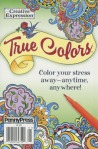
B Magazinebike arkansas fishing arkansas Mirror Mirror Modern Comfort Modern Farmhouse Style paddle arkansas Project Calm ranch horse journal Refined Home Star Tastic Coloring Book Sungrower & Greenhouse True Colors


And now our Specials:

USA Today Ali Special100 American OriginalsBarbarosaBest of Hobby Farms

Colorado RailroadsCountry CottageCupcakesDory's Adventure

Drinks and SnacksEat Smart Lose WeightEssence PrinceFood & Wine Fast & Fresh

Founding FathersGarden Tips 1Good Housekeeping Light & Easy RecipesHidden Hollywood

History of the RifleI Love Lucy 1Just Swap ArtKnit Scene

KumihimoLIFE Ali SpecialLIFE Science FictionLog Home Living

Men's Fitness Special Collector's Issue 1OXSPaula Deen Potluck DishesPEOPLE Ali Special

Popular SciencePrevention Fit in 10Prevention Instant CalmRolling Stone Prince

Secret SocietiesSports Illustrated ALI SpecialSpy PlanesSUNSET Best Outdoor Cooking

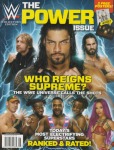
The Complete FishermanThe GreatestThe Note Remembers ALIThe Power Issue

The Vanishing WomenTIME Ali SpecialTIME The Science of HappinessUSA TODAY SPORTS ALI


Women's Health Over 50

h1

Military Kids’ Life Magazine: A Title For The Children Of Service Men & Women Of All Branches – Giving The “Chameleon Kids” The Voice That They Deserve – The Mr. Magazine™ Interview With Janine Boldrin, Creative Director, Military Kids’ Life Magazine

June 22, 2016

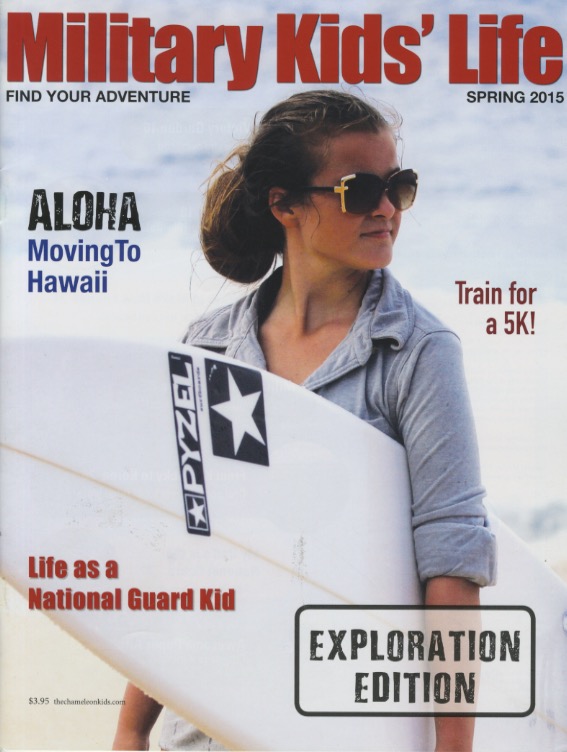
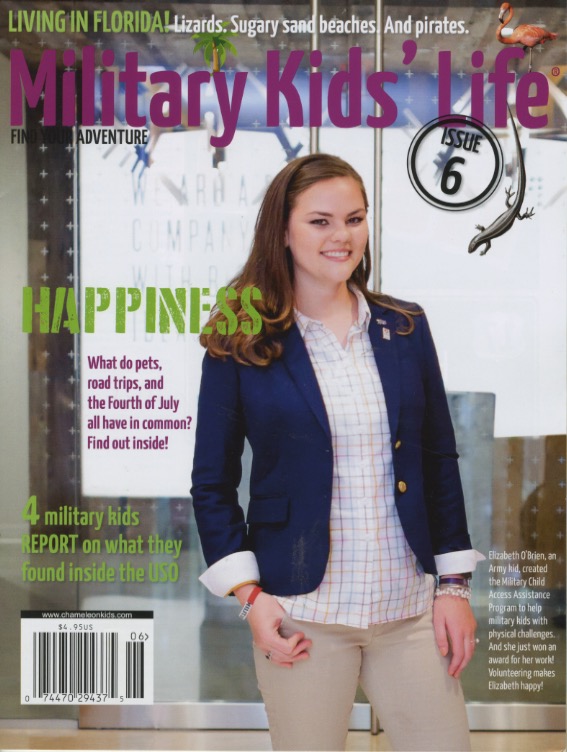
Military Kids Life 2

“When I saw my own kids and how they engage with magazines and books; they love print. They love going to the library; they love touching and they’re very tactile. Kids will read a magazine in the back of a car; they love the brightness of it and they love getting mail. Kids today love getting something in the mailbox that is for them. That’s such an enjoyable experience. It’s not an experience you can have by downloading something on a phone or looking at a tablet or other Smart devices.” Janine Boldrin (on why she chose print for the magazine)


“And they (kids) tell us. They love how bright it is and they love the feel of it. We think a lot about the feel of our magazine. When they touch it, they love the quality of the pages. And that’s what kids like and engage with. So, we’ve found that a print experience is perfect for what we’re trying to do.” Janine Boldrin

Military Kids’ Life magazine is the only print title for kids of U.S. service members of all branches that gives voice to the experiences these children have from their parents serving our country. Launched in April 2015 it incorporates military kids as reporters, allowing them the opportunity to tell their stories in their own way and connecting them with a host of people who provide a backdrop of different topics in which they can showcase their talents.

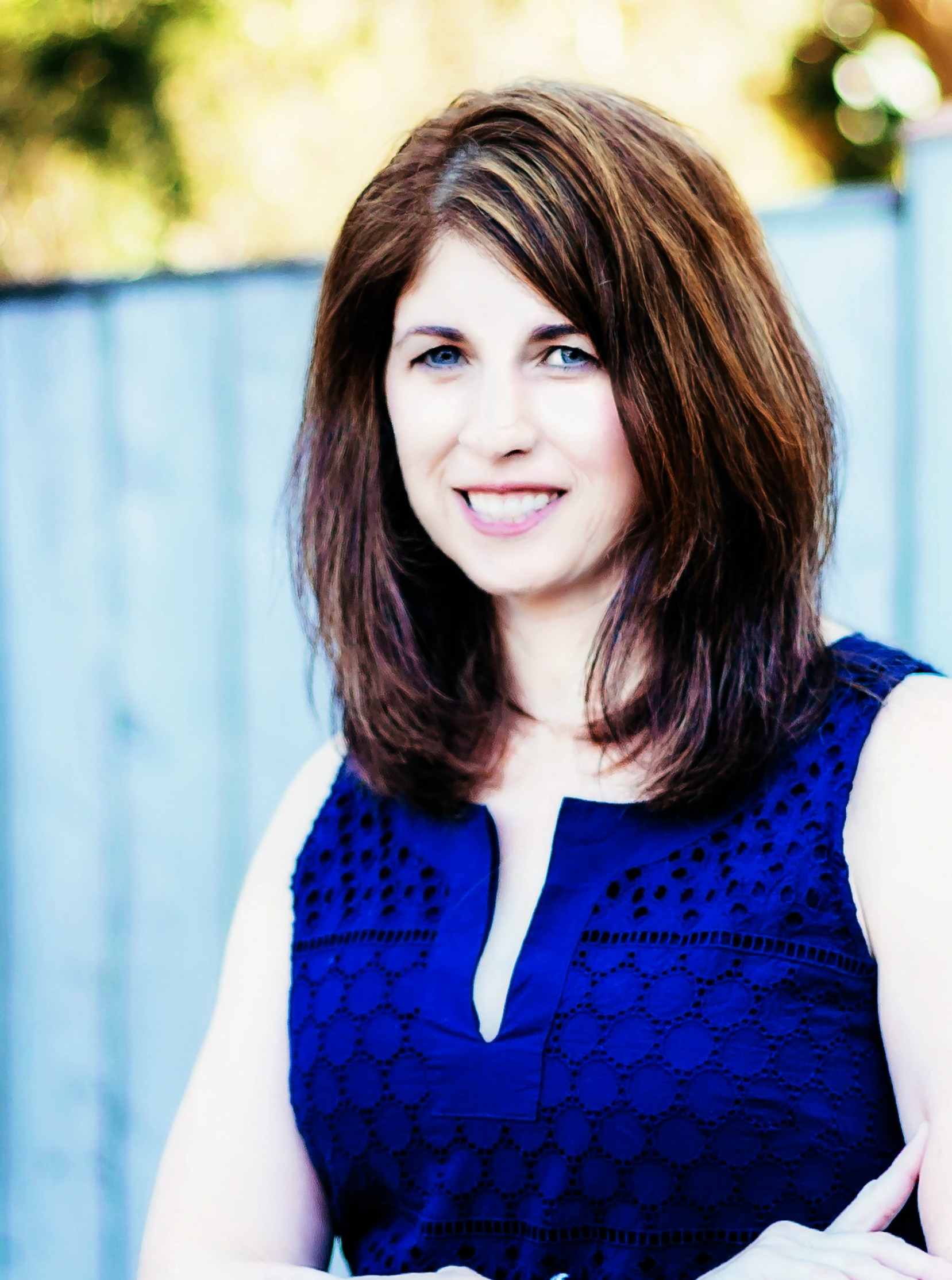
Janine Boldrin is the creative director of the magazine and also a military spouse, her husband being active duty Army. Janine is a woman who knows the excitement and the angst of military life, and the joy of being a writer and a journalist. Her thrill is in the passion she has for her product and the kids who make her smile every day.

JB Headshot I spoke with Janine recently and we talked about the magazine and the diverse emotions military life brings to the families. But no matter the mixed emotions adults and children alike might feel when either being deployed or watching a parent leave for months on end, the magazine presents a positive and bright outlook on the service environment and offers essays, articles, fiction, fun activities and poems, all centered on the concept of finding the bright side of life as a military kid.

The tagline for the magazine is “Find Your Adventure,” so, I invite you to sit back, smile and enjoy the military adventure of a lifetime as you experience a Military Kids’ Life – the Mr. Magazine™ interview with Janine Boldrin, Creative Director, Military Kids’ Life Magazine.

But first the sound-bites:

On the reason behind the company name Chameleon Kids: Chameleon Kids is all about our military kids, the children of U.S. service members, all branches. The reason that we named it Chameleon Kids is because our military kids go into communities and while they have to blend with the communities they move into, they’re also very distinct. So, we chose the word chameleon because we felt it really represented what our military kids have to be like.

On whether she has found her own adventure in the pages of the magazine: It’s 110% my adventure. (Laughs) I love it. It’s amazing the emails that I receive from kids. I have three kids of my own and they’re really why I wanted to do this. I had not worked within the kid’s space with writing, so it was very unfamiliar to me. I wasn’t quite sure what I was going to get, but when I get stories from kids, I am encouraged as an adult every single day.

On the “Hit the Road” section of the magazine: Our reporters are doing content for our print magazine, but they’re also developing some online content for us. For instance, we did a section in our most recent issue on the USO and we sent four military kid reporters out to visit some USOs across the United States. And they had designated times that they needed to go; they had representatives that they were meeting with to interview, and it really gave them a unique experience. They learned communication skills, how to tell a story, how to be responsible and it’s just a great opportunity for them.

Military Kids Life 3 On why she decided to launch a print magazine: When I saw my own kids and how they engage with magazines and books; they love print. They love going to the library; they love touching and they’re very tactile. Kids will read a magazine in the back of a car; they love the brightness of it and they love getting mail. Kids today love getting something in the mailbox that is for them. That’s such an enjoyable experience. It’s not an experience you can have by downloading something on a phone or looking at a tablet or other Smart devices.

On how she’s carrying it from the love and passion stage to a business model: That’s a very good point. You can have a passion for something, but it doesn’t necessarily mean that everybody else will have that same passion for your product. And we were worried about that at the beginning because we weren’t sure where this was going to go. But what we have found is that we’ve created something that people didn’t realize they needed, and in doing that we have found a home for our magazine in schools, libraries and in non-profits that serve military families.

On the biggest stumbling block she’s had to face: I think part of it was just not pushing hard enough in the beginning. I feel like we started out really slowly. And we focused on things that weren’t important. For instance, we really thought we needed to have an awesome website right from the get-go. So, we put way too much time and way too much energy in creating this website, instead of really focusing on getting the product out the door. That was one of our primary fails in the beginning.

On the most pleasant moment she’s had on this journey: It’s the kids, every single time. Their emails are just wonderful. I just love the kids’ feedback. They’re brutally honest. They will be the best critic on the face of the earth. They do not filter their comments like adults do. If they don’t like something, they’ll tell you they don’t like it. (Laughs) And if they love something, they’ll have a very genuine expression about it.

On anything else that she’d like to add: I just hope that we’re able to connect more with schools and libraries and that more know that we exist. Quite frequently older military kids will tell us that they really wish this magazine had been around when they were kids. It’s really just hoping that we can reach more people to let them know we exist.

On what motivates her to get out of bed in the morning: When I was a kid I wanted to be a journalist. I’ve wanted to be a writer since day one. I took a very long and winding path to get there, including getting master’s degree in manufacturing and working for IBM. One day I managed to get back to what was truly my original calling. And what gets me out of bed is providing encouragement and opportunities to kids who also feel that, so that they don’t go down a winding path, but they see a more direct way out to what they truly see as their passion and growing their passion, because I would have loved that.

On what keeps her up at night: You know, military life isn’t easy; it really isn’t. My husband is gone from us more than he’s been at home and when you have three kids it’s a huge balance in making sure that everyone’s emotional needs are being met, when you’re the only parent around and your spouse is in a job that puts them in harm’s way. We’re in a society that is very disconnected from that. They don’t understand the sacrifice, truly that is made by military families and the sacrifices that our kids make. And that keeps me up at night.


And now the lightly edited transcript of the Mr. Magazine™ interview with Janine Boldrin, Creative Director, Military Kids’ Life Magazine.

Samir Husni: Tell me the mission, the idea behind Military Kids’ Life and behind the company name, Chameleon Kids.

Janine Boldrin: Chameleon Kids is all about our military kids, the children of U.S. service members, all branches. The reason that we named it Chameleon Kids is because our military kids go into communities and while they have to blend with the communities they move into, they’re also very distinct. So, we chose the word chameleon because we felt it really represented what our military kids have to be like. They have to be a part of their community, but they’re also very vibrant and interesting. And that’s why we chose that name.

We also tried to avoid always using military terms with our kids because military kids are kids too and quite frequently you’ll see anything directed toward the military community using a word like operation kids, or operation this or that, or camouflage. So, we tried not to be too much military, because they really do just like to do fun things also.

The magazine was really born out of me being a writer for the past ten years within the military space. I had written a lot about military families, about veterans and service members, and I really found that there was a void when it came to our military kids. They didn’t have anything that represented their voices. As I started looking at it and researching, I realized that everything that I found out there really focused on the act of moving and most of the time the imagery was pretty sad. It would be a military kid crying or waving goodbye to a parent.

When I looked around at my peers, because we’re an army family, I saw kids that were just being kids and they really had an exciting life because many of them lived overseas, they moved a lot and had amazing experiences. I wanted to give them an opportunity to share that with each other, so that they could become encouraged about military life, rather than just hear this message all of the time that they were broken because their parents were being deployed and they would have too many challenges and have to struggle, and that moving was a bad thing. So, I wanted them to share their stories with each other.

And when they did that, I found that they had a great respect for each other. So, that’s really why we launched the magazine. We did a prototype and tried to figure out if it would work and if it was what they wanted and we found out that it was. We’ve had an exciting journey since.

Samir Husni: To borrow from your tagline “Find Your Adventure,” have you found your adventure; is this your adventure now?

Janine Boldrin: It’s 110% my adventure. (Laughs)

Samir Husni: (Laughs too).

Janine Boldrin: I love it. It’s amazing the emails that I receive from kids. I have three kids of my own and they’re really why I wanted to do this. I had not worked within the kid’s space with writing, so it was very unfamiliar to me. I wasn’t quite sure what I was going to get, but when I get stories from kids, I am encouraged as an adult every single day.

Recently we started sending military kids out to do reporting in the field and it’s been so much fun. They go to concerts and museums; they meet with representatives of the museums and then they write a story for us. And they write to me just to say thank you. They thank me for giving them this experience and for trusting that they could do it. And it really is an adventure. It’s so much fun.

Samir Husni: And you’re talking about the “Hit the Road” section of the magazine; the road trips that the kids are making?

Military Kids Life1 Janine Boldrin: Our reporters are doing content for our print magazine, but they’re also developing some online content for us. For instance, we did a section in our most recent issue on the USO and we sent four military kid reporters out to visit some USOs across the United States. And they had designated times that they needed to go; they had representatives that they were meeting with to interview, and it really gave them a unique experience. They learned communication skills, how to tell a story, how to be responsible and it’s just a great opportunity for them. So, that’s what we’re doing with our reporters; we’re trying to get them out, more than just doing things over the phone, so that they can write about their own experiences.

Samir Husni: We live in a digital age, there’s no question about it. And some people say that kids don’t read anymore; so why did you decide to launch a print magazine?

Janine Boldrin: That is an excellent question because we have been asked that since the beginning. We don’t get that question so much anymore, but when we launched the magazine everybody said we had to be out of our minds because kids would not engage with it if it’s not online content.

When I saw my own kids and how they engage with magazines and books; they love print. They love going to the library; they love touching and they’re very tactile. Kids will read a magazine in the back of a car; they love the brightness of it and they love getting mail. Kids today love getting something in the mailbox that is for them. That’s such an enjoyable experience. It’s not an experience you can have by downloading something on a phone or looking at a tablet or other Smart devices.

People get their mail every single day and when a magazine shows up with the child’s name on it, it’s exciting for that child. And then they can go up in a tree with it, they don’t have to worry about glare. They can sit on the playground with it, and that’s where we see our kids’ reading magazines.

And they tell us. They love how bright it is and they love the feel of it. We think a lot about the feel of our magazine. When they touch it, they love the quality of the pages. And that’s what kids like and engage with. So, we’ve found that a print experience is perfect for what we’re trying to do.

Samir Husni: I can hear the passion in your voice and the love you have for this project. How are you taking it from mere passion and love to a business model?

Janine Boldrin: Exactly. That’s a very good point. You can have a passion for something, but it doesn’t necessarily mean that everybody else will have that same passion for your product. And we were worried about that at the beginning because we weren’t sure where this was going to go. But what we have found is that we’ve created something that people didn’t realize they needed, and in doing that we have found a home for our magazine in schools, libraries and in non-profits that serve military families. We have a lot of military personnel stationed overseas that order individual subscriptions. We’re working with overseas schools that serve military kids to get our magazine into their schools.

What we’ve found is that it really serves as a springboard for conversation for military kids in group settings. We’ve also developed an educator’s guide that goes along with every issue so that teachers know how to use the magazine in their classrooms and in their small groups. It can help in starting conversations with military kids about their experiences.

Something that is secondary to our primary audience is that we’ve found that adults who interact with military kids are reading our magazine, because they want to learn what the military kid experience is so they can serve them better. We’re finding that teachers, parents; again, non-profits that serve military kids, they want to be reading it, so that they understand what our kids are experiencing. And that’s how we’ve grown our business.

It started with us thinking about individual subscribers, but now we’re getting subscriptions from schools. Our magazines are going to select USO centers and one of those is in airports where kids and parents will sit down in for periods of time between flights. And as you well know, airports are a place where people pick up magazines. We’ve found a lot of different homes that we didn’t expect to find and we’re finding more every day.

Samir Husni: You’ve launched the magazine and you’re now on issue #6; what has been the biggest stumbling block that you’ve faced during all of this and how did you overcome it?

Janine Boldrin: I think part of it was just not pushing hard enough in the beginning. I feel like we started out really slowly. And we focused on things that weren’t important. For instance, we really thought we needed to have an awesome website right from the get-go. So, we put way too much time and way too much energy in creating this website, instead of really focusing on getting the product out the door. That was one of our primary fails in the beginning.

I will say that we sped up after that play. Once we got past that and put our first prototype out, then I started realizing and my business partner Amy, who’s also another military spouse, also realized that it was really more about just getting the product out there and it didn’t need to be perfect. We’re perfectionists, her and I. But we realized the magazine didn’t need to be perfect in the beginning and now as we get it out and it’s getting where we want it to be, we see it as more of an evolution than perfect from the start.

Samir Husni: What was the most pleasant moment for you on this journey?

Janine Boldrin: It’s the kids, every single time. Their emails are just wonderful. I always keep a copy of the magazine in the backseat of my car because my kids will be doing something and I’d much rather have them reading the magazine than playing some electronic device. And I love to hear them comment about something they read.

I just love the kids’ feedback. They’re brutally honest. They will be the best critic on the face of the earth. They do not filter their comments like adults do. If they don’t like something, they’ll tell you they don’t like it. (Laughs) And if they love something, they’ll have a very genuine expression about it. So, I love hearing those comments from my kids in the backseat or one that has emailed me.

Recently I was at the pool with friends that I have known for quite some time. Their daughter had written something in school weeks ago and had said to her mom that they had to bring it to me. So, her mom had packed it into the pool bag and her daughter gave it to me at the pool and said, “Ms. Janine, can you please read my essay? I really want you to read this.” And it was all about her father’s deployment. I sat down and read it and it was just so genuine about her feelings as she was going through this experience. And I felt so trusted with her story and all of these kids’ stories. It takes a lot of trust to put your story out into the world.

So, it’s them, the kids. It’s them bringing me what they want to share with their peers and the world. And that’s what’s really exciting about it.

Samir Husni: Is there anything else that you’d like to add?

Janine Boldrin: I just hope that we’re able to connect more with schools and libraries and that more know that we exist. Quite frequently older military kids will tell us that they really wish this magazine had been around when they were kids. It’s really just hoping that we can reach more people to let them know we exist. And we’re always happy to send a complimentary copy because we find that once people see it and experience it, they understand it. And they get excited about it too.

And I’m also really excited about our reporters. We have about eight reporters in D.C. and we have a database of around 30 kid reporters across the United States. And we’re connecting them with opportunities to go out and experience things and write about them. Adults and organizations have responded great to that.

That’s what I hope to see in a year, that we’re in more schools and libraries for military kids and getting more experiences for our reporters.

Samir Husni: What motivates you to get out of bed in the morning?

Janine Boldrin: When I was a kid I wanted to be a journalist. I’ve wanted to be a writer since day one. I took a very long and winding path to get there, including getting master’s degree in manufacturing and working for IBM. One day I managed to get back to what was truly my original calling.

And what gets me out of bed is providing encouragement and opportunities to kids who also feel that, so that they don’t go down a winding path, but they see a more direct way out to what they truly see as their passion and growing their passion, because I would have loved that. I would have loved to have had that same support and someone telling me that I could do this. And that I could not only do it, but be successful. And then being shown that this is how I could do it.

That’s really what gets me out of bed is encouraging kids to, and maybe they’re not going to become journalists, but to develop their communication skills and have someone to tell them that they can do this. And that they’re stories are pretty cool.

Samir Husni: My typical last question; what keeps you up at night?

Janine Boldrin: (Laughs) What keeps me up at night? Probably my own kids. (Laughs again)

You know, military life isn’t easy; it really isn’t. My husband is gone from us more than he’s been at home and when you have three kids it’s a huge balance in making sure that everyone’s emotional needs are being met, when you’re the only parent around and your spouse is in a job that puts them in harm’s way. We’re in a society that is very disconnected from that. They don’t understand the sacrifice, truly that is made by military families and the sacrifices that our kids make. And that keeps me up at night.

It worries me and that’s really why I have the magazine too, because I need something that reminds me of why we do this and the positivity and the bright side of life that we encourage as a military kid. Our parents read our magazine too and they frequently tell me that it also reminds them of the positive side of military life.

So, it’s my own kids, military life and the challenges that presents. And it’s another reason why I started the magazine.

Samir Husni: Thank you.

h1

TV Guide: “Reengineered” For Today’s Television Audience And Industry– The Mr. Magazine™ Interview With Paul Turcotte, President/Publisher, TV Guide.

June 16, 2016

“Absolutely. I’m one of the few people who doesn’t focus on the delivery. I think that if we’re providing a service that people need; in this particular case, I actually believe print is the most effective way to curate this information. I find that this is an example where technology takes longer than it does the printed service. It’s easy to flip open the page, do the read; this is what’s worth watching; done. I can do that before you can even open your app.” Paul Turcotte (on whether he believes there is a future for the printed magazine).

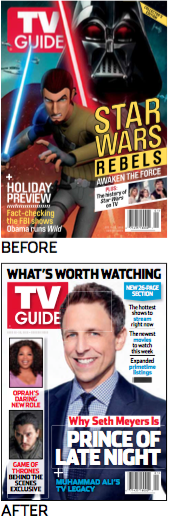
TV Guide old and new There is one thing in common between yours truly and TV Guide magazine. We were both born in 1953. TV Guide became the go-to source for anything television related, from daily programming to previews of each new season’s shows. As for me, you know the rest of the story.

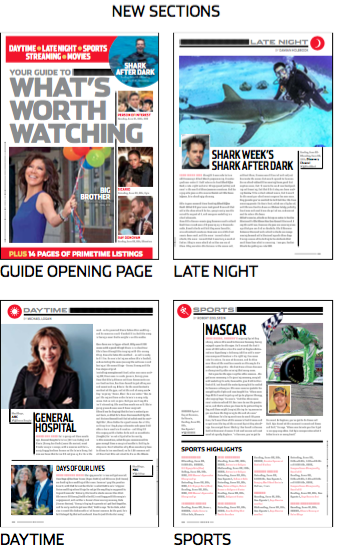
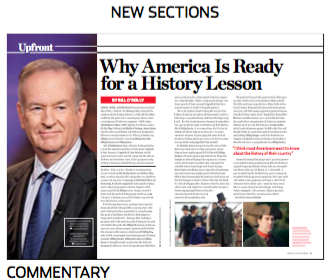
On a recent trip to New York City with my students, we were privileged to visit with the folks at TV Guide in their headquarters on the14th Floor, 50 Rockefeller Place. The place was buzzing. The plans to “reengineer” the magazine were going full-fledge. Dummy designs filled the walls of the room and editors, designers and president/publisher Paul Turcotte were there. They introduced the new designs, the new sections, and all the additional content the new magazine will have. Ideas were exchanged, comments made and the necessity of a printed television guide in today’s marketplace was debated thoroughly. And it was unanimous; the need for a true “guide” was an absolute must.

Brits Tony Frost and Paul Aarons were brought in to work closely with TV Guide editor in chief Nerina Rammairone and designer Kevin Newman. The end result is now on the newsstands. So go pick up a copy of the new TV Guide and then read my review and interview with its president and publisher.

Today, in the digital world in which we live, the need for the particular type of television guide of yesterday has diminished with programming information at the touch of a finger for most of us. However, the need for a guide that actually “guides” us through the maze of infinite channels and information, be it entertainment or actual news, has never been more essential. And with the reengineering of today’s TV Guide, that’s just what we have.

Paul’s idea behind the “reengineering” of the new TV Guide seeks to sort through all of the confusion and turmoil that we have on our large-screened, digital TV devices these days. His guideline and roadmap is made to provide a guide to “What’s Worth Watching;” saving the reader’s time and curating the many programs on television is what the new TV Guide aims to do. My first reaction has been more than positive starting with the change of the iconic logo from the cornered television screen of the days long gone, to the flat edged television screen. Call it catching up with the times.

Paul Turcotte I spoke with Paul this week about the newly “reengineered” TV Guide, a word that he introduced during our conversation and that I liked immediately. My first question to him was, “Can this magazine be saved?” A line I paraphrased from the famous Ladies’ Home Journal magazine section, “Can This Marriage Be Saved.” The focal point of the redesign, according to Paul, is service, service to the industry, but more importantly service to the readers, another characteristic trait that Mr. Magazine™ likes. Providing a true television guide that leads the reader down the overcrowded programming highway and points the way to the shows actually worth watching is worth a goldmine in today’s muddled television roadmap. The profusion of information and channel-surfing that one must go through to find a program that interests them to watch is next to impossible without at least 15 minutes of their own research.

But the reengineered TV Guide does that job for you. And Paul is as excited as a new father about his baby. As well he should be. It’s a wonderful change and a positive one for the magazine’s future.

So, I hope that you enjoy this journey through the land of TV Guide – because it’s a given that you have a great team “guiding” you to what’s worth watching…The Mr. Magazine™ interview with Paul Turcotte, President and Publisher, TV Guide.

But first the sound-bites:

On whether he believes that TV Guide can be saved: Definitely. And I have a very specific reason I believe that to be true. It’s not the magazine, it’s the industry. Television, programming and content are such a hot and vibrant industry right now that the service we provide is what is still viable.

On the role he sees the “new” TV Guide playing in the market within the next year: The redesigned, or as I like to say, the reengineered magazine is now more reflective and useful, in terms of how people are consuming content today. First of all, we have more real estate committed to the service element of TV Guide, which is helping people understand what’s worth watching.

On the curation aspect of the magazine: Yes, it’s a curated Guide and we need that. So, we are focused more on a curation; we’re using our authority and our knowledge to provide viewer’s with an answer to the question: what is the best programming available right now?

On bringing new talent onboard, such as Tony Frost and Paul Aarons from the U.K.’s OK magazine: Yes, Paul Aarons. One of the things that we wanted to do was to ensure that we achieved the best results for our readers, but also to bring in outside perspective. We brought in Tony Frost and Paul Aarons to guide (no pun intended) and help ensure that we were looking at the reengineering from all points of view.

On the biggest stumbling block he’s had to face during the magazine’s reengineering and how he overcame it: That’s a good question. I don’t know that I would call it a stumbling block, but my focus in the reengineering of the magazine was on identifying the market needs and bringing those to the attention of the new team. Again, it was focused on recognizing the patterns and behaviors of consumers today.

Before and after On the most pleasant moment he had during the redesign: It was like any vision, as the magazine started to unfold and we started to see the redesign, we recognized that we in fact are answering a lot of the basic needs. We have run the reengineered magazine by some of the top network executives and the response has been overwhelmingly positive.

On his expectations for the magazine: That’s a great question. For newsstand, I think what’s going to make me happy frankly is – we get pretty decent numbers on newsstand; we want to make sure that, and obviously I want to see our numbers jump, but it’s more important to me that we’re positioning the magazine correctly and what I want is for people to respond to the service elements of the magazine, which is more information on streaming and more information on movies.

On what motivates him to get out of bed, excited to go to work: Through my career I’ve learned what I love to do. And I love fixing; I love responding to a market. And as I mentioned at the beginning of our interview, the television industry is on fire right now. I clearly see the need for the service that we’re providing.

On whether he is a firm believer in the future of the printed magazine: Absolutely. I’m one of the few people who doesn’t focus on the delivery. I think that if we’re providing a service that people need; in this particular case, I actually believe print is the most effective way to curate this information. I find that this is an example where technology takes longer than it does the printed service. It’s easy to flip open the page, do the read; this is what’s worth watching; done. I can do that before you can even open your app.

On what someone would find him doing if they showed up unexpectedly at his house one evening: You’ll likely find me at home with my son and we’ll have sports on television and the BBQ going and there are certainly magazines all around, because I am a big, big fan of, what I call, the guided tour, I think a good editor and a good magazine constantly brings you points of view that you’re familiar with, but they share new insights that you hadn’t thought of.

On anything else that he’d like to add: I think right now the biggest opportunity for us is, and maybe at the same time a challenge, because usually your challenge is your opportunity, we have a brand that is so well-recognized, but with that comes everybody’s own personal experience with the brand, so our hope is that we can take advantage of the brand awareness, but also get permission for people to look at this for the first time all over again.

On what keeps him up at night: (Laughs) The last thing I said – how do I get the industry to deserve us more? (Laughs again) Honestly, what’s fun about this industry, especially right now, is there’s not a week, or sometimes even a day, that goes by that there’s not a new program introduced that we believe we can support and help, and so it definitely keeps my passion burning at night, which is – how can we help ABC introduce this new show; what else can we do; how else can we participate? And the industry is so vibrant that there’s a new challenge every day. And I love that.

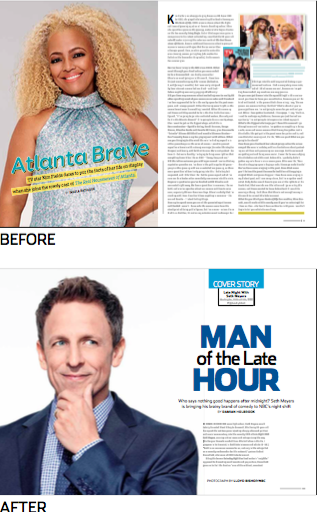
new sections

And now the lightly edited transcript of the Mr. Magazine™ interview with Paul Turcotte, President and Publisher, TV Guide.

Samir Husni: You’ve been a publisher at Men’s Health, a publisher and chief revenue officer at a daily newspaper; suffice it to say, that you have been in the media business for a long time. Do you think TV Guide be saved?

Paul Turcotte: Definitely. And I have a very specific reason I believe that to be true. It’s not the magazine, it’s the industry. Television, programming and content are such a hot and vibrant industry right now that the service we provide is what is still viable. I think that there are older titles that’s time has come and gone, but there’s never been a better time or a bigger need for guidance about what’s worth watching on television than there is right now. So, that’s why I’m encouraged.

Samir Husni: What’s the plan? As you introduce the “new” TV Guide, how do you envision the magazine and the role it will play? After 63 years, we have more television channels than ever before. I’m a firm believer that we need more guidance today because of all of those channels and the fact that we’re bombarded by information. So, tell me where do you see TV Guide fitting into that picture in the upcoming year?

Paul Turcotte: The redesigned, or as I like to say, the reengineered magazine is now more reflective and useful, in terms of how people are consuming content today.

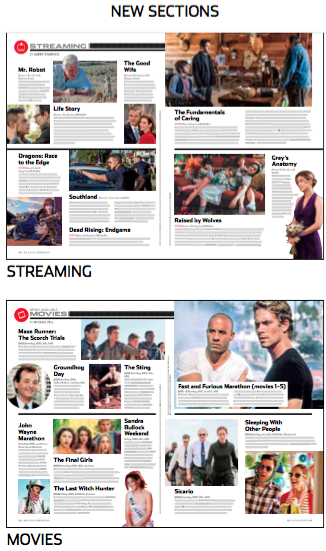
First of all, we have more real estate committed to the service element of TV Guide, which is helping people understand what’s worth watching. So, whether it’s a new streaming section that we have of what’s newly available or the movies available through the various over-the-top services, we’re providing guidance for what’s great to watch. There are 1,500 television shows on networks right now and there are over 400 scripted television shows; the question is which ones are worth watching and that’s what we’re doing with the new TV Guide.

more new sections We’re combining both a service element with the authority that is TV Guide to provide very useful information for people’s viewing habits. And the part that I’m encouraged by is that there are 120 million households watching television. Networks alone have over 40 million domestic subscribers, so people are investing in programming. We have the opportunity to help them enhance that.

Samir Husni: I believe that curation aspect is what’s worth watching and it definitely got my attention; finally somebody is thinking of the magazine as more of a “guided” Guide than just a yellow pages Guide.

Paul Turcotte: Yes, it’s a curated Guide and we need that. So, we are focused more on a curation; we’re using our authority and our knowledge to provide viewer’s with an answer to the question: what is the best programming available right now?

But I think you’ll also see that we’re also focusing more on service and the quality of programming than we are on the celebrity of the industry. We literally edit the magazine for people who thoroughly enjoy programming, not the celebrity of the show. We don’t talk about the gossip of who’s dating whom; it’s all about what’s the best programming out there across all platforms right now.

Samir Husni: I’ve noticed that you’ve also brought some new talent onboard. In that whole process of “reengineering,” and by the way I love that word, you’ve brought Tony (Frost) and the creative director from OK from the U.K.

Paul Turcotte: Yes, Paul Aarons. One of the things that we wanted to do was to ensure that we achieved the best results for our readers, but also to bring in outside perspective. We brought in Tony Frost and Paul Aarons to guide (no pun intended) and help ensure that we were looking at the reengineering from all points of view.

And I think the result of that is very positive. Every page has been analyzed, researched and overanalyzed to make sure that we’re actually providing the direction and the service to our readers in the most utilitarian format. And also in what I think is intuitive; it’s very easy with so much content to overthink things and a lot of what we’re trying to do at the magazine is just to have it be intuitive and friendly.

Samir Husni: You’re known in the industry, and correct me if I’m mistaken, as a hands-on publisher. You’re a hands-on CRO; you see everything, every word and picture. You’re involved to that extent.

Paul Turcotte: I am, yes.

Samir Husni: What has been the biggest stumbling block that you’ve had to face during the reengineering of the magazine and how did you overcome it?

Paul Turcotte: That’s a good question. I don’t know that I would call it a stumbling block, but my focus in the reengineering of the magazine was on identifying the market needs and bringing those to the attention of the new team. Again, it was focused on recognizing the patterns and behaviors of consumers today.

What we did was from the marketing point of view, meaning the market industry point of view and also from our readers point of view; we wanted thorough knowledge in how they were consuming content and how they were using the magazine? And also what was frustrating people right now and how we could help with that.

I would say that my biggest role in the reengineering was properly positioning the challenge to our editorial team and to Tony and Paul so that they could come back with effective answers to the market needs. So, that’s what we did. We identified what were the industry needs and what viewers really needed right now.

new sections As an example we are introducing a new section on movies and we recognize how challenging it is to navigate through the current delivery systems to find a movie worth watching. And we spent a lot of time on what is the best way to present the information and we’re really excited about it. And it shows in the way that we’ve laid out that service to our readers.

Samir Husni: What was the most pleasant moment that you had during this reengineering?

Paul Turcotte: It was like any vision, as the magazine started to unfold and we started to see the redesign, we recognized that we in fact are answering a lot of the basic needs. We have run the reengineered magazine by some of the top network executives and the response has been overwhelmingly positive.

And for me, the most rewarding part is watching the team come together and feeling really good about the work they’re doing. As a unit and an organization, we’re really excited about what we’re delivering.

Samir Husni: As the reengineered magazine hits newsstands soon, what are your expectations? What will put you over-the-top happy and think: yes, they got it?

Paul Turcotte: That’s a great question. For newsstand, I think what’s going to make me happy frankly is – we get pretty decent numbers on newsstand; we want to make sure that, and obviously I want to see our numbers jump, but it’s more important to me that we’re positioning the magazine correctly and what I want is for people to respond to the service elements of the magazine, which is more information on streaming and more information on movies.

On our cover, we’re providing more service elements there too for our call-outs. We are telling about curation for movies, more information on streaming and also more information on what’s worth watching. So, I’m hoping that people will respond to that side of the new magazine.

Samir Husni: You’ve had a multimedia career, and not only media, but the events business too. What motivates you today to get out of bed, excited and ready to get to the office and go to work?

Paul Turcotte: Through my career I’ve learned what I love to do. And I love fixing; I love responding to a market. And as I mentioned at the beginning of our interview, the television industry is on fire right now. I clearly see the need for the service that we’re providing. I’m very aware of our history and am intrigued by the challenge of taking, what I think, is arguably the most successful magazine in the history of publishing and reinvigorating it and serving a whole new generation, but serving it the way that it needs to be served today. And I’m enjoying this work as much as I’ve enjoyed anything over the years.

Samir Husni: Do I take it then that you’re a firm believer in the future of the printed magazine?

Paul Turcotte: Absolutely. I’m one of the few people who doesn’t focus on the delivery. I think that if we’re providing a service that people need; in this particular case, I actually believe print is the most effective way to curate this information. I find that this is an example where technology takes longer than it does the printed service. It’s easy to flip open the page, do the read; this is what’s worth watching; done. I can do that before you can even open your app.

Samir Husni: (Laughs). Excellent point.

Paul Turcotte: (Laughs too).

Samir Husni: If I showed up at your house one evening unexpectedly; what would I find you doing; reading a magazine, watching television, reading your iPad, or something else?

Paul Turcotte: You’ll likely find me at home with my son and we’ll have sports on television and the BBQ going and there are certainly magazines all around, because I am a big, big fan of, what I call, the guided tour, I think a good editor and a good magazine constantly brings you points of view that you’re familiar with, but they share new insights that you hadn’t thought of.

So, I’m probably a classic multitasker. The game is on TV; I’ve got my magazine going and there’s a lot of activity in the home.

Samir Husni: Is there anything else that you’d like to add?

Paul Turcotte: I think right now the biggest opportunity for us is, and maybe at the same time a challenge, because usually your challenge is your opportunity, we have a brand that is so well-recognized, but with that comes everybody’s own personal experience with the brand, so our hope is that we can take advantage of the brand awareness, but also get permission for people to look at this for the first time all over again.

Samir Husni: And we’re not talking about selling eight million copies on the newsstands?

Paul Turcotte: No, we’re not. If we’re doing 100,000 copies on newsstand, that’s a good story for us.

And you asked before about my expectations; I would add that for the reader I hope to appeal to someone who watches television intentionally, not just passively. And I want the magazine to genuinely be of service to that reader. And on the business end, an old boss and now a mentor of mine, Richard Extract, once told me: an industry gets the magazine it deserves. So, my hope is that we’ve provided a magazine for the industry that it now believes supports them and they in turn jump back onboard and support us. We hope that we’re providing the magazine that the industry deserves.

Samir Husni: My typical last question; what keeps you up at night?

Paul Turcotte: (Laughs) The last thing I said – how do I get the industry to deserve us more? (Laughs again) Honestly, what’s fun about this industry, especially right now, is there’s not a week, or sometimes even a day, that goes by that there’s not a new program introduced that we believe we can support and help, and so it definitely keeps my passion burning at night, which is – how can we help ABC introduce this new show; what else can we do; how else can we participate? And the industry is so vibrant that there’s a new challenge every day. And I love that.

Samir Husni: That’s the amazing thing; when we had three television channels, almost everybody knew what they wanted to watch and at what time. Now, with the numbers that you shared with me and the number of channels that we have available, we spend more time searching.

Paul Turcotte: And it’s interesting, there is a, I think Nielsen stat, that states over 50 percent of television viewers report that at least once a day they cannot find something worth watching on television. Once a day. And that’s the opportunity for TV Guide. That’s why I think the future is very bright. The need in the marketplace is there; our job is to serve that need.

Samir Husni: Thank you.

h1

The Power And Magic Of Print: Words Of Wisdom (WOW) From The Editors Of Pallet Magazine…

June 14, 2016

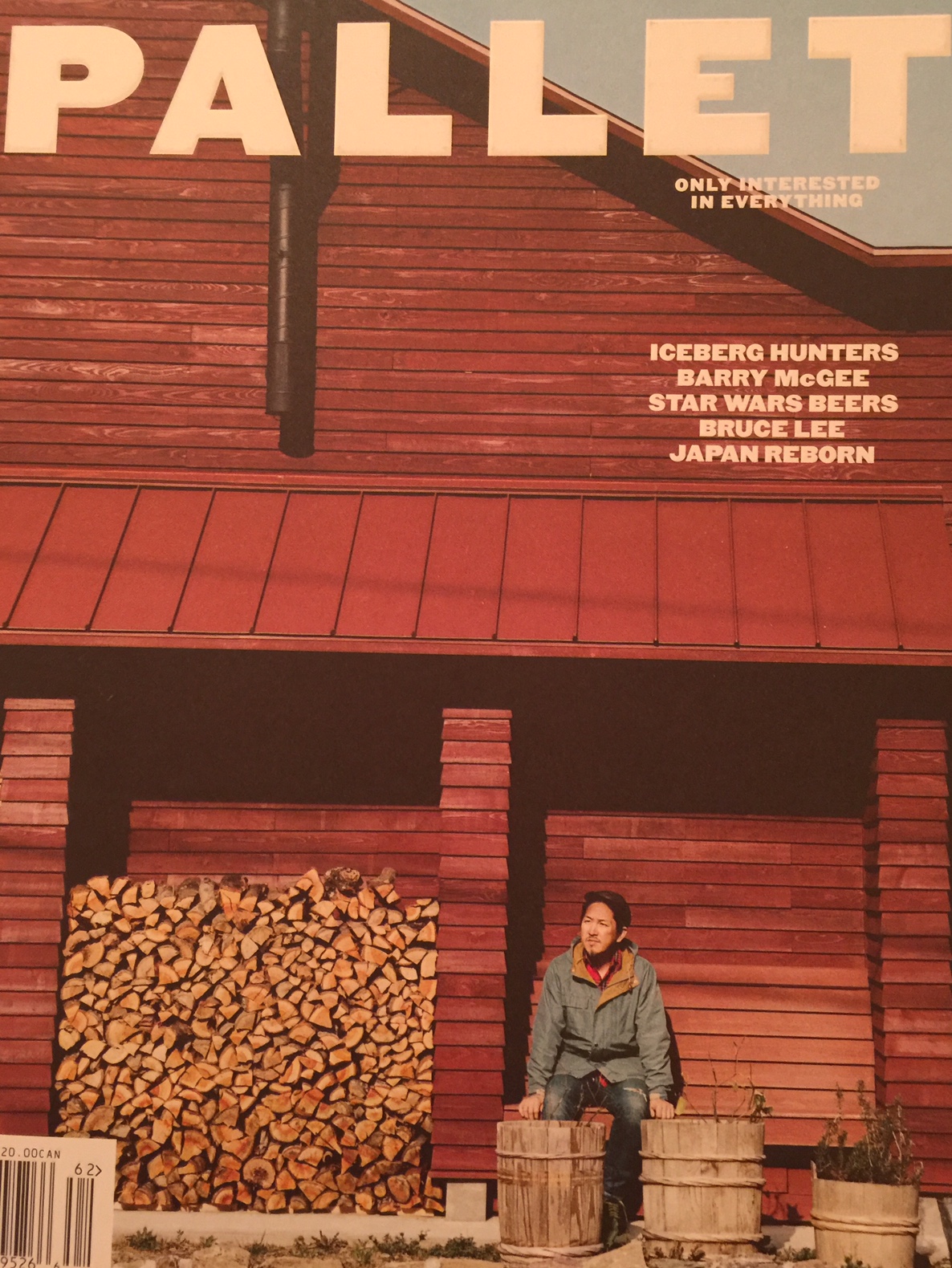
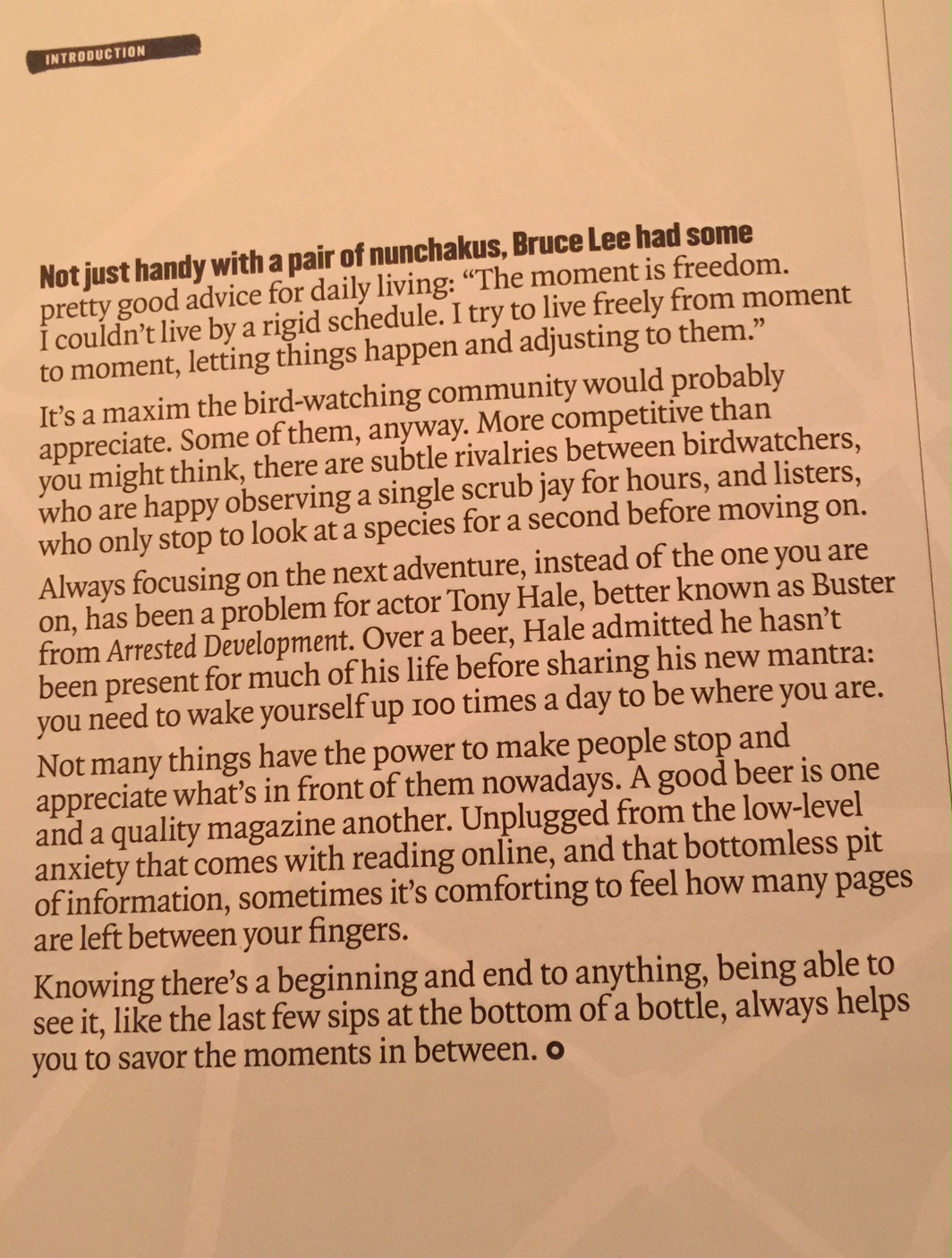
Pallet issue 3 Starting today I will be posting short Words of Wisdom as wow mini blogs based on quotes or article written by others about the power of print in today’s digital age. My first selection comes from issue three of Pallet magazine where the editors wrote in their intro letter:

Not many things have the power to make people stop and appreciate what’s in front of them nowadays. A good beer is one and a quality magazine another. Unplugged from the low-level anxiety that comes with reading online, and that bottomless pit of information, sometimes it’s comforting to feel how many pages are left between your fingers.

Knowing there’s a beginning and end to anything, being able to see it, like the last few sips at the bottom of a bottle, always helps you to savor the moments in between.

Letter from editor

h1

Prevention Magazine’s First Ad-Free Issue: Rodale’s Bold New Vision For A Legacy Favorite – The Mr. Magazine™ Interview With Maria Rodale, CEO and Chairman of Rodale, Inc.

June 10, 2016

Maria Rodale: Ten Years Of Positive Change & Reinventions.

“I’d also just like to acknowledge all of the hard work that goes into creating a really great product. I wrote a blog recently that talked a bit about our research library. And that’s not free; people want good stuff for free, but you can’t do that for very long. And if you want quality you have to support the people who are educated and experienced to bring quality and we hope and believe and have faith that people will value and trust this information to the point that they will support it and support us and support our libraries.” Maria Rodale

PV0716_COVER Recognized as the world’s leading healthy lifestyle magazine since its inception in1950, Prevention Magazine has come into its own, so to speak, after over 65 years of positive and motivational content. In a bold and organic move, Prevention has published its first ad-free issue with its July edition, which carries no advertising pages, features a daring new editorial vision, new features and formatting, and a more premium look and feel. The first issue will be available June 14 on newsstands.

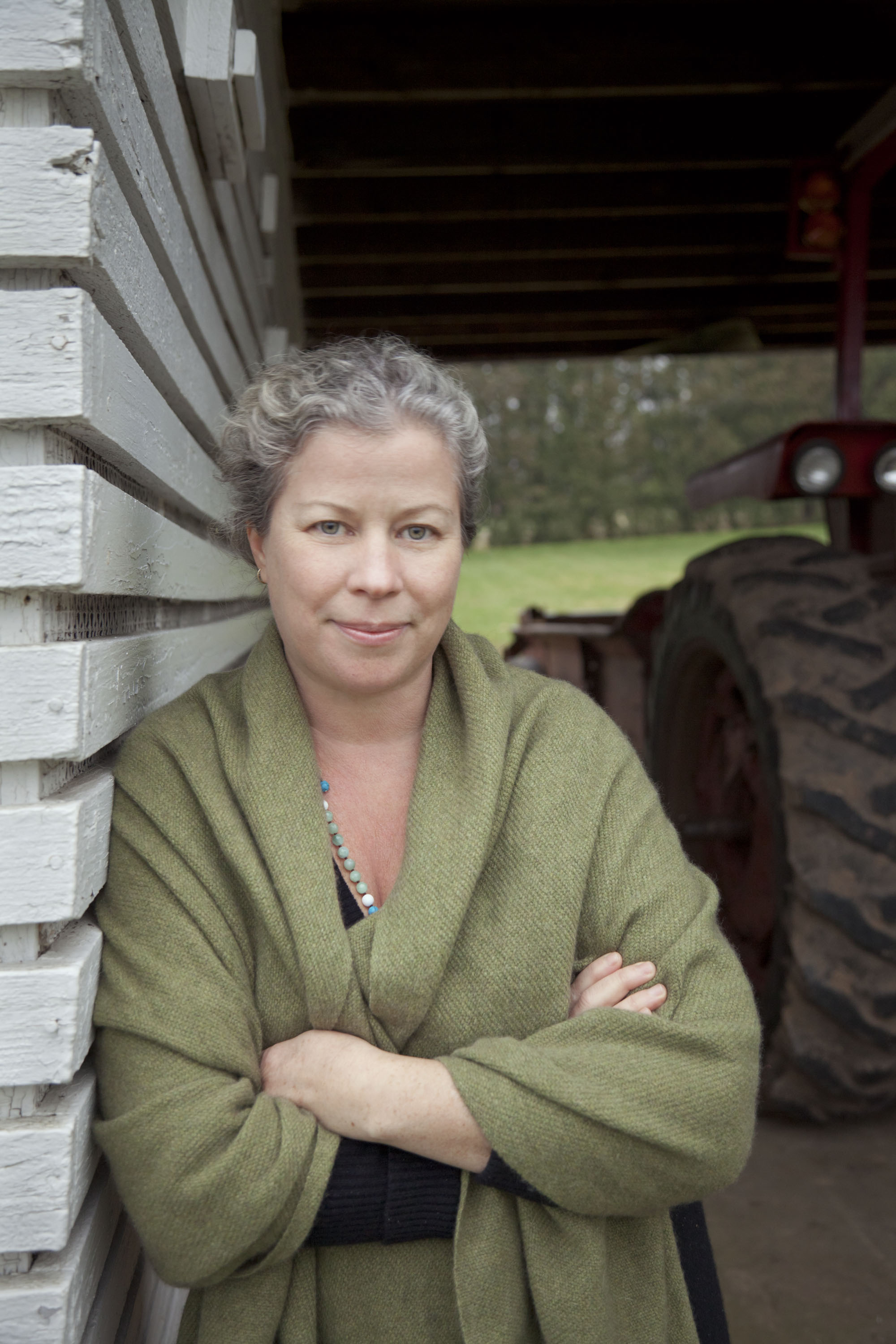
Maria Rodale, CEO and chairman of Rodale Inc., has been at the helm of her grandfather’s business ship for almost a decade now. Maria is a vivacious and determined woman who is adamant about remaining true to her grandfather’s organic lifestyle. She believes strongly in the Rodale name and vision, and is truly over-the-top about this bold change for Prevention.

I spoke with Maria recently and between genuine peals of laughter, we discussed the move to an ad-free model and the opportunity to forward the conversation with Prevention’s readers this type of model may offer. Maria feels this frees the editorial content up to delve more deeply into topics of interest for the specifically 40-plus audience the magazine is targeting. She believes the move will broaden the magazine’s appeal to a more diverse audience and deliver a quality magazine that today’s health-minded consumer wants and needs and will be willing to pay for.

It was a delightful interview with a delightful lady who knows her organics and her brand. So, I hope that you enjoy this buoyant conversation as you read about a legacy title that’s giving its readers an ounce of Prevention, with a pound of cure for what ails them, the Mr. Magazine™ interview with Maria Rodale, CEO & Chairman, Rodale, Inc.

But first, the sound-bites:

Maria Rodale On whether Rodale is where she wants it to be or there are more changes ahead: I don’t think any of us have the luxury of being done with changes, but I will say that I’m looking forward to making a lot of positive changes.

On where the idea for a new ad-free Prevention Magazine came from: I will say that it was the family, starting with my mother, but I had thought about doing this for a long time, maybe 10 or 15 years ago. And it was really about feeling free to write all kinds of stories that maybe wouldn’t be as welcomed in a traditional magazine.

On why there wasn’t a written announcement about the new “no advertising” model on the cover of the magazine: We debated about that and we decided that a lot of people like advertising and don’t find it offensive in any way, and all of our other magazines continue to have advertising, so we thought we’d let the content speak for itself.

On whether she might be willing to try the “no-ad” model on any of Rodale’s other titles if Prevention succeeds: Each magazine is very unique and lives in a very unique ecosystem. Bicycling magazine, for example, all of the bicycling advertising is a core benefit of the magazine. Readers love it in a very different way than they love advertising in other magazines. So, each magazine has to be looked at on its own.

On how interactive the first issue of the new Prevention is and what can be done to make it even more interactive with each following issue: That’s what’s exciting about the future. We are only just beginning with this experiment. That issue was put out, literally, with just a few months’ notice and without the editor in chief in place.

On which article in the first issue captured her interest the most: I loved all of the articles, everything from the problem-solving section on acid reflux, to the sunscreen article. I thought the medical marijuana article was both interesting and funny. I love the fact that there’s more humor in the magazine.

On which article in this latest issue she thinks they would not have published if there had been advertising in the magazine: I don’t think there is any single article that we wouldn’t have published. We might not have gone as far as we did, in terms of some of our reporting. We might have highlighted things differently, but it’s really a matter of degree and also the whole experience of the magazine now, being a kind of continuous experience.

On why Prevention is now specifically focused on the 40-plus demographic: That’s subscriber data and research; it always appeals to our reader when we say 40-plus, because a person’s health issues at 40-plus are different than at 21. They have different concerns and their bodies are different.

On whether the “Queen of Organic” as Maria is fondly known is driving the magazine organic as well, by making it stand on its own feet, relying only on its audience for support: Yes, I believe in organic growth, both in the environment, but also in business. There has to be a real healthy support system for any product. And obviously, readers are the most important support system. Based on the feedback that I’ve been getting from when I have announced the move to live audiences or when I post things on Facebook or my blog, people are definitely eager and excited and willing to pay.

On whether from this moment forward Rodale will only have positive changes: I read everything that I do as positive change. It’s not always perceived that way, but that’s not my choice or my problem. Everything we do at Rodale is now creating positive change.

On how she would briefly sum up the last ten years since she became chairman and CEO of Rodale: In one sentence I would say: radical and positive transformational change during the greatest disruption in history for our industry, and we’ve gotten through it successfully.

On anything else she’d like to add: Everyone should subscribe to the new magazine and let us know what you think. Be a part of it. And I’d also just like to acknowledge all of the hard work that goes into creating a really great product. I wrote a blog recently that talked a bit about our research library. And that’s not free; people want good stuff for free, but you can’t do that for very long.

And now the lightly edited transcript of the Mr. Magazine™ interview with Maria Rodale, CEO & Chairman, Rodale Inc.

Samir Husni: You’re about to end your first decade as CEO and chairman of Rodale; are you finished with changes? Do you have Rodale where you want it to be now or are there still more changes ahead?

Maria Rodale: I don’t think any of us have the luxury of being done with changes, but I will say that I’m looking forward to making a lot of positive changes.

Samir Husni: Such as?

Maria Rodale: Doing new things and bringing on new people; having more fun. (Laughs)

Samir Husni: Can you actually have more fun than you’re already having?

Maria Rodale: We can always have more fun than we’re already having. (Laughs again)

Samir Husni: (Laughs too). Tell me, where did the “A-ha” moment that told you there should be no ads in Prevention come from? That it was time for a new ad-free Prevention Magazine?

Prevention 1 Maria Rodale: I will say that it was the family, starting with my mother, but I had thought about doing this for a long time, maybe 10 or 15 years ago. And it was really about feeling free to write all kinds of stories that maybe wouldn’t be as welcomed in a traditional magazine. However, it wasn’t a realistic business decision at that time, but every year it had gotten closer and closer to being possible. And now it’s at the point where it was the best business decision that we could have made.

Samir Husni: Why didn’t I see a written announcement about the new “no advertising” model on the cover of the magazine?

Maria Rodale: We debated about that and we decided that a lot of people like advertising and don’t find it offensive in any way, and all of our other magazines continue to have advertising, so we thought we’d let the content speak for itself. And those who know and are looking for it will find it and those who don’t know will be surprised.

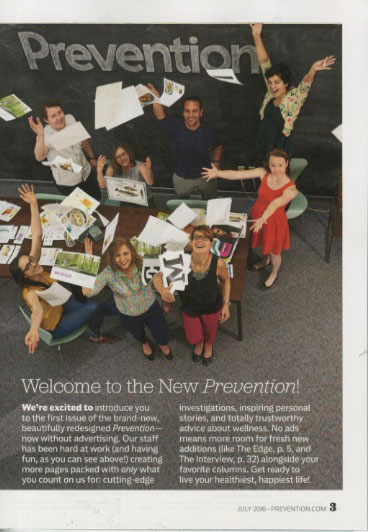
Prevention Inside Cover Samir Husni: I love the way the magazine is introduced, with the picture of the staff. I think the new introduction to Prevention captured the essence of what you’re trying to do.

Maria Rodale: Right.

Samir Husni: If this “experiment” succeeds; will that tempt you to try the model on any of your other titles, such as Bicycling?

Maria Rodale: Each magazine is very unique and lives in a very unique ecosystem. Bicycling magazine, for example, all of the bicycling advertising is a core benefit of the magazine. Readers love it in a very different way than they love advertising in other magazines. So, each magazine has to be looked at on its own. And evaluated based on its very unique business model and its very unique environment in which it lives. And that’s constantly changing, which is why we don’t have the luxury of not changing with it.

Samir Husni: With the first issue I noticed that the paper quality is better; the photography shines, and the interactivity is amazing. The idea of having a back cover that you can rip off and color, utilizing that art therapy that is invading the newsstand with all of the adult coloring books; it’s a great idea. You have a big following on Prevention.com; how can you actually make the print edition even more interactive that the attempt you’ve made in this first issue?

Maria Rodale: That’s what’s exciting about the future. We are only just beginning with this experiment. That issue was put out, literally, with just a few months’ notice and without the editor in chief in place. Barbara O’Dair has joined and is really excited about continuing the evolution and development of the magazine. And that’s what’s going to make this more fun, to try new things.

Samir Husni: I’ve noticed some of the tiny things, such as the masthead where you have women-owned at the top. What’s the reasoning behind those changes?

Maria Rodale: We are an official “women-owned” business, that’s a type of certification that you get. Ironically, one of the reasons that we received that official certification was because a lot of advertisers look for that. So, it’s just the truth. (Laughs)

Samir Husni: As you flip through the pages of this first issue, what article is one that made you think, “Wow, this is where people should go first?”

Maria Rodale: Obviously, the one that I wrote. (Laughs)

Samir Husni: (Laughs too). We have a saying here in the South: if it’s true it isn’t bragging.

Maria Rodale: I loved all of the articles, everything from the problem-solving section on acid reflux, to the sunscreen article. I thought the medical marijuana article was both interesting and funny. I love the fact that there’s more humor in the magazine. As a reader, I found this to be the most interesting and satisfying issue of the magazine that I have ever read.

Samir Husni: How do you compare this July issue of Prevention to previous editions? Which article in this latest issue do you feel that you couldn’t have published if you would have had advertising in the magazine?

Maria Rodale: I don’t think there is any single article that we wouldn’t have published. We might not have gone as far as we did, in terms of some of our reporting. We might have highlighted things differently, but it’s really a matter of degree and also the whole experience of the magazine now, being a kind of continuous experience.

The one thing I will say is that advertisers have always found the Prevention reader older than their ideal demographic. But the Prevention reader is a highly-educated, wonderful woman or man who is at an age where they’re concerned about their health. So, we can now visually celebrate that in a way that we may not have in past issues.

Samir Husni: Why specifically the focus on the 40-plus demographic? Where other “health” magazines are trying to look and feel younger; Prevention is taking the plunge and saying this is a magazine for the 40-plus age group.

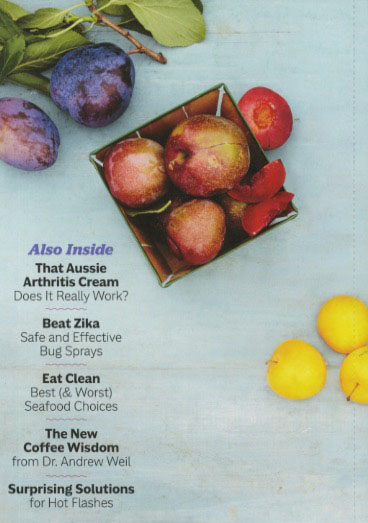
Prevention Back Cover Maria Rodale: That’s subscriber data and research; it always appeals to our reader when we say 40-plus, because a person’s health issues at 40-plus are different than at 21. They have different concerns and their bodies are different. There is tons of information out there for a generic audience, but the Prevention reader is a more mature woman or man.

Samir Husni: You’re the queen of organic; are you taking Prevention organic, in terms of the business model, by making it stand on its own feet without any support other than its audience?

Maria Rodale: Yes, I believe in organic growth, both in the environment, but also in business. There has to be a real healthy support system for any product. And obviously, readers are the most important support system. Based on the feedback that I’ve been getting from when I have announced the move to live audiences or when I post things on Facebook or my blog, people are definitely eager and excited and willing to pay. I hear a lot of people saying that they’re going to subscribe for the first time because this is what they’ve been waiting for. I also have had people tell me that they stopped subscribing because they were sick of having to page through to find the stories, and now they have re-subscribed.

So, I do believe that people who are truly interested in health and a healthy, happy life will be willing to pay. It’s basically less than the price of going to a nice restaurant for dinner and it’s going to be worth it.

Samir Husni: When I received the issue I took it home with me and if you could see it now, the pages are falling apart. It’s amazing. Just the joy I felt from looking at the pages, it was wonderful.

Maria Rodale: Thank you. I think joy is a perfect word for what we’re trying to do. We’re trying to bring the joy back into writing about health. The magazine industry has had a lot of the joy sucked out of it in recent years for a lot of different reasons. Life should be joyful and Prevention can help you find that.

Samir Husni: Rodale has had its fair share of media coverage lately, whether positive or negative. Is the company finally at the stage that from this moment forward we’re only going to hear about positive changes? And have you reached the size at Rodale that you want?

Maria Rodale: I read everything that I do as positive change. It’s not always perceived that way, but that’s not my choice or my problem. Everything we do at Rodale is now creating positive change. And that photo of our staff in the introduction is literally right outside of my office door and I walk pass that table every day. I love being close to that team and seeing what’s happening. There’s a lot of joy in everything that we do. And every decision I make is about creating positive change.

Samir Husni: How would you briefly sum up the last ten years since you became chairman and CEO of Rodale?

Maria Rodale: In one sentence I would say: radical and positive transformational change during the greatest disruption in history for our industry, and we’ve gotten through it successfully. When I go home at the end of the day and I’m surrounded by my family and my organic garden and my comfortable couch, I’m just grateful for the gift that was given to our family, that we’ve inherited and that we are stewards of. I’m grateful for all of the employees and the contributors and our customers and the people who have stood by us and who believe in us. And I’m very grateful to our friends who are a part of this transformational journey.

I know that my parents and my grandparents would be happy and relieved that they didn’t have to do this. (Laughs)

Samir Husni: (Laughs too).

Maria Rodale: I’m just very grateful to everyone.

Samir Husni: Is there anything else that you’d like to add?

Maria Rodale: Everyone should subscribe to the new magazine and let us know what you think. Be a part of it. And I’d also just like to acknowledge all of the hard work that goes into creating a really great product. I wrote a blog recently that talked a bit about our research library. And that’s not free; people want good stuff for free, but you can’t do that for very long. And if you want quality you have to support the people who are educated and experienced to bring quality and we hope and believe and have faith that people will value and trust this information to the point that they will support it and support us and support our libraries.

Samir Husni: That’s the beauty of print. It’s that surprise that comes when you least expect it, such as the interview you did in this first issue with Maye Musk. I didn’t know anything about her or that I would be reading an interview with her. It’s that element of surprise. Then I started flipping through the pages and found all of the great articles. That element of surprise that print brings is great. And that’s why people will pay for the magazine, the addictiveness and the trusted information.

Maria Rodale: We hope readers will subscribe and see for themselves.

Samir Husni: Thank you.

h1

One Night Stand; Love Affair; Marriage – What Kind of Relationship Do You Have With Your Print Audience?

June 6, 2016

A Mr. Magazine™ Musing…

Lately, I have been traveling all over the country and the world in general, preaching about the role of print in a digital age for two reasons: (1) I do believe in the future of print and that print is here to stay on a permanent basis, and (2) I do believe that the role of print is changing, that we cannot have the same “old” print that we had before the digital age. Everything evolves and changes, that’s a given.

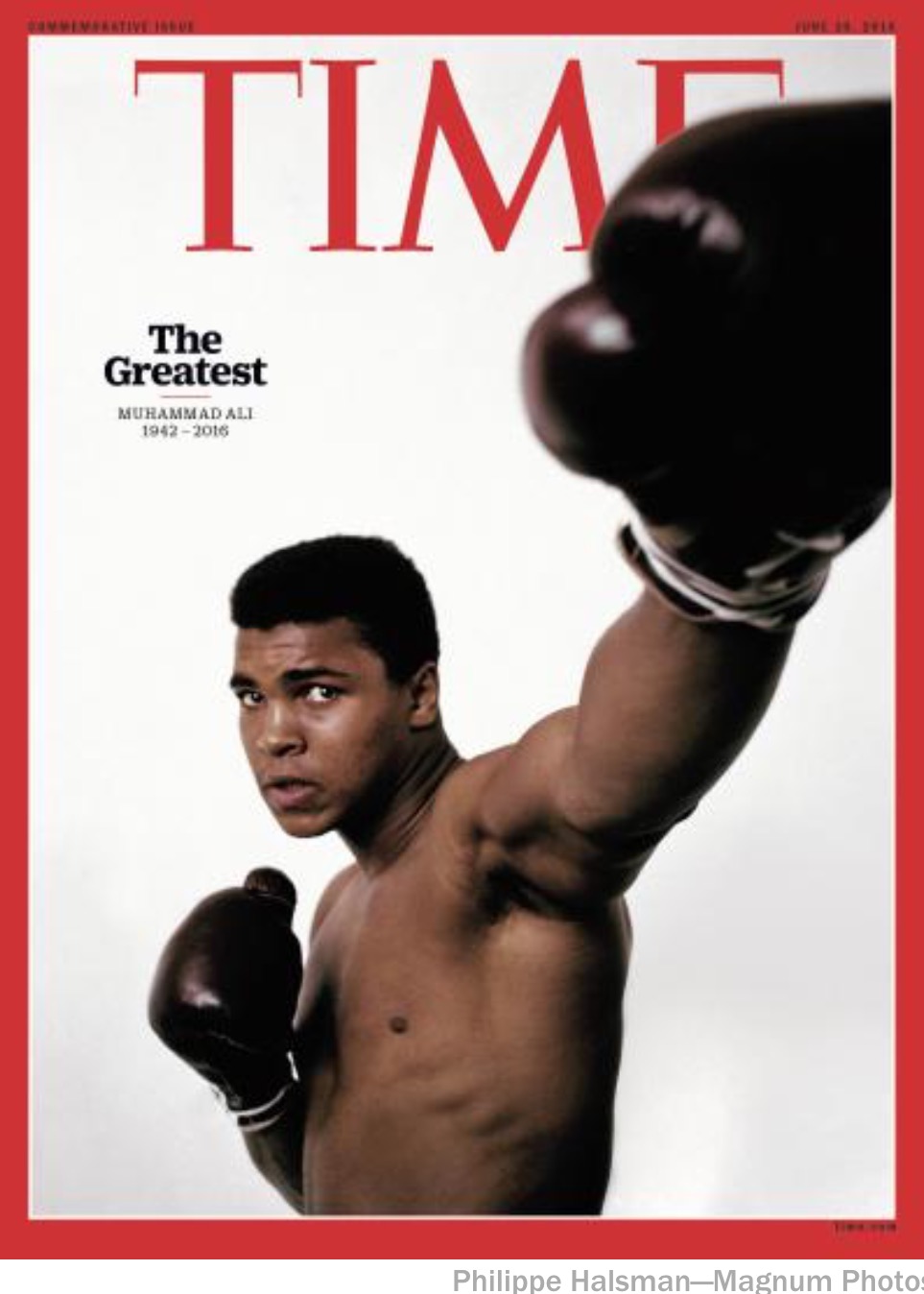
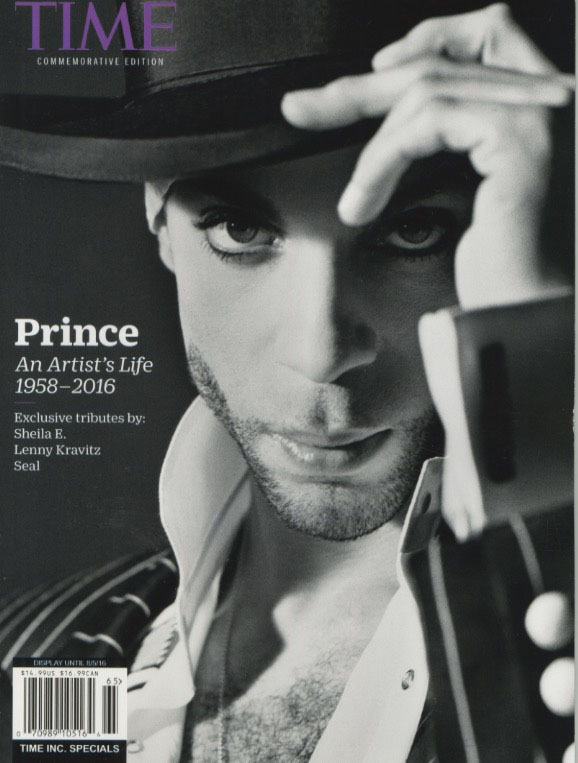
TIME's special Ali issuePrince However, some of the fundamentals are not going to change, whether you publish a weekly magazine, a monthly magazine, or a quarterly publication; there are some things that are inherent in the definition of print that will never cease. The number one trait that will always remain is: if it’s not ink on paper, it is not a magazine. It can be many platforms if it isn’t ink on paper, because there are many platforms, but it cannot be a magazine. We have to be careful about what we define as a magazine.

Having said that, I want to explain what I believe the role of print is in this digital age, but to do that we need to understand the nature of magazines and their continued relationship with their audience. We need to recognize the types of magazines that exist in the marketplace today and look at the number of new magazines that are arriving on a daily basis. And of course, we need to acknowledge the principles of creating a magazine that will also never change, among them being that the foundation of that creation, which includes content, design, curation, innovation; all of the things that have been a part of magazine making for years, is still very much alive and kicking.

The way that I classify the relationship between a magazine and its audience is really very simple. I am a firm believer that one of the most important things when it comes to building and sustaining that relationship is knowing your audience and putting them first, not the platform. Not print first, not digital first; audience first. That is paramount to the success of any publication. And that is not just lip-service or words to fill up a page on my blog. That is truth. Without our audiences, we have no reason to exist.

When it comes to magazines or print in general, we create this relationship with our audience, unlike any other entity. That relationship can be one of three types: a one night stand; a love affair; or a marriage. Print as a whole has a broad spectrum of entities, from a 700 page hard-bound book to a 36 page magazine and each one of those entities has a different relationship with their audience.

For example, my grandson developed a love affair with the “Harry Potter” brand. So, he read all of the books that were out there, from Book One all the way to the current end of the series. Once the books are completed, he may watch the movies, and once the movies are under his belt, that love affair will fade and he’ll move on to something else. And so it goes with our magazine audience.

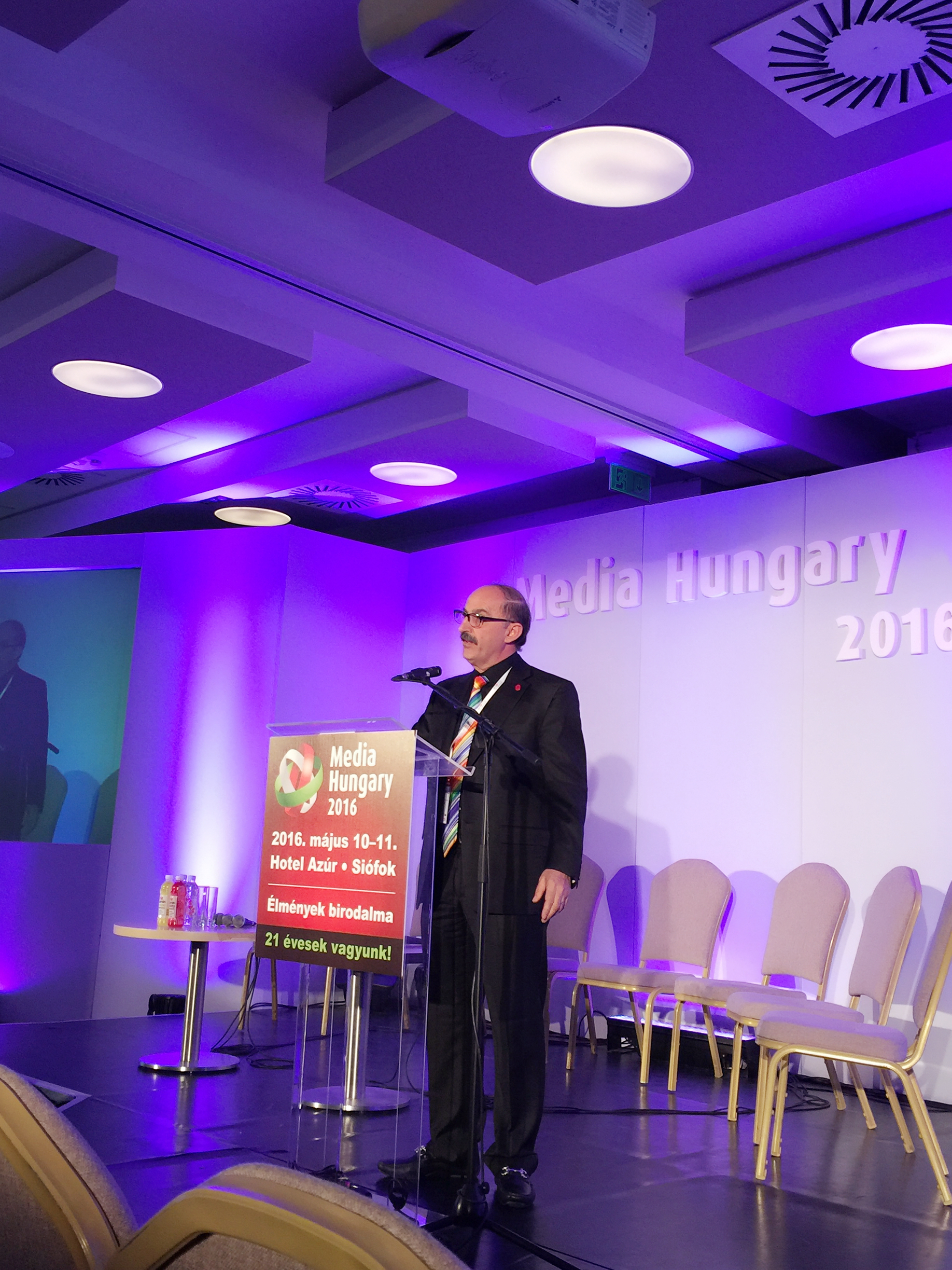
Samir Husni at Media Hungary I had the pleasure of meeting Pam Didner on one of my recent trips to Hungary. Pam is the author of “Global Content Marketing: How to Create Great Content, Reach More Customers, and Build a Worldwide Marketing Strategy that Works.” She asked me about the different relationships that we form with our audiences and I believe that she captured my feelings on the subject very well. So, rather than restating the obvious, here’s what Pam wrote:

“I love how he (Mr. Magazine™) categorizes magazines; he uses love relationships as categories.

One-Night Stand
Love Affair
Marriage

The One-Night Stand Magazine

“Magazines that are published based on a milestone, key event or a person. Life Magazine usually does a great job of publishing one-night stands. They have published special editions or tributes for “Princess Diana”, “John F. Kennedy”, “Ronald Reagan”, “Queen Elizabeth II’s Golden Jubilee” and “WWII 60th Anniversary.” These types of magazines need to be timely to entice readers into a one-night stand.

The Love Affair Magazine

“People will buy magazines for a short period of time based on key decisions in their lives. The best examples are wedding-planning, pregnancy preparation and travel. Brides-to-be will purchase bridal magazines when they start planning their wedding and shopping for a dress. Parents-to-be will purchase parenting and baby-related magazines to get ready for their first-borns. When the wedding is over, the baby is born; they are no longer interested in the magazine as if a love affair lost its fire and passion.

The Marriage Magazine

“This is the type of magazine that becomes a ritual to the readers’ daily lives. My mother-in-law loves her New Yorker and my husband reads his monthly car plates magazine (He collects car plates and their organization has a member’s only magazine.) These types of magazines become part of their lives and they are loyal followers.”

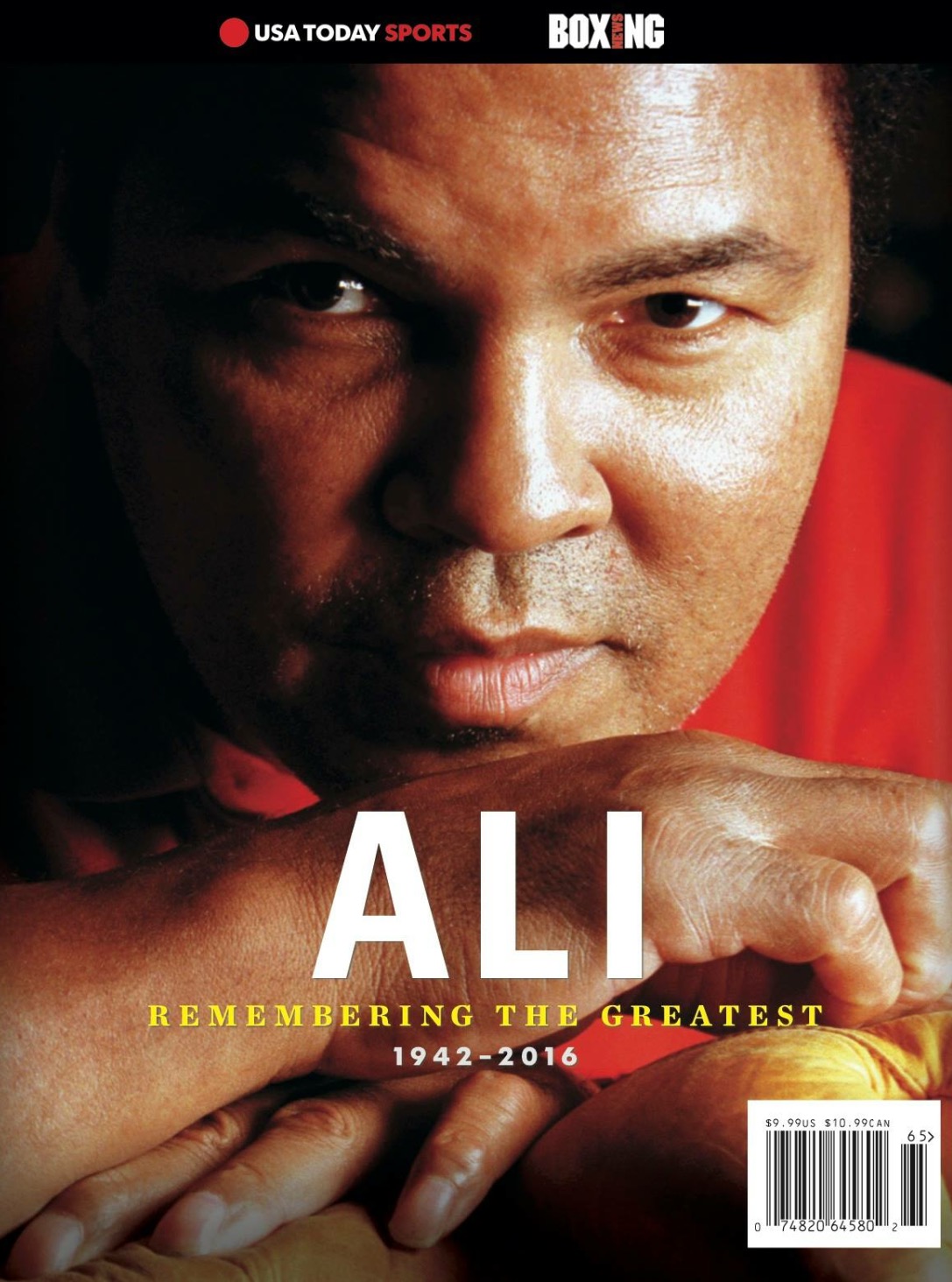
USA Today Sports AliThe relationship that you develop with your audience is the cornerstone of everything that we do. The moment the world lost Prince, and more recently, Muhammad Ali, one-night stands were formed. Epic specials on deceased celebrities and sports figures are synonymous with the one-night stand because they are timely at that moment and extremely important to fans of the artist.

Everything that we create today has to be built upon those three cornerstones: one-night stand, love affair, or marriage.

And the old adage: “There is nothing new under the sun” can now be sent to its final resting place, because in reality in today’s digital world, there are a lot of new things under the sun.

When it comes to new magazines, they are continuing to launch unceasingly. In fact, the total number of new magazines arriving on the marketplace is comparable to the pre-digital days that we all remember so nostalgically. And they’re still the same three categories that I’ve always said new magazines fall into:

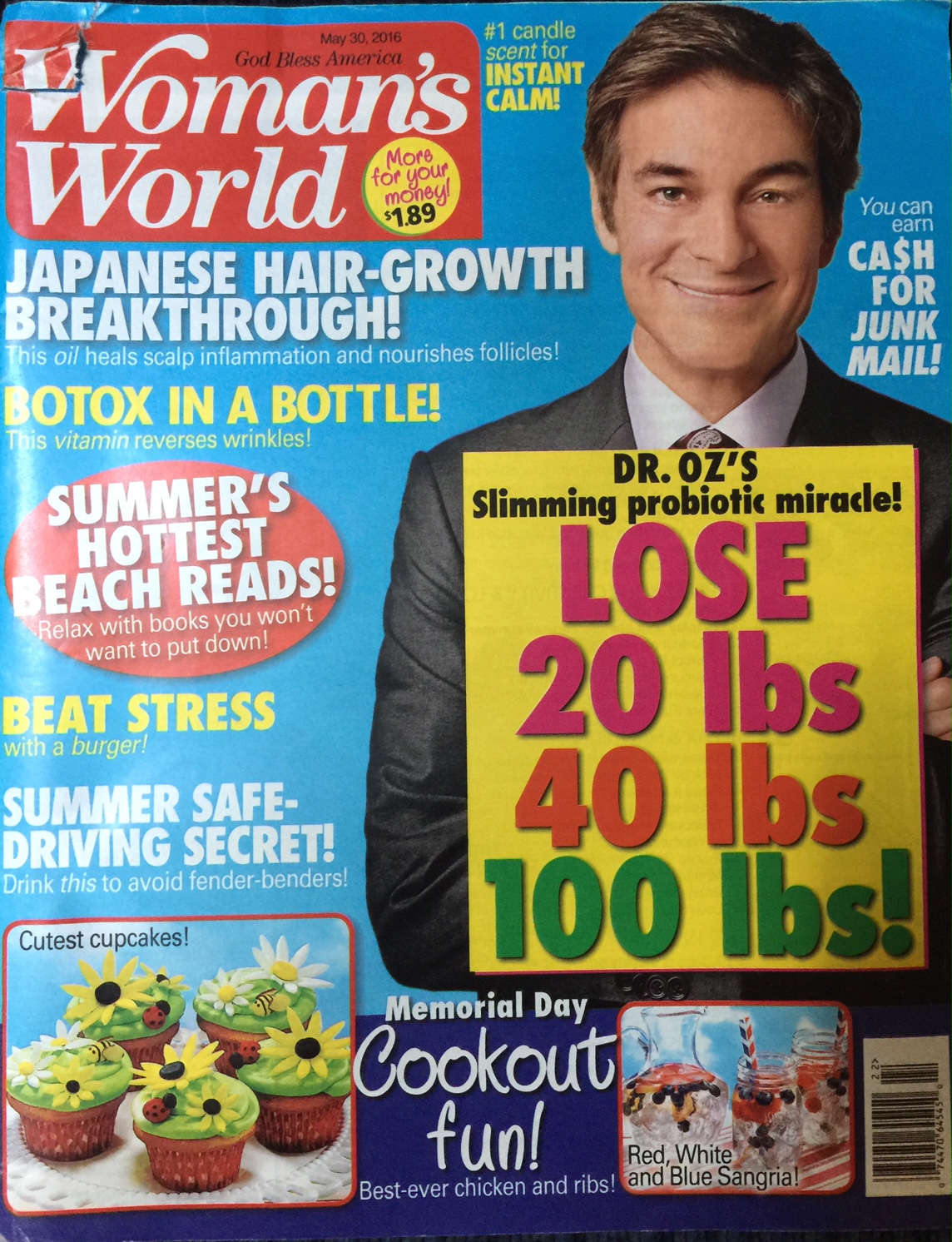
Groundbreakers: Woman's WorldThe magazines that are singular and there is nothing else like them, such as when Woman’s World was created. There was no weekly women’s magazine for American women when it hit the newsstands that had the rapid change of a non-news magazine on a weekly basis. It takes creativity and determination, and it takes being a weekly to keep that link between addictiveness and disposability with your audience in every issue.

Copycats: The group of magazines that come based on the success of other magazines. These magazines are created by people who basically sniff out the prosperity of other magazines that are very similar, but feel they have a different take on the subject matter. In so many cases, the copycats can end up being better than the original publications. With all the hunting and self-defense magazines out there, here comes a magazine like Recoil that sets itself apart from everything else on the marketplace. Suddenly, you have an upscale looking and upscale feeling magazine that treats guns as a lifestyle, rather than just a special interest. And you target the lifestyle of the gun owner, instead of the gun per se, without putting the weaponry aside. So, some copycats can be even more significant and successful than the groundbreakers.

Cheap Imitators: Companies and publishers that are in the business just to ride on the coattails of the successful magazines. The Food Network magazine is flourishing; suddenly, you start seeing an influx of food and celebrity magazines, or food and travel; just any combination of the successful titles out there on the newsstand just to imitate it and be a mirror image of those magazines, hoping that the Groundbreakers and the Copycats will establish an audience big enough, that even if you’re a cheap imitation, you can cash in on the overflow.

Having said that and combining the relationship aspect with the creative aspect of a new magazine, the marketplace is showing no signs of slowing down. The numbers speak for themselves. Every month as you can see on Mr. Magazine’s™ Launch Monitor, there is no shortage of regularly-published magazines, covering any topic that you can think of, such as a
Groundbreaker like Pallet Magazine – one that joins great articles with the setting of craft beer.

Frequency new launches for the past six months:

• May – 25
• April – 21
• March – 7
• February – 12
• January – 21
• December – 32

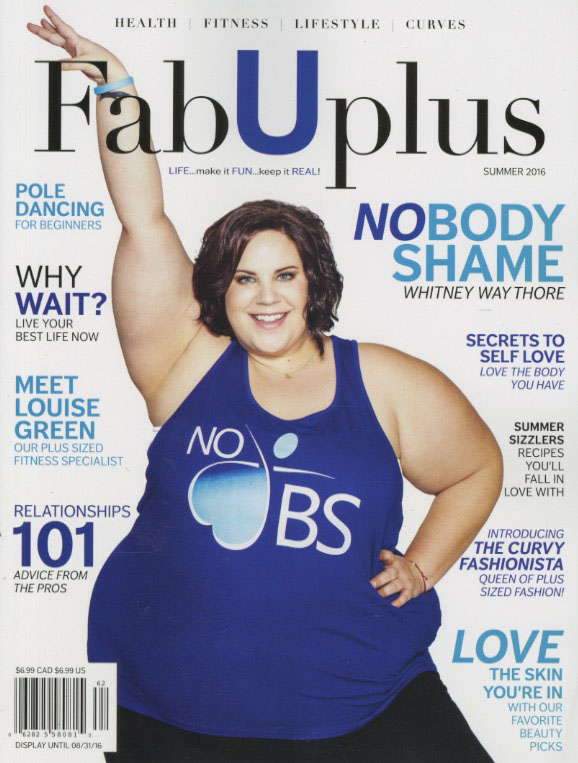
Fabuplus So, if you look at the numbers there is no slow down. If you look at the topics; how many times can one publish a magazine on the big, beautiful woman, yet in May, there was a brand new title called, FabUplus. These new magazines believe they may have found a new twist on a well-used subject. Over time people forget the older titles, those that came and went before one can remember, so there’s always a new audience, a new churning taking place.

And if anyone doubts the future of print in this digital age? All they have to do is look at all of the digital-only entities that are discovering, and have already discovered, the power and substance of print. Entities such as Net-A-Porter, WebMD, Sneaker News, and Posi+tive have all established a foothold in the printed word because no media company today can afford to be omni-platform in today’s marketplace; they must be multiplatform. You’re creating a brand, not just a new magazine. And that’s very important to remember. Are you launching a brand or a singular title? Because nowadays you have to be in the branding business with the printed magazine as your cornerstone, if you’re going to survive into the future.

Technology has changed everything, even printing. I just returned from a visit to Trend Offset Printing. They have introduced the first web Canon inkjet printing press. And it was amazing. The quality, personalization and the speed were unbelievable. And the quantities. Printing is making it easier to launch new magazines. No printer will throw you out of the facilities if you tell them you want 5,000 copies or 10, 000 copies because in today’s world, those quantities are no problem.

And remember, magazines are much more than just content-providers. Magazines are experience makers. Excellent writing, reporting and photography are still just as important today as they were generations ago. Magazines have a great future, if executed properly. Ideas are a dime a dozen; it’s the execution of the idea that counts, and will produce either a one-night stand, a love affair, or a long-lasting relationship.

So, until next time…go pick up a magazine and begin the experience…

h1

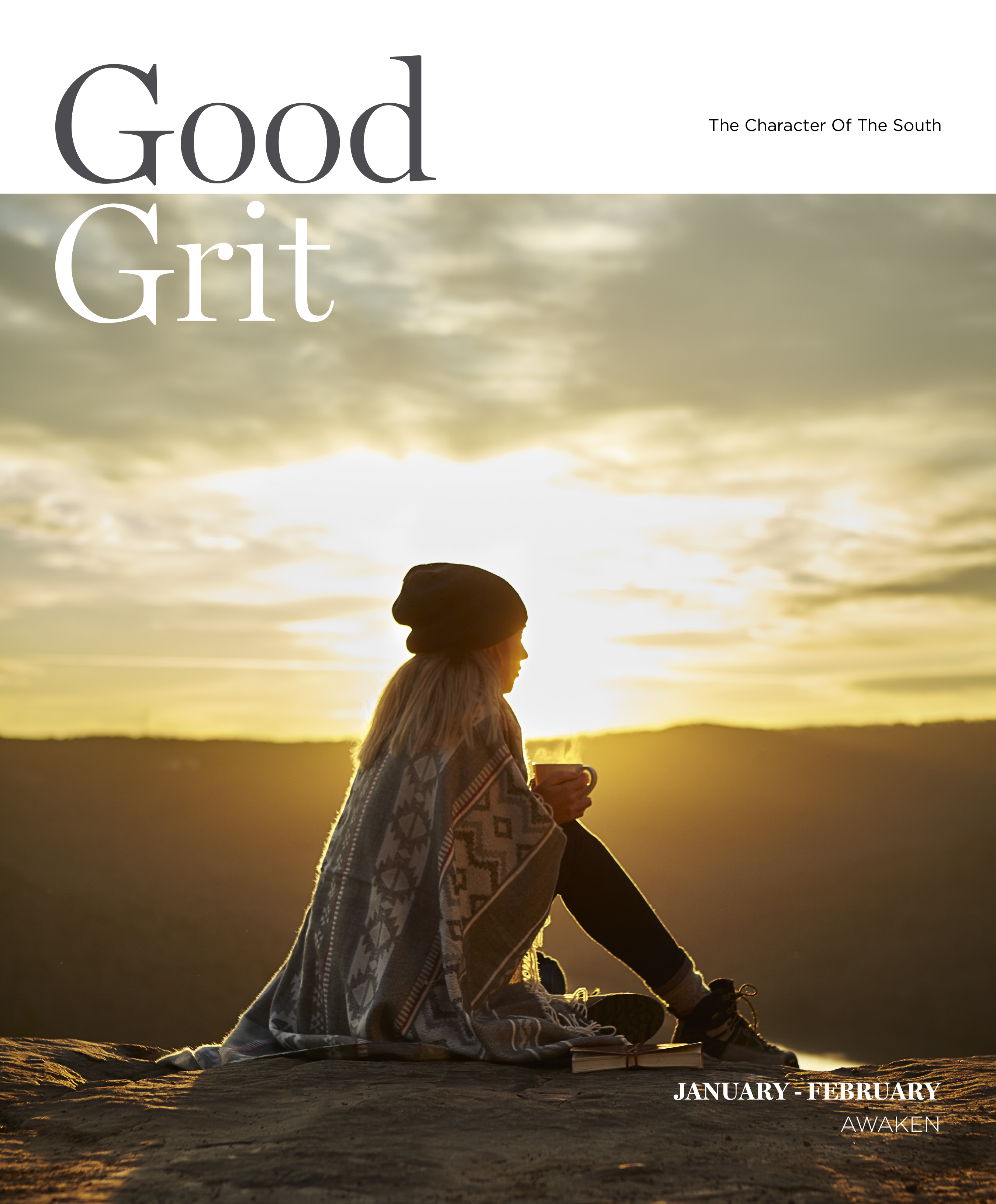
Good Grit Magazine: The Character Of The South Personified – Spunky, Quick-Witted & As Intoxicating As A Mint Julep On A Hot Southern, Summer Day – The Mr. Magazine™ Interview With Laura Bento, Founder & Publisher, Good Grit Magazine

May 26, 2016

A Mr. Magazine™ Launch Story

“Old is new again. Record sales are at an all-time high, legit vinyl’s. Old buildings; we don’t want to live in a brand-new, fancy apartment complex, no-no, we want you to give us the shitty, brick-showing mortar, the AC is going to run you like $500 a month, loft downtown. That’s because old is new again. I don’t know how long that will last, but people love to hold print in their hands and I don’t care how many times they update their status with 140 characters, as long as they’re doing it with a picture of Good Grit as their photograph. (Laughs)” Laura Bento on why she chose print as the foundational platform for Good Grit

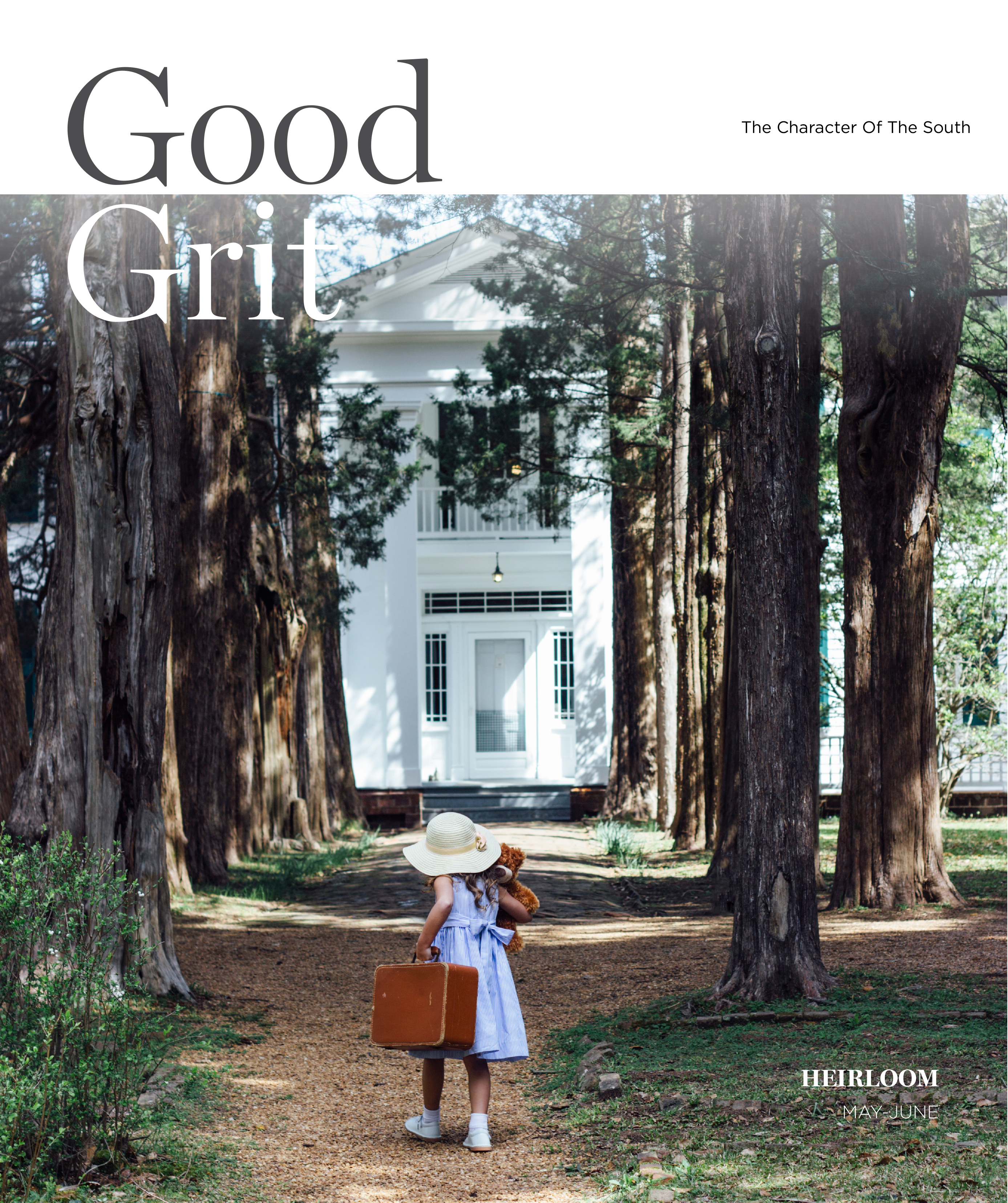
Heirloom_Cover Good Grit magazine – the character of the South. The title and the description fit both the magazine and its founder and publisher, Laura Bento. Laura has more grit than a bowl full of the stuff in a traditional Southern Sunday morning breakfast. She’s bold, plain-speaking, and as passionate about her brand as anyone I know. It’s been a long time since Mr. Magazine™ was as refreshed and excited about a new launch as I am with Good Grit.

I spoke with Laura recently and we talked about her absolute insanity when it came to birthing Good Grit. First of all, with no prior magazine experience and nothing more than an angry passion burning inside of her about how many portray the South; Laura decided that it was time to put her horse in the race when it came to giving another voice a chance to be heard regarding the “character” of the South. And heard she has definitely been. After only a year on boutique-type newsstands below the Mason-Dixon, Laura is expecting to break even this fall, a feat both unusual and almost unheard of. And her plans to bring Good Grit to a broader audience aren’t taking a backseat either. She is moving forward with that strategy as soon as possible.

But this is a Mr. Magazine™ launch story – I’m always looking for that one bolder-than-most, more-passionate-than-anyone-else entrepreneur who is bucking the odds and showing the world how powerful dreams and print together are. And with Good Grit, Laura is exemplifying that description.

We talked about her work ethic, hard, but loose, and her belief in the creative talent of her all-important-to-her staff. She is an amazing young woman who is as tough as she is passionate about what she wants her brand to achieve and become in the future.

I hope you enjoy this refreshingly honest interview read with a woman who personifies the name of her magazine – Good Grit. Without further ado, the Mr. Magazine™ interview with Laura Bento, Founder & Publisher, Good Grit Magazine.

But first, the sound-bites:

IMG_2469 On whether she’s a little crazy to start a print magazine in this digital age: Yes, I’m crazy. It’s really funny; I wish I had a really great background to share with you. I wish that I could tell you that I had worked for a publisher or that I was a writer or even that I’m a creative, but the truth is I’m none of those things. I’m just an entrepreneur who was sitting at her desk one day after reading an article in The New York Times that really pissed me off about the south. I’d never had a magazine subscription before in my life.

On the early reaction of Good Grit among her peers: I might tear up a little talking about it, because it’s sad. Everybody told me that I wouldn’t make it; everybody. There wasn’t one voice that said, “You got this; you can do it.” Even my investor, and now investors, told me that all of their financial advisors told them that this was a terrible investment and said don’t do it. And I have to tell you, we have had the best freaking year. Every issue has gotten better.

On the biggest mistake she’s made since her magazine journey began: I on boarded talent way too soon. I could have used the creative and presold a lot earlier and would probably be even closer to breaking even than I am now, but I burned about $150 G’s in just dumb on boarding of talent too soon. But I will say the advantage of that was just the culture. If you asked me what our greatest strength is I would tell you it’s our company culture.

On whether she’s a missionary or a merchant when it comes to her reasons for starting Good Grit: I love people. I’m a millennial, so I have to say that I fit into the social responsibility realm of things. I love give-back brands; I think that B Corp was one of the most genius marketing ploys the government ever rolled out. My people come first and money definitely comes second. But I wouldn’t necessarily say that we’re not merchants either. We’re merchants; we’re in this to make money for sure.

On where she sees the future of Good Grit heading: I believe that my audience is in the wealth-accrual mode. And I hope that what Good Grit acts as, is a tool of something that’s just out of reach. We want to talk about stories that you can relate to now, but we also want to inspire you to do something more, whether that’s something that gives you a cause for action; trial and triumph are a big part of the tone of voice you hear throughout the book.

On why, being a millennial herself, she chose print for the foundational platform of Good Grit: Our audience isn’t necessarily millennials. That’s one slice of my audience. But if you read the magazine, you understand that I’m not gearing it toward 18-34 year olds; not necessarily. I always say that I’m in the middle of the demographic, I’m 33. I chose print because, and this is not just about millennials, through the revitalization and localization movement that we’re seeing all over the world, and specifically the South; watching small towns be revitalized everywhere, this hipster movement as I like to call it, is certainly not exclusive to just millennials.

Flourish_Cover On defining Good Grit to someone on the street: I would tell them that Good Grit is a progressive voice for the South, telling the stories of the character of the South. We’re a magazine that had a baby with a coffee table book. I tell people that all of the time. Our goal is to live on your coffee table for at least two months and then maybe retire somewhere else in your home. We want to be beautiful, but intriguing. And we want you to want to curl up with us; throw us in your bag and take us with you everywhere, and to share us with your friends.

On the feeling that she comes home with at the end of the day: It’s so funny; I’ve never been so thankful and happy in a career ever. And I’ve always been thankful and happy in my career. It’s not like I’ve been a girl who was miserable with the things that she’s done, but when I come home now I literally walk down the hall and on the left side of my hall I have a photograph of every person on my staff. And beside their photograph is a word that represents them.

On what someone would find her doing at home in the evening if they showed up unexpectedly: If you came to my house right now, you’d think you had showed up on the set of the movie “A Beautiful Mind.” Every wall in my living room is covered with whiteboard. And it’s always that way. There’s always a new something. So right now, it’s identifying the seven streams of revenue that we have over the next four years so that we can raise our next round of capital. It’s looking at sales and pipelines; analyzing and understanding the people who are willing to take a risk on such a small publication with so few impressions and to grow with us.

On what motivates her to get out of bed in the morning and look forward to the day ahead: Gratitude. I’m so excited. It’s a miracle. What we’ve done is a miracle. So, I don’t want to take that for granted. I don’t spend a moment procrastinating. When my alarm goes off, or I’m up even before my alarm goes off, I sleep maybe five hours. I feel like sleep is kind of a waste of time and quite honestly, if I didn’t just have to be clean, showering would piss me off too.

On what keeps her up at night: I would have answered that question differently if you had asked it five and a half months ago. I would have told you that what kept me up at night is how the hell am I going to make payroll on Friday, because that was before I on boarded my latest investor. Now, I would tell you that what keeps me up at night is making sure that whatever our next move is regarding capital is the right move and it’s not made in desperation.

And now the lightly edited transcript of the Mr. Magazine™ interview with Laura Bento, Founder & Publisher, Good Grit Magazine.

Samir Husni: Anyone who launches a new magazine in this day and age; one that is ink on paper and has a brilliant design; one that the quality of the paper is outstanding and the overall result is that the magazine is really a good one, would have to be crazy in this digital age, or so everyone says. What made you decide to launch Good Grit; are you crazy?

IMG_2567 Laura Bento: (Laughs) I actually tell people that I think you literally have to be somewhat unstable and insane to start a magazine, that there has to be something that’s not quite right with the person who does it. (Laughs again)

Samir Husni: (Laughs too).

Laura Bento: Yes, I’m crazy. It’s really funny; I wish I had a really great background to share with you. I wish that I could tell you that I had worked for a publisher or that I was a writer or even that I’m a creative, but the truth is I’m none of those things. I’m just an entrepreneur who was sitting at her desk one day after reading an article in The New York Times that really pissed me off about the South. I’d never had a magazine subscription before in my life.

I almost felt as though it were divinely inspired a little bit, because there was really no logical reason why a girl like me, who has a sales and marketing background and had a consulting firm and worked as the national director of sales and marketing for a company based out of St. Louis, but I’m originally from Savannah, Georgia; there was no logical train of thought to all of this. It was just that I felt there was a hole in the market and I didn’t feel anyone was competing with Garden & Gun and I wanted to fill that void.

I wanted to be a progressive voice for the south, but I really wanted to come at it from the Alabama side of things. I felt like Garden & Gun, me being an East Coast girl myself, leaned a little more East Coast. And I didn’t think there was a voice for the Gulf or a voice for what’s happening today, that localization and revitalization movement that’s really sweeping across the world, but that’s really starting to gain momentum in the South.

Samir Husni: You now have a year under your belt with Good Grit, but what was the early reaction, after you actually did it and put the first issue out?

Laura Bento: I might tear up a little talking about it, because it’s sad. Everybody told me that I wouldn’t make it; everybody. There wasn’t one voice that said, “You got this; you can do it.” Even my investor, and now investors, told me that all of their financial advisors told them that this was a terrible investment and said don’t do it.

And I have to tell you, we have had the best freaking year. Every issue has gotten better; we made some decisions early on, or I made the decisions; I had no magazine knowledge, so I called a friend of mine based out of Savannah where I’m from, who had been asking me for many years to come and run his sales and marketing department and he’d said that he’d give me part of his magazine. I always told him that I didn’t believe in “giving” anything and that had to be a trick.

What happened was I called him and I said, hey, Michael (Brooks), I think I’m going to start a magazine. And he owns South Magazine, which is in Savannah, but it covers a wide area. And he’s crazy as hell; you’d never partner with him on anything. He’s a creative genius, but he’s crazy. (Laughs)

Originally, when I didn’t know what I was doing, I thought that I was going to have to end up partnering with Michael. And I have always told him that I thought his brand should be regional and he loves the money of that climb between city-centric and a regional publication; (A) it’s very hard to make if you’ve established yourself as city, I think, but (B) there are a lot of sacrifices that have to be made.

Awaken_Cover So, when I called and said that I was starting a magazine, he told me that he thought it was a good idea and that Birmingham was really hungry for something that was edgy and progressive. And he said that he thought I should do it. But I told him, no, you don’t understand I’m not starting a “Birmingham” magazine; there are plenty of Birmingham magazines. I’m starting a regional publication and I’m going to compete with Garden & Gun. And he laughed. (Laughs)

Samir Husni: (Laughs too).

Laura Bento: I told him that I didn’t know anything about magazines and that I needed to build a business plan so that I could raise capital. So, here’s what I’m going to do; I’m going to run my business on Monday, then I’m going to drive to Savannah from Birmingham, five and a half hours, on Monday night, and then I’m going to work for you for free Tuesday-Thursday. I will onboard new sales people for you, train them; I’ll work out the holes in your marketing plan, and I’ll try and help you in that way, and all I need from you is every piece of data that you have. I need to look at your P & L; I need to see your relationship with printers; I need to understand circulation and distribution; I need to see what you’re doing well and what you’re doing really shitty, and then decide what I like and what I don’t like.

And I would sell for him too while I was there. And I have never felt so dirty in my entire life, selling advertorials, and it made me like want to slap people. (Laughs) I just knew that it couldn’t be a part of my model; I just knew that. So, I made a decision very early on, before I even had a formed business model or business plan, that I would not offer any advertorials or sponsored content in book with any advertising partner that we had.

We just needed to believe what we believe. And we believe in the South. We believe in the character of the South and we hoped that advertisers would like to position themselves with someone who was going to do a great job telling that story, so that they would like to advertise with us. And if they didn’t, then they weren’t our people and we would all move on.

And most people were saying that’s hilarious; it’s never going to work. My first issue came out and we did $55,000 in sales just by telling people that. We promise we’re going to be just a really good portrait of the character of the South.

And now, a year later, we’re on track to break even by September or October, which is pretty unheard of. We’re on our third round of capital and it’s just humbling. Even the naysayers; the people that were in my market and were saying, “Who the hell is this girl, who has no clue?” and they were so right, I had no clue.

But I believe my ignorance has acted as probably one of the best tools. Everyone on my staff has never worked for a magazine; they’ve never done what they’re doing. My art director had never been an art director before. My editor had never been an editor; my business manager had never been a business manager. I had never been a publisher, but I said that we were going to go at this so clean and so fresh and so new. I told them that we were probably going to fail hard, but that we would learn from our failures and we would move quickly to fix them, no matter what they were.

And that’s really working. And even my frenemies; many people who feel like we’re competing with them, have been really kind and gracious and willing to sit down with me and tell me things that they’ve messed up on. I’m probably one of the most curious people you’ll ever meet, which I think has also worked in my favor, so I love understanding the “why” of things. And I also believe in failing very, very quickly. So, if we’re going to fail, we fail big and we fail quickly, but we also move forward very fast. And we do not make the same mistakes twice.

Samir Husni: What was the biggest mistake you made during this journey?

Laura Bento: I on boarded talent way too soon. I could have used the creative and presold a lot earlier and would probably be even closer to breaking even than I am now, but I burned about $150 G’s in just dumb on boarding of talent too soon. But I will say the advantage of that was just the culture. If you asked me what our greatest strength is I would tell you it’s our company culture. You will not find a culture like us anywhere.

Samir Husni: Do you feel as though you’re more on a mission, that money comes second? I know you want to make money, you can’t afford not to. I like to tell people that there are two groups of publishers: the missionaries and the merchants. The merchants are just in it to make money, the missionaries are like when Henry Luce started Time Magazine; he wanted America the Great, so he was on a mission that was also a business.

Laura Bento: I love people. I’m a millennial, so I have to say that I fit into the social responsibility realm of things. I love give-back brands; I think that B Corp was one of the most genius marketing ploys the government ever rolled out. My people come first and money definitely comes second. But I wouldn’t necessarily say that we’re not merchants either. We’re merchants; we’re in this to make money for sure. Without a doubt we’re a for-profit company and I have to be a good steward with the money that’s been given to me by my investors who believed in me when I was holding a piece of paper with probably the shittiest business plan that had ever been written on it. And that’s no lie. So, I certainly feel a responsibility to that.

But maybe it’s equal. Maybe we’re both missionary and merchant. Making money is a huge priority for me, but we are very mission oriented too. We’re a give-back brand; we have an entire department dedicated to humanity and we cover stories of non-profits in the South. And then we choose one of those non-profits each issue and 100% of our net proceeds from our release party go to the give-back, so we’ve been in business for six issues and probably written about $30,000 in give-back. We haven’t made a damn dime, but we have written $30,000 in checks to non-profits that we have written stories about. Philanthropy has always been a big part of who I am; I believe in giving back.

But I still love to make money. We will make money, because when we make money, I can pay my staff appropriately and right now, they’re all very much mission-oriented, which is something that I’ve learned about creatives. If they believe what you believe, money is not even second on their list. Feeling fulfilled and having a platform to do what they love is far more important than money.

Samir Husni: As a millennial, what role do you think you’re playing in the midst of all the Southern stereotypes? And where do you think you’re heading with Good Grit?

Laura Bento: I believe that my audience is in the wealth-accrual mode. And I hope that what Good Grit acts as, is a tool of something that’s just out of reach. We want to talk about stories that you can relate to now, but we also want to inspire you to do something more, whether that’s something that gives you a cause for action; trial and triumph are a big part of the tone of voice you hear throughout the book.

I hope our role is breaking stereotypes that have been built in the South. It’s so funny, “we have brains and we’re using them,” is something that I always say. There was a time when I felt like the South was really looking to California or New York and asking, OK – what’s in style? What are we supposed to be wearing, or eating, or doing; what’s cool? And I’ve explained to everyone that will listen to me; guess what? Everyone is looking at us now. They want to do know what we’re doing. The South is hot; we’re trending right now. There’s no way of knowing how long that wave will last, but we should ride it as hard as we possibly can and we should educate people that we do have brains and we’re using them; we’re innovators, we’re entrepreneurs; we’re dreamers. And we’re not just dreamers; we’re chasing our dreams as hard as we can.

We’re creating a summit to the South; entrepreneurs all over the country and all over the world want affordable living, but still retain the ability to go after whatever it is their heart desires. Hilariously, millennials; we all think that we can change the world. And maybe that’s not the case, but we also have to help them understand that we can’t just go out and sell daddy’s and granddaddy’s companies and ship them off to another country. We have to have publicly-traded companies in Birmingham, Ala. or our economy will collapse and in the next 20 years.

So, although we are a lifestyle magazine, I’m working on a program called “The Hats” that will be the first live and work incubator in the state of Alabama, but from what I can tell, probably the first of its kind in the country.

There are many layers to this. To me, Good Grit is a platform to tell these wonderful stories, but it’s not the end, and I don’t even think it’s the beginning. I think that I just happened to walk into a perfect storm in a city that’s experiencing some big transformations and be able to ride that wave with them. We’re in every state below the Mason-Dixon line now, although we’re still very much boutique, as far as circulation goes. But with our next round of capital, our next job will be to go over 100,000 in print to get us up to that regional level.

Samir Husni: Millennials are known for their social media skills and for being digital natives; as a millennial, why did you choose print?

Laura Bento: Our audience isn’t necessarily millennials. That’s one slice of my audience. But if you read the magazine, you understand that I’m not gearing it toward 18-34 year olds; not necessarily. I always say that I’m in the middle of the demographic, I’m 33. I chose print because, and this is not just about millennials, through the revitalization and localization movement that we’re seeing all over the world, and specifically the South; watching small towns be revitalized everywhere, this hipster movement as I like to call it, is certainly not exclusive to just millennials.

Old is new again. Record sales are at an all-time high, legit vinyl’s. Old buildings; we don’t want to live in a brand-new, fancy apartment complex, no-no, we want you to give us the shitty, brick-showing mortar, the AC is going to run you like $500 a month, loft downtown. That’s because old is new again. I don’t know how long that will last, but people love to hold print in their hands and I don’t care how many times they update their status with 140 characters, as long as they’re doing it with a picture of Good Grit as their photograph. (Laughs)

Samir Husni: If someone stopped you on the street and you told them what you do for a living and they asked you to define Good Grit, what would you say?

Laura Bento: I would tell them that Good Grit is a progressive voice for the South, telling the stories of the character of the South. We’re a magazine that had a baby with a coffee table book. I tell people that all of the time. Our goal is to live on your coffee table for at least two months and then maybe retire somewhere else in your home. We want to be beautiful, but intriguing. And we want you to want to curl up with us; throw us in your bag and take us with you everywhere, and to share us with your friends.

We hope that we’re not only reaching the sorority girl and her boyfriend, but we’re reaching her mom and then her mom. I believe that I have the opportunity to reach three generations of men and women through this magazine. And I think that we’re just starting to scratch the surface.

Samir Husni: You said that you’re just beginning to scratch the surface, but what’s the feeling you come home with at the end of the day?

Laura Bento: It’s so funny; I’ve never been so thankful and happy in a career ever. And I’ve always been thankful and happy in my career. It’s not like I’ve been a girl who was miserable with the things that she’s done, but when I come home now I literally walk down the hall and on the left side of my hall I have a photograph of every person on my staff. And beside their photograph is a word that represents them. Austin’s is humility and Austin is my art director. Ashley’s is overcomer, and Tony’s is constant; these words that mean so much. And when I walk down my hallway every day when I get home, I pass the people who work their asses off for me. That bleed for this company; they do not make enough money and they always give all they have to me.

I lived in a one-bedroom apartment. I have a son who is 13, and we moved into this tiny, one-bedroom apartment so that I could do this. And we had never lived like that before, not in his lifetime; he’d never seen that. And we joked and said that he was Harry Potter because his bed was in a closet. We’d pull it out and pull onto the floor.

So when I moved into my two-bedroom place that was one of the things I did because I wanted to remember all of the people who had made sacrifices and bled with me. So I created my wall. So, when I come home, I do so with a sense of gratitude. I never want to stop bleeding with gratitude or living with gratitude. One thing that I’ve learned about magazines and creatives is you just can’t pretend that you know what people want. You have to listen to them. And so I listen to my staff; I don’t pretend that I’m an expert. One thing I do know for sure is that I don’t know. So it’s gratitude; that’s what I come home with. That’s what keeps me going.

Samir Husni: I show up at your house one evening unexpectedly and you just came home; what do I find you doing; reading a magazine, reading on your iPad, watching television, or something else?

Laura Bento: If you came to my house right now, you’d think you had showed up on the set of the movie “A Beautiful Mind.” Every wall in my living room is covered with whiteboard. And it’s always that way. There’s always a new something. So right now, it’s identifying the seven streams of revenue that we have over the next four years so that we can raise our next round of capital. It’s looking at sales and pipelines; analyzing and understanding the people who are willing to take a risk on such a small publication with so few impressions and to grow with us.

It’s identifying how Good Grit fits into the local economy here and how I’ve gained favor with people who are in it here and influencers who can help us gain favor in other ways, but literally, every wall in my loft, in my living room and kitchen is covered in whiteboard.

Samir Husni: What motivates you to get out of bed in the morning and look forward to the day ahead?

Laura Bento: Gratitude. I’m so excited. It’s a miracle. What we’ve done is a miracle. So, I don’t want to take that for granted. I don’t spend a moment procrastinating. When my alarm goes off, or I’m up even before my alarm goes off, I sleep maybe five hours. I feel like sleep is kind of a waste of time and quite honestly, if I didn’t just have to be clean, showering would piss me off too.

Samir Husni: (Laughs).

Laura Bento: But there’s not enough time, so I wake up and count my blessings; I do my daily devotions and I listen to praise and worship music while I’m in the shower. I love Jesus and I cuss like a sailor, but I think those two things can exist together in the South. You’re welcomed.

Samir Husni: (Laughs again).

Laura Bento: And I hit the ground running. I’m hard on my people, but I hold them loose. And we just go at it every day. And it never stops.

Samir Husni: My typical last question; what keeps you up at night?

Laura Bento: I would have answered that question differently if you had asked it five and a half months ago. I would have told you that what kept me up at night is how the hell am I going to make payroll on Friday, because that was before I on boarded my latest investor.

Now, I would tell you that what keeps me up at night is making sure that whatever our next move is regarding capital is the right move and it’s not made in desperation. That it is strategic and calculated and will protect this brand and its integrity.

Samir Husni: Thank you.

h1

Live Happy: The Magazine That Inspires Us To Do Just That With Every Page Turned – The Mr. Magazine™ Interview With Deborah Heisz, CEO, Co-Founder & Editorial Director

May 16, 2016

“Yes, I can. I know I’m in the magazine business and so that’s not something that I want to hear, but yes, absolutely. (On envisioning the brand without a print product) But I think the print component, with the permanence of print, brings it a level of credibility and a level of attractiveness. What I really mean is it draws people to it in a way that a simple online component or if we were just doing the podcast and had a website, could never bring to the brand. There’s something about authenticity that’s a big part of print that I just think isn’t a part of digital media. People hold it and touch it, they look at it and so there’s still just a level of credibility in a print piece that I don’t believe we would have just online.” Deborah Heisz

Live Happy_Doc blog-2 More than a magazine, Live Happy is a global movement that heartens us all to just stop the madness that can be our world today and simply – Live Happy. According to the powers-that-be at Live Happy, the U.S. moved up two notches to #13 on the recent World Happiness Report’s list of the world’s happiest places to live, proving that happiness continues to grow in importance and relevance in our everyday lives. Focused on manifesting happiness in people’s lives, as well as continuing to implement a global mission to help make a positive and lasting difference in the lives of others, Live Happy has expanded far beyond the pages of its magazine, since its inception over 2 ½ years ago in the fall of 2013.

Recently, Live Happy released its first book on March 15: Live Happy: Ten Practices for Choosing Joy. In March, in conjunction with the UN-Sanctioned International Day of Happiness (March 20th), Live Happy celebrated its 3rd annual #HappyActs campaign. In addition to sharing #HappyActs, communities across the country celebrated in person as over 100 Happiness Walls were set up nationwide, as well as in Mexico, Canada, and Brazil. At the walls, people were able to share their #HappyActs and for each posted, Live Happy is donating $1 (up to $25,000) to Big Brothers Big Sisters.

Beyond the pages of the magazine, Live Happy also offers Live Happy Now, an inspiring free weekly audio podcast on iTunes, which features interviews with top researchers and experts in the fields of positive psychology and well-being. LiveHappy.com and espanol.LiveHappy.com also provide additional information on finding and sharing happiness.

The magazine has expanded its mission and has put out an all-points bulletin on happiness for all of us everywhere. And it’s a most refreshing change of pace in the erratic and often chaotic world we live in today.

I spoke with CEO, Co-Founder & Editorial Director, Deborah Heisz, recently and we talked about the brand’s intentions and focus for the future, and how it’s the small things in life, the ordinary things that are the easiest and the hardest for us to do to obtain happiness. The conversation was both inspiring and eye-opening.

So, I hope that you enjoy the Mr. Magazine™ interview with Deborah Heisz, a woman who has found her “happiness” doing what she loves best, sharing a positive message in a most impactful way through the Live Happy brand.

But first, the sound-bites:

Screen Shot 2016-05-15 at 6.51.22 AM On the secret of happiness: I think the secret of happiness is that there is no secret. It’s really making sure that you’re doing the things that you need to do to create a life for yourself. One of the surprising things that most people don’t realize is that happiness is a choice that we all make every day. And I don’t mean you choose to be happy like your emotions are just: la, la, I’m having a great time. We choose to do things that make ourselves happier and psychology has brought a lot of information out into the world about the little things we can do that will improve our overall well-being.

On whether in this day and age of notifications and constant information, there’s no time to focus on our own happiness: There’s definitely time to focus on happiness, but it’s more a matter of claiming the conversation. You’re right, we are bombarded. We’re bombarded by distractions. So, one of the principles and practices of happiness is being present and being mindful. But we are bombarded with distractions and we have to discipline ourselves to pay attention to the good stuff, to pay attention to the things that are going to bring richness to our lives, as opposed to paying attention to the noise.

On whether she feels that Live Happy, the brand, has tapped into something that has, up until now, been ignored for the most part in the magazine media world: What we’ve found is that there are people out there who are tired of negativity; they’re tired of salacious content and they’re tired of scandals. And really what has happened is that they’ve reached a point in their own lives where they have been bombarded with people telling them: you should want THIS; THIS is what success looks like. Success looks like a big house and a fast car, a great job, and partying all of the time. But for most people, that’s not necessarily what they want out of life.

On the difference between happiness and positive-thinking: Happiness, as we’re talking to, is really a subjective well-being. So, the definition of happiness in our vernacular is: not are you happy right now, but instead, hey, this is the life you’re living. You have this job and this family; are you happy? The answer to that question is really subjective well-being. Positive-thinking is really a movement about if you focus on good things only, good things will happen. We’re not a movement about focusing on just the good; we’re about focusing on your entire life. So, it isn’t just thinking; it’s thinking put into practice.

On how the book and the #HappyActs campaign came about: The book came about because we had been looking at how we could reach more audience and a lot of magazines extend their brands with books and we realized that we had some great stories to tell. And we had a survey of the science and a pretty good grasp on what the scientific landscape looked like. And so we paired the science of happiness in 10 areas with people who are putting them into action in their own lives. This was our third year of doing the #HappyActs campaign and it’s what we call a “social activation project.” We want people to be aware of the fact that they can choose to be happier.

On how the Happiness brand has impacted her life: I feel like I should be a zealot spreading happiness, but I’m not. I’m an ordinary person. But the information is tremendously freeing for me. I have a very demanding job, which I love, and I tell people that it’s the best job in the world and I’m not kidding. I’m surrounded by people who are trying to make the world happier all the time and I’m surrounded by positive information in a way that most people don’t get the opportunity to be.

On whether she can imagine the Live Happy brand without a print product: Yes, I can. I know I’m in the magazine business and so that’s not something that I want to hear, but yes, absolutely. But I think the print component, with the permanence of print, brings it a level of credibility and a level of attractiveness. What I really mean is it draws people to it in a way that a simple online component or if we were just doing the podcast and had a website, could never bring to the brand. There’s something about authenticity that’s a big part of print that I just think isn’t a part of digital media.

Live Happy May_June Cover[5] On whether she feels recent research on how the human brain reacts to actually touching something versus just looking at something will impact our degree of happiness: I think that there is a personal rate of consumption. There’s a lot of science on the fact that if you actually hold something, you feel more connected to it, rather than just in front of a computer screen, the tactile experience of a magazine or a book. There was an article recently that you should read your book as a book instead if as a Kindle, especially if you’re reading for enjoyment.

On whether having all of the different platforms: print, digital, mobile, video, moves the audience forward to a different level of happiness: I think that it gives them the tools to move themselves there. That’s what we’re really after. We really want to give people the tools and the inspiration to make those choices. And I think by having multiple ways that they can access our information it’s more likely to reach them. We have a great weekly newsletter that goes out, which refers back to articles on the web and the podcasts. It’s however they want to access that information we want it to be available to them.

On anything else she’d like to add: We have a lot going on. We’re still a growing and developing brand. I really just hope that people continue to discover us, because that’s another reason for adding all of these multiple networks of distributing content. It’s multiple entry points for people to discover us. They may come across a podcast or web article, they buy the magazine off the newsstand or they may buy the book at Barnes & Noble. However they come across us, we just hope our brand is attractive enough and gives them enough at their initial entry point that they want to explore more.

On what motivates her to get out of bed in the mornings: I don’t really have a problem with that. (Laughs) I have so much that I want to do. I am fortunate that I have the best job in the world, but really, ultimately what makes me get out of bed in the mornings is that I’m connected to the mission. I really feel like there’s a lot of ways to improve the world and I’ve been given an opportunity to participate in one of them. I’m very blessed.

On what someone would find her doing if they showed up unexpectedly one evening at her home: I have a nine-year-old, a seven-year-old and a four-year-old, so between 6:30 p.m. and 9:00 p.m. I’m cooking dinner, I love to cook. I read to my children every night; we do watch some TV, but for the most part we are no devices between the time I get home and everybody goes to bed. So, you won’t find an iPad or a phone in my hand. And that’s just part of being present and engaging with the family. We have dinner together and we do things together. We do read and watch some TV, but we interact for the most part.

On what keeps her up at night: I’m cursed with opportunity and we’re still a startup magazine, we’re still a startup company, so what keeps me up at night is how do I capture the opportunities that are in front of us? Which opportunity is the right one to pursue, because we have so much that we could be doing, it’s very easy to spread ourselves too thin. So for me it’s always reevaluating strategy all of the time.

And now the lightly edited transcript of the Mr. Magazine™ interview with Deborah Heisz, CEO, Co-Founder & Editorial Director, Live Happy.

Screen Shot 2016-05-15 at 6.58.54 AM Samir Husni: Live Happy is a magazine that’s less than three years old and is now an entire brand. You have your first book; the events; so, what’s the secret of happiness?

Deborah Heisz: (Laughs) I think the secret of happiness is that there is no secret. It’s really making sure that you’re doing the things that you need to do to create a life for yourself. One of the surprising things that most people don’t realize is that happiness is a choice that we all make every day. And I don’t mean you choose to be happy like your emotions are just: la, la, I’m having a great time. We choose to do things that make ourselves happier and psychology has brought a lot of information out into the world about the little things we can do that will improve our overall well-being.

And here’s the catch: they’re really easy to do. And none of them are surprising. But they’re also really easy not to do. It’s making decisions about taking care of your health; we all know that we need to take care of ourselves; we need to eat right; we need to move every day and get enough sleep. Those are all easy things to do and they’re all really easy not to do. And so happiness is a lot like that.

Samir Husni: In this day and age where we are bombarded by information, bombarded by social media, by politicians and their campaigns; do you think it’s just common sense that we need to focus on happiness or there’s no time for that today?

Deborah Heisz: There’s definitely time to focus on happiness, but it’s more a matter of claiming the conversation. You’re right, we are bombarded. We’re bombarded by distractions. So, one of the principles and practices of happiness is being present and being mindful. But we are bombarded with distractions and we have to discipline ourselves to pay attention to the good stuff, to pay attention to the things that are going to bring richness to our lives, as opposed to paying attention to the noise.

A good example of that are the current political campaigns. There is a lot of negative talk going on throughout the campaigns these days. But you have to look at it as two people arguing and throwing darts at each other; it can be interesting, but it doesn’t really have an impact on your life, it does depending on the outcome of the elections, that will impact all of our lives, but the actual day-to-day arguing doesn’t.

Instead of listening to all of the rhetoric, there are some other things that you could do instead, like having a conversation with your children, or reading a good book, or filling your brain with knowledge that will help to advance your career. There are all sorts of things that we could be paying attention to, instead we’re distracted by things that ultimately don’t bring any good into our lives.

Samir Husni: You have the print magazine; you’ve started the Podcasts; you have the Spanish-language website; are you finding that you’ve tapped into something that has been ignored for many years in the magazine media world?

Deborah Heisz: What we’ve found is that there are people out there who are tired of negativity; they’re tired of salacious content and they’re tired of scandals. And really what has happened is that they’ve reached a point in their own lives where they have been bombarded with people telling them: you should want THIS; THIS is what success looks like. Success looks like a big house and a fast car, a great job, and partying all of the time. But for most people, that’s not necessarily what they want out of life.

So what we’ve found is that there’s an audience out there that’s hungry for information and hungry for a media company that fits the lifestyle that they genuinely want. And what they really want is a happy family, a happy home life; to know that they’re raising good children. To know that they’re enjoying life and that there is something beautiful in life and they’re a part of something bigger.

What I believe the average person wants to know is that their life has meaning. And what do they need to do to create that meaning in their life? Well, if it’s not a house and it’s not a car; what is it? So, identifying what we’re doing; what it is we’re spending our time engaged in is important.

And there is a gap in the media world. Obviously, O Magazine does a great job of providing a lot of good content. MORE, which unfortunately folded, also had a lot of good content. It’s really about a hunger for information that’s uplifting, but isn’t trite. It has to be genuine.

Samir Husni: As an editor, what’s the difference between happiness and positive-thinking? When the magazine was first-launched and I did that initial interview, I was told happiness was a science.

Deborah Heisz: Happiness, as we’re talking to, is really a subjective well-being. So, the definition of happiness in our vernacular is: not are you happy right now, but instead, hey, this is the life you’re living. You have this job and this family; are you happy? The answer to that question is really subjective well-being.

Positive psychology is the science of improving your subjective well-being. What things can you do to improve your subjective well-being? And that’s really the type of content that we’re looking at. The types of people that we feature are studying that.

Positive-thinking is really a movement about if you focus on good things only, good things will happen. We’re not a movement about focusing on just the good; we’re about focusing on your entire life. So, it isn’t just thinking; it’s thinking put into practice. Now, thinking is a component of that, specifically attitude, and the way you take on the day is how you perceive yourself doing and how your well-being is. And that’s not the only component by any stretch of the imagination.

image002 Samir Husni: Tell me a little more about the print magazine, the new book and the event you just had, in terms of the #HappyActs campaign.

Deborah Heisz: The magazine is doing well, we publish every other month. Our digital version of the magazine is gaining in popularity. In fact, we won a Folio award for our digital magazine, which we launched this year. And we just launched a mobile phone version of our magazine this week and it will be a part of our regular subscriber package. And that’s doing well.

The book came about because we had been looking at how we could reach more audience and a lot of magazines extend their brands with books and we realized that we had some great stories to tell. And we had a survey of the science and a pretty good grasp on what the scientific landscape looked like. And so we paired the science of happiness in 10 areas with people who are putting them into action in their own lives. We added different chapters; in the Health chapter we had Arianna Huffington stories, and we also had a lot of stories involving people who you would have never heard of who were putting these happiness practices into action and seeing results. So, that was inspiration and information, as we included scientific surveys. We also thought it was a great way to introduce people to the brand.

This was our third year of doing the #HappyActs campaign and it’s what we call a “social activation project.” We want people to be aware of the fact that they can choose to be happier. Everybody has a different starting point and everybody has a different map for happiness, but people can choose to be happier by the things that they do every day. Most people don’t think about their own happiness; they don’t think about the happiness of the world on a regular basis, so we started the #HappyActs campaign and it has really taken off. The first year we did about 30 Happiness Walls, this year we did about 72 Walls that we sponsored and gathered volunteers for. But in addition to that there were several hundred people who also hosted other Walls around the world. And what these Walls are is you put them up in public places and people walk by and they take a moment to write on a card: I will share happiness by__________, and they fill in the blank. Whether it’s “I will share happiness by smiling at strangers” or “volunteering at a pet shelter,” just whatever way that they want to share happiness and make the world a little better today.

Our goal is just to get people to think about the fact that they can personally do something that can make the world a happier place. And just being at the Walls is great, you get to see people’s surprise, because they want to know what you’re selling and then they want to know if you belong to a cult, and of course the answer is neither. (Laughs) So, once you get past those things and people find out you’re genuinely curious about how they want to share happiness, they’re OK.

The goal is to share happiness in some way and build a happiness movement; a world full of people who are impacting others in a positive way by doing nothing extraordinary, just ordinary things that we all can do.

Samir Husni: Do you feel as though you’re a zealous missionary spreading the religion of happiness, or do you feel like you’re just doing your job as a curator of this science? How has the brand impacted your own life?

image001 Deborah Heisz: I feel like I should be a zealot spreading happiness, but I’m not. I’m an ordinary person. But the information is tremendously freeing for me. I have a very demanding job, which I love, and I tell people that it’s the best job in the world and I’m not kidding. I’m surrounded by people who are trying to make the world happier all the time and I’m surrounded by positive information in a way that most people don’t get the opportunity to be.

But it’s freeing for me because it allows me to let myself off the hook. I, like everyone else, have been bombarded with the information to want more. I should want more of whatever it is. And I’ve never really wanted more; I’ve always been one of those people who could be happy doing whatever I’m doing, but like a lot of people, I would tend toward being a workaholic to go after something that I didn’t really want. So, Live Happy has really allowed me to see the way I think and be present in my life in a way that I never was before.

I have three children and I’ve always made time for them, but I don’t feel guilty about making tome for them anymore. Nor do I feel guilty about going to work. And I really used to. Now, it’s understanding that I’m making choices to do the things that are going to enrich my life and that’s OK. I don’t have to compete with someone else. I’m running my own race and the only winner is me and there is no loser. And I don’t have to compete with somebody else who is running their own race.

Samir Husni: So, you’re living the magazine?

Deborah Heisz: Yes, very much so. I feel like the magazine is me. It’s a wonderfully freeing feeling to go to work every day and feel like you’re working on yourself, but you’re also empowering other people to do the same thing.

Samir Husni: Can you imagine yourself doing this without a print component? Can you envision the Live Happy brand existing or being what it is now without a print product?

Deborah Heisz: Yes, I can. I know I’m in the magazine business and so that’s not something that I want to hear, but yes, absolutely. But I think the print component, with the permanence of print, brings it a level of credibility and a level of attractiveness. What I really mean is it draws people to it in a way that a simple online component or if we were just doing the podcast and had a website, could never bring to the brand. There’s something about authenticity that’s a big part of print that I just think isn’t a part of digital media. People hold it and touch it, they look at it and so there’s still just a level of credibility in a print piece that I don’t believe we would have just online.

In fact, there are a lot of other online sites that touch on what we do, but they touch on it in way that just doesn’t seem as thorough and in depth. The print component adds a lot to what we do. Could we do it without it? Yes, but I just think it would be a different and smaller brand.

Samir Husni: I’m seeing some research taking place now about the way our brain reacts if we’re touching something or looking at something; do you think that will also impact the degree of happiness that we experience?

Deborah Heisz: I think that there is a personal rate of consumption. There’s a lot of science on the fact that if you actually hold something, you feel more connected to it, rather than just in front of a computer screen, the tactile experience of a magazine or a book. There was an article recently that you should read your book as a book instead if as a Kindle, especially if you’re reading for enjoyment.

So, there is definitely that out there. What I’ve really been paying attention to lately is this whole concept of you should have a lead and watch component for your information, because people like to consume media differently, depending on who they are. And if you’re providing all three, what’s going to happen is they’re going to read or watch something first and it’s going to be reinforced by the other. And that if you encompass all three, people can really grasp the concept in a way that if you had just one or two components it doesn’t work.

But I think that tactile experience of reading is really important. The article I read basically stated if you’re holding the book, you’re actually reading it, where if you’re reading it on a screen, you’re doing more scanning and skimming, not really involving yourself in the content the way that you do when you read a physical piece.

Samir Husni: When you combine all of these elements: the podcasts, the web, the mobile/digital and the print and now the book, do you think the combination of all of these will move your audience to a higher level of happiness?

Deborah Heisz: I think that it gives them the tools to move themselves there. That’s what we’re really after. We really want to give people the tools and the inspiration to make those choices. And I think by having multiple ways that they can access our information it’s more likely to reach them. We have a great weekly newsletter that goes out, which refers back to articles on the web and the podcasts. It’s however they want to access that information we want it to be available to them.

But I do think that just having a website or just having a podcast isn’t enough. You have to have a richer experience in order for people to really get enough information and develop enough of a relationship with the brand to know that we’re their resource.

Samir Husni: Is there anything that you’d like to add?

Deborah Heisz: We have a lot going on. We’re still a growing and developing brand. I really just hope that people continue to discover us, because that’s another reason for adding all of these multiple networks of distributing content. It’s multiple entry points for people to discover us. They may come across a podcast or web article, they buy the magazine off the newsstand or they may buy the book at Barnes & Noble. However they come across us, we just hope our brand is attractive enough and gives them enough at their initial entry point that they want to explore more.

Samir Husni: What motivates you to get out of bed in the mornings?

Deborah Heisz: I don’t really have a problem with that. (Laughs) I have so much that I want to do. I am fortunate that I have the best job in the world, but really, ultimately what makes me get out of bed in the mornings is that I’m connected to the mission. I really feel like there’s a lot of ways to improve the world and I’ve been given an opportunity to participate in one of them. I’m very blessed.

I don’t ever have problems getting motivated in the mornings. Sometimes it’s because my four-year-old crawls into bed with me. (Laughs again)

Samir Husni: If I showed up unexpectedly to your home one evening, what would I find you doing? Reading a print magazine, or your iPad, watching television, or something else?

Deborah Heisz: I have a nine-year-old, a seven-year-old and a four-year-old, so between 6:30 p.m. and 9:00 p.m. I’m cooking dinner, I love to cook. I read to my children every night; we do watch some TV, but for the most part we are no devices between the time I get home and everybody goes to bed. So, you won’t find an iPad or a phone in my hand. And that’s just part of being present and engaging with the family. We have dinner together and we do things together. We do read and watch some TV, but we interact for the most part.

Now after the kids go to bed, it could be a book or an iPad, or it could be watching TV. But those three hours between when I get home and they go to bed, it’s their time. I have such limited time with them while we’re all awake and doing things, we have no devices at night. We spend time just doing things like I did when I was growing up.

Samir Husni: My typical last question; what keeps you up at night?

Deborah Heisz: I’m cursed with opportunity and we’re still a startup magazine, we’re still a startup company, so what keeps me up at night is how do I capture the opportunities that are in front of us? Which opportunity is the right one to pursue, because we have so much that we could be doing, it’s very easy to spread ourselves too thin. So for me it’s always reevaluating strategy all of the time. Are we on the right track that will give us the most results? Or have we taken a side trail where we may get some results, but the resources could be better used somewhere else?

Samir Husni: Thank you.

h1

So, What Is The Role Of Print In A Digital Age? Deborah Corn, From Print Media Centr Asks And Samir “Mr. Magazine™” Husni Answers…

May 11, 2016

During the Trend Tech Summit last week in Los Alamitos, CA, Deborah Corn, owner and operator of Print Media Centr interviewed me for her Print Media Centr site. She asked me, “what is the role of print in a digital age?” My answer is in the video below:

h1

Newell Turner: It’s Good To Be Home – Metropolitan Home, That Is. The Relaunch Of The Magazine Brings It Back To Its Original Urban DNA – The Mr. Magazine™ Interview With Newell Turner, Editor-in-Chief and Hearst Design Group Editorial Director.

May 9, 2016

“What’s more exciting though than it actually being Met Home is that it’s a magazine. And it’s really just starting what I want to push more, that artistic side of magazine making, not just cranking out a product on an assembly line, but finding ways to be artistic with the product. I think that’s what is going to set us apart from everything else that’s out there. We are an experience and we have to be more of that than ever now.” Newell Turner

“I believe the digital age allows for many wonderful things, but it also makes us so disconnected from reality in the digital platforms that to come back to this (print) is very special. And that’s what it should be actually.” Newell Turner

Met Home Metropolitan Home returned to newsstands recently and while the magazine is uniquely modern and contemporary for today’s fast-paced world, the familiar urban appeal is back as the magazine hones in on its original DNA very successfully. The man who began his career , in his own words, on the lowest possible rung of the original Met Home’s ladder, is back, only this time, he’s at the top of the masthead, bringing his passion for the brand along with him. I spoke with Newell Turner on a recent trip to New York and we talked about the magazine that began it all for him. And how excited he is to see it return.

As a former student of mine, Newell’s talents and creative capabilities are something that I have witnessed first-hand and as his career has developed and grown over the years, I have been amazed by the strides of excellence and above all, savviness that he has shown in everything that he has done.

I was excited to hear the prognosis for Met Home’s future and the clear vision that this pilot issue has given for the forward-movement of the brand. So without further ado, I give you the Mr. Magazine™ interview with a man who knows Met Home better than anyone else on the planet, Newell Turner, Editor-in-Chief and Hearst Design Group Editorial Director.

But first, the sound-bites:

NewellTurner2 On how it feels to have started at the bottom rung of the magazine’s (Metropolitan Home) masthead and to now be at the very top of it: Right, I was at the lowest rung. (Laughs) I show my editorial assistants now; look, I didn’t even have a title when I started on the masthead; I was below the address. So, stop complaining about titles around here. (Laughs again) There are moments where I’ve thought about it; I feel a huge responsibility to it, because as you know, in the beginning I was there with Dorothy (Kalins), who was the founder of the magazine, and the magazine had such a passion, back to that word again that I feel like we’ve really tried to infuse this with. And I wanted to bring that passion, not only for the magazine, but to build a passion with the audience for the magazine.

On the original title of Apartment Life: It was the early 70s, maybe ’73 or ’74, and it was Apartment Life for a while. We kept that rubric, the phrase Apartment Life is still the rubric; it’s our small space column, and we’re just really going back to the brand and looking at what it was and what it wanted to be, and seeing a void in the market for that very concept.

On recreating the moment that he found out that Met Home was going to relaunched: When we bought Lagardère, I emailed David (Carey) the next day and said, hey, by the way, did we get Metropolitan Home, which it had been a part of the company, but it had been closed. And he said that he had no idea, because we had gotten a huge amount of property content when that purchase happened, so many real magazines, but then a lot of archival material as well. About a week later he emailed me back and said yes, we did get Metropolitan Home and that was right about the time that I was reorganizing or creating the Hearst Design Group. So, it was immediately on my horizon as an opportunity to grow the Group in a few years. But about a year and half ago Michael Clinton came to one of our issue previews and said, hey, by the way Newell, what about Metropolitan Home? (Laughs) I said, well, it’s on my horizon. And he said that he thought there was a white space for that market and we should look at it.

On how he manages to handle the Design Group and four magazine titles: First of all, you have great people (Laughs), you hire really good editors in chief, because the editors in chief are the ones still primarily responsible for their magazines. As a group, both as a business and as a product going out there and creating content, we have much more strength as a group than we do individually. So, we are doing versions of this throughout Hearst, but we’re the only group that is truly integrated. None of the other groups are as integrated as we are, staffing-wise and production-wise.

On the only constant, besides change, in this business: What’s the only constant? Hopefully, beautiful content and beautiful products. I hope creativity; I actually want to believe that creativity is going to grow out of all of this. What we’ve already done is engage people in new ways.

On when that first relaunched issue of Metropolitan Home hit his desk: I didn’t want to look at it anymore. (Laughs) I was tired of it already. I was already thinking about the next issue. It makes me very happy to see it. I look at it; it looks very new to me, but it also looks very familiar as the magazine that I started at. It was also fun to work on because it was really only four of us working on this project full-time, and so I played many roles. I got to do everything from assigning, copy editing, pulling products for product stories, and it was fun to reengage on all of those levels.
NewellTurner On whether the “At Last” phrase on the cover of the magazine was for him: “At Last?” No, that’s for all of the people; the Facebook fans that have a following. I think there is a club called “We Miss Met Home.” It is a little bit for me, I suppose, “At Last” it’s back. I was very sad when it closed. I felt like it had just drifted for a long time with not a lot of effort put into it. And for something that had begun with so much passion and such an exciting staff, to see it drift and just fade away was really sad to me. So, it is exciting to bring it back.

On whether artistic differentiation s the future of magazine publishing: Yes, I think that we’re not an algorithm, gathering product like so much of the content on the web is. I’m also going to say more and more that I could care less about three trillion eyeballs seeing this. I would much rather have 300,000 and 800,000 readers. I think a smaller, special, more passionate audience is the future.

On what he believes is the power of print in this digital age: The art side of me, the passionate side of me, loves the feel of a magazine. And I love the experience of holding it and studies say that people retain more when they’re holding a magazine. I think that what’s wonderful today is that as a journalist we don’t have just one platform to tell a story on and I feel like we in print are only just beginning to understand the opportunities on all of the platforms.

On anything else that he’d like to add: I want to believe that we’re only just beginning to experiment and push the creative side of it. I had wanted to do more and I think that we’ve done a lot in this issue, but I really want to push that and play with it more, whether it’s a combination of special papers or really tapping into the creative photography and writing, I really want to push all of that.

On what someone would find him doing if they showed up unexpectedly to his home one evening: Consuming media on multiple platforms simultaneously. (Laughs) Watching television, usually something I recorded, because I can’t stand the commercials and I fast forward through them, reading a magazine or a newspaper with my iPhone or iPad at hand, either looking up or going back and forth, reading things on different subjects.

On what keeps him up at night: My iPad; I go to bed with the iPad. I start reading and then I just can’t stop and it goes from one thing to the next. I’m not worried about publishing and that may sound really cocky and over-confident, but I really do feel like there’s a future for the size and the kind of magazine, not specifically Metropolitan Home, but this kind of focused magazine. I believe there is a real future for it.

And now the lightly edited transcript of the Mr. Magazine™ interview with Newell Turner, Editor-in-Chief and Hearst Design Group Editorial Director.
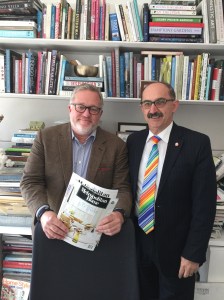
TurnerandHusni Samir Husni: How does it feel to produce a magazine that when you began, your name was at the lowest end of the masthead, but it’s now at the top of that masthead; how does that feel to you?

Newell Turner: Right, I was at the lowest rung. (Laughs) I show my editorial assistants now; look, I didn’t even have a title when I started on the masthead; I was below the address. So, stop complaining about titles around here. (Laughs again)

There are moments where I’ve thought about it; I feel a huge responsibility to it, because as you know, in the beginning I was there with Dorothy (Kalins), who was the founder of the magazine, and the magazine had such a passion, back to that word again that I feel like we’ve really tried to infuse this with. And I wanted to bring that passion, not only for the magazine, but to build a passion with the audience for the magazine.

And I think that’s what Met Home had done so brilliantly. In the beginning it developed a relationship and an audience with the Baby Boom generation, and now we have this opportunity to do it for the next big group, meaning Gen X and first-wave millennials.

But to answer your question; it’s kind of astonishing. (Laughs) I like to tell people here, especially the youngest editors, who all today want a new title and a promotion after their first involvement in a story, way before they even produce a story by themselves; I tell them to keep putting one foot in front of the next and look at what can happen, just hang in there.

So, 30-plus years later, I got to bring back this magazine that started my career. And as I told Dorothy; we had spoken a couple of times about it and I had sent her a couple of issues, and I said that I really saw myself as going back to the DNA of the brand and rebuilding it from there, as opposed to where it was when it died. And she wrote me a really wonderful email back about that, because I feel like the magazine had kind of lost its position. It’s called Metropolitan Home, but most of the houses were suburban and country and weekend houses.

I wanted to bring it back to being very urban and more contemporary and that’s really coming right back to the heart of what it was in the beginning.

Samir Husni: For those who don’t know the history of Metropolitan Home; it started as Apartment Life.

Newell Turner: Yes, it did. We don’t have an exact date, because it didn’t have a frequency.

Samir Husni: Yes, it was an SIP from Better Homes and Gardens.

Newell Turner: Yes, and it was the early 70s, maybe ’73 or ’74, and it was Apartment Life for a while. We kept that rubric, the phrase Apartment Life is still the rubric; it’s our small space column, and we’re just really going back to the brand and looking at what it was and what it wanted to be, and seeing a void in the market for that very concept. And that’s what really happened.

Samir Husni: Can you recreate for me that moment when the hierarchy, whether it was David Carey or Michael Clinton who said first that they wanted to do this, to relaunch Metropolitan Home?

Newell Turner: Well, it didn’t happen quite like that. (Laughs) When we bought Lagardère, I emailed David (Carey) the next day and said, hey, by the way, did we get Metropolitan Home, which it had been a part of the company, but it had been closed. And he said that he had no idea, because we had gotten a huge amount of property content when that purchase happened, so many real magazines, but then a lot of archival material as well.

About a week later he emailed me back and said yes, we did get Metropolitan Home and that was right about the time that I was reorganizing or creating the Hearst Design Group. So, it was immediately on my horizon as an opportunity to grow the Group in a few years. But about a year and half ago Michael Clinton came to one of our issue previews and said, hey, by the way Newell, what about Metropolitan Home? (Laughs) I said, well, it’s on my horizon. And he said that he thought there was a white space for that market and we should look at it.

And that’s when Kate (Kate Kelly Smith) and I started thinking about and considering what we could do with it. From the business side, we were very careful not to create a product that would cannibalize the business of our other magazines in the Group, but instead, build something that would add to the portfolio and I think Met Home is going to play a big role in that, because we do a lot of cross-magazine sales to advertisers. We want advertisers to come to us with all of their advertising dollars and then let us cover the world for them in the shelter/decorating category.

So, that’s how it started really. Michael said let’s look at it and do it as a pilot, which is a new concept as far as I know; it’s new here at Hearst. It’s basically the same concept as it is in television. You create a product; you put it out there; you see how advertisers and consumers respond to it.

With advertisers, we sold out of ad pages, which was terrific. We did a consumer interest survey back in October; again, with no product, with no pages or images to show people, just testing reader memory of the title, Metropolitan Home, and also readers’ interests in contemporary and urban content and a magazine that would focus on that.

Interestingly, the results that came back aligned almost exactly with the demographic that we had theoretically gone out to capture. And that’s the median age of 38; household income of $150,000 and up; female/male ratio of like 70/30. All of which are very different from our other magazines, most shelter publications have a median age of readers in their 50s and the household income is much lower, except for Veranda, which is the highest in the category at around $124, 000 per household and then a much younger readership of 38.

The response rate of people interested came in at a median age of 38 for Met Home. So, that was a real strong indication that we were on the right path with something that we were creating. And then like I said, we didn’t have anything to put out there, we were just selling it with this brochure. And with advertisers, everybody was trying to figure out who and what the millennials are.

We started out, I would say, talking a little more millennial, but then as it evolved we realized that it’s Gen X that’s coming first, and they’re in their 40s and the ones who are really beginning to make serious decisions about homes and purchases for their homes. And in the process of going right at them, also build a relationship with the first-wave millennials.

I don’t know how much you’ve read about millennials, but everyone tends to talk about them as one big group, but there’s really a first and a second-wave, just like there was with the Baby Boomers. And the first-wave is in their 30s and they’re starting to make some purchases. Unfortunately for us, decorating is probably the last item on the disposable-income list of where they’re going to spend money, long after food, entertainment and clothing, but by their late 30s and 40s, most people are starting to make enough to at least think about some purchases for the home, if not make their first actual home purchase.

Samir Husni: Your group, the Design Group at Hearst, was started as an experiment, in terms of appointing one person, you to handle the group; you were heading three magazines and now you have four. They’re applying the same formula with Jay at Town & Country and Esquire. Is this the future, doing more with less? And how do you manage to handle all four titles now?

Newell Turner: First of all, you have great people (Laughs), you hire really good editors in chief, because the editors in chief are the ones still primarily responsible for their magazines. As a group, both as a business and as a product going out there and creating content, we have much more strength as a group than we do individually.

So, we are doing versions of this throughout Hearst, but we’re the only group that is truly integrated. None of the other groups are as integrated as we are, staffing-wise and production-wise.

As you know, we have three core teams, one for each magazine, of about six people per team. And then we have three large departments that work across all three magazines. We just decided, and I decided especially, that we’re going to have to take big steps if we’re going to get anywhere with this integration. We’re going to have to make big, bold moves and some things are going to work and some things aren’t. If it doesn’t work, we’ll step back a little bit, but as David has said, we’re never going back to where we were in the beginning.

And it was those big moves out of the gate that really got us to where we are and got us as integrated as we are. And really this integration, I think, is the future because our entire process of magazine making was antiquated on one hand, but yet working with all of the latest tools of the industry on the other. And no one had ever really stopped and asked: we have this to do it with, but we’re still doing it that way and does that make sense?

So, we had that rare opportunity that Hearst gave us to stop and literally just take it apart and scrub it is the best way to describe it. And honestly, it’s the first time in my entire life or my career that I’ve had a job description. There were no job descriptions in any of the magazines. And we wrote job descriptions for people and that may sound old-school, but it’s actually imperative for people so they can kind of understand what they do, especially now that we’re this integrated, because we’ve really cleaned up jobs, so we’ve really enabled people to focus on what they do and do best.

At the same time, the tools that we use have enabled people to do more and by that I should say that we’re going to be doing some new implementations here that are based on a model in Spain that we’re just starting to look at. But it’s really going to take advantage of the tools even more. To make what our employees are doing now work better.

Everything is changing so fast; it’s like today you’re doing it this way, and then two months later there’s a new way to do it and it’s a better way, but you’re still kind of holding on to some of the old ways and trying the new ways. You end up with these very overly-complicated processes that are neither here nor there and don’t work either way to their max.

Samir Husni: In this sea of change, what’s the only constant besides change?

Newell Turner: What’s the only constant? Hopefully, beautiful content and beautiful products. I hope creativity; I actually want to believe that creativity is going to grow out of all of this. What we’ve already done is engage people in new ways.

So, someone that typically edits just one magazine, and has for years, you want to keep your good employees, but year after year, they’re editing the same magazine; it’s got to get boring. And I’ve left jobs because I thought what I was doing was all I could do.

Now this person that I’m kind of making up is editing across all three magazines and during every monthly cycle is engaging in different ways with different core teams, different content, different voices and it just keeps the job interesting. And even though it’s more streamlined, there’s more variety and interest in it. Even people that we’ve had leave after we’ve done this have said this has been the most engaging and interesting experience of my career.

It’s worked really, really well. And it’s worked on all fronts, from the business side to the editorial side. We’ve had parts of it where employees have gone through a lot of changes, where staffing has changed. But for the most part we’ve pretty much held together.

Samir Husni: When that first issue of Met Home landed on your desk…

Newell Turner: I didn’t want to look at it anymore. (Laughs) I was tired of it already. I was already thinking about the next issue.

It makes me very happy to see it. I look at it; it looks very new to me, but it also looks very familiar as the magazine that I started at. It was also fun to work on because it was really only four of us working on this project full-time, and so I played many roles. I got to do everything from assigning, copy editing, pulling products for product stories, and it was fun to reengage on all of those levels.

I also think it’s healthy for me to reengage like that, because it reminds me of what people are actually doing and it helps me see how they’re jobs are working, where maybe I’ve been asking too much of some people, and where some people can do more.

And I want more creative voices writing for the magazine. There’s no reason we should be working with the same people over and over again. This gave us an opportunity for me to prove that you can bring in new voices and you don’t have to be this slave to some mythical voice that really isn’t a voice at all. It’s been so home that there’s no voice to it anymore.

We were looser in the editing process; we intentionally didn’t over edit people in putting this together, because I wanted to make the point to some of our team that you don’t have to work copy so hard, especially when you’re hiring great people to work for you and write for you. Let their voices come through.

We used Met Home and we’re still using it as an opportunity to try things and demonstrate things for the other magazines in the Group.

Samir Husni: Is it Newell’s passion from the heart, the “At Last” phrase on the cover?

Newell Turner: “At Last?” No, that’s for all of the people; the Facebook fans that have a following. I think there is a club called “We Miss Met Home.” It is a little bit for me, I suppose, “At Last” it’s back. I was very sad when it closed. I felt like it had just drifted for a long time with not a lot of effort put into it. And for something that had begun with so much passion and such an exciting staff, to see it drift and just fade away when it died was really sad to me. So, it is exciting to bring it back.

What’s more exciting though than it actually being Met Home is that it’s a magazine. And it’s really just starting what I want to push more, that artistic side of magazine making, not just cranking out a product on an assembly line, but finding ways to be artistic with the product. I think that’s what is going to set us apart from everything else that’s out there. We are an experience and we have to be more of that than ever now.

And weirdly, that’s just back to the beginning of magazine making. It’s where magazines started, as beautifully crafted, specially-made, limited production products.

Samir Husni: I still remember your design assignments from class, where you always differentiated yourself from the rest of the class technically, in terms of your artistic abilities and drawings of those images in your head. Is that the future of magazine publishing?

Newell Turner: Yes, I think that we’re not an algorithm, gathering product like so much of the content on the web is. I’m also going to say more and more that I could care less about three trillion eyeballs seeing this. I would much rather have 300,000 and 800,000 readers. I think a smaller, special, more passionate audience is the future.

I also feel really strongly about this, and I don’t even know if it relates to the conversation, but we have got to charge what we’re worth and stand by that price. We’re $9.99 on the newsstand and I’m not embarrassed about it. I don’t think that we’re going to have any issues with it, knock on wood. If we move forward and start with subscriptions, I don’t want discounted subscriptions. I received something out of my Instagram feed from Condé Nast Traveler‎, beautiful cover, six issues for $6, that is the most depressing and sad thing that I’ve ever seen. If we don’t value what we produce, then why do we expect the consumer to value it?

And that’s not in just magazine publishing, that’s in real estate; that’s in everything out there. And we have got to value it and charge what it’s worth and I think consumers will appreciate it then.

Samir Husni: What do you believe is the power of print in this digital age?

Newell Turner: Well, I’m multiplatform, so let me say, I’m an avid subscriber to Texture and I think that’s partly because I like to be able to get a magazine the moment I want it and not have to go in search for it on the newsstand.

The art side of me, the passionate side of me, loves the feel of a magazine. And I love the experience of holding it and studies say that people retain more when they’re holding a magazine. I think that what’s wonderful today is that as a journalist we don’t have just one platform to tell a story on and I feel like we in print are only just beginning to understand the opportunities on all of the platforms. And not just doing a video because you can do one on the website, but how do you tell a story on Snapchat? And not only how do you tell that story, but how do you make one that makes sense for Snapchat and your subject? In our case, a shelter/decorating magazine.

To me, the many platforms that we have to play with and the way that we can integrate them together and have them function independently are really exciting to me.

Samir Husni: That’s one of the things that I teach now-a-days, that media companies have to be platform agnostic. But you have to keep in mind that some of our audiences are platform specific.

Newell Turner: Much of our audience is still platform specific. I just think that in the digital age people are more attracted to tactile things than ever before. And I think that’s going to play to our advantage as the print platform, that desire to touch. That’s why we’re all playing with varnishes and textures on our covers to increase that sense of tactile quality.

I believe the digital age allows for many wonderful things, but it also makes us so disconnected from reality in the digital platforms that to come back to this (print) is very special. And that’s what it should be actually.

Samir Husni: Is there anything else that you’d like to add?

Newell Turner: I want to believe that we’re only just beginning to experiment and push the creative side of it. I had wanted to do more and I think that we’ve done a lot in this issue, but I really want to push that and play with it more, whether it’s a combination of special papers or really tapping into the creative photography and writing, I really want to push all of that.

I’ve used the analogy to HBO so much that it’s kind of boring, but we really have to be an amazing product like the HBO product is. Something that people are willing to pay for, and then enjoy the process of telling the stories the way you want to tell them, and not feeling like you have to win everybody with your first issue. Taking your time and pacing the magazine.

Samir Husni: If I showed up at your house one evening unexpectedly, what would I find you doing; reading a magazine, or your iPad; watching television, or something else?

Newell Turner: Consuming media on multiple platforms simultaneously. (Laughs) Watching television, usually something I recorded, because I can’t stand the commercials and I fast forward through them, reading a magazine or a newspaper with my iPhone or iPad at hand, either looking up or going back and forth, reading things on different subjects.

Samir Husni: Any final words of wisdom to the students majoring in journalism at your alma mater, Ole Miss?

Newell Turner: Yes, no job is too small. And getting your foot in the door is everything, and then being patient, and hopefully finding good mentors. I’ve had good mentors and I try to be a good mentor to my staff here. And I think that’s a wonderful aspect of business and our business in particular. And this is really important; I told one of my staff when I left another job, I said the one piece of advice I could give you is never burn a bridge, because in this business, we cross paths over and over again. It’s happened too many times. So, never burn a bridge in this business because you’re going to be working with people again and you don’t want to have that problem.

Samir Husni: My typical last question; what keeps you up at night?

Newell Turner: My iPad; I go to bed with the iPad. I start reading and then I just can’t stop and it goes from one thing to the next. I’m not worried about publishing and that may sound really cocky and over-confident, but I really do feel like there’s a future for the size and the kind of magazine, not specifically Metropolitan Home, but this kind of focused magazine. I believe there is a real future for it.

So, I’m not really worried about publishing. I think people are always curious and want to know more; people want to better their lives, it’s the American Dream, to have a better life. And we are one of the best platforms and products to help them get there. We’re kind of built into the American Dream. We believe in knowing everything and we want to have a better life and magazines provide the best way to get that.

Samir Husni: Thank you.