Archive for the ‘Magazine Power’ Category

h1

The Magnolia Journal Celebrates One Year Of Publishing Success – Proving The Power Of Print Is No Longer Under Debate – The Mr. Magazine™ Interview With Christine Guilfoyle, Senior VP, Publisher, Meredith National Media Group…

October 19, 2017

“I have spent my entire career in the print brand space, and frankly, when you give consumers what it is that they want in a space where a specific niche is being filled, there is obviously success attached to that.” Christine Guilfoyle…

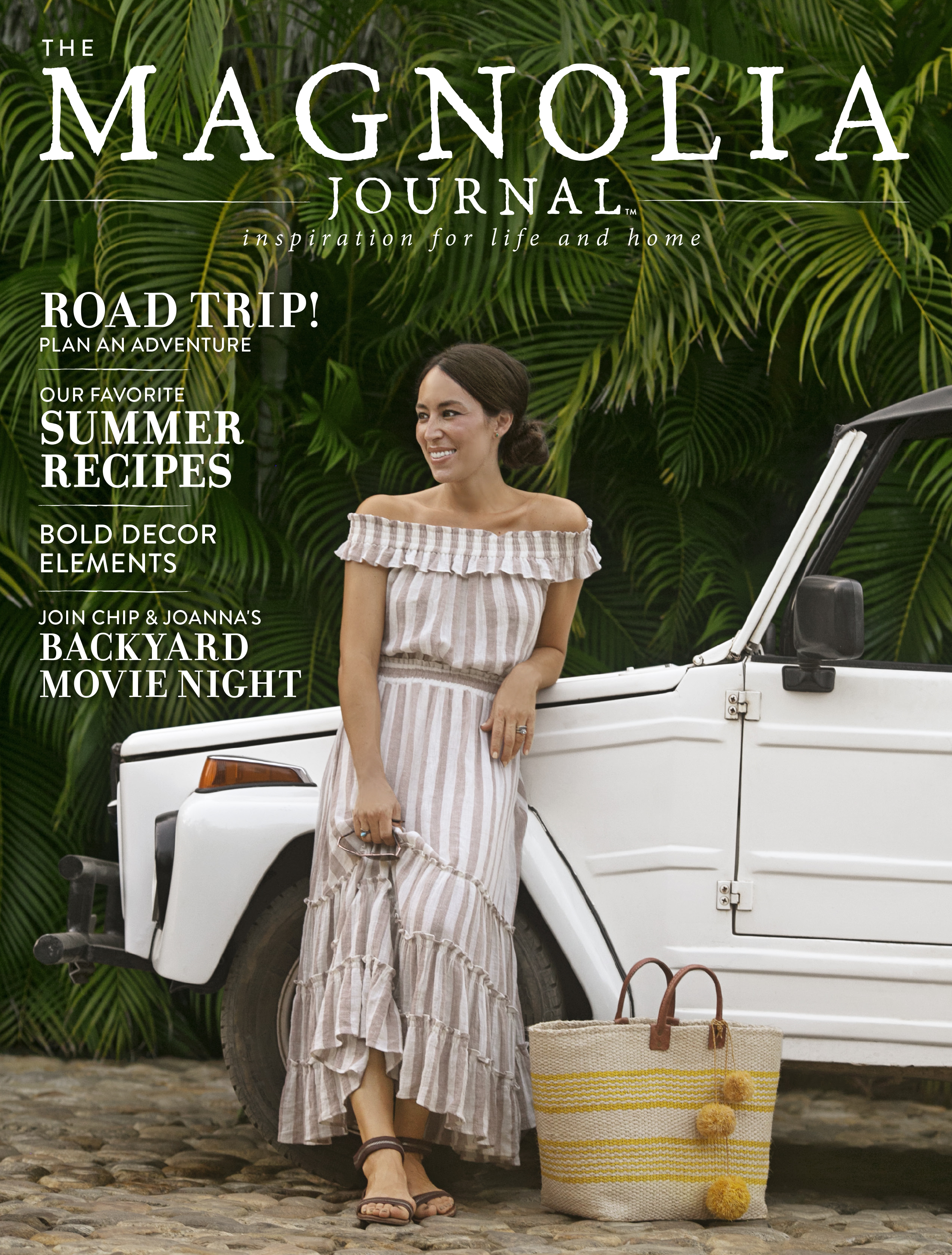
Almost one year to the date, I spoke with Christine Guilfoyle, senior VP, publisher, upon the launch of Meredith’s then brand new title, The Magnolia Journal. At that time, no one really knew the phenomenal success that the magazine would enjoy, in really less time than you could say, Chip and Joanna Gaines, but it did. The ink on paper magazine debuted in October 2016 as a newsstand-only title with an initial run of 400,000 copies and a cover price of $7.99. Within one week, it had sold out certain places across the United States, and was going back to press.

Not hard to see, when you have the right print product, consumers are as anxious to embrace ink on paper as they ever were. It’s as I’ve always said, publishers don’t have a print problem, they have a content problem. There is nothing wrong with the delivery of ink on paper, but instead, it’s what is being put on that paper.

But with The Magnolia Journal, there are definitely no problems with the content inside the very auspicious magazine, nor the Magnolia brand that Chip and Joanna Gaines brought to Meredith. And even though their very popular TV show, “Fixer Upper” is ending its run with this next season (by the Gaines’s choice), number Five, which airs in November, they are by no means slowing down with the Magnolia brand.

According to Christine Guilfoyle, it’s really quite the opposite. I spoke with Chris recently and we talked about the dynamic duo that make up the Magnolia brand, and the couple’s insatiable desire to connect with their audiences, across all platforms. She is convinced that the magazine, an integral part of the empire the Gaines’ have created, has only just begun and still has many plateaus to reach before it gets to the top of the mountain. And while the TV show may be a thing of the past for them, it only opens more doors for the time to do other projects, and move the magazine forward into its very bright future.

After one year, Chris is still as excited as when she spoke to me last October. When I asked her what she thought she would tell me a year from that first interview about whether she would be as positive and upbeat about print publishing as she is today, part of her answer then was: “I can’t imagine, honestly, that I will ever really run out of enthusiasm, even if you told me that I had to do it for 22 more years versus 11, because I think you create your own opportunity. You surround yourself with smart people of all ages and levels of experience.”

And one year later that enthusiasm and positivity is still just as strong as ever, especially when it comes to The Magnolia Journal. So, I hope that you enjoy this conversation I had with a very special and wise lover of print, Christine Guilfoyle, because it’s a given Mr. Magazine™ did.

But first the sound-bites:

On why she thinks The Magnolia Journal is surpassing everyone’s wildest print dreams in this digital age: As you know, I have spent my entire career in the print brand space, and frankly, when you give consumers what it is that they want in a space where a specific niche is being filled, there is obviously success attached to that.

On The Magnolia Journal being launched from Meredith’s Core Media, only to become part of the Mothership after the first two issues with Christine herself overseeing the sales: It was always me and it’s still part of our core business, so I would say that this is a bit of a hybrid. The management team, Scott Mortimer, from a lead publisher’s standpoint; he manages that group, but I was assigned the sales responsibility for The Magnolia Journal from the very first issue. And actually, for the first issue it was just me, so who knows how it became successful with just my one extra set of hands.

On the magic Meredith used to translate two human beings, Chip and Joanna Gaines, and their personalities, into an ink on paper magazine so successfully: Here’s the thing; it has nothing to do with what we were able to do, it really has to do with how incredibly involved the two of them are. And really, let’s face it, it’s Jo. Chip appears, he has a column, but the magazine is really her labor of love. It is her ability to translate all of her passion and enthusiasm around things that she loves: her family, the celebration of holidays, being grateful and hospitable; all of those types of things are translated into the magazine in her voice.

On whether she had to do any recalculating or rethinking when all of the celebrity editors came onboard at Meredith: I think the thing is with each of those celebrities they’re integrated into the family, but in the way that works the best for them. So, I think it’s more individualized versus democratized.

On the future of the magazine and whether she feels there’s still more climbing to do with the brand or they’ve reached the top of the mountain: For The Magnolia Journal, I feel like we’re just getting started. We haven’t even reached the base camp yet. We just closed the fifth issue, which is November. Chip and Joanna announced their Target partnership; they announced that Season five is the last of their TV show. But believe me, they’re nowhere near retirement. And I think it’ll be very interesting to watch them grow and develop new ways of connecting with their consumer constituents.

On whether they will increase the frequency of the magazine from a quarterly: At this point we are continuing with the quarterly frequency, so we’ll do four issues again next year: February, May, August and November. And each one of those issues has a theme, like we had this year. So, it’s intentionality, curiosity, generosity, and contentment. Every issue has a theme, and the content; when Jo sits with the editorial team, it brainstorms around that theme, and then that package is delivered to the consumer.

On whether she feels her job is different now than it was five or 10 years ago: Oh my, are you kidding me? Absolutely! There is hardly anything the same about my job. If you think back to 2005 when I was launching Everyday with Rachael Ray, which at the time was also only two people, Tracy Hadel and myself. I don’t think I can launch a magazine without a Tracy. (Laughs) How we launched Rachael Ray, and it was a different company then, Reader’s Digest, but similar family values under Mr. Ryder (Thomas Ryder, CEO, Reader’s Digest), as The Magnolia Journal is under Mr. Lacy (Steve Lacy, Chairman and CEO, Meredith), it was completely and utterly different.

On the launch of Everyday with Rachael Ray (Now Rachael Ray Every Day) at Reader’s Digest: When I think about the launch of Everyday with Rachael Ray at Reader’s Digest, we were a very small, but mighty team, and I think the company’s senior management took the launch very seriously, but it seemed the majority of the workforce that worked on Reader’s Digest did not really take it seriously.

On The Magnolia Journal’s current rate base: It’s currently 800,000 and that is our first claimed rate base, and we claimed that in August. And we’re holding that rate base for August and November. And then we’re increasing our rate base in February to 1.2 million.

On anything she’d like to add: I just think that you have to be open to the situation and the circumstance that you’ve been dealt, and use your past experience to help and guide you, but not specifically to set the rule book for you.

On what she would have tattooed upon her brain that would be there forever and no one could ever forget about her: Don’t take anything for granted.

On what someone would find her doing if they showed up unexpectedly one evening at her home: It’s so interesting; my oldest daughter just went off to college, so I only have one teenaged daughter home, who is 16, and I have to tell you, I don’t know what to do with myself. I said to my husband recently, I can fill my Saturdays with normal things that women do when they’re not working: cooking, cleaning, friends, etc. But when I’ve done all of that on Saturday, for Sunday, I need to find a hobby. I’m tortured with not knowing exactly what to do with myself. (Laughs)

On what keeps her up at night: The disruption that is taking place in the media industry keeps me, and anybody who is employed in it, up at night for a variety of reasons. Are we challenging ourselves? Are we prioritizing our time and resources? Do we have the right talent? If we do, in fact, have the right talent, are we showing them that we appreciate them enough and giving them every opportunity? There are lots of things that keep me up at night, that’s for sure.
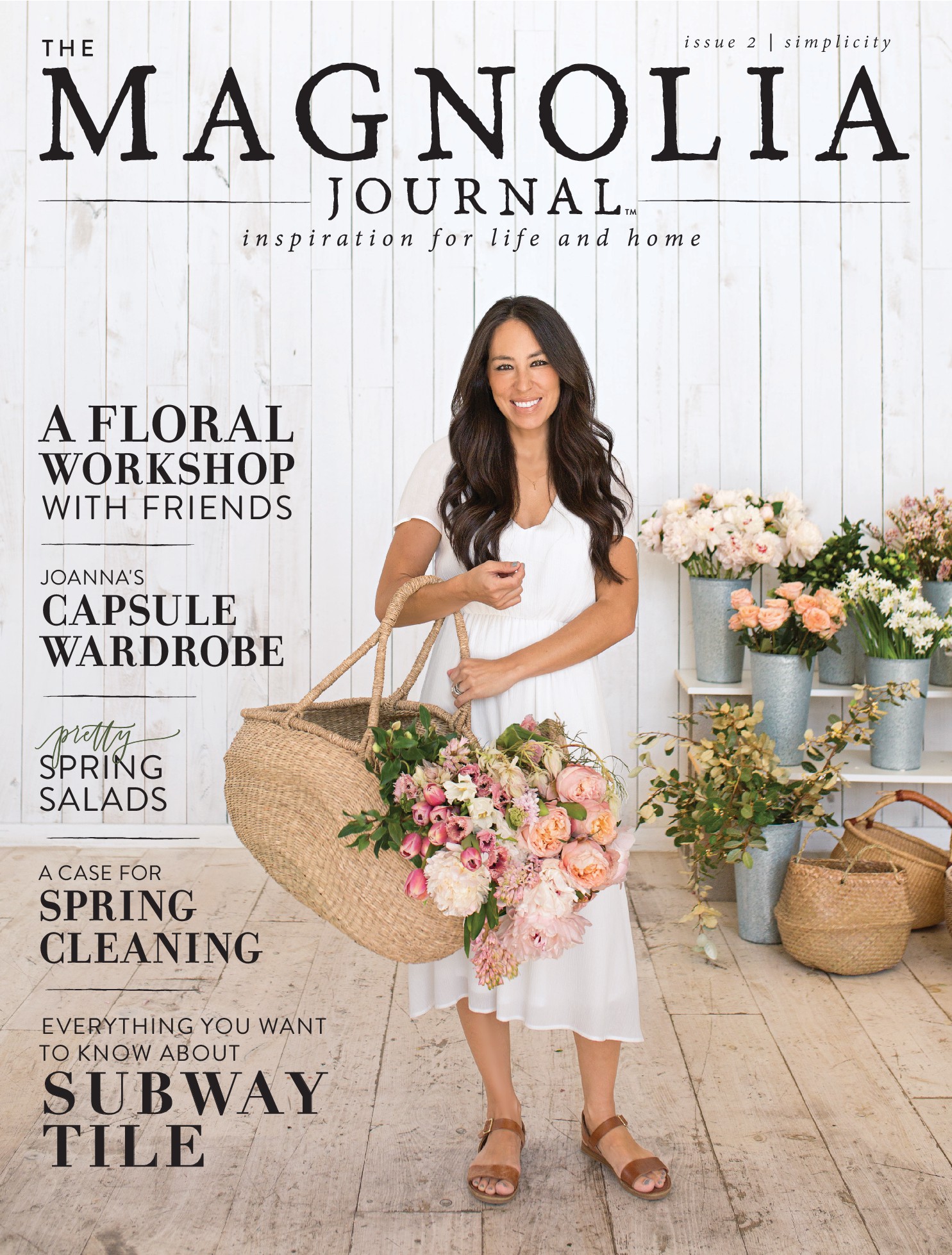
And now the lightly edited transcript of the Mr. Magazine™ interview with Christine Guilfoyle, Senior VP, Publisher, Meredith National Media Group.
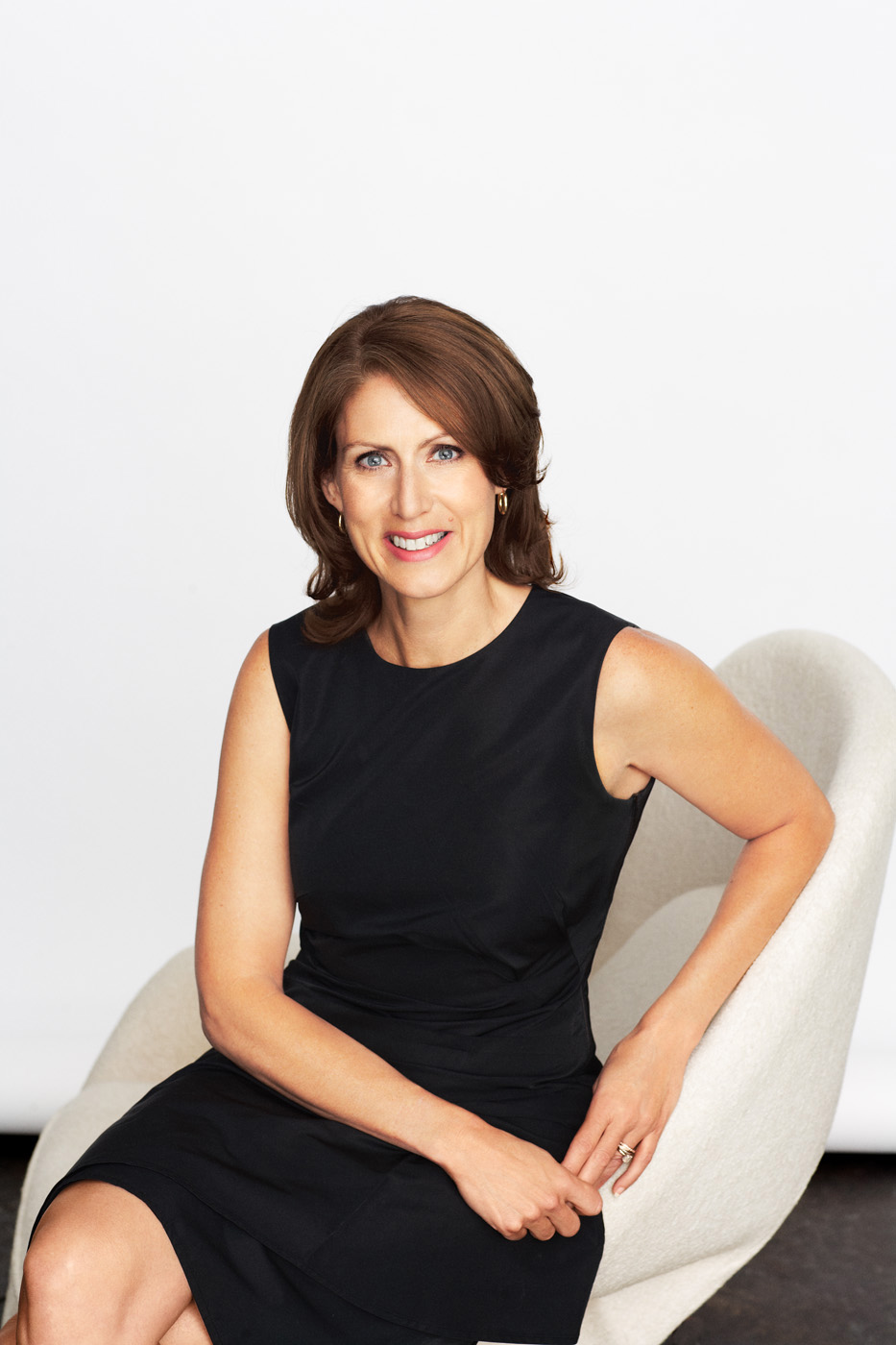
Samir Husni: I received a phone call recently from a friend of mine who owns a midsized magazine company and he was telling me that everyone working for him was declaring there was no future for print; he better sell the company because he isn’t going to make any more money in print ever again. And of course, the first thing that popped into my mind was The Magnolia Journal. So, what gives, Chris? Why is The Magnolia Journal, a print magazine, surpassing everyone’s wildest dreams in this digital age?

Christine Guilfoyle: First of all, I have 11 more years until I can retire, so I hope those people who told your friend all of that are completely and utterly wrong. And as you know, I have spent my entire career in the print brand space, and frankly, when you give consumers what it is that they want in a space where a specific niche is being filled, there is obviously success attached to that.

And you can look at that thinking with Martha Stewart; with Rachael Ray; with Oprah Winfrey. You can look at it in the continuing production of bookazines and specialty titles, such as WholeFoods Magazine or Kraft’s magazine. So, to the very broad or to the very niche, if you provide consumers with something useful and entertaining, I believe there’s a market for it.

Samir Husni: The Magnolia Journal was launched from Meredith’s Core Media and then after the first two issues, it immigrated to you and now it’s part of the Mothership. Is this the new business model today when launching a magazine?

Christine Guilfoyle: It was always me and it’s still part of our core business, so I would say that this is a bit of a hybrid. The management team, Scott Mortimer, from a lead publisher’s standpoint; he manages that group, but I was assigned the sales responsibility for The Magnolia Journal from the very first issue. And actually, for the first issue it was just me, so who knows how it became successful with just my one extra set of hands.

And at that point, I was overseeing Better Homes & Gardens and Martha Stewart Living at the time. And you’re right, the first two issues were to see if there was going to be consumer want for the magazine. And I think when you and I spoke a year ago, ultimately, we weren’t sure that the consumer was going to respond to a paid product, and a premium paid product to that end; it’s $7.99 on the newsstand and the sub offer is four issues for $20. So, we wanted to make sure that the consumer, who received a lot of Chip and Jo and Magnolia content for free, was actually going to step up and pay for it. We had a pretty good hunch, just like with Allrecipes, which also if you’ll remember, was completely free content that we curated and charged the consumer for, and there has been a great success around that product as well.

So, the first two issues worked, and they worked incredibly well. And obviously, we renegotiated our contract and said yes, we’re in this now, and let’s move forward and build toward being a rate based model. It’s still managed out of the Core Media Group, as it relates to content and distribution and P&L oversight. But from a sales and marketing standpoint, I manage it here in New York, and the team is incredibly lean; incredibly. There are two dedicated sellers, myself and one other seller who is an ad director, Tracie Lichten. And then one marketer, Tricia Solimeno, who is dedicated 100 percent. And really, the rest of it is good Meredith family values; everybody helping out their sisters.

Samir Husni: (Laughs) No room for brothers?

Christine Guilfoyle: Oh, we’ll take brothers, not just sisters. It’s a non-sexual orientation world nowadays. (Laughs too) You are always welcomed.

Samir Husni: Chip and Joanna Gaines have departed from HGTV, yet they’re on the cover of People this week; they’re on the cover of HGTV Magazine this week; everybody talks about them, and every now and then they appear here in Oxford, Miss. on campus, in our Grove at Ole Miss, what’s the magic that you used to translate two human beings into an ink on paper magazine so successfully?

Christine Guilfoyle: Here’s the thing; it has nothing to do with what we were able to do, it really has to do with how incredibly involved the two of them are. And really, let’s face it, it’s Jo. Chip appears, he has a column, but the magazine is really her labor of love. It is her ability to translate all of her passion and enthusiasm around things that she loves: her family, the celebration of holidays, being grateful and hospitable; all of those types of things are translated into the magazine in her voice.

We were able to do that because, guess what, it’s her voice. She is incredibly hands-on, active, and involved in not only the planning stages, but all the way through until the magazine is sent to the printer.

Samir Husni: We read a lot today in the media about all of these celebrity editors, but for years, no one knew who the editor of Better Homes & Gardens was; it was more about the brand than the person at the helm. But now you’re dealing with quite a few, whether it’s Martha or Rachael or Jo; did you have to do some recalculating or rethinking when all of these celebrities came onboard, or everyone is still one big Meredith family?
Christine Guilfoyle: I think the thing is with each of those celebrities they’re integrated into the family, but in the way that works the best for them. So, I think it’s more individualized versus democratized.

I do agree with you that in the past all brands here at Meredith were about the brand and not necessarily the editorial voice that was behind it. But frankly, many of our brands are traditional media brands and that’s what the relationship was between the content and the consumer. And nowadays, just look at Liz Vaccariello at Parents, or Stephen Orr at Better Homes & Gardens, or Cheryl Brown at Family Circle; these are editors in chief that have their own social platform. And as a result, their voices are being heard as individuals to support the brands.

So, I think that we have shifted toward there being a better understanding of who the editors are, because of where the industry and the consumer has gone. That has happened naturally with our heritage brands. And in this instance, like the Rachael Ray and the Martha Stewart instances, those people had a relationship with consumers already, so we wanted to make sure that we were enhancing that experience, and have the experience be additive, and however that worked for them best personality-wise. Not necessarily what was our model.

Samir Husni: You mentioned that you still have 11 years before you can retire.

Christine Guilfoyle: Yes, but my husband would argue with that. (Laughs)

Samir Husni: So, for the future – do you think you’re at the top of the mountain now and you’re going to hope that it’s like a tabletop – flat and holding steady, or do you feel there’s still more climbing to go?

Christine Guilfoyle: For The Magnolia Journal, I feel like we’re just getting started. We haven’t even reached the base camp yet. We just closed the fifth issue, which is November. Chip and Joanna announced their Target partnership; they announced that Season five is the last of their TV show. But believe me, they’re nowhere near retirement. And I think it’ll be very interesting to watch them grow and develop new ways of connecting with their consumer constituents.

For example, recently was their “Silobration” at their Magnolia Market in Waco, Texas. And although I was not there, I watched the video and members of our management team were there, and there were double the number of consumers there this year versus last year. And I would almost suspect that will continue to evolve, and where it’s only a day and half event now, it will eventually become a complete weekend or even a full week of activities. I think it probably will. And then they’ll wake up and have a delicious Cinnamon Bun from their Magnolia Bakery, which are spectacular, and when the fog clears by that afternoon, they’ll be planning for next year’s event.

I think they are just getting started. And that’s exciting. They have books that are coming out; Chip is on a book tour for his book now, and I think their book deal was eight or ten hardcover books, something like that. So, that’s a whole other new area for them.

And you mentioned People magazine, they’ve been on the cover three times since we launched The Magnolia Journal and having worked at People magazine, I know very well that the only way you get to be on the cover is if you sell copies at the newsstand. And frankly, that continues to reinforce our position. And by the way, Jess Cagle (editorial director, People and Entertainment Weekly) is also from Texas, so I’m sure he is voting for the hometown heroes. Actually, Jess Cagle and Stephen Orr, the editor in chief of Better Homes & Gardens, are from the same small town, Abilene, Texas, and they went to rival high schools. So, it’s a small world.

Samir Husni: Are you going to increase the frequency of The Magnolia Journal or stick to the quarterly format; stay with that high cover price? What’s the future of the magazine?

Christine Guilfoyle: At this point we are continuing with the quarterly frequency, so we’ll do four issues again next year: February, May, August and November. And each one of those issues has a theme, like we had this year. So, it’s intentionality, curiosity, generosity, and contentment. Every issue has a theme, and the content; when Jo sits with the editorial team, it brainstorms around that theme, and then that package is delivered to the consumer.

And again, I think the whole notion of more frequency, less frequency; at this point, the amount of frequency that we have, quarterly, is what Jo feels comfortable committing to, based upon her high level of involvement.

Samir Husni: I want you to put on your publisher’s hat, your chief revenue officer’s hat, for a moment; let’s say your dispensing advice to students who are future magazine industry leaders, would you tell them that your job now is any different that it was five or 10 years ago?

Christine Guilfoyle: Oh my, are you kidding me? Absolutely! There is hardly anything the same about my job. If you think back to 2005 when I was launching Everyday with Rachael Ray, which at the time was also only two people, Tracy Hadel and myself. I don’t think I can launch a magazine without a Tracy. (Laughs) How we launched Rachael Ray, and it was a different company then, Reader’s Digest, but similar family values under Mr. Ryder (Thomas Ryder, CEO, Reader’s Digest), as The Magnolia Journal is under Mr. Lacy (Steve Lacy, Chairman and CEO, Meredith), it was completely and utterly different.

Everything about the launch was different. I think the only two things they had in common were they both had a celebrity who appeared on the cover and they were both runaway consumer circulation successes. Outside of that, there wasn’t a single thing that I did the same.

Samir Husni: Could you expand a little bit on that?

Christine Guilfoyle: No one has really ever asked me the question like that before, but when I think about the launch of Everyday with Rachael Ray at Reader’s Digest, we were a very small, but mighty team, and I think the company’s senior management took the launch very seriously, but it seemed the majority of the workforce that worked on Reader’s Digest did not really take it seriously.

I think Rachael’s popularity at that particular moment in time, May 2005, if my memory serves me correctly, is when the article was published in The New York Times about Rachael launching a magazine. And there were many people, including all of my contacts at Unilever, remember I had come from Better Homes & Gardens, so I was calling on all of the major national advertisers, People at Unilever did not know who Rachael was. And she had three shows on the Food Network at the time; probably around 10 cookbooks out at the time, she was a celebrated cookbook author, and you couldn’t turn on the Food Network without seeing Rachael Ray.

The difference was that a celebrity at that particular time, and yes, there was Oprah and her show and O The Oprah Magazine, and yes, there was Martha and all of her great extensions, but celebrities on the Food Network or HGTV, they weren’t looked upon or even known to have extensions beyond just what that program was. I know it seems so completely hard to believe.

I knew Rachael before she had met Oprah, before she had her own talk show, just as she was launching her South by Southwest footprint, and we were all under 40. It was a pretty amazing time. In her particular lifecycle and development, at that time, she wasn’t married, and who she wanted to be as a brand was being defined, and the magazine really got to help shape that footprint of who Rachael was and what she was going to stand for. The consumer is who is important to her and that’s the charm of Rachael. If I can do it, you can too; it’s the whole collective girl-next-door thing.

And with The Magnolia Journal, it’s the same, we don’t need to teach Chip and Jo who it is that they are and what it is that they stand for, and how it is that they relate to their consumer constituency. Like Rachael, they are masterful in the dissemination of their own story, utilizing all forms of social and digital to make sure that who it is that they are, what they stand for, their values and business proposition; all of it is so incredibly crystal clear. So, none of the time that we spend with them is about that. We’re here to be a mentor and a guide on how to produce great consumer content in a magazine format. And that’s something that they haven’t done before.

Our go-to-market sale; at Reader’s Digest, there really weren’t corporate deals, there weren’t any sharing of proposals, the targeted audiences were completely different between the Reader’s Digest and Everyday with Rachael Ray. Here at the Meredith Corporation, we work completely in cooperation. Our book of business is quite similar, but our cost of entry, because of the limited inventory not only in the number of ads, but also in the frequency of publication, allows us to put together a very consumer-centric 85 percent editorial, 15 percent advertising, and that is completely and utterly by design.

Samir Husni: What is your rate base now?

Christine Guilfoyle: It’s currently 800,000 and that is our first claimed rate base, and we claimed that in August. And we’re holding that rate base for August and November. And then we’re increasing our rate base in February to 1.2 million.

Samir Husni: Is there anything you’d like to add?

Christine Guilfoyle: I just think that you have to be open to the situation and the circumstance that you’ve been dealt, and use your past experience to help and guide you, but not specifically to set the rule book for you.

Samir Husni: If you could have one thing tattooed upon your brain that no one would ever forget about you, what would it be?

Christine Guilfoyle: Don’t take anything for granted.

Samir Husni: If I showed up unexpectedly at your home one evening after work, what would I find you doing? Having a glass of wine; reading a magazine; cooking; watching TV; or something else?

Christine Guilfoyle: It’s so interesting; my oldest daughter just went off to college, so I only have one teenaged daughter home, who is 16, and I have to tell you, I don’t know what to do with myself. I said to my husband recently, I can fill my Saturdays with normal things that women do when they’re not working: cooking, cleaning, friends, etc. But when I’ve done all of that on Saturday, for Sunday, I need to find a hobby. I’m tortured with not knowing exactly what to do with myself. (Laughs)

Samir Husni: You can always buy some magazines and sit down and read them. (Laughs)

Christine Guilfoyle: Are you kidding me? You know me, I don’t just read them, I sit down and tear sheet them. And that is a voracious hobby of mine. But I would actually say that falls into the work bucket, versus my leisure bucket. (Laughs)

Samir Husni: My typical last question; what keeps you up at night?

Christine Guilfoyle: The disruption that is taking place in the media industry keeps me, and anybody who is employed in it, up at night for a variety of reasons. Are we challenging ourselves? Are we prioritizing our time and resources? Do we have the right talent? If we do, in fact, have the right talent, are we showing them that we appreciate them enough and giving them every opportunity? There are lots of things that keep me up at night, that’s for sure. But I also think it’s a very exciting time, and one that when we come out of it on the other side, which I hope is sooner rather than later, those of us that have persevered, people and companies, will be better for it.

Samir Husni: Thank you.
h1

It’s $4.20 Somewhere… A Mr. Magazine™ Musing…

October 18, 2017

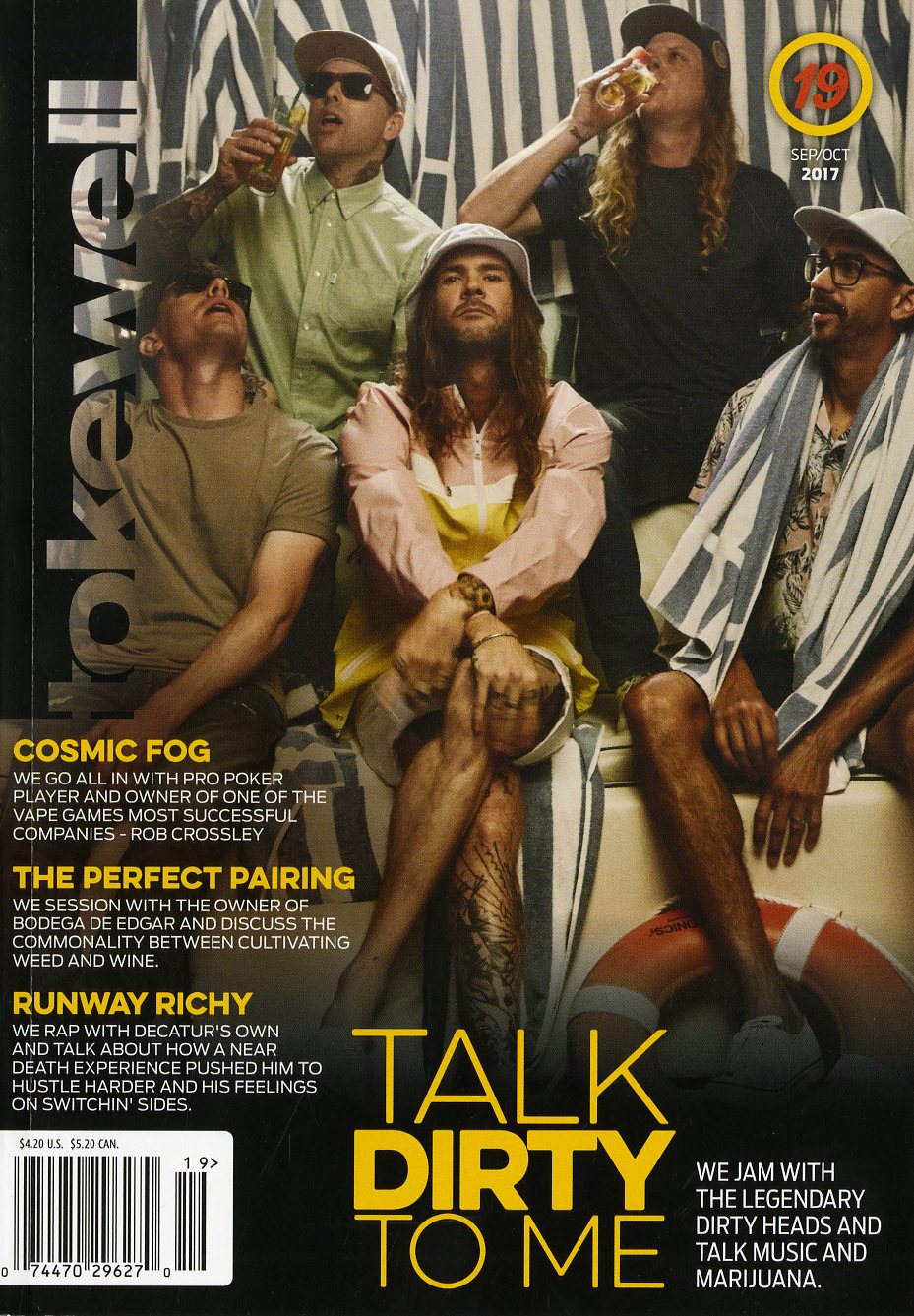
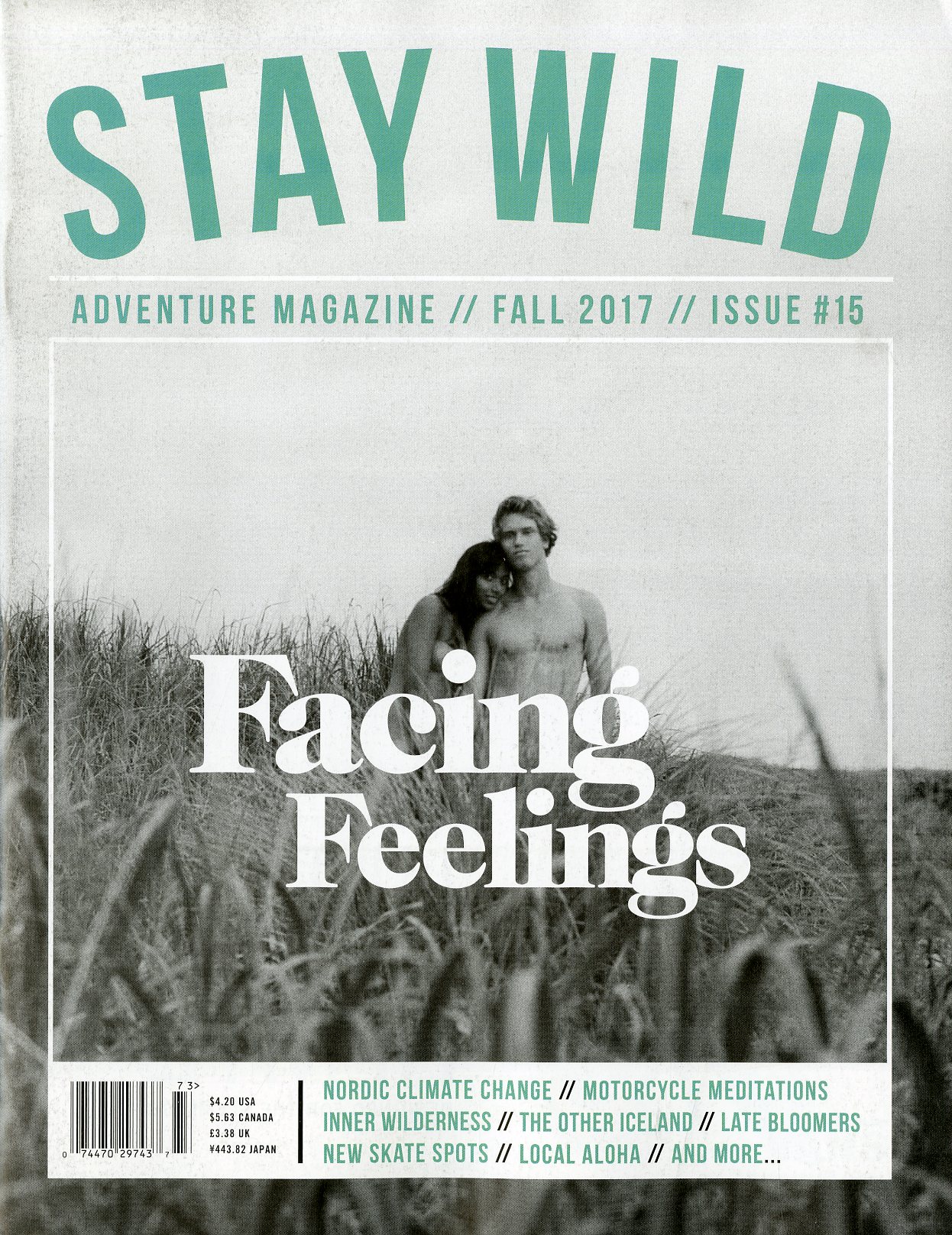
You may judge a book by its cover, but you definitely can judge a magazine by its cover price! Recently, I was at the newsstand, which is of course my second home, when I discovered two magazines that may not be new, but are new to my area of the magazine world: “Tokewell” and “Stay Wild.” Tokewell, based in Alhambra, California, celebrates the cannabis and music lifestyle and Stay Wild, based in Portland, Oregon, proclaims that we should make the here and now beautiful, while the articles explore feelings, climate change, meditations, and personal adventures of every kind.

Mr. Magazine™ has always said that magazines are the best reflectors of our society, and I’m not about to change that statement now. In fact, these two magazines are perfect examples of that proclamation, right down to both titles’ cover price in the U.S.: $4.20.

Just for your information, assuming you don’t know, 420 is a code-term in cannabis culture that refers to the consumption of cannabis, especially smoking cannabis around the time 4:20 p.m., and smoking and celebrating cannabis on the date April 20, which according to an article published on 4/20/10 by the Huffington Post, dates back to a group of five San Rafael High School friends known as the Waldos who coined the term in 1971.

Regardless of the origins of the term, suffice it to say that a $4.20 cover price certainly reflects the times we live in, with cannabis legal in many states, and possibly becoming legal in others soon. So, Mr. Magazine™ is convinced that the publishers of these two magazines decided on that particular cover price intentionally, because it would be a pretty ironic coincidence if it mirrored that iconic term so perfectly totally by accident.

As for the monikers of the magazines themselves, Tokewell is certainly right on the money (pun intended) with its title, and with much of its content and ads leaning toward that “420” lifestyle. Stay Wild, however, is a bit more subtle, with its content aimed at a more natural and open lifestyle, punctuating the heart of the magazine with the self-made statement that “STAY WILD is an ADVENTURE MAGAZINE.” And while the actual mention of cannabis may be missing from Stay Wild, the free-living and anti-establishment aura that infuses it (right along with the spirited nudity you see scattered throughout its pages), certainly lets you know that the outdoor adventures experienced in this magazine are a bit more than mere hunting and fishing.

So, with that, Mr. Magazine™ offers you, the reader, the magazine lover, an opportunity to look in the mirror that exists at the newsstands and find something that best casts your own reflection. And remember…it’s 420 somewhere; you just have to determine what your “420” is.

Until next time…
See you at the newsstand…

h1

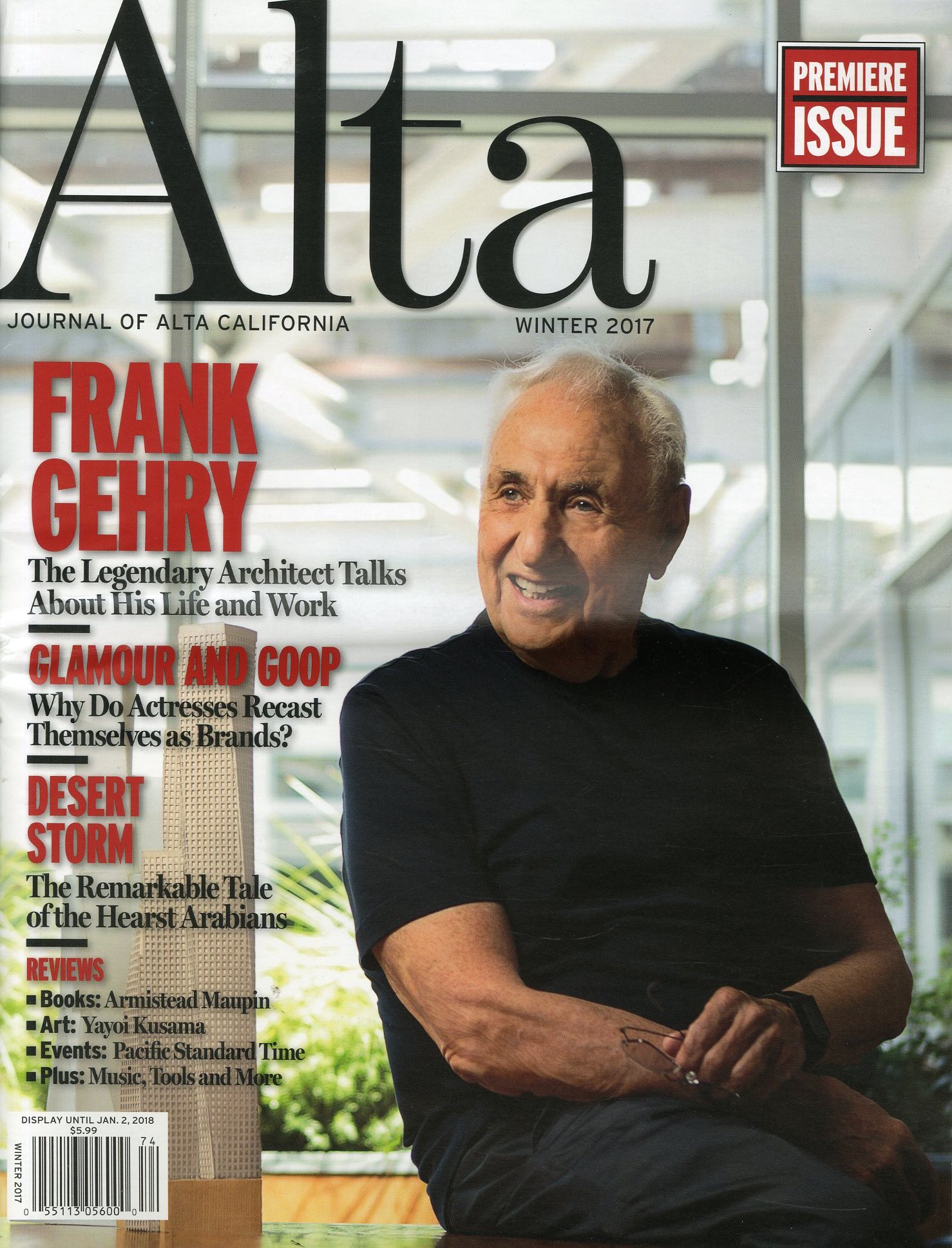
The Journal Of Alta California: A Quarterly Magazine And A Website Launched To Celebrate California’s Culture, Issues & All-Important History – The Mr. Magazine™ Interview With Mark Potts, Managing Editor…

October 16, 2017

A Mr. Magazine™ Launch Story

“I think we started somewhat print first, because that was Will’s (William R. Hearst III) interest, so the magazine was the bedrock and we built from there. The website was built alongside it. But we thought of it in terms of a print magazine, which is weird for me because I’m a digital guy, and I’ve spent most of the last 25 years in digital. So, going back to print was different, but fun and really interesting to create a product completely from scratch like this.” Mark Potts…

William R. Hearst III is certainly someone who knows about publishing and magazines, since his last name is Hearst and absolutely synonymous with anything at all that has to do with the industry. So, to hear that he has launched a new print magazine, along with a website to go with it, is not a surprise, but it is maybe long overdue, especially considering that the “Journal of Alta California” (Alta for short) has been on his mind for about 20 years, according to the magazine’s managing editor, Mark Potts.

Mark is an entrepreneur, executive and consultant who has long been on the cutting edge of the digital media revolution. He has been a leader in the development of innovative strategies and products in online media, created and worked for several startups, consulted to some of the nation’s leading digital and media companies, and has taught college classes in entrepreneurship. Mark also created one of the first electronic news prototypes in the early 1990s, and then co-founded The Washington Post Co.’s digital division and he was a member of the founding team of the @Home Network, where he led the creation of the first consumer broadband programming service.

So, with Mark’s digital background and Will’s legacy in media, the two together should definitely be print proud and digital smart. I spoke with Mark recently and we talked about the magazine and how it is something that Will Hearst is extremely proud of, and that it’s definitely a reflection of the man and not the company. It is his paean to California and provides a fresh, smart take on the issues, culture, personalities, politics, lifestyle, culture and history of California, featuring some of the state’s best writers, photographers and illustrators. The magazine’s website, altaonline.com, will be a daily guide to the best writing about the state from Alta and other sources.

Will Hearst will be actively involved in leading the magazine, and along with Mark and the magazine’s creative director, John Goecke, who has created designs for many newspapers, magazines and digital companies, the future for Alta looks bright indeed.

So, without further ado, I hope you enjoy the Mr. Magazine™ interview with Mark Potts, managing editor, Alta magazine.

But first the sound-bites:

On how it’s different today launching a new magazine media brand than it was in the early days when all you had to worry about was the print magazine: That’s a really good question. You obviously have to think simultaneously, in terms of the website and social media, and to some extent video and audio. We’re pursuing all of those. And obviously the website is up and we’re active on social media. And we’re working on our plans for video, podcasts and audio, and multimedia. So, you have to work through the whole thing.

On his reaction when he received the first print issue: I come from a print background, so print still means something to me. It’s not my primary form of consumption anymore; I do just about everything digitally. But it’s still a nice talisman; it’s still a nice thing to have to put on the shelf or sit on the coffee table.

On why the masthead of the magazine reads like a who’s who list of many different people: That was really Will trying to pay tribute to a lot of people who are friends of his or who he admires. Some of those people have actually been involved in the planning of the magazine, but they’re not active, they’re honorary, especially the inspirations. But it’s just our way of paying tribute to the people who gave us good ideas, either directly or even indirectly, things that we saw them do and said, “Gee, this is somebody who we’d love to have or would enjoy what we’re doing and we want to pay tribute to them.”

On the thinking behind the physical attributes of the printed magazine, such as the oversized format and the comparisons to The New Yorker magazine: When we say The New Yorker for California, we’re talking more about sensibility and about literate, witty, and smart content. I would describe it as 70 percent New Yorker and 20 percent Vanity Fair and 10 percent Spy, trying to get the mix in there. But the oversize is another thing that Will wanted to do as sort of a tribute to the New York Review of Books, which he’s a big fan of, and some other magazines that are that size. He wanted to try something different, maybe get a little more attention on the newsstand with that size, but we could definitely do much better graphics and art, and that’s really important. And the first time that I saw it printed out, we did some dummy copies and I was blown away; it was incredible.

On how he decides what content goes on which platform, print or digital: I think we primarily think in terms of the quarterly magazine, because we can’t publish blank pages, so it’s good to keep things for the magazine. But there’s really a phenomenal story about that; the first story that we put up on the web was written for the web. There are a couple of things that were written for the magazine that didn’t make the magazine, so they went up, but there’s a story that went up, a piece on a mobility score; it’s a little calculator that you can use, you put in your address and it tells you how good mass transit is around your house. And that could never have worked in print; it had to be done online, and that’s why we chose to do it.

On where the name Journal of Alta California, Alta for short, came from: There was a newspaper after the Gold Rush called Alta California. It was one of the first and became very famous; Mark Twain wrote for it. And we have a collection of his letters to the original Alta in the first issue. It was something that Will always admired when he was doing some research in California history, he kept coming across the name and liked the idea of calling the magazine The Journal of Alta California, so the name has always been that, and Alta for short. But it’s a tribute to that pioneering journalistic enterprise of the 1860s.

On defining today’s Alta brand: The last page will always be something that looks forward with all prospects, and it’s always about some piece of technology or something. Every trend starts in California, so we want to identify the trends before they start on that last page. So, we always look forward. But we want to look back too. I think it’s to try and get at the richness of California. Someone sent something very interesting to us in a note recently that really encapsulates this. California is always covered as a place where everything is happening right now, and doesn’t often have a sense of its own history. And we’re trying to remedy that a little bit. We’re not going to overdo it, but there’ll be at least one historical piece in every issue, which is similar to what The New Yorker or The Atlantic does.

On whether the journey of Alta has been a walk in a Rose Garden or there have been challenges along the way: It’s been pretty easy. Will has been talking about this for around 20 years. There’s an amazing collection of memos from famous editors proposing versions of it. He and I started talking about it in 2010. I have notes from 2010 about this that aren’t real dissimilar from what we published. It was just a question of timing and when he wanted to commit the time and the funds to it.

On that definitive moment when they decided to just do it: Believe it or not, that was basically in June. We started talking really earnestly about it around a year ago. We did a prototype in February or March, just to see what it would look like. We had a budget, and the real go-ahead did not come until the first week in June, so we put this thing together very quickly. Once we knew it was there, and given how quickly we put it together, I’m happy with the way it came out. Now, we have a little more time to be thoughtful about it.

On whether he feels in today’s digital world, there is a need for both “slow journalism” and immediate journalism: I know that Will refers to this as slow journalism, and I think in print you definitely want to be more thoughtful and take more time. We do a lot of work with our writers in getting stories just right. You have the luxury of that in print; you don’t have that luxury online, where you have to move a lot more quickly. We’re not covering news, I want to underline that. We’re not about breaking news.

On anything else he’d like to add: One thing that’s important is this is a personal project of Will’s, not a Hearst company project. And this is something that he’s really wanted to do for a long time. It’s a chance for him to take advantage of his legacy on his own terms, and really show his chops as a thinker and a publisher. He’s obviously been involved as an editor and a publisher with Outside magazine, Rolling Stone, and the San Francisco Examiner, which is where he and I first met. But this is really something that’s his. And it very much reflects him; it’s his interests in California and being very literate, and sort of the journalism of the West.

On what someone would find him doing if they showed up unexpectedly one evening at his home: I’m surfing the web. I’m on a digital device, reading everything in sight. Twitter, magazines, newspapers, websites, just whatever.

On what he would have tattooed upon his brain that would be there forever and no one could ever forget about him: I’m really proud of the role I’ve had as a pioneer in digital media. I started the Washington Post electronic division 25 years ago, and got the Post going online when no one believed that any of this was going to happen. I like creating products that make a difference and that last. So, the legacy is that people look back and say, wow, that’s the product that he created and it’s still here.

On what keeps him up at night: Not a whole lot. It’s thinking of stories; trying to find some really interesting stories to tell people about California. But that’s never a huge problem. We have a lot of great freelancers who are pitching ideas and have become sort of an informal contributing staff to us. It’s been a fairly easy launch and a fairly easy existence so far. We’ll see what the second one is like; we’re in the middle of the second one. But so far, if anything, we’re getting better at it, because we’re starting to get some rhythms. It’s been a great experience. It’s been fascinating to create something this elaborate from scratch; to try and figure out what kind of sensibility it has and the kind of voice it has.

And now the lightly edited transcript of the Mr. Magazine™ interview with Mark Potts, managing editor, Alta.

Samir Husni: As the managing editor of the brand, the magazine and everything surrounding it, how is it different today launching a new magazine media brand than the early days when all you had to do was have that ink on paper component?

Mark Potts: That’s a really good question. You obviously have to think simultaneously, in terms of the website and social media, and to some extent video and audio. We’re pursuing all of those. And obviously the website is up and we’re active on social media. And we’re working on our plans for video, podcasts and audio, and multimedia. So, you have to work through the whole thing.

I think we started somewhat print first, because that was Will’s (William R. Hearst III) interest, so the magazine was the bedrock and we built from there. The website was built alongside it. But we thought of it in terms of a print magazine, which is weird for me because I’m a digital guy, and I’ve spent most of the last 25 years in digital. So, going back to print was different, but fun and really interesting to create a product completely from scratch like this.

Another piece of it that I think is really significant, and I’m understanding this better every day, is the role of social media as a promotional device. And what we’re doing with Facebook and Twitter to push the brand out there. We get inundated with shares and likes and all of the other good things on those two platforms. We’ll also do something really interesting, and this is another piece of it; being a quarterly is a very interesting cadence for us, especially for me coming from digital and daily, quarterly seems very slow. How do you keep the brand in front of people in the three months between editions is a big issue and social media is just phenomenal for that, and the website is too, but social especially, because we can publish every day. We can push things out on Twitter and on Facebook daily; we’re putting magazine stories up, obviously; we’re putting some things that didn’t make the magazine and some fresh property up.

And another thing that we do that I think is really significant, and I’m not aware of any magazine ever having done this, is curating other good content; we’re trying to pull together stories from other sources, the kind of stories that we’d run in our magazine if we had access to them. So, if there’s a great investigative piece in the L.A. Times; a really good feature about California in The Atlantic, or a great profile on someone from California in The New Yorker, we’ll put up those as well. We put up about 10 of those per day on the website and promote those through social media. And that’s been fantastic because it allows us to promote this great content that other people are doing; it keeps us fresh; it gives people a reason to follow us, and it helps those brands. So, we don’t feel like a quarterly magazine; we feel like a daily publication.

Samir Husni: When you received that premier issue of the print quarterly, as a digital person, what was your reaction? Did you feel like “wow” or “OK, it’s another magazine?”

Mark Potts: I come from a print background, so print still means something to me. It’s not my primary form of consumption anymore; I do just about everything digitally. But it’s still a nice talisman; it’s still a nice thing to have to put on the shelf or sit on the coffee table. I had read every word of it 15 times before it went to print, so I’m not reading it as a reader, but it’s a cool souvenir.

Samir Husni: Tell me, with this cool souvenir, I look at the masthead and besides the normal suspects, the managing editor and the creative director, you have a who’s who list of contributors, a who’s who list for your editorial board, and a who’s who list for an inspirational board. Why did you and Will feel the need to populate the masthead in this way?

Mark Potts: That was really Will trying to pay tribute to a lot of people who are friends of his or who he admires. Some of those people have actually been involved in the planning of the magazine, but they’re not active, they’re honorary, especially the inspirations. But it’s just our way of paying tribute to the people who gave us good ideas, either directly or even indirectly, things that we saw them do and said, “Gee, this is somebody who we’d love to have or would enjoy what we’re doing and we want to pay tribute to them.”

Will has been talking about this project for 20 years, and he’s talked to a lot of people about it. So, a lot of those folks are people who have guided his thinking along the way as he’s been conceiving this.

Samir Husni: What’s the idea behind the print magazine being oversized? All the comparisons I’ve read and all of the comments in the media are saying that Will wanted to do something like The New Yorker for the West Coast. Yet, when I received the print edition of the magazine, it was oversized and looks nothing like The New Yorker. What’s the thinking behind the physical attributes of the magazine?

Mark Potts: When we say The New Yorker for California, we’re talking more about sensibility and about literate, witty, and smart content. I would describe it as 70 percent New Yorker and 20 percent Vanity Fair and 10 percent Spy, trying to get the mix in there.

But the oversize is another thing that Will wanted to do as sort of a tribute to the New York Review of Books, which he’s a big fan of, and some other magazines that are that size. He wanted to try something different, maybe get a little more attention on the newsstand with that size, but we could definitely do much better graphics and art, and that’s really important. And the first time that I saw it printed out, we did some dummy copies and I was blown away; it was incredible.

When you look at it in screen and PDF form as you’re laying it out, it looks like a regular magazine, but when you see it in 10×13, and in fact, it was going to be bigger; we had an issue and we had to size it down a little bit, but when you see it in 10×13, you realize that it has some heft to it. It really stands out.

Samir Husni: If someone was going to travel inside your mind as you’re putting the brand together, do you have definitive ideas about what content goes in print and what goes online? How do you process the art of curation? I know the articles from other publications are going directly to the web, that’s the easy one, because you can’t publish them, but what about the original content; do you ever feel an inner struggle about which platform would be best-suited for what?

Mark Potts: I think we primarily think in terms of the quarterly magazine, because we can’t publish blank pages, so it’s good to keep things for the magazine. But there’s really a phenomenal story about that; the first story that we put up on the web was written for the web. There are a couple of things that were written for the magazine that didn’t make the magazine, so they went up, but there’s a story that went up, a piece on a mobility score; it’s a little calculator that you can use, you put in your address and it tells you how good mass transit is around your house.

And that could never have worked in print; it had to be done online, and that’s why we chose to do it. We thought it would be a fun thing to put up there and call attention to. We wrote a very short story about it and put it up. And that will never appear in print, because it wouldn’t work. The point of the story is it’s a fun fact to know and tell, but it doesn’t have any real application. The fun is to keep punching in addresses to see what the different scores are.

Pretty much everything else though is fair game. There’s one story possibility that has a really heavy video package and that’s something that might appear mostly online, because of the video, but we might do something small in print before the online piece. But if it’s word-based, we’re going to start with print, that would probably be our first choice. But we’ll put a fresh story on the website probably every week, and some of those will find their way into the magazine. When we start putting together the magazine, we’ll ask what we put on the web that was really good that we can also put in print.

Samir Husni: For the non-California people, where did the magazine’s title come from? What does Alta, Journal of Alta California mean?

Mark Potts: That’s explained in the Editor’s Letter in the first issue. There was a newspaper after the Gold Rush called Alta California. It was one of the first and became very famous; Mark Twain wrote for it. And we have a collection of his letters to the original Alta in the first issue. It was something that Will always admired when he was doing some research in California history, he kept coming across the name and liked the idea of calling the magazine The Journal of Alta California, so the name has always been that, and Alta for short. But it’s a tribute to that pioneering journalistic enterprise of the 1860s.

Samir Husni: For people who don’t have a copy of the first issue; after reading through the pages, I felt there is a mixture between the old and the new, as if you’re taking your readers through a journey of the past and then suddenly, they’re on a rocket ship to the future. Can you define today’s Alta brand?

Mark Potts: It’s very deliberate. The last page will always be something that looks forward with all prospects, and it’s always about some piece of technology or something. Every trend starts in California, so we want to identify the trends before they start on that last page. So, we always look forward. But we want to look back too.

I think it’s to try and get at the richness of California. Someone sent something very interesting to us in a note recently that really encapsulates this. California is always covered as a place where everything is happening right now, and doesn’t often have a sense of its own history. And we’re trying to remedy that a little bit. We’re not going to overdo it, but there’ll be at least one historical piece in every issue, which is similar to what The New Yorker or The Atlantic does. But it’s something that tries to go back and look at some interesting slices of California’s past that is a great story. Something that gives people a sense of the roots of California, such as the Blimp story in our first issue, which people’s response was they didn’t know that. So, we want more of that surprise. It will be mostly current and looking forward, but we want that bit of anchor with the roots.

Samir Husni: Since you started working with Will and developing the brand, has it been a walk in a Rose Garden for you both, or you’ve been faced with some challenges and obstacles along the way?

Mark Potts: It’s been pretty easy. Will has been talking about this for around 20 years. There’s an amazing collection of memos from famous editors proposing versions of it. He and I started talking about it in 2010. I have notes from 2010 about this that aren’t real dissimilar from what we published. It was just a question of timing and when he wanted to commit the time and the funds to it.

In some ways it has been remarkably easy, because there’s a lot of infrastructure in place these days to publish a magazine that you can tap into. Our production is being done by, Pubworx , which is a Condé Nast/Hearst big venture that does magazine production , which is actually coincidental. There’s a third party distributor that takes care of it. If you plug into these mechanisms, then you can put a magazine out.

And despite the long masthead, the staff is literally like five or six people, and not even that full-time. Two full-timers and me and the art director, the amazing John Goecke, and everybody else is doing it part-time or as freelancers, which tells you a lot about the magazine business these days. You can do things with a network of people that used to be done with an office full of 100 people. It helps that it’s quarterly. Monthly or weekly, I couldn’t even imagine.

Samir Husni: Do you remember that definitive moment when the decision was made to just do it?

Mark Potts: Believe it or not, that was basically in June. We started talking really earnestly about it around a year ago. We did a prototype in February or March, just to see what it would look like. We had a budget, and the real go-ahead did not come until the first week in June, so we put this thing together very quickly. Once we knew it was there, and given how quickly we put it together, I’m happy with the way it came out. Now, we have a little more time to be thoughtful about it.

We have great freelancers, and we’re cultivating more all of the time. We now have another pipeline of stories, which is very exciting, because we started out without one. So, it came together very quickly. It had been talked about for a long time, but the final go decision came just two months before it went to press.

Samir Husni: There are some magazines in the U.K. that people refer to as slow journalism, that they take their time and digest the stories and investigate the stories. As an editor in today’s marketplace and in today’s digital world, do you feel there is a need for that mix of slow journalism and immediate journalism, or do you think that the balance that you have struck at Alta is the perfect recipe for others to follow?

Mark Potts: I don’t know if you ever catch that perfect balance. I know that Will refers to this as slow journalism, and I think in print you definitely want to be more thoughtful and take more time. We do a lot of work with our writers in getting stories just right. You have the luxury of that in print; you don’t have that luxury online, where you have to move a lot more quickly. We’re not covering news, I want to underline that. We’re not about breaking news.

One of the fascinating ongoing conversations that we’ve had is how to deal with Trump. We have had stories that have had things about Trump and I’ve edited them, and then taken that out, because we don’t know what is going to happen in three months. This is the slow news issue, when you have a three month lean-time on a story and the situation is as volatile as the Trump presidency, you really don’t want to be out there saying one thing when three weeks before your issue hits the stands something else happens. So, that’s interesting; slow news versus fast news.

Online we can be a lot more nimble. We’re talking now about what we want to do online with the Harvey Weinstein story. Do we want to chase that a little bit? But with news like that, other people can do that better than us. The Santa Rosa fires; I asked our web editor to look for a good feature about that. Obviously, it’s a news story and it’s being covered beautifully as a news story by other people and we can’t keep up with that. But if there’s something that we could link to that would give people a step back in a way that also works with the magazine and cover that story, then we would do that. But that’s sort of as newsy as we get. We still have this constant battle against being too newsy, that said, we’d love to break some news and we’ll do that as we go along. We hope to have good, investigative stories and interviews that people will love and say, wow, look at that. That’s something that Alta had first. And we’ll do that for sure.

It’s a real interesting balance, and because we’re in print and digital media we can’t ignore one in favor of the other. We’re constantly balancing it.

Samir Husni: Is there anything else you’d like to add?

Mark Potts: One thing that’s important is this is a personal project of Will’s, not a Hearst company project. And this is something that he’s really wanted to do for a long time. It’s a chance for him to take advantage of his legacy on his own terms, and really show his chops as a thinker and a publisher. He’s obviously been involved as an editor and a publisher with Outside magazine, Rolling Stone, and the San Francisco Examiner, which is where he and I first met. But this is really something that’s his. And it very much reflects him; it’s his interests in California and being very literate, and sort of the journalism of the West. He’s very fascinated by that, so I think he has this idea of why aren’t we standing in California and looking out, just looking at everything as a surveyor of all things California. So, I believe that’s really his vision, and trying to turn that into a product. So, I think this has been real important to him.

Samir Husni: If I showed up unexpectedly at your home one evening after work, what would I find you doing? Having a glass of wine; reading a magazine; cooking; on your digital devices; or something else?

Mark Potts: I’m surfing the web. I’m on a digital device, reading everything in sight. Twitter, magazines, newspapers, websites, just whatever.

Samir Husni: If you could have one thing tattooed upon your brain that no one would ever forget about you, what would it be?

Mark Potts: I’m really proud of the role I’ve had as a pioneer in digital media. I started the Washington Post electronic division 25 years ago, and got the Post going online when no one believed that any of this was going to happen. I like creating products that make a difference and that last. So, the legacy is that people look back and say, wow, that’s the product that he created and it’s still here.

Samir Husni: My typical last question; what keeps you up at night?

Mark Potts: Not much – Donald Trump.

Samir Husni: (Laughs).

Mark Potts: But not a whole lot. It’s thinking of stories; trying to find some really interesting stories to tell people about California. But that’s never a huge problem. We have a lot of great freelancers who are pitching ideas and have become sort of an informal contributing staff to us. It’s been a fairly easy launch and a fairly easy existence so far. We’ll see what the second one is like; we’re in the middle of the second one.

But so far, if anything, we’re getting better at it, because we’re starting to get some rhythms. It’s been a great experience. It’s been fascinating to create something this elaborate from scratch; to try and figure out what kind of sensibility it has and the kind of voice it has. What interesting little features that we can put into it to tickle people. And we’ve done some of what we wanted, there are still things that we want to add as we go along, but it’s been fun to ask what would a really high-quality magazine about California be like? And then try to produce it.

Samir Husni: Thank you.
h1

Between Birth And Death: There Is Always Time To Celebrate… A Mr. Magazine™ Musing…

October 11, 2017

Samir “Mr. Magazine™” Husni, founder and director, Magazine Innovation Center at The University of Mississippi. Photo by Robert Jordan/
Ole Miss Communications

The recent death of my brother-in-law brought something to mind, the fact that everyone and everything has a life cycle, people, pets, plants, and even magazines. As the Good Book reminds us:

To everything there is a season,
and a time to every purpose under the heaven:
A time to be born, a time to die;
a time to plant, and a time to pluck up that which is planted;
A time to kill, and a time to heal;
a time to break down, and a time to build up;
A time to weep, and a time to laugh;
a time to mourn, and a time to dance;
A time to cast away stones, and a time to gather stones together;
a time to embrace, and a time to refrain from embracing;
A time to get, and a time to lose;
a time to keep, and a time to cast away;
A time to rend, and a time to sew;
a time to keep silence, and a time to speak;
A time to love, and a time to hate;
A time of war, and a time of peace.

And if I may add, there are many events, changes, birthdays, and anniversaries that make up the hyphen in between that time to be born and that time to die. And just because a baby is born or a person dies, does not mean the entire species hinges upon those two events. With one birth, does not come an entire creation of people, it’s a continuation; just as with one death does not come the end of the human race, it is the continuity of the life cycle. And so it is for magazines as well. When one title dies, it doesn’t mean the entire magazine industry has bitten the dust. When one editor resigns, one publisher dies, or just get fired, it is not the end of the magazine or the brand. It is just part of the life cycle.

That being said let us light some candles and celebrate the hyphen in between those dates for the titles listed here. Maybe the 70s group, Little River Band, said it best “Happy Anniversary, Baby,” but Mr. Magazine™ is saying it to these magazine brands as sincerely and affectionately as I know how.

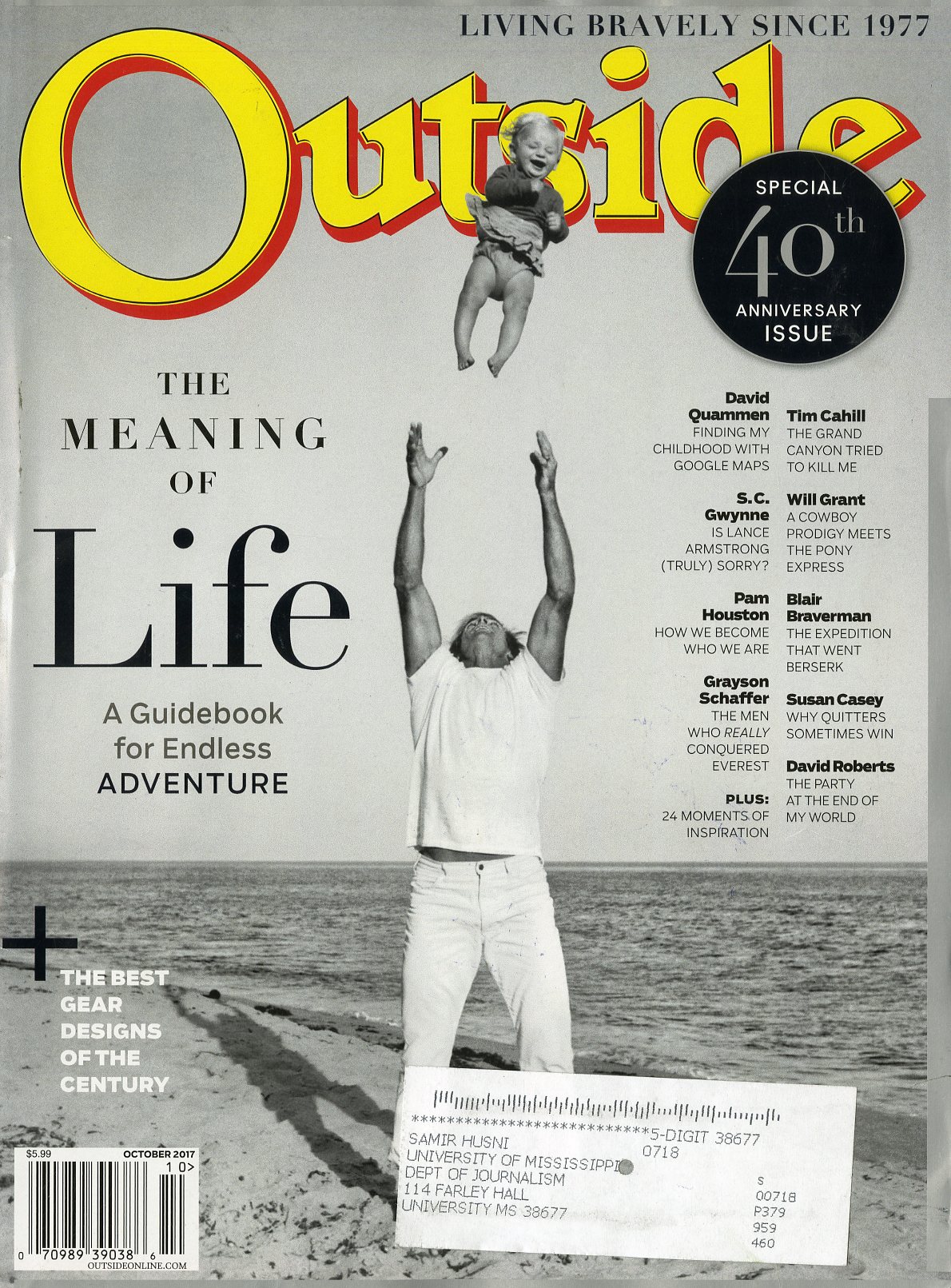
Happy Anniversary to each and every title on this list, and I certainly have each one of you on my mind as I firmly say there is no better reflector of society in this country, or the world, for that matter, than magazines. And each one mentioned here has a reason to celebrate, in the often uncertain and precarious marketplace that exists in the world of magazines; not one is celebrating anything less than a 20th anniversary, and one is observing a sesquicentennial. Congratulations to one and all, and rest assured you are never far from the mind of Mr. Magazine™.

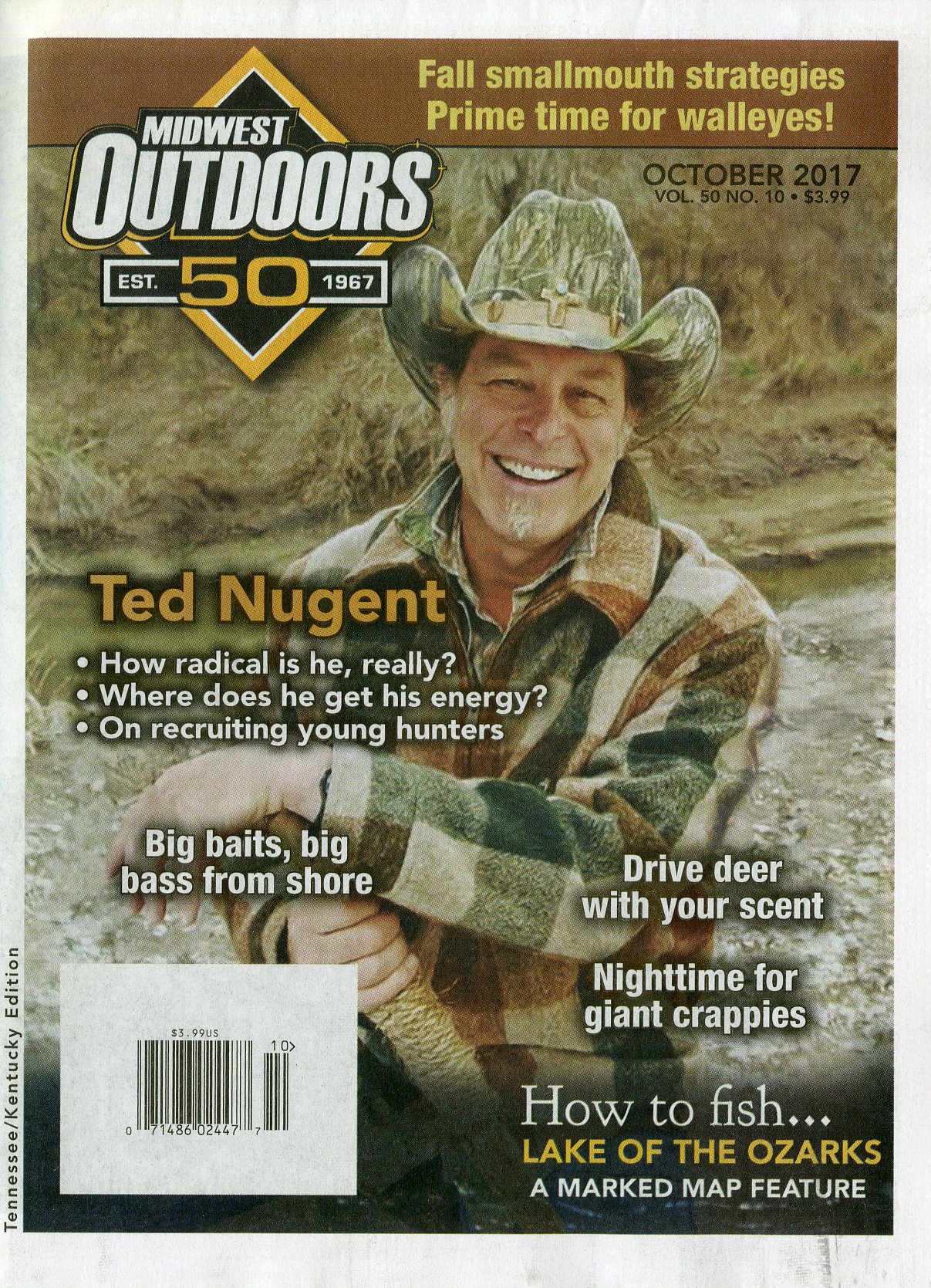
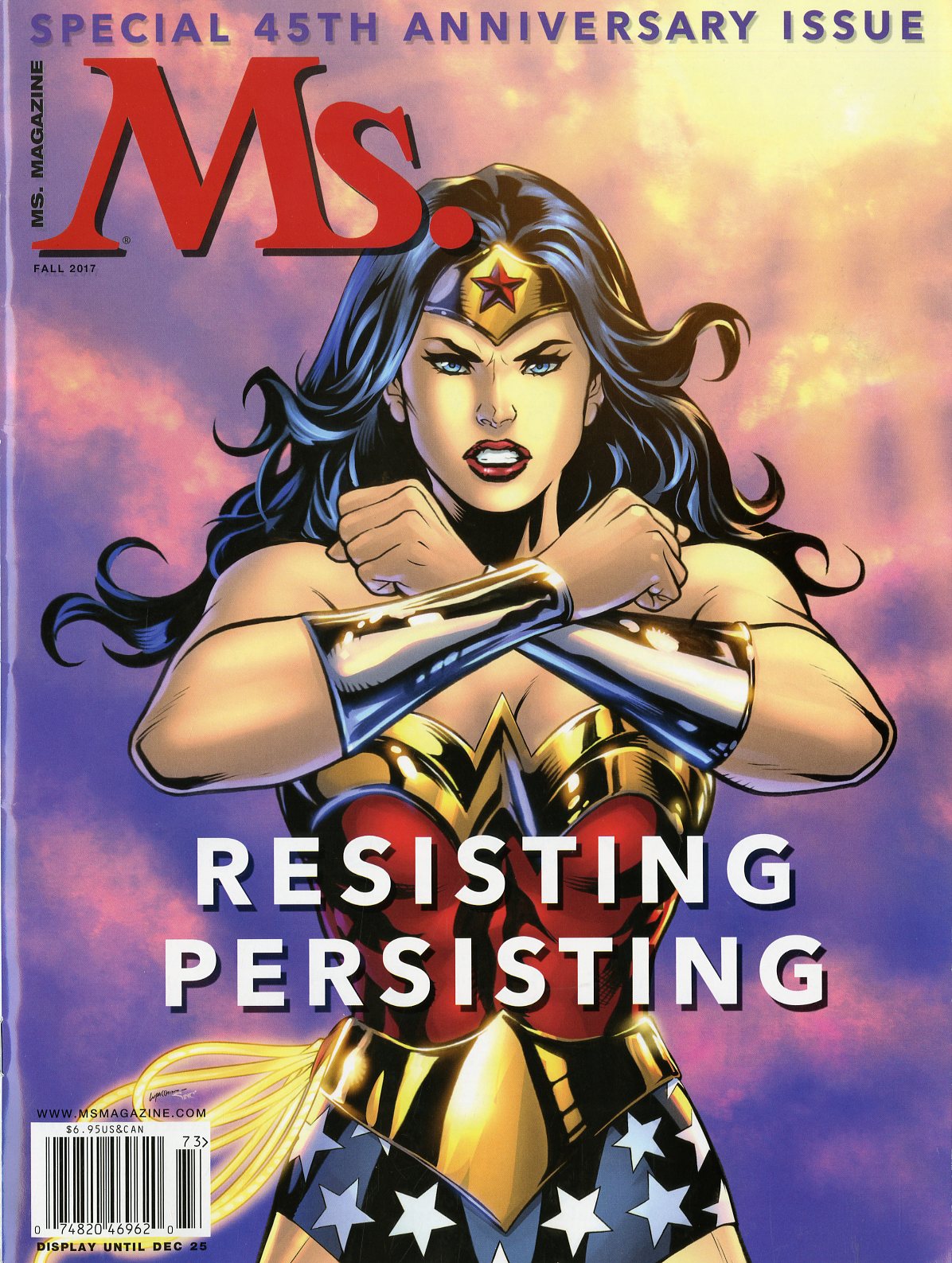
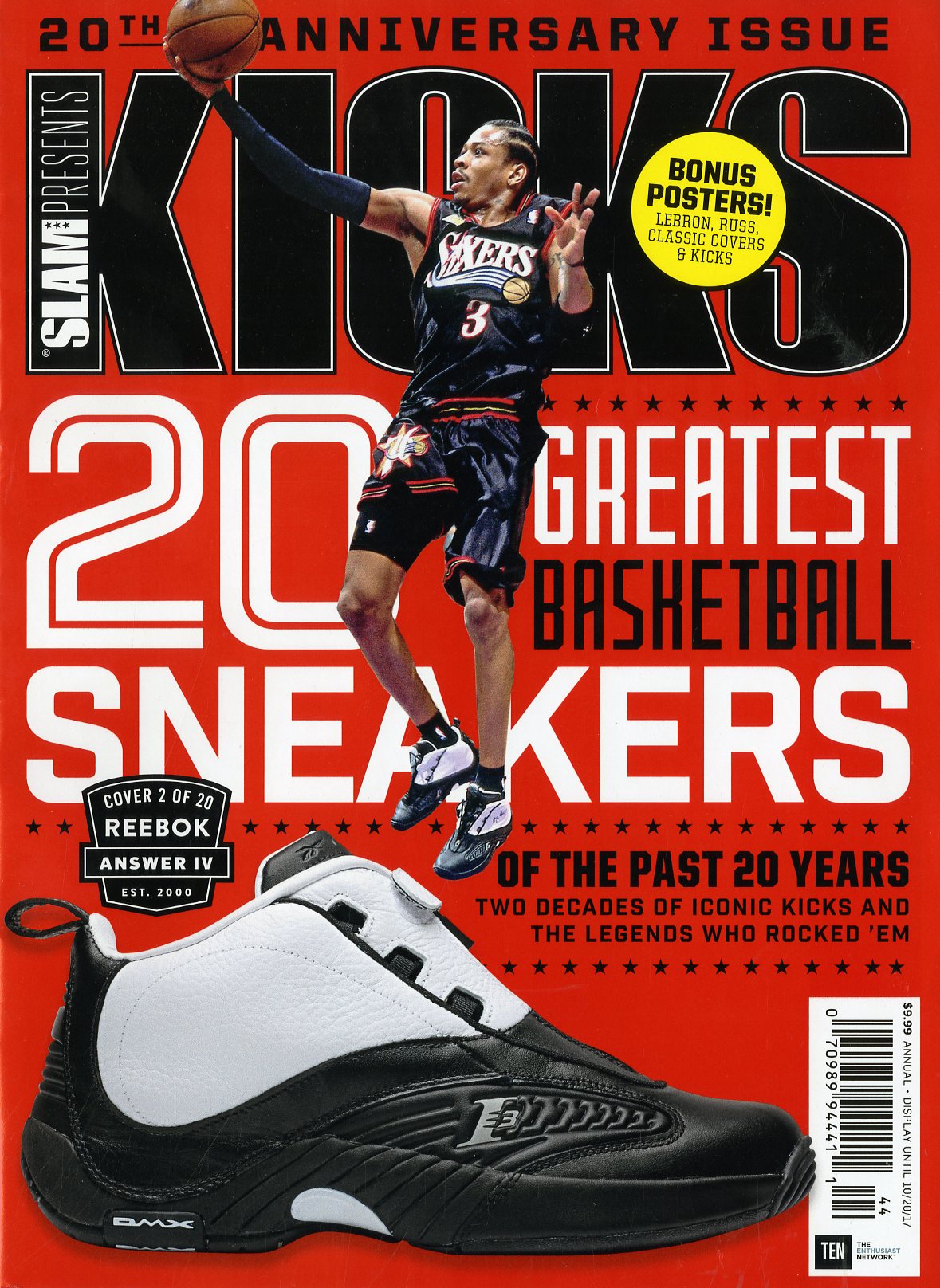
So without further ado here are magazines celebrating anniversaries this time around:

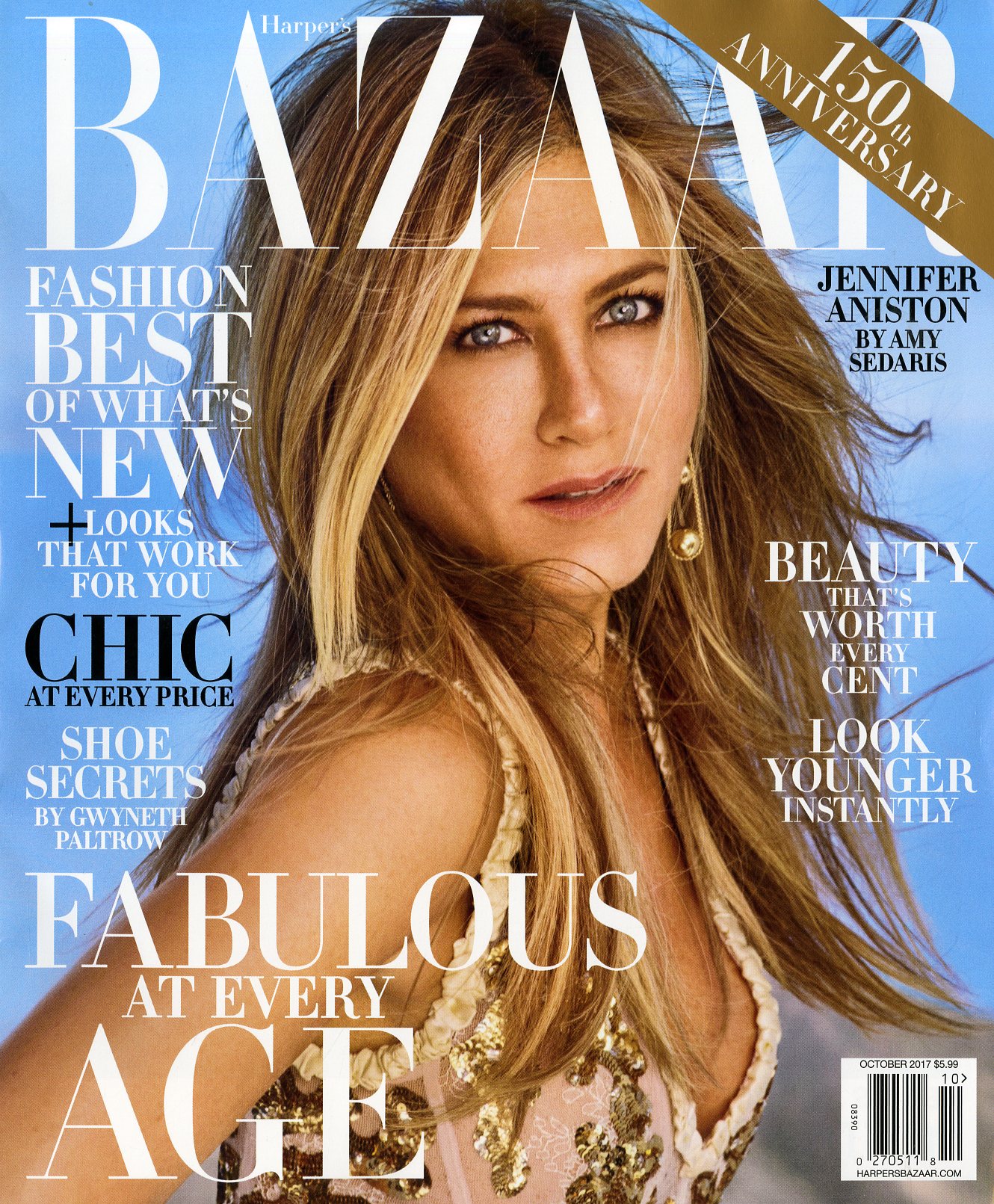
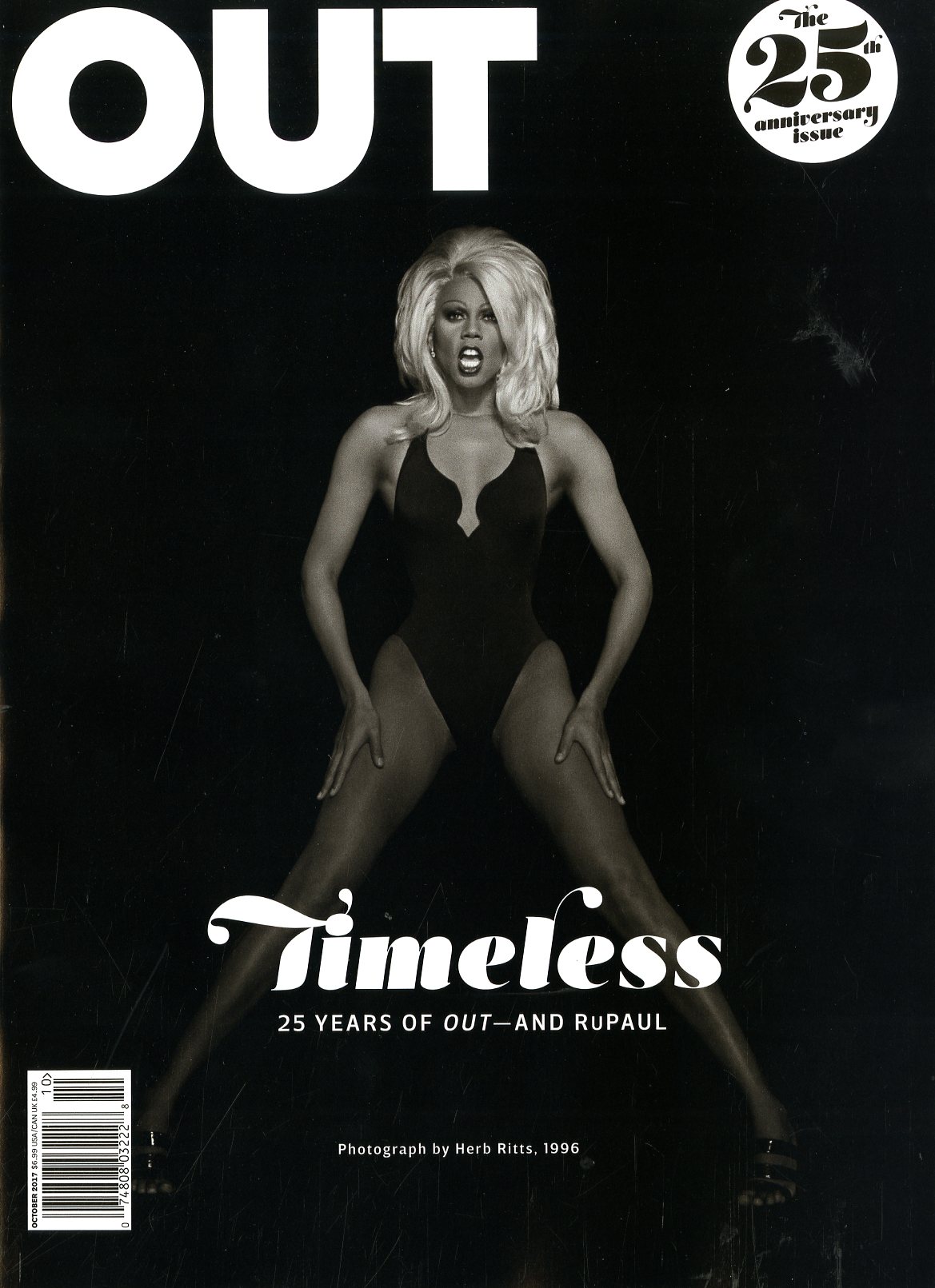
150th Anniversary

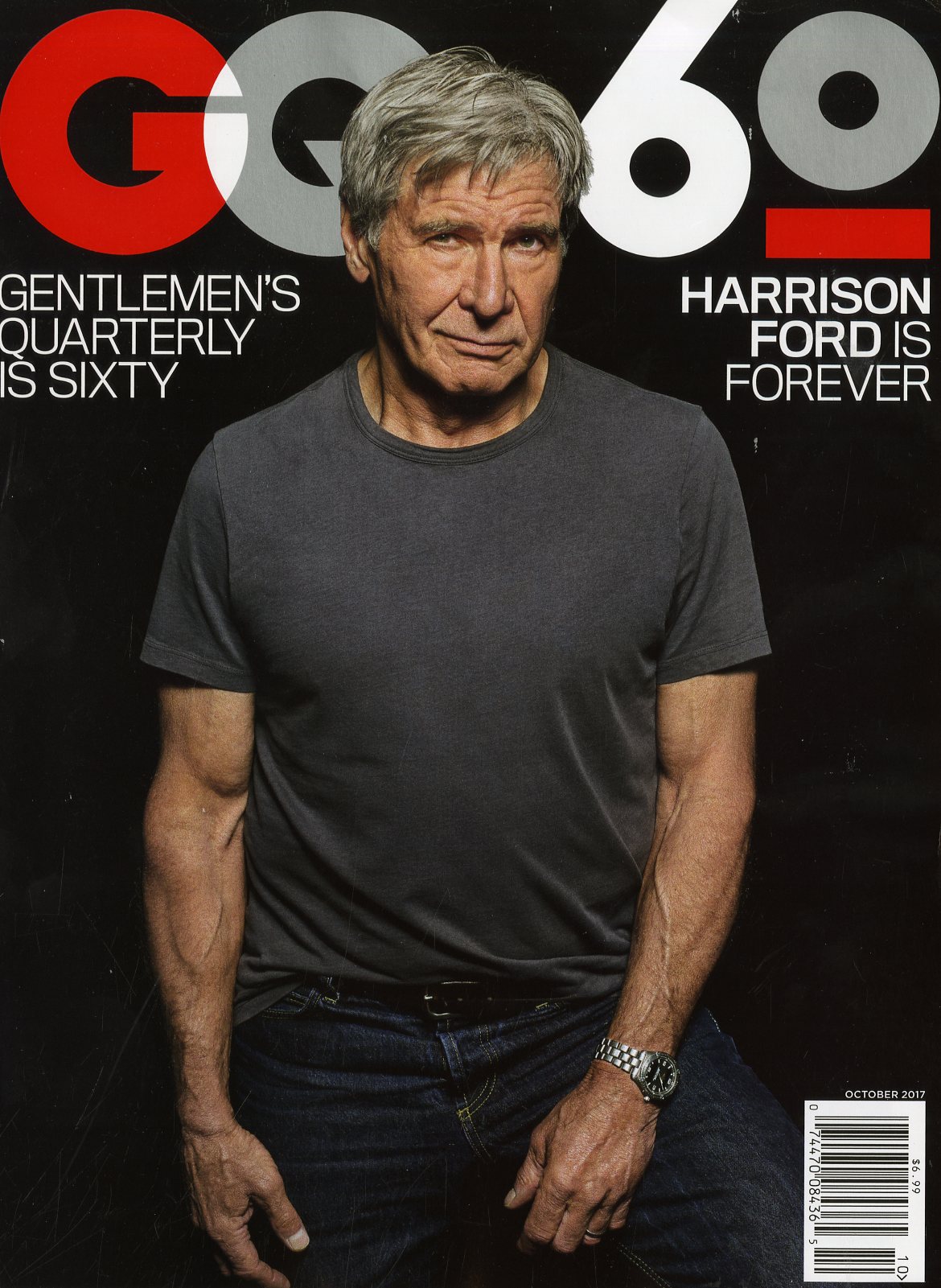
60th Anniversary

50th Anniversary

50th Anniversary

45th Anniversary

40th Anniversary

20th Anniversary

h1

Rachael Ray Every Day’s New Editor In Chief, Lauren Iannotti, To Samir “Mr. Magazine™” Husni: “My Goal Is To Elevate All Of Our Numbers, Get All Of Our Numbers Up Without Neglecting The Care And Feeding Of Our Beautiful Print Magazine.” The Mr. Magazine™ Interview…

October 10, 2017

“We’ll still always delight in producing the print magazine. I want to bring the print magazine’s voice into 2018 feeling modern and cool, and very much like Rachael. She’s a cool woman and she’s doing lots of awesome stuff, and I want to make sure that we’re representing that well in the magazine.” Lauren Iannotti…

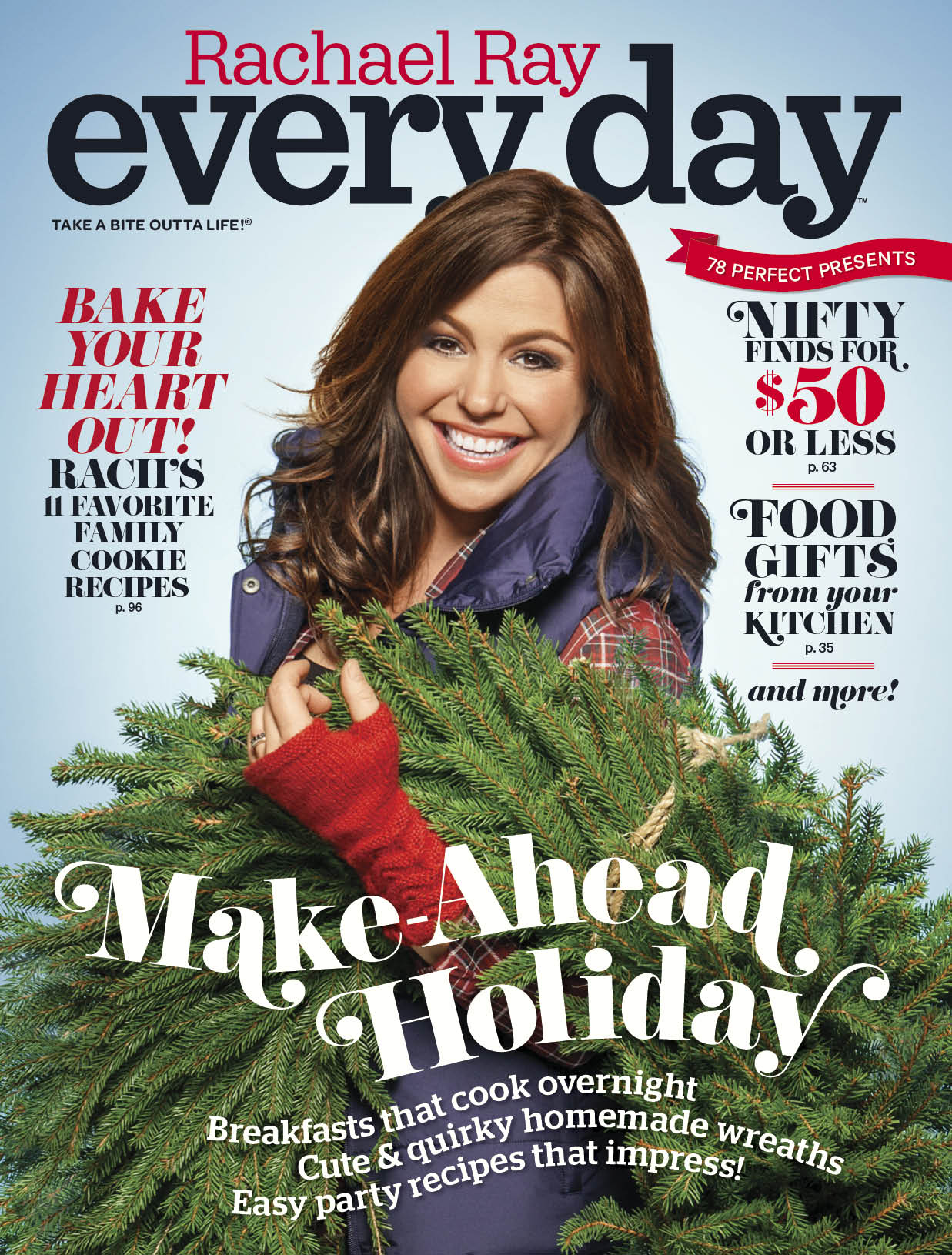
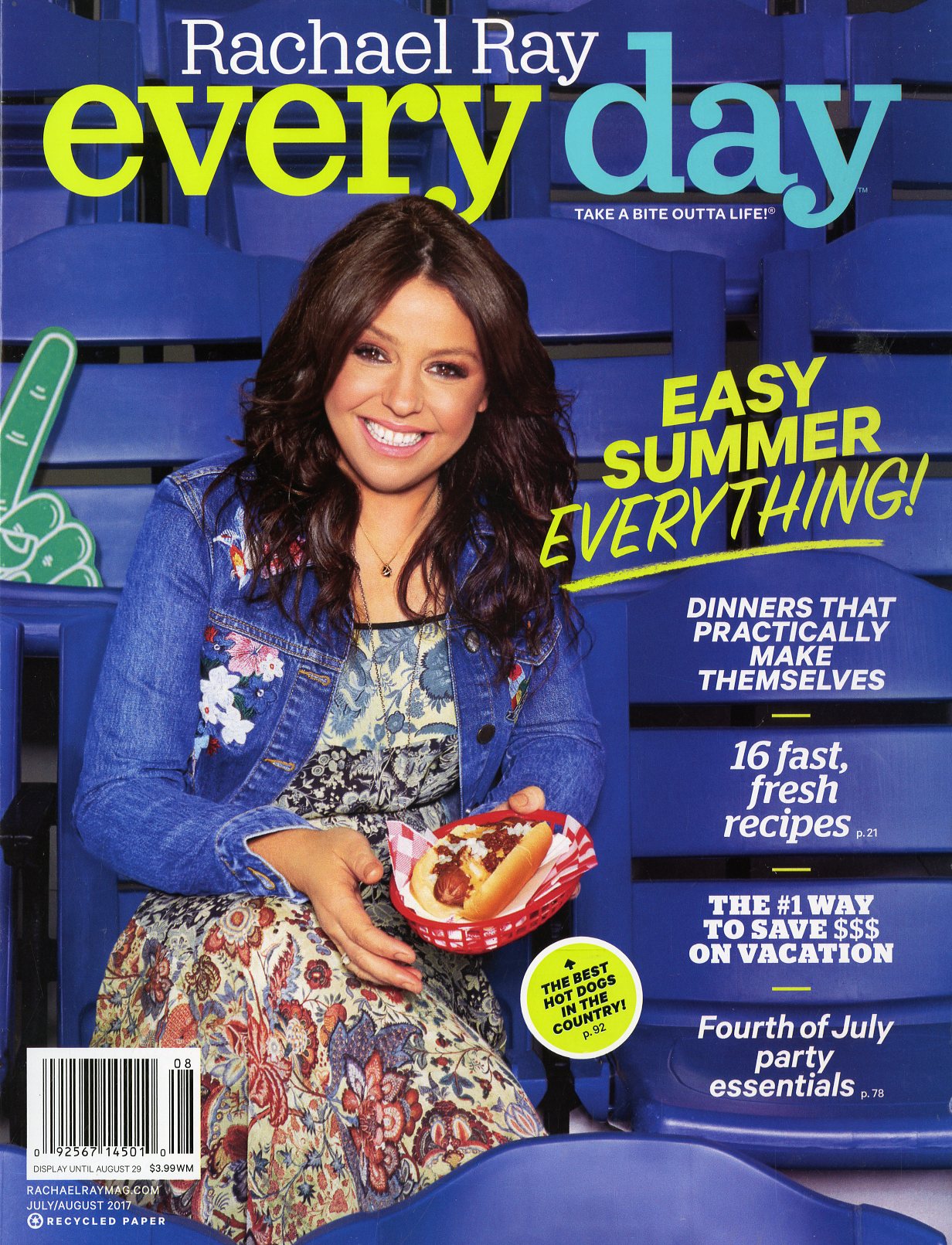
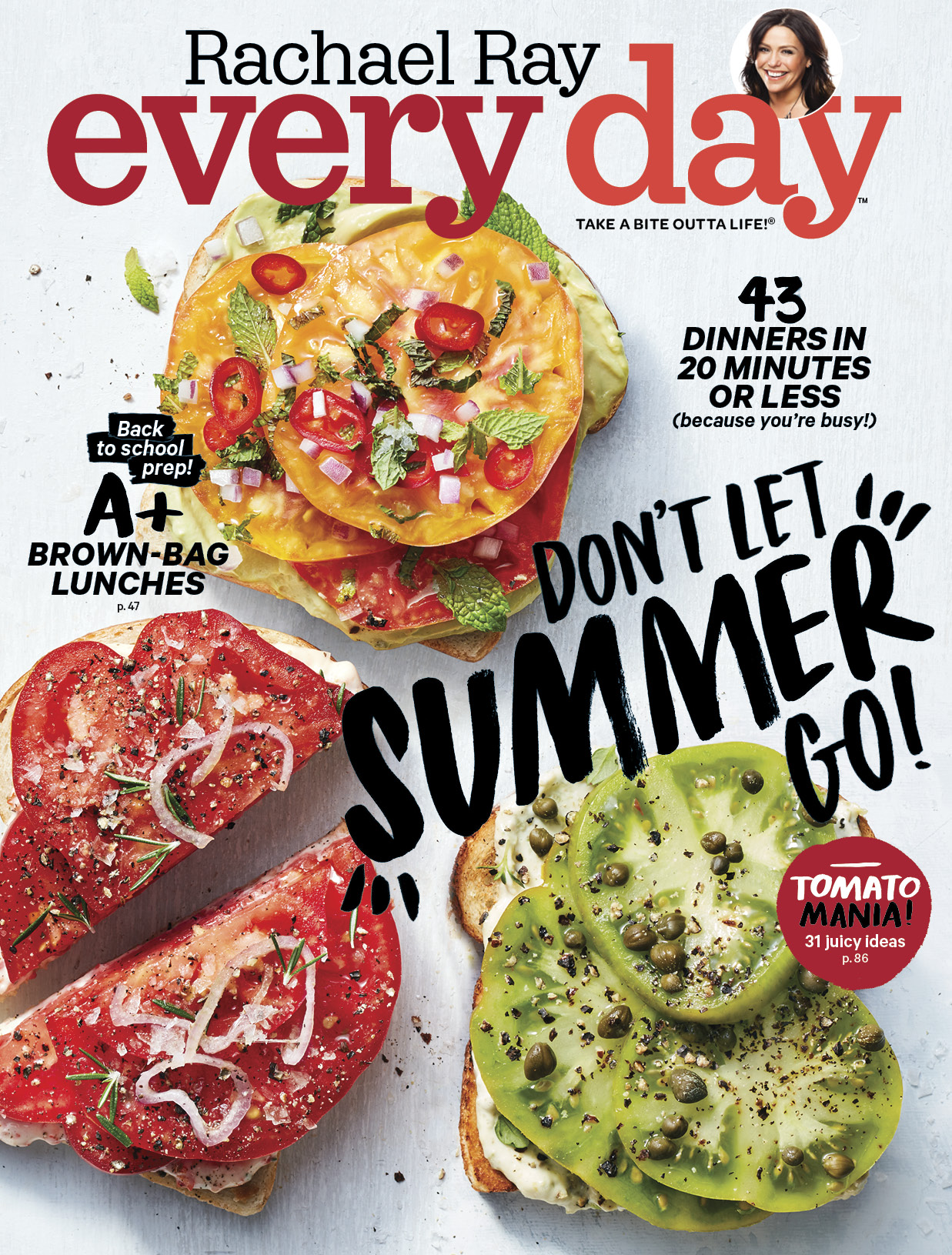
Rachael Ray Every Day has been offering its readers delicious recipes, home and décor advice, travel tips, beauty and fashion trends, and shopping tricks that are aimed at saving its audience time and money since its launch in 2005. Today, the magazine is owned by Meredith and has a planned new aesthetic, one which will take it modernly into 2018 and beyond. There’s also a new captain at the helm just in time to lead the redesign and to put her own stamp onto the already winning brand. Of course, Lauren Iannotti is no stranger to the brand, having served as executive editor for the magazine for over a year now.

I spoke with Lauren recently and we talked about her new role as editor in chief/content director of the Rachael Ray brand, including the print and digital platforms. While Lauren learns to juggle and balance her new responsibilities with the magazine, which has a rate base of 1.7 million, she says that she is more than up for the challenge and defines her leadership modus operandi as a “hustler,” but she is also a visionary with very definite plans for the brand’s future, such as expanding its social footprint and its audience. And with the budding relationship she is forming with its namesake, and the respect and genuine admiration she feels for Rachael Ray, the two women together should be unstoppable. Having a successful company like Meredith behind them both can’t hurt either. Rachel Ray Every Day is apt to reach new heights, or more importantly, new audiences.

And now the Mr. Magazine™ interview with Lauren Iannotti, editor in chief/content director, Rachael Ray Every Day.

But first the sound-bites:

On whether she feels overwhelmed by the added responsibilities that come with being named editor in chief: I’m not overwhelmed at all. Maybe overwhelmed a bit by the schedule, I’ll admit, but not overwhelmed by the work. It’s what I’ve been doing for 20 years in different ways, and so my aim is true when it comes to the actual content. At the very beginning when it was happening, because it was somewhat unexpected, it was a bit daunting. But then when I started doing it, very happily, my predecessor looped me in on so much of what she was doing that I was very much involved in a lot of the decision-making and the redesign that we were working on.

On whether she has felt any internal competition between the editors and chief at Meredith since there is an abundance of big titles under their umbrella: It’s so funny that you’d ask that; what I have felt is incredible support. It’s almost weird. As soon as the transition began, I started to hear from folks all over the company. I’m actually friends with some of the editors in chief here already, so they were reaching out to offer their help with whatever I might need. Whenever you work at a big company, every company kind of has its own unique culture. We have our quirks and our ways and navigating that has been so much easier than it might have been, thanks to the support of all of these other editors.

On how, in this day and age, she can be print proud and digital smart: Print proud and digital smart, that’s interesting. And we’re still quite a print-forward brand. My goal is to elevate all of our numbers, get all of our numbers up without neglecting the care and feeding of our beautiful print magazine. I think social is going to be a very big focus for us and for me, and video, I’m not breaking any ground there, all magazines want to be doing a lot of digital video.

On who she is doing what she does as editor in chief for: herself, the publisher, the reader: I’m doing this for the reader. What I’ve always loved about working in magazines, working in the media, working for these content brands, is that we’re improving people’s lives. We entertain and inform them; we’re giving them something that is quality, and I think, especially in this day and age when they’re seeing a lot of gunk, they still know that there are certain brands that mean quality. We’re one of them; Meredith makes high-quality brands.

On how the editor in chief role plays out when you’re in that position at a celebrity-driven title: It’s totally a two-way street. Rachael is really receptive. I have been getting to know her personally over the last month, because I didn’t have tons of interaction with her when I was executive editor. And she’s super-supportive and bursting with ideas, so it definitely goes both ways. We talk regularly and we text a lot. We email a lot too. Whatever communication works best for what we’re trying to accomplish. And we also have in-person meetings a lot.

On what someone would find her doing if they showed up unexpectedly one evening at her home: You would probably find me rolling on the floor with a ten year old and a two year old. There’s probably a glass of wine somewhere, but we can’t keep it too close because it would spill on the carpet. My schedule has really prevented me from doing it, but let’s say it’s on the weekend, you would find me in the kitchen, definitely drinking a glass of wine, and cooking something, usually pasta, for my family when I can. So, it’s the kids and the food.

On what she would have tattooed upon her brain that would be there forever and no one could ever forget about her: She’s good at what she does, and she’s good to people. Kindness and excellence are what I try to go for always.

On what keeps her up at night: I can tell you what doesn’t keep me up. I’m not worried about content. I think people still seek out great content, so these legacy brands will be fine as long as they keep doing the great work that people expect from them. What keeps me up at night could be anything from climate change to what’s happening in Myanmar to what’s happening in this country. It could be a hurricane or it could be a mass shooting, one of the several that happens every day in this country. I think there is plenty out there in the world to worry about and it doesn’t go away, and Facebook is constantly reminding me of that.

And now the lightly edited transcript of the Mr. Magazine™ interview with Lauren Iannotti, editor in chief, Rachael Ray Every Day.

Samir Husni: This is your first editor in chief position; you’ve been an executive editor at both Rachael Ray and at Brides, but now you’re in charge of a 1.7 million circulation magazine, probably with about five million readers, and you also have a celebrity’s name attached to the magazine; how does all of this feel? Are you overwhelmed or do you feel right at home?

Lauren Iannotti: I’m not overwhelmed at all. Maybe overwhelmed a bit by the schedule, I’ll admit, but not overwhelmed by the work. It’s what I’ve been doing for 20 years in different ways, and so my aim is true when it comes to the actual content. But yes, the juggling of responsibilities; the suddenly going from having one boss to five or six now (Laughs)…But it’s what I love to do and really exciting, and it’s fun.

At the very beginning when it was happening, because it was somewhat unexpected, it was a bit daunting. But then when I started doing it, very happily, my predecessor looped me in on so much of what she was doing that I was very much involved in a lot of the decision-making and the redesign that we were working on. So, in a sense, it was just keeping on doing what I had been doing when it came to the content. All of the corporate stuff, I’m learning, and that’s the part that’s slightly daunting.

As far as working with a celebrity, I’m extremely fortunate that I get to work with the coolest personality in the world, basically. Every time I talk to her, we find more common ground and more similarities between us. And I like what she’s about. I’ve had a blast for the last year or so working here and the more I’ve come to know the brand and to understand our namesake, the more gleeful I am that I get to do this for a living.

Samir Husni: You’re surrounded at Meredith with big titles and namesake titles; do you feel any internal competition between the editors in chief?

Lauren Iannotti: It’s so funny that you’d ask that; what I have felt is incredible support. It’s almost weird. As soon as the transition began, I started to hear from folks all over the company. I’m actually friends with some of the editors in chief here already, so they were reaching out to offer their help with whatever I might need. Whenever you work at a big company, every company kind of has its own unique culture. We have our quirks and our ways and navigating that has been so much easier than it might have been, thanks to the support of all of these other editors.

We have some editors like Cheryl Brown, who stepped up recently and has just gone through what I am going through, the learning curve stuff. Other editors that I’ve known for years, like Elizabeth Graves at Martha Stewart Living, they’re friends and offer just great support. The you have Liz Vaccariello, who’s running this massive Parents brand and offering resources. We’ve had some open head counts, so I’ve been trying to hire people at the same time, and Liz has been asking what I need and loaning us photo researchers and others.

And on the corporate level, they wanted this to work out; they wanted to support me and make this work, and I have felt that. It’s a win-win for everybody if I can step up and keep this brand great and make it even better. But I do feel intense support from the other editors and the company to take this role and succeed with it. I feel that they all really want me to succeed.

And I love it. I’m having so much fun. What we do is such a joy, and it’s a very changed landscape obviously, and there are different pressures. There is a lot more juggling, and being an editor in chief is different than it used to be. It’s no longer saying that you’ve arrived, put your feet up, hire some people, take some lunches, and have a good time. Not that it was ever that easy, but it’s definitely a lot more of a hustle. And I’m good for that. That’s my game.

Samir Husni: As a hustler, you’re overseeing the print edition and the digital; in this day and age, how can you be print proud and digital smart?

Lauren Iannotti: Print proud and digital smart, that’s interesting. And we’re still quite a print-forward brand. My goal is to elevate all of our numbers, get all of our numbers up without neglecting the care and feeding of our beautiful print magazine. I think social is going to be a very big focus for us and for me, and video, I’m not breaking any ground there, all magazines want to be doing a lot of digital video.

Everyone in the industry is feeling these challenges. I am, again, psyched to feel the tap of wisdom from my peers and of this corporation, and that has been navigating the challenges and opportunities of the industry really well. And leading the way with their sound decisions, so I’m certainly going to be taking their lead. But my goal is to definitely push hard into social, in ways that we haven’t yet. Although, we do have very respectable numbers on social; I just want to get them up even higher. And to be where our readers are seeking us; make sure that we’re on the platforms where they look for us on, or our kind of content on, so we can serve them where they’re looking for us and where they need us.

But we’ll still always delight in producing the print magazine. I want to bring the print magazine’s voice into 2018 feeling modern and cool, and very much like Rachael. She’s a cool woman and she’s doing lots of awesome stuff, and I want to make sure that we’re representing that well in the magazine. And I want to maintain our very strong audience, but I also want to gain new audiences as well, those who may not be aware of all of the cool and interesting things Rachael has been up to.

Samir Husni: You mentioned that you have five bosses now (Laughs), but who do you consider your number one boss?

Lauren Iannotti: (Laughs) That was a bit of hyperbole; technically, I do have only one boss; I report to our publisher.

Samir Husni: True, but when you get up in the morning and look in the mirror before heading out, maybe you tell yourself, I’m doing this for…is it the publisher; the reader; is it for yourself?

Lauren Iannotti: I’m doing this for the reader. What I’ve always loved about working in magazines, working in the media, working for these content brands, is that we’re improving people’s lives. We entertain and inform them; we’re giving them something that is quality, and I think, especially in this day and age when they’re seeing a lot of gunk, they still know that there are certain brands that mean quality. We’re one of them; Meredith makes high-quality brands. With all the noise out there, we make good stuff. We’re trying to improve people’s lives, especially women’s lives, because that’s the bulk of our audience at this company.

When I wake up in the morning, I think how fortunate I am to get to do this. And I think has Carey (Carey Witmer, executive VP/group publisher) emailed me yet (Laughs), because we’re in constant contact, and I think, when do I get to see Rachael again, because I’m psyched that I get to go down to her studio and work with her, and talk about making cool stuff. And I think how psyched I am to have the greatest team in magazines working with me. Our food team is just a bunch of geniuses, they translate Rachael’s vision so beautifully when it comes to food. And then our lifestyle; we’ve just exploded our lifestyle section and tripled it. Our lifestyle editor, Danielle Blundell, is just magnificent. She has the perfect eye and she’s a hustler too, and she’s just making great pages for us, so I think of all of these people when I get up.

But mostly, I think of the reader. I want people to want to open this magazine. I want them to want to buy it, and I want them to want to open it. We’ve been working on modernizing the aesthetic and making it feel less kitchy and more cool, beautiful and delicious.

Samir Husni: Is it a two-way street with Rachael; she brings ideas to you and you take ideas to her? How does it work when you’re editor in chief of a celebrity-driven title?

Lauren Iannotti: It’s totally a two-way street. Rachael is really receptive. I have been getting to know her personally over the last month, because I didn’t have tons of interaction with her when I was executive editor. And she’s super-supportive and bursting with ideas, so it definitely goes both ways. We talk regularly and we text a lot. We email a lot too. Whatever communication works best for what we’re trying to accomplish. And we also have in-person meetings a lot.

That collaboration is so much fun to me, in that she’s so supportive of the Rachael Ray Every Day brand, the magazine and the digital. She loves this brand, and she’s very protective of her own brand. She wants to make sure that she’s well-represented, as she should.

So, we work closely together. She really is an idea’s person. It’s fun to watch that work. She is also very off-the-cuff; she isn’t a teleprompter type. Something may be on the tip of her tongue and it comes out, so that authenticity, that realness, is so appealing and makes the job so much fun. We just redesigned, and I’ve worked at titles before that were redesigned, and they start the redesign process with “what does our brand mean,” and they have to have a brainstorm about what readers think their magazine actually means. So, we would start from the very beginning with “we don’t really know” and “what’s our tagline mean,” “should we explain it to people.”

At Rachael Ray Every Day, we have such a solid brand that it was never in doubt what we stood for. It was never a “start from scratch.” It was “how do we take this awesome brand that we know is great and make it fresh and modern, maintain our readership we already have, and expand our readership into new audiences.” So, we were really lucky to have that, and through the whole redesign process it felt like that. Our aim was true; when our consulting creative director would give us options, it was simple, that one. And we really benefit from that, and I think that’s all because Rachael Ray knows her brand. And they’ve done a bang-up job of protecting her brand and making sure that it’s well-represented on all fronts. It’s a pleasure to work on this brand, because it’s so clear and so good.

Samir Husni: If I showed up unexpectedly at your home one evening after work, what would I find you doing? Having a glass of wine; reading a magazine; cooking; watching TV; or something else?

Lauren Iannotti: You would probably find me rolling on the floor with a ten year old and a two year old. There’s probably a glass of wine somewhere, but we can’t keep it too close because it would spill on the carpet. My schedule has really prevented me from doing it, but let’s say it’s on the weekend, you would find me in the kitchen, definitely drinking a glass of wine, and cooking something, usually pasta, for my family when I can. So, it’s the kids and the food.

Samir Husni: If you could have one thing tattooed upon your brain that no one would ever forget about you, what would it be?

Lauren Iannotti: She’s good at what she does, and she’s good to people. Kindness and excellence are what I try to go for always.

Samir Husni: My typical last question; what keeps you up at night?

Lauren Iannotti: What doesn’t? (Laughs) Do people sleep these days?

Samir Husni: (Laughs too).

Lauren Iannotti: I can tell you what doesn’t keep me up. I’m not worried about content. I think people still seek out great content, so these legacy brands will be fine as long as they keep doing the great work that people expect from them. What keeps me up at night could be anything from climate change to what’s happening in Myanmar to what’s happening in this country. It could be a hurricane or it could be a mass shooting, one of the several that happens every day in this country. I think there is plenty out there in the world to worry about and it doesn’t go away, and Facebook is constantly reminding me of that. And I thank Facebook for that.

I just feel lucky that I get to do something that in some ways improves those things and that our namesake is a very charitable person and is very focused on what’s going on in the world. But in other ways, the brand brings me moments that can take my mind off of things, and that’s what I hope we do for our readers.

Samir Husni: Thank you.

h1

Cosmopolitan’s Editor In Chief, Michele Promaulayko, To Samir “Mr. Magazine™” Husni: “It’s Great To Have A Brand That Lives Across Every Platform In Such A Robust Way.” The Mr. Magazine™ Interview…

October 4, 2017

“But when Cosmo came calling, it was a combination of things. It was the most iconic, global, young women’s brand, and only four other people had sat in that seat, so of course I wanted it. I had so much affection for the brand, having spent years there. And yes, I did miss print, to be honest. I missed the ability to have the deeper storytelling, to have the lush visuals, to have time to digest things and to think about how you want to execute them.” Michele Promaulayko

When you’re THE magazine for women when they want to get an authoritative and unequivocal voice on sex, relationships, work, and anything else that has to do with their overall wellbeing and get that advice with a twinge of humor and sass, and you’ve been doing it since the mid-sixties when your editor in chief was the inimitable Helen Gurley Brown, why would you want to refresh that page of success?

Why? Well, because your current editor in chief is the inimitable Michele Promaulayko and while she totally agrees that nothing about Cosmopolitan is “broken,” there’s also nothing wrong with infusing a healthy dose of “newness, novelty, excitement, and more visuals” into the already extraordinary pot of deliciousness.

Cosmopolitan has always been a trendsetter, going back to the days of the spunky Ms. HGB. And nothing about that character trait has changed in the years since Helen. The magazine has evolved of course, but never changed from its cutting edge content that always pushes the envelope and provides its audience with the most current and captivating information.

Today, Cosmo is helmed by Michele Promaulayko, who knows a thing or two about the magazine, having been executive editor for eight years before joining Women’s Health as VP/editor in chief. She also served as the editor in chief of Yahoo Health, a digital-only entity, before coming back home to Cosmo.

I spoke with Michele recently and we talked about the retooling and refreshing of the highly successful and popular brand. Michele is excited about the refresh, because she believes disruption can be good when it comes to infusing a new energy into the magazine’s pages, bringing old friends new life and introducing new neighbors into the community so they can begin to add their own positivity and clarity to the equation. And finding innovative and creative ways to bring the print and digital components together communally is another faction that is proving to be successful for the magazine. With the November issue, readers will find new friends and old ones living in harmony between the magazine’s covers and enjoy the same humor and sauciness that has always been a part of its DNA.

So, sit back, grab your favorite beverage of choice (Rosé, if you’re anything like Cosmo’s delightful editor in chief) and enjoy the Mr. Magazine™ interview with Michele Promaulayko, editor in chief, Cosmopolitan.

But first the sound-bites:

On why she felt the need for a refresh of Cosmopolitan in this day and age: In today’s world novelty and newness are rewarded, so I felt like it was time for a design refresh. I’m not calling it a redesign, because there are definitely some things that are carryovers from the former design; nothing was really broken. It was really just about infusing it with newness, novelty, excitement, and more visuals.

On why she believes Cosmo hasn’t faded like some of the other trendsetting magazines have over the years: I think it’s because Cosmo has a very honest relationship with its readers. From Helen’s day (Helen Gurley Brown), to my day, we talk openly with them about anything and everything. So, it’s a place where they can come for real talk, frank information on the things that matter to them most, and that’s never going to go out of style. The packaging, yes; we stay on trends; we tap into the zeitgeist, talking about current things. But at our core, our foundation is to help young women navigate in an increasingly confusing world, whether that’s their work-world or their relationship-world. And they know that we’re going to give it to them straight.

On whether she thinks that foundational concept is still as valid as ever or even more so today: I think it’s always been valid in certain conversations, be they about sex or women’s advancement in the workplace. Decades ago those were taboo topics that weren’t talked about openly, so it was important for Cosmo to do that then. And I think it’s just as, or more important, to have those conversations now.

On whether she feels more balanced working for a publication that has both a print and digital platform, rather than when she was editor of the digital-only Yahoo Health: That’s a great question. I left Women’s Health to go to Yahoo, because I really wanted to immerse myself in digital. Obviously, I was seeing consumer media habits. My own habits were becoming more and more digital and I really wanted to learn the ropes there, and it was a tremendous experience. Previously, I’d had 20 years of print experience. But when Cosmo came calling, it was a combination of things. It was the most iconic, global, young women’s brand, and only four other people had sat in that seat, so of course I wanted it. I had so much affection for the brand, having spent years there.

On who the magazine would turn into if struck with a magic wand that made it human: I’m not sure there’s just one person who would personify all of the strengths of Cosmopolitan. That would be a pretty amazing person and I’d like to meet them, because I sort of think of us as counselor, cheerleader, protector, and best friend. We have all of those roles in different areas of the magazine.

On the reaction she’s hoping for from the audience once they see the retooled and refreshed November issue of Cosmopolitan: I don’t have any hard and fast expectations. I solicited their feedback and I hope I get that. And I think it takes time for people to adjust to change and sometimes to even notice it. Some of the changes are extremely noticeable, but hopefully I will hear specific things back from readers.

On whether there is anything in Cosmo that ever makes her blush: No, it’s funny, it’s like a party game with my friends, let’s see if you can make Michele blush, because after all of the years I spent at Cosmo as the executive editor, and then coming back, it’s almost impossible. But now that I’ve said that, it’s like I’ve issued a challenge. (Laughs) Somebody is going to try really hard to embarrass me. But when it comes to these topics, not really.

On anything she’d like to add: Just that we’re all about the humor and the joy and the surprise. We live in a very serious world right now, politically serious, and serious in that we’re dealing with one natural disaster after another. And Cosmo is a place where, yes, we talk about issues, absolutely, but it’s also a place where we can provide levity and joy. And that’s very intentional on our part, and I am very proud of that.

On what she would have tattooed upon her brain that would be there forever and no one could ever forget about her: Maybe two X’s on a globe. (Laughs) Hugs to the world. The world could use more hugs, right? More love and more hugs. Cosmo is really about harmony. Harmony between the sexes; harmony and self-peace; feeling confident, and that’s one of the things that we try and instill in our readers. Maybe it’s just the word harmony.

On what someone would find her doing if they showed up unexpectedly one evening at her home: Well, one, you probably won’t catch me at home, because I go out a lot a night. I have a lot of dinners outside of my place. You’d be lucky if you tried to just stop by, an impromptu visit, and I was there. But if I was there, I probably wouldn’t be drinking, because I rarely drink alone. But I do like to drink with other people. And I might be binging on the latest Netflix thing, because I’m a big binger. And it doesn’t have to be Netflix, it can be anything. Right now, I’m binging Jessica Biel’s USA show called “The Sinner.”

On what keeps her up at night: What keeps me up at night isn’t one thing. And honestly, I’m a pretty good sleeper, so not too much keeps me up. I really love my life; I love all of the interesting things that I get to do and the places that I get to go, and the place that I live; just all of that. I think it’s just the challenges of maintaining that awesome level of experience, because it takes a lot. It takes a lot of work and a lot of energy. So, just knowing that I’m tending to everything well enough to keep it all going at the same level, or at an increased level.

And now the lightly edited transcript of the Mr. Magazine™ interview with Michele Promaulayko, editor in chief, Cosmopolitan.

Samir Husni: Why did you feel the need to retool and reengineer Cosmo in this day and age?

Michele Promaulayko: In today’s world novelty and newness are rewarded, so I felt like it was time for a design refresh. I’m not calling it a redesign, because there are definitely some things that are carryovers from the former design; nothing was really broken. It was really just about infusing it with newness, novelty, excitement, and more visuals. As our readers’ needs change and as trends change; as we spend more time with the audience; as we get tired of looking at the same pages ourselves (Laughs), it tells you that it’s time to put a sheen on it. So, that’s what we did and we had a lot of fun doing it.

And in doing it, we disrupted some long-held magazine tenants; for instance, having a TOC. We now have a one-page table of contents called “Get Into It,” and it really has all of the information a reader needs. It has the cover lines, so if you’re pulled in by a cover line, you can go to the page and find it. It has the section heads; you can find the wellness section; you can find the beauty section, so it provides the navigation a reader might want without seeing three pages of cute captions that nobody reads. I felt like that was an old carryover that we editors reflexively use in our magazine and I just didn’t feel like we needed it anymore.

Samir Husni: One of my recent class lectures was on the six magazines that in the last decade have been trendsetters: Cosmopolitan, Playboy, MS., The Advocate, Ebony, and Rolling Stone. Why do you think Cosmo over the years never faded like the other five have?

Michele Promaulayko: Great question, and thank you for including Cosmopolitan in that short-list. I think it’s because Cosmo has a very honest relationship with its readers. From Helen’s day (Helen Gurley Brown), to my day, we talk openly with them about anything and everything. So, it’s a place where they can come for real talk, frank information on the things that matter to them most, and that’s never going to go out of style. The packaging, yes; we stay on trends; we tap into the zeitgeist, talking about current things. But at our core, our foundation is to help young women navigate in an increasingly confusing world, whether that’s their work-world or their relationship-world. And they know that we’re going to give it to them straight. It’s not going to be a bunch of platitudes about how wonderful everything is all of the time.

We obviously have a lot of fun in the magazine and that’s another part of the brand’s DNA that I wanted to sort of reinstitute a little bit, but the primary thing is that we have this really candid conversation with readers. And they know that they can’t get that anywhere else.

Samir Husni: Do you feel that foundational concept is still valid today or even more so than it was in the ‘60s, ‘70s, and ‘80s?

Michele Promaulayko: I think it’s always been valid in certain conversations, be they about sex or women’s advancement in the workplace. Decades ago those were taboo topics that weren’t talked about openly, so it was important for Cosmo to do that then. And I think it’s just as, or more important, to have those conversations now.

Young women have a much more confusing set of circumstances to deal with, even if you just distill the dating scene. It’s so different now than it used to be. It’s so confusing. We live in this app-driven dating world, which has really depersonalized the process. We hear from young women all of the time about these pen pal relationships with guys that they meet online and they have conversations with them, but then they never actually meet up. And there’s so much frustration and confusion, and when they do meet up, they’re so used to having these digital conversations, they just sort of look at each other and ask, “What do we do now?” (Laughs)

That’s the extreme version of it, but something as simple as dating has gotten so confusing and complex. So, I think our ability to have that kind of straight talk with them about that or anything else is critical now.

Samir Husni: I coined a phrase for what you’re describing, I call it “Isolated Connectivity.” We feel we’re so connected, yet we’re more isolated than ever.

Michele Promaulayko: Exactly. And that’s the sad reality; we have more ability to connect and more channels to connect through, however, we are more isolated. And I’ll tell you a funny anecdote.

This summer I went to Greece with a friend; we visited a couple of islands. And I was on this tiny satellite island called Antiparos, and I was at this bar/restaurant, beach club and I looked over and saw a guy that lives two doors down from me in my apartment building in Manhattan. And I had never really spoken to him; I recognized him, but I had never had a conversation with him and we live two doors down from each other. And now I’m on this little Greek island and I thought I was seeing things, but I hadn’t had that much Rosé; I’d had a little, but not that much. (Laughs) I wasn’t hallucinating.

So, I walked over to him and introduced myself. He was like me, he couldn’t believe we’d ran into each other there, it was weird. We get back to New York and he slips a note under my door that simply read, “Wow, that was weird. Let’s grab a drink; hope you had a great trip.” I posted the note on my Instagram and Facebook, and it blew up. It broke the Internet. I got more engagement, more comments, and more likes that on anything else I had posted.

And it was simply because people saw that; and by the way, it’s not a romantic storyline, he’s gay, we’re not going to get married, but the people who were seeing this note and hearing the story of how I met my now-neighbor on a little island in Greece, were so enthralled with the idea of this meet-cute story, this romantic storyline, because we’re so devoid of that. I actually write about this in my next editor’s letter in the November issue, because we have a lot of dating content and I wanted to make a point about how illuminating that was for me. It shows how desperate and hungry people are for a sort of retrograde meeting. To your point, that just goes to show that the isolated connectivity is there.

Samir Husni: How are you utilizing the print Cosmo and the digital Cosmo? You have both in your background; you were the editor in chief of Women’s Health and then you were editor in chief of Yahoo Health, which was digital-only. Are you more balanced within yourself now, having a print brand that’s also digital, rather than just digital only?

Michele Promaulayko: That’s a great question. I left Women’s Health to go to Yahoo, because I really wanted to immerse myself in digital. Obviously, I was seeing consumer media habits. My own habits were becoming more and more digital and I really wanted to learn the ropes there, and it was a tremendous experience. Previously, I’d had 20 years of print experience.

But when Cosmo came calling, it was a combination of things. It was the most iconic, global, young women’s brand, and only four other people had sat in that seat, so of course I wanted it. I had so much affection for the brand, having spent years there. And yes, I did miss print, to be honest. I missed the ability to have the deeper storytelling, to have the lush visuals, to have time to digest things and to think about how you want to execute them.

So, of course, it’s great to have a brand that lives across every platform in such a robust way. All of the social platforms; all of the digital platforms; live events; TV shows, and a super-healthy print brand. All things considered, yes, it was the dream job.

The difference being that as a monthly magazine, we have to think about how we play to those strengths. And we clearly can’t capitalize on news the way Cosmopolitan.com can, but what we can do is take a timely story, because we still try to be timely, we don’t want to be evergreen. We’re not looking to do things this year that could appear in the magazine next year, or could have appeared last year, we want it to be timely.

So, we take something that’s happening in the zeitgeist and we try and assess whether it’s going to have a long enough shelf life for us to talk and write about it, and then also exploit some aspect of the story that a digital site isn’t going to take the time to get into. So, really, using newsy things as a hook to get into what it might mean for the reader. And how it applies to their life in a way that’s not just reporting on the news, but going deeper.

Samir Husni: One of Cosmo’s attributes since its founding has been the magazine’s ability to create a friendly relationship with its audience. That being said, if you had a magic wand that could instantaneously turn the magazine into a human being with one strike, who would that person be?

Michele Promaulayko: (Laughs) I’m not sure there’s just one person who would personify all of the strengths of Cosmopolitan. That would be a pretty amazing person and I’d like to meet them, because I sort of think of us as counselor, cheerleader, protector, and best friend. We have all of those roles in different areas of the magazine.

We’re like a best friend, you can talk honestly with us and we’re going to give it to you straight, and we’re going to make you laugh. We’re going to warn you if there’s things out there in the world, whether it’s health wise or potential dating pitfalls, or even bigger dangers; we’re going to protect you from that and warn you so that you’re going into everything with eyes open. And we’re going to champion the things that you do that are so great, and bolster you and tell you that you can do it. And we’re going to give you the authoritative advice that we have the ability to give, that your best friend can’t because they don’t have the expertise at their fingertips.
So, I don’t really think one person could possibly embody that, which is why you need a magazine like Cosmopolitan, because even if you have a village at your disposal, you may not have all of those things.

Samir Husni: Looking at the November issue, I read your letter from the editor, and I saw your signature, the two X’s and Michele. And then when I flipped to page 154, I see a list of symbols and what they are supposed to mean.

Michele Promaulayko: (Laughs) Oh no, are you dissecting my scribbles?

Samir Husni: And it read that two X-crosses means pent-up frustration about something. What are you frustrated about, Michele? (Laughs)

Michele Promaulayko: (Laughs again) No, Samir, those are crosses and mine were X’s; they’re not the same thing. Mine just means hugs. Hugs, Michele, that’s really what it means.

Samir Husni: Once your audience sees this retooling, this fresh look with the November issue, the double covers; what is the reaction you hope to get?

Michele Promaulayko: I don’t have any hard and fast expectations. I solicited their feedback and I hope I get that. And I think it takes time for people to adjust to change and sometimes to even notice it. Some of the changes are extremely noticeable, but hopefully I will hear specific things back from readers. But the decisions we made to change things were made based on what’s happening in the world and on things we were hearing anyway. So, it’s not like we just pulled them out of thin air. They’re grounded in what we know to be the most useful and exciting execution.

To that point, readers tell us that they want order and organization. They want a clear architecture, so they know where they are in the magazine. And we did that. But at the same time they want to be surprised, so they want to know where they are and they want some kind of formula to that, but they also want those moments of serendipity; wow, I can’t believe they did that! So, we’ve allowed room for that.

And with the TOC, I just felt like it was two extra pages that weren’t working as hard as they needed to work and that we could dedicate those to something more exciting. So, we boiled that down to one page that gives them everything that they need to find the stories that they want to find.

Another thing that we did was change the health section to wellness. I have a background in that, and wellness really speaks to the 360 approach that we take to health. So, it’s mental health, nutrition, fitness, sexual health, emotional health; it’s the whole thing that contributes to your wellbeing. And we wanted to reflect that in the name. And we also did this “One-Move Workout,” which is a great workout in only one move, and who wouldn’t want that?

And that’s the point. They’re not coming to Cosmo for a full workout, they’re going to other brands or they’re going to Cosmopolitan.com, but what we can do is provide this really graphic visual that they can then take a picture of or tear it out and bring it to the gym or the hotel and have something healthy and useful. And that’s what we want to be.

We also started our “Gyno Report” because Cosmo should own sexual health. Again, it’s a place where we can be authoritative and honest, so I wanted to provide a place where we could talk about the latest and most important sexual and reproductive health issues.

And we have some really strong, bold visual pages; some of the beauty pages; one of the workouts that I just talked about, and also “Cosmo Bites,” and that’s because we’re dealing with a readership that’s addicted to images. And we wanted to give them these really grabby, bold images, that in some cases also contain service, like the beauty photos that still have service, but they’re not text heavy. And I think you need that kind of difference in pacing. You need some longer reads, some really visual things, things that are easy to digest.

And we also wanted to strengthen the companionship between different factions of the brand. We wanted to have things in common with Cosmopolitan.com, so they’re doing the Workout as well. Cosmo Bites is something that they do; Cheap Thrills, the sort of budget beauty page is something that we’re both going to be doing.

We’re increasing that relationship between the digital and the print sides of the brand. And we’re also deepening the companionship between your device and the print version. In other words, you might snap a picture of your One-Move Workout, so you’re using your device at the same time you’re reading the print version.

Those are some of the changes. And then we added a section called “Too Funny.” We absolutely know that humor is a huge reason that people come to Cosmo; it’s always been a part of the brand’s DNA. There have always been Laugh Out Loud cover lines and the Confessions and the Dates From Hell, and those are some of our readers’ favorite things. They love it. So, we corralled them all into one section called “Too Funny.”

Samir Husni: The entire refreshing of the book is extremely well-packaged.

Michele Promaulayko: Thank you.

Samir Husni: Is there anything in Cosmo that makes you blush?

Michele Promaulayko: No, it’s funny, it’s like a party game with my friends, let’s see if you can make Michele blush, because after all of the years I spent at Cosmo as the executive editor, and then coming back, it’s almost impossible. But now that I’ve said that, it’s like I’ve issued a challenge. (Laughs) Somebody is going to try really hard to embarrass me. But when it comes to these topics, not really.

In fact, I don’t know if you’ve heard of the Grub Street Diet, but New York Magazine gets different people, authors and actresses, writers and editors, to do sort of a food diary. And they asked me to do it and it came out recently. In there, you talk about what you’re eating all day, but you also talk about other things. And I was saying that I grabbed a certain food and went to a cover line meeting with my creative director and we always decide that we’re not done until we’re laughing or one of us is blushing. And I said it’s usually not me. It’s usually my creative director. (Laughs)

Samir Husni: Is there anything else you’d like to add?

Michele Promaulayko: Just that we’re all about the humor and the joy and the surprise. We live in a very serious world right now, politically serious, and serious in that we’re dealing with one natural disaster after another. And Cosmo is a place where, yes, we talk about issues, absolutely, but it’s also a place where we can provide levity and joy. And that’s very intentional on our part, and I am very proud of that.

And also, just talking about the climate politically. There’s such a division between the sexes and I really feel like Cosmo has always appreciated men who appreciate women, in that we have an opportunity to unify the sexes, and that’s another mission of mine. We all have to be in this together, so those are important things.

Samir Husni: If you could have one thing tattooed upon your brain that no one would ever forget about you, what would it be?

Michele Promaulayko: Maybe two X’s on a globe. (Laughs) Hugs to the world. The world could use more hugs, right? More love and more hugs. Cosmo is really about harmony. Harmony between the sexes; harmony and self-peace; feeling confident, and that’s one of the things that we try and instill in our readers. Maybe it’s just the word harmony.

Samir Husni: If I showed up unexpectedly at your home one evening after work, what would I find you doing? Having a glass of Rosé, and I’ll be specific since I know you like Rosé; reading a magazine; cooking; watching TV; or something else?

Michele Promaulayko: Well, one, you probably won’t catch me at home, because I go out a lot a night. I have a lot of dinners outside of my place. You’d be lucky if you tried to just stop by, an impromptu visit, and I was there. But if I was there, I probably wouldn’t be drinking, because I rarely drink alone. But I do like to drink with other people.

And I might be binging on the latest Netflix thing, because I’m a big binger. And it doesn’t have to be Netflix, it can be anything. Right now, I’m binging Jessica Biel’s USA show called “The Sinner.” And I don’t know if I can ever go back to waiting for one episode after another to come out, because I like watching them back-to-back. I go into a feeding frenzy. So, if you happen to catch me at home, when I’m not out to dinner, I’ll probably be chilling on my couch, binging on the latest show that I’m obsessed with.

Samir Husni: My typical last question; what keeps you up at night?

Michele Promaulayko: The sirens that roar down my street in New York. Truthfully, the only thing that could keep me up is just worrying about the wellbeing of my family. That’s the only thing. I have parents who are getting older. But if it’s a question aimed at the challenges of the industry, that would be a different answer.

What keeps me up at night isn’t one thing. And honestly, I’m a pretty good sleeper, so not too much keeps me up. I really love my life; I love all of the interesting things that I get to do and the places that I get to go, and the place that I live; just all of that. I think it’s just the challenges of maintaining that awesome level of experience, because it takes a lot. It takes a lot of work and a lot of energy. So, just knowing that I’m tending to everything well enough to keep it all going at the same level, or at an increased level.

Samir Husni: Thank you.

h1

Out Magazine At 25: A Mr. Magazine™ Interview From The Vault With Founding Editor Sarah Pettit…

October 4, 2017

Aaron Hicklin, Editor in Chief, of Out magazine asks in his intro to the 25th Anniversary issue of the magazine, “How do you write an editor’s letter marking an anniversary?

Well rather than telling you how Aaron answered his question in this blog, (thus giving you the opportunity to go buy a copy of the magazine and find Aaron’s answer on your own), I opted to go into the Mr. Magazine™ vault and publish an interview I did with the founding editor of Out magazine, the late Sarah Pettit. Sarah, who died at the young age of 36 in 2003, was the founding editor and former editor in chief of Out magazine. The interview was published in my book Launch Your Own Magazine in 1998 and is reprinted below as it appeared in the book.

Sarah Pettit is the editor-in-chief of Out, a general interest magazine for gays and lesbians published by Out Publishing Inc. The first issue of Out appeared in 1992.
At what stage and in what capacity did you join Out?

I wasn’t the founder. The founder was Michael Goff, and the magazine was already established when I came into it. But I worked on the first issue. I helped to launch it. But I started work with the editorial. Everything else was already there.

What type of advice would you give someone who is launching a magazine?

I would probably tell them to walk to their nearest newsstand and take a look to see if what they want to do has already been done. And if it has been done, in what way has it been done, and how are their ideas different?

I think, especially in any major urban area, you can look at any newsstand of any size and find an enormous array of titles on pretty much everything from fly fishing to car mechanics to gay and lesbian lifestyles. For instance, the one I work on had pretty much been covered. But when we launched our magazine, what we noticed by looking at the newsstand was that there were no monthly feature magazines targeted to the gay and lesbian audience, nothing that addressed their issues in a full quality, industry standard way. So we said, “Well, there’s something that need to be done which hasn’t been done and that, obviously, people are going to be interested in.”

If you see that there are already five or six people doing it, and you are not going to bring anything particular new to the story, then you probably won’t have too much success. Unless, of course, you are a major magazine company and you can figure out how to squeeze out all of the little guys. But to the entrepreneur, it probably should be something with some necessity behind it.

How can an entrepreneur give the concept that special spin?

I think what we said was, you know there are probably a fair number of gays and lesbians in America. No one knows exactly how to count them, but even a rough estimate certainly puts them at the size of a magazine that is acceptable to launch. Most of the major companies want a magazine to hit about five hundred thousand at the get go, but it depends on how quickly you are going to increase your circulation. You have got to have a reasonable amount of circulation pretty soon after the launch to be able to warrant your expenses.

I think the way you put the twist on your idea is by finding something unique and special. I think what we found as this group of people who have a lot of common interests, whether that’s the more political aspects of what a gay issue is, or whether it’s the more cultural aspects of things, or if it’s simply the basic questions of how to organize your finances with your partner. Any of those things that are straightforward service questions, as they say in the magazine trade.

We knew that there was no real, centralized place they could go for that information in a consistent way. Doing a magazine such as ours would provide people with a unique publishing product that they probably couldn’t get anywhere else. As with any audience, what you want to do is look at your group and say, “What is it about these people that pulls them together?” What are their shared interests? And what is it about this product that you are giving them that no one else can?”

You know, obviously for gay men and lesbians, it’s even harder because in the past it’s been this community of people who are so dispersed. It was harder for them to identify themselves and speak of their common experiences. So, for a magazine, this is a very good thing because you want people who are hungry for information and for what you want to bring them.

Is there anything you would have done differently?

I honestly don’t know if I would have done too much differently. I know one thing that is very important is not to grow your magazine more quickly than it can handle. One of the classic ways you can go bust is to grow too fast and too furiously. Don’t start laying on a bunch of staff that you can’t afford to keep.

When we made our first magazine, we were in the offices of another company. Esquire actually offered us the space at Hearst Publications because the man who designed our first issue, Roger Black, had his design studio at Esquire. He worked on Esquire as their art guru, so we had the space and we had access to computers and it was all for very little money.

We had five or six people who worked on it, but now, five years later, we have a staff of thirty-two, including people from all over the magazine industry. Our publishers just spent eighteen years at the New York Times in the business department. Our president was at the Times for years, too, and at the Hartford Courant before that. We now have people from all over.

You can get competitive and start paying the good salaries later on, but don’t get too crazy. I think that is one of the problems that people have. They think that they can launch fancy offices with pretty desks and nice carpeting, but they don’t think about the fact that the magazine business is really expensive. Last year, for example, our paper costs went up 60%. That’s something that you can’t foresee, and if you have too much up front, costs can really kill you.

What advice would you give for recruiting staff?

I think one of the key things is to get people who really feel like they want to come to their jobs in the morning. I think you have to inspire them in whatever way. To our benefit, we were making a magazine that a lot of our staff felt was really important. They personally felt very compassionate about the idea of bringing information to a group of people who had not had that before.

So you have the professional motivation of mixing a good product with a lot of pride. If you can hit people at home and make them feel like they are really doing something important, you can come out with any magazine. You can make a magazine about golf and make people who work with you feel that it’s important. Often, I feel that people equate that with young, hungry talent. I don’t know if that has to do with age or point of view, but it’s best to not have people who feel like they’re doing you a favor just by coming to work.

And there is something to be said for people with magazine backgrounds. I think one of the things that created the biggest problem for the gay press is the thought that, “OH, anyone can make a magazine.” Well, no, not anyone can make a magazine. Part of what makes a good magazine is having people with magazine talent. It’s a unique skill, just like any skill.

What’s the greatest lesson you’ve learned from the Out launch?

Oh, I wish I had more money! Actually, it’s been very interesting. I think that I have learned that money isn’t everything, even though I just said it was.

You look at something like the report that when House and Garden relaunched this fall from Conde Nast, they spent forty-four million dollars over the course of a year or two. That was just to get to the point of relaunching the magazine, just to get to that one issue. Forty-four million dollars-all for prototypes and staff and shooting stories that they wouldn’t use.

There was this enormous kind of loading of that project, and then I look at what I have. Forty-four million dollars, based on how much money we spent in the first five years, we could be around for the next two thousand years. We’re talking about just enormous amounts of money. And then I look at how little I do with, and I say, “Gee.” It really kind of makes you appreciate the value of every dollar. Some of this stuff is just crazy. It doesn’t need to be this expensive, but money, unfortunately, is useful and you need a lot of it for magazines, for good writers anyway.

Do you do most of your work in-house?

Most of our writing is freelanced.

Is that something you’ve done from beginning?

Yes. We try to work with a pretty broad array of people and keep that mix up. The premise of the magazine has always been that we go to talent from all over the industry – whether people are working on TV Guide or Essence or Vanity Fair – and bring them to Out where they can do special stories that are especially relevant. Whether it is the arts writer who can write about books for us or the entertainment journalists who can’t do exactly that story where they are based. It’s kind of taking people’s real world specialties and bringing them to Out where they make sense for us.

You know, in some next world, it would be nice to have a broad base of people whom you could pay to keep on retainer. But I think people can be really wasteful with that, too. There are major magazines that can lock up millions of people. They want people to be dedicated just to them, and they pay them huge amounts of money so they don’t work for anyone else. That kind of stuff can be ego-driven. And ridiculous, too. Is it really worth it to spend a hundred thousand dollars just to keep someone from writing for anyone else?

What about the actual birth of Out? Who developed the concept and how did it grow?

The idea was essentially Roger Black’s, who was behind the first issues of the magazine. Michael Goff, the actual founder, worked for Roger and they were always working on this idea of what would it be like to start a gay magazine. They had started doing prototypes that were targeting only the male readers, and then they actually decided to expand it and make it for men and women.
After the initial investor was brought on board, that’s when I came on and started to open offices about six months later.

During those six months, what types of struggles did you face? Did any of them change your thinking?

I do think that their initial of audience focus was big because emphasis on demographics is really important. I don’t know I guess the cliché is that launches always lead to big fights, and people change and sort of drop off. We really didn’t have a whole lot of that.

I think that once we were committed, that first year we were in business, there really wasn’t time for anything else. I think that the good thing about Michael’s initial idea, once he had the germ of it, was that the message of the magazine and the focus of the magazine and the content have always been consistent. It’s not like it started one way and then it morphed and changed a million times. I think that is the way you lose readers. Michael was pretty clear that we were launching a general interest, national magazine for gay men and lesbians.

I think he knew it was going to be topical; it was going to have features and art coverage and fashion. It was going to be a monthly features magazine that a gay Vanity Fair would be. In fact, that was one of our buzz lines. He pretty much kept that vision and we have kept it to this day. I think that is really helpful because people aren’t trying to figure out what we are.

I also think it was really helpful that we were considered iconoclastic and weird because it was a gay magazine and the whole structure of how you make a magazine and the whole structure of how you make a magazine was in pretty classic terms. We were going to make a magazine and we were going to make it for audiences that hadn’t had that. So the buzz line that came out of that was a traditional magazine for a nontraditional audience. Now, we weren’t trying to reinvent the wheel. We were just trying to drive the wheel to a different place, as it were.

What about advertisers?

I think the main thing is that, in the last five years, we have brought on every major advertising category, from fashion to automotive to electronics. In the past, the gay press had never been supported by any mainstream advertisers, and it was considered to be something that was pretty much impossible.

The buzz word was kind of like, “You will get Absolut and you will get Benetton – and the rest of it, well you will have to make do with love.” And that did not prove to be the case at all. What we showed was that we made a quality magazine, and we had a lot of quality contributors, great articles, great photography. People like Roger Black were behind it, and the people in the industry recognized that, and it kind of trickled down.

I think media buyers and people in the industry had to look at that and recognize, “Here’s a great way to reach there people and to target these people in a place we haven’t been able to get to until now.” Ellen DeGeneres’ character coming out on TV aside, there really haven’t been that many gay media outlets.

So I think it coincided with a moment in the media when people were looking for a way to find new niche markets, and one of the hot, new niches in the early nineties was the gay and lesbian market. It still continues to be. Out majestically came at just about the right time for people. It did it in the same way that ten or twenty years previous, people tried to target the African American industry or the Latino industry.

In that respect, the advertising story became a much richer one than people thought it might because we had everyone from fashion retail to automotive to electronic to expensive liquor and tobacco and a lot of other industry that supports magazines. So, in that way, we were looked at as a test case, and a very successful test case.

How important is flexibility?

You have to have a good message, and you have to be convinced about it. If it’s like a square peg going into a round hole, and you are bringing people a message and a magazine that no one wants, and you stick to it, you are just going to go down in flames anyway.

But I do think that if you have a good idea, you’ve got to stick to it for a while because you won’t see much happening overnight. You know, it takes a while for small magazines launching on their own to grow like ours has. We are having our fifth anniversary this year, and I am only just now beginning to feel like our magazine is really taking off. It just takes so long.

When you take carrots and potatoes and chicken and you put it in a pot, it takes a while for the flavor to happen, and it does not happen overnight. If you get panicky, and you bail out before you give it a chance to get going, you are not going to have a very good stew. You just have to keep it going for a while. Obviously. Simmering that stew is expensive, and in the magazine world, not a lot of people can sit around and wait for that to happen.

h1

A Shortcut To Quality, Credibility, And Trust: Magazine Media. Better. Believe It. A Mr. Magazine™ Interview with Linda Thomas Brooks, President and CEO, MPA: The Magazine Media Association & Michael Clinton, President, Marketing And Publishing Director, Hearst Magazines.

October 3, 2017

Magazine Media. Better. Believe It. Explained.
‘Who keeps your flame? Who tells your story?’

“Part of what we’re doing is talking to consumers to remind them that magazine media brands have that credibility… People have figured out that not all content is created equal and consumers are using magazine brands as a shortcut to quality… All of the outside research, not MPA research, proves that magazines build brands and sell products at the same time better than any other media channel.” Linda Thomas Brooks…

“Consumers and marketers are asking themselves who they can trust in a world with a lot of digital fraud and wrong information. Magazine media content is trustworthy. Our editors create print and digital content in safe environments with brands that people respect and believe in. It’s the moment in time for us to lead the narrative.” Michael Clinton…

A Mr. Magazine™ Exclusive…

“Publishing is believing,” a publisher friend of mine from The Netherlands once told me. And I told him Amen to that. In the magazine and magazine media business you are either 100 percent in it, or you’re not in at all. Magazine Media. Better. Believe it. And those last five words happen to be the basis of the new campaign that the MPA: The Association of Magazine Media is about to embark on today.

In the digital world we live in, consumers and marketers alike are searching for whom they can trust and in whom they can believe in. That is the main reason the magazine media industry is behind this consumer and marketing campaign that weeds fact from fiction in an age of fake news, fake content and fake advertising.

But why now? Why is today the best time to share this message that magazine media is the most trusted and credible source for engaging content over any other media form? The answer to that weighty question can be found here (among others), and is based on my recent interview with Linda Thomas Brooks, president and CEO of the MPA: The Magazine Media Association and Michael Clinton, president, marketing and publishing director, Hearst Magazines.

Linda and the MPA are staunch advocates for magazines and magazine media. And the central theme of this campaign is “Magazine Media. Better. Believe It.” It brings magazines’ uncanny ability to produce professional and credible content in a brand-safe environment to the forefront of consciousness, when claims of fake news are everywhere.

And recently, Michael wrote a Hearst feature article that’s very first line expelled any doubt as to what he and Hearst Magazines think about their admitted core print business: ‘Print is alive and well with consumers everywhere.’ And with Hearst Magazines being one of the many companies participating in the MPA’s ad campaign, it’s a given that “Magazine Media. Better. Believe It” is something they also strongly believe in.

So, I hope that you look past the recent headlines and give the acid test to the message that Linda and Michael are sharing, and agree that when it comes to truthfulness and abiding constancy in content and information, magazines are Better. Believe it. And now Linda Thomas Brooks, president & CEO, MPA: The Magazine Media Association, and Michael Clinton, president, marketing and publishing director, Hearst Magazines.

But first the sound-bites:

Linda Thomas Brooks

On what made the MPA decide that now was the right time for an ad campaign emphasizing credibility and trust in the media (Linda Thomas Brooks): You can look at this from two different standpoints. From the consumer’s standpoint; consumers just received a lesson in what it means that the media world has expanded so broadly. And they’re starting to figure out that not all content is created equal. And they’re trying to figure out who they can trust.

On what made Hearst Magazines decide now was the right time to participate in this ad campaign (Michael Clinton): Consumers and marketers are asking themselves who they can trust in a world with a lot of digital fraud and wrong information. Magazine media content is trustworthy. Our editors create print and digital content in safe environments with brands that people respect and believe in. It’s the moment in time for us to lead the narrative.

On whether she believes in this time of media circles and celebrity editors’ resignations, that it’s time to refocus on the magazines and magazine media brands rather than the people behind them (Linda Thomas Brooks): I don’t think it necessarily has to be one or the other, because those are iconic people and they did fantastic jobs for a long time and I think those magazine brands are as powerful as they are because the people behind them are so fantastic. But I think whoever replaces them, and in some cases that’s not known yet, I have no doubt that those people are going to be equally fantastic; probably differently fantastic.

Michael Clinton

On how this campaign fits into the Print Proud Digital Smart mantra Michael Clinton believes in (Michael Clinton): We pride ourselves on our editorial integrity regardless of platform. With a lot of false influencers that really have no influence, magazine brands and our editors influence consumers to take action.

On why she thinks the media industry is prone to talking about the negatives in the business rather than the positive stories (Linda Thomas Brooks): It’s a funny thing, isn’t it? Even though I’ve been part of very, very competitive industries before, I’ve never quite seen the same role of the trade press when it comes to eating their own young. (Laughs) And that’s part of what this is, stepping up to say this is the power that our magazine media brands have.

On why he thinks the media industry is prone to talking about the negatives in the business rather than the positive stories (Michael Clinton): There is a great line from the play “Hamilton.” ‘Who keeps your flame? Who tells your story?’ Every magazine professional has to have the passion to tell the story of our great medium. No one else will do it for us.

On how she believes in addition to the MPA’s campaign, the industry can show consumers and marketers that magazines are still the best reflectors of American society (Linda Thomas Brooks): That’s what we’re trying to do here is really start that conversation. This campaign will be going on for months. We’re going to be in 123 of our different magazine media properties in print in the next couple of months, but we’ll be in digital as well. We’re going to be trying to share this message and I hope that the message starts an industry conversation, or continues an industry conversation that I think has already started, which is about brand safety.

On anything that she’d like to add (Linda Thomas Brooks): I think that the idea of magazines being a shortcut to quality is something that I keep hearkening back to, because I think it’s really important for both consumers and marketers to understand that.


And now the lightly edited transcript of the Mr. Magazine™ interview with Linda Thomas Brooks, president and chief executive officer of MPA: The Association of Magazine Media, and Michael Clinton, president, marketing and publishing director, Hearst Magazines.

Samir Husni: With everything taking place in the country regarding the media, why do you think now is the opportune time to sell magazine media’s story? There is a lot of fake news and many people have been predicting the industry’s demise; what made you decide it’s now or never to launch an ad campaign emphasizing credibility and trust in the media?

Linda Thomas Brooks: You can look at this from two different standpoints. From the consumer’s standpoint; consumers just received a lesson in what it means that the media world has expanded so broadly. And they’re starting to figure out that not all content is created equal. And they’re trying to figure out who they can trust.

Part of what we’re doing is talking to consumers to remind them that magazine media brands have that credibility and to be honest, they’re discovering this on their own, and if you look at the recent results for a lot of magazines, Vanity Fair, The New Yorker, The Atlantic, and even magazines like Parents that has nothing to do with news or current events per se; people have figured out that not all content is created equal and consumers are using magazine brands as a shortcut to quality.

So, number one is to remind consumers. And number two is to remind marketers, because what marketers have seen in recent months is that their advertising isn’t having the results that they want. They’re not getting business growth. And we have all of the outside research, not MPA research, that proves that magazines build brands and sell products at the same time better than any other media channel.

And that’s not me saying that; it’s Millward Brown, Nielsen Catalina, and comScore saying it. All the proof points, and all of the problems marketers say they have; I hate to say it’s a Perfect Storm because that’s an overused analogy, but it’s a confluence of all of these things coming together, and we want to remind people on both sides of that. Where we sit, we’re the answer to all of those problems.

Michael Clinton: Consumers and marketers are asking themselves who they can trust in a world with a lot of digital fraud and wrong information. Magazine media content is trustworthy. Our editors create print and digital content in safe environments with brands that people respect and believe in. It’s the moment in time for us to lead the narrative.

Samir Husni: In the midst of all of the media circles, all of the resignations of some of the celebrity editors; do you feel that it’s the best time now to bring the focus back to the magazine and magazine media brands, rather than the people behind them?

Linda Thomas Brooks: I don’t think it necessarily has to be one or the other, because those are iconic people and they did fantastic jobs for a long time and I think those magazine brands are as powerful as they are because the people behind them are so fantastic. But I think whoever replaces them, and in some cases that’s not known yet, I have no doubt that those people are going to be equally fantastic; probably differently fantastic.

But those magazine brands have all been through more than one strong editor with a strong editorial voice, and those editors all left with those brands in such a rock-solid position; they didn’t leave them at a moment of weakness, they left them at a moment of really core strength. And I’m certain that will continue, because the publishers behind those brands know what they are and what they stand for.

Samir Husni: Michael, how does this campaign fit in the realm of the Print Proud Digital Smart strategy that you preach all the time?

Michael Clinton: We pride ourselves on our editorial integrity regardless of platform. With a lot of false influencers that really have no influence, magazine brands and our editors influence consumers to take action.

Samir Husni: Part of me feels that the industry fails a lot in telling its own success story. When I see magazines that are less than 10 years old with circulations of 1.7 million, like Rachael Ray Every Day, Food Network Magazine etc…

Linda Thomas Brooks: And the Magnolia Journal reached one million in around four issues.

Samir Husni: Yes, The Magnolia Journal hit one million after four issues, and many other magazines that are less than 10 years old, or even less than two years old are going to press for a second printing. Why do you think the media industry doesn’t tell those stories more often, rather than constantly reporting on the negatives, the magazines that don’t make it?

Linda Thomas Brooks: It’s a funny thing, isn’t it? Even though I’ve been part of very, very competitive industries before, I’ve never quite seen the same role of the trade press when it comes to eating their own young. (Laughs) And that’s part of what this is, stepping up to say this is the power that our magazine media brands have.

And I’m not ignoring the fact that there are very real business issues and there are very real business disruptions that we’re facing, but every brand is facing business disruption, including digital brands. But we have this strength of heritage that is important to both marketers and consumers. So, I think this is the perfect time to do exactly what you’re describing, which is to step up and say, hey, maybe we’re not perfect, but we’re really damned good.

Michael Clinton: There is a great line from the play “Hamilton.” ‘Who keeps your flame? Who tells your story?’ Every magazine professional has to have the passion to tell the story of our great medium. No one else will do it for us.

Samir Husni: There was a recent piece in the Wall Street Journal about Mashable being up for sale. They lost somewhere around $10 million and they laid off 30 percent of their staff, but no one said digital is dying or digital is fading. In addition to this campaign, how can the magazine industry show consumers and marketers that magazines and magazine media are still, even in this digital age, the true reflectors of American society?

Linda Thomas Brooks: That’s what we’re trying to do here is really start that conversation. This campaign will be going on for months. We’re going to be in 123 of our different magazine media properties in print in the next couple of months, but we’ll be in digital as well. We’re going to be trying to share this message and I hope that the message starts an industry conversation, or continues an industry conversation that I think has already started, which is about brand safety.

The thing I tell people about magazine media brands; they’re more than brand safe, I call them brand edifying. If you’re a marketer, you want to know, not only the safe place for your brand, that you’re not going to be next to something that is completely inappropriate, but that the content is edifying to your brand. That it complements the brand and that consumers feel that it’s part of the package. If you look at Simmons or MRI, all of their qualitative statements, you get all of that with magazine media brands.

So, I think those conversations have started and we’re just trying to amplify that and remind people that these are really critical business issues for marketers demonstrably and again, from outside research, magazines are the best place for that.

Samir Husni: Is there anything that you’d like to add?

Linda Thomas Brooks: I think that the idea of magazines being a shortcut to quality is something that I keep hearkening back to, because I think it’s really important for both consumers and marketers to understand that.

The other thing is that magazines are still invited guests in consumer’s homes. People consume magazines in a whole different way than they consume any other media channel. And I think that’s a really important idea too. If I like you enough to invite you to my home, I have a different relationship with you than somebody I just pass in the street that I don’t know.

If you think about it on a very personal basis that’s what magazines are representing in the marketplace, that invitation from consumers and that gives us a different point of entry in terms of our content, as well as the advertising that comes along. The way I keep phrasing it to people is that magazines are invited guests into consumers’ homes and advertisers get to come along as a plus-one. And that’s very different from every other media channel out there.

It’s going to take a lot of people to change the conversation about this, and I don’t think we should be shy about the power of our brands.

Samir Husni: Thank you both.

Click to check the campaign here…
Read Linda’s current blog on this subject here.
Read Michael’s post on the Hearst’s website here.

h1

Martha Stewart Living: A Recipe For Magazine Success — Stay Authentic To Your Namesake & Pure To Your Audience – The Mr. Magazine™ Interview With Elizabeth Graves, Editor In Chief & Daren Mazzucca, VP/Publisher…

September 28, 2017

“I think we’ve always been offering different, so we have to continue offering different. When Martha speaks about being authentic, it’s when we’re creating original ideas. As editors, we’ve always turned the lens outward, but also had it inside about what we editors were excited about. Yes, we live in a world with trends, but we don’t always follow trends. There are plenty of wonderful magazines that will tell you what’s in fashion and food; what’s in fashion to wear. Our unique differentiating point has always been that we’re looking to the things that inspire us, excite us, and they don’t have to be trends.” Elizabeth Graves…

“We’ve actually enjoyed two years of great advertising growth since the brand has been a part of the Meredith group, from food, packaged goods, appliances; really across the board category growth. I believe there are still opportunities in 2018 to push the envelope with electronics and more. Luxury and beauty, those are areas that we’re focusing in on as well. Meredith has done well, and Martha Stewart has been leading a lot of that push.” Daren Mazzucca…

Martha Stewart Living is reveling in its continued energy and commitment to its audience with a brand new redesign that refreshes the already notable brand. The October issue’s cover features Martha herself in the perfect Autumn setting, complete with burnished colors and pumpkins and gourds. The redesign’s cover line is subtly powerful in its statement that “Fall is Fun.” And expresses in no uncertain terms that so is the magazine.

Elizabeth Graves is editor in chief and Daren Mazzucca, VP/publisher of this signature brand that is one of the many great titles under the Meredith umbrella. Elizabeth has been on Martha’s team for quite a while, having served as editor in chief of Martha Stewart Weddings and an editor at Blueprint magazine, before coming to Martha Stewart Living, where she oversees the editorial and visual content.

Daren Mazzucca joined Meredith in 2010, and today is responsible for advertising sales for both Martha Stewart Living and Martha Stewart Weddings and their related business operations.

I spoke with Elizabeth and Daren recently and we talked about the woman, the magazine, and the brand – Martha Stewart. The passion these two people have for all three is fairly palpable. Their vision is clear and strong, following Martha’s own belief that remaining authentic and vital to your audience is fundamental, and that evolvement breeds new energies.

So, I hope that you enjoy this Mr. Magazine™ interview with two people who know what their brand stands for, and more importantly, who their brand belongs to – its audience…Elizabeth Graves, editor in chief & Daren Mazzucca, VP/publisher, Martha Stewart Living.

But first the sound-bites:

On the many different screen-to-print brands under Meredith’s umbrella and whether they ever feel as though some of their competition is coming from inside (Elizabeth Graves): From our sister publications? I don’t think so. I think we’re all different in different ways. Martha’s book sort of launched her and got her started on TV, and then of course the magazine, because she is just very prolific in content and had a lot to say every month. Then came Martha Stewart Living. Martha has really inspired a lot of people. There’s room in the world for many points of view and Meredith has a stable of lots of really talented and great people behind wonderful publications.

On the business side of having so many great brands under one roof (Daren Mazzucca): From a business point of view, actually it’s a good collaboration, because if a marketer is trying to reach women 25 – 49, all of our sister titles perform well against those targets and we usually excel. And that’s why we’re happy to report some good sales performance for our brands.

On the key to their successful relationship with Martha Stewart and the brand (Elizabeth Graves): The content has always been good, but one of the challenges in the business was MSLO (Martha Stewart Living Omnimedia) itself was a small company. And to have a company like Meredith come along and help us with covering the production costs, and then getting partnered with Daren, who I have gotten along with since day one; I think we have such an affinity for the brand and a respect for Martha, Daren works wonderfully with her, and I know Martha enjoys and respects him so much, it’s been great. So far, so good.

On the key to their successful relationship with Martha Stewart and the brand (Daren Mazzucca): I’ve said this a few times, and you’ve noticed before I started at Midwest Living, and I worked at Better Homes and Gardens; I say that I have one of the best jobs here at Meredith Corporation representing the Martha Stewart brand , working with Elizabeth Graves, and of course working with Martha Stewart, because we’re taking this 27-year-old print brand and really bringing it forward with corporate marketing efforts behind us.

On Martha Stewart herself being on the October issue’s cover and whether that will continue for other covers (Elizabeth Graves): It just seemed like the right thing to do. It was an image that we loved, and I think we’re always looking at what’s going to be our best cover and she was our best cover. There isn’t a “no Martha rule” for the cover; there never has been. It just seemed to really make sense for it, and it was our favorite one, to be honest.

On Martha Stewart herself being on the October issue’s cover and whether that will continue for other covers (Daren Mazzucca): I would also just say, and it’s Elizabeth’s decision, of course, along with Martha Stewart about what images go on the cover of the magazine, but to her point, it made sense. We don’t have a mandate that she’s going to appear in every issue moving forward. But Martha’s hot right now. She’s more cross-platform than ever before and we’re going to capitalize on her renewed popularity.

On what Martha Stewart Living is offering different from other women’s service magazines (Elizabeth Graves): I think we’ve always been offering different, so we have to continue offering different. When Martha speaks about being authentic, it’s when we’re creating original ideas. As editors, we’ve always turned the lens outward, but also had it inside about what we editors were excited about. Yes, we live in a world with trends, but we don’t always follow trends. There are plenty of wonderful magazines that will tell you what’s in fashion and food; what’s in fashion to wear. Our unique differentiating point has always been that we’re looking to the things that inspire us, excite us, and they don’t have to be trends.

On whether her role as editor in chief today is easier or harder as it is ever-changing in this digital age (Elizabeth Graves): I feel very happy to be in this role; I love this job and I’ve loved this magazine from day one. I was an editor in chief of Martha Stewart Weddings for six years before this one, so my role as editor has changed dramatically in that sense. But the world is changing too, and you have to evolve with it. So, yes, is it more challenging – well, we’re always up for a challenge.

On how the business role has evolved (Daren Mazzucca): We just hosted some clients for a tour and a lunch of Martha’s studios and test kitchens, and we were talking about the genesis behind the beef and mushroom meatballs in the October issue. They’re absolutely delicious. As people tend to try and eat healthier and stay with high proteins, but also intermix vegetables, this recipe really is a perfect blend, if you will, of great taste and the unique use of meat and mushrooms. In the food category, that’s some of the things that we’re doing in pushing the envelope. And at the end of the lunch, someone asked Martha what her next cooking would be, and she said that she wanted to learn Japanese cooking. So, she’s constantly learning herself, and she challenges Elizabeth and the editorial team to push the envelope for the brand. And we just follow that from the business side and leverage it.

On how often they talk to Martha (Daren Mazzucca): I speak to Martha probably once or twice a week, either electronically or on the phone. And I see her probably every seven to 10 days in person.

On how often they talk to Martha (Elizabeth Graves): I would say it’s the same for me. There can be a week where I talk to her every day. I never feel out of touch with her. And I physically meet with her as well. There’s just so much to get to.

On how involved Martha Stewart is with the editorial content of the magazine (Elizabeth Graves): I always talk to her about it. Whether it’s new themes for the issue; she’s always full of ideas. I take her to the book and we talk about her column; we talk about the cover; it’s as it has been since day one, she’s very collaborative in her spirit. She’ll call me up when she’s excited about three story ideas.

On any obstacles they’ve had to learn to overcome (Elizabeth Graves): Of course. When you’re working in any collaborative environment, especially with people who want to excel and are creative, there is always push-pull. My approach is always kind of like, may the best argument win. (Laughs) And sometimes I’m passionate and I want to lay down for it, but it’s usually may the best argument win when it comes to surveying our audience and making sure that the content hits all of the notes that we want it to. I guess there are always challenges, but I never see that as a bad thing.

On who the magazine would turn into if struck with a magic wand that made it human – Martha Stewart (Elizabeth Graves): I think it’s Martha and friends. I think there are a lot of people coming out of the magazine now. Our audiences have very big relationships with our editors, they know who Sarah Carey is; they know who Greg Lofts is; they have a relationship with our home editor or Kevin Sharkey, who is always with Martha. There are a lot of people who are Martha in many ways.

On why they felt a redesign of the brand was needed (Elizabeth Graves): It’s by far not a broken brand, and I think one of the things that Daren and I really gave thought to when we began working as a team almost two years ago, was that this is a magazine that has a great audience and is very healthy. But what we’ve always done is evolve. And one of the things that has attracted people to this brand is that we’re always striving to stay ahead and to continue to inspire people. So, I don’t think you can take the tactic of just letting things be and hoping you’ll continue to get the same effect doing the same thing all of the time.

On whether new advertisers have come onboard since the redesign (Daren Mazzucca): Yes, we’ve actually enjoyed two years of great advertising growth since the brand has been a part of the Meredith group, from food, packaged goods, appliances; really across the board category growth. I believe there are still opportunities in 2018 to push the envelope with electronics and more.

On what he would have tattooed upon his brain that would be there forever and no one could ever forget about him (Daren Mazzucca): For me it would be work smart, have fun, and make money. In that order. (Laughs) It’s a mantra of sorts.

On what she would have tattooed upon her brain that would be there forever and no one could ever forget about her (Elizabeth Graves): That’s a hard one. I think above all, be kind. No matter what.

On what someone would find her doing if they showed up unexpectedly one evening at her home (Elizabeth Graves): It could be all of the above, but you would definitely be greeted by my young son, James, who might make you play with his trains because I play with trains every night. And definitely cooking, and being with my family. They’re one thing I definitely love coming home to every night.

On what someone would find him doing if they showed up unexpectedly one evening at his home (Daren Mazzucca): I may have told you this before; I have five beautiful children, so when I’m home I love to unwind with them. Some of them are in college, so we Facetime and we chat socially, and that’s where I spend my greatest moments. It keeps me highly motivated when I return to the office.

On what keeps them up at night (Elizabeth Graves): When I drink coffee after 3:00 p.m. (Laughs)

On what keeps them up at night (Daren Mazzucca): What keeps me up at night is really staying current in this cross-platform world that we live in. We have to be knowledgeable in print, digital, social, and there’s a lot to learn and it keeps us motivated and that’s what keeps me up at night.

And now the lightly edited transcript of the Mr. Magazine™ interview with Elizabeth Graves, editor in chief, & Daren Mazzucca, VP/publisher, Martha Stewart Living.

Samir Husni: Martha Stewart was one of the first brands that came from the screen to print 28 years ago, before it became a trend in publishing. And today, within the same company there is Rachael Ray, allrecipes.com has become a magazine, The Magnolia Journal, which is the Chip and Joanna Gaines’ brand that also came from the screen to print; how does it feel for the both of you to be working for the same company with all of these great brands? Does it feel as though you have inside competition?

Elizabeth Graves: From our sister publications? I don’t think so. I think we’re all different in different ways. Martha’s book sort of launched her and got her started on TV, and then of course the magazine, because she is just very prolific in content and had a lot to say every month. Then came Martha Stewart Living. Martha has really inspired a lot of people. There’s room in the world for many points of view and Meredith has a stable of lots of really talented and great people behind wonderful publications.

Daren Mazzucca: I agree.

Samir Husni: And from a business point of view, Daren?

Daren Mazzucca: From a business point of view, actually it’s a good collaboration, because if a marketer is trying to reach women 25 – 49, all of our sister titles perform well against those targets and we usually excel. And that’s why we’re happy to report some good sales performance for our brands.

Samir Husni: The eternal question that everybody keeps asking is until the Martha Stewart brand came over to Meredith, it had a few rocky relationships; a few editors in chief; a few publishers; what makes your relationship, the two of you, with Martha Stewart, work? There is a simpatico between you, everything is calmer, fresher; she’s back on the cover this month; what’s the key for your successful relationship with her?

Elizabeth Graves: I’ve worked with Martha since 2005, on a number of different publications. When I took over the editor’s position almost two years ago, it’s not that I think I was that much more brilliant than the people in front of me, it was quite different than that. There has been talented editors, as you point out, and great publishers behind it.

The content has always been good, but one of the challenges in the business was MSLO (Martha Stewart Living Omnimedia) itself was a small company. And to have a company like Meredith come along and help us with covering the production costs, and then getting partnered with Daren, who I have gotten along with since day one; I think we have such an affinity for the brand and a respect for Martha, Daren works wonderfully with her, and I know Martha enjoys and respects him so much, it’s been great. So far, so good.

And we’re a good team and we have a lot of fun doing what we do. The brand, Martha Stewart Living, is a fun one. It’s all of the things that people who work on it are naturally into. There’s a lot of great excitement for it and we’ve been having a good time doing it.

Daren Mazzucca: I’ve said this a few times, and you’ve noticed before I started at Midwest Living, and I worked at Better Homes and Gardens; I say that I have one of the best jobs here at Meredith Corporation representing the Martha Stewart brand , working with Elizabeth Graves, and of course working with Martha Stewart, because we’re taking this 27-year-old print brand and really bringing it forward with corporate marketing efforts behind us.

When we develop a Martha Stewart integrated program for an advertiser, we can scale that if they want to have additional reach. We can add our sister titles in, like Better Homes and Gardens or Shape Magazine. The idea might initiate with the great content leader here at our brand, but we can scale them across the Meredith portfolio. I absolutely adore this brand. We were competitors many years ago when she started it, and it’s wonderful and refreshing to be leading it now.

Samir Husni: As you’re leading the brand, I’ve noticed that you’ve brought back Martha to the cover. Is that going to be a recurring theme, with her on every cover, or was this just something you’re doing for October?

Elizabeth Graves: It just seemed like the right thing to do. It was an image that we loved, and I think we’re always looking at what’s going to be our best cover and she was our best cover. There isn’t a “no Martha rule” for the cover; there never has been. It just seemed to really make sense for it, and it was our favorite one, to be honest.

We really just loved it and it felt right, because when we were looking at refreshing the magazine, my whole process for being on this brand has been to look back at what made us great in the beginning, and keep reimagining that. Keep evolving it. And she’s still very much a part of this; this is Martha Stewart Living. It goes full circle for me to have her on the cover for the redesign.

Daren Mazzucca: I would also just say, and it’s Elizabeth’s decision, of course, along with Martha Stewart about what images go on the cover of the magazine, but to her point, it made sense. We don’t have a mandate that she’s going to appear in every issue moving forward. But Martha’s hot right now. She’s more cross-platform than ever before and we’re going to capitalize on her renewed popularity.

Samir Husni: As we talk about that renewed popularity, I read Martha’s quote in the current issue of Forbes Magazine, where she’s talking about being authentic and being vital for your audience. How are we seeing this new genre of women’s service magazines competing with the legacy ones? Elizabeth, from an editorial point of view, what are you offering different?

Elizabeth Graves: I think we’ve always been offering different, so we have to continue offering different. When Martha speaks about being authentic, it’s when we’re creating original ideas. As editors, we’ve always turned the lens outward, but also had it inside about what we editors were excited about. Yes, we live in a world with trends, but we don’t always follow trends. There are plenty of wonderful magazines that will tell you what’s in fashion and food; what’s in fashion to wear. Our unique differentiating point has always been that we’re looking to the things that inspire us, excite us, and they don’t have to be trends.

Samir Husni: Daren just mentioned that he has the best job at Meredith, and his job became much easier because he can use the competitive set within the company. Elizabeth, is your job as editor in chief easier or harder as the role these days is ever-changing?

Elizabeth Graves: I feel very happy to be in this role; I love this job and I’ve loved this magazine from day one. I was an editor in chief of Martha Stewart Weddings for six years before this one, so my role as editor has changed dramatically in that sense. But the world is changing too, and you have to evolve with it. So, yes, is it more challenging – well, we’re always up for a challenge.

I do feel very lucky that I come to work and I’m very inspired by everyone I work with, and inspired by Martha. The content we cover is fun for me. I’m in meetings and find myself thinking that I want to cook that recipe we’re talking about tonight, so it’s things that I use and that I do. Yes, the business has its challenges, but I feel very lucky to be a part of Meredith and have a lot of help and support on that front. And we also work with a great, talented team of editors who come up with great ideas every day.

Samir Husni: And from a business perspective, Daren?

Daren Mazzucca: Well, you mentioned the October issue, and we just hosted some clients for a tour and a lunch of Martha’s studios and test kitchens, and we were talking about the genesis behind the beef and mushroom meatballs in the October issue. They’re absolutely delicious. As people tend to try and eat healthier and stay with high proteins, but also intermix vegetables, this recipe really is a perfect blend, if you will, of great taste and the unique use of meat and mushrooms.

In the food category, that’s some of the things that we’re doing in pushing the envelope. And at the end of the lunch, someone asked Martha what her next cooking would be, and she said that she wanted to learn Japanese cooking. So, she’s constantly learning herself, and she challenges Elizabeth and the editorial team to push the envelope for the brand. And we just follow that from the business side and leverage it, because usually the advertisers, whether it be a spice manufacturer or others, they’re also on the same pulse right behind us, so it’s a beautiful thing.

Samir Husni: How often do you talk with Martha? Is it daily or weekly? Both on the editorial and advertising side.

Daren Mazzucca: I speak to Martha probably once or twice a week, either electronically or on the phone. And I see her probably every seven to 10 days in person.

Elizabeth Graves: I would say it’s the same for me. There can be a week where I talk to her every day. I never feel out of touch with her. And I physically meet with her as well. There’s just so much to get to.

Daren Mazzucca: We take her out on a lot of sales calls too. Elizabeth and I had her in Chicago last year, and we’ve taken her to Detroit to see startups, to align with our “American Made” initiative, which is very important to Martha and to the brand.

Readers want to know about entrepreneurs as they consider their own careers, so we’ve taken Martha out. We’ve also brought her to clients, such as General Motors Corporation and others. We spend a lot of time with her. I often say we have dual citizenship; we’re Meredith employees in representing the Martha Stewart brand, but we have full access to her offices and our test kitchens are located in their studios and address location.

Samir Husni: Elizabeth, how involved is she in the editorial content of the magazine?

Elizabeth Graves: I always talk to her about it. Whether it’s new themes for the issue; she’s always full of ideas. I take her to the book and we talk about her column; we talk about the cover; it’s as it has been since day one, she’s very collaborative in her spirit. She’ll call me up when she’s excited about three story ideas. She generally gets excited about things, and I think she gets us excited about covering them, because usually what we try to do with every story is learn something. So, when she’s wanting to learn about the next thing, that excitement is infectious. And it often turns into a great story.

Daren Mazzucca: I’ll add one comment here. Elizabeth mentioned her tenure with Martha Stewart, both on Weddings and she originally worked on the Blueprint brand as editor, so she has Martha Stewart DNA in her blood and I think Martha trusts her and her vision, and the editorial vision of the team to lay out what we’re going to produce content-wise moving forward.

Samir Husni: Even the best-matched DNA, every now and then they have struggles or difficulties. Has it been a total walk in a rose garden or have there been obstacles you’ve had to learn to overcome?

Elizabeth Graves: Of course. When you’re working in any collaborative environment, especially with people who want to excel and are creative, there is always push-pull. My approach is always kind of like, may the best argument win. (Laughs) And sometimes I’m passionate and I want to lay down for it, but it’s usually may the best argument win when it comes to surveying our audience and making sure that the content hits all of the notes that we want it to. I guess there are always challenges, but I never see that as a bad thing.

Sometimes you can go into a story meeting and I’ve worked with some of the most talented creative directors and I think when people are all pushing for a story to be its very best, it usually gets better.

Daren Mazzucca: I agree.

Elizabeth Graves: I like that idea of swimming in a fast heat, because if everyone is swimming fast, you usually swim fast yourself.

Daren Mazzucca: I’ve seen this happen, Samir, I’ve seen the idea, as Elizabeth mentioned, start with Martha and then our editors make it better. I’ve seen the ideas come from our marketing department and then Elizabeth and the content team make them better, and that’s good. Sometimes you really have to look at things from a different perspective to make it a stronger, better, more compelling story. We’ve had a really good go with Martha for these past two and a half years we’ve been together.

Samir Husni: If I give you a magic wand and you strike the magazine with it, and a human being takes its place, who would that be? Martha Stewart coming out from the pages, or maybe her distant cousin?

Elizabeth Graves: I think it’s Martha and friends. I think there are a lot of people coming out of the magazine now. Our audiences have very big relationships with our editors, they know who Sarah Carey is; they know who Greg Lofts is; they have a relationship with our home editor or Kevin Sharkey, who is always with Martha. There are a lot of people who are Martha in many ways.

And I think our editors live the Martha life. We really join in the pursuit of a life made better, in terms of making our own homes better, our cooking better. So, I think you see a lot of “we” are Martha coming out of the Martha brand now. I would say it’s Martha and friends.

Samir Husni: Why the refresh of the brand?

Elizabeth Graves: It’s by far not a broken brand, and I think one of the things that Daren and I really gave thought to when we began working as a team almost two years ago, was that this is a magazine that has a great audience and is very healthy. But what we’ve always done is evolve. And one of the things that has attracted people to this brand is that we’re always striving to stay ahead and to continue to inspire people. So, I don’t think you can take the tactic of just letting things be and hoping you’ll continue to get the same effect doing the same thing all of the time.

We know that our audience is full of highly-achieving women, and they want to be pushed. They want to open up that magazine and have an experience. They still expect to see new photographers and beautiful images, so that’s where we started. Let’s reorganize it first; let’s refresh it; and then let’s redesign it. And do it in a way that is very true to our DNA. And it continues to really ignite readers too.

Since I started reading the magazine in high school, it was my mother’s magazine, Martha has always made me want to do things. And I think we have to keep that energy going. We have loyal readers who have been with us for nearly 27 years now, and we want to talk to our new audience, it’s so fun to see new readers discover Martha, but we also want to appeal to the people we’ve had for a long time. So, it’s been a lot of fun, and the art team, with our design director, Jaspal Riyait; they just knocked it out of the park with the redesign. It really feels right and we’ve gotten a great response already.

Samir Husni: Daren, are you getting new advertisers that were not onboard before the redesign?

Daren Mazzucca: Yes, we’ve actually enjoyed two years of great advertising growth since the brand has been a part of the Meredith group, from food, packaged goods, appliances; really across the board category growth. I believe there are still opportunities in 2018 to push the envelope with electronics and more. Luxury and beauty, those are areas that we’re focusing in on as well. Meredith has done well, and Martha Stewart has been leading a lot of that push.

Samir Husni: If you could have one thing tattooed upon your brain that no one would ever forget about you, what would it be?

Daren Mazzucca: For me it would be work smart, have fun, and make money. In that order. (Laughs) It’s a mantra of sorts.

Elizabeth Graves: That’s a hard one. I think above all, be kind. No matter what.

Samir Husni: If I showed up unexpectedly at your home one evening after work, what would I find you doing? Having a glass of wine; reading a magazine; cooking; watching TV; or something else?

Elizabeth Graves: It could be all of the above, but you would definitely be greeted by my young son, James, who might make you play with his trains because I play with trains every night. And definitely cooking, and being with my family. They’re one thing I definitely love coming home to every night.

Samir Husni: And Daren?

Daren Mazzucca: I may have told you this before; I have five beautiful children, so when I’m home I love to unwind with them. Some of them are in college, so we Facetime and we chat socially, and that’s where I spend my greatest moments. It keeps me highly motivated when I return to the office.

Samir Husni: What keeps you both up at night?

Elizabeth Graves: When I drink coffee after 3:00 p.m. (Laughs)

Daren Mazzucca: What keeps me up at night is really staying current in this cross-platform world that we live in. We have to be knowledgeable in print, digital, social, and there’s a lot to learn and it keeps us motivated and that’s what keeps me up at night.

Samir Husni: Thank you.

h1

PRINT PROUD, DIGITAL SMART. The Magazine Innovation Center’s ACT 8 Experience – April 17-20, 2018. Save The Date
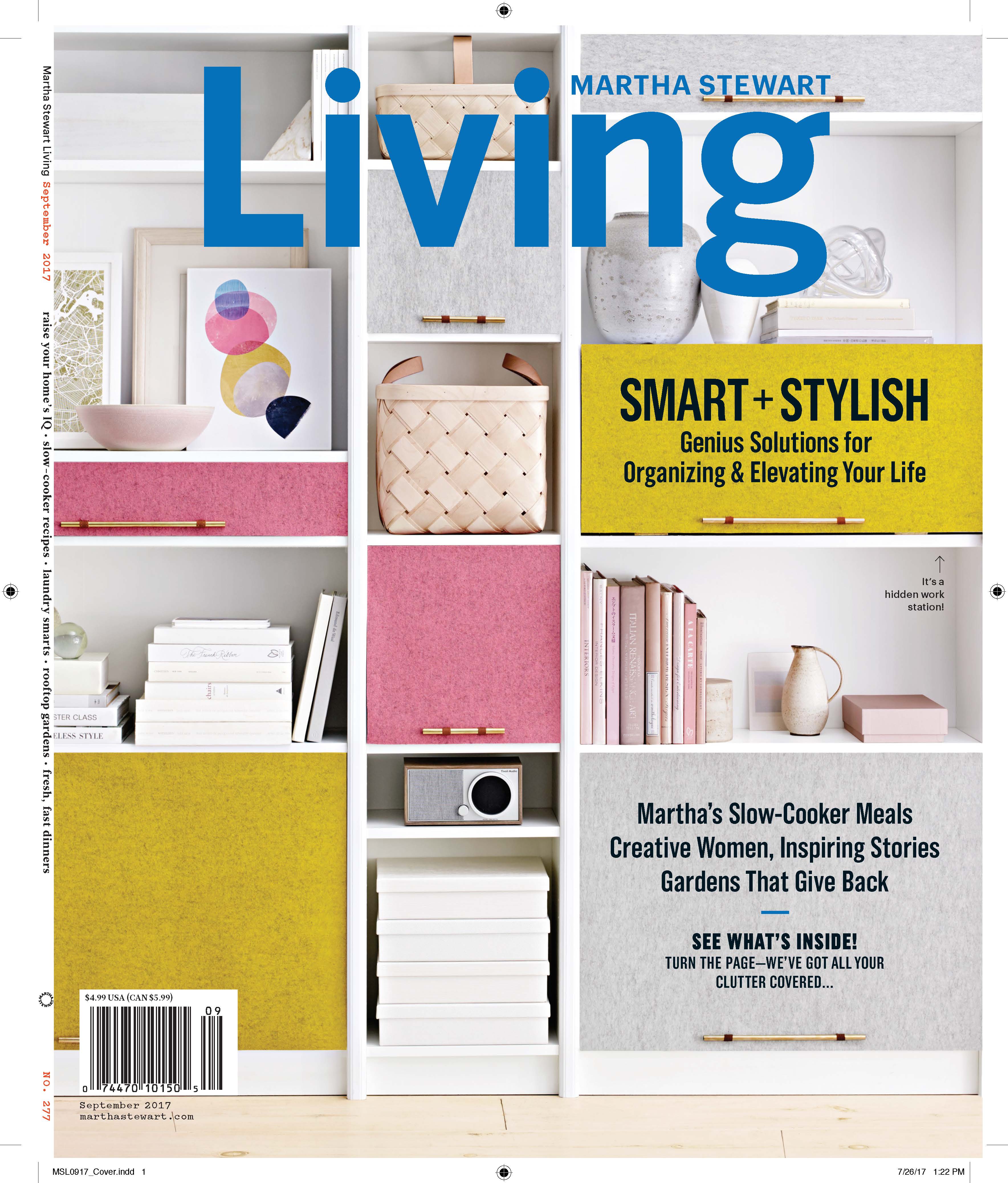
September 27, 2017

PRINT. The cornerstone of magazines and magazine media.

DIGITAL. The portal by which we all communicate these days and times.

PRINT & DIGITAL. A winning combination that has only been at odds with each other because of our own close-mindedness.

Like most preconceptions, the idea that digital media was born into this world to destroy print is preposterous. The blame game has gone on long enough. The problem is digital and print media have not been properly introduced to each other. And whose fault is that? Certainly not the words and pixels that make up each platform. No, the fault belongs to the people who love both mediums, but who are determined to keep wedging the divide even deeper into their differences. Namely, us, folks.

This next April 17—20, 2018, the Magazine Innovation Center at the Meek School of Journalism and New Media on the campus of the University of Mississippi will hold its annual ACT Experience. ACT stands for Amplify, Clarify and Testify on and about the future of print in a digital age. This time around we’re up to number eight, and it’s going to be an eye-opener. The theme of the ACT 8 Experience is: Print Proud, Digital Smart. And that’s exactly the phrase we all have to start living by if we want our magazines to be successful in the 21st century.

In an interview I did a few months ago with Michael Clinton, President, Marketing and Publishing Director for Hearst Magazines, I took deep notice of a comment that he made during our conversation. When I asked him where he thought Hearst’s future was heading, part of his answer was, “Obviously, we believe in our core product—which is print. Why do we believe so strongly? It’s because the consumer believes so strongly in it. Then, of course, like everyone else, have a very significant build-out on all digital and social platforms. All that has to run parallel to our print issues. We want our brands living everywhere. I think that’s a multiplatform approach, with the core always being very important.”

So, basically “Print Proud, Digital Smart.” In fact, I give Michael credit for coining ACT 8’s theme. And he’s absolutely right. If you want to succeed in today’s world in the magazine business, you have to be Print Proud & Digital Smart. It’s not a choice, it’s an absolute. And if you want to hear and learn more about this highly evocative concept, make plans today to join us in Oxford, Miss. for the ACT 8 Experience, April 17-20, 2018. You won’t be disappointed.

More information about the ACT 8 Experience will be added here in the upcoming weeks and months. Stay tuned!