Archive for the ‘Magazine Power’ Category

h1

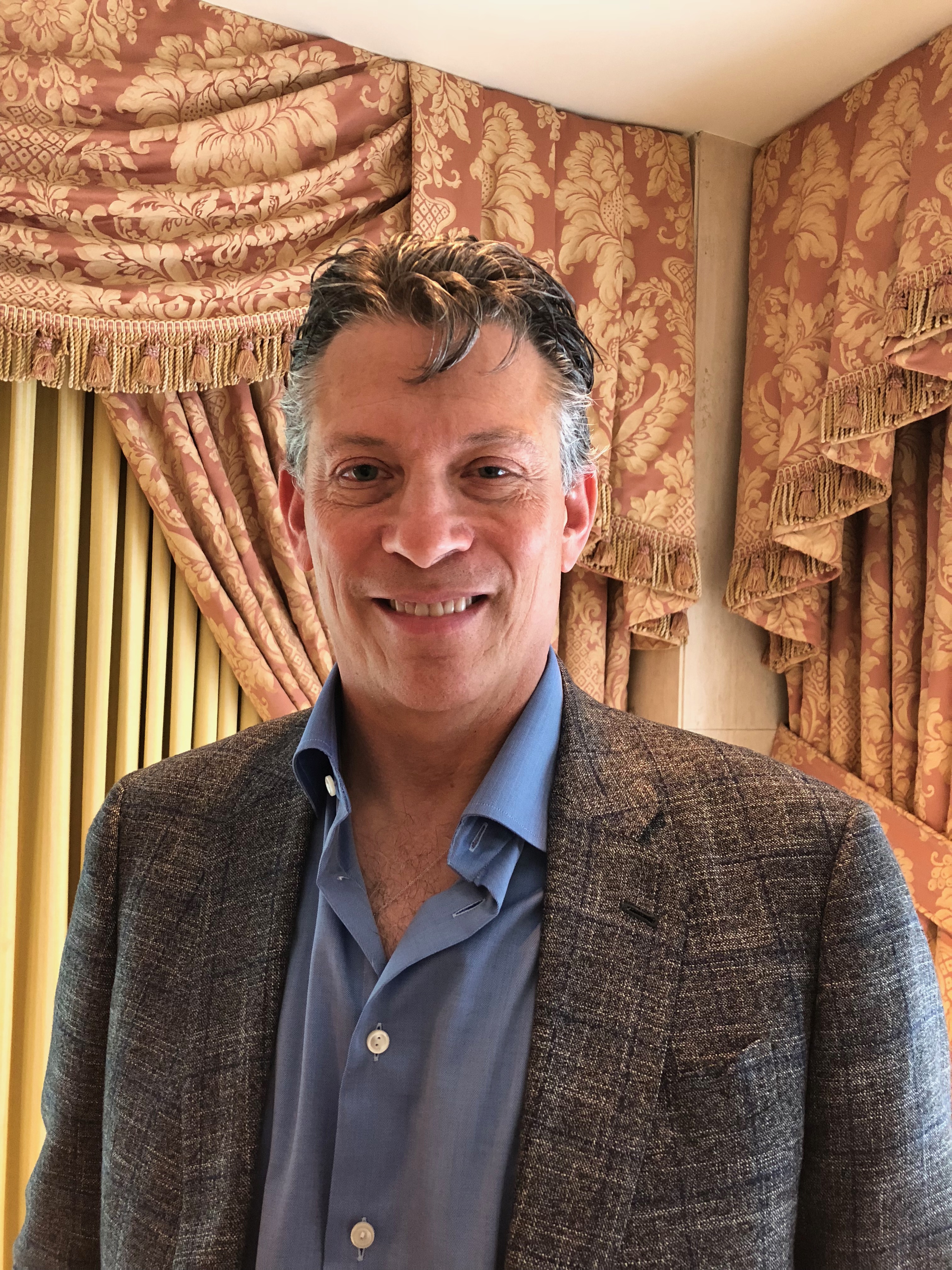
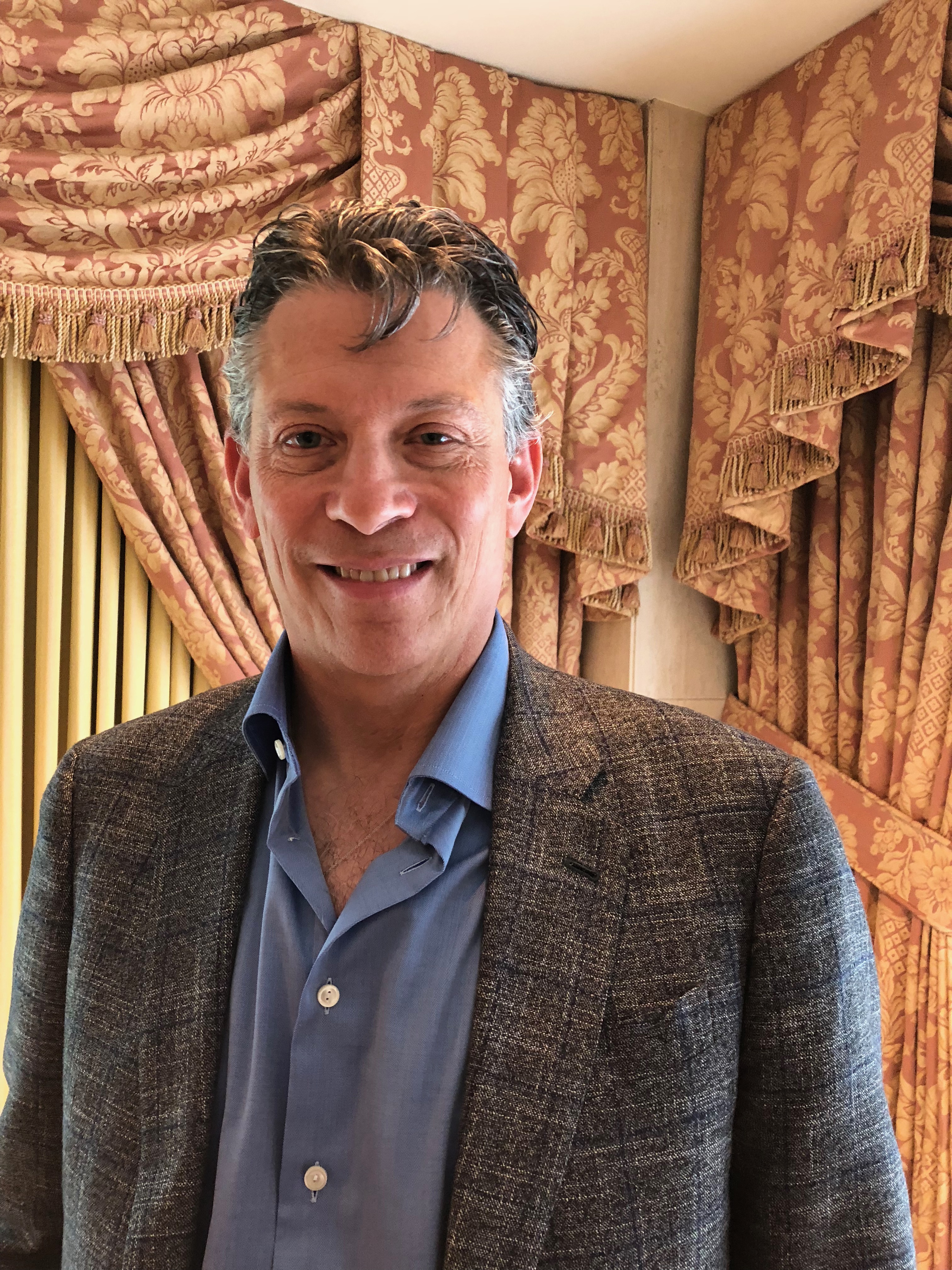
Ink Co-CEO & Founder, Simon Leslie, To Samir “Mr. Magazine™” Husni: “We Support Print Because Print Works.” The Mr. Magazine™ Interview…

June 21, 2018

“We support print because print works. People still love that ephemeral moment of picking up the magazine and flipping through it; that lean-back experience rather than lean-forward. Sometimes it’s nice to get off the screen and have that moment to yourself.” Simon Leslie…
Ink travel media was founded in 1994 and has six offices around the globe. They’re storytellers and sellers of advertising to some of the largest brands in the world today, such as American, Qatar, Etihad and Virgin Airlines. In addition, Ink also sells digital media space to airlines as well. But Joint CEO and Cofounder, Simon Leslie, is not a man to trifle with when it comes to print. He is a firm believer in a high quality ink on paper product and has the numbers to back it up.

As some of you know, I recently attended the IMAG Conference in Boston, hosted by MPA: The Association of Magazine Media. In this, my third and final interview installment of that wonderful experience, Simon graciously gave me some time to sit down with him and pick his brain about the cost effectiveness of print and about the success he and his company have found from not only the printed product, but also benevolence toward their employees and the human race in general. And while we all want to make a profit, including Simon, to him money is not the be all/end all of a company’s success. Not by a long shot.

As you read this interview, you will discover a man who has reached that pivotal moment in his life where success is measured by lives one has touched in a positive way, not by how many zeroes take up space in one’s bank account. And a man who has also found that people, human beings, still enjoy, want and revel in the printed product.

So, sit back and enjoy a conversation that will prove, beyond a shadow of a doubt, that there are still nice people in the world who are definitely print proud and print prosperous – the Mr. Magazine™ interview with Simon Leslie, Joint CEO & Cofounder, Ink.

But first the sound-bites:

On what’s going on with Ink today: Michael (Keating) and I started the business 24 years ago. And in 2003 we merged with two other partners and we all took very different roles. And in 2014 we took back control of the business and we’ve really focused on our people, on our process, and on the things that we’re really good at, which are creating great content and selling advertising.

On whether he considers himself an ambassador of print: Am I an ambassador? I’m pro-print; I’m happy that print is doing well, certainly for us as a business. We’re doing a lot of video and we’re producing a lot of content. And whatever format the readers want to consume it in, that’s what we’ll focus on. And today people still love magazines.

On whether Ink will ever do anything but travel media: I get asked that question a lot, you know? Why don’t you do something here or do something there. The more you focus on something, the better you become at it. It’s a process. The best in the world focus on one thing. We have done projects for some of our advertisers because they come to us and say that they love what we do and then ask can we help them? So, I wouldn’t say never, but we’re busy. And we’re seeing lots more opportunity coming from this sector. There are 350 airlines in the world, we do 27 of them. We haven’t really scratched the surface. Now, we do 27 of the best ones, but there are still plenty more to go for and there are plenty of markets that we don’t have a presence in. We are very much mining in those markets, quite aggressively.

On why Ink’s travel content isn’t repurposed for each airline or client: It’s something that we’ve looked at many times; people say why don’t they just repurpose this? But an article that we write on Paris for American is very different than an article we write on Paris for EasyJet. And the same for Etihad and Qatar, we have a different tone. What we agree with the airlines on is this is the person we are targeting, this is their client, this is the area that they want us to focus on, and that way it keeps it spoke on brand. Each airline has their own brand voice, has their own brand that they want to have. Some want to be really quirky, some want to be slick. Some want to be very adventurous, and we work at what the right tone is for each of those magazines.

On whether there has been a moment in his career where he felt as though “this is it – we’ve made it”: (Laughs) That’s a great question. Sometimes I walk through the office and I look around and there are hundreds of people and they’re working and I’ll think: when will they realize that I don’t know what I’m doing? Do you think they’ll ever figure it out? (Laughs) I mean, some of them already have. But it does make me very proud. It makes me proud seeing them achieve amazing things.

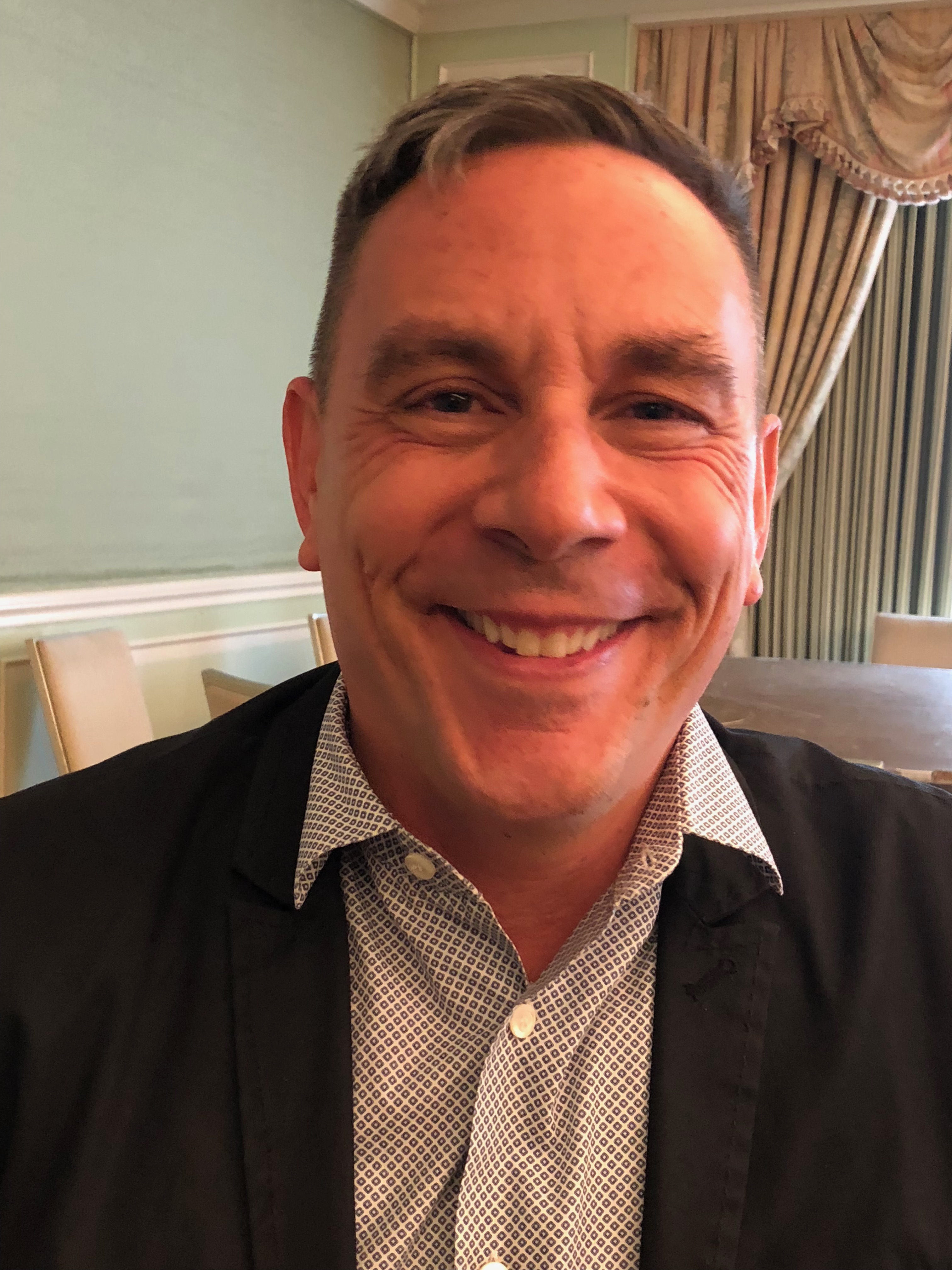
In front of the Boston, MA Public Library. This is the last of three interviews I conducted in Boston while attending the MPA: The Association of Magazine Media’s IMAG 2018 conference.

On his people-oriented beliefs and thinking and where that soft spot for his fellow man comes from: You’d have to ask my mother. (Laughs) She obviously brought me up well. You know, I spent 15 years trying to make money and being very much at the cold-face. I left school very early and just wanted to be rich. That’s what I thought anyway. And then something happened in my mid-thirties where I realized…something clicked that said if I wanted to be successful, I had to make sure I worked with people and focused on them, rather than focusing on the profits. And it started to work. And the more it worked, the more I said let’s do more of it.

On whether or not it’s all been a walk in a rose garden or there were some thorns every now and then: (Laughs) There have been lots of thorns. I think you become more resilient as you learn and grow. Once upon a time when the phone rang and you saw your client’s name there, you would think, what’s happened now? But now when the phone rings I’m excited to speak to them. And I don’t have the same fear that something has gone wrong. And I think that just comes from experience and knowing that whatever happens you’re going to deal with it. There is nothing that’s going to happen that one can’t deal with.

On how many magazines he has to publish to reach that complete satisfaction level: I think if you’d said to me three years ago that we’d be where we are today, I would have laughed at you. I was really trying to keep the lights on. And I guess the answer is, I’m satisfied all of the time, but if I stop, I’m letting 300 people down, not one. My ambition, if you have people more ambitious than you, then you shouldn’t be running the business. And that’s the answer. The day that someone is more ambitious than me, and there are a few of them coming through, then it’s time for me to hand over the reins to them and let them take the ship forward.

On anything he’d like to add: I’m excited. I think the market is so ripe for good products, there isn’t a shortage of companies. Companies are starting every day, there are millions and millions of companies and millions and millions of places. What there is a shortage of is people with the ability to go hunt, to go find them.

On how he would like to be remembered: I want them to think that he definitely left me better than he found me, in whatever context, whoever I meet. I always want to give them something that they’ll think was good, and that they didn’t know. And I certainly don’t want to be the cleverest man in any room. If I’m the cleverest man in the room, then I’m in the wrong room.

On what someone would find him doing if they showed up unexpectedly one evening at his home: If you find me at home, you’ve done a better job than my wife has done. (Laughs) I’ll tell you the thing that’s happened this year which has been great; I swapped my wristwatch for a Fitbit band and I bought one for all of my kids and my wife. And after dinner now we all go for a walk; we walk together, because we want to get to our 10,000-12,000 steps. We’re a bit competitive and we all want to do more than each other. And I have to say, we leave the phones at home and we walk and we talk and we play football and mess around in the park. And that has been the best thing. Too many people sit on the sofa and don’t talk to each other, don’t communicate, don’t ask each other how their day has been and they’re not getting any exercise. So, to me that was a great invention.

On what keeps him up at night: Normally it’s indigestion. (Laughs) I sleep really well. I’m a really good sleeper. I used to only have five to six hours of sleep and now I try to sleep longer, but I can’t. I don’t need that many more hours of sleep. There’s a saying that goes: worry, then you die, don’t worry, then you die. Why worry? (Laughs) It’s not going to change anything.
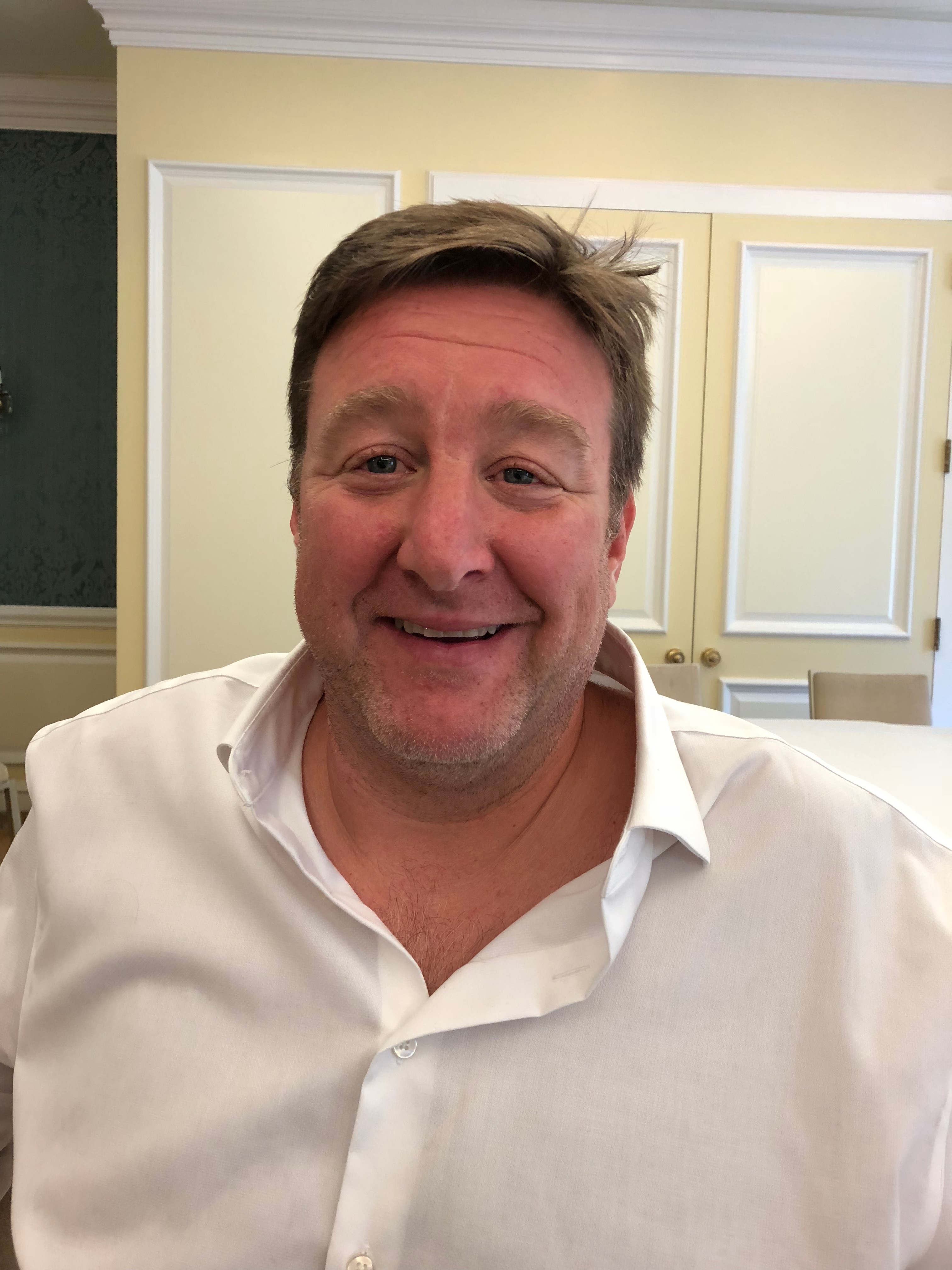
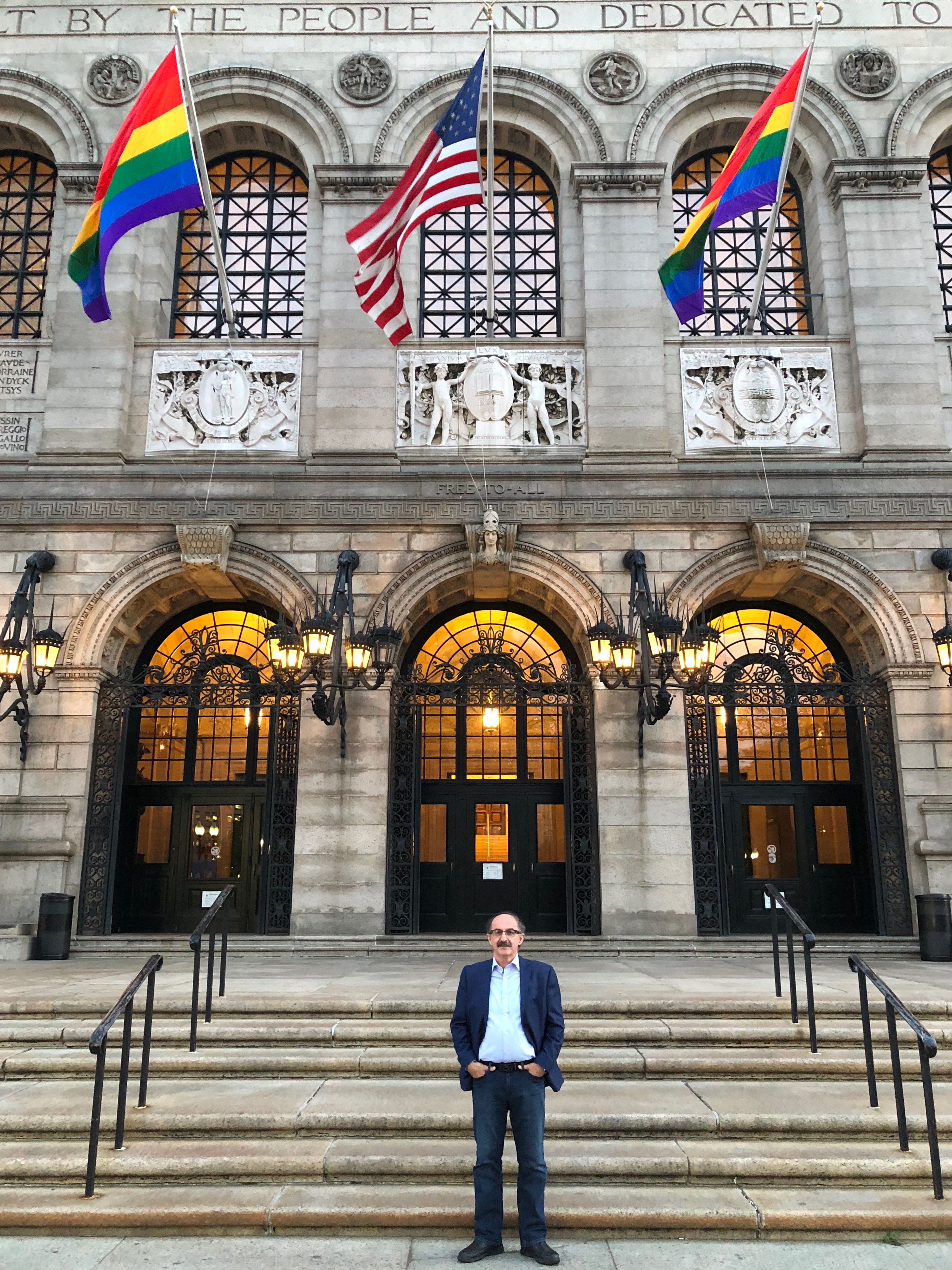
And now the lightly edited transcript of the Mr. Magazine™ interview with Simon Leslie, joint CEO & cofounder, Ink.

Samir Husni: Give me an update, where are you now with Ink? Last time we spoke you still had a CEO, and now you’re the joint CEO and things have changed.

Simon Leslie: Michael (Keating) and I started the business 24 years ago. And in 2003 we merged with two other partners and we all took very different roles. And in 2014 we took back control of the business and we’ve really focused on our people, on our process, and on the things that we’re really good at, which are creating great content and selling advertising.

And over the last 12 months, we’ve gotten nine new contracts. We’ve added airlines like Qatar, Etihad, Virgin, Singapore Airlines, some of them the most coolest and prestigious airline brands in the world. And I guess people have now realized that we’re good at what we do and even the biggest and the best airlines in the world are a part of our stable.

Samir Husni: Do you consider yourself now as more of a print ambassador? Because you’re one of the few people in the industry who continue to promote print, who continues to say, look, we’re doing print and we’re getting more contracts in print.

Simon Leslie: Our airlines want to give their customers content to read. If they had a mechanism to deliver that content in a different format, I’m sure we would. We support print because print works. People still love that ephemeral moment of picking up the magazine and flipping through it; that lean-back experience rather than lean-forward. Sometimes it’s nice to get off the screen and have that moment to yourself.

Am I an ambassador? I’m pro-print; I’m happy that print is doing well, certainly for us as a business. We’re doing a lot of video and we’re producing a lot of content. And whatever format the readers want to consume it in, that’s what we’ll focus on. And today people still love magazines.

Samir Husni: You’ve specialized your company. You’ve become “the travel media ambassador.”

Simon Leslie: We are travel media.

Samir Husni: Is that all you’re going to do or never say never?

Simon Leslie: I get asked that question a lot, you know? Why don’t you do something here or do something there. The more you focus on something, the better you become at it. It’s a process. The best in the world focus on one thing. We have done projects for some of our advertisers because they come to us and say that they love what we do and then ask can we help them? So, I wouldn’t say never, but we’re busy. And we’re seeing lots more opportunity coming from this sector. There are 350 airlines in the world, we do 27 of them. We haven’t really scratched the surface. Now, we do 27 of the best ones, but there are still plenty more to go for and there are plenty of markets that we don’t have a presence in. We are very much mining in those markets, quite aggressively.

But I also want to be seen as the place to go when you want to reach a traveler. I want people to think about us as the place to go to find that, both from a research point of view and a content point of view. And then from an advertising point of view of what travel behaviors are like; where the new hotspot is, what Chinese travelers spend their money on, where Indian travelers want to go next. There are a lot of things that we’re picking up during the process of what we do. It’s very interesting.

Samir Husni: Someone might ask why don’t you use the same content in all of these magazines, since the travelers aren’t the same. What do you do to ensure that whatever is in the Etihad magazine or whatever is in the American Way magazine is uniquely designed and created for the American flyer or the Etihad flyer, or each individual airlines’ flyer?

Simon Leslie: It’s something that we’ve looked at many times; people say why don’t they just repurpose this? But an article that we write on Paris for American is very different than an article we write on Paris for EasyJet. And the same for Etihad and Qatar, we have a different tone.

What we agree with the airlines on is this is the person we are targeting, this is their client, this is the area that they want us to focus on, and that way it keeps it spoke on brand. Each airline has their own brand voice, has their own brand that they want to have. Some want to be really quirky, some want to be slick. Some want to be very adventurous, and we work at what the right tone is for each of those magazines.

And each of them have their own dedicated team, both in advertising and editorial, so they really live and breathe the airline so they understand the customer’s behavior. They understand, do they have more short-haul travelers or more long-haul travelers; do they want gourmet; what are their passions; what are the things that really excite them? And then we can make sure the book is filled to the brim with that information.

Samir Husni: Has there been a moment in your recent career, since you started Ink, that you felt – this is it, we’ve made it?

Simon Leslie: (Laughs) That’s a great question. Sometimes I walk through the office and I look around and there are hundreds of people and they’re working and I’ll think: when will they realize that I don’t know what I’m doing? Do you think they’ll ever figure it out? (Laughs) I mean, some of them already have. But it does make me very proud. It makes me proud seeing them achieve amazing things.

One of the things that we’ve really focused on in the last three years is not just doing what we’re doing and making money, but really getting them to give back. Every year 10 people from different offices, people who have probably never met before, they cross the Sahara together. We do two marathons in two days across the Sahara to raise money for charity. Everybody is running, baking; we work with a lot of the homeless missions.

It’s interesting that there’s all this talk about driverless cars and all these amazing things that we’re going to do, but figuring out how to get rid of homeless on the streets might be more valuable. The time consumed on mobiles and social media and everything else is just such wasted time and there are so many good things that could be done that people aren’t even thinking about and I think that’s a crime.

Samir Husni: Each time I talk with you I feel that you have a soft spot about people, about the human race. Where does this come from? You’re a CEO of a major company, a multimillion dollar business, but you’re always thinking about the audience, about the people. You talk about your own people, rather than going through the P&L of your company and all of the money that you’re making. Where does this soft spot come from?

Simon Leslie: You’d have to ask my mother. (Laughs) She obviously brought me up well. You know, I spent 15 years trying to make money and being very much at the cold-face. I left school very early and just wanted to be rich. That’s what I thought anyway. And then something happened in my mid-thirties where I realized…something clicked that said if I wanted to be successful, I had to make sure I worked with people and focused on them, rather than focusing on the profits. And it started to work. And the more it worked, the more I said let’s do more of it.

And I thought about what would motivate me at different phases in my life and if it motivated me, then hopefully I could motivate others with the same stick. And I get asked quite a lot, how do you get this through the Board and how do you get approval to do this? We have sports coaches; we have sports-type holidays; we have physios; I have wellness, sleep and diet coaches; mindfulness coaches, and people are like how do you prove ROI; how do you keep spending on that? And I keep saying that the results are getting better, so we’re clearly doing the right thing.

It’s very hard, and I see this with advertisers as well, they see their competitors in the magazine and they’re saying, yes, but we haven’t got the money to spend. And I say, but they didn’t have the money to spend when they started, they just took a leap of faith.

I was in Melbourne once and I saw a picture, it was called “Leap of Faith.” And I bought it. I took a replica of it and every time I had somebody who said, well, I don’t know – I’d say, here’s a picture called Leap of Faith, come with us on our journey and I think you’ll be okay. And we’ve had a lot of success with it, a few failures, but a lot of success just from people taking a leap of faith, believing what we believe. And that gets you the results, the results come because of the people. We have no assets, for a business, there are very little assets. The assets are our people.

Samir Husni: Has it been a walk in a rose garden since then? Or every now and then do you catch a thorn?

Simon Leslie: (Laughs) There have been lots of thorns. I think you become more resilient as you learn and grow. Once upon a time when the phone rang and you saw your client’s name there, you would think, what’s happened now? But now when the phone rings I’m excited to speak to them. And I don’t have the same fear that something has gone wrong. And I think that just comes from experience and knowing that whatever happens you’re going to deal with it. There is nothing that’s going to happen that one can’t deal with.

Samir Husni: I know you’re satisfied with what you have, but when do you think you’ll reach that complete satisfaction level? When you publish 50 out of the 350 airline magazines? Now you’re at 27, is there a figure in your head or not?

Simon Leslie: I think if you’d said to me three years ago that we’d be where we are today, I would have laughed at you. I was really trying to keep the lights on. And I guess the answer is, I’m satisfied all of the time, but if I stop, I’m letting 300 people down, not one. My ambition, if you have people more ambitious than you, then you shouldn’t be running the business. And that’s the answer. The day that someone is more ambitious than me, and there are a few of them coming through, then it’s time for me to hand over the reins to them and let them take the ship forward.

But as it stands at this minute, I don’t feel like I’m out of second gear, I feel like a 24-year-old startup; I feel more excited than I’ve ever been. We’re having huge successes every month. We’re breaking records. I listen to everyone talking about how print is not doing well and how people are not buying print, and I just tell them it’s not true. I think the biggest problem with the industry is that the industry doesn’t believe enough in its own products. It doesn’t believe in its own story and that’s something they really have to work on.

A lot of people came up to me after my talk at IMAG and told me how much they loved it, but that what I said wouldn’t work in their organization. And I told them that the problem wasn’t their organization.

Samir Husni: Is there anything you’d like to add?

Simon Leslie: I’m excited. I think the market is so ripe for good products, there isn’t a shortage of companies. Companies are starting every day, there are millions and millions of companies and millions and millions of places. What there is a shortage of is people with the ability to go hunt, to go find them.

Samir Husni: How do you want people to remember you? If you could have one thing tattooed upon your brain that no one would ever forget about you, what would it be?

Simon Leslie: I want them to think that he definitely left me better than he found me, in whatever context, whoever I meet. I always want to give them something that they’ll think was good, and that they didn’t know. And I certainly don’t want to be the cleverest man in any room. If I’m the cleverest man in the room, then I’m in the wrong room.

Samir Husni: If I showed up unexpectedly at your home one evening after work, what would I find you doing? Having a glass of wine; reading a magazine; cooking; watching TV; or something else? How do you unwind?

Simon Leslie: If you find me at home, you’ve done a better job than my wife has done. (Laughs) I’ll tell you the thing that’s happened this year which has been great; I swapped my wristwatch for a Fitbit band and I bought one for all of my kids and my wife. And after dinner now we all go for a walk; we walk together, because we want to get to our 10,000-12,000 steps. We’re a bit competitive and we all want to do more than each other. And I have to say, we leave the phones at home and we walk and we talk and we play football and mess around in the park. And that has been the best thing. Too many people sit on the sofa and don’t talk to each other, don’t communicate, don’t ask each other how their day has been and they’re not getting any exercise. So, to me that was a great invention.

Samir Husni: My typical last question; what keeps you up at night?

Simon Leslie: Normally it’s indigestion. (Laughs) I sleep really well. I’m a really good sleeper. I used to only have five to six hours of sleep and now I try to sleep longer, but I can’t. I don’t need that many more hours of sleep. There’s a saying that goes: worry, then you die, don’t worry, then you die. Why worry? (Laughs) It’s not going to change anything.
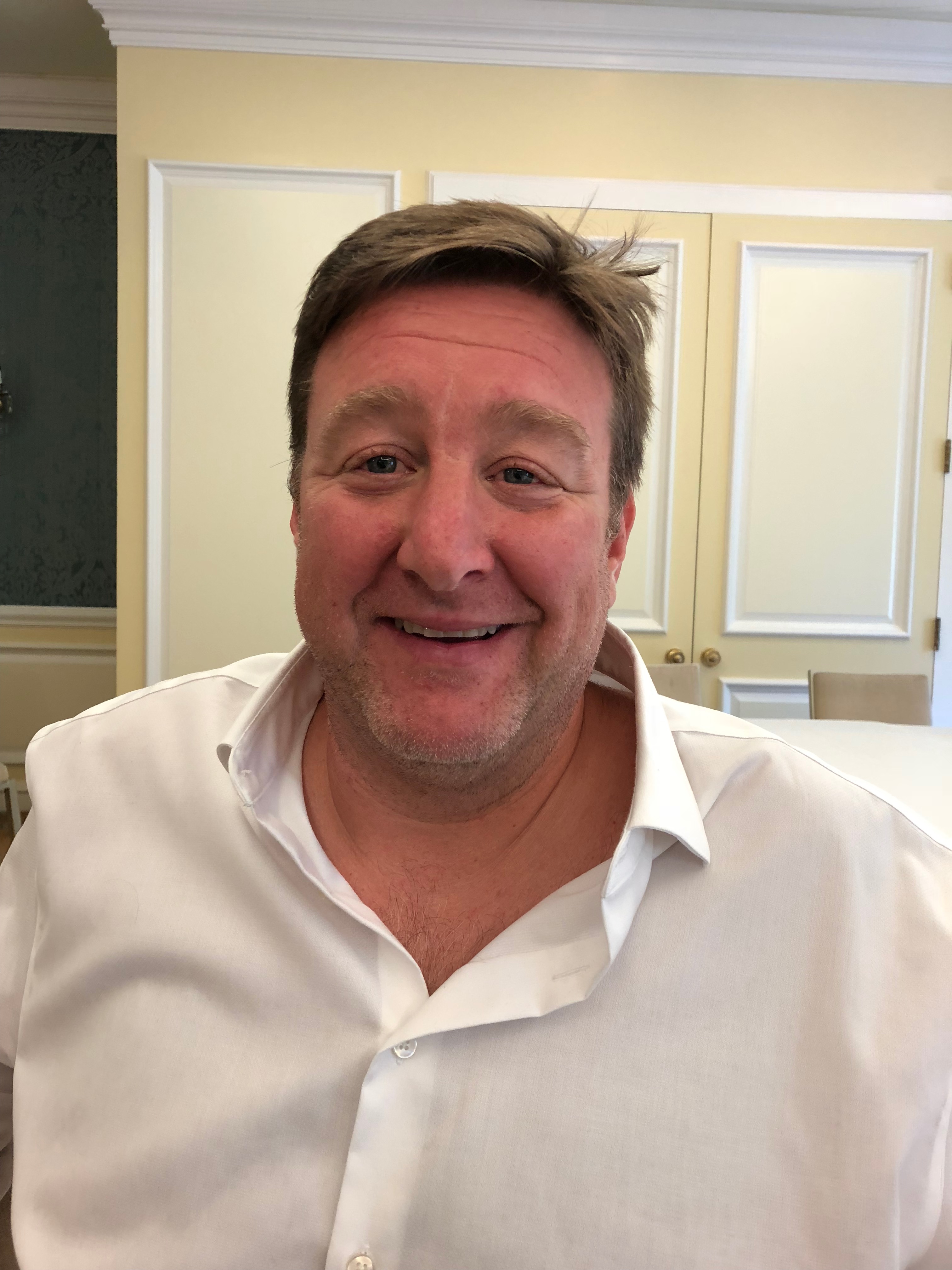
And I don’t look at my phone first thing in the morning. That’s probably one of the best things; I used to wake up and look at the phone, therefore you start your day dealing with problems way before you need to. So now, I wake up in the morning, if my wife is there I give her a kiss, and I leave the phone until I’m ready to start the day. I’ve had my juice and take my tablets and I’m prepared for whatever it is. And do you know what the funny thing is? Most of the time there’s nothing there to be prepared for, because things are running the way you want them to.

Samir Husni: Thank you.
h1

America’s Test Kitchen CEO, David Nussbaum, To Samir “Mr. Magazine™” Husni: “I Think We Are One Of The Rare Companies Where Print Continues To Grow…” The Mr. Magazine™ Interview…

June 20, 2018

“… But Again We’re Not Dependent Upon Advertising, So We Understand That If You Can Build Really High Quality Content That’s Not Available Anyplace Else, People Will Pay For It.” David Nussbaum…

“Content providers can no longer survive simply on advertising and we need content providers. And so more and more companies have to realize that the future is not selling another ad or another digital ad, or even some of what they call advertorials or native advertising, which at some point the consumer is not going to trust. So, I think every content provider has to figure out a way to provide information and content and whatever else they need to provide that people are willing to pay for or otherwise it has very little value.” David Nussbaum…

Having a firm belief in print, but also having a tight vision on the digital future. This statement would define America’s Test Kitchen CEO, David Nussbaum, to a perfect T. Recently, as some of you may have read in an earlier Mr. Magazine™ blog post, I attended the IMAG Conference in Boston, hosted by MPA: The Association of Magazine Media. While there, I had the extremely pleasant opportunity to speak with David about America’s Test Kitchen and some of the innovative ideas that are being “cooked” up in the brand’s new location.

David was excited to tell me about their new studios (which we toured as part of the IMAG Conference) and about all of the fun experiences they are creating for their consumers, such as food festivals and even a food truck that will get out among people. From engaging their audience with a more communal environment to expanding their dialogue with consumers through more social media conversation, David has opened up the brand and made it more people-friendly since becoming CEO almost three years ago.

As I sat down with David to talk, I realized that his passion and commitment for and to the brand was synonymous with its continued success, as he talked quietly, but animatedly about what creating a community for his subscribers, viewers and readers meant to him. It was a peek into one of the most distinguished and unique brands around and I hope that you enjoy it as much as I did.

Now, the Mr. Magazine™ interview with David Nussbaum, CEO, America’s Test Kitchen.

But first the sound-bites:

On the strategy behind moving America’s Test Kitchen: The strategy was pretty clear in that the business of media and the business of food was all moving to video. And we have two TV shows on air, one of them for 14 years and the other is going into its 18th season, so we knew video and we had the expertise, but we didn’t really have the studios. But we also realized that we had to shoot video every single day. And in our old location to shoot video we had to shut down half the operation, because we didn’t have studios, we would have to close the kitchens and move cameras in.

On whether he thinks their unique business model of no advertising and collecting revenue from readers, viewers and subscribers can be duplicated in today’s digital age where everyone expects everything for free: I think it has to be, because content providers can no longer survive simply on advertising and we need content providers. And so more and more companies have to realize that the future is not selling another ad or another digital ad, or even some of what they call advertorials or native advertising, which at some point the consumer is not going to trust. So, I think every content provider has to figure out a way to provide information and content and whatever else they need to provide that people are willing to pay for or otherwise it has very little value.

On where he sees print in this digital environment we live in: I think we are one of the rare companies where print continues to grow. But again we’re not dependent upon advertising, so we understand that if you can build really high quality content that’s not available anyplace else, people will pay for it.

On the fact that they have a million-plus subscribers and it’s a 36-page magazine, black and white inside, with illustrations instead of pictures: It tells me first of all that we’re different and it helps to be different. In any business, if you can create something that’s different and unique, people are going to be interested. And really our readers self-select. Our readers are food geeks. They’re not necessarily interested in some big, pretty pictures, they’re interested in ‘why did we come up with this recipe and what’s the science behind it?’ ‘What’s the history behind some of the ingredients?’ There’s a lot more that surrounds our recipes than just a teaspoon of sugar and a quart of milk. And I think people realize that. You just have to look at the content that sells.

On some of the changes that have taken place since he became CEO of America’s Test Kitchen: First of all, things can always be greater. (Laughs) And we did have our biggest revenue year ever in 2017, that’s after 25 years in business. But really what we’ve done is realize that the competition continues to increase, that the platforms, such as public media, where we have our TV shows; all platforms are challenged because of court-cutting, and so we’ve done a lot of different things. To begin with, the new space that we talked about earlier. We went from 23,000 sq. ft. to almost 50,000 sq. ft. Mostly studio and mostly state-of-the-art kitchens. So, that’s one major difference.

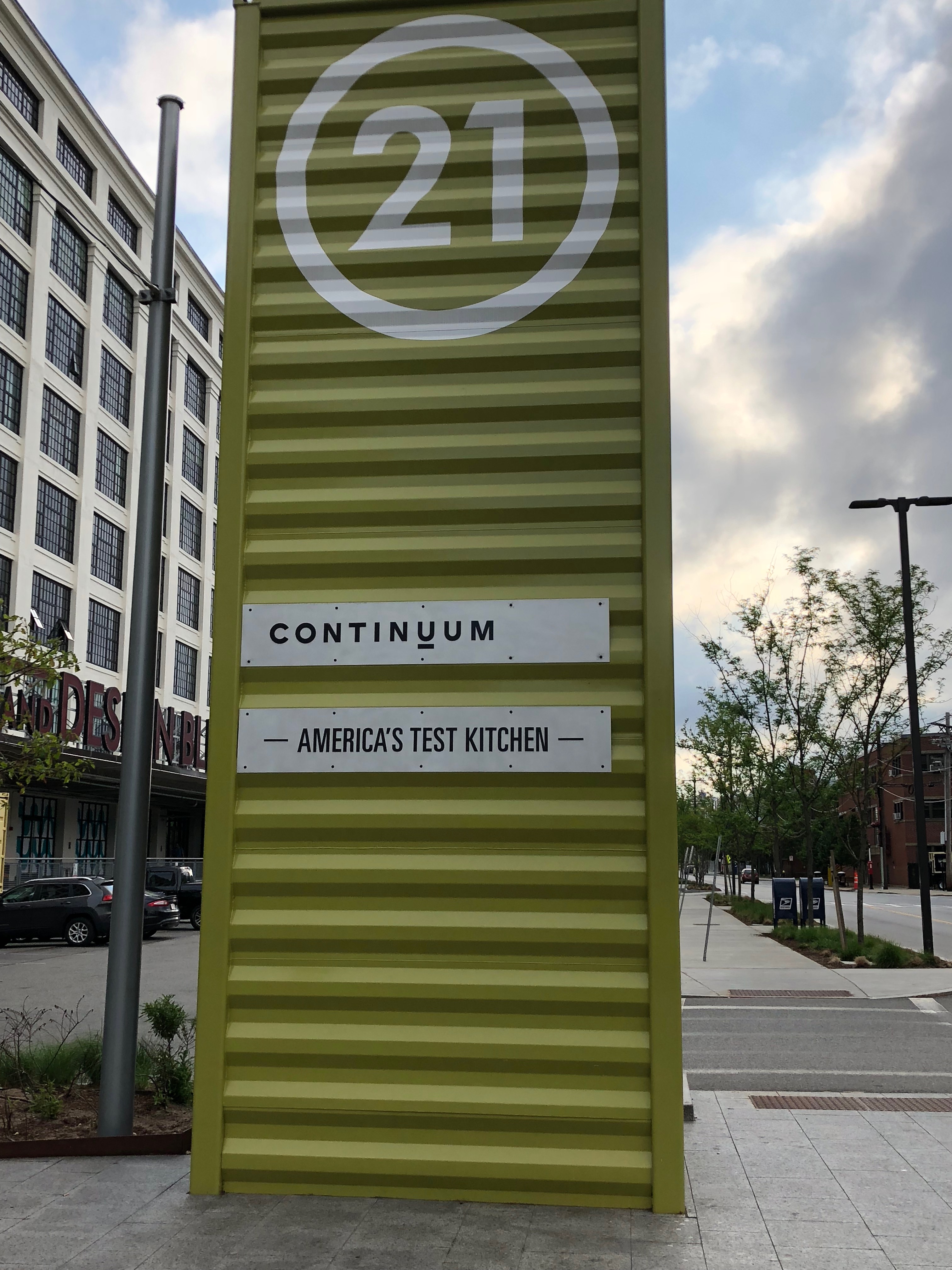
On the events and the food trunk that has been created to make the experience with the brand richer: That’s another aspect that we brought to the company. We wanted to interface with our community in a much closer, one-to-one interpersonal way. Before, the company was kind of hidden away, there was no sign; you really had to work to find where it was. So, we moved to this location where there are big America’s Test Kitchen signs outside and we will have a food truck that launches in the middle of July. We did the food festival and we really want to encourage community.

In front of the Boston, MA Public Library. This is the second of three interviews I conducted in Boston while attending the MPA: The Association of Magazine Media’s IMAG 2018 conference.

On anything he’d like to add: I think one of the biggest things that we are going to be doing, and it’s in progress, is the launch of our own OTT (over the top content). We have been on PBS for 18 years with America’s Test Kitchen, 14 years with Cook’s Country, and we, God willing, will be on PBS forever. But we also recognize that with court-cutting, with programming-on-demand, with programming through applications, that we need to reach out to other platforms.

On what he would have tattooed upon his brain that would be there forever and no one could ever forget about him: I think it would be that my belief system is that trust, honesty and caring are the three most important words in my vocabulary. And that’s whether it’s the people I work with, the suppliers I work with, my family and friends. In all of the places, in all of the companies that I have run, and I feel if you spoke to the people who worked there, they would tell you that’s what I stand for.

On what someone would find him doing if they showed up unexpectedly one evening at his home: Whatever my wife tells me to do. (Laughs) No, actually, winding down I would probably be sitting with an iPad on my lap; I’ll be watching some program on Netflix. I’ll be jumping to one of my digital magazines: The New Yorker, Vanity Fair or digital newspapers. And checking email. That’s what I do. And definitely Twitter.

On what keeps him up at night: I sleep pretty well. What keeps me up at night is that any good company, any good businessperson realizes that you can never stand still. And innovation is not something that you do and then say, okay, we’re all done. Innovation is something that you have to continually create. So, my job as CEO is always to encourage, enrich and ensure that my teammates all feel like innovation is as the core of what they do. And that’s hard work. That’s what keeps me up at night; how can I continue to find innovation for our company that’s successful innovation.

And now the lightly edited transcript of the Mr. Magazine™ interview with David Nussbaum, CEO, America’s Test Kitchen.

Samir Husni: Tell me about moving the headquarters of America’s Test Kitchen; what was the strategy behind it?

David Nussbaum: The strategy was pretty clear in that the business of media and the business of food was all moving to video. And we have two TV shows on air, one of them for 14 years and the other is going into its 18th season, so we knew video and we had the expertise, but we didn’t really have the studios. But we also realized that we had to shoot video every single day. And in our old location to shoot video we had to shut down half the operation, because we didn’t have studios, we would have to close the kitchens and move cameras in.

So, we knew that it was important to make that shift and we realized that we weren’t really a publishing company, but we’re a studio, like a Hollywood studio. We now shoot video pretty much every single day of the week, and sometimes on Saturdays. We opened up 360 new YouTube videos this year; we use video on social very aggressively; we’re in the process of hopefully launching a third TV show, and we do live video once every couple of weeks from our studios. So, it’s really a morphing of the business to understanding that people want to consume more video. And that now sits within our subscription website, there is a lot of video there, soon it will be on our app. So the move was really all about taking the business to where it needed to go, which was to become a studio.

Samir Husni: And you have a unique business model. You have no advertising; you’ve always collected your revenue from your viewers, listeners, readers, subscribers, you name it. Do you think that’s a model that can be duplicated in today’s digital age, where everybody expects everything for free?

David Nussbaum: I think it has to be, because content providers can no longer survive simply on advertising and we need content providers. And so more and more companies have to realize that the future is not selling another ad or another digital ad, or even some of what they call advertorials or native advertising, which at some point the consumer is not going to trust. So, I think every content provider has to figure out a way to provide information and content and whatever else they need to provide that people are willing to pay for or otherwise it has very little value.

And we’re seeing more and more of that. The New York Times recently took its cooking section from free to subscription. And from what I understand they’re doing pretty well. We heard that This Old House has launched a subscription site for content and they won an IMAG award, so they’re doing very well. So, I think more and more companies are experimenting with that and realizing that’s where the future is. You just have to look at the numbers, in terms of advertising declines over the next five years, it’s stunning. And so I think it’s absolutely critical.

Samir Husni: Yet, during all of the changes that took place in the last ten years, from the introduction of digital, such as with the Smartphone; you were sort of sheltered because you didn’t depend on advertising. Your business model was different. You have almost one million subscribers for Cook’s Illustrated and you have Cook’s Country…

David Nussbaum: Which has about 300,000 subscribers.

Samir Husni: And you’re doing a lot of SIP’s and specials. Where do you see print in this whole digital environment that we live in?

David Nussbaum: I think we are one of the rare companies where print continues to grow. But again we’re not dependent upon advertising, so we understand that if you can build really high quality content that’s not available anyplace else, people will pay for it.

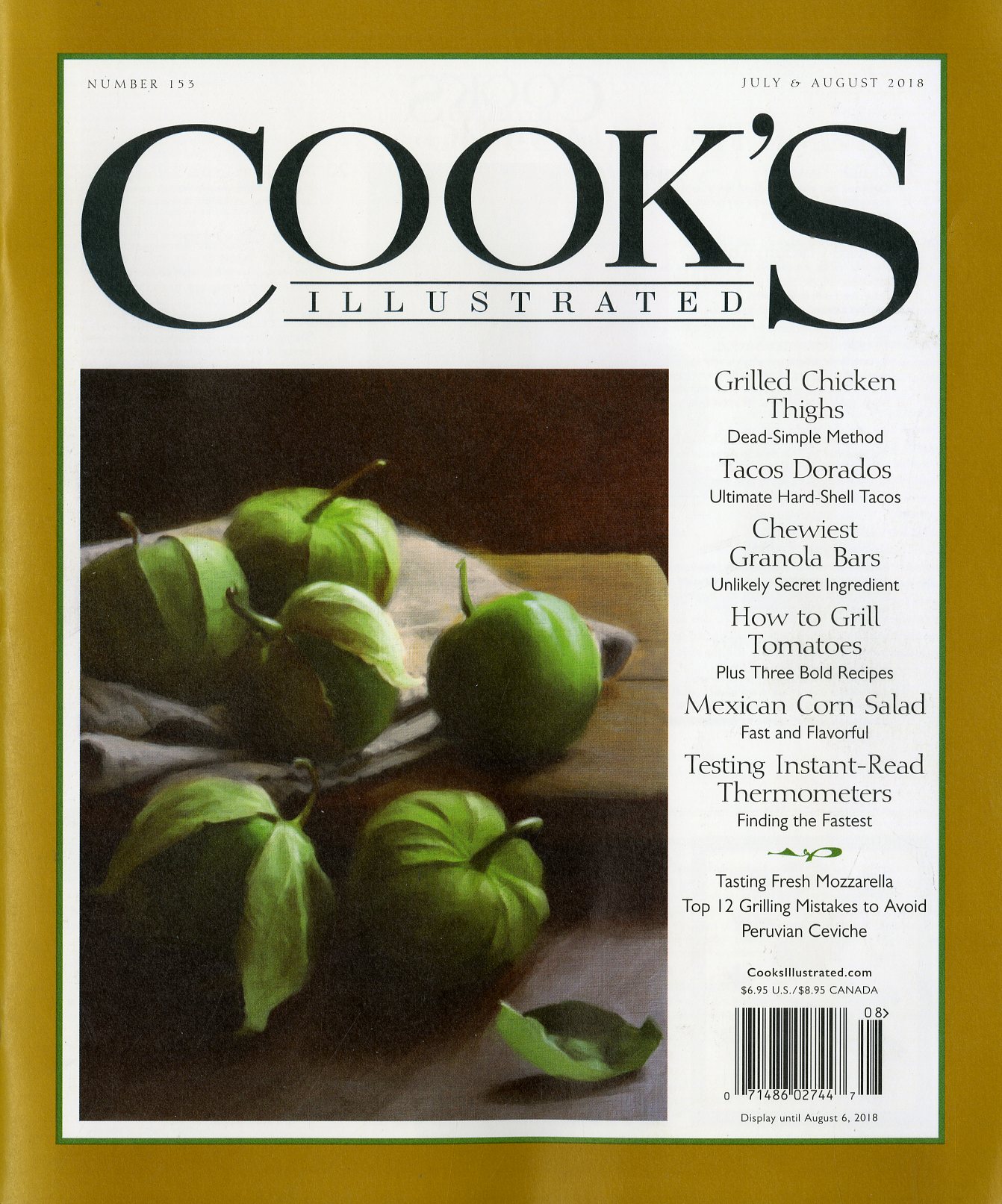
I’ll give you an example, we test every one of our recipes between 40 and 60 times and we spend an average of $10,000 per recipe in development. We have to do that, because recipes for the most part are free, you just put what you’re looking for into Google, eggplant parmigiana, and you have a million recipes. Ours are better, and we prove that they’re better through our research, through the process, through the time, so that you know when you purchase one of our recipes the dish will come out absolutely perfectly.

So, there has to be something inside the content that makes people willing to pay for it; there must be a unique aspect to it. Our print magazines and our books, those businesses are up year over year, thus far through this year and the print business was up last year as well. Even our newsstand business through April was up double digits. And I don’t think there are too many newsstand companies that can say that.

And again, it’s because our content is really unique and different and interesting, and people realize that what they’re going to get from us is something that they can’t get from everybody else. You can go to the newsstand and there are a million cooking magazines there. And our business is up by double digits, it’s a multimillion dollar business. And I think it has to come down to the high quality of the content and the respect for the brand.

Samir Husni: And yet you’re able to get away with a 36-page magazine, black and white inside, illustrations instead of pictures, and you have a million-plus subscribers. What does that tell you?

David Nussbaum: It tells me first of all that we’re different and it helps to be different. In any business, if you can create something that’s different and unique, people are going to be interested. And really our readers self-select. Our readers are food geeks. They’re not necessarily interested in some big, pretty pictures, they’re interested in ‘why did we come up with this recipe and what’s the science behind it?’ ‘What’s the history behind some of the ingredients?’ There’s a lot more that surrounds our recipes than just a teaspoon of sugar and a quart of milk. And I think people realize that. You just have to look at the content that sells.

The New York Times is not a beautiful piece of print. And yet people read it and read it religiously. USA Today is beautiful, 4-color, pretty pictures, but it doesn’t have near the respect or the readership that The New York Times does. So, I think it’s more about the delivery, the content, and being unique.

Samir Husni: Since you became CEO of America’s Test Kitchen, what are some of the changes that you and your team take responsibility for? Or was everything going great when you got here and it just continues down that same path?

David Nussbaum: First of all, things can always be greater. (Laughs) And we did have our biggest revenue year ever in 2017, that’s after 25 years in business. But really what we’ve done is realize that the competition continues to increase, that the platforms, such as public media, where we have our TV shows; all platforms are challenged because of court-cutting, and so we’ve done a lot of different things. To begin with, the new space that we talked about earlier. We went from 23,000 sq. ft. to almost 50,000 sq. ft. Mostly studio and mostly state-of-the-art kitchens. So, that’s one major difference.

And number two is the company really didn’t engage in social before I got here. They had one social media person, no one else in the company was allowed to post and that person had to get approval for every single post before it went up.

When I joined, I said first of all we’re going to hire five social media people; we’re going to ask everybody in the company to please post. And they don’t even have to post a company message, just post. And so we’ve taken that social position from almost zero to where we have 12 million social participants every month. And that helped us acquire audience and it helped us build brand, so the whole social program is brand new since I got here.

The company used to be very inwardly-focused; inwardly in that if you were a subscriber to the website, you were not allowed to post on the website. We opened that up so that people can now post. And that has created more of a community environment. Before, the company didn’t want to work with anybody; we now have partnerships with Holland America; America’s Test Kitchen is now on all 14 of their ships. So, America’s Test Kitchen is on the seas.

We are very, very close to signing with a major resort company, and America’s Test Kitchen will be on all of these resorts. We’re working with Reebok. We’ve launched food festivals, we’re now working with major brands and we’re getting thousands and thousands of people to attend. So, really what my team has done over the last three years is make America’s Test Kitchen and the brands much more ubiquitous. And by doing that we have grown our touchpoints to the audience to where we now touch around 60 million consumers every month through all the various channels. And that’s probably 10 times what was happening three years ago.

Samir Husni: Some will say that you humanized the brand; you’ve grown the brand even closer with feel and touch to the audience, including creating the mobile aspect.

David Nussbaum: Yes, the sites were not mobilized, that’s a good point.

Samir Husni: What about the experience making, the events that you’re now creating, including the food truck?

David Nussbaum: That’s another aspect that we brought to the company. We wanted to interface with our community in a much closer, one-to-one interpersonal way. Before, the company was kind of hidden away, there was no sign; you really had to work to find where it was. So, we moved to this location where there are big America’s Test Kitchen signs outside and we will have a food truck that launches in the middle of July. We did the food festival and we really want to encourage community.

So, we now have a Facebook page that’s only for subscribers and we dialogue with them all of the time. The food festivals themselves, we’re going to have two this year, and we’re expecting to meet 6, 000 or 7,000 of our consumers, look them in the eye, talk to them. As I said, we added commenting to all of our websites, people can come on and now tell us whether or not they liked a recipe, and that didn’t happen before. And we’ve increased, obviously, all of our social platforms. We weren’t on Instagram before; we weren’t on Pinterest before and we didn’t have as many Facebook pages as we do now.

And I think it’s a great point to make, that engaging our consumer has become much more important to us and it has really facilitated who we are. We now invite groups to take tours of the kitchens, which is a very popular program that we have. And we hope to, not in 2018, but hopefully in 2019 and beyond, we hope to take the food truck on the road and go visit people in different cities.

Samir Husni: Is there anything that you’d like to add?

David Nussbaum: I think one of the biggest things that we are going to be doing, and it’s in progress, is the launch of our own OTT (Over The Top content). We have been on PBS for 18 years with America’s Test Kitchen, 14 years with Cook’s Country, and we, God willing, will be on PBS forever. But we also recognize that with court-cutting, with programming-on-demand, with programming through applications, that we need to reach out to other platforms.

And so we’re going to be launching our own OTT before the end of this year, so that you can watch our programs. And you can see other videos that we’ll create for the OTT, and hopefully newly-launched TV shows as well. Wherever you are, whenever you are, and for those people who don’t really watch public broadcast, they can still find us. So, I think that’s one of the most major things we’re going to be doing before the year is out.

Samir Husni: If you could have one thing tattooed upon your brain that no one would ever forget about you, what would it be?

David Nussbaum: I think it would be that my belief system is that trust, honesty and caring are the three most important words in my vocabulary. And that’s whether it’s the people I work with, the suppliers I work with, my family and friends. In all of the places, in all of the companies that I have run, and I feel if you spoke to the people who worked there, they would tell you that’s what I stand for.

Samir Husni: If I showed up unexpectedly at your home one evening after work, what would I find you doing? Having a glass of wine; reading a magazine; cooking; watching TV; or something else? How do you unwind?

David Nussbaum: Whatever my wife tells me to do. (Laughs) No, actually, winding down I would probably be sitting with an iPad on my lap; I’ll be watching some program on Netflix. I’ll be jumping to one of my digital magazines: The New Yorker, Vanity Fair or digital newspapers. And checking email. That’s what I do. And definitely Twitter.

Samir Husni: My typical last question; what keeps you up at night?

David Nussbaum: I sleep pretty well. What keeps me up at night is that any good company, any good businessperson realizes that you can never stand still. And innovation is not something that you do and then say, okay, we’re all done. Innovation is something that you have to continually create. So, my job as CEO is always to encourage, enrich and ensure that my teammates all feel like innovation is as the core of what they do. And that’s hard work. That’s what keeps me up at night; how can I continue to find innovation for our company that’s successful innovation.

Samir Husni: Thank you.
h1

22 Lessons Learned At The MPA: The Association Of Magazine Media’s IMAG Conference In Boston…

June 19, 2018

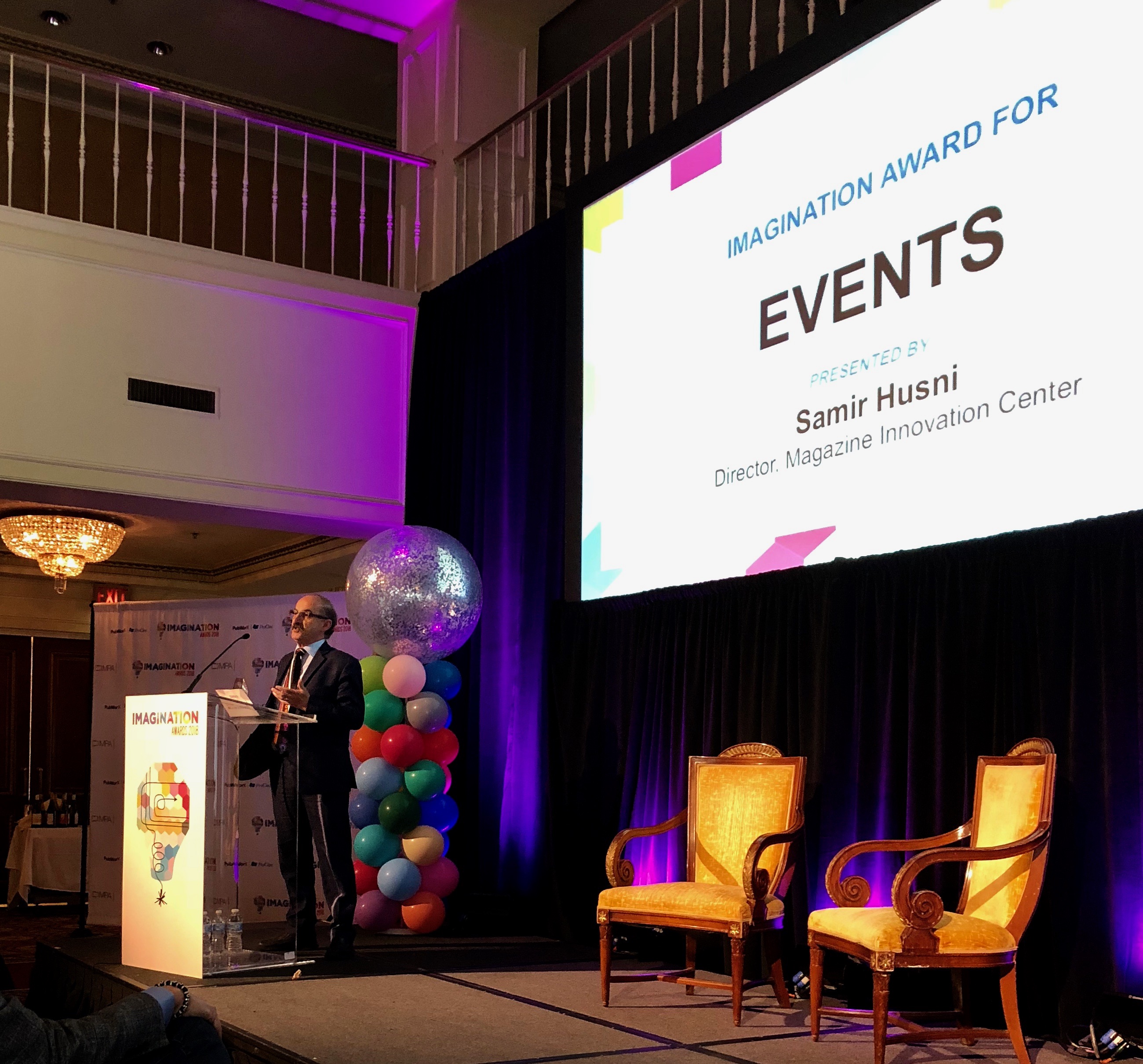
During the IMAG Conference in Boston, I was honored to be one of the judges of the IMAG Imagination Awards and the Events award presenter.

Recently, I attended the IMAG Conference in Boston, hosted by MPA: The Association of Magazine Media. It was an absolutely eye-opening experience and wonderfully informative. What follows are the nuggets of information that I tweeted during the event. Long live magazine media and thank you MPA: The Association of Magazine Media for the opportunity.

“Magazine Media are a short cut to quality.” When people accuse you of being “legacy Media,” OWN IT. “They are credible.” Linda Thomas Brooks opening IMAG Conference in Boston.

Jeff Levy, Director, Consumer Marketing, Harvard Business Review Group, “driving subscriptions & increasing retention by reaching new users and nurturing their journey.”

How the tote bag with the September issue of Vogue increased the sales of the magazine at Barnes & Noble by 40% at a higher cover price. Just one of many smart initiatives from the bookstore to enhance the newsstand sales.

Krifka Steffey, Director, Merchandising, Newsstand, Barnes & Noble, Inc. And Tom Maloney, National Account Director, Time Inc. Retail, A Meredith Corp. Division: on how to highlight your brand and drive newsstand sales collaboratively with the reader.

Data and the right to win. From having a winning data strategy to working on a unified data framework. Mike Woods, VP, Sales & Client Services, Acxiom and Fran Middleton, CDO, America’s Test Kitchen.

“No brand has more to offer in technology media than MIT Technology Review,” Elizabeth Bramson-Boudreau, CEO and Publisher.

From 1899 until now, how the first ever technology publication, is doing now… why are we here and what place in the world we want to be. Elizabeth Bramson-Boudreau, CEO and Publisher, MIT Technology Review.

“More revenue from the readers and why this should be the magazine media new strategy,” David Algire, MediaWorks 360, “Bundle multiple brand assets to increase value.”

“Nothing beats the credibility of your brand… everything we do starts with the power and values of our brand.” Hayley Romer, publisher & CRO, The Atlantic.

The power of Brands according to Hayley Romer, publisher and CRO, The Atlantic, and why 87% of the readers return to the brand because it, “Helps inform my opinion on critical things.”

“Editors bring credibility to the sales meeting. They are not there to sell, but to add credibility.” Dan Hickey, CEO, Kalmbach Media.

“No more planning for a year or so, but rather active planning continuously…” Beth Brenner, CRO, Domino Media Group on sales and advertising from the clients.

Beth Brenner, CRO, Domino, Dan Hickey, CEO, Kalmbach, Bryan Kinkade, VP, Publisher, AFAR and Jonathan Dorn, CIO, Active Interest Media on do we really need salespeople? The answer is YES.

Chris McDonough, Chief Sales & Brand Officer, L.L. Bean on reinventing the brand: Customers First. ”Translate consumer needs into a brand positioning & emotionalize and rationalize the brand.”

L.L. Bean celebrates the return to print as and in an innovative way to create awareness across platforms.

Laura Simkins, COO, AFAR Media, reporting on the 3 challenges facing magazine Media: decline in traditional revenue; digital growth; and operational costs.

“If readers can get what you offer at some other place, then go away. You need to talk about how amazing your products are.” Linda Thomas Brooks, CEO, MPA

Adam Grossman, CMO, Boston Red Sox answers Mel Allen, editor, Yankee magazine re: audience engagement & brand value. “The DNA will not change, but you can’t rest on that. You have to evolve without losing your ID.”

“Make sure that you are going to stay relevant,” Simon Leslie, joint CEO, Ink Global. “Magazines are about storytelling. Believe in Print. Worry about your people first; not your profits.”

“Data is the very air that we will all breathe in the digital future,” Acxiom’s Shelia Colclasure stated and how to build a data driven ethics. “It’s all going to be regulated.”

The ongoing evolution of This Old House: “we are not in the media business, we are in the audience business.” Eric Thorkilsen, tells the audience.

David Liu “leads the revolution” by telling the transformation of The Knot from a digital entity to a print and digital empire. “You need to do the hard work for your business to survive.”

Thank you and looking forward to more lessons at the next IMAG Conference.

h1

Chill Magazine: A New Title From Pride Media That Removes The Label “Gay” & Just Resonates Around The Person – The Mr. Magazine™ Interview With Joe Landry, Executive Vice President, Pride Media…

June 18, 2018

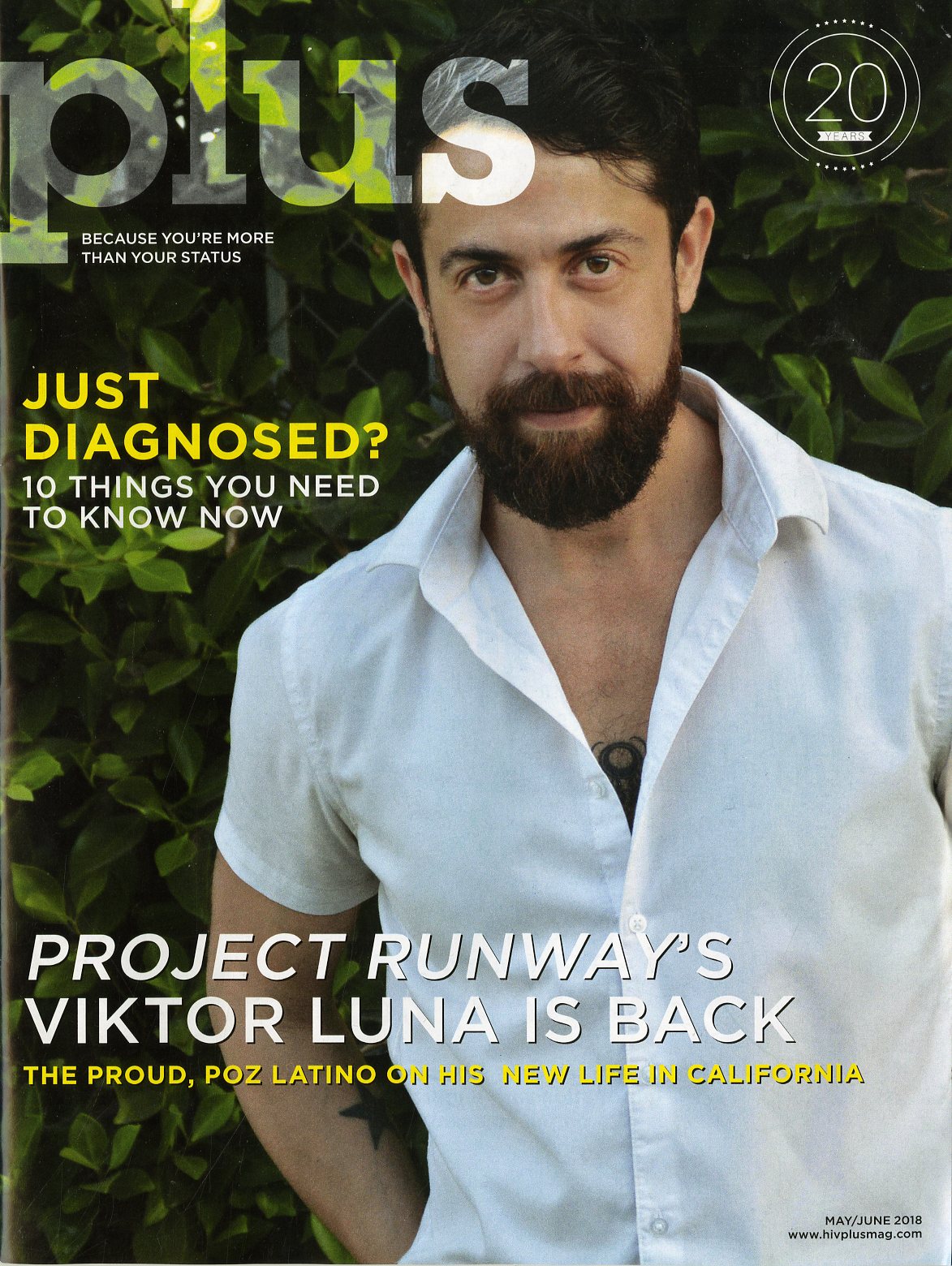
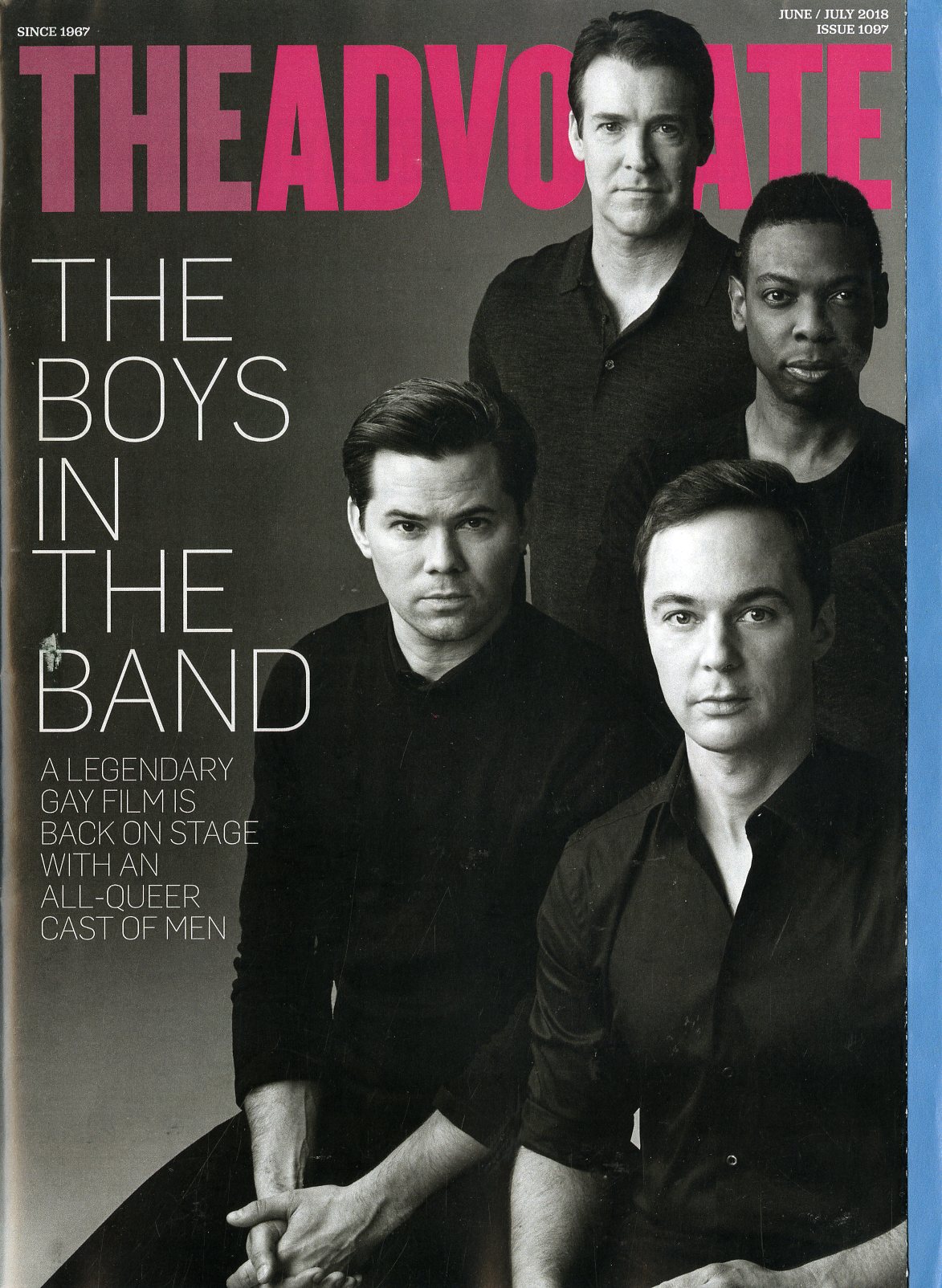
“We specialize in print. Our core history is in print. We have The Advocate, Out, Plus; and The Advocate turned 50 last year. Out turned 25 and Plus is turning 20 this year; we’re having the 20th anniversary of Plus. So, we have a long history in print publications. And there’s also more credibility in print. If we just launched a website, I don’t know how we make an impact within that space the way we can in print.” Joe Landry…

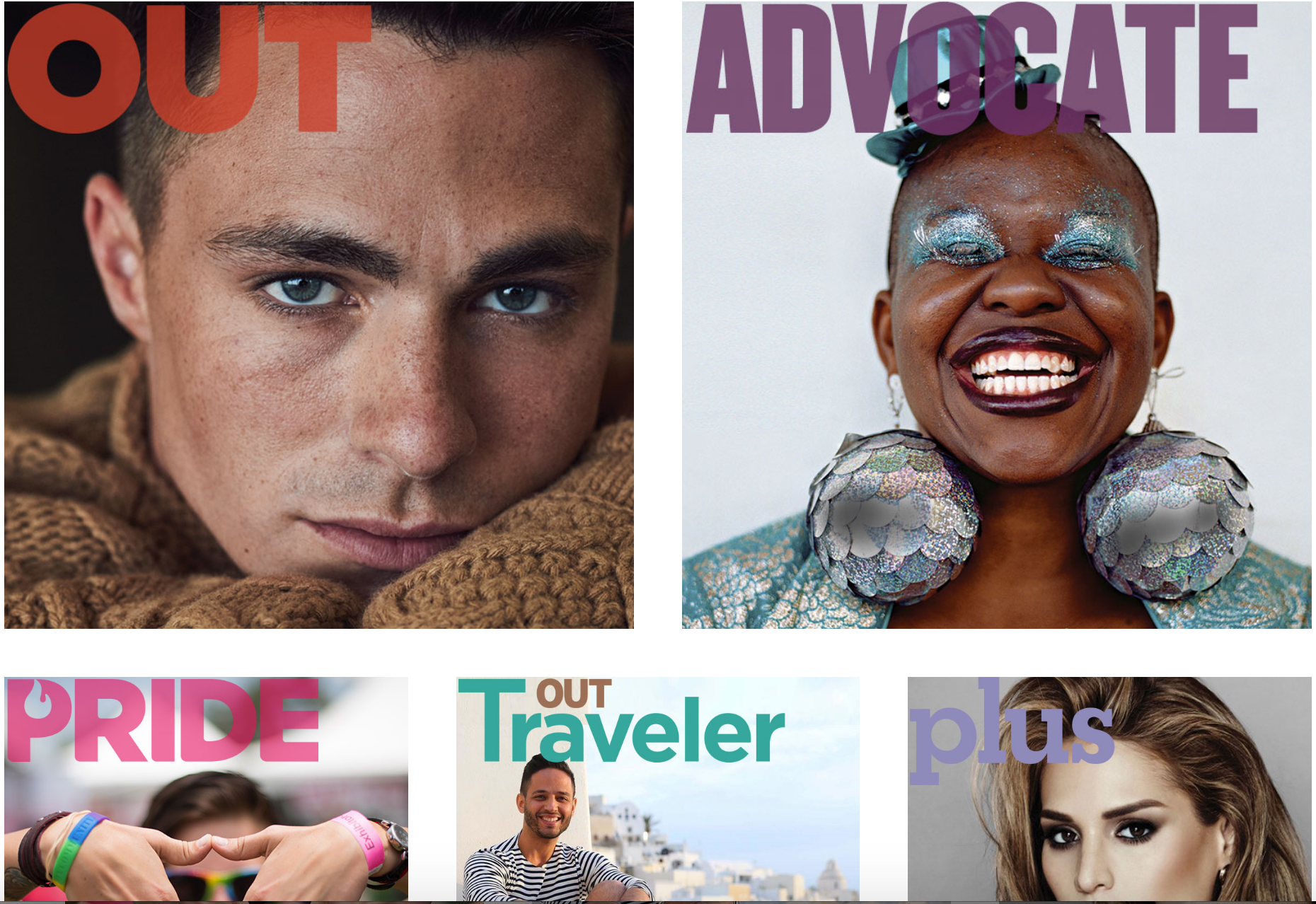
Recently, I attended the IMAG Conference in Boston, hosted by MPA: The Association of Magazine Media. It was an absolutely eye-opening experience and wonderfully informative. While there, I had the pleasure of speaking one on one with Joe Landry, a 25-year veteran in the magazine media business and who is now executive vice president of Pride Media. With magazines as notable as The Advocate, Out and Plus under his belt, I can’t tell you how excited I was to learn about a new print title, Chill, that Pride Media is publishing.

According to Joe, Chill is geared toward that LGBT person who dislikes labels such as “gay” attached to their persona. The magazine is really aimed at African American and Hispanic millennial men who are more about the person than the stereotype. It’s an exciting concept that opens up an entire new spectrum of possibilities for the LGBTQ individual.

Joe also touched on the relaunch of Out Traveler and a new content studio coming up in November called “Black Cat” in honor of The Advocates’ beginning after the Black Cat Riots in the 1960s. It was a great interview and one that I think you will thoroughly enjoy.

And now without further ado, the Mr. Magazine™ interview with Joe Landry, executive vice president, Pride Media.

But first the sound-bites:

On the new print magazine from Pride Media, Chill: There’s a movement underfoot in the millennial audience where some folks do not want to subscribe to the label “gay.” And the archetype for gay, for the younger generation, is kind of this white, buffed, affluent male. And we were losing out on attracting this younger audience, so we came up with the title “Chill,” which is geared toward African Americans and Hispanics, mostly millennial men, who don’t subscribe to labels.

On whether he sees Chill as a line extension of the other titles beneath Pride Media’s umbrella or he feels as though they’re carving a new niche: It’s definitely a new niche. I mean, 80 percent of the staff that creates Chill is African American or Latino. So, it’s a different point of view that we are working with, both on the editorial side from a content perspective, and also on the advertising and marketing side. We are now going after African American and Latino dollars that we didn’t have access to before, typically from some of the same people that we’ve been talking to who had diversity at various companies.

On whether he feels they are now doubling the diversity and making the gay community even more of a minority: No, I don’t see it that way at all. I see it as creating content that’s relevant to a consumer segment that we didn’t have access to before. So, how Procter & Gamble would view it, I don’t know. I haven’t had a conversation with Procter & Gamble about double minorities, but there are diversity agencies that specialize in Black and Latinos. They might have a subset of LGBT, and it’s still viewed as LGBT, even though it’s not screaming out on the cover, while also hitting the Latino and African American audiences as well.

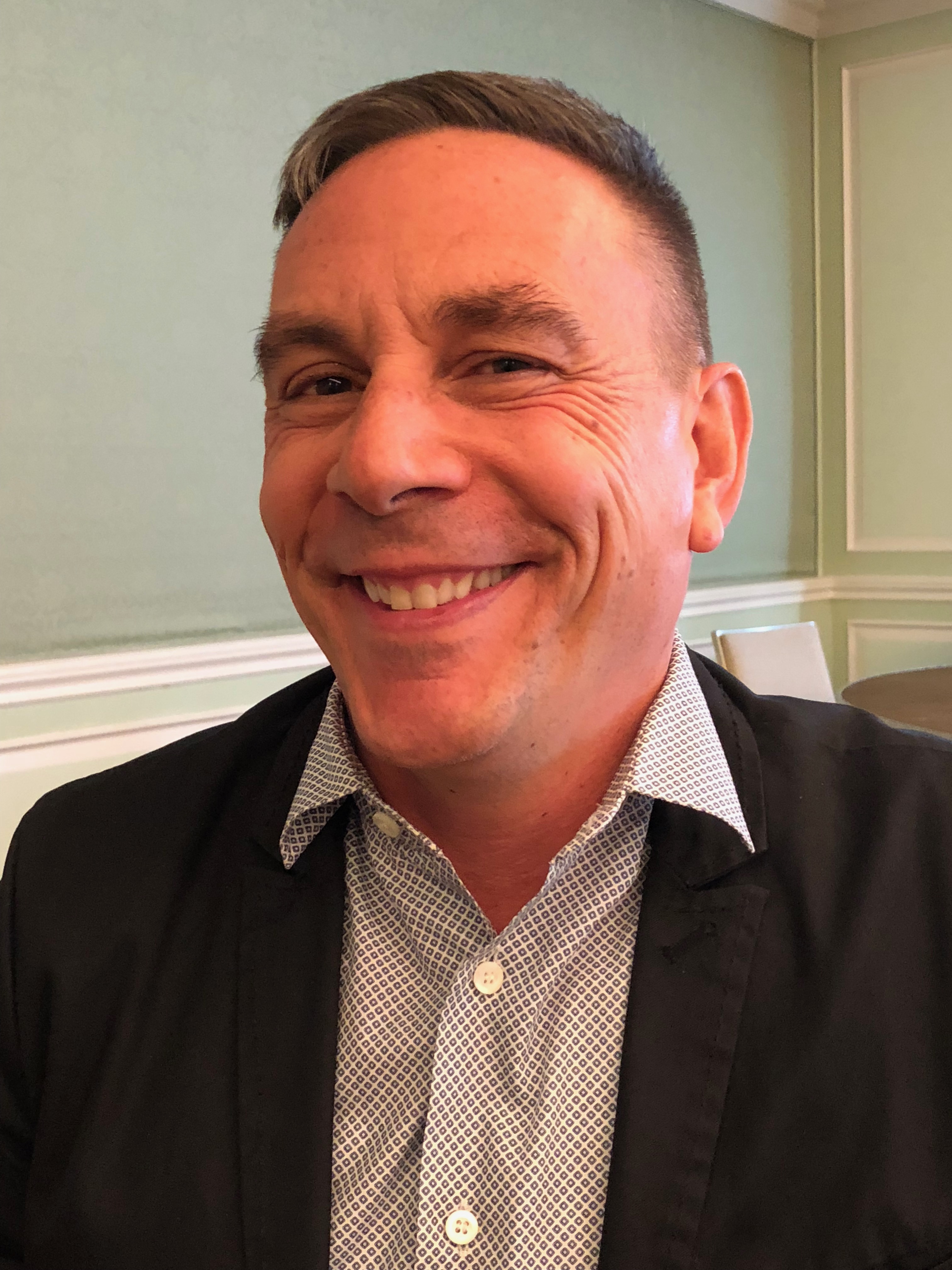
In front of the Boston, MA Public Library. This is the first of three interviews I conducted in Boston while attending the MPA: The Association of Magazine Media’s IMAG 2018 conference.

On why he decided Chill should be a print magazine: We specialize in print. Our core history is in print. We have The Advocate, Out, Plus; and The Advocate turned 50 last year. Out turned 25 and Plus is turning 20 this year; we’re having the 20th anniversary of Plus. So, we have a long history in print publications. And there’s also more credibility in print. If we just launched a website, I don’t know how we make an impact within that space the way we can in print.

On the differentiation between Chill and Condé Nast’s website, Them: I think that having Condé Nast launch an LGBT product is a validation of the work that I’ve been doing for the last 25 years. I also know how difficult it is to sustain LGBT products and the market limitations to LGBT products, that’s why we have Out; why we have The Advocate; why we have Chill; why we have pride.com; and why we have Out Traveler. You sort of need to speak to each segment of the community in the voice in which they’re going to respond to. And I’m not sure that one site will have the scale that would be of interest to carry a Condé Nast title.

On relaunching Out Traveler: We are relaunching Out Traveler. In 2008, when the company was sold, the owners were very nervous about what was happening in 2008 and they folded the print publication. And Out Traveler has been an online destination. Under our new ownership we are relaunching Out Traveler in print in November. And I have been a big proponent for bringing Out Traveler back to print, so we’re very excited about that.

On the biggest challenge he thinks he’ll face in 2019 and beyond: It’s interesting that we’re having this conversation right now in the middle of June, because June is Pride month and it is our most successful month from an advertising revenue perspective in the history of the company, which is crazy. And we’re diversifying our offerings into creating assets for marketers.

On how he would define content today: Creating assets, whether it’s in print, in video, in social, or experiential, that are relevant to our audience. So, that’s the broad definition of content. And editorial is, of course, the most important area of creating content, but we’re also doing it on the marketing side with our partners. And a lot of our content is amplified through social influencers, so that’s another component to a lot of the programs that we do now. Not only do we create custom content, but we have the talent that we hire to create the custom content share the content on their own social platforms.

On whether he feels more at ease about the future of print today than he did five years ago: No. I am never at ease. (Laughs) I am confident in the company. I am confident in our assets and I am confident that we will continue to deliver relevant messaging for our audiences, both from an editorial perspective and from an advertising perspective across platforms. But I’m sort of platform agnostic, I mean, I love magazines because that’s where I come from, but it’s really about where does the consumer want the content and the information. And that’s where I’m going to deliver it. So, I’m not beholden to any one platform.

On where he is making his money: The most growth is coming from experiential’s. So, from a percentage perspective and revenue year over year, it’s crazy how much more we are making in experiential. Branded content, again, year over year, explosive growth. Digital banner ads are flat and print is down.

On anything he’d like to add: We are launching a brand new content studio called “Black Cat,” so, if you recall in 1967 the Black Cat riots preceded the Stonewall Riots and the folks from those riots who were arrested during those riots started a newsletter called “Pride,” Personal Rights In Defense and Education, which eventually became The Advocate. So, in homage to the history of The Advocate, we’re naming our brand new content studio Black Cat.

On what he would have tattooed upon his brain that would be there forever and no one could ever forget about him: Advocate.

On what someone would find him doing if they showed up unexpectedly one evening at his home: Watching Netflix and eating popcorn.

On what keeps him up at night: Work. Email – too many emails. It’s crazy; it’s unsustainable the amount of emails that we have to process on a daily basis.


And now the lightly edited transcript of the Mr. Magazine™ interview with Joe Landry, executive vice president, Pride Media.

Samir Husni: Pride Media just launched another new print magazine, Chill. Tell me about it.

Joe Landry: There’s a movement underfoot in the millennial audience where some folks do not want to subscribe to the label “gay.” And the archetype for gay, for the younger generation, is kind of this white, buffed, affluent male. And we were losing out on attracting this younger audience, so we came up with the title “Chill,” which is geared toward African Americans and Hispanics, mostly millennial men, who don’t subscribe to labels.

I have an interesting story where I was meeting with the head of Diversity at Wells Fargo when we were launching the publication. I was explaining Chill and this smile came across her face. And I said, “What?” And she said, “I’ll tell you after.” So, I did the whole spiel. I told her about the publication, who we were looking to appeal to, and she told me a story about her stepson, who had moved back in with her and her husband, and was going away on weekends. And they didn’t know where he was going. She found out that he was actually married to a man, living in her house. She’s the head of Diversity at Wells Fargo and her stepson was scooting away to go and see his husband, whom he had married, and she didn’t know he was gay.

So, when she addressed this, she said, “I’m the head of Diversity at Wells Fargo and you’re gay, and that’s okay. And he said, “No, I’m not gay. I just happened to be married to a man.” So, there’s this rejection of the label. And we don’t want the label to keep people from being attracted to our titles.

Samir Husni: Do you feel like Chill is a line extension for the rest of the magazines, or you’re carving a new niche?

Joe Landry: It’s definitely a new niche. I mean, 80 percent of the staff that creates Chill is African American or Latino. So, it’s a different point of view that we are working with, both on the editorial side from a content perspective, and also on the advertising and marketing side. We are now going after African American and Latino dollars that we didn’t have access to before, typically from some of the same people that we’ve been talking to who had diversity at various companies.

Samir Husni: Is this now double-diversity? Or how do you view it? I mean, the gay community is already a minority, now are you doubling on the minority?

Joe Landry: No, I don’t see it that way at all. I see it as creating content that’s relevant to a consumer segment that we didn’t have access to before. So, how Procter & Gamble would view it, I don’t know. I haven’t had a conversation with Procter & Gamble about double minorities, but there are diversity agencies that specialize in Black and Latinos. They might have a subset of LGBT, and it’s still viewed as LGBT, even though it’s not screaming out on the cover, while also hitting the Latino and African American audiences as well.

Samir Husni: And why did you decide to go with print?

Joe Landry: We specialize in print. Our core history is in print. We have The Advocate, Out, Plus; and The Advocate turned 50 last year. Out turned 25 and Plus is turning 20 this year; we’re having the 20th anniversary of Plus. So, we have a long history in print publications.

And there’s also more credibility in print. If we just launched a website, I don’t know how we make an impact within that space the way we can in print.

Samir Husni: Condé Nast has launched a website, Them, aimed at the LGBTQ community. Do you view that now as competition or because there is no print component it’s a different entity entirely? What’s the differentiation between Chill and Them?

Joe Landry: There is no relationship to Chill. I think that having Condé Nast launch an LGBT product is a validation of the work that I’ve been doing for the last 25 years. I also know how difficult it is to sustain LGBT products and the market limitations to LGBT products, that’s why we have Out; why we have The Advocate; why we have Chill; why we have pride.com; and why we have Out Traveler. You sort of need to speak to each segment of the community in the voice in which they’re going to respond to. And I’m not sure that one site will have the scale that would be of interest to carry a Condé Nast title.

Samir Husni: You are relaunching Out Traveler?

Joe Landry: Yes, we are relaunching Out Traveler. In 2008, when the company was sold, the owners were very nervous about what was happening in 2008 and they folded the print publication. And Out Traveler has been an online destination. Under our new ownership we are relaunching Out Traveler in print in November. And I have been a big proponent for bringing Out Traveler back to print, so we’re very excited about that.

Samir Husni: Through the 25 years that you’ve worked with those titles, you’ve seen your share of ups and downs. Now it seems you’ve reached a level of stabilization of the marketplace with your titles. What do you view as your biggest challenge as you look at 2019 and beyond?

Joe Landry: It’s interesting that we’re having this conversation right now in the middle of June, because June is Pride month and it is our most successful month from an advertising revenue perspective in the history of the company, which is crazy. And we’re diversifying our offerings into creating assets for marketers.

For example, H&M came to us and they wanted to launch a campaign for this segment in-store. So, they weren’t coming to us to buy media, they were coming to us for our expertise in the market, they were coming to us for our brand authenticity. And we actually created an entire campaign for them that’s in stores now. You can go to the H&M down the street; it’s called “Pride Out Loud” and it is a point of sale campaign, as well as a social campaign. We created custom video content for them .

So, that’s sort of the area in which we’re expanding; we are taking our expertise to the marketplace and we are elevating the conversation with marketing partners to show them that if they are looking for authenticity, we know how to deliver that to them. So, not only are we delivering the media message, but we’re creating the message to deliver to our audience.

Samir Husni: One of the things that I always say is that you can’t just be content providers, you have to be experience makers. With that in mind, how do you define content today?

Joe Landry: Wow. Creating assets, whether it’s in print, in video, in social, or experiential, that are relevant to our audience. So, that’s the broad definition of content. And editorial is, of course, the most important area of creating content, but we’re also doing it on the marketing side with our partners. And a lot of our content is amplified through social influencers, so that’s another component to a lot of the programs that we do now. Not only do we create custom content, but we have the talent that we hire to create the custom content share the content on their own social platforms.

Samir Husni: Do you feel more at ease today about the future of print than you felt, let’s say, five years ago?

Joe Landry: No. I am never at ease. (Laughs) I am confident in the company. I am confident in our assets and I am confident that we will continue to deliver relevant messaging for our audiences, both from an editorial perspective and from an advertising perspective across platforms. But I’m sort of platform agnostic, I mean, I love magazines because that’s where I come from, but it’s really about where does the consumer want the content and the information. And that’s where I’m going to deliver it. So, I’m not beholden to any one platform.

Samir Husni: Where are you making your money?

Joe Landry: The most growth is coming from experiential’s. So, from a percentage perspective and revenue year over year, it’s crazy how much more we are making in experiential. Branded content, again, year over year, explosive growth. Digital banner ads are flat and print is down.

Samir Husni: Anything you’d like to add?

Joe Landry: We are launching a brand new content studio called “Black Cat,” so, if you recall in 1967 the Black Cat riots preceded the Stonewall Riots and the folks from those riots who were arrested during those riots started a newsletter called “Pride,” Personal Rights In Defense and Education, which eventually became The Advocate. So, in homage to the history of The Advocate, we’re naming our brand new content studio Black Cat.

Samir Husni: When will it launch?

Joe Landry: We are working on the press release currently. Our first project was with H&M, I talked about the H&M campaign. That was our first project.

Samir Husni: If you could have one thing tattooed upon your brain that no one would ever forget about you, what would it be?

Joe Landry: Advocate.

Samir Husni: If I showed up unexpectedly at your home one evening after work, what would I find you doing? Having a glass of wine; reading a magazine; cooking; watching TV; or something else? How do you unwind?

Joe Landry: Watching Netflix and eating popcorn.

Samir Husni: My typical last question; what keeps you up at night?

Joe Landry: Work. Email – too many emails. It’s crazy; it’s unsustainable the amount of emails that we have to process on a daily basis.

Samir Husni: Thank you.
h1

Print: When You Say & See BIG…

June 8, 2018

Last week I tweeted a quote from WWD: “Melissa Jones has launched Masthead magazine, a large format, online product heavily focused on photography.” My question is, “What is a large format online?”

Well, the reaction from that tweet was hilarious. Some equated it to a “jumbo shrimp.”

So, online, the size of your media depends on the size of your screen. You can call it anything you want: large format online, jumbo format online, small format online…you get my drift, but in reality the only size online media comes in is the size of your screen, be that PC desktop or mobile phone on the go. Enough said.

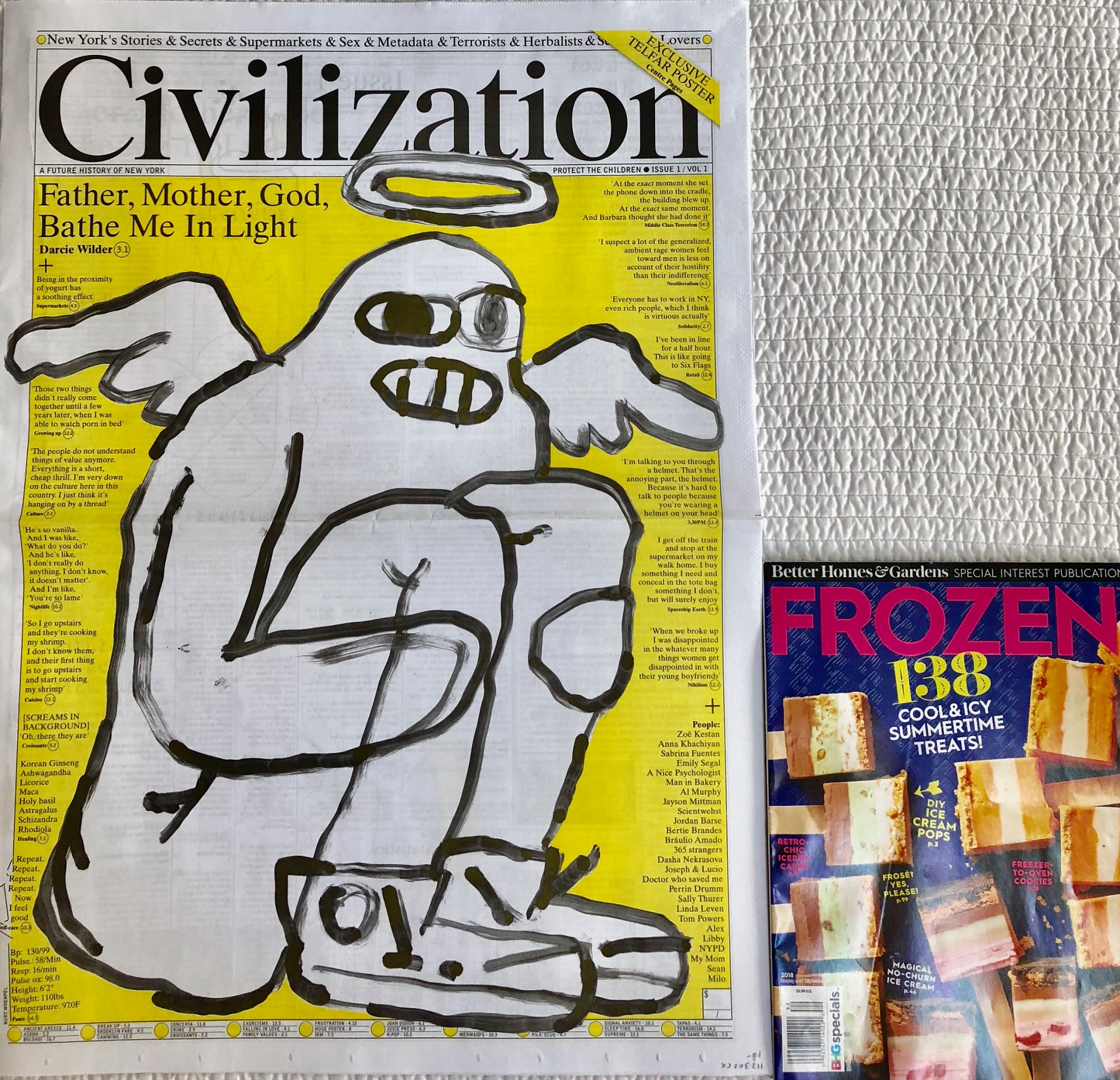
In print, on the other hand, size does matter. And today I received my first issue of the extra large format Civilization newspaper that is published in a limited edition of 1000. Richard Turley, the founder, answers Linda Leven’s question, “What is the purpose of this newspaper?” His answer on page 2 of the newspaper/magazine:

Civilization – The long answer is…I was in a magazine store at the beginning of the year and looking at the few magazines and newspapers that remain. All the magazines look the same, and are more like coffee table picture books now, and as for the actual printed newspapers, well…people only read those when they get them free in hotels. So I wondered whether I could make a new one and what I missed most was a publication about New York. What New York feels like to walk around and be a part of — which isn’t just Trump, Trump, Trump, Ramen spots and lifestyle tips — that’s not what New York is to me…”

The result, an oversized publication in print that you can actually measure and regardless where you read it, it will continue to have the same size, from the physical dimensions to the size of the type. Just check the size compared to a standard sized magazine and judge for yourself…

You ask me, what can print do that digital can’t? Well, now you have one of too many answers… continue measuring and counting.

h1

TypeNotes Magazine And How The Typewriter Changed Typography And The Way We Communicate…

June 7, 2018

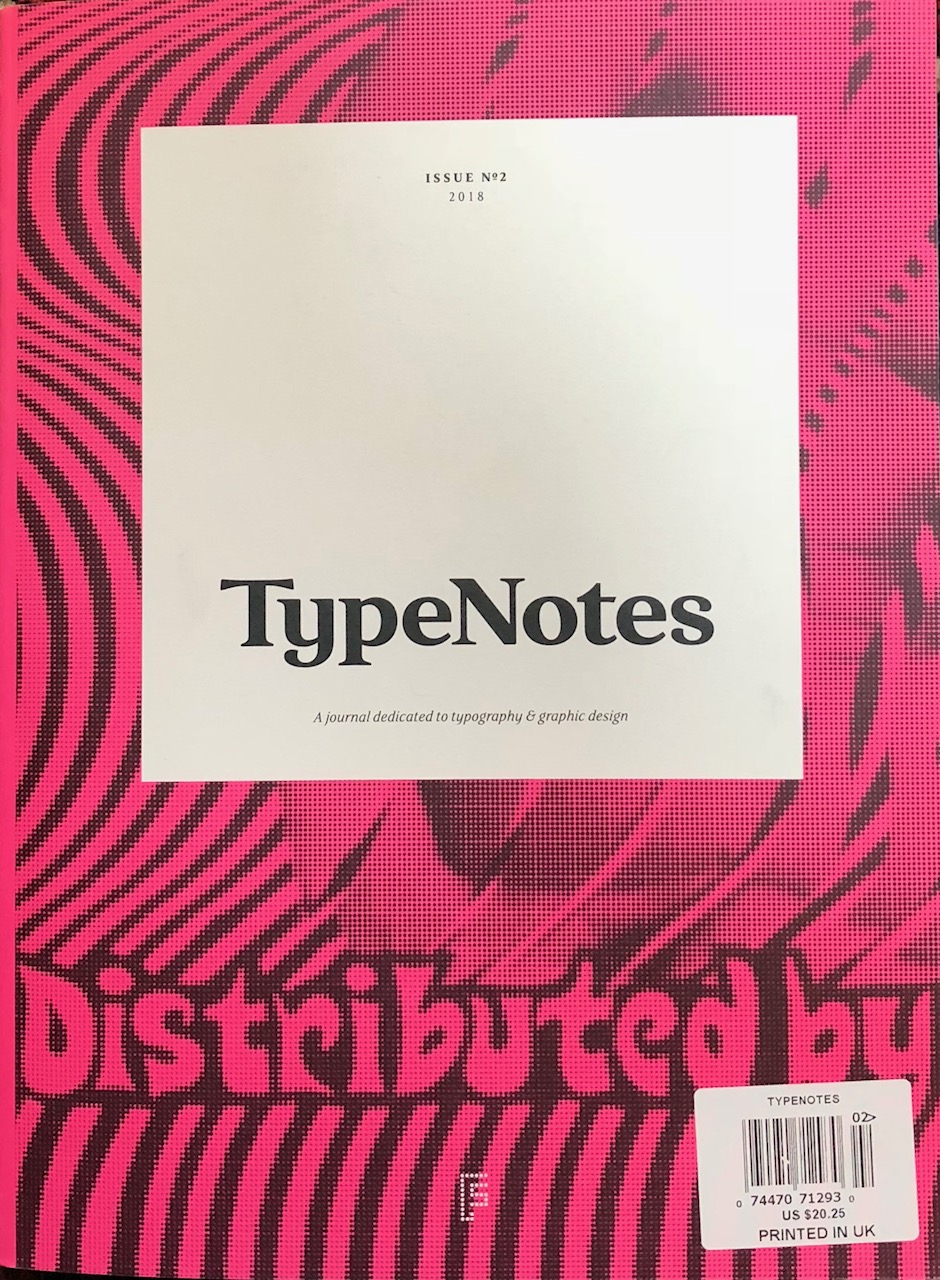
Every now and then, a magazine grabs my attention, I really mean grabs my attention, and it becomes impossible to let go. One such recent magazine is TypeNotes, “A journal dedicated to typography & graphic design.” The magazine is published by the UK’s FONTSMITH that was founded by its creative director Jason Smith.

The first article of issue two is what grabbed my attention. The title “Tap Dance” and the subtitle “Fontsmith designer Stuart de Rozario on how the typewriter changed typography and the way we communicate.” Now, I know some of you don’t even know what a typewriter is, thus you will need to buy the magazine to learn the entire history of the typewriter.

Here is the first two paragraphs from the Tap Dance article… It is worth every single word:

The sound of the mechanical typewriter is a familiar one to many of us, who grew up to its distinctive percussive clack and chime. It’s also the sound of a bygone era; a machine handed its redundancy by computers, tablets and mobile devices.

The fall of the typewriter is just one moment in a long history of changes to how mankind has used written communication, from cave paintings to letter carving and handwriting to texting. Humanity as we know it simply couldn’t have existed without mark making and visual communications.

To read the entire evolution of the typewriter you have to find yourself a copy of issue two of TypeNotes at a newsstands near you. Enjoy.

h1

Magazines and Slow Journalism: Ernest Journal Provides A Great Example…

June 4, 2018

The back page of the British journal Ernest leads with the words, “Curiosity & Slow Adventure.” Nothing describes what a print magazine can and should deliver than those three words. After all, I have always taught my journalism students that their degree should not be in journalism, but rather in curiosity.

Ernest defines itself as such:

Ernest is a journal for enquiring minds. It’s made for those who value surprising and meandering journeys, fueled by curiosity rather than adrenaline and guided by chance encounters.

It is a repository for wild ideas, curious artifacts and genuine oddities, replete with tales of pioneers, invention and human obsession.

Ernest is founded on the principles of slow journalism. We value honesty, integrity and down-to-earth storytelling — and a good, long read every now and then.

And allwhat Mr. Magazine™ can say is AMEN!

h1

The Mr. Magazine™ Launch Monitor: 25 + New Titles Arrive At The Nation’s Newsstands In May.

June 3, 2018

May arrived with the warm tones of an impending hot summer for us here in the steamy south, but newsstands all across the country were also blazing hot with an abundance of new magazine titles. Some brand new, some arriving on the national newsstands for the first time, some are changing their names, and some are just testing the waters…

As Gossamer strands of pungent smoke swirl above the heads of the many marijuana users in the country, they now have a new magazine that is made by and for those  who enjoy living the “high” life. It’s another offering into the print world of cannabis, and Mr. Magazine™ must say, it is definitely a well-done publication.

Also on tap for May is a new title that honors women, past, present and future, who have made or are making a mark politically on our world. Rosa is named after the amazing Rosa Parks and brings awareness to our foremothers and to all women who are willing to fight for their beliefs. This is a must-have quarterly magazine that Mr. Magazine™ will definitely be watching for at the newsstand.

And when you’re chasing the sweet things in life, there’s nobody better to do it with than Sweet Paul. For the first time, the print-on-demand magazine made its way to the newsstands, and Mr. Magazine™ says it’s long overdue. Founder & editor in chief, Paul Lowe, Sweet Paul himself, said he has adopted his grandmother’s motto of “perfection is boring,” and you can rest assured that’s one thing that Sweet Paul magazine is not, boring, that is. However, the fantastic recipes inside come pretty close to perfection as far as Mr. Magazine™ can tell.

So, I hope that you enjoy our magnificent May covers. The magazines mentioned above are but three out of the 25 that the month gave us. The other 22 titles are just as grand.

So, until we meet again for a jubilant June…

See you at the newsstands…

******And please remember, if Mr. Magazine™ can’t physically hold, touch and purchase the magazine, it does not enter the monthly counts. And counts now include only the titles with a regular frequency that are either new, first-seen on Mr. Magazine’s™ newsstands, or arriving to the national newsstands for the first time.

****** Three magazines I read that they were launched last month but with all my newsstands searches I have not yielded or located a copy of their premier issue yet. The magazines are: Robb Report Muse, Tonal, and WSJ Far & Away.  Please send me a copy of the premier issue to: Samir “Mr. Magazine™” Husni, P.O. Box 1062, Oxford, MS 38655 to be included in the Mr. Magazine™ Launch Monitor… Thank you.


h1

Jo Packham: A Self-Proclaimed Woman Of Ideas With One Goal In Mind: Help and Create – The Mr. Magazine™ Interview With Jo Packham, Creator/Editor In Chief, Where Women Create, Where Women Cook, Where Women Create Work, & What Women Create Magazines…

June 1, 2018

“I’m a traditional print girl. I was in book publishing for 30 years. When that ended and I got the opportunity to do the magazines; I don’t even go on Instagram. I don’t answer my phone; I hate anything technological. I really love paper and print. I wouldn’t have even considered anything else.” Jo Packham (On why she chose print over digital for her brand)…

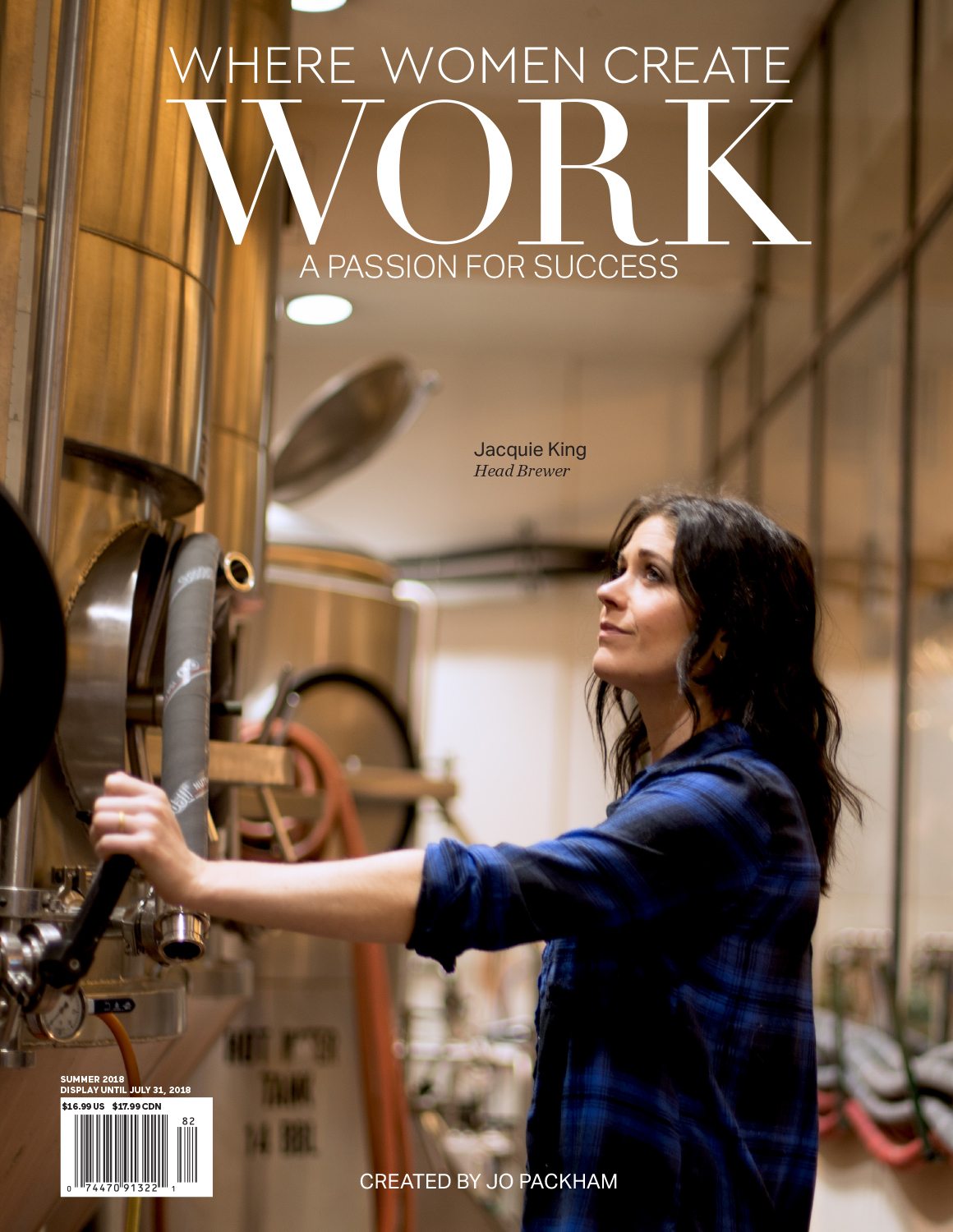
Jo Packham believes we all have a story to tell and she also believes it is her job to give a venue to those ideas; hence, the four titles that she created and formerly published (three of them anyway) with Stampington & Company by her side. But today is a new day, and a new title. No longer is she affiliated with the giant crafting publisher. Today, she is following through with her own vision, through her partnership with Disticor, and she has decided there is more to tell than just “where,” we also need to know “what.”

I spoke with Jo recently and I must say, it was one of the most delightful conversations I have ever had. Jo is as passionate about her magazines as she is her readers and contributors. We talked about that passion, which was something that ignited and brought forth her latest title “What Women Create.”

Jo believes that the stories within the pages of her magazines should all express individuality and the rawness that makes them unique. That’s the main reason there is no heavy editing with contributors’ offerings, just mainly spelling. And she likes it that way.

Since parting company with Stampington & Company, where she had had a long-running relationship, Jo is now feeling unencumbered by guidelines and predisposed aesthetics, and is enjoying spreading her wings a bit. And while she is grateful for everything she shared with Stampington, she is also excited by the future’s possibilities. Even though she says (her words, not mine) who knows what’s going to happen with a 70-year-old, self-proclaimed idea woman. If Mr. Magazine™ could offer his opinion here (and why not, it is my blog after all), I’d say 70 is the new 50 and that is just the right age for Jo Packham and her latest endeavors.

So, I hope that you enjoy this very lively conversation with a woman whose youth is apparently eternal, the Mr. Magazine™ interview with Jo Packham, creator and editor in chief of all the “Where Women Create,” “Where Women Cook,” “Where Women Create Work,” and her latest, “What Women Create.”

But first the sound-bites:

On how she got her start in magazines: I worked really, really hard and I have been very, very blessed. I think it happened because my entire career has been about surrounding myself with really creative, successful women. I always wanted to be an artist; I grew up wanting to be an artist, and I’m a horrible artist. My 7th grade art teacher told me I should do something else.

On combining food and crafts with her magazines: In the early days what I had to do was go to the crafters and the creative people, because they have fabulous kitchens and they like to cook, they don’t consider themselves foodies, but because they’re so creative they like to cook. So, we would feature five of them with really beautiful kitchens and then we would feature five of the top food bloggers and foodies in the country and focus on their food. And it kind of became more of a cooking magazine than a “where” magazine, it just morphed into that. But we still try to include some kitchens and other kinds of things, but that’s the way it started.

On how she would describe herself today: I think I’m creative in my own way in that I can bring people together, because there are a lot of publishers and a lot of agents who I think are driven by money, so I believe I am a creator and a gatherer; I think I inspire people. I don’t know, I work hard. (Laughs) I don’t know what I am. I’m just the person behind the scenes who wants you to have the opportunity that maybe I can help you get.

On how she says that she wants to be behind the scenes, yet her name is on the cover of all of her magazines: It’s on the covers of the old ones too. And the reason I did that is for the first time in my 40-year career when I went to work for Stampington, and when we launched Where Women Create at Stampington, it was an atmosphere of distrust for large corporations. And even I didn’t know in those days that Stampington was a big company; I had no idea how big they were. So, I felt if I put my name on the cover that the people who we featured and the people who were our readers would understand that it was a single woman doing the job and making it happen instead of a big corporation, so that they would trust me more and look at us through a different perspective.

On whether she’s had any stumbling blocks to face or it’s all been a walk in a rose garden: Oh, a million stumbling blocks. It’s so not easy. It’s always what you don’t expect. You’re sailing along and something happens that’s totally out of your control, and it’s that telephone call in the middle of the night that you dread your whole life. And I’ve gotten mine. I’ve lost everything. I completely lost everything and had to start from scratch, that was 10 years ago. I lost everything.

On whether she feels like she’s now in a safe end with her new deal with Disticor: I don’t believe in a safe end. I think the world is so fragile and everything we do is so fragile that I’ve got the best gig of all time. When people talk about living the dream, this is it. It’s not easy; I’m working myself to death, but it’s living the dream. But I also know that I could wake up in the morning and Barnes & Noble could go bankrupt and there could be no more distributor for the magazines and we would be done.

On whether anyone ever questions her sanity because she is publishing four print magazines with high cover prices in this digital age: Oh, yes. We just started the Disticor partnership last November and I had never met them and they flew out here to meet me. We had dinner in my studio and I had a chef here. We cooked a private dinner for them and they told me that they had just decided to do this. I told them that I didn’t believe in contracts, but my ex-husband said I had to have one and they said that was great. And I asked them how long the contract should be for, and Mike, who is the president of Disticor, said 10 years. And I just started laughing and he said, what the hell? And I said I am 70-years-old, you’ll have an 80-year-old editor in chief. No one wants an 80-year-old editor in chief. (Laughs) So, I told him that we’d start with three years.

On why she chose print and not a digital-only entity: I’m a traditional print girl. I was in book publishing for 30 years. When that ended and I got the opportunity to do the magazines; I don’t even go on Instagram. I don’t answer my phone; I hate anything technological. I really love paper and print. I wouldn’t have even considered anything else.

On her new publication What Women Create: When I got the opportunity to work with Disticor, they told me that I could do whatever I wanted. And I said, really? And they said, sure. So, we started with the three that we knew, but then we were preparing the first issue of “Create” and “What” came up at the table and it’s brilliant. And it’s not a how-to magazine; it’s just a beautiful pictorial anthology of the passion and the inspiration. It’s meant to be the story of the women who create; it’s behind-the-scenes on how they do what they do. It’s not a step-by-step. And it’s such a great partner with “Create.”

On whether the magazines, in human form, are her: I hope so. I would hope so. I would hope that I embody the passion and inspiration of all of us, that I’m a good representative and I will be cognizant of who they are and what they do and never take advantage of them. And always represent them in the best way. So, I would hope so.

On anything that scares her with this new venture: (Laughs) Everything scares me. I have these constant panic attacks, because I feel responsible. People have trusted me with their stories. Once, somebody said to me, all we do is produce junk mail because they buy our magazines and then they throw them away. And I said that’s not what I do. I give these people the opportunity to tell their stories in their own words, the way they want, without edits. We don’t change it; we don’t give any guidelines. It is their opportunity to have a magazine for just a minute to tell the world what they want the world to know.

On whether she feels she’s publishing inexpensive books, but expensive magazines: They are, and it’s because we don’t sell advertising. We’re a newsstand model, so we have to make our money somewhere and printing is more expensive, photographers are more expensive, and shipping them is crazy. When I ship one magazine to Europe it’s $27 and some cents. So, it’s not that we’re making more money on the backend on this end, it’s just that we’re producing a really beautiful, collectible piece. Because when they’re not done in seasons and they don’t do holidays, it’s not that you ever throw them away, unless you’re cleaning out your closet. You can save them as an inspiring piece of literature to go to just like a book.

On what someone would find her doing if they showed up unexpectedly one evening at her home: You would find me going through magazines. (Laughs) Right now on my dining room table I probably have 50 of the latest magazines from all over the world, trying to see who is doing what and what I love. So, you would definitely find me reading magazines.

On what she would have tattooed upon her brain that would be there forever and no one could ever forget about her: That I gave people the opportunity to do something that they wouldn’t have had the opportunity to do otherwise.

On what keeps her up at night: (Laughs) Being 70. I have all of these thoughts: what if I can’t remember anymore, or what if I can’t go up the stairs anymore. That scares me to death.

And now the lightly edited transcript of the Mr. Magazine™ interview with Jo Packham, creator/editor in chief, Where Women Create, Where Women Cook, Where Women Create Work, & What Women Create magazines.

Samir Husni: You’re the publisher and creator of not one, not two, not even three, but four magazines, all at the same time. Tell me how you got started.

Jo Packham: I worked really, really hard and I have been very, very blessed. I think it happened because my entire career has been about surrounding myself with really creative, successful women. I always wanted to be an artist; I grew up wanting to be an artist, and I’m a horrible artist. My 7th grade art teacher told me I should do something else.

And so I thought, you know what, I love it so much that early on, 40 years ago, I decided to publish cross-stitch books and I owned a small yarn and thread store. When cross-stitch was getting really popular, I decided to publish cross-stitch books, and I couldn’t do it myself, so I would just work with other women and surround myself with them and be the person who published them.

I would do the part of their creative life that they didn’t want to do, because they want to be creative, right? They didn’t want to deal with the publishing and write the stories, they didn’t want to get all the backend done, and things like that. I don’t really have very much of an ego and I was really happy to promote them and just be the person behind the scenes. I feel like a bus driver sometimes. I just get everybody on the bus and I get everybody where they need to go and then I get everybody off the bus and then I fill the bus up again.

It just led from one thing to another. It hasn’t been easy, and I’ve had some really dramatic failures in my career, but when you surround yourself with women who are so inspiring, they always have a new idea. And they always pick you back up and they always need someone like me behind the scenes. So, that’s the role that I love and that I took on, and that’s how I got where I am. It’s because of them, it really is.

Samir Husni: You combine both crafts and food; tell me about that mix. You have the food magazine, the craft magazine, and then you have the “What” magazine. (Laughs)

Jo Packham: (Laughs too). That’s really a funny story. When we started we had “Where Women Create” and it was all about the studios and everybody loved it and it’s really popular. I was not a foodie, but what happened was I was in the Texas Hill Country photographing Robin Brown and John Gray’s home, they own a company called Magnolia Pearl.

We were on a photo shoot and we got there one morning at around 6:00 a.m. and Robin’s guilty pleasure, and she lives way out in the country, her guilty pleasure was every morning a woman would come from Fredericksburg, Texas and bring in all fresh fruits and vegetables, and she was her cook for the day, her sous chef, if you will, and she would prepare all of these fresh fruits and vegetables. So Robin, because she’s a creative, had the most beautiful kitchen I’ve ever seen in my entire life.

So, when we walked in that morning and there was that entire array of fresh fruits and vegetables on the cabinet, I said we needed to publish where women cut. And when I first started it, I really thought it would be about the kitchen, just like it was about the studios. But I stayed an extra four days, photographed the kitchen, did all of the cooking, and I thought, I don’t know any foodies, so I should contact the top 10 food bloggers in the country.

I found out who they were, wrote them all a letter, said I would love to feature each of them in the magazine, they all said great, and I told them that we’d come and do a photo shoot in their kitchen, and they said yeah, no, that’s not going to happen because they were all about the food and not about the kitchen.

So, in the early days what I had to do was go to the crafters and the creative people, because they have fabulous kitchens and they like to cook, they don’t consider themselves foodies, but because they’re so creative they like to cook. So, we would feature five of them with really beautiful kitchens and then we would feature five of the top food bloggers and foodies in the country and focus on their food. And it kind of became more of a cooking magazine than a “where” magazine, it just morphed into that. But we still try to include some kitchens and other kinds of things, but that’s the way it started.

I had to go buy my first set of pots and pans. Since I was starting the magazine, I went into my kitchen, took all of my paintbrushes and all of my tools out of my silverware drawers, and all of my paintbrushes out of my cabinets and went and bought a complete set of silverware and a whole new set of pots and pans so that I would feel a little more like I could walk the walk and talk the talk.

Samir Husni: What do you consider yourself; a creator? I see “created by Jo” on each one of the four magazines. Or a curator? Someone who reaches out to all of these bloggers and creative people. If you had to describe Jo today, what would be some of the adjectives that come to mind?

Jo Packham: I think I’m creative in my own way in that I can bring people together, because there are a lot of publishers and a lot of agents who I think are driven by money, so I believe I am a creator and a gatherer; I think I inspire people. I don’t know, I work hard. (Laughs) I don’t know what I am. I’m just the person behind the scenes who wants you to have the opportunity that maybe I can help you get.

I’m a philanthropist, because I really want to sell a million magazines; I really do. But if I sell a million magazines; we always feature two really famous people in the magazine because they sell magazines, but then we feature 10 that no one has ever heard of, because if we can give them an opportunity to make their dreams come true sincerely, then that’s what sells more magazines that pays my bills and it’s a win/win situation for everyone.

Samir Husni: You say that you want to be behind the scenes, yet your name is on the cover of all four of the new magazines.

Jo Packham: It’s on the covers of the old ones too. And the reason I did that is for the first time in my 40-year career when I went to work for Stampington, and when we launched Where Women Create at Stampington, it was an atmosphere of distrust for large corporations. And even I didn’t know in those days that Stampington was a big company; I had no idea how big they were. So, I felt if I put my name on the cover that the people who we featured and the people who were our readers would understand that it was a single woman doing the job and making it happen instead of a big corporation, so that they would trust me more and look at us through a different perspective.

And the only reason I put my name on the second ones, with this new publisher, is because he absolutely insisted. And Barnes & Noble and Costco said Jo’s name has to be on the cover and I said that’s ridiculous. People don’t buy these magazines because of me, they buy these magazines because of the stories inside, but they felt like with my name on the cover that people would be assured that there was no advertising and that the stories would be sincere. And that it’s the same model. The first 30 years of my career, no one knew who I was; my name was never anywhere. Ever.

Samir Husni: Now your name is everywhere. Did it feel like a walk in a rose garden or were there some stumbling blocks you had to overcome?

Jo Packham: Oh, a million stumbling blocks. It’s so not easy. It’s always what you don’t expect. You’re sailing along and something happens that’s totally out of your control, and it’s that telephone call in the middle of the night that you dread your whole life. And I’ve gotten mine. I’ve lost everything. I completely lost everything and had to start from scratch, that was 10 years ago. I lost everything.

The story between Stampington and I is crazy and then the one between Disticor and I is even crazier. So, I’ve been at the top and I’ve been at the bottom. I’m great at cocktail parties; I have a lot of stories. (Laughs)

Samir Husni: So, today, do feel like you’re sailing smoothly, leaving what happened behind you? Does the new deal with Disticor make you feel as though you’re finally in a safe end?

Jo Packham: I don’t believe in a safe end. I think the world is so fragile and everything we do is so fragile that I’ve got the best gig of all time. When people talk about living the dream, this is it. It’s not easy; I’m working myself to death, but it’s living the dream. But I also know that I could wake up in the morning and Barnes & Noble could go bankrupt and there could be no more distributor for the magazines and we would be done.

So, I never plan on that kind of thing. I enjoy what I have. I used to plan on it in my younger days, but now I’m just very grateful and very thankful for what I have today and I work very hard for it. And if I wake up in the morning and it’s still there, I’m grateful tomorrow too. But I’m 70 years old, so who knows, right? Geez, I could fall down the stairs. (Laughs) It is what it is.

Samir Husni: At those cocktail parties, when you’re sharing your ups and downs, does anyone ever question your sanity because you’re publishing four print magazines with very high cover prices in this digital age?

Jo Packham: Oh, yes. We just started the Disticor partnership last November and I had never met them and they flew out here to meet me. We had dinner in my studio and I had a chef here. We cooked a private dinner for them and they told me that they had just decided to do this. I told them that I didn’t believe in contracts, but my ex-husband said I had to have one and they said that was great. And I asked them how long the contract should be for, and John Lafranier, who is the president of Disticor, said 10 years. And I just started laughing and he said, what the hell? And I said I am 70-years-old, you’ll have an 80-year-old editor in chief. No one wants an 80-year-old editor in chief. (Laughs) So, I told him that we’d start with three years.

But when I tell those stories and I’m at cocktail parties, people do look at me, because all of their lifetime friends in their communities are retired and traveling, doing all of those kinds of things, and I’m working 18 hours per day. And I ask myself whether I could retire and if that would be a good idea, but then I think, no, I’ll do this as long as I can. Just enjoy it. I love my job.

Samir Husni: Why did you decide to publish print? Why not just a blog or a digital magazine?

Jo Packham: I’m a traditional print girl. I was in book publishing for 30 years. When that ended and I got the opportunity to do the magazines; I don’t even go on Instagram. I don’t answer my phone; I hate anything technological. I really love paper and print. I wouldn’t have even considered anything else.

When things got really bad and I lost the first company, I lost my house and everything, I got a job at Starbucks. I was going to work at Starbucks. (Laughs) I thought that was a good alternative; they had really good benefits. And they would send you to school. (Laughs again) But it never even occurred to me to do anything but print.

Samir Husni: You’ve redesigned all of the magazines, you gave them a new fresh look. And you’ve added one new title that you didn’t publish with Stampington before. Tell me about What Women Create.

Jo Packham: When I went to work with Stampington, Kellene (Giloff, founder and president) was extremely generous with me, but even though What Women Create was my brand and my concept, I was still part of the Stampington Group. So, I had to adhere to their guidelines and their aesthetics and what Kellene wanted. And she’s very secure in that and likes that. She would never let me branch out on my own. And I certainly appreciate that. It’s hard to have two brands under one umbrella.

But I’m an idea girl, right? I have a million ideas. And I would present them and Kellene is really conservative and she has 36 of her own magazines, so she didn’t need any more of mine. (Laughs) So, the reason the whole thing happened was because Where Women Cook was just out of her wheelhouse. She’s a craft person, and so she was going to cancel Cook. And even though I am not a foodie, Cook is one of my favorites.

When I got the opportunity to work with Disticor, they told me that I could do whatever I wanted. And I said, really? And they said, sure. So, we started with the three that we knew, but then we were preparing the first issue of “Create” and “What” came up at the table and it’s brilliant. And it’s not a how-to magazine; it’s just a beautiful pictorial anthology of the passion and the inspiration. It’s meant to be the story of the women who create; it’s behind-the-scenes on how they do what they do. It’s not a step-by-step. And it’s such a great partner with “Create.”

“Create” has been on the market for 10 years and I believe that everything has a shelf life. I’m not sure if we haven’t started the shelf life over with the new, reimagined “Create,” so maybe we can start counting again. But I felt like for security, for retirement, if I ever do (Laughs), that I needed something new and fresh, and a different take on it. And I thought “What” was the perfect partner. And I called Disticor on the phone and asked them what they thought about “What.” And they said that I should absolutely do it. So, I did.

Samir Husni: When I flip through the pages of the four titles, the relaunched and the new one, I can see you in the pages of the magazines. Your passion, your craft, your touch, is there. If I give you a magic wand that could make the pages come to life and you strike the magazines with it, and suddenly a human being appears. Will that be you?

Jo Packham: I hope so. I would hope so. I would hope that I embody the passion and inspiration of all of us, that I’m a good representative and I will be cognizant of who they are and what they do and never take advantage of them. And always represent them in the best way. So, I would hope so.

Samir Husni: Is there anything that scares you with this new venture?

Jo Packham: (Laughs) Everything scares me. I have these constant panic attacks, because I feel responsible. People have trusted me with their stories. Once, somebody said to me, all we do is produce junk mail because they buy our magazines and then they throw them away. And I said that’s not what I do. I give these people the opportunity to tell their stories in their own words, the way they want, without edits. We don’t change it; we don’t give any guidelines. It is their opportunity to have a magazine for just a minute to tell the world what they want the world to know.

So, I feel responsible for that. And that scares me because they’re trusting me with their dreams and their heartaches and their pasts. I think that’s why the magazines are so personal, because they write their own stories, I don’t have editors. We do correct spelling, because I think that’s important. People write the way they speak. I speak in long runoff sentences and that’s the way I write. And I don’t want some editor making it sound like copy that you can find in any issue of the magazine that’s edited. I want everyone to be totally different. It’s like you’re sitting at the kitchen table learning about somebody new. And if they speak in broken English, they should write in broken English. That way we really know who they are and they really have the opportunity to tell their story.

Samir Husni: Do you feel that you’re publishing inexpensive books, but expensive magazines? Your magazines look and feel like a book, but inexpensive compared to hardbacks, but expensive compared to magazines.

Jo Packham: They are, and it’s because we don’t sell advertising. We’re a newsstand model, so we have to make our money somewhere and printing is more expensive, photographers are more expensive, and shipping them is crazy. When I ship one magazine to Europe it’s $27 and some cents. So, it’s not that we’re making more money on the backend on this end, it’s just that we’re producing a really beautiful, collectible piece. Because when they’re not done in seasons and they don’t do holidays, it’s not that you ever throw them away, unless you’re cleaning out your closet. You can save them as an inspiring piece of literature to go to just like a book.

Samir Husni: If I showed up unexpectedly at your home one evening after work, what would I find you doing? Having a glass of wine; reading a magazine; cooking; watching TV; or something else? How do you unwind?

Jo Packham: You would find me going through magazines. (Laughs) Right now on my dining room table I probably have 50 of the latest magazines from all over the world, trying to see who is doing what and what I love. So, you would definitely find me reading magazines.

Samir Husni: If you could have one thing tattooed upon your brain that no one would ever forget about you, what would it be?

Jo Packham: That I gave people the opportunity to do something that they wouldn’t have had the opportunity to do otherwise.

Samir Husni: My typical last question; what keeps you up at night?

Jo Packham: (Laughs) Being 70. I have all of these thoughts: what if I can’t remember anymore, or what if I can’t go up the stairs anymore. That scares me to death.

Samir Husni: Thank you.
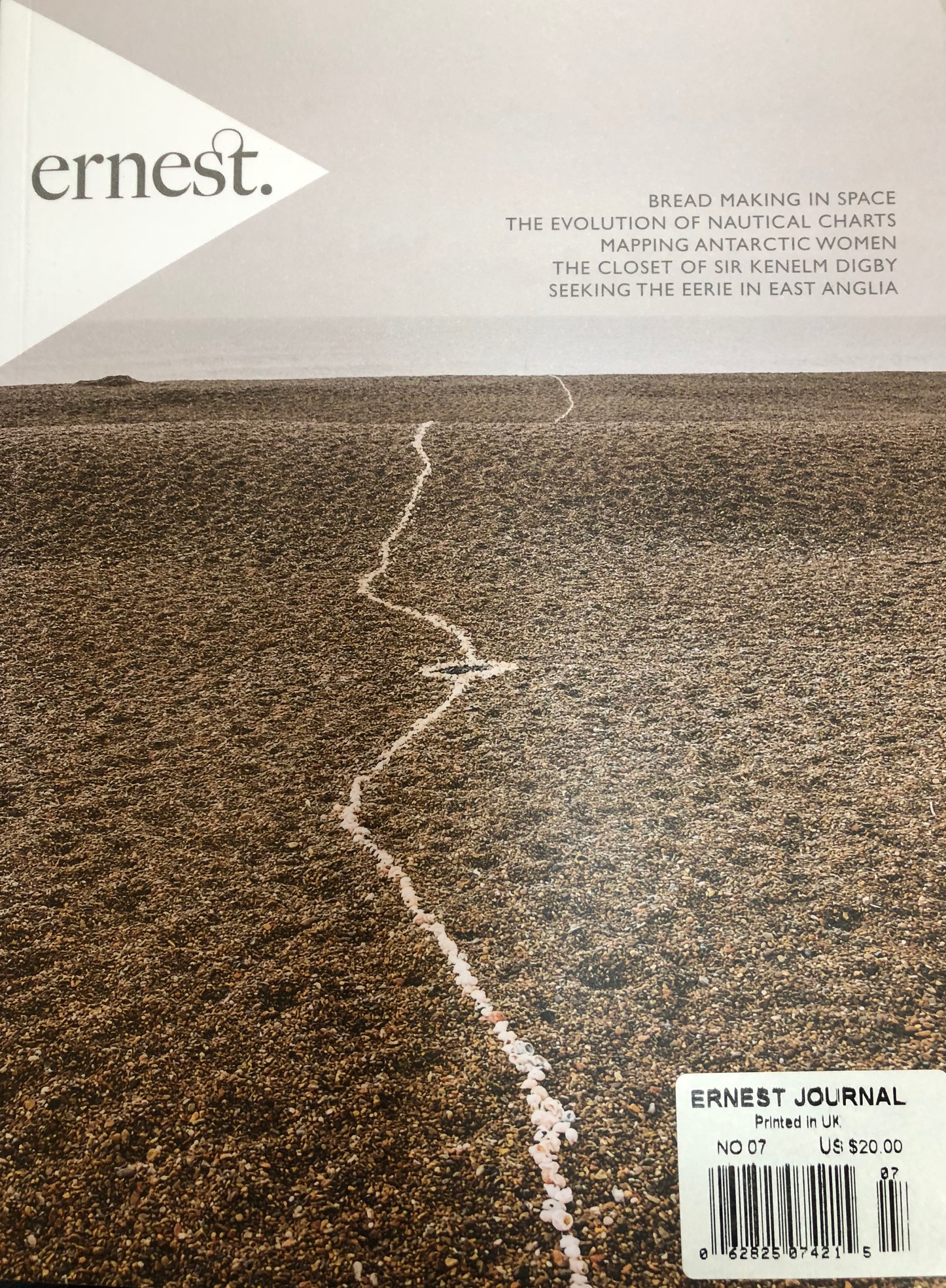
h1

What Is A Magazine? “Polpettas On Paper” Provides Us With The Best Definition Yet…

May 26, 2018

“Polpettas on paper” is an international magazine created and produced in Spain. The name is taking from the word “polpetta” which in Italian means “meatball.”

Here is how the editors of “Polpettas on paper” define a magazine:

“We think of the elements of each story as ingredients: the artists we interview, their works, the time we spend with them, the cities they live in. All these ingredients are chopped up, mixed together and baked into delicious meatballs, each one a unique, easy-to-digest story. The pages of this magazine combine into one very tasty dish. Enjoy.”

What a wonderful way to describe what a magazine really is.

Enjoy, indeed!