Archive for the ‘Innovation in print’ Category

h1

The Magnolia Journal: 2017 Magazine Launch Of The Year…

February 9, 2018

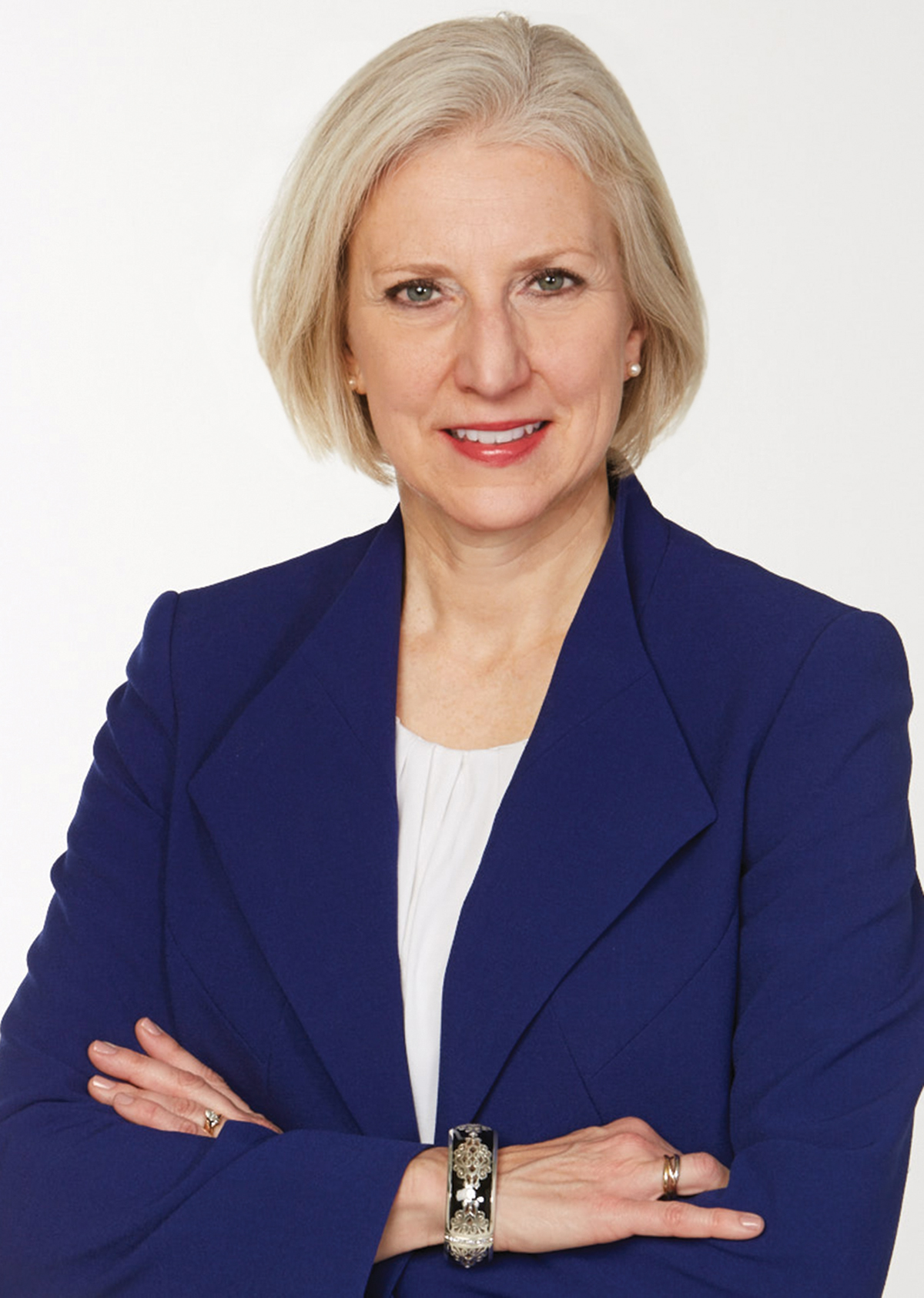
NEW YORK, NY – FEBRUARY 06: Doug Olson, president, Meredith Magazines accepting The Launch of the Year Award from Samir “Mr. Magazine™” Husni at the American Magazine Media Conference 2018 on February 6 in New York City. (Photo by Ben Gabbe/Getty Images for The Association of Magazine Media)

And The Winner Is…

The Magnolia Journal took top honors at the American Magazine Media Conference in NYC on February 6 for the 2017 Launch of the Year award. Yours truly and the MPA: The Association of Magazine Media presented the award to the Meredith title. From a field of 212 new magazines launched with a regular frequency between Oct. 2016 and Dec. 2017, we selected 20, and then we carefully brought that 20 down to 10 finalists for the top honor of 2017 Launch of the Year. We are all pleased to see Meredith and The Magnolia Journal receive this award.

Why The Magnolia Journal you may ask? Well for one, the magazine will launch its spring issue on February 13th with a 1.2 million rate base. And as I told the press:

“It’s been a long time since a magazine has generated as much buzz in the marketplace as The Magnolia Journal has. The connectivity of the content and the design made and continues to make this magazine fly off the shelves. Under the leadership of editor in chief Joanna Gaines, this print product creates a very interactive experience for readers. “All in all, The Magnolia Journal burst onto the scene, and in less than a year, floated to the top, deserving the Launch of the Year award–an honor well-deserved.”

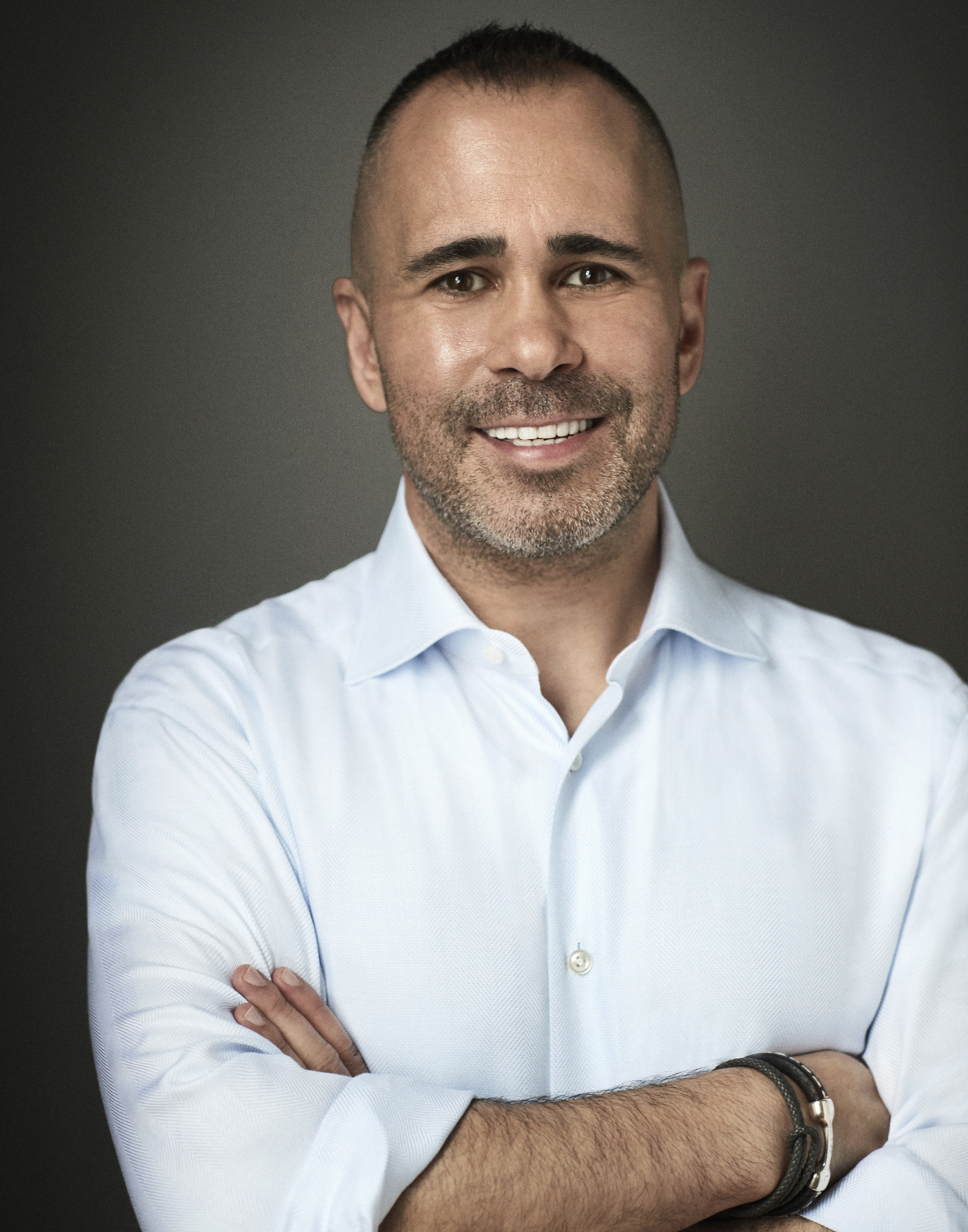
I asked Doug Olson, president of Meredith Magazines, his thoughts about this award. Here’s what he had to say:

And here’s a quick reminder on who were the top 10 finalist:

Looking forward to the 2018 Launch of the Year… Keep those new magazines coming.

h1

The Roadmap To Magazine Success As Told By Wired Magazine’s Editor In Chief, Nick Thompson, To Samir “Mr. Magazine™” Husni: “You Need To Create The Right Stories; You Need To Get Them Out To People In All The Right Ways; And You Need To Build A Business Model Around That.” The Mr. Magazine™ Interview…

February 8, 2018

“There’s something about the print magazine that’s special. It’s got the front cover, which is a way to really make a statement. It has a back cover that advertisers love. It has the capacity to package things, because the Internet breaks everything up, so the capacity to keep things together is really valuable. And advertisers see that too.” Nick Thompson…

This year, Wired Magazine will celebrate 25 years of publishing some of the best content in the world of technology. And this year, the brand will also inaugurate its editor in chief’s latest edition to the business model: a paywall. For over six years, Nick Thompson was an editor for newyorker.com and learned the art of the paywall; and the benefits. Bringing that knowledge to Wired, where he has ran the tech-ship for just over a year, he has constructed a new revenue source that he’s hoping will prove that people are willing to pay for quality content, for something they value and that adds value to their lives.

On a recent trip to New York, I spoke with Nick about the changes he’s implemented, such as the paywall. For a tech-savvy man, Nick is a rare breed, because he also believes in the power of print. So, Print Proud Digital Smart is just common sense to him, and Mr. Magazine™ would have to agree. And Mr. Magazine™ also believes in the value of content, just as Nick does. So, the paywall, while tried and failed by many before him, seems possible with the determination and vision that Nick possesses. Not only possible; probable, but also success-able.

From an email to Wired subscribers, and in Nick’s own words, he had this to say about the paywall: “As you may have seen in the press, we’re launching a paywall on WIRED.com—an important and exciting step that will allow us to continue our great work for the next quarter-century and beyond.” Indeed, if the next 25 is anything like the first 25, everyone will be willing to “pixel-up.” And now the Mr. Magazine™ interview with Nick Thompson, editor in chief, Wired. Enjoy!

But first the sound-bites:

On why he thinks it took the industry so long to change from a welfare information society where everything digital was given away freely to one that charges for its online content: I think business was really good in the old model for a long time. We made a lot of money from advertising and it took a while for the industry to realize the problems with that. And it took a long time for the industry to realize that digital advertising wouldn’t replace it.
I believe we came to those realizations too slowly.

On the secret of Wired’s longevity: That’s an interesting question. It’s always been really good, that’s the first thing. When it had rough patches, it figured its way out of them. It never found any of the traps of some of the other tech publications. It had Condé Nast supporting it as well. And because it had been relatively early, it had a lot of loyal supporters and backers. So, it’s always had a really good and strong fan base, and it’s always had a great group of writers.

On Condé Nast’s handling of Wired over the years, and the fact that when most bigger companies buy small, entrepreneurial publications, they end of folding them, but not in the case of Wired: I wonder about that. I think that reflects very well on Condé Nast. They changed editors; they did all of the things that usually happen when a rogue publication is bought by a big company. They changed editors; they changed philosophy, but I think they kept a hands-off approach. A lot of people stayed through; the magazine stayed in San Francisco, and I think Condé Nast realized the independent spirit that Wired had, and managed it well.

On how he would define content today: That’s a good question. You have to think about all of the different places where we publish unique content. There’s the print magazine; the website; the Snapchat channel; the Instagram feed; there are all kinds of things. There are videos that we’re making for Facebook live; YouTube videos that we’re creating. So, it’s all Wired content; it’s all Wired “stuff” and my involvement in it ranges from the print, where there’s a lot, to social where there’s less. And then I’m participating in a lot of it. I’ll do some of the Facebook lives or some of the discussions.

On whether he feels he’s more of a curator today than a creator: No, more of a creator, but the curation is part of it too, because part of what you do is figure out how things should be promoted; what should go in the newsletter; how the newsletter should be structured. I write my own newsletter; I do my own Tweets; I do Facebook; so, there’s that part of the curation element. But most of what I’m doing is writing and editing.

On the biggest stumbling block he’s had to face, or whether it has it all been a walk in a rose garden: You need to do three things when you’re in my job: you need to create the right stories; you need to get them out to people in all the right ways; and you need to build a business model around that. And I feel like we’re creating the right stories and that we’ve built a business model, but I’m not sure that we’ve optimized getting ourselves out there in all the right ways. So, the biggest challenge is how do you get people to read your content on a mobile device? Some people will go to your website on a mobile device, but mostly they’ll go to your Twitter, Instagram, Facebook, or they’ll come in through an app.

On the iPad and how Wired was one of the first Condé Nast titles to jump onboard: And it was awesome. My predecessor, Scott Dadich, he designed that, and did a killer job. The issue is, back then we all thought the iPad was the future of magazine reading, right? And that people would have iPads and they would download all of the magazines. But as it turned out, the iPad wasn’t; it turned out to be the phone. The question is, can you take the iPad version and make it work on the phone, that’s something that we need to do here, because we have a great iPad app, but we don’t have an iPhone app.

On how he decides what content goes where and if dissecting that content is getting easier or harder: In the old days, content was created for print and dissected for the other platforms, and here it’s more that we try to come up with content that works on all of the platforms, starting from an idea. The Free Speech package was definitely something we came up with for the print medium, because the idea on how to do it was a big structured thing around it, and that still works when you have the excuse of a print magazine that gets mailed to 850,000 people, and that has a cover and a set number of pages. So, we decided to do that and spread it out on all of the other platforms.

On why he still believes in print: There are a couple of reasons. Number one, because I spend a lot of time on tech, I realize its limitations. You can put out a Tweet and you can look and say that you have 10 million Twitter followers; that Tweet is going to reach 10 million people, but actually it’s not. A thousand people are going to click on it, or 200 people are going to click on it. So, there are real distribution issues on all platforms. When you think about it that way, it helps you remember that the U.S. Postal Service that will deliver 850,000 copies of these to people’s doors, or whatever the exact number is right now, is a pretty good distribution mechanism.

On how he edits the magazine to cater to the geeks and the intellectuals simultaneously: That’s the whole challenge of this job. It’s to cater to both of them and even to people who are coming to technology for the first time. And that’s a challenge with our web content and that’s a challenge with Snapchat content; that’s a challenge with everything we do. That’s less of a print challenge than it is an overall Wired challenge. And there, we try to think of ourselves as a magazine about change, not as a magazine about tech. We think about the way technology is changing our lives; changing our world and the way that we relate to each other. Find the most interesting questions and answer them in the smartest way that we can, in whatever form is appropriate for whatever medium we’re writing for.

On how his job as a magazine editor, especially of Wired, is different today than it was some years ago: The first difference is that, obviously, we’re publishing in more different ways. And the world only gets more complicated; the job only gets more complicated; and your time only gets more disbursed, because you’re not doing a print magazine, you’re doing a print magazine and a website and all of these social platforms. So, that’s different.

On one moment he can reflect on since he’s been editor where he thought the magazine was at the exact place he wanted it to be: This month has been amazing, because I think our Free Speech issue conveys exactly what I want to do with the magazine. It has five essays, all of which are awesome; they read really well together. I think it’s one of the smartest packages put together on free speech.

On whether he thinks it will be smooth sailing from now on: (Laughs) I don’t think any editor in this business would think it’s smooth sailing from now on. We have to think about what comes next, so we have to make the paywall work. We’re just days in and it looks good so far, but that’s nothing. We need to make sure that we optimize and that we figure out the right ways to promote it; that we reduce friction in the subscription process; that we improve re-circulation; that we assign the right content; and that is really hard. Then we also need to figure out how to continue to diversify our revenue streams.

On whether he feels like in his job now he has to hop on and off the train without it ever stopping: (Laughs) No, I feel like the train still stops. Maybe in two years the train won’t stop and I’ll be jumping out the window. Right now it’s okay. It’s funny, because I don’t think the job of editor in chief of Wired will ever get less complicated, because you have to be in the middle of the way technology is reshaping the world, and the nature of technology is that it accelerates, because when you invent something it helps you invent the next thing.

On why he thinks the whole media world is suddenly watching Wired and its new paywall to see if it succeeds or fails: I think the fact that it’s Wired and we’re considered to be at the forefront of technology makes a big difference. I think to some people it’s surprising. You may think that Wired would always make its information free. Though, since the very beginning Wired has talked about the value of content and whether it’s important to make people pay. And there’s a huge debate among the early Wired founders. I’m glad people are paying attention. The more attention, the better.

On what someone would find him doing if they showed up unexpectedly one evening at his home: You’ll find me reading magazine stories on my phone, if I’ve finished my work. I tend to go home and work; I work here, then I go home and put my kids to sleep, and I tend to go back to work, in part, because I work with a lot of people in San Francisco, so my 10:00 p.m. is their 7:00 p.m., so we’re synced up pretty well. And I tend to work until 11:00 or 11:0 p.m. And if I finish and have some time, I like to read magazine stories in other publications. And I like to play guitar.

On what he would have tattooed upon his brain that would be there forever and no one could ever forget about him: That I actually really care about my job. I care about Wired because I think it’s really important for society to have these conversations about technology, such as free speech and technology. And I feel like Wired plays a really important civic role. So, I want them to realize that what excites me about this job and what I do isn’t just because it’s a cool job and I work in media. It’s because there’s real civic value in having this thing work and to do it well. And that’s why I try.

On what keeps him up at night: I don’t think any editor in chief of any publication sleeps well, with the business changes over the last few years. I worry a lot that we get stories right and I worry a lot about what comes next for us. What are the product, engineering and business choices we need to make to be sure that we can continue to produce really great journalism. So, that keeps me up at night.

And now the lightly edited transcript of the Mr. Magazine™ interview with Nick Thompson, editor in chief, Wired.

Samir Husni: You’ve been in the news a lot lately for doing what I’ve always called a common sense thing; if you have good content, people will pay for it. Why do you think the industry waited so long to change from a welfare information society where we give everything away for free to finally charging for content?

Nick Thompson: I think business was really good in the old model for a long time. We made a lot of money from advertising and it took a while for the industry to realize the problems with that. And it took a long time for the industry to realize that digital advertising wouldn’t replace it.
I believe we came to those realizations too slowly.

Samir Husni: Specifically with Wired, as you approach your 25th anniversary; a lot of tech magazines have started up and folded during that same period, all trying to captivate the future of technology and humanizing technology. What’s the secret of Wired’s longevity?

Nick Thompson: That’s an interesting question. It’s always been really good, that’s the first thing. When it had rough patches, it figured its way out of them. It never found any of the traps of some of the other tech publications. It had Condé Nast supporting it as well. And because it had been relatively early, it had a lot of loyal supporters and backers. So, it’s always had a really good and strong fan base, and it’s always had a great group of writers.

I don’t know, I feel like it never even came close to going away. It’s been a good publication with lots of supporters the whole way through, lots of advertisers; a good subscription base. It’s been healthy and strong and it’s managed to never completely screw things up.

Samir Husni: From an historical point of view, when I study all of the magazines that were started by entrepreneurs and sold to big companies, the bigger companies managed to mess them up and fold them. That’s not the case with Wired.

Nick Thompson: I think that reflects very well on Condé Nast. They changed editors; they did all of the things that usually happen when a rogue publication is bought by a big company. They changed editors; they changed philosophy, but I think they kept a hands-off approach. A lot of people stayed through; the magazine stayed in San Francisco, and I think Condé Nast realized the independent spirit that Wired had, and managed it well.

So, I think it reflects well on Condé Nast and I think it reflects well on the Wired team and it reflects well on Katrina Heron, who took it over after the transaction, and then Chris Anderson, who succeeded her.

Samir Husni: As you are moving Wired toward the next quarter of a century, you started by adding a paywall; you’ve been quoted as saying print is not going away, that you still believe in it. So, as an editor today, how do you define content?

Nick Thompson: That’s a good question. You have to think about all of the different places where we publish unique content. There’s the print magazine; the website; the Snapchat channel; the Instagram feed; there are all kinds of things. There are videos that we’re making for Facebook live; YouTube videos that we’re creating.

So, if you were to look at my to-do list for today, I have to read some of the drafts for the next issue of the print magazine; I’ve got to read a bunch of web posts that have gone live, make sure they’re good and figure out how to promote them and how to help the writers improve, or how to work with the writers. I have to think about all of the social media platforms. So, it’s all Wired content; it’s all Wired “stuff” and my involvement in it ranges from the print, where there’s a lot, to social where there’s less. And then I’m participating in a lot of it. I’ll do some of the Facebook lives or some of the discussions.

There’s way too much content for any single human to be involved in, so I just have to figure out how to allocate my time in a way that is most effective, both for specific editing and the more general sense of conveying my view of what a Wired story is. And then the general coaching, managing and cheerleading the staff and all of the stories.

Samir Husni: Do you feel you’re more of a curator today, rather than a creator?

Nick Thompson: No, more of a creator, but the curation is part of it too, because part of what you do is figure out how things should be promoted; what should go in the newsletter; how the newsletter should be structured. I write my own newsletter; I do my own Tweets; I do Facebook; so, there’s that part of the curation element. But most of what I’m doing is writing and editing.

There are 100 different things that could be a part of my job and I try to think about all of them. And I try to weigh whether I can actually be helpful with #96 on the list of things, and if I can, I’ll spend some time on it and if I can’t, I’ll let it be.

Samir Husni: What has been the biggest stumbling block that you’ve had to face since you took over the editorship and how did you overcome it? Or has it been a walk in a rose garden?

Nick Thompson: I’ve been really happy with the print magazine for the last few months. I feel like we’ve gotten a really strong feature well, and we’ve gotten really good covers. If you look at our next cover, which I shouldn’t talk about, but I think it will be exciting. And our free speech cover; the cover about China; the cover on our issue now. We’ve done really good issues. And when I started, it wasn’t like they were bad, they were still good.

But I feel like there has been steady improvement in making sure that the feature well, in particular, has grown and become really close to what I wanted it to be when I started this job. So, that’s good, but it was also really hard, so maybe that’s the answer.

The other thing that’s hard is obviously, you need to do three things when you’re in my job: you need to create the right stories; you need to get them out to people in all the right ways; and you need to build a business model around that. And I feel like we’re creating the right stories and that we’ve built a business model, but I’m not sure that we’ve optimized getting ourselves out there in all the right ways. So, the biggest challenge is how do you get people to read your content on a mobile device? Some people will go to your website on a mobile device, but mostly they’ll go to your Twitter, Instagram, Facebook, or they’ll come in through an app.

We don’t yet have a custom IOS app. We have read platforms or a progressive web app, which makes our Android reading experience much better, but we were a little late to optimize ourselves on mobile devices. So, that’s something that we’re working hard on, but we haven’t completely solved yet.

In my ideal world, there would be a fantastic, beautifully-designed way to read Wired through Flipboard, Apple News, Facebook Instant, an IOS app, an Android app, and a progressive web app, but we don’t have that whole suite of things yet. We have some of them, but they require design, product, engineering and business, and so they’re really complicated to get right.

Samir Husni: I remember when the iPad first came into being back in the dark ages of 2009, Wired was a forerunner. I think it was the first Condé Nast magazine to jump onboard.

Nick Thompson: And it was awesome. My predecessor, Scott Dadich, he designed that, and did a killer job. The issue is, back then we all thought the iPad was the future of magazine reading, right? And that people would have iPads and they would download all of the magazines. But as it turned out, the iPad wasn’t; it turned out to be the phone. The question is, can you take the iPad version and make it work on the phone, that’s something that we need to do here, because we have a great iPad app, but we don’t have an iPhone app.

Samir Husni: With your role, and the many hats that you wear, how do you decide what content goes where? From print to digital, and now with the paywall; is dissecting the content getting easier or harder?

Nick Thompson: In the old days, content was created for print and dissected for the other platforms, and here it’s more that we try to come up with content that works on all of the platforms, starting from an idea. The Free Speech package was definitely something we came up with for the print medium, because the idea on how to do it was a big structured thing around it, and that still works when you have the excuse of a print magazine that gets mailed to 850,000 people, and that has a cover and a set number of pages. So, we decided to do that and spread it out on all of the other platforms.

But there are elements of Wired taking on the issue of free speech that have been native to other platforms, like Facebook Instant conversations and Reddit AMA’s. There have been all kinds of interesting elements and add-ons that doesn’t feel as though we’re cutting a piece of meat off of the bone of the big animal. We feel like we actually made a meal for that particular platform.

Samir Husni: You’re one of the few editors of a tech magazine who still believes in print. Why?

Nick Thompson: There are a couple of reasons. Number one, because I spend a lot of time on tech, I realize its limitations. You can put out a Tweet and you can look and say that you have 10 million Twitter followers; that Tweet is going to reach 10 million people, but actually it’s not. A thousand people are going to click on it, or 200 people are going to click on it. So, there are real distribution issues on all platforms. When you think about it that way, it helps you remember that the U.S. Postal Service that will deliver 850,000 copies of these to people’s doors, or whatever the exact number is right now, is a pretty good distribution mechanism. The U.S. Postal system and the whole method of people subscribing, they get 12 issues per year, that’s really great. So, that’s one reason.

Number two is there’s something about the print magazine that’s special. It’s got the front cover, which is a way to really make a statement. It has a back cover that advertisers love. It has the capacity to package things, because the Internet breaks everything up, so the capacity to keep things together is really valuable. And advertisers see that too.

And then there’s something about the discipline of putting together a print magazine which is a useful exercise to go through for content. So, having strict limitations on the number of words that you can put in a story is actually good for the story often. Sometimes it’s nice to have unlimited words, but sometimes not having constraints leads to softness in the way you edit it or the way you think about it. Print magazines still do some really good things. My hope would be that we’ll continue to run the print magazine as long as I’m in this job, and that even if the advertising goes down in print, we’ll be able to make up for it in subscription revenue. Right now, it’s a profitable product and I think a really good product.

Samir Husni: How do you manage to create this curated, well-packaged issue, month after month, that caters to the geeks of technology and to the intellectuals of technology simultaneously?

Nick Thompson: That’s the whole challenge of this job. It’s to cater to both of them and even to people who are coming to technology for the first time. And that’s a challenge with our web content and that’s a challenge with Snapchat content; that’s a challenge with everything we do. That’s less of a print challenge than it is an overall Wired challenge. And there, we try to think of ourselves as a magazine about change, not as a magazine about tech. We think about the way technology is changing our lives; changing our world and the way that we relate to each other. Find the most interesting questions and answer them in the smartest way that we can, in whatever form is appropriate for whatever medium we’re writing for.

On the web, you want to write about things that are happening in the present; you want to write about things that are current. In print, you need to write about it in a format that will be relevant two weeks after the story closes or five weeks after the story closes, because that’s when the person actually picks up the pile of mail at the apartment they’ve been traveling from.

You have the same challenge; how do you make the story interesting for all of these different readers? And then you just have different constraints and different kinds of form based on where you’re publishing it.

Samir Husni: How would you describe the job of a magazine editor today, especially Wired? And how is it different from some years ago?

Nick Thompson: The first difference is that, obviously, we’re publishing in more different ways. And the world only gets more complicated; the job only gets more complicated; and your time only gets more disbursed, because you’re not doing a print magazine, you’re doing a print magazine and a website and all of these social platforms. So, that’s different.

But the core is kind of the same. Your job as the editor in chief is to help set a vision with your team; it’s to hire the right people, who do all of the right jobs; it’s to help people grow as writers and editors, to the extent that you can. It’s to be an ambassador, so that’s why you go to different places, like Davos, which I just returned from, to meet people; and it’s also to find really good stories, which is another reason to go to a place like Davos.

Part of my job is to sit at my desk and help move copy along and to read things and to help edit them. And then part of my job is to go out into the world and be a public face for Wired and talk to people about Wired and learn about the kind of issues we should write about. So, you have to just balance your time.

There are different kinds of editors. David Remnick, who I obviously observe very closely, spent a ton of time writing stories, editing stories, and also a ton of time promoting them, like on The New Yorker Radio Hour and on television and radio. Other people focus more on one element, like Adam Moss, who is an absolute genius at how he puts together New York magazine, but he’s not as much out there talking on television or on the radio. He’s just kind of in his office making the thing amazing. So, there are different roles. And the way I’ve chosen to do it is to do lots of things, maybe for good or for ill.

Samir Husni: During this short period since you’ve been editing Wired, can you reflect on one moment where you said to yourself, wow, this is the Wired I want?

Nick Thompson: This month has been amazing, because I think our Free Speech issue conveys exactly what I want to do with the magazine. It has five essays, all of which are awesome; they read really well together. I think it’s one of the smartest packages put together on free speech.

And free speech is something that I really don’t have a handle on. I know that the view on free speech in the tech industry has massively changed. I know that it’s complicated, but I came to it not thinking that “we need to stand up and really fight against the way the tech companies are now censoring.” Or “I really think that debate about free speech is going in the right direction.” I was very conflicted when we started this package. I felt really good that we put together an issue that had these five essays; the cover worked and the whole issue felt right. So, I felt great about that.

And then we went to the paywall and we actually hit our deadlines and the early returns are great. So, January and the first couple of days of February have been fantastic for Wired. I feel like we put out a great issue and we created a new business model, which is something I talked about my first day on the job. And it came to fruition.

Samir Husni: Is it smooth sailing then from now on?

Nick Thompson: (Laughs) I don’t think any editor in this business would think it’s smooth sailing from now on. We have to think about what comes next, so we have to make the paywall work. We’re just days in and it looks good so far, but that’s nothing. We need to make sure that we optimize and that we figure out the right ways to promote it; that we reduce friction in the subscription process; that we improve re-circulation; that we assign the right content; and that is really hard. Then we also need to figure out how to continue to diversify our revenue streams.

What we’ve done this year is try to grow advertising as much as possible. I’ve worked very carefully with our business side to understand what we do in advertising and what works. And what we can do more of; where are there opportunities for growth. But at the same time, trying to diversify. So, we started an affiliate revenue stream, where we massively expanded our efforts. If you read a review on the best headphones at Myer and you click on one and buy it, we get a small cut. And that’s useful.
Now we have three really good revenue streams, but the question is a year from now we’ll want to have diversified even more. We’ll want to have done better in all the things we do, but we’ll also want to have other revenue streams. So, what will those be? Wired has very limited audio efforts; should we go hard in that? There are a couple of other things that we’re looking at; a relatively limited conference business. We do one big event, but other publications that are similar to us do lots of events; should we do that? It’s competitive, but we could do more of that.
And then there are a whole bunch of other things that we’re thinking and talking about.

One of my big questions for next year is what’s next? From the product and engineering side of my job, we’ve had two big products. First, we moved our CMS’s (Content Management Systems) to the corporate CMS’s “Copilot,” which was a huge project and that was really the first six months of my job. Then the next six months was the paywall. So, now the product and engineering roadmap is complicated and the business roadmap is complicated.

Meanwhile, you can’t let your foot off the gas and spend so much time thinking about these things, or have your team spend so much time thinking about them, that you let the other stuff slide, and you have days where the website isn’t interesting or the magazine isn’t good. You don’t ever want that. So, that’s the challenge. It’s not like the old days where you just hire 100 new people or something. You have to do evermore within constraints, real constraints.

Samir Husni: Do you feel in your job now that you have to hop on the train and hop off the train without the train ever stopping?

Nick Thompson: (Laughs) No, I feel like the train still stops. Maybe in two years the train won’t stop and I’ll be jumping out the window.

Samir Husni: (Laughs too).

Nick Thompson: Right now it’s okay. It’s funny, because I don’t think the job of editor in chief of Wired will ever get less complicated, because you have to be in the middle of the way technology is reshaping the world, and the nature of technology is that it accelerates, because when you invent something it helps you invent the next thing. And so technology will constantly be creating, so the train only moves faster and the job only gets harder. So, ask me that in three years. (Laughs)

Samir Husni: Do you feel that you are living in a glass house now, because everybody is watching you. With all of the other entities that tried paywalls and other things like that, they weren’t talked about as much as Wired. Is it specifically because it’s Wired or because it’s Condé Nast? Why do you think that the entire media world is watching you to see if you’re going to succeed in this experiment or fail?

Nick Thompson: I don’t know. Maybe because I talk about it a lot. (Laughs) I’ve given lots of interviews about paywalls; I talk about it all of the time and I care about it a lot. I felt like my experience at The New Yorker was one of the most interesting things I’ve ever done, so I speak about it a lot and I feel good about what we did at The New Yorker. So, that probably helps a little bit.

I think the fact that it’s Wired and we’re considered to be at the forefront of technology makes a big difference. I think to some people it’s surprising. You may think that Wired would always make its information free. Though, since the very beginning Wired has talked about the value of content and whether it’s important to make people pay. And there’s a huge debate among the early Wired founders. I’m glad people are paying attention. The more attention, the better. And I hope that people subscribe. We’ll see. And if it doesn’t work, it doesn’t work, but it’s already worked. We’ve already gotten tons of new subscribers and we’re just days into it.

Samir Husni: When Wired was started it had a massive subscription price and you couldn’t even get it billed; you had to pay before you received the magazine.

Nick Thompson: When I launched the paywall, I got a note from the guy who founded the magazine saying that people should be willing to pay for the stuff that they spend their time with and value. You’re adding value to people’s lives and they should be willing to pay for it.

Samir Husni: If I showed up unexpectedly at your home one evening after work, what would I find you doing? Having a glass of wine; reading a magazine; cooking; watching TV; or something else?

Nick Thompson: You’ll find me reading magazine stories on my phone, if I’ve finished my work. I tend to go home and work; I work here, then I go home and put my kids to sleep, and I tend to go back to work, in part, because I work with a lot of people in San Francisco, so my 10:00 p.m. is their 7:00 p.m., so we’re synced up pretty well. And I tend to work until 11:00 or 11:0 p.m. And if I finish and have some time, I like to read magazine stories in other publications. And I like to play guitar.

Samir Husni: If you could have one thing tattooed upon your brain that no one would ever forget about you, what would it be?

Nick Thompson: That I actually really care about my job. I care about Wired because I think it’s really important for society to have these conversations about technology, such as free speech and technology. And I feel like Wired plays a really important civic role. So, I want them to realize that what excites me about this job and what I do isn’t just because it’s a cool job and I work in media. It’s because there’s real civic value in having this thing work and to do it well. And that’s why I try.

Samir Husni: My typical last question; what keeps you up at night?

Nick Thompson: I don’t think any editor in chief of any publication sleeps well, with the business changes over the last few years. I worry a lot that we get stories right and I worry a lot about what comes next for us. What are the product, engineering and business choices we need to make to be sure that we can continue to produce really great journalism. So, that keeps me up at night.

Samir Husni: Thank you.

h1

DUN Magazine: A “DUN” Deal When It Comes To Fly Fishing Content Created For Women By Women – The Mr. Magazine™ Interview With Founder & Editor In Chief, Jen Ripple…

February 5, 2018

“I watched my children when they were younger have to do everything online, and they grew up in the digital age. And I watched my kids, specifically my two younger children, and they just loved to pick up a book. They preferred a book in their hands, and I think that was because they grew up so digitally that they needed the tactile sensation. They love the vinyl records and the Walkman, and they love books. And I thought, people who say print is dead; I love print and I know my children love print, I believe that print is never going to die.” Jen Ripple…

A Mr. Magazine™ Launch Story…

DUN Magazine is a beautifully done and well-crafted lifestyle publication about the female fly angler that is created for women by women. And that interpretation is incorporated into the magazine’s tagline and into its DNA. Jen Ripple is the founder and editor in chief of the title, which drew its first breath as a digital-only entity that seemed to be missing the one thing that would give it a heavier substance: a print component. And would also answer the cry of many of the online version’s readers of where could they buy the magazine.

I spoke with Jen recently and we talked about the many facets of DUN, from its unique name (an actual life stage of an insect that fish love to have on their menu: the mayfly) to the hefty cover price of $20 (which no one has balked at paying, according to Jen). It’s a lovely print magazine that is oversized and sticks to Jen’s own firm beliefs in conservation by using a vegetable-based ink. And while Mr. Magazine™ may not be an avid fly fisherman, I certainly applaud the determination and excellent content of the entrepreneurial endeavor.

Gearing it toward women, without excluding the male reader, Jen hopes to empower females who are interested in the sport or already ensconced in their boats and raring to go. And while she may occasionally swim upstream when it comes to some of the males in the industry of fly fishing, Jen has no intention of tearing down the scaffolds of her platform that she’s built, which strives to provide a voice for all women anglers.

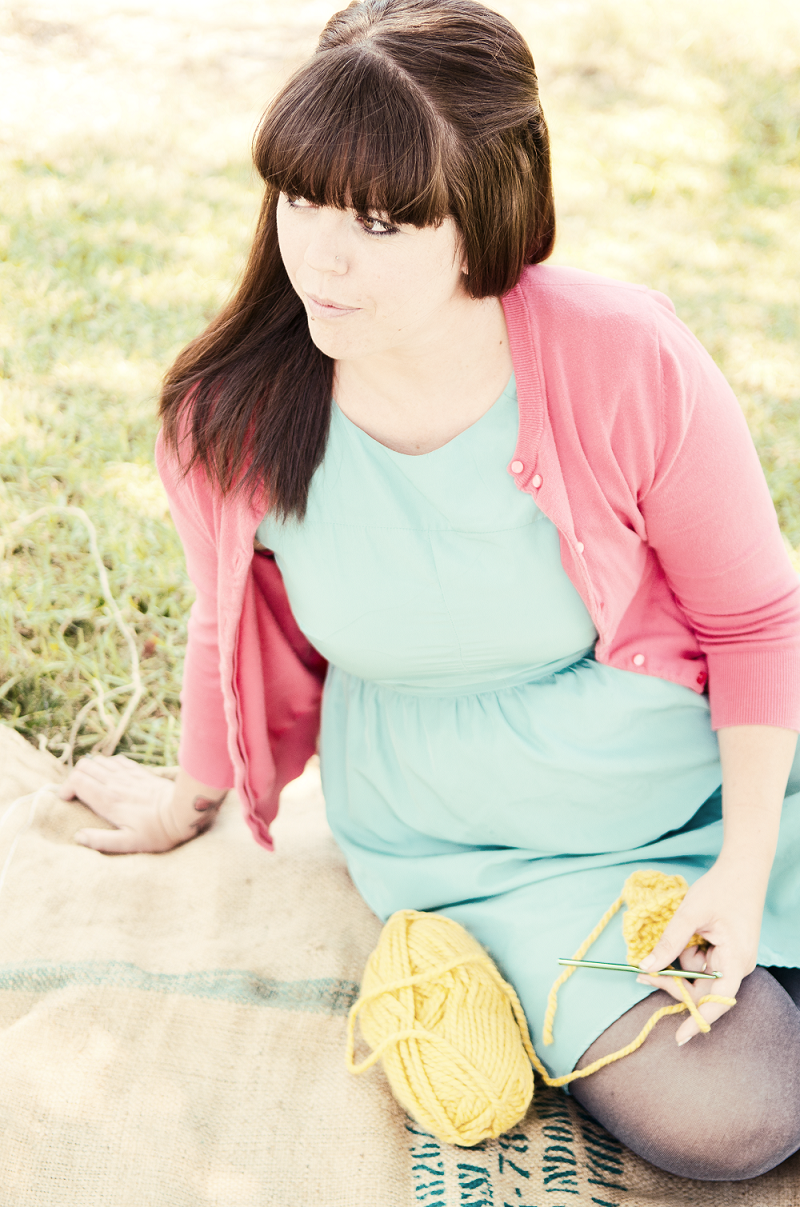
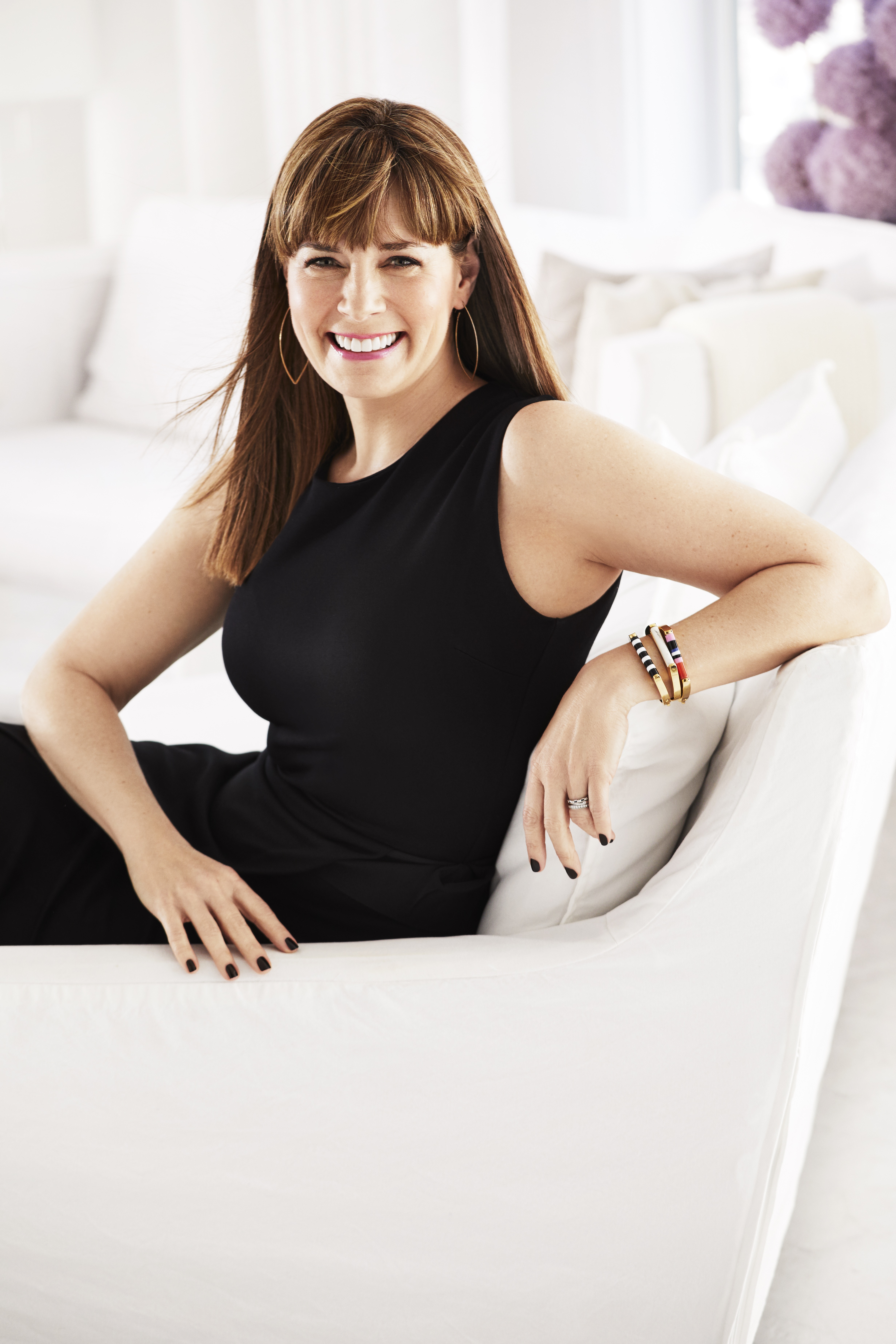
Jen Ripple

So, I hope that you enjoy this “DUN” interview with a woman who gives true meaning to the words passion and entrepreneurialism – the Mr. Magazine™ interview with Jen Ripple, founder & editor in chief, DUN Magazine.

But first the sound-bites:

On the story of DUN Magazine: The story of DUN is a funny one. I was working at the University of Michigan and it was a very cold winter. I didn’t really have anything to do, so I was looking online to see what was going on, and I decided to take a fly tying class. And I took the class in a fly shop and actually loved it, so from that point forward it was like a downward spiral. I started fishing and then I started writing for a Midwest fly fishing magazine. But I really wanted to write for a women’s magazine and there wasn’t one. And that was in June 2013 and by September, we had our first magazine. I figured if I was missing it, other people were as well.

On how she chose the name of the magazine: I think picking the name for the magazine was the hardest part for me, because once you pick it you’re stuck with it, so you better like it, right? (Laughs) So, dun is the stage of a mayfly and a mayfly is one of the predominant flies that trout and bass eat, that fish in general eat. So, it made sense to have a name that was associated with fly fishing. I also wanted to pick a name that would maybe cause people who didn’t understand fly fishing to take a step back and ask, “Wait a minute, what does that mean?” Then maybe they Google it and find the magazine.

On why she decided to go against all odds when adding the print component by being oversized and having a cover price of $20: I wanted to make a magazine that people weren’t going to just page through and then toss aside. And since I’ve had the magazine, I’ve become a bit of a magazine hoarder. I just look at all magazines; I love to page through them and see the different things that I like and don’t like. And I found that the magazines I kept around were the ones that…and I don’t cook at all, but I found a cooking magazine that I really loved and I kept going back to that magazine and magazines like it, the ones that were about something that I didn’t even like, because of the way they felt, the paper quality, the print quality, the heftiness of them.

On why she geared the magazine toward women only: It’s a fly fishing magazine, so 43 percent of our readers are male in our subscriber base. But there was nothing out there for women, and I knew that women were a lot more prominent in the sport than the fishing industry knew, just because they weren’t as vocal as the male population out there. So, I just believed that women didn’t have a platform to actually prove themselves as anglers.

On whether the fish get bigger in the stories women tell as they supposedly do with “men” fishing stories: You know what, one of the covers of our magazine had a woman holding a teeny-tiny, little brook trout and I loved that because usually it’s all about the size, and that story wasn’t about the size, it was all about the experience of fly fishing. So, women don’t care what size the fish is; they don’t even care if they catch fish sometimes, because it’s about being on the river, being out side in nature and just enjoying a beautiful day. The fish is like a side story, whereas with the male population it’s more about the fish, and how big it was.

On any snags or complications she had along the way to creating the magazine: Obviously, it hasn’t been without its snags, but I think the biggest was when I started it, before our first digital magazine came out, I had a male friend of mine in the industry to say that we’d have one beautiful magazine and it would be great, but we’d never have more than one because there weren’t enough women out there who fly fish. Looking back, maybe that should have been a snag to me, but I just knew he was wrong and if nothing else, it became a springboard to prove him wrong.
On the future and what she would hope to say she had accomplished one year from now: A quarterly magazine, which is what we’re doing in 2018, and that we’ll hit our goal of 50 percent women on the water and in the fly shops and just a growing population of young and old women and children. And the fly fishing industry becoming more prevalent in fishing, in general.

On whether she received any backlash from the high cover price: Not at all. In fact, I thought I would, but I really haven’t. Everybody who picks it up just says wow, this is really a coffee table magazine that we wouldn’t get rid of. So it seemed like an appropriate price. And to be conservation-minded and print a magazine that’s conservation-minded, it’s more money. But I’ve been surprised that I haven’t had anyone balk at the cover price.

On anything she’d like to add: From the millennial generation; I watched my children when they were younger have to do everything online, and they grew up in the digital age. And I watched my kids, specifically my two younger children, and they just loved to pick up a book. They preferred a book in their hands, and I think that was because they grew up so digitally that they needed the tactile sensation. They love the vinyl records and the Walkman, and they love books. And I thought, people who say print is dead; I love print and I know my children love print, I believe that print is never going to die.

On what someone would find her doing if they showed up unexpectedly one evening at her home: At the end of the day, you’ll find me with a glass of Scotch in my hand, on my side porch, with my feet kicked up, looking over the beautiful Land Between the Lakes. My house is on 10 acres that backs up to the Land Between the Lakes, which is 180,000 acres of public land.

On what she would have tattooed upon her brain that would be there forever and no one could ever forget about her: It would be trailblazer. I want people to realize that I’ve created the home base for women in the sport. That’s what I want to be known for.

On what keeps her up at night: Having to make another magazine as beautiful as the last one. (Laughs)

And now the lightly edited transcript of the Mr. Magazine™ interview with Jen Ripple, founder & editor in chief, DUN Magazine.

Samir Husni: Tell me the story of DUN Magazine.

Jen Ripple

Jen Ripple bio headshot[/caption]Jen Ripple: The story of DUN is a funny one. I was working at the University of Michigan and it was a very cold winter. I didn’t really have anything to do, so I was looking online to see what was going on, and I decided to take a fly tying class. To be really honest, I took it because it was inexpensive and I figured that if I didn’t like it after the first time, I wouldn’t go back. And I took the class in a fly shop and actually loved it, so from that point forward it was like a downward spiral.

I started fishing and then I started writing for a Midwest fly fishing magazine. But I really wanted to write for a women’s magazine and there wasn’t one. And that was in June 2013 and by September, we had our first magazine. I figured if I was missing it, other people were as well.

Samir Husni: How did you come up with the name DUN for the magazine? And why did you decide to add a print component after a few years as a digital-only entity?

Jen Ripple: I think picking the name for the magazine was the hardest part for me, because once you pick it you’re stuck with it, so you better like it, right? (Laughs) So, dun is the stage of a mayfly and a mayfly is one of the predominant flies that trout and bass eat, that fish in general eat. So, it made sense to have a name that was associated with fly fishing. I also wanted to pick a name that would maybe cause people who didn’t understand fly fishing to take a step back and ask, “Wait a minute, what does that mean?” Then maybe they Google it and find the magazine.

And when I first started, I really wanted to just be an online magazine, because five years ago people knew all about digital-online everything. And we are also very conservation-minded and I thought we’d never go to print because that’s not being conservation-minded. And I could offer it for free online and we could have a larger audience. So, we went from being four magazines a year digitally to six magazines a year digitally, to having one magazine that was 300 pages online, and that was just too much. We had so much content that everybody was asking where they could buy the magazine.

And our older demographic and our very young demographic were saying that they wanted something that they could take with them and that they could page through when they were sitting at home. Finally, after about a year and so many people asking when we were going to come out with a print magazine; I found a printer that I really liked, that was all ecofriendly and used vegetable ink, and we decided that we’d try it. And that’s why we went to print, and it’s been really good for us.

Samir Husni: Going to print, it appears you didn’t save on anything; you have a hefty, oversized magazine with over 140 pages and a $20 cover price. Why did you decide to go against all odds; a larger-sized magazine in print; a higher cover price; and quite a few pages?

Jen Ripple: I wanted to make a magazine that people weren’t going to just page through and then toss aside. And since I’ve had the magazine, I’ve become a bit of a magazine hoarder. I just look at all magazines; I love to page through them and see the different things that I like and don’t like. And I found that the magazines I kept around were the ones that…and I don’t cook at all, but I found a cooking magazine that I really loved and I kept going back to that magazine and magazines like it, the ones that were about something that I didn’t even like, because of the way they felt, the paper quality, the print quality, the heftiness of them. And I thought if I’m going to do a print magazine, I’m going to do a print magazine. (Laughs) A beautiful one that people can’t just dismiss.

And everyone who has looked at it and come to me about it has said that it is a coffee table magazine. They’ve said, “I bought this for my wife, but I love it as much as she does, because first and foremost, it’s a fly fishing magazine, but it’s also beautiful.” And that’s what I was trying to accomplish.

My background is not in magazines, so I didn’t know what I didn’t know. I just wanted to make a magazine that I would like to look through. And I didn’t know anything about the mailing, or the cost of making a magazine. (Laughs) So, I guess part of it was ignorance is bliss, you know? But I think having a background that isn’t in journalism or publishing has been good for me. It’s not without its challenges, but it’s been good for me because I can just do something that I like without having a preconceived notion about how it should be done.

Samir Husni: Why did you decide the magazine should be geared toward women only? Part of your tagline is “For Women by Women.” Why did you opt for only half of the population instead of the entire population?

Jen Ripple: It’s a fly fishing magazine, so 43 percent of our readers are male in our subscriber base. But there was nothing out there for women, and I knew that women were a lot more prominent in the sport than the fishing industry knew, just because they weren’t as vocal as the male population out there. So, I just believed that women didn’t have a platform to actually prove themselves as anglers. There are a lot of other fly fishing magazines out there, but they were all very testosterone-filled, I guess, and I knew that women had something more to offer to the industry. So, that’s why it’s women authors only, or at least, predominantly women authors.

Samir Husni: I have to ask you this question; do you hear a lot of exaggerated stories among women anglers as they say you do among men? Do the fish get bigger each time someone tells the story?

Jen Ripple: (Laughs) I love that. You know what, one of the covers of our magazine had a woman holding a teeny-tiny, little brook trout and I loved that because usually it’s all about the size, and that story wasn’t about the size, it was all about the experience of fly fishing. So, women don’t care what size the fish is; they don’t even care if they catch fish sometimes, because it’s about being on the river, being out side in nature and just enjoying a beautiful day. The fish is like a side story, whereas with the male population it’s more about the fish, and how big it was.

I used to be involved with a magazine called “A Tight Loop Magazine,” and that’s a Midwest fly fishing magazine that was 99.9 percent male authors. And I used to say that the difference between my authors at DUN and the authors at A Tight Loop was sort of like describing a baby. You know, your baby is so cute with all that hair and in that outfit; those are the female authors. The male authors were more like: my baby is bigger than your baby; my baby has more hair than your baby. (Laughs)

Samir Husni: (Laughs too).

Jen Ripple: So, that’s why I think the fish is inconsequential. Men catch many fish and sometimes more and bigger fish, but it’s not about that. And I think maybe that’s why women are such great fly anglers, because they can enjoy the whole thing. And it’s not about the fish, so they let that part go, and the fish respond to that. (Laughs)

Samir Husni: The energy in your voice as you’re talking about this magazine makes it sound as though it was as easy as a successful fly fishing excursion. Have you hit any snags or any old shoes in the water that you maybe thought were fish? Or has it been smooth sailing all the way?

Jen Ripple: Obviously, it hasn’t been without its snags, but I think the biggest was when I started it, before our first digital magazine came out, I had a male friend of mine in the industry to say that we’d have one beautiful magazine and it would be great, but we’d never have more than one because there weren’t enough women out there who fly fish. Looking back, maybe that should have been a snag to me, but I just knew he was wrong and if nothing else, it became a springboard to prove him wrong.

The women fly fishing community is so encompassing and so supportive that I think my major issue in the beginning was convincing the men in the industry, the manufacturers, that we were legitimate and that they should support us. In hindsight, I guess I got lucky in making the digital magazine first, because it didn’t really cost me much, so I didn’t need their support. And then once I could prove that women were so forefront in the industry, they were ready to put their money behind it.

Samir Husni: What are the plans for the future? If you and I are talking one year from now, what would you hope to tell me?

Jen Ripple: A quarterly magazine, which is what we’re doing in 2018, and that we’ll hit our goal of 50 percent women on the water and in the fly shops and just a growing population of young and old women and children. And the fly fishing industry becoming more prevalent in fishing, in general.

Samir Husni: When I saw the magazine on the newsstand, it jumped at me. It’s oversized, metallic ink on the cover, and a $20 cover price. Did you get any backlash from the high cover price?

Jen Ripple: Not at all. In fact, I thought I would, but I really haven’t. Everybody who picks it up just says wow, this is really a coffee table magazine that we wouldn’t get rid of. So it seemed like an appropriate price. And to be conservation-minded and print a magazine that’s conservation-minded, it’s more money. But I’ve been surprised that I haven’t had anyone balk at the cover price.

Samir Husni: Now, you call middle Tennessee home; are you originally from the South?

Jen Ripple: No, I’m from Wisconsin. I grew up in Wisconsin and lived the majority of my adult life in Chicago. I moved to Tennessee a year ago.

Samir Husni: Is there anything you’d like to add?

Jen Ripple: From the millennial generation; I watched my children when they were younger have to do everything online, and they grew up in the digital age. And I watched my kids, specifically my two younger children, and they just loved to pick up a book. They preferred a book in their hands, and I think that was because they grew up so digitally that they needed the tactile sensation. They love the vinyl records and the Walkman, and they love books. And I thought, people who say print is dead; I love print and I know my children love print, I believe that print is never going to die.

Samir Husni: If I showed up unexpectedly at your home one evening after work, what would I find you doing? Having a glass of wine; reading a magazine; cooking; watching TV; tying a fly; or something else?

Jen Ripple: At the end of the day, you’ll find me with a glass of Scotch in my hand, on my side porch, with my feet kicked up, looking over the beautiful Land Between the Lakes. My house is on 10 acres that backs up to the Land Between the Lakes, which is 180,000 acres of public land.

Samir Husni: If you could have one thing tattooed upon your brain that no one would ever forget about you, what would it be?

Jen Ripple: It would be trailblazer. I want people to realize that I’ve created the home base for women in the sport. That’s what I want to be known for.

Samir Husni: My typical last question; what keeps you up at night?

Jen Ripple: Having to make another magazine as beautiful as the last one. (Laughs)

Samir Husni: Thank you.

h1

Two and a Half Days of Magazine and Magazine Media Bliss. An Invite to Attend the Magazine Innovation Center’s ACT 8 Experience April 17 to 19 in Oxford, Mississippi.

February 2, 2018

ACT 8 Experience is dedicated to the memory of Jennifer Reeder, VP of Sales at Democrat Printing and Lithography and a board member of the Magazine Innovation Center whose untimely death shocked all of us. May she rest in peace.

Welcome back, lovers of magazine and magazine media! I know you’ve all been lurking the blog to find out more information regarding our annual ACT Experience, the only Experience that we talk about nothing but magazines and magazine media. This year’s conference – ACT 8 Experience: Print Proud Digital Smart – is not for the faint-hearted. I can assure you we have an interesting lineup of professionals from all over the world. If you’re interested in marketing, journalism, digital or a combination of all, you need to attend this conference. It will be a wild ride of critiquing the current magazine industry and welcoming my magazine students who plan to change it for the better. Mark your calendars for April 17-19, because this will be the biggest and best ACT (Amplify, Clarify and Testify) to date.

For less than $400 you can attend and be part of this annual experience. ACT 8 Experience will be a chance for you to inspire industry leaders and future industry leaders to propel the world of magazines into a profitable future. I guarantee you will walk away with better connections and feel inspired about the magazine world outside your bubble.

This year we are welcoming several new faces including Linda Thomas Brooks, President & CEO of MPA, James Hewes, President and CEO of FIPP, the global media network based in the Untied KIngdom, Erik van Erp, Founder and Editor of Print Media News in The Netherlands, Bonnie Kintzer, President & CEO – Trusted Media Brands (formerly Reader’s Digest, and Newell Turner, Editorial Director of the Hearst Design Group.

You’ll have direct access to more than 10 editors and editorial directors, 9 presidents and CEO’s and a slew of marketers, designers and sales consultants. See the list of confirmed speakers so far at the end of this blog. A total of 33 magazine and magazine media makers sharing their knowledge and wisdom in the world of magazine and magazine media making.

Consider this a small vacation. Sit back and listen to prolific speakers tell their stories – their trials and tribulations we all rallied against to become the best writers, designers marketers and business people we could be.

Immerse yourself in the foothills of Mississippi by exploring the small but mighty town of Oxford. Take a step into southern past by strolling the streets in Clarksdale, Mississippi where the Delta Blues Museum and Morgan Freeman’s famous Ground Zero restaurant sit tucked into a humble downtown. Allow your creative juices to flow as you network with industry leaders.

I personally guarantee you will leave Oxford not only with a leg up on the industry but with a belly full of Mississippi fried catfish and an ear full of soothing, Delta blues. It’s a refreshing experience to slow down to the Mississippi pace of life. Enjoy a memorable ACT experience of learning, doing, seeing and living the Mississippi way.

Here is the link to register: http://maginnovation.org/act/register/. We only permit 100 attendees, so hop on now to reserve your spot. Join us this April for an (ACT) experience to remember!

Confirmed ACT 8 Experience Speakers (in Alpha Order) as of Feb. 1, 2018

Joseph Ballarini: Founder and Editor-in-Chief – Tail Fly Fishing magazine

Joe Berger: Publishers Marketing & Sales Consultant, Joseph Berger Associates
 
Linda Thomas Brooks: President & CEO – MPA: The Association of
Magazine Media
 
Deborah Corn: Principal, Chief Blogger, and Intergalactic Ambassador to The Printerverse™ – Print Media Centr
 
Marisa Davis: Associate Director, Product Marketing – MNI Targeted Media
 
Daniel Dejan: North American ETC (Education, Consulting and Training),
Print Creative Manager – Sappi Fine Paper
 
Jim Elliott: President – The James G. Elliott Company. 

Erik van Erp: Founder and Editor, Print Media News, The Netherlands
 
John French: Co-Founder – French LLC

Tony Frost: Senior Vice President, TVGM LLC, TV Guide

Natashia Gregoire: Reputation Manager, Editor, Access magazine – Fed Ex

Abdulsalam Haykal: Founder and Publisher, Harvard Business Review Arabic, United Arab Emirates

James Hewes: President & CEO – FIPP: The Network For Global Media
 
Mona Hidayet: Executive Director, Clients & Products – Advantage CS

Samir “Mr. Magazine™” Husni: Founder and Director, Magazine Innovation Center
 
Joe Hyrkin: CEO – issuu

Todd Krizelman: CEO – MEDIAradar
 
Bonnie Kintzer: President & CEO – Trusted Media Brands
 
Jerry Lynch: President – Magazine And Books, Retail Association
 
Daren Mazzucca: Vice President/Publisher – Martha Stewart Living

Mark Potts: Managing Editor – Alta The Journal of Alta California

Sebastian Raatz: Publisher/Co-founder – Centennial Media

Jen Ripple: Founder and Editor in Chief – DUN magazine

Monique de Ruiter: Former Editor Diversity magazine and VTWonen – The Netherlands

Bo Sacks: President, Precision Media Group

Ray Shaw: Executive Vice President/Managing Director – MagNet

Tony Silber: Former editor – Folio

Franska Stuy: Founder & Editor – Franska.NL, The Netherlands

John Thames: Founder & Publisher – Covey Rise Magazine
 
Newell Turner: Editorial Director – Hearst Design Group
 
Liz Vaccariello: Editor in Chief, Parents Magazine, and Content Director, Meredith Parents Network
 
Jeffrey Vitter: Chancellor – University of Mississippi
 
Thomas Whitney: President, Democrat Printing & Lithographing

Stay tuned as more speakers are added to the roster…

Don’t wait, register today. Registration is limited to the first 100 people. See you in April.

h1

January Brought Us 19 New Titles For The New Year & Some Very Honorable Mentions…

January 31, 2018

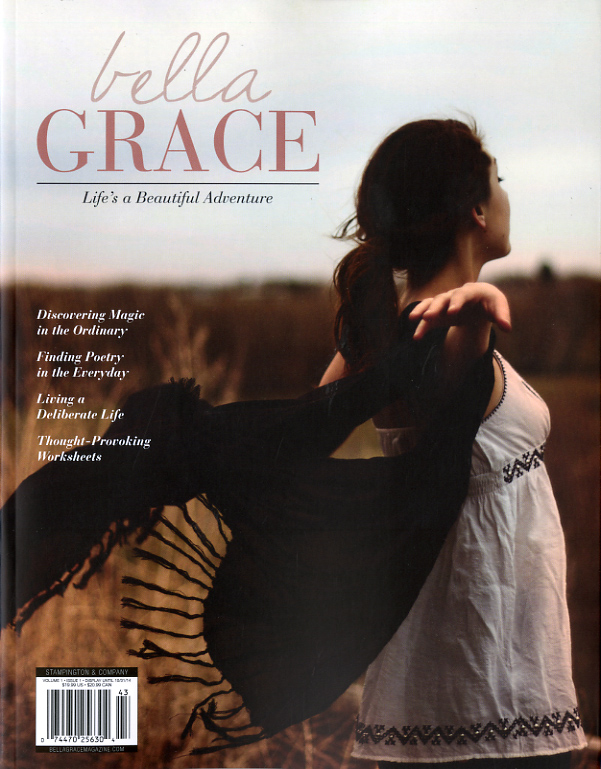
When wintry winds blow fierce and cold, what’s a person to do? Why, curl up with a good magazine, of course. And January certainly brought us an exceptional array to choose from. Magazines who discovered the print life after being digital only, like “Dun” magazine, and companies like Away luggage that there is life “Here” as you travel there.

Also there were “Bursts of Color” for the New Year, and “Gin” for those of us who needed a little warming from the inside-out. From the “Hungry Girl, ” Lisa Lillien’s own kitchen filled with recipes and advice, to “Kitchen Toke,” where one could spend the first long winter month of the year learning how to cook with cannabis; these new batch of titles January cooked up were deliciously diverse.

And for those who love the world of watches, and how things such as collectible cars, architecture, travel and style revolve around the face of “time” like a second hand, there’s a new title from Hodinkee, the website that has become one of the most articulate voices in the industry, called – you guessed it – “Hodinkee.” The premier launch also includes 500 limited editions copies with a special black matte cover. (As shown below)

And two honorable mentions, “Reputation”, a magazine in two volumes for the ultimate Taylor Swift fan, and “Paul Ryan,” an unofficial title all about, who else, Paul Ryan, follow our January list. And while not frequency titles, these deserve to be highlighted because the power of the printed word and the dynamic effectiveness of a magazine’s cover spans the spectrum from celebrity-hood to politics (unofficial though that political title may be).

So, enjoy these great new magazines that gave us hours of reading pleasure during the cold days of January, and will continue to entertain us for many months to come.

See you soon for a Fabulous February!

******And please remember, if Mr. Magazine™ can’t physically hold, touch and purchase the magazine, it does not enter the monthly counts. And counts now include only the titles with a regular frequency that are either new or arriving to the national newsstands for the first time.

And now our “Honorable Mentions”

h1

William R. Hearst III to Samir “Mr. Magazine™” Husni: I Like To Feel That Our Readers Aren’t A Mailing List, That They Are An Actual Community. The Mr. Magazine™ Interview With The Publisher & Editor Of Alta Journal Of Alta California…

January 29, 2018

“I wanted to deal with things that last a little bit longer. I was thinking about the people that I know: writers, photographers, editors; these are people who often write books, that take some time to write something. I was less interested in immediacy; I wanted things that had a lasting quality.” Will Hearst…

“We look at the advertising as the person who creates that product telling the story of their product. And if we believe that their product is good and their story is honest or amusing, then we induce them to advertise. In the long run, I think we’re going to make it or not make it on whether readers think we’re doing a good job and are willing to pay something. And if you look at the balance sheets of magazines and newspapers, what you’ll see is more revenue is coming from circulation, sometimes online circulation, sometimes print, and less revenue is coming from traditional advertising.” Will Hearst…

“Publishing magazines, to use a mathematical analogy; it’s an infinite, dimensional space. It’s not like there’s five niches and you have to pick one. There’s always something else; it’s always around the corner that there’s some originality. I believe in Michael Porter’s theory: Don’t compete to be the best at something that exists, compete to be different. Compete to find something that no one is doing and then do that better than anyone else does.” Will Hearst…

A Mr. Magazine™ Launch story…

William R. Hearst III (Will Hearst) is certainly no stranger to the world of publishing. From newspapers to magazines, he has ran the gamut of creating and guiding content for most of his life. Publishing to him, magazines in particular, is like facing an infinite, dimensional space, with the possibility of originality around every corner. Today, that originality comes in the form of a beautifully-done, large format title called “Alta Journal of Alta California.”

I spoke with Will recently and was fascinated by many of his ideas and suggestions when it came to business models, advertising, and the fact that he believes in Harvard’s Michael Porter’s theory that one shouldn’t compete to be the best at something that already exists, but instead, one should strive to compete to be different. Compete to find something that no one is doing and then do that better than anyone else does. Enter Alta. The magazine is dedicated to speaking to the local communities of the area that Will felt wasn’t being included in any conversation that already existed. So, being uniquely different was organic for the brand.

He is a firm believer in print, yet has a definitive desire to serve the online reader as well, and definitely represents the Print Proud Digital Smart model excellently. His staff gets full credit from him when it comes to editorial talent and factuality. In fact, he also follows mathematician, Don Knuth’s lead when it comes to monetarily rewarding readers for pointing out typos and factual errors in the editorial of the magazine. He has a penchant for exactness that in this age of “fake news” and “alternative facts” is greatly appreciated.

So, I hope that you enjoy this Mr. Magazine™ interview with a man whose greatest wish for his new publication is that he can make the experience of reading the magazine a little bit like the experience of actually living it, William R. Hearst III, editor and publisher, Alta Journal of Alta California.

But first the sound-bites:

On his idea of the new media model for Alta: My notion of the old media model is, and you can exaggerate here; the extreme of the old model is that you’re going to have a genius editor, William Shawn, or maybe you have Helen Gurley Brown, or somebody who is able to answer every question. And then the staff basically runs around executing that plan. At the opposite end of the spectrum, you have a complete, sort of blog community, every opinion is equal; you’re not really talking about facts; you have a comment section of the average website. And I thought there should be something in the middle where you had people who really wanted to work at being editors. I like to feel that our readers aren’t a mailing list, that it’s an actual community. And the community could disagree with us; the culture could change and we would need to change with it. So, I thought of a more dynamic, open model; a little more democratic, but not 100 percent democratic either.

On his challenge to readers that if a factual mistake or misstatement is found in the printed magazine, they will receive $10: I stole the idea from Don Knuth who wrote the print bible of software. He was writing technical articles where mistakes and typos meant that the software didn’t work or what was stated was wrong, but I just felt like we should challenge ourselves. And I worked for a guy when I was younger, the editor of the editorial page of The San Francisco Examiner, and his view was that there should be no typos on the editorial pages. There could be typos in the newspaper because you’re on deadline and you’re in a hurry, but in the things where you were really putting the brand of the owner on the page, there should be no typos.

On why he insisted on a print component for Alta: There are two reasons really and one of them is a content reason and one of them is a business reason. The content reason is that I wanted to deal with things that last a little bit longer. I was thinking about the people that I know: writers, photographers, editors; these are people who often write books, that take some time to write something. I was less interested in immediacy; I wanted things that had a lasting quality. And one reason print attracted me was I wouldn’t be yoked to the daily cycle of doing a website or a blog, because if you’re doing the Huffington Post or you’re doing these sites that have to be updated every 24 hours, you’re kind of forced to follow the news.

On whether he foresees a day without a print version: I don’t really. It’s like asking whether you think books will go away because there are books on Kindle? There’s a pace to writing a book. It just isn’t instant; it requires research, commitment, and digging deeper into a subject. And that’s the area in which I like to work, so I think that will persist. Maybe paper will go away, but I don’t think books will go away, and therefore I don’t think magazines and publishing will go away.

On what he would hope to say that he had accomplished with the brand one year from now: In your interviews, I was very struck by the guys from Garden & Gun magazine. This isn’t my demographic, but these guys really know what they’re doing. They know what kind of article fits in their magazine and what kind of article doesn’t. And they might have an article about hunting dogs that we would ever run, but for them it’s just right. They know their audience. And they’re regional, but they have the culture of their region in their blood. And that’s the kind of magazine that I’d like to be. I’d like to be favorably compared to those guys, in terms of writing quality and topical interest. If you live in that area; if you’re in my audience and in my community, I’d like you to feel this is your magazine. That’s what I’d like to say in a year.

On whether the editorial board and the inspirations that are credited in the magazine are his, Will Hearst’s, or Alta’s: They belong to the Journal of Alta California and we sort of rounded up the input of our staff and even wrote to a few people who told us we didn’t have enough women or people of other ethnicities, so we reedited the Inspiration Board to be a more complete history of our region. And less just people that “Will” liked to read. And we have our Board of Contributors, some of whom are active contributors and some of whom are on standby, because there are special topics where they have expertise.

On the 1970s-1980s magazine that tried to be the New York of California called “The New West”: They did a very good job, but I think they were to some degree yoked to this shorter cycle. They were modeled on New York Magazine, which was weekly, then bimonthly. But they had to keep up with events. A new politician comes onto the scene and they had to write about it. And new restaurants open.

On being both the editor and the publisher: Well, that’s another compromise. My title was originally going to be “proprietor.” I wanted people to think of the staff as the editorially creative talent, and I was there as a financial investor and as the owner; as the buck-stops-here. But I didn’t want to pretend that I would be doing everything, because you can’t do it all. The business is made out of people; it’s not made out of numbers.

On advertising and how he wants it to work in Alta: I wanted to follow the equation the way I think it’s moving, where readers have to be served well enough that you can begin to extract more revenue from them. They’re not going to pay for something that’s no good and they’re not going to overpay relative to competition. But my feeling is that good media will become more paid, and you’ve seen The New York Times and The Wall Street Journal start to charge for their websites. Kindle books are not free because there’s advertising in them. I think there’s a countertrend where readers have to pay a little more and advertisers are willing to pay more. And we wanted to anticipate that.

On advertising becoming less important over reader circulation revenue: Advertisers are more fickle than readers. Readers decide what they like and what they’re willing to pay for. Advertisers move in herds. And the herd is moving to online and the herd is moving to Facebook, and there may be good reasons to do that, but I think chasing the herd from the back is not a good business strategy.

On anything he’d like to add: Publishing magazines, to use a mathematical analogy; it’s an infinite, dimensional space. It’s not like there’s five niches and you have to pick one. There’s always something else; it’s always around the corner that there’s some originality. I believe in Michael Porter’s theory: Don’t compete to be the best at something that exists, compete to be different. Compete to find something that no one is doing and then do that better than anyone else does.

On what he would have tattooed upon his brain that would be there forever and no one could ever forget about him: We always had a great place to work; we always had fun and we were challenged.

On what someone would find him doing if they showed up unexpectedly one evening at his home: During the day, it’s probably reading or looking at manuscripts or calling people to see if I can cajole them into working with me. And at the end of the day, it could be a little bit of reading or it could be my kids. And once in a while, I like to solve math problems for fun.

On what keeps him up at night: What keeps me up at night is trying to make the experience of reading the magazine a little bit like the experience of living out here in the zone of arts and culture, technology and exploration. I’d like to do a little more environmental writing in the next year. I’d like to connect to that part of our history.


And now the lightly edited transcript of the Mr. Magazine™ interview with William R. Hearst III, editor & publisher, Alta Journal of Alta California.

Samir Husni: In your second editorial of the magazine, you write that you’re not a big believer in the old media model, but rather you’re trying to create a new model; a community where subscribers, staff, everybody is curating the information. Can you expand a little bit on your understanding of the new model for Alta, Journal of Alta California?

William R. Hearst III: Like a lot of projects, this starts with an idea or sort of a notion. I didn’t wake up as a youngster thinking that I wanted to start a magazine someday. The notion was a certain uncovered coverage area of the West, and its arts and culture.

I like to read; I’m a voracious reader and I’m involved with a magazine company and a newspaper company. I’ve been a newspaper publisher, so I’m very comfortable with reading, but I just felt that there was this underserved community that had to do with experiences of people who live in the West. People who sort of see the world like that New Yorker cartoon, but from a different point of view. One where New York and Manhattan seem very faraway and the immediate foreground is the beach and surfing, the mountains and the environment, Hollywood and Silicon Valley; these are our local communities. And I felt that I wanted to do something to talk to those communities. Then the idea of a magazine came second.

My notion of the old media model is, and you can exaggerate here; the extreme of the old model is that you’re going to have a genius editor, William Shawn, or maybe you have Helen Gurley Brown, or somebody who is able to answer every question. And then the staff basically runs around executing that plan.

At the opposite end of the spectrum, you have a complete, sort of blog community, every opinion is equal; you’re not really talking about facts; you have a comment section of the average website. And I thought there should be something in the middle where you had people who really wanted to work at being editors. Who would cultivate writers; look at pictures and put packages together, but also where some of the people who were writers would become editors, and some of the people who were readers would become writers, and not just in “Letters to the Editor.” So, there would be a much more fluid boundary between who the official staff people were and who the reader people were; who were the contributors and who were the advertisers.

I like to feel that our readers aren’t a mailing list, that it’s an actual community. And the community could disagree with us; the culture could change and we would need to change with it. So, I thought of a more dynamic, open model; a little more democratic, but not 100 percent democratic either.

Samir Husni: But you take this community one step further; this is probably one of the few times in my 40 years of following the magazine industry that I find an editor challenging readers, telling them that you will pay $10 if they find a mistake in the printed magazine.

Will Hearst: I stole the idea from Don Knuth who wrote the print bible of software. He was writing technical articles where mistakes and typos meant that the software didn’t work or what was stated was wrong, but I just felt like we should challenge ourselves. And I worked for a guy when I was younger, the editor of the editorial page of The San Francisco Examiner, and his view was that there should be no typos on the editorial pages. There could be typos in the newspaper because you’re on deadline and you’re in a hurry, but in the things where you were really putting the brand of the owner on the page, there should be no typos. So, I grew up in a culture where typos were, while maybe you couldn’t eliminate them; they were costly. And if you made a typo you had to apologize; you had to correct it and admit your mistake.

So, I stole this idea from Don Knuth that we would pay when people told us that we had a fact wrong, a reference that was incorrect, or we had a date wrong. There could be other kinds of mistakes that are more subject to interpretation, but when there are straightforward, factual mistakes or misstatements, or even gross errors of omission, we would make ourselves pay a fine to our readers who had found those things and we would honestly acknowledge them and move on.

Samir Husni: And…

Will Hearst: You’re dying to ask how much it has cost us so far, right? (Laughs)

Samir Husni: I was going to say that you’re either a very wealthy man or…(Laughs too)

Will Hearst: (Laughs again) No, we’ve paid out less than $100, but more than $10 since we put the policy in place.

Samir Husni: In this digital age, why did you insist on a print component for the Journal of Alta California?

Will Hearst: We get asked that question a lot and I think there are two reasons really and one of them is a content reason and one of them is a business reason. The content reason is that I wanted to deal with things that last a little bit longer. I was thinking about the people that I know: writers, photographers, editors; these are people who often write books, that take some time to write something. I was less interested in immediacy; I wanted things that had a lasting quality.

I remember when I was a newspaper editor and being surprised that more people go to museums than go to sporting events. More people attend cultural events than attend things that we consider to be pop culture. And so I thought there was a large audience of people who were interested in the arts and culture and technology and ideas, and that audience was really not interested in breaking news.

So, the people that I wanted to work with were working on a different schedule. And one reason print attracted me was I wouldn’t be yoked to the daily cycle of doing a website or a blog, because if you’re doing the Huffington Post or you’re doing these sites that have to be updated every 24 hours, you’re kind of forced to follow the news. Something happens and you have to react to it.

I wanted to break away from that and print seemed more natural to enforce that discipline on us and we would bore the crap out of people online if we only updated the site once a quarter or once a month, or once a week even was too slow. So, that was kind of the content reason. The things that we wanted to write about and the people that we wanted to work with were not naturally immediacy people, they were people who were more reflective.

And the second reason was just economics. If you’re trying to do a daily, you have to have a large staff and you have to have people constantly working on a short deadline. It was just too expensive to do that. So, for the topics that we wanted to cover, something that had a more leisurely pace was better-suited.

Now, I do feel, going back to the community idea, that we need to serve people who don’t want print or who want to access articles online or want to access an archive. So we’re trying to find ways to make the online archive and the online edition of the Journal of Alta California be very complete and no additional charge, where part of being a member is you get it all. You become a member and then you get everything.

And one of the things that I’m debating is whether we should put more things on the website. For example, we have a person who writes an article; he writes 2,000 words and we can run maybe 1,500. Well, maybe we should let the author go longer online for the people who really want to drill down one more level. So, we’re still trying to figure out what our online strategy is. We know what our print strategy is; we’re print people so we kind of know what to do and what we can afford to do.

Another question becomes: what should we do online? It shouldn’t be a scaled-down version of print. It should be an alternative extension of print. And we haven’t quite figured that out yet. I’m not anti-online. The 2018 online newspaper has probably 10 times more readers than the print newspaper, just to give you an example. So, I’m not turning my back on the online edition, I’m just trying to figure out how to make the two work together. But my core goal is more this membership idea; writing about certain topics; covering it well; and then serving that membership with whatever form of content is more convenient for them.

And as 10 years goes by and we have 100 readers for print and one million readers for online, then we should probably give up the print and be 100 percent online.

Samir Husni: And do you ever foresee that happening in our lifetime?

Will Hearst: I don’t really. It’s like asking whether you think books will go away because there are books on Kindle? There’s a pace to writing a book. It just isn’t instant; it requires research, commitment, and digging deeper into a subject. And that’s the area in which I like to work, so I think that will persist. Maybe paper will go away, but I don’t think books will go away, and therefore I don’t think magazines and publishing will go away.

I happen to like print; I happen to like the physical, tactile quality. You don’t need batteries; you can fold it up; you can tear it apart. But I tend to be a media consumer; I’m not a vegetarian when it comes to media. I’m kind of an omnivore. I like online; I like print; I like video; I like media.

It’s not unheard of for me that when I buy a book, I’ll buy the audio book and then buy the print book, and I’ll buy the Kindle book because I just really like that particular book. (Laughs) And I consume it different chunks at different times. It’s a little more expensive than maybe settling on one habit, but I think media consumption is about information and about human beings. It’s about learning; it’s not about print or online. It’s not about technology; it’s about the content of content.

Samir Husni: That’s one thing I strive for in my teaching; to tell the students that I don’t want to teach them the toys of the profession, they keep changing. They need to learn the profession.

Will Hearst: It’s very interesting; I give speeches sometimes to newspaper people and I find that if you’re a 60-year-old newspaper person, you’re kind of happy, because you’re going to retire and you can forget all about this technology. And if you’re a very young person interested in journalism, you’re very enthused about your career, because you’re probably going to be a blogger and appear on television, write, shoot your own pictures and maybe edit other people’s work. So, you have this multidimensional talent group in the younger generation.

And people in the middle are sort of lost, because they’re a little too old to learn all of the new skills; they’re a little more craft-union oriented, but they’re not close enough to retirement to turn their backs on it. They still have another 20 years to go. (Laughs)

The Hearst Foundation has a journalism award, and these are people who are freshmen in college, sometimes they’re a little bit father along, but they’re typically pre-professional, and they’re enthusiasm is amazing. And their skillset is so much wider than when I was a student. These people aren’t just photographers; they’re writers, photographers, broadcasters, bloggers, reporters, travelers; they’re multidimensional people. If you like media, you better be prepared to be a multitalented athlete. It’s a decathlon; it’s not a single-sport object.

Samir Husni: Now that you have two issues under your belt; if we had this conversation a year from now again, what would you hope to tell me that you had accomplished in the year since Issue two was out?

Will Hearst: I’d like to do more things outside of just California; I’d like to do the West. I think that’s really the topic zone. If I’m successful, I’d like to have people in Portland, Seattle, and San Diego. Maybe someone in Mexico; maybe some people in Denver who are correspondents and are sending us story ideas, and be where people in those geographies feel that we’re to talking to them.

In your interviews, I was very struck by the guys from Garden & Gun magazine. This isn’t my demographic, but these guys really know what they’re doing. They know what kind of article fits in their magazine and what kind of article doesn’t. And they might have an article about hunting dogs that we would ever run, but for them it’s just right. They know their audience. And they’re regional, but they have the culture of their region in their blood. And that’s the kind of magazine that I’d like to be. I’d like to be favorably compared to those guys, in terms of writing quality and topical interest. If you live in that area; if you’re in my audience and in my community, I’d like you to feel this is your magazine. That’s what I’d like to say in a year.

Samir Husni: When I look at your editorial board and your inspirations; are these Will Hearst’s inspirations and editorial board or do these belong to Alta Journal of Alta California?

Will Hearst: They belong to the Journal of Alta California and we sort of rounded up the input of our staff and even wrote to a few people who told us we didn’t have enough women or people of other ethnicities, so we reedited the Inspiration Board to be a more complete history of our region. And less just people that “Will” liked to read. And we have our Board of Contributors, some of whom are active contributors and some of whom are on standby, because there are special topics where they have expertise.

But I like the idea of honoring the people who came before us, who were already part of the canon of Western literature. And Kevin Starr, who I wrote about in my editorial, was a big believer in the idea that there was a Western canon of writers, viewpoints and experiences. And that this was different than the East and that it was literature-defined; a little bit less academically and more from the life experiences of people who lived out here. So, I wanted to put that Board of Inspiration in to kind of show people that we were respectful of our elders and looking to take the next step, but also to be inspired by what they did before us.

Samir Husni: In the late ‘70s or early ‘80s, I remember there was a magazine that tried to be the New York of California called “The New West.”

Will Hearst: Yes.

Samir Husni: In fact, there was two of them.

Will Hearst: They did a very good job, but I think they were to some degree yoked to this shorter cycle. They were modeled on New York Magazine, which was weekly, then bimonthly. But they had to keep up with events. A new politician comes onto the scene and they had to write about it. And new restaurants open.

So, we wanted to step back from that kind of pace, which I don’t think works in the 2018 era. I think that’s very expensive to do. I don’t know how The New Yorker people can afford to be a weekly, because you have to have a permanent staff. And you have to have a large staff of writers who are employees, not just contributors. That’s a very expensive proposition. They have a great brand and they’ve been doing it for a long time and they have a very loyal audience, so I don’t think they’re in trouble. I don’t mean to suggest that. But for a startup that would be an impossibly ambitious idea, I think.

Samir Husni: Being the editor and the publisher…

Will Hearst: Well, that’s another compromise. My title was originally going to be “proprietor.” I wanted people to think of the staff as the editorially creative talent, and I was there as a financial investor and as the owner; as the buck-stops-here. But I didn’t want to pretend that I would be doing everything, because you can’t do it all. The business is made out of people; it’s not made out of numbers.

So, you have to get really good people and you have to give them a chance to shine. And to make their own decisions. Our editorial meetings are very, I want to say contentious; people are very candid about offering their opinions and we try and make decisions, and maybe my vote is the last vote, but I’m very interested in making sure that people feel like it’s their magazine, that it’s not the Will Hearst magazine; it’s a community magazine and I’m the proprietor. I’m the caretaker of the community, but I’m not the tsar. I’m not the president.

Samir Husni: But as publisher, you have a say even about the ads. One of the things that captivated me when I was flipping through the pages was the type of advertisements that are in the magazine.

Will Hearst: My study of publishing in this era is that little by little advertising is less and less important and more and more difficult to obtain. In the ‘70s and ‘80s when I was a younger person, advertising was 80 percent of the revenue. And circulation was something that you had to try and maximize, because you used it to support your advertising rate base. And I think little by little what has happened is that it’s become very expensive to keep giving magazines away, and you become a slave to advertising.

And I wanted to follow the equation the way I think it’s moving, where readers have to be served well enough that you can begin to extract more revenue from them. They’re not going to pay for something that’s no good and they’re not going to overpay relative to competition. But my feeling is that good media will become more paid, and you’ve seen The New York Times and The Wall Street Journal start to charge for their websites. Kindle books are not free because there’s advertising in them. I think there’s a countertrend where readers have to pay a little more and advertisers are willing to pay more. And we wanted to anticipate that.

I looked at the Whole Earth Catalog and other places where the advertising is really products that would be of interest to the readers as opposed to whomever is willing to pay the freight. So, we give very discounted packages for people who want to advertise with us and we’re very selective about advertising, because we’re not charging them very much and we can afford to be a little bit choosy. We don’t take ads from people whose products we don’t think our readers would be interested in.

We look at the advertising as the person who creates that product telling the story of their product. And if we believe that their product is good and their story is honest or amusing, then we induce them to advertise. In the long run, I think we’re going to make it or not make it on whether readers think we’re doing a good job and are willing to pay something.

And if you look at the balance sheets of magazines and newspapers, what you’ll see is more revenue is coming from circulation, sometimes online circulation, sometimes print, and less revenue is coming from traditional advertising.

Samir Husni: Yes, in fact, one of the last new magazines that Meredith published, The Magnolia Journal, was based on 85 percent revenue from circulation and 15 percent from advertising, which is almost the opposite of the way things were.

Will Hearst: But if you go back to the 19th century, when my grandfather was publishing in San Francisco, circulation was 80 percent and advertising was kind of like an extra. It was nice to have; it was an extra. But the real make-or-break was would people put a coin in the box to buy the newspaper? Or typically, buy it in single copy form. And I think, to some degree, we’ve come full circle.

Advertisers are more fickle than readers. Readers decide what they like and what they’re willing to pay for. Advertisers move in herds. And the herd is moving to online and the herd is moving to Facebook, and there may be good reasons to do that, but I think chasing the herd from the back is not a good business strategy.

Samir Husni: Is there anything you’d like to add?

Will Hearst: Publishing magazines, to use a mathematical analogy; it’s an infinite, dimensional space. It’s not like there’s five niches and you have to pick one. There’s always something else; it’s always around the corner that there’s some originality. I believe in Michael Porter’s theory: Don’t compete to be the best at something that exists, compete to be different. Compete to find something that no one is doing and then do that better than anyone else does.

Samir Husni: If you could have one thing tattooed upon your brain that no one would ever forget about you, what would it be?

Will Hearst: We always had a great place to work; we always had fun and we were challenged.

Samir Husni: If I showed up unexpectedly at your home one evening after work, what would I find you doing? Having a glass of wine; reading a magazine; cooking; watching TV; or something else?

Will Hearst: During the day, it’s probably reading or looking at manuscripts or calling people to see if I can cajole them into working with me. And at the end of the day, it could be a little bit of reading or it could be my kids. And once in a while, I like to solve math problems for fun.

Samir Husni: My typical last question; what keeps you up at night?

Will Hearst: What keeps me up at night is trying to make the experience of reading the magazine a little bit like the experience of living out here in the zone of arts and culture, technology and exploration. I’d like to do a little more environmental writing in the next year. I’d like to connect to that part of our history.

And the other thing that keeps me up is who are the writers; who are the editors; who are the photographers, and where are the young writers? I think I have a pretty good Rolodex of people my generation who are proven writers, write on deadline, and who are good reporters, but we will have failed if we don’t find two or three young voices that no one has ever heard of. And I hope that we give them their first chance to be in the big-time. I hope that we discover them earlier and we promote them properly. And when they become so famous that we can’t afford them anymore; we will wish them good luck.

Samir Husni: Thank you.

h1

Hottest Magazine Launches Of The Year: Announcing The 10 Finalist…

January 24, 2018

As long as we have new magazines, hope springs eternal for the magazine media industry. There is no better indicator about the industry than the continued faith in the medium through the launch of new magazines.

It is once again time to honor and celebrate those new titles that were born this past year. This time “The Launch of the Year” is being selected from all of the new magazines that were started from October 2016 (the cutoff date for the previous magazine of the year event that was hosted by Mr. Magazine™ and min) through December 2017. Beginning in 2018, we will be following the calendar year, with magazines launched between January 2018 and December 2018.

To honor and celebrate those new magazines, Mr. Magazine™ and MPA: The Association of Magazine Media will come together to pay tribute to “The Launch of the Year” during the American Magazine Media Conference in New York City on February 6.

By the end of December 2017 a total of 212 new magazine titles arrived on the scene with the intent to publish on a regular frequency, and you can add to that another 600+ bookazines and specials that are not included in this selection. You can view all the new titles at the Mr. Magazine™ Launch Monitor here.

The criteria for the selection process is as follows:

• We must have actual physical copies of them.

• The number one criteria point is the audience’s reaction to that magazine. How did the overall marketplace react and how did its intended audience respond to it? And just as important; how did the industry behave toward it? These questions are the first thing I ask upon selection of “The Launch of the Year.”

• Major industry leaders’ launching new print magazines certainly is something that must be recognized because it speaks of the power of the medium. These people aren’t in the business of wasting dollars on something that has no value. In the past there have been new offerings from publishing giants such as Hearst, Condé Nast, Meredith and the southern-born Hoffman Media. For companies as distinguished and successful as these to create and bring new titles into this digital world signifies the good health and power of print.

• And then there are the entrepreneurs, with their vision and determination to launch their magazine no matter the cost to their wallets and their emotions; they are no less amazing. Some of the best titles we’ve seen in a long time have been from relatively unknown publishers who are not without experience, just without the stolid names that audiences know so well.

• The criteria for selection is based on factors that include creativity and audience reaction first and foremost, and then industry trends and as always, those rogue wildcards out there that just won’t be denied and seem to make some of the best magazines around.

• Also, something has to grab our attention to be selected as “The Launch of the Year,” based on the comparative analysis.

Based on that criteria we were able to bring the nominations down from 212 to 20 titles and now to 10 titles that will compete for “The Launch of the Year.” The winner will be announced during the American Magazine Media Conference that will take place Feb. 6 in New York City.

This is an exciting time in the world of magazines and magazine media; print is indeed the new new media, the possibilities are endless! And so, without further ado, Mr. Magazine™ gives you the 10 remaining nominees:

Airbnb Magazine
Airbnb Magazine – published by Hearst Magazines, 300 W. 57th Street, New York, New York. 10019 https://airbnbmag.com

Airbnbmag is an example of a travel-destination website taking a leap into print to further humanize their digital brand. With tantalizing art and content of exotic, domestic and international escapes to complement, this magazine makes taking a vacation more of a unique experience than your budget or schedule might allow.

Alta
Alta – published by Journal of Alta California, 765 Market St., Suite 34-D, San Francisco, Calif. 94103 https://altaonline.com

This William Hearst III magazine (and not a Hearst magazine as he likes to remind everyone) details the different facets of life in California for — you guessed it — Californians. Whether it’s the current political discourse, musicians in the Valley, or a yarn spun of Californians past, this magazine will keep you up-to-date in West Coast trials and tribulations.

Girls’ World Bake it Up!
Bake It Up – published by Bauer Media, 58 West 40th Street, 5th Floor
New York, NY 10018, https://kidstir.com/girls-world-bake/

What little girl doesn’t remember piping dough, mixing flour and topping freshly-baked cookies with sprinkles while listening to Brittney Spears’ “Baby One More Time” in their childhood home? Fast forward 20 years and Girls’ World Bake it Up! is a direct representation of that. This celebrity, food mashup, combines recipes, art projects and other fun activities preteen girls will drop their cell phones for.

Christopher Kimball’s Milk Street
Milk Street – published by CPK Media LLC, 177 Milk Street, Boston, Mass. 02109, https://www.177milkstreet.com

You may have seen Chris Kimball on late-night TV testing recipes to perfection on America’s Test Kitchen. Since leaving America’s Test Kitchen, he started his own magazine. Milk Street is a cultural cooking oddity that presents the reader with a take on food not yet previously explored. It’s the blending of cultures, ingredients, art and content in a perfect concoction of a magazine.

Goop
Goop – published by Condé Nast, 1 World Trade Center, New York, NY 10007, https://goop.com

Goop is another example of a digital entity discovering print and securing a major partnership between celebrity and publisher. Gwyneth Paltrow serves as editor (and go-to model) for Goop. This chic lifestyle magazine expresses the need for six much-needed distinctions in life: wellness, travel, food, beauty, style and work.

The Golfer’s Journal
The Golfer’s Journal – published by The Golfer’s Journal, 191 Avenida La Pata, San Clemente, Calif. 92673. https://www.golfersjournal.com

There’s more to golf than hitting a small, dimpled ball in, around or near a hole. Golfing is a lifestyle full of luxury and hardships that can only be experienced by those who’ve invested time and money into the sport. Detailed stories, accompanied by beautiful photos teeming with green, will satiate your golfing mind into a clear escape to the fairway.

The Magnolia Journal
The Magnolia Journal – published by Meredith, 1716 Locust St., Des Moines, IA 50309-3023. https://magnoliamarket.com/journal/

Chip and Joanna Gaines have won the hearts of many television viewers with their shiplap and all-white interior lifestyles, and now they’re winning the hearts of readers, too. Magnolia Journal is yet another example of a brand taking print form and taking the newsstand by storm. You’ll find stunning centerpiece designs, interior makeovers, farm-friendly recipes and even a sighting of the four Gaines’ children in each issue.

The National
The National – published by Ink, 1375 Spring St., Atlanta, Ga. 30309, http://www.amtrakthenational.com

Airline magazines can be read in-flight, but can this new railroad magazine be read in-rail? Of course it can — and anywhere else for that matter. This anecdotal publication was born from the heart, mind and soul of America’s railways and features content along each and every potential stop. If you have a minute to spare, climb aboard The National for an unforgettable reading and viewing experience.

The Pioneer Woman
The Pioneer Woman – published by Hearst Magazines, 300 W. 57th St., New York, New York, 10019, http://thepioneerwoman.com

Ree Drummond is a mainstay on morning television screens across the nation. She’s a fan of what most country cooks are, too — real food. Her brand mantra translates into the new Pioneer Woman magazine. You’ll get more hearty recipes, more Oklahoma prairie views and more of hunky husband, Ladd, in this stunning magazine of life on the ranch.

Type
Type – published by Type Magazine, 801 Third St. S., St. Petersburg, Fla. 33701, https://www.typemag.org

Renowned designer Roger Black is back with a vengeance in his new magazine Type. If you’re not hopping on the typography bandwagon, just know you’ll soon be left behind in a cloud of Comic Sans and Papyrus. The magazine displays stunning representations of typography and allows the reader a pairing of applicable content to complement.

Stay tuned for the naming of the top 10 finalist to be announced the third week of January 2018 and looking forward to seeing you at the American Magazine Media Conference in New York City on Feb. 6, 2018. Click here for more information about the AMMC.

h1

Martha Stewart Weddings’ Editor In Chief Amy Conway To Samir “Mr. Magazine™” Husni: “For Us The Information Chain Begins With The Magazine.” The Mr. Magazine™ Interview…

January 22, 2018

“As you know, across all different kinds of areas our industry is definitely changing and we know that our audience gets her ideas, inspiration and information from so many different sources, so we make sure as a brand that we’re giving her information both digitally and in all the ways that she needs it. But, in terms of the magazine, she still definitely needs that as well.” Amy Conway…

“I think that weddings can be overwhelming and stressful things to plan, and when you go online and there’s this incredible wealth of information, sometimes that can make it even more overwhelming. When you have a magazine in your hands, as we all know, people who love print; it’s a really personal relationship that you have with your magazine and what can be more personal than planning a wedding?” Amy Conway…

Weddings are a blessing and oftentimes also a “stressing.” The bride and groom are anxious to have that perfect circle of love moment, all the while trying to deal with also getting that perfect dress, perfect ring, perfect bouquet, and perfect – everything. That’s when they turn to that perfect magazine that can help them do all of that with as less stress as possible.

Enter Martha Stewart Weddings. Martha Stewart Weddings was launched as an annual publication in 1994, and was expanded to quarterly in 1999. So longevity is certainly something the magazine knows about, proof positive that its handling the job of stress relief quite nicely. From the beautiful printed pages to its savvy website, Martha Stewart Weddings is carrying the mantra Print Proud Digital Smart to the extreme Mr. Magazine™ likes to see happen.

Amy Conway is editor in chief of the magazine and has been with the Martha Stewart brands for many years, holding a bevy of senior roles within the company. I spoke with Amy recently and we talked about the brand and how she thinks the magazine stands out from all of the other bridal and wedding titles out there on newsstands. With Martha Stewart’s own DIY style that is hers and hers alone, Amy believes that Martha Stewart Weddings reflects that same confidence and sincerity that Martha herself exudes. It’s a personal thing, Amy added. The Magazine helps couples define their personal wedding style, bringing each and every unique celebration to life.

Indeed, the magazine is and always has been a contender when it comes to creating the perfect wedding. So, I hope that you enjoy this delightful “walk down the aisle” with Amy and I. And whether it’s your first and only trip or one among many, the Mr. Magazine™ interview with Amy Conway, editor in chief, will certainly put all of your wedding issues in perspective and turn the stressing into a blessing.

But first the sound-bites:

On why she thinks an ink on paper magazine is still needed for the Martha Stewart Weddings brand: As you know, across all different kinds of areas our industry is definitely changing and we know that our audience gets her ideas, inspiration and information from so many different sources, so we make sure as a brand that we’re giving her information both digitally and in all the ways that she needs it. But, in terms of the magazine, she still definitely needs that as well. And I think one of the main reasons is that weddings can be overwhelming and stressful things to plan, and when you go online and there’s this incredible wealth of information, sometimes that can make it even more overwhelming. When you have a magazine in your hands, as we all know, people who love print; it’s a really personal relationship that you have with your magazine and what can be more personal than planning a wedding?

On whether all of that information that’s out there makes her and her team’s job tougher and harder when it comes to curating content: No, I don’t think so, because we basically start from scratch with every issue. We look at what’s happening in the weddings world; we look at what’s inspiring us, and really things begin with the magazine for us. We create something that feels really special and individual. The basic idea of Martha Stewart Weddings hasn’t changed since the very beginning; it’s giving brides and grooms personalized ideas that they can use to make a distinctive day that really reflects them.

On the fact that once a reader gets married, the magazine basically loses that member of the audience and how she and her team deal with that: What we need to do is cover these topics with a different spin all of the time, and to come at them in a new way. What we can’t do is get so esoteric; we can’t ever say that we did bouquets two issues ago, so we can’t do bouquets again. We have to cover these core areas again and again, but we just need to do it in a way that always feels fresh, because with the way that trends in weddings change, it’s kind of a natural evolution as well.

On what she’s doing to ensure that Martha Stewart Weddings stands out at the newsstand over all the other bridal titles: That’s a great question. Sometimes I think brides just buy every magazine out there. And when they first get engaged, what often happens is they’ll buy all of the bridal magazines and then they will go and take a look and see which one is for them. And the brides who feel that Martha Stewart Weddings is for them are the ones who want beautiful and elegant ideas with a little bit of a hint of DIY. And again, we really provide ideas in a way that no other brand does, which is so important because brides and grooms are looking to make that wedding feel so personal. And that makes us stand out.

On how they fare on newsstands since many people do not subscribe to bridal and wedding magazines: We do have more than a handful; we have a lot of industry people who subscribe. And we do sometimes hear from people who just enjoy the magazine and they like to keep getting it because they use the ideas for entertaining and things like that, even once they’ve gotten married. But of course, we’re predominantly a newsstand magazine and I would be lying if I didn’t say that it was challenging. It’s definitely a challenging environment right now for newsstand, for sure. But we’re out there among all of the other magazines and we like to think that we stand out in that crowd.

On whether she and publisher, Daren Mazzucca, work together on marketing the magazine: Daren Mazzucca, who you mentioned you spoke with, is the publisher of Martha Stewart Weddings as well, so he and I work together really closely. Actually, he, Elizabeth (Elizabeth Graves, editor in chief MSL) and I talk a lot as well, because there are a certain amount of similarities in the brand and we’re all about Martha in a lot of ways. Darren is really amazing and I work closely with him and also our marketing director in coming up with different ideas and the events that we’re doing. So yes, there’s a lot of collaboration and conversation.

On how she makes content into an experience: Our ideas are very actionable. We’re communicating with an audience who is very passionate. You don’t idly look through a bridal magazine, or idly go onto a website; you’re there because you’re looking for ideas and information. So, I think naturally we have a really motivated audience who is actively pursuing ideas. In terms of an experience; digitally, we have a very active following on Instagram. And we communicate with our readers in all different ways.

On how she creates Martha Stewart’s wedding instead of Amy Conway’s wedding: That’s a good question. For one thing, it’s not just me or Martha; we have a staff of really creative, amazing people who make the bouquets and who come up with the ideas for the favors; who go out and choose the prettiest dresses. It’s a whole collaboration, and that’s always been the case at Martha Stewart Weddings.

On the secret sauce for the longevity of the Martha Stewart titles: I think she started this really before anyone else did and she’s just made this connection with a lot of people, and she has transcended; there is Martha the person and Martha the brand. And she doesn’t appear in the pages of Martha Stewart Weddings for the most part, unless she’s at one of our weddings, but you feel her presence there on every page, because the brand is so consistent and so strong.

On the biggest challenge she’s had in her career: In terms of personal career development and growth, I don’t mean to sound Pollyannaish, but I have been really fortunate to have had a long career working largely for one brand or one company and all of its different guises. I’ve probably had 12 or 13 different jobs working for Martha, which is an extremely rare thing in our industry, as you know. So, on a personal basis, I just feel really lucky to have had all of the experience that I’ve had. I don’t really feel like I’ve hit a lot of stumbling blocks along the way. If something can be described as hard, it would be just navigating our way as the media landscape changes. I think that’s hard for all of us editors. But, we’re doing our best to roll with it.

On one singular moment since she’s been at Martha Stewart Weddings that was so pleasant it made her think or say wow: I was working on Martha Stewart Living before I came to Martha Stewart Weddings, and Weddings is definitely a different industry. There was one time that I can remember going to my first bridal market, which is the week when you have all of the bridal fashion shows, and getting to go and see those beautiful dresses in person and the amazing designers and the shows that they put on. You know you can say that all wedding dresses are white and elegant and there are definitely a lot of similarities, but when you see them coming down the runway one after the other, you can really appreciate the craftsmanship that goes into them. I have to say that it was a really exciting moment for me, getting to go to my first bridal market, because Martha Stewart Living is not a fashion magazine, and getting into that fashion world was really exciting.

On what she would have tattooed upon her brain that would be there forever and no one could ever forget about her: I would have to say that the glass is half full.

On what someone would find her doing if they showed up unexpectedly one evening at her home: Most week nights you would probably find me cooking dinner with my boyfriend for my two teenaged kids. And after dinner, you might find me watching, these days, “The Great British Baking Show,” which my kids and I have been binge-watching on Netflix.

On what keeps her up at night: It might be my pug; my dog, pugs are very noisy. The things that I think about, if I can’t get back to sleep at night, are often the little things like, did I remember to return that person’s email or something. Those things seem like a bigger deal in the middle of the night, and then in the morning those little worries have gone away. But it’s usually those little things at night that keep me up. In terms of the big picture, the really big stuff in life, I just feel like it has a way of working out.

And now the lightly edited transcript of the Mr. Magazine™ interview with Amy Conway, editor in chief, Martha Stewart Weddings.

Samir Husni: Bridal and wedding magazines used to be some of the biggest print magazines in the country. I remember days where you needed both hands to carry magazines like Bride or Modern Bride, they were so full. But with digital and social media arriving on the scene, things have changed. Why do you think that you still need an ink on paper Martha Stewart Weddings magazine?

Amy Conway: As you know, across all different kinds of areas our industry is definitely changing and we know that our audience gets her ideas, inspiration and information from so many different sources, so we make sure as a brand that we’re giving her information both digitally and in all the ways that she needs it. But, in terms of the magazine, she still definitely needs that as well.

And I think one of the main reasons is that weddings can be overwhelming and stressful things to plan, and when you go online and there’s this incredible wealth of information, sometimes that can make it even more overwhelming. When you have a magazine in your hands, as we all know, people who love print; it’s a really personal relationship that you have with your magazine and what can be more personal than planning a wedding?

So, when you’re looking at an issue of Martha Stewart Weddings, you’re basically getting curated ideas that are meant for you, with exactly what you’re doing at that moment. You’re getting the newest ideas and the best information all in one place. And that makes it feel current; it feels like that intimate relationship that you have with that magazine. We hear from vendors all of the time that brides still come to the florist and the caterers; they bring in their copy of the magazine with dog-eared pages; they’re ripping out ideas. So, we know that our couples are getting information from so many different sources, but definitely from magazines as well.

Samir Husni: Does this make your job easier or harder with the abundance of information out there? Do you feel like your job and your staff’s has changed dramatically and now it’s even tougher and harder on you to curate all of that information?

Amy Conway: No, I don’t think so, because we basically start from scratch with every issue. We look at what’s happening in the weddings world; we look at what’s inspiring us, and really things begin with the magazine for us. We create something that feels really special and individual. The basic idea of Martha Stewart Weddings hasn’t changed since the very beginning; it’s giving brides and grooms personalized ideas that they can use to make a distinctive day that really reflects them.

So for us, the information chain begins with the magazine, and from there we work with our digital team and our ideas go online and they create a lot of their own ideas as well, and there’s a lot of social media. But I wouldn’t say that it makes our jobs harder per se, because the team who works predominantly on the magazine; we just love what we do and are excited to do it every issue. We have new readers almost every year. And we’re always covering dresses, cakes, flowers, favors and all of those details and etiquette; there’s always a new way to do it. We could repeat ourselves year after year, but we don’t do that, and it’s actually surprisingly easy not to. There’s always another way to make a bouquet; there’s always new dresses coming out in the market.

You have to keep in mind everything that’s happening digitally, but in terms of creating the magazine from scratch the way we do every issue, I don’t think that’s harder.

Samir Husni: You mentioned that your readers change all of the time. I always use the bridal magazines as an example when I talk about the three types of relationships that can be had with the audience: the one-night stand, where a celebrity dies and you grab a magazine about that celebrity; then there’s the love affair, you get engaged and you go and get all of these wedding magazines, you get married and that’s it, there’s no need for the magazine anymore. And then of course, there’s the long-lasting relationship; you get Better Homes & Gardens for the rest of your life and you get used to receiving it. How do you deal with that changing audience? We know that weddings aren’t going to disappear, but when you meet with your team, do you discuss the fact that once someone gets married, you’ve lost that reader?

Amy Conway: What we need to do is cover these topics with a different spin all of the time, and to come at them in a new way. What we can’t do is get so esoteric; we can’t ever say that we did bouquets two issues ago, so we can’t do bouquets again. We have to cover these core areas again and again, but we just need to do it in a way that always feels fresh, because with the way that trends in weddings change, it’s kind of a natural evolution as well.

And Martha brands, in general, Martha Stewart Living and Martha Stewart Weddings, tend to be more classic and timeless. So, you can look at one of our issues from 18 -20 years ago and the ideas really hold up and they still show up on people’s online inspiration boards. The ideas are really timeless, but at the same time there are certain trends that we need to reflect on and report on. Certain things stay the same and certain things change, and we have to be right there with the brides and the things that they’re thinking about and looking for.

Samir Husni: What are you doing to ensure that when that bride-to-be sees Martha Stewart Weddings on newsstands, it jumps out at her over all of the other bridal titles?

Amy Conway: That’s a great question. Sometimes I think brides just buy every magazine out there. And when they first get engaged, what often happens is they’ll buy all of the bridal magazines and then they will go and take a look and see which one is for them. And the brides who feel that Martha Stewart Weddings is for them are the ones who want beautiful and elegant ideas with a little bit of a hint of DIY. And again, we really provide ideas in a way that no other brand does, which is so important because brides and grooms are looking to make that wedding feel so personal. And that makes us stand out.

And we actually reflect that on the cover as well. Again, if we’re just trying to stand out on the newsstand, for us we often have an idea on the cover. It might be a cake or a bouquet; sometimes we do have a model in a dress or a real bride or couple on the cover, but we know that some of our bestselling covers are those ideas; the really iconic shops that just make people feel like they want that bouquet or that cake.

Samir Husni: With the status of the newsstands and the nature of bridal and wedding magazines; how are you faring on newsstands? People rarely subscribe to bridal magazines.

Amy Conway: We do have more than a handful; we have a lot of industry people who subscribe. And we do sometimes hear from people who just enjoy the magazine and they like to keep getting it because they use the ideas for entertaining and things like that, even once they’ve gotten married. But of course, we’re predominantly a newsstand magazine and I would be lying if I didn’t say that it was challenging. It’s definitely a challenging environment right now for newsstand, for sure. But we’re out there among all of the other magazines and we like to think that we stand out in that crowd.

Samir Husni: I spoke to Daren Mazzucca not too long go about the mother brand, Martha Stewart Living. As editor in chief of Martha Stewart Weddings, do you spend time with your publisher? Is marketing now also a part of your everyday job?

Amy Conway: Daren Mazzucca, who you mentioned you spoke with, is the publisher of Martha Stewart Weddings as well, so he and I work together really closely. Actually, he, Elizabeth (Elizabeth Graves, editor in chief MSL) and I talk a lot as well, because there are a certain amount of similarities in the brand and we’re all about Martha in a lot of ways. Daren is really amazing and I work closely with him and also our marketing director in coming up with different ideas and the events that we’re doing. So yes, there’s a lot of collaboration and conversation.

Samir Husni: Today I’m hearing from editors that they’re no longer just content providers, but they’re experience makers. Do you feel that you’re an experience maker with the audience engaging with you, with the magazine, and with the digital platforms? And how do you make the content an experience?

Amy Conway: Our ideas are very actionable. We’re communicating with an audience who is very passionate. You don’t idly look through a bridal magazine, or idly go onto a website; you’re there because you’re looking for ideas and information. So, I think naturally we have a really motivated audience who is actively pursuing ideas. In terms of an experience; digitally, we have a very active following on Instagram. And we communicate with our readers in all different ways.

Samir Husni: If you were an editor of just a weddings magazine, you would be the creator of the ideas, but how do you channel Martha’s concepts into your own? Do you morph yourself into thinking like Martha? How do you create Martha Stewart’s wedding instead of Amy Conway’s wedding?

Amy Conway: That’s a good question. For one thing, it’s not just me or Martha; we have a staff of really creative, amazing people who make the bouquets and who come up with the ideas for the favors; who go out and choose the prettiest dresses. It’s a whole collaboration, and that’s always been the case at Martha Stewart Weddings.

I’ve worked for Martha for a very long time and what I have to say is if you’re really someone who understands the brand, which you need to be to work here, and you want to share the basics and what’s important to this brand with other people, then Martha is the guiding force, basically. I wouldn’t say that we’d ask: what would Martha do, but she embodies the brand and she works closely with the people who work for her. So, people really understand what makes an idea a “Martha” idea versus something that’s not on-brand. It’s really following the brand’s ethics and what it stands for. And that’s not a hard thing for the people who work here.

Samir Husni: Since you’ve worked with Martha for a long time, what do you think the secret ingredient is for the longevity of her celebrity-based titles, Martha Stewart Living and Martha Stewart Weddings?

Amy Conway: Martha came along, doing what she does, before anyone else did. She really struck a chord with people who were looking to get more out of their lives and their home lives. Some people used to say that they would get stressed-out, looking at our magazines because there is so much to do and they couldn’t do it all, and I remember Martha saying, if you just make one recipe or one idea from the issue and it improves your life a little bit, that’s what she wanted. The brand is really about helping people improve their lives.

I think she started this really before anyone else did and she’s just made this connection with a lot of people, and she has transcended; there is Martha the person and Martha the brand. And she doesn’t appear in the pages of Martha Stewart Weddings for the most part, unless she’s at one of our weddings, but you feel her presence there on every page, because the brand is so consistent and so strong.

Samir Husni: What has been the biggest challenge and how did you overcome it?

Amy Conway: In terms of personal career development and growth, I don’t mean to sound Pollyannaish, but I have been really fortunate to have had a long career working largely for one brand or one company and all of its different guises. I’ve probably had 12 or 13 different jobs working for Martha, which is an extremely rare thing in our industry, as you know. So, on a personal basis, I just feel really lucky to have had all of the experience that I’ve had. I don’t really feel like I’ve hit a lot of stumbling blocks along the way. If something can be described as hard, it would be just navigating our way as the media landscape changes. I think that’s hard for all of us editors. But, we’re doing our best to roll with it.

Samir Husni: Is there one pleasant moment that you always recall, a day that made you think or say wow?

Amy Conway: From my job right now?

Samir Husni: Yes.

Amy Conway: I was working on Martha Stewart Living before I came to Martha Stewart Weddings, and Weddings is definitely a different industry. There was one time that I can remember going to my first bridal market, which is the week when you have all of the bridal fashion shows, and getting to go and see those beautiful dresses in person and the amazing designers and the shows that they put on.

You know you can say that all wedding dresses are white and elegant and there are definitely a lot of similarities, but when you see them coming down the runway one after the other, you can really appreciate the craftsmanship that goes into them. I have to say that it was a really exciting moment for me, getting to go to my first bridal market, because Martha Stewart Living is not a fashion magazine, and getting into that fashion world was really exciting.

Samir Husni: If you could have one thing tattooed upon your brain that no one would ever forget about you, what would it be?

Amy Conway: I would have to say that the glass is half full.

Samir Husni: If I showed up unexpectedly at your home one evening after work, what would I find you doing? Having a glass of wine; reading a magazine; cooking; watching TV; or something else?

Amy Conway: Most week nights you would probably find me cooking dinner with my boyfriend for my two teenaged kids. And after dinner, you might find me watching, these days, “The Great British Baking Show,” which my kids and I have been binge-watching on Netflix.

Samir Husni: My typical last question; what keeps you up at night?

Amy Conway: It might be my pug; my dog, pugs are very noisy. The things that I think about, if I can’t get back to sleep at night, are often the little things like, did I remember to return that person’s email or something. Those things seem like a bigger deal in the middle of the night, and then in the morning those little worries have gone away. But it’s usually those little things at night that keep me up. In terms of the big picture, the really big stuff in life, I just feel like it has a way of working out.

Samir Husni: Thank you.

h1

Hoffman Media: Finding Print And Digital Avenues To See Continued Success For Both Their Flagship Titles & Their New Titles. The Mr. Magazine™ Interview With Hoffman Media’s President And Chief Creative Officer Brian Hart Hoffman.

January 17, 2018

“We want to continue making our print-brand publications better and brandier. And updated in line with what people expect and where we see revenue success today…” Brian Hart Hoffman

“It is a different proposition for the company to be launching a brand that does not necessarily have the print product first or the print counterpart to the digital platform, but I think you will see the same dedication to content creation and the user-engagement experience to have just as much thought put into it as we do for our print brands…” Brian Hart Hoffman

Believing in and promoting top-quality print products is something that Hoffman Media has been doing since its inception in 1983 when Phyllis Hoffman DePiano founded the company as Symbol of Excellence Publishers, Inc. It was renamed Hoffman Media in 1998. Today the company’s flagship brands like Taste of the South and Southern Lady are thriving, and newer titles like Bake From Scratch and Southern Cast Iron are becoming flagships in their own right.

Brian Hart Hoffman is president and chief creative officer for Hoffman Media, and has a passion for the brands and the company that is only exceeded by his energy and vision for the business. With the success of newer titles, such as the ones mentioned above, Bake From Scratch and Southern Cast Iron, and coupled with the readers’ dedication to the look and feel of these titles, Brian and the team at Hoffman saw an opportunity to up the quality of their legacy titles even more by adapting the wider format and giving them a fresh, new look for the fresh, new year.

I spoke with Brian recently and we talked about Hoffman Media and its continued efforts to always lead with quality for their readers. Putting their audience first is something that Brian said they will never cease doing. From investing in the paper, the photography, and the content, Hoffman’s hallmark of producing beautifully done and exceptionally well crafted magazines is something that the entire company takes pride in. And with their continued commitment to the digital space, their online users are never disappointed either.

So, I hope that you enjoy this Mr. Magazine™ interview with a man who wants to continue making their print-brand titles better and “brandier” for all their customers – Brian Hart Hoffman, president and chief creative officer, Hoffman Media.

But first the sound-bites:

On the changes taking place at Hoffman Media: I would say the biggest thing happening that would address all of that, concerning new publications and some of our flagship publications that have been in print for many years; we’re seeing readers really demand the quality and that’s something that Hoffman Media has always taken pride in, publishing top quality magazines. We invest in paper; we invest in photography; and we invest in the content. But with our flagship brands now, we’re having to look back and realize that there’s even more room to upgrade that quality.

On whether Hoffman Media will continue to make its print publications printier and brandier in 2018: The Hoffman Media position on that is absolutely; we want to continue making our print-brand publications better and brandier. And updated in line with what people expect and where we see revenue success today.

On whether the success of Southern Cast Iron, Bake From Scratch and other more recent titles had something to do with the refresh of established magazines like Taste of the South and Southern Lady: Sure! I would absolutely say that us successfully testing publications that were on wide format and $12.99; they’re more expensive than the cover price of these publications still, and the success we saw from it and the demand from the audience was amazing.

On the new title Cook: Real Food Every Day: That publication was something that we saw as what we have called the savory sister to Bake From Scratch, where just an opportunity in the market to present food that’s very flavorful with fresh ingredients and solutions for how to serve them on these busy days where you may be working full-time or taking children to and from various school and sporting events, but you still want to get an amazing dinner on the table. We really just saw a lot of demand in the marketplace for that level of content and so we put out that first test issue.

On how he balances being president and chief creative officer of all the Hoffman Media titles and his baby Bake From Scratch: It’s definitely a balance. I have a really great team that I work with here at Hoffman Media. We have a dedicated editorial staff for Bake From Scratch that I have the pleasure of working with, probably daily. I do spend a lot of time overseeing that brand and all of the editorial planning and content meetings.

On the biggest challenge he thinks he’ll face as chief creative officer in 2018: I would say the biggest challenge for all of us in the industry, and for us at Hoffman Media, is just finding the avenues to see continued success for our flagship titles and our new titles. We talk a lot about the new face of magazine media and adapting daily to whatever the newest technology is that’s going to come onto the scene that’s viewed as a threat or competition to the print brands.

On anything new that might be in the hopper for 2018: The only thing that we’re exploring is the Cook: Real Food Every Day brand and we’re continuing our development and relaunch plans for cooking.com, so those two brands are in the hopper for 2018, you could say. We’ve heard an enormous amount of positive response from the first issue of Cook: Real Food Every Day, and if that same heartbeat is there that I think is, you’ll see more of that this year from our company. And the exciting launch of cooking.com as well.

On how Hoffman Media plans to balance cooking.com, a digital brand that doesn’t have a print component, with their other print/digital brands: Our plans aren’t at a state right now where I can tell too much, but I will be in touch with you the minute I am able to, so that you can get the scoop on it as well. But it is a different proposition for the company to be launching a brand that does not necessarily have the print product first or the print counterpart to the digital platform, but I think you will see the same dedication to content creation and the user-engagement experience to have just as much thought put into it as we do for our print brands.

On his definition of content in 2018: I would say that content is defined as anything that we produce and include in our print and digital products that provides the reader and user solutions for their lives. And whether it’s travel or food; cooking and baking, the time and energy that we put behind our products, from cover to cover, and everything on our website that we produce, is content. That’s how we look at content.

On whether he thinks the industry is reaching a saturation point when it comes to the amount of content that’s out there on topics such as food and travel, or he thinks there’s no such thing: I would say that there’s no such thing because of the different voices and messages by which we deliver the content. Sure, some of our content can be viewed as similar or overlapping in certain subject matters with other publishers or content creators, but I think we all bring a different perspective and voice to those conversations. I don’t know that there’s a saturation point as long as we continue to see engagement from our audiences that’s on the positive side and growing. We are certainly not at the saturation point here at Hoffman Media.

On the biggest surprise he had in 2017 when it comes to Hoffman Media: I guess when I look at the sheer volume of work that our employees and content creators here at Hoffman Media are producing. Last year was a record year for us with growth on the newsstand, both in volume and engaged readership. But I had a big wow when I realized that we published over 150 issues of magazines that went into distribution last year. (Laughs) That was my biggest wow.

On whether he is where he expected to be after coming back to the business, or he is pleasantly surprised at his role: In September of last year it was 10 years since I joined the business, and when I look back over that decade; I can answer your question in multiple ways. When I started 10 years ago, I never expected what I have experienced now, a passion and love for our industry and the story that’s not yet told, and the growth opportunities that are in front of us. But my passion and fire has just grown more and more every year. So, no, I did not see this coming, but it is a dream job that I am so on fire for every day.

On Classic Sewing’s cover price of almost $25 and whether he thinks there is a ceiling on what people are willing to pay for a single copy magazine: I think when they see the value that meets and exceeds that expectation, and it is a subject matter that they are more financially invested in than other areas; obviously, they’re buying and selling materials and various finishes, and with the machines that people are using to sew on; when they pick up a copy of Classic Sewing and realize that the content that’s in that issue and the packaged pattern that’s included in the polybag, the value exceeds $25 each issue.

On how his book sales are going now that he’s an author: Yes, it’s going wonderful. Last year, the Bake From Scratch cookbook was a number one new release and number one bestseller in some of the baking categories on Amazon. We had enormous success and had a second printing midway through the year to get through the holiday time. And the second volume of the Bake From Scratch cookbook is going to be released on March 1, 2018.

On what he would have tattooed upon his brain that would be there forever and no one could ever forget about him: The tattoo would say passionate.

On what someone would find him doing if they showed up unexpectedly one evening at his home: I love to go home and cook and bake, and spend time in the kitchen with my husband. I unwind by doing more of what we do every day, but I actually get to get my hands in the kitchen and bake. I’m trying to limit the number of items I’m baking in a week, just because the consumption is not as fast as the desire to bake it. It’s truly a passion and a therapy for me all at the same time. I like to unwind by doing more of that with a glass of wine or a cocktail.

On what keeps him up at night: The to-do list for this year’s plans for 180 magazine releases. (Laughs) I think doing the best job that we can every day for our employees; for our company; for our brands; and for our readers. I’m always thinking about the next opportunity or ways to make sure that our employees feel appreciated and our magazines stay top-quality, and deadlines, deadlines, deadlines. Those are the things that stay on any magazine editor’s brain, I think.

And now the lightly edited transcript of the Mr. Magazine™ interview with Brian Hart Hoffman, president/chief creative officer, Hoffman Media.

Samir Husni: Congratulations on all of the changes that are taking place.

Brian Hart Hoffman: Thank you.

Samir Husni: You’ve implemented the changes with the new magazines that you’ve started and now you’re going back to the established titles and making them bigger, glossier, printier and brandier. What’s going on with Hoffman Media publications these days?

Brian Hart Hoffman: I would say the biggest thing happening that would address all of that, concerning new publications and some of our flagship publications that have been in print for many years; we’re seeing readers really demand the quality and that’s something that Hoffman Media has always taken pride in, publishing top quality magazines. We invest in paper; we invest in photography; and we invest in the content. But with our flagship brands now, we’re having to look back and realize that there’s even more room to upgrade that quality.

We just see an enormous amount of demand for the wide format publications, and giving them each a new fresh look for the New Year. Southern Lady is celebrating 20 years, so it was time for a little refresh, while maintaining the same commitment to the editorial that readers have come to know and love. We aren’t tampering with a lot of the editorial missions, we’re just upgrading the quality proposition.

Samir Husni: Is this a glimpse of what we’re going to see from Hoffman Media in 2018; making print printier and the brands brandier? And do you think some people are still hesitant to believe in print the way Hoffman does?

Brian Hart Hoffman: The Hoffman Media position on that is absolutely; we want to continue making our print-brand publications better and brandier. And updated in line with what people expect and where we see revenue success today.

My industry wish-list would be that we all embrace that same commitment to print and publishing high-quality publications, because I think as an industry that would benefit all of us. But at the same time, I can’t say that I see it happening across the board at other publishing companies, nor would I want to speculate or address why they do or they don’t do that. Our commitment and our business strategy is purely for Hoffman Media.

I don’t feel like what we’re doing would be considered a need-to of anyone that we see in our competitive set or in the industry, we just continue to listen to our own customers and what they want. And I think that’s a hallmark of Hoffman Media. We’ve always kept that line of dialogue and feedback open with our audience, and what they want to see more of.

Samir Husni:, After you launched Bake From Scratch, Southern Home, and Southern Cast Iron; all of these were launched in the larger format, was that the reason that you felt like Southern Lady and Taste of the South also needed to move in that direction, because of the success of the other titles?

Brian Hart Hoffman: Sure! I would absolutely say that us successfully testing publications that were on wide format and $12.99; they’re more expensive than the cover price of these publications still, and the success we saw from it and the demand from the audience was amazing.

We did get a lot of questions from readers about whether Taste of the South and Southern Lady were going to have the same upgrades that they saw with the newer products that were coming out of Hoffman Media. And I think that definitely motivated us to look at our flagship brands and the opportunities that would lie in front of us if we transitioned to the wide format and did some refreshing of the branding. So, absolutely, I think our own data drove us to look at the decision on these two titles.

Samir Husni: Talking about new titles; late last year you launched the premier issue of Cook: Real Food Every Day, and I chuckled when I saw it on the newsstands because I remembered your editorial where you said that you bake, you don’t cook. (Laughs)

Brian Hart Hoffman: (Laughs too). Yes, but other people cook. That publication was something that we saw as what we have called the savory sister to Bake From Scratch, where just an opportunity in the market to present food that’s very flavorful with fresh ingredients and solutions for how to serve them on these busy days where you may be working full-time or taking children to and from various school and sporting events, but you still want to get an amazing dinner on the table. We really just saw a lot of demand in the marketplace for that level of content and so we put out that first test issue.

Samir Husni: Every time I chat with you, the magazine that brings the biggest smile to your words is Bake From Scratch. How do you balance between being president and chief creative officer of all the Hoffman Media titles, and your role with your baby, Bake From Scratch?

Brian Hart Hoffman: It’s definitely a balance. I have a really great team that I work with here at Hoffman Media. We have a dedicated editorial staff for Bake From Scratch that I have the pleasure of working with, probably daily. I do spend a lot of time overseeing that brand and all of the editorial planning and content meetings.

But I have a wonderful team of editors, and tenured employees who are editors and brand directors of our other publications, so we all just have a really great synergy and work relationship where we believe in hard work. And we believe that I can be the editor in chief of Bake From Scratch and lead the creative division of Hoffman Media, because we all wear a lot of hats.

I think in previous interviews with you, we have talked about the fact that day-to-day we all wear a lot of hats, and about that being another trademark of Hoffman Media. When my mom started our publishing company 35 years ago, as the editor in chief of one publication, she continued to grow more brands. So, I guess I would say that I’m walking in her footsteps a little bit with that same balance of being editor in chief of one brand, but managing all of our other titles as well.

Samir Husni: As you move forward in your role as chief creative officer, what do you think will be your biggest challenge in 2018?

Brian Hart Hoffman: I would say the biggest challenge for all of us in the industry, and for us at Hoffman Media, is just finding the avenues to see continued success for our flagship titles and our new titles. We talk a lot about the new face of magazine media and adapting daily to whatever the newest technology is that’s going to come onto the scene that’s viewed as a threat or competition to the print brands.

But we’re really working hard to keep our brands growing in the digital space, while still keeping that strong commitment to the print product. I would look at that as my biggest challenge for the last number of years. But going into 2018, just remaining deeply committed to our print products, but seeing their growth and avenues for opportunities in other media spaces as well

Samir Husni: Is there anything in the hopper for 2018, in terms of new titles?

Brian Hart Hoffman: The only thing that we’re exploring is the Cook: Real Food Every Day brand and we’re continuing our development and relaunch plans for cooking.com, so those two brands are in the hopper for 2018, you could say. We’ve heard an enormous amount of positive response from the first issue of Cook: Real Food Every Day, and if that same heartbeat is there that I think is, you’ll see more of that this year from our company. And the exciting launch of cooking.com as well.

Samir Husni: The theme for this upcoming ACT 8 Experience in April is Print Proud, Digital Smart. And Hoffman Media is a perfect example of being just that; you didn’t throw out the baby with the water. (Laughs) So, what are the plans for cooking.com? How are you going to balance a website, such as cooking.com, that really doesn’t relate to a specific magazine brand, but to the genre of the brands.

Brian Hart Hoffman: Our plans aren’t at a state right now where I can tell too much, but I will be in touch with you the minute I am able to, so that you can get the scoop on it as well. But it is a different proposition for the company to be launching a brand that does not necessarily have the print product first or the print counterpart to the digital platform, but I think you will see the same dedication to content creation and the user-engagement experience to have just as much thought put into it as we do for our print brands.

You’ll see content that’s not just content, but it’s vetted, quality content and fun. There will be sources where you’ll see success with recipes and the content that lives on the site.

Samir Husni: This is a question that I’ve been asking all of the editorial people who I have been interviewing; what’s your definition of content in 2018?

Brian Hart Hoffman: I would say that content is defined as anything that we produce and include in our print and digital products that provides the reader and user solutions for their lives. And whether it’s travel or food; cooking and baking, the time and energy that we put behind our products, from cover to cover, and everything on our website that we produce, is content. That’s how we look at content.

Samir Husni: When you look at all of the content that you’re producing, and you look at all of the content that’s out there when it comes to food, travel and the Southern lifestyle; do you feel that we’re reaching a saturation point or there’s no such thing?

Brian Hart Hoffman: I would say that there’s no such thing because of the different voices and messages by which we deliver the content. Sure, some of our content can be viewed as similar or overlapping in certain subject matters with other publishers or content creators, but I think we all bring a different perspective and voice to those conversations. I don’t know that there’s a saturation point as long as we continue to see engagement from our audiences that’s on the positive side and growing. We are certainly not at the saturation point here at Hoffman Media.

Samir Husni: What was the biggest surprise for you in 2017 when it comes to Hoffman Media?

Brian Hart Hoffman: I guess when I look at the sheer volume of work that our employees and content creators here at Hoffman Media are producing. Last year was a record year for us with growth on the newsstand, both in volume and engaged readership. But I had a big wow when I realized that we published over 150 issues of magazines that went into distribution last year. (Laughs) That was my biggest wow.

Samir Husni: It’s been a few years now since you’ve been back in the publishing business, since you became involved with your mother and twin brother in the Hoffman Media operation. Did you expect to be where you are now when you came back, or were you pleasantly surprised, or you asked what have I done?

Brian Hart Hoffman: In September of last year it was 10 years since I joined the business, and when I look back over that decade; I can answer your question in multiple ways. When I started 10 years ago, I never expected what I have experienced now, a passion and love for our industry and the story that’s not yet told, and the growth opportunities that are in front of us. When I started 10 years ago, I was managing our company’s special events and I was traveling some, but I wasn’t involved in the editorial process day-to-day.

And I saw areas of that process that I wanted to be more involved in and I got excited, so I jumped in and started doing what I could and learning from the years of experience that my Mom had in the industry, and from the wonderful team of editors that we work with here at Hoffman Media.

But my passion and fire has just grown more and more every year. So, no, I did not see this coming, but it is a dream job that I am so on fire for every day. I love seeing our flagship brands continue to be loved by the readership. I love being a part of the new magazine launches, with new ideas that are meeting different voids in the marketplace. And everything in between. Engaging with our readers, and just our industry as a whole; I still see a lot of energy and fire from young creators who believe in the magazine industry. So, that gives me excitement every day. I would say that the energy level grows every day, and 10 years from now I’ll be even more excited.

Samir Husni: One of your magazines has a cover price of almost $25 per issue: Classic Sewing. Do you think there’s a ceiling on how much people are willing to pay for a single copy issue of a magazine?

Brian Hart Hoffman: I think when they see the value that meets and exceeds that expectation, and it is a subject matter that they are more financially invested in than other areas; obviously, they’re buying and selling materials and various finishes, and with the machines that people are using to sew on; when they pick up a copy of Classic Sewing and realize that the content that’s in that issue and the packaged pattern that’s included in the polybag, the value exceeds $25 each issue.

For a publisher to go to that level or really any level of price, the readership has to be able to see and find that value easily. And if they do, we don’t see a resistance to them paying the price. But they’re getting high quality and they’re not getting ripped off, let’s put it that way.

Samir Husni: How are your book sales going? In addition to being chief creative officer, you’re also a book author now.

Brian Hart Hoffman: Yes, it’s going wonderful. Last year, the Bake From Scratch cookbook was a number one new release and number one bestseller in some of the baking categories on Amazon. We had enormous success and had a second printing midway through the year to get through the holiday time. And the second volume of the Bake From Scratch cookbook is going to be released on March 1, 2018. So, we’re expecting another big year from another book coming out with my name on the cover.

Samir Husni: If you could have one thing tattooed upon your brain that no one would ever forget about you, what would it be?

Brian Hart Hoffman: The tattoo would say passionate.

Samir Husni: If I showed up unexpectedly at your home one evening after work, what would I find you doing? Having a glass of wine; reading a magazine; cooking; watching TV; or something else?

Brian Hart Hoffman: I love to go home and cook and bake, and spend time in the kitchen with my husband. I unwind by doing more of what we do every day, but I actually get to get my hands in the kitchen and bake. I’m trying to limit the number of items I’m baking in a week, just because the consumption is not as fast as the desire to bake it. It’s truly a passion and a therapy for me all at the same time. I like to unwind by doing more of that with a glass of wine or a cocktail.

Samir Husni: My typical last question; what keeps you up at night?

Brian Hart Hoffman: The to-do list for this year’s plans for 180 magazine releases. (Laughs) I think doing the best job that we can every day for our employees; for our company; for our brands; and for our readers. I’m always thinking about the next opportunity or ways to make sure that our employees feel appreciated and our magazines stay top-quality, and deadlines, deadlines, deadlines. Those are the things that stay on any magazine editor’s brain, I think.

Samir Husni: Thank you.

h1

Orlando Style Magazine’s Founder And Publisher Sven Bode To Samir “Mr. Magazine™” Husni: Our Secret Of Longevity Is In Constantly Bringing Something To The People That Surprises Them. The Mr. Magazine™ Interview…

January 15, 2018

“It’s pretty much like a vogue magazine in a regional area, they don’t really need the vogue anymore, because they have it here with them and more personalized, like what really affects them. But also with information about the rest of the world; we have celebrity news, high-end cars, travel destinations around the world. We’ve built it like a national magazine for a regional market, which is very unusual. You have to stick to your concept, or otherwise you’ll fail.” Sven Bode…

With a true entrepreneurial spirit, Sven Bode is a self-made man. He started his own ad agency in his early twenties in Berlin, Germany, when many young people are still trying to find their place in the world. He met and married an American woman and together they came to the United States, Florida to be precise, to live together as husband and wife. Sven settled on an early retirement once they were locked into the Florida lifestyle, but soon found that an existence of ease was not the one meant for him, so he got involved in the ad agency business again, and before long magazines became his true destiny. The rest they say is history.

Today, Sven is proud publisher and owner of Orlando Style, Tampa Style, and his latest endeavor, the Portfolio magazine series. These regional titles have exceeded even his wildest dreams, taking the publications to the top of the area’s luxury market, and making the Crème de la Crème of Florida society anxious to be featured between the magazines’ pages. But along with a who’s who compilation of people, places and things, Sven said the success of his regional titles is that they read more like national magazines, offering travel destinations, celebrity news, and intriguing information.

For almost 15 years, Orlando Style and its passionate and sincere owner have been sifting the silky sands of Florida and turning up gold every time when it comes to a successful print magazine. And along with Tampa Style and the Portfolio series, Sven Bode has proven he knows what his audience wants and how to give it to them.

So, I hope that you enjoy this conversation with a true entrepreneur, a man who self-admits his mind is always working and never slows down when it comes to the next great thing – the Mr. Magazine™ interview with Sven Bode, founder, owner & publisher, Orlando Style, Tampa Style and Portfolio Magazines.

But first the sound-bites:

On his story, how he began in the magazine media business: Yes, Orlando Style was the first title here in America. I’m originally from Berlin, Germany, West Berlin at that time, and I studied engineering, so it’s completely different, but maybe not that far away if you think about it, (Laughs) because I focused on industrial design. In my early twenties, I started my first company, and then a few years later, at 22 or 23, I started an ad agency. Then I became involved with an American girl. (Laughs) And she wanted to come to Florida, actually, she wanted to come back to America, and so we chose Florida. But then I started with an early retirement, which didn’t work, on Marco Island; beautiful Marco Island. Like an entrepreneur, my blood was boiling and I couldn’t go boating every day, that was too boring for me. (Laughs) And then we came to Orlando and I said to my wife, there are only these old, classic kind of city magazines, like what you have almost all over the country. Very dry; I would say, even boring.

On the secret of longevity with his regional titles: It’s constantly bringing something to the people that surprises them, especially with Orlando Style. We’re literally working with hundreds of photographers, worldwide even, like a national magazine. I’m always comparing myself to a national magazine, and I’m from Berlin, not from a small city, and my wife is from Los Angeles, so we know the world. We’ve traveled the world and we kind of live that life that our readers live. And that’s a big advantage, because we know, I think we know and I believe we proved we know, what these readers want.

On how he continues to survive in print in today’s marketplace: That’s definitely a difficult part. But my belief is that the Internet is more a mass market kind of tool where you can locate things, like a Wal-Mart or something, or some kind of other information; blogs that talk about teenage riots or things like that. That’s not what we do. We focus really on the luxury market, and this market has actually had a very good year, better than before the Recession actually, as far as I know. We survived the Recession years with a dropdown of maybe 25 percent or so, but I’m not a big, large corporation; I have to make a profit. I cannot go in red numbers for several years. (Laughs) That’s not good. I may survive that, but the company wouldn’t survive it.

On what has been the biggest challenge for him: The biggest challenge with regionals is that we can’t go ahead and say, okay, I’m hiring a sales team of 10 people and I pay them a $100,000 per year; that’s just not possible. Sales people are the business challenge; it’s a constant fluctuation, they come and they go. But luckily, with us, we have some very consistent ones and they’re really good, and they make good money. But it’s a tough thing.

On what he would like to accomplish in 2018: We do want to implement more of the digital part, which we have over 100,000 people who are actually recorded members; you could even call them subscribers, constantly getting our information. We have e-blast tool and then also all of the websites. We’re also working on the serve part, more in that direction, so that we attract people easily. They can buy an ad with us, either one-by-one or do a frequency. We implement that more and more now. And it’s actually starting to pick up. That makes it easier for print to get more pages sold.

On whether they are becoming platform agnostic: Yes, the platform is expanding too; it’s not just face-to-face, phone, or email. It’s everything. Also activating people, they’re actually on the phone or on the web to say, click and their credit card here; it’s an easy process. They can buy with one click. It’s an easier process and people like that. They’re having some benefits out of it; the benefit of using their credit card and maybe earning points and things like that. All of these things are working together and it seems to be working as far as we can see already. We have some traction on that part.

On whether he and his wife are permanent Florida residents now or there are plans to go back to Germany: No, I don’t go back to Germany. I spend part of my time at the beach in the Panhandle, and going to Orlando. I go often to Orlando, but we work using normal technology. It makes it much easier to work streamline on new things. My personal clients that I have are mostly in New York or Atlanta, but we mostly use email or phone. But we’re in Florida.

On what someone would find him doing if they showed up unexpectedly one evening at his home: As a typical entrepreneur, I’m a 24/7 type of person. (Laughs) You never stop thinking of it, so I’m often doing some real estate things and I’m an accomplished artist also; a painter. I paint and even sell them for a good price. So, that relaxes me and cooking also relaxes me, and I have twins – two-and-a-half-years-old, so that’s what I do with the rest of the day. (Laughs) It’s good. I’m very lucky and happy.

On what he would have tattooed upon his brain that would be there forever and no one could ever forget about him: Just that I’m a good person. I don’t like to cheat anybody or harm anybody. And I also want to be successful. I always try to see the good in people and act like it.

On what keeps him up at night: (Laughs) That’s a hard one. With any business there’s always something. I have to be the person that’s putting out fires that may occur, and that’s with any company. Nobody can tell me it never happens to them. If someone makes a mistake, I have to be the one who soothes the ache, you know? (Laughs again) That keeps me up at night sometimes.

And now the lightly edited transcript of the Mr. Magazine™ interview with Sven Bode, founder, owner & publisher, Orlando Style, Tampa Style, Portfolio Magazines.

Samir Husni: Tell me your story; how did you end up doing what you’re doing? I believe Orlando Style was the first title?

Sven Bode: Yes, Orlando Style was the first title here in America. I’m originally from Berlin, Germany, West Berlin at that time, and I studied engineering, so it’s completely different, but maybe not that far away if you think about it, (Laughs) because I focused on industrial design.

In my early twenties, I started my first company, and then a few years later, at 22 or 23, I started an ad agency. Of course, there were advertising agencies in Berlin, which were kind of following the road to top 50 in mag, 60 years. That was also when the Wall opened up at that time, and I was bought out by an American advertising company. I wanted to go into the Eastern market. It was very good and efficient and hard work, but it was the right thing to do, I guess.

Then I became involved with an American girl. (Laughs) And she wanted to come to Florida, actually, she wanted to come back to America, and so we chose Florida. But then I started with an early retirement, which didn’t work, on Marco Island; beautiful Marco Island. Like an entrepreneur, my blood was boiling and I couldn’t go boating every day, that was too boring for me. (Laughs)

So, I started another little ad agency, just to do something. I only had about 10 clients or so within a few months. Not too much work, but just something to do. But then I got an offer to buy into a publication, like a food guide type of magazine. And it was an annual, very difficult, obviously. Annuals are terrible, with the logistics and everything. I expanded it to other markets, and then I expanded it a little bit more to Miami and Key West. And then I sold it a couple of years later because it was just too much of a pain, but I sold it at a profit.

And then we came to Orlando and I said to my wife, there are only these old, classic kind of city magazines, like what you have almost all over the country. Very dry; I would say, even boring. Not really focusing on what the people want, more like focusing on what they used to do for the last 60 years or something. And that’s really very unattractive. And Orlando was kind of in a phase of getting totally modernized, it was 2003 – 2004.

So, I thought, okay, nobody is really focusing on that and that’s what people who are really wealthy here want. There are quite a few billionaires in Orlando. So, I said let’s start a high-class magazine like an Ocean Drive Magazine, but called Orlando Style. And that’s the story.

I financed it all myself; I didn’t take out a loan, I had enough money. And the first issue was really like an overnight success. I had people from Universal and other bigger companies in the city coming to me at an event where we had actually delivered magazines; and people were coming up to me and saying they just had to be a part of this. And I said okay, (Laughs) very good.

But for the first issue, I had some good contacts; I hired in the beginning Lizzie Grubman as PR for the company; she’s from New York City. And she brought me into some agencies; it was really good. And for the first issue I actually had really good national advertisers already and that’s very unusual for a regional, especially for an Orlando regional. That worked out very good and then I had a great team preselling everything. So, we did alright for the first issue.

And then we want on from there. First it was a bimonthly and in 2007 I changed over to 10 times a year, which is unique for an Orlando. You can’t really do 12, even though others do 12, it really doesn’t make sense financially.

Samir Husni: What’s your secret? I mean, others start magazines and fold. We’ve seen a lot of magazines come and go; maybe they’ll survive a year or two, but you’ve been almost 15 years with Orlando Style; another seven or eight years with Tampa Style, and now with Orlando Portfolio. What’s your secret?

Sven Bode: It’s constantly bringing something to the people that surprises them, especially with Orlando Style. We’re literally working with hundreds of photographers, worldwide even, like a national magazine. I’m always comparing myself to a national magazine, and I’m from Berlin, not from a small city, and my wife is from Los Angeles, so we know the world. We’ve traveled the world and we kind of live that life that our readers live. And that’s a big advantage, because we know, I think we know and I believe we proved we know, what these readers want.

It’s pretty much like a vogue magazine in a regional area, they don’t really need the vogue anymore, because they have it here with them and more personalized, like what really affects them. But also with information about the rest of the world; we have celebrity news, high-end cars, travel destinations around the world. We’ve built it like a national magazine for a regional market, which is very unusual. I don’t focus only on what’s the mayor doing, and putting the mayor on the cover. I’ve never sold my cover ever, and I’ve had really high offers from some local bigshots, but I’ve always declined. You have to stick to your concept, or otherwise you’ll fail. It’s like the McDonald’s principle: your consistency all over; people know what to expect, they see something as exciting and they want to see more of it. Keep that excitement up, that’s a big part of it.

Samir Husni: You started the magazine before the dawn of the digital age in force, and then 2007-2008 happened and we had the economy crash and technology burst onto the scene. We had Smartphones, Smart tablets, and now digital is everywhere. How do you continue to survive in print in today’s marketplace?

Sven Bode: That’s definitely a difficult part. But my belief is that the Internet is more a mass market kind of tool where you can locate things, like a Wal-Mart or something, or some kind of other information; blogs that talk about teenage riots or things like that. That’s not what we do. We focus really on the luxury market, and this market has actually had a very good year, better than before the Recession actually, as far as I know. We survived the Recession years with a dropdown of maybe 25 percent or so, but I’m not a big, large corporation; I have to make a profit. I cannot go in red numbers for several years. (Laughs) That’s not good. I may survive that, but the company wouldn’t survive it.

So, we do negotiations where we buy stuff, such as printers. That’s a big part of it. The price is going up again on printing, but at that time, we had a lot of power to say, okay, you want to print a lot of our magazines here, give me a good price. Also my advertisers, they have only so much money and they want to get in the magazine for that. So, you have to carry on to the next one, else you cannot survive.

And of course, you have to have a buffer. You have to have the typical conservative management. You have to be able to build a buffer for the company when there are hard times, so, that you can continue to live if you need to. That maybe has kept us throughout the years in a safe or, I always call it, the ship is sailing in smooth waters, you know? (Laughs)

Samir Husni: And during that “sailing,” what has been the biggest challenge that you’ve faced and how did you overcome it?

Sven Bode: The biggest challenge with regionals is that we can’t go ahead and say, okay, I’m hiring a sales team of 10 people and I pay them a $100,000 per year; that’s just not possible. Sales people are the business challenge; it’s a constant fluctuation, they come and they go. But luckily, with us, we have some very consistent ones and they’re really good, and they make good money. But it’s a tough thing.

Everybody nowadays, younger people, sometimes think they can go into a startup or something, in a bigger company and get $50,000 or $60,000 right away, without any kind of experience. And here, with magazine sales, or advertising sales for magazines, it’s a tough job. There’s not that many people who really want to take on that challenge. So, that’s the biggest thing for us, but we’re constantly going out there and people are always signing up again, so it works. So far, so good. (Laughs)

Samir Husni: As you look toward the future, into 2018 and beyond, what’s your roadmap? What do you want to see a year from now? If you and I are chatting then, what would you like to tell me that you have accomplished in 2018?

Sven Bode: We do want to implement more of the digital part, which we have over 100,000 people who are actually recorded members; you could even call them subscribers, constantly getting our information. We have e-blast tool and then also all of the websites. We’re also working on the serve part, more in that direction, so that we attract people easily. They can buy an ad with us, either one-by-one or do a frequency. We implement that more and more now. And it’s actually starting to pick up. That makes it easier for print to get more pages sold.

Samir Husni: So, you are integrating print and digital? You’re becoming platform agnostic?

Sven Bode: Yes, the platform is expanding too; it’s not just face-to-face, phone, or email. It’s everything. Also activating people, they’re actually on the phone or on the web to say, click and their credit card here; it’s an easy process. They can buy with one click. It’s an easier process and people like that. They’re having some benefits out of it; the benefit of using their credit card and maybe earning points and things like that. All of these things are working together and it seems to be working as far as we can see already. We have some traction on that part.

The magazines need all of that complete attention and it’s always a new issue; a new work. It’s always constantly going after it to see what is the newest thing and what can we present to these people and how to make it more attractive.

Samir Husni: Are you now permanently residing in Orlando, or are there plans to go back to Germany?

Sven Bode: No, I don’t go back to Germany. I spend part of my time at the beach in the Panhandle, and going to Orlando. I go often to Orlando, but we work using normal technology. It makes it much easier to work streamline on new things. My personal clients that I have are mostly in New York or Atlanta, but we mostly use email or phone. But we’re in Florida.

And with the expanding of the Portfolio part; I’m trying to see if we can maybe bring that into a franchise area, to give other people the opportunity to do something like this. Others have been successful with it. With the Style magazines, I’m not much on expanding more than it is, but you never know. So far, it’s running smooth, like a well-oiled machine. (Laughs) And I like that. It gives people jobs and it’s running fine. We have good advertisers; they’re continuously resigning and that’s a very important part. It’s a big compliment also and we feel we’re doing the right thing for them. They’re getting the right feedback, so that’s also important.

Samir Husni: If I showed up unexpectedly at your home one evening after work, what would I find you doing? Having a glass of wine; reading a magazine; cooking; watching TV; or something else?

Sven Bode: As a typical entrepreneur, I’m a 24/7 type of person. (Laughs) You never stop thinking of it, so I’m often doing some real estate things and I’m an accomplished artist also; a painter. I paint and even sell them for a good price. So, that relaxes me and cooking also relaxes me, and I have twins – two-and-a-half-years-old, so that’s what I do with the rest of the day. (Laughs) It’s good. I’m very lucky and happy.

Samir Husni: If you could have one thing tattooed upon your brain that no one would ever forget about you, what would it be?

Sven Bode: Just that I’m a good person. I don’t like to cheat anybody or harm anybody. And I also want to be successful. I always try to see the good in people and act like it.

Samir Husni: My typical last question; what keeps you up at night?

Sven Bode: (Laughs) That’s a hard one. With any business there’s always something. I have to be the person that’s putting out fires that may occur, and that’s with any company. Nobody can tell me it never happens to them. If someone makes a mistake, I have to be the one who soothes the ache, you know? (Laughs again) That keeps me up at night sometimes.

Samir Husni: Thank you.