Archive for the ‘A Mr. Magazine™ Musing’ Category

h1

The Lineage Of Magazines – Lest We Forget Where Magazines Came From: Thinking About The Content Of Magazine Content

January 29, 2017

A Mr. Magazine™ Musing…

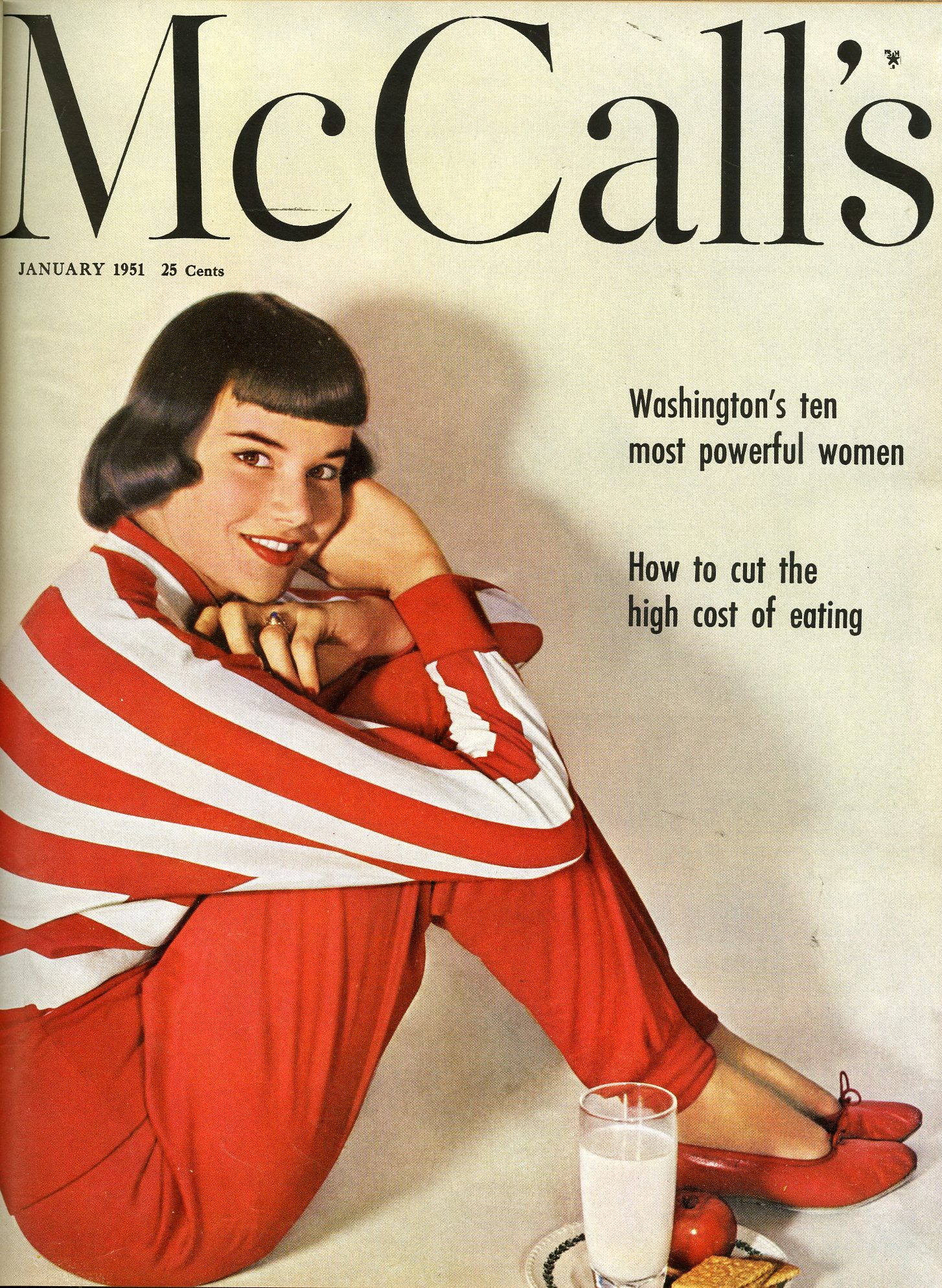
mccalls-cover jan 1951The substance of the content of magazines has always been important. Each letter of each word formed matters. And when you string those letters together to make words, you then begin to create sentences, followed subsequently by paragraphs, followed by…well; you see where I’m going with this.

As the eras have passed, it seems that “substance” has sometimes fallen by the wayside. Vintage words that are weighty and meaningful are often replaced with a group of vowels and consonants that seem flighty and gossamer-thin. Even in the 21st century, content matters, especially in magazines, and especially in this digital age where everything is fast and instantaneous.

For those of you who follow my blog, it’s no secret that I have been digging into my Mr. Magazine™ Classic Vault of vintage magazines. And as most of you know, I have what some would call an “extensive” collection. I happened upon a beautiful hardback compilation of McCall’s recently and was struck by the substance of the content.

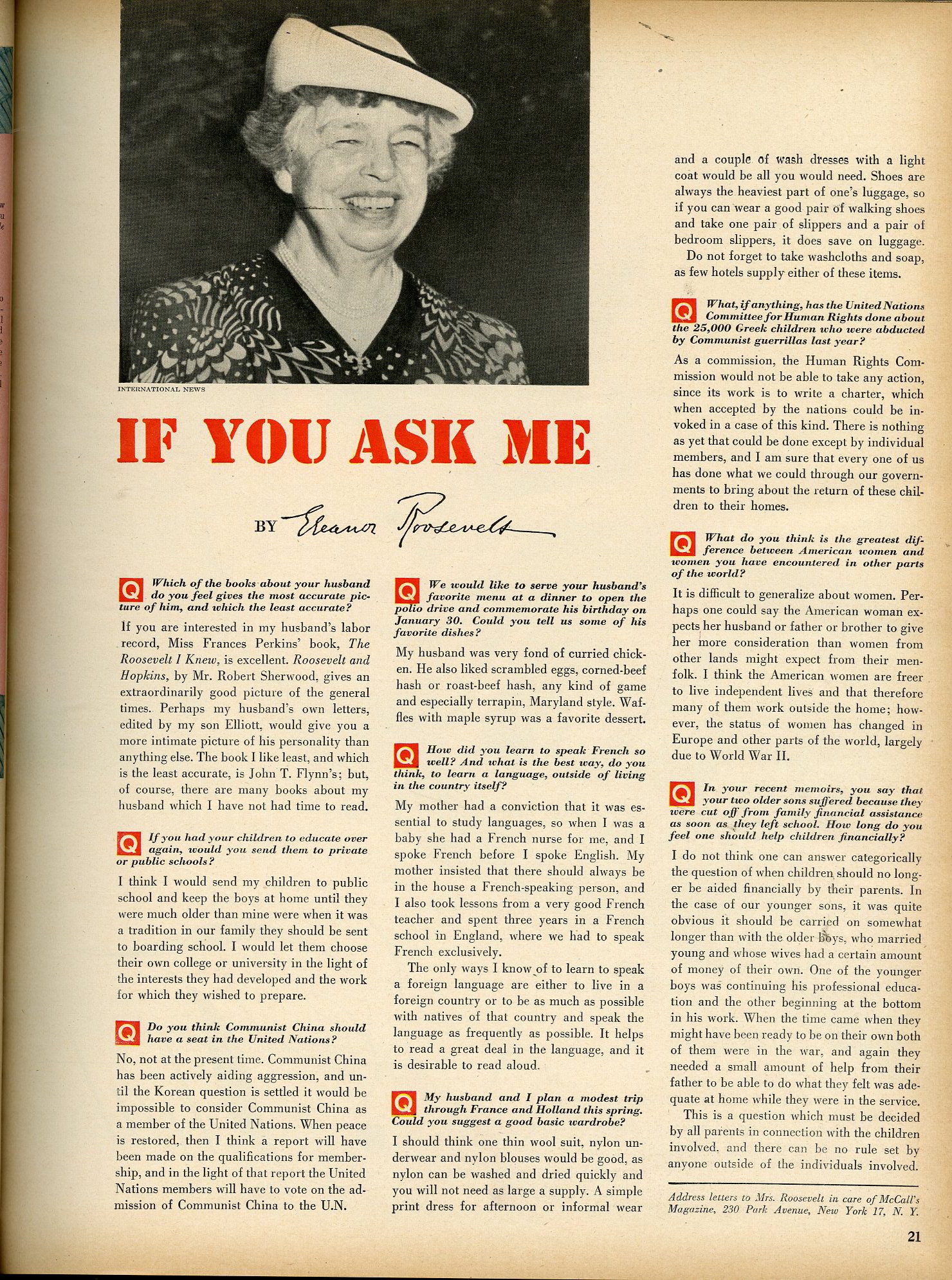
mccalls-eleanor345McCall’s Magazine has a rich and lustrous lineage. The magazine began as a small-format called The Queen in 1873, and was renamed McCall’s Magazine—The Queen of Fashion in 1897, later shortened to simply McCall’s. During the 20th century it reveled in an abiding popularity with its readers and is known as one of the “Seven Sisters” group of women’s service magazines.

McCall’s has always been known for its extremely staunch commitment to service in the women’s category. From the Eleanor Roosevelt column entitled “If You Ask Me,” which the former first lady wrote from 1949 until her death in 1962, to the Betsy McCall paper dolls that were printed from 1951 to 1995, and were available in most issues for children to cut out, McCall’s created content that was both service-oriented and engagingly entertaining.

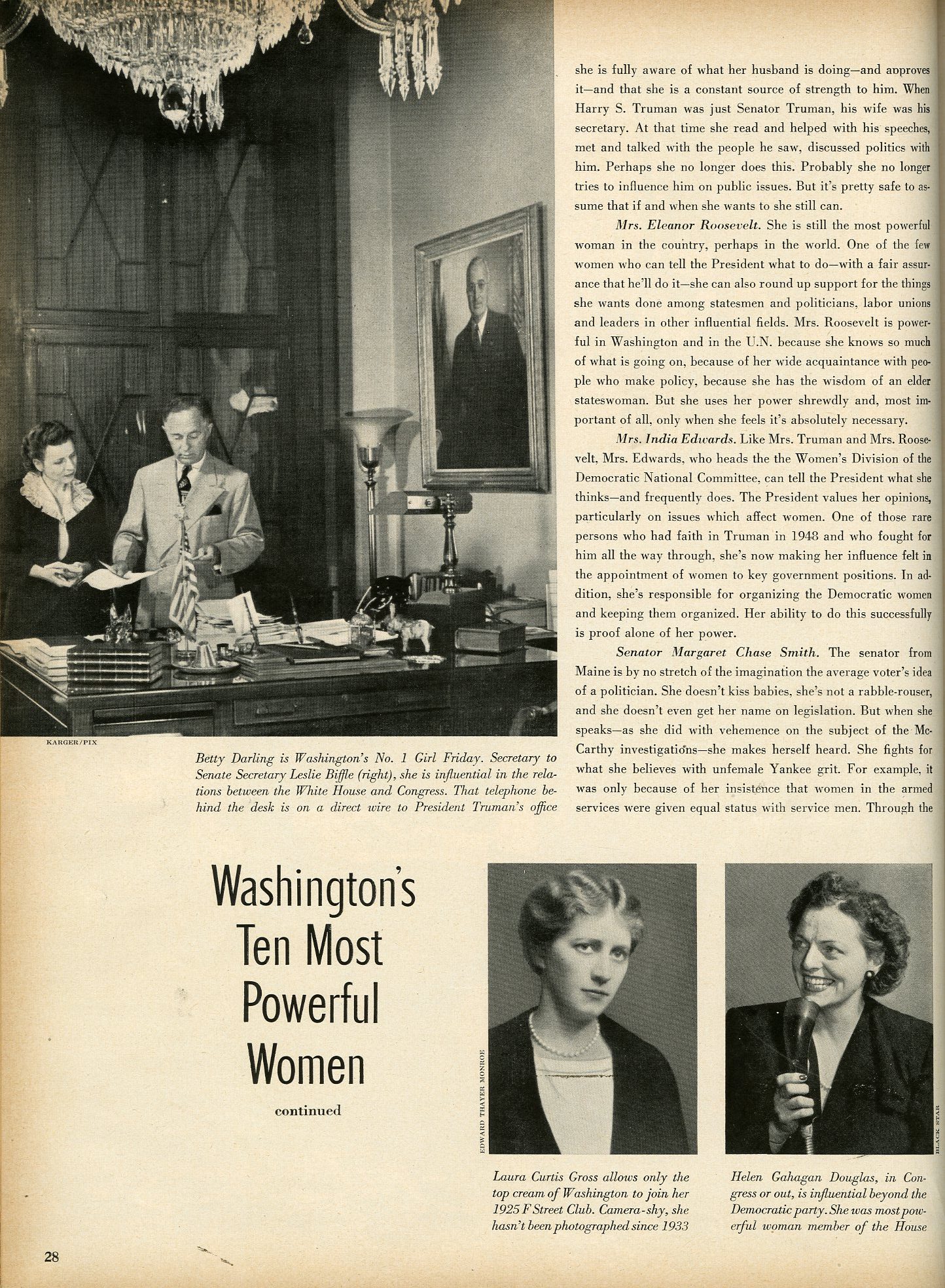
mccalls-cover347The articles featured were often different from the norm, but still considered service as the content believed in its audience, and knew that women were interested in far more than just how to sew and cook, albeit those were valued topics as well. In the 1940s and 1950s, it featured many articles that covered subject matter that was also substantive and varied. For example, the January 1951 cover story written by Doris Fleeson “Washington’s Ten Most Powerful Women,” was written at a time when most women only had power through men and the article stated as much. In fact, the byline in part reads: but the cold fact is that NO woman has power except through a man, quite a compelling and strong sentiment, especially for the era.

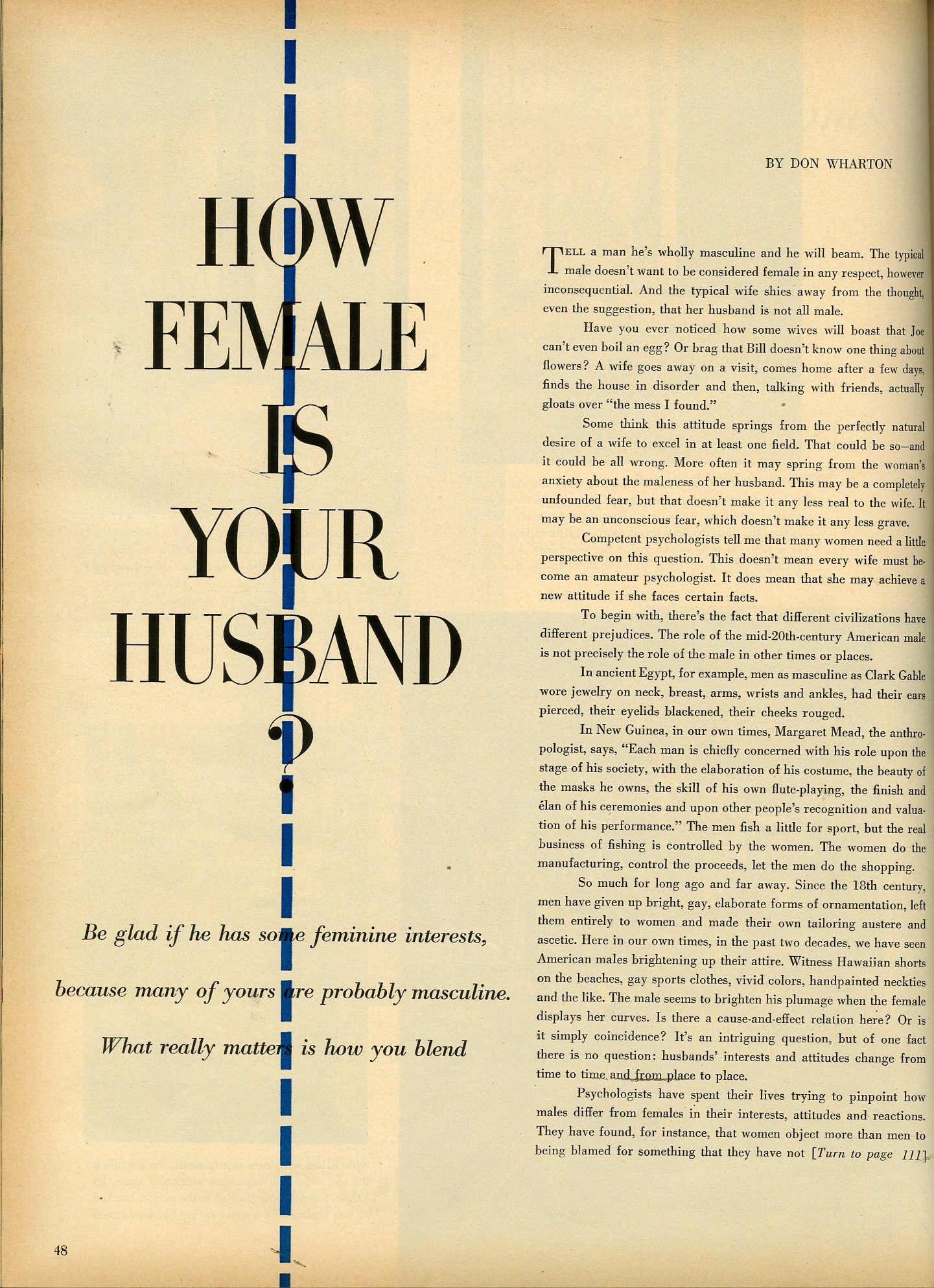
mccalls-cover349And then there were the contemplative features that made one think and consider, such as “How Female is Your Husband” written by Don Wharton. These types of articles were cutting edge for the times and comparatively magazines today could learn a few things from the masters who over 50 years ago were creating content that was so bulked with important and vibrant information, the magazine fairly groaned from its verbiage girth. In a good way, of course; that satisfied groan that many of us get when we finally push away from the Thanksgiving table.

So, as we put together the words, sentences, paragraphs and pages of our magazines today, Mr. Magazine™ asks the simple question: “Do you really know the content of your content?”

Until next time…

See you at the newsstands…

h1

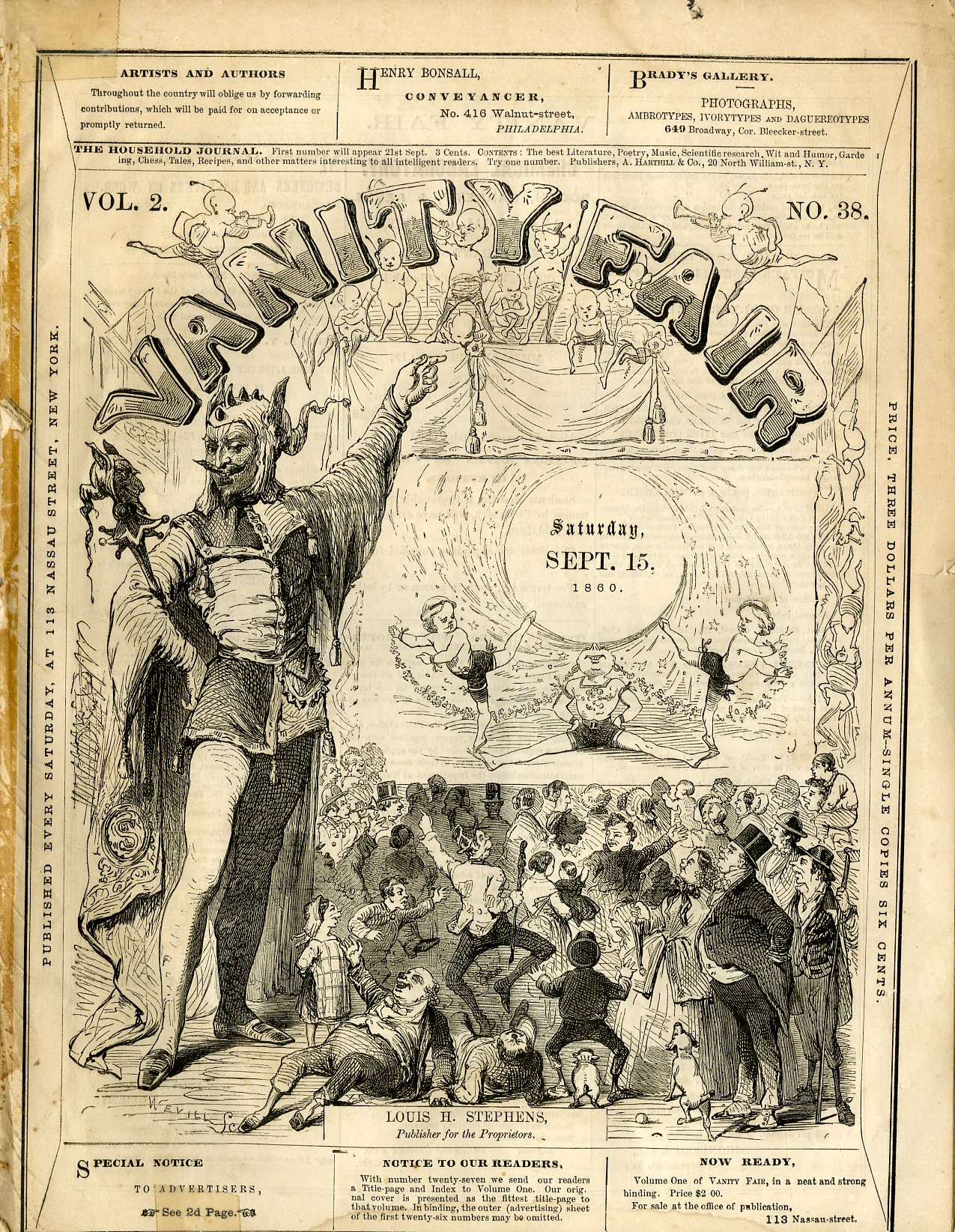
Think You Know Vanity Fair? Well, Think Again! The Media Kudos Celebrating A Great Weekly Vanity Fair Circa 1850.

January 13, 2017

A Mr. Magazine™ Brief…

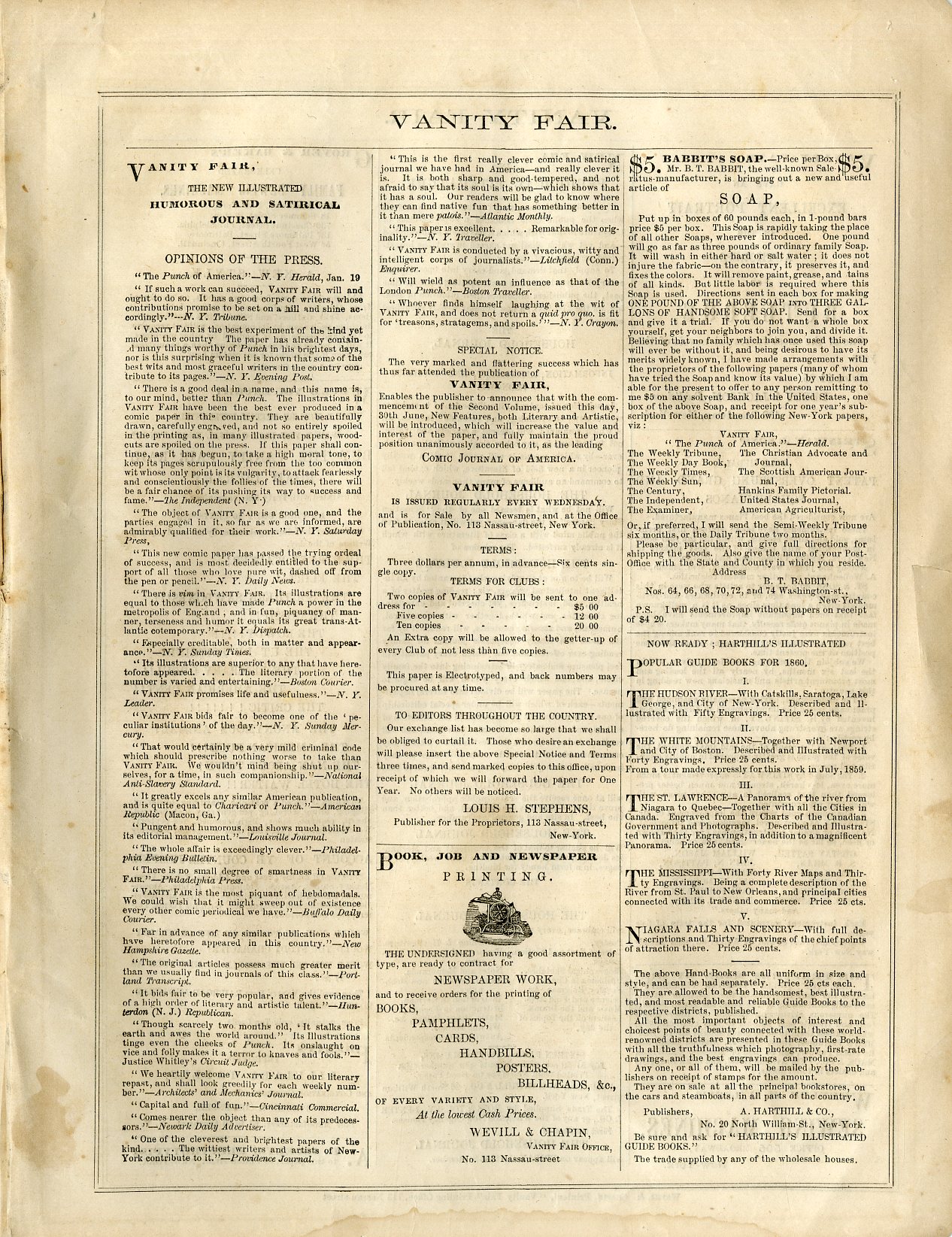
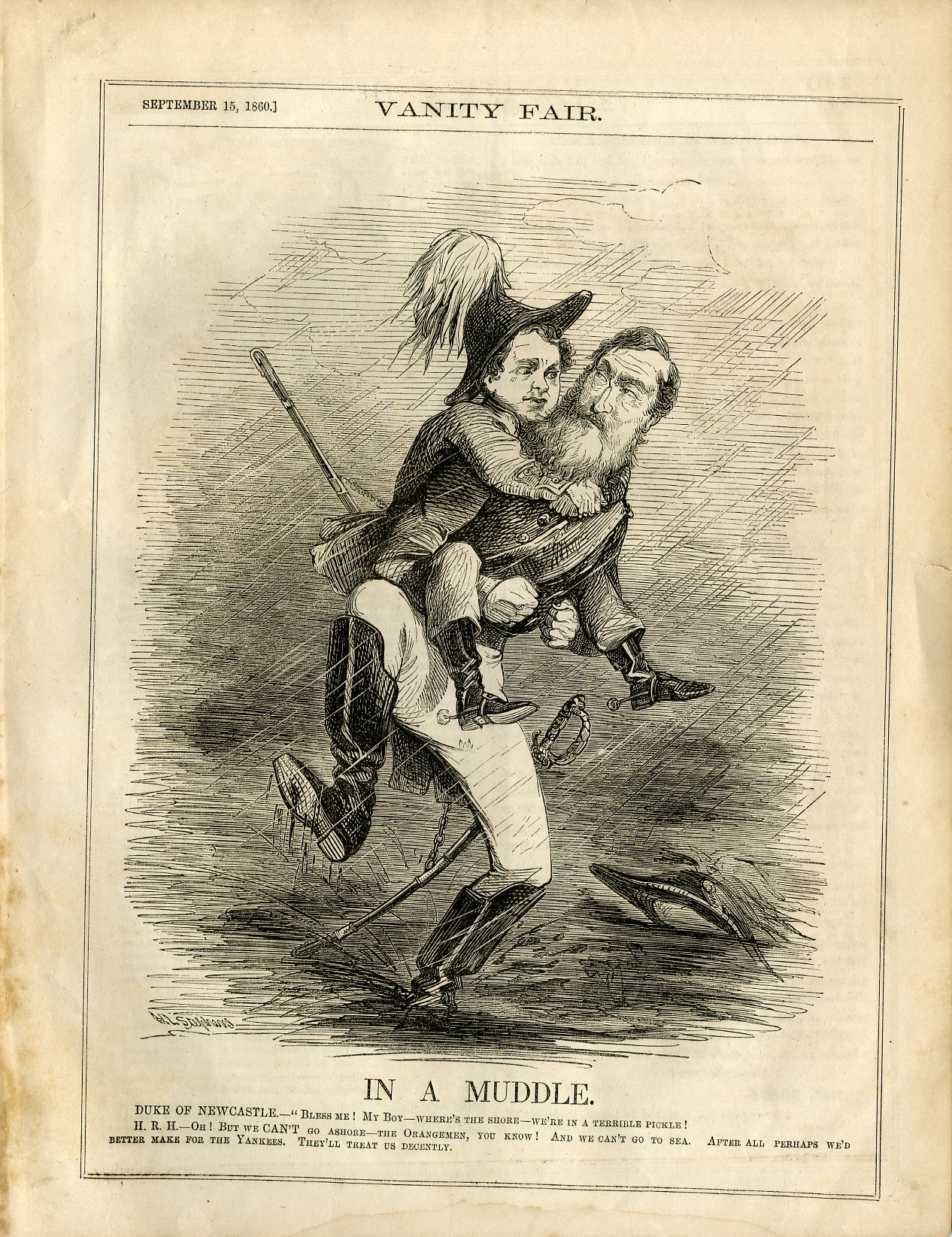
Before there was a Condé Nast’s Vanity Fair magazine (in the 1920s and 1980s until present time), there was a weekly Vanity Fair magazine from the 1850s (yes, you read that right) that was published every Saturday. With issue 38, dated Saturday, September 15, 1860, Vanity Fair received rave reviews from a bevy of prestigious publications in that era of media. Check out a bit of nostalgia that Mr. Magazine™ dug out from his Classic Vault. You won’t be disappointed…
vanity-fair222vanity-fair-opinionspres224

And to make it easier on the eyes to read, here is a retyped version of the 1860 “Opinions of the Press” piece. It’s absolutely worth the read.

Vanity Fair,
The New Illustrated and Satirical Journal

Opinions of the Press

“The Punch of America.” – N.Y. Herald, Jan. 19

“If such a work can succeed, Vanity Fair will and ought to do so. It has a good corps of writers, whose contributions promise to be set on a hill and shine accordingly.” – N.Y. Tribune

Vanity Fair is the best experiment of the kind yet made in the country. The paper has already contained many things worthy of Punch in his brightest days, nor is this surprising when it is known that some of the best wits and most graceful writers in the country contribute to its pages.” – N. Y. Evening Post

“There is a good deal in a name, and this name is, to our mind, better than Punch. The illustrations in Vanity Fair have been the best ever produced in a comic paper in this country. They are beautifully drawn, carefully engraved, and not so entirely spoiled in the printing as, in many illustrated papers, woodcuts are spoiled on the press. If this paper shall continue, as it has begun, to take a high moral tone, to keep its pages scrupulously free from the too common wit whose only point is its vulgarity, to attack fearlessly and conscientiously the follies of the times, there will be a fair chance of its pushing its way to success and fame.” – The Independent (N.Y.)

“The object of Vanity Fair is a good one, and the parties engaged in it, so far as we are informed, are admirably qualified for their work.” – N.Y. Saturday Press

“This new comic paper has passed the trying ordeal of success, and is most decidedly entitled to the support of all those who love pure wit, dashed off from the pen or pencil.” – N.Y. Daily News

“There is vim in Vanity Fair. Its illustrations are equal to those which have made Punch a power in the metropolis of England, and in fun, piquancy of manner, terseness and humor it equals its great trans-Atlantic contemporary.” – N.Y. Dispatch

“Especially creditable, both in matter and appearance.” – N.Y. Sunday Times

“Its illustrations are superior to any that have heretofore appeared. The literary portion of the number is varied and entertaining.” – Boston Courier

Vanity Fair promises life and usefulness.” – N.Y. Leader

Vanity Fair bids fair to become one of the ‘peculiar institutions’ of the day.” – N.Y. Sunday Mercury

“That would certainly be a very mild criminal code which should prescribe nothing worse to take than Vanity Fair. We wouldn’t mind being shut up ourselves, for a time, in such companionship.” – National Anti-Slavery Standard

“It greatly excels any similar American publication, and is quite equal to Charivari or Punch.” – American Republic (Macon, Ga.)

“Pungent and humorous, and shows much ability in its editorial management.” – Louisville Journal

“The whole affair is exceedingly clever.” – Philadelphia Evening Bulletin
vanity-fair-inside223

“There is no small degree of smartness in Vanity Fair.” – Philadelphia Press

Vanity Fair is the most piquant of hebdomadals. We could wish that it might sweep out of existence every other comic periodical we have.” – Buffalo Daily Courier

“Far in advance of any similar publications which have heretofore appeared in this country.” – New Hampshire Gazette

“The original articles possess much greater merit than we usually find in journals of this class.” – Portland Transcript

“It bids fair to be very popular, and gives evidence of a high order of literary and artistic talent.” – Hunterdon (N.J.) Republican

“Though scarcely two months old, ‘It stalks the earth and awes the world around.’ Its illustrations tinge even the cheeks of Punch. Its onslaught on vice and folly makes it a terror to knaves and fools.” – Justice Whitley’s Circuit Judge

“We heartily welcome Vanity Fair to our literary repast, and shall look greedily for each weekly number.” – Architects’ and Mechanics’ Journal

“Capital and full of fun.” – Cincinnati Commercial

“Comes nearer the object than any of its predecessors.” Newark Daily Advertiser

“One of the cleverest and brightest papers of the kind. The wittiest writers and artists of New York contribute to it.” – Providence Journal

“This is the first really clever comic and satirical journal we have had in America – and really clever it is. It is both sharp and good-tempered, and not afraid to say that its soul is its own – which shows that it has a soul. Our readers will be glad to know where they can find native fun that has something better in it than mere patois.” – Atlantic Monthly

“This paper is excellent, remarkable for originality.” – N.Y. Traveller

Vanity Fair is conducted by a vivacious, witty and intelligent corps of journalists.” – Litchfield (Conn.) Enquirer

“Will wield as potent an influence as that of the London Punch.” – Boston Traveller

“Whoever finds himself laughing at the wit of Vanity Fair, and does not return a quid pro quo, is fit for ‘treasons, stratagems, and spoils.’” – N.Y. Crayon

Special Notice

And at the end of the page there was this ad, that needless to say has been running since June 30, 1850 without any updates.

The very marked and flattering success which has thus far attended the publication of Vanity Fair enables the publisher to announce that with the commencement of the Second Volume, issued this day, 30th June, New Features, both Literary and Artistic, will be introduced, which will increase the value and interest of the paper, and fully maintain the proud position unanimously accorded to it, as the leading Comic Journal of America.

h1

There Is Nothing New Under The “Creative Innovation” Sun…

January 11, 2017

First of a Series of Mr. Magazine™ Musings About Classic Creative Innovation…

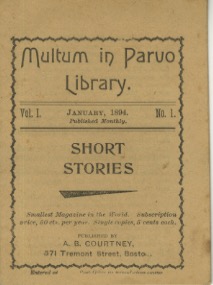
multum-in-parvoJust when you thought the 21st century was the ultimate time for creative innovation in the world of magazines and magazine media, up rears the head of the 20th century again (and even part of the 19th) to prove you wrong. What’s the phrase adapted from the Book of Ecclesiastes in the Bible: There’s nothing new under the sun? That would be absolutely true, especially when it comes to creative innovation in magazines. And leave it to Mr. Magazine™ to be the one to inform you of this, seeing as how recently I have been dipping deeply into my Classic Magazine Vault.

For example, when it comes to small and convenient, there was a magazine that was published in 1894 called “Multum in Parvo,” which of course in Latin means a great deal of something in a very small space. And in this case it would be a great deal of entertaining short stories in what was self-described at the time as “the smallest magazine in the world.” It was sold by subscription and single copy. And it is very, very small, (Mr. Magazine™ of course has it on hand), and for 1894, very innovative. Today, you might call it the flash drive of the 19th century. It is exquisite.

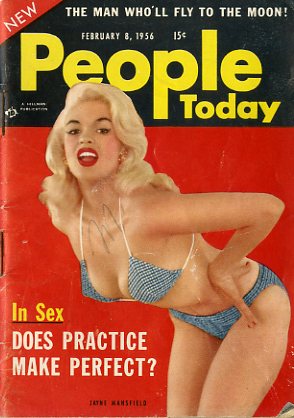
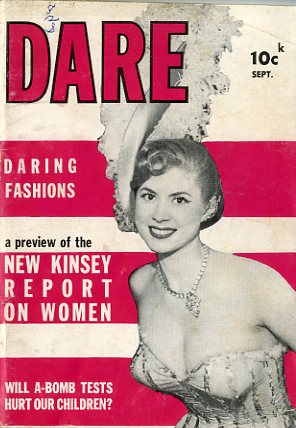
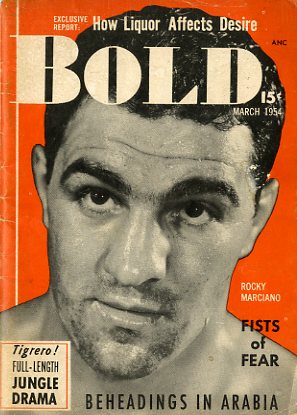
people-today220dare215bold217Then there are the men’s magazines that were a prominent and key part of the 1940s and 1950s, such as “Bold,” “People Today,” and “Dare.” These were the magazines that slid conveniently into a man’s shirt pocket for his viewing and reading pleasure when he was out and about, either at work or other activities away from his home or desk. And while by today’s standards, what with the Internet and mobile, this bit of carrying around your passion might sound tame and mediocre, for the ‘40s and ‘50s this idea was quite creative and demonstrative of the type of innovations that could come from productively inventive minds.

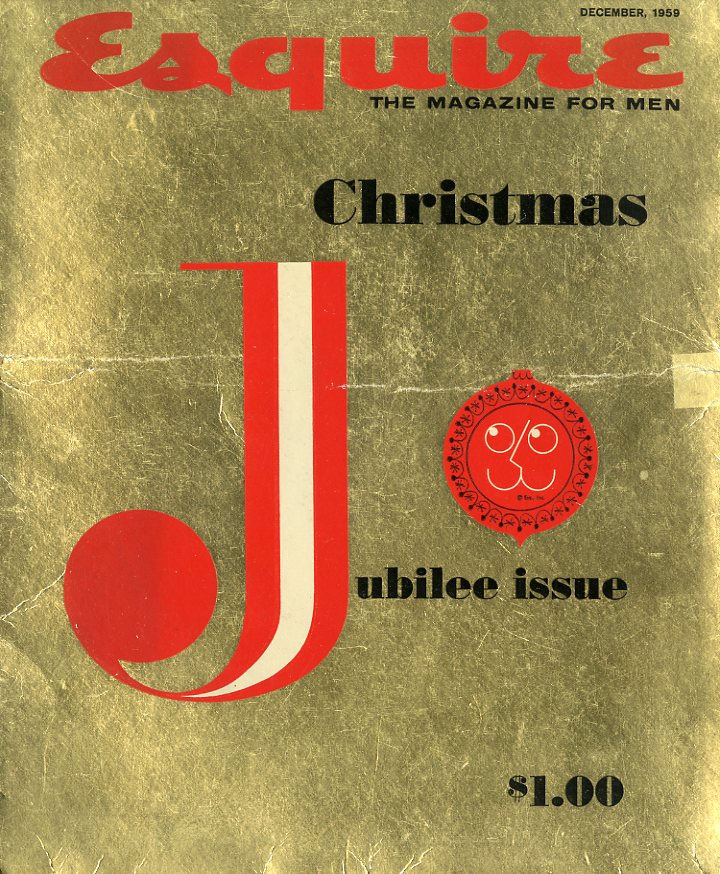
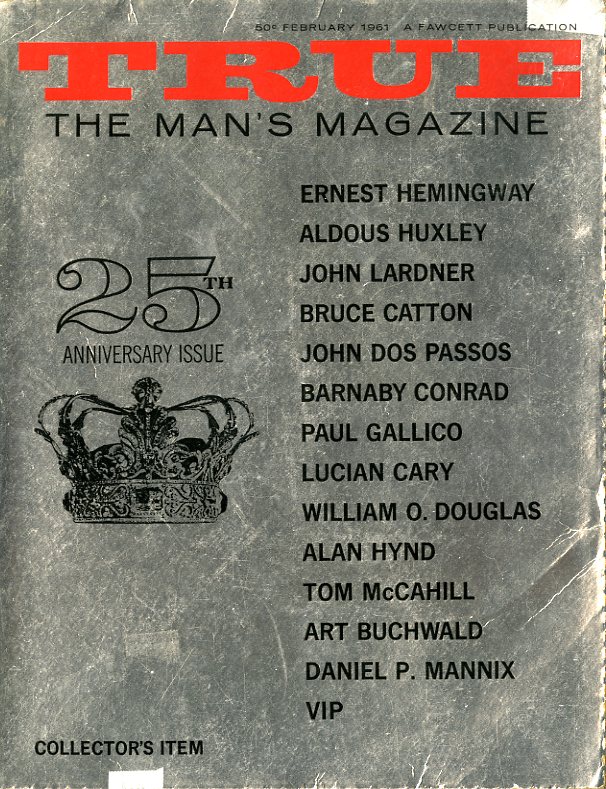
esquire201true198And aside from those examples of modification and mutation, there were the oversized coffee table magazines (sound familiar?) such as “Ken” from 1938 and “Flair” from 1950, and the boxed publications, such as “Esquire’s” 1959 Christmas Jubilee issue and “True The Man’s Magazine’s” 1961 Silver Anniversary issue. As Esquire began in 1933 and True The Men’s Magazine in 1937, the latter had a tendency to follow in the footsteps of its senior compatriot. But imitation is the sincerest form of flattery, I suppose.

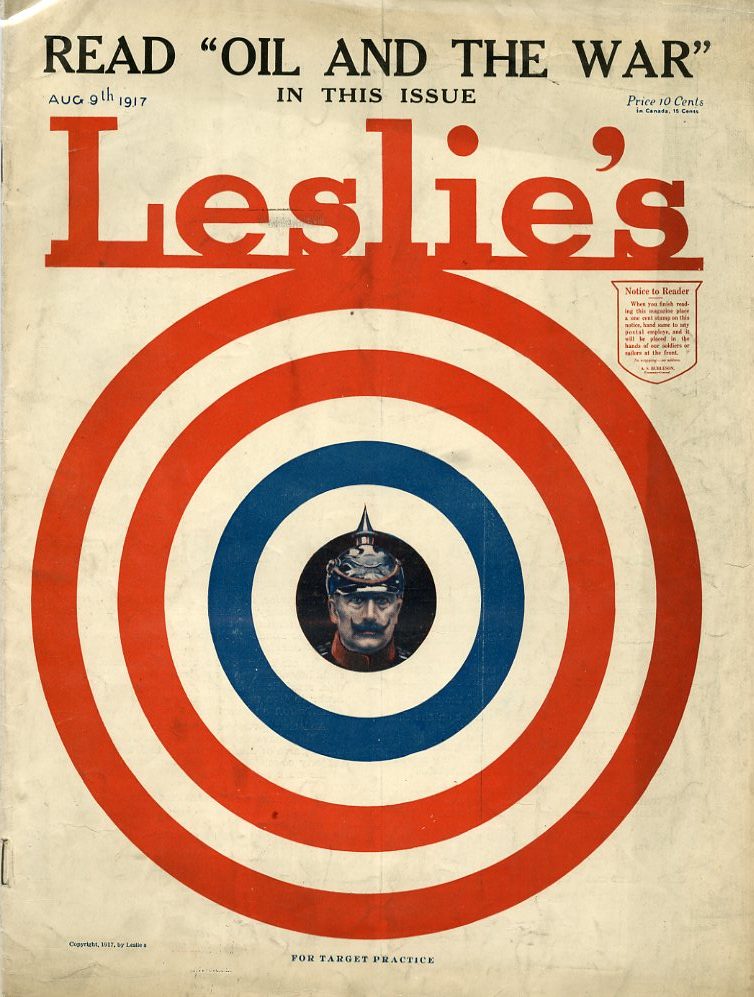
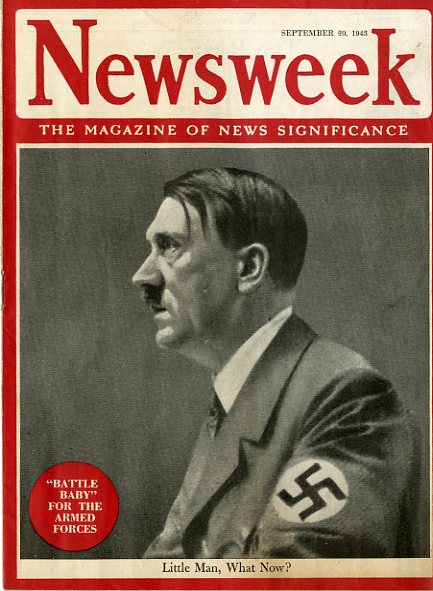
leslies200newsweek202And when it came to service journalism and patriotism for our men and women of the armed forces, magazine weeklies in the 1940s such as Newsweek and TIME provided such a significant and important boost to our military personnel’s morale by providing issues with timely and interesting stories for absolutely free. And during the First World War, Leslie’s and many other titles provided a “notice to reader” stamp on their covers that allowed readers to place a one cent postal stamp onto the designated notice when they were finished reading the magazine and it would be sent to military personnel overseas for them to also enjoy. What an unbelievably innovative idea! Brilliant!

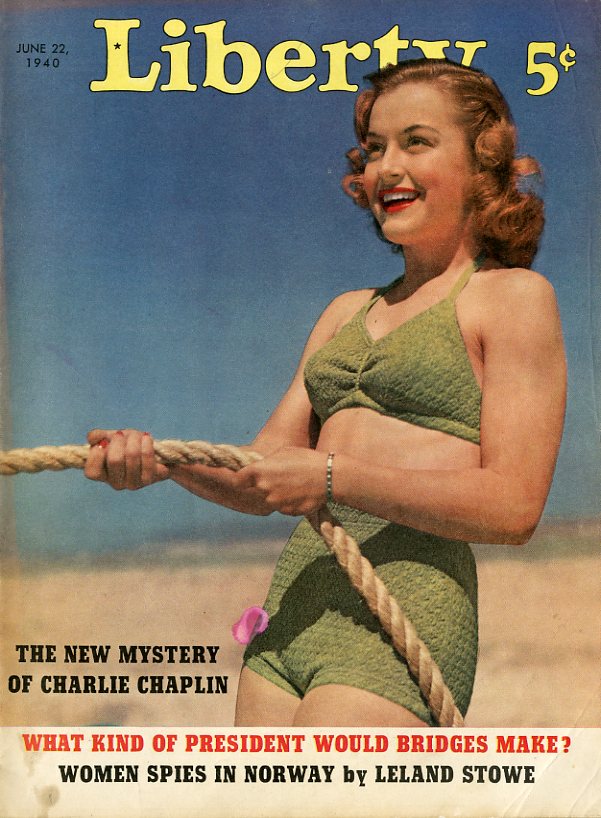
liberty204And another service feature that by today’s standards would probably seem ludicrous to most, but in fact, was quite the bomb in days gone by was the 1920s “Liberty” magazine, which offered readers exact minutes and seconds when it came to how long it took to read individual articles. Saving time didn’t just start with the digital natives, you see.

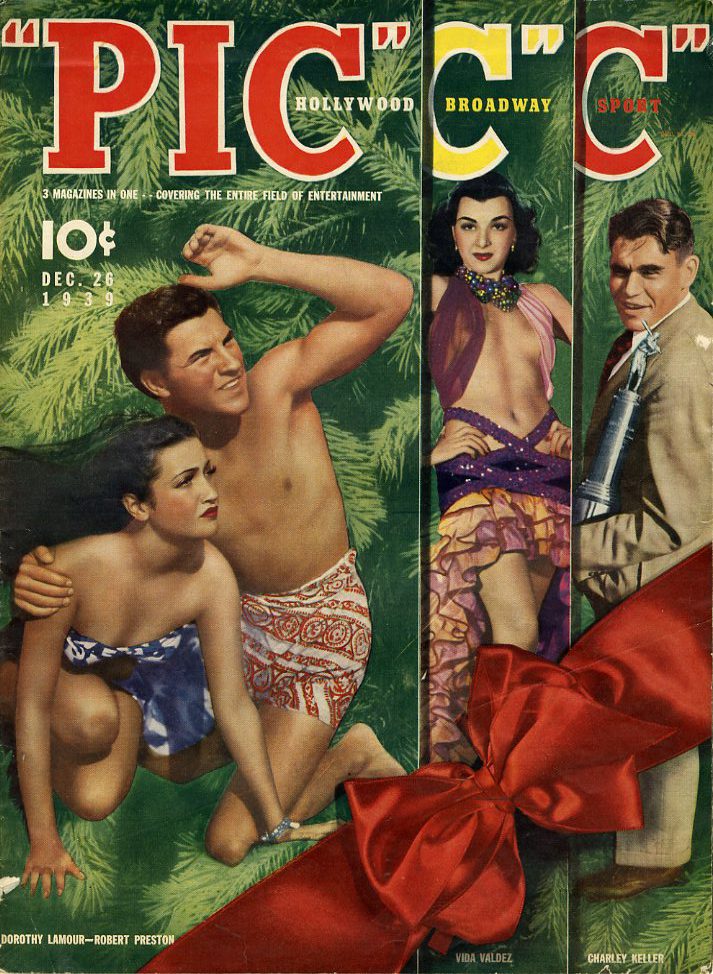
pic199Arguing with the quality, creativity, and yes, innovation of the titles from yesteryear would be a complete waste of time. The pioneers of magazines were not only some of the most creative people who ever lived, but also visionaries in their own right. And I would be terribly remiss if I didn’t mention one of the most beautiful and innovative covers that I have ever seen in my many, many years of tracking and loving magazines. It’s a magazine from 1939 that was published every other Tuesday by Street & Smith. The magazine was called “PIC” and was actually three magazines in one that covered different areas of the entertainment world, Hollywood, Broadway and Sports. So, for example, one section was “Hollywood Pic;” one section was “Broadway Pic;” and one section was “Sport Pic,” just simply a well-done, original magazine that showed creativity at its best.

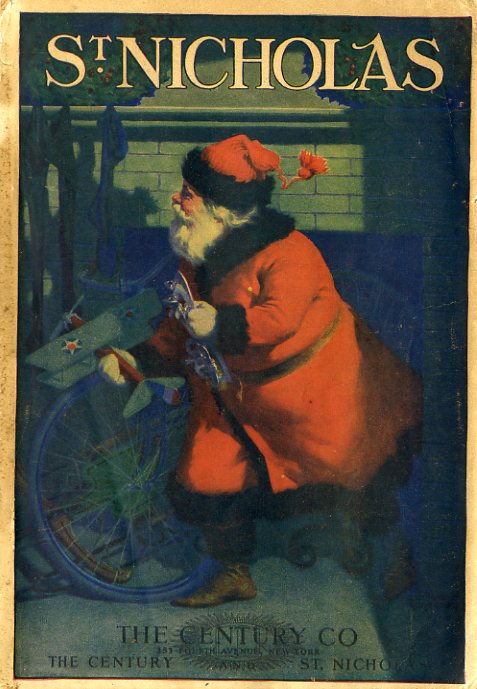
st-nicholas203Another lovely magazine for children that encouraged curious minds to flip through its pages and enjoy magical stories and actual illustrations that were not produced digitally was St. Nicholas magazine that was founded by Scribner’s in 1873 and ceased publication in 1940. Mr. Magazine™ has the beautiful December 1920 issue and it’s writing is superb. Over the years everyone from Louisa May Alcott to Mark Twain enjoyed being published in this amazing title. The magazine is proof positive that children do in fact love to read and always have, it’s just today they have more options than ever before, which isn’t a bad thing at all. However, it is a fact that the innovations of technology are not the entire reason children are inspired to read; it’s much more about the craft of good storytelling.

The point I’m making is that while those of us today who live and breathe as if we were the only creative, innovative, cutting-edge, and ingenious people to have ever touched ink on paper or (in our case in the 21st century), stared at pixels on a screen, are a bit narcissistic when you look back through the years that magazines have been around. Creative innovation didn’t happen simply because the world of digital came into being. Creative innovation hit the scene when the first magazine drew its infant breath. Digital may have motivated print to recheck and reinvent itself, but it never, ever coined the phrase “creative innovation.” That credit, my friends, goes to the human being…

And from almost the very beginning there have been human beings and their original ideas – that’s nothing new…

Until the next Mr. Magazine™ Musing…

h1

Anniversaries Show That The Power Of Magazines Is Like No Other Medium…

November 22, 2016

A Mr. Magazine™ Musing…

Join me to celebrate the power of print and the power of magazines as we proclaim a loud congratulations this week for several magazine anniversaries ranging from 15 to 150 years.

For someone who treats magazines like friends, I am privileged to have both younger and older comrades. I never get tired of celebrating with both the new, the young and the old.

So regardless of the fact that we live in a digital age, these ink on paper (which, by the way, is a great technology yet to be replicated successfully) magazines have survived the test of time and the test of all the innovations that came after the invention of paper.

I invite you to celebrate the following magazine anniversaries and to witness the power of print and the power of magazines. Other inventions may come and go, but magazines are here to stay.

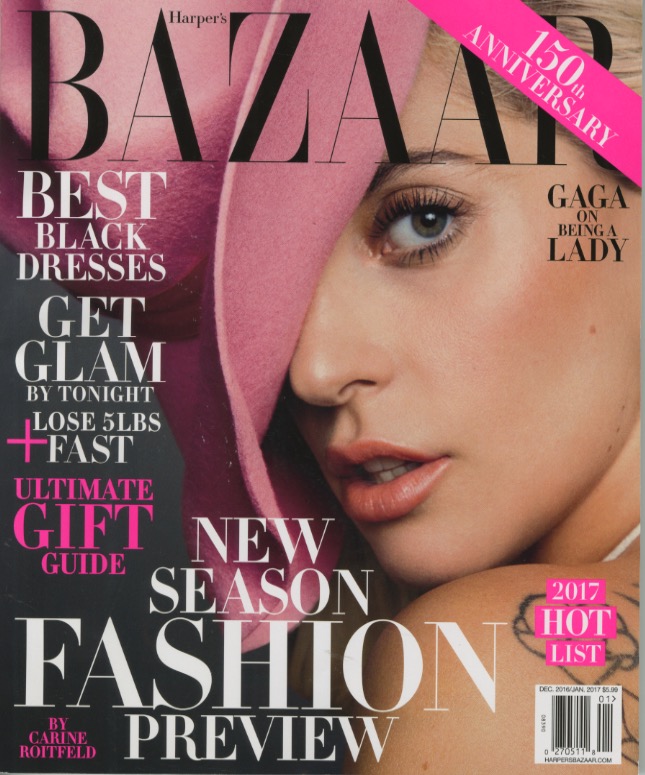
Celebrating 150 years Harper’s Bazaar:
harpers-bazaar

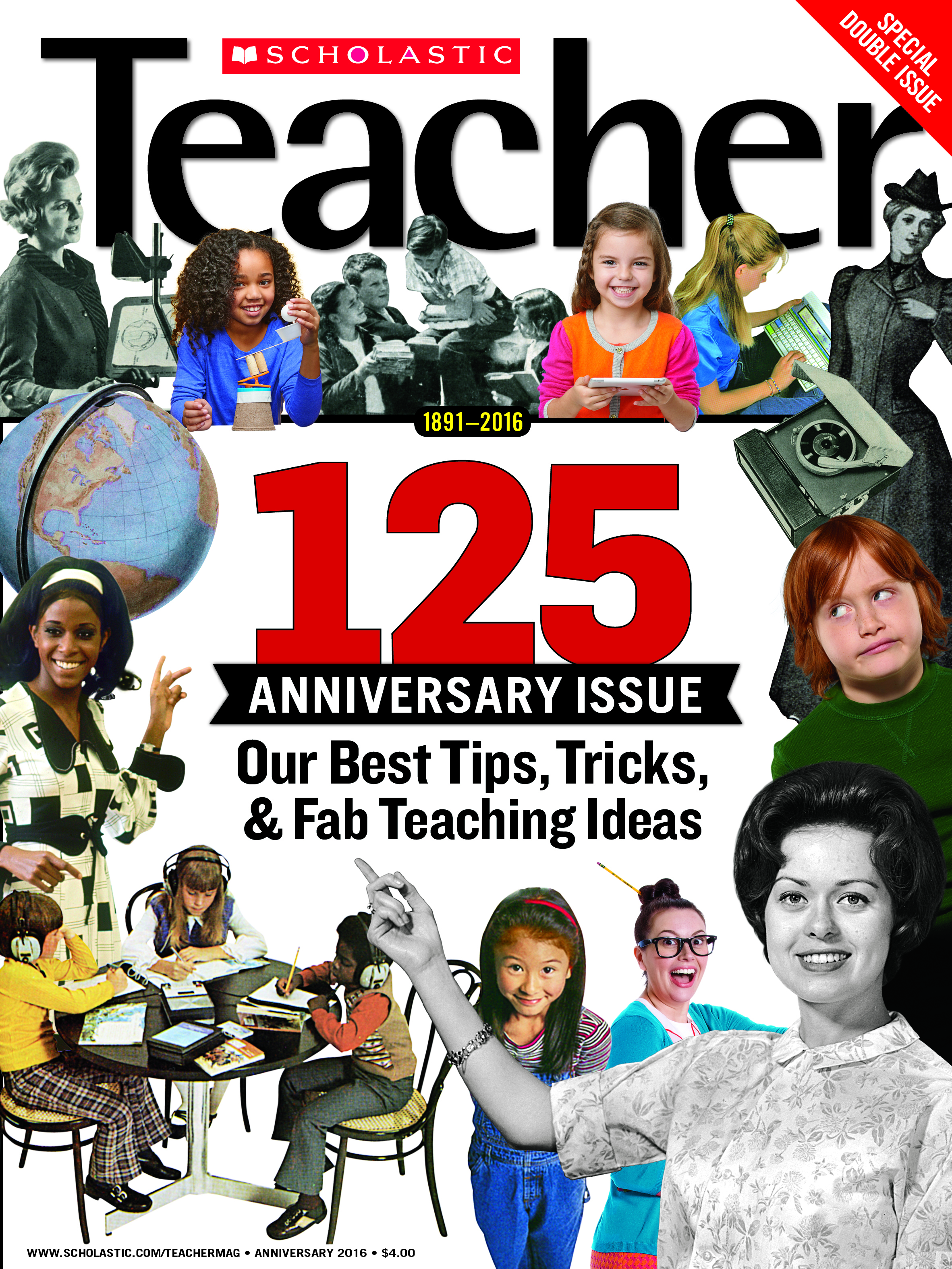
Celebrating 125 years Scholastic Teacher:
tefa16cover

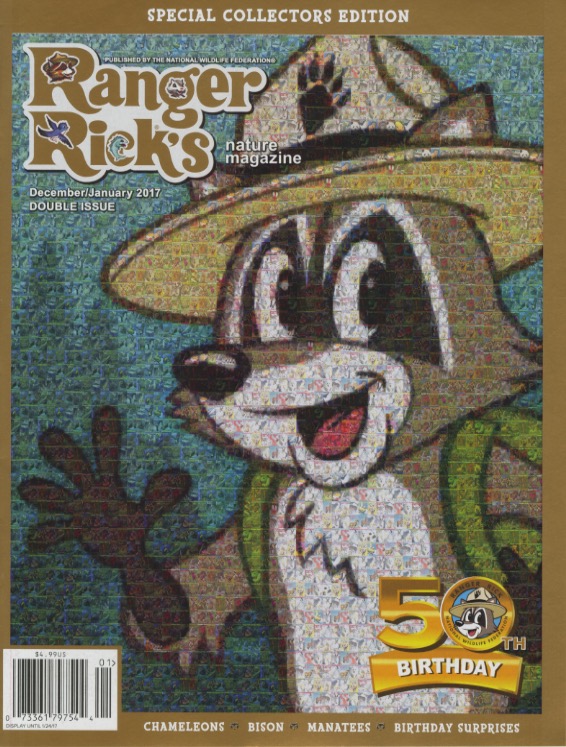
Celebrating 50 years Ranger Rick:
ranger-ricks-1

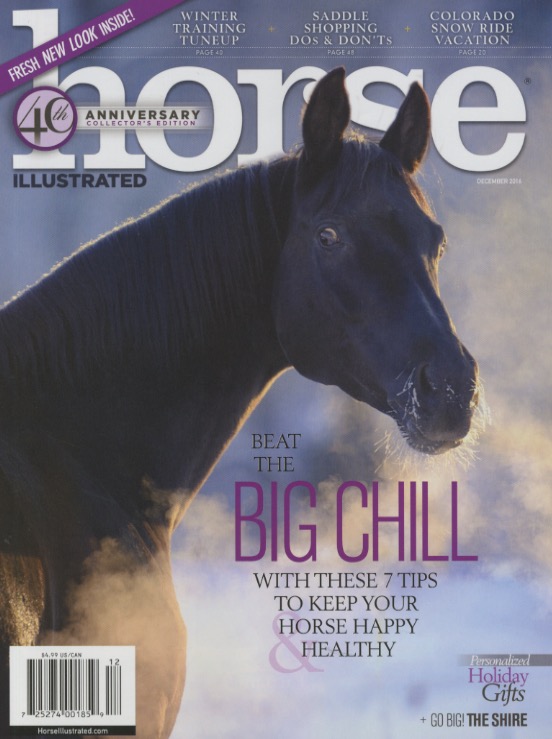
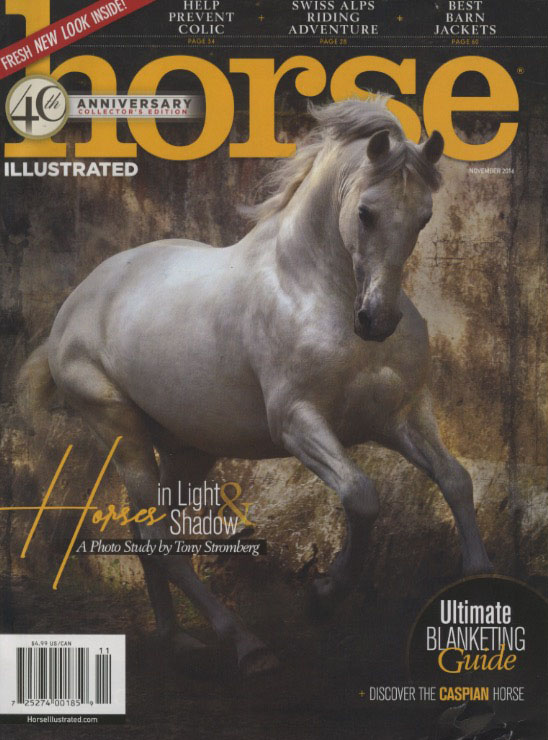
Celebrating 40 years Horse Illustrated:
horse-illustrated

Celebrating 30 years Lancaster County:
lcmnov2016

Celebrating 25 years Heavy Duty:
heavy-duty

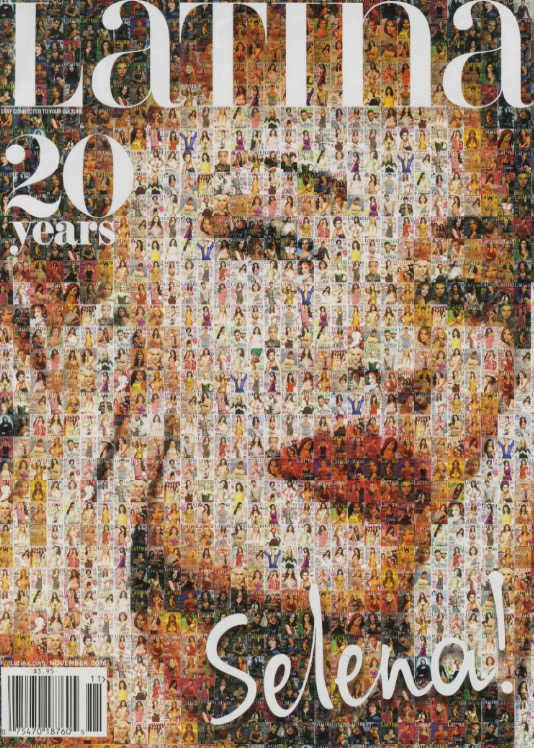
Celebrating 20 years Latina:
latina

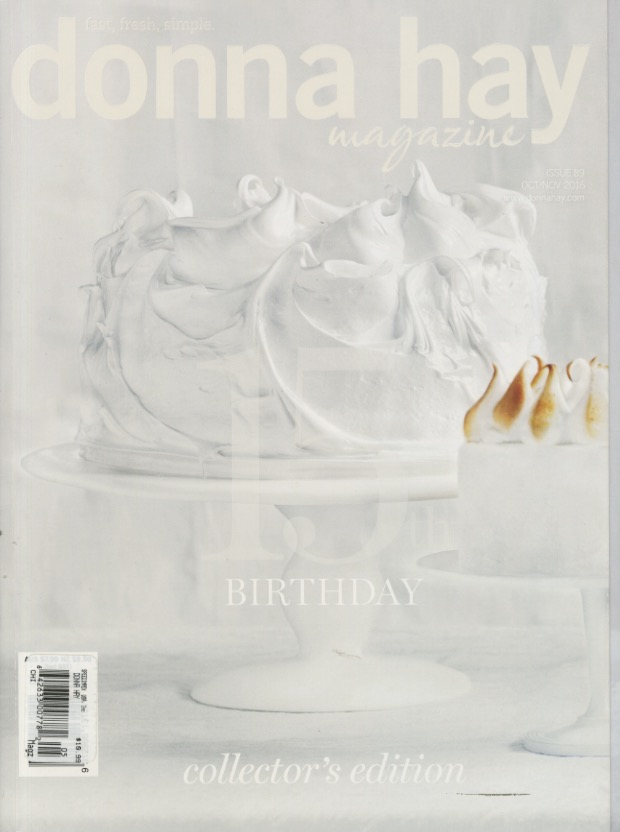
And celebrating 15 years Donna Hay:
donna-hay

Until the next round of celebrations, relax and get ready for there is more to come. The power of print, the power of magazines.

h1

Long Before There Was President-Elect Trump… Playboy’s Hefner Discovered The TRUMP Brand

November 19, 2016

A Mr. Magazine™ Musing…

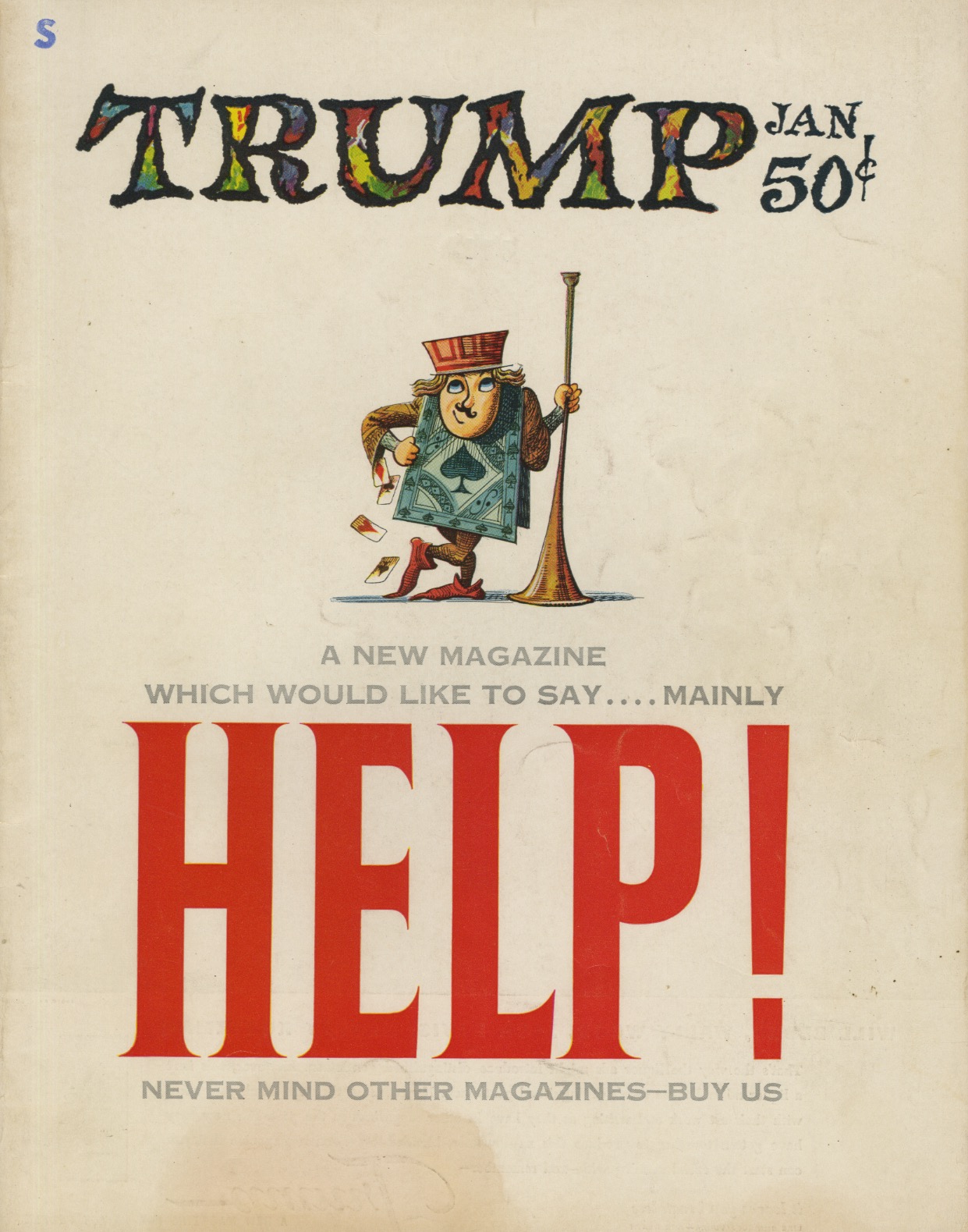
trumpLong before there was a President-Elect Trump, long before there was a Trump Tower, and long before there was a Trump brand, Hugh M. Hefner, the founder and editor-in-chief of Playboy magazine owned and launched Trump magazine in 1957, almost three years after he launched Playboy magazine.

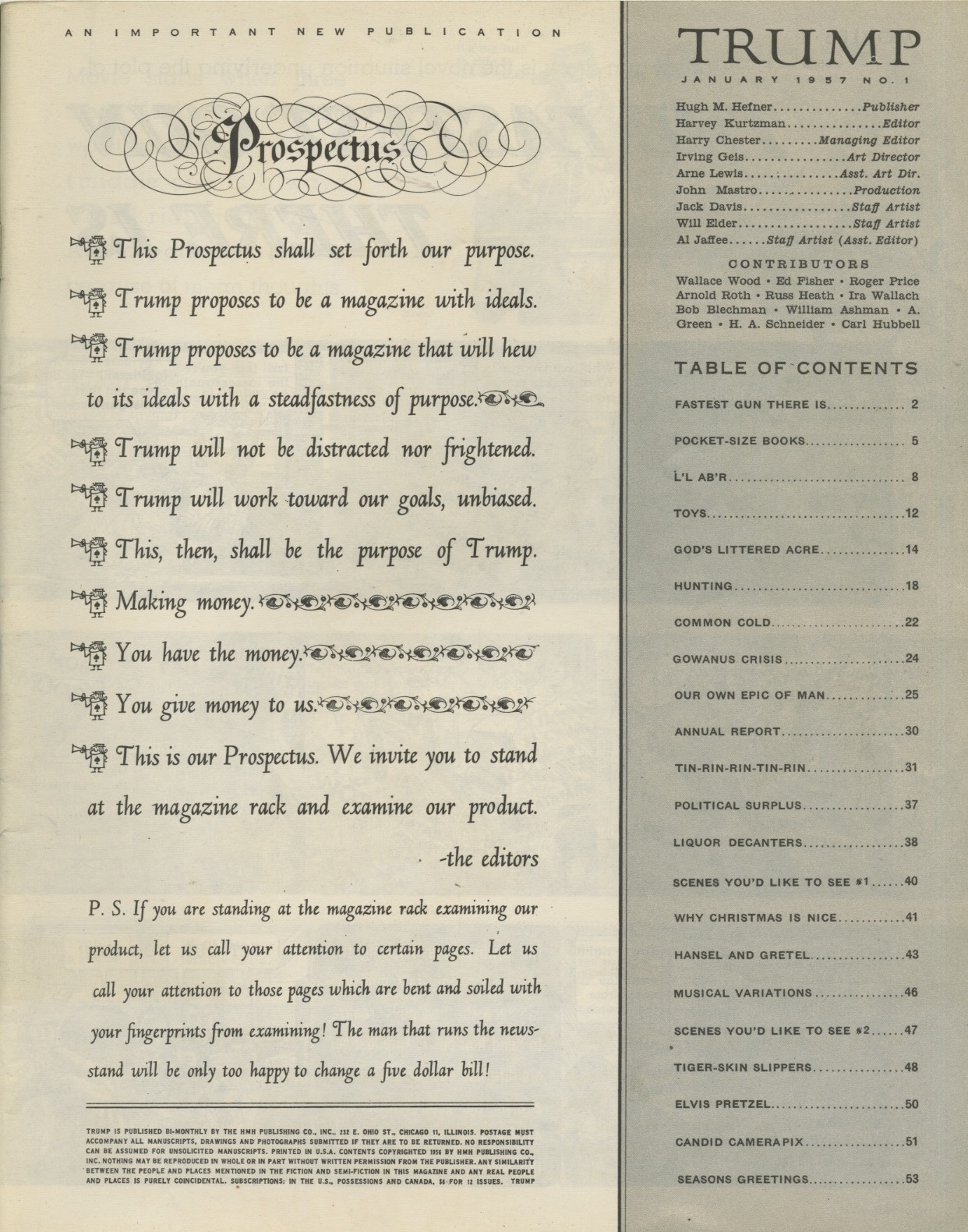
Needless to say Hefner’s Trump magazine did not have the same success as Playboy magazine, however it is quite intriguing to see what the premise of Trump magazine was as stated in the prospectus of its very first issue in January 1957.

trump-3The prospectus reads:

This Prospectus shall set forth our purpose.
Trump proposes to be a magazine with ideals.
Trump proposes to be a magazine that will hew to its ideals with a steadfastness of purpose.
Trump will not be distracted nor frightened.
Trump will work toward our goals, unbiased.
This, then, shall be the purpose of Trump.
Making money.
You have the money.
You give the money to us.
This is our Prospectus. We invite you to stand at the magazine rack and examine our product.
-the editors

h1

More Anniversaries, More Celebrations, More Staying Power Of Magazines…

November 14, 2016

A Mr. Magazine™ Musing…

It is a fact that I enjoy recording births of new magazines rather than deaths of magazines. With every birth there lives the challenge of survival. Some new magazines survive to a respectable age and some are not so lucky; they barely celebrate their first year.

But what about those that survive not one, or two years, but ten, 20, 40, 75 and even 90 years and are still going strong? Well, in my book it is yet another reason to celebrate the power of magazines. Needless to remind you that by my definition “if it is not ink on paper, it is not a magazine.”

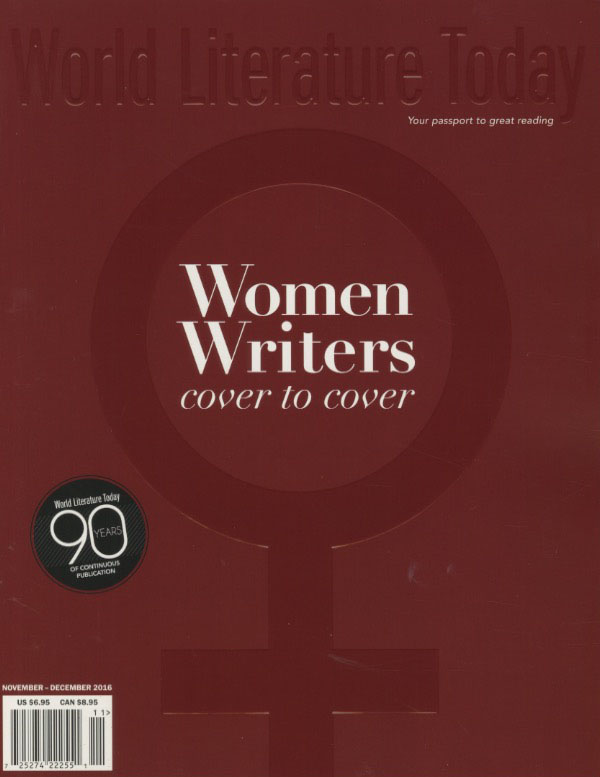
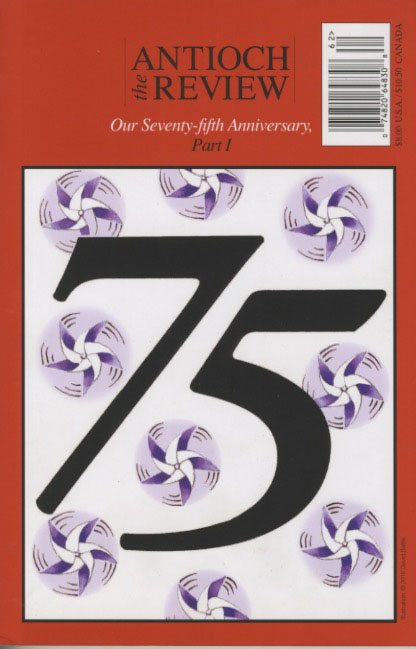
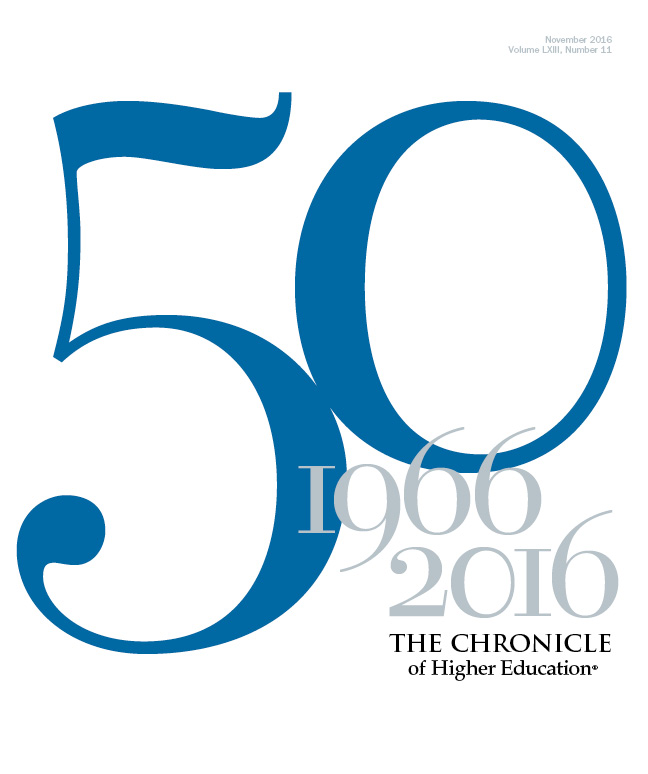
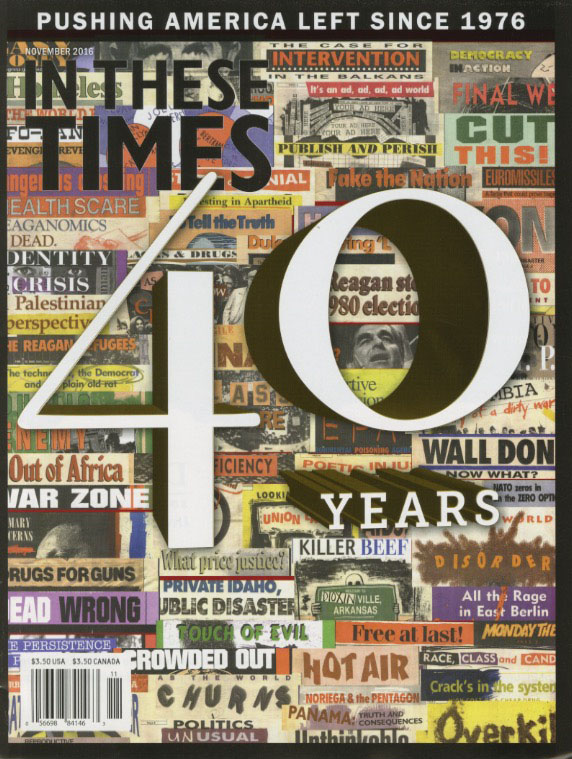
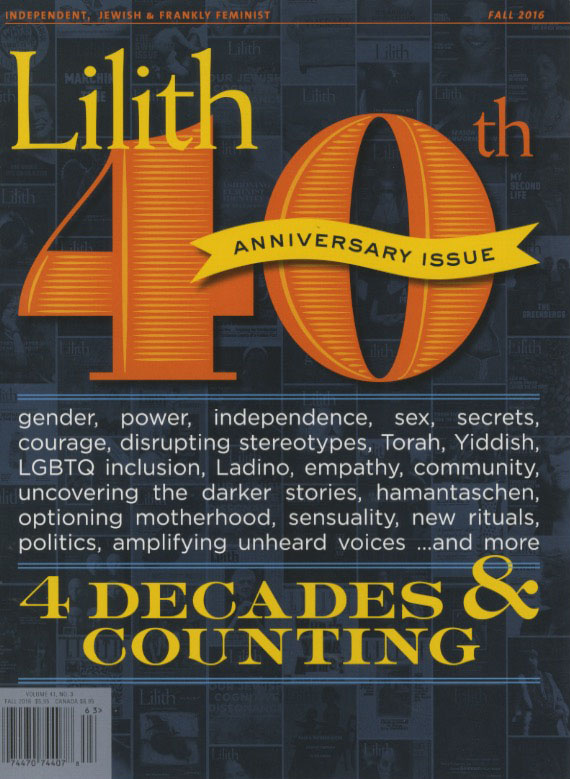
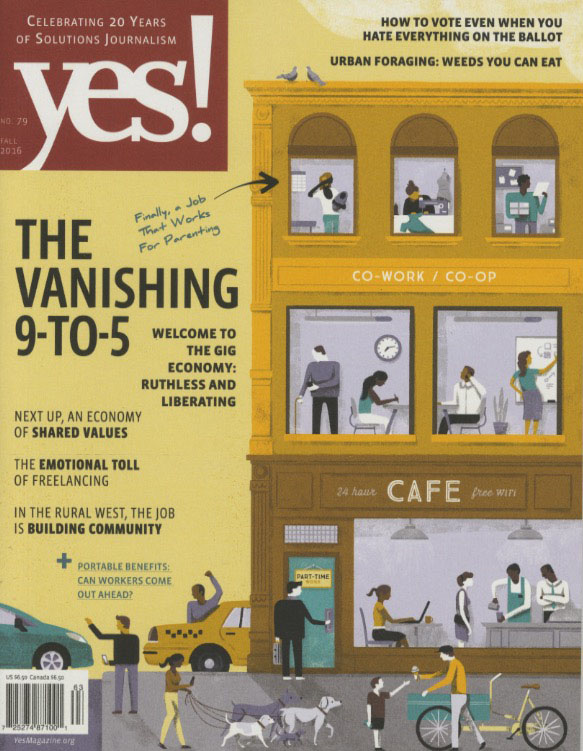
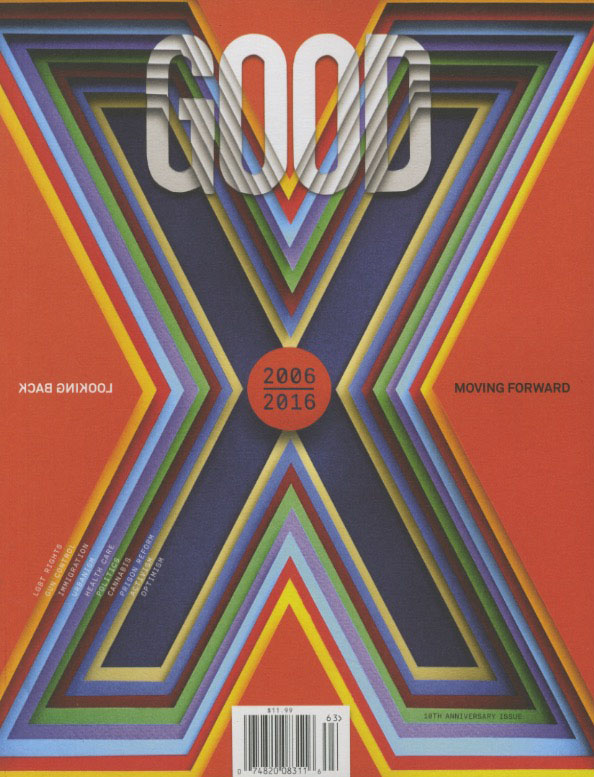
So, please join me as the magazine industry celebrates the 90th anniversary of World Literature Today magazine, the 75th anniversary of the Antioch Review, the 50th anniversary of The Chronicle of Higher Education, the 40th anniversary of In These Times and Lilith magazines, the 20th anniversary of Yes magazine, and the 10th anniversary of Good magazine.

And talking about good things, here are the anniversary covers of these celebrating titles:

world-literature-today-90-yearsantioch-review-75-yearsche-anthology-coverin-these-times-40-yearslilith-40-yearsyes-20-yearsgood-10-years

Until the next celebration, enjoy and may the power of magazines be with you.

h1

It’s The Best of Both Worlds When It Comes To Magazines…Maybe The Election Process Should Take Notice…

November 8, 2016

A Mr. Magazine™ Musing…

Mr. Magazine wearing "the best of both worlds." Photo by Anna Grace Usery

Mr. Magazine wearing “the best of both worlds.” Photo by Anna Grace Usery

As I sit here pondering the fact that today is Election Day – and the choices are pretty cut and dried; either/or, I think the phrase is, an interesting idea weaved its way into my politically-overloaded brain, why can’t candidates and the entire election process be more like the world of magazines, where more often than not – we have the best of both worlds; a clear choice, if you will, and not just the lesser of two evils.

Throughout this entire mud-covered presidential campaign (on both sides) we have endured the candidates adding not only insult to injury, but ridiculously absurd and lewd epithets that have left most of us with our mouths hanging open. The rhetoric has been beyond the pale with both the democratic nominee and the conservative choice – I don’t even feel compelled to write their names as by now it’s a moot point. But voting is vital to the democratic process, and while many of us have been disillusioned somewhat, the overall good will always overshadow the bad. That is something we must remember.

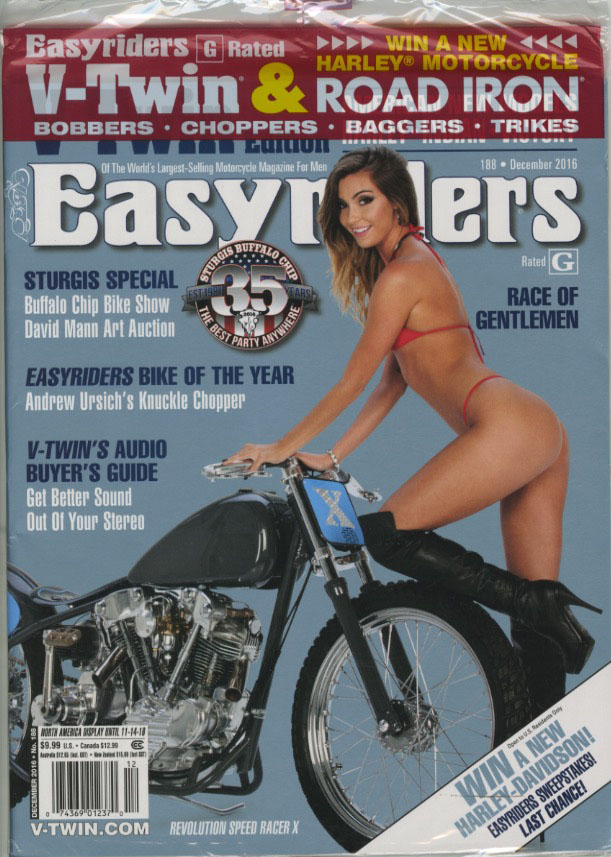
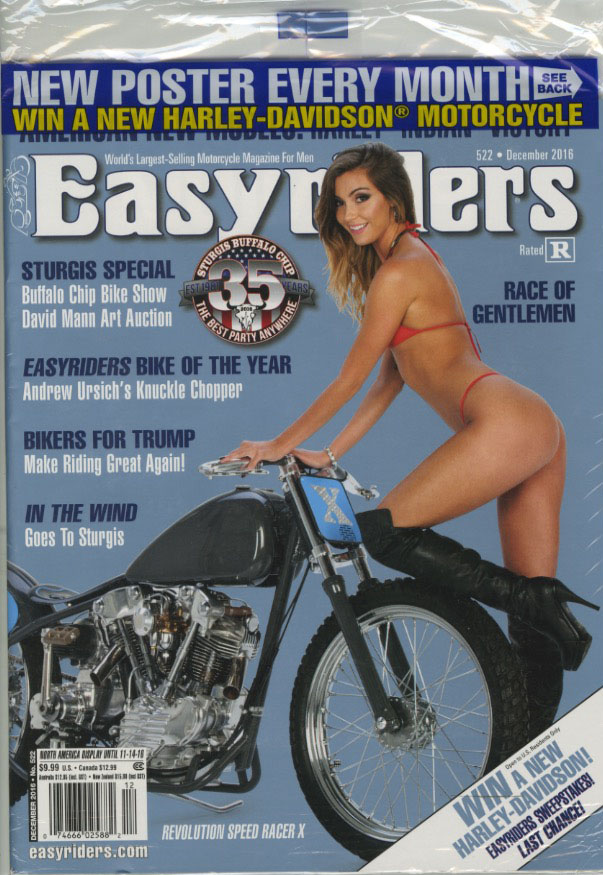
easy-rider-rated-geasy-rider-rated-r1And when it comes to the magazine environment – the field of choice is usually ripe with clear-cut picks that really comes down to either the customer’s moral preference or simply the mood of the moment. For example, look at Easy Rider magazine. Since 1971, the magazine has sought to provide its core audience with the type of content they were and are still looking for. And in doing so, have offered on the newsstand, not just in subscriptions, both a G-rated cover and an R-rated cover, letting them know exactly what was between the pages by those simple earmarks. And while the content of both has the best Easy Rider information the magazine can provide, it also brings the more raw style of content to the forefront for the reader should they desire it, and clearly shows that difference. It offers them the best of both worlds.

There are no surprises. You get what you select. Why can’t the election be as simple? Republican or Democrat; none of us desire a candidate that we can’t tell the difference between. Their individual policies have been overshadowed by the R-rating of their campaigns.

While back in the world of magazines, life is simple and good – we have choices, both G and R choices – it’s all up to us. The best of both worlds becomes much more than just a song a Disney character made famous.

Until the next Mr. Magazine™ Musing…

Go vote!

h1

Mr. Magazine™ Celebrates More Magazine Anniversaries…

November 8, 2016

A Mr. Magazine™ Musing…

And the list continues to grow and Mr. Magazine™ is celebrating right along with these great titles as they reach milestone anniversaries! There aren’t too many other media that can boast about the longevity of their product the way the magazine industry can. Not a radio show or TV show or an Internet site has the power of the printed word! Longevity and history reigns supreme in the world of magazines! Happy Anniversary one & all!

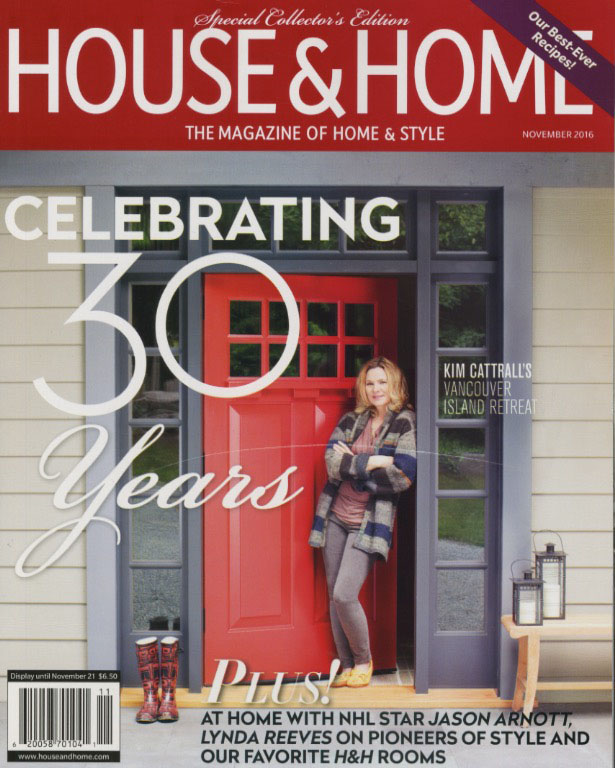
Congratulations to House & Home as they reach their 30th publishing anniversary!

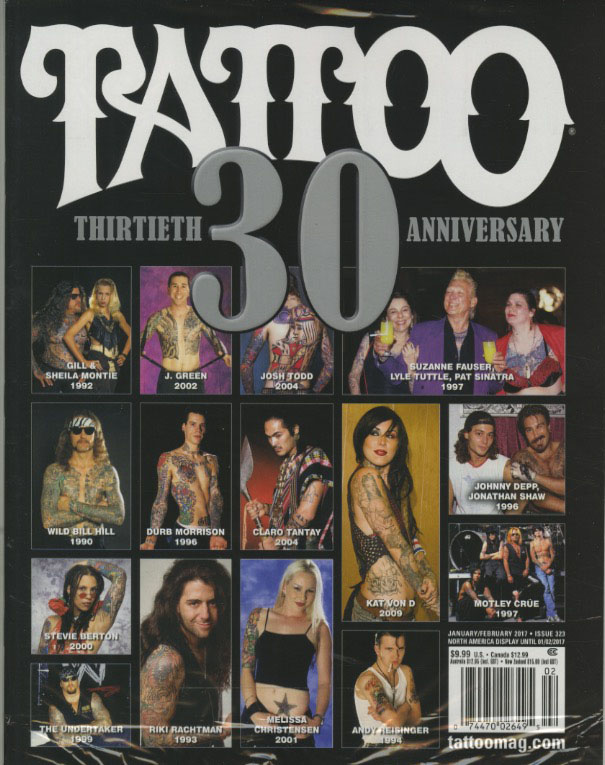
Tattoo magazine proves body art is addictive in more ways than one as it shouts out 30 years in its print form!

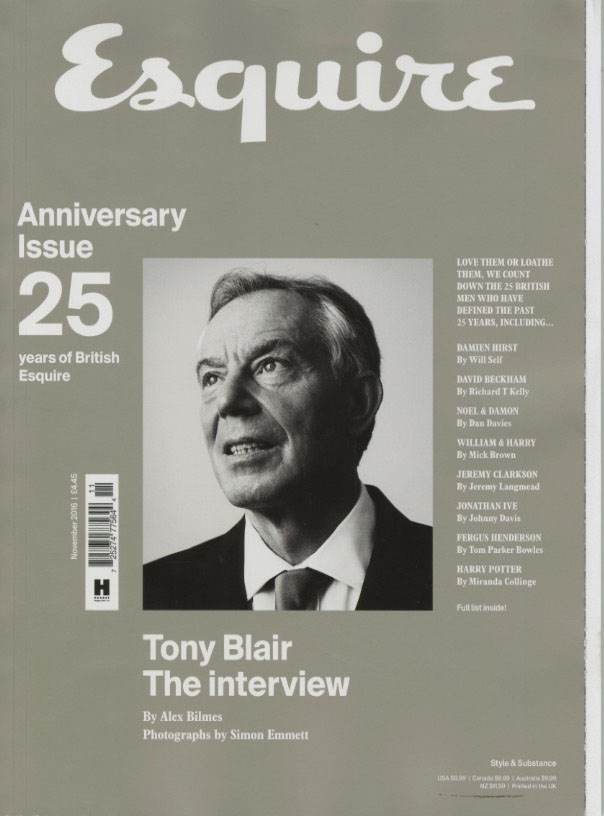
25 years of British Esquire! Let the celebration begin!

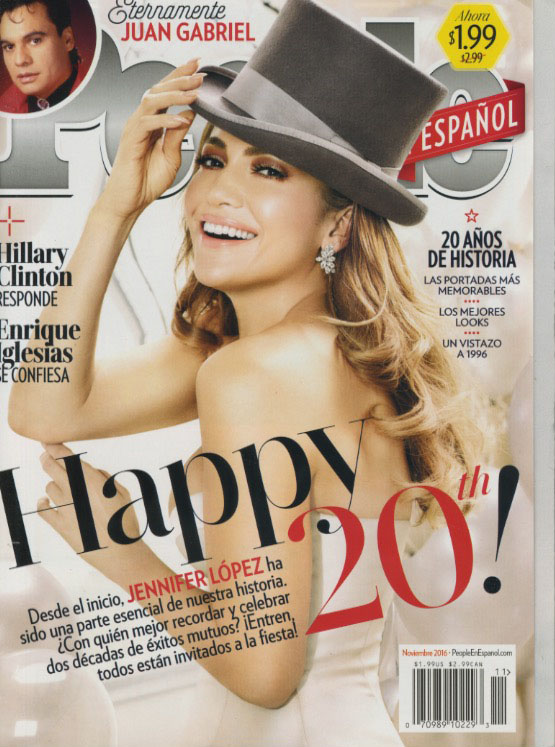
People en Espanol reaches its 20th anniversary! Felicitaciones!

Soho NYC Happy 15th Anniversary!

Esquire The Big Black Book celebrates 10 wonderful years!

Congratulations to all of these exceptional titles! And Mr. Magazine™ wishes you many, many more years of success!

house-home-30th-anniversarytattoo-30th-anniversaryesquire-25th-british-anniversarypeople-en-espanol-20th-anniversarysoho-nyc-15th-anniversaryesquire-big-black-book-10th-anniversary

h1

Marketing Content vs. Content Marketing – Is There A Difference? As A Famous Brand of Mustard Once Said: But of Course…

October 30, 2016

A Mr. Magazine™ Musing…

mr-magazine-by-robert-jordanI teach a graduate class in Content Marketing that is being offered at our school for the first time as part of the Integrated Marketing Communications program. It brought back a lot of memories of seminars that I gave both in the States and in Europe about content and custom marketing even before the word content marketing became a household phrase in media circles.

In addition to that I wrote a book in 2003 titled $elling Content, and yes it is a $ and it is not a typo. I used the dollar sign to replace the letter S. I always believed that good journalism and good marketing are alike. They need each other today more than yesterday and less than tomorrow. We should be in the business of selling content (after all that is the only goods a journalist produces) and we should not stop at anything to ensure we are selling our goods to both customers: our audience and our advertisers.

However, teaching this course made me think what does it mean to “market content” and how is that different from “content marketing?” Well, the old saying: drive your pigs to market usually meant the farmer was trying to sell his pigs; the same principal applies to content. When you market what’s between the pages of your magazine, you are for all intents and purposes selling that content to the consumer. Therefore, as the magazine industry continues to evolve, it is important now more than ever to learn about the difference between marketing content and content marketing.

When you throw those two phrases into the same sentence, many times people fail to see the difference, but there is one most definitely. Contrary to popular belief, magazines are in the business of selling content, in fact, that is the product in which they produce; viable, sellable content. And that content always comes in the form of words on a page, images, ads and anything else that’s placed between the front and back covers of your book. End of debate, if there was one going on that I am unable to know about at the other end of this computer.

When you start looking at marketing, and you start equating journalism, brands and marketing, what is the only common factor between those three? It’s the content. We may not call the products of a brand content, but if we think of Nike shoes as made of rubber, threads, fabric, etc. the content of the product becomes very important to what we are doing. You cannot create a good product if you use cheap content. So if you use cheap fabric, guess what? Those Nike shoes are not going to be built to last. So when we say we are in the business of content, regardless of what the product is, our job becomes so much more important.

So, if marketing content is selling your content; just what in the blue blazes is content marketing? Well, for starters, it isn’t marketing content, that’s for sure.

With content marketing you market a brand to an audience. With marketing content, you need to identify the audience first, see what content they are looking for and then complement that content with your brand.

Remember, marketing content is about those elements that build that audience relationship: design, images, typography and storytelling. When you market that structured content to the target audience, you stand a greater chance for success.

Content marketing is using content to market a brand to an audience; a noble venture, no doubt, but very different from marketing content.
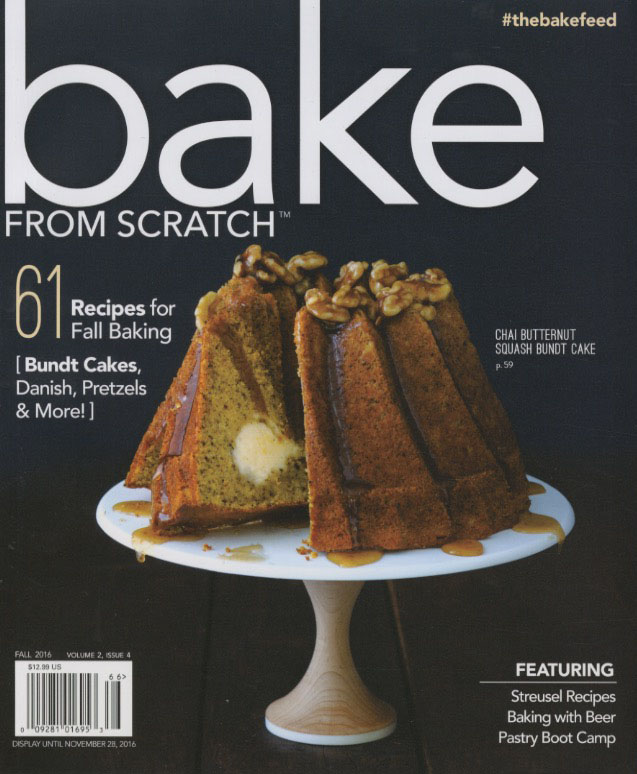
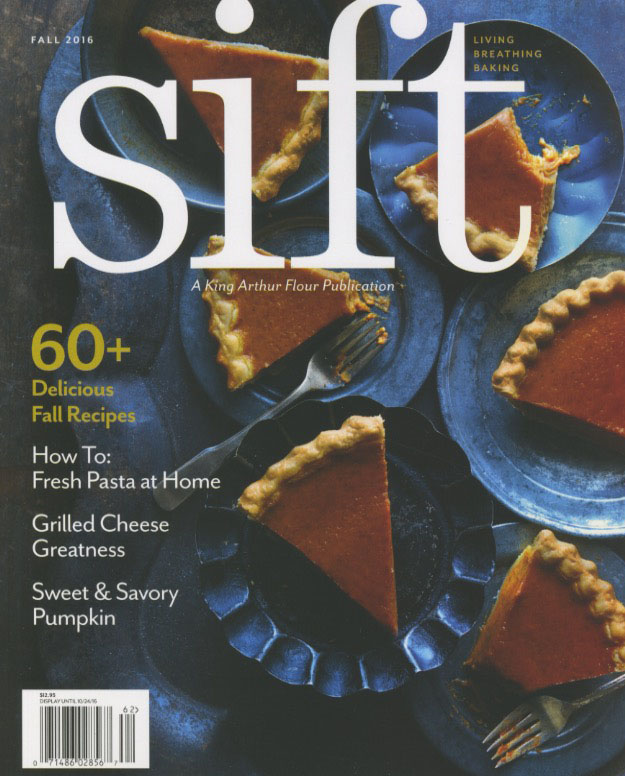
bake-from-scratchLet’s take two magazines that are similar in “content” only because they are both filled with delicious recipes. They sell on the newsstands for $12.99 and $12.95 respectively. Bake from Scratch has 114 pages, Sift has 108 pages. Bake from Scratch, a Hoffman Media publication, and Sift, A King Arthur Flour Publication.

Bake from Scratch is a magazine that is designed, polished and fulfilled around its content. In other words, the magazine exists because of the architecture of the topics within its pages. And I use architecture as a description because that is what marketing content is all about; the structure of your design, images, typography and storytelling. Without each of these building blocks, your ads (if your magazine has them) will mean nothing. You can’t sell ads without content that is worth buying. Think about that statement. Bake from Scratch is the superlative example of marketing content. It is exquisitely done and promotes the entire book, rather than bolstering any other ideal.
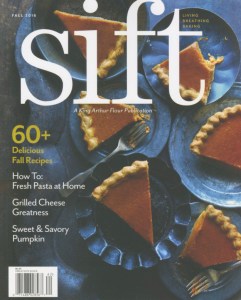
siftNow, let’s look within the pages of Sift. This publication is a vehicle for all things King Arthur Flour. The magazine is not only published by the flour company; it’s designed to promote everything they hold near and dear; primarily their company. It is a superb example of content marketing. There is nothing wrong at all with using content to market yourself or other advertisers, but let’s be clear on the difference between that mission and the mission of marketing your content to sell your magazine.

And that’s where the fine line is drawn between the two principals. Publishers today engage in both marketing content and content marketing. And that is fine, but defining the two as interchangeable won’t wash anymore, even though I know this is a new era of relationship between church and state.

And whether we are marketing content or content marketing, how can we make sure the content for the product is the best content ever? It is all about quality vs. quantity. And, as with everything in life, you can cheat someone once, but chances are it will be tough to pull the same trick on the same person twice.

In content marketing, we know the audience and the audience knows the brand. The purpose of content marketing, simply stated, is to promote the brand and the experience that exists between the brand and its audience. Wearing a Nike t-shirt is unlike wearing a t-shirt. For the person who wears a Nike, he or she is making a statement, that this is not any t-shirt, but a good t-shirt. That reminds of the story I heard about the guy who went to Cuba. He saw a person selling Granny Smith apples on a cart with a Nike swoosh on top of the cart. He asked the seller do you know what that symbol is? The seller answered, “Yes of course, it is Nike.” But of course the guy said, Nike sells shoes. “No sir,” the seller said, “Nike sells good shoes, and those are Nike apples, good apples.” It is all about the experience.

The relationship that exists between the audience and the brand thus becomes the end result for content marketing. It is a relationship that already exists. It is only fair to call content marketing a celebration of the brand and its relationship with the audience. It can be a birthday, an anniversary or to simply say I am thinking of you.

In marketing content our relationship with the audience is like trying to go on a first date. We have an idea grounded in content, but are searching for that special audience. Our audience does not know who we are yet, but we are attempting to be recognized. It will take more than one date, or for that matter, more than one issue to get to know us.

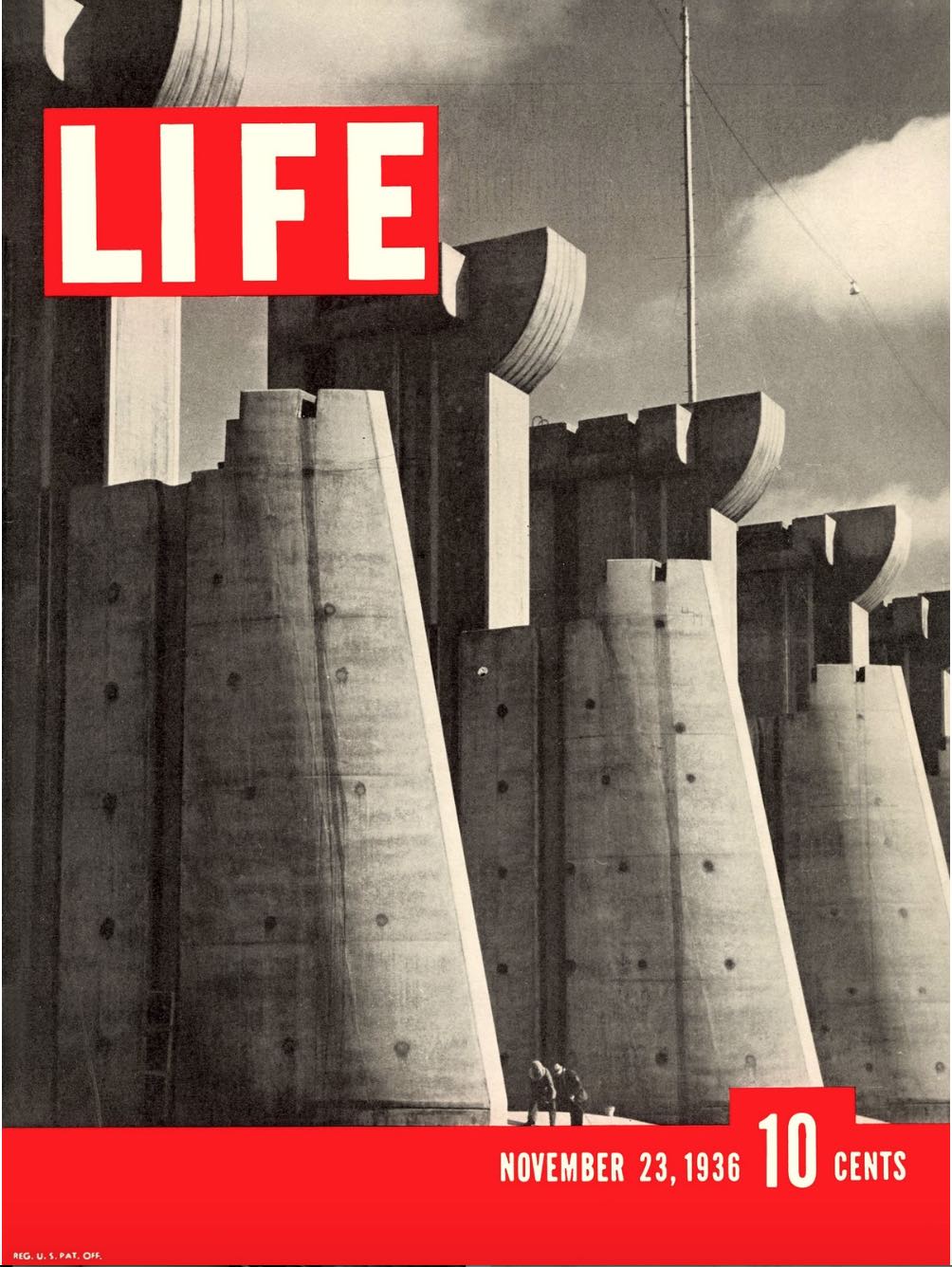
life-first-issueUnlike content marketing, the relationship in marketing content between audience and product (magazine, website, etc.) does not exist in the beginning. Those who are in the business of marketing content are also in the business of relationship making. It may start with a date and end up with a long lasting relationship for years to come, or it may be a one-night stand (think book-a-zines, special tribute issues) or even a love affair (think bridal or baby magazines).

The editors of Life magazine, back on Nov. 23, 1936, wrote in that first issue, “The first issue of a magazine is not the magazine. It is the beginning. The Editors anticipate a strenuous and exciting year of growth and adventure. To Charter Subscribers they express again their deep appreciation and their hope that this new relationship of Editor and Subscriber may continue through many years.”

Enough said …

Until the next Mr. Magazine™ musing…

h1

Longevity And History In Magazines: The Celebrations Continue…

October 26, 2016

A Mr. Magazine™ Musing…

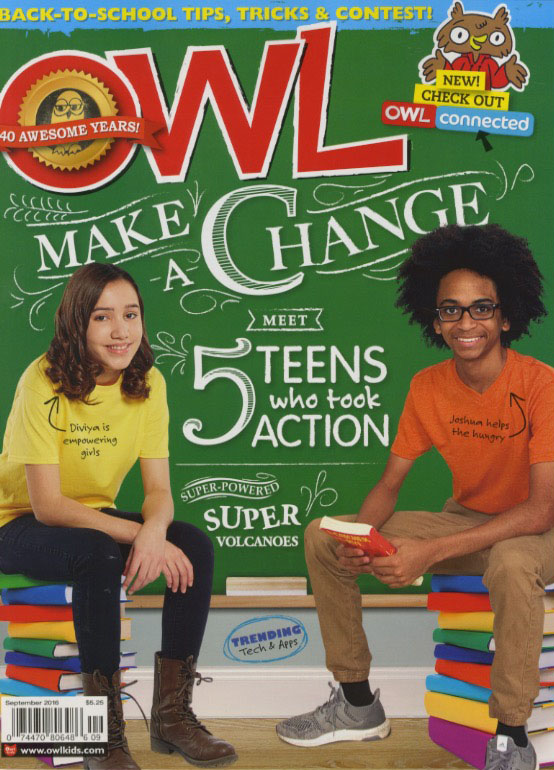
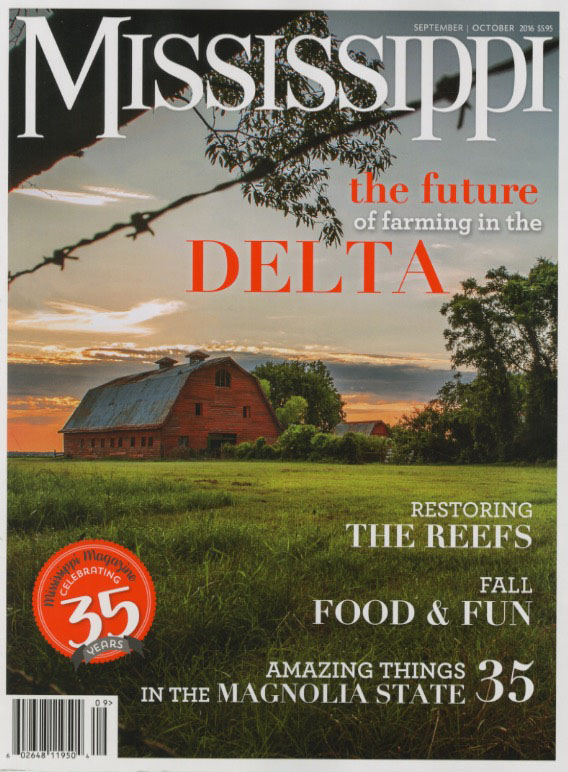
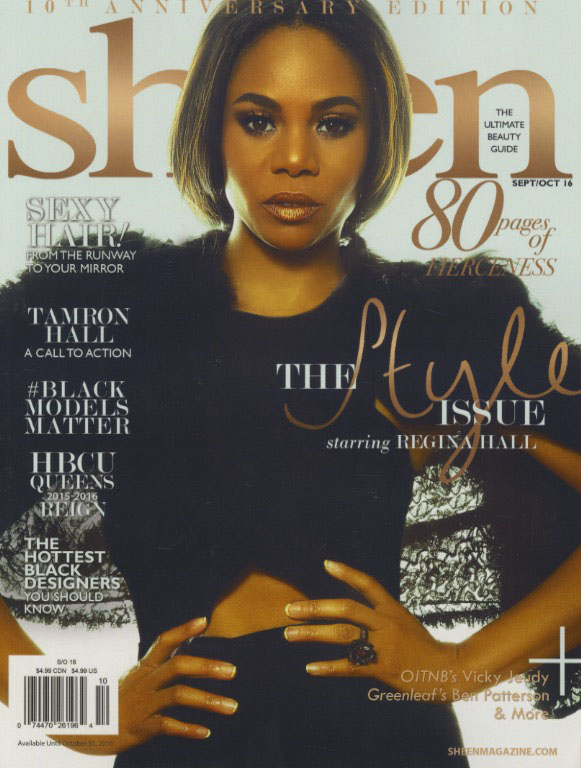
winespectatorhorseillustratedowlmississippisheen Recently I published an anniversary commemoration blog for several magazines that had proven their “stuff” over the years. No surprise in my wonderful world of print there are more that need to be recognized. Was there ever any doubt?

So it is with the greatest of pleasure I salute the following titles on their anniversary milestones…may you celebrate many, many more!

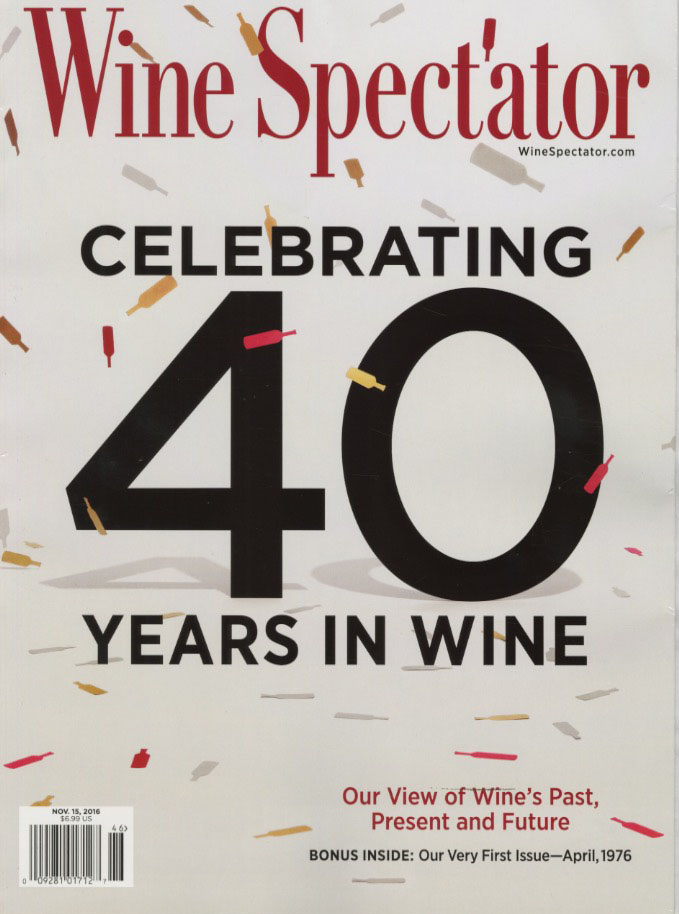
Among those celebrating this week are Wine Spectator that launched in 1976 with an initial investment of $40,000. A bonus reprint of that first issue is included inside the 40th anniversary. The magazine today has an audited circulation of 391,000 and a readership of 3.2 million.

Three magazines are celebrating 40 years of publishing, Horse Illustrated, Owl, and Wine Spectator; celebrating 35 years is Mississippi magazine and 10 years is Sheen magazine. Congratulations to one and all.
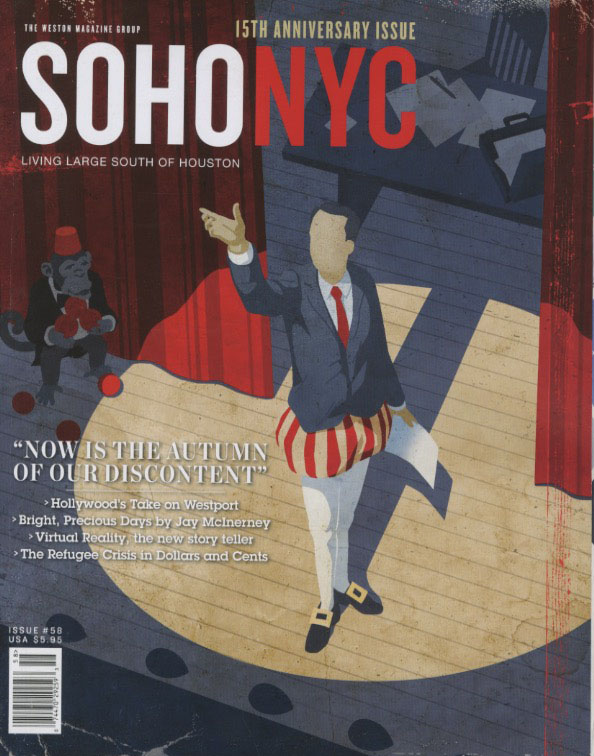
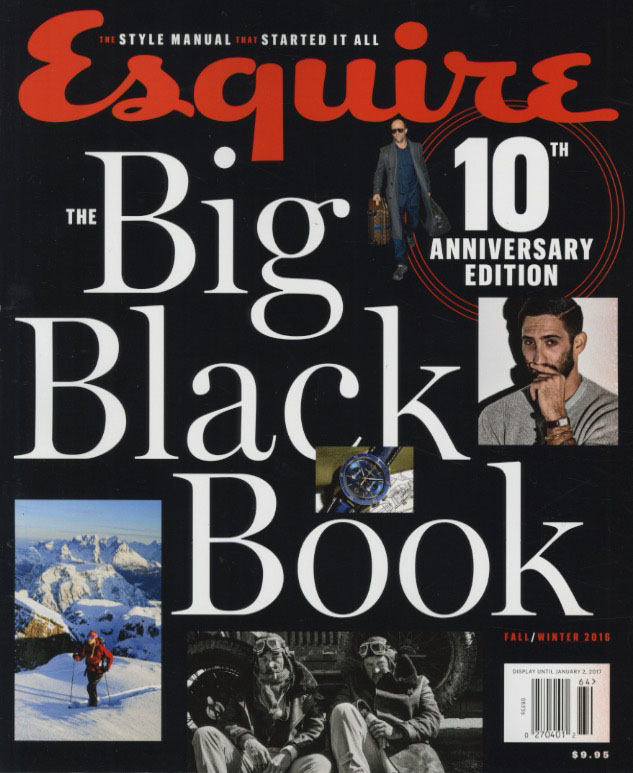
Salute! And if you are celebrating an anniversary please send me a note, or better yet, an invite and I will be sure to include your magazine in a future Mr. Magazine™ Musing…