Today, I am the proud grandpa of seven bundles of joy. The youngest, Sophia, just turned one and the oldest Elliott is now 14. When Michael, my second grandchild, was born I wrote a blog on April 26, 2011 that is as true today as it was 11 years ago… here is a repost of that blog. Enjoy.
I am sure you’ve heard this simile before: “Launching a new magazine is like giving a birth to a new baby.”
Well, I had the opportunity to put this simile to the test this month, and I promise this will be one of the very few times I bring personal and family issues to the blog. But as long as it is relevant, I figured why not?
My second grandson was born April 8. Baby Michael had difficulty breathing on his own (which meant we all had difficulty breathing). So, for ten days or so, the joys of birth turned into the agony of survival; and that my friends, is what led to this particular topic — the life cycle of new magazines.
When I have heard people use the aforementioned simile, I used to take it for granted.
However, I gave it a lot of thought during the past three weeks, and decided to compare human life with the life of a new magazine. After all, I have been preaching and teaching the importance to humanize media, particularly print, for years now. Without any further delay, here are the life cycles of a new magazine:
The Joys and Pleasures of Conception Consider the A-HA! moment when you get the idea for a new magazine and the pleasure you feel, the joy that makes you rush and share the news about your idea with others. It is the same as the pleasures of making love hoping to conceive and have a baby.
It is the act of conceiving that brings all the joy and pleasure to the couple, the same as the act of coming up with an idea you think is going to be worth a million bucks! Many folks call me or email me daily with ideas they just conceived and want to share the news, seek advice or start the planning process of the “birth” of this new baby. It is rare during this stage that any negative thoughts come to mind. It is all about new beginnings and the joy of the moment at hand.
The Pains of Labor Giving birth is not as much fun as conceiving. It does not take a genius or even a man to understand that. Women know it and feel it. Giving birth is hard labor, but the pains of labor are an important part of the life cycle of that newborn, whether a human or a magazine. After months of nurturing and tender loving, the time comes to give birth.
The pains of labor are well-documented and need no explanation. Getting that first issue out, meeting the deadlines and hoping all is A-OK are all part of the life cycle. It is the same with the mother and baby. You have to go through the pains of labor before you are able to enjoy and celebrate the birth, which leads us to the next stage of the life cycle of new magazines.
The Celebration of Birth While the pleasures of conception may last a few moments, the celebration of birth is supposed to last a lifetime. With a new birth, you are only thinking positive thoughts, happy thoughts. Excitement is in the air and all around you. You are so proud of your new baby, new magazine.
You check every part of the baby; you check every page of the magazine. In most cases, you are there at the printer waiting for that first signature to come out from the presses. You hold it in your hands exactly like a mother holds the baby for the first time. Birth means celebration. Your future freezes at the present moment and the world gets reduced to your surroundings and the new creature (baby or magazine) at hand. You do not want any interruptions of that moment of celebration.
Then, as if lightning strikes, reality hits — and all of a sudden, you are not alone. You discover that the joy of celebration is just the beginning to the next step of the life cycle of the newborn — the fight for survival.
The Fight for Survival It is a jungle out there. There are so many magazines and there are so many babies in the world. You have to carve your own niche. If the baby can’t breathe on his or her own, your entire world stops. You change course and plans. Your new magazine is out, but now you have to put it in the hands of the distributors. The tender, loving care you’ve given your new creation is no longer in your hands. Someone else is in charge.
You feel like you are losing control, and the doctors — the distributors — are in charge of that newborn. The baby must fight for survival. The new magazine must fight for survival.
The big difference here is new babies, thank God, have a much higher survival rate that new magazines. Here is where the similarities end: Survival rate for new magazines is less than two in 10 after four years of publishing.
Thank goodness for human life. We age much better than magazines, but in both cases we have to start the journey of life. The Journey of Life As in any creation, life does not stop at birth. Life continues, day after day, issue after issue. The journey of new magazine launches starts slow, very slow, and progresses as those new magazines try to develop customers who count, thus giving the magazine a long journey in life.
Folks in our publishing industry now plan their new launches around the 11-to-13-year life span: Three years to establish the magazine and lose money in the process of building the magazine base; four years of solid growth and money making; three to five years of reaching a plateau and one final year to prepare the demise of the publication.
Thank God the journey of life for new babies is not the same as the journey of life for magazines. The simile ends with the beginning of life. The journey, my friends, is a completely different story. Let the never-ending story begins.
For the record, this blog has been approved by Mr. Magazine Jr.™ and big brother to baby Michael, Mr. Elliott himself.
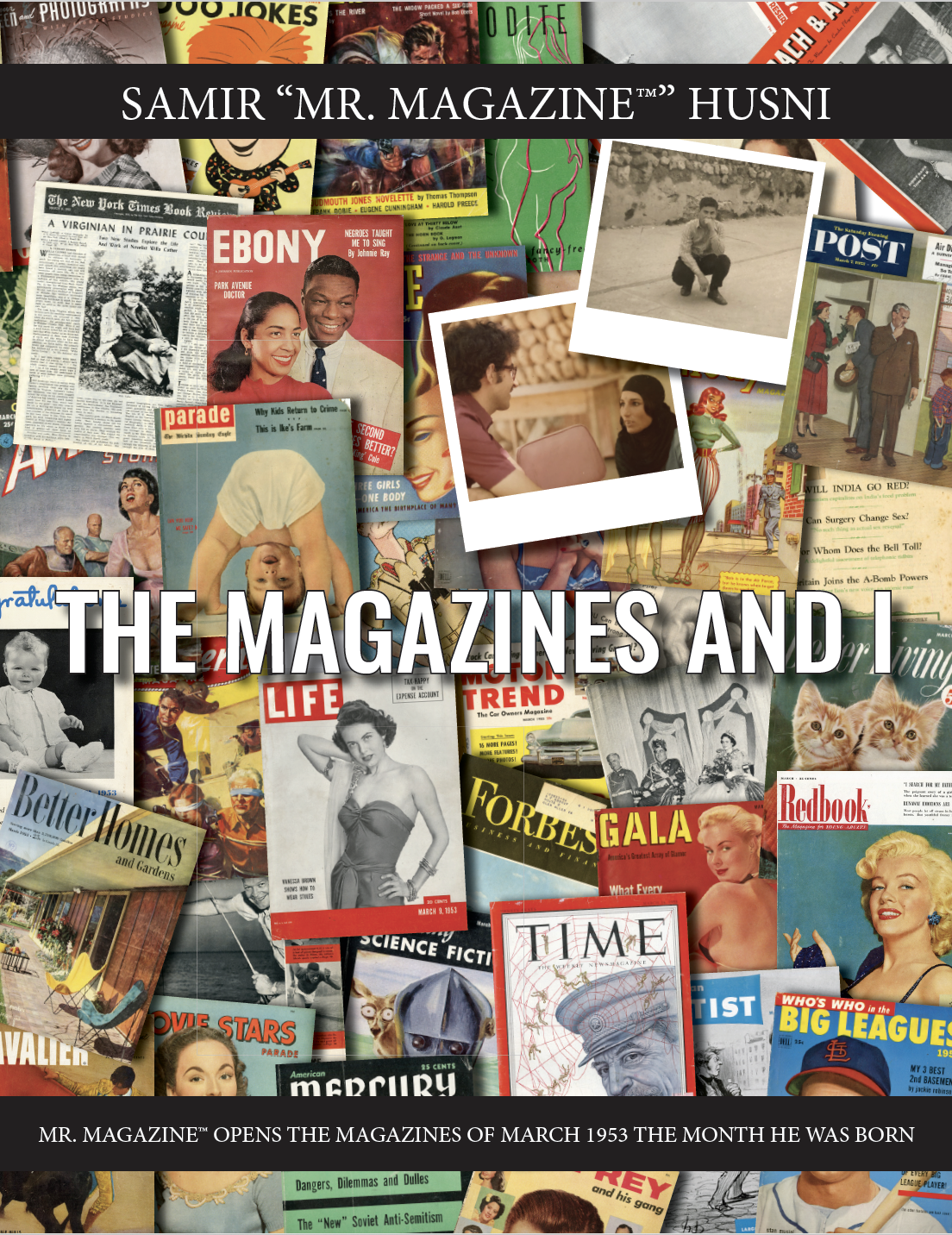
March 8 is my birthday. At age 10 I fell in love with magazines. The rest is history. A history that you will read about it soon in the book I am working on The Magazines And I. What follows is part of the book’s introduction. Hope you will enjoy…
The Beginning
Addictions can manifest in many shapes and forms. They take over your life. They can start at any age. Imagine being a 10-year-old junkie. Addicted to something with no control. If you can’t imagine it, allow me to step into your mind and help you envision it.
In order to help you fully understand, I have to start at the very beginning. I was born and raised in Tripoli, Lebanon. I can vividly recall the two things that really impacted my young life: my dad’s storytelling from the Bible and my grandpa’s reading from it. It’s the only book I ever remember my father telling me stories from, and it made a definite impression on me and how I viewed my life. It was my first interaction with ink on paper and the power it possessed.
The Box of Wonders
In those times, it was safe to go out in the neighborhood and play with friends for hours. We would interact with all sorts of people in the city. One of those people was a peddler who used to ply his wares on the streets of Tripoli. He had a container that was referred to as the “viewer’s box.” It was this big, giant viewfinder, the kind you can still buy today in the toy department at Wal-Mart, only a much, much larger version. The peddler would go around the streets of the city with a monkey sitting on top of his shoulder, and when he came into our neighborhood he would call to my friends and me to “look” into the box. He would have around ten strips inside that would tell a story. The viewer was 3D and had three openings where you could place your eyes to watch, and as we watched the slides click by, the man would verbally unfold the riveting tale while we watched.
After the short show, we would laugh and clap with delight as the monkey would come out and collect the money the man charged for the afternoon diversion.
These small glimpses, teases, into a world of visual and verbal stimulation, would be a slight spark in a very young boy’s life that would grow to an inferno when that boy became a man.
Remembering that long-ago afternoon with the peddler’s homemade viewfinder now, I realize that that was the moment in time when I learned that the visuals can make the story. The entire tale he shared with us was based upon the pictures.
And I suppose that was the very beginning, the first pebble that would put me on the road to my destiny.
The Man of Steel
In 1962, we had just gotten our first television set. It was a large brown box with an oval-shaped screen that only showed pictures in black and white. In the 1960s, television in Lebanon was not available 24 hours a day. The first programming started at 6:30 p.m. The first hour was reserved for children’s programming and then the rest of the programming was for adults, and went until 10:30 or 11:00 pm. By no means did television rule or dictate your day.
What mainly attracted us (my friends and I) to the children’s programming, were these characters: Mighty Mouse, Popeye, and Casper. Then, when I was 10 years old, we started seeing advertising touting the phrase: “Look! Up in the sky! It’s a bird! It’s a plane! It’s…Superman.”
It was a new magazine. Back then, in Lebanon, we called all the comic books magazines. The combination of the ad and the storyline was so fascinating. It made all the kids where I lived – in a 10-apartment complex – say, “Wow, I need to see this!”
When the magazine hit the newsstands, I knew I had to have it. Back then, my allowance was 40 cents a week. The magazine cost 40 cents. It was fate.
When I held the magazine in my hands for the first time, ran the pads of my fingers across the shiny cover, I felt an indescribable sensation that felt similar to an adrenaline rush. At that moment, I truly believe I was ordained, my life’s path had been chosen before I was born and at the age of 10, I was at last privy to a glimpse of my future; that day, my heart stopped pumping blood and began to pump ink.
The most important facet of the “Superman” transformation to me was the fact that it was my magazine. Mine. It wasn’t borrowed. No one was going to read it to me and not finish it. I would be able to absorb it, cover to cover, at my leisure. That was what was mesmerizingly unbelievable to me.
Without even knowing where all this would lead, or even what it really meant at the age of 10, I began the journey. I think the transformation unwittingly molded me into the person I am now as an adult: one of those people who believe it’s not as important to see the end destination as it is to be on the right track. You have to be on the right track, even if the bright path before you narrows into a dark, small tunnel. If you are, then God will make sure your end destination is beyond your wildest dreams.
And I think that’s what put me on the right track – the fascination that suddenly I was in control of the show and tell, of the story, of the imagination, of everything.
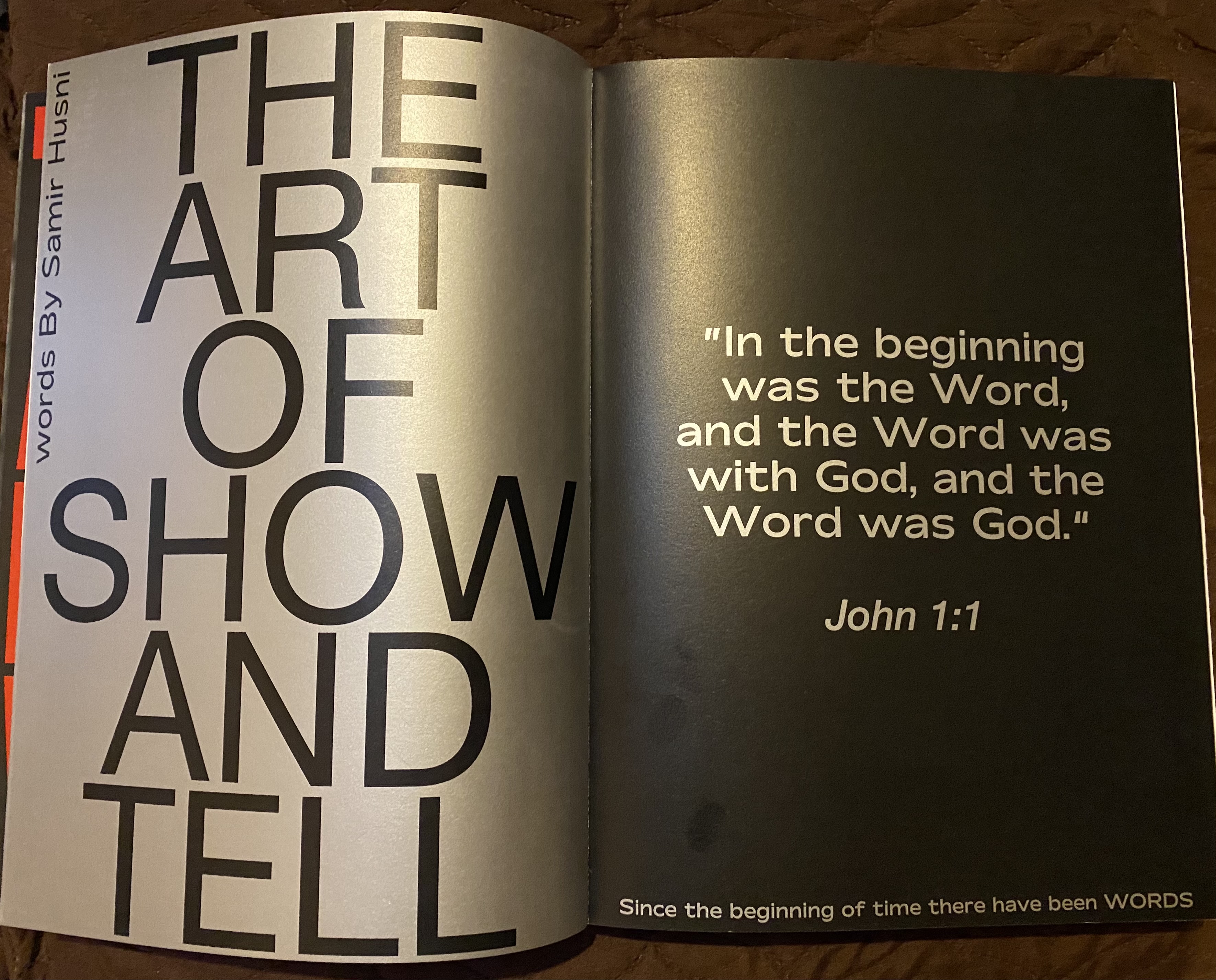
The Art of Show & Tell
Before too long, I was designing and creating content for my own little creations. Crayon and marker magazines that became my escape into a world foreign, yet so vivid and familiar, it was as though I had known it from the womb.
Little did I know that addiction starts out this way, it was such an extreme that I would get so immersed in reading that I could not even eat without a magazine at the table next to me. I could not drink without a magazine next to me. That is, until I got married and the magazine was banned from the breakfast table or the lunch table.
I was always reading. If I was on a bus, I was reading a magazine. If I was walking down the sidewalk, I was reading a magazine. It was as though I couldn’t function normally if a magazine wasn’t with me. Addiction at its best (or worst, however you might look at it).
A funny story – I don’t know if it was funny at the time – but my dad used to be a foreman in a refinery in Tripoli, Lebanon, and there was a private beach on the Mediterranean for the employees’ children. Every summer, a bus would run hourly and collect the employees’ children and their friends, and then bring them back home in the evening. It was approximately a 15-minute ride to the beach. One time, on the way home from the beach, I was so engrossed in reading a magazine that I was paying no attention to my surroundings and assumed that the bus had reached our apartment. Unlike the U.S., buses operated with their doors open and without seatbelts of any kind, this was the 1960s after all. As I continued reading my magazine, I stepped off the bus at what I believed to be my apartment stop. The problem was it was not my apartment stop and the bus was still in motion when I stepped off.
Addiction or Fascination
I remember the incident vividly, as if it were yesterday, it was like something was restraining me, pressing back against my body and then fast and hard, it pushed me all the way down against the asphalt. Boom, gone. I woke up in the hospital. I saw my mom and the first thing I asked for was my magazine. I don’t know if the accident messed up my brain that day, but it seemed a good sign that the obsession, the addiction, the gift, or whatever you want to call it, clearly was in full force by that age.
I wish I could say that after I grew up I changed my habits, but I remember as an adult, driving from my office when I was working at a newspaper, reading and flipping through a magazine that was lying on the seat next to me, not paying any attention until the sounds of car horns alerted me to look up and I realized that I had almost driven into a utility pole. At that point, I promised myself I’d never again read a magazine when I was driving. I started putting the magazines on the back seat instead of the front, but like any promises an addict makes to himself, it only lasted a week or two.
After the first issue of Superman came out, everyone was fascinated with the “Man of Steel” and the flying cape. Still to this day, I remember hearing rumors of people trying to jump out of windows when Superman first appeared on the scene. There saving grace was that they lived on the first floors of their buildings.
As Superman became more popular, it also increased in price. And something major happened 19 weeks later when issue 19 came out on June 11, 1964. It came with a gift – a Superman emblem that you could stitch to your shirt. But as with most magazines, when something like that happens, the price is increased. The price for that issue was 70 piasters, and of course, my allowance was 40 piasters. I could not buy the magazine immediately. I asked my dad for another 30 piasters. I told him it was to buy my Superman magazine and he said he wasn’t going to give me money to waste on paper, and that I didn’t need that “stuff”; little did he know that I needed that stuff very badly. Nothing can stand between an addict and his addiction, much less a little thing like money.
In Lebanon, there were grocery stores on the corner every few blocks, one of which was located directly across the street from my apartment. You could buy sugar, milk, coffee, magazines, newspapers, and other items on a daily basis – it wasn’t a time when you could do all your shopping for the week at once. The owner of the store kept a little notebook where he would compile a tab of your family’s groceries that you would settle with him at the end of every month. One afternoon as I entered the store, my pockets 30 cents shy of the amount I needed for the issue, I wondered how in the world I was going to get that special copy without the rest of the money. I walked up to the owner.
“I would like my Superman magazine, please,” I told him, my mind churning with ideas on how I was going to pull this one off.
“The price for this issue is almost double, 70 ,” the owner said.
“Just put it on my dad’s tab,” I told him.
The minute the words flew out of my mouth, I knew there was no taking them back. And I didn’t even want to. I had to have that issue.
Needless to say, my dad saw the cost of the copy on his bill at the end of the month and I got punished with a good spanking. But…I still got my magazine.
It is Physical
I soon realized that it was the actual, physical presence of the magazine itself that grabbed me more than the content of what I was reading. Even at that young age, I knew there was more to it than just Superman. I felt that no matter how much I loved the Man of Steel, I loved the idea of the magazine more, holding it, reading the story, flipping the pages incessantly. Because I was really not as fascinated by the superhero himself as all my friends were, it was very easy for me to move on from getting every issue of Superman to getting other new magazines. I began to buy first issues of others. At that stage, it was still all comics.
Once I had a little more allowance, if I saw a magazine that I liked, I would buy it. In junior high, I used to watch my friends buying a Pepsi and a piece of cake during recess, but I would hold my 50 cents because I wasn’t going to waste it on Pepsi. I could at least buy something lasting, a magazine. That fascination was always there. I became obsessed with buying first editions. It was like some higher power put me on this track, one issue at a time. And it’s funny, when I remember sitting down to compare and evaluate those magazines, I would compare all those first editions and daydream about cover stories and what they were going to be. At that time, I was completely convinced that what I had found was what I wanted to do for the rest of my life.
Along with my magazine addiction, I also revered education. I remember my early childhood, crying at the door, wanting to go to school with my sister and brother. I still remember on my own first day, I ran out of my new class trying to find my sister’s class. I was fascinated by the idea of school, but even more fascinated with creating my own imaginary class. I would create exams and tests for imaginary students that I would grade. I would create grade books for those imaginary students. I would lecture about different topics, and I would hold discussions with students on how they could enhance their grade.
Today, those childhood practices seem eerily familiar.
So it begins
When I finally came to the realization that I could not buy every magazine because I didn’t have the funds, I started trying to find little jobs. In high school, I even befriended the wholesaler in town, so I could see the magazines before they were distributed that morning.
One day the wholesaler said, “Kid, why don’t you go on to school and start coming here in the evenings? I will let you see what magazines we are going to distribute in the morning and I’ll let you buy them from here.”
I was like a kid in a candy store. To be able to get the magazines before anybody else in town, the night before, regardless of the magazine, was utopia to me.
To be continued…
Samir “Mr. Magazine™” Husni, Ph.D.
Founder and Director
Magazine Media Center: To preserve the past, present, and future of magazine media.
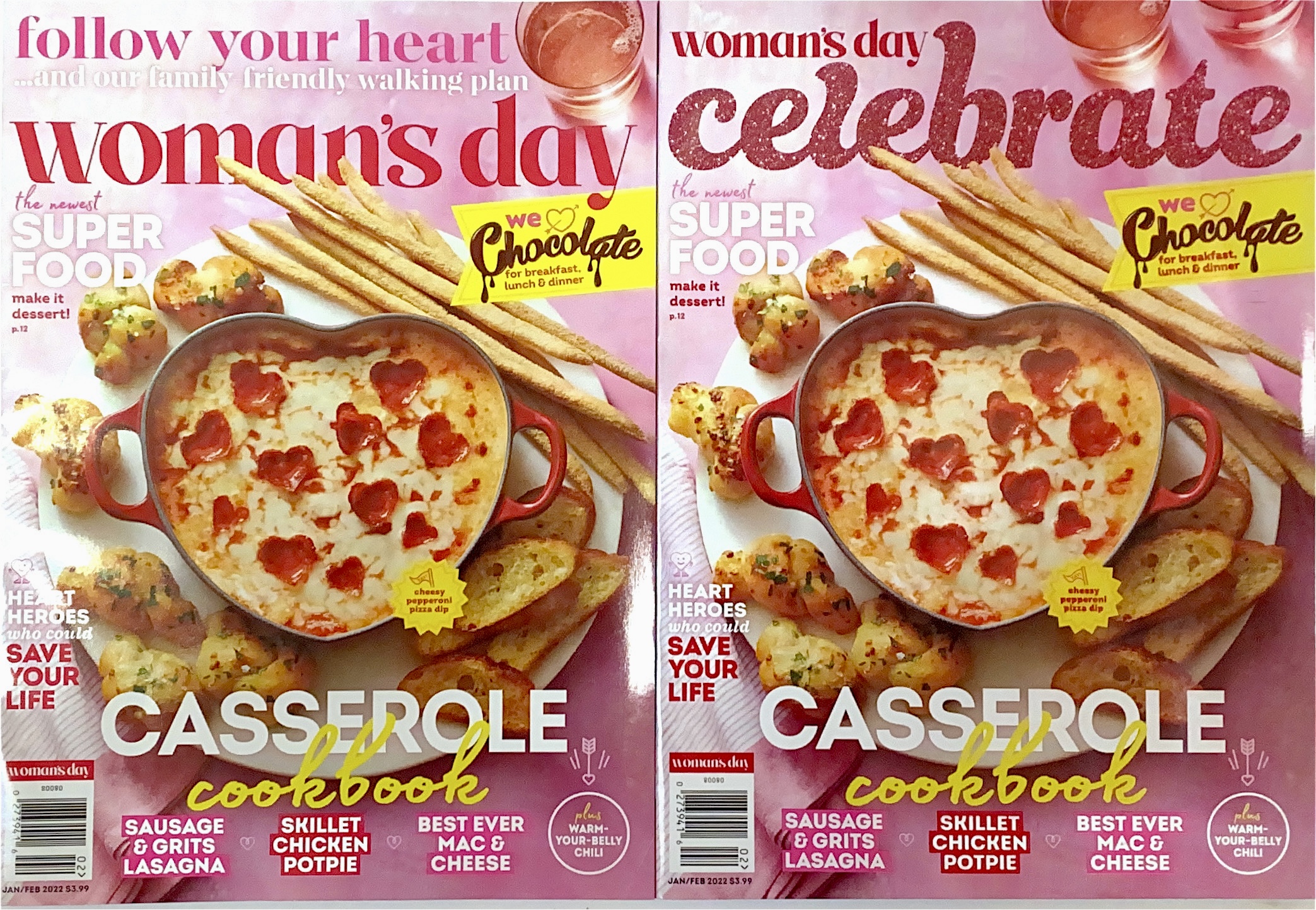
In the 1990s I wrote a column for Folio: magazine entitled Double Vision: The Split Covers Trend. Little I knew then, that the split cover trend was anything but new at that time. I was reminded of my column when I saw Woman’s Day utilizing a split cover with its most recent issue.
For its Jan/Feb issue the magazine utilized a split cover. One with the traditional nameplate and the other with a very small Woman’s Day and a big Celebrate nameplate. In addition, a skyline cover line is missing from one of the two covers. Take a look:
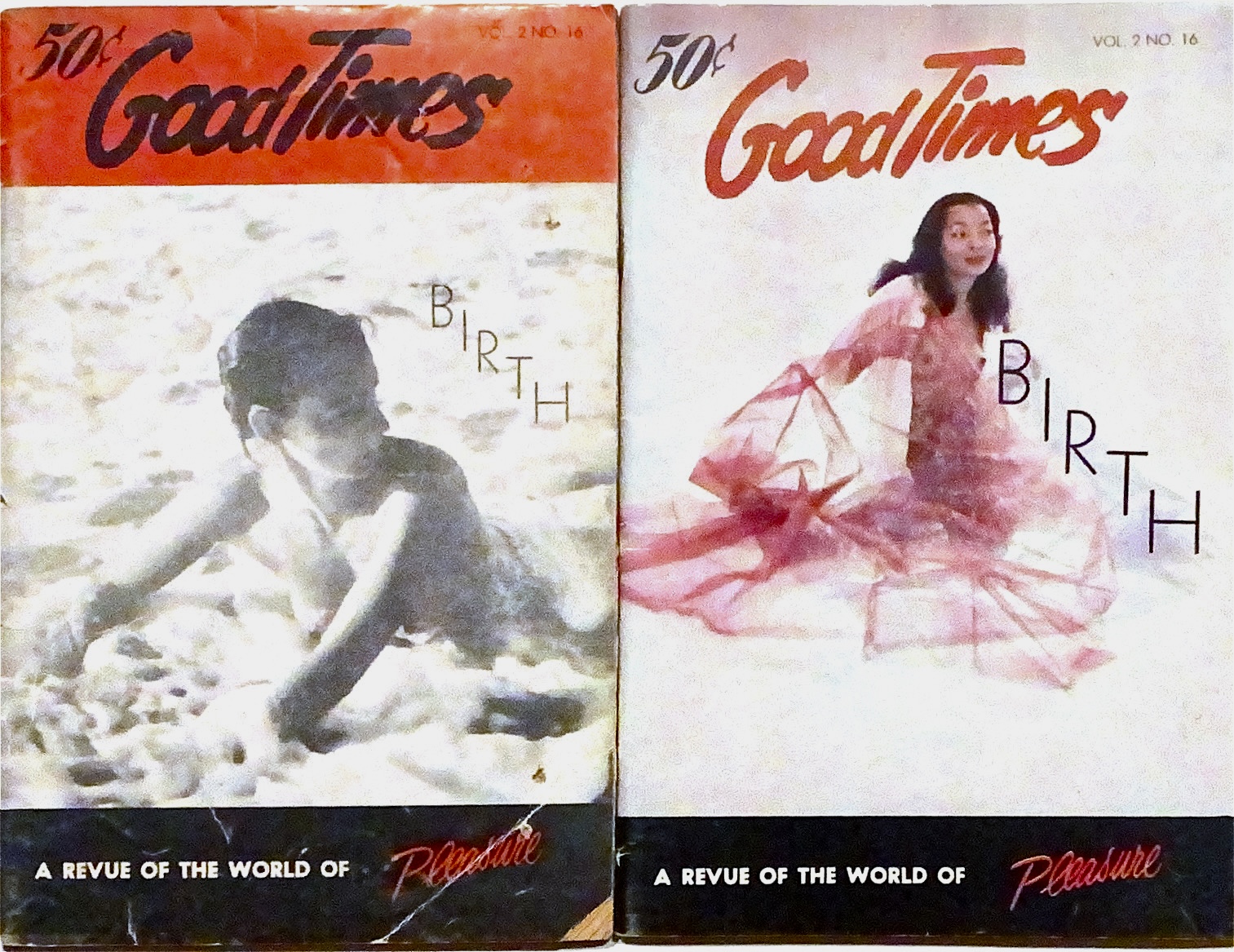
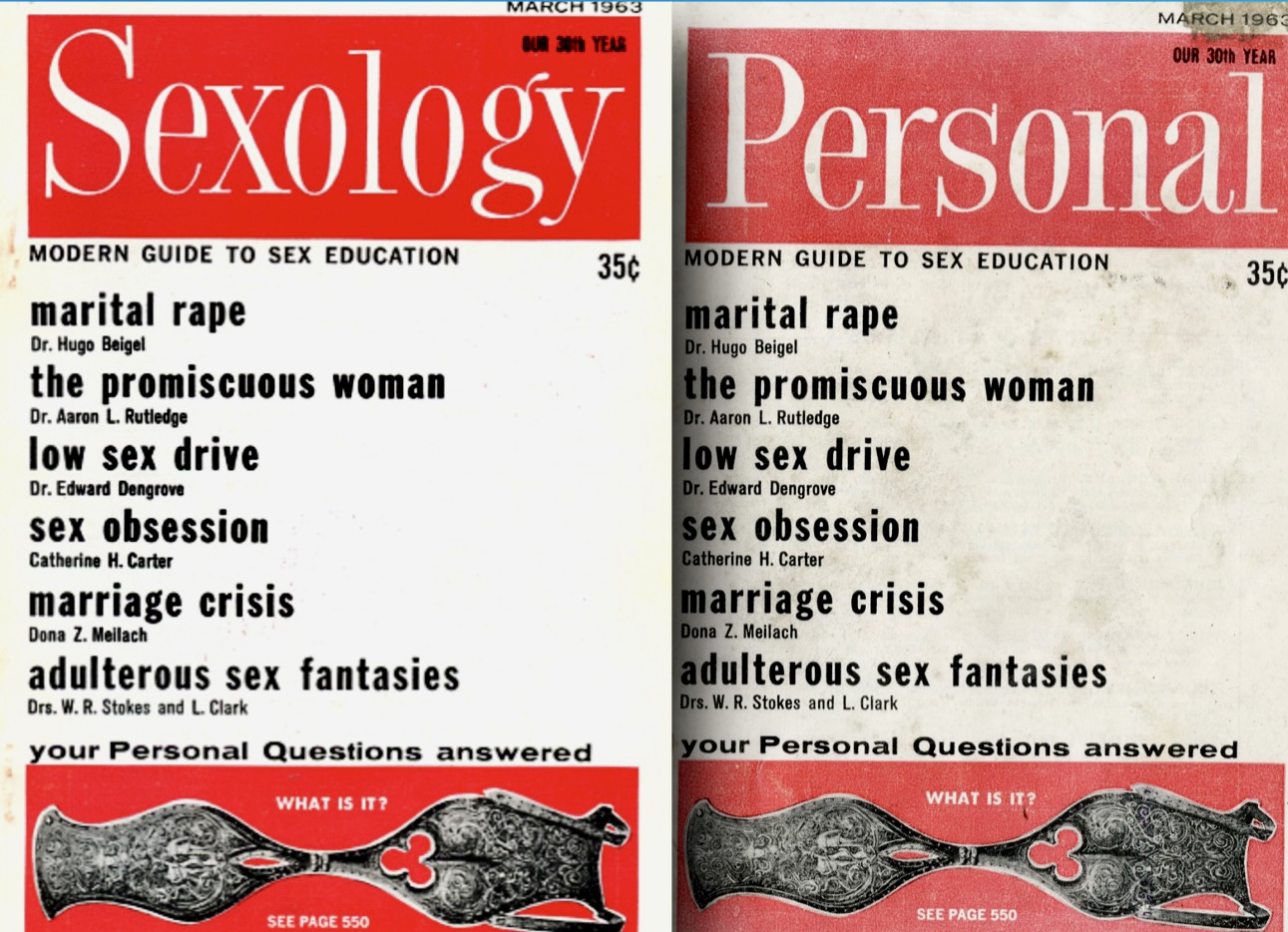
But, as I mentioned earlier, cover testing I found out, is nothing new. Digging through my magazine collection I found two examples dating as far back as 1955 and 1963 respectively. Good Times, the Samuel Roth magazine, tested two different cover pictures with the same cover line, while Sexology magazine tested a new name Personal with the exact same cover lines. Take a look:
In short, there is nothing new under the sun when it comes to magazines and magazine media. What’s new is the ability to dig through the treasure of those printed magazines and show case them to help preserve the past, present and future of the magazine media (more on that at a later date).
As always, I welcome any comments, corrections, additions to this blog entry or any other blog entires on the Mr. Magazine’s™ blog or website. Until the next entry, go buy a magazine or two and enjoy the experience that only magazines can provide. All the best,
Celebrating The Magazine Media Centennial Club…Mr. Magazine™ Identifies 54 Magazine MediaBrands That Are Now 100 Years or Older.
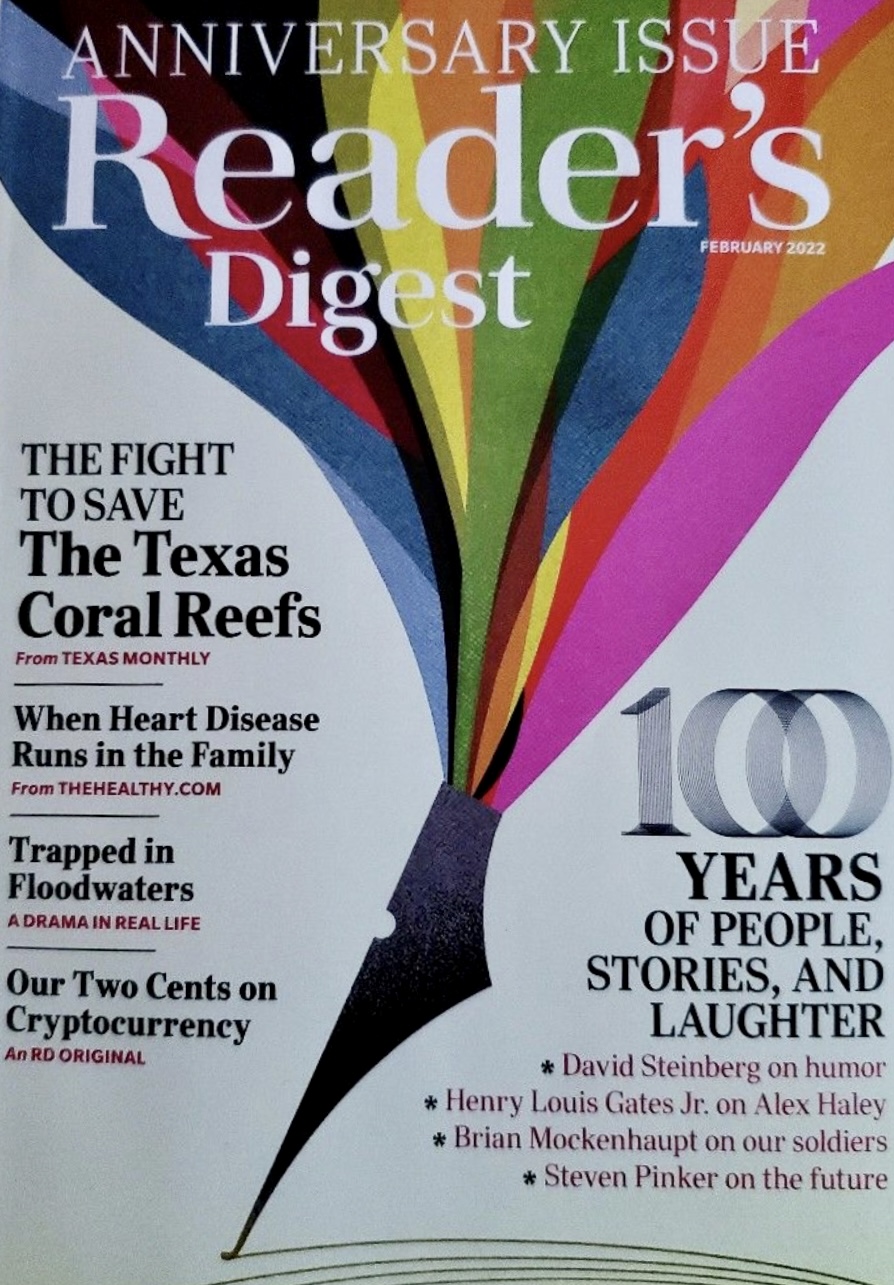
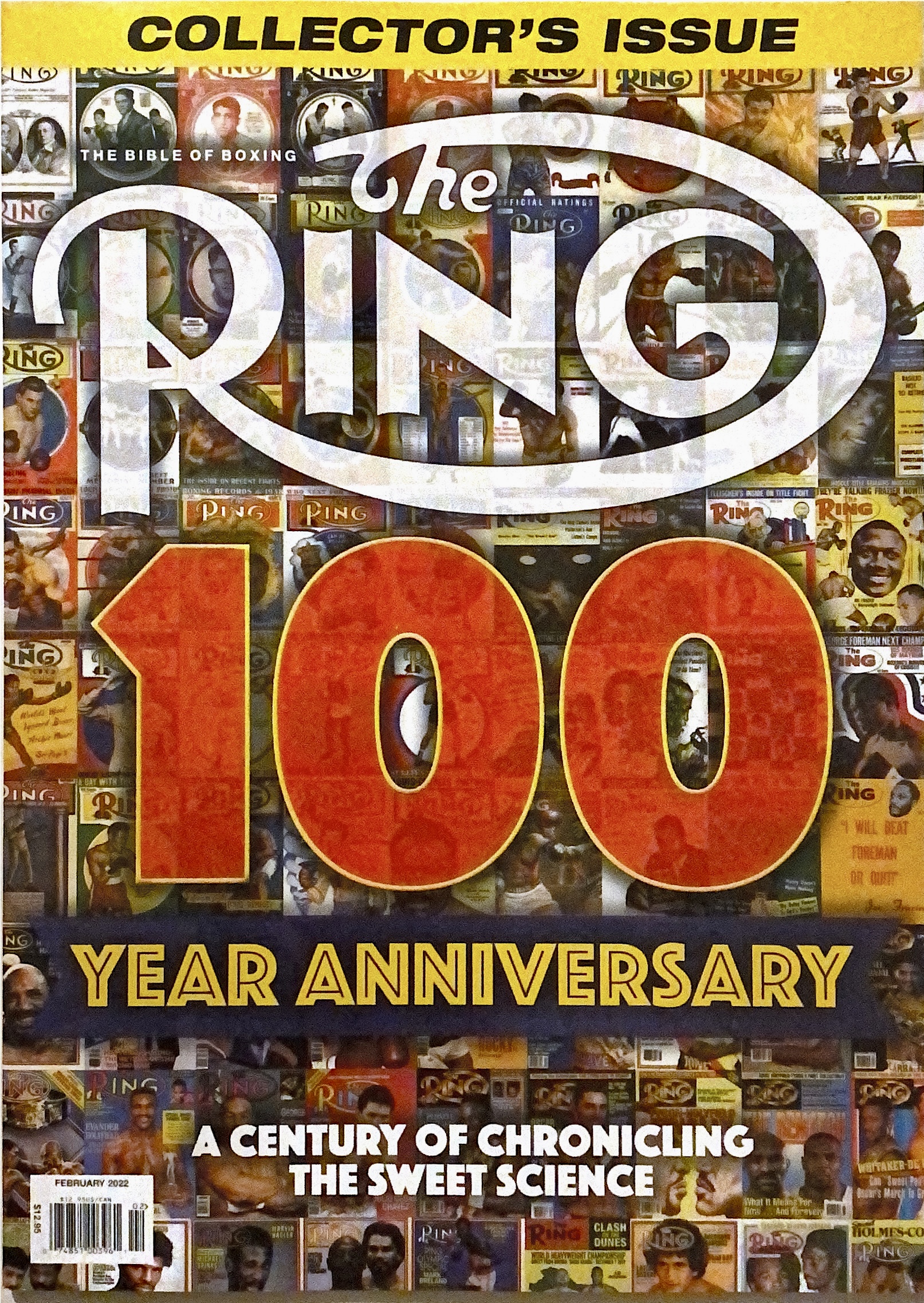
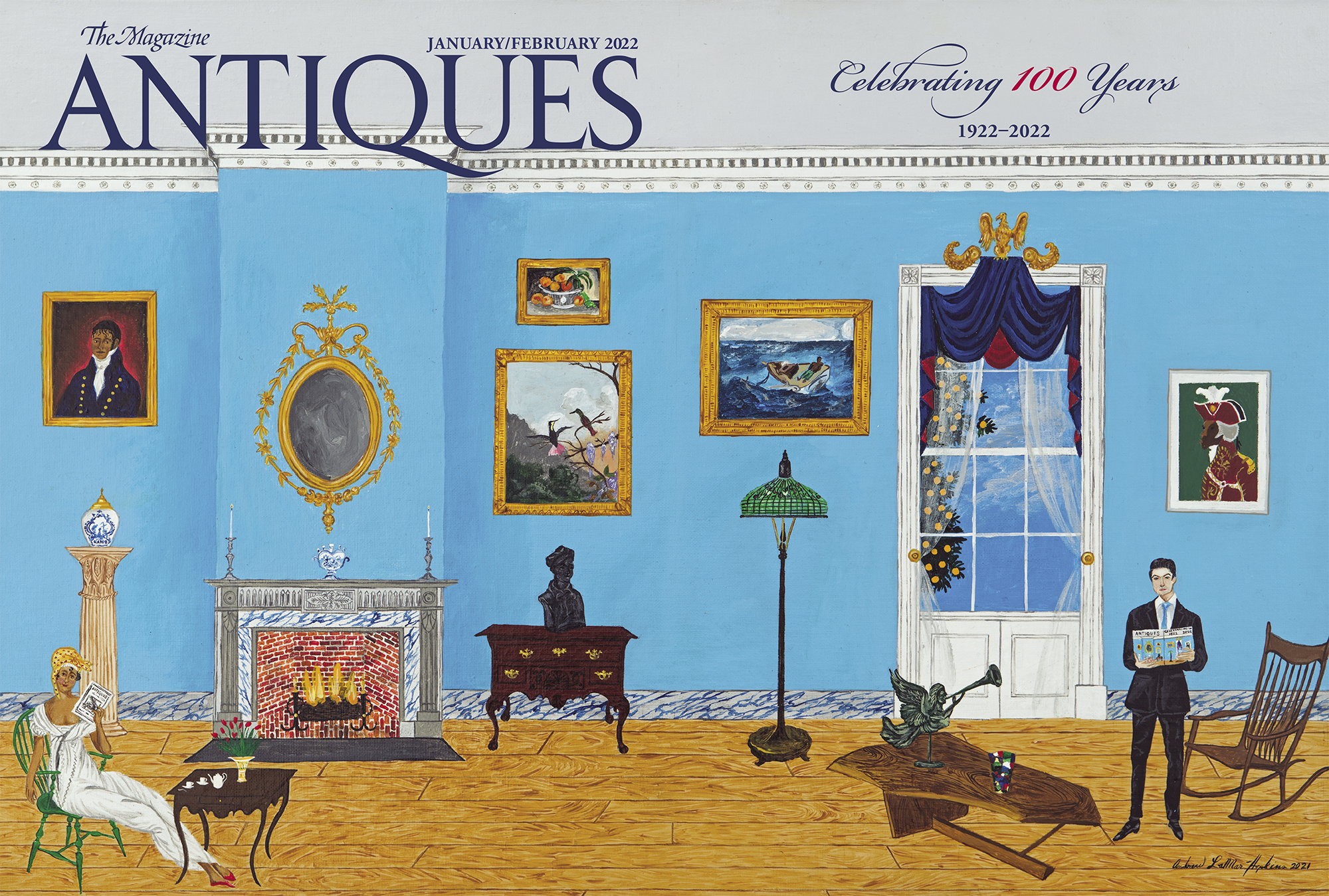
How many media brands you know of are celebrating at least one hundred years of existence? Four magazines join the magazine media centennial club this year: Reader’s Digest (started Feb. 1922), The Ring and The Magazine Antiques that were also started in January of 1922, and Better Homes & Gardens which started as Fruit, Garden And Home in July 1922, and Harvard Business Review that celebrates its centennial in October of this year.
I have compiled a list of 54 magazine media brands that are at least 100 years old. Some are even 200 years plus. To be included in my list the magazine must still be published in print and is still available for the general public to subscribe to it or to buy it on the newsstands. All the magazines listed are United States of American based and published magazines.
Here is what I call the Magazine Media Centennial Club in alphabetical order:
Magazine Name Year It Was Founded
American Cinematographer 1920
American Legion 1919
Architectural Digest 1920
Barron’s 1921
Bed Times 1917
Better Homes & Gardens 1922
Billboard 1894
Bowlers Journal International 1913
Cosmopolitan 1886
Farm Journal 1877
Forbes 1917
Good Housekeeping 1885
Harper’s 1850
Harper’s Bazaar 1867
Harvard Business Review 1922
House Beautiful 1896
National Defense 1920
National Geographic 1888
New Jersey League of Municipalities 1917
Philadelphia magazine 1908
Popular Mechanics 1902
Popular Science 1872
Progressive Farmer 1866
Reader’s Digest 1922
San Diego magazine 1886
Scholastic 1920
Scientific American 1845
Signs of the Times 1874
Scout Life (Boys Life) 1911
Scouting 1913
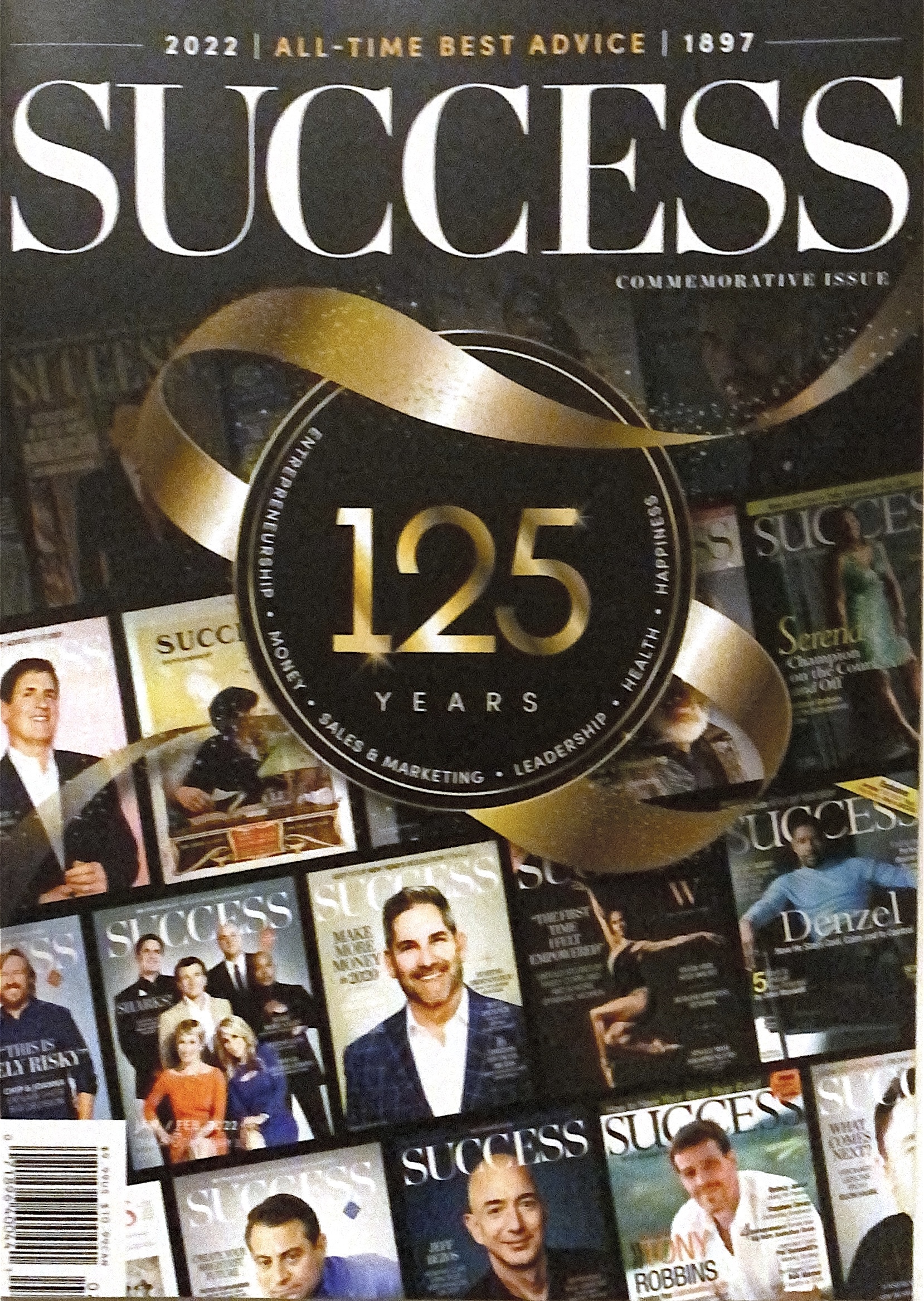
Success 1897
Successful Farming 1902
Sunset 1898
The Atlantic 1857
The Crisis 1910
The Furrow 1895
The Magazine Antiques 1922
The Nation 1865
The New Republic 1914
The New York Times Magazine 1896
The Old Farmer’s Almanac 1792
The Progressive 1909
The Ring 1922
The Rotarian 1911
The Saturday Evening Post 1821
The Virginia Magazine of History and Biography 1893
The Watchtower 1879
Town & Country 1846
Vanity Fair 1913
Variety 1905
Vogue 1892
Westways 1909
Writer’s Digest 1920
Yachting 1907
I welcome any additions, notes, or corrections regarding my attempt to document the Magazine Media Centennial Club. Feel free to email me at samir.husni@gmail.com Last update Jan. 28, 2022
Until next time, join me wishing Reader’s Digest, The Ring, The Magazine Antiques, Harvard Business Review, and Better Homes & Gardens a happy 100th birthday and Success magazine a happy 125th birthday. Onward and forward.
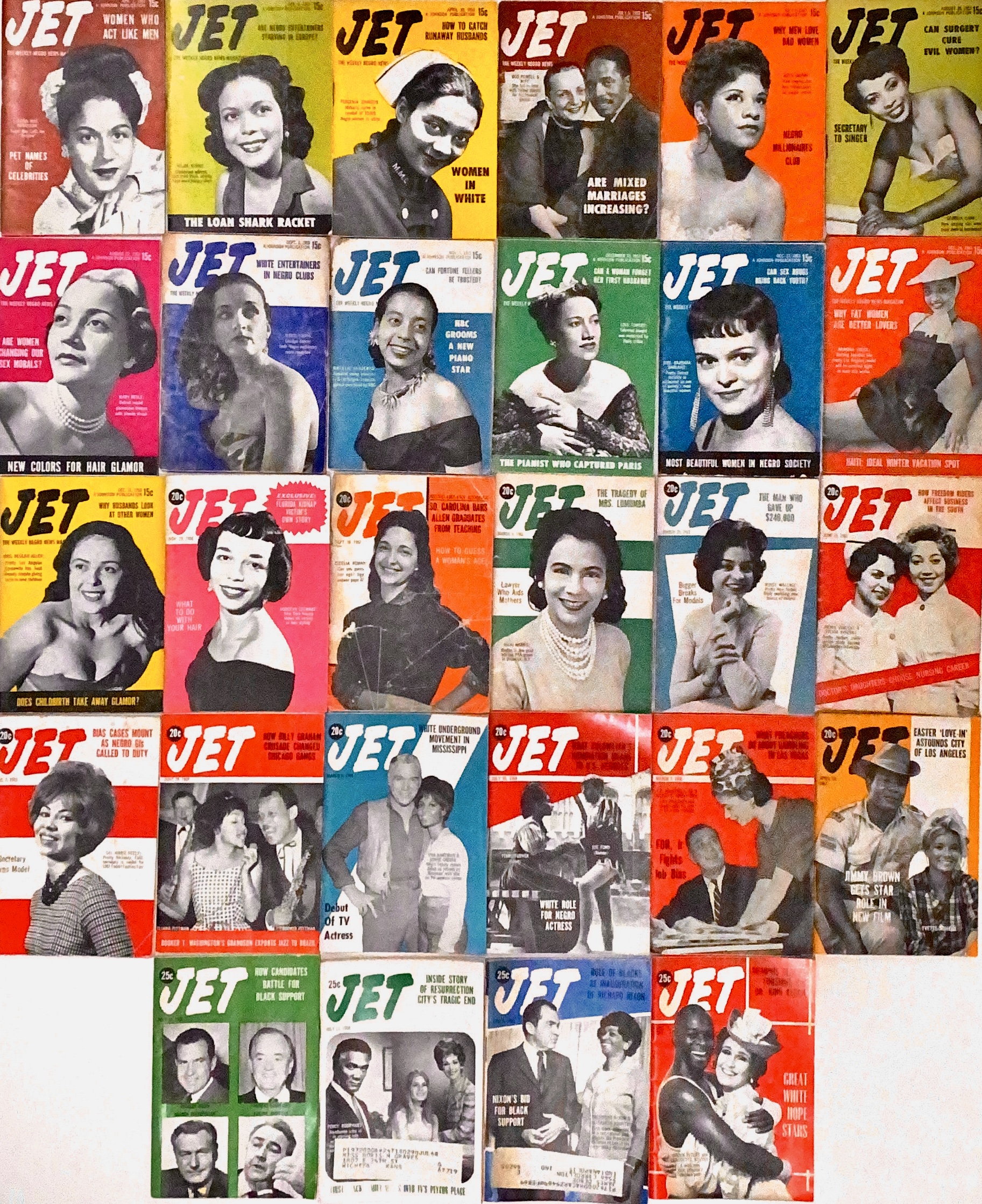
Jet magazine. Issues from 1953 to 1969. From the collection of Samir “Mr. Magazine™” Husni
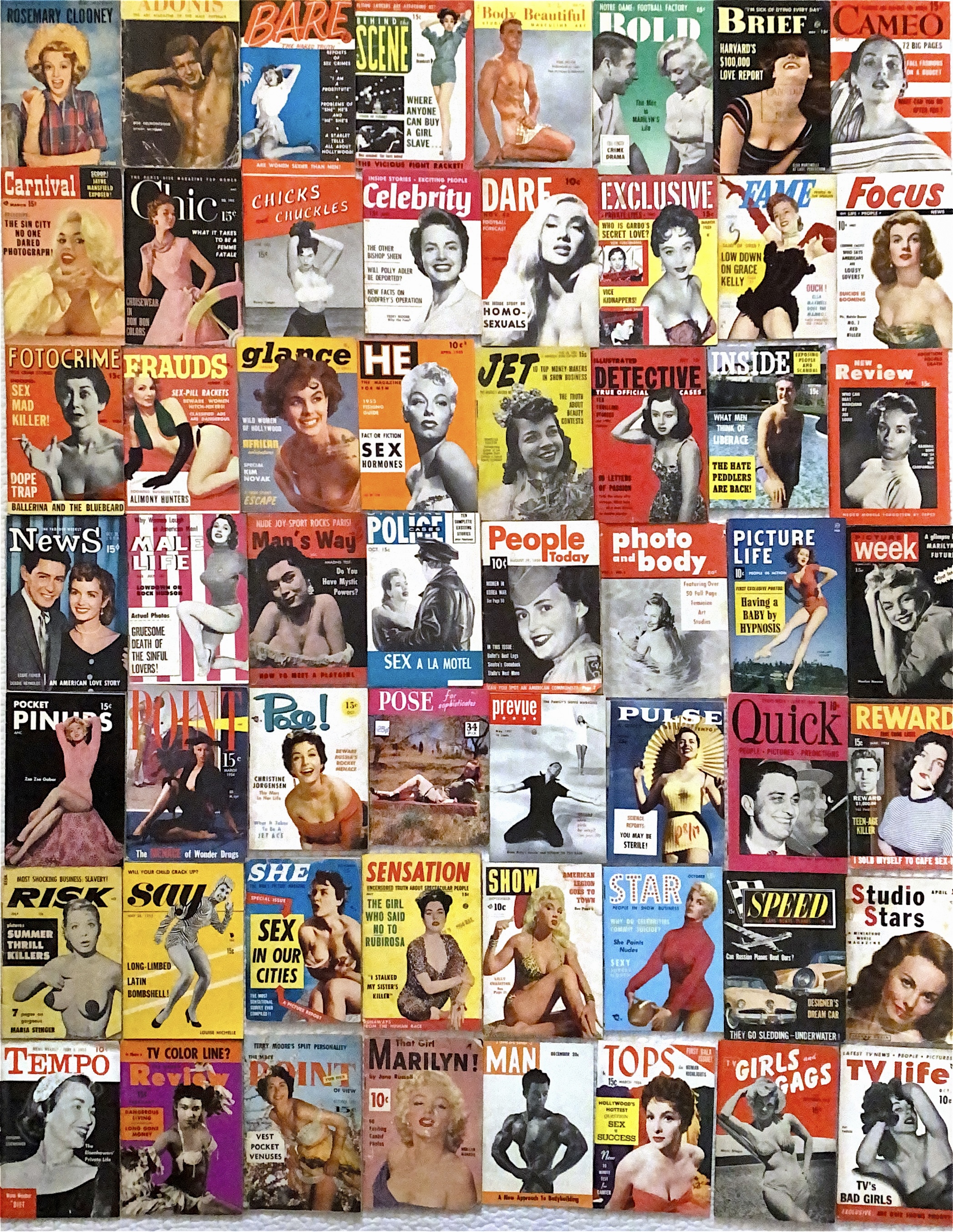
Martin Luther King Jr. Day 2022 will be observed on Monday, Jan. 17. As a magazine person, the only way I know how to celebrate any event, holiday, birthday, is through going into my boxes of magazines and finding reasons to celebrate. MLK’s birthday is no exception. I am working on my collection of pocket magazines of the 40s, 50s, and 60s of the last century. Pocket magazines are the little tiny magazines (4×6) that were inspired by the mini devotional magazines like Daily Word and The Upper Room and were made popular by Fleur Cowles who helped launch Quick magazine in 1949. More than 70 other titles followed Quick, including but not limited to Jet, Tempo, Focus, Picture Week, and many others.
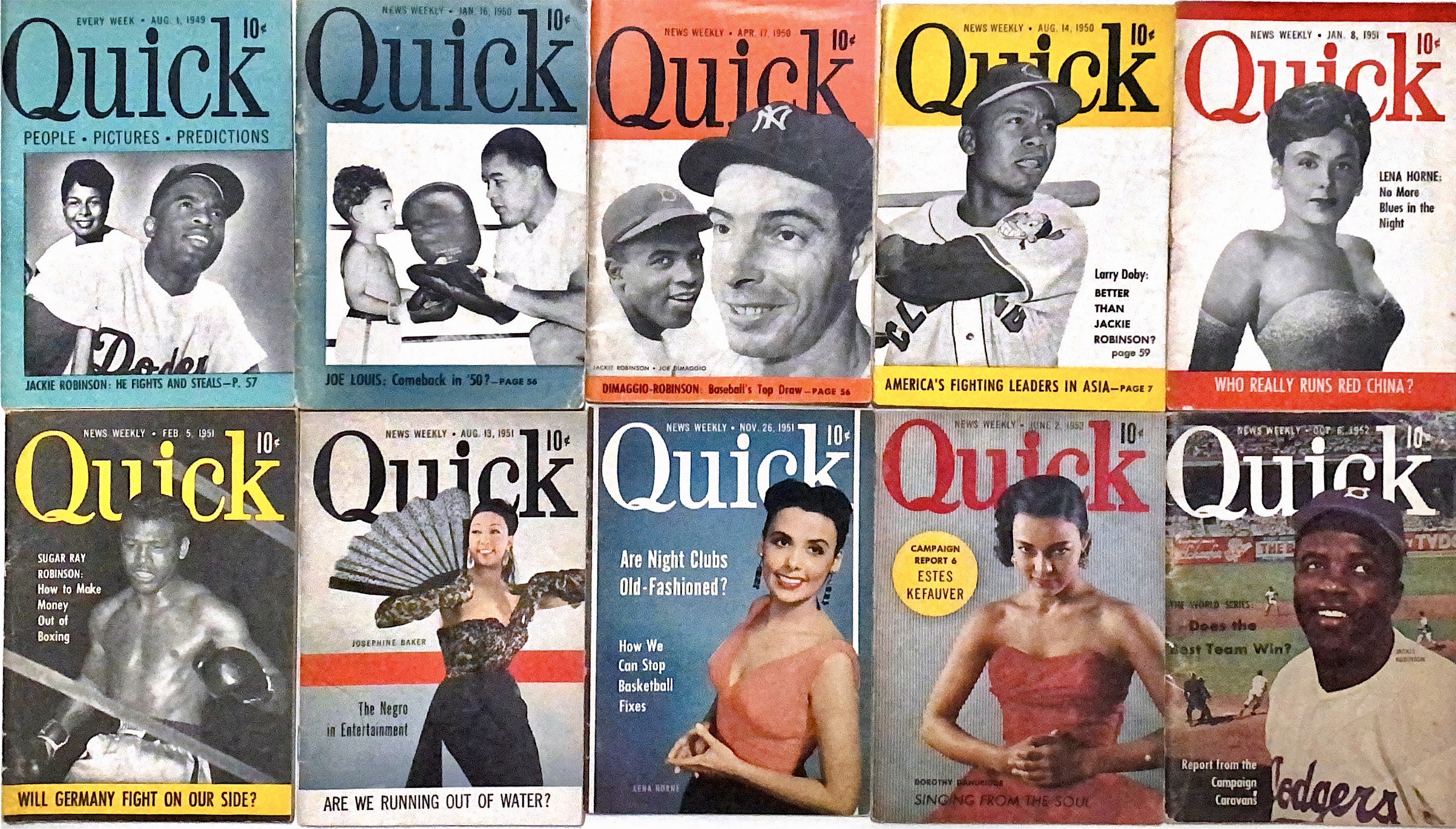
For this blog I searched my collection of pocket magazines and decided to showcase my collection of African American pocket magazines and the magazines that carried African Americans on their covers back in the 40s, 50s, and 60s of the last century. It should be noted that Quick magazine (1949 – 1953) carried 10 covers from its 200+ covers with African American on their front page.
Quick magazine (1949 -1953). The African American Covers. From the collection of Samir “Mr. Magazine™” Husni.
Join me on a pictorial journey in time as we look at those covers and keep in mind if it is not ink on paper, it is not a magazine.
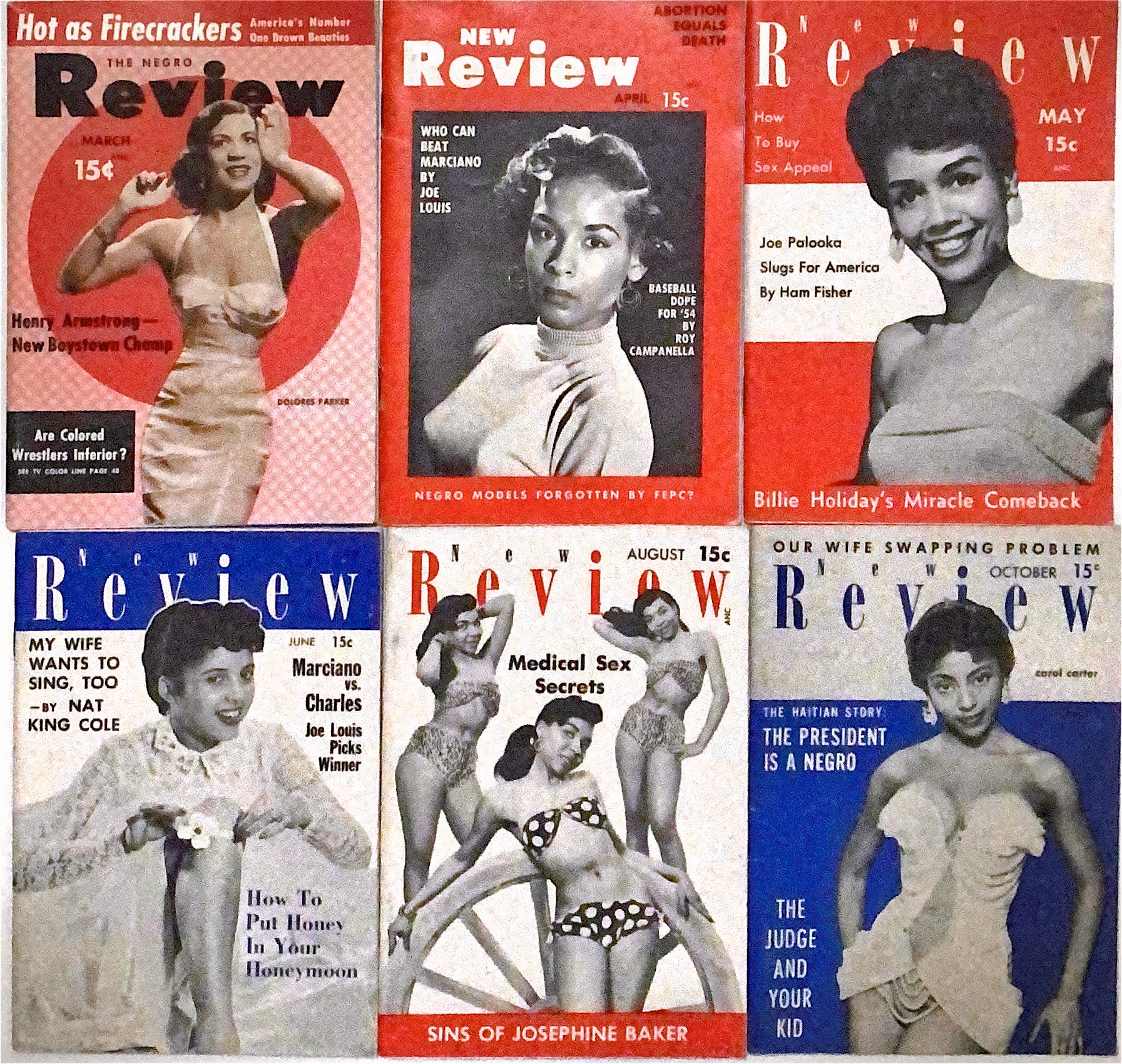
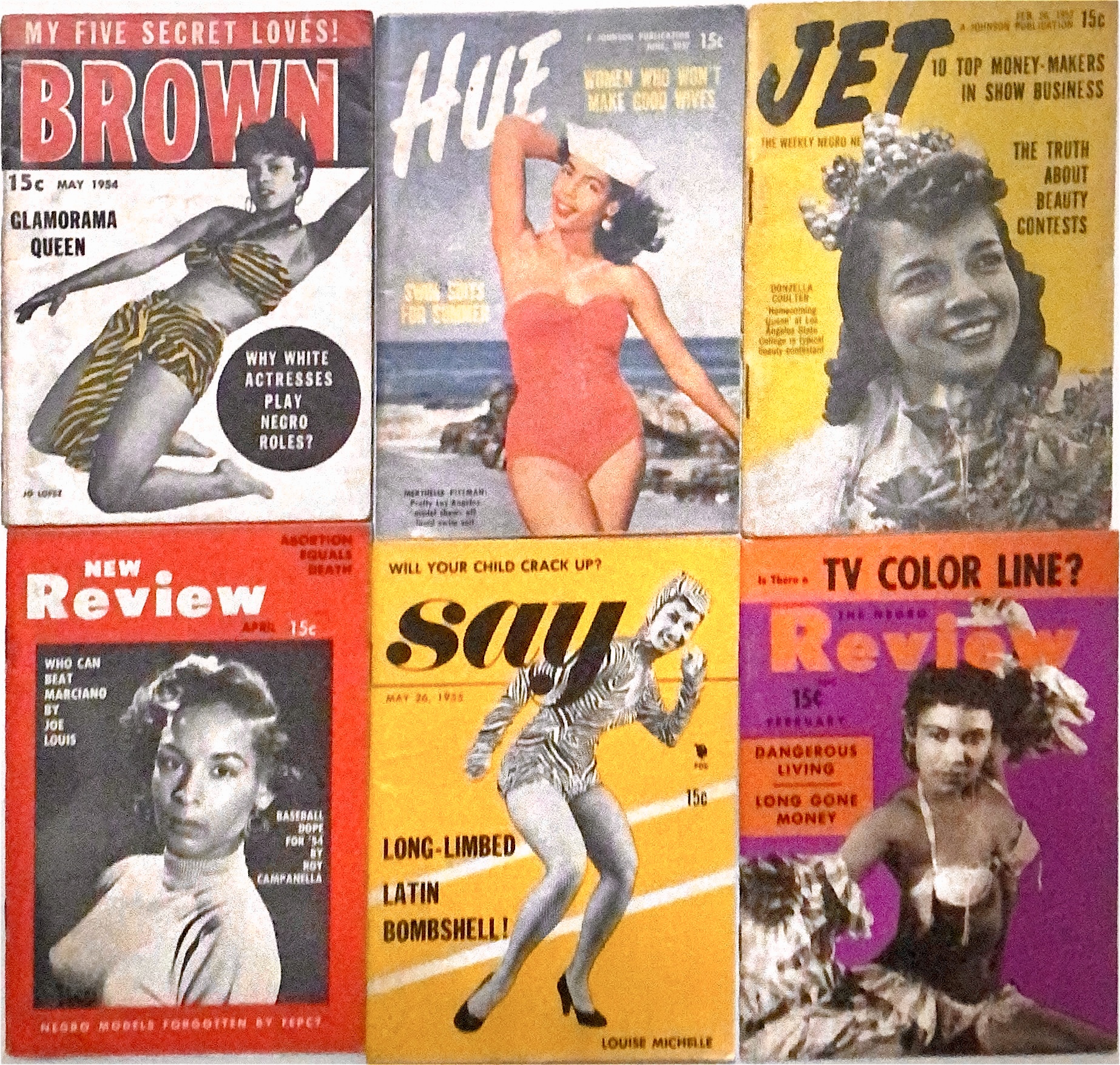
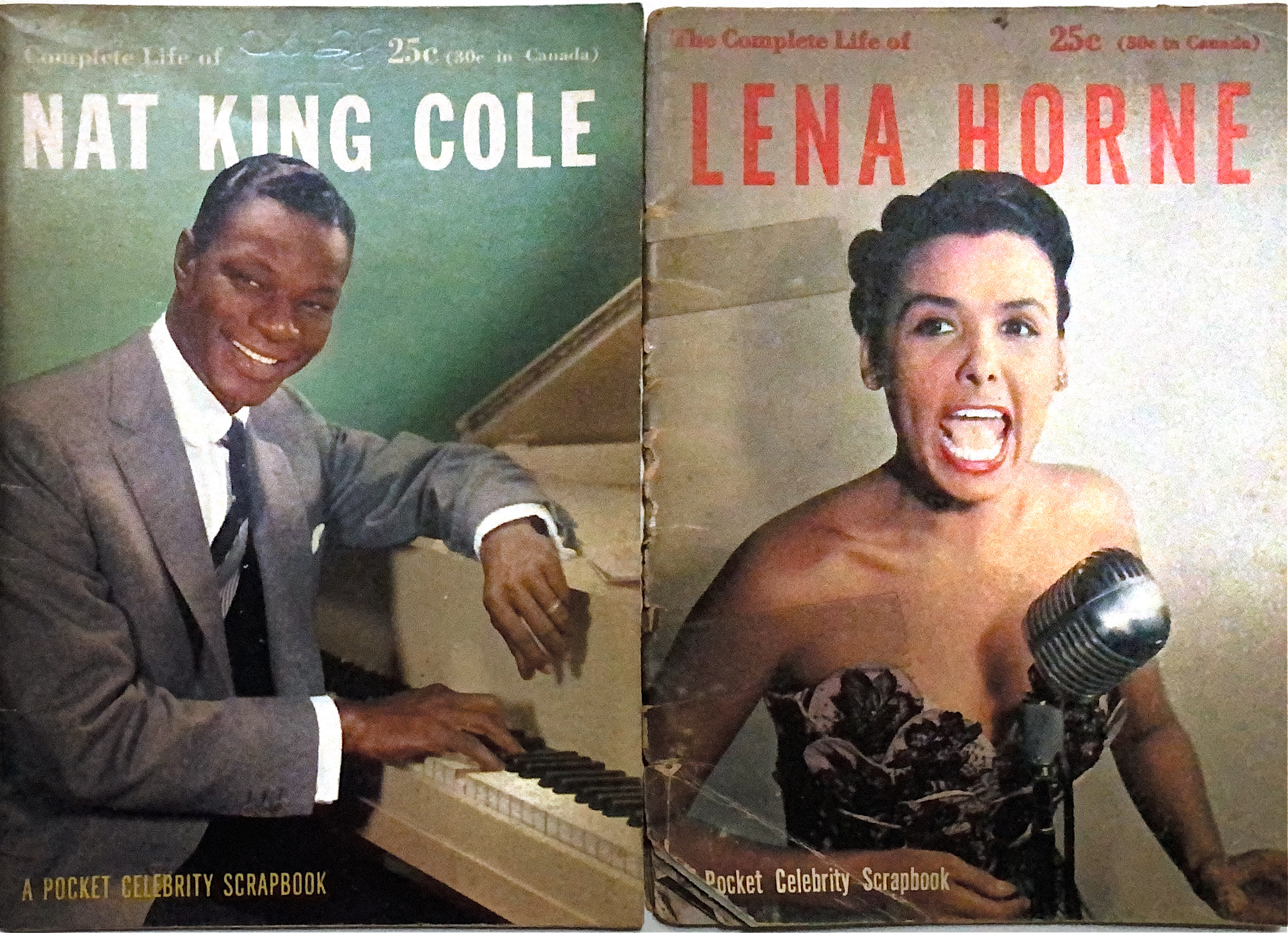
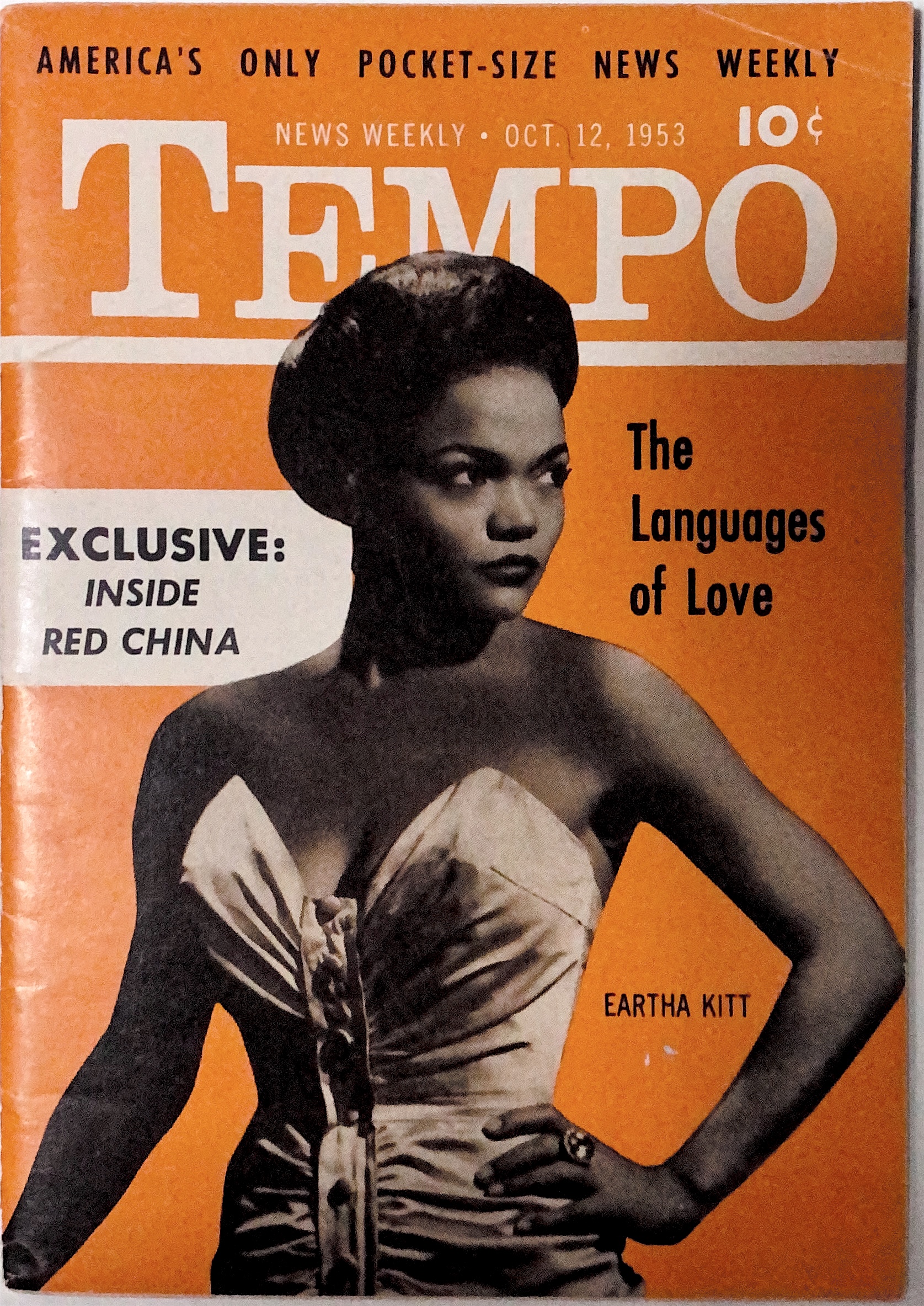
The Negro Review, then the New Review 1954. From the collection of Samir “Mr. Magazine™” HusniThe variety of African American magazines that were published in the 50s. From the collection of Samir “Mr. Magazine™” Husni.A Pocket Celebrity Scrapbook magazine celebrating Nat King Cole and Lena Horne. From the collection of Samir “Mr. Magazine™” Husni.Tempo magazine’s solo African American cover in my collection. Tempo was launched June 8, 1953 that was launched right after Quick stopped publishing on June 1, 1953. From the collection of Samir “Mr. Magazine™” Husni.
Until the next blog, be sure to head to a newsstand near you and pick up a magazine or two. You will be living and holding history in your hands, one magazine at a time. All the best…
Almost every magazine and magazine media company today has a Chief Content Officer and Chief Revenue Officer. I think those media companies need to have a Chief Experience Maker instead. Don’t misunderstand me, content is important. I will venture to say revenue is even more important. However, if you are in, and plan to stay in, the magazine media business, you will need to, without delay, appoint a Chief Experience Maker.
Magazines have always been experience makers. Take a look at some of the titles of the “mini pocket magazines” of the 1950s. Experience making at its best. From the collection of Samir “Mr. Magazine™” Husni, Ph.D.
What role does the Chief Experience Maker play? Here are my seven steps to change from a content provider to an experience maker:
Step 1:Know your audience. Let me be clear: really know your audience. We live in the digital age; that means the audience data is at your fingertips. Study the data, make it priority number one. Find out everything and anything about the audience your brand is going to engage with and carry on a long-lasting relationship. Audience first means your audience is your customers. Customers always want to be heard, whether right or wrong, so study and analyze the data. Experience makers are matchmakers.
Step 2:Humanize your magazine media brand. Your brand needs to be much more than ink on paper or pixels on a screen. Your brand needs to be humanized, i.e., having the magic touch that changes the brand to a living breathing human being. If your brand is a human being, who will it be? What type of person will it be? Determine the voice, the values, and the vision that person has in mind. People engage with people. It will make the experience much easier to start, continue and last for a good amount of time.
Step 3:Create and curate habitual addictive content that is edited, vetted, and presented in a time and energy saving manner. This is where the editor, a good editor, is needed to combine the creation with the curation. As I always advise my clients and anyone else who is willing to listen, “If your audience can find the information on Google, that piece of information does not belong in your magazine media.”
Step 4: Focus on what I call the MVP of the magazine media business: meet and exceed the audience expectation, validate all the information, and preview the near future to them. Achieving that expectation through the creating and curating will help you take a step in the right direction of becoming an experience maker.
Step 5:Make sure that your content is relevant to the audience, necessary to the audience, and on top of it all, sufficient to the audience. Your audience should not need another brand or platform to finish, fulfill, or lose themselves in that experience. No one would enjoy a movie if you keep asking them every few minutes to change from theater 1 to theater 3 and then back to 1 or 4.
Step 6: Once the aforementioned steps are secured, you can start with step 6: Dating your audience. No relationship or experience exists in vacuum, and in order to start an experience or a relationship, you need to think about it as if you are dating. Start with one date, then another, and once the relationship develops, you are ready now for your engagement, and long-lasting partnership. The experience making is just starting.
Step 7: What is an experience without a dash of luck? Well, you always need that dash of luck in any relationship and in any experience. So, here’s some good luck wishes to you and yours. We look forward to a great magazine media experience making business that only the Chief Experience Maker can deliver. Are you ready?
So, what are you waiting for? Go for it, you can easily be the Chief Experience Maker. Good luck!
Questions or comments, feel free to reach out to Mr. Magazine™ at samir.husni@gmail.com
What if I tell you that regardless of what area you’re interested in, I can save you time, money, effort, energy, and provide you with all the information you want at your fingertips? What if I tell you that I can save you an entire week of Googling and digitally searching and sifting through all kinds of information to give you what you’re looking for?
What if I tell you that there’s an invention that will put all the information that you’re looking for at your fingertips at a fraction of the cost that you would pay for an iPad or an iPhone or any other smart digital device?
What if I tell you that this invention needs no batteries, no electrical connections, no solar power; nothing whatsoever except your hands to activate its power? What if I tell you that this new device is portable; it will fit in your purse or your coat pocket and you can take it anywhere with you? You can engage with it without worrying about losing power or anything else.
What if I tell you that with this device you can mark it, clip it, tear it, read it and use it at your own pace? What if I tell you that this device is so innovative that it can surprise you with even more information than you originally wanted to know about? It will not only give you what you need and what you want, but also will give you things you didn’t know you needed or wanted.
What if I tell you that once you engage with this device, you will have the time of your life because you’ll lose yourself, you’ll escape into a world that immerses you? There will be no popup moments; no uninvited content, everything in this device will be coherent and relevant, necessary and sufficient.
What if I tell you that this device will become a longtime friend, something that you have been anticipating forever? So enough with the What Ifs, I can tell you now that this device is already here and it’s called a magazine? You can name the subject that you’re interested in and you will find a title on that topic with this new device, this magazine. It will answer and provide everything you’re looking for on that subject matter and so much more.
Is it a dream of the future? Lucky for you, no it’s not. It’s actually something current; something that is now and available. So what are you waiting for? Head to the newsstand, pick up a magazine, sit down and enjoy. Then let me know your thoughts on what if magazines were not invented until after the digital age…don’t you think print would start a revolution?
Mr. Magazine™ sits, reading a magazine, and waiting on your response…
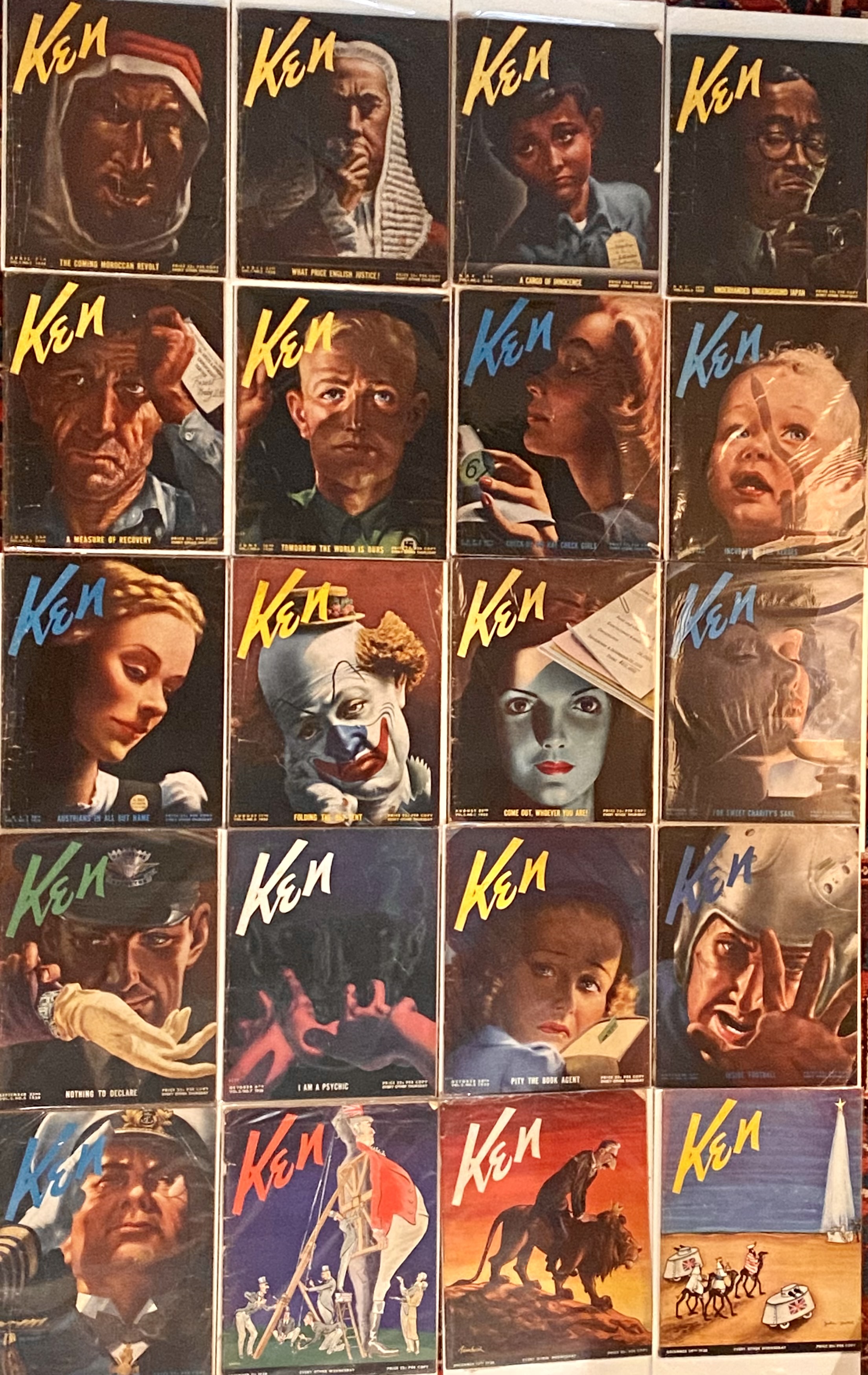
Magazines are experience makers whether they were the ones published in 1938 like Ken above or the ones published in 2021. (Ken’s complete first year is part of Mr. Magazine’s™magazine collection).
The True Nature Of Magazines…
Digital delivers content; magazines deliver experiences.
In a nutshell, that’s the premise of my blog today.
Magazines are more than content provider; they are experience makers.
No experience can be developed without repetition regardless of whether that repetition is weekly, monthly or even annually. Think of it as a weekday, a month, or a holiday.
Bookazines are not magazines yet they are invading the newsstands… they are paperbacks printed on better quality paper or as one publisher says, “they are the poor-man’s hardback books.” Bookazines do not provide repetition, and without repetition there is no habit creation, and without habit creation there is no engaging experiences and without engaging experiences readers never turn into customers, and without customers there is no marketplace.
Magazines have in them a built in expected pleasant surprise that is based on continuity and change. Readers/customers are always looking for that surprise in the midst of the familiarity of the nature of the magazine… they know there will be a diet article or a cooking feature, but the surprise is in what is the diet this time or what is the meal plan in this issue? An expected surprise…
As you know, it’s my postulate, if it is not ink on paper; it is not a magazine. Magazines are in your face, no need to search for them or Google them. You can see them at the newsstands or you can invite them to your home. Like a trusted friend they will visit you issue in and issue out. There are no interruption or pop-up notifications, guaranteed.
Even the original definition of the word magazine (from the Arabic or French word Maghzen) means a place where goods and supplies are stored: a warehouse. The store rarely changes its physical appearance but always changes the goods inside the store. However, the goods are kept in areas where repeat customers can easily locate the goods they need. The same is true with the magazine. The readers can easily locate the regular departments, their favorite columnist, and always be surprised by the ever-changing yet constant themed content regardless of the subject matter.
In fact, some magazines are like an apartment building and others are like a mansion. One can actually count the apartments in the building or the rooms in the mansion. Everything is quantifiable. The size, the width, the depth, all the dimensions are there. You see the front door and you see the backdoor. You enter the first floor and you can move up to the top floor. It is one complete beautifully designed building or one gorgeous mansion. You move from floor to floor or from room to room without ever leaving the building or the mansion. Everything in it is connected like a perfectly done jigsaw puzzle, some are 100 pieces and others are 1,000 pieces. Digital is more like a maze. You enter at your own risk and you hope to find the right exit without being caught in its web (pun intended).
The content and the adsreside in the same real estate without feeling out of place. They complement each other to create one experience for the customer. Unlike digital, the ads in a magazine relate to the topic and nature of the magazine. Unlike digital, you will not find an ad about dog food in a food magazine or vice versa. The majority of the ads in magazines are endemic to the content of the magazine, and unlike digital the ads are not foreign to the contentmatter that one is reading on the digital devices. Ads in magazines are part of the experience; ads in digital are an eyesore. The ads on digital devices don’t add anything to the experience or to the content matter. They are only after you and your data.
To put it bluntly, ads in magazines are like inviting friends and their friends to your house; ads in digital are like a thiefinvading your house when you least expect it.
And lest we forget, you can actually own the magazine, show the magazine, and display the magazine since it is a physical entity. As for digital, even if you pay for it, you own nothing, and you can show nothing, all what you’ve paid for is in a virtual world. The magazine is private and is yours. You can hide it or display it, you can toss it or collect it, and you can share it or recycle it. In short, it is yours and you can do whatever you want with it.
So, what are you still waiting for? Head to a newsstand or bookstore, pick up a magazine or two, and come back home and lose yourself in an experience any other medium can provide. Happy experience making…
Until next time…
Samir “Mr. Magazine™” Husni, Ph.D.
President and CEO, Magazine Consulting & Research, Inc.
Music and Entertainment Magazines… is the 12th chapter from the serialized book I am writing on the magazines of 1953, specifically March 1953, the month I was born. This is chapter 12 part two. Feel free to back track for chapters one, two, three, four, five, six, seven, eight, nine, ten and eleven in previous blogs. Enjoy.
In March 1953 magazines that covered music and entertainment offered a great service to fans by providing current gossip of their favorite actors, singers, heartthrobs, many song lyrics and melodies, plus other pertinent information for people clamoring to be in-the-know.
We have to remember that at this time, television was still in its infancy, basically still a “talking piece of furniture” that many were trying to adjust to and get to know. And while TV Guide was published in April 1953, and was a very big title, it did have regional predecessors that covered the infant television scene before the launch of the national edition on April 3, 1953.
Music and entertainment magazines were the eyes and ears for fans, doing what the Internet and television does today for many people. In March 1953 there was a “channel” for every aspect of a fan’s interest, from honing their own musicality by learning lyrics to their favorite songs to enhancing their knowledge of popular movies and their stars. Magazines were the Internet of the times once again…and March 1953 had some of the best.
Let’s take a look, shall we?
MODERN SCREEN
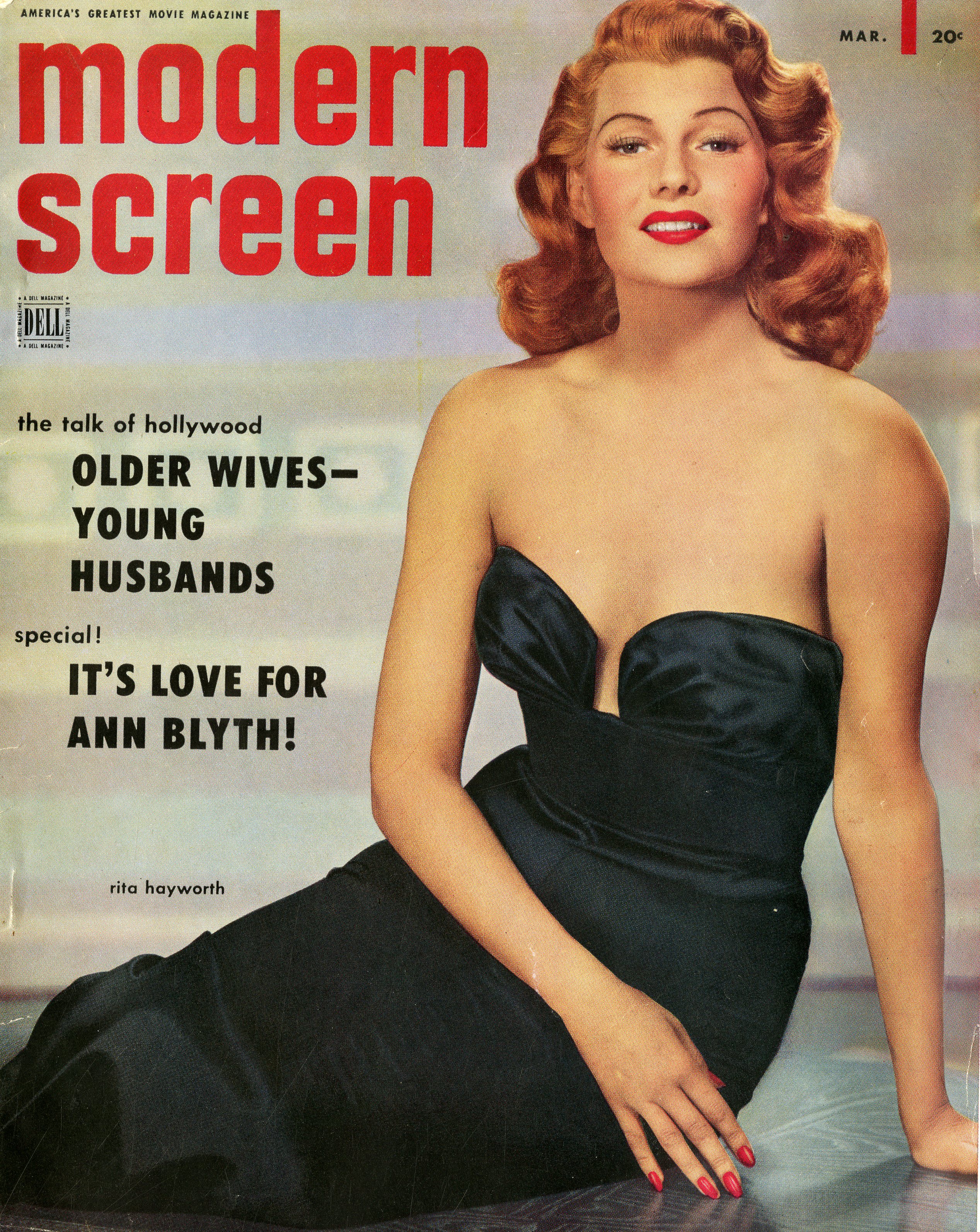
For over 50 years, Modern Screen was an American fan magazine that featured articles, images and personal interviews with movie stars, and later on many television personalities. The magazine debuted in the fall of 1930 and was founded by Dell Publications. Soon it became the direct competition for Photoplay and was one of the most popular “screen” magazines around, boasting the tagline America’s Greatest Movie Magazine.
The March 1953 issue was certainly eye-catching with the lovely Rita Hayworth on the cover. The Talk of Hollywood was older wives with younger husbands, so there was an article on that and a romantic love story about actress Ann Blyth and her one true love. It was a time of Hollywood magic and this issue glittered that starlit path splendidly.
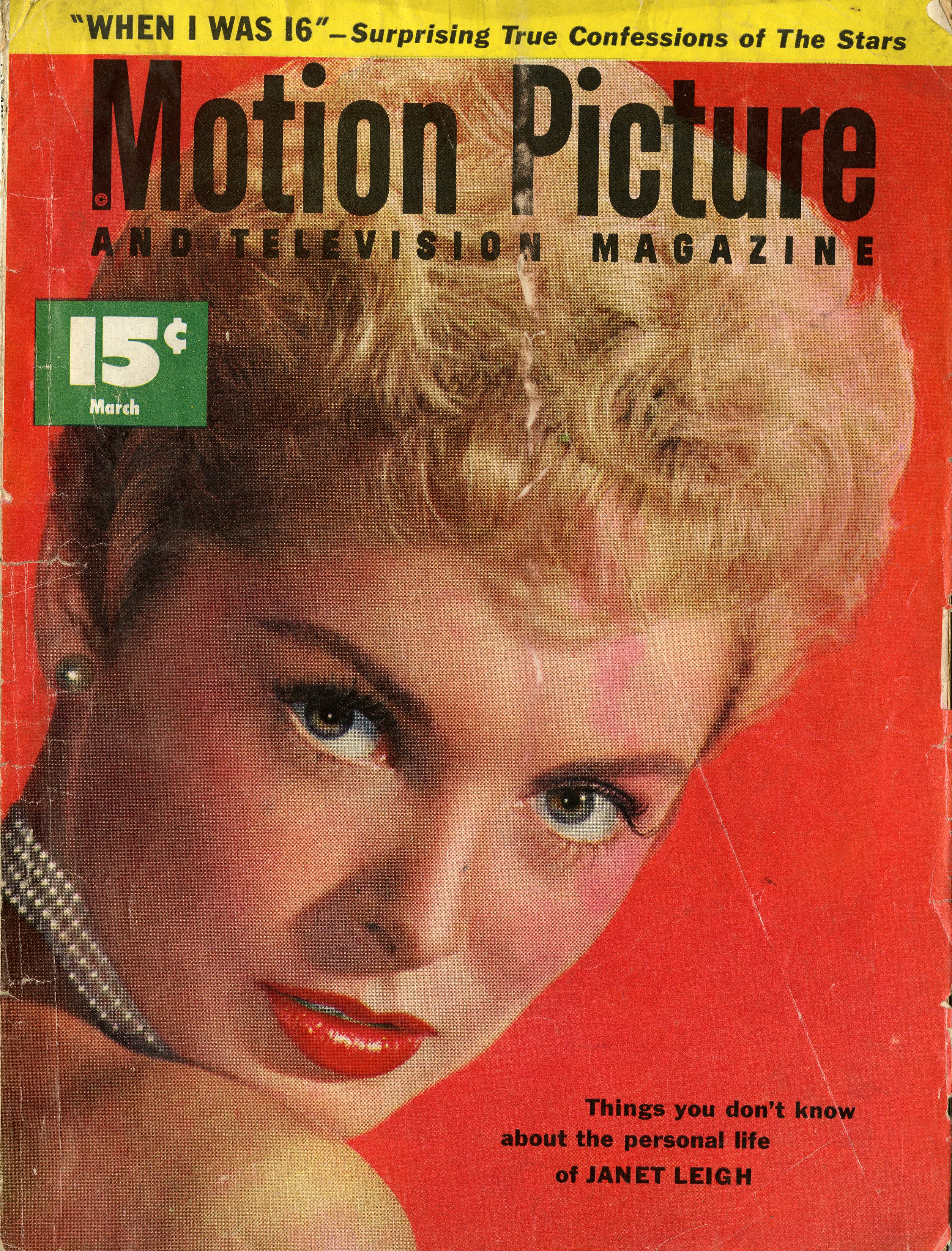
MOTION PICTURE AND TELEVISION MAGAZINE
This title was a Fawcett Publication, which had a bevy of magazines, comic books and “Gold Medal” books, a line of paperback originals, which became a defining turning point in paperback publishing. Motion Picture And Television Magazine was an original movie fanzine full of gossip and romance for Hollywood fans of the ’50s. The magazine promised to incorporate screen life, Hollywood and movie story magazines, which was actually its tagline.
The March 1953 issue had Janet Leigh on the cover (a very young Janet Leigh) and declared that there were things us fans didn’t know about her personal life. Hmm… well of course, we just had to know. There were surprising true confessions of the stars – a very popular feature, I’m convinced. All in all, the magazine was another addition to satiate the cravings people had about Hollywood and all she entailed. It was a terrific read.
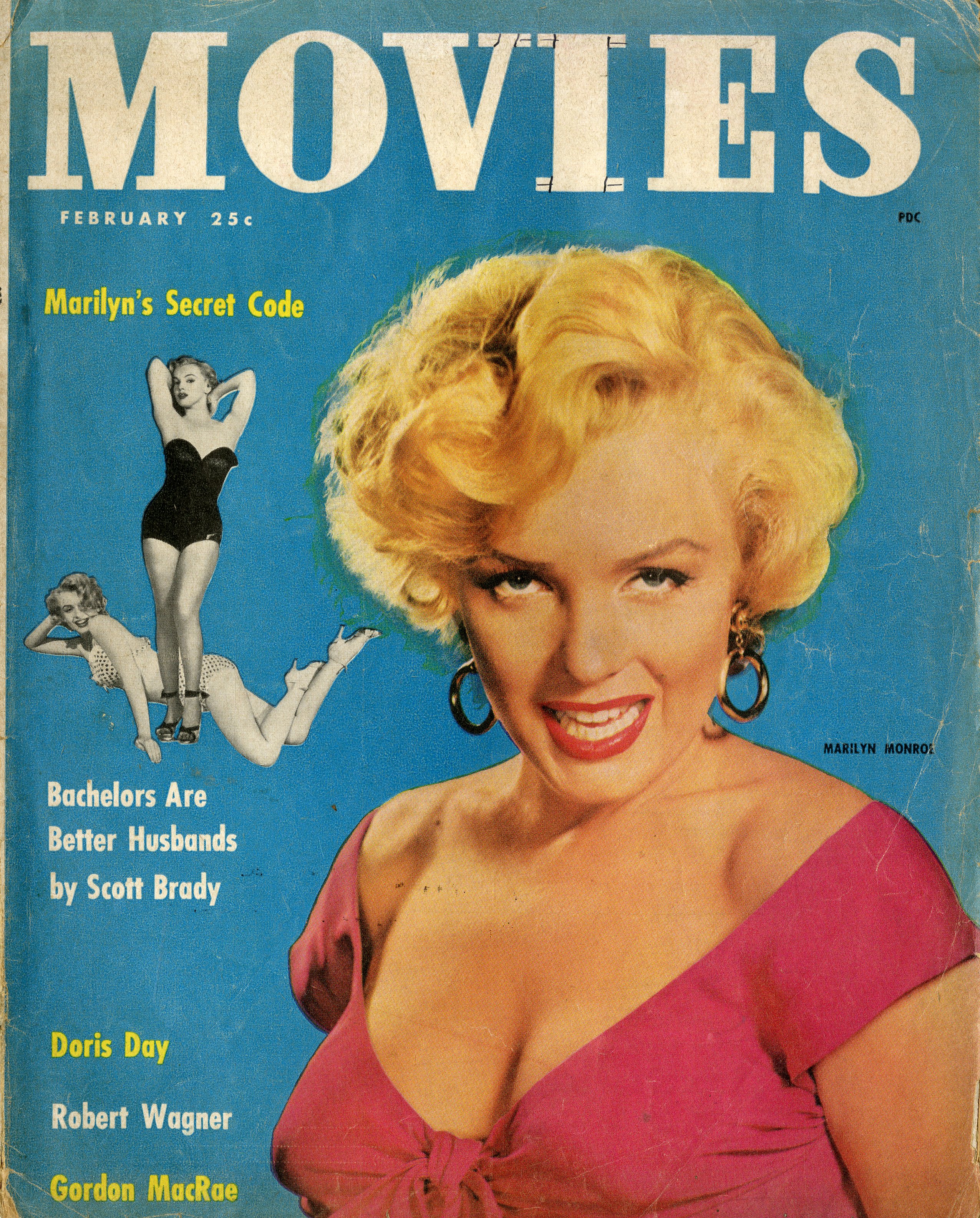
MOVIES
Movies magazine came from Ideal Publishing Corporation and Publisher William Cotton, who was known for his pulp magazines. Cotton was about building circulation and serving his demographic. He courted advertisers from a general perspective. He didn’t expect Chanel or Cadillac to advertise with him, but the more down-market products were right there with him. And in turn, publishing pulp made Cotton a very wealthy man. From Hollywood to personal romances, William Cotton ran the gamut of titles.
The February/March issue of Movies featured the usual talk-of-the-town. Marilyn Monroe’s Doctrine, an article by actor Robert Wagner and Debbie Reynolds, along with other scrapbook items for fans. The cover showcased the lovely Marilyn Monroe and offered her Secret Code for Life. You couldn’t get more Hollywood than Marilyn.
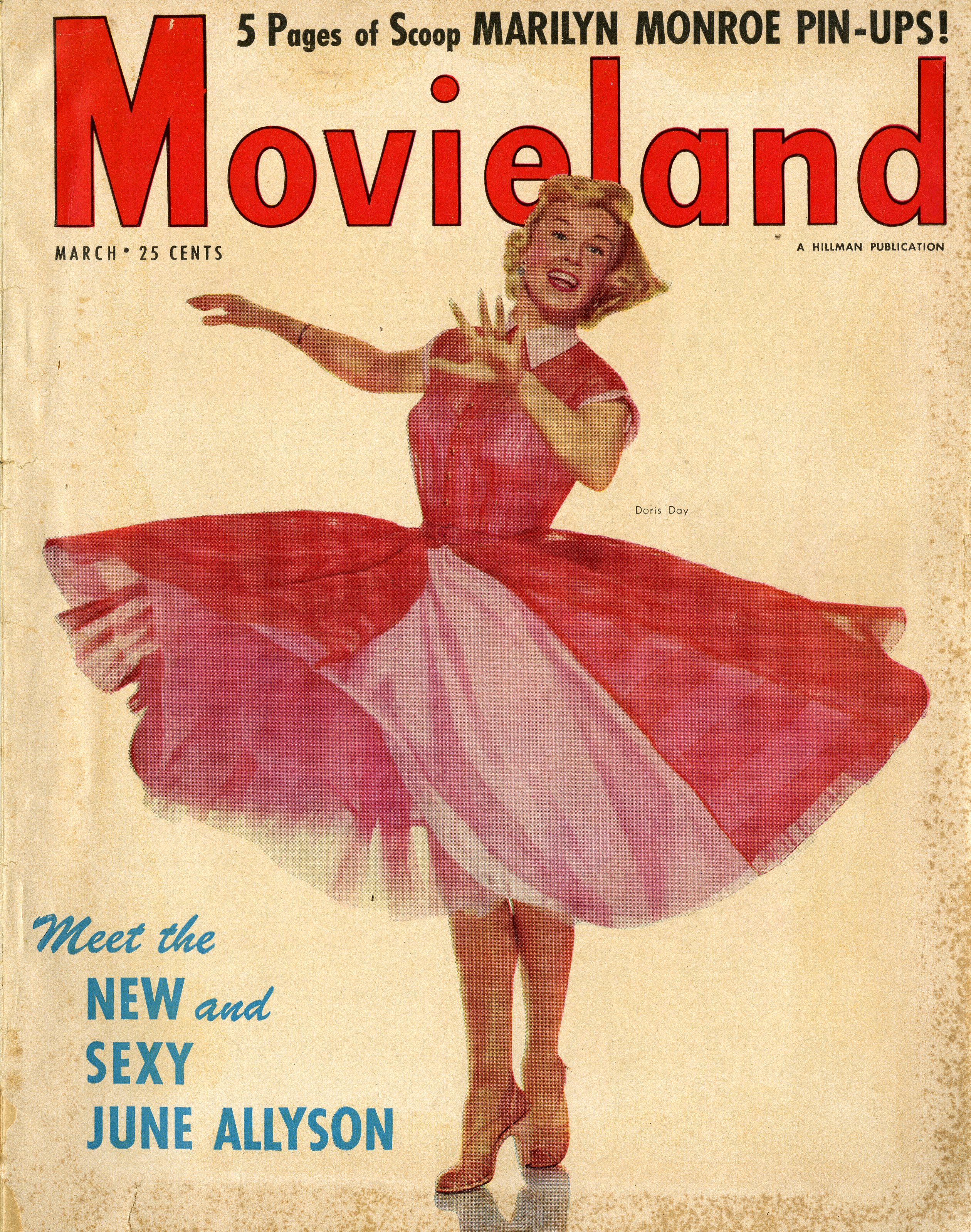
MOVIELAND
Hillman Publications created this Hollywood monthly, competing directly with Bernarr Macfadden and Fawcett Publications. The magazine was another leg on the stool of celebrity entertainment, offering exclusive interviews, images and features.
The March 1953 edition had a magical picture of Doris Day on the cover in a pink chiffon dress that billowed out from her body as though in flight. One cover line beckoned for you to meet the new and sexy June Allyson and absorb five pages of Marilyn Monroe pin-ups.
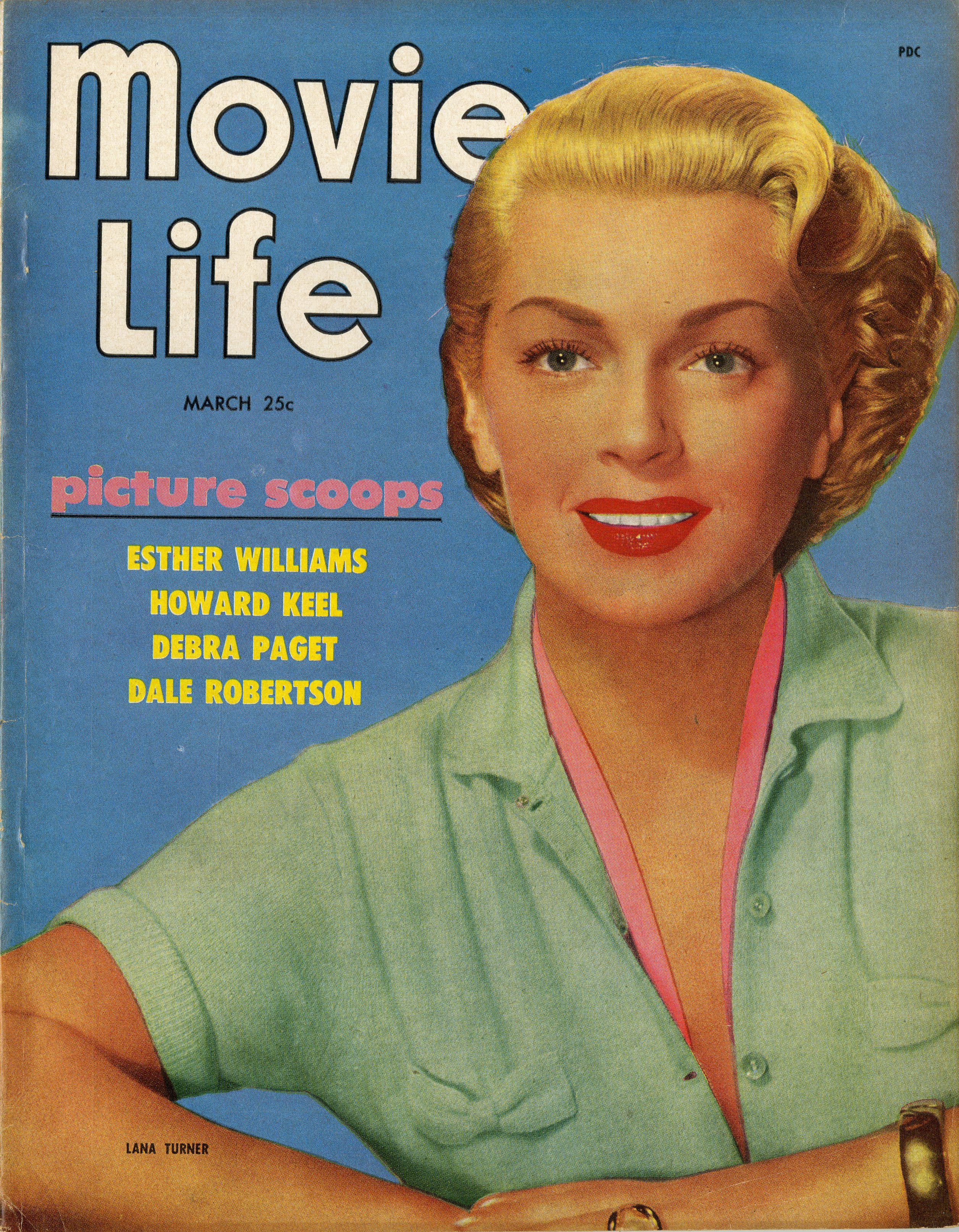
MOVIE LIFE
Movie Life was published by Ideal and William Cotton, another Hollywood title so popular in those days. Celebrity magazines have always been big sellers and eye-catchers, so no wonder Cotton kept adding to his stable of titles. Movie Life was a magazine filled with great images of movie stars, such as Esther Williams and Tony Curtis. The life the stars lived was something we all wanted and what better way to get it than from the pages of a vivid magazine.
March 1953 saw Lana Turner on the cover with picture scoops of Esther Williams, Howard Keel, Debra Paget and Dale Robertson. Actress and singer Gail Davis showed us the make-up styles of the day and how to apply them properly and we could read all about life with Lana in the cover story. It was a nice addition to the genre.
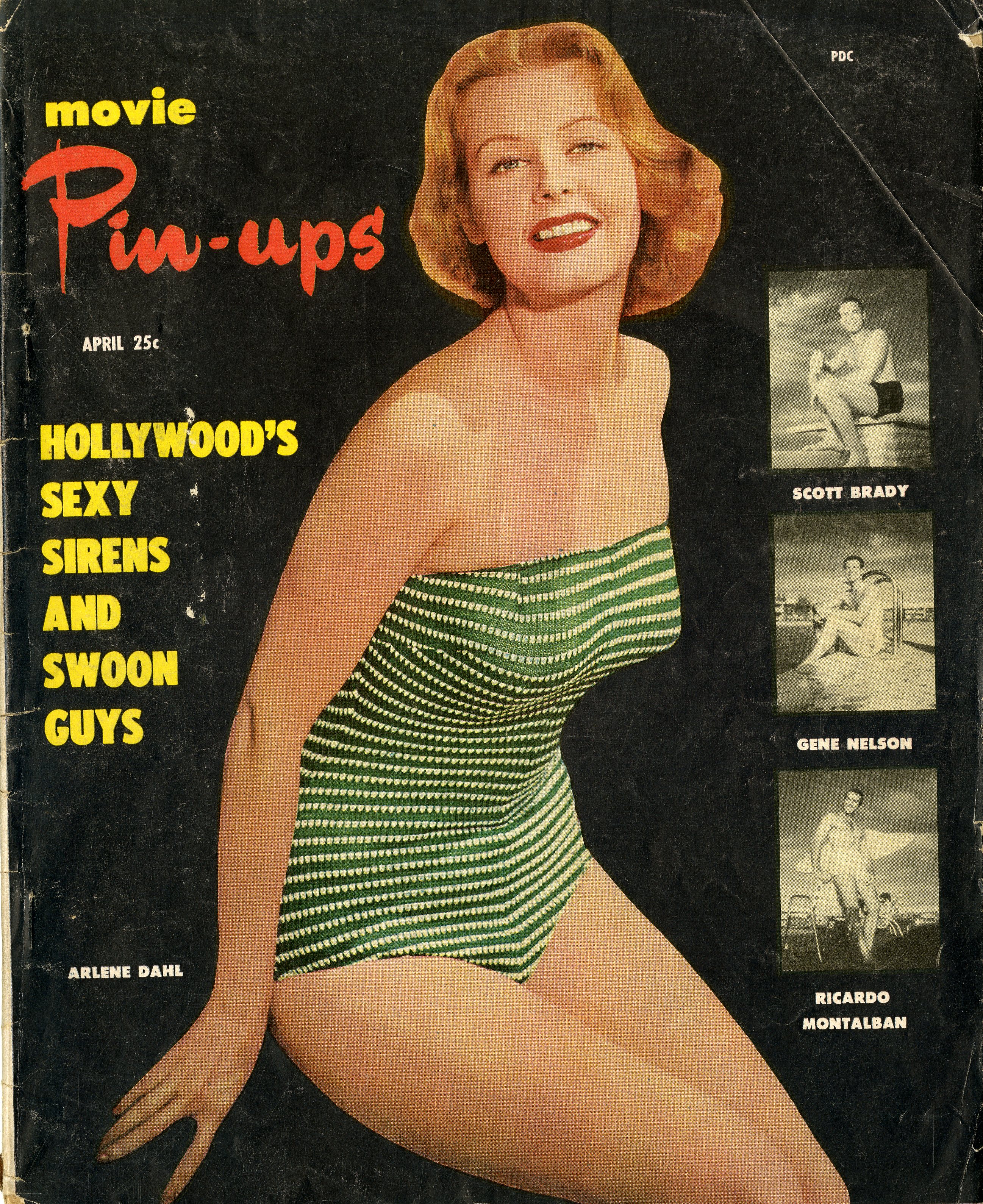
MOVIE PIN-UPS
Here comes another Ideal Publishing title from Mr. Cotton. This one was filled with sexy Hollywood sirens, both male and female, in various modes of poses. All in perfect form to clip the pictures from the magazine and hang on your wall. This title was just another in a long list of pulp-type magazines that made a small fortune for William Cotton.
The March/April 1953 issue had a beautiful image of Arlen Dahl that fans were sure to love, along with pictures of Debra Paget, Virginia Mayo and many others. The images and the poses were very tastefully done and just beckoned to be clipped out and hung up. Great photography.
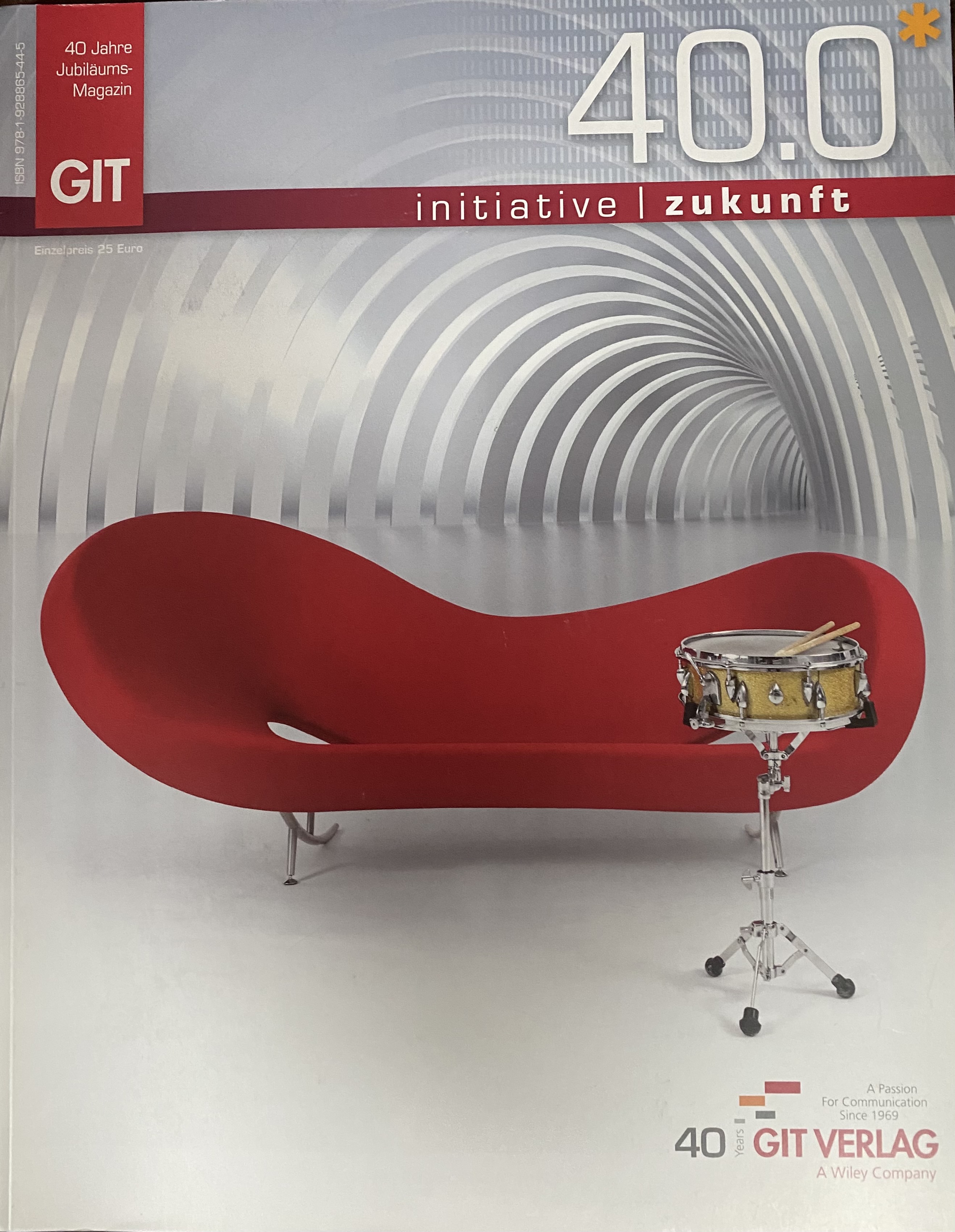
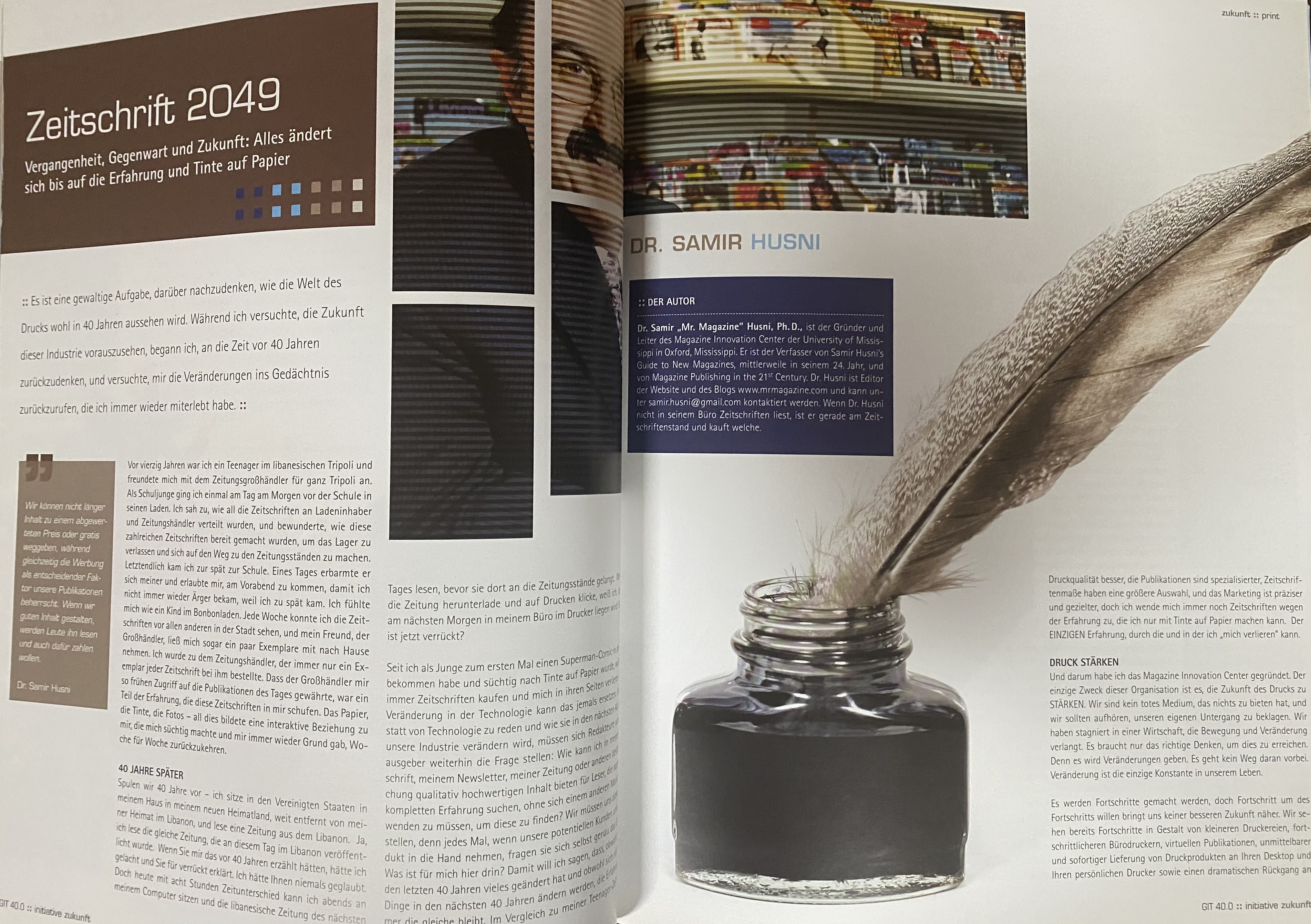
In 2009 I was asked to write an article for the Germanmagazine GIT VERLAG in celebration of their 40th anniversary. My article focused on magazines in 2049. Here is, for the first time, the English version of the article that appeared in the German magazine… Keep in mind this article was written in 2009 and is published here with no editing or changes. Hope you enjoy this journey through memory lane.
Magazines 2049
It’s a daunting task to try and think about what the world of print will look like in 40 years. While trying to see the future of this industry I began to think back to 40 years ago and tried to imagine the changes I have seen happening all over again.
Forty years ago I was a teenager in Tripoli, Lebanon when I befriended the wholesaler for all of Tripoli. As a schoolboy I would go by his shop once a day in the morning before school. I would look at all the magazine’s being distributed to shop owners and news- agents and admire the many magazines getting ready to leave the warehouse and head to the stands. Ultimately this would make me late for school. One day he decided to take pity on me and told me to come by the night before so that I wouldn’t get in trouble at school for being late over and over again.
I was a kid in a candy store. Each week I would be able to see the magazines before anyone else in town, and my friend the wholesaler would even let me take copies home with me. I became his newsagent who will order only one copy of each magazine. The wholesaler allowing me early access to the day’s publications was a part of the experience that those magazines created with me. The paper, the ink, the photos; all of it formed an interactive relationship with me that got me hooked and kept giving me reasons to return week after week after week.
Fast forward 40 years, I am in the United States sitting in my house in new home country, far away from my home in Lebanon, and reading a paper from Lebanon. Yes, reading the same paper published in Lebanon on the same day of publication. If you told me that 40 years ago, I would have laughed at you and accused you of being crazy. I never would have believed you. But today, with the eight-hour time difference I can sit at my computer in the evening and see the next day’s newspaper from Lebanon before it hits newsstands over there. Once I download the paper, hit print, I know it will be sitting in the printer at my office the next morning. Whom are you calling crazy now?
Since I first picked up a copy of a Superman comic book when I was a boy and got hooked on ink on paper, I have always wanted to pick up a magazine to lose myself in its pages. No changes in technology can ever replace that. So instead of talking about technology and how it will change our industry over the next 40 years, editors and publishers need to continue to ask the question how can I provide quality content in my magazine, newsletter, newspaper or other publication for those readers who are looking for a complete experience without having to travel to another medium to get it all. We have to ask that question because each time our prospective customers pick up our product they ask themselves the exact same thing: what is in this for me?
All this is to say that while many things have changed in the last 40 years, and while many things will change over the next 40, the experience will always stay the same. Compared to when I was a teenager, printing quality is better, publications may be more specialized, magazine dimensions have greater range and marketing may be more exact and targeted, but I still go to magazines for the experience I can only have with ink on paper. The ONLY experience that I “lose myself” through it and in it.
And this is why I have created the Magazine Innovation Center. The sole purpose of this organization is to AMLIFY the future of print. We are not a dead medium with nothing to offer and we should stop bemoaning our own demise. We have become stagnant in an economy that calls for movement and change. It just takes the right thinking to get there. Because there will be changes. There is no way around it. Change is the only constant in our lives.
Progress will be made, but progress for the sake of progress moves us no closer to a better future. We are already seeing progress in the forms of smaller printers, more advanced office printers, virtual publications, immediate and instant delivery of printed products to your desktop and personal printer and even a drastic decline in waste in the printing and distribution world. With all of this our industry can stay current with technology and the like, but it still doesn’t change the fact that we are based off of experiences our customers have with us, and when we lose sight of that we can’t regain ground with gimmicks on the internet or special inks on our covers.
One of the biggest changes will be a change in our mentality about everything. We will change the way we think about how we do publications and how we conduct business. I have been saying for quite some time now that the way we do business is outdated and acting as an anchor for our industry. We cannot continue to give content away for a devalued price or for free while advertising reigns as the make or break factor in our publications. If we create good content, people will want to read it and also want to pay for it.
For the last 60 years in the United States of America we have relied on a publishing model that devalued subscribers and focused heavily on the customers supplying the advertising, but not the customers we were actually supposed to reach: the readers themselves.
I know it may be disappointing to some of you that my forecast for the next 40 years is based on the last 40 years, but would I have believed when I was walking to the wholesaler in Tripoli that 40 years later I would be reading magazines and newspapers from thousands of miles away in the exact same way today?
There are three things that the future will benefit from if we constantly consider. First, we must make sure we focus on the present. For all the talk about tomorrow and next year, there is no point planning for the future if we can’t survive today.
Second, we must create the complete experience. As everything changes around us, our publications must provide a total package. We don’t need to create something that relies on another medium to finish our job. Readers shouldn’t have to go to another outlet or source to get the rest of our stories. Henry Luce recognized this 80 some years ago when he started Time magazine. With over 20 newspapers in New York City at the time, he saw that readers wanted a one-stop alternative to get their news in less time and less space.
Third, there will be more need to know our readers. With increased technology, it is becoming easier and easier to know more and more information about out readers. We have to start treating them like customers: know what they want, who they are, what the like to read and what they like to buy. The more we let technology help us learn about our readers, the better we can serve them as customers.
I know you expected me to write about the future and create a vision of the next 40 years, but as I have said before, there are only two people who can tell the future: God and a fool. I know I am not God, but if you want to read it, here is a future scenario of a fool. Everything I have written to this point I can guarantee, but feel free to read the rest at your own risk.
In 2049 I will receive a box in the mail. I place the box on my desk, open it and find a magazine called Samir’s, the magazine about my lifestyle. The cover has a striking image of exactly what I am wearing except in a different color. It is trendy, hip and relevant. In big type below the title is a tagline that screams “The magazine you can read, listen to and watch.” I open the cover and turn to the first of the 90 high quality glossy pages. As I open it I am greeted by a screen in the middle of the pages, a disposable screen with a menu that allows me to interact with the magazine in different ways unique to the articles I have flipped through. After I have read a great review about the latest Britney Spears Golden Oldies music collection, I have the option of bringing up the interactive screen to view videos from her years gone by. The paper provides me with the experience I have always loves and cherished. I am able to touch and feel the pages while the disposable, interactive screen hooks me with its multimedia experience. With all the benefits of this publication it still remains under 15 dollars ensuring that I won’t feel guilty leaving the magazine behind somewhere after I have enjoyed it, exactly like a chocolate bar I am able to eat and leave the wrapper when I’m done. Inside the magazine are subscription offers for Samir’s sister publication Elliott, the magazine for grandchildren
Time to wake up. Forty years from now I will be still reading the magazines the same way I read them today and the same way I read them 40 years ago. Others maybe engaged in other types of new media, but as for me the past, the present and the future are all summed in that wonderful “lose myself” experience while reading the printed magazine. You don’t have to take my word for it, just see me 40 years from now and we will see if my present is still my future.










 Mr. Magazine