Archive for the ‘A Mr. Magazine™ Musing’ Category

h1

Reflections And Random Thoughts Of A Long Hot Magazine Summer…

July 16, 2016

A Mr. Magazine™ Musing… On Sports Illustrated, Cosmopolitan, Guns & Ammo Sniper, Vanity Fair Classics, And Ladies’ Home Journal.

In Mississippi where I live, we have extremely long, hot, humid summers – sweltering, in fact. So, what better time to grab some magazines and get contemplative? Of course, in Mr. Magazine’s™ realm of existence, it’s always a good time to grab a magazine – for any reason.

Summer 2016 has certainly proven to be an interesting and speculative season so far in the world of magazine media.

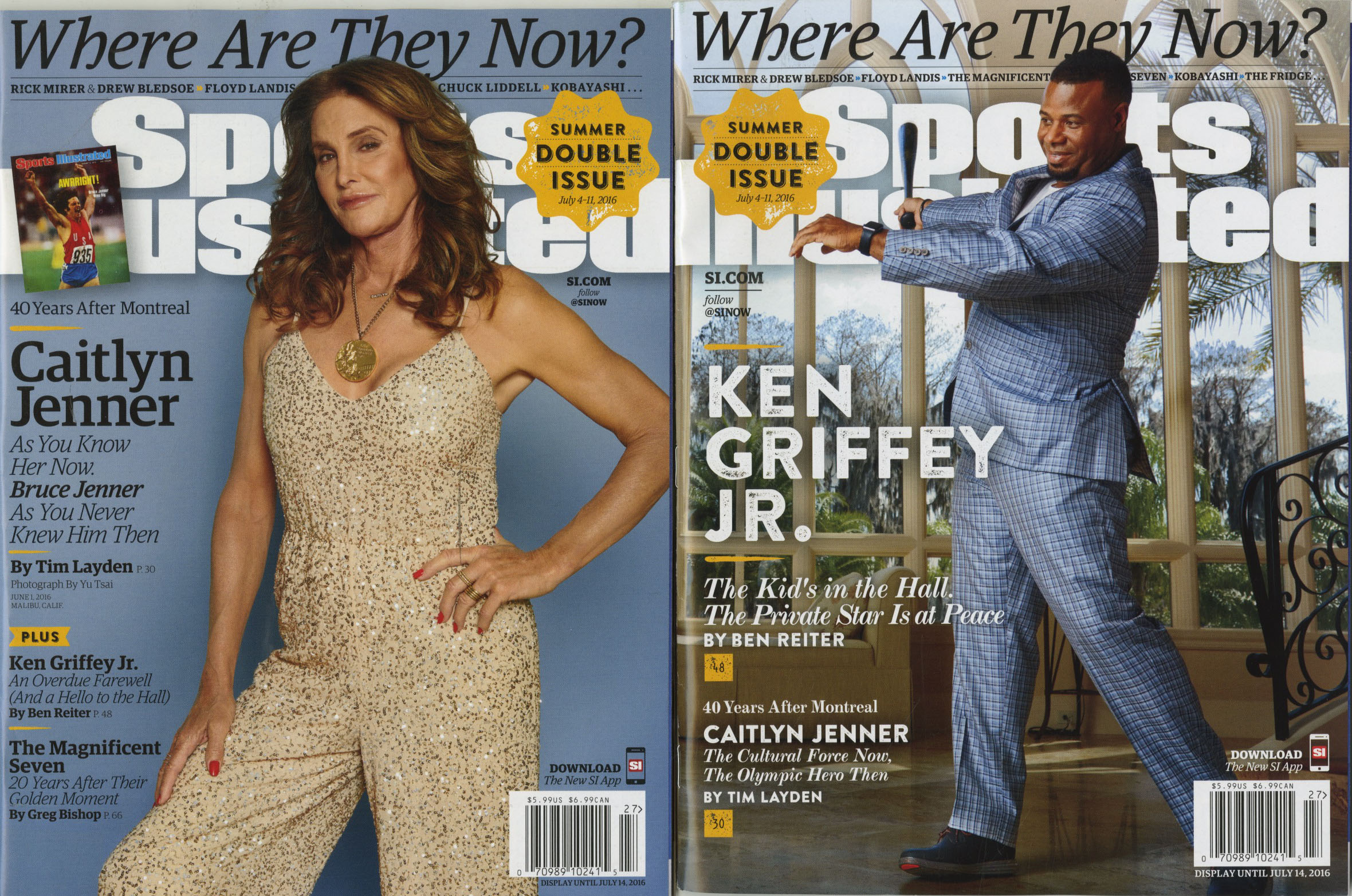
Sports Illutrated PP After much publicity and talk about the Caitlyn Jenner, Sports Illustrated cover for their special summer double issue on “Where Are They Now?” I was surprised to walk into my local Kroger Supermarket and find Ken Griffey, Jr. on the cover of the magazine instead of Caitlyn Jenner. Of course, after I picked up the magazine and looked inside, it mentioned on the table of contents that there were two covers.

But what stunned me more than anything else and made me quite pensive was why did they decide to do a split cover on such a trending cover? Did they assume that many of the newsstands wouldn’t welcome a Caitlyn Jenner front-and-center or didn’t they trust in the cover enough to sell the desired issues with the Sports Illustrated audience?

Needless to say, when I went to the closest Barnes & Noble, I found the Caitlyn Jenner cover. Maybe they’re just testing the waters, but after the huge increase in sales for Vanity Fair when they used Caitlyn Jenner on their cover, I was really surprised the powers-that-be at Sports Illustrated decided to split the SI cover. But Vanity Fair’s audience isn’t the same as a Sports Illustrated audience, that is a given. However, I felt that I would be remiss as a connoisseur of everything “magazine” if I didn’t at least call attention to the fact that as I’ve always said the magazine cover is a powerful tool. It can affect people in many different ways and must be used with care. And obviously, the folks at Sports Illustrated would agree.

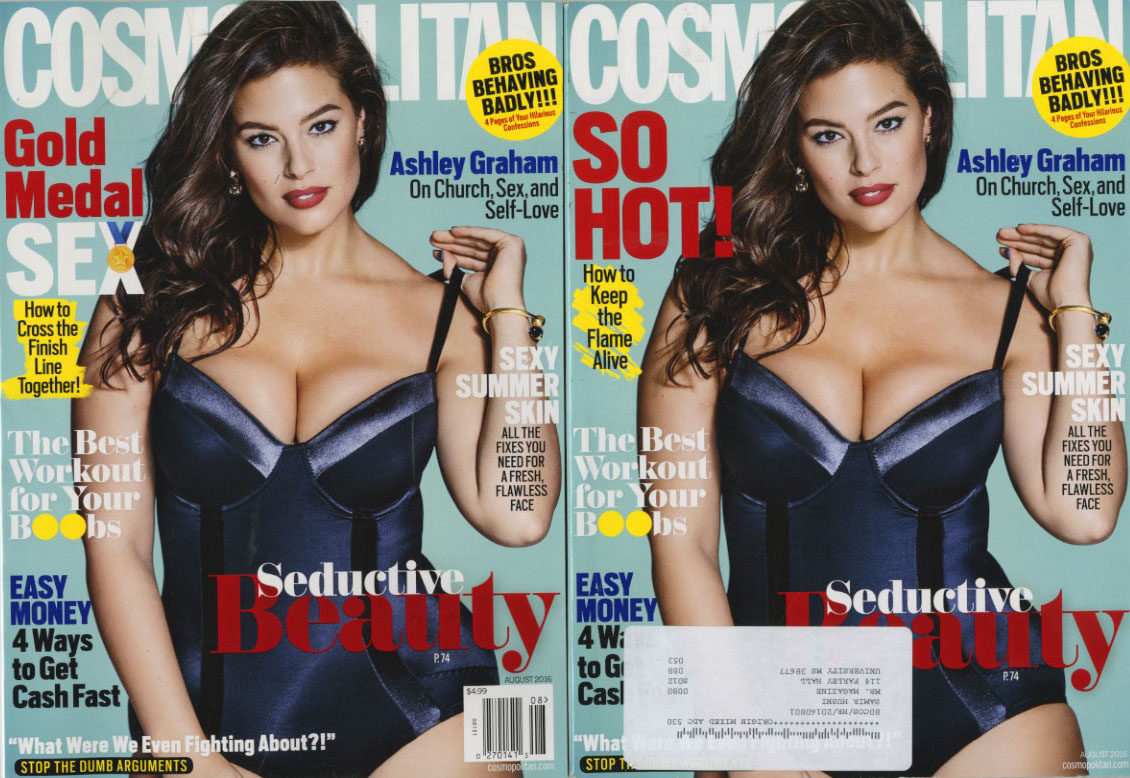
CosmoCosmopolitan has been taking the word “sex” out of subscribers’ covers for quite some time, but leaving it on the newsstand editions, which boggles the brain of Mr. Magazine™. I mean, do we, the readers, really not know what Cosmo contains, whether subscriber or newsstand connoisseur? And maybe it’s because subscribers know what the magazine is all about that they don’t feel the need to mention the word sex on the cover of their issue. After all, it’s newsstand buyers’ attention that’s at stake when your magazine is propped up against an army of others who are also jostling and elbowing for consumer recognition. But are we thinking for our customers again? Are we forgetting that content is worth much more than shock value?

But I’m just musing here, remember.

It’s amazing the play on words used when it comes to cover lines on each magazine, the comparison of “look at this issue and look at that issue” of the August editions of Cosmo. The subscriber cover reads: “So Hot! How to Keep the Flame Alive,” but the newsstand cover fairly shouts: Gold Medal Sex – How to Cross the Finish Line Together!” Even the exclamation points are in different locations for dramatic effect.

In doing this, we assume that all newsstand buyers are impulse shoppers, but that’s simply not the case. In reality, a lot of newsstand consumers, based on my own studies and on research done by other professionals; many consumers buy habitually from newsstands because they choose not to subscribe. And they also carefully peruse many titles before selecting the ones they want. Many don’t know the meaning of the word “impulse.”

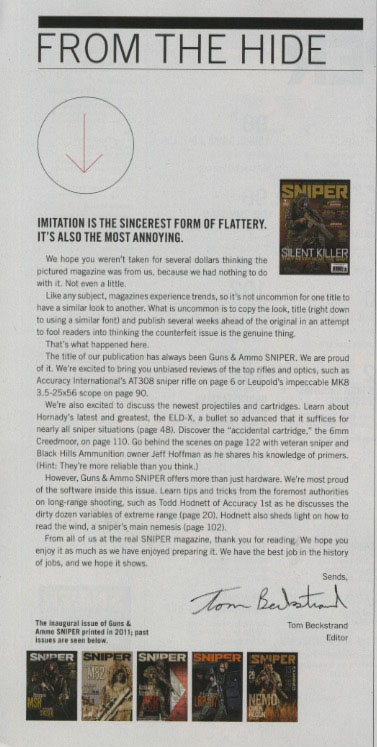
SniperSniper edI also picked up a copy of Guns & Ammo’s Sniper magazine and immediately fell in love with the editorial. “Imitation is the Sincerest Form of Flattery. It’s Also The Most Annoying.” Sniper Editor, Tom Beckstrand, points his finger at a copycat title that hit a bit too close to home and wrote about it in his Letter from the Editor note in the recent issue. It was a joy to read and also really hit the nail on the head when it comes to the business of imitation. While it’s not uncommon to “copy” the look and ideas of one title to a new one; it’s very uncommon for the copycat to look exactly the same, right down to using a similar font (as Editor Beckstrand points out in his editorial). And then when the mirror image comes out several weeks ahead of the original in an attempt to fool readers…well, that’s certainly questionable, to say the least . But Beckstrand handles the entire debacle with aplomb and grace, as only an original can. Kudos to the real Sniper.

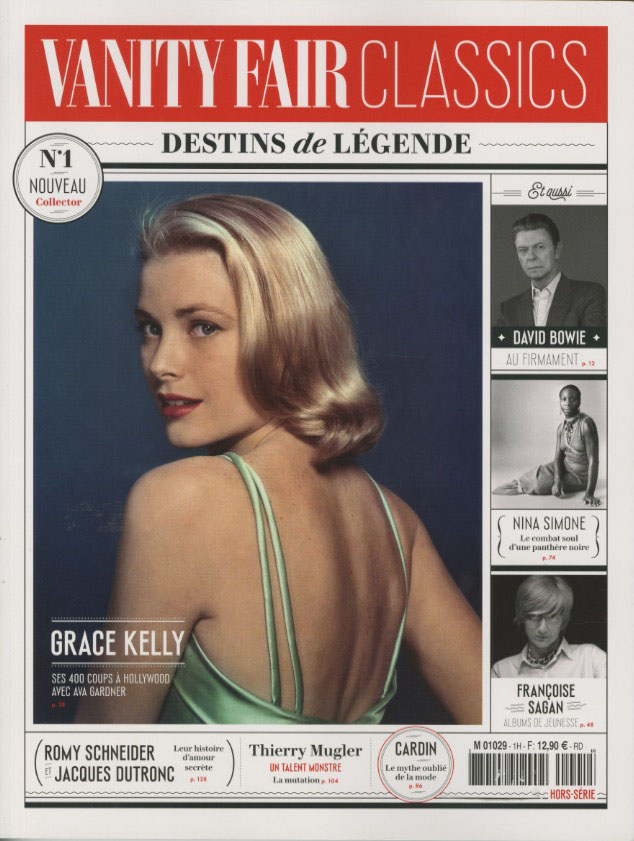
Vanity Fair ClassicsOn a positive note, in a nearby bookstore I found the first issue of the French Vanity Fair Classics and it is amazing. I was bowled over by everything about the magazine, the design, the feel, the look, and the content, which I had to deputize my wife, who speaks French, to read and translate for me. It’s a great magazine and I know that Vanity Fair is trying to do similar things here in America with Vanity Fair Icons, but Vanity Fair Classics is definitely a keeper. It was worth every penny of the $16.90 that I paid for it.

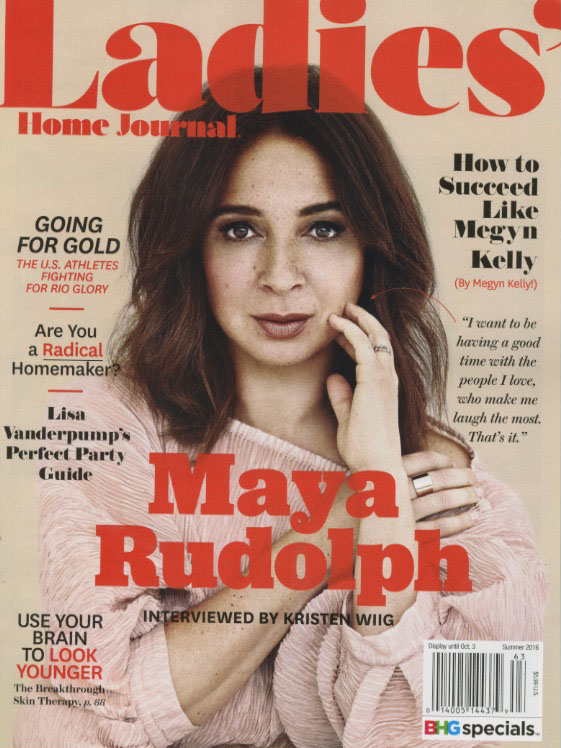
Ladies Home Journal 1And last, but certainly not least; I was browsing the magazines at my local store and was pleasantly stunned to see the new design of Ladies’ Home Journal in the latest issue. The content and the presentation were wonderful. My first reaction was: why didn’t they do this before? Could the change in the content and the change in direction have kept them publishing on a regular, monthly basis?

But my musings do not dwell in the past. I will say this issue of Ladies’ Home Journal is one of the best that I’ve seen in a long time. And hopefully, as more magazines are rediscovering print and rediscovering frequency, and rediscovering the way content in print should be, the lessons learned will ring true for many decades to come.

Until next time…

Mr. Magazine™ suggests you grab a magazine and get contemplative – you never know what you might discern…

h1

One Night Stand; Love Affair; Marriage – What Kind of Relationship Do You Have With Your Print Audience?

June 6, 2016

A Mr. Magazine™ Musing…

Lately, I have been traveling all over the country and the world in general, preaching about the role of print in a digital age for two reasons: (1) I do believe in the future of print and that print is here to stay on a permanent basis, and (2) I do believe that the role of print is changing, that we cannot have the same “old” print that we had before the digital age. Everything evolves and changes, that’s a given.

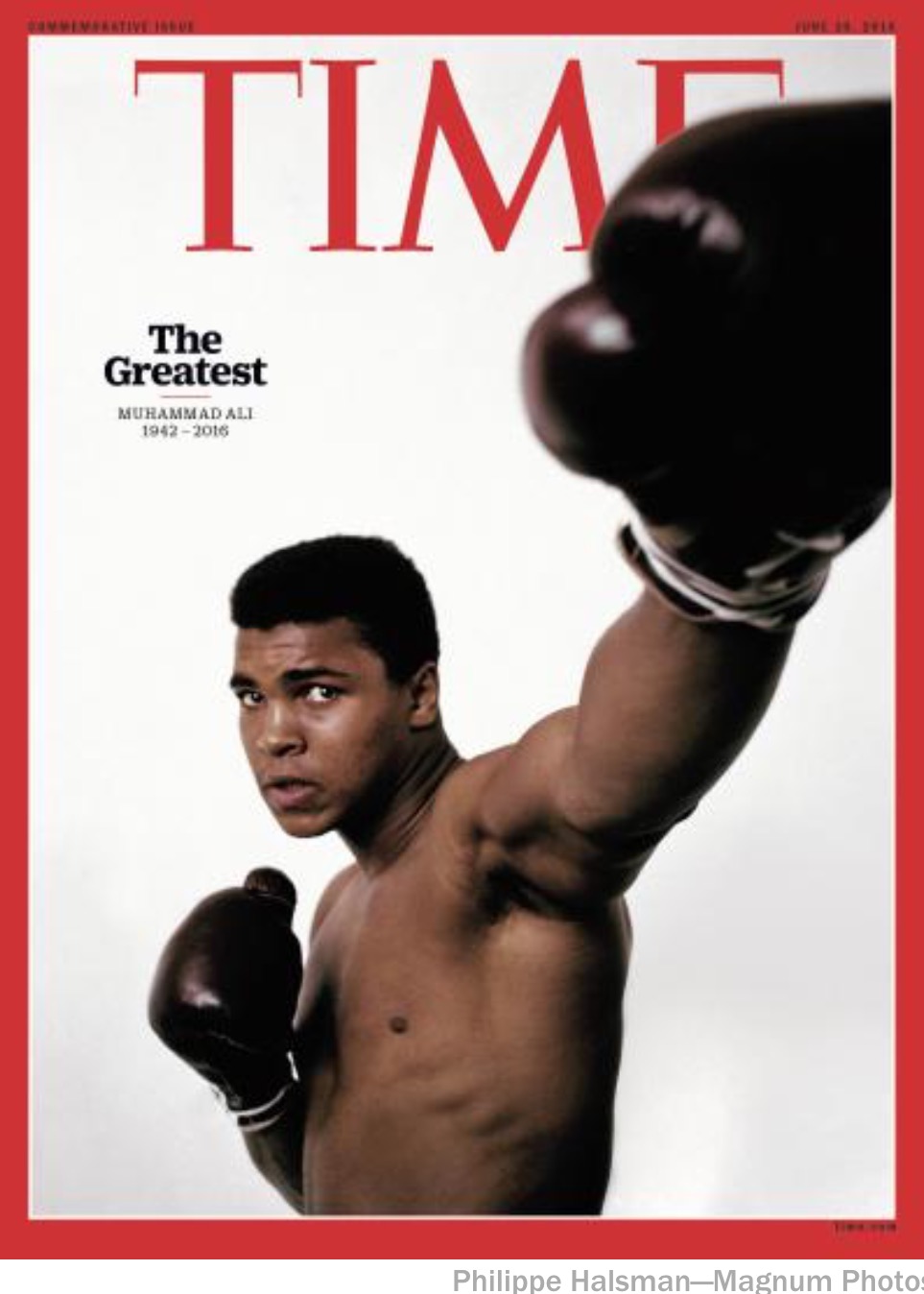
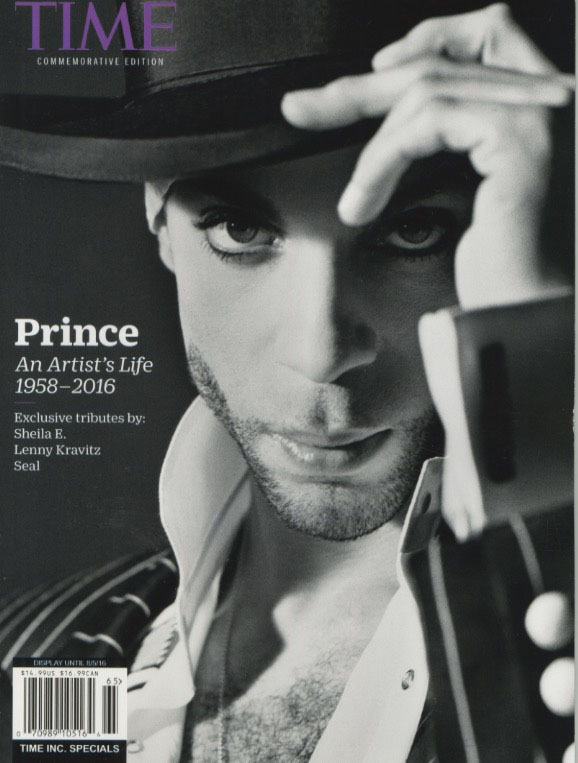
TIME's special Ali issuePrince However, some of the fundamentals are not going to change, whether you publish a weekly magazine, a monthly magazine, or a quarterly publication; there are some things that are inherent in the definition of print that will never cease. The number one trait that will always remain is: if it’s not ink on paper, it is not a magazine. It can be many platforms if it isn’t ink on paper, because there are many platforms, but it cannot be a magazine. We have to be careful about what we define as a magazine.

Having said that, I want to explain what I believe the role of print is in this digital age, but to do that we need to understand the nature of magazines and their continued relationship with their audience. We need to recognize the types of magazines that exist in the marketplace today and look at the number of new magazines that are arriving on a daily basis. And of course, we need to acknowledge the principles of creating a magazine that will also never change, among them being that the foundation of that creation, which includes content, design, curation, innovation; all of the things that have been a part of magazine making for years, is still very much alive and kicking.

The way that I classify the relationship between a magazine and its audience is really very simple. I am a firm believer that one of the most important things when it comes to building and sustaining that relationship is knowing your audience and putting them first, not the platform. Not print first, not digital first; audience first. That is paramount to the success of any publication. And that is not just lip-service or words to fill up a page on my blog. That is truth. Without our audiences, we have no reason to exist.

When it comes to magazines or print in general, we create this relationship with our audience, unlike any other entity. That relationship can be one of three types: a one night stand; a love affair; or a marriage. Print as a whole has a broad spectrum of entities, from a 700 page hard-bound book to a 36 page magazine and each one of those entities has a different relationship with their audience.

For example, my grandson developed a love affair with the “Harry Potter” brand. So, he read all of the books that were out there, from Book One all the way to the current end of the series. Once the books are completed, he may watch the movies, and once the movies are under his belt, that love affair will fade and he’ll move on to something else. And so it goes with our magazine audience.

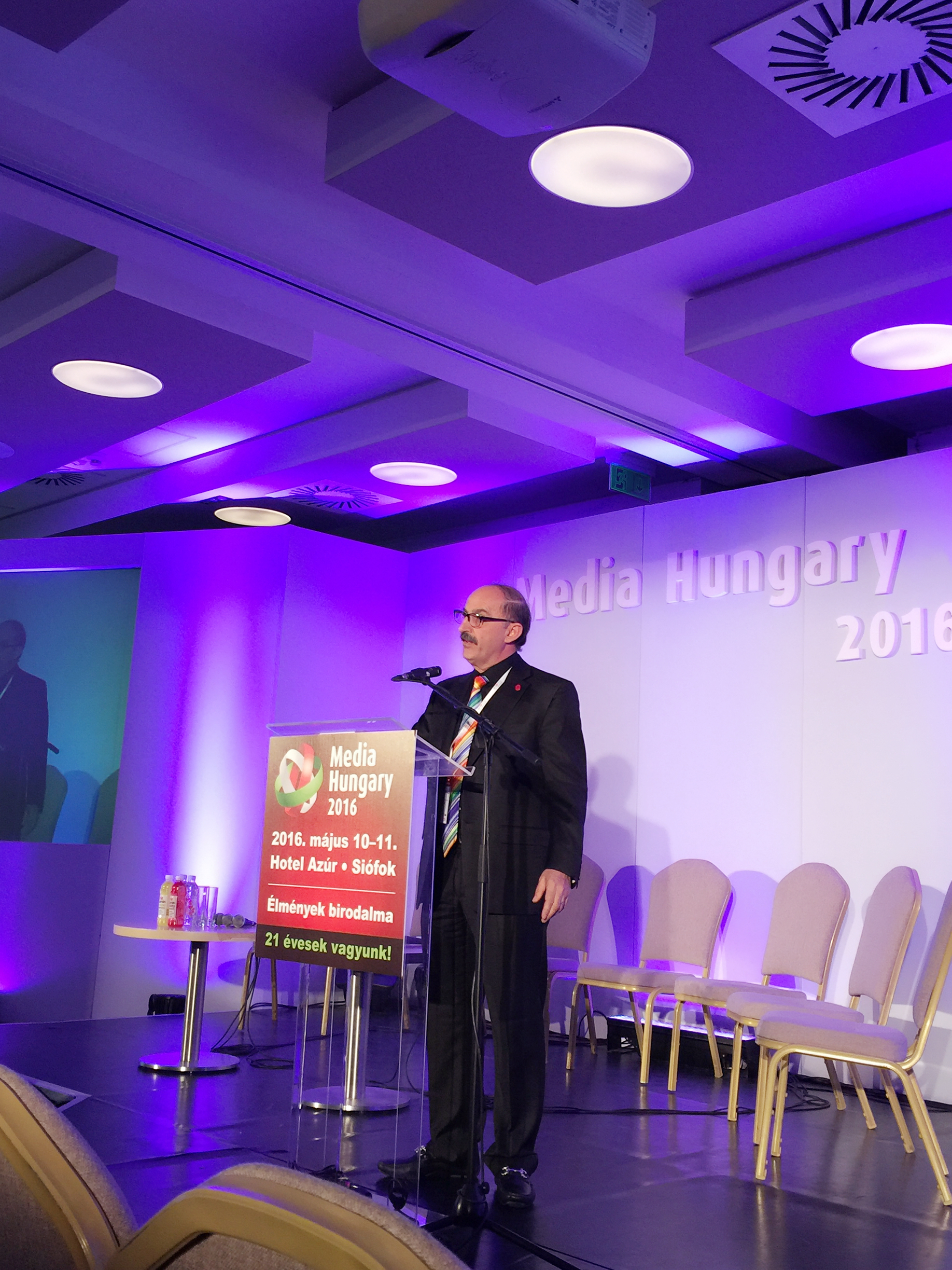
Samir Husni at Media Hungary I had the pleasure of meeting Pam Didner on one of my recent trips to Hungary. Pam is the author of “Global Content Marketing: How to Create Great Content, Reach More Customers, and Build a Worldwide Marketing Strategy that Works.” She asked me about the different relationships that we form with our audiences and I believe that she captured my feelings on the subject very well. So, rather than restating the obvious, here’s what Pam wrote:

“I love how he (Mr. Magazine™) categorizes magazines; he uses love relationships as categories.

One-Night Stand
Love Affair
Marriage

The One-Night Stand Magazine

“Magazines that are published based on a milestone, key event or a person. Life Magazine usually does a great job of publishing one-night stands. They have published special editions or tributes for “Princess Diana”, “John F. Kennedy”, “Ronald Reagan”, “Queen Elizabeth II’s Golden Jubilee” and “WWII 60th Anniversary.” These types of magazines need to be timely to entice readers into a one-night stand.

The Love Affair Magazine

“People will buy magazines for a short period of time based on key decisions in their lives. The best examples are wedding-planning, pregnancy preparation and travel. Brides-to-be will purchase bridal magazines when they start planning their wedding and shopping for a dress. Parents-to-be will purchase parenting and baby-related magazines to get ready for their first-borns. When the wedding is over, the baby is born; they are no longer interested in the magazine as if a love affair lost its fire and passion.

The Marriage Magazine

“This is the type of magazine that becomes a ritual to the readers’ daily lives. My mother-in-law loves her New Yorker and my husband reads his monthly car plates magazine (He collects car plates and their organization has a member’s only magazine.) These types of magazines become part of their lives and they are loyal followers.”

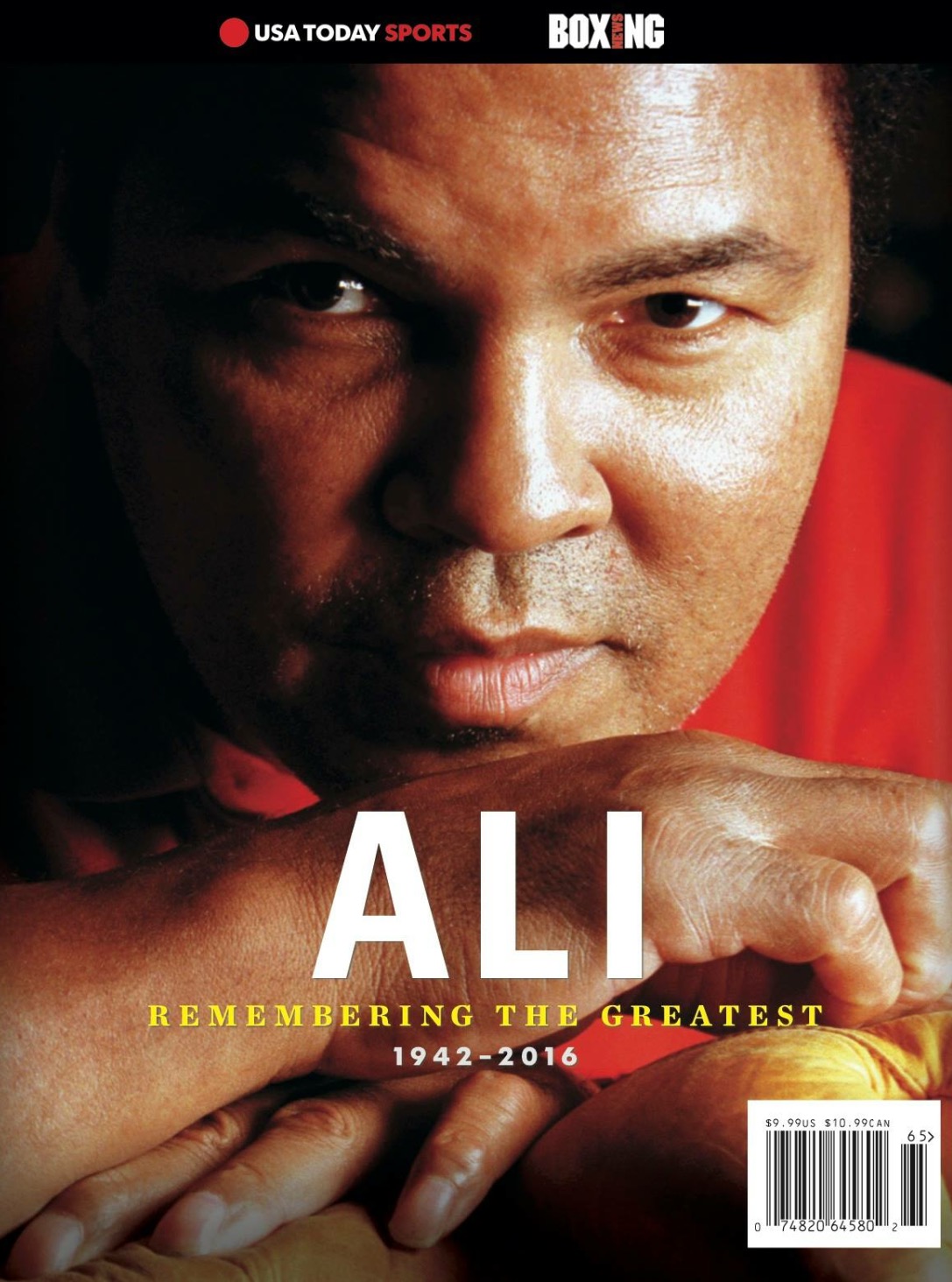
USA Today Sports AliThe relationship that you develop with your audience is the cornerstone of everything that we do. The moment the world lost Prince, and more recently, Muhammad Ali, one-night stands were formed. Epic specials on deceased celebrities and sports figures are synonymous with the one-night stand because they are timely at that moment and extremely important to fans of the artist.

Everything that we create today has to be built upon those three cornerstones: one-night stand, love affair, or marriage.

And the old adage: “There is nothing new under the sun” can now be sent to its final resting place, because in reality in today’s digital world, there are a lot of new things under the sun.

When it comes to new magazines, they are continuing to launch unceasingly. In fact, the total number of new magazines arriving on the marketplace is comparable to the pre-digital days that we all remember so nostalgically. And they’re still the same three categories that I’ve always said new magazines fall into:

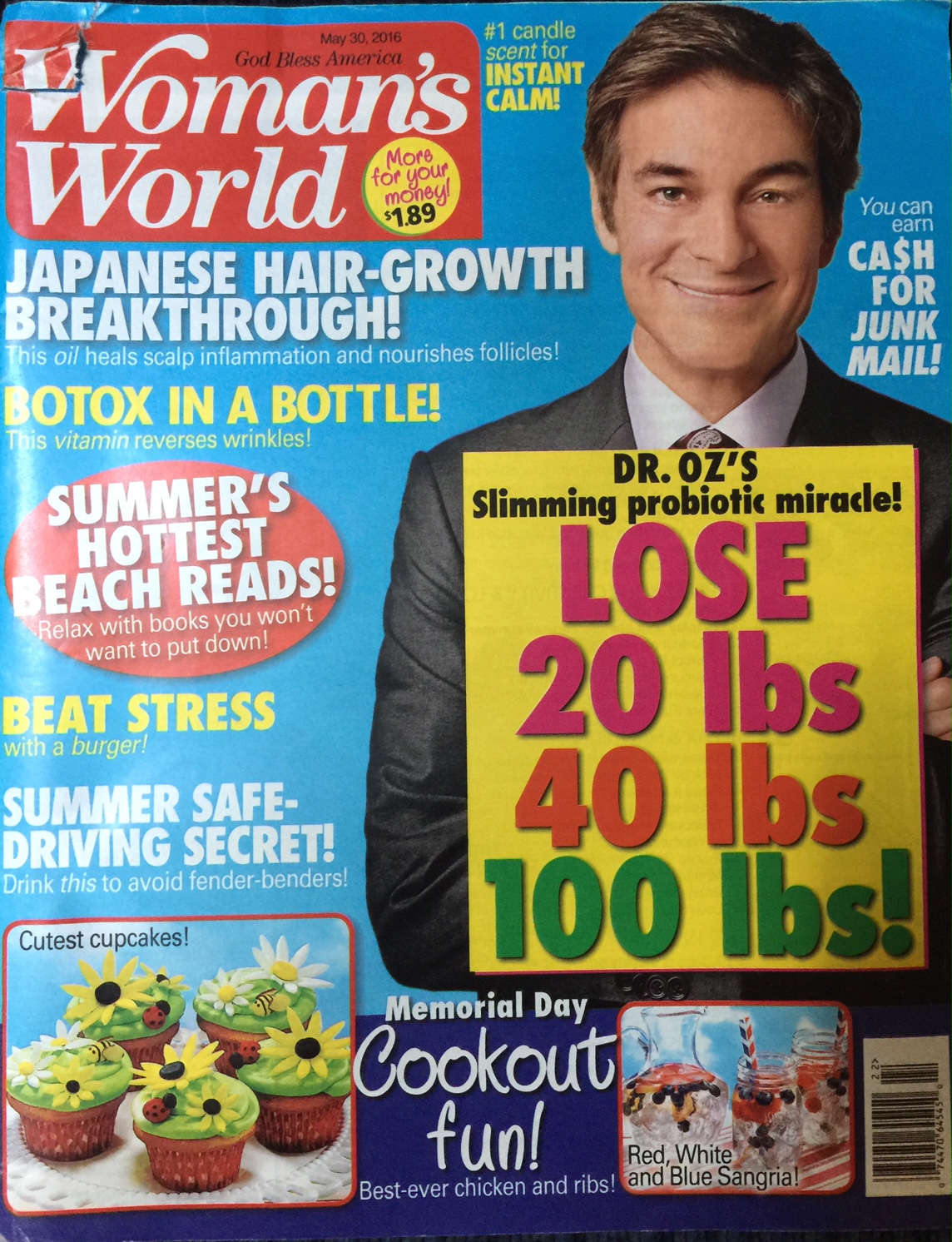
Groundbreakers: Woman's WorldThe magazines that are singular and there is nothing else like them, such as when Woman’s World was created. There was no weekly women’s magazine for American women when it hit the newsstands that had the rapid change of a non-news magazine on a weekly basis. It takes creativity and determination, and it takes being a weekly to keep that link between addictiveness and disposability with your audience in every issue.

Copycats: The group of magazines that come based on the success of other magazines. These magazines are created by people who basically sniff out the prosperity of other magazines that are very similar, but feel they have a different take on the subject matter. In so many cases, the copycats can end up being better than the original publications. With all the hunting and self-defense magazines out there, here comes a magazine like Recoil that sets itself apart from everything else on the marketplace. Suddenly, you have an upscale looking and upscale feeling magazine that treats guns as a lifestyle, rather than just a special interest. And you target the lifestyle of the gun owner, instead of the gun per se, without putting the weaponry aside. So, some copycats can be even more significant and successful than the groundbreakers.

Cheap Imitators: Companies and publishers that are in the business just to ride on the coattails of the successful magazines. The Food Network magazine is flourishing; suddenly, you start seeing an influx of food and celebrity magazines, or food and travel; just any combination of the successful titles out there on the newsstand just to imitate it and be a mirror image of those magazines, hoping that the Groundbreakers and the Copycats will establish an audience big enough, that even if you’re a cheap imitation, you can cash in on the overflow.

Having said that and combining the relationship aspect with the creative aspect of a new magazine, the marketplace is showing no signs of slowing down. The numbers speak for themselves. Every month as you can see on Mr. Magazine’s™ Launch Monitor, there is no shortage of regularly-published magazines, covering any topic that you can think of, such as a
Groundbreaker like Pallet Magazine – one that joins great articles with the setting of craft beer.

Frequency new launches for the past six months:

• May – 25
• April – 21
• March – 7
• February – 12
• January – 21
• December – 32

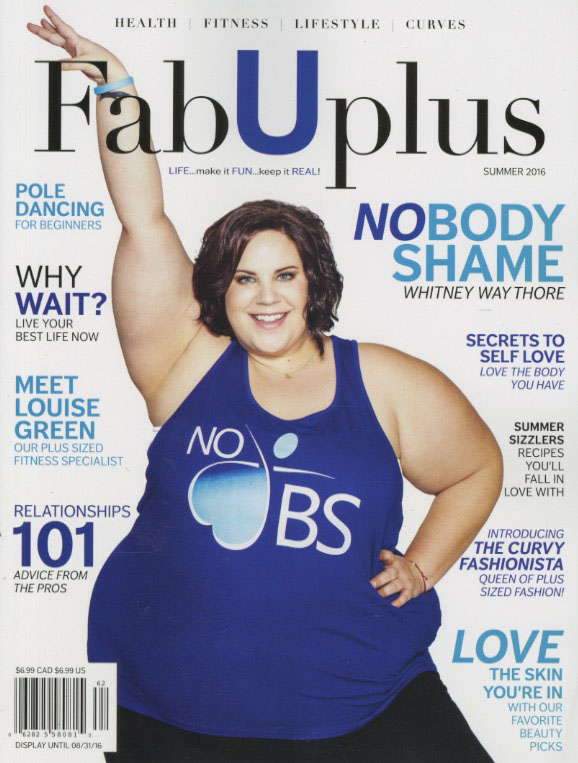
Fabuplus So, if you look at the numbers there is no slow down. If you look at the topics; how many times can one publish a magazine on the big, beautiful woman, yet in May, there was a brand new title called, FabUplus. These new magazines believe they may have found a new twist on a well-used subject. Over time people forget the older titles, those that came and went before one can remember, so there’s always a new audience, a new churning taking place.

And if anyone doubts the future of print in this digital age? All they have to do is look at all of the digital-only entities that are discovering, and have already discovered, the power and substance of print. Entities such as Net-A-Porter, WebMD, Sneaker News, and Posi+tive have all established a foothold in the printed word because no media company today can afford to be omni-platform in today’s marketplace; they must be multiplatform. You’re creating a brand, not just a new magazine. And that’s very important to remember. Are you launching a brand or a singular title? Because nowadays you have to be in the branding business with the printed magazine as your cornerstone, if you’re going to survive into the future.

Technology has changed everything, even printing. I just returned from a visit to Trend Offset Printing. They have introduced the first web Canon inkjet printing press. And it was amazing. The quality, personalization and the speed were unbelievable. And the quantities. Printing is making it easier to launch new magazines. No printer will throw you out of the facilities if you tell them you want 5,000 copies or 10, 000 copies because in today’s world, those quantities are no problem.

And remember, magazines are much more than just content-providers. Magazines are experience makers. Excellent writing, reporting and photography are still just as important today as they were generations ago. Magazines have a great future, if executed properly. Ideas are a dime a dozen; it’s the execution of the idea that counts, and will produce either a one-night stand, a love affair, or a long-lasting relationship.

So, until next time…go pick up a magazine and begin the experience…

h1

Lose the News – Keep the Paper…

June 3, 2016

A Mr. Magazine™ Musing…

daily Recently I tweeted that the words news and paper together are an oxymoron; you can’t chase news on paper anymore, it just isn’t possible in today’s digital age. Some of my friends in the newspaper industry were not happy with my tweeted description and thought that I went a bit overboard in criticizing the newspaper. With that in mind, let me tell you what I really think about newspapers and their printed future.

I am a firm believer that today more than ever we need papers; printed papers; we need them to read like weeklies on a daily basis, unless their frequency is already weekly, and then we need to call them by that moniker. I refuse to call them “news” papers because I really believe that the word newspaper is an oxymoron. In today’s world, there is no way that you can have news, actual breaking news, on paper. But does that mean that we have no need for papers anymore? No need for that printed product that comes curated, edited, well-thought-out, designed, and arrives on my doorstep or in my mailbox on a regular basis? We absolutely do need that product and I’ll tell you why.

People may say that it’s a matter of semantics, but for the sake of the digital natives who have grown up getting all of their news from their smartphones or their tablets; we owe it to them as journalists to go beyond the soundbites. We owe it to them to go beyond the news and to try and curate and present the necessary information that will have an impact on their daily life.

I wasted three hours watching a cable channel’s breaking news (by the way have you noticed that all news on television is breaking news), and I use the term loosely, on what happened recently at UCLA. At the end of the extensive coverage, I still had no idea what was really happening or even what really had transpired other than a murder-suicide. There were plenty of images and plenty of police and even more of “we have no idea what is going on, but will continue our live coverage.”

While yes, it was a tragedy and two people were dead, was that journalism at its best? What image of journalism are those cable channels promoting or teaching our audience about the value and necessity of journalism. 24-hour news is the biggest disservice to news ever invented. We don’t have more news, but everything now is breaking news. Go figure.

Every time I sit down and watch TV I’m reminded of that necessity for true and good journalism and papers. The necessity of somebody who takes the time to digest, analyze and think of that content before spewing it out there. Our future isn’t to be automated bits and pieces such as you find on television and smartphones. We have to start treating journalism as a serious matter. We have to start treating journalism as an issue that begins with proper education as to what journalism really is and how true journalism can touch lives and impact people. Someone may not know that they need to read about a certain story, but those surprises that journalists bring can be exciting and very impactful and in-your-face. Journalism is important.

weekly Journalism, especially in print, must be much more than mere soundbites or those lazy days of summer where the story goes on and on indefinitely, only at the end of the day to discover there is no real story with definitive facts.

For people who doubt that there is a future for the daily paper, they need to think again, because there is nothing like a good paper, one that provides you with all of the needed, wanted, and desired information that a well-curated paper can deliver to you.

Digital natives have grown up getting their news from smartphones or tablets. Digital immigrants have joined the natives in getting their news from smartphones or 24-hour cable channels. This is a given. However, both are also not oblivious to the printed word either. Certainly, most are capable of appreciating a reputable source when they see one. We owe it to our audience as journalists to open their minds and show them what true journalism is. We do that by going beyond what they’re used to receiving from the bits and pieces that materialize on their phones. If they’ve never had it, they don’t know what they’re missing. And for those who had it, they know that they don’t want yesterday’s news in today’s paper. Both have heard the news already. So, it’s up to us to show them.

And that’s why papers are still so very important and also why I’m advocating for the removal of the word news from newspaper. We must start referring to our publications as daily or weekly papers, because it’s not the “news” that defines our paper, it’s the content and the information within. By the time papers get the story to print, the world has known about it for hours if not days. Therefore the term “no news is good news” makes even more sense.

I believe for any paper to succeed today it must have: (1) In depth, investigative reporting; (2) It must have in depth interviews that avoid the soundbites such as the type we see on television, but instead, go behind-the-scenes and explain to people what’s really going on. Who is the real person and what are they doing or thinking and how does that impact our lives?

(3) There must also be great photography. Nothing replaces a picture in print, even if the quality of the paper isn’t the best; people love to see images, their own and others, in the paper. Unless of course, they’re on the country’s most wanted list, then they might defer.

A good paper is one that realizes the reader knows what happened yesterday; knows what happened thirty minutes ago, but they don’t know how it may impact their lives or their family’s lives or their futures. That’s what a good paper does on a daily or a weekly basis. It bridges the gap between yesterday and tomorrow with in depth information that has impact. Call it the 48 hours bridge for the daily and the seven days bridge for the weekly.

So, before you give up on papers in general, pardon me while I give up on news on paper instead. And join me in redefining papers as daily or weekly entities. It’s not too late, but by the same token, we can’t wait one more hour to transform them into what they need to be in order to not only survive, but thrive.

No one waits on the paper for news anymore. Let’s accept that as fact. The minute the powers-that-be at papers start thinking differently and redefining what papers are is the moment that they’ll suddenly see the paper in a whole new light. Then the stratosphere is the limit when it comes to engagement with your audience.

So, do me a favor today; stop thinking about your product as a “news” paper and just think about it as a daily or weekly entity. Then your entire concept of what needs to be in that paper is going to change.

Until next time…

h1

The 30 Hottest Magazine Launches Of The Past 30 Years Event: Hubert Boehle, Ellen Levine and Priest + Grace Named Hottest Publisher, Editor and Designer, Respectively, Of The Past 30 Years + InStyle, The Hottest Magazine Launch Of The Past 30 Years. As Selected By Mr. Magazine™

April 14, 2016

27513_mins_30_Event_logo You can’t have the 30 Hottest Magazine Launches of the Past 30 Years without calling out the current Hottest Publisher, Editor and Designer(s) who have put their respective magazine(s) through its paces to land it in this most elite of groups. Announcements of the winners were made at the min 30 Event on April 14 at the Grand Hyatt in New York.

On any given day, Mr. Magazine™ can be seen flipping through individual copies of new magazine launches, but I can also be found thumbing happily among those legacy brands that have led the way for all those new titles that have followed, such as in the case of the 30 Hottest Launches of the Past 30 Years.

And in doing so, I have observed the trails that have been blazed in both the editorial and designer forests, and with the advertising revenue streams that run perpendicular to those creative trails, only to connect somewhere a little farther down the path to become the communal force of nature that they are when joined.

The result was the Hottest Publisher, Editor, and Designer of the past 30 years. After all, you can’t have hot magazines without equally smoking people. So, as difficult as it was to choose among the stellar talent out there, I somehow managed to do it, and during the same epiphany came up with five questions to ask each of them.

Without further ado, we begin with our Hottest Publisher of the Last 30 Years:
Hubert Boehle, President, CEO, Bauer Media Group USA, LLC.

HUBERT_BOEHLE_CEO[2]

Samir Husni: What do you think has been the biggest challenge in your career and how did you overcome that challenge?

Hubert Boehle: I faced the biggest challenge of my career right after I joined Bauer Media in the U.S. in 1989. The company had just launched First for Women and even though we spent millions on TV ads the magazine just didn’t hit its target numbers. The problem was that we had badly underestimated the readers’ attachment to the Seven Sisters. The launch plan was to offer a magazine similar in content but younger than the established magazines, but – contrary to our experience in Europe – focus group attendants kept telling us: “I trust this old brand; my mother used to read it and so will I.” My boss at the time, Konnie Wiederholz, charged me with getting the magazine to profitability. I wanted that challenge, but at the same time I was scared to death because I was inexperienced and had almost no familiarity with the American marketplace. As you know, First is still around and has been a healthy magazine for close to 30 years, so obviously it all worked out. Our first goal was to stem the losses. We used all the tricks you learn in Publishing 101: cutting costs, firing up the ad sales team, raising the cover price, changing frequency, fine-tuning the editorial product. I took some of these actions with bated breath. Not all of them worked, but all in all the changes were successful, and I felt like an Olympic finalist when we finally crossed the break-even point.

Samir Husni: What has been the most pleasant moment in your career so far?

Hubert Boehle: Probably that too happened during the relaunch of First for Women, and it taught me the power of reader-focused editorial. In its initial years, First suffered from terrible price elasticity. We raised the cover price twice, from $1.00 to $1.25 and from $1.25 to $1.50. Both increases were a waste of time, because we lost so much circulation that the net effect was close to zero. So the market was sending us a clear message: your original launch idea – an eighth sister for younger readers – stinks!

The decisive turnaround happened when we noticed that the magazine sold better with topics that addressed the reader not in her roles as mother, cook and housewife, but as a young woman with personal needs and interests. We did well when we covered topics like hairstyles and diets on the cover and we lost to the competition when we offered Seven Sisters staples like household tips, recipes and crafts.

So we finally changed the editorial positioning of the magazine to what we still use as our tagline: We put you first! Looking at women’s magazines today, it’s hard to believe that would make such a big difference, but back then, the focus on fashion, beauty, health, nutrition and diet was a real USP. After this repositioning, we went through with a hefty price increase, from $1.50 to $1.99 and this time we didn’t lose a single copy in sales.

Samir Husni: Looking at the industry as a whole, do you think we are better off today than the “good ol’ days?”

Hubert Boehle: This would be the moment for me to say, “There’s never been a better time for quality journalism,” but, let’s face it, the “good ol’ days” weren’t just good, they were mind-blowing. Magazine publishing was like a license to print money and you had to spend a lot of time golfing not to achieve double-digit margins.

From that perspective, it’s difficult to be nostalgia-proof. Revenues and margins are under pressure and nobody expects that magazine publishing as an industry can return to the old way of doing business. For the last few years, every publishing house has had to adapt to this new reality of shrinking returns, and we will need to keep on finding new ways of managing our business and, most of all, new business. I wish I knew what exactly that new business will be; my guess is there will not be one solution that will fit all, and instead, a number of different paths depending on each publisher’s particular know-how.

Samir Husni: From a publisher’s point of view how do you view the future or the “publishing” profession?

Hubert Boehle: There’s no doubt that we will go through a period of intense changes. My hope is that the change will be a transformation, rather than a disruption, of the current situation. I hope we publishers will be able to use the capital, the talent and the know-how we have gathered to, on the one hand, keep our magazines attractive enough so they continue to find readers, and, on the other hand, to successfully invest in new activities. Platform agnostic is the sexy new phrase, and I am more optimistic than I was a few years ago that we will be successful in developing significant new revenue streams.

Samir Husni: What is your reaction to being named the hottest publisher of the past 30 years?

Hubert Boehle: Samir, we were fortunate enough to win your “Launch of the Year” award a few times and I always felt honored because you choose your top launch based on how you gauge a new title’s appeal to the reader, and you’ve never been afraid of going against the grain; for example, your vote for Simple Grace this year. And the same can be said for In Touch in 2002 because the title was nothing but a little rebel at the time. So to receive this award – not to mention the million-dollar prize that comes with it – is a special moment in my professional life.

HCI
Hottest Editor of the Past 30 Years:
Ellen Levine, Editorial Director, Hearst Magazines

Samir Husni: What do you think has been the biggest challenge in your career and how did you overcome that challenge?

Ellen Levine: I actually love challenges – I find them engaging. Starting new magazines is a creative opportunity that some might see as a challenge, because you need to find true uniqueness and originality, but ultimately it is really a wonderful way to put creativity to work, and I love it.

Samir Husni: What has been the most pleasant moment in your career so far?

Ellen Levine: There have been so many, but one that stands out is launching Food Network Magazine, which we did in the depths of a recession. In fact, the first issue’s on-sale date was the day the market tanked. We didn’t know what would happen, and when the results started coming in, we could see that it was an immediate, huge hit. People really embraced it, it was just what they needed at that moment, which is always what you are trying to achieve.

Another very pleasant moment was when we learned that the first issue of O, The Oprah Magazine had sold out in a little over week and we went back to press to print thousands of additional copies – proof that women truly value Oprah’s advice and wisdom. In both cases, I felt like we had tapped into something special with our content that really resonated with consumers.

Samir Husni: Looking at the industry as a whole, do you think we are better off today than the “good ol’ days?”

Ellen Levine: To me, every yesterday is a good ol’ day, but tomorrow is the future.

Samir Husni: From an editor’s point of view how do you view the future or the “editing” profession?

Ellen Levine: There’s more creativity, more room for experimentation than ever before. The original definition of editing was putting pencil to paper, and we all continue to do that too – editing is and will always be essential in the media business.

Samir Husni: What is your reaction to being named the hottest editor of the past 30 years?

Ellen Levine: It is a huge honor, and in so many ways I have Hearst to thank for it. Our leadership, the editors and publishers that I work with every day – we’re like a family. There’s no other place where I could stretch myself creatively and see things come to fruition the way I have at Hearst, from launching new brands to reshaping and evolving existing ones.

The Hottest Designer(s) of the Past 30 Years:
Robert Priest and Grace Lee of Priest + Grace Design Firm

pg_photo

Samir Husni: What do you think has been the biggest challenge in your career and how did you overcome that challenge?

Priest + Grace: Remaining relevant as a person and as a designer. Being somebody who constantly believes in reinvention and looking forward.

Samir Husni: What has been the most pleasant moment in your career so far?

Priest + Grace: There have been several things really. Moving to New York, from London via Toronto is certainly one. Teaming up with Grace Lee and the effect our collaboration has had on my creatively has been a revelation to me.

Samir Husni: Looking at the industry as a whole, do you think we are better off today than the “good ol’ days?”

Yes! But of course there are many definite challenges right now. I feel everyone is looking for a new way of communicating, and the jury is out as to which path to follow.

Samir Husni: From a designer’s point of view how do you view the future or the “design” profession?

Priest + Grace: It’s about taste and value to me. If you have good taste and can be flexible there’s a place for you in the future of design. If you have great taste, you’re articulate and you don’t compromise, you are the future of the design.

Samir Husni: What is your reaction to being named the hottest designer of the past 30 years?

Priest + Grace: Incredulous!

The Hottest Magazine Launch Of The Past 30 Years:
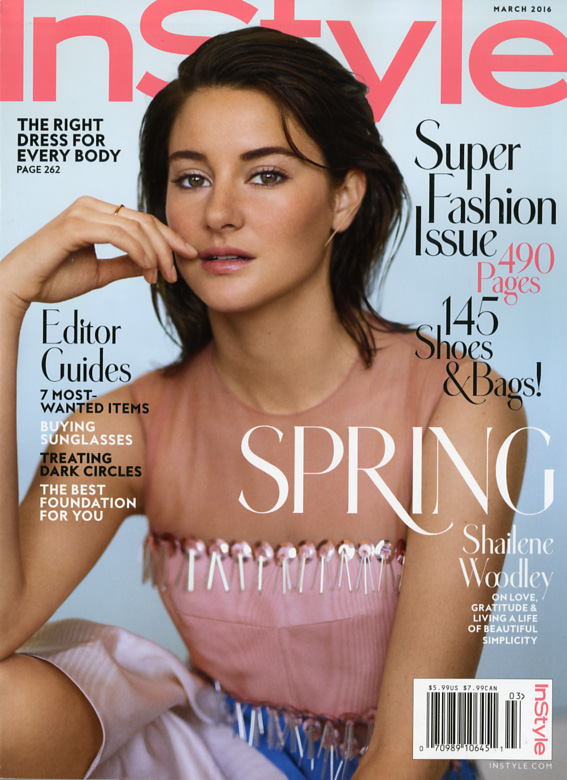
In Style

InStyle-1

In 1974 when Time Inc. launched People magazine, many people said that Henry Luce was probably turning over in his grave at how an institution like Time Inc., with titles such as TIME, Fortune and LIFE, were marching through the celebrity neighborhoods with a magazine called People.

However, little did they know that People would change the course of the history of magazines when it came to celebrities and human interest, and needless to say, People also became a major cornerstone in the world of magazine business.

Move forward to 1994; literally ripping a page from the success of People, Time Inc. launched a brand-new baby, born from the womb of the master mother: a baby they named InStyle. The same remarks were made about the infant as there had been about its famous mom two decades before. ‘Why would a company that deals with news and weeklies go into the fashion market? Why would they publish a women’s magazine that was heavily focused on style and beauty?’ The same doubts, with basically the same naysayers as there had been with People, spouting the same disparagements.

When People was launched there was very little competition in its category, but when InStyle hit newsstands, the fashion field was robust and ripe with some heavy-hitters such as Vogue, Harper’s Bazaar and Elle. InStyle had to swallow its nervousness and compete with three giants.

But not only did the magazine compete; it carved a niche for itself and did something the others didn’t do, it humanized celebrities. Suddenly people were seeing celebrities in a more personal and relaxed environment, proving that the magazine had a different access to their favorite stars than the others did, making InStyle unique.

The magazine made celebrities, style and fashion accessible to the masses without degrading the subjects they were covering and humanized the personality behind the famous name.

And of course, InStyle is not just limited to the United States. Currently the magazine is being distributed as international editions in 17 other countries including: Australia, United Kingdom, Germany, Brazil, Greece, South Korea, Spain, Russia, Turkey and South America. Its digital footprint is strong as well, with a website and app that keeps the brand in your face, right where it should be.

InStyle fits the criterion excellently that was required and needed to wear the title: The Hottest Launch of the Past 30 Years.

The Hottest 30 Magazine Launches of the Past 30 Years

What can you say about 30 magazines that have left a streak of fire in their wake as they impacted three generations? Well, you can definitely call them the 30 Hottest Launches of the Last 30 Years for sure. And you can say they are all inimitably unique and dynamic. Take a look at each one and see if you agree with my thoughts about them:

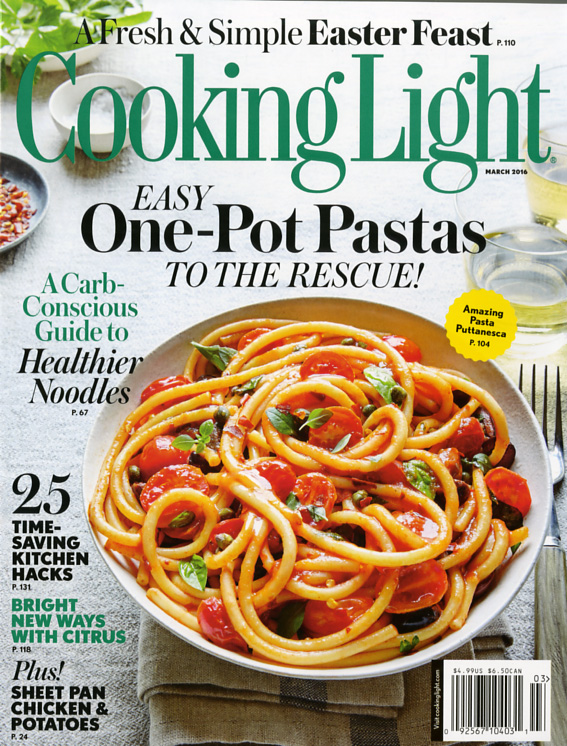
Cooking Light-2Cooking Light: Combining the love of food and the health of its audience, the magazine was able to beautifully showcase scrumptious and delicious food, that while healthy, was so stunningly decadent-looking, you would never know you were eating in good health. It took the guilt out of eating.

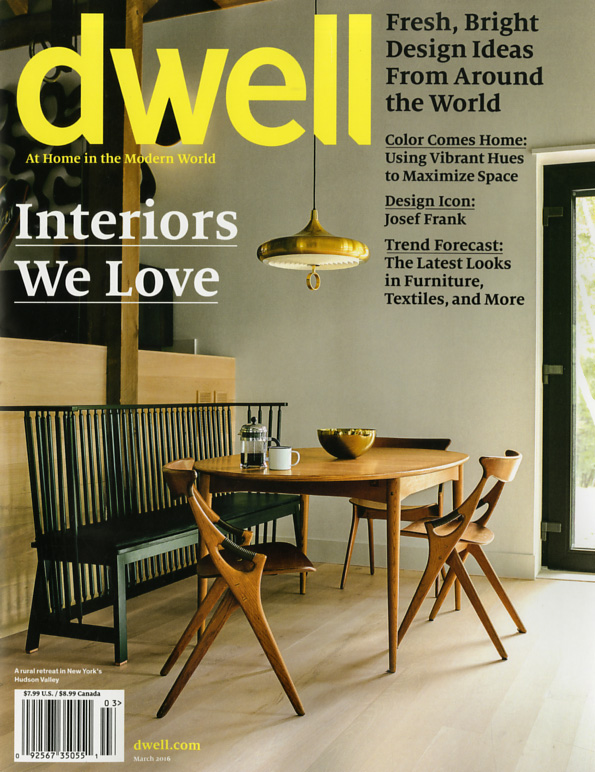
Dwell-4Dwell: The little engine that could. Dwell was one magazine that if you were a gambler would have been a long shot at best. Yet, with the diligence of its staff and creators, Dwell has become a leader in the interior design and shelter categories, in print, in events and of course, digital.
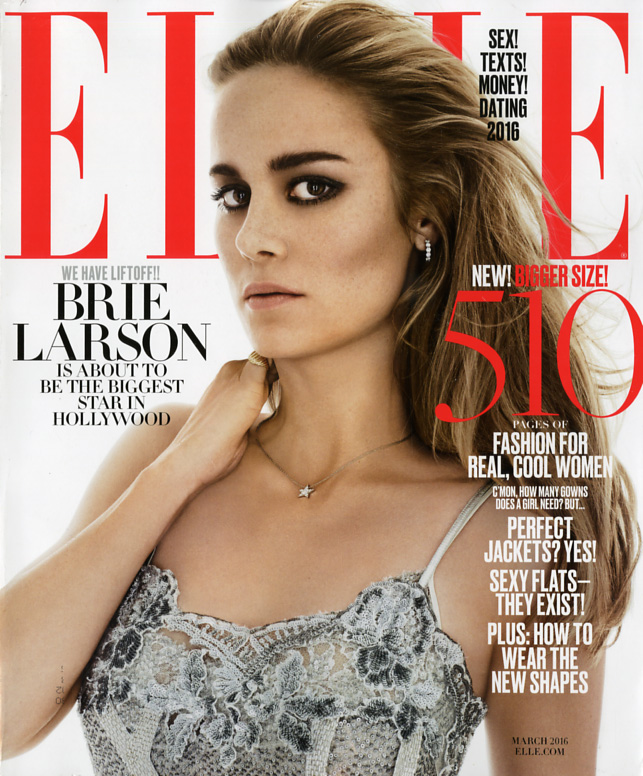
ELLE-2ELLE: One of the first magazines to succeed in bringing that Euro-trend to the United States. And not only did ELLE succeed; it excelled and became a dominant player in the world of fashion magazines.

Entertainment Weekly-8Entertainment Weekly: The first major weekly magazine to be published in the last 30 years that curated all the entertainment landscape before the word curation was en vogue and provided everything its audience (and DJs) needed to know about popular culture.
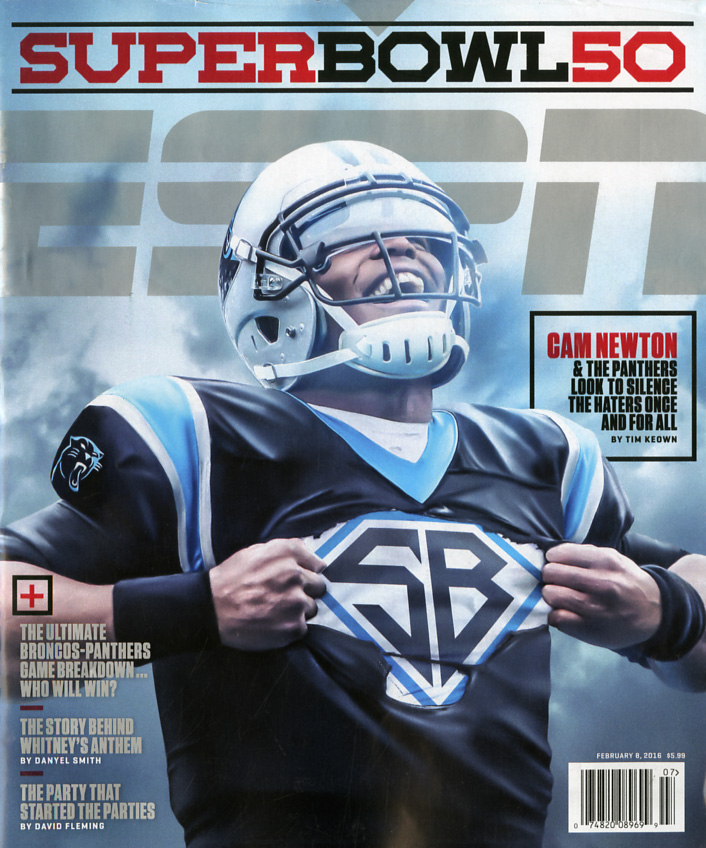
ESPN-1ESPN The Magazine: ESPN The Magazine was built from the television network and the brand. The creation of a lifestyle magazine that complemented everything sports and vice versa was one more piece of the puzzle that the brand needed to dominate the sports enthusiasts’ attention.
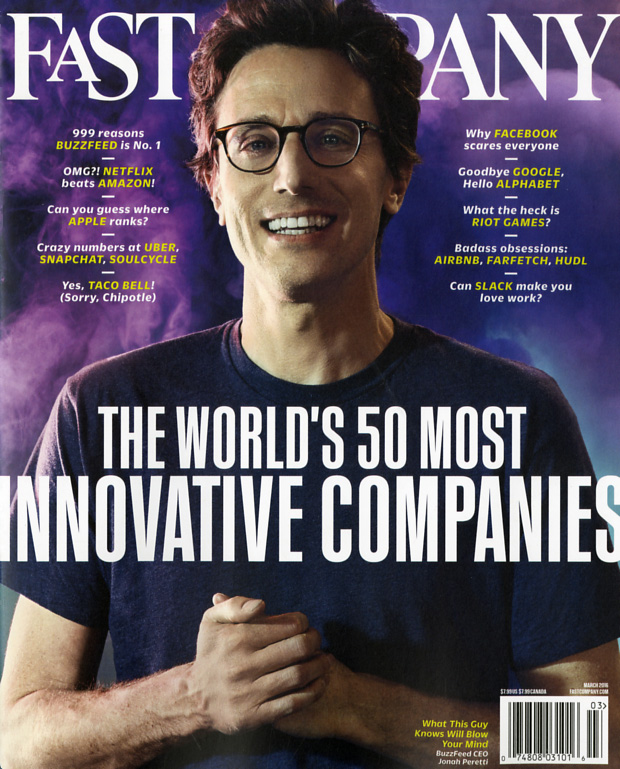
Fast Company-3Fast Company: The new business magazine, but with a twist. The magazine kept pace with the ever-changing facets of business and industry, from the technological aspects to the business aspects, so no business or technology was left behind if they were reading Fast Company.

First for Women-2First For Women: When First For Women was born the market was flooded with women’s magazines, but First For Women proved it was a force to be reckoned with. And today, it reigns supreme as one of the leading women’s magazines on the newsstands in a still very crowded marketplace.

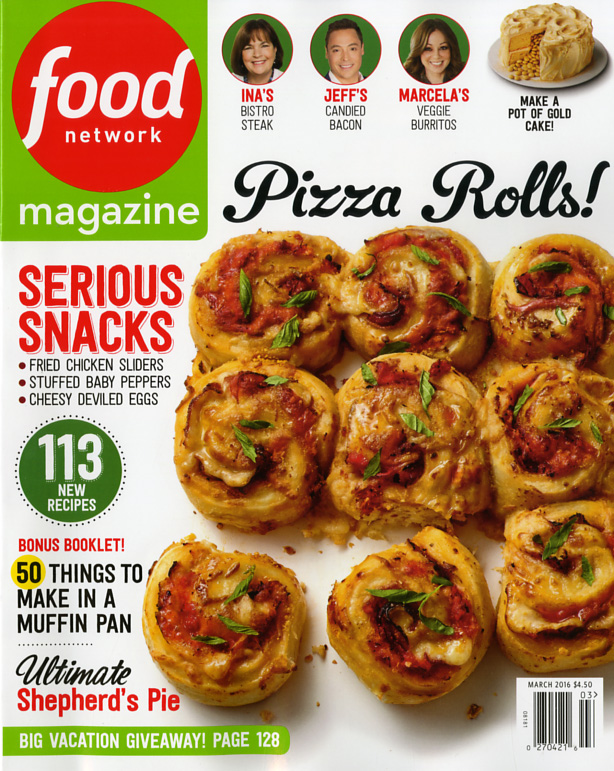
Food Network-5Food Network Magazine: Born in the midst of the economic meltdown, Food Network Magazine carried the torch for print, proving that print wasn’t dead and that food was the new sex of the 21st century. It showed that print well done could not just succeed, but could also flourish.
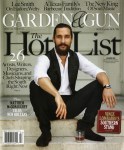
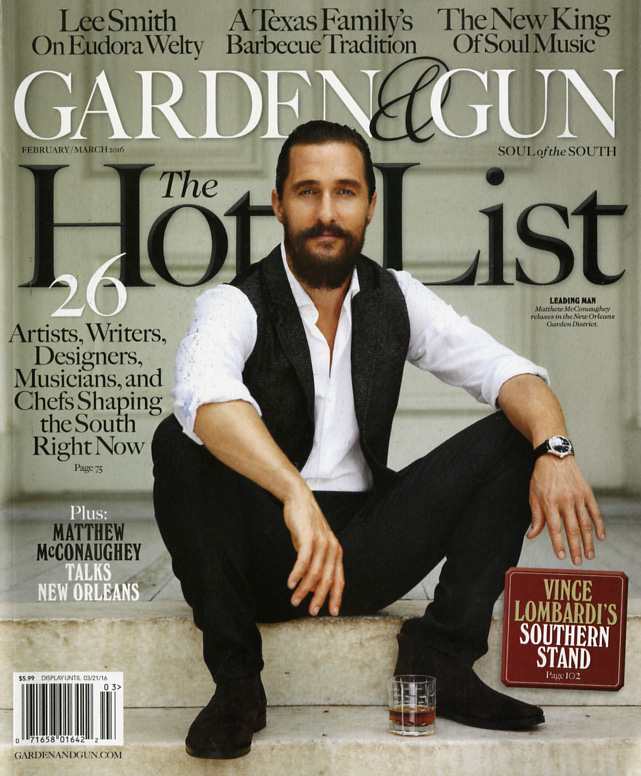
Garden & Gun-12Garden & Gun: Garden & Gun is the southern magazine with the national appeal that succeeded in creating a distinct voice that readers from every corner of the country can relate to. The magazine combines great literary content with beautiful photography and an upscale look and feel.
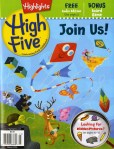
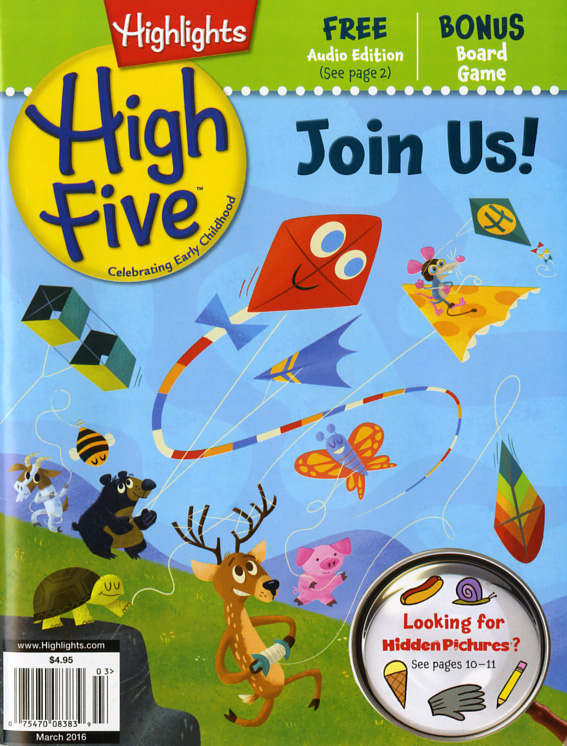
Highlights High Five-1Highlights High Five: As the digital tsunami was approaching Highlights recognized not only the digital changes taking place, but also the physiological and psychological changes in children and created a magazine for younger children to help prepare them for the future.
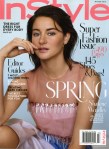
InStyle-1InStyle: If someone told me years ago that Time Inc. would be a major player in the fashion category, I would have probably laughed, but with its unique approach to celebrities and fashion, InStyle carved a niche for itself in a big way, so much so that that niche has become part of the norm.
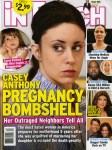
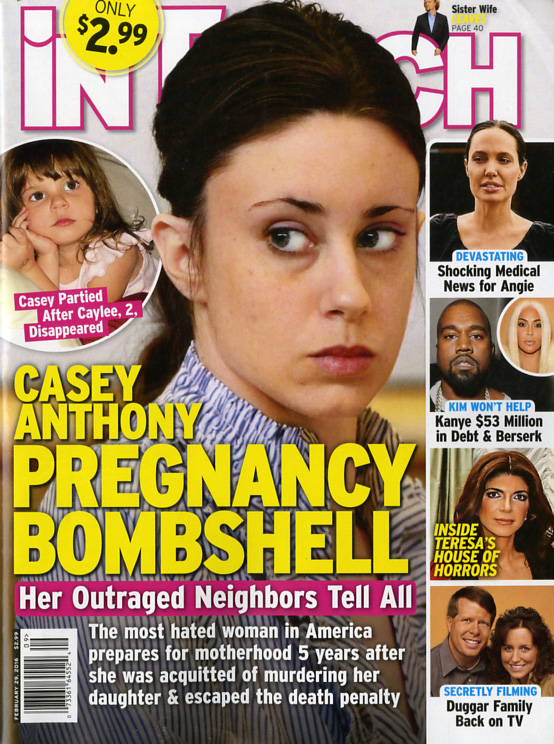
InTouch-9InTouch Weekly: Born at the height of the celebrity craze and aimed and targeted at a mass newsstand audience, In Touch Weekly was the first major new weekly to be published in the United States since Entertainment Weekly and set the stage for two more weeklies: Life & Style and Closer.
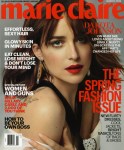
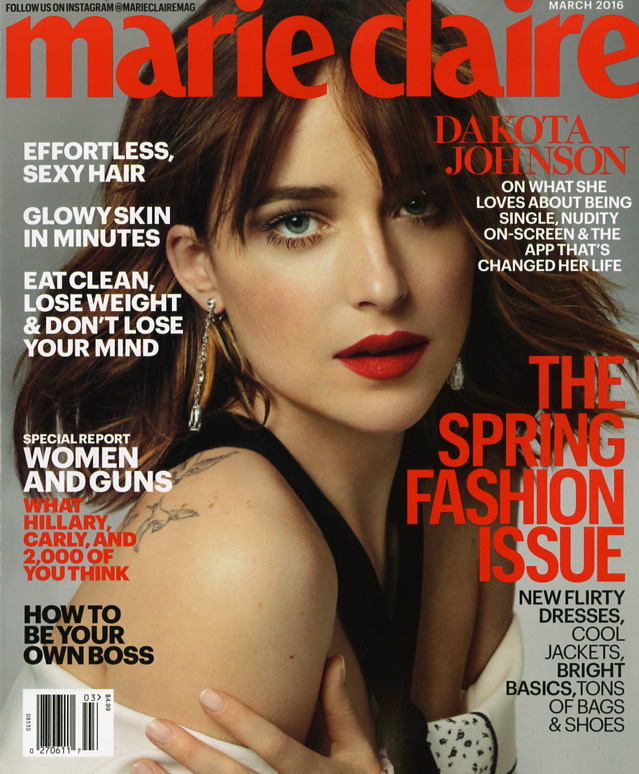
Marie Claire-6Marie Claire: The fashion magazine with a conscience. No other fashion magazine can come close to all of the appetizers and desserts that Marie Claire offers. Fashion is still the stronghold of the publication, but there are a host of human, social and world interests in the magazine.
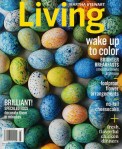
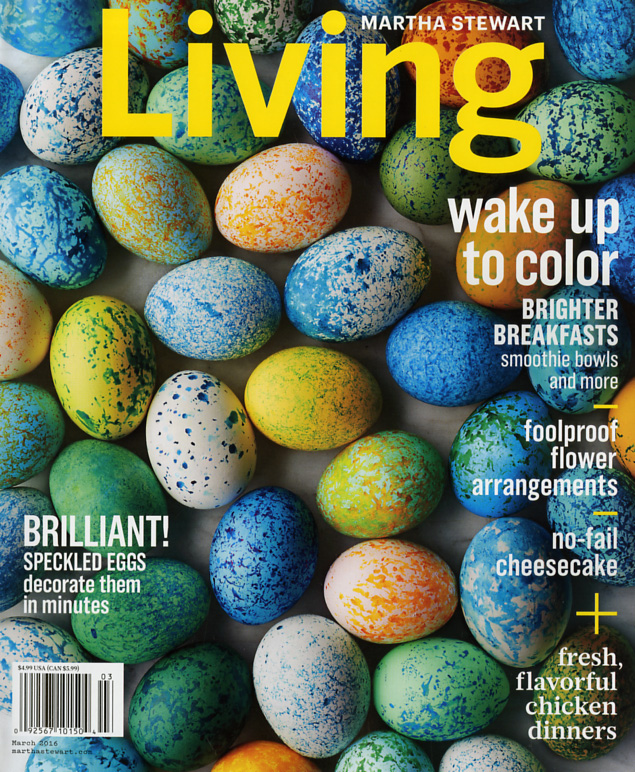
Living-5Martha Stewart Living: It began the trend of making brand extensions based on the persona of the magazine’s namesake, rather than what they do professionally. The first magazine in a long, time that lent itself to its namesake, and became the journal of the everyday life of Martha Stewart.
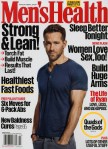
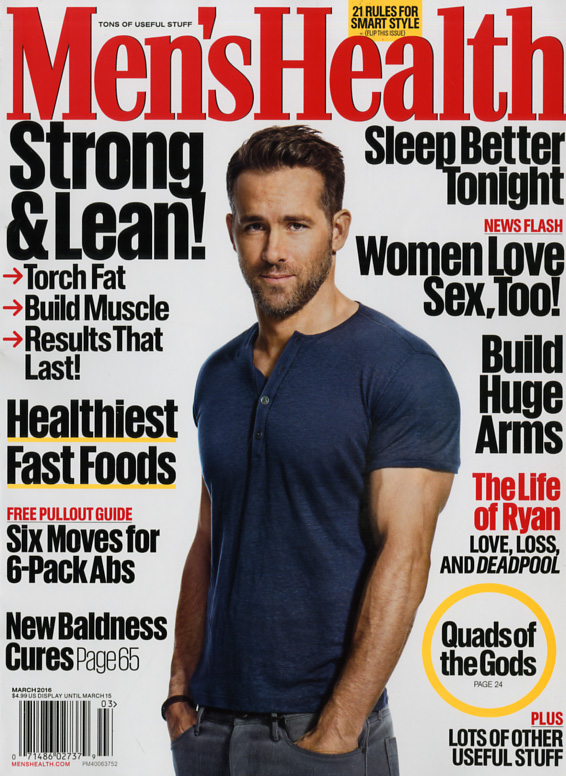
Men's Health-11Men’s Health: Men’s Health shattered the myth that the male of the species didn’t take advice or care about their bodies. And not only was that myth shattered in the United States, the brand exploded and expanded globally and proved men were just as health-conscious as women.

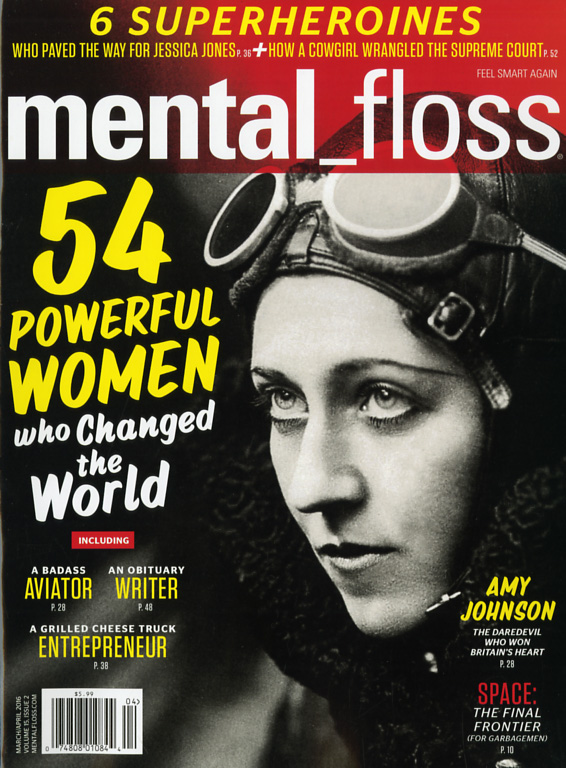
Mental Flos-4Mental Floss: What can you say about a magazine that wants you to feel smart again? Born from the seeds of a classroom, Mental Floss became a brand that can be found in print, in books, online and on television. It’s rooted in the idea that information and knowledge should be fun and entertaining.
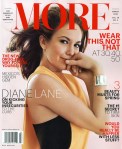
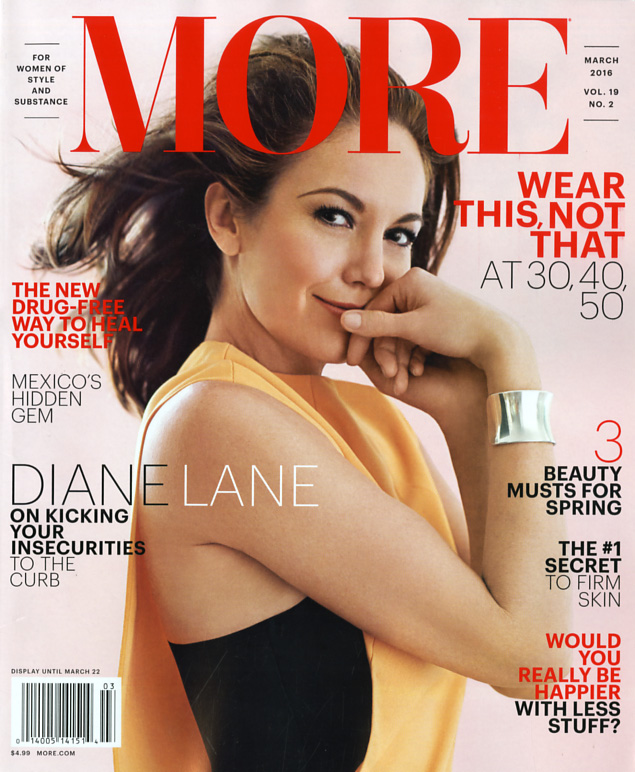
MORE-3MORE: The magazine for substance and style that made a breakthrough in women’s magazines when they stood firm on the foundation that age was just a number. With MORE, women suddenly felt ageless and the magazine documented that in both words and photos.
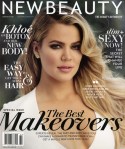
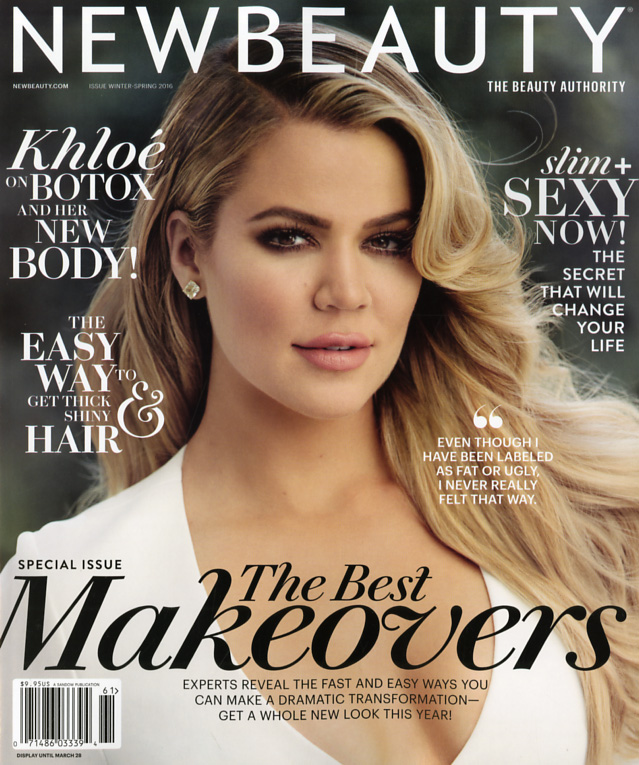
New Beauty-2NewBeauty: Captivating and reflective, NewBeauty set the trend for the beauty space by coupling education powered by innovation to become the go-to source for readers looking for an outlet to get the truth on many beauty trends, people, and products in the world then and today.
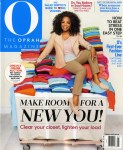
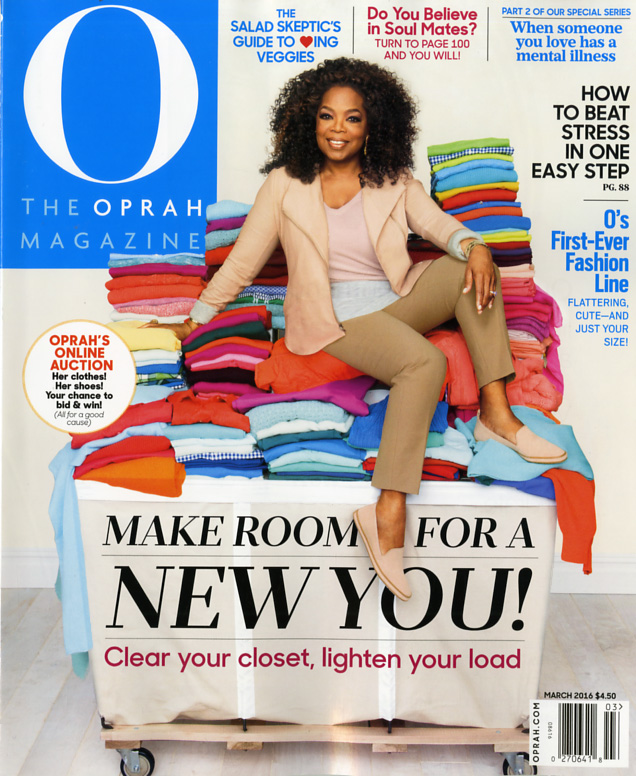
O The Oprah-13O The Oprah Magazine: O The Oprah Magazine has been able to extend the brand from the television screen to the world of newsstands, and make it larger than life. So even if you don’t see her on TV, you can still see her everywhere. She’s always on your mind and never out of sight.
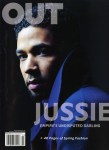
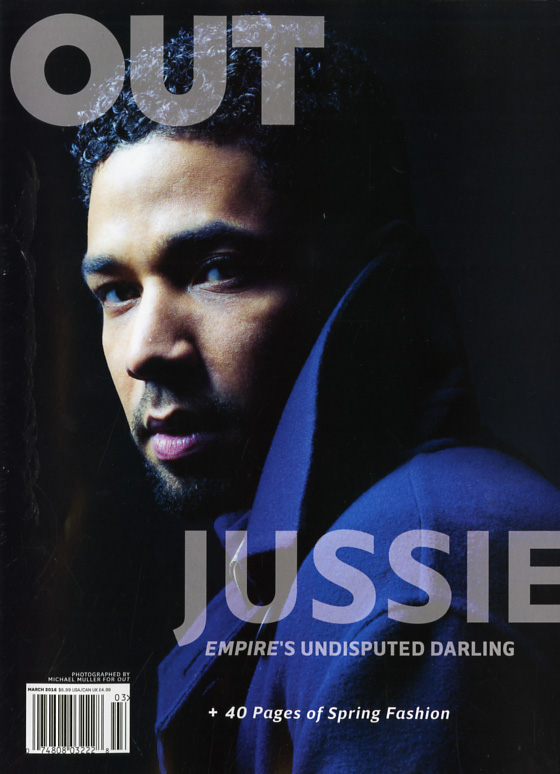
OUT-7OUT: OUT was the first lifestyle magazine for a gay audience that removed the stigma from being gay and allowed readers to remove the wrappings and showcase the magazine in every possible venue, including their coffee tables. It changed the look and feel of gay magazines.

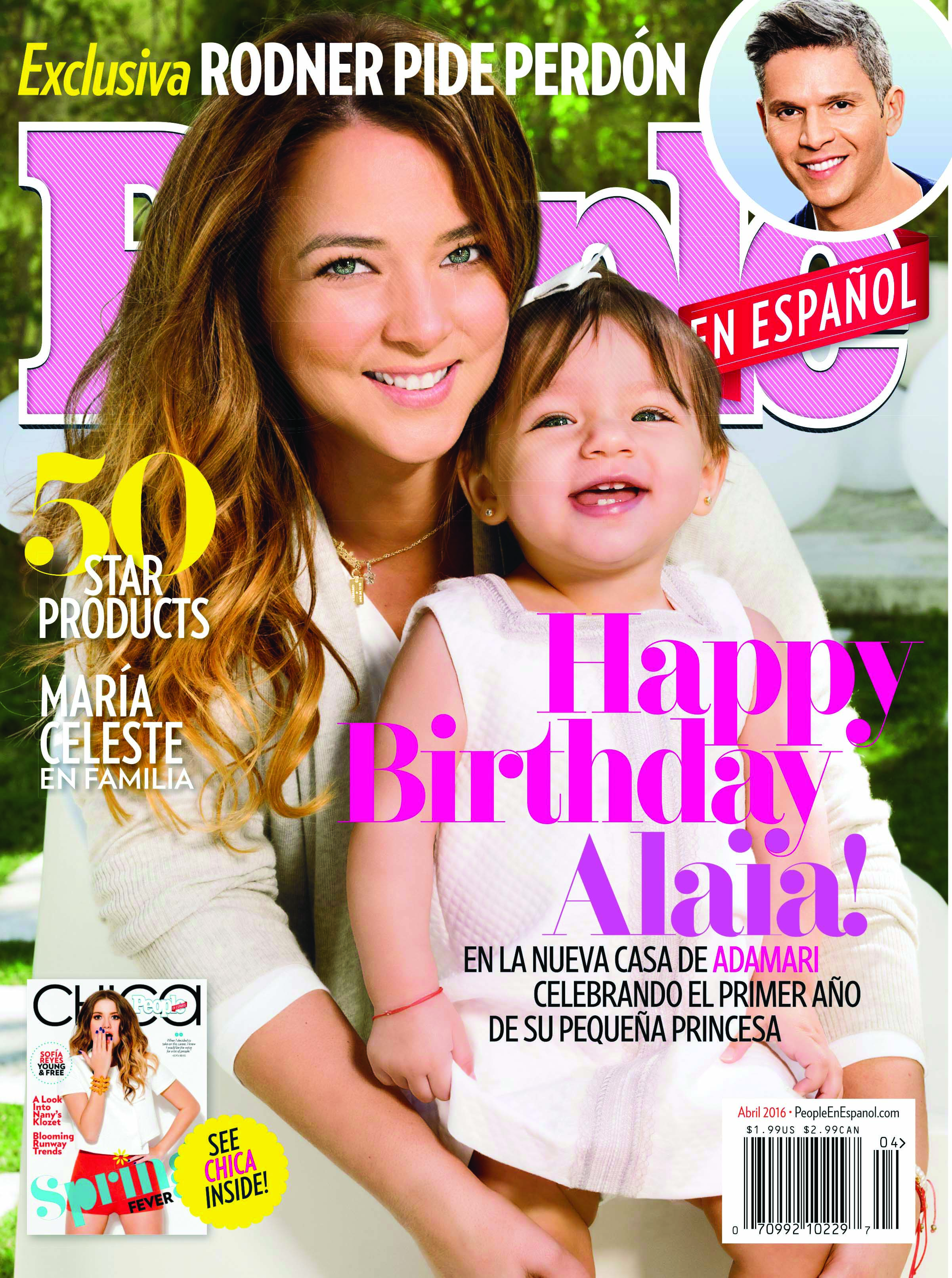
ESCVR04_EAST_1_print.pdfPeople En Espanol: A breakthrough in the marketplace. People En Espanol tapped a growing source in the market that had been ignored for a long time. The magazine established itself as the leader in the Hispanic marketplace for the coverage of celebrities and human-interest stories.

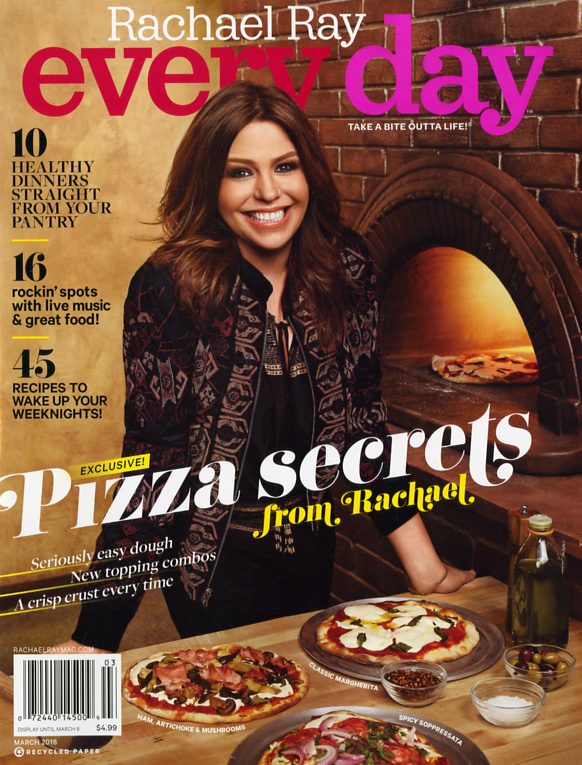
Rachael Ray-3Rachael Ray Every Day: Humanizing a brand based on an actual, living, breathing human being is evident in Rachael Ray Every Day. The closeness that you feel with her television program is replicated in the experience you get when you’re flipping through its pages.
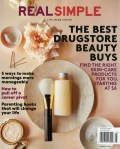
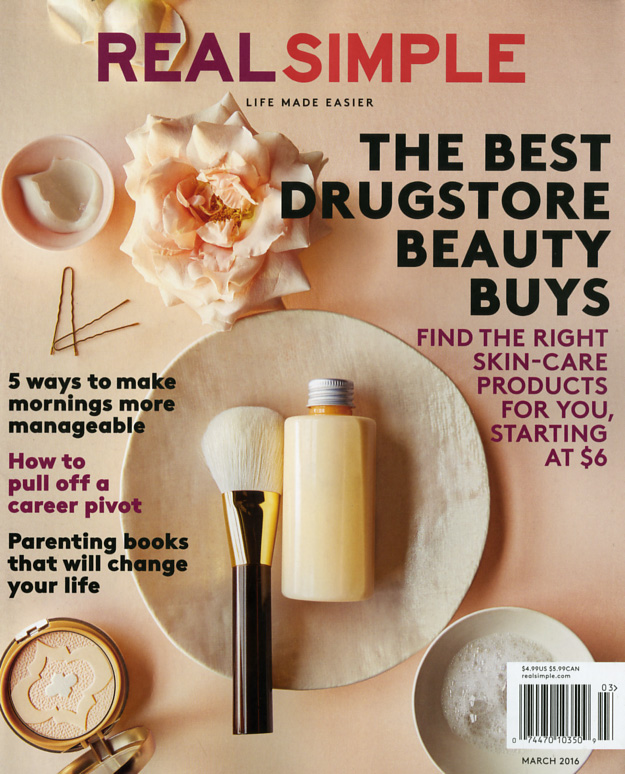
Real Simple-8Real Simple: I don’t think that you can go wrong with a magazine that aims to make life “easier,” especially when it comes to one that actually broke the mold of what a woman’s magazine is or should be and presented a “Real Simple” concept of living into our complex way of life.

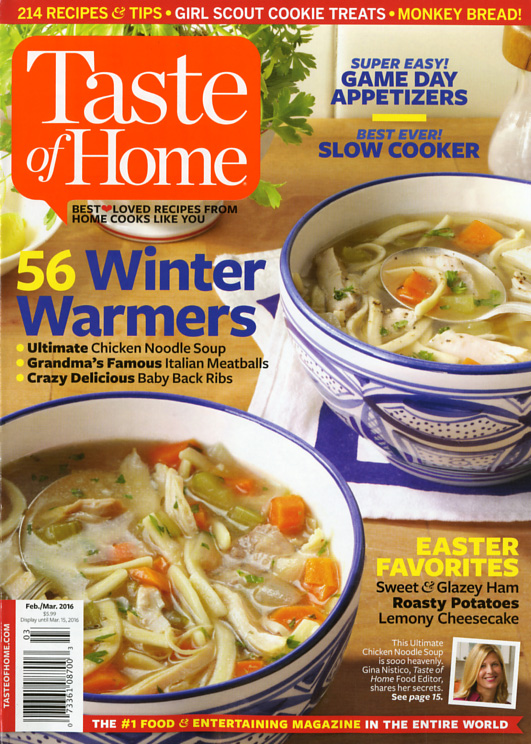
A Taste of Home-1Taste of Home: Way before the phrase “reader-generated content” was coined; Taste of Home was participating in this 21st century concept. It was the trend-leader in this idea before anyone even knew this was an idea, proving the magazine has always been ahead of its time.
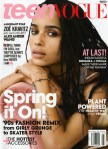
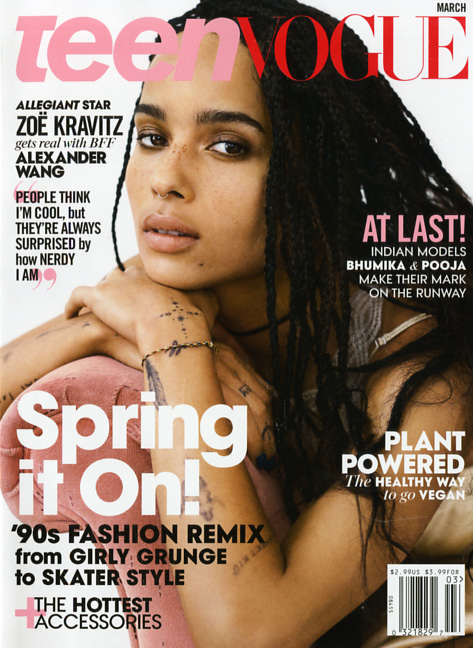
Teen Vogue-6Teen Vogue: Needless to say, plenty of magazine mothers have given birth to teen magazines in the past, but Teen Vogue is the only surviving offspring of those proud and strong mothers. Teen Vogue proved that it was as buoyant and immovable as its famous mom, and continues to be.
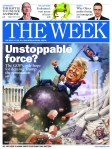
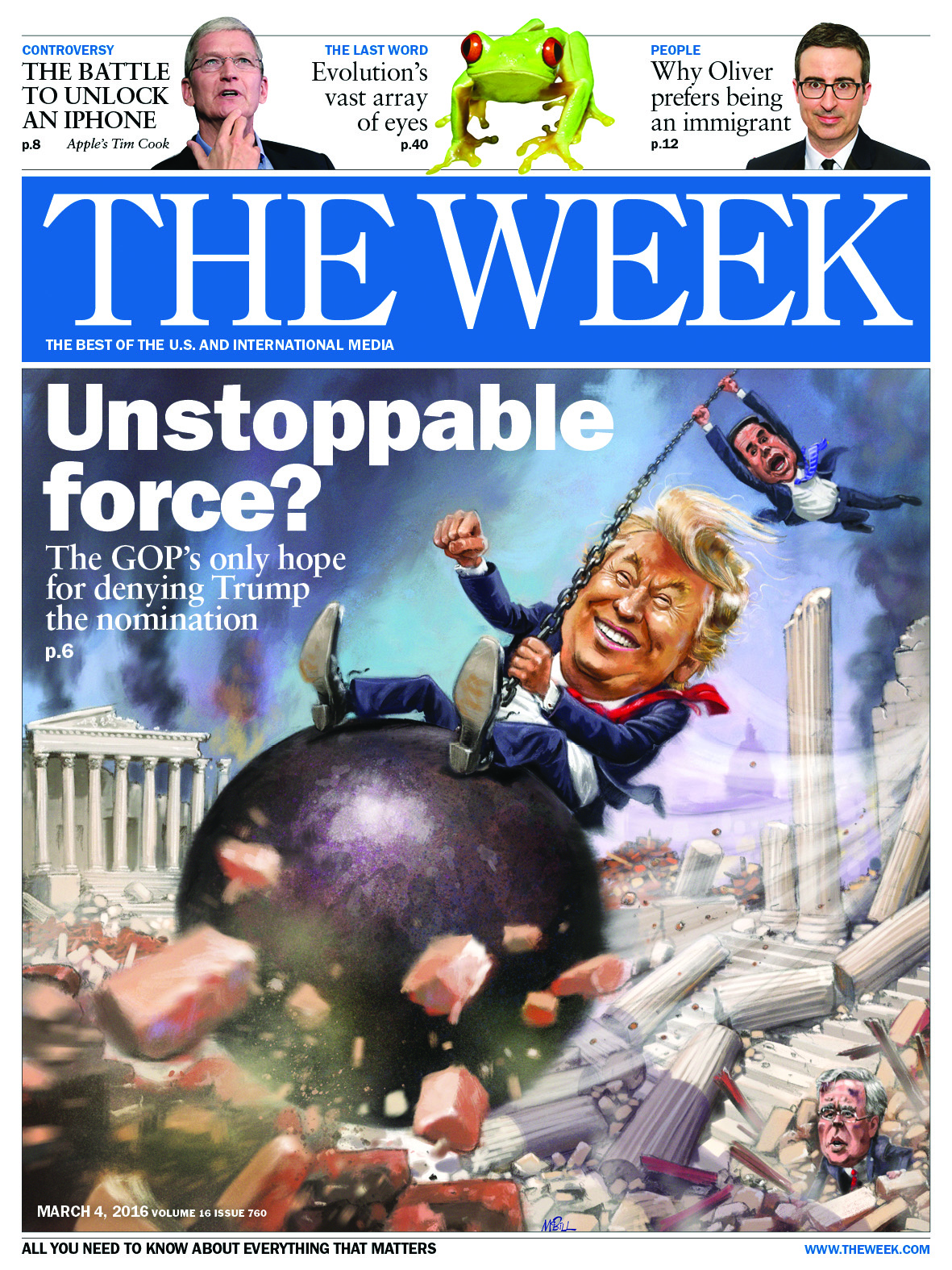
THE WEEKCMKYThe Week: The magazine’s tagline says it all; The Week is literally and figuratively all you need to know about everything that matters. The Week actually delivers on that statement. In a very short time The Week has become a must read and the Rolls Royce of the newsweeklies.

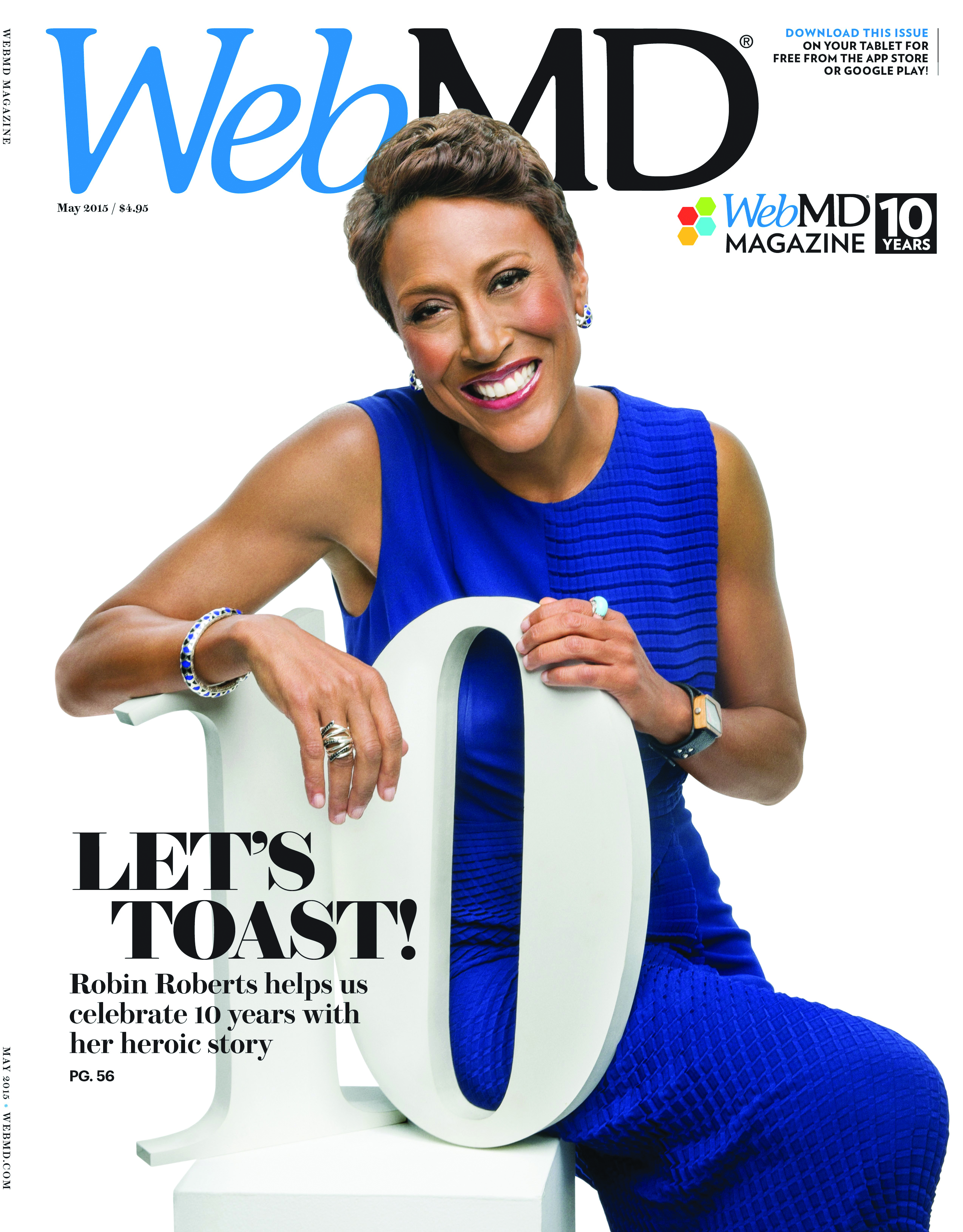
WebMDCYMKWebMD: While it’s no longer a unique idea that digital websites are discovering print, WebMD was one of the first successful players in the field. The brand believed strongly that it’s not either/or when it comes to engaging its audience, but both print and digital are the only option.
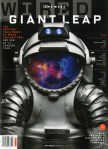
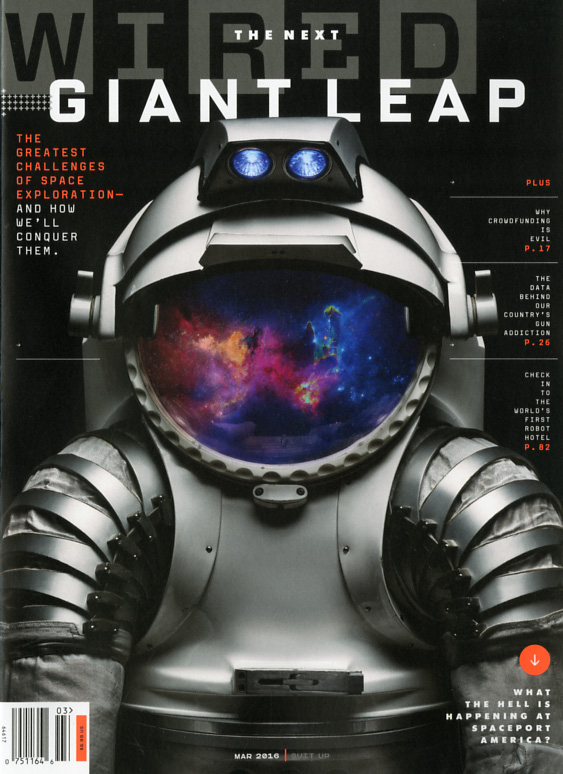
Wired-7Wired: From a creation based on passion and a love for everything that’s techie, Wired grew to become the techies’ bible in an industry where there’s no shortage of technology-based publications. It grew up from the passion of its creators to become the techies’ lifestyle magazine.
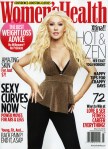
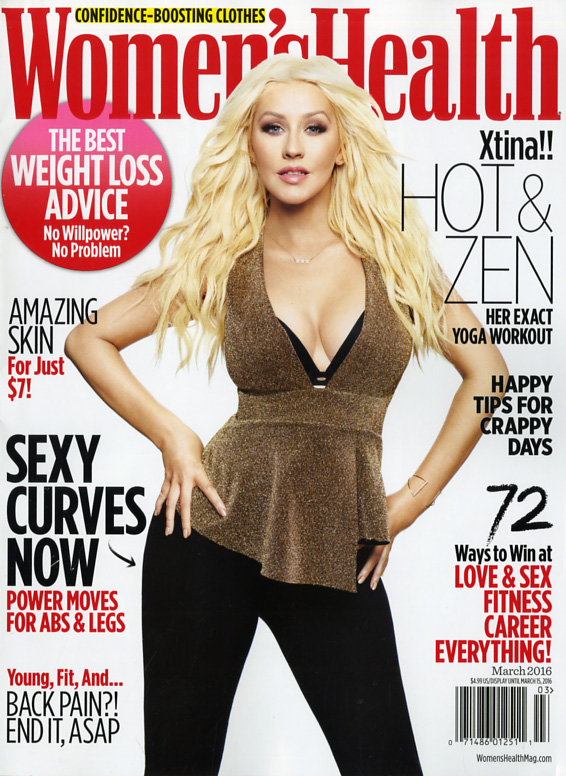
Women's Health-10Women’s Health: Unlike Men’s Health, Women’s Health came into a crowded market and changed the precedent of how women think about and dealt with health issues. Suddenly, a magazine was born that dominated the women’s health category.
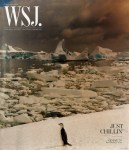
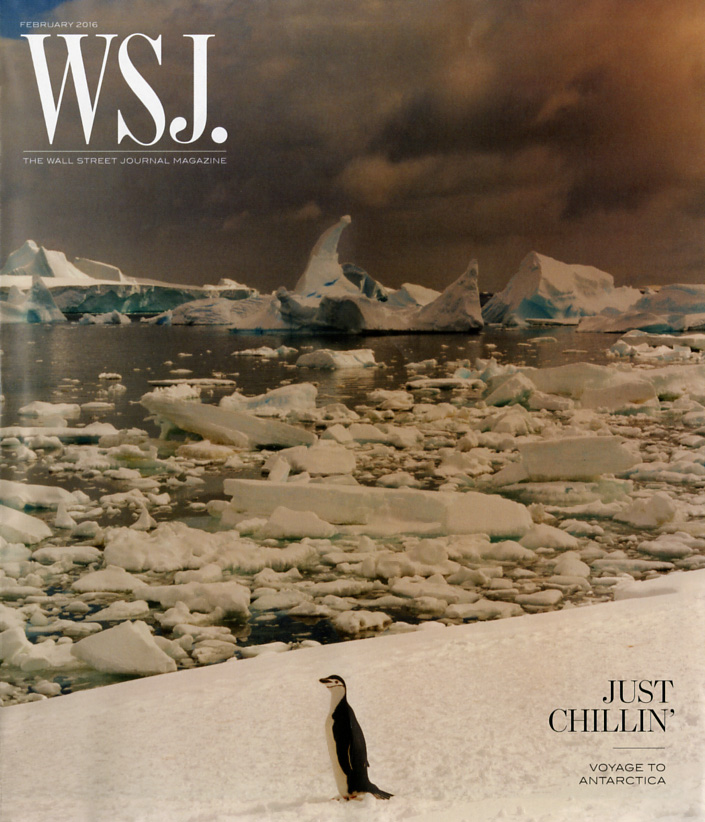
WSJ 72-2 (2)WSJ. Magazine: Setting new standards in newspaper supplements, WSJ Magazine captivated an expanded audience and paved the way for something potentially disposable to become a collectible and valuable print product while creating a whole new source of revenue for the mothership.

Until the next 30 years…
Enjoy magazines!

h1

Audience First And The Four Cs*

March 21, 2016

Screen Shot 2016-03-21 at 8.05.28 AM Since the dawn of the digital age, certain people have been predicting the demise of print magazines.

As many of you may or may not know, I am a follower of magazines. Well, actually, that’s not exactly accurate. I would define myself as much more than a mere follower; I would lean more towards the word ‘disciple’. You know who they are; those cynics and prophets of gloom and doom who apparently have nothing better to do than spout rhetoric about subjects they actually know nothing about. It would be absolutely comical, if it wasn’t such a thorn in the side of print producers globally.

For much longer than the 30 years that I have been documented as an ink on paper zealot, I have lived, breathed and loved magazines. For that reason, since the beginning of the nonsensical cries of ‘print is dead’ or ‘print is in decline’, I’ve censured that discussion with more than just my own passion for the medium. I have produced new launch numbers every month each year on my Mr. Magazine’s Launch Monitor that contradicts such negativity.

Some have listened and some haven’t. Regardless of that, the numbers exist and the proof is in the addition.

Screen Shot 2016-03-21 at 8.17.16 AM Take 2015, for example**. There were 814 new magazine launches, with 237 of them promising frequency. Healthy numbers for a declining medium, I’d say. And many of these new titles are from some of the biggest names in the publishing world. And when major industry leaders launch new print magazines, that’s something that surely must be recognised because it speaks volumes about the power of the medium.

These people aren’t in the business of wasting dollars on something that has no value, especially when some of those new babies are the best of the best. From companies like Meredith, Smithsonian and National Geographic to Rodale and Bauer, these mega giants of the industry have managed to create magic with titles that are content-engaging and design-brilliant.

So, what’s the secret to print success for magazines in the 21st century? Well, it’s really no big secret.

It’s based on Audience First and the Four Cs that are needed to secure a print future in a digital age, and how those Four Cs relate to the culture and the community of the different parts of the world.

The Audience First movement

In order for us to achieve the highest power of print that relates to the customers and culture of the community, we must focus on the community itself, making the message loud and clear: Audience First, rather than digital first or print first or anything else first.

Screen Shot 2016-03-21 at 8.16.58 AM The Four Cs that are vital to the future of magazines in this digital age are:

Content
Creation
Curation
Credibility

Now, how can we put those Four Cs into the service of the customer and culture? Putting our customers and our culture first is an essential vehicle for future survival and for not only selling content, but to be in the business of serving content on a silver platter to audiences in each region of the world.

What’s most essential to remember about the Four C approach is the importance of creating more with less and of achieving a link with your audience – your customers – based on their preferences, choices and giving them the sense that they are the ones really in control. It really is all about ‘Audience First’.

In the world we live in today, change is the only constant. That’s an irrefutable fact.

And while change in the media in general and in the magazine industry in particular has been occurring at record speed, the Audience First movement is based on the premise that the focus of media managers today should be on the audience and not on the platforms themselves.

So as we experience all of these technological and digitally-inherent changes, we must never lose sight of what’s important: the audience, not the platform they consume their content on. The ‘Four Cs’ strategy puts that premise into action by linking the first Four Cs with the Foundational Four Cs and using ‘C-Power’ to keep our customers engaged.

The Foundational Four Cs are:

Customer – the audience is our customer
Choice – the customer wants choices
Control – the customer is in control
Change – the only constant in our business

It may sound like a whole lot of Cs, but we’re surrounded by seas in just about any country we may live in, so we have to sink or swim and it’s time we all learned to do more than dog paddle!

Customer

Call a customer a customer. It is what it is. Customers are our main goal, main source of revenue and the only reason that we in the magazine business have a job.

So, the first thing publishers and makers of content have to do is to know their audiences. It’s as simple as that. You can’t sell milk to someone who already owns ten cows, unless those cows are unable to lactate.

You have to give your audience something they need and want before they’re going to become addicted to your product.

Choice

Creating relevant and important content is a must. In this day and age the customer already has so much choice. They can find content anywhere, anytime on the internet. From their PC and laptop to their mobile device, choice is a plentiful commodity.

Therefore, you have to make your product even more engaging and relevant to the customer if you even hope to have a snowball’s chance in summertime Mississippi of creating a dent in the competition’s armour. It’s up to you.

Control

Truly, the power of audiences has never been greater. It’s certainly an on-demand world when it comes to content consumption and magazines have learned the hard way that getting information to the ones ultimately in control – the audience – in the way that they want it, is key to maintaining relevance.

There are mediums for each type of content the audience wants and needs to consume. And magazines may not be for breaking news, but they do have a collectability factor that digital does not have.

And audiences have long-recognised that fact. It’s time magazine makers did as well. Ceding control is never easy, but it’s sometimes mandatory for survival.

Change

Instead of fearing change, we need to embrace it. We must recognise the fact that technology isn’t going away. Magazines and magazine media must face that and grow along with the rest of the world.

Through creativity and innovation, magazines can and will survive and in fact, thrive, in this digital world. We just have to be willing to realise that as fast as technology evolves, magazines have to evolve too.

You can’t know where you’re going until you know where you’ve been. However, there’s no sense in overstaying your welcome in the past.

Acknowledge it, revel in it or wallow in it for a moment, whichever is suitable for your particular situation, and then move along.

I dare say that the future of magazines is what we make it.

After all, no one can define magazines like the people who create them. So, we have to be relevant and necessary, content-engaging and offer a viable, collectable choice for our customers. And above all else, we have to put the Audience First at all times.

There’s nothing more important than the hands that choose your product from the newsstand or retrieve it from their mailboxes.

Many things come next when it comes to the future of magazines, but only one thing will ever come first: the audience.

*This article appeared as a chapter in the magazine section of in The Media Yearbook, an annual book from Wag the Dog Publishers in South Africa.
** The 2015 numbers that appeared in that chapter were estimates. The numbers in this post are the final numbers of 2015.

h1

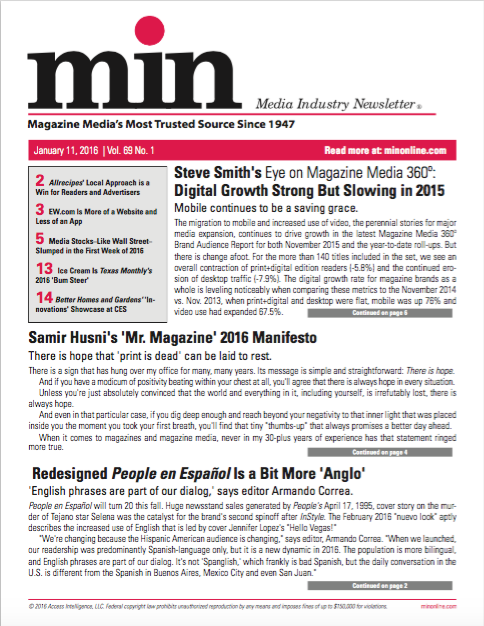
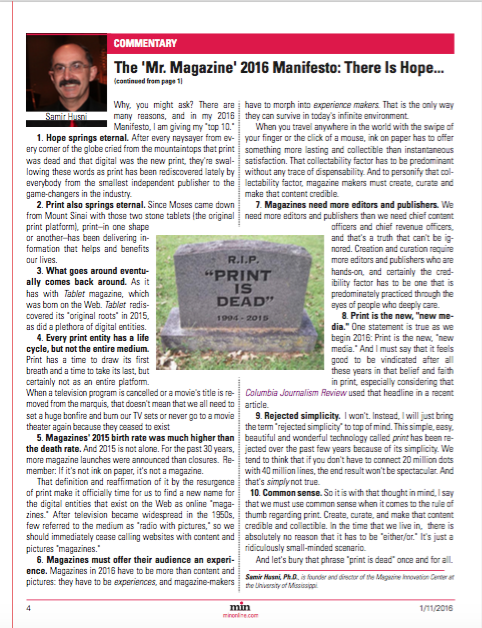
There Is Hope: Samir “Mr. Magazine™” Husni’s 2016 Manifesto. Published In min: Media Industry Newsletter 1/11/2016 Issue.

January 10, 2016

Screen Shot 2016-01-09 at 4.19.34 PMScreen Shot 2016-01-09 at 4.19.52 PMThere is a sign that has hung over my office for many, many years. Its message is simple and straightforward: There is hope.

And if you have a modicum of positivity beating within your chest at all, you’ll agree that there is always hope in every situation.

Unless you’re just absolutely convinced that the world and everything in it, including yourself, is irrefutably lost, there is always hope.

And even in that particular case, if you dig deep enough and reach beyond your negativity to that inner light that was placed inside you the moment you took your first breath, you’ll find that tiny “thumbs-up” that always promises a better day ahead.

When it comes to magazines and magazine media, never in my 30-plus years of experience has that statement ringed more true.
Why, you might ask? There are many reasons, and in my 2016 Manifesto, I am giving my “top 10.”

1. Hope springs eternal. After every naysayer from every corner of the globe cried from the mountaintops that print was dead and that digital was the new print, they’re swallowing these words as print has been rediscovered lately by everybody from the smallest independent publisher to the game-changers in the industry.

2. Print also springs eternal. Since Moses came down from Mount Sinai with those two stone tablets (the original print platform), print–in one shape or another–has been delivering information that helps and benefits our lives.

3. What goes around eventually comes back around. As it has with Tablet magazine, which was born on the Web. Tablet rediscovered its “original roots” in 2015, as did a plethora of digital entities.

4. Every print entity has a life cycle, but not the entire medium. Print has a time to draw its first breath and a time to take its last, but certainly not as an entire platform. When a television program is cancelled or a movie’s title is removed from the marquis, that doesn’t mean that we all need to set a huge bonfire and burn our TV sets or never go to a movie theater again because they ceased to exist

5. Magazines’ 2015 birth rate was much higher than the death rate. And 2015 is not alone. For the past 30 years, more magazine launches were announced than closures. Remember: If it’s not ink on paper, it’s not a magazine.

That definition and reaffirmation of it by the resurgence of print make it officially time for us to find a new name for the digital entities that exist on the Web as online “magazines.” After television became widespread in the 1950s, few referred to the medium as “radio with pictures,” so we should immediately cease calling websites with content and pictures “magazines.”

6. Magazines must offer their audience an experience. Magazines in 2016 have to be more than content and pictures: they have to be experiences, and magazine-makers have to morph into experience makers. That is the only way they can survive in today’s infinite environment.

When you travel anywhere in the world with the swipe of your finger or the click of a mouse, ink on paper has to offer something more lasting and collectible than instantaneous satisfaction. That collectability factor has to be predominant without any trace of dispensability. And to personify that collectability factor, magazine makers must create, curate and make that content credible.

7. Magazines need more editors and publishers. We need more editors and publishers than we need chief content officers and chief revenue officers, and that’s a truth that can’t be ignored. Creation and curation require more editors and publishers who are hands-on, and certainly the credibility factor has to be one that is predominately practiced through the eyes of people who deeply care.

8. Print is the new, “new media.” One statement is true as we begin 2016: Print is the new, “new media.” And I must say that it feels good to be vindicated after all these years in that belief and faith in print, especially considering that Columbia Journalism Review used that headline in a recent article.

9. Rejected simplicity. I won’t. Instead, I will just bring the term “rejected simplicity” to top of mind. This simple, easy, beautiful and wonderful technology called print has been rejected over the past few years because of its simplicity. We tend to think that if you don’t have to connect 20 million dots with 40 million lines, the end result won’t be spectacular. And that’s simply not true.

10. Common sense. So it is with that thought in mind, I say that we must use common sense when it comes to the rule of thumb regarding print. Create, curate, and make that content credible and collectible. In the time that we live in, there is absolutely no reason that it has to be “either/or.” It’s just a ridiculously small-minded scenario.

And let’s bury that phrase “print is dead” once and for all.

h1

Keith Bellows: A Traveler Arrives At His Final Destination…

September 1, 2015

Listening to Keith Bellows’ presentation as he spoke at the ACT 5 Experience last year on October 8, one could hear in his speech that Keith was talking about his journey, his future, his final travel trip and his final destination. I have known and worked with Keith since he was an editor at Whittle Communications in Knoxville, TN. We became good friends and we continued that relationship while he was at the helm of National Geographic Traveler.

Keith and I spoke few weeks ago. He was still looking forward to the future, to new ventures. He was upbeat and determined to beat the illness that took a toll on him. Little did he, or I, know that he was going to take his final journey way too soon. This is the first journey that Keith is not going to report on or even write an article about. Rest in peace Keith Bellows and thanks for the memories and works that you’ve left behind. They will help all those who knew you to continue the journey and remember you one memory at a time.

Watch Keith Bellow’s presentation at the ACT 5 Experience at the Magazine Innovation Center @ The University of Mississippi, Oct. 8, 2014. Click below to watch his presentation.

h1

The Dark Side Of Social Media And Why We Will Always NEED Magazines… A Mr. Magazine™ Musing.

August 11, 2015

Samir "Mr. Magazine™" Husni. Photo by Jared Senseman.

Samir “Mr. Magazine™” Husni. Photo by Jared Senseman.

Why do we still need magazines in this day of unlimited digital access? What role do they play in communicating and connecting the world despite the open portal of the Internet?

These are some of the questions that I have been contemplating recently in light of certain events that have taken place on the world’s stage, and in my personal experience, over the course of the past few months. From the transitioning of Caitlyn Jenner, to gay marriage, and last but not least to the public display on social media of the killings and beheadings of people whose only guilt is that they happen to be from a different faith or lifestyle, media coverage differs greatly. This happens when you have checks and balances to figure into the equation.

Before you say anything; yes, I know that I’m biased, but at least I base my bias on reality and things that I see. This is not a sentimental or emotional rant, but rather something that is based on facts that I can back up and actually show you, for those of you who are interested in seeing the evidence.

Having said that, let’s start with the news and how social media seems to not have a single civil responsibility to present a fair and just reporting of the stories that make our headlines today. It’s as if the world belongs to them and they can say and show whatever they want and bring their message very easily to an audience; whether it’s invited information or not. It comes to you through your email, phone and search engines that provide you with so much unwanted junk, you forget why and what you were originally seeking in the first place.

When visiting some of the social media apps that are out there, it amazed me how much people can get away with, without anybody calling them out on their lack of responsibility. Yet, I see more rather than less of the unfiltered content. Yes, we live in this globally-free world where if someone wants to display an inappropriate picture of his or herself or someone else, the option is there without any apparent reproach from the site who governs the content.

Now it’s not as though social media first introduced pornography or lewd pictures to the masses; there have been porn magazines and photos of naked individuals for generations. It’s not a new concept, by any means. But the difference is you – the buyer – the consumer, made the conscious decision to go out and buy those types of publications and the content provided in them, while ultimately the same premise as what the web sends out (most times without audience provocation), the content within these magazines was edited and curated and the photos professionally taken. Even if it was pornography – there was still a sense of responsibility with what was being published, as there is today in adult magazines.

And it wasn’t like someone didn’t know what they would be getting when they intentionally went out and purchased any given adult magazine; using the word “adult” pretty much told them all they needed to know without skimming the contents.

Today, you can go to a site simply to connect with a friend or post your own comment about something important and within a matter of seconds you’re viewing porn videos, ribald images or language that would make a sailor blush. (No offense meant to any of my sailor friends out there; but you get my point).

The magazine industry has never been as invasive or presumptuous as to pummel your senses with any type of content that you didn’t ask for. From the ISIS beheadings to a college-aged individual decapitating a hamster with his mouth, which happened here at the University of Mississippi where I teach, social media sites have bombarded us with vile and unasked for content almost incessantly. Short of deleting one’s account, there’s no way to avoid the debacle of debasement that awaits you on media that has been wrongly termed “social.”

It seems to me that there is a dark, dark side of social media that cloaks itself in the light-hearted and convenient banter that we are able to join with just the touch of our fingertips. Yet, a lot of the time, the easy accessibility and casual connections cause people to find a mirror image of that darkness within their own psyches, especially when there are no repercussions to speak of.

Furthermore, although not on the same level as the social responsibility that’s missing from social media, we also have to deal with all of the unwanted ads and popups that continuously browbeat us while we are on the web trying to read or do research or simply catch up with family and friends.

These irritating little cyber snits are there to tell us that they’re following us stealthily and uninvited as we go about our online business, in order to shove ads for things we do not want or need down our throats simply because we clicked or read something inadvertently online. It’s that intrusiveness of the advertising; that intrusiveness of the selling model in general that can be so annoying.

And I know the critics are going to say it’s like the old days with television; you don’t like what you’re watching, you can turn it off. You don’t like what you’re reading or seeing on social media, turn it off or better yet, stay off of those sites and delete those apps. Yes, you can do that, but that just allows the “anything goes” mentality to continue without any liability or obligation from the sites themselves to justify their shocking content. They’re free and clear to debase, demoralize and demean people and places all they want.

And that just ups the selling points for magazines as far as I’m concerned, especially with this global movement of positive publications that are coming into the marketplace such as “Remarkable” from the Netherlands that just arrived in the United States. It’s a magazine about people doing more remarkable things and less harmful things during their lifespan. Or magazines like “Executive Life” from Lebanon, which is more of a cause and more about the good things in life, or “The Escapist” that comes from Monocle magazine, which is devoted to enjoying life, traveling and seeing the bright side of things.

Another name for that type of curation could easily be social responsibility. When you have those editors, those people curating all that information; it makes a difference in the quality of the content. The same cannot be said for the dark portals of the Internet and the digital apps; oftentimes the word quality doesn’t even exist.

Take one social media smartphone app, for example, that allows people to read and compose content anonymously within a 5-mile-radius, in the attempt to make the connection more relevant and personal. Well, it’s a given, the things one can read on this app are definitely personal all right, but I’m not sure how relevant they are when it comes to informative content.

The dark side of social media is something we are all responsible for in one way or another, either by adding to or subtracting from the black vortex. And while I am not opposed to using online access or from enjoying the convenience and wide-opened expanse of knowledge that’s available; I do think there should be a light showing the way as we all consume what’s out there. Being socially responsible isn’t limiting our advantages at all; in fact, it’s quite the opposite. Weeding out the things that are taking over the garden is the only way to keep it healthy and growing so we get the best of the crop.

That’s why we will always have magazines and why we will always have that documented, curated, edited permanent print that we will continue to proudly display on our desks, coffee tables, night stands and/or take to the beach without ever being surprised by anything less than the great content and the great experience that flows from the content.

And, that in short, my friends, is why we will always have and need magazines and other printed material today, tomorrow and forever more…

Until the next Mr. Magazine™ Musing…

h1

Between The Age Of Possibilities & The Age Of Impossibilities. A Mr. Magazine™ Musing…

July 30, 2015

From Lebanon With Love.

From Lebanon With Love.


Having just returned from 19 days in my native Lebanon, via the City of Lights (Paris), and meeting with an array of journalists and editors; perusing as many newsstands as possible (a Mr. Magazine™ fait accompli when he travels) and enjoying a multitude of new titles that both captivated and fascinated me; it is my opinion that print is alive and well and living abroad.

samir in lebanon Despite war and the revilement’s of the ravaging that has gone on in Lebanon and the entire Middle East region, hope is strong and the pleasant approach to media downright refreshing. With all of the problems that conflict can bring to a country and its people, Lebanon has had a renewed spirit and strength when it comes to magazine media and media in general.

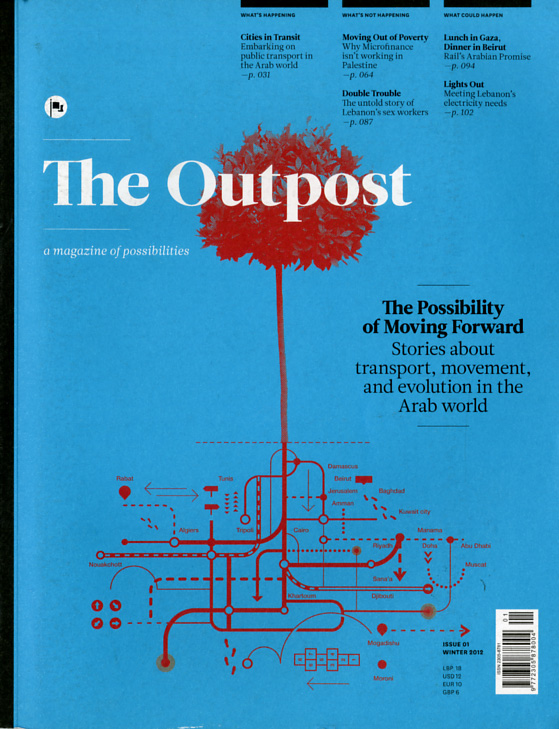
While in Lebanon I did an interview with Ibrahim Nehme, founder and editor-in-chief of The Outpost magazine, which I published earlier this week this blog. The interview was nothing short of amazing due to this young man’s passion and drive when it comes to the possibilities that are out there for young Arabs. He is beyond adamant about the potential of the Arab nation, starting with the youth and continuing on through Arab adults who need his publication’s vision of hope and promise in a world sometimes gone mad with brutality and harshness.

International Blog 14-14 Ibrahim’s magazine media approach and the mission of his magazine, which seeks to promote the positive and facilitate real change within the Arab world, reminded me of a very famous adage that I use quite often in my teachings and in my own publishing philosophy, and which I also have on a plaque in my office: there is always hope. And that dictum carries so much weight not only in the Arab world, but also in our own American media: he who knows the word hope doesn’t recognize the word impossible.

That statement hit me right between the eyes when I returned to the States a few days ago. I have interviewed some of the most influential and knowledgeable men and women of the publishing industry over the years and no one has basically told me anything that even remotely goes against the statement of there is always hope.

Upon my return, I saw articles ranging in negativity from the one on Time Inc.’s CEO, Joe Ripp’s clock is ticking to the statements that have been made recently by some media critics that TIME magazine is no longer relevant, and Self and Details maybe shutting down. It was then that I said to myself, when are media critics going to stop being the bearers of “predicted” bad news? It’s not even factual, on-paper bad news; yet somehow critics always manage to spin negativity on the stories they foretell about the future of magazines and magazine media. They paint a picture so dark and sinister, that it’s totally incongruous to the hundreds of new launches that I personally record on Mr. Magazine’s™ Launch Monitor each and every month. So, who exactly is correct? The Wizards of Woe who thrive on somber speculations or the bright, exciting covers that are scanned and published each month from the Magazine Innovation Center at Ole Miss? I challenge you to be the judge.

To all of these people who respond to my opinion with: but look what’s happening at Hearst or Condè Nast or Meredith; I ask them now; what exactly is happening? As I said; I’ve interviewed all of these CEO’s and I’ve talked extensively with them; they’re not telling media anything as apocalyptic as some are reporting. It’s how the media and some of the media reporters are taking the information and running with it as if they’re being paid to basically dig their own media graves. Instead of promoting positivity the way Ibrahim Nehme from Lebanon’s The Outpost magazine does, they’re biting the very hand that feeds them, and then repeating the obscene gesture over and over again. Isn’t that a bit nonsensical or is it just me?

And have those naysayers seen what folks in Japan are paying for the Financial Times newspaper? When all of the media reporting only reflects one side of a supposed picture, we become cocooned. I guess I’ll have to challenge people to hop on a plane and visit newsstands abroad. The news isn’t nearly as bleak as sometimes reported.

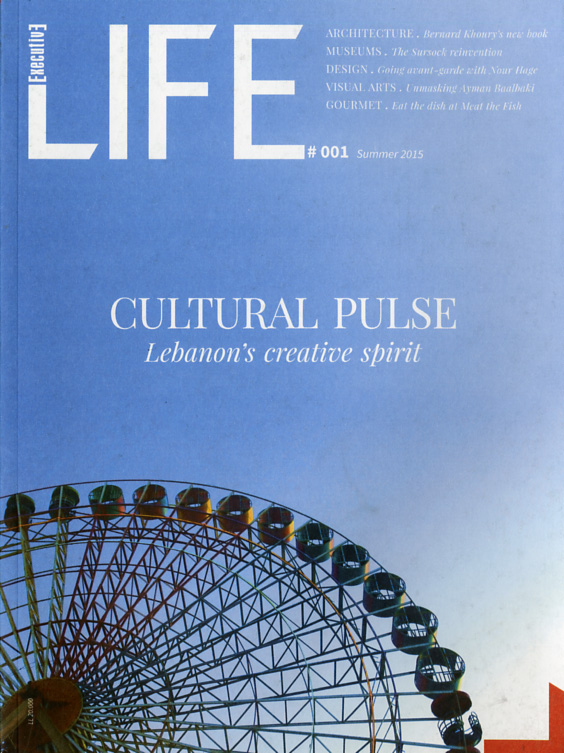
I wrote about The Outpost, of course, since I interviewed its founder and editor-in-chief, but while in Lebanon I also picked up many other magazines, such as Executive Life Magazine, a new title that just came out in English, and by the way it’s amazing how the English language has spilled over into the world, not just in Lebanon, but all over; everywhere English is not necessarily the native language, we are seeing a lot of English-language magazines being born.

From the editorial of the first issue of Executive Life magazine:

International Blog 8-8

Ceci n’est pas un magazine. (This is not a magazine) If you don’t believe me, just read further. Tired of focusing on everything that goes wrong in Lebanon – and there’s a lot – the team at Executive Magazine decided to explore what’s going right in the country; those creating beauty, exploring new frontiers, engendering hope. We found a whole new world of Lebanese artist, connoisseurs and visionaries producing a rich bounty of new ideas, designs and concepts – and now we’re on a mission to promote these people and the beauty they create…This is not a magazine, but a cause – and we want you to join it. Become a believer.

If we substitute the word Lebanon for the words magazines and magazine media and focus on the positive things that are happening in today’s magazine media world; all the new publications that are coming into the marketplace; all the established magazines that are still doing extremely well and making billions of dollars in revenue; if we focus our energies on all these creative ideas that are out there; there’s no impossibilities that can’t be met with possibilities.

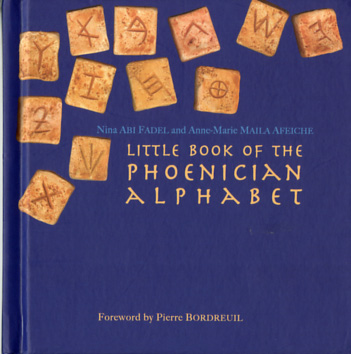
International Blog 7-7 Since my ancestors, the Phoenicians, created the alphabet; what if there were never any alphabet, the ABC’s you learned in school? You wouldn’t have been able to read this book today! This is the story of the birth of the alphabet, the story of a magical link between a sound and a sign. (From the Little Book of the Phoenician Alphabet)

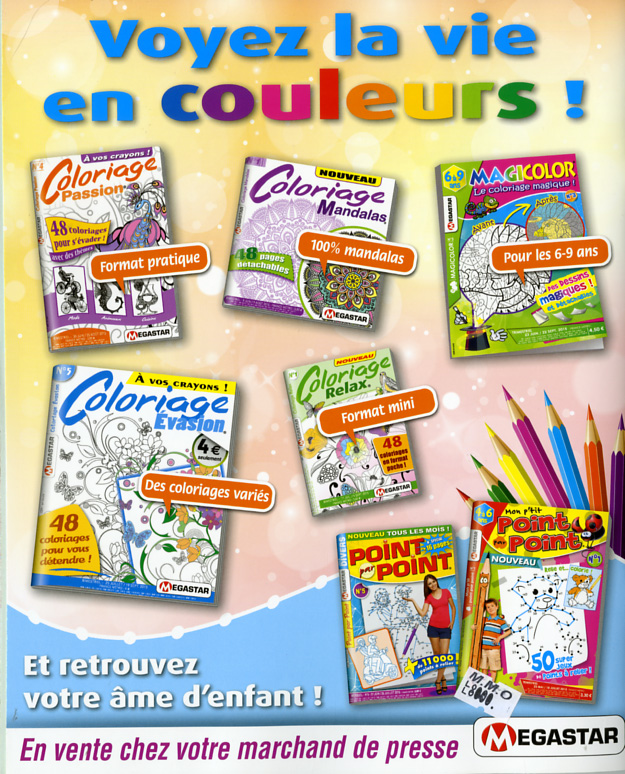
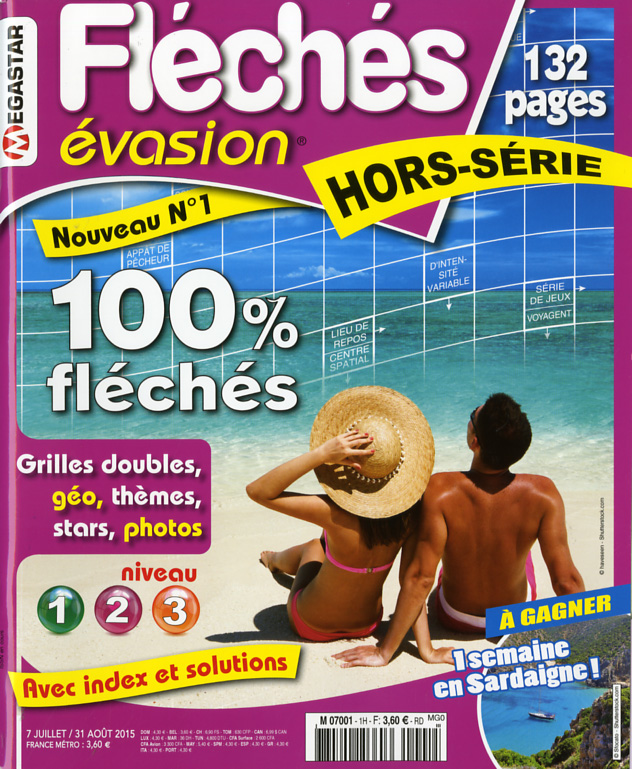
That magical link that we also create in magazines; those magical ideas that keep coming time after time, whether someone is creating a new magazine or a whole series of new coloring magazines, such as the ones I picked up abroad – Jeux èvasion and Flèchès èvasion, which are not for children, but for adults; one title after another of coloring magazines for adults are coming to the marketplace worldwide.

International Blog 5-5

International Blog 4-4

International Blog 3-3

International Blog 2-2

International Blog 1-1

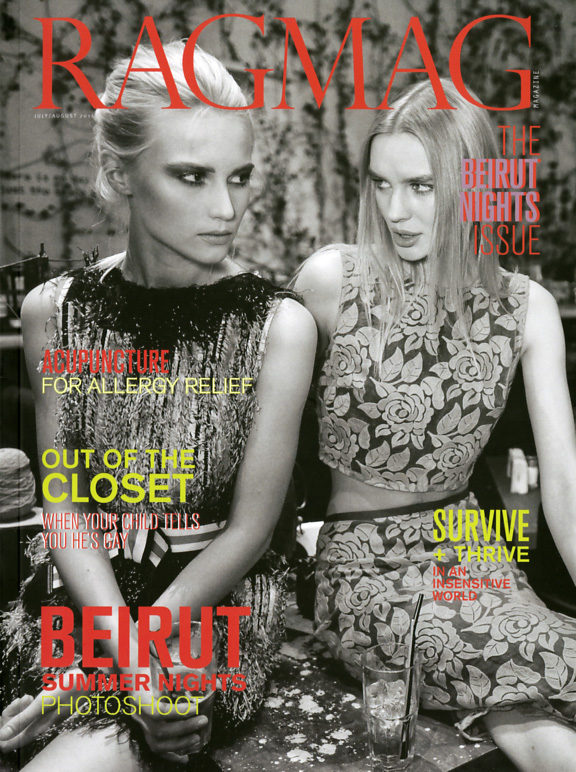
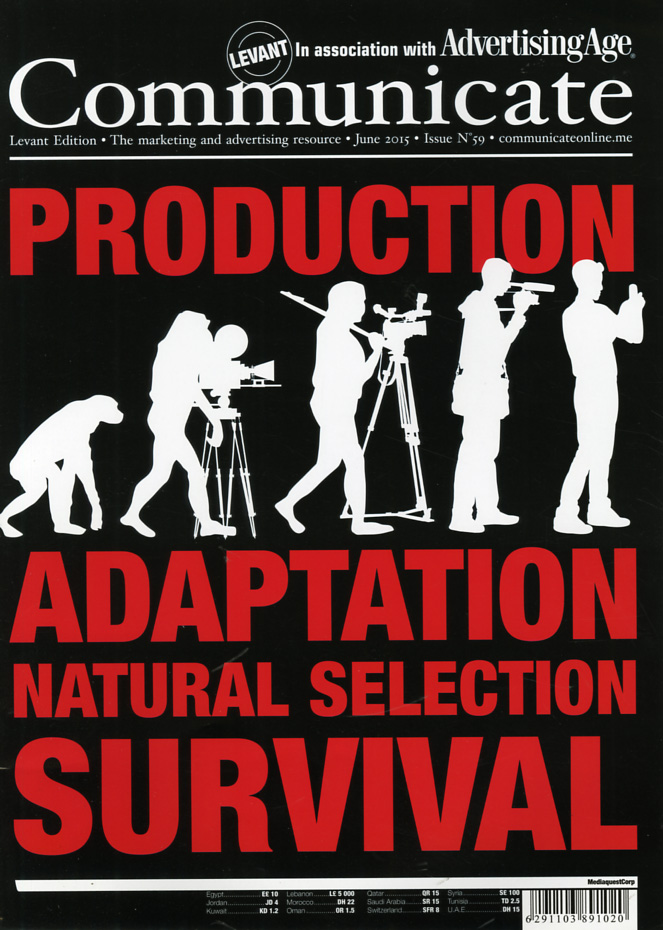
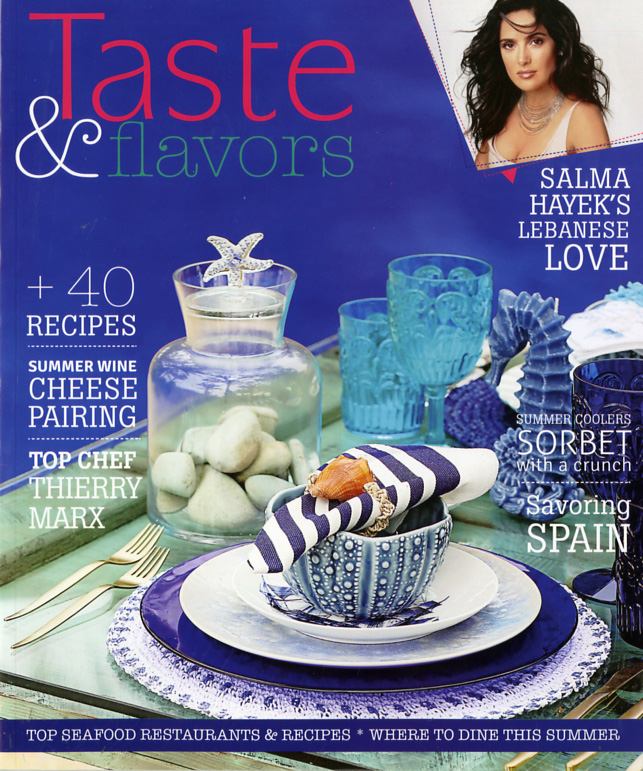
All of these new titles are hitting the newsstands, from coloring to puzzles, just look at the number of titles out there; it’s amazing. I found magazines celebrating the nightlife of Beirut (RagMag – the Beirut Nights issue), magazines celebrating the marketing and advertising resources and all the changes that are taking place (Communicate), stories of pride everywhere, magazines celebrating the international face of Lebanon, such as Taste & Flavors with Salma Hayek and the movie The Prophet.

International Blog 12-12International Blog 11-11International Blog 10-10

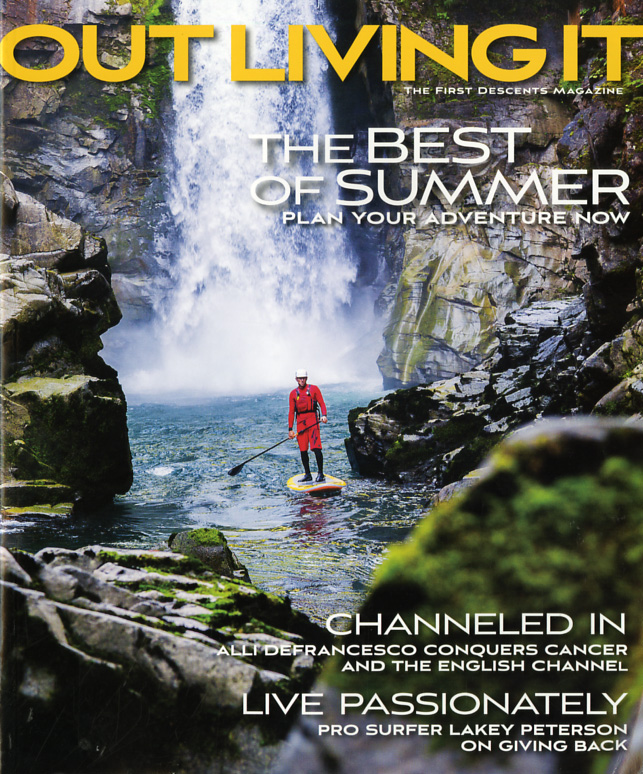
I just received the first issue of a new magazine called Out Living It. It’s the First Descents Magazine coming from Colorado in which the founder of First Descents, Brad Ludden, writes:

International Blog 9-9 This magazine serves to inspire and document the people, places, organizations, companies, and lifestyle choices that represent our collective desire to meet life head-on with undeniable passion. I hope its pages further inspire you to be Out Living It.

After those 19 days overseas, I returned with the conclusion that through all the gloom and doom, through all of these predictions of this or that CEO fading out, or this or that magazine dying; at the end of the day magazines and magazine media are going to be Out Living It and most probably Out Living Us and digital, mobile, or anything yet to be invented, if we continue to be strong and focus on the positive.

People, from both east and west, are exhausted from the negativism that is all over politics and the media… they never see or hear anything good. It’s time for a new wind of thinking to blow through the minds of media reporting. It’s long overdue.

Take it from me; as long as I have that plaque hanging in my office, there is hope, I’ll never give up on magazines or magazine media. They have found their own place in the marketplace since conception and they aren’t going anywhere. Except maybe new frontiers they have yet to explore. A newsstand on the moon perhaps…

Until the next Mr. Magazine™ Musing…

h1

Setting The Numbers of New Magazine Launches Straight… A Mr. Magazine™ Musing.

June 30, 2015

As many of the readers of this blog know my hobby turned education turned profession is consumed by my collecting and studying new magazines. I have every new launch that appeared in the United States of America (that I could get my hands on) since I arrived to my adopted country in 1978.

So, needless to say when I read some of the reports about the total number of new magazine launches and the way some media reporters publish press releases about those numbers without bothering to check or question, I get mad. I have a good reason to be mad. I publish every cover of every new magazine, every single month on my sister blog http://www.launchmonitor.wordpress.com

All that media reporters have to do is add those numbers. And those numbers are by no way the final numbers, they are the least number of new launches. I am sure that I have missed some new magazines published in far away places of these United States of America. My collection of first editions is approaching the 30,000 mark.

So, in order to set the record straight for the first half of 2015 compared to the first half of 2014, here are the numbers:


Total number of new magazines in the first half of 2014: 123 with frequency and 311 specials and book-a-zines.
Total number of new magazines in the first half of 2015: 118 with frequency and 293 specials and book-a-zines.

Watch this space for the complete charts and graphs about the comparison of the first half of 2015 and that of 2014 in the coming few days….

And, if you don’t want to spend a penny or a dollar buying any of these new magazines, just visit my blog http://www.launchmonitor.wordpress.com

And that’s all I have to say about that…