h1

From ACT 6 Experience With Love: Linda Ruth Reports… Chapter 2: The History Of Distribution According To John Harrington

April 23, 2016

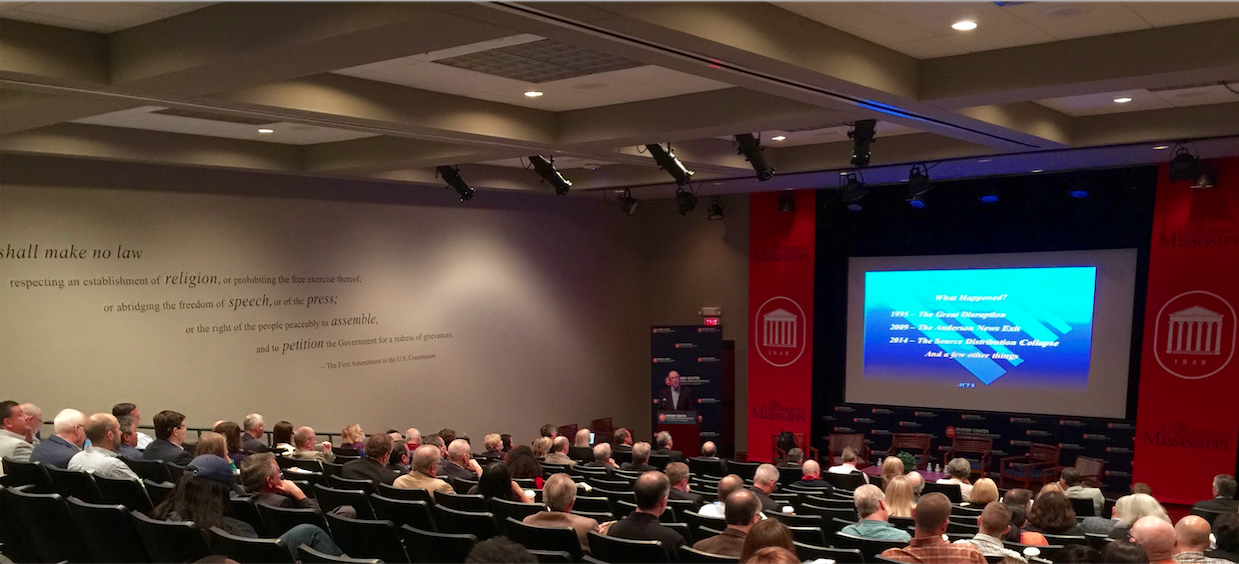
Screen Shot 2016-04-22 at 6.14.44 PM The magazine newsstand is an American icon, a pleasure in itself to visit and browse. The channel, as we know, is compromised: what happened? John Harrington of Harrington Associates opened the Magazine Innovation Center’s Act 6 with an explanation and summary of the history of the magazine distribution

For 40 years the old system of magazine distribution supported hundreds of wholesalers, who received their publications via national distributors and distributed them to regional retail chains. It was a profitable system, although one which passed along only 27% of the cover to retailers. As retailers grew more powerful and were able to demand higher discounts, and the power in the distribution system shifted to retail, the economic viability of the system was compromised, and remains compromised today.

To understand the degree to which this system has been compromised, Harrington took us through the history of the channel. In 1994 sold 2.1 billion magazines, at a value of almost $4 billion at retail, with a sell through of 41%.

Eleven years later, in 2015, we saw a sale of only a quarter of those units, fewer than a half a billion copies. Despite cover price increases, we saw a loss of 40% in revenue, commanding only $2.5 billion at retail. Efficiency has dropped to 26%, creating huge economic pressures on the system that handles the publications.

Harrington presenting at the opening of Day 2, ACT 6 Experience

Harrington presenting at the opening of Day 2, ACT 6 Experience

What happened? At the same time that the market shifted incrementally and over time, there were three major events: the great disruption of 1995, the Anderson News ext of 2009, and the Source Distribution collapse of 2014. At the same time, digital and mobile information delivery grew.

In 1995 retailers threw out the old rules. The power they accumulated through their consolidation forced consolidation on wholesalers as pricing and service were reconstructed in ways mandated by retailers. The distribution channel was reconstructed and reconfigured as wholesalers lost their economic vitality, and most went out of business. By 1999,four wholesalers accounted for 90% of the business.

Retail chains had changed their footprints from regional to national, giving them more power and the need to work with fewer, and consolidated, vendors. More magazines were published, at the same time the mega-titles on which wholesaler profitability was based were disappearing. With more publications to handle, the profitability of each was considerably reduced.

In 2009, when Anderson News went out of business, 25% of the distribution channel vanished literally overnight. At the same time, the Great Recession resulted in a loss of the discretionary income that supports the impulse buy that drives sales of magazines at the newsstand.

In 2014, Source Distribution collapsed, leading to an overnight loss of 30% plus of sales, leaving two major wholesalers and one direct distributor.

Today we face a recession hangover, where consumers grew used to living without their magazines; many who depended on print now receive their information via digital media. Publishers shifted their focus to digital expansion and grew increasingly disenchanted with traditional channels. And the business has become fundamentally unsound.

How can we as an industry reverse or repair these disastrous trends? Or is this once-profitable channel to disappear entirely? These are questions we’ll explore throughout the coming days of Act 6.

And you can click below to watch John Harrington’s presentation at the ACT 6 Experience:

h1

From ACT 6 Experience With Love: Linda Ruth Reports… Chapter 1: Magazines Are Not Just Surviving — They Are Thriving.

April 22, 2016

Screen Shot 2016-04-22 at 6.14.44 PM In an age which, six years ago, industry trend-spotters widely believed would be post-print, magazines are not only surviving—they are thriving. They have shown themselves to be flexible, adaptable, and robust. The creativity of publishers in creating multi-media platforms and leveraging them as a driver to print is a testament to that.

Folio magazine’s Tony Silber and Southern Living’s Sid Evans gave a structure to these concepts to the full room of attendees at the opening banquet of Dr. Samir Husni’s Magazine Innovation Center’s ACT 6. There are more titles on the newsstand than there were a decade ago; print advertising retains its credibility and authority with consumers; and magazines are an immersive, personal, and connective medium.

Opportunities are also challenge for publishers, and we can’t ignore that reality. While that Google and Facebook have become primary drivers of audience to publishers websites, they also leverage publisher content and audience, at no cost, to build their own sites and ad revenue; in doing so, they have built their own annual ad revenues to a point which eclipses that of the entire publishing industry.

Sid Evans delivers the keynote at the opening of the ACT 6 Experience

Sid Evans delivers the keynote at the opening of the ACT 6 Experience

Yet, as Evans pointed out, a reader who spends four minutes on a website will spend ten times that with a single issue of Southern Living; that four minutes allocated on the webpage could be spent on the cover alone. And as to the Southern Living reader wrote: “Top three books of all time: One: The Bible. Two: To Kill a Mockingbird. Three: Fiftieth Anniversary Edition of Southern Living.”—what website can claim to receive a letter like that from a reader?

As we move into the content of the MIC’s ACT 6, we’ll look forward to hearing more about the re-inventions that publishers are implementing for their publications and their businesses in this age which has, in fact, not emerged as post-print after all.

Click below to watch Sid Evan’s opening keynote at the ACT 6 Experience:

And to watch Tony Silber’s opening remarks click below:

h1

Hearst Magazines’ David Carey To Samir “Mr. Magazine™” Husni: The Magazine Cup Is More Than Half Full…

April 18, 2016

Hearst Magazines’ Success Kicks Print Into High Gear & Proves This Is No Time To Stop Believing In Ink On Paper – The Mr. Magazine™ Interview With David Carey, President, Hearst Magazines.

David Carey “The print is dead movement was, I think, largely led by newspaper journalists who were maybe feeling in their own newsrooms what was going on and they were extending it to any traditional form. I think what’s happened is every sector of media, literally every sector, is in a period of enormous disruption and I think that has put the magazine industry in context, and I guess that we look at disruption as opportunity. People will succeed and make money from disruption and people will find themselves challenged and we want to obviously be in the former.” David Carey

On a recent trip to New York to present Mr. Magazine’s™ and min’s 30 Hottest Magazine Launches of the Past 30 Years, David Carey, president of Hearst Magazines, took a few minutes out of his busy day to talk to me about the company’s continued belief and success in print and the accomplishments they’ve achieved with combined partnerships with other media platforms and businesses. I met David at his office on the 43rd floor of the Hearst Tower in New York City.

CareyandHusni3 David is a man who runs Hearst Magazines with a clear focus and gives all credit to the spectacular teams that he works with and their creative ideas and executions. From the recent partnership with Verizon, which he gives total credit to Neeraj Khemlani, who is co-president of Hearst’s entertainment division, to the first-ever joint venture with Snapchat, which David praises Joanna Coles for leading, he knows the value of a great partnership, and great teams.

While other companies are trimming and stifling new print magazine launches, Hearst is putting their best print foot forward and proving that ink on paper can not only survive in this digital age, but flourish as well. And along with Hearst’s outstanding digital platforms, the company intertwines print and pixels in a way that promotes and propels both platforms successfully into the future.

So, I hope you enjoy this extremely positive and interesting interview with a man who has proven that he knows how to lead with strength and vision in an age where print and pixels merge and the power of both are celebrated; the Mr. Magazine™ interview with David Carey, President, Hearst Magazines.

But first, the Mr. Magazine™ Video Minute with David Carey followed by the sound-bites:

And now for the sound-bites:

On Hearst’s secret sauce that keeps them growing and flourishing with new launches and bigger and better-quality magazines: Well, the credit goes to the team. One of the lines that I use with the team is if you don’t like change; you’ll like relevance even less. The industry continues to need to evolve what it does and how it accomplishes its goals. And the Hearst team does a great job with that. And then on our digital operations to figure out that scale has to be our friend, that we have too much self-inflicted complexity, that the only way to make digital work is to have a giant, global content ecosystem, where content gets to travel across brand and across geography without permission, friction or cost.

On Hearst’s partnerships and whether they’re still a viable opinion: Yes, we’re talking about partners all of the time. We generally prefer the partnership model, because we do believe when two companies contribute financial resources and management talent, promotional platforms that you can use and significantly boost your chances of success. So, partnership is out preferred course.

Screen Shot 2016-04-16 at 8.10.14 PM On why he thinks it took the magazine and magazine media world seven years to discover that print was neither dead nor dying: The print is dead movement was, I think, largely led by newspaper journalists who were maybe feeling in their own newsrooms what was going on and they were extending it to any traditional form. I think what’s happened is every sector of media, literally every sector, is in a period of enormous disruption and I think that has put the magazine industry in context, and I guess that we look at disruption as opportunity. People will succeed and make money from disruption and people will find themselves challenged and we want to obviously be in the former.

On whether he ever envisioned that Hearst Magazines would be where it is today when he assumed the position of president: I knew going in that we had things that were uniquely suited to Hearst; we have a parent company of remarkable strength. The corporation, because of what Frank Bennack built and now his transition to Steve Swartz, you have a company, unlike other media companies that perhaps you could imagine threats to their existence; Hearst is the opposite of that. From our entertainment division assets, to our business media assets, to 30 local TV stations, which do exceedingly well in political years; and our newspaper division that has seen growth and profits now four years in a row, there’s that can-do spirit that’s part of what we do as well as the financial ability to invest.

On Hearst’s partnerships with entities such as Complex and Vice: Those are with our entertainment division as you know. This news relationship with Verizon that we have is a very important one. We’ve formed this Verizon relationship that’s going to be programming content for the Go90 platform and then Verizon came into our Awesomeness business, not just ours; it’s owned 51% by DreamWorks and 49% between Hearst and Verizon, so for Hearst to now have this relationship with Verizon is fantastic, given their power. The credit goes to Neeraj Khemlani, who is co-president of our entertainment division and did a brilliant job on that. We haven’t worked so closely with Complex yet, but we’ve had ideas with Vice and have been discussing different things that we can do together.

On how he decides which partnerships to accept: We take everything seriously. But there are a couple of important considerations. The first is; we do spend a lot of time early on in a chemistry check, because we know these partnerships ideally last for a very long time and the signing of the deal is the easiest, least stressful piece, right? We do spend a fair amount of time making sure that it feels like we have a good relationship with the partner, because that’s just like the people who are your closest associates in the world. So, there’s a good chemistry period.

On the hardest decision he’s made since becoming president of Hearst Magazines: We make a lot of decisions; we’re always rethinking flows and structures and what people do and how they do it. And you deal with human beings and some are great with change and others are not so good with it. And we’re a culture that’s sensitive to people and we balance implementing, at times, disruptive actions with respect for the individual.

On what someone would find him doing if they showed up unexpectedly at his home one evening: I spend a lot of time reading our magazines; there are all sorts of interesting and thoughtful analyses of trends across the world. I do very much believe in interdisciplinary thinking, that the answers to some business problems are found by looking at other industries, not just our own. So, I like to consume as much as I can.

On the next big thing coming up with Hearst Magazines: I think that we’re at it every day. We run in spurts as I mentioned to you. We have big initiatives and they all come in kind of when they’re ready. But our teams are thinking about how to advance and evolve other businesses every day.

And now the lightly edited transcript of the Mr. Magazine™ interview with David Carey, President of Hearst Magazines.

CareyandHusni2 Samir Husni: What is your secret recipe when it comes to Hearst magazines? You’re still launching new magazines; you’re not firing people en masse; you’ve upsized all of your magazines; almost every magazine in the portfolio is bigger and on better paper. What is the secret sauce that other companies aren’t finding?

David Carey: It’s simple. A: we step on no cracks when we walk down the street and we sleep under a pyramid at night. (Laughs) People have not realized the mystical powers of these forces.

Samir Husni: (Laughs too).

David Carey: Well, the credit goes to the team. One of the lines that I use with the team is if you don’t like change; you’ll like relevance even less. The industry continues to need to evolve what it does and how it accomplishes its goals. And the Hearst team does a great job with that. So, whether we are looking at our print businesses in terms of what’s the right way to produce our products and the creation of the Hearst Design Group led by your alum, Mr. Newell Turner, and bringing three teams together into one big team to produce three different products, running against the traditional standards of the business and those businesses today are not only economically healthy, but gave us the confidence to do a pilot issue of Metropolitan Home, a great mark that we acquired, it was defunct, with the Lagardère acquisition and a chance to bring it back.

And so we’re always kind of thinking differently. Recently we made the move to have Jay Fielden not only continue to oversee Town & Country as editorial director, but also be the day-to-day editor in chief of Esquire. Jay is a real talent; he did a fantastic job at Town & Country.
So, we stretch our teams and we stretch our thinking.

And then on our digital operations to figure out that scale has to be our friend, that we have too much self-inflicted complexity, that the only way to make digital work is to have a giant, global content ecosystem, where content gets to travel across brand and across geography without permission, friction or cost. And that was one of the most disruptive decisions we made, over the course of my career, but one of the biggest, because the profit growth that we’ve had from digital has allowed us to make our numbers and has taken pressure off of the organization. So, that has allowed us to avoid a large staff restructure and so on, because we’ve met our numbers for our U.S. business, largely by taking business model risks that have paid off. But our teams have implemented brilliantly.

Samir Husni: The word on the streets is you’re not only launching new magazines, you’re bringing back magazines from the dead and putting them back into print, such as the case with Metropolitan Home. And this is the first major test where you didn’t partner with someone else, such as with the last three or four magazines that you launched. Is there still talk about other partnerships?

David Carey: Yes, we’re talking about partners all of the time. We generally prefer the partnership model, because we do believe when two companies contribute financial resources and management talent, promotional platforms that you can use and significantly boost your chances of success. So, partnership is out preferred course.

But in this particular case, we had the mark and Newell had a vision for it. And we were able to officially produce it out of the Hearst Design infrastructure. The way this worked was different, we didn’t need to assemble a team and hire a bunch a people. We managed to fit it in within the workflow, both sales and editorial, of the existing population of managers. And so it was a different model. This group found that they could stretch even beyond Elle Décor, Veranda and House Beautiful. It made sense because we had a mark, Metropolitan Home, for many people they still remember it fondly. And this is our way to kind of test that reservoir of good will that hopefully exists for the brand.

This was driven by Newell. He came to us with this plan, had a vision for it, believed that we could do it in a way that made sense financially and we like to empower our managers. And our discussion with Newell was to go for it.

Samir Husni: One thing that I’ve noticed this year in following magazine media and the marketplace, no one is saying that print is dead anymore. That mantra has vanished. Why did it take us seven years to discover that print is neither dead nor dying?

David Carey: The print is dead movement was, I think, largely led by newspaper journalists who were maybe feeling in their own newsrooms what was going on and they were extending it to any traditional form.

I think what’s happened is that the rest of the world has been caught up in this absolute state of chaos. And suddenly, magazines don’t seem as chaotic. The cable TV business seems incredibly chaotic. Parts of the digital business, you have Yahoo, one of the big players, looking at revenue declines of 15% per year, and all the disruption there.

I think what’s happened is every sector of media, literally every sector, is in a period of enormous disruption and I think that has put the magazine industry in context, and I guess that we look at disruption as opportunity. People will succeed and make money from disruption and people will find themselves challenged and we want to obviously be in the former.

It’s been important for those that long-thought certain industries had a get-out-of-jail-free card forever and that proved not to be true. I believe that has changed the thinking around magazines, and for the good. We always believed it, of course. People would look at other things as sure bets and the good news is that there are no moats around any business, no matter how large, that business is available and it’s up to you to determine whether you’re going to succeed or fail. I don’t care if you operate a digital company, a television network, or a magazine company.

Samir Husni: In 2010, did you envision that Hearst Magazines would be where they are now when you assumed the position of president?

David Carey: I knew going in that we had things that were uniquely suited to Hearst; we have a parent company of remarkable strength. The corporation, because of what Frank Bennack built and now his transition to Steve Swartz, you have a company, unlike other media companies that perhaps you could imagine threats to their existence; Hearst is the opposite of that. From our entertainment division assets, to our business media assets, to 30 local TV stations, which do exceedingly well in political years; and our newspaper division that has seen growth and profits now four years in a row, there’s that can-do spirit that’s part of what we do as well as the financial ability to invest.

I knew we had a team that knew how to innovate and not take everything they do too seriously. And I think at the same time we’ve pushed that hard against the conventional thinking, or in some cases the disruption that has impacted some of the other companies in the industry,

I’m proud of where we are, but I do believe that we can go much further. I give our team high marks that we have still a lot more to get done and a lot more to accomplish.

Samir Husni: How much are you going to push those new partnerships, whether it’s with Complex or Vice or other entities? Are you going to bring them into the fold or is it as you were reported in the New York Observer and also told me: “you wake up at night and think about these things?”

David Carey: Those are with our entertainment division as you know. This news relationship with Verizon that we have is a very important one. We’ve formed this Verizon relationship that’s going to be programming content for the Go90 platform and then Verizon came into our Awesomeness business, not just ours; it’s owned 51% by DreamWorks and 49% between Hearst and Verizon, so for Hearst to now have this relationship with Verizon is fantastic, given their power. The credit goes to Neeraj Khemlani, who is co-president of our entertainment division and did a brilliant job on that. We haven’t worked so closely with Complex yet, but we’ve had ideas with Vice and have been discussing different things that we can do together.

We get a lot of people who knock on our door and want to co-create media with us, in what used to be only print, but now in other interesting incarnations. In digital of course, in the fall we created the new digital business with Lena Dunham around the “Lenny Letter,” which was a very successful newsletter with a clear, concise voice. We’ve created a new digital business and partnership with Lena and her production partner.

Of course, we also did our new joint venture with Snapchat, their first ever joint venture was with Hearst. Joanna Coles did a great job leading that. We announced our relationship with Condé Nast, so this is just in a few months, and then with Verizon.

In just a four or five month period, we’ve partnered with Condé Nast and Verizon and Snapchat and Lena Dunham. We’ve been thinking about these pop-up magazine concepts for some time. And many people come to us because they’ve seen the great success of Oprah or Food Network and some of them have good brand recognition, but maybe not in terms of promotional resources, a real big company behind them. So, we’ve been thinking about what to do.

What we first did with Carine Roitfeld and Harper’s Bazaar, as you know, four times per year she publishes this brilliant portfolio that runs across every edition of Harper’s Bazaar globally in the same month. And no one does that, right, simultaneous global content creations. We’re trying something different on that.

And what we’re going to do with Linda Wells in the fall, and of course, Linda is the highly-respected, long time editor of Allure, we’re building internally is the Wells Report and we’ll see what the final title will be, but it will be a content play that will run across Elle and Marie Claire, Town & Country and Harper’s Bazaar, partial circulation and you take a concept that would reach a slice of those audiences, and we have a lot of those individuals who approached us, that could work as a pop-up magazine, maybe not work as their own dedicated franchise, but could very much work as a horizontal content play.

So, we’re piloting the Linda Wells project with great hope and we have others behind it. Since we did the Lena Dunham deal with “Lenny,” we’ve had many others who are successful, content names in their own right, approach us to do something similar. Our hope is that we can do a couple of these a year. We could probably do more if we want to respond to all of the inbound queries, but we want to execute each one well. That’s why when we talk print, we do it in an every two-to-three-year cycle, because we want to make sure that we can really focus and do it right and then move on to the next one.

Samir Husni: What do you use as a filter? I’m sure you’re bombarded by people who want to partner and who want to do a pop-up magazine. What’s the filter; which ones make it to David’s desk?

David Carey: We take everything seriously. But there are a couple of important considerations. The first is, we do spend a lot of time early on in a chemistry check, because we know these partnerships ideally last for a very long time and the signing of the deal is the easiest, least stressful piece, right? We do spend a fair amount of time making sure that it feels like we have a good relationship with the partner, because that’s just like the people who are your closest associates in the world. So, there’s a good chemistry period.

And then we do research and we test to see if the concept will be able to grow and be able to command an audience and drive advertising. But I would say one of the most important considerations is; are these people who we’re going to spend a lot of time with, ones that we can problem solve with? You hope problems never come, but they do come. As a result, there are projects that I won’t name; two projects in the last two years that came up that I thought were really, highly promising businesses, but we weren’t so sure the partnership was going to be strong and we passed on something that we thought could have been successful, but might have been choppy midway through because we didn’t have good alignment with the partner.

Those are the decisions that I make with Michael and Ellen. Those are hard decisions, to walk away from something that might have been a good business, but the partner has some questions. But we have to do that.

Samir Husni: For an outsider, people look at you and at what you’re doing and think: wow, David’s life at Hearst has been nothing but a rose garden. But what has been the most challenging time you’ve had?

David Carey: Part of our day, every day is filled with the good stuff and part of our day is filled with the tough, operating decisions and problems that you get around the world and that you have to manage.

Samir Husni: What has been the hardest decision that you’ve made since you became president of Hearst Magazines?

David Carey: We make a lot of decisions; we’re always rethinking flows and structures and what people do and how they do it. And you deal with human beings and some are great with change and others are not so good with it. And we’re a culture that’s sensitive to people and we balance implementing, at times, disruptive actions with respect for the individual.

It wasn’t a hard decision. The implementation of Pub Works is filled with complexity and opportunity. I do believe at my core that this is a significant advancement for the entire industry, not just these two companies. But we have a lot to do between now and then. You can’t be afraid.

The age-old question, and people have different personal characteristics; the age-old question that people always ask is: what keeps you up at night. And I don’t like that question. The reality is nothing. I sleep well every single night and I always have. And maybe I’m fortunate that that’s me, because we have all sorts of issues, things that go right and things that go wrong. You wake up the next day and you try to solve them again. And we’ll solve a bunch of them, but we won’t solve them all.

Samir Husni: So, rather than me asking you my typical last question about what keeps you up at night; if I showed up unexpectedly to your home one evening, what would I find you doing; reading a magazine; your iPad; watching television; or something different?

Screen Shot 2016-04-16 at 8.10.50 PM David Carey: People have different media consumption habits; this is not a statement which some people make because they try to come off as intellectuals, but I really don’t watch TV; when you don’t watch TV you have a lot of extra time on your hands, a lot of extra time.

I watch maybe two or three hours per week of TV, maybe. So, that gives me a lot of time to do a lot of other things. I don’t really like sports; I’m not good at playing them and I’m not really interested in them, except with my sons in a live setting at a baseball or football game.

So, I spend a lot of time reading our magazines; there are all sorts of interesting and thoughtful analyses of trends across the world. I do very much believe in interdisciplinary thinking, that the answers to some business problems are found by looking at other industries, not just our own. So, I like to consume as much as I can.

Again, I also get more than a handful of emails at all hours of the day and so I’m communicating all through the day and evening. It’s a weird statement to make, but part of my personal career success is that fact that most people watch TV 20 or 30 hours per week. If you only do that two hours per week, you have a lot of time to do a lot of other things, from reading books for enjoyment to playing games and just everything else. That will eliminate me from being head of Hearst Television; I can cross that job off the list. (Laughs) But I have friends who talk about this show or that show and I don’t know what they’re talking about. It’s just one of those things. My wife and kids will watch every Housewives show, you name it, but it’s something that never really attracted me.

Samir Husni: And what’s the next big surprise we’re going to hear from Hearst Magazines come October 2017, since October seems to be the launch date for new magazines?

David Carey: I think that we’re at it every day. We run in spurts as I mentioned to you. We have big initiatives and they all come in kind of when they’re ready. But our teams are thinking about how to advance and evolve other businesses every day. I don’t know if we have any significant step-function changes in what we do, but I think that being open to everything is how we spend our time.

Samir Husni: Thank you.

h1

The 30 Hottest Magazine Launches Of The Past 30 Years Event: Hubert Boehle, Ellen Levine and Priest + Grace Named Hottest Publisher, Editor and Designer, Respectively, Of The Past 30 Years + InStyle, The Hottest Magazine Launch Of The Past 30 Years. As Selected By Mr. Magazine™

April 14, 2016

27513_mins_30_Event_logo You can’t have the 30 Hottest Magazine Launches of the Past 30 Years without calling out the current Hottest Publisher, Editor and Designer(s) who have put their respective magazine(s) through its paces to land it in this most elite of groups. Announcements of the winners were made at the min 30 Event on April 14 at the Grand Hyatt in New York.

On any given day, Mr. Magazine™ can be seen flipping through individual copies of new magazine launches, but I can also be found thumbing happily among those legacy brands that have led the way for all those new titles that have followed, such as in the case of the 30 Hottest Launches of the Past 30 Years.

And in doing so, I have observed the trails that have been blazed in both the editorial and designer forests, and with the advertising revenue streams that run perpendicular to those creative trails, only to connect somewhere a little farther down the path to become the communal force of nature that they are when joined.

The result was the Hottest Publisher, Editor, and Designer of the past 30 years. After all, you can’t have hot magazines without equally smoking people. So, as difficult as it was to choose among the stellar talent out there, I somehow managed to do it, and during the same epiphany came up with five questions to ask each of them.

Without further ado, we begin with our Hottest Publisher of the Last 30 Years:
Hubert Boehle, President, CEO, Bauer Media Group USA, LLC.

HUBERT_BOEHLE_CEO[2]

Samir Husni: What do you think has been the biggest challenge in your career and how did you overcome that challenge?

Hubert Boehle: I faced the biggest challenge of my career right after I joined Bauer Media in the U.S. in 1989. The company had just launched First for Women and even though we spent millions on TV ads the magazine just didn’t hit its target numbers. The problem was that we had badly underestimated the readers’ attachment to the Seven Sisters. The launch plan was to offer a magazine similar in content but younger than the established magazines, but – contrary to our experience in Europe – focus group attendants kept telling us: “I trust this old brand; my mother used to read it and so will I.” My boss at the time, Konnie Wiederholz, charged me with getting the magazine to profitability. I wanted that challenge, but at the same time I was scared to death because I was inexperienced and had almost no familiarity with the American marketplace. As you know, First is still around and has been a healthy magazine for close to 30 years, so obviously it all worked out. Our first goal was to stem the losses. We used all the tricks you learn in Publishing 101: cutting costs, firing up the ad sales team, raising the cover price, changing frequency, fine-tuning the editorial product. I took some of these actions with bated breath. Not all of them worked, but all in all the changes were successful, and I felt like an Olympic finalist when we finally crossed the break-even point.

Samir Husni: What has been the most pleasant moment in your career so far?

Hubert Boehle: Probably that too happened during the relaunch of First for Women, and it taught me the power of reader-focused editorial. In its initial years, First suffered from terrible price elasticity. We raised the cover price twice, from $1.00 to $1.25 and from $1.25 to $1.50. Both increases were a waste of time, because we lost so much circulation that the net effect was close to zero. So the market was sending us a clear message: your original launch idea – an eighth sister for younger readers – stinks!

The decisive turnaround happened when we noticed that the magazine sold better with topics that addressed the reader not in her roles as mother, cook and housewife, but as a young woman with personal needs and interests. We did well when we covered topics like hairstyles and diets on the cover and we lost to the competition when we offered Seven Sisters staples like household tips, recipes and crafts.

So we finally changed the editorial positioning of the magazine to what we still use as our tagline: We put you first! Looking at women’s magazines today, it’s hard to believe that would make such a big difference, but back then, the focus on fashion, beauty, health, nutrition and diet was a real USP. After this repositioning, we went through with a hefty price increase, from $1.50 to $1.99 and this time we didn’t lose a single copy in sales.

Samir Husni: Looking at the industry as a whole, do you think we are better off today than the “good ol’ days?”

Hubert Boehle: This would be the moment for me to say, “There’s never been a better time for quality journalism,” but, let’s face it, the “good ol’ days” weren’t just good, they were mind-blowing. Magazine publishing was like a license to print money and you had to spend a lot of time golfing not to achieve double-digit margins.

From that perspective, it’s difficult to be nostalgia-proof. Revenues and margins are under pressure and nobody expects that magazine publishing as an industry can return to the old way of doing business. For the last few years, every publishing house has had to adapt to this new reality of shrinking returns, and we will need to keep on finding new ways of managing our business and, most of all, new business. I wish I knew what exactly that new business will be; my guess is there will not be one solution that will fit all, and instead, a number of different paths depending on each publisher’s particular know-how.

Samir Husni: From a publisher’s point of view how do you view the future or the “publishing” profession?

Hubert Boehle: There’s no doubt that we will go through a period of intense changes. My hope is that the change will be a transformation, rather than a disruption, of the current situation. I hope we publishers will be able to use the capital, the talent and the know-how we have gathered to, on the one hand, keep our magazines attractive enough so they continue to find readers, and, on the other hand, to successfully invest in new activities. Platform agnostic is the sexy new phrase, and I am more optimistic than I was a few years ago that we will be successful in developing significant new revenue streams.

Samir Husni: What is your reaction to being named the hottest publisher of the past 30 years?

Hubert Boehle: Samir, we were fortunate enough to win your “Launch of the Year” award a few times and I always felt honored because you choose your top launch based on how you gauge a new title’s appeal to the reader, and you’ve never been afraid of going against the grain; for example, your vote for Simple Grace this year. And the same can be said for In Touch in 2002 because the title was nothing but a little rebel at the time. So to receive this award – not to mention the million-dollar prize that comes with it – is a special moment in my professional life.

HCI
Hottest Editor of the Past 30 Years:
Ellen Levine, Editorial Director, Hearst Magazines

Samir Husni: What do you think has been the biggest challenge in your career and how did you overcome that challenge?

Ellen Levine: I actually love challenges – I find them engaging. Starting new magazines is a creative opportunity that some might see as a challenge, because you need to find true uniqueness and originality, but ultimately it is really a wonderful way to put creativity to work, and I love it.

Samir Husni: What has been the most pleasant moment in your career so far?

Ellen Levine: There have been so many, but one that stands out is launching Food Network Magazine, which we did in the depths of a recession. In fact, the first issue’s on-sale date was the day the market tanked. We didn’t know what would happen, and when the results started coming in, we could see that it was an immediate, huge hit. People really embraced it, it was just what they needed at that moment, which is always what you are trying to achieve.

Another very pleasant moment was when we learned that the first issue of O, The Oprah Magazine had sold out in a little over week and we went back to press to print thousands of additional copies – proof that women truly value Oprah’s advice and wisdom. In both cases, I felt like we had tapped into something special with our content that really resonated with consumers.

Samir Husni: Looking at the industry as a whole, do you think we are better off today than the “good ol’ days?”

Ellen Levine: To me, every yesterday is a good ol’ day, but tomorrow is the future.

Samir Husni: From an editor’s point of view how do you view the future or the “editing” profession?

Ellen Levine: There’s more creativity, more room for experimentation than ever before. The original definition of editing was putting pencil to paper, and we all continue to do that too – editing is and will always be essential in the media business.

Samir Husni: What is your reaction to being named the hottest editor of the past 30 years?

Ellen Levine: It is a huge honor, and in so many ways I have Hearst to thank for it. Our leadership, the editors and publishers that I work with every day – we’re like a family. There’s no other place where I could stretch myself creatively and see things come to fruition the way I have at Hearst, from launching new brands to reshaping and evolving existing ones.

The Hottest Designer(s) of the Past 30 Years:
Robert Priest and Grace Lee of Priest + Grace Design Firm

pg_photo

Samir Husni: What do you think has been the biggest challenge in your career and how did you overcome that challenge?

Priest + Grace: Remaining relevant as a person and as a designer. Being somebody who constantly believes in reinvention and looking forward.

Samir Husni: What has been the most pleasant moment in your career so far?

Priest + Grace: There have been several things really. Moving to New York, from London via Toronto is certainly one. Teaming up with Grace Lee and the effect our collaboration has had on my creatively has been a revelation to me.

Samir Husni: Looking at the industry as a whole, do you think we are better off today than the “good ol’ days?”

Yes! But of course there are many definite challenges right now. I feel everyone is looking for a new way of communicating, and the jury is out as to which path to follow.

Samir Husni: From a designer’s point of view how do you view the future or the “design” profession?

Priest + Grace: It’s about taste and value to me. If you have good taste and can be flexible there’s a place for you in the future of design. If you have great taste, you’re articulate and you don’t compromise, you are the future of the design.

Samir Husni: What is your reaction to being named the hottest designer of the past 30 years?

Priest + Grace: Incredulous!

The Hottest Magazine Launch Of The Past 30 Years:
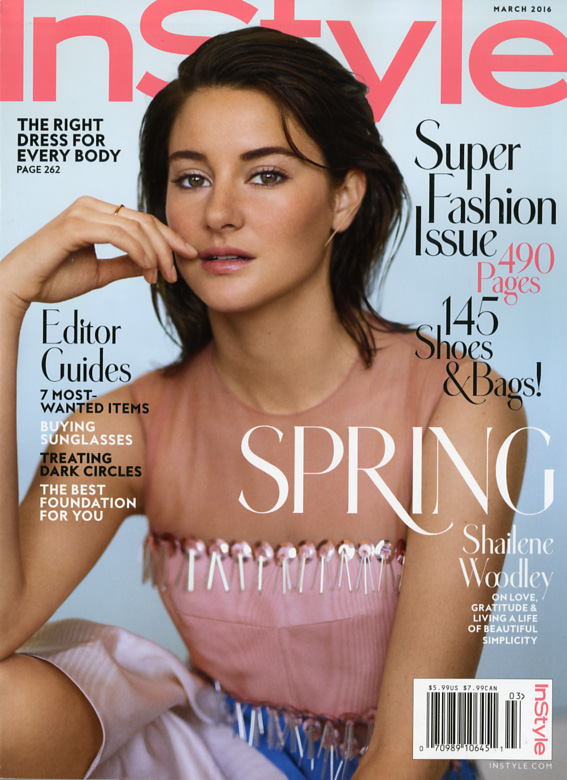
In Style

InStyle-1

In 1974 when Time Inc. launched People magazine, many people said that Henry Luce was probably turning over in his grave at how an institution like Time Inc., with titles such as TIME, Fortune and LIFE, were marching through the celebrity neighborhoods with a magazine called People.

However, little did they know that People would change the course of the history of magazines when it came to celebrities and human interest, and needless to say, People also became a major cornerstone in the world of magazine business.

Move forward to 1994; literally ripping a page from the success of People, Time Inc. launched a brand-new baby, born from the womb of the master mother: a baby they named InStyle. The same remarks were made about the infant as there had been about its famous mom two decades before. ‘Why would a company that deals with news and weeklies go into the fashion market? Why would they publish a women’s magazine that was heavily focused on style and beauty?’ The same doubts, with basically the same naysayers as there had been with People, spouting the same disparagements.

When People was launched there was very little competition in its category, but when InStyle hit newsstands, the fashion field was robust and ripe with some heavy-hitters such as Vogue, Harper’s Bazaar and Elle. InStyle had to swallow its nervousness and compete with three giants.

But not only did the magazine compete; it carved a niche for itself and did something the others didn’t do, it humanized celebrities. Suddenly people were seeing celebrities in a more personal and relaxed environment, proving that the magazine had a different access to their favorite stars than the others did, making InStyle unique.

The magazine made celebrities, style and fashion accessible to the masses without degrading the subjects they were covering and humanized the personality behind the famous name.

And of course, InStyle is not just limited to the United States. Currently the magazine is being distributed as international editions in 17 other countries including: Australia, United Kingdom, Germany, Brazil, Greece, South Korea, Spain, Russia, Turkey and South America. Its digital footprint is strong as well, with a website and app that keeps the brand in your face, right where it should be.

InStyle fits the criterion excellently that was required and needed to wear the title: The Hottest Launch of the Past 30 Years.

The Hottest 30 Magazine Launches of the Past 30 Years

What can you say about 30 magazines that have left a streak of fire in their wake as they impacted three generations? Well, you can definitely call them the 30 Hottest Launches of the Last 30 Years for sure. And you can say they are all inimitably unique and dynamic. Take a look at each one and see if you agree with my thoughts about them:

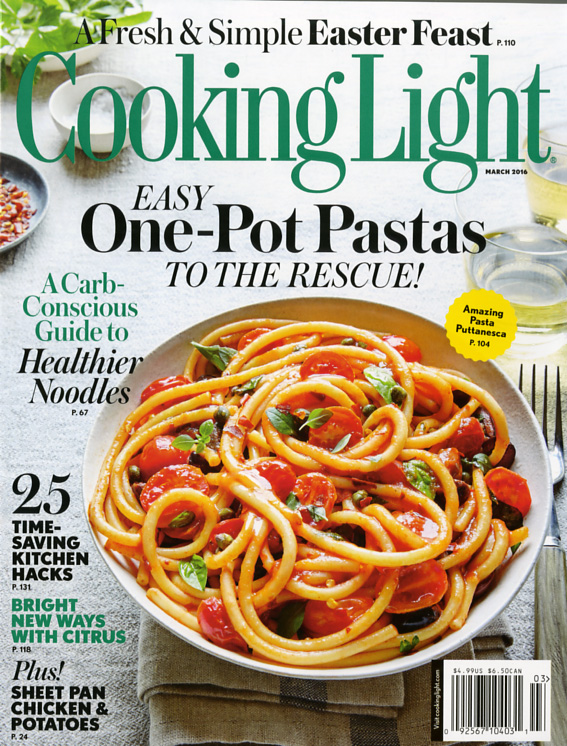
Cooking Light-2Cooking Light: Combining the love of food and the health of its audience, the magazine was able to beautifully showcase scrumptious and delicious food, that while healthy, was so stunningly decadent-looking, you would never know you were eating in good health. It took the guilt out of eating.

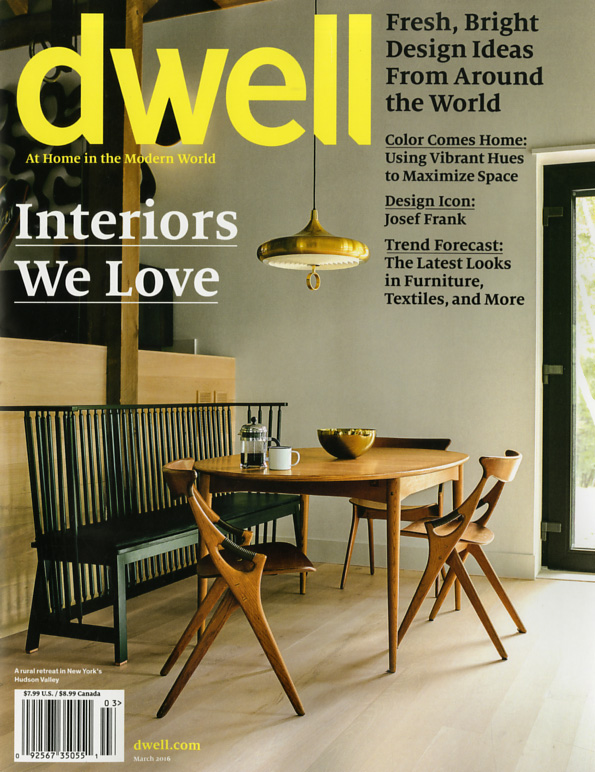
Dwell-4Dwell: The little engine that could. Dwell was one magazine that if you were a gambler would have been a long shot at best. Yet, with the diligence of its staff and creators, Dwell has become a leader in the interior design and shelter categories, in print, in events and of course, digital.

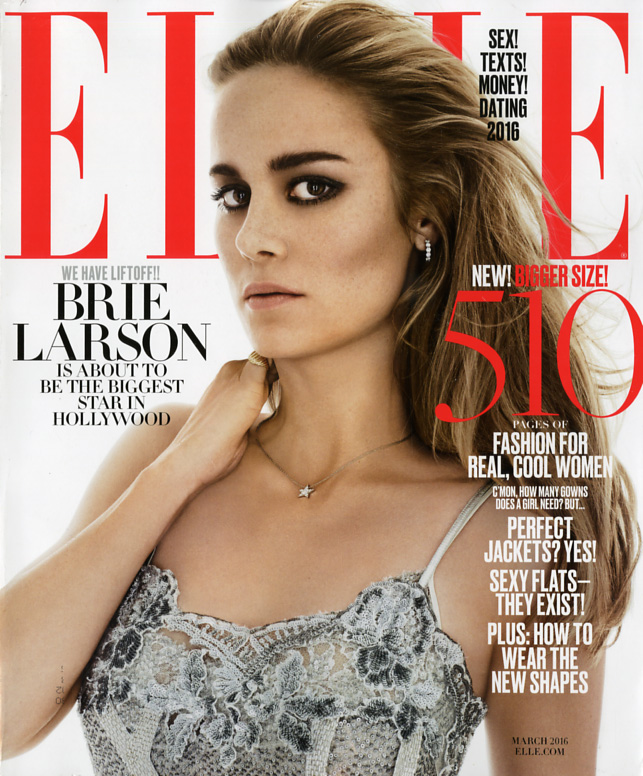
ELLE-2ELLE: One of the first magazines to succeed in bringing that Euro-trend to the United States. And not only did ELLE succeed; it excelled and became a dominant player in the world of fashion magazines.

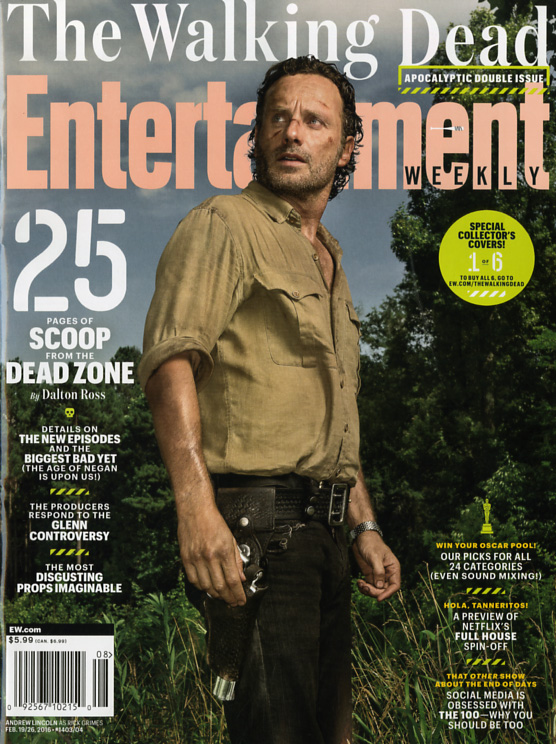
Entertainment Weekly-8Entertainment Weekly: The first major weekly magazine to be published in the last 30 years that curated all the entertainment landscape before the word curation was en vogue and provided everything its audience (and DJs) needed to know about popular culture.

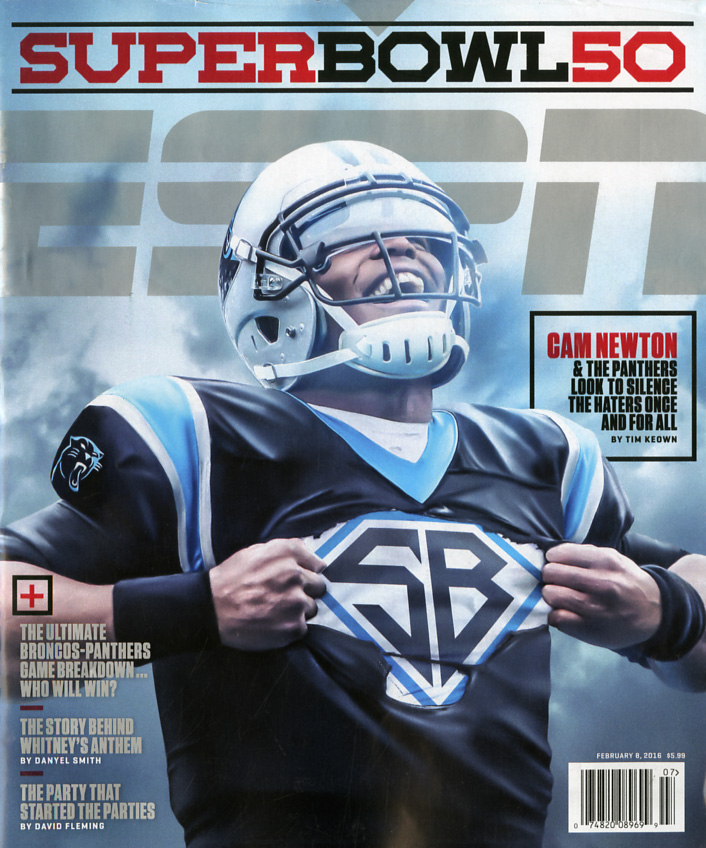
ESPN-1ESPN The Magazine: ESPN The Magazine was built from the television network and the brand. The creation of a lifestyle magazine that complemented everything sports and vice versa was one more piece of the puzzle that the brand needed to dominate the sports enthusiasts’ attention.

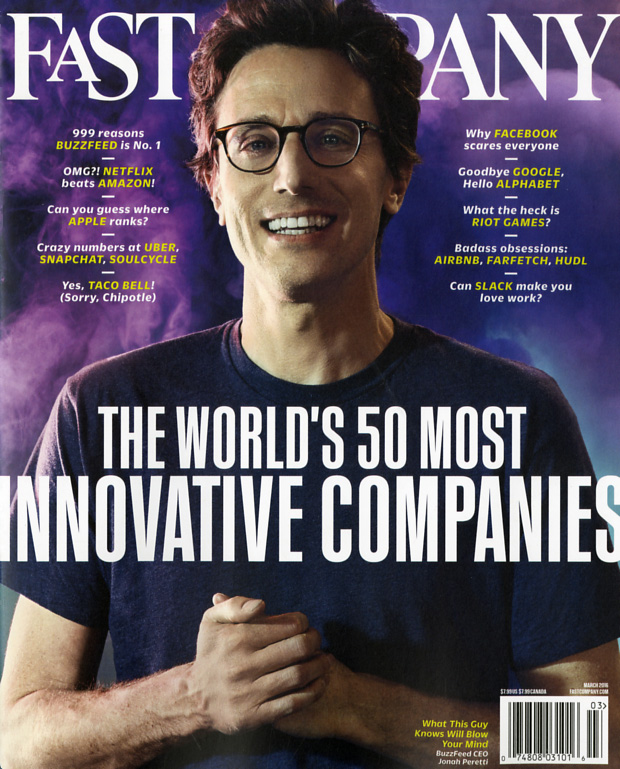
Fast Company-3Fast Company: The new business magazine, but with a twist. The magazine kept pace with the ever-changing facets of business and industry, from the technological aspects to the business aspects, so no business or technology was left behind if they were reading Fast Company.

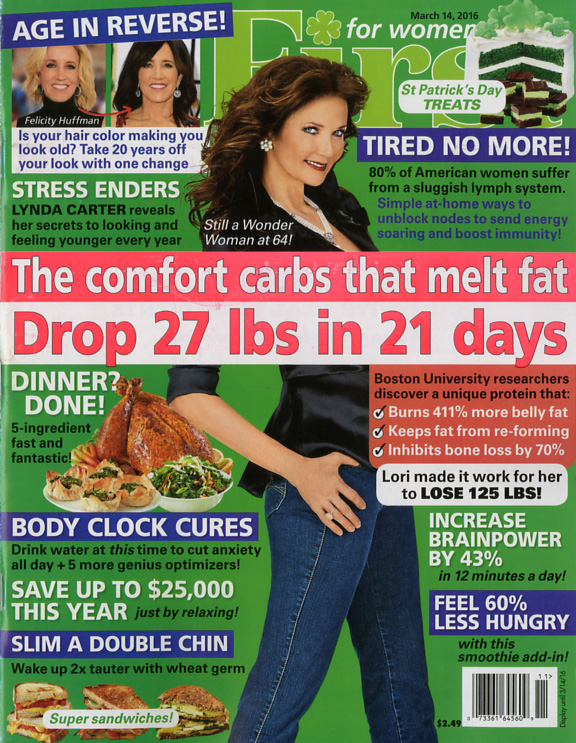
First for Women-2First For Women: When First For Women was born the market was flooded with women’s magazines, but First For Women proved it was a force to be reckoned with. And today, it reigns supreme as one of the leading women’s magazines on the newsstands in a still very crowded marketplace.

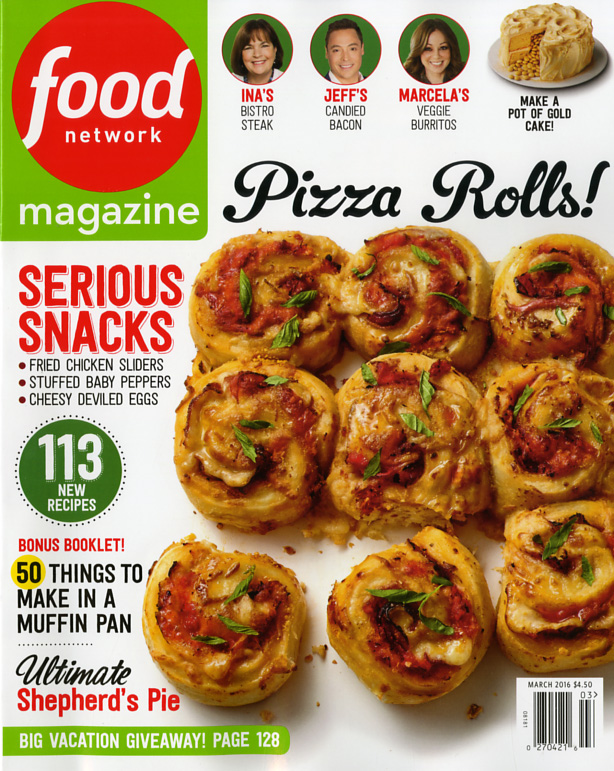
Food Network-5Food Network Magazine: Born in the midst of the economic meltdown, Food Network Magazine carried the torch for print, proving that print wasn’t dead and that food was the new sex of the 21st century. It showed that print well done could not just succeed, but could also flourish.

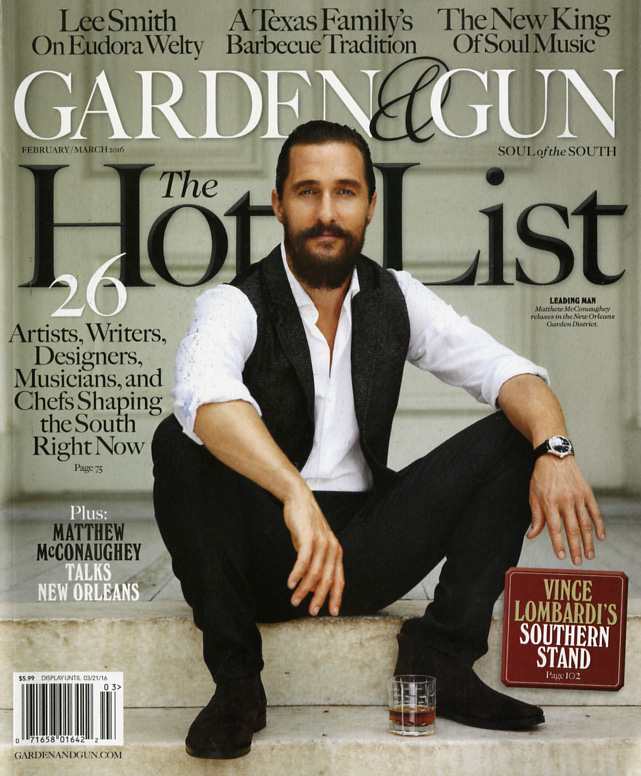
Garden & Gun-12Garden & Gun: Garden & Gun is the southern magazine with the national appeal that succeeded in creating a distinct voice that readers from every corner of the country can relate to. The magazine combines great literary content with beautiful photography and an upscale look and feel.

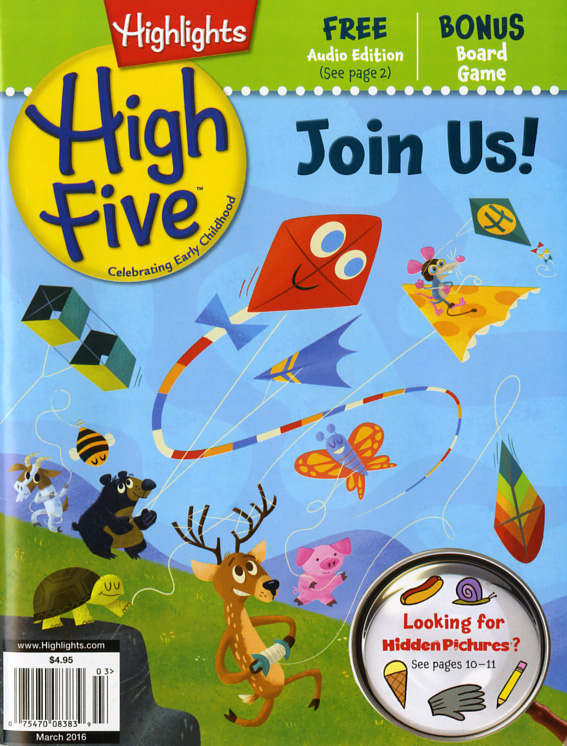
Highlights High Five-1Highlights High Five: As the digital tsunami was approaching Highlights recognized not only the digital changes taking place, but also the physiological and psychological changes in children and created a magazine for younger children to help prepare them for the future.

InStyle-1InStyle: If someone told me years ago that Time Inc. would be a major player in the fashion category, I would have probably laughed, but with its unique approach to celebrities and fashion, InStyle carved a niche for itself in a big way, so much so that that niche has become part of the norm.

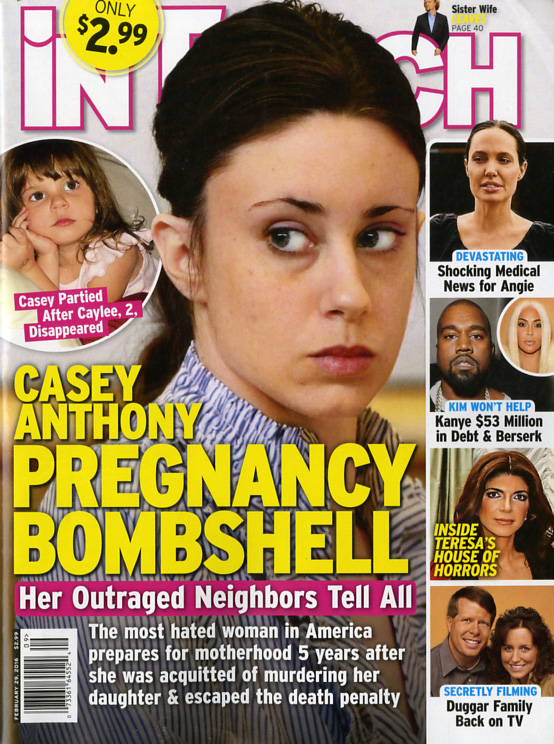
InTouch-9InTouch Weekly: Born at the height of the celebrity craze and aimed and targeted at a mass newsstand audience, In Touch Weekly was the first major new weekly to be published in the United States since Entertainment Weekly and set the stage for two more weeklies: Life & Style and Closer.

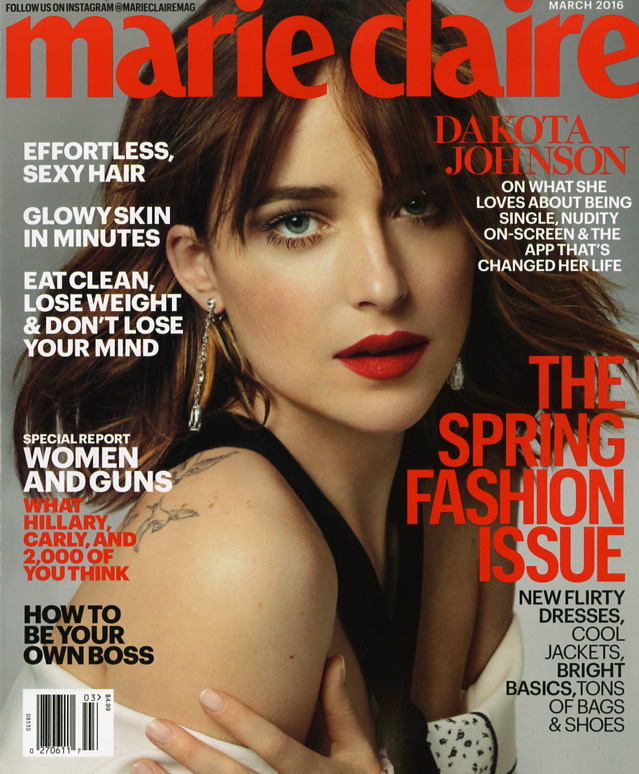
Marie Claire-6Marie Claire: The fashion magazine with a conscience. No other fashion magazine can come close to all of the appetizers and desserts that Marie Claire offers. Fashion is still the stronghold of the publication, but there are a host of human, social and world interests in the magazine.

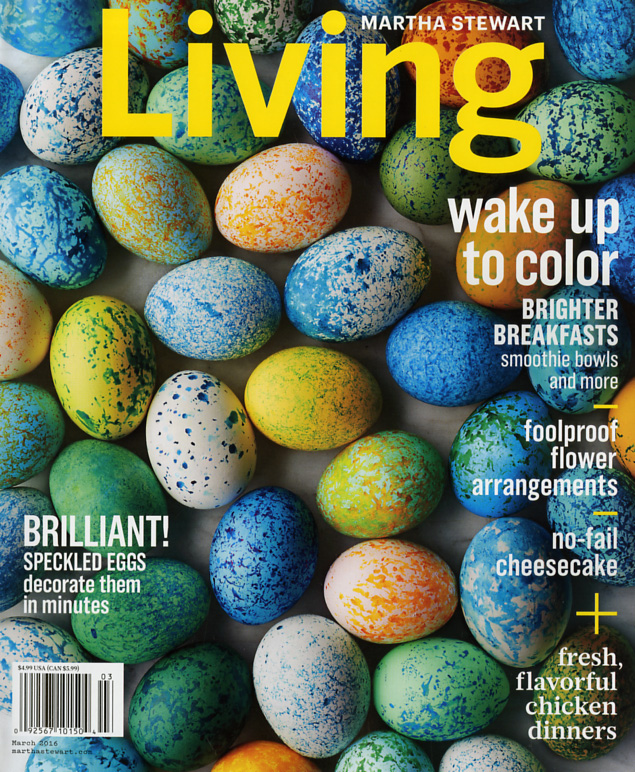
Living-5Martha Stewart Living: It began the trend of making brand extensions based on the persona of the magazine’s namesake, rather than what they do professionally. The first magazine in a long, time that lent itself to its namesake, and became the journal of the everyday life of Martha Stewart.

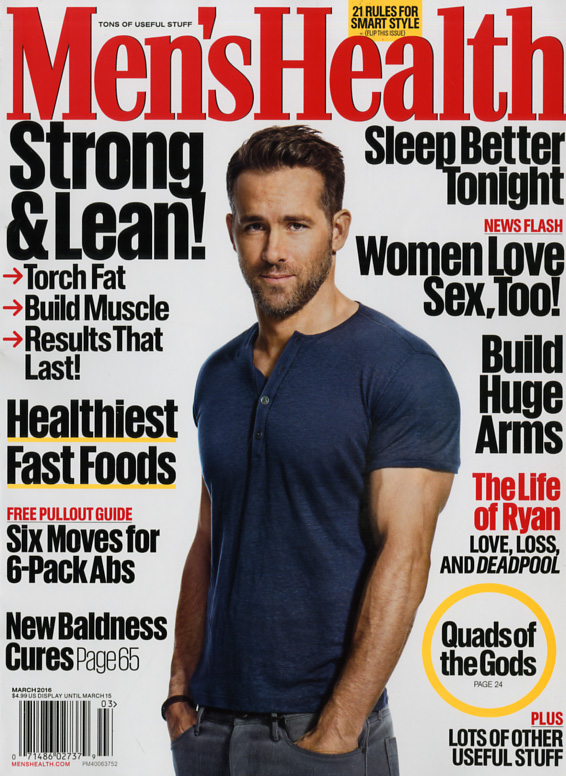
Men's Health-11Men’s Health: Men’s Health shattered the myth that the male of the species didn’t take advice or care about their bodies. And not only was that myth shattered in the United States, the brand exploded and expanded globally and proved men were just as health-conscious as women.

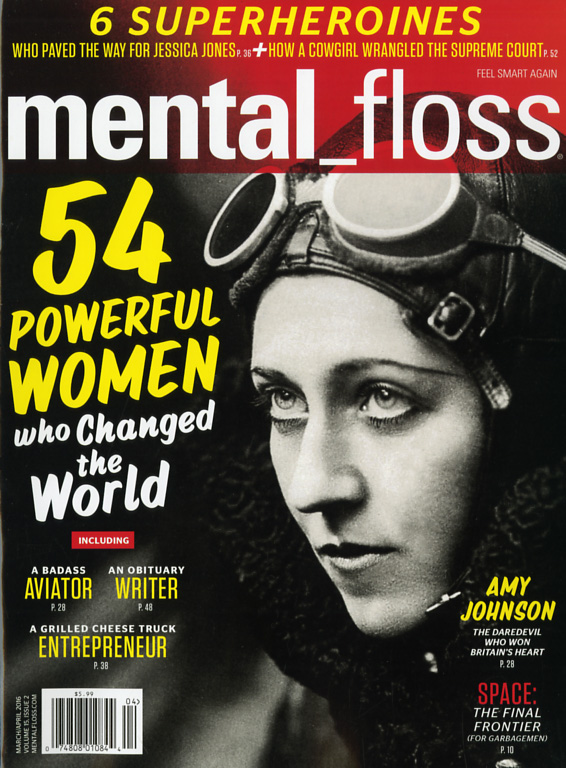
Mental Flos-4Mental Floss: What can you say about a magazine that wants you to feel smart again? Born from the seeds of a classroom, Mental Floss became a brand that can be found in print, in books, online and on television. It’s rooted in the idea that information and knowledge should be fun and entertaining.

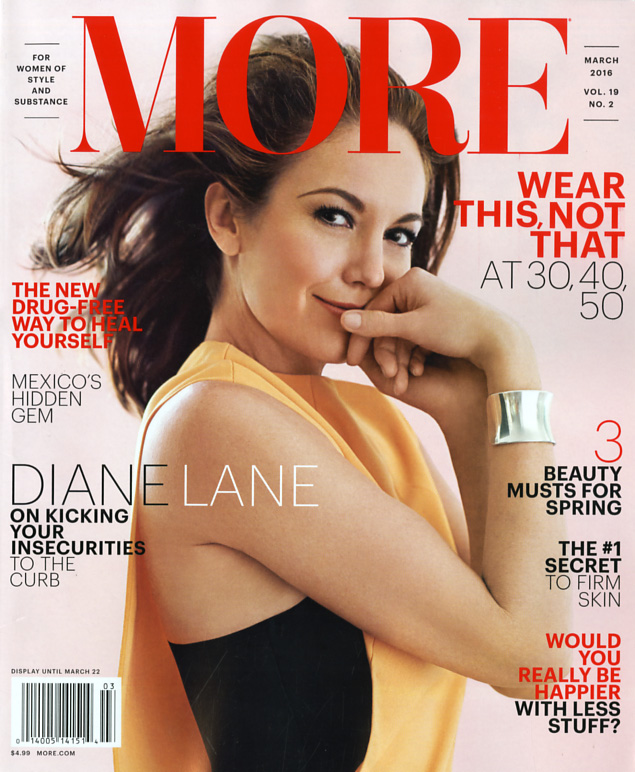
MORE-3MORE: The magazine for substance and style that made a breakthrough in women’s magazines when they stood firm on the foundation that age was just a number. With MORE, women suddenly felt ageless and the magazine documented that in both words and photos.

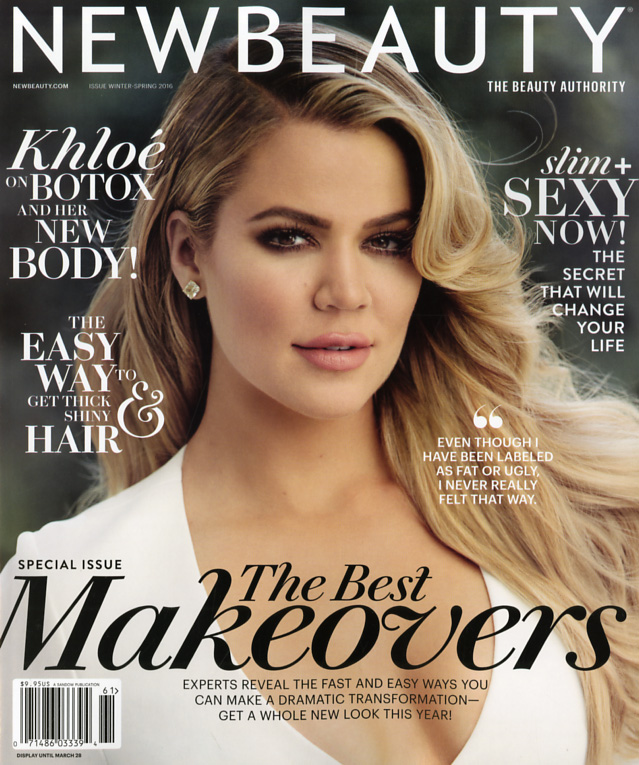
New Beauty-2NewBeauty: Captivating and reflective, NewBeauty set the trend for the beauty space by coupling education powered by innovation to become the go-to source for readers looking for an outlet to get the truth on many beauty trends, people, and products in the world then and today.

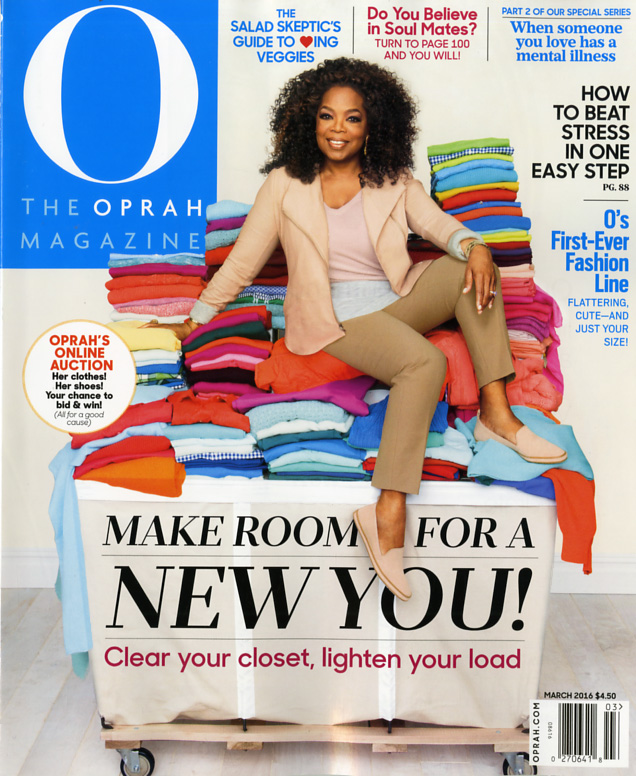
O The Oprah-13O The Oprah Magazine: O The Oprah Magazine has been able to extend the brand from the television screen to the world of newsstands, and make it larger than life. So even if you don’t see her on TV, you can still see her everywhere. She’s always on your mind and never out of sight.

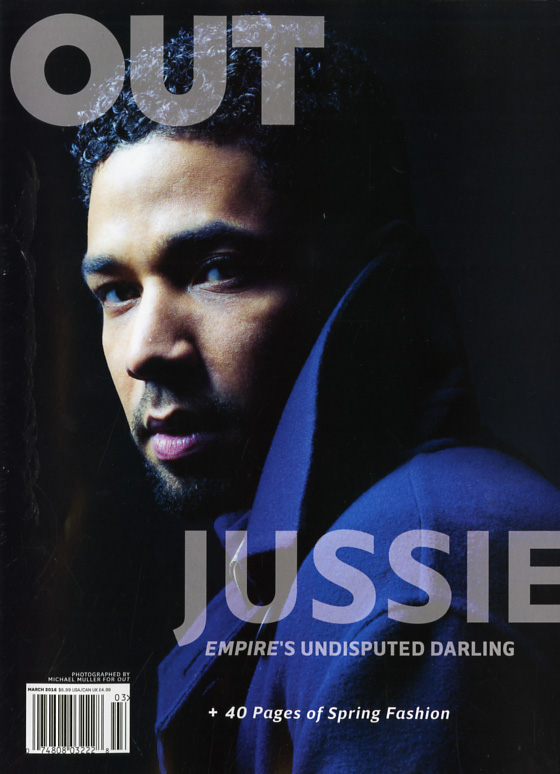
OUT-7OUT: OUT was the first lifestyle magazine for a gay audience that removed the stigma from being gay and allowed readers to remove the wrappings and showcase the magazine in every possible venue, including their coffee tables. It changed the look and feel of gay magazines.

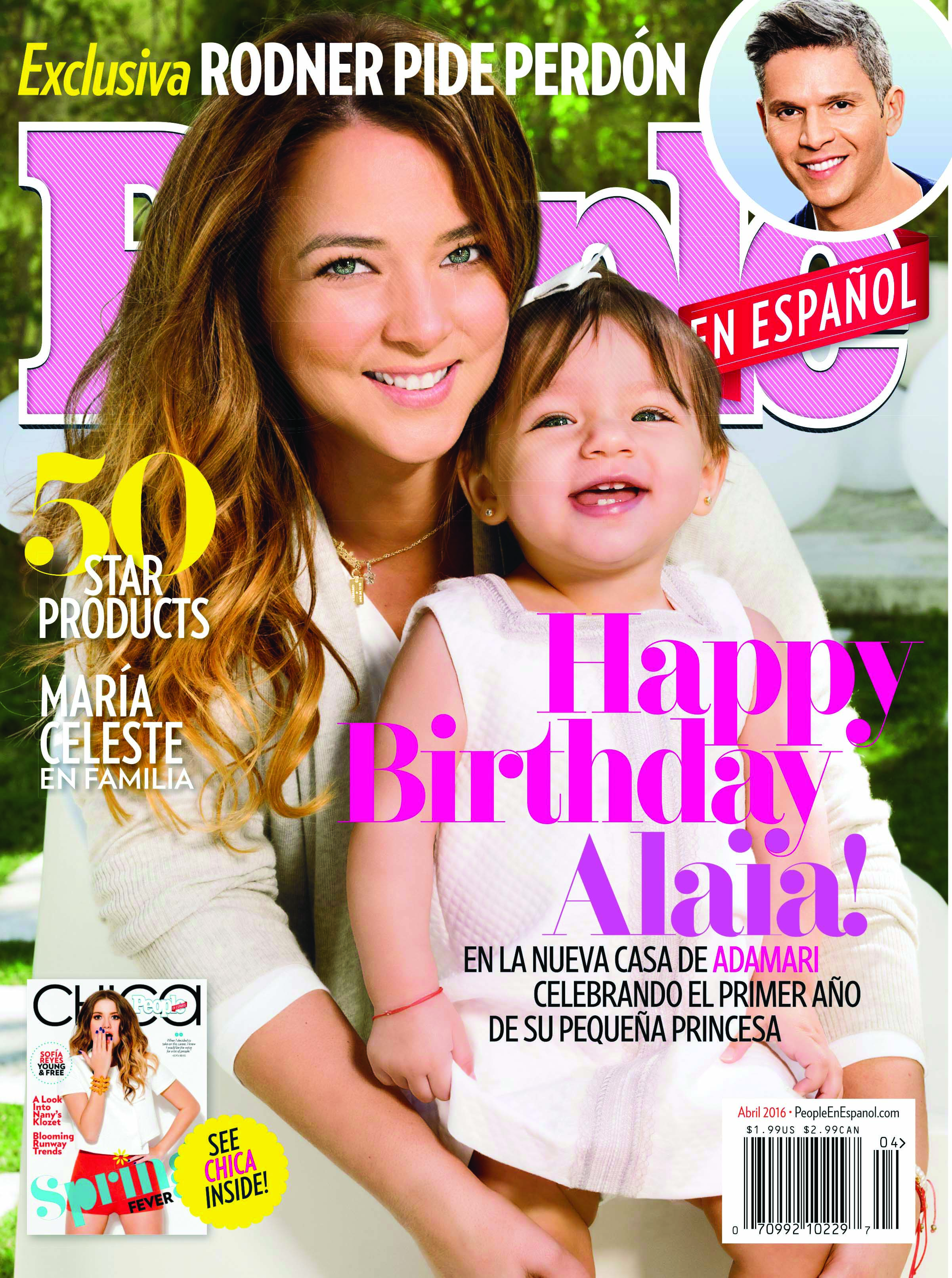
ESCVR04_EAST_1_print.pdfPeople En Espanol: A breakthrough in the marketplace. People En Espanol tapped a growing source in the market that had been ignored for a long time. The magazine established itself as the leader in the Hispanic marketplace for the coverage of celebrities and human-interest stories.

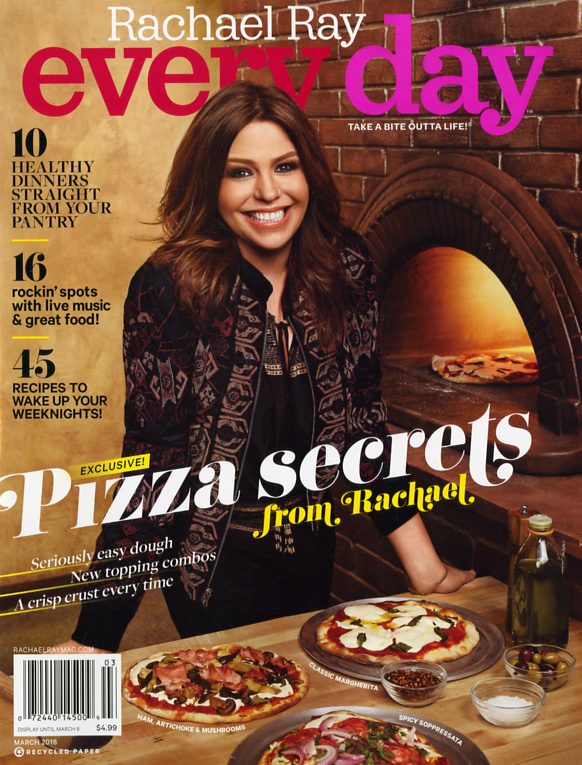
Rachael Ray-3Rachael Ray Every Day: Humanizing a brand based on an actual, living, breathing human being is evident in Rachael Ray Every Day. The closeness that you feel with her television program is replicated in the experience you get when you’re flipping through its pages.

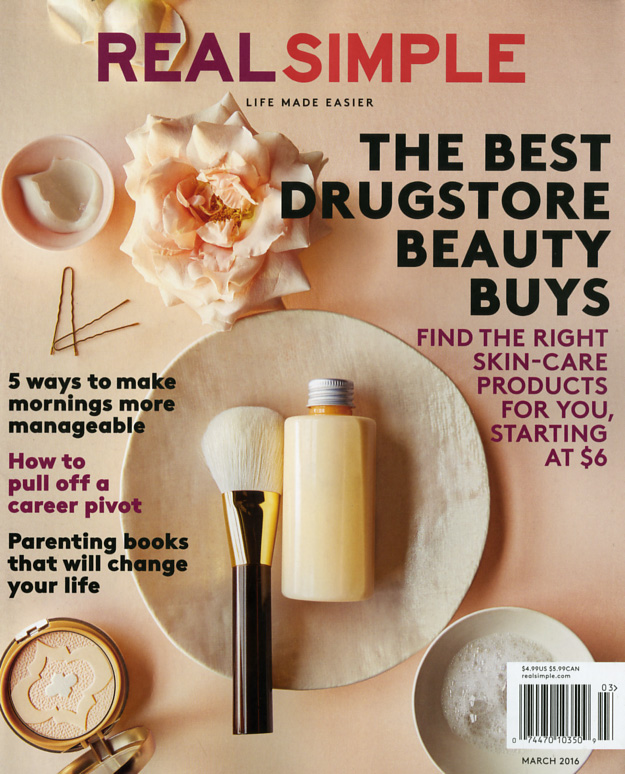
Real Simple-8Real Simple: I don’t think that you can go wrong with a magazine that aims to make life “easier,” especially when it comes to one that actually broke the mold of what a woman’s magazine is or should be and presented a “Real Simple” concept of living into our complex way of life.

A Taste of Home-1Taste of Home: Way before the phrase “reader-generated content” was coined; Taste of Home was participating in this 21st century concept. It was the trend-leader in this idea before anyone even knew this was an idea, proving the magazine has always been ahead of its time.

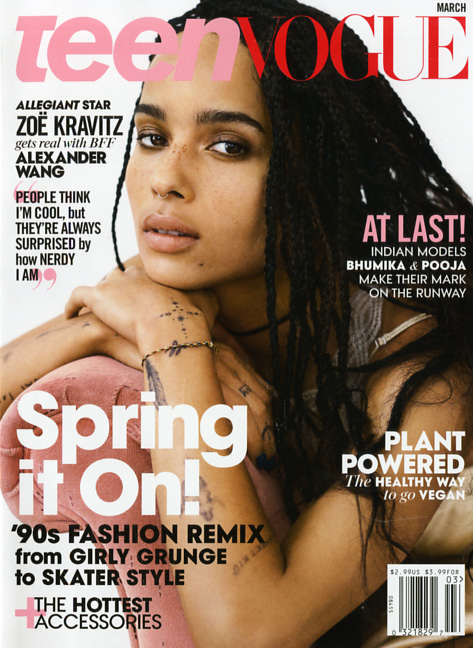
Teen Vogue-6Teen Vogue: Needless to say, plenty of magazine mothers have given birth to teen magazines in the past, but Teen Vogue is the only surviving offspring of those proud and strong mothers. Teen Vogue proved that it was as buoyant and immovable as its famous mom, and continues to be.

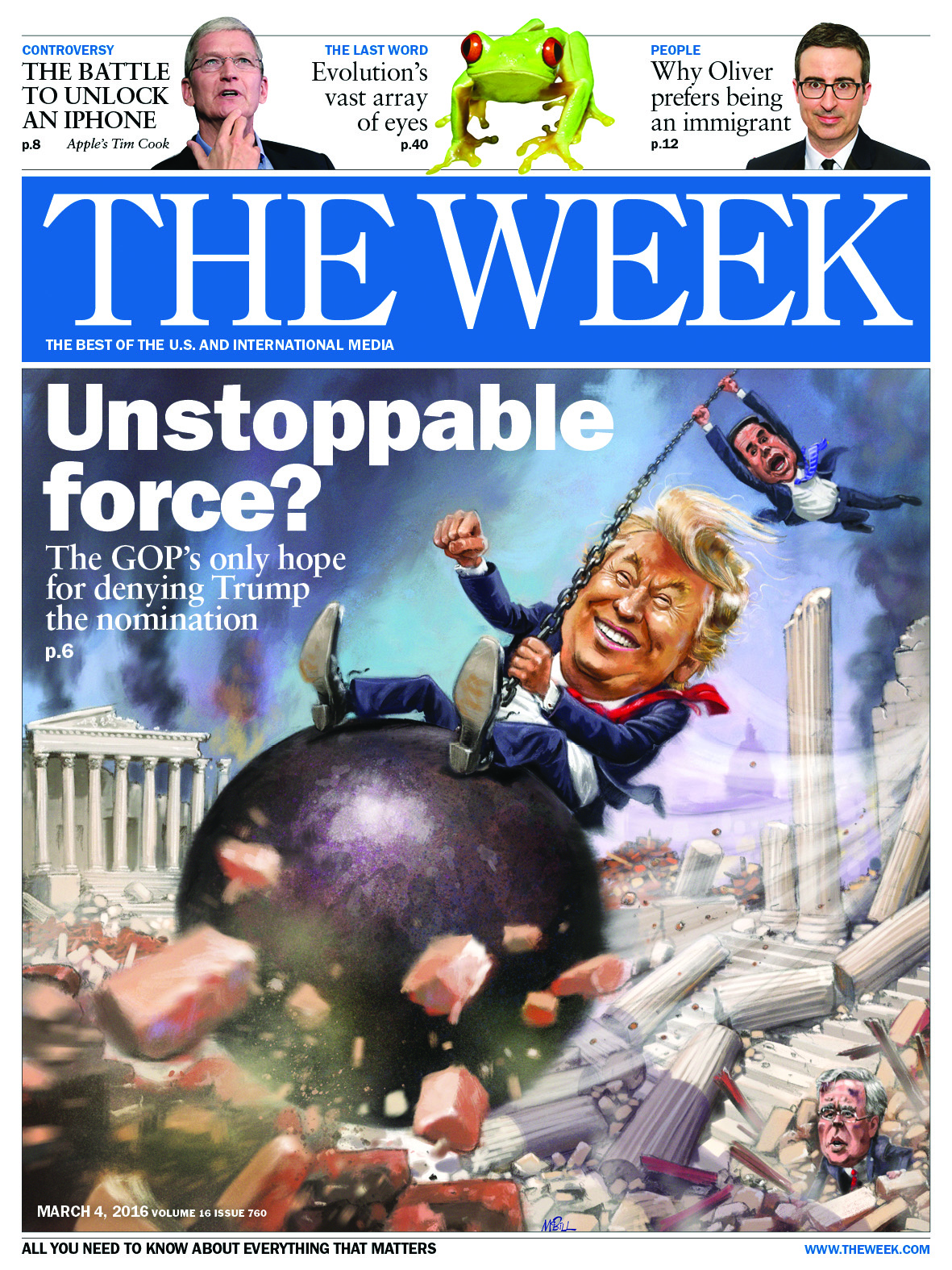
THE WEEKCMKYThe Week: The magazine’s tagline says it all; The Week is literally and figuratively all you need to know about everything that matters. The Week actually delivers on that statement. In a very short time The Week has become a must read and the Rolls Royce of the newsweeklies.

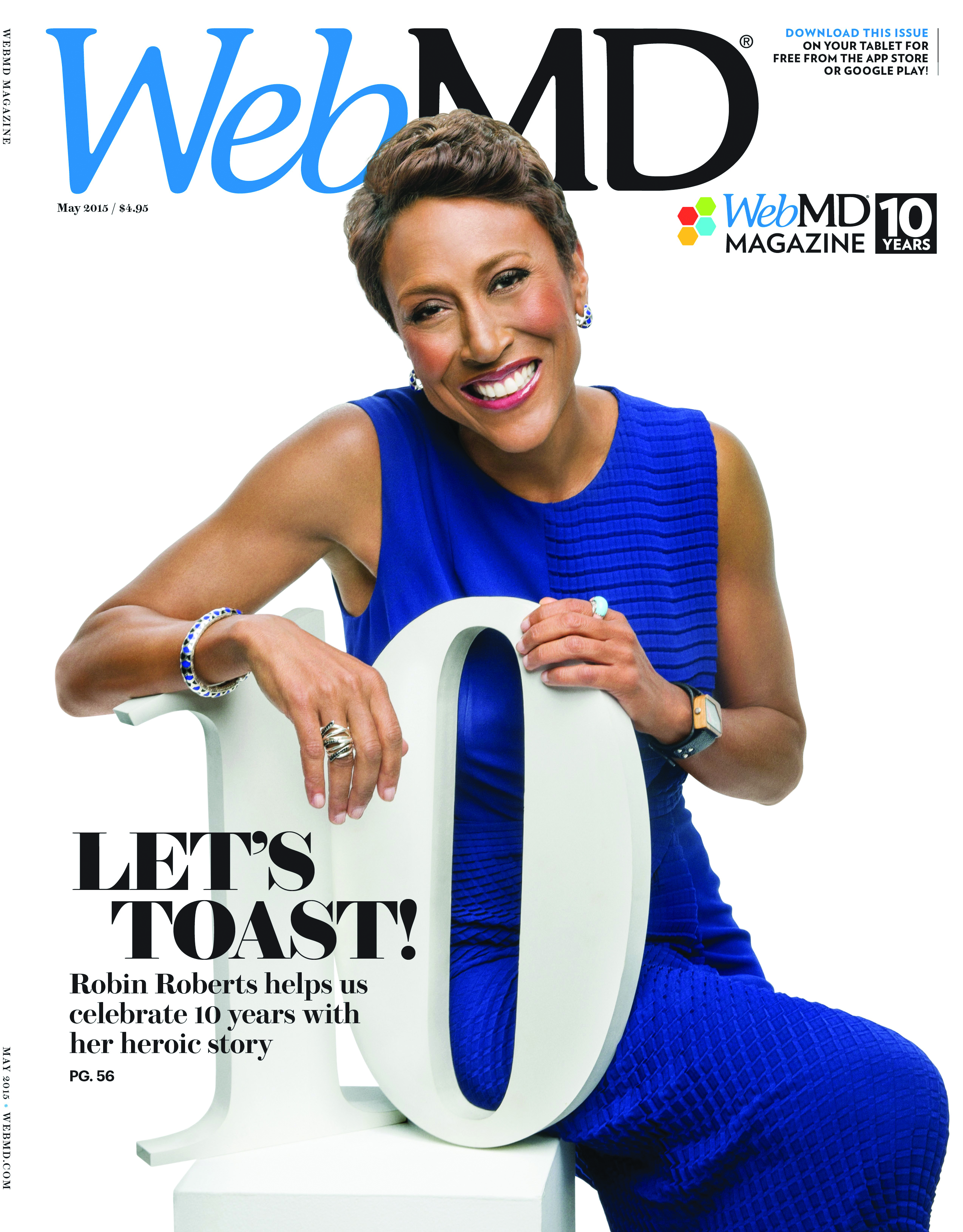
WebMDCYMKWebMD: While it’s no longer a unique idea that digital websites are discovering print, WebMD was one of the first successful players in the field. The brand believed strongly that it’s not either/or when it comes to engaging its audience, but both print and digital are the only option.

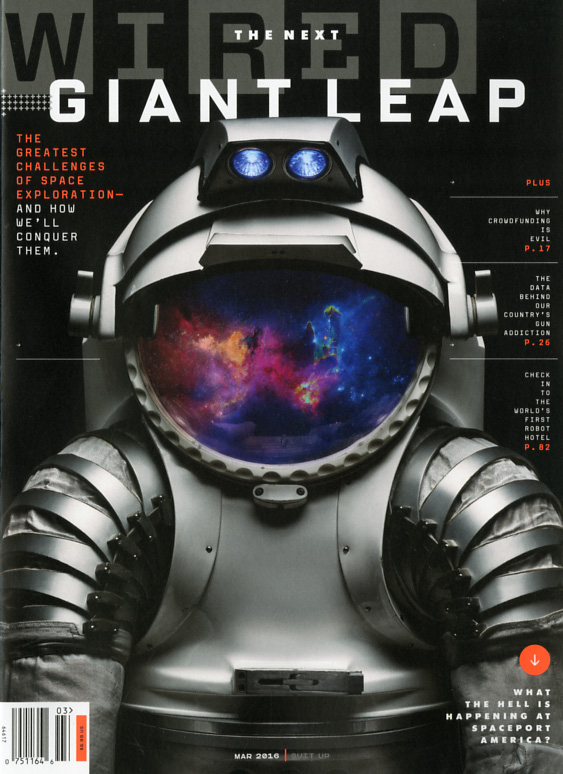
Wired-7Wired: From a creation based on passion and a love for everything that’s techie, Wired grew to become the techies’ bible in an industry where there’s no shortage of technology-based publications. It grew up from the passion of its creators to become the techies’ lifestyle magazine.

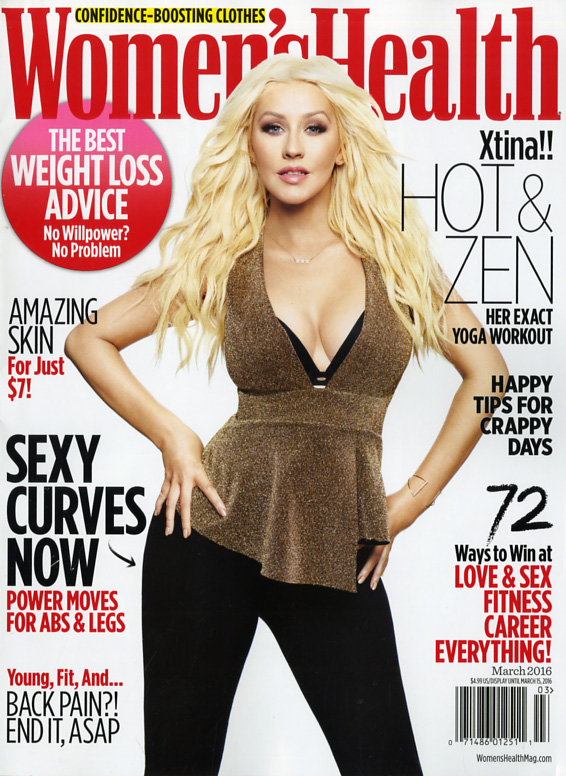
Women's Health-10Women’s Health: Unlike Men’s Health, Women’s Health came into a crowded market and changed the precedent of how women think about and dealt with health issues. Suddenly, a magazine was born that dominated the women’s health category.

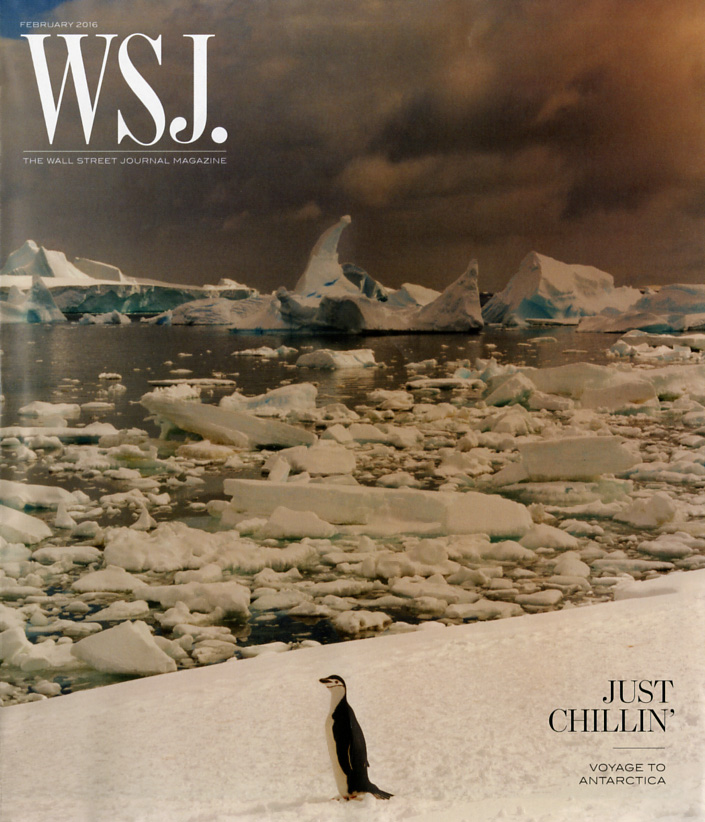
WSJ 72-2 (2)WSJ. Magazine: Setting new standards in newspaper supplements, WSJ Magazine captivated an expanded audience and paved the way for something potentially disposable to become a collectible and valuable print product while creating a whole new source of revenue for the mothership.

Until the next 30 years…
Enjoy magazines!

h1

Fortune Magazine: Bringing Quality Journalism To Its Multimedia Franchise, Proving Print & Digital Can Complement Each Other Effortlessly – The Mr. Magazine™ Interview With Alan Murray, Editor, Fortune Magazine

April 11, 2016

“We live in a world right now where you have legacy brands trying to become smart digital operations and you have smart digital operations trying to build brand. I think in both cases the job is tough, but I actually think we have the better hand. In other words, it’s easier for a great brand to build a good digital organization than it is for a good digital organization to build a great brand.” Alan Murray

COV.W.04.01.16.Xmit.indd A legacy brand that has no misconceptions about the future of business in today’s digital world; Fortune magazine has established a deep footprint in both print, and as recently as two years, also digital. In March 2016, the brand’s website realized over its target of 20 million unique users, an amazing accomplishment, especially for a website that didn’t exist two years ago.

Alan Murray is editor of Fortune and has a clear vision for the brand and also a clarion view of business today and why there is renewed interest and resurgence in the world of business magazine media. It’s Alan’s belief that the millennials of today have turned back to the business world as disillusionment with Washington and all things political have set in over recent years. No longer do they feel they can impact society and the world in general through government, but have a better chance of doing good and realizing goals and dreams through the channel of business.

I spoke with Alan recently and we talked about the good “fortune” of the brand, and how for him and the Fortune team the realization of those 20 million unique web users wasn’t just a numbers game. He said a concerted effort to maintain and improve on the quality of their online journalism had been a prime goal, producing a steady stream of smart stories, exclusive scoops and authoritative analysis that Fortune’s readers value. In addition, subscribers to their newsletters – the brand’s most loyal and valuable readers – had grown to well over 200,000.

So, I hope that you enjoy this glimpse into the world of business magazine media with a man and a brand that knows the niche from the inside out and offers a renewed hope and excitement for all things “Fortune;” the Mr. Magazine™ interview with Alan Murray, Editor, Fortune Magazine.

But first, the sound-bites:

Alan Murray headshot 2013 On whether the hierarchy of politics first and business second from the days of Henry Luce still stands or there’s been a change in the audience’s attention: I think, particularly in an election season like this one, people are very interested in politics. And there are probably more people interested in politics than there are in business. But the fact that we’ve reached 20 million visitors in March suggests that there are quite a few people interested in business as well.

On whether he thinks there has been resurgence in business magazine media or there’s an uncaring-type attitude when it comes to the audience’s interest: No, we don’t get that. First of all, most people are employed by businesses, so I think people certainly care about their jobs. But I also think that we’re at this interesting moment where in the United States the government has failed us. And so people who really want to make a difference in the world more and more are turning to business rather than government.

On how he plans to incorporate his vison for the Fortune brand throughout the different platforms: Increasingly people are seeing business as a principle means of doing good in the world. We started something last September called the “Change the World,” which focuses on companies that are trying to address global social problems as a core part of their profit-making activities. Obviously that’s not every company, but you see more and more of that and that’s the motivation of a lot of young people going into business today. Our most popular franchise of Fortune is something that you may have seen called “100 Best Companies to Work For.” And that’s very popular with young people looking for jobs. They go there to see what companies share their values and will give them a chance to make an impact in the world.

On how he contrasts the website with the printed edition of Fortune: We’re trying to do great journalism both online and in the magazine. The difference is not so much about the quality of the journalism; it’s the way it’s consumed. When the magazine goes into people’s houses and they sit down on the weekend to spend 30 or 40 minutes flipping through it; that’s a very laid-back reading experience. With the website, you’re talking about people who have maybe three minutes to scramble through some information in the morning before they go to the office or they take a few minutes at lunch. I did research on this when I was at the Pew Research Center; people are reading more than ever before, but they’re reading in stops and starts on their mobile phones.

On whether his job as an editor today is easier or harder than in the past: I think it’s very hard. Let me give you a prime example from Fortune. Probably the best single story we did last year was a story on the Sony hack. It was written by Peter Elkind, a long-time Fortune writer, who spent six months of last year reporting and writing this story, and that’s all he did for us during those six months. Then on the other hand, you look at someone like Dan Primack, who writes “Term Sheet,” which is an incredibly respected newsletter for the private equity audience. Peter Elkind and Dan Primack are both great journalists and anybody you talk to that reads their work recognizes that, but they’re dealing in very different media. And it does make managing a news organization that cuts across those media more difficult.

On whether he misses the good-old-days of being an editor: No, I think journalism is more fun today than it’s ever been before because you have access to all of these different media, different ways of reaching people, because you can reach a broader audience than ever before. Fortune has never had the 20 million people who came to Fortune in March. It was the biggest audience by far, by orders of magnitude that Fortune has ever had.

On what motivates him to get out of bed in the morning: It’s a combination of the things that we’ve already talked about. One is that journalism is more fun and exciting; it’s changing more rapidly than it ever has before and change keeps you excited. I’ve been fortunate in my career to do just about everything that a journalist could do. I’ve hosted a TV show on CNBC for three years; I’ve written three different columns for the Wall Street Journal; I’ve written long-form and short-form, but the fact that the medium is constantly changing and evolving makes it fun.

COV.W.02.01.16.FINAL.indd On whether he can ever envision Fortune without a print edition: I think that someday print will go away, but I don’t think that it’s going to be in my lifetime. There are still too many people who love the print form. I suspect someday that we’ll figure out a way to imitate that in digital so that we don’t have to cut down all of the trees, but I don’t think that it’s going to happen in my lifetime. I think that print is going to be around a lot longer than people think it is.

On anything else he’d like to add: The only thing that I would say is this, we live in a world right now where you have legacy brands trying to become smart digital operations and you have smart digital operations trying to build brand. I think in both cases the job is tough, but I actually think we have the better hand. In other words, it’s easier for a great brand to build a good digital organization than it is for a good digital organization to build a great brand.

On what someone would find him doing if they showed up at his house unexpectedly one evening: My wife works in Washington most of the week, so a lot of times I come home and I’m by myself, and at the very last hour of the day, I tend to watch TV. That’s the only time I watch TV. I watched all of “Mr. Robot,” for instance. I usually pick up an hour of TV right before I go to bed.

On what keeps him up at night: The rapid pace of change in the advertising market and the race to create other forms of revenue to make up for that, and whether we can do the second task enough to make up for the first. You can’t understate how important the conferences are to the Fortune brand. That’s such a critical part of our brand, the conferences that we do.

And now the lightly edited transcript of the Mr. Magazine™ interview with Alan Murray, Editor, Fortune Magazine.

Samir Husni: Almost nine decades ago when Henry Luce launched Fortune, it came after Time magazine, so we had the politics first and then the economics. Are we still in that same hierarchy when it comes to our audience’s attention? Is it still politics first and business second or have you felt a change in the country and in the audience?

Alan Murray: I think, particularly in an election season like this one, people are very interested in politics. And there are probably more people interested in politics than there are in business. But the fact that we’ve reached 20 million visitors in March suggests that there are quite a few people interested in business as well.

Samir Husni: Why do you think that is the case? Part of me feels like there has been a resurgence of the business magazine media and the other part of me wonders if sometimes there’s an uncaring attitude when it comes to business media by the audience.

Alan Murray: No, we don’t get that. First of all, most people are employed by businesses, so I think people certainly care about their jobs. But I also think that we’re at this interesting moment where in the United States the government has failed us. And so people who really want to make a difference in the world more and more are turning to business rather than government.

I know young people that I talk to who really want to make a difference and who two or three decades ago might have been dying to go to Washington, are now talking about starting their own business or joining a startup. So, I do think people increasingly see business as a way to make a difference in the world.

Samir Husni: And how do you take that and apply it to your vision for the Fortune brand, whether it’s print, online, or any of the available platforms? I know just in the last two years the brand has gained its own website, fortune.com, and has excelled with it, but how do you take that vision and incorporate it throughout the brand?

Alan Murray:COV.W.03.15.16.Xmit.indd We see two big trends driving interests in business right now. One is technology. Over the last two decades the excitement was about consumer technology; it’s now really moved into the workplace and transformed the way businesses operate in a profound way. That’s why we have doubled our technology reporting staff in the last year; we hired seven reporters from Gigo who focus on cloud computing and the Internet of things; artificial intelligence and all the technologies. They’re really transforming the way business is done. And it’s a huge issue for our readers.

We did a survey of Fortune 500 CEOs last year and we asked them what was the biggest challenge facing their business, and we gave them all kinds of options. Was it regulations; competition from China; was it their concerns about the economy? The number one reason they gave us; the number one challenge facing their businesses they responded, was the rapid pace of change in technology. So, that’s one thing driving this interest in business. And companies like Apple that used to be solely focused on consumers, are now focusing on the workplace.

The second thing that I believe is driving business is what we were just talking about: increasingly people are seeing business as a principle means of doing good in the world. We started something last September called the “Change the World,” which focuses on companies that are trying to address global social problems as a core part of their profit-making activities.

Obviously that’s not every company, but you see more and more of that and that’s the motivation of a lot of young people going into business today. Our most popular franchise of Fortune is something that you may have seen called “100 Best Companies to Work For.” And that’s very popular with young people looking for jobs. They go there to see what companies share their values and will give them a chance to make an impact in the world.

So, I think those two things together are driving the current interest in business and the current rise in interest in Fortune.

Samir Husni: How do you either differentiate or contrast Fortune.com with the print edition of the brand? Are you working overtime to make sure that what you give me in Fortune the printed magazine is different than what’s online, because I noticed in your press release that you’re paying much more attention to and creating some very serious journalism online?

Alan Murray: We’re trying to do great journalism both online and in the magazine. The difference is not so much about the quality of the journalism; it’s the way it’s consumed. When the magazine goes into people’s houses and they sit down on the weekend to spend 30 or 40 minutes flipping through it; that’s a very laid-back reading experience.

With the website, you’re talking about people who have maybe three minutes to scramble through some information in the morning before they go to the office or they take a few minutes at lunch. I did research on this when I was at the Pew Research Center; people are reading more than ever before, but they’re reading in stops and starts on their mobile phones. So, you have to create content that reaches them on their phones. How do we do that? Well, it has to be much shorter because it’s not 30 minutes in the armchair; it’s five minutes at the train station. You need to have headlines that will grab their attention; you need to aggressively work the social networks because a lot of people are taking their lead from friends or people that they follow on social media.

We now have six morning newsletters, including one that I do myself, that have close to 300,000 subscribers and very high open rates, so that’s a way of capturing people on their mobile phones. And we create over 100 stories per day. So, it’s really about creating content in a way that caters to the method that’s being used by the people consuming it.

Samir Husni: Does that make your job easier or harder? Is the job of an editor in chief today a heavier load than what it used to be and how are you juggling your time?

Alan Murray: I think it’s very hard. Let me give you a prime example from Fortune. Probably the best single story we did last year was a story on the Sony hack. It was written by Peter Elkind, a long-time Fortune writer, who spent six months of last year reporting and writing this story, and that’s all he did for us during those six months. And it was an incredible piece of journalism and probably one of the longest that we’ve ever run in the magazine that is already winning a lot of awards because it was done so well.

Then on the other hand, you look at someone like Dan Primack, who writes “Term Sheet,” which is an incredibly respected newsletter for the private equity audience. Dan writes a newsletter every single day and on top of that probably posts three stories per day to the website.

Peter Elkind and Dan Primack are both great journalists and anybody you talk to that reads their work recognizes that, but they’re dealing in very different media. And it does make managing a news organization that cuts across those media more difficult.

Samir Husni: Do you miss the good-old-days?

Alan Murray: No, I think journalism is more fun today than it’s ever been before because you have access to all of these different media, different ways of reaching people, because you can reach a broader audience than ever before. Fortune has never had the 20 million people who came to Fortune in March. It was the biggest audience by far, by orders of magnitude that Fortune has ever had.

So, you reach more people and you reach them in more diverse ways. You can do interesting things with video; you can interact with them on special networks. I think journalism is more fun than it’s ever been before in my lifetime.

Samir Husni: What motivates you to get out of bed in the morning and be excited about going to the office?

Alan Murray: It’s a combination of the things that we’ve already talked about. One is that journalism is more fun and exciting; it’s changing more rapidly than it ever has before and change keeps you excited. I’ve been fortunate in my career to do just about everything that a journalist could do. I’ve hosted a TV show on CNBC for three years; I’ve written three different columns for the Wall Street Journal; I’ve written long-form and short-form, but the fact that the medium is constantly changing and evolving makes it fun. So, that’s one.

And then two is the fact that the story is so interesting; we are in the middle of something that I believe is the equivalent to the industrial revolution. It’s forcing companies to rethink the fundamentals of how they do business and it’s forcing business leaders to rethink the way that they lead. And that’s very exciting and very interesting and Fortune is determined to lead the way.

Samir Husni: Can you ever envision Fortune without the print edition?

Alan Murray: I think that someday print will go away, but I don’t think that it’s going to be in my lifetime. There are still too many people who love the print form. I suspect someday that we’ll figure out a way to imitate that in digital so that we don’t have to cut down all of the trees, but I don’t think that it’s going to happen in my lifetime. I think that print is going to be around a lot longer than people think it is.

Samir Husni: Is there anything else that you’d like to add?

Alan Murray: The only thing that I would say is this, we live in a world right now where you have legacy brands trying to become smart digital operations and you have smart digital operations trying to build brand. I think in both cases the job is tough, but I actually think we have the better hand. In other words, it’s easier for a great brand to build a good digital organization than it is for a good digital organization to build a great brand.

It was true at the Wall Street Journal; it was true when I worked at the Pew Research Center, and it’s true at Fortune. Having a great brand is a powerful weapon and as long as you don’t screw it up, you can win, even if you’re late to the game.

Samir Husni: If I showed up unexpectedly at your home one evening, what would I find you doing; reading a magazine, reading your iPad, watching television, or something else?

Alan Murray: My wife works in Washington most of the week, so a lot of times I come home and I’m by myself, and at the very last hour of the day, I tend to watch TV. That’s the only time I watch TV. I watched all of “Mr. Robot,” for instance. I usually pick up an hour of TV right before I go to bed.

Samir Husni: Who would be the best president for our economy from those that are still in the running now?

Alan Murray: I’ve been pretty straightforward about that. I’ve said that I don’t think there is a viable candidate left who would be good for business. And I think that’s the first time in my lifetime or my career that that has been the case. It shows that business is really on the political outs because I don’t think any of the candidates really provide what business needs.

Samir Husni: My typical last question; what keeps you up at night?

Alan Murray: The rapid pace of change in the advertising market and the race to create other forms of revenue to make up for that, and whether we can do the second task enough to make up for the first. You can’t understate how important the conferences are to the Fortune brand. That’s such a critical part of our brand, the conferences that we do. And that’s part of the way that we keep from being totally dependent on digital advertisers.

It’s a three-legged stool, and in my mind, they’re of equal importance: our digital operation, the magazine, and the conferences.

Samir Husni: Thank you.

h1

Food, Art, And Sports Dominate Quarter One 2016 In New Magazine Launches…

April 6, 2016

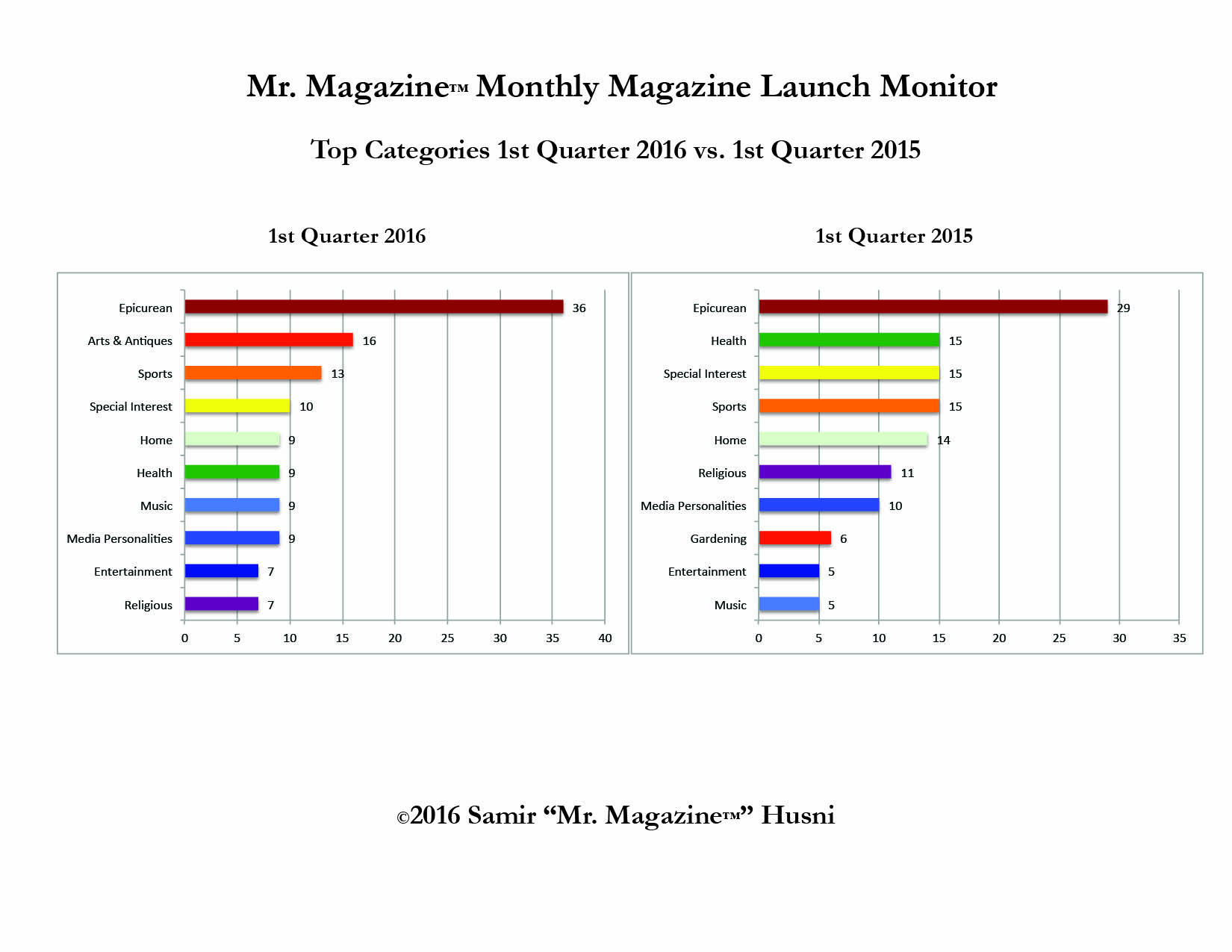
The first quarter of 2016 witnessed the launch of 199 new titles compared to 191 in the same period of 2015. While we saw an increase of eight titles, there were a decrease of five titles in the number of magazines launched with four times frequency or more.

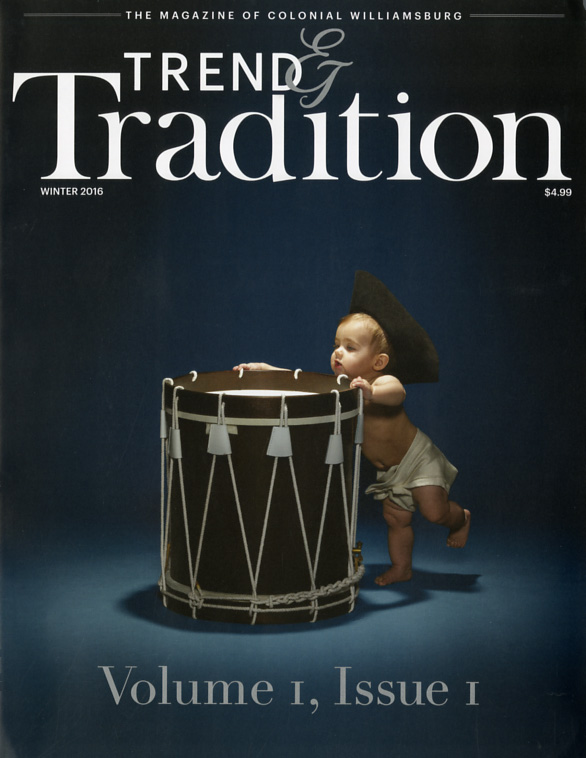
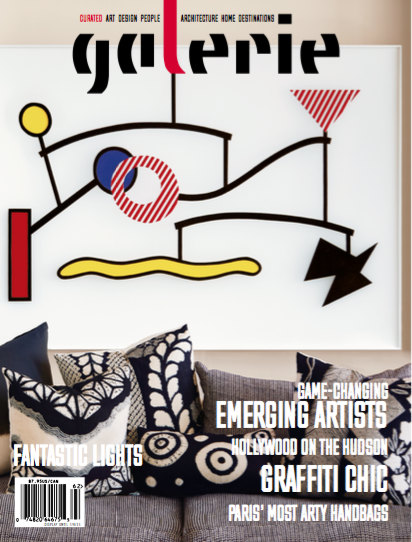
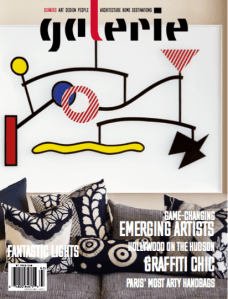
Galerie-21843-6Fit pregnancy & baby-4JARRYTrend & tradition-2Cartoons-3

The new magazine launches, which you can see and access each and everyone of them on the Mr. Magazine™ Launch Monitor, continue to cover a variety of timely, yet timeless, topics ranging from the ever-popular food titles to the rising stars of art and antiques.

Below are two charts comparing the first Quarter of 2016 to that of 2015.

1st Quarter 2016 vs 2015 pie graphs

1st quarter 2016 v 2015 top categories bar graph

h1

allrecipes Magazine: A Redesign That Reinforces An Even Stronger Digital-To-Print Connection Proves To Be Just The Right Ingredients – The Mr. Magazine™ Interview With Cheryl Brown, Editor In Chief, allrecipes Magazine.

April 4, 2016

“I think it’s being proven again and again that consumers want the content everywhere. They don’t see it as mutually exclusive to only one platform. And as I said, they use the web for very specific things; and in terms of recipes and food, they’re going on, whether it’s 3:00 p.m. and they know dinnertime is coming; they’re searching for something, they saw a picture of something that they want to make and they go online to find it. With the magazine, again, it’s the general inspiration. We’re serving up ideas for food that they never would have searched for. And in fact, it’s recipes that they wouldn’t have thought of on their own. And readers love that.” Cheryl Brown

“I just think that there’s a place for everything. The photography in a magazine will always be so glorious and such a different experience than online. It’s another way to obtain information and all of the platforms serve different purposes. Print takes a bashing sometimes and that thinking is misinformed, because consumers still want it.” Cheryl Brown

image002 One of the world’s largest recipe sites, allrecipes.com, launched their print magazine in 2013 and since then, the ink on paper component (published by Meredith six times per year) has seen steady customer growth and engagement over those almost three years. But with the redesign and re-launch of the website in 2015, the print publication felt the need to freshen-up its attire a bit too. And with the April/May issue, the magazine has done just that.

Cheryl Brown has been editor in chief of the print publication since its launch and watches over each and every facet of the magazine like a proud parent. I spoke with Cheryl recently and we talked about the magazine’s desire to reinforce the digital-to-print connection with its own redesign, which mirrors the website even more than before.

The chemistry between Cheryl, the website and the printed magazine is apparent as she talks about the brand as a whole and about each of its individual platforms, which she believes every consumer wants and has a right to. Cheryl has a strong volition that the audience comes first always and what the audience wants is to consume their content wherever and whenever they choose. And as their engagement grows stronger, so does their loyalty to the brand. By giving their readers content on each and every available platform, Cheryl honors that loyalty and avidly advocates it. And according to her, in the ever-growing food category, cherishing that audience connection is vital.

So, grab your favorite allrecipes ingredients for a relaxed read and enjoy the Mr. Magazine™ interview with Cheryl Brown, Editor In Chief, allrecipes Magazine.

But first, the sound-bites:

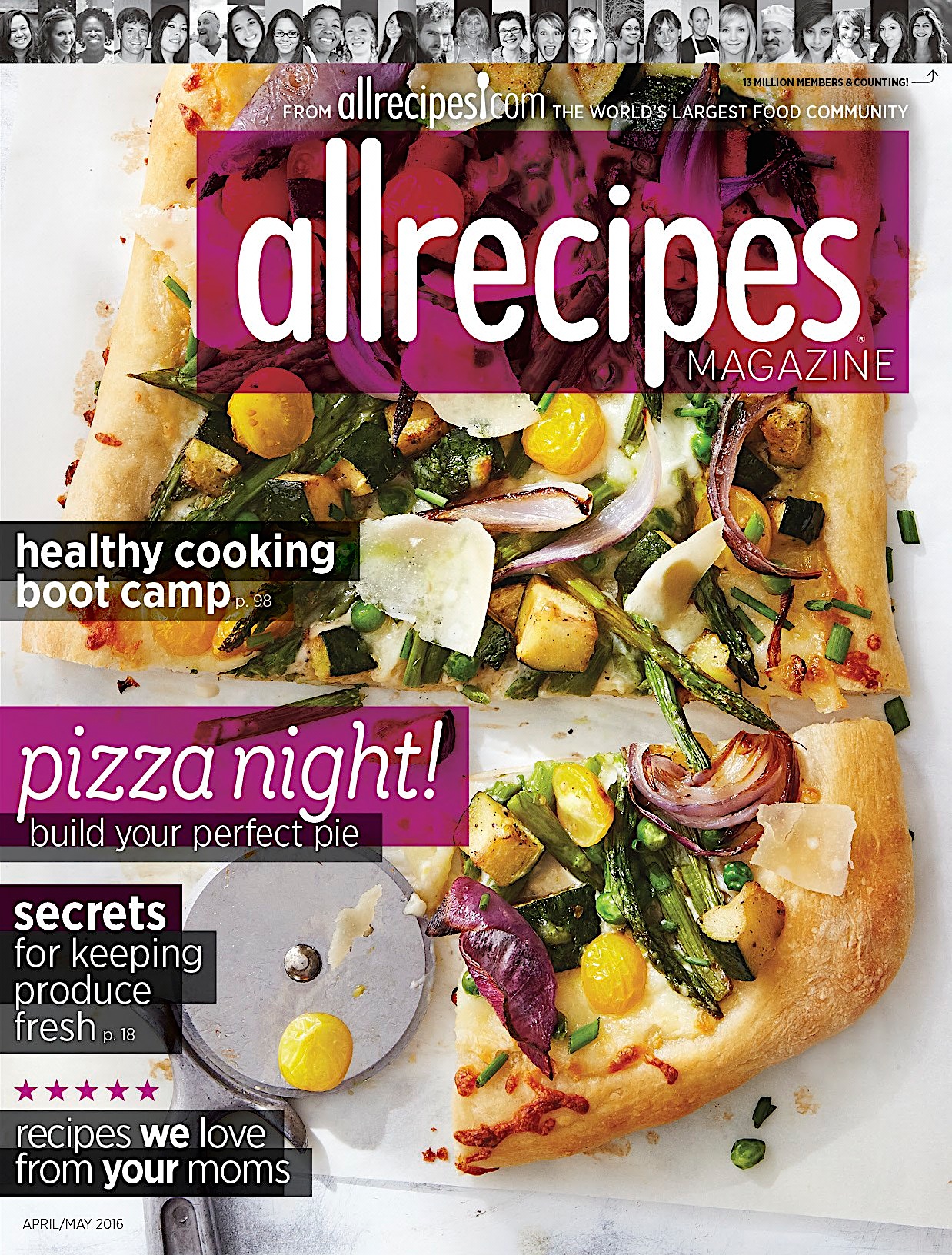
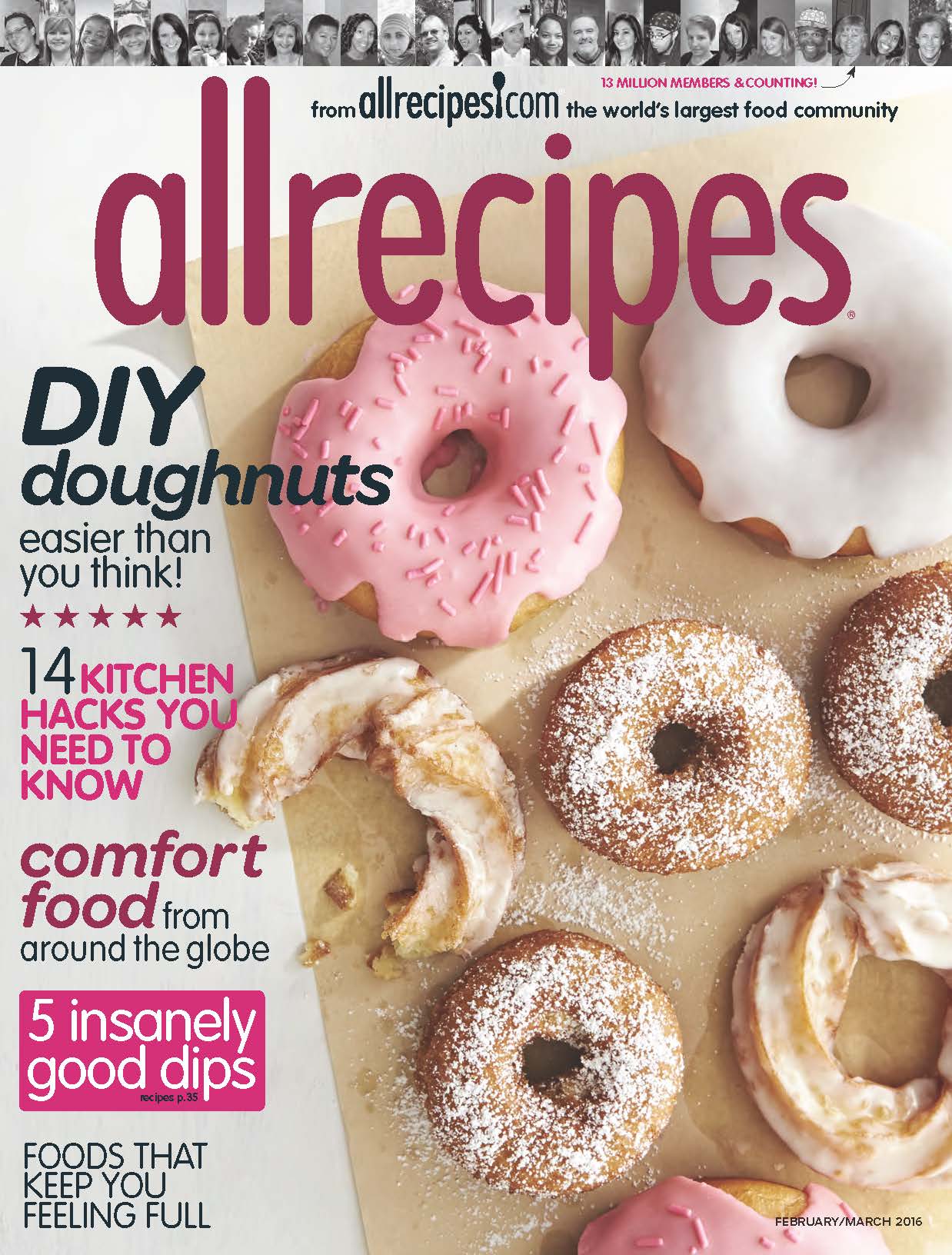
Cheryl professional soft focus 2 On the redesign’s difference in covers between the last issue and the current one: In terms of the actual food or image, it goes both ways. I think the big difference you see in our cover between the February/March issue and the April/May is the whole graphic design of it. Our approach has really changed to make the cover feel more graphic, fresher and more modern. And to mirror some of the design elements that you’re seeing on the site.

On why the word magazine was added to the allrecipes title: We were trying to let people know that we are multiplatform; that we’re everywhere the readers are and sometimes people immediately associate allrecipes with the dot com, which we make sure that is on the cover as well.

On why she thinks there is such audience engagement with the printed magazine and the website of allrecipes: I think the allrecipes brand itself is a very positive and accepting space. You can go to other food brands and there’s more of a set mission and Cheryl Brown may or may not fit within what their mission is or what their goal is. But with allrecipes, we’re very democratic; there are all kinds of cooks there who are very supportive. There are fewer critical community comments at each other and more helpful ones.

On how the redesign is deepening the engagement with readers: I know it’s a small thing, but we’ve always had the reader comments and reviews on recipes, but the subtle design move to add their photos, their faces, to their comments, literally putting a face to the reader review, is again showing our readers that these are people just like them, real people, not just editors behind the green curtain. I think that we’ve introduced some new content areas that speak to them. Our new column “Cook 2 Follow,” which profiles a community member; we have a huge community, but we’re picking out some interesting community members.

On why the reader’s pictures and their pets’ pictures are in black and white: As a design person, you and I both know that black and white can be much more forgiving and the quality of the photo – well, when a community member puts a photo on the site, they’re not thinking that it needs to be high resolution for print. Why would they think that? And so, a lot of the photos that are uploaded by users to the site; we struggle with the resolution levels being high enough for print and black and white got us around a little of that problem. It was just a little more forgiving when it came to that.

On whether there was anything she regretted not including in the first issue of the redesign: We just went through the magazine again recently and we talked about how we liked this or that, kind of doing a postmortem. And overall, we’re really happy with it, not to pat ourselves on the back. There weren’t many things that we wished we could do over. I mean there are always little things that you look at and say maybe we could have done something else. But overall, we’re really happy with it. I think what we’re looking forward to is that this is the first iteration and we’re now pushing forward. How can we keep pushing the needle and improving on this?

On whether pleasing advertisers played a part in the redesign: I believe we really did have our consumer first and foremost, but as you know, in this day and age an editor is always thinking about all aspects of the business. There’s no more of we just deal with the words and pretty pictures; we also have to look at the business side like a publisher. That is also very much in tandem with my job, so of course, I’m always thinking about creating a great environment for my readers, but I’m also creating a great environment for advertisers and content that they want to be around, that would entice my reader to engage with the advertiser’s brand.

On how her role as an editor in chief has changed since the dawn of the digital age: It’s the same, just bigger. I just think the way that we consume media has more platforms and more options today. An editor touches all of those things now. So, when you’re creating content for a print page, you do always have in the back of your mind how will this translate to an article on the site; could we do something with this in video? How could we push this out socially; is there a social element behind the scenes to this shoot that we could have fun with?

On how social media is used to promote the printed magazine: The allrecipes brand has the big dot com team in Seattle and then we have the print team in Des Moines, and I sort of float in New York. So, our social media is largely run by the dot com team, but they obviously are our sister in the allrecipes family. They really use social media, in terms of us the printed magazine, to boost subscription; again, a lot of people still don’t know that there is a magazine, so they promote it on the site a lot just to boost awareness of the print product and also to engage with subscription users and let them get to know the brand, such as a Facebook chat with one of our editors around baking season.

On her most pleasant moment since taking the job as editor in chief of allrecipes Magazine: This is my first time being an editor in chief with this magazine and I think for me, not only is this the first time for me as an editor in chief, I launched it. I am so attached to this magazine; it’s literally like my baby. From the minute that we put out a 32-page booklet, seeing if people would be interested in this magazine, to the first prototype that came out; to me it’s just been so exciting.

On any problems that were encountered along the magazine’s journey: Some of the bumps that have happened behind the scenes were with getting a brand new staff and in figuring everything out. And with every step making sure that what we did was strictly allrecipes. How we opened up conversations about story ideas and the discussions that were: yes, that’s a great idea, but how is it an allrecipes idea? I’ve seen that same story five times. It was really digging into the core of what the brand is. And I’m going to say that definitely wasn’t an emergency room trip, more of a healthy workout event. No, nothing catastrophic has happened.

On why in this digital age she still believes in the power of print: I think it’s being proven again and again that consumers want the content everywhere. They don’t see it as mutually exclusive to only one platform. And as I said, they use the web for very specific things; and in terms of recipes and food, they’re going on, whether it’s 3:00 p.m. and they know dinnertime is coming; they’re searching for something; they saw a picture of something that they want to make and they go online to find it. With the magazine, again, it’s the general inspiration. We’re serving up ideas for food that they never would have searched for. And in fact, it’s recipes that they wouldn’t have thought of on their own. And readers love that.

On anything else she’d like to add: We’re just so proud of this redesign. We’ve been producing the magazine for over two years now and I think that we’ve always had content that we used to keep people digitally informed, but the design has lagged behind a little. If you had asked me how the design was digitally, I’m not sure that I could have given you a clear answer, but I feel like now I can. Suddenly, the fog has lifted and we have a really clear mission on our design and anybody who visits the site is seeing those echoes and can see that the magazine and the site are all the same family, and that’s really exciting for me.

On what someone would find her doing if they showed up at her home one evening unexpectedly: It could go either way. I often have a magazine opened if I’m having dinner at the table. Sometimes if I have used my iPad to make the dinner, I’ll continue reading on that while reading a magazine too. I still have a big stack of magazines next to my bed, and after dinner is done and everything is cleaned up, reading a magazine really is the way that I unwind.

On what keeps her up at night: How we’re going to keep growing. I feel like we’re on this really exciting trajectory And I’m both nervous and eager to keep surprising and exciting our readers and engaging them more and putting something in every issue that makes them excited and looking forward to the next issue. And that’s no small feat. When I look at magazines that have been around for 40 or 50 years; I was at Gourmet magazine for a long time and that was an older brand, and I used to think, we have to keep engaging the reader issue after issue, so I’m both excited and somewhat daunted by the challenge of it sometimes.

And now the lightly edited transcript of the Mr. Magazine™ interview with Cheryl Brown, Editor In Chief, allrecipes Magazine.

F M 16 Cover Photo Samir Husni: Do you think the pizza cover on the current issue of allrecipes Magazine works better than the doughnuts cover that was on the last issue?

Cheryl Brown: In terms of the actual food or image, it goes both ways. I think the big difference you see in our cover between the February/March issue and the April/May is the whole graphic design of it. Our approach has really changed to make the cover feel more graphic, fresher and more modern. And to mirror some of the design elements that you’re seeing on the site.

With April/May we introduced the sheer bars of color and when you go on the homepage of the site, you see they’ve also introduced those sheer, gray bars. So, what we want is to very subtly mirror those design elements to really marry the two parts of the brand: the digital and the print, together. And I also think those sheer bars help balance the film strip of faces across the top.

And it’s not so much the food itself, because I got lots of emails about that donut cover, how people loved it and they may not have wanted to bake, but they wanted to make donuts. But they were both very sensible too. Pizza is every day, but you can elevate it, and donuts are every day, but you can elevate those as well.

Samir Husni: Why did you feel you needed to add the word magazine to the allrecipes title?

Cheryl Brown: We were trying to let people know that we are multiplatform; that we’re everywhere the readers are and sometimes people immediately associate allrecipes with the dot com, which we make sure that is on the cover as well. We want to always pay homage to our parent of the family. (Laughs) But we also thought it would be nice to offer a subtle nod and let people know that there’s the dot com; there’s the magazine; there are apps; there are videos, and that we really are everywhere the readers are. And we thought it was nice to be proud of print, to call that out.

Samir Husni: I thought you were just doing it to please me, but…(Laughs)

Cheryl Brown: (Laughs also) Well, that too.

Samir Husni: In 2013, the magazine launched with a half million and now it’s at 1.3 million; you have almost seven million readers, so, how are you translating this phenomenon of putting audience first and really listening to them onto the pages of the magazine? Of course, I see quite a few of the faces of the people who engage with the magazine on the cover, but why do you think the brand allrecipes has such a strong engagement with its audience, both with the printed magazine and the website?

Cheryl Brown: There are a couple of layers to that question. I think the allrecipes brand itself is a very positive and accepting space. You can go to other food brands and there’s more of a set mission and Cheryl Brown may or may not fit within what their mission is or what their goal is. But with allrecipes, we’re very democratic; there are all kinds of cooks there who are very supportive. There are fewer critical community comments at each other and more helpful ones. For example, if someone is struggling with a recipe, there are six community members jumping in to offer suggestions, rather than beating someone up or attacking them. So, I think that positive environment of the dot com is huge.

And I also think in the last decade user-generated content went from being a dirty word, to actually being the norm. There are many consumers out there who now trust their fellow consumers more than the special test kitchens for instance, because they know if their neighbor or their friend had success, that they can too. And that makes them feel encouraged and gives them permission to explore. And I believe that’s another layer of it that they feel like the brand is one that other people like best. We hear that phrase a lot “other home cooks like me.” And there’s truth to that. You feel like you’re in a friendly place with other people who understand you and understand the kind of life you’re living.

And then the magazine layer has captured a lot of that spirit. The people are already very familiar with this brand; we’ve maintained that positivity and those great recipes, with our main focus on everyday recipes to help during the busy weekdays. But we’ve also offered a way for people to be inspired, which is a phrase that may be overused, but what we’re learning as we work together with the dot com team is that when people go to the site they have something in mind, maybe a certain recipe that they want to make or remember making. They’re on a mission. When they spend time with the magazine, and I’m hearing this in focus groups now, they’re getting ideas that they never would have had or they never would have thought to search for. Or they never would have considered making “that” and now they can’t wait to try it.

So, I think in tandem, that’s where the acceptance of this brand is coming from. We’re meeting a lot of the needs for the average home-cook on a lot of different platforms and they want all of those platforms.

Samir Husni: You mentioned that part of the reason for the redesign, besides echoing the redesign of the website, was to deepen the engagement with the reader. How are you doing that?

Cheryl Brown: There are a couple of ways. One is, and I know it’s a small thing, but we’ve always had the reader comments and reviews on recipes, but the subtle design move to add their photos, their faces, to their comments, literally putting a face to the reader review, is again showing our readers that these are people just like them, real people, not just editors behind the green curtain.

I think that we’ve introduced some new content areas that speak to them. Our new column “Cook 2 Follow,” which profiles a community member; we have a huge community, but we’re picking out some interesting community members. And again, I’m already hearing from focus groups that people are enjoying seeing somebody like them; they like the fact that they can relate to them: she’s another busy mom and gets what it’s like to struggle each day to feed her family.

We’ve kind of created a community where other people can fit in, where we introduced a new entertaining feature, but we’ve made it really casual, not a big fancy blowout. Fancy is not how people entertain all of the time, this is casual. And so we’ve introduced that to our pages.

Again, it’s touching all aspects of their life. We want to make sure that no matter where they are, whether it’s a single, professional woman or a stay-at-home mom, there’s something within the pages that speaks to them and that content expansion is part of that for sure.

Samir Husni: The designer in me has to ask, why are most of the reader’s pictures and their pets pictures in black and white?

Cheryl Brown: As a design person, you and I both know that black and white can be much more forgiving and the quality of the photo – well, when a community member puts a photo on the site, they’re not thinking that it needs to be high resolution for print. Why would they think that?

And so, a lot of the photos that are uploaded by users to the site; we struggle with the resolution levels being high enough for print and black and white got us around a little of that problem. It was just a little more forgiving when it came to that.

And the other thing is it creates a distinction between people and lifestyle and then food. The food is always going to be in big, bold colors, capturing your attention, whereas when you see black and white, you know that’s going to be about lifestyles and people. It creates a division a visual cue for different types of content.

Samir Husni: What was the one thing, after you saw the April/May issue that you wished you’d done differently? Did you leave anything out that you wished that you’d included?

Cheryl Brown: My creative director, who I do need to give out a nod to, while the launch last September on the site was obviously the big push to the redesign, my new creative director, who came onboard the end of August, was also the big push to do this. I feel like the planets came into alignment with the site redesign and his arrival.

And he had historically been creating and designing content for both web and print and so I then had somebody who understood how to translate digital design to print pages. So, I do want to give Michael Belknap a nod on that one.

And we just went through the magazine again recently and we talked about how we liked this or that, kind of doing a postmortem. And overall, we’re really happy with it, not to pat ourselves on the back. There weren’t many things that we wished we could do over. I mean there are always little things that you look at and say maybe we could have done something else.

But overall, we’re really happy with it. I think what we’re looking forward to is that this is the first iteration and we’re now pushing forward. How can we keep pushing the needle and improving on this? So, I don’t think that we missed anything on this issue, but I think we’re excited about pushing forward and how to keep growing.

Samir Husni: Steven, your publisher, has been quoted as saying that the advertisers were also happy and excited about the redesign.

Cheryl Brown: Yes.

Samir Husni: Were you thinking about them when you started the redesign?

Cheryl Brown: I believe we really did have our consumer first and foremost, but as you know, in this day and age an editor is always thinking about all aspects of the business. There’s no more of we just deal with the words and pretty pictures; we also have to look at the business side like a publisher. That is also very much in tandem with my job, so of course, I’m always thinking about creating a great environment for my readers, but I’m also creating a great environment for advertisers and content that they want to be around, that would entice my reader to engage with the advertiser’s brand.

There is no advertiser out there that doesn’t want to be around a clean, fresh modern design, so yes, I always have the advertiser in my mind as I do my reader. That’s how we stay in business and there’s a lot of competition in the food category. So, I want to give advertisers a reason to come to our brand.

Samir Husni: How has your role as an editor in chief changed since the dawn of the digital age? Do you feel that you’re now more of a curator than a creator?

Cheryl Brown: It’s the same, just bigger. I just think the way that we consume media has more platforms and more options today. An editor touches all of those things now. So, when you’re creating content for a print page, you do always have in the back of your mind how will this translate to an article on the site; could we do something with this in video? How could we push this out socially; is there a social element behind the scenes to this shoot that we could have fun with?

For me it’s just really parceling apart, where it used to be kind of a one-in-done, you created a feature and it went into the magazine pages and boom! The magazine went out. Now, that same piece will have a different lifecycle. So, the story needs to have multiple components and they need to function differently on all of those platforms.

I think it’s exciting. There are a lot of things that happen, and once upon a time in magazine photo shoots, you might have had a really cool moment to happen, but you didn’t have a way to use it then, and now you do. You can post them on Facebook or Instagram.

It’s fun to be able to use all of those elements that in the past might have gone, not to waste, but may not have been able to appear in front of the consumer, but now they can and do. To me, it’s actually more exciting now and I like having my fingers in a lot of different areas of the business and to be mindful of it and to be helping my dot com peers come up with content ideas, helping Steve pitch packages to an advertiser. To me it’s become a more exciting and dynamic world.

Samir Husni: How are you utilizing social media to promote the printed magazine?

Cheryl Brown: The allrecipes brand has the big dot com team in Seattle and then we have the print team in Des Moines, and I sort of float in New York. So, our social media is largely run by the dot com team, but they obviously are our sister in the allrecipes family. They really use social media, in terms of us the printed magazine, to boost subscription; again, a lot of people still don’t know that there is a magazine, so they promote it on the site a lot just to boost awareness of the print product and also to engage with subscription users and let them get to know the brand, such as a Facebook chat with one of our editors around baking season. Again, they just leverage us for more engagement with the brand overall.

2014 December January Samir Husni: What has been your most pleasant moment since you took the job as editor in chief of allrecipes Magazine?

Cheryl Brown: That’s a good one. This is my first time being an editor in chief with this magazine and I think for me, not only is this the first time for me as an editor in chief, I launched it. I am so attached to this magazine; it’s literally like my baby. From the minute that we put out a 32-page booklet, seeing if people would be interested in this magazine, to the first prototype that came out; to me it’s just been so exciting.

And professionally, I saw aspects of the business that when you’re not an editor in chief, you just don’t see or experience, because why would you need to know about that or why would you ever be involved in that part of the business? So, you see all of the parts of the business that goes into creating the magazine; the marketing and ad sales; the research, suddenly just this whole world opens up to you and you understand how complex launching a magazine is.

Of course, personally I’ve had moments where I’ve seen a story and thought, I wish that had turned out differently, but you also realize that this is a close process; you’re not going to knock it out of the park every time, because if you did, it would be tough to continue. And you’re always growing and you’re always evolving. So, to me professionally, it’s been an amazing almost three years now since I’ve been doing this and it’s just very exciting.

You have moments in your career where something exciting happens and there’s a spike, and you have a renewed energy for what you do and watching this brand was that for me. It was a rebirth of why I was in media in the first place and why it was so exciting.

Samir Husni: So the baby is born and you make it through the terrible-twos and now you’re entering the three-year-old stage. Any growing pains or visits to the ER? (Laughs)

Cheryl Brown: (Laughs too) Some of the bumps that have happened behind the scenes were with getting a brand new staff and in figuring everything out. And with every step making sure that what we did was strictly allrecipes. How we opened up conversations about story ideas and the discussions that were: yes, that’s a great idea, but how is it an allrecipes idea? I’ve seen that same story five times.

It was really digging into the core of what the brand is. And I’m going to say that definitely wasn’t an emergency room trip, more of a healthy workout event. No, nothing catastrophic has happened. Occasionally, when you test covers, you’ll get some feedback that you didn’t want to hear on something that you loved and other people don’t like it. But we’ve been very good at listening to our consumers and putting them first and acting on that. And it has served us very well. No emergency room trips yet, and I’m knocking on wood as I say that to you.

Samir Husni: In this digital age, why do you still believe in print and its power?

Cheryl Brown: I just spent 10 hours yesterday watching one-on-one interviews with readers about the magazine, and I’ll watch more tomorrow; I think it’s being proven again and again that consumers want the content everywhere. They don’t see it as mutually exclusive to only one platform. And as I said, they use the web for very specific things; and in terms of recipes and food, they’re going on, whether it’s 3:00 p.m. and they know dinnertime is coming; they’re searching for something, they saw a picture of something that they want to make and they go online to find it.

With the magazine, again, it’s the general inspiration. We’re serving up ideas for food that they never would have searched for. And in fact, it’s recipes that they wouldn’t have thought of on their own. And readers love that. What I keep hearing again and again is they just need ideas. They’re going to spend a lifetime making dinner and eventually they just get worn out. Everyone gets tired of their own dishes, so that’s why they turn to media at all, be it digital, a book, or a magazine.

I just think that there’s a place for everything. The photography in a magazine will always be so glorious and such a different experience than online. It’s another way to obtain information and all of the platforms serve different purposes. Print takes a bashing sometimes and that thinking is misinformed, because consumers still want it. We’re talking about fashion catalogs, just everything. You may go online to buy your outfit, but you got the idea from the catalog. Consumers still very much want print and they understand how to utilize it.

Samir Husni: Is there anything else that you’d like to add?

Cheryl Brown: We’re just so proud of this redesign. We’ve been producing the magazine for over two years now and I think that we’ve always had content that we used to keep people digitally informed, but the design has lagged behind a little. If you had asked me how the design was digitally, I’m not sure that I could have given you a clear answer, but I feel like now I can. Suddenly, the fog has lifted and we have a really clear mission on our design and anybody who visits the site is seeing those echoes and can see that the magazine and the site are all the same family, and that’s really exciting for me. I feel like the whole magazine is really coming together now and we’re positioning ourselves to just grow even more in the coming years.

Samir Husni: If I came to your house one evening unexpectedly, what would I find you doing; reading a magazine; reading your iPad; watching television; or something else?

Cheryl Brown: It could go either way. I often have a magazine opened if I’m having dinner at the table. Sometimes if I have used my iPad to make the dinner, I’ll continue reading on that while reading a magazine too. I still have a big stack of magazines next to my bed, and after dinner is done and everything is cleaned up, reading a magazine really is the way that I unwind.

I spend so much time during the day with some kind of screen in front of me, whether it’s my phone or my laptop, it’s a treat for me to just get away from the screens and spend some time with the print page.

Samir Husni: My typical last question; what keeps you up at night?

Cheryl Brown: How we’re going to keep growing. I feel like we’re on this really exciting trajectory And I’m both nervous and eager to keep surprising and exciting our readers and engaging them more and putting something in every issue that makes them excited and looking forward to the next issue. And that’s no small feat.

When I look at magazines that have been around for 40 or 50 years; I was at Gourmet magazine for a long time and that was an older brand, and I used to think, we have to keep engaging the reader issue after issue, so I’m both excited and somewhat daunted by the challenge of it sometimes. It’s a challenge to your own creativity to make people loyal and passionate about your brand and to keep presenting something fresh and exciting to them.

Samir Husni: Thank you.

h1

CNET Magazine: Humanizing Tech For You, Your Home, Your Ride, And Your Work. The Print Component Of The Techy Brand That Shows And Helps Readers Detox– The Mr. Magazine™ Interview With CNET Co-Editor In Chief, Connie Guglielmo

March 29, 2016

“So, when you look at all of the various platforms that CNET provides its content to; print was actually a platform that we were not invested in. When we looked at the opportunity to do a print magazine, we thought about it and we realized that the magazine publishing world was going through a challenge, but we do believe that people still like to read some content in print.” Connie Guglielmo

“Since I spend all of my days on the computer and my Smartphone and tablets, if you were to come to my house unexpectedly, you would see a library of books. I have physical paper books, hardcover, softcover, large format, small format books. I inherited a library from some relatives and my husband inherited some from his relatives, so we have lots and lots of books. I live not very far from Apple and not very far from where Steve Jobs and Steve Wozniak set up the Apple Garage, and I’m surrounded by books because even though I love my technology and I can’t imagine a world without it, I still like paper.” Connie Guglielmo

CNET 1-3 From a television channel 20 years ago, to the web and all things digital, CNET has been the go-to resource for tech lovers when it comes to news and information about the technological trends and products that are being born and used on a minute-by-minute basis in the world of high-tech. The one area that CNET had no presence in however was print. That was rectified with the launch of their ink on paper product in 2014. Since then, the magazine has set out to prove that tech isn’t just for the tech-iest. Average people who may not invent Hoverboards and savvy computer programs do use technology on a daily basis and are very interested in it.

Connie Guglielmo is the magazine’s co-editor in chief and believes that the print product may reach a mainstream consumer that the website might not attract. Connie is a tech user and lover, but also a firm believer in the fact that some people still like to consume their content through ink on paper.

I spoke with her recently about the attempt to take away any of the fear of technology and reach a wider audience with the print magazine. With the spring issue, the magazine highlighted actress Olivia Munn, who is a tech lover and is building a Smart Home of her own. Connie feels that by utilizing celebrities that are more well-known to the mainstream world, a broader spectrum of readers will recognize and relate to the “easy use of technology” train of thought.

And it seems that even those of us who value their digital devices know when it’s time for a cleansing. An article in the most current issue of the magazine talks about the fact that sometimes people need to disconnect from the device-laden world that we live in and perform a “Daily Detox” by switching their phone to airplane mode, writing down their thoughts and reading a book or a magazine. It’s a very interesting world when you evenly mix print and digital and CNET is proving that fact admirably.

So, I hope that you enjoy the Mr. Magazine™ interview with a woman who knows the value of technology, but also feels the connection of print and believes that the two together are an unstoppable team that will take the CNET brand to new heights.

But first, the sound-bites:

Connie-Guglielmo On why CNET decided they needed a print component after 20 years on the web: CNET is a media company that covers tech and provides our content in a variety of mediums. When we started out it was actually a cable TV channel; then we went onto the web. We were one of the first to do broadcast-quality video online; of course we do photography and we have a staff of photojournalists, which a lot of news organizations no longer have. We have mobile apps, of course, and we engage in social media. So, when you look at all of the various platforms that CNET provides its content to; print was actually a platform that we were not invested in. When we looked at the opportunity to do a print magazine, we thought about it and we realized that the magazine publishing world was going through a challenge, but we do believe that people still like to read some content in print.

On whether she feels the words news and print have become an oxymoron: When I look for news, there are grades of news. Today’s technology has allowed anybody with access to that technology to create a blogpost and share their opinions, or if they don’t want to get fancy they can just Tweet out their opinions or thoughts. Is that news? It depends. If they’re sharing breaking events and they’re the first to report something that’s happening. You can’t discount all of those ways that news is getting out, but as a consumer of news I can be discriminating about what kind of information is important to me. So, as an editor in chief of a news organization, I tell my staff every day; your job is to report the news. We are not columnists, necessarily. We don’t write commentary unless it’s labeled as commentary.

On the scale she uses to judge what news content is for which platform: We approach the storytelling in the quarterly magazine very differently than we do online. Everything that we write for the magazine is original. It’s not something that we’ve taken online and repurposed, then put in the magazine; although, there have been one or two stories that we have done online and then done a variation of for the magazine. But for the most part, 95% plus of the magazine copy is original.

On whether she feels more like a curator as an editor in today’s world than a creator: No, I think we’re definitely creators, but today’s creators are by default curators because you can’t write about everything. So, we’re by definition picking the stories that we think are most important to our readers, that we think are the ones that we want to tell, because like everyone in the world we have limited resources, so there is that aspect of curating.

On the biggest stumbling block that she’s had to face since the magazine started: I don’t know if it’s a stumbling block, we’re still working on it, but a lot of people associate CNET with being an online brand and don’t think about us as having a print magazine. We distribute our magazine through booksellers and airports and Wal-Mart; just a whole list of places where we are, so brand awareness, making sure that people understand that we’re even doing this and then of course, we have to explain constantly why we’re doing this. And when I do explain to people that we didn’t stop everything else that we’ve been doing and set up a magazine, they get it. Then they understand what we’re doing and that we’re not throwing away 20 years’ experience online and investing our total future in print. Again, that’s just a part of what we do.

On Olivia Munn being on the cover of the spring issue: Our purpose in reaching people who use technology and love technology is to talk about the kind being used today or might be using in the near future and how it might resonate with someone’s life. And Olivia Munn is on the cover of our spring issue, which the focus of that issue is the Smart Home, and she has turned her home into a Smart Home. So she told us a little bit about that. She’s also someone who has been around the tech industry for a while, from a tech culture perspective. People know her and she’s a bit of a controversial figure because she was the co-host of a television show called “Attack of the Show” which was on a video game channel. And some people think that that doesn’t mean she’s a video game player, but she actually is.

On whether they got the idea for the Smart Home that CNET actually owns from Olivia Munn: No, we bought the home last year in Louisville, KY., which is not far from our testing lab, where all of the Smart Home gear that we have is tested. And we’d been testing that gear for many years. We raised the stakes in what we do with the Smart Home by buying an actual home. But that predates any of the magazine work. It’s been in the works for years.

On anything else that she’d like to add: One thing I will say about the magazine is that we have so much content online at CNET, we’ve been doing it for 20 years, so when we approached the magazine; we didn’t want it to be a duplication of what we had online. We wanted it to be a complement to what we do.

On what someone would find her doing if they showed up unexpectedly one evening at her home: Since I spend all of my days on the computer and my Smartphone and tablets, if you were to come to my house unexpectedly, you would see a library of books. I have physical paper books, hardcover, softcover, large format, small format books. I inherited a library from some relatives and my husband inherited some from his relatives, so we have lots and lots of books.

On what keeps her up at night: You always want the story that no one thought of and so I wake up in the middle of the night sometimes and I have a pen that lights up and I write in a notebook, or I talk and dictate notes into my device; I have story ideas all of the time. That’s my biggest worry and concern, but it’s also the fun and challenge of being an editor and a reporter, chasing the stories that no one has thought to write.

And now the lightly edited transcript of the Mr. Magazine™ interview with Connie Guglielmo, Editor In Chief, CNET Magazine.

Samir Husni: CNET magazine launched in November, 2014, but it’s been in the digital sphere for 20 years before that. Why did the powers-that-be at CNET decide they needed an ink on paper entity in addition to what the brand had been doing with pixels on a screen?

CNET 2-4 Connie Guglielmo: You’re right; CNET has been covering technology for 20 years. We actually celebrated our 20th anniversary last year. It’s important to understand why we’re doing print and that we’re coming at it from a completely different perspective than most publishers. Many people are in the business of producing a magazine and they have the staff and they build their resources around being able to produce a print publication and they rise and fall on the success of that print magazine.

CNET is a media company that covers tech and provides our content in a variety of mediums. When we started out it was actually a cable TV channel; then we went onto the web. We were one of the first to do broadcast-quality video online; of course we do photography and we have a staff of photojournalists, which a lot of news organizations no longer have. We have mobile apps, of course, and we engage in social media.

So, when you look at all of the various platforms that CNET provides its content to; print was actually a platform that we were not invested in. When we looked at the opportunity to do a print magazine, we thought about it and we realized that the magazine publishing world was going through a challenge, but we do believe that people still like to read some content in print. So, that’s why we produce a quarterly magazine. We’re not monthly or weekly; we’re quarterly. And that creates a cadence in how we produce the content.

We went with a premium quality magazine and we’re also trying to expand our brand and presence to the larger world and so the publication is very consumer-focused. It’s all about tech, but it’s very concerned with the consumer, which unlike some of the other tech magazines out there, they cater to their specific tech niche. You have some magazines that are for the digital audience; you have coders and tinkers; you have gamers; we are completely consumer-focused. So that makes us very different in the marketplace.

It was a combination of all of those things; providing our content to a new platform that we were not in, recognizing that we needed to approach it in the right way; quarterly and very high-quality. And we needed to represent the market audience that we wanted to attract, in terms of our quality and that consumer audience.

I’ll just say one other thing and that is, if in a couple of years refrigerators turn out to be a medium for content…

Samir Husni: (Laughs)

Connie Guglielmo: …we’ll produce our content and have it served up so that you can read our stories through your refrigerator. We’re platform agnostic. It’s all about the reader and how they want to consume content. Otherwise, we wouldn’t have pursued all of the different channels and opportunities that we have. So, mobile, obviously, is a big thing for us; it’s very big today and it’s going to be big tomorrow. If you’d asked me 10 years ago if the tech world would want to read news off of the refrigerator; I’m a Star Trek fan, so I would have probably said yes, it makes sense. Now, the general population probably wouldn’t think that, but to us it’s just another channel to reach people.

And our business doesn’t rise and fall on the print product. We didn’t go out and hire a whole new staff and invest in a whole new production system for this magazine. These are CNET resources that we’re just bringing to bear in a different way to produce the magazine.

Samir Husni: As CNET’s news editor in chief, do you feel the words news and print have become an oxymoron?

Connie Guglielmo: (Laughs) I think that’s probably a conversation that every news editor in the United States has had every decade for the past 100 years. How do you define news? Has the definition of news changed over the years? Yes and no.

I started covering technology right out of school and desktop publishing was just coming to the fore and anybody with a MAC computer and PageMaker could produce a newsletter. And what a big deal that was. You didn’t have to have any big print investment; anybody could do it with a couple of fonts, a printer and some stamps and there you go.

Did that change the quality of news? It changed the volume; there’s a lot more content, but I’m of the opinion that information is valuable and adds something to your life. I read a lot of books; I love fiction and non-fiction.

When I look for news, there are grades of news. Today’s technology has allowed anybody with access to that technology to create a blogpost and share their opinions, or if they don’t want to get fancy they can just Tweet out their opinions or thoughts. Is that news? It depends. If they’re sharing breaking events and they’re the first to report something that’s happening. You can’t discount all of those ways that news is getting out, but as a consumer of news I can be discriminating about what kind of information is important to me.

So, as an editor in chief of a news organization, I tell my staff every day; your job is to report the news. We are not columnists, necessarily. We don’t write commentary unless it’s labeled as commentary. Our job is to go out and report the facts, call people, flesh out the information, write it in a way that everyone can understand what’s going on. And that’s different from someone who is just reacting to a news event and sharing their opinion.

If you think there’s value in news and if you think there’s a skill and a craft and art to collecting information and putting it together in a story, then your estimation of news is going to be different than someone else’s. And I was one of those people who cheered when “Spotlight” won the movie of the year at the Oscars. The whole room stood up when one of the producers I believe said, it shows the value of journalism as a craft, that there is a reason to have people who know how to interview and collect information and produce meaningful copy. And I agree with that.

Samir Husni: Your words are music to my ears, because I also teach journalism and I tell people all of the time: all you have to do is watch CNN or Fox for a couple of hours and you begin to wonder what’s going on in journalism these days.

Connie Guglielmo: (Laughs) Again, it depends on what you’re looking for and what you value. As somebody who’s trained as a journalist, I have a graduate degree in journalism; I approach the way that I do my job differently than someone who might just want to write a fun, informational piece based on their point of view.

I’m not saying that that’s not valuable and that people are not interested in that kind of commentary. I love to read op-ed commentary when it’s informed and it’s teaching me something that I don’t know, or something new that I would have not known about. But again, it’s like anything else, where is your line? Where does it cross? There are probably many movies that someone else would watch that I wouldn’t be interested in. Just like there are many stories and books that I would read that other people wouldn’t.

So, having that diversity is important, in terms of news reporting, but I do think the most important thing to remember is, just because you can write something doesn’t make you a news reporter or a journalist. Hitting that high bar in that service to the reader is vital.

Samir Husni: And how do you take those standards and apply them to the minute-by-minute news coverage, such as on CNET News, and in a quarterly magazine? How do you balance or juggle between the moment-by-moment and the quarter-by-quarter? What’s the scale you use to judge which content is for which platform?

cnet spred-2 Connie Guglielmo: We approach the storytelling in the quarterly magazine very differently than we do online. Everything that we write for the magazine is original. It’s not something that we’ve taken online and repurposed, then put in the magazine; although, there have been one or two stories that we have done online and then done a variation of for the magazine. But for the most part, 95% plus of the magazine copy is original.

When you’re writing for that cadence, you’re approaching storytelling in a very different way than you are when you’re reacting to daily news. And I’ve worked at magazines in the past before I joined CNET; I worked at Forbes for two years and before that I worked at Bloomberg, which is a wire service; talk about minute-by-minute, and I worked there for almost seven years, so you do balance how you tell the story, but I don’t think that’s any different than any journalist would do. If you’re writing a book of poetry, you write your poems following a certain format. But if you’re writing Haiku, that’s a very short format.

So, when you look at the kind of content that we produce on a daily basis, a lot of it is reaction to news or getting ahead of the news or commenting on news, but we also do long-form and feature online.

For the magazine, we have to tell stories in one, two, or three pages, because you’re constrained by print, so we started to experiment with the very first issue on storytelling and if you’ve seen the first issue of CNET magazine, if you go into the magazine to two stories, one is called “Confessions of a Smartphone Thief,” and we worked with the San Francisco District Attorney for months to interview this thief who had stolen iPhones to hear his side of the story about why he did it and what happened to the iPhones after he took them and etc.

The story in the magazine is two pages and about 1,100 words. But the original story that he reported is 2,500 words, so if you look at the story in print, it gives you a link to the longer version of the story. So, we’re not bound by the limitations of the magazine, in terms of telling the story in so many words, because the longer version is online and we posted the 1,100 word version in the magazine. And that gives readers a choice. If they think the story is interesting, they can go and read the longer version of it. Some people never see the magazine, so they see the story online.

Then there was our interview with the cover candidate and for that first issue it was LL Cool J. We did a story about people being captured by their devices and we did a Q & A with him and we posted a video of him talking about what he’d told us in the interview. So, if you go to the print magazine you’ll find the link that takes you to the video.

With every magazine we’re trying to connect the online and print well to our advantage. If we can tell a story in a certain way online and then do it differently and have connections to the print, and vice versa, that’s great.

When we look at the magazine and plan out an issue, we do think about the space; the timing, something has to stand up if it’s been written two months before we go to print. So, it’s different, the feature approach. Again, because we have the tie-back to the online world, we can estimate and also do sidebars; we can do video; we can do infographics. We can enrich that content in any way we want. So, in that case, we’re not bound by the limitations of print. All we have to do is include a link in the magazine that takes you back to a page and then we can access that page at will whenever we want.

Samir Husni: Do you feel that now you’re more of a curator than a creator when it comes to content?

Connie Guglielmo: No, I think we’re definitely creators, but today’s creators are by default curators because you can’t write about everything. So, we’re by definition picking the stories that we think are most important to our readers, that we think are the ones that we want to tell, because like everyone in the world we have limited resources, so there is that aspect of curating.

But also the content that we produce is original, and occasionally we will link out to other people’s excellent journalism just to provide a service to our reader or we’ll link back to stories that we think adds a depth of content that helps our reporting, but we’re out there originally reporting every single day.

Samir Husni: What has been the biggest stumbling block that you’ve had to face since the magazine started and how did you overcome it?

Connie Guglielmo: I don’t know if it’s a stumbling block, we’re still working on it, but a lot of people associate CNET with being an online brand and don’t think about us as having a print magazine. We distribute our magazine through booksellers and airports and Wal-Mart; just a whole list of places where we are, so brand awareness, making sure that people understand that we’re even doing this and then of course, we have to explain constantly why we’re doing this. And when I do explain to people that we didn’t stop everything else that we’ve been doing and set up a magazine, they get it. Then they understand what we’re doing and that we’re not throwing away 20 years’ experience online and investing our total future in print. Again, that’s just a part of what we do.

So, telling that story and making sure that people understand that what we’re doing makes sense and then just raising awareness, which is why we’ve taken the tack that we have with our cover candidate, which you’ll see, they’re not your traditional tech industry people. They’re more mainstream celebrities that people know and identify with. And the point in doing that was so that we could show that these people use tech; it’s not the scary topic that I should be afraid of. So, we wanted to have a wider appeal and that’s why we went with celebrities on the cover. It’s telling the story and making sure that people understand the story. And that continues to be our top priority.

Samir Husni: You keep emphasizing, and rightfully so, that you’re putting the audience first, that you’re more of a consumer magazine, rather than a techy magazine. Tell me about Olivia Munn on the cover of your spring issue.

Connie Guglielmo: Again, our purpose in reaching people who use technology and love technology is to talk about the kind being used today or might be using in the near future and how it might resonate with someone’s life. And Olivia Munn is on the cover of our spring issue, which the focus of that issue is the Smart Home, and she has turned her home into a Smart Home. So she told us a little bit about that.

She’s also someone who has been around the tech industry for a while, from a tech culture perspective. People know her and she’s a bit of a controversial figure because she was the co-host of a television show called “Attack of the Show” which was on a video game channel. And some people think that that doesn’t mean she’s a video game player, but she actually is. She was raised with video games and she likes to play with technology. She talked to us about why she doesn’t like Apple products and prefers Microsoft and she talked about the tech that she would like to see in the future. And a spoiler is that she’s very disappointed that we don’t have Hoverboards like in the movie “Back to the Future,” ones that you could actually hover on, which she would love to do above Los Angeles traffic.

So, our goal in using her as our cover candidate was because she is connected to the world of tech in a way that most average people are connected. They use technology and add it to their home, they have Smart-tech in their cars and they use tech services; they have a point of view about entertainment. So, even though she is a celebrity, she’s more aligned with how the average person might use tech than say, Mark Zuckerberg.

Samir Husni: Did you get the idea for the CNET tech home that you built, the Smart Home in Louisville, Kentucky; did you get the idea from Olivia Munn?

Connie Guglielmo: No, we bought the home last year in Louisville, KY., which is not far from our testing lab, where all of the Smart Home gear that we have is tested. And we’d been testing that gear for many years. We raised the stakes in what we do with the Smart Home by buying an actual home. But that predates any of the magazine work. It’s been in the works for years.

And the gamble was in actually buying the house so that we could make it a living lab, not just say that this is how it’s supposed to work with the house, because we have been doing that. We have these rooms set up with filtration systems, temperature controls, test refrigerators and thermostats, but we wanted to use them in a real world environment, because that’s how you test all products.

That was why we made the investment in the Smart Home and I would say that the reaction from some of the people that we’ve talked to is they like to live in a Smart Home. Sofia Vergara was on our cover last spring for the Smart Home issue and she’s also building a Smart Home for herself in Los Angeles. She talked at length about the kinds of entertainment systems that she wanted incorporated in her home and the security system.

So, all of this predates Olivia Munn. Although, Olivia had a lot of fun ideas, but I’m sorry, I can’t give her credit for this one. (Laughs)

Samir Husni: Well, what got my attention was the robotic lawn mower. (Laughs)

Connie Guglielmo: (Laughs too) Well, we’re testing all kinds of technology here. And like I said, 10 or 20 years ago, would anyone have thought of a Smart thermostat or a Smart lock? But if you believed in the vision of the future and that everything was going to be connected, you might. We saw it coming and we saw that it was going to be real and not just a Sci-Fi futuristic kind of thing, which is why we started testing years ago and made the investment in an actual house. The idea was to have a real world place to test products so that everyone could see what was right and what was wrong.

Samir Husni: Is there anything else that you’d like to add?

Connie Guglielmo: One thing I will say about the magazine is that we have so much content online at CNET, we’ve been doing it for 20 years, so when we approached the magazine; we didn’t want it to be a duplication of what we had online. We wanted it to be a complement to what we do.

So, we thought about that in the ways that I shared with you; about how we could tie online and print and extend our coverage, but even in our Buying Guide, which is a big part of every issue, rather than just saying here are the Top 10 Smartphones or tablets, we have the Guide online too, but we broke it down by price for the Buying Guide in print, because a lot of people look at technology by price. And we did it in a way that we thought would be helpful to our readers. So, if they want to look at it online, they could. We didn’t have to reproduce it all in the magazine; we just let it complement what we have online. It’s not a duplicate. And that’s what we did throughout the magazine and I’m very proud that we did that.

And also in how we organized the magazine, a lot of people have features about technology for technology’s sake, and I’m not saying that’s not valid, but our approach was about people and how they use tech, so we have the magazine divided into four main sections: you; your house; your car; your work, because those are the four main areas that technology is going to touch you in your life. And every story we write slots into one of those categories by default because that’s how you use tech in your life.

We’re trying to put the “you,” the personal back into technology, because there are a lot of stories written about technology and I’ve been writing about them for more than 20 years myself. But the thing that we have to remember is technology is no longer this niche thing that only a few people touch; it is a part of everything that we do, every single day. And it’s important to remember that the technology is one thing, but it’s really how you use it that is the most important thing. Is it meaningful to you as a person? Can you integrate into your life? We wanted to remind people that “you” are the center of tech, not tech at the center.

Samir Husni: If I showed up at your home one evening unexpectedly, what would I find you doing, reading a magazine; reading your iPad; watching television; or something else?

Connie Guglielmo: Since I spend all of my days on the computer and my Smartphone and tablets, if you were to come to my house unexpectedly, you would see a library of books. I have physical paper books, hardcover, softcover, large format, small format books. I inherited a library from some relatives and my husband inherited some from his relatives, so we have lots and lots of books. I live not very far from Apple and not very far from where Steve Jobs and Steve Wozniak set up the Apple Garage, and I’m surrounded by books because even though I love my technology and I can’t imagine a world without it, I still like paper.

Samir Husni: My typical last question; what keeps you up at night?

Connie Guglielmo: These days I sleep pretty well. Generally speaking, I’m always looking to make sure that our team is working on the next interesting story and not the same stories that everyone else is chasing. I like us to do original reporting that is slightly different from the conventional wisdom, that’s how you stay ahead as a journalist.

You always want the story that no one thought of and so I wake up in the middle of the night sometimes and I have a pen that lights up and I write in a notebook, or I talk and dictate notes into my device; I have story ideas all of the time. That’s my biggest worry and concern, but it’s also the fun and challenge of being an editor and a reporter, chasing the stories that no one has thought to write.

Samir Husni: Thank you.

h1

The Surfer’s Journal Rides That Silver Wave As The Magazine Celebrates Its 25th Anniversary – The Mr. Magazine™ Interview With Brendon Thomas, Publisher, The Surfer’s Journal

March 25, 2016

“Print has a purpose in that you can still hold it and really experience the story and the imagery. It’s something that you can feel in your hands. But it’s also something that, with a high-end publication like The Surfer’s Journal, it’s something that exists in space and it can sit on your coffee table and really says something about you as a person. You can put your passion on display for your friends who come over to your house and it let people know who you are and what our interests are.” Brendon Thomas

“The same way that we see people cultivate their personas on social media by the things they share and what they like and what they say, print media says a lot about you as a person too when you interact with people in the real world. So, I think print will always have a place in people’s lives and as I said in the beginning, with so much time spent on digital devices, there is a need to unplug and disconnect at times and print is the natural place for that to happen.” Brendon Thomas

TSJ-25_1-Cover Anytime a magazine can celebrate 25 years of publishing success in today’s marketplace is truly a rare and remarkable milestone. The Surfer’s Journal is enjoying that landmark anniversary and deservedly so.

The Surfer’s Journal is a purist surf publication based in San Clemente, California and has always had a truly unique, venerated, and commercially successful product by being a circulation-driven publication rather than relying on advertisers to support the magazine. The idea of having readers subscribe to a pre-sold quarterly book novel, and having only six advertisers may have seemed unsustainable at a time when the goal of most publications was to increase the number of advertising pages, not curb them, but a quarter century later, The Surfer’s Journal remains commercially successful and has a definite eye on the future.

I recently spoke with publisher, Brendon Thomas, about the magazine’s 25th anniversary and the fact that The Surfer’s Journal has found and continues to grow a dedicated and passionate readership that sees the value in the tactile, print experience that the magazine offers. Brendon said this is due in large part to the exceptional in-depth, long form storytelling and superb photography that fills each issue.

But Brendon’s goal for the magazine is to continue the path that has already been set; to turn the magazine into a larger, stronger brand with many extensions, such as The Surfer’s Journal online store which lives on the website and offers readers a diverse array of high-end wall prints and other unique items.

So, grab your board and get ready to hang 10 or 25 in honor of The Surfer’s Journal’s silver anniversary as we open up the discussion with Publisher, Brendon Thomas.

But first, the sound-bites:

IMG_9808 On what the role of a publisher is in a circulation-driven magazine: We’re a really small outfit, so the publisher wears a lot of hats, from marketing to sourcing the material to overseeing the editorial, so there are a lot of things that a publisher does. I also handle what a normal publisher would do, since we’re so small. There are still advertising relations that have to be maintained and upheld.

On the trend of new launches following The Surfer’s Journal business model: We get a lot of calls from startups asking how we do it and what our business model is. It’s very simple really. We’ve put the reader first for 25 years and I think in the current digital age there really is a renewed demand for a quality print publication, something that can sit around on your coffee table for a couple of months as opposed to being discarded after a day or two or put in the bathroom.

On the role of print in today’s digital age: That experience satisfies something within people. We’re all looking down at our Smartphones constantly and reading quick hits and really short articles. There seems to be a growing need in people to disconnect and unplug for a time. And longer form print publications seem to be a good way to do that. As of yet, people can’t just sit and meditate and stare into space; they still need something to do in their down time. So, reading about their passion, in our case surfing, is a great way to do that.

On the advice he would give to someone who wanted to start a new print magazine today: I would certainly encourage them to go for it. Digital, as much as it has done harm to print, it has also opened up avenues to reach potential readers in a way that we’ve never had before. The marketing possibilities are huge.

On whether the magazine is making more money or less money since the dawn of the digital age: I would say more, because the avenues for a magazine like The Surfer’s Journal have grown. It’s not just a print publication; it’s a brand. And the readers who are passionate about this brand want the other accessories that come along with the brand, such as the merchandise we offer: the art of collaboration T-shirts with The Surfer’s Journal limited edition runs and our online store where we sell master image prints, which are really high-end wall hangers and because we have a really good rapport with our readers, they trust us to kind of show them what else is out there.

On why the Pezman’s vision is even more sustainable today than it was 25 years ago when they founded the magazine: It has a lot to do with surfing itself. The Pezman’s started this publication with the idea that it was going to come from a purist’s point of view of the sport, so it appealed to people who didn’t want to see the sport of surfing get overrun by commercialization and brands. And people connected with it back then. The message of the publication was on-point back in 1992 and it’s just as much on-point now in 2016.

On what’s being done to expand the brand and make it more of a household name: We’re not really interested in chasing digital views or readers; we did just relaunch our website with a completely new redesign from the ground up. The goal of the website is not to get clicks; we’re not after eyeballs in that way. Our website is a vehicle to sell subscriptions and to promote The Surfer’s Journal as a print product. And it’s also a place for the converted and for people who love our brand to purchase items in our company store. From The Surfer’s Journal point of view, that’s our goal with digital.

On why he thinks it took magazine companies and publishers so long to figure out that devices like the iPad and entities like the homepage were not the salvation of magazines and magazine media: With every immersion into technology there’s a lot of hype and promise. And I would say that I’m not entirely sure most publishers have realized that fact yet, nor should they, depending on their business model. If they’re advertising-driven and they want eyeballs on their own property, then the websites are the place where they can get the most eyeballs. More eyeballs than they can get in print.

On how easy it is these days for editors and publishers to change places: I think it would certainly be easier for an editor to become a publisher, especially now, as I mentioned with native advertising, and editors are kind of tasked with thinking about revenue generation as opposed to just generating editorial. Editors today are being groomed more in the business side of things than they were in the past. As for my move from Surfer magazine where I was editor in chief to publisher at The Surfer’s Journal, the move made a lot of sense to me personally, because that church and state separation is something that a lot of editors hold dear. And The Journal does that so well; there is no crossover at all.

On what he feels the role of print is in a digital age: Human beings exist in the real world and we have interactions with other people in person. As much as we’re connected through digital media and social media and through our phones; we still interact in the real world. And I think interacting with a magazine is a different experience than interacting with something on your Smartphone or your computer. Print has a purpose in that you can still hold it and really experience the story and the imagery. It’s something that you can feel in your hands.

On anything else he’d like to add: We’re all so incredibly proud and grateful that we’ve made it to 25 years. We’re grateful to our readers who have supported us for so long and are really fanatical about getting their magazines every two months. We’re totally indebted to them, so a big thank you to all of them is all I really have to add.

On the high-end subscription price of $66 per year: You really have to work hard to convince people to part with roughly $17 per issue; it’s not an easy sell. And the benefits of the globalization of media and in having this niche to market to people is that we can reach a lot of international subscribers, but the strength of the dollar at the moment makes the proposition of subscribing to The Surfer’s Journal something you really have to think about. And yet, we’re still seeing growth in our international subscriptions.

On what motivates him to get out of bed in the morning: It’s very easy for me to get out of the bed in the morning because there are so many possibilities that are in front of me and all of us here at The Surfer’s Journal, because we’ve been so focused on our print product and we really haven’t explored any of the other opportunities that The Surfer’s Journal as a brand opens up. I’m really excited about all of the things that the magazine can still be.

On what someone would find him doing if they showed up at his home unexpectedly one evening: reading a print magazine, or an iPad, watching television, or something else: This is a bad time to ask that because I have a newborn at home, so if you catch me there I’m probably tending to a crying baby. (Laughs) I’ve subscribed to a lot of print magazines over the years. I’m a magazine guy and that’s what I’ve been for a long time. So, I have magazines all over the place. I read the actual print product and I read them on my iPad. I follow them on social media, so depending on what time of the day you get me; you’ll see me doing any one of the three.

On what keeps him up at night: (Laughs) You know the answer to that one. It certainly isn’t work. I’m really lucky in that The Surfer’s Journal is so stable and it has been for 25 years and it isn’t something that keeps me up at night wondering if we’re going to keep the subscriber base up and if we know how to survive in this new digital era. That isn’t a problem for The Surfer’s Journal now. Just the crying baby is. (Laughs again)

And now the lightly edited transcript of the Mr. Magazine™ interview with Brendon Thomas, Publisher, The Surfer’s Journal.

Samir Husni: After 25 years The Surfer’s Journal is still alive and kicking and enjoying a good life, with a business model that is more circulation-driven, than advertising-driven. That being said, what’s the role of a publisher in a circulation-driven magazine?

TSJ_25.1_a Brendon Thomas: We’re a really small outfit, so the publisher wears a lot of hats, from marketing to sourcing the material to overseeing the editorial, so there are a lot of things that a publisher does. I also handle what a normal publisher would do, since we’re so small. There are still advertising relations that have to be maintained and upheld. We have six sponsors that go into the magazine, so there is that aspect to it as well, which obviously helps absorb some costs. The goal is to drive some revenue, as is the goal of most publishers.

Samir Husni: Just in the last six months I’ve spoken with two or three publishers who have launched new magazines and it seems that everybody wants to follow The Surfer’s Journal business model.

Brendon Thomas: Yes, we’ve noticed that ourselves. We get a lot of calls from startups asking how we do it and what our business model is. It’s very simple really. We’ve put the reader first for 25 years and I think in the current digital age there really is a renewed demand for a quality print publication, something that can sit around on your coffee table for a couple of months as opposed to being discarded after a day or two or put in the bathroom.

We’ve seen that there are a number of lifestyle magazines, for example, the Kinfolk’s of the world, that are doing very well based on the fact that they’re almost an accessory as much as they are something to read.

Samir Husni: Tell me about the role of print today in a digital age and that connectivity that The Surfer’s Journal has with its readers. Is it that easy for others to imitate your business model and have the same success?

Brendon Thomas: No, I wouldn’t say it’s easy. It’s definitely a challenge. With the decline in newsstand and bookstores closing left and right, the avenues to get the print product into people’s hands has definitely shifted. And that’s part of the selling point for a magazine like The Surfer’s Journal. It’s a tactile experience and once you feel it and hold it, you really understand what it’s all about.

So, that experience satisfies something within people. We’re all looking down at our Smartphones constantly and reading quick hits and really short articles. There seems to be a growing need in people to disconnect and unplug for a time. And longer form print publications seem to be a good way to do that. As of yet, people can’t just sit and meditate and stare into space; they still need something to do in their down time. So, reading about their passion, in our case surfing, is a great way to do that.

Samir Husni: If someone approached you today and said that they wanted to start a new print magazine, based on your own experience, what would you tell them?

Brendon Thomas: I would certainly encourage them to go for it. Digital, as much as it has done harm to print, it has also opened up avenues to reach potential readers in a way that we’ve never had before. The marketing possibilities are huge.

And as Steve and Debbee Pezman (Founders of The Surfer’s Journal) keep telling me, you can’t start a new magazine without a list of people to market to from the get-go, because you really need readers in a reader-supported market and getting those readers from the start is really important to the success of your publication.

And depending on how you want to slash the advertising model, you can get a couple of brands that back your idea and believe in it and that will go a long way in helping you get off the ground.

Samir Husni: When it comes to money and revenues; since the dawn of the digital age, are you making more money or less money?

Brendon Thomas: I would say more, because the avenues for a magazine like The Surfer’s Journal have grown. It’s not just a print publication; it’s a brand. And the readers who are passionate about this brand want the other accessories that come along with the brand, such as the merchandise we offer: the art of collaboration T-shirts with The Surfer’s Journal limited edition runs and our online store where we sell master image prints, which are really high-end wall hangers and because we have a really good rapport with our readers, they trust us to kind of show them what else is out there. And that’s what we’ve been able to do. So, I would say that the revenue has increased, for sure.

And magazine-wise, it’s a tough one because, and I’m talking about the print artifact now, it’s kind of tough because the costs for printing are perpetually going up and we can’t keep asking our subscribers to pay more and more for the subscription. We’re a relatively high-end publication at $66 per year. So we work hard to try and keep that price down and still deliver the same quality to our readers.

Samir Husni: As you celebrate the magazine’s 25th anniversary, is there anything else you’d like to add about the concept of the magazine or the vision that the Pezman’s had 25 years ago and why that vision is still sustainable or even more so in today’s marketplace?

5A1B10E5-E3FB-457E-B90F-F7C46359A3DF@home Brendon Thomas: It has a lot to do with surfing itself. The Pezman’s started this publication with the idea that it was going to come from a purist’s point of view of the sport, so it appealed to people who didn’t want to see the sport of surfing get overrun by commercialization and brands. And people connected with it back then.

And I think it’s truer and more needed now than ever before. As more and more people surf and the lineups around the world get more and more crowded, there’s definitely a yearning in surfer’s to kind of appreciate the purist’s point of view and surfing for surfing’s sake as opposed to surfing for a commercialized version of surfing. So, people really connect with the Journal’s message. Our reader base is passionate about surfing and they’re passionate about retaining the qualities that it had when they first started and what got them into it.

The message of the publication was on-point back in 1992 and it’s just as much on-point now in 2016. I would say that the biggest reason that we’ve been sustainable is that we connect with our readership in a way that few publications can.

As far as celebrating our 25th year, we’re certainly not resting on our laurels here. We realize that it’s a tough marketplace and we’ve been fortunate enough to be kind of exempt from the hardships of print that some of the other publications have been experiencing. But we also realize that there are a lot of avenues that we haven’t tapped into and there are a lot of opportunities that we haven’t jumped at so far. And there’s always room for the print publication to improve as well, so we’re constantly looking to do that.

Samir Husni: Is there room for you to duplicate that model? What are you doing to help expand that brand or to take it from just the magazine to a magazine media brand that everybody will be talking about?

Brendon Thomas: We’re not really interested in chasing digital views or readers; we did just relaunch our website with a completely new redesign from the ground up. The goal of the website is not to get clicks; we’re not after eyeballs in that way. Our website is a vehicle to sell subscriptions and to promote The Surfer’s Journal as a print product. And it’s also a place for the converted and for people who love our brand to purchase items in our company store. From The Surfer’s Journal point of view, that’s our goal with digital.

We’ve had huge hits in social media, but our goal in social media is to drive conversions into subscribers, so every piece of editorial we put out is an attempt to advertise the quality of our editorial, rather than to just have people come onto our website for being on our website’s sake.

The Surfer’s Journal does have both a French and a Japanese version of the magazine, which I think is very interesting and a testament to the brand’s success.

Samir Husni: Recently I was at a conference where I heard that the homepage is dead; the tablet is dead; everything is now all about social, videos and notifications. You mentioned that your website is more of a marketing tool rather than a content provider. Why do you think it took the magazine companies and publishers so long to discover that? That the iPad was not the salvation of the media; the homepage was not the salvation of magazines; why do you think it took them so long to figure that out?

TSJJ_6-1_cover Brendon Thomas: With every immersion into technology there’s a lot of hype and promise. And I would say that I’m not entirely sure most publishers have realized that fact yet, nor should they, depending on their business model. If they’re advertising-driven and they want eyeballs on their own property, then the websites are the place where they can get the most eyeballs. More eyeballs than they can get in print.

I basically came from Surfer magazine where I was the editor in chief for five years. And I watched the transition from print to digital and then from banner ads to native advertising and it’s a big shift for editors to have to undertake, but it’s become kind of the new normal. Native advertising and all that is really a way that most publishers are realizing revenue online. It’s a far better CPM than banner ads.

So, I don’t think that the websites are purely marketing tools for publishers and in some cases when the print product isn’t that strong, then yes, it might even be a salvation for some of those print products, where they can reinvent themselves online and let people know what they’re about. But from my own personal experiences, when I’m unaware of a publication, the website is the first place where I go to see what they’re about. If I happen to run into an interesting story on social media and it takes me to a site that I’m unfamiliar with, then that website and that editorial is my first impression of that brand, and whether I subscribe that day or five years later, those impressions matter. And I certainly don’t think the website is dead; it still influences people and enlightens them as to what you’re about.

Samir Husni: You’ve been both an editor and a publisher; do you think that we’re reaching the stage where, like some describe the destruction of the wall between church and state, editors can easily become publishers? And would it be as easy for a publisher to become an editor?

Brendon Thomas: No, I don’t think so. I think it would certainly be easier for an editor to become a publisher, especially now, as I mentioned with native advertising, and editors are kind of tasked with thinking about revenue generation as opposed to just generating editorial. Editors today are being groomed more in the business side of things than they were in the past.

As for my move from Surfer magazine where I was editor in chief to publisher at The Surfer’s Journal, the move made a lot of sense to me personally, because that church and state separation is something that a lot of editors hold dear. And The Journal does that so well; there is no crossover at all. The sponsors have no say in the editorial and they don’t want a say in the editorial. They just want us to create a beautiful book every two months.

So, it was very attractive for me to come over to The Journal because it’s still very much that way here. But from where I was and what I saw in the industry, I would say editors are increasingly publishers. They’re taking meetings with clients; they’re coming up with editorial ideas that can benefit their clients, especially in our world of action sports and the niche markets.

I would say that you’re probably going to see an increased amount of editors becoming publishers or they’re just going to be all kind of rolled up into one job.

Samir Husni: Can you define for me what you believe the role of print is in a digital age?

Brendon Thomas: Human beings exist in the real world and we have interactions with other people in person. As much as we’re connected through digital media and social media and through our phones; we still interact in the real world. And I think interacting with a magazine is a different experience than interacting with something on your Smartphone or your computer.

Print has a purpose in that you can still hold it and really experience the story and the imagery. It’s something that you can feel in your hands. But it’s also something that, with a high-end publication like The Surfer’s Journal, it’s something that exists in space and it can sit on your coffee table and really says something about you as a person. You can put your passion on display for your friends who come over to your house and it let people know who you are and what our interests are.

The same way that we see people cultivate their personas on social media by the things they share and what they like and what they say, print media says a lot about you as a person too when you interact with people in the real world.

So, I think print will always have a place in people’s lives and as I said in the beginning, with so much time spent on digital devices, there is a need to unplug and disconnect at times and print is the natural place for that to happen.

Samir Husni: Is there anything else that you’d like to add?

Brendon Thomas: We’re all so incredibly proud and grateful that we’ve made it to 25 years. We’re grateful to our readers who have supported us for so long and are really fanatical about getting their magazines every two months. We’re totally indebted to them, so a big thank you to all of them is all I really have to add.

Samir Husni: When one issue of The Surfer’s Journal is more expensive than an entire year’s subscription of some other magazines, you know that you’re connecting with your audience.

Brendon Thomas: Exactly. And you really have to work hard to convince people to part with roughly $17 per issue; it’s not an easy sell. And the benefits of the globalization of media and in having this niche to market to people is that we can reach a lot of international subscribers, but the strength of the dollar at the moment makes the proposition of subscribing to The Surfer’s Journal something you really have to think about. And yet, we’re still seeing growth in our international subscriptions.

And right now our international subscriptions are $108 and in many places where the currency isn’t as strong as the U.S. dollar, that $108 is easily a $150 in that local currency. So, it’s amazing to see people still willing to fork out what is a lot of money for a publication, but they believe in it and enjoy it so much that they just have to have it. It’s awesome.

Samir Husni: What motivates you to get out of bed in the morning?

Brendon Thomas: I’m in the enviable position of being fairly new to my position here at The Surfer’s Journal. I’ve only been the publisher for a couple of months. I was the operations director before that. And as I said, I was at Surfer’s magazine before coming onboard here.

It’s very easy for me to get out of the bed in the morning because there are so many possibilities that are in front of me and all of us here at The Surfer’s Journal, because we’ve been so focused on our print product and we really haven’t explored any of the other opportunities that The Surfer’s Journal as a brand opens up. I’m really excited about all of the things that the magazine can still be.

Samir Husni: If I showed up unexpectedly at your home one evening, what would I find you doing? Reading a print magazine, or your iPad, watching television, or something else?

Brendon Thomas: This is a bad time to ask that because I have a newborn at home, so if you catch me there I’m probably tending to a crying baby. (Laughs)

Samir Husni: (Laughs too).

Brendon Thomas: I’ve subscribed to a lot of print magazines over the years. I’m a magazine guy and that’s what I’ve been for a long time. So, I have magazines all over the place. I read the actual print product and I read them on my iPad. I follow them on social media, so depending on what time of the day you get me; you’ll see me doing any one of the three.

Samir Husni: My typical last question; what keeps you up at night?

Brendon Thomas: (Laughs) You know the answer to that one. It certainly isn’t work. I’m really lucky in that The Surfer’s Journal is so stable and it has been for 25 years and it isn’t something that keeps me up at night wondering if we’re going to keep the subscriber base up and if we know how to survive in this new digital era. That isn’t a problem for The Surfer’s Journal now. Just the crying baby is. (Laughs again)

Samir Husni: Thank you.

h1

James and Lisa Cohen: Putting Their Money Where Their Mouths And Passions Are. The Launch Story Of Galerie Magazine And The Role And Future Of Print & The Newsstands In A Digital Age – The Mr. Magazine™ Interview With The Owners Of Hudson News Distribution Company and Founders Of The New Galerie Magazine.

March 22, 2016

The cover of the first issue of Galerie magazine premiering this April.

The cover of the first issue of Galerie magazine premiering this April.

“Magazines should play the role of something that is, even though it might be readily available in alternative formats, visually stimulating, so that it is more pleasing. It has to have a particular niche, whether it’s a food magazine or an art magazine or a design magazine, and it has to talk to people in a way that you just can’t really get digitally. It has to fulfill a need. Let’s face it; the medium we’re talking about is a totally visual medium. And that’s what print does best.” James Cohen

“With magazines it’s about the experience and even the younger people want that. It’s just a different kind of experience.” Lisa Cohen

“The few publishers who have had the courage to print new magazines, and of course Hearst is the shining example, because they’ve come up with three winners in the last four or five years, that shows if you have the courage of your convictions and if you have a niche and you can find the right audience and publish something that people want to read, then there should be a future here.” (On the future of the newsstands) James Cohen
James and Lisa Cohen Photo by  Matt Albiani

James and Lisa Cohen
Photo by Matt Albiani

The passion of art and the intricacies of design come together to create a beautiful new upscale magazine called Galerie that is set to launch in April. The magazine was founded by Lisa and James Cohen, the owners of Hudson News, one of North America’s largest and oldest independent wholesalers of periodicals. The Cohens have been in the magazine industry their whole lives, and Lisa, founder and editorial director, had always wanted to publish a magazine that would make art approachable and showcase it in a lifestyle context. They are also passionate collectors, and feel with Galerie they are tapping into an audience they personally know and that has an insatiable interest for both art and design.

However, Galerie is not a typical design publication. Here the art might drive the decor as opposed to most shelter magazines where the design comes first – the philosophy is that art and design are equal. Their mission is for the magazine to become the platform for emerging and established artists and designers to showcase their work and ideas.

I spoke with James and Lisa recently and we talked about the magazine and their goals for its future. They are no strangers to magazines or the magazine business. They have been in the newsstand business for most of their lives and feel that niche print is key to today’s good health when it comes to the newsstand. Along with Editor-in-Chief, Suzy Slesin, design publishing veteran (NYT, H&G and O at Home), the Cohens hope to break new ground with a fresh approach and present information in accessible, innovative and creative ways.
Lisa Cohen The passion that Lisa Cohen feels for art, design and the magazine is fairly palpable as she talks about the strengths and uniqueness that is Galerie. And James is a staunch supporter and believes that Galerie will offer its readers a different look into the worlds of both art and design.

So, I hope that you enjoy this most “artful” conversation as Mr. Magazine™ talks with two people who have a great love and passion for art, design, newsstand and magazines, James and Lisa Cohen, Founders, Galerie Magazine.

But first, the soundbites:

On whether anyone has asked them if they’ve lost their minds because they’re starting a print magazine in this digital age (Lisa Cohen): (Laughs) No, it’s actually been just the opposite. It’s really refreshing in this industry; everyone seems to be having a great response. It shows a different niche and we feel it’s more of an enthusiast magazine and the type of publication that people will subscribe to. And it will grow into a website; we are working on that.

On whether they believe there’s still hope for the newsstands (James Cohen): As I said, print is morphing. I’m a proponent of the newsstand business and it’s changed radically, but there is still going to be a niche there and as long as people want to feel something that’s tactile; that’s graphically interesting, print is going to be around.

On the magazine being something more than ink on paper, but an actual experience for the reader (Lisa Cohen): There is such a huge interest all over the globe in the art world. And people really want to be a part of that and know more about it. As I have said before, there are magazines that are just about art; there are interior design home magazines that are just about that, and there are fashion magazines that are just about fashion and travel that covers travel, but this magazine brings it all together and shows how art influences all those different genres of design. So, I feel it’s a very full experience.

On the concept and what makes Galerie unique (James Cohen): What has to happen in a rapidly changing world is that magazines need to stay relevant in order to stay popular. And obviously, we’ve seen what happened with categories that either weren’t timely or weren’t relevant; the newsweeklies for instance. They were usurped, but this magazine doesn’t have an issue with a timeliness subject, but it does have a relevance to creating a demand for something.

On the low cover price of $7.95 (James Cohen): Well that was a consensus decision that we all thought was appropriate for the simple reason that to be successful on the newsstand on a very small niche level or on a mass level, what I learned 35 years ago was that price should not be an impediment to buying it. And we wanted to have, even within this niche, as wide an audience as possible, so of there was an interest and they picked up a copy, the last thing that we wanted was for the price to be an issue.

On what they thought about the finished product of the magazine (James Cohen): I saw the pages before they were bound and they looked very nice, but you know, it was nothing like when I actually saw the magazine. I was so thrilled to have the paper quality and the print quality come out the way it did, because we’re competing for people’s attention with a whole bunch of other titles sitting on a newsstand or on a rack in a book chain and the magazine really jumps out and that’s what you need.

On Lisa’s involvement with organizations and schools, such as the Hetrick-Martin Institute, and how she incorporates that passion into the magazine (Lisa Cohen): I became involved through some friends I have in the interior design world. And basically I was just born into it through putting together a big fundraiser for them in the Hamptons last summer. Before that they had asked me to come up and see the school, so I went up to visit and I was just so impressed by what this school was doing for these young, creative minds; kids that would have been otherwise on the streets and without opportunities in life and some of them maybe committing suicide and just facing total destruction. I thought by tying it into the magazine it would be an even more passionate project for me and even more gratifying.
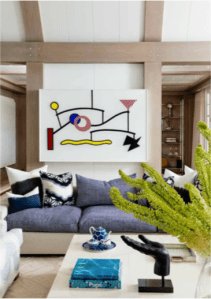
From the pages of the magazine On how the Cohens’ wraparound staircase wound up on the cover of the first issue of the magazine (Lisa Cohen): Well, it wasn’t my idea, let’s put it that way. I didn’t want to have anything of my property in the first issue. But when Suzanne saw what I did there, it was her first introduction in learning about who I am, how I think and what I’m about. And she felt that the message was so strong about me that she felt the opposite and that it should be in the magazine’s first issue to introduce me and to show part of my world. It was just very lucky that I met Suzanne because she’s been a fantastic editor to work with.

On the major challenge they will have to face (James Cohen): Getting out the message about this and expanding its reach throughout the industry and throughout the enthusiast world and the digital world, is going to be our challenge, to expand its reach and to make it even more attractive for advertisers to keep coming in.

On the role of magazines in today’s digital age (James Cohen): They should play the role of something that is, even though it might be readily available in alternative formats, visually stimulating, so that it is more pleasing. It has to have a particular niche, whether it’s a food magazine or an art magazine or a design magazine, and it has to talk to people in a way that you just can’t really get digitally.

On people’s return to print (James Cohen): You know the most significant drop in newsstand is coming from the mass celebrity books where they have the most readily available alternatives. And as that settles in those drops will mitigate. The last four months or so of the business, sales have dropped less and we’re not sure if this the start of a trend or not, but at a certain point we feel that the migration is going to cease because everyone, and you’re not talking about the print magazine versus the digital version of it, you’re talking about competing for people’s time.

On the newsstands’ future (Janes Cohen): The future of our newsstands is as I said; at some point in the future sales will stabilize at a certain level. And I think it was a combination of a lot of things that happened, whether it was the digital influx or the recession; the consolidation of wholesalers was another factor. All of these things contributed to the drop in sales. But the few publishers who have had the courage to print new magazines, and of course Hearst is the shining example, because they’ve come up with three winners in the last four or five years, that shows if you have the courage of your convictions and if you have a niche and you can find the right audience and publish something that people want to read, then there should be a future here.

On anything else they’d like to add (Lisa Cohen): I’m hoping that it will have a major digital component with e-commerce and be able to offer opportunities to emerging artists to sell their work, where they ordinarily wouldn’t have the opportunity to. And I’m very excited about that.

On what someone would find them doing if they showed up unannounced one evening at their home (Lisa Cohen): Definitely you would see a lot of magazines. (Laughs) In every room there are stacks. I love reading magazines. I still find it a very enjoyable experience.

On what someone would find them doing if they showed up unannounced one evening at their home (James Cohen): You would either find me on the phone with my business, or reading magazines, or yes, even watching The Donald. (Laughs)

On what keeps them up at night (James Cohen): We have four children, three of whom are young adults. And obviously, we think a lot about how they’re going to make their way in the world and be happy. So, those are our concerns.

And now the lightly edited transcript of the Mr. Magazine™ interview with James and Lisa Cohen, Founders, Galerie Magazine.

Samir Husni: According to the prophets of doom and gloom; the newsstands are going down the drain and print is going down the drain with them. And having worked for most of your life with the newsstands since you’re in wholesaling, I’m sure you’ve heard all of this. And Lisa, I have to say that you’ve created one of the most beautiful magazines that I’ve seen in a long time, but with all of the negativity flowing from the naysayers’ mouths; has anyone asked you both yet if you’ve lost it, starting a print magazine in this digital age?

Lisa Cohen: (Laughs) No, it’s actually been just the opposite. It’s really refreshing in this industry; everyone seems to be having a great response. It shows a different niche and we feel it’s more of an enthusiast magazine and the type of publication that people will subscribe to. And it will grow into a website; we are working on that.

James Cohen: If I could take a stab at your question from the business side; it’s not that print is dying; print is changing. I think it’s radically changing and I believe the mass channels that have dominated the print category for as long as we can remember have declined the most. The niche categories, to the extent that they still represent something unique that people want, have fared better.

Even the bigger launches of the last few years, as few and far between as they have been, take Hearst’s products, for example; they’re niche products, whether it’s the Food Network or Dr. Oz The Good Life; those are specific niche categories that people like. This magazine is even more of a specialized category because Lisa is attempting to put together two related fields in a way that they’ve never been put together before in design. And as we just said, the mass design magazines are what they are; this is not one of those, this is more of the personalities behind the stories: the art directors, the artists and the designers. We’re trying to reach a very special audience. Not a huge audience, but a very special one that really loves this category and I don’t think anyone has done that before.

Samir Husni: James, as an ink on paper, wholesale distributor, do you feel that by launching this new title you’re putting your money where your mouth is, so to speak, that there’s still hope for the newsstands?

James Cohen: Sure. As I said, print is morphing. I’m a proponent of the newsstand business and it’s changed radically, but there is still going to be a niche there and as long as people want to feel something that’s tactile; that’s graphically interesting, print is going to be around.

Lisa Cohen: This kind of magazine that is so visual; you really can’t capture that on a mobile device.

Samir Husni: And Lisa you mentioned in your introductory letter that you are inviting people to experience this magazine and engage in that artistic living adventure. So, you’re not just viewing it as ink on paper, but rather that you’re creating something to actually be experienced. Can you expand a little on that?

Lisa Cohen: It’s like an evolution. I think it will grow and have branches and many leaves that will come out of this. I’m seeing now that it’s just starting, a lot of different avenues are opening up; I’m doing these art and design shows where I’m bringing the experience with me.

James Cohen: The category itself is a very growing category.

Lisa Cohen: That is true. There is such a huge interest all over the globe in the art world. And people really want to be a part of that and know more about it. As I have said before, there are magazines that are just about art; there are interior design home magazines that are just about that, and there are fashion magazines that are just about fashion and travel that covers travel, but this magazine brings it all together and shows how art influences all those different genres of design. So, I feel it’s a very full experience.

And it’s also an experience in the way that we break it down and bring out the artist and the entities that work on all the different design projects. And then there’s a discussion on each of them that we write about, and that talks about them, their careers and the creative process behind each project.

So, my goal is to bring that creative process out and break it down so that people can enjoy that and be motivated from one artistic eye to another.

Samir Husni: I noticed that you’re very first adjective in describing the magazine is curated. And you distinguish it by having it in the color red on the cover. Do you feel that you’re more of a curator of art with this new magazine, Galerie, rather than a creator or an editor?

Lisa Cohen: Yes, I do. That was my concept.

Samir Husni: Explain a little about that concept, if you would. The two of you literally grew up surrounded by magazines. People can come to my office and see me surrounded by magazines, but you grew your entire lives around them. Differentiate this concept for me, because a lot of people are going to look at it and say, if a major wholesaler is starting a magazine like Galerie, they must know something that we don’t. What’s that something that you know that some people on the outside does not know?

Lisa Cohen: I think it’s what Jim was talking about when he said the niche titles were doing well. They’re holding more ground. Right, Jim?

James Cohen: Yes, what has to happen in a rapidly changing world is that magazines need to stay relevant in order to stay popular. And obviously, we’ve seen what happened with categories that either weren’t timely or weren’t relevant; the newsweeklies for instance. They were usurped, but this magazine doesn’t have an issue with a timeliness subject, but it does have a relevance to creating a demand for something.

Lisa Cohen: And it’s growing art culture, really.

James Cohen: Yes, and that hasn’t been addressed. Mostly, traditional art magazines have been around a long time and they have a very staid approach to things and Galerie is going to be different.

Lisa Cohen: This is more about the experience and it’s more multifaceted.

James Cohen: And we know that the world has changed; we’re not putting a half a million copies out; it’s going to have its niche. It’s not even a mass supermarket book like most large newsstand titles are; there will be a niche. We’re going to airports; the top book chains in the country; and we’re going to the top independents that have the best demographics.

Lisa Cohen: And quite possibly the private airports.

James Cohen: Yes and we’re also obviously going to be sending copies to target our audience better, whether it’s private airports or to collectors; people in the trade. So, it will be a targeted and intelligent approach; not a crazy mass one.

Samir Husni: Jim, as a wholesaler, why this reasoning? I mean, you know more about this than probably anybody else in the industry. I expected to see a cover price of $15 or $20, so I was really stunned when I saw $7.95.

James Cohen: Right. Well that was a consensus decision that we all thought was appropriate for the simple reason that to be successful on the newsstand on a very small niche level or on a mass level, what I learned 35 years ago was that price should not be an impediment to buying it. And we wanted to have, even within this niche, as wide an audience as possible, so of there was an interest and they picked up a copy, the last thing that we wanted was for the price to be an issue. We wanted to reach out with as broad a net as we could. This magazine is not living or dying on newsstand revenues; it has its traditional base and that’s between ads, subscriptions and hopefully digital moving forward. It’ll have several different revenue sources that will make it work.

Samir Husni: Let me ask you a very biased question; when the first issue was completed and you took a look at it, what did you think? Did you look at Lisa and say, wow! Or did you ask, Lisa, what have we done? (Laughs)

James Cohen: I saw the pages before they were bound and they looked very nice, but you know, it was nothing like when I actually saw the magazine. I was so thrilled to have the paper quality and the print quality come out the way it did, because we’re competing for people’s attention with a whole bunch of other titles sitting on a newsstand or on a rack in a book chain and the magazine really jumps out and that’s what you need.

Samir Husni: And Lisa, the magazine is also a movement. You’re putting not only your passion for art into it, but also you’re helping with organizations and schools, such as your role with the Hetrick-Martin Institute and the Harvey Milk School. Explain this mixed interest of yours and how you’re channeling that into the magazine.

Lisa Cohen: I became involved through some friends I have in the interior design world. And basically I was just born into it through putting together a big fundraiser for them in the Hamptons last summer. Before that they had asked me to come up and see the school, so I went up to visit and I was just so impressed by what this school was doing for these young, creative minds; kids that would have been otherwise on the streets and without opportunities in life and some of them maybe committing suicide and just facing total destruction.

So, by doing for these kids; you have no idea, you create a life. And these are very sensitive, wonderful and creative minds and it’s a big part of the art world. And I feel that one leads to the other and protecting and giving these young people a chance is our future creative talent for tomorrow. And our world is a better place for it. It goes along with all of my basic instincts. And I thought by tying it into the magazine it would be an even more passionate project for me and even more gratifying. To be able to do something great and interesting for the readers and also to give back to the school and see that prosper.

James Cohen: And it was a great affiliation for all involved.

Lisa Cohen: It’s a great affiliation with the wonderful people who are involved in the organization. I have to say that I’m the first straight mother of four to become involved, or so they tell me. (Laughs) But I couldn’t be more passionate about helping these kids. In April, we’re doing an art house in conjunction with the launch of the magazine and we have five artists with installations in each room. And I designed two of their decorative arts around each artist.

One of the rooms we gave to the Harvey Milk High School and the kids all did what home means to them and how they relate to that. And if you walk in that room and you see these kids and their creativity, you’re just amazed at the power and energy of their work. And the wonderful feeling you get from knowing that in some small way, you’re giving back to them.

Samir Husni: Talking about art and creativity, I read in Suzanne Slesin’s letter, who you’ve tapped for editor in chief of the magazine, that she had the same feeling when she entered your home and saw the wraparound staircase that ended up on the cover of the magazine. So, tell me about the idea of the wraparound and how the art of your staircase ended up on the cover of the magazine?

Lisa Cohen: Well, it wasn’t my idea, let’s put it that way. I didn’t want to have anything of my property in the first issue. But when Suzanne saw what I did there, it was her first introduction in learning about who I am, how I think and what I’m about. And she felt that the message was so strong about me that she felt the opposite and that it should be in the magazine’s first issue to introduce me and to show part of my world.

It was just very lucky that I met Suzanne because she’s been a fantastic editor to work with. We think very much alike and I’m very happy that she, with so many years of experience in this industry, 17 years at The New York Times and all of the other magazines that she worked for, that she took me on. It was a great honor to me. It’s been a wonderful association. It’s like we’re both doing what we love. It’s a real lovefest.

Samir Husni: What has been your major stumbling block since you started this venture? Usually when people launch a new magazine or come and talk to me about launching one, they have two problems: advertising and circulation. In your case the circulation problem is solved, nobody has to go and beg the wholesaler to distribute the magazine; it’s a done deal. Right?
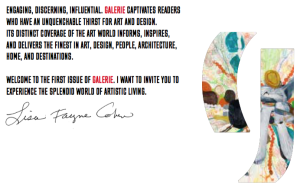
The mission statement.

The mission statement.

James Cohen: Right. And the advertising is coming along very well. And we are expecting after this first issue, which has already been very well received by all the current and potential advertisers, to ramp that up over the next couple of issues this year. Getting out the message about this and expanding its reach throughout the industry and throughout the enthusiast world and the digital world, is going to be our challenge, to expand its reach and to make it even more attractive for advertisers to keep coming in.

Samir Husni: From a distributor’s point of view, what do you think the role of magazines is in today’s digital age? What role should they play?

James Cohen: They should play the role of something that is, even though it might be readily available in alternative formats, visually stimulating, so that it is more pleasing. It has to have a particular niche, whether it’s a food magazine or an art magazine or a design magazine, and it has to talk to people in a way that you just can’t really get digitally. It has to fulfill a need.

Lisa Cohen: And also working from print and just starting to work on digital, print is such a great springboard because usually now most projects don’t have a print component like we do. For the people who are working on it, they feel it’s a great springboard.

James Cohen: And we have the luxury of being able to use the print issue as a rollout piece, not the digital, and establish ourselves through it, because let’s face it, the medium we’re talking about is a totally visual medium. And that’s what print does best.

Samir Husni: What are your future plans? I know you’re publishing three times this year and then moving to four times and using print as your core product.

Lisa Cohen: Maybe we’re just traditional and old-fashioned, but using print seems like the right decision.

Samir Husni: The Columbia Journalism Review published an article last December that said “print is the new “new” media.”

Lisa Cohen: (Laughs) Right, exactly. You’re starting to hear that people are saying that magazines maybe became diluted waiting to see what was going to happen with television now. Every form of media has been challenged over the years. But it seems like even books are coming back stronger; at least, that’s what I’ve heard from major publishers.
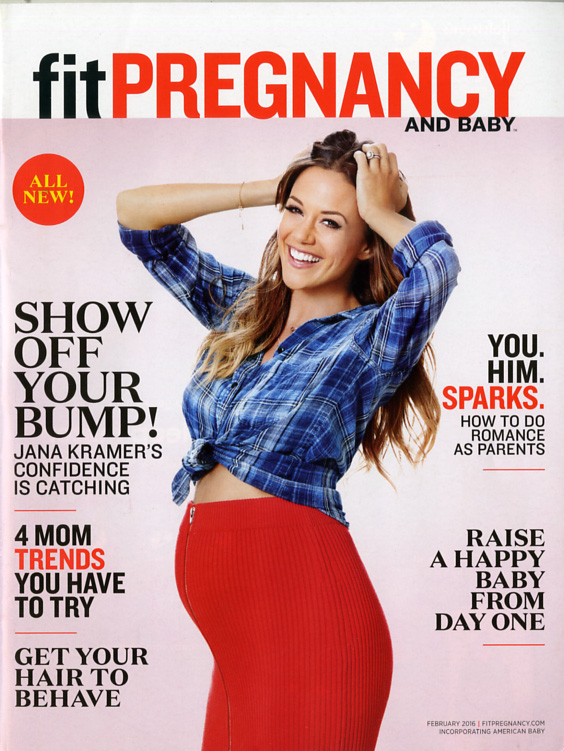
James Cohen: Yes, and you know the most significant drop in newsstand is coming from the mass celebrity books where they have the most readily available alternatives. And as that settles in those drops will mitigate.

The last four months or so of the business, sales have dropped less and we’re not sure if this the start of a trend or not, but at a certain point we feel that the migration is going to cease because everyone, and you’re not talking about the print magazine versus the digital version of it, you’re talking about competing for people’s time. And at some point in the future, it’s going to get fully integrated and things will stabilize, it’s just a question of when.

Lisa Cohen: Yes, I agree. And when you think about what’s happening with television, people are just watching it when they want to watch it. It’s all changing, everything is changing.

Samir Husni: Jim, talking about change, in your opinion; what’s the future of our newsstands?

James Cohen: The future of our newsstands is as I said; at some point in the future sales will stabilize at a certain level. And I think it was a combination of a lot of things that happened, whether it was the digital influx or the recession; the consolidation of wholesalers was another factor. All of these things contributed to the drop in sales.

But the few publishers who have had the courage to print new magazines, and of course Hearst is the shining example, because they’ve come up with three winners in the last four or five years, that shows if you have the courage of your convictions and if you have a niche and you can find the right audience and publish something that people want to read, then there should be a future here.

Let’s face it, the mass books of half a century ago, the Saturday Evening Post, LIFE; they all kind of gave way in a certain manner to television. And the same thing has happened with the newsweeklies and the celebrity weeklies with digital. So, they’ll find their niche, it won’t be what it used to be, but as long as publishers can put products together that people want to read, it’ll be around. And you just can’t understate that; you just have to be a little more clever and creative these days. And I think that there’s always going to be a market for it. Ten years from now it may look entirely different, but it will always be here and hopefully stabilize over the next few years.

Samir Husni: Is there anything else either of you would like to add?

Lisa Cohen: I’m hoping that it will have a major digital component with e-commerce and be able to offer opportunities to emerging artists to sell their work, where they ordinarily wouldn’t have the opportunity to. And I’m very excited about that.

Samir Husni: So, you’re really on a mission? I can hear it in the tone of your voice; you’re a woman on a mission.

James Cohen: This is Lisa’s labor of love. She is very passionate about both art and design; she is an incredibly creative person, as you can see from her work. And this is the manifestation of it and it’s great.

Lisa Cohen: After bringing up a big family, this is everything I ever wanted and it’s all coming together and it’s like a dream for me. And I think when you do something that you love, it usually shows and the product will be successful.

Samir Husni: If I showed up unannounced at your home one evening, what would I find you both doing? Reading a magazine, a book, watching television, or something else?

Lisa Cohen: Definitely you would see a lot of magazines. (Laughs) In every room there are stacks. I love reading magazines. I still find it a very enjoyable experience.

James Cohen: I even read weeklies.

Lisa Cohen: And most of my friends say I’m your best customer; so they’re all still enjoying it too. It’s not the end of magazines; it will always have its niche. With magazines it’s about the experience and even the younger people want that. It’s just a different kind of experience.

James Cohen: You would either find me on the phone with my business, or reading magazines, or yes, even watching The Donald. (Laughs)

Samir Husni: My typical last question; what keeps you both up at night?

James Cohen: In a good way or a bad way? (Laughs) We’ve been very fortunate, so a lot of things that most people worry about, we’re lucky enough to not have to. We worry about our children and what kind of future they’re going to have. And what kind of world they’re going to be in.

Lisa Cohen: It’s our family. I think that’s what occupies most of our worries.

James Cohen: We have four children, three of whom are young adults. And obviously, we think a lot about how they’re going to make their way in the world and be happy. So, those are our concerns.

Samir Husni: Thank you.