h1

The Eternal Curation Role of Magazines… Yesterday, Today, And Tomorrow.

October 25, 2016

From the Mr. Magazine™ Vault…

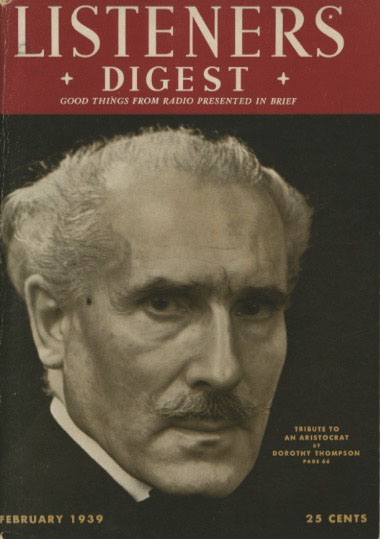
listeners-digestThe following is the letter from the editors introducing the first issue of Listeners Digest published February 1939. The monthly noted “the endless demands and ceaseless activities of modern life prevent the listener from hearing all the really worthwhile presentations of radio.” As you read the complete introduction below, feel free to replace the word radio with the internet or social media or any other media that comes to mind… the end result will be the same.

No medium can replace the power of curation that magazines provide their readers and advertisers; no medium, plain and simple. Enjoy this journey back to 1939…

As Radio Comes of Age…

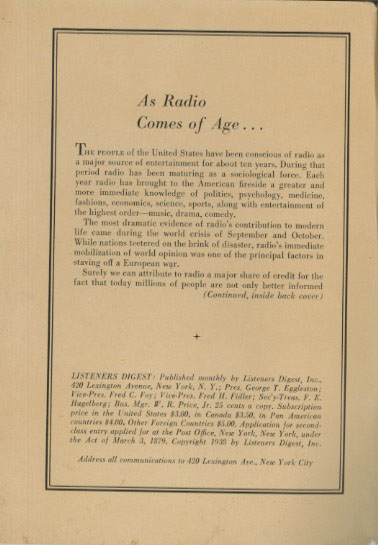
The people of the United States have been conscious of radio as a major source of entertainment for about ten years. During that period radio has been maturing as a sociological force. Each year radio has brought to the American fireside a greater and more immediate knowledge of politics, psychology, medicine fashions, economics, science, sports, along with entertainment of the highest order – music, drama, comedy.

listeners-digest-inside-cover-frontThe most dramatic evidence of radio’s contribution to modern life came during the world crisis of September and October. While nations teetered on the brink of disaster, radio’s immediate mobilization of world opinion was one of the principal factors in staving off a European war.

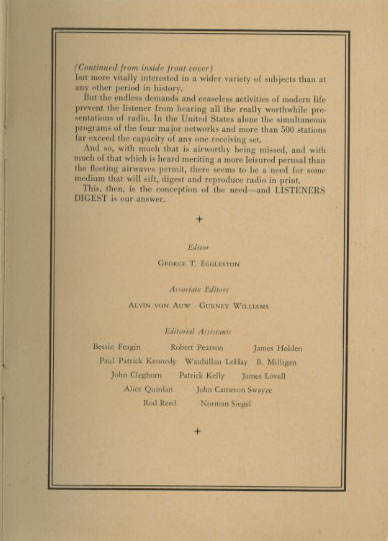
listeners-digest-back-inside-coverSurely we can attribute to radio a major share of credit for the fact that today millions of people are not only better informed, but more vitally interested in a wider variety of subjects than at any other period in history.

But the endless demands and ceaseless activities of modern life prevent the listener from hearing all the really worthwhile presentations of radio. In the United States alone the simultaneous programs of the four major networks and more than 500 stations far exceed the capacity of any one receiving set.

And so, with much that is airworthy being missed, and with much of that which is heard meriting a more leisured perusal than the fleeting airwaves permit, there seems to be a need for some medium that will sift, digest and reproduce radio in print.

This, then, is the conception of the need – and Listeners Digest is our answer.

h1

SwimSwam: From A Website To A Printed Magazine – The New Publication That Proves Adding A High-Quality Print Component to Your Brand’s Identity Is Always A “Swimmingly” Good Idea – The Mr. Magazine™ Interview With Braden Keith, Editor In Chief, SwimSwam Magazine

October 24, 2016

A Mr. Magazine™ Launch Story…

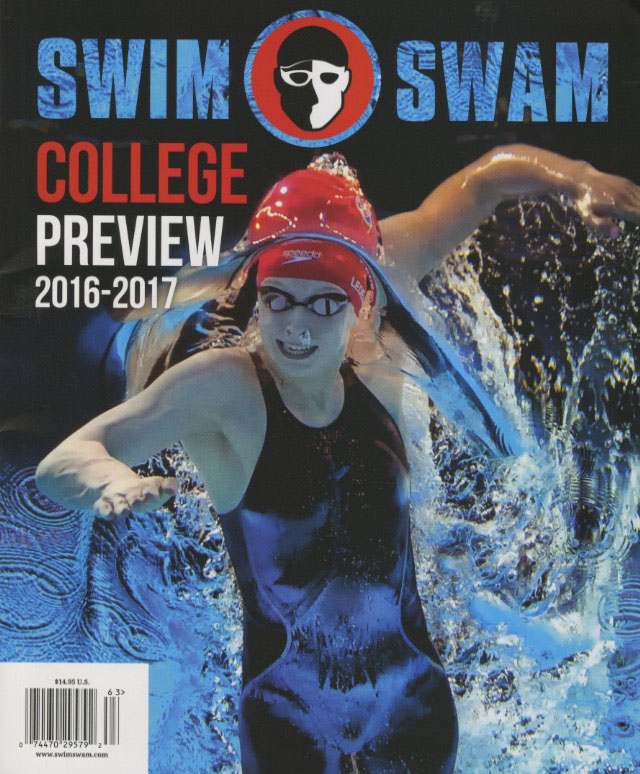
swimswam2

“We think people are going to want to keep these as sort of a record of the sport. A history of the sport and who were the biggest athletes and what were the best storylines of any given year. That’s why we went high on the price…” Braden Keith, on the high cover price of the magazine.

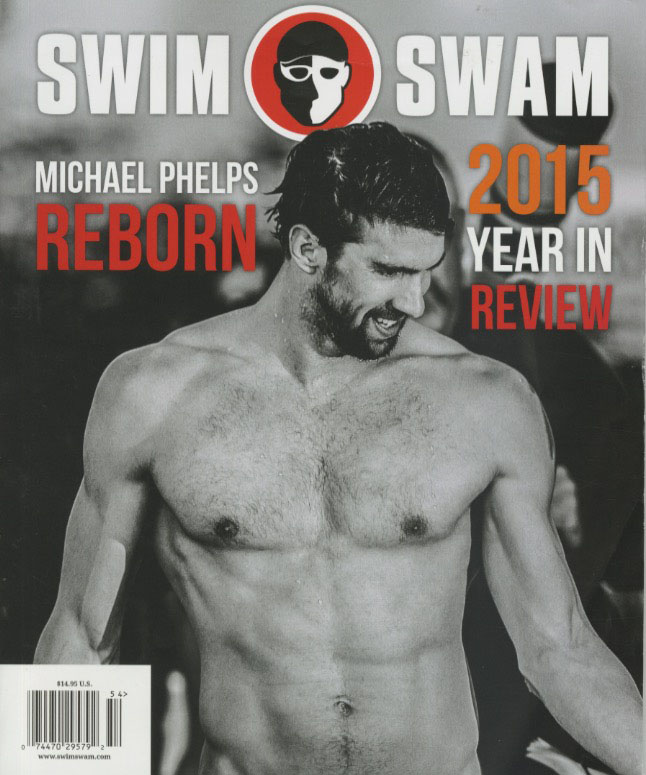
A magazine for those folks who can’t get enough of chlorine and the excitement of the swimmer’s life; SwimSwam grew from a very popular website into a beautifully-done, very high-quality large format magazine. Its paper is thick and lush and its contents filled to capacity with everything about the sport of swimming that could possibly interest an enthusiast. In fact, Mr. Magazine™ was so impressed with the new launch that I selected it as one of the 30 Hottest New Launches of the year.

Editor in chief Braden Keith and one of his partners, Olympic Gold Medalist Swimmer, Mel Stewart and his wife Tiffany, came together with two other very interested parties to found this amazing read. And I for one am awfully glad they did.

I spoke with Braden recently and we talked about the ins and outs of bringing a magazine such as this one to life, especially after four years on the web. Braden said it had been a learning process for him and his partners, and it continued to teach them every day more and more about the magazine industry. He reflected on a few of the challenges they had faced and those pleasant moments that made it all worthwhile. And he talked about the passion they all had about the brand, which convinced them they could contribute something valuable and collectible in the niche market.

So, grab your goggles and your love for a day at the pool and join the conversation – the Mr. Magazine™ interview with Braden Keith, editor in chief, SwimSwam magazine.

But first the sound-bites:

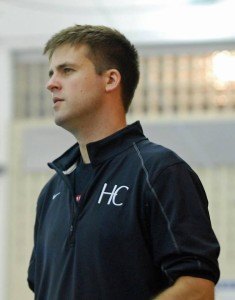
braden-hc-profile-image-235x300

On what made him decided they needed a print component to go along with the website: We launched the website in 2012. I’d had a previous website and Mel Stewart, one of my partners, who is an Olympic gold medalist in swimming, was looking to start something and we saw that our visions aligned. And the baby of that came out to be SwimSwam.com and we were like most people, we thought print was dead. Why would you print a magazine when you could have real time stuff up on the web forever. Fast forward four years later and all of the magazines were still around, and what we were hearing from all of our advertisers was that our competitors were getting a certain percentage of their money because they had a print magazine and people liked it. And so we decided that we’d give it a try and we thought that we could do it better than what was already in the market.

On the reaction to the print magazine from the swimming community: Some people were definitely skeptical and we had a lot who said the exact thing we’d thought earlier: why print? But I think that once people got the magazine and they held it, this is something that’s been very important to us; we wanted a magazine with thick pages and a thick cover that felt almost like a book more than a magazine. And people just loved it.

On whether the rather high cover price is a reflection of their belief that the magazine is more like a collector’s edition: I think that’s exactly what it is. We think people are going to want to keep these as sort of a record of the sport. A history of the sport and who were the biggest athletes and what were the best storylines of any given year. That’s why we went high on the price.

On any challenges he had to face while creating the print magazine: Definitely there have been challenges. When you’re producing content for a magazine, it all has to be good; it all has to be right. The copyediting; you need an extra layer of copyediting. We haven’t struggled with what to produce, but the actual production process has been a whole different thing.

On the most pleasant moment for him on this magazine journey: We set up a table at the Olympic trials in June this year in Omaha in a local restaurant near the pool and had magazines there for sale. We had a lot of people come up and buy the magazine there, but we had more people who were already subscribers to come up and tell us what a great magazine it was and how much they loved it.

On his future expectations for the magazine: We’d like to go to more than four issues per year, but we have to ramp up our subscribers so that we can afford it. That’s really something that we’d like to do. But we’re always going to be nervous. You hear what people say about magazines. For example, one of my favorite magazines, Mental Floss, just announced that they’re no longer going to be printing their magazine.

On his own personal background: I was a high school swimmer and played water polo in college. I coached swimming throughout college as a summer job, because it beat lifeguarding or checking out groceries at a grocery store. Then I kept getting sucked back into coaching and now I coach high school swimming, but that’s not my primary job; I work for a pipeline company in downtown Houston doing business analysis stuff.

On how he met and got into a partnership with Olympic gold medalist swimmer, Mel Stewart: I was doing my other website and there is a guy named Garrett McCaffrey, and he’s also a partner in the website, but he’s no longer a participating partner. He was sort of the godfather of swimming on the Internet, and had a site called Floswimming back in the day, and he had been aware of what else I was doing on the Internet on my other site. He and Mel had hooked up to start this new site and they wanted to do everything video-based. And Garrett told Mel that he needed to check out my site. Mel is an Olympic gold medalist and gets an automatic credibility and I was not a notable swimmer. But Garret told him that I had built an audience out of basically nothing and that they needed to talk to me about working with them.

On what someone would find him doing if they showed up unexpectedly at his home one evening: I will be on my computer and I’ll probably have the TV on sports, and I will be in front of my computer either writing or just compulsively refreshing social media.

On what keeps him up at night: Conflict, just interpersonal conflict. And in this industry there is always conflict. Somebody doesn’t like what you wrote, and I’ll just go over it and over it again in my head and that’s the toughest thing I deal with and what keeps me up at night.

And now the lightly edited transcript of the Mr. Magazine™ interview with Braden Keith, editor in chief, SwimSwam magazine.

Samir Husni: Congratulations on being named one of the “30 Hottest New Launches” of the year; a job well done. I know SwimSwam started as a website and then you launched the magazine; can you take me through the history of the launch? What made you decide that you needed a print publication to go along with the website?

swimswam1Braden Keith: We launched the website in 2012. I’d had a previous website and Mel Stewart, one of my partners, who is an Olympic gold medalist in swimming, was looking to start something and we saw that our visions aligned. And the baby of that came out to be SwimSwam.com and we were like most people, we thought print was dead. Why would you print a magazine when you could have real time stuff up on the web forever. And all of our competitors had magazines; we sort of didn’t get it. We thought the magazines would go away before we were ready to launch one.

Fast forward four years later and all of the magazines were still around, and what we were hearing from all of our advertisers was that our competitors were getting a certain percentage of their money because they had a print magazine and people liked it. And so we decided that we’d give it a try and we thought that we could do it better than what was already in the market. We thought that we could make it look and feel better; that we could capture a way to do a magazine that wasn’t a news-based magazine. We didn’t want to put out a magazine about things that had already happened and was old news that people had already read about on the Internet.

So, we just gave it a shot and we’re learning as we go, but as always we’re focusing on the content, content, content and trying to make it look good.

Samir Husni: What has been the reaction from the swimming community? Once you came up with that first issue, and after you’d been online for almost four years, what were people saying about the print edition?

Braden Keith: Some people were definitely skeptical and we had a lot who said the exact thing we’d thought earlier: why print? But I think that once people got the magazine and they held it, this is something that’s been very important to us; we wanted a magazine with thick pages and a thick cover that felt almost like a book more than a magazine. And people just loved it. We were 50/50 when we launched and we weren’t sure what the reaction would be, but people have really liked just the feel of it and the images have been a big piece of it, there are big, powerful images. Ad I think that’s worked really well for us.

Samir Husni: It’s not a cheap magazine, neither the subscription nor the single copy price; it’s almost $15 per issue. Is the cover price a reflection of the content or the belief that you feel like every issue of this magazine is more like a coffee table book or a collector’s edition?

Braden Keith: I think that’s exactly what it is. We think people are going to want to keep these as sort of a record of the sport. A history of the sport and who were the biggest athletes and what were the best storylines of any given year. That’s why we went high on the price. Obviously, the subscription is a pretty good discount from the cover price. I’m sure you’re aware that magazines on newsstands are not a very good economic model unless you’re a big producer.

Samir Husni: And were there any challenges that you had to overcome while doing it?

Braden Keith: Definitely there have been challenges. When you’re producing content for a magazine, it all has to be good; it all has to be right. The copyediting; you need an extra layer of copyediting. We haven’t struggled with what to produce, but the actual production process has been a whole different thing. Dealing with deadlines; we have deadlines on the web, but it’s more or less you get it done as quickly as you can, but when it comes to a magazine there’s a print deadline and things have to all be copyedited and there’s an entire process.

On the web, you write something, throw a picture on it and you copyedit it real quick and you put it up. With magazines, it’s a bit more complex. Between the deadlines and the design process that you have to go through, it’s very different. Information in the articles can change between when it was written and when it actually goes to print.

Those are some of the things that have caused us stress, but at the end of the day when we looked around at the market, there are two other big swimming magazines in the U.S., and we just thought we could do it better and were lucky enough to have found a good printing partner who happens to be a swim geek, as we like to call people who are big in the swimming world. And so he’s been really instrumental in helping us learn about the magazine industry and how to do this.

I wouldn’t say that it’s been as hard as we thought it would be, but then again we’re not perfect yet either. I think we’re still learning where some of these challenges are coming in. A big challenge that we got hit with, and I’m sure a lot of people did; our subscriber’s sign up for auto-renew and everybody received a new credit card with a chip in it this year and we lost probably half of our subscribers in a weekend from getting new credit cards. So, we’re learning about a lot of these things as we go, and I think we’re not far enough in to have learned all of the challenges yet, but we’ve had good people help us out.

Samir Husni: What has been the most pleasant moment for you throughout this magazine journey?

528220_10103177772625064_363191145_n1Braden Keith: We set up a table at the Olympic trials in June this year in Omaha in a local restaurant near the pool and had magazines there for sale. We had a lot of people come up and buy the magazine there, but we had more people who were already subscribers to come up and tell us what a great magazine it was and how much they loved it. And it felt really cool to have that fact-to-face interaction with our audience. Once again on the web, you don’t get a lot of interpersonal interactions with your audience, but it was a lot of fun to meet people face-to-face.

Samir Husni: If you and I were talking one year from now, what would you hope to tell me about the magazine? What are your future expectations?

Braden Keith: We’d like to go to more than four issues per year, but we have to ramp up our subscribers so that we can afford it. That’s really something that we’d like to do. But we’re always going to be nervous. You hear what people say about magazines. For example, one of my favorite magazines, Mental Floss, just announced that they’re no longer going to be printing their magazine. And I think it’s the greatest magazine that’s ever been made and if they can’t make it; it just makes me nervous. So, I hope that we’ll still be doing it in a year. I hope that people keep subscribing and the economics of it still makes sense, but I’ll still be very nervous about it.

Samir Husni: What’s your background? Are you a journalist or a swimmer? Or a swimmer turned journalist? What’s the story of Braden Keith?

Braden Keith: I was a high school swimmer and played water polo in college. I coached swimming throughout college as a summer job, because it beat lifeguarding or checking out groceries at a grocery store. Then I kept getting sucked back into coaching and now I coach high school swimming, but that’s not my primary job; I work for a pipeline company in downtown Houston doing business analysis stuff. I worked for the Texas A&M student paper for about three months when I was in college, but that’s the extent of my journalism training. I didn’t like it. They didn’t write things interestingly; they were really focused on this AP kind of, no analysis, no adjectives, style of writing and it just bored me and I hated it.

And that was always in the back of my mind, but the reason I go into this; I actually started more on the programming side and that drew me into it. I needed some tools for my coaching. I needed to build tools for calculating relays and things like that. Then people started using them and I wondered what I could do to get more people reading them, and make a little bit of money off of it at the same time. So, I just started writing stuff and it took off. I don’t really know what the catch was or why it worked, but I just happened to back into it accidentally.

Samir Husni: How did you meet Mel Stewart and get into this partnership with him?

Braden Keith: I was doing my other website and there is a guy named Garrett McCaffrey, and he’s also a partner in the website, but he’s no longer a participating partner. He was sort of the godfather of swimming on the Internet, and had a site called Floswimming back in the day, and he had been aware of what else I was doing on the Internet on my other site.

He and Mel had hooked up to start this new site and they wanted to do everything video-based. And Garrett told Mel that he needed to check out my site. Mel is an Olympic gold medalist and gets an automatic credibility and I was not a notable swimmer. But Garret told him that I had built an audience out of basically nothing and that they needed to talk to me about working with them. Mel was doing a clinic and he called me up and invited me out to dinner. We talked about it and discussed the money and advertisers he already had signed up and I told him that was more money than I had made in two years doing it, so consider me in. And away we went.

Samir Husni: On the current issue you have four co-founders; are you all from Texas?

Braden Keith: No, three of us happen to live here, but none of us are actually from here. We have one Canadian and the non-participating co-founder lives in Phoenix. We’re spread out all over the place.

Samir Husni: But the offices are in Austin?

Braden Keith: Yes, but it’s Mel and Tiffany Stewart, who are husband and wife that are there. We avoid having any kind of a formal office, which is an intentional decision. But technically our headquarters are in Austin. I’m in Houston.

Samir Husni: If I showed up at your home one evening unexpectedly, what would I find you doing; reading a magazine; reading your iPad; watching television; or something else?

Braden Keith: I will be on my computer and I’ll probably have the TV on sports, and I will be in front of my computer either writing or just compulsively refreshing social media.

Samir Husni: My typical last question; what keeps you up at night?

Braden Keith: Conflict, just interpersonal conflict. And in this industry there is always conflict. Somebody doesn’t like what you wrote, and I’ll just go over it and over it again in my head and that’s the toughest thing I deal with and what keeps me up at night.

Samir Husni: Thank you.

h1

W Magazine: Leading The New Revolution In Print Innovation, Or Doing Print Right In A Digital Age – The Mr. Magazine™ Interview With Stefano Tonchi, Editor, and Lucy Kriz, Publisher, Chief Revenue Officer, W Magazine

October 20, 2016

w-kendall-and-gigi-art-issue-cover

“I want to say that it’s very interesting how you have a certain backlash for everything digital when it comes to celebrities. And we see celebrities who are kind of stepping back from social media. Think about Jennifer Lawrence who doesn’t do any social media; a lot of celebrities don’t do it. So, when we do something special in print for a cover story and they agree to it; that makes print very powerful. Still, one of the biggest stories of last year is the Caitlyn Jenner cover and article in Vanity Fair and it was in print. She could have done it on a digital platform with a much larger audience, but guess what; she did it in a printed magazine.” Stefano Tonchi

“I think we are about innovation. We’re about innovation in print and we believe that the best innovation is also in our digital footprint, because everything that we do in print becomes incredibly interesting when we put it online. We start with print, where we have access to great artists, celebrities and models that are doing this with us because they’re going to create something in print that’s still very important to them. And then we amplify it on our social and digital platforms.” Stefano Tonchi

“You can always augment scale, but augmenting quality is very hard to do, and there has been this shift back to premium content and the trusted sources and we believe that this is going to bode very well for W, and frankly all of Condé Nast.” Lucy Kriz

“We make very strategic choices on where we’re going to push to make investments. And a big part of this year, certainly, was digital investment. We’ve also made a significant investment to beef up our team; we’ve hired over 16 people for digital this year, and for content. But we’ve also felt very strongly about pushing the print, because it drives so much of the creativity and the access that we have with the talent. And we know as the world has moved to a digital age and content is ubiquitous, the pendulum has swung back to premium content and something tactile. As the world goes hi-fi, there’s also this need for lo-fi.” Lucy Kriz

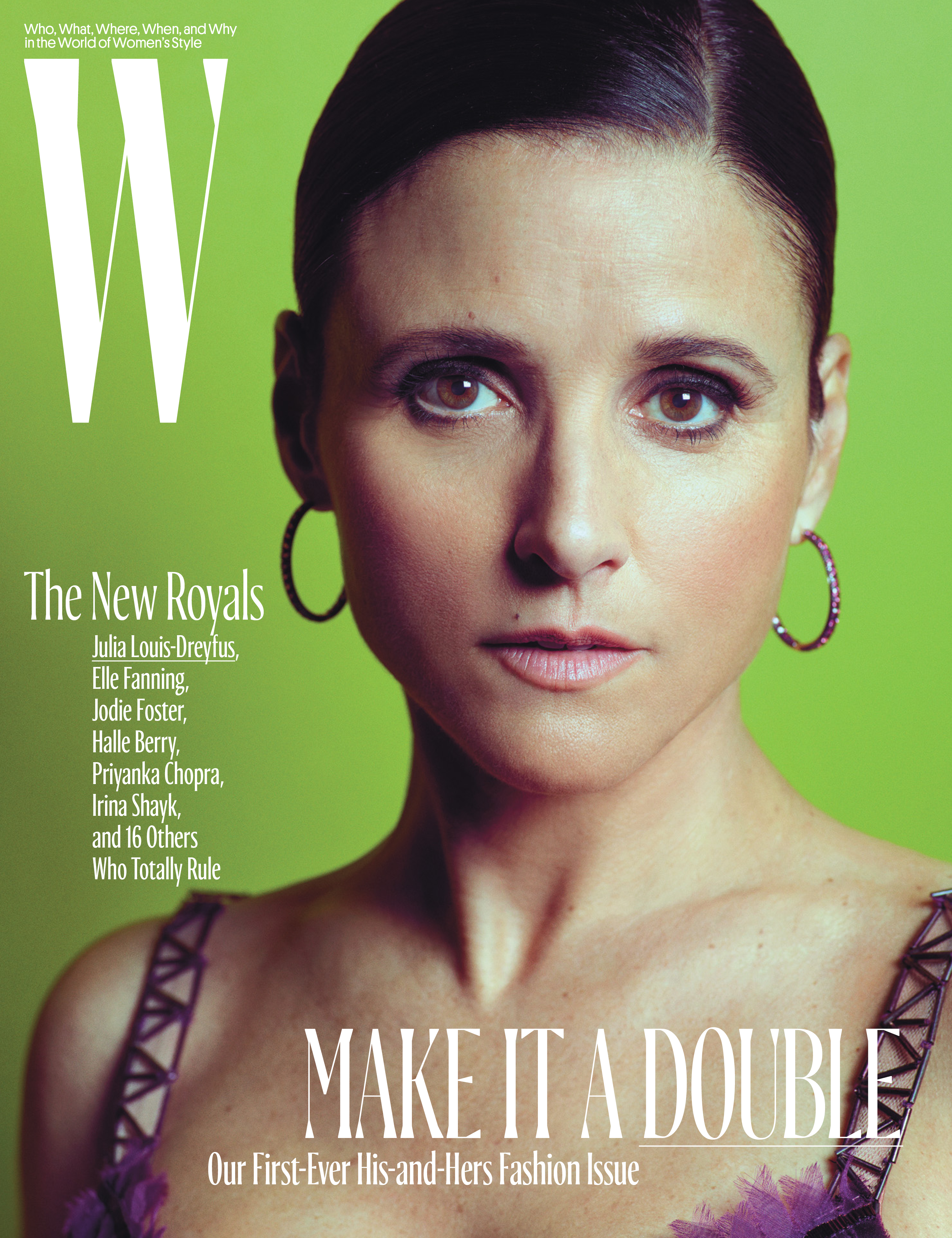
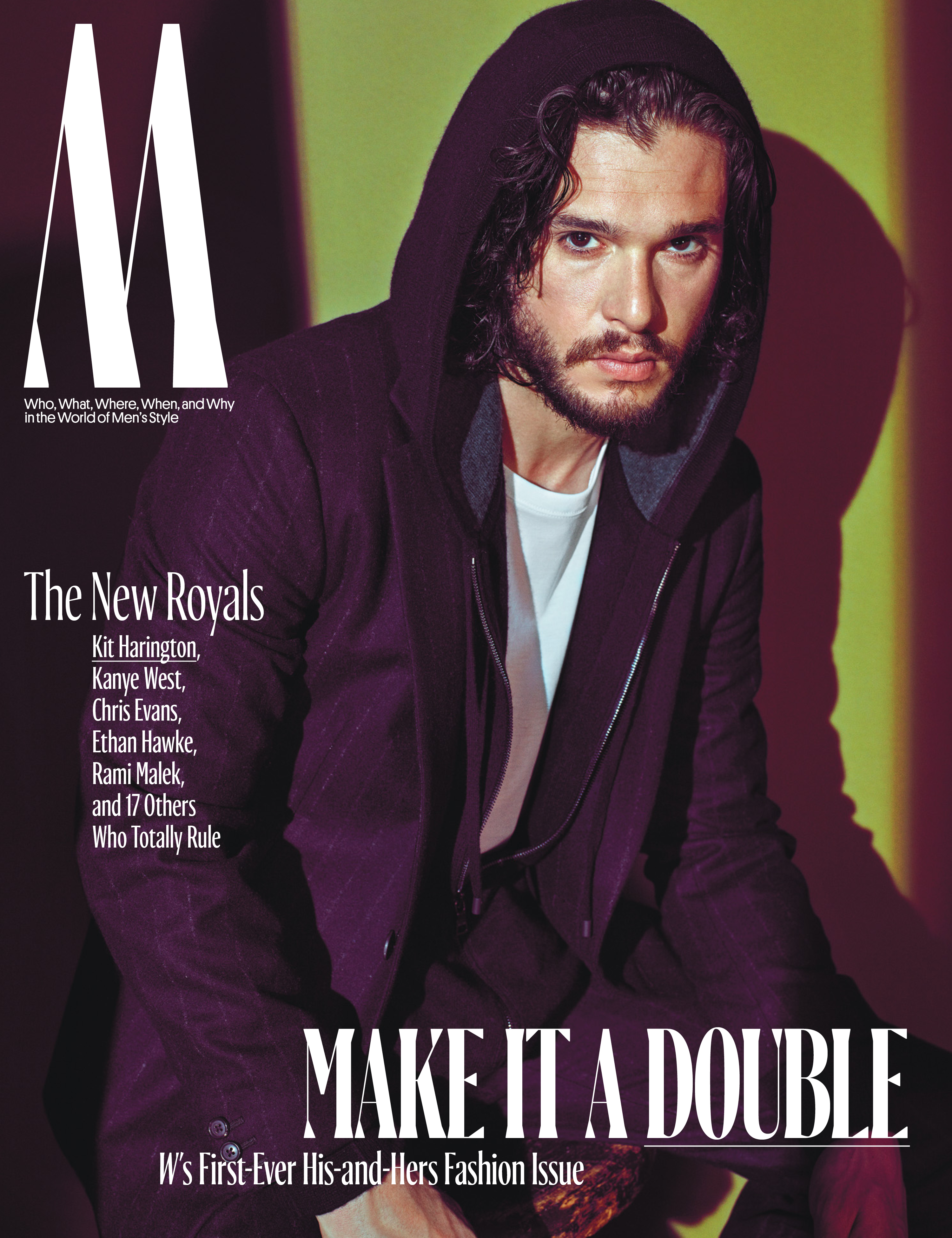
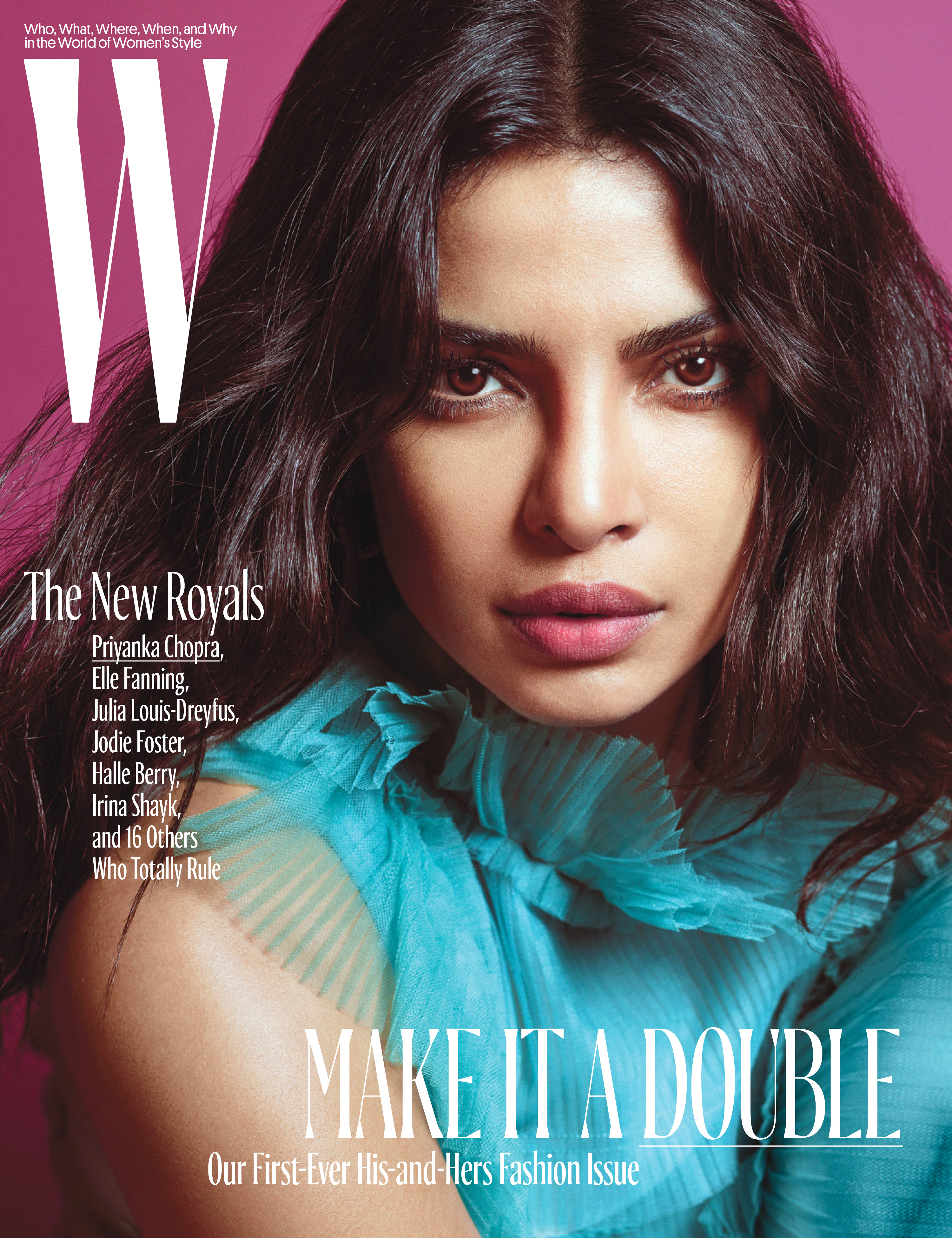
W magazine has started a revolution; a revolution in print, that is. An all-out, amplification campaign aimed at using the power of print to mirror our current society and political issues in beautiful and fashionable ways. From famous artists to eminent creative directors; W has captured the essence of thought-provoking content and images through collaborations with these creative giants of the business and brought it all home between the pages of their beautiful print magazine.

But with revolution comes innovation; it’s a must for the tour de force’s success. That being said, their digital platforms are also very important soldiers in this print campaign, and together the entities are definitely a force to be reckoned with.

I spoke with the leaders of the revolution Stefano Tonchi, editor and Lucy Kriz, publisher and chief revenue officer of W, recently, and we talked about this amazingly beautiful and charismatic revolution in print. As always, it was a delightful conversation with two people who are devoted to their brand and have a keen and focused eye toward its future.

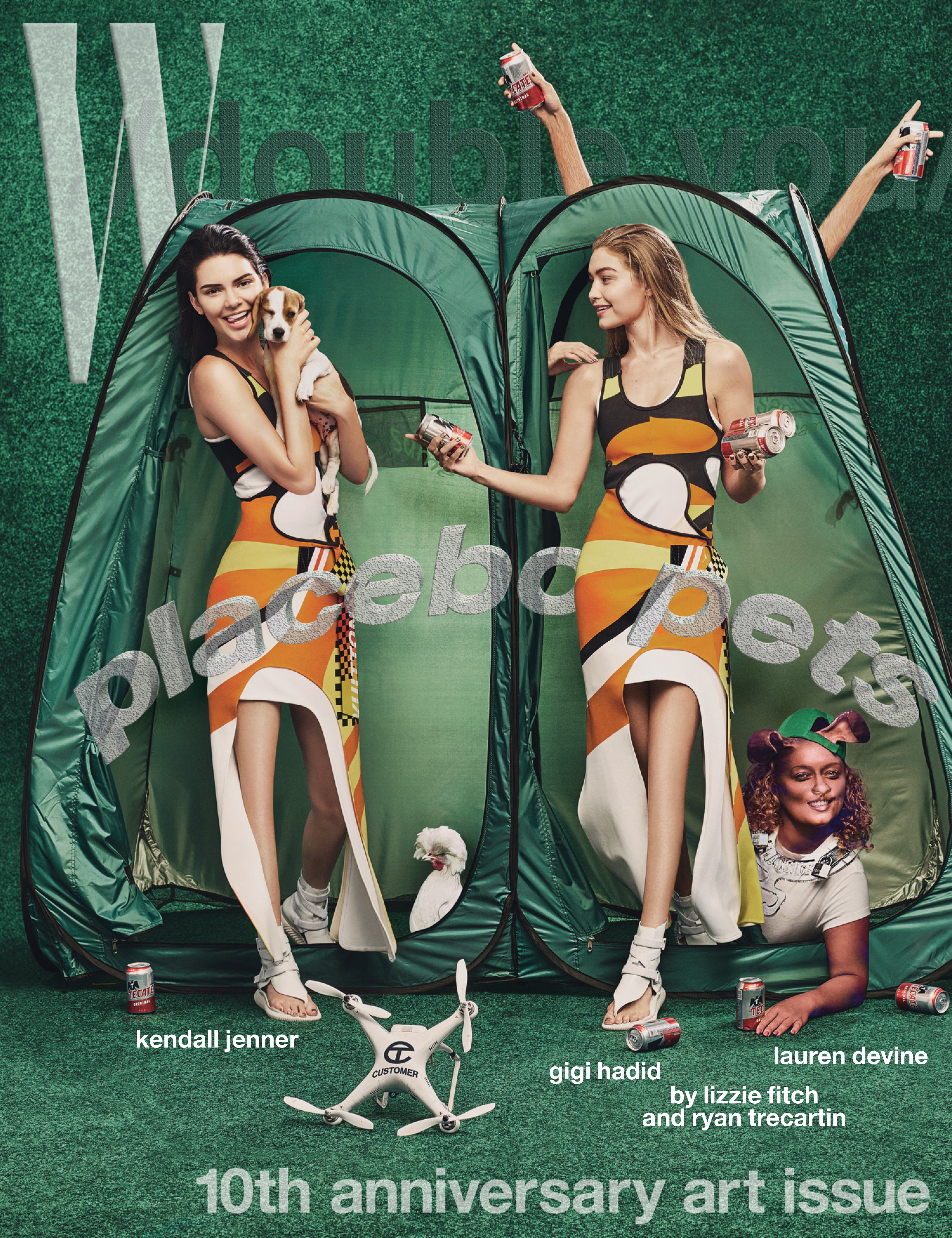
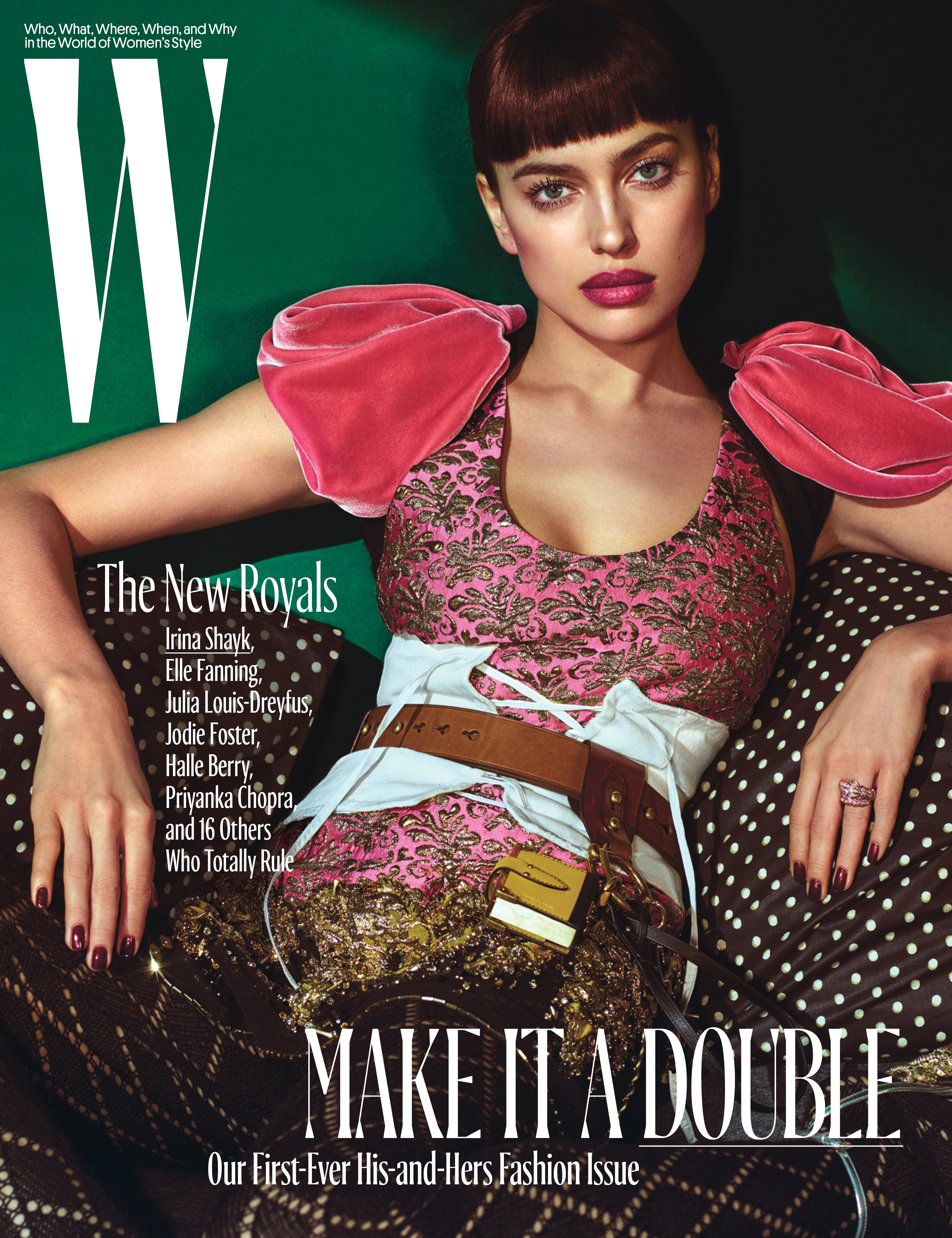
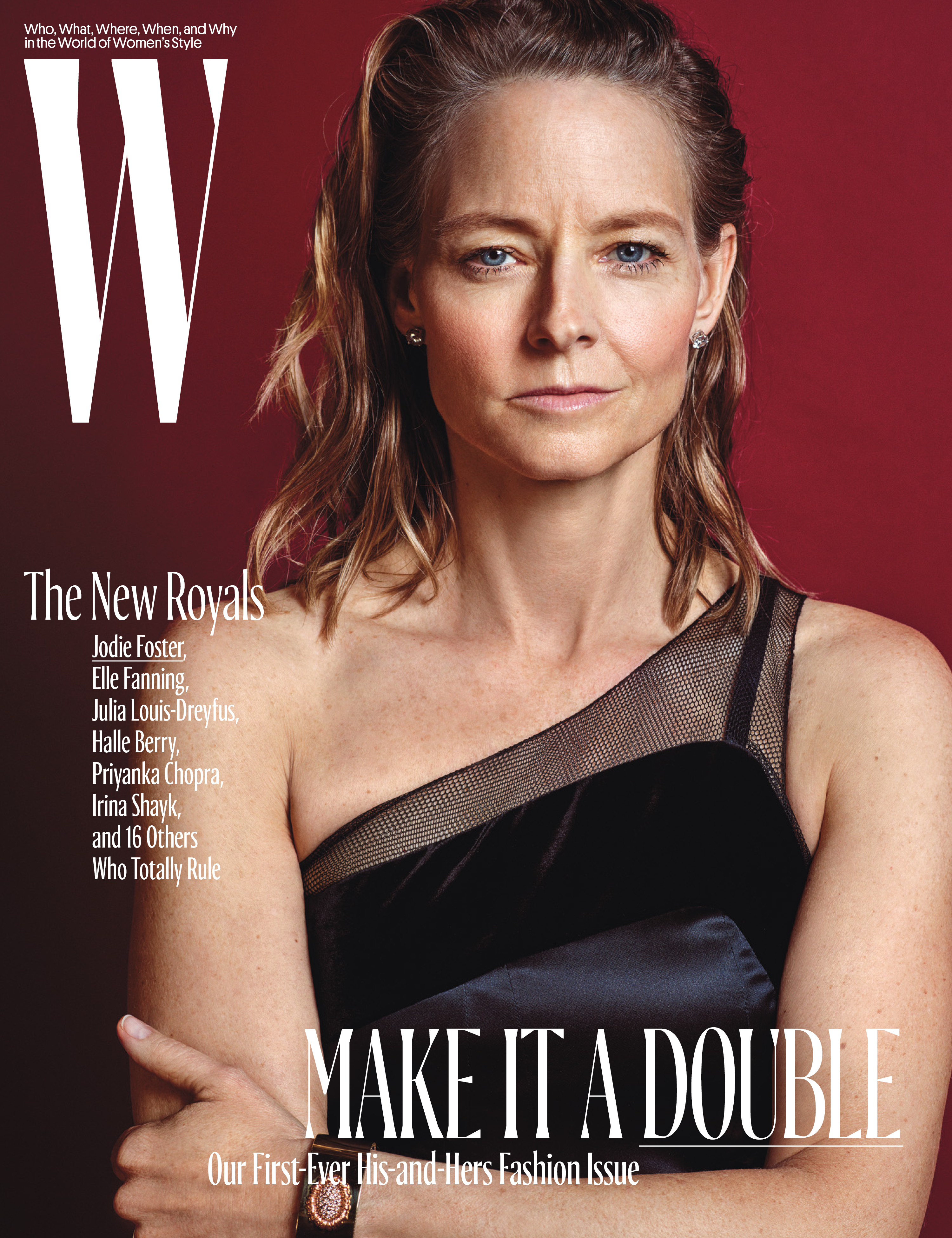
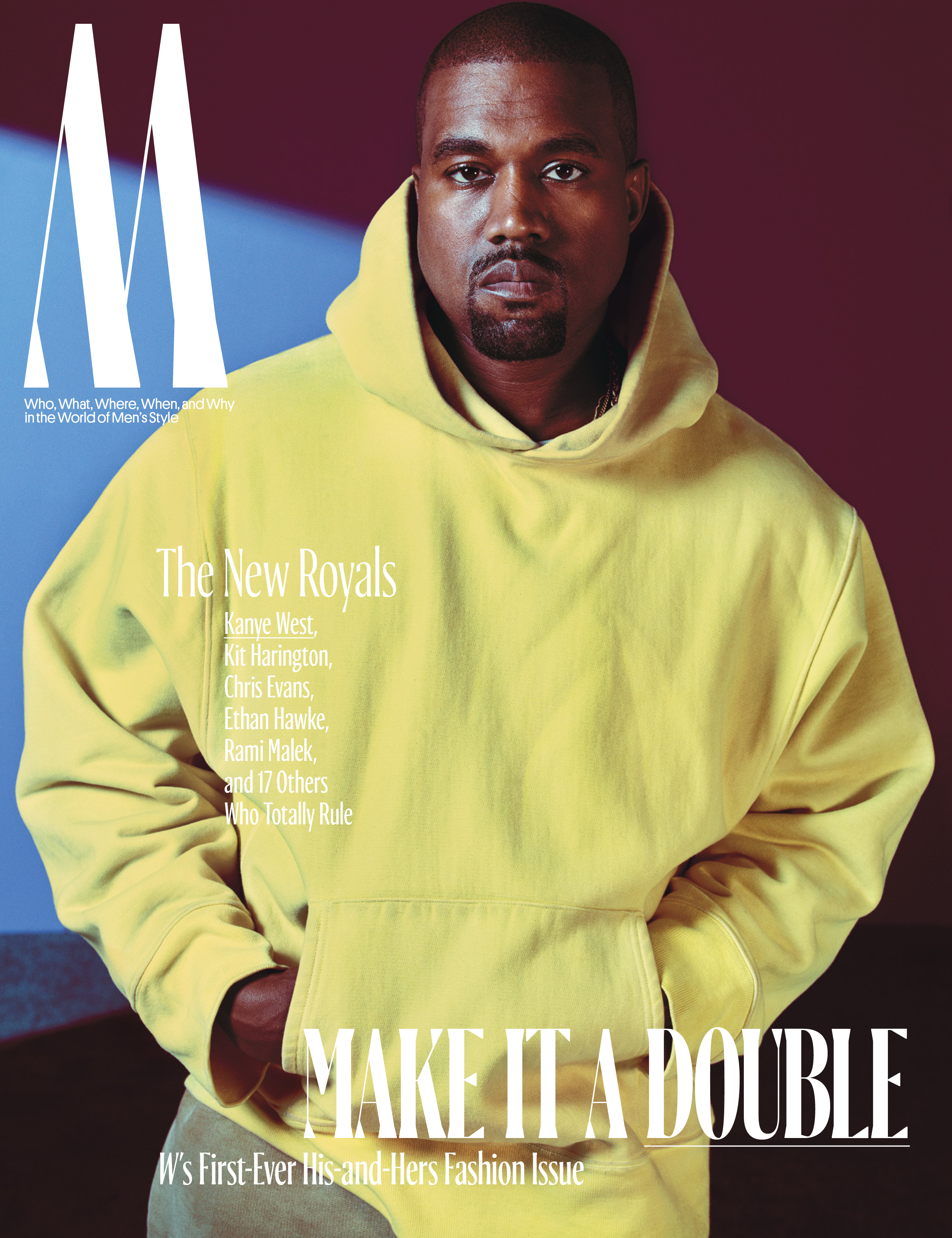
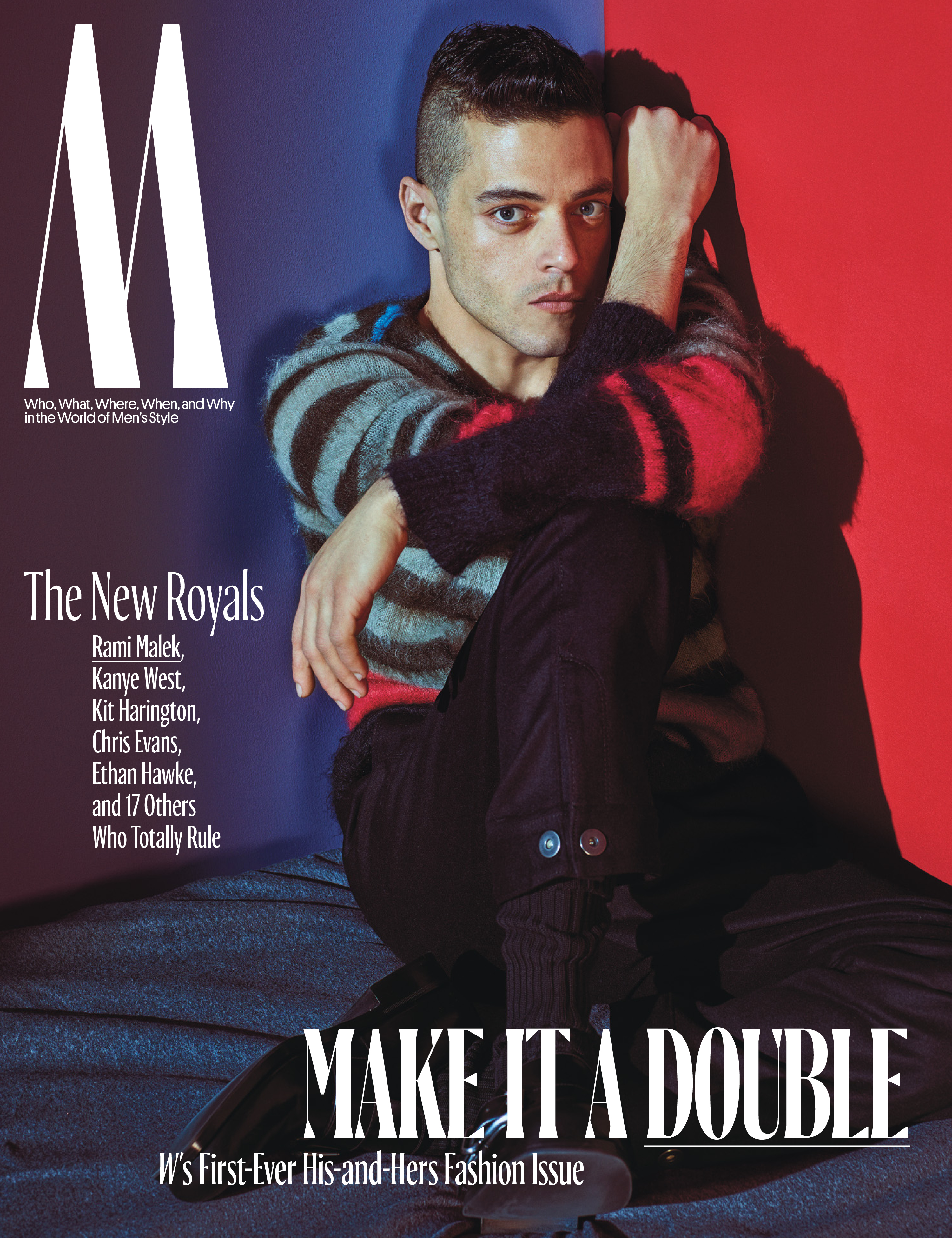
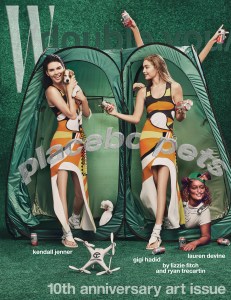
From Kendall Jenner and Gigi Hadid on the cover of the W’s 10th Anniversary November Art issue, where they commissioned artists Ryan Trecartin and Lizzie Fitch, and then watched them transform the supermodels and social media stars into a multimedia artwork which comments on the nature of social media (and visually brings Snapchat’s filters to life), to the October issue which contained the first “his-and-hers” content with its flipped W-to-M feature; the magazine is exploding with print innovation and exceptional creativity. The dynamic excitement can only be duplicated in the voices and thoughts of Stefano and Lucy as they talk about the brand.

So, without further ado, the Mr. Magazine™ interview with Stefano Tonchi editor, and Lucy Kriz, publisher and chief revenue officer, W magazine.

But first the sound-bites:
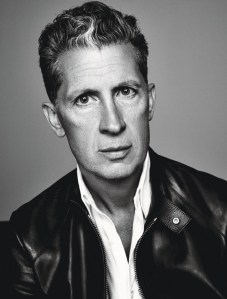
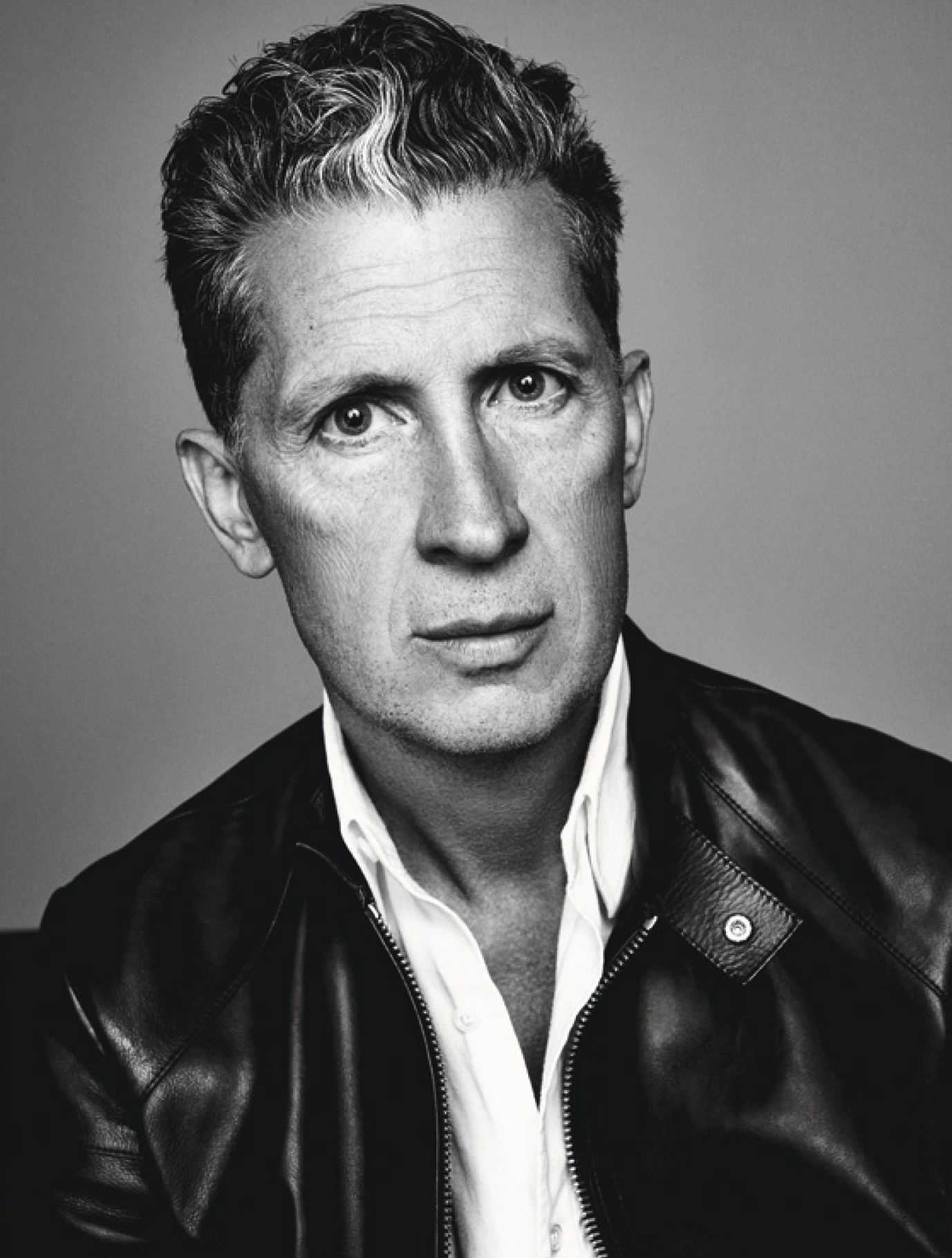
stefano-tonchi-headshotOn W’s 10th Anniversary November Art issue (Stefano Tonchi): As part of our long-term strategy; what we’re doing makes the magazine more collectible and unique and it keeps readers more engaged. So, taking this idea of collaborating with artists, art directors and with great celebrities, and again as part of our history; for our 10th anniversary, which will be our November issue, we worked with a lot of different artists, almost 20 of them. Ryan Trecartin and Lizzie Fitch were commissioned for the cover. The duo has been featured in the Venice Biennale and at museums like MoMA PS1, in New York, and the Museum of Contemporary Art, Los Angeles; and yet, they are keenly in sync with what is happening in the culture at large.

On how they are able to afford such print innovations as they’ve recently created in this digital age in which we live (Lucy Kriz): We make very strategic choices on where we’re going to push to make investments. And a big part of this year, certainly, was digital investment. We’ve also made a significant investment to beef up our team; we’ve hired over 16 people for digital this year, and for content. But we’ve also felt very strongly about pushing the print, because it drives so much of the creativity and the access that we have with the talent.

On what differentiates W magazine from the rest of the crowd (Stefano Tonchi): There is something about our point of view and I think it comes from the days when it was a broadsheet. Mr. Fairchild, who started the magazine, was obsessed about the lives of the rich and famous. Following that there was a certain kind of voyeuristic approach that I think is still part of the fascination with W today, in print and in digital, because actually that kind of voyeuristic approach; knowing who is who and where they go and what they do, is one of the big engines of social media.

On the October issue and the flipped W which became an M (Stefano Tonchi): We always try to see fashion in the context of contemporary culture and what is happening now. So, the October issue was really a response to the fact that more and more on the runways, in the market, and the department stores, you see men and women’s fashion mixed together. We think about, say, how Gucci is being so forward, in terms of fluidity. And then Burberry, and Tom Ford; they’re all presenting men and women’s fashion together. And I think that’s been one of the engines.

On the size of the October issue and the growth of W (Lucy Kriz): We had our largest October issue in eight years, so it’s a combination of being strategic with resources and funding it through topline growth.

lucykriz_headshotOn whether we’re going to see more of the flipped M content (Lucy Kriz): We’re going to move forward with two issues next year that will have his-and-hers content. So, in general, we have several issues throughout the year that include both; February is Best Performances; October is our Royals issue, August is the Pop issue so, these are all right for a dual audience. We cover subject matter that makes sense for men and women. We have a more male-focused fashion approach in both April and October.

On the recent collaboration of W magazine with many famous artists and creative directors: If you think about this strategy of creating a collectible book; I felt like why don’t we invite iconic, very well-known art directors or creative directors to help us to define collectability? Terry Jones, the founder of i-D magazine, was the first one we called on, not only because he is very close to me and to everyone here, but also because he stands for certain values that are very important to us today, such as identity and the idea of diversity. He has been a great champion of these types of qualities and values. So, the September issue came out as a reflection of what was happening in society and had that attention to gender issues and identity.
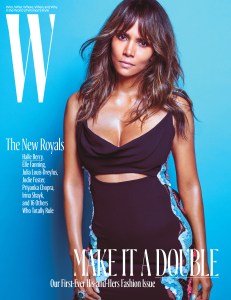
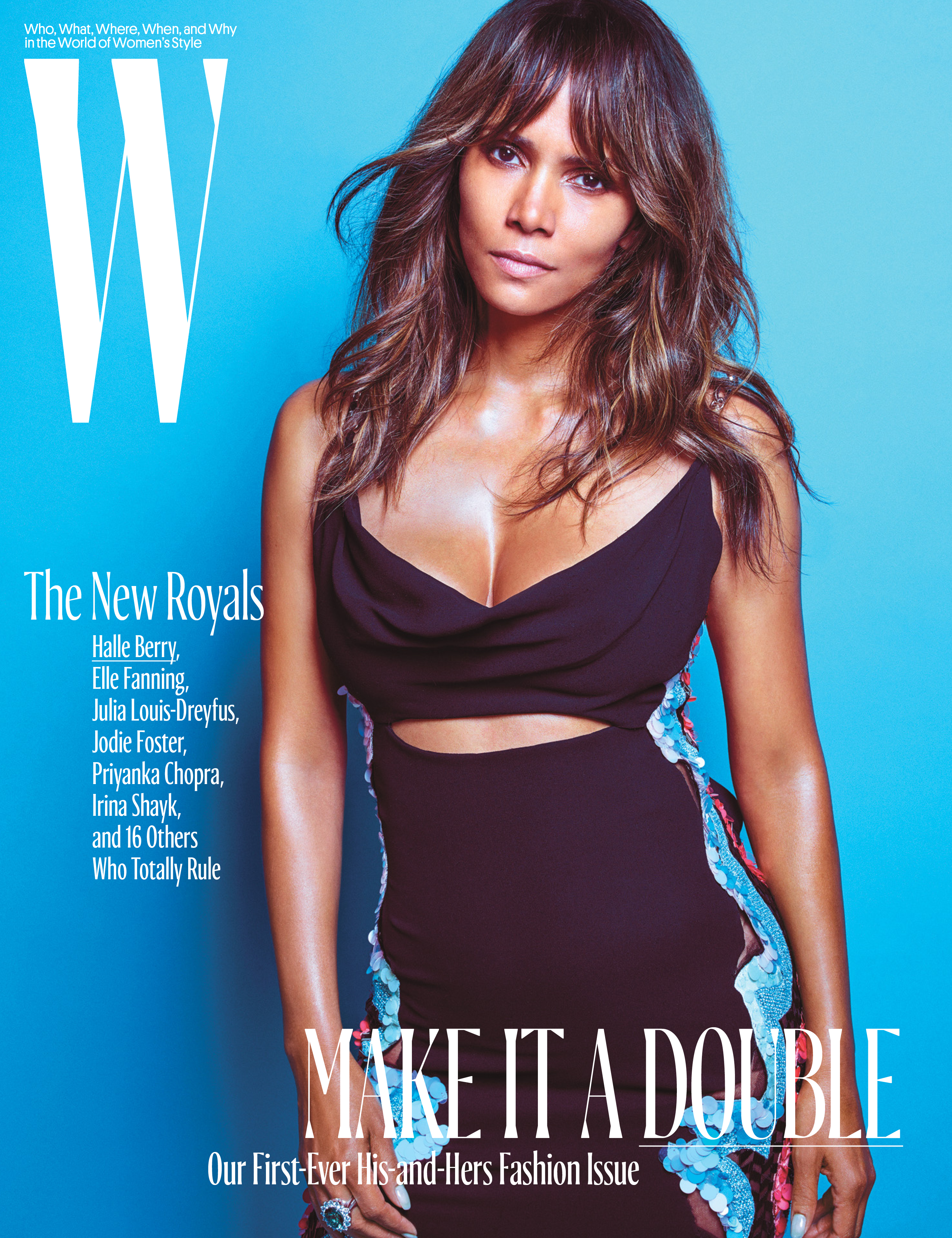
w-halle-berry-cover-1016On whether Lucy’s job as publisher and chief revenue officer is easier, now that everyone seems to realize the value of print these days (Lucy Kriz): Easier? No, I don’t think that’s ever going to happen. (Laughs) But I would say it’s even more exciting, so definitely not easier, but more exciting. And I’ve always been someone who throws themselves at change and newness. W is loved and valued for its incredible content that we produce. And it is a pleasure to be out in the market everyday with that.

On whether Stefano thinks the entire climate among editors has changed now that we’re actually living the innovations (Stefano Tonchi): I think that the relationship with the readers and the relationship with the advertisers have changed; it’s a different kind of partnership. We used to be editors generally that would draw from our own knowledge and experience; it was a sort of one-way relationship. There wasn’t really a dialogue. With the advertiser we had a kind of dialogue; we didn’t hide behind a mask or anything, but it wasn’t a very clear relationship; the way we would put pages in the magazine or create content around it. Now we are in a new dimension where we are in a constant relationship with the readers and also with the advertisers.
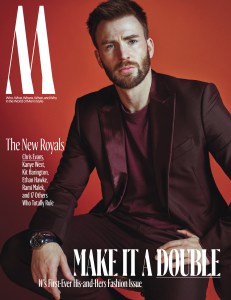
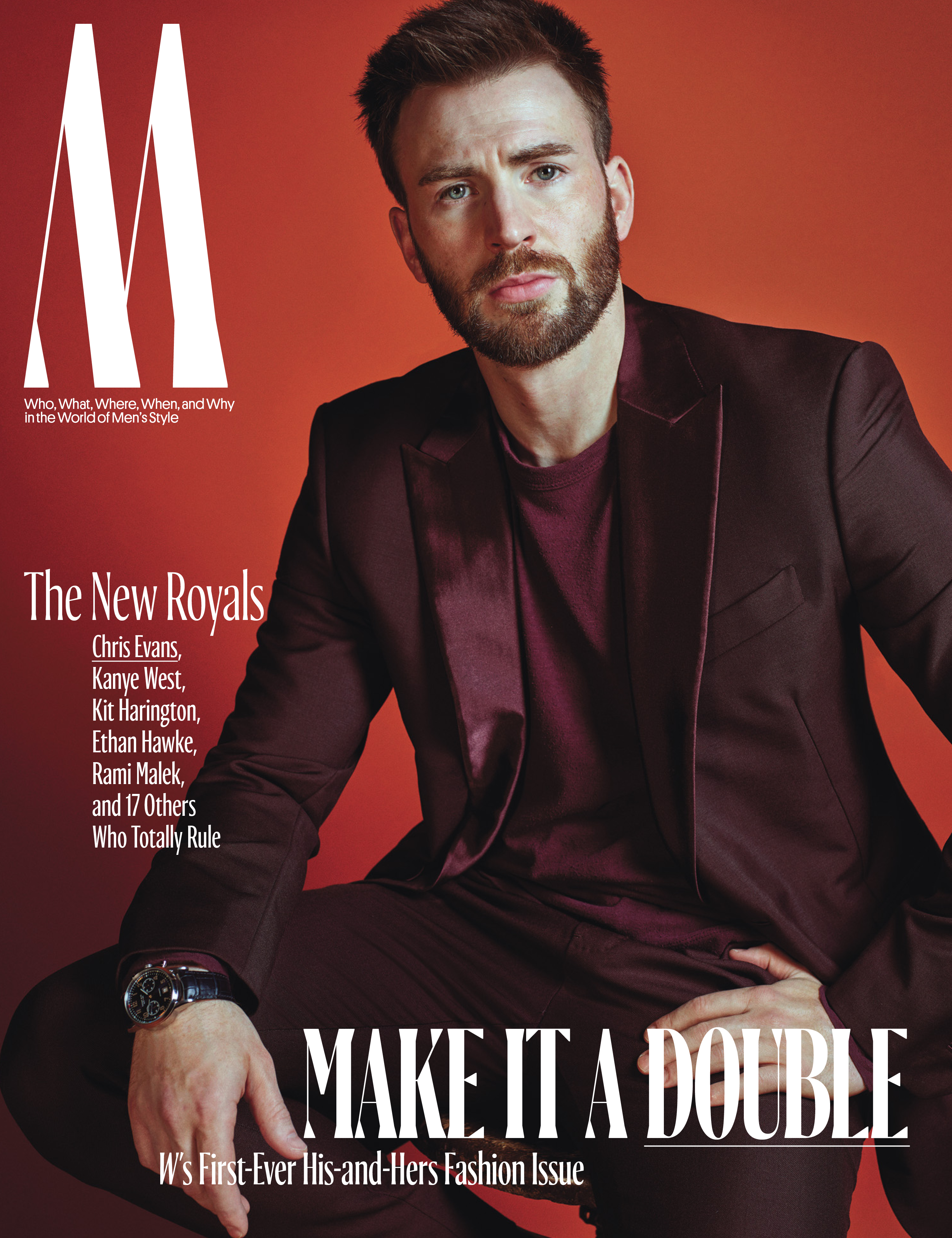
w-chris-evans-cover-1016On anything either of them would like to add (Stefano Tonchi): I want to say that it’s very interesting how you have a certain backlash for everything digital when it comes to celebrities. And we see celebrities who are kind of stepping back from social media. Think about Jennifer Lawrence who doesn’t do any social media; a lot of celebrities don’t do it. So, when we do something special in print for a cover story and they agree to it; that makes print very powerful.

On anything either of them would like to add (Lucy Kriz): You can always augment scale, but augmenting quality is very hard to do, and there has been this shift back to premium content and the trusted sources and we believe that this is going to bode very well for W, and frankly all of Condé Nast.

On what keeps them up at night (Lucy Kriz): Let’s see, what’s keeping me up right now? It continues to be differentiating ourselves. We have such a clear position in print and we’ve done a great job of visual storytelling in print. And this collectible strategy is working. I want to continue to push our innovative storytelling in digital. How do we do what we do so beautifully and translate W’s specialness on other platforms?

On what keeps them up at night (Stefano Tonchi): It’s the idea of translating the content and the history and position of the magazine through the experience, and finding a way to finance and share it through distribution. I continuously spend time thinking about that, and also original ideas. I try to think as much as possible about things that have not been done. With the Internet it’s about aggregation of someone else’s content. So, I try to think about original content.

And now the lightly edited transcript of the Mr. Magazine™ interview with Stefano Tonchi, editor and Lucy Kriz, publisher and chief revenue officer, W magazine.

Samir Husni: I understand that we’re about to have a third punch; we had September; we had October; and now November is about to bring us more innovation and revolution in print. Can you tell me about it?
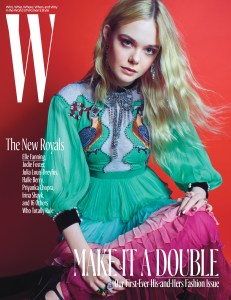
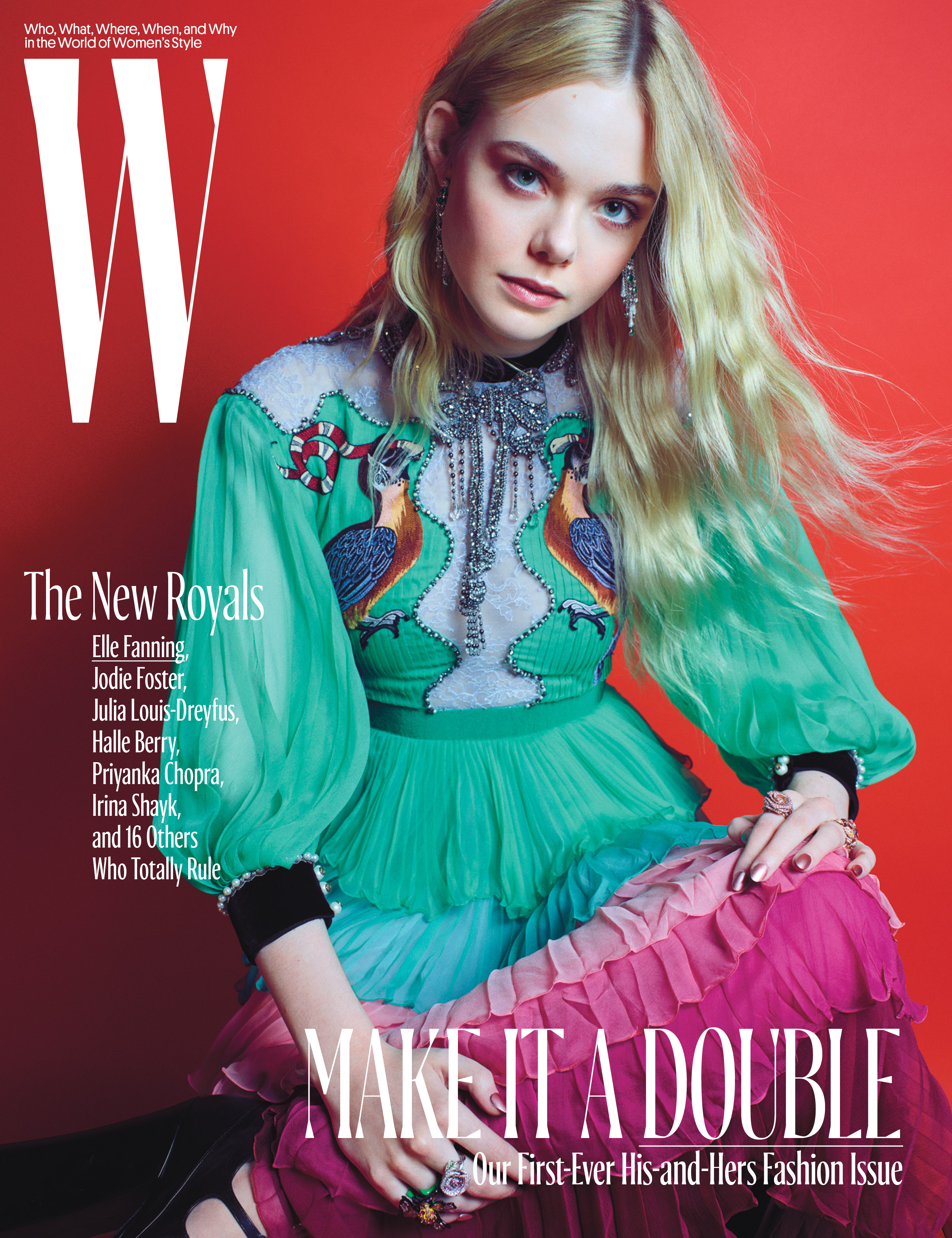
w-elle-fanning-cover-1016Stefano Tonchi: As part of our long-term strategy; what we’re doing makes the magazine more collectible and unique and it keeps readers more engaged. So, taking this idea of collaborating with artists, art directors and with great celebrities, and again in spite of our history; for our 10th anniversary, which will be our November issue, we worked with a lot of different artists, almost 20 of them. Ryan Trecartin and Lizzie Fitch were commissioned for the cover. The duo has been featured in the Venice Biennale and at museums like MoMA PS1, in New York, and the Museum of Contemporary Art, Los Angeles; and yet, they are keenly in sync with what is happening in the culture at large. Michael works with multimedia and many people call him the first Internet artist.

We worked with them on this project with two supermodels and social media stars of the moment, Kendall Jenner and Gigi Hadid. And it’s about performance and it’s about creating a series of images of their faces and bodies, which reflects a very interesting take on the idea of beauty and the idea of just where society is at the moment.

And that was our November anniversary cover project, but we have a lot of other projects inside the magazine and one of them was a group of posters that we asked 15 artists to create for us. We asked that they have a moral and political message, in terms of what they stand for, when it comes to the message. And this group of artists created posters and they are in the November issue, but they will also be put up in New York and Los Angeles right before the election. So, it’s another way, I think, to reaffirm the power of print, in that sense. You can’t be more “print” than with posters.

We had a number of editorial ideas, such as how do you do a house in a new way? So we worked with an artist on a certain house and then we had a novelist write about the owner of that house. It became a very different package after that.

I think we are about innovation. We’re about innovation in print and we believe that the best innovation is also in our digital footprint, because everything that we do in print becomes incredibly interesting when we put it online. We start with print, where we have access to great artists, celebrities and models that are doing this with us because they’re going to create something in print that’s still very important to them. And then we amplify it on our social and digital platforms.
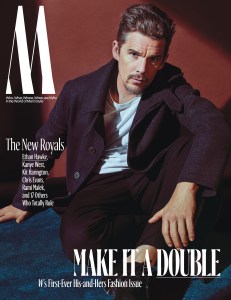
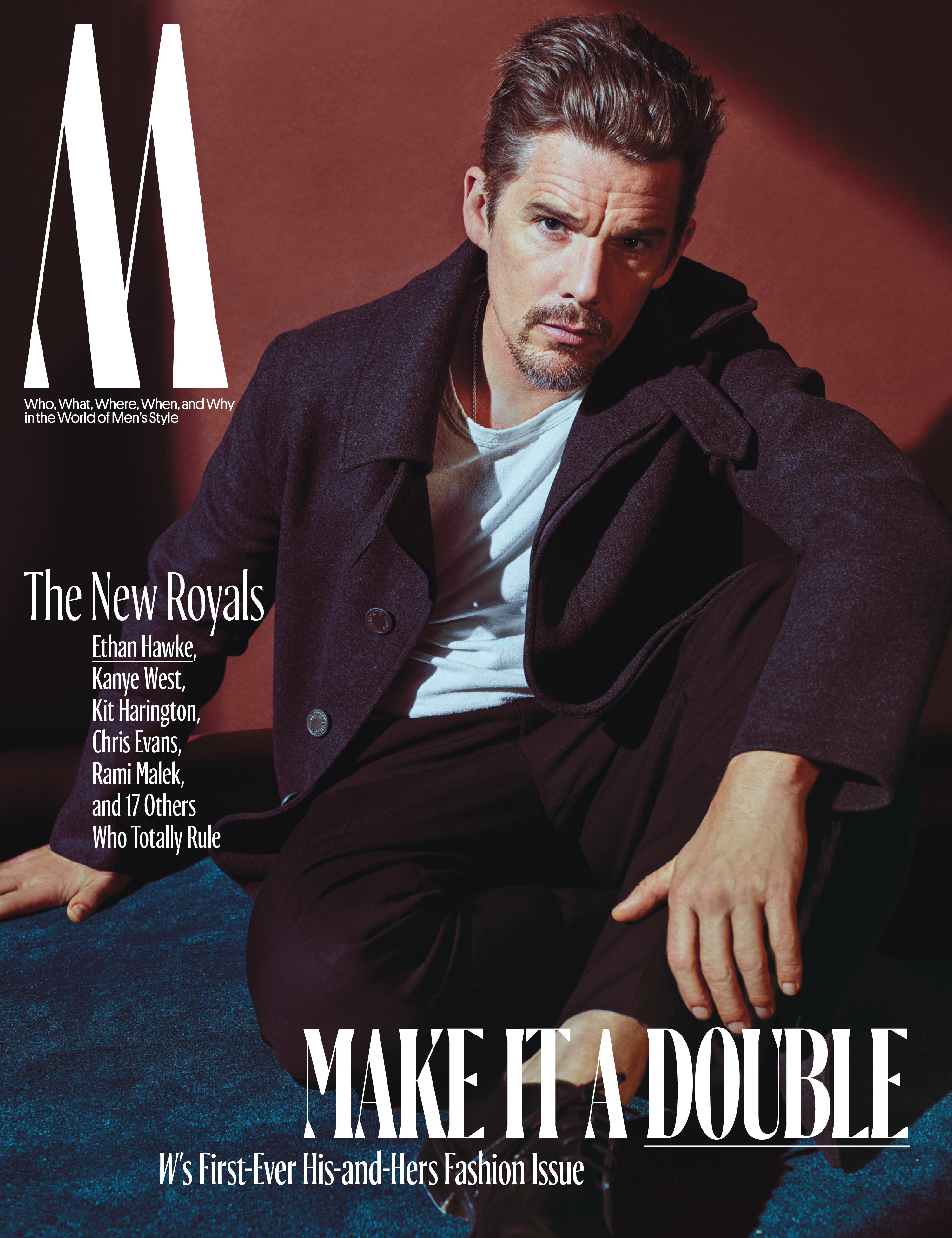
w-ethan-hawke-cover-1016Samir Husni: Lucy, such innovation in print doesn’t come cheap. You can tell from the printing quality; from the hardback – the special edition in September, and the posters in the flip edition in October. How are you able to afford spending and investing in print in this digital age that we live in?

Lucy Kriz: We make very strategic choices on where we’re going to push to make investments. And a big part of this year, certainly, was digital investment. We’ve also made a significant investment to beef up our team; we’ve hired over 16 people for digital this year, and for content. But we’ve also felt very strongly about pushing the print, because it drives so much of the creativity and the access that we have with the talent. And we know as the world has moved to a digital age and content is ubiquitous, the pendulum has swung back to premium content and something tactile. As the world goes hi-fi, there’s also this need for lo-fi.

And we felt so strongly about it that we made choices about where to invest. The posters that were sort of this double-flip in October was something we felt was too important to not do, and we pushed resources toward it and I think it also drove significant revenue. And that was critical when you have an exciting moment and I can bring it to market; our marketing partners also see the importance of driving print newness in the market.

We had our largest October issue in eight years, so it’s a combination of being strategic with resources and funding it through topline growth.

Samir Husni: In preparing for this interview, I was looking at some old issues of W, and I went back to the 10th anniversary when it used to be a newspaper. After 44 years, as you get ready to celebrate your 44th anniversary, can you tell me the unique selling proposition that you have from an editorial point of view that differentiates W, besides the size of the magazine, from the rest of the crowd?
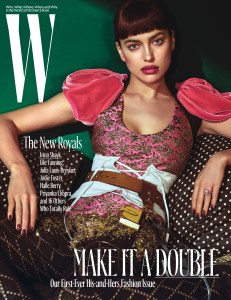
w-irina-shayk-cover-1016Stefano Tonchi: There is something about our point of view and I think it comes from the days when it was a broadsheet. Mr. Fairchild, who started the magazine, was obsessed about the lives of the rich and famous. Following that there was a certain kind of voyeuristic approach that I think is still part of the fascination with W today, in print and in digital, because actually that kind of voyeuristic approach; knowing who is who and where they go and what they do, is one of the big engines of social media. Why do people look at Instagram if it’s not to see what people are wearing, where they are, and who they’re with? Social media is all about voyeurism in the end.

So, there is that kind of DNA that’s been part of the brand since it started. And then as a brand, in the ‘90s the magazine became a big fashion photography book, and that’s the other DNA of the magazine. We have that voyeuristic approach and then we have this fantastic fashion photography and that makes it unique. Those two characteristics somehow are the language and the DNA of W. One is very visual and one is more about the content and approach. That kind of idea of being first to know who is who, where, what, was such a Fairchild kind of thing, but later in the ‘90s it became very visual and the most beautiful magazine in the world, and one of the largest ones for sure in America. And really like a place where you discover provocative photography, long narratives that offer something of substance and make you ask where do you find a story like this anymore, and may go on for 40 pages?

It’s just something very visual with us. And those are the two things that I think make this magazine very different. The tone and that kind of voyeuristic approach of being first in curiosity, and then the look of it; all of the images, is amazing.

Samir Husni: With the October issue, you had the flip W, which became an M.
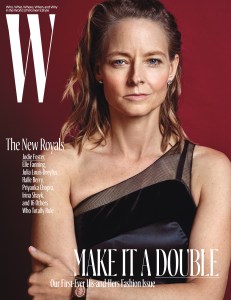
w-jodie-foster-cover-1016Stefano Tonchi: We always try to see fashion in the context of contemporary culture and what is happening now. So, the October issue was really a response to the fact that more and more on the runways, in the market, and the department stores, you see men and women’s fashion mixed together. We think about, say, how Gucci is being so forward, in terms of fluidity. And then Burberry, and Tom Ford; they’re all presenting men and women’s fashion together. And I think that’s been one of the engines.

So, we keep moving with our readers and our advertisers in a certain way, because I always look at advertisers as readers too; they’re all consumers of our product.

Lucy Kriz: It’s how the industry is pushing.

Stefano Tonchi: Yes, I want an attachment that says contemporary art, because, again, it’s something that mirrors the attitude of the society that we’re in, and actually the attitude of our consumers, our readers; it’s part of their lives.

It’s the same with celebrities; they’re so much a part of the contemporary conversation that you need to have a point of view and we have expanded our presence also in the entertainment industry, making a statement with our movie issue and our Golden Globes party, and that kind of platform.

Samir Husni: Are we going to see more of inverted W?

Stefano Tonchi: I think what we’re going to see is more men’s editorials, because we think that’s something that the market is ready for.
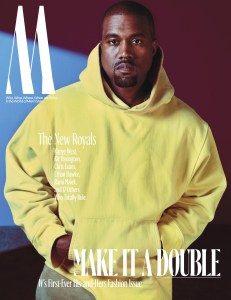
w-kanye-west-cover-1016Lucy Kriz: We’re going to move forward with two issues next year that will have his-and-hers content. So, in general, we have several issues throughout the year that include both; February is Best Performances; October is our Royals issue, August is the Pop issue so, these are all right for a dual audience. We cover subject matter that really makes sense for men and women. We have a more male-focused fashion approach in both April and October. So, we’ll see the flip W, this flip issue, probably not a double-flip, which we did and was super-exciting, but it will be something else surprising, I’m sure, coming up. But you’ll see that again in April and October; it was very successful for us from a market and advertising perspective. We even heard from female consumers about how much they loved seeing the men’s content.

Stefano Tonchi: It also mirrors our evolution in the digital realms.

Lucy Kriz: Yes, 50% of our audience is male online. And so we feel that this is a great opportunity for us to expand our content and frankly, our advertising base. We’re excited because the response has been great. We’re going to do it twice in the official way, and then of course, a lot of our culture and art content certainly isn’t focused on just one gender.
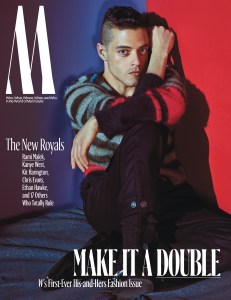
w-rami-malek-cover-1016Samir Husni: The collaboration that you’re having with famous artists and famous fashion people and art directors on these great issues is very interesting.

Stefano Tonchi: If you think about this strategy of creating a collectible book; I felt like why don’t we invite iconic, very well-known art directors or creative directors to help us to define a moment? Terry Jones, the founder of i-D magazine, was the first one we called on, not only because he is very close to me and to everyone here, but also because he stands for certain values that are very important to us today, such as identity and the idea of diversity. He has been a great champion of these types of qualities and values. So, the September issue came out as a reflection of what was happening in society and had that attention to gender issues and identity.

What we’re going to do for March is something different. We’re going to work with another very iconic art director to define a moment that is very popular with young people and it’s something that we saw emerging in a lot of the recent collections in Milan, Paris and New York for next season. It’s about certain qualities, beauty and elegance.
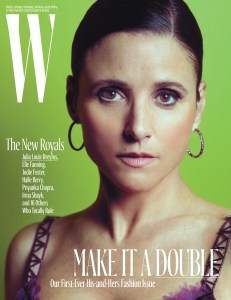
w-julia-louis-dreyfus-cover-1016Samir Husni: As you move forward with this print revolution; Lucy, are you finding that your job is getting easier now, since most people see the importance of print these days? Is your job as publisher and chief revenue officer easier now since everyone has experienced both digital and print, or you still have to work 24/7?

Lucy Kriz: Easier? No, I don’t think that’s ever going to happen. (Laughs) But I would say it’s even more exciting, so definitely not easier, but more exciting. And I’ve always been someone who throws themselves at change and newness. W is loved and valued for its incredible content that we produce. And it is a pleasure to be out in the market everyday with that.

And when our brand partners are in print, they absolutely see the value of being in W. What’s also exciting, and makes it more complicated, is we have many different channels, and a very unique way to tap into a very powerful audience. So, the consumer is on various platforms. The challenge now is that I have advertisers come to me and ask how they can tap into a reader in every way. If I do something really bold in print, how do I talk to the reader in the right tone with social and can we do something big together? How do we engage the reader at the store?

That is the challenge; a challenge in an exciting way, but it’s consuming. So, my goal is to continue to move the relationship with our marketing partners from tactical, buying media, which no one just buys ad pages anymore, it’s strategic. And that’s really fun and where we shine, and that’s where the magic is for everybody. But it’s hard. (Laughs)

Samir Husni: Stefano, from an editorial point of view, do you feel that since you took over at W as the editor in chief that the entire climate among editors have changed and now we’re living the innovation rather than being scared of the disruption and innovations?
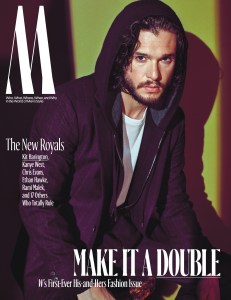
w-kit-harington-cover-1016Stefano Tonchi: I think that the relationship with the readers and the relationship with the advertisers have changed; it’s a different kind of partnership. We used to be editors generally that would draw from our own knowledge and experience; it was a sort of one-way relationship. There wasn’t really a dialogue. With the advertiser we had a kind of dialogue; we didn’t hide behind a mask or anything, but it wasn’t a very clear relationship; the way we would put pages in the magazine or create content around it. Now we are in a new dimension where we are in a constant relationship with the readers and also with the advertisers.

Lucy Kriz: I think Burberry was a great example in that we changed the form of the book, but we brought that to them and they bought it. It’s this dialogue that we have now.

Stefano Tonchi: With many of the collaborations, you have editorial ideas, but you also have to make them live on so many different platforms, such as Instagram and Facebook. Then you create events around the editorial idea, so it’s really much more of an involvement now.

And the idea of being scared of technology; I’ve never been scared of it, but I also see technology and all of these innovations as a technical revolution, in terms of a revolution that’s about distribution. It’s not a revolution that changed the value of content completely. Sure, if you’re working on a certain platform, you have to make a shorter story or something more colorful, or more easy to digest on the mobile phone, but at the same time, good content or a good interview; a great image, is the most valuable asset today. And that has nothing to do with technology; that has to do with creativity and talent.

Somebody that does an interview with a celebrity and brings out quotes that immediately become a huge digital sensation; well, that’s still the talent of the writer. Or like that image of Rihanna that we put on the September cover; it’s valuable no matter how you distribute it. It’s valuable because there was a group of people with incredible talent and experience that created it. And it was really created by hand; by the makeup artists; the work of stylists and the photographer, and that’s really valuable.

Samir Husni: Is there anything that either of you would like to add?

Stefano Tonchi: I want to say that it’s very interesting how you have a certain backlash for everything digital when it comes to celebrities. And we see celebrities who are kind of stepping back from social media. Think about Jennifer Lawrence who doesn’t do any social media; a lot of celebrities don’t do it. So, when we do something special in print for a cover story and they agree to it; that makes print very powerful. Still, one of the biggest stories of last year is the Caitlyn Jenner cover and article in Vanity Fair and it was in print. She could have done it on a digital platform with a much larger audience, but guess what; she did it in a printed magazine. She did it with a classic photographer, Annie Leibowitz.
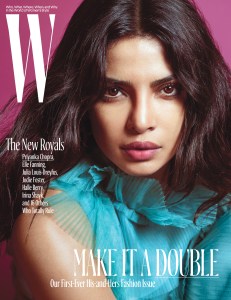
w-priyanka-chopra-cover-1016Lucy Kriz: You can always augment scale, but augmenting quality is very hard to do, and there has been this shift back to premium content and the trusted sources and we believe that this is going to bode very well for W, and frankly all of Condé Nast.

Samir Husni: My typical last question; what keeps you up at night?

Lucy Kriz: Let’s see, what’s keeping me up right now? It continues to be differentiating ourselves. We have such a clear position in print and we’ve done a great job of visual storytelling in print. And this collectible strategy is working. I want to continue to push our innovative storytelling in digital. How do we do what we do so beautifully and translate W’s specialness on other platforms?

What we’re doing is working. We are scaling in social, for sure, and it’s interesting to see much larger brands than ours that are more mass, have tiny audiences in social. So, there’s this ascension of niche. But how do we make sure that we’re representing our uniqueness in social, and particularly in feed. It’s something that I’m thinking about all of the time.

Stefano Tonchi: It’s the idea of translating the content and the history and position of the magazine through the experience, and finding a way to finance and share it through distribution. I continuously spend time thinking about that, and also original ideas. I try to think as much as possible about things that have not been done. With the Internet it’s about aggregation of someone else’s content. So, I try to think about original content.

I like to think about a certain kind of moral and political power that magazines have today professionally. I always think about designers as people who have an incredible, moral responsibility, so I think fashion magazines can have a moral responsibility.

Samir Husni: Thank you.

h1

Celebrating Longevity In The World Of Print Magazines…

October 19, 2016

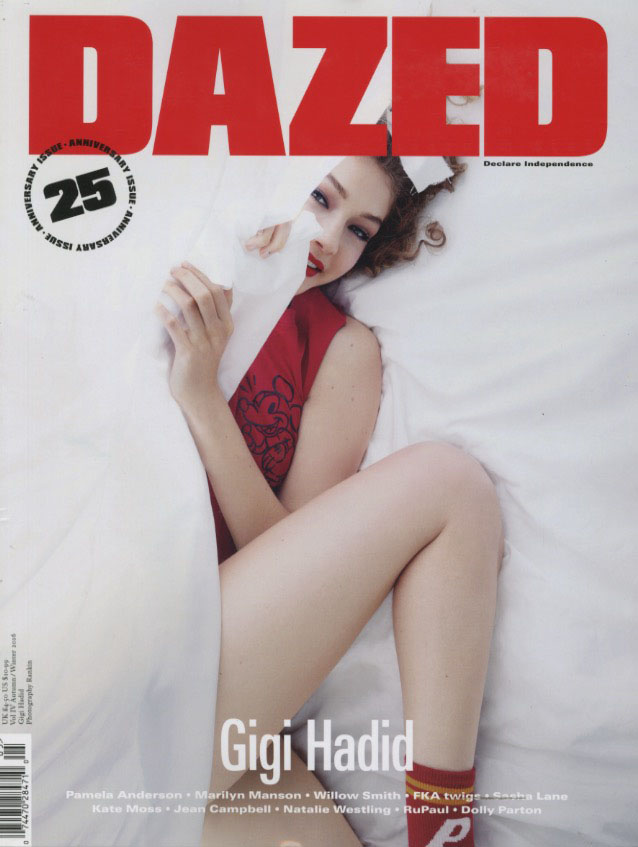
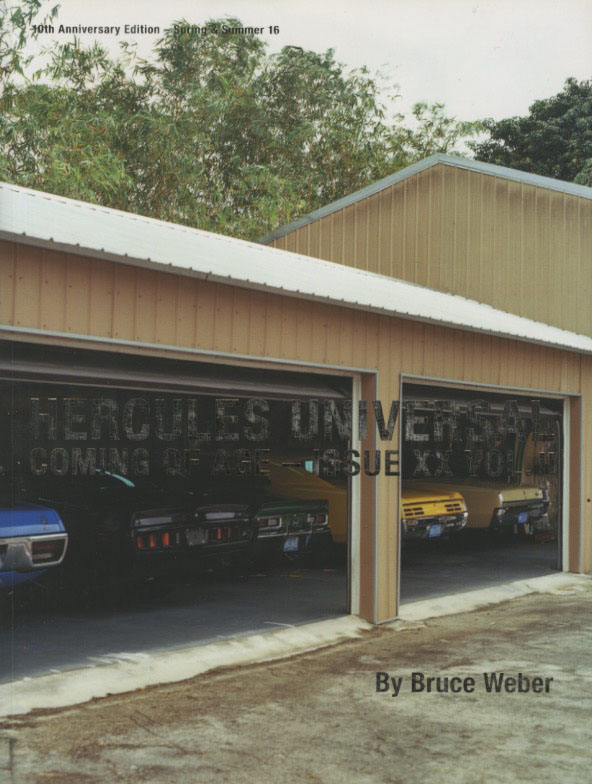
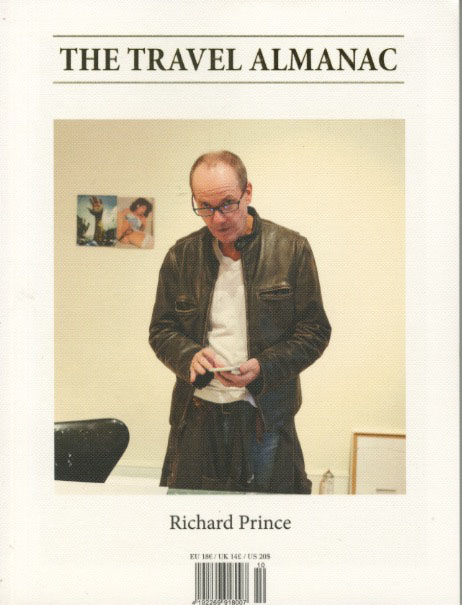
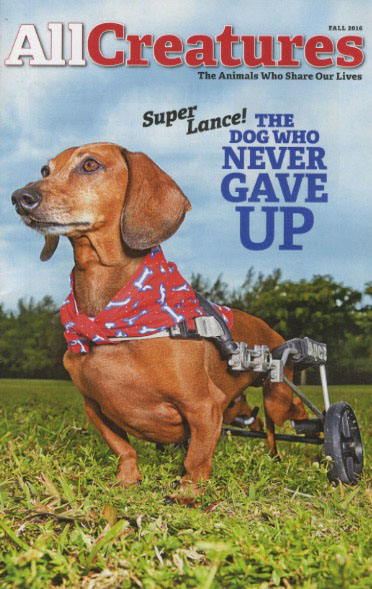
A Mr. Magazine™ Musing…mr-magazine-by-robert-jordan

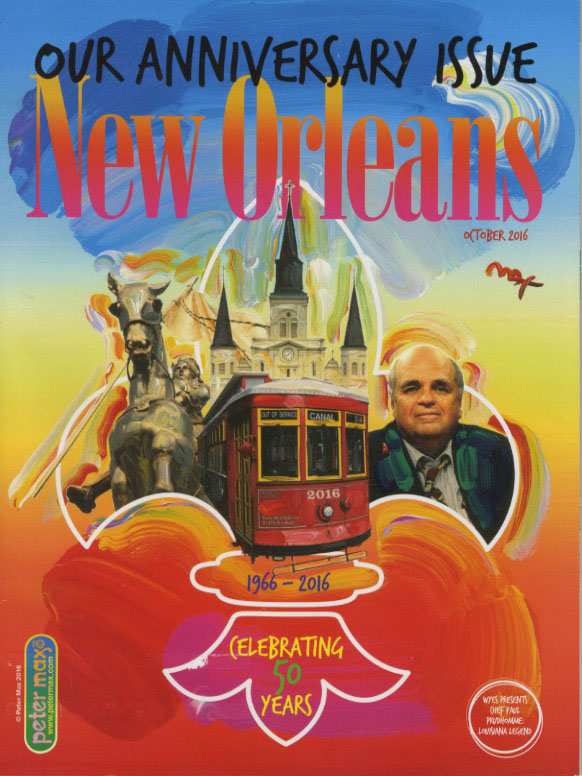
Recently I published an anniversary commemoration blog for several magazines that had proven their “stuff” over the years. No surprise in my wonderful world of print there are more that need to be recognized. Was there ever any doubt?

So it is with the greatest of pleasure I salute the following titles on their anniversary milestones…may you celebrate many, many more!

Salute! And if you are celebrating an anniversary please send me a note, or better yet, an invite and I will be sure to include your magazine in a future Mr. Magazine™ Musing…

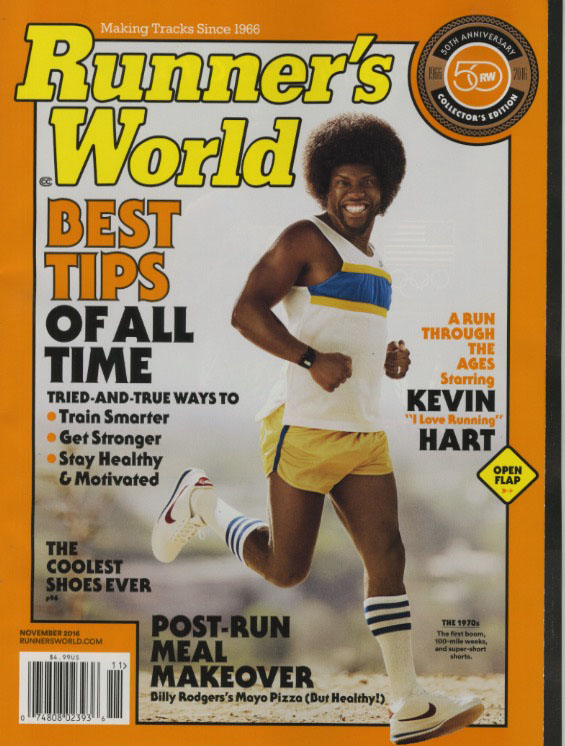
50 Years

50 Years


50 Years

50 Years


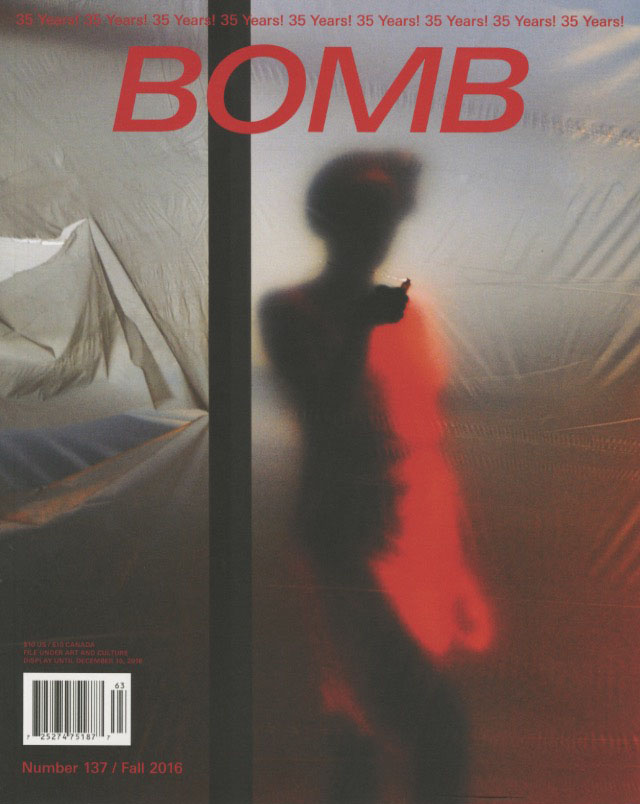
35 Years

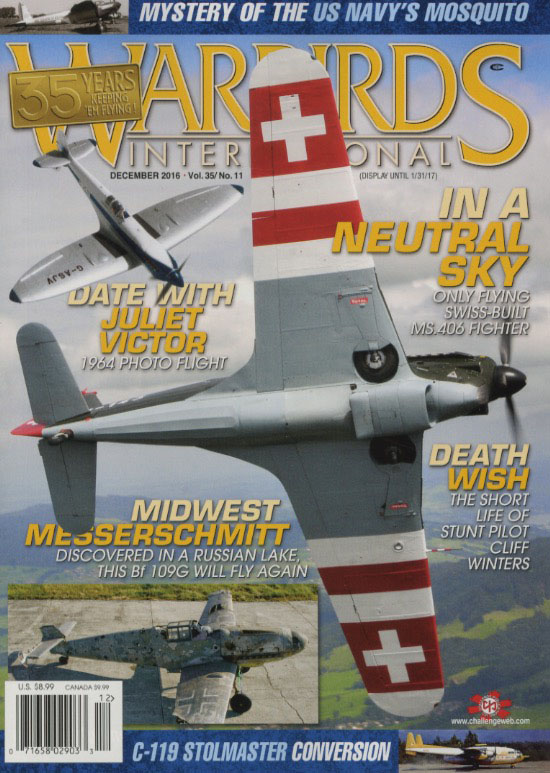
35 Years


35 Years

35 Years


31 Years

31 Years


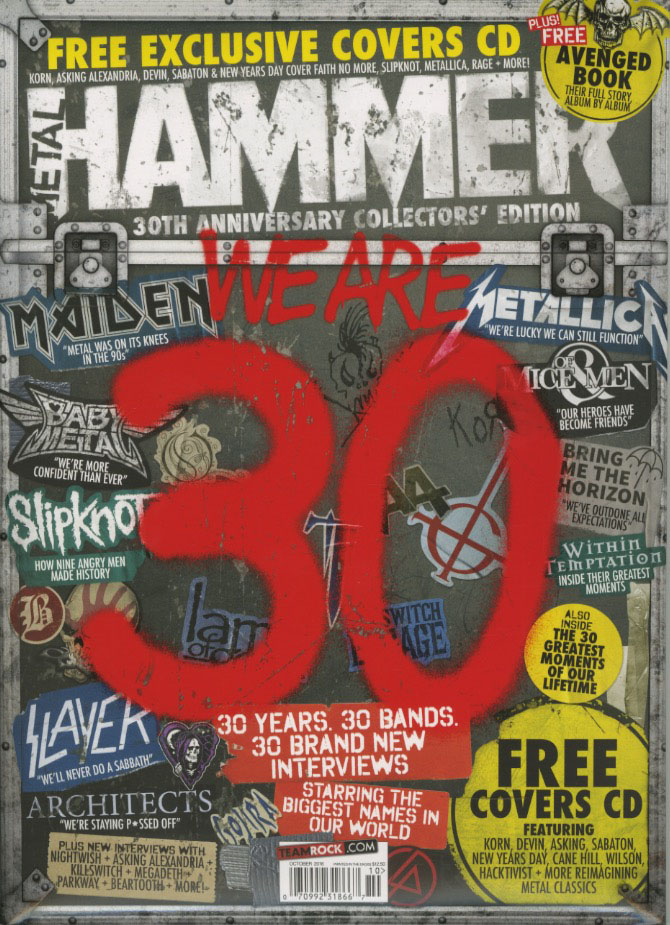
30 Years

30 Years


25 Years

25 Years


10 Years

10 Years


5 Years

5 Years

h1

Guideposts: Reinvigorating Itself Every Two Years With A New Print Magazine – This Time Around It’s A Title That Includes God’s Four-Legged Creatures Within Its Pages – The Mr. Magazine™ Interview With John Temple, President & CEO, Guideposts

October 19, 2016

temple-6

“I really am. I know it goes against every publishing convention, but I just think print has a lot of viability still. My plan is for Guideposts to launch a new magazine every two years.” John Temple (on whether he is still bullish about print)

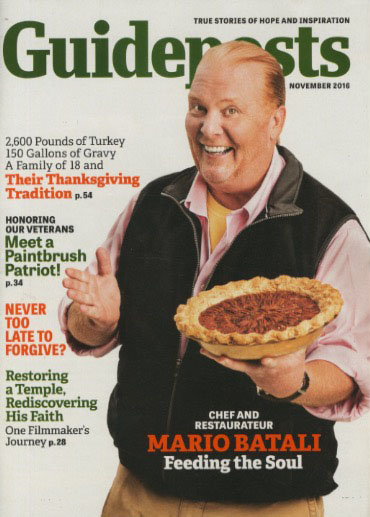
And all God’s creatures said “Amen.” That’s right; all God’s creatures. It’s about the human condition always, but in the case of the new Guideposts title that is being tested even as we write and read; it’s about how the animals of creation assist us in that condition we call being human.

Since President and CEO, John Temple, returned to the helm of Guideposts in 2013, he has launched three new print titles; three new magazines in three years. I think it’s safe to say, John doesn’t see the power of print as being any weaker than it’s ever been. In fact, in his own words, “it’s his goal to launch a new print magazine every two years.” So far, he’s exceeding his goal.

I spoke with John recently and we talked about the new magazine that is being tested. So far, the name is still up in the air, but the mission of the publication is not: to show the emotional, spiritual and healing power of animals. It’s an idea John said they’ve had for a while, considering the success of the animal-themed testimonials that Guideposts runs between its own pages.

Along with the new title, John and I discussed the positivity that Guideposts and its other titles reflect in our sometimes crazy and chaotic world. It’s certainly something that we both see as extremely needed in these highly uncertain times.

But whether you’re a positive thinker by nature, or simply a lover of uplifting and beautiful storytelling, Guideposts’ titles offer you a diversion from this world of notifications and bells and whistles that we live in today. Much like the printed product always does.

So, escape with John and me for a few moments as we enter a world of hope and positivity – the Mr. Magazine™ interview with John Temple, President and CEO, Guideposts.

But first the sound-bites:

John Temple

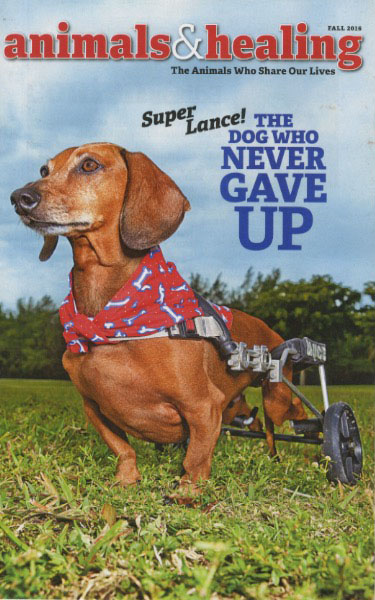
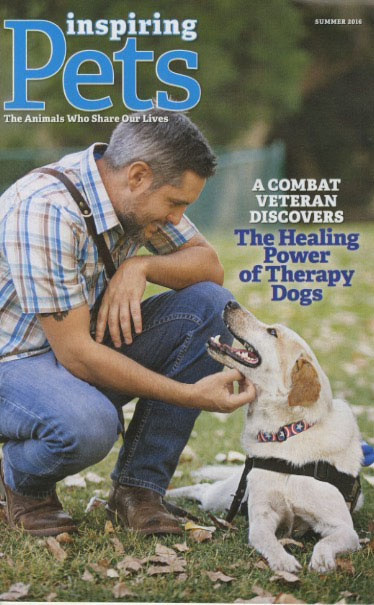
On the essence of the new magazine they’re testing about the healing and inspirational powers of pets: With the new magazine that we’re testing; we had the idea some time ago about doing something in the area of pets, and one of the reasons for that is we run a few first-person stories in Guideposts magazine about pets and about pets and healing. So, we thought why don’t we try to create a magazine around pets, but we didn’t exactly know what to call it. We came up with three titles. One is, Inspiring Pets; or All Creatures; and the third title is Animals and Healing. All three of them are slightly different, in terms of their emphasis, but all of them are built around pets that inspire us.

On the early reaction of the testing: There really haven’t been any surprises. It’s been very fulfilling and very enlightening in that there seems to be a very good audience for this. We started out just testing the house file and of course, we knew that would be strong. And it was. That was in June, and then in September we tested the house file plus 100,000 outside-list names. And that also was strong.

On whether these new readers are branching off of the Guideposts brand or coming to Guideposts from the new titles: I think they’re probably branching off of Guideposts. The new magazines are different and not really Guideposts, in terms of content. And actually the pet’s magazine is going to be different too. It’s going to have third person articles in it and service features, so we’re kind of branching out.

On whether he’s bullish on print, since this is the third new magazine under his tenure as president & CEO: I really am. I know it goes against every publishing convention, but I just think print has a lot of viability still. My plan is for Guideposts to launch a new magazine every two years.

animals-healingOn his most pleasant surprise during his career with Guideposts: I think the viability of our magazine business has been the most pleasant surprise. When I came back in 2013, the magazine industry was in freefall. Advertising was bad and digital was taking over, and I just thought everything was a disaster. But we stayed with it and one of my goals was to reinvigorate the magazine division. We came up with editorial ideas and a marketing strategy, which I think was unique.

On the biggest stumbling block that he’s had to overcome: I think it’s a stumbling block that a lot of publishing people have had to deal with and that’s what do we do with digital? What do we do with social media and how do digital, social media and websites fit into the whole concept that we have in the magazine and book business?

On whether his digital revenue is approaching anywhere near his print revenue: Not yet. No, it isn’t. The print revenue is still a lot more than the digital revenue. But of course, the digital revenue is growing and it’s growing quickly.

On being highly involved in print while still growing the digital: One of the advantages that I think direct mail publishers have in the digital space is that we have millions and millions of names on our files and we have a tremendous amount of data on transactions and payments and all of those kinds of things. And to marry the data on the magazine and book side with the digital data has been a wonderful thing.

On whether he’s been able to maintain Guideposts’ circulation throughout the dawn of the digital age or if had to change things up somewhat: Like many, we have reduced the rate base a bit. Not dramatically, like some, but maybe 100,000. It’s hard to maintain a circulation with a publication that’s been around as long as ours and has had such reach. It’s hard to find in this day and age new names.

On whether he thinks the fact that Donald Trump and his father were both a part of the religious movement of Norman Vincent Peale and the power of positive thinking will bring the magazines any benefit during this political season: No, I don’t think that we’re going to get any benefit at all out of any of that. It’s all wrapped up in all of the politics and the publicity and the chaos that’s really going on in this political season. I don’t look at this as a benefit.

On whether people recognize Norman Vincent Peale still as a powerful link to Guideposts: I think a lot of people do still remember Norman Vincent Peale and I think there is a connection there. Obviously, as time goes on that tie will become less and less, but I think it’s still strong.

temple-5On what his expectations are a year from now when it comes to their stable of magazines: We’re investing a lot of energy and money in growing Mornings with Jesus and in growing the pet’s magazine. I don’t have any circulation goals yet for the pet’s magazine. But we’ll have 150,000 Mornings with Jesus subscribers after two years, which is pretty dramatic. I think the pet’s magazine is going to follow those trends. In a couple of years, we’ll be up to 150,000 in circulation for that magazine as well.

On whether circulation will remain the biggest chunk of their revenue or advertising will increase: Circulation will be the biggest chunk of the revenue; that won’t change. Our advertising that we do now is not a big part of the revenue for the products. And in fact, we probably aren’t going to do a lot of advertising in the new magazines, but what we are doing is a large amount of partnerships.

On whether Mornings with Jesus is doing better than Mysterious Ways: Yes, Mornings with Jesus is doing better than Mysterious Ways. We knew, for example, when we launched Mysterious Ways that it was going to be very strong with the house file. And it is, because we have a feature in Guideposts magazine called “Mysterious Ways.” And it’s the most popular single feature in the magazine.

On anything else he’d like to add: I really believe that this is a great time for magazines and books and content. There is a tremendous amount of energy and things that we can do with ideas and with content and with mission; just all of those things. It’s hard to pick and choose where to go, because there are so many options and so many places to go.

On whether he feels there more need now than ever before for magazines like Guideposts, Mornings with Jesus and Angels on Earth: I think there is. It helps and it tells people’s stories that resonate and sometimes it puts one person’s situation before someone else’s eyes and it makes a connection between the reader and the writer of the story.
On what someone would find him doing if they showed up unexpectedly to his home one evening: There is certainly an iPad; I do a lot of reading on the iPad, magazines and newspapers. It’s interesting, because when I’m on the go or I’m in the office or traveling on planes, I read the newspapers on the iPad. At home on the weekends, we get the newspapers delivered and I read the print.

On whether he preaches in a church since he’s a Presbyterian minister: No, I don’t. For me, my ministry really is Guideposts and what we can do through the magazine to really help people. If we can help in the promotion of lives or in the spiritual lives of someone or the faith lives of people; that’s a pretty good ministry.

On what keeps him up at night: Making sure that we navigate the roads successfully that are ahead of us. And there are so many roads that are available. And just trying to make sure and wondering are we making the right move; are we going in the right direction? And sometimes we are and sometimes we aren’t.

temple-1And now the lightly edited transcript of the Mr. Magazine™ interview with John Temple, President and CEO, Guideposts.

Samir Husni: This is magazine number five in your list of titles; you have Guideposts, Angels on Earth, Mysterious Ways, Mornings with Jesus, and now you’re testing this new magazine about the healing power of pets. Describe for me the essence of this new magazine.

John Temple: With the new magazine that we’re testing; we had the idea some time ago about doing something in the area of pets, and one of the reasons for that is we run a few first-person stories in Guideposts magazine about pets and about pets and healing. So, we thought why don’t we try to create a magazine around pets, but we didn’t exactly know what to call it. We came up with three titles. One is, Inspiring Pets; or All Creatures; and the third title is Animals and Healing. All three of them are slightly different, in terms of their emphasis, but all of them are built around pets that inspire us.

What we’ve done is gone back into the archives of Guideposts magazine and put together stories around these three themes. And that’s what the testing is about.

Samir Husni: What has been the early reaction of the testing? Have there been any surprises from the reaction of the audiences that have seen the magazine?

John Temple: There really haven’t been any surprises. It’s been very fulfilling and very enlightening in that there seems to be a very good audience for this. We started out just testing the house file and of course, we knew that would be strong. And it was. That was in June, and then in September we tested the house file plus 100,000 outside-list names. And that also was strong. We only have about three weeks’ worth of intake on that test, but the indications are that it’s going very well and that we have outside names that we can profitably mail.

Samir Husni: Do you think it’s the power of Guideposts and the power of the model brand that’s helping you to reach and nourish the same audience, or is it a different audience? Are you seeing people coming to Guideposts after all of these new magazines that you’ve launched, or are they branching off of Guideposts?

temple-2John Temple: I think they’re probably branching off of Guideposts. The new magazines are different and not really Guideposts, in terms of content. And actually the pet’s magazine is going to be different too. It’s going to have third person articles in it and service features, so we’re kind of branching out. Most of Guideposts magazine is first-person narratives of people telling their stories. We’re moving slightly into different directions.

Samir Husni: Are you still as bullish about print, because now under your tenure this is your third new magazine?

John Temple: I really am. I know it goes against every publishing convention, but I just think print has a lot of viability still. My plan is for Guideposts to launch a new magazine every two years.

Samir Husni: What has been the most pleasant surprise during your journey throughout the years with Guideposts?

John Temple: I think the viability of our magazine business has been the most pleasant surprise. When I came back in 2013, the magazine industry was in freefall. Advertising was bad and digital was taking over, and I just thought everything was a disaster. But we stayed with it and one of my goals was to reinvigorate the magazine division. We came up with editorial ideas and a marketing strategy, which I think was unique. And those two things together have given us the successes that we’ve achieved.

Samir Husni: What has been the biggest stumbling block or challenge that you’ve had to overcome?

John Temple: I think it’s a stumbling block that a lot of publishing people have had to deal with and that’s what do we do with digital? What do we do with social media and how do digital, social media and websites fit into the whole concept that we have in the magazine and book business? And it’s not really clear exactly how all of this is going to fit together.

It’s an evolution and it’s rapidly changing. It’s very difficult to grab onto it and to hold it and to keep it in one place, because it’s changing so quickly.

Samir Husni: Is your digital revenue approaching anywhere near your print revenue?

John Temple: Not yet. No, it isn’t. The print revenue is still a lot more than the digital revenue. But of course, the digital revenue is growing and it’s growing quickly. And that’s a nice added benefit for the revenue.

Samir Husni: In addition to the magazines, you have books and greeting cards; you’re still very involved in print as you grow the digital.

temple-4John Temple: Yes, we are. One of the advantages that I think direct mail publishers have in the digital space is that we have millions and millions of names on our files and we have a tremendous amount of data on transactions and payments and all of those kinds of things. And to marry the data on the magazine and book side with the digital data has been a wonderful thing. We’ve got a really good head start.

Samir Husni: Since the dawn of digital, say, around 2008 or 2009 when the tablet and Smartphones hit the scene; have you been able to maintain the circulation of Guideposts, or have you had to do anything differently? Have you reduced the rate base? What’s the story with the “Little Engine that Could?”

John Temple: Like many, we have reduced the rate base a bit. Not dramatically, like some, but maybe 100,000. It’s hard to maintain a circulation with a publication that’s been around as long as ours and has had such reach. It’s hard to find in this day and age new names. And with magazines like Prevention and other kinds of publications that are our size, they shrink in their circulation and it has an impact on us.

Samir Husni: With this presidential election, a lot of programs that’s dealing with the history of both candidates are focusing a lot on Norman Vincent Peale and the power of positive thinking, and that’s the church that Donald Trump’s dad and Donald Trump himself attended; do you think that you’ll get any lift from all of that, since you’re getting a lot of publicity?

John Temple: No, I don’t think that we’re going to get any benefit at all out of any of that. It’s all wrapped up in all of the politics and the publicity and the chaos that’s really going on in this political season. I don’t look at this as a benefit.

Samir Husni: Do you think that Dr. Peale’s name is a powerful link to Guideposts or is he a figurehead, such as when someone mentions Henry Luce and Time magazine in the same breath?

John Temple: I think a lot of people do still remember Norman Vincent Peale and I think there is a connection there. Obviously, as time goes on that tie will become less and less, but I think it’s still strong.

Samir Husni: If you and I are having this discussion a year from now, what would you hope to tell me about your stable of magazines? What are your expectations?

temple-3John Temple: We’re investing a lot of energy and money in growing Mornings with Jesus and in growing the pet’s magazine. I don’t have any circulation goals yet for the pet’s magazine. But we’ll have 150,000 Mornings with Jesus subscribers after two years, which is pretty dramatic. I think the pet’s magazine is going to follow those trends. In a couple of years, we’ll be up to 150,000 in circulation for that magazine as well.

In the meantime, we’ve already started looking at other possibilities for a magazine to launch. And I think that next year we’ll probably be testing something else.

Samir Husni: When you think about the business model that you follow, and that the majority of magazines in this country are advertising-driven, something like 80% or 90%; you were ad-free for a long period of time and then you began accepting advertising. Do you have a goal for your magazines’ ratio? Is it going to be 50/50, or circulation is still a big chunk of the revenue?

John Temple: Circulation will be the biggest chunk of the revenue; that won’t change. Our advertising that we do now is not a big part of the revenue for the products. And in fact, we probably aren’t going to do a lot of advertising in the new magazines, but what we are doing is a large amount of partnerships. We’re doing a lot of working with other companies in particular areas. They’re helping us with editorial content and they’re participating with us in the digital space and in the magazine.

Samir Husni: And Mornings with Jesus is doing much better than Mysterious Ways?

John Temple: Yes, Mornings with Jesus is doing better than Mysterious Ways. We knew, for example, when we launched Mysterious Ways that it was going to be very strong with the house file. And it is, because we have a feature in Guideposts magazine called “Mysterious Ways.” And it’s the most popular single feature in the magazine.

Samir Husni: Is there anything else that you’d like to add?

John Temple: I really believe that this is a great time for magazines and books and content. There is a tremendous amount of energy and things that we can do with ideas and with content and with mission; just all of those things. It’s hard to pick and choose where to go, because there are so many options and so many places to go. And we have to be rigorous in our priorities because we can’t take advantage of all of the opportunities we see.

Samir Husni: As we witness the decline of civility in our political culture; do you feel that there’s more need for magazines like Guideposts, Mornings with Jesus and Angels on Earth to bring back that civil aspect to the country?

John Temple: I think there is. It helps and it tells people’s stories that resonate and sometimes it puts one person’s situation before someone else’s eyes and it makes a connection between the reader and the writer of the story. And I think that’s very important and it does help.
Samir Husni: If I showed up unexpectedly to your home one evening after work, what would I find you doing; reading a magazine; reading your iPad; watching television; drinking a glass of wine; or something else?

John Temple: (Laughs) Well, there may be a little of the wine there. There is certainly an iPad; I do a lot of reading on the iPad, magazines and newspapers. It’s interesting, because when I’m on the go or I’m in the office or traveling on planes, I read the newspapers on the iPad. At home on the weekends, we get the newspapers delivered and I read the print.

Samir Husni: I know you’re a Presbyterian minister; do you still preach in a church?

John Temple: No, I don’t. For me, my ministry really is Guideposts and what we can do through the magazine to really help people. If we can help in the promotion of lives or in the spiritual lives of someone or the faith lives of people; that’s a pretty good ministry.

Samir Husni: My typical last question; what keeps you up at night?

John Temple: Making sure that we navigate the roads successfully that are ahead of us. And there are so many roads that are available. And just trying to make sure and wondering are we making the right move; are we going in the right direction? And sometimes we are and sometimes we aren’t. It’s interesting; we don’t always go in a straight line. This is uncharted territory.
Samir Husni: Thank you.

h1

RETRO Videogame Magazine: “Celebrate Gaming’s Past, Present, and Future,” The Mission Statement That Sums Up The Magazine & Its Founder To A Video-T – The Mr. Magazine™ Interview With Mike Kennedy, Founder & President, RETRO Videogame Magazine

October 17, 2016

A Mr. Magazine™ Launch Story

“Our demographic, our gamers that grew up in the dawn of the videogame age, the late ‘70s and early to mid ‘80s, through the crash and into the ‘90s; these people all grew up with videogame magazines. And to this day, and our sales show that we’re selling quite a few more print than we are digital, these people still enjoy that tangible product. And to that end we try to make a magazine that’s a little collectible. We have different artwork on the covers and different artists. We use a real high-grade paper inside and on the cover, not many ads; and it’s just a real high-quality magazine.” Mike Kennedy

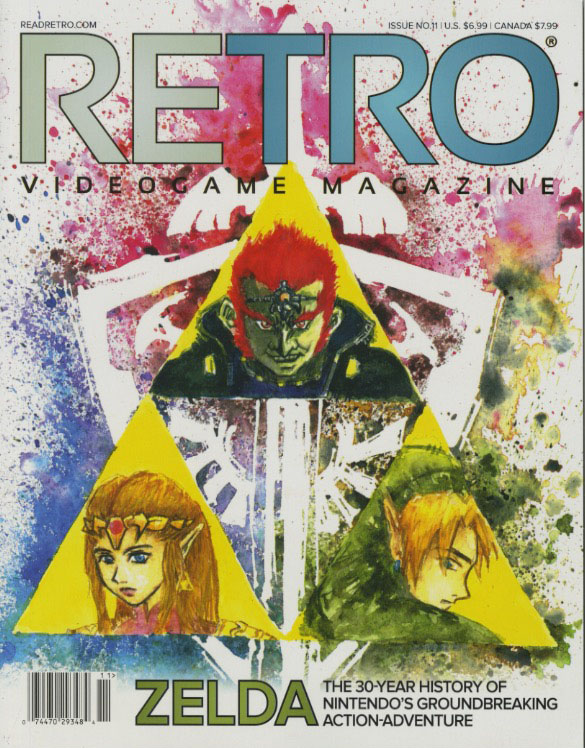
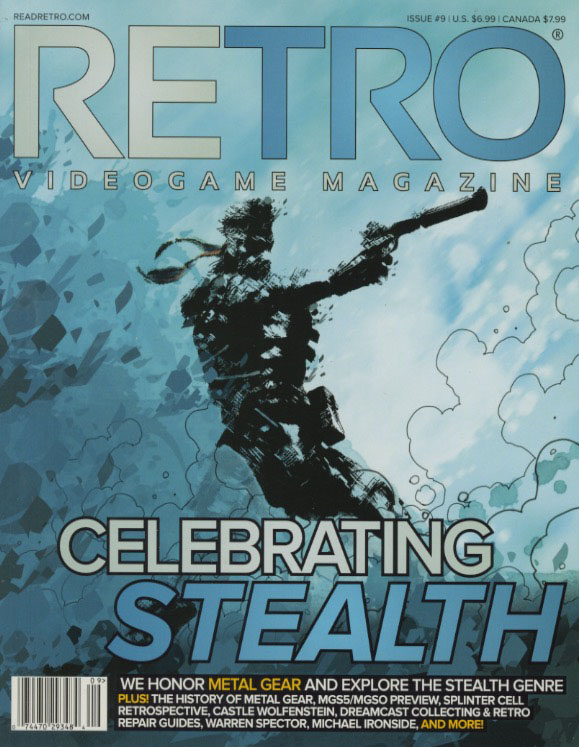
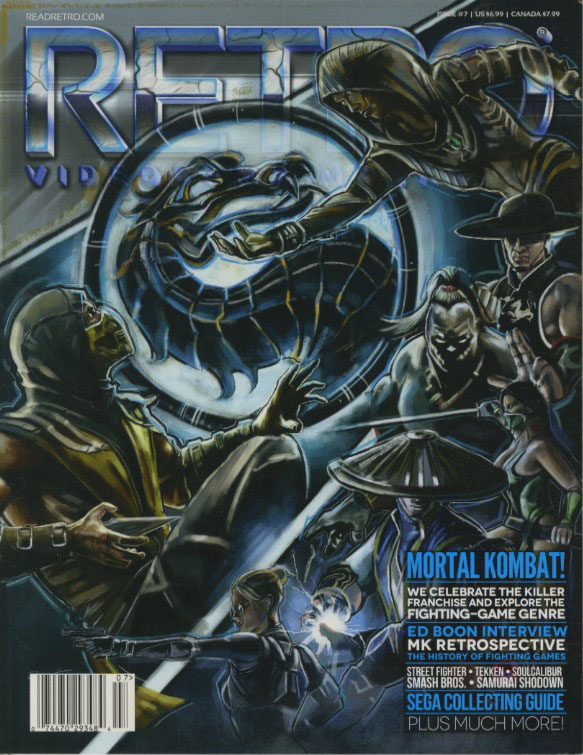
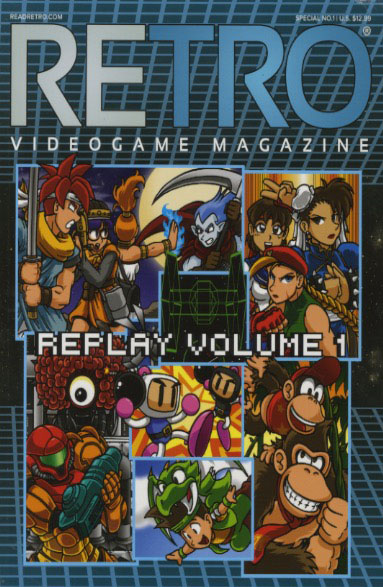
retro-5After being successfully crowd-funded through a double shot of Kickstarter, RETRO Videogame Magazine is into its 11th issue, with its gaming eye on the future. And while founder and president, Mike Kennedy will tell you in a heartbeat that it hasn’t been, nor is it now, a stroll through the proverbial Rose Garden, it is something that he has a passionate commitment to and a project that stirs his entrepreneurial spirit like nothing else could.

I spoke with Mike recently and we talked about the magazine, past, present and future; taking note of each step of the process along the way. It has been a bit of a harrowing journey for Mike and his wife, Tricia, who is co-publisher of the magazine, but it’s also been a learning experience and an exciting joy, such as when they saw Issue 7 in Barnes & Noble for the very first time. It was quite the proud moment for them both.

Mike is a man who is learning as he goes when it comes to the world of magazines, but he has no intention of quitting school. He wants to take RETRO as far as possible and turn it into a gaming brand that people can turn to for that vintage gaming experience that a tangible print product can provide. And it would appear that he’s doing that, with his team of some of the best writers, editors and artists that the industry offers. And with his RETRO store and his website, gamegavel.com, Mike is on his way to becoming a competitive brand indeed in the world of retro gaming.

So, I hope that you enjoy the Mr. Magazine™ interview with a man who has a gamer’s heart with an entrepreneur’s dream inside of it, Mike Kennedy, Founder and President, RETRO Videogame Magazine.

But first the sound-bites:

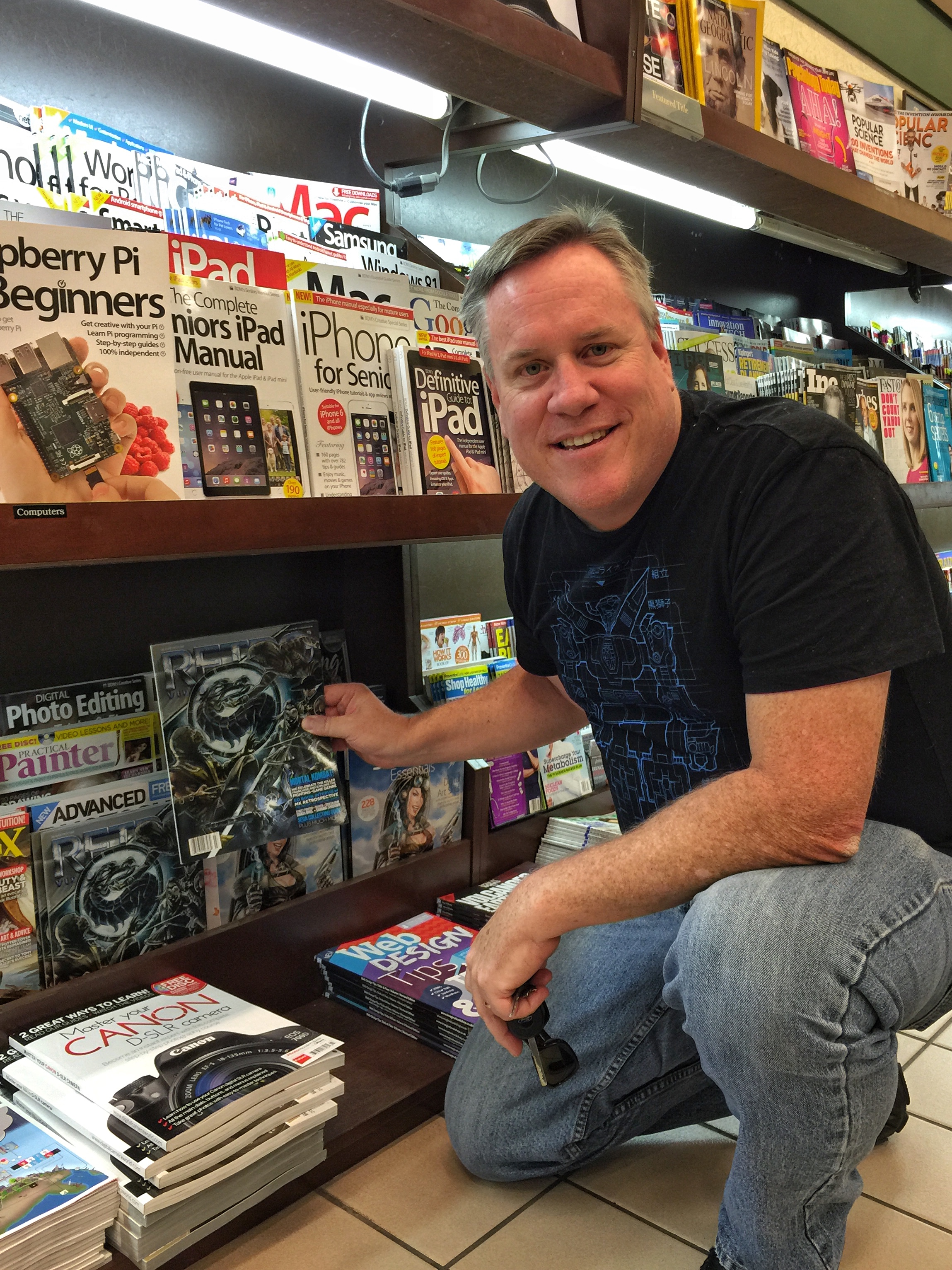
mike-kennedy

On the genesis of RETRO magazine: I never thought that I’d be a magazine publisher. In 2008, I started a video-gaming auction site called “GameGavel.com” and it was basically a gaming-dedicated auction site, very similar to what eBay does, but just dedicated to games and other things that geeks, nerds and gamers like. That was my first entrepreneurial venture that I was involved in. I started that for around $800, I think. And I’ve grown that site over the years.

On his most pleasant moment during this magazine experience: But the first milestone, as you indicated, was just getting that first issue in my hands after three or four months of work and a month of doing the Kickstarter; seeing that issue come in was a huge high. It was just amazing. Not only for me, but for my writers, who never probably in their careers, other than a couple of them who have been in the magazine business for a long time, a lot of the younger writers probably never thought they’d see their story in a magazine. So, it was cool for the entire team to be involved with that.

On the biggest stumbling block for him and how he plans to overcome it: Costs right now are our major stumbling block. It costs me somewhere around $14,000 to produce an issue. Not counting the printing. That $14,000 is what my content costs; my layout costs; artwork, editorial and my editors. And that’s not a ton of money. I don’t know in the magazine world if that’s high-end for creating a single issue or low-end.

On what he hopes to be saying about RETRO one year from now: I hope to be telling you that we’re hugely successful and we’ve been managing to get our issues out on time; we’re growing our readership and have expanded into more newsstands, which is something that I’m going to be doing, hopefully, very shortly with Curtis Circulation, maybe with Issue 13. I hope that’s what I’m telling you. (Laughs)

On anything else he’s like to add: Just that we appreciate all of the readers, obviously. We hope that we’re giving them a product that they’ll continue to read and to love, and want to continue to collect. My writing team, again, is the best in the business as far as I’m concerned. If we were better funded, we’d certainly be able to get these issues out on a regular basis; they’d all operate within the time frames and the deadlines and the schedules without fail. But everything is great; it’s just the constant kind of funding battle, which is something that every entrepreneur faces, certainly in the early stages like this.

retro-4On what someone would find him doing if they showed up unexpectedly one evening at his home: I probably work until somewhere between 7:00 p.m. and 8:00 p.m. If I’m doing stuff during the day for the magazine, then I have to make up for my real job in the evening or on the weekends. When you work out of your house you kind of are always working. My wife kind of goes crazy with it, but again, generally, you’re kind of always working. When you work out of your home and your home is your office, there’s always as excuse to go and sit down at the desk, pull up your financials and see what you can do. You’re always thinking about business, at least I am. Unfortunately, since I started all my videogame adventures; one of the things I do the least anymore is play videogames.

On what keeps him up at night: The magazine; 100 percent. Sometimes it’s just hard to sleep because I’m always trying to figure out that next move. And when you’re trying to survive, which is kind of the mode that I’m in, you’re constantly thinking about what you’re going to do tomorrow to make sure that another issue will be coming out? Again, it’s just a lot of biz-development type thoughts.

And now the lightly edited transcript of the Mr. Magazine™ interview with Mike Kennedy, Founder & President, RETRO Videogame Magazine.

Samir Husni: Tell me the story of RETRO.

retro-3Mike Kennedy: I never thought that I’d be a magazine publisher. In 2008, I started a video-gaming auction site called “GameGavel.com” and it was basically a gaming-dedicated auction site, very similar to what eBay does, but just dedicated to games and other things that geeks, nerds and gamers like. That was my first entrepreneurial venture that I was involved in. I started that for around $800, I think. And I’ve grown that site over the years.

About three or four years into running the auction marketplace, I got the idea of adding content to it. This whole idea of content and commerce combined was really interesting to me. What I wanted to do was give gamers the ability to go online and read about all of these retro and older games. And also give them the opportunity after reading about them to go buy them or sell them. And then embedding those buy/sell links into the content. So, the content all started as an online website; it integrated with the auction site.

After a few years of doing that, I became part of a podcast. And I had a listener who reached out to me and happened to be in the marketing/magazine side of things and he had the ability to do the entire layout and design and the creative work involved with a magazine. And he reached out to me and asked had I ever thought about doing a magazine? And I told him, obviously no. And he told me he would love to work with me on it and help me create it. Me being in the gaming world through the auction site and my podcast, I had quite a few contacts with journalists and writers and things like that.

So, it wasn’t a big switch to go from online to print, as far as attaining the content. It was kind of the same process. We had all of the building blocks in place, but then the question became: why do a magazine in this day and age?

Our demographic, our gamers that grew up in the dawn of the videogame age, the late ‘70s and early to mid ‘80s, through the crash and into the ‘90s; these people all grew up with videogame magazines. And to this day, and our sales show that we’re selling quite a few more print than we are digital, these people still enjoy that tangible product. And to that end we try to make a magazine that’s a little collectible. We have different artwork on the covers and different artists. We use a real high-grade paper inside and on the cover, not many ads; and it’s just a real high-quality magazine.

Anyway, it was a really nice switch. And then we decided that we’d do a Kickstarter for it and this was in the fall of 2013. We did our first Kickstarter and raised around $70,000. We sold about 2,500 subscriptions in a month and that really got the whole ball rolling. From the time our Kickstarter ended, which was in November, 2013; we had our first issue out in January. We’re bimonthly; so we’re supposed to be getting an issue out every other month, six issues per year.
And that’s what happened with the magazine its first year. For the most part, we got our issues out on time; it got a little slow in the summer, but everybody received their issues and then in the fall of 2014, in October, we did our second-year Kickstarter. And we raised another $40,000 to $50,000; sold another 1,400 to 1,500 subscriptions during that second time around.

And that’s pretty much gotten us to where we are today. I ended up having a sort of falling out with my layout/design person and so it’s been a struggle, because when he started he got a little stock in my company and was supposed to get some advertising commissions, but just starting out our ad sales were very insignificant for the most part, so he didn’t get paid a lot for that.
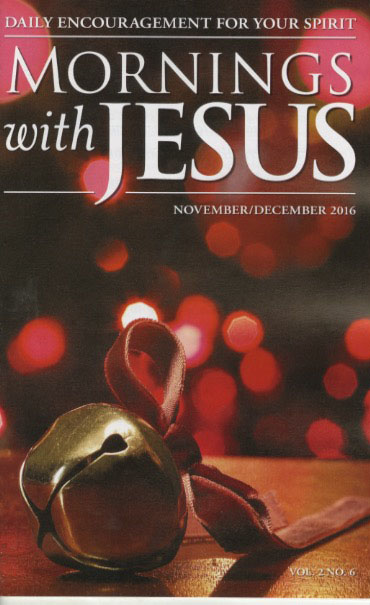
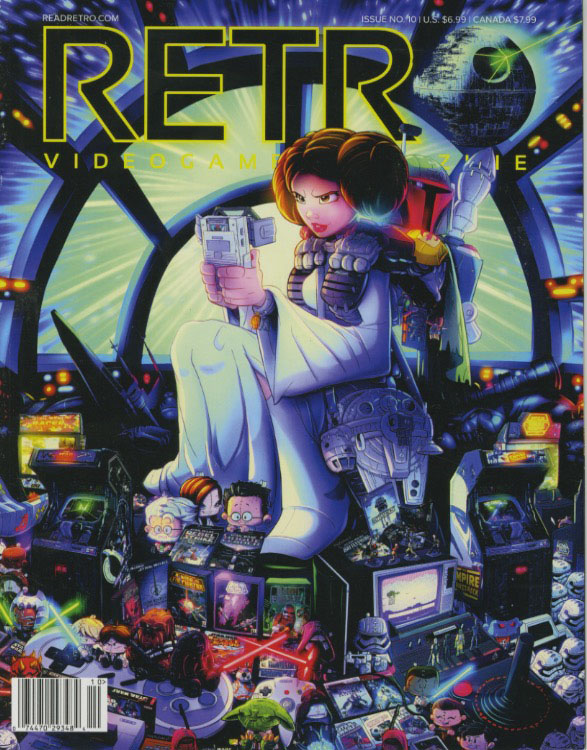
But when he left; when I let him go after Issue 7, suddenly I had to pay a layout/design person to come onboard and that was never budgeted in to the second-year Kickstarter. And like a lot of people who do Kickstarter, many times you underfund it; you don’t know all of the ends and outs. I had never published a magazine before, so finding the right printer, knowing what we should be paying to print; I think we got taken advantage of just a bit for six or seven issues; we were paying a lot for printing. We’ve since lowered the cost on that significantly by finding another vendor for that.

retro-2But you learn all of these things as you go, and frequently you don’t load everything into that Kickstarter that you need. Certainly, things like salaries for me were never loaded in. I have another job on the side, a career that I’ve been involved with for almost 30 years. I work out of my house; I’m a regional person, so it’s given me the opportunity to start this passion project on the side. I’ve really never paid myself, it was never budgeted in, but now we’re going on three years and I’d really like to start getting paid. (Laughs)

It’s a great magazine and super high-quality. So, that’s how the magazine started and has evolved. We’re 11 issues in right now and getting ready to finish out our second year, which will be the final issue of the year-two Kickstarter. We got pretty slow; again, underfunded. I’ve borrowed more money from my 401K to get Issue 11 out and now I’m trying to figure out what to do for Issue 12. I’m looking for other opportunities for my writing team to leverage their abilities to write for third parties and things like that. I’m looking for other revenue-generating opportunities to continue to help fund the magazine. And that’s where we’re at today.

Samir Husni: What has been the most pleasant moment for you during this magazine experience? Was it holding that first issue in your hands when it came back from the printer?

Mike Kennedy: There have been a few milestones for me and first of all, I absolutely love this. I want this magazine to continue forever; for people to enjoy it. Certainly, videogame magazines in the U.S. have pretty much died out completely, other than one behemoth magazine that we all know, “Game Informer.”

But the first milestone, as you indicated, was just getting that first issue in my hands after three or four months of work and a month of doing the Kickstarter; seeing that issue come in was a huge high. It was just amazing. Not only for me, but for my writers, who never probably in their careers, other than a couple of them who have been in the magazine business for a long time, a lot of the younger writers probably never thought they’d see their story in a magazine. So, it was cool for the entire team to be involved with that.

And then the second big milestone was finally seeing Issue 7, which was our first issue in Barnes & Noble. That was really great. That was probably the second-best day of this whole thing.

But everything else is just great. The whole creative process is amazing; figuring out what you’re going to feature in every issue; looking for the artists. It’s always a high when you see what your cover art is going to look like. Those are probably the next best days for me and then just working with a talented group of writers, some of them are the best writers in the industry.

When I did the Kickstarter, I surrounded myself with some of the best writers in the industry. Andy Eddy has been a writer; he was editor in chief of VideoGames & Computer Entertainment back in the mid-‘80s. I read his magazine back then and to have him on my team is pretty neat. And again, just to work with some of the best in the industry has been another great thing; so it’s really been a great project. It’s been a great experience. It’s been a lot of work, but it’s certainly very rewarding.

retro-1Samir Husni: What is the biggest stumbling block for you and how do you plan to overcome it?

Mike Kennedy: Costs right now are our major stumbling block. It costs me somewhere around $14,000 to produce an issue. Not counting the printing. That $14,000 is what my content costs; my layout costs; artwork, editorial and my editors. And that’s not a ton of money. I don’t know in the magazine world if that’s high-end for creating a single issue or low-end.

We do pay our writers well. I want to be a company that pays writers well. There are so many companies and websites that don’t pay at all; it’s really bad. The problem is you have so many people that; number one, think they’re writers because they can just sit at home and do it. Many of them are not great writers. It comes back to; you get what you pay for, it really does. When I originally started out I wasn’t really paying for writers for content, although I still had very acceptable writers at that time. But when you get into the magazine side, you really can’t low-ball these people. They’re contracting the writing for a lot of outfits and not getting paid a lot from some of them, just trying to get their name out there. So, I want writers that want to write for us because we do pay well.

And we didn’t budget $14,000 an issue times six into the Kickstarter; that was our fault. So, I’ve been trying to manage it, self-funding this to the point where we are today. But we do sell some advertisement, although I don’t have anyone full-time doing that. That’s one of my problems. I don’t really have the time to do it, which I feel terrible about because I think if I could focus on it, I would sell more. But when you have a real job and you do this on the side, there’s that tipping point where you have to decide when do you leave the comfort and safety of your real job and jump into this thing full-time? My problem is I get paid pretty well on my real job and at this point sucking all of that money out of the business wouldn’t make any sense. First of all, there wouldn’t be enough to suck out to support me, but even if there was, I’m sort of able to do it all at this point. It’s just a balancing act.

But the costs are certainly up there and I’m not personally wealthy to just continue to keep on funding this forever. I’m always looking for avenues to generate more revenue. We’re doing some side projects for third parties; we’ve done a couple of those. I’m talking to retailers about doing holiday buyer’s guides. The bottom line is we have a great pool of writers, editors and artists. Some of the best in the industry and they’re all here. It doesn’t seem like too much of a longshot to think that I can use those same people to create other products for other people; publish other products for other people, whether it be digital or print or both.

So, finding writers, keeping good writers, finding artists, none of that has been a problem. There are a lot of people that are good writers and who want to write and love being a part of a tangible magazine. Telling your friends and family to go to the store and pick up your magazine is pretty cool. And it’s just more meaningful than a website or a digital magazine to some extent.

Samir Husni: If you and I were having this same conversation one year from now, what would you hope to be telling me about RETRO?

Mike Kennedy: I hope to be telling you that we’re hugely successful and we’ve been managing to get our issues out on time; we’re growing our readership and have expanded into more newsstands, which is something that I’m going to be doing, hopefully, very shortly with Curtis Circulation, maybe with Issue 13. I hope that’s what I’m telling you. (Laughs)

Samir Husni: Is there anything else you’d like to add?

Mike Kennedy: Just that we appreciate all of the readers, obviously. We hope that we’re giving them a product that they’ll continue to read and to love, and want to continue to collect. My writing team, again, is the best in the business as far as I’m concerned. If we were better funded, we’d certainly be able to get these issues out on a regular basis; they’d all operate within the time frames and the deadlines and the schedules without fail.

But everything is great; it’s just the constant kind of funding battle, which is something that every entrepreneur faces, certainly in the early stages like this. But we’re 11 issues in and I think we have a pretty good track record for quality.

Samir Husni: If I showed up one evening unexpectedly to your home, what would I find you doing; reading a magazine; reading your iPad; playing a retro videogame; having a glass of wine; or something different?

Mike Kennedy: I probably work until somewhere between 7:00 p.m. and 8:00 p.m. If I’m doing stuff during the day for the magazine, then I have to make up for my real job in the evening or on the weekends. When you work out of your house you kind of are always working. My wife kind of goes crazy with it, but again, generally, you’re kind of always working. When you work out of your home and your home is your office, there’s always as excuse to go and sit down at the desk, pull up your financials and see what you can do. You’re always thinking about business, at least I am.

Unfortunately, since I started all my videogame adventures; one of the things I do the least anymore is play videogames. So, you’re probably never going to walk in on me playing a videogame. You may walk in on me watching TV and relaxing with my wife, or in the garage, which is the office, either planning the next issue or trying to figure out how I’m going to pay for the prior issue; just trying to figure out what my next move is, anything to progress this and keep this great thing moving forward is pretty much always on my mind.

Samir Husni: My typical last question; what keeps you up at night?

Mike Kennedy: The magazine; 100 percent. Sometimes it’s just hard to sleep because I’m always trying to figure out that next move. And when you’re trying to survive, which is kind of the mode that I’m in, you’re constantly thinking about what you’re going to do tomorrow to make sure that another issue will be coming out? Again, it’s just a lot of biz-development type thoughts. LinkedIn has been a tremendous asset. Whether it’s connecting with the writer, or the printers; LinkedIn has just been tremendous. Anybody that’s an entrepreneur and trying to make connections, you can’t go wrong with LinkedIn. It’s really great. And the people are great.

But the magazine keeps me up at night and what I’m going to do to get that next issue out. That’s the first thought, and then getting it out on time is the next thing. But again, it just really all comes down to capital and funding.

Right now, we’re just scratching the surface for this magazine. When we did the Kickstarter, we had subscribers in over 34 countries. So, it has international appeal and it’s selling really well. We were going through Ingram, and we were only in Barnes & Noble and Hastings Entertainment. Well, Hastings just went out of business. So we’ve been selling 30 percent, pretty much on target. We’ve nailed 30 percent sell-through at Barnes & Noble. But Ingram; that’s the only place they had us.

We’re talking to Curtis now and they love the magazine and they’re telling me that we’re going to sell 25 percent of what we stock. And they’re going to research the best stores for us to be in and get us in to a ton of other retailers. I’ve been told that growing your subscriber base really goes back to the newsstand primarily. You’re not going to grow your subscriber base just by being in Barnes & Noble. You have to be everywhere.

And printing costs are pretty cheap these days; I don’t really have any problems with that. Selling 25 percent of what we stock; we can certainly cover our printing costs, and hopefully some of the content cost and then factor in the advertising. It’s all the chicken or the egg; you have to have the circulation to get the advertisers. And you need the advertisers to help fund that circulation, so that’s the battle, I think, that so many people starting out are going to face. It’s really been a big learning experience.

Samir Husni: Thank you.

h1

Steven Kotok: Bauer Media Group USA’s New CEO Is A Champion Of The Consumer & A Strong Believer In The Power Of Audience First – The Mr. Magazine™ Interview With Steven Kotok

October 14, 2016

womans-world“We’re week in and week out fighting it out for people’s attention and for the last experience they had with that title. And they bought it a week or two before and now they’re coming back to it again. I guess I only believe in it because that’s where the readers are, where they’re being satisfied and engaged. These days people have to Tweet while they’re watching TV; just the multitasking, and I think print is one of the last mediums, whether it’s books or magazines, that people actually devote 100% of their attention to.” Steven Kotok (On why he still believes in print in this digital age)

Bauer Media Group USA publishes a multitude of titles; from Woman’s World to In Touch, the company has its finger on the pulse of American magazine media, even though they’re a German-based entity. When CEO Hubert Boehle decided to leave the company after more than 30 years, Bauer reached out to another man who knows a thing or two about magazines with European parents: Steven Kotok.

Steven was with Dennis Publishing for 18 years, during which he was CEO of brands such as Mental Floss and The Week. Since his stint at Dennis, he has been serving as president of the website, The Wirecutter. So, Steven has been at both ends of the spectrum; print and digital. And he is a firm believer in both.

I spoke with Steven recently and we talked about his thoughts on taking over the helm of the American division of a company with such a vast array of titles as Bauer USA. His first and foremost priority hasn’t changed throughout his career; his faith and concerns are in and with the reader. He is adamant about that yesterday, today and tomorrow. Luckily, Bauer has the same mentality, so the two should get along famously.

If something isn’t broken, Steven has no plans on fixing it. And there are many things “right” already at Bauer, such as their successful stable of magazines. Steven is savvy enough to see that, so his concentration is in study mode for now. After all, he’s only completed his first week there. Mr. Magazine™ will revisit his thoughts a bit later, when he’s had time to settle in.

So until then, I hope you enjoy the Mr. Magazine™ interview with Steven Kotok, CEO, Bauer Media Group USA.

But first the sound-bites:

steve-kotok

On why he thinks when it comes to European companies starting businesses in the States, he seems to be the go-to guy: No, I think that my orientation even before I was in the publishing business has always been just transacting with consumers. That’s what I like and it’s more of a European model than an American model historically. So, it’s where I’ve gravitated and where they’ve gravitated.

On his future strategy for Bauer’s vast array of titles: That’s a good question. Definitely on day seven; I haven’t completely figured it out, but clearly there is a lot that these guys are doing that’s working. The U.S. Company has nine figures in revenue and nice financial results, so certainly they’re satisfying the readers’ needs wherever they are.

On his definition of a successful print product in this digital age: My philosophy has always been that financial success can’t be the goal; it’s more of an outcome of doing everything else right. So, when people aim in anything, even a restaurant, which is always my metaphor; if they’re just trying to make it a financial success as the primary focus, they’re generally going to fail. That’s when the waiters are trying to upsell you to get 20 appetizers; it just all goes wrong. So, success to me is something that really resonates with the audience and really engages people.

On whether he thinks Bauer can continue at the level of new launches of weeklies that they’ve been doing in the past: I don’t know that we’ll be necessarily launching a lot more weeklies. I think that the frequency of anything that we do is coming as a response to the reader need in the market. What we’re seeing, like I said with J-14 Decorate, are very specific needs; very high engagement. People are actually taking action based on what’s in that magazine. If we saw a reader demand for a weekly, that would be where we went next; I think weeklies are just as viable as anything else, but we don’t start with an idea of frequency as much as we do with an unanswered reader’s need.

On whether there will be a veering of course toward more male-targeted publications at Bauer with his experience at Maxim and The Week: No, I think my experience is more about seeing how our counterintuitive idea can succeed by connecting. I don’t consider myself a male edit expert. You made the observation about the European companies; it is ironic that it takes companies from across the ocean to recognize the unsatisfied need. Clearly Maxim addressed a huge underserved group of people thought to not even read magazines. The week as well went into a category that people thought was completely mature. And with both of those products, the lesson to me isn’t how to connect with men; the lesson is you can really bust open a category by focusing on what’s missing.

first-for-womenOn why he still believes in print in this digital age: There’s no guarantee and there’s no one who has booked a ticket in advance. We’re week in and week out fighting it out for people’s attention and for the last experience they had with that title. And they bought it a week or two before and now they’re coming back to it. I guess I only believe in it because that’s where the readers are, where they’re being satisfied and engaged.

On the most pleasant moment he’s experienced in his first week as CEO of Bauer: By far, meeting the editors. There has been this whole process and obviously I’ve been studying the magazines and thinking about them. There has been so much pre-anticipation to coming here and then to actually sit down with the person who is spending 50 to 60 hours per week producing each magazine. And editors are the most fun people to talk to anyway. It’s like you’ve been reading about Paris your whole life and then you finally get to go.

On the biggest stumbling block he’s had to face and how he overcame it: Thankfully, for these first seven days there hasn’t been a stumbling block, but I think definitely the retail channel is very, very challenged. What the digital publishers are facing with like a Facebook is that it has become kind of a gatekeeper for them as they talk about platforms and things. We have our own gatekeepers standing between us and the consumer, and you want to have that direct relationship as much as you can. Anytime a third party can stand between you and your customers; it’s difficult.

in-touchOn what someone would find him doing if they showed up unexpectedly at his home one evening: Probably cooking and having a glass of wine; that’s kind of my relaxation. I love cooking and thankfully my wife lets me do the cooking and she does a lot of the other stuff that I should be doing, so I would say that if it’s a night I can get home at a reasonable hour and don’t have some other commitment, cooking something weeknight-simple and the two of us sitting down with some wine is kind of our favorite thing.

On what keeps him up at night: (Laughs) That’s a good question. To expand on my earlier answer, I guess it’s anything that’s out of our control that comes between us and the readers. The companies that have put their faith in the reader have always done very well. We can’t control the reader, but we can engage with the reader and to that extent, our fate is in our own hands. It’s shame on us if we can’t produce content that makes them happy, but the things that aren’t in our own hands, what stands between us and the reader is the scariest part.

And now the lightly edited transcript of the Mr. Magazine™ interview with Steven Kotok, CEO, Bauer Media Group.

Samir Husni: Congratulations on your new position.

Steven Kotok: Thank you very much. It’s a match made in heaven as far as I’m concerned. It’s been really fun so far.

Samir Husni: This is the second company that you’ve been at that has its headquarters in Europe. Are you the guy to go to when companies from overseas want to come to America and start their businesses here?

Steven Kotok: I must be a European’s idea of an American is all I can figure out. (Laughs)

Samir Husni: (Laughs too).

life-and-styleSteven Kotok: No, I think that my orientation even before I was in the publishing business has always been just transacting with consumers. That’s what I like and it’s more of a European model than an American model historically. So, it’s where I’ve gravitated and where they’ve gravitated.

Back when I was in the food business, as you and I have talked about many times, being able to just make something, give it to the person, and see if they eat it or not when the plates come back, and you see one of the dishes completely eaten. That’s the exciting part.

It’s the same with print media, where the European companies are much more oriented toward the consumer revenue, and even my last two years in a digital role, we were 95 percent revenue from consumers. It wasn’t an ad-supported digital company at The Wirecutter either.

So, it’s really how certain people orient toward the business. It’s not always about this hierarchy. You’re only going to be successful if you’re aligning with people who share your values about how to do things. It’s not always one right way, but everyone should kind of agree on what is the right way if they’re going to be successful

Samir Husni: And how was your first week?

Steven Kotok: Busy.

Samir Husni: I noticed on social media that you said you were happy to see a phrase often spoken by Felix Dennis, God rest his soul, in the office when you arrived.

Steven Kotok: It was amazing; it really was. I did a double-take. It surprised me. He didn’t coin it, but if I have heard that phrase 100 times, 99 of them were from him. It being a sort of unfamiliar environment and me having butterflies; just to see that on the wall was the best feeling.

Samir Husni: You came from Dennis Publishing, where you had two or three different titles to deal with; now at Bauer, you have a vast fleet of titles, from the weeklies to the monthlies. What strategies are you planning for this large array of magazines?

Steven Kotok: That’s a good question. Definitely on day seven; I haven’t completely figured it out, but clearly there is a lot that these guys are doing that’s working. The U.S. Company has nine figures in revenue and nice financial results, so certainly they’re satisfying the readers’ needs wherever they are.

closerThey have their kind of champion products, Woman’s World, First for Women, In Touch, that have larger circulations. But they’ve been launching more and more titles like J-14 Decorate, which you were kind enough to recognize as one of the 30 Hottest New Launches; so more and more, the same as you see in cable TV and every other part of the world; there’s this fragmentation, where maybe there’s not going to be another five million circulation magazine in our future, but maybe ways to satisfy each audience where we can own that audience and put out products that really answer a consumer need. Even if you’re doing a lot of that with each of the smaller audience magazines, you can build a level of loyalty and engagement that is maybe tougher in a more competitive environment.

So, I think that certainly on the print side, we have a lot of stuff in the works that we like and we have such good relationships in the retail channel and with our readers that we have the ability to put stuff out in a way that if it works, the up side is very high, or if it’s something that is a misfire, in terms of our sense of what readers want; we’ll let the readers tell us what works for them. We’re not taking a huge risk on every single thing, so if you’re hitting singles and doubles at a nice rate, it’s very scalable and sustainable.

I think the big launches, you know, where you put all of your chips on one title, may be a thing of the past. I think mass general interest is tougher in all media.

Samir Husni: Can you give me your definition of what you consider to be a successful print product in this digital age?

Steven Kotok: My philosophy has always been that financial success can’t be the goal; it’s more of an outcome of doing everything else right. So, when people aim in anything, even a restaurant, which is always my metaphor; if they’re just trying to make it a financial success as the primary focus, they’re generally going to fail. That’s when the waiters are trying to upsell you to get 20 appetizers; it just all goes wrong.

So, success to me is something that really resonates with the audience and really engages people. It’s something where you can get repeat readership and I think out of that comes all of the other types of success.

We’re not so naïve or such hippies that we’re not thinking about the financial implications of everything we’re doing, but you have to focus on really engaging the reader, not just getting the casual attention, because we’re trying to get them to take a moment from everything else they’re doing and pick something up at the newsstand and plunk down their own hard-earned money week in and week out, or month out. At the end of the day, that’s the number one metric of success. There are beloved TV shows that get cancelled, so, there are plenty of things that can resonate with people and not be a financial success, but success with the reader and really grabbing and engaging them is the only thing that brings you everything else.

cbs-soapsSamir Husni: Since Bauer’s inception, they’ve been one of the few daring publishers of weeklies, with Woman’s World, In Touch, and Life &Style, and Closer Weekly. Do you think that you can continue that level of new launches with weeklies in this day and age?

Steven Kotok: I don’t know that we’ll be necessarily launching a lot more weeklies. I think that the frequency of anything that we do is coming as a response to the reader need in the market. What we’re seeing, like I said with J-14 Decorate, are very specific needs; very high engagement. People are actually taking action based on what’s in that magazine.

If we saw a reader demand for a weekly, that would be where we went next; I think weeklies are just as viable as anything else, but we don’t start with an idea of frequency as much as we do with an unanswered reader’s need.

A lot of the big categories where weeklies are successful, women’s and celebrities were there. I don’t know if there is another category crying out for a weekly as much. So we don’t start with the frequency or start with the market as much as just figuring out where the need is and how we can fill it. Even in terms of format, one of our newer launches is Simple Grace, which is in a digest size, which we didn’t start with the idea of a digest-sized publication. We started with some observations about our readership and an unfulfilled area of need, and then kind of backed into what would best satisfy that need.

Samir Husni: When you look at all of the titles that Bauer has, and in fact I selected Simple Grace as last year’s Hottest New Launch, but if you look at the variety of the titles; they’re trying to fill in the gaps between the age groups, from Pre-K, all the way to older women. With your experience with Maxim and The Week; are there any plans to veer more toward the male audience publications?

Steven Kotok: No, I think my experience is more about seeing how our counterintuitive idea can succeed by connecting. I don’t consider myself a male edit expert. You made the observation about the European companies; it is ironic that it takes companies from across the ocean to recognize the unsatisfied need. Clearly Maxim addressed a huge underserved group of people thought to not even read magazines. The week as well went into a category that people thought was completely mature. And with both of those products, the lesson to me isn’t how to connect with men; the lesson is you can really bust open a category by focusing on what’s missing.

This company from Hamburg, Germany is the one connecting with people, whether you want to call it the underserved type of audience, the mass audience. If you said there’s a hot new magazine from Germany, you might picture some high-end design magazine or something. But I don’t think it’s a coincidence that people from the outside are able to identify the underserved needs.

animal-talesI don’t have a preconceived notion that we’re going to suddenly start launching a bunch of products aimed at men as much as just sticking with the method that’s worked for us, which is focusing on where the needs are. The talent here clearly is oriented toward that female audience and that’s what we’re satisfying. So, there are still a lot more products that we can develop for that audience that are really going to engage them in a way that they will be coming back again and again.

Samir Husni: Why do you believe in print in this digital age? You spent two years in a digital company, and before that you were with Dennis Publishing, and before that you were in the tactile business of restaurants; so why do you still believe in the future of print in this digital age?

Steven Kotok: It’s interesting; my first job at Dennis was actually at a CD-ROM magazine. I went there to do digital. And I was kind of back and forth my whole time there. I wouldn’t say that I believe or don’t believe in print; I don’t want to be a broken record, but I really believe in the reader. I love digital and I’m a digital consumer. Bauer has a very fast-growing digital division, but I guess I can’t say that I don’t believe in it, in the sense that week in and week out we’re putting out products that go on the newsstand where zero copies are presold.

There’s no guarantee and there’s no one who has booked a ticket in advance. We’re week in and week out fighting it out for people’s attention and for the last experience they had with that title. And they bought it a week or two before and now they’re coming back to it again. I guess I only believe in it because that’s where the readers are, where they’re being satisfied and engaged.

Simple Grace-5These days people have to Tweet while they’re watching TV; just the multitasking, and I think print is one of the last mediums, whether it’s books or magazines, that people actually devote 100% of their attention to it. You can’t really drive a magazine while you’re driving your car.

So, I believe in it empirically from observation that it’s something, with all of the distractions in the world, that people come back to and plunk down their own money for, even when there’s this entire free media available in other mediums.

I wouldn’t say that I come at it from a theoretical or ideological point of view, but I believe in it the way that you have faith in other things in your life. And as long as the readers are there and are deeply loyal and engaged, I’m going to believe in what I see in front of me.

Samir Husni: What has been the most pleasant moment for you this first week as CEO of Bauer?

Steven Kotok: By far, meeting the editors. There has been this whole process and obviously I’ve been studying the magazines and thinking about them. There has been so much pre-anticipation to coming here and then to actually sit down with the person who is spending 50 to 60 hours per week producing each magazine. And editors are the most fun people to talk to anyway. It’s like you’ve been reading about Paris your whole life and then you finally get to go.

I spent my second day here just meeting with the top editors for each category, so that was so enjoyable. There’s a reason that those of us who do this aren’t gifted enough to be great editors still stay in this business, because it’s more fun to hang out with people who do this than people who work for the insurance companies or something. (Laughs)

Samir Husni: And what has been the biggest stumbling block that you’ve had to face and how did you overcome it?

Steven Kotok: Thankfully, for these first seven days there hasn’t been a stumbling block, but I think definitely the retail channel is very, very challenged. What the digital publishers are facing with like a Facebook is that it has become kind of a gatekeeper for them as they talk about platforms and things. We have our own gatekeepers standing between us and the consumer, and you want to have that direct relationship as much as you can. Anytime a third party can stand between you and your customers; it’s difficult.

So, that’s where it’s so much fun to talk to the people who make the product, and you meet people who read one of the products and they love it; that’s obviously super-fun. But then there are people who are your partners; Facebook is a partner with digital publishers and they’re also a gatekeeper; the path to your reader goes through them and it’s really difficult because everyone needs to thrive. Anyone who thinks they can outsmart a partner, they’re going to be in for a surprise because everyone has a share and thrives. But it’s really tough when anyone stands between you and your reader.

Samir Husni: If I showed up unexpectedly at your home one evening after work, what would I find you doing; reading a magazine; reading your iPad; watching television; cooking; or something else?

Steven Kotok: Probably cooking and having a glass of wine; that’s kind of my relaxation. I love cooking and thankfully my wife lets me do the cooking and she does a lot of the other stuff that I should be doing, so I would say that if it’s a night I can get home at a reasonable hour and don’t have some other commitment, cooking something weeknight-simple and the two of us sitting down with some wine is kind of our favorite thing.

Samir Husni: My typical last question; what keeps you up at night?

Steven Kotok: (Laughs) That’s a good question. To expand on my earlier answer, I guess it’s anything that’s out of our control that comes between us and the readers. The companies that have put their faith in the reader have always done very well. We can’t control the reader, but we can engage with the reader and to that extent, our fate is in our own hands. It’s shame on us if we can’t produce content that makes them happy, but the things that aren’t in our own hands, what stands between us and the reader is the scariest part.

Samir Husni: Thank you.

h1

The Magnolia Journal: The Power Of Print Manifests Itself As Meredith Teams Up With Chip & Joanna Gaines To Bring Their Successful Brand To Print – The Mr. Magazine™ Interview With Christine Guilfoyle, Senior VP, Publisher, Meredith National Media Group

October 12, 2016

“You know that I’m a huge proponent of things like this. What we’ve done at Meredith, and most recently with the launch of The Magnolia Journal; print is alive and well. The consumer continues to purchase print products that appeal to their passions and their sensibilities for service. Circulation numbers have never faltered and it’s our job as publishers, individually, and as publishing companies, to make sure that we continue to demonstrate to the advertising community that we have “her” hooked. And our content is distributed and it’s always on-fashion and that we serve up content that is unique to the platform from which it appears.” Christine Guilfoyle

magnolia-journalToday existing brands are discovering the power of print on a regular basis. From television personalities to fashion retailers; the world of print is alive and well in the communities of many brands. Why are successful brands adding a print title to their repertoire? Possibly because it’s a fantastic way to stay connected to their audiences in a tactile and personal way.

Chip and Joanna Gaines have a successful television show on HGTV: “Fixer Upper,” in their immensely popular Magnolia brand. Their Magnolia Market, based in Waco, Texas, where the Gaines’ live, is flourishing with its website, along with a vacation rental called Magnolia House, Joanna’s Magnolia Home partnerships (furniture, paint, textiles and wall coverings), and a dedicated social media fan base. So, it stands to reason the Gaines’ needed a print magazine to round out their broad spectrum of media connection. So, The Magnolia Journal was born.

The Meredith Corporation believed strongly in this new cog in the Gaines’ media wheel and stepped in to make it happen. Christine Guilfoyle is senior VP and publisher for Meredith’s National Media Group. Christine is bullish about print; bullish about Meredith; and extremely bullish about her newest launch baby, The Magnolia Journal. She believes in this latest brand extension for the Gaines’ and feels it rounds out their successful brand nicely and also adds another wonderful flavor of content to the Meredith circle of publications.

I spoke with Christine recently and we talked about the ease she had in selling this latest piece of the Gaines’ brand puzzle to advertisers and the buying public. We also talked about her own personal commitment to Meredith and the work she does there and how much she truly loves and values the service journalism that the company has always stood for.

It was a lively and inspirational conversation with a woman who knows her company’s brands and who is dedicated to each and every one of them emphatically. So, I hope that you enjoy this Mr. Magazine™ interview with Christine Guilfoyle as we talk about the latest Meredith print launch, The Magnolia Journal.

But first the sound-bites:

guilfoyle-christine-7-13

On whether we’re seeing a reversal on the way new titles are launched; brands first, and then the magazines: I can’t answer to that as it relates to the broader market, but I think the answer as it relates to Joanna and Chip Gaines is definitely. They have built a very powerful, cross-channeled franchise with HGTV and their “Fixer Upper” show; with their retail outlet; with their highly successful social media following and their blog.

On how easy it was for Meredith to produce the magazine: It was super easy. Again, I think that Chip and Joanna had a very clear vision of what they wanted the magazine to embody. They had very definitive ideas about the types of content. I think that their values and the things that they care about most; their home, family; the gathering together of family and friends and having good food on the table are very central to the Meredith Corporation and what our values are; and the heritage of what our company has always believed in for over 100 years.

On any stumbling block she had to face and how she overcame it: What did I have to overcome? It’s a silly thing. It was late in a calendar year planning cycle and there were people who were very interested in participating, but because of budgets or timing they were unable to, because of the deadlines. And as you know, launches don’t launch for two years now. Long gone are the very extended launch cycles, where you get to go on a two year roadshow. It was fast and furious; it was probably just over a month’s time that we had to get out into the market.

On whether she thinks partnerships are the future of publishing because it’s tough now for a company to do it on its own: I don’t look at it as being tougher and tougher. I think the world has changed. All the traditional publishers years ago did market research and launched brands that would be timeless. I think today because of fragmentation and technology and multichannel, there are topics, personalities or segments that already have an audience that is developed around them, but their expertise may not be in the printed product or in content distribution, and I think what we’ve been able to do here at Meredith, under the leadership of Steve Lacy and Tom Harty, is be very smart and open-minded. At the Meredith Corporation we serve the consumer. So, how are we filling out our consumer portfolio of content to make sure that at every life stage women have content from Meredith to consume?

On whether she feels service journalism is the wave of the future in publishing: We’re not in the news business or in the celebrity business, so I’m not going to talk about those things because I’m not an authority, but I think the consumer tends to have an insatiable appetite for both celebrity and news, and I think people that are in those areas of interest will figure out which channels they should be in to distribute that information. For Meredith, we’re in the service journalism business and have been for over 100 years. If you look at all of our acquisitions, really since the Gruner & Jahr and that was 12 years ago, and then since I’ve been back at the company, the last six years; we have acquired, and/or partnered, and/or licensed with content ideas, whether it’s in print or in digital, which round out our women’s life stage always on philosophy.

On whether Chip and Joanna Gaines will appear on every cover: I can tell you that we’ll see them on the cover of the second issue for sure. I think long-gone are the days where you say from now until the end of time they’ll appear on the cover. We will work with them and we will satisfy their schedule, and if the consumer wants them to be on the cover and they want to be on the cover, then the Meredith Corporation will have no problem with that.

On whether she thinks a year from now she will be as positive and upbeat about print publishing as she is today: I have 11 more years to go before I can retire, and that depends on if my husband will allow me to. (Laughs) I feel incredibly fortunate because I have gotten to work on some of the biggest brands in the business: TV Guide, People, Better Homes and Gardens twice. I’ve also gotten to work on some fantastic smaller brands, things like MORE magazine and the launch of Every Day with Rachael Ray, and I was able to work with Martha Stewart, and now I’m at Shape and launching The Magnolia Journal, and I participated in the launch of All Recipes. I can’t imagine, honestly, that I will ever really run out of enthusiasm, even if you told me that I had to do it for 22 more years versus 11, because I think you create your own opportunity. You surround yourself with smart people of all ages and levels of experience.

On anything else she’d like to add: I guess the only thing would be that we expect the subsequent issues to have continued success, not only in distribution, but in rate base and increased advertising opportunities. It’s exciting.

On what someone would find her doing if they showed up one evening unexpectedly at her home: I have never been a big television watcher and part of that has nothing to do with the platform. If I sit down at home, I may never get up again. It is a whirling dervish of activity. I have two teenaged daughters; a dog; a husband; there are endless people in and out of my home and I love it like that. We’re cooking and talking; we’re cleaning.

On what keeps her up at night: It’s the next big deal. It’s making sure that I’m satisfying, not only myself, but my management team. I look at those guys with love. I never want to let them down. So, regardless of what project I’m assigned, for me it’s Meredith first and foremost. Did somebody get something that I didn’t get; was someone more clever putting a proposal together than I was? I think all of us second guess our pipeline and our proposal response all the time.

And now the lightly edited transcript of the Mr. Magazine™ interview with Christine Guilfoyle, Senior VP, Publisher, Meredith National Media Group.

Samir Husni: Congratulations on yet another new launch.

Christine Guilfoyle: Thank you. I’m just happy that they continue to ask me to do things like this. (Laughs)

Samir Husni: In the past, we used to launch magazines first and then they became brands. And they would have brand extensions, such as with Better Homes and Gardens. Then we had the television shows and their products; you name it. Are we seeing a reversal of that now since we seem to have many existing brands that are discovering magazines?

magnolia-journalChristine Guilfoyle: I can’t answer to that as it relates to the broader market, but I think the answer as it relates to Joanna and Chip Gaines is definitely. They have built a very powerful, cross-channeled franchise with HGTV and their “Fixer Upper” show; with their retail outlet; with their highly successful social media following and their blog.

And to me what the magazine does for them, as you well know, and for those of us who love print, it gives this lasting, beautiful, tactile expression of what they believe their lifestyle philosophy is. And they know from their fans that there is a hunger for information from them and I think the whole notion of hold-it-touch-it-clip-it-save-it-cherish-it was important to Chip and Joanna. And I think there’s no other platform that satisfies that like a magazine does. I believe it’s quite natural with all of their other successful enterprises and media outlets of distribution. For them not to have a magazine would be more shocking to me.

Samir Husni: How easy was it for you to produce the magazine?

Christine Guilfoyle: It was super easy. Again, I think that Chip and Joanna had a very clear vision of what they wanted the magazine to embody. They had very definitive ideas about the types of content. I think that their values and the things that they care about most; their home, family; the gathering together of family and friends and having good food on the table are very central to the Meredith Corporation and what our values are; and the heritage of what our company has always believed in for over 100 years.

So, the coming together of Chip and Joanna Gaines and the Meredith Corporation was very easy. The putting together of the first issue of The Magnolia Journal was equally as easy. And then as it relates to me, the going out and selling the first-launch issue was incredibly easy. And I would say that their presence in social media made the introduction of the magazine to the buying community just almost effortless.

Samir Husni: In the midst of all of this easiness, was there any stumbling block that you had to face and overcome? And if so, how did you do so?

Christine Guilfoyle: What did I have to overcome? It’s a silly thing. It was late in a calendar year planning cycle and there were people who were very interested in participating, but because of budgets or timing they were unable to, because of the deadlines. And as you know, launches don’t launch for two years now. Long gone are the very extended launch cycles, where you get to go on a two year roadshow. It was fast and furious; it was probably just over a month’s time that we had to get out into the market.

But really this wasn’t a launch to find out what the advertising play is or was. It was much more to get an understanding about consumer demand. And I think very similarly to the launch of All Recipes magazine; we knew that the consumers were heavy engagers with the Gaines’; with their store; with their social and website; and with their television property. What we didn’t know was whether or not they would also want to engage in a magazine.

Samir Husni: We’re seeing all of these partnerships taking place now; Meredith has it with Rachael Ray, All Recipes, with the guys over at Beekman 1802 Almanac, and with Eat This Not That; as a publisher are these partnerships the future of publishing? Do companies not want to publish on their own anymore because it’s so very tough right now?

Christine Guilfoyle: I don’t look at it as being tougher and tougher. I think the world has changed. All the traditional publishers years ago did market research and launched brands that would be timeless. I think today because of fragmentation and technology and multichannel, there are topics, personalities or segments that already have an audience that is developed around them, but their expertise may not be in the printed product or in content distribution, and I think what we’ve been able to do here at Meredith, under the leadership of Steve Lacy and Tom Harty, is be very smart and open-minded. At the Meredith Corporation we serve the consumer. So, how are we filling out our consumer portfolio of content to make sure that at every life stage women have content from Meredith to consume?

And I think that it’s really smart that it doesn’t have to be something that’s homegrown. Obviously, Every Day with Rachael Ray for me was something that was incredibly personal; I left Meredith to launch it. So, when Meredith went into partnership with Rachael and Watch Entertainment, I was very fortunate that I was back and got to work on it again.

What would have happened if Rachael Ray had stayed at Reader’s Digest? What would have happened if Rachael had decided to go it alone? Who knows? But now it’s here and it’s part of our family and it’s thriving. You think about Martha in the same vein. You think about the Beekman Brothers and would they have been able to launch a magazine within the confines of their own business? I think probably the answer to that would have been no.

So, I don’t think it makes our job harder; it makes it interesting and filled with untapped opportunities and it allows us to fill in the gaps and really be a consumer centric organization so that we serve her, the consumer, because if you serve the consumer, the advertiser will follow.

Samir Husni: And that has been a central cornerstone of all of the Meredith publications; that core of service journalism and the attention to the consumer. Do you think the future of magazine publishing, as in ink on paper, is going to be service journalism, as opposed to say, celebrity journalism or news journalism?

guilfoyle-christine-7-13Christine Guilfoyle: We’re not in the news business or in the celebrity business, so I’m not going to talk about those things because I’m not an authority, but I think the consumer tends to have an insatiable appetite for both celebrity and news, and I think people that are in those areas of interest will figure out which channels they should be in to distribute that information.

For Meredith, we’re in the service journalism business and have been for over 100 years. If you look at all of our acquisitions, really since the Gruner & Jahr and that was 12 years ago, and then since I’ve been back at the company, the last six years; we have acquired, and/or partnered, and/or licensed with content ideas, whether it’s in print or in digital, which round out our women’s life stage always on philosophy. Prior to the acquisition of Eating Well, All Recipes and Rachael Ray, food, although our biggest advertising category; we didn’t have a title that was purely food.

So, we acquired three food titles, or channels, that actually round out the whole notion of eating healthy; eating as it relates to a celebrity’s point of view; and then the whole democratic recipe sharing that’s been going on across backyard fences since the beginning of time.

You know that I’m a huge proponent of things like this. What we’ve done at Meredith, and most recently with the launch of The Magnolia Journal; print is alive and well. The consumer continues to purchase print products that appeal to their passions and their sensibilities for service. Circulation numbers have never faltered and it’s our job as publishers, individually, and as publishing companies, to make sure that we continue to demonstrate to the advertising community that we have “her” hooked. And our content is distributed and it’s always on-fashion and that we serve up content that is unique to the platform from which it appears.

In the case of Chip and Joanna Gaines, they mastered social media. I don’t know, Samir, if you’ve looked at their Instagram and/or their Facebook, but Joanna posted the cover of The Magnolia Journal and within 24 hours across Facebook and Instagram there were nearly 145,000 likes of the cover.

Samir Husni: Will we see them on the cover of every issue?

Christine Guilfoyle: I can tell you that we’ll see them on the cover of the second issue for sure. I think long-gone are the days where you say from now until the end of time they’ll appear on the cover. We will work with them and we will satisfy their schedule, and if the consumer wants them to be on the cover and they want to be on the cover, then the Meredith Corporation will have no problem with that.

Samir Husni: If you could put on your cap from the future and if someone were to come to you a year from now and ask you about print, about Meredith, about publishing in general; do you think you would be as upbeat and positive as you are now, or do you think there could be a difference in your outlook?

Christine Guilfoyle: I have 11 more years to go before I can retire, and that depends on if my husband will allow me to. (Laughs) I feel incredibly fortunate because I have gotten to work on some of the biggest brands in the business: TV Guide, People, Better Homes and Gardens twice. I’ve also gotten to work on some fantastic smaller brands, things like MORE magazine and the launch of Every Day with Rachael Ray, and I was able to work with Martha Stewart, and now I’m at Shape and launching The Magnolia Journal, and I participated in the launch of All Recipes.

I can’t imagine, honestly, that I will ever really run out of enthusiasm, even if you told me that I had to do it for 22 more years versus 11, because I think you create your own opportunity. You surround yourself with smart people of all ages and levels of experience. We have a management team here that I put great faith in and I believe that they put great faith in me. And when you’re able to come and work with an organization that has grown to this size and they allow me to be incredibly entrepreneurial and give me new assignments; The Magnolia Journal is my 11th assignment in a little over six years at Meredith.

That to me says one of two things: either I can’t hold down a job or they want to continue to spread my enthusiasm and dedication to print throughout the organization. My workflow ebbs and flows and frankly, I love the work. I think there are far worse things to do for a living than getting to tell stories about people’s relationship with content. And why an advertiser should look for that experience to amplify their message. That to me is like we’re lucky.

I look at Rachael; I look at Martha, and I look at Chip and Joanna and one thing that is consistent is that people will invariably ask how they manage everything. The book tours; the TV show; the children; the this and that. How do they manage it? They love it. And they don’t look at it as a job.

I’ve been fortunate enough now to have Rachael twice in my career. Then I had the great fortune to meet Martha Stewart and get to work with her, and I thought, OK, I’m done. I’m not going to Hearst and I’m not going to work with the unbelievable Oprah Winfrey, but now I have Chip and Joanna. I would have never expected it, but all of them have a passion and a drive. And really the way in which they communicate their message is obviously very different, but at the heart of each of their messages is this: do something you love with people you love to do it with. And honestly, that’s really not very different than my own personal message. I do something that I love and I consider people above me and below me at Meredith my family. And that I get to do it with them is a privilege. I have an unbelievable respect for all of them as they do for me. And that’s a pretty unique position to be in.

Samir Husni: Is there anything else you’d like to add?

Christine Guilfoyle: I guess the only thing would be that we expect the subsequent issues to have continued success, not only in distribution, but in rate base and increased advertising opportunities. It’s exciting.

And I think as far as Meredith goes, I couldn’t be more excited for Tom Harty, Jon Werther and for Steve Lacy’s executive team for the next chapter. With our new senior leadership team and what that means for all of us that are here. There’s a feeling of invigoration throughout the organization and that’s exciting.

Samir Husni: If I showed up at your home one evening unexpectedly, what would I find you doing; reading a magazine; reading your iPad; watching television; cooking; or something else?

Christine Guilfoyle: All of them but the TV. I have never been a big television watcher and part of that has nothing to do with the platform. If I sit down at home, I may never get up again. It is a whirling dervish of activity. I have two teenaged daughters; a dog; a husband; there are endless people in and out of my home and I love it like that. We’re cooking and talking; we’re cleaning. People make fun of me because every Friday night the first thing I do when I walk in the door is pour myself a glass of wine. The second thing I do is pull out my vacuum. I don’t get to drink the wine until I’ve vacuumed the downstairs of my home. It’s like my reward at the end of the day. It means one less thing that I have to do the next day. And I really like that glass of wine when I’m done with my vacuuming. (Laughs) And it may lead to another.

Samir Husni: My typical last question; what keeps you up at night?

Christine Guilfoyle: It’s the next big deal. It’s making sure that I’m satisfying, not only myself, but my management team. I look at those guys with love. I never want to let them down. So, regardless of what project I’m assigned, for me it’s Meredith first and foremost. Did somebody get something that I didn’t get; was someone more clever putting a proposal together than I was? I think all of us second guess our pipeline and our proposal response all the time.

Samir Husni: Thank you.

h1

When “Pot & Politics” Become The Sanest Issue In An Election Year…

October 12, 2016

A Mr. Magazine™ Musing…

mg-coverLeave it to magazines to be the reflector of society and the voice of reasonable distraction, even during a heated, often raunchy, presidential election. As November 8th fast approaches, we face more of the same until the final vote has been cast and counted. More unconscionable attacks from both the Republican and Democratic nominees toward each other, more media opinions that leave us all wondering where unbiased journalism, or just journalism as we’ve learned it, disappeared to, and more confusion as to how this presidential election came apart at the seams so drastically.

mg-insidescreen-shot-2016-10-12-at-8-14-50-amThankfully, there is a respite in magazines for all of us. Such as that age-old discussion that takes us back to the days when the only ballot that worried us and divided us was where we all stood on the issue of marijuana. Pot, cannabis, Mary Jane – whatever your generation called it or calls it, the industry is thriving and the magazines on the topic are flourishing.

I recently picked up one that stood its ground and stood out as that voice of reasonable distraction that we all need right now during this time of strained dissent in our country.

MG magazine’s October issue is not only beautifully executed and presented, but it puts the election focus back on something we can all “pleasantly” agree or disagree on: pot. MG has a clear mission and whether you agree or disagree with the smoking of the herb, the magazine knows where it stands. It’s not wishy-washy, nor does it throw demeaning epithets at other magazines and their definition of the cannabis world.

Kudos to MG for giving us a diversion from this ridiculously disruptive and appalling presidential election and throwing a little “pot” into the equation’s cauldron.

It’s nice to know some things never change; magazines will always reflect the current conditions of our society, and they never fail to inform, entertain and make us think.

Until the next Mr. Magazine™ musing…

h1

Bling-Scene Magazine: A Luxury Title That Opens Up The Enigmatic World Of Fine Jewelry By Offering A Venue For Collaboration Using The Most Tactile Platform Of All: Print – The Mr. Magazine™ Interview With Neil Shah, Publisher, Bling-Scene Magazine

October 11, 2016

A Mr. Magazine™ Launch Story…

screen-shot-2016-10-10-at-8-48-38-am“We may launch a digital version at some point, but jewelry is very tactile. Orlando,our designer, is a very visual and tactile guy. The experience is different. In fact, there are many blogs and that kind of thing out there for the jewelry industry. There’s a lot of social media influence, but what was missing was that touch and feel. And if you notice the magazine, we went really went all out to focus on that touch and feel. The paper weight is heavier; the covers are heavier than whatever other luxury magazines we’re comparing it to that are out there; if you’re looking at a Robb Report or a Veranda, or any of these luxury lifestyle magazines. We’ve gone probably beyond that, in terms of the weight and the feel of it.” Neil Shah (On why they chose print as the best platform for Bling-Scene)

In the world of luxury lifestyles, nothing is more posh than fine jewelry. We’ve all romanced the stone at least once in our lives. But what you won’t find filling the newsstands are magazines on the upscale topic. That niche has been very lacking, that is, up until now.

Bling-Scene magazine is the latest luxury venture from a family who knows their way around a carat or two, or more, if I’m to be precise. After four decades in the diamond and jewelry industry, the Shah Luxury Group has now turned its attention to the world of magazines. And the beautifully-done, oversized, print title, Bling-Scene is the result. The magazine is the culmination of hard work and determination of all of the Shahs, father, Natwar Shah, his two sons, Neil and Salil Shah, and their creative partner and designer, Orlando Altamar.

I spoke with Neil recently and we talked about the vision the group had for Bling-Scene; the main one involving opening up the very reserved and secretive world of the jewelry industry and allowing it to connect and engage with the consumer. Bling-Scene’s focus will be one of collaboration and marketing, with the intent of partnering with different lifestyle brands and intertwining the worlds of fine jewelry, with, say, fashion, art, wine and any other luxury item. Hotels, resorts, the ideas are endless. Just ask Neil, who knows how intense he and his family and creative partner, Orlando, can be when it comes to ideas.

I hope that you enjoy the Mr. Magazine™ interview with a young man who has diamonds in his blood and when it comes to exciting new ways to further he and his family’s brand, a flood of ideas in his brain, Neil Shah, publisher, Bling-Scene magazine.

But first the sound-bites:

neil-shah

On the idea behind Bling-Scene and why they chose print in this digital age: My family and I run a jewelry company; my father, brother and myself, and we also have a partner, a gentleman by the name of Orlando Altamar. And he’s sort of the creative direction in the company. It was originally Orlando’s idea, which he’s had for several years. He had noticed basically that in the jewelry industry there was no print magazine. There’s a luxury lifestyle print magazine for car-lovers, cigar-lovers; any kind of interest or passion that people might have, but in the jewelry industry it’s kind of a missing niche. And print is a great platform for us as a jewelry company, manufacturer and a designer brand, to showcase ourselves as well. But we didn’t quite act on it at first. I was jogging one day and listening to iTunes and started listening to the iTunes Music Festival. I began wondering what this iTunes Music Festival was all about, and for some reason it hit me like an epiphany. It’s not just a phone, and it’s not just iTunes, and it’s not just a way to download music; it’s a lifestyle. It’s a whole experience.

On why he thought that for a luxury magazine print would be the best medium: We may launch a digital version at some point, but jewelry is very tactile. Orlando, as our designer, is a very visual and tactile guy. The experience is different. In fact, there are many blogs and that kind of thing out there for the jewelry industry. There’s a lot of social media influence, but what was missing was that touch and feel. And if you notice the magazine, we went really went all out to focus on that touch and feel. The paper weight is heavier; the covers are heavier than whatever other luxury magazines we’re comparing it to that are out there; if you’re looking at a Robb Report or a Veranda, or any of these luxury lifestyle magazines.

On how he took that idea and actually turned it into a printed magazine: It wasn’t so much of a moment as a long process, particularly because no one in the company had any background or knowledge of the magazine industry. We had looked at companies outsourcing some of the publications and the production of the magazine, so we tried that and it didn’t really match what we had envisioned. What we ended up with was more like a catalog, which was not what we were going for. We went through a number of iterations and it one thing after another began to fall into place. We started reaching out to anybody that we could talk to: our friends in the industry and outside the industry, anybody who was a writer so that we could start putting together some of the articles first. Each step we would reach out to people and the nice thing was, people were very, not just willing, but excited to help us on this.

On the biggest stumbling block they faced and how they overcame it: Up to now it was more a series of small stumbling blocks, nothing huge in and of itself, but again, not knowing anything about magazines, every little thing was difficult. When we were dealing with deadlines, the pressure was enormous. We were up late nights designing and this and that, so the whole process was pretty intense. I’ll give you an example. Very close to the end, when we were just hitting up against our deadline and we realized that we needed photo credits, so suddenly there was this nightmare, disaster situation where we had no idea how to put together photo credits.

On the plan for future issues: Probably Q2 of next year, we’d like to do the next issue at this point. We will be reaching out to advertisers and reaching out again to some of those people who wanted to get involved and other people in the jewelry world, and hopefully getting this to critical mass. One of the ideas behind this is to partner with retailers for distribution. We really want to ramp up the distribution pretty quickly through those partnerships. That’s all part of the plan in the next several months.

On how he plans to use Bling-Scene as a vessel to open up the jewelry industry and create a relationship between the audience and the fine jewelry market: Some of the things that we want to do are write feature stories about various vendors or manufacturers and that type of thing. And we want to also feature retailers, but obviously the retailers are more in the public eye, vendors are not. And the manufacturers and the brands don’t have as much exposure. So, bringing the audience into that world, educating them about how the jewelry environment works; there are a lot of issues in the industry right now, with blood diamonds and lab-grown diamonds, things like that. We want to educate them and also get them excited about jewelry.

On why he thinks fine jewelry magazines have been so few and far between in publishing: The only thing I can say on that is, again, the nature of the industry is fairly reserved and conservative, along with the lack of marketing. De Beers did the marketing job for the industry for decades and it was a service, but in a sense it left a vacuum in the industry where no one really had to think about it. So, when they pulled out, it’s a vacuum that hasn’t gotten filled yet.

On whether he’s more of a print lover now than a stone lover: Yes, we’re actually in love with and very excited by this project, almost more so than with what we’ve been doing in the jewelry world. From the day we started this and began producing content, I realized that it just amplifies everything that we love about jewelry and about everything we’re doing on the jewelry side. It makes that even more special, to be reaching out to people and engaging with our customers.

On what someone would find him doing if they showed up unexpectedly at his home one evening: Either playing with my son or reading various kinds of news, foreign policy and technology type news. Those are two of my hobbies. But you would probably find me playing with my five-year-old son.

On what keeps him up at night: Our factories and back office are in India where we do our manufacturing, so certainly talking to them and trying to stay in touch with the other side of the world is one thing, and the other would be ideas like Bling-Scene and other marketing ideas that we as a group, my family and Orlando and others in the company; we get very excited. We start geeking out on very small ideas that probably most people wouldn’t be very excited about, but we can talk about them for hours or lay awake thinking about them for hours.

And now the lightly edited transcript of the Mr. Magazine™ interview with Neil Shah, publisher, Bling-Scene Magazine.

Samir Husni: Would you give me a little background on the idea behind Bling-Scene and why you decided to launch a print magazine in this day and age?

screen-shot-2016-10-10-at-8-48-38-amNeil Shah: My family and I run a jewelry company; my father, brother and myself, and we also have a partner, a gentleman by the name of Orlando Altamar. And he’s sort of the creative direction in the company.

It was originally Orlando’s idea, which he’s had for several years. He had noticed basically that in the jewelry industry there was no print magazine. There’s a luxury lifestyle print magazine for car-lovers, cigar-lovers; any kind of interest or passion that people might have, but in the jewelry industry it’s kind of a missing niche. So, he’d had this idea for several years and when he joined our company, he brought it to us and I thought it was a great idea and a great concept. And print is a great platform for us as a jewelry company, manufacturer and a designer brand, to showcase ourselves as well.

But we didn’t quite act on it at first. I was jogging one day and listening to iTunes and started listening to the iTunes Music Festival. I began wondering what this iTunes Music Festival was all about, and for some reason it hit me like an epiphany. It’s not just a phone, and it’s not just iTunes, and it’s not just a way to download music; it’s a lifestyle. It’s a whole experience.

And that’s when it hit me what Bling-Scene is; it’s a way of indulging; a way for jewelry lovers to indulge in this. And it’s a way for the industry to collaborate and create content surrounding jewelry and create a lifestyle and to immerse people in that lifestyle.

Traditionally, the jewelry industry is a fairly reserved, somewhat protective or secretive industry, and in this day and time it’s time for people to come together and collaborate and this is what we envisioned. When we started talking about it with people, we got a somewhat powerful reaction and everybody wanted to get involved and that’s what really hit home with us. It’s an incredible way for people to collaborate.

Samir Husni: And why did you think for such a luxury magazine that print would be the best medium in this digital age?

Neil Shah: We may launch a digital version at some point, but jewelry is very tactile. Orlando, as our designer, is a very visual and tactile guy. The experience is different. In fact, there are many blogs and that kind of thing out there for the jewelry industry. There’s a lot of social media influence, but what was missing was that touch and feel. And if you notice the magazine, we went really went all out to focus on that touch and feel. The paper weight is heavier; the covers are heavier than whatever other luxury magazines we’re comparing it to that are out there; if you’re looking at a Robb Report or a Veranda, or any of these luxury lifestyle magazines. We’ve gone probably beyond that, in terms of the weight and the feel of it.

Samir Husni: After you had that a-ha moment when you were jogging and listening to iTunes, how did that epiphany manifest itself into an actual, physical, printed magazine?

Neil Shah: That wasn’t so much of a moment as a long process, particularly because no one in the company had any background or knowledge of the magazine industry. We had looked at companies outsourcing some of the publications and the production of the magazine, so we tried that and it didn’t really match what we had envisioned. What we ended up with was more like a catalog, which was not what we were going for.

So, we went through a number of iterations and it one thing after another began to fall into place. We started reaching out to anybody that we could talk to: our friends in the industry and outside the industry, anybody who was a writer so that we could start putting together some of the articles first. Each step we would reach out to people and the nice thing was, people were very, not just willing, but excited to help us on this. Everyone was very eager to get involved because they loved the idea, and all the more so with every step when it started coming together. The articles were amazing and layout of the pages looked beautiful. So, at every step people became more excited about it and more interested in getting involved.

We got a number of our friends involved in helping us with articles. Orlando put together a lot of the advertisements and the graphics. It was a long process, but we got through it.

Samir Husni: What was the biggest stumbling block during that process and how did you overcome it?

Neil Shah: Up to now it was more a series of small stumbling blocks, nothing huge in and of itself, but again, not knowing anything about magazines, every little thing was difficult. When we were dealing with deadlines, the pressure was enormous. We were up late nights designing and this and that, so the whole process was pretty intense.

I’ll give you an example. Very close to the end, when we were just hitting up against our deadline and we realized that we needed photo credits, so suddenly there was this nightmare, disaster situation where we had no idea how to put together photo credits. And then we looked at some other magazines and talked to a couple of people and it became clear, and it’s really not a big deal, but initially when we realized that we were trying to go to print and we had no photo credits it was almost a nightmare. Just things like that, a series of little stumbling blocks that meant a lot of work and a lot of late nights.

But probably the biggest challenge ahead of us is getting this to a point where it can sustain itself and launching it commercially, then getting it to a critical mass, in terms of defining the revenue model; that will probably be the biggest challenge that’s still ahead of us.

Samir Husni: Now that the first issue is out, what’s the plan for the future and next issues?

Neil Shah: Probably Q2 of next year, we’d like to do the next issue at this point. We will be reaching out to advertisers and reaching out again to some of those people who wanted to get involved and other people in the jewelry world, and hopefully getting this to critical mass.

One of the ideas behind this is to partner with retailers for distribution. We really want to ramp up the distribution pretty quickly through those partnerships. That’s all part of the plan in the next several months.

Samir Husni: One of the things that you mentioned earlier is that this has always been a really closed and secretive type of industry. How do you plan to use this magazine as a vessel to open up the industry and create this relationship between the audience, whether it’s the retailer or the customer, and the jewelry market?

Neil Shah: That’s a great question. Some of the things that we want to do are write feature stories about various vendors or manufacturers and that type of thing. And we want to also feature retailers, but obviously the retailers are more in the public eye, vendors are not. And the manufacturers and the brands don’t have as much exposure. So, bringing the audience into that world, educating them about how the jewelry environment works; there are a lot of issues in the industry right now, with blood diamonds and lab-grown diamonds, things like that. We want to educate them and also get them excited about jewelry.

In terms of marketing in the jewelry industry, traditionally it has been dominated by De Beers, but several years ago De Beers kind of stepped away from that and the industry hasn’t really found its footing, in terms of how to engage with the millennial audience. The hot topic in the industry publications right now; everyday it’s another story about how do we as an industry engage with millennials and this is one of our answers to that question; to put out a magazine like this and not just for jewelry, but open it up to lifestyle partner with other industries as well. We’d love to partner with a vineyard in something like this. In the magazine there are articles about resorts, hotels and vineyards; fashion and other things like that. We want to see collaboration, not just within the industry, but the industry reaching out to collaborate with other lifestyle brands and work together.

Samir Husni: Why do you think such a luxurious topic as in fine jewelry and romancing the stone hasn’t produced any publications devoted to that niche, while if you go to the newsstand you can find several magazines on watches? Why the lack in magazines about actual fine jewelry?

Neil Shah: The only thing I can say on that is, again, the nature of the industry is fairly reserved and conservative, along with the lack of marketing. De Beers did the marketing job for the industry for decades and it was a service, but in a sense it left a vacuum in the industry where no one really had to think about it. So, when they pulled out, it’s a vacuum that hasn’t gotten filled yet. That ability for us as an industry to relate to the consumer and reach out to them isn’t something that I think we’re just starting to do now.

Samir Husni: Are you now more of a print lover than a stone lover?

Neil Shah: (Laughs) Yes, we’re actually in love with and very excited by this project, almost more so than with what we’ve been doing in the jewelry world. From the day we started this and began producing content, I realized that it just amplifies everything that we love about jewelry and about everything we’re doing on the jewelry side. It makes that even more special, to be reaching out to people and engaging with our customers.

And it brings home the purpose of the jewelry in the first place, celebrating and commemorating special events in people’s lives. This is a way for us to carry on that connection.

Samir Husni: If I showed up at your home one evening unexpectedly, what would I find you doing, reading a magazine; reading your iPad; watching television; polishing a big rock; or something else?

Neil Shah: (Laughs) Either playing with my son or reading various kinds of news, foreign policy and technology type news. Those are two of my hobbies. But you would probably find me playing with my five-year-old son.

Samir Husni: My typical last question; what keeps you up at night?

Neil Shah: Our factories and back office are in India where we do our manufacturing, so certainly talking to them and trying to stay in touch with the other side of the world is one thing, and the other would be ideas like Bling-Scene and other marketing ideas that we as a group, my family and Orlando and others in the company; we get very excited. We start geeking out on very small ideas that probably most people wouldn’t be very excited about, but we can talk about them for hours or lay awake thinking about them for hours. And we also get on the phone with each other at 11:00 p.m. and don’t hang up until 2:00 a.m. (Laughs) And our wives are asking us what we’re doing on the phone at 2 in the morning. Hang up the phone and go to sleep. But we just get carried away with those ideas.

Samir Husni: Thank you.