h1

Faces Magazine: Authentically Educating Children About Faraway Lands Or Simply The State Next Door With The Turn Of A Page – The Mr. Magazine™ Interview With Elizabeth Crooker, Editor & Nicole Welch, Art Director…

January 24, 2021

“I would say that having a print magazine gives the readers more ownership of the magazine. It gives them a closer relationship with it. And to be honest, I think a lot of us are tired of our kids staring at screens these days and so we encourage them to read magazines. They should be able to hold the magazine in their hands, flip the pages back and forth easier than scrolling, mark it up if they want. It’s their magazine and they can do what they want with it rather than just looking at it on a screen.” Elizabeth Crooker…

“I can say specifically with our magazine, Faces, they’re used educationally, so especially with the whole remote situation that everyone is in these days, these printed magazines can be used as extra learning materials outside of the classroom. We try to make everything, such as things that can go in teacher’s guides and materials like that. So we keep it educational.” Nicole Welch…
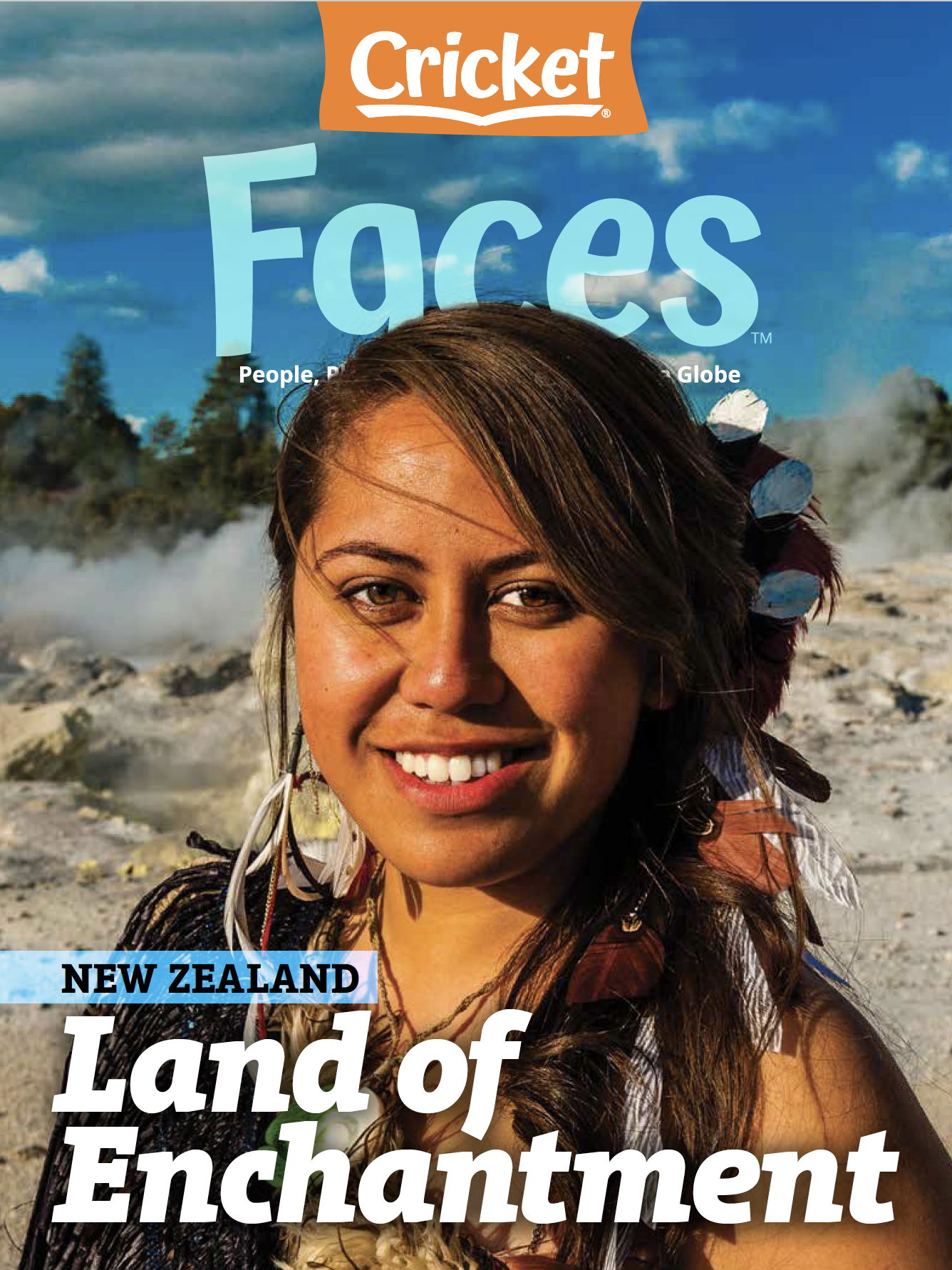
Faces magazine takes young readers to places as far as the other side of the world and as close as the next state to get an honest and unbiased view of how children in other places live. Whether it’s planning a trip or just wanting to learn about faraway places, Faces gives then the information they need to feel like a local. From common customs to rules of the road, unusual foods to animals found in the region, games to housing, Faces uses breathtaking photography and authentic local voices to bring the entire world right to young readers’ mailboxes.

I recently spoke with editor, Elizabeth Crooker and art director, Nicole Welch, about this charming magazine that is one of Cricket Media’s prized possessions. Faces readers are usually between the ages of 9 and 14, and as Elizabeth proudly says, they are never talked down to inside the pages of the magazine. They are treated with sophistication and respect in both content and design. Nicole is as adamant about that in her design methods as Elizabeth is in her editorial talent. It’s a winning combination – Elizabeth and Nicole. They genuinely care about the kids who read their content and they genuinely care about their brand. 

Now please enjoy the Mr. Magazine™ interview with Elizabeth Crooker, editor and Nicole Welch, art director, Faces magazine.

But first the sound-bites:
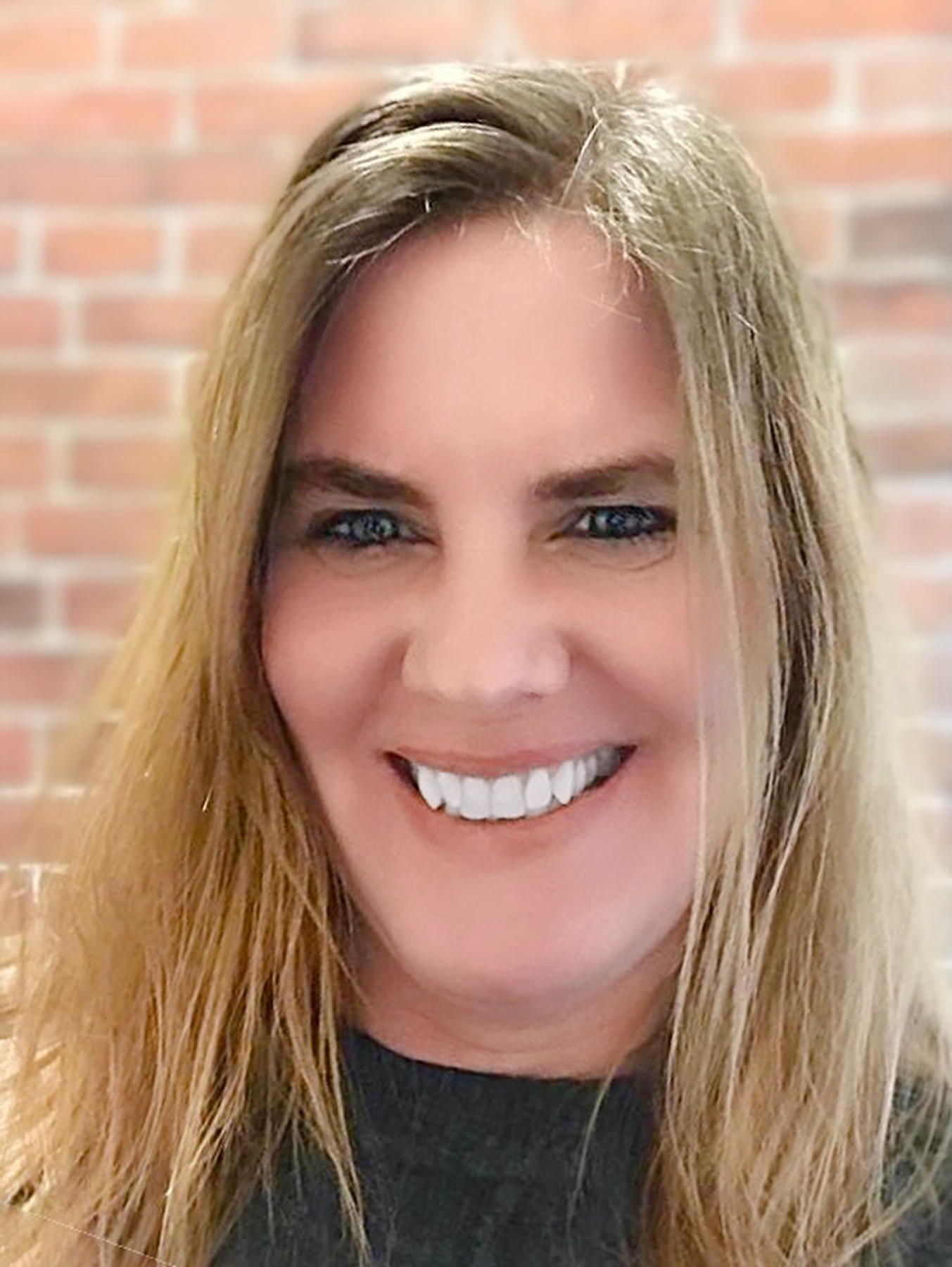
Elizabeth Crooker, Editor, Faces magazine

On what role a printed magazine plays in a digital world (Elizabeth Crooker): I would say that having a print magazine gives the readers more ownership of the magazine. It gives them a closer relationship with it. And to be honest, I think a lot of us are tired of our kids staring at screens these days and so we encourage them to read magazines. They should be able to hold the magazine in their hands, flip the pages back and forth easier than scrolling, mark it up if they want. It’s their magazine and they can do what they want with it rather than just looking at it on a screen.
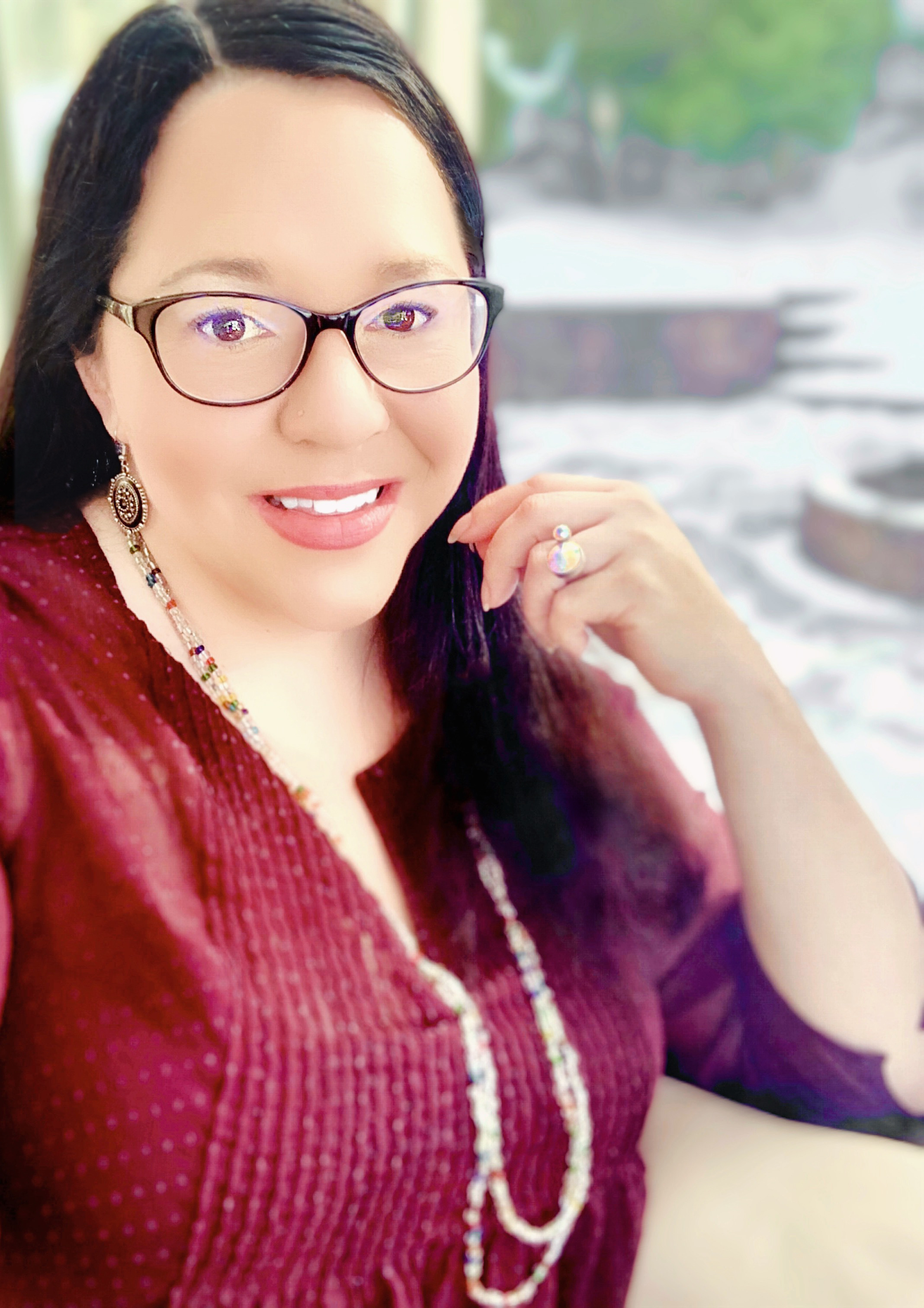
Nicole Welch, Art Director, Faces magazine

On why they chose to reinvent the magazine now, during a pandemic (Nicole Welch): One of the biggest reasons was that the art director for Faces actually retired and I was taking over the magazine. And when I take over magazines, the first thing I do is sit down with everybody and I see what works and what doesn’t and it’s part of an art director’s job to do so. And we decided that a lot of the pages weren’t templated as well and we just wanted to make something a little more modern-looking and engaging for our readers. So with that, we did a full redesign of the magazine before I took over.

On the biggest challenge Elizabeth faced in 2020 as editor of a children’s magazine (Elizabeth Crooker): Part of the challenge was that we work so far in advance that we didn’t really touch on any of the big changes that were going on in kid’s lives with our 2020 issues. It’s not until now, which we’re working on our February issue, and we’re talking about global health and we’re talking about how vaccines work and how different organizations work together to get vaccines from the factory to places all around the world. So for us, 2020 was almost a wrap. We already had our themes chosen.

On whether she feels a stronger responsibility to her readers as an editor of a print magazine versus online (Elizabeth Crooker): Our audience is from 9 to 14, so we have to take into consideration where these kids are and what they’re learning at school so it can supplement that, but we also need to give the kids the benefit of the doubt and let them come to their own conclusions, present the facts and you come to the conclusion you want.
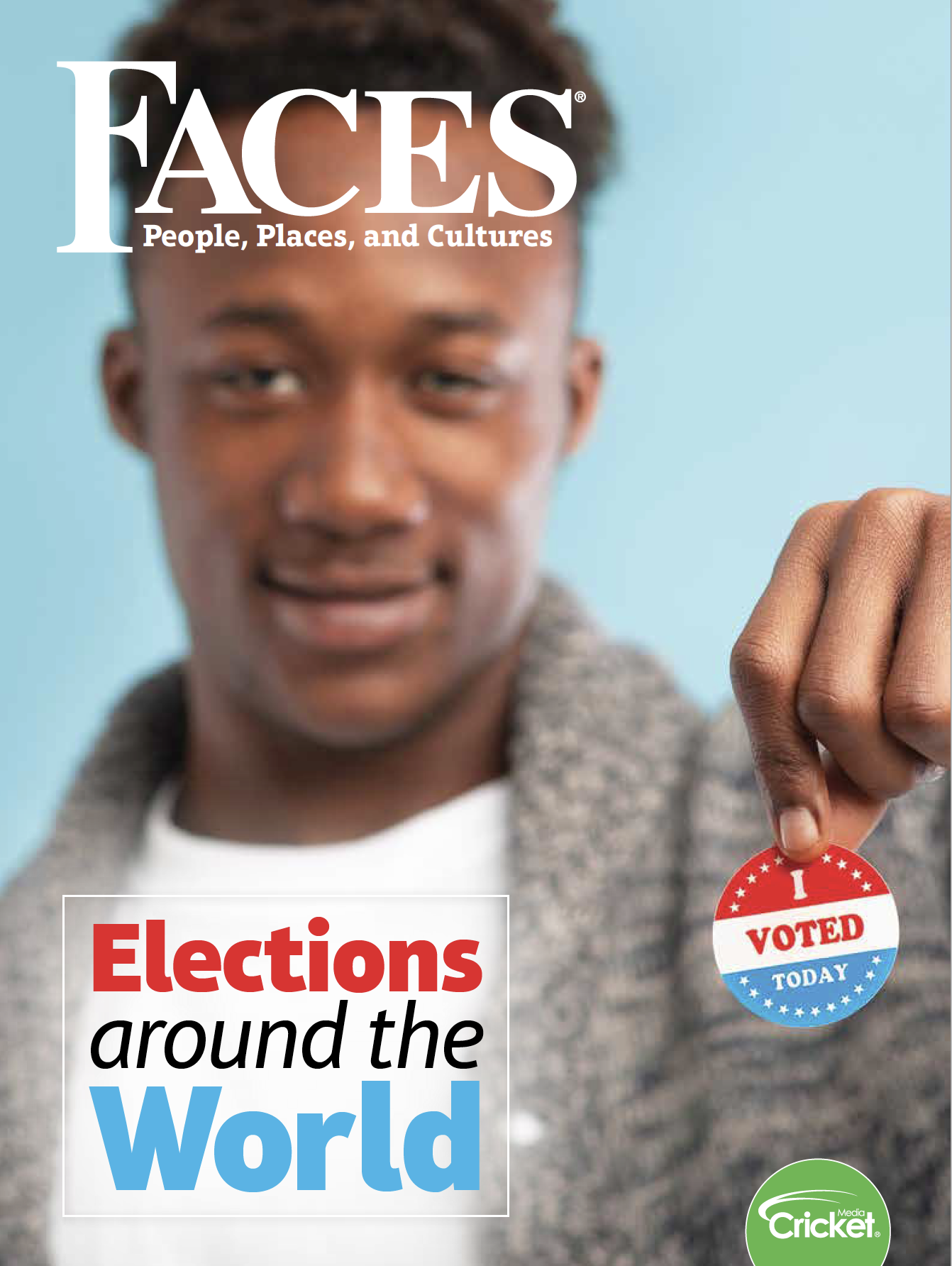
On the role the audience plays in the magazine’s design (Nicole Welch): I do a lot of research and I look at a lot of magazines. I look for different colors to bring into the magazine; different fonts that are easy to read; stylistically and visually easy to flip through. I try to make it as engaging and interesting for our readers as possible, to draw them in, almost like I’m telling a story, so that they can follow the editorial but they can also look at the pictures and get a good idea by just looking at those pictures what the features are about. And that’s a big part of it.

On whether the job of editor is getting easier or harder as she moves forward into 2021 and beyond (Elizabeth Crooker): Well, I would never admit it if my job were getting easier. (Laughs) It’s definitely evolving. When I first started at Faces we were probably a very different magazine than what a kid would pick up now. We’ve always been a magazine that doesn’t talk down to the kids. And Nicole’s design reflects that too; her design isn’t too young and it’s very sophisticated, which I think the kids appreciate.

On how they put an issue of the magazine together (Elizabeth Crooker): The first thing we do on an annual basis is select our themes. I’ve been doing this long enough that I know which themes we’ve covered recently and what themes we haven’t covered at all. And if there’s something that we haven’t covered in a while, for example we’re doing South Korea again in May and June, which we haven’t done in seven or eight years, so the thought is to add to what we have and update and then with new information, like the global health issue, it will be much different than the global health issue that we did 15 years ago.

On the role diversity and inclusion plays in the brand (Elizabeth Crooker): Because of the nature of Faces, diversity has always been at the top. Even when we do issues that have more of a general theme, I always make sure I have something from all over. If we’re doing music, I have something from Asia, I have something from Africa, something from Europe, South America, North America. It’s always been part of the planning process. And I don’t think there’s anything wrong with making sure the diversity is there, but for Faces I feel like it’s always been there. But there’s nothing wrong with being sure.
On anything they’d like to add (Elizabeth Crooker): I’ve always been Faces biggest fan. And today, when everyone is kind of turning in toward their homes, Faces is a way to still connect with the outside world. So, it’s more important now than ever. I really hope people know that it’s here and a resource for them to use and parents are giving it as gifts.

On what makes them tick and click and get out bed every morning (Nicole Welch): Just the excitement of designing; it’s always something new when I’m designing magazines. It’s like a new story, I’m telling these kids stories and I like to engage them and I like when they engage back with us. So I try and create my magazines in that way so that we have that type of communication, even though it’s on paper. And I like to keep it fun. And like Beth said, we’re always learning something new from our own magazines. We definitely hope the readers keep on reading.

On how they unwind in the evening (Nicole Welch):  I do a lot of freelance work on the side as well and I have two small children, so they keep me very busy, making dinner and doing the mom thing. We try to watch movies together at night sometimes just to relax and let my mind sink into something different. 

On what keeps them up at night (Elizabeth Crooker): Probably just worrying about my kids. I have a freshman in college and a sophomore, they’re older, but you still worry. Once a mom always a mom. 

And now for the lightly edited Mr. Magazine™ interview with Elizabeth Crooker, editor & Nicole Welch, art director, Faces. 

Samir Husni: We live in a digital age; there is no doubt about it. What role does a printed children’s or teen magazine play in today’s digital world, whether it’s Faces or Muse or any of the other magazines that your company publishes?

Nicole Welch: I can say specifically with our magazine, Faces, they’re used educationally, so especially with the whole remote situation that everyone is in these days, these printed magazines can be used as extra learning materials outside of the classroom. We try to make everything, such as things that can go in teacher’s guides and materials like that. So we keep it educational. That’s what we do specifically on our end, I’m not sure about teen magazines, but I assume it’s a similar process.

Elizabeth Crooker: I would say that having a print magazine gives the readers more ownership of the magazine. It gives them a closer relationship with it. And to be honest, I think a lot of us are tired of our kids staring at screens these days and so we encourage them to read magazines. They should be able to hold the magazine in their hands, flip the pages back and forth easier than scrolling, mark it up if they want. It’s their magazine and they can do what they want with it rather than just looking at it on a screen. 

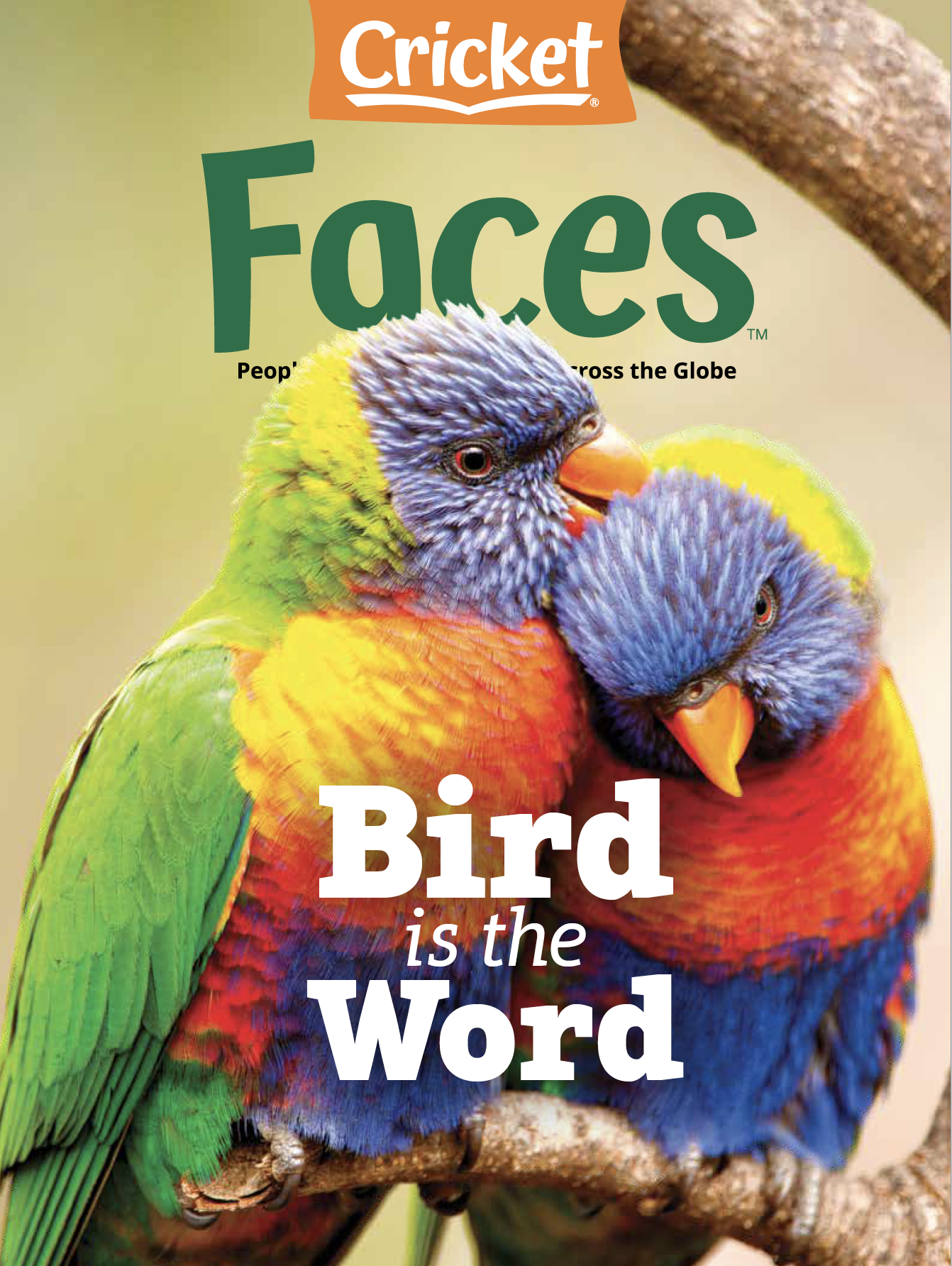
I have a whole stack of them in my office, so it’s easier for me to go back and look and I hope that’s what the kids are doing too because we’re talking about the world, we have issues that will touchback. We did an issue on birds and then we did an issue on New Zealand where we talk about birds, so you can go back to the bird issue and see that one. And it’s easier when you have them right in front of you rather than on a screen where you have to turn on a device and make sure it’s charged. 

Samir Husni: Why did you decide in the midst of a pandemic and during these times of immense unrest in our country to reinvent Faces or reinvent Muse? Did you have so much time on your hands working remotely that it seemed like the right moment for a reinvention?

Nicole Welch: Absolutely not. One of the biggest reasons was that the art director for Faces actually retired and I was taking over the magazine. And when I take over magazines, the first thing I do is sit down with everybody and I see what works and what doesn’t and it’s part of an art director’s job to do so. And we decided that a lot of the pages weren’t templated as well and we just wanted to make something a little more modern-looking and engaging for our readers. So with that, we did a full redesign of the magazine before I took over. But that’s the only reason why, not because I had more time, because trust me, I did not. (Laughs)

Samir Husni: What was the biggest challenge you faced in 2020 as a magazine editor for a publication aimed at children and how did you overcome it?

Elizabeth Crooker: Part of the challenge was that we work so far in advance that we didn’t really touch on any of the big changes that were going on in kid’s lives with our 2020 issues. It’s not until now, which we’re working on our February issue, and we’re talking about global health and we’re talking about how vaccines work and how different organizations work together to get vaccines from the factory to places all around the world. So for us, 2020 was almost a wrap. We already had our themes chosen. We did intersperse – we have a young girl in New Hampshire named Kylie who pen pals, and it kind of seeped in through her organically with her correspondence with people around the world. Talking about wearing masks at soccer and things like that.
Samir Husni: Do you feel a certain responsibility as an editor of a print magazine rather than someone posting on social media or online?

Elizabeth Crooker: Our audience is from 9 to 14, so we have to take into consideration where these kids are and what they’re learning at school so it can supplement that, but we also need to give the kids the benefit of the doubt and let them come to their own conclusions, present the facts and you come to the conclusion you want. And I’m thinking about an article we did on the Amazon and we talked about how the current administration wasn’t supporting legislation so the rainforest was getting cut down at a faster rate. So, we’re just presenting the facts and we’re leaving it up to the kids to draw their own conclusions and hopefully go on and find out more with their own research. 

And with print, I feel like it’s going to be around longer. I think if you read a magazine online you’re done with it once you’re finished reading it. With print magazines it might lay around on your coffee table; you might share it with a friend; you might donate it to a library, so it has to have timely information in it as well, you don’t want it to be so current that it becomes useless. It needs to be timely and timeless, and that’s the tricky part. (Laughs)

Samir Husni: What role does your audience play in the design of the magazine?

Nicole Welch: I do a lot of research and I look at a lot of magazines. I look for different colors to bring into the magazine; different fonts that are easy to read; stylistically and visually easy to flip through. I try to make it as engaging and interesting for our readers as possible, to draw them in, almost like I’m telling a story, so that they can follow the editorial but they can also look at the pictures and get a good idea by just looking at those pictures what the features are about. And that’s a big part of it.

I also feel that research is huge. I do a ton of research; I take photos and I sit down and I analyze everything. I do that because I want to keep everything modern and I want to make sure that I’m staying within the guides of what’s going on in the world.

Samir Husni: Based on what’s going on in the world, do you think your job is getting easier or harder as you move forward into 2021 and beyond?

Elizabeth Crooker: Well, I would never admit it if my job were getting easier. (Laughs) It’s definitely evolving. When I first started at Faces we were probably a very different magazine than what a kid would pick up now. We’ve always been a magazine that doesn’t talk down to the kids. And Nicole’s design reflects that too; her design isn’t too young and it’s very sophisticated, which I think the kids appreciate. 

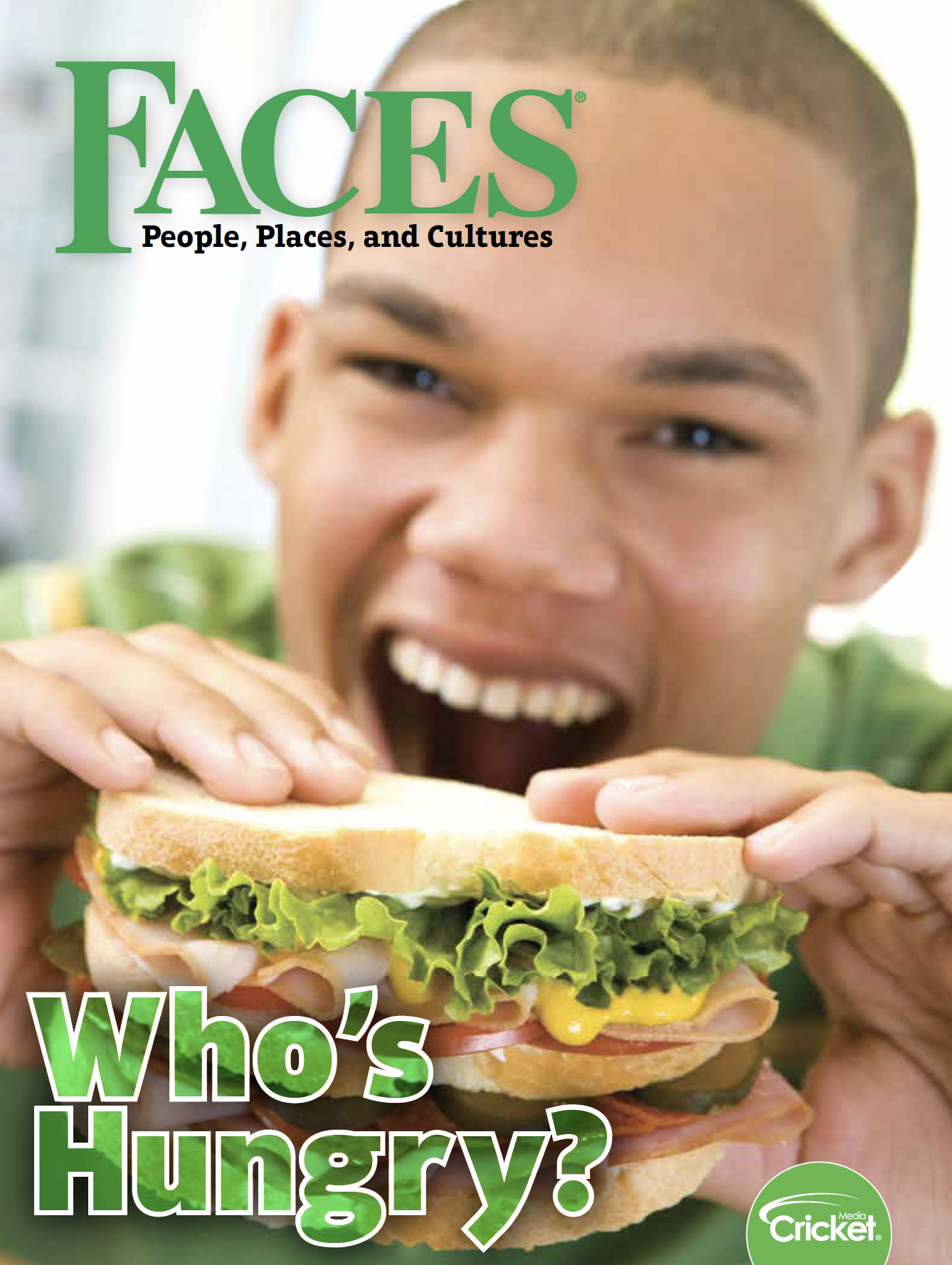
But where the challenge comes in is that kids today do have access to all kinds of social media. They get their news from so many different sources, so making sure that we have accurate and unbiased content is important. Like Nicole said, research, research, research, so that we can back up all of our facts, just so that we know what the kids will be reading is true and accurate. That’s probably the biggest challenge. If a child is doing a project for school on Brazil, I hope that they would do more than just google Brazil. I hope that they’re looking at magazines, books and newspapers. So, I would say that my job is definitely evolving and challenging.

Samir Husni: Can you tell me about how you put an issue of the magazine together, from the creation to the birth process?

Elizabeth Crooker: The first thing we do on an annual basis is select our themes. I’ve been doing this long enough that I know which themes we’ve covered recently and what themes we haven’t covered at all. And if there’s something that we haven’t covered in a while, for example we’re doing South Korea again in May and June, which we haven’t done in seven or eight years, so the thought is to add to what we have and update and then with new information, like the global health issue, it will be much different than the global health issue that we did 15 years ago. 

That’s the initial thing and then Nicole will make suggestions. She was the one who recommended Costa Rica and Central America because of the vibrant colors and how much fun it would be. Then the education team will make suggestions. We’ve worked with the Smithsonian before on topics. We talk to the editors. Our global issue is coming out at the same time Cobblestone is doing an issue on Clara Barton, so we try and match up with other magazines to expand the type of content that we have across the company. 

Then when it comes to deciding what articles to put in it, that’s probably my favorite part of my job, going through the queries, doing the research. And for me it’s just trying to find that wow factor, something that is unique about the culture, but hopefully we’re looking at it in a different way. If we’re going to do an issue on Italy, we’re going to cover the ruins, but we want to do it in a way that’s different from what kids have found other places. 

Then Nicole and I will meet and talk about the articles and I’ll suggest photos and art and then which ones I want illustrated. And then she’ll suggest illustrators. 

Nicole Welch: At that point we’ll have a design meeting after Beth has done her research. And we sit down and talk about every single feature or department that’s in the magazine. She’ll add a lot of primary source photos for us to use and from there it’s just going into designing. Before designing I read every story and try to get a good feel for it. I do additional research on photos myself if I want to add different elements or maybe I might suggest a sidebar or a fun fact to bring into the feature to kind of elevate it. We work really well together and we’re constantly communicating. And I think that’s what makes our magazine successful. 

We have professionals from all over the world adding to our issues, whether they’re illustrators or people who are writing the stories. So we try to just bring in people from the areas to add to it which helps our magazine tell the story that it needs to tell. 
Samir Husni: Being a global magazine, you’ve covered social issues. What role does diversity and inclusion play in the brand? 

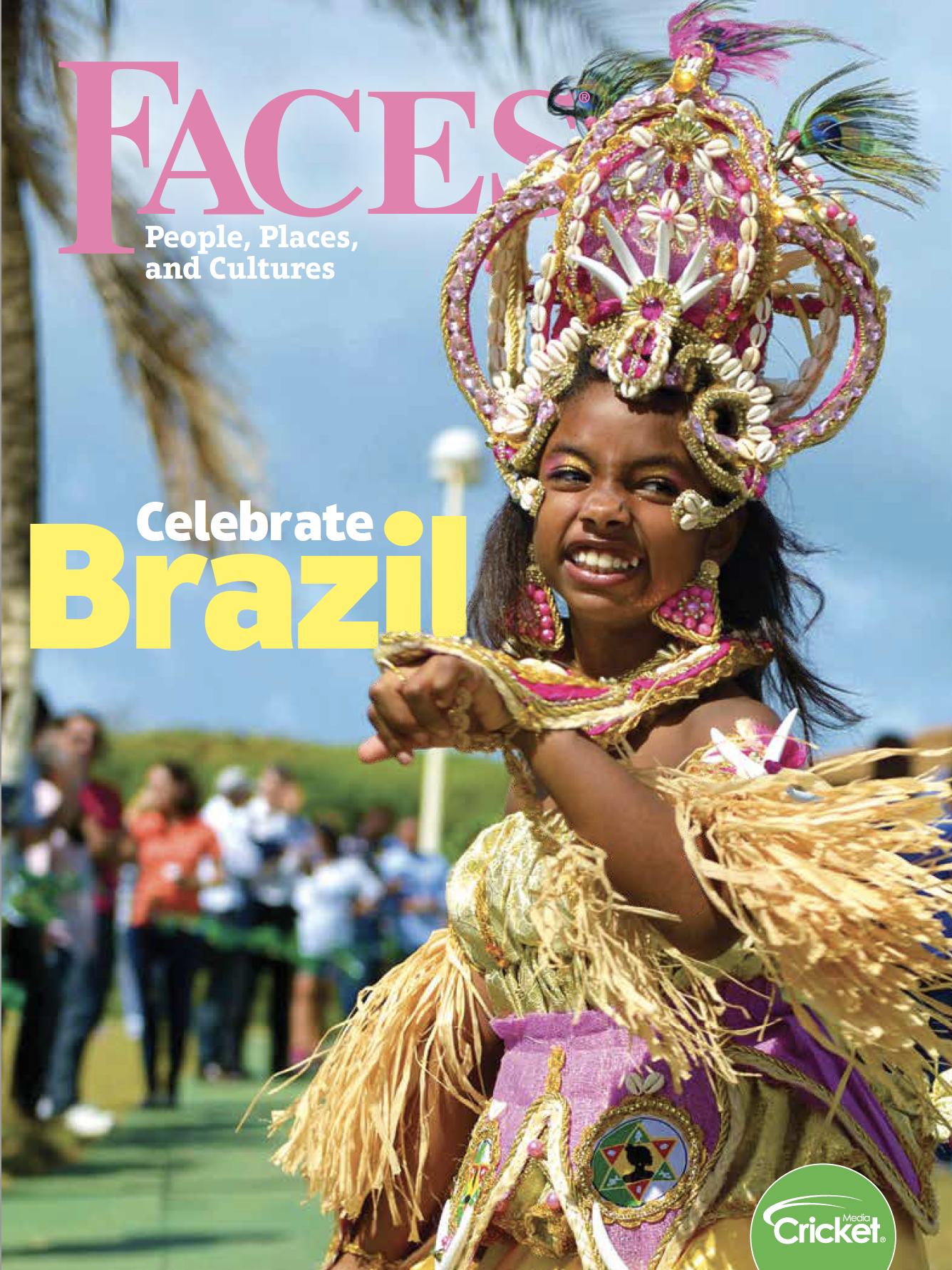
Elizabeth Crooker: Because of the nature of Faces, diversity has always been at the top. Even when we do issues that have more of a general theme, I always make sure I have something from all over. If we’re doing music, I have something from Asia, I have something from Africa, something from Europe, South America, North America. It’s always been part of the planning process. And I don’t think there’s anything wrong with making sure the diversity is there, but for Faces I feel like it’s always been there. But there’s nothing wrong with being sure.

Nicole Welch: I think everybody is making sure there’s more diversity and inclusion, but specifically with Faces, as Beth said, we cover specific areas like New Zealand or Africa, so we’re covering the kids that are within those areas no matter what their ethnicity. It’s not forced with that specific magazine, but yes, we want to make sure everybody is included and that our magazines are accessible and that they feel accessible to everyone. 

Elizabeth Crooker: There are times when illustrating or using photos for an activity, we’ll make sure that there is a very diverse group. 

Samir Husni: Is there anything either of you would like to add?

Elizabeth Crooker: I’ve always been Faces biggest fan. And today, when everyone is kind of turning in toward their homes, Faces is a way to still connect with the outside world. So, it’s more important now than ever. I really hope people know that it’s here and a resource for them to use and parents are giving it as gifts. 

Nicole Welch: We like to say it’s the gift that keeps on giving. (Laughs)

Samir Husni: What makes you tick and click and get out of bed in the morning?

Elizabeth Crooker: Coffee. (Laughs) My favorite part about this job and it sounds really weird, but I feel like doing a research paper every month. I was the nerd in school that always read the book, so for me that’s exciting. I love to learn new things. I am an excellent Jeopardy player. (Laughs again) If you ever want to go on Jeopardy, read our magazines, you’ll learn so much. Learning new things is the exciting part for me. 

Nicole Welch: Just the excitement of designing; it’s always something new when I’m designing magazines. It’s like a new story, I’m telling these kids stories and I like to engage them and I like when they engage back with us. So I try and create my magazines in that way so that we have that type of communication, even though it’s on paper. And I like to keep it fun. And like Beth said, we’re always learning something new from our own magazines. We definitely hope the readers keep on reading. 

Samir Husni: How do you unwind in the evening?

Elizabeth Crooker: Definitely a book. I read a lot of fiction, because for work I focus mostly on non-fiction. So my escape is fiction, although I love historical fiction, which is a little of both.

Nicole Welch: I do a lot of freelance work on the side as well and I have two small children, so they keep me very busy, making dinner and doing the mom thing. We try to watch movies together at night sometimes just to relax and let my mind sink into something different. 

Samir Husni: My typical last question; what keeps you up at night?

Nicole Welch: I’ve had that problem from the very beginning of time, I think. (Laughs) Being in the creative industry, that’s where I get most of my thoughts. There’s a lot going on in the world politically and with the Coronavirus, it’s just been awful. But for me what pops up in the middle of the night is different creative ideas that keep floating into my head. 

Elizabeth Crooker: Probably just worrying about my kids. I have a freshman in college and a sophomore, they’re older, but you still worry. Once a mom always a mom.

Samir Husni: Thank you both.

h1

People en Español: The Most Trusted Voice In Hispanic Culture Approaches Its 25th Anniversary As It Continues To Thrive Even During A Pandemic – The Mr. Magazine™ Interview With Monique Manso, Publisher & Armando Correa, Editor In Chief…

January 18, 2021

“There’s a cultural relevancy to magazines and newspapers for Latinos. And because these are multigenerational households, that cultural relationship, that emotional relationship to print is passed down through the generations. And that’s why so much of our story is about readers per copy.” Monique Manso…

“For me, it’s important that everything is connected here. Print is important; the celebrities love to be on the cover of the magazine and they want to be on the website. But when you’re negotiating an exclusive, it’s print. And the loyalty – we have almost half a million subscribers every month.” Armando Correa…

People en Español has been a defining force in the Hispanic magazine market since its inception in 1996. The Spanish-language American magazine published by Meredith Corporation covers the general world of entertainment, articles on fashion and beauty, and human interest stories. And as Editor in Chief Armando Correa says they do it with truth and passion, “Our audience knows that when they go to People en Español everything is true. Everything is confirmed.”

I spoke with Armando and Publisher Monique Manso recently and we talked about this force to be reckoned with, its diversity and inclusive nature, and its passion for celebrities and great covers. And while the magazine is totally and successfully integrated, Monique says that when it comes to their phenomenal celebrity exclusives, “It’s the print piece that makes them want to give that exclusive.”

Indeed. The magazine cover has and always will be a defining force all on its own. And in the case of People en Español, it’s a very intriguing and eye-catching force.

So, please enjoy the Mr. Magazine™ interview with Monique Manso, publisher & Armando Correa, editor in chief, People en Español. 

But first the sound-bites:

On the secret of People en Español’s 24-year success (Armando Correa): I think first of all it’s trust. Our audience knows that when they go to People en Español everything is true. Everything is confirmed. The next thing is the emotional connection that we have with our audience. That’s a key thing. And when I talk to the editors and the writers who have been with the magazine since the beginning, this is a long run that we are still here. We create great relationships with the celebrities and the audience. 

On diversity and inclusion with the People en Español brand (Monique Manso): It hasn’t always been easy to continue to reinforce with all of our management and our corporate groups in our previous life as Time Inc., it hasn’t always been easy to continue to educate them on the need for this in-language project and to explain to them what we call the “Browning” of America. And how we needed to be ahead of it and that this brand is one way to do that. It’s been an uphill battle for us. But I can happily say, and I think Armando will agree with me, that so much of that has changed with our acquisition by Meredith. We now work with a team that truly does understand and walked through the door embracing multicultural brands.

Monique Manso, publisher, People en Español. 

On some of the advertising challenges the brand has had to face (Monique Manso): I would say fear with the pandemic, with the social justice movement, going into an election; fear was the challenge in 2020 because many marketers really wanted to be there for this community, for the multicultural community at large, and Latinos in particular. However, they were afraid of what that messaging should look like so that it was sensitive to those issues and so that it didn’t seem tone-deaf to what was going on. 

On how content is created for the magazine (Armando Correa): It’s really hard to understand because for everybody, People en Español is an entertainment magazine. And we are an entertainment magazine, but at the same time, and I remember talking to my bosses at Time Inc., People en Español is a business magazine and a Time magazine, Fortune, Money, InStyle, People; we’re the number one Hispanic magazine. And we need to be, at the same time, connected to the audience and with what’s happening in pour community and with what’s happening in the country.

On where they see the role of the print edition of People en Español compared to its digital footprint (Armando Correa): People en Español, you have to understand the brand is a whole. Print, digital, the website, social media and events; everything is related. Monique is selling the website, the events, social media and print at the same time. And I’m the editor for everything. Sometimes it’s hard to understand that our P&L, our concept, the whole brand has to be understood like that. 

Armando Correa, editor in chief, People en Español. 

On anything they’d like to add (Monique Manso): Health and wellness is something that’s huge for us right now because there is such a void in the marketplace of trustworthy in-language content for this community. I don’t know if you followed the press when we launched our Point of Care products. Armando has a team that is editing People en Español that goes into the doctor’s offices, but as we got the feedback from our audience and the Point of Care team, we’ve since launched a Salud hub on People en Español.com and we’re focused on health with our contributors such as Dr. Juan Rivera. So, that’s big for us and we believe that we need to fill the void there, certainly around vaccine confidence moving forward.

On what makes them tick and click (Monique Manso): For me, it’s that social responsibility. It is constantly understanding where our community is being underserved and although Armando spoke so eloquently about the fact that we’re entertainment; how do we take this voice of entertainment and use our relationships and our access to celebrities to fill those needs. So feeling that responsibility deeply, then for me, is what makes me tick and click.

On what makes them tick and click (Armando Correa): Every time I wake up in the morning; I’m a news junkie. I’m reading the news and thinking that this will work for our brand. Or I need to deal with an exclusive, talking to a celebrity or PR with the managers, and then working with the whole team and seeing that this is going to work and looking at the numbers, because data for me is an addiction. That makes me tick and click.

On how they unwind at the end of the day (Monique Manso): I’m a Scorpio and I need to be near water. And I’m very blessed; I live in Connecticut about a block from the Long Island Sound, so I walk down to the beach and I figuratively wash the day away with my wine in hand. And then it’s about spending time with my family and I do a lot of cooking.

On how they unwind at the end of the day (Armando Correa): We have a hectic life working with business and everything. We have a family, Monique has two boys and I have a boy and a girl and they’re teenagers. When I finish the day it’s crazy and then for me, I always say that I’m a reader who writes and edits. I need to have my time with my books. I’m a writer, but at the same time on the weekend this is my yoga. Some people go to the gym, or run, or do yoga, for me writing and reading is my meditation. And I need it.

On what keeps them up at night (Monique Manso): Speed keeps me up. Whether or not we’re moving fast enough is something that I really grapple with all the time. As I said earlier, there are so many things – health and wellness, there’s not enough content out there for this community for them to stay healthy and be ahead of the curve. There isn’t enough financial content in-language.

On what keeps them up at night (Armando Correa): What is next for People en Español. And for our 25th anniversary, I said let’s create 25 different covers. I think the future for People en Español is the integration, it’s the only way. 


And now for the lightly edited Mr. Magazine™ interview with Monique Manso, publisher & Armando Correa, editor in chief, People en Español. 

Samir Husni: People en Español will soon celebrate a quarter century; it’s heading into its 24th year of publishing. What do you think is the secret that keeps People en Español thriving and continuing when so many other magazines have come and gone in the marketplace trying to reach the same audience? 

Armando Correa: I think first of all it’s trust. Our audience knows that when they go to People en Español everything is true. Everything is confirmed. The next thing is the emotional connection that we have with our audience. That’s a key thing. And when I talk to the editors and the writers who have been with the magazine since the beginning, this is a long run that we are still here. We create great relationships with the celebrities and the audience.

Monique Manso: To add to that, I don’t know if you’ve looked at the social footprint of People en Español, but it is probably the largest at Meredith, if not one of the top two or three. And it was like that at Time Inc. too, so I truly believe that Armando’s audience and followers, as well as all the other editors, I feel like there’s a two-way dialogue between them and the editorial product. So aside from all the information they’re getting, they feel heard. And I think that’s really been one of the big factors in our success. 

When we think about some of those that have not quite made it, and that saddens us in a very big way because we would like to see a really rich and robust slate of content providers, many of those at some point chose to do direct translations or to do English only for this community. And Armando has kept a balance between the product that his team produces for that cross-cultural, bilingual, millennial and Gen Z family member because we truly are a family product, and then the in-language content that he and his team produce.

Samir Husni: Tell me about the journey you’ve had with diversity and inclusion with the People en Español brand.

Armando Correa: I remember when they decided to create People en Español as a monthly magazine with a full-time staff. I was working as a reporter then for the Miami Herald and a friend from The New York Times told me they were looking for a senior writer for People en Español. I flew to New York and had my interview with Angelo Figueroa, who was editor in chief at that time. And Angelo told me he was worried because I was accepting this job, moving to New York from Miami and selling my house, and he wasn’t sure the magazine would last five years. (Laughs) I told him that I was pretty sure that it would last more than five years. 

At that moment they created People en Español and Teen People. Five years later, Teen People died and we’re still here. And as you know, People en Español was created when Selena, the singer who was killed, they created a special in People weekly. They did a translation for the West Coast and sold one million copies in one week and they saw they had an audience for it. There were Hispanics in the country who wanted this content. 

Monique Manso: And it hasn’t always been easy to continue to reinforce with all of our management and our corporate groups in our previous life as Time Inc., it hasn’t always been easy to continue to educate them on the need for this in-language project and to explain to them what we call the “Browning” of America. And how we needed to be ahead of it and that this brand is one way to do that. It’s been an uphill battle for us. 

But I can happily say, and I think Armando will agree with me, that so much of that has changed with our acquisition by Meredith. We now work with a team that truly does understand and walked through the door embracing multicultural brands. And now, by watching everything that has happened during the pandemic, with immigration reform, with Black Lives Matter, has understood the importance of diversity.

But I’m not going to lie, it has been an uphill battle. We’ve faced that from a brand perspective; from a workplace perspective, etc.

Armando Correa: But when People en Español was created, Time was acquired by Warner and became Time Warner. And then AOL acquired Time Warner. They never really knew what to do with People en Español. It then became independent and was a public company. And I remember we had a couple of meetings, Monique and I, and they were thinking that they needed to change People en Español for the English dominant Latinos. Then it was we have to shut down People en Español. And that was on a daily basis then. 

But we were acquired by Meredith and we have their full support. Meredith understands that our community, our audience is important for the company. 

Samir Husni: What are some of the challenges that you’re facing with advertising during COVID-19 and the social unrest that we’ve all seen this past year? And why are you still selling the magazine with a cover price of $2.99 when the average cover price for a magazine these days is $5 and $6?

Monique Manso: I would say fear with the pandemic, with the social justice movement, going into an election; fear was the challenge in 2020 because many marketers really wanted to be there for this community, for the multicultural community at large, and Latinos in particular. However, they were afraid of what that messaging should look like so that it was sensitive to those issues and so that it didn’t seem tone-deaf to what was going on. So, I would say at the beginning that fear gripping everyone was how do we modulate our messaging so that it is sensitive to what is happening with the community.

The other business challenge right now is that we can’t seem to come out of triage mode, and the current events have certainly shown us that. Every day it’s triage and an emergency, so the way business would normally work for us would be there’s a chain of events, the world changes; we right-side ourselves in terms of content and offerings and everything to fit those needs of the new normal. But we can’t get out of an emergency. So, what is the new normal, fear yet again plays into that. But there are a lot of corporate partners that we have that are working tirelessly every day to make sure that we don’t lose sight of these underserved communities. And I’m hoping that they’re going to serve well for those that aren’t paying attention.

We’ve played around a lot with the cover price and if you were to look at, and I’ll just talk about Meredith and Time Inc., all of the brands in aggregate, you would see that there has been peaks and lows in pricing and it’s something that we continue to evaluate all of the time. 

Armando Correa: And part of the DNA of People en Español is dealing with challenges. We’re dealing with the pandemic, and it’s another challenge for us, but it’s not the only one. Every year we have to deal with challenges. And having Monique as a publisher is a wonderful partnership. She’s a publisher, but she thinks like an editor all of the time. And we were talking about money and about the credibility of our stories. So, we think like a couple all of the time.

Samir Husni: With all of the bad news we are bombarded with these days, do you feel that People en Español is comfort food for your readers? And how do you create that content?

Armando Correa: It’s really hard to understand because for everybody, People en Español is an entertainment magazine. And we are an entertainment magazine, but at the same time, and I remember talking to my bosses at Time Inc., People en Español is a business magazine and a Time magazine, Fortune, Money, InStyle, People; we’re the number one Hispanic magazine. And we need to be, at the same time, connected to the audience and with what’s happening in pour community and with what’s happening in the country. 

And of course, we’re an entertainment magazine. But with everything that happened at the capitol, we need to cover that at the same time. It’s not the main issue for us, but it has to be present in our social media and in the magazine. And we bring the best of the celebrities to our audience, they don’t go to People en Español to see paparazzi pictures in the magazine. If you’re a fan of Jennifer Lopez, you want to see Jennifer Lopez at her best. Of course, at the same time if she’s getting married, this is part of her story, but you don’t want to see her in a bad position. Readers of  People en Español want to see the best of her and the best of the community. 

When we want to cover immigration or the border, they don’t want negative stories. We need to cover it, it’s part of it. We did a cover with a Dreamer in a positive way; we showed the best of our community. And they expected that from us. 

Monique Manso: And I would just say that we are blessed with the ability to invest time, energy and resources into insights. And so we did very early on at the beginning of the pandemic, the first wave which then turned into 12 subsequent waves, because I believe we’ve done 13 overall, on COVID insights, specific to the Latino community. 

We’ve done the same with our Hot Study year after year. We just released our new Hot Study, which is the Hispanic opinion tracker study of where is the Latino woman today. We did a piece on Afro-Latinas and the Black/Latino community at the height of the social justice movement in order to understand how Black Lives Matter was affecting the Black/Latino. We present all of those insights, not only to our marketing partners, but to the editors who tell stories from there. 

So he and the team very early on started to roll out new editorial features like “Our Heroes” or “Hashtag Beautiful Heroes” celebrating those Latinos. And what he’s talking about is coming from the findings, which is there’s enough in the news, in the CNN’s of the world, the CBS’s, ABC’s, you name it, of people dragging themselves across borders, being killed trying to climb walls, being disproportionately affected as a Latino by the pandemic, unfortunately. So they see People en Español as a source of pride because People en Español shows the world the contributions and successes of Latinos and the dreams of Latinos. They take as much in that as we do as editors.

Samir Husni: Where do you see the role of the print edition of People en Español compared to the digital footprint of the brand?

Armando Correa: People en Español, you have to understand the brand is a whole. Print, digital, the website, social media and events; everything is related.

Monique Manso: We’re the only fully integrated brand at Meredith. And we sell to the Hispanic audience across the entire company.

Armando Correa: And Monique is selling the website, the events, social media and print at the same time. And I’m the editor for everything. Sometimes it’s hard to understand that our P&L, our concept, the whole brand has to be understood like that. And everybody thought that print was going to die in a couple of years, but nobody kills it. We started with 120,000 copies and we grew and grew. We are a small team and we always want to keep it that way because we can keep control of our P&L. 

Monique and I have weekly meetings with the business side of the brand. We love to control our P&L. And I think this is unique for the brand, because it’s a small brand. And for me, it’s important that everything is connected here. Print is important; the celebrities love to be on the cover of the magazine and they want to be on the website. But when you’re negotiating an exclusive, it’s print. And the loyalty – we have almost half a million subscribers every month.

Monique Manso: And it’s the print piece that makes them want to give that exclusive. 

Of course, newsstands right now are hard and we’re struggling with that because many things are closed. But at the same time, we’re stable. Since March we have the same numbers, more or less, as selling at newsstands so subscribers are important for sure. 

Monique Manso: And there’s a cultural relevancy to magazines and newspapers for Latinos. And because these are multigenerational households, that cultural relationship, that emotional relationship to print is passed down through the generations. And that’s why so much of our story is about readers per copy.

Armando Correa; And I remember when the crisis started and everybody was working from home in the middle of March and then we had an exclusive; I think it was the May issue – the Mother’s Day issue. We had a celebrity exclusive and I said to Monique we need to do this photoshoot in person and follow all the regulations. We need to talk to the company and make sure it is safe for the celebrity and there was a baby. We did it and it was like a celebration. I like doing Zoom, but in person is always better.

Monique Manso: We were the first ones I think to do a live shoot and it was in that celebrity’s home. Since then we’ve done multiple. All of our live event business had to move to virtual events and because of the trust and the relationship with our talent, we had talent actually allow us into their homes with a crew who had all been tested in advance and approved nine people to tape content to go live on our virtual events. 

Samir Husni: Is there anything either of you would like to add?

Monique Manso: Health and wellness is something that’s huge for us right now because there is such a void in the marketplace of trustworthy in-language content for this community. I don’t know if you followed the press when we launched our Point of Care products. Armando has a team that is editing People en Español that goes into the doctor’s offices, but as we got the feedback from our audience and the Point of Care team, we’ve since launched a Salud hub on People en Español.com and we’re focused on health with our contributors such as Dr. Juan Rivera. So, that’s big for us and we believe that we need to fill the void there, certainly around vaccine confidence moving forward. 

That’s some of the tactical stuff in general. Filling voids is something that we feel incredibly responsible for. And so you’ll see us throughout the year, again, relying heavily on insights and research and our audience’s feedback on where they feel they’re not being served.

Samir Husni: What makes you tick and click and motivates you to get out of bed in the morning?

Monique Manso: For me, it’s that social responsibility. It is constantly understanding where our community is being underserved and although Armando spoke so eloquently about the fact that we’re entertainment; how do we take this voice of entertainment and use our relationships and our access to celebrities to fill those needs. So feeling that responsibility deeply, then for me, is what makes me tick and click.

And also having that support now from Meredith. You can imagine as people of color, and in my case a woman of color, I probably have stories that could make the hair on the backs of people’s necks stand up and what I’ve faced in corporate America. But seeing that shift now at Meredith, that real attention to diversity and inclusion internally and externally of how we serve our followers, users and readers is a tremendous amount of motivation.

Armando Correa: Every time I wake up in the morning; I’m a news junkie. I’m reading the news and thinking that this will work for our brand. Or I need to deal with an exclusive, talking to a celebrity or PR with the managers, and then working with the whole team and seeing that this is going to work and looking at the numbers, because data for me is an addiction. That makes me tick and click.

Samir Husni: How do you unwind at the end of the day?

Monique Manso: Armando is laughing because lots of wine is involved. (Laughs)

Armando Correa: (Laughs)

Monique Manso: I’m a Scorpio and I need to be near water. And I’m very blessed; I live in Connecticut about a block from the Long Island Sound, so I walk down to the beach and I figuratively wash the day away with my wine in hand. And then it’s about spending time with my family and I do a lot of cooking.

Armando Correa: We have a hectic life working with business and everything. We have a family, Monique has two boys and I have a boy and a girl and they’re teenagers. When I finish the day it’s crazy and then for me, I always say that I’m a reader who writes and edits. I need to have my time with my books. I’m a writer, but at the same time on the weekend this is my yoga. Some people go to the gym, or run, or do yoga, for me writing and reading is my meditation. And I need it. 

Samir Husni: My typical last question; what keeps you up at night?

Monique Manso: Speed keeps me up. Whether or not we’re moving fast enough is something that I really grapple with all the time. As I said earlier, there are so many things – health and wellness, there’s not enough content out there for this community for them to stay healthy and be ahead of the curve. There isn’t enough financial content in-language. 

Speed in that area and then speed on the diversity and inclusion side internally. I love the support we have from Meredith, so I feel personally responsible. I sit on the D&I committee at Meredith and I think it’s really important that we continue to support our diverse talent and show the world that talent grows within the organization as well as attracting new talent. 

Armando Correa: What is next for People en Español. And for our 25th anniversary, I said let’s create 25 different covers. I think the future for People en Español is the integration, it’s the only way. And I hope the company sees that because the audience understands that. We are so strong in social media and I respond to all the emails that people send to me. We have an open dialogue. And I hope this year is better and we’re live again, because what I need to do immediately is my cover photoshoots. I need to be there to connect with the celebrities. I need that kind of energy. But if we have to do it online, we’re going to do it online. 

Samir Husni: Thank you both. 
h1

Magazines 2020 Celebrating Blackness… A Mr. Magazine™ Musing.

January 16, 2021
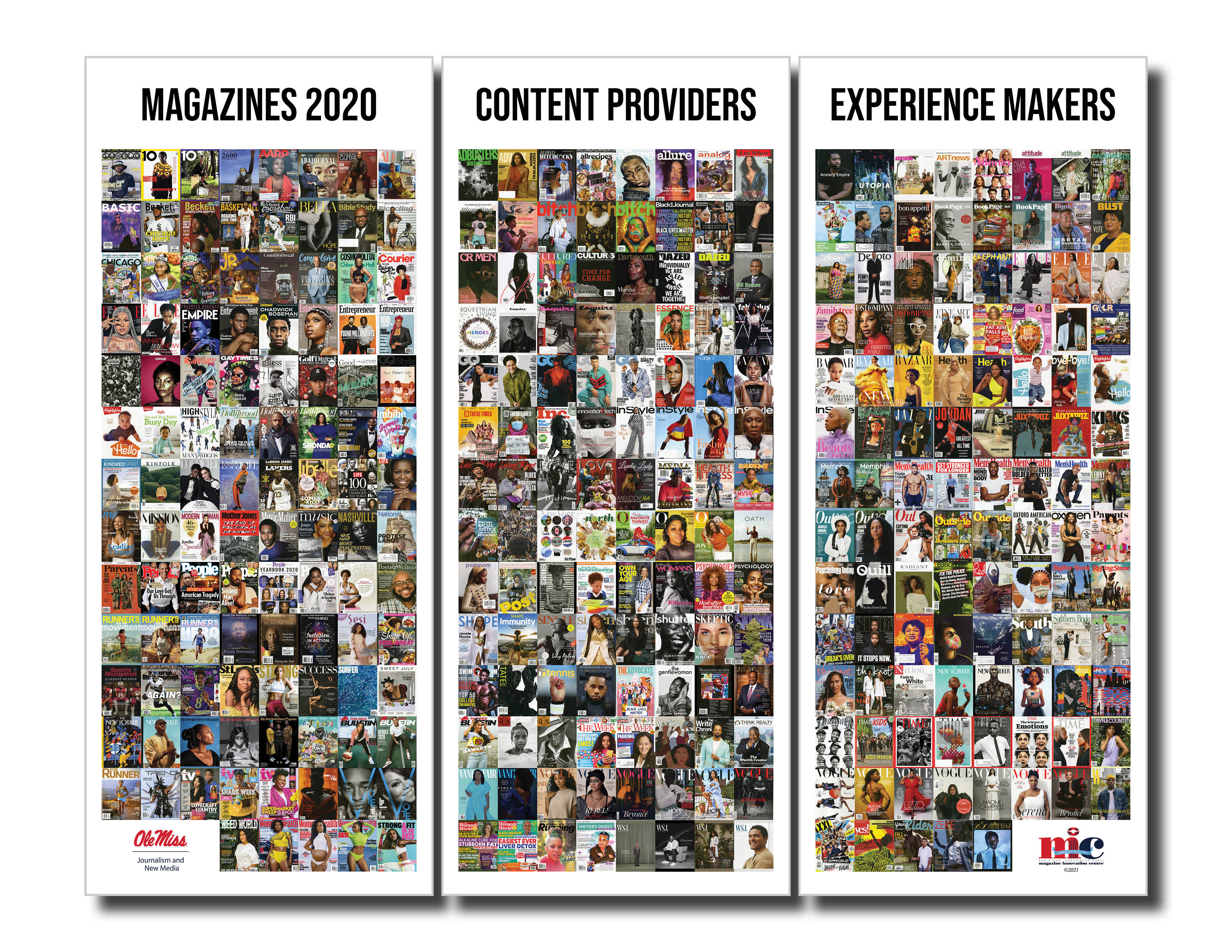
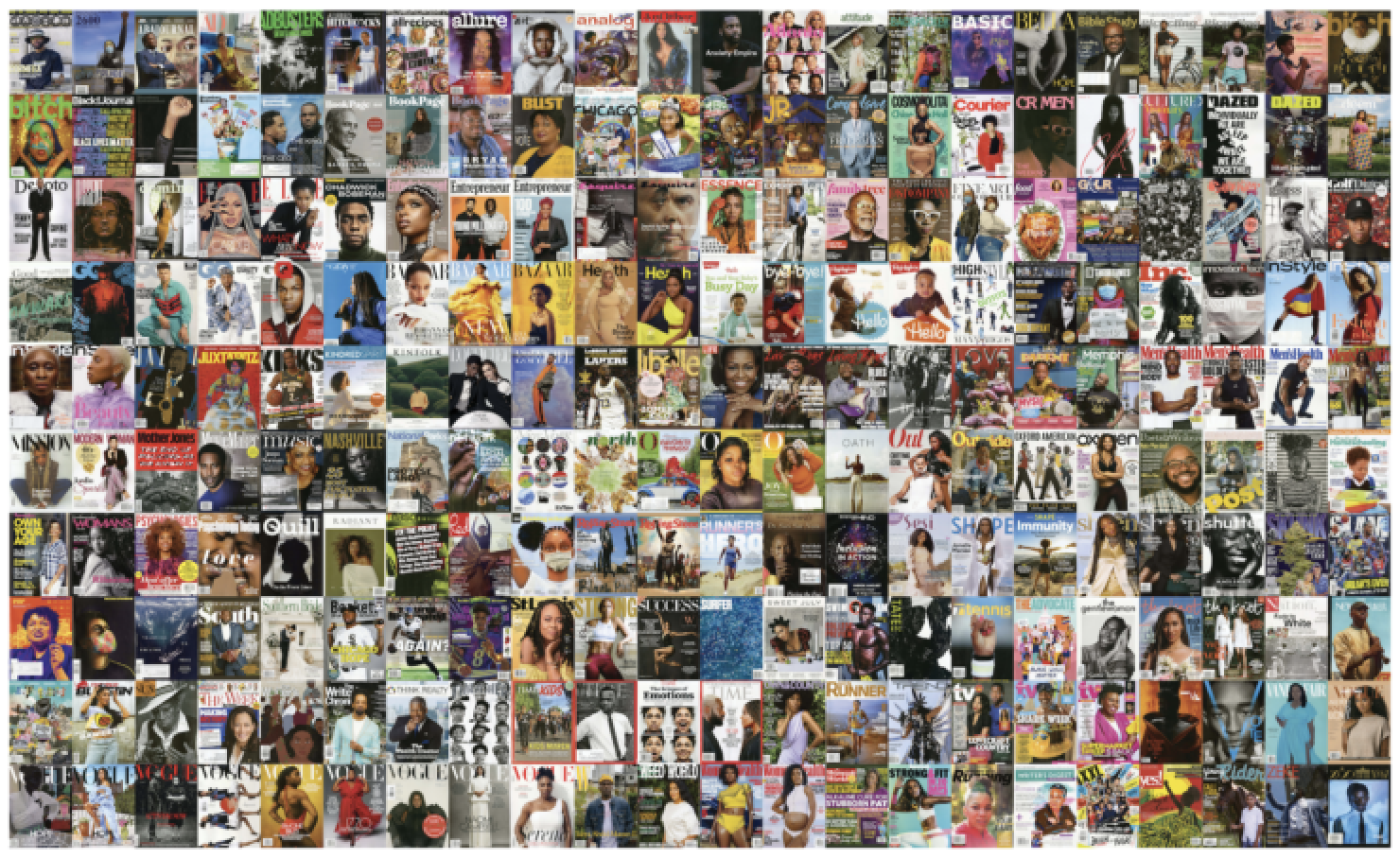
As the country celebrates Martin Luther King Jr.’s holiday, the Magazine Innovation Center at the School of Journalism and New Media, The University of Mississippi, finalized the wall poster of the magazines of the second half of 2020 celebrating Black subjects. In the last six months alone, mainstream magazines have featured at least five times more covers with Black subjects than in the last century combined. The poster will be available shortly to be mailed to those who request it from the Magazine Innovation Center. Details will appear on the Center’s website. The magazines are from the collection of the Center’s founder and director Samir “Mr. Magazine™” Husni, Ph.D. and was designed by journalism graduate student MacKenzie Ross.
h1

Life After The White House: A Revealing Article From A Century Ago

January 16, 2021

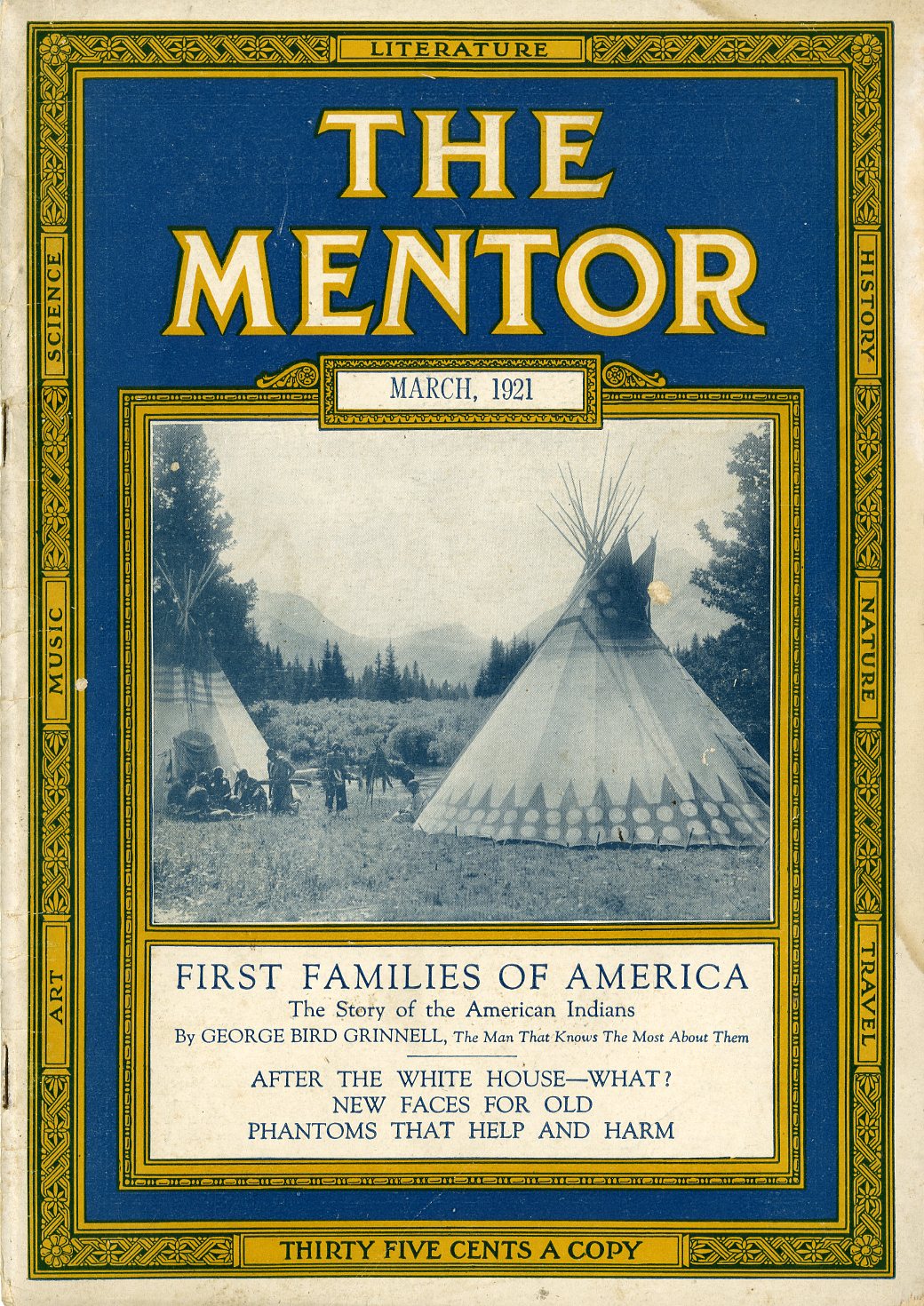
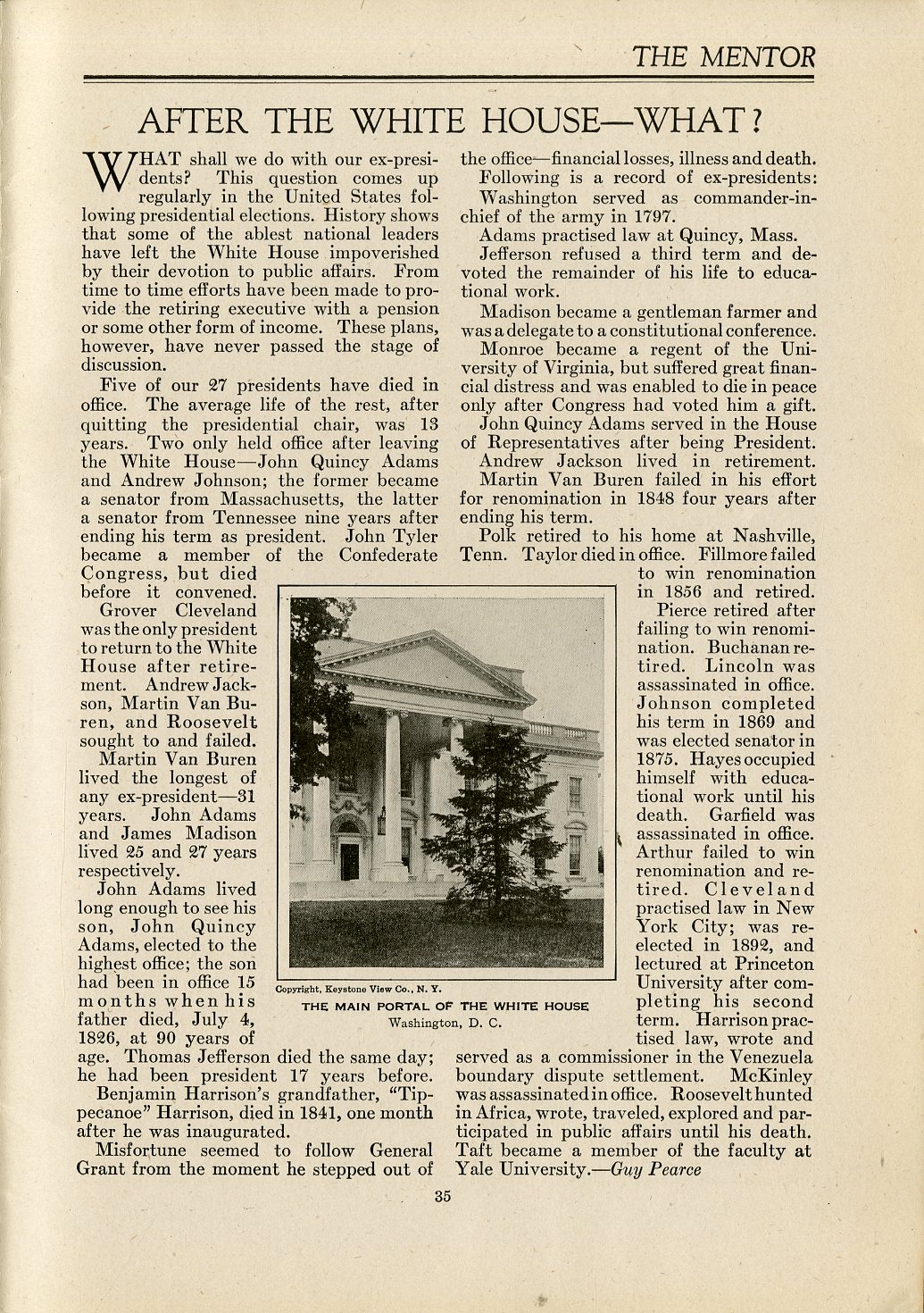
Magazines then and magazine now: they still play an important role in informing, entertaining, and educating their audiences. From my vault, The Mentor magazine, March 1921, an article revealing what the presidents of the United States did after leaving office. The article covers presidents Washington to Taft. I wonder who will take the task to cover life after The White House since 1921 until today… Enjoy the article:

The Mentor magazine, March 1921

AFTER THE WHITE HOUSE — WHAT?

What shall we do with our ex-presidents? This question comes up regularly in the United States following presidential elections. History shows that some of the ablest national leaders have left the White House impoverished by their devotion to public affairs. From time to time efforts have been made to provide the retiring executive with a pension or some other form of income. These plans, however, have never passed the stage of discussion.

Five of our 27 presidents have died in office. The average life of the rest, after quitting the presidential chair, was 13 years. Two only held office after leaving the White House – John Quincy Adams and Andrew Johnson; the former became a senator from Massachusetts, the latter a senator from Tennessee nine years after ending his term as president. John Tyler became a member of the Confederate Congress, but died before it convened. 

Grover Cleveland was the only president to return to the White House after retirement. Andrew Jackson, Martin Van Buren, and Roosevelt sought to and failed.

Martin Van Buren lived the longest of any ex-president – 31 years. John Adams and James Madison lived 25 and 27 years respectively. 

John Adams lived long enough to see his son, John Quincy Adams, elected to the highest office; the son had been in office 15 months when his father died, July 4, 1826 at 90 years of age. Thomas Jefferson died the same day; he had been president 17 years before. 

Benjamin Harrison’s grandfather, “Tippecanoe” Harrison, died in 1841, one month after he was inaugurated. 

Misfortune seemed to follow General Grant from the moment he stepped out of office – financial losses, illness and death. 

Following is a record of ex-presidents:

Washington served as commander-in-chief of the army in 1797. 

Adams practiced law at Quincy, Mass.

Jefferson refused a third term and devoted the remainder of his life to educational work.

Madison became a gentleman farmer and was a delegate to a constitutional conference.

Monroe became a regent of the University of Virginia, but suffered great financial distress and was enabled to die in peace only after Congress had voted him a gift.

John Quincy Adams served in the House of Representatives after being President.

Andrew Jackson lived in retirement. 

Martin Van Buren failed in his effort for re-nomination in 1848 four years after ending his term.

Polk retired to his home at Nashville, Tenn. Taylor died in office. Fillmore failed to win re-nomination in 1856 and retired. Pierce retired after failing to win re-nomination. Buchanan retired. Lincoln was assassinated in office. Johnson completed his term in 1869 and was elected senator in 1875. Hayes occupied himself with educational work until his death. Garfield was assassinated in office. Arthur failed to win re-nomination and retired. Cleveland practiced law in New York City; was reelected in 1892, and lectured at Princeton University after completing his second term. Harrison practiced law, wrote and served as a commissioner in the Venezuela boundary dispute settlement. McKinley was assassinated in office. Roosevelt hunted in Africa, wrote, traveled, explored and participated in public affairs until his death. Taft became a member of the faculty at Yale University

h1

Hoffman Media’s President & Chief Operating Officer, Eric Hoffman, To Samir “Mr. Magazine™” Husni: The Relationship With Our Print Customer Is Special And We Believe In It And We’re Committed To It. The Mr. Magazine™ Interview…

January 12, 2021

“We very much think that the core print business, consumers want it; it’s an invited friend to their mailbox. It’s a wonderful opportunity when our magazines show up in a world where so many things that we get in our mail we don’t like and don’t want to see or is complete junk.” Eric Hoffman…

Bloom in the Midst of Gloom and Doom … Magazine Media 2021  Part 8: Eric Hoffman, President & Chief Operating Officer, Hoffman Media.

2020 is now behind us with a brand new year finally here. The hope is there for a return to normalcy, a return to sanity, where life doesn’t seem quite as different and complex as we all have recently experienced. With this in mind, Mr. Magazine™ offers up his end of the year interviews with presidents and CEOs of major magazine media companies to get their take on what they feel 2021 holds for each of their companies and magazines in general. Our next magazine media president has arrived. Please enjoy…

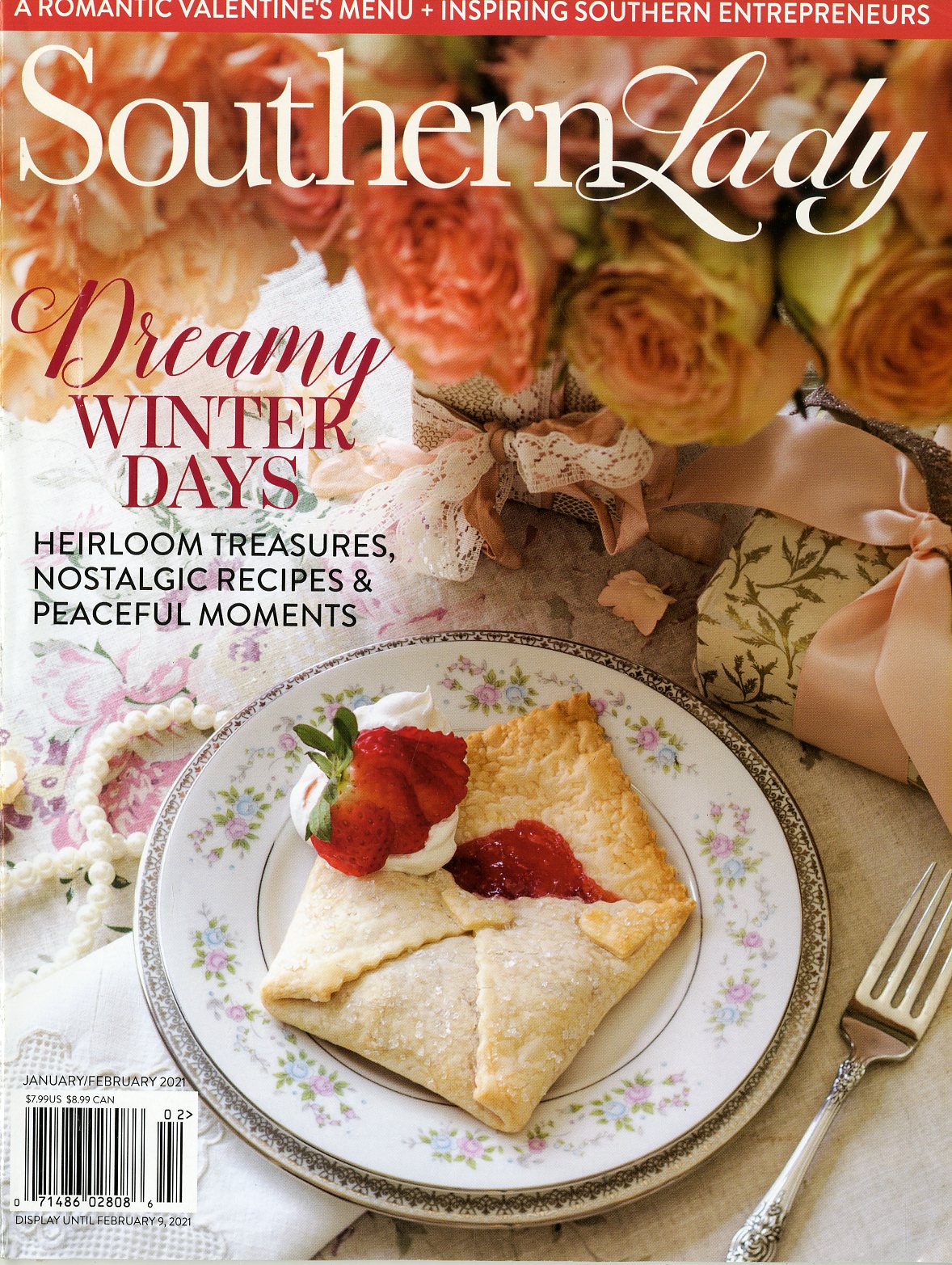
Family owned and operated, Hoffman Media is a leading special-interest publisher based in Birmingham, Ala. From Southern Lady to Bake from Scratch, Hoffman Media creates some of the most popular and iconic brands in the marketplace today. But like everyone else in 2020, the company had some major adjustments and shifts to contend with during the pandemic.

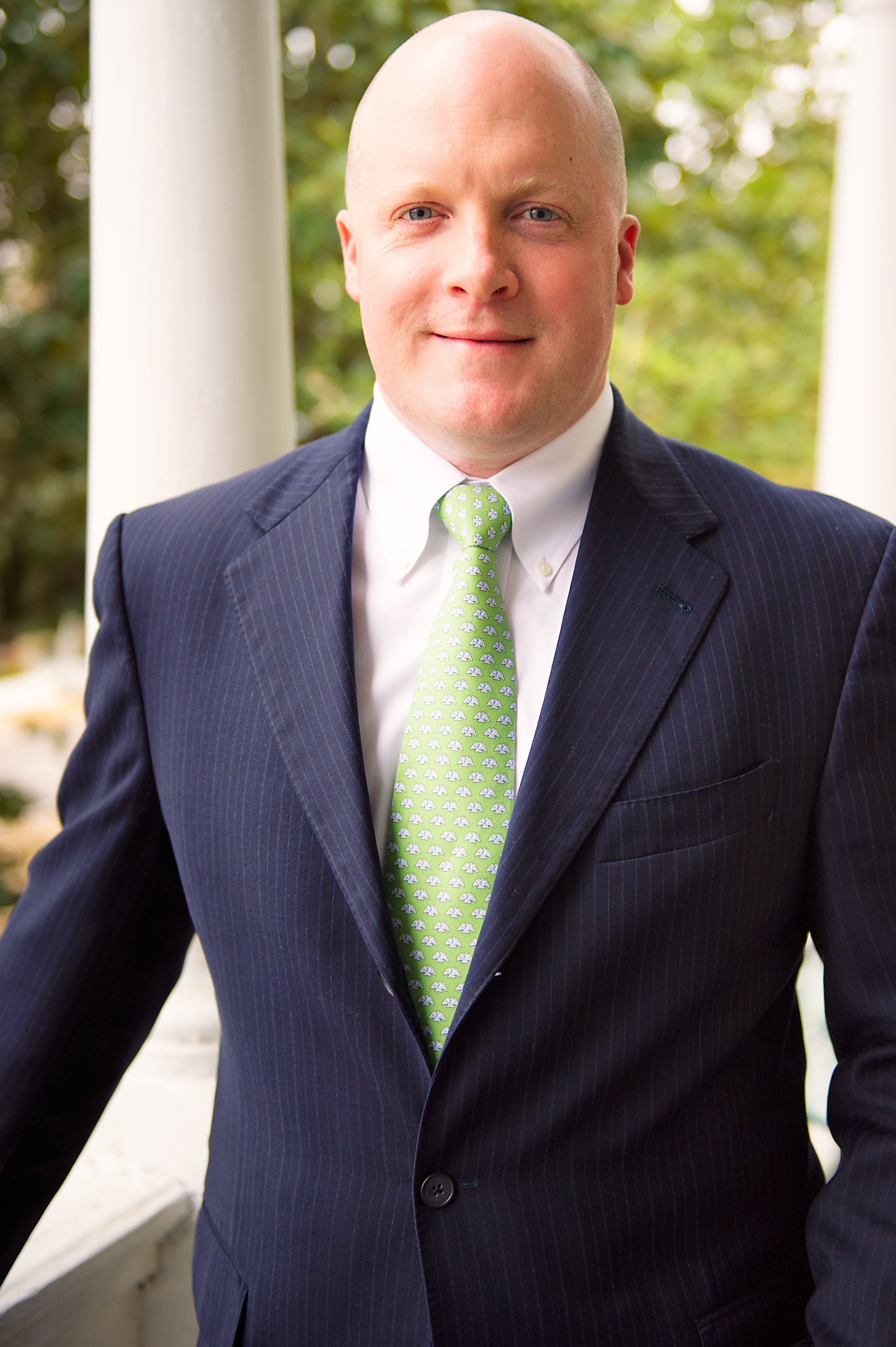
I recently spoke with Eric Hoffman, president and chief operating officer of the company, who along with his twin brother, Brian Hart Hoffman, and their mother, founder of the company, Phyllis Hoffman DePiano, runs a tight ship and saw many opportunities and blessings even through this pandemic year of 2020. 

So, please enjoy the eighth installment of the Mr. Magazine™ end of the year (2020) interviews with Eric Hoffman, president & chief operating officer, Hoffman Media.

But first the sound-bites:

On the biggest challenge that Hoffman Media faced in 2020 and how the company overcame it: Where we’ve shifted, coming off the challenge of 2020, is we’ve shifted to having a lot more emphasis on video education, paid video, and we’ve done that both within our sewing business and also within brands such as Louisiana Cooking and in a broad way, we’ve done it with Bake From Scratch.

On the roadmap for Hoffman Media into 2021: We believe that with the vaccine and when things reach a certain point, and live events are able to come back, I think there will be an enormous pent up demand for those live experiences. We’re being very cautiously optimistic about the event business coming back, potentially in the second half of 2021. That being said, we’re investing heavily in our video platform. We just announced a renewed partnership with Williams Sonoma for an 11-week program kicking off in January.

On the future of print in this digital age: I oftentimes think that people are scared to say because they somehow think it’s going to drive their valuation and their business down. I could care a little bit less about that. As you know we have a family-owned business; we do not have institutional investors and we frankly think that the print business managed right can still be a remarkable business to be in. Having the quality of the customers rather than the quantity is something that resonates better today than maybe ever.

On the changes he sees on the horizon for magazines and magazine media: In respect to the larger media houses, I do see them making a fundamental shift. Certainly there are several brands and SIPs that have become a meaningful piece of their business and look to be doing quite well. I certainly see them in a leadership role in our industry, both really running that business in the right way to the consumer, but also creating the narrative to the advertiser of why these niche markets actually matter, because changing the conversation with ad agencies can be difficult. And I think you need industry advocates at the top that truly believe that. So, when we see that and I think we are, that’s going to be exciting.

On some of the things Hoffman Media is doing to implement more diversity and inclusion into the company: On the editorial side of the business we certainly have been vocal to that end. Take southern cuisine and food, for example, you go back to the cultural influences that drive the cuisines that we celebrate today, absolutely there’s a voice there and we celebrate that. Hoffman Media is a family business and we love our employees, we love our customers, and we love our clients. And we treat them like family.

On whether he thinks we’re erasing history or trying to learn from history: I’m of the mindset that erasing history is short sided because to celebrate where we are today, it means that much more when you know where we’ve come from. Within the Black community, to have U.S. presidents, to have Supreme Court justices, Fortune 500 CEOs, valedictorians at Princeton University, these are wonderful opportunities to celebrate. When organizations and municipalities choose to completely eliminate history, I question whether it long-term impacts the successes and the achievements that are actually there right in front of us today.

On what makes him tick and click: I’ve been spending a lot more time this past year on things that I would call “on” the business rather than “in” the business. I’ve read several books this year that were exciting to me. I read “Scaling Up,” “The Great Game of Business,” and “Built to Last,” and have really been thinking differently about the way we run our business. I think the intrigue over scaling is interesting and doing it the right way. So, the strategy side of our business is certainly what’s driving my ambition today.

On how unwinds at the end of the day: I’ve gotten into making a really good Old Fashioned. (Laughs) And I love to cook. I spend a lot of time barbequing and I’ve learned to cook a pretty mean gumbo.

On what keeps him up at night: As of recently, I would have to tell you that it’s the political unrest. I was deeply disappointed to see where we are as a country sort of play out on national television. I’m hopeful that as a nation and as a country we can find some unity and find ways to work together on both sides of the aisle. I believe we as a country have never been more divided, at least in recent years. So, I think there is certainly opportunities for us as business leaders in the community to carry that message. To the extent that I have the ability to do that within my role, I hope to do that in my own community.

And now for the lightly edited Mr. Magazine™ interview with Eric Hoffman, president & chief operating officer, Hoffman Media. 

Samir Husni: 2020 has been one of the most difficult years for all of us, on all fronts. What has been the biggest challenge that Hoffman Media has had to face this year and how did you overcome it?

Eric Hoffman: For us, as a business, if you go back and look, November 2018 we made a strategic acquisition where we acquired the original sewing and quilting expos from F+W, which is a wonderful business that’s been around for a long time. We have nine markets that we’re in. It’s a fantastic business and has great customer loyalty. We had gone into 2020 with projections of growing the business. Obviously, around March 13, give or take, the live event business was brought to a halt.

We were very fortunate in some other respects in that throughout the year we saw our subscriber base not only stay with us, but grow, so we had a remarkable year on the subscription front. Average customer value increased; retention rates were phenomenal; and direct mail performed at probably  the highest level we’ve seen in a long time. 

So, the core magazine business, if you think about the consumer first as a business model, a lot of our larger competitors in the marketplace are sort of speaking this narrative of late, that they’re looking at more consumer-driven businesses and less advertising-ended businesses, which you and I have talked now for the better part of a decade or longer that our business model seems to make a lot of sense. 

Through the pandemic we saw some things happen and one was that the newsstand held up very well in light of everything taking place. If you think about checkout for example, which drives about 70 percent of magazine volume sales in grocery stores, we originally thought that might be challenged, because standing six feet behind the next person might prevent you from perusing and making a last minute purchase. But we saw the newsstand perform well. 

I would say, that while we’re not an ad-driven business, one of the most remarkable things we saw through 2020 was our advertising business and our clients stayed with us. In fact, we were flat on advertising revenue from 2019 to 2020 and if you go back from 2018 to 2019 we grew the business 20 percent. So, we were able to deliver a remarkable year. 

And that was driven by CPG (consumer packaged goods) companies that we do business with, they stayed with us. We do a whole lot more than just sell ad space, most of our clients we deal with on a very custom boutique approach, we create a lot of content for our advertising partners. So, we’ve seen a lot of strength in the core business. 

We were very fortunate in being eligible for our PPP loan, which I think a lot of people would point to as a great thing to have. We were very fortunate not to have to lay off anybody, including within our event business.

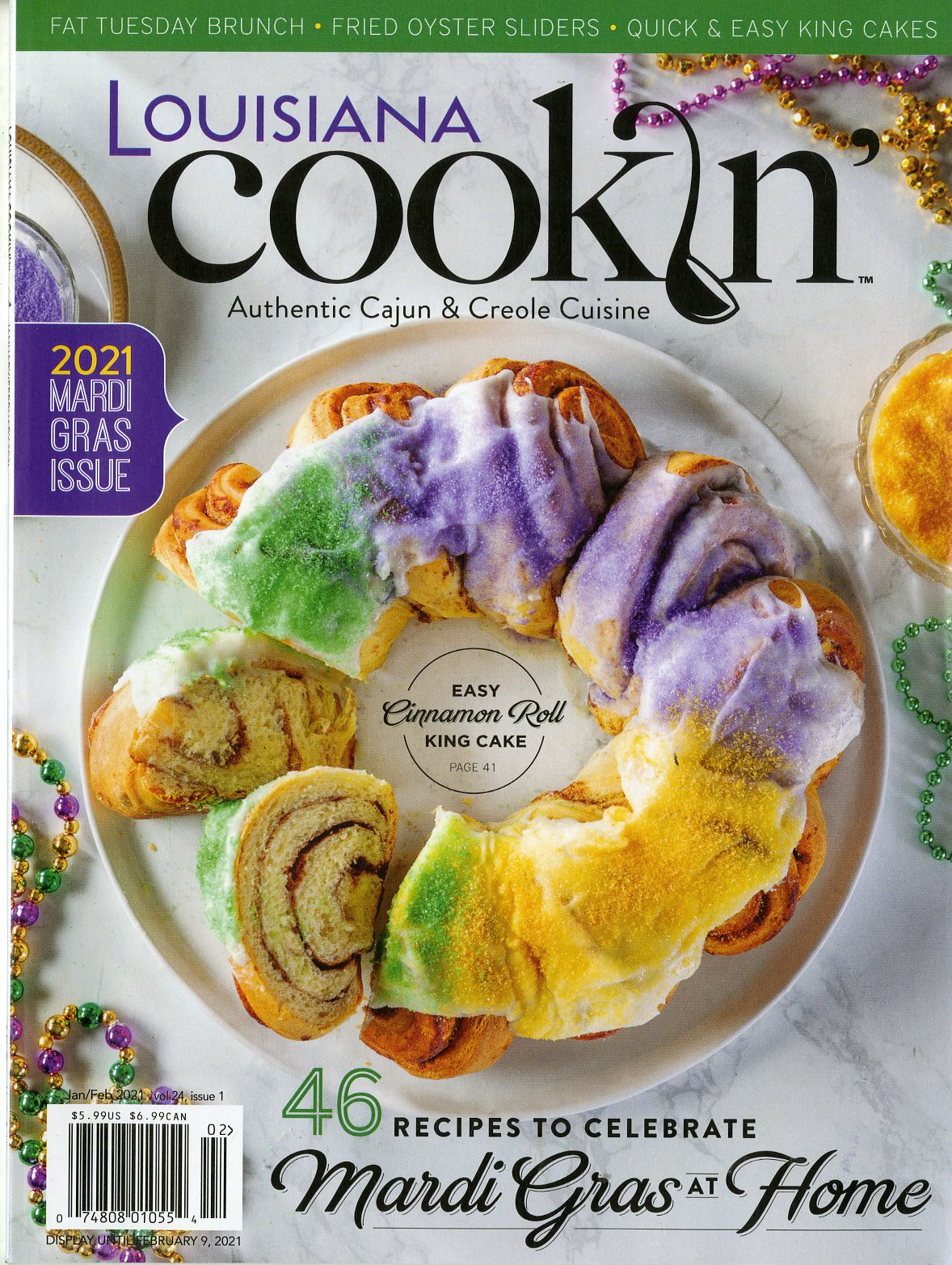
Where we’ve shifted, coming off the challenge of 2020, is we’ve shifted to having a lot more emphasis on video education, paid video, and we’ve done that both within our sewing business and also within brands such as Louisiana Cooking and in a broad way, we’ve done it with Bake From Scratch. 

Probably the highlight of the year, and much to my twin brother’s credit who is the face of Bake From Scratch and also our chief content officer, Brian Hart Hoffman, we put together a seven week partnership with  Williams Sonoma, where we did Williams Sonoma’s baking academy. It was a live, one hour baking class on Monday nights during the fourth quarter. It was an incredible opportunity for us, for our brand-building, but also a very unique and interesting way to drive profit opportunities in a non-traditional format. 

All in all, Hoffman Media was able to thrive on a net-net for 2020 with obviously some misses coming out of some areas of the business and our consumers really carrying us in other areas. 

Samir Husni: What’s the roadmap for Hoffman Media as you move toward 2021?

Eric Hoffman: We believe that with the vaccine and when things reach a certain point, and live events are able to come back, I think there will be an enormous pent up demand for those live experiences. We’re being very cautiously optimistic about the event business coming back, potentially in the second half of 2021. That being said, we’re investing heavily in our video platform. We just announced a renewed partnership with Williams Sonoma for an 11-week program kicking off in January. 

We have advertising partners like Bob’s Red Mill that we’re doing other baking academies with. We’ve done some Instagram live work with iconic brands like Tabasco with Louisiana Cooking, where we’ve been able to use our chef relationships and do some interesting programs there.

We very much think that the core print business, consumers want it; it’s an invited friend to their mailbox. It’s a wonderful opportunity when our magazines show up in a world where so many things that we get in our mail we don’t like and don’t want to see or is complete junk. I still believe that relationship between our print customer is special and we believe in it and we’re committed to it. 

We will follow the consumer in how they want to interact with our business. We’ve seen podcasts as a growing opportunity; our book publishing business has actually grown and is doing quite well and we see that as still a growth opportunity. And then I wouldn’t put it past us to potentially even look at acquisition opportunities during this time. We believe long-term in the live event business to the extent that there are incremental opportunities to expand there. I think we’ll be doing that. 

Also, with just more pure play digital opportunities; a business like ours that publishes 11 magazines and has for quite some time, we have an enormous amount of content. So, being able to retool the experience of how perhaps new audiences interact with that content might lend itself to more pure digital opportunities. 

Samir Husni: What is the future of print in this digital age?

Eric Hoffman: I oftentimes think that people are scared to say because they somehow think it’s going to drive their valuation and their business down. I could care a little bit less about that. As you know we have a family-owned business; we do not have institutional investors and we frankly think that the print business managed right can still be a remarkable business to be in. Having the quality of the customers rather than the quantity is something that resonates better today than maybe ever. 

If you think about print buying from an advertiser perspective, I think that reaching a quality audience over quantity, certainly that business model works better. I would be very nervous if I were running mass-reach brands that were running on a legacy business model that was large rate-based-driven and running sort of as a loss leader. I don’t see that as a viable business long-term. 

Samir Husni: In general, what do you see on the horizon for magazines and magazine media? What are some of the changes you see taking place?

Eric Hoffman: In respect to the larger media houses, I do see them making a fundamental shift. Certainly there are several brands and SIPs that have become a meaningful piece of their business and look to be doing quite well. I certainly see them in a leadership role in our industry, both really running that business in the right way to the consumer, but also creating the narrative to the advertiser of why these niche markets actually matter, because changing the conversation with ad agencies can be difficult. And I think you need industry advocates at the top that truly believe that. So, when we see that and I think we are, that’s going to be exciting.

I think there’s also opportunity for a lot of new entrants into the market in very niche ways. Magazines that I’ve seen and that I think are doing quite well: Okra Magazine, I’ve certainly seen them growing and I think it’s an interesting brand. So, the entrepreneurial side of this industry exists and always will exist. I’m an industry guy; I hope more people believe in launching their publications and doing things that serve our industry well. 

Samir Husni: Beside COVID, 2020 was a year filled with upheaval. Whether it was social injustices and Black Lives Matter, diversity, equality, or inclusion. And at last count in the past several months there have been over 336 magazines that have had Black subjects on the cover, which is more than there has been in the last 60 years. What are some of the things that you’re doing now to ensure that social responsibility, inclusion, diversity and equality are taking place at Hoffman Media?

Eric Hoffman: On the editorial side of the business we certainly have been vocal to that end. Take southern cuisine and food, for example, you go back to the cultural influences that drive the cuisines that we celebrate today, absolutely there’s a voice there and we celebrate that. Hoffman Media is a family business and we love our employees, we love our customers, and we love our clients. And we treat them like family. 

We’re certainly inclusive and we’re accepting of all. And I think that we demonstrate that day in and day out in our business. 

Samir Husni: Other companies are having seminars and hiring outside consultants on diversity and inclusion and then there are media companies like Condé Nast that I recently read are looking at their archives and erasing things that could be deemed offensive. Do you think we’re need to erase the history or learn from the history?

Eric Hoffman: I’m of the mindset that erasing history is short sided because to celebrate where we are today, it means that much more when you know where we’ve come from. Within the Black community, to have U.S. presidents, to have Supreme Court justices, Fortune 500 CEOs, valedictorians at Princeton University, these are wonderful opportunities to celebrate. When organizations and municipalities choose to completely eliminate history, I question whether it long-term impacts the successes and the achievements that are actually there right in front of us today. 

Samir Husni: What makes you tick and click these days?

Eric Hoffman: I’ve been spending a lot more time this past year on things that I would call “on” the business rather than “in” the business. I’ve read several books this year that were exciting to me. I read “Scaling Up,” “The Great Game of Business,” and “Built to Last,” and have really been thinking differently about the way we run our business. I think the intrigue over scaling is interesting and doing it the right way. So, the strategy side of our business is certainly what’s driving my ambition today.

We are keenly interested in several structural things within the business. Just for reference, we have 12 months left on our lease of 31,000 sq. ft. of office space in Birmingham. We certainly believe that we will have office space that’s collaborative and creative, but what does that look like? We think that there is going to be a lot more emphasis around where the content is created, in terms of remarkable test kitchens and studios and wonderful space for that, but it also presents an interesting opportunity for us to do something maybe more dynamic than we are today. 

So, there are some things that I think will come down the pike in maybe the next year or two that I think will be exciting for our employees. At the same time, I also would say what allows me to tick also is the family. It’s been interesting working remotely in a lot of ways, but it’s given, not just myself, but all of our employees the time to do things within the home that they needed to do and still perform. And they have done a wonderful job with that. They have made a remarkable shift and are excited about the ability to still be a vital team member and do it in a new and modified format. I would expect to some extent that will continue long-term. 

So, those are the main things. It’s exciting. I believe in our industry and I think that COVID has proven the magazine business is resilient in general. And I think that when you look at our industry relative to a lot of the narrative you’re seeing around programmatic ad buying and some other digital ad tech, we may not be valued in the marketplace as high from your EBITDA multiple or whatever you want to measure us by, but it’s a phenomenal business that has stood the test of time. And I think the consumer, if you listen to them, I think we’ll be here to stay for a while. 

Samir Husni: How do you unwind after a day working?

Eric Hoffman: I’ve gotten into making a really good Old Fashioned. (Laughs) And I love to cook. I spend a lot of time barbequing and I’ve learned to cook a pretty mean gumbo. 

Samir Husni: My typical last question; what keeps you up at night?

Eric Hoffman: As of recently, I would have to tell you that it’s the political unrest. I was deeply disappointed to see where we are as a country sort of play out on national television. I’m hopeful that as a nation and as a country we can find some unity and find ways to work together on both sides of the aisle. I believe we as a country have never been more divided, at least in recent years. So, I think there is certainly opportunities for us as business leaders in the community to carry that message. To the extent that I have the ability to do that within my role, I hope to do that in my own community.

Samir Husni: Thank you. 

h1

A New Year’s Message In Two Magazine Covers

December 31, 2020

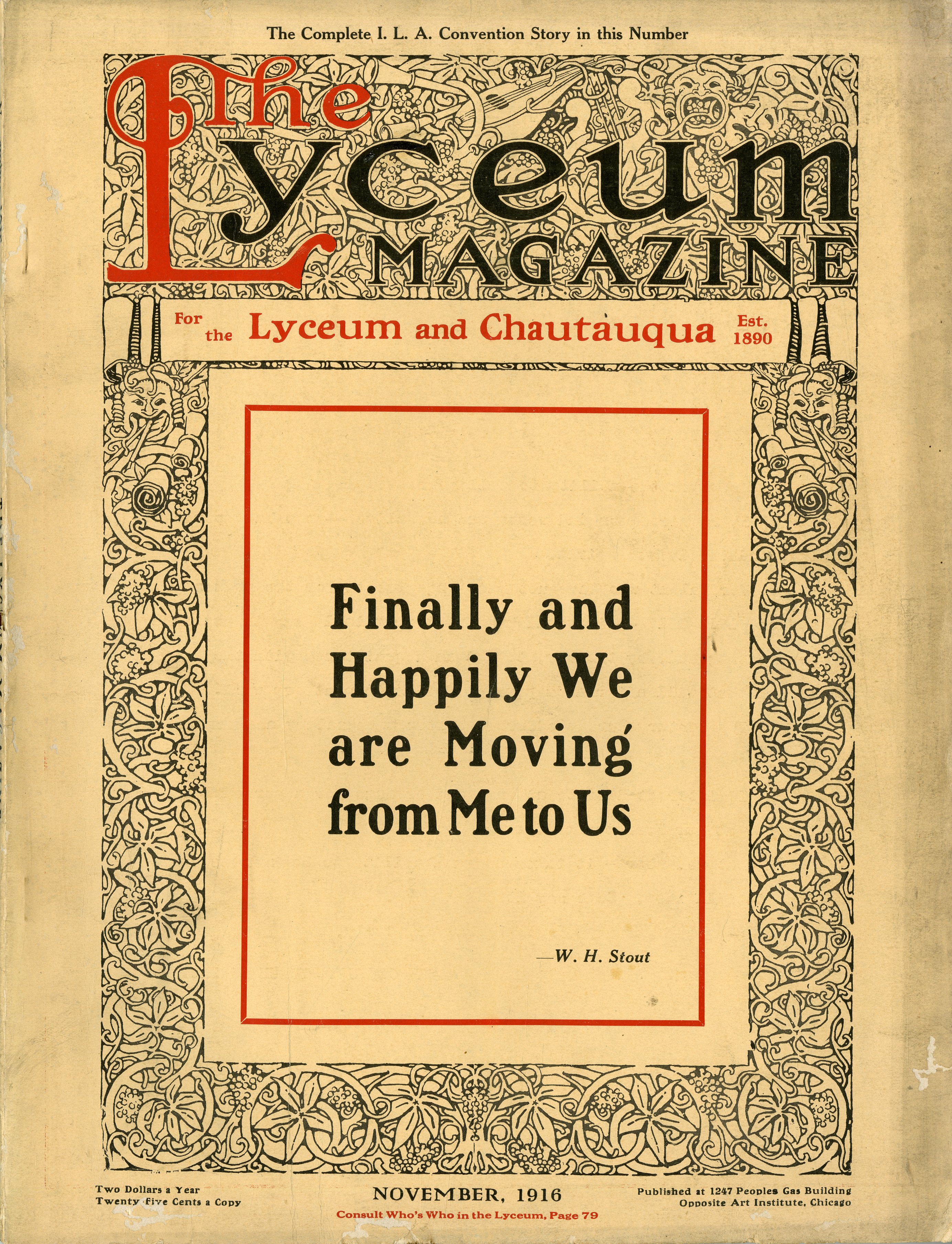
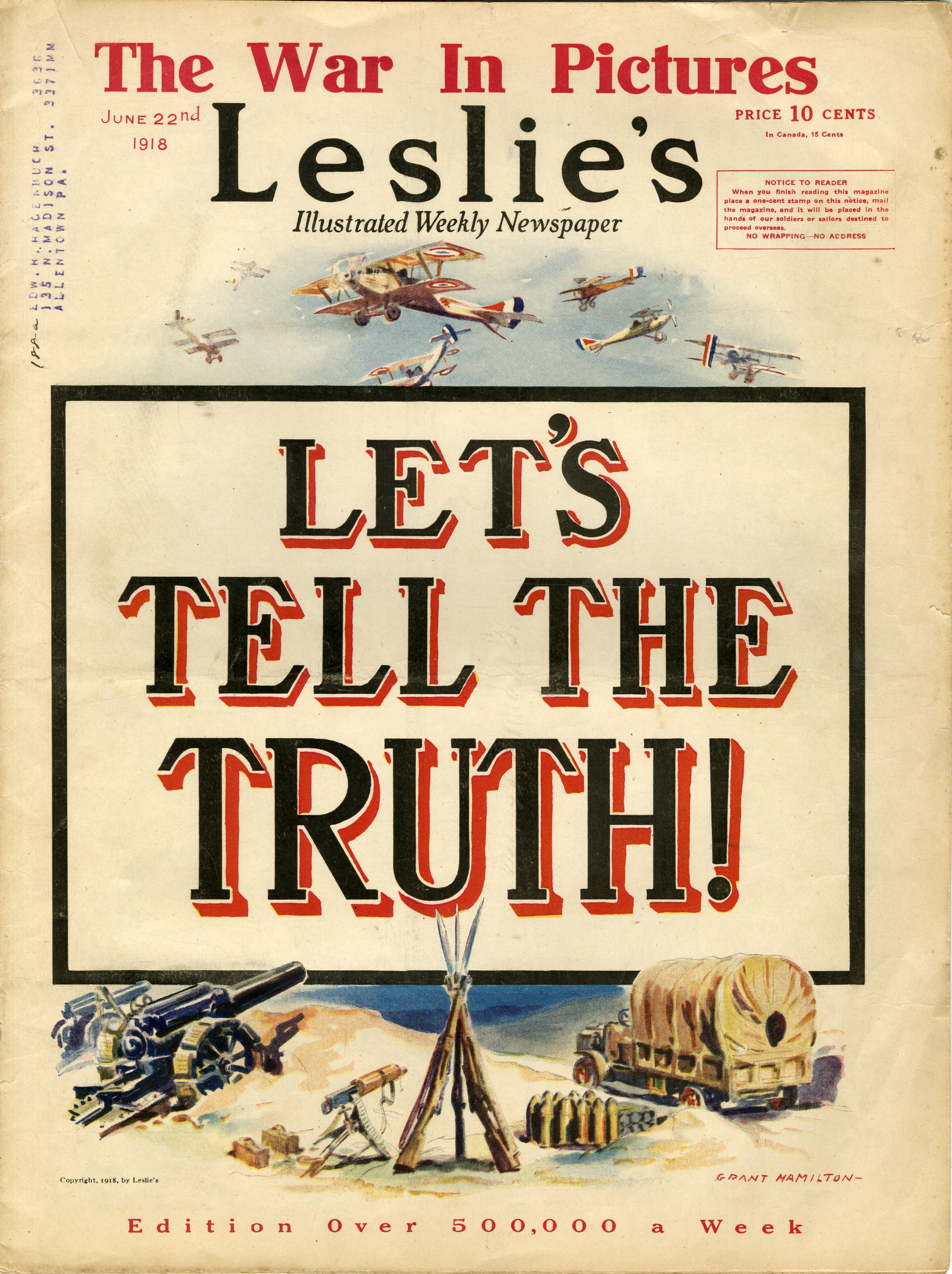
As we bid 2020 farewell, I thought if a picture is worth 1,000 words, a magazine cover or two from my collection is worth a million words. Here are two covers from 1916 and 1918 that sum my hopes and views of the coming year. Keeping the faith (and the magazines), easing the pain, stopping the hate, spreading the love and hoping this too shall pass. Have a wonderful, healthy and mentally prosperous new year.

The Lyceum Magazine November 1916
Leslie’s Magazine June 22, 1918

Here’s to a very successful 2021 magazine year and long live print in this digital age.

All my best and until we meet again in 2021 enjoy a magazine or two.

Samir “Mr. Magazine™” Husni

h1

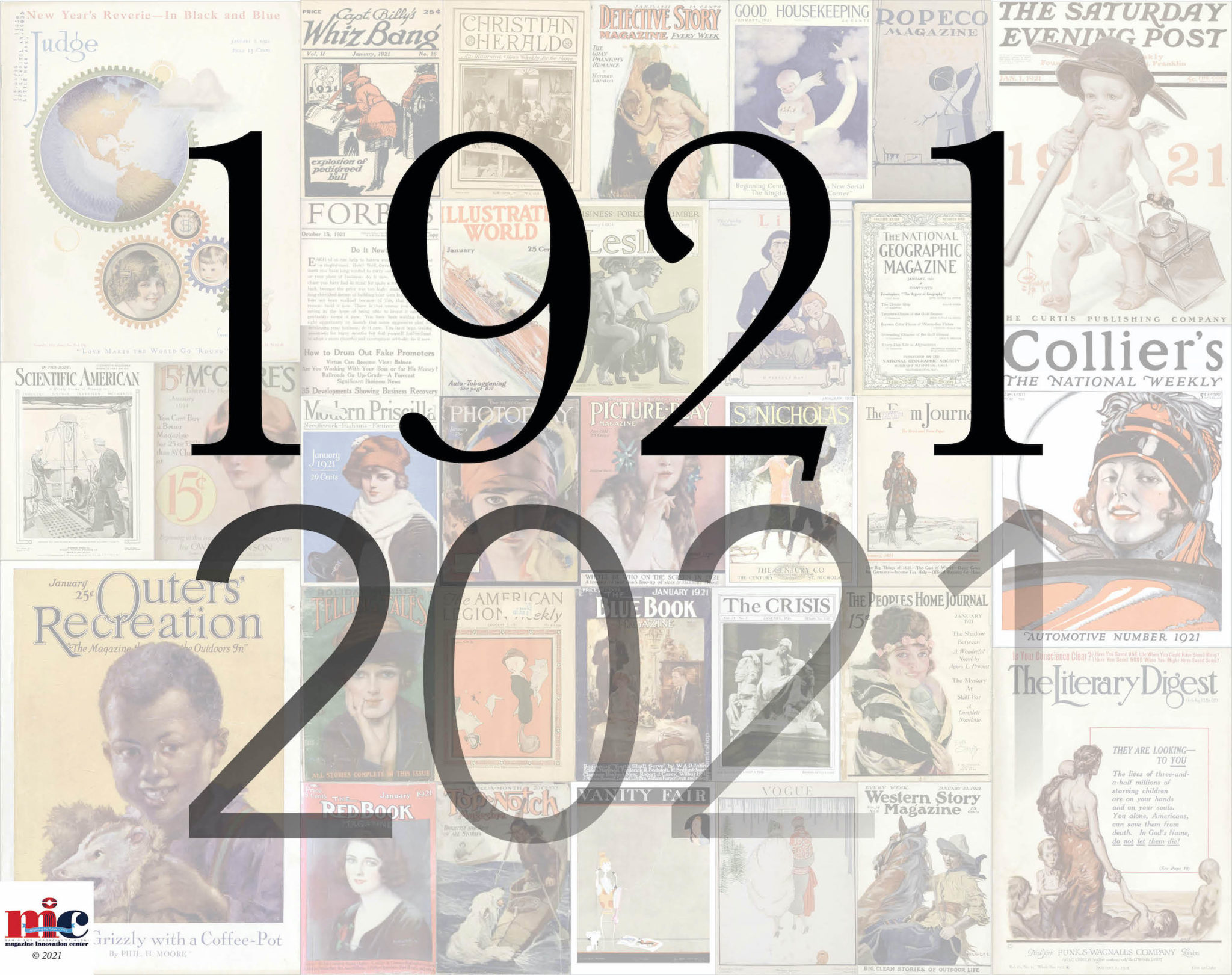
Magazines With A Heart: Happy New Year. 2021 In The Rearview Mirror of 1921

December 31, 2020

Happy New Year. As we say goodbye to 2020, here is an article I wrote for Poynter. It was published on Tuesday Dec. 29, 2020. I hope you will enjoy and I hope 2021 will bring health and mental prosperity to all.

100 years ago, magazines were juggling a pandemic, an election and appalling social injustices. Sound familiar?

A century ago, the world had just gone through the first World War; children around the world were starving; the 1918 influenza pandemic had hit; there was about to be a new president sworn in; and James Coyle, a Catholic priest in Birmingham, Alabama, was shot and killed by Klan member named E.R. Stephenson because the priest was presiding over the wedding of Stephenson’s daughter, Ruth, and Pedro Gussman, a Puerto Rican man who was working for her father.

A pandemic, an election and social injustices that are appalling and unbelievable. The historical similarities between the world in 1921 and now are extraordinary.

One more thing hasn’t changed. Audiences still want much the same thing from their magazines, as you’ll see in this analysis.

Magazines with a heart

Love. Labor. Liberty. Three ideals that magazines of 1921 celebrated. Three ideals that the country needed at that time. Three ideals that still offer hope today, with love being the most significant.

From the leader in magazines at that time, The Saturday Evening Post, to probably what was the only African American magazine created at that time, W.E.B. Du Bois’s The Crisis, to a hodgepodge of titles that kept the American family educated, entertained and informed, the magazines of 1921 were an important thread in the tapestry of life.

Click here to read the entire article as it appeared on the Poynter’s website.

h1

Magazines and Magazine Media: Diversity And Inclusion In The Year Of The Pandemic

December 29, 2020

The year of the pandemic, 2020, brought with it not only pain and suffering from the COVID 19 virus, but also saw major social upheavals on diversity and inclusion issues.  Magazines, being the leading reflectors of society, were in the forefront of covering and reacting to the year of the pandemic.

In fact, when it comes to diversity and inclusion, I was able to find and buy 336 magazines, from all categories and genres, that reflected diversity and inclusion by celebrating Blackness on their covers.  336 Black subjects appeared on the covers of these magazines, almost five times more than what has appeared in the last 100 years.

I reached out to the CEOs and presidents of the major magazine media companies to ask them about what they are doing regarding diversity, inclusion, and equality both in their magazines and in their workplaces. What follows are excerpts from the answers of the CEOs and presidents (in alphabetical order) who took my call and answered my question:

Debi Chirichella, President, Hearst Magazines

Hearst Magazines is committed to being a workplace, and also creating media, that reflects the world we live in. We put new training programs into place and added some advisory groups across the company to help us with this. It’s a journey and we know it’s a journey. I don’t think you’re ever finished. We made progress in 2020, but we’re going to continue to build on that progress.”

Andy Clurman, president & CEO, Active Interest Media

“We created a Jedi task force, which is Justice, Equality, Diversity, Inclusion and is a cross-section of people from the company. We also brought in an ad hoc diversity officer who has been leading this in terms of sourcing, education, facilitating conversations, doing content and promotional audits, hiring practices, so really looking top to bottom through our organization and our messaging and content. And strategically are there different organizations’ approaches within a different group?”

Kent Johnson, CEO, Highlight’s for Children

“We’ve done surveys and really looked at how can we be better, because our feelings are, if we’re responsible for creating products that affect our society, we better look internally and make sure our company internally reflects well the society that we live in. And then we’re doing it in a way that creates the sense of belonging for everyone at our company.”

Bonnie Kintzer, President and CEO, Trusted Media Brands

“It’s very important to us and very important to our employees. We have a diversity and inclusion team. They have four pillars that spell out the word MORE within our diversity and inclusion and that’s Mentoring, Opportunity, Recruiting and Education. And honestly, I look at these initiatives and I think these are things that we talked about that we should have always been doing. And now we have so much employee involvement to get these things done.”

Steven Kotok, President & CEO, Bauer Media Group USA

“We’ve engaged with a consulting firm that specializes in diversity, equity and inclusion and we’re going through a process where we’re educating ourselves, meaning the whole company, the whole team. And we’re having some listening sessions as well to hear from the team. And whatever we do, actions or statements, it may take a little longer, but that’s going to come not as a top-down, written by our very excellent communications people, but more bottom-up as a company on where we stand and what we think.” 

Catherine Levene, President, Meredith National Media Group

“We’re focused in two areas. One is the culture inside the company and our workforce and the other is what we show to our consumers and it’s not only the right thing to do, it’s good business to enhance our content and storytelling. To be more inclusive both in the content itself, but also in producing that content, whether that be in print, digital, video, in the art that we use, the photography. All of that has to be diverse because our audience is diverse.”

David Parry, President & CEO, A360 Media & Accelerate360

“It’s a topic amongst our senior executives every week, every day. We’re going to see more diversity in the workplace, but we have to also find ways to ensure that we are diversifying the talent pool so we can do so. We have to find ways to encourage students from all backgrounds to explore publishing and media as a career path for them. I think everyone is focused on tackling the challenge and because of that, meaningful changes can be made.”

To read the entire interviews with the seven CEOs and presidents of the aforementioned companies, please scroll down this blog for the full interviews.

h1

David Parry, President & CEO, A360 Media & Accelerate360, To Samir “Mr. Magazine™” Husni: “People Are Reconnecting With Print Media.” The Mr. Magazine™ End Of The Year Interview…

December 23, 2020

“Magazines have always been, and continue to be, a great source of comfort for consumers during the most difficult of times. There is something out there for everyone, no matter your interest: celebrity, lifestyle, home, fashion, food, whatever special interest you may have. Your favorite magazine relates to you like a good friend, it shares your interests in the most authentic and authoritative way.” David Parry…

“There is a personal connection that readers have with magazine brands and that brand equity presents myriad opportunities to grow and diversify those brands. Expanding brands with experiential platforms, single-topic issues, audio platforms, and more feature-like video content allow magazine brands to build on what they have been doing for years, engage people deeply. That is an incredibly valuable foundation to be able to build on.” David Parry…

Bloom in the Midst of Gloom and Doom … Magazine Media 2021  Part 7: David Parry, President & CEO, A360 Media & Accelerate360.

David Parry, President & CEO, A360 Media & Accelerate360.

2020 is almost behind us with a brand new year just waiting in the wings expectantly. The hope is there for a return to normalcy, a return to sanity, where life doesn’t seem quite as different and complex as we all have recently experienced. With this in mind, Mr. Magazine™ offers up his end of the year interviews with presidents and CEOs of major magazine media companies to get their take on what they feel 2021 holds for each of their companies and magazines in general. Our next magazine media president has arrived. Please enjoy…

Accelerate360 is one of the leading wholesale distribution companies in the United States that provides turnkey solutions for retailers and brands. The company manages merchandising programs, featuring more than 600 SKUs in general merchandise and health and wellness, for national and regional grocers, and is the largest periodical distributor in North America delivering magazines to more than 55,000 retail locations weekly. But like everyone else during 2020, A360 found itself dealing with a pandemic, which presented challenges that the company used its experienced leadership to help handle.

That experienced leadership starts with President and CEO, David Parry, who has previously served as President and CEO of The News Group U.S. (TNG), after serving as President and CEO of MagNet, an international data management company. I spoke with David recently in his first interview since he became CEO of A360 Media. It was informative to hear from a man who has experience both in the distribution side of magazines and magazine media, and now also in publishing.

So, please enjoy the seventh and final installment of the Mr. Magazine™ end of the year (2020) interviews with David Parry, President & CEO, Accelerate360.

But first the sound-bites:

On the biggest challenge that A360 faced in 2020 and how the company overcame it: On the distribution side, I’ve got more than two decades of experience and have seen my fair share of challenges. This year definitely posed some new challenges. However, I was able to leverage my experience and ensure that all of our clients and retailers were able to receive publications without disruption and done in a way that adhered to the new COVID guidelines. Also, as we navigated the challenges, we were also able to communicate to our clients all of the potential sales advantages that the COVID environment created.

On the future of print in a digital age: I love digital and the print and digital pieces of our brands, when working together, help to deepen that bond for the consumer. Digital is a powerful tool for breaking news or providing that first piece of insight or inspiration that leads to delving even deeper in the magazine format that provides all of the details and depth. It’s an important collaboration that deepens the experience with all of our brands.

On whether print is still the major source of revenue for the company: Yes. This year, it represents 60% of A360 Media’s revenue, with 40% being digital. Two years ago, digital was just 10%.

On his thoughts on the future of magazines and magazine media: There is a personal connection that readers have with magazine brands and that brand equity presents myriad opportunities to grow and diversify those brands. Expanding brands with experiential platforms, single-topic issues, audio platforms, and more feature-like video content allow magazine brands to build on what they have been doing for years, engage people deeply. That is an incredibly valuable foundation to be able to build on.

On how he feels about diversity and inclusion within companies: It’s a topic amongst our senior executives every week, every day. We’re going to see more diversity in the workplace, but we have to also find ways to ensure that we are diversifying the talent pool so we can do so. We have to find ways to encourage students from all backgrounds to explore publishing and media as a career path for them. I think everyone is focused on tackling the challenge and because of that, meaningful changes can be made.

On whether he sees a bright side coming out of 2020: COVID has parked us in our homes and given us a chance to reunite with some of the things that we’ve lost touch with. I’ve watched my kids, and they’re in the 23 to 33-year-old range, I’ve watched them read magazines and books incessantly because they just couldn’t bear to watch television all of the time. Too much bad stuff going on; too much of the repetitive stuff being reported. People are reconnecting with print media.  

On what makes him tick and click: I believe in the product. So I spend my time thinking how do I preserve this; how do I grow it; how do I take advantage of it; how do I build an enterprise out of it? I’m a cup-half-full guy and I’ve been that way my whole life.

On how he unwinds at the end of the day: I exercise. That’s how I keep safe.

On what keeps him up at night: We are moving in so many directions right now, I want to make sure we are focused on the right opportunities. It’s a good worry to have actually, we have so many opportunities, I worry about missing one.

And now for the lightly edited Mr. Magazine™ interview with David Parry, president & CEO, A360 Media.

Samir Husni: You’re now the new CEO of the former American Media, now A360 Media. And 2020 has been one of the toughest years ever on all fronts for the media industry. You’ve been a CEO on the distribution side of the business for many years and now you’re the CEO on the publishing side. What has been the biggest challenge you’ve faced in 2020 and how did you overcome it?

David Parry: On the distribution side, I’ve got more than two decades of experience and have seen my fair share of challenges. This year definitely posed some new challenges. However, I was able to leverage my experience and ensure that all of our clients and retailers were able to receive publications without disruption and done in a way that adhered to the new COVID guidelines. Also, as we navigated the challenges, we were also able to communicate to our clients all of the potential sales advantages that the COVID environment created.

In regard to A360, I was the distributor for these publications for 25 years, I know the celebrity titles which account for 70% of the business revenues and distributed the monthly titles like Men’s Journal as well. While I may be a bit more unfamiliar with the advertising and publishing aspects, I am learning at an accelerated clip thanks to A360 President Chris Scardino.

Samir Husni: Magazines have always played a positive role in times of crises throughout the ages, as opposed to newspapers and television that are usually the bearer of bad news. Do you think  magazines are a Prozac for society? And what do you see as the future of print in this digital age? Is it all going to be SIPs, like the majority of Meredith’s magazines or Topix Media or Centennial? 

David Parry: Magazines have always been, and continue to be, a great source of comfort for consumers during the most difficult of times. There is something out there for everyone, no matter your interest: celebrity, lifestyle, home, fashion, food, whatever special interest you may have. 

Your favorite magazine relates to you like a good friend, it shares your interests in the most authentic and authoritative way.

I love digital and the print and digital pieces of our brands, when working together, help to deepen that bond for the consumer. Digital is a powerful tool for breaking news or providing that first piece of insight or inspiration that leads to delving even deeper in the magazine format that provides all of the details and depth. It’s an important collaboration that deepens the experience with all of our brands.

For example, if Princess Kate is seen shopping for her children, you may see a social media post about it. One of the celebrity weeklies might have an image on the cover with further insights about where she went and what she bought, how she engaged with the store staff or other shoppers, giving a deeper picture of the whole experience in a 1,000-word article. 

So, in our view, the future is not SIPS. Those are one-time experiences. Our strategy is deepening the embrace of digital and using it to bring the story to life across all platforms.

Samir Husni: Is print still the major source of revenue for A360? 

David Parry: Yes. This year, it represents 60% of A360 Media’s revenue, with 40% being digital. Two years ago, digital was just 10%.

I believe that in 24 months’ time, we will be at a 50/50 balance of print and digital revenue much like many of the other publishers are seeing, or driving towards. 

Samir Husni: You mentioned that changes are on the horizon in terms of distribution, distributing direct from wholesale to the consumer, in addition to the retailer and the businesses. What other changes do you see on the horizon concerning magazine media? 

Davis Parry: As I mentioned above, there is a personal connection that readers have with magazine brands and that brand equity presents myriad opportunities to grow and diversify those brands. Expanding brands with experiential platforms, single-topic issues, audio platforms, and more feature-like video content allow magazine brands to build on what they have been doing for years, engage people deeply. That is an incredibly valuable foundation to be able to build on. 

Samir Husni: How do you feel social responsibility, diversity and inclusion is going to impact magazine media and how are you dealing with it in your own companies?

David Parry: It’s a topic amongst our senior executives every week, every day. We’re going to see more diversity in the workplace, but we have to also find ways to ensure that we are diversifying the talent pool so we can do so. We have to find ways to encourage students from all backgrounds to explore publishing and media as a career path for them. I think everyone is focused on tackling the challenge and because of that, meaningful changes can be made.

Samir Husni: Do you see any areas of “Bloom” in the midst of this gloom and doom ?

David Parry: COVID has parked us in our homes and given us a chance to reunite with some of the things that we’ve lost touch with. I’ve watched my kids, and they’re in the 23 to 33-year-old range, I’ve watched them read magazines and books incessantly because they just couldn’t bear to watch television all of the time. Too much bad stuff going on; too much of the repetitive stuff being reported. People are reconnecting with print media.  

Samir Husni: What makes you tick and click?

David Parry: I believe in the product. So I spend my time thinking how do I preserve this; how do I grow it; how do I take advantage of it; how do I build an enterprise out of it? I’m a cup-half-full guy and I’ve been that way my whole life. 

Samir Husni: How do you unwind in the evenings after you’re done working?

David Parry: I exercise. That’s how I keep safe. 

Samir Husni: My typical last question; what keeps you up at night?

David Parry: We are moving in so many directions right now, I want to make sure we are focused on the right opportunities. It’s a good worry to have actually, we have so many opportunities, I worry about missing one. 

Samir Husni: Thank you. 

    A Mr. Magazine™ Editorial

    The “Bloom” in the midst of gloom and doom. Magazines and magazine media have mainly focused on the positive and been an advocate for easing the pain and stopping the hate, seeking to help their audiences both in print and online. For these uncertain times and an audience that is constantly bombarded with bad news, magazines are like trusted friends that you can visit with while they console and encourage you in the midst of a pandemic and social and racial conflicts. 

    2020 is almost behind us with a brand new year just waiting in the wings expectantly. The hope is there for a return to normalcy, a return to sanity, where life doesn’t seem quite as different and complex as we all have recently experienced. With this in mind, I offer up my end of the year interviews with presidents and CEOs of major magazine media companies to get their take on 2020 and what they feel 2021 holds for each of their companies and magazines in general. 

    Keeping the faith, easing the pain, stopping the hate, spreading the love and hoping that this too shall be behind us.

    Here’s to a healthy and happy 2021

    Samir “Mr. Magazine™” Husni, Ph.D.

h1

Kent Johnson, CEO, Highlight’s For Children, To Samir “Mr. Magazine™” Husni: “I Am So Bullish About The Future Of Print For Kids.” The Mr. Magazine™ End Of Year Interview…

December 22, 2020

“I think the adult magazine world should look at the fact that we need to think about the audience, do create great digital experiences, but also provide excellent experiences in print. Print advertising? That’s been the problem. But a print experience for a human, that’s still a strong experience. I think we need to focus on the relevance of the content and the experience we create with our print magazines, our print media. And the future I think looks bright.” Kent Johnson…

“We can all look at our social media feeds and think of it as digital candy, but when you want a meaningful experience, an immersive experience, sometimes you want to get off the screen and engage with the print magazine. And we think that’s really healthy for kids, to engage with print in a focused way as an alternative and not in place of digital, it shouldn’t be an argument of print or digital, it’s what are the experiences that human wants at that time. And how do they have a diversity of positive experiences.” Kent Johnson…

Bloom in the Midst of Gloom and Doom … Magazine Media 2021  Part 6: Kent Johnson, CEO, Highlight’s for Children.

Kent Johnson, CEO, Highlight’s for Children.

2020 is almost behind us with a brand new year just waiting in the wings expectantly. The hope is there for a return to normalcy, a return to sanity, where life doesn’t seem quite as different and complex as we all have recently experienced. With this in mind, Mr. Magazine™ offers up his end of the year interviews with presidents and CEOs of major magazine media companies to get their take on what they feel 2021 holds for each of their companies and magazines in general. Our next magazine media president has arrived. Please enjoy…

Highlight’s for Children was founded in 1946 by Garry Cleveland Myers, Ph.D., and Caroline Clark Myers, who just happen to be the current CEO Kent Johnson’s great-grandparents. And even though Kent is a direct descendant of the company’s founders, he initially had no aspirations to work in the family business. But as fate would have it, he officially joined the company in 2005 and continues to be inspired by the mission to help children become their best selves – curious, creative, caring and confident – and motivated by the challenge of carrying that philosophy into new markets around the world.

In 2020, Kent’s mission hasn’t changed, but his modus operandi had to with a pandemic changing the course of his company’s history. Learning a “new normal” has been a challenge but one Highlight’s has handled with aplomb and inspiration. I spoke with Kent recently and we talked about the company business during the daunting year of 2020. The supreme optimism Kent spoke with about all aspects of his business, from print to digital to the educational materials, was energizing and wonderful. While 2020 was a difficult time for all of us, Kent and Highlight’s display a motivational and aspirational way of handling it.

So, please enjoy the sixth installment of the Mr. Magazine™ end of the year (2020) interviews with Kent Johnson, CEO, Highlight’s for Children.

But first the sound-bites:

On the biggest challenge that Highlights for Children faced in 2020 and how the company overcame it: The word unprecedented has become overused when talking about 2020. Our biggest challenge, and I think it’s still my biggest focus, is the impact of 2020 on our people. As we moved to remote work, it was worrying about the social, emotional health and well-being, as well as the physical safety of our teams. And trying to stay connected and keeping people engaged. Working together, I think was the most important thing and the biggest challenge, our biggest focus. And I think that’s going to be ongoing into 2021.

On the roadmap for Highlight’s into 2021: For me what 2020 did and what we have to do for our roadmap forward is in a lot of ways it accelerated things; it accelerated the shift to ecommerce; it accelerated how we do things at work through video chats, through working remotely. And so what we talk about is not about getting back to normal, but how do we take the best of what we’ve had to learn during this very difficult year and apply it so that we can come out ahead and use it to our strategic advantage going forward.

On the future of print in this digital age: I am so bullish about the future of print for kids. We spend time in our magazine industry or in education thinking that print is going away, but I think the lessons of 2020 for me are that print is not going away, particularly for kids. What we see is, we in our jobs and kids learning remotely or being at home, we have so many great digital experiences, but there’s a human need for balance. There’s a human need for the tactile, physical experience of print. So, I’ve not been more bullish on print as a technology that’s great for kids in literacy development, in puzzling and engagement.

On whether he has seen an increase in Highlight’s subscriptions: Our subscription business is up as well. What’s interesting about our subscription business being up is that people who are buying those subscriptions through digital means have exploded. But grandparents who are responding to direct mail is also way up. So, there’s a diversity of people who I think are looking for something that is engaging and is a quality use of their time.

On his thoughts on the future of magazines and magazine media: I’m a big let’s-measure-what-happens-in-the-world-and-respond-to-it, as opposed to “let’s predict.” I think that magazine media, magazine titles, companies and verticals that really understand and focus on the consumer’s needs in their audience, for me I think the future there is bright.

On some of the things Highlight’s is doing to implement more diversity and inclusion into the company: Highlight’s serves kids and we create the products, the content that kids are consuming pretty young in their lives, we’re proud of our heritage of inclusion and the diversity that we’ve depicted in our magazines, but absolutely this year has caused us to double-down, reexamine, look at our structures, look at our approach, look at how we’re building content to be as inclusive as possible. So, we’re working on continuing to try to always be open and as we talked about, always evolving to make sure our magazines are as inclusive as possible. 

On anything he’d like to add: I’ve really learned during this pandemic, as a leader of an organization, I’ve realized how much more important it is for me to focus on how our people are doing than it is for me to focus on how they’re doing the work. The power of engagement, community, belonging, social and emotional well-being in an organization, that power will never cease to amaze me. And that’s what has gotten us through.

On what makes him tick and click: One of my focuses through this pandemic has been trying to focus on the idea of making sure I have enough gas in the tank. I think it’s emotionally and physically taxing to live under the stress of the pandemic, the stress of what’s going on, the divisiveness in our society and the concerns we all have for our teams and our business in this environment.

On how he unwinds after a busy day: Obviously, our house with two kids at home; I’m sure our Netflix bandwidth is pretty large. (Laughs) I try to watch some videos that allow you to escape. I’ve also increased my amount of reading. When we’re on the screen so much we need some way to unwind. I certainly like meditation apps, but I’ve been reading more nonfiction, more history.

On what keeps him up at night: It’s always people. I think our people are really stressed. I keep telling my team to take 10 days off this holiday. What keeps me up? I’m a little tired; I’m pretty engaged with work and life, but I’m nervous about the toll this is having on society.

And now for the lightly edited Mr. Magazine™ interview with Kent Johnson, CEO, Highlight’s for Children.

Samir Husni: 2020 has been one of the most difficult years for all of us, on all fronts. What has been the biggest challenge that Highlights for Children has had to face this year and how did you overcome it?

Kent Johnson: The word unprecedented has become overused when talking about 2020. Our biggest challenge, and I think it’s still my biggest focus, is the impact of 2020 on our people. As we moved to remote work, it was worrying about the social, emotional health and well-being, as well as the physical safety of our teams. And trying to stay connected and keeping people engaged. Working together, I think was the most important thing and the biggest challenge, our biggest focus. And I think that’s going to be ongoing into 2021.

But I think by trusting our people and empowering our people, we’ve been able to get through a lot of the business challenges reasonably well. But with so much uncertainty it’s difficult to keep everyone aligned and energized. It’s very taxing to go through a year like this.

Samir Husni: What’s the roadmap for Highlight’s as you move toward 2021?

Kent Johnson: It’s interesting because while Highlight’s is a magazine business, we’re also a diversified educational publishing company, so in addition to magazines, we do subscription clubs and retail products that can be about puzzling and learning.

So, one of the interesting things that happened this year was that parents had to immediately become teachers at home and we stopped going to restaurants and we stopped traveling, and there became an increased focus on how do you create a quality experience at home? And for some of our business lines that actually helped us. We felt like we were able to come to the aid of parents, who like us, now had kids at home. So we started making free digital content for kids to try and give them things to do at home. 

But for me what 2020 did and what we have to do for our roadmap forward is in a lot of ways it accelerated things; it accelerated the shift to ecommerce; it accelerated how we do things at work through video chats, through working remotely. And so what we talk about is not about getting back to normal, but how do we take the best of what we’ve had to learn during this very difficult year and apply it so that we can come out ahead and use it to our strategic advantage going forward. 

So, the things we’ve learned about increasing employee engagement; how can we continue to focus on engagement in 2021? Being more relevant to our audience; providing solutions that really matter to parents in the home. Being consumer-focused and becoming more consumer-focused is 100 percent on our roadmap. We’ve also learned a fair bit about digital marketing, whether it’s through the platforms of Amazon or through social media or ecommerce and search. So continuing to refine those lessons and continuing to accelerate the digital communication we use to reach, particularly millennial parents, to purchase our products. 

We’re excited about the brand and we’re excited about being focused on being relevant to our audience with the services that we’re going to add in 2021. 

Samir Husni: What is the future of print in this digital age?

Kent Johnson: I am so bullish about the future of print for kids. We spend time in our magazine industry or in education thinking that print is going away, but I think the lessons of 2020 for me are that print is not going away, particularly for kids. What we see is, we in our jobs and kids learning remotely or being at home, we have so many great digital experiences, but there’s a human need for balance. There’s a human need for the tactile, physical experience of print. So, I’ve not been more bullish on print as a technology that’s great for kids in literacy development, in puzzling and engagement. 

And I think the adult magazine world should look at the fact that we need to think about the audience, do create great digital experiences, but also provide excellent experiences in print. Print advertising? That’s been the problem. But a print experience for a human, that’s still a strong experience. I think we need to focus on the relevance of the content and the experience we create with our print magazines, our print media. And the future I think looks bright.

Samir Husni: Have you seen any increase in your subscriptions at Highlight’s?

Kent Johnson: Our subscription business is up as well. What’s interesting about our subscription business being up is that people who are buying those subscriptions through digital means have exploded. But grandparents who are responding to direct mail is also way up. So, there’s a diversity of people who I think are looking for something that is engaging and is a quality use of their time. 

We can all look at our social media feeds and think of it as digital candy, but when you want a meaningful experience, an immersive experience, sometimes you want to get off the screen and engage with the print magazine. And we think that’s really healthy for kids, to engage with print in a focused way as an alternative and not in place of digital, it shouldn’t be an argument of print or digital, it’s what are the experiences that human wants at that time. And how do they have a diversity of positive experiences. 

Samir Husni: What’s your thoughts on the future of magazines and magazine media as the industry moves forward into the future?

Kent Johnson: I’m a big let’s-measure-what-happens-in-the-world-and-respond-to-it, as opposed to “let’s predict.” I think that magazine media, magazine titles, companies and verticals that really understand and focus on the consumer’s needs in their audience, for me I think the future there is bright. 

The key is to make sure that the magazine is responsive and relevant to the needs of the audience. A magazine is a cool thing compared to a book. You publish a book and it’s done. A magazine is always organically evolving and is interactive, you have dialogue with your readers, dialogue with your audience. So, you’re always growing and evolving with your audience.

If that’s a focus of the magazine industry, those titles that really stay relevant, evolve, and serve their audience both through the magazine and through the other ancillary experiences, such as products, the ways they interact with their digital, physical, with the things they build around the magazine and build around the audience’s needs, I think the future is great. 

Next year is Highlight’s 75th anniversary. And we’re working on a book called “Dear Highlight’s – What Adults Can Learn From Listening To Children.” And it has samples of the letters we’ve gotten and our responses to kids over the last 75 years. And I think it’s an example of relevance here, if you’re in a dialogue with your readers, you stay in touch and you always evolve to grow with your readers. 

And I think for magazine companies that stay focused on their audience and on their readers, I think the future is bright. 

Samir Husni: Beside COVID, 2020 was a year filled with upheaval. Whether it was social injustices and Black Lives Matter, diversity, equality, or inclusion. And at last count in the past several months there have been over 318 magazines that have had Black subjects on the cover, which is more than there has been in the last 60 years. What are some of the things that you’re doing now to ensure that social responsibility, inclusion, diversity and equality are taking place at Highlight’s?

Kent Johnson: Our employees, our teams, experienced the same thing that everyone across the country experienced and it was an emotional process, an emotional reaction. There are two strands that we’re focused on. 

One is because Highlight’s serves kids and we create the products, the content that kids are consuming pretty young in their lives, we’re proud of our heritage of inclusion and the diversity that we’ve depicted in our magazines, but absolutely this year has caused us to double-down, reexamine, look at our structures, look at our approach, look at how we’re building content to be as inclusive as possible. 

To try to set that as kids experience content, that they see the world they really live in, which extends beyond race and ethnicity, it extends to disabilities, it extends to family structures. Do you have two parents; two parents of the same gender, just trying to show kids that people live in all different ways. Have children see themselves in the product and see the diversity that makes our society great. 

So, we’re working on continuing to try to always be open and as we talked about, always evolving to make sure our magazines are as inclusive as possible. 

The other reaction that we’ve had as a company is that we see clear and systematic problems in our society that people have long been aware of. One of our reactions was we need to look at our own house. So, taking steps to look at our employment policies; look at our diversity, equity and inclusion training internally. We’ve engaged external consultants to help build programs internally. We’ve created a diversity, equity and inclusion council to look at strands in our marketing, in our human talent practices, in our employee engagement practices. 

We’ve done surveys and really looked at how can we be better, because our feelings are, if we’re responsible for creating products that affect our society, we better look internally and make sure our company internally reflects well the society that we live in. And then we’re doing it in a way that creates the sense of belonging for everyone at our company.

Samir Husni: Is there anything you’d like to add?

Kent Johnson: I’ve really learned during this pandemic, as a leader of an organization, I’ve realized how much more important it is for me to focus on how our people are doing than it is for me to focus on how they’re doing the work. The power of engagement, community, belonging, social and emotional well-being in an organization, that power will never cease to amaze me. And that’s what has gotten us through.

Samir Husni: What makes you tick and click?

Kent Johnson: One of my focuses through this pandemic has been trying to focus on the idea of making sure I have enough gas in the tank. I think it’s emotionally and physically taxing to live under the stress of the pandemic, the stress of what’s going on, the divisiveness in our society and the concerns we all have for our teams and our business in this environment. 

To be honest, I’m focusing more than usual on going to bed early; on making sure I get my exercise. And I know that sounds pretty basic, but I  think when we’re involved in an organization where we want to take care of each other, it’s important that we’re also taking care of ourselves and making sure that we have the energy and the emotional capacity to lean into those things that matter, our family, our work family and our extended family that we’re not seeing.

So for me, it’s been about just trying to stay engaged and trying to do those basic things right. So, I go to bed about an hour earlier than I do in non-pandemic times. 

Samir Husni: How do you unwind after a busy day?

Kent Johnson: Obviously, our house with two kids at home; I’m sure our Netflix bandwidth is pretty large. (Laughs) I try to watch some videos that allow you to escape. I’ve also increased my amount of reading. When we’re on the screen so much we need some way to unwind. I certainly like meditation apps, but I’ve been reading more nonfiction, more history. Just taking that time that can be a little bit disconnected from this time, from media, from politics – let’s go back to the 1800s; let’s go back to an earlier time and continue learning. 

Samir Husni: My typical last question; what keeps you up at night?

Kent Johnson: It’s always people. I think our people are really stressed. I keep telling my team to take 10 days off this holiday. What keeps me up? I’m a little tired; I’m pretty engaged with work and life, but I’m nervous about the toll this is having on society. 

Going back to virtual learning, the data we’re seeing across the country on what’s happening to kids in schools who are learning virtually or are not participating virtually, the disruption to schoolkids, which I think sometimes people focus on the math and reading, I’m not that worried about the math and reading, what I’m worried about is the social/emotional impact and how are we going to help kids recover and respond to the trauma they’re experiencing and get back into the learning track. That’s probably what I’m most worried about. And I do lose sleep.

If the world were right, our country would have to make a significant investment in helping kids recover from this experience and I’m worried we don’t have the will or the resources to do what we’re going to need to do for kids over the next five years. As we fight, we’re not talking about how much we’re going to have to invest in kids who have had a pretty hard go with this pandemic. 

Samir Husni: Thank you. 

Up next: David Parry, CEO, A360 Media

A Mr. Magazine™ Editorial

The “Bloom” in the midst of gloom and doom. Magazines and magazine media have mainly focused on the positive and been an advocate for easing the pain and stopping the hate, seeking to help their audiences both in print and online. For these uncertain times and an audience that is constantly bombarded with bad news, magazines are like trusted friends that you can visit with while they console and encourage you in the midst of a pandemic and social and racial conflicts. 

2020 is almost behind us with a brand new year just waiting in the wings expectantly. The hope is there for a return to normalcy, a return to sanity, where life doesn’t seem quite as different and complex as we all have recently experienced. With this in mind, I offer up my end of the year interviews with presidents and CEOs of major magazine media companies to get their take on 2020 and what they feel 2021 holds for each of their companies and magazines in general. 

Keeping the faith, easing the pain, stopping the hate, spreading the love and hoping that this too shall behind us.

Here’s to a healthy and happy 2021

Samir “Mr. Magazine™” Husni, Ph.D.