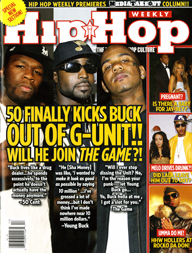
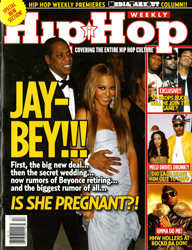
The two-year old Hip Hop Weekly was published without any fanfare, but since it changed its format from a tabloid to a standard size glossy magazine Hip Hop Weekly started gaining space on the newsstands and I have selected it as one of min’s magazines hottest launches of last year. Now, the magazine that covers the hip hop culture on a weekly basis is learning the tricks of the trade and offering split covers on the nation’s stands. The latest issue comes with two covers, one devoted to Jay Z and the other to 50 Cent….In any case, both covers are a reflection of a culture that is gaining ground in a world surrounded by celebrity news and gossip…Britney, Jen, Paris and the rest of the gang better watch out, Hip Hop Weekly’s covers are off limit to you…but the rest of the Hip Hop stars can now have a magazine they can call their own. Check it out if you are interested in keeping up with the hip hop culture…you will not regret it and you may learn a thing or two…

Split covers and different stars reach Hip Hop Weekly world…
May 1, 2008New Magazine Launches: First Quarter ’08 — totals are up, 4x or more are down
April 26, 2008The number of new magazine launches in the first quarter of 2008 witnessed an increase of five titles compared to those introduced in 2007. A total of 150 new magazines were introduced to the American magazine scene in the first quarter of 2008. This is an increase of five from 2007, but still a far cry from the introduction of 192 new magazines in the same time period of 2006. However the number of titles published four times or more in the first quarter of this year has dropped by nine. Only 41 magazines were launched with the intention to be published at least four times a year compared with 50 in 2007, and 72 in 2006.
So what does this mixed bag of numbers mean? Not much. Since I have started tracking new magazine launches, I have witnessed a two or three years’ declines after a very healthy and busy year. 2005 was a very healthy year. 1013 new magazines were launched. The decline started in 2006. We are in our third year of decline. In 2006 we have seen 901 new launches, the number dropped to 715 last year, and if the trend of the previous years continues, we will see another drop again this year before the numbers bounce back. Call it market correction if you please, but definitely it is NOT a sign that print is on its way out. History will tell us otherwise. So enjoy this quarter’s crop and look forward to more titles to come next month.
Here is the break down of the numbers by month:
January-March – 150 total magazines
January – 42 magazines (14 published 4x or more):
6 quarterly
5 bimonthly
2 monthly
1 10x
28 specialFebruary – 52 magazines (16 published 4x or more):
10 quarterly
2 bimonthly
2 monthly
1 9x
1 10x
1 bi-annual
3 annual
32 specialMarch – 56 magazines (11 published 4x or more):
9 quarterly
2 monthly
5 annual
40 special
Click here to see images of all magazines launched so far in 2008.
TIME for the 21st Century… Richard Stengel’s Stuart Bullion Memorial Lecture at Ole Miss
April 25, 2008TIME’s managing editor Richard Stengel delivered one of the most thought-provoking, eye-opening lectures to an overflowing lecture hall, with standing-room only audience, at the department of journalism at The University of Mississippi. The entire April 21st lecture can be watched here. I know it is more than an hour-long with questions and answers at the end, but I promise you, you want to watch the entire speech. If you are looking for answers to the many questions regarding the future of journalism and the weeklies, Stengel gives you answers. Richard Stengel changed the covers of TIME magazine from questions to answers with an assertive point of view. It you want answers to your questions, then give yourself an hour and sit down, relax and watch Richard Stengel answer the questions that each and everyone of us are asking: What the future of journalism? Click here to watch the entire speech.
Would love to hear your comments on Richard Stengel’s lecture.
Stop Using the Term Convergence and other Good Advice from ESPN’s Wright Thompson
April 23, 2008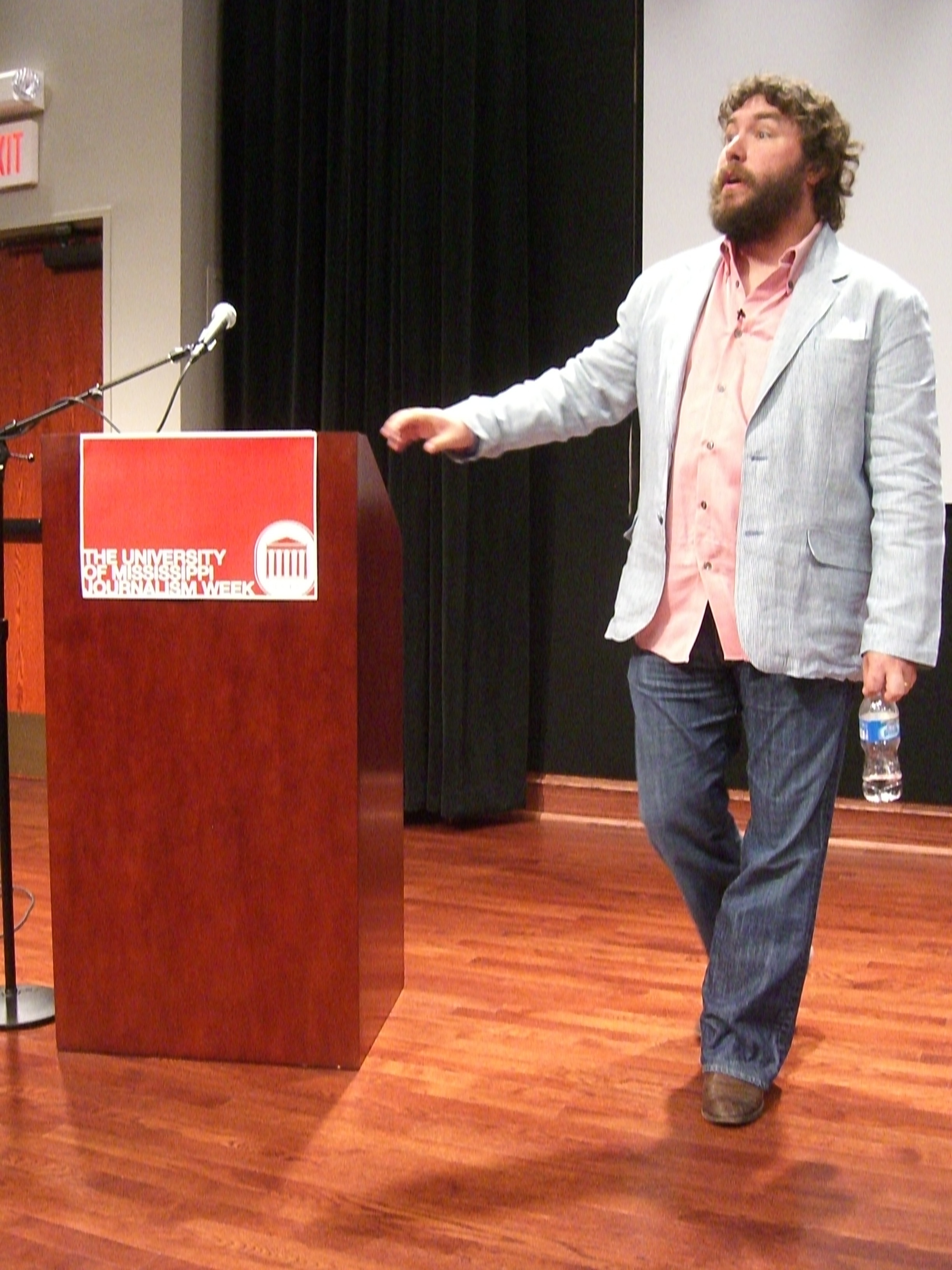
Students at The University of Mississippi’s department of Journalism received a dose of good advice from Wright Thompson in the third day of Journalism Week. Thompson offered the following advice to the students, which I believe, apply to anyone interested in the profession of journalism today and wants to know where journalism for the 21st century is heading…Here are some of the highlights from his talk:
1. There is no difference in working for a web-site or in working for a newspaper. What people did at the newspaper in the 60s they are still doing now but on the web-site.
2. Stop using the term convergence. It is more of an advertising term or business term and not journalism. Convergence has nothing to do with what we should be doing as journalists and writers.
3. The same fundamental stuff in journalism has not changed. Ask smart questions and find interesting people to ask the questions to.
4. Learn how to write, learn how to report…everything else will be OK.
5. Don’t immerse yourself with the doom and gloom of the industry. Even during the depression there were people who were still traveling and spending time in Europe and other places. The industry is still hiring good folks.
6. Remember the art of storytelling. Learn the skills and try to be a story teller. Every story must have a character, a plot, an outline from the very beginning.
7. The best stories are about Hope and Fear.
8. The 24-hour cable news is nothing but a video blog.
9. In ESPN we do journalism first and then we figure which is the best platform.
10. The internet has created more accountability and more integrity. You can’t get away with things today like you used to be able to do 20 or 30 years ago.
The entire talk of Wright Thompson will soon be uploaded on the department of journalism MCast video service soon. To check all other talks and presentations on MCast please click here.
Richard Stengel on Reinventing TIME
April 21, 2008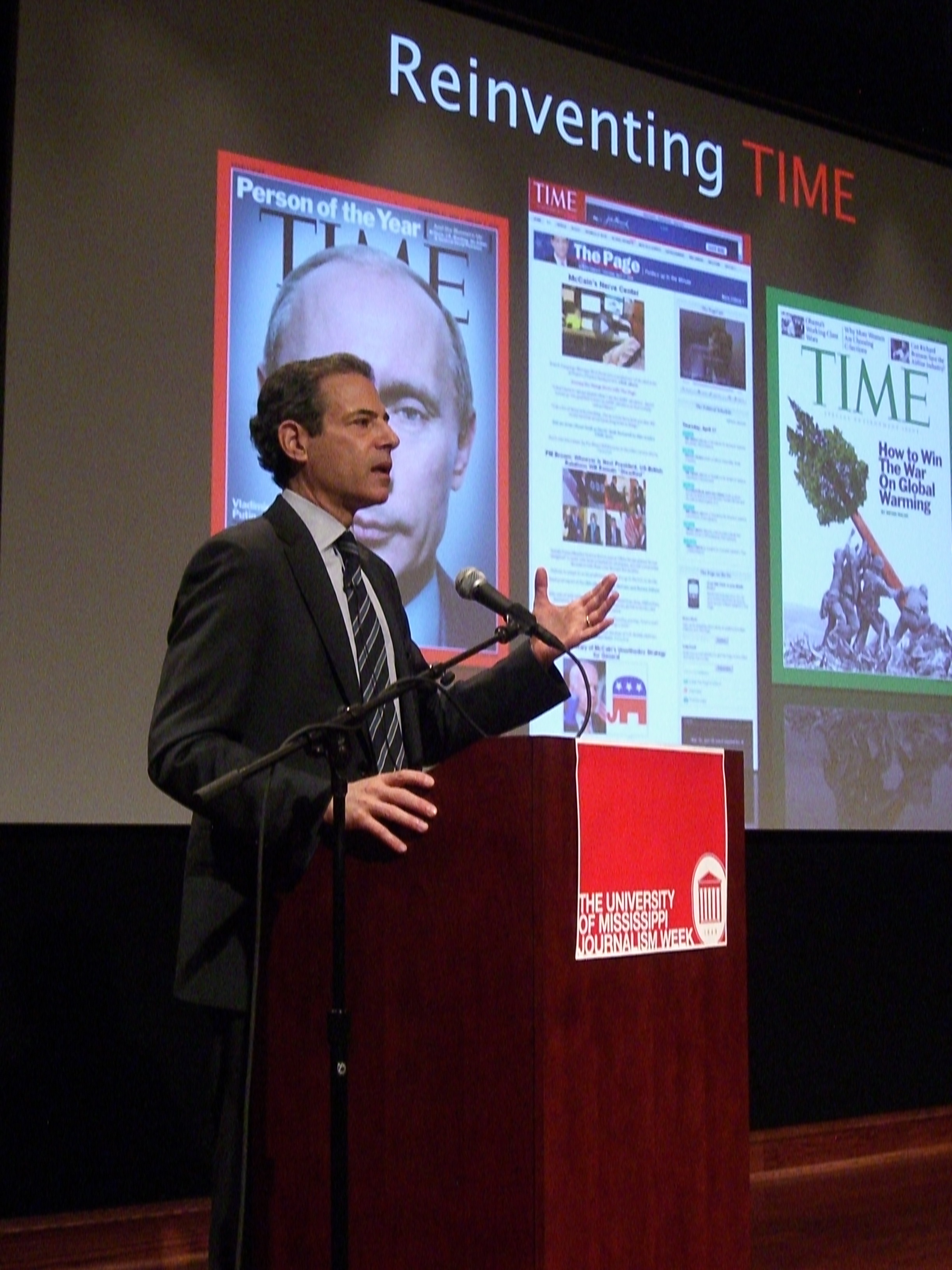
“Curate more and create less,” is the new mantra for the 21st century journalist, Richard Stengel TIME‘s managing editor told a standing room only crowd as he delivered the keynote address for the Third Annual Memorial Stuart Bullion Lecture in Journalism at The University of Mississippi. In a speech entitled “Reinventing Time” Stengel told students, faculty and the public attending the lecture, that journalists must focus more on the WHY rather than the WHAT and WHEN. Journalists must be moderators of information utilizing all the new technological tools and must not be afraid of voicing their opinion when they are the experts and authority on the subject matter at hand. He went on to say, if someone else is a better authority on a specific subject matter, you should not be afraid of sending them to that someone else.
Click here for preview from the Qs and As with Richard Stengel after his lecture. I will be posting his entire lecture and the Qs and As on the Department of Journalism website and on the Mr. Magazine website this coming Thursday.
I truly believe what Richard Stengel is doing at TIME and TIME.Com today is indeed building on the DNA that Henry Luce and Briton Hadden founded in 1923. Theirs was TIME for the 20th Century, Richard Stengel’s is TIME for the 21st Century. His energetic speech today was the talk of the students and faculty after he left. “Powerful, visionary and on the mark,” are but a few comments I have heard from students and faculty after the speech. He has his fingers right on the pulse of our industry and those with ears to listen better do so. I agree wholeheartedly and I can’t wait for my tech folks to finish the video processing in order to share the entire lecture and the questions and answers with y’all so you can judge for yourself.
How do I see the future of journalism, well, I have to agree with Richard Stengel, “the cup is indeed half full.” Let us work on filling it up!
For more videos from this and previous Ole Miss Department of Journalism events subscribe to our podcast at mcast.blip.tv
To read the report from The Daily Mississippian about Stengel’s visit please click here.
TIME in RED, BLACK and GREEN
April 19, 2008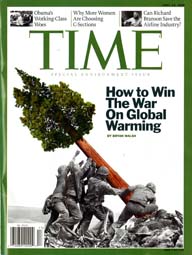
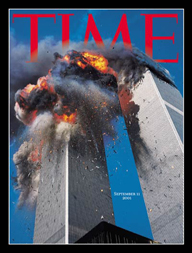
This week, and for the second time in its 85-year history, TIME magazine leaves the red border behind in favor of the green border to celebrate Earth Day and the war on global warming. The only other time TIME left the red border behind was when it issued a special edition after Sept. 11, 2001. TIME took a page from its departed sister LIFE which did the same during its long history with the white LIFE in a red box. LIFE changed the red color twice in its lifetime: the issue after the assassination of president John F. Kennedy (Nov. 29, 1963) when black replaced red, and on Earth Day (May 1990) when green replaced red.

When a color is your trademark, you tend not to mess with it. However, Richard Stengel, TIME’s managing editor writes in this week’s issue,
“This is our third annual special issue on the environment but also a historic first: for this one issue, we’ve exchanged our trademarked Red Border for a green one. By doing so, we are sending a clear — and colorful — message to our readers about the importance of this subject, not just to Americans but to everyone else around the world as well.”
By the way, TIME managing editor will deliver the third annual Stuart Bullion Memorial Lecture at the campus of The University of Mississippi on Monday April 21 at 9:00 a.m. His topic: Reinventing TIME. Click here for more details.
The “Sole” of Michael Jordan…
April 14, 2008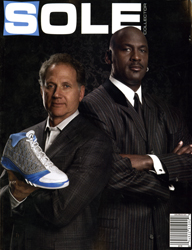
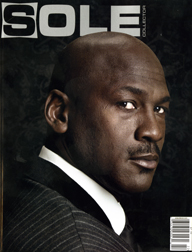
Sole Collector magazine is celebrating the release of Michael Jordan’s collector’s edition sneakers number 23 by producing two covers, one limited edition sold at Foot Locker shoe stores and the other for national distribution. The issue sold at the shoe store showcases Jordan and the maker of the shoe Mark Smith on the cover, while the newsstand’s edition showcases Jordan alone. Both magazines are a testament to the power of the name Michael Jordan and niche magazines at the same time.
Sole Collector is yet another example of the power of niche publications in reaching an audience still hungry for more information in less time and space than they can find on the internet. There is no shortage of information on the net regarding Jordan and his series of his namesake shoes, but finding all that info with powerful accompanying photography all in one package is still the domain for magazines. Sole Collector presents a powerful issue than ends with Michael Jordan saying, “I made 23 mine. It’s your turn. Own it.”
For more info on the magazine click here.
John Walters had an eye for Eye…
April 11, 2008
The news from across the pond that the editor of Eye magazine is now the owner of the magazine. Haymarket Media Group announced their decision to release ownership of Eye magazine to its editor since 1999 John Walters. John and two of the magazine founders Simon Esterson (Eye’s art director) and Hannah Tyson (business director at Esterson Associates) have formed Eye Magazine Ltd. a new company that will continue to publish one of the best graphic design magazines any side of the Atlantic …
What caught my attention is that those three people embodied for me the true passion found in individuals and the way they interact with the products they create. It is what I call the passion of publishing formula: you dream it, you launch it, you love it and you buy it.
Haymarket Media Group may have lost Eye, but the aforementioned trio together with thousands of graphic designers around the world gained a highly prized magazine that will continue to land on their door steps once every quarter.
Best of luck and keep up the great work. I will continue to keep an eye on Eye!
Condé Nast Portfolio: The Most Notable Launch of 2007
April 5, 2008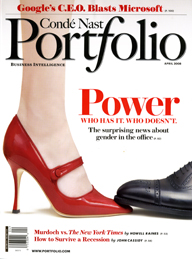
Drum roll please…from a field of 715 new magazines launched in 2007, Condé Nast Portfolio is our choice as The Most Notable Launch of the Year. 2007 will be remembered as the year that saw the return of the prophets of doom and gloom and at the same time as the year folks like David Carey and Joanne Lipman showed the world that print is and can be alive, well and kicking. Our hats off to the folks at Condé Nast Portfolio and the 714 other magazines that showed the doubting Thomases that print is still a very vibrant medium in this day and age. A recent Dutch newspaper adopted the tag-line “News is free but information you have to pay for.” And that is exactly what CN Portfolio has done as it approaches its first anniversary issue. The magazine has provided in depth information on business issues ranging from food, gender, oil, media… you name it. The information in each issue is presented in an in-depth fashion merging the power of words and images to deliver the best visual impact of print (VIP). This VIP enhances CN Portfolio’s addictive, exclusive and timely, yet timeless content.
With the power of print alive, well and kicking on the pages of CN Portfolio magazine, the same can be said about Portfolio.com website. CN Portfolio provides a complete package of information that makes it a must to today’s movers and shakers. Whether ink on paper or pixels on the screen CN Portfolio deserves the honor of being named the Most Notable Launch of the Year. A well done job in the midst of a very rough year both on the business and media fronts.
Indeed, 2007 has been a rough year for media across the board, but what we have seen in the last 12 months isn’t new. It has happened before. In just one short year we have seen overseas news bureaus shutdown, a television and movie writers’ strike that has altered viewing habits, a move to free internet media content by some big name papers, the slashing of approximately 1000 titles from Wal-Mart’s newsstands and now you see that we have the lowest total number of new magazine launches in five years. So what should I do? Should I say some of you were right? That we are actually a dying industry?
I can’t and I won’t.
If I were to say those things and side with those who believe media is doomed I would not only be ignoring some key events that happened this year, but I would be ignoring what happened when new mediums burst on to the market in the middle of the last century. Newspapers and magazines were supposed to die after radio wowed the world. A few decades later radio, newspapers and magazines were all agreed to be dead after we fell in love with television. And today the talk seems to be that everything will suffer because of the internet. Just for a quick historical piece of information newspapers and magazines, like any other product, have a time to be born and a time to die. That was true in 1690 when the first American newspaper was born and the same was true when it died after the first issue was born. There is nothing new under the sun when it comes to the life cycle of all things that have a time to be born and a time to die.
Well here we are: it is 2008, we still have television, we still have radio, we still have newspapers and we still have magazines. That will not change. Most of the world is having no problem with media consumption. Newspaper circulation and readership is up all over the world with the exception of the American market (that is the subject of another blog), a paper mill was recently completed in Germany at a cost of €486 million, a printing press was also recently opened in the United Kingdom unlike any we’ve seen before and foreign newsstands are more crowded than ours and still European consumers want more.
But you don’t even need to look as far as Europe to see that print is well, alive and kicking. The 2007 new launches totaled 715. That is, still nearly two new magazines launched each day on average. And while 2007 count is nearly 200 titles fewer than 2006, it is still substantially higher than the number than the number of new launches in 1991, the first year that commercial use of the internet was allowed. And don’t forget the golden goose. Condé Nast felt so sure of the current desire for good content that they fed over $125 million into the launch of CN Portfolio, our Most Notable Launch of the Year. So far I haven’t heard one whisper of disappointment concerning that investment, except of course from the prophets of doom and gloom.
I’ve been saying this for some time now, we are in the midst of a market correction. We saw the market correct itself in 1999 and we are seeing it again this year. What we are seeing is, in some ways, similar to what the housing market or national economy is doing. Anything involving money has a tendency to be a roller-coaster ride of ups and downs. There may be those that are complaining as we are at a low point, but be certain, those same individuals will be praising our industry when the numbers swing back up like they have time and again over the 20+ years I have been tracking new launches. Enjoy.
And the top 5 notables are…
April 4, 2008One day left before we announce our most notable launch of the year, but in preparations to do so we’ve narrowed the numbers to the top five before announcing tomorrow our launch of the year. The top 5 most notable launches of the year are in alphabetical order are: Condé Nast Portfolio, Everywhere, Garden & Gun, Heal and Outside’s Go.
To read the profiles and seven questions and answers with the aforementioned magazines please click on the magazine name. One of those five titles will be named Mr. Magazine’s Most Notable Launch of the Year tomorrow. Stay tuned.


