h1

Music And Entertainment 1953 Style… The Magazines And I, Chapter 12, Part 2.

November 3, 2021

Music and Entertainment Magazines … is the 12th chapter from the serialized book I am writing on the magazines of 1953, specifically March 1953, the month I was born.  This is chapter 12 part two.  Feel free to back track for chapters one, two, three, four, five, six, seven, eight, nine, ten and eleven in previous blogs.  Enjoy.
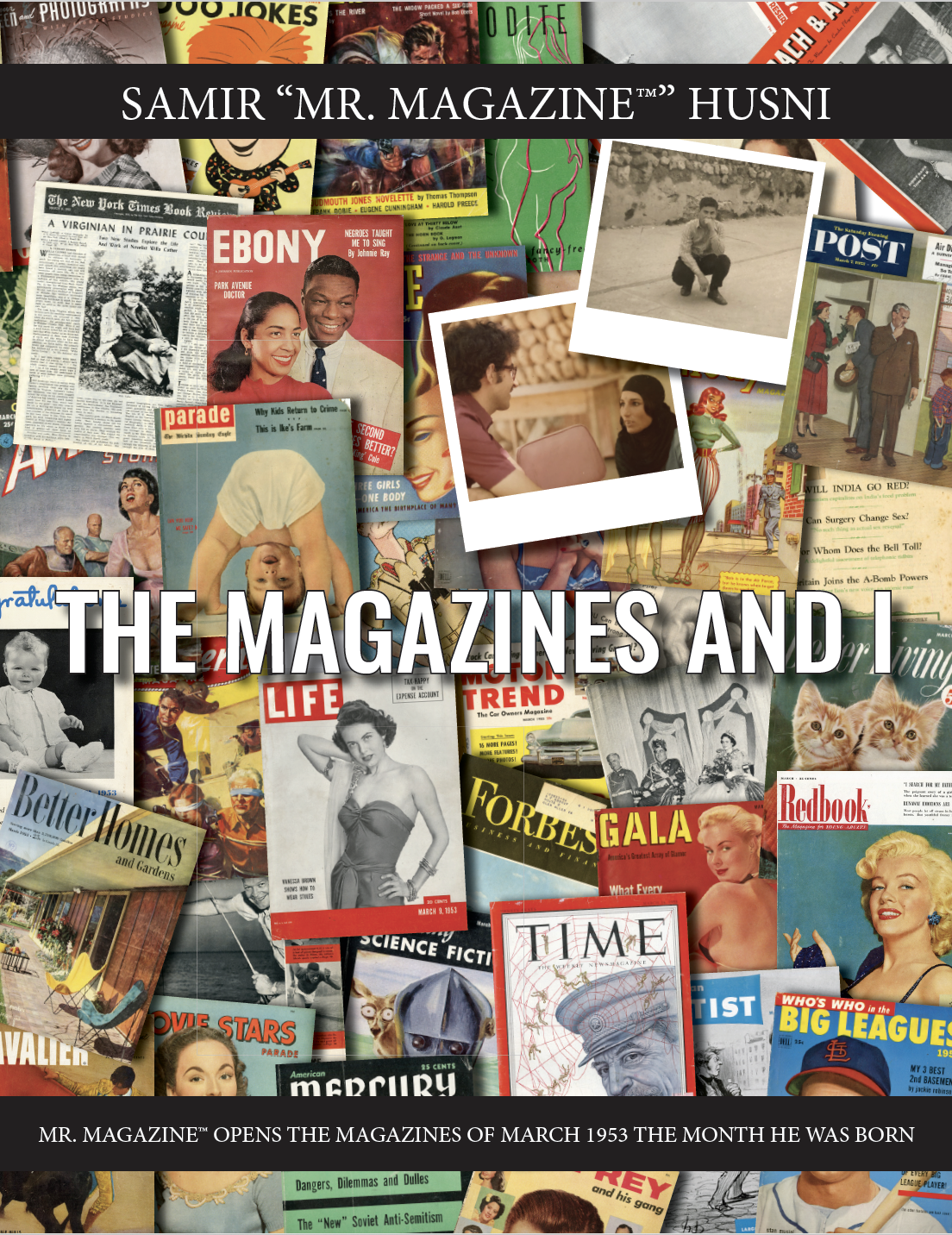
In March 1953 magazines that covered music and entertainment offered a great service to fans by providing current gossip of their favorite actors, singers, heartthrobs, many song lyrics and melodies, plus other pertinent information for people clamoring to be in-the-know. 

We have to remember that at this time, television was still in its infancy, basically still a “talking piece of furniture” that many were trying to adjust to and get to know. And while TV Guide was published in April 1953, and was a very big title, it did have regional predecessors that covered the infant television scene before the launch of the national edition on April 3, 1953. 

Music and entertainment magazines were the eyes and ears for fans, doing what the Internet and television does today for many people. In March 1953 there was a “channel” for every aspect of a fan’s interest, from honing their own musicality by learning lyrics to their favorite songs to enhancing their knowledge of popular movies and their stars. Magazines were the Internet of the times once again…and March 1953 had some of the best.

Let’s take a look, shall we?

MODERN SCREEN
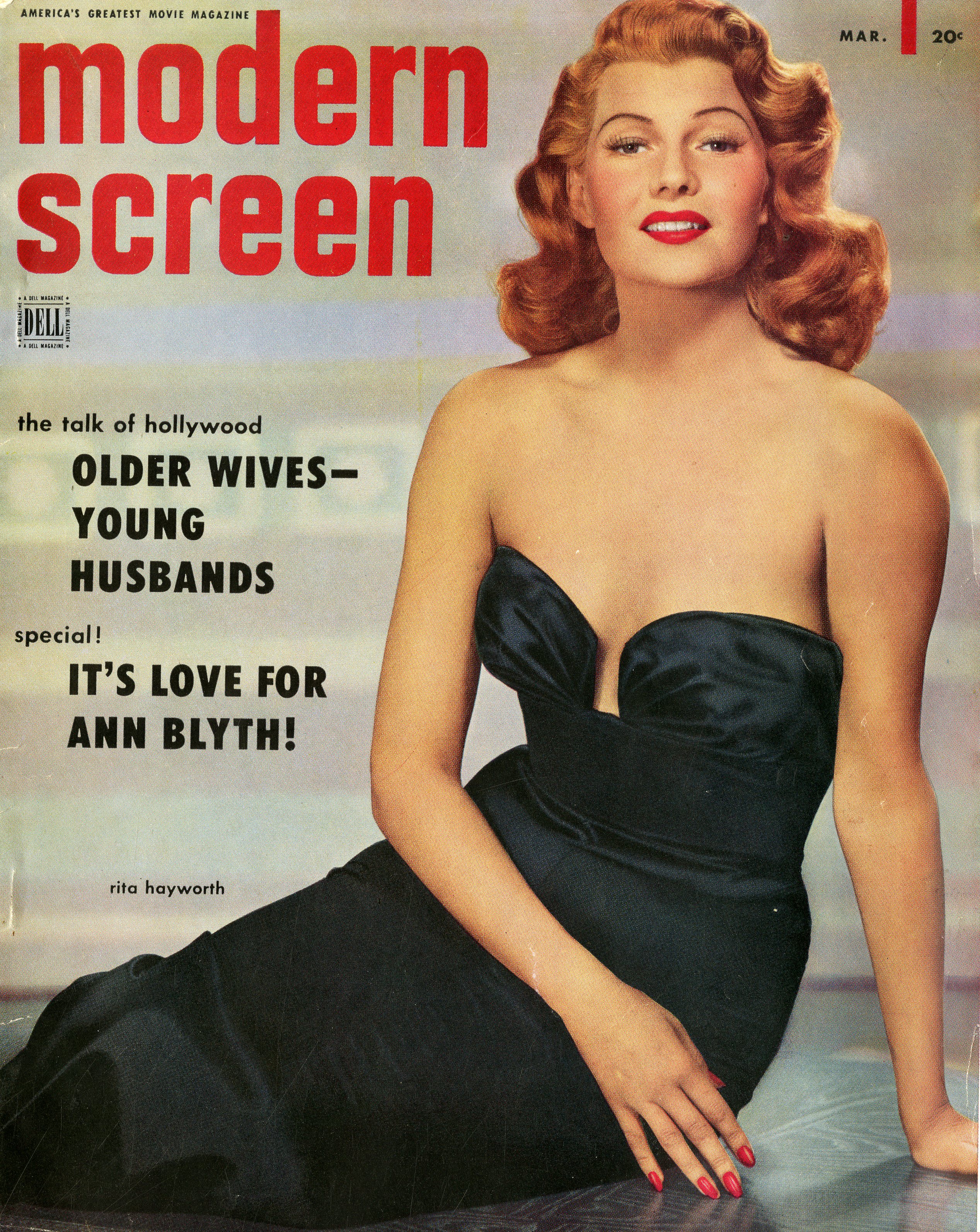
For over 50 years, Modern Screen was an American fan magazine that featured articles, images and personal interviews with movie stars, and later on many television personalities. The magazine debuted in the fall of 1930 and was founded by Dell Publications. Soon it became the direct competition for Photoplay and was one of the most popular “screen” magazines around, boasting the tagline America’s Greatest Movie Magazine. 

The March 1953 issue was certainly eye-catching with the lovely Rita Hayworth on the cover. The Talk of Hollywood was older wives with younger husbands, so there was an article on that and a romantic love story about actress Ann Blyth and her one true love. It was a time of Hollywood magic and this issue glittered that starlit path splendidly. 

MOTION PICTURE AND TELEVISION MAGAZINE
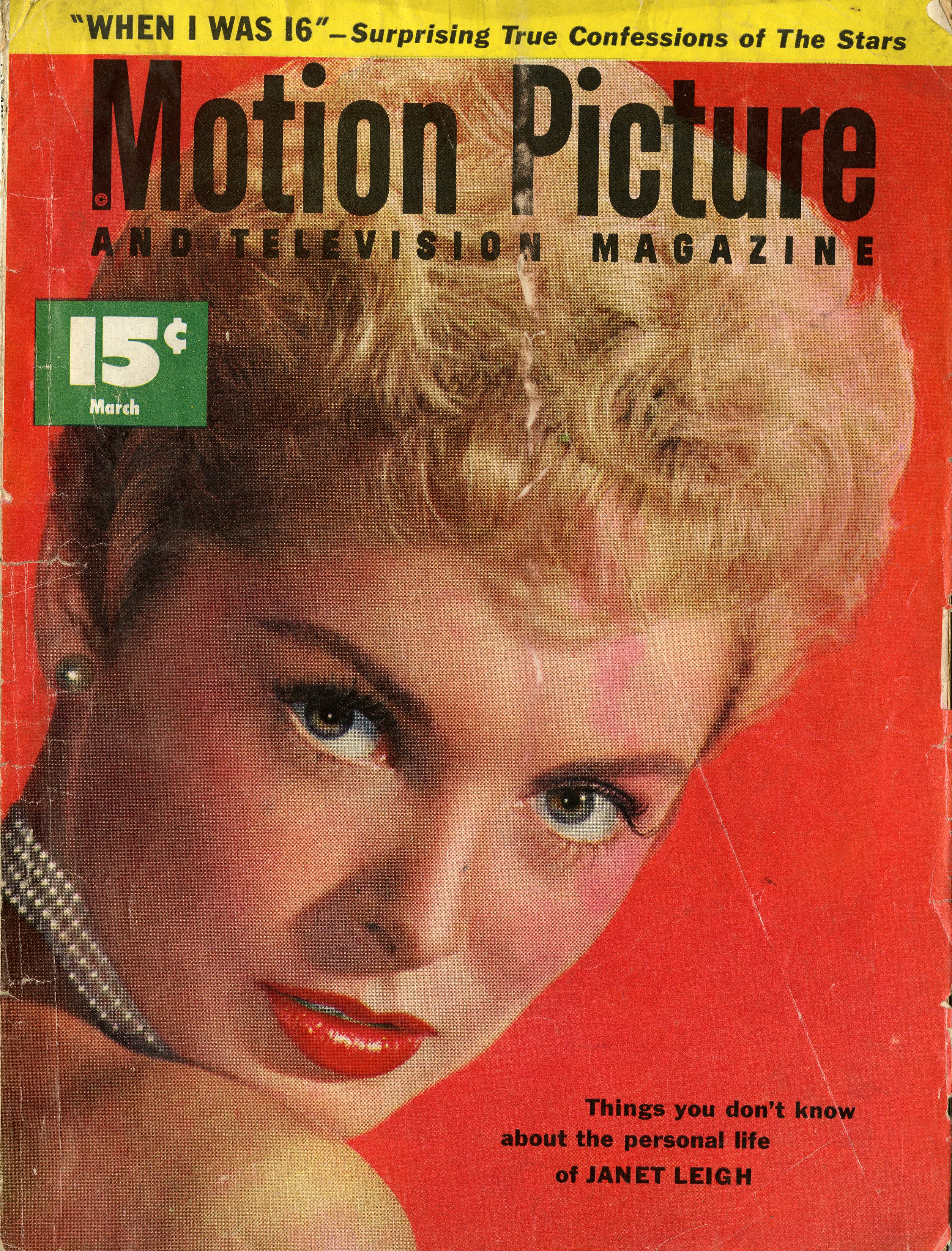
This title was a Fawcett Publication, which had a bevy of magazines, comic books and “Gold Medal” books, a line of paperback originals, which became a defining turning point in paperback publishing. Motion Picture And Television Magazine was an original movie fanzine full of gossip and romance for Hollywood fans of the ’50s. The magazine promised to incorporate screen life, Hollywood and movie story magazines, which was actually its tagline.

The March 1953 issue had Janet Leigh on the cover (a very young Janet Leigh) and declared that there were things us fans didn’t know about her personal life. Hmm… well of course, we just had to know. There were surprising true confessions of the stars – a very popular feature, I’m convinced. All in all, the magazine was another addition to satiate the cravings people had about Hollywood and all she entailed. It was a terrific read.

MOVIES
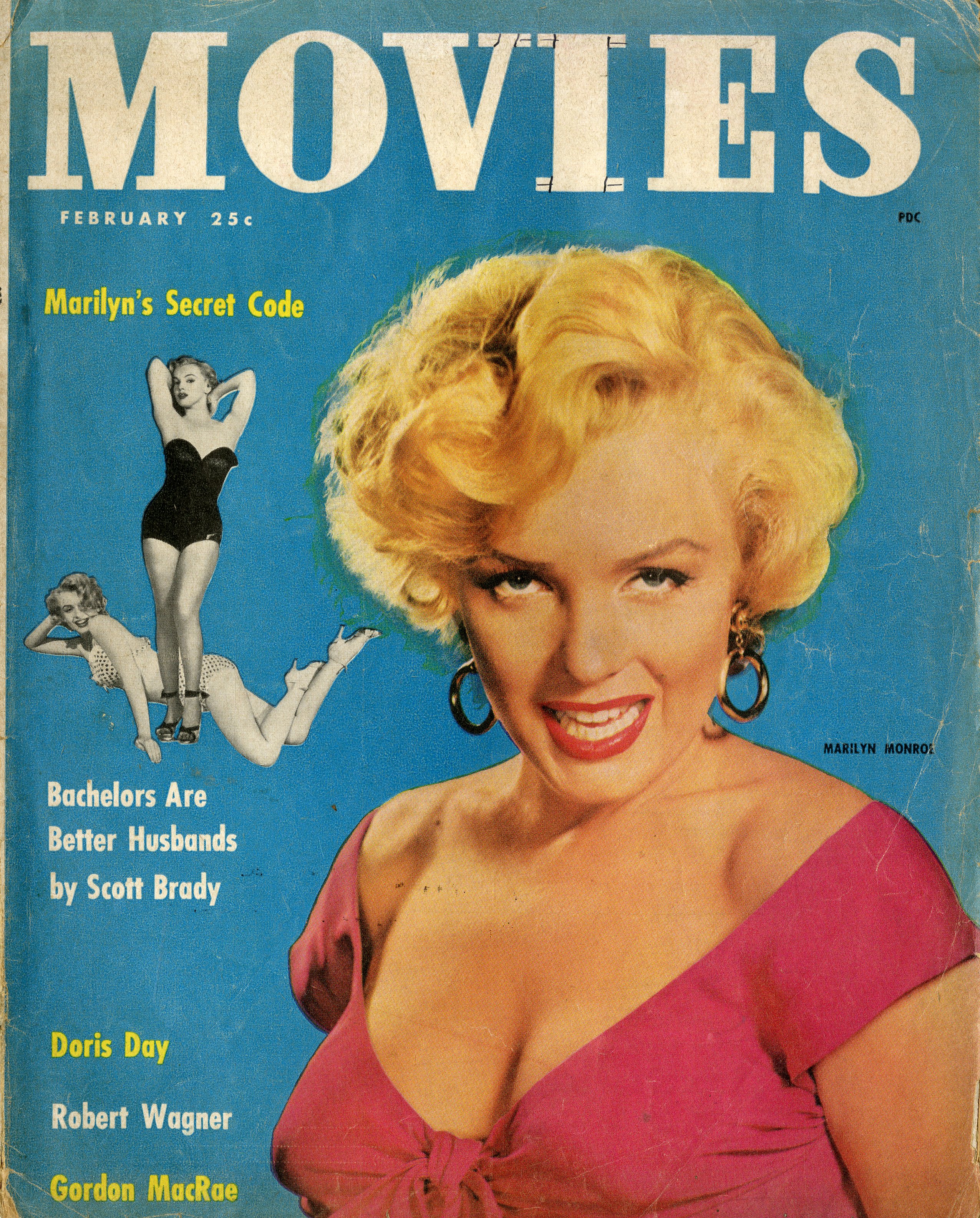
Movies magazine came from Ideal Publishing Corporation and Publisher William Cotton, who was known for his pulp magazines. Cotton was about building circulation and serving his demographic. He courted advertisers from a general perspective. He didn’t expect Chanel or Cadillac to advertise with him, but the more down-market products were right there with him. And in turn, publishing pulp made Cotton a very wealthy man. From Hollywood to personal romances, William Cotton ran the gamut of titles.

The February/March issue of Movies featured the usual talk-of-the-town. Marilyn Monroe’s Doctrine, an article by actor Robert Wagner and Debbie Reynolds, along with other scrapbook items for fans. The cover showcased the lovely Marilyn Monroe and offered her Secret Code for Life. You couldn’t get more Hollywood than Marilyn. 

MOVIELAND
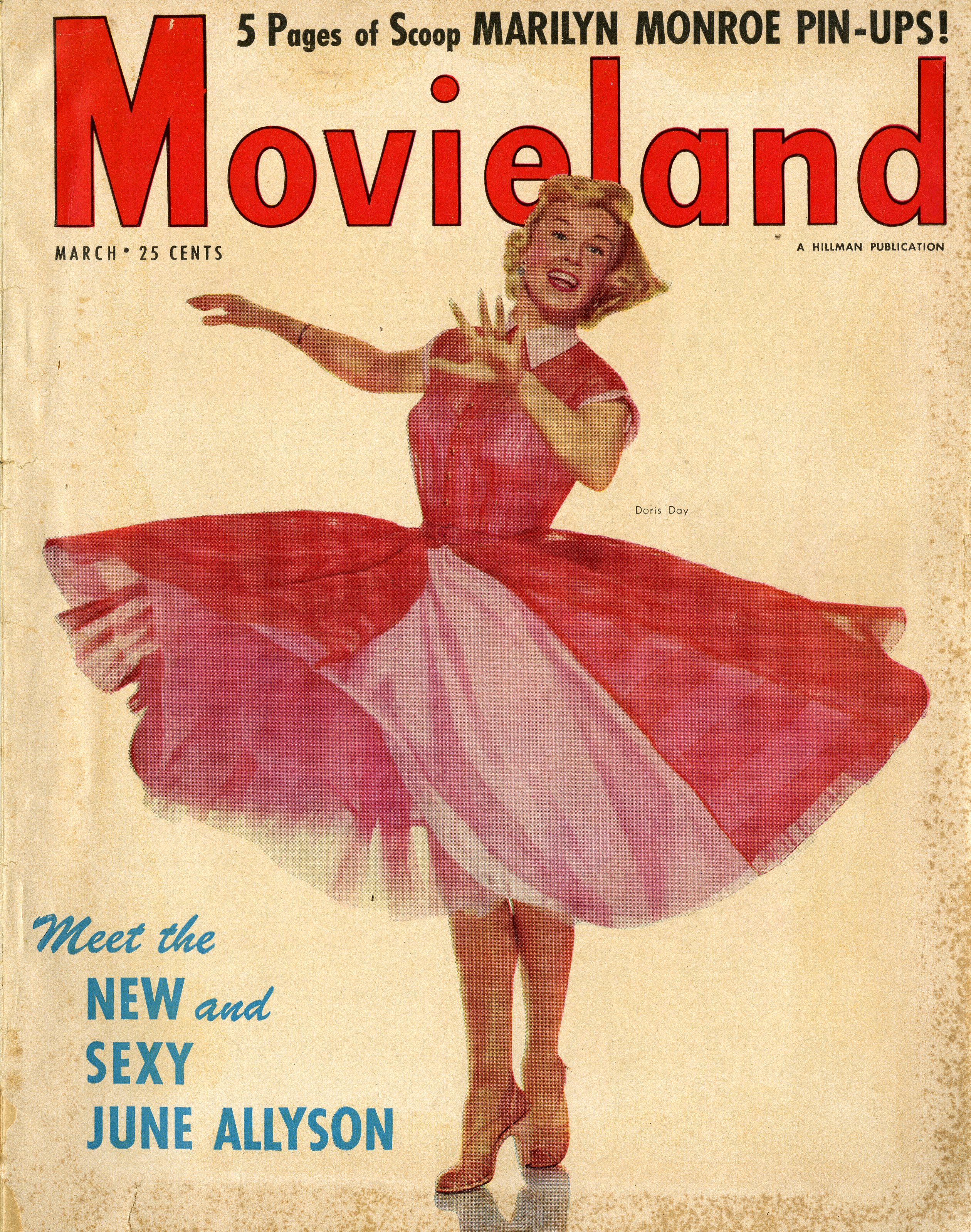
Hillman Publications created this Hollywood monthly, competing directly with Bernarr Macfadden and Fawcett Publications. The magazine was another leg on the stool of celebrity entertainment, offering exclusive interviews, images and features.

The March 1953 edition had a magical picture of Doris Day on the cover in a pink chiffon dress that billowed out from her body as though in flight. One cover line beckoned for you to meet the new and sexy June Allyson and absorb five pages of Marilyn Monroe pin-ups. 

MOVIE LIFE
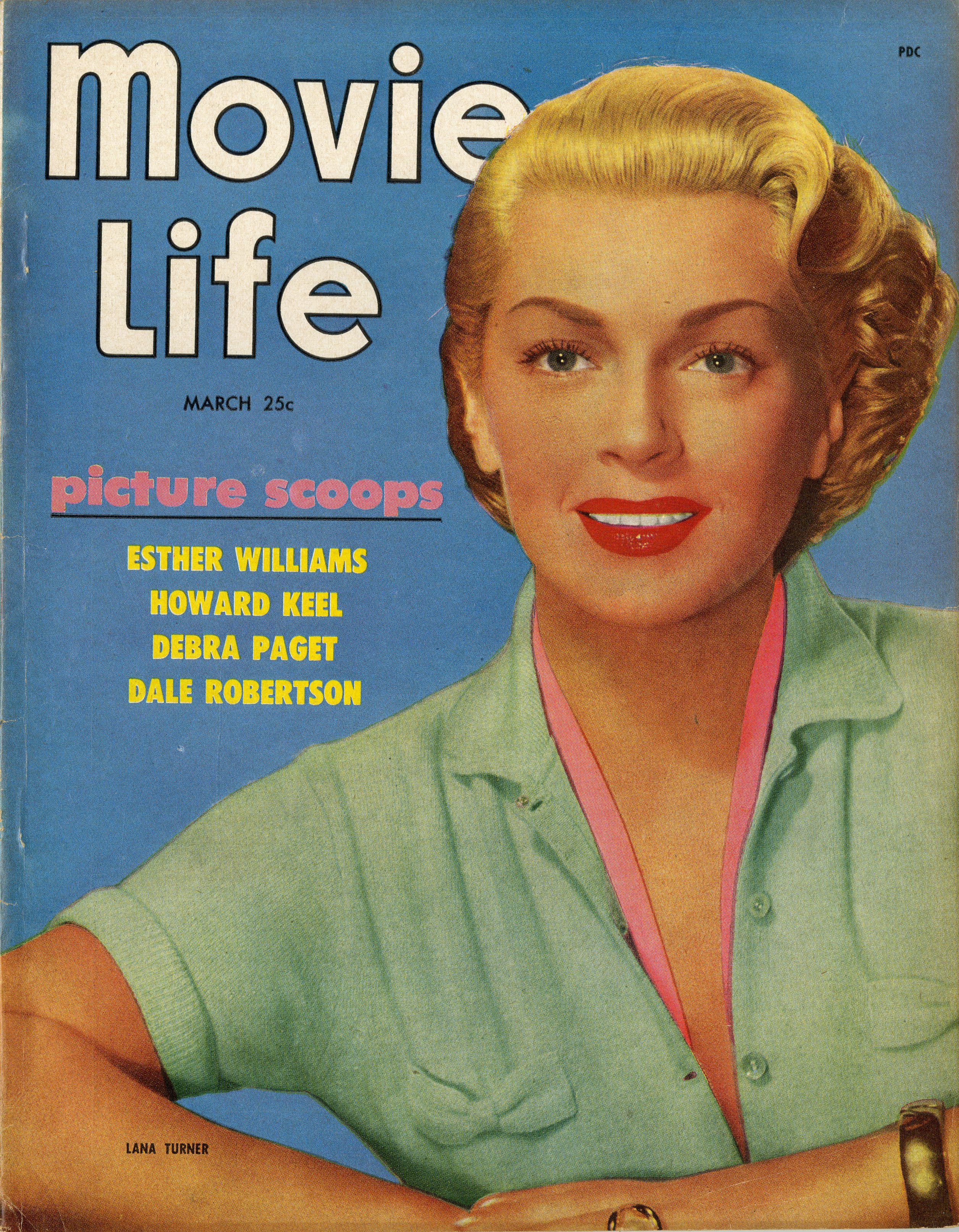
Movie Life was published by Ideal and William Cotton, another Hollywood title so popular in those days. Celebrity magazines have always been big sellers and eye-catchers, so no wonder Cotton kept adding to his stable of titles. Movie Life was a magazine filled with great images of movie stars, such as Esther Williams and Tony Curtis. The life the stars lived was something we all wanted and what better way to get it than from the pages of a vivid magazine.

March 1953 saw Lana Turner on the cover with picture scoops of Esther Williams, Howard Keel, Debra Paget and Dale Robertson. Actress and singer Gail Davis showed us the make-up styles of the day and how to apply them properly and we could read all about life with Lana in the cover story. It was a nice addition to the genre.

MOVIE PIN-UPS
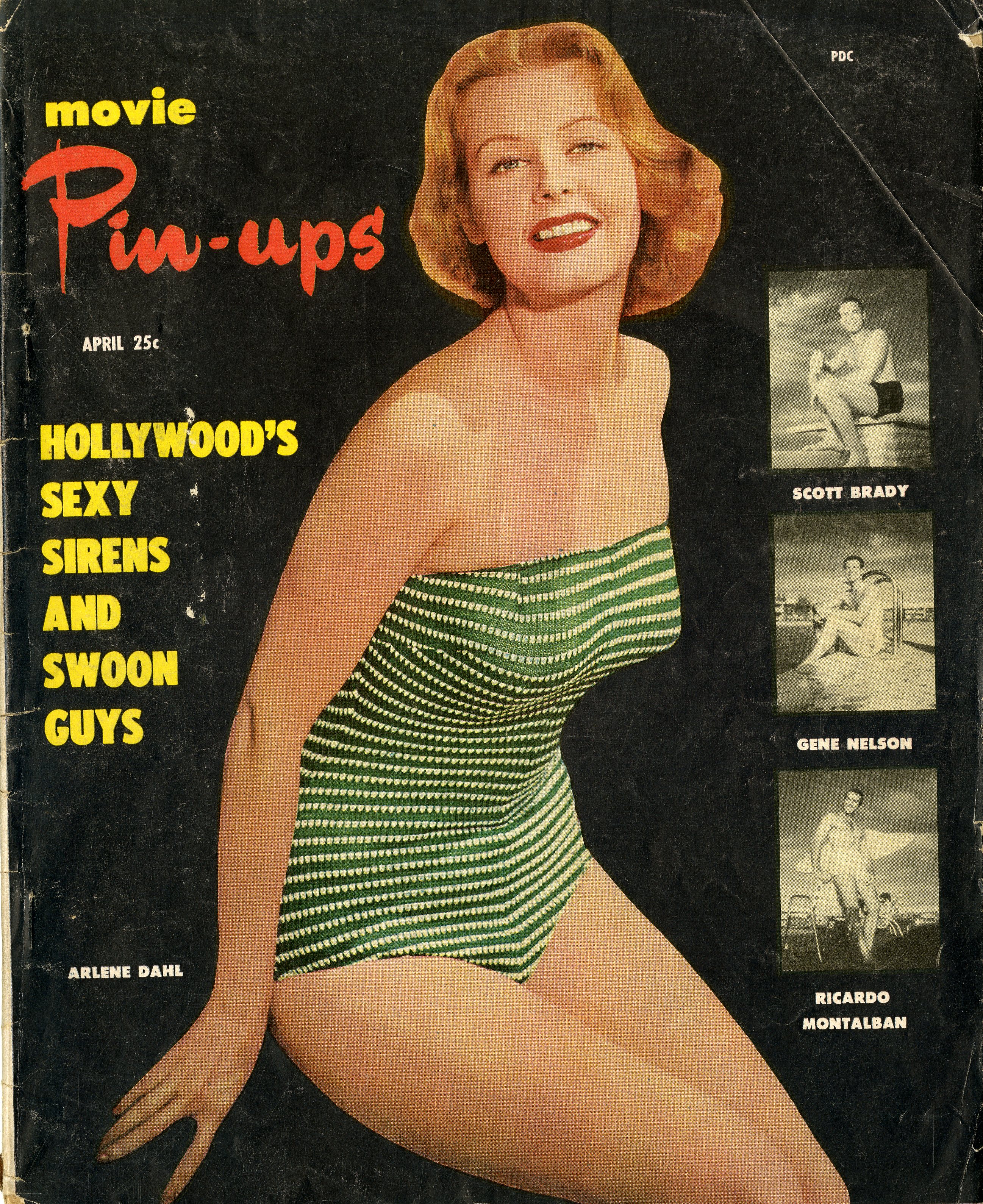
Here comes another Ideal Publishing title from Mr. Cotton. This one was filled with sexy Hollywood sirens, both male and female, in various modes of poses. All in perfect form to clip the pictures from the magazine and hang on your wall. This title was just another in a long list of pulp-type magazines that made a small fortune for William Cotton.

The March/April 1953 issue had a beautiful image of Arlen Dahl that fans were sure to love, along with pictures of Debra Paget, Virginia Mayo and many others. The images and the poses were very tastefully done and just beckoned to be clipped out and hung up. Great photography. 

To be continued…

h1

The Mr. Magazine™ Launch Monitor… 47 New Titles In The Last Six Months…

October 26, 2021

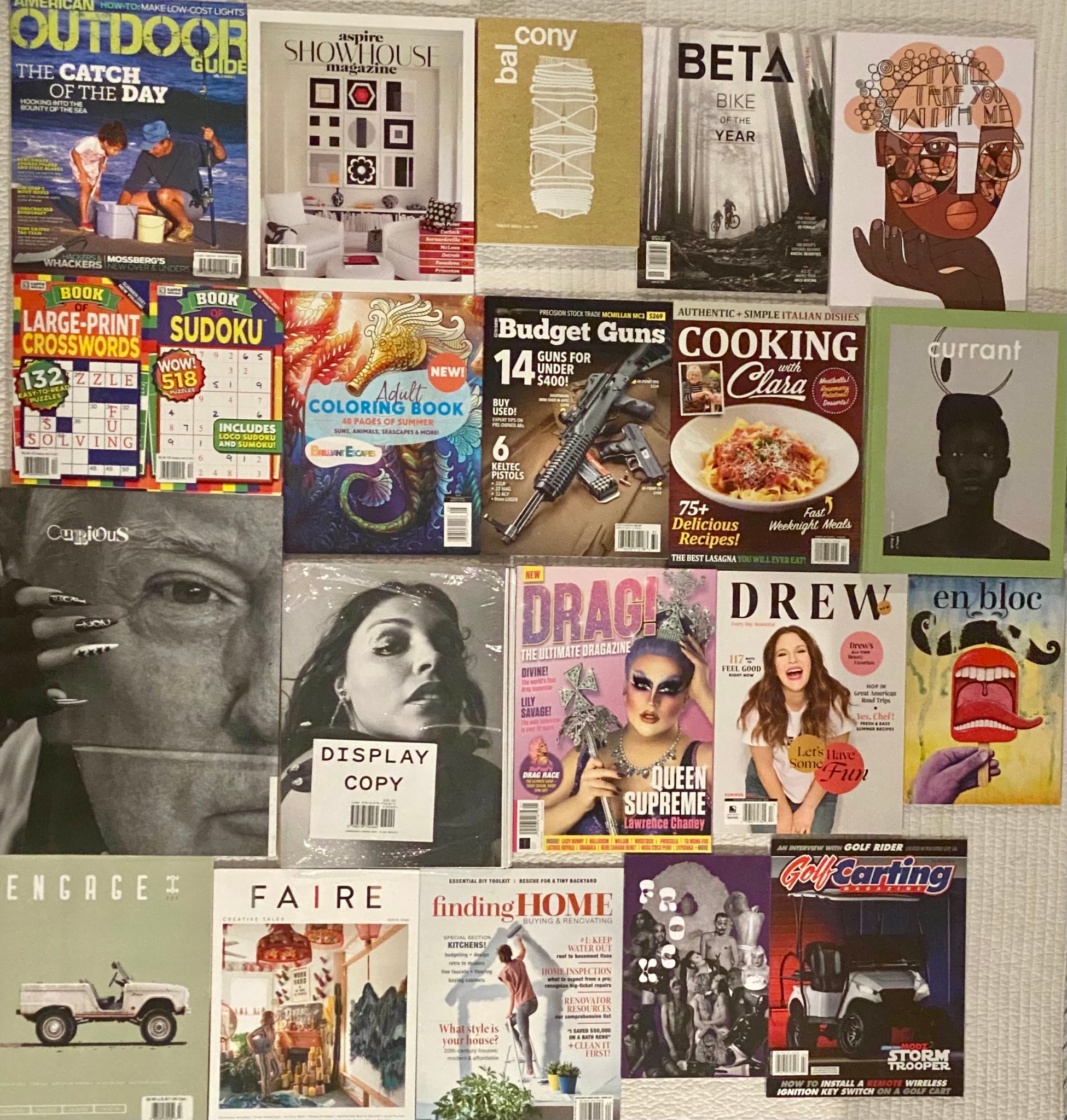
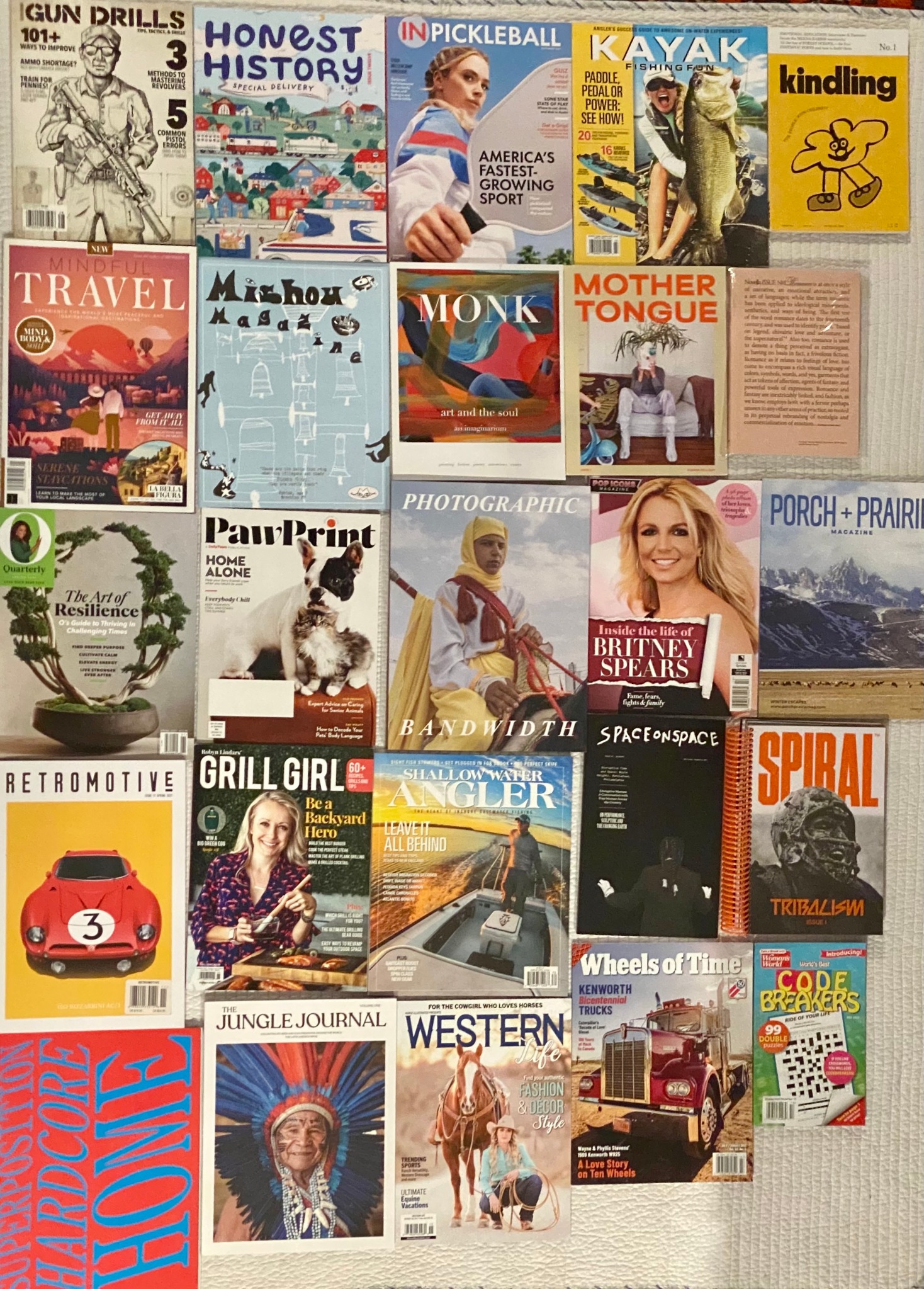
Black Cannabis magazine and 46 other new titles arrived to the nation’s newsstands during the months of April to September of 2021. The new arrivals join the 34 titles launched in the first quarter of 2021 bringing the total of new titles to 81 titles so far. The new magazines covered every conceivable subject from the indoors to the outdoors and beyond. In a climate that is filled with uncertainty, the new titles continue to pump new blood in a magazine media market that has seen so many changes in the last few years.

From Bauer’s Drew magazine to AIM’s Finding Home, there is no shortage of new ideas to reach customers searching for curated and edited content. From Kindling to Mother Tongue, from InPickleball to PawPrint, and from the $95 a copy (and worth every penny) Curious magazine from the newly established Curious Society, to the latest addition in bicycling magazines BETA… you name the subject and rest assured you are going to find a title or two (well make that three or four) that addresses that subject matter in a very engaging, entertaining, and authentic way like no other mass media can ever do.

So, here are the titles that yours truly was able to find in the last six months, some are brand new, some just made their arrival to the newsstands, and some arrived from overseas to our shores.

Keep in mind that in my book magazines are much more than content providers, they are experience makers. 

So, take a look at the new experience makers below and please remember, if Mr. Magazine™ can’t physically hold, touch and purchase the magazine, it does not enter the monthly counts. And counts now include only the titles with a regular frequency that are either new, first-seen on Mr. Magazine’s™ radar, or arriving to the national newsstands for the first time. 

h1

Music And Entertainment 1953 Style… The Magazines And I, Chapter 12, Part 1.

October 23, 2021

Music and Entertainment Magazines … is the 12th chapter from the serialized book I am writing on the magazines of 1953, specifically March 1953, the month I was born.  This is chapter 12 part one.  Feel free to back track for chapters one, two, three, four, five, six, seven, eight, nine, ten and eleven in previous blogs.  Enjoy.

In March 1953 magazines that covered music and entertainment offered a great service to fans by providing current gossip of their favorite actors, singers, heartthrobs, many song lyrics and melodies, plus other pertinent information for people clamoring to be in-the-know. 

We have to remember that at this time, television was still in its infancy, basically still a “talking piece of furniture” that many were trying to adjust to and get to know. And while TV Guide was published in April 1953, and was a very big title, it did have regional predecessors that covered the infant television scene before the launch of the national edition on April 3, 1953. 

Music and entertainment magazines were the eyes and ears for fans, doing what the Internet and television does today for many people. In March 1953 there was a “channel” for every aspect of a fan’s interest, from honing their own musicality by learning lyrics to their favorite songs to enhancing their knowledge of popular movies and their stars. Magazines were the Internet of the times once again…and March 1953 had some of the best.

Let’s take a look, shall we?

3-D Screen

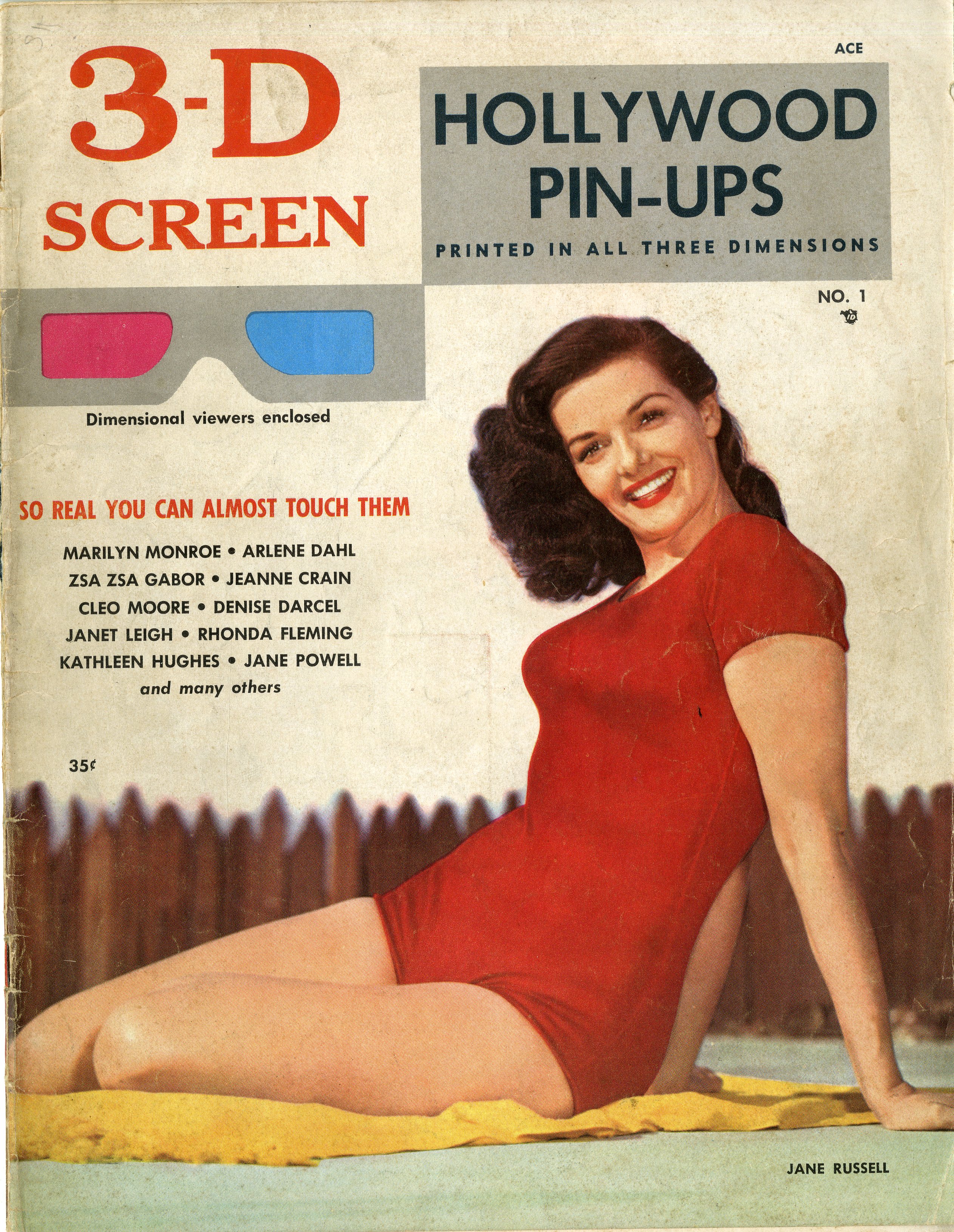
This magazine comes complete with a pair of 3D glasses for your viewing pleasure. Published by a company called Three-D Magazines, Inc., it featured wonderful photographs (not necessarily the 3-D ones either) of celebrities like Elizabeth Taylor and Jane Russell. It was a similar piece of the puzzle, but with an odd corner cut being 3-D.

The March 1953 issue had Jane Russell on its cover and photos that promised they were so real you could almost touch them of stars such as Marilyn Monroe, Janet Leigh and Rhonda Fleming. It was a tile when 3-D was becoming all the rage and magazines weren’t about to be left out of the firestorm.

ARTHUR GODFREY AND HIS GANG

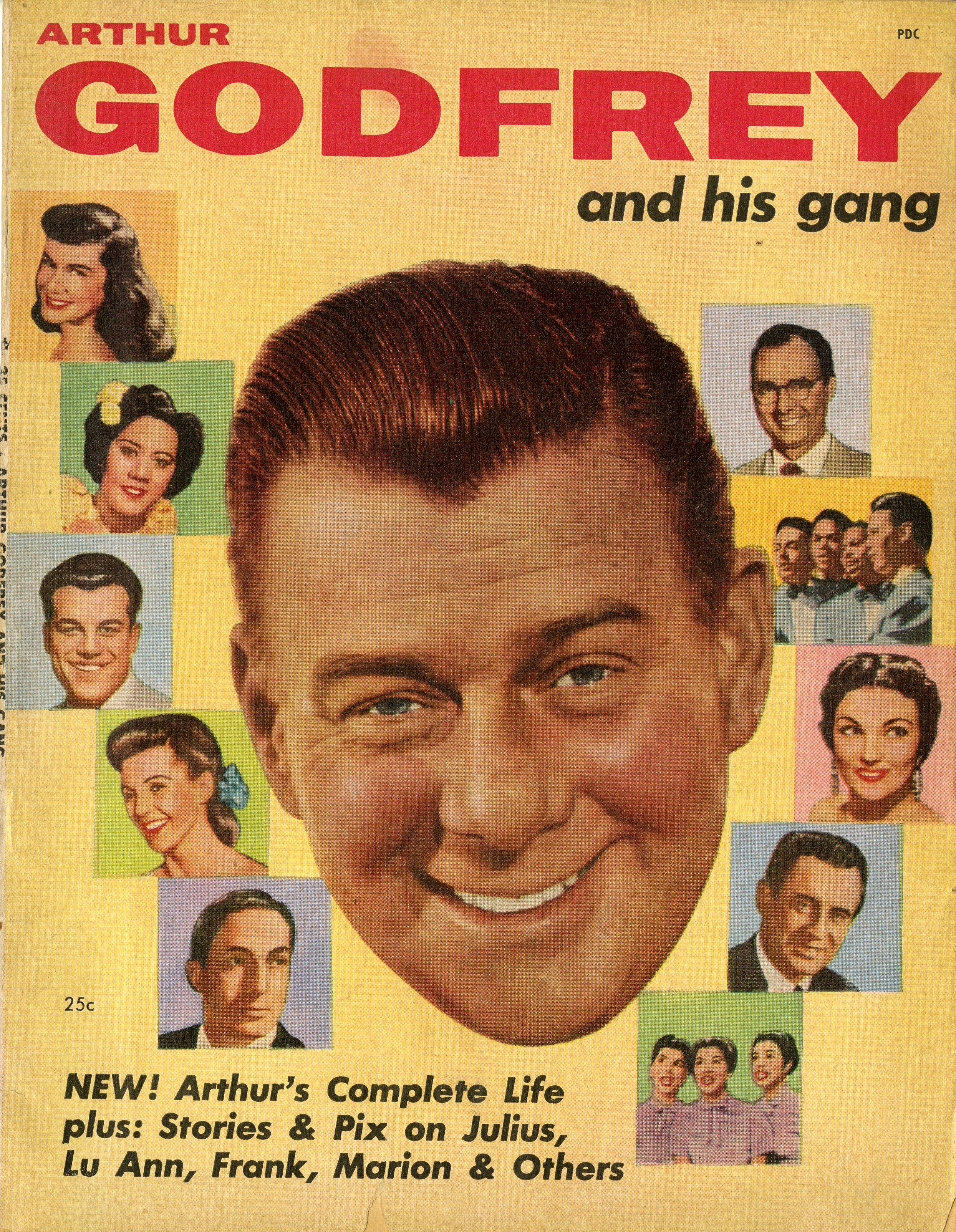
Arthur Godfrey and His Gang was a magazine published by Ideal Publishing which was a subsidiary of Grosset & Dunlap and familiar to film fans all over because of its heavy load of fan, teenage and confession type magazines. William Cotton, who had been with Fawcett Publications at one time, founded the company in 1937. This magazine teamed up with one of the era’s most famous radio and TV personalities, Arthur Godfrey. And and at that time, everybody loved Godfrey.

The March 1953 issue featured Godfrey Today, Arthur and His Friends, Fly-Boy Godfrey ( who was an avid aviator) and other Godfrey-friendly features and information. There were stories on his crew of course, Julius La Rosa, Lu Ann Simms and all the others. Just anything and everything Arthur Godfrey, taking his popularity at the time and running with it. Great magazine for really hardcore fans. 

DOWN BEAT

Formatted like a normal vertical, Down Beat magazine for all intents and purposes appeared to be just another music magazine that covered jazz, blues and beyond. That is, until you opened its pages and then it became a totally different animal, as it folded open and flipped to a newspaper format, complete with a headline. The magazine was established in Chicago in 1934 and was named after the downbeat in music, or the first beat of a musical measure. It was published monthly by Maher Publications and is still being published today.

The March 1953 edition had Jackie Gleason on its cover and the line Jackie Gleason, Musician. Something that was sure to give people pause and to purchase the magazine. There were newspaper-style articles such as Influenza, In Flew Dinah (catchy headline) all about Dinah Washington being stricken ill at her closing performance in Honolulu. There were Down Beat’s Five Star Discs and Down Beat’s Scorecard, where current hits were rated. It was and is still a music lover’s dream-come-true magazine. 

FILMLAND

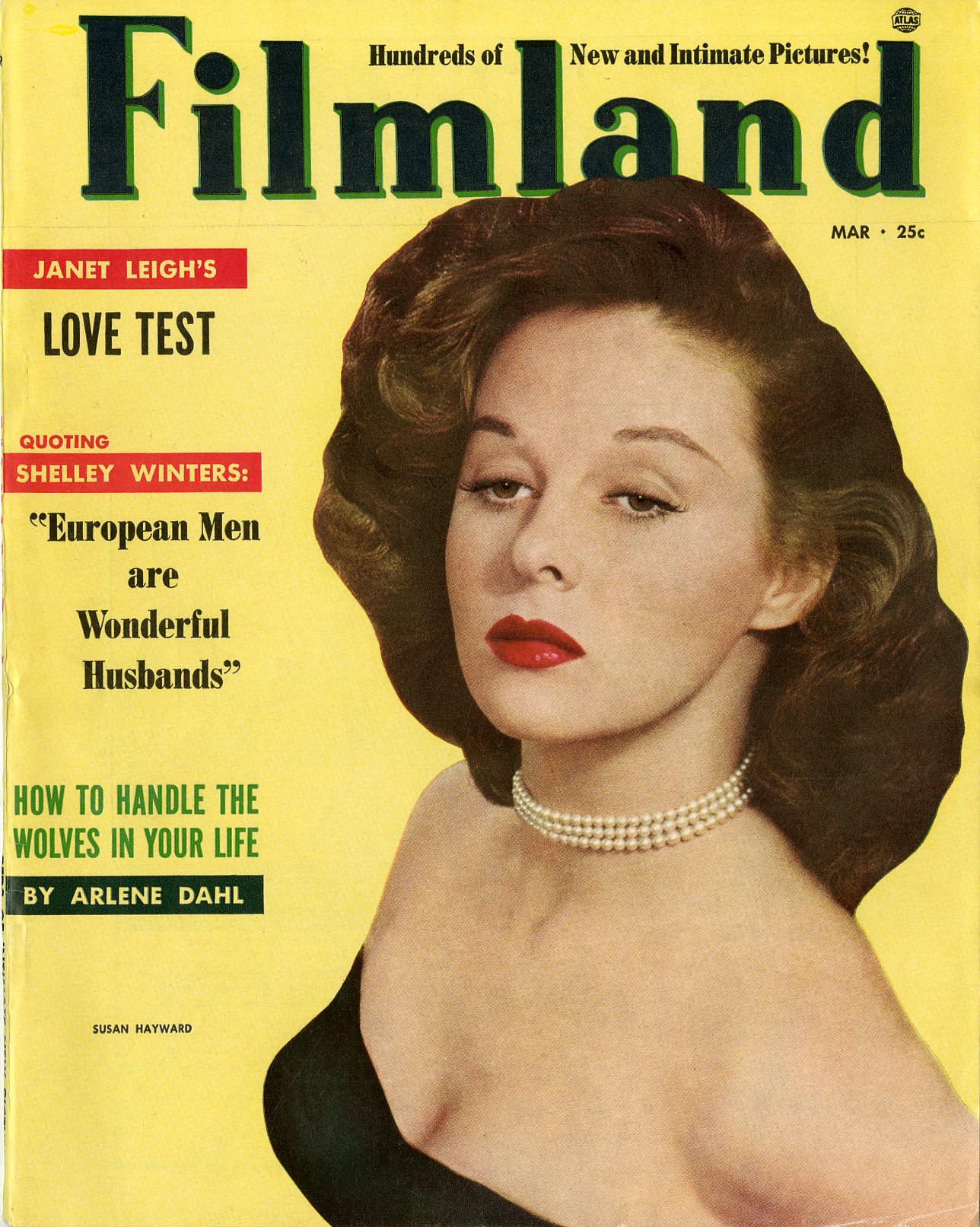
Flimland was another Martin Goodman title, published under the Red Circle Magazine umbrella. Making good in the pulp fiction market, Goodman knew his way around Hollywood gossip mags too. And Filmland offered the best in Hollywood news and images. From Shelley Winters to Janet Leigh, the magazine covered fan favorites every month. And with Goodman launching what would one day become Marvel comics, he certainly was no stranger to success in all genres.

The March 1953 issue was a great one with articles by Arlene Dahl, Shelley Winters and many others. The cover teased with Hundreds of New and Intimate Pictures and the stories inside ranged from Roy Rogers and his hero status to Dean Martin and his wife. And with actress Susan Hayward on the cover, the magazine was a complete fan have-to-have.

HIT PARADER

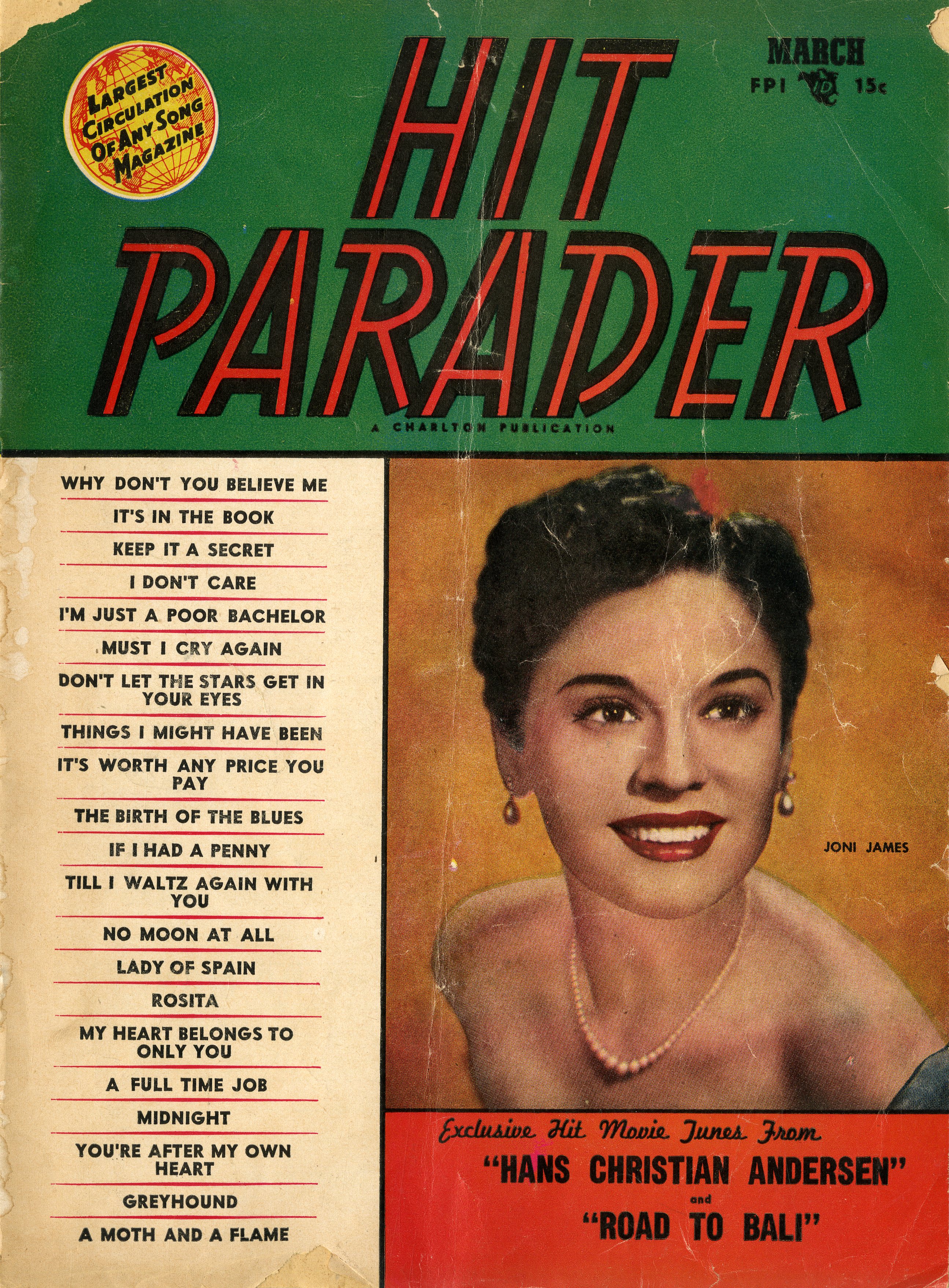
Hit Parader was launched in 1942 by Charlton Publications, which was based in Derby, Connecticut. The magazine was among the longest-lasting American music magazines, not ceasing publication until 2008. The title referred to the pre-music charts hit parade, so the magazine began as a song lyric phenom where people could go to find the correct words to their favorite songs. 

The March 1953 edition was filled with the lyrics to many famous songs of that era, such as I’m Just A Poor bachelor and Lady of Spain. Of course, there were many, many more, along with all the “Top Tunes.” Joni James graced this issue’s cover and there were exclusive hit movie tunes from Hans Christian Andersen. 

MAUDLIN SCREEN

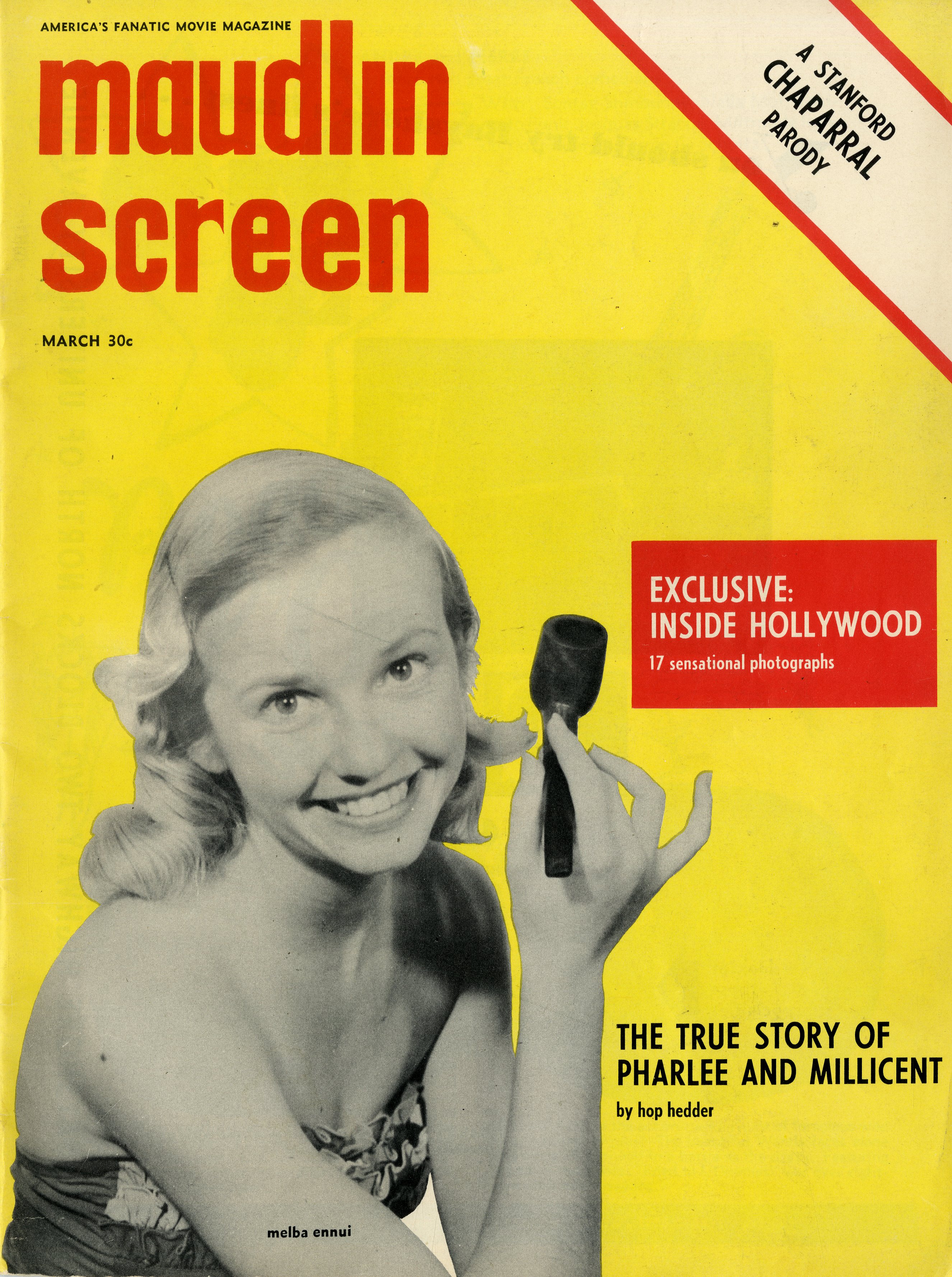
This magazine, as they themselves put it, was “dredged” up monthly by Chaparral Publishing Company, which was created by Stanford Chaparral, the first successful college humor magazine outside the Ivy League. The golden age for Chaparral parodies was the 1950s and they were very good at it. They might not match the original’s production values, but they came closer than any other college mag. Maudlin Screen was of course a parody of Modern Screen and was an amusing clone of the Hollywood Fan magazine. The tagline was America’s Fanatic Movie Magazine, which of course was fittingly hilarious. 

The March 1953 issue had the requisite ingénue on the cover, a young female oddly enough holding a pipe. The stories were zany and outrageous: love-starved women of America, garbage collectors becoming cinema sensations and just all around unbelievable content. Far-fetched, funny and really smartly done. 

To be continued…

h1

The Art Of Show And Tell…

October 13, 2021

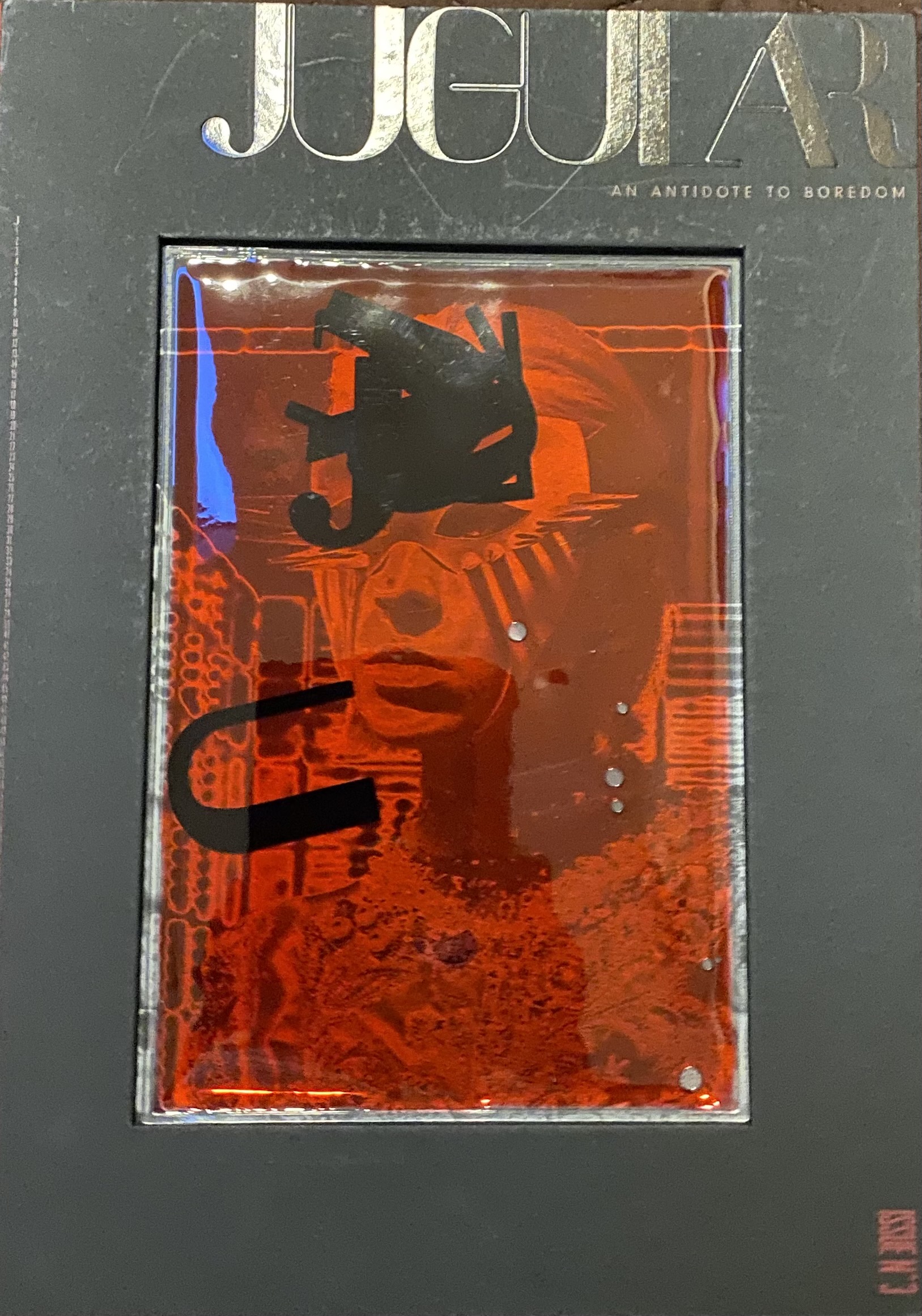
In 2019, Jugular magazine asked me to write an essay about their special issue that focused on words and images. What follows is my essay as it appeared in the magazine. Enjoy

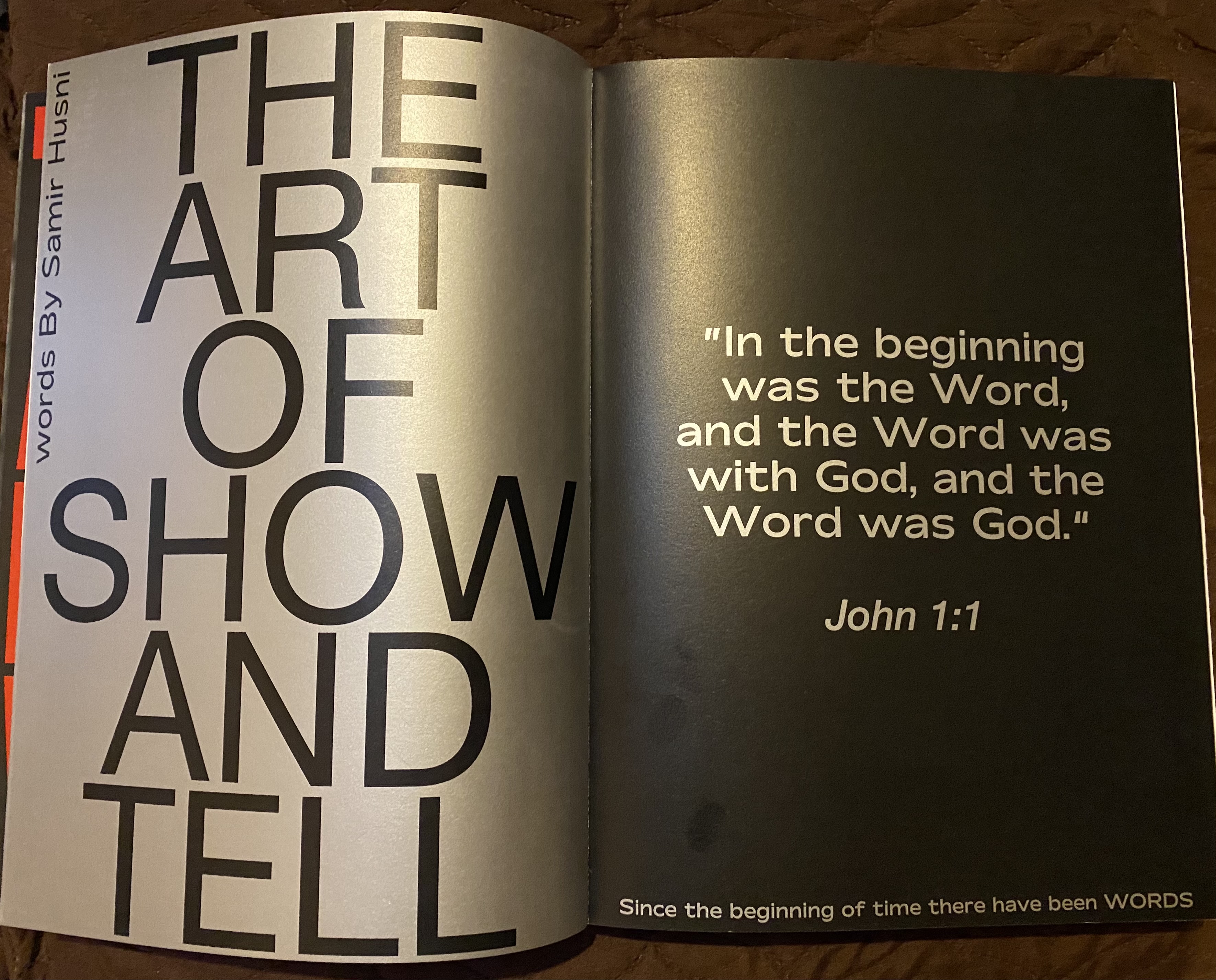
The Art of Show and Tell

Words By Samir  Husni

“In the beginning was the Word, and the Word was with God, and the Word was God.” John 1:1

Since the beginning of time there have been words—the best of words and the worst of words, and a whole lot more in between. From the start, there was no question which came first, the word or the image. Words were, are, and will remain center stage in any delivery platform. Specifically, when it comes to the magazine platform, words are the heart of the body that keeps on ticking and the pivot that keeps the world of information turning.

Both well-executed sentences and poorly chosen words can create all kinds of reactions: physical and emotional reactions, calming and violent reactions, and soothing and hurtful reactions. After all, it has been said the pen is mightier than the sword. But here is the question at hand: Is the word mightier than the image?

Needless to say, it was the magazine that first united the word with the image. It was the magazine that introduced the world to the concept of storytelling in which words and pictures went hand in hand. Generations before movies and television, which incorporated audio into the experience of storytelling, magazine pages pioneered the art of show and tell. 

And since the word came first, like any other new invention, once the image was created, it took over and the word climbed into the backseat. Just think about when digital was first introduced and compare that to print; suddenly digital was the new seductive mistress roaming the streets, while print continued to be the loving, patient spouse waiting for its partner to regain its senses and end the fascination with this new thing called digital.  The same happened with the word when the image arrived, but what about now? If the combination of the word and image was the first reproduction of humanity’s ability to speak and see, then how has human communication changed in how we connect today? It used to be necessary to meet in person in order to engage in a conversation, but now dialogue is mainly conducted through virtual connectivity or what I call isolated connectivity. We feel today like we are so connected, yet were sitting alone with a phone or a laptop, with no one else in the room. Is this the future? Images without words?  Well, if you are happy with just looking at a person without speaking a word, then you will enjoy just looking at the images without reading a word. Often, not even a caption.

There is no doubt that images provide us with a lot of satisfaction mentally, emotionally, and physically, but remember the old saying, “you can’t judge a person by just looking at him or her.” I believe that using images or words by themselves is like being in a relationship with oneself. It may be satisfying for some time, but at the end of the day, it is never as fulfilling.  The combination of the word and the image is what takes that mono-relationship and changes it from just looking and observing to doing. That combination is what changes the content from just content to an experience,  an experience that will manifest itself in a quick relationship, a one night stand, a fiery short-term relationship, a love affair, or a long lasting relationship that goes through the good, the bad, and the ugly—a marriage if you will.

None of these relationships can exist without the viewer’s engagement and that’s my belief behind the power of the combination of the word and the image. It is that engagement that requires the combination of the two. It is the difference between making love with your eyes and making love with your entire body. I don’t need to expand on this, you be the judge.  To paraphrase the famous art director George Lewis, it is the difference between looking at a person and making love to a person. There is no comparison.

So in this digital world we live in, the engagement between the word and the image is what creates that experience and transports us to whatever world the content is creating. The marriage of words and images becomes one of true love and commitment, one that we lose ourselves in willingly and completely. With words added to the images there is a beginning and  an end to the story, just as in any good relationship. With just images, such as the digital world offers, there is no end. You can continue to stare at the images and continue to travel through the virtual world endlessly, a meaningless relationship that actually takes you nowhere. With words, as with ink on paper pages, there is an end. A full stop. A reminder of reality that something is over.

To me that is the power of the word. The reminder that something is over and you can now take a deep breath, relax, and bask in the fact that you’ve accomplished something to the end.  Your mind now can feel at ease, can stop wondering and you can feel fulfilled.

So, can you have a magazine without words?  Sure you can, but to me it will be like watching a movie with the mute button on. Words and images combined are a reflection of our human nature, and the more they interact with each other the better the engagement and the experience. 

You don’t have to take my word for it. This issue of Jugular provides you with your own experiment. Take a look, judge for yourself, and hope the words you discover will be the blood that flows through your own jugular vein, making your heart race with all kinds of emotions. And when you finally close that last page of the magazine, you will know then that you’ve reached the end of the race. You’ve arrived.

Sit back, relax, engage, and enjoy the art of storytelling in a way that no other platform can provide, the magazine. In the beginning was the word, and in the end the word will be. It is the Alpha and Omega. 

h1

Mr. Magazine™ & BoSacks: So What Is A Magazine, Really? Point & Counterpoint From The Vault….

October 7, 2021

The following point & counterpoint, between my friend BoSacks and I, on attempting to define a magazine was first published on my blog and in the ACT Experience magazine of 2010. I believe it is still as valid today as it was in 2010. Enjoy.

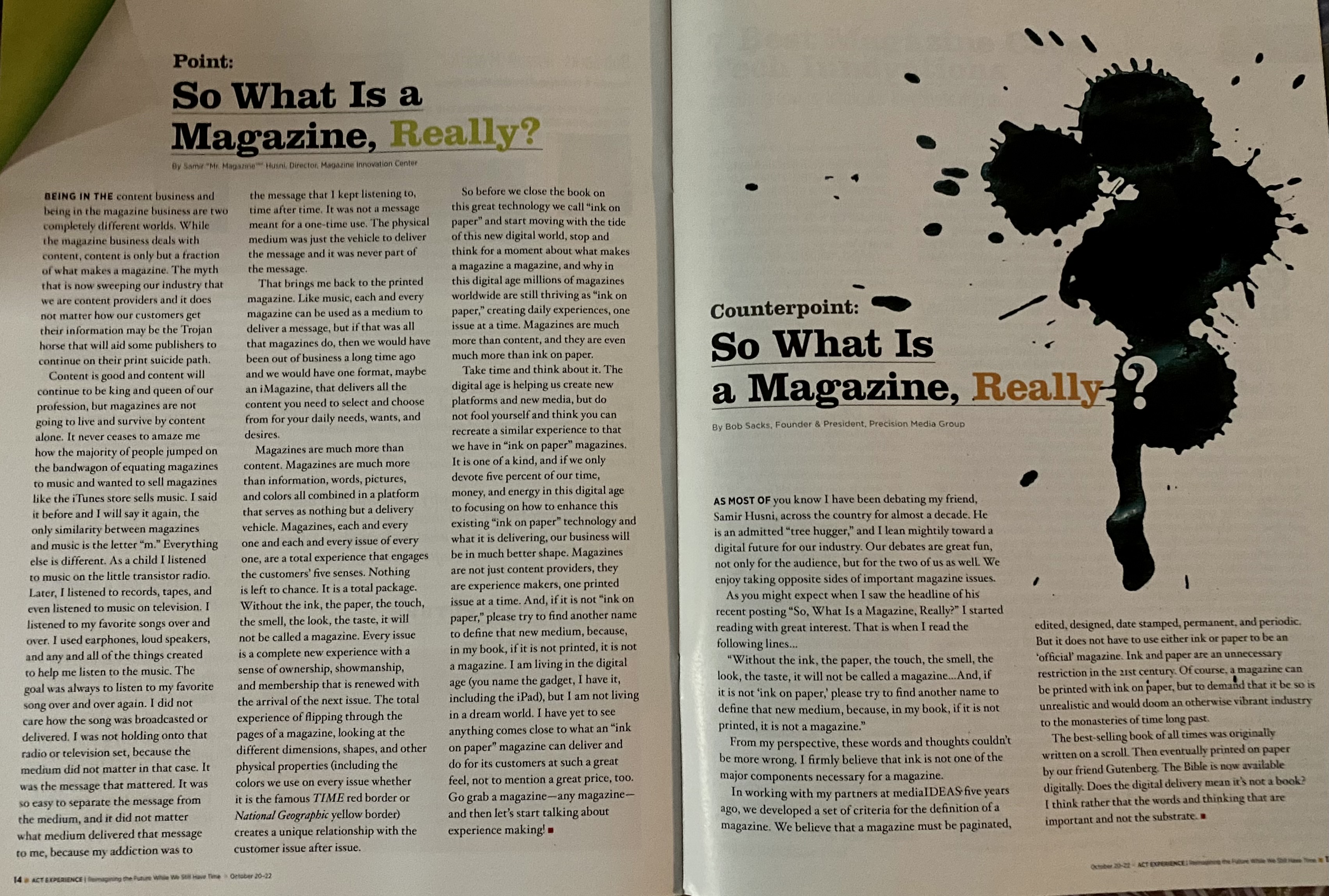
Point: So What Is A Magazine, Really?

By Samir “Mr. Magazine™” Husni, Ph.D.

President & CEO, Magazine Consulting & Research, Inc.

Being in the content business and being in the magazine business are two completely different worlds. While the magazine business deals with content, content is only but a fraction of what makes a magazine. The myth that is now sweeping our industry that we are content providers and it does not matter how our customers get their information may be the Trojan horse that will aid some publishers continue on their print suicide path.

Content is good and content will continue to be king and queen of our profession, but magazines are not going to live and survive by content alone. It never stops to amaze me how the majority of people jumped on the bandwagon of equating magazines to music and wanted to sell magazines like the iTune store sells music. I said that before and I will say again, the only similarity between magazines and music is the letter m. Everything else is different. As a child I listened to music on the little transistor radio. Later I listened to records, tapes and even listened to music on television. I listened to my favorite songs over and over. I used earphones, loud speakers, any and all the things created to help me listen to the music. The goal was always to listen to my favorite song over and over again. I did not care how the song was broadcasted or delivered. I was not holding to that radio or television set, because the medium did not matter in that case. It was the message that mattered. It was so easy to separate the message from the medium, and it did not matter what medium delivered that message to me, because my addiction was to the message that I kept listening to, time after time. It was not a message meant for a one-time use. The physical medium was just the vehicle to deliver the message and it was never part of the message.

That brings me back to the printed magazine. Like music, each and every magazine can be used as a medium to deliver a message, but if that was all what magazines do, than we would have been out of business long time ago and we would have one format, maybe an iMagazine that delivers all the content you need to select and choose from for your daily needs, wants and desires. 

Magazines are much more than content. Magazines are much more than information, words, pictures and colors all combined in a platform that serves nothing but as a delivery vehicle. Magazines, each and every one and each and every issue of every one, are a total experience that engages the customers five senses. Nothing is left to chance. It is a total package. Without the ink, the paper, the touch, the smell, the look, the taste, it will not be called a magazine. Every issue is a complete new experience with a sense of ownership, showmanship and membership and is renewed with the arrival of the next issue. The total experience of flipping through the pages of a magazine, looking at the different dimensions, shapes, and other physical properties (including the colors we use on every issue whether it is the famous TIME red border or National Geographic yellow border) create a unique relationship with the customer issue after issue. 

So before we close the book on this great technology we call ink on paper and start moving with the tide of this new digital world, stop and think for a moment on what makes a magazine a magazine and why in this digital age millions of magazines worldwide are still thriving in ink on paper creating daily experiences, one issue at a time. Magazines are much more than content and they are even much more than ink on paper. The total physical aspect of each “storehouse” to use the original meaning of what a magazine is include all of its properties, from the size of the store to the content of the store, seen and felt together.

Take time and think about it. The digital age is helping us create new platforms and new media, but do not fool yourself and think you can recreate a similar experience to that we have in ink on paper magazines. It is one of a kind and I if we only devote five percent of our time, money and energy in this digital age focusing on how to enhance this existing ink on paper technology and what it is delivering, our business will be in a much better shape. Magazines are not just content providers, they are experience makers, one printed issue at a time. And, if it is not ink on paper, please try to find another name to define that new medium, because in my book if it is not printed it is not a magazine. I am living the digital age (you name the gadget I have it, including the iPad) but I am not living in a dream world. I have yet to see anything comes close to what an ink on paper magazine can deliver and do for its customers at such a great feel, not to mention a great price too. Go grab a magazine, any magazine and then let’s start talking about experience making! 

Counterpoint: So What Is A Magazine, Really?

By Bo Sacks

Founder & President, Precision Media Group

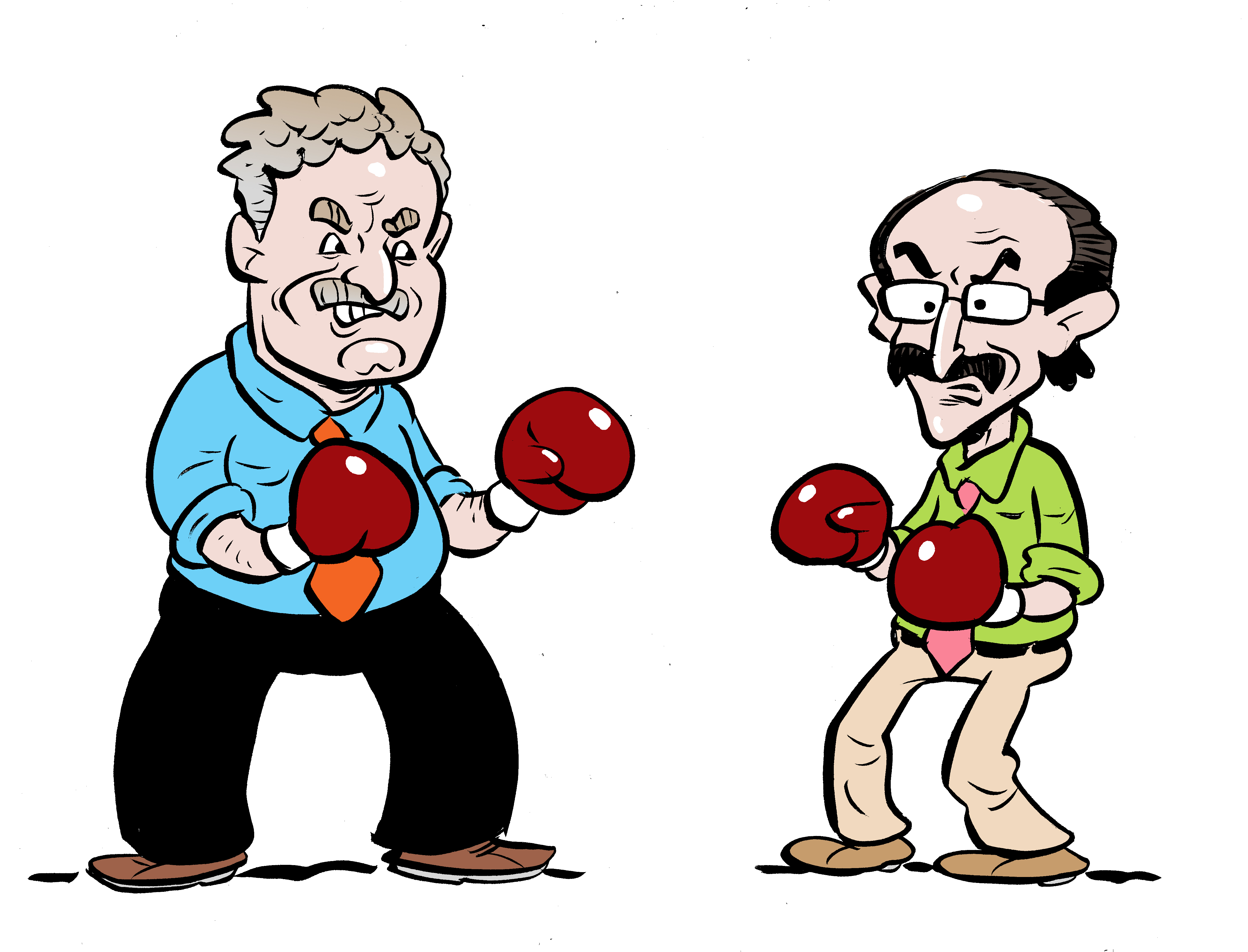
 As most of you know I have been debating my friend Samir Husni across the country for almost a decade. He is an admitted tree hugger and I lean mightily towards a digital future for our industry. Our debates are great fun not only for the audience but for the two of us as well. We enjoy taking opposite sides of important magazine issues. 

As you might expect when I saw the headline of his recent posting “So, What is a Magazine, Really?” I started reading with great interest. That is when I read the following lines by Samir 

“Without the ink, the paper, the touch, the smell, the look, the taste, it will not be called a magazine.” … And, if it is not ink on paper, please try to find another name to define that new medium, because in my book if it is not printed it is not a magazine.”

From my perspective these words and thoughts couldn’t be more wrong. I firmly believe that ink is not one of the major components necessary for a magazine. 

In working with my partners at mediaIdeas five years ago we developed a set of criteria for the definition of a magazine. We believe that a magazine must be paginated, edited, designed, date stamped, permanent, and periodic. But it does not have to use either ink or paper to be an ‘official’ magazine. Ink and paper are an unnecessary restriction in the 21st century. Of course, a magazine can be printed with ink on paper, but to demand that it be so is unrealistic and would doom an otherwise vibrant industry to the monasteries of time long past. 

The best-selling book of all times was originally written on a scroll. Then eventually printed on paper by our friend Guttenberg. The Bible is now available digitally. Does the digital delivery mean it’s not a book? I think rather that the words and thinking that are important and not the substrate. 

Of course, it may not be fair but I can’t help pointing out that Samir delivered his article “So What is a Magazine Really?” in a digital blog and not in a printed magazine.

h1

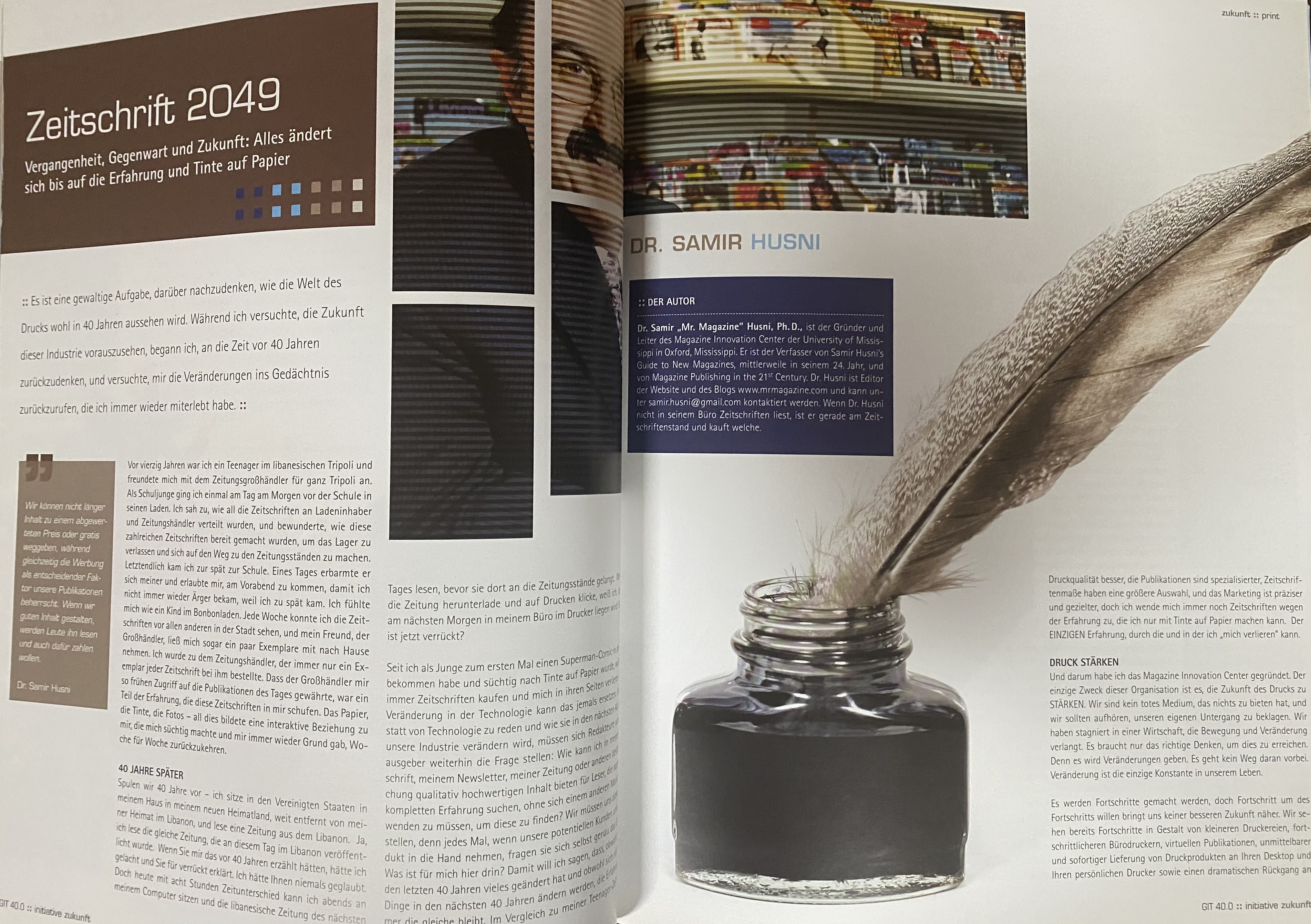
The Past, The Present, And The Future: Everything Will Change Except The Experience And Ink On Paper…

October 5, 2021

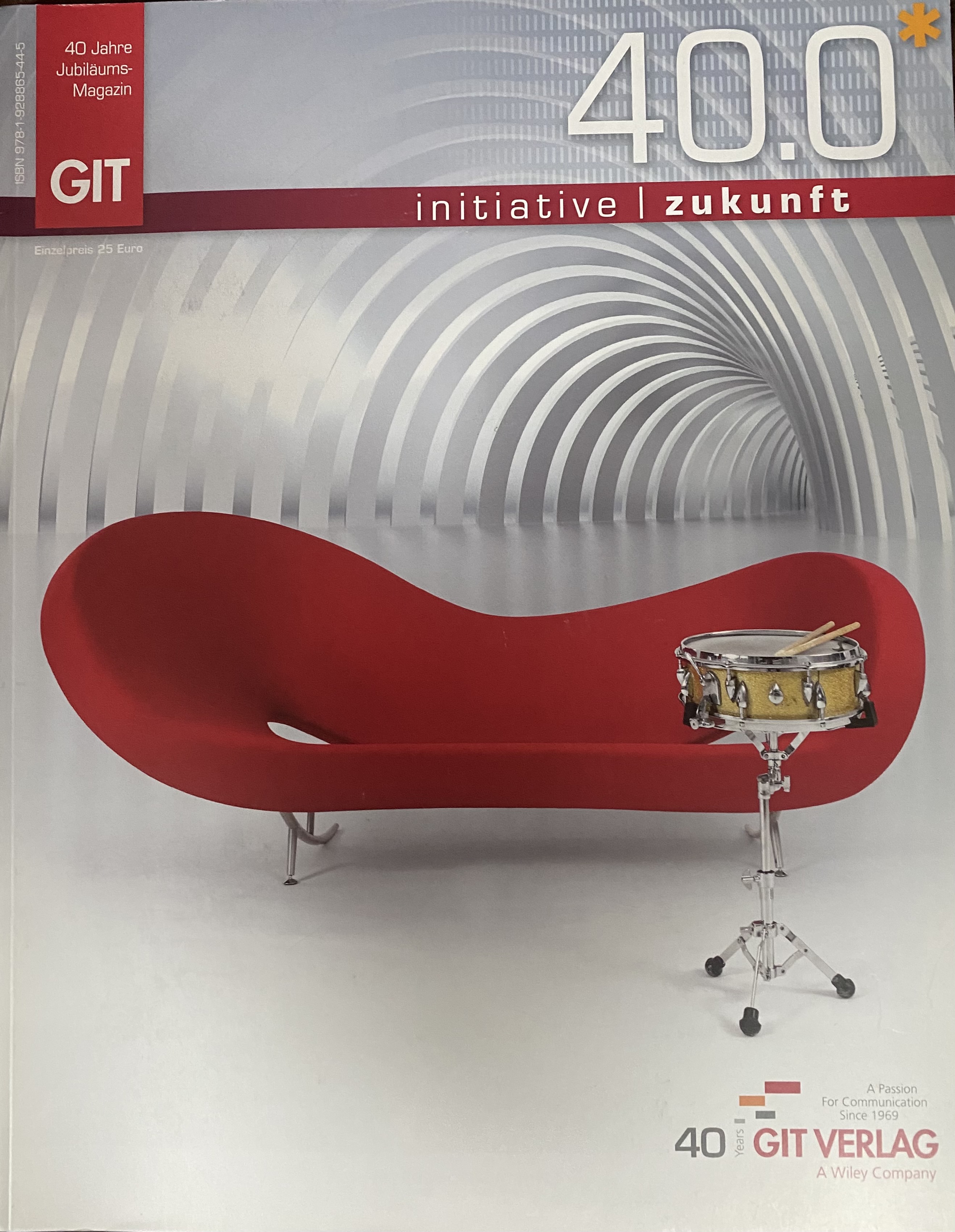
In 2009 I was asked to write an article for the German magazine GIT VERLAG in celebration of their 40th anniversary. My article focused on magazines in 2049. Here is, for the first time, the English version of the article that appeared in the German magazine… Keep in mind this article was written in 2009 and is published here with no editing or changes. Hope you enjoy this journey through memory lane.

Magazines 2049

It’s a daunting task to try and think about what the world of print will look like in 40 years. While trying to see the future of this industry I began to think back to 40 years ago and tried to imagine the changes I have seen happening all over again.

Forty years ago I was a teenager in Tripoli, Lebanon when I befriended the wholesaler for all of Tripoli. As a schoolboy I would go by his shop once a day in the morning before school. I would look at all the magazine’s being distributed to shop owners and news- agents and admire the many magazines getting ready to leave the warehouse and head to the stands. Ultimately this would make me late for school. One day he decided to take pity on me and told me to come by the night before so that I wouldn’t get in trouble at school for being late over and over again. 

I was a kid in a candy store. Each week I would be able to see the magazines before anyone else in town, and my friend the wholesaler would even let me take copies home with me. I became his newsagent who will order only one copy of each magazine. The wholesaler allowing me early access to the day’s publications was a part of the experience that those magazines created with me. The paper, the ink, the photos; all of it formed an interactive relationship with me that got me hooked and kept giving me reasons to return week after week after week. 

Fast forward 40 years, I am in the United States sitting in my house in new home country, far away from my home in Lebanon, and reading a paper from Lebanon.  Yes, reading the same paper published in Lebanon on the same day of publication.  If you told me that 40 years ago, I would have laughed at you and accused you of being crazy. I never would have believed you.  But today, with the eight-hour time difference I can sit at my computer in the evening and see the next day’s newspaper from Lebanon before it hits newsstands over there.  Once I download the paper, hit print, I know it will be sitting in the printer at my office the next morning. Whom are you calling crazy now?

Since I first picked up a copy of a Superman comic book when I was a boy and got hooked on ink on paper, I have always wanted to pick up a magazine to lose myself in its pages. No changes in technology can ever replace that. So instead of talking about technology and how it will change our industry over the next 40 years, editors and publishers need to continue to ask the question how can I provide quality content in my magazine, newsletter, newspaper or other publication for those readers who are looking for a complete experience without having to travel to another medium to get it all. We have to ask that question because each time our prospective customers pick up our product they ask themselves the exact same thing: what is in this for me?

All this is to say that while many things have changed in the last 40 years, and while many things will change over the next 40, the experience will always stay the same. Compared to when I was a teenager, printing quality is better, publications may be more specialized, magazine dimensions have greater range and marketing may be more exact and targeted, but I still go to magazines for the experience I can only have with ink on paper.  The ONLY experience that I “lose myself” through it and in it.

And this is why I have created the Magazine Innovation Center. The sole purpose of this organization is to AMLIFY the future of print. We are not a dead medium with nothing to offer and we should stop bemoaning our own demise. We have become stagnant in an economy that calls for movement and change. It just takes the right thinking to get there. Because there will be changes. There is no way around it. Change is the only constant in our lives. 

Progress will be made, but progress for the sake of progress moves us no closer to a better future. We are already seeing progress in the forms of smaller printers, more advanced office printers, virtual publications, immediate and instant delivery of printed products to your desktop and personal printer and even a drastic decline in waste in the printing and distribution world. With all of this our industry can stay current with technology and the like, but it still doesn’t change the fact that we are based off of experiences our customers have with us, and when we lose sight of that we can’t regain ground with gimmicks on the internet or special inks on our covers. 

One of the biggest changes will be a change in our mentality about everything. We will change the way we think about how we do publications and how we conduct business. I have been saying for quite some time now that the way we do business is outdated and acting as an anchor for our industry. We cannot continue to give content away for a devalued price or for free while advertising reigns as the make or break factor in our publications. If we create good content, people will want to read it and also want to pay for it. 

For the last 60 years  in the United States of  America we have relied on a publishing model that devalued subscribers and focused heavily on the customers supplying the advertising, but not the customers we were actually supposed to reach: the readers themselves. 

I know it may be disappointing to some of you that my forecast for the next 40 years is based on the last 40 years, but would I have believed when I was walking to the wholesaler in Tripoli that 40 years later I would be reading magazines and newspapers from thousands of miles away in the exact same way today?  

There are three things that the future will benefit from if we constantly consider. First, we must make sure we focus on the present. For all the talk about tomorrow and next year, there is no point planning for the future if we can’t survive today. 

Second, we must create the complete experience. As everything changes around us, our publications must provide a total package. We don’t need to create something that relies on another medium to finish our job. Readers shouldn’t have to go to another outlet or source to get the rest of our stories. Henry Luce recognized this 80 some years ago when he started Time magazine. With over 20 newspapers in New York City at the time, he saw that readers wanted a one-stop alternative to get their news in less time and less space.

Third, there will be more need to know our readers. With increased technology, it is becoming easier and easier to know more and more information about out readers. We have to start treating them like customers: know what they want, who they are, what the like to read and what they like to buy. The more we let technology help us learn about our readers, the better we can serve them as customers. 

I know you expected me to write about the future and create a vision of the next 40 years, but as I have said before, there are only two people who can tell the future: God and a fool. I know I am not God, but if you want to read it, here is a future scenario of a fool. Everything I have written to this point I can guarantee, but feel free to read the rest at your own risk.

In 2049 I will receive a box in the mail. I place the box on my desk, open it and find a magazine called Samir’s, the magazine about my lifestyle. The cover has a striking image of exactly what I am wearing except in a different color. It is trendy, hip and relevant. In big type below the title is a tagline that screams “The magazine you can read, listen to and watch.” I open the cover and turn to the first of the 90 high quality glossy pages. As I open it I am greeted by a screen in the middle of the pages, a disposable screen with a menu that allows me to interact with the magazine in different ways unique to the articles I have flipped through. After I have read a great review about the latest Britney Spears Golden Oldies music collection, I have the option of bringing up the interactive screen to view videos from her years gone by. The paper provides me with the experience I have always loves and cherished. I am able to touch and feel the pages while the disposable, interactive screen hooks me with its multimedia experience. With all the benefits of this publication it still remains under 15 dollars ensuring that I won’t feel guilty leaving the magazine behind somewhere after I have enjoyed it, exactly like a chocolate bar I am able to eat and leave the wrapper when I’m done. Inside the magazine are subscription offers for Samir’s sister publication Elliott, the magazine for grandchildren

Time to wake up.  Forty years from now I will be still reading the magazines the same way I read them today and the same way I read them 40 years ago.  Others maybe engaged in other types of new media, but as for me the past, the present and the future are all summed in that wonderful “lose myself” experience while reading the printed magazine. You don’t have to take my word for it, just see me 40 years from now and we will see if my present is still my future.  

h1

Sports Magazines 1953: The Magazines And I. Chapter 11, Part 3.

September 30, 2021

Sports Magazines … is the 11th chapter from the serialized book I am writing on the magazines of 1953, specifically March 1953, the month I was born.  This is chapter 11 part three.  Feel free to back track for chapters one, two, three, four, five, six, seven, eight, nine, and ten in previous blogs.  Enjoy.

In the 1950s, sports was still at the top of many people’s priority list. Two of the most popular were baseball and boxing, and of course, football was coming around. And in 1953 there was no Sports Illustrated (1954) or any ESPN (1990s), but there was plenty of other sources to cover America’s favorite pastime game, baseball. The 1950s saw college football a lot more celebrated than pro ball, much like it is today, at least in the world of the SEC. Most southerners will plan weddings, anniversaries, and even funerals around SEC games. It’s just something we do. And yes, Mr. Magazine™ is most definitely a transplanted southerner having lived in the South since he was 30 years old. Pro football really took off in the 1960s when games began to be televised. 

These “spectator” sports, as opposed to the more individually relaxing sports such as fishing and hunting, were games that people wanted to attend. Events that many had to watch in person. And of course, they wanted to read about them in their favorite sports magazines.

This era saw a variety of different sports magazines and even a newspaper as The Sporting News (established in 1886 as a print magazine) held the proud tagline of being “The Baseball Paper of the World” when covering these very important and exciting topics. From baseball to boxing to wrestling to basketball, sports was a very large category of publications during the 1950s, and especially in March 1953. In Chapter Eleven, we take a look at some of Mr. Magazine’s™ personal accumulation, magazines that have a crucial place in the vast vault of his collection.

Welcome to the wonderful world of sports, March 1953… part three.

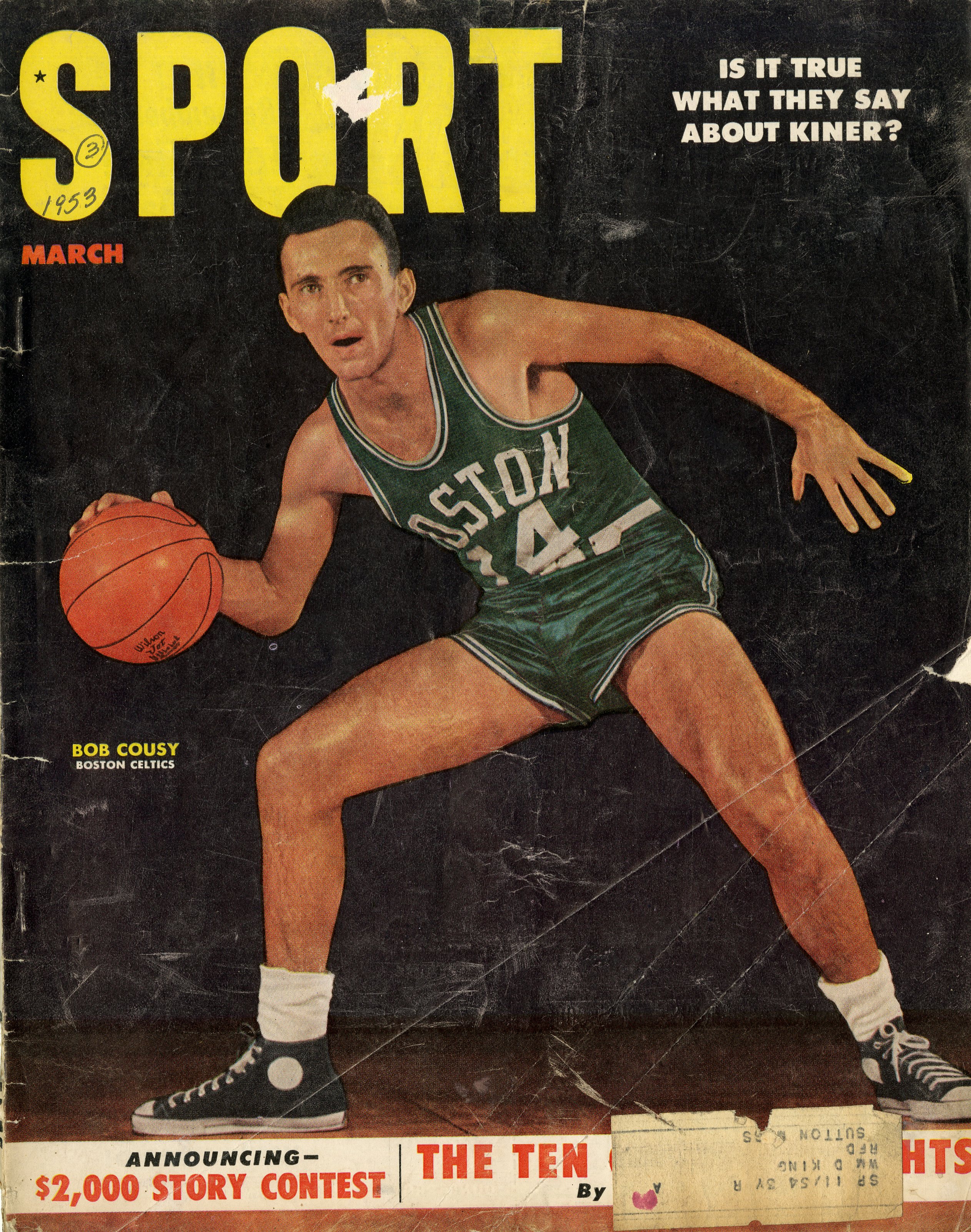
SPORT

Macfadden Publications brought monthly Sport magazine to life. It was one among many titles in Bernarr Macfadden’s publishing empire of Physical CultureTrue DetectiveTrue RomancesDream WorldTrue Ghost StoriesPhotoplay and the tabloid New York Graphic, along with True Story. The magazine was launched in 1946 and is especially notable because it created the 1955 Sport Magazine Award, which was awarded to the most valuable player in the World Series. The award was expanded over the years to include the outstanding post-season performer in all four major team sports, as sanctioned by the leagues.

The March 1953 cover is electric, especially if one was a basketball fan, since Bob Cousy of the Boston Cletics graced its front in a most eloquent in-action pose. Showing that the magazine covered all sports, The Ten Greatest Fights by Nat Fleischer (who founded The Ring magazine) was a cover line. It was another coup for already king of the publishers, Bernarr Macfadden. 

SPORT LIFE

Martin Goodman was a very busy publisher as he brought to life yet another great sports title, this one called Sport Life. Goodman was determined to have as many different titles as possible in the marketplace as this one covered the “sport” life, the entire view of all your favorite sports, from football to baseball to boxing.

February/March 1953 had content about football, boxing, baseball, along with a Sport Life exclusive all about America’s 10 Greatest Sports Heroes. The cover was phenomenal as it featured the Crimson Tide’s Bobby Marlow smack-dab in the center with other great players surrounding him, such as Joe Black from the Brooklyn Dodgers and Rocky Marciano. A great addition to Goodman’s already pulsating group. 

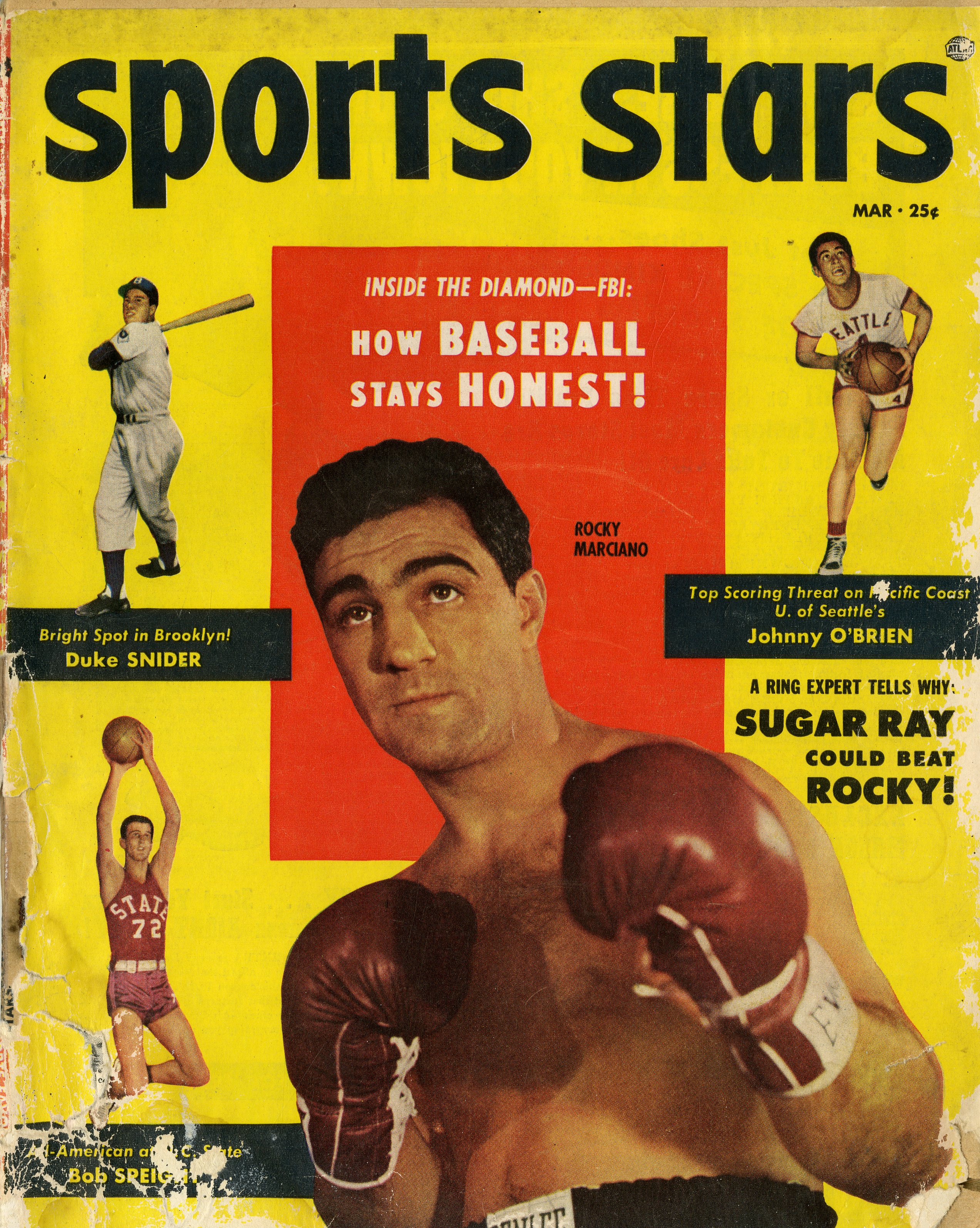
SPORTS STARS

Martin Goodman strikes again with Sports Stars magazine. This title was all about the players (the stars) rather than the actual games. From boxing to baseball, notable players were highlighted and talked about. Sugar Ray and Satchel Paige, Horatio Alger and Duke Snider, this magazine covered all the important stars of the era. And not just the pros, college athletes were also included.

March 1953 highlighted University of Seattle’s basketball stand-out Johnny O’Brien and Sugar Ray on the cover, along with Duke Snider of the Brooklyn Dodgers fame and All-American basketball player Bob Speight from North Carolina State. Stories from Inside the Diamond and others that spotlighted great players from all sports. This bimonthly had all the info a fan could want about their favorite professional or college player. 

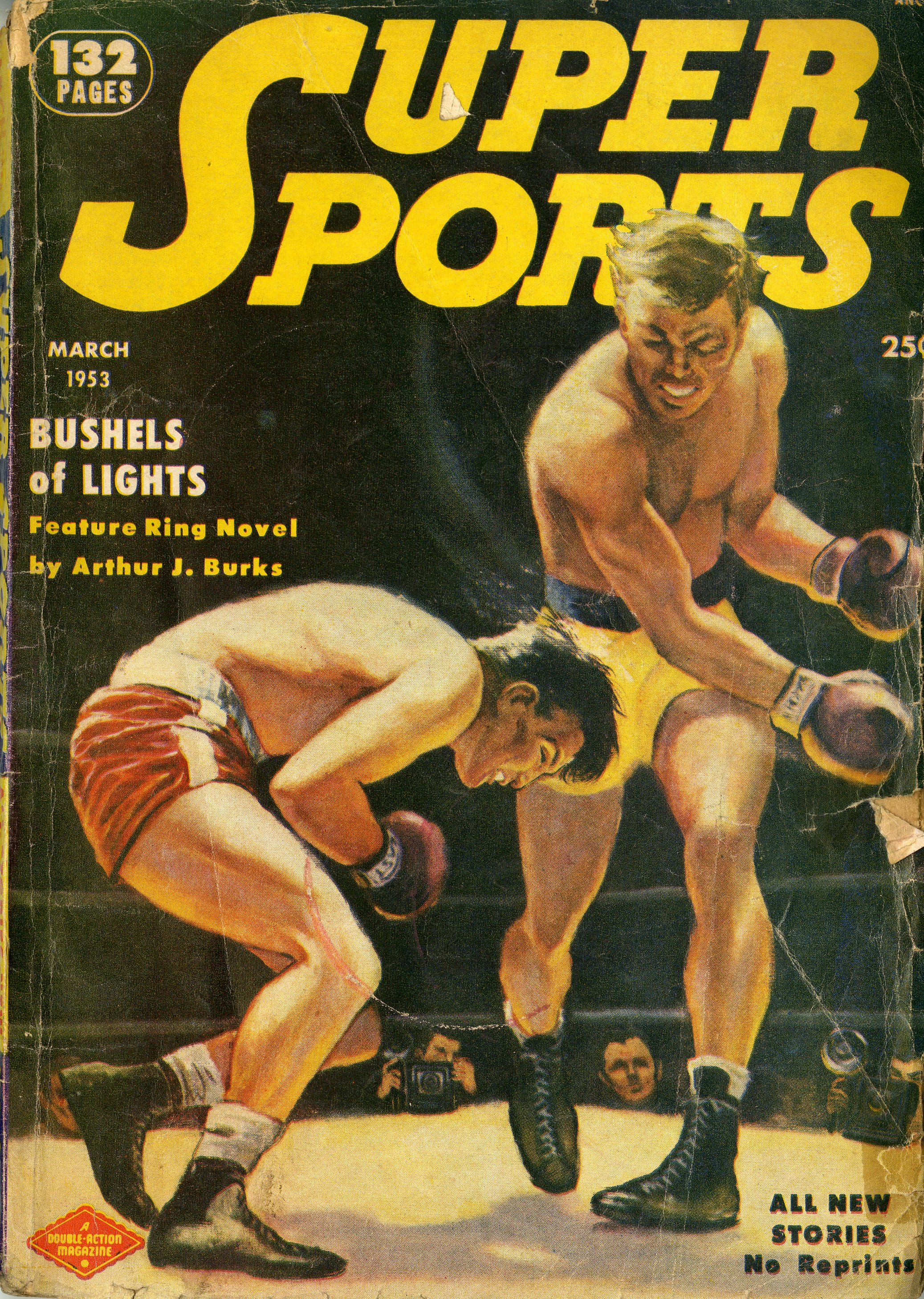
SUPER SPORTS

This pulp magazine was a combination of sports fiction and fun facts that covered many sports, from boxing to baseball to football. Published by Columbia Publications, which consisted of Louis Silberkleit and Maurice Coyne, who started publishing many pulp titles in 1934 with different imprints, the two men started Columbia Publications in late 1937. 

The March 1953 issue had 132 pages of content with a cover that depicted a boxing match, complete with a devastating blow sending one of the men to the mat. From short stories like In This Corner and Curling Isn’t For Cowards. The illustrations weren’t in color, but the writing was engaging and the stories were plentiful, so it was a great title for sports fans who wanted an escape. 

THE ATHLETIC JOURNAL

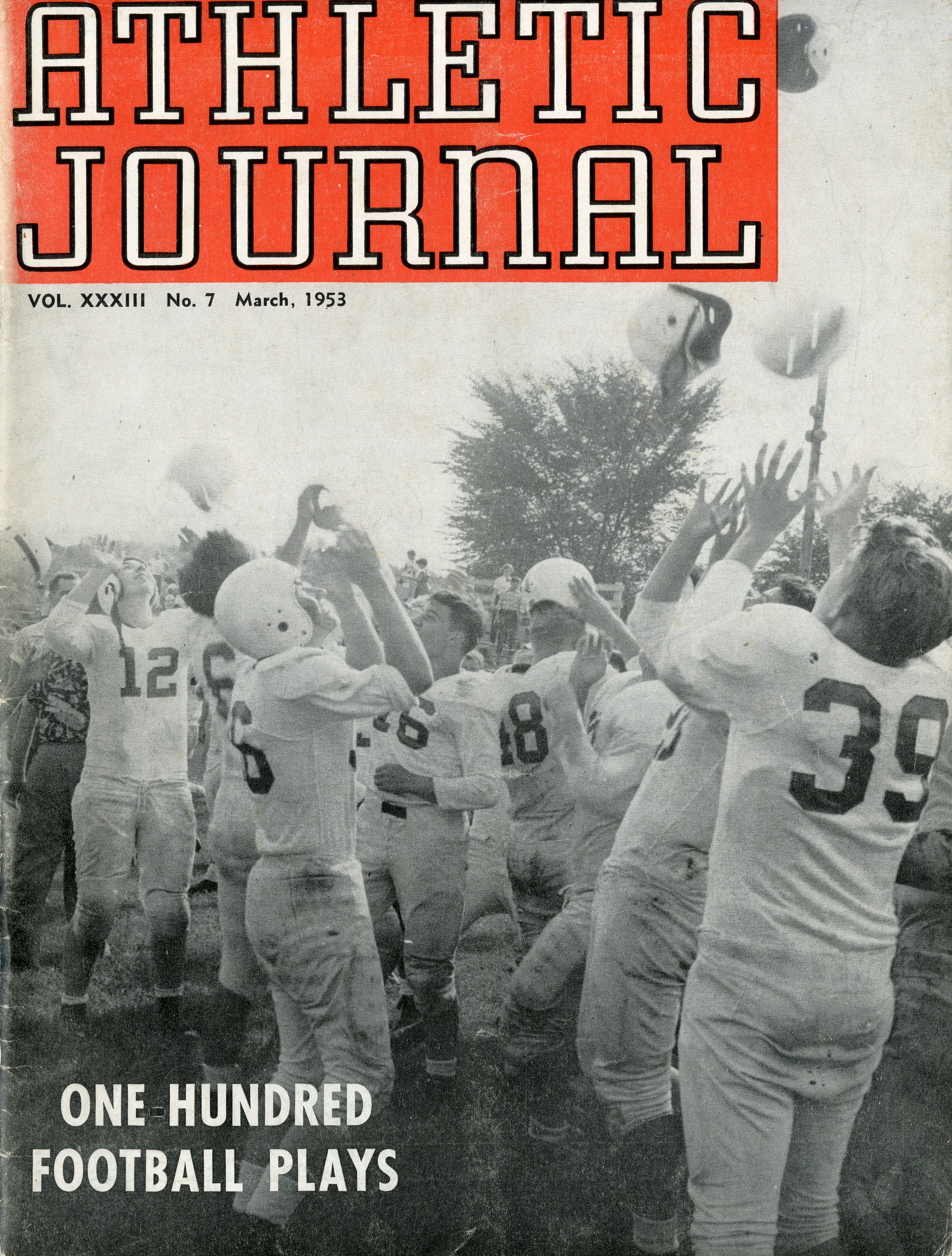
This magazine was published by The Athletic Journal Publishing Company which was founded by Major John L. Griffith, a name many may not recognize, but should be noted when it comes to collegiate sports history. Griffith was the Big Ten’s first commissioner in 1922 until his death in 1945. He was an advocate for fitness in athletics and elevated and professionalized college coaching to the next level. In his opinion, fitness was vital when it came to sports and life in general. 

The March 1953 issue of the magazine, which was Volume 33, Number 7, still carried his name on the masthead, with information editors galore. There were articles on track, baseball, football, gymnastics, golf, and tennis. The magazine’s tagline was “Nation-wide Amateur Athletics,” and even had stories on some high school football. It was a very informative title that paid quiet tribute to the man who founded its belief in collegiate sports.

THE RING

The Ring, which was self-proclaimed as the World’s Foremost Boxing Magazine, was first published in 1922 as a boxing and wrestling magazine, but eventually shifted to boxing only. It was founded by Nathaniel Fleischer, who was a noted boxing writer and collector. Today, the magazine is owned by Oscar De La Hoya, the former “Golden Boy” of boxing and is still going strong. In its heyday, the magazine sported a disclaimer that read “a magazine which a man may take home with him. He may leave it on his library table safe in the knowledge that it does not contain one of matter either in the text or the advertisements which would be offensive.” 

The issue dated March 1953 featured story after story that portrayed the exciting world of boxing, with an illustration of welterweight boxer, Chuck Davey on its cover. Stories about Rocky Marciano, then heavyweight champion of the world, and Jersey Joe Walcott, Chuck Davey and Kid Gavilan. It was an issue that took you into the boxing world of March 1953 and immersed you in the fights. Just a great read. 

WHO’S WHO IN THE BIG LEAGUES

Who’s Who in the Big Leagues was published annually by Dell Sports Group, a division of Dell Publishing that was started by George T. Delacorte Jr. in 1921. While Delacorte had humble beginnings, the company became a powerhouse in magazine publishing, including pulp magazines, paperbacks and its dip into sports. 

In March 1953, the annual title chose St. Louis Cardinals and Hall of Famer Stan Musial for its cover, with stories by Jackie Robinson and Jimmy Dykes to tempt the palates of sports fans everywhere. It was a large, colorful magazine that had more statistics and information than you could read in one sitting, with no ads at all. It’s a step above many annuals of its day and certainly a keeper for collectors of anything “baseball.”

Chapter Twelve is up next and if you listen very closely you can hear a preview of it now from the open door of Mr. Magazine’s™ vault….music & entertainment – March 1953 style!

h1

Sports Magazines 1953: The Magazines And I. Chapter 11, Part 2.

August 26, 2021

Sports Magazines … is the 11th chapter from the serialized book I am writing on the magazines of 1953, specifically March 1953, the month I was born.  This is chapter 11 part two.  Feel free to back track for chapters one, two, three, four, five, six, seven, eight, nine, and ten in previous blogs.  Enjoy.

In the 1950s, sports was still at the top of many people’s priority list. Two of the most popular were baseball and boxing, and of course, football was coming around. And in 1953 there was no Sports Illustrated (1954) or any ESPN (1990s), but there was plenty of other sources to cover America’s favorite pastime game, baseball. The 1950s saw college football a lot more celebrated than pro ball, much like it is today, at least in the world of the SEC. Most southerners will plan weddings, anniversaries, and even funerals around SEC games. It’s just something we do. And yes, Mr. Magazine™ is most definitely a transplanted southerner having lived in the South since he was 30 years old. Pro football really took off in the 1960s when games began to be televised. 

These “spectator” sports, as opposed to the more individually relaxing sports such as fishing and hunting, were games that people wanted to attend. Events that many had to watch in person. And of course, they wanted to read about them in their favorite sports magazines.

This era saw a variety of different sports magazines and even a newspaper as The Sporting News (established in 1886 as a print magazine) held the proud tagline of being “The Baseball Paper of the World” when covering these very important and exciting topics. From baseball to boxing to wrestling to basketball, sports was a very large category of publications during the 1950s, and especially in March 1953. In Chapter Eleven, we take a look at some of Mr. Magazine’s™ personal accumulation, magazines that have a crucial place in the vast vault of his collection.

Welcome to the wonderful world of sports, March 1953… part two.

COMPLETE BASEBALL

Another Martin Goodman publication, Complete Baseball, was just that – all about the game of baseball, from the first page to the last. It was another sports title that Goodman added to his collection of titles. 

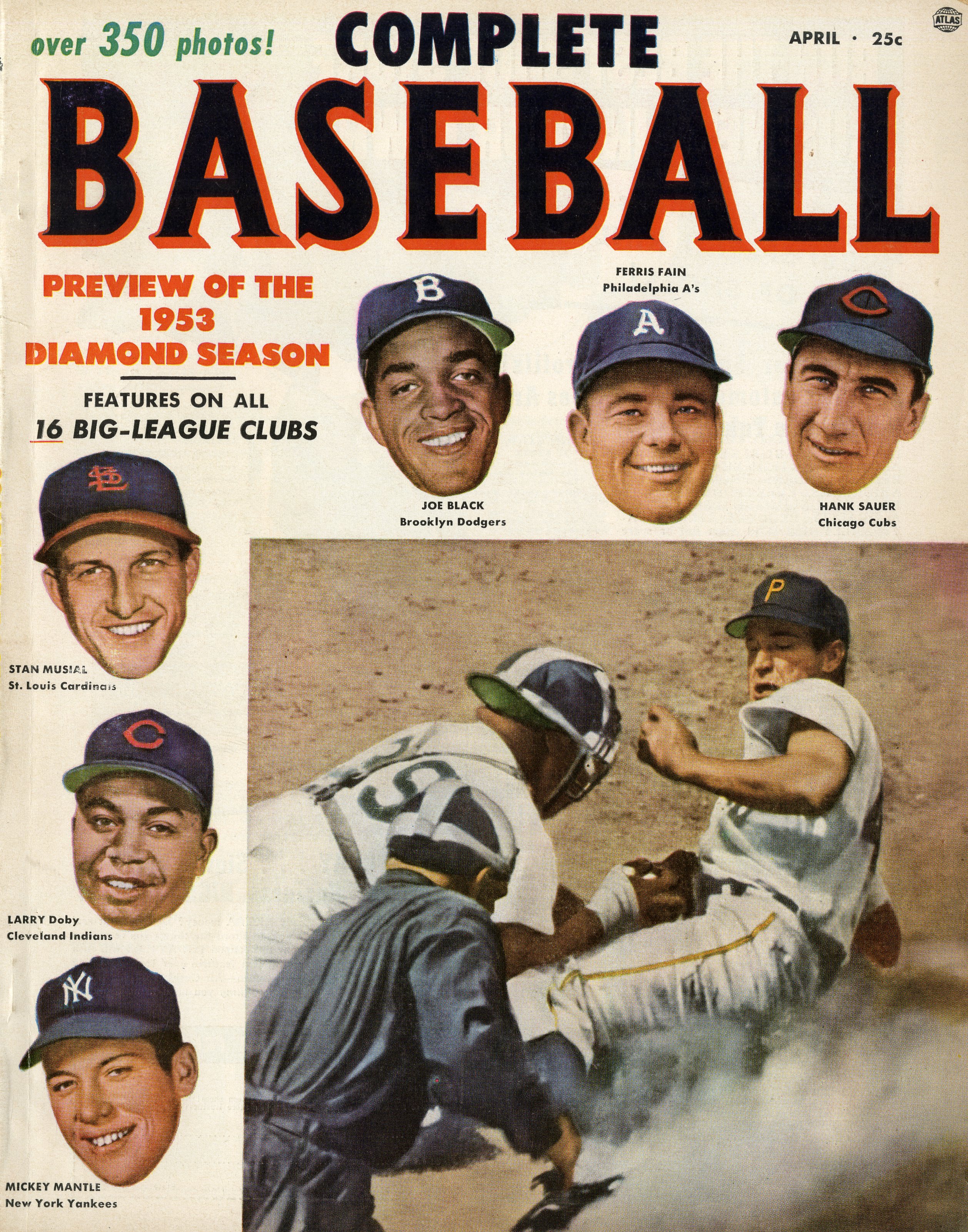
The March/April 1953 issue of Complete Baseball had a preview of the 1953 diamond season and features on all 16 big league clubs. From Stan The-Man Musial to Joe Black of the Brooklyn Dodgers, the bimonthly’s cover was definitely “complete baseball.” This issue was filled with previews of every big league team, along with a couple of short articles that fans would not want to miss. Another great baseball publication.

INSIDE BASEBALL

Inside Baseball, another title from Canadian bodybuilder and entrepreneur, Joe Weider, was a monthly that gave readers the “inside” scoop on the great American sport of baseball. Touted as the Big League magazine, it offered a Gallery of Baseball Stars, along with stories that were sure to have readers buying the next month’s issue or subscribing if they wanted it in their mailbox ASAP. 

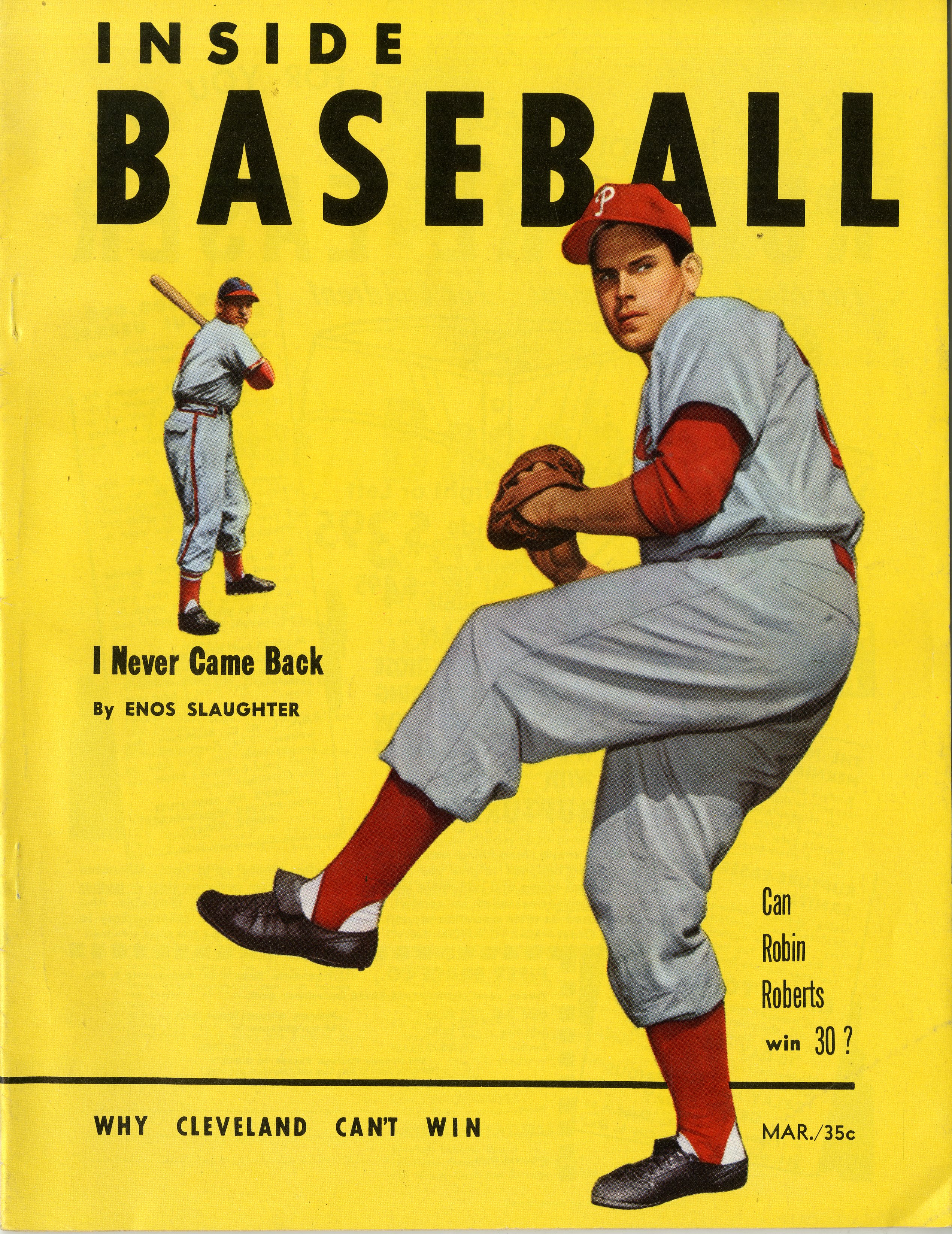
The March 1953 issue was filled with stories such as Around the Bases by Bob Cutter and Why Cleveland Can’t Win by Frank Gibbons, along with many, many more great baseball tales. The March 1953 cover was engaging and beckoned the baseball fan to “come inside and read,” with a story by Hall-of-Famer Enos Slaughter called I Never Came Back. The magazine was another win for Joe Weider in his vast world of publications.

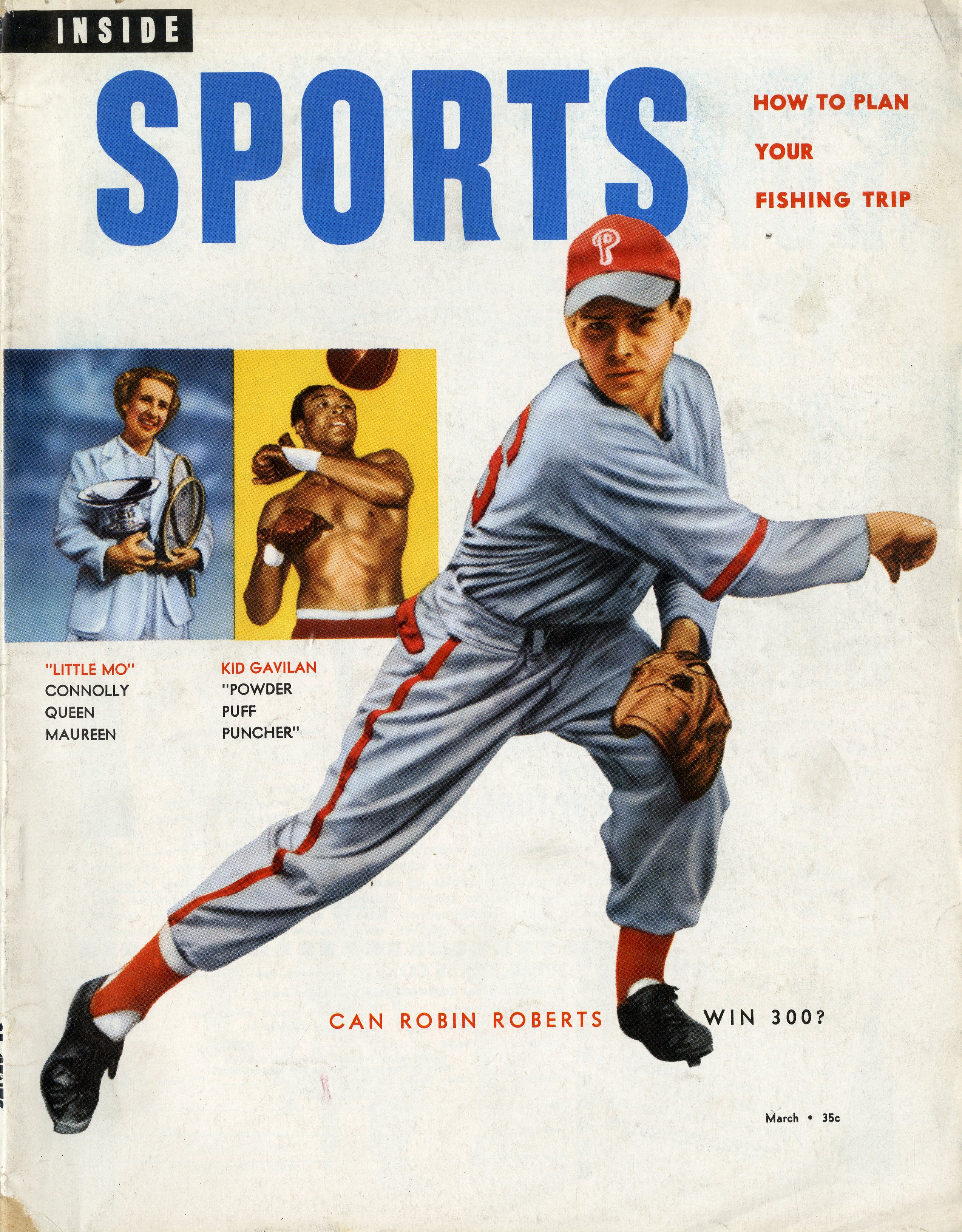
INSIDE SPORTS

Another monthly title founded by Canadian bodybuilder and entrepreneur, Joe Weider, Inside Sports was an all-sports magazine. It featured stories on baseball, basketball, boxing, golf, hockey, tennis, racing and some off-the-beaten sports trail activities. The advertisements inside the pages were mainly bodybuilding and muscle-enhancing type ads. (No surprise there, considering the magazine’s founder).

The March 1953 issue had articles about all of the sports of the time, along with several special features and photo spreads. While the cover was in full-color, the pictures inside the magazine were in black-and-white. But even though Joe Weider had a plethora of different titles under his belt, Inside Sports was a really well-done title that did justice to the arena of sports in March 1953. A fan favorite, to be sure. 

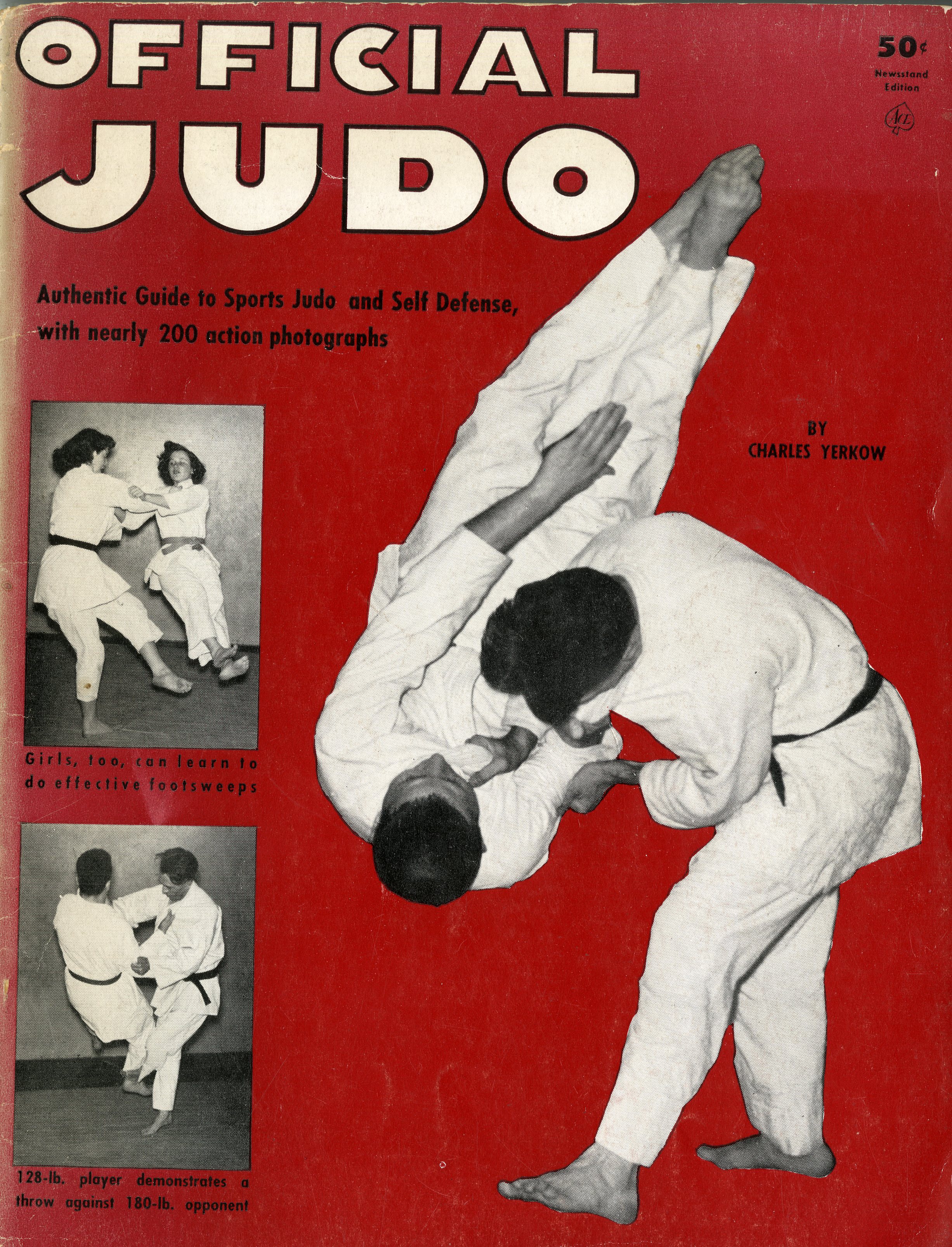
OFFICIAL JUDO

Official Judo (Authentic Guide to Sports Judo and Self Defense) was a magazine/book written by author Charles Yerkow who was also one of the best jiu jitsu and close combat experts active before, during, and after WW2, and chairman of the National A.A.U. Judo Committee and Amateur Judo Association of U.S.A. The March 1953 issue of Official Judo was only one among many publications that Yerkow wrote entirely. The military applications of his techniques were highly regarded and with the many manuals and guidebooks he wrote, the man was much more than an icon in the world of judo. This magazine was not a regular publication, it was more like a book with 14 complete chapters and a foreword from the man himself. For judo aficionados, it was a must-have. 

OUR SPORTS

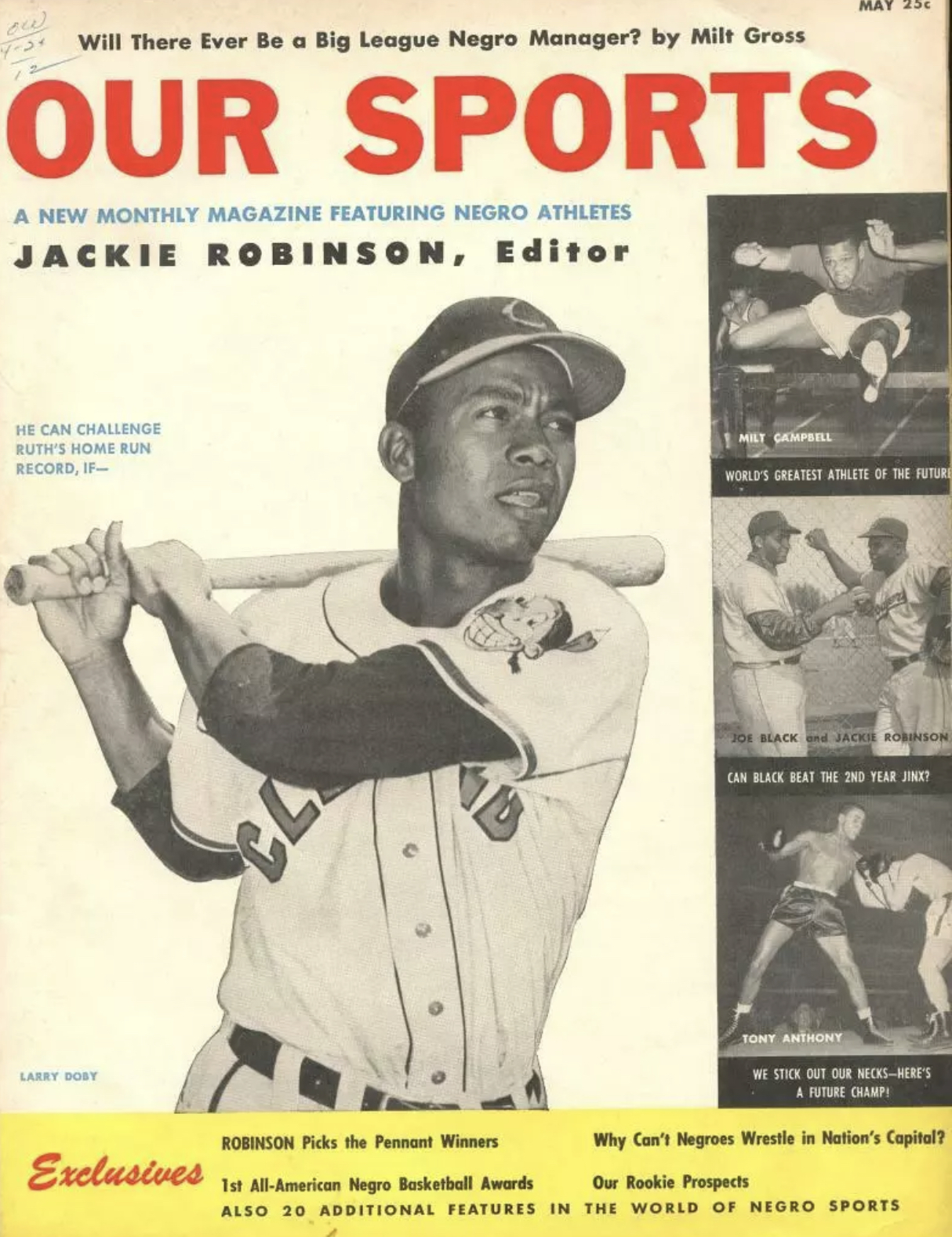
Edited by the great Jackie Robinson, Our Sports magazine was touted as “The Great New Negro Sports Magazine,” and was published in 1953. It ran for a total of five issues. In lieu of being repetitive, I will refer you to Chapter Seven and our March 1953 Black magazines as Our Sports was covered in that chapter.

To be continued…
h1

Sports Magazines 1953… The Magazines And I Book. Chapter 11, Part 1.

August 19, 2021

Sports Magazines … is the 11th chapter from the serialized book I am writing on the magazines of 1953, specifically March 1953, the month I was born.  This is chapter 11 part one.  Feel free to back track for chapters one, two, three, four, five, six, seven, eight, nine, and ten in previous blogs.  Enjoy.

In the 1950s, sports was still at the top of many people’s priority list. Two of the most popular were baseball and boxing, and of course, football was coming around. And in 1953 there was no Sports Illustrated (1954) or any ESPN (1990s), but there was plenty of other sources to cover America’s favorite pastime game, baseball. The 1950s saw college football a lot more celebrated than pro ball, much like it is today, at least in the world of the SEC. Most southerners will plan weddings, anniversaries, and even funerals around SEC games. It’s just something we do. And yes, Mr. Magazine™ is most definitely a transplanted southerner having lived in the South since he was 30 years old. Pro football really took off in the 1960s when games began to be televised. 

These “spectator” sports, as opposed to the more individually relaxing sports such as fishing and hunting, were games that people wanted to attend. Events that many had to watch in person. And of course, they wanted to read about them in their favorite sports magazines.

This era saw a variety of different sports magazines and even a newspaper as The Sporting News (established in 1886 as a print magazine) held the proud tagline of being “The Baseball Paper of the World” when covering these very important and exciting topics. From baseball to boxing to wrestling to basketball, sports was a very large category of publications during the 1950s, and especially in March 1953. In Chapter Eleven, we take a look at some of Mr. Magazine’s™ personal accumulation, magazines that have a crucial place in the vast vault of his collection.

Welcome to the wonderful world of sports, March 1953…

ALLSPORTS

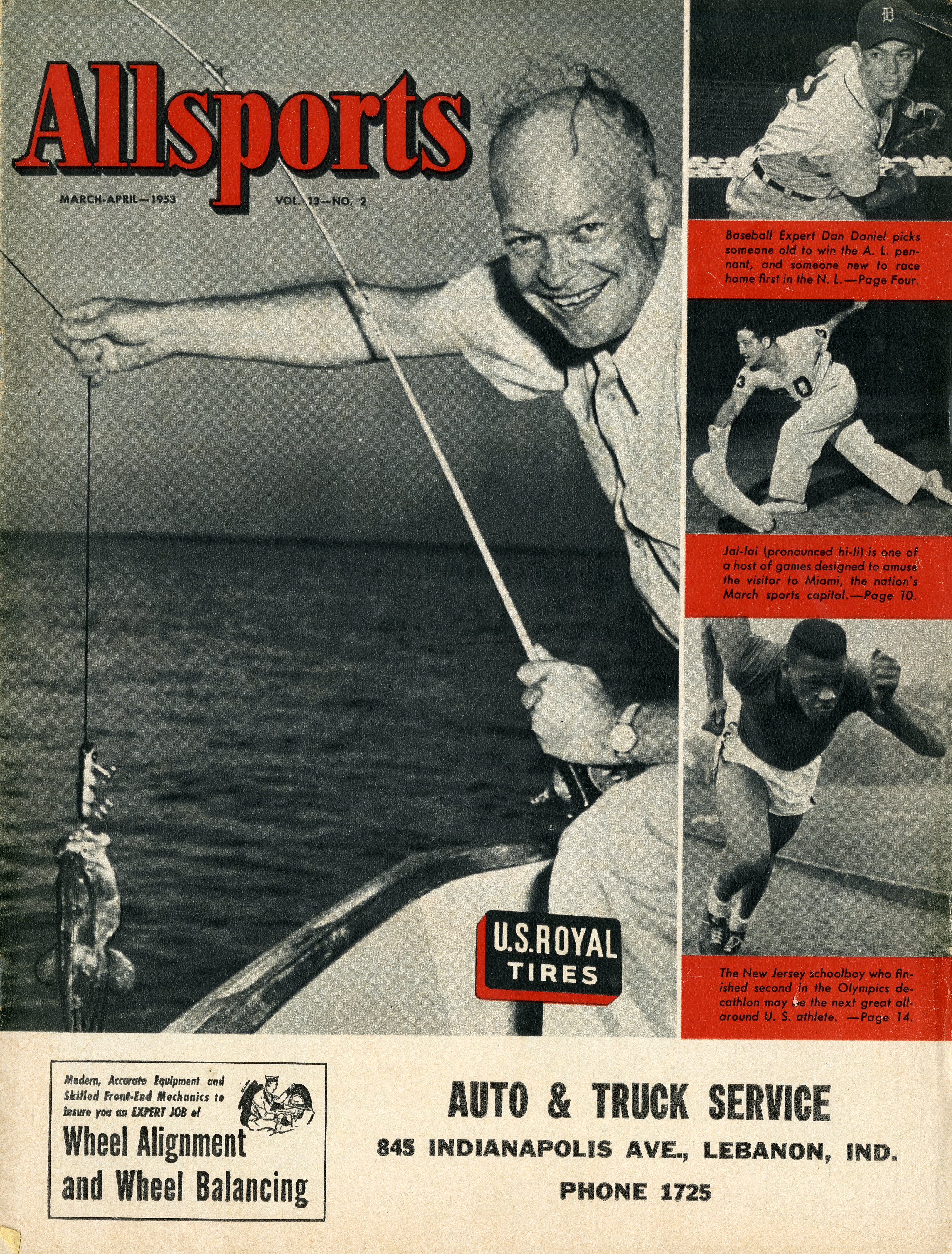
Published and distributed complimentary by the U.S. Tire Distributors, Allsports was a magazine that was offered through local auto service and tire dealers. It featured a thin offering (14 pages total) of content on all sports (just as the name suggests). Baseball, fishing, the Olympics, football and other spectator events were covered, complete with photos and many tire ads. 

The March/April 1953 issue that Mr. Magazine™ procured is from an auto and truck service in Indiana. Then President Dwight D. Eisenhower was on the cover showing off his fishing skills, along with baseball picks by baseball expert  Dan Daniel. It was a great little magazine, especially considering it was free, for sports fans around the country. 

BASEBALL DIGEST

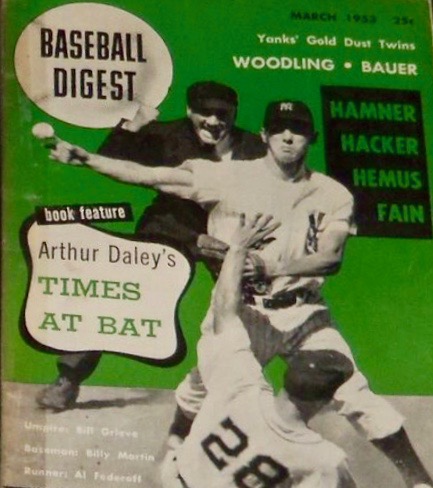
The First issue of Baseball Digest came out in August 1942 and was created by a sportswriter who worked for the Chicago Daily Times, Herbert F. Simons. He knew Reader’s Digest was a great success, so he figured why not one about baseball, hence Baseball Digest was born. And today it’s the nation`s longest-running baseball magazine. In the beginning, it was a small black-and-white publication, but today it’s a full-sized, full-color magazine. The magazine is a resource for all things baseball with statistics and data that brought everything together for the fan. It is a must for the hard-core fan. 

The March 1953 issue had a book feature by sports journalist, Arthur Daley, called Times At Bat and had feature articles such as Pitchers Toughest To Hit: Lemon, Hacker, Raschi, Rush by Harold Sheldon and Blood Money For The Dodgers by Michael Gaven. It gave the 1953 baseball fan everything that was going on in the month of March and offered so many more articles than just the three mentioned. The content was massive for its then digest size. 

BASEBALL MAGAZINE

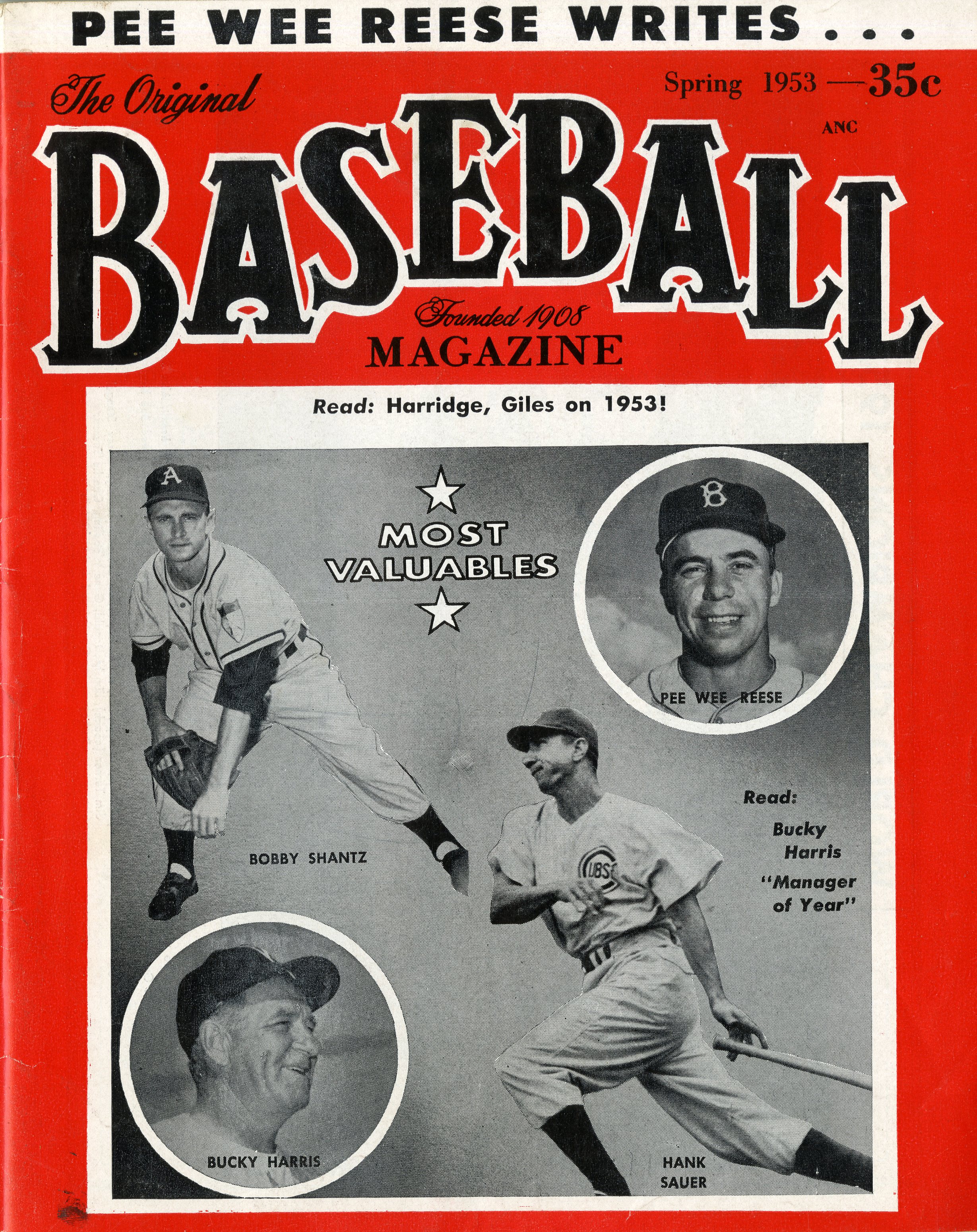
Baseball Magazine was the first monthly baseball magazine published in the United States. Jake Morse, an influential Boston Herald sportswriter, founded the magazine before the 1908 season. A monthly magazine for baseball was unprecedented for the times, and allowed for more lengthy, in depth stories and reporting. It definitely filled a desire and a need in readers ravenous for their baseball updates and behind-the-scenes news. 

By the time March 1953 rolled around, the magazine was published eight times a year and with the Spring issue offered up a cornucopia of fantastic baseball articles by writers such as Harold (Pee Wee) Reese, Harold Rosenthal from the New York Herald Tribune and a number of other amazing sportswriters. There was a section on Rookies of the Year and a Baseball Game Photo Quiz. It was fun and informative, but unfortunately went defunct in 1957 in its original form. It was briefly revived a few years later, but to no avail.

BOXING AND WRESTLING

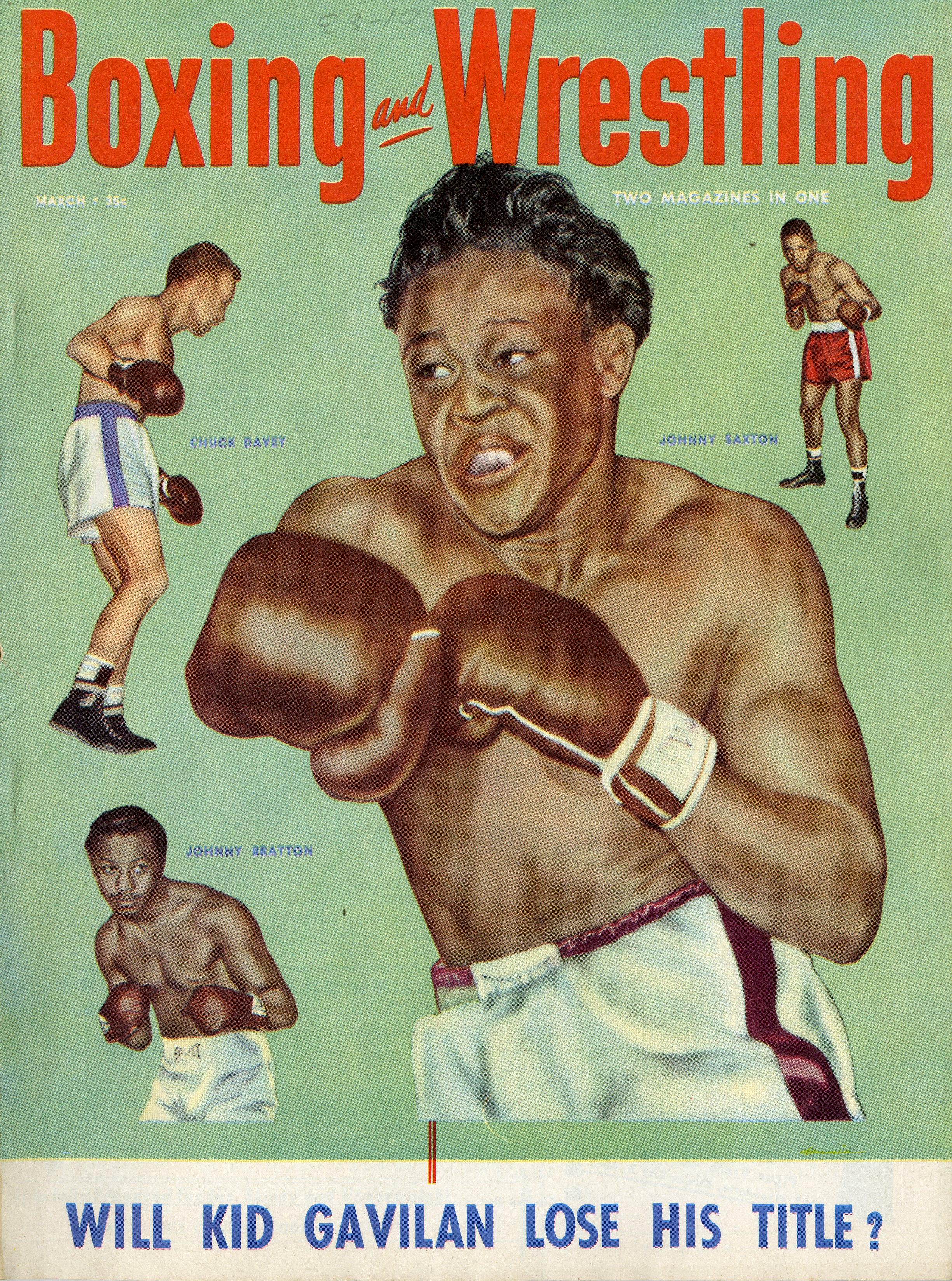
This magazine was touted as “two magazines in one” with its boxing content and its wrestling features. The magazine also had a tagline that read The Magazine For Combat Fans, since of course boxing and wrestling were considered combat sports. The title was founded by Canadian bodybuilder and entrepreneur, Joe Weider, who had a publishing empire that basically consisted of “physique-building”  or muscle magazines, except for a couple of “skin” titles. Weider was considered a pioneer in the world of bodybuilding and physical sports.

March 1953 saw boxers Chuck Davey, Johnny Bratton, Johnny Saxton and Kid Gavilan on its cover, with the all-important question: Will Kid Gavilan Lose His Title as the cover line. With stories on boxing and wrestling, the magazine was sure to please all fans of these very physical sports. The content was divided into two sections and very easy to navigate for individual fans. Entertaining and informative to say the least.

BOXING LIFE

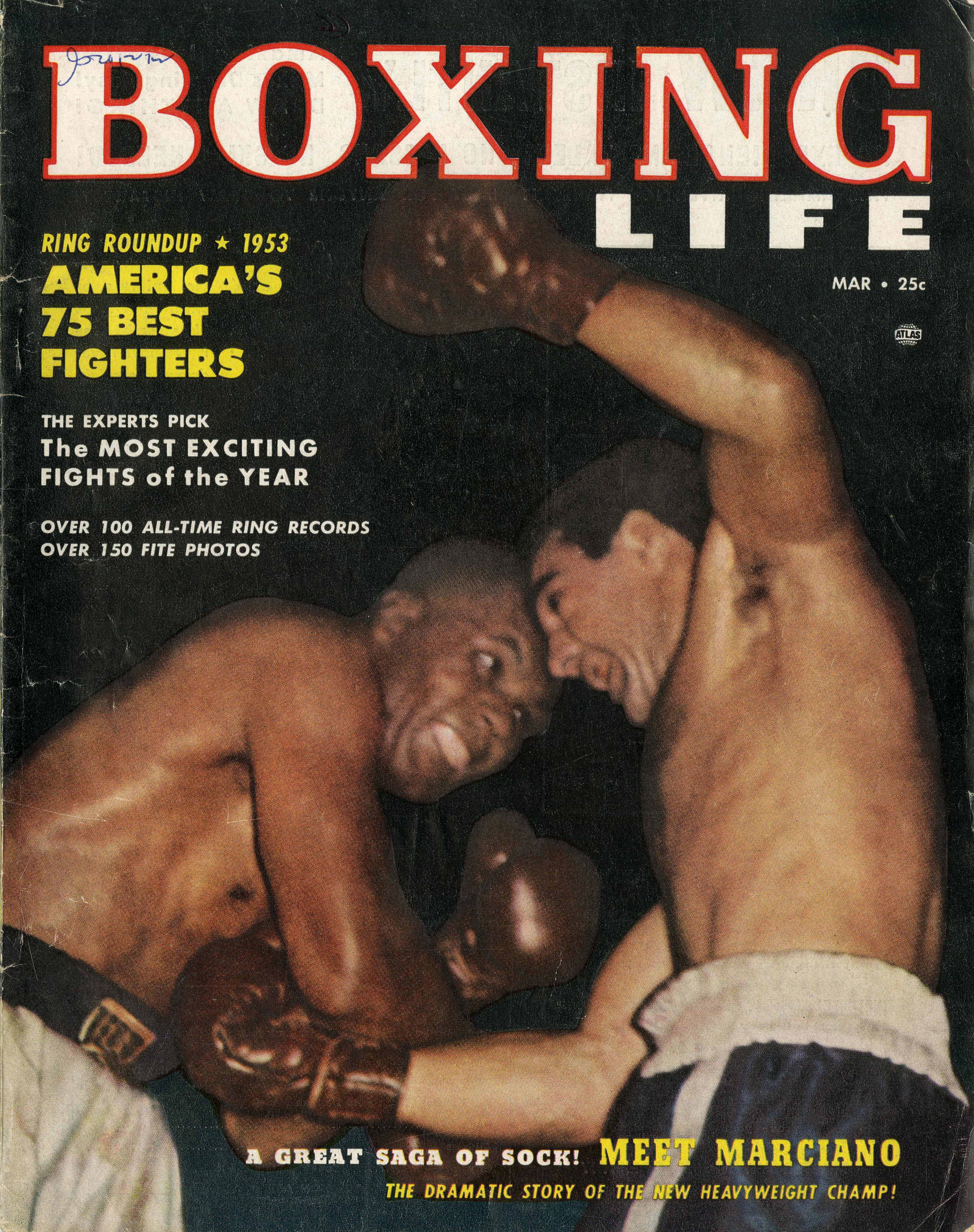
Another pulp publisher, Martin Goodman, who went on to launch the company that would become Marvel Comics, created this boxing magazine that called itself Boxing Life. Goodman, who was reported to be the oldest son of 17 children, traveled the country during the Great Depression when he was a young man, living in hobo camps as he went. He fell into publishing through future Archie Comics cofounder Louis Silberkleit. Goodman went on to publish many genres of magazines, from sports to romance to general interest.

March 1953 saw Rocky Marciano on the cover fighting Joe Walcott. There was a Ring Roundup consisting of America’s 75 Best Fighters, according to the cover line and experts picking the most exciting fights of the year, with over 150 fight photos inside the covers. What boxing fans got from this magazine was an experience, as with most of the magazines from March 1953. The writing was tight and the statistics many. 

COACH & ATHLETE

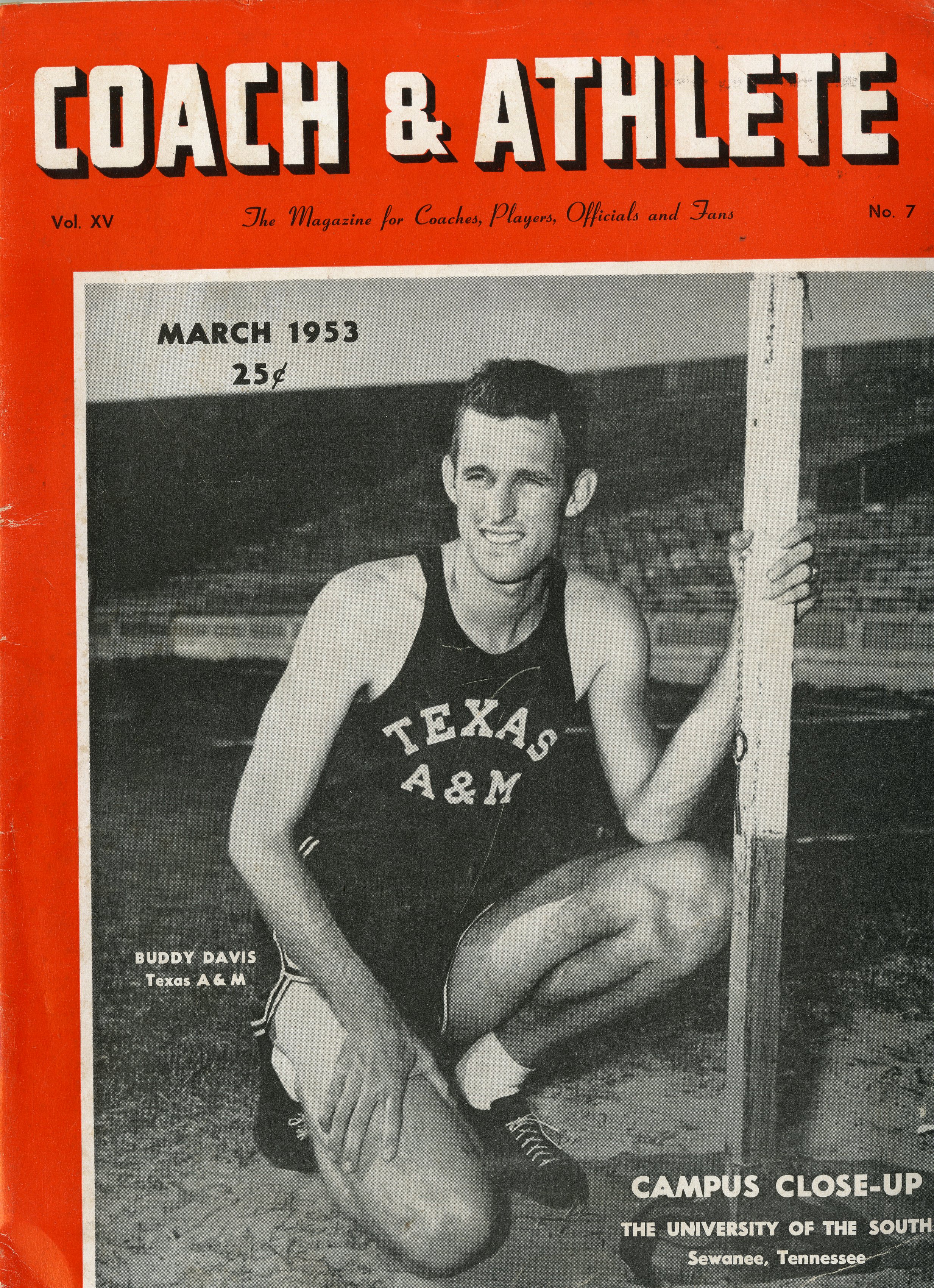
This magazine came from many of the southern and Gulf States coaches and official associations in the United States. From Georgia to Florida to Louisiana and even that state’s high school coaches and their associations, it was a combined effort to promote coaches and athletes around the country. You could subscribe or buy single copies. The tagline said it all: “The Magazine for Coaches, Players, Officials and Fans.”

The March 1953 issue was filled with campus close-ups and stories on how to plan and promote high school track. It covered high schools, colleges, and of course had all the latest SEC news. Buddy Davis, a letterman in track & field and basketball in 1950-52, from Texas A&M was featured on the cover. It was a very good attempt at bringing college and high school level sports to the forefront for old and new fans. 

To be continued…
h1

Men’s Adventures Magazines 1953: The Magazines And I. Chapter 10 Part 4.

July 22, 2021

Men’s Adventures Magazines … is the 10th chapter from the serialized book I am writing on the magazines of 1953, specifically March 1953, the month I was born.  This is chapter ten, part four.  Feel free to back track for chapters one, two, three, four, five, six, seven, eight, and nine in previous blogs.  Enjoy.
THRILLING RANCH STORIES

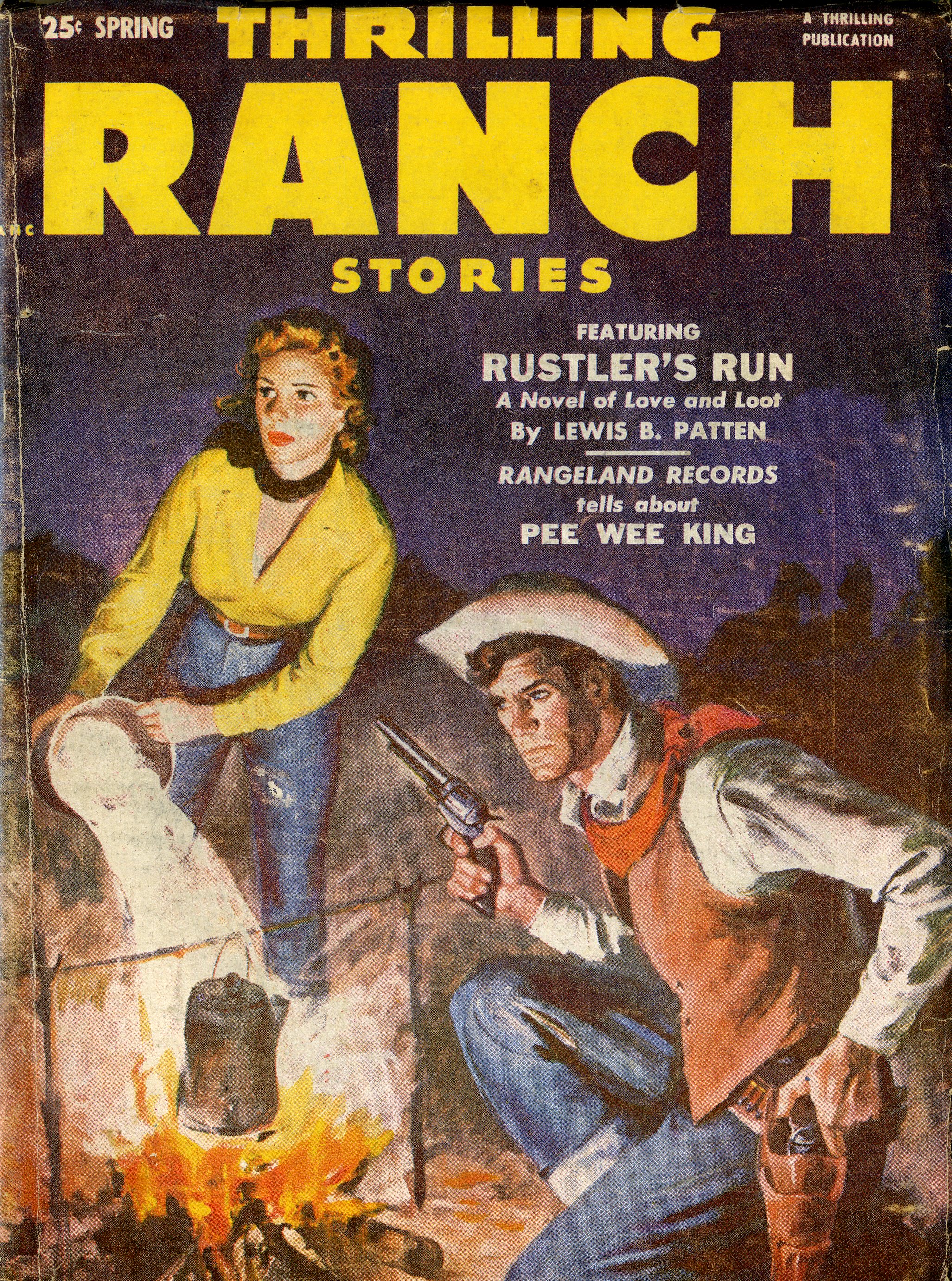
Another magazine published by Thrilling Publications, Thrilling Ranch Stories offered just that – thrilling stories set with a ranch backdrop. The magazine was a quarterly that held readers enthralled with stories about rustlers and rangelands. The covers were almost always colorful illustrations of a handsome cowboy with his equally attractive heroine by his side. 

The March 1953 issue was an over-the-top edition with over 100 pages of stories such as Rustler’s Run and To Wed An Oregon Man. Between the western excitement and the ever-present romance that filled the pages, the magazine was a great addition to the flock.

TRIPLE WESTERN

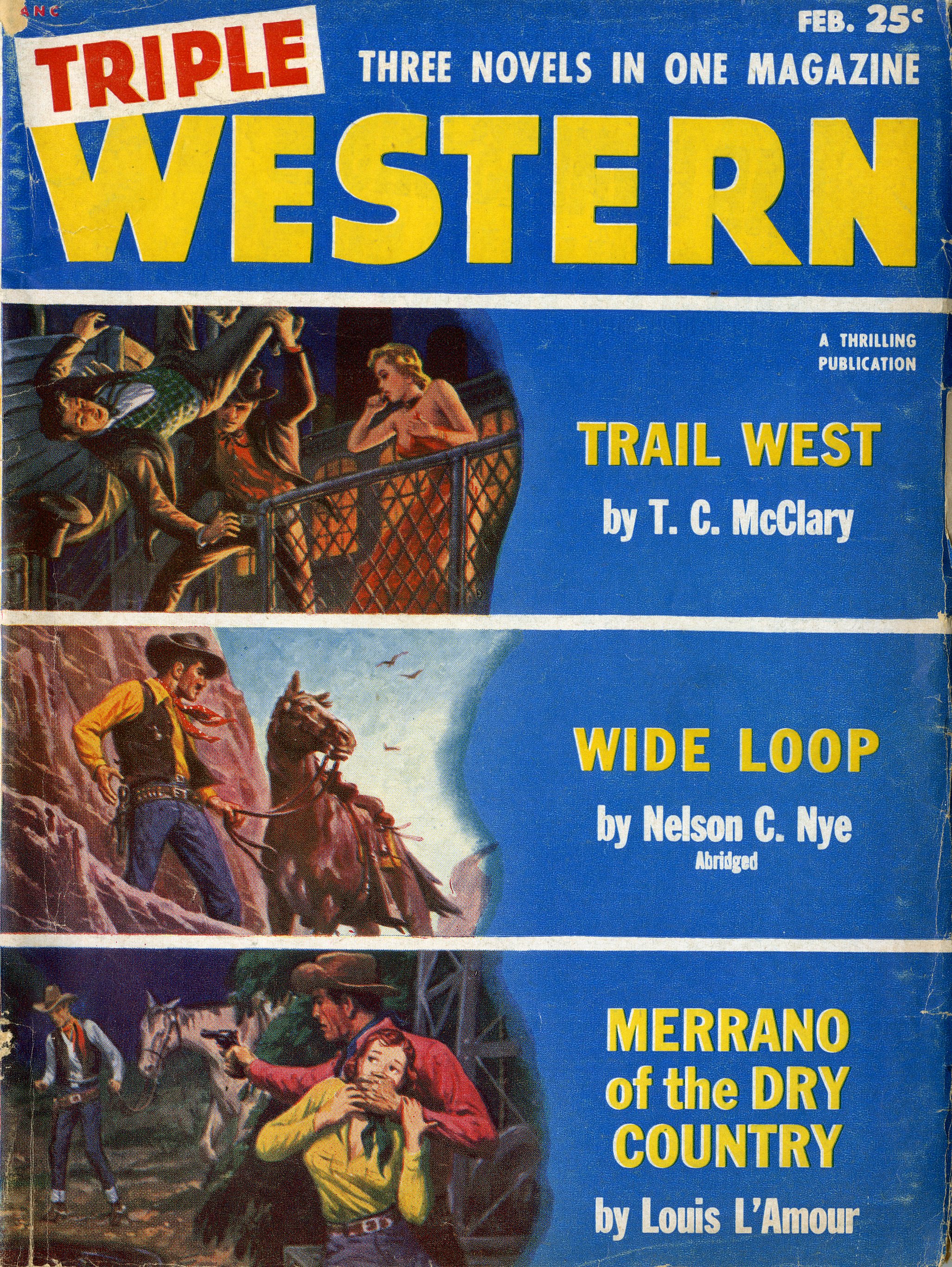
With three novels loaded into one magazine, Triple Western was sure to captivate even the most hard-to-please Western fan. The magazine was true-to-form in that it offered western adventure on a large scale. Published by Best Publications, another umbrella of the Thrilling Group, the title proves that good things can also happen in threes.

The February/March 1953 issue of the magazine is complete with a novel called Trail West, one entitled Wide Loop and one called Merrano of the Dry Country. And while they all fit the bill of the 1950s era western story, each is a stand-alone piece of content that really shines with vivid characters and rich backgrounds.

WAR REPORT

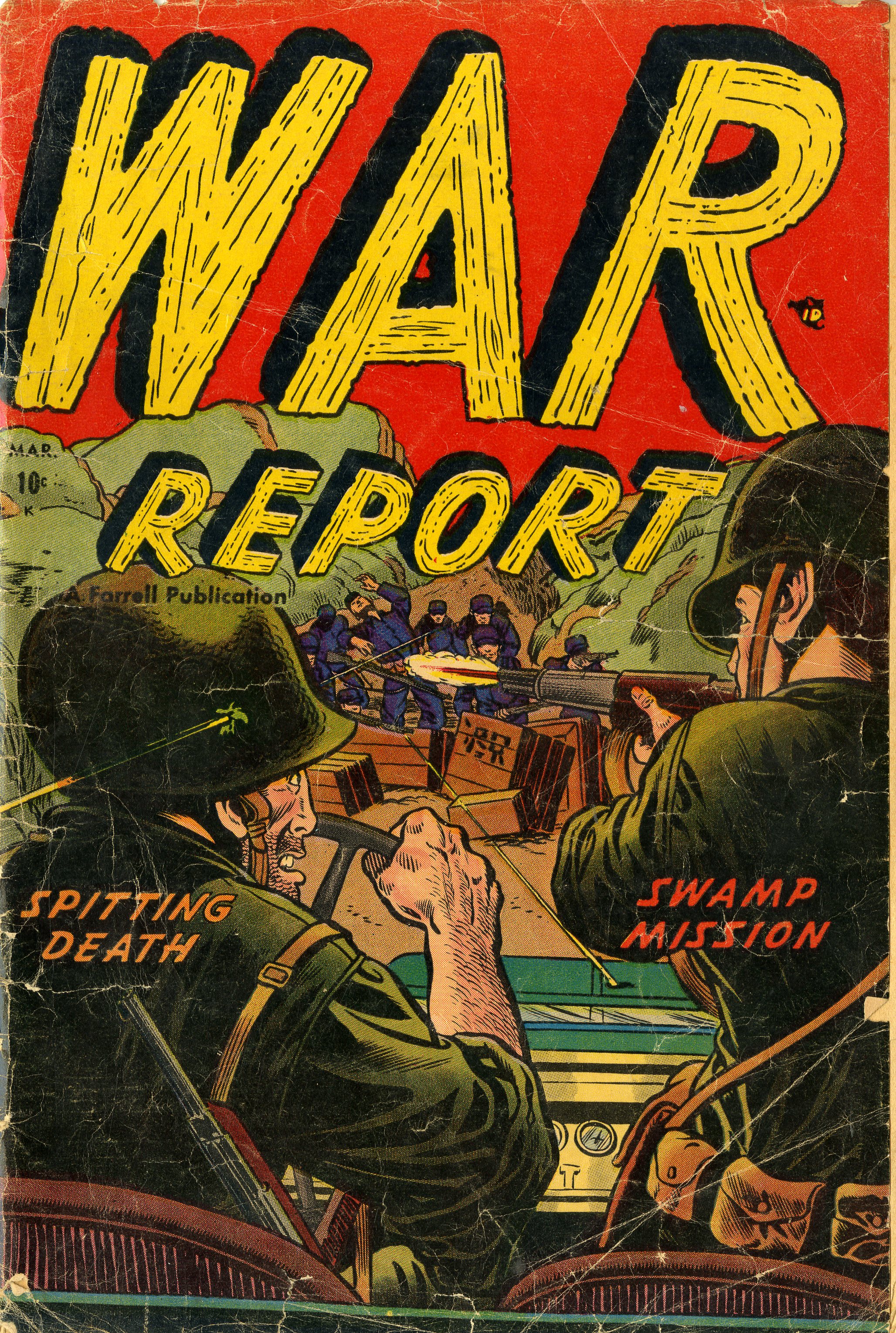
War Report is a comic book all about the complexities of war and its travesties, rolled into a compilation of two different stories. Published by Farrell Publications under the umbrella of Excellent Publications, the company was founded and operated by Robert W. Farrell in the 1940s and 1950s. Farrell also published romance, adventure, superheroes, and funny animal comics.

The March 1953 issue had stories about U.S. soldiers facing combat action as the Korean War heated up and promised military adventure in a big way. It was adventure done comic book style and it was vastly popular.  

WEST

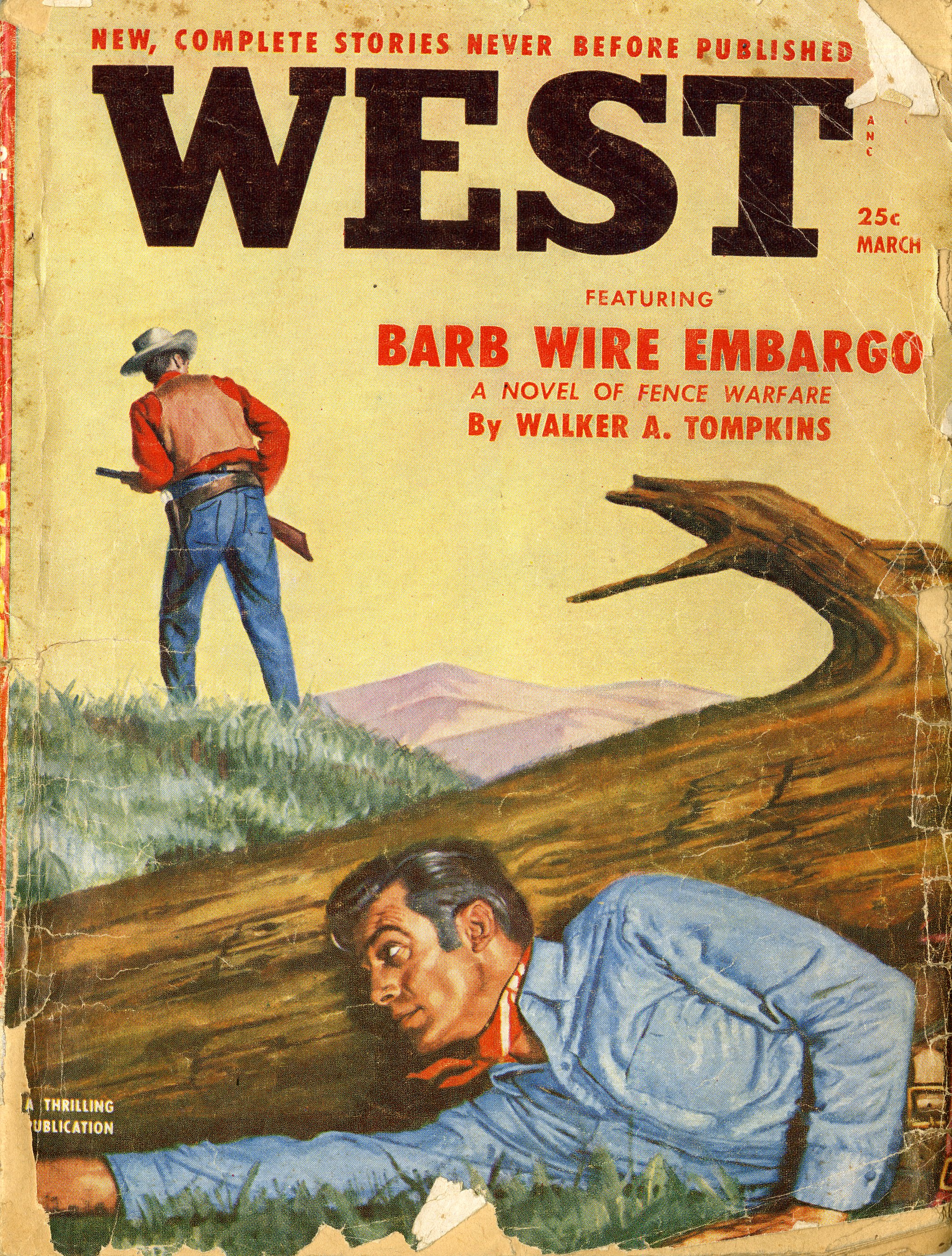
West magazine was in the Thrilling Publications stable of titles and continued to follow the highly successful course that their other pulp publications did. Published every other month, the magazine offered complete novels and a variety of short stories and special features.

The March 1953 magazine was filled with stories such as Good Smoke, Ruthless Return and a novel by Walker A. Tompkins called Barb-Wire Embargo. The cover illustration had a cowboy hid behind a fallen log, trying to evade another cowboy with a long-necked rifle in his hand. Above the title reads: New, Complete Stories Never Before Published. An excellent title to add to the repertoire. 

ZANE GREY’S WESTERN

Zane Grey, of course, had a very successful career writing western novels. So it’s no surprise that the pulp fiction Western adventure magazines that Dell published bearing his name were also a big success. Grey was a complicated man who led an unusual life, but his somewhat odd idiosyncrasies in life seemed to play a major role in his writing, prompting him to continue churning out bestsellers.

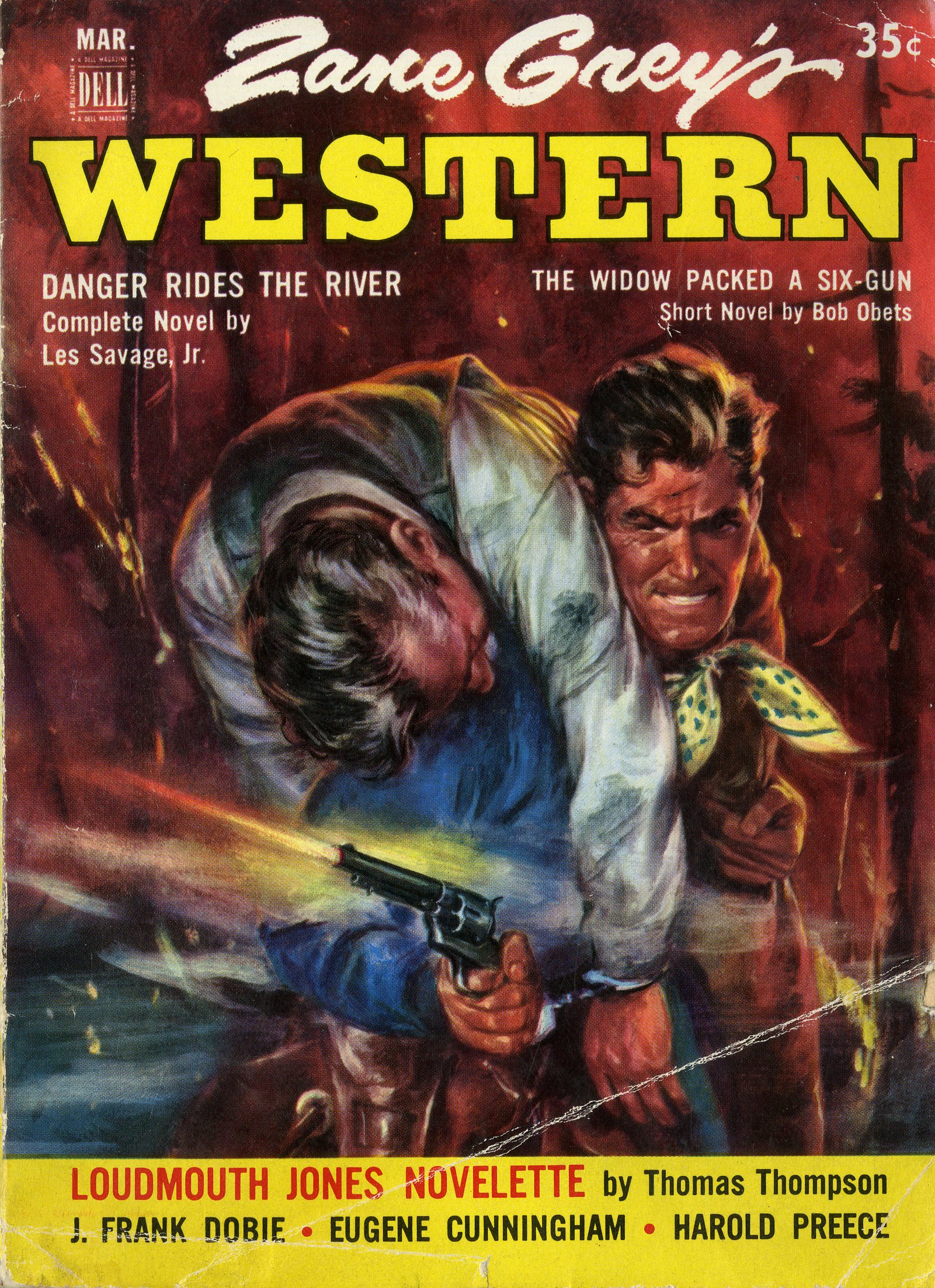
The March 1953 issue of Zane Grey’s Western magazine provided loyal fans with stories that even the master would read. While in this issue nothing was actually written by Grey, it seemed to be a given that he placed his stamp of approval on each piece. From Danger Rides The River to The Widow Packed A Six-Gun, the stories were typical Western adventure and the public loved them.

Now that we’ve revisited adventure in the jungles, the Wild West and explored many oceans around the globe, it’s time to see what the world of Sports had to offer in March 1953. So, let us cheer on our favorite team sports as we open the door on Chapter Eleven… Stay tuned.