h1

Unbecoming Southern Living…

September 9, 2010

In a land not far far away there used to be a great magazine called Southern Living. It was the pride and joy of these Southern United States. It had three corner stones that anchored the bar stool called Southern Living magazine. They all started with an S: Southern, Seasonal and Service. The magazine was filled with recipes, more than a 100 in some issues. Folks from all around the South knew it was Southern Living from its yellow logo and predictable covers. In December it was a white cake; in October the fall leaves and pumpkins welcoming the Fall. In April the purple flowers and in November, what else but a festive Thanksgiving buffet. Those were the days. There was no fashion, no beauty, no frills or thrills. Just seasonal southern service. The Soul of the South was inside the magazine, not only on the cover.

What happened to Southern Living? A redesign after redesign inched one step after the other away from its southern roots. The covers became as unpredictable as the southern weather. The recipes dwindled to a few. And to top it all off, this month ushers a new section focusing on looks, fashion and beauty. The killer is an article about blow drying your hair, exercising and losing inches all at the same time. This is NOT the Southern Living I have known for the last 27 years. This is not the magazine that most of my friends knew and loved. It is definitely NOT your mother’s magazine anymore, but it is also NOT your daughter’s magazine.

Southern Living has lost its soul. It is anything but southern. It is a shame to see a great magazine become so un-southern. The only solace is in the fact that there are a few folks publishing in the same town as Southern Living (in the not so far far away land), who are trying and succeeding in filling the void left by the magazine.

This is a cry from the heart, a first for me, to bring back Southern Living. Bring back the Southern in the Living. There are plenty of women’s magazines that deal with fashion, beauty and other lifestyle issues, but there used to be one and only one Southern Living. Bring it back, please.

h1

Magazine Innovation Center’s ACT Experience: Planning for the future at a minimal cost

August 30, 2010


Are you thinking of launching a new magazine? Are you interested in learning what is going on in the largest South American marketplace? How about successful magazines in The Netherlands? Is there a future for digital or is it the future? Can the advertising driven magazine publishing model survive? What role will design, marketing, branding, distribution play in the future of magazines?

These questions and many other will be answered at the “Re-imagining our future while we still have time” the first Magazine Innovation Center’s ACT Experience taking place in Oxford, Mississippi on Oct. 20, 21 and 22 this year. The experience, which will be conducted by some very high-powered media folks, will be intimate in nature and limited to no more than 100 participants.

Discussions at the ACT Experience will include, but not limited to, our print magazine future, the digital world, marketing and distribution, launching new products, advertising and promotions and a road map for our future.

In addition to the learning aspect of the Experience, the three days will include a trip to the Mississippi Delta, birthplace of the Blues music and a visit to William Faulkner’s House, the Nobel Prize winning author.

Billed as three days of Magazines, Music and Mississippi, the Experience promises to be unlike any other meeting or convention you’ve ever attended. Guaranteed! Click here to register “while we still have time!”

Questions about the ACT Experience, feel free to drop me an e mail at samir.husni@gmail.com and I will be more than glad to answer all of your questions. Looking forward to seeing you in October. It will be an experience of a lifetime.

h1

Health Magazine is HEALTHY and on its way to be a “Life-Changer.” The Mr. Magazine™ Interview with Ellen Kunes, Health Magazine’s Editor in Chief

August 26, 2010


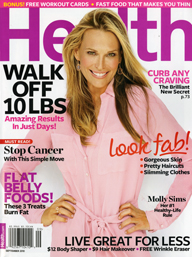
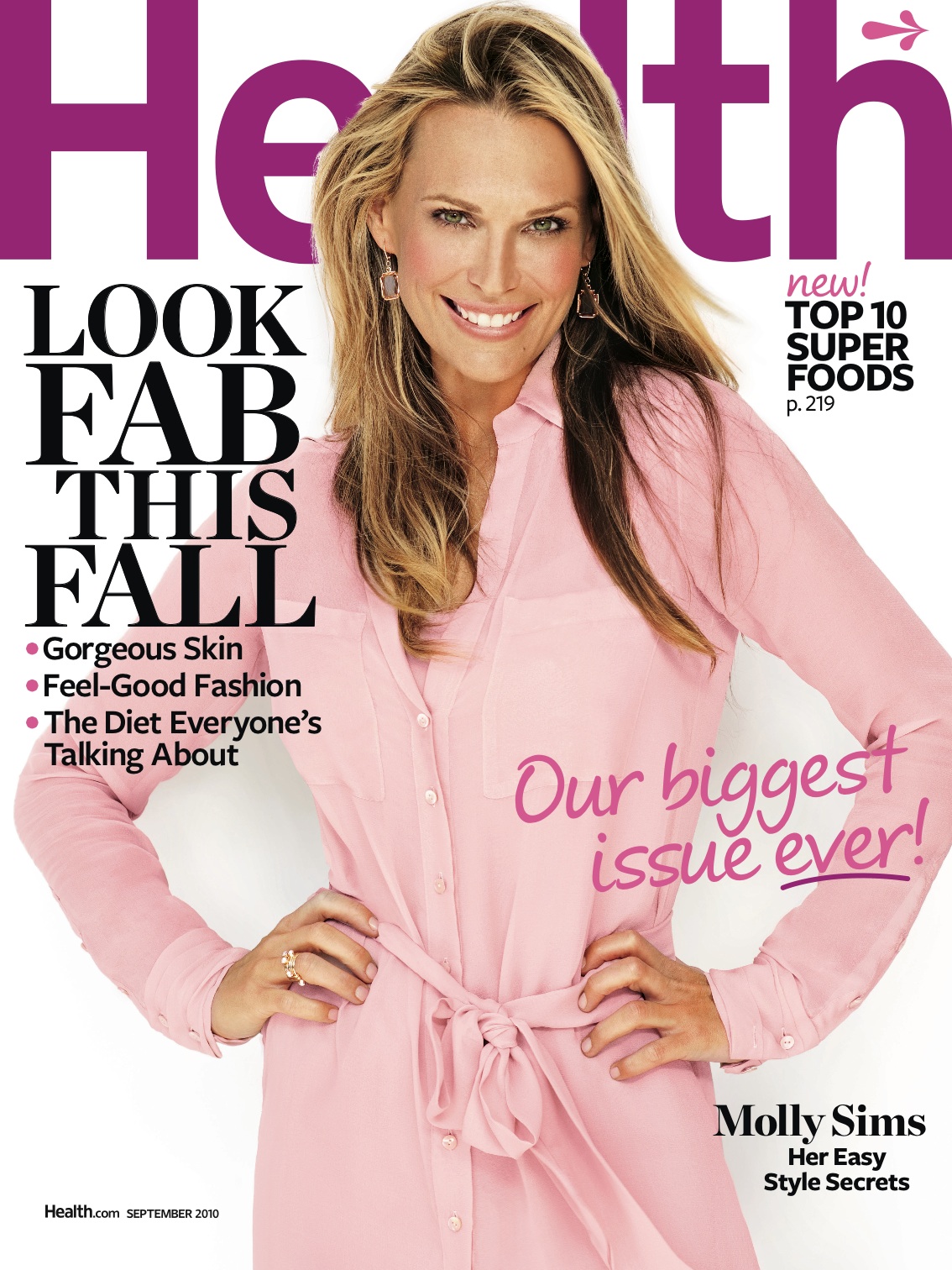
Health magazine is healthy. Thank you very much. A statement, of course, that does not reflect the status of the majority of the magazine industry. However, Health magazine has been able to live up to its namesake. The September issue (now on the stands) is the largest issue ever in the history of the magazine. Health magazine is also sporting this month a total new look outside-in. A new logo (a shame that it was half covered by the head of the beautiful Molly Sims) and a lot of new departments and features covering all subjects related to its readers well-being. Be it the obvious (health, food and fitness) or the more focused (beauty) or the brand new (fashion), the magazine moves with the new design and look from a special interest health publication to a “full-fledged women’s lifestyle magazine.”

To quote Ellen Kunes, editor in chief of Health magazine and editorial director of Health.com (who in turn is quoting her mentor Kate White, Cosmopolitan magazine’s editor in chief), Health magazine is “blowing it out.” Kunes adds, “doing things by halves doesn’t get you anywhere.”

I asked Ms. Kunes seven questions regarding the magazine’s redesign and reinvention. Her answers, although short and sweet, are as healthy and energetic as her magazine. The energy and resilience that you read in every answer is nothing short of an “active, fun, reader-oriented” editor who wants to “infect” her readers by the same bug she has. She wants her readers to do things that are pretty revolutionary. “Actually enjoy living the healthy life,” she says.

Health magazine is much more than a content provider, it is yet another example of how a magazine can and should be an experience maker. To quote Ms. Kunes again, “What more could you ask from a magazine?”

Yes indeed. What follows is my interview with Ms. Kunes.

Samir Husni: Is the magazine moving from a specialized health magazine to a more general interest women’s magazines by adding fashion and beauty to the content?

Ellen Kunes: Health has always featured a monthly front-of-book beauty section along with a beauty well feature. Now we’re introducing a new fashion section in the front of book as well as a well feature, and we’re also including spreads in both of these sections, which gives readers a much more exciting visual experience. With our new design and content, we’ve become a full-fledged member of the women’s lifestyle category.

SH: Few years back when the magazine moved from SF to Birmingham, beauty was added to the content, but soon after was pulled out? Why do you think this will work now?

EK: Beauty was never pulled out nor has beauty coverage ever been reduced: In fact, our beauty paging has consistently increased in size in the past 10 years.

SH: Health had a good ride both in terms of circulation and advertising in the last two years. Why mess with success?

EK: In this media landscape who can afford to sit on their laurels? You have to push the envelope with every single issue. My great mentor, Cosmopolitan’s Kate White, always taught me to “blow it out”—doing things by halves doesn’t get you anywhere. We’ve been talking to our readers and they tell us they want more beauty, fashion, food and fitness coverage—along with the same trusted, healthy-life advice we’re famous for—and we always listen to our readers.

SH: How are you using digital and the web to ensure a print future for Health magazine?

EK: We’re so lucky at Health because our web business has 12.5 million unique users, which brings the Health magazine + Health.com reach to a total audience of 20.8 million readers and users each month. We’re also far ahead of our competitors in the social media arena, with 121,800 Facebook fans, and 1.2 million Twitter followers. In addition to bringing us a hefty number of new subscribers each month, we’re able to reach consumers in ways that are both broad and deep—and advertisers and marketers really appreciate that unique strength.

SH: The magazine industry is recovering from one of the worst years in its history, how do you see the future of the industry in general and Health magazine in particular?

EK: I believe that those magazines delivering an experience that’s original and exciting and is enhanced by other digital platforms are going to continue to do really well—which is exactly what Health does. We’re in complete brand-building mode right now, with a website that both expands on our magazine experience and goes beyond it, giving consumers, marketers and advertisers full-circle, healthy-life information and opportunities. We’re also taking the brand into books, with our New York Times bestseller, The CarbLovers Diet, and What the Yuck?!, both released this month. These build on our brand platform: to give women great new ways to enjoy their healthy lives.

SH: In the 1980s the marketplace was flooded with health magazines… today the market has shrunk to a handful of health magazines. What gives and how is today different than the 1980s?

EK: What we’ve discovered is that smart, customized medical content and vital wellness information is incredibly engaging online, while enjoyable, fun, visually-driven, feel-great stories and advice are perfect for print. We’ve learned how to inspire people to enjoy healthier lives using the best possible platforms. Which means that at Health, we now able to reach more than 20 million readers—and that number is growing all the time.

SH: Magazines are much more than content providers; they are experience makers. How do you describe the experience readers have with Health magazine and where to you see this experience heading with all the changes taking place with the magazine?

EK: Reading Health today is really life-changing for our readers: We know that every minute of every day they want to feel great. When they read Health, they expect smart and fun new ways to stay in shape, look amazing and eat fabulous and healthy food. We help them do something pretty revolutionary–actually enjoy living the healthy life. What more could you ask from a magazine?

SH: Thank you.

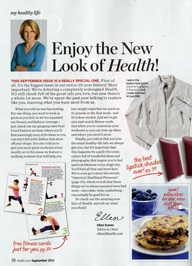
(The pictures above are for Health magazine new logo (now you can see it without the beautiful Ms. Sims head covering it), the newsstands cover and the subscription cover, the letter from the editor page, and Ms. Kunes picture taken by Heather Weston).

Don’t forget to register for the first Magazine Innovation Center’s Experience ACT. Click here for information and registration forms.

h1

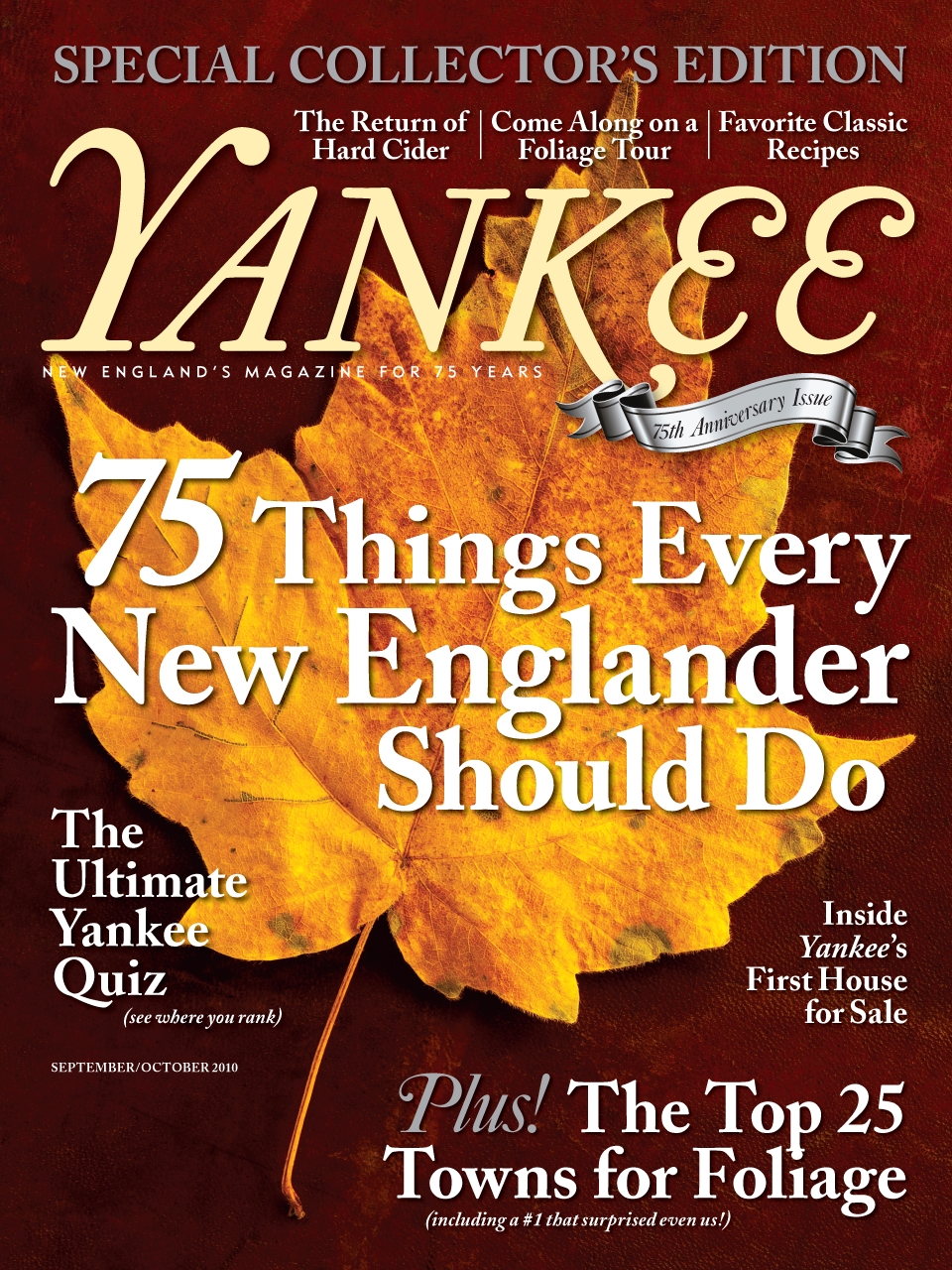
On the occasion of Yankee Magazine’s 75th Anniversary: Jamie Trowbridge, President of Yankee Publishing to Mr. Magazine™ “As long as the idea of New England endures, there will be role for Yankee.” The Mr. Magazine™ Interview

August 9, 2010


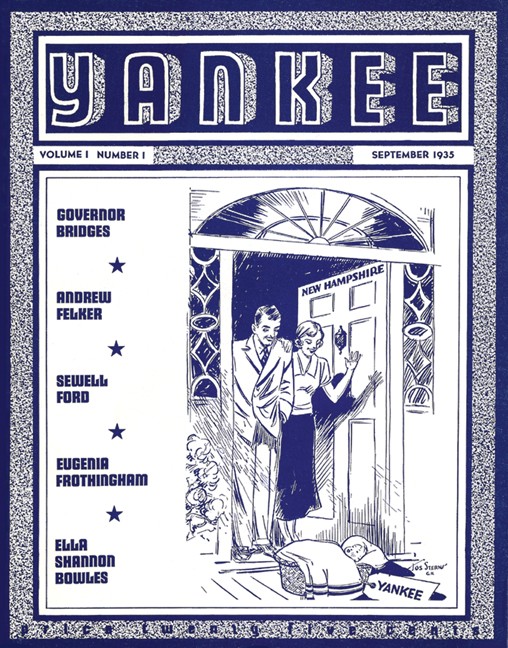
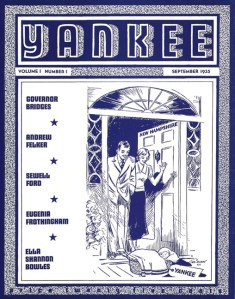
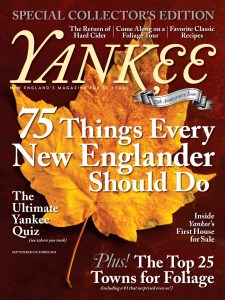
From the first issue 75 years ago, until the present time, Yankee Magazine is one of the few magazines that have been true to its DNA from day one and never veered from the fact that the magazine role was, is and will continue to be “to connect people to New England and all what it has to offer.” Through feature stories and stunning photography the magazine has been a powerful example of the visual impact of print, mixing the best writing it can offer with the best pictures it can show. The mix between those two elements is no more obvious than in this 75th anniversary issue that hits the newsstands later this month.

I had the opportunity to ask Jamie Trowbridge, the grandson of the founder of the magazine and president of Yankee Publishing few questions regarding Yankee magazine, the regional magazine scene, the future of print, and how is Yankee Publishing using digital to ensure a print future for the magazine. What follows are my questions and Jamie Trowbridge answers:


Samir Husni: As Yankee celebrates its 75th anniversary, a major milestone in the life of a magazine, where do you see the future heading for this major regional publication?

Jamie Trowbridge: A typical city/regional magazine provides useful information for residents of the city/region. Yankee does more than that. In every issue we demonstrate and celebrate the idea of New England, the values that bind the six states together. As long as the idea of New England endures – and we believe it is stronger than ever – there will be a role for Yankee.

SH: Yankee has passed through many changes through the years, what are the three positive changes that you can think of and the three that you wish did not take place?

JT: Positive changes:
— When Jud Hale took over from founding editor Robb Sagendorph in 1970, he made a commitment to increasing the quality of the magazine’s content that we continue today. There are so many city and regional magazines that are unprofessionally produced or puff pieces. Yankee stands apart.
— Continued family ownership of Yankee has allowed the magazine to survive and evolve. I doubt that Yankee would have survived the last decade in the hands of an owner that demanded results in the short term.
— In 2007 we changed the dimensions of Yankee from 6” x 9” to normal size. We considered this change for 10 years before we made it. We were afraid our long-time readers would hate the change, and some of them did. But most of them stuck with us, and now we hear positive comments even from some of the readers who were most upset with us.

Changes we wish did not take place:
— When Robb Sagendorph started Yankee in 1935 he paid a subscription agency for 600 subscribers so there would be an audience for the first issue. All the names turned out to be fraudulent, so it could be said that Yankee started with 13 readers, all family members. (Actually, I’m glad this happened – it’s such a good story.)
— When we published our 50th anniversary edition in 1985, the introductory subscription price for Yankee was $15. Today it is $14. Competitive subscription pricing from other magazines has depressed our ability to increase price and therefore our ability to invest in more content and pages in the magazine.
— In 2002 we tipped the balance of Yankee’s editorial content more toward service. We disenfranchised some of our readers who liked Yankee’s features the most. It took us a while to adjust, but we’ve got the balance in about the right place now.

SH: The magazine has been the ‘idea generator” for many successful regional magazines, Southern Living and Midwest Living to name two. Why do you think that the copycats have fared better than the ground breaker (circ and ad numbers and revenues)?

JT: The first “super regional” was Sunset, which was founded more than 100 years ago. Sunset, Southern Living, and Midwest Living are focused almost entirely on service. Yankee is different in that it is a general interest magazine about New England. The bigger population bases enjoyed by the other three magazines led to larger circulations, and their focus on service led to larger ad revenues. The population of New England is only 6% of the total U.S. population.

SH: Are there any plans to go back to the monthly frequency and the digest size?

JT: We’d love to increase the frequency of Yankee, and we’re looking to do it incrementally. This fall we’re launching a “bookazine” called Best New England Recipes. If we can sell enough copies on the newsstand and eventually attract good advertising support to the issue, it’s likely we’d try to offer it as an issue of Yankee down the line. Another idea is to offer digital editions of Yankee in the months that we don’t publish a print edition, but we’re not there yet. We’re creating more original content for distribution outside the pages of the magazine all the time.

Despite the fondness we and some of our long-time readers have for the old size of Yankee (6” x 9”), we have no plans to change back. The larger format allows us more room to showcase our stunning photography, and the new design of the magazine makes it easier to browse.

SH: Looking back at the DNA of the magazine, what are some of the characteristics of that DNA that are still there and what are some that are missing?

JT: I occasionally reread old issues of Yankee and it’s remarkable how little the subjects covered in the magazine and our approach to covering them has changed. The most notable difference is that we’ve cut way back on fiction and poetry, which were at one time regular features. Also, we don’t write pure history stories any more, although every story we publish connects in some way to the region’s rich and interesting history.

SH: What are you doing to ensure a print future for Yankee in a digital age?

JT: We’re focused on producing great content and distributing it however our customers want it. We expect at least a subset of our audience will want to receive Yankee in print form for a long time to come. The big question down the road is what will we have to charge them and will they be willing to pay a premium to receive the print edition?

SH: What are you doing to keep the grass roots operation at Yankee well, alive and kicking?

JT: Yankee Publishing has a team of 50 employees working to publish Yankee Magazine and The Old Farmer’s Almanac in Dublin, New Hampshire, a town with only 1,500 residents. We’re committed to offering these good publishing jobs in this remote corner of the country.

SH: In 25 years as Yankee celebrates its 100 anniversary, where and how do you see the magazine at that marker? (I know I am asking you to put on your prophetic hat, but it will be great to hear from you what you expect the magazine to be 25 years from now…)

JT: Like most magazine publishers today, we’ve already transitioned to being more than just a magazine. I expect we’ll have to extend our operation even farther to be successful 25 years from now. If we think of our mission as connecting people to New England and all it has to offer, regardless of how our customers choose to make that connection, we should be able to celebrate our 100th anniversary in style.

SH: If someone comes to you today and said, ‘I would like to start a new magazine…” what advice would you give that person?

JT: This happens with some frequency. I always start by telling the future publishers to do their homework about the magazine industry. Then I tell them that many of the new magazines that succeed are started by people that “don’t know better.” Especially today, when so much in our industry is changing, the door is open to a magazine publisher who wants to invent a new way of succeeding.

SH: How are you using digital to enhance and enrich the brand Yankee?

JT: Of course we have YankeeMagazine.com and other Web sites, we are using social media to extend our audience, and we’re looking at mobile and special applications for e-readers as possible investments. We see great potential for ecommerce through our digital channels, whether it be selling content, products (both our own and others’), or experiences. There are people who love New England all over the world, and new digital technologies are allowing us to identify and interact with them.

SH: Thank you.

h1

It has been a HOT HOT July… That is in the New Magazine Launches World

August 3, 2010

July was indeed nothing but hot, temperature wise and in the world of new magazine launches. Would you believe me if I told you that there were more new magazines arriving for the first time on the nation’s newsstands in July more than 2009, 2008 and 2007 respectively?

The hot month of July witnessed the birth of 68 new titles, from which 21 magazines were published with the intention of having a frequency of four times or more per year. Compare that with 58 titles in 2009, from which only 12 had the intention of publishing four times or more per year. And if you think July 2009 was a bad year in comparison to 2010, look at the numbers from 2008 and 2007: A mere 34 titles were launched in July 2007, from which only 10 had the intention of publishing four times or more. In July 2008 54 magazines were launched and only 13 had the intention of publishing four times or more.

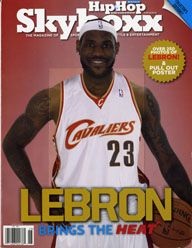
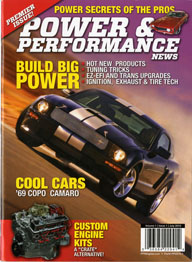
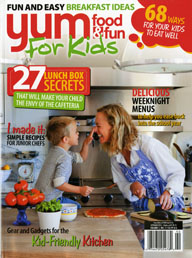
The ink on paper magazines pictured above are but a sample of the vibrant and resilient power of new magazines that continue to arrive to the marketplace regardless of what new platforms are invented, being invented or yet to be invented. Every new magazine is a new invention worthy of being checked out, and at the price you pay for such inventions, you will have plenty to be thankful for and happy about. Pick up a hot magazine today; it is guaranteed to cool you down. Enjoy.

By the way, check out the Magazine Innovation Center’s first Magazine Experience this coming October here.

h1

A Portable Museum Pampered with Serendipity and Loaded with Creativity: The Mr. Magazine™ Interview with Vintage Magazine’s Creator Ivy Baer Sherman

July 30, 2010


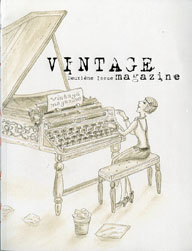
Think of Vintage magazine as a portable museum, beautiful, proficient and novel in every way, waiting for the visitors to enter and experience an ink on paper journey pampered with serendipity and loaded with creativity. The brainchild of Ivy Baer Sherman, the twice-yearly magazine was created in ” l’esprit de Flair” the Fleur Cowles legendary magazine that was published from Feb. 1950 to Jan. 1951 and was considered by many to be the showcase of what print should and can do: innovate, engage and experience.

Every page of the magazine is an experience. The ink, the type, the pictures, the illustrations, the paper, the inserts and the binding all combine to take the reader through a breathless journey that cannot be any more captivating, intriguing and of course engaging.

Vintage magazine is the proof positive that innovation in print is still alive, well and kicking. It is the proof positive that Ivy Baer Sherman’s dream of the “extraordinary physical draw of a magazine: the lure of stunning design; the striking sensation of ink on paper; the ravishing commingling of keenly-wrought words and fine art and editorial flair; the tactile quality of the read,” is fulfilled on each and every page of Vintage magazine.

Armed with the first two issues of Vintage magazine in hand, I asked the curator of this portable museum, Ivy Baer Sherman, few questions as I journeyed through the pages of the magazine. What follows are my questions and her answers:

Samir Husni: In a world so consumed with digital, why start a print magazine and not only print, but one that can’t be replicated in any digital form?

Ivy Baer Sherman: Ah, yes, the world is indeed consumed with digital, but people are as concerned with the device providing the digital content. The winding lines wrapping around Apple stores from pre-dawn hours as people wait (WAIT! In this age when an extra second for a download seems interminable) to obtain the latest Apple-phenomenon (no matter the economy) are testament to the fact that the look and touch and feel of an actual object – especially when it is beautiful and proficient and novel in every way – still count.

Thus, though there are those who assert that the day of the print magazine has come and gone, people will take notice if a magazine is beautiful and proficient and novel in every way. This has been the response to Vintage Magazine. The time is ripe to showcase what a magazine can be and do.

SH: Vintage magazine is the Flair of the 21st Century, what made you fall in love with Flair and what inspired you to create a Flair-like magazine?

IBS: I was introduced to Flair at a 2003 retrospective of the magazine, “Fleur on Flair,” at the Pratt Manhattan Gallery. At first glance I was struck by Flair’s beauty …and promptly judged the magazine, as we are taught to never ever do, by its exquisite cover. The distinguishing feature of a Flair cover was a die cut—which offered an artful glimpse onto the world within. Turning the cover revealed further delights—foldouts and fabulous illustrations—by Saul Steinberg, by fashion designer Rene Gruau; riveting writing—Salvador Dali on his search for a gypsy angel, Tallulah Bankhead on Louis Armstrong; short stories by Tennessee Williams.

I left the show acutely attuned to the extraordinary physical draw of a magazine: the lure of stunning design; the striking sensation of ink on paper; the ravishing commingling of keenly-wrought words and fine art and editorial flair; the tactile quality of the read. I knew then and there that I wanted to create a magazine in l’esprit de Flair.

SH: The magazine is very costly to produce, from the sewn binding to the inserts and foldouts. Can you explain the process of “giving birth” to each issue of Vintage.


IBS: A key element of the process is serendipity. I never approach an issue with a pre-calculated theme…rather the personality of each issue gradually evolves during the editing process as articles are honed and begin to share space with each other and with the art pieces. I work closely with the printer (Capital Offset Company) throughout the process, running by him ideas about paper, die cuts, the binding…to assess feasibility. Using the current issue as example – an article about the history of shopping bags was given the title It’s In the Bag…thus why not print the piece as a brochure that pulls out of a little shopping bag? The shopping bag is glued onto a page of the magazine and can be pulled out and used. The piece on typewriters by jazz critic Gary Giddins prompted the use of typewriter-like stock, fonts and the insertion of hand-crumpled pages to bring to mind the old-fashioned “yank paper from the typewriter/crumple/toss” method of pre-computer editing. The open binding, a defining feature of the magazine, shows off the inner workings of a magazine, its spine, its physical foundation – and the binding is a nod to the creative collaboration of printer, graphic designer, and editor.

SH: What are you trying to accomplish with Vintage?

IBS: Vintage Magazine aims to bring to the fore, through the eloquent voices of today’s writers and artists, the impact of history on our present culture. That said, I see the magazine as portable museum, of sorts, offering writers and artists a venue in which to explore and present topics in new ways. In so doing, I hope to provide readers with an informative and truly delight-full reading experience.

SH: What advice you will give someone coming to you and saying ‘I would like to start a new magazine…’

IBS: Go for it! But with a desire to create and not to copy. To stay true to a vision. Blinders are sometimes in order. This is okay.

SH: What about the future? Any plans to increase frequency? Where do you see Vintage five years from now?

IBS: The two issues per year model is deliberate and steadfast. No need for a monthly Vintage… rather readers should sit down with each issue, explore it, feel it, read the articles leisurely, take notice, return to an article or image over the course of time…let the magazine ripen with age.

In terms of five years from now, I plan for the magazine to remain a twice-per year surprise. But I aim to offer a digital presence – not a replica of the print, but another Vintage venue in which to allow artists and writers to explore the possibilities of digital art, design and writing.

SH: Thank you.

h1

The Power of Print: “In Your Face” Cover Forces You to Stop TIME and TIME Again

July 29, 2010

In this “all things digital” age, one have the tendency to forget how powerful print can be if it is used to deliver what it is supposed to deliver: powerful, relevant, necessary and sufficient information. Be it pictures or copy, the lasting impact of a cover image, staring you in the face, on the newsstands, in your mailbox, or on your coffee table, will never be matched with a digital image on a platform that “now you see it, now you don’t.”
Case in point, the cover of TIME magazine this week. In the words of TIME’s managing editor Richard Stengel, “Our cover image this week is powerful, shocking and disturbing. It is a portrait of Aisha, a shy 18-year-old Afghan woman who was sentenced by a Taliban commander to have her nose and ears cut off for fleeing her abusive in-laws.”
Print in general, and magazines in particular are much more than content providers. If created for the purpose they were invented, to be experience makers rather just mere content providers. Readers and customers will not feel the need or the urge to go to other sources to engage in a “powerful, shocking” and even “disturbing” experience. A job well done in print is an experience of a frozen moment in time that you can relive time and time again.
Of course, you don’t have to take my word for it. Pick up a copy of this week’s issue of TIME magazine and let your own experience begins. Trust me, it will be relevant, powerful, and yes, sometimes disturbing, but above all it will create an addictiveness that will leave you asking for more.

h1

Re-imagining the Future While We Still Have Time: Magazine Innovation Center’s First ACT Experience: Coming this October, Three Days of Magazines, Music and Mississippi

July 16, 2010

The Magazine Innovation Center is proud to announce the first ever Magazine Innovation Center Experience. Named ACT for Amplify, Clarify and Testify, the event will be held on the campus of The University of Mississippi in Oxford, Mississippi from October 20 to 22, 2010. The first ACT experience is themed “Re-Imagining the Future While We Still Have Time,” and is slated to be the first “think-and-do” meeting for folks interested in the future of the magazine business. To keep the Experience interactive and engaging–exactly like our magazines–the ACT Experience will be limited to the first 100 people who register for the event.

Thomaz Souto Corrêa, (upper left hand followed by alphabetical order clock-wise) vice president of the Editorial Committee for the Abril Group in Brazil will be the opening keynote speaker for this exciting new annual event. In addition to Mr. Corrêa the following keynote speakers have been confirmed for the first Magazine Innovation Center experience; however, more are sure to be added as well. They include Baird Davis, circulation consultant to the magazine publishing industry; Stephen Duggan, president, Athlon Media and former Chief Executive Officer of Alpha Media Group, publisher of Maxim magazine; James G. Elliott president of the James G. Elliott Company, Inc.

Roger Fransecky
, founder/CEO of The Apogee Group, a global management consulting and leadership development organization, will be the welcoming keynote speaker setting the stage for the entire experience. In addition, John Harrington president and CEO of Harrington Associates; Lisette Heemskerk, managing director, Mood for Magazines, The Netherlands; David McDonald, CEO of Sunshine Media Group; Bob Sacks, founder and president of the Precision Media Group; Haines Wilkerson, Chief Creative Officer of Morris Visitor Publications; and Samir “Mr. Magazine™” Husni, founder and director of the Magazine Innovation Center.

The first ACT experience will include focus on five tracks and will be divided into two and half days of think-and-do activities. On Wed. evening Oct. 20, 2010, a welcoming keynote on “Re-Imaging the Future While We Still Have Time” by Dr. Fransecky will kick off the Experience. The Experience continues on Thursday with presentations by all keynote speakers from morning until mid-afternoon, followed by a trip and tour of the Mississippi Delta, home of the Blues. On Friday, the focus shifts to the tracks of interest among the participants. There will be five tracks to choose from – editorial, consumer marketing, successful magazine launching, advertising and marketing, and the digital future. Participation will be limited to 20 individuals per track. One can register for up to two tracks based on first come and first serve basis. The Experience will conclude at the end of the day Friday with closing remarks from Samir “Mr. Magazine™” Husni.

So, if you are interested in learning and doing something about the future of the magazine industry, now is the time to ACT. Join the Experience and register for three days of Magazines, Music and Mississippi. Click here to start the Experience.

h1

A Must-Have Magazine History Book: The Magazine Century

July 13, 2010

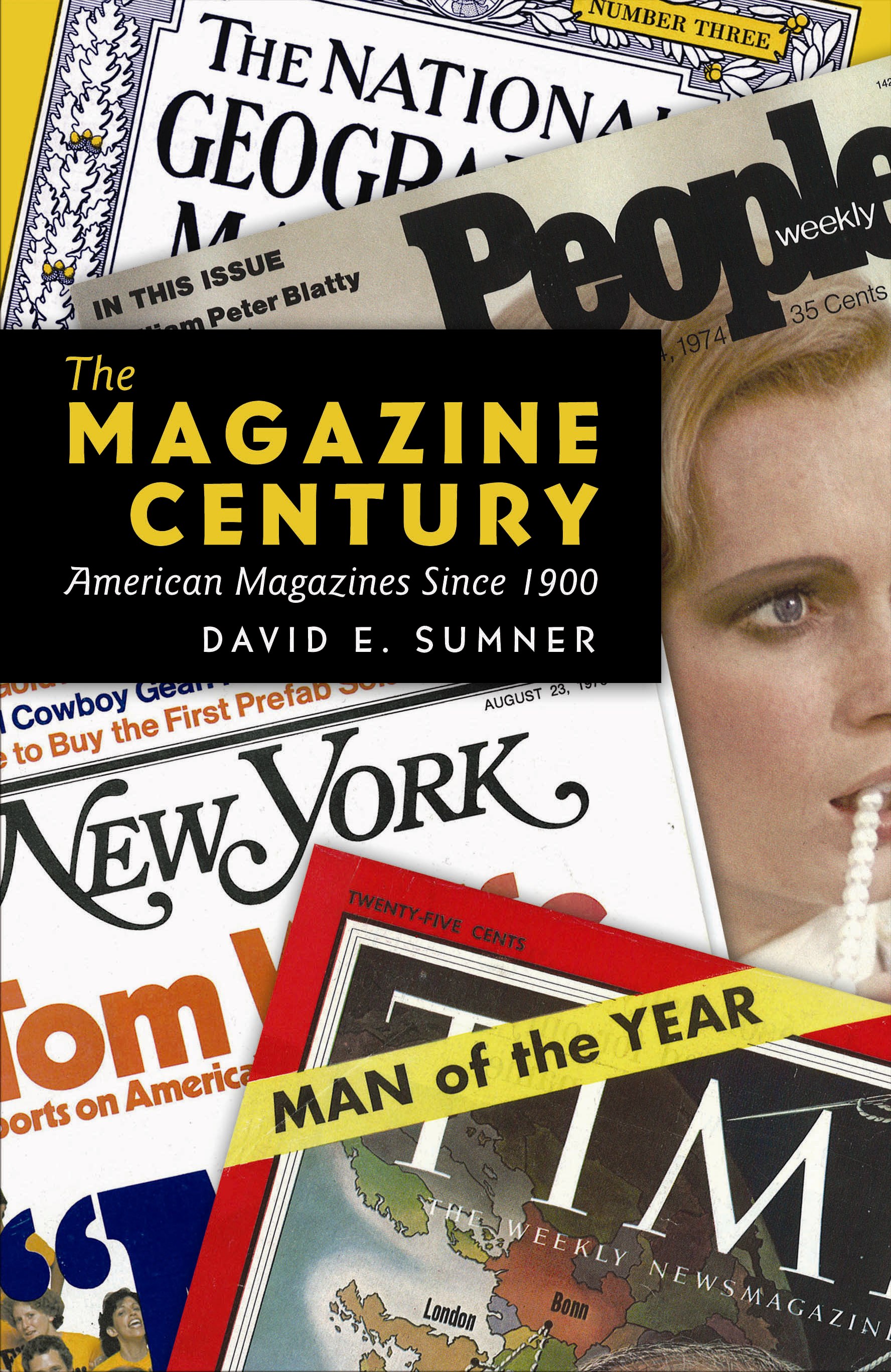
My friend, magazine educator and colleague, David E. Sumner has just released his latest book: The Magazine Century. The book traces the history of American magazines from 1900 until 2000. I had the opportunity to review the book before it was published. It has been a long long time since I had a magazine book in my hands that I was not able to put down until I finished every single word in every single page. What a wealth and depth of the history of American Magazines in the 20th Century. When I say a must-have, I mean must-have.

Here is what I wrote in reviewing and supporting the book and its mission:

Taking a page from the legendary magazine publisher Henry Luce, who termed the twentieth century ‘The American Century.’ David E. Sumner aptly adapts his magazine history book and names it The Magazine Century. The book scans the magazines of the twentieth century and provides the reader with a carefully crafted buffet of historical nuggets — enough to engage its audience with an amazing experience that leaves them satisfied and wanting for more at the same time. The love affair with magazines that this book offers is a historical asset to anyone thinking of starting, studying, or even dreaming about launching a new magazine. It is the cornerstone of our past, from which we can live our present and better prepare for our future. A must-read for anyone who ever doubts the power of magazines and their place in our history.

To order your copy of The Magazine Century by Professor David E. Sumner, click here.

h1

The 25th Edition of Samir Husni’s Guide to New Magazines is Here…

July 10, 2010

The 25th edition of my Guide to new magazines has just arrived and what a wonderful silver wrapped surprise. My printer and sponsor of the Guide Fry Communications, Inc. has done such a wonderful job printing this latest edition of the Guide. Seeing is believing. You have to hold the Guide in your hands to see and behold the power of print and what print and printers can do today to your magazines and books. The picture to your left does not give the Guide or the cover justice whatsoever.
The Guide lists all 704 new magazines that I was able to find, code and classify. It also lists my picks for the 25 most notable magazines from the last 25 years. You can order the Guide here and check the list of the 25 most notable magazines here.
Thank you one and all for a wonderful 25 years of ink on paper magazines. I am looking forward to the next 25 years. All the best.