h1

Chris Lambiase: This is the Secret for Rodale’s Best Year in Print. The Mr. Magazine™ Minute

December 4, 2013

In the midst of the print doom and gloom that some in the media world wants us to believe, one magazine media company, Rodale, has had one of it best years in print yet. Yes, you read that right. In 2013 a magazine media company telling the world that 2013 had been their best year yet.

So, I asked Chris Lambiase, senior vice president and group publisher of Rodale (Men’s Health, Women’s Health, Prevention, Runner’s World, among many others), about the secret of Rodale’s success in 2013 and his expectations for 2014. The answer is in this Mr. Magazine™ Minute below…

Stay tuned for my Mr. Magazine™ Interview with Chris Lambiase soon.

h1

Is Print the Code that Cracks the Safe to Reaching People? World Wildlife Fund Introduces World Wildlife Magazine in Print, on the Web, and of Course, on the Tablet. Mr. Magazine™ Talks About This Step Into Print Integrated With Editorial Director, Alex MacLennan.

December 2, 2013

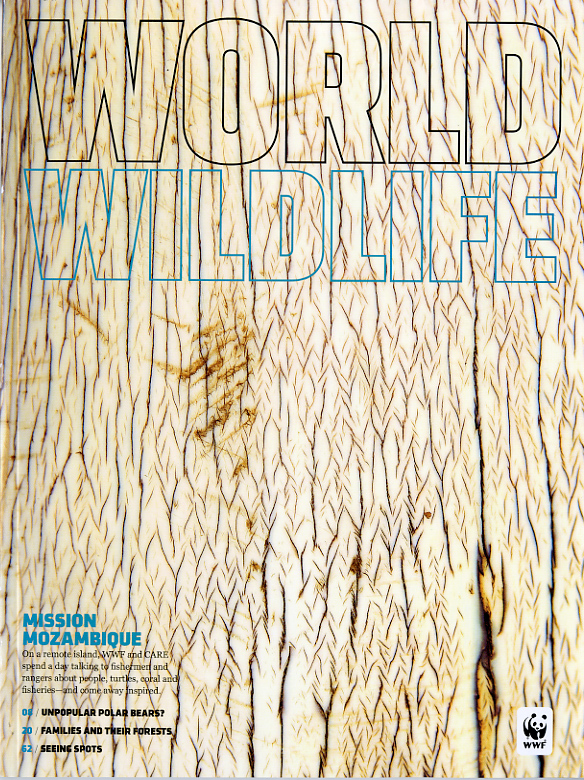
When WWF started envisioning World Wildlife magazine, we knew that we wanted to find new ways to inspire you, connect you to nature, and bring you even closer to our shared world.
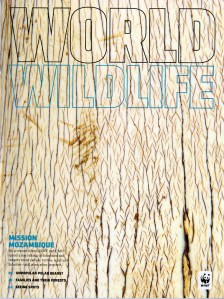
World Wildlife-9 “We knew that we wanted to find new ways to inspire you…,” and lo and behold, the new way is a MAGAZINE. The quote above is from Alex MacLennan’s introduction to the first issue of World Wildlife magazine. Alex is editorial director of the new magazine published by the World Wildlife Fund. WWF is the world’s leading conservation organization; WWF works in 100 countries and is supported by 1.2 million members in the United States and close to 5 million globally.

“We knew that we wanted to find new ways to inspire you…,” and lo and behold, the new way is a MAGAZINE.

The excitement of being able to bring the organization’s supporters a print magazine that they can actually feel and touch is palpable as Alex MacLennan, Editorial Director at World Wildlife Fund, talks to Mr. Magazine™ about showcasing long-form journalism and beautiful photography within the pages of their ink on paper platform.

Changing the way they connect and communicate to members and supporters is vital, MacLennan believes, to the success of the goals the organization is trying to achieve. And he’s hoping the print form will be the code that cracks the safe to reaching people about the importance of WWF’s vision.

So sit back and enjoy Mr. Magazine’s™ interview with Alex MacLennan, Editorial Director at WWF.

But first the sound-bites:

On the reason behind a print platform now, in this day and age: Why now? The reason we expanded and changed our publication’s model and the reason we went to a full-based magazine now was because I think that the parallel we looked at would be of other non-profit organizations and universities and the real value of having something we can send into someone’s home and that we’re not doing just an email that can be easily ignored.

On using direct mail for their digest edition and if the hope is to propel the print version: Well, yes, sort of. When we decided that we wanted to change the way we talked to our members, we also knew that we didn’t have a lot of extra money to spend and obviously printing and mailing a full-size magazine was much more expensive than printing and mailing a newsletter.

On why someone would contribute or become a member when everything is free on the digital platform: We’re not selling the print magazine, right? We offer it as a thank you to members at a certain level. So we’re not at this point choosing the print versions as rewards for higher donations in anyway. We are investing in the model that you see in a lot of digital thinking that free content is the best path to loyal supporters.

On whether the money they’re spending on the varied platforms is reaching a relevant audience: What we did is look at our entire supporter list of a couple of million people and we said who should get what and that’s how we decided what to send to people. So it’s really targeted, even though the tablet and the web could be discovered by anyone, we are emailing for the first time we’ve ever done this in a consistent planned way as a publication scheme is we are emailing our full list of two and a half million supporters, most of whom don’t give any money, an email that reads download the app or go online and read it right now.

On the gamble on print: We know that a personal connection to us and to our issues is what causes people to act. Whether that act is getting solar panels on their roof or giving money to the organization, speaking out about legislation that’s important or calling for a ban on ivory, calling for the Prime Minister of Thailand to ban ivory trade in her country; we know that a direct personal connection to us and to the cause is the best way to get people to do that.

On what keeps him up at night: What keeps me up at night is making me good enough to make people who don’t care, care. I think that my fear is I haven’t cracked the code on creating magazine stories, whether departments or features, that are specific and universal enough that anyone who stumbles upon it is going to feel that tug in their chest and say that I want to make a difference here.
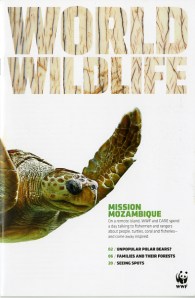
World Wildlfe-8And now the lightly edited transcript of Mr. Magazine’s™ interview with Alex MacLennan, Editorial Director at World Wildlife Fund.

Samir Husni: When everybody is selling the public on the future of digital; why after all these years are you publishing a printed magazine right now, plus the tablet and the web; why now?

Alex MacLennan: Why now? The reason we expanded and changed our publication’s model and the reason we went to a full-based magazine now was because I think that the parallel we looked at would be of other non-profit organizations and universities and the real value of having something we can send into someone’s home and that we’re not doing just an email that can be easily ignored, that we are sort of offering our best right to someone’s doorstep, and hopefully to their coffee table and also to have photos clipped out and put up on their refrigerators, is important. And to really share the big complex, beautiful story of what we’re trying to do in the most direct, visceral, personal way.

So that’s why print. That’s why we said that we need a magazine that gives us different ways of telling stories, short, quick accessible stuff, plus long-form journalism, plus amazing photographs. We just really looked at who are members are and what they’re looking for and how they want to feel connected to us. So it’s like offering them something of quality that comes to their home and hopefully they will keep and be proud of and have a stack on their coffee table and in their bookshelf and see the importance of how we’re trying to stay connected with them.

Samir Husni: I see you also have a digest edition that’s going with the direct mail and then you have the full-length edition; can you tell me a little bit about the thinking behind that? Is that a direct mail, sort of like let’s bombard everybody with the digest and hopefully it will be the bait and they will get the magazine?

Alex MacLennan: Well, yes, sort of. We had a direct mail newsletter which went to almost all the active membership for many, many years; it’s 35 years old and we just started the 36th edition. That was part of a membership, sort of an education and also a revenue stream.

When we decided that we wanted to change the way we talked to our members, we also knew that we didn’t have a lot of extra money to spend and obviously printing and mailing a full-size magazine was much more expensive than printing and mailing a newsletter.

What we did was we looked at our budget for the project and said: how could we shift the most money to story gathering, to actually sending writers out into the field to talk to the people and find out what’s happening, to actually sending photographers out to the places where things are going on, and how do we shift our financial model to allow for that, rather than putting all the money into printing and mailing.

So, what we came up with was a full-sized magazine to a small print run, the digest version to a larger group and the tablet app and web content intentionally free and behind no firewalls so that as many people as possible can get it. We really tried to build a kind of a multi-tiered approach that fit our budget and allowed us to do the things that we wanted to do and really change our model.

In the past the newsletter was only for members who had made a donation. Now, while the print versions are only for members who have made a donation, the digital versions are free to everyone. Really what we wanted to do was find a way to give this content to anyone who might be interested in it and then might come closer to us as an organization.

Samir Husni: So the logical question one has to ask is why would I contribute or become a member if I can get everything for free on the digital side?

Alex MacLennan: We’re not selling the print magazine, right? We offer it as a thank you to members at a certain level. So we’re not at this point choosing the print versions as rewards for higher donations in anyway. We are investing in the model that you see in a lot of digital thinking that free content is the best path to loyal supporters.

So yes, we don’t expect that anyone would give a certain dollar amount to get the print version at home. We’ve gotten some calls about that since we launched and we tell people the beginning level to get the print version of the full-sized magazine is $20 a month or $250 a year and some people are very interested in that and don’t bat an eye, but really that’s not the message and that’s not our goal. The goal is to get as many people to look at our stuff as possible and then, very intentionally, we want to make sure that the people who are closest to us get this kind of bonus product, and you’re right, there’s more content on the app and online than there is even in the full-sized magazine, because of the videos and the links.

For example, on the use-your-noodle piece, under the object of conservation, there’s actually more fact on the app and the digital version, than there are in the print version. So really the most expansive product is the free one.

We just believe if people have the opportunity to connect with what we’re doing and to feel it in a more personal or visceral way, that we will benefit from that. Maybe it’s not as quantified, but that will be good for us too and our cause.

Samir Husni: So you’re really more in the mission field than the merchant field?

Alex MacLennan: Oh, absolutely! We are a non-profit and our goal is to get people to care about this and hopefully to do something about it.

Samir Husni: From what I’ve seen, the magazine looks great.

Alex MacLennan: It feels really good. The cover has the nicest feel to the touch. It makes me really happy.

Samir Husni: In this day and age, where organizations, including non-profits, feel they have to be everywhere; how can you ensure that the money you’re spending, whether on print or the web, is reaching a relevant audience? With print, you have the donation list, but how do you reach the relevant audience for the WWF via casting this wide net? Are you hoping that people will hear about it and go to the web, or are you also using direct mail to send people to the web?

Alex MacLennan: Yes, we are very much. If you look at the numbers, we looked very closely at our members and supporters who don’t give money; we looked at our entire list and that’s how we decided who gets what.

It’s not just the giving levels, but it’s the people who give at a certain level or the people who are supporters. We have a certain thing called a conservation action network where people can write their senators and say I care about this particular issue, so people like that can get the print magazine. Or people who haven’t given more than $5 a year, but they’ve given every year for 10 years.

So there’s all these ways that we’ve identified groups that we really believe are close to us. We have a VIP list and we’re sending it to political people, corporations and foundations, governmental groups that we think should know about what we’re doing.

What we did is look at our entire supporter list of a couple of million people and we said who should get what and that’s how we decided what to send to people. So it’s really targeted, even though the tablet and the web could be discovered by anyone, we are emailing for the first time we’ve ever done this in a consistent planned way as a publication scheme, is we are emailing our full list of two and a half million supporters, most of whom don’t give any money, an email that reads download the app or go online and read it right now. We want you to have this.

So the idea was sort of two-fold, targeted, but hoping that we can push it out, and push it out into the social world. We’re working with Facebook and Twitter to push out particular stories at particular times and it makes sense to try and lure people in. I would call it a targeted scattershot. It’s this targeted approach to making sure everybody that we have access to gets the right version for them and then additional work to push awareness farther out and hopefully people will find us.

Samir Husni: If you are a betting man; are you putting your money on the print edition to have the most impact on the people, the actual movers and shakers of the areas of concern to you? Why gamble on print in this day and age?

Alex MacLennan: We know that a personal connection to us and to our issues is what causes people to act. Whether that act is getting solar panels on their roof or giving money to the organization, speaking out about legislation that’s important or calling for a ban on ivory, calling for the Prime Minister of Thailand to ban ivory trade in her country; we know that a direct personal connection to us and to the cause is the best way to get people to do that.

While we have social media action, while we have all the contents of the magazine on the website, while we have these different ways of getting it out; we really believe that being able to put the print product in someone’s home where they can peruse it at their leisure, where they can read long-form, print magazines are still a more likely place to read long-form journalism, we believe we can give it to people. We can put a copy in the mail with a personal note; it’s very old school, I guess. We can tell them that we want them to be aware of this. Our president and CEO goes to a lot of big meetings with influential people who could affect our goals and he takes a handful of magazines with him now and he offers them to people and people take them. And that’s a much more direct and personal way to build a relationship and to engender support than, I think, a digital platform.

We’re in no way against digital; I do want to emphasize that. We’re doing it all. But there’s something in the delivery of this print product that’s more personal and makes it more direct and a more genuine connection.

Samir Husni: What keeps you up at night?

Alex MacLennan: What keeps me up at night is making me good enough to make people who don’t care, care. I think that my fear is I haven’t cracked the code on creating magazine stories, whether departments or features, that are specific and universal enough that anyone who stumbles upon it is going to feel that tug in their chest and say that I want to make a difference here.

I read magazines, of course, and I watch them and see magazines that can make me read 3,000 words about something I never thought I would care about. And I think that we have to do that with this magazine and we have a lot of internal pressures to tell stories about specific work we’re doing, specific goals we have, like getting a ban on ivory trade or help fisheries understand how to do their work more sustainably.

But how do I, as the editor, create stories that are going to make any person on the street feel that as a deep personal thing. And I wake up, more like 3 o’clock in the morning than during the night, and I don’t think anyone has really cracked that code.

The thing that really keeps me up at night, I would say, are these insanely in depth, impressive digital storytelling packages that are really pushing the boundaries of what websites and responsive design, video and integration, animation and all these things can do and I feel like I can’t tell if we should be putting more energy there or if the investments we have made in the platforms that we’re committed to is the right place. It all changes so fast, it’s hard to know if you’re keeping up.

Samir Husni: Having said that; if money were no object what would you do different with the magazine and the approach that you’ve done?

Alex MacLennan: If money was no object we would send a reporter and a photographer for every story. We would, and this is not money, this is time, be able to go deeper and never accept the first answer we get on what’s the way to tell the story and we would really dig to find the best way. We would also give it to a lot more people. If money were no object, I would have the print magazine in every doctor’s office in the country. I would have the print magazine in every auto shop waiting room in the country and in every hotel room in the country. That would be my dream.

It would be to make it the best that we can and give it to as many people as possible.

Samir Husni: Anything you’d like to add?

Alex MacLennan: I do love print magazines. I mean, I have my iPad and all my subscriptions are both…I read both ways. And I think it’s important that we do that.

Our first issue was iPad only, but we are retroactively optimizing it for the Droid platforms and with the second issue both Apple and Droid platforms will be represented for tablets. The website is totally optimized and will look beautiful on your cell, so we’re kind of hitting the mobile thing.

But I think it’s important to meet people where they are, but I still think something that someone can hold in their hand, I mean, you just see people reading magazines that way and I just want more people to read this one.

Samir Husni: Thank you.

h1

Pitchfork In Print – Why A Successful Online Magazine Is Adding A Print Prong To Its Repertoire. Mr. Magazine™ Talks To Pitchfork President, Chris Kaskie, About Collectability And The Romance Of Print

November 27, 2013

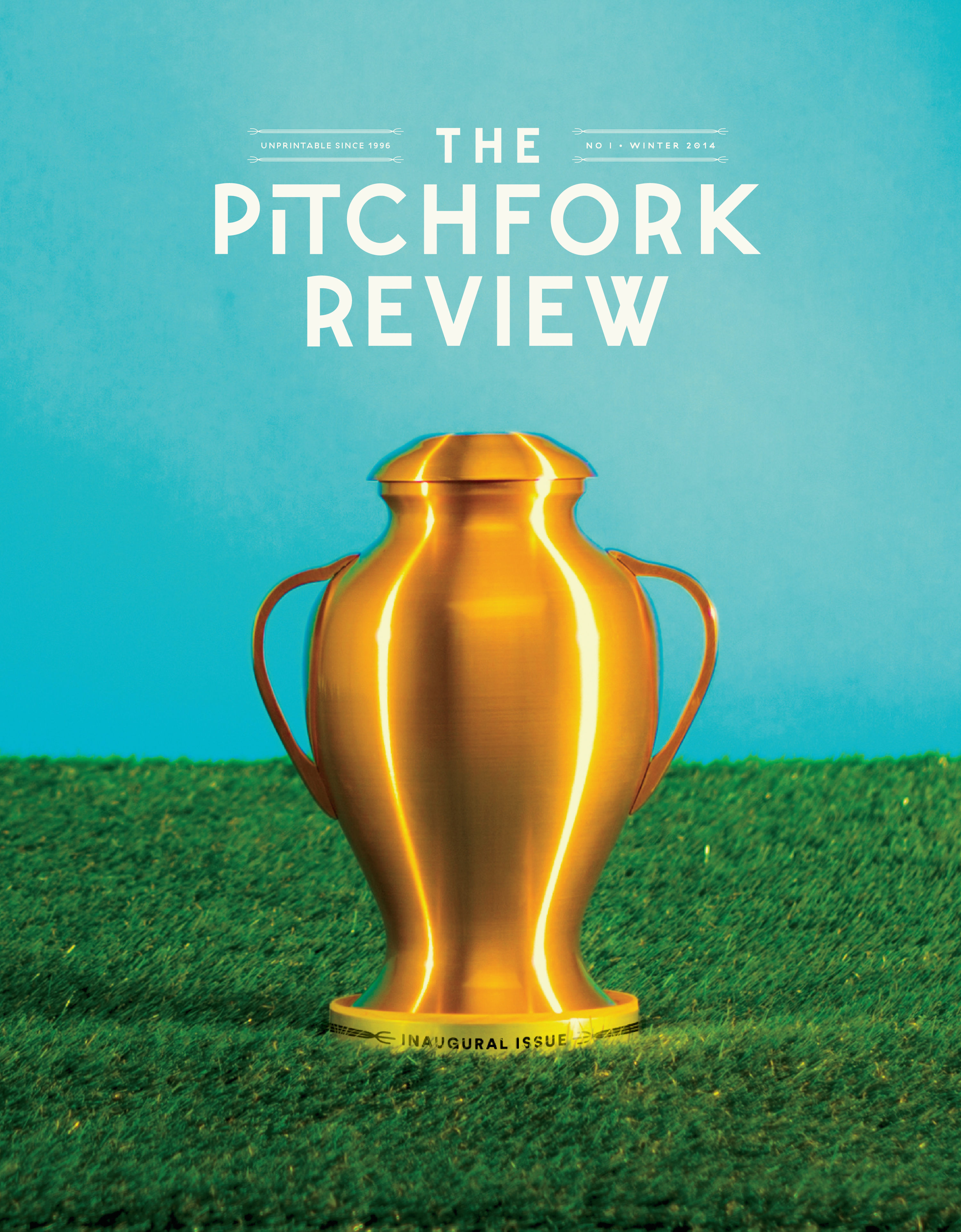
Pitchfork Review Cover Romancing Print… one Pitchfork at a time!

Pitching print, the online entity, Pitchfork, a successful daily Internet publication devoted to music criticism and commentary, music news, and artist interview, is excited about the tangible nature of their new ink on paper magazine/journal-type publication. President of Pitchfork, Chris Kaskie, believes the time has come for the music website to broaden its horizons. And instead of print being a step back into the dark ages, Kaskie thinks the time has come for a more “collectible” counterpart.

Not that he doesn’t believe in the permanence of digital, but more along the lines of celebrating long-form content and the creativeness of print design. His excitement about the new publication is contagious as he talks about cultivating music fans from all generations and allowing them to share in the same creative words of music he hears in his own head.

So sit back and enjoy Mr. Magazine’s™ interview with Chris Kaskie, President of Pitchfork as he talks about impacting music fans with the new “collectability” of a printed product.

But first the sound-bites:

On why Pitchfork is delving into print when other publications are going to a digital-only format: The way in which we’re going to go into print is a little bit different from people who are steering away from it have done. A lot of the places that are getting away from print have long since been print first, digital second businesses.

On whether print gets a ten out of ten rating when it comes to a publication’s sustainability: It’s a headier idea of what we would probably end up giving a 10.0, which is just the idea of celebrating music, celebrating long-form content, celebrating beautiful design and trying to do that ourselves and putting our own little impact on the world for fans who would hopefully be interested in it. It’s more about that than giving print a perfect score because everything has its flaws.

On the fact that humans love that sense of physical ownership: Well, the idea of ownership has obviously changed and I think the processes haven’t changed as much as the definition. Just like Pitchfork is a magazine and has been. If you read it on the internet, you’ll never be able to own it beyond your computer or your phone.

On whether or not the print publication is trying to reach the same audience as the digital version: To be totally honest, there’s not a strategy with regards to who we’re trying to attract with this other than music fans. Our creative team here works on ways to further the way in which people engage and how to read and contextualize the stuff that we put out there.

On what’s next for Pitchfork after this brand expansion: But in terms of specific growth ideas beyond that, now that we’ve accomplished a few things this year whether it is event-based or focusing on the international, there are a few things that we’ll continue to evolve, but at this moment I can’t think of anything that’s going to be like, “Hey, this is where we are next.”

On what keeps him up at night? So that’s what keeps me up at night, just how to keep that going. Because there are some seriously brilliant people working here who will continue to work to transform the way in which people think about Pitchfork and other media like Pitchfork in the long term. And to be leaders and innovators in that and continue to have respect for our audience is paramount.

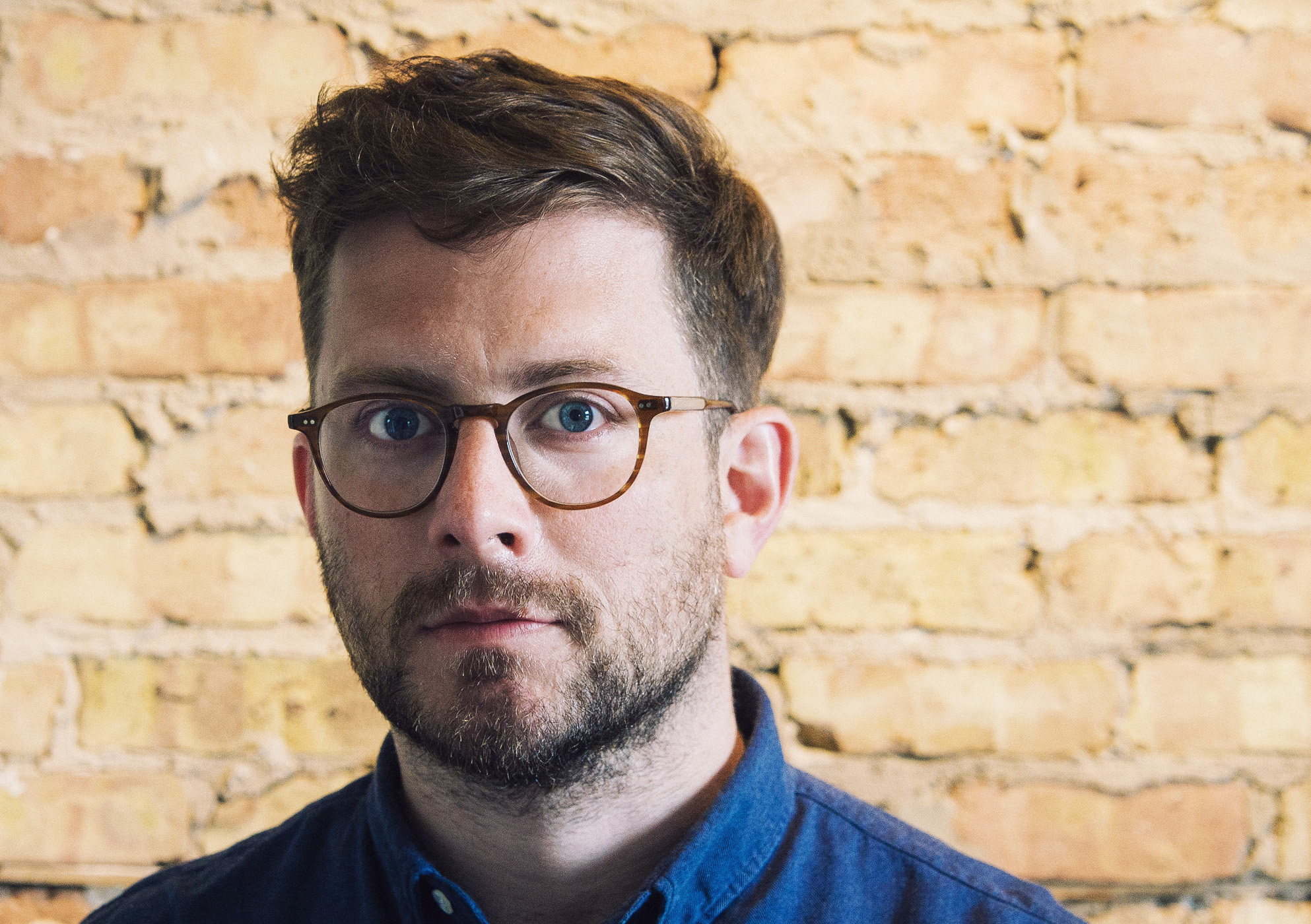
CK headshot 1 2013And now the lightly edited transcript of Mr. Magazine’s™ interview with Chris Kaskie, President of Pitchfork.

Samir Husni: When magazines like Paste and Spin fold their print editions and they say they are going to be online, you’re doing just the opposite. What gives?

Chris Kaskie: The way in which we’re going to go into print is a little bit different from people who are steering away from it have done. A lot of the places that are getting away from print have long since been print first, digital second businesses. There’s a lot of, which we’ve even learned in our small example, overhead that comes with that. There are roadblocks and frustrations that come with getting something into print and putting it out there. It gets expensive and when you scale to the point of where they had probably scaled with their print circulation, it was probably financially untenable.

At the same time, we were working very hard to create and redefine what it means to be a magazine in a digital publication on the web. And as we continued to do that it was always taking cues from the history of print and being inspired by it. But recognizing that there’s disposableness just like there is with magazines, or newspapers; you get your monthly copy of a magazine and it’s just a normal, glossy thing and you read it and you toss it. It’s not something that you feel like you want to keep.

We stepped back and we said: we really don’t want to do a magazine, per se. It’s more like a hybrid between a journal and a book and a bit of a magazine, but something that’s worthy of collecting and putting on your bookshelf for a long time and referring to over the years and complementing what we’re doing everyday online and how fast we’re working. So creating modest goals and expectations of what we could do there from a business standpoint was obviously important and putting creativity in the quality of content and design first and also making sure we create sustainability with how we operate, that was really our goal. And we’re in the beneficial position of having a successful digital publication, so taking some of the cues from that and understanding what people would want and treating ourselves like the music fans that we are, that love music media and love it in all forms and what kind of things we might want to keep for ourselves in doing that.

To draw a very loose parallel to the way we created our music festivals, there are a lot of music festivals out there and we’ve been doing ours in Chicago for about ten years. Why get into music festivals? Well, it’s really so we could indulge ourselves and create a festival that we would want to go to and is a perfect example of our perspective and it’s pretty fun.

Samir Husni: One of the things that I’ve read is that you’re giving print a ten out of ten, referring to the most revered rating system you give to bands and music; are you really giving print ten out of ten?

Chris Kaskie: Well, instead of giving print per se a 10.0, I think it’s giving the idea of permanence, and there is permanence on the web, mind you, and it’s the same thing. All of our content would be available to you forever on the internet as long as the internet is still online. So the permanency is there, it’s just more in the way you’re engaging with it, thinking about it and contextualizing it. Just like people download MP3’s and subscribe to streaming services, music seems much like probably websites seem, like they’re moving very quickly, and you can go from one thing to the next very quickly, and of course it’s the way we all live our lives and we’re very happy to live our lives celebrating that, and if you’re a band, it’s the equivalent of putting it on vinyl and having someone buy your record and putting it on the record shelf. Then you would know you’re going to have that record forever, even though it’s on your iPod.

It’s a headier idea of what we would probably end up giving a 10.0, which is just the idea of celebrating music, celebrating long-form content, celebrating beautiful design and trying to do that ourselves and putting our own little impact on the world for fans who would hopefully be interested in it. It’s more about that than giving print a perfect score because everything has its flaws.

Samir Husni: But how about that sense of ownership? I’ve heard this so many times, that as human beings, we like to own physical things and having my music on my iPad or iTunes; it’s still not there, it’s not mine.

Chris Kaskie: Well, the idea of ownership has obviously changed and I think the processes haven’t changed as much as the definition.

Just like Pitchfork is a magazine and has been. If you read it on the internet, you’ll never be able to own it beyond your computer or your phone. You don’t own your MP3’s, you might have bought them, but you’re basically borrowing them and downloading them and they should exist as long as your device exists.

There’s something romantic about, not print per se, but the idea of having something that is tangible and that you can celebrate and enjoy. The festival is a good example too. You can’t take the festival home with you, but having that experience is something hard to replicate. It’s more of a celebration of all that we do and all that we want to do and taking the cues from how to create a business around it that makes sense and is sustainable and doesn’t overstep its bounds and how to choose the content that we publish and the way its presented, designed and the people that we get to work with.

It’s a very romantic idea of owning it and being able to contribute is really the goal versus saying that we have a publication that we’re releasing, which is great and it will continue to be good because we have that, but it serves a different purpose and all the purposes are equally valuable.

Samir Husni: So are you trying to reach the same audience that you have now on the web or on digital?

Chris Kaskie: To be totally honest, there’s not a strategy with regards to who we’re trying to attract with this other than music fans. Our creative team here works on ways to further the way in which people engage and how to read and contextualize the stuff that we put out there. If you’re a music fan and you like to buy records then this is the same thing.

It’ll take some education for someone that’s less attuned to that. My nieces who are sixteen and seventeen years old don’t really think about magazines like this. They don’t think about books or journals and they don’t think about the care that something like this is given and put together with. But that’s as much of a relevant audience for this as someone who’s older or is more attuned to buying records because they understand what this means.

It’s a fun balance because it can both satiate the desire for someone to have something to collect as well as provide inspiration for some kids who really like what this means and the idea of inheriting their Dad’s record collection.

It’s more of an ideal that’s being targeted than it is a specific group.

Samir Husni: As you expand the brand, now you’re everywhere; what’s next for Pitchfork?

Chris Kaskie: As we expand the brand, in 2013 we accomplished a lot we wanted to do. There was a lot for a long time that felt like something we wanted to do, but we didn’t need to do and that’s the way we’ve been appropriately able to grow our business presence.

It’s the constant goal of having what we do in the context of where people are experiencing music and where they want Pitchfork or where they’re listening to music and having Pitchfork be a part of the conversation, for lack of a better term, of what’s happening when someone’s gauging and listening to music or reading about music.

So if you’re on a streaming service, you have no clue, if you open up a digital streaming service or something, where to go. It’s just like going to a restaurant that has 55 pages on their menu; you have no idea where to start or end. And that’s where we fall in. So it’s being in places like that as much as it is having Pitchfork everywhere. And continue to be strategic.

But in terms of specific growth ideas beyond that, now that we’ve accomplished a few things this year whether it is event-based or focusing on the international, there are a few things that we’ll continue to evolve, but at this moment I can’t think of anything that’s going to be like, “Hey, this is where we are next.” We’ve just peppered the world with a whole lot of stuff and we’re doing it all by ourselves. We’ve got to make sure this all works.

Samir Husni: What keeps you up at night?

Chris Kaskie: What keeps me up at night? Beyond my children? What keeps me up at night is the fact that we are reaching a point which is inevitable where there is a lot that, at one point, the same way that I, and I hate to say run my family, but I think about the way my family works; you look at things and you say, “Do we want that? Do we need that or do we want that?” And most times it’s that you want it and don’t need it and just don’t worry about it. And you do what you need to do and you create a good life for yourself.

So that’s the goal of Pitchfork is to make those decisions the same way. A lot of stuff looks fun and may be great, but we don’t need to be doing that. But that stuff is converging now and being an independently owned and operated company that has our hands in different things and just keeping everyone inspired and everyone that works so hard for us to continue to be inspired and have our audience. And to think about ways to innovate, instead of thinking about things we want to do and may not need to do. And now it’s like what we need to do is actually what we want to do.

This year alone we did our third Pitchfork music festival in France, we did our ninth Pitchfork festival in Chicago, we launched a film publication, we launched applications, the Pitchfork Review, which we’re talking about now; so that’s a lot for us, giving that we have under 50 people working for us full time and limited resources.

People look at you and say, “Wow! Pitchfork is huge.” But we’re also like a little family that’s just trying to do our best.

So that’s what keeps me up at night, just how to keep that going. Because there are some seriously brilliant people working here who will continue to work to transform the way in which people think about Pitchfork and other media like Pitchfork in the long term. And to be leaders and innovators in that and continue to have respect for our audience is paramount.

Screen shot 2013-11-13 at 9.47.23 AM

h1

The Global World of Magazines: “There is Not That Much Difference in the Way Readers and Users Migrate Between Platforms and Formats for Content,” Says John Relihan, CEO, Media24 Magazines, South Africa. The “Mr. Magazine™” Interview and a Report from South Africa.

November 25, 2013

Bringing My Passion For Magazines To Every Continent – Samir “Mr. Magazine™” Husni Circumferences The Globe With A Visit To Cape Town South Africa And Media24 Magazines

OLYMPUS DIGITAL CAMERA Cape Town, South Africa: Now that I have presented and shown my passion for magazines on every continent on God’s green earth (Africa was the last of the six major continents to visit thanks to Egbert De Waal’s invitation from Media 24 Magazines in Cape Town, South Africa), I’d just like to express how extremely thankful I am for the opportunity and how I am truly blessed to be able to fulfill a dream that started at age 9 in my birthplace town Tripoli, Lebanon. It is an achievement that I am both proud of and excited about.

Audience first has been, and continues to be, the message I am preaching locally, nationally and globally, to anyone in the magazine and magazine media world who’s willing to listen and who’s eager to bring common sense to the magazine publishing industry.

Visiting South Africa, I immediately learned that magazines are the same all over the world and the problems and challenges are also comparable. Much can be learned from the media’s one common theme: staying relevant to your audience. Because without the audience, it doesn’t matter how good your content, which platform you utilize, or how many times you reinvent yourself; you’re just ink on paper or pixels on a screen without someone to flip the pages or click the mouse.

I had the opportunity to ask John Relihan, CEO, Media24 Magazines, a few questions regarding magazines and magazine media in today’s current marketplace in South Africa. His answers, not surprisingly, are as relevant to the remaining five major continents as they are to his own.

So sit back and enjoy the “Mr. Magazine™” Interview with John Relihan, CEO, Media24 Magazines, South Africa:

John RelihanSamir Husni: What do you consider to be the major challenge to magazines and magazine media in today’s South Africa’s current marketplace?

John Relihan: Staying relevant and useful in reader’s lives

SH: How are you addressing those challenges and what is the solution you are focusing on?

JR: There is no single solution. In an emerging market many people encounter magazines on a regular basis only when they have a fixed income and improved standard of living. For them affordable, printed magazines are very relevant, whilst the middle layer is increasingly opening a window onto the world via the internet on affordable smart phones (we provide our content on this platform and on paper) and the top end seek a different, more sophisticated reading experience with the ability to aggregate and curate what they read, and where.

SH: Do you consider printed magazines as the major source of revenue for you, today, tomorrow and in the future?

JR: Certainly for the next five years. But there has been great growth in subscriptions to our magazine content in different digital formats. Subscriptions to digital editions (PDF format) already represent a quarter of our (Media24 Magazines) subscriber base. For the local industry at large, digital editions still only represent 1.4% of total paid circulation (ABC: July – September 2013).

SH: Is there such a thing as a unique magazine problem to South Africa?

JR: No – the environment we compete in and current state of the economy is what it is. And except perhaps for the scale, there is also not that much difference in the way readers and users migrate between platforms and formats for content locally and elsewhere in more developed markets.

SH: What keeps you up at night?

JR: Apart from the Chihuahua’s minuscule bladder? How to keep track of our readers’ changing consumption habits and to adapt content, products and structures to stay relevant and useful.

SH: Thank you.

h1

“The Power of PRINT Integrated.” Five Views on the Digital Future of Print and Paper. Reliving the ACT 4 Experience (Part 8)

November 25, 2013

Now that the Magazine Innovation Center’s ACT 4 (Amplify, Clarify, and Testify) Experience is one for the history books, the Mr. Magazine™ Blog is going to showcase the keynote speakers and panels that took place during the two and a half days Experience.

In part eight of Reliving the ACT 4 Experience five leaders in their respective fields offer their vision on where and how the future is shaping up for integrating print with the digital world. The presenters and the presentations are in the order that they appeared at the ACT 4 Experience on Thursday Nov. 7:

John Puterbaugh, CEO, Nellymoser: A Brown Printing Company

Gregg Hano, CEO at Mag+

Daniel Dejan, National Print & Creative Specialist, Sappi Fine Paper

Ed Knudson, EVP, Sales and Marketing, Digimarc

Erik Hannema, Product Manager Creative Services, Sanoma, The Netherlands

Enjoy and do not forget to save the date for ACT 5 Experience Oct. 7 to 9, 2014: The Future of Digital Starts with PRINT.

Screen shot 2013-11-13 at 9.47.23 AM

h1

“The Taunton Press Talks Content Optimization At Act 4.” An ACT 4 Experience Review by Linda Ruth

November 25, 2013

The Taunton Press Talks Content Optimization At Act 4
By Linda Ruth | Posted on November 19, 2013

“We can’t afford to pay for content if it’s going to be a one-time use,” said Jay Annis, VP of The Taunton Press, at the Act 4 Publishing Event at the Magazine Innovation Center at Ole Miss.

We were gathered to hear the ideas of the best and brightest of publishing professionals in a three-day workshop put together by Mr. Magazine himself, Samir Husni. Annis was there to articulate Taunton’s proactive approach to content in a time when the costs and monetization of content are proving challenging to many publishers. Taunton’s solution: To optimize the content through all the products that will serve its audience.


Read the entire review here
.

h1

Bo Sacks Moderates “THE FUTURE OF PRINT AND THE PRINTING PRESSES.” Reliving the ACT 4 Experience (Part 7)

November 25, 2013

Now that the Magazine Innovation Center’s ACT 4 (Amplify, Clarify, and Testify) Experience is one for the history books, the Mr. Magazine™ Blog is going to showcase the keynote speakers and panels that took place during the two and a half days Experience.

“THE FUTURE OF PRINT AND THE PRINTING PRESSES” was the title of the panel moderated by Bob (Bo) Sacks and included the following panelists:


John Bussolari, Lane Press
James Pilcher, Freeport Press
Gal Shweiki, Shweiki Media
Michael Simon, Publishers Press
Thomas H. Whitney, Democrat Printing
Steve Zdanowicz, Brown

Enjoy the panel below:

Screen shot 2013-11-13 at 9.47.23 AM

h1

Lynn Rosen Moderates “Creating Editorial That Sells.” Reliving the ACT 4 Experience (Part 6)

November 25, 2013

Now that the Magazine Innovation Center’s ACT 4 (Amplify, Clarify, and Testify) Experience is one for the history books, the Mr. Magazine™ Blog is going to showcase the keynote speakers and panels that took place during the two and a half days Experience.

Today’s feature on the Mr. Magazine™ blog is “CREATING EDITORIAL THAT SELLS” moderated by Lynn Rosen, Editorial Director, Publishing Executive magazine with panelists:

Vanessa Gregory, Freelance Journalist and Assistant Professor, The University of Mississippi
Mikki K. Harris, Assistant Professor and Multimedia Journalist, The University of Mississippi
Donna Levine, Copy Chief, Garden & Gun magazine
Steve Slon, Editor-in-Chief, The Saturday Evening Post
Franska Stuy, Editor-in-Chief, Libelle, The Netherlands

Enjoy the panel discussion below:

Screen shot 2013-11-13 at 9.47.23 AM

h1

All What You Need to Know About the Newsstands and Single Copy Sales. Reliving the ACT 4 Experience (Part 5)

November 22, 2013

Now that the Magazine Innovation Center’s ACT 4 (Amplify, Clarify, and Testify) Experience is one for the history books, the Mr. Magazine™ Blog is going to showcase the keynote speakers and panels that took place during the two and a half days Experience.

A panel discussion led and moderated by John Harrington titled “PRINT CONSUMER MARKETING IN A DIGITAL AGE” addressed almost all the questions that both publishers and marketeers are asking about the magazine single copy channel and the status of the marketplace. Leading experts in the field were at hand to answer the questions and provide solutions to the many problems that are present in this important channel of magazine distribution.

In the video below you will see and hear the following presentations as delivered on Nov. 6 at the ACT 4 Experience:

1) A CHANGING LANDSCAPE
John Harrington, Publisher/Editor, The New Single Copy

2) WHERE MAGAZINES ARE SOLD TODAY AND WHAT IS SOLD
Gil Brechtel, President, Magazine Information Network (MAGNET)

3) BALANCING CONTENT IN EXPANDING PLATFORMS
Jay Annis, Vice President, Trade Sales, Books and Magazines, The Taunton Press

4) RETAIL SALES MARKETING IN A MULTI-PLATFORM MEDIA ENVIRONMENT
Rich Jacobsen, President and CEO, Time/Warner Retail Sales & Marketing

Enjoy the presentation below:

Screen shot 2013-11-13 at 9.47.23 AM

h1

Bernie Mann: “Publishing a Magazine the Mann Way…” Reliving the ACT 4 Experience (Part 4)

November 21, 2013

Now that the Magazine Innovation Center’s ACT 4 (Amplify, Clarify, and Testify) Experience is one for the history books, the Mr. Magazine™ Blog is going to showcase the keynote speakers and panels that took place during the two and a half days Experience.

Bernie Mann, publisher of Our State magazine in North Carolina, shares his views on what makes a magazine a success and how he and his team changed Our State from a small state publication to the second largest monthly state magazine in the country.

Listen and learn from the “Mann” who practices what he preaches.

Screen shot 2013-11-13 at 9.47.23 AM