Archive for the ‘Words of Wisdom’ Category

h1

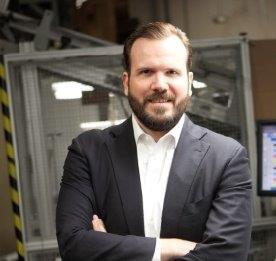
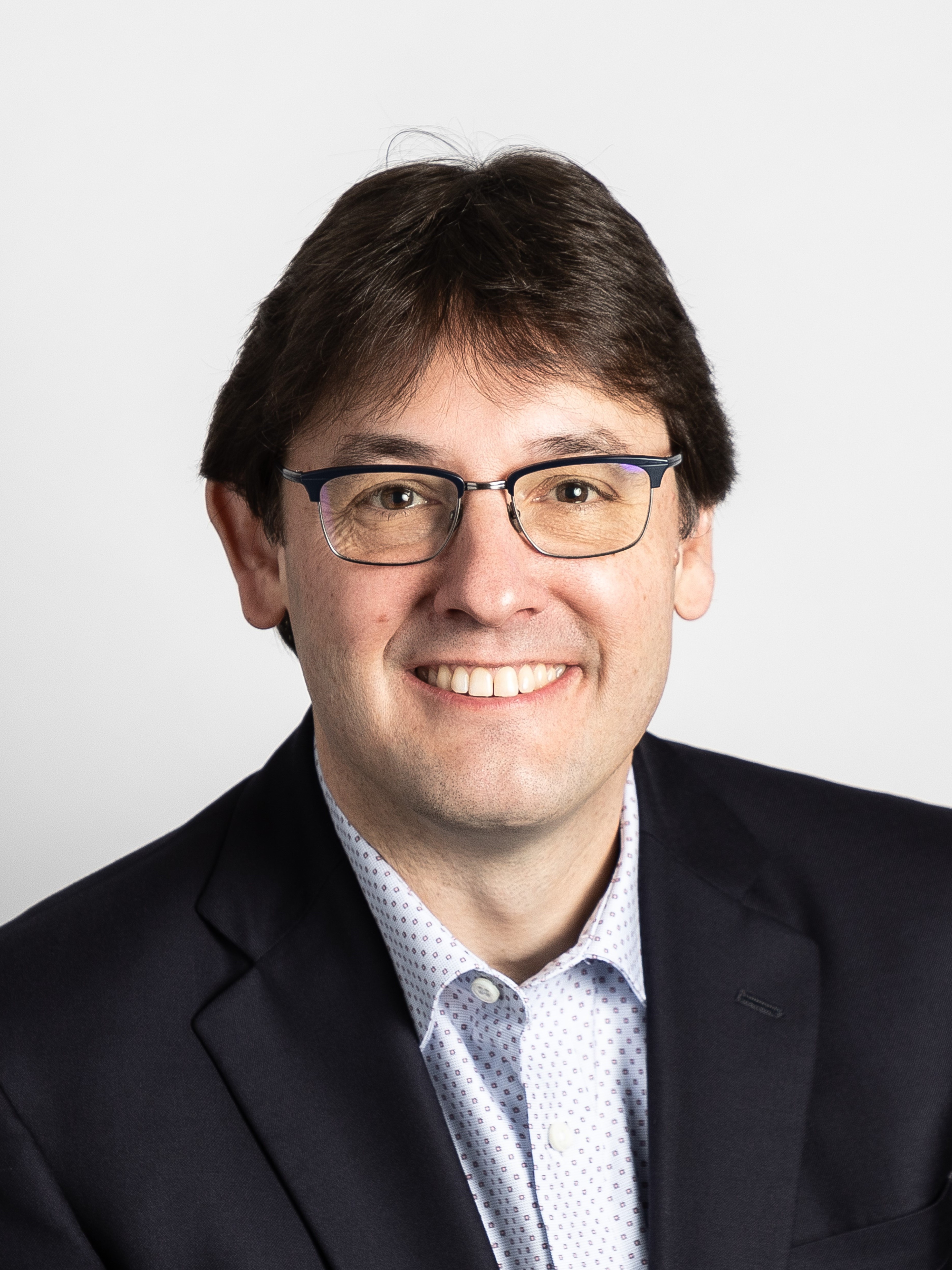
Thomas Whitney, President, Democrat Printing and Lithographing Company To Samir “Mr. Magazine™” Husni: “Focus On Your Content! Now’s The Time To Build Your Brand.” The Mr. Magazine™ Interview…

April 16, 2020

Publishing During A Pandemic (14)

 “There is a tremendous amount of demand for everything right now.  Once businesses reopen, advertisers will be fighting to get the word out that they’re back in business, and they’re going to pay the most to advertise with the best.  And we hope you’re with Democrat Printing when that happens!” … Thomas Whitney

 “The message to both our employees and our customers is the same.  DP&L is still alive and well.  We will do everything within our means to help you during these challenging times.  Focus on your work and your families.  Most importantly, stay healthy.  This too shall pass.” … Thomas Whitney

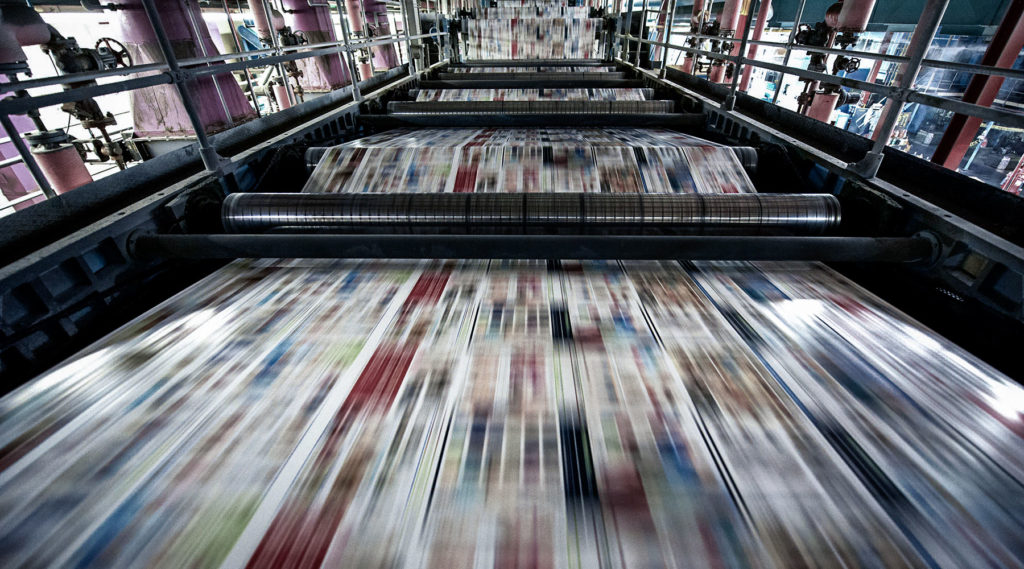
For more than 140 years, Democrat Printing & Lithographing Company has offered quality printing services. Over the decades, the family-owned business has grown with the times and kept abreast of the many changes in technology and services. Today Thomas Whitney serves as president of the company and takes his heritage very seriously, especially during the pandemic.

I spoke with Thomas recently and we talked about this tragic occurrence that is affecting both the public health and economy of our nation. Thomas said that the number one priority is the safety of his employees and that Democrat has no intention of closing or slowing down. They are onboard to help their clients in any way they can and will stand behind that promise.

“DP&L’s greatest strength has always been our customer service.  We take great pride in the relationships we’ve built with our customers.  These relationships are what have kept our doors open for 149 years.  We consider our customers as partners and we’ll do anything in our power to support them.   Even if it doesn’t make sense financially, we’ll find a way to help our customers in times of need as any true partner would.”

So, please enjoy the 14th Mr. Magazine™ interview in the series of Publishing During A Pandemic with Thomas Whitney, president, Democrat Printing and Lithographing Company.

But first the sound-bites:

On how Democrat is operating during this pandemic: Carefully.

On the steps Democrat is taking to ensure all personnel still working in place are safe: When we first understood the threat of COVID-19, we immediately took steps to protect our employees.  All office non-essential office personnel have been working from home for the last several weeks.  Plant production staff have been provided with face shields, masks and hand sanitizer.  We have also implemented a social distancing policy.

On the impact the pandemic has had on Democrat’s printing schedules: The impact on our customers has been mixed.  Our estimating team has been flooded with requests for reduced press runs, page counts, cheaper paper, etc.  Anything to save costs.  Our revenue has taken a hit, but nowhere near as bad as I expected.

On whether he’s seeing any shortage in ink, paper or workforce: We haven’t seen any shortages of paper, ink, or any other materials that we need to produce magazines.  Freight companies have tightened up a bit.  Many aren’t guarantying on time delivery, or they’ve frozen refunds for late deliveries.  FedEx and UPS both announced that they no longer guaranteed on time delivery for small parcels.  Most of our parts suppliers are doing fine.

On whether he had ever imagined something like this pandemic ever happening: Never in my wildest dreams did I think something like this would happen.  Not in my personal life, nor in business. Tornadoes and earthquakes; sure. A deadly virus; only in the movies.  And, as such, I never thought of what it could do to our country, our economy, let alone what it could do to our customers and our company.

On what message he is communicating with his clients and employees: The message to both our employees and our customers is the same.  DP&L is still alive and well.  We will do everything within our means to help you during these challenging times.  Focus on your work and your families.  Most importantly, stay healthy.  This too shall pass.

On what makes magazines and magazine media relevant today: I think magazines are more relevant today than they’ve been in years.  We live in a world of social distancing.  A world without handshakes.  Most Americans are home and have been for weeks.  Who knows how much longer that’s going to last?  In general, Americans have a lot of time on their hands, and they need and crave entertainment.

On any additional words of wisdom: Focus on your content!  If your magazine has been devastated by this pandemic, use this time to create new and more relevant content with staying power.  Now’s the time to build your brand and strengthen the relationship with your audience.

On what keeps him up at night: The uncertainty of the economic damage that this pandemic has done to our economy, and ultimately our collective industry as publishers and printers.  However, I really try to not let things that are out of my control cause me to lose sleep.

And now the lightly edited transcript of the Mr. Magazine™ interview with Thomas Whitney, president, Democrat Printing and Lithographing Company.

Samir Husni: How is Democrat operating during this pandemic?

Thomas Whitney: Carefully.

Samir Husni: Since you can’t print from home, what are the steps you are doing to social distance and ensure all are well at the work place?

Thomas Whitney: When we first understood the threat of COVID-19, we immediately took steps to protect our employees.  All office non-essential office personnel have been working from home for the last several weeks.  Plant production staff have been provided with face shields, masks and hand sanitizer.  We have also implemented a social distancing policy.  It’s very easy for us to distance ourselves.  Our equipment is big and we operate with small crews.  We’ve almost always social distanced, though we’ve never realized it.  Whether it has to do with Company policy or not, I will say that everyone is certainly more conscious of their health and cleanliness in the facility.

Samir Husni: What is the impact so far on the publishing frequency, printing, mailing, etc.? Any changes on the print schedule from your clients? Skipping issues, reducing print run, etc.

Thomas Whitney: The impact on our customers has been mixed.  Our estimating team has been flooded with requests for reduced press runs, page counts, cheaper paper, etc.  Anything to save costs.  Our revenue has taken a hit, but nowhere near as bad as I expected.

At the same time, we’ve had an influx of requests from publishers looking for stability.  The mega printers have been moving publishers from one facility to another, which is nothing new.  Since the pandemic began, this has been happening much faster, and in greater volume.  DP&L only has one plant, and we’re not closing it.

We’ve had a few magazines decide to push their monthly titles into the next month.  Many publishers have been looking for ways to right size their printing costs to their revenue or projected revenue.

From what we’ve seen, City and Regional pubs have been hit the hardest by the pandemic.  It’s even worse on those in parts of the country with the highest infection rates.  Most of their advertising revenue comes from local retail shops, dentists, cosmetic surgeons, and restaurants.  Many of which are closed.  Their problems are compounded if their distribution is free, on public racks at their advertiser’s businesses. Free city regional pubs that mail seem to be doing much better.

For the most part, and depending on their industry focus, B2B publications have suffered far less during the pandemic.  Most B2B magazines are 100% subscription based.  B2B publishers with titles focused on non-essential industries have been concerned that their mail won’t reach its destination, or that the mail will go to a closed business.  We’ve helped several publishers refine their lists and to make sure they’re not wasting money on postage, but we’ve always done that.

DP&L’s greatest strength has always been our customer service.  We take great pride in the relationships we’ve built with our customers.  These relationships are what have kept our doors open for 149 years.  We consider our customers as partners and we’ll do anything in our power to support them.   Even if it doesn’t make sense financially, we’ll find a way to help our customers in times of need as any true partner would.

Samir Husni: Are you seeing any shortage in paper, ink, workforce?

Thomas Whitney: We haven’t seen any shortages of paper, ink, or any other materials that we need to produce magazines.  Freight companies have tightened up a bit.  Many aren’t guarantying on time delivery, or they’ve frozen refunds for late deliveries.  FedEx and UPS both announced that they no longer guaranteed on time delivery for small parcels.  Most of our parts suppliers are doing fine.  Some equipment support companies aren’t doing well which concerns me.  DP&L, like most of the printing industry, has had a very hard time finding the skilled labor that we need for years.  With the amount of plant closures and layoffs of late, I expect that to change for the printing companies that survive.

Samir Husni: Did you ever in your worst nightmares think something like this would happen? And can you ever be prepared for such a thing?

Thomas Whitney: Never in my wildest dreams did I think something like this would happen.  Not in my personal life, nor in business. Tornadoes and earthquakes; sure. A deadly virus; only in the movies.  And, as such, I never thought of what it could do to our country, our economy, let alone what it could do to our customers and our company.

The best preparation for any catastrophe in business is liquidity.  And, in a scenario like the one we’re currently in, the more cash you have, the better you’ll be able to weather the storm.  Unfortunately, there aren’t many companies that can operate for months with no money coming in.  Hopefully, our government’s relief packages will come quickly and stabilize the economy.

Samir Husni: What message are you communicating with your employees and clients?

Thomas Whitney: The message to both our employees and our customers is the same.  DP&L is still alive and well.  We will do everything within our means to help you during these challenging times.  Focus on your work and your families.  Most importantly, stay healthy.  This too shall pass.

Samir Husni: What makes magazines and magazine media relevant today?

Thomas Whitney: I think magazines are more relevant today than they’ve been in years.  We live in a world of social distancing.  A world without handshakes.  Most Americans are home and have been for weeks.  Who knows how much longer that’s going to last?  In general, Americans have a lot of time on their hands, and they need and crave entertainment.  The content that lures people to magazines, is desired more now than it has been in years.  People still love the products we produce.  They still want the connection they get from the printed piece.  And, probably now more than ever.   Especially if it show’s up in the mail.

 Samir Husni: Any additional words of wisdom?

Thomas Whitney: Focus on your content!  If your magazine has been devastated by this pandemic, use this time to create new and more relevant content with staying power.  Now’s the time to build your brand and strengthen the relationship with your audience. There is a tremendous amount of demand for everything right now.  Once businesses reopen, advertisers will be fighting to get the word out that they’re back in business, and they’re going to pay the most to advertise with the best.  And we hope you’re with Democrat Printing when that happens!

Samir Husni: And my typical last question; what keeps you up at night?

Thomas Whitney: The uncertainty of the economic damage that this pandemic has done to our economy, and ultimately our collective industry as publishers and printers.  However, I really try to not let things that are out of my control cause me to lose sleep.

Samir Husni: Thank you.

h1

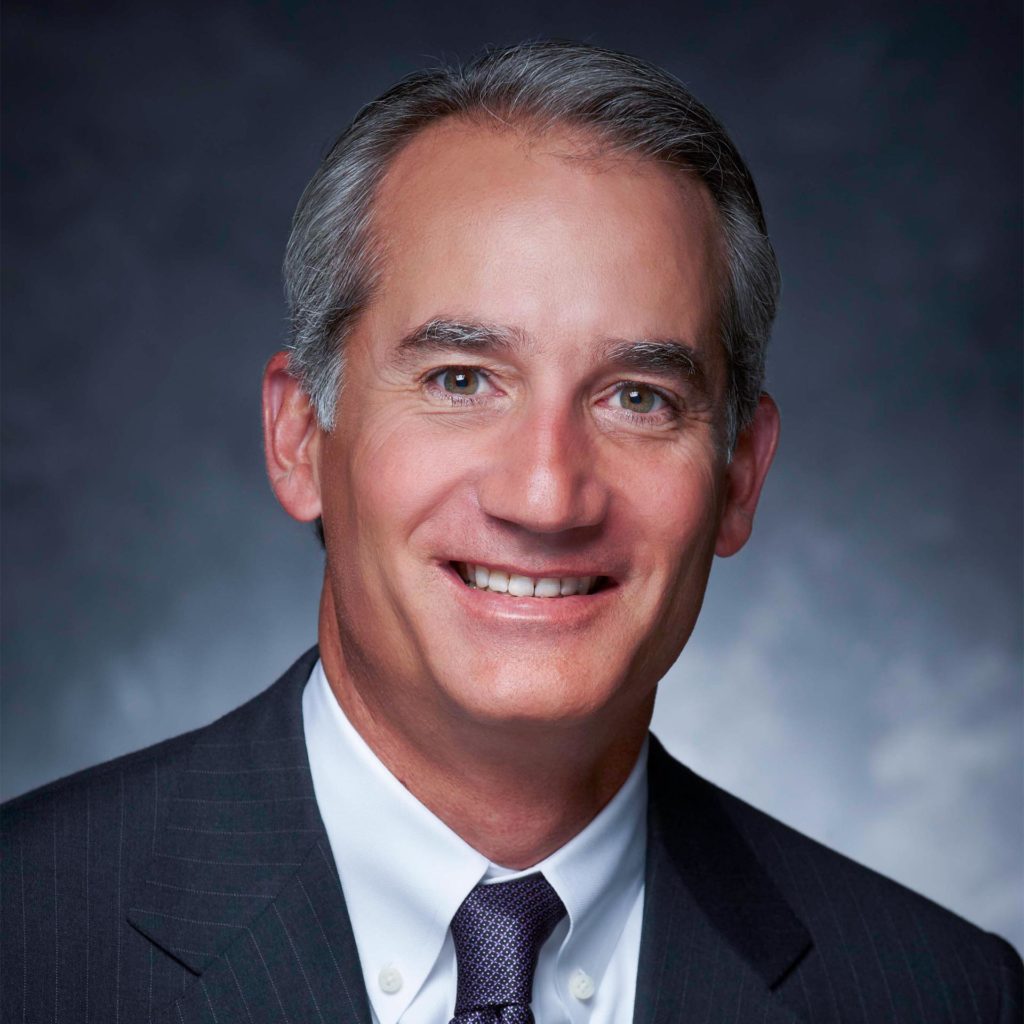
Joel Quadracci, Chairman, President and CEO, Quad, To Samir “Mr. Magazine™” Husni: “I’d Say That People Need To Understand That As We Come Out Of This, Everyone’s Going To Be Looking At How They Should Do Things Differently.” The Mr. Magazine™ Interview…

April 15, 2020

Publishing During A Pandemic (13)

 “I think the magazines that have great content can really use it to their advantage now and everybody should really be, as an industry, pushing forward when we come out of this because marketers out there, consumers of content, are all going to be going through some sort of reset in behavior, whether they overtly know it or not. So you’ve got to be in front of everybody with why this is an important medium.” Joel Quadracci

 “I think it’s less about preparing for the actual “what happens,” and  more about having a communication style and network within the culture of your company. It allows for people to drop everything and shift gears rapidly. Quad’s a very strong culture. It’s a very non-hierarchical culture. I wear the same uniform that the people on the floor wear and I had already started doing video blogs a bit ago on and off, but now I’ve ramped it up because the technology has changed so much.” Joel Quadracci

Quad is an American printing company based in Sussex, Wisconsin. It was founded on July 13, 1971, by Harry and Elizabeth Quadracci. The company has 39 printing facilities in the United States, as well as facilities throughout Europe, Canada, and Latin America.

Joel Quadracci is Chairman, President and CEO of the company today and has been running the company during this tragic pandemic with bold, yet sure steps. Joel says that you cannot be afraid to be bold and fast and not scared to pull really tough levers early in a situation. As long as you’re honest and communication through all channels is open and key to the process, making resolute and often hard decisions comes a bit easier, especially when those decisions are based on the good of the company.

I spoke with Joel recently and we talked about a few of the decisions he’s had to make during this pandemic, especially when it comes to the importance of keeping his staff and employees safe and the company secure.

“There’s a lot of actions we’re taking and we’ve been very flexible in terms of not being scared to go there, maybe in some cases, a little bit too far, because you are going to the point it hurts. The future is unknown right now in this situation, so you just have to assume that the worst is happening and you don’t know how long it’s going to be with us, therefore err on the side of dealing with the crisis as it is and make really bold moves.”

A future that may be unknown indeed, but Quad is dealing with it boldly and surely.

So, please enjoy the 13th Mr. Magazine™ interview in the series of Publishing During A Pandemic with Joel Quadracci, Chairman, President and CEO, Quad.

But first the sound-bites:

On operating during a pandemic: I’ve had to tell a lot of people that for the next 12 weeks they were on furlough, because when an economy just quickly shuts down, people stop marketing. And the biggest hit so far has been on the retail side with retailers not doing retail inserts

On ensuring safety at the workplace: One of the latest things we’re doing to protect our employees is, now that the CDC wants our employees to wear masks, you can’t find them. Meanwhile in the last couple weeks, some of my people came up with their own prototype of a mask that we can do on a web press.

On the impact of the pandemic on printing: It’s sort of a mixed bag. I mean certainly it’s down, whether you are talking ad pages, or what we’re seeing is a lack of visibility because everyone’s trying to understand when the pandemic is going to end.

On any shortage in ink or paper: No, we haven’t had any problem there. As you know, we manufacture our own ink…

On whether you can ever prepare to such a crisis: I think it’s less about preparing for the actual “what happens,” and  more about having a communication style and network within the culture of your company.

On his message to staffers and customers: First of all, communication is key, not just to my internal staff, but what I’d really wish I could have more of from our customers right now is true communication.

On any additional words of wisdom: Just that, in disruptive times, at least in any kind of disruption I’ve ever seen, it has always been an opportunity for the world to rethink how they do things. In our case, how they use media. I’d say that people need to understand that as we come out of this, everyone’s going to be looking at how they should do things differently.

On what keeps him up at night: I think it’s sort of the obvious, the coronavirus, and the safety of my employees.

And now for the lightly edited transcript of the Mr. Magazine™ interview with Joel Quadracci, Chairman, President, and CEO of Quad printing company.

Samir Husni: Considering what is going on, how are you doing and how is Quad operating during this pandemic?

Joel Quadracci: Relative to what’s going on in the world, I’m doing pretty well personally. The company is very focused and doing a lot of things during a tough situation, but hanging in there.

We have done a lot of aggressive things and we have done a lot of them very early. I guess being in the printing industry you’re used to having to react to tough things. I think we’ve learned that you always want to get ahead of things and be aggressive. We obviously have never seen a situation like this, but we’ve dealt with situations where we had to react very quickly.

We actually started in February, pushing two thousand people, within a three day notice, to work from home. And part of that was because we wanted to start heeding the safety warnings as soon as possible. And we wanted to test our idea for structure, to see if it crashes with all these people working virtually. And it ended up working quite well. I think on average we have around 3,800 people working from home and we are using a lot of technology to do it. And it’s working very well.

I’ve had to tell a lot of people that for the next 12 weeks they were on furlough, because when an economy just quickly shuts down, people stop marketing. And the biggest hit so far has been on the retail side with retailers not doing retail inserts. Just look at all the department stores that had to close overnight. We knew that was coming, so we started getting ahead of it. We’ve actually furloughed a few plants as well, just shutting them down for a couple of weeks here and there, depending on the schedule, just to get the cost down.

There’s a lot of actions we’re taking and we’ve been very flexible in terms of not being scared to go there, maybe in some cases, a little bit too far, because you are going to the point it hurts. The future is unknown right now in this situation, so you just have to assume that the worst is happening and you don’t know how long it’s going to be with us, therefore err on the side of dealing with the crisis as it is and make really bold moves.

Samir Husni: Since you can’t print from home, what steps are you taking to social distance and ensure everyone at the workplace is safe?

Joel Quadracci: That would be a lot of the back office, customer service, accounting, finance, IT people, those types of positions. And the reason you do that is because those are the people who work closely, physically close, to each other, with cube setups and office environments. On the floor of a printing plant, we are sort of naturally socially distanced. Specifically in our platform where we’ve done a lot of automation over the years. In finishing, where you typically see a lot of concentration on our large perfect binder doing a magazine, we have automation there and we’re not using that many people. The people are very spread out on the floor and we’ve really enhanced all the safety measures that the CDC has to do.

One of the latest things we’re doing to protect our employees is, now that the CDC wants our employees to wear masks, you can’t find them. Meanwhile in the last couple weeks, some of my people came up with their own prototype of a mask that we can do on a web press. Basically you run it through a printing machine with inline finishing to create a mask. Recently, we started up the presses. Now we are in the midst of wrapping up the printing of hundreds of thousands of them. We will be able to distribute them to all of our plants hopefully by early next week. I’ll be getting masks to every plant so that every employee on the floor has multiple masks they can use, because as you know these masks have a lifespan. So, that’s a big deal because of everyone in this economy dealing with the mask situation. We found some material that has never really been used for masks, but it’s a great filter and we can get it in rolls. We combine that with regular paper and we’ve created a mask that works.

And so, each part of the business has it’s different challenges with how you manage the COVID-19 virus. On the floor it’s going to be how do we get people masks and make sure we’ve got enough hand sanitizer, and make sure people are following the social distancing.

Samir Husni: What is the impact so far on the publishing frequency, printing, mailing, etc.? Any change on the print schedule from your clients? Skipping issues, reducing print run, etc.

Joel Quadracci: I’ve seen other interviews with some of the publishers in the group. It’s sort of a mixed bag. I mean certainly it’s down, whether you are talking ad pages, or what we’re seeing is a lack of visibility because everyone’s trying to understand when the pandemic is going to end. When you want to understand what’s going on in the economy, it’s constipated and the comeback is not going to be like a light switch, it’s going to be slow. I can’t start printing until an advertiser wants to give a publisher pages and so it’s going to be an interesting unwinding of this, but meanwhile what we’ve seen is people cutting back on the number of issues, some temporary, some will be permanent. I get the feeling that there are also some decisions being made that were decisions that were ultimately going to get made anyway, but this was a good excuse to move on them now.

We saw some spikes in certain parts of the newsstand side, especially in grocery stores. My wife comes home with magazines every time she goes to the grocery store because everyone is just dying for content while they are sitting around their house, which I think is a good thing, but on the other hand no one is really going to airports right now and so we’ve seen that spike kind of erode a little bit. We do a lot of high volume magazines between Hearst, Meredith, Condé Nast, National Geographic, and I think everyone is just trying to be creative, trying to manage it as they can and yet I think no one really has great visibility and that makes it hard to manage.

Samir Husni: Are you seeing any shortage in paper, ink, etc.?

Joel Quadracci: No, we haven’t had any problem there. As you know, we manufacture our own ink and we control upstream supply chain for ourselves, where we source directly to pigment providers. We even manufacture some of the other components. We’ve been able to maintain good control there. I’d say that distribution has been interesting because we get stuck in sort of a global economics of trade right now in distribution where, for instance, if we are going to the west coast from the Midwest oftentimes we are using train cars and containers and things like that and everything is a little bit disrupted because you have containers stuck in the wrong places and you’ve got disruption in distribution in general so that’s been an interesting thing to follow. It’s certainly not a shortage, so no, I can’t think of anything where we’ve had a shortage of much other than visibility.

Samir Husni: As printers you are always prepared for a crisis, but did you ever, in your nightmares or dreams, ever think of such a situation and can you ever be prepared for such a thing?

Joel Quadracci: You’d never believe it. I decided to watch that series Pandemic that came out ironically just before all this happened. I’ve watched the bird flu and I’ve watched the situation in China. You logically understand how people would be concerned that some pandemic could happen, but then you emotionally never believe it. You think, that’s never going to happen in my lifetime. I get the reasons why they worry, but then you see this happen and the pace at which it happened. You never thought you’d see something like this. We were getting ready for a recession, I think everyone was kind of anticipating something was coming, but when you see full brakes on everything within a week, no, I never would have thought we’d see something like that.

 Samir Husni: And can you ever prepare for such a thing?

Joel Quadracci: Yes, you can. I think it’s less about preparing for the actual “what happens,” and  more about having a communication style and network within the culture of your company. It allows for people to drop everything and shift gears rapidly. Quad’s a very strong culture. It’s a very non-hierarchical culture. I wear the same uniform that the people on the floor wear and I had already started doing video blogs a bit ago on and off, but now I’ve ramped it up because the technology has changed so much.

Every week or multiple times a week, I’m now doing some sort of interview with someone, but then just telling it like it is. I don’t go out there and do a video blog that’s scripted where I’ve got things I have to say that have been vetted by everybody. I actually just wing it and do it in one shot because it’s real and I know our business and I know what we’re doing, so I just tell it like it is. When we say I need to furlough a lot of people, like tomorrow, we are honest with them. We opted to tell them it’s a longer time that we were originally thinking versus a shorter time because we want them to be able to plan in their own personal lives and we just try and be very honest and also be very fast about it.

You can never prepare for what kind of disaster is coming. Everyone does disaster planning, but when it comes, the disaster usually comes in some other form than your scenarios. But if your corporation is used to pulling levers fast, and you are able to communicate very quickly, not just about what lever you’ve pulled, but the why you did it and be credible about it, you will have the following. There’s a lot of people I’ve seen pulling levers.

One of my executives has a husband who works at an industrial company in Milwaukee and he got furloughed and his notice was on his way out the door. They handed him a letter that said “you’re being furloughed indefinitely” and it was not even signed by an individual, it was signed by the HR department. That was the explanation. With us, we told everybody that we’d be doing it, it’s coming. When we did it, we told people what was happening, we kept in touch with them. Layers of communication allows you to do a lot. When you are in my position, you’re the one who’s saying we are going to charge the hill or we’re going to jump behind these barriers to defend ourselves. That’s only good if you turn around and see that the troops are following you and following what you say and if they actually believe in it. Because if it gets really insane, like it is now, you need the buy-in for it to happen.

To me, the way organizations need to be prepared for any type of disaster is how you should run your business day-by-day. I think a lot of learning experience will come out of this for a lot of companies about how they could have really been much better, and we realize now that we weren’t as good as we should have been. It’s spurring a lot of thought on our side even though we think that we are really good at it. But what is our learning now and how can we use this to be innovative in the workplace and be innovative in how we communicate on a going forward basis.

Samir Husni: Briefly, if you were to send a sound-bite to your staff and clients, what would be your message?

Joel Quadracci: First of all, communication is key, not just to my internal staff, but what I really wish we could have more of from our customers right now is true communication. They may not have the visibility I want, but it might be more than they are giving me now. And for us to be able to react and be of service to them is so important. Also in the future, trust your vendor and bring them into the circle as the crisis unwinds and how tell them how you are thinking about it. We can handle the bad news, but it’s hard to handle the bad news if it comes last minute when you’ve known about it for several weeks.

We are all trying to plan through this. I think at a certain point right now, in this industry, is respect your supply base because it’s been in trouble. I think that unfortunately we just saw that LSC filed for bankruptcy Sunday night, which was – I don’t know if it was somewhat expected, but I think it was really sped up, and there’s a whole lot of printers in trouble.

We are doing everything to make sure that we maintain a good balance sheet and get through this to the end, but it requires a true honest dialogue and communication between customer and vendor. I say that for the paper companies. I say that for the distributor. Everyone right now needs to know what you are thinking even if it’s not great news. The sooner you can let us all in on that, the better. I got a pilot’s license when I was in high school. I flew for quite a while, but I haven’t done it lately. The one thing you learn from anybody who flies in an airliner, no matter how long the runway is, you’ll typically see the pilot use every inch of it. They’ll pull to the end of the runway, even if it’s a 20,000 foot long runway and the plane only needs 3,000 feet. The reason they do that is because on takeoff, if something goes wrong the runway behind you that you didn’t use is not usable.

That’s the point of being bold and fast and not being scared to pull really tough levers early in a situation, even when you don’t know how long the situation is going to last or what the turnaround is going to be, because it’s about protecting your company for the future. If that means you cause a lot of uncomfortable pain early on for your employees personally, it’s probably the right thing to do for the business so that everyone has the strength to weather the storm.

Samir Husni: Anything you’d like to add before I ask you my typical last question?

Joel Quadracci: Just that, in disruptive times, at least in any kind of disruption I’ve ever seen, it has always been an opportunity for the world to rethink how they do things. In our case, how they use media. I’d say that people need to understand that as we come out of this, everyone’s going to be looking at how they should do things differently.

The world will go for a reset on a lot of different fronts, whether it’s how people use telecommunications now or having fewer people working. But in terms of the magazine industry, I think it’s an opportunity – or it might be a missed opportunity –to really recalibrate the world on the importance of ink on paper. I don’t know about you, but I watch four different news channels and look at ten different news sites just to try and triangulate on what’s actually true and what’s really happening. Having good content in the future might be a great opportunity.

I think the magazines that have great content can really use it to their advantage now and everybody should really be, as an industry, pushing forward when we come out of this because marketers out there, consumers of content, are all going to be going through some sort of reset in behavior, whether they overtly know it or not. So you’ve got to be in front of everybody with why this is an important medium.

One of the things that is going to come out of this is, everyone learned, those who have had to work out of their homes for a long time, they’ve learned to slow down again.  The pace at home, even though you are working hard, it’s still a different environment, so you feel like you can slow down and you start remembering things you want to do again and get hold of doing some things in between calls, whether it’s hobbies or whatever. I think that people will kind of slow down again and consume content, not just news content, but other content, sort of closer to the old world where we spent a little more time just relaxing and enjoying it.

Samir Husni:  My typical last question; what keeps you up at night?

Joel Quadracci: I think it’s sort of the obvious, the coronavirus, and the safety of my employees. We had our first death of someone who got coronavirus. He didn’t actually get it in our plant, he was off for a couple weeks. But that’s close to home. Beyond that, it’s a bit about the ecosystem we plan and the point that I was just making. Our successful futures relies on the successful management that all our customers do in managing through a crisis. I would hope that through this that trust between all the parts of the ecosystem only increase, because we need to be a healthy ecosystem to do it. One part can’t be healthy without the other.

Samir Husni:  Thank you.

h1

Stephen Orr, Editor in Chief, Better Homes & Gardens to “Samir “Mr. Magazine™” Husni: “The Magazine Media World, Particularly In Print, And In Digital And Video Too, Has Been Needing To Dismantle Old Ways That Are Based On The Past.” The Mr. Magazine™ Interview

April 13, 2020

Publishing During A Pandemic (11)

“This crisis forces our hand to do things in new ways that’s current with media consumption habits of our next generation audience, who are used to more offhand, casual Snapchat, TikTok, DIY content.” Stephen Orr on his views on moving forward…

 “But you’re right, now, during this period, they have much more time to read or flip through a magazine. And I believe people are enjoying those slow joys more, and it’s up to the future to decide how much that will continue.” Stephen Orr on readers engaging with print during the pandemic…

Bringing people joy and giving readers the content they want even before they know they want it; according to Stephen Orr, editor in chief, Better Homes & Gardens, this is what makes for good editors and what makes a service journalism magazine relevant during these uncertain times.

I spoke with Stephen recently and we talked about publishing during this pandemic and about how the differences in producing magazines today versus just a few months ago can be challenging, the process can also be reenergizing, causing innovation and creativity to jump to the forefront.

Staying upbeat, positive and delivering the same joyful content that Better Homes & Gardens has always created is something that Stephen and his team continue to do, even in the face of a pandemic.

For it’s a given the world needs joy now more than ever and magazines always come through.

And now for the eleventh installment in the series of Publishing During A Pandemic, in the Mr. Magazine™ interview with Stephen Orr, editor in chief, Better Homes & Gardens.

But first the sound-bites:

On what he believes the role of service journalism magazines are during this pandemic: Meredith has a range of titles, and as editor in chief of Better Homes & Gardens and overseeing about 12 of our brands  we’re in the business of inspiring people, lifting them up and educating them in a very positive manner. We’re not all covering hard-hitting, investigative stories that are about troubling things. Some brands do amazing investigative journalism about subjects. PEOPLE, for instance, comes to mind. But for the most part, magazines like BH&G  are service journalism, and we are in the business of trying to make people happy.

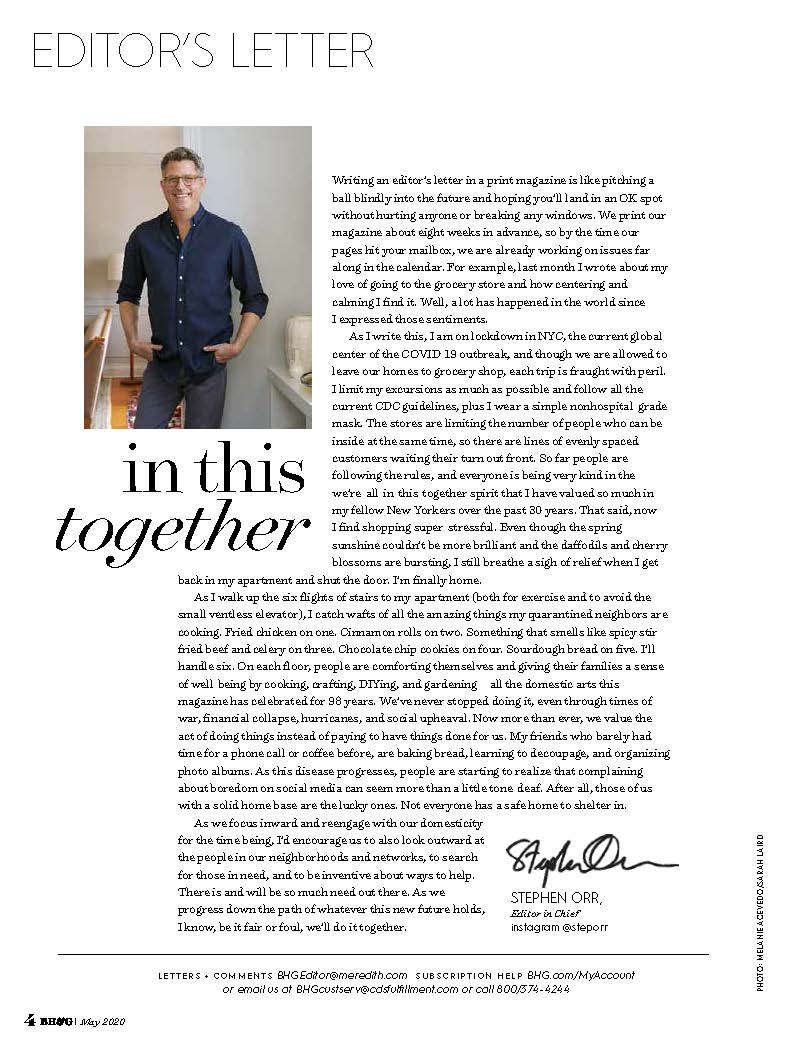
On his message for his audience when they read his editorial in the May issue of BH&G: When I thought of my neighbors as I wrote that editorial, and I was thinking about them obviously as I walked by, it touched my heart because I can imagine all of those families; all of those single people; all of those couples; all of those elderly people, doing the things that made them happy. We’re quarantined here in New York and every day I’m doing things that make me happy. We all have our own repertoire of activities that we do to make us happy, hopefully. That’s one way to combat certain aspects of feeling down.

On what makes BH&G more wanted during a pandemic: I love cooking. For me, I can rest on cooking very easily, and I don’t use many recipes. In my ordinary pre-Covid life, I didn’t use recipes, unless I was baking. Now I find that I’m looking for recipes more because I’m tired of my way of doing it. I’m cooking three meals a day, and I’m looking for new ideas. That’s what we’re bringing people… the newness and the novelty. The surprises of things that you didn’t think of yourself.

On how BH&G is operating during the pandemic: The Better Homes & Gardens team has been  awesome, and all the editors that I work with and their teams have been amazing too, especially about realizing that it’s a new day, at least for now. We don’t know about forever. But something positive that forces our hand is that we’ve been needing to work in new ways for a long time. The magazine media world, particularly in print, and in digital and video too, has been needing to dismantle old ways that are based on the past. Perhaps, you might say, the glory days of the New York magazine scene. And the efforts, money and budgets that went into that. This crisis forces our hand to do things in new ways that’s current with media consumption habits of our next generation audience, who are used to more offhand, casual Snapchat, TikTok, DIY content.

On whether he thinks after this pandemic we’ll see a time when readers are hungrier for a print magazine:  I’m a big fan of multiplatform content, the multiplatform brand, and how that works across each  channel, but you’re exactly right. Humans are social creatures; we’re that way, we’ve had good success as a species because of that, and even though we drive each other nuts, we work together. To borrow a Joni Mitchell line: “Don’t it always seem to go. That you don’t know what you’ve got ’til it’s gone.”. And that’s what this crisis is doing. It’s making everyone reevaluate priorities; it’s making people reevaluate their previous lives when it comes to what they put their efforts into. And it’s making people reconnect.

On his overall message to his BH&G readers during these uncertain times: Be optimistic, because we have to be optimistic. Even though right now it’s extremely  challenging, especially in New York City; it gets more challenging by the minute and the news is frightening. We all have to find ways to be happy and some days it takes more effort than not, but I’m very happy I’m in the business of bringing people joy.

On anything he’d like to add: One thing I have not done but is on my to-do list for the next couple of days is, we have an online archive and I’m going to look at how Better Homes & Gardens, which is nearly 100 years old, handled times of extended crisis in the past. I’m going to look at what we did after Pearl Harbor; how we handled the wars; how we handled 9/11 and Hurricane Sandy, and all sorts of things that predate me here. And I believe that will be inspiring. We’ve done this before in various versions, so I think media will do it again.

 On what keeps him up at night: What is worrisome to me is the future of creating content and visual content, meaning photography. Photo shoots right now are incredibly hard because of the physical proximity of unrelated people. That’s  what we’re working on right now, and  even with that, we have viable solutions coming up where people are shooting at home; people are working with teams, it might be a husband and wife team, where she’s a stylist and he’s a photographer or vice versa.

And now the lightly edited transcript of the Mr. Magazine™ interview with Stephen Orr, editor in chief, Better Homes and Gardens.

Samir Husni: I read your editorial in the May issue of Better Homes & Gardens, which included a lot of hopeful and encouraging words to your audience, so during this pandemic, what’s the role of a service journalism magazine? How are you shedding some light for your readers on this tragic topic?

Stephen Orr: Meredith has a range of titles, and as editor in chief of Better Homes & Gardens and overseeing about 12 of our brands  we’re in the business of inspiring people, lifting them up and educating them in a very positive manner. We’re not all covering hard-hitting, investigative stories that are about troubling things. Some brands do amazing investigative journalism about subjects. PEOPLE, for instance, comes to mind. But for the most part, magazines like BH&G  are service journalism, and we are in the business of trying to make people happy.

We’ve always done that and now with all the uncertainty and anxiety that just floats through the air so thickly, it’s even more important than ever to inspire people and make them happy.

Samir Husni: What is the message you have for your audience when they read your editorial in the May issue or pick up any one of your magazines? What are you trying to tell them?

Stephen Orr: When I thought of my neighbors as I wrote that editorial, and I was thinking about them obviously as I walked by, it touched my heart because I can imagine all of those families; all of those single people; all of those couples; all of those elderly people, doing the things that made them happy. We’re quarantined here in New York and every day I’m doing things that make me happy. We all have our own repertoire of activities that we do to make us happy, hopefully. That’s one way to combat certain aspects of feeling down.

On the other hand, you run out of those activities and projects, and that’s why media in all its forms, and particularly magazines, are providing inspiration for something new. Magazines serve the function of giving people fresh content and keeping them happy, because surprise and delight is the goal of all of our magazine brands at Meredith.

Samir Husni: As you’re trying to surprise and delight your audience, it’s been said that nobody needs a magazine, you have to make people want it. What makes Better Homes & Gardens more wanted during this pandemic?

Stephen Orr: I love cooking. For me, I can rest on cooking very easily, and I don’t use many recipes. In my ordinary pre-Covid life, I didn’t use recipes, unless I was baking. Now I find that I’m looking for recipes more because I’m tired of my way of doing it. I’m cooking three meals a day, and I’m looking for new ideas. That’s what we’re bringing people… the newness and the novelty. The surprises of things that you didn’t think of yourself.

When I can pop into a search bar on Google and look for what I need, I’ll get it, but I’ve said it before, the best editors give their readers  what they want before they know they want it. And being slightly ahead is helpful. It’s hard right now to give people what they want in advance because the future is uncertain, so that is a challenge for content creators like myself. We want to hit in the right spot, and as I wrote in my ed-letter, we’re planning content a year out and we don’t know what that future looks like. So, that’s a big challenge for all  of us right now. And that’s why digital and video are very important. We can be immediate on those platforms.

Samir Husni: How are you operating everything during this pandemic?

Stephen Orr: The Better Homes & Gardens team has been  awesome, and all the editors that I work with and their teams have been amazing too, especially about realizing that it’s a new day, at least for now. We don’t know about forever. But something positive that forces our hand is that we’ve been needing to work in new ways for a long time. The magazine media world, particularly in print, and in digital and video too, has been needing to dismantle old ways that are based on the past. Perhaps, you might say, the glory days of the New York magazine scene. And the efforts, money and budgets that went into that. This crisis forces our hand to do things in new ways that’s current with media consumption habits of our next generation audience, who are used to more offhand, casual Snapchat, TikTok, DIY content.

Our editors, producers, and everyone working remotely, are making their own videos. I’m going to be making one that announces the launch of  BH&G’s “America’s Best Front Yard” contest.. You just have to jump in and do it yourself. And it makes a product look different. Just watching newscasters from home these days, it’s interesting and not that strange to look at. In the old days we would have thought  that was crazy, but now we’re used to it because we’re all doing Zoom meetings regularly.

Our expectations have changed and needed to change, and it will give content creation a much-needed rattle to start working in those new ways we’ve talked about.

Samir Husni: One thing that has surprised me during this quarantine/social distancing directive is I texted my 127 students and 120 of them answered me back and said what they miss the most during this pandemic is the personal interaction between classmates, walking on campus, being physically present. And this is the generation that most would think would treasure today’s “isolated connectivity.” But because it’s no longer a choice, they seem to miss the old ways. Do you think that we’ll see a day where people are truly hungrier for the printed magazine? Or will it be all digital from now on?

Stephen Orr: I’m a big fan of multiplatform content, the multiplatform brand, and how that works across each  channel, but you’re exactly right. Humans are social creatures; we’re that way, we’ve had good success as a species because of that, and even though we drive each other nuts, we work together. To borrow a Joni Mitchell line: “Don’t it always seem to go. That you don’t know what you’ve got ’til it’s gone.”. And that’s what this crisis is doing. It’s making everyone reevaluate priorities; it’s making people reevaluate their previous lives when it comes to what they put their efforts into. And it’s making people reconnect.

It also exposes a lot of social problems, a lot of inequities. It exposes problems people have in their home lives, for better or for worse. This is  a transformational event for our global society. And media plays a big part in that , from the hard-hitting investigative journalism of the highest order to the everyday joy, inspiration  and lifestyle service that our Meredith magazines bring every month to readers  and the content they access  on all the platforms we offer. They can have it; however and whenever they want.

But you’re right, now, during this period, they have much more time to read or flip through a magazine. And I believe people are enjoying those slow joys more, and it’s up to the future to decide how much that will continue.

Samir Husni: What’s your message to the millions of readers that Better Homes & Gardens has, both in print and digital? If you had one thing to tell them, what would that message be?

Stephen Orr: Be optimistic, because we have to be optimistic. Even though right now it’s extremely  challenging, especially in New York City; it gets more challenging by the minute and the news is frightening. We all have to find ways to be happy and some days it takes more effort than not, but I’m very happy I’m in the business of bringing people joy.

I recognize that even in my own neighborhood there are people who have lost their jobs, who will lose their jobs; there are people who are struggling with their housing situation; there are beloved restaurants closed. I urge people to look for ways to help. If I complained about anything, my parents would take my head and literally point it toward someone who needed help. That’s how I was raised.

One way that Meredith  is trying to help is by bringing everyday joy to people and now all of us are trying to get behind causes that are beginning to emerge during this crisis and  mobilize our audiences to help others. That’s one of the socially human things that we do so well; we want to help. And that’s what I think is important: optimism and our natural tendency to help.

Samir Husni: Is there anything you’d like to add?

Stephen Orr: One thing I have not done but is on my to-do list for the next couple of days is, we have an online archive and I’m going to look at how Better Homes & Gardens, which is nearly 100 years old, handled times of extended crisis in the past. I’m going to look at what we did after Pearl Harbor; how we handled the wars; how we handled 9/11 and Hurricane Sandy, and all sorts of things that predate me here. And I believe that will be inspiring. We’ve done this before in various versions, so I think media will do it again.

Samir Husni: My typical last question; what keeps you up at night?

Stephen Orr: I have been so impressed with the nimbleness of our teams. Our teams in Des Moines, Iowa, where I’m normally based, but I’m now here in my previous home in New York under quarantine until who knows, and I deeply value the teams in Des Moines, the teams in New York City, the teams in Vermont, the teams in Birmingham, Ala. Everybody is figuring it out on their own, they’re not waiting for someone to tell them what to do. They’re figuring out the best solutions for their brands and jumping in and solving that. So, that’s been great.

We are producing our magazine seamlessly at Better Homes & Gardens, because we have talented, resourceful and tenacious editors in production and the art department, and everybody is just moving pages every day. I closed the magazine on my cell phone. I did it all with PDF’s and that worked great.

What is worrisome to me is the future of creating content and visual content, meaning photography. Photo shoots right now are incredibly hard because of the physical proximity of unrelated people. That’s  what we’re working on right now, and  even with that, we have viable solutions coming up where people are shooting at home; people are working with teams, it might be a husband and wife team, where she’s a stylist and he’s a photographer or vice versa.

That’s what’s keeping me up at night  a little bit, though I know that we’re going to solve that problem. We just need to be flexible; we need to compromise; and we need to keep the quality up, and we have to solve that problem first and foremost in the coming months. Getting the new imagery together for all platforms: video, digital and print. I know we’ll do it. It’s inspiring to see people solve that problem.

Samir Husni: Thank you.

h1

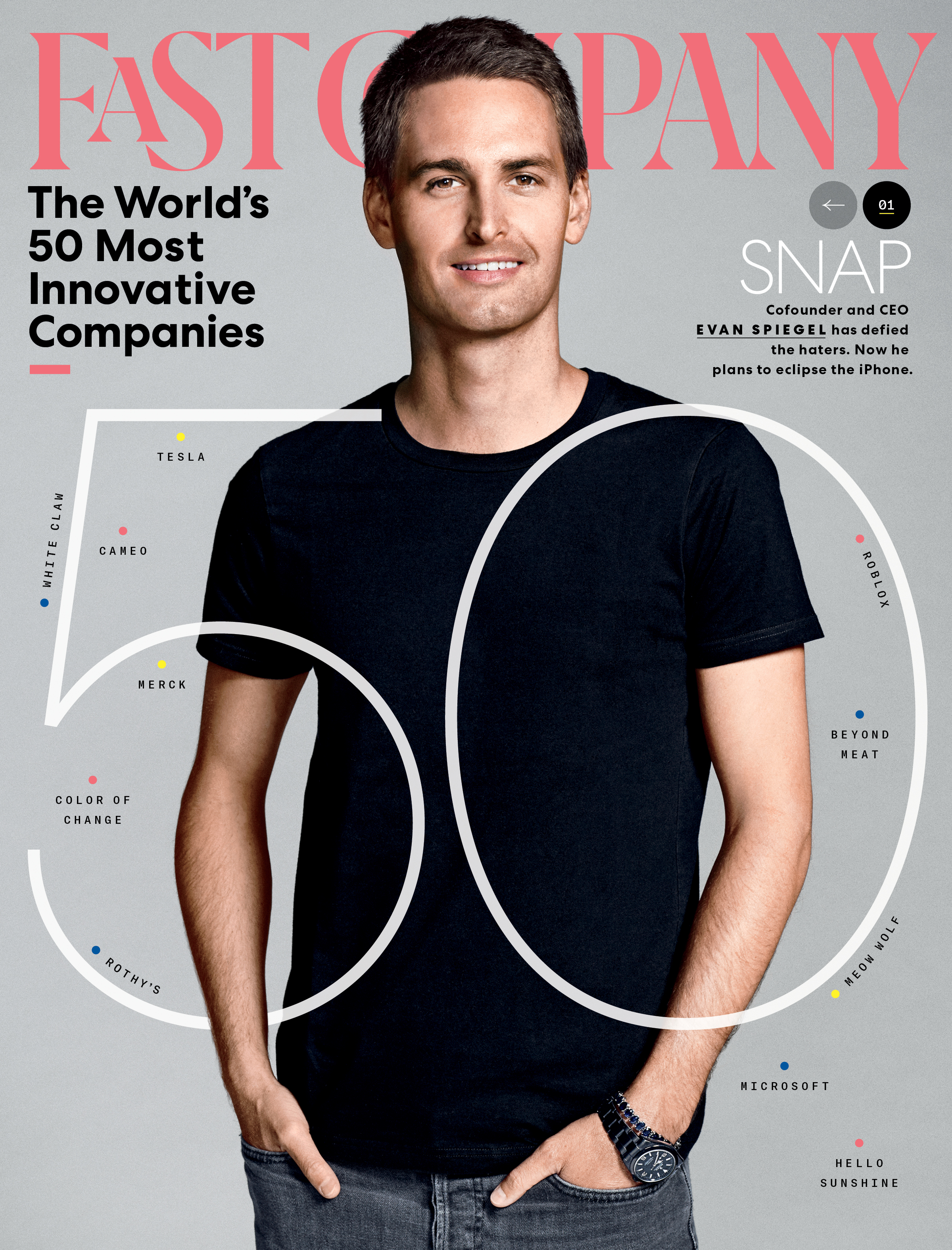
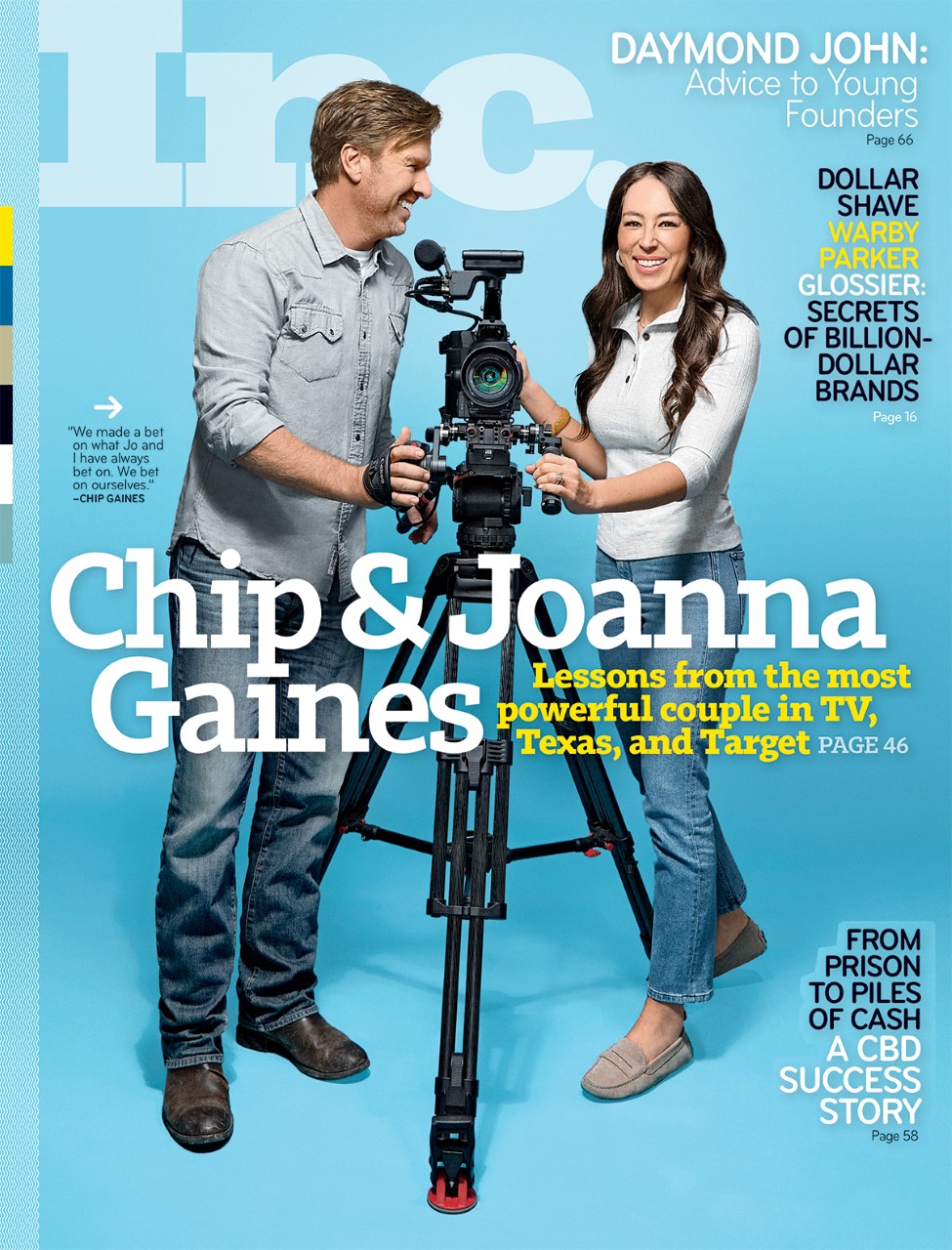
Eric Schurenberg, CEO, Mansueto Ventures, Fast Company & Inc., To Samir “Mr. Magazine™” Husni: “We Just Had A Really Strong Start To The Year And Advertisers Stuck With Us Rather Than Pulling Out Because Of The Crisis..” The Mr. Magazine™ Interview…

April 10, 2020

Publishing During A Pandemic (10)

“The message that I would send to the readers and the sponsors of Inc. is what’s contained in my CEO letter, which is published on Inc.com and Fastcompany.com. And the gist of the message was on the Inc. side, that we have stood by small business owners and fast-growing entrepreneurs for 40 years and we will stand by them now and do whatever it takes to help them through this crisis. No one understands them better than we do. And when we get to the other side of this, Inc. will be there with them once again.”… Eric Schurenberg

“On the Fast Company side, it’s the same message for that different audience. We have helped define a cadre of creative, innovative, tech-forward, socially-conscious businesspeople who imagine a future of business in which all of those characteristics come to the fore. And we know that those characteristics will help people succeed during this terrible crisis. And that Fast Company will be standing shoulder-to-shoulder with those readers, helping the imagine a better future.” … Eric Schurenberg

Two titles that have their finger on the pulse of all things business, Fast Company and Inc. magazines, are staying true-to-form during this pandemic: they’re standing shoulder-to-shoulder with their readers.

Eric Schurenberg is CEO of  Mansueto Ventures, home of Fast Company and Inc. I spoke with Eric recently to discuss this tragic pandemic and what it’s doing to our nation and the world, both health-wise and economically. And while Eric remains optimistic about our economic future, he does believe that the quicker the pandemic is over, the sooner our economy will be able to rebound. He said that he is hoping for a V-shaped recovery rather than a U-shaped as many economists call them: “I’m hoping for a V-shaped recovery and I think that the odds of that remain better than even as long as things are resolved quickly.”

But Eric also puts a lot of faith in the readers of his products, the entrepreneurs who he believes will find the innovative solutions to get our country back on its feet promptly, and the small business owners who are the backbone of our financial system.

And now please enjoy this tenth installment in the series of Publishing During A Pandemic, in the Mr. Magazine™ interview with Eric Schurenberg, CEO, Mansueto Ventures, Fast Company & Inc.

But first the sound-bites:

On how he is operating during this pandemic: We sent everyone home on March 11, so a few days after your school did. We’ve been working from home since then. Occasionally, people ask when I think we’ll go back and of course, no one knows, we’ll be out indefinitely. Certainly not this month. Like everybody else, we’re doing a lot more Zoom meetings and doing less email and more Slack, and reviewing other technology platforms that might make remote working easier and getting advice in that regard.

On whether being from the editorial side of the magazine business instead of the business side has helped him as CEO during this crisis: It’s different. Better in some ways, not better in other ways. I think that the Town Hall thing was an example of one of the ways in which it helped. I had contacts at the Chamber of Commerce dating back to my days as editor, so I communicated with a partner over there and conceived how the town halls might work the way an editor might conceive them. So that was a big success.

On whether he’s had to make any changes to his publishing schedules due to the pandemic: We’ve made no changes, and so far the one issue for each brand that we’ve closed since the emergency hit has been above goal. That could be a reflection of the fact that we just had a really strong start to the year and advertisers stuck with us rather than pulling out because of the crisis. Or it could be that budgets that were set for live events have moved to print partly, some of that money has moved to print. But so far, so good on the print side.

On how he views the relevancy of Inc. and Fast Company magazines today during this pandemic:  The magazines and the titles, we are certainly magazine brands, and paper is not the only way that we convey information and serve our readers. But I would say that the brands are more important than they have ever been and you can see that just in the kind of contact we have with our readers. As I said, the town halls we have to help people understand how to get loans from the government  help people with small businesses, assist entrepreneurs in getting loans from the government, these have been huge successes. And we’ve drawn in people from all over. And what that says to me is when you’re in distress, as many small business owners are now, you turn to the brands that you trust most. And for many small businesses that’s Inc. and Fast Company.

On whether he ever envisioned something like this happening, even in his worst nightmares: In many ways I think that 2008 was worse for the industry, just because the financial system was in danger of collapse. And I don’t think we’re there yet. We know that many people are out of work and many industries are hugely challenged, but we also know that this will end. And that the infrastructure itself is not threatened if it ends within a reasonable amount of time. So unlike the financial crisis in 2008, where people were discovering how rickety the financial system was, how overleveraged and how it was balancing on the head of a pin and no one knew that before, and wasn’t really sure of what it meant, those were scarier times.

On any message he has for his reader, advertisers or staff: The message that I would send to the readers and the sponsors of Inc. is what’s contained in my CEO letter, which is published on Inc.com and Fastcompany.com. And the gist of the message was on the Inc. side, that we have stood by small business owners and fast-growing entrepreneurs for 40 years and we will stand by them now and do whatever it takes to help them through this crisis. No one understands them better than we do. And when we get to the other side of this, Inc. will be there with them once again.

On what keeps him up at night: The biggest worry is that the recession will be deeper and longer than I think it will be. I’m not an economist in any way, and most economists are wrong anyway in their prognostications as we know. If this is longer and deeper than I now imagine, then that would be bad. Economists talk about U-shaped recoveries in which there’s a long period where the economy is in a depressed level. And V-shaped recoveries, where the economy rebounds promptly off a low point. I’m hoping for a V-shaped recovery and I think that the odds of that remain better than even as long as things are resolved quickly.

And now the lightly edited transcript of the Mr. Magazine™ interview with Eric Schurenberg, CEO, Mansueto Ventures, Fast Company & Inc.

Samir Husni:  How are you operating during this pandemic?

Eric Schurenberg: We sent everyone home on March 11, so a few days after your school did. We’ve been working from home since then. Occasionally, people ask when I think we’ll go back and of course, no one knows, we’ll be out indefinitely. Certainly not this month. Like everybody else, we’re doing a lot more Zoom meetings and doing less email and more Slack, and reviewing other technology platforms that might make remote working easier and getting advice in that regard.

The events business, of course, was the most hard-hit and most directly hit. We had high hopes pinned to our activations in South By Southwest (SXSW), where we were setting up content panels and keynotes and everything like that, activations, for both Inc. and Fast Company, and they were very popular. There was a lot of interest and sponsors and registrants, and when that went down, that was a blow. On the other hand, I’m so glad that we didn’t go because that would have been terrible now that we understand how widespread and communicative this disease is.

We managed to rotate most of the sponsors from South By into another platform, either postponed events or digital events or other media, like a page of the magazine or a place during conventional advertising on Inc.com or Fastcompany.com, so while it was a blow, we didn’t go down to zero.

In the meantime, we’ve been having significant success with our digital events. Recently, we had a Town Hall, we called it, about the “CARES Act” and how business owners can access that money that the government made available to small businesses to help them preserve payroll and get loans to get through this emergency. We’re doing that in partnership with the Chamber of Commerce. We’ve maxxed out at 10,000 registrants for both of the weeks that we’ve done it and basically have had to turn people away at 10,000. Inc.’s largest physical event, the Inc. 5000, runs around 2,000 people, so this is a multiple of that event, in terms of its attendance. Interest and sponsors is running strong, so that has been a success story for us in the wake of the crisis.

Samir Husni: You’re one of the few CEO’s who came out from the editorial ranks, not from the business ranks. During this crisis, has being from that side of the magazine world helped you at all in your role as CEO?

Eric Schurenberg: It’s different. Better in some ways, not better in other ways. I think that the Town Hall thing was an example of one of the ways in which it helped. I had contacts at the Chamber of Commerce dating back to my days as editor, so I communicated with a partner over there and conceived how the town halls might work the way an editor might conceive them. So that was a big success.

But I have really good editors in charge of both Inc. and Fast Company, and anything I do as editor in chief without portfolio, if you will, is on top of what they do there. They’re totally competent and wonderful editorial leaders and it’s not like they need my help.

Samir Husni: Have you made any decisions in terms of the publishing schedules or frequencies, are you continuing to publish the print editions as usual  or you’ve had to make some changes due to the pandemic?

Eric Schurenberg: We’ve made no changes, and so far the one issue for each brand that we’ve closed since the emergency hit has been above goal. That could be a reflection of the fact that we just had a really strong start to the year and advertisers stuck with us rather than pulling out because of the crisis. Or it could be that budgets that were set for live events have moved to print partly, some of that money has moved to print. But so far, so good on the print side.

Samir Husni: You deal with the business, with the economy, small businesses with Inc., the economy as a whole with Fast Company. And two of the main topics that the world is talking about right now is health and the economy. How do you see the relevancy of those two magazines now, during the pandemic, and as we eventually move out of the crisis?

Eric Schurenberg: The magazines and the titles, we are certainly magazine brands, and paper is not the only way that we convey information and serve our readers. But I would say that the brands are more important than they have ever been and you can see that just in the kind of contact we have with our readers. As I said, the town halls we have to help people understand how to get loans from the government  help people with small businesses, assist entrepreneurs in getting loans from the government, these have been huge successes. And we’ve drawn in people from all over. And what that says to me is when you’re in distress, as many small business owners are now, you turn to the brands that you trust most. And for many small businesses that’s Inc. and Fast Company.

Fast Company’s traffic on Fastcompany.com has been as much as 80 percent above its usual pace. People are truly finding the information they need, the comfort, and the advice that they’re looking for at this time.

Samir Husni: As a journalist and as a CEO, have you ever envisioned, even in your worst nightmares, anything like what is happening today with this pandemic? Where the entire country and basically the world has shut down?

Eric Schurenberg: In many ways I think that 2008 was worse for the industry, just because the financial system was in danger of collapse. And I don’t think we’re there yet. We know that many people are out of work and many industries are hugely challenged, but we also know that this will end. And that the infrastructure itself is not threatened if it ends within a reasonable amount of time. So unlike the financial crisis in 2008, where people were discovering how rickety the financial system was, how overleveraged and how it was balancing on the head of a pin and no one knew that before, and wasn’t really sure of what it meant, those were scarier times.

You remember, for example, the stock market went down for more than 20 percent three years in a row during that crisis as more of a financial weakness became evident. Today, the stock market went down dramatically right away and then began to rebound. Now the stock market obviously is an imperfect measure of the health of the economy, but it is a good measure of the state of mind of investors. And I think what you’re seeing is a sense that this catastrophe is serious, but it’s circumscribed. We know what’s causing it and we know that it’s going to end within some timeframe that we can imagine.

It’s awful for some industries and in many ways the entire economy will be changed, we know that too and we can’t exactly predict how it will be changed, we just know it will happen. I also think it’s a lot easier to imagine how things will return to a semblance of normal and that will happen in a matter of months, not years.

Samir Husni: What message would you like or are you already communicating to your employees, your readers, and your advertisers? Is there any specific message?

Eric Schurenberg: The message that I would send to the readers and the sponsors of Inc. is what’s contained in my CEO letter, which is published on Inc.com and Fastcompany.com. And the gist of the message was on the Inc. side, that we have stood by small business owners and fast-growing entrepreneurs for 40 years and we will stand by them now and do whatever it takes to help them through this crisis. No one understands them better than we do. And when we get to the other side of this, Inc. will be there with them once again.

On the Fast Company side, it’s the same message for that different audience. We have helped define a cadre of creative, innovative, tech-forward, socially-conscious businesspeople who imagine a future of business in which all of those characteristics come to the fore. And we know that those characteristics will help people succeed during this terrible crisis. And that Fast Company will be standing shoulder-to-shoulder with those readers, helping to imagine a better future.

To my employees the message is, what we have always done at Inc. and Fast Company matters now more than ever to our readers. They are looking to us for information, validation, for recognition of the sacrifices they’re making and for reassurance that they’re not alone. That they have Inc. and Fast Company standing right beside them as they find their way through this.

Samir Husni: My typical last question; what keeps you up at night?

Eric Schurenberg: The biggest worry is that the recession will be deeper and longer than I think it will be. I’m not an economist in any way, and most economists are wrong anyway in their prognostications as we know. If this is longer and deeper than I now imagine, then that would be bad. Economists talk about U-shaped recoveries in which there’s a long period where the economy is in a depressed level. And V-shaped recoveries, where the economy rebounds promptly off a low point. I’m hoping for a V-shaped recovery and I think that the odds of that remain better than even as long as things are resolved quickly.

I also have tremendous faith in the creativity and power of innovation of entrepreneurs, and in the kind of people who read Fast Company and Inc. I think that they are going to come up with a solution. And if it’s not a vaccine, it’ll be achievements. And before that they will find a way to manufacture the tests in the volume that we need and get them distributed in the way we do. Entrepreneurship is the vehicle for delivering innovation in a dynamic economy, I’ve seen it happen many times before. And I know our readers at Inc. and Fast Company, and I have a lot of faith that a solution lies with them.

Samir Husni: Thank you.  

h1

Kent Johnson, CEO, Highlights For Children, To Samir “Mr. Magazine™” Husni: “I’m Rooting For Every Family, For Every Company, And For Every Government As We Try And Adapt And Get Through This Together.” The Mr. Magazine™ Interview…

April 9, 2020

Publishing During A Pandemic (9)

 “For our magazine business, we’re keeping our print publishing schedule the same as always. And I will say, there was a technology task to get our editorial for our magazine product development to work remotely, because the designers work with such big files and important technology systems. So, that was also a transition that I’m happy to say we’re on the other side of. But we’re keeping our print schedule the same.” … Kent Johnson

 “My overall message and the way I’m trying to lead through this crisis is with transparency and much more frequent communication to our company. But the main message is we will get through this and we’ll get through it together. In a time of crisis and stress, we have to double-down on our values and we have to double-down and emphasize the purpose of our company.” … Kent Johnson

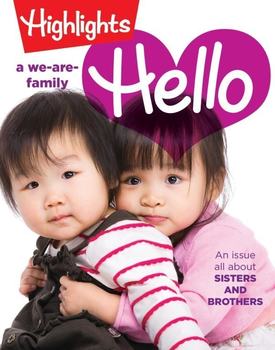
Faith and learning to adapt, two things that CEO Kent Johnson and his teams at Highlights for Children are having and doing to continue to publish during this pandemic. I spoke with Kent recently and he was candid and very grateful for his team’s ability to continue with quality content despite the stress and disruption of this terrible crisis. He said nothing would change about their publishing schedules for now and was very thankful for the online products that Highlights offers for children and that they were doing so well in this day of homeschooling and isolation.

Having a degree in physics, Kent said he believes and enjoys data-driven thinking and decision-making, but with the pandemic, his idea of leadership for himself and his company is through transparency and much more frequent communication to the company.

“I try to focus all of us on our mission and remind us all that however hard it is today, we’re going to get through this as a country. We’re going to get through this as a global, interconnected human population. We have to keep our faith, but be realistic and do the best we can every day.”

Indeed, Kent. We will get through this together.

And now please enjoy this ninth installment in the series of Publishing During A Pandemic, in the Mr. Magazine™ interview with Kent Johnson, CEO, Highlights for Children.

But first the sound-bites:

On how Highlights for Children is operating during this pandemic: All things considered, we’re operating pretty well. We have great leadership from our governor here in Ohio. We jumped on the idea that we had to be fully remote pretty early in the process. We trusted our teams and empowered our IT and leaders to get us working remotely. I was just amazed at how fast they did it. After the initial adrenaline of the change, we’re now in the stage of trying to figure out how to get used to it, be productive and be well-balanced in this virtual office environment. I’m impressed with our team and happy that we’re adapting as well as we can.

On whether the work-from-home move was easy or hard for everyone: I would say that we were lucky and it varied by function. We made the decision on a Wednesday morning that we should do a dry run of work from home on Friday, but by Thursday night we decided we would just go fully to work-from-home. So, it took us about maybe 72 hours due to some of the tougher positions. And that includes getting customer service, our contact centers, getting those people who deal with customers to be able to work from home too. So, there was a technology piece to that as well.

On whether he is considering any changes to publishing schedules or frequencies due to the pandemic: For our magazine business, we’re keeping our print publishing schedule the same as always. And I will say, there was a technology task to get our editorial for our magazine product development to work remotely, because the designers work with such big files and important technology systems. So, that was also a transition that I’m happy to say we’re on the other side of. But we’re keeping our print schedule the same.

On the message he has for his staff and readers during this pandemic: My overall message and the way I’m trying to lead through this crisis is with transparency and much more frequent communication to our company. But the main message is we will get through this and we’ll get through it together. In a time of crisis and stress, we have to double-down on our values and we have to double-down and emphasize the purpose of our company.

On whether his degree and background in physics has helped him during this pandemic in running a major magazine media company: It’s interesting, because I do have training in science and I love to be a data-driven decision maker in business and our company thrives on data. We, as a leadership team, have been very conscious and very explicit that in a time of crisis we say all our crystal balls are sitting shattered on the floor. We’re trying to use our intuition, use our heart and lead more like a general than a rational thinker. We take all of the data we have, but we have to make decisions in a time of crisis more rapidly. We remind everyone that we can’t be perfect, that we have to move quickly and make decisions in a decisive manner. And communicate why we’re doing it and what we’re doing, and adapt.

On whether Highlights’ worldwide publications have been impacted by the pandemic: Our international business is really important to us from a mission perspective. I think we’re still trying to understand the impact globally on our business. I will say that maybe as a company we had sort of an early insight into the impact of this pandemic. One of our key customers, a really valued partner for us is based in Wuhan. And we’ve worked with them for many years to get our Highlights/High Five content and other early childhood content to preschool kids in China. So, we both had the early view of what happened to business as Wuhan and Hubei province shut down in China.

On what keeps him up at night: Uncertainty. It’s probably keeping us all up at night. We have to take this day-by-day with faith that the purpose of our company is important today and will be important on the other side of this. I lose a lot of sleep thinking about our people, hoping our people are keeping a  balance in their lives so that they can perform well and maintain their mental and physical health and an effectiveness in their lives as a whole, across their families, extended families and their colleagues at work.

And now the lightly edited transcript of the Mr. Magazine™ interview with Kent Johnson, CEO, Highlights for Children.

Samir Husni: With everything that’s going on today, how is Highlights for Children operating during this pandemic?

Kent Johnson: All things considered, we’re operating pretty well. We have great leadership from our governor here in Ohio. We jumped on the idea that we had to be fully remote pretty early in the process. We trusted our teams and empowered our IT and leaders to get us working remotely. I was just amazed at how fast they did it. After the initial adrenaline of the change, we’re now in the stage of trying to figure out how to get used to it, be productive and be well-balanced in this virtual office environment. I’m impressed with our team and happy that we’re adapting as well as we can.

Samir Husni: Was the work-from-home move easy or hard for everyone?

Kent Johnson: I would say that we were lucky and it varied by function. We made the decision on a Wednesday morning that we should do a dry run of work from home on Friday, but by Thursday night we decided we would just go fully to work-from-home. So, it took us about maybe 72 hours due to some of the tougher positions. And that includes getting customer service, our contact centers, getting those people who deal with customers to be able to work from home too. So, there was a technology piece to that as well.

Samir Husni: With the pandemic, are you considering changing any frequencies or any of your publishing schedules or is everything status quo for now?

Kent Johnson: For our magazine business, we’re keeping our print publishing schedule the same as always. And I will say, there was a technology task to get our editorial for our magazine product development to work remotely, because the designers work with such big files and important technology systems. So, that was also a transition that I’m happy to say we’re on the other side of. But we’re keeping our print schedule the same.

We’ve seen a pretty significant increase in demand for the products from Highlights that aren’t our magazine. Our Highlights Learning line of products, things like workbooks, summer workbooks, get ready for Pre-K, getting ready for K, kind of fun with a purpose with more explicit learning objectives. Those have sold incredibly well on Amazon and through our site as parents are looking for help with their kids home now and with everyone trying to be a homeschooler across the country. We’ve been working very hard to keep ourselves in inventory and market those products appropriately, let customers know. That’s been a bright spot in our service to customers.

The other thing I would say is that where we have changed from the old role of content is we’ve just launched this week a program we call “Highlights At Home,” which is a frequent publication of helpful digital content that has inspirational messages from our chief purpose officer, Chris Cully. It has humor and activities that you can do at home. And we’re both launching that to our consumers directly through social and email, but we’re also making that content available to partners who want to provide it to other companies, other nonprofits who want to provide it directly to their customers.

So, we’re totally changing the rules about intellectual property and how we partner just to try and be of help to families and parents stuck at home during this pandemic and this crisis.

Samir Husni:  You’re a physicist by education, did you in your worst nightmares ever envision something like this happening, not only in the United states, but across the entire world?

Kent Johnson: Many of us have contemplated this in the realm of fiction. I was trained as a physicist and between finishing my degree in physics and coming into the magazine industry, I spent six years in the medical diagnostics industry, including working on some assays for biotoxins. So unfortunately, I have run in the circles that think about the technologies we use to detect viruses and disease. I have been exposed to people who have worried about this, but you don’t take that risk seriously in your day-to-day life. But I do think this kind of pandemic was anticipatable and it’s just horrible that it’s here. I’m rooting for every family, for every company, and for every government as we try and adapt and get through this together.

Samir Husni: What message do you have for your staff and your readers during this pandemic?

Kent Johnson: My overall message and the way I’m trying to lead through this crisis is with transparency and much more frequent communication to our company. But the main message is we will get through this and we’ll get through it together. In a time of crisis and stress, we have to double-down on our values and we have to double-down and emphasize the purpose of our company.

I’ve been talking a lot to our employees about what we do, whether it’s in education in our magazines, across all our products. We’re not the frontlines; we’re not the medical providers who are the heroes right now, but what we provide is a really important service to families as they try to broker the disruption and the stress. I try to focus all of us on our mission and remind us all that however hard it is today, we’re going to get through this as a country. We’re going to get through this as a global, interconnected human population. We have to keep our faith, but be realistic and do the best we can every day.

Samir Husni: During this pandemic, does your degree and background in physics help you in any way running a magazine media company?

Kent Johnson: It’s interesting, because I do have training in science and I love to be a data-driven decision maker in business and our company thrives on data. We, as a leadership team, have been very conscious and very explicit that in a time of crisis we say all our crystal balls are sitting shattered on the floor. We’re trying to use our intuition, use our heart and lead more like a general than a rational thinker. We take all of the data we have, but we have to make decisions in a time of crisis more rapidly. We remind everyone that we can’t be perfect, that we have to move quickly and make decisions in a decisive manner. And communicate why we’re doing it and what we’re doing, and adapt.

I think a crisis like this has caused me and our leadership team to adapt our style. And it adapts a little bit away from the scientific and the rational to the more intuitive and the heart, leading with values and best judgements, given what we know at the time.

Samir Husni: I know you have worldwide publications also; have those been impacted by the pandemic?

Kent Johnson: Our international business is really important to us from a mission perspective. I think we’re still trying to understand the impact globally on our business. I will say that maybe as a company we had sort of an early insight into the impact of this pandemic. One of our key customers, a really valued partner for us is based in Wuhan. And we’ve worked with them for many years to get our Highlights/High Five content and other early childhood content to preschool kids in China. So, we both had the early view of what happened to business as Wuhan and Hubei province shut down in China.

But what’s inspiring for our people and it reminds me of our message point that we are going to get through this is, right now we’re constantly talking to our partners in China and watching China’s economy come back on line. We’re very worried about our friends in China and worried about the impact on their economy and their society just as we’re worried about the impact this will have on all of us.

One of the things we did early on when they shut down schools in China is we had a pilot going for our Highlights Digital Library, which is a digital platform with thousands and thousands of stories that have been published in Highlights and  High Five over the years. Early on we rolled that out as broadly as we could through our partners for free. We expanded the pilot to reach as many kids as our partners could at home, because they were stuck in the homeschool environment early and in isolation and with social distancing.

So, I’m very concerned about the impact on the global economy and we’re just trying to support our partners and work with them as their businesses get back on line.

Samir Husni: My typical last question; what keeps you up at night?

Kent Johnson: Uncertainty. It’s probably keeping us all up at night. We have to take this day-by-day with faith that the purpose of our company is important today and will be important on the other side of this. I lose a lot of sleep thinking about our people, hoping our people are keeping a  balance in their lives so that they can perform well and maintain their mental and physical health and an effectiveness in their lives as a whole, across their families, extended families and their colleagues at work.

I believe we’re all kept up at night thinking about the public health and all the pain and suffering, first in the public health, second in the economy, and for all those people this impacts directly and indirectly. We will get through this, but it’s hard.

Samir Husni: Thank you.

h1

Joe Hyrkin, CEO, Issuu, To Samir “Mr. Magazine™” Husni: “What We’re Seeing Is This Resilience Among Publishers Who Are Getting Their Content Out There And Are Continuing To Publish.” The Mr. Magazine™ Interview…

April 9, 2020

Publishing During A Pandemic (8)

“I think for publishers, in a certain way, this could potentially be a really golden time, because they are able to connect with their audience more so now than ever before. People actually have the time to read the stuff they care about. People are going to develop new passions and new hobbies. There’s going to be opportunities that come out of this that is not all doom and gloom.” … Joe Hyrkin

The pandemic has paused us all in many of the same ways. Working from home, staying at home, and social distancing ourselves from friends and family that do not live with us. It has caused tragic and enormous loss of life all around the globe. But while we feel and see all the horrible toll this disease has caused, there has to be hope for the future; hope for better days to come. In fact there is a framed poster in my office with the phrase “There is Always Hope” in every language you can imagine.

Joe Hyrkin is CEO of Issuu, the world’s leading Omni channel content tools and publishing digital platform. And while like all of us, Joe has seen the extreme rapidity of working from home and caring for the health and welfare of his employees, he’s also digging for the positive that can come out of this awful nightmare. The caring for others on the personal side, and the creativity and innovation he’s seen from his resilient employees on the professional side.

I spoke with Joe recently and we talked about all of this, the dark days of the disease and the brighter tomorrow we all have faith is coming. While one of the biggest challenges for publishers, he believes, is advertising, he feels there’s going to have to be a whole lot more creativity around how publishers work with advertisers in the midst of all this.

The positive nature of Joe’s thinking shows up in our conversation. So, I hope that you enjoy this eighth installment in the series of Publishing During A Pandemic, in the Mr. Magazine™ interview with Joe Hyrkin, CEO, Issuu.

But first the sound-bites:

On how Issuu is operating during the pandemic: There’s two pieces, one is just the general operations of how the business is running. And on the operations side, we moved to all remote about three weeks ago. We have offices in Palo Alto, Copenhagen, Berlin, and then we have a few people scattered around the United States who are already working remotely. But we now have everyone working from home.

On the business model during the pandemic: On the business side, and this is all tied to operations too, one of the things that I’ve been reminding everybody, and I think it’s important for every company and every business, is don’t conflate what’s happening in your company with what you’re reading in the press. There’s going to be a lot of challenges and huge downturns in advertising, some companies are doing better than others, understand what’s happening in your own company before you just assume it’s going to be lumped in with everything else. For us, it’s been really interesting. We don’t rely on advertising, it’s a small piece of our revenue as we’ve talked about. The bulk of our business is our customers paying us for access to additional tools and services. What we’ve found is we’re actually growing in the midst of this. We’re being very careful; we’ve reduced prices in some areas; we’ve made a number of the features that we used to charge for free, particularly for magazine publishers.

On many major publishers saying their plans have not really changed yet, but that they are doing a lot of content on their digital platforms: For us, more people are using Issuu digital sales now as a way to generate revenue. We’re finding more people using Issuu Collaborate. It’s a great flat planning system, but it also helps in terms of managing collaborators, managing remote workers, managing their contributions, their things coming in on time. It’s always been used for that, but now it’s even more important because there is increasingly no centralized location for publishers. Right now the centralized location is online and on Zoom.

On whether he ever envisioned something like this happening, even in his worst nightmares: No. But not only that, it’s the speed in which we’ve done it. Just think about it. Two months ago. Your ACT 10 Experience was fully scheduled six weeks ago, and I was planning on being there this April. I wasn’t even questioning it. I think it’s amazing how radically the world has changed in a matter of weeks. It’s totally unimaginable. There was a well-known movie about an epidemic, I can’t remember what it was called, but the writer of that script was recently quoted as saying, I couldn’t have written the script to align with what’s been happening in the world right now, because no one would have believed it. It would have been too farfetched.

On whether he thinks everything will go back to the traditional way of doing business after the pandemic is over or the work-from-home directive has given him room for thought: I think most businesses, most not all, are designed to revolve around people operating together in some fashion, but we’re all learning that there’s a lot more flexibility available to us. The biggest challenge that I’m finding with my company right now, my team, is people who have school aged children, particularly elementary schoolchildren and younger, are really struggling. One of the things that I do think will come out of it operationally will be a lot more openness to flexibility, so even when we do go back to the office, I think there will be an openness to flexibility and to connecting with each other and employees more. There’s an empathy that we’re all learning for each other.

On what keeps him up at night: How long is this going to last. And it was interesting for the first couple of weeks, working at home and learning how to use Zoom and those sorts of things, but how do we support the individuals in the company who are most challenged by it, with childcare, as we talked about. With aging parents in some instances. With the distance that people have with their families. There is an extra layer of stress that all of my employees have; some people talk about it, some don’t, but this is on everybody’s mind. And in some instances it weighs pretty heavily on them.

And now the lightly edited transcript of the Mr. Magazine™ interview with Joe Hyrkin, CEO, Issuu.

Samir Husni: In the doom and gloom environment that we’re living in today, both in the media world and in our everyday reality, how is Issuu operating during this pandemic?

Joe Hyrkin: There’s two pieces, one is just the general operations of how the business is running. And on the operations side, we moved to all remote about three weeks ago. We have offices in Palo Alto, Copenhagen, Berlin, and then we have a few people scattered around the United States who are already working remotely. But we now have everyone working from home.

In which case, we’re doing a lot more Zooms. In fact, in the middle of March we had hoped to have a full offsite planning meeting for the next two quarters, and usually we do those in person, in Copenhagen. And people from the U.S., Copenhagen and Berlin all work together for a week on all the planning. That was scheduled for the second week in March, and we kept waiting to see if we were going to be able to do that, or if we should start planning our business remotely. We ended up moving it to Zoom.

The big challenge is there is a nine hour time difference between California and Copenhagen, so operating, and this is a group that has to work together because we’re planning all the details, so what we did was start the meetings early in the morning here. They ran from 6:00 a.m. here in California to 1:00 p.m., which meant it was late afternoon into the evening in Copenhagen. We took an hour break so that people could have dinner with their families. And in fact, for the sole purpose of planning, we delivered meals to people’s homes so they would have time to have a meal with their families during these planning sessions.

There’s this great feature in Zoom called “Raise Your Hand,” so having a meeting with 10 or 12 people, we used that feature and had someone moderating it. It was really productive. We started doing that the week before everyone began working remotely. So, we had a bit of a head start. We’ve done everything remotely since then.

We’ve now had two company-wide meetings. One of the things that I’ve done differently is we usually haven monthly all-hands meetings, where people come together in the three main offices, it’s at the same time, 8:00 a.m. in California, 5:00 p.m. in Europe. We’re now doing two of those a month, just to get people together more frequently. I’ve started doing Zoom for office hours, twice a week to talk about anything, so anyone who wants to talk is more than welcome to do that. We’ve just made a lot of effort to connect with people and communicate with them much more throughout this whole process.

Samir Husni: What about the business model?

Joe Hyrkin: On the business side, and this is all tied to operations too, one of the things that I’ve been reminding everybody, and I think it’s important for every company and every business, is don’t conflate what’s happening in your company with what you’re reading in the press. There’s going to be a lot of challenges and huge downturns in advertising, some companies are doing better than others, understand what’s happening in your own company before you just assume it’s going to be lumped in with everything else.

For us, it’s been really interesting. We don’t rely on advertising, it’s a small piece of our revenue as we’ve talked about. The bulk of our business is our customers paying us for access to additional tools and services. What we’ve found is we’re actually growing in the midst of this. We’re being very careful; we’ve reduced prices in some areas; we’ve made a number of the features that we used to charge for free, particularly for magazine publishers.

We’ve made “Collaborate,” the flat planning system freely available to all Issuu customers. We used to charge a 30 percent rev share for folks who used Issuu digital sales, but we’re not charging the rev share anymore, we’re letting them keep all of that revenue. What we keep finding is increasingly, particularly magazines and newspapers because they can’t print anymore, printing facilities are closed, even if they’re not closed they’re normal means of distributing the printed paper is no longer available. Their concerns around printed stuff related to Covid-19 has to do with is the virus on it and are people passing their germs around.

So, what we’re seeing is this resilience among publishers who are getting their content out there and are continuing to publish. So, they have been moving to Issuu. We’ve seen a number of, particularly university publishers, issuing press releases telling people that they will keep publishing and they’re moving everything to Issuu. There’s an interesting local magazine, the Merritt Herald in British Columbia, they did an entire editorial on moving strictly to digital copies due to Covid-19, which are available on their website through Issuu. We also saw The Kenyon Collegian do that through our Issuu webpage.

What we’re finding is more and more publishers are continuing to create that magazine and newspaper experience and they’re highlighting their use of us. It’s a great responsibility for us; our role in all of this is we have to keep running and operating, making sure that we’re delivering even more for publishers to get their content out.

Samir Husni: Yet every CEO and every publisher that I have spoken with so far have told me that they haven’t changed anything, as far as their frequency, or print? So far the plans are to continue as is. And they’re doing a lot on their digital side, publishing a lot of their content there.

Joe Hyrkin: For us, more people are using Issuu digital sales now as a way to generate revenue. We’re finding more people using Issuu Collaborate. It’s a great flat planning system, but it also helps in terms of managing collaborators, managing remote workers, managing their contributions, their things coming in on time. It’s always been used for that, but now it’s even more important because there is increasingly no centralized location for publishers. Right now the centralized location is online and on Zoom.

We’re also seeing people share and distribute that content through the different channels more: Facebook, Instagram; we’re seeing more creativity around what they can do with digital. I think the big challenge for all the publishers is advertising. We’re seeing these huge cuts: travel, airlines. If you were relying on travel and hospitality to fuel your advertising, you’re going to have to find that somewhere else. There’s going to have to be a whole lot more creativity around how publishers work with advertisers in the midst of all this.

The big challenge that I’m finding is we just don’t know how long this is all going to last. So, if it’s going to be a month, okay we can keep things pretty much the way they were operating before, we don’t have to make a huge number of changes, we’ll be back to normal in a month. But we don’t know. We don’t know what’s going to happen to the businesses that were advertising, both big and small.

Samir Husni: Did you ever envision something like this happening, even in your worst nightmares? The entire world shutting down?

Joe Hyrkin: No. But not only that, it’s the speed in which we’ve done it. Just think about it. Two months ago. Your ACT 10 Experience was fully scheduled six weeks ago, and I was planning on being there this April. I wasn’t even questioning it. I think it’s amazing how radically the world has changed in a matter of weeks. It’s totally unimaginable. There was a well-known movie about an epidemic, I can’t remember what it was called, but the writer of that script was recently quoted as saying, I couldn’t have written the script to align with what’s been happening in the world right now, because no one would have believed it. It would have been too farfetched.

Samir Husni: As CEO of a major digital company, do you think you’ll return to your traditional way of doing work after this is over? Or has the work-from-home directive given you room for thought?

Joe Hyrkin: I think most businesses, most not all, are designed to revolve around people operating together in some fashion, but we’re all learning that there’s a lot more flexibility available to us. The biggest challenge that I’m finding with my company right now, my team, is people who have school aged children, particularly elementary schoolchildren and younger, are really struggling.

They’re trying to balance being with their family all day, childcare that they now have to do themselves, and they’re having to learn how to homeschool. I have brilliant engineers and brilliant marketers who are really good at what they do every day in the office, they don’t know how to homeschool. We’re demanding culturally, there is a huge demand on people, to be able to figure out how to balance their home life with homeschooling and trying to get their work done. And we’re trying to be as flexible as we can. We understand that people are challenged with all of these things. And we know some of the work is going to come late.

We’re asking people who have a little extra time to help. We’re moving deadlines in certain instances and we’re having everyone reach out to their manager or the exec staff if they’re too challenged; let’s talk through it and be flexible.

One of the things that I do think will come out of it operationally will be a lot more openness to flexibility, so even when we do go back to the office, I think there will be an openness to flexibility and to connecting with each other and employees more. There’s an empathy that we’re all learning for each other.

The other thing that’s interesting is doing everything by Zoom, we’re all seeing into each other’s homes. You meet people in the office, you see them with their tie, you see them however they operate, then suddenly we’re seeing people’s bookshelves or their art in their homes. If they have children, put them in your lap for the Zoom, we’re encouraging that, it’s totally fine. There is a humanness that is one of the silver linings to this process.

Samir Husni: My typical last question; what’s keeping you up at night these days?

Joe Hyrkin: How long is this going to last. And it was interesting for the first couple of weeks, working at home and learning how to use Zoom and those sorts of things, but how do we support the individuals in the company who are most challenged by it, with childcare, as we talked about. With aging parents in some instances. With the distance that people have with their families. There is an extra layer of stress that all of my employees have; some people talk about it, some don’t, but this is on everybody’s mind. And in some instances it weighs pretty heavily on them.

Then what will be the follow-on economic fallout. I think we’re all kind of in the middle of what’s happening right now, day-to-day, but once we do start to go back to work and when we discover the new normal, whatever that may be, what kind of economic environment are we going to be walking back into? We’re going to see so many stores closed, businesses closed. In my neck of the woods, in Silicon Valley, we’re going to see many well-funded startups that are going to fail. What is the overall impact going to be on how we’re operating?

When this started, the economy was in really good shape, people talk about that, and now it’s being discussed as a health crisis. What keeps me up at night related to this is, yes it’s a health crisis and we’re going to start to see real economic challenges as well, but will we be able to bounce back from that quickly?

The flip side is the best companies, the best innovations, some of the best creativity manifests out of these challenges. If we look back at the 2008 financial crisis, so many interesting creative products and businesses and ways of operating evolved out of that. So, I am excited to see what manifests; what new products and what new ways of operating come out of this.

I think for publishers, in a certain way, this could potentially be a really golden time, because they are able to connect with their audience more so now than ever before. People actually have the time to read the stuff they care about. People are going to develop new passions and new hobbies. There’s going to be opportunities that come out of this that is not all doom and gloom.

One of the things I always love about talking to you is you have this great perspective on the longevity of the magazine world. It has gone through all kinds of upheavals, from wars to Depressions to digital, to on and on. And yet it keeps going. So, what will the new evolutions of this category, of this sort of ecosystem of journalism and print content; where is that going to go? That’s an exciting thing, I think.

Samir Husni: Thank you.

h1

Bonnie Kintzer, President & CEO, Trusted Media Brands To Samir “Mr. Magazine™” Husni: “Our Magazines Are Very Relevant Today… And We Are Not Rethinking Our Business…” The Mr. Magazine™ Interview…

April 6, 2020

Publishing During A Pandemic (6)

“In times like this people want the familiar and they want the comfort. Sitting back and reading a magazine about gardening or cooking gives you a really good feeling. Everyone is inundated with the news and a lot of worry and I think magazines are a really great way to relax and remember what’s important to you. I think they’re very relevant.” Bonnie Kintzer…

“There’s nothing here that says that our business model needs to change. In some ways, quite the opposite, you could say that out business model is strongest during times like this where we have the direct relationship with the consumer. And the consumer wants to get these products in print and also digitally. As I said, the digital traffic is exceptional. These have been the strongest days, outside of Thanksgiving and Christmas, for Taste of Home, for instance. People want to know how to bake bread or tortillas, and what to feed their kids. For Family Handyman, they’ve been breaking records, in terms of DIY projects  and landscaping. People need to keep busy. I think we’re on the right track with content and that’s what we do well.” Bonnie Kintzer…

This sixth installment of the Mr. Magazine™ series: Publishing During A Pandemic features Bonnie Kintzer, president and CEO, Trusted Media Brands. Bonnie is a person who feels the tragedy going on in the world deeply, while trying to retain her sense of optimism that is an integral part of who she is and how she does her job.

Bonnie said that while there are challenges for all media companies during these uncertain and devastating times, Trusted Media Brands will remain the consumer-driven company they’ve always been and sees no reason to do anything differently when this pandemic is behind all of us: “We are not rethinking our magazine business. We think that our consumers very much enjoy getting their product in print and our digital business will continue to expand.”

The faith she has in her teams and in the content of Trusted Media Brands is inspiring. And the message of support she sends her employees is stalwart.

I hope that you enjoy this next installment of Publishing During A Pandemic with Bonnie Kintzer, president and CEO, Trusted Media Brands.

But first the sound-bites:

On how Trusted Media Brands is operating during this pandemic: We’re operating 100 percent from home, everyone is working from their home environment. I was just looking at some numbers; in the last two weeks we’ve printed six magazines and 13 books. Our digital content is doing really well, our traffic is up. We’ve actually been hitting records because of our food content and our DIY content. Reader’s Digest has broken records too, so I think from an operational perspective, we haven’t missed a beat. It’s really an incredible tribute to our team.

On why it seems that every article written or every topic talked about by media critics, when it comes to magazines and magazine media, paints a picture of doom and gloom: Well, it’s certainly not our case. Our circulation efforts are up – we’re primarily a DTC (Direct-to-Consumer), so our magazines response rates are up, which is obviously great. Our DTC books are on track; our subscription box orders are up, so I think a lot of the doom and gloom is obviously advertising-related. We have been hit unproblematically, but in total for us, most of our revenue comes from the consumer and that consumer revenue is holding strong thankfully.

On whether the work-from-home directive was an easy one for them: We did a lot of planning, with half of our business being in Wisconsin and Minnesota. They were about two weeks or a little bit less, just a little behind, the New York and Northeast shutdown. We ended up having planning time, which really helped obviously, because most of our, except for Reader’s Digest, all of our products are really created in the middle of the country.

On whether she feels that after the pandemic is behind all of us, she may rethink the way the business is run: We are not rethinking our magazine business. We think that our consumers very much enjoy getting their product in print. Our digital business will continue to expand. We launched a health website, we did a quiet soft launch a few months ago, and it’s doing quite nicely during this pandemic. So, we’ll be looking at more vertical launches, which we had already said was our intention. It’s been great to see the subscription box business doing well during this time. Maybe that will expedite additional launches in the box space.

On whether she ever envisioned something as catastrophic as the pandemic happening: I was actually on vacation in Hawaii with my kids on a very remote island and I got back on March 11. That first 48 hours was like being shell-shocked, because even though I had been reading while I was away, it’s obviously not the same as coming back to the Metro New York area in real life. In the end you have to rely on your team and have a lot of communication. And we had that. We did two Town Halls this week. We had 200 employees on each of the Town Halls, all over the world. We have people in Europe and our Canadian employees, and I think that was very important and we’ll do another one of those in a few weeks.

On her message to the advertisers during this pandemic: With advertisers we are communicating that we are here for them and as they’re revisiting their marketing messages and their plans. And for us it’s business as usual, in terms of our content creation. I’m really partnering with them on what comes next, because I think obviously advertisers are trying to figure out what’s the best message that they need to have and where do they want that message to be.

On what makes magazines and magazine media relevant today: In times like this people want the familiar and they want the comfort. Sitting back and reading a magazine about gardening or cooking gives you a really good feeling. Everyone is inundated with the news and a lot of worry and I think magazines are a really great way to relax and remember what’s important to you. Magazines are very relevant today.

On any words of wisdom: I think it is good to be optimistic during these times. I always say keep your feet on the ground, but be optimistic. And be honest about what’s happening. You cannot solve a problem that you haven’t accurately identified. So, if there’s a challenge, name it and deal with it. People are incredibly resilient and I see that with our employees, just an amazing amount of resilience. And that inspires me.

On what keeps her up at night: What doesn’t, who’s sleeping well? I worry about my employees’ health; I worry about a vendor having to temporarily shut down a facility. I think all of our vendors have backup plans and we’ve certainly reviewed them all. And I worry about how many people are going to be sick and die. In the New York area, it’s happening now. I think there’s a lot to worry about, but there’s also a lot to look forward to.

And now the lightly edited Mr. Magazine™ interview with Bonnie Kintzer, president and CEO, Trusted Media Brands.

Samir Husni: How is Trusted Media Brands operating during this pandemic?

Bonnie Kintzer: We’re operating 100 percent from home, everyone is working from their home environment. I was just looking at some numbers; in the last two weeks we’ve printed six magazines and 13 books. Our digital content is doing really well, our traffic is up. We’ve actually been hitting records because of our food content and our DIY content. Reader’s Digest has broken records too, so I think from an operational perspective, we haven’t missed a beat. It’s really an incredible tribute to our team.

Samir Husni: Why do you think that almost every article we pick up, everything from the so-called media critics, paints such a picture of doom and gloom for the industry?

Bonnie Kintzer: Well, it’s certainly not our case. Our circulation efforts are up – we’re primarily a DTC (Direct-to-Consumer), so our magazines response rates are up, which is obviously great. Our DTC books are on track; our subscription box orders are up, so I think a lot of the doom and gloom is obviously advertising-related. We have been hit unproblematically, but in total for us, most of our revenue comes from the consumer and that consumer revenue is holding strong thankfully.

Samir Husni: When you hear things like, avoid paper, the Coronavirus can stay on paper; do you think fears like that will have a lasting impact on the industry? What’s Plan B for you should you need it?

Bonnie Kintzer: For businesses like ours that are consumer-driven and not ad-driven, it won’t change the health of our magazine business at all. For companies that are advertising-driven, it’s obviously a different set of economics, but I’ll let them comment on that. But I’m not seeing that at all for us.

Samir Husni: As you made the move from office to home, was it an easy one and seamless? Or have there been challenges?

Bonnie Kintzer: We did a lot of planning, with half of our business being in Wisconsin and Minnesota. They were about two weeks or a little bit less, just a little behind, the New York and Northeast shutdown. We ended up having planning time, which really helped obviously, because most of our, except for Reader’s Digest, all of our products are really created in the middle of the country.

For the New York team, I would say, Bruce Kelley is our chief content officer at Reader’s Digest and he did an amazing job of getting everyone on his team together. He put together a planning calendar of how they were going to make this work. I’m sure it wasn’t without its challenges, but I will say that we haven’t missed any dates at all when it comes to our schedule.

And thankfully, with technology, it makes an enormous difference. And our vendors have all been deemed essential, so that also makes a big difference. I can’t say enough good things about all of our vendors, whether it’s LSC or CDS, they’ve been in constant contact with us. They have done an incredible job making sure that it is business as usual from a consumer perspective.

Samir Husni: If we look at history, especially with Reader’s Digest, DeWitt Wallace started the magazine right after World War I from his hospital bed in Paris in 1920. Once this pandemic is behind us, what do you think the future holds for magazines and magazine media? Are you rethinking the business in any way at all? Or will it be business as usual?

Bonnie Kintzer: We are not rethinking our magazine business. We think that our consumers very much enjoy getting their product in print and our digital business will continue to expand. We launched a health website, we did a quiet soft launch a few months ago, and it’s doing quite nicely during this pandemic. So, we’ll be looking at more vertical launches, which we had already said was our intention. It’s been great to see the subscription box business doing well during this time. Maybe that will expedite additional launches in the box space.

There’s nothing here that says that our business model needs to change. In some ways, quite the opposite, you could say that out business model is strongest during times like this where we have the direct relationship with the consumer. And the consumer wants to get these products in print and also digitally. As I said, the digital traffic is exceptional. These have been the strongest days, outside of Thanksgiving and Christmas, for Taste of Home, for instance. People want to know how to bake bread or tortillas, and what to feed their kids. For Family Handyman, they’ve been breaking records, in terms of DIY projects  and landscaping. People need to keep busy. I think we’re on the right track with content and that’s what we do well.

Samir Husni: Did you ever envision the situation we’re living with today, even in your worst nightmares? And do you think you can prepare for something like this?

Bonnie Kintzer: I was actually on vacation in Hawaii with my kids on a very remote island and I got back on March 11. That first 48 hours was like being shell-shocked, because even though I had been reading while I was away, it’s obviously not the same as coming back to the Metro New York area in real life.

In the end you have to rely on your team and have a lot of communication. And we had that. We did two Town Halls this week. We had 200 employees on each of the Town Halls, all over the world. We have people in Europe and our Canadian employees, and I think that was very important and we’ll do another one of those in a few weeks. I’m sending letters out every week, my head of HR is sending out notes. So, I think we just have to really connect with as many people as possible, because nothing could prepare anybody for this.

Samir Husni: What’s the message you’re communicating with your staff, and your advertisers?

Bonnie Kintzer: With advertisers we are communicating that we are here for them and as they’re revisiting their marketing messages and their plans. And for us it’s business as usual, in terms of our content creation. I’m really partnering with them on what comes next, because I think obviously advertisers are trying to figure out what’s the best message that they need to have and where do they want that message to be.

To the company, I’ve been communicating about what’s happening with business and also just sharing information about things, whether it’s working from home or some of the challenges, both personally and professionally. And to my leaders, we are meeting every week on video and making sure that all my leaders are in touch with all of their people. And that everyone gets contacted, that we make sure that all of our people are safe and healthy, and that we identify if there’s a need we can help somebody with. I do think that our employees feel connected, which is very important.

Samir Husni: What makes magazines and magazine media relevant today?

Bonnie Kintzer: In times like this people want the familiar and they want the comfort. Sitting back and reading a magazine about gardening or cooking gives you a really good feeling. Everyone is inundated with the news and a lot of worry and I think magazines are a really great way to relax and remember what’s important to you. Magazines are very relevant today.

Samir Husni: Any final words of wisdom?

Bonnie Kintzer: I think it is good to be optimistic during these times. I always say keep your feet on the ground, but be optimistic. And be honest about what’s happening. You cannot solve a problem that you haven’t accurately identified. So, if there’s a challenge, name it and deal with it. People are incredibly resilient and I see that with our employees, just an amazing amount of resilience. And that inspires me.

Samir Husni: My typical last question; what keeps you up at night?

Bonnie Kintzer:  What doesn’t, who’s sleeping well? I worry about my employees’ health; I worry about a vendor having to temporarily shut down a facility. I think all of our vendors have backup plans and we’ve certainly reviewed them all. And I worry about how many people are going to be sick and die. In the New York area, it’s happening now. I think there’s a lot to worry about, but there’s also a lot to look forward to.

 Samir Husni: Thank you.  

h1

Troy Young, President, Hearst Magazines To Samir “Mr. Magazine™” Husni On Publishing During A Pandemic: “We Have To Be More Innovative Than Ever.” The Mr. Magazine™ Interview…

April 3, 2020

Publishing During A Pandemic (5)

“It’s time for us to be leaders. We have to be insanely creative in how we work and how we understand value as we’re creating. We have to be more innovative than ever, and there are going to be times that it’s really hard. We need to fuel that emotion and then move on.” Troy Young

“We’re seeing people want to consume lifestyle content because in some ways it’s an alternative to just the relentlessness of hard news. So, people want our content, they love our brands. And figuring out how we deliver against that and how we pay for it is one reason why we’re going through a period of so much change.” Troy Young

In this fifth installment of publishing during a pandemic, I reached out to Troy Young, president of Hearst Magazines, to see how Hearst was managing during this tragic and uncertain time. As we continue to see the gloom and doom in the news media, and very rare mention of anything uplifting or positive, Troy and his team are determined to shed some bloom and brightness with quality content. The glass can be viewed as half full as easily as it can half empty, and Hearst is pushing forward with serving their customers where they are and via any platform they like.

I spoke with Troy very recently and we talked about how magazines and magazine media content is more relevant today than ever before. People are looking for valued and trusted information  from those credible brands that they have come to know. Troy pointed out that in one month alone,  the Hearst Magazine brands published 1,900 health-related articles.  Amazing indeed.

Trusted content will always come from trusted brands…

So, please enjoy the fifth installment of the Mr. Magazine™  series: Publishing During A Pandemic with Troy Young, president, Hearst Magazines.

But first the sound-bites:

On how Hearst Magazines is operating during this pandemic: The first thing we had to do is move our workforce into collaborating and connecting in an entirely new way. Fortunately,— because we have a fairly large composition of very technically sophisticated workers, be it engineers or digital editors — it’s been relatively seamless. And, we have been using digital tools to connect with each other for a while now, so the transition to working remotely has been less disruptive than you’d expect. I’ve heard that from many others too, so I think the world is adjusting well.

On when the pandemic is over if he thinks there will be a pause for consideration in the traditional office environment:  I’m actually hopeful that we can use this as an opportunity to create some more lasting change. One of the bright spots for many people and for many senior executives is — for example — how efficient we can be when we create a virtual meeting. We set up a Zoom link and five people can be looking at each other and we can run a very productive meeting in 25 minutes. That gives us more flexibility in a lot of ways, in terms of our personal lives and our professional lives.

 On whether Hearst is considering any publishing schedule or frequency changes: What’s really important to me is wherever we’re creating a product —whether it’s a print, digital, video or experiential product — it has to be a great product and consumers have to value it. I think you’ll see us look critically at frequency across some of our titles, as we’ve been doing for a long time. We made the decision to change frequency on Esquire months before the pandemic crisis — you may see more of that.

On whether he had ever envisioned a crisis situation like we have today and how he might have prepared for it: I don’t know if you can prepare for it, but I feel like the fundamental structural transformation that we have gone through in magazine media was hard work and we had to make a lot of hard decisions. To an extent, that prepared us for the next set of hard decisions that are coming at us so quickly because of this pandemic. But, I don’t think any of us could have seen this coming as quickly as it did and as aggressively as it did.

On whether he thinks magazines and magazine media are relevant today: I think that we should separate two sides of magazine media: What is the content and how is it being packaged and distributed? To me, magazine media never goes away. And to me, magazine media is not the news. It is point of view; it is passions; and it is perspective; and it moves in and around the news and the things that people care about, but it brings more perspective to that conversation. And that’s what is so wonderful about it. And all of the journalism that surrounds it.

On any message he would like to send his advertisers, readers or staff: The first thing for our advertisers right now is we’re thinking about them, because I know that their businesses are incredibly difficult. And whether you’re in retail, luxury, fashion, beauty, or the automotive space, your business is facing many significant challenges. As a partner, I’m worried about them and their businesses and want to know how we can help them.

On what he tells his teams when they get together for a meeting: It’s time for us to be leaders. We have to be insanely creative in how we work and how we understand value as we’re creating. We have to be more innovative than ever, and there are going to be times that it’s really hard. We need to fuel that emotion and then move on.

 On what keeps him up at night: What keeps me up at night is that, as a society, we need to stay connected to our better angels. Cuomo said it best, and I totally agree: How do we keep positive; how do we keep helping one another. And I worry sometimes that in a crisis like this, we can let it get the better of us. And I think that we have to be like that on every level. With our families; with our coworkers; and in society. And if I worry about anything it’s, how are we reacting to these challenges and are we staying positive?

And now the lightly edited Mr. Magazine™ interview with Troy Young, president, Hearst Magazines.

Samir Husni: There’s so much doom and gloom taking place currently, not only in the world, but in the media circles. How are you as president of Hearst Magazines operating the company during this pandemic?

Troy Young: The first thing we had to do is move our workforce into collaborating and connecting in an entirely new way. Fortunately,— because we have a fairly large composition of very technically sophisticated workers, be it engineers or digital editors — it’s been relatively seamless. And, we have been using digital tools to connect with each other for a while now, so the transition to working remotely has been less disruptive than you’d expect. I’ve heard that from many others too, so I think the world is adjusting well.

We’re starting to see some of the challenges though, in terms of the effect it can have on mental health. We’re seeing the challenges of parents who are having to balance managing a school in their home and doing their work simultaneously. These types of changes are concerning given that they have the potential to put more stress on our employees.

The other question is how — during these unusual circumstances — do we move bigger projects forward and implement bigger initiatives that we were planning. How do we get those going. I think this might be a little harder to do in the remote workforce.

On top of that, we have real challenges across the industry. We have a varied portfolio, from women’s services to luxury to men’s publications, but some of those worlds are being hit tremendously hard — fashion and luxury, in particular. It will impact everybody’s revenue in the industry. I’ve spoken to many across the magazine industry and the sentiment is pretty consistent, this is going to be a really challenging time.

Our point of view is that the effects of coronavirus will accelerate trends that we’ve already been working on for quite some time. And those trends are managing rate bases more aggressively: growing our digital business, growing consumer revenue, becoming a leader in the commerce space and further developing our video production capabilities. But those are challenges that we were facing before —they are now just coming at us really fast.

Samir Husni: When the pandemic is behind us, do you think there’s a possibility that, as in education, where universities are rethinking how they’re teaching online, considering how well your teams are working remotely, do you think there will be a pause for reconsideration of the traditional office environment?

Troy Young: I’m actually hopeful that we can use this as an opportunity to create some more lasting change. One of the bright spots for many people and for many senior executives is — for example — how efficient we can be when we create a virtual meeting. We set up a Zoom link and five people can be looking at each other and we can run a very productive meeting in 25 minutes. That gives us more flexibility in a lot of ways, in terms of our personal lives and our professional lives.

So, I do think some of the learnings will rewire how we think as workers and certainly as a media company. And some of those will be really positive.

Samir Husni: Are you thinking of changing any publishing schedules, any frequencies for the print products? Are you concentrating more on digital or is everything for now still status quo?

Troy Young: What’s really important to me is wherever we’re creating a product —whether it’s a print, digital, video or experiential product — it has to be a great product and consumers have to value it. I think you’ll see us look critically at frequency across some of our titles, as we’ve been doing for a long time. We made the decision to change frequency on Esquire months before the pandemic crisis — you may see more of that.

Some of these changes may be short-term, given the lack of ad-demand right now, some may not be. But what’s really important underneath all of it is that you still create a product that the consumer really desires.

Samir Husni: Did you ever, in your worst nightmares, envision a situation like this? And how do you prepare for it?

Troy Young: I don’t know if you can prepare for it, but I feel like the fundamental structural transformation that we have gone through in magazine media was hard work and we had to make a lot of hard decisions. To an extent, that prepared us for the next set of hard decisions that are coming at us so quickly because of this pandemic. But, I don’t think any of us could have seen this coming as quickly as it did and as aggressively as it did.

Samir Husni: In the midst of all that’s happening, why do you think that magazines and magazine media are relevant today? Or are they relevant today?

Troy Young: I think that we should separate two sides of magazine media: What is the content and how is it being packaged and distributed? To me, magazine media never goes away. And to me, magazine media is not the news. It is point of view; it is passions; and it is perspective; and it moves in and around the news and the things that people care about, but it brings more perspective to that conversation. And that’s what is so wonderful about it. And all of the journalism that surrounds it.

I think that will persist. How a model of delivering that content on the printed page in a package through a set of distributors and retailers and how that gets reshaped are different questions. But I believe there will be demand for the printed product for a long time and it will hold up better in some categories than others. I think it holds up really well in shelter and fashion.

And in other places like lifestyle media for men and in health — we see a strong demand and consumers really like the product. It’s changing and as it changes, our job is to evolve how we distribute content. And if you look at what magazine publishers have done over the last decade, we’ve become incredibly nimble at creating content for ten different distribution points. And creating multiple different types of content from short Tweets to new video formats to online features — and we still continue to produce magazines. I think our industry is really resilient, and our job as leaders is to follow how consumers want to consume our content.

Samir Husni: Is there any message you want to send to your staff or your readers or to your advertisers during all of this?

Troy Young: The first thing for our advertisers right now is we’re thinking about them, because I know that their businesses are incredibly difficult. And whether you’re in retail, luxury, fashion, beauty, or the automotive space, your business is facing many significant challenges. As a partner, I’m worried about them and their businesses and want to know how we can help them.

The second thing that I would say is, I just looked at our March digital performance — in terms of the content we created and how it was read, and I can tell you that people still want to hear from us. The distribution of our content continues to grow; year over year we’re up. Our teams have been incredibly responsive.

Last month, we published 1,900 articles around Covid-19, but found different ways to talk about it that was relevant to our different audiences. And we’re seeing people want to consume lifestyle content because in some ways it’s an alternative to just the relentlessness of hard news. So, people want our content, they love our brands. And figuring out how we deliver against that and how we pay for it is one reason why we’re going through a period of so much change.

Samir Husni: What do you tell your team every time you meet for a meeting? What’s your message of encouragement?

Troy Young: It’s time for us to be leaders. We have to be insanely creative in how we work and how we understand value as we’re creating. We have to be more innovative than ever, and there are going to be times that it’s really hard. We need to fuel that emotion and then move on.

And, most importantly, we have to care for our coworkers.

Samir Husni: My typical last question; what keeps you up at night?

Troy Young: It’s so funny that you ask that, Samir, because our executive team meets every morning at 9:00 a.m. and sometimes we talk about a broad range of things. This morning, it started with how many people right now are waking up in the middle of the night? And I made the joke that maybe we should shift the call to 3:00 a.m.

But what keeps me up at night is that, as a society, we need to stay connected to our better angels. Cuomo said it best, and I totally agree: How do we keep positive; how do we keep helping one another. And I worry sometimes that in a crisis like this, we can let it get the better of us. And I think that we have to be like that on every level. With our families; with our coworkers; and in society. And if I worry about anything it’s, how are we reacting to these challenges and are we staying positive?

Samir Husni: Thank you.

h1

Phyllis Hoffman DePiano, Chairman & CEO, Hoffman Media To Samir “Mr. Magazine™” Husni: “We Want To Bring Hope And Beauty To The World… Our Words Of Encouragement Are We’re All In This Together.” Publishing During A Pandemic (3)…

April 1, 2020

“… We’re carrying on as much as possible. And it’s giving our people a focus; it’s also giving them time to be creative. As you know when you’re in an office everything is going wide open with the business aspect of it, telephones ringing. Now, you really just have a lot of quiet time. And I think what’s good about this is our editors and editorial teams working individually and together are having time to really think about good editorial. What can we do in the future? What has been valuable to people during this?” Phyllis Hoffman DePiano

Positivity and staying strong and focused is the mindset that Hoffman Media has taken during this tragic pandemic. With keeping their people safe and healthy the main goal of their efforts, Chairman & CEO Phyllis Hoffman DePiano, said her team is working from home and still producing the great content their readers expect.

I spoke with Phyllis recently and we talked about a few of her titles, such as Bake From Scratch, Victoria, and Taste of the South, and about how Hoffman brands center on home and hearth, which everyone is interested in anyway, but especially now. Providing the comfort of home and food, Hoffman titles bring hope and joy to these uncertain times we find ourselves living in.

In Phyllis’s words: “People need hope. They need hope and they need to know that this is going to pass and we’re going to get through it if we work together as a nation. And if people will stay home and separate themselves.

And what better item to have at home with you than a Hoffman magazine. Along with their social media and online resources, the community spirit the brands foster brings everyone together even while social distancing prevails.

So, I hope that you enjoy this third in a series of Publishing During A Pandemic Mr. Magazine™ interview with Phyllis Hoffman DePiano, Chairman & CEO, Hoffman Media.

 But first the sound-bites:

On how Hoffman Media is operating during this pandemic: Hoffman Media is good. We’ve mobilized our entire business to work remotely and we’re still producing great content. With the magazines we work so far ahead and we have a lot of seasonal photographs and things and now we can do the editorial work to go with them. And we continue producing the content that our readers want.

On whether she would have ever anticipated anything like this ever happening: As far as whether I have ever anticipated anything like this, not to this magnitude. Years and years ago when we were very small, Desert Storm was happening and that was the first time our country had been in a conflict like that in years, I guess since the Vietnam War. Everything shut down, people were scared to death. That passed, and of course 9/11 was devastating to everybody. But what we have found is we gear our editorial toward making your home your haven. Even our travel is evergreen. I think people are spending more time with their magazines and we’re doing a lot of online encouragements to our readers.

 On her message to Hoffman’s employees, readers, and advertisers during these uncertain times: As far as our staff, Brian or Eric (Hoffman) or I will write a letter to all of them every week encouraging and thanking them for their work and letting them know that we’re doing everything in our power to maintain operations as they are. And for advertisers; people are spending more time with our magazines and I think that’s true even of the back issues. I’m getting emails from people that tell me they’re reading one of our magazines from a year ago. Our magazines are normally not thrown away, they’re kind of little treasures. So, we’re seeing people engaged heavily with our magazines during this time.

On whether she feels having that print magazine in hand enhances that sense of community and eliminates a little bit of that social distancing factor we all are practicing: I think it does because even with our advertisers, people are going to their websites and really spending time with the resources that we present. And I do think that it is a sense of community because I know each of our magazines like Victoria, for example, Victoria has a huge sense of community, so their social media, websites and blogs are very community-spirited. So yes, we’re seeing that is very important and it kind of keeps you from feeling that you’re isolated because you’re actually reading and seeing what other people are commenting, and it’s really refreshing.

On what keeps her up at night: What keeps me up right now is the safety of our employees. Are they safe? Do they have everything they need? I want to make sure they have food and supplies. I’m making masks right now, face masks for needs that we have among our people. So, that’s what keeps me up, is everybody who works for us, that we’re committed to and they’re committed to us, do they have everything they need during this time. My phone is on, as I told them, text me, call me if you need anything. We will figure out how to get it to you.

And now the lightly edited Mr. Magazine™ interview with Phyllis Hoffman DePiano, Chairman & CEO, Hoffman Media.

Samir Husni: How is Hoffman Media operating during this tragic pandemic?

Phyllis Hoffman DePiano: Hoffman Media is good. We’ve mobilized our entire business to work remotely and we’re still producing great content. With the magazines we work so far ahead and we have a lot of seasonal photographs and things and now we can do the editorial work to go with them. And we continue producing the content that our readers want.

Our subscriber business has not fallen; our grocery sales are up in the newsstand, but I think that would be true of everyone. That’s where you can go these days, the grocery store and the drugstore. And we’re just being very patient and working with our partners in advertising and tourism. When it comes back we’re going to be looking for ways to help them rebound. We’re still seeing custom content for our food clients as big. But all in all, it’s early, but we’re pulling together as a team. And that’s all you can do right now.

We’re doing teamwork remotely and our IT department has set up conference apps where the whole team can be on the screen at the same time and talk through things. It’s very unusual but it’s working.

Samir Husni: The magazine industry has been through tough times, after September 11 and many other things that have happened, but we’ve never faced anything like this social distancing. Did you ever anticipate anything like what we’re seeing today?

Phyllis Hoffman DePiano: As far as whether I have ever anticipated anything like this, not to this magnitude. Years and years ago when we were very small, Desert Storm was happening and that was the first time our country had been in a conflict like that in years, I guess since the Vietnam War. Everything shut down, people were scared to death. That passed, and of course 9/11 was devastating to everybody.

But what we have found is we gear our editorial toward making your home your haven. Even our travel is evergreen. I think people are spending more time with their magazines and we’re doing a lot of online encouragements to our readers. We’re bringing editorial to them, our baking crowd and cooking crowd. Taste of the South is absolutely exploding, but people are home cooking. Our magazines by the very nature of them lend themselves to spending a lot of time with them during times like this when you are sheltering at home.

Samir Husni: And what’s your message to your employees, readers, and advertisers? What words of wisdom can you offer in these uncertain times?

Phyllis Hoffman DePiano: As far as our staff, Brian or Eric (Hoffman) or I will write a letter to all of them every week encouraging and thanking them for their work and letting them know that we’re doing everything in our power to maintain operations as they are. And for advertisers; people are spending more time with our magazines and I think that’s true even of the back issues. I’m getting emails from people that tell me they’re reading one of our magazines from a year ago. Our magazines are normally not thrown away, they’re kind of little treasures. So, we’re seeing people engaged heavily with our magazines during this time.

And how long will things be this way, who knows. I wish I had a crystal ball, I really do. I’m ready for it to be over like everyone else. But we’re concerned mainly with the safety of our staff. We wouldn’t want anything to happen to anyone. That would be tragic. So, I don’t know where we are in this timeline of this Covid-19 virus. You think surely we’re getting to the end and then you don’t know.

But we’re carrying on as much as possible. And it’s giving our people a focus; it’s also giving them time to be creative. As you know when you’re in an office everything is going wide open with the business aspect of it, telephones ringing. Now, you really just have a lot of quiet time. And I think what’s good about this is our editors and editorial teams working individually and together are having time to really think about good editorial. What can we do in the future? What has been valuable to people during this?

And our words of encouragement are we’re all in this together. It’s not that Hoffman Media is the only one experiencing this, this is worldwide and all media companies are experiencing it to various degrees of severity. We’re very grateful for our staff and they’re just phenomenal. It’s a comfort to know that they take ownership of this business as we do. We look forward to coming out on the other side of this with a different perspective maybe of appreciation for even the tiniest of things that we can encourage people with through the pages of our magazine.

Emails are important, our social media is very important and our websites; we’re keeping those updated regularly. We’re seeing in our sewing and craft division a lot of at-home education, because we have an extensive program of learn-to-sew and enhance your skills at home. The educational site launched right before this happened, so we’re seeing that we are a resource for people who truly are staying home and want to continue to learn. And it’s the same thing with bake and our cooking. We’re doing videos partnering with our advertisers, teaching people how to do things.

It’s really returned us to, I won’t say the basics, but I will say to the things that people really want to learn. It has made us look at that and think this is a great time to bring that to people.

Samir Husni: Do you think in this age of social distancing or what I call isolated connectivity, holding or having a print magazine in hand enhances that sense of community or eliminates a little bit of that social distancing?

Phyllis Hoffman DePiano: I think it does because even with our advertisers, people are going to their websites and really spending time with the resources that we present. And I do think that it is a sense of community because I know each of our magazines like Victoria, for example, Victoria has a huge sense of community, so their social media, websites and blogs are very community-spirited. So yes, we’re seeing that is very important and it kind of keeps you from feeling that you’re isolated because you’re actually reading and seeing what other people are commenting, and it’s really refreshing.

We have had a wonderful time – I write a blog “The Ribbon” in my journal and it’s nothing but encouragement. I think that to our readers, if I can bring any kind of encouragement to them on a weekly basis, I’m going to do that. I’m going to spend time writing, because you just never know what you might say or you might lead them to something that could help them. It’s been a really wonderful sense of community for me to write that blog. And of course our editors and their staff all work on their own individual social media platforms, including Instagram.

So yes, it’s an extension of our community that we have, not only through the pages, but for the extension of the pages. Our online store is a resource for a lot of people who are not near, for example, bookstores that might carry the Bake From Scratch annual edition. We’re seeing our online store sales continue to meet budget and we’re very excited about that. People need hope. They need hope and they need to know that this is going to pass and we’re going to get through it if we work together as a nation. And if people will stay home and separate themselves.

We have found in our business that when things are like this, such as after 9/11, our readers really band together and bring forth to social media platforms, which are today a lot more extensive than they were when 9/11 occurred, they were in their infancy then. It’s very rewarding when someone says they were so pleased to read an article about a certain topic in one of our magazines.

We want to bring hope and beauty to the world; we want to bring encouragement, because there’s too much reality right now that people are having to deal with.

Samir Husni: My typical last question; what keeps you up at night?

Phyllis DePiano: What keeps me up right now is the safety of our employees. Are they safe? Do they have everything they need? I want to make sure they have food and supplies. I’m making masks right now, face masks for needs that we have among our people. So, that’s what keeps me up, is everybody who works for us, that we’re committed to and they’re committed to us, do they have everything they need during this time. My phone is on, as I told them, text me, call me if you need anything. We will figure out how to get it to you.

The face masks I’m making actually started with my doctor who I had asked a few weeks ago if he needed any. At the time he was good. Then he called me and said they were having a huge shortage, so I made 40 for his office staff.

And I was talking to Brian recently and he told me about some people who needed masks too. So, I’m making those. They’re not couture by any means, but they work. We feel like we’re helping here and you want to do something to help. Even though it’s small and insignificant, anything we can do to make our world a better place and to show people we care about them, because that makes a difference in people’s lives so much, that somebody cares about you.

Samir Husni: Thank you.

h1

Diane Silberstein, Former Playboy Publisher, To Samir “Mr. Magazine™” Husni: “This Is A Time For Reinvention.” The Mr. Magazine™ Interview…

March 30, 2020

“I am very privileged. I’ve worked with some amazing people in my career, and it’s not over yet. I’ve met some incredible people… I’ve worked with some of the most incredible marketers around, people at agencies and on the client’s side. And my colleagues that have never failed to impress and inspire me. And we just keep going. This is a time of reinvention, that’s for sure.” … Diane Silberstein

Playboy is folding the print component of its iconic brand, citing the Coronavirus as the reason. A victim of the pandemic and its tragic hold on the world as a whole right now? Some may believe that, but as for me personally, I don’t think so. I believe the brand as a whole, and not just the magazine, lost its relevance long before Hefner’s death or the Me Too movement.  But rather than lead with my assumptions, I decided to go to an insider who has been at the helm of Playboy and ask her opinion.

Diane Silberstein is no novice when it comes to the world of magazines. From launching Allure to  being at Elle and The New Yorker, combined with her days at Playboy and Opera News, she is a woman who knows her way around magazines and publishing. And when it comes to Playboy and being the first female publisher at the gentlemen’s magazine, well, she is definitely a groundbreaker.

I spoke with Diane recently about her illustrious career in publishing and all of those wonderful brands she worked on. It was a delightful conversation and one where she agreed that Playboy was Hugh Hefner and Hef was Playboy: “Mr. Hefner was a big part of the brand. I wish that Playboy had continued on building the brand in a way that evolved it for the next generation.” The idea of being a part of a brand that was at one time untouchable in circulation when it came to men’s magazines, makes Diane an inimitable part of magazines and magazine publishing.
So, I hope that you enjoy this informative interview with a woman who has had a magnificent career in the past and has no intention of slowing down when it comes to the future. Once this pandemic has passed, and she firmly believes it will, the time for reinvention is at hand. For magazine brands and their publishing mantras. And now the Mr. Magazine™ interview with Diane Silberstein, former publisher, Playboy.

But first the sound-bites:

On being a former publisher of Playboy and her reaction to the news that the print magazine was closing up shop: My first emotions were very sad, another iconic brand shuttering its doors. I had the same reaction when I heard that Glamour magazine was suspending publication, which is the first place I worked; it was my first job out of college. But here was an iconic brand that meant so much to such a great number of men. The circulation was three million when I was there. I was there in 2003, 2004, and 2005. So, that’s going back a number of years, but with a circulation of three million, the readership was up to almost seven million. We reached a lot of men in America. So it was just heartbreaking to hear that it was going away.

On whether she feels the reason the magazine didn’t make it was because Hefner was no longer there: I think Mr. Hefner was a big part of the brand. I wish that Playboy had continued on building the brand in a way that evolved it for the next generation. During the early 2000s, Playboy was battling against Maxim, which was a huge brand at the time as well for young men. And I don’t think there’s been another brand that has taken over and stepped into the role to really capture the attention of young men today.

On whether she was comfortable showing the photography to the ad community considering she was a female publisher for Playboy: It was very comfortable for me to talk about the magazine and it was very comfortable to be in a presentation, and especially talk to other women who were buying media, about the magazine and explain the mindset of women talking about Playboy, and marketing Playboy, with it being the magazine that was entertainment for men.
On the transition of going from working at Elle and fashion to Playboy and skin: You’re not necessarily working with solely the editorial content, you’re really working as a publisher with an audience, and that’s what you’re marketing. So, at Elle, we were really marketing an audience of women who were interested in fashion and beauty. At Playboy we were marketing an audience of men, red-blooded American men, who were interested not just in women, but who were also interested in cars and electronics and in looking good and grooming. And that was the audience that we were marketing.

On Diane Silberstein the publisher and the difference between working for a nonprofit and a profit publication: My publisher self and my experience in sales and marketing stays with me and continues with me now into my career in real estate. I think the differences between not-for-profit and profit is everything looks at the bottom line for profitability. In my own experience in the nonprofit world, I found change to be slow in spending and very challenging, because the approval process is many layered between management and reporting to a board that has varying points of view. So, it just takes much longer to get things accomplished. And to me that’s the biggest difference.

On some of the highlights of her career: When I look back on the whole of my career, one of the highlights that stands out in my mind is launching Allure magazine, because rarely do you have the privilege of working for a man like S.I. Newhouse. And being able to launch a magazine where you have incredible resources at your disposal and the top talent that’s in the business, and the ability to create something from the ground up. And probably the most interesting as a highlight was certainly working at Playboy, because it was so varied and it was the first time I had ever worked for a public company, so it involved quarterly reporting; it was a different set of skills that were needed and I was able to work with so many different areas.

On whether visiting the Playboy mansion was ever part of an advertising coup: (Laughs) Every client wanted to go to the mansion, but no, that wasn’t a prerequisite for signing, not at all. But a lot of clients did use the mansion for events and programs, and we certainly allowed that. But no, that was not a carrot for clients. Not at all.

 On what Hefner was like as a boss: Well, I reported to Christie Hefner who was CEO of the company, I did not report to Hef. I think to get more in depth knowledge that probably came from Jim Kaminsky, who was editorial director during my term there. But Mr. Hefner, from my observations, did make the final call on everything.

On the advice she would give someone today (after the tragic pandemic is behind us) who wanted to launch a new magazine in this digital age: I think you have to be really honed in on a niche topic. And you have to build your audience really from the ground up. It has to happen organically and it’s a tough thing to do today. I wouldn’t advise anyone to do it, especially if they’re investing their own capital in it. It’s a very difficult time for all media brands and everybody is struggling for support. And when I say support, I mean marketing and advertising support.

On her vision of the future of the printed magazine: I think it’s obvious that the migration to online and how we consume media is in a digital world going forward.

On how she proposes people can make money from digital media: With digital media, you’re either charging the consumer for exclusive content or you’re very specifically charging for your audience that you can target and micro-target.

On whether anyone today can replicate her own footsteps in the marketplace or advertising world or those were the good old days: I hate to discourage anyone from going into the business today, because obviously we need journalists and people to report on what’s happening today in the industry. So, I would say if your passion is writing, definitely do it. But there is a new way in which we do business. My friends who are still in the industry on the business side, they are all stretched so thin because they’re not doing single titles anymore, they’re working on multiple titles, everything has been condensed. We do talk about the fun that it used to be. It was such a great business, both from the client side and our side as media sellers. It was fun and it was great, money was free flowing because advertisers only had the choice of print media or television to get their eyeballs. That was it. Business wasn’t as fractured.
On any other career highlights she’d like to mention: Other highlights that were very challenging for me; my time at Ziff Davis Media, Yahoo! Internet Life magazine, which was back in 2001 and 2002, I was there as publisher at 9/11 and right after 9/11, Ziff Davis Media closed its entire consumer magazine division and that included Expedia Travels, Yahoo! Internet Life, and a small magazine called Family Internet Life. And there was no advertising. Certainly nothing in the travel industry, because no one was traveling after 9/11.

On being the first female publisher of Playboy magazine: It was an amazing time to be there. It really was. And Christie (Hefner) was my role model because I was on the fence about working there, but she was so smart, she pointed out to me that many of the writers who wrote for The New Yorker also wrote for Playboy. I took home two years’ worth of the magazine and read them. My whole background had been basically marketing to women and here was my opportunity to market to men on a very grand scale. And it just made sense. And to be able to work for a public company, which was a big draw.

On the biggest misconception she thinks people have about her: I think the biggest misconception people have about me is that I don’t eat junk food, (Laughs) I’ve always been pretty much the same size. But I have a wicked sweet tooth and a weakness for ice cream. And I’ll never turn down pizza.

On what keeps her up at night: What really keeps me up is what will happen to this country should Trump be reelected. And I’m very worried about the Coronavirus, but I feel that this too shall pass if everyone will stay in and stay home. But I’m worried about longer-term when it comes to what’s going to happen in this country.

And now the lightly edited Mr. Magazine™ interview with Diane Silberstein, former publisher, Playboy.

Samir Husni: Amidst the horrible reports of Covid-19 all over the world came the news that Playboy has decided to stop its print edition. As a former publisher of Playboy magazine, were you surprised by that decision? What were your first emotions when you heard the news?

Diane Silberstein: My first emotions were very sad, another iconic brand shuttering its doors. I had the same reaction when I heard that Glamour magazine was suspending publication, which is the first place I worked; it was my first job out of college. But here was an iconic brand that meant so much to such a great number of men. The circulation was three million when I was there. I was there in 2003, 2004, and 2005. So, that’s going back a number of years, but with a circulation of three million, the readership was up to almost seven million. We reached a lot of men in America. So it was just heartbreaking to hear that it was going away.

Samir Husni: Did you ever have the feeling that without Hefner being there the magazine wouldn’t make it, as though he and the brand were one in the same?

Diane Silberstein: I think Mr. Hefner was a big part of the brand. I wish that Playboy had continued on building the brand in a way that evolved it for the next generation. During the early 2000s, Playboy was battling against Maxim, which was a huge brand at the time as well for young men. And I don’t think there’s been another brand that has taken over and stepped into the role to really capture the attention of young men today.

What are young men looking at? I feel like I have almost a focus group here between my own sons and their friends. What do they look at and what do they read? They’re not really consuming media, lest it’s a complete vertical. They’re not consuming general interest media, unless it’s online. And I think addressing young men, you really had to morph brands online much quicker and include much more content. They all talk about Thrillist, they all look at Thrillest. And then they go vertical; they go into the sports; they follow food; they listen to podcasts; they all follow their entertainment online, but there’s not a general interest option. And Playboy was general interest, but Playboy was a little bit too risqué for general interest tastes. It didn’t follow the times; it needed to adjust itself and take the nudity out of the magazine to be much more politically correct. Certainly in today’s times with everything that we’re going through with the “Me Too” movement.

Samir Husni: Steve Cohn said to me that you once told him that being a female publisher at Playboy was to your advantage because you were more comfortable showing the pictures, the photography, to the ad community than your male sales people were.

Diane Silberstein: Yes, that’s true. It was very comfortable for me to talk about the magazine and it was very comfortable to be in a presentation, and especially talk to other women who were buying media, about the magazine and explain the mindset of women talking about Playboy, and marketing Playboy, with it being the magazine that was entertainment for men.

Samir Husni: You’ve been at Elle, The New Yorker; you’ve worked with Tom Florio and Tina Brown, you’ve been there. How was the transition going from working with Elle and fashion, to Playboy and skin?

Diane Silberstein: You’re not necessarily working with solely the editorial content, you’re really working as a publisher with an audience, and that’s what you’re marketing. So, at Elle, we were really marketing an audience of women who were interested in fashion and beauty. At Playboy we were marketing an audience of men, red-blooded American men, who were interested not just in women, but who were also interested in cars and electronics and in looking good and grooming. And that was the audience that we were marketing.

Samir Husni: The last time you and I talked, you were the publisher of Opera News and I asked you if there was a difference between being a publisher for a not-for-profit and for a profit publication. And you told me that once a publisher, always a publisher. Tell me more about Diane, the publisher. I know you’re in real estate now, but you were in publishing for years. Tell me about that time.

Diane Silberstein: My publisher self and my experience in sales and marketing stays with me and continues with me now into my career in real estate. I think the differences between not-for-profit and profit is everything looks at the bottom line for profitability. In my own experience in the nonprofit world, I found change to be slow in spending and very challenging, because the approval process is many layered between management and reporting to a board that has varying points of view. So, it just takes much longer to get things accomplished. And to me that’s the biggest difference.

And wearing a publisher hat is really the managerial and executive skills that I take now into my own business; I’m my own boss now. And how I run my business are the same marketing skills and the same bottom line skills, I’m running a P & L for my business. And the same people skills that I use now in meeting people every single day. Each person is a new client and it’s a new adventure. It’s wonderful.
Samir Husni: If you were going to tell me three highlights of your career so far, what would they be?

Diane Silberstein: It’s very hard to edit it down to three highlights, but when I look back on the whole of my career, one of the highlights that stands out in my mind is launching Allure magazine, because rarely do you have the privilege of working for a man like S.I. Newhouse. And being able to launch a magazine where you have incredible resources at your disposal and the top talent that’s in the business, and the ability to create something from the ground up.

The idea of launching Allure was very controversial at the time because the industry said who needs another magazine about beauty, but it was a different approach and it was the new face of beauty, but there were a lot of naysayers. It was a very tenacious group of people and staff that we hired to get it off the ground. It was so much fun; it was hard work, but it was so much fun and we were all in it together.

When you hire a staff and you pick people and you put them together, it’s such a cohesive bunch when you’re working together on a launch, there’s really nothing like it when you’re creating something from the ground up. So, I would have to say that’s one of the highlights of my career.

Certainly, working at Elle magazine was another highlight, because being publisher at Elle, at the time Elle was in the third place position after Vogue and Harper’s Bazaar, and we were able to rebuild Elle into the number two position behind Vogue. That took a lot of hard work, and again it was the team there and they were amazing.

And probably the most interesting as a highlight was certainly working at Playboy, because it was so varied and it was the first time I had ever worked for a public company, so it involved quarterly reporting; it was a different set of skills that were needed and I was able to work with so many different areas. I worked with the group that did international licensing, I worked with product licensing; I was able to work with our dotcom team, somewhat with the entertainment division. The brand had so many different legs that it just made the job so much more interesting.

 Samir Husni: One of your colleagues said that the reason advertising flourished at Playboy during some stages of the magazine’s lifespan was that before some signed the deal they wanted a visit to the mansion. Did you get a lot of requests to visit the mansion before you closed a deal with clients?

Diane Silberstein: (Laughs) Every client wanted to go to the mansion, but no, that wasn’t a prerequisite for signing, not at all. But a lot of clients did use the mansion for events and programs, and we certainly allowed that. But no, that was not a carrot for clients. Not at all.

Samir Husni: What was your experience with Hefner? I had heard he was somewhat of a control freak, but in your view what was he like as a boss?

Diane Silberstein: Well, I reported to Christie Hefner who was CEO of the company, I did not report to Hef. I think to get more in depth knowledge that probably came from Jim Kaminsky, who was editorial director during my term there. But Mr. Hefner, from my observations, did make the final call on everything.

Samir Husni: Was he involved with the advertising at all, as he was with the editorial?

Diane Silberstein: No, he wasn’t involved in the advertising.

Samir Husni: What advice would you give someone today, after this tragic pandemic is behind us, on launching a new magazine in today’s digital age?

Diane Silberstein: I think you have to be really honed in on a niche topic. And you have to build your audience really from the ground up. It has to happen organically and it’s a tough thing to do today. I wouldn’t advise anyone to do it, especially if they’re investing their own capital in it. It’s a very difficult time for all media brands and everybody is struggling for support. And when I say support, I mean marketing and advertising support.

Samir Husni: Can you envision a future without print magazines and being only online? What is your vision of the future of the industry?

Diane Silberstein: I think it’s obvious that the migration to online and how we consume media is in a digital world going forward.

Samir Husni: And how do you propose people can make money from digital media?

Diane Silberstein: With digital media, you’re either charging the consumer for exclusive content or you’re very specifically charging for your audience that you can target and micro-target.
Samir Husni: Can anyone replicate your steps in today’s marketplace or those were the days?

Diane Silberstein: I hate to discourage anyone from going into the business today, because obviously we need journalists and people to report on what’s happening today in the industry. So, I would say if your passion is writing, definitely do it. But there is a new way in which we do business.
My friends who are still in the industry on the business side, they are all stretched so thin because they’re not doing single titles anymore, they’re working on multiple titles, everything has been condensed. We do talk about the fun that it used to be. It was such a great business, both from the client side and our side as media sellers. It was fun and it was great, money was free flowing because advertisers only had the choice of print media or television to get their eyeballs. That was it. Business wasn’t as fractured.

When digital was introduced, and I was there at the early beginning with Phase 2 Media, it was the wild, wild west in 1999 and 2000, because no one knew what the Internet would become or how to advertise on it; how would they reach people? And no one knew that ecommerce would become such a big part of how we live, especially today. With how we’re living today, thank God for ecommerce because we can sit home and we can order electronics and no one has to go out and shop. You can have anything delivered to your doorstep. It’s wonderful and keeps you from feeling isolated. But no one ever thought that 15 or 20 years ago.

It was just a very different way in which we all lived. The way we entertained clients; the way we went out; the events; the way we had sales meetings. You tell these stories and the young people in the business today scratch their heads. You did what? You took your whole staff to Puerto Rico for a sales meeting? I can’t believe you did that. (Laughs) Those are the days that will probably never repeat themselves, that’s for sure.

Samir Husni: Any other highlights from your career that you’d like to add or mention that we haven’t talked about?

Diane Silberstein: Other highlights that were very challenging for me; my time at Ziff Davis Media, Yahoo! Internet Life magazine, which was back in 2001 and 2002, I was there as publisher at 9/11 and right after 9/11, Ziff Davis Media closed its entire consumer magazine division and that included Expedia Travels, Yahoo! Internet Life, and a small magazine called Family Internet Life. And there was no advertising. Certainly nothing in the travel industry, because no one was traveling after 9/11.

This was in September, so Yahoo! Internet Life was about to close its holiday issue, which was all about electronics and gadgets and gear. No one was advertising so we had no revenue streams coming in, everyone pulled their marketing and media budget. And finally Ziff Davis just said they couldn’t support it; they couldn’t go forward. I think we published two or three more issues and then they pulled the plug. We had to tell the staff that the magazine was closing. We didn’t even own the title of Yahoo! Internet Life; Ziff Davis’s contract said that it was licensed with Yahoo and it said that if they made any changes that Yahoo got the title back, they weren’t even able to retain the Yahoo title.

The hardest thing was facing an entire room of people and thinking my first job now as publisher is to help everybody get a new job. And I did. I called everybody I knew in publishing and everyone had a new job within two and a half weeks. Then I thought, what am I going to do. (Laughs) So, I started talking to people and that’s when I ended up at Playboy.

Samir Husni: I remember that was groundbreaking. You were the first female publisher of Playboy magazine.

Diane Silberstein: It was an amazing time to be there. It really was. And Christie was my role model because I was on the fence about working there, but she was so smart, she pointed out to me that many of the writers who wrote for The New Yorker also wrote for Playboy. I took home two years’ worth of the magazine and read them. My whole background had been basically marketing to women and here was my opportunity to market to men on a very grand scale. And it just made sense. And to be able to work for a public company, which was a big draw.

Samir Husni: What do you think is the biggest misconception people have about you?

Diane Silberstein: I think the biggest misconception people have about me is that I don’t eat junk food, (Laughs) I’ve always been pretty much the same size. But I have a wicked sweet tooth and a weakness for ice cream. And I’ll never turn down pizza.

Samir Husni: My typical last question; what keeps you up at night?

Diane Silberstein: That’s a loaded question. What really keeps me up is what will happen to this country should Trump be reelected. And I’m very worried about the Coronavirus, but I feel that this too shall pass if everyone will stay in and stay home. But I’m worried about longer-term when it comes to what’s going to happen in this country.

But overall, I am very privileged. I’ve worked with some amazing people in my career, and it’s not over yet. I’ve met some incredible people, including yourself and Steve Cohn. I’ve worked with some of the most incredible marketers around, people at agencies and on the client’s side. And my colleagues that have never failed to impress and inspire me. And we just keep going. This is a time of reinvention, that’s for sure.

Samir Husni: Thank you.