Archive for the ‘The Magazines And I Book’ Category

h1

Men’s Adventures Magazines 1953: The Magazines And I. Chapter 10 Part 3.

July 20, 2021

Men’s Adventures Magazines … is the 10th chapter from the serialized book I am writing on the magazines of 1953, specifically March 1953, the month I was born.  This is chapter ten, part three.  Feel free to back track for chapters one, two, three, four, five, six, seven, eight, and nine in previous blogs.  Enjoy.

SAGA

Another Macfadden publication, Saga magazine claimed to be “True Adventures for Men.” The stories were filled with testosterone and an overabundance of danger, but they were just what the doctor ordered when it came to men’s adventure in the 1950s. 

The March 1953 edition of this monthly title was complete with stories such as Knives in the Night and Death Speaks Loudly. There were guns, blood, guts, and glory – to some degree, and a huge amount of thrills. Fans of the genre had to be pleased. 

STAG
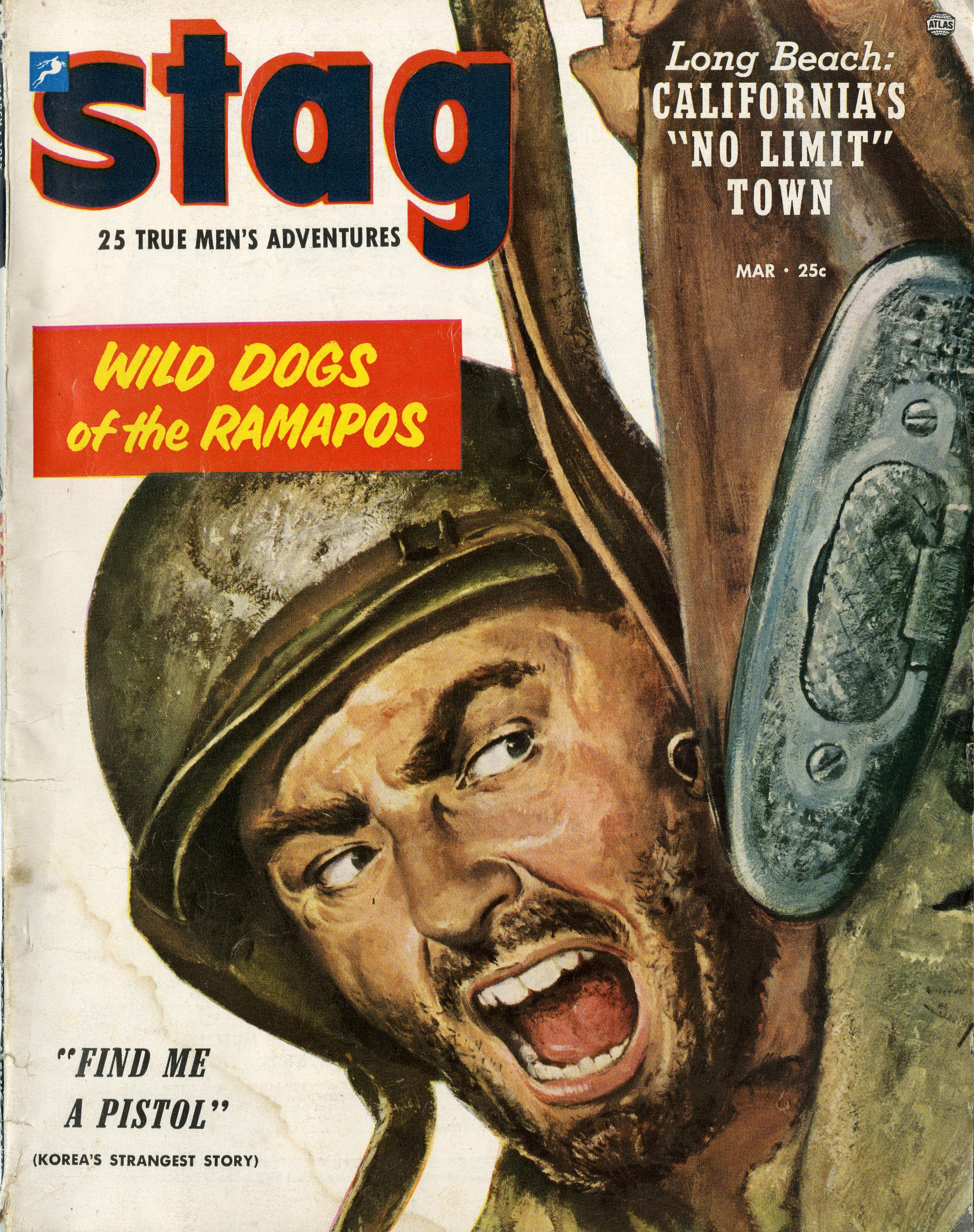
There were various men’s adventure magazines published from the 1930s through around 1960 or so with the name Stag. This version is the second rendition published by Official Magazine Corporation. It appeared on the scene around 1951 and was eventually taken over by Martin Goodman of Marvel Comics fame. The magazine offered “true-life” fiction in an adventurous setting. Oddly enough, Mr. Goodman had threatened fledgling publisher Hugh Hefner with a lawsuit in those days due to a trademark infringement issue of Hef’s up and coming magazine he planned to call Stag Party. No problem, Hefner just changed his title’s name to Playboy and let it roll.

The March 1953 issue of Stag spurred excitement through stories of war and mayhem. From Find Me A Pistol to Wild Dogs of the Ramapos, the magazine was not lacking in adventure and larger-than-life situations that many men would run from. But not our story characters. The content was exceptionally well-written and often had that “true” feeling, which the magazine claimed in its words 25 True Men’s Adventures. Whether they were actually true or not, they were exciting to read.

TALES OF THE SEA
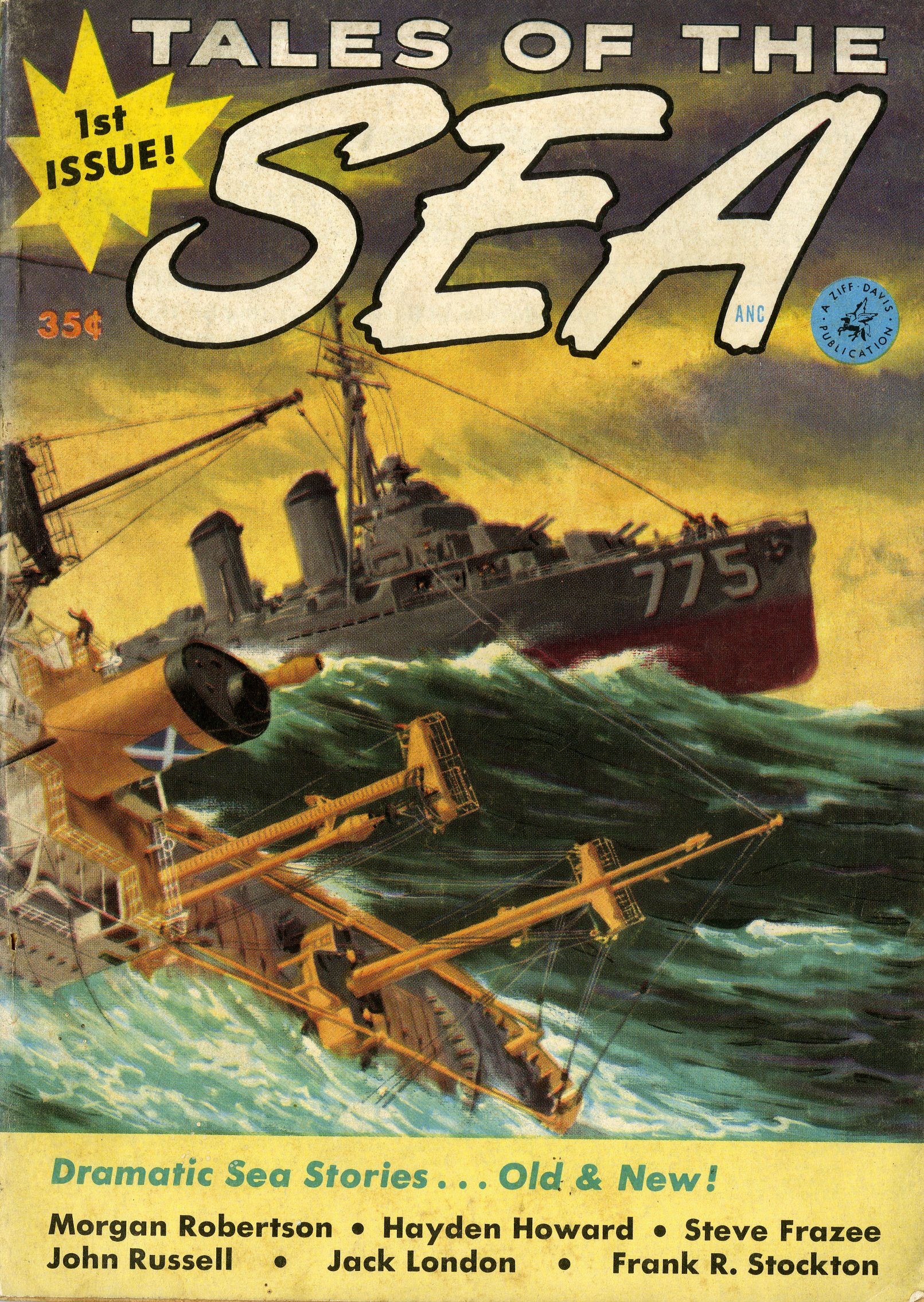
Tales of the Sea was published by Ziff-Davis Publishing Company and fell into the group of men’s adventure fiction that the company published during the early 1950s  along with their comic books. The magazine was a digest-sized title that was published quarterly. The Ziff half of the publishing company, William B. Ziff, had been interested in publishing high-quality magazines with art and photography as their focus, he’d really had no interest in fiction. But his partner Bernard G. Davis had other ideas when they acquired Amazing Stories in 1938. 

The March 1953 issue, which was the very first, featured dramatic sea stories such as The Unsinkable Ship That Sank and Are You A Weekend Sailor. For 35 cents, one could satisfy their need for sea-faring adventure from writers like Nobel Prize winning author Ivan Bunin and his story The Gentleman From San Francisco. In short, it was an admirable first issue.

TEXAS RANGERS
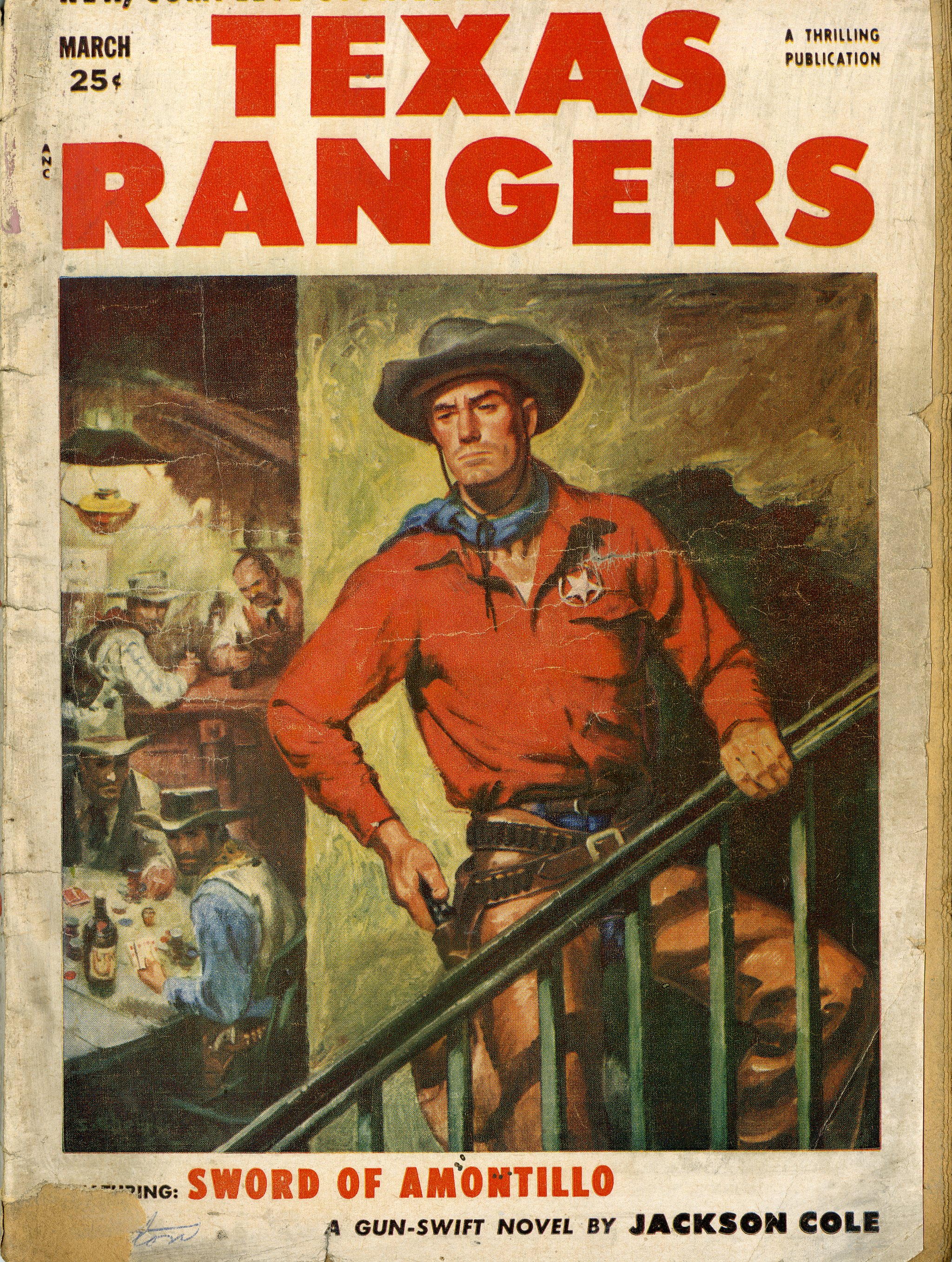
Texas Rangers also belonged to the Thrilling Publications family. It was a title that fit in wonderfully with all their other pulp Westerns, offering fans a glimpse into the exciting world of lawmen in the Wild West. 

The March 1953 issue featured an illustration of a very capable-looking Texas ranger on the cover, hand on the butt of his gun, which was strapped securely around his hips. The magazine offered Sword of Amontillo, which was a gun-swift novel by Jackson Cole, an alias for a number of different Western authors writing for Better Publications, the umbrella that this particular magazine was written under. An interesting time for men’s adventure stories when many different authors wrote under the same pseudonym. 

TEXAS WESTERN
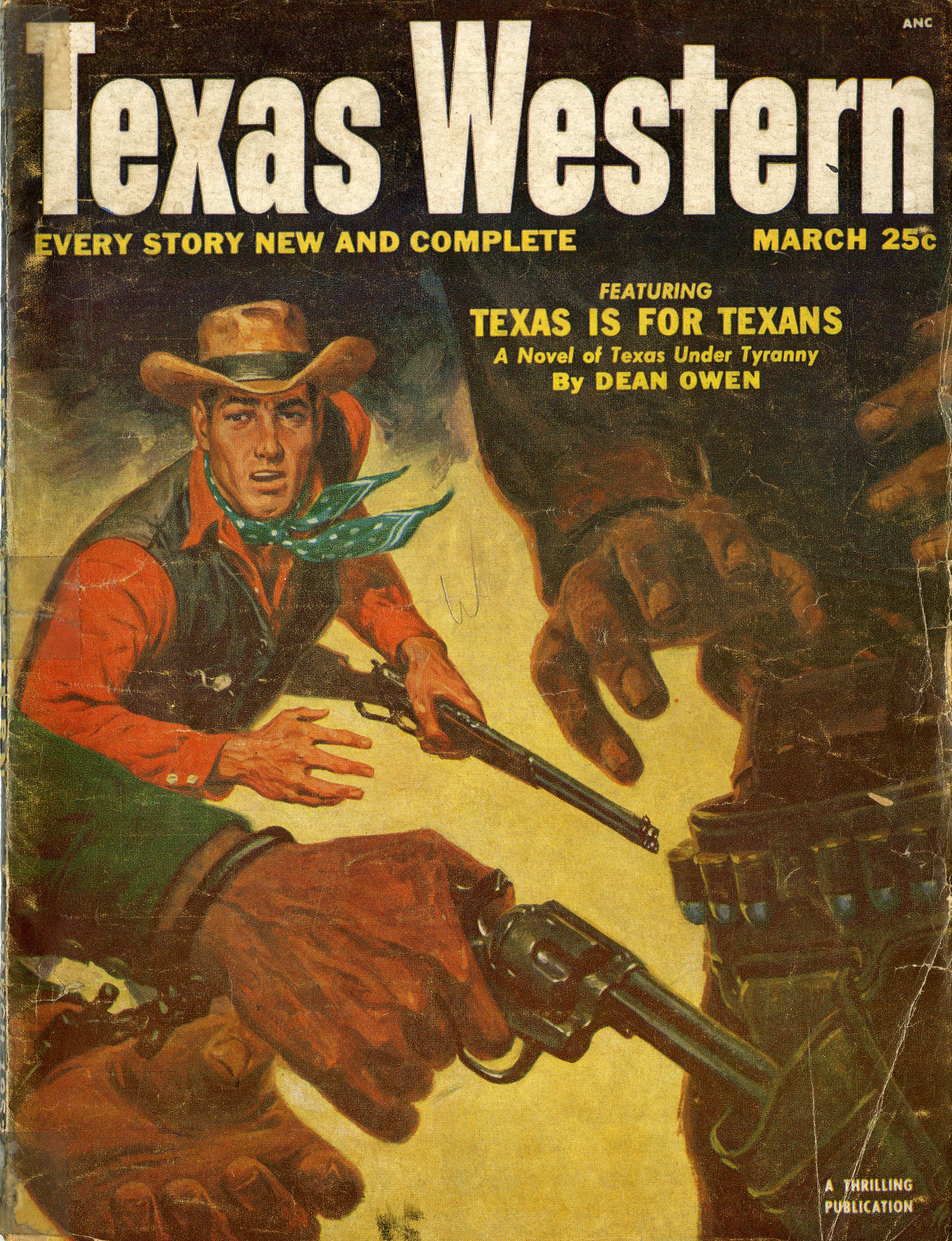
It seemed to be  a given that Thrilling Publications knew what their readers wanted, with another Western title that offered the Wild West, Texas-style. Texas Western magazine had it all: adventure, brave Texans, unlawful activities and the men and women who had to deal with the nefarious creatures wreaking the unlawful havoc. 

The March 1953 issue offered up Texas Is For Texans and many other new and complete stories, as the magazine’s cover promised, to tantalize its readers. Once again, there was minimal advertisement and content that did not apologize for being formulaic. It definitely made the cut. 

Stay tuned for more Men’s Adventures magazines of March 1953
h1

Men’s Adventures Magazines 1953: The Magazines And I. Chapter 10 Part 2.

July 15, 2021

Men’s Adventures Magazines … is the 10th chapter from the serialized book I am writing on the magazines of 1953, specifically March 1953, the month I was born.  This is chapter ten, part two.  Feel free to back track for chapters one, two, three, four, five, six, seven, eight, and nine in previous blogs.  Enjoy.

CLASSICS ILLUSTRATED

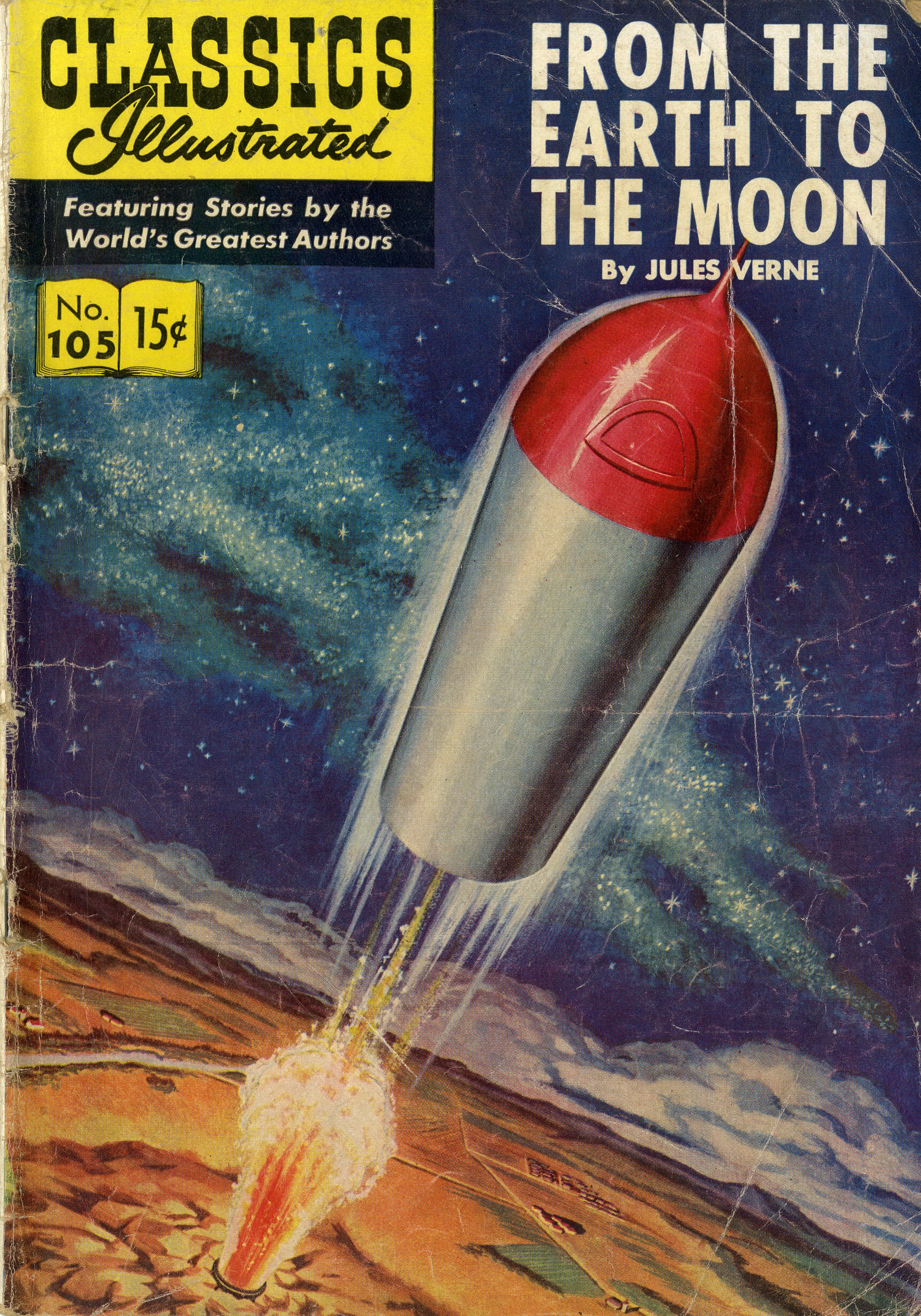
Classics Illustrated was a comic book/magazine series that proclaimed “Stories By The World’s Greatest Authors” and was created by Albert Kanter. Known for its adaptations of literary classics such as Les MiserablesMoby-DickHamlet, and The Iliad, the magazine evolved many times over throughout its lifespan, which ran from 1941 to 1969. The magazine started out as Classic Comics, but changed its name to Classics Illustrated in 1947 and became more standardized in the 1950s. 

The March 1953 issue features a very ferocious-looking tiger on its cover with the cover line Bring ‘Em Back Alive above the animal’s head. The cover art was effective and the stories within did not disappoint: Giant Jungle Man, Two Rhinos and Elephant Temper to name a few. The comic book magazine took readers on a wild adventure that many probably thought they might not return from. 

EXCITING WESTERN

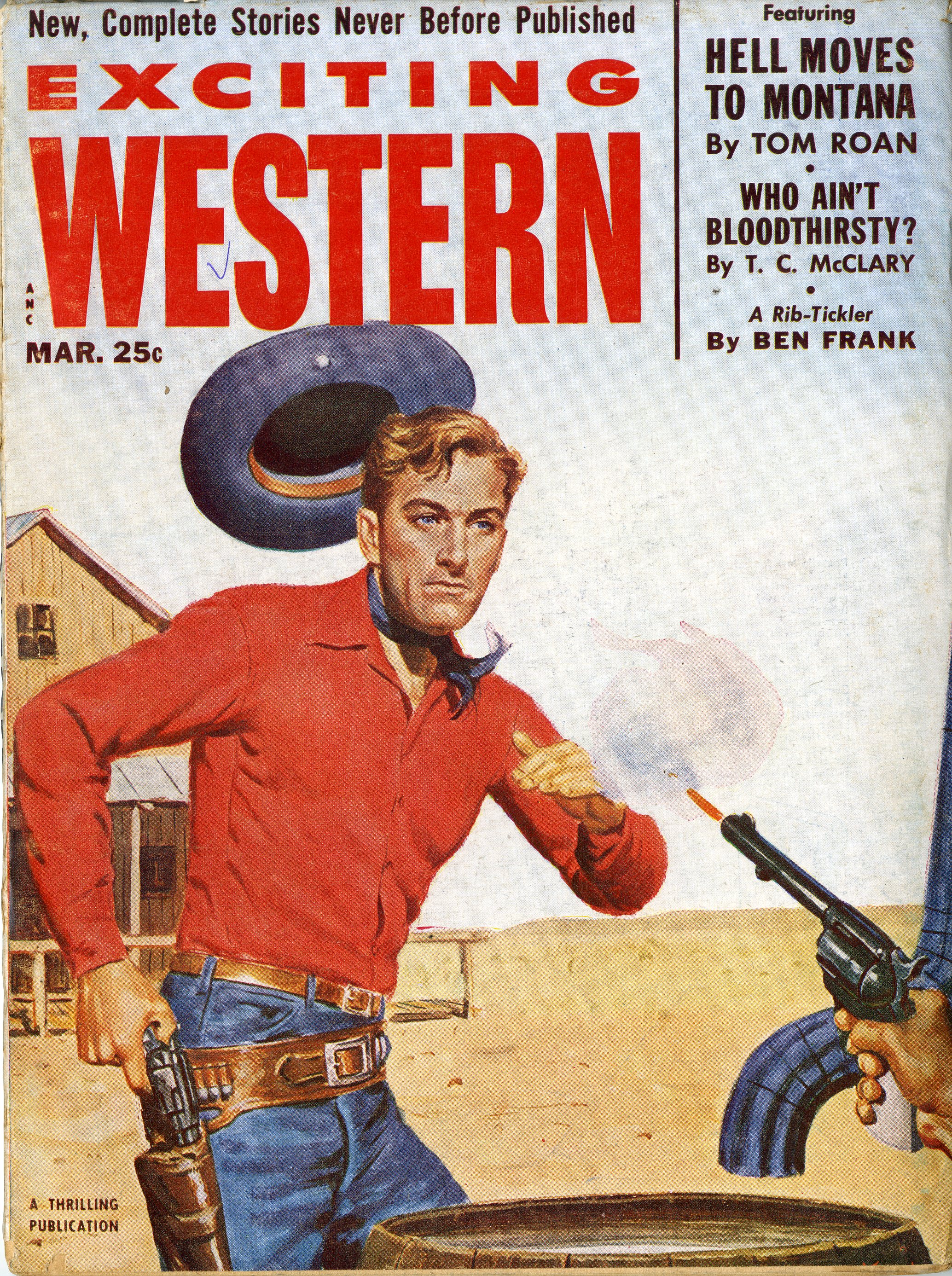
This magazine was published by Thrilling Publications, also known as Beacon Magazines (1936–37), Better Publications (1937–43) and Standard Magazines (1943–55) and was operated by Ned Pines, who was known for publishing many pulp titles. Between Pines and a young man named Leo Margulies, they came up with what became known as the “Thrilling Group” of which Exciting Western was a part. 

In March 1953, the magazine showcased stories such as Hell Moved To Montana and Who Ain’t Bloodthirsty? The cover art was apropos of the stories and inside the pages was minimal advertising and offered over 100 pages of adventurous content. It was a very good read.

IMPACT

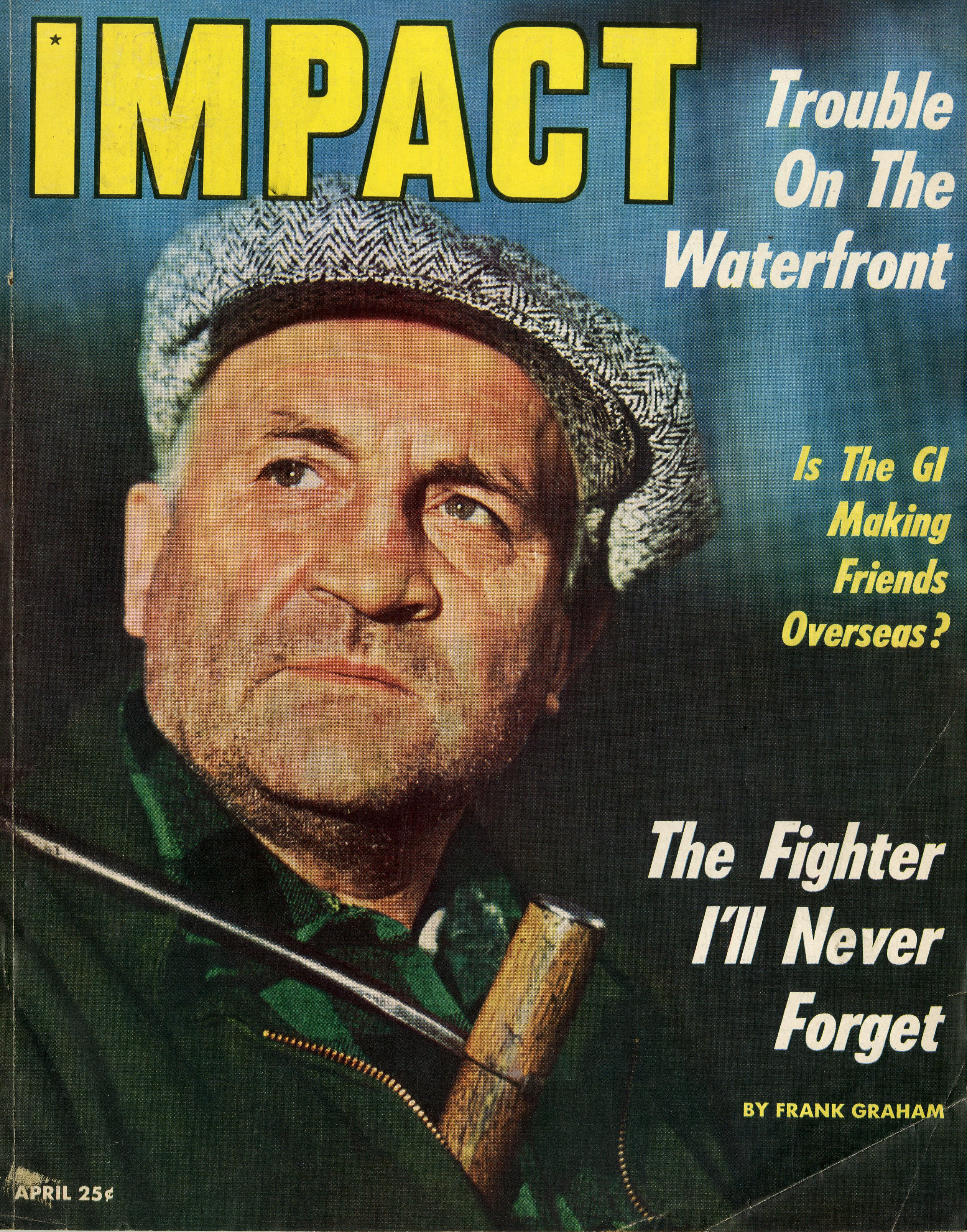
Macfadden Publications brought this magazine to life. It was one among many titles in Bernarr Macfadden’s publishing empire of Physical CultureTrue DetectiveTrue Romances, Dream World, True Ghost Stories, Photoplay and the tabloidNew York Graphic, along with True Story. The magazine was touted as the title for “He-Men,” a read for men who liked their reading rough and ready, tough and tense, powerful and provocative. Macfadden was nothing if not original. 

The March/April 1953 issue was jam-packed with fast-paced adventure and spine-tingling thrills – the publication’s description, not exactly mine. However, I would agree that the stories were both entertaining and heady, in an intriguing way. There were great images inside the covers of the magazine of both men and a few scantily-clad ladies. But even without all the hype, the magazine was a good read. 

MAX BRAND’S WESTERN MAGAZINE

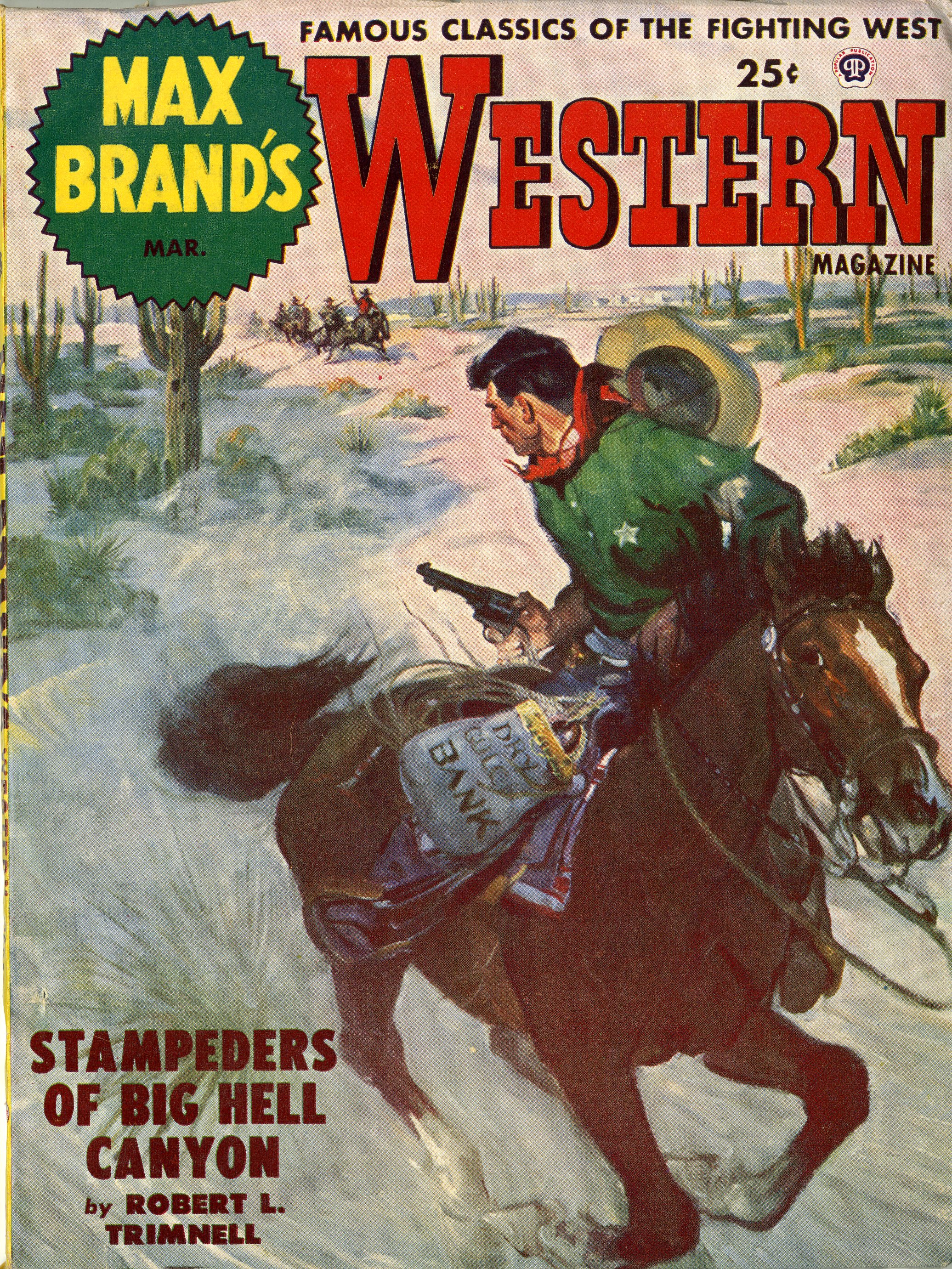
Popular Publications was at it again when they “branded” a Western title with the “King of Action Western’s” moniker across the top of the magazine’s cover. It was then that Max Brand’s Western Magazine was born. With one of the most successful Western pseudonyms ever created, “Max Brand” who was really Frederick Schiller Faust, became a household name in the world of Western fiction. And Popular Publications made good use of that.

The March 1953 issue did the man justice. Stampeders of Big Hell Canyon was the cover story and had the illustration to match. The magazine touted itself as a producer of Famous Classics Of The Fighting West. And with Mr. Brand’s renowned  moniker attached, the magazine was a sure-fire success. In March 1953, everyone was happy with the content.

NEW WESTERN MAGAZINE

New Western Magazine also belonged to Popular Publications and offered the same type of Wild West content. The magazine fell into step beside its many counterparts and rolled with the powerful punches this genre tended to dole out to its competition. During the 1950s, Western adventure had many players on the frontier, so it was always a constant battle to stay at the head of the herd.

March 1953 saw an issue that was both familiar and different, in that the stories seemed to be more diverse, yet within the Western formula that was so successful at the time. From The Rider From Wind River to Blind Canyon Manhunt, the bimonthly magazine brought another Western dish to the table.

More Men’s Adventures magazines of 1953 to come… stay tuned….

h1

Men’s Adventures Magazines 1953: The Magazines And I. Chapter 10 Part 1.

July 13, 2021

Men’s Adventures Magazines … is the 10th chapter from the serialized book I am writing on the magazines of 1953, specifically March 1953, the month I was born.  This is chapter ten, part one.  Feel free to back track for chapters one, two, three, four, five, six, seven, eight, and nine in previous blogs.  Enjoy.

From exotic jungle locales to wartime feats of derring-do, with a bevy of pin-up beauties thrown in for good measure, men’s adventure was a genre of magazines that reigned supreme during the 1950s era. 

Western publications that were many times called “Dime Western Magazines” figured into the men’s adventure equation with an impact that cannot be denied. From Zane Grey to Max Brand, these magazines were looped into the “pulp” category, but not so much so that they didn’t do their due diligence when it came to success and magnitude of performance. And how could they miss with the heavy weight of popularity their namesakes brought the titles. Zane Grey is known as the father of the modern American western novel, after all and Max Brand is no less notable.

Looking at these adventure titles that were aimed at men and often offered wild animal conflicts in the far-flung jungles of  some unknown land or the explosive backdrop of a world at war, these publications brought many male readers (and dare I say, female readers as well?) many hours of great escape and dreams of daring exploits. 

Let’s take a look at these larger-than-life adventure magazines that could transport us from lands ravaged with war to dangerous jungle environments that no mere mortal man could survive to the thrilling ranches of the West where romance and danger lived forevermore.

44 WESTERN MAGAZINE

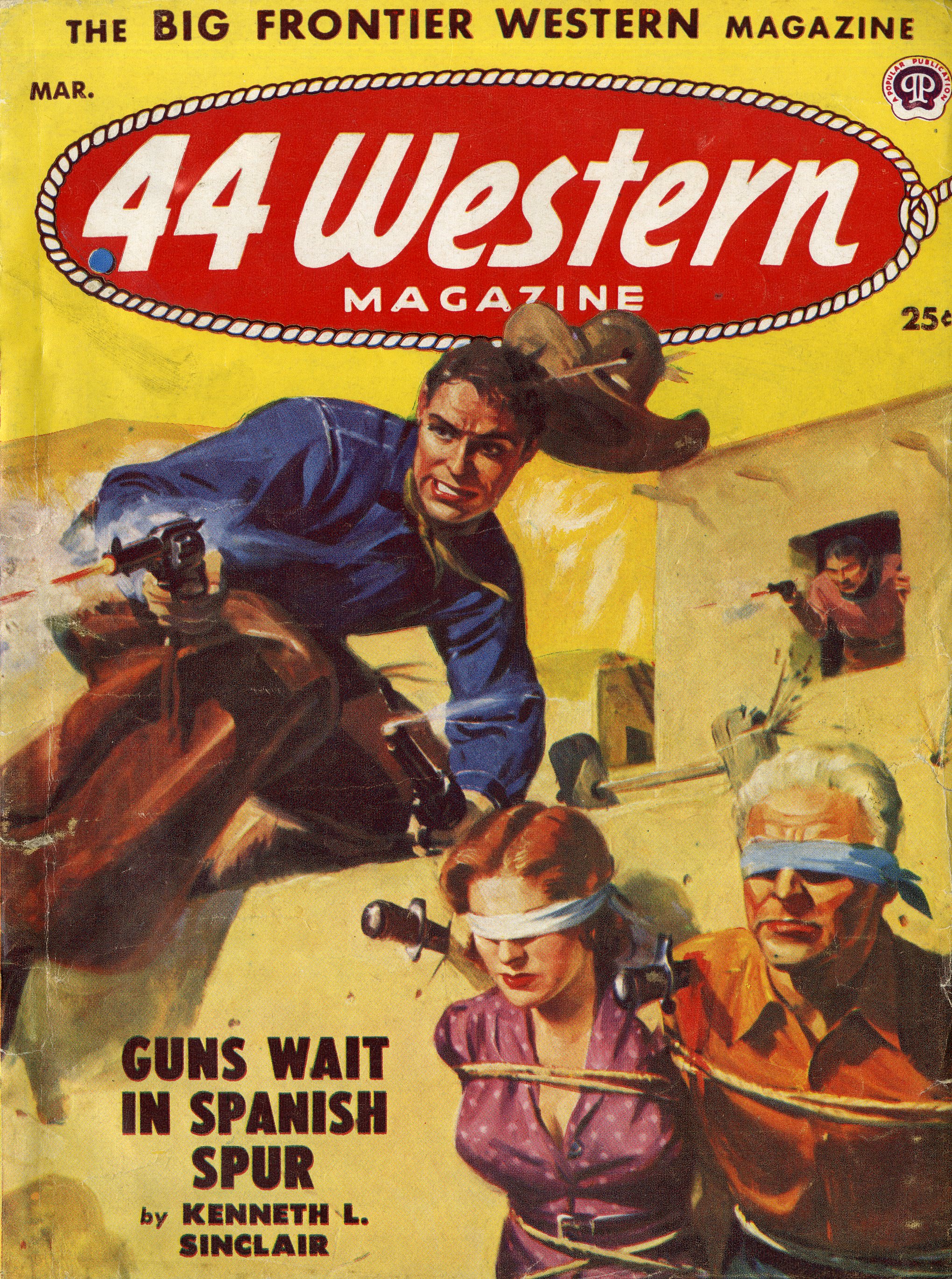
Published by popular Publications, which was a mass producer of pulp titles, 44 Western Magazine was touted as The Big Frontier Western Magazine. Popular Publications was formed in 1930 by Henry “Harry” Steeger during the Great Depression, when escape fiction was at an all-time high. The magazine was a bimonthly that definitely provided an adventurous escape. 

The March 1953 edition was filled with novelettes that lived up to the big frontier theme, with titles like Guns Wait In Spanish Spur,  Stage To Buckhorn, and Hunted Lawman. There was only a modicum of advertisement in the magazine, so for the most part it was strictly content. And content that was sure to enthrall and entertain even the staunchest of Western title fans.

ACTION

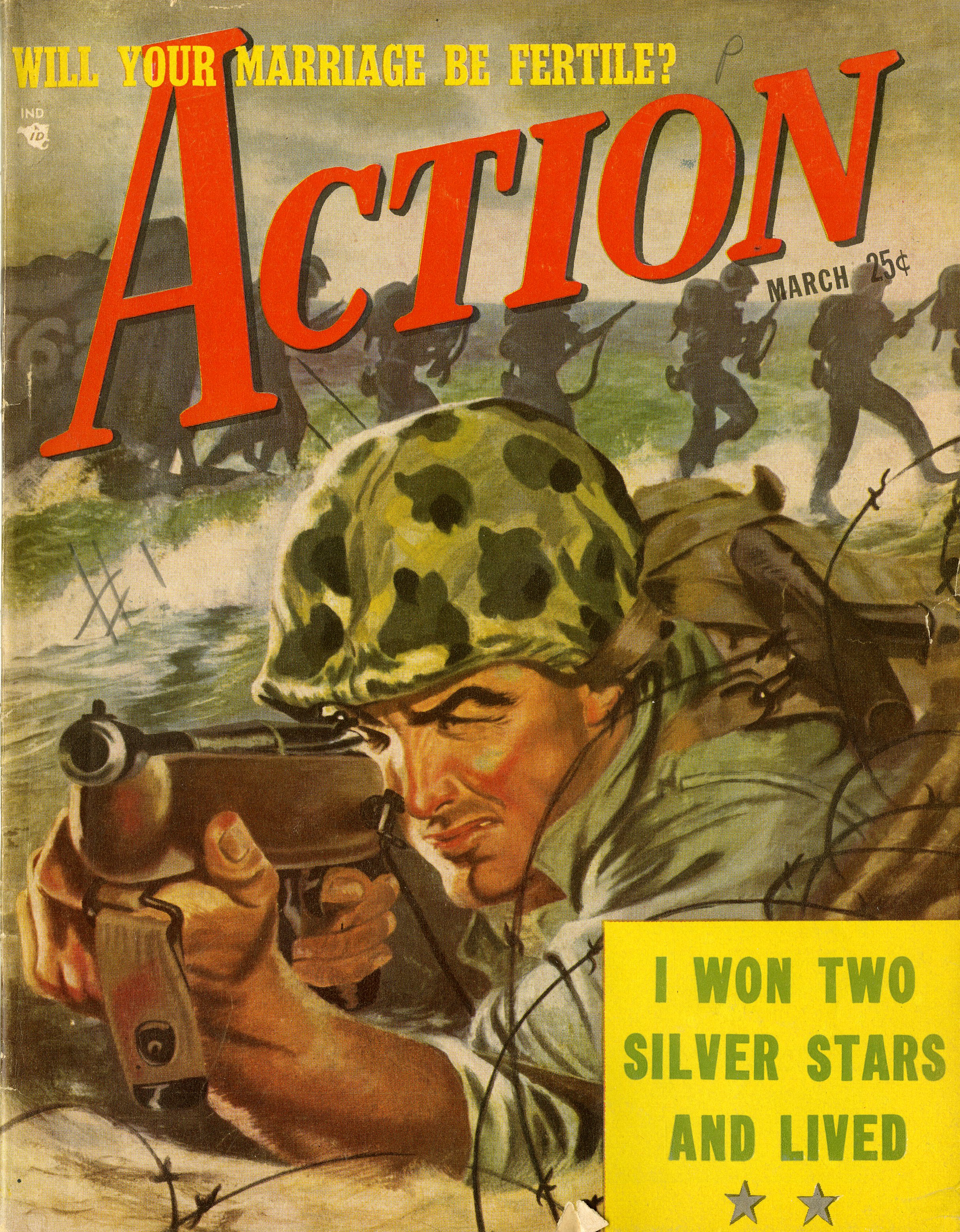
The magazine was published by Picture Magazines Inc. and was a title that strove to live up to its name. It was action personified with stories of “true adventure,” exposés, and sports in action, but also articles and features that offered a strong viewpoint and voice. 

The March 1953 issue had features such as The World’s Strongest Bartender and an article on the Male Body, buffered with action stories like The Flag of the Stonewall Brigade and Payoff On Horror Hill. The March 1953 issue was Vol. 1, No. 1, so its premier was a definite attention-grabber.

ADVENTURE MAGAZINE

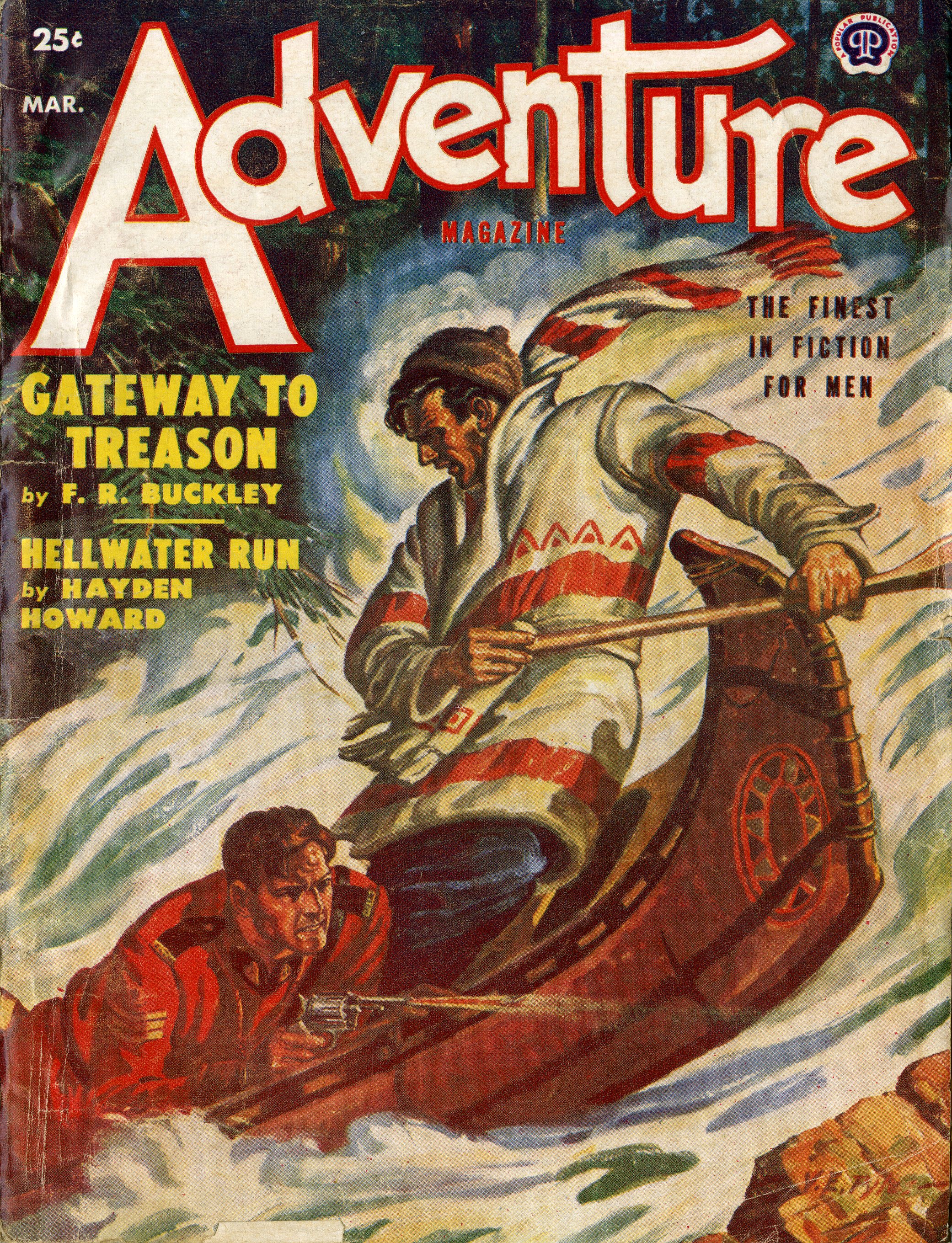
After it was purchased from the Butterick Publishing Company by Popular Publications, Adventure Magazine became one of the most profitable and acclaimed of all the pulp fiction magazines. It drew the reader into a world of larger-than-life adventure and just refused to let them leave. And why would they want to? The magazine shouted to the world that it was the finest in fiction for men. 

The March 1953 issue did not disappoint when it came to that wild adventure theme. Hellwater Run by Hayden Howard was one of the cover line stories and the illustration on the cover matched the title vividly as a wild wave of oceanic proportions had two men fighting it valiantly in a small canoe. An absolutely great read.

BEST WESTERN

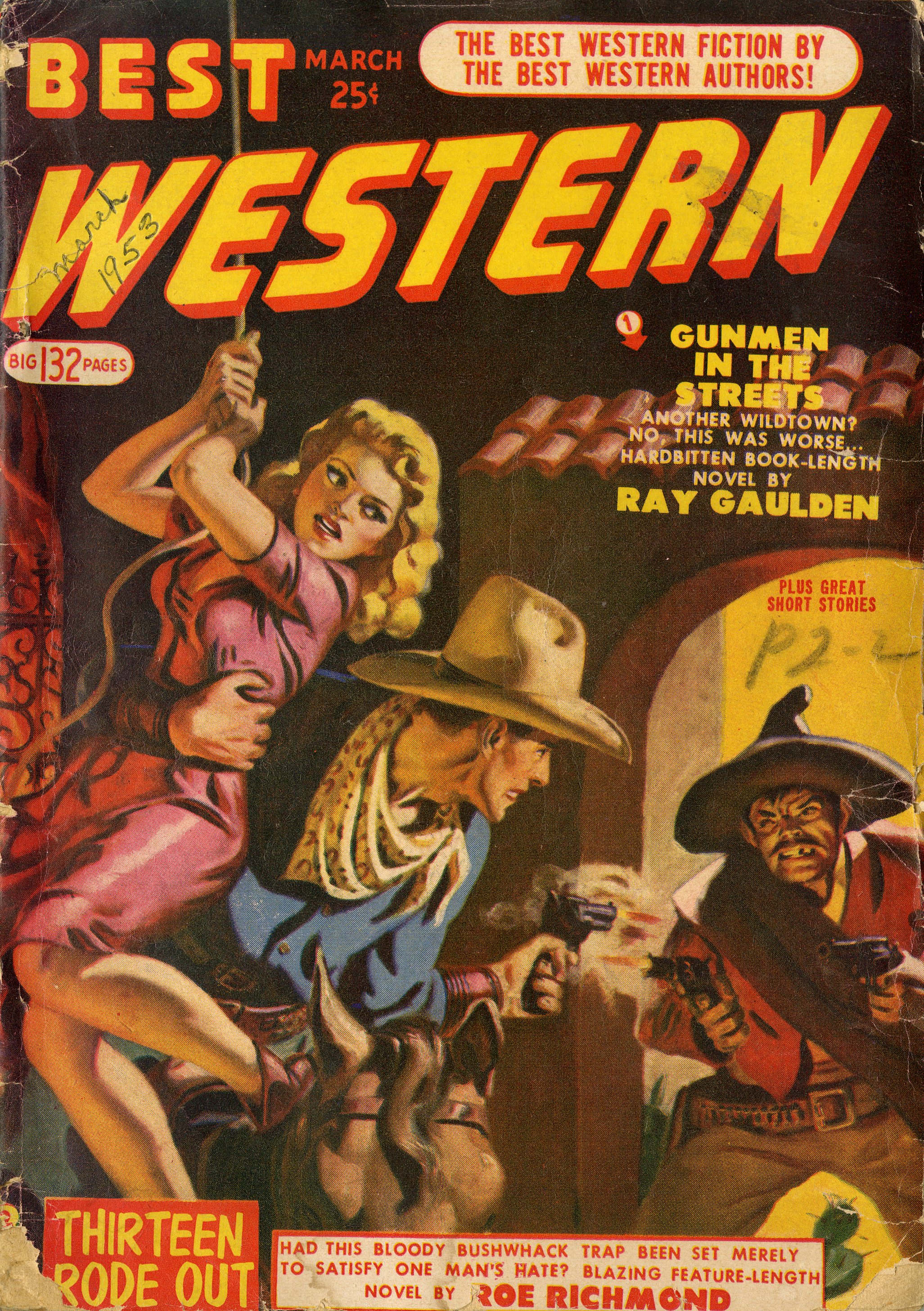
Best Western magazine was a part of Martin Goodman’s plethora of titles. Goodman launched the company that would eventually become Marvel Comics. Goodman’s strategy was to use several different names while publishing whatever genre he deemed popular at the time. Best Western was published under the Stadium Publishing Corporation umbrella. 

With the popularity of western adventure in the 1950s, Goodman saw success waiting to happen and began a stable of western titles, such as Five Western NovelsGunsmoke Western and many others including Best Western

The March 1953 edition held to the traditional, with a cowboy/beautiful woman on its cover, and stories such as Gunmen In The Streets and Thirteen Rode Out. The tales were compelling for the western fan and filled with just enough romance and adventure to balance the stories out.

BIG-BOOK WESTERN MAGAZINE

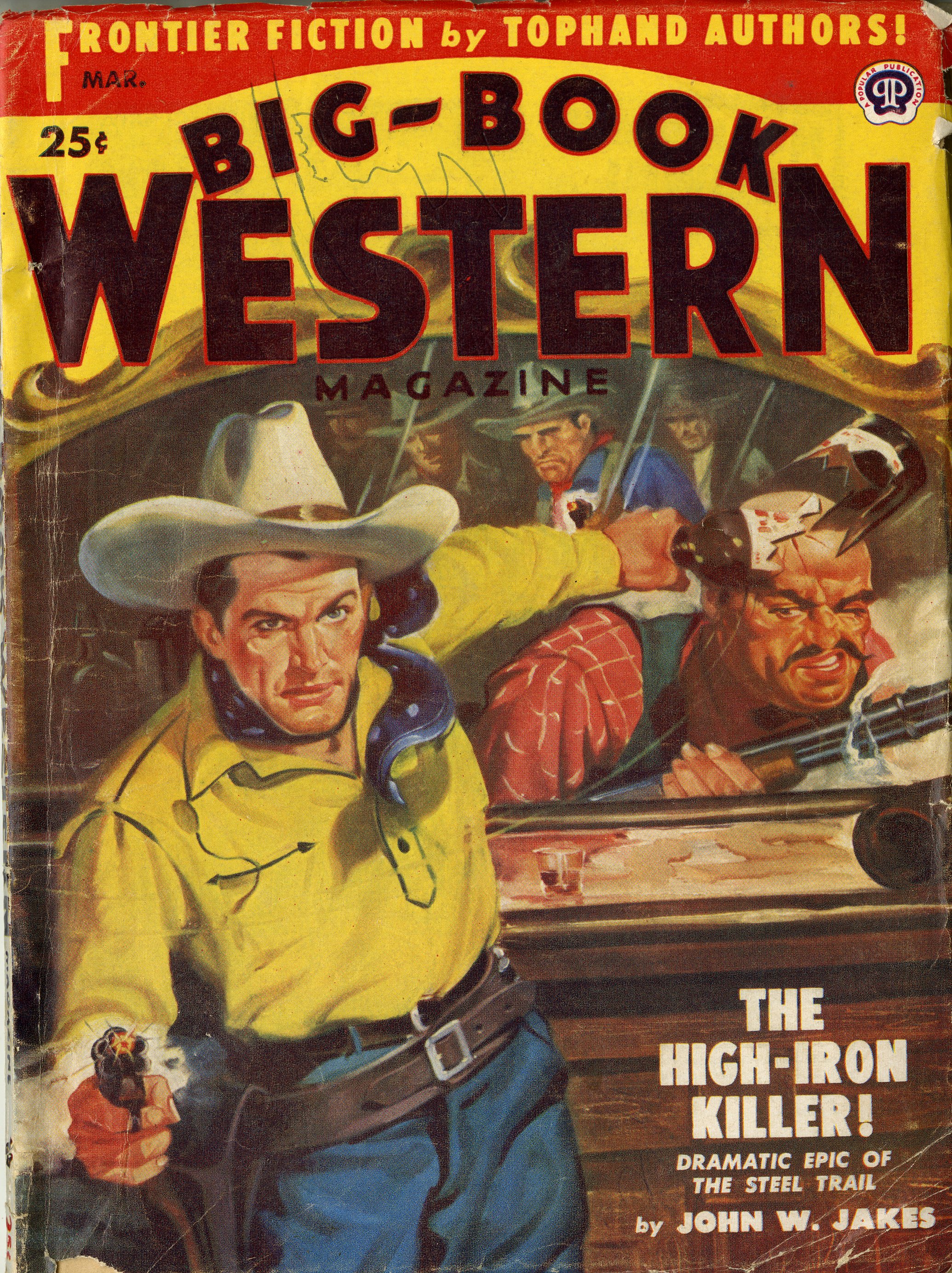
Another title by Popular Publications, Big-Book Western Magazine was one among many western adventures that the company published. 

The March 1953 edition featured the cover story called The High-Iron Killer, a dramatic epic of the Steel Train. And the illustrated cover complemented that title. The magazine had over 100 pages, giving it that “big-book” feel and proclaimed Frontier Fiction by Tophand Authors! 

To be continued…

h1

Love And Romance: The Magazines And I. Chapter 9, Part 2.

July 5, 2021

Love and Romance Magazines … is the 9th chapter from the serialized book I am writing on the magazines of 1953, specifically March 1953, the month I was born.  This is chapter nine, part two.  Feel free to back track for chapters one, two, three, four, five, six, seven, and eight in previous blogs.  Enjoy.

PERSONAL ROMANCES

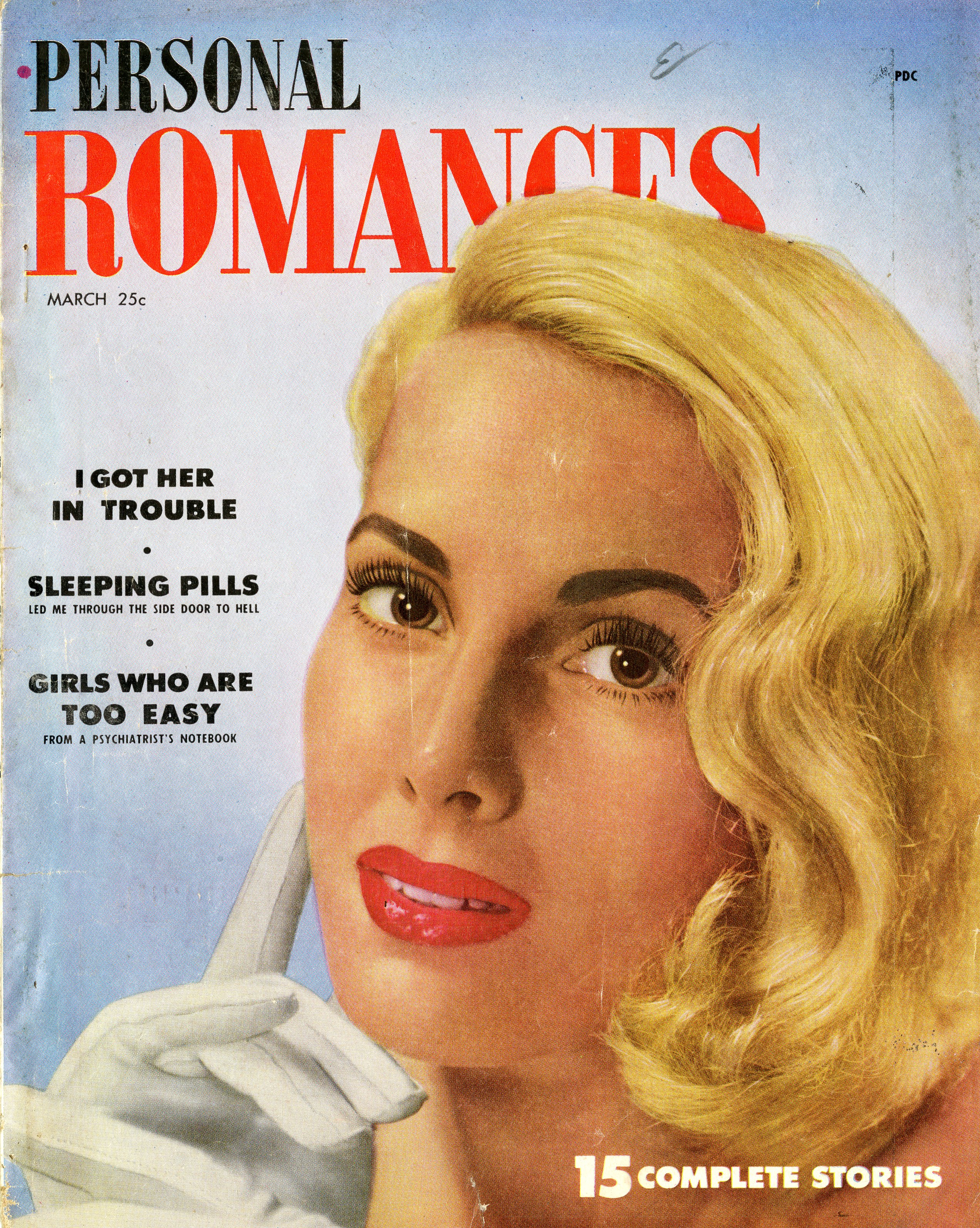
Published by Ideal Publishing Corp., a very lucrative smaller publisher that loved pulp magazines, Personal Romancesactually began as Personal Adventure, which in turn had begun as Personal Adventure Stories. Publisher William Cotton made it a slick replica of another one of his titles Movie Life. The magazine was somewhat thin for a Love Confessions pulp, but it served the purpose with tantalizing stories of love, lust and mayhem.

The March 1953 issue promised us stories on Girls Who Are Too Easy and I Got Her In Trouble. There was even a homemaking section that taught us how to make a perfect spaghetti dinner. And the ads were plentiful. In short, it did what any good pulp romance should do: it got women reading the stories. 

RANCH ROMANCES

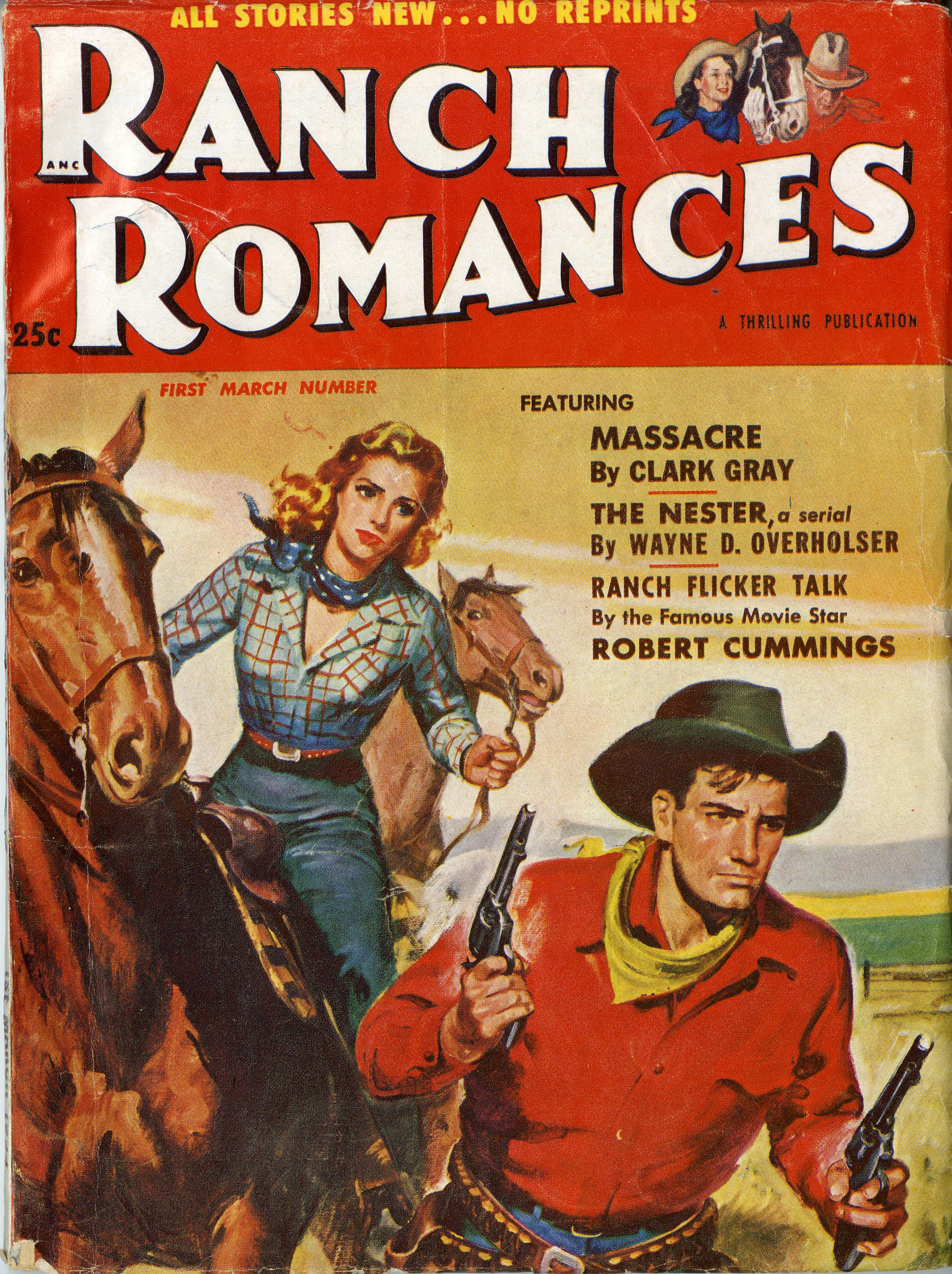
Ranch Romances was the last of the original pulps. It was really the most successful titles of the western romance pulp magazines, with a 47-year run and 860 issues published between 1924 and 1971. Fanny Ellsworth edited the title for half its existence and it had three different publishers from 1929 to 1953. Warner Publications took over Ranch Romances in late 1933. It shrank to a 7-by-10, trimmed-edge format in its final decade, but never became a digest.

The March 1953 issue had stories, novels, serials and regular departments, such as Trail Dust and Out of the Chutes. It was a love story magazine with a western backdrop that women (and dare I say, men too) loved to read. 

RANGELAND ROMANCES

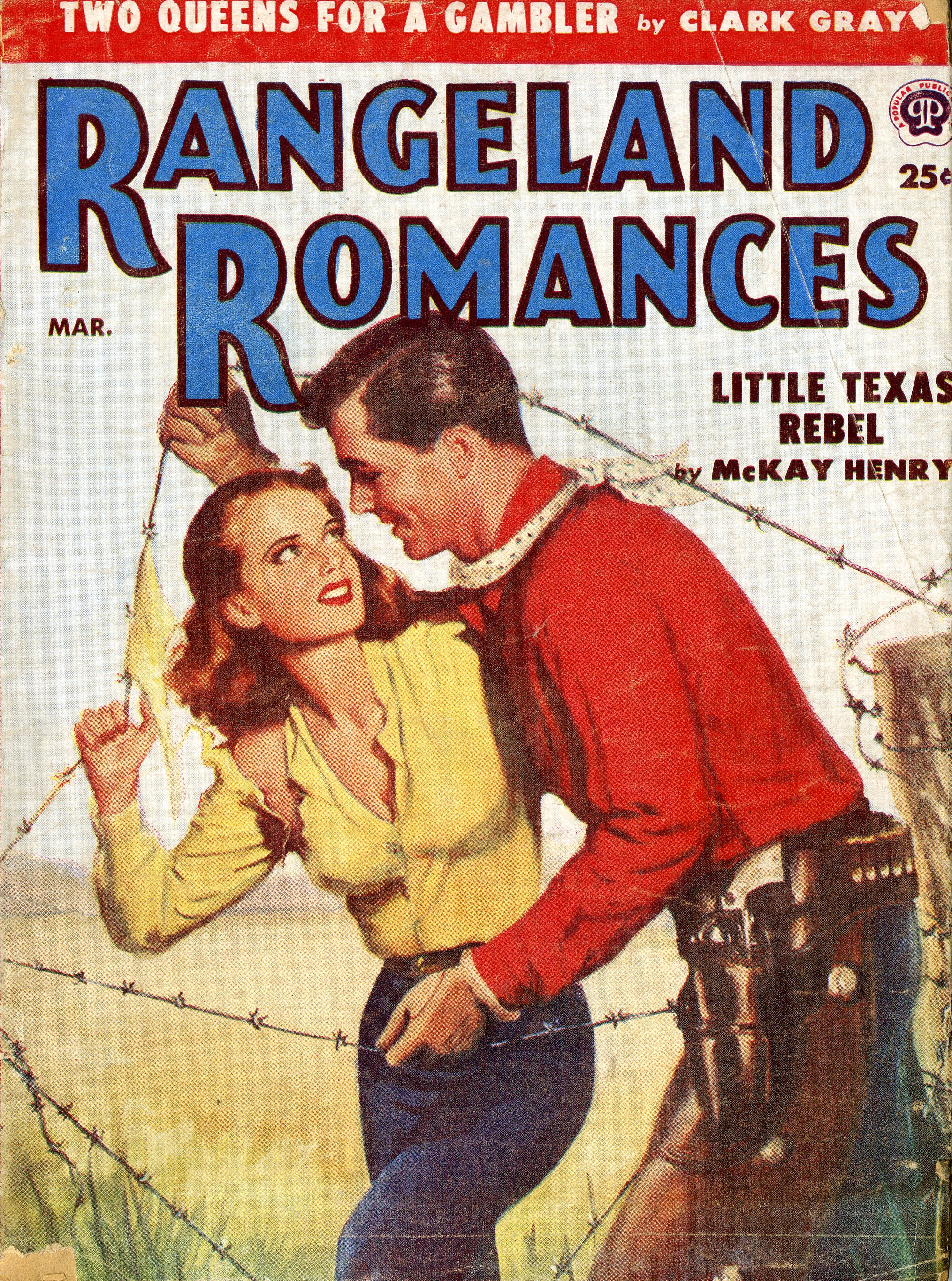
Another Popular Publications title, Rangeland Romances was its first and longest running title in the western romance pulp genre. It was their main title, even though they launched many others. And it was very successful.

The March 1953 issue had stories like Two Queens for a Gambler and Little Texas Rebel. It was light on advertisements and heavy on western love and commitment, with over 100 pages of content. 

REAL ROMANCES

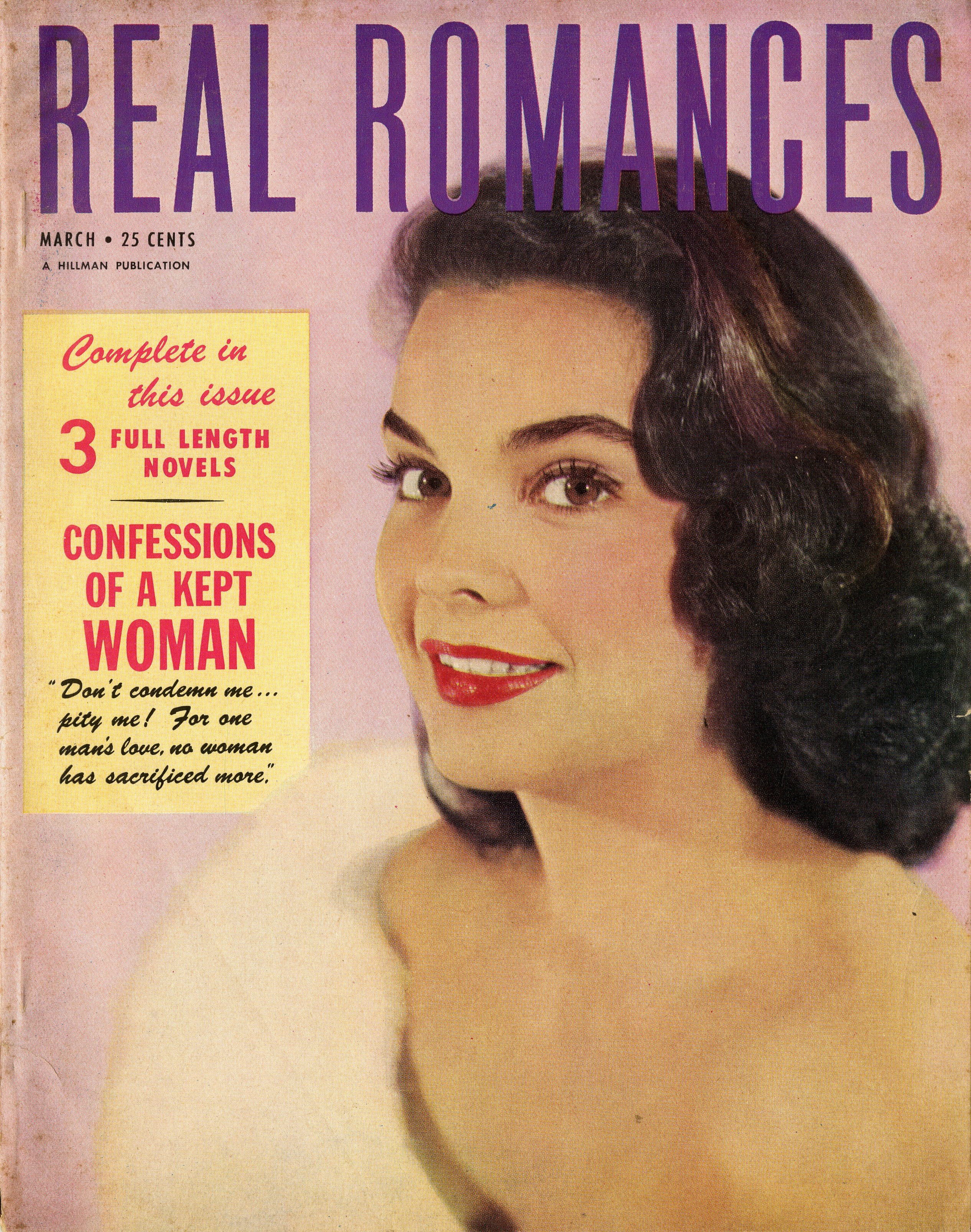
Real Romances was a Hillman Periodicals publication and the first of the company’s dive into “love pulps.” In fact, Alex Hillman was one of the biggest and longest lasting publishers in the field. By calling this title “Real,” Hillman followed the same path that he had with Real

Detective and Real Story and seemed to lay down the gauntlet to other pulp publishers that his magazines were the real deal, so to speak.

The March 1953 issue featured three complete full length novels: Love Is Not Enough, Invitation To Sin, and Man-Huntress. From the titles of the novels, I’m sure you’re seeing a pattern here for love pulp magazines, but if it ain’t broke, you shouldn’t fix it, and these magazines were definitely not broken. Monthly sales were through the roof and women all across America were scooping them off the stands, especially in March 1953. 

YOUNG ROMANCE

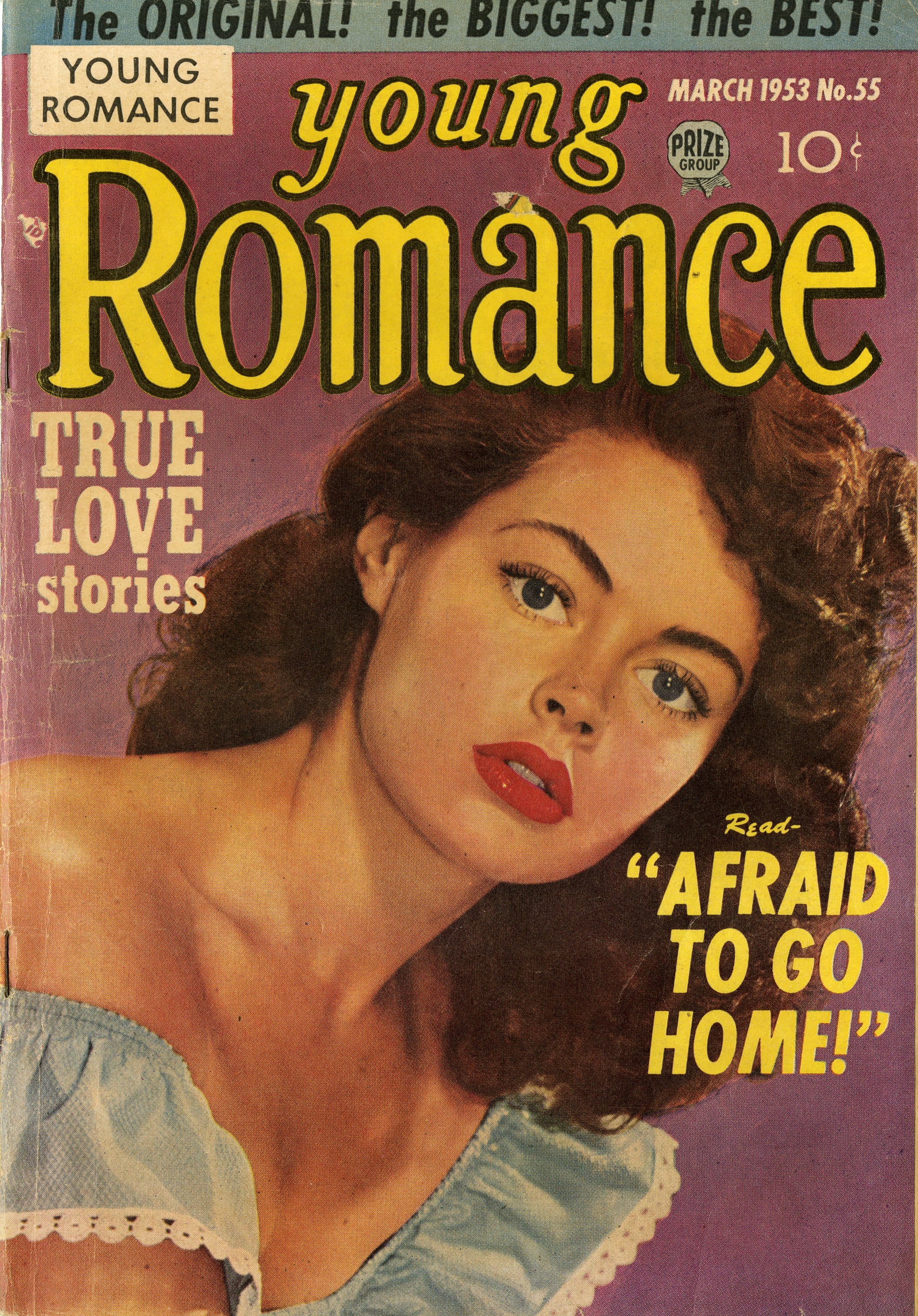
Young Romance was launched in fall 1947 and was told from a first-person perspective. The romantic comic book series was created by Joe Simon and Jack Kirby for the Crestwood Publications imprint, Prize Comics and is considered the first romance comic. It ran for 124 consecutive issues and then 84 more after Crestwood stopped producing comics and DC Comics took it over. It was an instantaneous hit after the first publication, and within the first two years Crestwood was capitalizing on its success by churning out companion titles.

The March 1953 issue was number 55 in the series and featured the Afraid To Go Home, Heartless, and Tell It To The Judge segments. It was artful and creative and had very few ads, just page after page of comic book story with enough romance to fill any young woman’s heart. 

Up next: Chapter 10 Men’s Adventure Magazines… coming soon.

h1

Love And Romance: The Magazines And I. Chapter 9, Part 1.

June 27, 2021

Love and Romance Magazines … is the 9th chapter from the serialized book I am writing on the magazines of 1953, specifically March 1953, the month I was born.  This is chapter nine, part one.  Feel free to back track for chapters one, two, three, four, five, six, seven, and eight in previous blogs.  Enjoy.

Pulp fiction was more than a movie starring John Travolta. It was a breed of magazines that crashed like an inexpensive swell through a variety of categories in the 20th century. From science fiction to adventure to romance, pulp magazines were a force to be reckoned with during the 1940s and 1950s.  

In this chapter, we examine the romance genre of pulp magazines. The inexplicable covers that promised desire, tears, and love, all rolled up into one issue. These titles were the successors of dime novels and short fiction of the 19th century. 

The term “pulp” came from the cheap wood pulp paper that the magazines were printed from. Often they had ragged and untrimmed edges and were in direct contrast to the higher-quality, glossy-type magazines of the same eras.  

But the heartbeat of pulp romance magazines were the many respected writers who wrote for them during their heyday. The most successful of the pulps could sell up to one million copies per issue and were very affordable reads during times of economic hardships, such as during the Great Depression. 

Romance in its many forms was indeed a pulp magazine staple. Pulp publishers were constantly trying to reinvent the wheel by specializing and grafting different genres and types of romantic fiction for their inventory. From the Western Romance to the Modern Romances, love was definitely in the air of pulp.

Let’s take a look at some “pulp” love from March 1953, shall we?

FIFTEEN LOVE STORIES

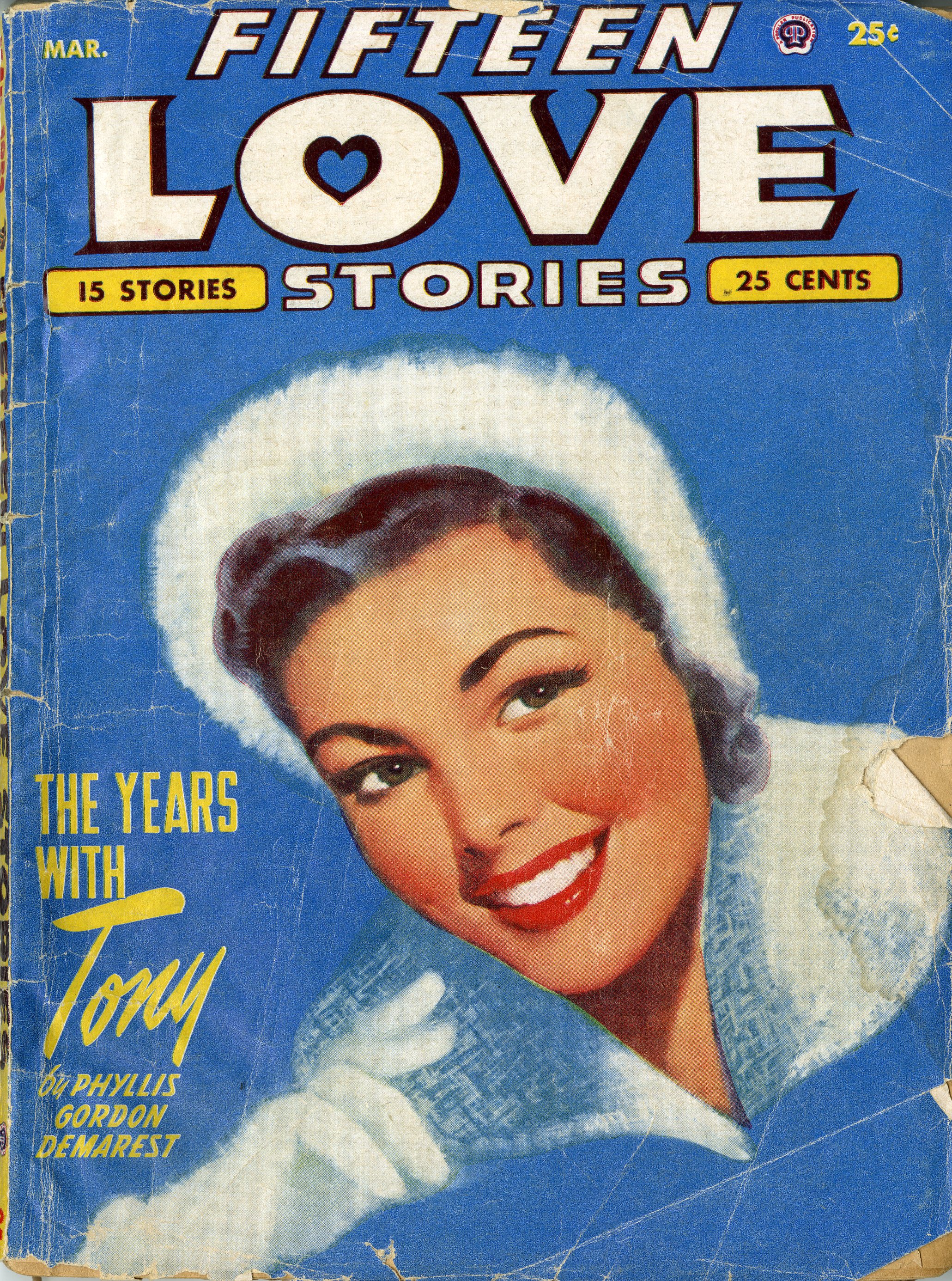
Popular Publications, the publisher of Fifteen Love Stories, was one of the largest publishers of pulp magazines, having 42 different titles in its repertoire at one point. The company was founded by Henry “Harry” Steeger during the Great Depression. Steeger was a smart businessman and knew that the times called for a bit of escapism and there was money to be made, so he began pumping out pulp fiction fast and furiously. Fifteen Love Stories was one of those moneymakers. 

The March 1953 magazine was filled with just that, novels and short stories on love, with tips on romance and cosmetic cues from some experts. It was non-stop love escapism, fringed with designs on romance and other Cupid-related topics. 

LOVE BOOK MAGAZINE

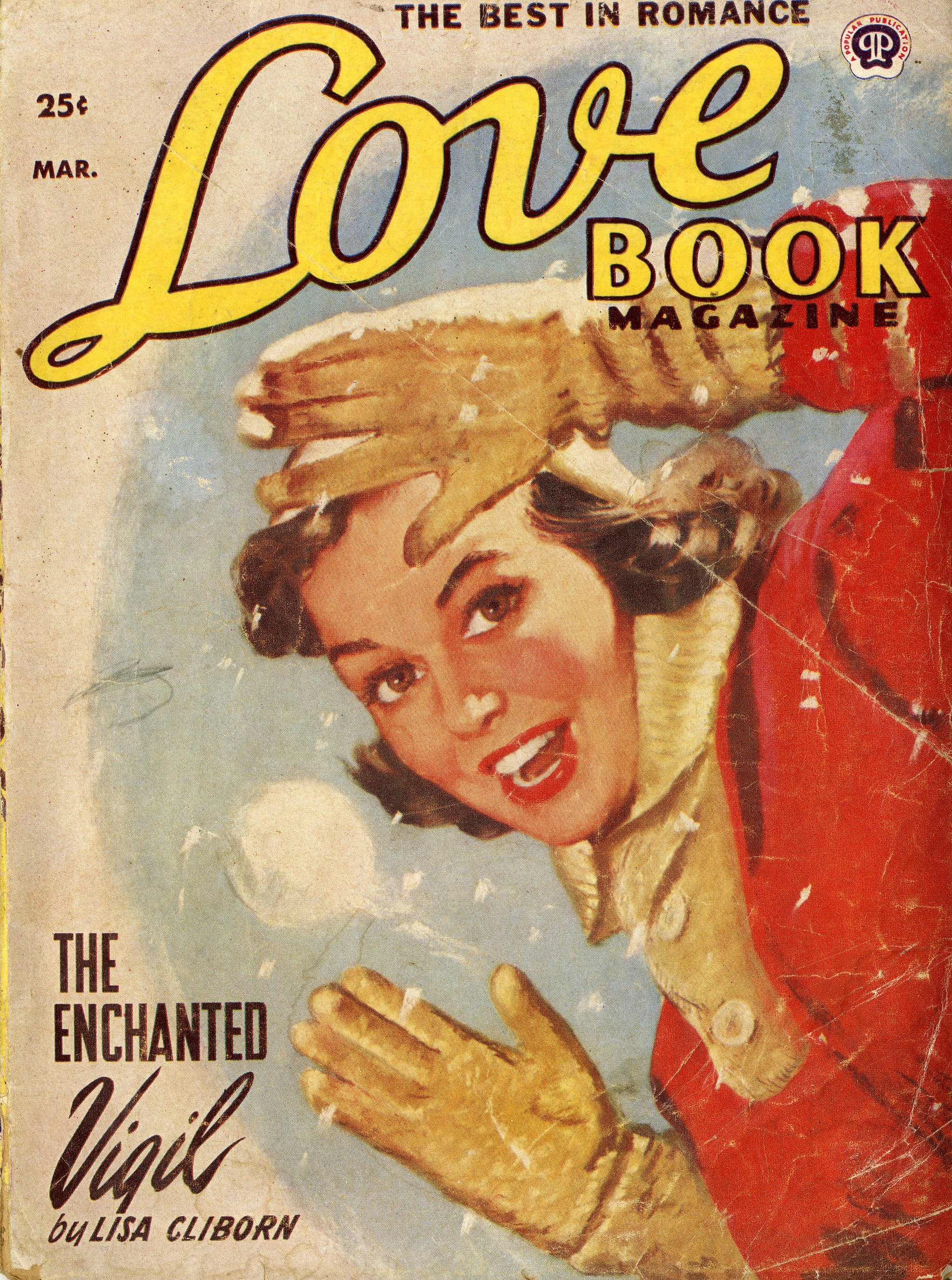
Love Book Magazine was another Popular Publications title and continued the pulp love trend admirably. It had love stories and features that brought women into the world of romance in a special way, showing them that when love was involved, anything was possible.

The March 1953 issue had seven complete love stories along with feature departments such as Beau Catcher and Pen Pals. It was page after page of content that had very little advertisements and a whole lot of love.

MODERN ROMANCES

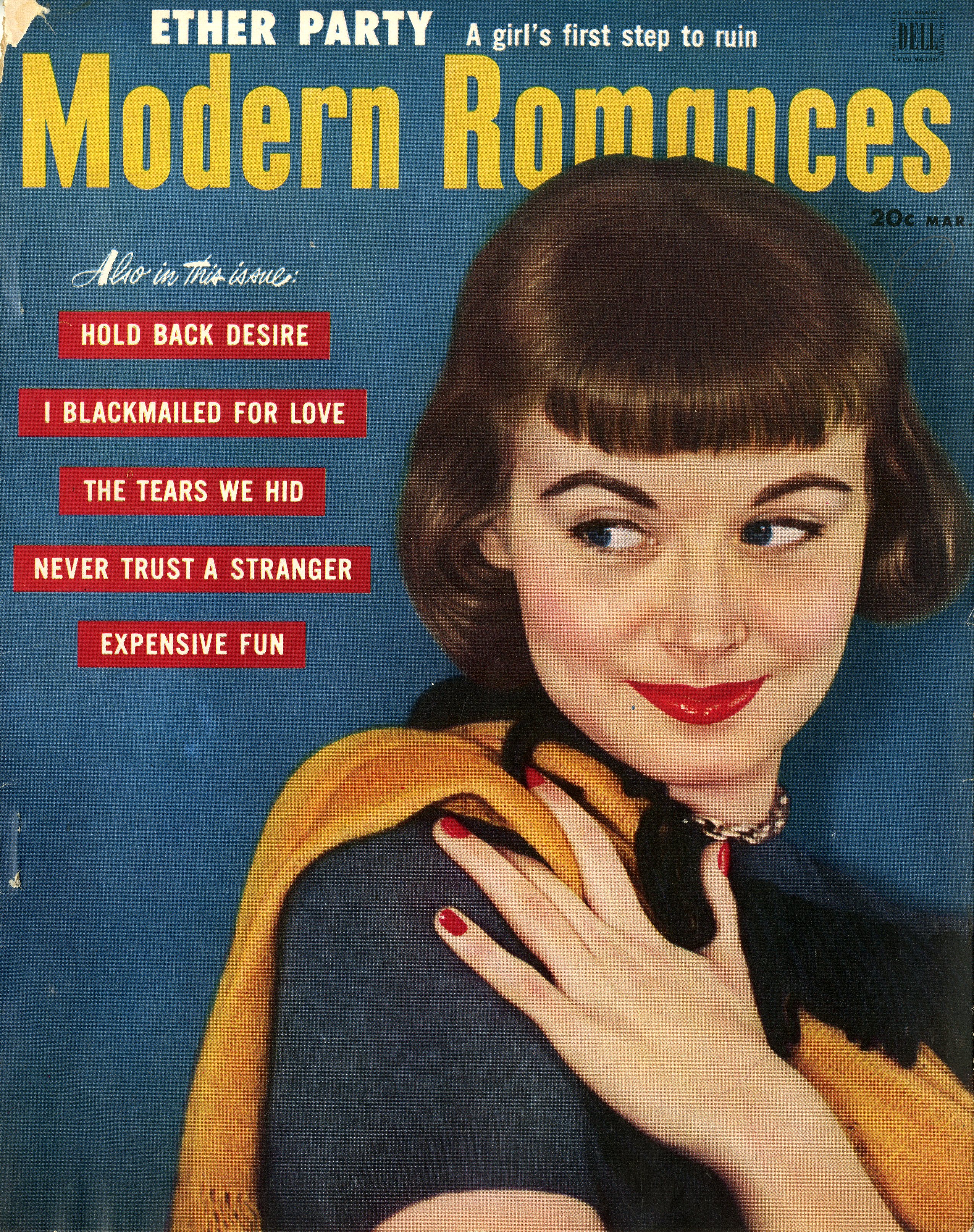
Published by Dell, which was one of the largest publishers of magazines, including pulp magazines, Modern Romanceswas a long running true love magazine featuring short stories of love, passion, lust, divorce, and betrayal, usually all in one issue. The magazine was targeted toward “good girls” (don’t shoot the messenger, it was a different time) and showcased stories on how to get a man and keep him.

The March 1953 issue had a cover line that read: Ether Party – A girl’s first step to ruin. (I can only imagine) and I Blackmailed For Love. The magazine was over 100 pages and chocked full of stories such as those, along with ads galore. The tagline below the title on the table of contents page read: Every Family Begins With Romance. 

And it’s hard to argue with that.

MY STORY

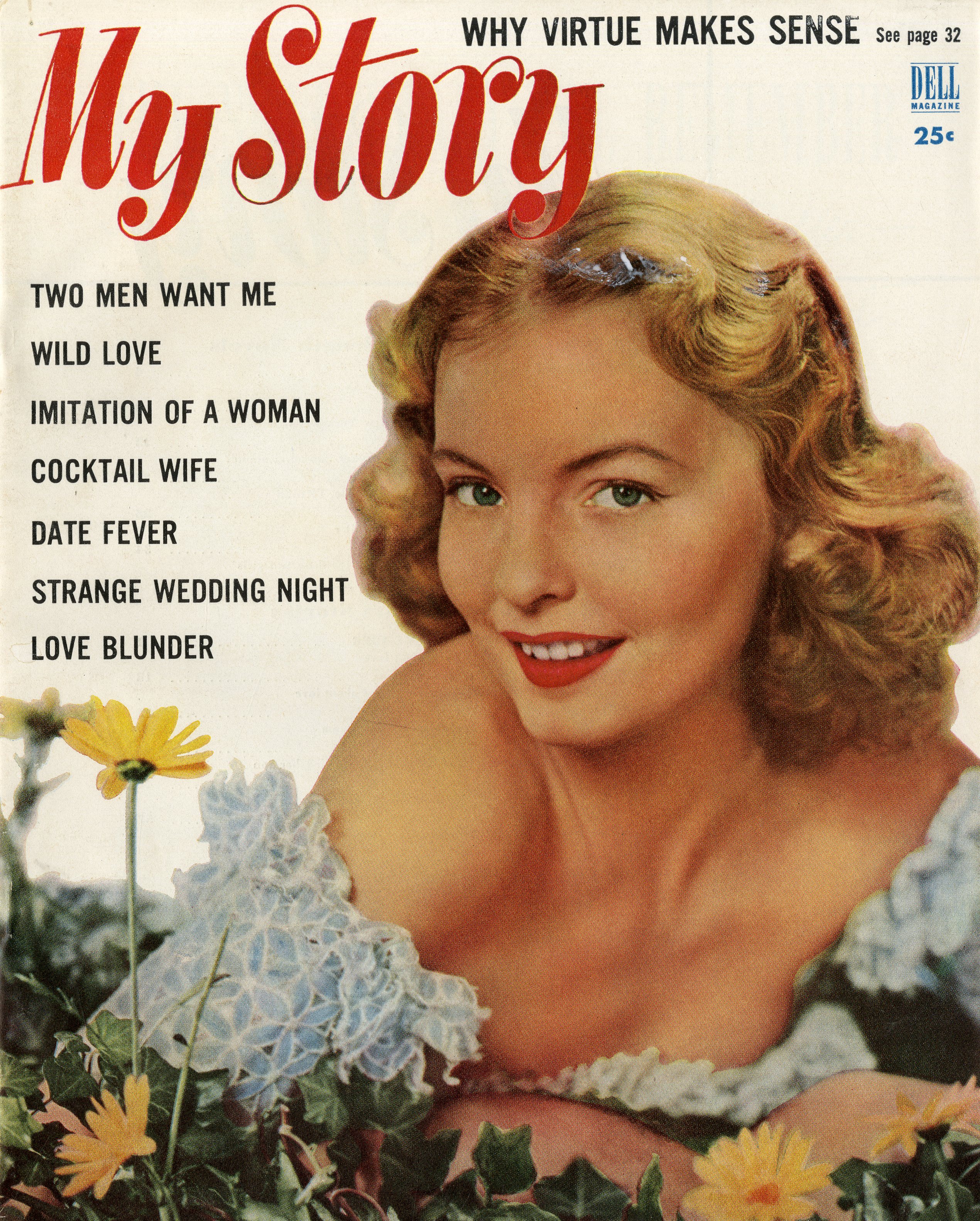
Love stories at their best, My Story was a Dell Publication that offered book length novels and short stories, along with articles that offered women advice on marriage, virtue, and her husband’s finances. It was published annually and had more of a high-quality appeal than the other pulp magazines.

The March 1953 edition had plenty of love stories, along with six complete book length novels. The young woman on the cover had a fresh appealing demeanor next to cover lines such as Cocktail Wife and Strange Wedding Night. The incongruity cannot be ignored.  

To be continued…

h1

True, Detective, And Confessions Magazines: The Magazines And I. Chapter 8, Part 3.

June 21, 2021

True, Detective, and Confessions Magazines … is the 8th chapter from the serialized book I am writing on the magazines of 1953, specifically March 1953, the month I was born.  This is chapter eight, part three.  Feel free to back track for chapters one, two, three, four, five, six, and seven in previous blogs.  Enjoy.

TRUE CASES OF WOMEN IN CRIME

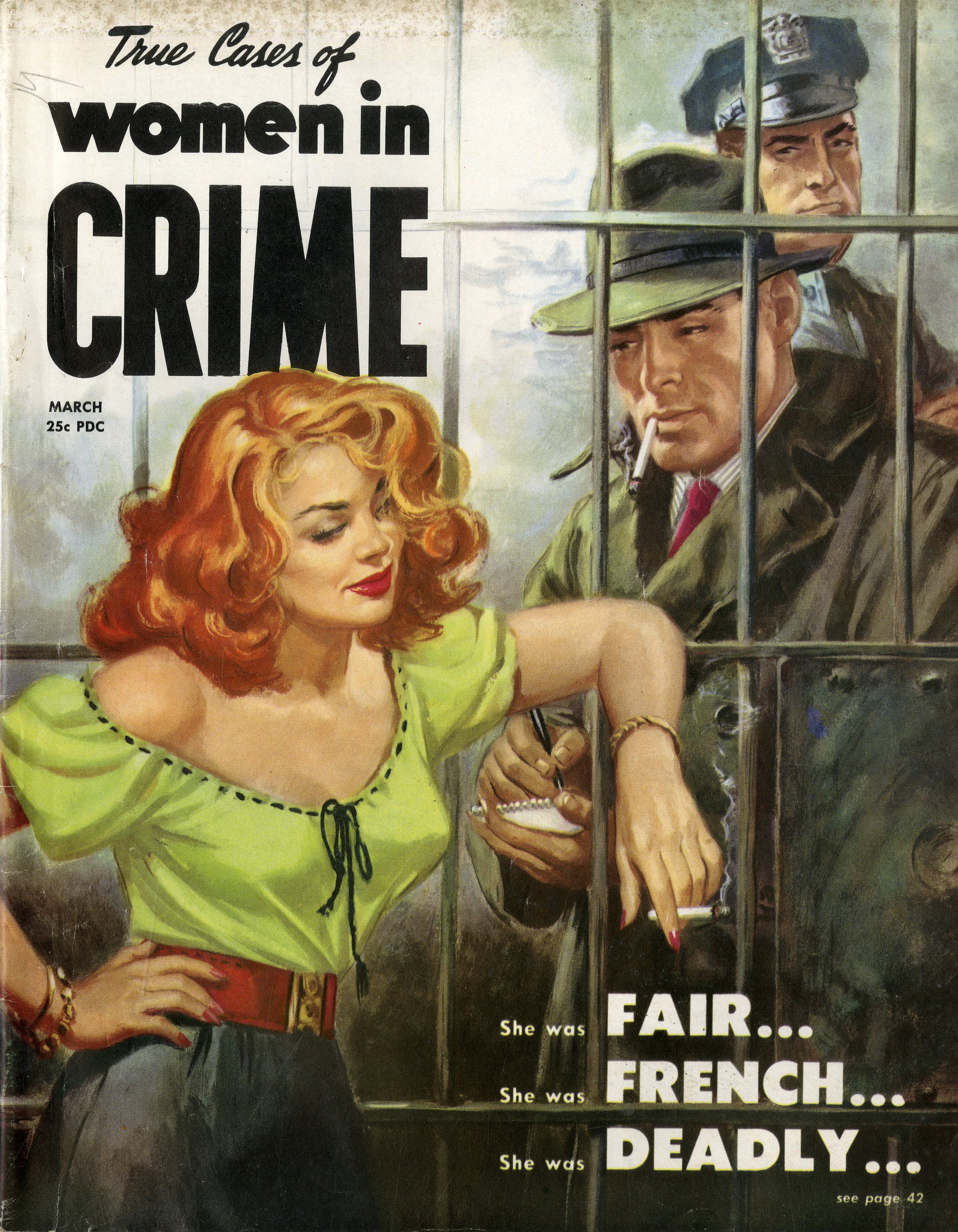
Maybe we’re all a little bit obsessed with “true crime” stories. Just look at TV shows like 48 Hours or Dateline NBC. People have watched and kept them on the air for years. But when it comes to “true” crime magazines, especially of the March 1953 era, there was one for every taste. True Cases Of Women In Crime was published by a company called Special Magazines Inc. The March 1953 issue had the illustrated cover of a very voluptuous redhead behind bars, smoking a cigarette and being questioned by police. 

Inside the magazine is a disclaimer that reads: The illustrations on the following pages of this magazine were all specially posed by professional models, and it goes on to list the page numbers. The magazine is filled with ads and stories such as “She was fair, she was French, she was deadly.” This magazine is one among many that took the idea of “true crime” and possibly exploited it a bit.

TRUE CONFESSIONS

Beginning in 1922, True Confessions was a Fawcett Publication targeted at young women. During the 1930s, the magazine climbed to a circulation of two million with a readership of females between the ages of 20 and 35. With True Confessions, Fawcett was in direct competition with Bernarr MacFadden who had such titles as True Story and True Romance in his repertoire of titles, and Hillman Periodicals that had Real Story and Real Confessions. These “true” confession magazines soon felt a bit of a slump by 1949 due to the new comic book trend that hit.

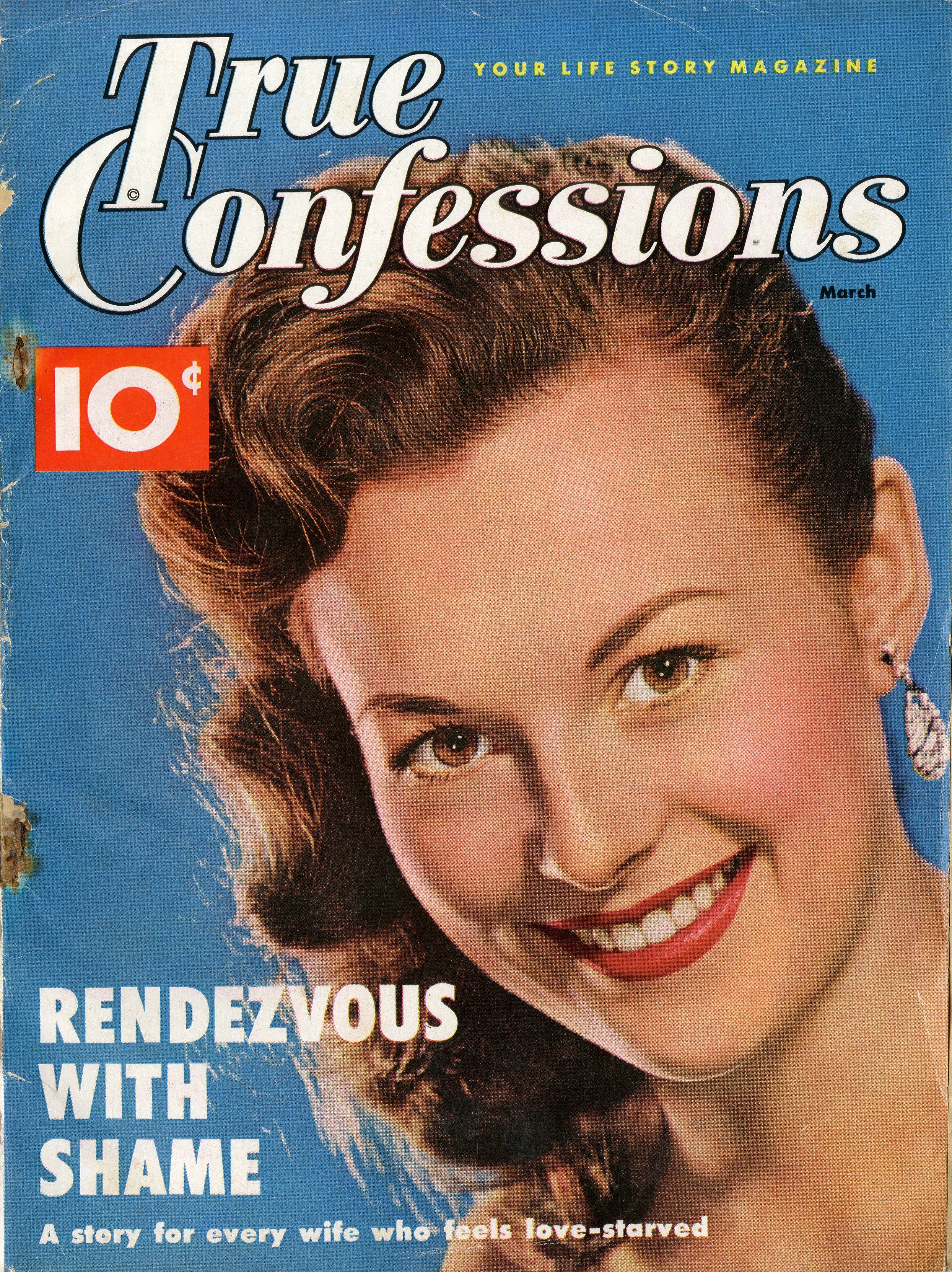
The March 1953 issue of True Confessions had the cover story line of “Rendezvous With Shame – A Story For Every Wife Who Feels Love-Starved.” The magazine had special features and a section on “Your Home,” with articles such as Adventures in Food and If Father’s Been Away. It was a magazine that supplied fantasy and adventure for women in the 1950s .

TRUE CRIME DETECTIVE

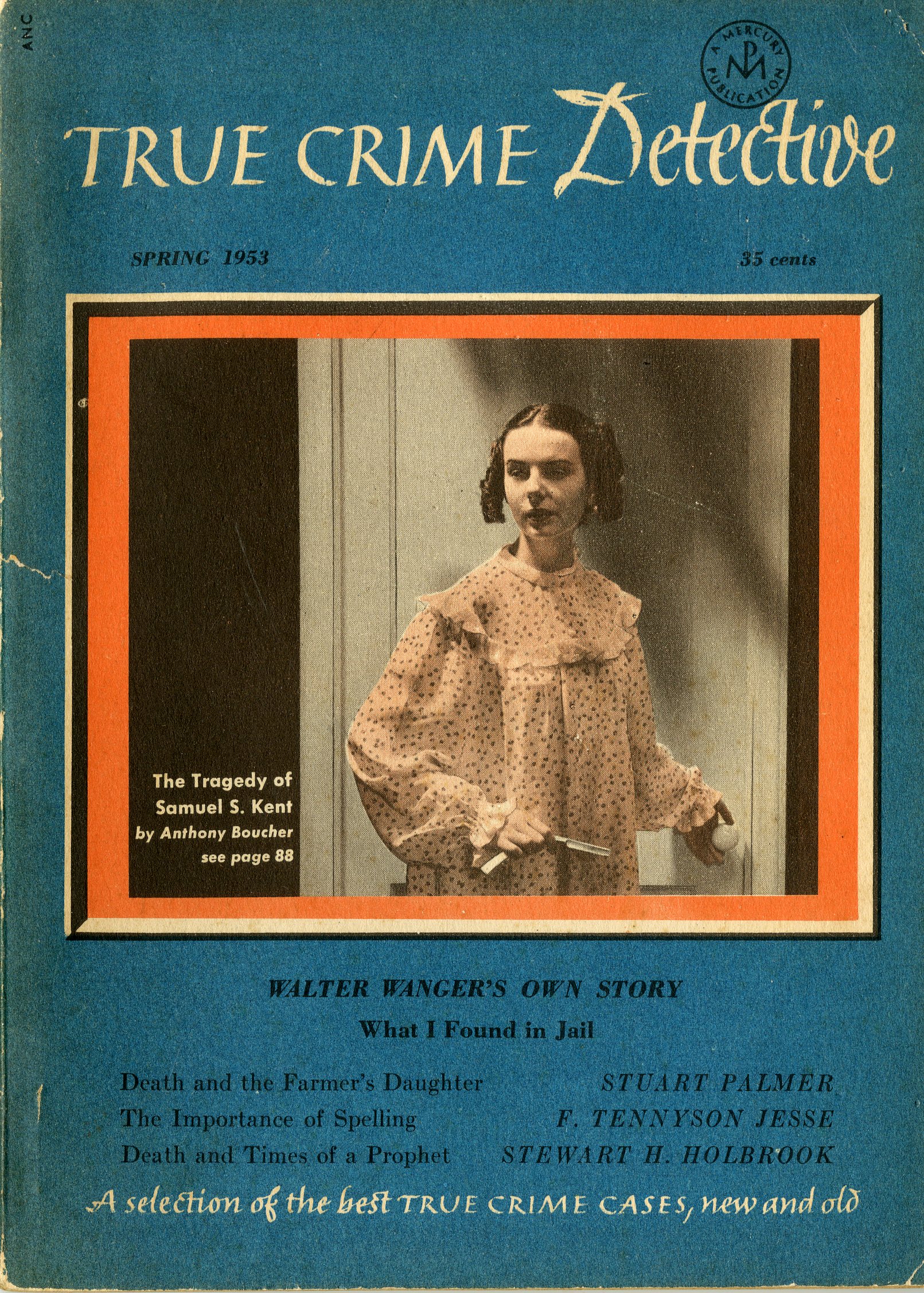
True Crime Detective magazine was a digest-sized magazine that was published quarterly by Casebook Publications, a division of Mercury Publications which published The Magazine of Fantasy and Science Fiction. The magazine never made it to a monthly frequency and was not one of the most popular of its time, due (according to its publishers) to the lack of diversity in the crimes the magazine presented. Most were murders with no recognition given to lesser crimes. That being said, the magazine folded after one year in publication. 

The spring 1953 issue had stories such as The Truth About Lizzie Borden and Death and the Farmer’s Daughter, with a few others thrown in. There were no ads (save one for the magazine itself) and no pictures. The magazine didn’t exactly follow the blueprint of the other “True Crime” magazines and definitely paid the ultimate price. 

TRUE DETECTIVE

Another MacFadden title, True Detective (formerly True Detective Mysteries) was a true crime magazine that was published from 1924 to 1995. During its heyday, it sparked many copycats and was an extremely popular read with fans. It started out focusing on mystery fiction, but also mixed it up a little with some non-fiction crime stories. The non-fiction became so important to the magazine, gradually the fiction was phased out and it became True Detective, and the one that all imitators were held up to. 

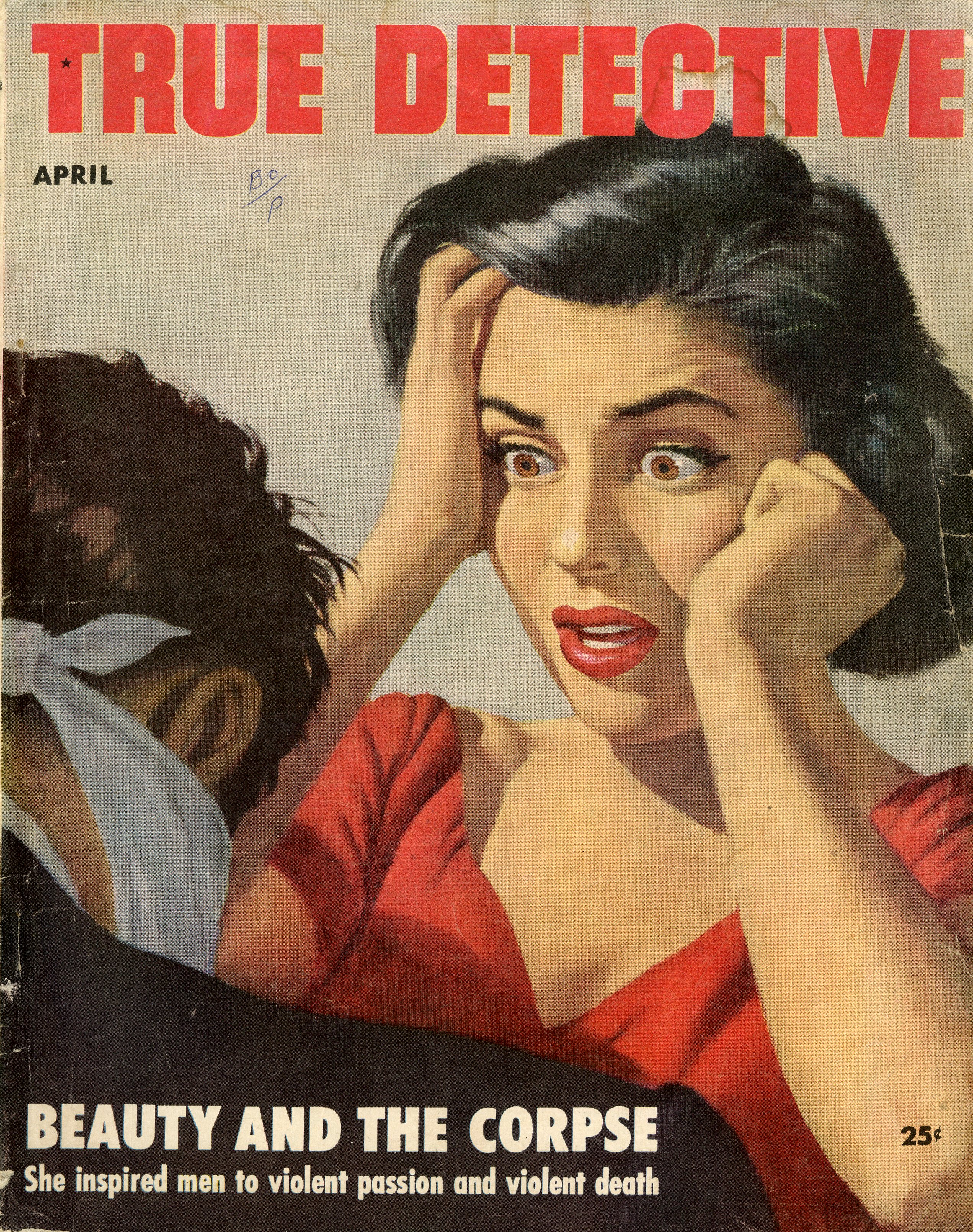
The April 1953 issue had a cover story called Beauty and the Corpse – She Inspired Me To Violent Passion and Violent Death. And with a tagline that read: The Authentic Magazine of Crime Detection, the other stories in that issue were just as dramatic-sounding: Redhead and the Torture Slayer and Manhattan Gun Battle to name a few. These magazines were definitely a bit campy, but an integral part of publishing history nonetheless.

TRUE STORY

Born in 1919, True Story was the first of the confessions magazines and carried the subtitle  Truth Is Stranger Than Fiction. It was a prominent title in Bernarr Macfadden’s publishing empire of Physical Culture, True DetectiveTrue RomancesDream WorldTrue Ghost StoriesPhotoplay and the tabloid New York GraphicTrue Story had a circulation of two million by the time 1929 rolled around, with most of the stories sent in by readers, purported to be true, only to be rewritten by staffers at the company. Eventually however, submissions by professional freelancers were being used or issues were completely staff-written. 

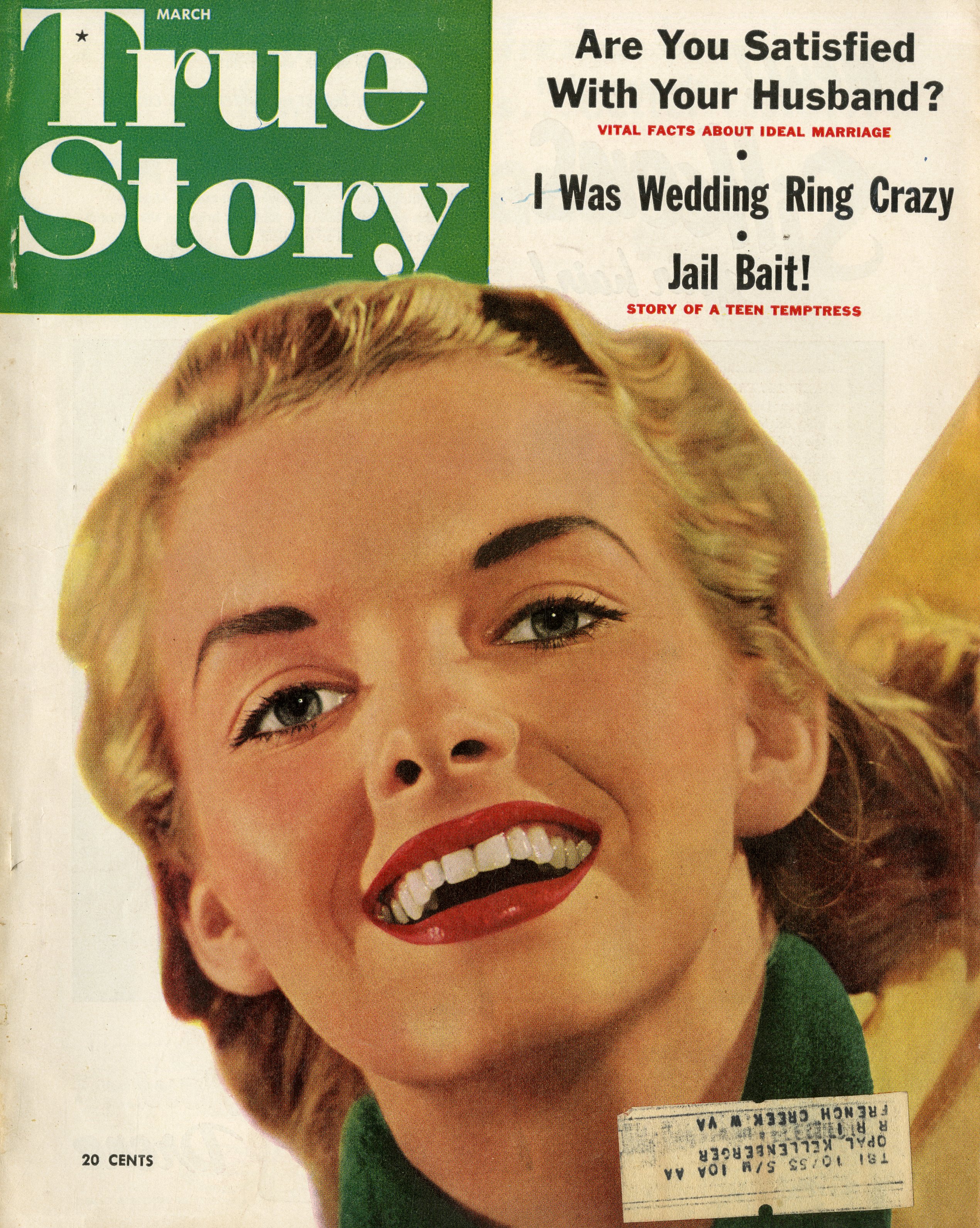
By the 1950s, the magazine was focusing on a younger female audience with stories reflecting teenaged girls and their choices in life. The March 1953 issue had a young lady on the cover, smiling, with cover lines above her head that read: Jail Bait – Story of a Teen Temptress, I Was Wedding Ring Crazy, and Are You Satisfied With Your Husband – Vital Facts About Ideal Marriage. The magazine was filled with ads of all kinds, from hair color to Q-Tips, it was clear MacFadden didn’t discriminate. With over 140 pages, the magazine was a dream-come-true for anyone starving for wild love stories and a serious shopping passion. It was possibly ahead of its time.

After a dose of “truth” magazine style, next up, we take a look at romance and love in the magazines of March 1953. It was a totally different ballgame then as you will soon see…

So, get ready for Chapter Nine – Romance and Love in March 1953.

h1

True, Detective, And Confessions Magazines: The Magazines And I. Chapter 8, Part 2.

June 17, 2021

True, Detective, and Confessions Magazines … is the 8th chapter from the serialized book I am writing on the magazines of 1953, specifically March 1953, the month I was born.  This is chapter eight, part two.  Feel free to back track for chapters one, two, three, four, five, six, and seven in previous blogs.  Enjoy.

FRONT PAGE DETECTIVE

In 1921, George T. Delacorte, Jr., founded the Dell Publishing Company with the intent of entertaining readers dissatisfied with the genteel publications of the time. Known more for puzzle magazines, and Alfred Hitchcock’s Mystery Magazine, Ellery Queen’s Mystery MagazineAsimov’s Science Fiction, and Analog Science Fiction and FactFront Page Detective was still in the mystery genre, but had more of a “true crime” feel and look.

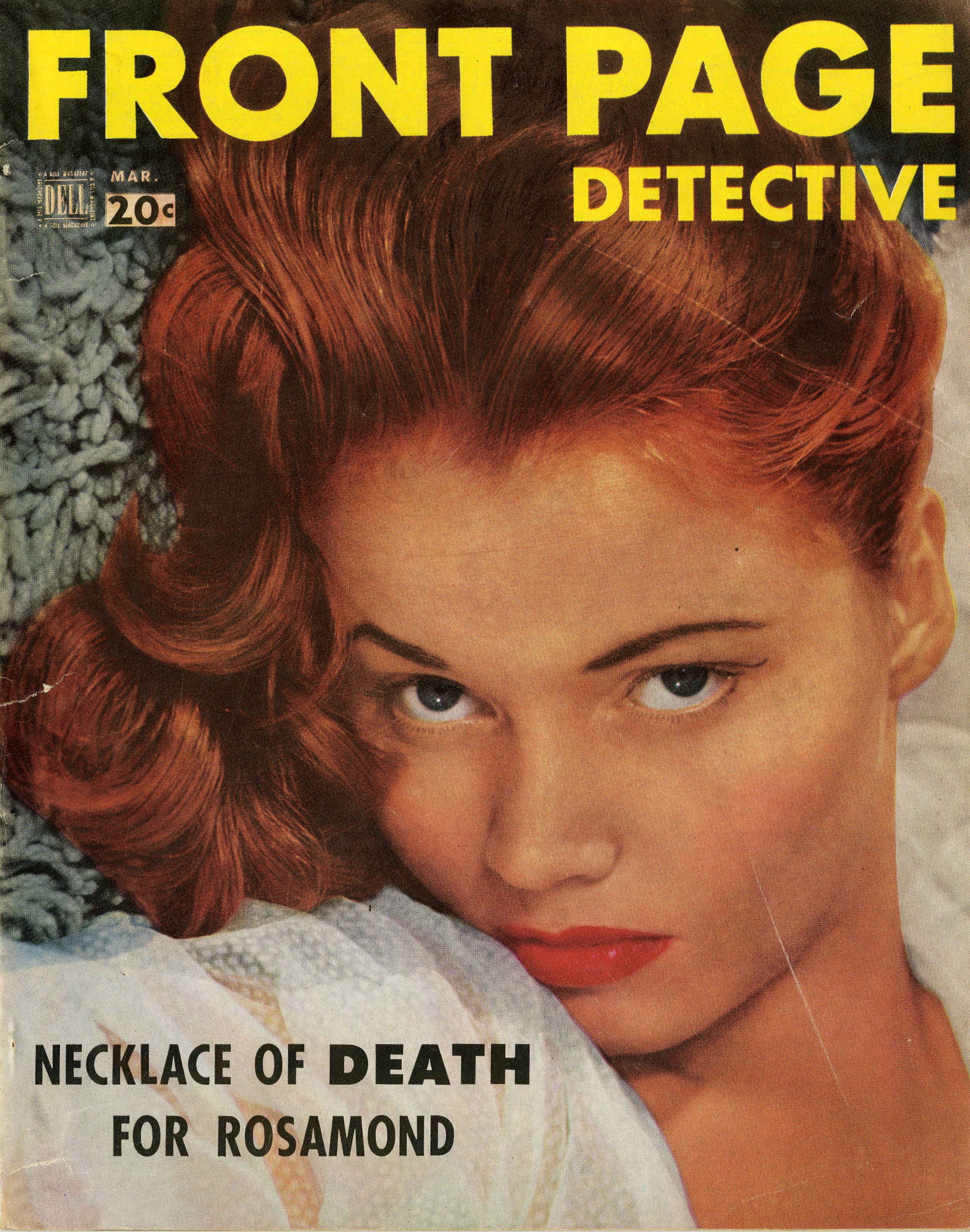
The March 1953 issue offered up a very beautiful redhead on the cover with the line: Necklace of Death for Rosamond. With ads galore and stories as murderously sensational, the magazine fit right in with the crime drama sections of newsstands.

HEADQUARTERS DETECTIVE

Published by Hillman Periodicals, who were also known for their true confession and true crime magazines, and for the long-running general-interest magazine Pageant, Headquarters Detective was another “true” crime title. Competing with MacFadden and Fawcett, Hillman put out titles such as true confessions magazines (Real Story, Real ConfessionsReal Romances) and crime magazines (Crime DetectiveReal DetectiveCrime Confessions).

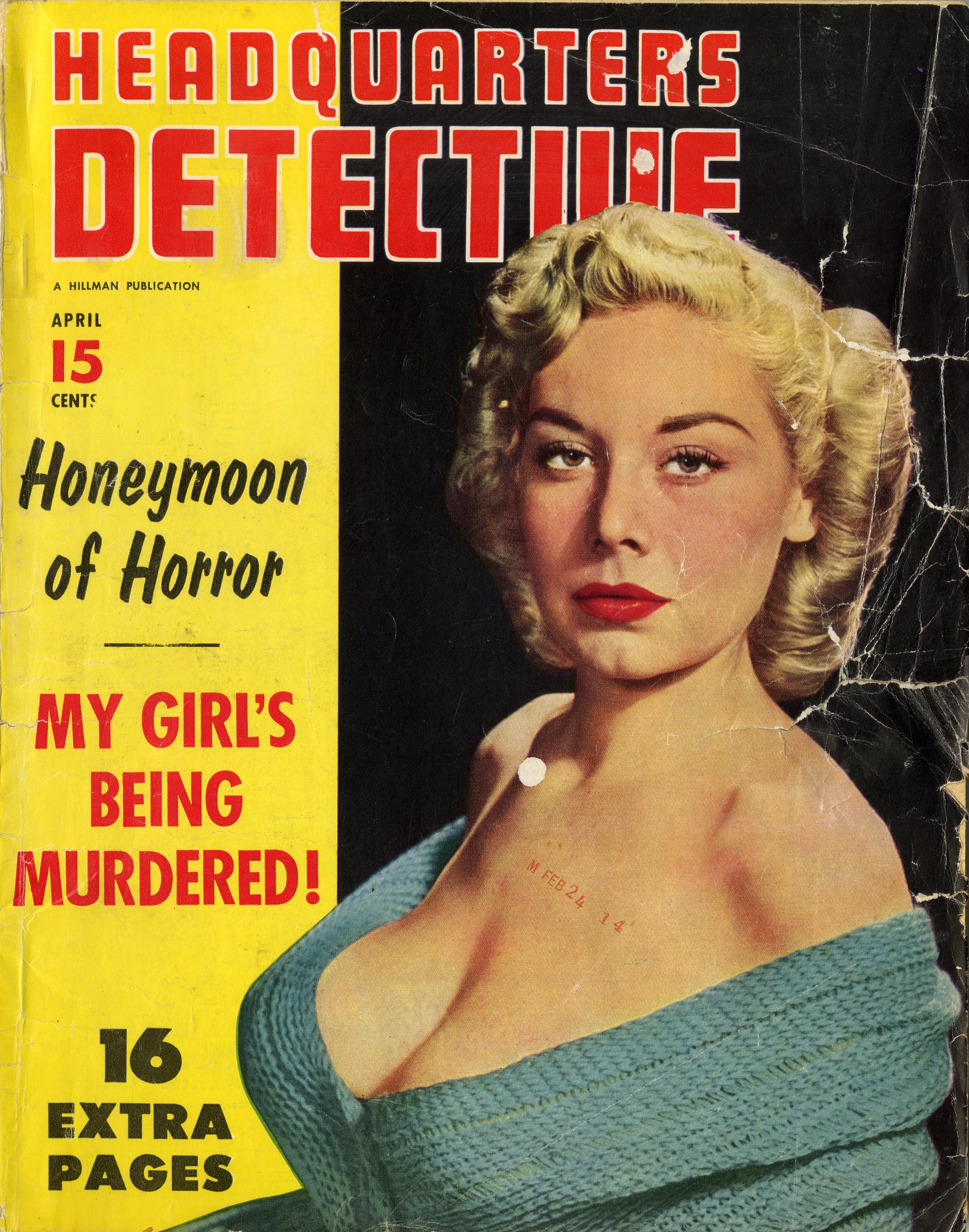
The April 1953 issue had cover lines such as Honeymoon of Horror and My Girl’s Being Murdered and offered 16 extra pages, with a very voluptuous blonde woman on the cover. A photograph made to look like an illustration, of course, the 1953 cover was striking, while the cover lines were definitely alluring. 

INSIDE DETECTIVE

Another Dell publication, Inside Detective fell into step with Front Page Detective and the other “true crime” titles on the market. 

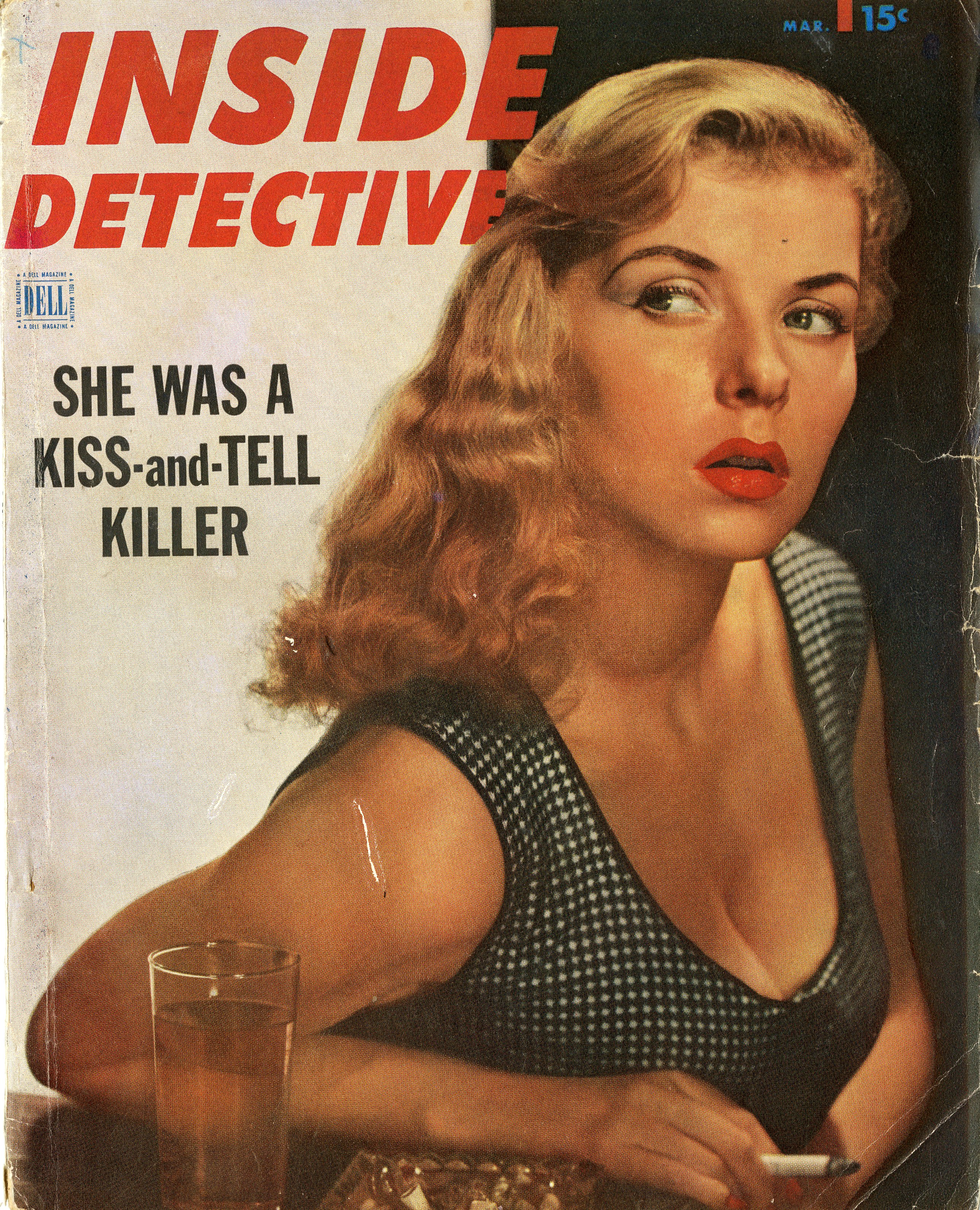
The March 1953 issue proclaimed: She Was A Kiss and Tell Killer and had a young woman with a glass of alcohol sitting at her elbow on the cover. The magazine had professional models within the pages, yet had the same sense of “true crime” style throughout.

MANHUNT

Launched in January 1953 as a monthly digest, it played briefly (from March 1957 to May 1958) with a larger format to enhance newsstand sales. However, that wasn’t successful, and it soon went back to its digest size and shortened its frequency to bimonthly. The magazine ran for almost 15 years and brought on a succession of reprints, from the U.K. to Australia.

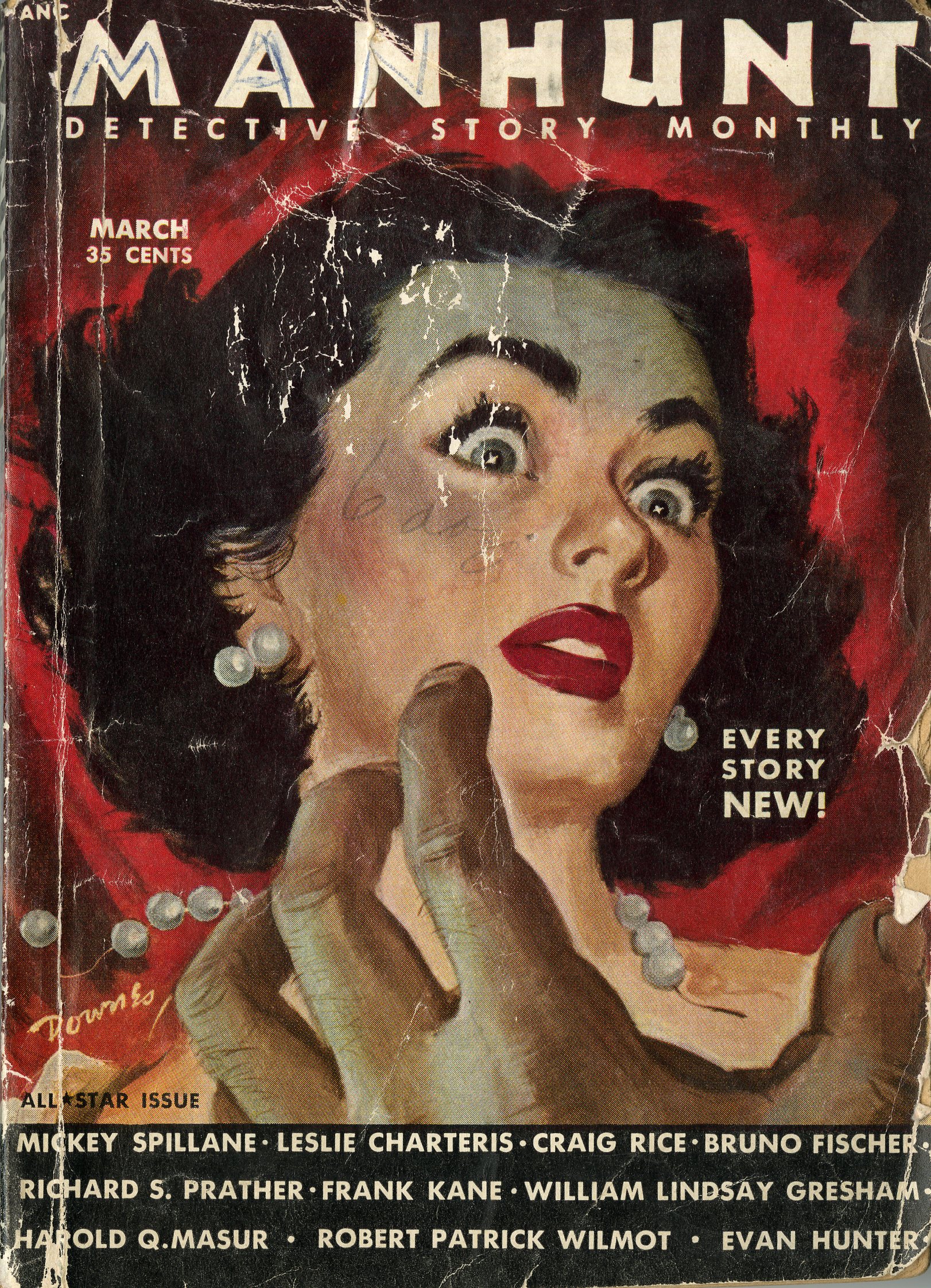
The March 1953 issue had a fantastic cover with a wide-eyed woman, fear plain in her gaze, and a man’s hand heading for her throat, with no cover lines, but a list of magnificent authors. From Mickey Spillane to Craig Rice and stating every story new, the issue may have been digest-sized, but it was chocked full of great content, including a serial by Mickey Spillane called “Everybody’s Watching Me.”

MASTER DETECTIVE

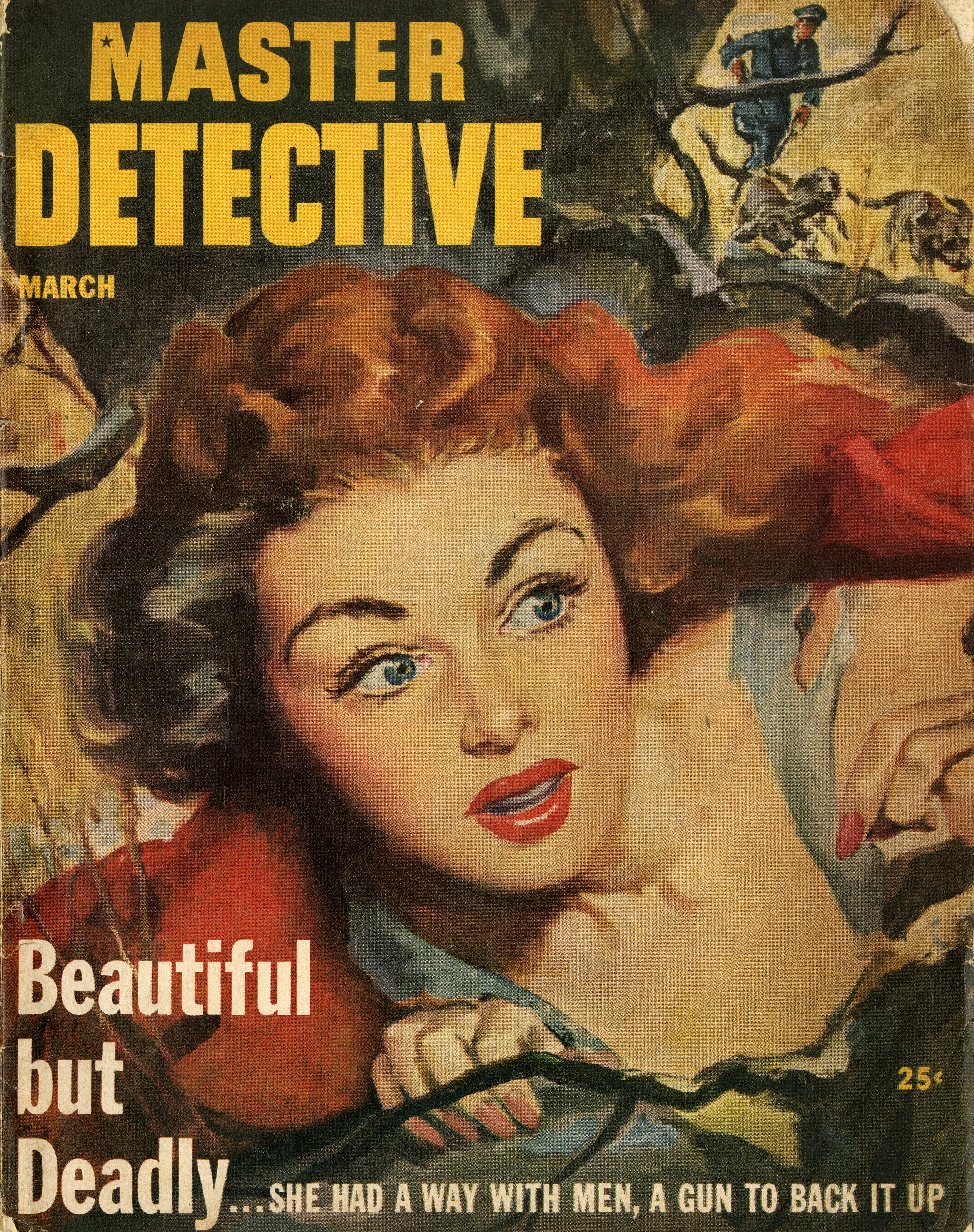
Master Detective was one of Bernarr MacFadden’s publications and was a sister title to MacFadden’s highly successful True Detective. These titles appealed to the same working class audience as its pulp fiction competitors, and became very popular with audiences. The March 1953 cover of Master Detective has a wide-eyed woman with flaming red hair above a cover line that reads “Beautiful, But Deadly. She had a way with men, a gun to back it up.” Apparently, women were deadly creatures in March 1953. In the world of true crime magazines anyway.

The magazine itself is filled with stories about women with evil intent and the men they intended to bestow that evil upon. True? Possibly. Within the genre, True Detective was regarded as the standard bearer of quality and reliability. Maybe its sister Master Detective followed suit.

STARTLING DETECTIVE

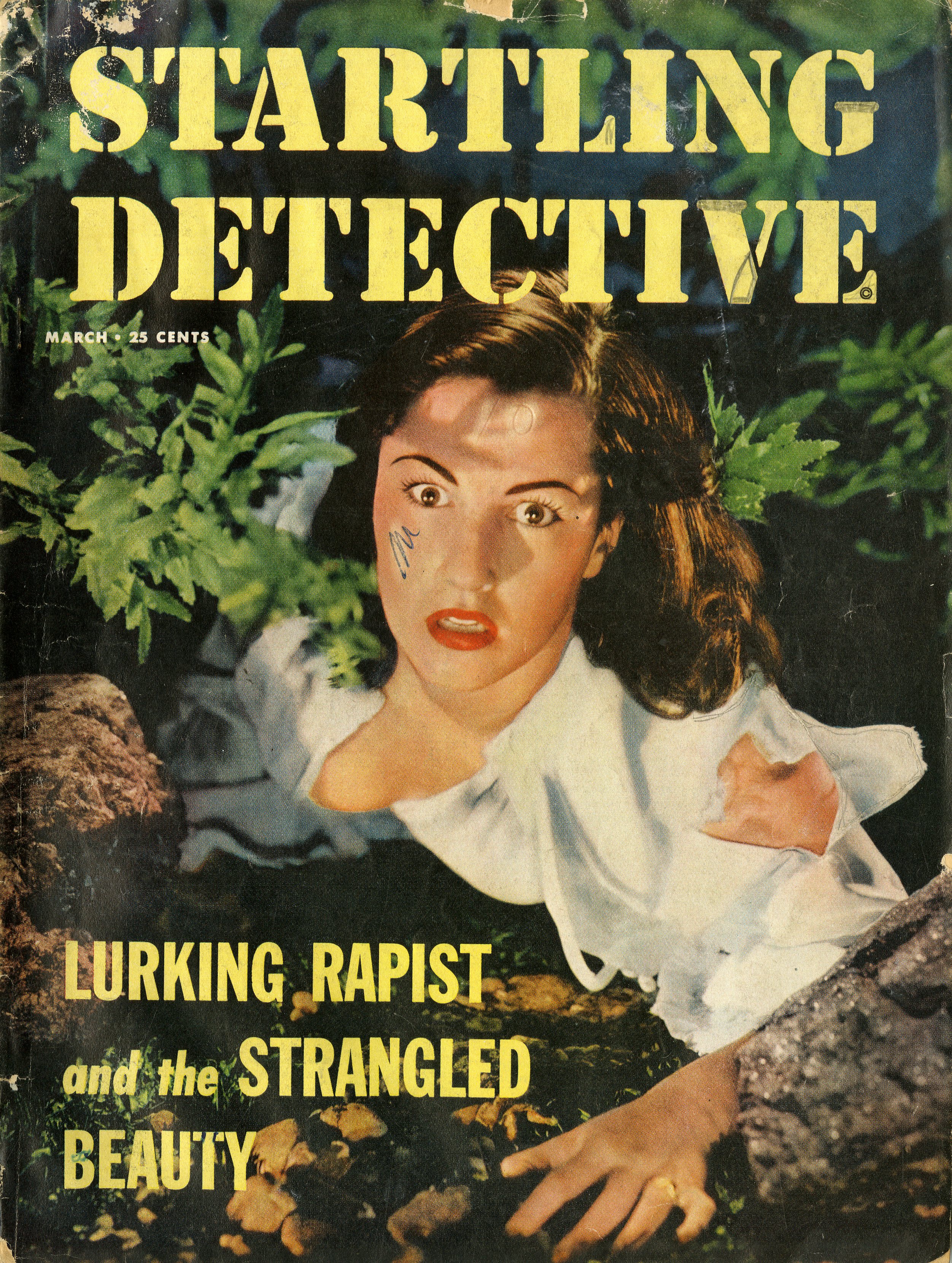
Startling Detective is another Fawcett Publication and makes a play for real life mystery stories by using actual photographs as its illustrations. The March 1953 issue contains 10 true features including Two Telegrams From A Corpse and Fickle Fiancée and Murder. And of course, all the stories lend well to illustration. The actual photographs coupled with the very good illustrations make this magazine a definite standout. 

To be continued…

h1

True, Detective, And Confessions Magazines 1953. The Magazines And I: Chapter 8, Part 1

June 10, 2021

True, Detective, and Confessions Magazines … is the 8th chapter from the serialized book I am writing on the magazines of 1953, specifically March 1953, the month I was born.  This is chapter eight, part one.  Feel free to back track for chapters one, two, three, four, five, six, and seven in previous blogs.  Enjoy.

Confession magazines were a staple of March 1953. And “truth” be told (pun intended) they’re still on  newsstands today, just not as plentiful. True Story was the first of the confessions magazine genre, having launched in 1919. With the tagline Truth Is Stranger Than Fiction, the magazine set out to prove just that. 

True Story was published by Bernarr MacFadden, of Physical Culture fame. The magazine was actually MacFadden’s wife’s idea. According to Mary MacFadden’s memoir of she and Bernarr’s life together, Dumbbells and Carrot Sticks, “Broken-hearted women sent [MacFadden’s Physical Culture magazine] letters after they had done two hundred knee bends, twice a day, and thrown away their corsets, only to find that the Greek gods wouldn’t give them a tumble. These are true stories…Let’s get out a magazine to be called True Story, written by its readers in the first person.”

Originally, the magazine was just what it professed: true stories sent in entirely by readers. Mary did confess that clergymen were brought in to censor the stories somewhat and give them a sense of decency according to the times. But as far as fact-checking to make sure the stories were in fact “true,” there was no proof of that. 

In fact, MacFadden had become embroiled in a feud with Anthony Comstock, who founded the New York Society for the Suppression of Vice because of his  “Monster Physical Culture Exhibition” showing men and women exercising in leotards. Mr. Comstock had Bernarr arrested for public indecency. The two men despised each other after that — and True Story became an attempt on MacFadden’s part to demonstrate that he too could be a guiding moral compass.

According to studies done, one by sociologist George Gerbner, there were about forty romance/confession magazines on the market by the year 1950, with a circulation of about sixteen million. These titles were sold for the most part in small southern and Midwestern towns with females of course the target audience. These magazines were the entertainment and sustenance for many of these small town women, dealing with taboo issues such as pre-marital sex, illegitimacy, adultery, unemployment, social relations, and crime, with the occasional still photo of each story’s most dramatic moments, a kiss, a temptation, and then horrible realization of what they had done and a vow to make it right.

MacFadden became so enamored of the confession/romance genre that he garnered his own Women’s Group eventually and expanded it to include: True StoryTrue Confessions, True RomanceTrue Experience, Modern Romances, and True Love, and hired writers to keep up with the demand, many male freelancers.

Looking at this genre for March 1953, let’s explore these fascinating magazines that may very well have been one the largest category of the 1950s.

CONFIDENTIAL CONFESSIONS

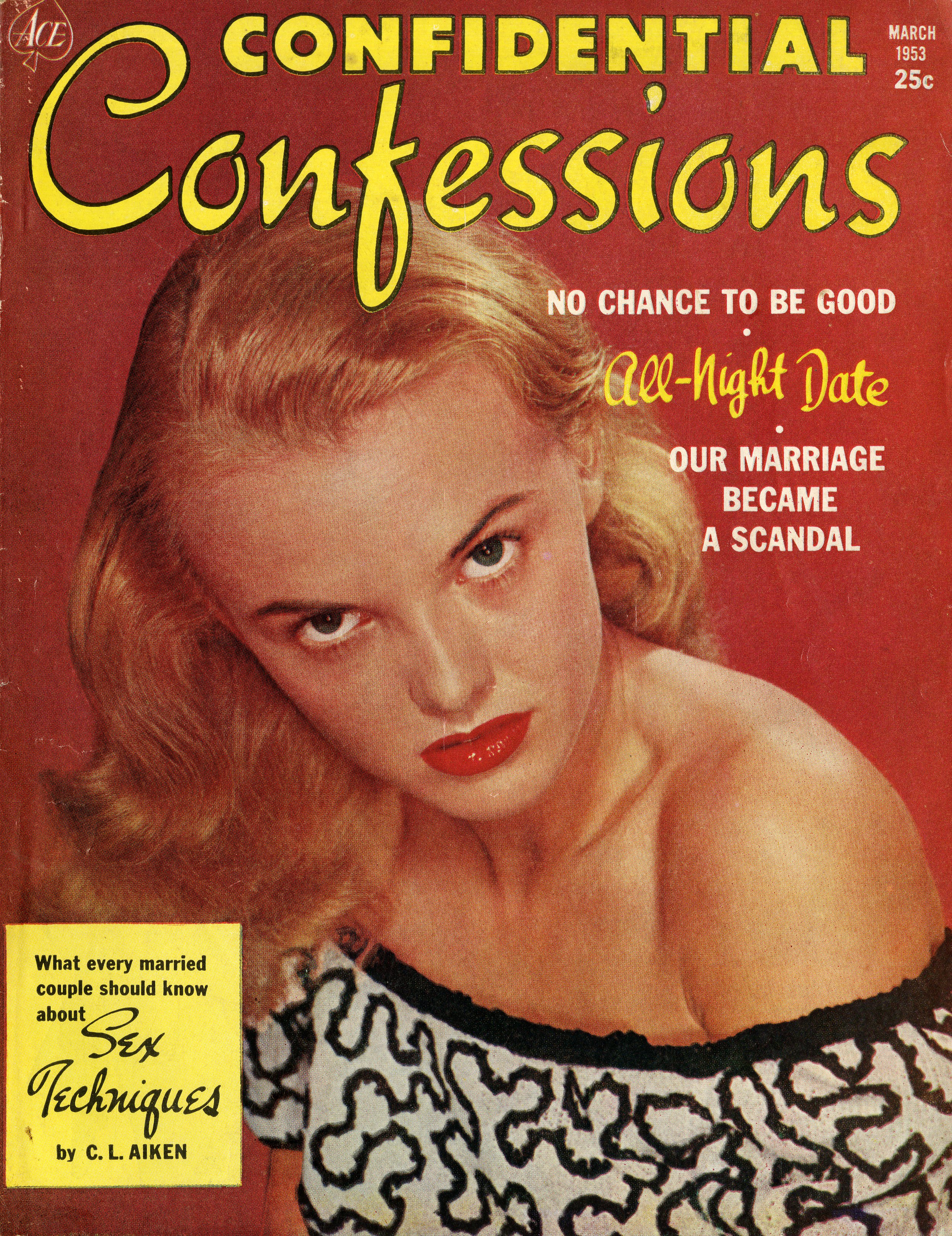
Confidential Confessions magazine was published under the Periodical House name, but was a part of the Ace Magazines stable. Aaron and Rose Wyn, who had been publishing pulp fiction since 1928, owned Ace Magazines, and were also well known for their comics, which they published between 1940 and 1956. Their romance and confession titles were sensationalistic and spicy, fitting the genre perfectly.

The March 1953 issue had cover lines such as No Chance To Be Good, All-Night Date and Our Marriage Became A Scandal. If a lover of confessions and romance-type magazines couldn’t get into this one, they probably needed to reevaluate the content they liked to read.

CRIME DETECTIVE

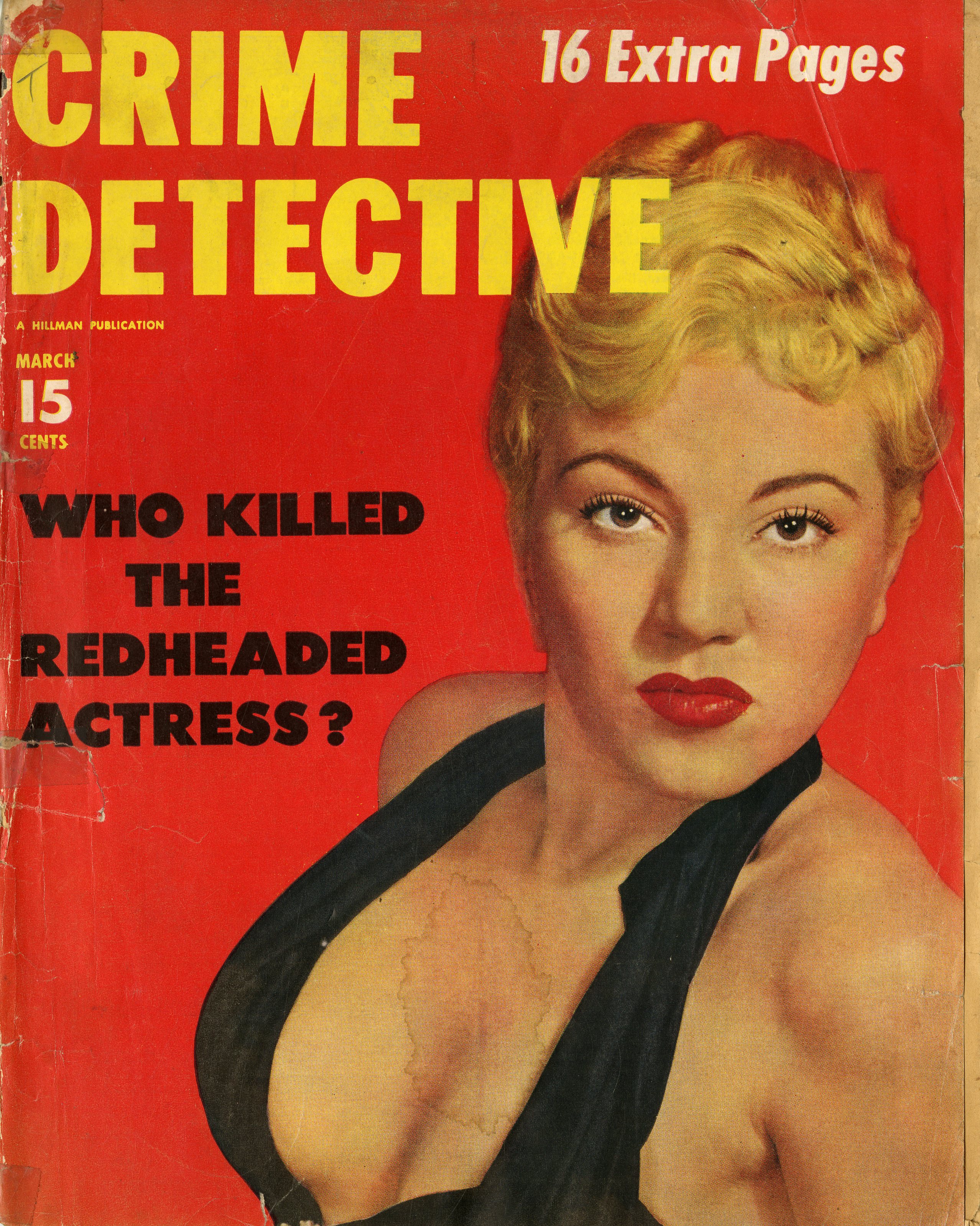
Hillman Periodicals was in direct competition with Bernarr MacFadden and Fawcett Publications. With Crime Detectivemagazine they offered up a title that vied for newsstand space admirably. Crime Detective was the longest running of all of Hillman’s “true crime” pulp titles. When it came to the content of the magazine, it was very much like all of the other true crime titles, however the cover was where it differentiated. Each issue featured a cover painting of a woman reacting to an unseen danger. It never varied.

The March 1953 issue offered up a cover line of Who Killed The Redheaded Actress and had a very beautiful woman staring back at you with a question in her brown-eyed gaze. It promised 16 extra pages and didn’t disappoint.

DARING DETECTIVE

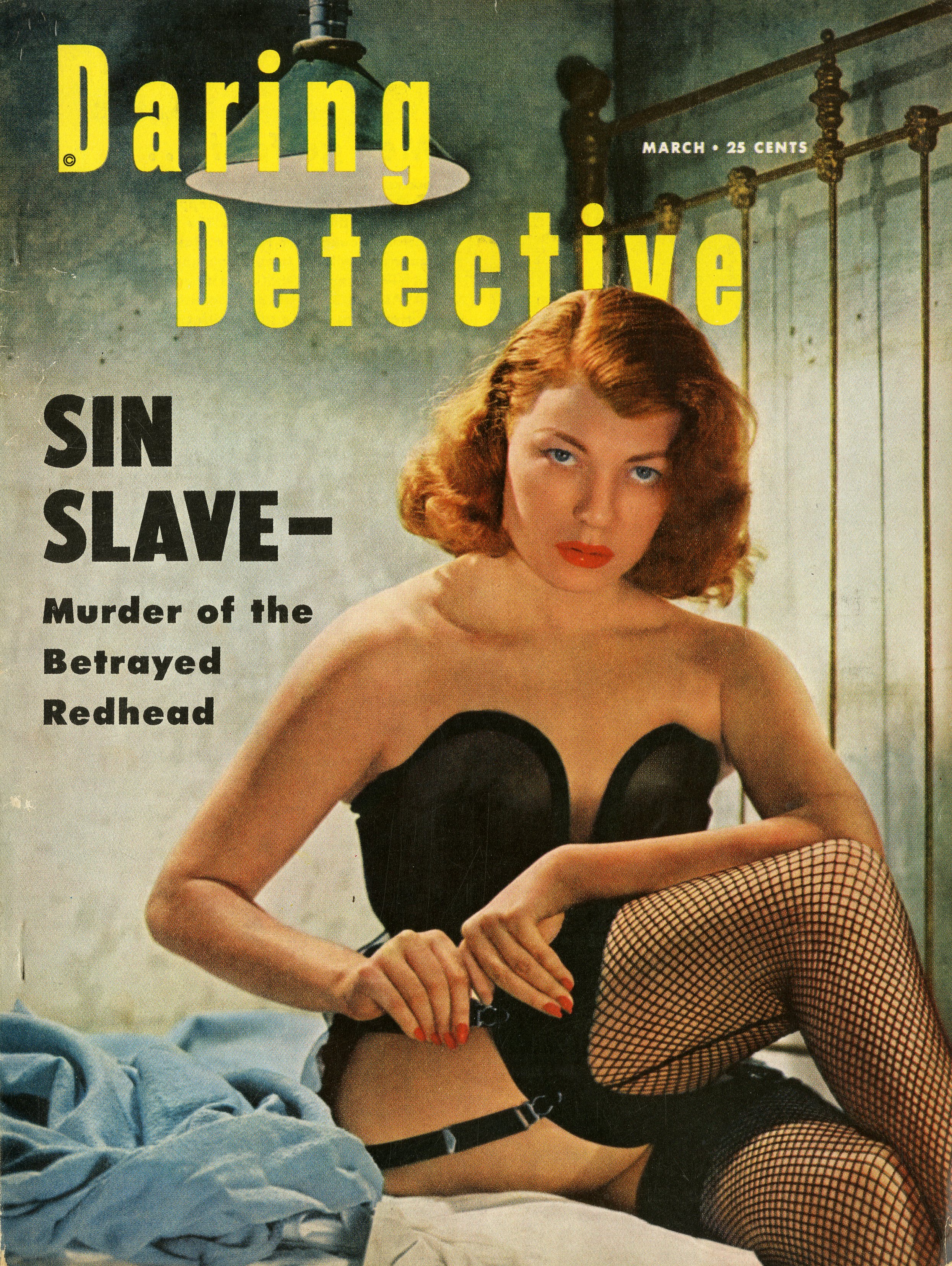
A Fawcett Publication, Daring Detective was one among many of the magazines that Wilford Hamilton “Captain Billy” Fawcett had in his stable of titles. From Daring Detective to Dynamic Detective to Cavalier, Fawcett knew how to cater to his readers and put out magazines. 

In the March 1953 issue of Daring Detective, the cover story was Sin Slave – Murder of the Betrayed Redhead and had a very seductive redhead on the cover in minimal attire. Features included: The Kiss-Off, Out of the Deep, and The Trooper Played a Hunch. The magazine was published bimonthly and followed along the lines of the other detective titles of its time. 

DETECTIVE WORLD

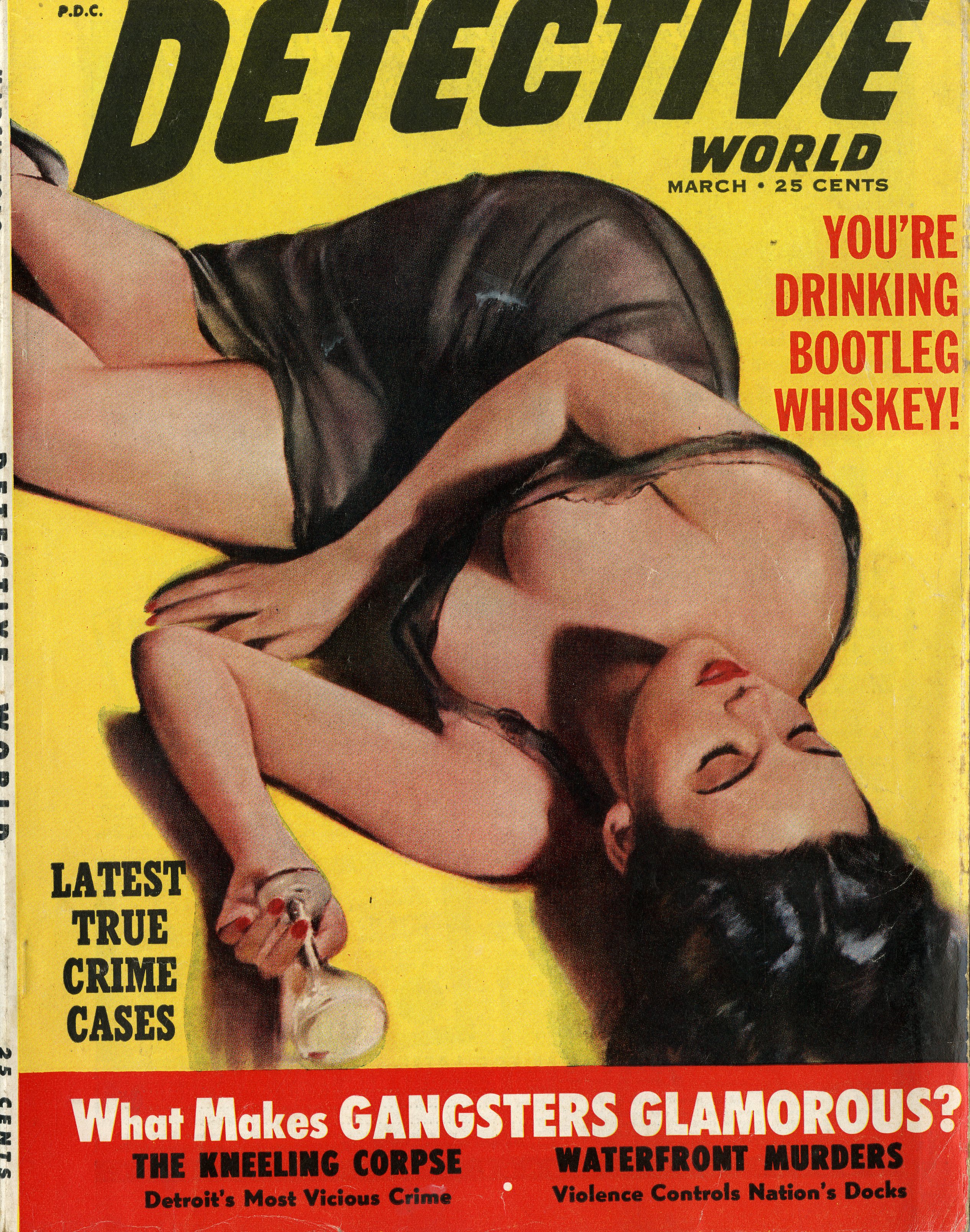
Action, adventure and true crime cases, Detective World magazine put it all on the line. The magazine was published bimonthly and could sometimes ask the burning question: What Makes Gangsters Glamorous? as it did in the March 1953 issue. In this issue the magazine promised seven spectacular new crimes and three shocking exposes. Plus inside features that showed the world how the underworld worked. It was a magazine that knew it had plenty of competition and did what it had to do to remain relevant among its more widely-read counterparts. 

To be continued…

h1

Children And Teen Magazines 1953. The Magazines And I: Chapter 7, Part 3.

May 31, 2021

Children and Teen Magazines … is the 7th chapter from the serialized book I am writing on the magazines of 1953, specifically March 1953, the month I was born.  This is chapter seven, part three.  Feel free to back track for chapters one, two, three, four, five and six in previous blogs.  Enjoy.

OPEN ROAD

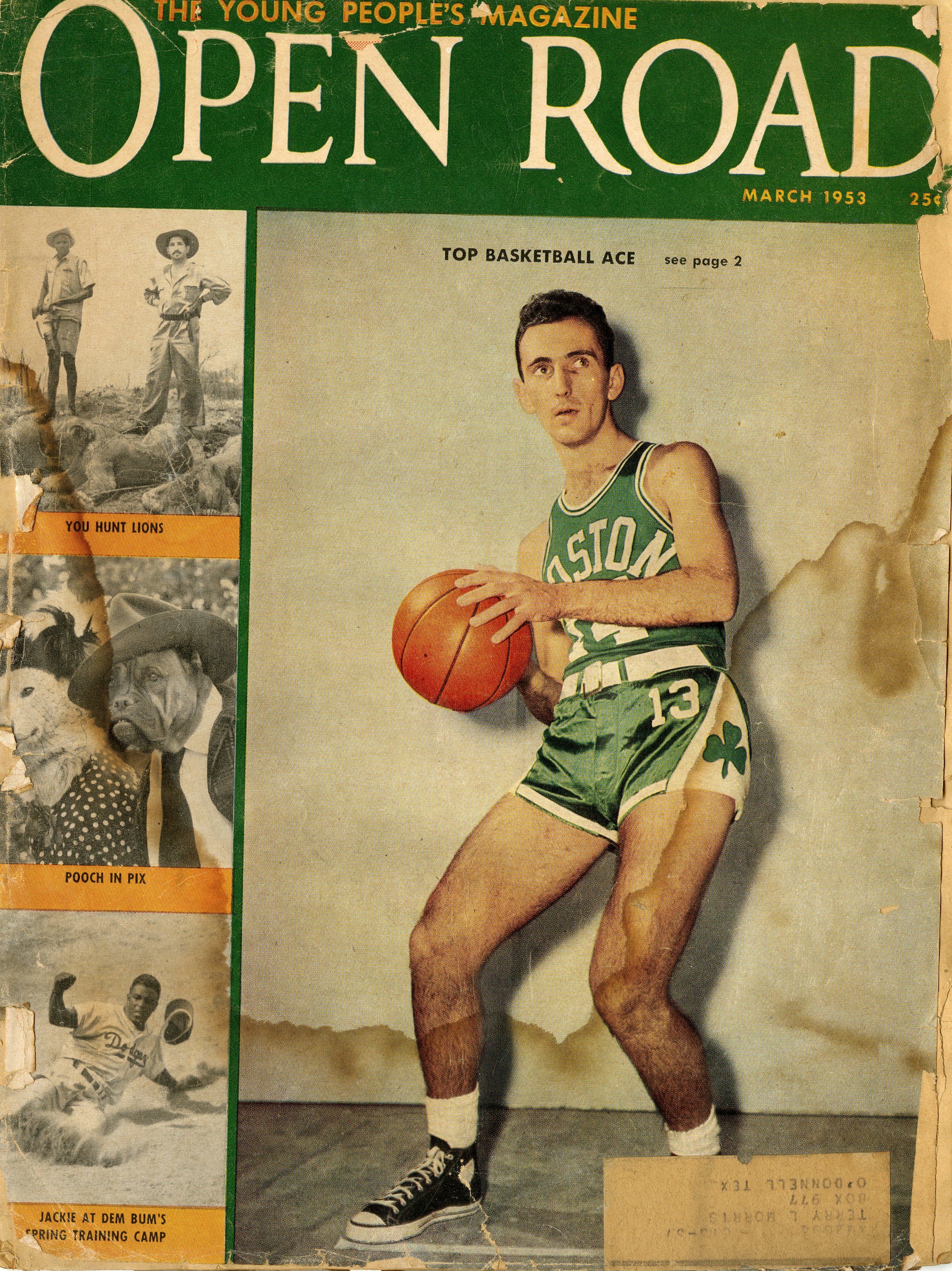
A boys’ magazine encouraging the outdoor life, The Open Road for Boys was published from November 1919 to the 1950s. The title changed to Open Road The Young People’s Magazine in 1950. The magazine was quite the motivator for young boys to get out and explore the open road, so to speak, with adventure, sports and outdoor fun prominent features. By 1949, the magazine was published by Holyoke Publishing in Massachusetts.

The March 1953 issue had a basketball ace on the cover, along with stories about hunting lions in Africa and adventure in Alaska. From swapping ideas to the cartoon contest the magazine became noted for, Open Road was a valuable part of the history of young people’s magazines, especially in the 1950s. 

SEVENTEEN

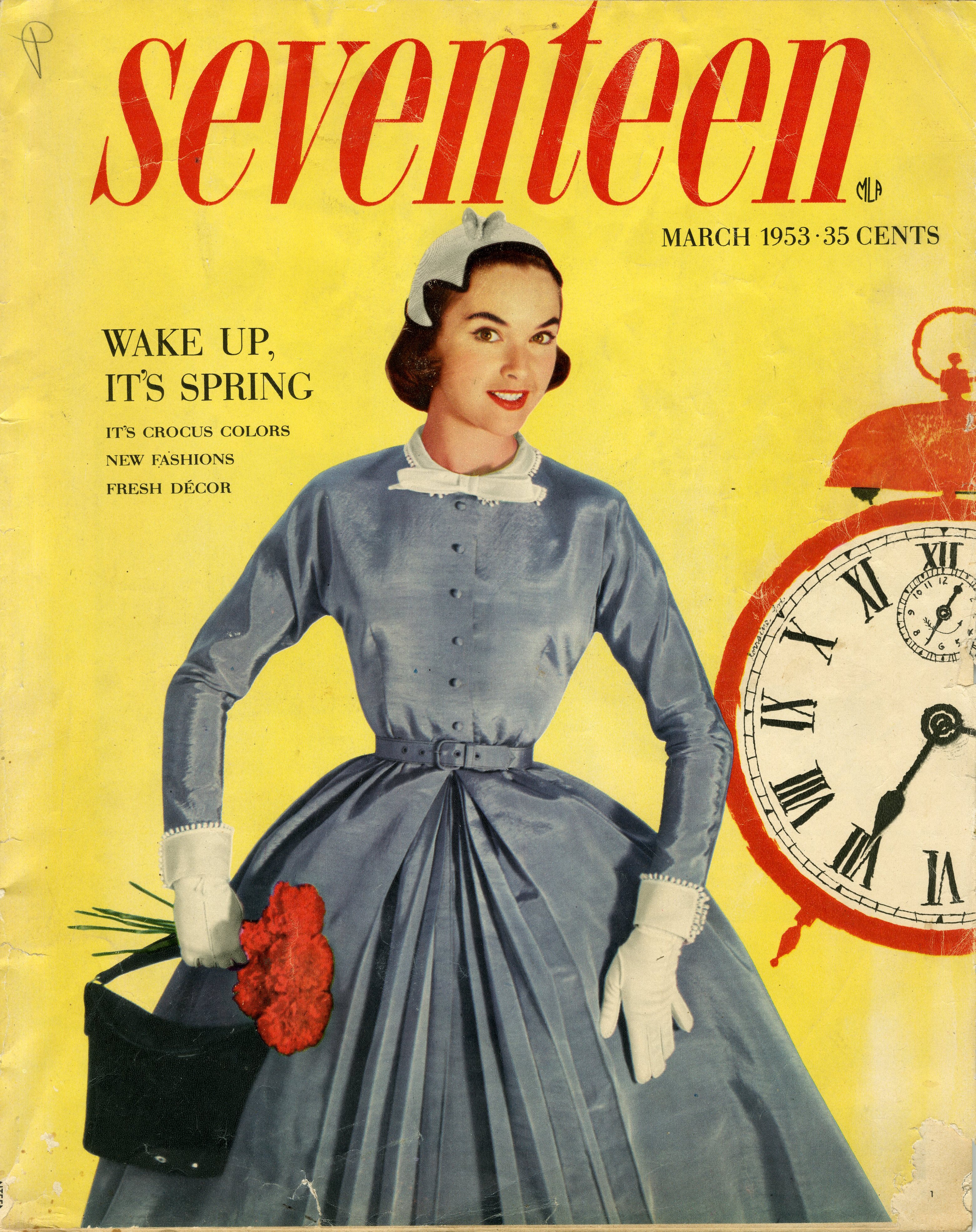
Seventeen was first published in New York City in 1944. Its mission was to provide teenaged girls with impeccable role models and all the information they needed about their own personal growth and development. Hearst Magazines bought the publication in the early 2000s. In November 2018, it was announced that Seventeen’s print editions would be reduced to special stand-alone issues only.

The March 1953 cover was splendidly “springy,” with the cover line “Wake Up, It’s Spring.” It was colorful and featured a young lady resplendent in her best Easter frock, complete with hat and gloves. The articles inside ranged from “What You Wear” to “How You Look and Feel.” There was a section called “Your Mind” for those personal thoughts and feelings; a “Home and Food” section; along with “Having Fun.” Seventeen was and still is a relevant resource for teenaged girls.

STORY PARADE

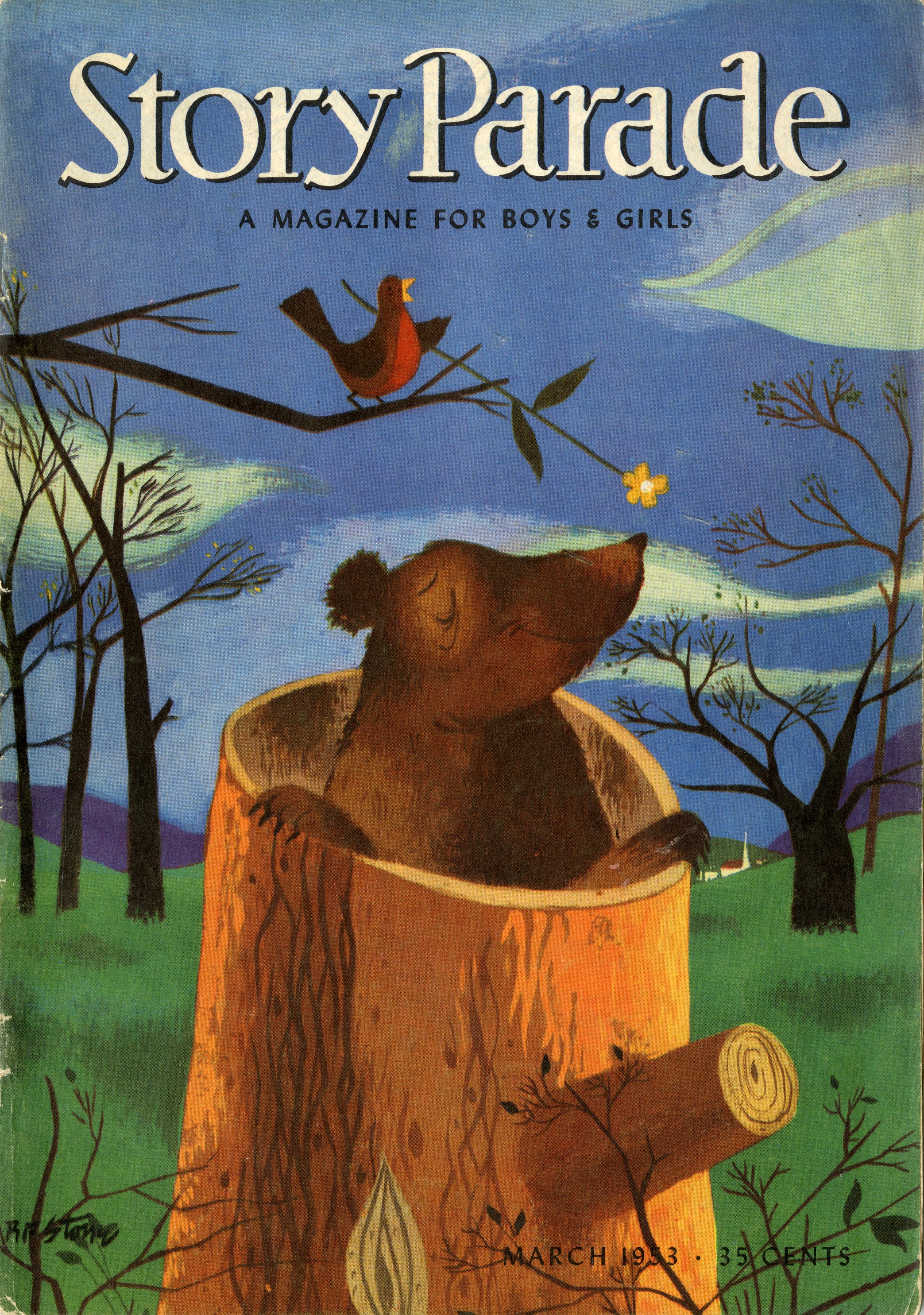
The advisory board for Story Parade magazine was impeccable. Members from the American Library Association, the U.S. Office of Education, Columbia University, and the list goes on and on, offered their expertise and knowledge on the content of this children’s title. The magazine was issued monthly, except for July and August, and had no advertisements at all, giving it the look and feel of a paperback book. The illustrations were colorful and very complementary to each of the whimsical and educational stories inside.

The March 1953 issue features a cover story about a wonderful little bear named Bruno, “The Awakening of Bruno,” by author Richard Stone. The subsequent stories and poems are just as perfect for holding a young child’s attention, while teaching them something valuable at the same time. The magazine was complete with fun-filled puzzles and games that children could relate to and enjoy.

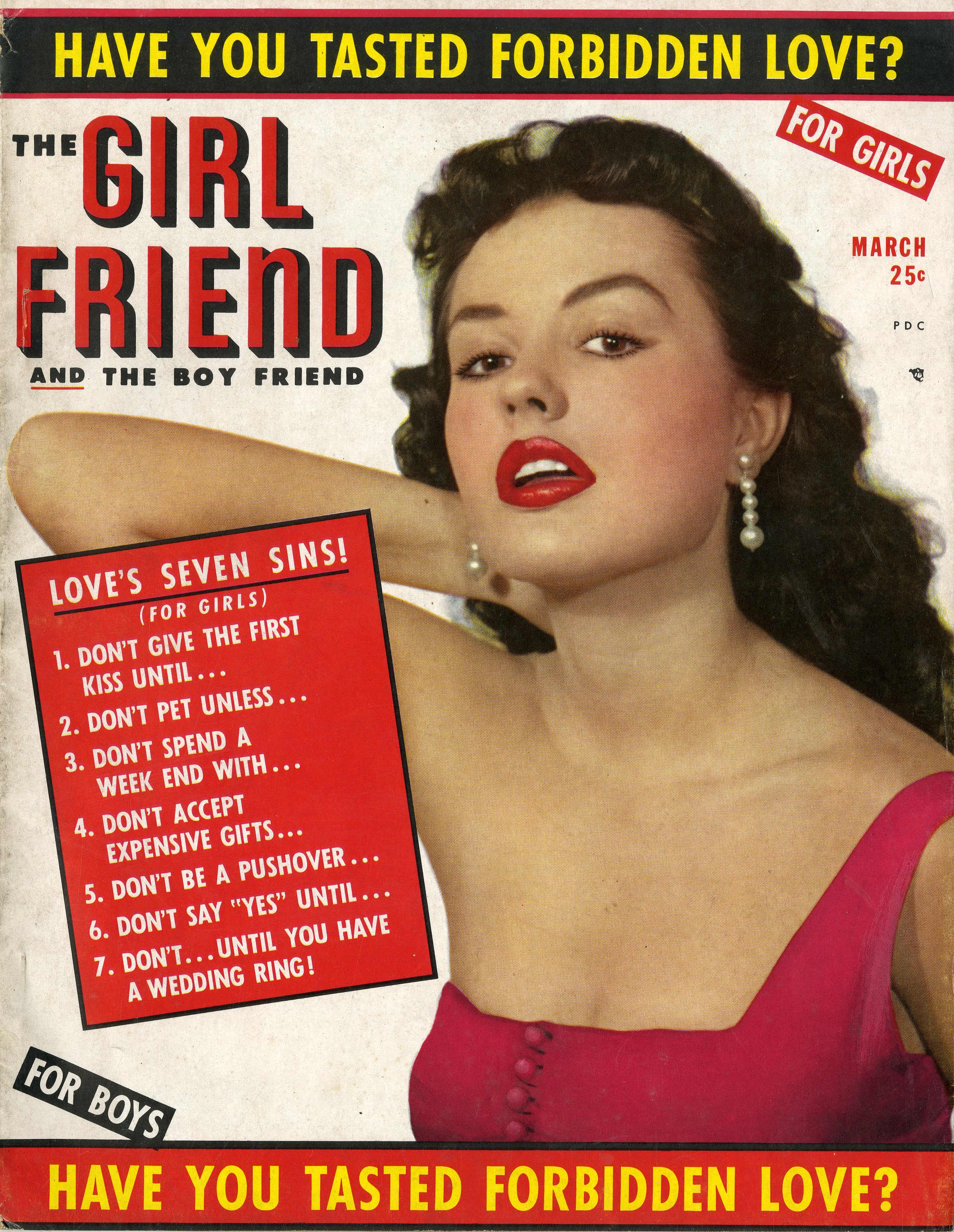
THE GIRL FRIEND AND THE BOY FRIEND

A magazine for teenaged girls, this title was a predecessor of the dating apps of today. From dating advice to a story titled “Have You Tasted Forbidden Love?” such as the March 1953 issue features, this magazine was certainly focused on the female perspective, but offered “boyfriend” in the title nonetheless. On the March 1953 cover, a young woman with her mouth slightly opened seemed a bit breathless as she pondered the teaser lines for a story called “Love’s Seven Sins” right below her face. It was definitely a romantically-geared publication that could lure itself off the newsstand and right into a teenaged girl’s hands. 

TOM THUMB

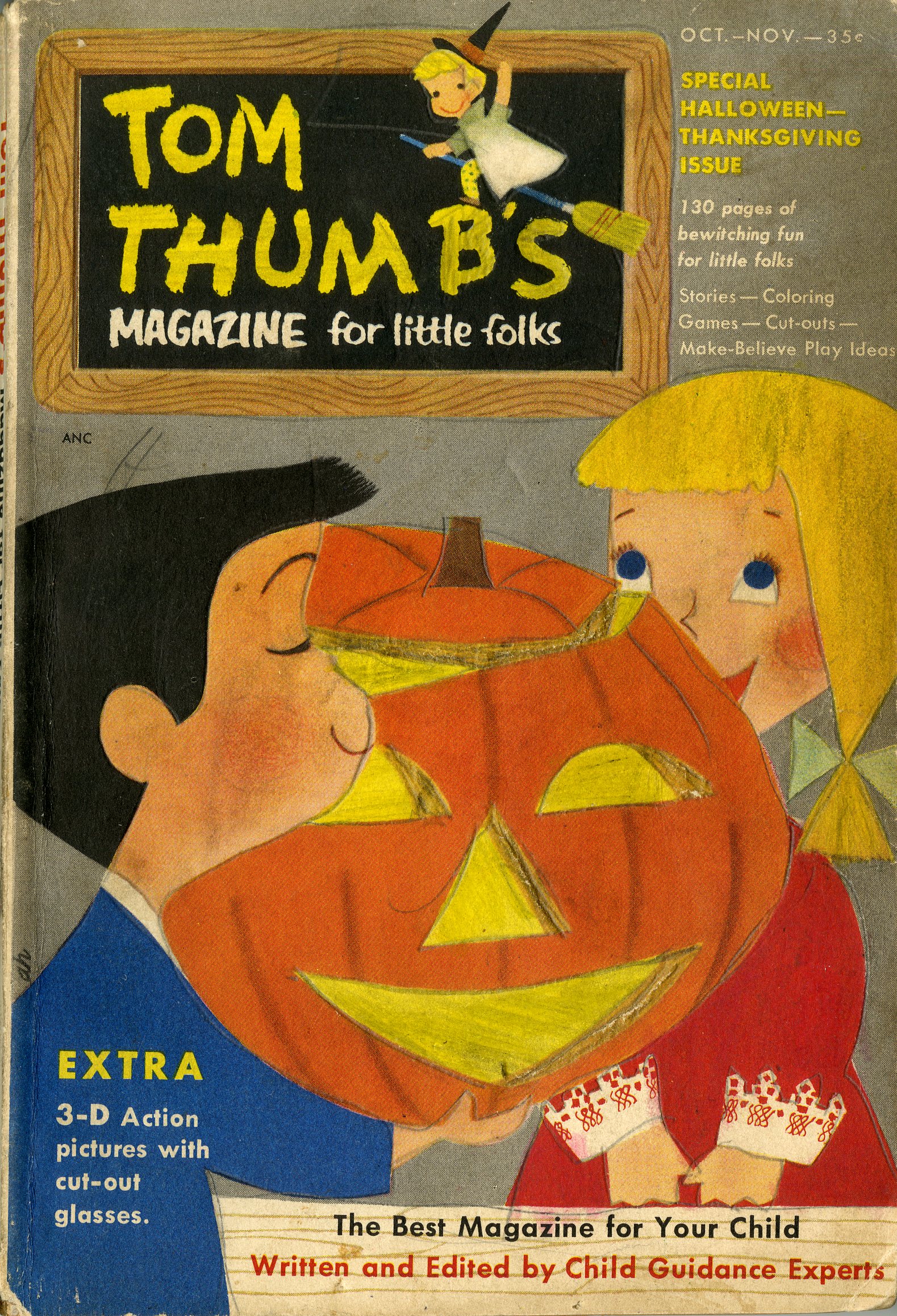
Another digest-sized children’s magazine, Tom Thumb’s Magazine for Little Folks was published by Universal Publishing and Distribution. The magazine was  filled with pages children could color and stories that could teach them without seeming to. The magazine was written and edited by child guidance experts, with vocabulary that was carefully controlled and basic. There was a “How and Why” section, along with games and cartoons for loads of fun.

This 1953 issue was filled with 3-D action pictures and had cut-out glasses that children could use to get the full effect of the 3-D. The cover was bright and colorful and touted the magazine as 130 pages of bewitching fun for little folks. 

WEE WISDOM

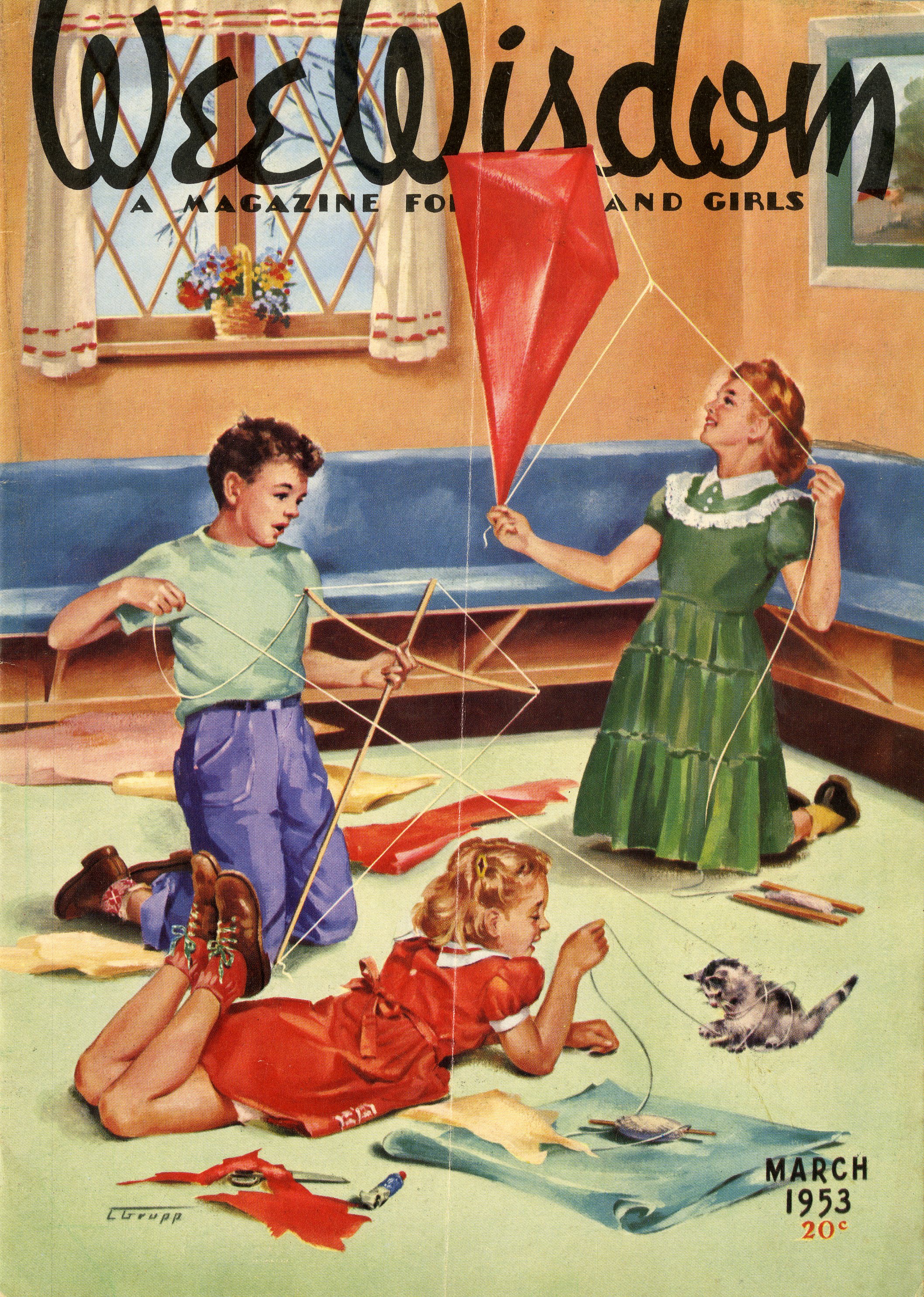
Wee Wisdom is the name of an American children’s magazine, which was established in 1893 by Myrtle Filmore, one of the two founders of the Unity spiritual teachings. The magazine was published for 98 years, until 1991. The magazine’s philosophy was that children have an inherent nature that is wise and good, and that the purpose of education is to teach them how to shine their light of goodness and wisdom in the world. 

The March 1953 issue had three lively-looking children building kites on its cover, complete with a string-wrapped kitten in the middle of them. The content is filled with puzzles, games, vivid poetry and stories that entertain and educate. The activities inside range from drawing to coloring to stamp collecting. It’s a different time, a different era, but fun for children nonetheless.

YOUNG MECHANIC

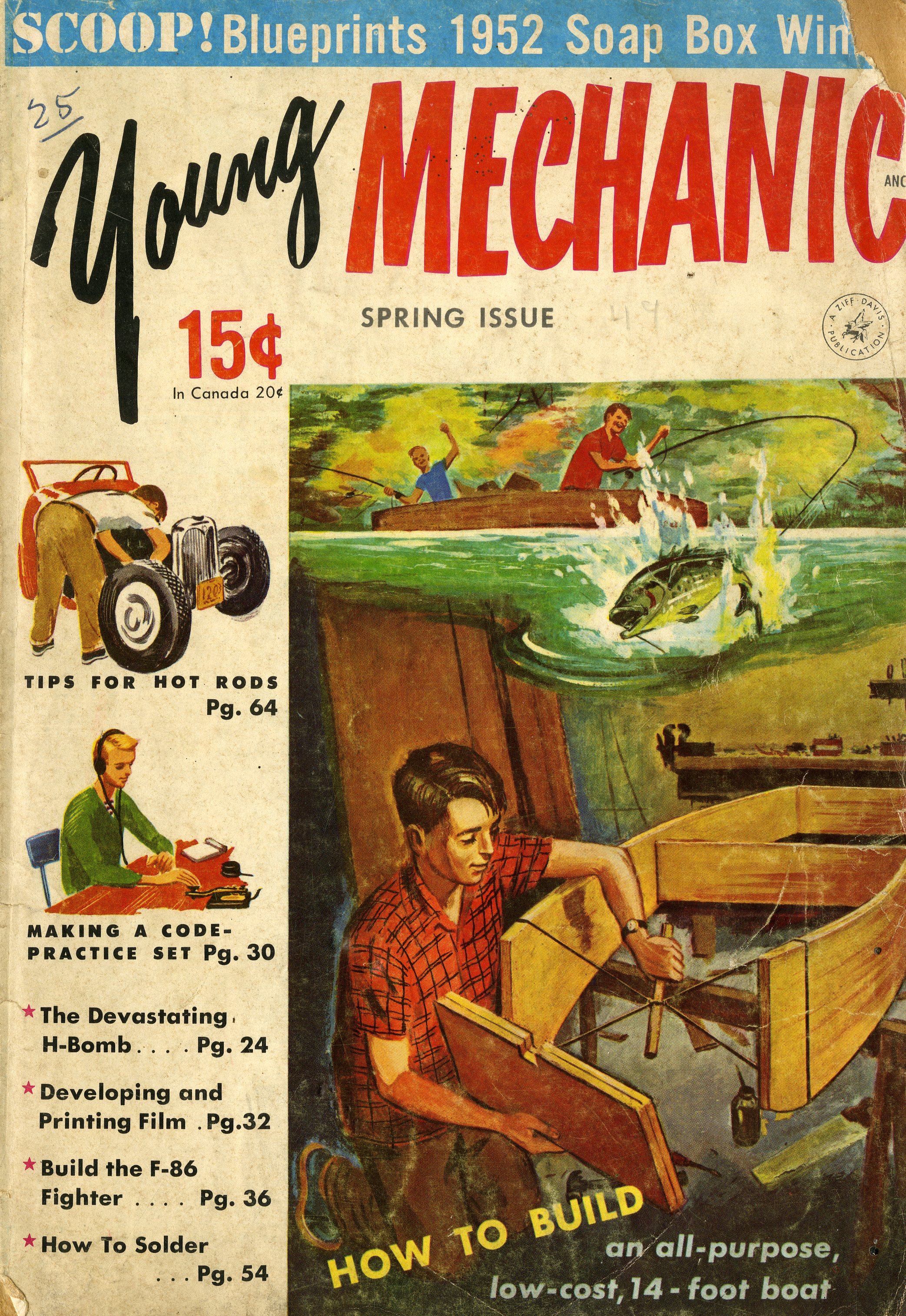
Young Mechanic magazine was published by Ziff Davis, which was an American publisher founded in 1927 by William Bernard Ziff Sr. and Bernard George Davis as a hobbyist print magazine publisher. Young Mechanic was a magazine that gave young people with mechanical minds an outlet, with stories like “Faster Than Sound,” TV Is Not New,” and “Body Tips For Hot Rodders.” It was a magazine that provided blueprints for things like wastebaskets or diagrams for how to start a car when it won’t. There was a plethora of ideas and creative thinking behind each story and advice article.

The spring 1953 issue featured an illustration of a young man building his own 14-foot boat on its cover, with inside stories such as “Developing and Printing Film,” (remember film) and “How to Solder.” The magazine was a young person with a mechanical brain’s dream.

Up next, the True, Detective, and Confessions magazines of 1953. Stay tuned.

h1

Children and Teen Magazines Of 1953. The Magazines And I: Chapter 7 Part 2.

May 26, 2021

Children and Teen Magazines … is the 7th chapter from the serialized book I am writing on the magazines of 1953, specifically March 1953, the month I was born.  This is chapter seven, part two.  Feel free to back track for chapters one, two, three, four, five and six in previous blogs.  Enjoy.

CHILDREN’S PLAYMATE

The tagline for Children’s Playmate was “The Favorite Magazine of Boys and Girls” and with stories and poems, puzzles and riddles, pages that belonged to the children themselves, one could definitely see why it might be a favorite among children. From fun contests to things to make and do, this gem of a magazine was published monthly by the A.R. Mueller Publishing and Lithograph Company. 

The March 1953 issue was a spring edition that had a cover illustration featuring a boy and girl on roller skates, their dog, umbrellas and the ever-present March winds. There were stories dedicated to Irish skits, Irish parties and many other great stories and poems. It was a children’s magazine that offered fun activities and much, much more. 

HIGHLIGHTS FOR CHILDREN

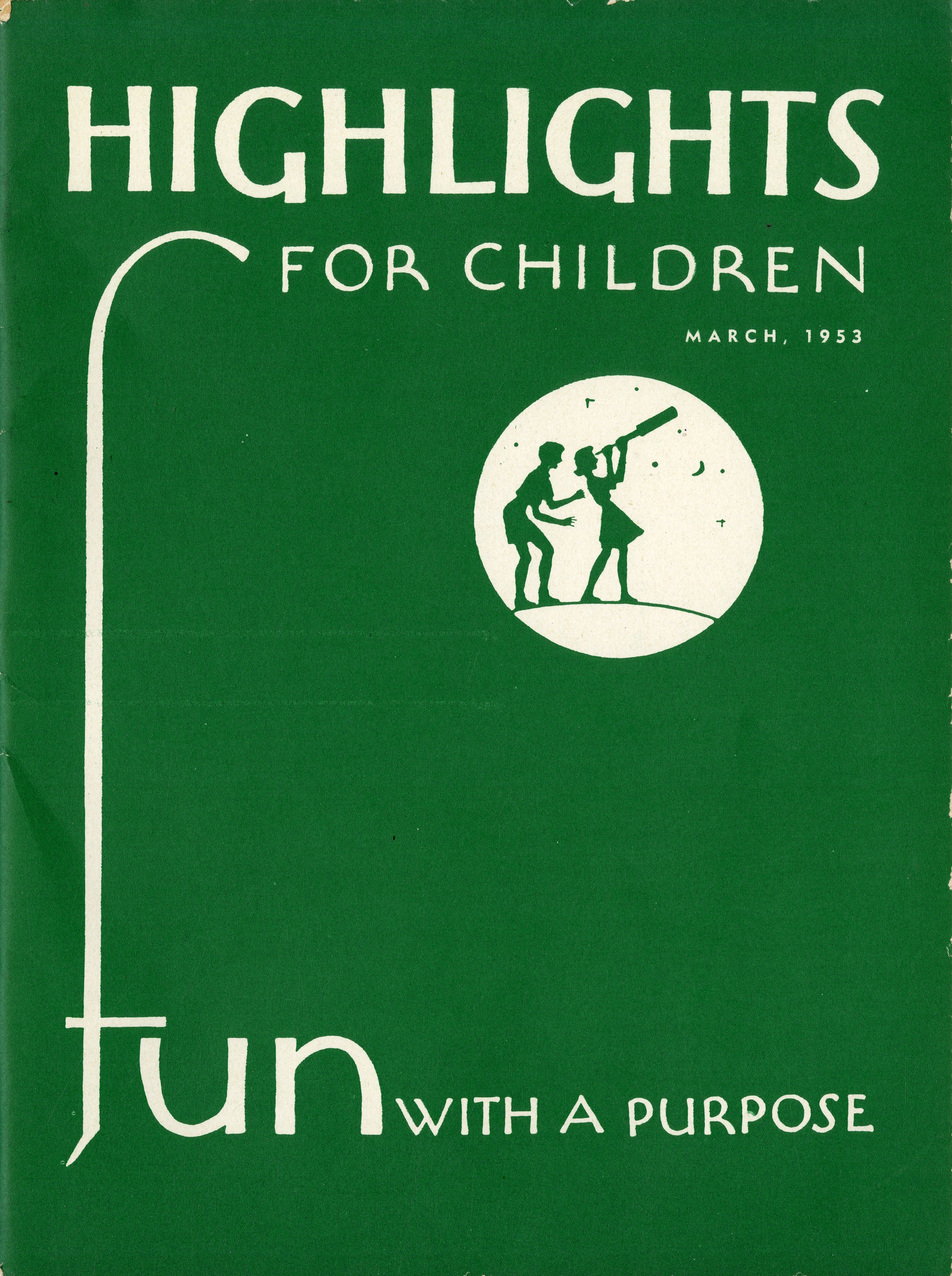
Since 1946, Highlights for Children has been creating “Fun With A Purpose” for children of all ages. The very first issue of Highlights sold fewer than 20,000 copies, but 40 years later, Highlights was the most popular children’s magazine in the United States, having close to two million subscribers, with 95 percent of the copies mailed to homes. The magazine accepted no advertising and shied away from single-issue sales, but could be found in most doctors’ and dentists’ offices in the United States.

The March 1953 issue is an extremely “March” issue, with the cover a deep green in color and two inquisitive children staring into a telescope up into the sky. The stories are whimsical, yet have a lesson hidden beneath the magic: “A Bear Scores,” “The Eisenhower Brothers,” and “Knuckle Down,” among many others. There are many “Things To Do,” and great poetry for kids. In usual Highlights style, the March 1953 issue captivates. 

HUMPTY DUMPTY’S

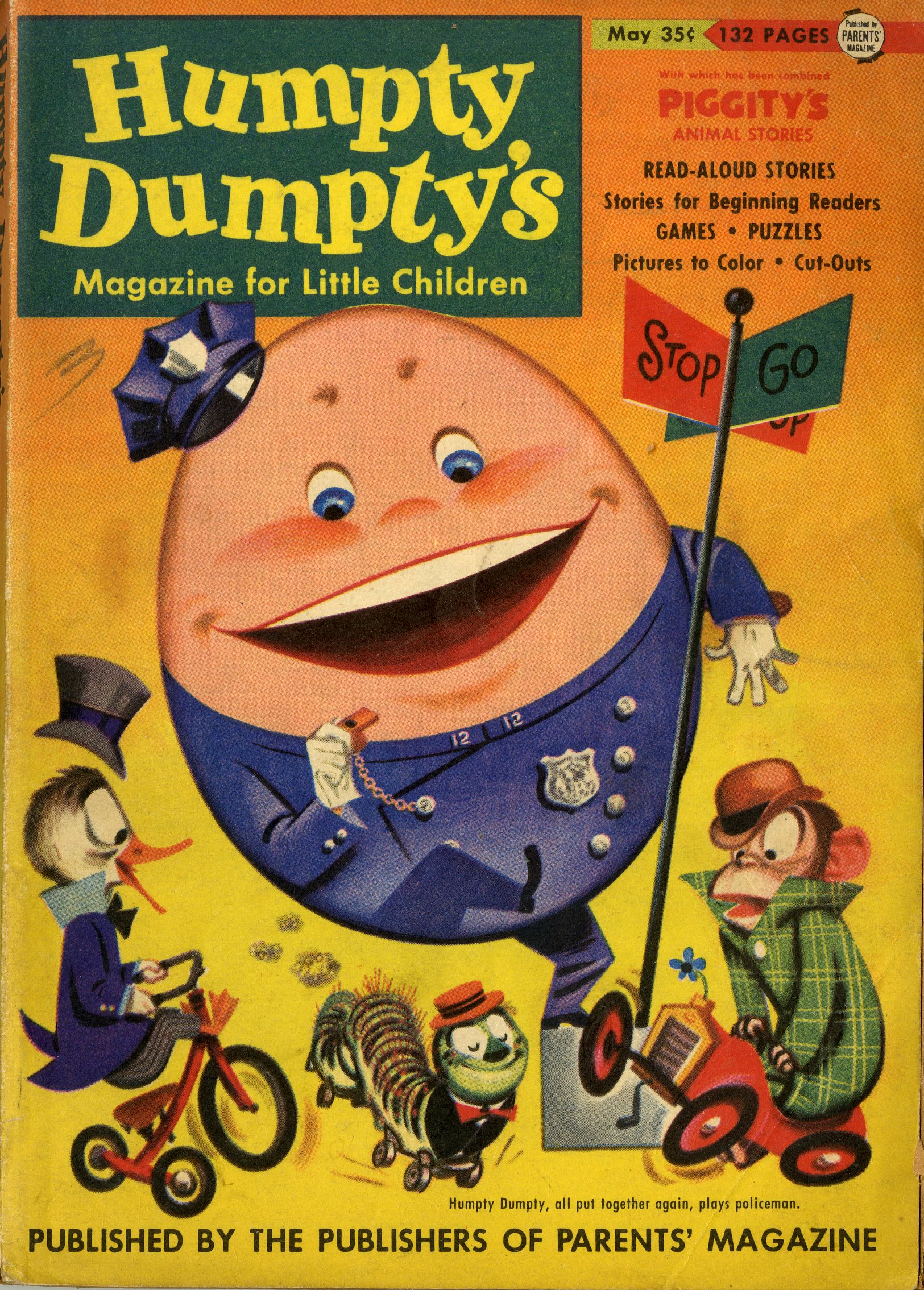
Humpty Dumpty’s Magazine for Little Children has been publishing with the mission to promote the healthy physical, educational, creative, social, and emotional growth of children ages 2 to 6. In March of 1953 Humpty Dumpty the magazine was still an infant, it was issue six of this new magazine published 10 times a year by the same folks who were publishing Parents magazine. Now, the magazine is part of the Children’s Better Health Institute,  the magazine is another extension of the Saturday Evening Post Society.

The March 1953 issue featured stories for beginning readers, several read-aloud stories, along with drawings and illustrations that would bring smiles to adults, never mind the little ones. The cover featured Humpty himself plus a few of his cohorts. The masthead lists Humpty Dumpty as editor in chief. And indeed the magazine reflects the nursery rhyme character’s tenacity, good spirit and fun nature.

On a different note, the magazine offered its readers an explanation about the type of paper and binding it uses. “Humpty Dumpty’s magazine is printed on what is known as “eye-ease” tinted paper. This light green paper is easier on the eyes than white or any other tinted paper.

Out binding, called the Rumflex Binding, is designed to eliminate the use of staples. As a result, the magazine lies flat when opened, and is easier for children to handle.”

JACK AND JILL

Jack and Jill is a bimonthly magazine for children ages 6 to 12 years old that takes its title from the nursery rhyme of the same name. It features stories and educational activities, along with nonfiction, poems, games, comics, recipes, crafts, and more. The magazine has been continuously published for 80 years, and is one of the oldest American magazines for kids.

As part of the Children’s Better Health Institute, which is a division of the Saturday Evening Post Society Inc., Jack and Jill is nonprofit and has a very important mission that it strives to accomplish even today: to promote the healthy physical, educational, creative, social, and emotional growth of children in a creative way that is engaging, stimulating, and entertaining for children ages 6 to 12.

The magazine was launched in 1938 by Curtis Publishing Company and was the first thing that they had added to their portfolio since Country Gentleman in 1911.

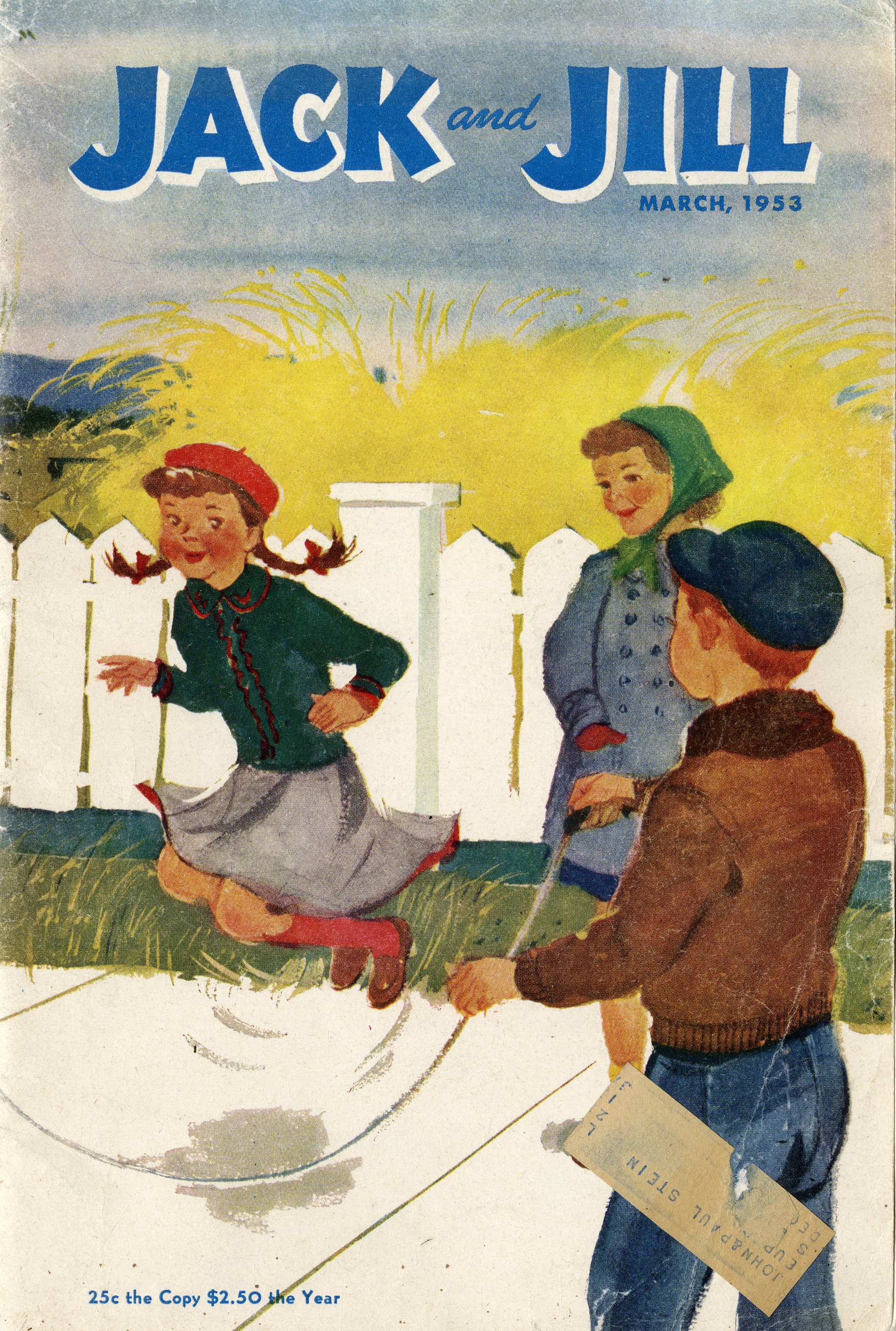
The March 1953 issue features an illustration on the cover of a girl jumping rope, while a young boy swings it up and over for her. It would appear one or both of the children’s mother is looking on with a slight smile. To complement the cover of the magazine, the inside features rhymes for jump roping, titled Rope-Jumping Rhymes and Playground Rimbles. It’s a fun and thoughtful thing to include for the children reading the magazine. 

The stories, drawings and pictures are entertaining and educational. It’s a magazine that was a wonderful companion for the children of March 1953 and still is today.
JUNIOR SCHOLASTIC

The Scholastic Corporation was founded in 1920 and has become a top publisher of magazines for children and youth. There are many extensions of Scholastic for children which are attainable through schools, online and retail. Scholastic is an important part of children’s magazines and still very relevant and available today.

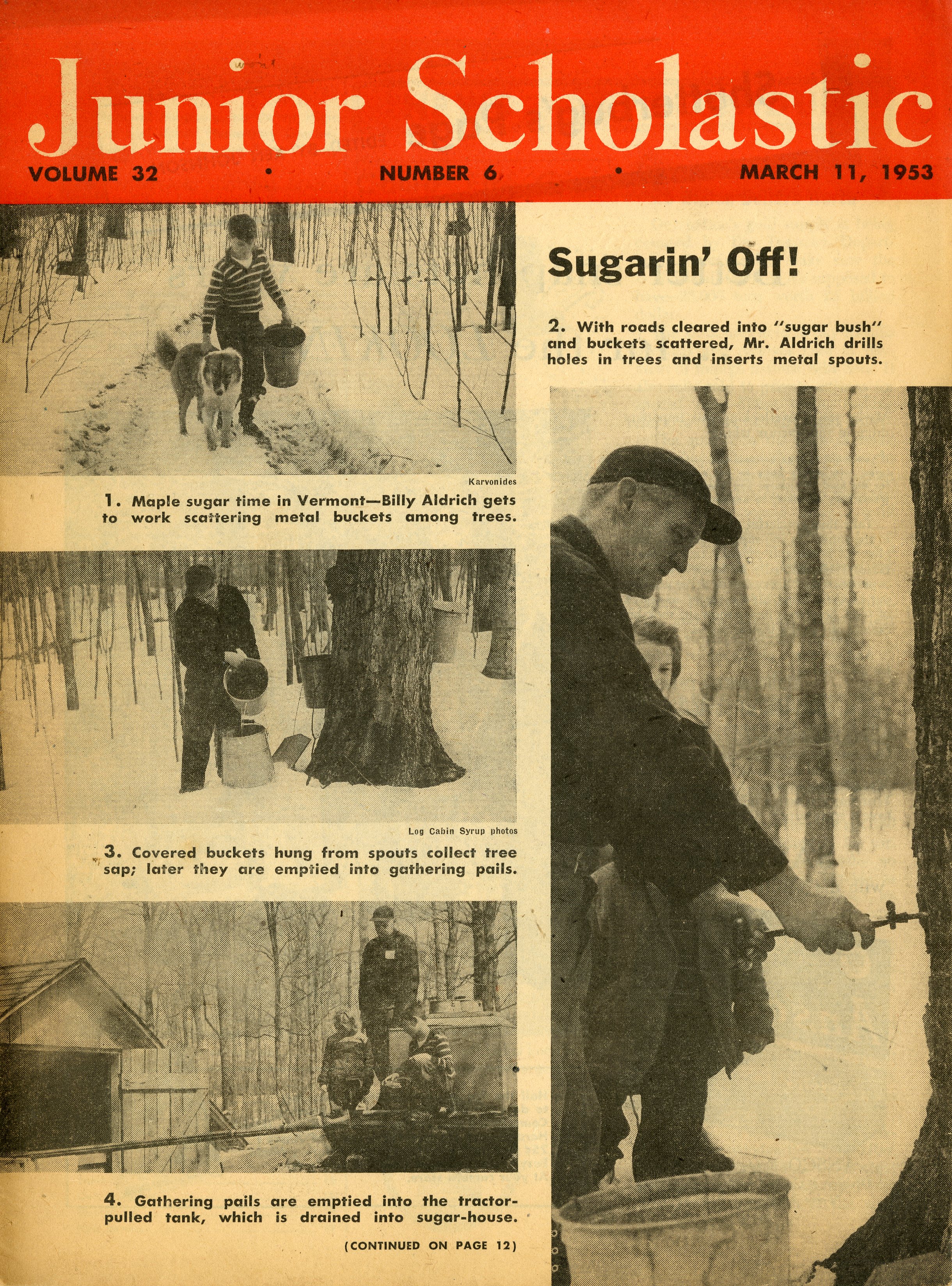
Junior Scholastic was and is focused on middle schoolers and offers a wide variety of stories and articles. The entertainment value and the educational facet of the magazine is clear (it is Scholastic, after all) and the March 11, 1953 issue is no exception to the brand’s value. The cover is filled with how people in Vermont work to make maple sugar. It’s filled with more articles explaining interesting and fun things that people from all over the country and the world know how to do. It’s a great magazine and brings back many memories for many people, even today.

MOVIE TEEN

Movie Teen magazine was a bit of  a spinoff of “Teen” magazine only about screen stars. All the teenaged stars and starlets could find themselves on the pages of this magazine. And in turn, all the teenaged girls buying it were enthralled with their favorite actors and actresses, dreaming one day of meeting them or possibly even dating them

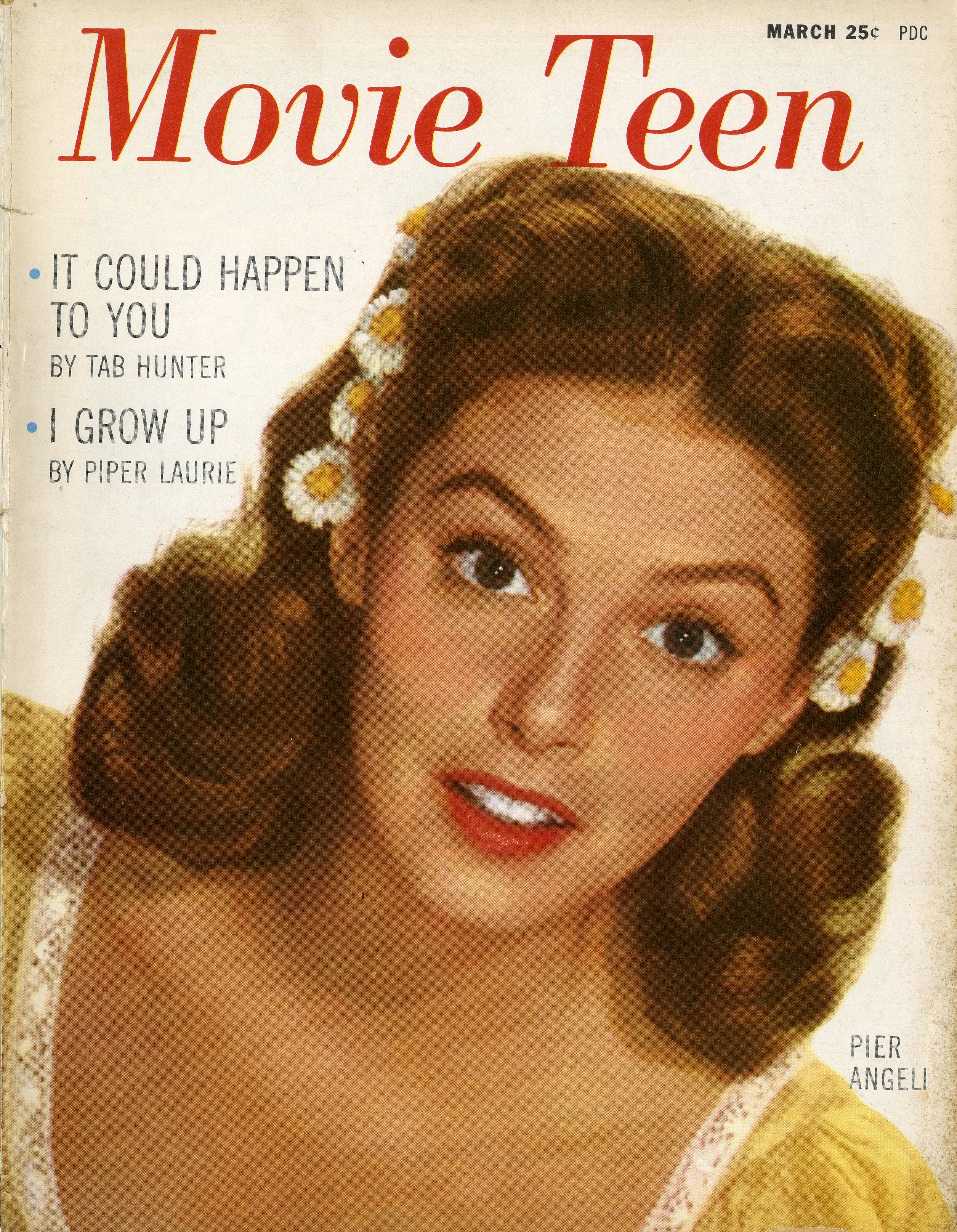
The March 1953 issue featured actress Pier Angeli on the cover with articles written by Tab Hunter and Piper Laurie, two screen teens of the 1950s, in the cover lines. From a feature about a young Robert Wagner to a fan club registry for all your favorites, this publication had to be a young girl’s dream-come-true when it came to info on the stars of the small and large screens. 
Up next part three of the Children and Teen magazines of 1953… Stay tuned.