Archive for the ‘Redesigns’ Category

h1

The Old Farmer’s Almanac At 225 Years: Still Useful With A Pleasant Degree Of Humor, And A Fresh New Look – The Mr. Magazine™ Interview With Sherin Pierce, Publisher, The Old Farmer’s Almanac

August 4, 2016

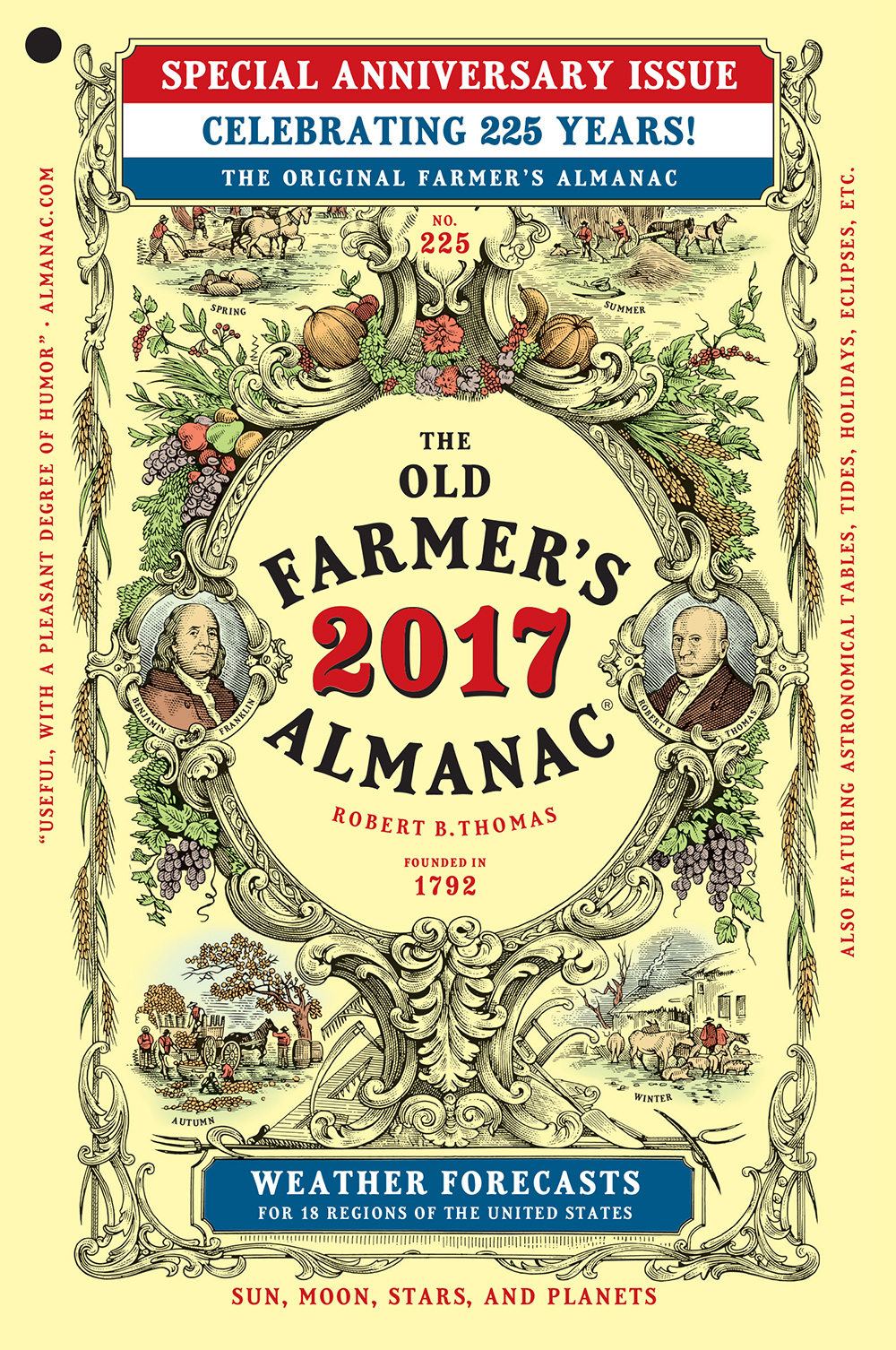
old-farmers-almanac-2017“It’s been the kind of product that’s been passed down from generation to generation and print was how it was passed along. And I think that’s been essential to the longevity of the product, because you have the history of the product in print going back to 1792, those original editions. And there’s something so tangible about a product when you can feel it in your hands and look at the date and see an edition from the 1800s or the very first edition, and you’re holding it in your hands. So, print has been the most essential element in keeping this product alive.” Sherin Pierce


When readers pick up the 2017 Old Farmer’s Almanac, they’re going to be pleasantly surprised by the subtle changes and nuances that have been implemented with the new, polished design. As the Old Farmer’s Almanac, North America’s oldest continuously published periodical, celebrates its 225th edition, the time-honored publication also extols a few updates that have given it a fresher, sharper focus and look.

Sherin Pierce has been publisher of the Old Farmer’s Almanac since 1994 and is very familiar with the beloved publication, more so than just about anyone else. I spoke with Sherin recently and we talked about the reasons for the enhancement and polishing that brought about this revitalization. With their digital footprint growing daily, Sherin said they felt that the time had come to set up the visual presence for the next 225 years. The challenge was to do that without being disloyal to the brand’s legacy look and feel. As Sherin put it, “Why fix something that isn’t broken?” That’s why a “fixing” wasn’t called for, just a bit of refurbishing. After all, how many other publishers can say they work for a publication that’s celebrating such a milestone as a 225th anniversary? How about, no one else?

And now, without further ado, the Mr. Magazine™ interview with a woman whose magazine definitely doesn’t look its age, no matter the couple of centuries or so that it has been around, Sherin Pierce, Publisher, the Old Farmer’s Almanac.

But first the sound-bites:
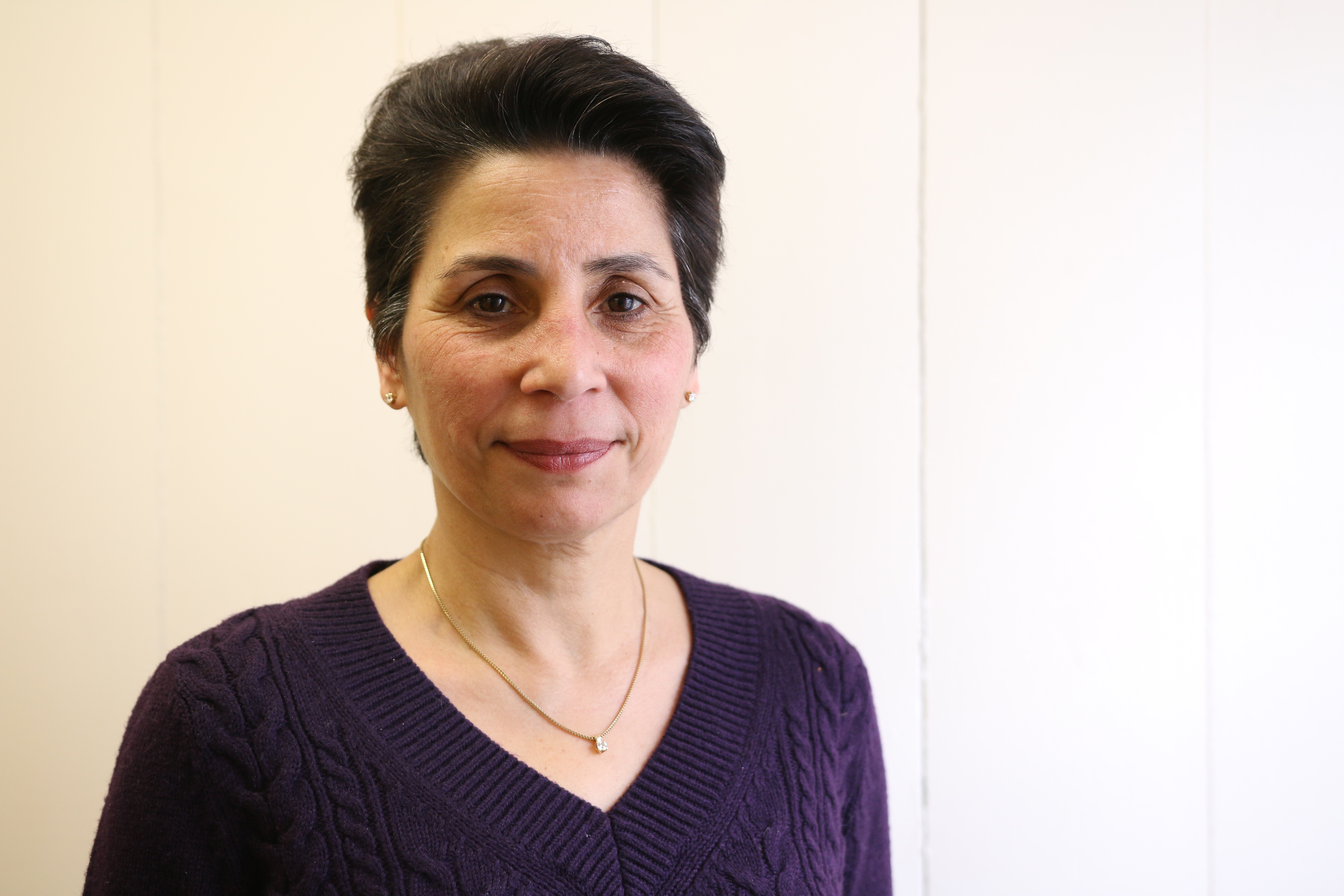
sherinOn what keeps the print edition of the Old Farmer’s Almanac going after 225 years of continuous publishing: The simple answer is the incredible love and affection that people have for the Old Farmer’s Almanac and that love started in its print form. Of course, that’s how the Almanac began back in 1792 and it developed a reputation of being credible and trustworthy, and something that people welcomed into their families and homes.

On whether she can think of any other product that has stood the test of time the way the Old Farmer’s Almanac has: Maybe some food products, such as Baker’s Cocoa. They were some of our first advertisers in the Almanac. And Arm & Hammer, which is also in the Almanac, however it’s morphed into being more of an ingredient in laundry detergent and toothpaste rather than baking soda. I think the difference is that these products may have lasted as long; they’ve stood the test of time, some molasses brands and baked beans and things like that. But how much do people hold them with real affection? I think that’s part of the charm of the Almanac. People really have a great reservoir of love and respect for the product as well.

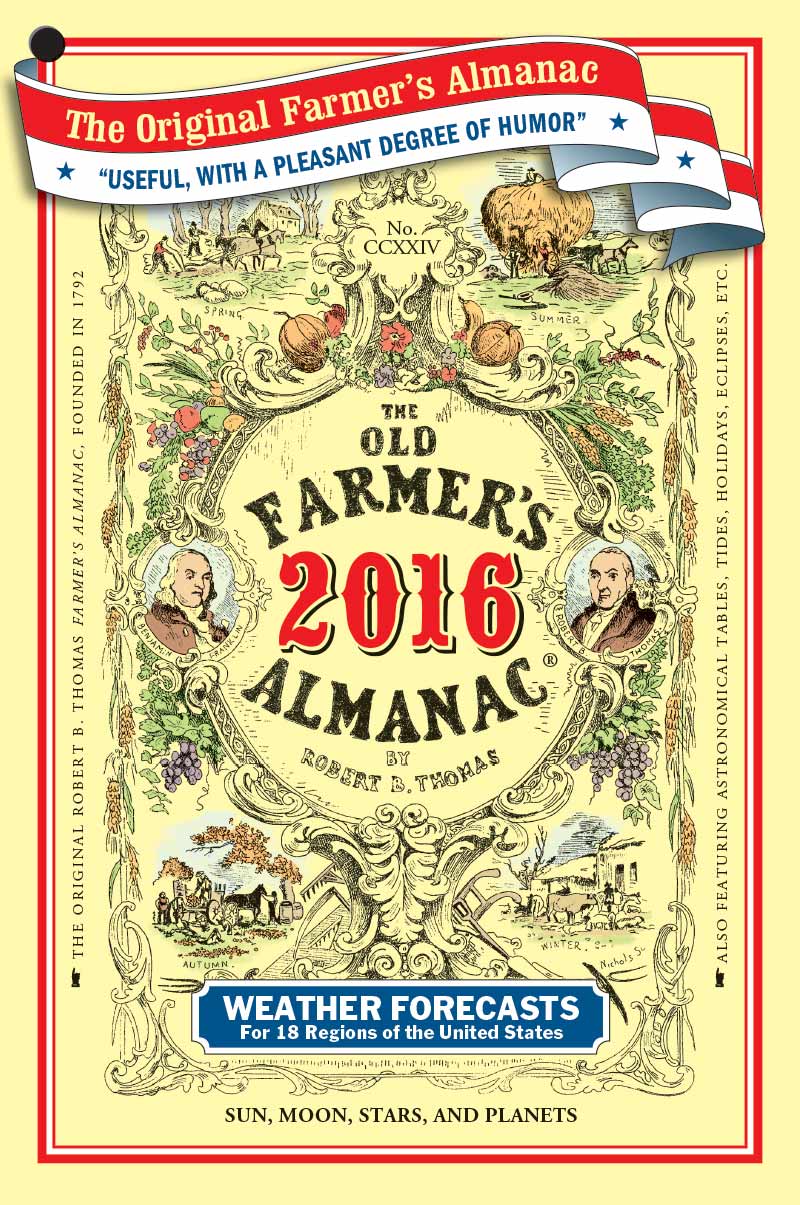
On the magazine’s recent redesign: We called it polishing the brand because we didn’t change anything; we took that cover engraving and illustrated it again. The font was something that we had developed as a custom font for the Almanac, and that was one of the most dramatic changes, but if you look at the 2016 Almanac versus the new one, you’ll see that it just brings everything into a sharper focus.

 On making it fresher, rather than a complete redesign: If it isn’t broken, you don’t fix it, so we enhanced it rather than a complete redesign. It’s such a recognizable cover and you don’t want to do anything to damage that, but you want to, again, enhance certain elements that may have faded a bit over the past decades.

 On the tagline, useful, but with a pleasant degree of humor: That was from Robert B. Thomas and he wanted to make sure that all of the intimation that we had was useful, whether we talked about the weather, the planets, stars, food; whether it was anecdotes or pleasantries, gardening, just whatever we talked about had to be useful information. But at the same time we wanted to have a pleasant way of presenting that information, so it wasn’t like lecturing people.

On the biggest stumbling block that she’s had to face and how she overcame it: Well, because the Almanac is sold at retail and it just dominates so many markets, I think one of the biggest challenges was the whole change in traditional newsstand. With the Almanac we have bookstore distribution and we have direct sales distribution into all of the hardware chains, so we had amortized our risks, but still the newsstand was the major source of distribution for the Almanac.

On the fact that the Old Farmer’s Almanac trademark of the hole in the upper left-hand corner of the magazine can’t be recreated online: (Laughs too). No, but you know what, we have the ‘hole’ story and we tell it online, but it’s not the same. See, that’s why when people said that print was dead, we always knew that for the Almanac to survive, we had to have print. We just had to. People need that and they want to see it.

On anything else that she’d like to add: When we looked at the Almanac this year, part of the reason that we wanted to look at the brand again was because the online presence and the social media presence has been growing by leaps and bounds. Our Facebook is at 1.4 million; Instagram is about 70,000; Pinterest and Twitter; all the ways in which we’re communicating on a daily basis and finding new people to come to the Almanac brand. We wanted to make sure that whether it was online, social media or print, every time someone accessed us they knew they were coming to the Old Farmer’s Almanac. We wanted to make that very clear, visually and in tone and voice.

On what someone would find her doing if they showed up unexpectedly to her home one evening: I’m on my road bike cycling. And then when I get home I go to a Zumba class or a yoga class. After being behind a desk all day, I cycle to work as well, in the summertime, not in the wintertime; I’m doing something very physical and active. I exercise and then I come back and garden. And at the end of the day I usually read.

On what keeps her up at night: What keeps me up at night are deadlines that may be missed. Also, I sometimes wonder why we can’t be more decent and civilized to one another. We’re all in competition as publishers, but we’re civil to one another. And I wish the way we all work together professionally could carry over into our daily lives. The divisiveness and the rhetoric that we’re hearing now are very upsetting and it’s hard to imagine that our lives are so governed by negativity.

And now the lightly edited transcript of the Mr. Magazine™ interview with Sherin Pierce Publisher, the Old Farmer’s Almanac.

Samir Husni: Congratulations on reaching such a milestone, the 225th edition of the Old Farmer’s Almanac.

Sherin Pierce: Thank you.
farmers-almanac_0Samir Husni: After 225 years of continuous publishing and in this digital age, and I know that you’ve expanded and are everywhere, from the web to mobile, but what keeps the print magazine going after all of this time?

Sherin Pierce: The simple answer is the incredible love and affection that people have for the Old Farmer’s Almanac and that love started in its print form. Of course, that’s how the Almanac began back in 1792 and it developed a reputation of being credible and trustworthy, and something that people welcomed into their families and homes.

So, it’s been the kind of product that’s been passed down from generation to generation and print was how it was passed along. And I think that’s been essential to the longevity of the product, because you have the history of the product in print going back to 1792, those original editions. And there’s something so tangible about a product when you can feel it in your hands and look at the date and see an edition from the 1800s or the very first edition, and you’re holding it in your hands. So, print has been the most essential element in keeping this product alive.

It has morphed into other platforms, but it really all started with print. And that’s something that we understand and respect. For many of our readers who still want the Almanac in print, we’re always going to have a copy for them in print as well as our other platforms.

Samir Husni: For a magazine historian like me, the Almanac started just 51 years after the very first magazine was ever published in the United States; can you think of any other product that has lasted through thick and thin like the Almanac has? That’s still as fresh as it was 225 years ago?

Sherin Pierce: Maybe some food products, such as Baker’s Cocoa. They were some of our first advertisers in the Almanac. And Arm & Hammer, which is also in the Almanac, however it’s morphed into being more of an ingredient in laundry detergent and toothpaste rather than baking soda.

I think the difference is that these products may have lasted as long; they’ve stood the test of time, some molasses brands and baked beans and things like that. But how much do people hold them with real affection? I think that’s part of the charm of the Almanac. People really have a great reservoir of love and respect for the product as well. So, besides the longevity, we also have that going for us.

Samir Husni: You’re in a unique position; you’re the only publisher that I know of that can go to someone in the industry and say, we’ve been publishing this magazine for 225 years, especially this year with the redesign and everything that you’ve done. What’s different now with the redesign?

Sherin Pierce: When we looked at the cover of the Almanac, we looked at just polishing it a bit. It’s like when you have your reading glasses on and they’re a little foggy, you clean them and then you look at something and you see everything with clearer, fresher eyes.

We called it polishing the brand because we didn’t change anything; we took that cover engraving and illustrated it again. The font was something that we developed as a custom font for the Almanac, and that was one of the most dramatic changes, but if you look at the 2016 Almanac versus the new one, you’ll see that it just brings everything into a sharper focus. It’s still the familiar yellow cover; it’s still the familiar engraving; the four seasons; Ben Franklin and the founder, Robert B. Thomas, look like real people. And you can actually see the engraving of the four seasons. Everything has just come to life and in a sharper focus.

It looks very much the same, but just polished. And it’s just so much clearer and so much more eye-catching. It’s something that we needed to do; we really needed to polish the magazine a little. Developing that font was essential because we use that font now across all of the products that we do and online and on Facebook, so that’s the recognizable font of the Old Farmer’s Almanac. It’ll be across all print, social media and online as well.

Samir Husni: When I saw the new redesigned cover, I was pleasantly surprised by how fresh it looks, but I didn’t feel I was looking at a stranger; that this wasn’t my old friend, the Old Farmer’s Almanac.

Sherin Pierce: That was part of the challenge. If it isn’t broken, you don’t fix it, so we enhanced it rather than a complete redesign. It’s such a recognizable cover and you don’t want to do anything to damage that, but you want to, again, enhance certain elements that may have faded a bit over the past decades, and just bring it into sharper focus, so that when people look at it they can still see the same Old Farmer’s Almanac, but with a clearer, fresher look.

And I think we achieved the pleasant surprise that we wanted. We didn’t want it to be unrecognizable; we just wanted people to feel that there was something a bit different about it that they couldn’t really put their finger on, but that there was something fresher about it.

Samir Husni: The tagline: useful, but with a pleasant degree of humor…

Sherin Pierce: That was from Robert B. Thomas and he wanted to make sure that all of the intimation that we had was useful, whether we talked about the weather, the planets, stars, food; whether it was anecdotes or pleasantries, gardening, just whatever we talked about had to be useful information. But at the same time we wanted to have a pleasant way of presenting that information, so it wasn’t like lecturing people.

We wanted to have a pleasant degree of humor, permeate everything we do with that humor. We don’t take ourselves seriously, but we take our work very seriously. So, we want people to feel good about getting the information from the Almanac, because humor is so essential in life. If the information is just dour and straightforward facts, people aren’t going to come back to the magazine time and again to get this information. Let’s be honest, you can find this information anywhere if you search long and hard, but we curate it in a way that’s useful and we add a special tongue-in-cheek sense of humor in everything that we present. So, it makes people feel good. They have the information and they enjoyed the entire process of getting it.

And whether we do it online or in print, it’s a touchstone for us. Anytime that you have a touchstone that you can go back to and ask whether something really lives up to what the founder wanted 225 years ago; I think that’s remarkable. Everything we do is governed by those few words: useful, but with a pleasant degree of humor.

Samir Husni: You’ve been the publisher since 1994 and you’ve seen a lot of changes; what has been the biggest stumbling block that you’ve had to face over the years and how did you overcome it?

Sherin Pierce: Well, because the Almanac is sold at retail and it just dominates so many markets, I think one of the biggest challenges was the whole change in traditional newsstand. With the Almanac we have bookstore distribution and we have direct sales distribution into all of the hardware chains, so we had amortized our risks, but still the newsstand was the major source of distribution for the Almanac.

And when the newsstand began to implode in the 1990s, with The Anderson News grabbing the chains and you start seeing all of these mega wholesaler groups forming, the demise of the small wholesaler, the smaller stores that sold the Almanac, all the small mom-and-pop stores that the smaller wholesalers could send copies to; when they became these big wholesaler groups, all they were interested in were the big chains. That’s all they could service, and losing all of those tens of thousands of smaller towns and the smaller wholesalers, it hurt us.

And so many of our customers in those C and D counties, there are no major chains, this is what they depended on, the smaller wholesaler service these smaller towns. That was a big challenge for us, to have to figure out with people losing the ability to buy the Almanac locally, how could we get it to them? So, we did start marketing the Almanac more aggressively and began shipping it to people. So, that was one way we overcame that whole thing.

And we went online in 1996; almanac.com was established 20 years ago. And we learned very quickly how to take the Almanac and not just put the whole issue online for free. We took elements of the Almanac and built our website to reflect all of the different sections of the Almanac. So, you could get a sense and a feel and an up-to-the-moment look at the Almanac, but the print was still the annual publication and it was different from what you got online. And we also developed a way to sell the Almanac as an online publication as well.

So, I think that transition, especially when everyone kept saying that print was dead; we never gave up on print, but that transition showed that we could coexist. Print and online could coexist; there’s no reason one has to die for the other one to live. We developed our E-book versions for Kindle and iPad; we kept our page-turner version on almanac.com, but we continued in print as well.

We went from a high in the 1990s in print of about 6.3 million and now we’re holding at 3 million. And most of that is due to the challenges of distribution on the newsstand. With the number of wholesalers you can’t put more copies out there, the capacity just isn’t there. And that was one of the challenges that we had to face. As wholesalers get bigger and bigger, the demands get greater. And for an annual publication, we have to have everything working perfectly because we have one chance every year. We have one chance and we have to get it right, so all of the planning and printing and distribution; it all has to come to fruition and it has to work. We have several redistributions, obviously, but everything depends on that one opportunity to get the job done correctly.

The average newsstand sale is not 26%; we’re regularly in the high 30’s and even though we look back nostalgically at the days when we were in the 40’s and even 50’s, it’s still pretty good, given the amount of copies that we put out. Every year we begin with zero orders and we have to build that whole print order year after year. Nobody ever gives you anything; you have to fight for it. Every year you have to plan and think about what you need to do and that’s going to be the ongoing challenge. Also with scan-based trading and Pass Through RDA, every year more and more pressures are put on publishers who sell at retail. There is a lot of pressure and again, it’s constant evaluations. Those are the challenges that are going to be ongoing.

The good news is in certain chains, like the specialty accounts, such as Lowe’s, Tractor Supply and Home Depot, we do very well. When you’re selling in the 70% in those places, it offsets some of the other issues you have on the newsstand.

Samir Husni: I know you’ve recreated a lot on digital and online, but what do you do with that trademark of the Old Farmer’s Almanac, the hole in the upper left-hand corner? You can never create that in digital, can you? Nobody is going to drill a hole in their computer to make that. (Laughs)

Sherin Pierce: (Laughs too). No, but you know what, we have the ‘hole’ story and we tell it online, but it’s not the same. See, that’s why when people said that print was dead, we always knew that for the Almanac to survive, we had to have print. We just had to. People need that and they want to see it. We have several versions of the Almanac; our hardcover version doesn’t have the hole, but it’s a collector’s edition. It’s sold with the one hundred year or two hundred year and the current Almanac, so we do the reprints of those. For instance, in 2017 we’ll reprint the 1817 and the 1917 editions. It comes as a package. So, you’ve got 200 years of Almanac publishing. So, that’s a collector’s edition.

People want that familiar hole; the more things change, the more people want some things to remain the same. It’s that kind of stability in this ever-changing world. You’re bombarded with so much and then there’s this little yellow book that stands for simpler times. And it’s still so relevant.

Samir Husni: Is there anything else that you’d like to add?

Sherin Pierce: When we looked at the Almanac this year, part of the reason that we wanted to look at the brand again was because the online presence and the social media presence has been growing by leaps and bounds. Our Facebook is at 1.4 million; Instagram is about 70,000; Pinterest and Twitter; all the ways in which we’re communicating on a daily basis and finding new people to come to the Almanac brand. We wanted to make sure that whether it was online, social media or print, every time someone accessed us they knew they were coming to the Old Farmer’s Almanac. We wanted to make that very clear, visually and in tone and voice.

And I have to say, we’re not owned by a big, mighty conglomerate; we’re a small and independent publishing company, but we have really talented, hardworking people. Everyone has a focus and a great commitment to what they do. And with those words of advice from our founder and such a committed staff; a hardworking, smart and talented staff, I think we can really keep this brand and give it all the accolades that it needs for 225 years, and then also position it for the future as well. I won’t be here for the next 225 years, but that’s OK; we’ll leave it in a good situation so that someone else can take it forward. Honestly, it takes a village. (Laughs)

And whether it was what happened inside this building or outside, it’s the people who helped us with the redesign, illustrator Steven Noble, Sam Berlow and David Berlow of The Font Bureau, Ben Scott and Lainey Fink at Bluerock Design, and all the other people who helped, it really took a village. Everyone wanted to be a part of keeping this historical legacy going. I’m very lucky to have the support system that I have.

 Samir Husni: If I showed up unexpectedly to your home one evening after work, what would I find you doing; reading a magazine, reading your iPad, watching television, or something else?

Sherin Pierce: I’m on my road bike cycling. And then when I get home I go to a Zumba class or a yoga class. After being behind a desk all day, I cycle to work as well, in the summertime, not in the wintertime; I’m doing something very physical and active. I exercise and then I come back and garden. And at the end of the day I usually read. I read the paper that I’ve read for the last 30 years, the Wall Street Journal. I might watch some TV; I love comedies and I love watching some of the political shows as well, so I will watch a little TV. But it’s really a variety of things. More or less, as I get to the end of the day, I switch off the electronics and unwind with print.

Samir Husni: My typical last question; what keeps you up at night?

Sherin Pierce: What keeps me up at night are deadlines that may be missed. Also, I sometimes wonder why we can’t be more decent and civilized to one another. We’re all in competition as publishers, but we’re civil to one another. And I wish the way we all work together professionally could carry over into our daily lives. The divisiveness and the rhetoric that we’re hearing now are very upsetting and it’s hard to imagine that our lives are so governed by negativity.

I’m an optimistic person and I’m always trying to see how I can do things better and how I can learn. I’m very curious; I love to learn. I love history and I try to look at it as examples of the mistakes that have been made and I try not to repeat them.

I hope that in some small way the work we do makes people’s lives better and brings them to a place of a bit more peace and tranquility. When you’re looking at the things that are the most essential, you can look at the sky and the beautiful moon every month and understand more about nature and figure out who we are in the context of nature. It’s a time of a little introspection. And to take away from some of the anger and angst that seems to govern our lives every day.

I just hope that the Almanac can bring that because that’s what I hope for people. I would like to make the anger and violence disappear and try to introduce a level of tranquility into their lives. And I think we do that with the little yellow book. And that’s what I hope to accomplish. I have kids and I want this world to be a place where they can flourish and live in safety and harmony. That’s what I hope for.

And unfortunately, I think the web has given people an opportunity to be so anonymous in a way, there’s no face-to-face, the things that are said online when you read some of the comments; it’s horrifying. If you were face-to-face with someone, you would never say that. Behind that wall of anonymity, people say whatever they want. We have to have filters and to think about the impact of what we’re saying.

Samir Husni: Thank you.

 

h1

Skaaren Design: Editorial & Good Design – What Magazine Making Has Brought Together, Let No Shrinking Budget Put Asunder – The Mr. Magazine™ Interview With Cody Skaaren, Creative Director & Designer, Skaaren Design

July 28, 2016

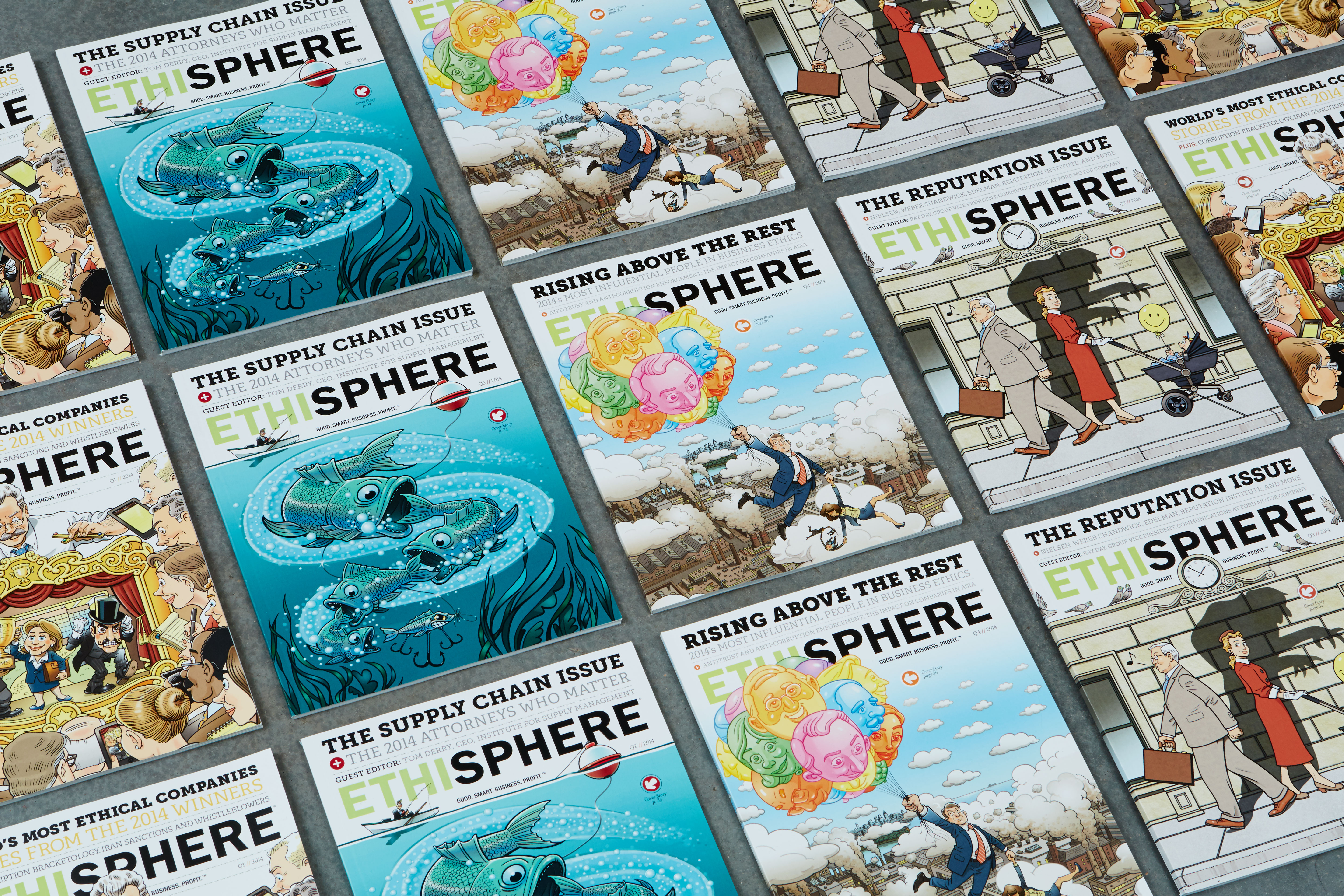
Ethisphere Cover Award Winner“I think budgets have shrunk a little bit and a lot of people are interested in digital magazines over print magazines; we get a lot of calls and a lot of interest in doing digital magazines. I think they believe it’s going to be much cheaper, but when they dig into it and realize how much a digital magazine actually costs to do right; basically the same price except the advertising isn’t as expensive. You can’t make as much money on advertising with a digital edition as you can in a print edition, for the most part. So, I see a lot of interest, but I see a lot of interest wane once they get into it. I think people kind of see digital magazines like a website, where it’s not going to cost much money.” Cory Skaaren

 “I find that working closely with the client is almost a necessity. So many people want to hire you and just tell you to do what you do and that’s just a recipe for disaster. We always try and sit down, and I can’t use the word education enough, and educate our clients, and not just about the business of magazines themselves, sometimes they know that kind of stuff, but I really like to talk about the process of design and setting up a magazine that is great, but giving it room to evolve. And, I want to know certain things too. I really need to understand the editorial model. If we’re not a part of creating the editorial model, then I want to understand why the editorial model is the way it is. Why they’re writing the kind of articles they are. I want a 360 degree understanding of that magazine or I can’t design it.” Cory Skaaren

What is good design? According to Cory Skaaren of Skaaren Design in Phoenix, Arizona, good design is the marriage of all elements of the process. From the editorial to the original photography, to the typography and the illustrations; good design is more than filling 96 pages and calling it a completed magazine. There is the flow and the feel; the life of the content that literally breathes from the pages. And Mr. Magazine™ would definitely agree. The magazine is certainly a living, breathing entity.

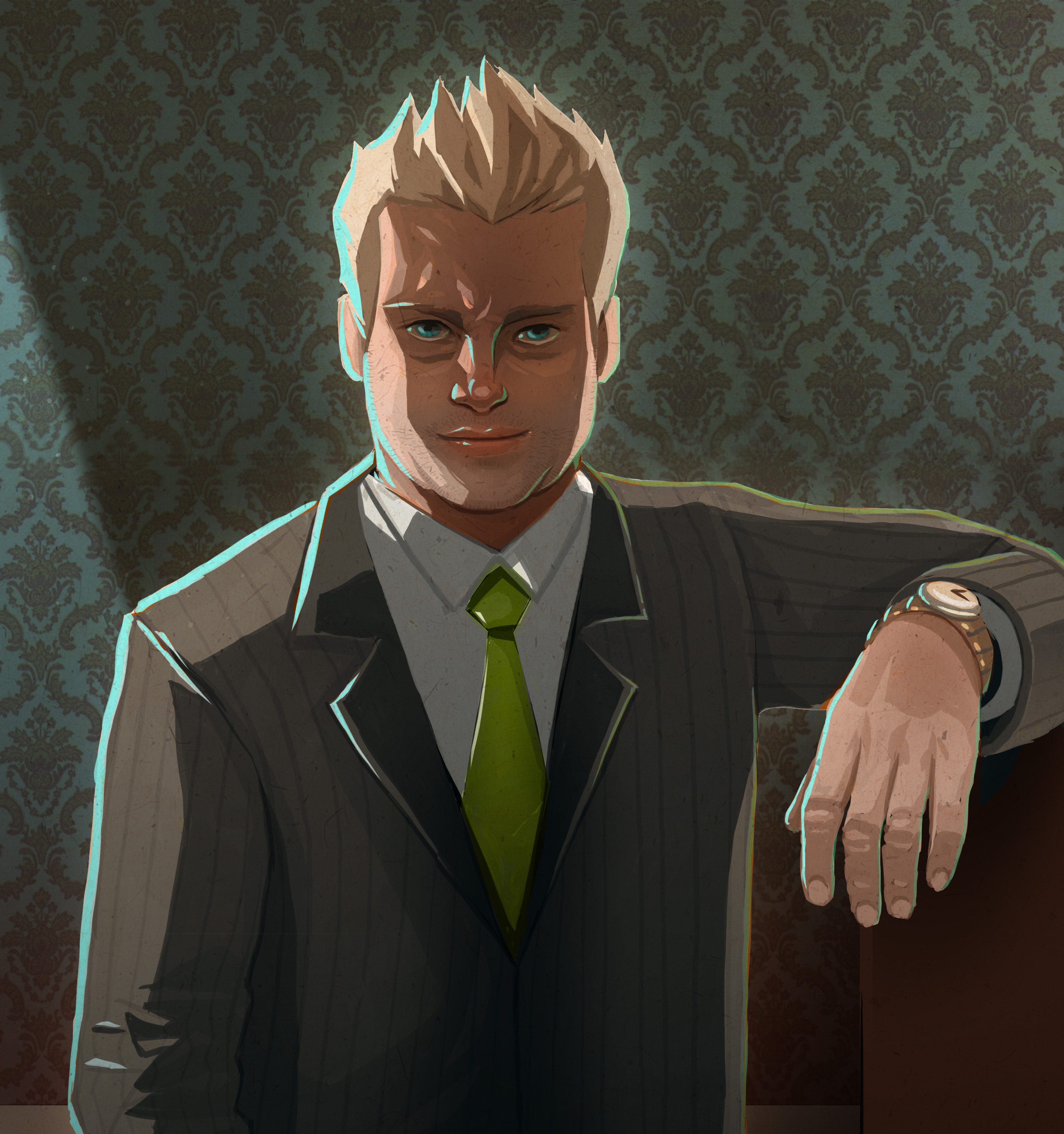
cory_portrait_01_111213I spoke with Cory recently and we talked about the genetics that make a healthy magazine; one that’s not only easy to absorb, but also highly successful. After 20 years in the design and visual communication business, Cory makes it abundantly clear that narrative is everything. The stories are as much a part of the design as the grids are. And it’s definitely a marriage made in heaven when it’s done right.

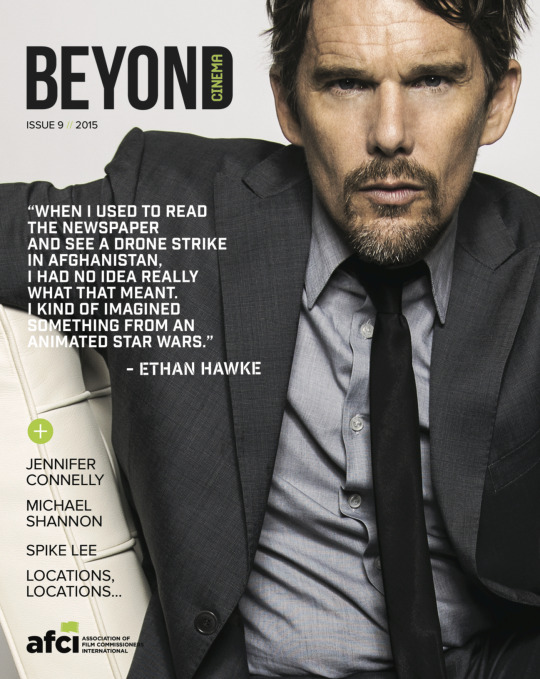
From Kono, a martial arts magazine for children, to Ethisphere, a quarterly magazine that’s dedicated to information on ethical leadership for CEO’s, directors and other business professionals, to Beyond Cinema, all about the film industry; Cory has experienced great design firsthand, his own. With Skaaren Design he works with many new magazines as he designs, consults and shares how important the art of storytelling really is to good design.

So, I hope that you enjoy the Mr. Magazine™ interview with a man who knows good design is much more than lines and grids, Cory Skaaren, Creative Director & Designer, Skaaren Design.

But first the sound-bites:

On the difference between how design and creativity are implemented today versus prior to the digital explosion: I think budgets have shrunk a little bit and a lot of people are interested in digital magazines over print magazines; we get a lot of calls and a lot of interest in doing digital magazines. I think they believe it’s going to be much cheaper, but when they dig into it and realize how much a digital magazine actually costs to do right; basically the same price except the advertising isn’t as expensive. You can’t make as much money on advertising with a digital edition as you can in a print edition, for the most part.

On whether all of these changes are helping or hurting the creative industry: Well, I guess I think it’s hurting it. We just have to keep justifying the importance of the psychological effect of good art and good design and good flow. I work with a lot of people who are doing a magazine for the first time, so we’re ushering them through the process. And I think sometimes part of the reason why they decided to do a magazine was because they thought it was going to be cheap because they’ve heard about stock photography and all of these things that are easy and fast and relatively cheap to get.

On whether he encourages or discourages people who have no magazine experience when they come to him with an idea for a new launch: Some of the best experiences I’ve had with people and magazines are newcomers to the publishing space because you’re kind of starting clean with them and you can explain things and as long as they’re reasonable, I think you can get to the heart of the matter pretty quickly.

On a few determinates that are a must in today’s creative design marketplace: Being a designer I really don’t work on magazines that don’t have an art budget. I think original photography and original art is vital to just the life of the magazine. That’s probably a pretty cliché answer, but I also think editorial structure and the flow of the magazine is something that’s very important and a lot of people don’t even consider, going back to the people who are entering publishing for the first time, it’s surprising sometimes that they don’t understand the very basics of the front of the book and the back of the book, and the well, things like that.

On how he made the transition from starting out drawing comic books to designing magazines: I was in college; I was going to design school and I was doing the cartoon for a local nightlife magazine in Phoenix, Arizona. I was basically a glorified intern; I really hadn’t designed anything of note. I had just been an illustrator. Late one night I walked into the office to turn in my cartoon and the publisher’s wife was there and she said that the art director had just quit and asked me to design the magazine. And I just said yes because that’s what we were taught to do; you never said no. So, the next day I started designing the magazine.

On the biggest stumbling block that he’s had to face and how he overcame it: I really believe in the importance of good design. Obviously I see, even though I’m a writer and I’m probably more hands-on with my magazines than a lot of “creative directors” are, we help direct and create editorial. A lot of the magazines that we’ve done over the last 10 years, we helped create and launch. But getting people to understand the importance of good design and spending money on good design; and when I say design I’m including illustration and photography and good writers even for that matter. And I think the only way to truly overcome that is to spend a lot of time with the client educating them on what makes a magazine good.

On his most pleasant moment: When you find a client who really understands and who wants to build something with you; that’s great. And they’re in it for the long haul; that’s when magic really happens. My favorite thing about doing a magazine, obviously besides the design and working with illustrators is working with the editor and working with the editor in chief. During the production of one of our magazines, I’m probably on the phone with an editor in chief almost every day, talking about things, going over articles; what we can do to make them better; what information we can add to make the content better.

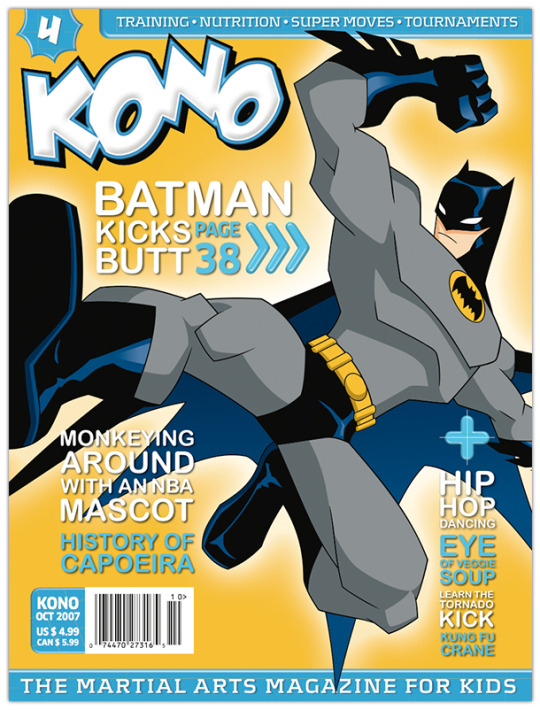
Kono BatsOn which of the magazines that he works on he would use as an example to a potential client: I think the best magazine that I ever worked on was Kono magazine, which was a martial arts magazine for kids. But it was really a kid’s lifestyle magazine. That magazine just had a lot of life and it caught on with the readership very quickly. We broke almost all of the rules of magazine design; we didn’t have a baseline grid. The whole magazine was designed as if a kid made it.

On the new magazine he’s launching this summer: We’re launching a new magazine called Hyper and it’s kind of a continuation of what we did with Kono. Even though we built Kono from the ground up, Kono wasn’t my idea. Kono was an idea of two guys who were in the martial arts industry and who realized that every kid in the United States took martial arts at some point in their lives. It’s actually one of the largest sports for kids in the United States; more kids are in martial arts than football or little league baseball. And there are around 35,000 martial arts schools across the United States. And they didn’t have a media platform.

On what motivates him to get out of bed in the morning: It’s a challenge sometimes, because doing magazines, and we’re doing four magazines right now, so there’s always a magazine to do. A lot of time magazines can kind of weigh on your psyche a little bit because there’s no respite from it. There’s so much to do that you finish one and the next one just starts; you don’t even get a breath sometimes. I think the challenge of just getting it right is enough for me. I take it very seriously that someone has decided to give me a fair amount of money to design their magazine.

On what someone would find him doing if they showed up one evening unexpectedly at his home: I’m probably watching a movie on Apple TV.

On what keeps him up at night: Print deadlines. (Laughs) Print deadlines and the million unknowns that can happen overnight. One of the dangerous things about being an outside counsel to clients is you’re not in the room with their employees, so a lot of discussions take place on their side of the fence that you’re not privy to. So, sometimes you wake up to a decision and that decision could go either way; it could be an amazing decision or it could be a bad decision. And sometimes you have to spend the time to walk them back from that or you just have to change course or go with it.

And now the lightly edited transcript of the Mr. Magazine™ interview with Cory Skaaren, Creative Director & Designer, Skaaren Design.

Samir Husni: You’ve been a creative director for some time now; what do you think are the major changes in design and creativity when it comes to print, before 2007, and after 2007? Do you feel that there’s been a line drawn in the sand; this is how we used to do it and this is how we do it now?

Cory Skaaren: Yes, I think there is a difference. May I ask why you chose the year 2007?

Samir Husni: That’s when the Smartphone arrived on the scene, and then in 2010 here came the tablet. Supposedly, that was the beginning of the digital explosion, which actually hit in 2009.

Cory Skaaren: I think budgets have shrunk a little bit and a lot of people are interested in digital magazines over print magazines; we get a lot of calls and a lot of interest in doing digital magazines. I think they believe it’s going to be much cheaper, but when they dig into it and realize how much a digital magazine actually costs to do right; basically the same price except the advertising isn’t as expensive. You can’t make as much money on advertising with a digital edition as you can in a print edition, for the most part. So, I see a lot of interest, but I see a lot of interest wane once they get into it. I think people kind of see digital magazines like a website, where it’s not going to cost much money.

But I think the bigger thing is just the rise in popularity of these design element sites, like Creative Market and obviously stock photography just gets cheaper and cheaper every year. I really have to struggle to get people to spend money on original art and original photography sometimes.

BC Hawke SingleSamir Husni: Do you think that all of these changes, including the budgets and the tightening of the budgets and this myth that people can go digital and will not cost them anything to print or to distribute; is this helping the creative industry or hurting?

Cory Skaaren: Well, I guess I think it’s hurting it. We just have to keep justifying the importance of the psychological effect of good art and good design and good flow. I work with a lot of people who are doing a magazine for the first time, so we’re ushering them through the process. And I think sometimes part of the reason why they decided to do a magazine was because they thought it was going to be cheap because they’ve heard about stock photography and all of these things that are easy and fast and relatively cheap to get, and you kind of have to walk them back from that a bit and talk them into spending a little more money so that they’re investing in something that people will actually care about in the long term.

Samir Husni: If someone came to you today and told you they were starting a new magazine, would you encourage or discourage them in today’s market? They have no background in magazines whatsoever, just that fascination that they have an idea no one else has ever had and they want to launch this new magazine.

Cory Skaaren: Some of the best experiences I’ve had with people and magazines are newcomers to the publishing space because you’re kind of starting clean with them and you can explain things and as long as they’re reasonable, I think you can get to the heart of the matter pretty quickly.

But I do say this is not a short-term way to make money. I tell them if you want to make money in publishing, it’s going to take a lot of infrastructure and a lot of building and it’s a long-term investment and depending on, obviously their industry and what they want to accomplish with their magazine, I give them a general ballpark of what it’s going to cost.

And reasonable people understand that and they thank you for being honest with them and then there’s some people that you can’t reason with and they’re just going to go to someone else and they’re not going to be around after their third issue.

So, it’s a pro and con there, but I’m a big believer that part of my job is to usher the client through the process of any design project, whether it be a logo design, a magazine design, or anything, and try to get them to think about it a little differently and how we can do it; get more bang for our buck, because that’s a big deal today. And how to do it faster and easier, because let’s face it, there are a lot of hands in the pot when it comes to magazine design, or magazine creation, I guess.

Getting all those people on one page and getting people to focus on their jobs; that can save a client a lot of money just by developing a creative process that works within their structure and allows us to do the magazine without 400 revisions for every page.

Samir Husni: If you were to have a formula; although I know that in the business of design there’s no such thing as formulas, but if you were to come up with some determinates that you think makes a good design for a print magazine and its website in today’s marketplace, could you name two or three things that are a must?

Ethisphere-MagazineCory Skaaren: Being a designer I really don’t work on magazines that don’t have an art budget. I think original photography and original art is vital to just the life of the magazine. That’s probably a pretty cliché answer, but I also think editorial structure and the flow of the magazine is something that’s very important and a lot of people don’t even consider, going back to the people who are entering publishing for the first time, it’s surprising sometimes that they don’t understand the very basics of the front of the book and the back of the book, and the well, things like that.

I have loved magazines since I was a child. I started in this business in comic books, so that story structure meant a lot to me, so whenever I picked up a book in my formative years, the impact of how that story was structured meant a lot to me, and the comfortability of a reader being able to pick up any issue of Rolling Stone and going right to the movie reviews or right to the music reviews; that consistency and quality over time, that’s really what I drill into them from the first meeting.

Samir Husni: I too fell in love with comics. Those were my magazines when I was growing up in Lebanon. The storyline; the whole aspect from A to Z was what moved me into this magazine direction. Where did you grow up?

Cory Skaaren: I grew up in Minnesota, but my first job in this business was drawing comic books.

Samir Husni: How did you make the transition from drawing comic books to designing magazines?

Cory Skaaren: I was in college; I was going to design school and I was doing the cartoon for a local nightlife magazine in Phoenix, Arizona. I was basically a glorified intern; I really hadn’t designed anything of note. I had just been an illustrator. Late one night I walked into the office to turn in my cartoon and the publisher’s wife was there and she said that the art director had just quit and asked me to design the magazine. And I just said yes because that’s what we were taught to do; you never said no. So, the next day I started designing the magazine. I had never designed a magazine before. I thought I understood magazines, but that magazine was horrible. I did a horrible job designing it. They paid for my education in print production and how to set up Quark. This was back in the day of Quark XPress.

So, that’s how I got into it; really by accident. Coming from comic books, I really and truly understood the structure of a story; how to illustrate a story; how to create a flow through 84 pages. I just kind of got onto it. And what I realized living in a town like Phoenix, which is certainly not the publishing capital of the world, there was a lot of magazines being published out of here at the time and I was someone who had some experience, so I just slowly started doing it. And now it’s about 50% of my business.

Samir Husni: What’s the other 50%?

Cory Skaaren: Mainly branding and brand consulting. But we do a little bit of everything.

Samir Husni: What has been the biggest stumbling block that you’ve had to face and how did you overcome it?

Cory Skaaren: I really believe in the importance of good design. Obviously I see, even though I’m a writer and I’m probably more hands-on with my magazines than a lot of “creative directors” are, we help direct and create editorial. A lot of the magazines that we’ve done over the last 10 years, we helped create and launch. But getting people to understand the importance of good design and spending money on good design; and when I say design I’m including illustration and photography and good writers even for that matter.

And I think the only way to truly overcome that is to spend a lot of time with the client educating them on what makes a magazine good, and how that affects the bottom line, and so many of them believe that if they make it, readers will come. And so many go into it with the idea that all they have to do is get that first issue printed and the advertisers will come flocking. It’s a pretty rude awakening when that doesn’t happen.

Samir Husni: What has been the most pleasant moment for you during your career?

Cory Skaaren: When you find a client who really understands and who wants to build something with you; that’s great. And they’re in it for the long haul; that’s when magic really happens. My favorite thing about doing a magazine, obviously besides the design and working with illustrators is working with the editor and working with the editor in chief. During the production of one of our magazines, I’m probably on the phone with an editor in chief almost every day, talking about things, going over articles; what we can do to make them better; what information we can add to make the content better. Those are the things that I really enjoy. I enjoy creating content and then visually realizing it.

I find that working closely with the client is almost a necessity. So many people want to hire you and just tell you to do what you do and that’s just a recipe for disaster. We always try and sit down, and I can’t use the word education enough, and educate our clients, and not just about the business of magazines themselves, sometimes they know that kind of stuff, but I really like to talk about the process of design and setting up a magazine that is great, but giving it room to evolve.

And, I want to know certain things too. I really need to understand the editorial model. If we’re not a part of creating the editorial model, then I want to understand why the editorial model is the way it is. Why they’re writing the kind of articles they are. I want a 360 degree understanding of that magazine or I can’t design it. And it’s hard to do that long-distance.

And there are a lot of litmus tests that people need to pass before they get into the magazine business. I think that’s one of the big misunderstandings. Publishing is still kind of sexy; owning a magazine is kind of sexy. And it gives you entrée into a lot of things and people get caught up into that, but they don’t realize that they’re going to lose money for a fair amount of time. And they have to have a decent enough runway to let the magazine be successful. And that’s a challenge.

Kono was a very interesting business model, because what we did was create our own distribution model. I think we put about 8 to 10,000 magazines on the newsstands and we sold individual subscriptions. But the bulk of our sales, because the martial arts industry didn’t have a media platform, we would print the magazines and then martial arts schools would buy them from us in bulk and give them to their students as a retention tool. In one year we went from; the first magazine we printed, I think we sold 60,000 copies, by issue #10; we were selling 275,000 copies per issue. We were actually profitable in 10 issues, but it was a very non-traditional hands-on approach to it.

Samir Husni: I’m a potential client and I have a magazine idea, so I ask you to send me a sample from all the things you’ve done, which magazine would you send me?

Cory Skaaren: I think the best magazine that I ever worked on was Kono magazine, which was a martial arts magazine for kids. But it was really a kid’s lifestyle magazine. That magazine just had a lot of life and it caught on with the readership very quickly. We broke almost all of the rules of magazine design; we didn’t have a baseline grid. The whole magazine was designed as if a kid made it. The demographic was like 6 to 12. So, we kind of went at the design with the mindset that if a kid who was 6 to 12-years-old designed their own magazine, what would it look like? We designed the entire magazine out of clipped paper and things were taped and pinned to the pages; it was very interactive.

I think that I would show that only because it showcases thinking outside the box and not everything has to be based on a grid system. It really ignored all of those traditional rules of magazine design.

Samir Husni: You said you were in the process of launching a new magazine this summer, could you tell me about it?

Cory Skaaren: We’re launching a new magazine called Hyper and it’s kind of a continuation of what we did with Kono. Even though we built Kono from the ground up, Kono wasn’t my idea. Kono was an idea of two guys who were in the martial arts industry and who realized that every kid in the United States took martial arts at some point in their lives. It’s actually one of the largest sports for kids in the United States; more kids are in martial arts than football or little league baseball. And there are around 35,000 martial arts schools across the United States. And they didn’t have a media platform.

Kono, unfortunately, was kind of shut down due to the recession. It was a very successful magazine, but we were so new that we couldn’t really survive that. So, Hyper is a continuation of that, but we’re gearing it more toward a slightly older demographic, like 12 to 16-year-olds. We’re taking everything we learned from Kono and putting it into an older demographic.

Samir Husni: What motivates you to get out of bed in the morning?

Cory Skaaren: It’s a challenge sometimes, because doing magazines, and we’re doing four magazines right now, so there’s always a magazine to do. A lot of time magazines can kind of weigh on your psyche a little bit because there’s no respite from it. There’s so much to do that you finish one and the next one just starts; you don’t even get a breath sometimes.

I think the challenge of just getting it right is enough for me. I take it very seriously that someone has decided to give me a fair amount of money to design their magazine. You and I both know that magazines are not cheap, so to have that faith and hand over that money and say to me, do the best job you can and get it right is something that I take so seriously that it almost drives me crazy.

And I think that there are so many challenges in there because if you’re a designer magazines are really a boot camp for design, because everything is in there. There’s typography, photography, editorial, copy fitting; you name it and it’s in there. And it all has to be functioning. We never get it 100% right, I don’t think. But maybe that’s just me never being happy with it, but there’s always some challenge to every issue, no matter how many issues of the same magazine that you do; there’s always something that can be improved or that you didn’t quite have the time to get 100% right, and that’s the challenge for the next issue. So, I think that drive to just get it right is what keeps me going.

Samir Husni: If I showed up one evening unexpectedly to your home, what would I find you doing; reading a magazine, reading your iPad, watching television, or something else?

Cory Skaaren: I’m probably watching a movie on Apple TV.

Samir Husni: My typical last question; what keeps you up at night?

Cory Skaaren: Print deadlines. (Laughs) Print deadlines and the million unknowns that can happen overnight. One of the dangerous things about being an outside counsel to clients is you’re not in the room with their employees, so a lot of discussions take place on their side of the fence that you’re not privy to. So, sometimes you wake up to a decision and that decision could go either way; it could be an amazing decision or it could be a bad decision. And sometimes you have to spend the time to walk them back from that or you just have to change course or go with it.

So, that really keeps me up at night. Sometimes I wonder: what’s being talked about right now that’s going to affect my day tomorrow that I’m not going to know about until it’s too late.

Samir Husni: Thank you.


h1

Pacific Standard Magazine – A Magazine Worth Printing With Stories That Matter – The Mr. Magazine™ Interview With Nick Jackson, Editor In Chief, Pacific Standard Magazine.

July 25, 2016

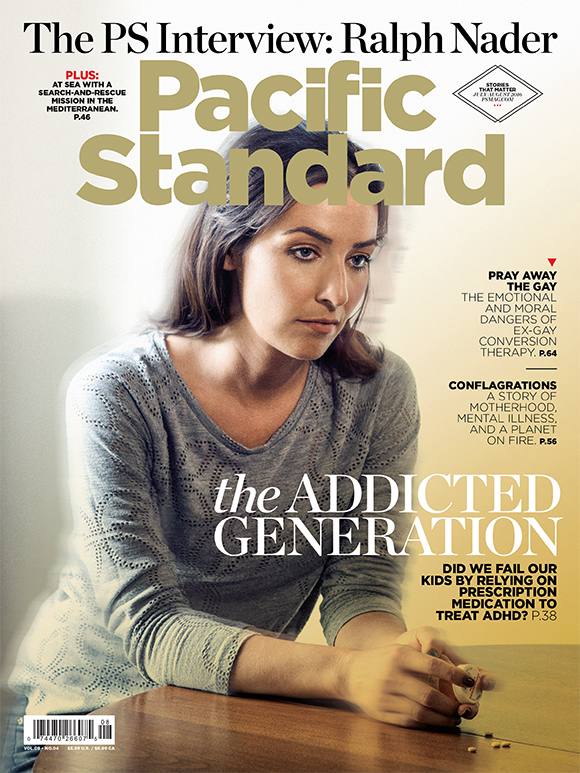
COD_PacificStandard_w_580“We had to think what makes a magazine piece different than what anybody can get anywhere else? And for us that are the stories that we’re going to put months of work into; we’re going to dedicate extra research toward, whether that’s through fact-checking, copyediting, or just research and report. Also, I think that as much as people have tried, you can’t really replicate the print experience in any other medium.” Nick Jackson

“I have a walk-in closet that’s just my magazine closet. I subscribe to 40 magazines in print, despite being a guy who started in the digital space. I still think that print magazines are just such a perfect medium. They’re a great thing and I love seeing what everybody else is doing.” Nick Jackson

 Making the worlds of research, media and public policy, not to mention academia and technology, engaging and compelling to the general populace is something that Pacific Standard’s new redesign is setting out to do.

Launched originally in 2008 as Miller-McCune magazine by Sara Miller McCune, the founder and head of Sage Publications, the name was changed to Pacific Standard in 2012. The magazine has always striven to publish stories that are important and matter, covering topics that are left untouched by many other publications.

However, today’s Pacific Standard, with its compelling new redesign, has taken the maelstrom of hot topics that are splashed across today’s mediums and featured them within the pages of the magazine to captivate readers with timely information in a new and deeper format that brings the art of long-form journalism back to the forefront.

Nick Jackson is editor in chief of Pacific Standard and has brought the brand into this redesign boldly and confidently, anxious to show readers the positive changes that have been made. Nick comes from a background that includes such giants in publishing as The Atlantic, Slate and Outside magazines. He knows his stuff and is proud to be cultivating stories that inform and change people’s lives.

I spoke with Nick recently and we talked about the magazine’s new look and more poignant perspective. It was an interview that was filled with focus for the brand’s future and excitement for its present, without discounting its esteemed past, recognizing the brilliance of Sara Miller McCune, founder of Sage Publications, who launched the magazine.

So, I hope that you enjoy the Mr. Magazine™ interview with a man who is helping his brand to continue to raise the “standard” in today’s journalism, Nick Jackson, editor in chief, Pacific Standard magazine

But first the sound-bites:

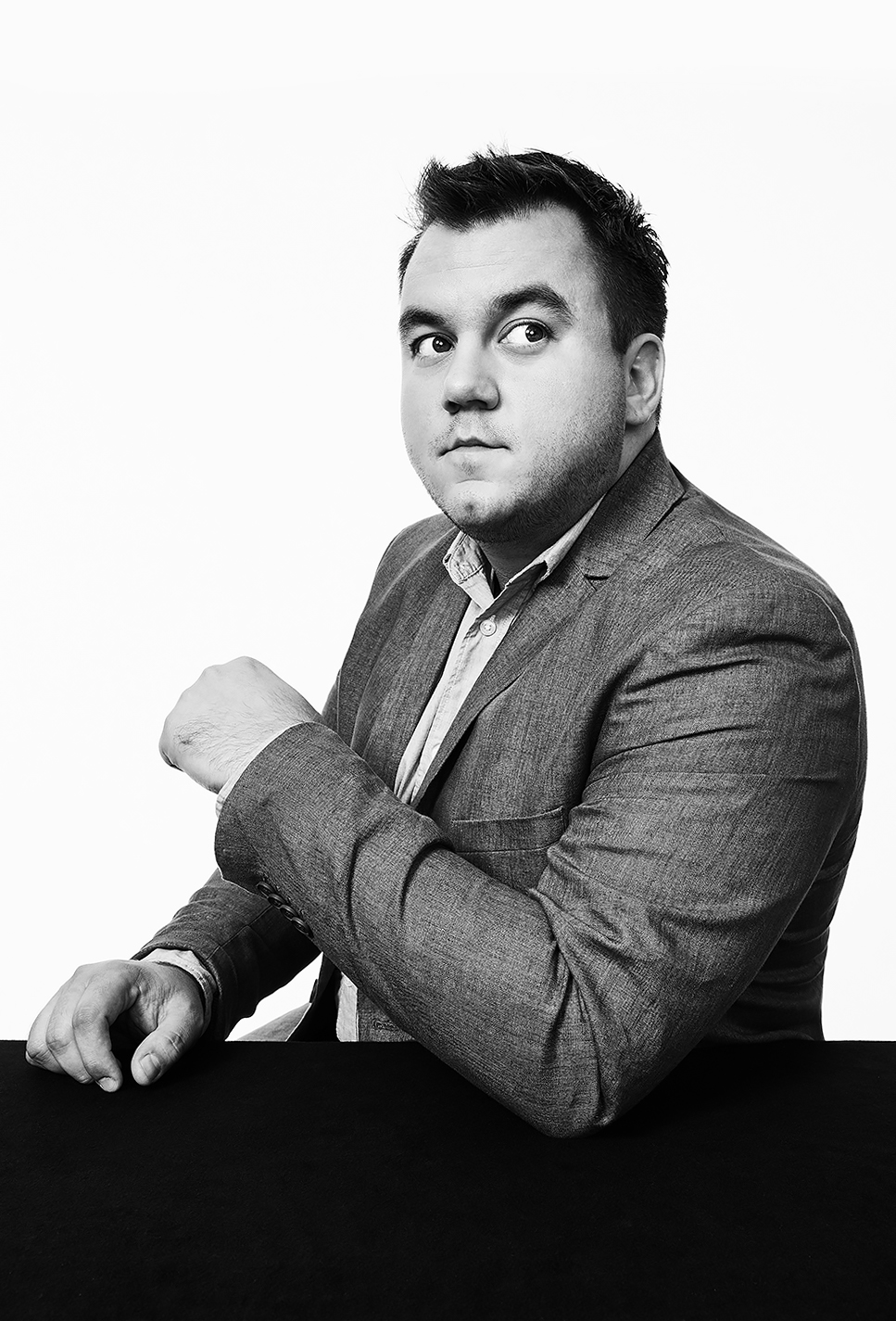
08 Nick_PacificStandard_0817_webOn his definition of a magazine “worth printing” in 2016: We need to differentiate ourselves from what everybody else is doing. We have a pretty robust presence at this point. We’re not huge, but we’re up to the point where we’re publishing 10 to 12 original, non-aggregation pieces a day on our site. So, we had to think what makes a magazine piece different than what anybody can get anywhere else?

On how they’re using digital to enhance the printed product: I actually think that’s something that I’m proudest of. My background is almost exclusively in digital. I got my start at Slate and The Atlantic years ago. And we’ve really created a truly hybrid newsroom; it’s a small newsroom, but it really is platform agnostic and informs everything we do.

On how the brand is doubling its efforts to utilize more research and investigative reporting in both the printed magazine and on its website: I think first of all; we have to do that. There’s really sort of a mass versus class situation in publishing right now. We don’t really aspire to be a BuzzFeed or even a Vice or Vox. And so we thought that it was really important to double down on our mission, which I think is something that not a lot of other places are doing. It’s really a couple of different factors for us and part of that is the academic background. A lot of our work is informed by the latest research, particularly in the social and behavioral sciences, rather than just relying on an anecdote.

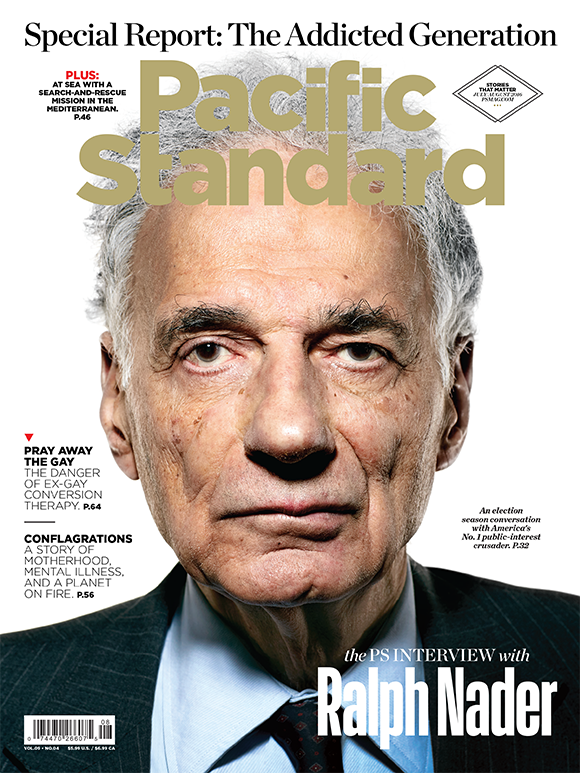
COD_PacificStandard2_w_580On the redesign issue’s second cover: The other cover is Ralph Nader. We have special distribution on Capitol Hill, in airport lounges and a couple of other places. One of the things that we want to do is affect policy one way or another and I think that it helps for us to do hand delivery on Capitol Hill, where we thought Ralph Nader would resonate a little more strongly.

On whether the magazine’s targeted audience is shrinking or expanding in today’s world: For us, the audience is expanding. I don’t know what the larger groups of those sorts of people are; they’re difficult to reach. That’s the future. We were founded by Sara Miller McCune, whose background is in starting Sage Publications 50 years ago, which is an incredibly successful academic publisher, but that’s an entirely different business where you have to publish in those journals to go up for tenure.

On the biggest stumbling block he’s had to face during the redesign and how he overcame it: It would probably be finding that balance. We’re more focused on our mission than we’ve ever been. And I’ve worked with a lot of people here on narrowing that down. Knowing that we want to reach our audience and ultimately everybody wants their stuff to get out in front of as large an audience as possible.

On what has been the most pleasant moment during the redesign: It’s hard to pick just one. It’s been a lot of fun. At its best, magazine making is just a really fun and collaborative project, and over the past year or so while we were remaking the magazine we were also building out a new office space that has more room for us to grow into. So, we were actually making the magazine, and I talk about meeting in coffee shops and other things in the editor’s letter, but that’s completely true. (Laughs) A lot of this was made on the fly around California while we were building this new office space, while we were getting ready to grow and expand.

On what someone would find him doing if they showed up unexpectedly at his home one evening: I’m probably reading a magazine. I have a walk-in closet that’s just my magazine closet. I subscribe to 40 magazines in print, despite being a guy who started in the digital space. I still think that print magazines are just such a perfect medium. They’re a great thing and I love seeing what everybody else is doing.

On what motivates him to get out of bed in the morning: It’s the magazine we’re putting out. As I said, I worked at The Atlantic, Slate and Outside, and I did a lot of work there that I’m really proud of. Those are incredible publishers doing great work today, but a big chunk of my time was thinking through things such as; I’m going to send someone to live on Everest and report on the plight of Sherpas there, which is something that we did when I was at Outside.

On what keeps him up at night: Fact-checking. (Laughs) Fact-checking headaches. We’re about to close a food issue and for us that’s a big feature on food safety; an issue that involves 46 or more government agencies. So, the headaches of closing a piece like that are many. But, they’re very exciting challenges to work through. But they’re still challenges. So, you’re constantly worried.

And now the lightly edited transcript of the Mr. Magazine™ interview with Nick Jackson, Editor In Chief, Pacific Standard Magazine.

 Samir Husni: Congratulations on the new and improved Pacific Standard magazine. You wrote in your editorial that you decided to actually create a magazine worth printing in 2016. How would you define a magazine “worth printing” in today’s digital age?

Nick Jackson: We need to differentiate ourselves from what everybody else is doing. We have a pretty robust presence at this point. We’re not huge, but we’re up to the point where we’re publishing 10 to 12 original, non-aggregation pieces a day on our site. So, we had to think what makes a magazine piece different than what anybody can get anywhere else?

And for us that are the stories that we’re going to put months of work into; we’re going to dedicate extra research toward, whether that’s through fact-checking, copyediting, or just research and report. Also, I think that as much as people have tried, you can’t really replicate the print experience in any other medium. So, we’ve put a lot more energy, resources, time and money into our art and photography and we’re really trying to create this object that people want to keep.

One thing that I’m constantly thinking about is what National Geographic was to people in the 1980s and 1990s, which was a magazine that lived on the newsstand, but was also a magazine that people kept and collected. We’re trying to capture some of that in 2016. We want to last more than just a moment. We don’t want to compete with newsweeklies or other printed products. We want to create something that you’re going to keep and share and pass around; something that you’re going to refer back to over and over again. Those are the kinds of things that you can do in print in a way that you can’t do online. So, that really began the whole discussion about redesigning the magazine.

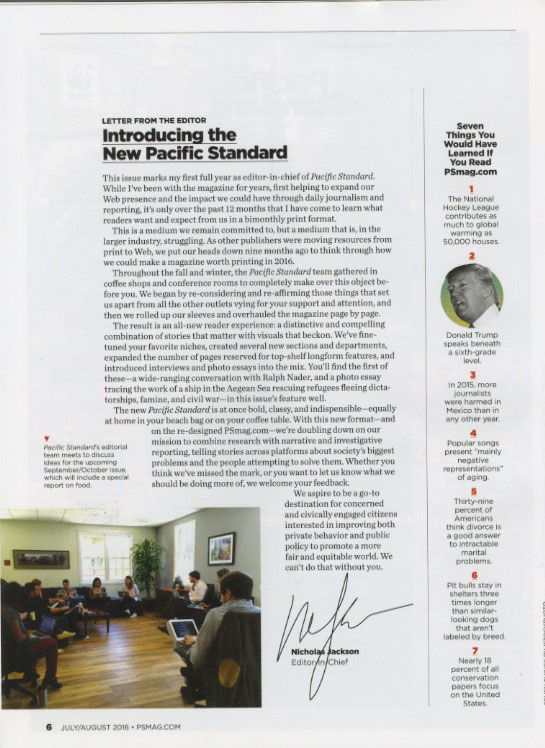
Samir Husni: I was looking at the redesigned issue and reading your letter from the editor and saw the accompanying photo. In that picture you’re using digital devices as you create this magazine, so how are you using digital to enhance this new Pacific Standard magazine that you’re trying to create?

Nick Jackson: I actually think that’s something that I’m proudest of. My background is almost exclusively in digital. I got my start at Slate and The Atlantic years ago. And we’ve really created a truly hybrid newsroom; it’s a small newsroom, but it really is platform agnostic and informs everything we do. Being platform agnostic is something that everybody talks about and aspires to, and it’s something that we’ve been talking about industry wide for five or six years now. But every place that I’ve worked there’s still people who work in digital and people who work in print. And for some places that works very well. You can look at Hearst where they’ve completely split the two.

Every single person on my team is working on both and that’s made both products better. For us that means that if we have someone who is primarily responsible for assigning featured stories, they can say this story is going to benefit from a quick turnaround time; maybe there’s news pegged like the upcoming election that we want to push out online, but it doesn’t necessarily make sense in print because of the long lead time. So, we really have people who are able to, because they’re working across platforms; decide something works best here or there. This is the story that’s going to be better if we put a couple of months of editing into it for the print magazine.

And that’s also helping our website. We’re doing more fact-checking and copyediting and some of the more traditional print processes; we’re doing more of that online that a lot of places are, so it’s making our website better too.

letter from the editorSamir Husni: You mentioned that in both, the print and the PS mag.com that you’re doubling down on the mission to combine research with narrative and investigative reporting; give me some examples of how you’re doing that.

Nick Jackson: I think first of all; we have to do that. There’s really sort of a mass versus class situation in publishing right now. We don’t really aspire to be a BuzzFeed or even a Vice or Vox. And so we thought that it was really important to double down on our mission, which I think is something that not a lot of other places are doing.

It’s really a couple of different factors for us and part of that is the academic background. A lot of our work is informed by the latest research, particularly in the social and behavioral sciences, rather than just relying on an anecdote.

Another differing factor is our core focus areas, where we focus on educational, economic and social justice, and the environment, which largely is a lot of climate change for us now. But you can see those in almost any story we do, so the new redesign issue’s cover for newsstands is “The Addicted Generation.” We had a separate cover for some of our special distribution, but that’s another conversation.

“The Addicted Generation,” which is a traditional magazine piece in that there was weeks’ worth of reporting and dozens of sources of people in their late 20s and early 30s, largely millennials who grew up on Ritalin and other ADHD drugs and who are now struggling, trying to get themselves off of it. They would consider themselves addicted, that’s a word that we don’t use lightly, but it comes up over and over again in our reporting on this.

But it’s more than just their stories. We actually in print and we struggled with this a little bit online, where you can see the packaging of print really is something special. We moved a lot of their individual and personal stories into sidebars, and ran them like “as told” and we focused the feature itself around what the research really told us about how people become dependent on these drugs or don’t become dependent; where’s the research at? The core of the feature is really written with the people studying this issue and the doctors at the heart of it, and then we moved the actual effected millennials into the sidebars.

So, that’s probably a slightly different approach than another magazine would have taken on this story, but I think it really sets us apart and offers something unique and important to our readers.

Samir Husni: You’ve piqued my interest by mentioning another cover; what’s the other cover?

Nick Jackson: The other cover is Ralph Nader. We have special distribution on Capitol Hill, in airport lounges and a couple of other places. One of the things that we want to do is affect policy one way or another and I think that it helps for us to do hand delivery on Capitol Hill, where we thought Ralph Nader would resonate a little more strongly.

I mentioned this in the editor’s letter too; in the redesign we opened up the feature well a little bit, we’re going to be running four features an issue instead of three and with some of that extra space we’re going to be doing more photo essays and more long-form interviews. So, Ralph Nader is our first long-form interview.

We’ve paired with Lydia DePillis, who used to be a labor reporter at the Washington Post and is now at the Houston Chronicle down in Texas. But she has a deep background in a lot of these issues that Ralph Nader’s been involved in for 40 or 50 years at this point. We paired them up and had them talk a lot about the election and what’s coming up. We thought the timing would do well, so he’s our first. And then we have a couple more in the works, but the long-form interview is something that I think we want to do more of and we’re hoping that opening up the feature well will allow us to do that.

That’s the first time that we’ve done a split cover, I don’t know if we’ll keep doing it, but we have been playing around a lot with covers lately. Even the previous issue, which was an entirely water-themed issue; we did a wraparound cover and because we’re a non-profit, we’re in a slightly different position than other places. That back page real estate is less important to us for advertisers and I think it really helps differentiate us. We’re going to try and do some more wraparound covers. I think it gives this thing more of a book quality than a traditional magazine.

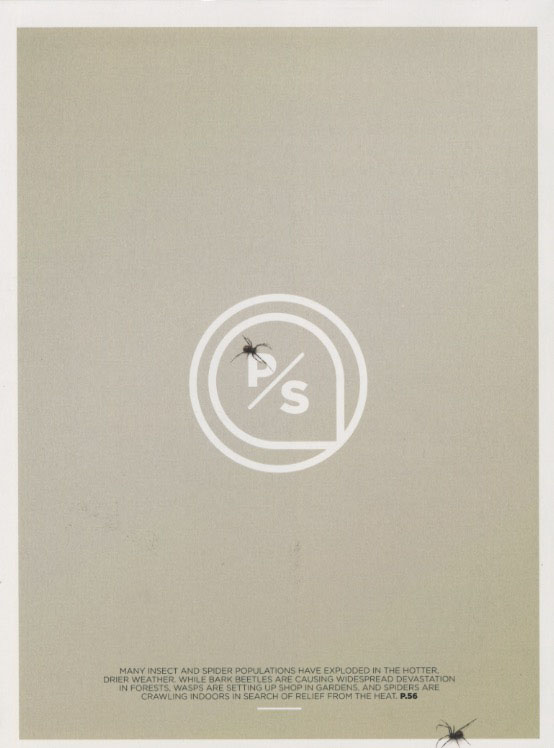
back cover useSamir Husni: I love your insect and spider back cover. It’s been said that 55% of people in the Western Hemisphere start reading the magazine from the back.

Nick Jackson: Right. We’ve been working on this redesign while putting out the magazine for 9 or 10 months or so, and there are a lot of obvious things that we wanted to do: expand the feature well, bring more art and photography in, eliminate stock completely; probably the most difficult thing to come up with was what to do with that back page. Not the back cover, but that last page in the magazine. I think everybody in the industry talks about it, and I think only a few magazines have figured it out. You think about The New Yorker cartoon, or maybe the Proust Questionnaire at Vanity Fair, but it’s such a difficult piece of real estate.

Samir Husni: I think even with the prison tattoo; it’s a very captivating last page.

p useNick Jackson: Yes, we’re just going to try and keep it really bold and bright; just focus on a single object that’s related to some of our core coverage areas and tell a brief, little historical story about that object. It was fun, because we actually had someone create that prison tattoo gun before we shot it, so we have it here in the office. I talked about using it to maybe give myself a small Pacific Standard tattoo or something. (Laughs)

Samir Husni: Let’s talk a little about your targeted audience. “You’re trying to reach civically engaged citizens interested in improving both private behavior and public policy to promote a more fair and equitable world.” I read that from your letter from the editor. Is that audience shrinking or is that audience expanding? Do we have such an audience in the country as we see it today?

Nick Jackson: For us, the audience is expanding. I don’t know what the larger groups of those sorts of people are; they’re difficult to reach. That’s the future. We were founded by Sara Miller McCune, whose background is in starting Sage Publications 50 years ago, which is an incredibly successful academic publisher, but that’s an entirely different business where you have to publish in those journals to go up for tenure.

We know that most academic papers are only read by three or four people and there’s really important work being done in the space, and that’s really why we put out this magazine, which is how do we take some of the best research happening today and package that in a way that gets people excited.

I just talked about Ralph Nader being our first big interview; we don’t do the big celebrity profile; we don’t do the extended service package; we don’t do a lot of the things that are easier sells to an audience for other people. We’re doing some pretty deeply investigative reporting. We’re doing a lot of scientific work; how do you package that in a way that gets people excited about it and engaged with it?

That’s really why we redesigned the magazine. We’re constantly thinking about how you get in front of those people; how do we stay true to our mission and reach them? So, we know that our audience is expanding.

Samir Husni: What has been the biggest stumbling block that you’ve had to face during this redesign and how did you overcome it?

Nick Jackson: It would probably be finding that balance. We’re more focused on our mission than we’ve ever been. And I’ve worked with a lot of people here on narrowing that down. Knowing that we want to reach our audience and ultimately everybody wants their stuff to get out in front of as large an audience as possible.

So, a lot of it was thinking, OK – we have this front-of-book that’s largely built around the academic work that is our foundation, but maybe it’s too academic in its presentation. We were doing a lot with citations to journals; we had a lot of departments named after things that hinted back at the university and the Ivory Tower. Maybe it was a little off-putting for just your general reader, which is really who you’re trying to expose with new information.

A lot of that we worked on, and I think we’ve landed in a place that we’re pretty comfortable with. We have pushed what used to be our prospector section, as a sort of short front-of-book stuff, with this new section called “Field Notes,” which is really our version of Talk of the Town. They’re very short, very fun pieces and they’re lighter on the research than a lot of the other stuff we do. So, trying to find that balance is always tricky for us.

But it doesn’t make a lot of sense for us to stray from our mission too much and just do work to attract an audience, because if that’s what we wanted to do, we would work elsewhere. I worked at The Atlantic and Outside and at a bunch of big publishers and had a much larger audience than we do here, but the reason for me coming to Pacific Standard was that I wanted to do work that I felt was important. I wanted to do stories that mattered, which we make our tag on. And work that feels like it can make a difference, whether that’s affecting public policy like we talked about, even if it’s affecting private, individual behavior in some way.

Obviously, with everything going on now we’re doing a lot of work around the Black Lives Matter movement and police violence. If you can just use the latest social behavioral research to get people to think about their actions and maybe change them, instead of, I don’t know, creating some quiz or list or something that’s been done in the past, then that’s the most important thing, even if you’re not reaching a huge audience.

Trying to find that balance is always hard. I’ve got a lot of people who have left bigger and more well-known magazines to come out here and try to work on this, because they think everybody is excited about having some affect. So, you’re looking to give up the scale for the impact. Trying to measure impact and trying to figure out what the right equation is will always be tricky.

Samir Husni: What has been the most pleasant moment during the redesign?

Nick Jackson: It’s hard to pick just one. It’s been a lot of fun. At its best, magazine making is just a really fun and collaborative project, and over the past year or so while we were remaking the magazine we were also building out a new office space that has more room for us to grow into. So, we were actually making the magazine, and I talk about meeting in coffee shops and other things in the editor’s letter, but that’s completely true. (Laughs) A lot of this was made on the fly around California while we were building this new office space, while we were getting ready to grow and expand.

And just getting this brain trust, this group of people who have come from all over the country to work together on this magazine, to think through things such as if we start from scratch, and there are a lot of things that have remained the same from previous iterations because they work, but let’s think about it as though we’re creating a magazine from scratch and we have the resources to do that; how do we make a magazine that we’re excited about putting out?

And it’s really the collaborative nature of magazine making that’s a great joy. The best part about it is that it doesn’t end when the redesign is ready and that’s a daily process. I’m in the middle of shift week right now and I have a lot of people huddled around, trying to put out the best thing they can on a timeline. And that’s always so much fun.

Samir Husni: If I showed up at your home one evening after work unexpectedly, what would I find you doing; reading a magazine, or reading your iPad; watching television, or something else?

Nick Jackson: I’m probably reading a magazine. I have a walk-in closet that’s just my magazine closet. I subscribe to 40 magazines in print, despite being a guy who started in the digital space. I still think that print magazines are just such a perfect medium. They’re a great thing and I love seeing what everybody else is doing.

So, I’m probably reading a magazine; maybe I’m reading other stuff online. There’s very little I’m doing that’s not related to my work, which may sound sad to some people, I guess, but it’s how I found my way into this. I went to a boarding school for math and science geeks and thought I would become a physicist, and only decided to get into journalism and magazine making because it was sort of my hobby and my interest on the side. And I thought if I can make that a career, then that’s the way to go.

When your put in a position when you seem to have a clear trajectory in one direction and you shift from that because you’re so passionate about whatever it is that’s pulling you in another direction, then that shows in your work.

Samir Husni: What motivates you to get out of bed in the morning?

Nick Jackson: It’s the magazine we’re putting out. As I said, I worked at The Atlantic, Slate and Outside, and I did a lot of work there that I’m really proud of. Those are incredible publishers doing great work today, but a big chunk of my time was thinking through things such as; I’m going to send someone to live on Everest and report on the plight of Sherpas there, which is something that we did when I was at Outside.

But I also have to think about how do I put together a great service package for somebody? Or how do I grow the revenue streams on the website? And that’s something that we’re still sort of thinking about here, but most of our energy and focus goes into just putting out great stories, which I think is what everybody who gets into this business wants to do, but realizes at best that can only be a percentage of what they do. Here, it’s a much larger percentage than anywhere else.

Samir Husni: My typical last question; what keeps you up at night?

Nick Jackson: Fact-checking. (Laughs) Fact-checking headaches. We’re about to close a food issue and for us that’s a big feature on food safety; an issue that involves 46 or more government agencies. So, the headaches of closing a piece like that are many. But, they’re very exciting challenges to work through. But they’re still challenges. So, you’re constantly worried. The difference with print over web is that I have a ship date that I have to meet; these stories have to be ready at a certain time. No matter what they have to be ready to go out the door. And that can be tricky.

Samir Husni: Thank you.
h1

TV Guide: “Reengineered” For Today’s Television Audience And Industry– The Mr. Magazine™ Interview With Paul Turcotte, President/Publisher, TV Guide.

June 16, 2016

“Absolutely. I’m one of the few people who doesn’t focus on the delivery. I think that if we’re providing a service that people need; in this particular case, I actually believe print is the most effective way to curate this information. I find that this is an example where technology takes longer than it does the printed service. It’s easy to flip open the page, do the read; this is what’s worth watching; done. I can do that before you can even open your app.” Paul Turcotte (on whether he believes there is a future for the printed magazine).

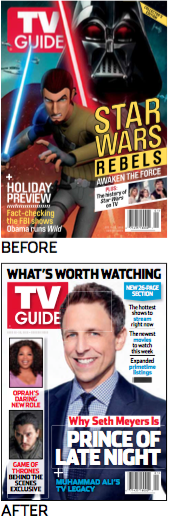
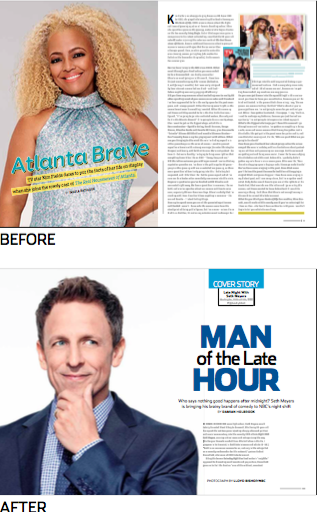
TV Guide old and new There is one thing in common between yours truly and TV Guide magazine. We were both born in 1953. TV Guide became the go-to source for anything television related, from daily programming to previews of each new season’s shows. As for me, you know the rest of the story.

On a recent trip to New York City with my students, we were privileged to visit with the folks at TV Guide in their headquarters on the14th Floor, 50 Rockefeller Place. The place was buzzing. The plans to “reengineer” the magazine were going full-fledge. Dummy designs filled the walls of the room and editors, designers and president/publisher Paul Turcotte were there. They introduced the new designs, the new sections, and all the additional content the new magazine will have. Ideas were exchanged, comments made and the necessity of a printed television guide in today’s marketplace was debated thoroughly. And it was unanimous; the need for a true “guide” was an absolute must.

Brits Tony Frost and Paul Aarons were brought in to work closely with TV Guide editor in chief Nerina Rammairone and designer Kevin Newman. The end result is now on the newsstands. So go pick up a copy of the new TV Guide and then read my review and interview with its president and publisher.

Today, in the digital world in which we live, the need for the particular type of television guide of yesterday has diminished with programming information at the touch of a finger for most of us. However, the need for a guide that actually “guides” us through the maze of infinite channels and information, be it entertainment or actual news, has never been more essential. And with the reengineering of today’s TV Guide, that’s just what we have.

Paul’s idea behind the “reengineering” of the new TV Guide seeks to sort through all of the confusion and turmoil that we have on our large-screened, digital TV devices these days. His guideline and roadmap is made to provide a guide to “What’s Worth Watching;” saving the reader’s time and curating the many programs on television is what the new TV Guide aims to do. My first reaction has been more than positive starting with the change of the iconic logo from the cornered television screen of the days long gone, to the flat edged television screen. Call it catching up with the times.

Paul Turcotte I spoke with Paul this week about the newly “reengineered” TV Guide, a word that he introduced during our conversation and that I liked immediately. My first question to him was, “Can this magazine be saved?” A line I paraphrased from the famous Ladies’ Home Journal magazine section, “Can This Marriage Be Saved.” The focal point of the redesign, according to Paul, is service, service to the industry, but more importantly service to the readers, another characteristic trait that Mr. Magazine™ likes. Providing a true television guide that leads the reader down the overcrowded programming highway and points the way to the shows actually worth watching is worth a goldmine in today’s muddled television roadmap. The profusion of information and channel-surfing that one must go through to find a program that interests them to watch is next to impossible without at least 15 minutes of their own research.

But the reengineered TV Guide does that job for you. And Paul is as excited as a new father about his baby. As well he should be. It’s a wonderful change and a positive one for the magazine’s future.

So, I hope that you enjoy this journey through the land of TV Guide – because it’s a given that you have a great team “guiding” you to what’s worth watching…The Mr. Magazine™ interview with Paul Turcotte, President and Publisher, TV Guide.

But first the sound-bites:

On whether he believes that TV Guide can be saved: Definitely. And I have a very specific reason I believe that to be true. It’s not the magazine, it’s the industry. Television, programming and content are such a hot and vibrant industry right now that the service we provide is what is still viable.

On the role he sees the “new” TV Guide playing in the market within the next year: The redesigned, or as I like to say, the reengineered magazine is now more reflective and useful, in terms of how people are consuming content today. First of all, we have more real estate committed to the service element of TV Guide, which is helping people understand what’s worth watching.

On the curation aspect of the magazine: Yes, it’s a curated Guide and we need that. So, we are focused more on a curation; we’re using our authority and our knowledge to provide viewer’s with an answer to the question: what is the best programming available right now?

On bringing new talent onboard, such as Tony Frost and Paul Aarons from the U.K.’s OK magazine: Yes, Paul Aarons. One of the things that we wanted to do was to ensure that we achieved the best results for our readers, but also to bring in outside perspective. We brought in Tony Frost and Paul Aarons to guide (no pun intended) and help ensure that we were looking at the reengineering from all points of view.

On the biggest stumbling block he’s had to face during the magazine’s reengineering and how he overcame it: That’s a good question. I don’t know that I would call it a stumbling block, but my focus in the reengineering of the magazine was on identifying the market needs and bringing those to the attention of the new team. Again, it was focused on recognizing the patterns and behaviors of consumers today.

Before and after On the most pleasant moment he had during the redesign: It was like any vision, as the magazine started to unfold and we started to see the redesign, we recognized that we in fact are answering a lot of the basic needs. We have run the reengineered magazine by some of the top network executives and the response has been overwhelmingly positive.

On his expectations for the magazine: That’s a great question. For newsstand, I think what’s going to make me happy frankly is – we get pretty decent numbers on newsstand; we want to make sure that, and obviously I want to see our numbers jump, but it’s more important to me that we’re positioning the magazine correctly and what I want is for people to respond to the service elements of the magazine, which is more information on streaming and more information on movies.

On what motivates him to get out of bed, excited to go to work: Through my career I’ve learned what I love to do. And I love fixing; I love responding to a market. And as I mentioned at the beginning of our interview, the television industry is on fire right now. I clearly see the need for the service that we’re providing.

On whether he is a firm believer in the future of the printed magazine: Absolutely. I’m one of the few people who doesn’t focus on the delivery. I think that if we’re providing a service that people need; in this particular case, I actually believe print is the most effective way to curate this information. I find that this is an example where technology takes longer than it does the printed service. It’s easy to flip open the page, do the read; this is what’s worth watching; done. I can do that before you can even open your app.

On what someone would find him doing if they showed up unexpectedly at his house one evening: You’ll likely find me at home with my son and we’ll have sports on television and the BBQ going and there are certainly magazines all around, because I am a big, big fan of, what I call, the guided tour, I think a good editor and a good magazine constantly brings you points of view that you’re familiar with, but they share new insights that you hadn’t thought of.

On anything else that he’d like to add: I think right now the biggest opportunity for us is, and maybe at the same time a challenge, because usually your challenge is your opportunity, we have a brand that is so well-recognized, but with that comes everybody’s own personal experience with the brand, so our hope is that we can take advantage of the brand awareness, but also get permission for people to look at this for the first time all over again.

On what keeps him up at night: (Laughs) The last thing I said – how do I get the industry to deserve us more? (Laughs again) Honestly, what’s fun about this industry, especially right now, is there’s not a week, or sometimes even a day, that goes by that there’s not a new program introduced that we believe we can support and help, and so it definitely keeps my passion burning at night, which is – how can we help ABC introduce this new show; what else can we do; how else can we participate? And the industry is so vibrant that there’s a new challenge every day. And I love that.

new sections

And now the lightly edited transcript of the Mr. Magazine™ interview with Paul Turcotte, President and Publisher, TV Guide.

Samir Husni: You’ve been a publisher at Men’s Health, a publisher and chief revenue officer at a daily newspaper; suffice it to say, that you have been in the media business for a long time. Do you think TV Guide be saved?

Paul Turcotte: Definitely. And I have a very specific reason I believe that to be true. It’s not the magazine, it’s the industry. Television, programming and content are such a hot and vibrant industry right now that the service we provide is what is still viable. I think that there are older titles that’s time has come and gone, but there’s never been a better time or a bigger need for guidance about what’s worth watching on television than there is right now. So, that’s why I’m encouraged.

Samir Husni: What’s the plan? As you introduce the “new” TV Guide, how do you envision the magazine and the role it will play? After 63 years, we have more television channels than ever before. I’m a firm believer that we need more guidance today because of all of those channels and the fact that we’re bombarded by information. So, tell me where do you see TV Guide fitting into that picture in the upcoming year?

Paul Turcotte: The redesigned, or as I like to say, the reengineered magazine is now more reflective and useful, in terms of how people are consuming content today.

First of all, we have more real estate committed to the service element of TV Guide, which is helping people understand what’s worth watching. So, whether it’s a new streaming section that we have of what’s newly available or the movies available through the various over-the-top services, we’re providing guidance for what’s great to watch. There are 1,500 television shows on networks right now and there are over 400 scripted television shows; the question is which ones are worth watching and that’s what we’re doing with the new TV Guide.

more new sections We’re combining both a service element with the authority that is TV Guide to provide very useful information for people’s viewing habits. And the part that I’m encouraged by is that there are 120 million households watching television. Networks alone have over 40 million domestic subscribers, so people are investing in programming. We have the opportunity to help them enhance that.

Samir Husni: I believe that curation aspect is what’s worth watching and it definitely got my attention; finally somebody is thinking of the magazine as more of a “guided” Guide than just a yellow pages Guide.

Paul Turcotte: Yes, it’s a curated Guide and we need that. So, we are focused more on a curation; we’re using our authority and our knowledge to provide viewer’s with an answer to the question: what is the best programming available right now?

But I think you’ll also see that we’re also focusing more on service and the quality of programming than we are on the celebrity of the industry. We literally edit the magazine for people who thoroughly enjoy programming, not the celebrity of the show. We don’t talk about the gossip of who’s dating whom; it’s all about what’s the best programming out there across all platforms right now.

Samir Husni: I’ve noticed that you’ve also brought some new talent onboard. In that whole process of “reengineering,” and by the way I love that word, you’ve brought Tony (Frost) and the creative director from OK from the U.K.

Paul Turcotte: Yes, Paul Aarons. One of the things that we wanted to do was to ensure that we achieved the best results for our readers, but also to bring in outside perspective. We brought in Tony Frost and Paul Aarons to guide (no pun intended) and help ensure that we were looking at the reengineering from all points of view.

And I think the result of that is very positive. Every page has been analyzed, researched and overanalyzed to make sure that we’re actually providing the direction and the service to our readers in the most utilitarian format. And also in what I think is intuitive; it’s very easy with so much content to overthink things and a lot of what we’re trying to do at the magazine is just to have it be intuitive and friendly.

Samir Husni: You’re known in the industry, and correct me if I’m mistaken, as a hands-on publisher. You’re a hands-on CRO; you see everything, every word and picture. You’re involved to that extent.

Paul Turcotte: I am, yes.

Samir Husni: What has been the biggest stumbling block that you’ve had to face during the reengineering of the magazine and how did you overcome it?

Paul Turcotte: That’s a good question. I don’t know that I would call it a stumbling block, but my focus in the reengineering of the magazine was on identifying the market needs and bringing those to the attention of the new team. Again, it was focused on recognizing the patterns and behaviors of consumers today.

What we did was from the marketing point of view, meaning the market industry point of view and also from our readers point of view; we wanted thorough knowledge in how they were consuming content and how they were using the magazine? And also what was frustrating people right now and how we could help with that.

I would say that my biggest role in the reengineering was properly positioning the challenge to our editorial team and to Tony and Paul so that they could come back with effective answers to the market needs. So, that’s what we did. We identified what were the industry needs and what viewers really needed right now.

new sections As an example we are introducing a new section on movies and we recognize how challenging it is to navigate through the current delivery systems to find a movie worth watching. And we spent a lot of time on what is the best way to present the information and we’re really excited about it. And it shows in the way that we’ve laid out that service to our readers.

Samir Husni: What was the most pleasant moment that you had during this reengineering?

Paul Turcotte: It was like any vision, as the magazine started to unfold and we started to see the redesign, we recognized that we in fact are answering a lot of the basic needs. We have run the reengineered magazine by some of the top network executives and the response has been overwhelmingly positive.

And for me, the most rewarding part is watching the team come together and feeling really good about the work they’re doing. As a unit and an organization, we’re really excited about what we’re delivering.

Samir Husni: As the reengineered magazine hits newsstands soon, what are your expectations? What will put you over-the-top happy and think: yes, they got it?

Paul Turcotte: That’s a great question. For newsstand, I think what’s going to make me happy frankly is – we get pretty decent numbers on newsstand; we want to make sure that, and obviously I want to see our numbers jump, but it’s more important to me that we’re positioning the magazine correctly and what I want is for people to respond to the service elements of the magazine, which is more information on streaming and more information on movies.

On our cover, we’re providing more service elements there too for our call-outs. We are telling about curation for movies, more information on streaming and also more information on what’s worth watching. So, I’m hoping that people will respond to that side of the new magazine.

Samir Husni: You’ve had a multimedia career, and not only media, but the events business too. What motivates you today to get out of bed, excited and ready to get to the office and go to work?

Paul Turcotte: Through my career I’ve learned what I love to do. And I love fixing; I love responding to a market. And as I mentioned at the beginning of our interview, the television industry is on fire right now. I clearly see the need for the service that we’re providing. I’m very aware of our history and am intrigued by the challenge of taking, what I think, is arguably the most successful magazine in the history of publishing and reinvigorating it and serving a whole new generation, but serving it the way that it needs to be served today. And I’m enjoying this work as much as I’ve enjoyed anything over the years.

Samir Husni: Do I take it then that you’re a firm believer in the future of the printed magazine?

Paul Turcotte: Absolutely. I’m one of the few people who doesn’t focus on the delivery. I think that if we’re providing a service that people need; in this particular case, I actually believe print is the most effective way to curate this information. I find that this is an example where technology takes longer than it does the printed service. It’s easy to flip open the page, do the read; this is what’s worth watching; done. I can do that before you can even open your app.

Samir Husni: (Laughs). Excellent point.

Paul Turcotte: (Laughs too).

Samir Husni: If I showed up at your house one evening unexpectedly; what would I find you doing; reading a magazine, watching television, reading your iPad, or something else?

Paul Turcotte: You’ll likely find me at home with my son and we’ll have sports on television and the BBQ going and there are certainly magazines all around, because I am a big, big fan of, what I call, the guided tour, I think a good editor and a good magazine constantly brings you points of view that you’re familiar with, but they share new insights that you hadn’t thought of.

So, I’m probably a classic multitasker. The game is on TV; I’ve got my magazine going and there’s a lot of activity in the home.

Samir Husni: Is there anything else that you’d like to add?

Paul Turcotte: I think right now the biggest opportunity for us is, and maybe at the same time a challenge, because usually your challenge is your opportunity, we have a brand that is so well-recognized, but with that comes everybody’s own personal experience with the brand, so our hope is that we can take advantage of the brand awareness, but also get permission for people to look at this for the first time all over again.

Samir Husni: And we’re not talking about selling eight million copies on the newsstands?

Paul Turcotte: No, we’re not. If we’re doing 100,000 copies on newsstand, that’s a good story for us.

And you asked before about my expectations; I would add that for the reader I hope to appeal to someone who watches television intentionally, not just passively. And I want the magazine to genuinely be of service to that reader. And on the business end, an old boss and now a mentor of mine, Richard Extract, once told me: an industry gets the magazine it deserves. So, my hope is that we’ve provided a magazine for the industry that it now believes supports them and they in turn jump back onboard and support us. We hope that we’re providing the magazine that the industry deserves.

Samir Husni: My typical last question; what keeps you up at night?

Paul Turcotte: (Laughs) The last thing I said – how do I get the industry to deserve us more? (Laughs again) Honestly, what’s fun about this industry, especially right now, is there’s not a week, or sometimes even a day, that goes by that there’s not a new program introduced that we believe we can support and help, and so it definitely keeps my passion burning at night, which is – how can we help ABC introduce this new show; what else can we do; how else can we participate? And the industry is so vibrant that there’s a new challenge every day. And I love that.

Samir Husni: That’s the amazing thing; when we had three television channels, almost everybody knew what they wanted to watch and at what time. Now, with the numbers that you shared with me and the number of channels that we have available, we spend more time searching.

Paul Turcotte: And it’s interesting, there is a, I think Nielsen stat, that states over 50 percent of television viewers report that at least once a day they cannot find something worth watching on television. Once a day. And that’s the opportunity for TV Guide. That’s why I think the future is very bright. The need in the marketplace is there; our job is to serve that need.

Samir Husni: Thank you.

h1

Prevention Magazine’s First Ad-Free Issue: Rodale’s Bold New Vision For A Legacy Favorite – The Mr. Magazine™ Interview With Maria Rodale, CEO and Chairman of Rodale, Inc.

June 10, 2016

Maria Rodale: Ten Years Of Positive Change & Reinventions.

“I’d also just like to acknowledge all of the hard work that goes into creating a really great product. I wrote a blog recently that talked a bit about our research library. And that’s not free; people want good stuff for free, but you can’t do that for very long. And if you want quality you have to support the people who are educated and experienced to bring quality and we hope and believe and have faith that people will value and trust this information to the point that they will support it and support us and support our libraries.” Maria Rodale

PV0716_COVER Recognized as the world’s leading healthy lifestyle magazine since its inception in1950, Prevention Magazine has come into its own, so to speak, after over 65 years of positive and motivational content. In a bold and organic move, Prevention has published its first ad-free issue with its July edition, which carries no advertising pages, features a daring new editorial vision, new features and formatting, and a more premium look and feel. The first issue will be available June 14 on newsstands.

Maria Rodale, CEO and chairman of Rodale Inc., has been at the helm of her grandfather’s business ship for almost a decade now. Maria is a vivacious and determined woman who is adamant about remaining true to her grandfather’s organic lifestyle. She believes strongly in the Rodale name and vision, and is truly over-the-top about this bold change for Prevention.

I spoke with Maria recently and between genuine peals of laughter, we discussed the move to an ad-free model and the opportunity to forward the conversation with Prevention’s readers this type of model may offer. Maria feels this frees the editorial content up to delve more deeply into topics of interest for the specifically 40-plus audience the magazine is targeting. She believes the move will broaden the magazine’s appeal to a more diverse audience and deliver a quality magazine that today’s health-minded consumer wants and needs and will be willing to pay for.

It was a delightful interview with a delightful lady who knows her organics and her brand. So, I hope that you enjoy this buoyant conversation as you read about a legacy title that’s giving its readers an ounce of Prevention, with a pound of cure for what ails them, the Mr. Magazine™ interview with Maria Rodale, CEO & Chairman, Rodale, Inc.

But first, the sound-bites:

Maria Rodale On whether Rodale is where she wants it to be or there are more changes ahead: I don’t think any of us have the luxury of being done with changes, but I will say that I’m looking forward to making a lot of positive changes.

On where the idea for a new ad-free Prevention Magazine came from: I will say that it was the family, starting with my mother, but I had thought about doing this for a long time, maybe 10 or 15 years ago. And it was really about feeling free to write all kinds of stories that maybe wouldn’t be as welcomed in a traditional magazine.

On why there wasn’t a written announcement about the new “no advertising” model on the cover of the magazine: We debated about that and we decided that a lot of people like advertising and don’t find it offensive in any way, and all of our other magazines continue to have advertising, so we thought we’d let the content speak for itself.

On whether she might be willing to try the “no-ad” model on any of Rodale’s other titles if Prevention succeeds: Each magazine is very unique and lives in a very unique ecosystem. Bicycling magazine, for example, all of the bicycling advertising is a core benefit of the magazine. Readers love it in a very different way than they love advertising in other magazines. So, each magazine has to be looked at on its own.

On how interactive the first issue of the new Prevention is and what can be done to make it even more interactive with each following issue: That’s what’s exciting about the future. We are only just beginning with this experiment. That issue was put out, literally, with just a few months’ notice and without the editor in chief in place.

On which article in the first issue captured her interest the most: I loved all of the articles, everything from the problem-solving section on acid reflux, to the sunscreen article. I thought the medical marijuana article was both interesting and funny. I love the fact that there’s more humor in the magazine.

On which article in this latest issue she thinks they would not have published if there had been advertising in the magazine: I don’t think there is any single article that we wouldn’t have published. We might not have gone as far as we did, in terms of some of our reporting. We might have highlighted things differently, but it’s really a matter of degree and also the whole experience of the magazine now, being a kind of continuous experience.

On why Prevention is now specifically focused on the 40-plus demographic: That’s subscriber data and research; it always appeals to our reader when we say 40-plus, because a person’s health issues at 40-plus are different than at 21. They have different concerns and their bodies are different.

On whether the “Queen of Organic” as Maria is fondly known is driving the magazine organic as well, by making it stand on its own feet, relying only on its audience for support: Yes, I believe in organic growth, both in the environment, but also in business. There has to be a real healthy support system for any product. And obviously, readers are the most important support system. Based on the feedback that I’ve been getting from when I have announced the move to live audiences or when I post things on Facebook or my blog, people are definitely eager and excited and willing to pay.

On whether from this moment forward Rodale will only have positive changes: I read everything that I do as positive change. It’s not always perceived that way, but that’s not my choice or my problem. Everything we do at Rodale is now creating positive change.

On how she would briefly sum up the last ten years since she became chairman and CEO of Rodale: In one sentence I would say: radical and positive transformational change during the greatest disruption in history for our industry, and we’ve gotten through it successfully.

On anything else she’d like to add: Everyone should subscribe to the new magazine and let us know what you think. Be a part of it. And I’d also just like to acknowledge all of the hard work that goes into creating a really great product. I wrote a blog recently that talked a bit about our research library. And that’s not free; people want good stuff for free, but you can’t do that for very long.

And now the lightly edited transcript of the Mr. Magazine™ interview with Maria Rodale, CEO & Chairman, Rodale Inc.

Samir Husni: You’re about to end your first decade as CEO and chairman of Rodale; are you finished with changes? Do you have Rodale where you want it to be now or are there still more changes ahead?

Maria Rodale: I don’t think any of us have the luxury of being done with changes, but I will say that I’m looking forward to making a lot of positive changes.

Samir Husni: Such as?

Maria Rodale: Doing new things and bringing on new people; having more fun. (Laughs)

Samir Husni: Can you actually have more fun than you’re already having?

Maria Rodale: We can always have more fun than we’re already having. (Laughs again)

Samir Husni: (Laughs too). Tell me, where did the “A-ha” moment that told you there should be no ads in Prevention come from? That it was time for a new ad-free Prevention Magazine?

Prevention 1 Maria Rodale: I will say that it was the family, starting with my mother, but I had thought about doing this for a long time, maybe 10 or 15 years ago. And it was really about feeling free to write all kinds of stories that maybe wouldn’t be as welcomed in a traditional magazine. However, it wasn’t a realistic business decision at that time, but every year it had gotten closer and closer to being possible. And now it’s at the point where it was the best business decision that we could have made.

Samir Husni: Why didn’t I see a written announcement about the new “no advertising” model on the cover of the magazine?

Maria Rodale: We debated about that and we decided that a lot of people like advertising and don’t find it offensive in any way, and all of our other magazines continue to have advertising, so we thought we’d let the content speak for itself. And those who know and are looking for it will find it and those who don’t know will be surprised.

Prevention Inside Cover Samir Husni: I love the way the magazine is introduced, with the picture of the staff. I think the new introduction to Prevention captured the essence of what you’re trying to do.

Maria Rodale: Right.

Samir Husni: If this “experiment” succeeds; will that tempt you to try the model on any of your other titles, such as Bicycling?

Maria Rodale: Each magazine is very unique and lives in a very unique ecosystem. Bicycling magazine, for example, all of the bicycling advertising is a core benefit of the magazine. Readers love it in a very different way than they love advertising in other magazines. So, each magazine has to be looked at on its own. And evaluated based on its very unique business model and its very unique environment in which it lives. And that’s constantly changing, which is why we don’t have the luxury of not changing with it.

Samir Husni: With the first issue I noticed that the paper quality is better; the photography shines, and the interactivity is amazing. The idea of having a back cover that you can rip off and color, utilizing that art therapy that is invading the newsstand with all of the adult coloring books; it’s a great idea. You have a big following on Prevention.com; how can you actually make the print edition even more interactive that the attempt you’ve made in this first issue?

Maria Rodale: That’s what’s exciting about the future. We are only just beginning with this experiment. That issue was put out, literally, with just a few months’ notice and without the editor in chief in place. Barbara O’Dair has joined and is really excited about continuing the evolution and development of the magazine. And that’s what’s going to make this more fun, to try new things.

Samir Husni: I’ve noticed some of the tiny things, such as the masthead where you have women-owned at the top. What’s the reasoning behind those changes?

Maria Rodale: We are an official “women-owned” business, that’s a type of certification that you get. Ironically, one of the reasons that we received that official certification was because a lot of advertisers look for that. So, it’s just the truth. (Laughs)

Samir Husni: As you flip through the pages of this first issue, what article is one that made you think, “Wow, this is where people should go first?”

Maria Rodale: Obviously, the one that I wrote. (Laughs)

Samir Husni: (Laughs too). We have a saying here in the South: if it’s true it isn’t bragging.

Maria Rodale: I loved all of the articles, everything from the problem-solving section on acid reflux, to the sunscreen article. I thought the medical marijuana article was both interesting and funny. I love the fact that there’s more humor in the magazine. As a reader, I found this to be the most interesting and satisfying issue of the magazine that I have ever read.

Samir Husni: How do you compare this July issue of Prevention to previous editions? Which article in this latest issue do you feel that you couldn’t have published if you would have had advertising in the magazine?

Maria Rodale: I don’t think there is any single article that we wouldn’t have published. We might not have gone as far as we did, in terms of some of our reporting. We might have highlighted things differently, but it’s really a matter of degree and also the whole experience of the magazine now, being a kind of continuous experience.

The one thing I will say is that advertisers have always found the Prevention reader older than their ideal demographic. But the Prevention reader is a highly-educated, wonderful woman or man who is at an age where they’re concerned about their health. So, we can now visually celebrate that in a way that we may not have in past issues.

Samir Husni: Why specifically the focus on the 40-plus demographic? Where other “health” magazines are trying to look and feel younger; Prevention is taking the plunge and saying this is a magazine for the 40-plus age group.

Prevention Back Cover Maria Rodale: That’s subscriber data and research; it always appeals to our reader when we say 40-plus, because a person’s health issues at 40-plus are different than at 21. They have different concerns and their bodies are different. There is tons of information out there for a generic audience, but the Prevention reader is a more mature woman or man.

Samir Husni: You’re the queen of organic; are you taking Prevention organic, in terms of the business model, by making it stand on its own feet without any support other than its audience?

Maria Rodale: Yes, I believe in organic growth, both in the environment, but also in business. There has to be a real healthy support system for any product. And obviously, readers are the most important support system. Based on the feedback that I’ve been getting from when I have announced the move to live audiences or when I post things on Facebook or my blog, people are definitely eager and excited and willing to pay. I hear a lot of people saying that they’re going to subscribe for the first time because this is what they’ve been waiting for. I also have had people tell me that they stopped subscribing because they were sick of having to page through to find the stories, and now they have re-subscribed.

So, I do believe that people who are truly interested in health and a healthy, happy life will be willing to pay. It’s basically less than the price of going to a nice restaurant for dinner and it’s going to be worth it.

Samir Husni: When I received the issue I took it home with me and if you could see it now, the pages are falling apart. It’s amazing. Just the joy I felt from looking at the pages, it was wonderful.

Maria Rodale: Thank you. I think joy is a perfect word for what we’re trying to do. We’re trying to bring the joy back into writing about health. The magazine industry has had a lot of the joy sucked out of it in recent years for a lot of different reasons. Life should be joyful and Prevention can help you find that.

Samir Husni: Rodale has had its fair share of media coverage lately, whether positive or negative. Is the company finally at the stage that from this moment forward we’re only going to hear about positive changes? And have you reached the size at Rodale that you want?

Maria Rodale: I read everything that I do as positive change. It’s not always perceived that way, but that’s not my choice or my problem. Everything we do at Rodale is now creating positive change. And that photo of our staff in the introduction is literally right outside of my office door and I walk pass that table every day. I love being close to that team and seeing what’s happening. There’s a lot of joy in everything that we do. And every decision I make is about creating positive change.

Samir Husni: How would you briefly sum up the last ten years since you became chairman and CEO of Rodale?

Maria Rodale: In one sentence I would say: radical and positive transformational change during the greatest disruption in history for our industry, and we’ve gotten through it successfully. When I go home at the end of the day and I’m surrounded by my family and my organic garden and my comfortable couch, I’m just grateful for the gift that was given to our family, that we’ve inherited and that we are stewards of. I’m grateful for all of the employees and the contributors and our customers and the people who have stood by us and who believe in us. And I’m very grateful to our friends who are a part of this transformational journey.

I know that my parents and my grandparents would be happy and relieved that they didn’t have to do this. (Laughs)

Samir Husni: (Laughs too).

Maria Rodale: I’m just very grateful to everyone.

Samir Husni: Is there anything else that you’d like to add?

Maria Rodale: Everyone should subscribe to the new magazine and let us know what you think. Be a part of it. And I’d also just like to acknowledge all of the hard work that goes into creating a really great product. I wrote a blog recently that talked a bit about our research library. And that’s not free; people want good stuff for free, but you can’t do that for very long. And if you want quality you have to support the people who are educated and experienced to bring quality and we hope and believe and have faith that people will value and trust this information to the point that they will support it and support us and support our libraries.

Samir Husni: That’s the beauty of print. It’s that surprise that comes when you least expect it, such as the interview you did in this first issue with Maye Musk. I didn’t know anything about her or that I would be reading an interview with her. It’s that element of surprise. Then I started flipping through the pages and found all of the great articles. That element of surprise that print brings is great. And that’s why people will pay for the magazine, the addictiveness and the trusted information.

Maria Rodale: We hope readers will subscribe and see for themselves.

Samir Husni: Thank you.
h1

allrecipes Magazine: A Redesign That Reinforces An Even Stronger Digital-To-Print Connection Proves To Be Just The Right Ingredients – The Mr. Magazine™ Interview With Cheryl Brown, Editor In Chief, allrecipes Magazine.

April 4, 2016

“I think it’s being proven again and again that consumers want the content everywhere. They don’t see it as mutually exclusive to only one platform. And as I said, they use the web for very specific things; and in terms of recipes and food, they’re going on, whether it’s 3:00 p.m. and they know dinnertime is coming; they’re searching for something, they saw a picture of something that they want to make and they go online to find it. With the magazine, again, it’s the general inspiration. We’re serving up ideas for food that they never would have searched for. And in fact, it’s recipes that they wouldn’t have thought of on their own. And readers love that.” Cheryl Brown

“I just think that there’s a place for everything. The photography in a magazine will always be so glorious and such a different experience than online. It’s another way to obtain information and all of the platforms serve different purposes. Print takes a bashing sometimes and that thinking is misinformed, because consumers still want it.” Cheryl Brown

image002 One of the world’s largest recipe sites, allrecipes.com, launched their print magazine in 2013 and since then, the ink on paper component (published by Meredith six times per year) has seen steady customer growth and engagement over those almost three years. But with the redesign and re-launch of the website in 2015, the print publication felt the need to freshen-up its attire a bit too. And with the April/May issue, the magazine has done just that.

Cheryl Brown has been editor in chief of the print publication since its launch and watches over each and every facet of the magazine like a proud parent. I spoke with Cheryl recently and we talked about the magazine’s desire to reinforce the digital-to-print connection with its own redesign, which mirrors the website even more than before.

The chemistry between Cheryl, the website and the printed magazine is apparent as she talks about the brand as a whole and about each of its individual platforms, which she believes every consumer wants and has a right to. Cheryl has a strong volition that the audience comes first always and what the audience wants is to consume their content wherever and whenever they choose. And as their engagement grows stronger, so does their loyalty to the brand. By giving their readers content on each and every available platform, Cheryl honors that loyalty and avidly advocates it. And according to her, in the ever-growing food category, cherishing that audience connection is vital.

So, grab your favorite allrecipes ingredients for a relaxed read and enjoy the Mr. Magazine™ interview with Cheryl Brown, Editor In Chief, allrecipes Magazine.

But first, the sound-bites:

Cheryl professional soft focus 2 On the redesign’s difference in covers between the last issue and the current one: In terms of the actual food or image, it goes both ways. I think the big difference you see in our cover between the February/March issue and the April/May is the whole graphic design of it. Our approach has really changed to make the cover feel more graphic, fresher and more modern. And to mirror some of the design elements that you’re seeing on the site.

On why the word magazine was added to the allrecipes title: We were trying to let people know that we are multiplatform; that we’re everywhere the readers are and sometimes people immediately associate allrecipes with the dot com, which we make sure that is on the cover as well.

On why she thinks there is such audience engagement with the printed magazine and the website of allrecipes: I think the allrecipes brand itself is a very positive and accepting space. You can go to other food brands and there’s more of a set mission and Cheryl Brown may or may not fit within what their mission is or what their goal is. But with allrecipes, we’re very democratic; there are all kinds of cooks there who are very supportive. There are fewer critical community comments at each other and more helpful ones.

On how the redesign is deepening the engagement with readers: I know it’s a small thing, but we’ve always had the reader comments and reviews on recipes, but the subtle design move to add their photos, their faces, to their comments, literally putting a face to the reader review, is again showing our readers that these are people just like them, real people, not just editors behind the green curtain. I think that we’ve introduced some new content areas that speak to them. Our new column “Cook 2 Follow,” which profiles a community member; we have a huge community, but we’re picking out some interesting community members.

On why the reader’s pictures and their pets’ pictures are in black and white: As a design person, you and I both know that black and white can be much more forgiving and the quality of the photo – well, when a community member puts a photo on the site, they’re not thinking that it needs to be high resolution for print. Why would they think that? And so, a lot of the photos that are uploaded by users to the site; we struggle with the resolution levels being high enough for print and black and white got us around a little of that problem. It was just a little more forgiving when it came to that.

On whether there was anything she regretted not including in the first issue of the redesign: We just went through the magazine again recently and we talked about how we liked this or that, kind of doing a postmortem. And overall, we’re really happy with it, not to pat ourselves on the back. There weren’t many things that we wished we could do over. I mean there are always little things that you look at and say maybe we could have done something else. But overall, we’re really happy with it. I think what we’re looking forward to is that this is the first iteration and we’re now pushing forward. How can we keep pushing the needle and improving on this?

On whether pleasing advertisers played a part in the redesign: I believe we really did have our consumer first and foremost, but as you know, in this day and age an editor is always thinking about all aspects of the business. There’s no more of we just deal with the words and pretty pictures; we also have to look at the business side like a publisher. That is also very much in tandem with my job, so of course, I’m always thinking about creating a great environment for my readers, but I’m also creating a great environment for advertisers and content that they want to be around, that would entice my reader to engage with the advertiser’s brand.

On how her role as an editor in chief has changed since the dawn of the digital age: It’s the same, just bigger. I just think the way that we consume media has more platforms and more options today. An editor touches all of those things now. So, when you’re creating content for a print page, you do always have in the back of your mind how will this translate to an article on the site; could we do something with this in video? How could we push this out socially; is there a social element behind the scenes to this shoot that we could have fun with?

On how social media is used to promote the printed magazine: The allrecipes brand has the big dot com team in Seattle and then we have the print team in Des Moines, and I sort of float in New York. So, our social media is largely run by the dot com team, but they obviously are our sister in the allrecipes family. They really use social media, in terms of us the printed magazine, to boost subscription; again, a lot of people still don’t know that there is a magazine, so they promote it on the site a lot just to boost awareness of the print product and also to engage with subscription users and let them get to know the brand, such as a Facebook chat with one of our editors around baking season.

On her most pleasant moment since taking the job as editor in chief of allrecipes Magazine: This is my first time being an editor in chief with this magazine and I think for me, not only is this the first time for me as an editor in chief, I launched it. I am so attached to this magazine; it’s literally like my baby. From the minute that we put out a 32-page booklet, seeing if people would be interested in this magazine, to the first prototype that came out; to me it’s just been so exciting.

On any problems that were encountered along the magazine’s journey: Some of the bumps that have happened behind the scenes were with getting a brand new staff and in figuring everything out. And with every step making sure that what we did was strictly allrecipes. How we opened up conversations about story ideas and the discussions that were: yes, that’s a great idea, but how is it an allrecipes idea? I’ve seen that same story five times. It was really digging into the core of what the brand is. And I’m going to say that definitely wasn’t an emergency room trip, more of a healthy workout event. No, nothing catastrophic has happened.

On why in this digital age she still believes in the power of print: I think it’s being proven again and again that consumers want the content everywhere. They don’t see it as mutually exclusive to only one platform. And as I said, they use the web for very specific things; and in terms of recipes and food, they’re going on, whether it’s 3:00 p.m. and they know dinnertime is coming; they’re searching for something; they saw a picture of something that they want to make and they go online to find it. With the magazine, again, it’s the general inspiration. We’re serving up ideas for food that they never would have searched for. And in fact, it’s recipes that they wouldn’t have thought of on their own. And readers love that.

On anything else she’d like to add: We’re just so proud of this redesign. We’ve been producing the magazine for over two years now and I think that we’ve always had content that we used to keep people digitally informed, but the design has lagged behind a little. If you had asked me how the design was digitally, I’m not sure that I could have given you a clear answer, but I feel like now I can. Suddenly, the fog has lifted and we have a really clear mission on our design and anybody who visits the site is seeing those echoes and can see that the magazine and the site are all the same family, and that’s really exciting for me.

On what someone would find her doing if they showed up at her home one evening unexpectedly: It could go either way. I often have a magazine opened if I’m having dinner at the table. Sometimes if I have used my iPad to make the dinner, I’ll continue reading on that while reading a magazine too. I still have a big stack of magazines next to my bed, and after dinner is done and everything is cleaned up, reading a magazine really is the way that I unwind.

On what keeps her up at night: How we’re going to keep growing. I feel like we’re on this really exciting trajectory And I’m both nervous and eager to keep surprising and exciting our readers and engaging them more and putting something in every issue that makes them excited and looking forward to the next issue. And that’s no small feat. When I look at magazines that have been around for 40 or 50 years; I was at Gourmet magazine for a long time and that was an older brand, and I used to think, we have to keep engaging the reader issue after issue, so I’m both excited and somewhat daunted by the challenge of it sometimes.

And now the lightly edited transcript of the Mr. Magazine™ interview with Cheryl Brown, Editor In Chief, allrecipes Magazine.

F M 16 Cover Photo Samir Husni: Do you think the pizza cover on the current issue of allrecipes Magazine works better than the doughnuts cover that was on the last issue?

Cheryl Brown: In terms of the actual food or image, it goes both ways. I think the big difference you see in our cover between the February/March issue and the April/May is the whole graphic design of it. Our approach has really changed to make the cover feel more graphic, fresher and more modern. And to mirror some of the design elements that you’re seeing on the site.

With April/May we introduced the sheer bars of color and when you go on the homepage of the site, you see they’ve also introduced those sheer, gray bars. So, what we want is to very subtly mirror those design elements to really marry the two parts of the brand: the digital and the print, together. And I also think those sheer bars help balance the film strip of faces across the top.

And it’s not so much the food itself, because I got lots of emails about that donut cover, how people loved it and they may not have wanted to bake, but they wanted to make donuts. But they were both very sensible too. Pizza is every day, but you can elevate it, and donuts are every day, but you can elevate those as well.

Samir Husni: Why did you feel you needed to add the word magazine to the allrecipes title?

Cheryl Brown: We were trying to let people know that we are multiplatform; that we’re everywhere the readers are and sometimes people immediately associate allrecipes with the dot com, which we make sure that is on the cover as well. We want to always pay homage to our parent of the family. (Laughs) But we also thought it would be nice to offer a subtle nod and let people know that there’s the dot com; there’s the magazine; there are apps; there are videos, and that we really are everywhere the readers are. And we thought it was nice to be proud of print, to call that out.

Samir Husni: I thought you were just doing it to please me, but…(Laughs)

Cheryl Brown: (Laughs also) Well, that too.

Samir Husni: In 2013, the magazine launched with a half million and now it’s at 1.3 million; you have almost seven million readers, so, how are you translating this phenomenon of putting audience first and really listening to them onto the pages of the magazine? Of course, I see quite a few of the faces of the people who engage with the magazine on the cover, but why do you think the brand allrecipes has such a strong engagement with its audience, both with the printed magazine and the website?

Cheryl Brown: There are a couple of layers to that question. I think the allrecipes brand itself is a very positive and accepting space. You can go to other food brands and there’s more of a set mission and Cheryl Brown may or may not fit within what their mission is or what their goal is. But with allrecipes, we’re very democratic; there are all kinds of cooks there who are very supportive. There are fewer critical community comments at each other and more helpful ones. For example, if someone is struggling with a recipe, there are six community members jumping in to offer suggestions, rather than beating someone up or attacking them. So, I think that positive environment of the dot com is huge.

And I also think in the last decade user-generated content went from being a dirty word, to actually being the norm. There are many consumers out there who now trust their fellow consumers more than the special test kitchens for instance, because they know if their neighbor or their friend had success, that they can too. And that makes them feel encouraged and gives them permission to explore. And I believe that’s another layer of it that they feel like the brand is one that other people like best. We hear that phrase a lot “other home cooks like me.” And there’s truth to that. You feel like you’re in a friendly place with other people who understand you and understand the kind of life you’re living.

And then the magazine layer has captured a lot of that spirit. The people are already very familiar with this brand; we’ve maintained that positivity and those great recipes, with our main focus on everyday recipes to help during the busy weekdays. But we’ve also offered a way for people to be inspired, which is a phrase that may be overused, but what we’re learning as we work together with the dot com team is that when people go to the site they have something in mind, maybe a certain recipe that they want to make or remember making. They’re on a mission. When they spend time with the magazine, and I’m hearing this in focus groups now, they’re getting ideas that they never would have had or they never would have thought to search for. Or they never would have considered making “that” and now they can’t wait to try it.

So, I think in tandem, that’s where the acceptance of this brand is coming from. We’re meeting a lot of the needs for the average home-cook on a lot of different platforms and they want all of those platforms.

Samir Husni: You mentioned that part of the reason for the redesign, besides echoing the redesign of the website, was to deepen the engagement with the reader. How are you doing that?

Cheryl Brown: There are a couple of ways. One is, and I know it’s a small thing, but we’ve always had the reader comments and reviews on recipes, but the subtle design move to add their photos, their faces, to their comments, literally putting a face to the reader review, is again showing our readers that these are people just like them, real people, not just editors behind the green curtain.

I think that we’ve introduced some new content areas that speak to them. Our new column “Cook 2 Follow,” which profiles a community member; we have a huge community, but we’re picking out some interesting community members. And again, I’m already hearing from focus groups that people are enjoying seeing somebody like them; they like the fact that they can relate to them: she’s another busy mom and gets what it’s like to struggle each day to feed her family.

We’ve kind of created a community where other people can fit in, where we introduced a new entertaining feature, but we’ve made it really casual, not a big fancy blowout. Fancy is not how people entertain all of the time, this is casual. And so we’ve introduced that to our pages.

Again, it’s touching all aspects of their life. We want to make sure that no matter where they are, whether it’s a single, professional woman or a stay-at-home mom, there’s something within the pages that speaks to them and that content expansion is part of that for sure.

Samir Husni: The designer in me has to ask, why are most of the reader’s pictures and their pets pictures in black and white?

Cheryl Brown: As a design person, you and I both know that black and white can be much more forgiving and the quality of the photo – well, when a community member puts a photo on the site, they’re not thinking that it needs to be high resolution for print. Why would they think that?

And so, a lot of the photos that are uploaded by users to the site; we struggle with the resolution levels being high enough for print and black and white got us around a little of that problem. It was just a little more forgiving when it came to that.

And the other thing is it creates a distinction between people and lifestyle and then food. The food is always going to be in big, bold colors, capturing your attention, whereas when you see black and white, you know that’s going to be about lifestyles and people. It creates a division a visual cue for different types of content.

Samir Husni: What was the one thing, after you saw the April/May issue that you wished you’d done differently? Did you leave anything out that you wished that you’d included?

Cheryl Brown: My creative director, who I do need to give out a nod to, while the launch last September on the site was obviously the big push to the redesign, my new creative director, who came onboard the end of August, was also the big push to do this. I feel like the planets came into alignment with the site redesign and his arrival.

And he had historically been creating and designing content for both web and print and so I then had somebody who understood how to translate digital design to print pages. So, I do want to give Michael Belknap a nod on that one.

And we just went through the magazine again recently and we talked about how we liked this or that, kind of doing a postmortem. And overall, we’re really happy with it, not to pat ourselves on the back. There weren’t many things that we wished we could do over. I mean there are always little things that you look at and say maybe we could have done something else.

But overall, we’re really happy with it. I think what we’re looking forward to is that this is the first iteration and we’re now pushing forward. How can we keep pushing the needle and improving on this? So, I don’t think that we missed anything on this issue, but I think we’re excited about pushing forward and how to keep growing.

Samir Husni: Steven, your publisher, has been quoted as saying that the advertisers were also happy and excited about the redesign.

Cheryl Brown: Yes.

Samir Husni: Were you thinking about them when you started the redesign?

Cheryl Brown: I believe we really did have our consumer first and foremost, but as you know, in this day and age an editor is always thinking about all aspects of the business. There’s no more of we just deal with the words and pretty pictures; we also have to look at the business side like a publisher. That is also very much in tandem with my job, so of course, I’m always thinking about creating a great environment for my readers, but I’m also creating a great environment for advertisers and content that they want to be around, that would entice my reader to engage with the advertiser’s brand.

There is no advertiser out there that doesn’t want to be around a clean, fresh modern design, so yes, I always have the advertiser in my mind as I do my reader. That’s how we stay in business and there’s a lot of competition in the food category. So, I want to give advertisers a reason to come to our brand.

Samir Husni: How has your role as an editor in chief changed since the dawn of the digital age? Do you feel that you’re now more of a curator than a creator?

Cheryl Brown: It’s the same, just bigger. I just think the way that we consume media has more platforms and more options today. An editor touches all of those things now. So, when you’re creating content for a print page, you do always have in the back of your mind how will this translate to an article on the site; could we do something with this in video? How could we push this out socially; is there a social element behind the scenes to this shoot that we could have fun with?

For me it’s just really parceling apart, where it used to be kind of a one-in-done, you created a feature and it went into the magazine pages and boom! The magazine went out. Now, that same piece will have a different lifecycle. So, the story needs to have multiple components and they need to function differently on all of those platforms.

I think it’s exciting. There are a lot of things that happen, and once upon a time in magazine photo shoots, you might have had a really cool moment to happen, but you didn’t have a way to use it then, and now you do. You can post them on Facebook or Instagram.

It’s fun to be able to use all of those elements that in the past might have gone, not to waste, but may not have been able to appear in front of the consumer, but now they can and do. To me, it’s actually more exciting now and I like having my fingers in a lot of different areas of the business and to be mindful of it and to be helping my dot com peers come up with content ideas, helping Steve pitch packages to an advertiser. To me it’s become a more exciting and dynamic world.

Samir Husni: How are you utilizing social media to promote the printed magazine?

Cheryl Brown: The allrecipes brand has the big dot com team in Seattle and then we have the print team in Des Moines, and I sort of float in New York. So, our social media is largely run by the dot com team, but they obviously are our sister in the allrecipes family. They really use social media, in terms of us the printed magazine, to boost subscription; again, a lot of people still don’t know that there is a magazine, so they promote it on the site a lot just to boost awareness of the print product and also to engage with subscription users and let them get to know the brand, such as a Facebook chat with one of our editors around baking season. Again, they just leverage us for more engagement with the brand overall.

2014 December January Samir Husni: What has been your most pleasant moment since you took the job as editor in chief of allrecipes Magazine?

Cheryl Brown: That’s a good one. This is my first time being an editor in chief with this magazine and I think for me, not only is this the first time for me as an editor in chief, I launched it. I am so attached to this magazine; it’s literally like my baby. From the minute that we put out a 32-page booklet, seeing if people would be interested in this magazine, to the first prototype that came out; to me it’s just been so exciting.

And professionally, I saw aspects of the business that when you’re not an editor in chief, you just don’t see or experience, because why would you need to know about that or why would you ever be involved in that part of the business? So, you see all of the parts of the business that goes into creating the magazine; the marketing and ad sales; the research, suddenly just this whole world opens up to you and you understand how complex launching a magazine is.

Of course, personally I’ve had moments where I’ve seen a story and thought, I wish that had turned out differently, but you also realize that this is a close process; you’re not going to knock it out of the park every time, because if you did, it would be tough to continue. And you’re always growing and you’re always evolving. So, to me professionally, it’s been an amazing almost three years now since I’ve been doing this and it’s just very exciting.

You have moments in your career where something exciting happens and there’s a spike, and you have a renewed energy for what you do and watching this brand was that for me. It was a rebirth of why I was in media in the first place and why it was so exciting.

Samir Husni: So the baby is born and you make it through the terrible-twos and now you’re entering the three-year-old stage. Any growing pains or visits to the ER? (Laughs)

Cheryl Brown: (Laughs too) Some of the bumps that have happened behind the scenes were with getting a brand new staff and in figuring everything out. And with every step making sure that what we did was strictly allrecipes. How we opened up conversations about story ideas and the discussions that were: yes, that’s a great idea, but how is it an allrecipes idea? I’ve seen that same story five times.

It was really digging into the core of what the brand is. And I’m going to say that definitely wasn’t an emergency room trip, more of a healthy workout event. No, nothing catastrophic has happened. Occasionally, when you test covers, you’ll get some feedback that you didn’t want to hear on something that you loved and other people don’t like it. But we’ve been very good at listening to our consumers and putting them first and acting on that. And it has served us very well. No emergency room trips yet, and I’m knocking on wood as I say that to you.

Samir Husni: In this digital age, why do you still believe in print and its power?

Cheryl Brown: I just spent 10 hours yesterday watching one-on-one interviews with readers about the magazine, and I’ll watch more tomorrow; I think it’s being proven again and again that consumers want the content everywhere. They don’t see it as mutually exclusive to only one platform. And as I said, they use the web for very specific things; and in terms of recipes and food, they’re going on, whether it’s 3:00 p.m. and they know dinnertime is coming; they’re searching for something, they saw a picture of something that they want to make and they go online to find it.

With the magazine, again, it’s the general inspiration. We’re serving up ideas for food that they never would have searched for. And in fact, it’s recipes that they wouldn’t have thought of on their own. And readers love that. What I keep hearing again and again is they just need ideas. They’re going to spend a lifetime making dinner and eventually they just get worn out. Everyone gets tired of their own dishes, so that’s why they turn to media at all, be it digital, a book, or a magazine.

I just think that there’s a place for everything. The photography in a magazine will always be so glorious and such a different experience than online. It’s another way to obtain information and all of the platforms serve different purposes. Print takes a bashing sometimes and that thinking is misinformed, because consumers still want it. We’re talking about fashion catalogs, just everything. You may go online to buy your outfit, but you got the idea from the catalog. Consumers still very much want print and they understand how to utilize it.

Samir Husni: Is there anything else that you’d like to add?

Cheryl Brown: We’re just so proud of this redesign. We’ve been producing the magazine for over two years now and I think that we’ve always had content that we used to keep people digitally informed, but the design has lagged behind a little. If you had asked me how the design was digitally, I’m not sure that I could have given you a clear answer, but I feel like now I can. Suddenly, the fog has lifted and we have a really clear mission on our design and anybody who visits the site is seeing those echoes and can see that the magazine and the site are all the same family, and that’s really exciting for me. I feel like the whole magazine is really coming together now and we’re positioning ourselves to just grow even more in the coming years.

Samir Husni: If I came to your house one evening unexpectedly, what would I find you doing; reading a magazine; reading your iPad; watching television; or something else?

Cheryl Brown: It could go either way. I often have a magazine opened if I’m having dinner at the table. Sometimes if I have used my iPad to make the dinner, I’ll continue reading on that while reading a magazine too. I still have a big stack of magazines next to my bed, and after dinner is done and everything is cleaned up, reading a magazine really is the way that I unwind.

I spend so much time during the day with some kind of screen in front of me, whether it’s my phone or my laptop, it’s a treat for me to just get away from the screens and spend some time with the print page.

Samir Husni: My typical last question; what keeps you up at night?

Cheryl Brown: How we’re going to keep growing. I feel like we’re on this really exciting trajectory And I’m both nervous and eager to keep surprising and exciting our readers and engaging them more and putting something in every issue that makes them excited and looking forward to the next issue. And that’s no small feat.

When I look at magazines that have been around for 40 or 50 years; I was at Gourmet magazine for a long time and that was an older brand, and I used to think, we have to keep engaging the reader issue after issue, so I’m both excited and somewhat daunted by the challenge of it sometimes. It’s a challenge to your own creativity to make people loyal and passionate about your brand and to keep presenting something fresh and exciting to them.

Samir Husni: Thank you.
h1

Better Homes and Gardens: The Mother Of All Consumer Magazines Prepares For Its Next Century Under New Leadership. The Mr. Magazine™ Interview With Stephen Orr, BH&G New Editor-in-Chief.

November 9, 2015

“Magazines to me are not the thing that people carry around in their purse or under their arm as much as they used to, but the magazine to me is a quieter activity; it’s a less hectic information experience. It’s not like going through your Twitter feed or your Instagram feed where things are coming at you from every space. It’s a highly-curated space in time that you have for yourself. Before I even came here, I thought to myself, what is the BH&G reader doing and how is he or she looking at the magazine and I think it’s like a me-time moment where he or she has a moment during the day when things are quiet, kids are in bed or there’s a quiet space in the day and she’s going to sit for a while and look through her favorite magazine. We want to be that magazine.” Stephen Orr

BHGNovember Better Homes and Gardens was born in 1922 and in seven years will celebrate its 100th birthday. It is the largest paid consumer magazine in the country with 7.6 million in circulation (mainly subs) and 40 million readers.

Commanding a ship that large is a huge responsibility, but Stephen Orr is the man to do it. Combining both his art and editorial skills; he could easily be just what the doctor prescribed for the magazine as it moves into its next century. Stephen was Executive Editor of Condé Nast Traveler, and has more than 25 years of experience in content creation and design leadership across many of the media industry’s most recognizable brands.

Throughout his career, he has been very successful at developing brands across multiple channels. Prior to Condé Nast Traveler, Stephen was a VP/Editorial Director for the Martha Stewart Living brand, where he created multi-channel content with a special focus on style, food, and gardening as well as licensed product development. He has also held senior content creation leadership positions at multi-platform brands such as House & Garden, Domino, Gourmet, Bon Appétit, and Epicurious. Early in his career he held senior design positions at The New York Times Magazine, W, and WWD. He is a man both experienced and passionate about the world of magazines.

I spoke with Stephen recently and we talked about this passion of his for magazines and for people. In fact, he believes wholeheartedly that magazines are people and Mr. Magazine™ would have to agree with him on that. He loves the opinions and ideas of his staff and thrives on their energy and creative talent, which he feels overflows into the brand and makes it even more content-engaging and reflective of what BH&G’s audience expects from their favorite magazine.

With a few new surprises coming up down the pike from Stephen’s own creative energy and talent, the largest consumer magazine in the country can sail confidently into its 100-year-old berth, knowing that around the corner is the beginning of the next centennial which promises to be even better than the first.
And now without further ado, the Mr. Magazine™ interview with Better Homes and Garden’s new Editor-In-Chief, Stephen Orr.

But first, the sound-bites:

StephenOrr On his feelings when he was offered the job of editor-in-chief at Better Homes and Gardens: Certainly, it was an honor. I had been working in magazines for 25+ years and I had worked at a lot of different titles, but I had never worked at Meredith before. Meredith is a very disciplined company, which I really respect. They did a lot of interviews; I met a lot of different people during the process. It was a long interview process and I was really happy when I finally got the offer.

On whether the thought ever crossed his mind that he was moving from “class” to “mass” by joining a title that had 40 million in readership from specialized titles that had a more targeted audience: I think some of my other experiences that I’ve had helped with that. For instance, I’d say two places in particular; Domino Magazine, even though that was a Condè Nast Magazine and had a very elevated level of shopping. The original idea of Domino, and I was there in the early days until it shuttered, was to bring an accessibility to design and a feeling of how to combine kind of cheap-and-cheerful and this mix of high and low, and also point out to people when they should spend a little extra money on something, while giving them tips on ways to save money at the same time. And I also think Martha Stewart where I once worked was like that. Martha is the empress of bringing a level of knowledge and visual sense to a mass market audience. That’s what Martha has done so well for the American consumer.

On his multifaceted career as a journalist/designer/editor and how he plans to bring those personas into play at Better Homes and Gardens:
I think one of my strengths is, if I can say it about myself; I’m half visual and I’m half words. For half of my career I was an art director and a graphic designer and then the other half so far has been more of an editor with words and a writer. So, I definitely have those two sides of my brain and I think a magazine like Better Homes and Gardens, and in fact most magazines these days, unless you’re speaking of The New Yorker or something like that, are visually-driven. We only have the readers’ attention for such a brief span of time, so I think that my career as an art director does allow me to see things very visually.

On the February issue, which will be the first totally original issue under his guidance, and the changes readers can expect:
We’ve been feeding new things into the magazine; it’s been sort of a development over time. I’ve been here since July, so when I arrived they already had October’s issue basically done; I just did a few tweaks and changes, but not much; we didn’t shoot anything new. The only thing new there was my editor’s letter and in it I wanted to make a statement, so my editor’s letters will all be shot with an iPhone; the first one was a bit of a mix, but eventually they all will be shot with an iPhone. I wanted to immediately telegraph to people that these are new days here at Better Homes and Gardens; we are a print magazine, but we’re also BHG.com and we have our social media channels and I interact with our readers over all of those different ways, so I’m not a hidden editor-in-chief; I want to be connected with our readers, especially through our social media.

On whether he heard any media or reader feedback about the fact that once again a man was editor of Better Homes and Gardens, mainly a women’s magazine:
I haven’t heard anything about the fact that here’s a man doing this job at all. I think women are very accepting of men in roles where we talk to them about different things. I don’t know if women care as much whether it’s a man or a woman telling them about home décor or cooking or flower arranging, as long as people seem to know what they’re talking about.

On how important the printed Better Homes and Gardens is to him:
It’s all of equal importance. We talk about Omni-channel consumers, and that’s something we were discussing in a recent presentation. We have about 50 million readers, if you look at the whole audience, print and digital. It’s a gigantic number of people, and we want to appeal to them on whatever platform they’re on. And this is the way it is today with all of us; we consume information in the way that we find most convenient for us. So, magazines to me are not the thing that people carry around in their purse or under their arm as much as they used to, but the magazine to me is a quieter activity; it’s a less hectic information experience. It’s not like going through your Twitter feed or your Instagram feed where things are coming at you from every space.

On if we are talking seven years from now, on the 100th anniversary of the magazine, will the readers say it’s still they’re same Better Homes and Gardens or something totally different:
No, I want them to say it’s still theirs. I was saying in a meeting the other day; we get letters where people get upset if we give them a story that doesn’t particularly pertain to them; I mean, they do feel like it’s their magazine, but it’s hard with that many readers to hit a chord with every single person. And so I do hope the readers will realize that sometimes there might be a story that’s more kid-focused and they might be empty-nesters, so they might just glance at it and keep moving. But we’re trying to offer a wide range of stories so that the majority of every issue is appealing to our established audience as well as a new audience.

On the biggest challenge that he’s faced since becoming editor-in-chief of Better Homes and Gardens and how he overcame it:
There have been more perceptual challenges, I think. Maybe perceived challenges would be a better way to describe it, ones that I thought I might have. I felt like maybe I would encounter people who were set in their ways and resistant to new ideas or change, and I have to say that what I have encountered has been the exact opposite of that perception. I had never been to Iowa before in my life and coming here I found that people are categorically open to new ideas and change. And they’re eager for something new.

On anything else he’d like to add:
People might have a hard time understanding my living in Des Moines after living in New York City for so long, and people might have a hard time understanding, like you said, my coming from Condè Nast and now working at a gigantic, more mass general interest magazine, but I think what’s most exciting about working in media is it never stops changing. And I always tell people if you don’t like change, don’t work in media. (Laughs)

On what motivates him to get out of bed in the mornings:
What I like is when I come to the office in the mornings, the office is humming and people are going at full-tilt. I tend to come in slightly later than they do and stay later. That gives me a nice time at the end of the day to catch up on emails and read proofs and do the more concentrated work, because with a large staff like this we do a lot of meetings during the day, so the schedule is working great for me.

On what keeps him up at night:
I don’t have stress like I’ve had with other jobs. What I have isn’t stress. I guess with the responsibility of this title, I do think about the people here a lot. I’m a very people-focused editor-in-chief, so I would say that I spend time not worrying or stressing, but I spend time thinking about the people I work with and I spend time thinking about how they can be the best at their jobs.

And now the lightly edited transcript of the Mr. Magazine™ conversation with Stephen Orr, Editor-In-Chief, Better Homes and Gardens Magazine.

Samir Husni: Congratulations on being named editor-in-chief of the largest paid consumer magazine in the country.

Stephen Orr: Thank you.

Samir Husni: When you received the offer to take over at the helm of the mother of all consumer magazines, Better Homes and Gardens; what were your feelings at the time?

Stephen Orr: Certainly, it was an honor. I had been working in magazines for 25+ years and I had worked at a lot of different titles, but I had never worked at Meredith before. Meredith is a very disciplined company, which I really respect. They did a lot of interviews; I met a lot of different people during the process. It was a long interview process and I was really happy when I finally got the offer.

It was a real honor because I knew they didn’t take this job lightly. Their management and the executive team here know that this is their flagship brand, so they didn’t take anything about this job lightly.

Samir Husni: From all of these other titles that you’d been working with which were technically very specialized magazines to Better Homes and Gardens which has a big, mass 40 million-audience readership; did you at any given moment throughout that long interview process feel like you were moving from “class” to “mass?”

BHGSept15Cover Stephen Orr: I think some of my other experiences that I’ve had helped with that. For instance, I’d say two places in particular; Domino Magazine, even though that was a Condè Nast magazine and had a very elevated level of shopping.

The original idea of Domino, and I was there in the early days until it shuttered, was to bring an accessibility to design and a feeling of how to combine kind of cheap-and-cheerful and this mix of high and low, and also point out to people when they should spend a little extra money on something, while giving them tips on ways to save money at the same time. So, Domino Magazine was very much like that.

And I also think Martha Stewart where I once worked was like that. Martha is the empress of bringing a level of knowledge and visual sense to a mass market audience. That’s what Martha has done so well for the American consumer. And she educates people.

When I think of working at Domino and Martha Stewart Living; I think I learned a lot of those lessons here too, because we’re always talking to a huge range of people.

Samir Husni: From following your career and looking at what you’ve done; you yourself are a multiplatform journalist/designer/editor. You’ve worked in design and editing positions. How are you going to bring this multifaceted Stephen Orr to Better Homes and Gardens?

Stephen Orr: That’s a nice question. I work in both Des Moines and New York City, but primarily in Des Moines, and we have a very talented staff of people here. And they’ve been making a beautiful magazine for years. So, when I came in, I didn’t say: out with the old and in with the new. I wanted to build on what we had that’s really great and make it even better.

I think one of my strengths is, if I can say it about myself; I’m half visual and I’m half words. For half of my career I was an art director and a graphic designer and then the other half so far has been more of an editor with words and a writer. So, I definitely have those two sides of my brain and I think a magazine like Better Homes and Gardens, and in fact most magazines these days, unless you’re speaking of The New Yorker or something like that, are visually-driven. We only have the readers’ attention for such a brief span of time, so I think that my career as an art director does allow me to see things very visually.

We talk about things very visually and for me it’s how do we create engagement with the reader in the print page, but also how do we engage our reader at BHG.com and also our social media channels. All of those things have equal importance to me and with our staff and our editors we’re constantly talking about social media and how to get the word out about BHG and how to attract new readers, while we have our loyal audience base; we want to keep them really happy as well. That, to me, is the real challenge.

Samir Husni: It’s my understanding that February will be the first completely original issue under your leadership. Can you tell me a little about the changes you’ll be unveiling with that issue?

Stephen Orr: We’ve been feeding new things into the magazine; it’s been sort of a development over time. I’ve been here since July, so when I arrived they already had October’s issue basically done; I just did a few tweaks and changes, but not much; we didn’t shoot anything new.

The only thing new there was my editor’s letter and in it I wanted to make a statement, so my editor’s letters will all be shot with an iPhone; the first one was a bit of a mix, but eventually they all will be shot with an iPhone. I wanted to immediately telegraph to people that these are new days here at Better Homes and Gardens; we are a print magazine, but we’re also BHG.com and we have our social media channels and I interact with our readers over all of those different ways, so I’m not a hidden editor-in-chief; I want to be connected with our readers, especially through our social media.

One of our art director’s takes her iPhone and shoots my editor’s letter and then we pick up shots from either my Instagram or our staff’s Instagram’s. If it’s a food issue, we’ll have me with Nancy Hopkins, our food editor, and then we’ll have some shots from her Instagram and then another food editor’s Instagram.

People have had a very good response to it, even the editor’s letter. I think they find it very personable and they like how casual it is; it doesn’t feel staged like some do, which is why I we did it that way; I felt kind of uncomfortable just having a shot of me in a suit and tie, all posed and everything. I wanted it to show how as editors we lead the life. So for us, that was one of the first things that changed.

And then we’ve kind of loosened things up. One of the things that we’re trying to do at Better Homes and Gardens is try to loosen up the presentation a little bit, with more color and people. We’re trying to show people kind of an elevated version of real life and the best life can be in an accessible version.

And then we’re also trying to weave together some other themes: acknowledging that women have jobs at the same time that they’re trying to make a nice home that people work, but also have a home life. We’re trying to talk to new types of readers; we’re looking at young entrepreneurs and entrepreneurs of all ages and home-based businesses.

BHGOctober15 We’re also looking at trying to show a new type of BHG reader, but at the same time one of the things that’s very important to me is to highlight Better Homes and Gardens’ heritage because I believe if you run away from what you are; you’re denying what’s been accomplished over these almost 100 years, and the authority that Better Homes and Gardens has.

For instance, we’re doing a story on our own test kitchen to show people that we have all of these amazing resources here that sometimes get hidden just because they’ve been around the magazine for so long. Sometimes people forget how special they are because they’ve just always been there. But there are treasures here. We have an amazing test garden and test kitchen full of amazingly knowledgeable people and I want to bring that knowledge into the pages.

Samir Husni: I don’t know if you know this, but my magazine program here at the University of Mississippi was started by Meredith and Better Homes and Gardens.

Stephen Orr: That’s amazing. Meredith has so many deep community roots in so many places and that’s why it’s such a wonderful company. I’ve worked at Condè Nast primarily; I’ve also worked at The New York Times and other places, but you know, I love the culture of Meredith.

There are a lot of values at Meredith that I think we’re trying to show in the pages of Better Homes and Gardens. It’s has a very democratic appeal to a wide range of people and I think I understand that because I’ve lived in New York before being in Des Moines and New York now. I lived in New York for nearly 30 years, but before that I was raised in West Texas, so I really understand how it is to be brought up in the middle of the country and the values there.

Samir Husni: I love your ideas about the test gardens and test kitchen; I’ve seen them all and they’re amazing. I’ve often thought they should be written about.

Stephen Orr: Yes, there’s so much to do with it. We’re going to have regular features on the test kitchen and test gardens, whether they’re specific lessons or other things. Before I came, I don’t know how often there was a regular meeting, but now I have regular meetings with our head test gardener and she comes and tells us seasonally what’s interesting and she’s working on what plants she’s obsessed with. She’s on the front lines of gardening, doing her thing there. I planted 1,000 bulbs this weekend myself, but I don’t have the time to garden every day with my job, as much as I’d like to.

Samir Husni: When I received the note that you’d been appointed editor-in-chief of Better Homes and Gardens, I was taken back to almost 30 years ago when David Jordan was editor-in-chief of the magazine. Was there any response from the media or from readers about the fact that a man was now editor-in-chief of mainly a women’s magazine? When the first woman was hired as editor-in-chief, there were a lot of stories reflecting the sentiment that finally women’s magazines were getting women editors.

Stephen Orr: I haven’t heard anything about the fact that here’s a man doing this job at all. I think women are very accepting of men in roles where we talk to them about different things. I don’t know if women care as much whether it’s a man or a woman telling them about home décor or cooking or flower arranging, as long as people seem to know what they’re talking about.

Obviously, I’m not the only authority here, so for me when it comes to family and what a woman really thinks about something, I never tell women what they think, I always ask people who work with me, my executive editor or one of my other editors. I’ll ask then what do they think about something as a mom with young kids; what do you think we should do. From a health standpoint, Amy Brightfield will tell me what she does as a mom.

We have so many great experts here and I’m a very collaborative non-hierarchical kind of editor-in-chief, so we have a lot of talks and meetings. We’re all getting to know each other and I just want the communication to flow. That’s where I think the reader will feel that this is a team effort; it really is not just about me. It’s a team effort with people who have all kinds of expertise.

Samir Husni: You’ve emphasized the fact that you have print, BHG.com and all of your social media channels; how are you going to strike this balance between the 7.6 million subscriber/newsstand-based audiences and the website? How important is the printed Better Homes and Gardens to you?

Stephen Orr: It’s all of equal importance. We talk about Omni-channel consumers, and that’s something we were discussing in a recent presentation. We have about 50 million readers, if you look at the whole audience, print and digital. It’s a gigantic number of people, and we want to appeal to them on whatever platform they’re on. And this is the way it is today with all of us; we consume information in the way that we find most convenient for us.

Increasingly for people, it’s on their phones. We all go everywhere and we see people on their phones all of the time. You don’t see people flipping through magazines that much; you see people on their phones.

So, magazines to me are not the thing that people carry around in their purse or under their arm as much as they used to, but the magazine to me is a quieter activity; it’s a less hectic information experience. It’s not like going through your Twitter feed or your Instagram feed where things are coming at you from every space. It’s a highly-curated space in time that you have for yourself. Before I even came here, I thought to myself, what is the BHG reader doing and how is he or she looking at the magazine and I think it’s like a me-time moment where he or she has a moment during the day when things are quiet, kids are in bed or there’s a quiet space in the day and she’s going to sit for a while and look through her favorite magazine. We want to be that magazine.

It’s interesting that we get a lot of letters that say that and the other day we actually got a wonderful phone call from a woman, I believe in Tennessee, and she just talked about that she’d been going through some family trouble, health problems with relatives or something, she didn’t go into details, but she just left us a long phone message that was forwarded to me. She said that she loved Better Homes and Gardens and she was so excited by the new direction and she wanted to call and tell me that, because she’d walked in the door from a challenging week and she sat down with her magazine and she said it was almost like a healing moment for her, to sit there and look at all the beautiful images and flip through it at her own pace.

And that’s what I think we offer as a printed magazine. But we also offer people engagement on social media, which we’re trying to continually improve, and also quick and easy solutions and tips that they might encounter through their Facebook feeds and on BHG.com and videos. We all live in this multifaceted information world and I don’t think one aspect is better than another. I’m grateful that the printed page is still there for people because I do think that it offers them a respite during the day.

Samir Husni: If I’m talking with you seven years from now and you’re launching the Centennial edition, the 100th anniversary issue of Better Homes and Gardens; do you think the readers who have been with the magazine for 20 or 30 years and the new readers too, will say wow, it’s still my same Better Homes and Gardens or they’ll see a drastically different magazine?

Stephen Orr: No, I want them to say it’s still theirs. I was saying in a meeting the other day; we get letters where people get upset if we give them a story that doesn’t particularly pertain to them; I mean, they do feel like it’s their magazine, but it’s hard with that many readers to hit a chord with every single person. And so I do hope the readers will realize that sometimes there might be a story that’s more kid-focused and they might be empty-nesters, so they might just glance at it and keep moving.

But we’re trying to offer a wide range of stories so that the majority of every issue is appealing to our established audience as well as a new audience. I’ve worked at magazines before where they kind of discounted their existing audience and were rushing after a new audience and I didn’t want to do that here. I am very conscious of the fact that I want our magazine to appeal to people of all ages, of multi-generations; I’m a GNX, but barely. I’m on the cusp of Baby-Boomer.

I’m not a millennial at all, but I have the millennial mindset; I really follow what millennials are doing. I’m the type of person who is on their phone and Instagram all of the time. I read my news off of Twitter a lot, both in-depth news and looking through to primary news sources. I also get inspiration from Twitter and people who are doing interesting things. I get a lot of inspiration from Pinterest and Instagram every day. And so that’s how I get my information, but also when one of my favorite magazines comes through the door, I stop and I read that magazine.

I feel like I exist at the point where people that are older than me are less computer native in many ways and people younger than me are more computer native and information-technology native. And I feel very much at my age and my experience level, and how I started working with computers in college, I feel I’m very much a good representative of both groups. I’m neither too much of one nor not enough of the other. And I want to try and be that divining rod or whatever phrase might be used, to try and speak to all of the different audiences that we have.

And I feel like people in this day and age, especially marketers, put people into these groups and talk about how different we all are; I tend to focus more on how similar we are.

Samir Husni: I think your role at your age; you’re the two-lane bridge that connects both sides of the spectrum. I’m a little bit older than you and having grown up during the print platform and having adapted to the digital platform; to me that’s more powerful than just being a digital native or a print native.

Stephen Orr: I’m very happy with my position. I’m happy that I love print and I love books and magazines and I love the visual appeal of those things and I also love digital. I love being online.

But like most people and maybe younger people don’t feel this way, I actually look for ways to not be online. So a magazine is a way for me not to have to be connected. I don’t have to be connected all of the time; I’m the kind of person who might say, OK – I’m putting my phone in the drawer and I’m going outside. And that’s why I love gardening, because I can go outside and if I bring my phone with me, it’s too expensive to replace should I drop it…(Laughs)

Samir Husni: What has been the biggest challenge that you’ve had to face since you became editor-in-chief of Better Homes and Gardens and how did you overcome it?

Stephen Orr: There have been more perceptual challenges, I think. Maybe perceived challenges would be a better way to describe it, ones that I thought I might have. I felt like maybe I would encounter people who were set in their ways and resistant to new ideas or change, and I have to say that what I have encountered has been the exact opposite of that perception.

I had never been to Iowa before in my life and coming here I found that people are categorically open to new ideas and change. And they’re eager for something new. So, the wide range of people that I’m working with here on a day-to-day basis are open to change and everybody is willing to try something new; people are quick to get onboard.

They really know what they’re about and I value their expertise, because for me I don’t want to come in as a change agent and not listen to the people who have been doing it for a long time. I always want to hear: why did we do it that way and when did we last change it and what was the reaction? I don’t just blithely discard the past. For me it’s a combination of the past and the future. I’m a dual person; I love both.

But I don’t think I’ve encountered any enormous challenges. The things that I wondered might be challenges turned out not to be problems. The Meredith Corporation has been very supportive. We had a presentation a couple of weeks ago where they saw some of the ideas for some of the changes and they couldn’t have been happier and more supportive.

Samir Husni: Is there anything else you’d like to add?

Stephen Orr: People might have a hard time understanding my living in Des Moines after living in New York City for so long, and people might have a hard time understanding, like you said, my coming from Condè Nast and now working at a gigantic, more mass general interest magazine, but I think what’s most exciting about working in media is it never stops changing. And I always tell people if you don’t like change, don’t work in media. (Laughs)

Our world, because of technology and everything that’s happening, everything changes all of the time. And I think as editors our job is to be nimble. People overuse that word, but it’s such a nice word to think about because it implies that you’re able to skate over the surface and keep nimbly moving no matter what to make it all work. And I think that’s’ what’s exciting about what we’re doing in this day and age with media. The changes, even though they’re challenges, are what offer the most excitement.

Samir Husni: What motivates you to get out of bed in the mornings, especially now that you’re out of the City and in the Midwest? Does farm life get you out of bed any earlier these days? (Laughs)

Stephen Orr: (Laughs too) It does. They work on an earlier schedule and that took some getting used to. But there’s no commute here. In my last job, my commute was an hour. And that was killing me, an hour each way. Now my commute is five minutes, so I don’t have much to complain about.

What I like is when I come to the office in the mornings, the office is humming and people are going at full-tilt. I tend to come in slightly later than they do and stay later. That gives me a nice time at the end of the day to catch up on emails and read proofs and do the more concentrated work, because with a large staff like this we do a lot of meetings during the day, so the schedule is working great for me.

Samir Husni: My typical last question; what keeps you up at night?

Stephen Orr: I don’t have stress like I’ve had with other jobs. What I have isn’t stress. I guess with the responsibility of this title, I do think about the people here a lot. I’m a very people-focused editor-in-chief, so I would say that I spend time not worrying or stressing, but I spend time thinking about the people I work with and I spend time thinking about how they can be the best at their jobs.

So, that’s basically it. I’m just thinking about the people I work with a lot. I hope that doesn’t sound insincere, but that’s what I believe. I believe magazines are people and so for me all of the people that we work with here at Better Homes and Gardens are all friends, including digital and social media and our special issues. It’s thinking about everybody’s strengths and how to get everybody super-excited about making this product over all its platforms.

Samir Husni: Thank you.
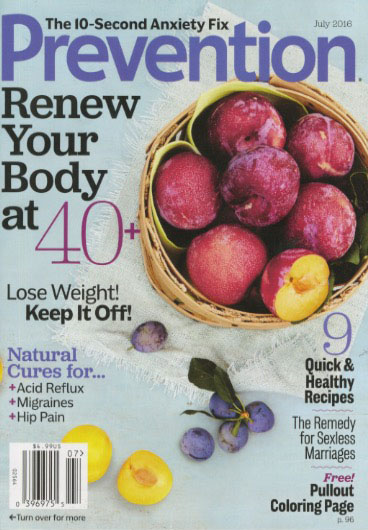
h1

SELF Magazine: Meet The Editor Who Pours Herself Into The Pages Of The Magazine. The Mr. Magazine™ Interview With Joyce Chang, Editor-in-Chief, SELF Magazine.

November 6, 2015

“I think it functions holistically. When we think about our health holistically, we don’t just say if we run we’ll be healthy. Or I eat right, so therefore I don’t have to exercise. They all have to work together, but I think we are stronger for figuring out how they can all work together in meaningful ways and support each other. We get amazing cover subjects on the cover of our magazine. And there is no better poster for the brand than the magazine and that’s why we put so much time, attention, effort, thought and creativity into making these covers. And then these covers go everywhere. They’re on the homepage of Yahoo; they’re being spread socially through all of Ronda Rousey’s fan pages, and my sister, my best friend; everyone is a part of this.” Joyce Chang (On what she believes is the cornerstone of the SELF brand)

1979_large_self1 November Cover Image SELF Magazine has been the authority on health, wellness, beauty and style for women for over thirty years, exemplifying a spirit and energy that still permeates its pages today. The magazine went through a reinvention about a year ago to reinvigorate the brand under the watchful eye of its new editor-in-chief, Joyce Chang. In fact, the first issue of SELF was one of my early first editions added to my American collection of first editions right after arriving in the United States on September 1, 1978. The first issue of SELF magazine (above left) arrived on January 1979, four months after my arrival to the States.

Joyce served as executive editor for Cosmopolitan prior to joining SELF in May 2014. In just one year, she has not only rebranded the magazine and website, but has also used her position to advocate for women’s health and rights at large. She is a woman who knows what direction her brand is heading and how to navigate through any choppy waters she might encounter along the way. The positivity and energetic spirit that lives within the magazine is shared by its new leader. The two have come home to each other. .

With Joyce’s vision, SELF has become a more vibrant and beautiful brand that feels like a breath of fresh air on a hot summer’s day. She set out to create a motivational women’s guide to life and she succeeded brilliantly. The DNA of SELF remains intact, but the clean touches and vitality Joyce brought to the magazine is vivid.

I visited with Joyce recently at the magazine’s headquarters at 1 World Trade Center in New York City, and we talked about SELF’s past, present and future. It was an invigorating conversation about a legacy brand that has been reborn into a more dynamic reality and is thriving with the changes.

So, enjoy the passion and spirit of SELF’s new Editor-In-Chief, Joyce Chang, as you read the Mr. Magazine™ interview and get to know a woman who’s vision is as clear and sharp as the view from her office window.

But first, the sound-bites:

Joyce On the changes SELF Magazine has seen since its early 1980s inception and whether she adheres to the original DNA of the magazine or steers the magazine in a completely different direction: You know it’s funny; I was looking through some old issues of the magazine not too long ago and I believe we were looking at one from 1983. I flipped to the middle of the book and there was a column that was called “Self-Made.” And it was about a self-made reader. And one of our cornerstones in this “new” SELF is the idea of the self-made woman. And reading through the Self-Made column of this readers; she was entrepreneurial; she was trying to balance all the many aspects of her life, but was also very focused on the things that mattered to her, which were work, business and her family; the people that she loved, and also taking care of herself. That is still very much who we are today.

On whether the large, bold typography and very vocal covers are insisting that readers have to do something about themselves and voicing that magazine message firmly:
No, I don’t think that’s really our message, to do something about themselves. (Laughs) Rather, it’s do something for yourself. And I really don’t think our covers scream, I actually think our covers are really clear and really strong, that’s why we use the typography that we use. That’s why our cover subjects look the way they do. And actually, I feel like the newsstand is constantly screaming at you. Every cover has a thousand lines and a thousand gimmicks. There are bursts and bubbles and tons of color and of course, hair everywhere.

On if she struck the magazine with a magic wand and a living, breathing human being appeared from the pages, who she thinks it would be: I think the magazine reflects many women. It reflects many of the women that I know. It reflects pretty much every single woman that I interact with. They each have an element of SELF within them. And yes; it reflects my own thoughts as well. As I said, we are part of this generation of really motivated women who want the most out of their life. They want to make an impact on the world; they want to have careers that have impact, and they want to have really meaningful relationships. And these are all of the goals that I and my friends have. And these are the goals that so many women share with me when I go out and meet them.

On the major stumbling block she had to face:
We changed everything. We changed offices, just everything. There’s nothing that’s the same except for the name, even the logo is different. And being evolved to taking something that’s such a heritage brand, that has a long history as you said; people have such good feelings and such historical feelings about SELF, and just feeling confident in my vision of this is where it’s supposed to go was challenging.

On her most pleasant moment: I love this job. And I love this brand and I love this magazine. Every day I look out at the view from my office window and I think how amazing this all is. What a wonderful, inspiring place to be, to think about a brand that is about inspiration and motivation like SELF is. That’s all really satisfying. Every time I see one of our covers come together I feel really happy and really satisfied. This Ronda (Ronda Rousey) cover is everywhere and that’s really satisfying to me. When I go to the airport and I see our cover stand out on the newsstand, that’s really rewarding and satisfying to me.

On whether she thinks the role of an editor has changed since the days before the dawn of the digital age:
I don’t know if it’s because of the dawn of the digital age or not, but I do think the role of editor-in-chief has changed. It’s gotten bigger and I feel like the world has gotten bigger. And we have much larger appetites and we all want more out of our products. So, as the leader of a brand you have to come up with that “more” and you have to always be thinking about what else you can do.

On whether she thinks the magazine might be catching up to its mother/daughter dynamic when it comes to audience since teaming up with her mother for a feature in her first issue of the magazine:
Sure, I think it’s very possible. I think SELF is an ageless link; the things that we talk about at SELF are ageless propositions. We’re talking about taking care of you; it’s a universal message.

On which platform she believes is the cornerstone of the brand: I think it functions holistically. When we think about our health holistically, we don’t just say if we run we’ll be healthy. Or I eat right, so therefore I don’t have to exercise. They all have to work together, but I think we are stronger for figuring out how they can all work together in meaningful ways and support each other. We get amazing cover subjects on the cover of our magazine. And there is no better poster for the brand than the magazine and that’s why we put so much time, attention, effort, thought and creativity into making these covers. And then these covers go everywhere. They’re on the homepage of Yahoo; they’re being spread socially through all of Ronda Rousey’s fan pages, and my sister, my best friend; everyone is a part of this.

On anything else she’d like to add:
In this landscape, the strong will survive. And we are a magazine about strength and strong women and we’re just really starting to dig in when it comes to thinking of the most creative and innovative ways to, not just survive, but thrive.

On what motivates her to get out of bed in the morning:
I love this life. This is exactly what I wanted to do; just as you had a hobby of getting first editions since you were a child, I was a magazine junkie too when I was a kid. When I was 12-years-old, with some of my friends, I made up a rendition of The New Yorker for kids. And we published our own magazines. This is what I’ve always imagined and always dreamed of, so of course I’m going to jump out of bed; this is what I asked for.

On what keeps her up at night:
I try not to engage so much in that worry zone, but I do stay up at night because we have so many ideas and I wonder how we’re going to do them all. We need more pages; we need more platforms, more outlets for all of these ideas.

And now the lightly edited transcript of the Mr. Magazine™ interview with Joyce Chang, Editor-In-Chief, SELF Magazine.

Samir Husni: SELF was one of the first editions that I bought when I came to America. I arrived in 1978 and I believe the first issue of SELF came out in January 1979. SELF was born with a bang. The magazine was a major new launch from a major publisher. From that beginning and through all of the changes and different editors that the magazine has seen over the years; what is SELF today under your guiding hand? Do you still adhere to the original DNA of the early 1980s or is it a brand-new SELF Magazine?

Joyce Chang: You know it’s funny; I was looking through some old issues of the magazine not too long ago and I believe we were looking at one from 1983. I flipped to the middle of the book and there was a column that was called “Self-Made.” And it was about a self-made reader. And one of our cornerstones in this “new” SELF is the idea of the self-made woman.

It was so amazing to me to see this sort of time capsule of the headspace and the mental space of the SELF woman then and how similar it was to the SELF woman of today in a very essential way. Many of the trappings and references have changed, but the essential spirit is very much the same.

And reading through the Self-Made column of this reader; she was entrepreneurial; she was trying to balance all the many aspects of her life, but was also very focused on the things that mattered to her, which were work, business and her family; the people that she loved, and also taking care of herself. That is still very much who we are today.

I think we probably put an even finer point on it today and really look at ourselves as the motivated woman’s guide to life. The message that SELF began with has even greater relevance and the voice has grown even stronger because we have yet another generation, two generations of working women. And I think there has never been a time in history where we have had such a span and spectrum of accomplished women helping other women get to the next level.

So I think that we’ve just been building on the foundation that SELF is built upon, this very all-American idea of being self-made. And the way we look at it is; my mother always said to me a successful person is successful in all aspects of her life, you can’t just do it on one thing and call it a day. So successful people want to have meaningful relationships; they want to bring that same passion to their work, and that same discipline to the physical and to their health.

And so we really look at life as this 360° view of success. That’s what we aspire to; that’s what we want to inspire our readers to pursue and also that anything is possible. And in order to do all of these things, you have to take care of yourself. So, I think that’s very much in keeping with the origin story of SELF. And because it is such a universal message, it completely works today. But I think it’s even more resonating.

Samir Husni: And is it because we are today bombarded by information and surrounded by noise everywhere that you are becoming more vocal with the covers, so to speak? Like “Go For It” or with the big typography screaming in your face, insisting that readers have to do something about themselves?

Joyce Chang: No, I don’t think that’s really our message, to do something about themselves. (Laughs)

Samir Husni: (Laughs too).

Joyce Chang: Rather, it’s do something for yourself. And I really don’t think our covers scream, I actually think our covers are really clear and really strong, that’s why we use the typography that we use. That’s why our cover subjects look the way they do. And actually, I feel like the newsstand is constantly screaming at you. Every cover has a thousand lines and a thousand gimmicks. There are bursts and bubbles and tons of color and of course, hair everywhere.

All of that works for a certain kind of magazine. It sends a certain kind of message or multiple messages. And for us, I feel like our message is more focused than anyone else’s message, which we are all about confidence and positivity. Supporting you and whatever your goals are. So, that’s why you get “Go For It,” because it’s us just cheering you on. We know that life is busy, demanding and hard and we could all use a pick-me-up.

The point of all of this is not to tell you to do something or to scream at you; the point is for you to know that we’re cheering for you. And we want you to get whatever it is you want out of your day and out of your life.

Samir Husni: If I gave you a magic wand that you could use to strike the ink on paper magazine and instantly a living, breathing human being would materialize; would I see Joyce appearing from the pages of SELF or someone else? Who is the magazine?

Joyce Chang: I think the magazine reflects many women. It reflects many of the women that I know. It reflects pretty much every single woman that I interact with. They each have an element of SELF within them.

And yes; it reflects my own thoughts as well. As I said, we are part of this generation of really motivated women who want the most out of their life. They want to make an impact on the world; they want to have careers that have impact, and they want to have really meaningful relationships. And these are all of the goals that I and my friends have. And these are the goals that so many women share with me when I go out and meet them.

And even in the process of when I was hiring and people were coming to talk to me about why they wanted to join SELF, everyone was sharing these stories of looking for the next thing, and the next thing being something that made them really happy, the next thing being an outlet for their passion and creativity. And the next thing that they really wanted was something meaningful to them.

And I think that there has been such a shift in what success means to people, but particularly women. I think this answers that need to know what that next thing is. It might not give a clear-cut answer, but it has a lot of paths and a lot of ideas on how to pursue your answer to that question.

Samir Husni: Since you became editor-in-chief of SELF; what has been the major stumbling block that you’ve had to face and how did you overcome it?

Joyce Chang: We changed everything. We changed offices, just everything. There’s nothing that’s the same except for the name, even the logo is different. And being evolved to taking something that’s such a heritage brand, that has a long history as you said; people have such good feelings and such historical feelings about SELF, and just feeling confident in my vision of this is where it’s supposed to go was challenging.

It’s pretty different. As much as it was used to this original DNA; it was really different. It was a complete rewrite of the visual formula and it was a complete change in terms of tone of voice. So, it was a total overhaul. And it was like once you dove in, you just found more and more. And you just had to do it systematically.

It was something that I had learned when I was at Cosmo because we also had a total change; a transformation. And so I had done that the year before, so I felt ready and comfortable with SELF’s transformation. But nevertheless, it’s never easy to come in and take something as legacy as SELF and make it something totally different. So, that was obviously really hard, but also really rewarding and energizing in its own way.

I think personally the thing that was hardest for me was when you’re introduced to high-level worry. It’s a different level of stress when you run a brand than when you are the #2. And I always thought I was so busy and I always felt like I had a certain level of stress, as all New Yorkers have; we’re always competing with each other, who’s busier and who’s more stressed, but when you’re actually the person for whom the buck stops with you and you’re making all of these big decisions that affect people, readers and dealing with bottom lines, that’s another level of stress and another level of worry. And getting used to that was something that was hard. I never slept; I was always worried.

And I think as member of the media, the landscape is changing so quickly, we all want to be superheroes for our brands. We all want to figure out how we save print or how can we transform media so that we come out on top. How do we navigate this Wild West that nobody seems to really have an answer to? Everybody wants to be a superhero.

Actually you have to make peace with yourself and know that you don’t really have to be a superhero and you don’t have to be the one person who figures everything out. What your day-to-day comes down to is doing a really good job with what you have in front of you. And doing the best work that you can, and just figuring it all out day-by-day, so that you can get better at what you’re doing. What else can you do? You can’t solve the world’s problems overnight in your sleep. That was the hardest thing for me, letting go of some of that stuff and just doing the work instead.

Samir Husni: And what has been the most pleasant moment?

After the cover shoot of the November issue Joyce received a collection of nesting Ninjas which were displayed behind her desk.  I took a picture of the cover story and the Ninjas.

After the cover shoot of the November issue Joyce received a collection of nesting Ninjas which were displayed behind her desk. I took a picture of the cover story and the Ninjas.

Joyce Chang: I love this job. And I love this brand and I love this magazine. Every day I look out at the view from my office window and I think how amazing this all is. What a wonderful, inspiring place to be, to think about a brand that is about inspiration and motivation like SELF is. That’s all really satisfying.

Every time I see one of our covers come together I feel really happy and really satisfied. This Ronda (Ronda Rousey) cover is everywhere and that’s really satisfying to me. When I go to the airport and I see our cover stand out on the newsstand, that’s really rewarding and satisfying to me.

We were the exclusive media partner for a fitness retreat with the Tone It Up girls who are superstar trainers that have a huge fitness following. My fitness director and I went to the fitness retreat and we had a SELF photo booth and we did all of these different activations with them. And the women, 500 women from all over the country, from all different walks of life, were talking about what SELF meant to them and how they had grown into themselves through SELF. And how they’ve seen the change in the magazine over the last year and how much they appreciated it and how it had affected their lives. And when I get emails and letters from women who feel like SELF has changed their lives. That’s really rewarding and that’s why you do this kind of thing.

Personally, my mother is a cancer surgeon and she runs the Breast Center at UCLA. One of the causes that SELF has always been behind is breast cancer awareness. This year I’m able to help her with program. She’s had a program and an event that she’s done every year. And this year SELF can be a part of it. It’s something that’s important to my mother and it has always been a part of my life and it’s something that’s important to SELF. So, it’s really nice to be able to do things like that.

Samir Husni: As your job has changed, going from the #2 to the #1 at SELF, are you more than an editor-in-chief in today’s world? Do you think an editor’s role has changed since the dawn of the digital age? Are you more involved in events and in directives? Are you no longer just sitting behind your desk and editing a magazine?

Joyce Chang: I don’t know if it’s because of the dawn of the digital age or not, but I do think the role of editor-in-chief has changed. It’s gotten bigger and I feel like the world has gotten bigger. And we have much larger appetites and we all want more out of our products. So, as the leader of a brand you have to come up with that “more” and you have to always be thinking about what else you can do.

I don’t stay awake at night worrying about losing things; I stay awake at night thinking about what else we can do. There’s so much momentum to what’s possible with the brand and that’s exciting.

And I think that’s the pivot of what being an editor-in-chief is now; we’re actually brands, like all of these titles within the building, within this industry, we’re all brands. We’re all media brands and there’s so much more than just the book. There’s more than the digital platform. There are events, community, products; there are TV shows. There are a thousand things that fill this world we’re creating. And that’s really exciting. We do have to be multidisciplinary because we are creating this immersive world, that’s what a brand is, an immersive world.

Samir Husni: And now with that brand and teaming up with your mom in your first issue as editor-in-chief; does it feel like you’re catching up to your audience who might be a mother/daughter dynamic when it comes to the SELF life?

Joyce Chang: Sure, I think it’s very possible. I think SELF is an ageless link; the things that we talk about at SELF are ageless propositions. We’re talking about taking care of you; it’s a universal message.

To me, when I’m speaking to our reader, I speak to the age that she is in her own mind’s eye. And I think when you’re 21, you’re aspiring. You’re kind of thinking ahead to when you’re 25 and it’ll all make sense, or something like that. You’ll have a little more money and more control; there’s an aspiration there.

At the same time, I think when I go to a yoga class in Tribeca, I look at all these women and I have no idea how old any of them are. They could be 20, 30, 40 or 50 years old. So, I do think there is this ageless spectrum of where women are now. And what they really care about is the important things. They really care about their health, having meaningful experiences and a lot of market research shows that is what the millennial mindset is. I believe we have a very strong core audience in the 18-34 realms, but I also know plenty of mother/daughters who read the same SELF and get the same satisfaction out of their experience.

Samir Husni: What do you believe is the cornerstone for the SELF brand? Is it the printed magazine, the social media, the events?

Joyce Chang: I think it functions holistically. When we think about our health holistically, we don’t just say if we run we’ll be healthy. Or I eat right, so therefore I don’t have to exercise. They all have to work together, but I think we are stronger for figuring out how they can all work together in meaningful ways and support each other.

We get amazing cover subjects on the cover of our magazine. And there is no better poster for the brand than the magazine and that’s why we put so much time, attention, effort, thought and creativity into making these covers. And then these covers go everywhere. They’re on the homepage of Yahoo; they’re being spread socially through all of Ronda Rousey’s fan pages, and my sister, my best friend; everyone is a part of this.

It’s all of equal importance because one branch brings one thing and another branch brings another. Together we’re able to push this message out and amplify it to as many people as possible. And we think we have a very meaningful message and a very resonate one for right now. So I’m happy more people can see it.

Samir Husni: What would you like to tell me about SELF if we’re sitting and talking together one year from now?

Joyce Chang: That it all worked. It’s amazing. Everything worked.

Samir Husni: (Laughs)

Joyce Chang: It was just as I thought! (Laughs too)

Samir Husni: Is there anything else you’d like to add?

Joyce Chang: In this landscape, the strong will survive. And we are a magazine about strength and strong women and we’re just really starting to dig in when it comes to thinking of the most creative and innovative ways to, not just survive, but thrive.

Samir Husni: What motivates you to get up in the morning and say it’s going to be a great day?

Joyce Chang: I love this life. This is exactly what I wanted to do; just as you had a hobby of getting first editions since you were a child, I was a magazine junkie too when I was a kid. When I was 12-years-old, with some of my friends, I made up a rendition of The New Yorker for kids. And we published our own magazines. This is what I’ve always imagined and always dreamed of, so of course I’m going to jump out of bed; this is what I asked for.

And we just have so much going on and the opportunities are vast. There has been so much tremendous feedback and support, and other brands coming to us and wanting to partner and there are so many ways in which we can do that to expand our reach. It’s all very exciting and I can’t wait to get up and get going. There aren’t enough hours in the day to do all of the things that you’re supposed to do. That’s the natural momentum of when you’ve hit the right message and that’s where likeminded people are.

That gets me up and out in the morning and I also feel like that I’ve created a life that I really like down to the last detail. When my feet hit the floor; I love that rug that I have. And I love the coffee place down the corner from me. I live on the Upper East Side; my office is all the way down here at the World Trade Center and at first I was dreading the commute, but I found that being in the car for half an hour, driving down the FDR, with the river running alongside, was really a peaceful way to start the morning.

There are really all of these great things and it’s exciting. I have a lot of breakfasts in the morning with people who I am really excited to meet and so there are a thousand different ways to start the day that are positive and rewarding and that make you want to get up and get going.

Husniandjoyce Samir Husni: My typical last question; what keeps you up at night?

Joyce Chang: I try not to engage so much in that worry zone, but I do stay up at night because we have so many ideas and I wonder how we’re going to do them all. We need more pages; we need more platforms, more outlets for all of these ideas. I feel like sometimes that I stay up at night because my mind is racing with things that we can do and about how we can get it all done.

Samir Husni: Thank you.
h1

Bloomberg Pursuits: Intelligent Luxury For All With A New Redesign, New Editorial Content & A New Editor-In-Chief – The Mr. Magazine™ Interview With Emma Rosenblum

November 3, 2015

“For me what this magazine represents is a prize that you can keep on your table; the design is so thoughtful and the colors are so rich and the photography striking. I do think that with the Internet and online journalism there’s an immediacy to news nowadays that isn’t our purpose. Our purpose is to have something that’s kind of a keepsake that you want to really look at. So, I do think that print, as we’ve seen in the industry, is continuing to grow. We’re all just trying to make it the most gorgeous process that we can to differentiate from everything else that’s out there.” Emma Rosenblum

Pursuits_Cover_HOL15 Bloomberg Pursuits is a quarterly guide to intelligent luxury. It is distributed to all 375,000 Bloomberg Markets magazine subscribers—a highly-coveted and affluent readership comprised largely of users of the Bloomberg Professional Service around the world. The reader demographic is 63 percent male and 37 percent female. And at the helm is new Editor-In-Chief, Emma Rosenblum.

The magazine experienced a major redesign earlier in the year and under Emma’s guiding hand, Bloomberg Pursuits’ summer 2015 issue, which featured tennis star Maria Sharapova on the cover, signaled a new era of luxury publishing at Bloomberg. Readers will now find a much more sophisticated and energetic content, informing them about where to go, what to eat, what to wear, and how to spend their leisure time. And the design is now more modern, with an airy, bright aesthetic.

I spoke with Emma recently about all of the changes with the magazine and with her own life too, having experienced motherhood for the first time a few months ago. We talked about the juggling of two worlds as busy and complicated as both can be, and how creating a new magazine can be comparable to giving birth in some ways, something Mr. Magazine™ can’t do with all of the editor-in-chiefs he interviews. But Emma is a woman who believes with hard work, dedication and love for each, anything is possible. And it’s a definite that she is passionate about both her new roles.

We also discussed the redesign and refocus of the editorial content of the magazine and the reaction from readers and advertisers to the new look. It was a delightful and insightful conversation that I know you’ll enjoy. And now the Mr. Magazine™ interview with Emma Rosenblum, Editor-In-Chief, Bloomberg Pursuits Magazine.

But first, the sound-bites:

Emma Rosenblum Headshot
On how she’s juggling her new role as editor-in-chief of Bloomberg Pursuits and new motherhood:
I’m just starting to figure it all out now, because this is my first baby and I’m still on leave. I’m working from home, answering emails, getting pages sent to me and weighing in, because even though I’m on leave, I still feel very responsible for the product and want it to be done a certain way; it’s our holiday issue.

On how she plans to take the redesign and the DNA of the magazine and expand on it and grow it as the new editor-in-chief: We just closed our third issue of the redesign, so last summer was our first fully redesigned issue. And then we had the fall issue and this one is our holiday issue. So, I feel like we’re still figuring things out, but we’ve got a really good base for the design and the editorial viewpoint. And so it’s just a matter of tweaking and honing and figuring out what we like and don’t like. But as of right now we spent a lot of time thinking about what was going to go into the redesign and why; what it was going to look like and what kind of articles we were going to include, so I’m pretty comfortable with the DNA as it is. And just like any magazine, we’ll continue to experiment and try to make it as good as we can.

On whether she thinks luxury, upscale magazines such as Bloomberg Pursuits are the future of print:
Personally, that’s what I gravitate towards, but you can never say that’s the future; nobody really knows. For me what this magazine represents is a prize that you can keep on your table; the design is so thoughtful and the colors are so rich and the photography striking. I do think that with the Internet and online journalism there’s an immediacy to news nowadays that isn’t our purpose. Our purpose is to have something that’s kind of a keepsake that you want to really look at. So, I do think that print, as we’ve seen in the industry, is continuing to grow.

On the early reaction from people on the new redesign and changes with the magazine: It’s interesting, I keep saying to people: tell me if you don’t like it because nobody tells me that. Everybody tells me that it’s amazing and I always say, great, thank you. We have been getting really good reaction from our peers, which is super-important to us. Though from our readers we don’t get instantaneous feedback, so there isn’t quite a way to gauge that, but I’m hoping. Of course, the other most important party is the reaction from advertisers, which has been positive as well, so far, so good up to this point. We’ve gotten a very good internal reaction too, so I think it’s going pretty well.

On who would appear if she struck the magazine with a magic wand that could turn it into a living, breathing human being: Our readers are already really successful and really savvy and curious about the world. I would like to think the magazine is very reflective of what our readers really want to know and the terminal subscriber is our reader. So, the person who would emerge would be that exact type of person, but who has slightly more time to do their research about everything that is the best of the best. That’s who I think would appear, somebody who really knows what’s going on, who’s very stylish, well-traveled, loves restaurants; just everything that our magazine is about.

On being a curator as much as she’s a creator and how she handles the roles simultaneously:
Well, it just sort of goes hand-in-hand like with any magazine. I feel like that’s what being a magazine editor has always been. I don’t think that’s something new. I believe the word curator is slightly overused. Nowadays everyone is curating something. But that’s what we’ve always done.

On what she does differently today as an editor than she did before the digital explosion:
One of the best things about Bloomberg, if not the best thing, is that we have all of the different aspects of the company that we can use in conjunction with the magazine. We have our digital site, the TV station and our radio platform; so we use all of these, and especially our website very specifically for content and then we have segments on TV and radio as well.

On the major stumbling block that she’s had to face and how she overcame it:
That’s a good question. I think starting a magazine anew is always a big challenge and it was a big challenge for us, to try and think about and really pinpoint what it is our readers wanted and who our reader actually was and what didn’t exist out there already for them? And that was really hard because, as you know, the market is pretty saturated with luxury publications and we didn’t want to just be a copy of other people. And so it wasn’t the easiest to figure out what the actual mission of the magazine was because basically we were starting over with a blank slate. So, that took us a long time. We had a bunch of different ideas about it and we finally came up with this notion that we really wanted to be the person that’s telling the reader who doesn’t have enough time to know, what to do.

On whether the founder of the company, Mike Bloomberg, is a reader of the magazine:
I hope so. (Laughs) He’s very aware of everything that’s going on in the company. We create the magazine with him in mind too because he is one of our readers and he exemplifies this idea of the curious, successful person. And that’s what we want to create the content around.

On whether she thinks comparing the creation of a new magazine to the birth of a baby is a fair statement:
Creating a magazine is a lot of work and the “having a baby” metaphor is kind of apt in that it’s all you and you’re solely responsible for it. There are jobs that I’ve had where I was one of the pack and turning out someone else’s vision. And you can get very good at that and put your own mark on it where you can, but ultimately it’s somebody else’s product that they’ve created. So, this has been a super-new experience for me. To think and ask myself: what do I want; what kind of content do I think is right for the magazine? And a lot of times it’s hard to figure out because you do become very good at following someone else’s vision.

On what motivates her to get out of bed in the mornings:
Right now I’m out of bed a lot, especially in the middle of the night. (Laughs) But I love my job. I’ve never really had a day where I’ve been at work and haven’t thought how lucky I am to be able to do what I love. I have many friends who are not stimulated at all by their careers, but I learn something new every day. And it doesn’t matter if it’s a super-challenging day or just an average day at the office, it’s a pleasure to get up and create something. And it’s just fun. When I get out of bed, I’m happy that I get to go to my job; I’m not necessarily jumping for joy at having to roll out at 7:00 a.m. (Laughs)

On what keeps her up at night:
Besides the crying and daycare? (Laughs) In my new role, it’s this thing I have about always wanting everything to be perfect and getting better and better. And how do I do that? So, it’s a constant thought in the back of your mind of, OK – this issue is closed, now what’s next? How do we improve upon that one? And that’s basically what I think about all of the time.

And now the lightly edited transcript of the Mr. Magazine™ conversation with Emma Rosenblum, Editor-In-Chief, Bloomberg Pursuits Magazine.

Pursuits_Cover_FALL15 Samir Husni: The job of an editor isn’t getting any easier, nor is the job of being a mother. So, how are you juggling your new role as editor-in-chief of Bloomberg Pursuits and motherhood?

Emma Rosenblum: I’m just starting to figure it all out now, because this is my first baby and I’m still on leave. I’m working from home, answering emails, getting pages sent to me and weighing in, because even though I’m on leave, I still feel very responsible for the product and want it to be done a certain way; it’s our holiday issue. So, I do a lot while the baby is napping, and you know, it’s easier to work remotely nowadays. I just answer lots of emails and phone calls right now. And it’ll be a new stage when I get back to the office and we’ll just figure it out from there.

Samir Husni: As you prepare for the changes ahead, you’ve had a change in your life and now there has been a change in the magazine; how are you going to take the DNA of the magazine and expand on it and grow it as the new editor-in-chief?

Emma Rosenblum: We just closed our third issue of the redesign, so last summer was our first fully redesigned issue. And then we had the fall issue and this one is our holiday issue. So, I feel like we’re still figuring things out, but we’ve got a really good base for the design and the editorial viewpoint. And so it’s just a matter of tweaking and honing and figuring out what we like and don’t like.

But as of right now we spent a lot of time thinking about what was going to go into the redesign and why; what it was going to look like and what kind of articles we were going to include, so I’m pretty comfortable with the DNA as it is. And just like any magazine, we’ll continue to experiment and try to make it as good as we can. I’m the kind of person, which I think most editor-in-chiefs are; you’re never fully satisfied, you always want to make it better and better. So, that’s the goal going forward, to just keep going and making it even more surprising and beautiful and interesting.

Samir Husni: You’ve used the word beautiful a few times; do you think luxury, upscale magazines such as Bloomberg Pursuits are the future of print?

Emma Rosenblum: Personally, that’s what I gravitate towards, but you can never say that’s the future; nobody really knows. For me what this magazine represents is a prize that you can keep on your table; the design is so thoughtful and the colors are so rich and the photography striking.

I do think that with the Internet and online journalism there’s an immediacy to news nowadays that isn’t our purpose. Our purpose is to have something that’s kind of a keepsake that you want to really look at. So, I do think that print, as we’ve seen in the industry, is continuing to grow. We’re all just trying to make it the most gorgeous process that we can to differentiate from everything else that’s out there.

And in luxury, of course, that’s especially important because we’re showcasing these gorgeous travel destinations and fashion and food, things that you really want to see in a very luscious way. So, yes, I do think we’re heading toward that, but I also think we’re there already. And we’re just going to continue to try and figure out how readers respond to that and if they love it just like we do.

Samir Husni: And what has been the early reaction to the new redesign and changes with the magazine?

Emma Rosenblum: It’s interesting, I keep saying to people: tell me if you don’t like it because nobody tells me that. Everybody tells me that it’s amazing and I always say, great, thank you. We have been getting really good reaction from our peers, which is super-important to us. Though from our readers we don’t get instantaneous feedback, so there isn’t quite a way to gauge that, but I’m hoping.

Of course, the other most important party is the reaction from advertisers, which has been positive as well, so far, so good up to this point. We’ve gotten a very good internal reaction too, so I think it’s going pretty well. And we’re getting more notice; we’ve been picked up by a lot of websites and design sites as something that’s new and cool and should be checked out. So, I always take that to be a positive.

Samir Husni: If you struck Bloomberg Pursuits with a magic wand that could instantly transform the magazine into a living breathing human being, who would appear? And I’m not referring to the audience; I’m talking about the ink on paper magazine itself. What type of person would appear before our eyes if that were possible?

Emma Rosenblum: Our readers are already really successful and really savvy and curious about the world. I would like to think the magazine is very reflective of what our readers really want to know and the terminal subscriber is our reader. So, the person who would emerge would be that exact type of person, but who has slightly more time to do their research about everything that is the best of the best.

That’s who I think would appear, somebody who really knows what’s going on, who’s very stylish, well-traveled, loves restaurants; just everything that our magazine is about. But then also has the time to be doing all this research, which I don’t think our readers do have all of that time and that’s the service that we provide. They’re super-busy and on their computers all day, so we feel like we can bring them this service of being the arbiter of taste basically and say, you have this success now and in your leisure time, we know best and here’s that information.

Samir Husni: You mention researching and collecting in that description, so you’re as much as a curator as a creator; how are you juggling the curation with the creation?

Emma Rosenblum: Well, it just sort of goes hand-in-hand like with any magazine. I feel like that’s what being a magazine editor has always been. I don’t think that’s something new. I believe the word curator is slightly overused. Nowadays everyone is curating something. But that’s what we’ve always done.

When I started my career I was at New York Magazine and basically our jobs there were to find the coolest, most interesting aspects of the city; the stories within the city that would resonate with readers. And that to me is also curation. So I learned to do that very early on, to have an eye out for interesting things, things that would appeal to readers.

And then creating it is the second part of that. Once you have the idea and then the story itself, then you get to figure out how it should be presented to readers and decide the most interesting way to package it. The two have just always gone hand-in-hand to me; it’s not a new thing. And I think that’s what we do.

Samir Husni: What’s the new responsibility in your job today as editor-in-chief, something you do now that’s different from before the digital age, before 2007 and 2008?

Emma Rosenblum: One of the best things about Bloomberg, if not the best thing, is that we have all of the different aspects of the company that we can use in conjunction with the magazine. We have our digital site, the TV station and our radio platform; so we use all of these, and especially our website very specifically for content and then we have segments on TV and radio as well.

But we have to think about when we’re choosing stories how are we going to translate this or that piece for each platform. And you don’t want to do something that can only live in one medium, because first of all it’s not cost-effective. You want something that you can spread throughout all the platforms.

And secondly, the best way to get your story out there is to use all of these different outlets that we have. It’s just a new way of thinking, but honestly, I came of age during the digital age. I don’t feel like it’s something that’s not second nature to me whenever I think about a story. This has been since I was a young editor and was thinking about how to put something online.

I do think as the new generation of editors comes up, it’s not going to be so one-sided. For example, no one will be thinking in just print and have to develop the new skill of utilizing digital too. It will just be ingrained. You know when you’re assigning a story and wonder about sending a video crew as well as a photographer when we send a writer in order to get digital video so that we can put it up online.

For example, with our cover story last issue, which was Eric Ripert, we sent a writer and we did the traditional kind of writer/photo shoot setup that you’d do for a magazine, but then we went back the next day with a Bloomberg digital video crew and we filmed him cooking and giving a sort of life story while he was cooking, which was very complementary to what our writer was writing about for our print version.

Things like that are different, where you have to ask, what’s the best way to get this story out to the greatest number of people and also enrich the story? You don’t want to just put up a piece of junk online because it’s an extra; you really want to find something that will enhance what you already have. And I think that we’re doing that and to me that’s not so new.

Pursuits_Cover_SUMMER15 Samir Husni: What has been the major stumbling block in your journey with Bloomberg Pursuits and how did you overcome it?

Emma Rosenblum: That’s a good question. I think starting a magazine anew is always a big challenge and it was a big challenge for us, to try and think about and really pinpoint what it is our readers wanted and who our reader actually was and what didn’t exist out there already for them? And that was really hard because, as you know, the market is pretty saturated with luxury publications and we didn’t want to just be a copy of other people. And so it wasn’t the easiest to figure out what the actual mission of the magazine was because basically we were starting over with a blank slate. So, that took us a long time. We had a bunch of different ideas about it and we finally came up with this notion that we really wanted to be the person that’s telling the reader who doesn’t have enough time to know, what to do.

And also this idea of luxury is kind of a challenge too because what exactly does luxury mean? What do advertisers think of it as? And so those questions were a bit difficult to figure out. For us, what we really wanted to do was hopefully what we are doing and what we’ll continue to do as we really think about luxury as being disconnected from just blanket price point. I never wanted to just feature expensive things in boring settings. We really wanted to define what luxury meant to us and we decided that to us it meant the best, not necessarily just the most expensive.

And so trying to figure out what that was and really lock it down has been a challenge, I will say, but I do think that we’re now hitting our stride with our third issue. We’ve sort of gotten there. But you always have hits and misses when you’re doing a redesign. We came up with tons of stuff that we had to end up killing because it just didn’t work or look good.

Samir Husni: Is the founder of the company, Mike Bloomberg, a reader of the magazine?

Emma Rosenblum: I hope so. (Laughs) He’s very aware of everything that’s going on in the company. We create the magazine with him in mind too because he is one of our readers and he exemplifies this idea of the curious, successful person. And that’s what we want to create the content around.

Samir Husni: I’ve heard it said that creating a magazine is a lot of work and some have said it compares to having a baby – would you say that’s a fair statement?

Emma Rosenblum: Creating a magazine is a lot of work and the “having a baby” metaphor is kind of apt in that it’s all you and you’re solely responsible for it. There are jobs that I’ve had where I was one of the pack and turning out someone else’s vision. And you can get very good at that and put your own mark on it where you can, but ultimately it’s somebody else’s product that they’ve created.

So, this has been a super-new experience for me. To think and ask myself: what do I want; what kind of content do I think is right for the magazine? And a lot of times it’s hard to figure out because you do become very good at following someone else’s vision. For example, at Businessweek when I was there looking through stories the Businessweek lens or I worked at Glamour for two years and I became very good at thinking about how a story would resonate with young women. And it was the same at New York Magazine when I’d look at a story and try and see how it was relevant to New York.

To get out of that and actually do it myself and create a vision where someone else was working for me and following my lead has been, and maybe this goes back to the question about my biggest challenge or stumbling block, but it’s been really hard, but satisfying too. There’s a creative part of yourself that you have to tap into that you didn’t necessarily use before, you could get really good at channeling another editor.

Samir Husni: What motivates you to get up in the morning and start your day?

Emma Rosenblum: Right now I’m out of bed a lot, especially in the middle of the night. (Laughs) But I love my job. I’ve never really had a day where I’ve been at work and haven’t thought how lucky I am to be able to do what I love. I have many friends who are not stimulated at all by their careers, but I learn something new every day. And it doesn’t matter if it’s a super-challenging day or just an average day at the office, it’s a pleasure to get up and create something. And it’s just fun. When I get out of bed, I’m happy that I get to go to my job; I’m not necessarily jumping for joy at having to roll out at 7:00 a.m. (Laughs)

But people who work in magazines are so lucky to get to do what we do. It’s not drudgery. It’s cool and fun; it still has that glamourous “something” that makes people want to get into it even though you might see kids graduating from college and you think good luck. (Laughs again) Why are you doing this? But of course they are because when you’re having a day and you’re working with really creative people, both editorially and digitally, it’s something that most people don’t get to do. So for me it’s a real joy. I love it.

Samir Husni: My typical last question; what keeps you up at night?

Emma Rosenblum: Besides the crying and daycare? (Laughs) In my new role, it’s this thing I have about always wanting everything to be perfect and getting better and better. And how do I do that? So, it’s a constant thought in the back of your mind of, OK – this issue is closed, now what’s next? How do we improve upon that one? And that’s basically what I think about all of the time. And I just want to keep going and never get stagnated or feel bored with it or feel like I’ve done this and now I can go on autopilot. I never want to do that.

Pursuits_Cover_HOL15Samir Husni: Thank you.
As a bonus to the Mr. Magazine™ readers, click here to read the cover story of the holiday issue of Bloomberg Pursuits.

h1

NewBeauty Magazine Reinvents Itself After 10 Years With Fresh Editorial & A New Design – The Mr. Magazine™ Interview With Yolanda Yoh Bucher, Chief Content Officer & Editor-In-Chief

October 21, 2015

“When I look at another reason magazines aren’t going to die, it’s because one of the most enjoyable things to do for people is to go sit on the beach or by the pool, or in the mountains and bring your magazines along with you. Or bring your books and you just read. And for me that’s a great pleasure. If I can have time to sit outside and read my magazines, I have a one-year-old (Laughs), so if I can have that time, that’s heaven. And some kind of device is never going to replace that.” Yolanda Yoh Bucher

NB41_Celeb_JM_Cover To deepen the brand’s mission to help smart women make the most educated beauty decisions, luxury beauty brand NewBeauty has implemented a significant investment in an editorial redesign of its quarterly magazine. The team worked with award-winning, New York design firm Priest+Grace to debut the new look in the Fall-Winter 2015 issue, featuring cover star Julianna Margulies.

It’s a print investment that Chief Content Officer and Editor-in-Chief Yolanda Yoh Bucher said was totally worth it, even in this digital age. Yolanda believes in the print experience and that nothing, no device under the sun or moon, can replace the feeling you get when you have that intimate moment with ink on paper.

The magazine boasts the highest cover price of any beauty magazine on newsstands, at $9.95, and its readers have the highest average household income of any magazine in its category, at $197,000, according to Yolanda. To that end, NewBeauty took a decisive step and reinvented the magazine’s entire editorial lineup and look – from bolder, brighter visuals to new color schematics – to continue to engage its upscale readers.

I spoke with Yolanda recently and we talked about the redesign and the magazine’s past, present and future. It was a delightfully uplifting conversation about the value of print and the quick resources of digital that could be offered to the magazine’s audience, a dual contribution that she feels each of the magazine’s readers deserve. Audience first and that undeniable “experience” is what the “new” NewBeauty is all about.

So, re-comb your hair and take one last glance in the mirror just in case and get ready to enjoy the Mr. Magazine™ conversation with Yolanda Yoh Bucher, Chief Content Office & Editor-In-Chief, NewBeauty.

But first, the sound-bites:

NB Yolanda Yoh Bucher Headshot On the highlight moments in her life as editor and in the life of the magazine: We wanted to create a magazine that would be trusted, educate women, and give them enough information to where they could actually make a decision. That was one of my core beliefs with beauty. Beauty can tend to be a little bit fluffy. Women really want serious answers. They want to understand the complete picture when it comes to beauty. We looked at it as doing serious journalistic research. A lot of it is very science-based. And I think our readers really responded to that. They wanted that kind of information. And that is what really set us apart and what really got us noticed.

On what she did to maintain the magazine’s DNA over the years and why now, after 10 years, she felt a facelift for the publication was needed: Well to maintain the DNA it’s really just staying true to everything that we’ve always believed in, which is our core focus on education, information and research. We are the only magazine that has a board that vets our content. So they vet every single page of editorial and advertising for accuracy. I think that’s really important. Whether that clicks in the heads of our consumers or not, they recognize that that information is trusted. To answer your second question, about giving ourselves a facelift, you know when we launched the magazine we kind of wanted to break every magazine rule, and be so, so different. It has definitely garnered us much success over the years. But sometimes being so different in a magazine space is not always a good thing. We took a look at re-doing the entire structure of our editorial while still staying true to that core message, and really just freshened up our entire editorial.

On why she’s invested in print in this digital age: I think it’s a different experience. It’s important to have all the touch points for your reader. Obviously, you have to have that robust digital experience. And like you mentioned earlier, we are finding that most of our readers are looking at our website on mobile devices. But when you think about how someone is looking at information, especially in a mobile environment, they’re maybe looking at it, if you’re lucky, for eight minutes. With our magazine and with all of our research, we found that our readers spend a staggering 94 minutes with our issue. That is a deeply engaged reader.

On whether she thinks print is going away: No I don’t. I think it’s a way to inspire. I think people will always want to look at beautiful images, and be able to spend the time to digest the information they are looking for. And I’d also say that in a digital environment everything is moving so quickly and the nice thing about having a magazine in print is again, you can take that quiet time and you can sit with it; you can digest and absorb the contents that you’re reading. It’s just different than when you’re playing with your phone and you’re looking at websites and you’re doing 800 things at the same time. That’s a very chaotic type of energy, so reading is actually very relaxing and peaceful, and I think healthy.

On what motivates her to get out of bed every morning and come to work: It’s the passion. It’s the creativity. It’s always reinventing something new. I think that’s the challenge. You’d think that over time we would have exhausted all the topics, but it’s funny because every day I wake up with a new question, a new beauty question. Or there’s something new I read that I think is interesting and I want to find out more information. Having a magazine and a team of extremely amazing editors who do all the research is fantastic.

On how she relates to her audience: That’s how we relate. The magazine’s foundation is built on problems and solutions. We believe in providing a range of options, so that a woman can choose something that is right for her. We don’t believe in hyping something, ‘hey this is the latest, greatest new thing. You have to try it.’ We’re going to explain all the different types of things that she could use to solve a problem. We’re going to give the pros and cons and let her choose for herself.

On whether she thinks the audience’s easy access to her and the magazine in today’s digital world makes her job easier or harder: We hear about it all the time from brands or experts that we cover in the magazine. They’ll tell us that readers will reach out to them asking for more information, or there will be an increase in sales. All those things tell us that we have given them enough information to be interested in something.

On reinventing the look of the magazine using Priest+Grace in New York as the designers: They are fantastic. When we decided to redesign the magazine after so long, we realized that it was important to work with an outside group. It was obviously myself and my team, and the majority of my team has been with me for the whole 10 years. So sometimes you can’t give yourself a makeover, but you have to go to somebody else, and they were the experts. They are topnotch when it comes to redesigning magazines. We went through a very lengthy process. It was maybe five months of brainstorming, them really understanding our content and our mission.

On whether she’s taking a gamble by reminding people they’re aging: No, I think everyone realizes that they are aging. I don’t think that’s a secret we can hide from people. Everybody that we interview and talk to is proud of aging. They’re proud of how they are aging. If you look at Hollywood today, the major stars are the older ones, and they look amazing. Everyone wants to know what their secrets are and what they’re doing. That’s something we talk to them about and go back and explain what’s the science behind that, what’s the research and why do they look so good.

On any challenges she’s had to face over the years with NewBeauty: There are challenges along the way because we’re always looking to reinvent and always trying to do the next best thing to always be better, so there are always going to be challenges. Early on, one of our biggest challenges was that we freelanced out a lot of our articles when we first designed the magazine. They came in and our Board reviewed them and said, ‘you can’t print this. This is why we’re here. We’re here to vet this information for accuracy and this is misleading. You’re making surgery sound easy; you’re making these claims that are incorrect.’ So, we learned quickly the value of that trusted, researched information and to this day we actually write all of our articles in-house, which I think is unique.

On anything that she’d like to add: I think that as I said to you before, it’s important to recognize that you have to provide your reader with what they’re looking for. You have to provide them with answers and you have to meet them at all possible touchpoints. So, you have to deliver something amazing and well-researched in print that they get at their doorsteps. You have to be able to keep them engaged and stay on the breaking news in your digital space, because obviously with a website there are things that are happening much quicker and faster than you could get in print. And so you have to make sure that you stay on top of that cutting edge news.

On what keeps her up at night: In order to continue to grow you have to keep changing. And change, like this redesign; change can be a little bit stressful. (Laughs) I stay up at night thinking about change and everything that we have to adapt to in order to continue to grow and to build a really strong and successful business. That keeps me up.

And now the lightly edited transcription of the Mr. Magazine™ conversation with Yolanda Yoh Bucher, Chief Content Officer & Editor-in-Chief, NewBeauty Magazine.

Samir Husni: I still remember when the first issue of NewBeauty came out 10 years ago. It was published in 13 regional editions and all of the regional editions were put in one magazine.

Yolanda Yoh Bucher: Yes, a huge phonebook. It’s funny because I remember you as well. Didn’t you speak to Adam Sandow? (Chairman and CEO of SANDOW®) He was excited back in the day. Adam and I actually both built new beauty together, 12 years ago. We just kind of celebrated our 10-year anniversary, but we’re heading to 11 years in print, which is exciting.

Samir Husni: Take me through that journey. Since you were there from that moment of conception. And now the baby is….

Yolanda Yoh Bucher: The baby is older. (Laughs)

Samir Husni: The baby is older. And even the job of the editor has changed so much through those years. You were born pre-digital and you’ve survived after digital. What are those highlight moments in the life of you as the editor, and the life of the magazine?

Yolanda Yoh Bucher: Absolutely. It was an amazing experience. Adam and I approached building a magazine from a different standpoint. At that time, people were actually just starting to look for a lot of information in a digital space. And so, we kind of broke traditional magazine rules. We created a magazine where you could find information. We basically laid it out extremely logically. So we had, sections where you could again find what you were looking for, and that was extremely well-received.

We wanted to create a magazine that would be trusted, educate women, and give them enough information to where they could actually make a decision. That was one of my core beliefs with beauty. Beauty can tend to be a little bit fluffy. Women really want serious answers. They want to understand the complete picture when it comes to beauty. We looked at it as doing serious journalistic research. A lot of it is very science-based. And I think our readers really responded to that. They wanted that kind of information. And that is what really set us apart and what really got us noticed.

Samir Husni: You had a lot of imitators that have come and gone. Some are still there.

Yolanda Yoh Bucher: We’ve had a few. (Laughs)

Samir Husni: So what did you do to maintain that DNA over all these years. And why now, did you decide, no pun intended to have a facelift?

Yolanda Yoh Bucher: Right. Well to maintain the DNA it’s really just staying true to everything that we’ve always believed in, which is our core focus on education, information and research. We are the only magazine that has a board that vets our content. So they vet every single page of editorial and advertising for accuracy. I think that’s really important. Whether that clicks in the heads of our consumers or not, they recognize that that information is trusted. It’s validated, it’s researched. That is very, very critical. We stay true to that core. Beauty has changed so much in 10 years. There has been so much innovation, so much science, that kind of vetting is so critical.

To answer your second question, about giving ourselves a facelift, you know when we launched the magazine we kind of wanted to break every magazine rule, and be so, so different. It has definitely garnered us much success over the years. But sometimes being so different in a magazine space is not always a good thing.

We took a look at re-doing the entire structure of our editorial while still staying true to that core message, and really just freshened up our entire editorial. We re-laid out the whole book; we took those sections that I mentioned earlier away. We gave ourselves more of a traditional magazine lineup. But yet we still have the in-depth scientific articles. We have invested a lot more in our photography. We’ve gotten brighter with a lot more white-space, so it is even easier to read. I think we have elevated ourselves to another level in terms of luxury. To us, obviously we’re invested in print. We believe in the magazine as being a core foundation of the brand.

Samir Husni: That leads me to my next question, why are you invested in print in this digital age?

Screen shot 2015-10-20 at 9.14.29 PM Yolanda Yoh Bucher: I think it’s a different experience. It’s important to have all the touch points for your reader. Obviously, you have to have that robust digital experience. And like you mentioned earlier, we are finding that most of our readers are looking at our website on mobile devices. But when you think about how someone is looking at information, especially in a mobile environment, they’re maybe looking at it, if you’re lucky, for eight minutes. With our magazine and with all of our research, we found that our readers spend a staggering 94 minutes with our issue. That is a deeply engaged reader. You’re spending a lot more time and you’re able to really do the research that you need again to make that decision. That is how we look at print. It’s that much more engaged experience.

Samir Husni: So you don’t think print is going away?

Yolanda Yoh Bucher: No I don’t. I think it’s a way to inspire. I think people will always want to look at beautiful images, and be able to spend the time to digest the information they are looking for.

And I’d also say that in a digital environment everything is moving so quickly and the nice thing about having a magazine in print is again, you can take that quiet time and you can sit with it; you can digest and absorb the contents that you’re reading. It’s just different than when you’re playing with your phone and you’re looking at websites and you’re doing 800 things at the same time. That’s a very chaotic type of energy, so reading is actually very relaxing and peaceful, and I think healthy.

When I look at another reason magazines aren’t going to die, it’s because one of the most enjoyable things to do for people is to go sit on the beach or by the pool, or in the mountains and bring your magazines along with you. Or bring your books and you just read. And for me that’s a great pleasure. If I can have time to sit outside and read my magazines, I have a one-year-old (Laughs), so if I can have that time, that’s heaven. And some kind of device is never going to replace that.
Samir Husni: Let me change the gear of the questions a little bit and go to personal things about you. What drives you? You’ve been with this magazine for 12 years, what makes you want to come to work everyday? What gets you out of bed to come to work every morning?

Yolanda Yoh Bucher: It’s the passion. It’s the creativity. It’s always reinventing something new. I think that’s the challenge. You’d think that over time we would have exhausted all the topics, but it’s funny because every day I wake up with a new question, a new beauty question. Or there’s something new I read that I think is interesting and I want to find out more information. Having a magazine and a team of extremely amazing editors who do all the research is fantastic.

If I have a question about a new trend, our team will dive a lot deeper than what I’ve typically found when it comes to beauty. I get my questions answered. Our team gets our questions answered. I think that’s our service for our readers. We get to something interesting. We get to the heart of a topic. That’s exciting for me.

Samir Husni: How do you relate with your audience?

Yolanda Yoh Bucher: That’s how we relate. The magazine’s foundation is built on problems and solutions. We believe in providing a range of options, so that a woman can choose something that is right for her. We don’t believe in hyping something, ‘hey this is the latest, greatest new thing. You have to try it.’ We’re going to explain all the different types of things that she could use to solve a problem. We’re going to give the pros and cons and let her choose for herself.

That’s one of the biggest things I believe in. That it’s not about editors dictating and saying, ‘hey this is my opinion. I think this is something that you should do.’ Our job is to report. Our job is to be fair and balanced. We have access to experts that consumers don’t have. We need to take all that information and aggregate it in a way that is digestible for our consumer. The fact that she has enough information to make a decision, that’s the real end goal. That is what I’m proud of.

Samir Husni: Do you think that that interaction today has become easier? Readers can respond to you instantly or if they see something, they email you, tweet about it or write about it. Or does that make your job harder as an editor?

Screen shot 2015-10-20 at 9.14.08 PM Yolanda Yoh Bucher: We hear about it all the time from brands or experts that we cover in the magazine. They’ll tell us that readers will reach out to them asking for more information, or there will be an increase in sales. All those things tell us that we have given them enough information to be interested in something.

Samir Husni: I know that you have used my friends Priest+Grace, those marvelous designers in New York, to reinvent the look of the magazine. Can you tell me a little about your process?

Yolanda Yoh Bucher: Absolutely. And they are fantastic. When we decided to redesign the magazine after so long, we realized that it was important to work with an outside group. It was obviously myself and my team, and the majority of my team has been with me for the whole 10 years. So sometimes you can’t give yourself a makeover, but you have to go to somebody else, and they were the experts. They are topnotch when it comes to redesigning magazines. We went through a very lengthy process. It was maybe five months of brainstorming, them really understanding our content and our mission.

When we went into the redesign we didn’t want to be unrecognizable to our readers. We didn’t redesign the magazine because we weren’t successful. We were doing extremely well. Our consumers were extremely happy with what we produced. But we knew that we needed something fresher. My big thing was that we needed to stay core to our DNA. Like I said, be recognizable to our readers, so someone wouldn’t pick it up and say, ‘what is this? This is like a whole different magazine.’

So they had to take that on as a big challenge. We went through a lot of rounds in that redesign process to get to where we are today, which I’m so proud and so happy with. It’s so much brighter, so much easier to read. I think we really elevated the brand. Obviously, it was a big investment. We did a big investment with them; we invested more with our photography and our imagery. To round it back out, we don’t believe print is dead. It’s such an important part in how consumers digest information.

Samir Husni: You don’t have an average audience; your readers have a very high household income.

Yolanda Yoh Bucher: We have an extremely high household income, $197,000.

Samir Husni: The magazine is not cheap; it’s almost $10 per issue. Yet when you look at this new issue, as I read Julianna’s quote (Julianna Margulies – who is on the cover of the first redesigned issue), “If I was not aging, I would not be living. You have to embrace it.” Are you taking a gamble by reminding people that they are aging?

Yolanda Yoh Bucher: No, I think everyone realizes that they are aging. I don’t think that’s a secret we can hide from people. Everybody that we interview and talk to is proud of aging. They’re proud of how they are aging. If you look at Hollywood today, the major stars are the older ones, and they look amazing. Everyone wants to know what their secrets are and what they’re doing. That’s something we talk to them about and go back and explain what’s the science behind that, what’s the research and why do they look so good. What is it they are doing that I can do to be the best that I can be? We’re all going to age. (Laughs)

Samir Husni: So my line that I’m 62, but look 42, and act 22 doesn’t really work, right? (Laughs)

Yolanda Yoh Bucher: (Laughs too) No, I think that totally works and I think it’s fantastic. When the first issue of the magazine came out I was 30 and I just turned 40, so it happens. A decade definitely makes a difference. A decade changes you.

Samir Husni: Has your trip through that decade been all smooth sailing or you’ve had some stormy seas along the way?

Yolanda Yoh Bucher: There are challenges along the way because we’re always looking to reinvent and always trying to do the next best thing to always be better, so there are always going to be challenges. Early on, one of our biggest challenges was that we freelanced out a lot of our articles when we first designed the magazine. They came in and our Board reviewed them and said, ‘you can’t print this. This is why we’re here. We’re here to vet this information for accuracy and this is misleading. You’re making surgery sound easy; you’re making these claims that are incorrect.’ So, we learned quickly the value of that trusted, researched information and to this day we actually write all of our articles in-house, which I think is unique. My edit team is terrific, and again my edit team stayed with me for all of these years. So, it’s all of that knowledge and still working with our Board that creates good, core content.
But that was a big challenge and very stressful. (Laughs) There were late-night conference calls with the Board, ripping our articles apart.

Samir Husni: Is there anything that you’d like to add?

Yolanda Yoh Bucher: I think that as I said to you before, it’s important to recognize that you have to provide your reader with what they’re looking for. You have to provide them with answers and you have to meet them at all possible touchpoints. So, you have to deliver something amazing and well-researched in print that they get at their doorsteps. You have to be able to keep them engaged and stay on the breaking news in your digital space, because obviously with a website there are things that are happening much quicker and faster than you could get in print. And so you have to make sure that you stay on top of that cutting edge news.

And then you have to kind of round that out with an experience. So actually right after we launched the magazine, we launched something called the Test Tube in 2006, which was actually the first beauty product sampling program. We were the first, but we kind of kept it to ourselves and a little bit quiet and really only marketed it to our readers. So, we looked at that as a service so that our readers could learn about something in the magazine. They could try it in the Test Tube and then eventually if they found something that they liked, they could take action and they could buy it.

Again, it’s that 360° approach in how you communicate with your audience. And I think that’s really important and the core foundation always being your print piece. And then how do all of those extensions build off of it. And that’s the way that we look at it.

Samir Husni: Now that you mention the Test Tube, I remember the cost was either $19.95 or $29.95, something like that.

Yolanda Yoh Bucher: My memory doesn’t serve me very well, but I think it was something like that. The pricing was different. But we actually produce them now 6 times per year, so we have more Test Tubes. We added onto it because they were so wildly popular.

Samir Husni: My typical last question; what keeps you up at night?

Yolanda Yoh Bucher: In order to continue to grow you have to keep changing. And change, like this redesign; change can be a little bit stressful. (Laughs) I stay up at night thinking about change and everything that we have to adapt to in order to continue to grow and to build a really strong and successful business. That keeps me up. Change is one of the most difficult things for human beings.

Samir Husni: Thank you.