Archive for the ‘News and Views’ Category

h1

What’s In A Magazine Name? A Mr. Magazine™ Musing

August 13, 2014

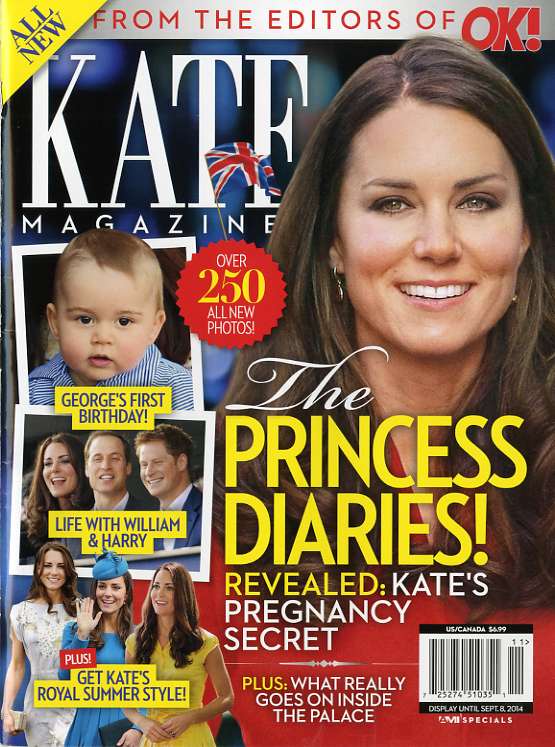
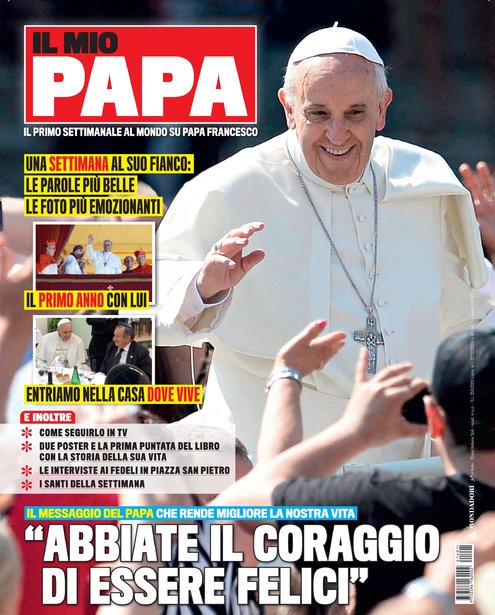
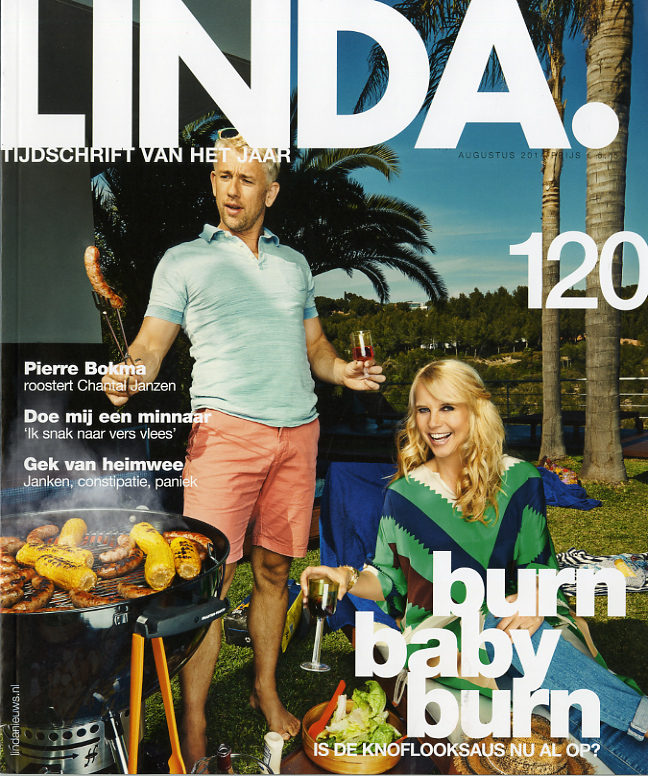
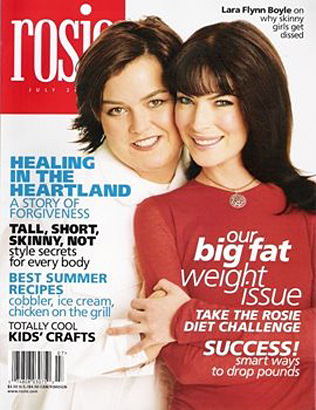
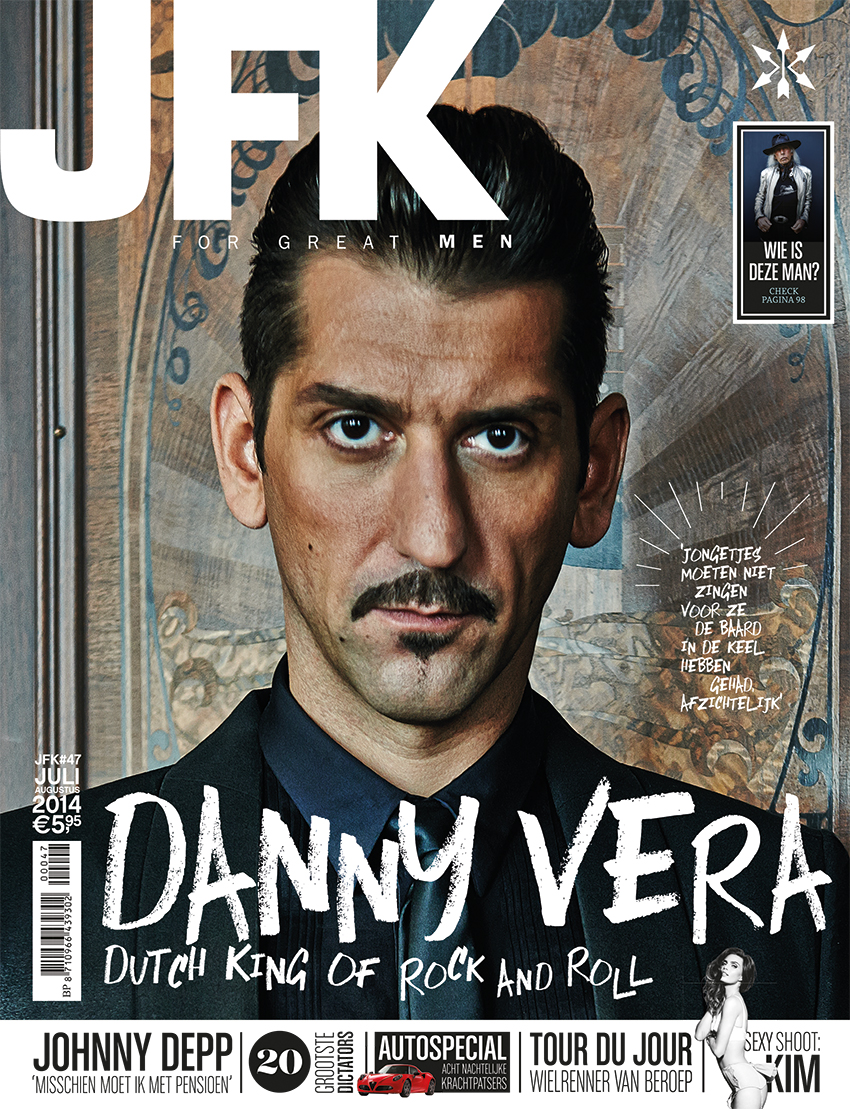
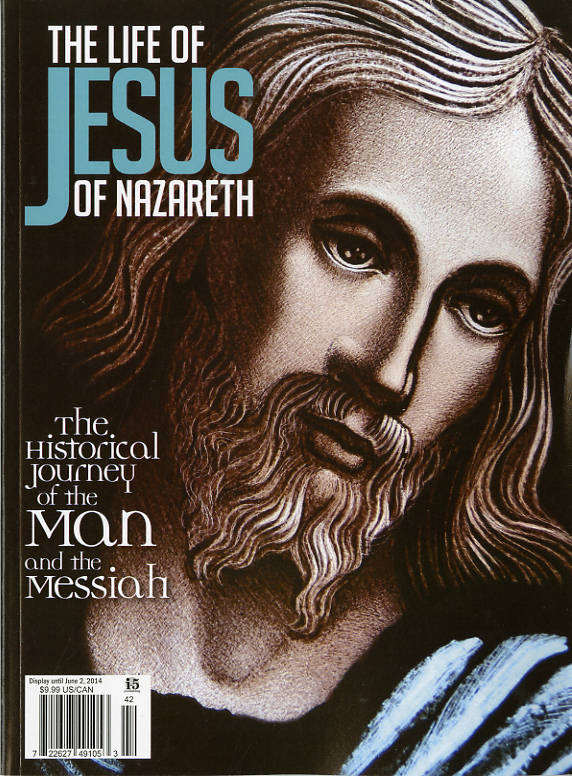
KATE-1POPE-master495oprah-061014spgcnLINDA-1rosie-odonnell-rosie-magazine-2000-photo-GCJFK47_cover_voor-webUnknowndr-oz-the-good-lifeThe Life of Jesus-5 (2)

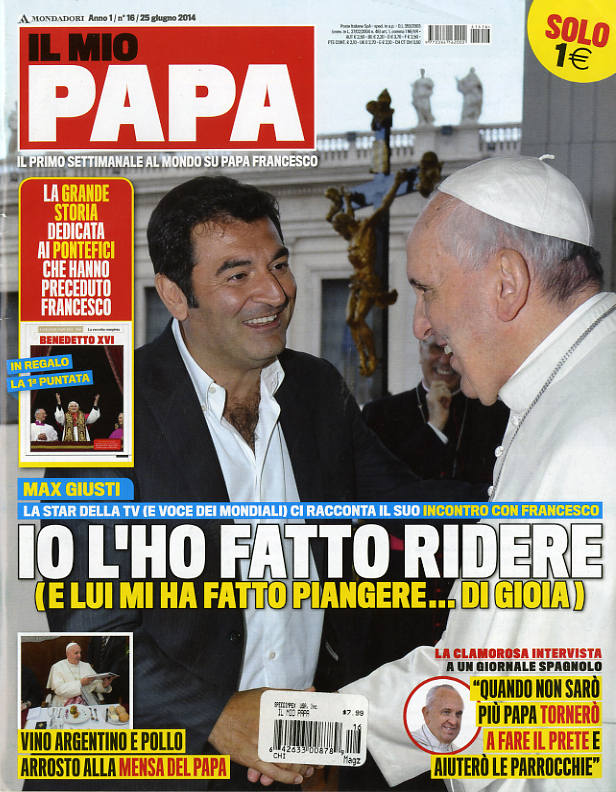
W.C. Fields always said: “It ain’t what they call you, it’s what you answer to.” And if you answer to the name Oprah, Linda, Dr. Oz or The Pope or even Jesus himself, chances are you’re going to have a magazine with your moniker stretched across the top of it.

Joining the ranks of magazines named after public personas; the latest to arrive on the scene is American Media’s Kate Magazine. A Princess should definitely have her own print kingdom, shouldn’t she? I think so.

From Jackie and JFK in the Netherlands to the Pope in Italy, there are a host of magazines named after the illustrious people in the realms of the stars, whether they’re entertainment dazzlers or more heavenly personalities, such as the Pope.

Really though, what is in a name? Well, revenue for publishers for one thing, recognition for customers another. Celebrities have always drawn attention to themselves without an abundance of trying, but never more so than in the publishing world.

Take Oprah for example, her TV talk show has garnered ratings for years. Harpo Productions has developed some of the most entertaining and popular films out there, such as “The Great Debaters” with Denzel Washington, “Beloved” with Danny Glover and just this year “Selma” with Tim Roth.

But O, The Oprah Magazine, first published in 2000, has brought her attention and loyalty from the print world. And no doubt about it, the name Oprah Winfrey had a whole lot to do with its success and continued prosperity, making it the most famous celeb magazine around today.

And so did Linda de Mol with her Linda magazine in The Netherlands (with at least four spin-offs so far).

However, where the idea sounds so easy to do, it takes “more than a village” of editors, designers and publishers to create a good print replica of the celebrity or illustrious person. Remember Rosie? It was a road map in what not to do.

And in the world of niche, book-a-zines dedicated to celebrities, both gone and still with us, continue to reign supreme in the realm of niche publishing.

From The Pope to The Stones, from John Wayne to Michael Jackson; celebrities of all stratospheric dimensions rule the world of book-a-zines.

Apparently, what’s in a name is a very big deal…in more ways than one.

So if you’re a mother-to-be out there and you’re deciding on a name for your little one, just remember two things:

1. Someday your child may be famous – so pick wisely.

2. In the world of magazines, what’s in a name can mean a lot more than space above a tagline – and if number 1. happens for your precious addition, then number 2. will definitely matter…

Happy Magazine Reading!

h1

WoodWing And Its CEO Roel-Jan Mouw Are Creating “Xperiences” Their Customers Will Never Forget – The Mr. Magazine™ Interview…

August 12, 2014

“It’s not one or the other. True success lies in the complimentary nature of digital and print, this is where we see customers deliver and increase their business and brand value.”… Roel-Jan Mouw

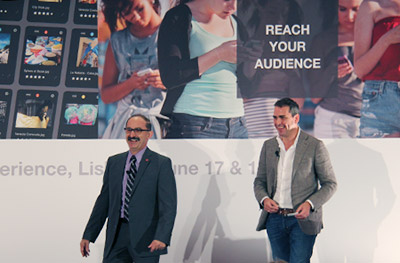
Mr-Magazine-and-Roel-Mouw_2 WoodWing Software develops and markets a premier, cost-efficient multi-channel publishing system and the next generation digital asset management system. Their solutions are aimed at magazine, newspaper and book publishers, corporate publishers, agencies and marketing departments to reach their goals for quality, economy and time-to-market. (Samir “Mr. Magazine™” Husni and Roel-Jan Mouw on the stage at the WoodWing Xperience in Lisbon, Portugal).

Roel-Jan Mouw is CEO of WoodWing software and is proud of the work his company does and in the series of “Xperiences” they are doing which involves a meeting of the minds of some of the most notable leaders in the industry.

I spoke with Roel-Jan recently and we discussed a few of the “Xperiences” which I have been graciously invited to speak at. The conversation surrounded innovation, creativity and excitement.

I hope you enjoy the Mr. Magazine™ interview with Roel-Jan Mouw as much as I did conducting it. So sit back and prepare to be enlightened on the support system WoodWing offers its customers through a variety of multi-channel publishing.

But first the sound-bites.

On the mission of WoodWing: We support companies to manage and deliver content to their audiences in efficient and innovative ways.

On the “Xperiences” and what WoodWing hopes to accomplish:
Xperience is a great opportunity to hear from leaders, meet existing WoodWing customers, and listen to their experiences – publishing through a variety of channels or managing millions of assets as part of their daily businesses.

On why a software company spends so much time and money on such “Xperiences”:
Listening to inspiring content for customers and thought leaders and spending time with peers is of great value to us and our customers. Xperience in that context is worth investments in both money and time.

On how he sees the relationship between print and digital:
It’s not one or the other. True success lies in the complimentary nature of digital and print, this is where we see customers deliver and increase their business and brand value.

On the similarities and/or differences of a global company based in the Netherlands from media companies worldwide:
As with many businesses there are many similarities. Many big media companies have the same challenges, finding the right strategy for smartphones is a great example.

On what keeps him up at night: What keeps me up at night are jet-lags, airports and trying to sleep on planes, trains and automobiles. I try to be customer facing all the time, traveling the globe, engaging and inspiring customers.

And now the lightly edited transcript of the Mr. Magazine™ interview with Roel-Jan Mouw, CEO – WoodWing.

Samir Husni: Let me start with the obvious first question, what is the mission of WoodWing?

Roel-Jan Mouw: We support companies to manage and deliver content to their audiences in efficient and innovative ways. We are on a mission to support brands engaging through multi-channel (publishing) strategies, increasing reach, loyalty and overall revenues for our (publishing) customers globally

Samir Husni: In addition to the software and help on the technical side, you are doing a series of “Xperiences” that I was gratefully invited to speak at. You recently did one in Lisbon, Portugal and you are doing another one in New York City this September… tell me a little bit more about those “Xperiences…” whom are they aimed at, what do you want to accomplish from them, who attends or who should attend them?

Roel-Jan Mouw: Xperience is a great social event, and an opportunity to learn about innovation, both on the product side and also within the industry. Cloud and BigData are two themes this year, as their inroads in our industry are accelerating. This alone makes the event worthwhile for C-level audiences who deal with a shift to Cloud and BigData in the publishing business.

Xperience is a great opportunity to hear from leaders, meet existing WoodWing customers, and listen to their experiences – publishing through a variety of channels or managing millions of assets as part of their daily businesses. Xperience is for every customer and partner who wants to learn more about how we support top publishers in 120 countries around the world.

Samir Husni: Why is a software company spending so much money and time in hosting such “Xperiences?”

Roel-Jan Mouw: Listening to inspiring content for customers and thought leaders and spending time with peers is of great value to us and our customers. Xperience in that context is worth investments in both money and time. Time is likely the most valuable resource, therefor our management team is available for meetings next to the event content to listen to customer challenges and share thoughts that resonate in our industry globally during the event.

We have seen great synergies between regions and customers, strategies and challenges. This is where we can add a lot of value to our customers and prospects’ challenges and why we believe this investment is truly worthwhile. Next to this we can connect our customers who are always happy to talk to peers. It’s simply a great opportunity to hear from leaders in the industry either 1:1 or through the formal agenda.

Samir Husni: How do you see the relationship between print and digital? Is there a future for print?

Roel-Jan Mouw: With the appearance of the iPad, WoodWing has been a front runner enabling publishers globally to publish Apps. In the last 4 years iPad and other digital devices, challenging economic turmoil and marketing automation & analytics have disrupted the traditional print and advertising business for publishers. Print publications are still critical to brands and together with social media, Apps and Websites, Brands can build a true multi-channel strategy driving more frequent engagement with their customers and maintain or grow revenue streams. It’s not one or the other. True success lies in the complimentary nature of digital and print, this is where we see customers deliver and increase their business and brand value.

Samir Husni: As a global company based in The Netherlands, what are the similarities that you see in media companies worldwide? What are the differences if any?

Roel-Jan Mouw: As with many businesses there are many similarities. Many big media companies have the same challenges, finding the right strategy for smartphones is a great example. Many companies are trying to find the best ways to capitalize on this opportunity.

Another trend we see is media companies realizing plane copy of print content into Apps is not supportive to stop decline of print and they are rethinking their strategies. Another aspect is the challenge for many customers to build their digital Apps. Off-shoring seems the logical thing to do today, and focus on content remains. Key differences clearly are economies (of scale) and geographical situation. In a city like Jakarta physical distribution of content becomes so problematic, this aspect alone is a key driver for new strategies for newspapers in Indonesia, where in Peru our customer El Comercio is able to geo their printed newspaper to record breaking circulation for Latin America.

Local economic aspects remain a key differentiators. But don’t be fooled, technology is a barrier; 4G is available in all major cities in most parts of the World. This accelerates the opportunity for Multi-Channel publishing and accelerates our business in Asia and Latin America as we speak.

Samir Husni: My typical last question, what keeps you up at night?

Picture 25 Roel-Jan Mouw: What keeps me up at night are jet-lags, airports and trying to sleep on planes, trains and automobiles. I try to be customer facing all the time, traveling the globe, engaging and inspiring customers. WoodWing has a great footprint in the market and with so many great customers being awake can be very inspiring! I’m looking forward to being awake in New York, meeting you and many others again.

To register and attend the free New York Xperience click here
.

© Samir “Mr. Magazine™” Husni, 2014.

h1

A Reader’s Digest Genius… A Mr. Magazine™ Musing…

August 8, 2014

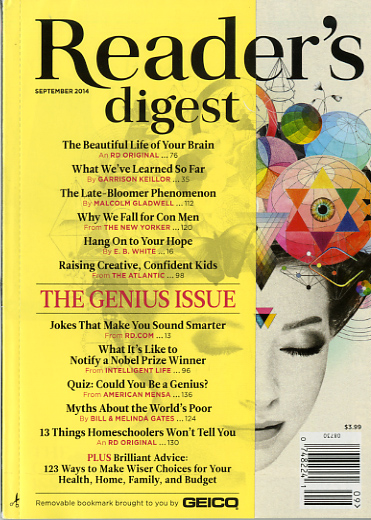
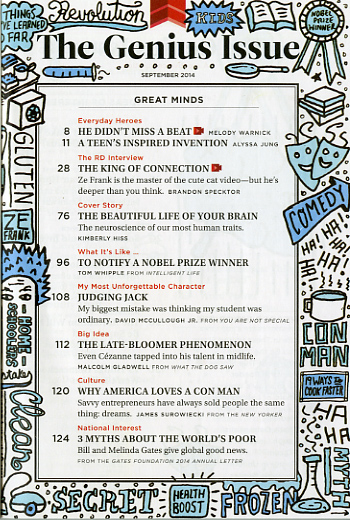
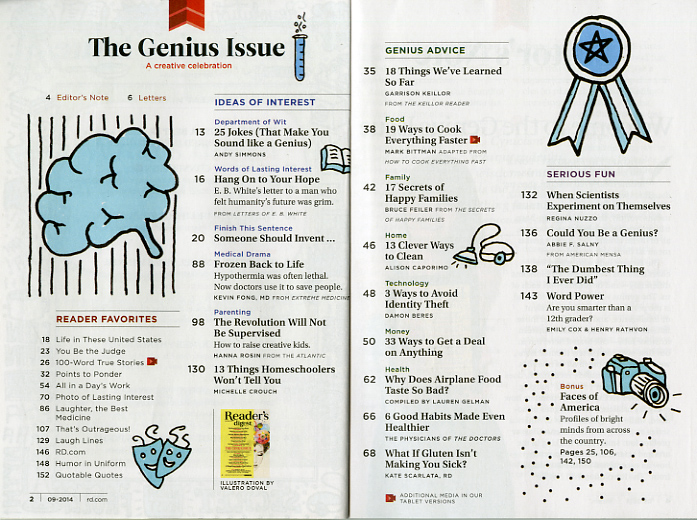
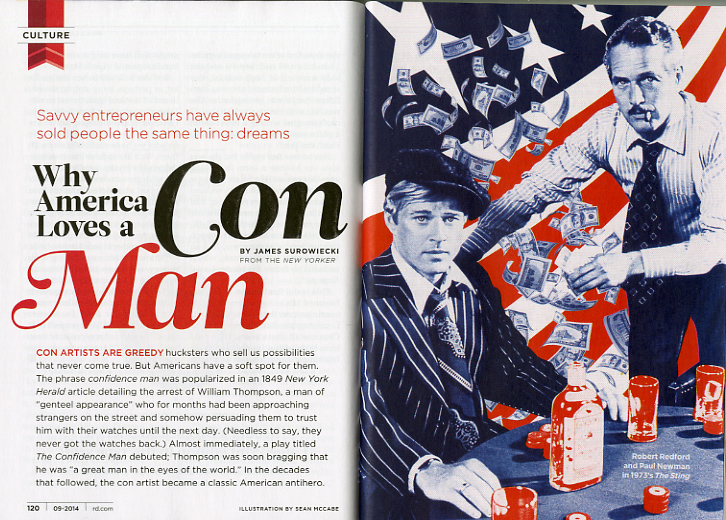
Reader's Digest 1-1Reader's Digest2-2Reader's Digest3-3 Liz Vaccariello, Editor-in-Chief of Reader’s Digest, has taken the single-topic niche to the next level with the September 2014 issue of RD. It is absolutely transcendent in presentation, design and content. The contemporary lines, while complex and unique, remain simple in effect, always the earmark of Reader’s Digest. Simplicity, style and beauty in each and every spread of the magazine denote a very compelling modernity, while maintaining the refined dignity of the publication’s past.

Liz is Vice President, Editor-in-Chief and Chief Content Officer of Reader’s Digest; so to say she wears many hats might be an understatement, but one thing that isn’t is her excitement and inspirational creativity that she has brought to Reader’s Digest.

The September 2014 issue is aptly titled “The Genius Issue” and is the brainchild of Liz who told me back in March when I interviewed her:

“We wanted to return Reader’s Digest to what it had always been for most of its 90 year history and that is a place for reading.”

And she has certainly done that… kudos to Liz and the entire Reader’s Digest staff.

Now the only thing missing form the magazine is the book excerpt and if brought back, I believe, Reader’s Digest will be the 21st century magazine build on the same foundation established by its founders DeWitt and Lila Wallace!

A good comfy read. A job very well done. Check some of the sample pages below…

Reader's Digest4-4Reader's Digest5-5Reader's Digest6-6

© Samir “Mr. Magazine™” Husni, 2014.

h1

Magazine Innovation Center Presents: A Think and Do Experience. Meet the Speakers of the ACT 5 Experience

August 7, 2014

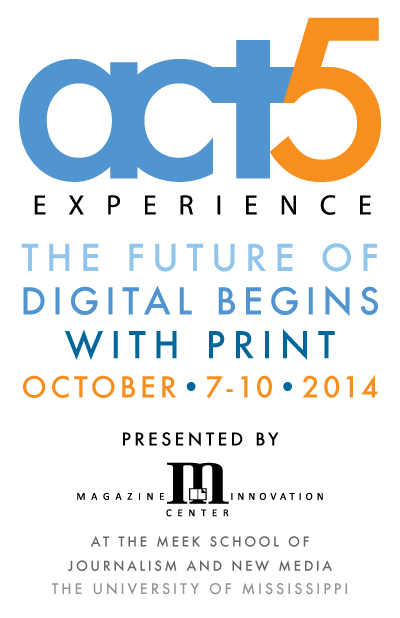
act5_poster What has become an obligatory annual pilgrimage to the Magazine Innovation Center in Oxford, MS, the Amplify, Clarify and Testify (ACT) Experience, is the only think and do experience that puts the magazine and magazine media experts together with other industry experts from all over the world in addition to 25 to 30 magazine students (future industry leaders) from The University of Mississippi’s Meek School of Journalism and New Media. The goal of the Experience is to generate executable ideas for the magazine and magazine media industries. Space is limited so the sooner you register, the better the chances that you will be able to join the ACT 5 Experience. Click here to register or get more information.

This year’s experience takes place Oct. 7-10 and features (as of today with many more to come) some of the biggest and brightest names in magazine and magazine media industry leaders. The confirmed speakers so far are (in alphabetical order):

Gil Brechtel
President, Magazine Information Network (MagNet)
Alysia Borsa
SVP, Data and Mobile, Meredith Corp.
Vanessa Bush
Editor in Chief, Essence magazine, Time Inc.
Craig Chapman
Producer, Real Food Real Kitchens
Michael Clinton
President, Marketing and Publishing Director of Hearst Magazines
Steve Davis
President, Kantar Media’s SRDS
James Elliott
President, The James G. Elliott Company
Robert Hanna
Co-Founder, SVP Sales, Burst Media
John Harrington
Publisher, The New Single Copy
Brian Hoffman
EVP/Chief Creative Officer, Hoffman Media
Dana Points
Content Director, Meredith Parents Network
John Puterbaugh
EVP & Chief Digital Officer, Nellymoser
Malcolm Netburn
Chairman, CDS Global
Bob Sacks
Founder, Precision Media
Lisa Scott
Executive Director, Periodical and Book Association of America
Greg Sullivan
Co-founder and CEO, AFAR Media
Espen Tollefsen
CEO, Interpress, Norway
Bryan Welch
Publisher & Editorial Director, Ogden Publications
Haines Wilkerson
Chief Creative Officer, Morris Media Network
Tom Witschi
EVP, Women’s Lifestyle Brands, Meredith Corp.


Click here to register.

h1

What Goes Around, Comes Around: Peter Max’s City Covers…

August 5, 2014

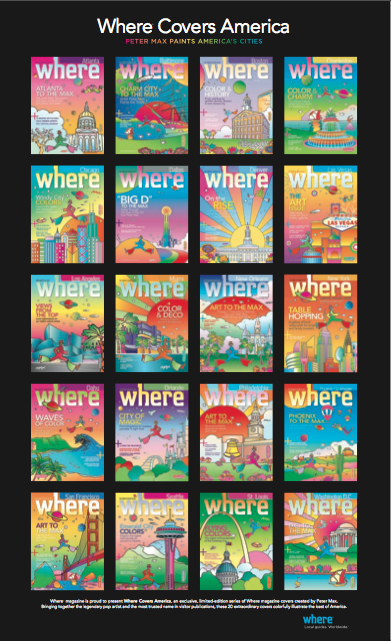
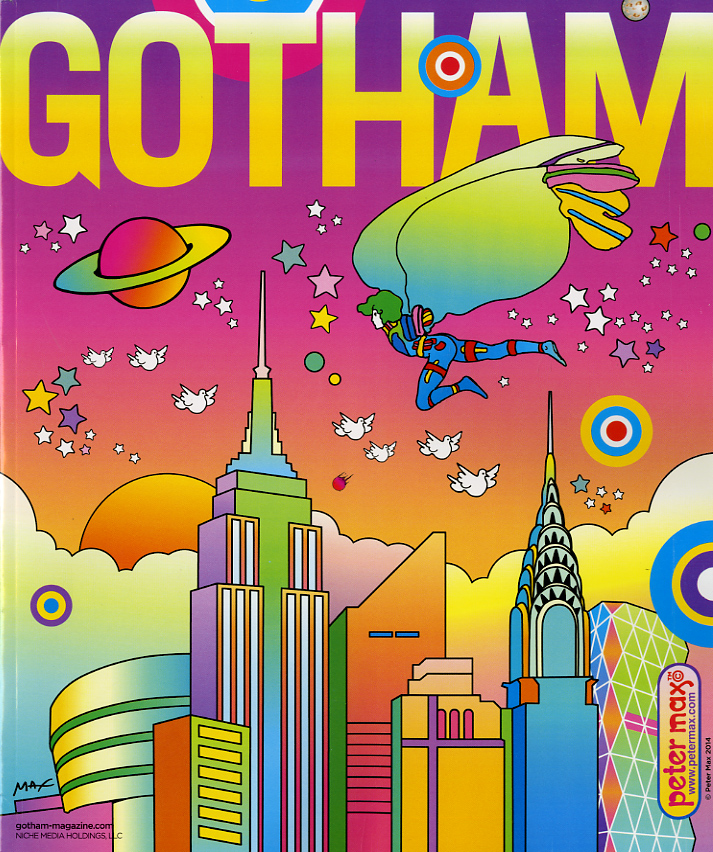
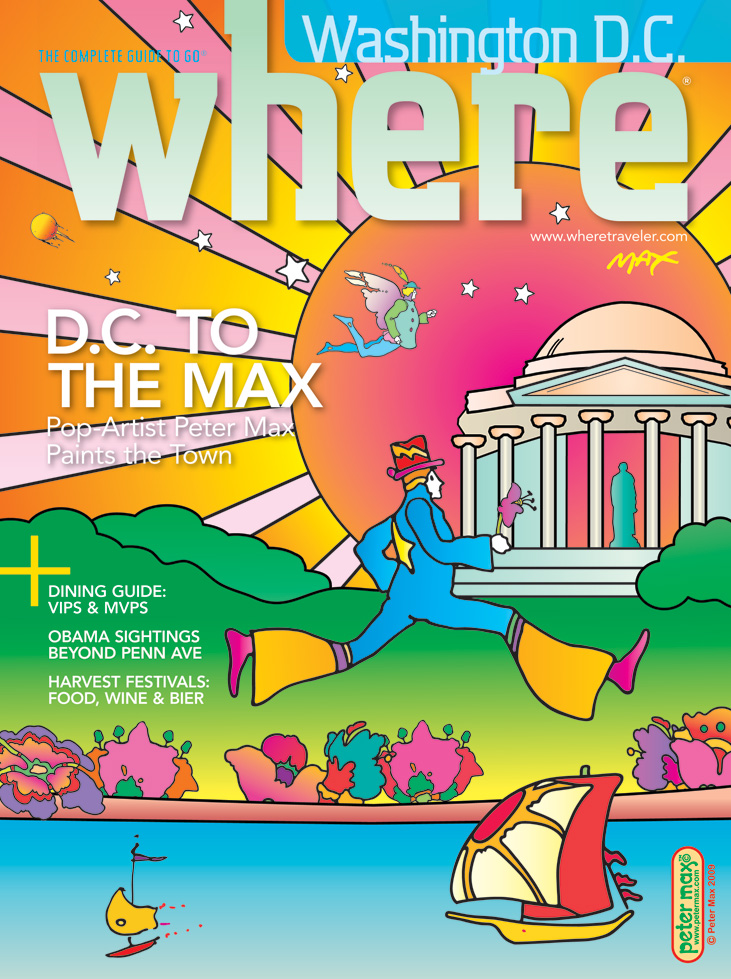
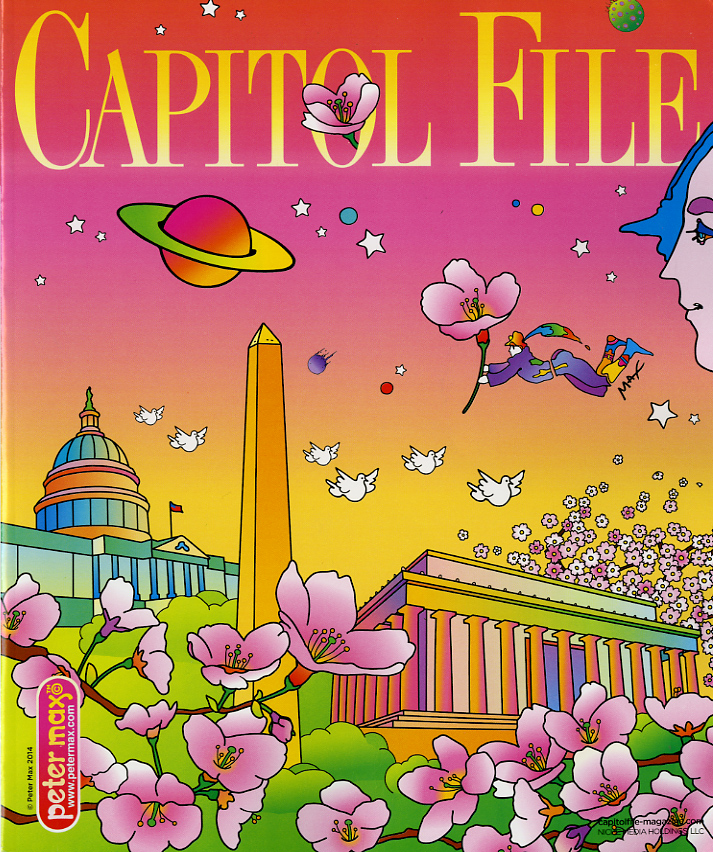
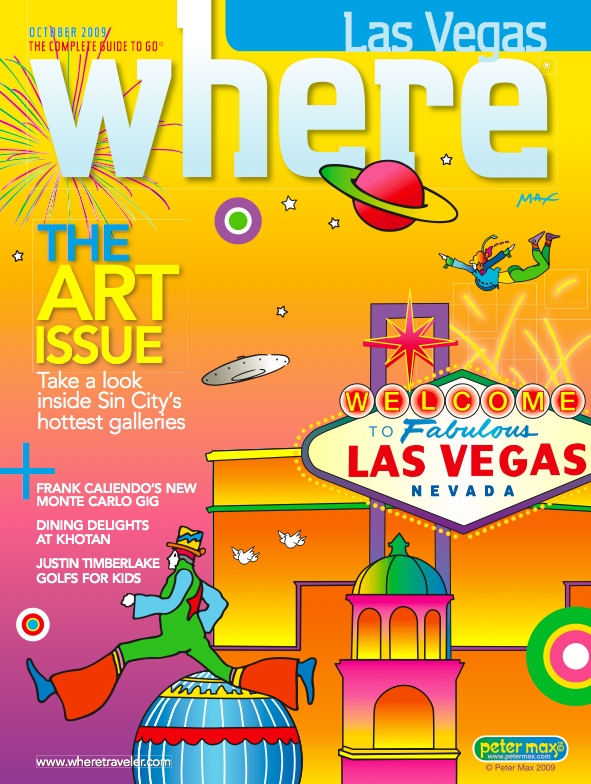
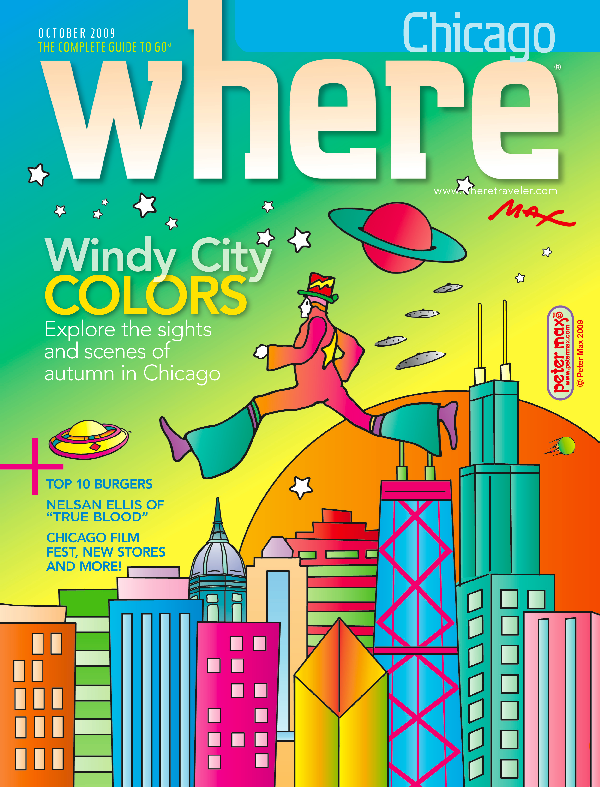
Screen shot 2014-08-04 at 6.04.31 PM There is nothing new under the sun and there is nothing new in the creative work of magazine designers and chief creative officers. When I saw Niche Media’s city magazines (Gotham, Ocean Drive, Boston Common, et. al.) use the famous art work of Peter Max to illustrate their magazine covers this month, I had a flashback to Oct. 2009 when Where magazine used Peter Max to illustrate 20 of their 37 titles.

I asked my friend Haines Wilkerson, Chief Creative Officer at Morris Communications*, publisher of Where magazine, whether he thinks imitation is the sincerest form of flattery. His “creative” answer:

“Peter Max is amazing with how much he can do when focused on a single theme, even when revisiting it years later to expand upon the idea. At Where®, we loved working with him on our network-wide “Where® Covers America” set in 2009. We all marveled as each cover art piece arrived, eventually coming together as a box set of 20 destinations, all released simultaneously with our October issues of that year. It’s great to see our friends at Niche having the same fun, to the Max.”

See six samplings of the Where covers from 2009 and the corresponding covers from Niche Media’s 2014 cities below and judge for yourself.

NewYork_PMax_NoDateBIGGotham-86

WashDC_PMax_NoDatecapital file-85

Miami_PMax_NoDateOcean Drive Miami

Screen shot 2014-08-04 at 4.23.48 PMimages

Screen shot 2014-08-04 at 4.27.27 PMimages-2

Screen shot 2014-08-04 at 4.29.00 PMimages-1

© Samir “Mr. Magazine™” Husni, 2014.
__________________________________________________________________________________________
* For the record, I work as a consultant for Morris Communications but had nothing to do with the Peter Max covers. They were Haines Wilkerson’s idea and execution.

h1

Now You See It, Now You Don’t: National Geographic Traveler and the Vanishing Yellow Border

August 4, 2014

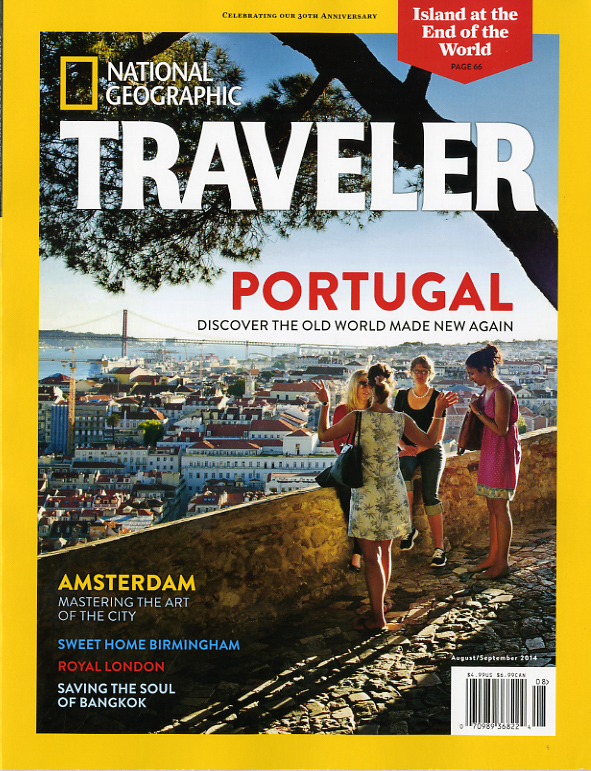
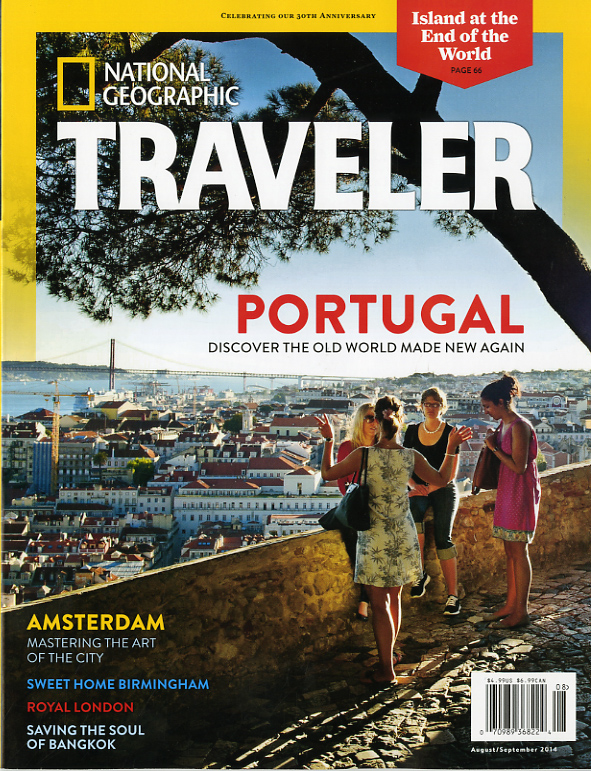
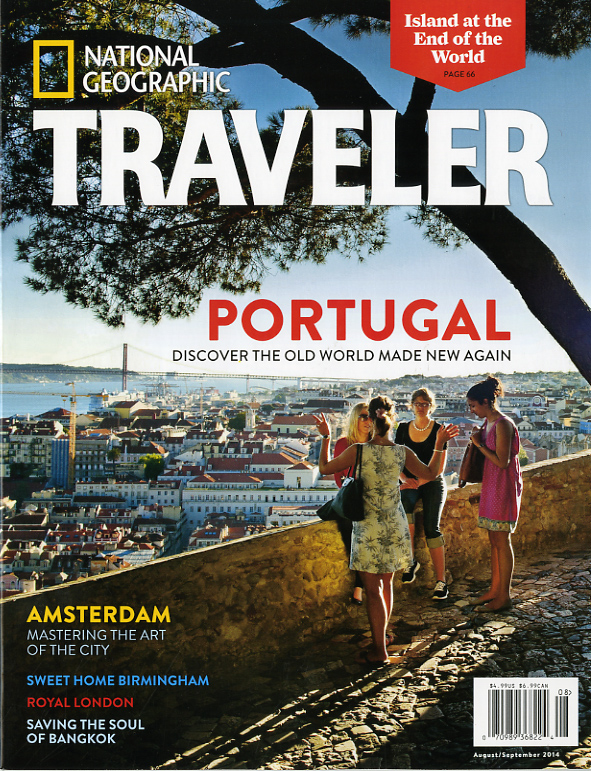
National3-82National2-81National-80 National Geographic Traveler, the number one selling travel magazine on the nation’s stands, wants to do even better… Enter the newest “test.” No, it is not the image, or the type, or even the price. National Geographic Traveler is testing the famous eternal trade-marked yellow border.

Three different covers are currently on the newsstands: one with a full yellow border, one with a fading yellow border (the norm for the last two years or so) and one with no yellow border.

Which one do you think will give NGT a sales lift on the newsstands? Let me know what you think, but first read what Keith Bellows, NGT, VP and Editor in Chief told me about this test:

“You really can’t assume that what worked on the newsstand a few years ago still does. We ‘re doing well– but can we do better? There are supposedly ‘rules’ for what does well on newsstands but rules don ‘t sell magazines. We are now testing every approach to see if we can get 5 percent smarter–and do 5 percent better. After 30 years of building covers for newsstand, I’ve learned four things–channel your readership and what you know them to want; trust your gut; factor in all the ‘science’ your circulation folks live by; and know that nothing is certain–particularly that you win or fail partly because of what your competition does…from color and lines to subject and approach. We have an iconic brand and are trying to figure out how best to leverage it.”

© Samir “Mr. Magazine™” Husni, 2014.
_________________________________________________________________________________________________________________________
Mr. Magazine™ Launch Monitor: It Was A Jubilant July – With 77 New Titles – 22 With Frequency…
See each and every one of the new magazines’ crop. Click here to view.

h1

Traveling the World One New Magazine at a Time… A Mr. Magazine™ Musing.

July 31, 2014

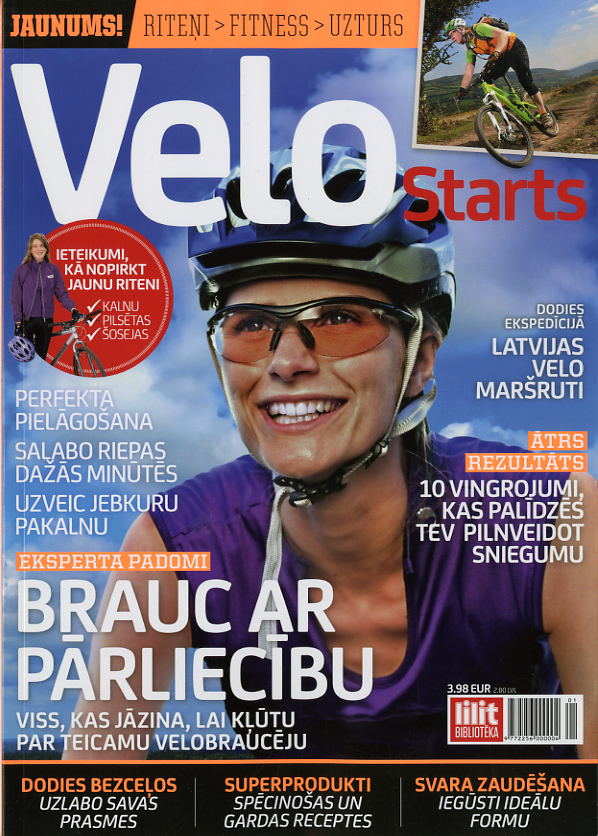
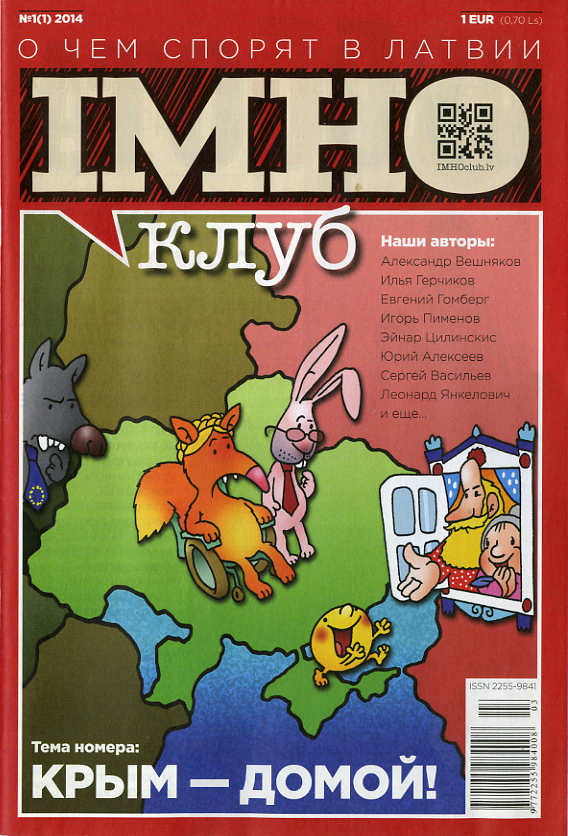
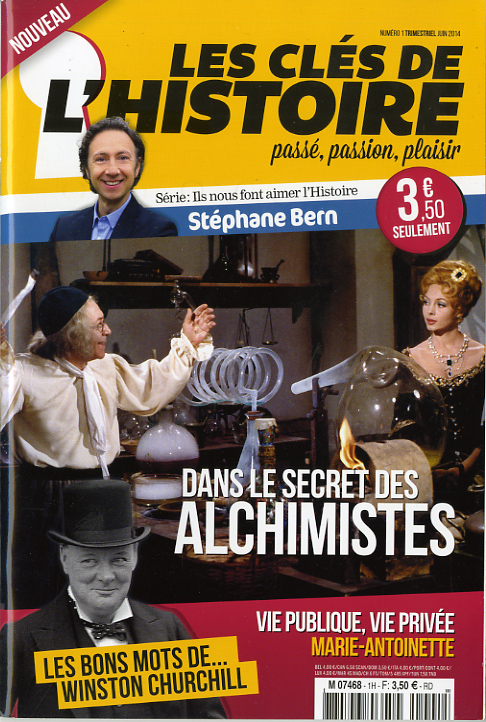
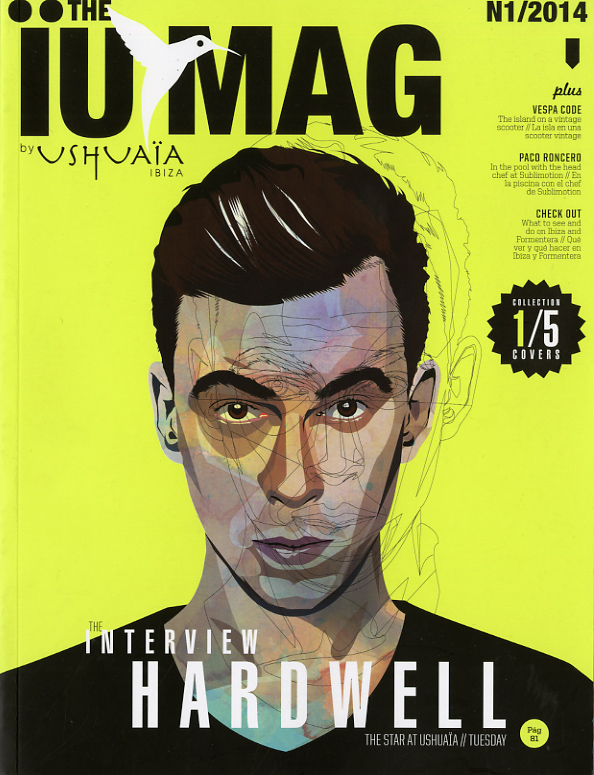
When many people travel they attempt to learn words and phrases from their host countries in order to communicate and understand the local citizens better – and while that is a most noble and natural cause; when Mr. Magazine™ travels, not only is communication a priority, but also the word “new” is paramount on his list. Whether it’s nouvelle, noveau, jadīd or neu; Mr. Magazine™ revels in the many ways to say the word new.

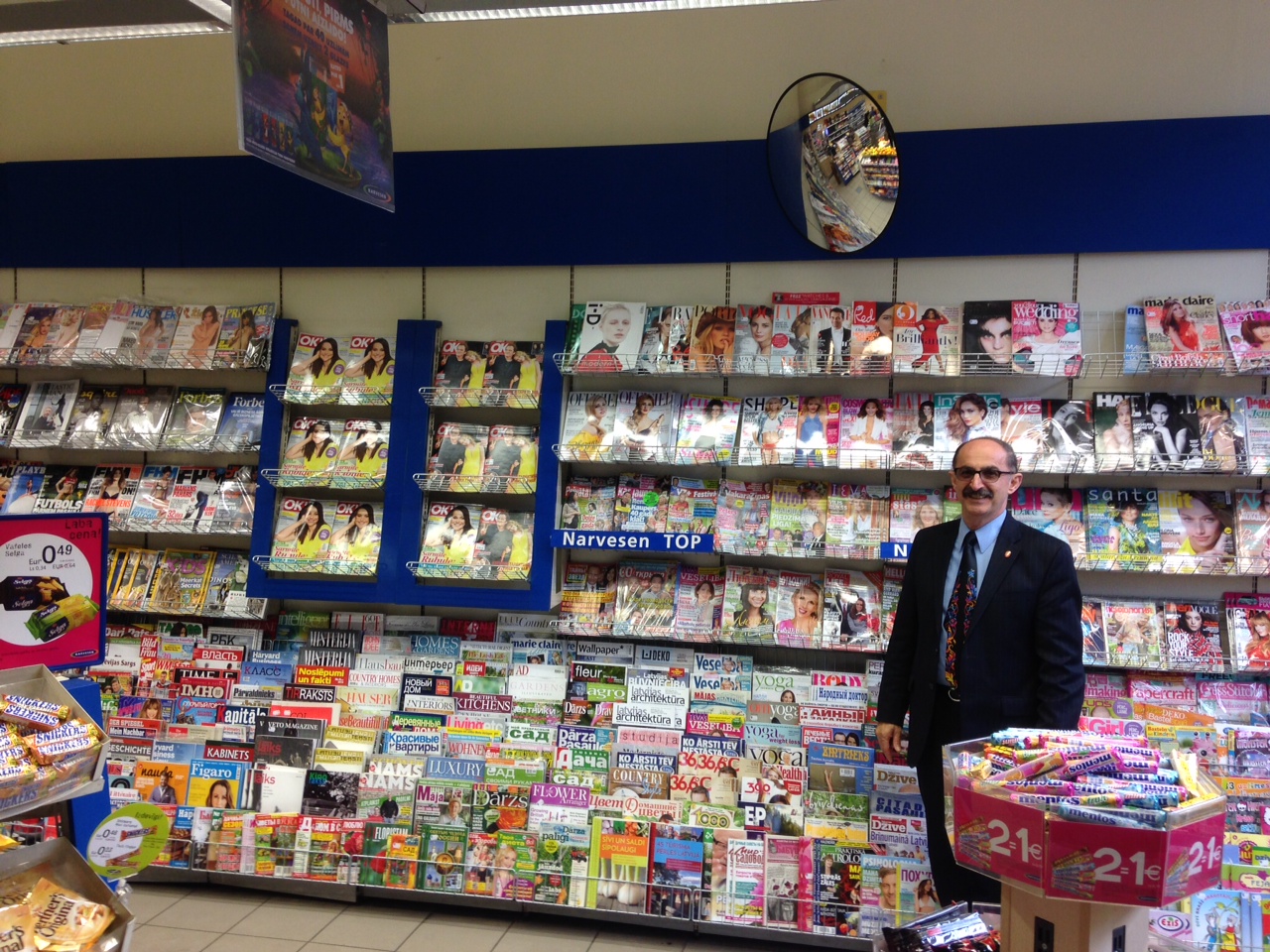
husniinriga At the newsstands in Riga, Latvia.

Why, you might ask? Because new inserted before the word magazine is an exciting prospect to me and when you put the word stand behind it (OK – plus an extra “s”), the word newsstand is born. And I ask you; what could be more thrilling than new magazines and newsstands in foreign countries?

I can’t think of anything.

While most people when traveling to foreign lands are picking up a guide or a map to the best museums or the best places to visit, such as the National Museum of Beirut, Belem Tower in Lisbon or Table Mountain in Cape Town, South Africa, Mr. Magazine™ is searching for newsstands, asking locals to show him where the best in the city he’s visiting is located and the quickest route to get there.

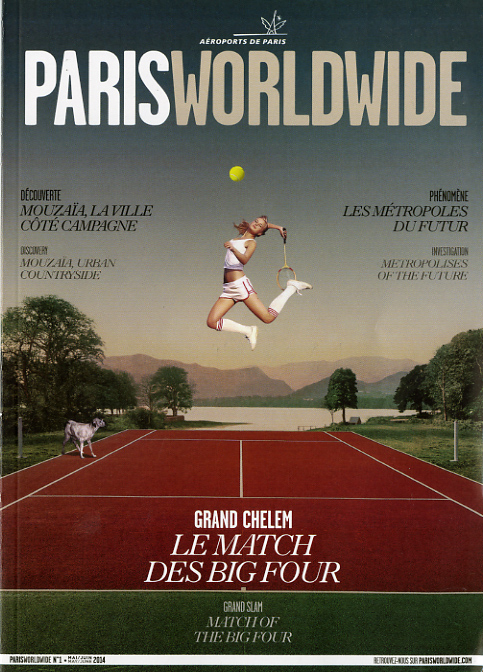
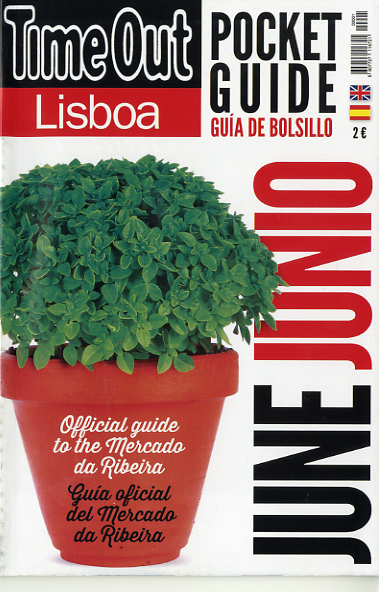
And visiting I did. In the last five months or so, my travels took me to Cape Town, South Africa…Riga, Latvia…Paris, France…Amsterdam, The Netherlands….Lisbon, Portugal…Helsinki, Finland…Munich, Germany and Beirut, Lebanon to name a few.

I have delivered presentations and seminars ranging from trends in magazines to the need to place the customer or the audience first in these wonderful countries and while the presentations and the meetings went very well, it is that newsstand street education that was the secret ingredient that held all the seminars and presentations together.

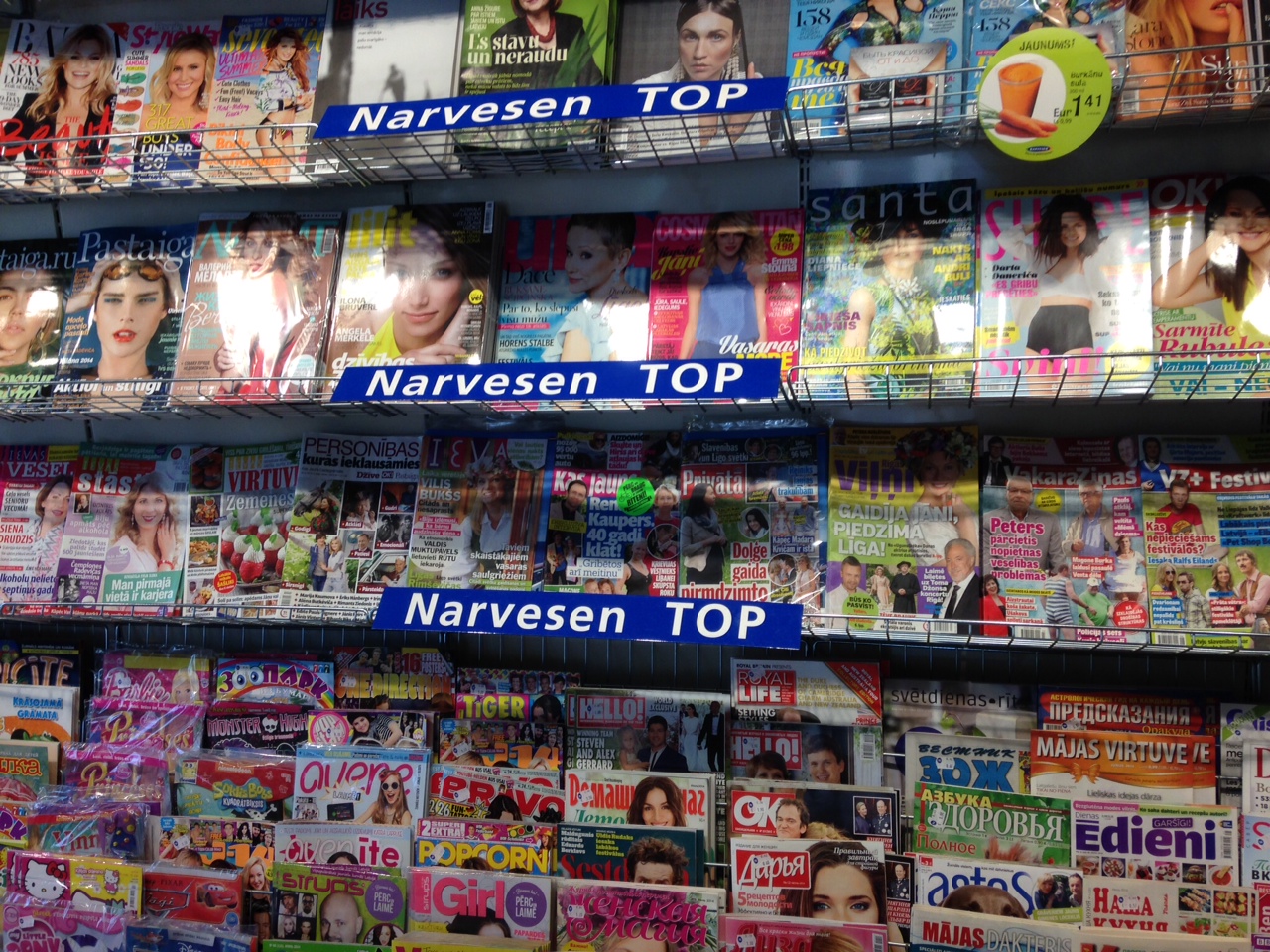
A newsstand in Riga No shortage of magazines in Riga, Latvia.

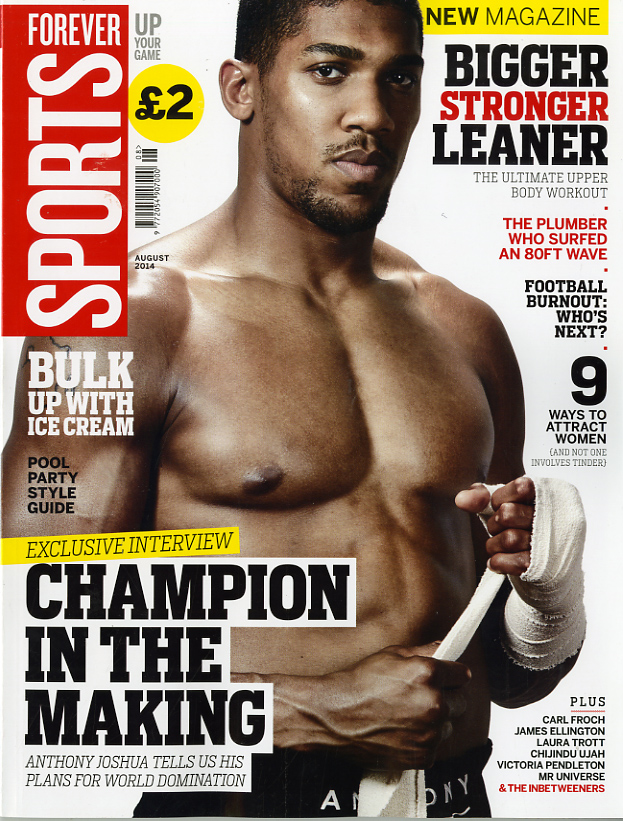
There is a lot to be learned from a visit to a newsstand anywhere in the world, they remain the best reflector of any society and the latest magazines found there are the new blood of any newsstand. And as I traveled the globe this summer, it dawned on me that this revelation must be shared to be appreciated. So typically, I began to buy these new magazines, searching nooks and crannies of cities so beautiful, they took my breath away, to find sometimes quaint, sometimes immense newsstands across the world. And from my determined hunts, I gathered some of the finest and most creative ink on paper products that I have seen in a long time.

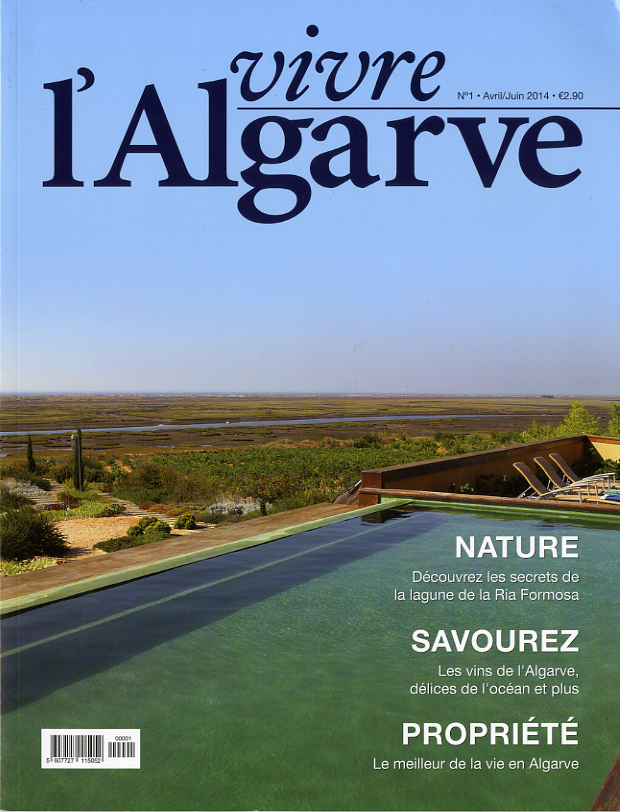
So for your viewing pleasure, take a look at the treasures I brought back from a few of the world’s newsstands and…Vive le pouvoir des revues imprimées!

Until my ship sails again…
Mr. Magazine™
© Samir “Mr. Magazine™” Husni, 2014.

Untitled-59Untitled-56Untitled-55Untitled-53Untitled-49Untitled-48Untitled-45Untitled-44Untitled-41Untitled-40Untitled-37Untitled-36Untitled-33Untitled-32Untitled-29Untitled-28Untitled-25Untitled-24Untitled-20Untitled-19Untitled-16Untitled-15Untitled-12Untitled-10Untitled-7Untitled-6Untitled-3Untitled-2Untitled-1new-33new-32new-28new-29new-25new-24new-21new-20new-16new-15new-12new-11new-8new-7new-6

h1

Coming Home: God Bless Magazines…One. A Magazine and Bella Grace: Two Blessed Beauties

July 29, 2014

samirinlebanon As some of you may know, I took a much-needed vacation during the month of July to visit family (and newsstands) in Lebanon. It was nice to find upon my return to the office that the publishing world continued on without Mr. Magazine™, even though I’m sure it was extremely difficult – please note the wry tone clearly audible in that last statement. The reason I know magazines went on without my normal eagle-eye upon them is due to two pieces of very pleasant reading material that were amongst my mountain of mail.

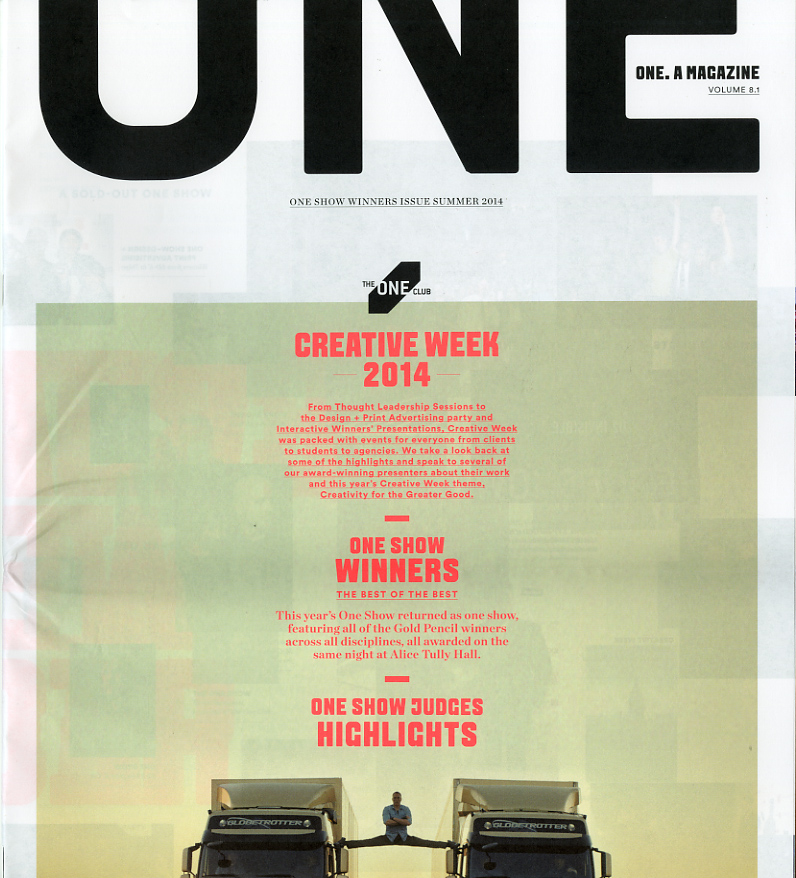
The first is called One. A Magazine. To explain the uniqueness of this particular ink on paper product, allow me to quote from the introductory letter that I received along with the magazine:

One. A Magazine, the magazine for creatives in advertising and design, has announced that it is transitioning from an online publication to an all-new medium. The new format, a thin material produced by pressing together moist fibers, typically derived from wood, rags or grasses, called “paper,” will be launched at The One Club Gallery in Manhattan on July 16.

One-62 Notice the magazine’s own sense of wry humor in describing the move from digital to print. The description is priceless. And while Yash Egami, Director of Content of The One Club made it clear in the letter that print would be their main focus, he did say they would continue to publish an online version temporarily to satisfy the digerati.

The intro letter uses tongue-in-cheek humor to poke fun at the new “8.1” version of the magazine, calling on the array of boastful features it offers: from the crinkling and crackling sound of turning pages to the fact that this new version can be read, bent, folded rolled or turned into a paper airplane if the customer should want.

The One Club, producer of the prestigious One Show and Creative Week, is the world’s foremost non-profit organization recognizing creative excellence in advertising and design. The One Show honors the best work across all disciplines, including Advertising, Interactive, Design and Branded Entertainment.

As I perused the simplistic artistry of the premiere issue, I realized that print is the most interesting of bedfellows; nowhere online could I ever experience the sensation this folded and stapled product evoked within me, nowhere. And while unconventional in its presentation, it was totally mesmerizing within the covers. One. A Magazine basically rocks.

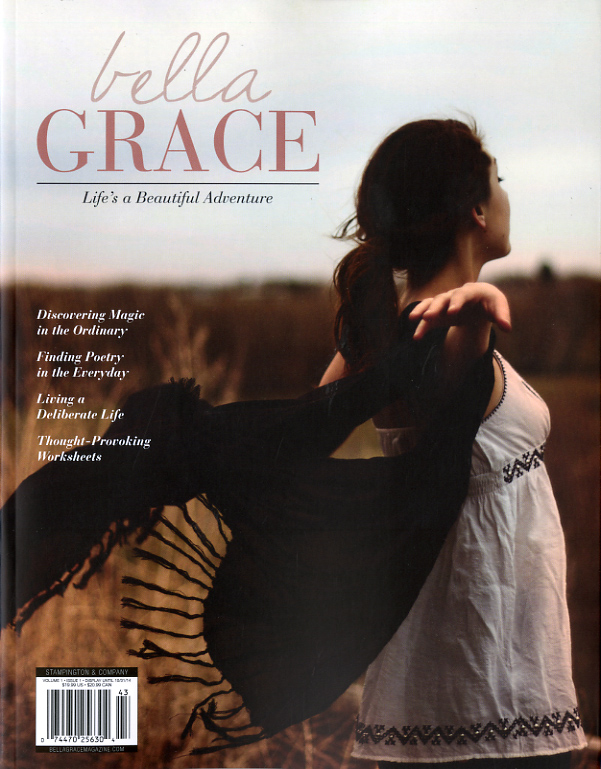
Bella Grace-61 The second surprise that sent a breath of fresh air blowing my way was Bella Grace, the latest contribution from Stampington & Company. With the tagline: Life’s A Beautiful Adventure and a first cover that certainly sat out to prove that fact; Bella Grace is one beautiful magazine. No one could say it better than Christen Olivarez, Editor-in-Chief:

Bella Grace is meant to be savored. It is meant to get tossed in your beach bag, or tucked under your pillow to enjoy before bed. It is meant to be read over and over again. It is meant to inspire you to see the beauty and the magic that surround you, no matter where you are. It is meant to be written in and dog-eared It is meant to accompany you on this beautiful adventure called life.

Bella Grace is a 160-page book-a-zine which is quite the departure for Stampington & Company, who is known for their arts and crafts-type publications. Throughout the pages of the first issue there are striking photographs and beautifully-penned stories that touch the heart and soul of the reader.

There are unique features to this beauty as well such as a folding book-jacket cover, more than 12 thought-provoking prompts with worksheets, where readers can fill in their responses directly on the page; and zero outside advertising. Bella Grace is scheduled to hit newsstands beginning August 1.

The feel and touch of this magazine is unbelievable. When your fingertips flex across the pages, the sensation is full and complete, an experience not easily forgotten. Bella Grace is exquisite.

Sharing these two wonderful additions to the family of print with you has been not only a pleasure, but an honor. My advice: get your own copies as soon as possible.

photo Well, the vacation is over and we had a wonderful time. But it’s great to be back at home. And to steal a line from the August cover of Esquire Magazine: God Bless Magazines.

© Samir “Mr. Magazine™” Husni, 2014.

h1

The Most Effective Use of Checkout Space. Saving the Newsstands with Mr. Magazine’s™ MagNet Exclusive Series of Interviews with Luke Magerko.

July 7, 2014

Picture 10 This week we focus on the most effective use of checkout space for the publishing industry, analyzing the value of multiple titles sharing checkout space, and how this can benefit small publishers and large publishers equally.

YOU WANTED TO ADDRESS ANOTHER READER’S COMMENTS THIS WEEK?
A newsstand consultant told me that “none of your analytics matter until you can solve merchandiser challenge.” One quick note: a merchandiser is responsible for placing magazines on the racks in-store.

I am frustrated by the defeatism of this comment. While publishers have no control over merchandisers, all is not lost. Publishers should influence what titles are shipped, and should work closely with wholesalers on store-level product mix.
This is why MagNet recommends a profitability approach to distribution, especially for titles which are part of a checkout rotation.

WHAT IS A CHECKOUT ROTATION?
Publishers like Meredith and Time Inc. rotate multiple special interest publications (“SIP”) through checkout space. Publishers use this rotation to ensure the product remains fresh. Publishers give the consumer an opportunity to choose from a wide variety of product which changes on weekly basis.

DOES THIS TECHNIQUE WORK?

Yes. Meredith SIPs and Time Inc. Home Entertainment SIPs rank in the top 15 of all publications based on profitability.
IS IT FAIR TO COMPARE AN SIP ROTATION OF MULTIPLE TITLES TO AN INDIVIDUAL TITLE?
Not necessarily, but title rotations are quite beneficial to the retailer, and these rotations are rewarded with checkout space.

HOW DOES THE RETAILER BENEFIT?
As I mentioned in our last session, checkout space is not optimized when a title can remain in a location for extended periods. The consumer shops multiple times a week. If they do not take action in the first or second visit, it is fair to assume they will probably not purchase the product in the third or fourth visit. Retailers benefit from the fresh product and enhanced sales title rotations bring.

https://mrmagazine.wordpress.com/2014/06/16/single-copies-at-the-check-out-and-the-mid-level-publishers-a-solution-to-a-major-dilemma-a-mr-magazine-magnet-exclusive/


IS THE CONSULTANT RIGHT? WHAT IF A MERCHANDISER MAKES THE WRONG DECISION AND REMOVES A GOOD PRODUCT AND INSERTS A POOR PERFORMING PRODUCT?

It happens all the time, but that is something a publisher cannot control. A publisher, however, can control what is sent to the merchandiser. This has been a debate in larger publishing houses, and needs to be explained to smaller publishers interested in checkouts.

WHAT IS THE DEBATE?
Publishers attempt to influence the merchandiser’s choice of product through communication. Two examples: (1) color coding and (2) rotation schedules.

For example, a red dot on the spine of a magazine might imply this title should be replaced in favor of green-dotted titles. Publishers also send rotation schedules, a title-specific guide for the merchandisers to follow when a new product arrives.

THAT SOUNDS CONFUSING!

It is both confusing and wrong. Publishers who try to influence merchandisers this way make the tactical error of leaving the decision in the merchandiser’s hands. Our approach determines which titles are successful in a store, and removes those titles which are not, completely removing the merchandiser choice.

HOW DO YOU KNOW IF A TITLE IS SUCCESSFUL?
Profitability by store. A publisher who tries to influence the merchandiser assumes the strongest national-selling title should have a higher position than a lower-selling national title. Every title has successful stores and unsuccessful stores, even the best title in the rotation should not be in every store.

IS THERE AN EXAMPLE OF THIS?

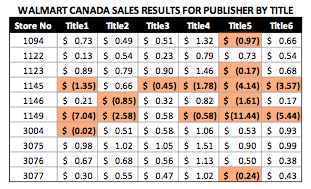
This is a top-20 publisher with greater than 25,000 checkout pockets, rotating six titles through these pockets. The publisher’s strategy is to rotate most, if not all titles, through each checkout pocket. Let’s look at the profitability results of some individual stores in Walmart Canada:
Picture 21

All titles are profitable in stores 1122, 3075, and 3076. This is wonderful news and needs no further analysis. However, Title 5 is highly unprofitable in store 1094. There is no benefit to shipping Title 5 into this store.

Publishers can eliminate merchandiser choice by not shipping Title 5 to the store. It is impossible for the merchandiser to make a bad decision if the poor performing product is not available.

In the case of stores 1145 and 1149, most titles are unprofitable. What would happen if this store only received two or three titles as opposed to all six? One can assume there would be some slight sales increase for the remaining titles but the publisher (and wholesaler, by the way) would gain overall profitability.

THAT IS A VERY INTERESTING USE OF SPACE FOR LARGE PUBLISHERS. HOW WOULD THAT WORK FOR SMALLER PUBLISHERS?

In the last newsletter, I stated some mid-sized publishers could benefit from following the SIP model. Today, I implore small publishers to work together combining their magazines into one category-specific checkout offering. Many smaller titles, when combined with other smaller titles are in fact quite powerful and are worthy of checkout space.

THIS SOUNDS VERY COMPLEX TO ME!

It is a bit complex, but MagNet looks forward to offering advice to smaller publishers about how they can play at checkout. The most important note is that these publishers have to think about their competition a bit differently, and retailers have to think about their checkout space a bit differently.

WILL THERE BE PUSHBACK?

One senior level publishing executive bemoaned that the problem with this industry is poor checkout productivity. Another account representative pointed out checkouts are locked down because some large publishers agree to pay for space only if their product is represented at checkout in every store. This is not helpful in making the industry more productive at retail.

MagNet provides an objective look at each title’s profitability at checkout, and provides alternative titles not currently being considered but are valuable to the retailer.

The era of a mass checkout planogram with 15-20 titles in every store needs to end sooner rather than later. The checkout needs to become a bazaar worthy of the audience these publishers target. We look forward to leading that conversation.

THANK YOU LUKE.

__________________________________________________________________________________________________________________________
The Mr. Magazine™ Blog is taking the first break since its inception in March of 2007. We will be back at the end of July. Enjoy your summer.

h1

Finding the Right Balance Between Print and Digital: The Mr. Magazine™ Interview with the New CDS Global President & CEO Debra Janssen.

July 3, 2014


“The whole world doesn’t tip over to online or digital and there’s something about holding that magazine with the content and the experience you have with it in your hands that clearly consumers still enjoy.” Debra Janssen

Picture 20 CDS Global is the leading provider of end-to-end business process outsourcing. With more than 40 years of expertise, the company assists and supports brands across industries, including media, nonprofits, utilities and consumer products. Hearst Magazines, CDS Global owner, recently announced that Debra Janssen, former COO would step up to the position of President and CEO of the company. Former Chairman and CEO Malcolm Netburn will retain the title Chairman of CDS Global.

I recently spoke with Debra to get her thoughts on the future of the media business, finding the right balance between print and digital and a host of other topics that shed enormous insight into how CDS Global is paving the way for a successful and bright tomorrow for Hearst and all of their clients.

So sit back and be prepared to learn how CDS Global allows clients to focus on creating great content and raising support for their mission, while they work on audience connection and interactivity. Enjoy the Mr. Magazine™ interview with Debra Janssen, CEO and President, CDS Global.

But first the sound-bites…

On whether we are living in the best of times or the worst of times: Oh the best of times, definitely. I spent 30 years in the payments world and they’re so many parallels to my current scenario.

On how she feels the industry has changed after the 2008 recession and the technological explosion:
Well definitely the new technology has I think diced up or split up the consumer’s attention span because they’re so many different devices and access methods and so much competition for the consumer’s eyes.

On the major stumbling blocks the industry is facing:
I think it’s finding the right balance of print and digital for the subscriber audience.

On the number and significance of CDS Global’s digital-only customers:
Very few. Six titles only. Because they know how the print side works and they do it very well.

On the future of CDS Global:
Speaking specifically for CDS Global; obviously, we have a very strong core business, so we need to maintain that business, supporting those 450 plus titles.

On her most pleasant surprise since joining the CDS Global team:
Actually, it’s been the strength of the Hearst Corporation and our private companies, so it’s not as easy to do your due diligence when you join a private company. It’s really been impressive.

On whether she believes that one day digital’s revenues will surpass print:
It’s like I said about checks; I don’t think they’ll die in my lifetime and I don’t think print magazines will either.

On what keeps her up at night:
Obviously staying a step ahead of your clients, whether that’s technology-build or we’re doing a lot in terms of trying to learn how to use our data in a collaborative way to help our publishers find new subscribers, so I think there’s still work there to be done.

And now the lightly edited transcript of the Mr. Magazine™ interview with Debra Janssen, CEO & President, CDS Global…

Samir Husni: Being promoted to president and CEO of CDS Global must have been very exciting for you. And as Charles Dickens wrote: it was the best of times; it was the worst of times. Do you think we’re living in the best or the worst of times today?

debra-janssen-cdsglobal Debra Janssen: Oh the best of times, definitely. I spent 30 years in the payments world and they’re so many parallels to my current scenario. In the payments world it was the pacing of physical paper check into an electronic transaction and obviously, we’re sorting out print and digital and it’s great. It’s an exciting time to find the right balance. I’ve been with CDS just a little over two years and it’s a great time to be a part of it and help figure out the balances.

Samir Husni: In 2008 when the economy busted and technology burst onto the scene; how do you feel the business changed after that?

Debra Janssen: Well definitely the new technology has I think, diced up or split up the consumer’s attention span because they’re so many different devices and access methods and so much competition for the consumer’s eyes. It really makes you stop and think. And I’ll say this several times: finding the right balance and then too it’s all about consumer choice. They’ve got so many different distractions now that trying to be the one thing that grabs their attention for longer than 20 seconds is a challenge these days. I always use a very similar parallel from my experience in the payments industry; I don’t think checks will retire in my lifetime and I think consumers have different preferences, different rhythms and cadences of their life that they fit their technology into or out of, if you will.

And the 30 years that I was in payments we never retired a single form of payment; we just kept adding more ways that people could pay. I think there are a lot of parallels to my current job and some people are going to continue to be old school or prefer to use the same methods they always have, some are going to dabble in the new, some are going to fall over right away into the new, but it never really tips over in one fell swoop. But clearly all the technology teams have us competing for consumer’s attention.

Samir Husni: The first thing that came to mind when you were talking about that is Harvard is the oldest university in the United States. So you have to choose between going to the old school or the new school. Old school does not necessarily mean bad school.

Debra Janssen: No, not all. I think a lot of it comes down to what consumers or subscribers of magazines are comfortable with. I tell people that I’m a little split myself right now. Unfortunately I think I’m reading less of my magazines because I’m trying to look at them in a variety of places, where in the past I had my print copies that came to the house and I could kind of monitor and police myself, making sure that I was getting through them each month. And I’ve tried different titles and things just because of my client base and wanting to see how they were doing with digital and I have to go to more places now to stay current on all my titles. I think some days I’m further behind now than before when I had my print copies.

Samir Husni: What do you think are the major stumbling blocks facing our industry today and specifically your industry?

Debra Janssen: As I said before, I think it’s finding the right balance of print and digital for the subscriber audience. Clearly there’s a ton of power in the content that I look at; we have 450 plus titles that we support and you look at the diversity across the titles and it’s absolutely outstanding and very compelling. I think trying to find that right balance so that you don’t lose your subscribers is important. And clearly if the content is good, the method in which they consume it is a personal choice.

As I look across all our customers, they’re in different phases of sorting it out and we have some of the larger publishers who have more resources and capacity to try more things and we have a lot of single-title publications; it’s just more challenging for them. People put their content out and they try to figure out how to be digital, so a lot of them lean on us significantly for best practices and insights that are coming from other publishers that we have across our entire book of business and I think getting there fast on as many fronts as you can to keep the subscribers engaged.

Samir Husni: Of those 450 plus customers that you have; how many are digital-only publications?

Debra Janssen: Very few. Six titles only. Because they know how the print side works and they do it very well. We have some very efficient clients and that’s where most of their subscriber base still is today and it’s like I said, not everybody gave up their checkbook and went to online payments, very similar parallels here, it’ll get sorted out over time, but it won’t tip over.

Samir Husni: With your experience seeing the entire client base; are you seeing a significance of digital subscriptions?

Debra Janssen: No, the majority of ours is still print-based.

Samir Husni: As you look toward the future; first, what do you see? And then, how are you preparing to meet that future as the new CEO of CDS Global?

Debra Janssen: Speaking specifically for CDS Global; obviously, we have a very strong core business, so we need to maintain that business, supporting those 450 plus titles. And we’ve done it for 42 years and we like to think we’re very good at it. We have a very high percentage of clients who have been with us for many years and we support across our entire business 159 million consumers on behalf of our clients. And we need to continue to do that very well day in and day out. And I’m highly confident because in the two years that I’ve been here I look at how well we do that.
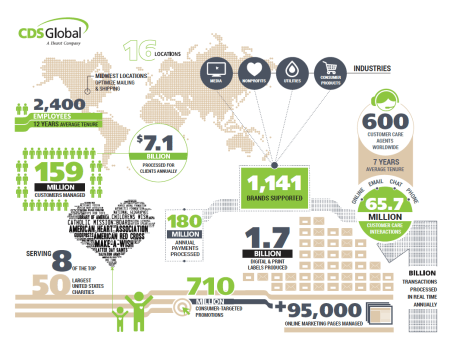
Picture 10
(Chart provided by CDS Global)

The other opportunity that we have as a company which started several years back was to diversify our CDS Global business, so we have moved into the non-profit vertical most successfully. We have several large non-profits that were really repurposing the competencies that we’ve used in our media business, so managing a donor in this case, taking their money and processing their payments and then having an ongoing relationship with them. And so we have American Red Cross, American Heart, Make-A-Wish, Salvation Army; I think we have eight of the top 50 non-profits that we’re doing business with.
And then the other vertical that we’ve moved into is electronic payments for utilities, for bill payment. And they’re extensions of our capabilities we already have today. If you look at the number of bills, invoices and marketing solicitations that we’ve done in the media and publishing vertical, very applicable to other verticals, so we have a lot of very exciting things going on beyond media to really just leverage the competencies that we think we do very well. And it’s a nice way for us to grow our business outside the media vertical.

Samir Husni: You’ve been with CDS a little over two years; what has been the most pleasant surprise, besides being named CEO, for you?

Debra Janssen: Actually, it’s been the strength of the Hearst Corporation and our private companies, so it’s not as easy to do your due diligence when you join a private company. It’s really been impressive. It’s a very well-run company, very good rigor; they’ve made a lot of smart bets, in terms of diversifying their portfolio, obviously with the outsourcing business that we represent, but they’ve got cable and television; they’re now investing heavily in the healthcare technology space and newspapers; it’s just a fascinating organization and while it’s big in size, it’s very personable, in terms of its approach to working with its business units. So it’s really been pleasant to see and really great as the leader of one of their business units to be a part of the organization. That’s something that I’ve kind of uncovered as I’ve been in the company, because that’s hard to find out before you join.

Samir Husni: And what has been the most frustrating moment?

Debra Janssen: It takes a lot to frustrate me. So they’re haven’t been that many frustrating moments, maybe challenging. One of the challenging parts of our business is we have a lot of customers that are single-title magazines and they just have a whole different challenge, in terms of not only surviving who they are today, but migrating into the digital world. And that’s a challenge for us. But we ride the spectrum of size of clients. We have all the big guys and then we have quite a variety from there down. It’s good work, it’s just challenging because their requirements and needs are very different.

Samir Husni: We talked about the fact that we live in a digital age, but at the same time we’re still making more money from print than digital. Do you think that will change in our lifetime?

Debra Janssen: It’s like I said earlier and I’m a little biased coming out of my 30 years of payments, checks are still written, there are just occasions where that’s just easier for a consumer, or someone doesn’t take a card, that’s less and less, but still 46% of the payments made in the U.S. today are still cash-based. That kind of tells you that the whole world doesn’t tip over to online or digital and there’s something about holding that magazine with the content and the experience you have with it in your hands that clearly consumers still enjoy. It’s like I said about checks; I don’t think they’ll die in my lifetime and I don’t think print magazines will either. They’re there for different audiences and obviously it’s a core part of how we make money, so selfishly we hope it stays strong, but at the same time we need to be cultivating and expanding our digital services and offerings because there will be parts of our audience and customer base that want that. So we really need to ride on both sides.

Samir Husni: My typical last question; what keeps you up at night?

Debra Janssen: Not a lot. I’ve got a great team and we try to stay very focused so that we’re not lying awake at night. But I think in general, obviously staying a step ahead of your clients, whether that’s technology-build or we’re doing a lot in terms of trying to learn how to use our data in a collaborative way to help our publishers find new subscribers, so I think there’s still work there to be done. And clearly with a 159 million consumers in our database we have a lot of opportunity to help our clients. So it’s really just staying a step ahead of them and helping then to find ways to grow their business.

Samir Husni: Thank you.