Archive for the ‘News and Views’ Category

h1

Bringing To Light The Needs Of Media Planners & Buyers…The Mr. Magazine™ Interview With Kantar Media’s Steve Davis & Jim Elliott Of The James G. Elliott Co., Inc.…

March 17, 2015

Agency Media Planners and Buyers are spread very thinly, with multiple assignments and significant financial responsibilities placed upon them every day. Steve Davis, President of SRDS and Kantar Media Health Research, and Jim Elliott, President of the James. G. Elliott Co., got together recently to do a study on the needs of media planners and buyers in terms of time, opportunities and money.

This was the second study the two companies had done between October, 2013 and January, 2015 and showed significant changes in some areas of the second study such as:

• The average respondent recommended or helped purchase $25.9 million in advertising over the past 12 months in 2015—up significantly from $19.4 million in 2013. However, this could be a reflection of more respondents from slightly larger companies. Big companies plan bigger ad budgets.
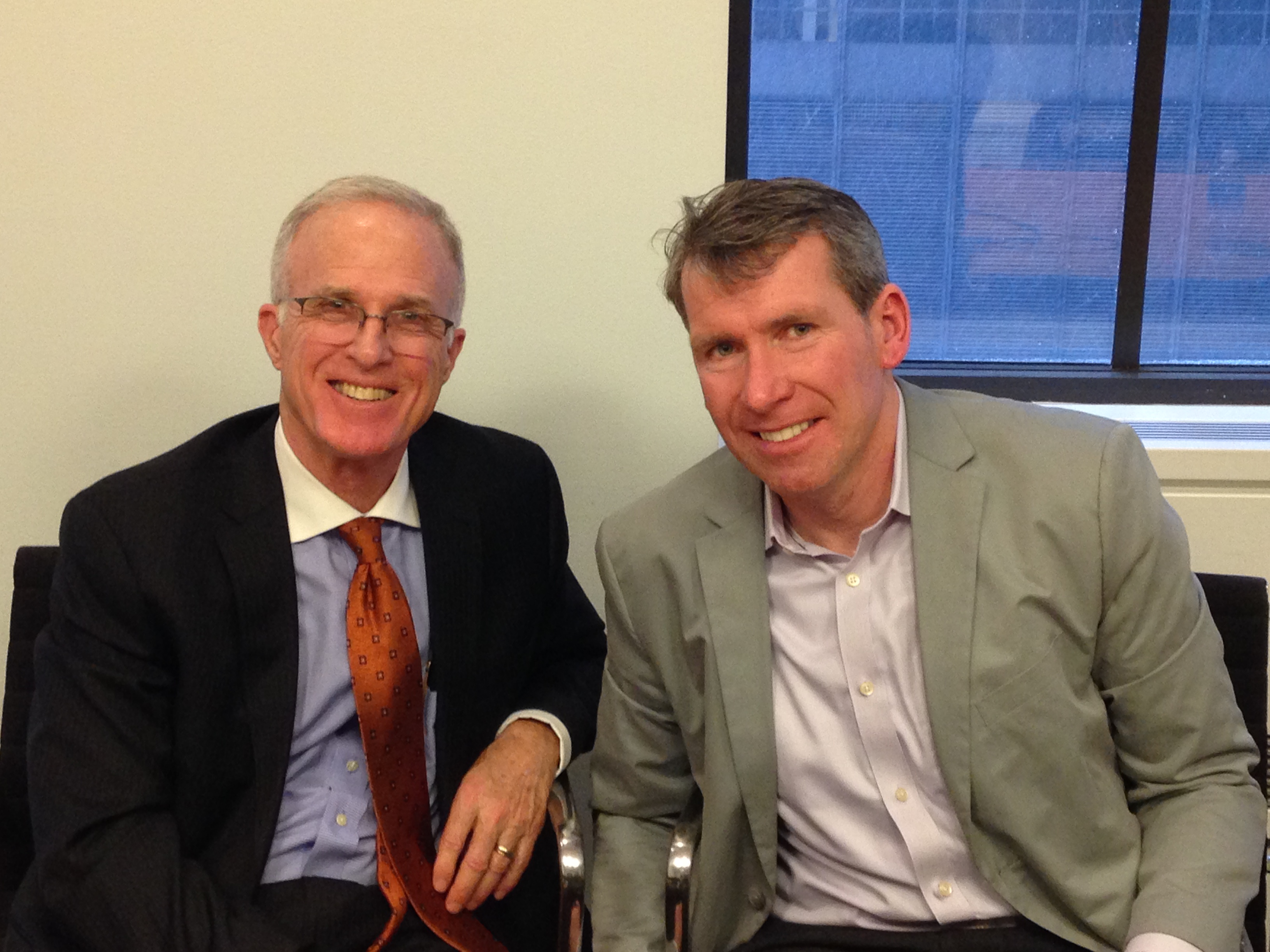
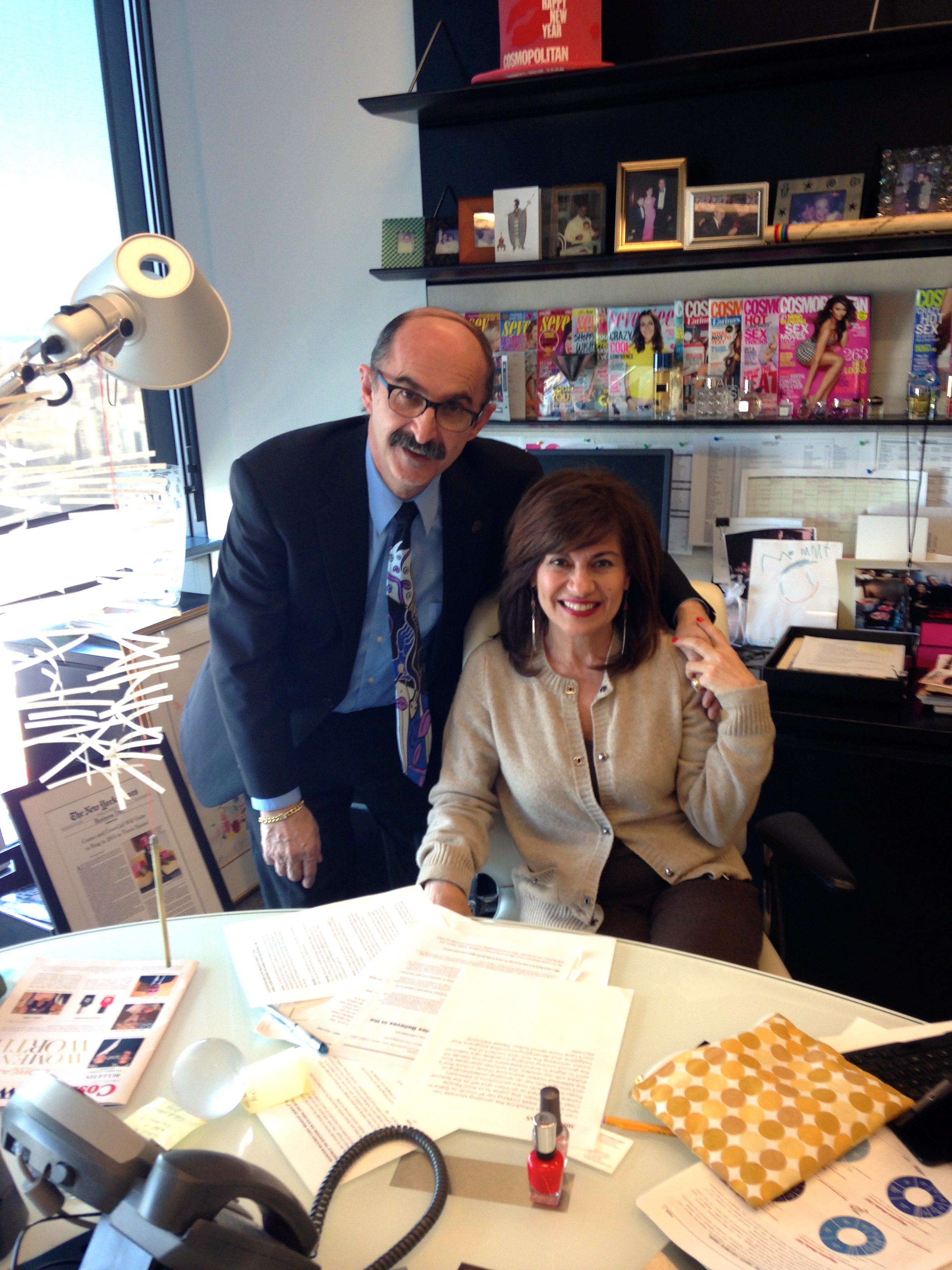
Jim Elliott (left) and Steve Davis at the Kantar Media offices in New York City

Jim Elliott (left) and Steve Davis at the Kantar Media offices in New York City


I spoke with Steve and Jim recently about the study’s purpose and the objectives they hoped to attain which include:

Objectives:
• To understand the habits of media planners and buyers.
• To learn about the types of clients and plans that media planners and buyers are working with.
• To determine the types of resources used for planning and buying.
• To understand what factors have an impact on media selection.
• To understand the media planning and buying information needs of media planners and buyers at agencies.

Their responses and the information uncovered may surprise you. So, I hope you enjoy this very informative discussion with two gentlemen who know their way around the roadmaps of publishing, both digitally and in print, and who have made it their priority to uncover comprehensive media solutions to problems faced in publishing today.

But first the sound-bites.

Sound-bites:

On the results of the second case study:
We found many of the same conclusions as last time had been proven again; they are still very busy with an unchanged average of 4.3 clients, but the number of brands has increased to almost 6. The average media planner who had $19 million in media to be responsible for in 2013 is now up to about $25 million.

On any silver lining in the fact that media planners have at least $6 million more dollars to spend in today’s market:
I wouldn’t take the additional responsibilities that the planners have as a sign that there’s more media budget. Those measures are done through media forecasting where we may be expecting 3% growth, certainly not what we just shared, from $19 million to $25 million.
On the roadmap Steve Davis would use to get a client more ad pages: Part of that is making sure your story is tight, focused, and integrated. I don’t think just a magazine alone is going to do it. But a focused story that planners can quickly understand and access (and that’s my plug for SRDS); you better tell it in the tools that they are using.

On how media companies today can use the study to reimagine print in this digital age:
I think the industry is doing that, whether they’re doing it fast enough or not, I don’t know. This study isn’t going to give you that roadmap, but I think this study is designed specifically for when you are thinking about bets you have to make from a resourcing perspective.

On the second study’s addition of programmatic buying:
Just to show you how quickly this has moved; 92% of the media planning and buying community are familiar at some level with programmatic; and, two-thirds are involved now in buying programmatically. We’re already starting to see that programmatic is starting to move and this is good news for print’s new publishers.

On what keeps Steve Davis up at night:
It’s what I said earlier about are we reminding ourselves the basics as an industry and I’ll say that for the buyer and seller. Time is shorter to plan and buy and I wonder if our media planners and buyers are thinking about the basics. What are the client’s objectives as opposed to how could I buy this specific target audience most efficiently?

On what keeps Jim Elliott up at night:
What keeps me up at night is how much longer are we going to let other industries define this industry, because it’s pretty ridiculous if you think about it. We should be proud of the industry and we should embrace it and work in it, not try to get out of the industry and be something we’re not.

And now the lightly edited transcript of the Mr. Magazine™ interview with Steve Davis and Jim Elliott…
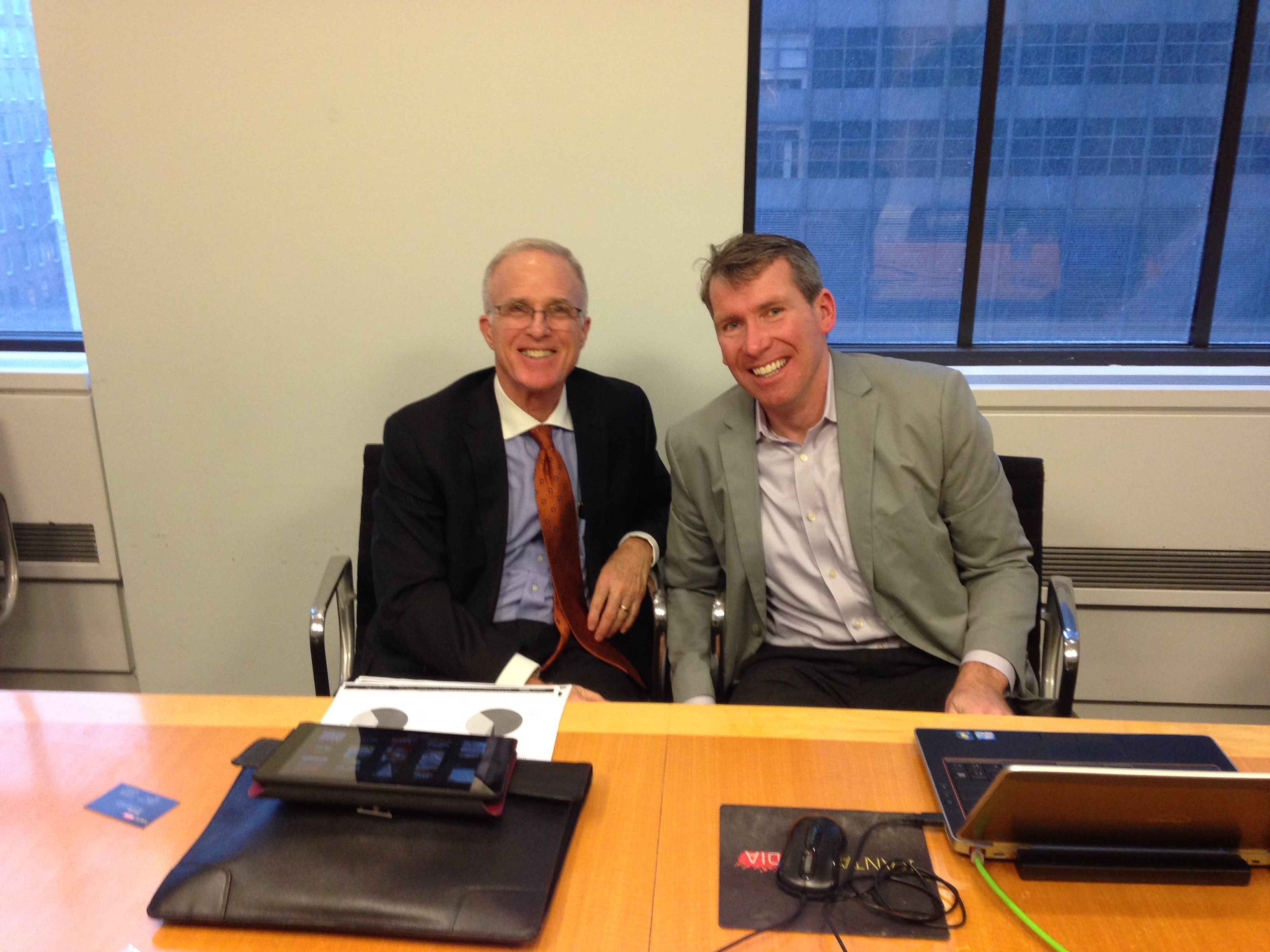
Elliott and Davis were interviewed by me the week of March 3...

Elliott and Davis were interviewed by me the week of March 3…

Samir Husni: You did the first study almost a year and a half ago. Can you give me the elevator pitch for study number two? What have you found out?

Steve Davis: If we remember a little bit back to the first study, we wanted to get a read on how compressed for time the media buyers and planners really were and how that compression made it that much more difficult for the ad salespeople to operate.

And we found many of the same conclusions as last time had been proven again; in fact, they’re busier in the sense that their budget or the size of the campaigns that they’re working on, has actually grown, so it went from the average media planner who had $19 million in media to be responsible for, to now up to about $25 million. With that additional responsibility, you’d think that it would come with a bit more time or resources to do their work, but in fact, that’s not the case.

It’s as compressed as ever and in some cases it’s more compressed. And their approach to spending that money; the window has shortened a little bit. They allow for less time to actually do measured planning, or planning that had the luxury of time.

And then when it comes to reaching out to speak to business teams at the magazine media companies and to all the media owners’ representatives, the time planners and buyers expect for turnaround is as quick as ever. Almost half (42%) expect for the sales team to respond to an RFP in less than 5 days.

What we’re also seeing is the continuation of this running theme, where most of the business is conducted at the planner’s request and timetable, not on the media owner’s request to come in for a consultative discussion. Well over 75% of our subscribers, the media planning users, are saying that RFPs are the primary way to initiate a buying decision. So, if I’m a magazine media company, how much is my sales team really working when they’re invited to present or how much of it is them chasing opportunities that they may see in the marketplace that may not be in time for?

On the other side of that, if you probe deeply enough, as a revenue executive, there should be an RFP on the other side of that. If there’s not, it may be a bit of fantasyland. That’s a little bit of what we’re seeing. It’s really becoming an RFP-type of driven business and the time given to respond has become very compressed.

Samir Husni: Do you see a silver lining in that the amount of money the media planners are dealing with now has increased by $6 million; is that a good thing that people are spending more? And why has it increased?

Steve Davis: I wouldn’t take the additional responsibilities that the planners have as a sign that there’s more media budget to spend. Those measures are done through media forecasting that goes on through companies like my own and others, where the expectation may be 3% growth, certainly not what we just shared, from $19 million to $25 million.

I think this really comes down to less people to spend pretty much the same pot of dollars that have been out there; it’s just more evidence that the market place is asking its workers to do more with less. And in some cases they are supplementing that spend through the programmatic means. We also delved into things on this study that we didn’t on the last, when it comes to the appetite from the marketplace on buying and understanding the inventory that’s available through programmatic means.

Samir Husni: What impact will your study have on major companies, such as Time Inc. or Hearst? And then, what impact for medium-sized companies like Harris?

Jim Elliott: I think the impact is in some sense the same, but done differently, based on whether you’re a mid-sized or a large publishing company. In either case, your sellers need to have air support, a lot of air support, meaning that you can’t expect them to do the whole job; they can’t. So you have to have collateral support, advertising support and you need to have point-of-purchase support like SRDS. Without those you’re in deep trouble.

The second thing that you need to have is a fair number of marketing people to do custom work for you. I think it’s becoming increasingly evident that you have to break through the noise in ad sales and show up with something that will get their attention.

One of the things that I want to point out is that when Steve and I talked about doing this about 18 months ago, we did it with a smaller sample size.The 2015 Study was done with double the sample size; this is really important. And we asked all the same questions plus some programmatic ones in addition. So, this now is by far, a projectable study. It is absolutely solid. What we said 18 months ago, I think, has been validated by the new study.

If you’re looking for a silver lining, there are one or two. One of them is that the amount of discounting expected has stabilized near 29%. What that might tell you is that people are kind of at the end here; there isn’t a whole lot more to go. In print, there is a finite number; you can’t go forever and continue to discount. You just can’t; it’s not possible.

Another silver lining is that this information, all taken together, confirms that the sales process has changed and it shows publishers who want more business some essential steps they must take to get it.

Samir Husni: How is that different than 10 years ago? You still have to go with the air power; you still have to deal with all the competition.

Steve Davis: But I think it’s different in that specifically we asked how frequently do you visit with the sales team after your primary schedule has been set. They are not spending time with the media sales reps like they used to. They’re spending time with them in that very early stage of the media planning process. About a third of them are open to new ideas, but you better have them based on the RFP guidelines, because if you don’t have it there, chances are you’re not getting back in.

Now, has that changed dramatically in the last 18 months? Probably not, but it really has changed over the past decade. If folks haven’t gotten that message they better get it. You have to make the assumption that your invitation to visit that account team is your only shot to get the deal. If you’re thinking that you can go in and have a discussion about what your strategies and objectives are, you may frustrate that buyer to the point of not getting the business.

Samir Husni: If the magazine industry hired you, Steve, and said: we want to hire you as a consultant; give me the roadmap. I have this magazine and it’s a monthly publication and it’s launching January 2016; what would you tell them to do in order to get ad pages?

Steve Davis: Is there a difference between whether you’re a small start-up or one of the larger guys? I think there is.

When you go back to the basics, you said it earlier; none of this seems new. And in some ways it’s not. But I’m not sure if the marketplace is sticking to the principles of basic, Publishing101 sound marketing and revenue strategies. Part of that is making sure your story is tight, focused, and integrated. I don’t think just a magazine alone is going to do it. But a focused story that planners can quickly understand and access, (and that’s my plug for SRDS); you better tell it in the tools that they are using. If it’s not SRDS, then it’s somewhere else in the market, but don’t expect folks to automatically find you. They may need to do a little digging to find it.

But when somebody discovers you, you have to provide them with not just a rich experience in print, but also through the other integrated channels. We specifically asked: what are the other value-ad or key additional features that make up an important integrated strategy? And I think the top three or four have not changed.

It includes the things that you’d expect, such as additional space and presence in the digital channels, including some of the key digital offerings, but what we added this year, and this is where I think it’ll be different for a small or big publisher, is specifically we asked how important is the programmatic inventory that you may want to avail yourself of?

The big publishers have made significant investments in the private marketplaces to get their exchange inventory to a higher level. They’ve had open-market inventory available, but they’re trying to bring it up to put the context of their editorial environment around it and as a result charged to hire a CPM firm. The reps realized, and I think most chief revenue officers now have realized, that shouldn’t just sit as a commodity left to the media planners’ interpretation alone on whether it’s good value or high value. The reps themselves need to bring that integrated offering into discussion with what your print presence ought to be. I think the big guys get that; I can’t promise you that everyone gets it.

If I’m one of the smaller guys, when I’m thinking about my go-to-market strategy, and I’m assuming that I have a print offering and a significant web offering, I would also make sure that I’m talking to the appropriate ad-tech partners who can take my inventory and give it the kind of elevation it should have. We would want to put it through the private marketplace exchanges, make it an automatic guaranteed buy, put the appropriate amount of curation around that inventory to make it valuable to the market and not just view it as remnant.

Teaming up for a second time, The James G. Elliott Company and SRDS

Teaming up for a second time, The James G. Elliott Company and SRDS

Samir Husni: One thing I think we all will agree on, and I mentioned this in my Mr. Magazine™ Manifesto for 2015, that media companies today must become platform agnostic. However, our audience is not necessarily platform agnostic. How can media companies, using your study, segment that platform agnostically and target it to the specific audiences and the audience platforms that they’re after?

Jim Elliott: Can I go back to your broader question? You asked if we were consultants in the magazine industry; this will answer your broader question.

You have to go back in history; I’m a consumer market seller from big magazines before I started my company and we’ve worked with 300 magazines since we’ve been in business. There was a time when you could go in and spend 45 minutes with a media buyer, a media planner, media director, an associate media director, an account team. You, in essence, were selling and doing a little bit of marketing as well. Today, you can barely get one call per year. And in that call, you get about five to ten minutes.

If I were a consultant to the magazine industry I would say that publishers need to start going back to basics. It’s what I think you said earlier; basics mean that if you’re marketing a car, you market the car and then you get a selling group to sell the car. You don’t expect sellers to do one sales call at a time and also do marketing at the same time.

And we see this all the time in the magazine industry, where publishers simply hire three or four sellers in New York and say to their sellers, “go out and sell!” They don’t do any marketing or air cover. And when I say air cover; I’m talking about those marketing activities that prepare the buyers ahead of time. It’s too much to ask of sellers to create awareness with no support. The study showed that there are all kinds of things that go into the final buying decision. They go from my end-sellers, price, SRDS, optimization, syndicated audience data, audit statements and so on and so forth.

But you know the one thing that hits you if you read this carefully? It’s everything! There’s no single answer here. Except make sure you brush your teeth. Do the things that you should do that are obvious when selling something. And that’s marketing and all of the air support that you need to do.

Samir Husni: You’re telling me that when we had one platform, when we were only selling print, we had more time to discuss it and more time to meet with planners and talk.

Steve Davis: But they had less choice. Part of it was they had less choice and the one place that you knew you could achieve any of your reach and frequency goals was through the magazine media powerhouses. That’s not the case anymore.

That’s one of the reasons magazine media is diversifying their product portfolios as much as they are, so they can have the relative scale that they once had. But that’s their challenge right now. The planners know the magazine media story and they know everyone is different. I think they’re dangerously close to taking the view that: I already know you guys; if I’m going to spend time with media reps, I’d rather spend my time with guys I don’t know, like the new digital platforms, like the ad-targeted networks–the folks that my marketer clients are telling me I need to bone up on. I think that’s the challenge for magazine media; they think they know me, but they really don’t know me. And I have to do a better job of telling my story.

What I find is maybe it’s a simple solution, perhaps, but I think what magazine media is doing a great job of is in their consumer marketing. I think they do a terrific job telling the consumer about their brand portfolio. If I’m a Men’s Health subscriber through the print channel, I know quite a bit about their mobile strategy, their online strategy, and their event strategy, because I’m already engaged with that brand and I have an inclination to know about it.

I don’t think the consumer media do nearly as good a job telling that concise story to their client, to the media planner and the marketer. They’ve packaged it well; I just don’t know if they’ve told the story well. And that’s where I think there is a fundamental miss. I’ll give the MPA credit here for what they are trying to do with Magazine 360°. It’s the right attempt, but there are limitations to the sources of that. There are limitations to the amount of brands they’re reporting on.

But I think it’s the right approach; you just have to centralize your story in a way that makes sense to your end user.

Jim Elliott: At the Elliott Co., we really don’t care whether we’re selling print or digital; we just don’t care, because I can make money either way. But, that being said, I’m not invested in magazines as such; I’m just not. I’m invested in magazines because they work.

To go on the record, Samir, you and I are friends, but more than that, you have been one of the few consistent supporters of real magazines. Not just magazine media or magazine brands. Our advertising clients must think we’re crazy. We’re constantly talking about putting ourselves out of business. Every single conference you go to; let’s talk about digital; let’s talk about everything but the anchor of this industry, which is magazines.

I understand that digital is here and I understand that digital has a place, but I don’t think it’s a replacement for print, necessarily. Why aren’t we just standing up as an industry and taking the position of being proud of what we are?

You and I attended a conference two years ago, the DeSilva Conference; there were speakers from the magazine industry who talked about when print goes away. That was their theme. Do you remember the second-screen folks who were there? I remember you walking out and saying to me, Jim that was amazing. The second-screen guys were embracing television; they weren’t putting television out of business. It was supplemental; they were embracing it. That in a nutshell is the problem with this industry. This industry needs to wake up and realize what happened in the big print shakeout was really a great big “brand” recession in 2007. You have to look at the type of advertising every one of the media delivers most effectively. Nobody’s talking about that. What are you trying to accomplish with your advertising? As a general rule, magazines are most effective as a branding vehicle, while television and web can deliver reach and a price message quickly.

Everybody is looking at it magazine-centric, not agency-centric. Most of the advertising you see right now is price-driven on online. It just is.

Samir Husni: And that’s one of the biggest challenges in the magazine industry and that’s why I’m looking for your help or your advice, because there’s nobody who’s going to argue with you that we live in a digital age. That’s a given. How can we reimagine magazines in print and newspapers in this digital age as opposed to continuing along the same path that we have been before the digital age?

Steve Davis: I think the industry is doing that, whether they’re doing it fast enough or not, I don’t know. This study isn’t going to give you that roadmap, but I think this study is designed specifically for when you are thinking about bets you have to make from a resourcing perspective.

Your sales team, your sales organization, is capital-intensive. How you choose to make a bet as to how many reps are needed, the quality of those reps, whether or not those reps are more inclined to be great relationship managers, more inclined to be great executors of a campaign; you have to have that balance. You absolutely have to have that balance. Again, depending upon the size of your organization and where your business is going to come from, I think that balance should shift.

A lot of the organizations are making that transition, but if you’re not putting more folks on your team who can help with the execution of maybe smaller campaigns, but important campaigns, and they’re either on your team to help procure other business or just to make sure that the digital campaigns are running and being serviced as best as they can, if you’re not using the programmatic help that’s available to do some of that work for you; you should be.

Samir Husni: Jim, in your company, are you looking for multiplatform reps or are you still looking for specific people?

Jim Elliott: I look at the job to be done. It depends on the job and the client. It depends on what industry we’re in. If we’re in B to B, the issues and sellers that we use are different than what I would hire for a new magazine launch in the consumer arena or an ongoing consumer magazine that we’re involved in. It really depends on the job to be done.

That’s not exactly a perfect answer, but unfortunately in this business right now, there are no perfect answers. And none of these companies operate the same. And none of them have the same philosophies about disruption and what’s going on in the world and what the answer to it is.

Steve Davis: There are answers; it’s just not a one-size-fits-all answer. The composition of your potential advertiser base will help determine that answer.

Samir Husni: Is there anything that you’d like to add about the study and how can people access it?

Jim Elliott: There are two ways, they can go to my website, http://www.jamesgelliott.com/, which leads them to SRDS’s website, or they can skip me and go right to SRDS.

Samir Husni: Is there a link?

Jim Elliott: Yes, (click here to download the study). We had hundreds of people download the study a year and a half ago. All the big companies downloaded this, by the way. And they all circulated it, because we had all their names.

Steve Davis: I think I mentioned programmatic and integrated offerings and what’s fascinating to me about programmatic. We added it this year because when we did the last study at the end of 2013. I don’t think it was even on all of our radar screens to ask it.

Just to show you how quickly this has moved; 92% of the media planning and buying community are familiar at some level with programmatic; and two-thirds are involved now in buying programmatically. We’re already starting to see that programmatic is starting to move and this is good news for print’s new publishers. It’s starting to move from a remnant business where a lot of automation businesses have moved. When you were on eBay, back in the day, you could only buy collectable typewriters and then all of a sudden you could buy luxury homes through the automated channel as that business advanced.

You’re seeing that in media now. You’re seeing it move from remnant to private marketplace to automated-guarantee, where publishers can demand a higher premium. And then maybe the most surprising thing was over half of our respondents said they expect that 15% of their 2015 digital budget will be bought through programmatic channels.

So, where 16 months ago it wasn’t even worth asking the question, now we’re looking at it as being 15% of the digital campaign. If you don’t have a programmatic strategy as a publisher, get one. And again, I think that’s more targeted to the small to mid-sized, niche, B to B publishers who are your customers.


Samir Husni: My typical last question; what keeps you up at night?

Steve Davis: It’s what I said earlier about are we reminding ourselves the basics as an industry and I’ll say that for the buyer and seller. Time is shorter to plan and buy and I wonder if our media planners and buyers are thinking about the basics. What are the client’s objectives as opposed to how could I buy this specific target audience most efficiently? It’s great when you can buy efficiently, but what are the basics? What are the objectives of the campaign and is that really the best way to do it.

I worry about that and on the publisher’s side and the sell side. I do worry that you get so caught up into fulfilling some of the new opportunities that you forget about Business 101, which means, in the world of selling media, to make sure I know my story and I have prepared my sales reps to tell their story and I have taken advantage of the opportunities out there to promote that.

Jim Elliott: What helps me sleep a little better at night is having people like Steve in the industry. He just said exactly what I would say.

What keeps me up at night is how much longer are we going to let other industries define the magazine industry, because it’s pretty ridiculous if you think about it. We should be proud of the industry and we should embrace it and work in it, not try to get out of it and be something we’re not.


Samir Husni: Thank you.
h1

Magazines As Entertainers. The Social Role of the American Consumer Magazines. A Blast from Mr. Magazine’s™ Past… Dissertation Entries Part 4

March 13, 2015

1983

The social role of magazines: we continue with entertainment.

The social role of magazines: we continue with entertainment.

3. Magazines as Entertainers

Although entertainment was not considered a function of mass communication until late in the fifties when Charles Wright added it to Harold Dwight Lasswell’s three functions, magazine history books have described the role of magazines as entertainers since their earliest years. Wright defined the entertainment role as “communicative acts primarily intended for amusement irrespective of any instrumental effects they might have.”

Benjamin Compaine noted that magazines throughout their history “have provided a wide range of diversion – from sexual escapism to informative pieces on the space programs.” In fact, magazine historians say that for almost two centuries, the eighteenth and nineteenth, the American magazine was the most important entertainment medium available. Unlike other media, magazines did not arise out of necessity. “There was no immediate need for magazine reading,” says John Tebbel. Magazines were a leisure time occupation of the upper classes. This “leisure time occupation” soon spread to reach other classes of the American population, and the role of magazines as entertainers expanded to provide both entertainment and recreation to countless isolated American families in a period where those pleasures were few and far between.

The above information was written in 1983 and is taken from a portion of my dissertation when I was at the University of Missouri-Columbia where I obtained my doctorate in journalism. And while the majority of the material still holds true, things have changed drastically in some areas.

2015

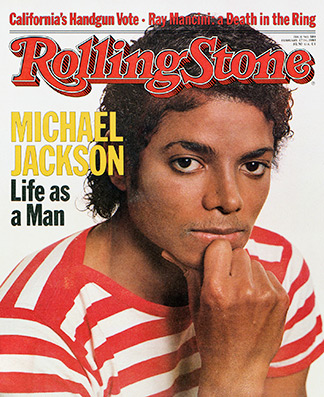
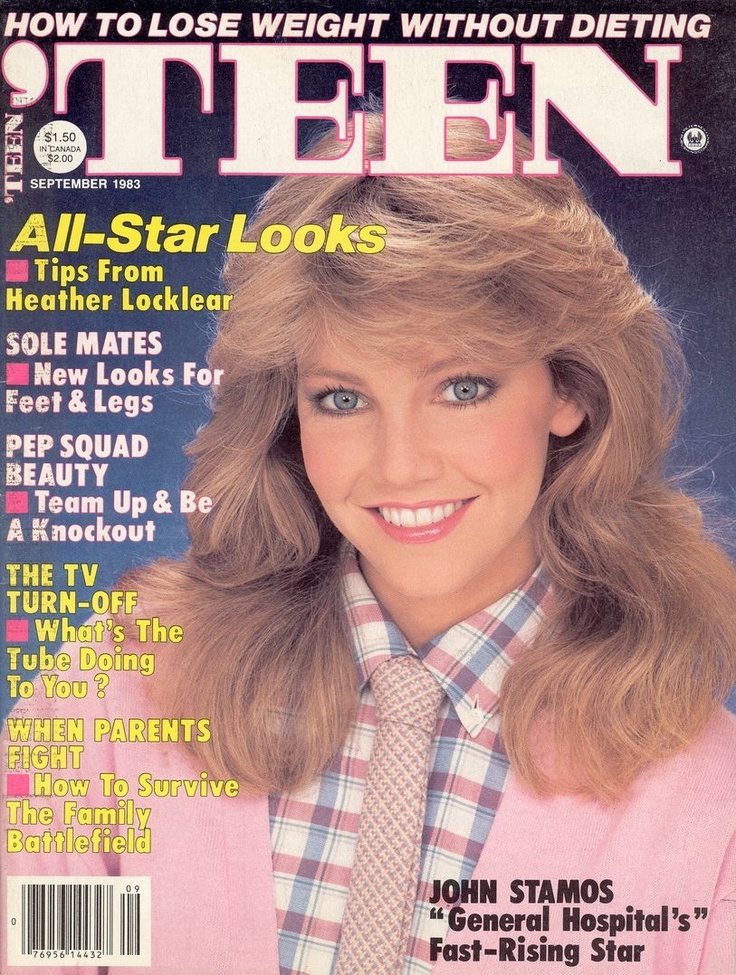
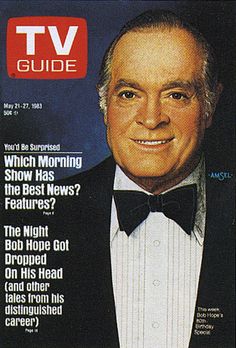
The entertainment factor of magazines figures greatly into the social equation of their role in society. In fact, in 1983, when I wrote my dissertation, some of the biggest magazines on the newsstands were in the entertainment category. It was the year that McDonald’s introduced the Chicken McNugget and the second Cold War was at its height and it was a great year for entertainment reads. Magazines such as:

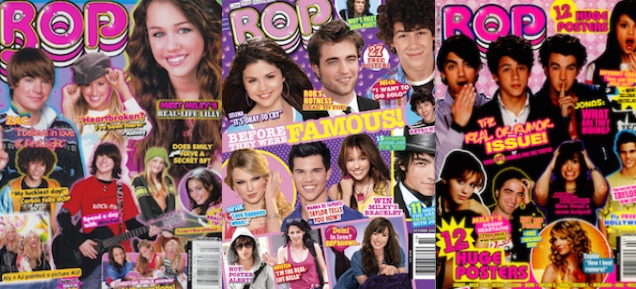
bop Bop – a monthly American entertainment magazine for kids 10 years of age and teens.

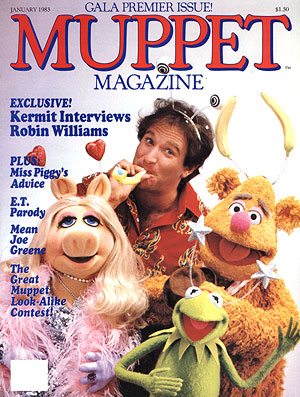
Mupmag01 Muppet Magazine – a full-color quarterly publication that was launched in January 1983, shortly after the last Muppet Fan Club Newsletter had been distributed.

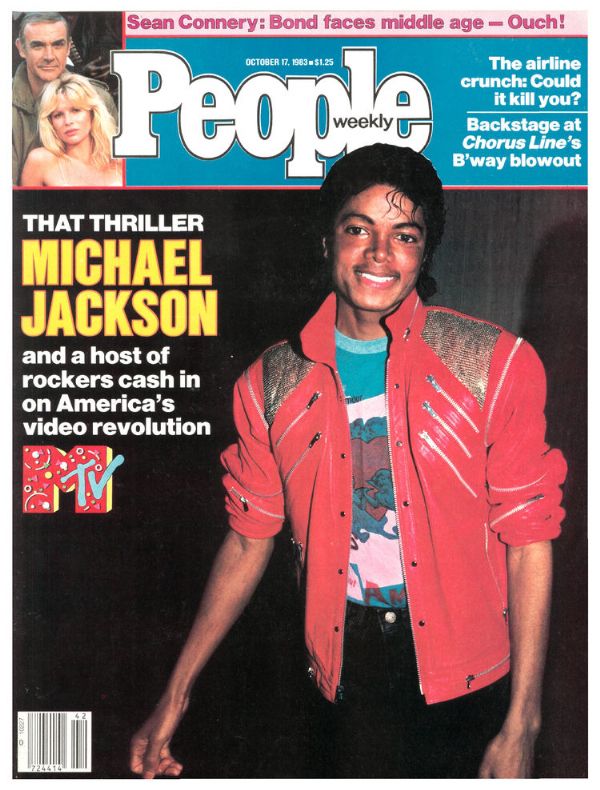
people mag People – a weekly American magazine of celebrity and human-interest stories, launched in 1974 by Time Inc. With a readership of 46.6 million adults, People has the largest audience of any American magazine.

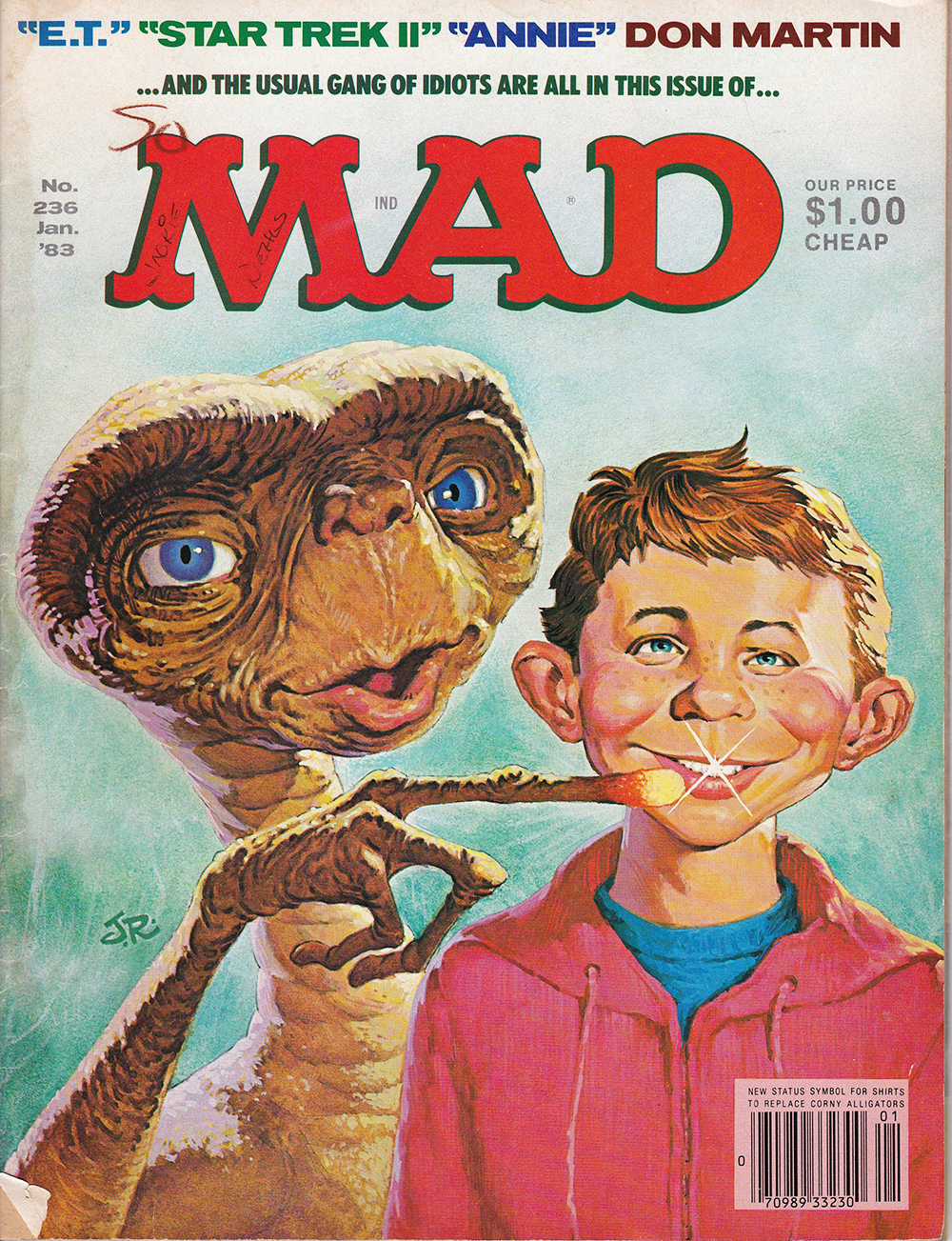
Mad_Magazine_E.T._1983 MAD – an American humor magazine founded in 1952 by Editor Harvey Kurtzman and publisher William Gaines, launched as a comic book before it became a magazine.

rolling stone Rolling Stone – a magazine that focuses on popular culture. It was founded in San Francisco in 1967 by Jann Wenner, who is still the magazine’s editor-in-chief, and music critic Ralph J. Gleason.

teen magazine Teen Magazine – an American teen lifestyle magazine for preteen and early teenage girls, ages 10 to 15.

TV Guide 1983 TV Guide – the weekly American magazine that launched in 1953 and that provides television program listings information as well as television-related news, celebrity interviews and gossip, film reviews, crossword puzzles and in some issues, horoscopes.

Many of these leaders in the entertainment category are still going strong today and some are not, but the connection between magazines, media personalities and the interest and entertainment of the buying public is still just as magnetic as it was in the 1980s.

People love famous people; they love to read about them, learn all the juicy gossip that may or may not be going on in their lives, and they love to discuss them with friends and family.

But media personalities aren’t the only theme when it comes to entertainment magazines; there are crafts, games, hobbies, sports, music, collecting and in today’s niche magazine world; a host of other subject matter that is so spectrally broad that it boggles the mind.

inkonpaper_blog_ad As Tebbel wrote, “There was no immediate need for magazine reading,” I totally concur. And will add, there never will be a “need” for magazine reading. We’re not going to die out as a race if we don’t find out the latest scandal going on in the Kardashian camp, or whether or not Madonna will ever wear Armani again after her embarrassing fall at the Brit Awards, but I counter with this; while those topics and many others may not add years to our life spans in the scheme of things, they do make the dash between our birth and death dates much more interesting and enjoyable simply because they feed a “need” all human beings have: the connection to other human beings.

And that is a major role that entertainment magazines fill: linking one human spirit to another.

Until next week when Mr. Magazine™ sounds off on magazines as initiators…

h1

The Doctor Is In As Physicians’ Life Magazine Gets Ready To Launch – The Mr. Magazine™ Interview With Peter Slack, President of Slack Incorporated, Publisher of Physicians’ Life… A Launch Story

March 11, 2015

“The nature of this publication is we want physicians to spend some time away from their practice, getting away, relaxing and curling up with something. And that’s what print does.” Peter Slack

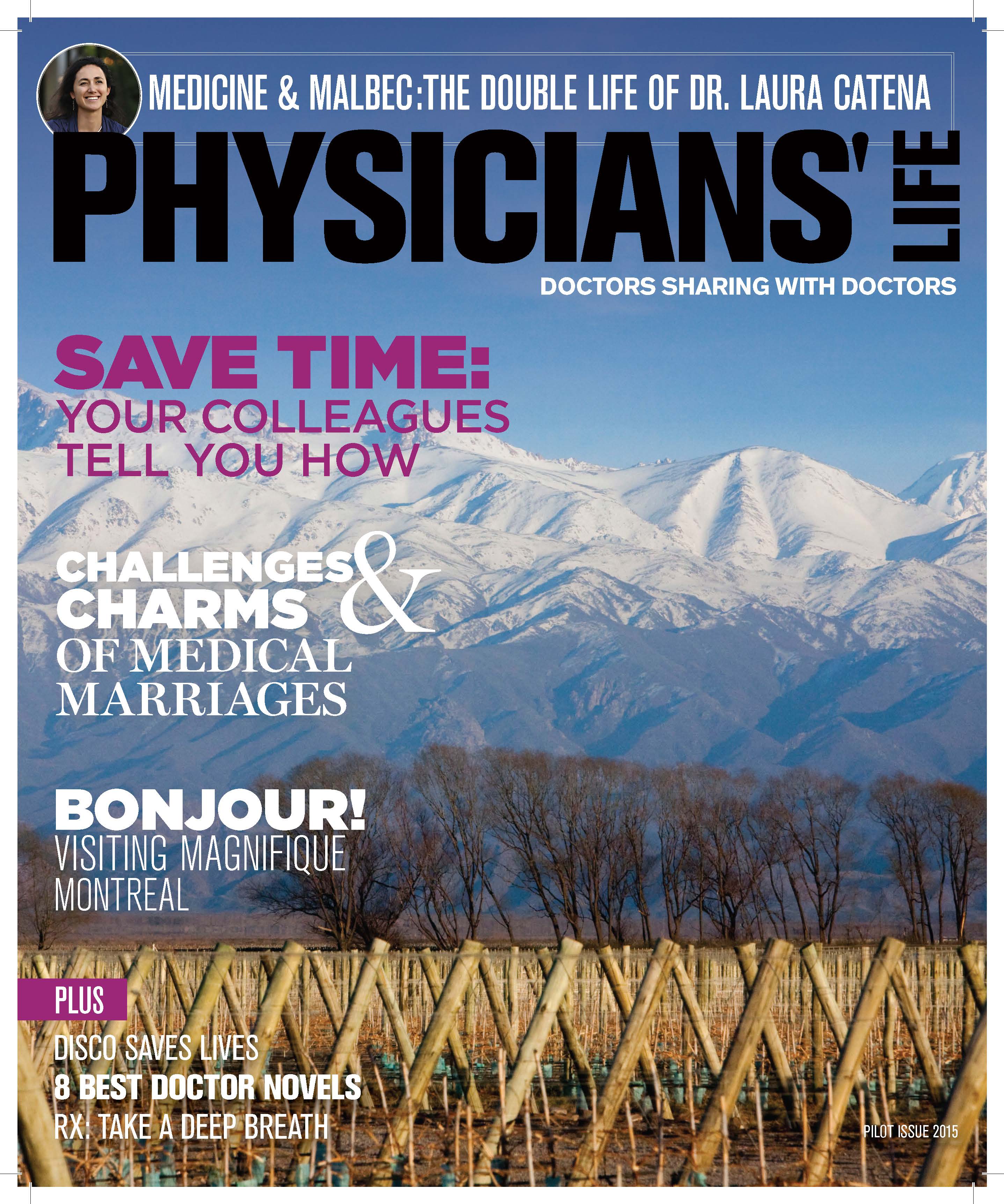
PhysiciansLifecover A lifestyle print magazine targeted for the busy, sometimes stressful world, of clinical practice; Physicians’ Life offers a respite to the maddening world of medical for those overworked men and women who choose to dedicate their lives to others. The magazine aims for a place where doctors can escape from their offices and patients for a while and enjoy getting lost in a world of travel, exercise and connection with other professionals just like themselves. And not only does it aim; it hits its mark quite well.

I have met Peter Slack, president of Slack Incorporated and publisher of Physicians’ Life, and we clicked from the first time we met. In fact, we clicked so much that he hired me to be a publishing consultant on this new magazine launch. So here you have it, truth in reporting, I am a paid consultant for Physicians’ Life but that did not stop me from having a frank conversation with Peter Slack about this new magazine venture. It is a story of a new launch and no one can explain it more than the publisher of the magazine.

I spoke with Peter recently about this brave new world called consumer magazines. Slack has been publishing B to B magazines for years, but this is their first endeavor into the world of consumerism. And while the target audience is physicians, the advertisers won’t necessarily be from the pharmaceutical and health-care worlds. Physicians’ Life will play more toward the affluence of doctor hood, with travel, fashion, auto and luxury being a prime mark for advertisers.

Peter and I talked about the risks; the rewards, and the expense of such a project as this, but he noted that a print component in the consumer world was a very natural extension of what Slack is already doing, and a superb way to grow their market.

So, sit back and relax, the doctor is in and enjoy the Mr. Magazine™ interview with Peter Slack, President of Slack Incorporated, Publisher of Physicians’ Life…

But first the sound-bites:


Wyanoke-aOn whether he is out of his mind to launch a print magazine in this digital age:
No, I don’t think we are out of our minds. I think it’s a great idea and we’ve done our research. All along the way with our research, we were prepared to change our minds and say no. But the results kept coming back as green lights, and the red lights didn’t pop up.

On why his company is making the move to the consumer side of magazines:
The way it came about is the leadership of our company got together about two years ago and we made the statement that we’re a very healthy company; we know what we’re doing in the professional healthcare media space; what more can we do to expand our company, because if you’re not going forward, you’re going backward in the business climate today.

On what he envisions his major stumbling block to be and how he plans to overcome it:
The major stumbling block for us is that we’re privately held and we did not go and get outside financing for this publication. We’re still funding it in-house. We’re fortunate that we do have a lot saved up since we spend our money very judiciously. We’re not a public company; we’re not floating a bond and we’re not going to a VC (venture capitalist), so we have a limited budget to do this and it’s a very expensive project.

On his most pleasant moment so far:
The pilot issue came out in early January and we took copies with us to a meeting we had of ophthalmologists in Hawaii. I took several of them (ophthalmologists) aside and gave them copies of the pilot issue and to man, every single one said, “This is tremendous and much-needed. You guys are on the right track.”

On what he expects the next year to bring:
A year from now I hope to tell you that physicians are reading it and advertisers are embracing it.

On why he decided to go with a print publication for consumers:
The nature of this publication is we want physicians to spend some time away from their practice, getting away, relaxing and curling up with something. And that’s what print does.

On the doctors sharing with doctors tagline of the magazine:
Doctors are unique people, just as any professionals are, but doctors do respect each other. They’ve gone through the same schooling and we’ve learned over time that doctors enjoy hearing from other doctors.

On what keeps him up at night: There is so much opportunity right now in healthcare publishing, with the different platforms: print, online, mobile and there’s a lot of substandard information out there because it’s so easy for almost anyone to put information online. What keeps me up at night is making sure that we’re intelligently approaching that opportunity in the most aggressive way that we can and that we’re not missing the boat.

And now the lightly edited transcript of the Mr. Magazine™ conversation with Peter Slack, President of Slack Incorporated, Publisher of Physicians’ Life…

Samir Husni: Are you out of your mind launching a print magazine in this environment that we live in; one where you hear nothing but gloom and doom?

Peter Slack: (Laughs) I knew you’d start with a good question. No, I don’t think we are out of our minds. I think it’s a great idea and we’ve done our research. All along the way with our research, we were prepared to change our minds and say no. But the results kept coming back as green lights, and the red lights didn’t pop up.

And we’re not the only people launching new publications right now. It’s seems like the time is right for this one.

Samir Husni: You’re an established media company that is specialized in B to B magazines; you have a lot of specialty magazines aimed at physicians and all kinds of people in the medical and healthcare field; why are you making the move to the consumer side?

Peter Slack: That’s a great question. The way it came about is the leadership of our company got together about two years ago and we made the statement that we’re a very healthy company; we know what we’re doing in the professional healthcare media space; what more can we do to expand our company, because if you’re not going forward, you’re going backward in the business climate today.

So, I challenged our upper leadership to come back with new ideas that could either be within our current comfort zone or outside it. And the idea of a consumer magazine came back from our chief financial officer, Darrell Blood, whose fiancée is a physician, and he made a strong argument that the time was right for someone who knows physicians and knows what they’re all about, to put together a publication that would meet their needs outside of the daily practice.

And yes, this is outside of what we do, but it’s related to what we do, because what we do 24 hours per day, every day of the year, is we work with physicians. That’s what we do and what we know, and we listen to their lives, both professionally and outside of what they do in their clinical practices.

When Darrell brought up the idea and said that he’d heard about the stresses that physicians were under when he’d attended cocktail parties and dinners with his fiancée and her colleagues; well, we’d been hearing these same things at our editorial boards and dinners that we’d been going to for several years from doctors that we knew very well.

So, yes, we know our marketplace well; we know the professional healthcare publishing world well, and we’re thankful that we’ve done well and continue to do well. But we’re looking for new ways to grow our company. And this seems like a natural fit.

Samir Husni: What do you envision to be the major stumbling block through this consumer journey and what do you plan on doing to overcome it?

Peter Slack: The major stumbling block for us is that we’re privately held and we did not go and get outside financing for this publication. We’re still funding it in-house. We’re fortunate that we do have a lot saved up since we spend our money very judiciously. We’re not a public company; we’re not floating a bond and we’re not going to a VC (venture capitalist), so we have a limited budget to do this and it’s a very expensive project.

We’re fortunate also in that we have around 40 advertising sales reps that sell to the professional marketplace, to pharmaceutical and device companies, and our editors are professional editors in creating professional, peer-reviewed publications and newspapers for physicians and other healthcare practitioners. None of us on the advertising sales side or the editorial side really fully understand the consumer marketplace, or the lifestyle marketplace and so one of the best things that happened to us is we went on a search to find out who could help us and we discovered the James G. Elliott Company in New York and they’ve brought great resources, on both the research side to prove the concept, they introduced us to you, Samir, and you have helped us and consulted with us along the way in this new kind of arena, and you introduced us to Beth Weinhouse who has turned out to be a Godsend on the editorial side.

The Elliott Group are professionals and they know how to reach the luxury marketplace; the consumer marketplace; the affluent marketplace which physicians fall into. Samir, you’ve helped us with the overall consulting of magazine publishing versus professional healthcare publishing, and Beth has jumped in and given us just what we needed to develop the editorial.

Samir Husni: What has been the most pleasant moment so far, since you’ve launched the pilot issue and until the launch of the first issue; what was the moment that made Peter Slack think: Wow!

Peter Slack: The pilot issue came out in early January and we took copies with us to a meeting we had of ophthalmologists in Hawaii, it’s a meeting every year of about 1,000 ophthalmologists, and we know them very well; we’ve been in ophthalmology forever, so we know many of them that attend extremely well.

So, I took several of them aside and gave them copies of the pilot issue and to man, every single one said, “This is tremendous and much-needed. You guys are on the right track.” That’s an anecdotal way of saying that our research is validated and the concept is good.

Samir Husni: Peter, if I sit down with you a year from now and ask you to reflect on the first year of Physicians’ Life; what would you tell me?

Wyanoke-a Peter Slack: I would tell you that in the past year the factors that we’ve looked at about its success was of course advertising, but before advertising, the support was editorial interest. We’re going to test the first couple of issues to see how well it’s being read. We’re going to test the audience and I hope to tell you that the audience embraces it.

And the second thing that I hope to tell you is that the advertising community has embraced it as well, because that’s essential. There have been publications in the past that have been produced by healthcare publishers that went outside of the clinical realm and provided some of this kind of information and they did well. But the advertising environment changed over that period of time and that’s why we’re going to a different segment this time which we think is going to work.

So, a year from now I hope to tell you that physicians are reading it and advertisers are embracing it.

Samir Husni: You are launching, as far as I know, the largest consumer magazine launch in 2015; you’re launching with almost 350,000 in controlled circulation, magazines mailed to the physicians, and another 150,000 copies to distribute at conventions. Technically, you may end up with half a million copies. Does that make you tremble a little or have some doubts about launching the largest new magazine launch of 2015?

Peter Slack: It’s exciting, isn’t it? (Laughs) I think the answer to that question is that the physicians who are going to be receiving this publication; we already have a relationship with. As a company we mail or reach electronically or in some way, 450,000 physicians every month. So the list of 350,000 that we’re going to be mailing Physicians’ Life to is culled from that same list of 450,000 that receive something from us every month. So, they know us. They know who Slack is.

And there is this confidence that when it arrives in the mail to them, and I’m not saying the first issue is going to be read by every single one of them, but there is this confidence that when they ask who’s behind this publication and they see it’s us, they’re going to recognize it as something they should spend a little more time with.

And the copies that are distributed at conventions, and they’re going to be distributed from our booths, we exhibit at 70 to 80 medical conventions each year, and right on the booth it’s going to read Slack Publishing and Physicians’ Life is going to be there and they’ll make that connection as well.

So, you’re right; it’s going to be an expensive proposition; you know what it costs to print and mail 350,000 copies, plus now we have the additional 150,000; it’s an expensive proposition. But this is the risk that we have decided to take.

Samir Husni: I know people will understand the reason that you decided to go with print because you’re working with me. (Laughs)

Peter Slack: (Laughs too) I’m glad that you believe in print too.

Samir Husni: So, if you take me out of the equation; why did you decide to go with a print publication for these physicians?

Peter Slack: The nature of this publication is we want physicians to spend some time away from their practice, getting away, relaxing and curling up with something. And that’s what print does.

Right now they have a big stack of peer-reviewed publications and they read some of them and maybe they read them just when they need to or when they have the time. They go online and they search for information and Google brings it to them; they’re used to that kind of quick information; that quick hit, to go in when they need something and find it.

This is different. This is not go to Google and put in: where do I want to go on vacation, or I wonder if there are other physicians doing what I’m doing or if they enjoy wine or if they have the same challenges I do in getting a workout in. This is something they can pick up in one place and read it in their home or on the airplane, have it in their hands and flip the pages and actually get a feeling that they’ve escaped their professional world for a little while. And print does that.

We will have a website and it will operate under the same premise: this is a place that you can go and escape. And this is interesting; we’re not even going to have a search function on the website. We don’t want them to go to the website and put in search words; the front page is going to have categories that they can go to and clock on and over time, when the articles build up, there will be a reservoir of articles, but we don’t want them to go in and search and immediately go to a little nugget of information; we want them to really experience what we’ve put together to help them escape from their practice.

So, there’ll be a website and it’ll do that and it’s going to be restricted to physicians only. We plan on having a forum set up where they can share ideas with each other on the website.

But the print in this case really fits and really works because we’re going to have a front cover and a back cover and everything in between. It’s information that’s going to be developed by us and our physicians’ editors. And we think it is important for them to get in one place and actually pick it up and spend some time with it.

Samir Husni: I noticed your tagline: doctors sharing with doctors. Tell me a little about that tagline and about the importance of that personal connection with each other for the physicians, rather than just journalists sharing with doctors.

Peter Slack: Doctors are unique people, just as any professionals are, but doctors do respect each other. They’ve gone through the same schooling and we’ve learned over time that doctors enjoy hearing from other doctors. So, what we’ve done, and our research bore this out too and it was very clear, if this was written and directed by doctors to other doctors and doctors were on the editorial board and the editorship that it would make a difference. So, every article is going to have a spin on it to make it directed toward doctors and written by doctors. There might be an article there about working out, but this is going to be about how physicians have very difficult schedules, so how do you get your workout in because you’re a physician? Just those kinds of things. The general topic can generally be found anywhere across the many, many magazines on the newsstands, but these articles are going to be written in the direction of physicians only, written by our staff, which are directed by physicians.

Samir Husni: Anything else you’d like to add?

Peter Slack: Nothing, other than the fact that this is something that is really a natural extension of us. You made the great point that it’s somewhat out of our comfort zone, but it really is a natural extension. And it’s something that we’re very excited about.

Samir Husni: My typical last question; what keeps you up at night?

Peter Slack: Probably two things: getting a good putting stroke going; that’s probably the number one thing. (Laughs) And number two is there is so much opportunity right now in healthcare publishing, with the different platforms: print, online, mobile and there’s a lot of substandard information out there because it’s so easy for almost anyone to put information online. There is such a great opportunity for legitimate publishers to approach the marketplace now.

So, what keeps me up at night is making sure that we’re intelligently approaching that opportunity in the most aggressive way that we can and that we’re not missing the boat, because I really think that this is a tremendous opportunity, the time right now, for legitimate publishers to put out quality information and to gain the interest of their audience.

Samir Husni: Thank you.

h1

Women’s Health Magazine Coins “Well-thy” As The New Wealthy. The Mr. Magazine™ Interview With The Magazine’s “True Grit” Publisher, Laura Frerer-Schmidt…

March 9, 2015

“It is such a beautiful print product and I think to be inspired to make real changes in your life, and some of them may be small, such as a lip gloss that’s moisturizing, and some of them are big, like you’re going to think differently about your life, and then some are medium, such as taking the stairs instead of the elevator, but for those kinds of inspiring changes I think print is a great medium for them. It tells a story and it tells it so completely.” Laura Frerer-Schmidt

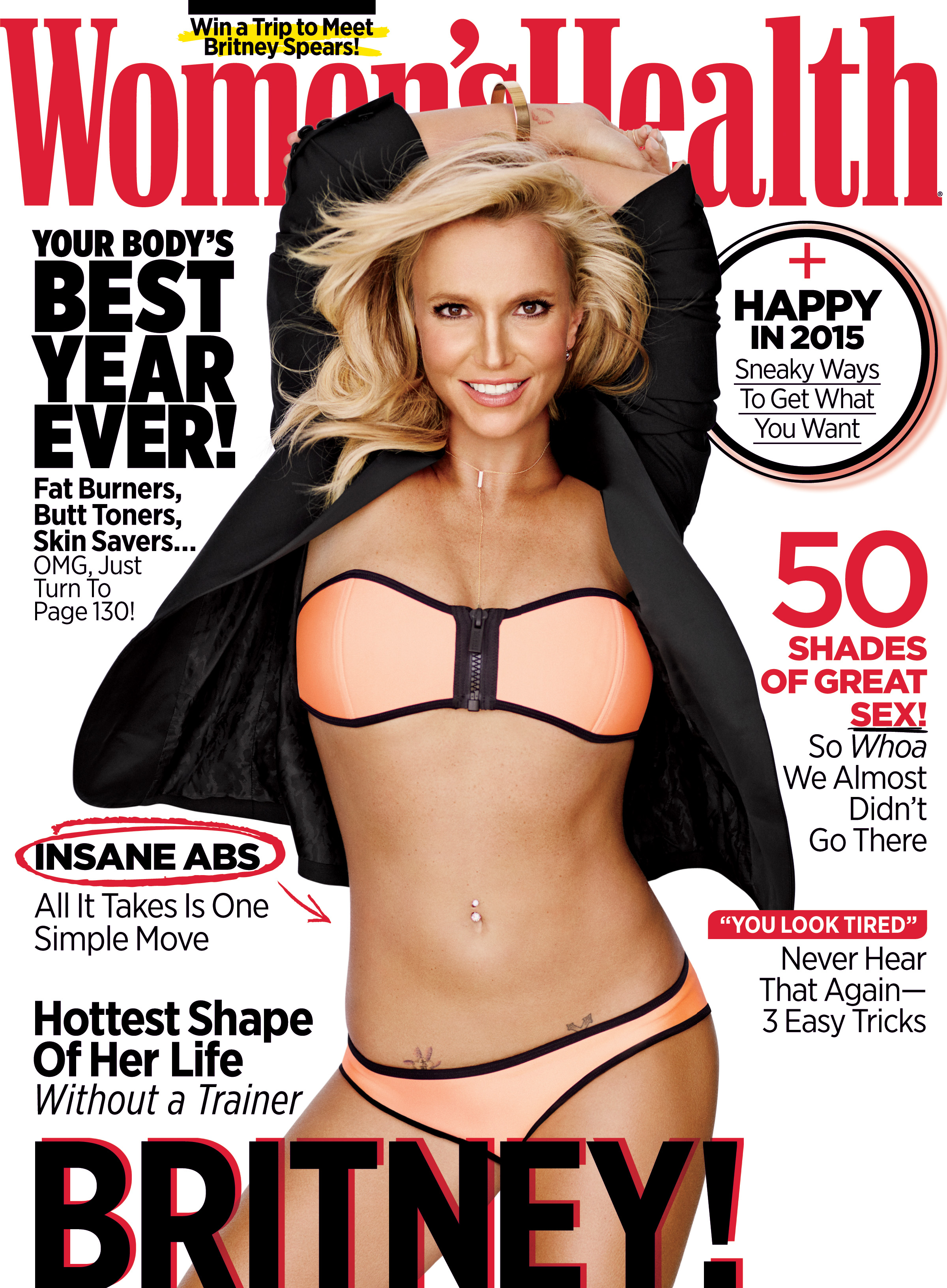
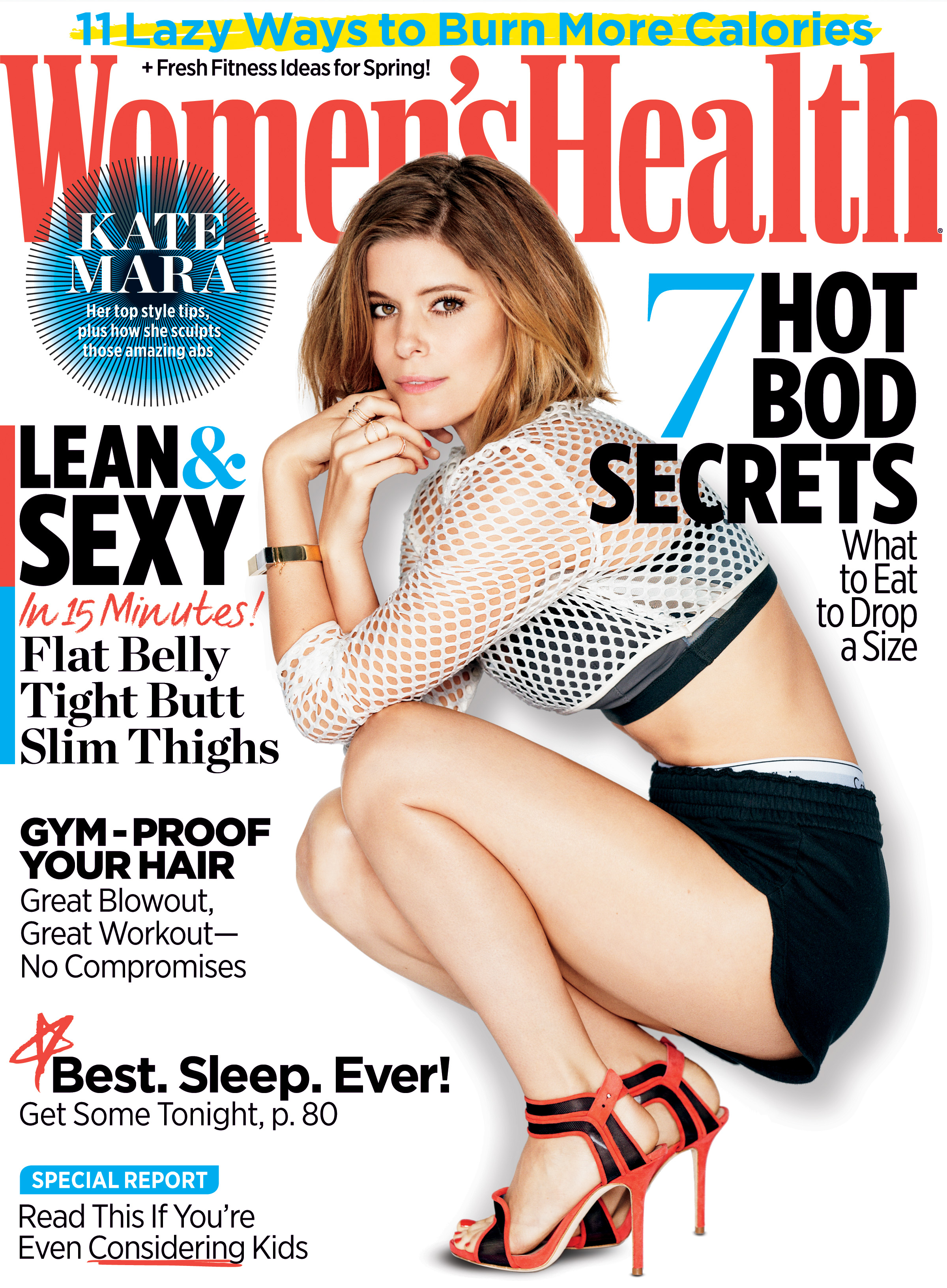
WH0315_NEWS Women’s Health is well-thy. And if publisher, Laura Frerer-Schmidt has her way, the magazine will stay that way. Laura coined the phrase “well-thy” when she took the health and wellness print product, owned by parent company Rodale, to new heights. Well-thy has become an energetic movement, much like its equally dynamic composer.

I spoke with Laura recently and we discussed everything about Women’s Health and the “well-thy” movement. From events to social to digital to print; Laura prides the magazine on its totally integrated immersion. According to her animated description, the platforms feed off each other, with no way to differentiate where one begins and another leaves off. Circles of action that propel the audience and inspire positive changes in their lives.

And the numbers don’t lie. Under Laura’s leadership, Women’s Health continues to buck the trend remaining up in advertising sales both print and digitally. In 2015, the magazine remains up through the April issue and is poised to be up in May as well. Women’s Health has always remained true to its voice and that is something that advertisers and consumers value highly.

I hope you enjoy this ebullient conversation with a woman who knows how to motivate herself and the people around her with her “True Grit” nature and a positive outlook on the well-thy future…the Mr. Magazine™ interview with Laura Frerer-Schmidt, Publisher, Women’s Health…

But first, the sound-bites.


LFS headshotOn coining the phrase well-thy when it comes to the health and wellness category:
You know that wealthy is spelled well-thy, so it’s really about a trend. It’s a macro-trend and a micro-trend on many different levels. It’s where wellness is the new cool and is trendy.

On introducing wellness to the Women’s Health equation:
It’s a pretty easy connection to make, actually. When you come to our brand, you’re not coming for a sit-back read; you’re not coming to relax, or be entertained, or watch what other people do; it’s less of a cinematic experience and more of an engaged experience, like a triathlon; like life.

On a major stumbling block she envisions facing and how she plans to overcome it:
The market in general is not great. And when I say that; I mean the advertising market. And I also mean media overall. I would like to evolve past what we consider our immediate competitors and think of ourselves like a brand; I mean really think of ourselves like a brand, evolve into every area that we’re not touching so far, which there are only a few left.

On how she views the health and wellness competition outside of Rodale:
I think that they’re really smart businesses in that they’re recognizing the well-thy trend and they want a piece of it. It’s a huge market. If you look it up, there are articles in The New York Times and The Wall Street Journal that have run about the health market and on how it’s expanding. They want those dollars.

On whether she can picture a day where Women’s Health won’t have a print component:
No, I can’t. That’s my gut. I’m going to say right off the bat, no.

On anything additional she’d like to add:
I think that this is going to be an interesting year for our category. I’m going to say that consumers need to trust brand identity. And that will be an advantage for us this year. That we are true to what we have always been and that we know who we are and we know what we’re about.

On what keeps her up at night:
I think brand evolution keeps me up at night and the other thing is I love my team. I’m very, very involved with each and every one of them.

And now the lightly edited transcript of the Mr. Magazine™ conversation with Laura Frerer-Schmidt, Publisher, Women’s Health…

Samir Husni: Congratulations on reaching a milestone; 10 years in today’s magazine publishing world is a major milestone.

Laura Frerer-Schmidt: Thank you.

Samir Husni: You coined the phrase: wellness is the new luxury; so, wellness is the new wealthy. Tell me a little bit more about the genre’ of wellness and why do you view it as the new luxury?

Laura Frerer-Schmidt: You know that wealthy is spelled well-thy, so it’s really about a trend. It’s a macro-trend and a micro-trend on many different levels. It’s where wellness is the new cool and is trendy. It used to not be this way; I’m 47 years old, so I’m old enough to know. I remember the 80s quite well and it used to be about things and logos all over your body, giant cars and giant diamonds.

But today you see many brands from chic, mass brands to very chic, luxury brands leaning toward health, wellness and strength. I just came back from the Personal Care Product Council (PCPC); the largest beauty conference in the country, a lot of magazine people go there, amongst other media types, as well as very large beauty clients. Every brand I spoke with there, from prestige brands to the mass brands, and most of the mass brands consider themselves quite chic; they all spoke about wellness and health. I’m talking about Cover Girl, Pantene, Clinique, Shiseido; there’s a spin on all brands toward health and wellness because when you’re standing around the water purifier with your water bottle, you are talking, bragging about your green drinks or your triathlon or maybe your new electric car that’s powered by Panasonic batteries; this is the life. It’s the well-thy life. It’s an outdoorsy life; it can be skiing, surfing, running; it can be all of these sports that are really growing in great strides and becoming more social.

I think even the social movement across the country is related to wellness. Being connected to others is one of the critical components for wellness. It’s all a part of this lifestyle and our brand. And our brand happens to incorporate all of these things in a unique way; in a way that most women’s brands do not and I think that’s the key to the success we’ve had in this 10th year.

Samir Husni: How do you explain the confusion a lot of people have with the word health versus wellness? I mean, if someone asked you the unique selling proposition of Women’s Health; how would you introduce wellness into the Women’s Health equation?

Laura Frerer-Schmidt: It’s a pretty easy connection to make, actually. The unique proposition of Women’s Health, and it stems directly from Rodale, our parent company, is that when you come to our brand, and we are a very large brand, in print we’re the fourth largest contemporary women’s magazine in the U.S., with 11 million in audience and about 8½ million uniques in digital on comScore and about 18 million on Coremetrics, which makes us really big in audience; it actually makes us the second largest after Cosmo, and the reason why we’ve been growing so much, despite the industry trend, is because we’re an action-based platform, we’re about #transformingyourlife. So when you come to our brand, you’re not coming for a sit-back read; you’re not coming to relax, or be entertained, or watch what other people do; it’s less of a cinematic experience and more of an engaged experience, like a triathlon; like life. Around 98% of our consumers take some sort of action to change their lives by the time they come to the brand; that’s from Beta Research.

So, it’s unique and it’s working, because in today’s world when you come to us, our digital offers an interactive platform, our print offers a rich platform of information that #transforms your life, and then our social allows you to give us immediate feedback. We actually have more interactions on social than anyone in our set. We may not have total friends and followers that are larger, but our interactions per day on those five platforms, right at 8 million, are huge. It’s the circle of interaction, action and connection, because also, if you think about it, I’m pretty sure Rodale is the only fully integrated company for magazines. So, most of them have silos selling digital and print and we’re all integrated. We’ve always been integrated.

The same person who puts together an idea for Olay here, is giving them a digital platform that feeds the print platform that feeds the social platform that feeds an events platform. Then we’re also connected to our international division, which is really healthy. We have 29 editions internationally; Men’s Health is even bigger internationally, and we also have our books and DVD departments that we feed with partnerships as well,

Starbucks is an advertiser in Women’s Health and in many of our other brands and we actually published the CEO’s book. So, everything kind of comes around in this big circle of action and I think it works.

Samir Husni: Laura, you seem to be on Cloud Nine and you’re doing such a wonderful job with the magazine and the advertising shares and the numbers reflect that; what major stumbling block do you envision facing this year as you celebrate the 10th anniversary of the magazine and what’s your plan for overcoming it?

WH010215_NEWS Laura Frerer-Schmidt: That’s an interesting question. Thank you for asking it. (Laughs) I would say the limitations of the market right now. The market in general is not great. And when I say that; I mean the advertising market.

And I also mean media overall. I would like to evolve past what we consider our immediate competitors and think of ourselves like a brand; I mean really think of ourselves like a brand, evolve into every area that we’re not touching so far, which there are only a few left.

I would definitely prefer to be thought of as a brand instead of a magazine, because we’re so much more than that. When you limit yourself to one thing, just digital or just print or just social, just TV, just products or just events; you’re not a powerful enough brand. And there are some really powerful brands in our business, but I look at right now, and they need to evolve. And they can; there’s a lot waiting for them when they evolve past being mainly a print product.

Samir Husni: Do you imagine the market is going to get even more competitive than it is in 2015?

Laura Frerer-Schmidt: We’ll see who survives. I’m very surprised to see some of the brands that I know and love struggling this year. I think sometimes some of the big brands either go away or they go through such big changes that they evolve to become a little bit less of a competitor. We’ve really been true to our brand for the entire 10 years. We’ve evolved for sure, but we haven’t had to create big, sweeping changes around the identity of the brand because it’s been on trend with the whole well-thy movement and I think being smart enough to take advantage of that and to understand what it is the consumer has been loving from us has protected and grown us.

And my real answer to your question is probably it will be more competitive because I think that it’s a winner-take-all situation. I think that more and more companies are going to certain companies or brands and giving them all their money, or most of their money, because they want to see more than just a campaign run; they want to see a movement. So that means, fewer, stronger and better.

Samir Husni: A few months ago Meredith merged Fitness magazine into Shape; Hearst launched Dr. Oz The Good Life; Time Inc. reinvented Health magazine; Condé Nast reinvented Self… As you look at your competitive set; how do you see that wellness/health market outside Rodale competing with you?

Laura Frerer-Schmidt: I think that they’re really smart businesses in that they’re recognizing the well-thy trend and they want a piece of it. It’s a huge market. If you look it up, there are articles in The New York Times and The Wall Street Journal that have run about the health market and on how it’s expanding. They want those dollars.

But I’m going to say that it is critical in this field that you be fully integrated as a company, fully integrated. And I mean a person doesn’t have to go to three different people to get digital, print and events. You have ideas that come to you that are movements and they’re movements in a social way and in a digital and print way, and they all feed each other. And I think if you look at the biggest client almost all of us have, Procter & Gamble, and as you may know, over the last year they’ve been moving people all around the country and it’s been a huge change for them, because they’re insisting that all of their brands be integrated, so that there’s not a print team for Cover Girl and then across the country there’s a digital team for Cover Girl; they want it all-in-one.

People are being trained now to handle print, TV, digital, social, events and products; just everything, on one team, because they want that message to be integrated. And Rodale has been fully integrated from the very beginning; we were never siloed in that way. And maybe it’s because we needed to be a little more efficient with our dollars; we couldn’t afford to have that many different teams. (Laughs) We have always had our teams, marketing, sales and editorial be fully integrated in print, digital, books, iTunes content and everything else that we do.

Samir Husni: Can you envision a day where Women’s Health will not exist in print?

Laura Frerer-Schmidt: No, I can’t. That’s my gut. I’m going to say right off the bat, no. It is such a beautiful print product and I think to be inspired to make real changes in your life, and some of them may be small, such as a lip gloss that’s moisturizing, and some of them are big, like you’re going to think differently about your life, and then some are medium, such as taking the stairs instead of the elevator, but for those kinds of inspiring changes I think print is a great medium for them. It tells a story and it tells it so completely.

I also think social is great to get people involved in it, because if you send a text to someone or it’s on Twitter and it says a chicken breast is 100 calories and 10 grams of protein, awesome. It just gets the conversation started. Or even a quote: don’t ask who’s going to let me, ask who’s going to stop me and a link to an article on True Grit.

You need all of these things; you need the quick social; you need the interactive digital, and you need the slightly more in depth storytelling of print. And I think that they speak to each other in a way. That’s why our circulation has been strong, our digital and social has grown so much. I think our numbers can be attributed back too all of the platforms linked to each other and it’s a fact, we know that over 30% of our digital traffic comes from social. It’s the circle of a conversation.

Samir Husni: You sound as energetic as the pages of the magazine. What makes Laura click and tick every morning and every day?

Laura Frerer-Schmidt: Oh my goodness, I was born this way. (Laughs)

Samir Husni: (Laughs too) You’re starting to sound like Lady Gaga, born this way.

Laura Frerer-Schmidt: Just like everything in life, my personality has good things about it, and not such good things about it. (Laughs) One of the good things is that my whole life, since I was a kid, I have been a very gritty person. It’s actually a quality measured by Harvard scientists called grit that trumps good looks, intelligence, money and physical prowess. You can win the Olympics and be the third best athlete if you have it.

The reason why I came to Women’s Health, and this is another thing that actually makes me tick; I came to Women’s Health because I read an article in the magazine about True Grit and I was so blown away by it. I starting talking to a couple of the folks here, and about six months later they called and said they needed me to come in. (Laughs)

So, whatever it is that makes me tick, there is definitely a thread of it throughout the brand. And that’s probably what you’re hearing.

Samir Husni: Anything else that you’d like to add?

Laura Frerer-Schmidt: I think that this is going to be an interesting year for our category. There is a lot of change going on with Shape and Fitness merging, as you mentioned, and even Self has gone through a repositioning that was pretty dramatic. I’m going to say that consumers need to trust brand identity. And that will be an advantage for us this year. That we are true to what we have always been and that we know who we are and we know what we’re about. Being true to your brand for your consumer is going to be critical in many ways this year. I believe it will affect everyone’s circulation, their digital audience, social, and then it will affect advertising.

Samir Husni: My typical last question; what keeps you up at night?

Laura Frerer-Schmidt: My renovations. (Laughs) I’m renovating a house. That’s what keeps me up at night for real. But here, I would say, and it’s not a bad thing, it’s a good thing; is the excitement. But sometimes excitement can keep you up. We’re evolving our brand this year and we’ll come to you and tell you more about it, we had things actually happen this morning and last week, and there are some real and unusual new brand evolutions that will be happening that we’re stewarding through that I think will be unique in the industry.

I think brand evolution keeps me up at night and the other thing is I love my team. I’m very, very involved with each and every one of them. I know everything about their lives, or as much as can be known. I help them choose their wedding invitations; I help them get through bad breakups; I help them find an apartment they want to buy; I look at the floor plan with them; I show up and go there; I think Women’s Health is an interesting place because everyone here has evolved their life in some way, which is kind of what the magazine does and what the brand does.

So, I think it’s interesting that people are getting married and having babies and buying their first place, running their first marathon and doing so many things, and if something ever happens with them, and they’re people, they’re humans, stuff happens; I think about and I want to help. And it’s not just because I’m a great person, they are my profits. This is a business about people. It’s about consumers and it’s about the people who create the brands.

So with all these people running around the office, I have to make sure that they’re in a culture that supports them and uplifts them, but that they also are fulfilled and that they’re doing the best that they possibly can. I think about my people a lot.

Samir Husni: Thank you.
h1

Magazines As Reflectors: The Social Role of the American Consumer Magazines…The Size, Role & Future of Consumer Magazines: A Blast from Mr. Magazine’s™ Past… Dissertation Entries Part 3

March 6, 2015

The social role of magazines: we continue with reflection.

The social role of magazines: we continue with reflection.

1983

2. Magazines as Reflectors

There is no better way to know what the new trends are in American society than to visit the local newsstands and take a look at the newest magazines that have been published. A visitor to the newsstands in early 1983 will see a huge display of magazines dealing with computers and video games. In 1982, the same was true with magazines dealing with health and fitness. Science had its share of the market earlier with six new magazines published, all with the promise to deliver science to the public in a language it can understand.

The magazine, throughout its history, has been a reflector of American life, or, as Ronald Wolseley put it, “what the owners think is American life.” Wolseley noted that “the solid values of the lives of millions of American families are reported by the national magazine, unsensationally but vividly and accurately, in articles and fiction, in pictures and illustrations.”

Drawing on Marshall McLuhan’s hot and cool theory, Wolseley developed a “much less startling theory,” yet one that he thought might be useful. “The magazines of any nation exist in circles corresponding to the circles created by the interests of the population,” Wolseley’s theory stated. That is to say that magazines play the role of a mirror of society reflecting between their covers week after week what is going on in the real life.

John Tebbel seems to support Wolseley’s theory when he says that magazines “have always faithfully reflected the society in which they are produced.” Tebbel believed that magazines have been, are, and will be reflectors of life in America. He considers this one of their most important functions. “Anyone who wants to understand what Americans thought and believed in the twenties, must read the back issues of the Saturday Evening Post of that decade.”

The above information was written in 1983 and is taken from a portion of my dissertation when I was at the University of Missouri-Columbia where I obtained my doctorate in journalism. And while the majority of the material still holds true, things have changed drastically in some areas.

2015

When you look in a mirror; what do you see? Your own reflection, of course, a mirror image of your features, expression and persona staring back at you.

Now, hold the cover of a magazine up in front of that same mirror; what do you see? Society’s reflection, without a doubt, a mirror image of the interests, issues and trends that hold importance for most American lives. And it doesn’t matter the content of that cover; whether it’s Gwyneth Paltrow on the cover of Harper’s Bazaar, or Mark Zuckerberg, Time’s Person of the Year for 2010; the symmetry and rhythm of whatever topics featured with any given issue, resonate with human beings everywhere.

This is what a print magazine does best: it reflects the souls and mindsets of the human consumer and engages their concerns and delights in a way no other medium ever has or ever will. It was true in 1983 and it still rings resoundingly accurate for the 21st century.

Mimicking cultures and menageries of people is a natural action for magazines; after all they are only echoing what’s going on around them; so, it’s not the fact that they’re capable of doing it; it’s the fact that they do it with such gusto and impact that no other medium can compete. That is the doorstopper; the wedge of ink on paper steel that digital, mobile and even television, can’t pry from beneath print’s portal, the place where the audience finds that ultimate connection and jolt.

So, was John Tebbel right? Have magazines “always faithfully reflected the society in which they are produced?”

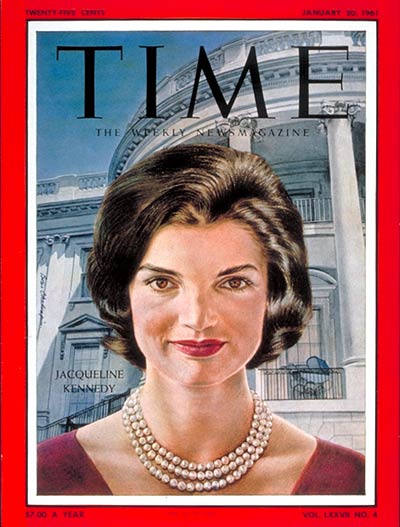
Jackie K• In January 1961, the cover of Time magazine featured Jacqueline Kennedy, apropos of the time since her husband was being inaugurated as President of the United States that same month.
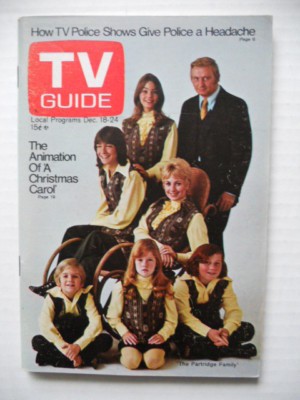
Partridge 1971• December 18-24, 1971; TV Guide had the Partridge Family on its cover, as the highly popular show was in its second season by then.

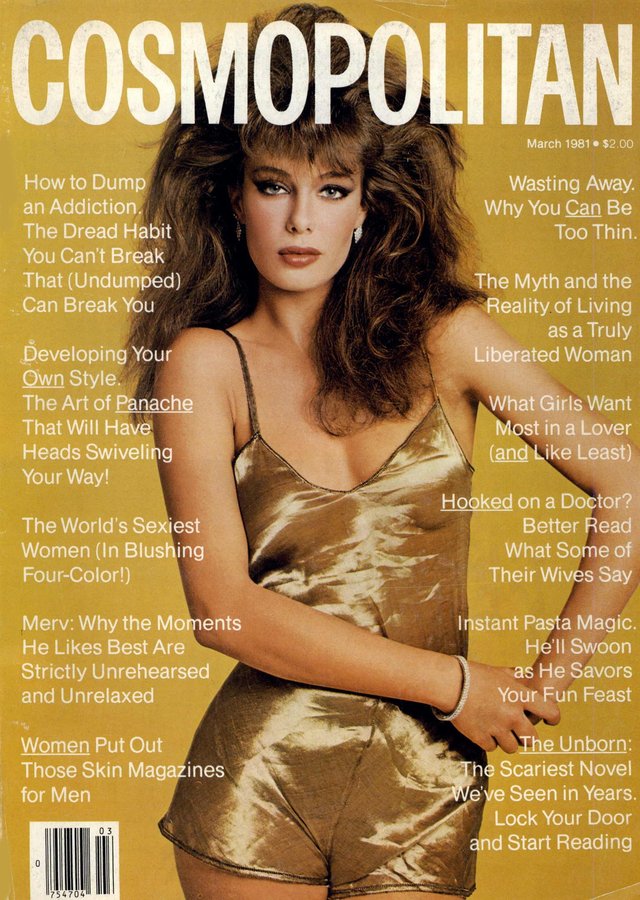
kelly lebroeck• Kelly LeBrock on the March 1981 cover of Cosmopolitan, a face of the 80s that at the time was considered one of the sexiest women in Hollywood.

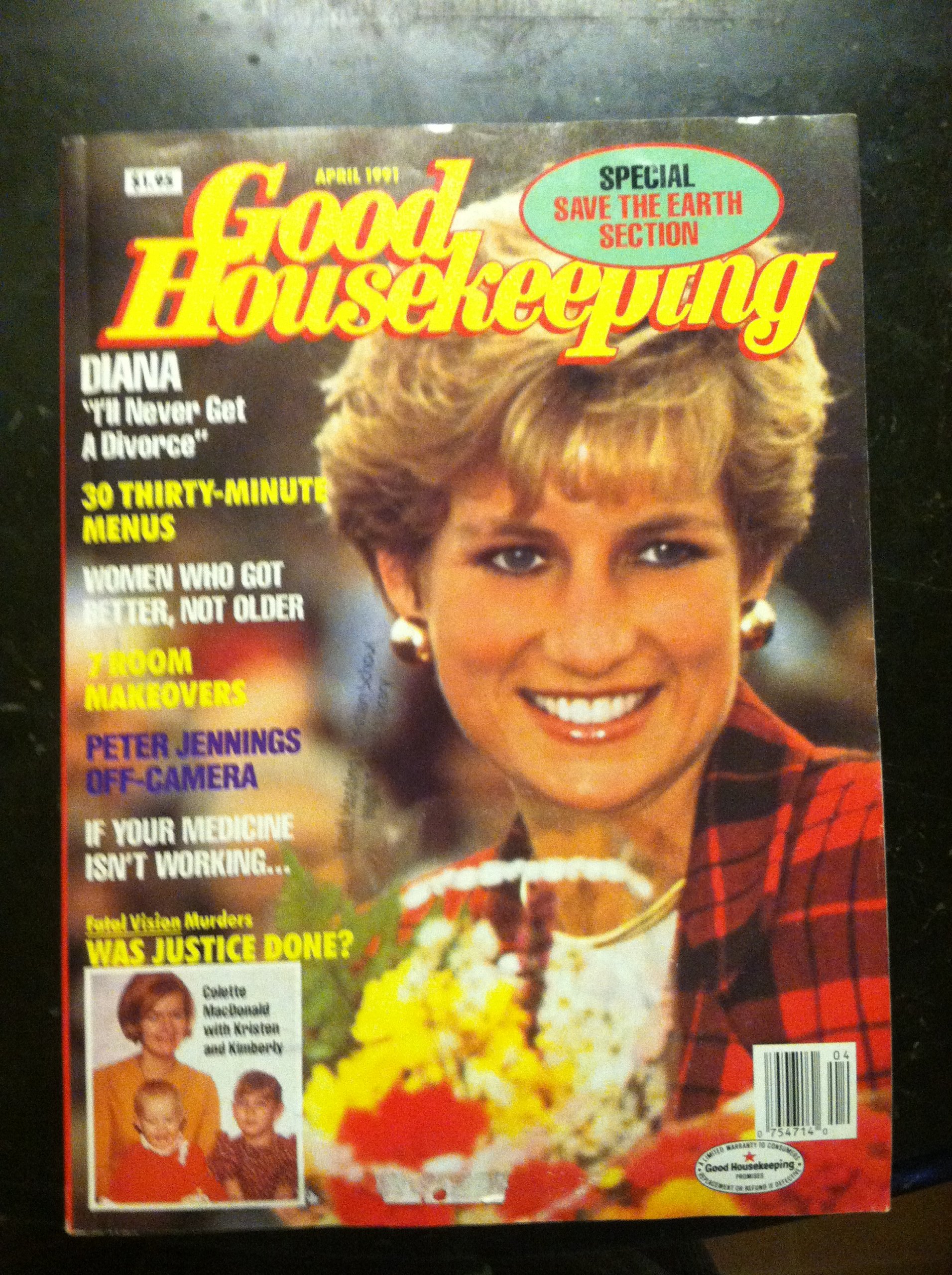
diana 1991• April 1991, Princess Diana graces the cover of Good Housekeeping, vowing to never get a divorce, her response to media when her marriage had begun to fall apart in the early 90s.

Domnoupc-P1.tiff• Newsweek’s September 24, 2001 special report cover after the horrible 9/11 tragedy: “After the Terror – God Bless America.”

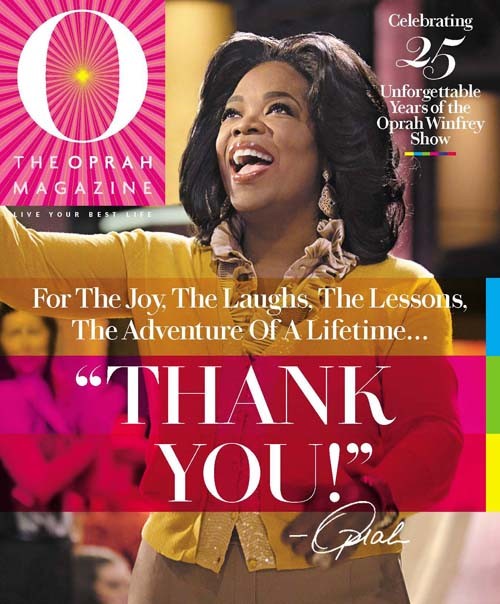
oprah-o-magazine-june-2011-2• The June 2011 issue of O – The Oprah Magazine, dedicated to the 25th and last season of The Oprah Winfrey Show.

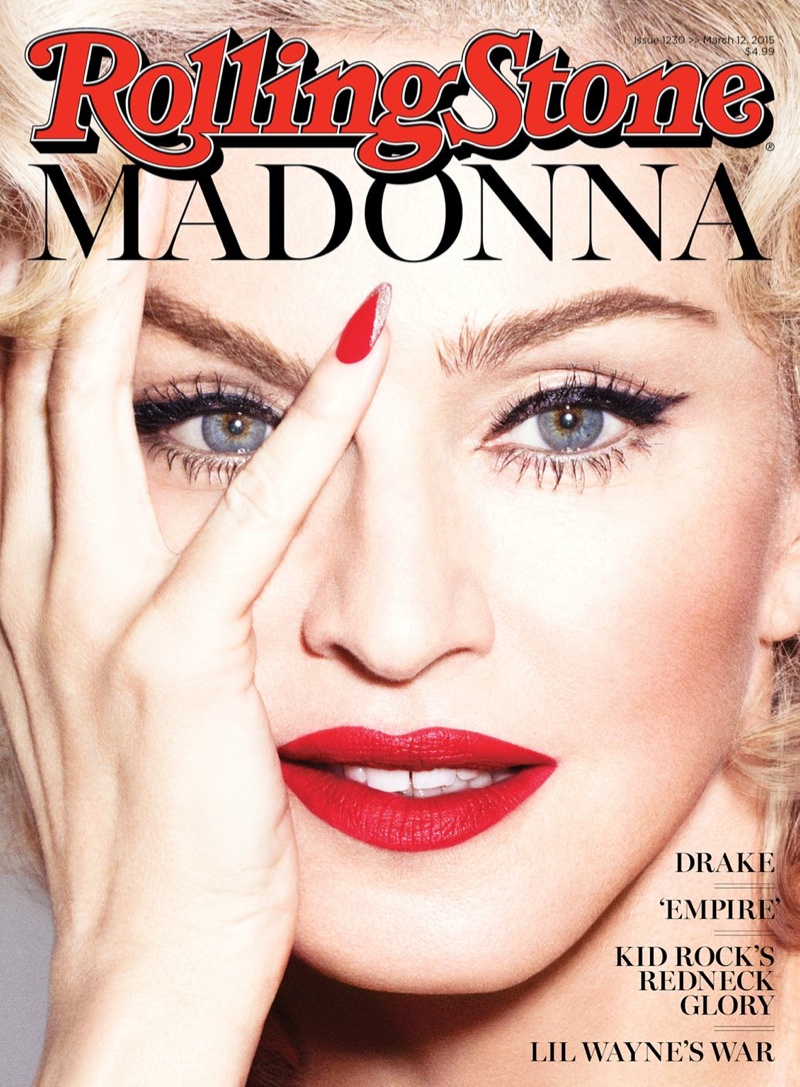
madonna-rolling-stone-march-2015-cover• March 2015 cover of Rolling Stone, Madonna shows she still has what it takes to grace the cover of one of the most popular music magazines around.

inkonpaper_blog_ad And these are only a few from the gargantuan list of magazine covers that have distinguished the nation’s newsstands over the decades. Looking at just the above list, I would say John Tebbel hit the print nail on the head when he stated: “magazines have always faithfully reflected the society in which they are produced.”

Wouldn’t you agree?

Until next week, when Mr. Magazine™ talks about the entertainment role magazines have played and still do in our world yesterday and today… and remember, if it is not ink on paper, it is not a magazine.™

h1

Nifty At Fifty: The Never-Aging, Always-Rocking Cosmopolitan Magazine. The Mr. Magazine™ Interview With Donna Kalajian Lagani, Senior Vice President, Publishing Director & Chief Revenue Officer, Cosmopolitan…

March 5, 2015

“The whole idea of this one-to-one; she (Helen Gurley Brown) used to say that she wanted to have a one-to-one conversation with millions of women at the same time. So that whole idea of community, which is now what everyone is talking about, that’s something that Cosmo has always had. We’ve always said that we were the first interactive medium. Before there was an internet, there was Cosmo.” Donna Kalajian Lagani

Cosmo April '14 Cover Addictive content, beautiful models that articulate style and fashion to readers, and a core concept created by the woman who started it all – Helen Gurley Brown – that is based on relationships and the ability to openly discuss every aspect of the male-female, family-to-family connection. That is the definition of success; that is Cosmopolitan.

Recently, I was in New York and had the chance to speak with Donna Kalajian Lagani, Senior Vice President, Publishing Director and Chief Revenue Officer of Cosmopolitan. Donna is an open, friendly and totally animated person who welcomed me in her office on the 38th floor of the Hearst Tower. She shared her thoughts on Cosmo’s upcoming 50th birthday and its past and, more importantly, the brand’s future.

We talked about what it takes to keep a magazine fresh and successful with its readers after 50 years on the newsstands and how the brand is pivotal in its presentation, in terms of its digital/print relationship. The conversation was lively, fun, and totally a joy to participate in. I hope you have as much enjoyment reading it as I did visiting with the inimitable Ms. Lagani. Cosmopolitan is a world filled with beauty, fashion and advice that you might not necessarily get from your mother, but you’d definitely get from your best friend.

But first the sound-bites…

Sound-bites:

donna1 On the secret ingredient that continues to make Cosmopolitan click, tick and stick with its audience: I think it’s that we understand in this country and all around the world, one of the most important things to women is to talk about their relationships. Relationships with their family, boyfriends and their girlfriends; and if you look at any pop culture today, any television shows or movies; it all comes back to the relationships.

On Cosmopolitan’s sense of community that has been going strong for 50 years: You brought up something great when you talked about Helen; the whole idea of this one-to-one; she used to say that she wanted to have a one-to-one conversation with millions of women at the same time. So that whole idea of community, which is now what everyone is talking about, that’s something that Cosmo has always had. We’ve always said that we were the first interactive medium. Before there was an internet, there was Cosmo.

On whether the brand would exist without the print component: Sure, I think the community would exist. Of course it would. It would be a different community and certainly shaped differently. But the magazine isn’t going anywhere. I like to say when the earth is over there will be cockroaches and there will be Cosmo. We are an enduring brand through thick and thin.

On the major stumbling block the magazine faces today and how she plans to overcome it: What we often hear from advertisers is digital, digital, digital. I think one of the stumbling blocks is that younger marketers coming up in the business are being brought up by digital media. That’s what they know the best and that’s what they’re the most comfortable with. And we just need to be sure that we continue to educate them and have them understand that when someone crawls into bed at night or boards a plane or goes to the beach, and they’re reading a magazine, there is something very close and intimate about that.

On why she believes Hearst never stopped investing or believing in their print product: It’s that the consumer demand was and is still there. As long as we have 17 million women every month who are reading Cosmo; that’s really powerful. So, why shouldn’t we invest in something that consumers are showing incredible demand for? And innovation is just part of what we always do.

On how she combats the stereotype of sex-only that the magazine seems to have cultivated: I think that stereotype comes from people who don’t read the magazine; that may be their perception and we know that perceptions are very difficult to overcome. But what we have to do is to show people what we’re actually doing.

On her most pleasant moment over the last 20 years at Cosmo: Maybe because it has just happened, but I would have to say standing up on the stage in Times Square and looking 360° around and seeing Cosmo everywhere put a shiver up my spine and tears in my eyes.

On what keeps her up at night: Just thinking about all the fun and exciting new things that we can continue to do with the brand. What’s next and what’s new?

And now the lightly edited transcript of the Mr. Magazine™ conversation with Donna Kalajian Lagani, Senior Vice President, Publishing Director and Chief Revenue Officer of Cosmopolitan.

Samir Husni: You have a brand that’s 50 years old, yet it’s still going as strong as ever. What’s the secret ingredient that makes Cosmopolitan continue to click, tick and stick with its audience?

Donna Kalajian Lagani: I think it’s that we understand in this country and all around the world, one of the most important things to women is to talk about their relationships. Relationships with their family, boyfriends and their girlfriends; and if you look at any pop culture today, any television shows or movies; it all comes back to the relationships. And that’s what differentiates Cosmo from any other women’s media brand that’s out there. We really understand that relationships are the heart and core of everything.

If you’ve been around for 50 years that also means that you have had to adapt, change and stay very modern. And I would say Helen Gurley Brown, of course, who was the founder of our brand and the long-time, four-decade editor set the standard. Three years ago when Joanna Coles, our editor-in-chief, came over, she elevated everything about the brand. She kept the heart and the core and the DNA of Cosmopolitan the same as Helen had it, which was important. And remember when Helen launched our magazine, she was at the beginning of the women’s movement, the beginning of the sexual revolution and believed that women could have it all, believed that our mission as a brand was to empower women to have whatever they wanted.

Joanna comes onboard three years ago; she dusts off the original mission and brings back the original DNA of our brand to be all about empowerment. And she’s brought smarter voices into the magazine; she’s just elevated everything. So, on one hand, we’re 50 years old and on the other, we change every moment. The photographers, models and the stylists; everything has been elevated in the magazine and that has kept us really fresh.

And it’s not just about the magazine. It’s about the community of Cosmo, which is so much bigger than just the magazine. On our website; we’re up to 30 million unique visitors a month, that’s huge, and 9 million social followers.

Samir Husni: I remember a quote from Helen Gurley Brown where she was telling her husband after she published the book, Sex and the Single Girl, that she was getting all these letters and having to spend a lot of time answering them, and he asked her why she just didn’t do a magazine so that she could respond to everyone at the same time.

Donna Kalajian Lagani: That’s exactly right.

Samir Husni: So this sense of community has been going strong for 50 years. And Cosmo is still, by far, the leading selling magazine on college campuses; the second or third largest-selling monthly on the newsstands; yet you hear people in ad agencies and other places saying young women don’t read anymore. We don’t have anyone coming to us to advertise in print any longer. Why do you think there is this stereotype that’s as far from reality as you can get? Do you face those problems when you call on advertisers, telling you that young women no longer read print anymore?

donnaandsamir Donna Kalajian Lagani: We face it, but it can also be just a negotiation ploy. They’re using that as a way to negotiate with us, perhaps. But you brought up something great when you talked about Helen; the whole idea of this one-to-one; she used to say that she wanted to have a one-to-one conversation with millions of women at the same time. So that whole idea of community, which is now what everyone is talking about, that’s something that Cosmo has always had. We’ve always said that we were the first interactive medium. Before there was an internet, there was Cosmo.

So, are women reading magazines? Of course they are. We’re selling 3 million copies a month; we’re reaching 17 million women every month. But we have to do more than that; we have to be everywhere that 18 to 34-year-old is; we have to make sure that we’re intersecting with her. So when she wakes up in the morning and rolls out of bed, reaches for her phone; the first thing she wants to see is cosmo.com.

And what we’re doing now with Snapchat is very cool. We’re not supposed to be telling numbers, but I can tell you this; we guarantee 700,000 views per day and we’re over-delivering above that, 700,000 views per day of Cosmo on Snapchat. That tells us that our community has a thirst for this information, not only monthly with the magazine, but daily online and certainly daily on Snapchat.

Samir Husni: Do you think that community would exist without the print magazine?

Donna Kalajian Lagani: That’s a great question. Sure, I think the community would exist. Of course it would. It would be a different community and certainly shaped differently. But the magazine isn’t going anywhere. I like to say when the earth is over there will be cockroaches and there will be Cosmo. We are an enduring brand through thick and thin. You said it: we’re the number one best-sold magazine on college campuses and yes, we still are the best-sold magazine on the newsstands.

Samir Husni: What is the major stumbling block that you’re facing today and how do you plan on overcoming it?

Donna Kalajian Lagani: I would say what you said, what we often hear from advertisers is digital, digital, digital. I think one of the stumbling blocks is that younger marketers coming up in the business are being brought up by digital media. That’s what they know the best and that’s what they’re the most comfortable with. And we just need to be sure that we continue to educate them and have them understand that when someone crawls into bed at night or boards a plane or goes to the beach, and they’re reading a magazine, there is something very close and intimate about that, especially for beauty and fashion advertisers where it’s all about the color and seeing and touching and being able to rip out; I don’t think that’s ever going to go away, that whole tactile experience. Do you think that’ll ever go away?

Samir Husni: Oh, I agree, it never will. In fact, I’m known in the industry as the one who defines a magazine as: if it’s not ink on paper, then it’s not a magazine. I even trademarked that phrase.

Donna Kalajian Lagani: There you go; I love that. I think what we have to keep doing is showing marketers all the innovative things that can be done in our magazine that does break through.

TSq15-Horizontal-ScrnSize Two things: it’s our 50th birthday, so we thought OK, we knew it was coming; it wasn’t a surprise. We planned on it and said, OK – let’s celebrate our 50th and we are Cosmo; we only know how to do things in a very big way; what could we do that would make a very big brand statement? Do you know what we did on New Year’s Eve? We went to Times Square on New Year’s Eve and we had 30,000 pink hats and balloons, we had two musical stages; everywhere you looked that night was Cosmopolitan. And every single person that I have spoken to since saw what we did on New Year’s Eve, because it was live-streamed on Cosmo.com everywhere around the world. So, that was sort of a big, big brand way to say: here we are, this is Cosmo, and we’re powerful. And everyone got that.

Then every single month this year, and there are such cool things that you can do with print; we’ve done special sections or units every month in the magazine. We did this in partnership with Cover Girl. And what we did is took their Colorlicious brand, which is their new line of lipsticks that have four different shades, we took the colors to make it really native, you’ve heard of native advertising for digital, we did native advertising for print, and we took the background of the colors of the magazine and made it into the same color family as the lipstick.

And we just did a cover peel-off where with the subscriber covers we actually take the ad and put it on the front cover of the magazine with the Cosmo logo. It’s very intrusive and it really stands out. And that’s the kind of thing that can really be done only in print.

For the March issue we did a multiple cover with Lancome. In April, and it’s not out yet; with Unilever, we developed a big section on hair. So their ad: Cosmo cover hair secrets inside, which tells the consumer to open up the magazine, and then becomes what we call a nested booklet; it’s 24 pages of content, all with advertising from Unilever brand. Then it can be removed and held onto.

Samir Husni: Why are Hearst Magazines in general and Cosmo specifically, doing a lot of this innovation in print? If you look at the paper quality of your magazines and the size; Hearst did not ignore print while running after digital. Hearst invested in print, and went after digital, providing the customer with both. Why?

Donna Kalajian Lagani: It’s that the consumer demand was and is still there. As long as we have 17 million women every month who are reading Cosmo; that’s really powerful. That’s bigger than the top-ten network television shows, in terms of a GRP. If Cosmo were a rating point in magazine brand alone; we’d be bigger than the top-ten TV shows. So, why shouldn’t we invest in something that consumers are showing incredible demand for? And innovation is just part of what we always do. That’s what makes me wake up in the morning; what am I going to do today that’s different from yesterday? And that’s what makes my job so much fun. I have so much fun at my job, if you can’t tell. (Laughs) I love my job. And part of what is so much fun about it is that I’ve been here for 20 years and I’ve never had the same job two years in a row. Every year we’re doing something different; every year we’re recreating something. And that’s what a media brand is and does; we’re this living, breathing thing that we have to keep nurturing and coming up with new things to do to keep the audience and the advertisers delighted.

Samir Husni: Give me a synopsis on a day-in-the-life of Donna.

Donna Kalajian Lagani: I wake up in the morning and roll out of bed; I look at Cosmo.com, download what I’m going to read for the day onto my tablet; I make breakfast every morning for my 17-year-old son, when he’ll let me. (Laughs) And then the day gets really busy; I spend a lot of time out of the office and with clients. I spend a lot of time ideating about all of the cool new things we could be doing with the brand and I’m out on the streets all the time with our salespeople. And that’s why I have fun.

Samir Husni: Does your 17-year-old son read Cosmo? Just so he can know the mind of the opposite sex, maybe?

Donna Kalajian Lagani: He does sometimes. But his 17-year-old girlfriend does. (Laughs)

Samir Husni: How do you feel about the fact that when most people think about Cosmo, they think about sex, when we know that there is much more to Cosmo than just sex. How do you combat such a stereotype?

Donna Kalajian Lagani: I think that when Joanna Coles came onboard and pivoted the editorial, it made that objection pretty much go away. We are reporting on Washington; we’re reporting on politics; we’re reporting on women’s health issues; we just won an ASME award last year for the excellent piece we did on contraception.

I think that stereotype comes from people who don’t read the magazine; that may be their perception and we know that perceptions are very difficult to overcome. But what we have to do is to show people what we’re actually doing. I’ve always said, and I don’t know whose quote this is, but I’ve stolen it and it’s a good one; you’re entitled to your own opinion, but you’re not entitled to your own facts. And the facts are that of course we cover relationships; sex is an important part of what we do at the magazine; it’s an important part of what all girls are about today, but the amount of beauty, fashion and journalism and health that we do exceeds that. So, those are the facts.

Samir Husni: In 2008 we were hit by a double whammy: the economy crashed and technology really came onto the scene. Do you recall how life was before 2008 and then right after?

Donna Kalajian Lagani: Oh, yes, definitely. (Laughs) Before 2008 people were marketers who spent more in advertising-to-sales in overall advertising. I think after that everyone really tightened on the amount they were doing as an advertising-to-percentage-of-sales ratio. And the internet was there, but it didn’t come up in every conversation.

But that doesn’t bother me because it’s such an important part of our brand. We love the internet; I love mobile and I love the tablet and what we’re doing on Snapchat; it’s just part of who our community is. And what’s fascinating about it is the duplication is practically nothing. The duplication between our magazine brand and our digital brand is only 3 or 4%, so that says to me that the community of Cosmo is only getting larger. And isn’t that a good thing for us at the Hearst Corporation and isn’t it a great thing for marketers too?

Samir Husni: I know that the duplication of content is very little.

Donna Kalajian Lagani: Very little.

Samir Husni: Is their audience duplication, or do you know?

Donna Kalajian Lagani: That’s what I’m saying; 3 to 4% duplication is it. So that’s why the footprint is just getting larger.

Samir Husni: Five years from now, you and I are sitting and talking about Cosmo at 55; what will you tell me?

Donna Kalajian Lagani: That it’s as beautiful and young as ever. We will continue to have a very large print footprint and probably an even larger mobile footprint.

Samir Husni: Many publishers had put a lot of odds and wagers on the iPad; on the tablet, and then five years later nothing really came from it. Now are we moving our wagers from the tablet to mobile?

Donna Kalajian Lagani: Well, I wouldn’t count the tablet out. We still have about 200,000 subscriptions that are sold – paid for. And I would suppose as the tablet increases in just the percentage of Americans who own one, that that number will probably continue to grow. Mobile is a big play. Right now, 65% of all of our traffic comes from mobile. So, girls that are reading Cosmo.com; they’re all doing it either on their mobile phone or on their tablet. It’s very important today and will probably be more important five years from now.

Samir Husni: You’ve been at Cosmo for 20 years; what has been the most pleasant moment for you? An experience that you can remember thinking: Wow!

Donna Kalajian Lagani: Maybe because it has just happened, but I would have to say standing up on the stage in Times Square and looking 360° around and seeing Cosmo everywhere put a shiver up my spine and tears in my eyes. I was literally teary-eyed thinking, oh my goodness, Helen, you’re up there in the universe looking at this great brand. It was a very proud moment for our brand. (See Times Square picture above).

Samir Husni: Anything else you’d like to add?

Donna Kalajian Lagani: We’re doing a lot of really fun stuff to celebrate 50 years; we touched on Unilever and next month in Austin, Texas, South by Southwest, for the first time, is doing something called South by Style, which is sort of the convergence of technology and fashion and Cosmopolitan is the their media partner. We have a 1,000 sq. foot space where we’ll be having incredible speakers come in and talk and it’ll be a place where women can come and listen to those great speakers and at the same time get their hair touched up and get their nails redone; just a place to unwind a little. And our sponsors for that are Intel and Cover Girl.

And in May, we’re doing two big birthday issues; why have one birthday per year, when you can have two? In that May issue we have an iconic cover; I can’t tell you who it is. But for that same issue we have a spectacular opening that’s done by L’Oreal Paris; they’re doing a butterfly gate of advertising, adjacent to a very interesting, cool cover model.

In November is our other big issue for the year and we’re going to celebrate with a heck of a party; I hope you’re in New York; you can come and hang out with us.

Samir Husni: Just send me an invite and I’ll be here. Now, my typical last question; what keeps you up at night?

Donna Kalajian Lagani: Just thinking about all the fun and exciting new things that we can continue to do with the brand. What’s next and what’s new? What’s going to delight the reader and the advertiser?

Samir Husni: Thank you.

h1

Newsweek One Year After The Print Re-Launch: Profitable And Self Sustaining. The Mr. Magazine™ Interview with Newsweek’s Editor in Chief Jim Impoco.

March 4, 2015

The story of Newsweek is unlike any other magazine story. Born in 1933 and killed in print in 2012 under the watchful eye and leadership of one of the most celebrated editors of our time, Newsweek was bought by IBT Media and relaunched in print in 2014. And like the phoenix, it rose from the ashes and its dismal fate to become better than ever.

With a different publishing and business model, Newsweek now sets the standard of what a weekly should be. It looks and reads like a monthly, but is published on a weekly basis. I asked Jim Impoco, Newsweek’s editor in chief, who oversaw the relaunch of the weekly a year ago, about the reasons behind the success of Newsweek today, a year after its relaunch. His answers are sweet and short, but adds a lot to the story of Newsweek, the little magazine engine that could:

Feb 27 2015 Newsweek CoverSamir Husni: Now that Newsweek is celebrating its first year after its return to print, what did Jim Impoco do that Tina Brown did not do?

Jim Impoco: The main difference is that we got to try a different business model with a more targeted, limited distribution. That option was not available before. We’ve discovered that Newsweek is a pretty hard brand to kill off and expect that to remain so.

Samir Husni: What was the major stumbling block you’ve faced during the relaunch and how were you able to overcome it…

Jim Impoco: We relaunched with the Bitcoin cover and it created a fair amount of controversy on social media platforms. Our view on that story has never changed and we were happy to have opened up the conversation.

Samir Husni: What was the most pleasant moment during this one year journey?

Jim Impoco: Expenditures coming into alignment with spending – ie, we became profitable and self sustaining. And we’ve produced hard-hitting long-form journalism that has moved the dial.

Samir Husni: If we are to look into the future, where do you see Newsweek a year from now?

Jim ImpocoJim Impoco: With the caveat that our crystal ball is still in Beta, we expect to grow the whole operation as well as our audience, and remain in the thick of the news business.

Samir Husni: What do you consider the most important three issues you’ve published this past year.

Jim Impoco: ISIS Inc., Somaly Mam, Bitcoin

Samir Husni: Do you feel you set the bar high for what a newsweekly should be in print in this digital age?

Jim Impoco: Who has time to set bars? We’re just happy to be in the gym.

Samir Husni: What keeps Jim Impoco up at night?
Jim Impoco: Caffeine. Questions about what keeps Jim Impoco up at night.

Samir Husni: Thank you.

h1

New Magazine Launches: A February To Remember

March 2, 2015

While most of us have had a ‘Frozen’ February and had to ‘Sift’ through quite bit of snow and ice; new magazines have kept right up with Mother Nature’s upheavals. From Disney’s new children’s bi-monthly magazine, Frozen, to the epicurean delight of Sift; new titles offered a warm haven to escape to during a cold winter month that for most of us went beyond the mere chill of wintry winds and cold temperatures.

February 2015 saw 65 new titles hit newsstands, with 16 of those launches promising regular frequency. Specials were once again diversely niche, offering everything from March Madness to The Sound of Music. Cooking and eating healthy remained a strong voice in new magazines and also book-a-zines devoted to notable topics such as The Civil Rights Movement, Science & Entertainment.

So, I hope you enjoy the beautiful covers for February 2015 and are getting ready for spring renewal with warmer temperatures and sunshiny days and more new magazines to discover in the marvelous month of March!

To check and see each and everyone of the February magazine launches click here.

h1

The Social Role of the American Consumer Magazines…The Size, Role & Future of Consumer Magazines: A Blast from Mr. Magazine’s™ Past… Dissertation Entries Part 2.

February 27, 2015

1983

The social role of magazines: we start with education...

The social role of magazines: we start with education…

1. Magazines as Educators

Consider any subject that comes to mind and the chances are good that there is a magazine to cover it. Indeed, magazines could be considered up-to-date encyclopedias. The depth of information that a reader gains from magazines cannot be found in any other mass medium. With the increase of variety in magazines year after year, much more so than any other medium, magazine readers are offered a wealth of reading matter that assists them in their pursuit of knowledge and education. Roland E. Wolseley in his book The Changing Magazine referred to this huge content of the magazine as “a jungle of reading matter.”

The educational role of the American magazine was recognized even in its earliest years. In 1788, George Washington wrote a letter to Philadelphia publisher Matthew Carey in which he expressed the hope that American magazines would succeed because he considered them “easy vehicles of knowledge” that are “more happily calculated than any other, to preserve the liberty, stimulate the industry and meliorate the moral of an enlightened and free people.” John Tebbel, commenting on Washington’s letter, noted that magazines were incomparably better purveyors of knowledge than the newspapers of Washington’s time.

The above information was written in 1983 and taken from a portion of my dissertation when I was at the University of Missouri-Columbia where I obtained my doctorate in journalism. And while the majority of the material still holds true, things have changed drastically in some areas.


2015

Magazines have always worn many hats when it comes to the roles they play in our society. From the days of Washington to the instantaneous information highway of today’s digital age; the printed magazine has blazed the trail of tomorrow and it always will.

One important representation they delivered then and still do now is the execution of educating society. While the internet offers us information with just a “click,” there is one blaringly relevant fact that the ease of the mouse can’t argue with: before one gleans that knowledge that awaits them in cyberspace, one must know what the heck they’re looking for. Think about that for a moment.

Mr. Magazine™ in his official role as a professor and educator.

Mr. Magazine™ in his official role as a professor and educator.

Before Google or Bing or any other search engine can “educate” you; your fingers have to compose the knowledge that you seek in the form of a question or a statement first. And that’s all well and good; provided you already know what you’re trying to learn. If that sounds confusing; let me simplify:

The definition of learning is knowledge acquired through experience, study, or being taught. And while a subject that you’re familiar with or partially know about is an apropos goose to drive to the internet’s market; what about things that you’ve never heard of before or even thought about? How do you Google those? The answer is simple: you don’t.

But with a magazine you can be intrigued by a cover or a tagline; pick it up from the newsstand and flip through it; see a story on how to decorate your home on $2.50 and before you know it; you’re learning about something that you had no idea you were ever interested in.

But that’s just one way magazines educate us and broaden our mind spans. They also help us to digest unbelievable issues that face our world today. Things like bombings and unexpected deaths and the controversies that sometimes plague our political scene.

And with the ever-growing population of niche magazines out there; there is no limit to our ability to pinpoint a topic and delve into it. From raising your own hybrid chickens to cultivating a crop of yucca plants; there is a magazine for it. And new ones are being born each and every day.

In 1983 I wrote: Consider any subject that comes to mind and the chances are good that there is a magazine to cover it. Indeed, magazines could be considered up-to-date encyclopedias. The depth of information that a reader gains from magazines cannot be found in any other mass medium.

In 2015 I write: Consider any subject that comes to mind and the chances are good that there is a magazine to cover it. Indeed, magazines could be considered up-to-date search engines that know what you’re interested in before you do. The depth of information that a reader gains from magazines cannot be found in any other mass medium.

Magazines are a fount of knowledge by their very existence and they remain today exactly as they were in 1788 when Washington wrote his letter to Matthew Carey: “easy vehicles of knowledge” that are “more happily calculated than any other, to preserve the liberty, stimulate the industry and meliorate the moral of an enlightened and free people.”

In other words, Professor Magazine is in the house…

Until next week, when Mr. Magazine™ weighs in on magazines as reflectors of our society…

h1

Making Digital Permanent OffScreen: The Mr. Magazine™ Interview With Founder/Editor Kai Barch. A Launch Story

February 26, 2015

“There were a number of reasons (he chose print) and one of the first was really quite selfish. I was doing web designs for clients and I got really tired of producing something that didn’t last very long; whenever you create a website or some other digital design, it lives as long as the next release cycle or the next version number.” Kai Brach

Issue 10 of Offscreen magazine.

Issue 10 of Offscreen magazine.

There is absolutely no doubt that we live in a digital age. From our laptops to our smartphones; being onscreen is a way of life for humans these days. But who are the people out there molding the web and building these virtual worlds that we all so embrace? Where are their stories; their tales of success and failure? Finally there’s a magazine that points to that place on the map; that continent called Cyber.

Offscreen is a print magazine all about people who use the internet and technology to be creative, solve problems, and build successful businesses. It’s an ink on paper that embraces digital – some might say integration at its best.

Kai Brach is a one man operation of Offscreen; he is the publisher, editor and art director for the publication. For ten years he was a web designer before he decided that he needed something more tangible than the virtual worlds of the internet to fulfill him. He needed to feel his work would last beyond mere pixels; he needed the collectability of print. He needed more than a software update; he needed the final version.

I spoke with Kai recently through Skype from his home in Melbourne, Australia. We talked about the life of a web-designer-turned-print-publisher; the fact that he taught himself InDesign and the basics of Magazines 101. Kai is an extremely ingenious and talented young man who knew what it would take to lift him to the next level of his creativity – from pixels to print – he found fulfillment in the printed word.

So sit back and enjoy this unique conversation with a man who learned for the first time what the phrase ‘final version’ truly means – a printed magazine – the Mr. Magazine™ interview with Kai Brach, Publisher & Editor, Offscreen…

But first the sound-bites:


On why a web designer would choose a printed product:
There were a number of reasons and one of the first was really quite selfish. I was doing web designs for clients and I got really tired of producing something that didn’t last very long; whenever you create a website or some other digital design, it lives as long as the next release cycle or the next version number.

On the launch of Offscreen:
It was a weird feeling because you send it off and a few weeks later this product, this magazine, comes back; especially for someone who hasn’t ever done anything in print before; it was a pretty amazing experience.

On his major stumbling block with the launch:
On the editorial side, and I still find this really challenging, working with 40 or 50 different contributors and getting them to give you what you want when you need it. That was and still is the biggest challenge of making any magazine; it’s working with the contributors.

On his most pleasant surprise:
The good thing was when I got the first issue in the mail, that was great, but what was even better was seeing other people get it in the mail and talk about it on Twitter and put the photos on Instagram, letting me know that opening the mail smelled amazing and that they had completely forgotten that print had these other multi-sensory experiences that they don’t get when they sit in front of a screen all day.

On whether he would ever work in the digital realms again:
Sure. I think everything has an expiration date and every project we do comes to an end at some point and I would never say I would not go back to digital.

On what keeps him up at night:
I think most of my worries that give me sleepless nights relate to contributors who are not getting back to me or are being late or telling me that they can’t do something at the last minute. Contributor worries definitely keep me up at night.

And now the lightly edited transcript of the Mr. Magazine™ interview with Kai Brach, Publisher & Editor, Offscreen…


Samir Husni: I was fascinated with your own personal digital background and the content of your magazine is all about the web and digital. Why did you choose print for your magazine?

Kai Brach, founder, editor and publisher Offscreen magazine.

Kai Brach, founder, editor and publisher Offscreen magazine.

Kai Brach: There were a number of reasons and one of the first was really quite selfish. I was doing web designs for clients and I got really tired of producing something that didn’t last very long; whenever you create a website or some other digital design, it lives as long as the next release cycle or the next version number. So you produce something and it’s online now and two weeks later it’s already changed or it’s gone and disappeared into the ether that is the internet.

This process was not fulfilling at all and I really wanted to produce something that lasted longer than the average website. I wanted to create something that I could put on my shelf and say, look, this is what I made, and it will last as long as I have it on my shelf.

That was one of the reasons that I decided I was going to stop doing client work and try my hand at something completely different. If it turned out OK – I knew that I would be proud of it.

The other reason was there’s so much stuff being produced online. I personally find myself either reading something on my Kindle, iPad or my iPhone, which I don’t have an iPad any longer, but when I read something on any of my mobile devices, I get probably 10 minutes of read time before I’m interrupted by an email or some other notification. Or I’ll try to scan over articles or longer reads, but I find myself never engaging with them properly. And I noticed that whenever I read a book or a magazine on my travels, when I’m on the train or on the plane, that’s when I actually enjoy reading. So, I thought that it would be nice to have the things that I care about, reading about the web and how people build companies and how people are creative with technology, to read about that in a format that I actually absorb properly and not just scan through or quickly run over because I have another 15 messages to answer.

And so print was becoming almost like this island where I could go and relax and discover the actual process of reading again. It was really nice and calming. And that was the other reason; I just wanted to create something that people would not find distracting and that they wouldn’t feel pressured to read on the go.

So those were the main reasons, I guess. And then, of course, it’s hard to charge money for digital content, where you can put it in a magazine and provide a nice product experience; you make it something people want to keep, a collectable item, it’s then easier to charge people for it. Which doesn’t necessarily mean that you make a lot of money with it, because in publishing, and I’m sure you can attest to this fact, it’s really hard to actually make a lot of money, especially when it comes to independent publishing.

Samir Husni: Tell me the story of the launch; were you in Germany or had you already moved to Australia when you came up with the idea? Briefly, recount for me the launch of Offscreen.

Kai Brach: I was already in Australia and working as a web designer, but then I decided to stop doing that and gave myself six months to figure out what I wanted to do. I started traveling for those six months. I went to Europe and the U.S. and a few other places and I actually met up with quite a few people that I knew from the web industry.

It was during that time that I actually started to enjoy the stories that happened behind the scenes. We talked to a start-up guy who was very successful, but when you talk to him personally, you realize he went through a lot of failed attempts before he became successful and those stories that I was hearing from different people while I was traveling, encouraged me to somehow put them in a book or e-book or podcast, somewhere I could publish them.

So, I came back from my travels six months later and I decided at that point that I wanted to make a print magazine. I didn’t really know where to start, but I contacted some other magazines that I had sitting on my desk and asked them very simple questions about how to get started; what tools do you use; what production companies do you use; what printer do you use; just lots of questions.

Then I emailed a lot of printers in Germany and Australia, because I know German and the Germans know a thing or two about the printing press. (Laughs) I contacted various printers and asked them quotes based on very random numbers that I thought would make sense. I asked for a quote for 3,000 copies in the beginning and then I compared quotes and pretty much decided; OK, Germany is the only place where it makes financial sense to produce a magazine because in Australia it was extremely expensive. The cost of living is really high here.

From there, I decided to make a magazine based on the quote that I had. I had a quote based on 96 pages and I knew that was my limit. I put together a spreadsheet of people that I wanted to have in the first issue. Some of the people that I met during my travels were in the first issue, but also people that I knew through Twitter and Facebook were in there too.

Basically, I emailed a lot of people just asking them questions such as whether they would be interested in doing an interview with me and have that conversation printed in a magazine.

Of course, if you ask a web designer or some other digital person if they want to do an interview for an exclusive print magazine, you usually get some frowns and some weird looks, but once they saw the first issue, they really appreciated the magazine as well.

So, I pretty much taught myself just like when I did web design. Then, I jumped online and I actually did a course on a website called linda.com, which is an online tutorial where you pay $25 and you can watch videos of people using InDesign and preparing things for print and using color management; all those sorts of things. I taught myself how to use InDesign in a couple of weeks and of course, I used a lot of magazines that were sitting on my desk as a source of inspiration. I copied a bit here and there, but tried to be creative in other ways and after three months or so I did the PDF version of the first magazine and sent that to the printer in Germany and then I waited for four weeks or so and pretty much camped in front of my mailbox for the first issue to arrive.

It was a weird feeling because you send it off and a few weeks later this product, this magazine, comes back; especially for someone who hasn’t ever done anything in print before; it was a pretty amazing experience.

Samir Husni: What was the major stumbling block with this launch and how did you overcome it?

Kai  Brach, bringing virtual to reality.

Kai Brach, bringing virtual to reality.

Kai Brach: There’s the production side and then there’s the editorial side. The production side is, of course, figuring out how to avoid typographic issues, making the writing good, issues such as that. And that was a big challenge for me, because as a web designer I’m not used to creating something that has a final version. As a web designer, you produce something; you put it online and then you iterate and iterate and iterate until it’s as good as it can be. Coming to that final version was a big challenge for me on the production side.

On the editorial side, and I still find this really challenging, working with 40 or 50 different contributors and getting them to give you what you want when you need it. That was and still is the biggest challenge of making any magazine; it’s working with the contributors, especially if you’re trying to interview really busy people and get them to sit down and do a lengthy interview with you.

On top of that, keep in mind that I’m the only person behind Offscreen, so there’s no team. I do all the editorial, design, publishing and distribution myself. Every day I put on all these different hats and sometimes you get stuck in a certain area and it just doesn’t move forward.

So production was difficult because I was a web designer before I was a print magazine publisher and it was really hard to come to that final version and send it to the printer and be happy with it.

And the biggest challenge on creating the editorial side of it was dealing with so many different people at the same time and you have all these deadlines lined up.

Samir Husni: What was the most pleasant surprise?

Kai Brach: I think getting the magazine in the mail; the first issue, especially, was amazing. Unfortunately, other issues you get after that; you always see the things you can improve upon, instead of the things that you’ve done right. If you ask any publisher, he’ll always tell you that most of the time they always see things that are wrong with it, instead of the great things about it.

The good thing was when I got the first issue in the mail, that was great, but what was even better was seeing other people get it in the mail and talk about it on Twitter and put the photos on Instagram, letting me know that opening the mail smelled amazing and that they had completely forgotten that print had these other multi-sensory experiences that they don’t get when they sit in front of a screen all day.

Hearing the feedback from people with every single issue is what I live on and what I look forward to.

Samir Husni: Do you ever see yourself going back to web design and working within the digital sphere again?

Kai Brach: Sure. I think everything has an expiration date and every project we do comes to an end at some point and I would never say I would not go back to digital. At the same time, I’m still part of digital. I’m interviewing all these people and I also design and run my own website and I do a lot of social media activity. So, I’m still a part of digital and working within the digital industry as much as I am working in print.

But who knows what the future holds? Print is a great project and I really enjoy it, but I think every publication has a point in time where it either completely reinvents itself or it just stops. The makers or the publishers try their luck with something else.

Samir Husni: I hope you have a long life with Offscreen because the concept itself and the stories you’re telling, the people you’re profiling, is our world today. We live in a digital age, nobody can deny that. But very few people actually know those stories and I think you’re not only doing a great favor for the printed magazine industry, but also the digital world. You’re taking the fantasy out of digital and the virtual out of digital and bringing it to reality.

Kai Brach: I think there’s a lot of content that’s similar to what I do in the magazine that exists online. But for a lot of people when you put it into a magazine; first of all, it reaches a different category of readers. With magazines there is a category of readers that like to discover new things. When they go to shops or they see a magazine on a coffee table somewhere else, it’s a different type of reader that gets excited; you can’t really compare them with someone who subscribes to a certain blog or follows someone on Twitter.

But at the same time the content online is similar, there are a lot of interviews on podcasts and in e-books that everyone can listen to. Of course, my housemate who’s an architect probably wouldn’t listen to a two hour podcast about a digital product. So, for those people, they will discover that world through a magazine that they stumble upon. Would they stumble upon a podcast? Not really. (Laughs)

Samir Husni: Tell me a bit about your background. Are you originally from Germany, or did you grow up in Germany? And what’s the link between Germany and Australia?

Kai Brach: I’m German. I grew up there and lived there until 2002. I moved to Australia and settled here about six years ago. I was working as a web designer and I also did a lot of traveling and spent a few months in New York and went to other places around the world. I worked while I was on the go. I think that was one of the things that I was worried about when I started the magazine: would I be able to maintain that nomadic work pattern that I had, because I love being flexible and being able to go anywhere and work from my laptop. Luckily, I can still do that, but there are a few reasons I need to establish an address and be at home for, in terms of publishing. But 90% of it I can still do on the road, so I still travel.

Samir Husni: And you’re based in Melbourne now, right?

Kai Brach: Yes, in Melbourne. I spend a bit of time every year in Berlin, maybe one or two months. There is a lot of activity, in terms of independent publishing in Europe at the moment. I attend a lot of conferences and it seems for independent publishing; Europe is the place to be at the moment.

Samir Husni: My typical last question; what keeps you up at night?

Kai Brach: (Laughs) What doesn’t keep me up at night? Today I actually woke up at 4:00 a.m. Not because I was worried, but because I woke up for something and then I started thinking about my emails and how I had confirmed most of the interviewees for the next issue.

I think most of my worries that give me sleepless nights relate to contributors who are not getting back to me or are being late or telling me that they can’t do something at the last minute. Contributor worries definitely keep me up at night.

Samir Husni: Thank you.