Archive for the ‘News and Views’ Category

h1

Forbes’ Chief Product Officer Lewis DVorkin To Samir “Mr. Magazine™” Husni: The Magazine Business Does Not Have An Audience Problem; The Magazine Business Has An Advertiser Problem. The Mr. Magazine™ Interview.

April 9, 2015

“I think that the pendulum always swings back and forth and I think the pendulum, which had swung pretty much to digital, now may swing, while not all the way back, certainly somewhat toward starting the comeback a bit, because there is a recognition that audiences do like their magazine products.” Lewis DVorkin

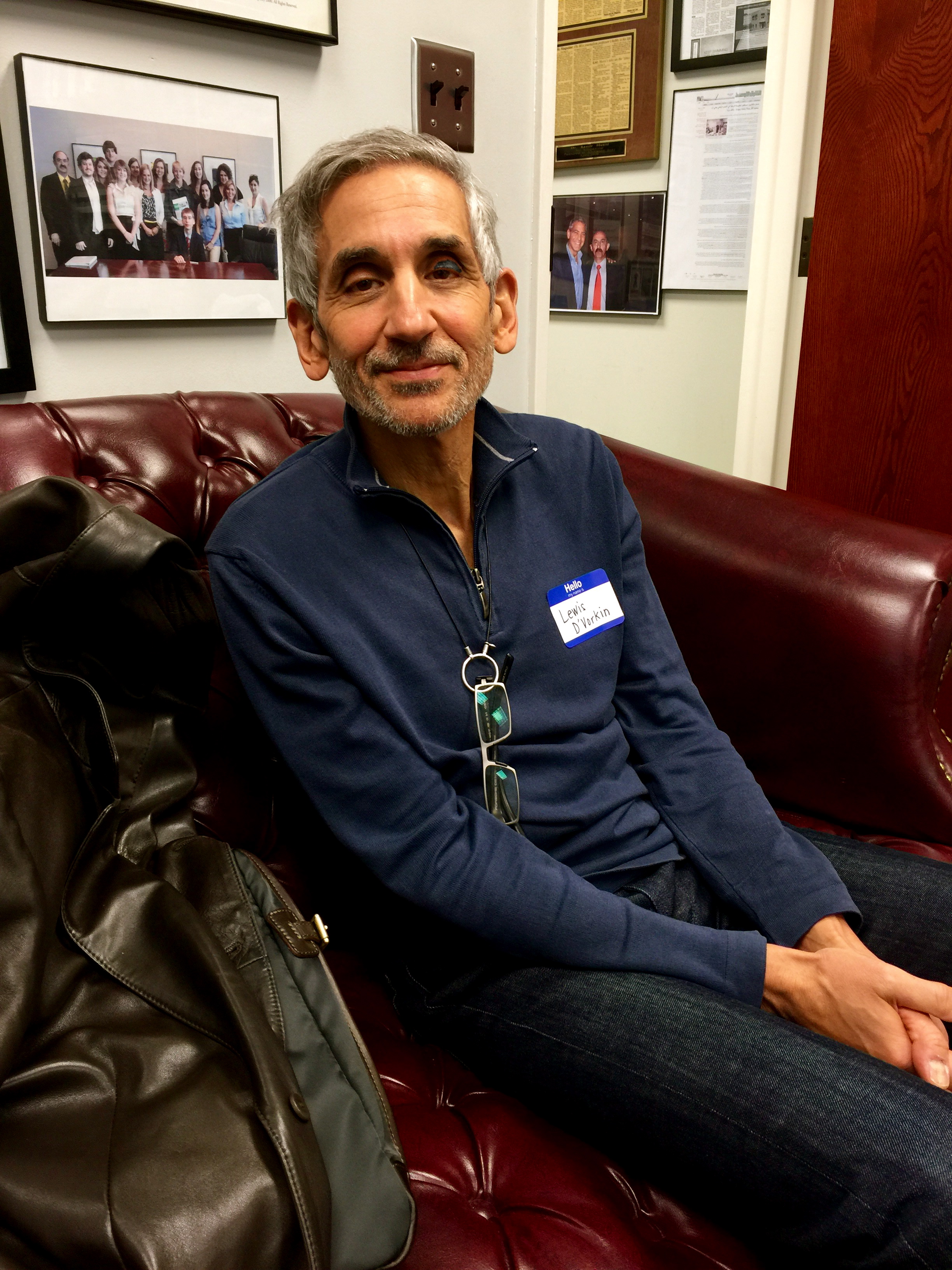
Lewis DVorkin at the Magazine Innovation Center, The University of Mississippi

Lewis DVorkin at the Magazine Innovation Center, The University of Mississippi

If you sell it and the public buys it; it’s a product, according to Lewis DVorkin. And it’s very hard to argue with his straightforward logic. And why would anyone want to? Lewis DVorkin is chief product officer for Forbes and believes whole-heartedly in his brand as a valuable product worth selling, and with the across-the-board success of the Forbes brand, obviously worth buying to the consumer.

Lewis is the one-and-only chief product officer in a legacy media company and knows something about platforms, strategies and the power of print integrated in a digital world. With impressive style and intuition, Forbes has done powerful things with native advertising, both within its pages and on its covers.

I spoke with Lewis recently during his visit to Meek School of Journalism and New Media where he was the opening keynote at the 2015 Ole Miss New Media Conference at the University of Mississippi. After his speech Lewis and I visited in my office at the Magazine Innovation Center and engaged in a conversation about print, digital, the small screens that we consume our information on and how they seem to be getting even smaller, and we talked about the future of devices in the world of magazines and magazine media. His answers were succinct and informative.

I hope you enjoy the Mr. Magazine™ interview with Lewis DVorkin, Chief Product Officer, Forbes magazine; I know you’ll be very enlightened by his answers.

But first the sound-bites:


Lewis DVorkin at the Magazine Innovation Center, The University of Mississippi[/caption] On the role he believes print plays in a digital world:
Obviously, we’re big believers in print. Audiences love, and I can’t speak for newspapers, I’ve been out of that business for a while, but I can say audiences love magazines. They love the identification they have with a magazine; they love the tactile part of the magazine; they love getting it, whether they buy it or it comes to them; they love the storytelling; they love the photography, and they love what a magazine offers. The magazine business does not have an audience problem; the magazine business has an advertiser problem.

On whether he believes the industry will have to continue to depend on advertisers for survival or will it ever make money on its customers:
There is something more to it than the size of the audience, there is also what are the new kinds of products and features that you’re developing for your print product, and as you probably know, we have native advertising in Forbes magazine and we’ve done some dramatic things with second covers and placing a native ad on the cover of Forbes.

On the fact that we’ve moved from a big screen to a small screen and with the Apple Watch coming out, an even smaller screen: Devices will get smaller and smaller. It’s what I was mentioning before; so what’s the kind of content that you consume on these devices and how do we produce content for these devices? It’s difficult enough to figure it out on the Smartphone and there will be a time when we need to figure it out on these wearable devices, but I would also caution you to remember however many years the iPad has been out, maybe four or five years now, that was going to change everything and it really didn’t.

On why he refers to Forbes’ platforms as products:
People are buying it. When you buy something; you’re paying for a product. And if you’re paying to buy this collection of 200 pages or 250 pages, it is a product. If you’re going to a mobile website to look at advertising; it’s a product that houses the advertising.

On the major stumbling block he’s had to face:
Technology is hard. Technology is really hard to move fast enough for the change in consumer behavior. Consumers move faster than advertisers; they move faster in some ways than publishing technology; this is not about us; it’s about the industry and I think that we’re always finding ourselves just stumbling over the question: how do we move fast enough with the technology that we have?

On what keeps him up at night: I generally sleep really well, but I do think a lot about the notion of websites and apps, browsers and apps. It’s very difficult and since I’m a chief product officer; if we can’t make money, that’s not a good thing. And the app world is a difficult world to make money in, but more people are on their Smartphones than ever. So, how do we monetize our users on a Smartphone and when apps are not, so far in the news business, great revenue-drivers and we struggle with that.

And now the lightly edited transcript of the Mr. Magazine™ conversation with Lewis DVorkin, Chief Product Officer, Forbes magazine.

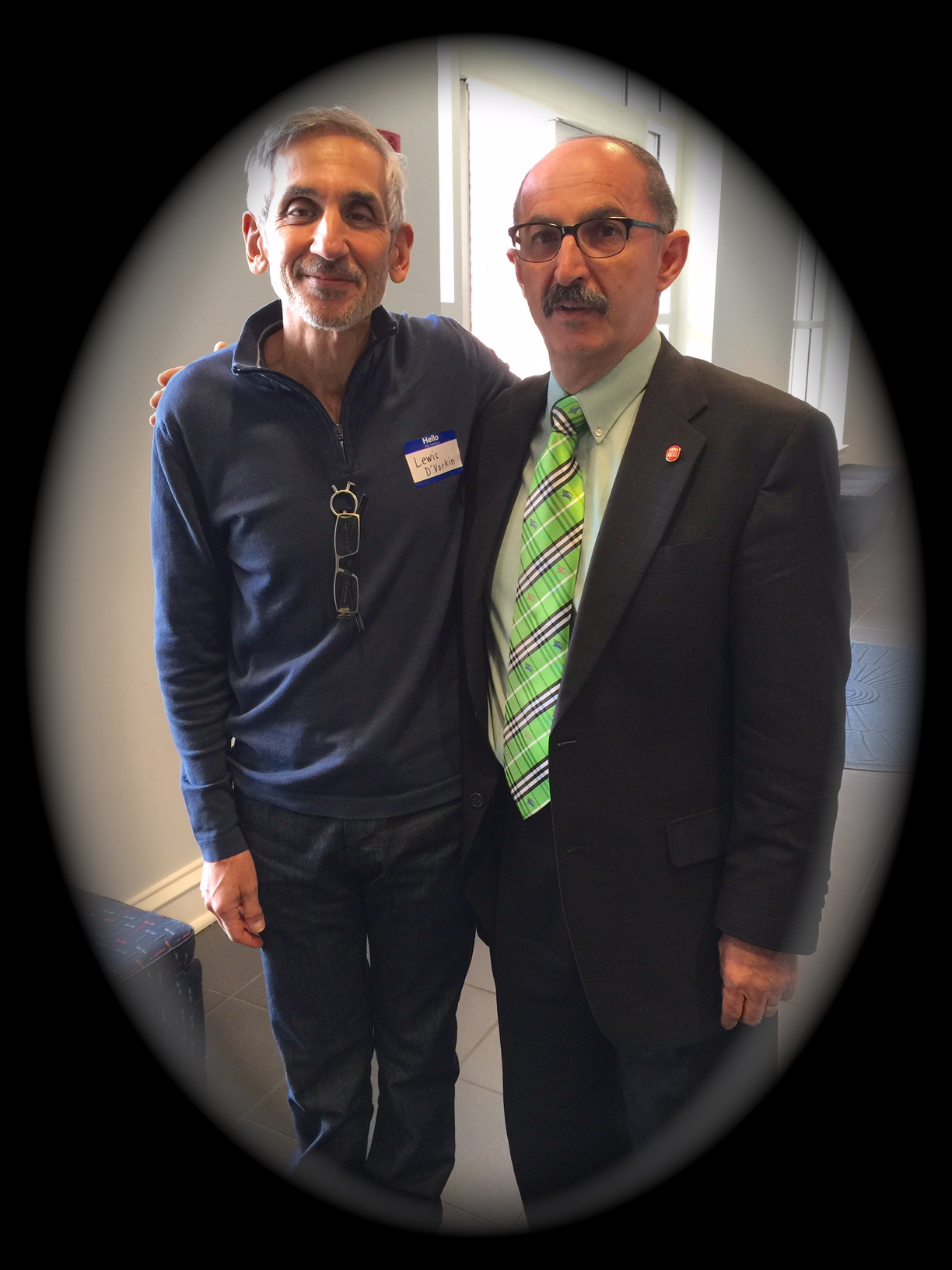
Lewis DVorkin and Samir "Mr. Magazine™" Husni at the Meek School of Journalism, Ole Miss.

Lewis DVorkin and Samir “Mr. Magazine™” Husni at the Meek School of Journalism, Ole Miss.

Samir Husni: You told me that anytime you hear the word start-up, it gives you a rush. Today, there are a lot of new start-ups being launched in print and also a lot of digital entities. What do you think is the role of print in today’s digital age?

Lewis DVorkin: Obviously, we’re big believers in print. Audiences love, and I can’t speak for newspapers, I’ve been out of that business for a while, but I can say audiences love magazines. They love the identification they have with a magazine; they love the tactile part of the magazine; they love getting it, whether they buy it or it comes to them; they love the storytelling; they love the photography, and they love what a magazine offers. The magazine business does not have an audience problem; the magazine business has an advertiser problem. And advertisers are now trying to move to where they believe their new audiences are, which certainly is digital.

It was interesting; Martin Sorrell recently talked about how magazines have been undervalued or not valued enough by marketers, so I think that the pendulum always swings back and forth and I think the pendulum, which had swung pretty much to digital, now may swing, while not all the way back, certainly somewhat toward starting the comeback a bit, because there is a recognition that audiences do like their magazine products.

Samir Husni: At Forbes, you’re one of the few entities in your space that digital actually brought more readerships to your print. How can you monetize that? Will there ever be way where we can start making money from our consumers, our customers, the readers; or will we have to continue to depend on advertisers for our survival?

Lewis DVorkin: You know, the number that I talk about is an MRI number and advertisers do buy on MRI numbers, so the fact that our MRI numbers have risen is a good thing and our salespeople go out and sell our magazine.

But there is something more to it than the size of the audience, there is also what are the new kinds of products and features that you’re developing for your print product, and as you probably know, we have native advertising in Forbes magazine and we’ve done some dramatic things with second covers and placing a native ad on the cover of Forbes. And those new products and features have attracted a lot of advertisers to us who are interested in being able to participate.

So, again, when I say that print has an advertising problem, we’re trying to find solutions to that. And one of the solutions is the integration, clearly labeled, of marketing content in our magazine in powerful ways. And I think that’s going to have a significant impact on the revenue of the magazine.

Samir Husni: Tomorrow, the preorders for the Apple Watch will begin; the Apple store will start selling the Apple Watch, which based on what I’ve read can actually replace the mobile phone. So, we’re moving from a big screen to a smaller screen and then to an even smaller one.

Lewis DVorkin: As I told someone, what I want is a chip in my ear and all I have to do is tweak it and I can talk, or turn it off or whatever. I mean, devices will get smaller and smaller. It’s what I was mentioning before; so what’s the kind of content that you consume on these devices and how do we produce content for these devices? It’s difficult enough to figure it out on the Smartphone and there will be a time when we need to figure it out on these wearable devices, but I would also caution you to remember however many years the iPad has been out, maybe four or five years now, that was going to change everything and it really didn’t. Smartphones were going to change things.

So, I think the recognition is that everybody (has a device); you have a six-plus; I have a five; some people have watches; some have desktops; there will be many different form factors, and I think the challenge for journalism is that each form factor will require a different kind of format of content. It’s not going to be 3,000 words on a watch, nor is it going to be on a watch what it will be on a Smartphone. That’s a big challenge and we’ll figure it out.

Samir Husni: You took the unprecedented step of getting the title of Chief Product Officer and you identify the magazine and the digital devices as products. Some people in the industry think that we are much more than products; we are the journalists and the marketers; what’s your answer to that? Why do you refer to the magazine, the app and the website as products?

Lewis DVorkin: People are buying it. When you buy something; you’re paying for a product. And if you’re paying to buy this collection of 200 pages or 250 pages, it is a product. If you’re going to a mobile website to look at advertising; it’s a product that houses the advertising. It doesn’t feel as glamourous or as professional perhaps or as romantic. I go back to the days when journalism was a public trust, but all of those things were still on the TV shows, which were products.

And I think that what we have to recognize is that these things are things that make money and are being sold and we need to treat them as something different than just stories. They need to be treated differently than that. And I think that if you pay attention to that, then you will be able to deliver the journalism in a more effective way.

Samir Husni: What has been the major stumbling block that you’ve had to face in recent years and how did you overcome it?

Lewis DVorkin: Technology is hard. Technology is really hard to move fast enough for the change in consumer behavior. Consumers move faster than advertisers; they move faster in some ways than publishing technology; this is not about us; it’s about the industry and I think that we’re always finding ourselves just stumbling over the question: how do we move fast enough with the technology that we have?

And when you combine that with again, consumers are moving faster than the advertising business, and working with marketers and agencies is a little difficult stumbling block on the Smartphone device as well.

So, these are sort of industry-wide stumbling blocks; I don’t think that there is anything specific to Forbes, but they’re really hard.

Samir Husni: And my typical last question; what keeps you up at night?

Lewis DVorkin: I generally sleep really well, but I do think a lot about the notion of websites and apps, browsers and apps. It’s very difficult and since I’m a chief product officer; if we can’t make money, that’s not a good thing. And the app world is a difficult world to make money in, but more people are on their Smartphones than ever. So, how do we monetize our users on a Smartphone and when apps are not, so far in the news business, great revenue-drivers and we struggle with that. We have some ideas, but they’re early. Those things, if I do worry about anything, would be it. We have built a very big desktop presence, with very big revenue. How do we achieve the same on the Smartphone devices? That’s probably where I spend the majority of my time, so that’s where I have the majority of my worries. But I can really sleep OK.

Samir Husni: Thank you.

h1

Get Out Of Your Mind & Step Into The GOOD World…Re-launching A Good Magazine – The Mr. Magazine™ Interview With Max Schorr, Co-Founder & Will Tacy, General Manager, Good Media…

April 7, 2015

“As we designed the magazine we weren’t thinking, OK – we need to make sure that everything in this magazine is going to work in digital just as well, because that’s not what it’s meant to do. It’s meant to work beautifully as a magazine. And everything that we do on the site is meant to work beautifully in digital. We’re not trying to make sure that we can optimize every effort so that everything is working in both media. I think by doing that, you lessen the quality of both and you don’t let either media do what it can do wonderfully.” Will Tacy

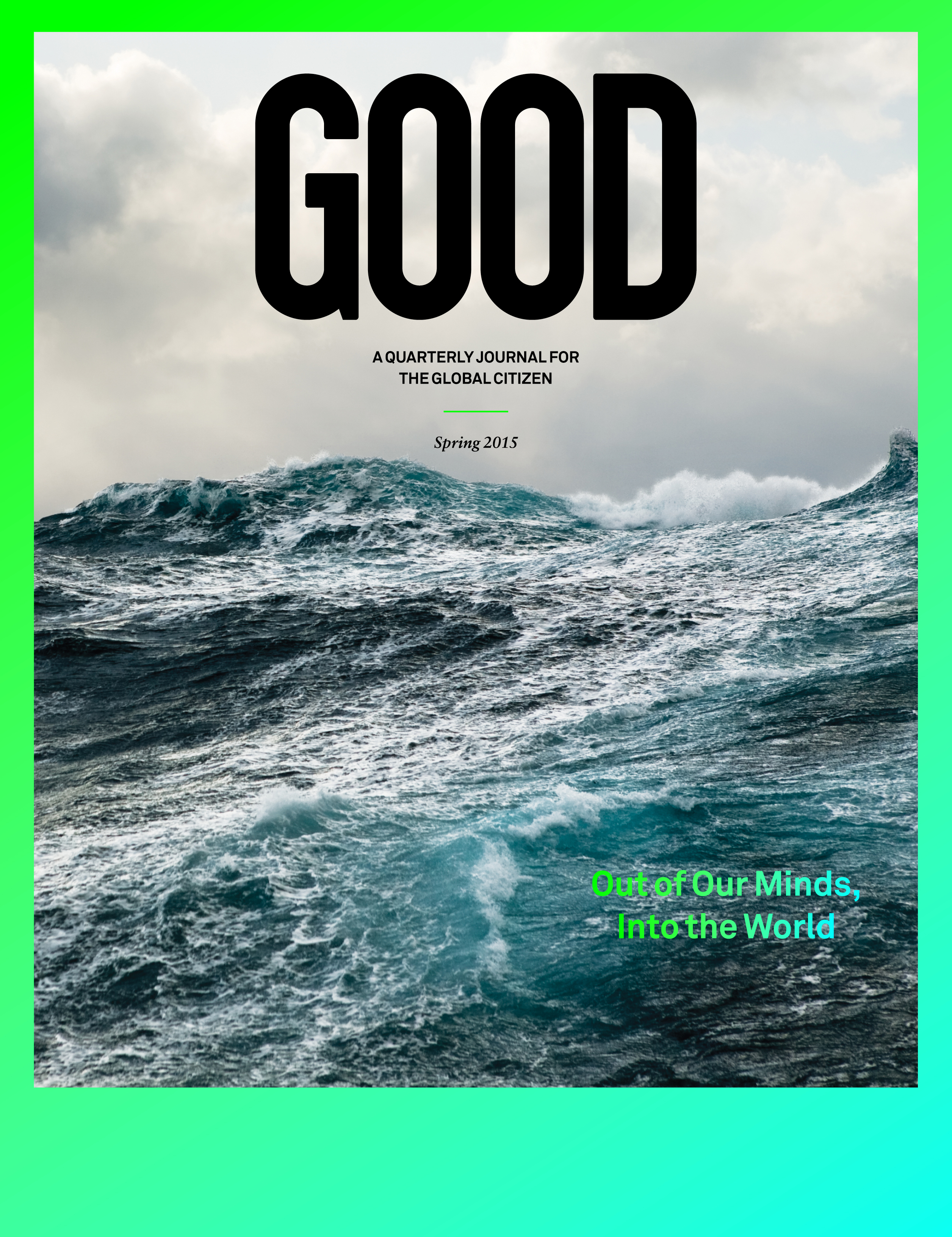
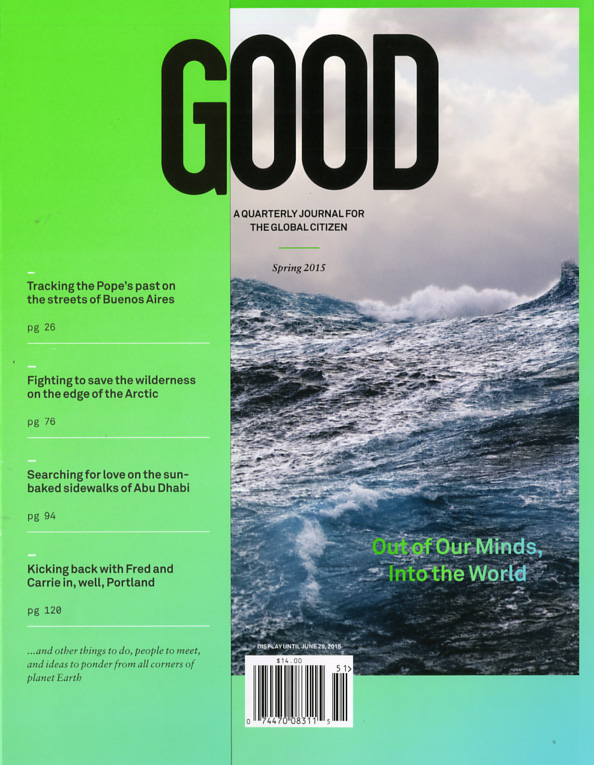
Good_COVER The “Good” movement was born 10 years ago with the ambitious dream of “pushing forward an emerging community of people committed to living like they give a damn.” This statement comes from the minds of the original founders of Good: Max Schorr, Ben Goldhirsh and Casey Caplowe. In 2012, Good shifted its focus to its social network and stopped print production.

Today Good in print has been reborn from its social pixels-only, with a new format and redesign. The mission is the same, to live well and do good, but the journal-type magazine with a quarterly frequency is a brave new attempt to get back into print with the positive gusto the brand has always stood for and believed in.

I spoke with Max Schorr (one of the original co-founders of Good) and Will Tacy (former managing editor of The New York Times.com) and now general manager of Good Media, recently about the innovative design and re-launch of the magazine. It was an informative and affirming conversation about the magazine’s mission and where the two men see the brand heading in the future. Their positivity and assurance of the need for that mission was contagious and emboldened our discussion and the re-launch with the same zeal and impactful appetite.

I hope you enjoy the Mr. Magazine™ interview with Good Co-Founder, Max Schorr and Good Media General Manager, Will Tacy, because it’s a given you’ll find it a “good” read.

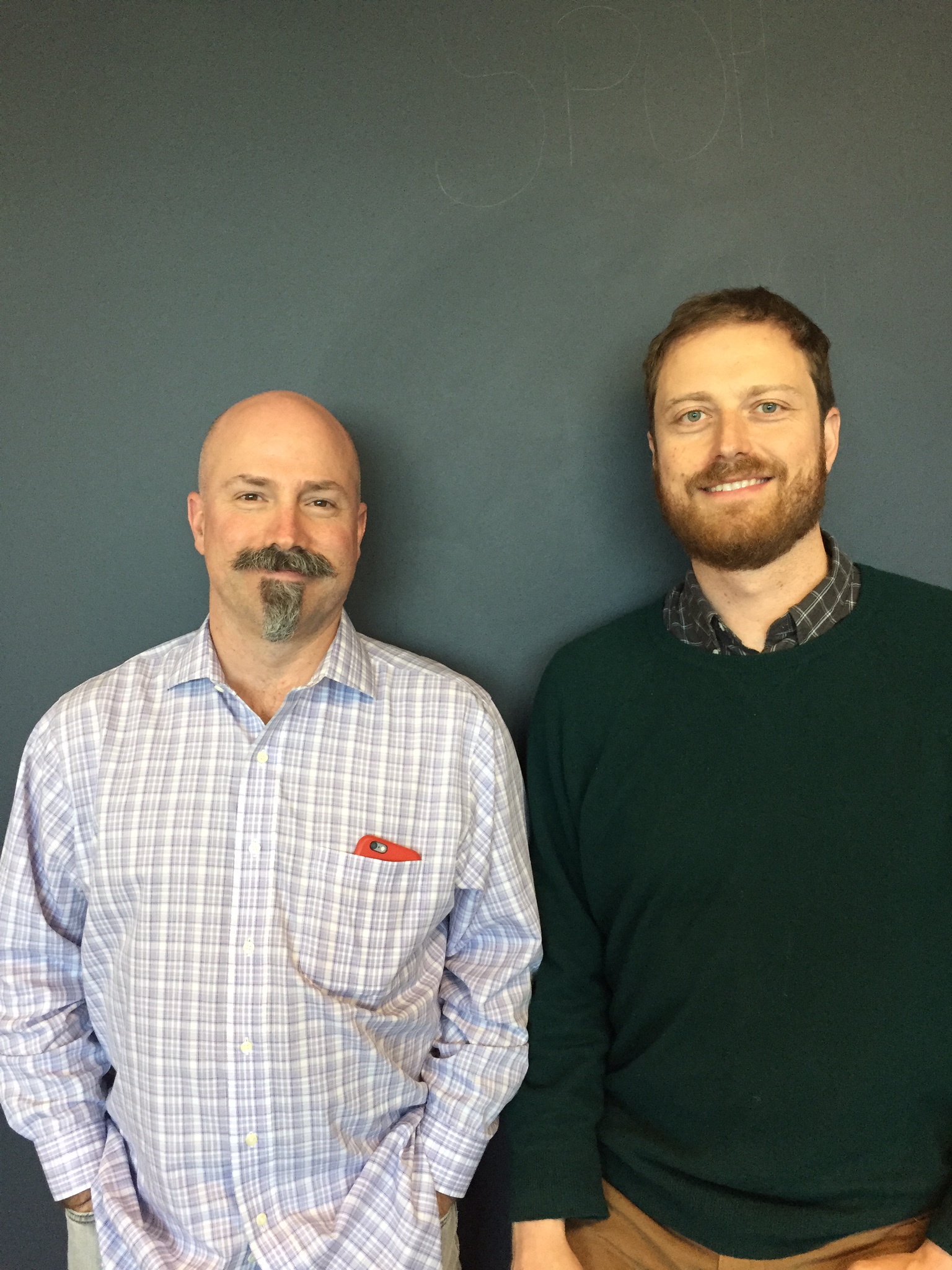
Max Schorr, (right) Co-Founder GOOD and Will Tacy, Good Media General Manager.

Max Schorr, (right) Co-Founder GOOD and Will Tacy, Good Media General Manager.

But first, the sound-bites…

On why Good magazine shifted strategies and came back to print in journal form: Good never actually moved away from print. We took some time to reimagine and redesign the magazine, but there was never a time where we decided that we weren’t going to be in print. We did want to make sure that the magazine was something we felt would really resonate with the audience.

On defining the audience as a global citizen: The one thing I would say is the nature of global citizenship hasn’t really changed from what it was in 2006. It’s still rooted in this idea of people who give a damn; people who have faith that the world can be better and are willing to invest in it and make it better.

On the major stumbling block they anticipate on facing with the re-launch: I think that we have to reintroduce ourselves to the world, but I have faith that the audience that has been there for Good all along is still there and in fact, is bigger than it’s ever been. I also have faith that there is an audience that understands what we’re trying to create: something that’s not disposable and that was very intentional on our part.

On defining the magazine’s mantra of living “the good life,” to live well and do good: We see an increasing amount of people who really feel connected across the whole world and so part of it is creatively engaging the world where you are and finding what it is that brings your purpose alive.

On how Good balances digital and print: As we designed the magazine we weren’t thinking, OK – we need to make sure that everything in this magazine is going to work in digital just as well, because that’s not what it’s meant to do. It’s meant to work beautifully as a magazine. And everything that we do on the site is meant to work beautifully in digital.

On where they see Good Media a year from now: I think that in both the digital realm and in print, you’re going to see Good as an ongoing part of a cultural conversation about what it means to live well and to do good; what our shared values are; what we need to push toward; what progress means; so, Good is going to be a reference point, a sounding board and a source of inspiration for people having that conversation, and also increasingly a source of pertinent and pressing questions.

On how Good has evolved over the last 10 years: We’ve been an independent media company for 10 years and it feels like now we’re sort of ready to go into the world. Maybe we’re graduating college and we’re now armed with a lot of knowledge and really ready to stand on our own in the world, but there are definitely challenges that are ahead and we need to now bring these things that we’ve learned into the world and really thrive and make the contribution that’s possible.

On what motivates Will Tacy and gets him excited about Good: What gets me excited, this opportunity to actually give people inspiration and energy and ideas to let them move forward to unleash their creativity and inspire them. On a personal level, I think that apathy and cynicism are the two things that are going to undermine us as a society, as a people and as sort of a global tribe.

On what motivates Max Schorr and gets him excited about Good: I think what motivates me is seeing how much work remains; we have everything from the warmest temperatures on record to wars to all sorts of hatred to a lot of inequality; so there’s so many vital issues that need attention and just being able to contribute as a part of that is a great honor.

On what Max Schorr’s role is today at Good: I’m helping across the company right now and really focusing on partnerships that can help bring our brand to life and also help other organizations embody the meaning of Good and to realize their purpose and engage people in a smart way.

On anything else they’d like to add: The heritage of Good, being the first company to curate YouTube’s home page, as one of the early players that was providing high-quality media that would also be shared, is now really hitting its stride and we’re growing digitally, while back in a strong way in print, makes for an exciting time.

On what keeps Will up at night: One thing that keeps me up at night, not really in a worried way, but in a my-brain-can’t-turn-off way, is wanting to be sure that we’re executing at the highest level every day on everything. I want us to be excellent all the time.

On what keeps Max up at night: I just want to keep strengthening this business model so that we can support all the great people out there doing this work and be able to have wonderful jobs for people who want to live well and do good and realize their potential to contribute to the world.

And now the lightly edited transcript of the Mr. Magazine™ interview with Max Schorr and Will Tacy, Good Media…

Good-1 Samir Husni: Congratulations on the re-launch of Good. Tell me, why did you decide to come back to print and shift from the strategy of Good – the magazine, to Good – the journal?

Max Schorr: Good never actually moved away from print. We took some time to reimagine and redesign the magazine, but there was never a time where we decided that we weren’t going to be in print. We did want to make sure that the magazine was something we felt would really resonate with the audience. So, we took our time to be sure we were exactly where we wanted to be with the magazine.

In terms of the change in format and the change in design, it was really a question of what we thought the audience was hungry for. And the recognition that the magazine that was launched 10 years ago was, in many ways, perfect for that time and moment. But today, the media landscape has changed, culture has changed, and the movement that Good launched to embrace and cover has changed. Therefore the magazine needed to change and evolve along with that.

Samir Husni: I just came back from Cape Town, South Africa where I gave a presentation on: if you are still creating a magazine in the way you did before 2007, there is something wrong with that picture.

Max Schorr: (Laughs) Exactly.

Samir Husni: Then along comes Good with a very solid example of the role of the curator versus creator and how to reach an audience. And you’re now calling that audience the global citizen; can you define that audience for me and how you’re trying to reach them through the magazine?

Will Tacy: The one thing I would say is the nature of global citizenship hasn’t really changed from what it was in 2006. It’s still rooted in this idea of people who give a damn; people who have faith that the world can be better and are willing to invest in it and make it better.

One thing I would say that has changed is that sensibility and that movement has moved from being something that would look good on the fridge of common society and common conversation, to something that’s more a part of who we all are.

One of the things that we’re seeing is that global citizenship, which really means being rooted locally, but thinking globally and being global-conscious, is becoming more and more a part of how a larger and larger section of society behaves.

Samir Husni: Will, what do you envision the major stumbling block you’ll have to face with a magazine as good as Good to be, with its very hefty cover price of $14 and its quarterly frequency?

Will Tacy: I think that we have to reintroduce ourselves to the world, but I have faith that the audience that has been there for Good all along is still there and in fact, is bigger than it’s ever been. I also have faith that there is an audience that understands what we’re trying to create: something that’s not disposable and that was very intentional on our part.

A lot of magazines have moved into this realm of being truly disposable. And that’s not a great place to be. To be in a place where a magazine is bought by someone to take with them on a plane and then they leave it there when they get off. So, we wanted to build something that has lasting value that people would want to keep on their coffee table and come back to and continually think about over the course of weeks and months.

But I do think that we have to introduce that to a larger audience; we need to make sure that we’re creating something that is resonant and that people want to make that kind of investment in. And that’s not just in terms of the cover price, but also in the audience’s time. We are building a print product that’s asking people to spend time with it and not just to skim through and read one or two pieces and then set it aside.

Samir Husni: In one of the promotional cards inside the magazine, it reads: Good is from people to meet to ideas to ponder, each issue of our quarterly journal spans the globe, exploring what it means to live the good life today. Tell me in an elevator pitch how you define “good life today?”

Max Schorr: We see an increasing amount of people who really feel connected across the whole world and so part of it is creatively engaging the world where you are and finding what it is that brings your purpose alive; part of it is being present; part of it is doing work that you believe in and part of it is helping to make your community better, and the combination of people doing that locally everywhere, connected all around the world, is a really exciting proposition for us.

Samir Husni: Do you think that meets the definition of a good life?

Max Schorr: You remember our first issue, Samir; it was ___________ (blank) like you give a damn, and we’ve always liked definitions that are open-ended. We don’t try to prescribe to people that there’s one answer for the good life, but we think when people have their own questions come alive in a very real way and they find out how they can contribute locally in their own lives that begins to tell a really great story.

You asked about global citizenship; we actually brought back a Thomas Paine quote from the first issue; my country is the world and my religion is to do good, and that sort of speaks to this idea of a global citizen.

We intentionally used the term “the good life” because part of what we want to do is push against the assumed definition of it; that the good life is a life lived for the common good as much as it is for the personal good and that there’s not a conflict there. There’s not a conflict between doing good and living a good life, in fact, they’re connected; they’re necessary to one another. Just as we say we firmly believe that there’s not a conflict between pragmatism and optimism; the solutions are born from the combination of those two things. We’re intentionally using that term to say it’s time to think more deeply about it and redefine it for our new time.

Samir Husni: Will, you were the managing editor of The New York Times.com and now you’re the general manager for Good Media. Where do you see a balance between, what I call, the seductive, beautiful mistress called “digital” and the old man called “ink on paper?” Since you have been and still are in both worlds; how can you balance digital and print?

Will Tacy: It’s funny, because I never saw a conflict between the two. I’ve always felt that they serve very different purposes; very valuable purposes, but different. And one of the things that I think, in particular a lot of magazines have stumbled on, is trying to figure out how you do the same thing in both, rather than simply embracing the two different media for what they’re wonderful at.

And some of that means that things we used to think were really the province of print, particularly newsweeklies, don’t really work anymore. They’re more effective in digital. And print has a very different purpose. The same audience is going to be incredibly psyched and excited about what you’re producing in print and in digital. As long as you’re meeting them where they are and where they want to be in each of those two media.

For instance, as we designed the magazine we weren’t thinking, OK – we need to make sure that everything in this magazine is going to work in digital just as well, because that’s not what it’s meant to do. It’s meant to work beautifully as a magazine. And everything that we do on the site is meant to work beautifully in digital. We’re not trying to make sure that we can optimize every effort so that everything is working in both media. I think by doing that, you lessen the quality of both and you don’t let either media do what it can do wonderfully.

Samir Husni: Put your futuristic cap on for a minute and tell me where you see Good a year from now.

Will Tacy: I think that in both the digital realm and in print, you’re going to see Good as an ongoing part of a cultural conversation about what it means to live well and to do good; what our shared values are; what we need to push toward; what progress means; so, Good is going to be a reference point, a sounding board and a source of inspiration for people having that conversation, and also increasingly a source of pertinent and pressing questions. Part of what we’re going to increasingly embrace is the idea that as this movement has matured and as it has moved farther and farther into the mainstream, part of our role is to ask the movement tough questions about itself and about ourselves.

I think you’ll see a much larger digital footprint; we’ve already seen our digital audience grow at an almost exponential rate over the last several months. You’ll see Good as a source of more and more content in pure digital streams, social streams and otherwise. And you’ll see Good as a voice in the national and global issues and values conversation.

You’re not going to see us playing in the breaking news game, that’s not somewhere that I think we can add value. You’re not going to see us playing in the “Gotcha’” media game and you’re not going to see us playing in the celebrity media game, but you will absolutely see Good as a contributor to a national conversation about what we all should value and where we all should be pushing.

Samir Husni: Max, this question is for you since you were there 10 years ago when this baby was born, and in the life of a magazine 10 years is an incredible lifespan; where do you see Good now from that infant that was born with a lot of fanfare 10 years ago?

Max Schorr: That’s a great question. We’ve been an independent media company for 10 years and it feels like now we’re sort of ready to go into the world. Maybe we’re graduating college and we’re now armed with a lot of knowledge and really ready to stand on our own in the world, but there are definitely challenges that are ahead and we need to now bring these things that we’ve learned into the world and really thrive and make the contribution that’s possible. The ideals from when we started are alive and well and they’re really what bring us all together as a cohesive team. So, we’re mature, but still hopeful and vibrant.

Samir Husni: I’m talking with two out of the three parents of Good: Will and Max.

Will Tacy: I would say that Max is definitely a parent, but I’m maybe a recently-discovered uncle. (Laughs)

Max Schorr: A wonderful uncle. (Laughs too)

Samir Husni: What happened to Ben (Ben Goldhirsh – one of the original founders)?

Max Schorr: Ben is still very much in the mix. He is currently recharging his batteries in Costa Rica; he visited us a couple of weeks ago and he’s coming through again in couple of weeks. He’s been such a huge part of this entire effort; he’s just recharging now because we’ve all put in a lot of work over the last decade.

Samir Husni: My question to you Will is; what makes you click and tick? What makes you get out of bed in the mornings and say, wow, I’m going to do some good today? No pun intended.

Will Tacy: (Laughs) No, actually, that’s the perfect way of saying it. I really do believe that fundamentally media has a critical role to play in providing people ways to think about our ability to move the world forward and ideas and models to inspire us.

And I think Good has such a wonderful opportunity to be that voice, that rallying, questioning, thoughtful, challenging voice that’s so necessary to begin to connect this larger and larger tribe and to be a sort of antidote to cynicism and apathy.

And that’s what gets me excited, this opportunity to actually give people inspiration and energy and ideas to let them move forward to unleash their creativity and inspire them. On a personal level, I think that apathy and cynicism are the two things that are going to undermine us as a society, as a people and as sort of a global tribe. And the opportunity to everyday try and kick down that door is just wonderful and inspiring.

Professionally, I’ve always loved being in places where you’re inventing and you’re constantly embracing the idea that there are new things we can do in media, there are new opportunities and that the audience is brilliant, hungry and thoughtful. And our job every day is to try and meet them where they are. There are no established rules that can never change and we can always think of ways to do this job better and more thoughtfully.

And to be at Good, where that’s not just accepted, but expected, and where there’s a hunger to continuously improve and to be thoughtful and forward-thinking, is just wonderful. And that’s what excites me every day.

Samir Husni: And Max, I’ll ask you the same question that I asked Will; what makes you get out of bed in the mornings and motivates you to say it’s going to be a good day?

Max Schorr: It’s just been such a great honor to start this magazine and meet people all around our country and all around the world who are putting these ideals into action and who are making changes happen in small ways, in their own lives and in their communities.

It started as a sort of audacious dream; we said that you could live well and do good and when we took the word good and decided to call our company that, people made fun of it. They didn’t understand how pragmatism and idealism could come together, or that doing good could ever be an appealing thing, but now we really see a growing movement of these people and we see it as the predominant sensibility.

And yet, I think what motivates me is seeing how much work remains; we have everything from the warmest temperatures on record to wars to all sorts of hatred to a lot of inequality; so there’s so many vital issues that need attention and just being able to contribute as a part of that is a great honor.

Samir Husni: Max, what’s your role now; I realize you’re one of the co-founders, but besides that; what’s your role at Good?

Max Schorr: I’m helping across the company right now and really focusing on partnerships that can help bring our brand to life and also help other organizations embody the meaning of Good and to realize their purpose and engage people in a smart way. So, I’m spending a lot of time here at Good and I’ve also been invited by the Berkman Center for Internet and Society out of Harvard Law School to study the intersection of social change in new media. So, I’m a student of that and doing research and also looking at how Good can really be the leading platform in moving the world forward.

Samir Husni: Is there anything else either of you would like to add about Good – the magazine, Good – digital, or Good – the global citizen?

Max Schorr: It’s an exciting time, Samir. Will mentioned our digital is really growing exponentially and that’s an important piece. We’ve launched this high-quality print journal for the global citizen and what’s really exciting is there’s a whole buzz in the office right now because we were at several million unique visitors in January, but then in February we were at over 4½ million as verified by Quantcast. And in March, it’s not official yet, but we’ve beat that by a wide margin and so we’re seeing that continued growth.

The heritage of Good, being the first company to curate YouTube’s home page, as one of the early players that was providing high-quality media that would also be shared, is now really hitting its stride and we’re growing digitally, while back in a strong way in print, makes for an exciting time.

Samir Husni: My typical last question and it’s for both of you; what keeps you up at night?

Will Tacy: (Laughs) There are so many things. One thing that keeps me up at night, not really in a worried way, but in a my-brain-can’t-turn-off way, is wanting to be sure that we’re executing at the highest level every day on everything. I want us to be excellent all the time. So, that is super-exciting and it’s what keeps my brain going.

There’s not a lot that keeps me up in terms of worry, concern or fear. What keeps me up is there’s so much to think about and so much to consider and so much great work to do and my brain just can’t turn it off.

Max Schorr: Similar to Will, I just want to do the best work possible, but also it’s been a volatile stretch of time for the media industry. We’ve learned a lot, but we’re still an independent media company and I think we’re still strengthening our business model and our financial position in the world. And we’re really grateful for the wonderful partners that are in this magazine like Apple, Patagonia and Ben & Jerry’s.

I just want to keep strengthening this business model so that we can support all the great people out there doing this work and be able to have wonderful jobs for people who want to live well and do good and realize their potential to contribute to the world. There’s just a lot of work to do.

Samir Husni: Thank you.

h1

Mr. Magazine™ Launch Monitor: A Healthy First Quarter And Second Quarter Opens With A Bang…

April 5, 2015

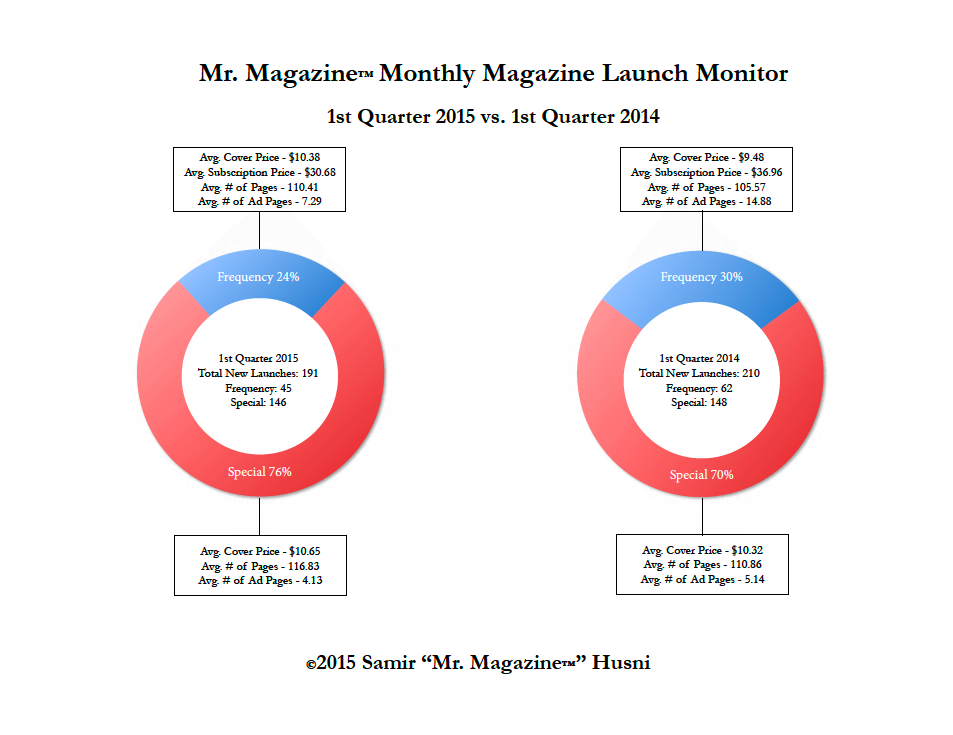
The first quarter of 2015 ended with 191 titles – down 19 titles from the 210 titles appearing in the first quarter of 2014. The largest drop were the titles published with the intention to appear at least four times a year on the nation’s newsstands. The total of new magazines with frequency in 2015 was 45 titles compared to 61 titles in 2014. As for the specials and book-a-zines, the numbers almost ran neck-to-neck with 2015 producing 146 titles compared to the 148 titles from 2014. To see each and every magazine launch click here.

The first chart below illustrates the total number of the titles, average cover price, average subscription price, average number of advertising pages, and average number of pages of the new magazines.

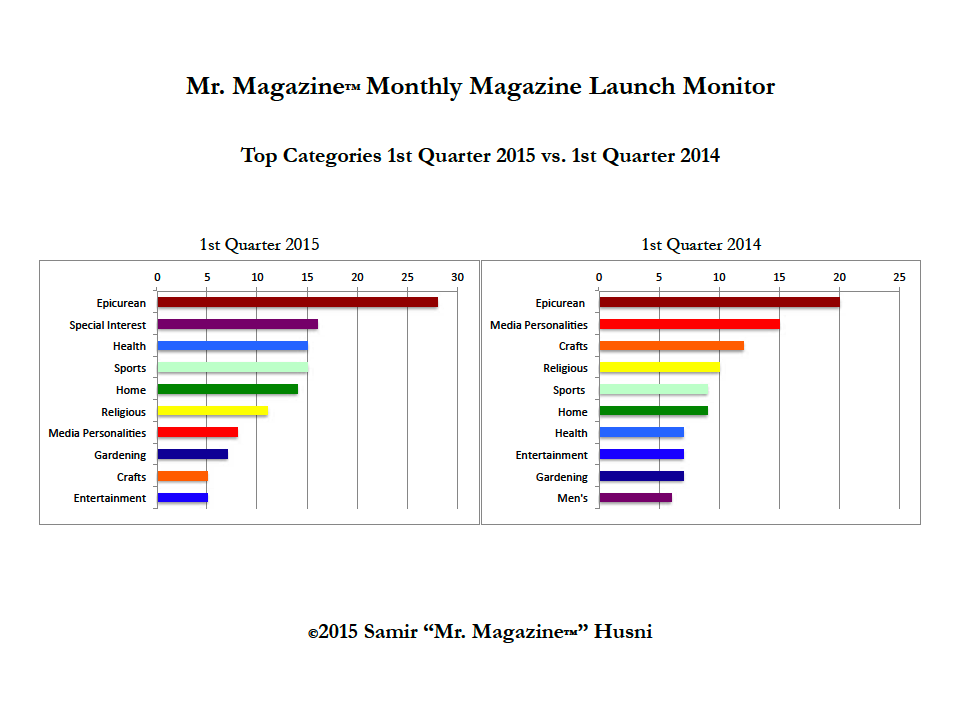
The second chart below compares the top 10 categories of the new launches in 2015 to those in 2014.

Chart One:
launches q1

_____________________________________________________________________________________________________________________

Chart Two:
categories q 1

_____________________________________________________________________________________________________________________
And A strong start for Second Quarter:

parents latinaSGD-1505-covernational geo history

The month of April is still in its infancy, but three major new launches are already on the nation’s newsstands with a fourth one arriving soon. Meredith was the first publisher to introduce the quarterly Parents Latina, National Geographic Society followed with the bimonthly National Geographic History, and Bauer Publishing with the monthly Simple Grace. Rodale is getting ready to launch Organic Life in ten days. A strong start for quarter two of 2015 and a good sign of a healthy and hefty spring ahead… and by the way, did I fail to mention that all these new launches are magazine launches, as in ink on paper launches? I guess March showers are indeed bringing in April flowers!

h1

Magazines As Influencers. The Social Role of the American Consumer Magazines. A Blast from Mr. Magazine’s™ Past: Dissertation Entries Part 7…

April 3, 2015

Magazines as Influencers
1983

kanye Whether or not magazines have any effect through their role in exerting influence on the public is still debatable, as is the general question of effects of the mass media on the public. Paul Lazarsfeld and Robert Merton, two of the pioneering social scientists in this country, asked “What role can be assigned to the mass media by virtue of the fact that they exist?” Their answer was simple and brief: “It is our tentative judgement that the social role played by the very existence of the mass media has been commonly overestimated.” This does not mean that magazine owners, publishers, editors, and critics do not believe that magazines have an effect.

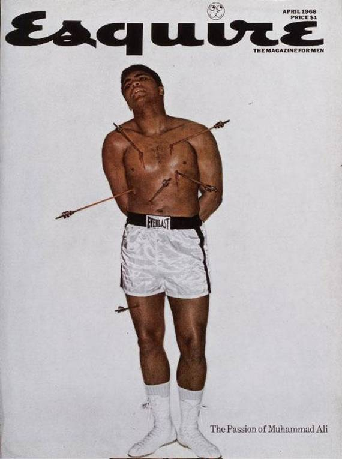
Roland Wolseley argued that magazines exert influence through two established policies: advertising and editorial. An example of the first can be seen in the 1968 issues of Esquire magazine. After the assassinations of Dr. Martin Luther King Jr. and Senator Robert F. Kennedy, the magazine adapted a policy of refusing advertising for any kind of guns. Science 83 and four other magazines, including Soldier of Fortune, have the same policy regarding cigarette advertising. On the other hand, decisions regarding the editorial policies of the magazine can be seen through the criteria editors set for their magazines. Page Knapp’s recent purchase of Geo made the news, especially with her argument that the editorial policy of the magazine will be shifted to show the brighter side of life, instead of the brutal and sorrowful side of it.

Esquire_magazine_April_1968 Wolseley considered this influencing role of the magazine as part of its social responsibility as well as its social effect. Although he believed that this role has been accomplished largely “through the magazine content rather than organized action,” Wolseley stressed that three departments have been influential: advertising, editorial, and promotion.

The above information was written in 1983 and is taken from a portion of my dissertation when I was at the University of Missouri-Columbia where I obtained my doctorate in journalism. And while the majority of the material still holds true, things have changed drastically in some areas.

2015

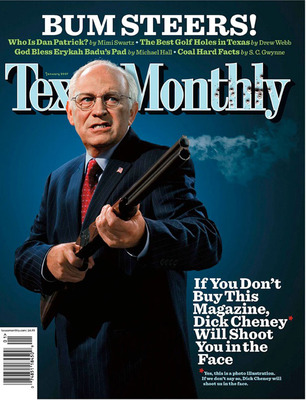
Texas_Monthly_Magazine,_January_2007_cover It’s a given fact that we rely on the media for news and facts that it deems important for us to know. This was true when the first piece of information was ever printed by a magazine or newspaper in ink and it still holds true today. However, a few things have changed. Where most of us trusted the news media and other information outlets implicitly; a few bad seeds have caused us to feel that trust was misplaced. We’re a little more wary and cautious these days.

With as much power as the media holds over public opinions and ideas, to say that magazines do not have a significant influence on society, maybe even more so today than in 1983 with the realms of cyberspace at its fingertips, is not only an understatement, it’s ridiculous.

Let’s compare a few occurrences with those listed in 1983. First, Esquire was mentioned with its 1968 ban on gun advertisements in the magazine due to the tragic assassinations of Dr. Martin Luther King Jr. and Senator Robert F. Kennedy. By banning weapons ads in the magazine, Esquire was making a statement that couldn’t be ignored and wasn’t.

In January 2007, then Vice-President Dick Cheney was featured on the cover of Texas Monthly holding a smoking shotgun pointed out toward the reader with the cover line: If you don’t buy this magazine, Dick Cheney will shoot you in the face. The magazine was playing off the famous 1973 National Lampoon cover of a hand holding a gun at a dog’s head with a similar cover line and using the Vice-President’s hunting accident where he shot a colleague in the face as the basis for the spoof.

Questions had already been raised regarding the shooting and media’s satirical portrayals could certainly have been said to ‘stir the pot.’ Did it influence anyone’s opinion about the shooting? Maybe no one can say for sure, but it’s a given it opened up a few heated discussions about whether it was in bad taste or good fun.

The second point of interest mentioned in my 1983 dissertation was several magazines’ policies on no cigarette ads. Eliminating teen-smoking and the overall ill effects of tobacco played an important role in how people saw tobacco products then and now, compared to eras like the 1940s and 1950s where everyone smoked and it was considered cool.

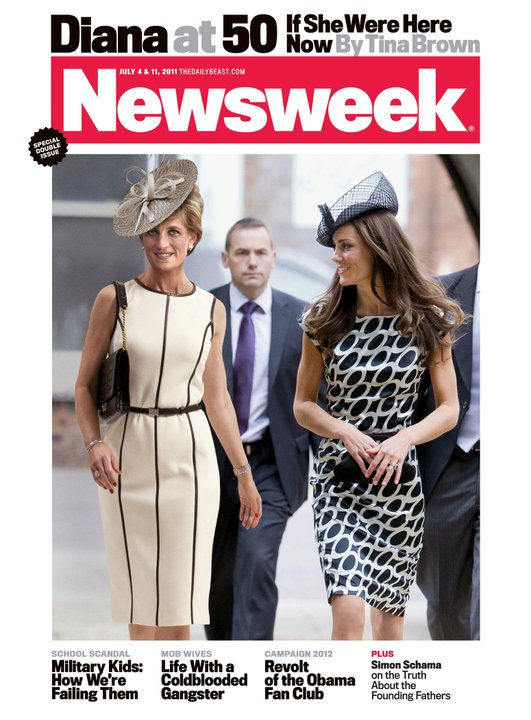
diana and kate A computer-generated photo on a 2011 Newsweek cover of Princess Diana and Kate Middleton walking side by side was considered in very bad taste by some people who saw it. The representation showed the women dressed very similarly, with their heads inclined toward each other as if they were talking. The issue was geared toward what would have been Diana’s 50th birthday that year.

The article inside touted author and then-editor, Tina Brown’s take on what Diana’s life might have been like had she lived. At the time, The London Telegraph called the cover photo “ghoulish” and gave Brown the moniker “Newsweek’s grave robber.”

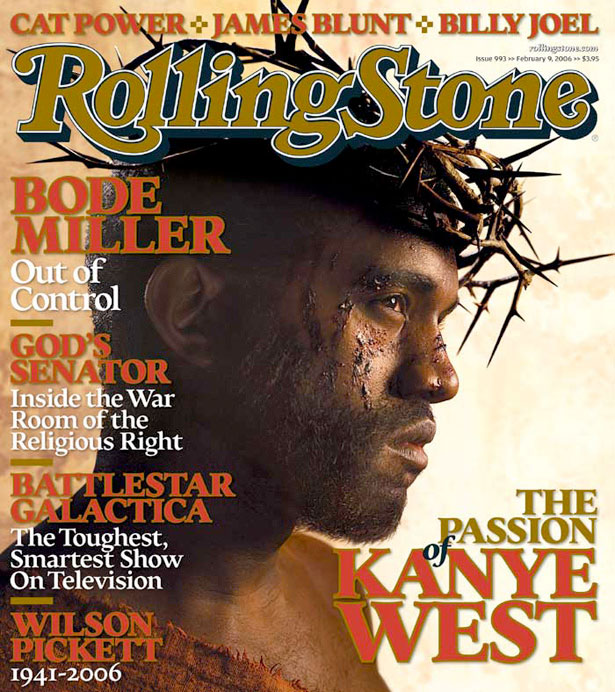
Saying that article and that cover had no influence over public opinion about what people consider a sacrilege would be like saying the 2006 Rolling Stone cover of Kanye West, with a crown of thorns upon his head and obviously depicting Jesus at the time of crucifixion, had no impact on what people deemed appropriate and inappropriate.

Magazines have played many roles over the years when it comes to society and the humans who occupy it, but none more so than that of influencer. In fact, the next time you pick up that bottle of shampoo at the store or decide not to buy that cut of meat because it’s just not healthy for you; odds are it was a magazine ad or article that influenced your decision.

Until next time when Mr. Magazine™ talks about magazines as Informers…

h1

Magazines Come To Jesus For Their Salvation… A Mr. Magazine™ Musing.

March 30, 2015

“Come to me, all you who are weary and burdened, and I will give you rest.”

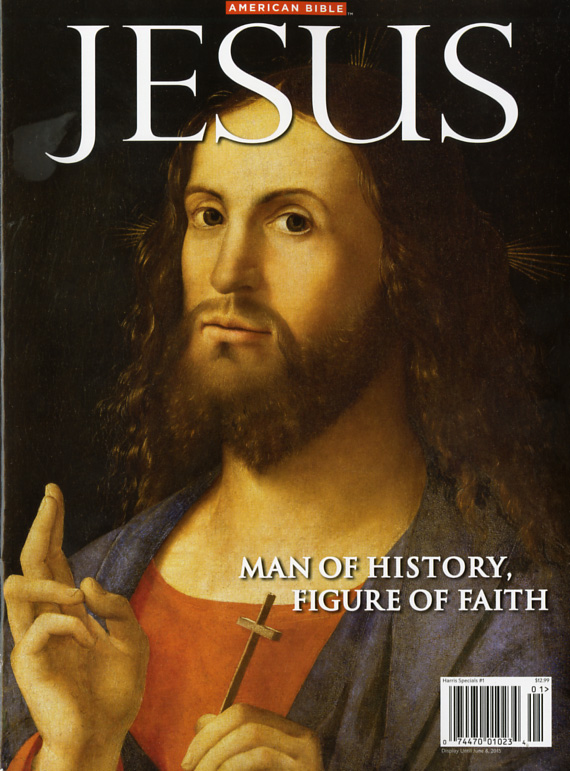
Jesus 2015 7-7 This call from Jesus is found only in Matthew 11:28-30 and not in any of the other three Gospels. The request is fairly simple and straightforward: people whose souls are burdened by worries and troubles of this world can come to Jesus Christ and receive forgiveness, healing, help and peace of soul and mind. And in the world that we live in today, never has that request been more appealing and needed.

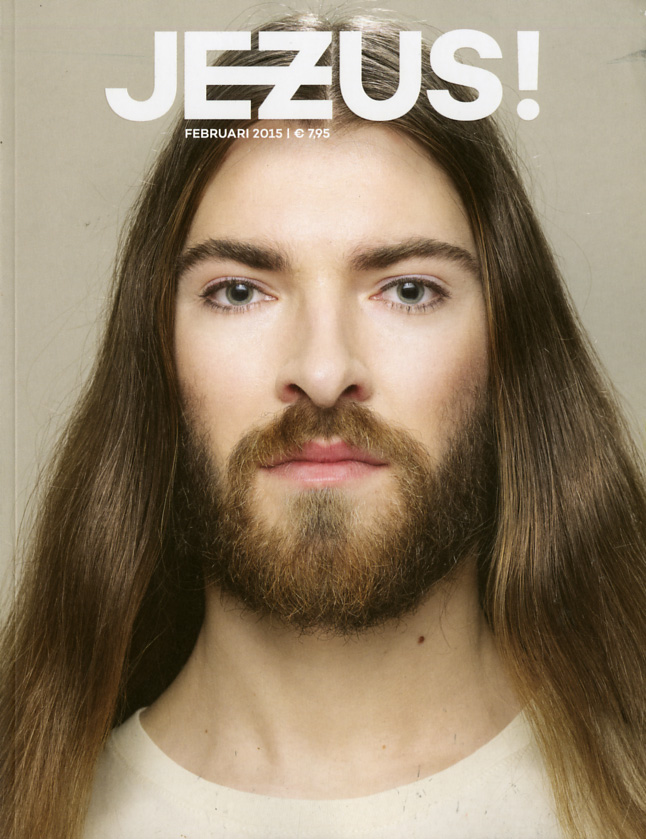
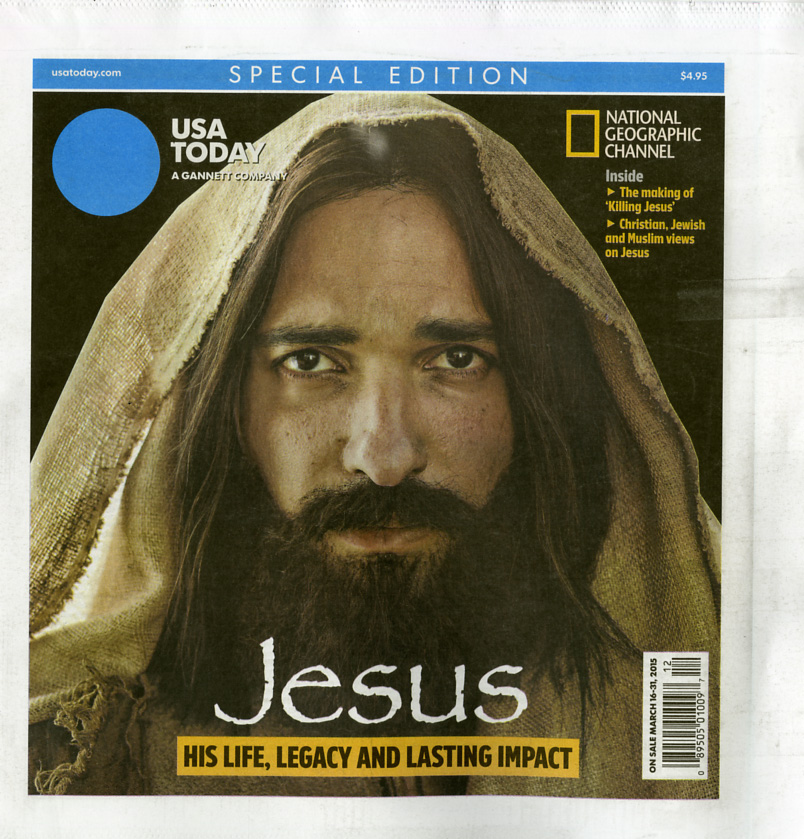
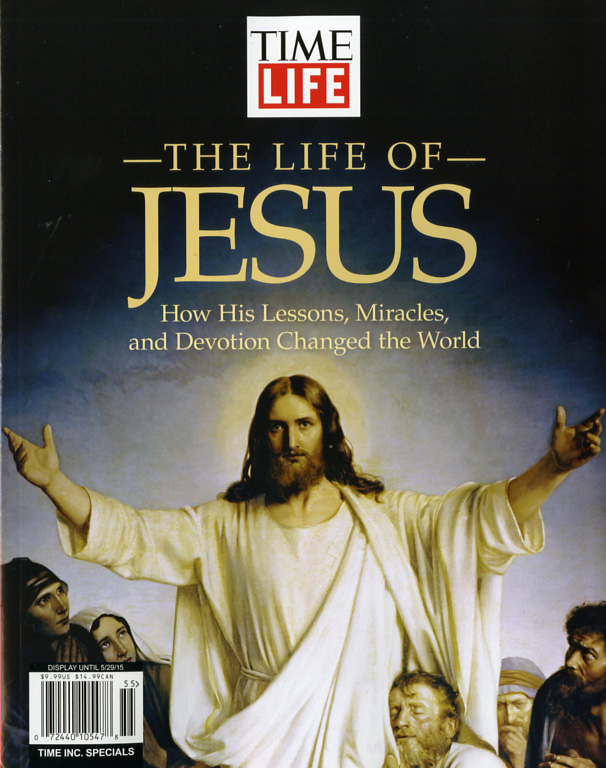
It would seem that Jesus’ invitation has also been accepted by the magazine industry as well; apparently needing a Savior isn’t limited to just those of us in the human race, now the weary and encumbered magazine market seems to be depending on Jesus too. Religious-themed covers of magazines, both with frequency and special editions, have long been a trademark in the world of magazine media, but more recently and specifically the topic of Jesus and his life and crucifixion have flooded magazine covers across the publishing spectrum.

And Jesus is not alone, but the Women of the Bible, the Holy Land, and the Apostles are all there too. It is a simple, yet ingenious idea, to present content from the Bible and dress it up like a magazine and then sell it to a hungry audience. Add to the fact that the editorial cost is almost non-existent, since those magazines aren’t paying royalties to Matthew, Mark, Luke and John or anyone else from the Biblical team, and the financial attraction is obvious. The message is clear in both the human world and the ink on paper sphere; for Christians and Christian-themed magazines, Jesus can and does save.

However, the business of consumer Christianity is a large one and is not by any means confined to the Christian faith alone. A lucrative and compelling business; marketing Christianity and religions of every faith can be a tricky feat; one where the question of, “Where is the line drawn when it comes to profiteering from religion and regaling in it?” might be asked. And then there is the reality of the matter; most don’t even give it a second thought.

But some do and to those publishers, it’s all in the representation. When illustrating anything about God and Jesus, the depiction must be a true and accurate one, done with care, good taste and reverence. While the dollars collected into a publisher’s coffers may be vital for that given issue, there is a larger and more important responsibility that comes into play here: deference and respect for the subject matter. God isn’t taken lightly, especially when it comes to selling information about Him. Here are a few recent Special –issue titles that excel in that mission:

Women of the Bible – CBS Collector’s Edition
Jesus – American Bible
Inside the Biblical World – National Geographic
Jesus, His Life, Legacy and Lasting Impact – USA Today
50 Ways the Gospels Can Change Your Life – Time Home Entertainment
Women in the Bible – Beckett Entertainment
The Life of Jesus – Time Life
Jesus: His Life After Death – Newsweek
Jezus – Published in the Netherlands
Herod’s Palace-Fortresses – Biblical Archaeology

Jesus 2015 1-1Jesus 2015 2-2Jesus 2015 3-3Jesus 2015 4-4Jesus 2015 5-5Jesus 2015 6-6Jesus 2015 8-8Jesus 2015 9-9Women in the Bible-15

I’ve always said that magazines are reflectors of our society and religion is a highly important component of that infrastructure. And it’s a given that no other medium in existence can give God its best the way magazines can.

SGD-1505-cover And judging by the number of copies sold from the daily meditation book, Jesus Calling, and the decision of Bauer Publishing to launch Simple Grace magazine on April 8 (yet more proof endorsing the power of magazines as reflectors of the societies they exist in), this uplifting trend seems to be beneficial to all involved.

As the Easter season approaches for Christians everywhere; there is no better lasting, reading experience than that of the pages of a magazine with JESUS in its title. So, what are you waiting on; you still have a few days to get to the newsstands and pick up a magazine or two to help you celebrate the Jesus experience. And while you are at it, pick up another magazine or two to help you plan your Easter feast, step by step, in a way that only magazines can help you do.

Until the next Mr. Magazine™ musing…Happy Easter!

h1

Magazines As Literature Purveyors. The Social Role of the American Consumer Magazines. A Blast from Mr. Magazine’s™ Past: Dissertation Entries Part 6…

March 27, 2015

Magazines as Literature Purveyors
1983

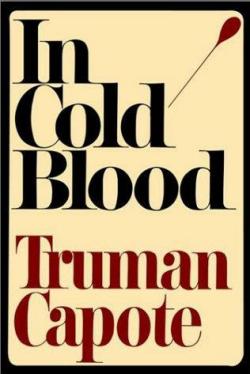
inkonpaper_blog_ad Although other media might surpass magazines in the basic four functions, there is one role no other mass medium could hope to match or steal from magazines. It is their role as a platform for literature. How many remember Hemingway for “The Old Man and the Sea” because it appeared in Life, or Truman Capote, whose “In Cold Blood” first appeared in The New Yorker? American magazines have made some outstanding contributions to American literature and will continue to do so, for no other medium is willing (not to mention, able) to do the same job in the same way magazines can do it.

old-man-and-the-sea-review The role of the magazine as a platform for authors and literature dates back to the day the first magazines were published. Benjamin Franklin, who is regarded as the first person to start a magazine in the United States (in 1741), wanted a magazine to be no more than a collection of book reviews. In fact, magazines “have given rise to a new epoch in the history of intellectual improvement,” said the editor of The Latter Day Luminary, T. Edgar Lyon, in his introduction to that magazine in 1818. “Many young authors, who have risen to considerable eminence, have here made their first attempt in composition.”

coldblood.jpg.CROP.article250-medium The role has changed through the years from strictly reviewing books to including new pieces by promising authors. Newsworthy books and memories are excerpted before they are published. In some cases the whole book in serial form is published in a magazine before being published in book form.

The above information was written in 1983 and is taken from a portion of my dissertation when I was at the University of Missouri-Columbia where I obtained my doctorate in journalism. And while the majority of the material still holds true, things have changed drastically in some areas.

2015

tom wolfe Throughout the 20th century, magazines continued to showcase books and novels between their covers. From the early writing labors of Stephen King, when he wrote and sold short stories to men’s magazines such as Cavalier, that were later republished in the 1971 collection, “Night Shift,” to Tom Wolfe’s 1984 novel “The Bonfire of the Vanities,” which first ran in serial form, 27 different entries, in Rolling Stone; magazines have displayed their devout friendship to literature.

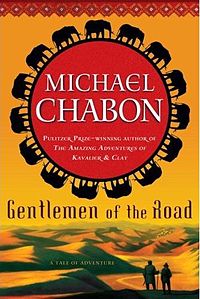
nightshift And more recently, 2007, Michael Chabon serialized his novel, “Gentlemen of the Road” in The New York Times Magazine, so the benevolence continues into the 21st century as well.

The definition of purveyor that applies to the ages-old relationship between magazines and literature would have to be: a person or group that spreads or promotes an idea or a view. And magazines have been promoting all types of literature and compositions since their inception.

gentlemen of the road Authors of great literature and not-so-great literature have long-recognized the importance and benefits of a significant liaison with magazines. It is a platform that can promote the unknown author with as much gusto as the King’s and Capote’s of the world, showcasing their creativity and gifted imaginations in page-form, allowing the audience to read for themselves the work before they buy the book, or in some cases, before it’s even published in book-form.

This service is by far something that no other medium has grasped or even attempted to grapple with, except for the world of digital, where a serial style of fiction can be found all over the internet. Unfortunately, the experience is a nominal attempt to replicate or even surpass what print magazines have been doing excellently for generations. While the endeavor of cyberspace can certainly be appreciated by some; the impact falls short in comparison to the history of the printed magazine in this venture.

Realizing the import and implications of magazines and their place in the annals of our times; one must certainly never forget their residual and highly valuable effects as purveyors of the written word.

Until next week, when Mr. Magazine™ reflects on Magazines as Informers…

h1

Norman Pearlstine to Samir Husni: There Has Never Been A More Exciting Time To Be In Journalism. The Mr. Magazine™ Exclusive Interview With Norman Pearlstine, Executive Vice President and Chief Content Officer, Time Inc.

March 23, 2015

When Norman Pearlstine Talks, Editors And Publishers Listen.

“We may change the (publishing) model in different ways; we may become more sophisticated about printing and delivering content by zip code or by ways in which our readers define themselves, but I think that there’s still a robust market for print having had such a long tradition of creating content.” Norman Pearlstine

“I do believe there will continue to be an audience for a printed product who will be willing to pay for that delivery system.” Norman Pearlstine

“Having to figure out how to make a story a compelling one, but where a desire for fairness really forces you to understand what people do; why they do it, and to really seek out that kind of balance, I think doesn’t come automatically. And that’s one of the things that I always worry about.” Norman Pearlstine

Sometimes practicality and greatness go hand in hand. Toss in almost 50 years of experience and you have a recipe for editorial distinction that can’t be argued or compared. So, when Norman Pearlstine talks, editors and publishers listen.

Norman Pearlstine is the executive vice president and chief content officer for Time Inc. He is a man who has worked at some of the most prestigious and stalwart publishing and financial venues that have ever existed. From The Wall Street Journal to Bloomberg, Norman has been in the business of magazines and newspapers for a long time and has seen the changes that technology has brought to the forefront, and also, how those changes have affected publishing overall. And while the years of experience he has in the industry may have molded his acumen to perfection, his mind is open to 21st century innovation and the excitement of the future.

Recently I spoke with Norman and heard the down-to-earth rationale of a man who knew how to hold the editorial reins of a company like Time Inc., I listened to each and every word he said. His spot-on answers were tight and succinct and his goal clear: keeping Time Inc. engaged with its audience and propelling it forward into a technological position of strength and vitality.

I hope you enjoy this inspiring and exclusive 40-minute-conversation with the “Dean” of editors; a man who knows more about the business than most have forgotten; the Mr. Magazine™ interview with Norman Pearlstine.

But first the sound-bites:
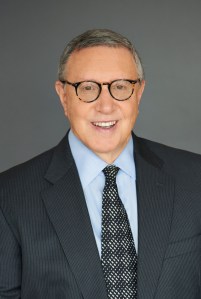
Norm-Pearlstine18198RETOn how he believes the role of editor has changed over the years: First, I think that we have to acknowledge the changes that technology has imposed on us. From Gutenberg until this century, we had a one-to-many model, as everyone has written endlessly, and now we have a model in which increasingly, it’s an interactive one where producers of content and recipients of content engage in a conversation, often digital or video.

On whether having more than 392 million in gross audience across all of Time’s platforms puts enough pressure on him to keep him awake at night: In terms of the business of media, and as we as a company that was just spun off from Time Warner last June feel this; the economic pressure on revenues from print is great and is likely to continue. At the same time, I think it’s never been a more exciting time to be in journalism as we try to sort out all of these new technologies and new ways of interacting with our customers.

On whether he believes a journalist could start a magazine in the 21st century the way Luce and Hadden did, as opposed to a businessperson: I think there are probably three categories, if you will: there are journalists; there are managers or executives, and there are also the technologists. And we should not ignore the people who can introduce a technology without necessarily understanding the implications of it for information or content. I do think that it is certainly possible for a journalist to begin an enterprise today, and in some cases, it’s never been easier because you don’t need a lot of capital to start a blog or something like that.

On the major stumbling block that he’s had to face over the years: I’ve come to appreciate over the years that our best stories have heroes and villains, but more often than not, the situation is more gray than black or white. Having to figure out how to make a story a compelling one, but where a desire for fairness really forces you to understand what people do; why they do it, and to really seek out that kind of balance, I think doesn’t come automatically. And that’s one of the things that I always worry about.

On whether he can ever envision a period where Time Inc. would have no print publications: I believe print will continue to be an important part of Time Inc. for the foreseeable future. Never is a long time. I do think that it is very possible that advertising support for print will continue to be under pressure, but I do believe there will continue to be an audience for a printed product who will be willing to pay for that delivery system.

On why he believes print media reporters are determined to write the industry’s demise, despite the reality: I think the media has always been obsessed with covering itself; it’s a fact that’s not all that new. If you close a news bureau, it’s likely to get much more attention than say, layoffs in the auto industry would. And that’s kind of natural, that on one hand we’re serving an audience, trying to give a worldview, and on the other hand, what happens to us becomes newsworthy and we have that platform.

On creativity and innovation across the platforms: One thing I will say; I believe mobile has come farther and faster and is more significant than certainly any of us thought, say, around 2007 or 2008, when we were thinking about the future of our business. To me, mobile is going to be increasingly a video experience.

On whether he believes we’ll find an audience that’s willing to pay for digital: I think that there will be people who have desires for specialized information they’ll pay for. That B to B may actually have a renaissance for a period on smart phones. I care about college football and I want to know about the May 1st Declaration Day, when every high school athlete in the country makes a decision about where they’re going to school; a service that would shoot me emails on that would probably be something I’d pay for.

On what keeps his momentum up and what keeps him in a positive state of mind: As a chief content officer, I am just exhilarated by the speed with which this business is changing, by the challenges we have, and by the uncertainties, but by an absolute belief that we will continue to create great products that tell stories that address the needs of passionate audiences.

On what keeps him up at night: Just emails from Jill (Jill S. Davison, VP, Corporate Communications) telling me that I have an interview with Samir at noon and I better be prepared for it. (Laughs)

And now the lightly edited transcript of the Mr. Magazine™ interview with Norman Pearlstine, Executive Vice President and Chief Content Officer, Time Inc.

Samir Husni: You’ve been in the business of journalism and editing for almost 50 years, from The Philadelphia Inquirer to The New York Times to The Wall Street Journal to Time Inc.; how do you think the role of editor has changed over the years?
Norman Pearlstine: First, I think that we have to acknowledge the changes that technology has imposed on us. And I do show my age that when I was a copyboy at The New York Times, I nearly caused a walkout in the pressroom above the newsroom when I touched a piece of hot type and a linotypist informed me that only linotypists were allowed to touch hot type. That was in 1967.

As late as 1985, when I was managing editor of The Wall Street Journal, we were still using Royal manual typewriters, ten-ply carbon paper and sending stories by six-level teletype to Chicopee, Massachusetts. And you realize that Netscape went public in 1994, Google was founded in 1998, Twitter and Facebook are only a decade old and the Apple introduction of the tablet was in 2010, only five years ago. As an editor, I think you first have to confront the ways that these technological changes have affected journalism and in some respects very beneficially, in terms of ability to quickly research a story, to get information; if I want to know your address and phone number, I don’t have to spend half a day researching that, so it’s a great time to be a reporter in terms of access to information.

At the same time, from Gutenberg until this century, we had a one-to-many model, as everyone has written endlessly, and now we have a model in which increasingly, it’s an interactive one where producers of content and recipients of content engage in a conversation, often digital or video.

Samir Husni: And does that change the role of the editor? At one stage of your career, I remember reading that 16 of the top magazine editors in the country worked for you at one time or another.

Norman Pearlstine: There was a time, and I think that Jim Friedlich said that once in an introduction to a speech I gave, in 2012 when that was probably correct. First of all, we’re still doing great long-form journalism that requires all the skill sets that we’ve always wanted to have from our editors.

And that hasn’t changed. Nancy Gibbs (managing editor, TIME magazine) does a cover on the threat of ISIS and works with David Von Drehle, who writes the piece, and that process is very similar to the kind of work that Time has been doing for decades. The big difference is that sitting 30 feet away from her desk is Edward Felsenthal (managing editor time.com) with the Time.com staff and next to him is Callie Schweitzer, who’s in charge of social audience development and social media, trying to make sure that we are getting our content to as many people as possible and in as many forms as possible. When we do a cover story like, say the year-end Person of the Year on the Ebola Fighters, the editor also has to think about what the digital package will be, the video presentation, and how are we going to get as much audience for this as possible.

The editor’s job now involves not only all of the skill sets that were once important, but then this whole new set of ways of interacting with audience. And I’d say probably along with that come pain points; we all want to generate content from users that enriches experience for other consumers of information, but at the same time you have to have some kind of a correcting mechanism for things that don’t work and that puts a lot of pressure on people.

Samir Husni: Speaking of pressure; Time Inc. is the largest magazine company worldwide and now you have the largest gross audience. You have more than 392 million in gross audience across all the platforms. Does this put more pressure on you and keep you awake at night?
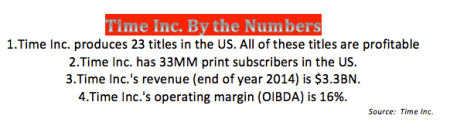
Screen shot 2015-03-22 at 11.57.09 PM Norman Pearlstine: In terms of the business of media, and as we as a company that was just spun off from Time Warner last June feel this; the economic pressure on revenues from print is great and is likely to continue. And those of us who are now stewards of the brands of Time Inc., begin with this recognition, that while we finished 2014 with 23 magazines producing 33 million print subscriptions and those 23 totals were all profitable; we know that if we don’t move quickly to become multiplatform and multimedia, we’ll be in real trouble. So, the headwinds and the pressures on the core business are there and we just have to acknowledge that.

At the same time, I think it’s never been a more exciting time to be in journalism as we try to sort out all of these new technologies and new ways of interacting with our customers.

Samir Husni: Do you have any fears from the new technologies, from the internet for example? Joe Ripp (CEO of Time Inc.) told me in an interview that the internet can be a force for good as much as a force for evil. What is your fear from the internet or digital?
Norman Pearlstine: With anything as new as the digital age or the internet, there’s a fear of the unknown and there are certainly examples that cause concern, whether it’s the anonymity that allows for bullying on some sites to aggregating content from sources that are unreliable and incorrect. We just have to remind ourselves these are early days.

When I left The Wall Street Journal in 1992 there was no browser, no real search that allowed for personalization. So, when you think about a relatively short period of time, there are certainly concerns and risks that come with embracing a lot of these new technologies.

I do think that one of the things shown is the way in which community corrects itself. Wikipedia, when it first came out, everybody said it would never be as accurate as the Encyclopedia Britannica, and you wouldn’t be able to trust anything in it, and while it’s certainly not foolproof or flawless, but to a remarkable degree the community of people who care about that content corrects things pretty quickly. If anything, if you make a mistake today, you’re much more likely to be found out and exposed.

It’s a balancing act. There’s no doubt that there are areas of risk and danger when you think about the global internet. You think about the sophisticated videos that are being produced by ISIS as a recruiting tool; this is something that society has to learn to deal with. I don’t want to paint a picture that is just all optimism, but I am optimistic that society will figure out ways to correct these abuses.

Samir Husni: At the turn of the 20th century, we had people like Henry Luce, DeWitt Wallace and Briton Hadden who were journalists first, rather than businesspeople. Do you think in this day and age that a journalist instead of a businessperson can start a magazine or a website and gain the same footing that Time has gained?

Norman Pearlstine: I think there are probably three categories, if you will: there are journalists; there are managers or executives, and there are also the technologists. And we should not ignore the people who can introduce a technology without necessarily understanding the implications of it for information or content, but who become very important players.

When Facebook first started, it’s hard to imagine that it would be everything that it is today. When Jeff Bezos started Amazon, he saw it as a way to sell books. Some of these technologists are every bit the visionaries that a Turner or a Luce was. And Turner didn’t start as a journalist, and in fact it was Brit Hadden who was the editor and Luce was the publisher when Time started. It was only after Hadden’s death that Luce took on the editorial role with great energy and enthusiasm.

I do think that it is certainly possible for a journalist to begin an enterprise today, and in some cases, it’s never been easier because you don’t need a lot of capital to start a blog or something like that. I know Andrew Sullivan just walked away from his experiment, but there was an example of someone who had a pretty good following of people who were supporting something that was purely journalistic. And there are other examples like that.

But as I said, these are really early days. As difficult as it may be to start an effective information journalism blog or something in a community; on the other hand, when I think about the ways in which global distribution will allow long-form to find its audience, I think that there are great opportunities for journalists that will be coming and will continue to be around.

Samir Husni: If you were asked to deliver a journalism graduation speech; what would be your challenge to the recent graduates?
Norman Pearlstine: For many years I was kind of dubious about journalism schools, if only because I thought you could get such good training just working at a newspaper or something. But with the decline in the number of jobs for journalist’s right out of school, I’ve come to think that actually journalism schools are places where you can, first of all, learn basic principles of journalism and learn the importance of fairness and accuracy and all those things that have always been taught.

But in addition, without wanting to make it sound like too much of a trade rather than a profession, learning how to code or to use a Smartphone to take video; those kinds of skill sets I think can now be taught in a way that makes you much more versatile when you come out of school than might have once been the case.

I would encourage people to try and understand the technology as much as possible, recognizing too how quickly it is moving.

Samir Husni: If we look back on your masterful career of being an editor and a chief content officer; what was the major stumbling block that faced you and how did you overcome it?
Norman Pearlstine: Well, first of all, I had to get really serious about my work. I started as a summer intern in Allentown, Pennsylvania, and the first day I was assigned an obituary of a Mrs. Druckenmiller and I spelled it ‘Drunkenmiller’ with an ‘n’ and learned rather quickly the importance of accuracy. To this day I’m always afraid that even after I’ve edited something that I’ve written and spellchecked it, that I’ll make another dumb mistake like that. And that was one early lesson.

I’ve come to appreciate over the years that our best stories have heroes and villains, but more often than not, the situation is more gray than black or white. Having to figure out how to make a story a compelling one, but where a desire for fairness really forces you to understand what people do; why they do it, and to really seek out that kind of balance, I think doesn’t come automatically. And that’s one of the things that I always worry about.

For example, if we’re going to print a long, investigative piece, I try to project what the six-page, single-spaced letter I’m going to receive from the person we’re writing about saying what we didn’t understand or what we misconstrued or what we failed to report, will be. And I always worry about that. I continue to think that the use and misuse of anonymous sources is one of the biggest challenges for credibility and trust for journalists.

We live in a world in which, whether it’s Hollywood or Wall Street or Washington, there are spin doctors and managers who insist on anonymity and I’m enough of a realist to understand that it is a part of our profession. But I do worry about ascribing credibility to people who really want to remain anonymous when giving quotes to journalists.

Samir Husni: Is that the lawyer in you, or did you completely give up that law degree that you have when you went into journalism?
Norman Pearlstine: Well, I never practiced. But the law degree was, in many ways, a kind of graduate course of logic. I think the lawyer in me would say just don’t print anonymous sources, but the journalist in me says that’s a disservice to readers. I believe it’s the editor in me that says every time we use an anonymous source, we are taking our brand that the reader trusts and, if you will, asking to extend that to a source that we’re not identifying. I think it’s inevitable and we have to do it, but I also think we have to exert much more care than we do in the use of anonymous sources.

Samir Husni: With all the audience growth for Time Inc. publications across the board, from People to Sports Illustrated; do you ever envision a Time Inc. company with no print publications?
Norm-Pearlstine18198RET Norman Pearlstine: I believe print will continue to be an important part of Time Inc. for the foreseeable future. Never is a long time. I do think that it is very possible that advertising support for print will continue to be under pressure, but I do believe there will continue to be an audience for a printed product who will be willing to pay for that delivery system. And what we’re really talking about in print is a delivery system which in some respects you can understand how technology has created real challenges for.

If the internet had come first and we had electronic distribution of content and I came to you with a business model that said we’ll chop down some trees, get some paper, get a big press and we’ll print on it; we’ll hire drivers to deliver it to your home and we’ll call it a newspaper or a magazine, then we’ll flood the post office with it; you’d probably be a reluctant investor in that product. But having started first with print, we have hundreds of millions of people around the world who still rely on it and appreciate its affordability; who actually like having an editor make determinations of what’s important or what’s entertaining and who are willing to pay a fair price for that content.

So, we may change the model in different ways; we may become more sophisticated about printing and delivering content by zip code or by ways in which our readers define themselves, but I think that there’s still a robust market for print having had such a long tradition of creating content. One of our magazines, The Field (in the United Kingdom), is, I think, over 160 years old. So, we’ve been putting words on paper for a long time and I think the audience for print, the people who are willing to subscribe and pay for content on the printed page, is probably more loyal at this point than the advertisers, who are very much in love with the metrics and measurements that are being promised. It’s not clear to me yet how accurate those metrics are, but there’s certainly affection for them.

Samir Husni: There have been a few controversies taking place in our industry like native advertising or even when you permitted that tiny line for Verizon on the label of the cover and some media people were up in arms. (Laughs)
Norman Pearlstine: Yes, five days of coverage in Ad Age, I think.

Samir Husni: And you had to hunt and find where that ad was. Why do you think the media people are more determined to write our obituary than the actual reality of the situation is? We changed from “print is dead” five years ago, to “print is declining” now, and no one reports on that more than our own media.
Norman Pearlstine: I think the media has always been obsessed with covering itself; it’s a fact that’s not all that new. If you close a news bureau, it’s likely to get much more attention than say, layoffs in the auto industry would. And that’s kind of natural, that on one hand we’re serving an audience, trying to give a worldview, and on the other hand, what happens to us becomes newsworthy and we have that platform.

I do think that there are extraordinary changes that we have to acknowledge. There are now more mobile phones on earth than there are people. And if you live a life where, for instance, you spend a lot of time in airports waiting to get on planes, you don’t find a lot of people reading a newspaper, maybe a few more looking at a magazine, but an awful lot of people are just exchanging emails with friends or telling their kids to do their homework, or using a Smartphone as a form of entertainment that’s very different from what was true before. There are a number of people I know who would bring on a briefcase full of newspapers and magazines for a long flight, and now with a choice of 30 movies and Wi-Fi, we have to share that audience, if you will, with new ways of communication. I think if you’re in the business and every day you’re feeling that pressure, it’s easy to be pessimistic.

I have to look at our own business and say that we finished this year with revenues of $3.3 billion dollars and our operating margin was 16%, and with 33 million print subscriptions per month being delivered to our customers and all of our titles profitable; I have to remind myself that this is still a great business. It may be less than a decade ago when revenues at Time Inc. were $5 billion dollars, we’ve sold off some magazines, but it’s still a very healthy business. Having said that, what’s so wonderful about being spun off from Time Warner is we are able to embrace new technology and create new products for new markets and new consumers. And that’s exciting to me.

I’m not negative on print, but I absolutely believe that some of these new products that we’re creating are really quite exciting. I think you’ve heard about MIMI (mimichatter.com), for example, which is this new product that’s going to focus on fashion and beauty coming out of the InStyle Group. That’s a kind of product that maybe 20 years ago we would have started a small spinoff magazine for millennials, but now we’re excited about the opportunity to be able to reach them using whatever devices that are important to them to take in information.

Samir Husni: Congratulations on MIMI. I read about it and I guess that’s a part of Time Inc.’s future, it’s not, as you said, like a spinoff, but rather thinking about something more innovative and creative to meet the digital age.
Norman Pearlstine: One thing I will say; I believe mobile has come farther and faster and is more significant than certainly any of us thought, say, around 2007 or 2008, when we were thinking about the future of our business. To me, mobile is going to be increasingly a video experience. I’m not saying people won’t read long-form on their Smartphones, but I think video is going to be important.

I think it’s incumbent on every one of our titles to really be creating great, inspiring storytelling through video and print for the mobile audience. So far, of course, there is more Smartphones than tablets, but I’m actually quite optimistic about both.

Samir Husni: We live in a digital age; even a print junkie like me can’t deny that.
Norman Pearlstine: Right. But I also think that if there is an audience that’s willing to pay for print, we’ll continue to produce it and I would say that all of our evidence to date shows that actually our subscription circulation has held up pretty well.

Samir Husni: My question to you then is; are we going to find an audience that is willing to pay for digital? Or have we created a welfare information society?
Norman Pearlstine: When I started watching television it was free and advertiser-supported. It was only with cable that people started paying for it. Outside of Philadelphia, where I grew up, we had three networks and we didn’t pay anything for them. So, there has been a tradition of free information for a while. Your question is a very important one, because, especially on a Smartphone, things like banner ads and pre-roll don’t seem to resonate at this point.

The question of how you get revenue for the products that you’re producing for Smartphones is one that we have to focus on. My guess is that it’ll be a combination of some advertising, some paid products and then a fair amount of linking to commerce. If you’re looking at the latest newsletter from InStyle on your cell phone, your ability to click on that pair of shoes and find out how to buy them within three miles of where you’re located will create some business opportunities. I think that there will be people who have desires for specialized information they’ll pay for.

That B to B may actually have a renaissance for a period on Smart phones. I care about college football and I want to know about the May 1st Declaration Day, when every high school athlete in the country makes a decision about where they’re going to school; a service that would shoot me emails on that would probably be something I’d pay for. If I’m going to pay $1.99 for Angry Birds, chances are there will be some kind of content that we’ll create for a paying audience.

Samir Husni: Why do you think people in the magazine and newspaper industries failed to follow the cable model? I came to the United States in 1978 and everybody was saying, nobody will ever pay for television; why would they pay $10 for cable when television is free? And now, of course, the average American family is paying around $70 or $80 per month to get cable. Why do you think the magazine and newspaper business failed to follow that cable model?
Norman Pearlstine: First of all, until quite recently our margins were so good we didn’t feel any need for change. I do think that Next Issue Media, which Time Inc. has been very supportive of; Joe (Ripp) was very involved in its latest management and Lynne Biggar is now chairman of Next Issue Media, who is our head of consumer marketing. Next Issue Media has a 14.95 per month price tag, which allows you to subscribe to 140 magazines, so we’re beginning to discover some of this.

Meanwhile, of course, HBO just did a deal with Apple recently, which, if you will, sort of walks a little bit away from its subscription model. So, everything is up for grabs.

Samir Husni: What makes Norman get up each morning and say it’s going to be another great day?
Norman Pearlstine: As a chief content officer, I am just exhilarated by the speed with which this business is changing, by the challenges we have, and by the uncertainties, but by an absolute belief that we will continue to create great products that tell stories that address the needs of passionate audiences. To me, to be able to continue to be a journalist, to create new products, to continue to try and serve our audiences the way that we do is a blessing. I feel lucky every day I go to work.

Samir Husni: When you go home in the evening; would we catch you with a magazine in your hand, an iPad or a Smartphone, while you’re sitting and relaxing with a glass of wine?
Norman Pearlstine: I’ve tried that. I do a lot of my reading at night and I still try to read a number of our publications prior to our going to press. I’ll read all of Time or Fortune, Entertainment Weekly or People or Sports Illustrated. That has been my night and weekend activities. And to get paid to be able to read great stories is a wonderful life.

Samir Husni: My typical last question; what keeps you up at night? Norman Pearlstine: Just emails from Jill (Jill S. Davison, VP, Corporate Communications) telling me that I have an interview with Samir at noon and I better be prepared for it. (Laughs)

Samir Husni: (Laughs) Thank you.

h1

Magazines As Initiators. The Social Role of the American Consumer Magazines. A Blast from Mr. Magazine’s™ Past… Dissertation Entries Part 5…

March 20, 2015

Magazines As Initiators
1983

inkonpaper_blog_ad The role of magazines as initiators is a complex one because it is most often linked to its role as a reflector. If magazines do exist in circles, as Roland Wolseley said, then they should play the role of both initiators and reflectors. Over the years, magazines have been the only place for certain stories and pictures to exist or to start stirring things up from that ground.

Whether it was depicting the first woman to be shown lighting a cigarette or a discussion of corruption in government or big business, it appeared first on the pages of the national magazines. As stated by Benjamin Compaine, “Magazines have often taken the initiative in delving into national issues and problems.” Magazines have played this role since the days of Ida Tarbell and Lincoln Steffens at McClure’s. It was in the Ladies Home Journal in 1919 that the first woman was shown lighting a cigarette and in 1922 the first woman was shown drinking alcohol.

The above information was written in 1983 and is taken from a portion of my dissertation when I was at the University of Missouri-Columbia where I obtained my doctorate in journalism. And while the majority of the material still holds true, things have changed drastically in some areas.

2015

In today’s digital age, print magazines still hold the number one spot as initiators of conversation. It doesn’t matter what one reads online; what website catches their fancy, or what comment receives the most thumbs-up on a particular social media site; magazines can unnerve, please, or move an entire nation simultaneously.

While the content of controversy may have changed since the 1920s; not too many people today would blink an eye at a woman lighting a cigarette or having an alcoholic libation; the response to the topic in discussion has not.

Time mom nursing For example, the May 2012 cover of Time magazine showcasing Jamie Lynne Grumet nursing her 3-year-old son. This particular cover initiated a firestorm of debate on the subject of attachment parenting. The entire country was talking about it. Some were aghast and some were pleased that a mother would continue to breastfeed (a natural act that’s considered the best possible nutrition for a child) and some were blasé about the whole thing; seeing it as no big deal. Regardless of the majority’s opinion, rest assured there were plenty of them and they all stemmed from a printed magazine’s cover. Initiation at its best.

Dixie-Chicks-EW-COver Entertainment Weekly decided to have the Dixie Chicks on their May 2003 cover at the height of their fall from country grace with comments made about President George W. Bush during the run-up to the invasion of Iraq. Lead singer, Natalie Maines’ words hit a very sour note with their country music fans across the country and sparked criticism from all facets of media.

Yet, Entertainment Weekly used their forum to ignite and initiate the ‘other side’ of the argument; the Dixie Chicks’ side, and in turn roiled up the turbulent seas even more. But initiators do what they do best: they initiate.

new york magazine And then there was the Photoshopped image on the cover of New York Magazine in 2011 of a woman in her 60s, naked and pregnant, replicating the 1991 Vanity Fair cover of a very naked, very pregnant Demi Moore. In the first case, the woman was neither naked nor pregnant; she was just digitally made to look that way. Maybe an unusual way to integrate print and digital, however it worked.

And while having pregnant moms on the covers of magazines is not controversial in and of itself, having one who is over the age of 50 stopped consumers in their tracks. And it initiated an ongoing pro and con exchange about older parents.

v2-Rollingstone When Rolling Stone put accused Boston Marathon bomber Dzhokhar Tsarnaev’s face on the cover of the July 2013 issue, it initiated such a backlash of controversy across the country that it’s still being talked about today in some circles. The magazine took a huge chance when they placed someone like Tsarnaev in such a prominent spot like its cover. The photo of the man, who was accused of killing three people and wounding more than 200 in the tragedy, was said by many to be more of a depiction of youth than guilt. However, there were those that thought it was a good likeness of a man who appeared to be an unlikely terrorist and that the public should be aware of that fact.

And whether you agreed or disagreed; you certainly couldn’t argue the fact that it initiated a communication that may have never been opened up without that provocative Rolling Stone cover.

As I wrote in 1983, magazines have played the role of initiators almost from the beginning, delving into national issues and problems as Compaine stated. And they do it in a way that is inimitable, with an impact that reverberates around the world.

Until next week, when Mr. Magazine™ continues his journey with a blast from the past.

h1

Simplifying Women’s Lives For 15 Years – A “Real Simple Magazine” Success Story – The Mr. Magazine™ Interview With Editor Kristin van Ogtrop

March 19, 2015

“I really can’t imagine Real Simple without a print product. I mean, we are thrilled to see the growth that we’ve experienced in other areas, but I can’t imagine us never being a magazine. And I happen to know that you define a magazine as something that exists on paper.” Kristin van Ogtrop

Real Simple scanned at 72 for blog-2 In April 2000, Real Simple magazine launched with the purpose of making women’s lives simpler. The content between the covers was inexplicably created to provide busy women, whether executives or stay-at-home moms and all women in between, with alternatives to the noisy, sometimes stressful environment of their worlds. And 15 years later, Real Simple is still proving that uncomplicated point.

No celebrities, no sex and, for the most part, no chocolate, has been a manifesto that the magazine has adhered to and succeeded with. Over the last decade and a half, Real Simple has evolved into what could only be described as the definitive authority for women who want to make the most of their time and enjoy doing it.

Kristin van Ogtrop is Real Simple’s editor and has guided the successful magazine into a multifaceted brand harbor, with print, digital and numerous marketing brand extensions. She is a woman who knows what it means to need a little “real simple” in her life.

I spoke with Kristin recently and we talked about the simplistic simplicity of Real Simple’s formula and how when something is truly valuable to the audience, it will succeed no matter what the doomsayers might cry. And that’s just what they did 15 years ago when Time Inc. launched the magazine into the women’s lifestyle place. How could a magazine with no celebrities, no sex, and no chocolate gracing its cover ever survive on the newsstands? 15 Years later, Real Simple shows them how.

I hope you “simply” enjoy this lively and fun conversation with a woman who exudes joy, contentment and excitement about the future of the magazine and all its brand components, including print, as you read the Mr. Magazine™ interview with Kristin van Ogtrop, Editor, Real Simple.

But first the sound-bites:

Kristin van Ogtrop, Editor, Real Simple magazine.

Kristin van Ogtrop, Editor, Real Simple magazine.


On whether her life is simpler now than it was 15 years ago when the magazine started:
I think you already know the answer to that one, Samir. (Laughs) No, it’s not; it’s a lot more complicated because consumers expect to find you everywhere and you’re trying to find them everywhere.

On how you could launch a women’s magazine without at least a celebrity on the cover:
Going back to your original question about whether or not you can launch a magazine without a celebrity on the cover; I think we are a break from that, particularly as celebrities infuse our culture more and more on social media and reality TV shows. I think a brand like Real Simple, where we really are a celebrity-free zone, solidifies our identity, but also continues to provide a nice break from that.

On whether or not she believes Real Simple could exist without a print component:
No, never. When you talk to people who read the magazine there are consistent things that you hear over and over about what they love about the magazine. But one of the first five always is the paper; they talk a lot about the paper.

On whether she feels the need to ensure that each extension of the Real Simple brand has the same DNA as the magazine:
Yes. I mean, I look at myself as a content steward. But content could be what the packaging on a box at Bed Bath & Beyond looks like. It’s about the expression of the brand that consumers see, whether that’s on the website, on packaging, something written, or a picture.

On the biggest stumbling block that she’s had to face and how she overcame it: What has been hard for Real Simple, and this isn’t unique to us; I think big brands like us have to learn to fail fast, to try new things and to know when to cut your losses and move on to the next thing.

On her most pleasant surprise during her career at Real Simple:
There have been huge highlights over the years. The brand has grown exponentially since 2000. But I would say my personal highlights, and they come with some frequency, is when you encounter someone who is really passionate about this brand and is very happy to tell you why. Those are the best parts.

On what makes her look forward to going to work:
One of the great things for me about working here is that there is so much of what we do that deals with problems in my own life and I think you could say that about a lot of the people on staff here. So, you come to work, but you’re also kind of making your own life easier, more beautiful, better, more delicious, and all of that’s fun.

On the type of person the magazine would become if struck by a magic wand:
I am a Real Simple woman, but I’m not sure I’m who would spring from the pages, but maybe. I think a lot of people could. Part of what works for us is that, and I talk about this a little in my Editor’s Letter in the 15th anniversary issue, with every story that we publish, whether it’s on realsimple.com or in the magazine, we try to cast as wide a net as we can.

On why the attempts of copycatting Real Simple have never worked:
In terms of why we have succeeded where others have failed, it’s a lot of factors, and a fair amount of the reason has to do with Time Inc. The company is very supportive of its editorial endeavors, obviously. It invests a lot in consumer research; it’s a big, healthy machine. Time Inc. has believed in this magazine from the beginning and we’ve gotten a lot of support.

On anything that she’d like to add about the magazine or brand:
The only thing that I would add is that we’re so proud when we look at what we’ve done over the last 15 years. And we’re excited about the future of this brand, including in print and all our other areas too.

On what keeps her up at night:
Worrying about my children keeps me up at night. I would say having three boys and two of them being teenagers keep me up at night.

And now the lightly edited transcript of the Mr. Magazine™ conversation with Kristin van Ogtrop, Editor, Real Simple…

real simple list Samir Husni: On page eight of the 15th anniversary edition of Real Simple, you asked the question is life simpler now than it was 15 years ago in 2000 and you listed seven different areas where you compared that year to now – 2015; my first question to you is that I want to add one more area for comparison; is life simpler for a magazine editor today than 15 years ago?

Kristin van Ogtrop: I think you already know the answer to that one, Samir. (Laughs) No, it’s not; it’s a lot more complicated because consumers expect to find you everywhere and you’re trying to find them everywhere.

People like me came up through our childhoods, college, and in some cases, graduate school and entered the magazine business when the whole enterprise was all about words on paper, and finding your customers at the newsstands or in their physical mailboxes. And now it’s a much more diffused relationship. It’s more interesting for that reason, but it’s also, I think, more confusing and you have a lot more balls in the air.

Samir Husni: Let’s go back a bit in history; when Real Simple was launched everyone asked the question: how can a women’s magazine survive without celebrities, sex and chocolate on its cover? And yet, over the last 15 years, not only have you survived, you’ve thrived and Real Simple has turned into a huge success story for women’s service magazines. What do you believe has been the magical ingredients that have propelled Real Simple to such success?

Kristin van Ogtrop: I do want to point out that we have had chocolate on the cover once as a test; maybe three years ago, we put chocolate pudding on the cover and chicken pot pie too. And I must say, the chicken pot pie killed the chocolate pudding. (Laughs) I don’t know if we’ll ever have chocolate on the cover again.

When the magazine launched in 2000, it obviously launched to a lot of fanfare because Time Inc. doesn’t do launches lightly or in a small way, frankly, and I believe there was this market there that people in the magazine industry and advertisers didn’t even know was there, which was women who are a lot more overwhelmed than anyone knew. And they just want a calming, really clear informational delivery system. And I think that’s what Real People delivered.

Recently, in fact, I was getting my hair cut and there was this really adorable woman working at the hair salon. And she came up to me and said, “Oh my gosh, I know who you are and I’m so happy to meet you.” I felt kind of strange because I thought she thought that I was somebody else. (Laughs) Then she said, “I love Real Simple magazine.”

Now, this is a woman who works at a New York City hair salon. Usually, when you go to a hair salon, you see a lot of celebrity and fashion magazines. So, I started asking her questions about herself. She told me that she was 29-years-old and that she loved Real Simple because it didn’t have celebrities in it. That kind of conversation, which I’m lucky enough to have from time to time, just affirms Real Simple’s engagement with women.

Going back to your original question about whether or not you can launch a magazine without a celebrity on the cover; I think we are a break from that, particularly as celebrities infuse our culture more and more on social media and reality TV shows. I think a brand like Real Simple, where we really are a celebrity-free zone, solidifies our identity, but also continues to provide a nice break from that.

I read People magazine more than probably just about anybody in this building, but I still like that we don’t have that kind of content. And I think that readers do too.

Samir Husni: Real Simple has evolved from a print magazine to a brand; it’s everywhere, on the web, social media, the brand extensions, the products; you name it. But can you envision Real Simple existing without the print component?

real simple first cover at 72-3 Kristin van Ogtrop: No, never. When you talk to people who read the magazine there are consistent things that you hear over and over about what they love about the magazine. But one of the first five always is the paper; they talk a lot about the paper.

Dick Parsons, the former head of Time Warner had this expression that he always used, magazines would exist as long as the three B’s were around: bedroom, bathroom and beach. And I think that tactile experience with the matte paper and a very controlled design, that physical experience makes people feel very calm.

I really can’t imagine Real Simple without a print product. I mean, we are thrilled to see the growth that we’ve experienced in other areas, but I can’t imagine us never being a magazine. And I happen to know that you define a magazine as something that exists on paper, right?

Samir Husni: Yes, that’s true.

Kristin van Ogtrop: We are still very much a magazine and I can’t imagine Real Simple ever not being a magazine.

Samir Husni: Do you feel as though your role has changed in 2015 since Real Simple has become a brand with a multitude of brand extensions out there, such as Wayfair.com, 1-800-FLOWERS and Bed Bath & Beyond; do you feel you’ve moved beyond editor and are now a brand keeper that needs to ensure everything that has the name Real Simple on it meets the DNA of the magazine?

Kristin van Ogtrop: Yes. I mean, I look at myself as a content steward. But content could be what the packaging on a box at Bed Bath & Beyond looks like. It’s about the expression of the brand that consumers see, whether that’s on the website, on packaging, something written, or a picture; we just launched four new podcasts with The Slate Network recently, so content could be something consumers hear on a podcast or something downloaded from iTunes.

I will say though, that as brands like Real Simple grow and other bigger magazine brands, a lot of that informs how you hire people, because it’s impossible for an editor, and using Real Simple as an example, it would be impossible for me to put my individual stamp of approval on every single expression of the brand that goes out every day, whether in a store or on social, and I guess those are probably the two biggest ones that happen constantly. So, you have to have a team in place that understands the brand DNA in the same way that you do. And we’re lucky enough at Real Simple to have that.

We’re not just magazine editors anymore; although that’s still a part of my job that I really love, that’s why we all got into the business. And as it goes beyond that it gets more interesting, but you don’t lose the thing that you love.

Samir Husni: Throughout the 15 years of the magazine; what has been the biggest stumbling block you’ve had to face and how did you overcome it?

Kristin van Ogtrop: What has been hard for Real Simple, and this isn’t unique to us; I think big brands like us have to learn to fail fast, to try new things and to know when to cut your losses and move on to the next thing, because some of what makes us successful as a brand is a sense of control; a controlled message; a controlled look, and when you hand our consumers something that feels controlled it makes them feel calmer. It’s hard to fail fast when you want to be in control.

Over the years, from a 30,000 foot level, that has probably been our biggest stumbling block and probably always will be. But that doesn’t mean we can’t keep trying to do it better.

Samir Husni: And what was your most pleasant moment in those 15 years, the one that made you say, wow, and how often do you have those moments?

Real Simple Subscriber cover gatefold April 2015Kristin van Ogtrop: That’s a really hard question to answer. My most pleasant moments would be like the one that I had with the woman from the hair salon the other day. When I meet someone who says to me Real Simple is the only magazine that I ever read or I’ve started listening to your podcasts and I have my whole office hooked or you talk to media planners who tell you that Real Simple is the only magazine they read, they get a lot, but Real Simple is the only one they actually read.

There have been huge highlights over the years. The brand has grown exponentially since 2000. But I would say my personal highlights, and they come with some frequency, is when you encounter someone who is really passionate about this brand and is very happy to tell you why. Those are the best parts.

Samir Husni: If you had the opportunity to travel back in time and speak to all of the media critics and those prophets of gloom and doom who blasted Real Simple when it was launched and thought Time Inc. was out of its mind and asked why would Time Inc. publish something like Real Simple; if you had the gift of time travel what would you tell them?

Kristin van Ogtrop: I would tell them to just wait. (Laughs) I would tell them that they don’t understand women; that’s what I would tell them. Or they don’t understand a certain kind of woman and to just wait and they’ll see what we can do.

Samir Husni: What makes Kristin click and tick every morning; what makes you want to get out of bed and go to work?

Kristin van Ogtrop: Well, coffee is what makes me want to get out of bed. (Laughs) What makes me want to run to the office? I’ve worked in magazines now for about 20 years and I just really love this brand. I understand this consumer and I am this consumer. My life is very similar to many of the readers’ lives; I have three kids and I live in a house and I’ve got two dogs and I always have car problems and I can’t find black pants that I really like (Laughs); just all the things that bring people to a wonderful brand like this.

One of the great things for me about working here is that there is so much of what we do that deals with problems in my own life and I think you could say that about a lot of the people on staff here. So, you come to work, but you’re also kind of making your own life easier, more beautiful, better, more delicious, and all of that’s fun.

Samir Husni: One of the questions that I often ask editors is, if I gave you a magic wand and you struck Real Simple, the magazine, with it and a flesh and blood human being materialized, who would that person be? Would it be Kristin? Are you a Real Simple woman?

Kristin van Ogtrop: Definitely, I am a Real Simple woman, but I’m not sure I’m who would spring from the pages, but maybe. I think a lot of people could. Part of what works for us is that, and I talk about this a little in my Editor’s Letter in the 15th anniversary issue, with every story that we publish, whether it’s on realsimple.com or in the magazine, we try to cast as wide a net as we can, because we have almost 2 million subscribers or monthly readers and millions upon millions of visitors to our website every month.

The women who engage with Real Simple are from all over the country; they have different lifestyles and are different ages. So, I think that I represent the brand really well. That way maybe when the magazine is hit with the magic wand, I would pop out, but I believe that we’re much broader than just me.

Samir Husni: Our industry is known to be a copycat industry; why do you think that other publishers haven’t copied Real Simple? There have been a few attempts here and there, but they have been short-lived. Is it the simplicity of the magazine that makes it hard to replicate or imitate?

Kristin van Ogtrop: First of all, I think people over the 12 years that I’ve been here have tried to copy Real Simple. But as you said, those efforts tend to be fairly short-lived. I think that our formula has crept out into the women’s magazine culture a little bit. If you look at cover lines on some other women’s magazines, you see the word organizing, for example, or clutter control, something like that, and you definitely didn’t see those before this brand existed.

In terms of why we have succeeded where others have failed, it’s a lot of factors, and a fair amount of the reason has to do with Time Inc. The company is very supportive of its editorial endeavors, obviously. It invests a lot in consumer research; it’s a big, healthy machine. Time Inc. has believed in this magazine from the beginning and we’ve gotten a lot of support.

Samir Husni: You’ve done a wonderful job with the magazine. I still remember that first issue and the reaction it received and all the changes that took place after you came, which solidified the brand and made it the powerhouse that it is today. Is there anything else that you’d like to add about Real Simple or the brand?

Kristin van Ogtrop: Thank you. The only thing that I would add is that we’re so proud when we look at what we’ve done over the last 15 years. And we’re excited about the future of this brand, including in print and all our other areas too. All of us here still really believe we have a lot of opportunities with Real Simple; it’s just up to us to find them.

Samir Husni: My typical last question; what keeps you up at night?

Kristin van Ogtrop: Nothing related to work keeps me up at night, actually. (Laughs) I would say having three boys and two of them being teenagers keep me up at night.

Samir Husni: Thank you.

h1

Print Is The Heart Of The Experience At GX The Guard Experience Magazine: The Mr. Magazine™ Interview With GX’s Keith Kawasaki…
March 18, 2015

“When we first put up the website for GX, I had a Mom call me and she said, hey, can you print this story, because I want to keep it. So, I printed it out for her on nice paper and mail it to her. I printed it and mailed it to her and she told me she ended up framing it. People want to physically hold it; they want to see it and share it that way. It legitimizes everything when it’s in print.” Keith Kawasaki

gx1 A print legacy vehicle that not only connects its audience within communities, but provides them with a vehicle that drives their personal stories and photographs straight into the future for subsequent generations; GX magazine is a relevant and important part of people’s lives who serve in the Army National Guard and also for people who may not know the intricacies and benefits of Guard life. The magazine tells the stories of these service men and women, from their perspectives; it publishes their pictures from their mindsets, and it does it well.

Keith Kawasaki is vice president in charge of client services for iostudio, the ad agency that handles the magazine for the Guard. I have been a paid consultant for ios for years, but only from a larger perspective, not involved with issue-by-issue content at all. And I can truly say, the depth of Keith’s feelings when he talks about the magazine and the important stories that it tells can be heard and read in his words. The sincere honor and respect that he holds for what the men and women of the Army National Guard do is behind the magazine’s articulated success and propels it farther down the road of accomplishment.

Keith is a firm believer in the value of print and has brought that conviction to the forefront of the Guard’s mission with this product. The strategies and truths that ios used in conceptualizing the magazine 12 years ago are continued today and keep the print product valuable and an asset in this digital age.

I hope you enjoy this very moving and important magazine story about one branch of our country’s military service and the men and women who bring the pages to life…The Mr. Magazine™ interview with Keith Kawasaki, Vice President, Client Services, iostudio.

But first the sound-bites…

On the concept of GX: Being that the Guard had not been as active prior to 2004, not as active as the other branches for two decades; while they did serve in the Gulf War, it wasn’t as extensive as some of the other branches; when these Guard soldiers would get thrown into the mix with the other active-duty people, there was a misperception of who the Guard was. So, their brand was influx and they needed help to answer the questions: who are the Guard and why are they relevant and important?

On why GX is content marketing:
Well, because there was a marketing objective to reposition the Guard in 2004 and then continually strengthen that position over the years, as the service of choice for these individuals. There are other options out there for people, but the Guard uses GX to say, hey, we are a service of choice and here’s how you can maximize your service for both you and your family.

On why a printed product was the best choice to facilitate the Guard’s objective:
When we first put up the website for GX, I had a Mom call me and she said, hey, can you print this story, because I want to keep it. So, I printed it out for her on nice paper and mail it to her. I printed it and mailed it to her and she told me she ended up framing it. People want to physically hold it; they want to see it and share it that way. It legitimizes everything when it’s in print.

On any major stumbling block he’s had to face and how he overcame it:
Oddly enough, with GX we haven’t had any major stumbling blocks; we’ve had challenges, no job is ever easy. With the Government you are required to prove your worth continuously, because it’s tax payer’s dollars and we take that very seriously at iostudio.

On his most pleasant surprise so far during his GX career:
I had a woman call me (during his travels) and she said, hey, I hear you’re going to be in our town. Can you stop by? I’d love to share my story with you and tell you about my son. I ended up spending such quality time with her and her Pastor and she had taken pictures of GX and passed them around in her town.

On what keeps him up at night:
Lately, my son has been sick and he keeps me up at night. And taking care of my family is always on my mind.

And now the lightly edited transcript of the Mr. Magazine™ conversation with Keith Kawasaki, Vice President, Client Services, iostudio.

Samir Husni: GX magazine has now been in business for 12 years; would you explain the concept of the magazine and the role it plays with the National Guard?

Keith Kawasaki Keith Kawasaki: Sure. We are incredibly blessed with a great client and that’s the unique thing about the work that we do; it’s content marketing. The client had a need to communicate and they chose to use the magazine as that vehicle.

It’s been exceptional that the Army National Guard sees the true value in print and understands the importance of telling personal stories to convey a message. And they have such tremendous stories to draw from. And through those stories comes the great inspiration of GX.

Going back to the beginning, you can ask the question, what was the environment then in 2004 for the Army National Guard? They had wars going on in Iraq and Afghanistan and recruiting was at an all-time low. There was an incredible need to put feet in boots and get overseas and at the same time to keep the men and women that they had.

The Army National Guard brand in and of itself was in a bit of a crisis, because if you think about the service historically, the Guard had developed the reputation of being “Weekend Warriors,” which is a term that a lot of active-duty folks threw around and really was a discredit to the skills that the Guard brought to the table. “For most of the month, they are not drill. They’re teachers or engineers; just normal jobs, but then one weekend a month they drill and then go to training during the summertime for two weeks, unless they get activated on Federal service to go overseas or wherever they’re needed, whereas, on active duty in the regular Army, they’re serving full-time, all the time.

Being that the Guard had not been as active prior to 2004, not as active as the other branches for two decades; while they did serve in the Gulf War, it wasn’t as extensive as some of the other branches; when these Guard soldiers would get thrown into the mix with the other active-duty people, there was a misperception of who the Guard was. So, their brand was influx and they needed help to answer the questions: who are the Guard and why are they relevant and important?

The higher force was in transition as well, operationally, geographically and technologically, because all their technology up to that point had not been developed for going down the roads in Iraq and engaging the enemy, so their technology was going left and right. Geographically, the Guard was moving bases around; operationally, their needs were changing, going from just being a ready-reserve to a fighting force, there was a lot of infrastructure and training that had to be changed.

So, they brought all of this to iostudio and said here’s where we’re at; what can we do to keep our men and women in the Guard and then also have something to leverage as a recruiting tool? The owners of our company, Mitch Powers, Ed Brown and Chris West, came up with the magazine GX, the Guard Experience, and it’s a 108 page bi-monthly publication that distributes 220,000 copies per issue, 215,000 are individual and 5,000 are bulk.

It’s changed over the years, the distribution and the frequency based on the Government’s needs. There are no third-party ads in the publication; we have maybe 10 ads in each issue and they’re not really ads, they’re public service announcements talking about other opportunities in the Guard. So, it’s entirely 108 pages of National Guard content that’s turned out every other month. And it’s all original content.

Samir Husni: You used the term content marketing and this term has been used so loosely in everything, whether describing a magazine promoting a car or describing a magazine that’s promoting a cause. Why do you feel there is a need to coin such a phrase as “content marketing?” Why can’t GX just be a magazine for the Guard?

Keith Kawasaki: Well, because there was a marketing objective to reposition the Guard in 2004 and then continually strengthen that position over the years, as the service of choice for these individuals. There are other options out there for people, but the Guard uses GX to say, hey, we are a service of choice and here’s how you can maximize your service for both you and your family. Here are the career advance opportunities; here are the things that are going to help you live a healthier, happier life. And that’s a marketing tool. It is not an objective news source.

There’s nothing false in GX, but it’s a marketing tool. But it’s done in a way that I think is content marketing, because it’s much rested in the content part, in the stories that are told. These are true, amazing, inspirational stories of real people in the Army National Guard and they can see their faces in the magazine.

What we’ve done with this is what you always advise: to create an experience and I love that. I like to think of GX as a magnetic experience. And there are three core components of that magnetic experience.

Just to take you back through that, the Guard has about 350,000 people and they’re spread out over 3,500 communities across the nation. They’re all their own owner-operated franchises in their individual States, born from the militia. Service-to-state is the bulk of the experience, unless you get activated for Federal duty. So, it’s incredibly spread apart and serving in Sleepy Eye, Minnesota versus serving in Miami, Florida is wildly different. GX is the magnetic experience that is bringing everyone together and connecting the dots. The soldiers read it, the families read it and they can see what’s going on and they can understand the picture of the Guard.

And to create that we have our audience and client research, our audience involvement and our audience empowerment and because of these differences you have to get out there. Every state and territory as well as overseas missions, GX has gone out there and embedded with the soldiers, their families, their employers and their community leaders to understand what that service is from every angle. Because how else could we presume to tell their story?

Samir Husni: For truth-in-reporting, I am a paid consultant that has worked with IOStudio for years now, in terms of the publishing aspect. I have nothing to do with the creation of the content of the magazine on an issue by issue basis, but rather I consult on the bigger picture. That being said; why do you feel in today’s digital world that print is still the best way to serve the mission of the Guard? Or do you believe print is the best way?

Keith Kawasaki: I do and that’s the perfect segue to my next point. You’re reading my mind, Sir. (Laughs) The soldiers of the Army National Guard, because we’re out there all the time working with them and capturing their stories, they see themselves ultimately in the magazine. They write for the magazine; they take photos that appear in the magazine; their personal stories and legacies are captured in the magazine. If you take this over the past 10 years during the Guard’s most tumultuous and courageous period since World War II, we’re talking about so many important missions, so many acts of bravery, and the only way that they are captured in print, in any kind of lasting medium, is through GX. So, soldiers cherish GX; it’s their personal legacy documented that they can show to their kids, and those kids can show it to their kids and so on. At some point, they’re going to reach a time where they can say, hey, here’s Grandpa in GX.

And we’ve already had experiences where soldiers’ kids have contacted us and said; send me that issue because my Dad is in it. And there’s such pride with that, such meaningful engagement with it, that it’s not lost.

Also, when you think of the print publication; it’s mailed directly to the homes of the soldiers, so there’s no: hey, I didn’t get that email or I didn’t get a chance to go to that website. Here is a hardcopy publication, high quality, a luxury item from its aesthetic, and it’s sent to your home; you’re going to see it and your family is going to see it. And because the content is so good and because the magazine is presented so well; it doesn’t get tossed in the trash. This is why more than 80% of our readers share the magazine. And that’s important. They can take an article in there and share it. And this is speaking directly to the audience empowerment point; we believe in incorporating functional content. Functional content meaning content readers can do something with and can serve as a life coach even, and compels them to share it.

There are a lot of list-based things in our finance sections and in our career sections of the magazine, so they can recognize things like: OK, here are the laws that protect your job while you’re deployed. You can take that article to your employer and it’s going to have a lot more weight when you put down a publication like GX on his or her desk and be able to accurately show how it is and it’s also very easy to understand. They don’t have to go to any website or whatever to see it. Digital items come and go and there’s a lot of misinformation on the internet. People find print to be more trustworthy and that’s been proven year after year by industry research.

All these different things enable the client, and I agree with the client, that print is the lasting medium and the most effective for them at this time. There are digital projects that we do; there’s a website for GX, http://www.gxonline.com/, but the heart of the experience is in that print product. And nothing can take that away. It’s there and on their bookshelves and coffee tables.

When we first put up the website for GX, I had a Mom call me and she said, hey, can you print this story, because I want to keep it. So, I printed it out for her on nice paper and mail it to her. I printed it and mailed it to her and she told me she ended up framing it. People want to physically hold it; they want to see it and share it that way. It legitimizes everything when it’s in print.

Samir Husni: What has been the major stumbling block you’ve had to face during your career with GX and how did you overcome it?

gx2 Keith Kawasaki: Oddly enough, with GX we haven’t had any major stumbling blocks; we’ve had challenges, no job is ever easy. With the Government you are required to prove your worth continuously, because it’s tax payer’s dollars and we take that very seriously at iostudio. This is important work that’s going to ultimately help with the mission of the Guard. Things have drawn down on the military warfront scale, but at any point things could change. Everything is cyclical and if you pay attention to the news; you know where things are heating up again.

Every year, seasonally, there are natural disasters that happen across the nation and you need your soldiers to respond to these things, so we take great pride and passion in the work that we do as being part of that effort. And it’s been proven again by the survey data that more than 90% of GX readers believe it’s a valuable retention tool. It’s helping soldiers feel invested and showing value in their service.

I don’t want to say that it’s a stumbling block or a challenge, but we do have to continually prove our worth, and as we should. The community, as a whole with the Guard, has embraced us, so that’s been great. The value of print hasn’t been a hard sell on the Government as our client; because they see it and they value it, and many are soldiers themselves. And they know its worth and hear it from the field as well.

We’ve had three U.S. presidents in the magazine, two Secretaries of Defense, chairmen of the Joint Chiefs; have all seen value in sharing their message through GX magazine. I wish I had something to share with you like: gosh, here has been this big challenge; it hasn’t been a breeze, but it’s been very rewarding work every step of the way.

Samir Husni: What has been the most pleasant surprise? When did you have that “aha” moment in your career, working at GX?

Keith Kawasaki: There have been many, but there’s a story that I love to tell about. You know, it’s impossible not to be affected personally by this client, because the work that they do and the people themselves are just amazing.

Years ago, I was traveling from one end of Wisconsin to the other end of North Dakota, so I went across Wisconsin, then Minnesota, and then hit the border of North Dakota to meet with the families of the 34th Infantry, Red Bull Division, during their deployment around 2006 or 2007. They ended up being gone for 22 months and it was a massive deployment, somewhere around 3,500 soldiers plus units that were attached to them.

So, I went and visited with the families of these soldiers and I did it long before GPS told you everywhere to go, so I had all of these maps and everything timed perfectly so that I could get to each city precisely on time. I was visiting all these small towns along the way and right before I left, I had a woman call me and she said, hey, I hear you’re going to be in our town. Can you stop by? I’d love to share my story with you and tell you about my son.

I had my trip so planned out that I thought, gosh, this is going to be really hard to make time for this, but I felt like I had to do it. I figured it out and when I got to the lady’s town, which was Sleepy Eye, Minnesota, and it has a very special place in my heart, I called up this woman and told her that I was there and asked her about getting together.

I ended up spending such quality time with her and her Pastor and she had taken pictures of GX and passed them around in her town. We had done an article on the history of the Yellow Ribbon, so she had driven up community support for the town’s soldiers by passing around pages of GX. So, she’s a very special woman and that town of Sleepy Eye had something like 16 guys deployed in that mission, including her son.

We had a wonderful time together and I stayed in touch with her. It turned out that out of all those guys that were deployed, her son ended up getting wounded pretty badly. He had burns all over his body, but a very strong young man who had some very serious combat experience and ended up going down to a medical center in Texas and she nursed him back to health. I went to his Purple Heart ceremony in Sleepy Eye. The whole town shut down and had gathered together behind the VFW there when he was presented the Purple Heart.

And it’s in all that when you realize that this is a powerful publication and we’re so honored to be a part of it. We were able to help drive community support in the town of Sleepy Eye and we’re able to capture these amazing stories of these soldiers and their families and show what service is really like. GX is a conduit for that. This isn’t something that we’re creating, we’re not getting a pat on the back for creating any of the stories, but to be able to share them with people and get the message out there and unite these 3,500 communities of soldiers together and let them see their common bond is a pretty great thing. Unifying that mission and objective is what we’re all about. It’s important stuff and carries weight and I think about it often.

Samir Husni: Is there anything else that you’d like to add; also, are you a member of the Guard?

Keith Kawasaki: No, I’m not. I’m from Eastern Long Island and I was just unaware of the service experiences. I was, I don’t want to say sheltered, but it just wasn’t a part of my growing up experience. Service was something that your grandparents had done, but then my eyes were certainly opened up with GX and all of the life experiences of these amazing people. I have learned so much and have such an incredible appreciation for our soldiers and their families since coming here. And it’s a little embarrassing to think back on how ignorant I was to it.

Samir Husni: My typical last question; what keeps you up at night?

Keith Kawasaki: (Laughs) Lately, my son has been sick and he keeps me up at night. And taking care of my family is always on my mind.

Samir Husni: Thank you.