Archive for the ‘News and Views’ Category

h1

Whether One Year Or 50 Years, Magazines Continue To Celebrate One Year At A Time…

December 15, 2016

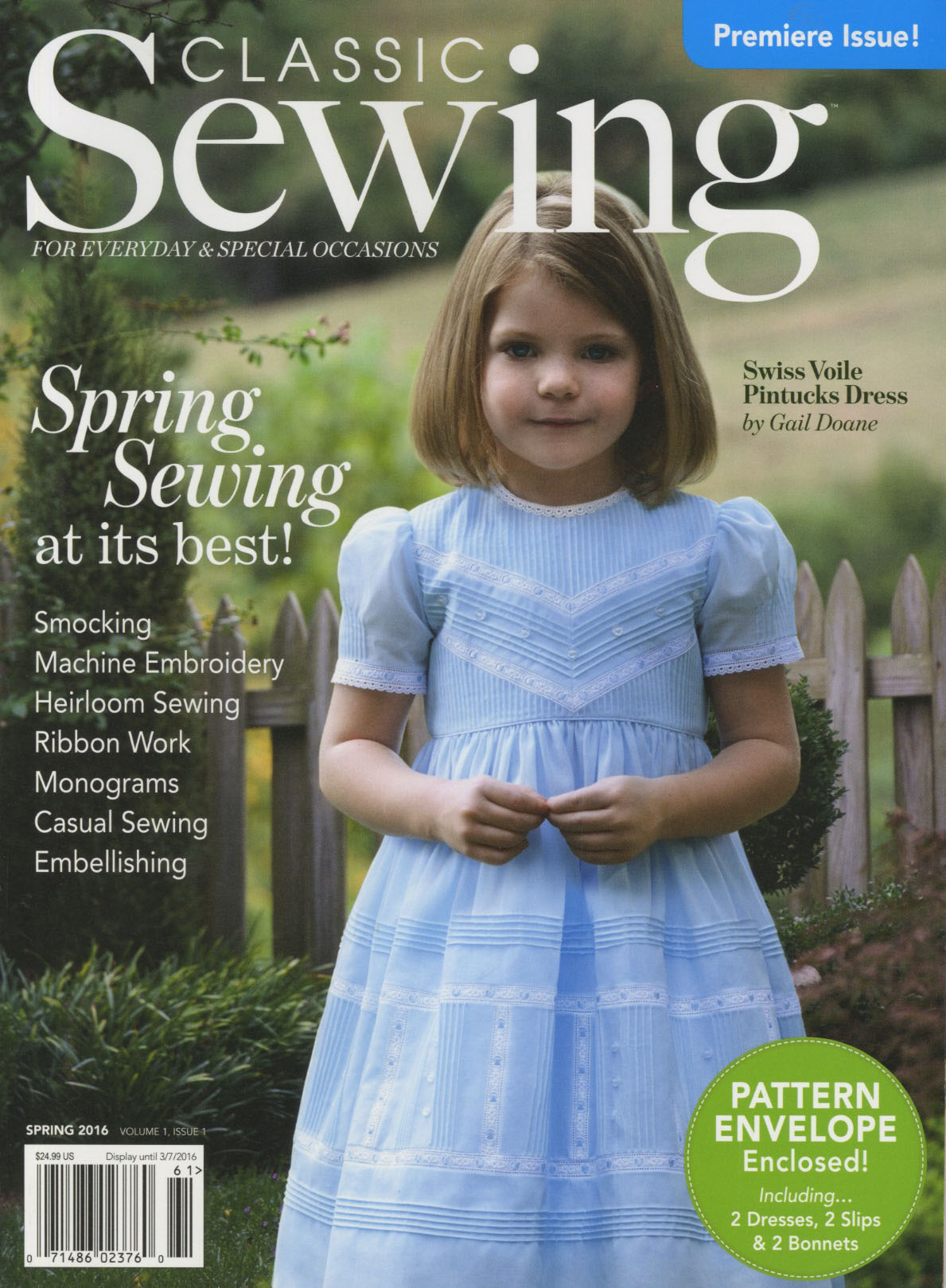
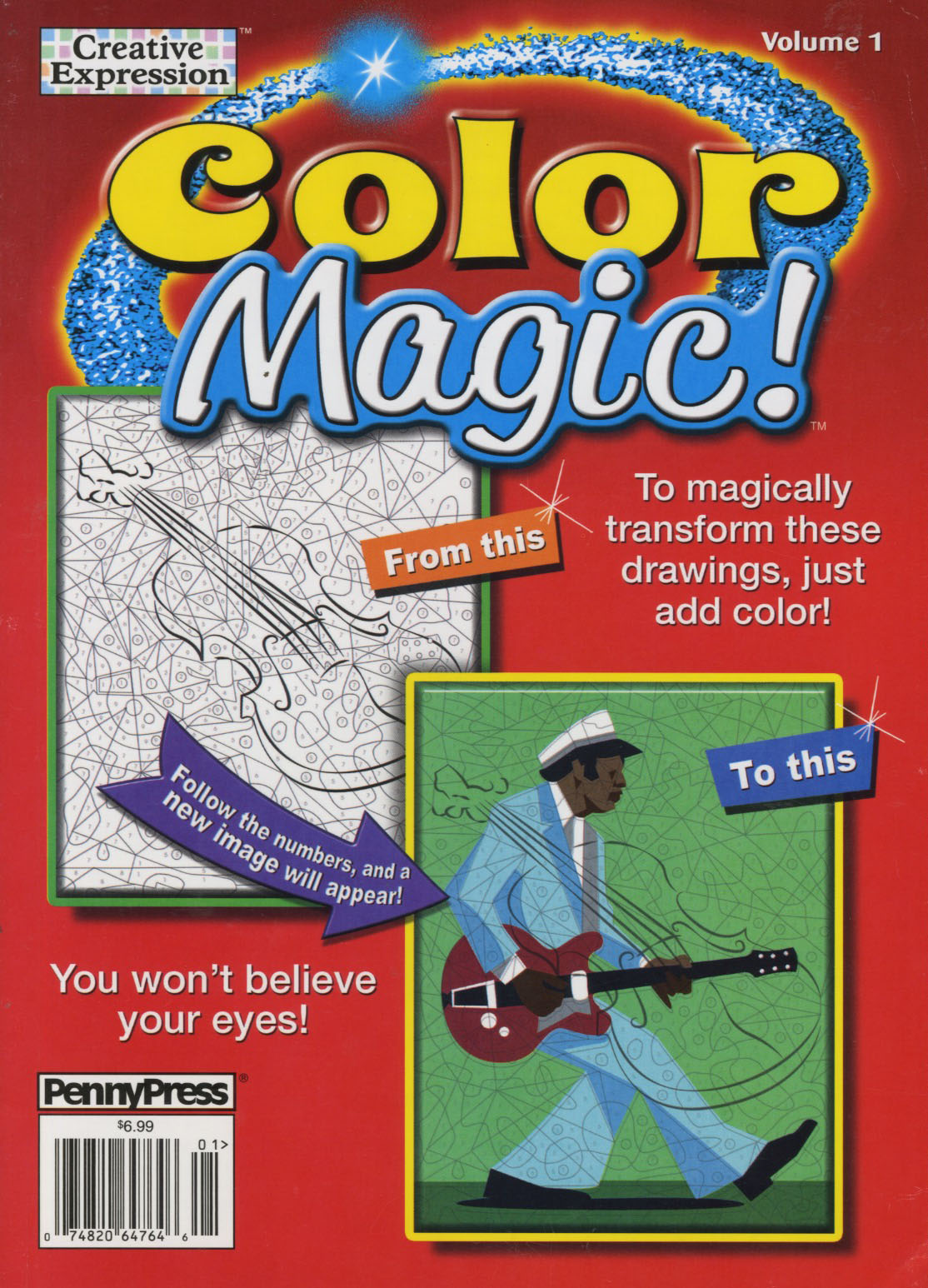
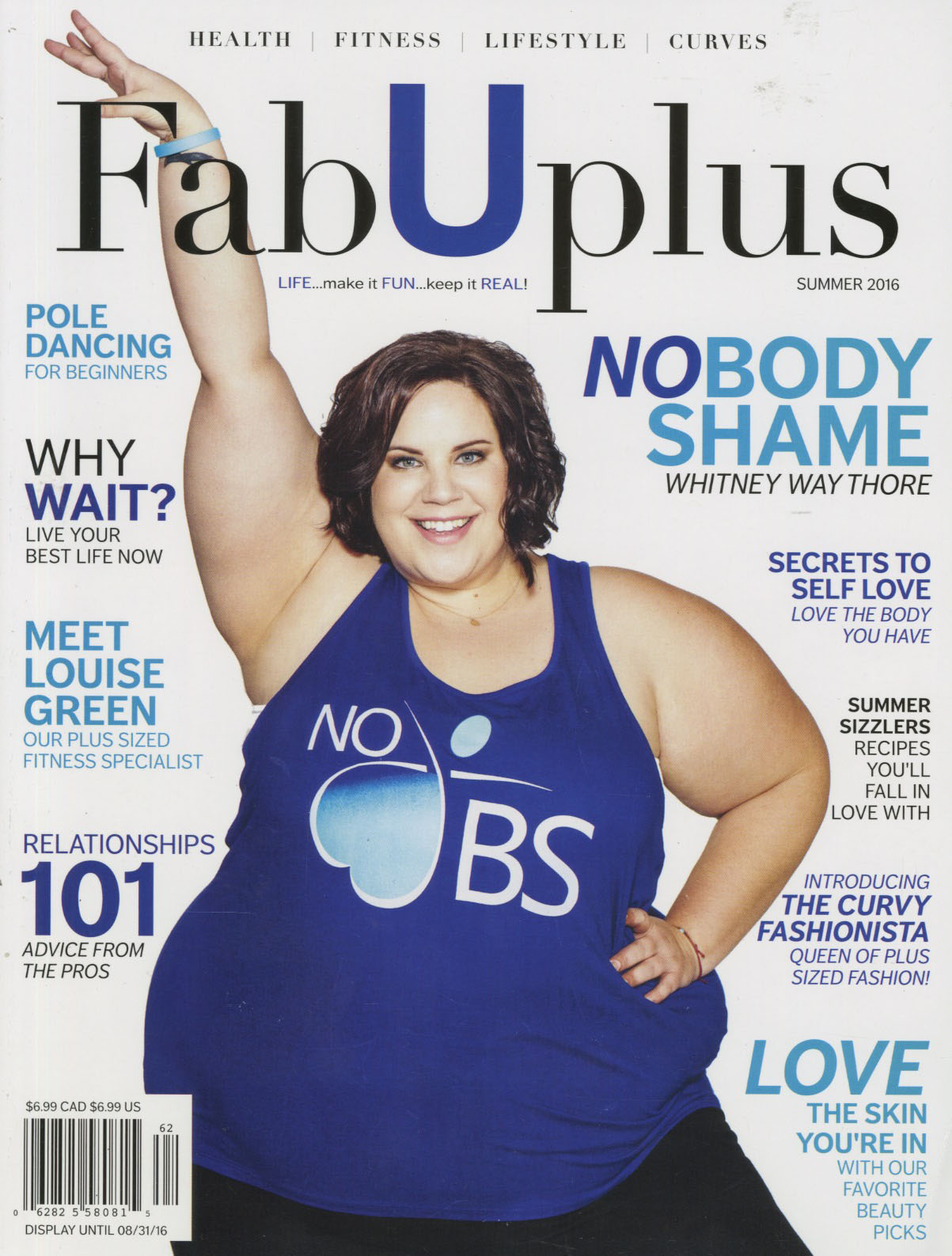
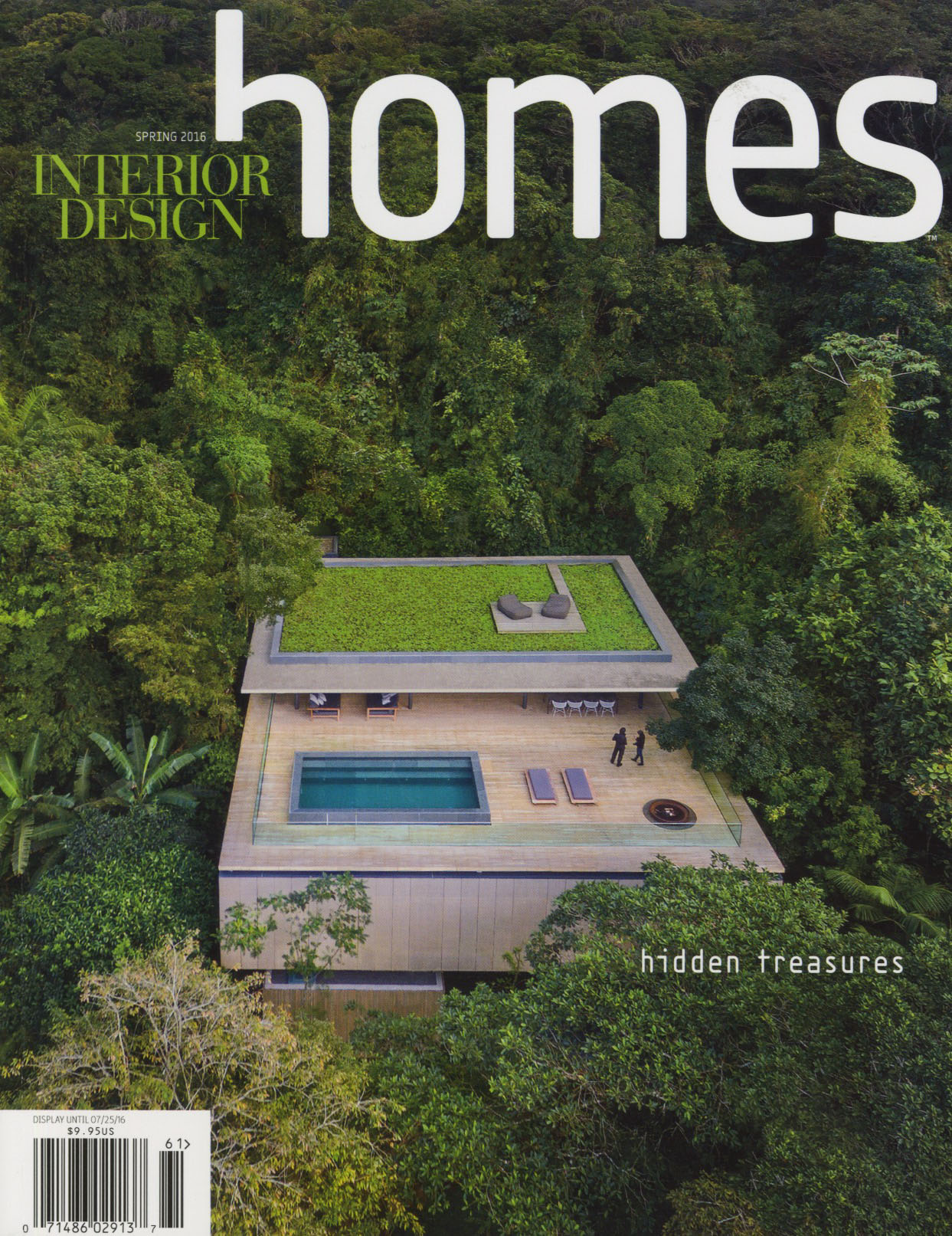
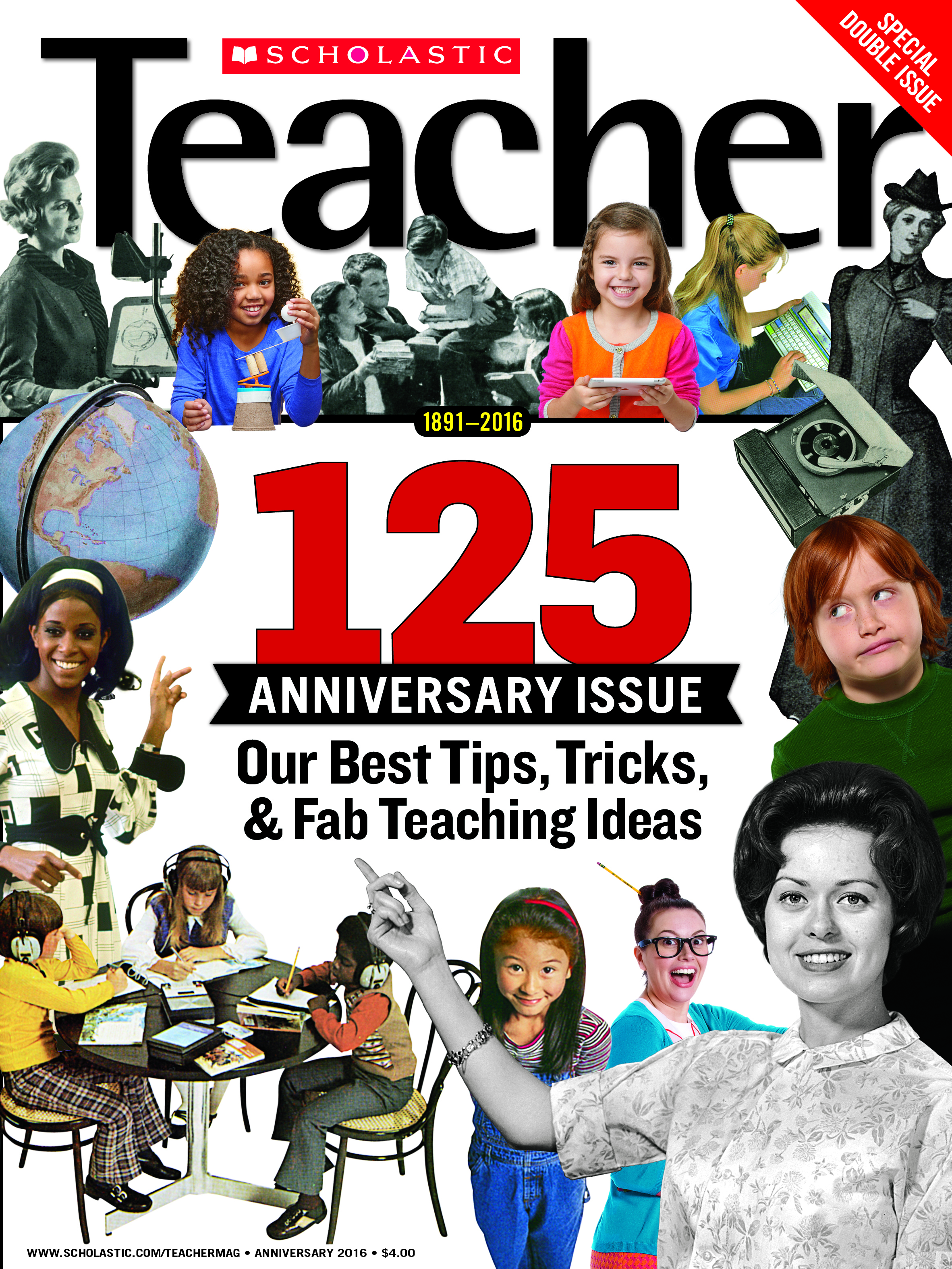
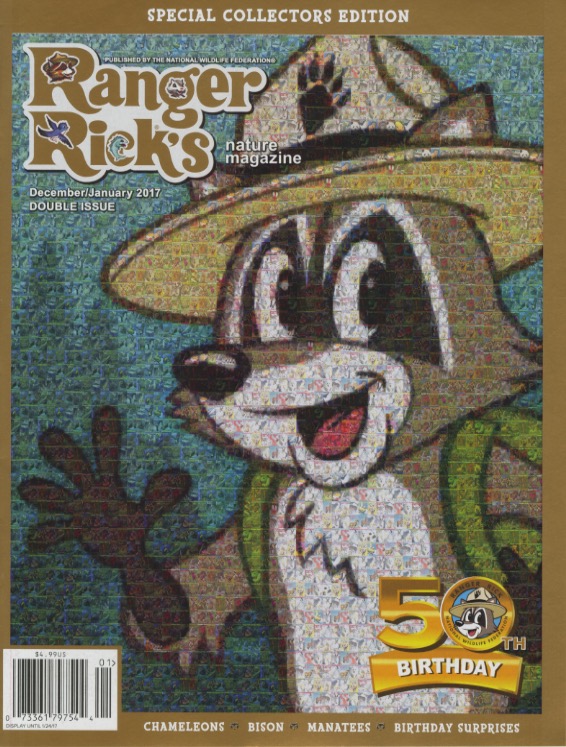
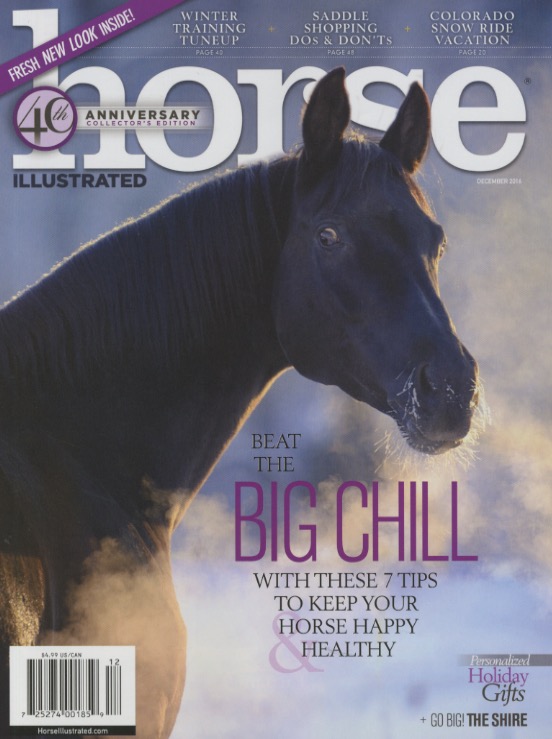
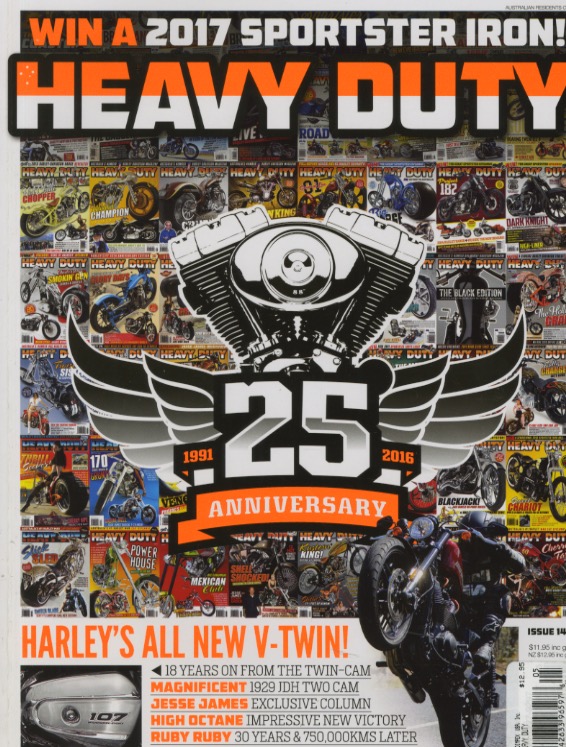
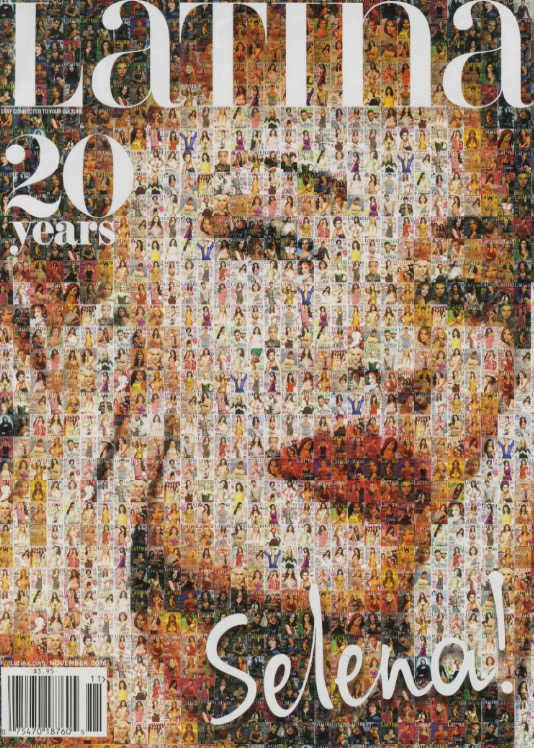
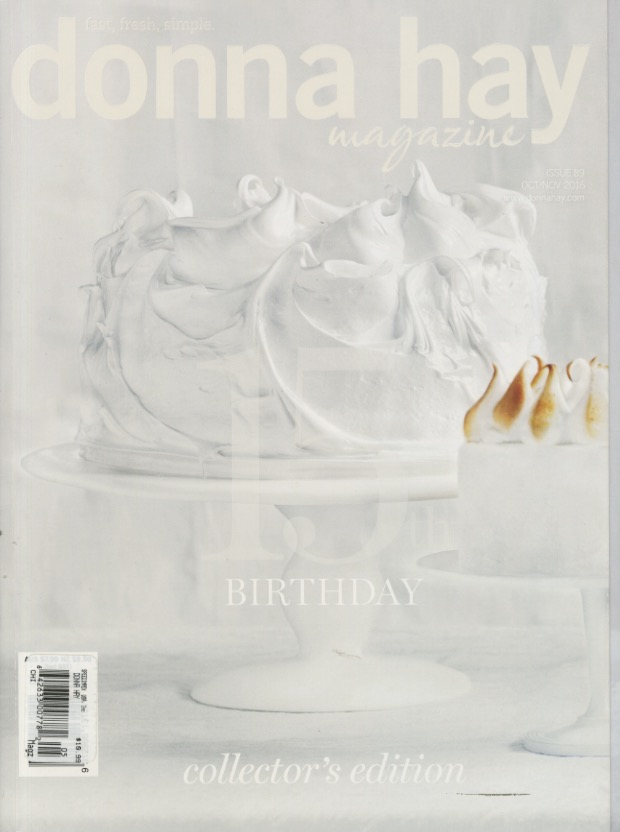
In the continuous series of Mr. Magazine’s™ celebrating magazine anniversaries, here is another group of magazines that are celebrating their anniversaries this month. The range goes from a mere first happy birthday to a grand, but young, 50 years celebration.

Take a look, help light a candle or two or 50 and sing happy anniversary for an industry like no other.

Live, love and read a magazine or two…

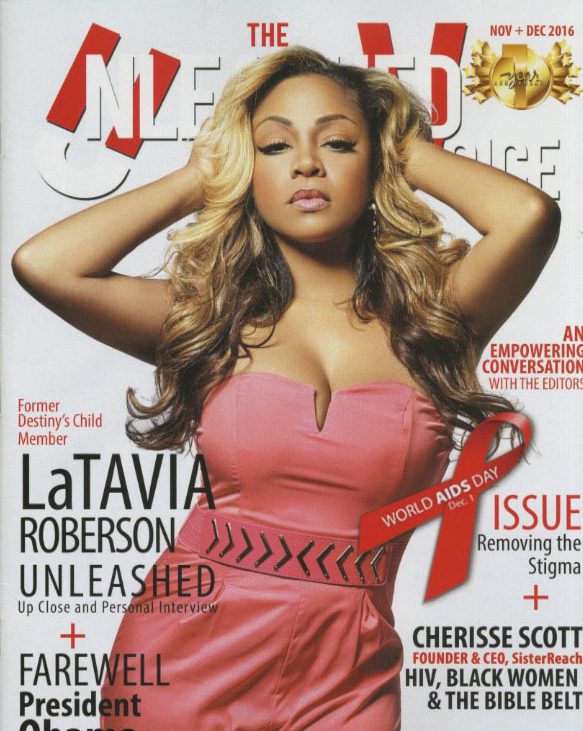
The Unleashed Voice... One Year Old.

The Unleashed Voice… One Year Old.

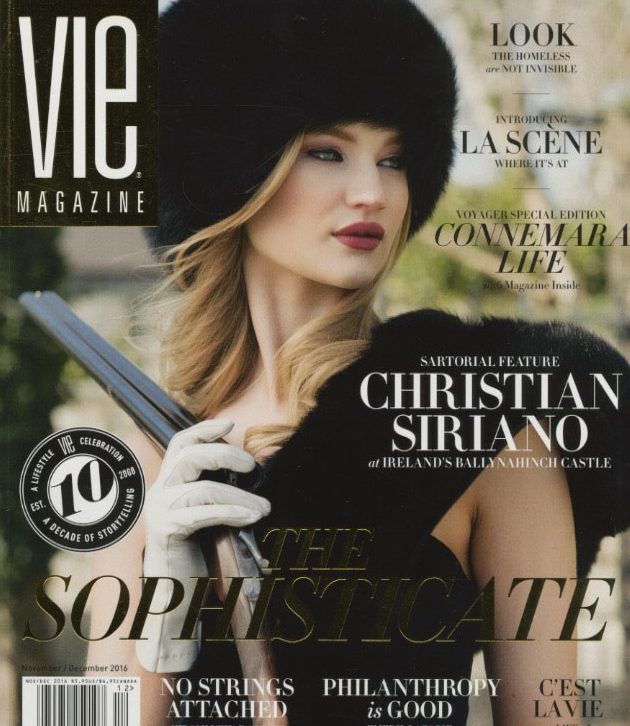
Vie Magazine. 10 Years Old

Vie Magazine. 10 Years Old

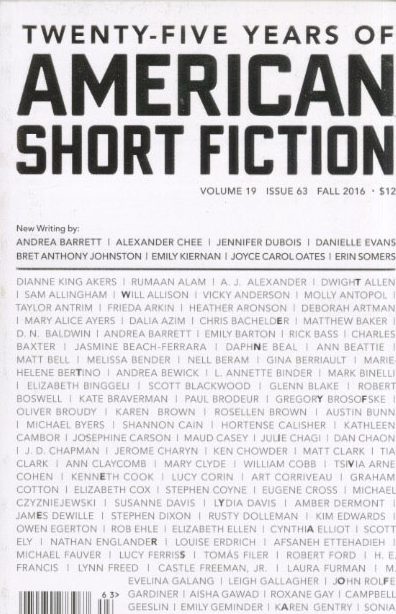
American Short Fiction. 25 Years Old

American Short Fiction. 25 Years Old

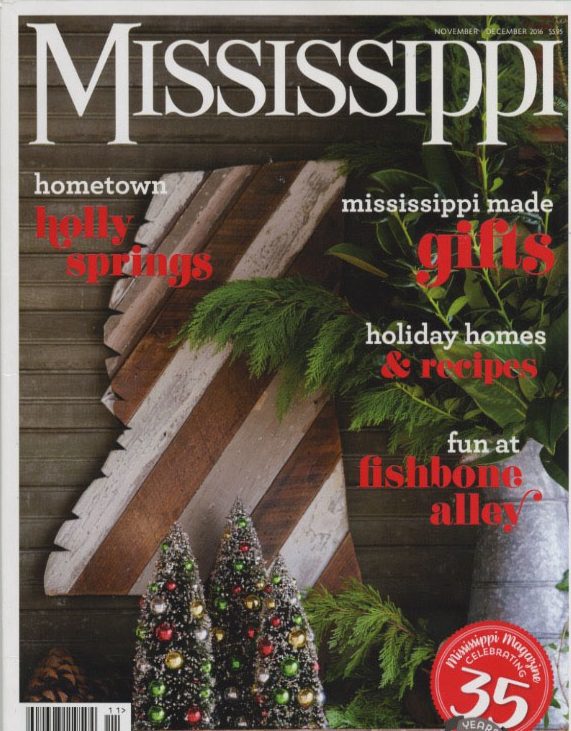
Mississippi magazine. 35 Years Old

Mississippi magazine. 35 Years Old

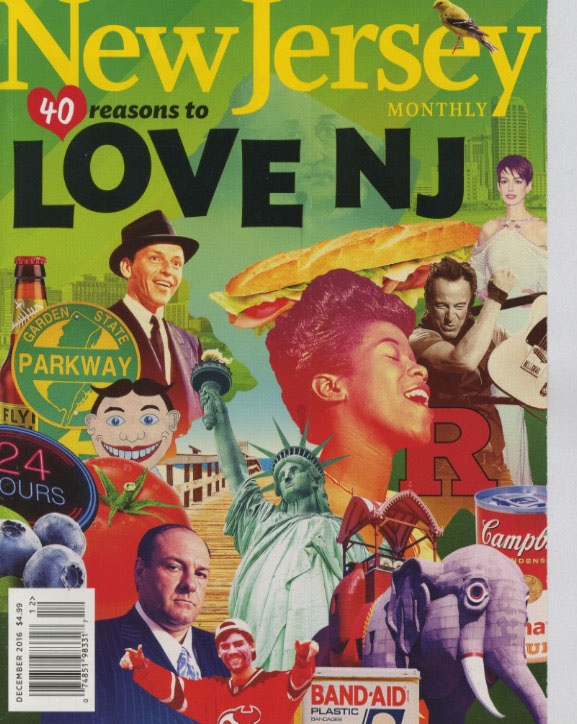
New Jersey Magazine. 40 Years Old

New Jersey Magazine. 40 Years Old

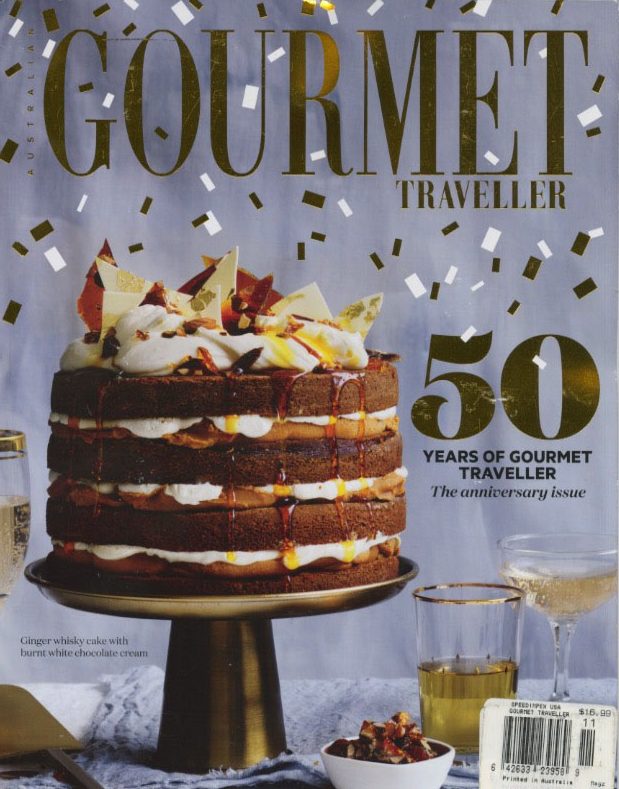
Gourmet Traveller Magazine. 50 Years Old

Gourmet Traveller Magazine. 50 Years Old

h1

Zeke Magazine: Incredibly Powerful Global Documentary Photography Combines With Journalistic Collaborations To Bring Awareness Of What’s Going On In The World Around Us – The Mr. Magazine™ Interview With Glenn Ruga, Executive Editor, Zeke Magazine…

December 14, 2016

A Mr. Magazine™ Launch Story…

“Personally I love print and I believe a lot of other people do as well, both photographers and the general public who look at photography. It’s just much more compelling in print, particularly large, and that’s one thing that we’re committed to at the magazine; we make the photographs as large as we can. So, it really gives the audience a chance to experience the photograph in a way that they rarely can online.” Glenn Ruga…

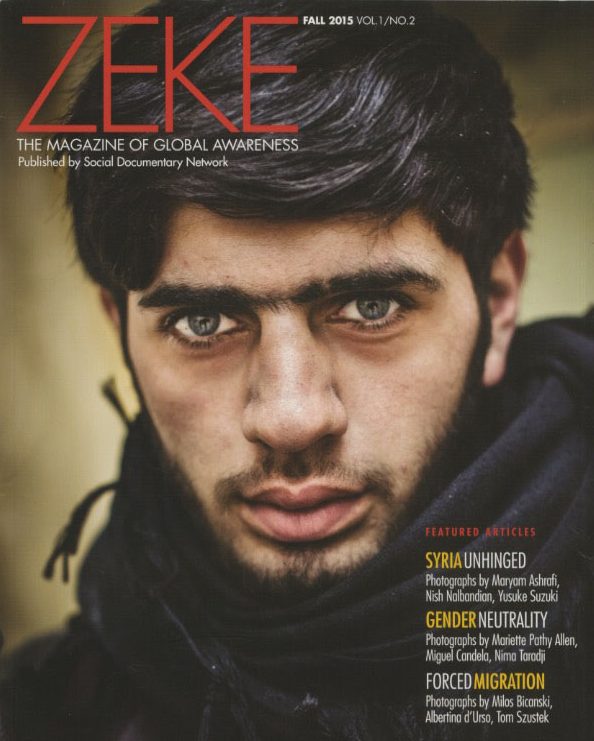
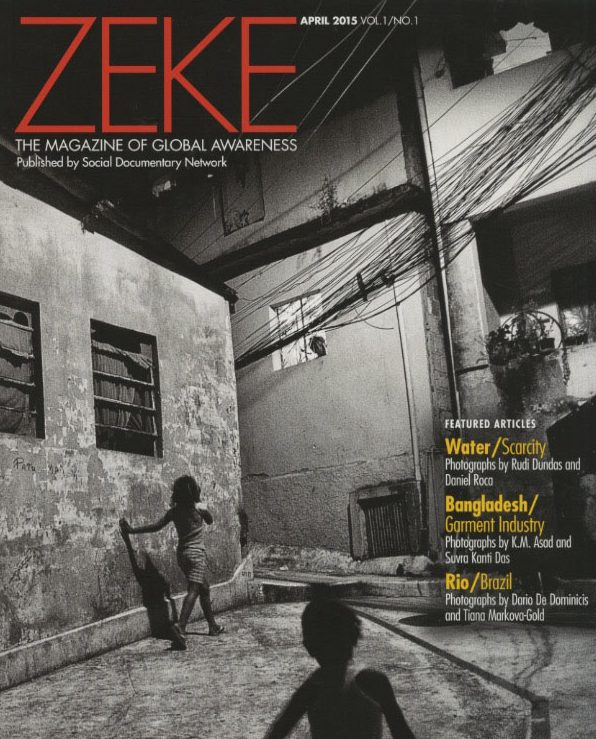
zeke

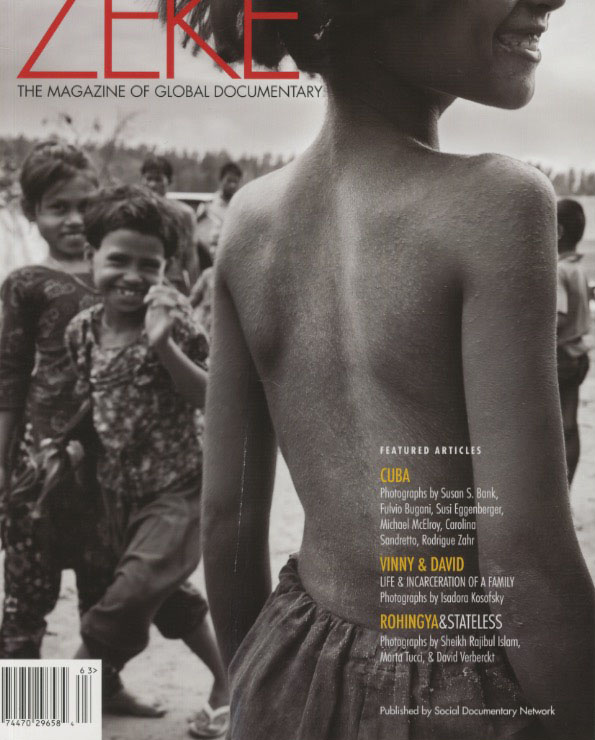
More than a photography magazine, Zeke is a force to be reckoned with. It is powerful and emotional pictures of the world we all live in, from one side of the globe to the other, but it is also journalistic collaborations of passion and depth that help us to understand and appreciate the dynamic photographs even more. Zeke is the magazine of global documentary, so says its tagline. And Mr. Magazine™ would have to agree that documenting current global issues and bringing awareness to those stories is certainly what the publication does best.

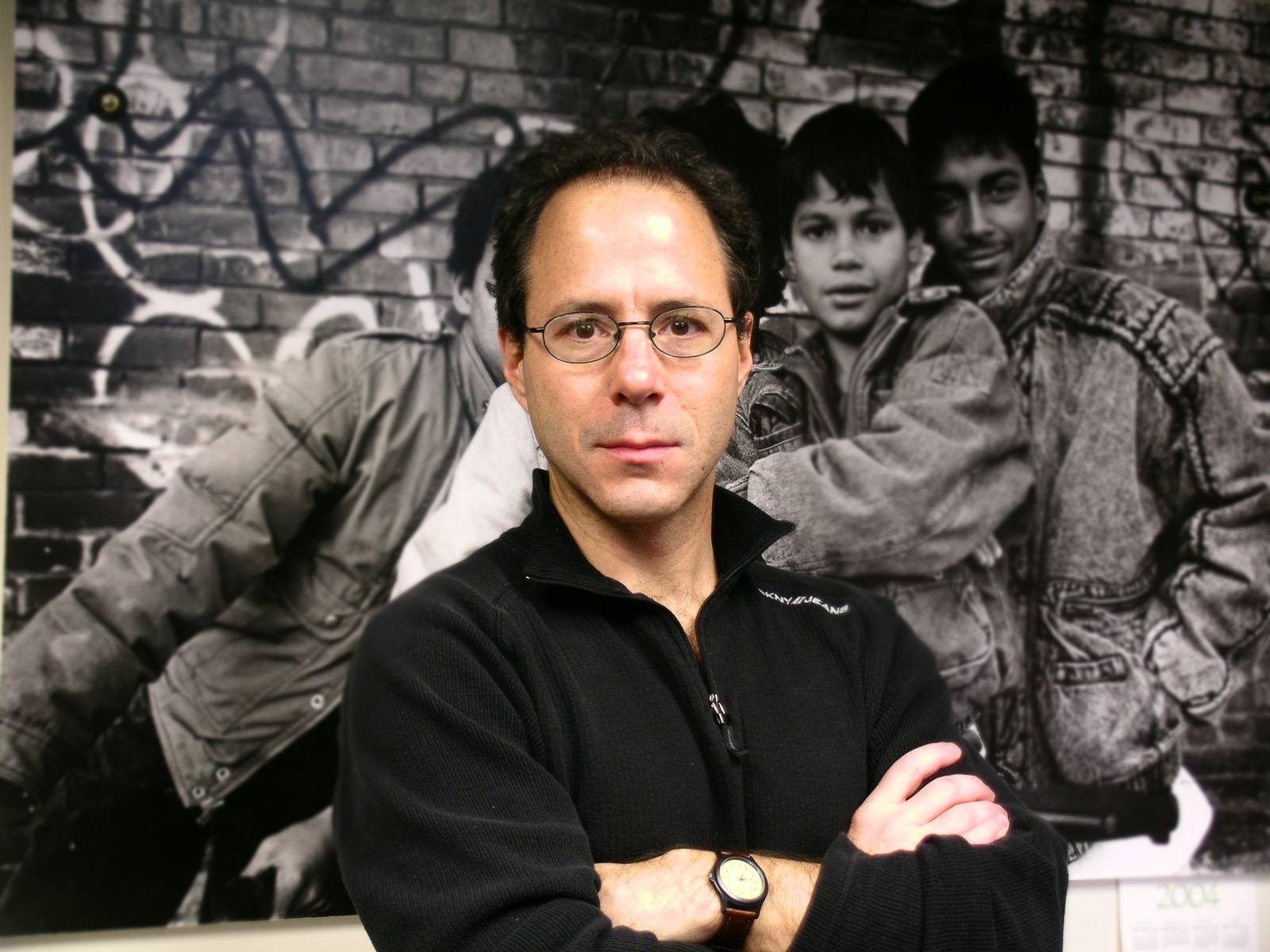
Glenn Ruga is founder of the Social Documentary Network and executive editor of Zeke. Also a graphic designer, photographer and a lifelong human rights activist himself, Glenn’s passion for Zeke’s mission is strong and his love of print obvious as you flip through the pages of this beautiful magazine.

I spoke with Glenn recently and we talked about Zeke and where it is today and where he hopes it’s headed. The hope is to build a strong subscription base and possible partnerships with others who see the same vision; a photo-driven magazine that brings back the conscience of us all when it comes to global awareness. In Mr. Magazine’s™ opinion, not since Life or Look has there been such a breathtaking showcase of photography.

So, without further narrative, here is the Mr. Magazine™ interview with Glenn Ruga, executive editor, Zeke magazine.

But first the soundbites:

On why he decided to launch a print magazine after being online first: It’s a combination of a few things; a few forces that were at work. One is that photographers really appreciate the opportunity to have their work in print. Since the advent of the Internet and so much of the work is going online, and that’s clearly the growth opportunity for photographers; it’s not really valued as much for them. To have their work in some type of print form is just so much more valuable done a lot of documentary work in the ‘90s in the Balkans and the former Yugoslavia. I was involved with aid and advocacy groups there and doing both direct advocacy and humanitarian aid, but also doing photography.for their careers and their opportunities.

On what gave him the idea to do a global awareness magazine:
It’s a direction that I’ve always been personally headed for. My day job has always been in graphic design, and although I’ve been very involved in photography, it’s never been what financially supported me. I had done a lot of documentary work in the ‘90s in the Balkans and the former Yugoslavia. I was involved with aid and advocacy groups there and doing both direct advocacy and humanitarian aid, but also doing photography.

On the biggest stumbling block he’s had to face with the magazine:
The cost of paper and printing clearly limits the number of pages and it’s always a trade-off; I would love to have more pages to showcase more work. But really the biggest stumbling block is the business side of it. The content; the curation, is the fun part and the easier part. There’s no lack of work to choose from. People are very eager to support the magazine with photography, but it’s really figuring out a sustainable business model to make it work. That’s clearly the biggest problem.

glenn_ruga

On what he is doing to ensure the magazine has a future: Our revenue model is based on two things right now; one is paid subscriptions. Clearly, that’s a very important part of it. And growing our subscription base is critical. Another important revenue model is that through the Social Documentary Network we do competitions; we’re doing two per year right now, and the winner of the competition is featured in the magazine. So, one of the features in the magazine is always the winners of the competition and they pay to enter. That’s a significant source of revenue for the magazine.

On whether there was that one moment when something clicked and he knew that he needed a print component to complete his vision: It really didn’t click in any one, particular moment. The concept had gelled over many, many years. Almost from day one we had toyed with the idea of having some type of print presence with the Social Documentary Network. So, it was just a matter of what the right model for it was and when was the right time.

On whether he feels this digital age is the best of times or the worst of times for design and photography: It’s a declining industry; print publishing is in a very difficult time right now. And so much emphasis is going towards mobile devices. First it was electronic and digital, but now everything is focused on our mobile devices for content and information. We have a digital version; it’s never been the primary presentation of this, but we do have it and it’s important.

On whether the photography business is being hurt by the Internet:
The photography industry has taken a hit as bad as the publishing industry in the last 10 to 15 years, particularly the still photography industry, which I’m based in. For all of the reasons that magazine publishing has had a difficult time, so have still photographers. Their work has been much devalued and their day rates have gone down. For just middle of the road photography, particularly in journalism, so many publishers now just hand their writers cameras or phones and say you take the pictures; we don’t need photographers any longer.

On whether he is still seeing quality photography in today’s world of iPhones and Smartphones: That’s a very interesting question. It’s clearly a much broader question than simply about magazine publishing. I think the technical quality of photography has improved immensely because of digital photography. Just the equipment alone makes it so much easier to take a well-exposed, sharp picture with good color. But the intent of that picture; the meaning of that picture; what’s behind it; all of the technology in the world doesn’t improve that. What that relies on is the eye and creativity of the photographer, and the soul and spirit of the person behind the camera.

On what we can do today to improve photography: For one, we totally need to accept and embrace the new horizons for social media, and the fact that everybody has a camera in their pocket. Generally, photography is so much more ubiquitous than it ever was, but it means something different as well, than it used to mean.

On what picture he considers to be the most important one of his lifetime: That’s a hard question; Robert Capa’s Falling Soldier during the Spanish Civil War; the picture of the Napalm Girl from the Vietnam War by Nick Ut. And while I appreciate the question, for me the more significant question is, on a regular basis do we continue to see really good and meaningful images, or as you said earlier, has the general feel lost its impact?

On whether he thinks now is a good time for a photo-driven print magazine: It’s not the best of times, but neither do I think those times are gone. The challenge that I always face is that I believe people really love to look at photographs, and they love to look at Zeke magazine, but it’s hard to get people to make that decision to actually subscribe. I don’t know what the key is. I don’t have the resources to have marketing professionals or to pay for the direct-mail campaigns that a traditional magazine launch would require, maybe if I had those resources things could turn around.

On anything else he’d like to add: We can’t talk about any of this without talking about the role that social media plays, particularly in our lives of digital and visual information, and publishing. I think what we’ve all experienced is, yes, everybody can now publish their own work; everybody can put their work on Facebook, Twitter or Instagram, but at the same time there is so much more noise as a result. The competition is so much greater than it’s ever been and that makes it almost harder for people to break through because of the chatter out there.

On what someone would find him doing if they showed up unexpectedly at his home one evening: Cooking, having a glass of wine; I love being with other people and sharing a meal. I like going to the gym and to go for bike rides. Recently, I went hiking in the White Mountains of New Hampshire. I don’t take a lot of serious photographs myself anymore, and I’m always kicking myself because of that. Every week I say that I should dust off my camera again, but I just never get around to it.

On what keeps him up at night: Stress about money. (Laughs) And generally, and most recently, stress about Donald Trump. That has certainly kept me up at night. But over the last few years it’s stress about the financial situation with what I’m doing

And now the lightly edited transcript of the Mr. Magazine™ interview with Glenn Ruga, executive editor, Zeke magazine.

Samir Husni: You’re the first person that I know of who named his magazine after his cat.

Glenn Ruga: (Laughs) I’m surprised because cats are so popular.

Samir Husni: (Laughs too) Take me back to April, 2015 when you launched the magazine and tell me how the magazine came about after being a website; why did you decide to go print after being online for a few years?

Glenn Ruga: It’s a combination of a few things; a few forces that were at work. One is that photographers really appreciate the opportunity to have their work in print. Since the advent of the Internet and so much of the work is going online, and that’s clearly the growth opportunity for photographers; it’s not really valued as much for them. To have their work in some type of print form is just so much more valuable for their careers and their opportunities.

The other thing is that personally I love print and I believe a lot of other people do as well, both photographers and the general public who look at photography. It’s just much more compelling in print, particularly large, and that’s one thing that we’re committed to at the magazine; we make the photographs as large as we can. So, it really gives the audience a chance to experience the photograph in a way that they rarely can online.

And then the third reason is, I don’t know if you spent any time looking at the Social Documentary Network website which we started in 2008, but the website is a very democratic, open platform where pretty much anyone doing legitimate documentary work will have the opportunity to publish that work on the website, which is great because that’s our concept.

But the magazine is really a way for us to do a much more curated presentation of this work. Where almost anybody can put their work online, it’s much more selective when it comes to the magazine. It gives us the opportunity to really showcase the best of what’s put onto the website. So, I think those three reasons are really what propelled us to do it.

Samir Husni: Were you the founder of the Social Documentary Network?

Glenn Ruga: Yes.

zeke-1-1

Samir Husni: So, tell me more about the genesis of all of this. I know that you’re a photographer and I know that the tagline of the magazine is: The Magazine of Global Documentary. So, you’re not limiting yourself to any geographic area. Why did you feel that there was a need to document all of this global awareness? Truthfully, I discovered you through the magazine, before I looked at the website, and I was completely bowled over by the publication. So, what gave you the idea to put global awareness into a magazine?

Glenn Ruga: It’s a direction that I’ve always been personally headed for. My day job has always been in graphic design, and although I’ve been very involved in photography, it’s never been what financially supported me. I had done a lot of documentary work in the ‘90s in the Balkans and the former Yugoslavia. I was involved with aid and advocacy groups there and doing both direct advocacy and humanitarian aid, but also doing photography.

I produced two exhibitions, one on Bosnia and one on Kosovo during that time. And both of these started out as physical exhibitions that traveled to different locations around the U.S. and to some locations around the world. But also in both cases, I produced a website for these exhibits. I have design and web design skills, but even for me it was quite an involved and arduous task back then, in the early 2000s.

It occurred to me that there had to be many photographers out there who had extraordinary work, but didn’t have the design skills that I have, and I thought it would be an opportunity to create a platform and tools for photographers to very easily create websites for their documentary projects.

My background has always been involved in human rights issues outside of my direct work. Even my graphic design work often works with human rights organizations. So, it’s really my background and my interests and proclivities that led me to the direction of global issues.

Samir Husni: As you celebrate the first anniversary of the magazine; what has been the biggest stumbling block for you and how did you overcome it?

Glenn Ruga: The cost of paper and printing clearly limits the number of pages and it’s always a trade-off; I would love to have more pages to showcase more work. But really the biggest stumbling block is the business side of it. The content; the curation, is the fun part and the easier part. There’s no lack of work to choose from. People are very eager to support the magazine with photography, but it’s really figuring out a sustainable business model to make it work. That’s clearly the biggest problem.

Samir Husni: What are you doing to ensure that the magazine will be here in the future?

Glenn Ruga: Our revenue model is not based on advertising. When we first started, with the premier issue, we were actually more successful with paid advertising because I think people were willing to get onboard right away and give us the benefit of the doubt. But I don’t think our advertisers really feel that our outreach and circulation is enough to justify the cost of advertising.

So, our revenue model is based on two things right now; one is paid subscriptions. Clearly, that’s a very important part of it. And growing our subscription base is critical. Another important revenue model is that through the Social Documentary Network we do competitions; we’re doing two per year right now, and the winner of the competition is featured in the magazine. So, one of the features in the magazine is always the winners of the competition and they pay to enter. That’s a significant source of revenue for the magazine.

And the third yet to be realized is that we would very much like to find a significant partner or sponsor that sees the value of the magazine and would like to contribute support to it financially, just because they see the value in it. And that is certainly a possibility; to find somebody. We just haven’t found that entity yet.

zeke-1

Samir Husni: You’ve done the Social Documentary Network for six years now, but did you feel as though something was missing without a print component? Can you describe that moment when it clicked and you knew you wanted or needed a print magazine?

Glenn Ruga: It really didn’t click in any one, particular moment. The concept had gelled over many, many years. Almost from day one we had toyed with the idea of having some type of print presence with the Social Documentary Network. So, it was just a matter of what the right model for it was and when was the right time.

And two years ago was a time when I was really in a growth mode with the organization and really looking for new ways to increase our visibility and credibility in the field. To me it just seemed like the right time to pull it all together.

We have an advisory committee that meets periodically and we had kicked around some ideas; everything from a very cheap type of publication to something that was more substantial. And I think we kind of met in the middle with that. It’s not a book and it’s not a monograph. The idea is to use the magazine model, but to make it as high quality as we can as a magazine. Having it perfect bound, rather than saddle stitch was a very important decision. Having heavier than normal paper was also an important thing; everybody who feels it thinks that it’s substantial and real. And that means a lot to the community that we work with; the photography community.

Samir Husni: As a creative designer and a photographer, what are the strengths and weaknesses of this digital age as it relates to graphic design and photography? Do you feel like it’s the best of times or the worst of times?

Glenn Ruga: It’s a declining industry; print publishing is in a very difficult time right now. And so much emphasis is going towards mobile devices. First it was electronic and digital, but now everything is focused on our mobile devices for content and information. We have a digital version; it’s never been the primary presentation of this, but we do have it and it’s important.

But in the same respect, we’re not a major corporate publisher that needs a huge circulation to survive. If we can hit a few thousand paid subscribers, we could pretty much do what we need to do and continue to grow and assure success. And I don’t think that’s by any means an impossible thing.

But getting back to your earlier question, selling print magazines, as you know, is a very difficult thing to do. And as much as people appreciate it, people still look at it as a magazine and we’re asking them to pay $17 a year for two issues. People love it, but it’s hard to get people over that hurdle to fill out a form with their credit card and say buy, because there’s so much free content on the Internet. It’s all out there free, so people ask themselves why they should pay $17 when I could go to the Social Documentary website and get this for free or go to The New York Times or anyplace else and get it for free. It’s a hard environment out there.

Samir Husni: Are you telling me that the abundance of free content online is hurting the professions of photography and creative design? As a photographer, is the Internet helping you or hurting you? Yes, you can upload any picture and put it on the web, but who is paying you for that picture?

Glenn Ruga: The photography industry has taken a hit as bad as the publishing industry in the last 10 to 15 years, particularly the still photography industry, which I’m based in. For all of the reasons that magazine publishing has had a difficult time, so have still photographers. Their work has been much devalued and their day rates have gone down. For just middle of the road photography, particularly in journalism, so many publishers now just hand their writers cameras or phones and say you take the pictures; we don’t need photographers any longer.

So, because of that the value of what a photographer gets paid has gone down and their work has gone down. We’re not paying the photographers, they’re generally happy to have their work in the magazine. We would love to be able to pay them; if we were more successful financially that’s the first thing that we’d like to do. But right now we’re not.

Samir Husni: Do you think that the quality of photography that we have now is better or worse? I look at some of those documentary photographers from the ‘30s and ‘40s in some of the old magazines that I have in my collection, and it’s like one “Wow” after the other almost on every page. And that’s the same reaction I had when I looked at your magazine. It seems that with all of the digital platforms, everyone who Tweets has become a journalist and everyone who takes a picture with their iPhone or their Smartphone has become a photographer. Are you still seeing that quality of photography that brings that “Wow” every time a page is turned?

Glenn Ruga: That’s a very interesting question. It’s clearly a much broader question than simply about magazine publishing. I think the technical quality of photography has improved immensely because of digital photography. Just the equipment alone makes it so much easier to take a well-exposed, sharp picture with good color. But the intent of that picture; the meaning of that picture; what’s behind it; all of the technology in the world doesn’t improve that. What that relies on is the eye and creativity of the photographer, and the soul and spirit of the person behind the camera.

As you say, looking at the documentary photography from magazines in the ‘30s, ‘40s and ‘50s, and today, that hasn’t changed or improved. In many cases, a lot has been lost. A lot has been lost because so many non-committed photographers, so many non-professionals are in the field now and they all think that all they have to do is point a digital camera at something and it’s a good picture. And as we all know, that’s not the case.

Samir Husni: You’re the doctor of photography here today, so what’s your prescription? What can we do today to change things, or has that train already left the station?

Glenn Ruga: For one, we totally need to accept and embrace the new horizons for social media, and the fact that everybody has a camera in their pocket. Generally, photography is so much more ubiquitous than it ever was, but it means something different as well, than it used to mean.

But then at the more serious level, the higher level in journalism where we’re trying to inspire, educate and motivate people; I think the prescription for that just has to be the industry understanding what quality photography can do and what is lost if they don’t embrace that. And I think the major media out there still gets it. The New York Times gets it and they do extraordinary work. Who else? New York Times Magazine; it’s still one of the leading forces. New Yorker magazine when they publish photography; Time is having a bit of difficulty in this field. I think as a journalist entity and a newsweekly, it’s a very difficult space for them to be in right now, although, they do have good photo editors there.

Samir Husni: What picture comes to mind as the most important and powerful photograph of your lifetime?

Glenn Ruga: That’s a hard question; Robert Capa’s Falling Soldier during the Spanish Civil War; the picture of the Napalm Girl from the Vietnam War by Nick Ut. And while I appreciate the question, for me the more significant question is, on a regular basis do we continue to see really good and meaningful images, or as you said earlier, has the general feel lost its impact?

And I have no doubt that there are excellent photographers out there doing excellent work and that’s the core belief that I had when I created the Social Documentary Network and Zeke magazine, because I see this work often. But what I don’t see is a wide scale distribution of this work. And that’s one of the things that I want to be able to add to this world is the ability to showcase really good documentary photography work. There’s no doubt that there are photographers out there as committed as ever and doing as good work as ever, and the only limiting factor is the business model for publishing; editors can’t afford to pay them because there’s not enough revenue being generated.

I think the concentration of wealth is a huge problem, because investors expect such returns these days and that slides down what everybody else gets paid. It’s ridiculous that a photographer for The New York Times day rate is $250. I think that’s criminal. That’s a leading media organization in this country and they pay their freelance photographers so little.

zeke

Samir Husni: With your experience, do you share my feelings that this is the best of times to publish a photo-driven magazine in print, such as Life and Look, or do you think those days are gone?

Glenn Ruga: It’s not the best of times, but neither do I think those times are gone. The challenge that I always face is that I believe people really love to look at photographs, and they love to look at Zeke magazine, but it’s hard to get people to make that decision to actually subscribe. I don’t know what the key is. I don’t have the resources to have marketing professionals or to pay for the direct-mail campaigns that a traditional magazine launch would require, maybe if I had those resources things could turn around.

People love the magazine, but how do you get people to really pony up and purchase a subscription. I don’t know what that magic key is and that’s what we struggle with every day.

Samir Husni: Is there anything else that you’d like to add?

Glenn Ruga: We can’t talk about any of this without talking about the role that social media plays, particularly in our lives of digital and visual information, and publishing. I think what we’ve all experienced is, yes, everybody can now publish their own work; everybody can put their work on Facebook, Twitter or Instagram, but at the same time there is so much more noise as a result. The competition is so much greater than it’s ever been and that makes it almost harder for people to break through because of the chatter out there. And I don’t know if that’s a good thing or a bad thing, but it’s certainly a challenge that everybody faces.

Unfortunately, it’s almost a race to the bottom as we saw in this last election cycle; the more outrageous you can be the more people will pay attention to what you’re saying. And it has nothing to do with truth, integrity or values; it just has to do with capturing eyeballs and clicks however you can, as we’ve seen with Breitbart News, which is in my view despicable and that they were successful because they didn’t care about any ethical issues whatsoever, as long as they could get people to pay attention and purchase their product.

Samir Husni: If I showed up unexpectedly at your home one evening after work, what would I find you doing; reading a magazine; reading your iPad; taking pictures; having a glass of wine; or something else?

Glenn Ruga: Cooking, having a glass of wine; I love being with other people and sharing a meal. I like going to the gym and to go for bike rides. Recently, I went hiking in the White Mountains of New Hampshire. I don’t take a lot of serious photographs myself anymore, and I’m always kicking myself because of that. Every week I say that I should dust off my camera again, but I just never get around to it.

I look at and watch a lot of news; I read the newspaper every morning before I go to work. I have a cup of coffee and I read The New York Times. I always catch the news at night. I’m involved politically as well; I just helped to organize a fundraising event for the Syrian American Medical Society, where we had nearly 600 people at a concert recently. That took almost six months of organizing, so I’m often involved in things like that.

Samir Husni: My typical last question; what keeps you up at night?

Glenn Ruga: Stress about money. (Laughs) And generally, and most recently, stress about Donald Trump. That has certainly kept me up at night. But over the last few years it’s stress about the financial situation with what I’m doing.

Samir Husni: Thank you.

h1

Food Network Magazine: Seven Years Strong & Growing Exponentially – The Print Magazine That Brings Passion And Fun To Cooking – The Mr. Magazine™ Interview With Vicki Wellington, Vice President, Publisher & Chief Revenue Officer, And Maile Carpenter, Editor In Chief, Food Network Magazine…

December 12, 2016

“If you just look at our sheer circulation numbers, we’ve grown every single year. So, again, to all of the naysayers, just for a minute take a look at all of our rate base examples; all of our circulation; look at our sub file and our renewals. I mean, everything has grown positively.” Vicki Wellington

“I truly believe that because the need for a curated, calm space to look at the things you love and to get inspired to do the things you love to do, the better off we are. And so the importance of the magazine and the way it makes you feel is even more precious now than it ever has been, and we see that socially. When the magazine comes out; when people post that they received their magazine, more than ever now they’re posting pictures of themselves on the couch, in the bathtub, on the beach, it’s me-time, my magazine arrived and I’m spending my hour with it. No one talk to me, I just got my Food Network magazine. And those are my favorite posts.” Maile Carpenter…
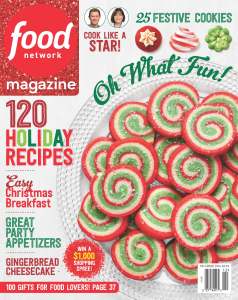
december-2016

In a way that no other food magazine on the market has, Food Network magazine has captured the imagination and attention of its audience completely for the last seven years. Since its launch in 2009, the publication has grown each and every year and proven to the naysayers of print that there will always be a place for a great ink on paper read no matter how many websites come and go in the world of cyber, especially one with a warm and welcoming invitation “to just join it in the kitchen” the way Food Network magazine does.

The head cooks in this exceptionally fun and passionate kitchen are two wonderful women whose personalities and mindsets are so in tune with each other, their thoughts and visions for the title are simpatico. It’s a positive environment when these two get together to create and along with a team of talent that they both credit with the magazine’s success, the only prediction one can have for the brand is a continued one of growth and achievement.

On a recent trip to New York, I stopped by the Hearst Tower and had a delightful conversation with Vicki and Maile and we talked about the brand’s past, present and future. Amid laughter and a true spirit of camaraderie, the two were open, honest and positive about the very successful print world that they live in. For anyone who believes that ink on paper is not a vibrant, viable and vital part of magazines and magazine media, I suggest you visit Vicki and Maile and let them show you otherwise.

The only thing that both Vicki and Maile did not reveal to me is the fact that the Food Network magazine is expecting, expecting a new magazine that is. The day after my meeting with them Hearst announced that they are launching a new magazine The Pioneer Woman in June that is edited by Malie and spearheaded by Vicki. They knew extremely well how to keep a secret.

But back to the Food Network magazine… From 13 rate base increases to circulation numbers that have grown each and every year, to a solid subscription base that has only risen in renewals, to the growth in line extensions that the brand has seen; it’s clear that Food Network magazine is a rocket ship (as Vicki describes it) that has no plans of reaching the end of its present universe. In fact, it’s soaring so high; it may just discover another one while it’s out there.

So, without further ado, I hope that you enjoy the Mr. Magazine™ interview with Vicki Wellington and Maile Caprenter, because it’s a given that Mr. Magazine™ did.

But first the sound-bites:


On the genesis of the Food Network magazine (Maile Carpenter):
I think that it turned out to be a smart time to launch. For one; the brand was super-strong, economy aside, it was a strong brand and the funny thing was, I remember going into a focus group and we had the cover up for people to comment on, and one woman pointed at it and she said, “I love that magazine.” I was thinking we don’t exist yet. (Laughs) But it made so much sense to everyone that she thought she had seen it already because the brand was so big and it was everywhere.


On the genesis of the Food Network magazine (Vicki Wellington):
Maile was there before me. I came onboard and I had only been at this company for a short while, and I started taking the magazine out and people asked who would launch a magazine; no one needs another food magazine. And I thought, oh dear, I’m done before I even begin. And I remember speaking to Food Network over at Scripps, and they weren’t worried for a second. They said just you wait and see. We know our people; we know our fans, and sure enough, the magazine was like a rocket ship as it flew off of newsstands. And in four issues we hit a million in circulation.

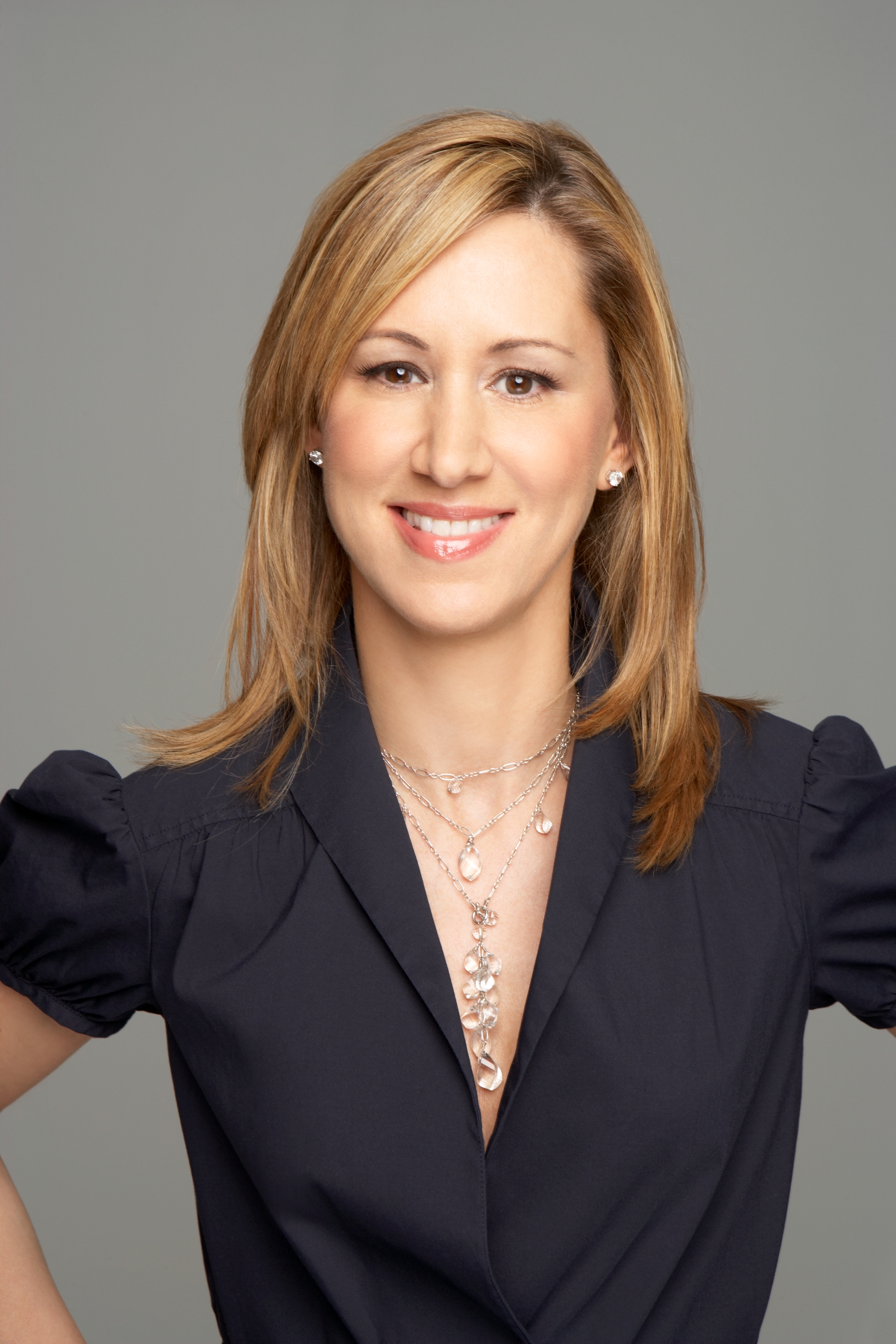
Vicki Wellington

Vicki Wellington

On basically flipping the model of cooking magazines from niche to expansive (Vicki Wellington): (Maile Carpenter) That’s exactly right. I went in looking for a vertical space and we came out with a horizontal one. We were looking for our vertical among all of these other verticals. There were some personality-driven ones; quick and easy titles; straight-up women¹s service; some that were totally aspirational and that were going to all ends of the earth and cooking things that you¹d never cooked before, but no one was doing this across any of the ideas. They were doing it on the air; it changed from hour to hour; you could get everything from combining cans of things to Iron Chef. But no one was seeing that in print. And that turned out to be the secret.


On whether someone asked them when they launched the magazine in 2009 whether they were out of their minds to launch a print magazine in a digital age (Vicki Wellington):
A lot of people asked that for a minute, and then three minutes later they weren’t asking anymore, because this was such a huge homerun and that was obvious to everyone. But at that time, you’re right, digital was a big deal and Food Network, the brand that we come from, had a very successful cable channel for 17 years, and they had a very successful digital platform for around 16 years. And obviously, now years later, everything has grown, and so they were really ahead of the curve on all of it. We didn’t even know that, but it was a big advantage.

On whether someone asked them when they launched the magazine in 2009 whether they were out of their minds to launch a print magazine in a digital age (Maile Carpenter): Well, the very simple answer to that is, the more digital distractions we get and the more choices that we have digitally, the better off we are; I truly believe that because the need for a curated, calm space to look at the things you love and to get inspired to do the things you love to do, the better off we are. And so the importance of the magazine and the way it makes you feel is even more precious now than it ever has been, and we see that socially. When the magazine comes out; when people post that they received their magazine, more than ever now they’re posting pictures of themselves on the couch, in the bathtub, on the beach, it’s me-time, my magazine arrived and I’m spending my hour with it.
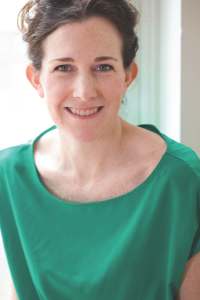
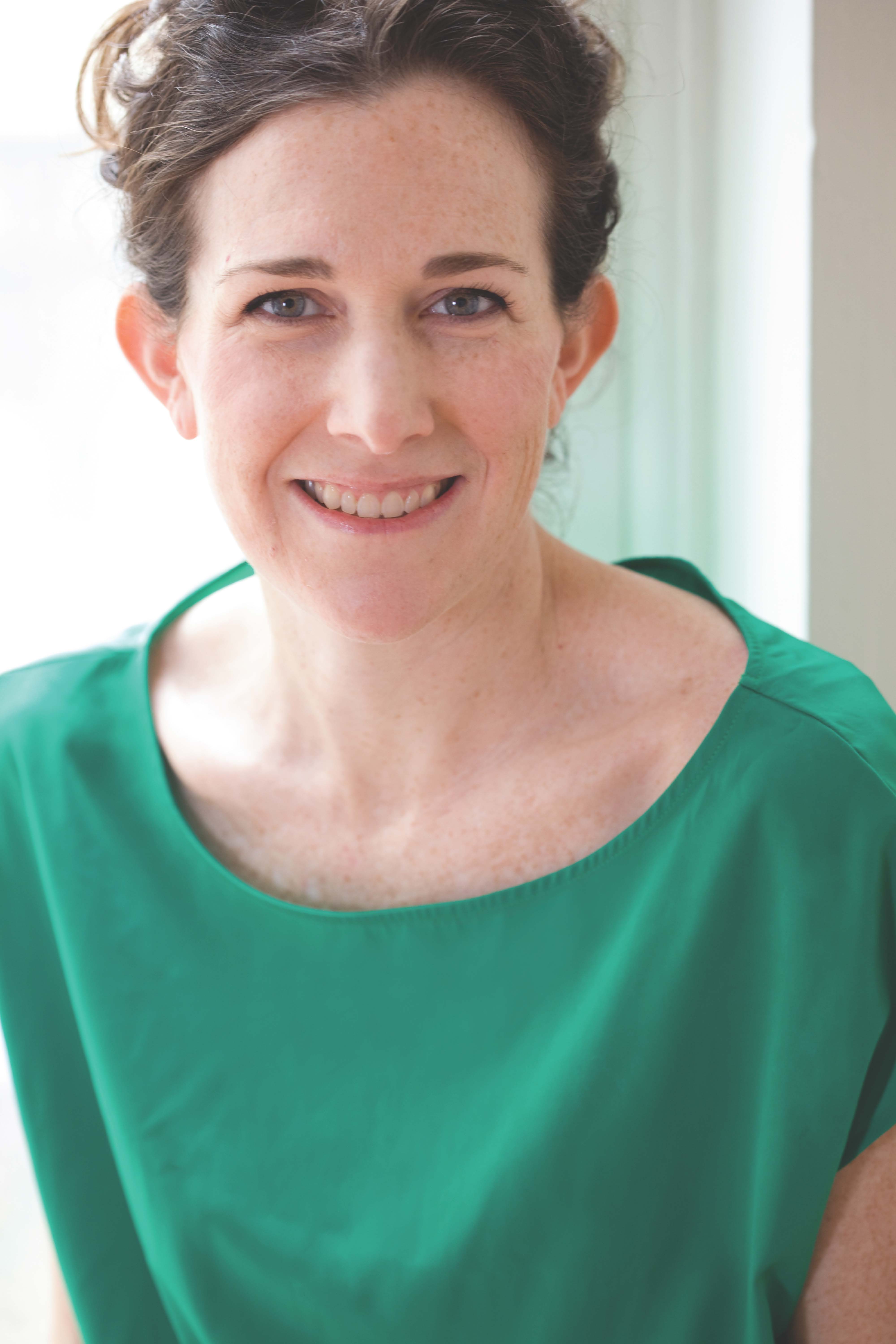
Maile Carpenter

Maile Carpenter


On whether either of them expected the success they have today when the magazine launched (Maile Carpenter): No, I didn’t really set a goal, but it was so clear to me that it was going to work. I remember the moment when I was called in to talk about a food magazine and I didn’t know what it was, and that was a hard thing to brainstorm. I remember the minute that Eliot Kaplan called me and said, “I can tell you what it is now, it’s the Food Network.” And it was just BOOM; I just knew that it was going to work. I had been a fan of the Network forever and I could just immediately picture what it was going to look like.


On whether either of them expected the success they have today when the magazine was launched (Vicki Wellington):
And we’re not that duplicative. Maile’s edit is different than what’s on air and online, so that’s a good reason to have a different platform. And also people are coming for different reasons. In a lot of ways, it’s the best of both worlds, because you could always get TV, it’s practically free with your package, and we have online and that’s free, but you’re paying for this. So, I think it speaks for itself with the surrounding numbers.


On why they think it took so long for the magazine industry to appreciate print again (Vicki Wellington):
Good question. I don’t know. We’re here in our world and we’re growing; the magazines are profitable; we’re reinventing every minute on edit, on business. And I think you survive by paying attention to people’s behavior and what they want. And we’ve changed a lot. We don’t do it quickly and we don’t do it abruptly. You’re not going to get an issue that looks dramatically and suddenly different from the issue before, but if you look at the ones from when we launched; we’re totally different too.


On whether it’s easier for Vicki to sell the magazine now (Vicki Wellington):
I don’t want to say that our days are easy, and I don’t want to say that it’s always been easy, yet it’s a great brand. It’s a brand that everyone loves, men, women and children. Any room I go into, 60 percent of the people say they love Food Network, so we’re already in a very warm room. It’s an inviting environment always.


On the biggest challenge they’re facing today (Maile Carpenter):
When we launched we were in a world where you wouldn’t put an Eggo recipe next to a waffle story and that was not that long ago. And in that amount of time the entire industry has changed. We’ve been on a learning curve and I think we’re really hitting our stride, in terms of what we can do with our advertisers. I think the hardest part is negotiating that and doing it in a way that’s respectful to the reader and to the advertiser.

On whether Maile feels her job as editor is easier or harder today than it used to be (Maile Carpenter): It’s just not as straightforward. I mean, operating in your own space without any concern for marketing and advertising, that’s linear and simple. So, this is more challenging, but it’s more interesting now.


On what advice Maile gives when someone asks her about being an editor (Maile Carpenter):
We’re asked that often when college classes come in. You mean a magazine editor? Because I feel like our skillset could play out in any number of ways. I don’t think print is going anywhere, so I always hope that they go into the business. The advice would be that it’s about being real and true to yourself, and that’s our guiding principle whenever we’re dealing with these advertising concerns. You have to know who you are and stick to that. The readers know when you’re not being real.


On how Vicki defines her job as publisher and CRO (Vicki Wellington):
I think we’re everything. Sales executive; I’m a marketing executive; I’m not a PR director per se, but I think you have to be able to do everything. My advice for any young person is that they have to learn it all. It’s great to be a great writer, but go take some business classes. The successful people are going to have all of these skillsets. And I think there are fewer people doing everything, and that’s who we hire. Not a person who can only sell or market; I want a person whose mind can work in every way.


On how they deal with any misfortune that happens to the chefs on the Network or any of the programs in the magazine (Maile Carpenter):
That was a decision that we made early on and I’m grateful every day that we made it, which was that this magazine was not going to be flattening the TV program into print. That’s the opposite of playing to the strength of print. Suddenly, you look like a less energetic version of the Network. So, we decided right off the bat that we were not going to have columns with specific stars; we were not going to base stories on TV shows. This is supplemental material and I think the readers took to that.


On whether there was a specific moment in time when it hit them how successful the Food Network magazine really was (Vicki Wellington):
I knew early on. It was like a rocket ship and we were on this fast-moving object and it was going fast and high. And I feel like we still are. We had another great year; we’re up over last year. We’ve done amazing, unique work; we continue to win awards; our circulation is up and our newsstand is strong and our subscriber renewals are up. It’s all good, so we’re still on that rocket ship. And I enjoy it.


On whether they think other magazines have tried to imitate Food Network magazine (Maile Carpenter):
I think visually things change after we launched. We had a specific look in mind when we launched. We really starting stripping the props out and going with food in focus. Believe it or not, when we launched, it was a big ask from some photographers to just shoot the food in focus. We had to fight that with some people and I think the readers appreciated just seeing things the way they were really going to look. Not all dressed up and dolled up in an environment that would never be in your house. So, that was a big thing and I think other magazines did kind of start doing more of that.


On who would be standing there if they could strike the magazine with a magic wand and turn it into a living, breathing human (Vicki Wellington):
We’re so many different people. I think if we were other magazines it would be an easier question. But everyone loves us.


On line extensions with the brand (Vicki Wellington):
We still do travel; we do family, which was Kids. We did a Disney edition this year, which was a partnership with Disney. We are looking to do college this coming year in 2017, which is exciting. The Disney edition is something that Maile and her team created. It’s about the experience and food at Disney for families, which I think came out beautiful, smart and fun.

On being one of the first food magazines to go outside endemic advertising (Vicki Wellington): Yes, that was the plan from the very beginning. Part of it is the readership. And I always knew that; it’s a strong readership and I knew how obsessed they were about the brand, about the chefs; about all that goes on within this brand. And I knew that our numbers were strong. We were measured in MRI pretty early, which is a good and a bad thing for us; it was good.

On why they think media is always reporting that millennials don’t read print (Vicki Wellington): I know it’s not true. I know it’s not true from my numbers. And I met the lovely Linda, who you will be meeting with at the MPA, and during one of her presentations she talks about millennials and about the fact that magazine audiences have grown. She talks about the fact that magazine audiences are larger than the biggest 10 cable shows on air. So, when you look at the facts, they don’t back up what you read in the press. I don’t know why the press doesn’t report on all of the other.

On anything either of them would like to add (Vicki Wellington): I can’t report on anything that might be in the works, but I can say keep watching. We’re always working on new things; the entire company is. Michael (Clinton) is launching Airbnb and that’s very interesting. And I think we’re all looking at new opportunities constantly. I don’t know if that goes on at other companies, but it goes on here and it’s exciting.

On what someone would find either of them doing if they showed up unexpectedly at their homes one evening (Maile Carpenter): I made 90 sugar cookies for my daughter’s holiday cookie decorating class that I’m teaching next week, that’s what I was doing.

On what someone would find either of them doing if they showed up unexpectedly at their homes one evening (Vicki Wellington): I recently moved into the city just a few months ago; my girls are in college. I’m in a different place than Maile is. I’m actually having very nice evenings. I’m doing something different all of the time. I’m going out to dinner; I’m meeting a girlfriend tonight for dinner; I’m taking clients out to dinner; I’m going to the gym. I’m living a very civilized life, which I haven’t lived in many years. It’s true. And I’m sleeping a bit more, so these are good things.

On what keeps them up at night (Vicki Wellington): I think about that and the truth is, not work, which is a wonderful thing for me to say. I am really happy with our magazine and I’m happy with our relationships. I love our team; I’m proud of the work that we do every day. For me what keeps me up would be the fact that I have two daughters in college. I picked up my phone today and the first line of the text I had gotten was, “I’m vomiting.” So, I read further. Even though they’re in college, you never stop worrying.


On what keeps them up at night (Maile Carpenter):
Somebody asked me how I handled that Sunday night dread and I can honestly say that has never happened, never. And I think that’s a nice gift to give my kids, to see the importance of doing something you love. I can tell every time I’m interviewing somebody if they’re passionate or not. You can’t fake it. You can fake a lot of things, but you can’t fake your excitement. You can just tell if someone is excited or not.

And now the lightly edited transcript of the Mr. Magazine™ interview with Vicki Wellington, Vice President, Publisher & Chief Revenue Officer, and Maile Carpenter, Editor in Chief, Food Network Magazine.


Samir Husni: Let’s start from the very beginning. It’s rare, or it’s becoming rare in our industry, to see a founding editor and a founding publisher stay together through the years.

Vicki Wellington: We’re like an old married couple now. (Laughs)

Samir Husni: So, do you have that seven-year-itch? (Laughs too) How have you maintained your relationship?

Vicki Wellington: No, we’re a team. We’re like a married couple; we are. I feel like this is our baby; she has other babies, but this is our baby.

Samir Husni: Take me back to the beginning. In 2009, the worst economic year ever, Gourmet folded. And then suddenly along comes a magazine like Food Network. How many rate base increases have you had since the launch?

Vicki Wellington: 13.

Samir Husni: 13 rate base increases. Tell me the genesis of the Food Network magazine.

Vicki Wellington: That’s for Maile; she’s the birth mother.

Maile Carpenter: I think that it turned out to be a smart time to launch. For one; the brand was super-strong, economy aside, it was a strong brand and the funny thing was, I remember going into a focus group and we had the cover up for people to comment on, and one woman pointed at it and she said, “I love that magazine.” I was thinking we don’t exist yet. (Laughs) But it made so much sense to everyone that she thought she had seen it already because the brand was so big and it was everywhere.

So, it was kind of a no-brainer to have a magazine with the timing right; it turned out to be a good time for people to be home cooking with their families. It was comforting to people and they trusted it, so it just took off.

Vicki Wellington: Maile was there before me. I came onboard and I had only been at this company for a short while, and I started taking the magazine out and people asked who would launch a magazine; no one needs another food magazine. And I thought, oh dear, I’m done before I even begin. And I remember speaking to Food Network over at Scripps, and they weren’t worried for a second. They said just you wait and see. We know our people; we know our fans, and sure enough, the magazine was like a rocket ship as it flew off of newsstands. And in four issues we hit a million in circulation.

And once it was off newsstands, it was huge. I feel like the momentum picked up immediately. And it changed everything. Gourmet closed. People started shooting food differently and the entire conversation changed.

Maile Carpenter: The reality was there really was a hole in the market and that’s when a product succeeds. We had thought that would be the case, but I came back from the focus groups knowing that was the case, because we had all of these women saying that they couldn’t get everything that they wanted in one magazine. They had to find it in up to five different magazines. They couldn’t get a certain mix that they had seen on Food Network. They couldn’t get the quick and easy combined with other things they wanted. People who needed a 10-minute meal on a Monday night, and who would then host a big, elaborate party on Saturday night, and no magazine was touching on all of that the way the Network was. So, we came back with such clear direction about what we could do and I think it just filled a need.

Samir Husni: Technically, you flipped the model. Where everybody was going specialization, such as chicken dinner magazines or some other niche title, you were going broader.

Maile Carpenter: That’s exactly right. I went in looking for a vertical space and we came out with a horizontal one. We were looking for our vertical among all of these other verticals. There were some personality-driven ones; quick and easy titles; straight-up women¹s service; some that were totally aspirational and that were going to all ends of the earth and cooking things that you¹d never cooked before, but no one was doing this across any of the ideas. They were doing it on the air; it changed from hour to hour; you could get everything from combining cans of things to Iron Chef. But no one was seeing that in print. And that turned out to be the secret.

Samir Husni: In 2009 we were in the beginnings of digital really taking hold and coming onto the scene; the iPhone followed by the iPad, and the economy busted; did anyone ask you while you were out trying to sell the magazine if you were out of your mind, a print magazine in a digital age?

Vicki Wellington: A lot of people asked that for a minute, and then three minutes later they weren’t asking anymore, because this was such a huge homerun and that was obvious to everyone. But at that time, you’re right, digital was a big deal and Food Network, the brand that we come from, had a very successful cable channel for 17 years, and they had a very successful digital platform for around 16 years. And obviously, now years later, everything has grown, and so they were really ahead of the curve on all of it. We didn’t even know that, but it was a big advantage.

Maile Carpenter: Well, the very simple answer to that is, the more digital distractions we get and the more choices that we have digitally, the better off we are; I truly believe that because the need for a curated, calm space to look at the things you love and to get inspired to do the things you love to do, the better off we are. And so the importance of the magazine and the way it makes you feel is even more precious now than it ever has been, and we see that socially. When the magazine comes out; when people post that they received their magazine, more than ever now they’re posting pictures of themselves on the couch, in the bathtub, on the beach, it’s me-time, my magazine arrived and I’m spending my hour with it. No one talk to me, I just got my Food Network magazine. And those are my favorite posts.

I truly see more of these type posts than I ever have and I think it’s because of this digital frenzy; you feel like you’re always supposed to be checking this account or that account and posting and checking on your friends. So, for a minute you can put that aside and fall into something.

Vicki Wellington: And it is true; if you just look at our sheer circulation numbers, we’ve grown every, single year. So, again, to all of the naysayers, just for a minute take a look at all of our rate base examples; all of our circulation; look at our sub file and our renewals. I mean, everything has grown positively.

Samir Husni: Did you expect this success when the job was offered to both of you? Did you have any inkling that this was going to be the biggest launch of the last decade?

Maile Carpenter: No, I didn’t really set a goal, but it was so clear to me that it was going to work. I remember the moment when I was called in to talk about a food magazine and I didn’t know what it was, and that was a hard thing to brainstorm. I remember the minute that Eliot Kaplan called me and said, “I can tell you what it is now, it’s the Food Network.” And it was just BOOM; I just knew that it was going to work. I had been a fan of the Network forever and I could just immediately picture what it was going to look like.

Vicki Wellington: And we’re not that duplicative. Maile’s edit is different than what’s on air and online, so that’s a good reason to have a different platform. And also people are coming for different reasons. In a lot of ways, it’s the best of both worlds, because you could always get TV, it’s practically free with your package, and we have online and that’s free, but you’re paying for this. So, I think it speaks for itself with the surrounding numbers.

Samir Husni: Why do you think that it took so long as an industry to actually appreciate print again?

Vicki Wellington: Good question. I don’t know. We’re here in our world and we’re growing; the magazines are profitable; we’re reinventing every minute on edit, on business. As an expert, why do you think it took so long? It pains me.

Samir Husni: I don’t know either, maybe fascination with the new. When Time magazine was published in 1923, the reason Henry Luce gave for launching the magazine was there were 22 newspapers in New York City; people didn’t have time. People were busy; so he gave them something different. And yet, you look at Esquire of the ‘30s,’40s and ‘50s and it would take you two days to read it all.

Maile Carpenter: And I think you survive by paying attention to people¹s behavior and what they want. And we¹ve changed a lot. We don’t do it quickly and we don’t do it abruptly. You’re not going to get an issue that looks dramatically and suddenly different from the issue before, but if you look at the ones from when we launched; we’re totally different too.

In print we’ve changed the importance of that idea of inspiration versus information even more so now. People do not need us to provide listings of a million places to go in a certain city in our On the Road Section or lists of things; they can get that online, so now more than ever we have to play to the power of print; what can you do in print that you could never do online. We can package beautiful things; have big images, so I think if you look, our images have grown a bit. You have to fall into the page or else you’re competing, and you can’t compete with the amount of information that people can get online. It’s really about inspiring, I think.


Samir Husni: Is it easier for you to sell the magazine now?

Vicki Wellington: I don’t want to say that our days are easy, and I don’t want to say that it’s always been easy, yet it’s a great brand. It’s a brand that everyone loves, men, women and children. Any room I go into, 60 percent of the people say they love Food Network, so we’re already in a very warm room. It’s an inviting environment always.

Maile Carpenter: It’s a more creative process now than it ever was. And Vicki and I are working more closely than we ever have.

Vicki Wellington: And it’s more exciting. We do a lot of work together and it makes a difference.

Samir Husni: What’s the biggest challenge that you’re facing today?

Maile Carpenter: When we launched we were in a world where you wouldn’t put an Eggo recipe next to a waffle story and that was not that long ago. And in that amount of time the entire industry has changed. We’ve been on a learning curve and I think we’re really hitting our stride, in terms of what we can do with our advertisers. I think the hardest part is negotiating that and doing it in a way that’s respectful to the reader and to the advertiser.

We’ve put out native units that have been win, win, win. We win editorially; the reader wins; the advertiser wins and everybody is happy.

Vicki Wellington: And we take so much time, hours and hours; we sit and we brainstorm and we figure out what’s right for edit; what’s right for the readers; what’s right for the client, and we tailor things toward all of these accounts and that’s why I think, not that it’s easier, but it’s exciting and we win, and I think clients feel that.

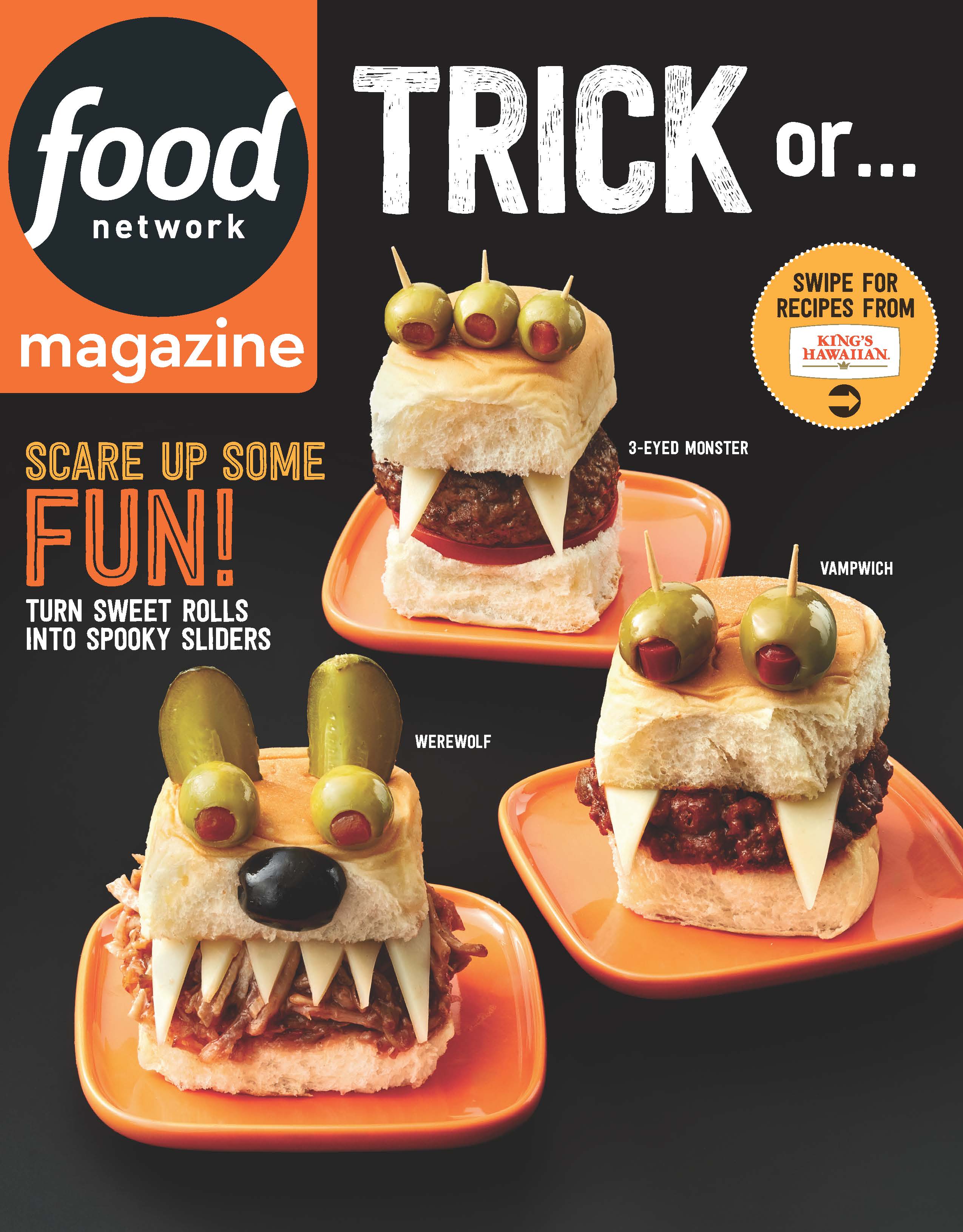
We were just on a call with King’s Hawaiian, for example, which we worked with in October. Have you ever tasted their rolls? Oh my, they’re delicious. And you know what? A lot of people don’t know where to find them in the grocery stores, so part of it was awareness, part of it was claiming this past October “Hallowaiian” instead of Halloween.
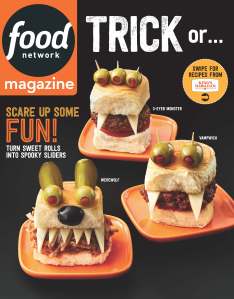
october-kings-hawaiian-cover-peel
Anyway, Maile and I were both out in California; we met with the client, just lovely people; it’s a family-owned company, so to them it’s more personal, it’s not just a big corporation. It’s personal, so it really had to make a difference. So, Maile created this faux cover and you pull it away and then you get your real cover, and of course, you get these delicious recipes on the back.

Maile Carpenter: And here’s where the win, win comes in. We’re being clear with the reader; we’re not tricking anyone, it’s very clear that this is a King’s Hawaiian piece; you can peel this off if you want. But a lot of the readers totally loved it, sent us notes editorially saying how cute the sandwiches were, so that was the dream scenario where it’s just all comfort zone.

Vicki Wellington: On top of that we were able to create, Hearst has a wonderful shopper marketing division, and we were able to work with national grocery stores and we just spoke with them and we increased sales, a crazy amount, year over year. So, the client was just on the phone with us and he was delighted. We exceeded every single goal that was set up, and we had a memorable, unique cover to boot. So this is what we’re doing, but it takes time to do this.

Another example is we wanted to find a way to work with Land O’Lakes, and we had a sort of a callout for all bakers to compete and win this bakeoff that we put out there. And that was in May, I believe, our May issue. And in our September Reader’s Choice issue, Land O’Lakes was the cover, Maile and her team, and I think a Land O’Lakes judge chose the winner, and how amazing to get their unique recipe on the cover. So, you have Land O’Lakes here, but again it’s clear, and it’s separate from the other cover, and then we had runners-up inside the magazine with their unique recipes. So, I just think that it ties in beautifully to what our edit is doing, and again, it delivers service to readers.

Samir Husni: Do you feel your job as editor today is easier or harder than it used to be?

Maile Carpenter: No, it’s not easier.

Vicki Wellington: Because I’m taking up all of her time.

Maile Carpenter: (Laughs) It’s just not as straightforward. I mean, operating in your own space without any concern for marketing and advertising, that’s linear and simple. So, this is more challenging, but it’s more interesting now.

Samir Husni: What advice would you give someone who came to you and said that they were aspiring to be an editor?

Maile Carpenter: We’re asked that often when college classes come in. You mean a magazine editor? Because I feel like our skillset could play out in any number of ways. I don’t think print is going anywhere, so I always hope that they go into the business. The advice would be that it’s about being real and true to yourself, and that’s our guiding principle whenever we’re dealing with these advertising concerns. You have to know who you are and stick to that. The readers know when you’re not being real.

Samir Husni: We’ve always been in the business of marketing content, and then a few years ago some wizard came up with the term content marketing. Vicki, how do you define your job; are marketing content or are you a content marketer? Or are you both?

Vicki Wellington: I think we’re everything. Sales executive; I’m a marketing executive; I’m not a PR director per se, but I think you have to be able to do everything. My advice for any young person is that they have to learn it all. It’s great to be a great writer, but go take some business classes. The successful people are going to have all of these skillsets. And I think there are fewer people doing everything, and that’s who we hire. Not a person who can only sell or market; I want a person whose mind can work in every way. Since there are so few of us, everybody has to be that good and strong and talented, and their mind has to work in every way. You have to be creative and you have to write. You have to sell and you have to be able to speak.

It’s a better world for us now because there’s a lot more to do. And it’s not boring, that’s for sure. And we’ve been successful, but I’m a biased person to ask.

Samir Husni: You have so many different chefs and programs that you reflect; how do you deal with things if some bad luck hits one of the chefs or one of the programs?

Maile Carpenter: That was a decision that we made early on and I’m grateful every day that we made it, which was that this magazine was not going to be flattening the TV program into print. That’s the opposite of playing to the strength of print. Suddenly, you look like a less energetic version of the Network. So, we decided right off the bat that we were not going to have columns with specific stars; we were not going to base stories on TV shows. This is supplemental material and I think the readers took to that.

And that way we knew that we’d be able to go wherever the Network went, so I meet with them once a month and I have a pretty clear view three to six months out of what shows are doing really well and which stars they’re excited about. Our lead time is very similar, so we can line up. And we look like we’re in lock-step with them.

Vicki Wellington: It’s a benefit of being a brand filled with so many; you’re not relying on one personality.

Samir Husni: Was there a specific day or time when it hit you on how successful the Food Network magazine really was?

Vicki Wellington: I knew early on. It was like a rocket ship and we were on this fast-moving object and it was going fast and high. And I feel like we still are. We had another great year; we’re up over last year. We’ve done amazing, unique work; we continue to win awards; our circulation is up and our newsstand is strong and our subscriber renewals are up. It’s all good, so we’re still on that rocket ship. And I enjoy it. We’re a powerful brand with exactly the right editor and team and I don’t worry about tomorrow because we’re in a great position.

Samir Husni: Do you think people have tried to imitate the Food Network magazine?

Maile Carpenter: I think visually things change after we launched. We had a specific look in mind when we launched. We really starting stripping the props out and going with food in focus. Believe it or not, when we launched, it was a big ask from some photographers to just shoot the food in focus. We had to fight that with some people and I think the readers appreciated just seeing things the way they were really going to look. Not all dressed up and dolled up in an environment that would never be in your house. So, that was a big thing and I think other magazines did kind of start doing more of that.

Deirdre (Koribanick) to her credit, our creative director, does not constantly look to other places to come up with her designs. She says that she designs out of her head and she really does, I’ve watched her do it.

Vicki Wellington: And she looks like this magazine to me. I don’t know if I’m here too long, but I look at her and she’s beautiful and simple and elegant. And I look at the magazine and I see her in every page. So, it’s really meant to be.

Samir Husni: If I gave you a magic wand that could transform the magazine into a living, breathing person, and you struck the ink on paper with the wand, who would be standing there afterwards?

Vicki Wellington: It’s going to look like Deirdre, isn’t it? (Laughs)

Maile Carpenter: (Laughs too) She should get so much more credit; I feel like she’s not always mentioned in these success stories. And the visual statement this magazine made from day one was so strong and that’s really her. She just had it in her mind.

Vicki Wellington: There’s a lot of fun in this magazine. But back to your question; we’re so many different people. I think if we were other magazines it would be an easier question. But everyone loves us.

Maile Carpenter: I think it’s a family. It’s a whole family.

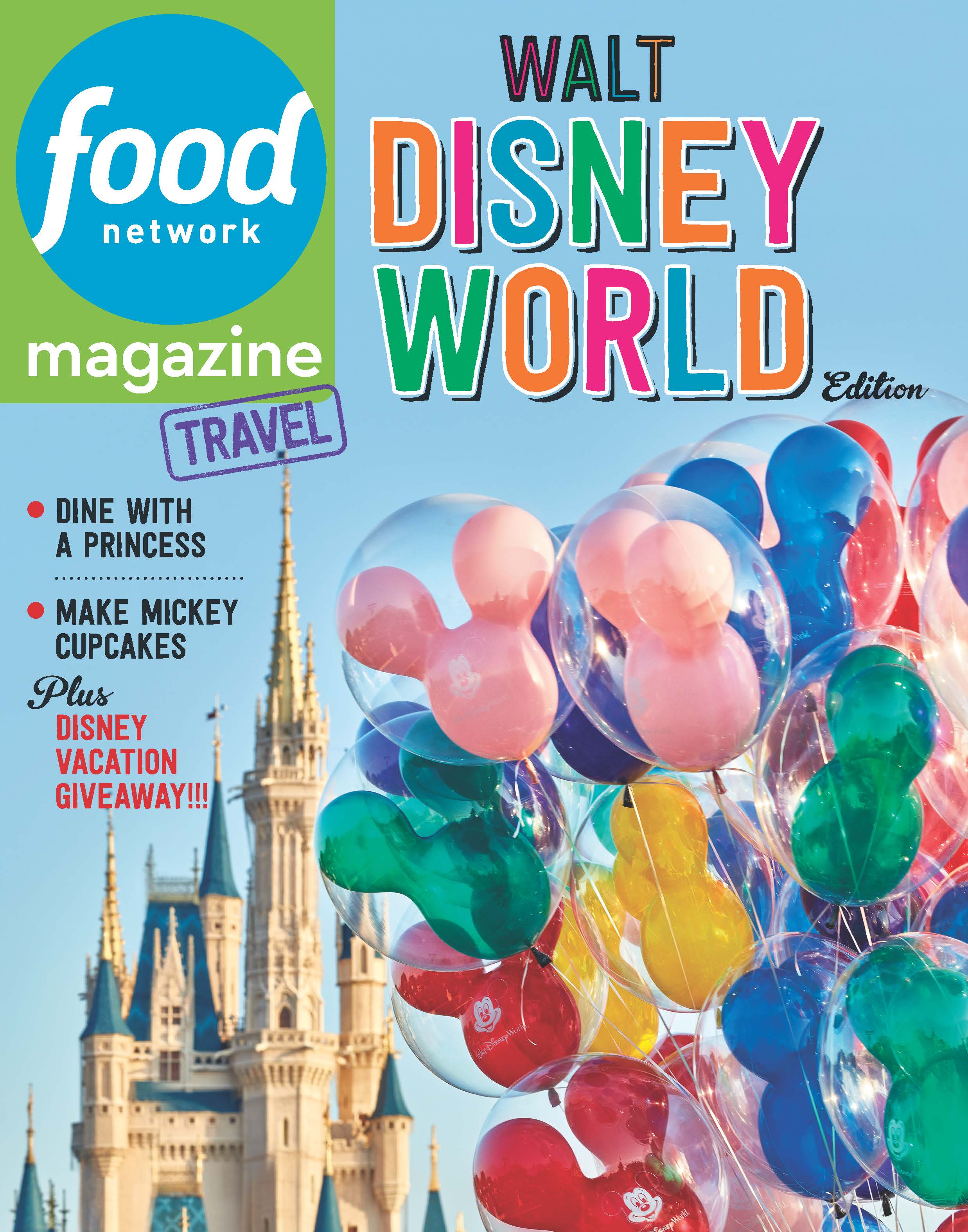
Samir Husni: Tell me about the line extensions. You’ve tested the Food Network Kids…
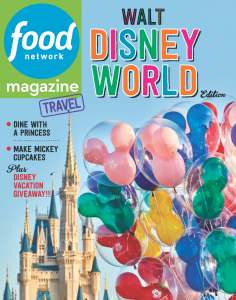
april-disney-travel_cover
Vicki Wellington: Which is still doing well; we actually expanded that to be family. We still do travel; we do family, which was Kids. We did a Disney edition this year, which was a partnership with Disney. We are looking to do college this coming year in 2017, which is exciting. The Disney edition is something that Maile and her team created. It’s about the experience and food at Disney for families, which I think came out beautiful, smart and fun.

And millennials are so crazy about food and crazy about this brand, they’re posting more pictures of food on their phones than their families. They’re saving up to go to restaurants, not bars. So, I feel like what an opportunity for us to speak to that arena, so college is one that we’re looking at for this coming year.

Samir Husni: So, everything is going great; advertising is up?

Vicki Wellington: We were up this year, and we were up, not only in food and beverage which you would expect, but we’re up in home. And Maile has done a bit with Stars at Home, which I can show you.

Samir Husni: You were one of the few, if not the first, food magazine to go outside of endemic advertising and you’ve brought a lot to the magazine, from the very beginning.

Vicki Wellington: Yes, that was the plan from the very beginning. Part of it is the readership. And I always knew that; it’s a strong readership and I knew how obsessed they were about the brand, about the chefs; about all that goes on within this brand. And I knew that our numbers were strong. We were measured in MRI pretty early, which is a good and a bad thing for us; it was good.

We were able with this story to bring in travel, and this year we really did a lot on home. We had home prior, and this year we brought in a load of beauty business. So, I do think Maile has expanded a little bit, which has been wonderful. She’s showing the chefs at home, Marc Murphy and his beautiful home and you can see how he lives. And you can’t see this anywhere else, so it’s really our special relationship with the chefs and the readers love it because they can see what their backyards are like; what their bedrooms are like; just how they really live. And I think that’s a big advantage.

Samir Husni: You mentioned that millennials loved the magazine; why do you think that every time you pick up a media-related item, it’s always reporting that millennials don’t read print?

Vicki Wellington: I know it’s not true. I know it’s not true from my numbers. And I met the lovely Linda, who you will be meeting with at the MPA, and during one of her presentations she talks about millennials and about the fact that magazine audiences have grown. She talks about the fact that magazine audiences are larger than the biggest 10 cable shows on air. So, when you look at the facts, they don’t back up what you read in the press. I don’t know why the press doesn’t report on all of the other.

It¹s frustrating because I know what I see and I know that’s not true. And I know what the readers are showing us and doing with us. It’s a shame that there’s not more press on good stories. We had a phenomenal year, maybe there could have been more reported about that.

It’s easier to talk about the negative rather than the positive, maybe?

Samir Husni: Is there anything else either of you would like to add, anything new in the works?

Vicki Wellington: I can’t report on anything that might be in the works, but I can say keep watching. We’re always working on new things; the entire company is. Michael (Clinton) is launching Airbnb and that’s very interesting. And I think we’re all looking at new opportunities constantly. I don’t know if that goes on at other companies, but it goes on here and it’s exciting.

Samir Husni: If I show up at either of your homes unexpectedly one evening, what do I find you doing; reading a magazine; reading your iPad; watching television; having a glass of wine; cooking; or something else?

Maile Carpenter: I made 90 sugar cookies for my daughter’s holiday cookie decorating class that I’m teaching next week, that’s what I was doing.

Vicki Wellington: I recently moved into the city just a few months ago; my girls are in college. I’m in a different place than Maile is. I’m actually having very nice evenings. I’m doing something different all of the time. I’m going out to dinner; I’m meeting a girlfriend tonight for dinner; I’m taking clients out to dinner; I’m going to the gym. I’m living a very civilized life, which I haven’t lived in many years. It’s true. And I’m sleeping a bit more, so these are good things.

Samir Husni: My typical last question; what keeps you up at night?

Vicki Wellington: I think about that and the truth is, not work, which is a wonderful thing for me to say. I am really happy with our magazine and I’m happy with our relationships. I love our team; I’m proud of the work that we do every day. For me what keeps me up would be the fact that I have two daughters in college. I picked up my phone today and the first line of the text I had gotten was, “I’m vomiting.” So, I read further. Even though they’re in college, you never stop worrying.

But the good news for me on the work front; we’re supported by them, Michael and David upstairs. We’re doing good work; we’re doing smart work. We have an excellent team, so I don’t worry about this. And that makes me happy to say.

Maile Carpenter: Somebody asked me how I handled that Sunday night dread and I can honestly say that has never happened, never. And I think that’s a nice gift to give my kids, to see the importance of doing something you love. I can tell every time I’m interviewing somebody if they’re passionate or not. You can’t fake it. You can fake a lot of things, but you can’t fake your excitement. You can just tell if someone is excited or not.

And I can honestly say that everyone who’s here makes this a fun place to work. Everyone loves what they’re doing. We have our stresses like everyone and we worry about things, but not to the extent that I lose any sleep. (Laughs) Sleep is important. Sleeping and eating.

Samir Husni: Thank you both.

h1

Bake From Scratch Leads Mr. Magazine’s™ 30 Hottest Launches of 2015 – 2016!

December 8, 2016

Bake from Scratch

Bake from Scratch

It’s that time again; time for the 30 Hottest Magazine Launches of the Year and 2016 (October 2015 through September 2016) was an absolutely bona fide year for new magazines. Content was diverse and designs were divine and they just kept coming each and every month. Happily, new magazines have shown no signs of slowing down over the years, even with the naysayers predicting the death of print. That magazines were, are and always will be a reflector of our society and a concrete part of it forever is a fact that Mr. Magazine™ said all along and will continue to say as long as there are human beings to hear it.

Since beginning this very daunting task of selecting the 30 Hottest Launches, considering the love I have for all magazines, many have asked what the qualifications for making Mr. Magazine’s ™ list for the 30 Hottest Launches are and the first and foremost qualifying factor is you have to be a magazine. And if you’re not print, you’re not a magazine. Some might think that consideration is pretty obvious, I do; however, in this digital age, you might be surprised at what some consider a magazine.

mr-magazine-by-robert-jordanThe next qualifying factor is the time frame. The magazines chosen had to be published between the months of October, 2015 through September, 2016, and there were a total of 790 new magazines for that period that we had actual physical copies of, with 217 of those having regular frequency. The quality content and amazing designs were beyond the pale and selecting only 30 out of the 217 with promised frequency was almost impossible. Almost.

But when Mr. Magazine™ has a job to do, he gets it done. How is the actual selection process conducted, you might ask? It’s simple really, yet as complex as the cosmos. Between the months of October 2015 through September 2016, all new magazine titles with a regular frequency and that we have actual physical copies of are carefully considered for this very important list. The chosen magazines are selected based on a certain criteria.

In reaching my decision on what makes a hot magazine, by far the number one criteria point is the audience’s reaction to that magazine. How did the overall marketplace react and how did its intended audience respond to it? And just as important; how did the industry behave toward it? These questions are the first thing I ask upon selection of the hottest 30. And once I’ve answered those initial questions, then I really get down to work. Remember my mantra: Audience First.

For example, major industry leaders’ launching new print magazines certainly is something that must be recognized because it speaks of the power of the medium. These people aren’t in the business of wasting dollars on something that has no value, especially when those new babies are some of the absolutely best of the best. This time around there was new offerings from publishing giants such as Condé Nast, Meredith and the southern-born Hoffman Media. For companies as distinguished and successful as these to create and bring new titles into this digital world signifies the good health and power of print.

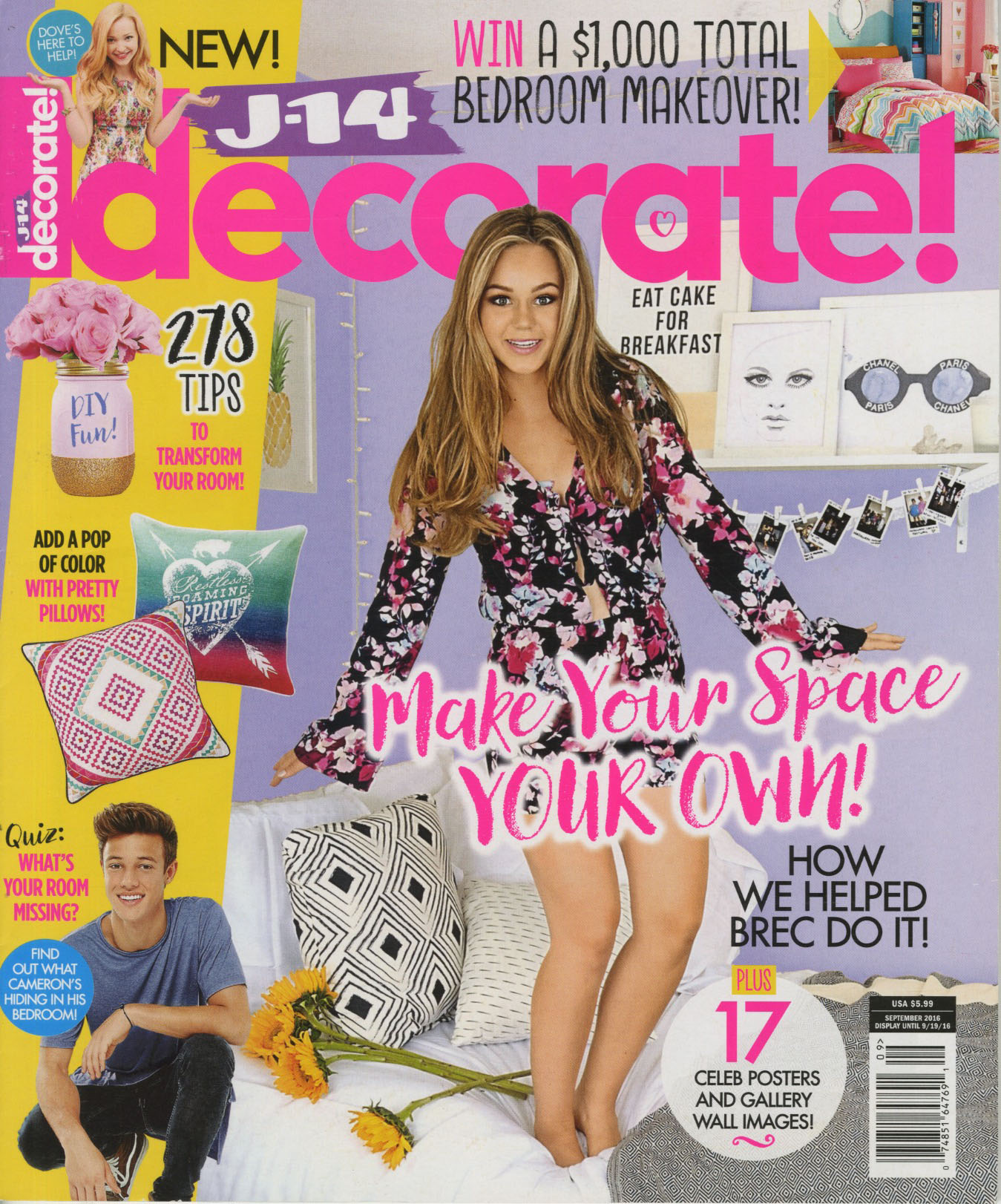
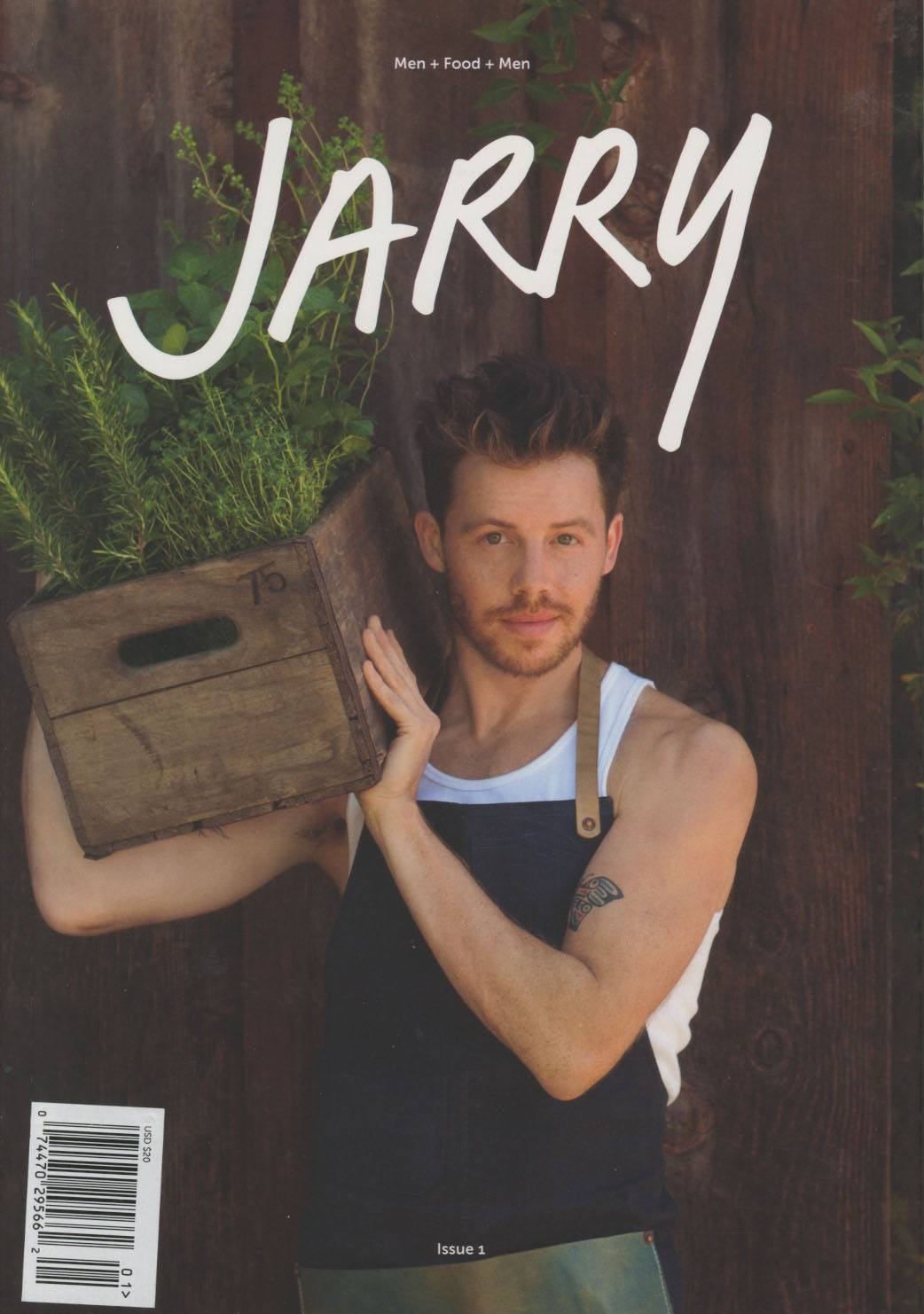
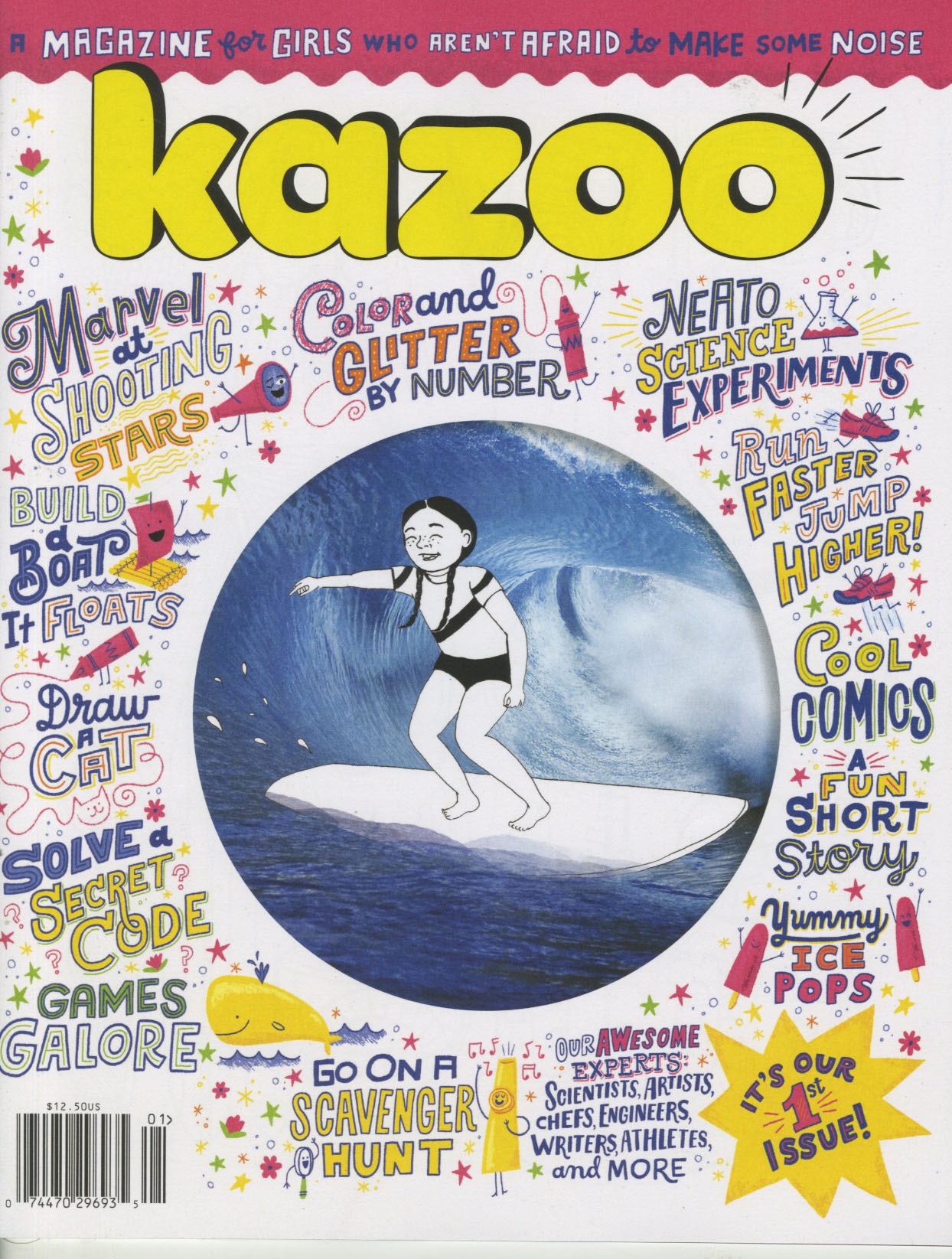
And then there are the entrepreneurs, with their vision and determination to launch their magazine no matter the cost to their wallets and their emotions; they are no less amazing. Some of the best titles I’ve seen in a long time are among our Top 30 and they come from relatively unknown publishers who are not without experience, just without the stolid names that audiences know so well. Magazines such as: Kazoo, Jarry and Pallet.

So, the criteria for selection is based on factors that include creativity and audience reaction first and foremost, and then industry trends and as always, those rogue wildcards out there that just won’t be denied and seem to make some of the best magazines around.

Also, something has to grab my attention to be selected as a hot new launch, based on the comparative analysis of all the other magazines that are out there. To me, every new magazine is a good magazine. Any new launch is a good launch. I’ve always said my connection to ink on paper is a mutual one, but one that chose me first, albeit willingly. The passion that I have for magazines is not one that I can deny, nor do I even want to. We are connected and I love it.

So without further ado; here is the hottest launch of the year as presented at the min: media industry newsletter breakfast award on Dec. 8, at the Yale Club in New York City followed by 29 Hottest New Launches for 2016 in alphabetical order:

bake-from-scratchHottest Launch of the Year: Bake From Scratch: Diet-goers beware, there’s a new temptation coming to a newsstand near you. Bake From Scratch is a product of Hoffman Media specializing in all things baking. I said baking, not cooking. Foodies and chefs worldwide know the difference. This delectable art-form-of-a-magazine is portrayed through eye-catching photos that make your inner chocolate and sweet bread addictions come to life. You can almost smell the raw flour and oven heating up through the sharpness of the design and art in the magazine. But don’t fall for it – that’s not actually a peak of dark chocolate frosting yearning to be scooped and devoured; it’s hard to believe, but those photos aren’t the real thing, but this ink-on-paper delicacy makes it seem so. Move over grandma. There’s a new favorite apron-wearer in town.

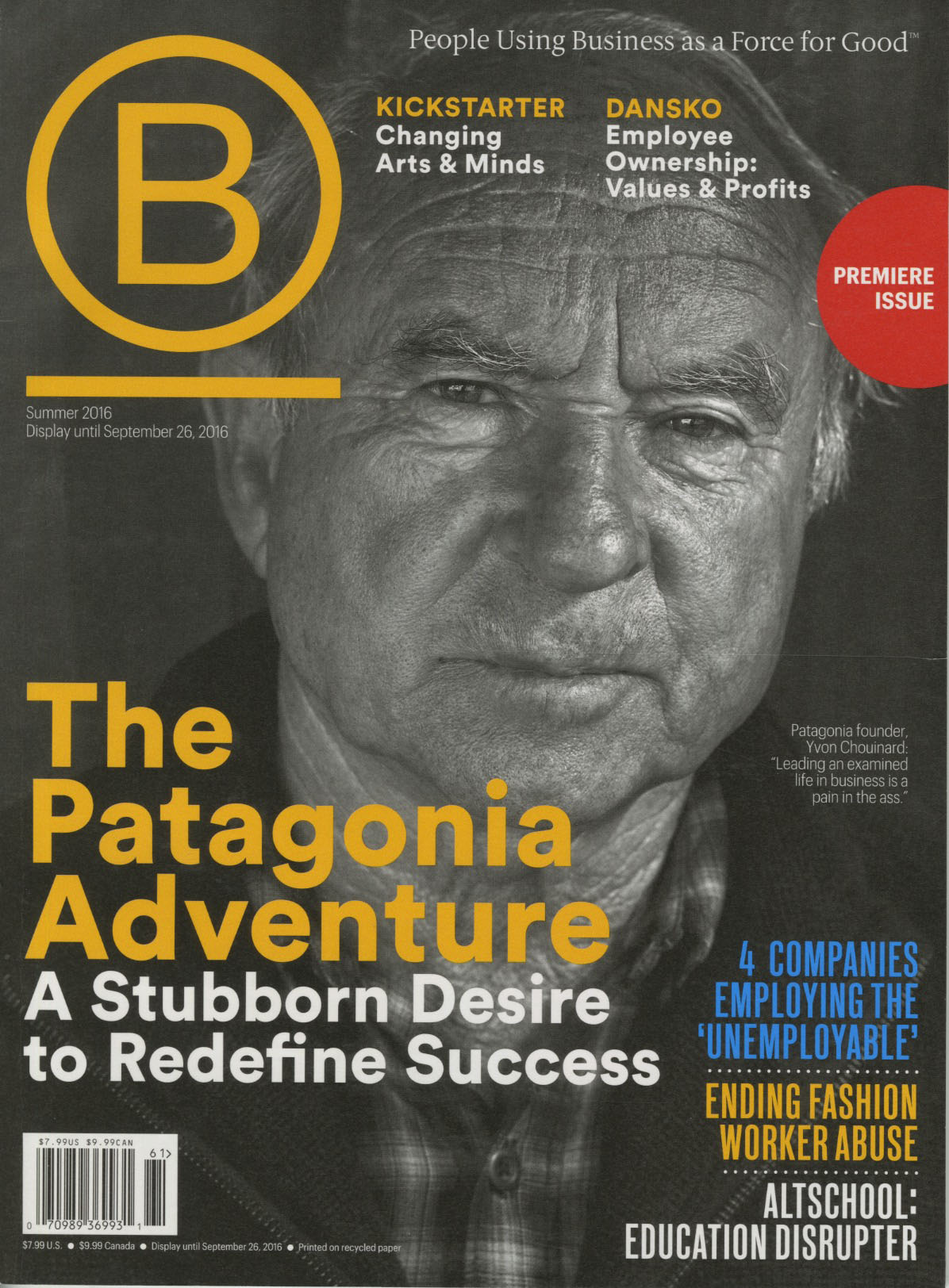
bB Magazine: For the first time in decades small businesses are thriving, while mega-corporations are seeing an unfavorable decline in revenue. B Magazine is the backbone and lumbar support to entrepreneurs using small and medium-sized business as a force for good. CEO Bryan Welch is a modern day Captain Picard, leading, guiding and directing his adversaries to success and overall fulfillment in the marketplace. This magazine is a purveyor of all things business, including management, merchandising and above all, morale. Read interviews with up-and-coming businesspeople that are not only looking for a profit, but to make the world today in which we buy, sell and trade a better place.

beekman-1802-1Beekman 1802 Almanac: Partners in business, in life and co-editors of Beekman 1802 Almanac, Josh Kilmer-Purcell and Brent Ridge may be familiar to you in another setting. They competed in and won CBS’s The Amazing Race in 2012. The duo now lives on the Beekman 1802 Farm in Sharon Springs, NY, which they’ve turned into a national lifestyle phenomenon. The Farm hosts a title as a TV show, Mercantile, bestselling cookbook and memoir, website, tourism destination and now magazine. They named the magazine an almanac because they liked the day-to-day planning of the Old Farmer’s Almanac, and they also wanted to encourage people to cultivate every aspect of their lives as freely and creatively as they desired. Designed in an aesthetic manner similar to the Old Farmer’s Almanac, this contemporary magazine gives way to all things DIY – food, wine, décor and gardening. Also – if you’re anywhere near Sharon Springs, NY, be sure to check out the baby goat farm!

celebrity-pageCelebrity Page: Celebrity junkies rejoice! A new magazine, filled with real-life news and testimonials (not the gossipy content that is the norm) is gracing newsstands with its sparkling presence. Celebrity Page magazine branched from Celebrity Page TV, which is broadcast several times daily on the cable network Reelz, after its booming success as a rooted celebrity news purveyor. This magazine displays the essence of Hollywood life, from fashion to ultra-beauty, in just a few colorful and whimsically designed pages. Unlike its mega-competitor People, Celebrity Page has centralized design and in-depth content that will satiate any celebrity lover’s soul. Welcome Celebrity Page to the newsstand’s red carpet, as your well thought-out content will remain in the limelight for years to come.

classic-sewingClassic Sewing: The art of sewing has blossomed from hobby and craft to occupation over recent years, but the love and appreciation behind the art form still rings true. Classic Sewing is the definition of the heart and soul behind application with vibrant, unique patterns and easy-to-follow needle guides on each colorful page. The cover price is robust, $24.99, but the free pattern and mix of simple and intricate design is worth it for any intermediate or advanced sewer looking to advance his or her skills. If you’re interested in smocking, machine embroidery, ribbon work and monograms, it’s all in here, too. Classic Sewing will give you the inspiration and motivation you need to get your foot on the pedal and fingers intertwining.

color-magicColor Magic!: Coloring books bring to mind memories of grade school and hours of childhood fun, but today, adult coloring books have become all the rage. Color Magic! stands above the rest by being a creative artistic exercise in, you guessed it, having fun. Coloring inside the lines of each Color Magic! page will in turn help you think outside the box. Although the magazine’s physical stature is small, each turn of the page is durable and strong. These pages could withstand any 2-year-old, as well as any precise artist! None of the drawings are what they appear to be, so use your imagination and start coloring, highlighting and scribbling!

fabuplusFabUplus: In an era of body consciousness and the oversexualizing of women, the race to be “fit” is almost insatiable in America. Eating healthy, exercising and loving yourself have always been the staples of establishing self esteem, but what if the pounds just won’t shed? The voices of FabUplus say, “Who cares?” You can be fit and fat at the same time, and that’s what FabUplus embraces. Editor Shannon Svingen-Jones is encouraging women to love themselves (and their curves!) wholeheartedly, despite their size. You’ll find finance, fitness, sex and testimonials all from women who have decided loving their bodies is worth more than any BMI score.

forgedForged: Automotive Americana is creating a revolution in downtown squares, dusty, gravel patches and casino parking lots with miles and miles of classic cars for enthusiasts to drool over. Forged is glorifying the automotive lifestyle and culture, as well as promoting those with oil in their veins to hone their rebellious spirits. You’ll not only see classic roadsters and hot rods squealing from page to page, you’ll learn the personalities behind their owners and how they identify with the rough-and-tough lifestyle. Candid photography and comprehensive storytelling give Forged a creative edge on other automotive magazines. And stay tuned: there might be a few pages dedicated to pin-ups.

Galerie-2Galerie: Extravagantly beautiful art and design reigns supreme in Galerie magazine. From breathtaking design visuals to inspiring stories behind famous artists, becoming immersed in Galerie is an all too easy feat. The layout of the magazine is inviting, and the content is empowering for aspiring posh artists and designers. Architecture, home essentials and destinations are also featured in the magazine, with a clarity so precise you can close your eyes and envision yourself there. For each subscription, $5 will be donated to the Hetrick-Martin Institute, a professional provider of social support and programming for at-risk LGBTQ youth. Whatever your creative process may be, Galerie will help thrust your ideas to the next level.

gq-styleGQ Style: Luxury. It’s what the new quarterly fashion magazine GQ Style does, and does very well. Editor in chief Will Welch asks in his debut editor’s letter, “What the hell does luxury even mean in 2016?” He describes it as an empty shell of an idea, but says ultimately he wanted to find thriving in culture. Fashion, literature and celebrity style clout this quality publication by incorporating all things high-end. Flipping through the ultra-color pages of the gender-neutral Style will give you the courage you seek to mosey into Neiman Marcus, Nordstrom or Saks Fifth Avenue and drop your savings account on a wardrobe. And who cares? You look good.

hola-usa Hola!: Hola! magazine is a celebrity news monthly that is geared toward in-the-know Spanish speaking people living in America. And for those who aren’t Spanish speakers, the same publication is also printed in English. The U.S. version is a product of the longstanding and original Hola! founded in Madrid, Spain in the 1940s. Hola! focuses more on celebrity life, but in the sense of remarkable beauty and fashionista living. You’ll never see an actor or actress stumbling out of McDonald’s with sweatpants on. This glossy magazine has breathtaking celebrity photos that pairs well with each detailed travel and entertainment story. Say hello to your newest celebrity magazine.

homesInterior Design Homes: Interior Design Homes is a posh, modern and aesthetically unique publication specializing in displaying glamorous interior furnishings needed in your home. Each finely-made, artisan product is the masterpiece behind a creative, some of which are featured in the magazine. Homes draws from the inspiration of these artists’ products from inception to execution. If you’re content with your living space being run-of-the-mill and altogether common, the uniqueness of this magazine may overwhelm you. Embrace your inner innovative. Read Interior Design Homes.

j14J-14 Decorate!: J-14. Decorate! is a junior version of In Touch Weekly, mixed with the inspiration and DIY aspect of Pinterest. Vibrant pink and purple colors pop from the pages like fresh spring flowers, and the glossy overview makes this magazine a shelf-grabber. For teens who love home décor, this is the magazine for them. The content is made up of outstanding artwork and design, geared toward creative teenage girls. If your teen is more “in the know” then you are and can make Pinterest-type projects come to life, consider subscribing to this magazine next birthday or Christmas – your teen will thank you for it.

jarryJarry: Jarry, said with a long ‘e’ sound on the end, is a magazine for men who love men and food. In fact, Jarry was created because the editors believed a gay food magazine needed to exist in society. And they were right. Jarry is a one-of-a-kind, lighthearted magazine praising the creativity, execution and abundance of food in the lives of gay America. The magazine features chefs, Instagram royalty and next-door-neighbor gay men proclaiming their love for food. Recipes for gay gourmet are littered throughout, and new age cocktails glitter like jovial centerpieces. If you’re a proud member of gay America, love food or just like to peruse the pages of a very handsomely done magazine, Jarry will be a thrill of a read for you.

kazooKazoo: Kazoo magazine is a publication for young girls ages 5-10, specifically created to empower their generation and encourage high self-esteem and confidence that will last a lifetime. Jam-packed with science experiments, puzzles and vibrant cartoons, you and your daughter will anticipate the dive into the next issue, and the next, and then the next. When Kazoo founder and mom, Erin Bried was shopping for a magazine for her five-year-old daughter, who liked outer space and climbing trees but wasn’t much for the frivolous content offered on the stands for that age group, Erin decided to create her own brand of girls’ magazine, one geared toward the younger feminist. Hence, the spunky, artfully creative and very informative Kazoo was born.

live-with-heartLive With Heart and Soul: Strength, durability and passion come together in this quarterly magazine made with Christian women in mind. Enriching stories of travel, food, love and testimony flood this publication and displays its core values – heart and soul. By incorporating scripture with quality storytelling, the Word of God is alive and well in Live With Heart and Soul. Make time for yourself and your relationship with God with this lively publication. Prepare to laugh, cry and be empowered with each flip of the page.

living-the-country-life

Living the Country Life: Picture a quiet setting with a ranch-style home atop rolling hills, barn animals to tend to and a garden to cultivate. If any of these descriptions fit your idea of living, Living the Country Life is your go-to magazine. Sustainability, comfort and class weave together through vibrant photos and in-depth literature in this magazine. You’ll find how to host a good ol’ tasting party, along with how to upgrade your barn and arrange and display your very own flowers. Grab a glass of lemonade and sit comfortably in your grandmother’s wicker rocking chair for an evening of quality reading with Living the Country Life.

lonely-planetLonely Planet: Traveling will forever be a bucket-list endeavor, but are you really going somewhere if you don’t see it through the eyes of Lonely Planet? This magazine is the offshoot of Lonely Planet and lonelyplanet.com, the largest travel guidebook publisher in the world. Editor Lauren Finney reassures readers this magazine was created for the way you really want to travel – immersed, informed and relaxed. If you’re traveling abroad for vacation, be sure to browse Lonely Planet’s pages for a captivating preview. In the words of Dr. Seuss, “Oh, the places you’ll go with Lonely Planet.”

misadventuresMisadventures: Misadventures magazine began out of frustration. Most of the big outdoors-tailored magazines tended to focus mainly around men. This unique travel and outdoors magazine caters specifically to women who have wondrous, kindred spirits. Traveling and embracing the outdoors are as natural as breathing to the Misadventures staff, and they portray the beauties of the world through breathtaking photos and heart-wrenching portrayals. If you have mud in your blood, can’t stand an office job and yearn for the great outdoors, treat yourself to an indulging evening of discovery and fun in Misadventures.

my-herbs-1My Herbs: Health, happiness and herbs is what My Herbs magazine, a quarterly now available in more than 20 countries, is all about. If you’re eager to get away from the hustle and bustle of life and become rooted with nature, this magazine will give you a good start with raw ingredient recipes and natural remedies to common ailments. Herbalist lifestyles have been around for thousands of years, but they were forgotten when the industrial revolution and modern technology involuntarily took hold in our lives. My Herbs is destined to teach you how home growing and home healing can be essential methods of healthier living.

palletPallet: Never drink alone…unless you have good beer to justify it. “Thinking and drinking” is the philosophy of Pallet magazine, which encourages the “thinkers and tinkers” of the world to pair craft beer with each exciting page turn of the magazine. Pallet portrays the world of beer in a detailed and creative manner, just like the original inspiration behind the art of micro brewing. Detailed, long form feature articles accompany each quirky photo in this heavy, colorful quarterly. It’s always beer-thirty with Pallet in your hands, so hone your adventurous palate and drink the best artisan beer that’s ever been created.

permaculture

Permaculture: The food supply on Earth is undoubtedly dwindling, as well as the forests thinning, but one beacon of hope is shining the way for sustainability: Permaculture magazine. Didn’t learn what permaculture is in 8th grade biology? Not many did. It’s a relatively new phenomenon that’s focusing on creative, interconnected solutions based on how nature operates, and it can be incorporated into any lifestyle whether in metropolitan or rural areas. Permaculture moves way beyond gardening techniques into a central essence of the natural human being. This start up just integrated into North America from the U.K. and is packed full of long form articles dedicated to preserving Earth, from farming to water control, Permaculture is a must-read for any sustainability guru.

providenceProvidence: It’s no surprise America’s founding fathers built the country and all its inaugural literature on Christian ethics, morals and principles. Fast forward to 2016. Separation of church and state is practiced deep within the folds of our acting government. Providence is the uniting factor, mixing national security and government policy with our true founding principle – Christianity. Providence reads solidly, is written intellectually and is slated in a Protestant and Evangelical tone, denouncing political correctness and emphasizing Christian morale. It’s published by The Institute of Religion & Democracy and The Philos Project, a group dedicated to promoting Christianity in the Middle East.

cast-iron
Southern Cast Iron: A necessity in any southerner’s kitchen is undeniably cast iron skillet ware. Frying, blackening, baking, you name it. It always tastes better coming off of a hot, seasoned cast iron pan, skillet or Dutch oven (especially if it’s been passed down from your great-grandmother). Southern Cast Iron is a magazine dedicated to promoting “recipes, maker and experts using iconic cast iron cookware to create delicious food.” Its art directors worked fervently to produce a jam-packed collection of entrancing baked goods, and a detailed story pairs well with each turn of the page. From beginners to gurus, every cast iron owner needs to snatch this hot commodity. But, be careful. Use your oven mitt.

spoonfulSpoonful: Spoonful is not your average cookbook, much less your average cookbook-turned-magazine. If Mary Poppins’s advice rings true in “A Spoonful of Sugar Makes the Medicine Go Down,” then a full dose of Spoonful will diminish all woes, worries and weariness, while replenishing the soul through good food and comp’ny. The thick-bound, durable quarterly specializes in not only food, but also the essence of lionizing artisan cooks and the act of entertaining a hungry group. The simplistic design, coupled with entertaining content and photos are must-sees for any aspiring cooks to fully grasp the inspiring phenomenon’s that are good food and laughter.

swim-swamSwimSwam: Summertime swimming is a leisure activity for most avid beach, lake and pool goers. But swimming to a select few is the essence of success in life. SwimSwam magazine is a photo-heavy quarterly that projects Olympic greats, college hopefuls and dream swimming destinations with finite clarity and delight. You can find training tips and techniques from coaches and Olympians, as well as year-in-review countdowns for all things swimming news. For a magazine that’s just getting its feet wet, SwimSwam is a stroke of media genius.

tabletTablet: Warning: this magazine may not be for you. These words are largely displayed in bold typeface next to Editor Alana Newhouse’s letter from the editor, and she’s right. Tablet is a Jewish news, ideas and culture magazine that is forthright in saying the content in between its covers is vastly different from most of America wielding its blinders. Its online counterpart, The Scroll, also features articles from the magazine. The large fold magazine has the feel of opening a freshly printed map, but with the detail and long form writing similar to the Bible. Tablet’s provocative approach to reiterating Jewish history and storytelling is like a breath of fresh air not only for Jews, but also for those who enjoy a laugh and a cry all in the same read.

the-clever-rootThe Clever Root: Marijuana culture is under much scrutiny in the United States today, but The Clever Root Managing Editor Karen Moneymaker and her comrades are embracing the culture shift and stemming the opposition. This magazine holds both the reader and grower community accountable to value what goes into our bodies and how it’s formulated for consumption. Artisans don’t always come in the persona of traditional means. Marijuana growers are just like local farmers growing cotton and soybeans. Marijuana chefs are just as valuable as those in the local bakery where you snag your coffee and cream cheese bagel each morning. Growing, consuming and advocating for safer cannabis methods is the main concern of The Clever Root, as they strike the match in becoming a recognizable and respected industry.

treadTread: There are two ways to live life: On-road or off-road. Tread magazine is a must-have for those who choose to live life like the latter. Whether it’s a tightly controlled Jeep 4×4 or a mountainous utility vehicle with tires the size of steers, your off-road adventure capabilities are endless. Tread fuses a modern day, mechanical viewpoint with that of simplistic lifestyle and spirit from days gone by. Trek the terrain through pages and pages of visually stimulating layouts and content in Tread. Remember, it’s not where you go. It’s how you get there in an off-road vehicle.

womens-golfWomen’s Golf Journal: Golf is a sport of dedication. It requires quality equipment, sound mind and body and the focus of a monk. The sport has seen a shift in male dominance to female triumph. Women golfers are thriving and taking names in golf, but they’re also mothers, daughters, friends and revelators in the workforce. Women’s Golf Journal empowers women to be better athletes, no doubt, but it also empowers them to be better women through self-love and confidence. You’ll find profiles of famous athletes, travel anecdotes, health tips, food and drink recipes and fashion and beauty aids. Home, career and sport life can be hard to balance, but Women’s Golf Journal is impactful and reassuring in helping women remain a tight grip on the iron.

A Mr. Magazine™ Note: The aforementioned list and blurbs could not have been possible without the help of my able and capable staff Angela Rogalski, Anna Grace Usery, and Austin Dean. Thanks a million.

h1

Stand Magazine: The Tagline Says It All: The Magazine For Men Who Give A Damn – A Men’s Magazine That Promotes More Than Just Looking Good – The Mr. Magazine™ Interview With Dwayne Hayes, Founder & Managing Editor, Stand Magazine….

December 7, 2016

A Mr. Magazine™ Launch Story…

“I’m just a huge fan of print. When I read something, I want to grab it in print. When Borders (Bookstore) was opened, I would go there during my weekly Friday afternoon routine when I would get out of work early, sit down with a dozen or so magazines and just read through them all afternoon. And I think that the digital focus and emphasis in our lives actually provides a great opportunity for really beautifully-made print magazines. People enjoy being able to sit down and have a cup of coffee or have a beer and read something beautifully-made in print.” Dwayne Hayes…

stand

With the mission of encouraging men to be much more than just snazzy dressers, Stand magazine challenges all of us testosterone-charged beings to look at everything we do with a bit more conscious thought than we might do normally. To try and be better partners, better fathers, better husbands, better friends and neighbors and better…well, just better men all the way around.

Dwayne Hayes is the founder and managing editor of Stand, but he’s much more than just those adjectives. Dwayne is the vision behind the mission, coming from a long career in social work as a therapist to young males and adult men with a history of domestic and sexual abuse. His compassion and exemplary skills, while no longer being utilized on that personal, one-on-one patient basis, shine through the pages of the magazine, stirring all men, regardless of their ethnicity or sexual orientation, to be better people.

I spoke with Dwayne recently and we talked about the new magazine, which has seen its 4th issue, with number five on its way. The quarterly magazine is not his first attempt at the publishing business, as Dwayne has also had a very notable literary magazine called Absinthe out in the world. But by his own reflections, Stand brings with it a whole new experience for him when it comes to publishing a magazine four times a year. Along with the art of finding his footing, Dwayne is also seeking his audience; as this first year he admits has been more of an experiment than anything else. Planning a thematic format going forward, he’s also gearing up events to further the conversation with his audience around the theme of each future issue.

So, I hope that you enjoy this very thought-provoking and inspirational interview with a man who seeks to be a better man himself with each issue of the magazine that he creates and hopes to encourage other men to do the same, the Mr. Magazine™ interview with Dwayne Hayes, founder and managing editor, Stand magazine.

But first the sound-bites:

On why he felt the need to start Stand magazine: Well, I didn’t think there was a magazine out there for men such as we envisioned, and that was one that really promoted a different view of what men and masculinity meant. And to encourage and challenge men to reject some of the stereotypes about manhood and to really embrace a view that spurs men to be equal partners in all aspects of life; in raising children; in parenting; in taking a more conscious and ethical look at their work and what they do; reducing violence in the world, violence against women and children.

dwayne

On how the idea actually developed into a magazine: It really happened years and years ago. My background is in social work; I was a therapist for a number of years. I have a master’s in social work from the University of Michigan. And my work was with boys who were perpetrators of sexual abuse. And I did that for a number of years and I also worked with men on domestic violence and anger issues. I ended up leaving social work and got into publishing. I’d always written and was very interested in publishing. And I did that for a number of years; primarily with information and reference publishing, and had started my own literary magazine that I published for 10 years. It was during this time that I began to conceive of the idea of Stand and decided that there should be a new men’s magazine for men who wanted to stand for something besides just trying to look good.

On any stumbling blocks he had to face during the development of the magazine: Everything feels like a stumbling block. (Laughs) As you know very well, doing a magazine is not a walk in the park. I was very fortunate though; when I finally decided to take the step and do it, which happened after leaving my job that I had been doing for about 16 or 17 years, I happened to meet a guy, Carl Johnson, who as it turned out, lived right around the corner from me, and was and is a fantastic designer, and we sat down and I told him about the vision I had for the magazine. He was very interested in it and really got the look I was going for, the design that we had in mind, and began to take it from there.

On why he started a print magazine in this digital age: That’s something that we’re constantly rethinking and reworking. We’re looking at all of this in our first year and we see it as a kind of experiment to see what happens. But I’m just a huge fan of print. When I read something, I want to grab it in print. When Borders (Bookstore) was opened, I would go there during my weekly Friday afternoon routine when I would get out of work early, sit down with a dozen or so magazines and just read through them all afternoon. And I think that the digital focus and emphasis in our lives actually provides a great opportunity for really beautifully-made print magazines.

On the addictive quality of Stand for men: I think it’s a combination of the photography in the magazine and the readability of the design. One thing that we have stayed away from is long form essays and journalistic pieces. I know that can work well in some formats, but I also know that attention spans are perhaps not what they used to be, so we try and provide content in a way that people can grab one essay or one piece and read it, then put it down for a week and come back and want to read another one.

On whether his prior literary experience spilled over into Stand or he had to wipe his brain clean and start over: It was kind of both. When I first started my literary magazine, it was called Absinthe after the drink and it was focused on European writing and translation, so as you can imagine there was a wide audience for that in the United States. (Laughs) But we had a really great group of readers and writers and translators that we associated with. But certainly having that experience helped, Absinthe was not nearly the amount of work that this was and is. Absinthe was published biannually and I think doing a quarterly really steps up the pace.
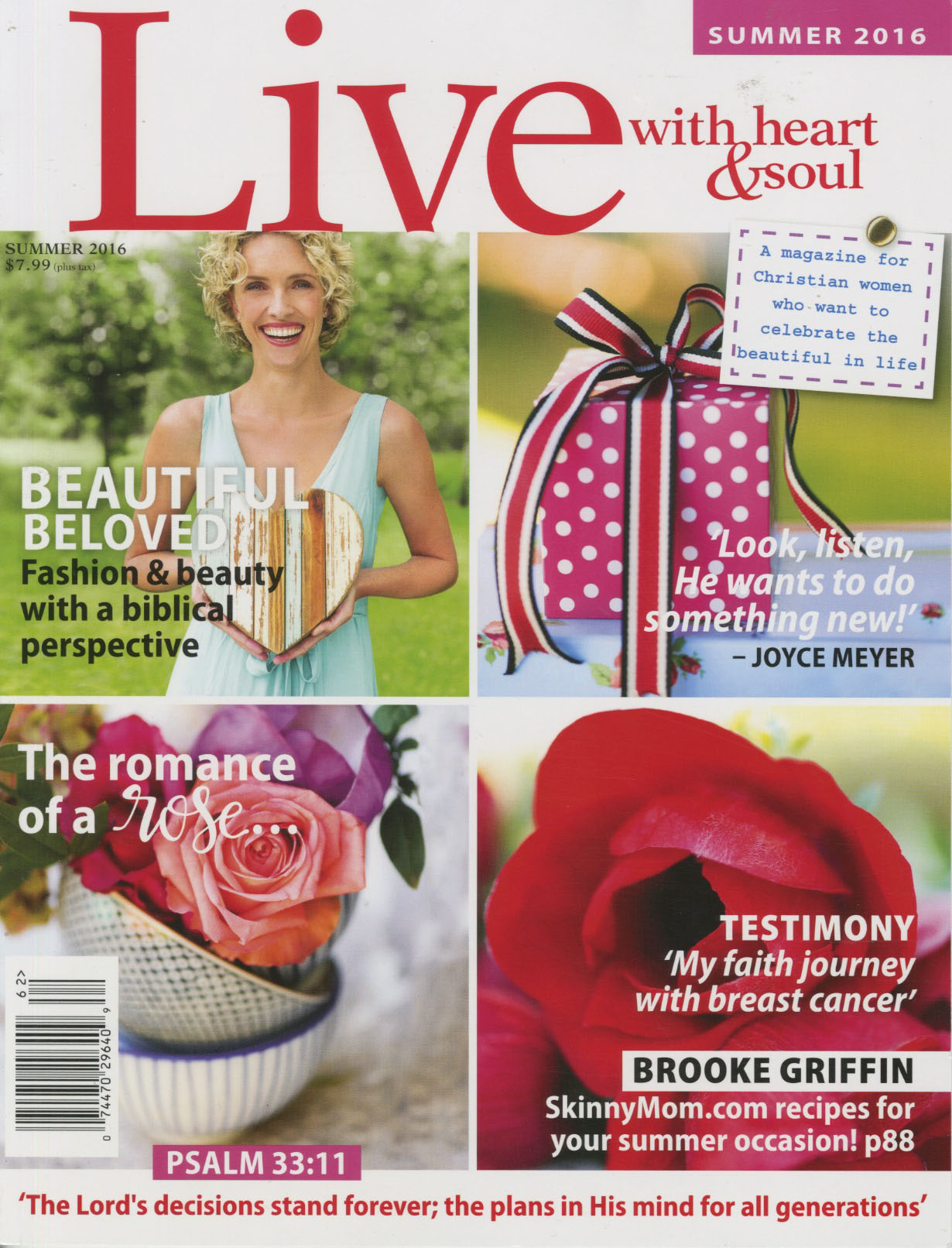
On whether he’s trying to set the record straight about men with Stand or he feels there is a gap that media isn’t addressing when it comes to men’s magazines: A little of both. We envisioned the magazine kind of turning some of the conventions of the men’s magazine on its head. Originally, our intent was that we would show a regular guy on the cover; there wouldn’t be celebrities. That is likely to change; that’s something that we’re working on, and the change is based upon some feedback that we’ve gotten. But we really want it to be a magazine that the average guy relates to, so for example, the fashion section that we did for the first year; we did it and called it “Curated Thrift” and we focused exclusively on fashion and style that men could afford. And we really tried to do things that men could wear that were under $100, as opposed to what they’re normally going to see in GQ or Esquire or any other men’s magazine.
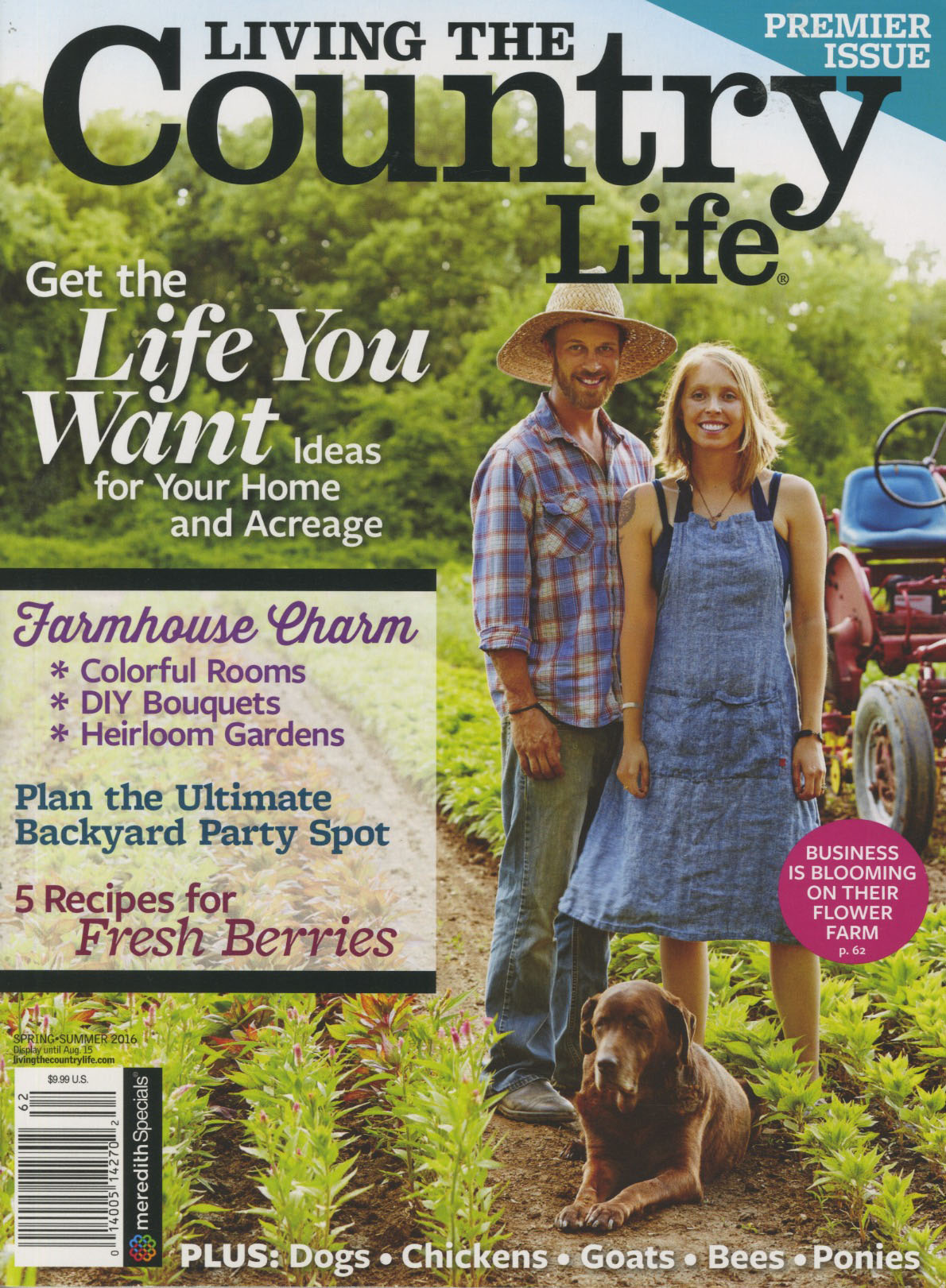
On what he hopes to accomplish in 2017: In 2017 we’re going to be doing a number of things. We’re going to be adding a podcast and I hope that will have taken off and have found listeners. We’re also going to be adding events that will be part of each release of the issue. Issue #4, as you noted, focused on male body image, and going forward the issues will have more of a thematic focus and we’re going to be developing events around those themes. Hopefully, this will further the conversation among men on the issues that are important to them.

On any changes he’s made to the magazine since the first issue: If you haven’t seen Issue #1, the obvious difference is that we changed the way the logo type is on the cover. We had the logo on the first two issues with just the “S” and the small Stand, and we changed the logo across the cover.

On the magazine resonating with each and every man, no matter race or sexual orientation: The intent is that it’s for the man that you want to become too. Going back to the beginning of the magazine; you do a magazine like this that’s idealistic in a way and calls men to really think more consciously about themselves. As an editor and a founder, you kind of set yourself up for people to view you as thinking that you’re an example of what a man should be. (Laughs) And for anybody who reads my editorials in each issue, I think one of the things that has resonated with our readers is that my editorials are full of failure; the ways that I have failed as a man. And how I’m struggling and learning to become a better man.

On what someone would find him doing if they showed up unexpectedly at his home one evening: Typically, the four of us are having dinner together, my wife, Jessica, and our two children, Logan and Savannah. Logan is six and Savannah’s four, and we’ll sit down and have dinner together. And once we take care of what they have going on, and they work off all of their energy and go to bed; my wife and I will sit down with a book or watch a movie, and have a glass of wine to relax.

On what keeps him up at night: It’s ironic that you ask this question now, because last night it was my daughter, who climbed into bed with us, and I have no idea what time it was. If it’s not my daughter; probably like many people I tend to get inspired in the middle of the night and that drives me crazy because I can’t sleep. I’ll come up with an idea and I have to take some time to write it down.

And now the lightly edited transcript of the Mr. Magazine™ interview with Dwayne Hayes, Founder/Managing Editor, Stand magazine.

Samir Husni: The tagline for Stand magazine is: for men who give a damn. Tell me, why did you give a “damn” so much that you felt you had to start a magazine?

Dwayne Hayes: Well, I didn’t think there was a magazine out there for men such as we envisioned, and that was one that really promoted a different view of what men and masculinity meant. And to encourage and challenge men to reject some of the stereotypes about manhood and to really embrace a view that spurs men to be equal partners in all aspects of life; in raising children; in parenting; in taking a more conscious and ethical look at their work and what they do; reducing violence in the world, violence against women and children.

I love men’s magazines. I grew up reading GQ and Esquire and others, and I just felt like there was a place for a men’s magazine that encouraged men to think a little bit more consciously about the decisions that they make.

stand-2

Samir Husni: Take me back to that moment of conception, when you said to yourself: this is what I feel and I want to put it into a magazine and call it Stand. How did the idea develop into an actual magazine?

Dwayne Hayes: It really happened years and years ago. My background is in social work; I was a therapist for a number of years. I have a master’s in social work from the University of Michigan. And my work was with boys who were perpetrators of sexual abuse. And I did that for a number of years and I also worked with men on domestic violence and anger issues.

I ended up leaving social work and got into publishing. I’d always written and was very interested in publishing. And I did that for a number of years; primarily with information and reference publishing, and had started my own literary magazine that I published for 10 years.

It was during this time that I began to conceive of the idea of Stand and decided that there should be a new men’s magazine for men who wanted to stand for something besides just trying to look good. But I was doing all of these other things, so I didn’t have the time to do it then. I thought it was a good idea, but couldn’t do it at that time. Later however, my career changed and I made some other decisions, and I ended up having some time to develop it.

Samir Husni: Were there any stumbling blocks that you had to face during that development, and if so, how did you overcome them?

Dwayne Hayes: Everything feels like a stumbling block. (Laughs) As you know very well, doing a magazine is not a walk in the park. I was very fortunate though; when I finally decided to take the step and do it, which happened after leaving my job that I had been doing for about 16 or 17 years, I happened to meet a guy, Carl Johnson, who as it turned out, lived right around the corner from me, and was and is a fantastic designer, and we sat down and I told him about the vision I had for the magazine. He was very interested in it and really got the look I was going for, the design that we had in mind, and began to take it from there.

It’s difficult to get a new magazine out there, I’m not Condé Nast or some other large company, so we don’t have all of the resources that some of their startups might have, so that’s certainly a stumbling block. And to answer questions like: how do we reach our readers; how do we find our audience?

Samir Husni: We live in a digital age, so why did you feel the need for a print magazine and one with such an expensive cover price, $15?

Dwayne Hayes: That’s something that we’re constantly rethinking and reworking. We’re looking at all of this in our first year and we see it as a kind of experiment to see what happens. But I’m just a huge fan of print. When I read something, I want to grab it in print. When Borders (Bookstore) was opened, I would go there during my weekly Friday afternoon routine when I would get out of work early, sit down with a dozen or so magazines and just read through them all afternoon. And I think that the digital focus and emphasis in our lives actually provides a great opportunity for really beautifully-made print magazines. People enjoy being able to sit down and have a cup of coffee or have a beer and read something beautifully-made in print.

And that’s what we wanted to do. Make something in print that’s really beautiful that people would want to keep around and put on their coffee tables and come back to. The content that we’re envisioning for the magazine is pretty timeless; it’s not something that once the new issue comes out you feel the need to discard the other issues.

Samir Husni: I must admit I have taken Issue #4 of Stand home with me; I bring it back to the office; then I take it home again. I really can’t put it down. What’s the secret recipe in Stand that makes it so addictive for men?
Dwayne Hayes: I think it’s a combination of the photography in the magazine and the readability of the design. One thing that we have stayed away from is long form essays and journalistic pieces. I know that can work well in some formats, but I also know that attention spans are perhaps not what they used to be, so we try and provide content in a way that people can grab one essay or one piece and read it, then put it down for a week and come back and want to read another one.

I’ve had people tell me that they sit down and read it straight through from beginning to end. Some people flip through it, almost like it is a website. We’re still figuring out how people read it and how they prefer to read it.

Samir Husni: What’s the impact of your previous experience with the literary magazine; did that somehow spill over to Stand or you had to completely wipe your brain clean and start over with Stand?

Dwayne Hayes: It was kind of both. When I first started my literary magazine, it was called Absinthe after the drink and it was focused on European writing and translation, so as you can imagine there was a wide audience for that in the United States. (Laughs) But we had a really great group of readers and writers and translators that we associated with.
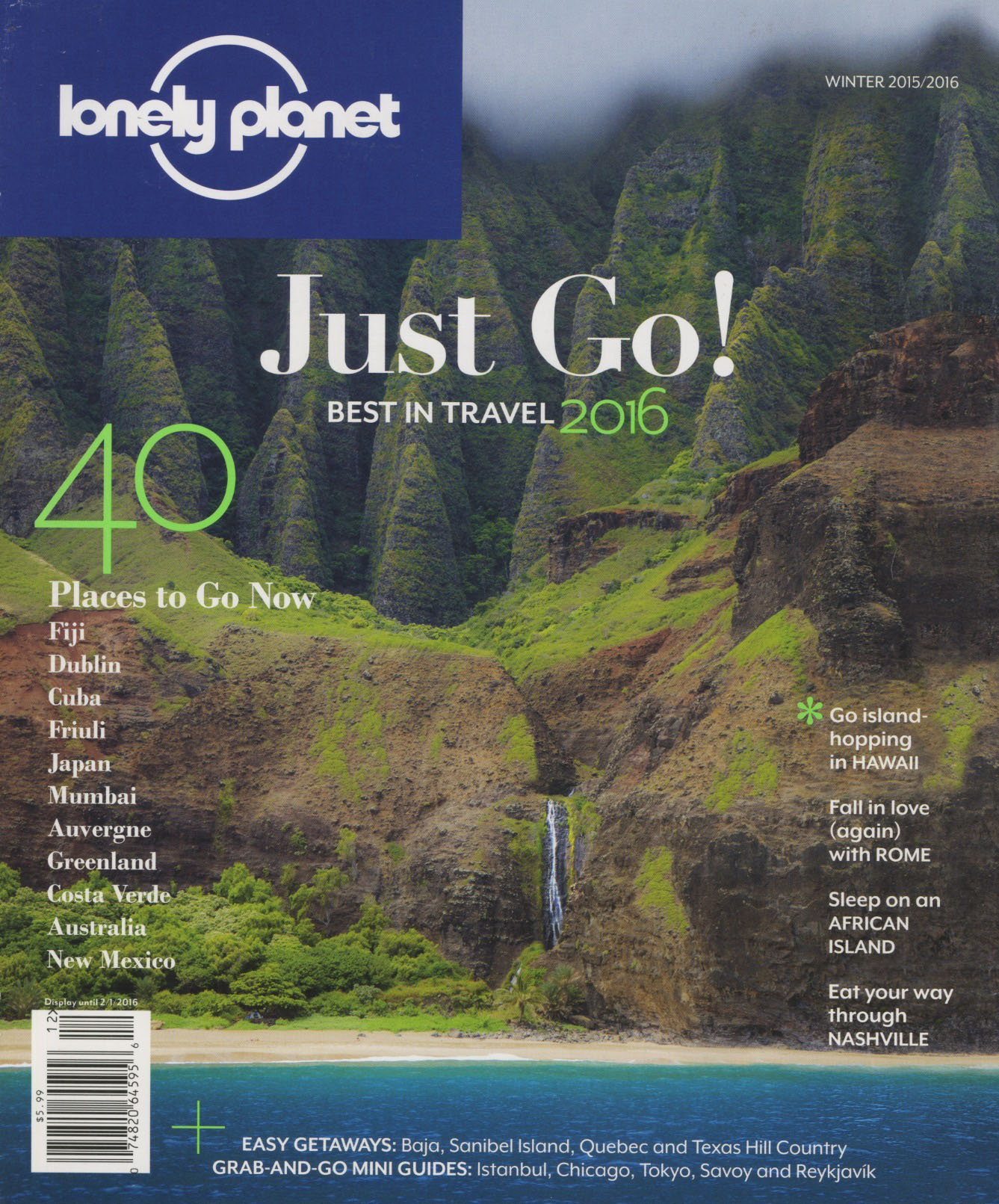
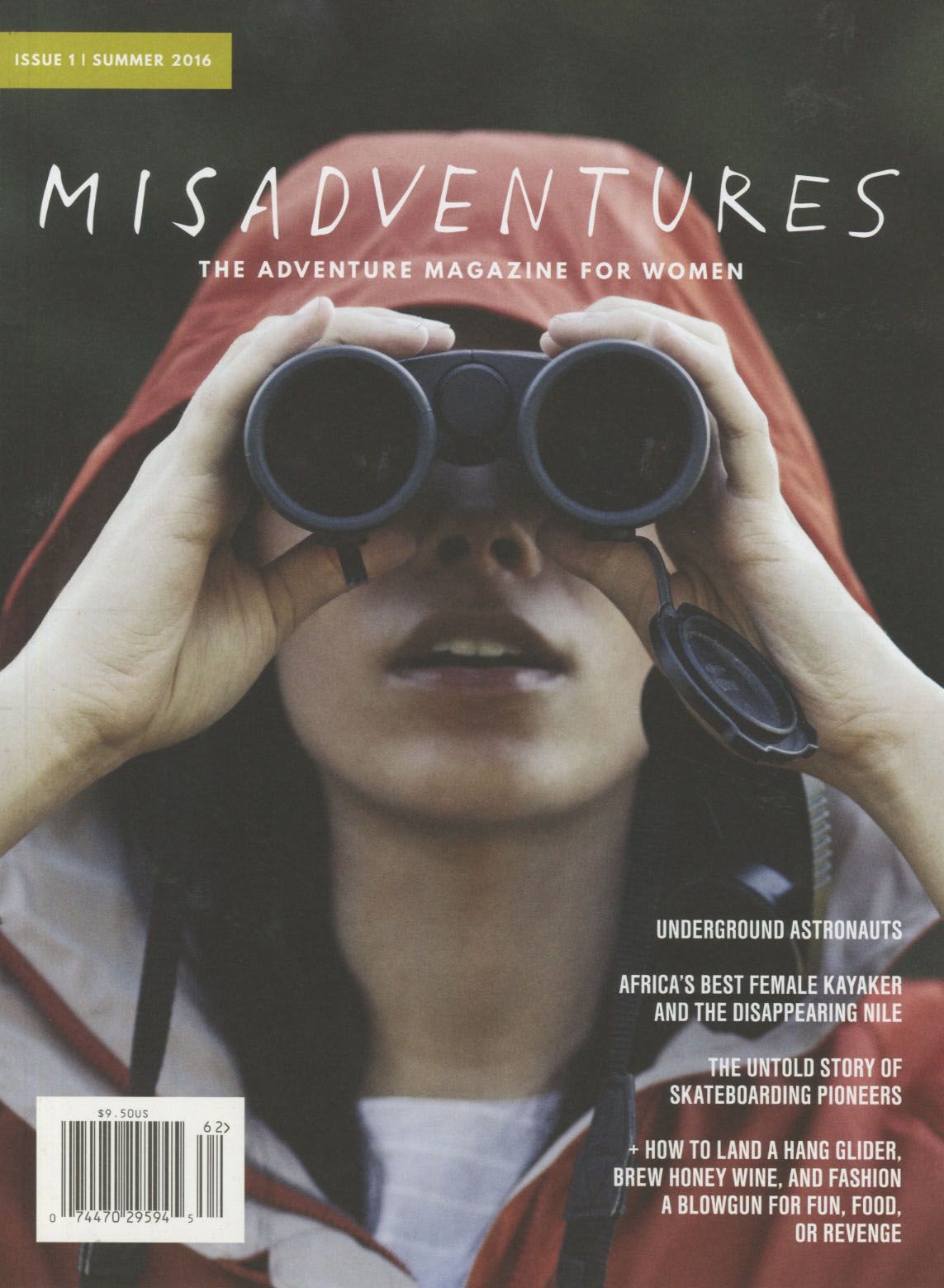
When I first started it I went to a reading by a Greek poet, Dino Siotis, who has published a number of literary magazines and newspapers. And he was speaking about his publishing experiences and about how you had to be a little bit crazy to start a magazine. And I knew that craziness, so I think that’s why I resisted doing Stand for a while, because I knew that it was going to be a quarterly and I knew it was going to be bold and have a big vision for where it was going to go and for what it was going to do. And I was a bit scared to take those steps and try something new and reach out.

But certainly having that experience helped, Absinthe was not nearly the amount of work that this was and is. Absinthe was published biannually and I think doing a quarterly really steps up the pace.

stand-1

Samir Husni: One of the things that I noticed about Stand is that you seem to be going against the norm; I mean you have an article about men, body image and the media. Are you trying to set the record straight when it comes to men or do you feel there’s a gap that media isn’t addressing when it comes to men’s magazines?

Dwayne Hayes: A little of both. We envisioned the magazine kind of turning some of the conventions of the men’s magazine on its head. Originally, our intent was that we would show a regular guy on the cover; there wouldn’t be celebrities. That is likely to change; that’s something that we’re working on, and the change is based upon some feedback that we’ve gotten. But we really want it to be a magazine that the average guy relates to, so for example, the fashion section that we did for the first year; we did it and called it “Curated Thrift” and we focused exclusively on fashion and style that men could afford. And we really tried to do things that men could wear that were under $100, as opposed to what they’re normally going to see in GQ or Esquire or any other men’s magazine.
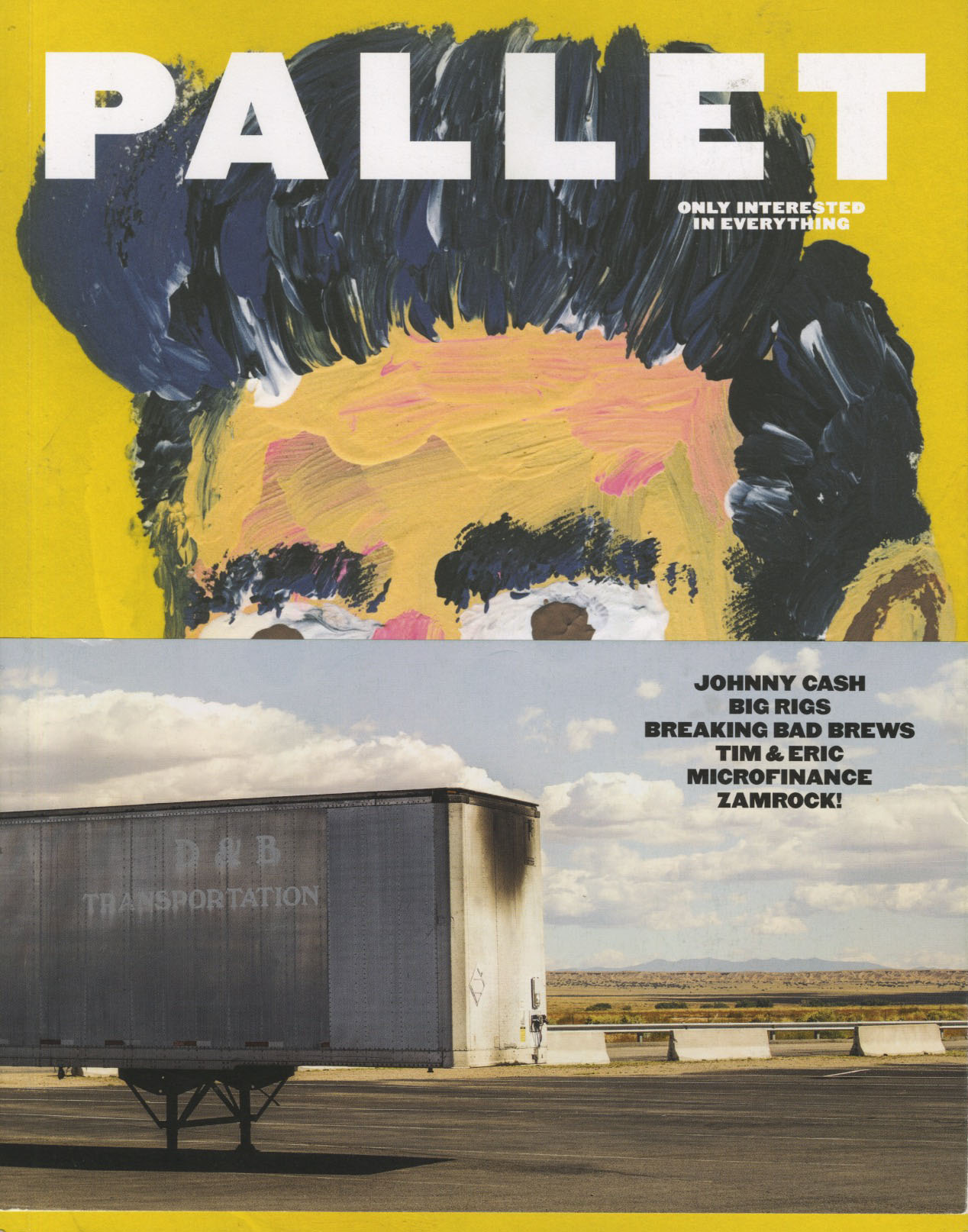
But we’re going to expand that; it’s not going to be quite the same as we move forward, because we also want to highlight the work of a number of ethical and sustainable designers out there, so that will change.

You’re not likely to see women in bikinis in Stand either. (Laughs) In Issue #4 we have the swimsuit portfolio, which was literally suits swimming on a beach. We are attempting to turn some of the things upside down that is usually in men’s magazines. And similar to what you might see in GQ or Esquire and some of the others; we’re going to highlight a woman that we admire and that woman is going to be someone we admire for the quality of her character; who she is and what she does, rather than how she looks in a bikini or lingerie.

Samir Husni: If you and I are having this chat a year from now; what would you hope to tell me that you’ve accomplished in 2017 with Stand?

Dwayne Hayes: In 2017 we’re going to be doing a number of things. We’re going to be adding a podcast and I hope that will have taken off and have found listeners. We’re also going to be adding events that will be part of each release of the issue. Issue #4, as you noted, focused on male body image, and going forward the issues will have more of a thematic focus and we’re going to be developing events around those themes. Hopefully, this will further the conversation among men on the issues that are important to them.

Samir Husni: If you can go back to Issue #1; is there anything different that you’ve done with the subsequent issues since that first one?

Dwayne Hayes: If you haven’t seen Issue #1, the obvious difference is that we changed the way the logo type is on the cover. We had the logo on the first two issues with just the “S” and the small Stand, and we changed the logo across the cover. We’ve made some tweaks along those lines.

Right now we’re really looking at the first year as an experiment. What can we do to make it better and what can it become? For example, I think the mission of the magazine is very clear to readers, but we also want to touch on other issues that our readers are interested in.

Samir Husni: When did you decide on the tagline: the magazine for men who give a damn? And is that for all men; all races; all sexual orientations, because it seems the magazine is a mirrored reflection of society? You do not exclude any man in the magazine.

Dwayne Hayes: No, not at all. The intent is that it’s for the man that you want to become too. Going back to the beginning of the magazine; you do a magazine like this that’s idealistic in a way and calls men to really think more consciously about themselves. As an editor and a founder, you kind of set yourself up for people to view you as thinking that you’re an example of what a man should be. (Laughs) And for anybody who reads my editorials in each issue, I think one of the things that has resonated with our readers is that my editorials are full of failure; the ways that I have failed as a man. And how I’m struggling and learning to become a better man.

The magazine is really about that struggle that we all go through to live as the men that we envision ourselves to be and as the men that we’ve always wanted to be as well. So, the magazine is a way to call us to that vision and to encourage us to that. And we realize that men have various interests. The magazine is really for guys who want to look good; who want to feel great; and who want to do the right thing.

Samir Husni: From the masthead, it looks like you have the entire Hayes family working for you?

Dwayne Hayes: (Laughs) They’ve been involved to various degrees, yes. There’s a bit of fudging on the masthead though, because you’re probably seeing the names of my son, who is six, and my daughter, who is four. Their primary roles are inspiration, but my brother has been involved; he writes a piece on the content of character that we have at the end of each issue. And my nephew, Steven, has managed our social media presence.

stand-3

Samir Husni: If I showed up unexpectedly at your home one evening after work, what would I find you doing; reading a magazine; reading your iPad; watching TV; cooking; having a glass of wine; or something else?

Dwayne Hayes: On a good day, I’m able to do all of those things. Typically, the four of us are having dinner together, my wife, Jessica, and our two children, Logan and Savannah. Logan is six and Savannah’s four, and we’ll sit down and have dinner together. And once we take care of what they have going on, and they work off all of their energy and go to bed; my wife and I will sit down with a book or watch a movie, and have a glass of wine to relax.

Samir Husni: My typical last question; what keeps you up at night?

Dwayne Hayes: It’s ironic that you ask this question now, because last night it was my daughter, who climbed into bed with us, and I have no idea what time it was. If it’s not my daughter; probably like many people I tend to get inspired in the middle of the night and that drives me crazy because I can’t sleep. I’ll come up with an idea and I have to take some time to write it down.

Coming up with ideas for the magazine; coming up with thoughts about how we’re going to build the audience and reaching people who would love the magazine is what I’m thinking about.

Samir Husni: Thank you.

h1

ChopChop Magazine: Inspiring & Educating Children And Families On Cooking Real Food Together For A Healthier Future – The Mr. Magazine™ Interview With Sally Sampson, Founder And President, ChopChop Magazine

December 5, 2016

chop-chop-2

“We don’t hear from the people that are using the magazine that they’re dying for it to be digital. In fact, I will tell you that we had a digital edition that we stopped doing. It cost us more to produce it, because no one ordered it; no one wanted it.” Sally Sampson

“I honestly could not begin to understand why people feel that way. I still read paper books and I love magazines. I just think that there is something really special about print. I have an iPad and I read The New York Times on it; I read little things on it. But I think there is no sensuality to digital. Touching and feeling the paper is amazing. And I think for a child, for the magazine to be theirs, is pretty incredible.” Sally Sampson (on the myth that digital natives have an aversion to print)

The mission of ChopChop is clear and precise: To inspire and teach children and families to cook real food together. The non-profit brand believes strongly that cooking and eating together as a family is a vital step in resolving the obesity and hunger epidemics that are in the world. It’s an absolutely brilliant idea and one that has grown the magazine and its brand into many different areas of need. The magazine is a useful tool for doctors, teachers and anyone who wants to see a change in the eating habits of children and their families.

The founder and president of ChopChop is Sally Sampson, a seasoned writer of cookbooks and many, many articles. Sally had a reason very close to her heart for starting ChopChop and trying to make a difference in the eating habits of children, one of her own children had a chronic illness growing up and Sally felt the need to help and give back in some way by using her considerable talents to further this wonderful and needed mission.

I spoke with Sally recently and we talked about that mission and about the past, present and future of the ChopChop brand, or maybe movement would be a better description. Thanks to Sally’s efforts, doctors are including cooking and the values of good eating habits into their well visits for children, and teachers have a curriculum that they can utilize to further this education of food in the classrooms. It’s a movement that shows no signs of slowing down, as soon there will be another magazine geared toward older adults who also need help in the kitchen when it comes to eating healthier. And the grandest thing about all of these wonderful titles? They’re all in print. Mr. Magazine™ is definitely smiling.

So, without further ado, here is the Mr. Magazine™ interview with a woman who knows her way around a healthy kitchen, Sally Sampson, founder and president, ChopChop magazine.

But first the sound-bites:

ss

On her motivation behind ChopChop magazine: My career experience has been as a cookbook writer and a magazine contributor. I wrote different cookbooks and I contributed to a lot of different food magazines and other magazines. And I also had a child with a chronic illness. She needed to be on a very, very low-fat diet, so as a result I learned a lot about obesity. I began to feel that writing cookbooks wasn’t what I wanted to keep doing. I wanted to give back in some way. And I thought that I could use my skills as a cookbook writer to help address obesity by getting doctors to prescribe cooking during well-child visits. So, I don’t know if you have children, but it’s now mandated that you take your kids at certain times and that doctor’s talk about healthy eating and physical activity during these appointments.

On expanding the mission: We’ve expanded the mission to obesity, poor nutrition and hunger. Unfortunately, that covers a huge portion of the population. Poor nutrition is an obesity effect, rich and poor, and hunger affects the poor and we’re focused in our brains on those most at risk, but ChopChop is written to appeal to any children. We hope that the Whole Foods moms pay for it and the SNAP (Supplemental Nutrition Assistance Program) food moms get it for free through their SNAP program.

On whether she sees the niche market of children’s food magazines as growing: Well, it’s definitely grown. We’ve quadrupled in volume since our first year. And we have a bit of a strange business model. We’re a non-profit and we don’t take any ads. So, it really is 39 pages of content. There is one page where we have sponsors.

On any stumbling blocks that she’s had to overcome: If you asked my staff if we had stumbling blocks, they would say yes more than I would. I’m just the sort of person who puts one foot in front of the other and I don’t worry too much. Having had a chronically ill child, I don’t worry too much about anything other than my children being sick.

On the most pleasant moment she’s had throughout this magazine journey: We went to the White House and we interviewed Mrs. Obama; we did sort of a shared 5th anniversary of “Let’s Move” and ChopChop. We both launched within a month of each other and that was really incredible. We brought two kids to the White House and they interviewed her and she was amazing; she gave us way more time than she said she would. She was beyond charming with the kids. That was an amazing experience. We also won the James Beard Award, which was also incredible. So, those things are not insignificant, but I would say that the letters that we get from kids are just really moving and very real.

chop-chop-5On whether anyone has ever told her she was out of her mind for launching a print magazine in a digital age: Oh yes, all of the time. Of course, the people who ask us if we’re out of our minds are not our readers. I think for a child to get this beautiful four-color thing that they can hold and touch, where they see a child who looks like them is important. We show kids of every color, adorable, braces, in wheelchairs; we just featured a child with Down Syndrome. We show real kids, and we don’t put makeup on them; we don’t tell them to smile. So, your grandchildren, and I don’t have grandchildren yet, but my grandchildren someday; the idea is that any child should be able to open the magazine and feel like they can relate.

On the myth that digital natives do not want anything to do with print: I honestly could not begin to understand why people feel that way. I still read paper books and I love magazines. I just think that there is something really special about print. I have an iPad and I read The New York Times on it; I read little things on it. But I think there is no sensuality to digital. Touching and feeling the paper is amazing. And I think for a child, for the magazine to be theirs, is pretty incredible.

On why she thinks it took the magazine industry so long to discover that print is not dead: I think it’s human nature and that people just have a tendency to go to extremes. First it was: no, you can’t eat any fat. Now you can eat fat. It must be the nature of human beings. I don’t know. I never felt like paper was dead and as you said in the beginning, we launched when people thought we were nuts. We launched within a very short time of Gourmet closing. Everybody asked why we were doing paper? But it just seemed like the right thing to do.

On whether she feels now that ChopChop is a movement rather than just a magazine: I do. If you think about it, we’ve got the cooking club; we have the curriculum; we’re not just a magazine. And also, when I started, not only did people ask was I crazy for doing print, but they also asked are you crazy; kid’s cooking? Like, who cares? But you look at it now and everybody sees kid’s cooking as a pipeline to many different things, whether it’s teaching kids about math or teaching them manners or teaching them to be responsible for themselves; really cooking is everything. There’s nothing that you can’t learn in a kitchen.

chop-chop-6On what she would say if this interview were conducted one year from now: I would tell you that we launched a third magazine called “Seasoned.” And that magazine is for older adults. And you would say to me, but you’re focused on kids, and I would say to you, we’re focused on people who need help in the kitchen. “Seasoned” is launching in February, 2017. The AARP Foundation gave us a grant and I believe we’re actually launching in Mississippi as one of four southern states. It’s a smaller magazine and it’s for adults who need to cook from scratch instead of buying junk, and who are downsizing.

On what someone would find her doing if they showed up unexpectedly one evening at her home: I cook a ton. This sounds crazy, but whenever I’m emptying my dishwasher, I’m sort of amazed at how much I cook. I cook all of the time. I don’t eat anything prepared; I make every single thing from scratch.

On what keeps her up at night: Not ChopChop. The direction of the country keeps me up at night, or if my children are having a problem, that concerns me, even though they’re in their 20s. That’s the sort of thing that keeps me up at night.

And now the lightly edited transcript of the Mr. Magazine™ interview with Sally Sampson, founder and president, ChopChop magazine.

Samir Husni: Six years ago you founded ChopChop as a bit of an experiment, but since then it has turned into somewhat of a movement. I see that you’re now worldwide and in two languages; you have different editions, one for the woman, infant and child, and one for the schools. If you can, go back six years and tell me what motivated you to begin this ChopChop journey, and then briefly bring me up to date.

chop-chop-7Sally Sampson: My career experience has been as a cookbook writer and a magazine contributor. I wrote different cookbooks and I contributed to a lot of different food magazines and other magazines. And I also had a child with a chronic illness. She needed to be on a very, very low-fat diet, so as a result I learned a lot about obesity. I began to feel that writing cookbooks wasn’t what I wanted to keep doing. I wanted to give back in some way. And I thought that I could use my skills as a cookbook writer to help address obesity by getting doctors to prescribe cooking during well-child visits. So, I don’t know if you have children, but it’s now mandated that you take your kids at certain times and that doctor’s talk about healthy eating and physical activity during these appointments.

And what doctors were telling me was that they were talking about healthy eating all of the time, but they actually had no tools. So, I conceived ChopChop as a tool for doctors, but right after we launched, suddenly other kinds of organizations were coming to me and saying that they wanted it too. After school programs, Indian reservations, food banks; just wherever you could find kids. So, we expanded it from doctors “prescribing” it to anyone that worked with kids.

Samir Husni: So, you started it for a specific reason and now you’re all over the map with it.

Sally Sampson: Well, I wouldn’t say that we’re all over the map. We’ve expanded the mission to obesity, poor nutrition and hunger. Unfortunately, that covers a huge portion of the population. Poor nutrition is an obesity effect, rich and poor, and hunger affects the poor and we’re focused in our brains on those most at risk, but ChopChop is written to appeal to any children. We hope that the Whole Foods moms pay for it and the SNAP (Supplemental Nutrition Assistance Program) food moms get it for free through their SNAP program.

Samir Husni: There are a lot of children’s magazines out there, but you were one of the forerunners when it comes to a food magazine for kids. But there are some imitators; even the Food Network publishes a special one once a year.

Sally Sampson: Yes, and that’s all ads. We have no ads.

Samir Husni: Do you see this niche market as growing?

Sally Sampson: Well, it’s definitely grown. We’ve quadrupled in volume since our first year. And we have a bit of a strange business model. We’re a non-profit and we don’t take any ads. So, it really is 39 pages of content. There is one page where we have sponsors.

The way we operate is you can get a subscription; so let’s say it’s you; you get a subscription for one of your grandchildren at $14.95 per year; done. Then the next step up is you could decide that you want every child in your granddaughter’s class to have a copy of ChopChop, so then you could order a teacher pack. And anyone can order that teacher pack. You pay for that and it’s very heavily discounted. It also comes with curriculum, so the teacher can use ChopChop in the classroom for math, science, social studies; now we’re doing some Spanish language skills, and that’s the next level of sponsorship. And the reason we did teacher packs is because teachers said to us that they were using ChopChop and wanted to continue to do so in the classroom, but that they were really busy, could we create curriculum? So, we’ve been doing that.

Then the next step up is you could be a doctor’s office or anything really, and you could order a case, which could be either 50 copies or 100 copies. Then the next level is a bulk order; we have people who buy 10,000 copies and they distribute them. Above that, we have people that the magazine is customized for, so we do about 12 customized versions. For instance, there are land grant universities that work with the U.S.D.A. and they use their SNAP education funds to pay for ChopChop as educational material. So, the University of Kentucky buys, and it varies from quarter to quarter, so plus or minus 150,000 copies. So, the bulk of our business is bulk. We’re not on newsstands; we do subscriptions, but that’s not the main part of our business. And, unlike other magazines, we don’t give away subscriptions because we’re not trying to get our numbers up to get advertisers.

Samir Husni: The way you operate allows you to stay truly honest to your mission.

chop-chop-4Sally Sampson: Exactly. And I’m very, very strict about that. Everything goes through the mission for us. Does this fulfill our mission? Now, that’s not to say that sometimes we don’t say this or that might be an interesting thing to experiment with, but it would never be against our mission in the first place, if that makes sense.

Samir Husni: Throughout these six years, has it been a stroll through a rose garden for you, or have you had some stumbling blocks that you’ve had to overcome?

Sally Sampson: If you asked my staff if we had stumbling blocks, they would say yes more than I would. I’m just the sort of person who puts one foot in front of the other and I don’t worry too much. Having had a chronically ill child, I don’t worry too much about anything other than my children being sick.

But there are things that have happened, such as we lost a major sponsor about a year ago. I know this may sound Pollyannaish, but it really does seem like when one door closes another door opens. There was a time when money was tight, obviously, but it doesn’t seem to stay that way. I’ve never had to lay anyone off or to make compromises that I didn’t want to make.

Samir Husni: What has been the most pleasant moment for you throughout this magazine journey?

Sally Sampson: We went to the White House and we interviewed Mrs. Obama; we did sort of a shared 5th anniversary of “Let’s Move” and ChopChop. We both launched within a month of each other and that was really incredible. We brought two kids to the White House and they interviewed her and she was amazing; she gave us way more time than she said she would. She was beyond charming with the kids. That was an amazing experience.

We also won the James Beard Award, which was also incredible. So, those things are not insignificant, but I would say that the letters that we get from kids are just really moving and very real. For instance, we got a letter recently from a nine-year-old, and they’re always drawn, there are always pictures on them. And the child wrote: I told my mother that I would give her one million dollars if we could just test one recipe. And that’s incredible.

It’s just incredible. We get these very sincere letters from kids and it feels like we’re changing their lives.

Samir Husni: We live in a digital world and yet you launched the magazine in print, and in really, the height of that digital age. And you continue in print six years later. Has anyone approached you and told you that you were out of your mind for launching a print magazine in a digital age?

Sally Sampson: Oh yes, all of the time. Of course, the people who ask us if we’re out of our minds are not our readers. I think for a child to get this beautiful four-color thing that they can hold and touch, where they see a child who looks like them is important. We show kids of every color, adorable, braces, in wheelchairs; we just featured a child with Down Syndrome. We show real kids, and we don’t put makeup on them; we don’t tell them to smile. So, your grandchildren, and I don’t have grandchildren yet, but my grandchildren someday; the idea is that any child should be able to open the magazine and feel like they can relate.

And I think that’s really important. We’ve been very diligent about that. And particularly with low-income kids and all of the Xeroxed copies of things that they receive, they don’t get that glossy and beautiful magazine. And we don’t hear from the people that are using the magazine that they’re dying for it to be digital. In fact, I will tell you that we had a digital edition that we stopped doing. It cost us more to produce it, because no one ordered it; no one wanted it.

That said we have an online cooking club, which you should get all of your grandchildren to join. It’s free. And it’s really more about skills. So, it’s not as if we have no digital presence. This year we’re also going to do an app.

Samir Husni: You’re not the first to tell me that the younger generations crave print and want to have something in their hands. I see it with my own grandchildren. They get their magazines, whether it’s Highlights or Hello for my one-year-old, and they love them. So, why do you think that there’s this myth that because we live in a digital age, the digital natives don’t want anything to do with print? Do you think we’re lumping all of print together in the same pile; the newspapers, magazines and specialty things?

chop-chop-1Sally Sampson: I honestly could not begin to understand why people feel that way. I still read paper books and I love magazines. I just think that there is something really special about print. I have an iPad and I read The New York Times on it; I read little things on it. But I think there is no sensuality to digital. Touching and feeling the paper is amazing. And I think for a child, for the magazine to be theirs, is pretty incredible. That’s the feedback that we get. So, I don’t really know.

Samir Husni: I’m starting to hear more editors in chief and more CEOs say that they’re starting to think print first again. Why do you think it took the magazine industry so long to discover that print is not dead?

Sally Sampson: I think it’s human nature and that people just have a tendency to go to extremes. First it was: no, you can’t eat any fat. Now you can eat fat. It must be the nature of human beings. I don’t know. I never felt like paper was dead and as you said in the beginning, we launched when people thought we were nuts. We launched within a very short time of Gourmet closing. Everybody asked why we were doing paper? But it just seemed like the right thing to do.

Samir Husni: Do you feel now that ChopChop is a movement rather than just a print magazine?

Sally Sampson: I do. If you think about it, we’ve got the cooking club; we have the curriculum; we’re not just a magazine. And also, when I started, not only did people ask was I crazy for doing print, but they also asked are you crazy; kid’s cooking? Like, who cares? But you look at it now and everybody sees kid’s cooking as a pipeline to many different things, whether it’s teaching kids about math or teaching them manners or teaching them to be responsible for themselves; really cooking is everything. There’s nothing that you can’t learn in a kitchen.

You learn cooperation; a respect for other cultures; it’s science. We teach kids about fermentation and we teach them about emulsification, and we teach them how to multiply. We teach them, oh, here’s this dish and it’s eaten in 10 different countries, except in this country they put cumin in it and in that country they put dill in it, and it has a slightly different name, but it shows how people are the same all over the world.

I think about when my children were small, they’re in their early 20s now and we live in Watertown, Mass., which is very Armenian. My kids would bring hummus to school. And Watertown is so diverse, and they were teased for bringing hummus, but now hummus is like ketchup. (Laughs) So, the world changes around food.

Samir Husni: If you and I are having this conversation one year from now, what will you tell me? What are your future expectations for ChopChop?

chop-chop-3Sally Sampson: I would tell you that we launched a third magazine called “Seasoned.” And that magazine is for older adults. And you would say to me, but you’re focused on kids, and I would say to you, we’re focused on people who need help in the kitchen. “Seasoned” is launching in February, 2017. The AARP Foundation gave us a grant and I believe we’re actually launching in Mississippi as one of four southern states. It’s a smaller magazine and it’s for adults who need to cook from scratch instead of buying junk, and who are downsizing. It’s like a cousin to ChopChop. It’s not going to look just like ChopChop, but you will look at it and get it.

Samir Husni: If I showed up at your home unexpectedly one evening after work, what would I find you doing; reading a magazine; reading your iPad; cooking; having a glass of wine; or something else?

Sally Sampson: All of the above except for the wine. I cook a ton. This sounds crazy, but whenever I’m emptying my dishwasher, I’m sort of amazed at how much I cook. I cook all of the time. I don’t eat anything prepared; I make every single thing from scratch.

Samir Husni: My typical last question; what keeps you up at night?

Sally Sampson: Not ChopChop. The direction of the country keeps me up at night, or if my children are having a problem, that concerns me, even though they’re in their 20s. That’s the sort of thing that keeps me up at night.

Samir Husni: Thank you.

h1

Geraldine Magazine: A Unique Experience In Wedding Inspirations – Curating Original Concepts With Every Beautifully Done Page – The Mr. Magazine™ Interview With Daniel Tran, Editor In Chief and Creative Director, Geraldine Magazine.

November 30, 2016

A Mr. Magazine™ Launch Story

geraldine-october

“I’ve always believed in print and I don’t think it will ever go away. About eight or nine years ago when I was still in design school, they were saying that since the industry was moving toward digital, if you’re a designer you need to make sure you know how to make a website, but I always believed in print and that was my passion. There’s nothing like picking up a book and feeling and smelling that beautiful paper, and the beauty of the cover. You don’t get all of that on a Kindle; you don’t get that experience. So, I created this magazine for print and not for digital. We never offer a digital version of the magazine, because the experience would not be the same. For me, I feel like print will never go away.” Daniel Tran

The story behind the wedding is vital to the powers-that-be at Geraldine magazine, namely Daniel Tran, editor in chief and creative director. According to Daniel, Geraldine is a wedding publication that serves as an inspiration for couples who want to create a refined and intimate event. The content between its covers is both thought-provoking and uplifting, and the photographs are nothing short of brilliant. The magazine is a breathtaking venture that proves talent and dreams certainly go hand-in-hand. The passionate entrepreneur is certainly alive and well inside of Daniel Tran.

I spoke with Daniel recently and we talked about Geraldine. It was as edifying a conversation as the magazine itself is. Daniel’s love for the world of visual design is definitely apparent as you flip through the pages of Geraldine. Having attended the Academy of Art of San Francisco, he was torn between heading for New York after graduation or staying in San Francisco and creating something uniquely different on his own. And with the artful Geraldine, we see his choice and appreciate it. Daniel calls it an inspirational force and Mr. Magazine™ would have to agree with him.

The magazine is a visual masterpiece and the young man behind it a true entrepreneur. So, I invite you to relax and enjoy the Mr. Magazine™ interview with Daniel Tran, as you come inside the world of dreams, talent, and wedded bliss.

But first the sound-bites:

geraldine_danieltran_-768x1018

On the genesis of the magazine: I graduated from design school about six years ago, the Academy of Art of San Francisco, and it was my intention to do something related to page layout and design in print. So, I was deciding if I should go to New York and work for the Martha Stewart brand, because they do amazing work and I’ve always appreciated the beautiful typography in the layouts coming out of Martha Stewart, but instead of going to New York I decided to stay here in San Francisco. That was when I started to think about whether I wanted to do branding, design, or if I wanted to start something on my own. I had been following Kinfolk magazine and Darling; these independent magazines that focused more on storytelling in an artful way. So, when I looked at what I could do that was sort of in a similar vein, but that I could tap into, I looked at the wedding industry and realized that people were spending so much money in their own weddings, but it wasn’t being displayed or communicated in an artful way. So I felt like that I could somehow take that subject and turn it into an art form. And that’s how I started the magazine.

On the name Geraldine: When we came up with the brand, my team and I, we tossed around a bunch of key words and we looked at the audience that we wanted to reach out to. There were common words and key words; meaningful words that resonated with us. So, it was this big process to come up with a name that was memorable and also strong. And we wanted a name instead of a word, so Geraldine was somehow part of the list. For me, when it comes to a brand, it can sound beautiful, but for me it also has to look beautiful written out. Or look beautiful as a logo. It has to make sense, so Geraldine was where we ended up. And there wasn’t any personal relation to the name. It wasn’t my grandmother’s name or anything like that.

On the most pleasant unexpected surprise that happened during the journey of launching the magazine: The most unexpected surprise was that the industry people were very interested in the creation, and when we shipped over a sample copy to some of the industry leaders, I didn’t expect them to respond to me in one day. They were so interested and loved the creation and the execution of the magazine. That was one pleasant, unexpected surprise.

On the biggest stumbling block that he had to face and how he overcame it: One thing was to figure out the execution part. We were working with a printer in Canada because we wanted the magazine to be printed in an artful way and executed in the same vein that the publication was offered, so we put up a huge investment in getting the light printer to print it, but after two issues we realized that the cost was way too high. So, we had to figure out another way to lower the cost of the printing and the production of the magazine.

On how he is trying to make the magazine more of an experience for his readers:
It’s not about the most expensive wedding out there; it could be a farm-to-table type of wedding that someone put together for $15,000. So, it’s not so much about money as it is about the story behind the wedding. This couple has an interesting background and the way they put together the wedding is interesting. The way they hired the team that produced the wedding for them is unique; just things like that. So, we want to communicate that to new brides who are putting together their own weddings and we want to educate them in all aspects of the wedding, from working on their stationery to working with their wedding planners and florists in these capacities.

On how he feels about the future of print: I’ve always believed in print and I don’t think it will ever go away. About eight or nine years ago when I was still in design school, they were saying that since the industry was moving toward digital, if you’re a designer you need to make sure you know how to make a website, but I always believed in print and that was my passion. There’s nothing like picking up a book and feeling and smelling that beautiful paper, and the beauty of the cover. You don’t get all of that on a Kindle; you don’t get that experience.

On what someone would find him doing if they showed up unexpectedly to his home one evening: You would find me on Pinterest. Before even the social media came out, I was always looking through magazines and other things for ideas. But in this day and age, I come home and after dinner I go on Pinterest. That’s my sort of downtime. I want to be inspired and so I go on Pinterest. I also collect books, so many books. I love books. I love typography books. The one element in design that I truly love and am passionate about is typography.

On what keeps him up at night: How the magazine could be evolved. In the beginning, I had a lot of angst and sleepless nights because when we first released the preorder of the magazine there were only like 50 orders coming in and I was nervous. It might look easy to sell 500 copies of a book, but believe me, it’s hard. (Laughs)

And now the lightly edited transcript of the Mr. Magazine™ interview with Daniel Tran, editor in chief and creative director, Geraldine magazine.

Samir Husni: Tell me about the genesis of Geraldine.

geraldine-issue-1Daniel Tran: I graduated from design school about six years ago, the Academy of Art of San Francisco, and it was my intention to do something related to page layout and design in print. So, I was deciding if I should go to New York and work for the Martha Stewart brand, because they do amazing work and I’ve always appreciated the beautiful typography in the layouts coming out of Martha Stewart, but instead of going to New York I decided to stay here in San Francisco.

That was when I started to think about whether I wanted to do branding, design, or if I wanted to start something on my own. I had been following Kinfolk magazine and Darling; these independent magazines that focused more on storytelling in an artful way. So, when I looked at what I could do that was sort of in a similar vein, but that I could tap into, I looked at the wedding industry and realized that people were spending so much money in their own weddings, but it wasn’t being displayed or communicated in an artful way. So I felt like that I could somehow take that subject and turn it into an art form. And that’s how I started the magazine.

I began by reaching out to a group of industry leaders in the wedding business. What I did was reached out to laser photographers that shoot more film, but also work on brands like Martha Stewart, and I really hand-selected some of the people to share the vision I had for the magazine and asked them would they like to work with us.

It’s a very candid magazine; I didn’t want to be sneaky or creep up on people with the concept. It’s pretty direct. So I just reached out to them and explained what the magazine was about. And I did reach out to a lot of the major leaders in this industry, and I received a lot of closed doors in my face, to be honest. Then some people didn’t respond at all.

We also did a test project first because I wasn’t sure if people would even be willing to spend $30 on a magazine. But while Geraldine is a magazine, it’s more like a softcover book, where there was no advertisement. Basically we highlighted the industry, hand-selected people who were doing beautiful work and has that organic and classic aesthetic.

We were also thinking about where we could sell the magazine. The first place that came to mind was Anthropologie because they sell a hand-selected number of publications, Kinfolk is being sold there. So, I thought there is a space for us there, because they don’t have a wedding publication yet.

Initially, after finishing crafting the magazine, I sent it over there and they loved it. We only sent a sample copy with 20 or 30 pages; at that time we hadn’t gone to print yet. So, we sent it over to the buyers and they loved the magazine. And they were really interested in stocking it. So really, everything just came from there.

Samir Husni: How did you come up with the name Geraldine for the magazine?

Daniel Tran: When we came up with the brand, my team and I, we tossed around a bunch of key words and we looked at the audience that we wanted to reach out to. There were common words and key words; meaningful words that resonated with us. So, it was this big process to come up with a name that was memorable and also strong. And we wanted a name instead of a word, so Geraldine was somehow part of the list. For me, when it comes to a brand, it can sound beautiful, but for me it also has to look beautiful written out. Or look beautiful as a logo. It has to make sense, so Geraldine was where we ended up. And there wasn’t any personal relation to the name. It wasn’t my grandmother’s name or anything like that.

We got a lot of people curious about why we chose that name. In fact, the first thing people ask me is why I picked the name Geraldine.

Samir Husni: You have managed to create a beautiful, coffee table book/magazine. Tell me what was the most pleasant and unexpected surprise that happened during the journey of launching this magazine?

Daniel Tran: The most unexpected surprise was that the industry people were very interested in the creation, and when we shipped over a sample copy to some of the industry leaders, I didn’t expect them to respond to me in one day. They were so interested and loved the creation and the execution of the magazine. That was one pleasant, unexpected surprise.

And there were others. You’re creating this masterpiece and it’s your baby, and then you spend so much time and you get so many people involved and you keep asking yourself whether people are going to pay $30 for it. That’s a lot because we’ve almost doubled the price of Geraldine compared to some other magazines. And that was a scary part.

One other surprise was when we went to the U.K. because the shipping costs were so expensive, the magazine sold for $40 and the fact that people were willing to pay $40 for it was awesome. That was another surprise for me.

Samir Husni: What was the biggest stumbling block that you had to face and how did you overcome it?

Daniel Tran: One thing was to figure out the execution part. We were working with a printer in Canada because we wanted the magazine to be printed in an artful way and executed in the same vein that the publication was offered, so we put up a huge investment in getting the light printer to print it, but after two issues we realized that the cost was way too high. So, we had to figure out another way to lower the cost of the printing and the production of the magazine.

But once the brand was out there, people loved so much about the magazine that they would send us content without asking for payment or without us having to produce it, because when we produce an editorial it’s very costly. But of course, that doesn’t mean that we take just anything for the magazine.

We’re now working with different collaborators and partners in the industry, which is another way for their work to be featured, but we do it as a collaborative process, and not selling anything. And then the other struggle that we have is with advertisement. In this day and age, and in the digital world with Instagram and Facebook, a lot of brands do not want to advertise because the wedding industry is a little different than fashion. The wedding industry really doesn’t understand the value of advertising and with the advertisement model; it doesn’t really work for us because our magazine is more about storytelling.

In Issue #3, we tried some ad things, but it’s more like we collaborated with the brands and we produced editorial for them and then we advertised their advertorial. But we got pushbacks from our readers saying that they loved the magazine for what it stood for, and it was distracting for the magazine to feature wedding dresses and other things, so that was another roadblock for us. It wasn’t an easy task to break through.

And now we’re working on Issue #5, number four was released a couple of months ago. And we’re continually keeping the magazine without advertisements, because we’ve decided that’s the best route for us. We went from $30 to $25, because we want to reach a wider audience, where people can afford the magazine. So, we lowered the cover price by $5. And if it makes sense to do so, we’ll lower it a little more, but with no advertisements inside the magazine, I think we’re now at the right price. As I said, it’s a coffee table book more than a magazine.

Samir Husni: As you’re creating, and to quote from your mission statement, “this refined and intimate event,” how are you trying to make the magazine more of an experience for the audience, rather than just ink on paper?

Daniel Tran: When we get submissions, editorial content or real weddings, basically our magazine is to inspire new brides, and not just brides, but also industry people because they’re the ones who are working with us. So, throughout the entire process we don’t do this alone, we can’t. We have to rely on industry folks who give us the right type of content that we like to feature.

It’s not about the most expensive wedding out there; it could be a farm-to-table type of wedding that someone put together for $15,000. So, it’s not so much about money as it is about the story behind the wedding. This couple has an interesting background and the way they put together the wedding is interesting. The way they hired the team that produced the wedding for them is unique; just things like that. So, we want to communicate that to new brides who are putting together their own weddings and we want to educate them in all aspects of the wedding, from working on their stationery to working with their wedding planners and florists in these capacities.

But it’s different than how Martha Stewart weddings would guide someone during the whole planning process. We’re not trying to guide anyone in the process, because everybody has their own way; it’s a very personal thing. It’s whatever that particular couple wants for their own wedding. We always focus on intimate events and events that are unique and relatable.

We also stay away from over-the-top weddings, the ones with extravagant chandeliers and things. That’s not really our thing. We really strongly believe in our curation process. I have a managing editor that helps to filter through the content. And now that we’re working on Issue #5, I think the industry understands what this brand is about. And if there’s a certain wedding that they know doesn’t make sense for the brand, they don’t send it our way.

Samir Husni: With your background as a creative designer and art school, and now that you’re more of a storyteller and magazine maker; do you think that the future of print is going to be this combination of art, photography and beautiful things, or there’s still room for anything in print?

Daniel Tran: I’ve always believed in print and I don’t think it will ever go away. About eight or nine years ago when I was still in design school, they were saying that since the industry was moving toward digital, if you’re a designer you need to make sure you know how to make a website, but I always believed in print and that was my passion. There’s nothing like picking up a book and feeling and smelling that beautiful paper, and the beauty of the cover. You don’t get all of that on a Kindle; you don’t get that experience. So, I created this magazine for print and not for digital, so we never offer a digital version of the magazine, because the experience would not be the same. For me, I feel like print will never go away.

And yes, right now, with the social media impact, we are very conscious about what we put on our social media and it has to be in brand with the print publication. We’re actually working on our blog and our new website that will have content from our magazine. It’s another way we’re using digital to grow our print publication. It’s not going to replace our publication. But we are adapting to the digital age as well. Print is my passion though, and if people stop buying print, that is when I want to stop.

There are a few independent wedding publications out there, but for us I want it to be educational without dictating that things have to be any certain way. It’s an inspirational force. If something doesn’t inspire me, then I won’t put it in the magazine. Every issue we produce a vital fashion editorial because we want to educate the bride. We’re not telling her what to wear; we’re telling her that there are other unique gowns to choose from as a bride. And we show that through the way we style our models; the way we have the photographer that we hire shoot the story; we’re always challenging ourselves to make our bridal fashion editorial as unique as possible.

In Issue #4 we went to Aspen, Colorado, which is another wedding destination, so we used Aspen as a backdrop. We shot the two models in the snow with beautiful dresses; it was a lot of work, but we were all really inspired by it. And that’s what makes us different. We push the boundaries; we don’t follow in anyone’s footsteps.

A lot of people ask me how I started the magazine, because my background isn’t in weddings. I came into this as a designer; as a person with very little knowledge about the industry, but because of that I bring something new to the industry. I’m not following the Martha Stewart grid or I’m not following any bride’s magazine format. I’m just doing what I feel this industry needs and wants, which is this beautiful book that comes out twice a year.

Samir Husni: If I showed up unexpectedly one evening at your home after work, what would I find you doing; reading a magazine; watching television; having a glass of wine; or something else?

Daniel Tran: You would find me on Pinterest. Before even the social media came out, I was always looking through magazines and other things for ideas. But in this day and age, I come home and after dinner I go on Pinterest. That’s my sort of downtime. I want to be inspired and so I go on Pinterest. I also collect books, so many books. I love books. I love typography books. The one element in design that I truly love and am passionate about is typography. It’s doesn’t make a magazine without beautiful type or typography. A book that has only photos and no type in it, then it’s a photography book; it’s not really a design. So, I love Pinterest and design blogs and that’s what you would find me doing at night.

Samir Husni: And my typical last question; what keeps you up at night?

Daniel Tran: How the magazine could be evolved. In the beginning, I had a lot of angst and sleepless nights because when we first released the preorder of the magazine there were only like 50 orders coming in and I was nervous. It might look easy to sell 500 copies of a book, but believe me, it’s hard. (Laughs)

So knowing that you’ve created something really beautiful and you want to share it with the world, and people can’t afford it or don’t appreciate it and aren’t willing to pay for it makes you nervous. But there has been a lot of good feedback so far. We have photographers who buy boxes and boxes of the magazine and they give them to their clients as a gift because they want their clients to be inspired by the beautiful work these shoots create.

Samir Husni: Thank you.

h1

Howler Magazine: After Four Years The Distinctive Magazine About Soccer Is Still Kicking & Scoring With Its Audience – The Mr. Magazine™ Interview With Founder/Editor George Quraishi…

November 29, 2016

“The thought of starting just a website and the monetary factors of that felt very uncertain to me. From day one, I didn’t see a way to do what we wanted to do with that model. What I’m trying to say is that it was half a business hunch and half a nostalgia play that led us to do it in print. And I think that it’s worked out from what I’ve seen since we launched. I was in London recently at Jeremy Leslie’s magCulture, and I saw all of these wonderful-looking magazines. And none of them, including Howler, should probably even exist. They’re all really heartfelt attempts by people who want to do and say something that’s important to them, but there is no spreadsheet that’s going to say that this is a great business. You have to be a bit of a crazy dreamer to try and do it.” George Quraishi

howlerSince 2012 there has been a voice on newsstands “howling” the joys and passions of soccer, and one that is inimitable in its style and stance on creativity and storytelling. That magazine is Howler. And the powers-that-be behind the brand are dedicated professionals that know a thing or two about magazines and magazine design.

Mark Kirby and George Quraishi, two of the original founders of the magazine, are former editors at GQ, Condé Nast Portfolio, National Geographic Adventure, and HarperCollins Publishers. Both are soccer fans, but more importantly they’re all fans of great magazines that are prone to providing audiences with great artwork, great content and even greater connections with the people the magazines serve.

I spoke with George recently and we talked about Howler, where it has been, where it’s at, and also where it’s headed. The magazine was first funded by one of the earlier Kickstarter campaigns and is proving that passion, fortitude and a little bit of crazy can go a long way when you’re finding your footing on the path to launching a great magazine.

So, pull out your favorite chair, grab your soccer gear and join Mr. Magazine™ as he picks the brain of a man who loves the art of storytelling and a good game of soccer, George Quraishi, Founder & Editor, Howler magazine.

But first the sound-bites:

427433_872144273724_1862295105_n

On the genesis of Howler: There are four founders, and it was a group that in a sense I guess, I brought together. Mark Kirby was my coeditor, and he and I; we never worked together, but he offered me an internship at National Geographic Adventure when I was still in college. And then the art directors for Howler were the art directors that I had worked with at Condé Nast’s Portfolio after I finished up at National Geographic, and so the four of us came together to make Howler. And then we launched it on Kickstarter as a project in June, 2012. And we funded it, and it was very exciting. Then we had a few months to actually finalize the issue and it came out in October, 2012. So, that was the timeline.

On funding Howler through the crowdsourcing platform of Kickstarter: I have to say that my inspiration for the magazine was because I saw a friend of mine do a very similar thing. My friend Jamin Warren was an arts and entertainment reporter at the Wall Street Journal who loved videogames and he quit his job at the Journal and he did a Kickstarter project to fund a print magazine about videogames called Kill Screen that still exists, which was redesigned and relaunched. And he came to Kickstarter even earlier than we did, when it was a much smaller ecosystem.

On why he thinks there is an audience for a soccer magazine in the States when the sport isn’t as popular here as it is in places like Europe: You’re right; soccer in the U.S. isn’t as mature as an industry as it is overseas. It’s not as mature as other American sports, but it’s not as mature globally either as it is in countries like South America and Europe. But rather than putting us off, that was the opportunity that we saw. There are plenty of people here who love and follow the game, but we weren’t seeing the type of coverage that we as readers and fans wanted to see.

On any stumbling blocks that he’s had to face and how he overcame them: It has been a constant learning experience. I can only speak for myself, but I left college and I went abroad to teach English for a year in South Korea and I came back and worked as a writer and an editor at magazines and at HarperCollins Publishers in New York City. But nothing that I did prepared me for entrepreneurship or managing a “staff” of people. And those have been things that I’ve had to try and learn how to do.

On how he moved from the idea maker to the idea executioner: You go from having an idea for a magazine and then the questions become how do you found it; how do you build an audience for it; and then how do you sustain it? And those are all related questions. A lot of it was intuition and step-by-step decision-making, as opposed to a grand master plan, such as in four years we’d like to be where we are.

On the most pleasant moment he’s had throughout this experience: That’s a good question. We’ve been lucky; there are several to choose from. I would probably say one of the most gratifying moments happened two years ago when Longform Podcast had a contest. And I vaguely knew the guys who did it, but I wasn’t aware of the contest. They asked their readers what was their favorite all-time soccer story and a Howler story beat out several others. One I believe from The New York Times and one from ESPN, and a couple of others. And a Howler story actually won.

On whether he feels the Howler brand could have accomplished as much as it has without the print component: That’s another good question and something that we considered from the very beginning. Like I said before, when we went public and launched with Kickstarter, we really thought about this. We asked a lot of people that we knew for their advice and people in the soccer business. And a pretty common question that we heard from people was why were we making a print magazine? It needed to be online. This was in 2012. Our thinking and my hunch was that while this might be kind of crazy, for this to be viable and for us to deliver the kind of journalism and artwork; to make the kind of magazine that I wanted to make, there had to be a model where the reader was supporting what we’re doing.

screen-shot-2016-11-28-at-7-34-08-pmOn what his future expectations are for Howler: I would say that right now my goals are to diversify the ways to make money. The ways now are reader, advertising, which is a small, but healthy chunk of how we make money, and the marketing work that we do for third parties. They come to us; brands like Gatorade and Nike, especially in the early days when I quit my job, that was a big help so that I didn’t go homeless.

On anything else he’d like to add: Our website has been getting a lot of attention lately. We just relaunched our website and we changed the name from howlermagazine.com to whatahowler.com. Whatahowler is our official handle for Twitter, Instagram and Facebook. Our attempt there was to realign the website as its own digital property and shift it a little bit away from being just a place where people go because we’ve been talking about the print magazine. And we’ve partnered with a really fantastic blog that predates Howler by a few years; it’s called Dirty Tackle. It was acquired by Yahoo in, I believe, 2009, and it had a good five year run with Yahoo before regaining its independence, so now whatahowler.com and Dirty Tackle cohabitate.

On having no advertising on Howler’s website: The types of advertising that we could get, with the page views and the readers and the metrics that we have for this small website, we would be making pennies really. The digital advertising game is really for websites that can scale or have scale and that have extremely large numbers.

On what someone would find him doing if they showed up at his house unexpectedly one evening: My wife comes home, she’s doing her Ph.D. in education right now; she’s exhausted, so she’s sitting on the couch working and I’m next to her with our dog. And I’m reading or working myself, or doing something that needs doing, because there is always something.

On what keeps him up at night: Like anyone who does what I do, I think, just thinking about where media is going and can we, in some small way, latch onto some of these trends? That’s why we’ve placed some of our bets on podcasting as a low cost, but highly personal way to reach our audience. The media landscape is so exciting and I think that’s where a lot of the big players present a real challenge to us. For a company our size, it also presents real opportunity. Not only is it harder and harder to reach the mass audience, but you don’t necessarily have to in order to be a viable business.

And now the lightly edited transcript of the Mr. Magazine™ interview with George Quraishi, Founder/Editor, Howler Magazine.

Samir Husni: You’re getting ready to celebrate four years of Howler; can you recreate the launch of Howler? I know that you had other founders, but your name was the name associated with the magazine from the very beginning. Tell me about the genesis of Howler.

3566138George Quraishi: There are four founders, and it was a group that in a sense I guess, I brought together. Mark Kirby was my coeditor, and he and I; we never worked together, but he offered me an internship at National Geographic Adventure when I was still in college. By the time I took it, he had moved on to GQ. So, he and I just stayed in touch and started playing soccer together.

And then the art directors for Howler were the art directors that I had worked with at Condé Nast’s Portfolio after I finished up at National Geographic, and so the four of us came together to make Howler. We did a lot of work in the beginning before we ever took it to the public, to figure out what the magazine would look like, sound like, who would be writing for it, and structurally just putting together that first issue.

And then we launched it on Kickstarter as a project in June, 2012. And we funded it, and it was very exciting. Then we had a few months to actually finalize the issue and it came out in October, 2012. So, that was the timeline.

Samir Husni: And I think you may have been one of the earlier crowdsourcing entities, because now it is becoming the norm rather than the exception. If someone has an idea for a magazine, they simply go to Kickstarter.

George Quraishi: I have to say that my inspiration for the magazine was because I saw a friend of mine do a very similar thing. My friend Jamin Warren was an arts and entertainment reporter at the Wall Street Journal who loved videogames and he quit his job at the Journal and he did a Kickstarter project to fund a print magazine about videogames called Kill Screen that still exists, which was redesigned and relaunched. And he came to Kickstarter even earlier than we did, when it was a much smaller ecosystem.

I think we had a much easier time fundraising Howler, because there was just more people familiar with the platform and I’m sure that today the audience for Kickstarter has grown and the familiarity with it has become so much more prevalent that people who are funding through Kickstarter now would probably look back at our campaign and be able to tell it was quite a while ago. (Laughs) But it’s such a wonderful platform.

Samir Husni: Soccer is getting bigger and bigger in the United States, but it’s still not as popular as it is overseas. When you hear the word football there, you know that people are referring to soccer. Why did you think there was an audience in the States for an international soccer magazine when you launched Howler? And why did you decide to publish it in its oversized format and with all of the stunning illustrations?

George Quraishi: You’re right; soccer in the U.S. isn’t as mature as an industry as it is overseas. It’s not as mature as other American sports, but it’s not as mature globally either as it is in countries like South America and Europe. But rather than putting us off, that was the opportunity that we saw. There are plenty of people here who love and follow the game, but we weren’t seeing the type of coverage that we as readers and fans wanted to see.

And I would say there are so many things you can look at to measure soccer’s growth and the maturity of the game just in the last couple of years, but one that I would point to and that I feel a bit of pride, in terms of helping in some small way to push along, is the fact that by the 4th or 5th issue of Howler I began to see more coverage of the game the way we aspire to do it in the major and more established publications.

You’re seeing more illustrations such as Howler uses; you’re seeing people realize that there’s an audience for long soccer stories. Just recently ESPN’s FiveThirtyEight site posted a new podcast on their Hot Takedown about a guy named Charles Reep, who was sort of the father of soccer analytics. And when I heard about it I knew that it sounded like an episode of Howler Radio, which is a podcast that we started a few years ago. Now, I would never take credit for any of these things (Laughs), but it’s been very encouraging to see the type of stories that I wanted to see created and that gave us the impotence to start Howler in the first place, become more prevalent in the culture at large. I don’t know if it’s our influence or just a correlation, but I just think that it’s fantastic to see.

Samir Husni: Have you had any stumbling blocks along your journey and if so, how did you overcome them?

George Quraishi: It has been a constant learning experience. I can only speak for myself, but I left college and I went abroad to teach English for a year in South Korea and I came back and worked as a writer and an editor at magazines and at HarperCollins Publishers in New York City. But nothing that I did prepared me for entrepreneurship or managing a “staff” of people. And those have been things that I’ve had to try and learn how to do. And we do have a large team now of what we call semi-professionals, most people do have other jobs, but they work on Howler as well; our editors and our copy editors; our creative director and our editorial assistants, and our podcast producers. So, it’s quite a large team.

Along the way there have certainly been challenges, in terms of just the basic tasks of running a business that I think anyone who starts a small organization has to learn how to do. Cash flow and reconciling the books; all of these foreign processes that are totally unfamiliar to someone who enjoys sitting down and editing and working with good stories. I have had to learn how to do all of that. So, yes, there have been quite a few challenges along the way.

Samir Husni: You were a journalist before you became a businessperson. As someone who is passionate about creative ideas and the subject matter of Howler, how did you move from the idea maker to the idea executioner?

George Quraishi: You go from having an idea for a magazine and then the questions become how do you found it; how do you build an audience for it; and then how do you sustain it? And those are all related questions. A lot of it was intuition and step-by-step decision-making, as opposed to a grand master plan, such as in four years we’d like to be where we are.

We started with the Kickstarter fund, which was around $70,001; something like that. And that was our capital. We’ve never taken on investors and we’ve never been in the red for longer than maybe a day. Overall, we’ve been very fortunate to have had a print magazine startup that has been at most times at least a break even proposition. And the magazine business is all about scale, and for us it’s about trying to grow the audience, which we’ve done by, up to this point, basically social media and by earned media. We were fortunate in the early days to get great reviews from some other much larger publications. We’ve built our audience via Twitter, Facebook and Instagram, and just by really focusing on reaching our small audience. We have a small, but very passionate audience. And I think that what we’ve done and what was smart on our part was really focusing on what we knew that audience wanted, instead of trying to be all things to all soccer fans.

Samir Husni: Are you doing this full-time now?

George Quraishi: Yes, I quit my job as soon as we funded the Kickstarter actually. So, for the past four years I’ve done this full-time.

Samir Husni: What would you consider the most pleasant moment throughout this experience?

George Quraishi: That’s a good question. We’ve been lucky; there are several to choose from. I would probably say one of the most gratifying moments happened two years ago when Longform Podcast had a contest. And I vaguely knew the guys who did it, but I wasn’t aware of the contest. They asked their readers what was their favorite all-time soccer story and a Howler story beat out several others. One I believe from The New York Times and one from ESPN, and a couple of others. And a Howler story actually won.

And it was a story from readers and I wasn’t surprised that that was a popular story, but the fact that a Howler story had penetrated the consciousness of this other audience, the Longform audience, was kind of amazing to me. And it was a wonderful feeling. It felt good just to be in the same conversation with these other venerable publications and to actually beat them out in some small way. I just wanted to pump my fist in the air and shout, “Yeah!”

Samir Husni: Do you think that you could have accomplished what you have with Howler without the print component?

George Quraishi: That’s another good question and something that we considered from the very beginning. Like I said before, when we went public and launched with Kickstarter, we really thought about this. We asked a lot of people that we knew for their advice and people in the soccer business. And a pretty common question that we heard from people was why were we making a print magazine? It needed to be online. This was in 2012.

Our thinking and my hunch was that while this might be kind of crazy, for this to be viable and for us to deliver the kind of journalism and artwork; to make the kind of magazine that I wanted to make, there had to be a model where the reader was supporting what we’re doing.

The thought of starting just a website and the monetary factors of that felt very uncertain to me. From day one, I didn’t see a way to do what we wanted to do with that model. What I’m trying to say is that it was half a business hunch and half a nostalgia play that led us to do it in print. And I think that it’s worked out from what I’ve seen since we launched.

I was in London recently at Jeremy Leslie’s magCulture, and I saw all of these wonderful-looking magazines. And none of them, including Howler, should probably even exist. They’re all really heartfelt attempts by people who want to do and say something that’s important to them, but there is no spreadsheet that’s going to say that this is a great business. You have to be a bit of a crazy dreamer to try and do it.

But I think that what we’ve learned is that people who recognize that and who love these magazines are willing to support them. It’s not easy, but finding that audience and seeing that support makes it totally doable and necessary.

Samir Husni: I’ve always said that there is a sense of community when you’re holding a print magazine, it’s like your membership card and if you’re not willing to pay for that membership, you can’t be in the club. I was in New York recently and picked up some new magazine and the cover prices were anywhere from $25 to $34.

George Quraishi: Yes, and you know, Samir, when I was in New York and looking around at new magazines, I noticed that most of the covers were Issue #1, Issue #2, Issue #3; there were definitely a few that were more mature, but a lot of them were very young and to me that just validated the fact that while this business is tough and not easy to sustain on the financial side for a new magazine; I really admire the people who try. I know how difficult it is and seeing that people still believe in print and are willing to pay for quality work is really heartening.

Samir Husni: If we talk again in two years, what would you hope to tell me that Howler has accomplished? What are your expectations?

George Quraishi: I would say that right now my goals are to diversify the ways to make money. The ways now are reader, advertising, which is a small, but healthy chunk of how we make money, and the marketing work that we do for third parties. They come to us; brands like Gatorade and Nike, especially in the early days when I quit my job, that was a big help so that I didn’t go homeless.

Right now we’re looking at other ways. We’ve launched our Podcast and we’re in the process of trying to make them user-supported; we’re exploring a few other things that refocus our efforts and attention on the audience we already have, while trying to grow that audience, but not at the expense of the people who are already paying attention to us.

For instance, could we go on any more trips, which might be something that we could do; it’s a great way to connect with readers, but also explore interesting things with soccer and also gain experience, rather than a product. Could that become a part of our business? I’m exploring things like that and hopefully in a couple of years I’ll have good news to report. We’ve tried to make the business a little more stable by not relying on one thing.

Samir Husni: Is there anything else that you’d like to add?

screen-shot-2016-11-28-at-7-34-22-pmGeorge Quraishi: Our website has been getting a lot of attention lately. We just relaunched our website and we changed the name from howlermagazine.com to whatahowler.com. Whatahowler is our official handle for Twitter, Instagram and Facebook. Our attempt there was to realign the website as its own digital property and shift it a little bit away from being just a place where people go because we’ve been talking about the print magazine. And we’ve partnered with a really fantastic blog that predates Howler by a few years; it’s called Dirty Tackle. It was acquired by Yahoo in, I believe, 2009, and it had a good five year run with Yahoo before regaining its independence, so now whatahowler.com and Dirty Tackle cohabitate.

This is our first move in trying to bring in other voices, those other soccer blogs that I love, but like Howler online, find it difficult to reach a big enough audience to make a living off of it. My thoughts were to put our readers together, Howler’s and Dirty Tackle’s, and maybe have a more meaningful share of the soccer world’s attention.

We moved the website from Word Press.com to Medium.com, which is a very exciting platform because it’s half CMS and half social network. We’ve already seen a really cool uptick in the enthusiasm of our readers to come and participate on our website in a way that we haven’t seen before. They’re leaving comments and highlighting things they like and part of that is due to just the tools that Medium gives them. And certainly the marriage of Dirty Tackle and Howler has helped. Bringing those readers together in one voice has been great.

Samir Husni: I see that there is no advertising on the website. Is that intentional?

George Quraishi: This is sort of a strategy question for us. The types of advertising that we could get, with the page views and the readers and the metrics that we have for this small website, we would be making pennies really. The digital advertising game is really for websites that can scale or have scale and that have extremely large numbers.

My theory is that any monetary benefit that we would get from serving up those ads would be very, very small compared to the inconvenience and the bad experience that we would be providing to readers when we had those ads. It’s actually not even a choice on the Medium site now to serve up those ads, but it was our choice to move to a platform that didn’t. It is such a vastly better experience for our users that I don’t miss seeing those little ads being served on our website. They weren’t doing much for us anyway and I think that it really aligns with our strategy to really double down on the idea that our users and our readers and our listeners are going to support Howler in more ways than just buying the magazine.

Samir Husni: If I showed up unexpectedly one evening at your home after work, what would I find you doing: reading a magazine; reading your iPad; watching a little soccer on television; or something else?

George Quraishi: My wife comes home, she’s doing her Ph.D. in education right now; she’s exhausted, so she’s sitting on the couch working and I’m next to her with our dog. And I’m reading or working myself, or doing something that needs doing, because there is always something.

But I’ve been really involved with TV shows like “Mr. Robot” and I’ve reached the point where I feel like watching one of these TV shows is as satisfying as reading a great book. So, that’s become part of my evenings too.

Samir Husni: My typical last question; what keeps you up at night?

George Quraishi: Like anyone who does what I do, I think, just thinking about where media is going and can we, in some small way, latch onto some of these trends? That’s why we’ve placed some of our bets on podcasting as a low cost, but highly personal way to reach our audience. The media landscape is so exciting and I think that’s where a lot of the big players present a real challenge to us. For a company our size, it also presents real opportunity. Not only is it harder and harder to reach the mass audience, but you don’t necessarily have to in order to be a viable business. And when I say viable, I’m leaning more towards doing what we do, rather than making the money that we make. As long as we can pay for the work that we do and keep writers and editors in print and keep them doing what they love; I’m extremely satisfied with that.

When I think about running Howler and what that gets for us as a part of the soccer culture, it’s stories. Ultimately, we’re trying to maintain that positive balance until the next issue.

Samir Husni: Thank you.

h1

Anniversaries Show That The Power Of Magazines Is Like No Other Medium…

November 22, 2016

A Mr. Magazine™ Musing…

Join me to celebrate the power of print and the power of magazines as we proclaim a loud congratulations this week for several magazine anniversaries ranging from 15 to 150 years.

For someone who treats magazines like friends, I am privileged to have both younger and older comrades. I never get tired of celebrating with both the new, the young and the old.

So regardless of the fact that we live in a digital age, these ink on paper (which, by the way, is a great technology yet to be replicated successfully) magazines have survived the test of time and the test of all the innovations that came after the invention of paper.

I invite you to celebrate the following magazine anniversaries and to witness the power of print and the power of magazines. Other inventions may come and go, but magazines are here to stay.

Celebrating 150 years Harper’s Bazaar:
harpers-bazaar

Celebrating 125 years Scholastic Teacher:
tefa16cover

Celebrating 50 years Ranger Rick:
ranger-ricks-1

Celebrating 40 years Horse Illustrated:
horse-illustrated

Celebrating 30 years Lancaster County:
lcmnov2016

Celebrating 25 years Heavy Duty:
heavy-duty

Celebrating 20 years Latina:
latina

And celebrating 15 years Donna Hay:
donna-hay

Until the next round of celebrations, relax and get ready for there is more to come. The power of print, the power of magazines.

h1

Scholastic Teacher Magazine: From The Very First Tagline 125 Years Ago: “Devoted To The American Schoolteacher” – To That Same Mission That Still Holds True Today – The Mr. Magazine™ Interview With Tara Welty, Editor In Chief, Scholastic Teacher Magazine…

November 21, 2016

“My focus is really the print magazine first and then I think about the ways that I will get the content from the print magazine out into the world in other ways. So, we start with the print magazine and we start with the timing of when that’s going to arrive in mailboxes, and what content will be the most useful at that time. And then we sort of repackage it for the web and then we use the web content to push it out to the social media platforms.” Tara Welty

tefa16coverIn the case of Scholastic Teacher magazine, a milestone anniversary might be somewhat of an understatement. This year marks the 125th year that the publication, devoted to American teachers and their students and classrooms, has been in publishing existence. And what a wonderful anniversary issue the magazine has put together to earmark this auspicious occasion.

Scholastic Teacher is America’s longest-running magazine for teachers, and since its first print issue in 1891 to its impressive presence today online and in print with 525,000 monthly readers, the magazine has remained an innovative source of ideas and inspiration for teachers. The anniversary issue of Scholastic Teacher gives readers an opportunity to witness the history of education and the evolution of the teacher in America as seen through its pages. This special issue explores facts found in the magazine’s archives, and according to Editor in Chief, Tara Welty, gathering and researching those facts was no small feat for her and her team. But it was a labor of love and an experience that they will never forget.

I spoke with Tara recently and we talked about how proud she was of all of the hard work and creativity her team had put into this anniversary issue. And about the teachers across the country who they did this for; servicing and supporting those teachers, according to Tara, is the most important job the magazine has and does with its very existence.

So, welcome to the celebration of an informational and inspirational magazine for teachers that has been around for 125 years. Here’s to the next 125 – the Mr. Magazine™ interview with Tara Welty, editor in chief, Scholastic Teacher magazine.

But first the sound-bites:

tara-new-photo

On the fact that in this digital age Scholastic Teacher is still going strong in print after 125 years: It’s quite a remarkable thing and we certainly look around at the industry and see what a challenging time it is for magazines. I think that what we’ve really tried to do is to make sure that if we’re going to be in print we have a reason to be. So, let’s make it very visual and very fun to read and let’s make it something that you really can’t accomplish digitally. Hopefully, when you hold this issue in your hands it feels like it couldn’t exist in any other format to have this rich experience.

On whether she discovered a common thread that connects the issues from yesteryear to those of today as she researched for the 125th anniversary issue: Absolutely. The magazine was founded in 1891 by a man named Frederick A. Owen and he was a former school administrator in South Dansville, New York and he really noticed that across the country not all teachers had the opportunity to go to teaching colleges, which were called “normal” schools at the time. And what the magazine really became was an area where teachers would share their best ideas with one another. One might be the only teacher in their community and it might be a very rural community with no other teacher to really confer with. And so teachers would send letters to the magazine with their best ideas, things that really worked for them, and I think that’s the heart of what Scholastic Teacher is today. It’s teachers sharing their best ideas with one another.

On any major stumbling blocks that she and her team had to overcome during the making of the 125th anniversary issue: The process was very time-consuming and it was extremely dusty. (Laughs) You’re buying old magazines on eBay; you’re getting a lot of dust. Digging into that research, going through 125 years of issues of frequencies that have been at different points; it was a lot of research. It was really all-hands-on-deck for our team.

On the most pleasant moment throughout the process: Just uncovering little gems of information. I’ll read you one that was published in the magazine: “You are a lady before you are a teacher. In your pocket should be a pure Irish-linen, handstitched handkerchief.” That’s from 1903. And one of us would find one of these little gems in the magazine and in order to keep it organized we had kept a Google doc that we were putting in bits and pieces that we were all contributing to, broken down by decade. Once somebody found one they’d just go running around to different offices to share what they had found.

On whether it makes a difference that her audience is teachers when it comes to the thinking behind the creativity of the magazine: When I became the editor four years ago, the most important thing to me was that we celebrate and support teachers. It feels as though teachers are under attack a lot of the time from every which way and this magazine is for them and about them and to help them with their teaching practices. So, one of the things that I really focused on was making sure that, one: the articles are very scanable, because teachers do not have a ton of time to try and figure out what the main point of an article is, so I wanted them to get a key takeaway and decide if they wanted to read it right away by putting in subheads and making the images very clear. Then I wanted to make sure that every article came away with a practical application. How can the teachers use this article in their classrooms?

On whether she feels the need for a publication like Scholastic Teacher is needed more today than ever before with the bombardment of information out there: A teacher always needs a creative idea for how to come at a topic that they teach on all of the time and they’re looking for a new twist on it, something that’s going to really engage their students, especially right now with the technology boom happening. Classrooms and teachers want to use that technology in a way that’s thoughtful and not just tech for the sake of tech.

On as an editor how she decides what content goes into print and what goes online or another platform: Scholastic as a company publishes a lot of things that are online only, but my focus is really the print magazine first and then I think about the ways that I will get the content from the print magazine out into the world in other ways. So, we start with the print magazine and we start with the timing of when that’s going to arrive in mailboxes, and what content will be the most useful at that time. And then we sort of repackage it for the web and then we use the web content to push it out to the social media platforms.

On how she felt when she first saw the 125th anniversary issue: Up until just recently, I only had the unbound copy. And when the mail delivered the box of magazines, my entire staff began jumping up and down and shouting, “It’s here; it’s here.” (Laughs) Everybody grabbed a copy to see which facts they had pulled out and who had written what and it was great. I’m just so proud of this issue. It really took a lot of collaboration and teamwork from not just our internal team here, but from our freelancers and contributors. I just couldn’t be more proud of the way it turned out.

On the secret to longevity with a magazine like Scholastic Teacher: That’s a great question. I think it comes back to just always servicing your reader and always thinking about whether or not you’re providing something that your reader really needs and is useful to them. For us, Scholastic has a real focus company-wide on education and on celebrating teachers and on getting students to develop a lifelong love of reading and learning. We just always circle back to that mission and we try to make sure that every article that we publish is supporting the mission of our company and supporting the teachers that we service.

On the future of print in a digital age and the impact it will have on next generations: That’s a great question and it’s something that I think anybody who is working in print media right now is really grappling with. We don’t know what the future is going to bring in terms of where our readers are going to go and if they will still want print in five years. But what I do know for certain is that great content is always needed and the way that we deliver it is not necessarily the most important thing. I happen to love holding a magazine in my hands and I have far too many magazines stacked up on my dresser at home, but if people decide that they don’t need print anymore, I still think that they’re going to need information; our readers, teachers, will need information about how to support the kids that are right in front of them.

On what someone would find her doing if they showed up one evening unexpectedly at her home: The first thing that I do when I get home is walk the dog. I have a fabulous rescue dog named Phoebe and she brings a lot of joy to the house. Then I usually cook dinner; I love to cook. And sitting down with my husband and enjoying dinner with him. After dinner, I’m looking at that stack of magazines that I was telling you about, and thinking about how I should tackle some of those before they really get out of control.

On what keeps her up at night: Usually all of the deadlines and all of the things that I have to do. Also, just thinking about what’s going on in teachers’ minds and how can I help alleviate some of their stress, because teachers really do feel under the gun all of the time. And as stressful and challenging as my job can get, theirs is ten times more stressful than that. So, I’m constantly thinking about what I can do to help them to make their jobs a bit easier in my own small way.

And now the lightly edited transcript of the Mr. Magazine™ interview with Tara Welty, editor in chief, Scholastic Teacher magazine.

Scholastic Teacher through the years...

Scholastic Teacher through the years…

Samir Husni: Congratulations on 125 years strong in print.

Tara Welty: Thank you very much. It’s a pretty exciting time for us. We started planning this issue about a year ago, so it’s been very thrilling to have it out in the world now.

Samir Husni: I have seen a lot of anniversary issues, but what you’ve done through that historical perspective from “back then” in 1891 is amazing. I was so fascinated reading all of the information. For example, where teachers started the day with prayer and all of the other trivia items that you included in the anniversary issue; as you were developing this edition, and you said that you had been planning this for almost a year, did you ever stop and think: wow, in this digital age, we’re still doing print? And doing it for 125 years, which is amazing.

Tara Welty: It hits me constantly. It’s quite a remarkable thing and we certainly look around at the industry and see what a challenging time it is for magazines. I think that what we’ve really tried to do is to make sure that if we’re going to be in print we have a reason to be. So, let’s make it very visual and very fun to read and let’s make it something that you really can’t accomplish digitally. Hopefully, when you hold this issue in your hands it feels like it couldn’t exist in any other format to have this rich experience.

We have a full archive in our library at Scholastic of our magazines; some are on microfilm and some are in print. But then we really wanted to dig into the issues and some of the older issues are quite delicate so we started buying the old issues on eBay and we were delighted to find that they really are out there and available. So, we got in hundreds and hundreds of magazines from the ‘50s, ‘60s, ‘70s and ‘80s. They’re just sort of lining our offices here. (Laughs) Once we started digging into those old magazines and uncovering these fun facts, we just knew that our readers would love learning them to. And that’s when we really started to focus on all of the history and some of the really outlandish things that we published in the magazine and they’re really fun to read. I think anybody who is a teacher or interested in education would love to see how their profession has evolved.

Samir Husni: As you were digging into these old issues and researching; did you find a common thread that weaved through and connected the soul of Scholastic Teacher from those historic issues to the ones of today?

Tara Welty: Absolutely. The magazine was founded in 1891 by a man named Frederick A. Owen and he was a former school administrator in South Dansville, New York and he really noticed that across the country not all teachers had the opportunity to go to teaching colleges, which were called “normal” schools at the time. And so he wanted to establish the magazine to spread teaching “norms.” As I said, there were teachers across America who may not have had the opportunity to attend a teaching college.

And what the magazine really became was an area where teachers would share their best ideas with one another. One might be the only teacher in their community and it might be a very rural community with no other teacher to really confer with. And so teachers would send letters to the magazine with their best ideas, things that really worked for them, and I think that’s the heart of what Scholastic Teacher is today. It’s teachers sharing their best ideas with one another.

The very first tagline in the very first issue from 1891 was, “Devoted to the interests of the American schoolteacher.” And that is really so true today. And it’s been true throughout the history of our 125 years. I really think of the magazine as being a conduit for teachers to share their ideas with one another and there are a lot of other ways that teachers do that today, but seeing it in print in a collection with other teachers is really the heart of our magazine.

Samir Husni: Was there any major stumbling blocks that you and your team had to overcome during the making of this 125th anniversary issue?

Tara Welty: The process was very time-consuming and it was extremely dusty. (Laughs) You’re buying old magazines on eBay; you’re getting a lot of dust. Digging into that research, going through 125 years of issues of frequencies that have been at different points; it was a lot of research. It was really all-hands-on-deck for our team.

What we tried to do was go decade by decade and identify trends that were happening in education at that time. So, we were comparing certain things that we knew had happened in the history of education, like the progressive movement in education in the 1920s, education reform in the 2000s, and then we were sort of going back to our pages of the magazine to see how we had covered it and what kind of advice we had given. So, it was a really in depth research project. The stumbling blocks were just the enormity of it, but our team worked so seamlessly together I could not be more proud of the work that they did.

Samir Husni: And what was the most pleasant moment throughout this process?

Tara Welty: Just uncovering little gems of information. I’ll read you one that was published in the magazine: “You are a lady before you are a teacher. In your pocket should be a pure Irish-linen, handstitched handkerchief.” That’s from 1903. And one of us would find one of these little gems in the magazine and in order to keep it organized we had kept a Google doc that we were putting in bits and pieces that we were all contributing to, broken down by decade. Once somebody found one they’d just go running around to different offices to share what they had found. It was really fun.

Samir Husni: As someone who is in charge of editing a magazine aimed at teachers; what goes through your mind? Do you feel that you’re dealing with a group of colleagues, or people who are watching everything you write to see where they can criticize you? Does it make a difference that your audience is teachers when it comes to the thinking behind the creativity of the magazine?

Tara Welty: When I became the editor four years ago, the most important thing to me was that we celebrate and support teachers. It feels as though teachers are under attack a lot of the time from every which way and this magazine is for them and about them and to help them with their teaching practices. So, one of the things that I really focused on was making sure that, one: the articles are very scan able, because teachers do not have a ton of time to try and figure out what the main point of an article is, so I wanted them to get a key takeaway and decide if they wanted to read it right away by putting in subheads and making the images very clear. Then I wanted to make sure that every article came away with a practical application. How can the teachers use this article in their classrooms?

And I wanted it to be filled with great ideas that didn’t come from our offices in New York City, because we’re not in the classroom everyday; I wanted the advice and the ideas to come from real teachers. We do a lot of really reaching out to teachers, getting their advice, seeking their counsel and asking them what’s really working in their classrooms right now and would they share that with our readers?

And I also wanted to make sure that there was no jargon; it’s just a very straightforward and practical magazine. The feedback that we get in every issue is that the magazine is something that the teacher can take away and use in his or her classroom. I feel like the purpose of the magazine is not to wade into some of the controversial aspects of teaching, because there are other places where they can get that information. It’s kind of coming at teachers all of the time. The magazine should really be a place where they can get great ideas for their classrooms. And I think that we do that very well.

Samir Husni: Do you feel there is a greater need today for Scholastic Teacher and other publications like it than ever before with the bombardment of information out there?

Tara Welty: A teacher always needs a creative idea for how to come at a topic that they teach on all of the time and they’re looking for a new twist on it, something that’s going to really engage their students, especially right now with the technology boom happening. Classrooms and teachers want to use that technology in a way that’s thoughtful and not just tech for the sake of tech.

And there are a lot of different places teachers can go for great ideas, so when the magazine comes in their mailboxes and they pull it out and it’s just the lesson that they need for that time; that’s a very valuable thing.

And we also know that teachers are engaging with our content not just through the print magazine, but through our social media and our online. And so we want to make content that’s accessible, no matter which platform they’re consuming from. If they’re finding it on Pinterest or our Facebook page or on our website; the print magazine or from a colleague who has it from one of those platforms and they’re telling them about it because they used it in their classroom and found it amazing. Great ideas and creative ideas are always needed, but we have to think about the different ways that teachers are finding them.

Samir Husni: And as you’re thinking about that as an editor; how do you make the decision about what content should be in print and what should go online? Do you anguish when you’re making those decisions or it just comes easily and naturally to you now?

Tara Welty: Scholastic as a company publishes a lot of things that are online only, but my focus is really the print magazine first and then I think about the ways that I will get the content from the print magazine out into the world in other ways. So, we start with the print magazine and we start with the timing of when that’s going to arrive in mailboxes, and what content will be the most useful at that time. And then we sort of repackage it for the web and then we use the web content to push it out to the social media platforms.

Our Facebook pages are particularly lively places; it’s where we have a lot of teachers engaging with our content and I think that’s been such a wonderful addition to our publishing, because it allows us to have a conversation with our readers right away and get feedback on our articles.

Samir Husni: When you received that first copy of the 125th anniversary issue of the magazine; can you describe the feeling you had when you saw it?

Tara Welty: Up until just recently, I only had the unbound copy. And when the mail delivered the box of magazines, my entire staff began jumping up and down and shouting, “It’s here; it’s here.” (Laughs) Everybody grabbed a copy to see which facts they had pulled out and who had written what and it was great. I’m just so proud of this issue. It really took a lot of collaboration and teamwork from not just our internal team here, but from our freelancers and contributors. I just couldn’t be more proud of the way it turned out.

Samir Husni: Over the last year there have been a lot of milestone anniversaries celebrated in the magazine industry; something that is unheard of these days in radio, television and certainly when it comes to the ever-changing web. How many other mediums can boast of a 125-year-old product? What do you think is the secret to longevity with magazines like Scholastic Teacher?

Tara Welty: That’s a great question. I think it comes back to just always servicing your reader and always thinking about whether or not you’re providing something that your reader really needs and is useful to them. For us, Scholastic has a real focus company-wide on education and on celebrating teachers and on getting students to develop a lifelong love of reading and learning. We just always circle back to that mission and we try to make sure that every article that we publish is supporting the mission of our company and supporting the teachers that we service. And I think that’s the secret to longevity; just making sure that your publication is really working to support the people that it services.

Samir Husni: For the teachers, how do you balance ink on paper with pixels on a screen; what tips are you getting about the future of print in a digital age and how it will impact future generations?

Tara Welty: That’s a great question and it’s something that I think anybody who is working in print media right now is really grappling with. We don’t know what the future is going to bring in terms of where our readers are going to go and if they will still want print in five years.

But what I do know for certain is that great content is always needed and the way that we deliver it is not necessarily the most important thing. I happen to love holding a magazine in my hands and I have far too many magazines stacked up on my dresser at home, but if people decide that they don’t need print anymore, I still think that they’re going to need information; our readers, teachers, will need information about how to support the kids that are right in front of them. And those kids are always changing and their needs are always changing. And hopefully, we will always be there to help them with the challenges that they face in the classroom.

Samir Husni: If I showed up at your home one evening unexpectedly what would I find you doing; reading a magazine; reading your iPad; watching television; having a glass of wine; cooking; or something else?

Tara Welty: The first thing that I do when I get home is walk the dog. I have a fabulous rescue dog named Phoebe and she brings a lot of joy to the house. Then I usually cook dinner; I love to cook. And sitting down with my husband and enjoying dinner with him. After dinner, I’m looking at that stack of magazines that I was telling you about, and thinking about how I should tackle some of those before they really get out of control.

Samir Husni: My typical last question; what keeps you up at night?

Tara Welty: Usually all of the deadlines and all of the things that I have to do. Also, just thinking about what’s going on in teachers’ minds and how can I help alleviate some of their stress, because teachers really do feel under the gun all of the time. And as stressful and challenging as my job can get, theirs is ten times more stressful than that. So, I’m constantly thinking about what I can do to help them to make their jobs a bit easier in my own small way.

Samir Husni: Thank you.