Archive for the ‘News and Views’ Category

h1

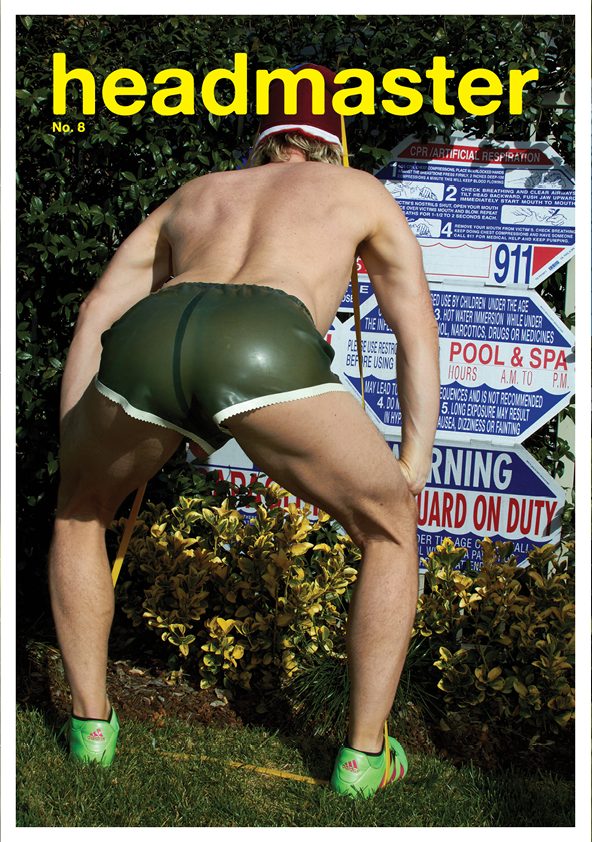
Headmaster Magazine –Why Print Is Still The Best Medium For Its Concept – A Mr. Magazine™ Update With Matthew Lawrence & Jason Tranchida, Editors…

March 19, 2018

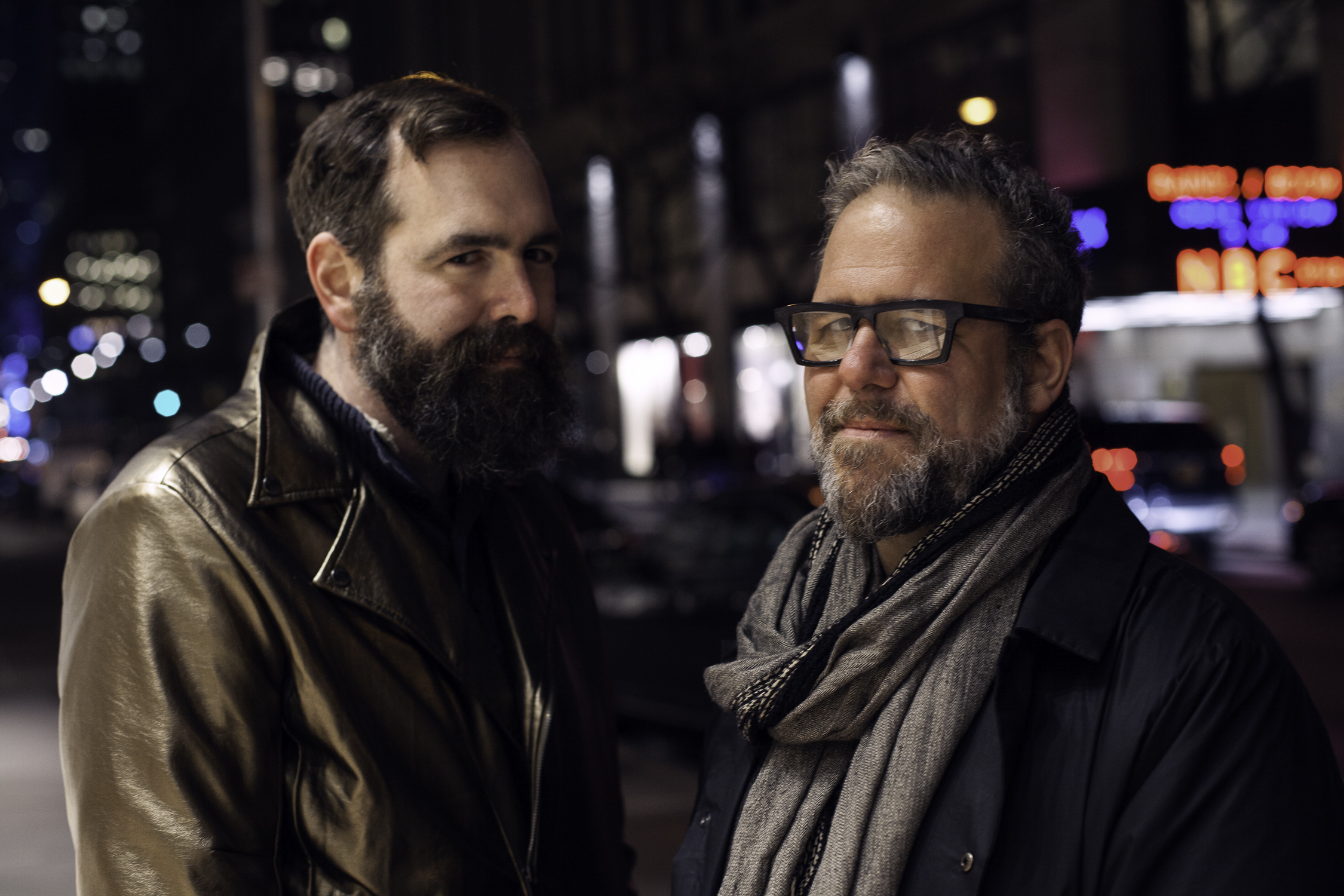
Headmaster editors Matthew Lawrence, left, and Jason Tranchida. Photo by Nelson Villarreal.

“We were very committed from the get-go to do a print publication. And for the artwork in it and the concept for the issue, print freezes something in time and it juxtaposes projects next to each other that we want next to each other for whatever reason. And I think doing something online with that wouldn’t work” Jason Tranchida…

“And we are talking about doing the gallery thing at some point down the road, but the difference is a gallery show comes and goes, it’s up in a month or two, or whenever, but the print is there forever. Our first issue came out in 2010 and we still have that to look at and refer back to and to show people.” Matthew Lawrence…

A Mr. Magazine™ Update…

On May 23, 2015, I published a Mr. Magazine™ interview with Matthew Lawrence and Jason Tranchida about Headmaster magazine. At that time Matthew described Headmaster as “a magazine with original projects and the concept behind it is that we find artists and writers that we like and we give them assignments to do those original projects for the magazine. So, everything between the pages is made for Headmaster.”

The self-described art magazine for man-lovers was born in 2010 by the original four “headmasters,” but over the years the four became two, Jason and Matthew. And then almost three years ago, the magazine stopped production. But today it’s back, in a refreshed and exciting way.

I recently spoke to Matthew and Jason again about the rebirth and this is a Mr. Magazine™ update on where Headmaster is today.

Samir Husni: So, almost three years later, you’ve brought Headmaster back. What happened in the meantime?

Jason Tranchida: Well, a bunch of things happened. We never consciously said we were going to stop doing it; we just had a lot going on. Matthew had started a different full-time job, and then once he settled in, my work got crazy, so we had some of these sits and stops in getting the new issue out. And we knew that we wanted to do some other bigger changes, this was sort of a concept issue. We added pages to it; we changed the paper; did some design rethinking, things like that. It just kind of happened.

And then finally we got enough momentum going, told ourselves we had three months to finish this bad boy and we were going to go to print. We committed to a launch in Chicago at a new art book fair there and so we’re back.

Samir Husni: Why do you believe in print? Why do you believe that for Headmaster to exist, it better be in print?

Jason Tranchida: We were very committed from the get-go to do a print publication. And for the artwork in it and the concept for the issue, print freezes something in time and it juxtaposes projects next to each other that we want next to each other for whatever reason. And I think doing something online with that wouldn’t work. The only other medium that I think might work for what we’re trying to do is if we did actual gallery shows, where we did almost the same assignment and then did an art show around it, which is kind of what we’re doing now. We curate each issue; we’re careful about who’s in the issue; when we’re choosing who we want to work with, there are certain people who we wouldn’t put in the same issue.

Matthew Lawrence: And we are talking about doing the gallery thing at some point down the road, but the difference is a gallery show comes and goes, it’s up in a month or two, or whenever, but the print is there forever. Our first issue came out in 2010 and we still have that to look at and refer back to and to show people. Although that one is sold out, so we don’t really show it to people anymore. (Laughs)

Jason Tranchida: But it is interesting, along the line of freezing in time, some of the projects and assignments were given pre-election and some were given post-election, so we had the projects for a long time before we actually went to print. And then a couple of the artists were of the mind that they might have done some things differently because the whole landscape had changed, and they wondered would there be a chance to revisit the project, or put a disclaimer on it. But we basically said no because that’s where we were and they were as an artist at that time. And we do put the date of the assignment in each issue, so it does have that context. But it really makes the “freezing in the moment of time” hit home.

And the fact that the issue did take a while to come out, there’s a breath of something going on that’s different from other issues that were maybe done in a more condensed time.

Samir Husni: When can we expect to see an issue nine? Will it take another almost three years before we see the next issue of Headmaster?

Jason Tranchida: I hope not. (Laughs)

Matthew Lawrence: I would say within the next year. We released number eight in November 2017. And I would not release an annual magazine in November again; it’s just really hard with the stores and holiday stuff, and art fairs. I think the timing needs to be early fall or early winter after the New Year.

Jason Tranchida: Yes, I would like to ideally have all of our work in by the end of the year for the next issue. And then, once we have all of the work it usually takes us about two months from final design to getting it printed and back to us.

Samir Husni: And the best way for people to get the current issue?

Matthew Lawrence: You can order it on our website and we’re in about two dozen stores, mostly in the U.S.

Samir Husni: Thank you.

h1

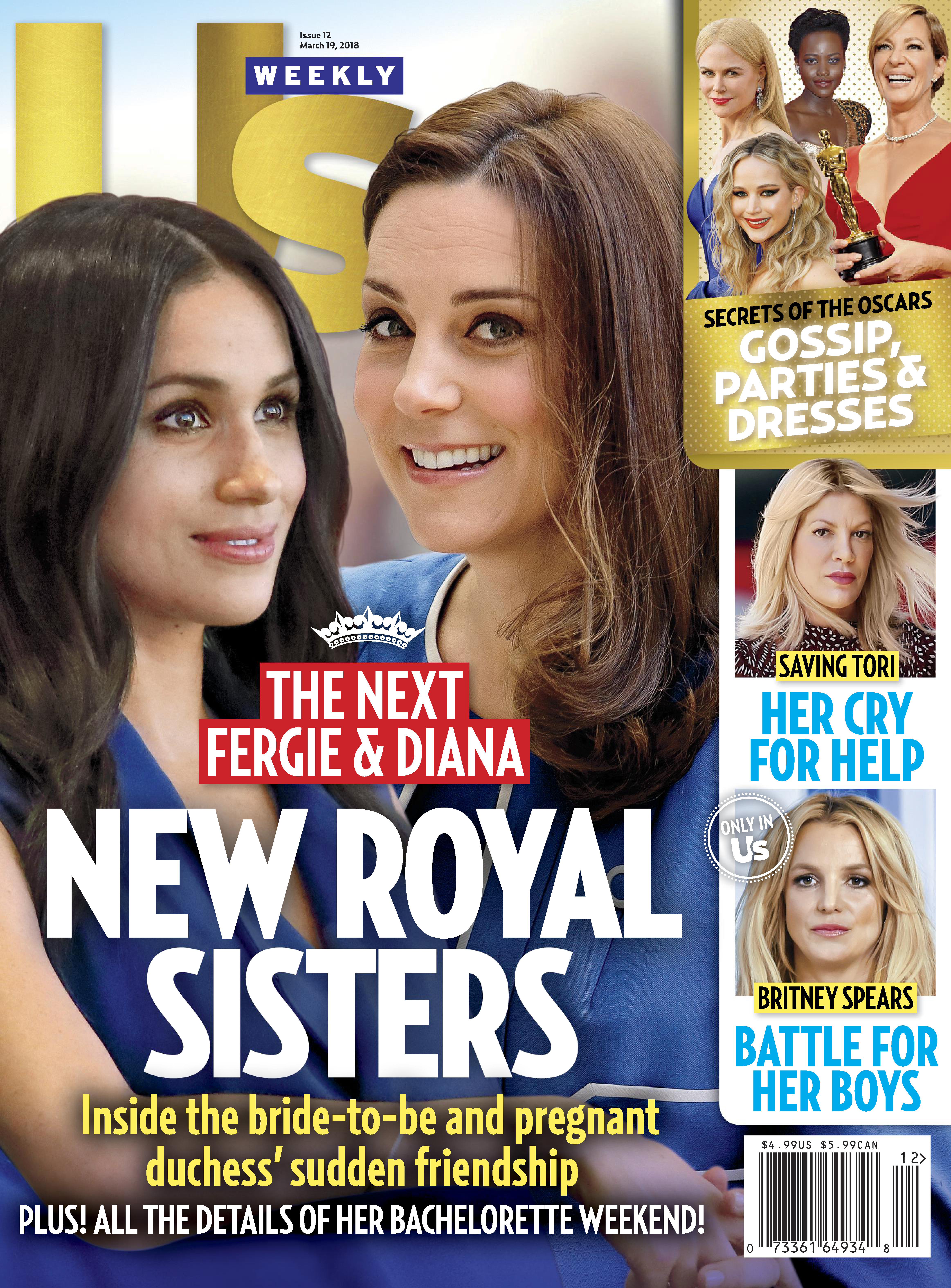
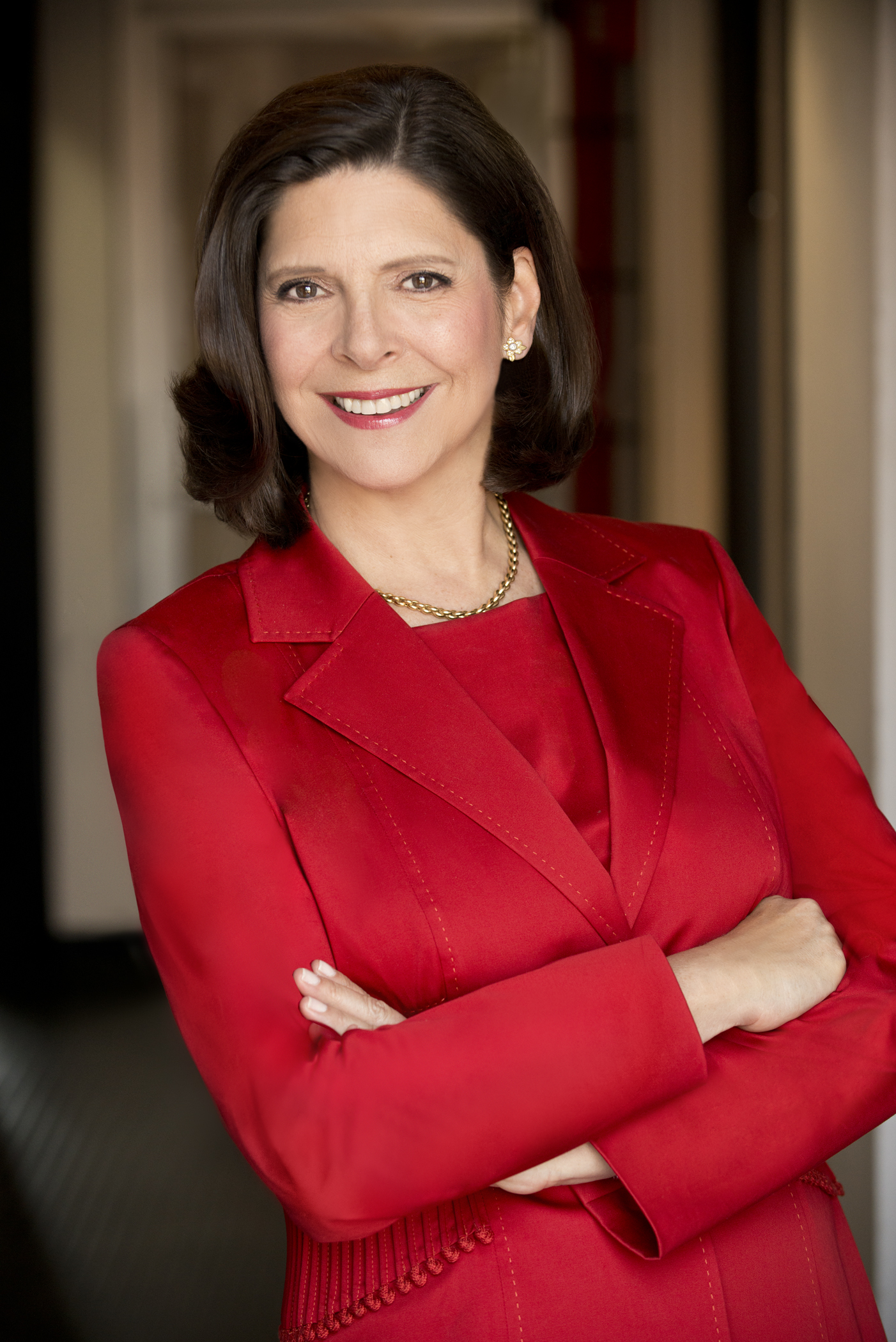
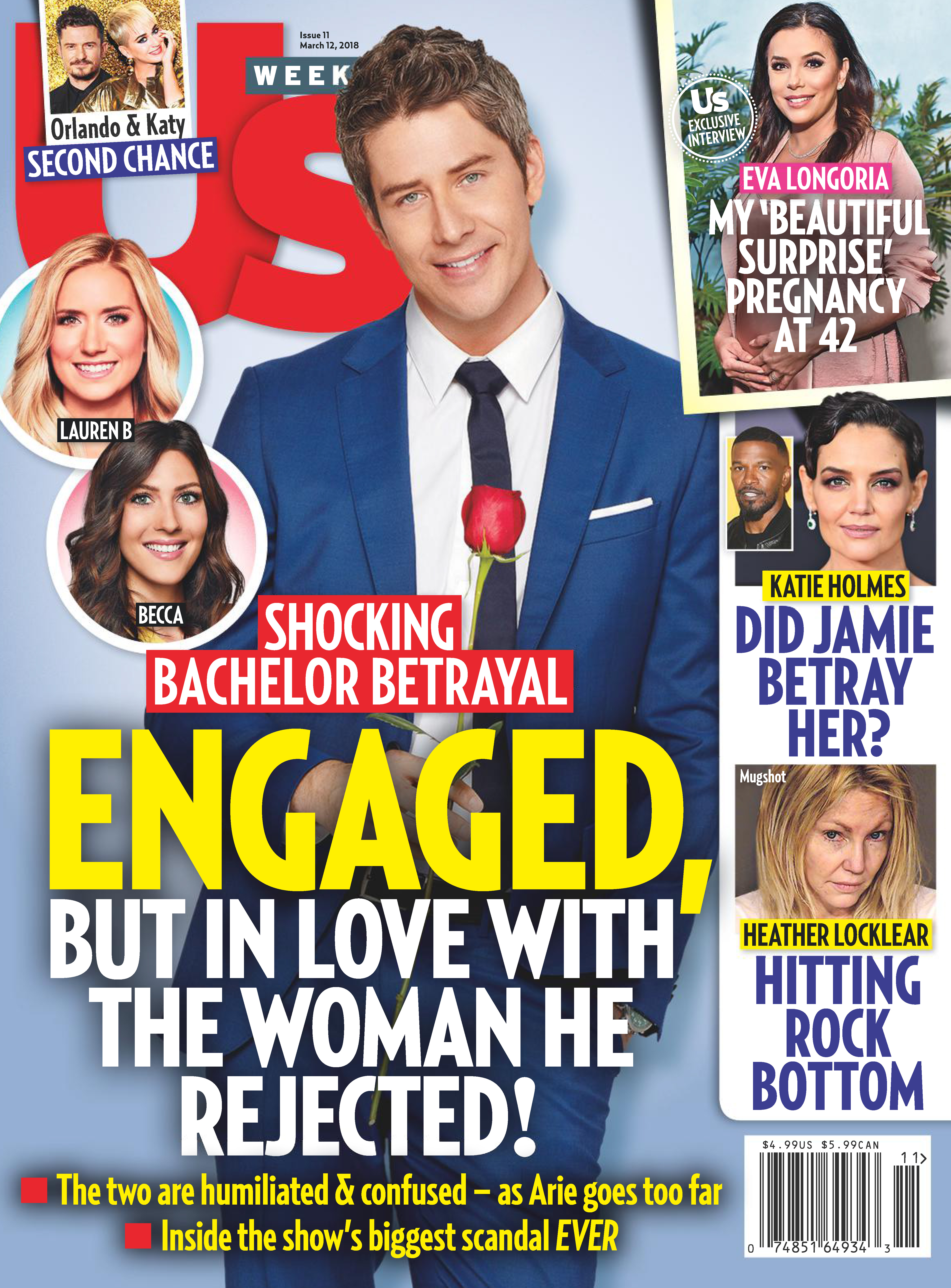
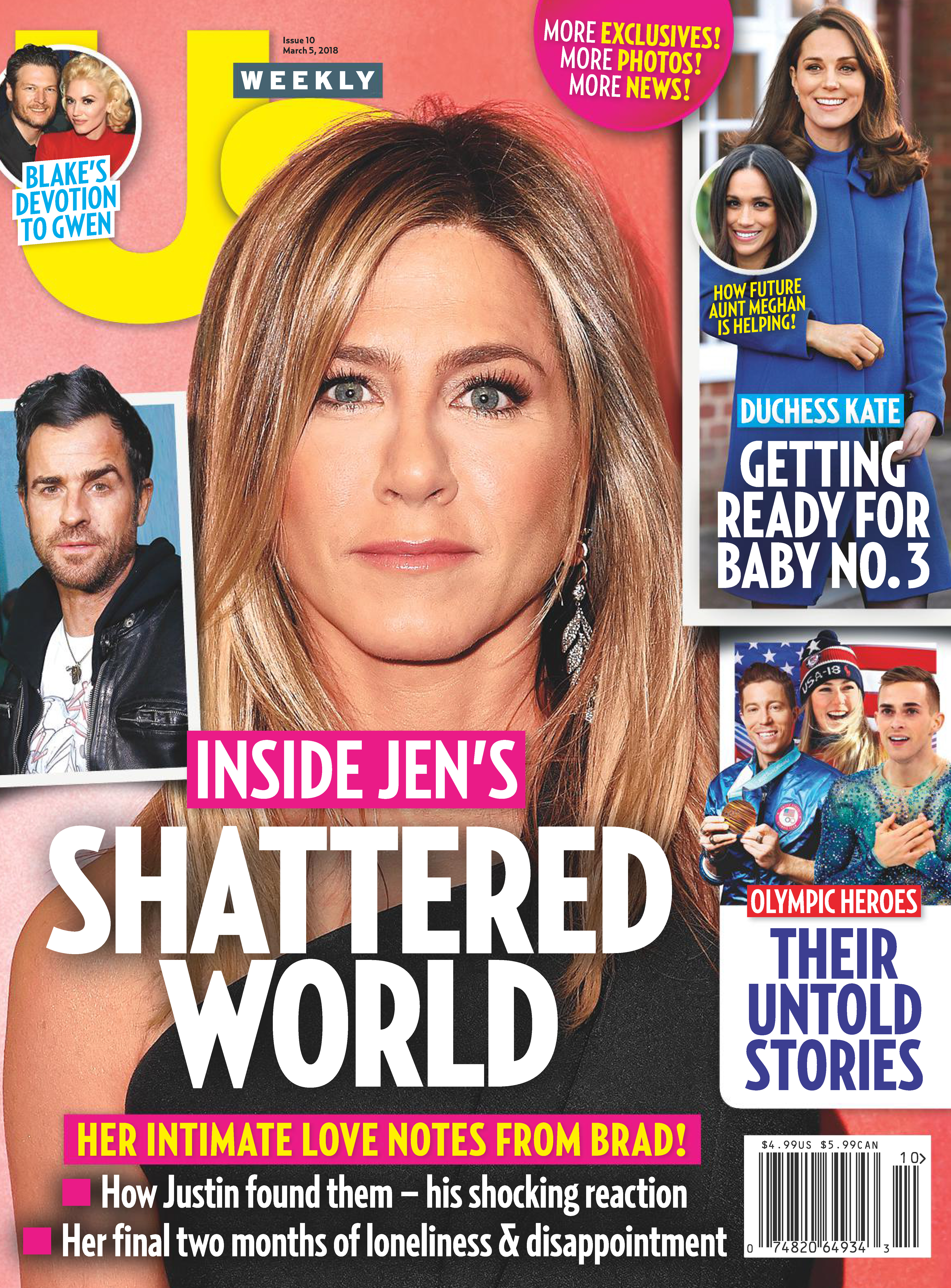
Us Weekly: A Lot Can Happen In A Week! Us Weekly’s VP/Chief Revenue Officer, Vicci Rose to Samir “Mr. Magazine™” Husni: “The Fact Remains, Whether It’s Us Weekly Or Some Of Our Key Competitors, We Are Able To Provide A Tremendous Amount Of Paid Circulated Copies Every Single Week.” The Mr. Magazine™ interview…

March 14, 2018

“I’m a great fan of digital and I’m a big supporter. Us Weekly has a very sizeable print footprint with just under two million copies, 1,968,000 per week is our most recent AAM (Alliance For Audited Media) statement for the six months ending December 2017, so of course, we’re big believers in print. And I am incredulous with the number of conversations that I have with agencies and clients in acknowledging that their own research with media-mix modeling, etc. will point to a strong ROI, but it’s not in fashion, so the industry is often plagued with people who are concerned for their jobs because they’re not forward-thinking enough.” Vicci Rose…

“I do feel we just have to temper the industry’s excitement. And there are certain advertisers that rushed into the digital world, and so because we could measure it, thought that it would have the measurement that they wanted. But if we continue to see that click-through rates are a fraction of a percent, there isn’t an advertiser out there that could believe that is a success metric, where at the same time any of the more traditional quantitative research in print, Starch for example, shows tremendous awareness, tremendous activity levels, as a result of engaging with the ads. And that continues, even in the face of such tremendous, widespread access to digital.” Vicci Rose…

A lot can happen in a week, indeed. What former Us Weekly owner, Jann Wenner, said to Vicci Rose years ago, when describing the difference between Us Weekly and its prime competitor at the time, still remains valid to the VP/CRO today: you know, a lot can happen in a week. Since before the Internet and during Jann Wenner’s ownership of the magazine, Vicci Rose has been publisher of Us Weekly. And when it comes to celebrities and entertainment, her knowledge is vast and her opinion strong on both the category and the frequency of her brand: “The fact remains, whether it’s Us Weekly or some of our key competitors, we are able to provide a tremendous amount of paid circulated copies every single week.”

And indeed she is right, with her quoted amount of paid copies sold per week: just under two million copies, and her intense belief that all that is needed in the world of advertisement and magazines is for the two to come to an understanding about the continued value of print and the continued synchronization of digital with the legacy platform. It’s really as simple as that and as complex, as some advertisers are still seeking that pot of gold at the end of the digital rainbow. But being Print Proud Digital Smart has never been more important to her and her brand.
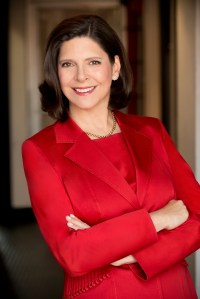
I spoke with Vicci recently and we talked about all of the above, and about the transition of ownership of the brand to American Media, Inc., and how her role as publisher, now chief revenue officer, has evolved over her many years in the business. While the core objective has remained the same, forming those strong bonds with agencies and clients, Vicci said today her job is always effected by the rapid changes within the industry. But if anybody can roll with the punches, it’s Vicci Rose. She is strong, dedicated and committed 100 percent to the continued success of Us Weekly.

So, I hope that you enjoy this delightful conversation with an equally delightful woman who believes that as long as Us Weekly remains current and relevant in the world of celebrities and entertainment, the brand’s present and future success is safe, the Mr. Magazine™ interview with Vicci Rose, VP/chief revenue officer, Us Weekly.

But first the sound-bites:

On how her role as chief revenue officer, publisher, has changed since the dawn of the digital age: Some of the evolution in my role is imposed by the rapid change in the industry. And another very important part of it is Us being more introspective to determine how we can keep pace with the rapidly changing world first and foremost, if we are truthfully driven by our audiences, which in turn then we promote and engage with our advertisers. So, I think in the initial stages of the role of publisher, and it was very much publisher, focused on the audience, the circulation, the advertisers’ interest in that audience to affect their objectives and strategies, etc. That’s always at the heart of what we do.

On why she thinks advertisers are so enamored by digital advertising in light of recent media reports on Bots and fake ads: I do feel we just have to temper the industry’s excitement. And there are certain advertisers that rushed into the digital world, and so because we could measure it, thought that it would have the measurement that they wanted. But if we continue to see that click-through rates are a fraction of a percent, there isn’t an advertiser out there that could believe that is a success metric, where at the same time any of the more traditional quantitative research in print, Starch for example, shows tremendous awareness, tremendous activity levels, as a result of engaging with the ads. And that continues, even in the face of such tremendous, widespread access to digital.
On finding new ways or creating new ways to engage with the advertisers and serve the customers and readers at the same time: It began first with positioning ads in relevant editorial. And that evolution of the positioning of the ads in relevant editorial became enhanced promotional pages and what we used to call advertorial pages. And today it’s a much more sophisticated translation of that original objective, which is branded and custom content as well as sponsored content. We are pursuing all of the avenues to allow our clients a better connection, a stronger connection, which includes social media components, but the translation of that has been a particularly productive avenue for Us Weekly over the years.

On her response when people say the entire celebrity genre and the weekly genre has no future in print: I totally disagree. The fact remains, whether it’s Us Weekly or some of our key competitors, we are able to provide a tremendous amount of paid circulated copies every single week. You just have to look at Us Weekly and People magazine. Again, the landscape has changed, where today not as much of our sales are at retail as they were before, but our average customer is paying roughly $70, that’s the actual price paid, for our subscription; for 52 weeks a year. And we’re able to sustain the circulation and in fact, the advertising, for 52 copies per year. And almost all of our weekly competitors in the entertainment and celebrity space are able to do that as well.

On why she feels there are less success stories, such as Us Weekly’s, in the media today and more doom and gloom magazine predictions: The proliferation of new products, new digital products, new software; the average CMO (chief marketing officer) today would be bombarded by not just six or seven entertainment magazines and 10 fashion and beauty magazines and the Seven Sisters. I mean, they are bombarded with thousands of alternatives today. So, I think in many cases, the decisions and the interaction with the publishing community has really been largely deferred to the advertising agencies. And they too have taken on such tremendous responsibility, as well as seeking new revenue streams.

On the analogy that digital was the seductive mistress when it burst upon the scene and print was always the steadfast spouse: (Laughs) Well, it’s interesting, there’s no question that digital, when it’s done right and with integrity…I always think, how did we end up here? The publishers have always had these tremendously solid relationships with our agencies and with our clients. And so, how did we lose so badly? You’re anecdote here is a perfect one for this because here we were, loyal, supportive; all of the editorial mentions that the editor is independent of commercial investment. And the support we’ve given over the years, yet, there was this shiny new object, the one that was thought to be the more exciting of the two.
On what someone would find her doing if they showed up unexpectedly one evening at her home: If you came to my house, you would probably find me somehow connected with my work. While I’m probably not proud to say it, other than my family and my twins, who are turning 21 soon, I am really totally immersed in what I do. But luckily that immersion does include a very significant and substantial immersion in pop culture and entertainment. I see a tremendous amount of movies; I watch a tremendous amount of television across the full spectrum: broadcast, cable, streaming.

On what she would have tattooed upon her brain that would be there forever and no one could ever forget about her: I think I’d like to have people think of me as their partner, a real consultative, professional who is dedicated and enthusiastic about what I do 12 and 14 hours per day. And that they can trust me to be a really committed and productive partner. I think that’s true with my dedication and my commitment in everything I do. I’d like that to be my legacy.

On what keeps her up at night: Two things, I have to be honest. One is, as we said earlier, how do we get the market to see the true value of print, which is there for them to see, it’s just a question of breaking through. And the other side of the equation, which is something that does plague all of us in the business, not only on the print side but also on the pure play digital, how do we accelerate the adoption of audiences to pay for the content they are consuming? Some are doing it well, others are doing it even more brilliantly, but as an industry we have not yet after 20 years or more, we have not as an industry solved this challenge.

And now the lightly edited transcript of the Mr. Magazine™ interview with Vicci Rose, VP/chief revenue officer, Us Weekly.

Samir Husni: You’ve seen it all in this industry. As a brand that has its cornerstone in print as Us Weekly does, how would you describe the change in your role as a chief revenue officer, as a publisher, from the dawn of the digital age until now?

Vicci Rose: Some of the evolution in my role is imposed by the rapid change in the industry. And another very important part of it is Us being more introspective to determine how we can keep pace with the rapidly changing world first and foremost, if we are truthfully driven by our audiences, which in turn then we promote and engage with our advertisers. So, I think in the initial stages of the role of publisher, and it was very much publisher, focused on the audience, the circulation, the advertisers’ interest in that audience to affect their objectives and strategies, etc. That’s always at the heart of what we do.

I can honestly say today that core objective is at the heart of the role of chief revenue officer. I do feel there is a difference in perspective, however, because growing up in our industry and our business, making the transition from the media side, media planning, at Benton & Bowles, where I worked with leading advertisers like Procter & Gamble, at the time it was called General Foods, the role of ad sales and publisher or management was very much about connecting the advertiser to the audience, in a very pure connection in that way.

Over the last decade or so more, it’s really about that consultative sales part of that equation. We could be far more creative over the last decade or two than ever before. We were engaged in a much more significant relationship, in terms of having a better understanding of what that client wanted to achieve. And through that process we built more comprehensive programs, again, using the media or the various components of our brand.

Us Weekly, as an example, went into the mobile space back in 2002 because it really didn’t require a significant investment, and I at the time as publisher had to determine how much of our resources could go into a forward-thinking medium. So, as I sit here today as chief revenue officer, that core objective is at the heart of what I do, but I do have to be so much more aware of a much broader platform. I have to be knowledgeable with not just my audience and how they engage, but where they engage. And where, as you just said, will we be engaging them in the next week or in the next month? (Laughs)

And I would honestly say tactically, we used to look at three and five-year plans regularly; today I hardly ever look at a five-year plan because I have to be really concerned with the three-month plan and the six-month plan and the 12-month plan. My role is that much more urgent and immediate, in terms of everything we do. We have to be far more concerned with the actual performance metric, that has been a very dramatic change in our responsibility to our clients.

And we’re under tremendous pressure to prove daily the power of print and the importance of print. In fact, I have a presentation coming up to one of the major agencies and one of the top ten clients in the industry to prove the power of print using many of the components from the very productive presentation that the MPA has designed, that magazines tell and sell. And then we adopt some of that information and translate it for our clients and how their product categories and their particular products have actually seen increases in consumption in magazine audiences.

My responsibility today is not just to connect clients and audiences, but really to prove that there is a powerful and productive connection and ultimately to help set up the ROI that they will achieve. In a long-winded way, my role has changed a lot, but there are still some core things that drive me every day in my role.

Samir Husni: Recently, I interviewed the president of Meredith Magazines, Doug Olson, and he was amazed and surprised that with all the data and with everything that print can offer, and with the stories that have been in the news lately about fake ads and all the Bots looking at the digital ads, he was amazed that some advertisers still have this strong belief in digital? Do you think the industry will ever overcome that newness of digital and see the return of the tangible ROI in the magazine business?

Vicci Rose: I’m a great fan of digital and I’m a big supporter. Us Weekly has a very sizeable print footprint with just under two million copies, 1,968,000 per week is our most recent AAM (Alliance For Audited Media) statement for the six months ending December 2017, so of course, we’re big believers in print. And I am incredulous with the number of conversations that I have with agencies and clients in acknowledging that their own research with media-mix modeling, etc. will point to a strong ROI, but it’s not in fashion, so the industry is often plagued with people who are concerned for their jobs because they’re not forward-thinking enough.

So, I would agree with Mr. Olson, yes. I am constantly surprised, especially in light of the fact that print for most of our clients works and has been proven to work. But at the same time I do feel that the digital component, and when I say digital, I mean the whole spectrum of digital, digital video, social media, mobile; all of those platforms add such a tremendous conduit to audiences, both our existing audiences, but more importantly to new audiences.

I do feel we just have to temper the industry’s excitement. And there are certain advertisers that rushed into the digital world, and so because we could measure it, thought that it would have the measurement that they wanted. But if we continue to see that click-through rates are a fraction of a percent, there isn’t an advertiser out there that could believe that is a success metric, where at the same time any of the more traditional quantitative research in print, Starch for example, shows tremendous awareness, tremendous activity levels, as a result of engaging with the ads. And that continues, even in the face of such tremendous, widespread access to digital.

So, I would agree with him. I do feel though that in the last year, year and a half, since many of our industry leaders on the client side are expressing concern again, not a wholesale withdrawal, but a concern. I do think there is a tempering of that willingness to try anything new at all costs and take on tremendous risk. And I have seen, in fact, in our presentation, that there are about 30 advertisers out there that have actually pulled away from print, then came back to print in a significant way and are actually growing their print. And there are many new research tools that will help us. In fact, thinking about Meredith, they were among the first companies to go into the Nielsen Catalina study and be able to, through some complexity, but be able to show their advertisers that there is significant ROI in print-based programs.

Samir Husni: You’ve been very creative in dealing with your clients and with advertisers. Can you talk a little bit about the new ways of getting revenue and advertising, rather than the traditional: we’ll sell you a page here or we’ll send you something on digital? What are you doing in terms of finding new ways or creating new ways to engage with the advertisers and to serve your customers and readers at the same time?

Vicci Rose: We actually started this back, I would probably say, at Mademoiselle magazine when there was first this opportunity to better engage our audience with some creative projects. And then pulling together the marketing team and really working with the clients to try to recognize more of the context and the relevance of the messaging. At first it began clearly with just positioning. It wasn’t just, let’s call it the Campbell’s Soup position that it used to be called in the women’s service area, the left-hand page opening the main editorial well and it didn’t really matter what the context of that adjacency was.

So, it began first with positioning ads in relevant editorial. And that evolution of the positioning of the ads in relevant editorial became enhanced promotional pages and what we used to call advertorial pages. And today it’s a much more sophisticated translation of that original objective, which is branded and custom content as well as sponsored content. We are pursuing all of the avenues to allow our clients a better connection, a stronger connection, which includes social media components, but the translation of that has been a particularly productive avenue for Us Weekly over the years.

And I think the reason why we’ve been able to see this as a very particularly productive channel for us, meaning the branded or custom content channel, is because we are able to work with the clients, really better understand what their objectives are. At times, because we’re dealing with celebrity and entertainment, we have to remind the client of what those objectives are and make sure that they adhere to what they originally thought was the objective and not get all caught up in the excitement of working with entertainment and celebrity.

But again, the importance of that I think has never been clearer than it is today with the new audiences. As you mentioned, that younger customer coming into media with very different expectations, with a very different landscape, and a very different appraisal of advertising and how they react to advertising. How they feel about companies and their promise, typically made in a classic ad.

So, we have this fantastic opportunity to work with our clients to really understand where their objectives converge with the interest of an audience. It takes it to a much purer level for me as a chief revenue officer, and still at heart a publisher. That’s the most exciting part of our business and what keeps so many of us active. It’s the creativity, but always knowing that it’s only creative if it satisfies that client’s objective.

So, yes, Us Weekly has had a very, very big stake in sponsored content and branded and custom content. In fact, the articles that you may be reading had recognized some of the programs that we triggered recently, first with the paper and packaging board, with the GRAMMY’s and being able to include them in a big GRAMMY-based initiative; Music’s Biggest Night, it was not formerly working with the GRAMMY’s, but again, being able to recognize and have some contextual relevance to awards programming.

And then most recently, with the completion now of the Olympics, we were able to align our client Nutrish with Olympics programming. So, context and relevance, as classically done by ad-placement in magazines, is now on steroids. (Laughs)

And we created a custom video with Kelli Stack, who was an Olympian, and she rescued some dogs from Sochi, when she was last participating in the Winter Olympics there. And we were able to sit down with her and understand how these wonderful animals helped her and her training, her relaxation, and her motivation. And it was a win-win with tremendous results. In fact, the contest, it was a user-generated contest where you provided pictures of your Olym-pet, and the votes were just under 900.000 in two weeks. It was very exciting.

Samir Husni: You mentioned the celebrity environment of Us Weekly has almost two million copies every week. What’s your response when people say the entire celebrity genre and the weekly genre has no future in print?

Vicci Rose: I totally disagree. The fact remains, whether it’s Us Weekly or some of our key competitors, we are able to provide a tremendous amount of paid circulated copies every single week. You just have to look at Us Weekly and People magazine. Again, the landscape has changed, where today not as much of our sales are at retail as they were before, but our average customer is paying roughly $70, that’s the actual price paid, for our subscription; for 52 weeks a year. And we’re able to sustain the circulation and in fact, the advertising, for 52 copies per year. And almost all of our weekly competitors in the entertainment and celebrity space are able to do that as well.

We do have a number of competitors that have double issues and so have lowered their frequency, but it’s still in the mid to high 40s, forty copies going out there. In fact, and this is fact not fiction, there is an audience out there buying hundreds of thousands of copies a week in our space, when the suggestion is that they could be getting much of this content online for free. So, there’s clearly a perspective, a point of view, a treatment, a community of celebrities that we include; how we approach them and frankly, how each one of these properties addresses this audience, is different.

To the untrained eye it may not be apparent, but our duplication among the magazines, let’s say, each one of us has a different statistic, but it’s between 15 and 18 percent on average, which in the scheme of things is very, very low in terms of duplication. If you look at some of the fashion/beauty books, some of those duplications can be in the 30 percentiles or women’s service books, again between 20 and 30 percent duplication.

So, the fact remains that our category is still quite vibrant and able to sustain this number of magazines every week. And I would tell you that Us Weekly, I do believe and continue to believe, that Us Weekly’s continued success, which originated with Jann Wenner’s initial vision for Us Weekly, remains today, 18 years later. We launched as a weekly 18 years ago in March, it’s hard to believe.

But today what drives us weekly and one of Jann’s initial comments to me, in terms of how he saw Us Weekly differing from our prime competitor at that time and even today, People magazine, is that he said, you know, a lot can happen in a week. And if we continue to focus our editorial perspective and objective on that kind of currency, in things that happen here and now, we will continue to win. And that has been a driving piece of our brand equity even today.

If you come on Us Weekly’s site on The Stylish channel, one of our strongest portfolios is called About Last Night, and it is a photo gallery of celebrities and what they looked like, fashion and beauty, in real time, updated every day. Or if it’s in the pages of Us Weekly, most of that editorial content happened in the last five to seven days. And if there is a rare occasion where a story isn’t yet fully baked or we decided that there’s something else that needed to go in its place, we rarely post that story only to run it the following week, because it won’t have the same sense of currency and urgency that it needs to have.

And that’s how Us Weekly continues to stay relevant to our audience. And integrity also drives that, or transitioning overtime, integrity, credibility, those are the demands of our audience. And as long as we continue to provide true news in an era of fake news, I think we will continue to thrive as we are today.

Samir Husni: Why are there less of your success stories out there in the media, in the general magazine media environment, than all of the doom and gloom stories that we hear about magazines and magazine media?

Vicci Rose: The proliferation of new products, new digital products, new software; the average CMO (chief marketing officer) today would be bombarded by not just six or seven entertainment magazines and 10 fashion and beauty magazines and the Seven Sisters. I mean, they are bombarded with thousands of alternatives today. So, I think in many cases, the decisions and the interaction with the publishing community has really been largely deferred to the advertising agencies. And they too have taken on such tremendous responsibility, as well as seeking new revenue streams.

And so I think the combination of the proliferation of alternatives, squeezing the dollars allocated to marketing, and again, we have a lot of clients that now within their marketing channel have so many objectives, high funnel, low funnel, where they’re judged, how they’re judged, how the executives themselves are compensated.

I think you’re very right, and frankly, this is what keeps me up at night. My greatest concern is how do I break through? How do we as an industry break through? How do we gain the attention of the ultimate decision makers for the funds? Thankfully we have a very strong leader in Linda Thomas Brooks at the MPA, and she has tremendous client-side perspective, agency-side perspective, and I think she’s doing an incredible job at breaking through that gauntlet.

But we’re not there yet. And I think we need very resilient and tenacious leaders in our industry who understand and will make this effort daily. And with no change in our resolve. Working with Linda and seeing her new presentation has given me personally the resolve and my team the resolve.

And as I mentioned to you, we have now adapted our presentation to include many of the facts and the findings that the MPA has given us. And I would tell you that in the last couple of weeks, since we decided to redirect a portion of our efforts to the “why print” equation, it’s always been implicit in what we’re selling, but now it’s “why print” as part of the larger picture. We have had tremendous response on both the strategy side of the agencies and certain key clients. We’re very, very excited about what we’re seeing now.

And it may be good timing. As you said earlier, there are many clients that are scratching their heads and saying, oh my gosh, we rushed into digital and now we have to think about where that true balance should be. And we may be coming in at just the right time to help them see that the balance is the prudent course.

Samir Husni: I tell my students that when digital exploded onto the scene in 2008, she became the mistress that no one could resist, while print was that faithful and steadfast spouse. People began spending all of that money on the mistress, digital, meanwhile there was the spouse, print, asking the question: what is she giving you for your money?

Vicci Rose: (Laughs) Well, it’s interesting, there’s no question that digital, when it’s done right and with integrity…I always think, how did we end up here? The publishers have always had these tremendously solid relationships with our agencies and with our clients. And so, how did we lose so badly? You’re anecdote here is a perfect one for this because here we were, loyal, supportive; all of the editorial mentions that the editor is independent of commercial investment. And the support we’ve given over the years, yet, there was this shiny new object, the one that was thought to be the more exciting of the two.

But I do feel that there is tremendous value. Us Weekly alone, for example, our own Google Analytics are roughly 30-35 million unique visitors a month that come to Us Weekly. But they go 350-400 million pages deep in our site. In fact, we are thrilled, we’ve worked really hard to develop the kind of relationship in the digital platform that would allow this audience, not only to come to usmagazine.com, but to come daily, multiple times per day.

But we do believe that there is a different experience, that the reader or the visitor has very different expectations when they come digitally. There are so many pages, there are so many galleries and videos. And when they come to the pages of the magazine, they have a much more curated view. Tina Brown once said that when she starts at the front of the magazine and she ends at the end of Us Weekly, she knows everything that she needs to know about those 20 to 30 people that everyone is talking about right now. It was many years ago that she stated that, but that’s still true today.

So, there is a different promise in the pages of the magazine than there is in digital, which allows us to really update the information minute-by-minute. And our content leadership, Dylan Howard, Jen Peros, our Style and Beauty director, Gwen Flamberg; they’ve done a tremendous job at really delivering on that expectation on the part of our audience. Far surpassing my expectations in a relatively short period of time since we transitioned to AMI’s ownership.

And while it was a challenging transition just in moving from one corporate culture to another, the commitment was very clear from the get-go. David (Pecker) understood the difference in our property; he understood how important the relationship with our digital audience was and continued to allow us to invest time, energy and resources in delivering. And I’m very excited to say that February, while the comScore for February isn’t out yet, it should be one of our largest comScore audiences in the last five years.

Samir Husni: If I showed up unexpectedly at your home one evening after work, what would I find you doing? Having a glass of wine; reading a magazine; cooking; watching TV; or something else?

Vicci Rose: I think all of the above. (Laughs) If you came to my house, you would probably find me somehow connected with my work. While I’m probably not proud to say it, other than my family and my twins, who are turning 21 soon, I am really totally immersed in what I do. But luckily that immersion does include a very significant and substantial immersion in pop culture and entertainment. I see a tremendous amount of movies; I watch a tremendous amount of television across the full spectrum: broadcast, cable, streaming.

I do have my projects that I’m absolutely obsessed with and I look forward to them and I support that through some of the social media that I see. I am also obsessed with cooking and that landscape, both digitally and in print. And if I go to bed at night, even if I may turn off the lights between midnight and 2:00 a.m., I’m always reading a book, if albeit only a very few pages before I go to sleep.

So, I would tell you that is where I find my personal enjoyment, and the boring of the lines between work and relaxation are just fine with me.

Samir Husni: If you could have one thing tattooed upon your brain that no one would ever forget about you, what would it be?

Vicci Rose: I think I’d like to have people think of me as their partner, a real consultative, professional who is dedicated and enthusiastic about what I do 12 and 14 hours per day. And that they can trust me to be a really committed and productive partner. I think that’s true with my dedication and my commitment in everything I do. I’d like that to be my legacy.

Samir Husni: My typical last question; what keeps you up at night?

Vicci Rose: Two things, I have to be honest. One is, as we said earlier, how do we get the market to see the true value of print, which is there for them to see, it’s just a question of breaking through. And the other side of the equation, which is something that does plague all of us in the business, not only on the print side but also on the pure play digital, how do we accelerate the adoption of audiences to pay for the content they are consuming? Some are doing it well, others are doing it even more brilliantly, but as an industry we have not yet after 20 years or more, we have not as an industry solved this challenge.

So, that is another one that keeps me up at night as I watch more and more of my audience, and I’m thrilled to see the growth in those audiences, but the burden on advertising is just too great to sustain it for the next 20 or 30 years.

Samir Husni: Thank you.

h1

Meredith’s Magazine President Doug Olson To Samir “Mr. Magazine™” Husni: “In Its Simplest Form, My Elevator Pitch Is We’re Playing To Win Versus A Lot Of People Who Are Playing Not To Lose.” A Mr. Magazine™ Exclusive First In-Depth Interview With Doug Olson.

March 10, 2018

A Mr. Magazine™ Exclusive

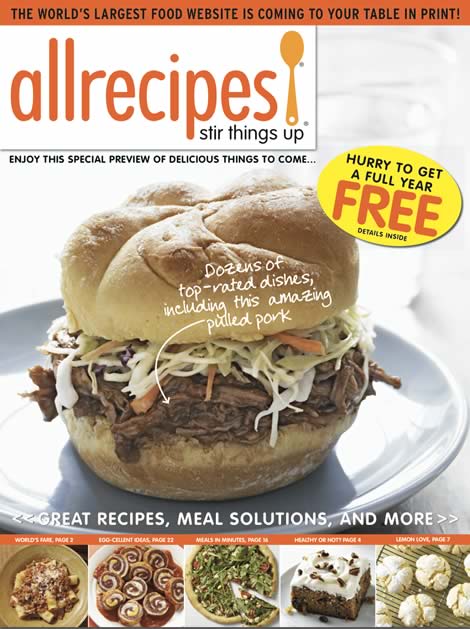
“We’ve made a pretty big bet that magazines are not going out of style with our acquisition of the Time Inc. portfolio of brands. We continue to be very excited about the future of these brands in all platforms, whether it’s in print or digital or social. Allrecipes is a perfect example of one of the brands that we took from digital and turned it into print, so obviously it has a very large footprint in digital, but the print continues to grow.” Doug Olson…

“At the end of the day, I think the beauty of the new Meredith Corporation is that we understand there is some transitioning or shifting going on, but we believe we’re in a place to participate in that too. But at the end of the day, if you want to reach consumers in a very credible way, we also have these big brands that have lots of tentacles on them, including a very large print footprint. It’s really interesting to me that a lot of these social media people keep coming to us because they want to have a print presence, because it legitimizes their social standing. If they can see it in print, it confirms that they made it.” Doug Olson…

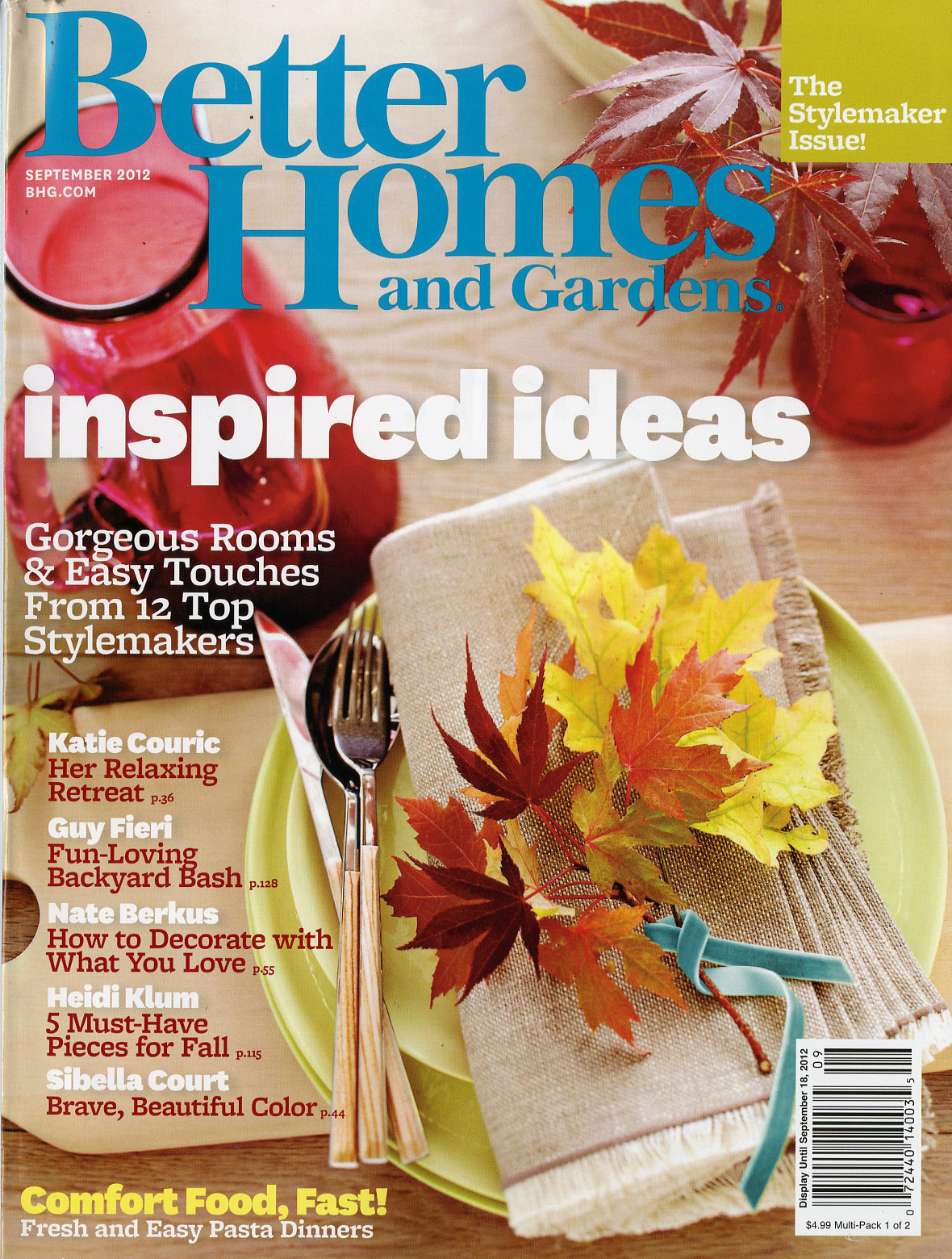
As a diversified, publicly-held company, Meredith Corporation encompasses a vast array of magazines and magazine media entities that vary from its female-oriented consumer brands, such as Allrecipes and Better Homes & Gardens, to its expanded reach through acquisitions and strategic partnerships, such as its recent purchase of Time Inc. Meredith is now the largest magazine media company in the country.

Meredith’s Magazine President Doug Olson, is excited about the incoming titles that Time Inc. brings to the table, and is ready to roll up his sleeves and get busy. The future looks very bright indeed for Meredith and the additional family members it has brought into the fold.

I spoke with Doug recently, for his first in-depth interview, and we talked about the Time Inc. acquisition and about the legacy Meredith and what this new endeavor could and would mean for the company. Doug is a firm believer in print, and he’s also an advocate for digital and all of its many extensions, from social media to online. And for the partnerships that pump new blood into the legacy company that keeps defying the odds and launching new print magazines, many of them from former digital-only entities. In Doug’s own words: “If they can see it in print, it confirms that they made it.” Print Proud Digital Smart, indeed.

So, I hope that you enjoy this conversation with a man who believes in his brands, all of his brands, both new and old, and believes in his company and says the differentiator between Meredith and many others is, Meredith doesn’t just play to not lose, Meredith plays to win – the Mr. Magazine™ exclusive interview with Meredith’s Magazine President Doug Olson.

But first the sound-bites:

On whether he thinks magazines are really going out of style or if there’s been a rebirth: Honestly, we’ve made a pretty big bet that they’re not going out of style with our acquisition of the Time Inc. portfolio of brands. We continue to be very excited about the future of these brands in all platforms, whether it’s in print or digital or social. Allrecipes is a perfect example of one of the brands that we took from digital and turned it into print. It obviously has a very large footprint in digital, but the print continues to grow. While the Magnolia Journal gets a lot of press these days, the Allrecipes brand has been very successful as well, especially given its origin within digital. It’s up to almost 1.3 million subscribers; it’s one of the brands that has been meeting its numbers every single year since we launched it.

On how he feels going into the marketplace knowing that Meredith is now the number one magazine media publisher in the United States: We think we’ve been the efficient operator in the marketplace for some time and that’s one of the reasons that we got the opportunity to own these great brands. But we understand our standing in the magazine world, if you will, has changed. It’s one that we embrace; we certainly respect it. But at the same time, we’re going to keep doing what we’ve been doing. We think we do a lot of X’s and O’s, blocking and tackling, just back to the basics to help advertisers sell more products or get their brand messages out to consumers. And that’s what we’ve done since the beginning on this thing, and that’s what we’re going to continue to do.

On how it feels to be in charge of the largest group of magazines in the country: It feels great. There are really five of us that have worked on this for over five years. I was in the initial meetings when we tried to jar these great brands loose from Time Warner back in 2012. And we’ve stuck with it and now we’re here. Again, we respect how big the task is, but at the same time we’ve got great people at legacy Meredith and there are some really good talented people at the incoming Time Inc.’s stable of brands and its employee base. We think that together the combination will be dynamite.

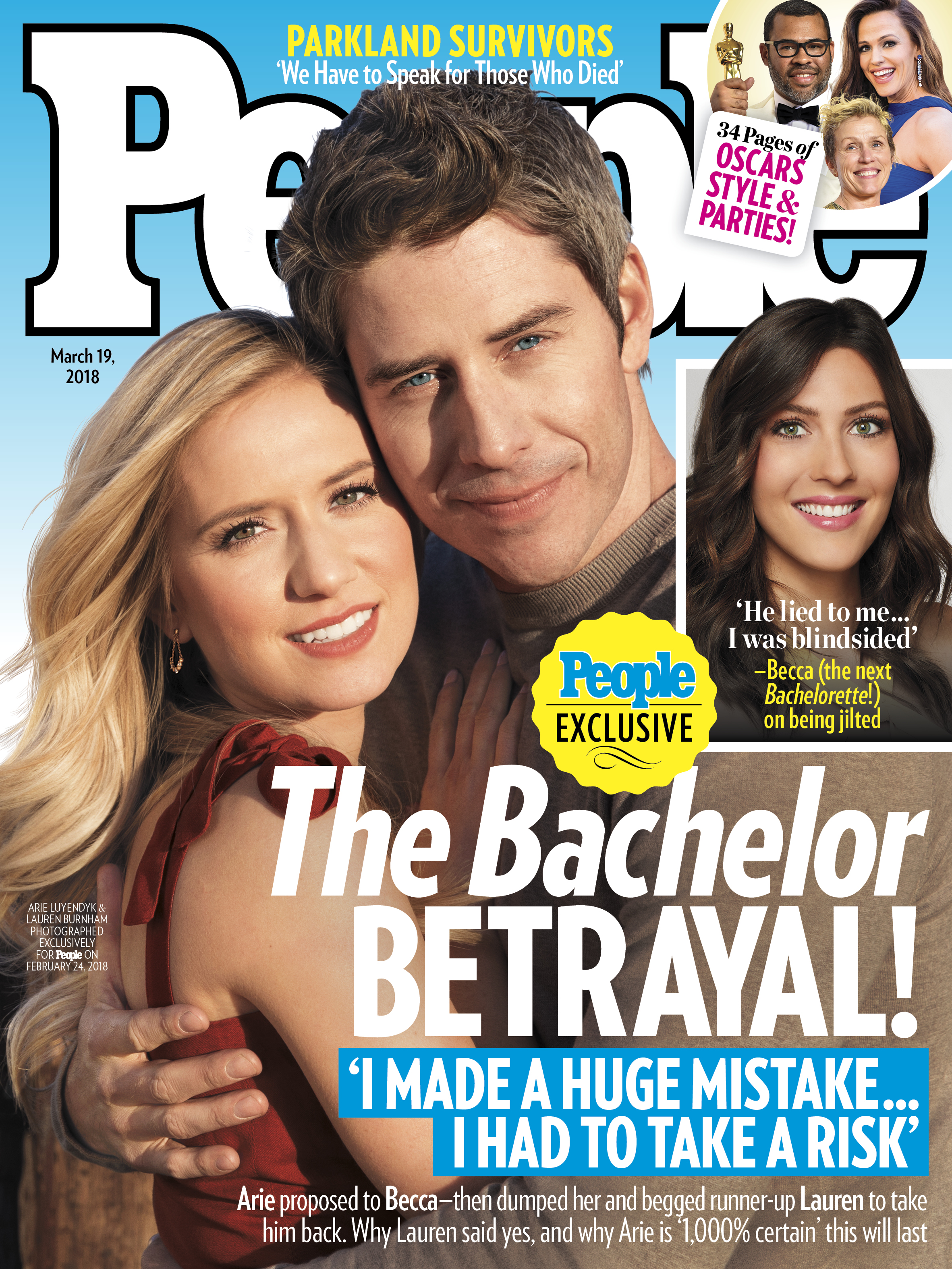
On whether the titles of publisher and editor may be coming back to the newly acquired Time Inc. titles: We’re strong believers in that someone has to get up every single day and focus on the individual brand. At Meredith, everyone is an integrated seller, it’s just to what degree do they focus on print versus digital and some of the other advertising mediums that are out there now. So, we want to take the best of both organizations…there are some things at the incoming Time Inc. organization that were working pretty well in the marketplace. There were a lot of things, especially around People magazine, that have been very vibrant for them. They’ve done a great job of focusing on what really throws off a lot of revenue and a lot of profit for the old Time Inc..

On how it feels to have weeklies now, such as People magazine: It’s definitely different for us, but the great news is there is a lot of expertise on the weeklies that exist in the acquired organization and we’re clearly leveraging their expertise. We admire the People brand. Obviously, as you mentioned, it’s the largest in the U.S., probably the largest in the world, if you really get down to it. But we’ve also run a very large brand ourselves called Better Homes & Gardens, which has a lot of multiplatform tentacles hanging off of it; a huge licensing program at Walmart, and a very large special interest media stable of brands that we sell on the newsstand. We’ve got a very large digital presence, so we’re used to overseeing and managing very large brands, but clearly People is at the next level.

On recent comments CEO Tom Harty made about increasing rates, cutting frequencies and reducing circulation, mainly due to the postal service: We stand by his comments that if such a large increase is passed on to an industry in one fell swoop, especially the way they’re talking about it, then there’s going to be some kind of fallout. You can’t continue to do what you’ve been doing, business as usual, with such a large increase in your expenses.

On the rumors that Meredith wants to be purely a women’s magazine publishing company: First of all, I don’t think people understand that we actually have some other men’s titles within the legacy Meredith stable. Successful Farming actually started the company and is very much aimed at mostly males, although there are more and more females that are operators in that space these days. Wood Magazine is another one. We do a fair amount of custom printing things along the way for some male audiences as well.

On whether he feels Meredith and Hearst are in a race when it comes to new magazines or new partnerships: I think Hearst is a very formidable competitor. They have some great brands over there as well and some really good people. I would say that they have chosen a path and we’ve chosen a slightly different path. We think brands matter tremendously and I think they do too, but we’ve put our money on brands that are some of the biggest in the world, and they went after some smaller ones, what we would call tuck-in acquisitions. I think both strategies are good strategies. It’s great to have a strong competitor, to be honest with you. It makes us better if we have a strong competitor.

On whether this year will see a calmer Meredith after the Time Inc. acquisition or 2018 will be full-steam ahead: We’ve shared with our shareholders, our board and our leadership team that this is really a two-year journey. This is a big undertaking; we want to get it right and take our time. We want to get the cost structure in line with the realities in the marketplace, and we don’t think we can do that in one fell swoop. We have to be very iterative. We’re doing some things now that are going to give some clarity to the marketplace as to who is covering their account and who they need to talk to. And we have to make sure that we get all of our brands covered, so that there are not brands lost in the shuffle.

On whether Meredith doubled or tripled his salary with the all of the added responsibilities: (Laughs) I would love it if you would send an email with that in it to Tom Harty. (Laughs again)

We think that we’ve embraced the realities of the marketplace over the last few years. And we believe that we’re very competitive and we’re going to be an employer of choice when all is said and done here. And I think there’s a lot of people at the incoming Time Inc. who are looking forward to some really good, solid leadership. They have great career opportunities in front of them. We haven’t even talked about how awesomely the content generation mechanism of this organization is. The editorial and the content production that we do is second to none.

On whether he is spending a lot of time now shuttling between New York and Des Moines: Yes, we’re spending a lot of time on the new business, but at the same time we have our existing legacy Meredith business to also run. The great thing is I have really good people who work for me and throughout this organization. We’ve asked everybody to step up and do more. We want to learn as much as we can of what was happening in a real positive way at the old Time Inc. and not lose that in all of the things we do. But clearly there will be some changes, and we’re going to put the best possible team on the field to go out and deal with the new realities of this marketplace, which is a lot tougher than it used to be.

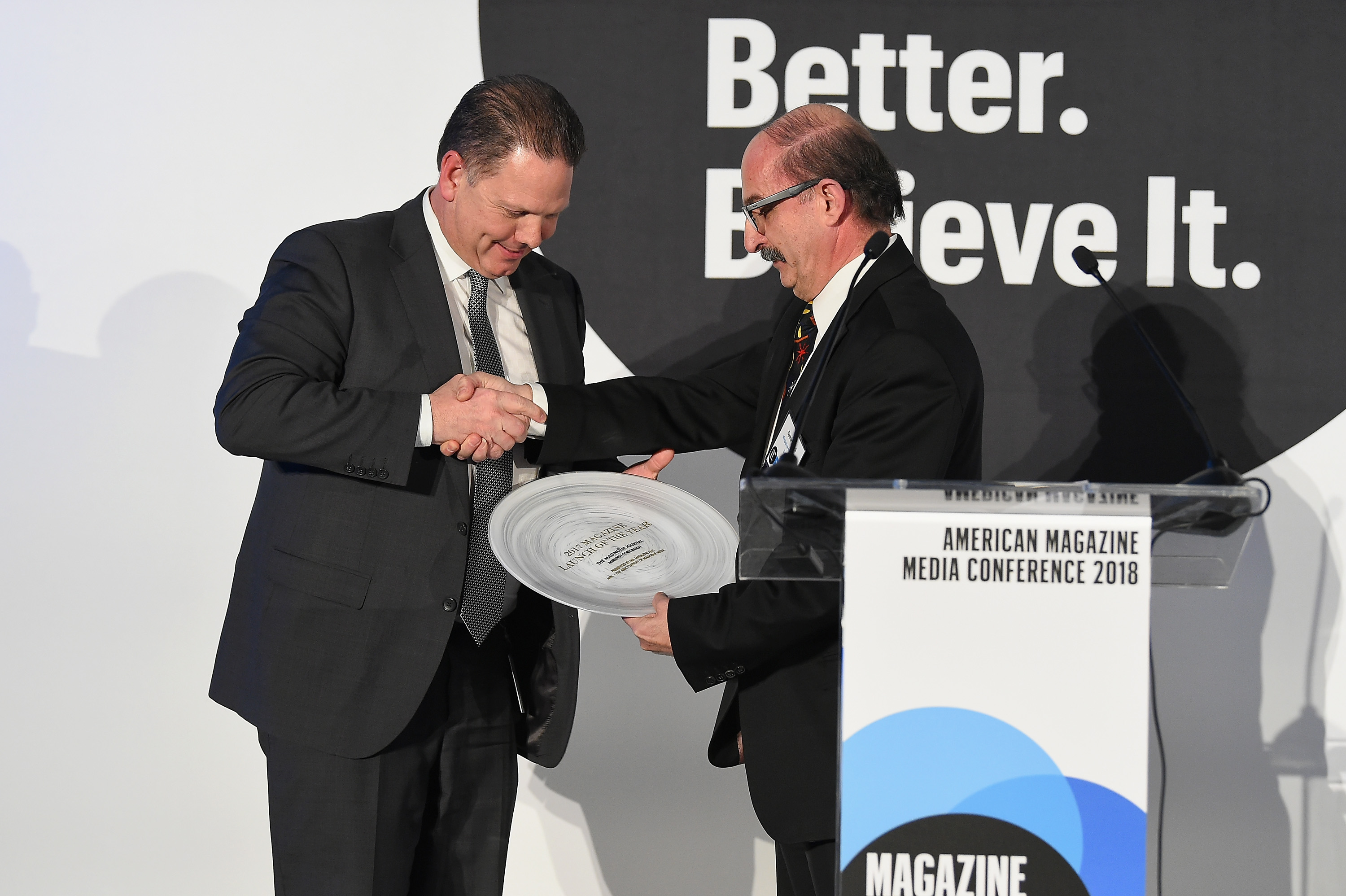
NEW YORK, NY – FEBRUARY 06: Doug Olson, president, Meredith Magazines accepting The Launch of the Year Award from Samir “Mr. Magazine™” Husni at the American Magazine Media Conference 2018 on February 6, 2018 in New York City. (Photo by Ben Gabbe/Getty Images for The Association of Magazine Media)

On the biggest stumbling block they faced during this transition and how they overcame it: That’s a good question. We’re not past it yet, we’re in the early stages. The easy part is actually done. The hard part now is making sure that we execute it the way we drew up the plans. But I think the biggest stumbling block was just getting everyone to believe and see what we see. That we see some great brands, that print is still a very big piece of an advertiser’s success moving forward. All of these great platforms, that large digital business that we have now between the two organizations puts us at number six for all unduplicated, unique visitors in the country.

On what someone would find him doing if they showed up unexpectedly one evening at his home: With all of the traveling that I do, it’s probably talking to my wife with a glass of wine in hand. We like to record some TV shows. For example, I hope no one lights me up over this, but we like to watch The Voice. That and we’re huge sports enthusiasts, so we like to go watch basketball and hockey games, volleyball and football, obviously. Anything except baseball regular season. I can’t do that. I try to go to the playoff games, but I can’t watch regular season baseball. Anything else sports-wise, we’re in. We’re also big water people, so we do a lot of wakeboarding, skiing, boating and tubing, and things like that. Only in the summertime, of course, in Iowa.

On what he would have tattooed upon his brain that would be there forever and no one could ever forget about him: I take this lead from my father who passed away last October. My dad always treated everybody the same. It didn’t matter if they were the CEO of the company or the person who was delivering the mail, he always treated people the same. And that’s what I try to do. So, I hope that people would say he was fair and treated everyone the same.

On what keeps him up at night: The biggest thing that keeps me up at night is the advertising marketplace. I struggle sometimes as to why advertisers put their money where they put it. We have all of the platforms and we feel really good that if an advertiser has a need, that we can help them solve whatever issue they’re trying to tackle. To me, some of this is all about attitude. The people who tend to work for us are very resilient; they’re very good at what they do. They get out there no matter what they’re told, even if they get a 15-minute meeting that was supposed to have been an hour and it gets shortened because of other commitments that the advertiser or agency has. They do their best to get the message out there. We can help sell more products and improve their brand.

And now the lightly edited transcript of the Mr. Magazine™ interview with Doug Olson, Meredith’s Magazine President.

Samir Husni: It was recently announced that Allrecipes has the fifth largest magazine media audience on a monthly average, 54 million. That’s double the number of people who watched the Oscars. As president of Meredith Magazines, what do you think the status of magazines is today? Are they really going out of style or has there been a rebirth; what’s going on?

Doug Olson: Honestly, we’ve made a pretty big bet that they’re not going out of style with our acquisition of the Time Inc. portfolio of brands. We continue to be very excited about the future of these brands in all platforms, whether it’s in print or digital or social. Allrecipes is a perfect example of one of the brands that we took from digital and turned it into print. It obviously has a very large footprint in digital, but the print continues to grow. While the Magnolia Journal gets a lot of press these days, the Allrecipes brand has been very successful as well, especially given its origin within digital. It’s up to almost 1.3 million subscribers; it’s one of the brands that has been meeting its numbers every single year since we launched it.

Samir Husni: Meredith’s chairman, Steve Lacy, told the Wall Street Journal that when he asked a reporter to guess how many Better Homes & Gardens printed 10 years ago versus how many it prints today…(Laughs) and we know of course, the answer is the same exact number.

Doug Olson: Yes, eight million.

Samir Husni: Eight million. So, when you go to the marketplace, and with Meredith now being the number one magazine media publisher in the United States, do you feel like the weight of magazine media is full on your shoulders or do you feel like you’re the defender of magazine media, or you’re just riding the wave?

Doug Olson: We think we’ve been the efficient operator in the marketplace for some time and that’s one of the reasons that we got the opportunity to own these great brands. But no, we understand our standing in the magazine world, has changed. It’s one that we embrace; we certainly respect it. But at the same time, we’re going to keep doing what we’ve been doing. We think we do a lot of X’s and O’s, blocking and tackling, just back to the basics to help advertisers sell more products or get their brand messages out to consumers. That’s what we’ve done since the beginning, and that’s what we’re going to continue to do.

And from a consumer perspective, what you brought up; we still do an eight million print run of Better Homes & Gardens today just like we did 10 years ago. You can pretty much look across our portfolio and it’s the same thing. Newsstand clearly has been challenged in the industry, but we’re one of the publishers, until recently with the Time acquisition, that really hasn’t relied that heavily on newsstand. And so our consumer metrics have never been stronger when you look at it across the board.

Samir Husni: I know that Steve Lacy took about four or five years to buy Time Inc., but for you, as president of Meredith Magazines, did it feel like you went to sleep one night and woke up the next morning in charge of the largest group of magazines in the country? How does that feel?

Doug Olson: It feels great. There are really five of us that have worked on this for over five years. I was in the initial meetings when we tried to jar these great brands loose from Time Warner back in 2012. And we’ve stuck with it and now we’re here. Again, we respect how big the task is, but at the same time we’ve got great people at legacy Meredith and there are some really good talented people at the incoming Time Inc.’s stable of brands and their employee base. We think that together the combination will be dynamite.

We have to go through this period where we get our go-to-market messaging correct and we have to get the right team on the field. Basically, we’re pivoting to change the sales structure as we speak. We told the marketplace that in roughly 60 days it would be business as usual from when we closed on January 31. Toward the end of March people are expecting to hear from us again. We’re working really hard to pivot this large portfolio and this big sales force to capitalize on the market.

Samir Husni: With all of the changes that took place at Meredith and venturing from print to multiplatform to capturing the audience, the consumers, you’ve never changed the structure. You kept the publisher as the title of publisher; you kept the editor as the title of editor. There is some talk or some quotes from Tom Harty and maybe others that those titles are coming back to the newly acquired magazines.

Doug Olson: We’re strong believers in that somebody has to get up every single day and focus on the individual brand. At Meredith, everyone is an integrated seller, it’s just to what degree do they focus on print versus digital and some of the other advertising mediums that are out there now. So, we want to take the best of both organizations…there are some things at the incoming Time Inc. organization that were working pretty well in the marketplace. There were a lot of things, especially around People magazine, that have been very vibrant for them. They’ve done a great job of focusing on what really throws off a lot of revenue and a lot of profit for the old Time Inc..

We think that we do some things particularly well; we’ve really stuck to our X’s and O’s blocking and tackling, if you will, uncovering the market, while everybody else in the marketplace was going through some kind of change, we just stuck with it. And we believe our secret sauce is working together, regardless of how we’re organized. The people who work at the legacy Meredith Corporation understand that we’re going to work together. So, if we need someone who has a little more expertise in shopper marketing, we bring them in and utilize them. At the end of the day, I think the structure is important, but I don’t think structure should get in the way of your ability to be successful.

Samir Husni: You mentioned People magazine and of course, it’s the number one moneymaking magazine in our country, both from circulation and from advertising, or at least it used to be for years. How does it feel to suddenly have weeklies now?

Doug Olson: It’s definitely different for us, but the great news is there is a lot of expertise on the weeklies that exist in the acquired organization, and we’re clearly leveraging their expertise. We admire the People brand. Obviously, as you mentioned, it’s the largest in the U.S., probably the largest in the world, if you really get down to it. But we’ve also run a very large brand ourselves called Better Homes & Gardens, which has a lot of multiplatform tentacles hanging off of it; a huge licensing program at Walmart; a very large special interest media stable of brands that we sell on the newsstand. We’ve got a very large digital presence, so we’re used to overseeing and managing very large brands, but clearly People is at the next level.

Samir Husni: Recently, Tom Harty made comments about possibly increasing rates, cutting frequencies and reducing circulation, mainly due to the postal service, can you comment on that?

Doug Olson: We stand by his comments that if such a large increase is passed on to an industry in one fell swoop, especially the way they’re talking about it, there’s going to be some kind of fallout. You can’t continue to do what you’ve been doing, business as usual, with such a large increase in your expenses.

Samir Husni: The last time I spoke with Tom, he mentioned that, because a lot of the talk in the industry was that Meredith was going to sell whatever is not aimed at women, whatever isn’t a women’s title, and Tom told me that Meredith was going to look at everything: men’s, women’s; you name it, although your expertise is in women’s titles. Can you put those rumors to rest, that you’re not going to be just a pure women’s magazine company?

Doug Olson: First of all, I don’t think people understand that we actually have some other men’s titles within the legacy Meredith stable. Successful Farming started the company and is very much aimed at mostly males, although there are more and more females that are operators in that space these days. Wood Magazine is another one. We do a fair amount of custom printing things along the way for some male audiences as well.

What I would say is that we’re looking at everything, like Tom said. Five years ago there were a lot of rumors that we didn’t want to buy the news and sports business – because we didn’t. But a lot has changed in the last five years. Those businesses have really nice digital extensions now and big audiences. When we say we’re looking at the portfolio in totality, we have to, because we have so many great brands in this stable and we want to make sure we put our best foot forward when we go to market.

But we’re a publicly-traded organization and so anything that makes money, obviously is high on our list. We don’t run brands that are unprofitable very long, so when we look at the new realities in the marketplace, we’re looking at it from all angles. How important is the digital business on some of these brands? What does their print future look like? Rate base, frequencies; there’s a lot to look at. We haven’t come to any conclusions yet, because we’re right in the middle of the analysis.

Samir Husni: Meredith and Hearst have been bringing in a lot of new magazines and entering a lot of new partnerships. Just before you bought Time Inc. you launched Hungry Girl with a partnership with the Hungry Girl, Lisa Lillien. Do you feel that you’re in a race with Hearst or the two of you are just happy to be the number one and number two in the magazine media field?

Doug Olson: I think Hearst is a very formidable competitor. They have some great brands over there as well and some really good people. I would say that they have chosen a path and we’ve chosen a slightly different path. We think brands matter tremendously and I think they do too. But we’ve put our money on brands that are some of the biggest in the world and they’ve went after some smaller, what we would call tuck-in acquisitions. I think both strategies are good strategies. It’s great to have a strong competitor, to be honest with you. It makes us better if we have a strong competitor.

Samir Husni: You’ve been so busy with the acquisition and you said that you had 60 days before it was back to business as usual, so will we see a calmer Meredith this year while you gather all the pieces, or you’re still going to be full-steam ahead?

Doug Olson: We’ve shared with our shareholders, our board and our leadership team that this is really a two-year journey. This is a big undertaking; we want to get it right and take our time. We want to get the cost structure in line with the realities in the marketplace, and we don’t think we can do that in one fell swoop. We have to be very iterative, if you will. So, we’re doing some things now that are going to give some clarity to the marketplace as to who is covering their account and who they need to talk to. And how do we make sure that we get all of our brands covered, so that there are not brands lost in the shuffle.

We’re working really hard on our organizational structures and what that’s going to look like over time, and we are doing it in a very controlled and managed fashion. It’s not going to be 60 days and that’s it, and then move on to greener pastures. We have a lot of work to do. We have some trends that we need to reverse, mostly with advertising. We’re going to have to roll up our sleeves and get back to those X’s and O’s, blocking and tackling, that we’ve been talking about. It all starts with clarity to the people that work in our organization and clarity to the marketplace.

Samir Husni: With the extra responsibilities that you have and the extra titles under your belt, and there was a lot of talk in the industry when Tom’s salary was revealed and how much less money it was compared to previous CEOs and other CEOs in the magazine business, because of all of these extra responsibilities, did Meredith double or triple your salary?

Doug Olson: (Laughs) I would love it if you would send an email with that in it to Tom Harty. (Laughs again)

Samir Husni: (Laughs too).

Doug Olson: We think that we’ve embraced the realities of the marketplace over the last few years. We believe that we’re very competitive and we’re going to be an employer of choice when all is said and done here. And I think there’s a lot of people at the incoming Time Inc. who are looking forward to some really good, solid leadership. They have great career opportunities in front of them. Like I said, everyone is an integrated seller.

We haven’t even talked about how awesomely the content generation mechanism of this organization is. The editorial and the content production that we do is second to none. It’s amazing. We cover a lot of different categories, readers’ patch and points. The people who create this great content every single day, as I meet more and more of them, are really tremendous resources and really good people.

We’re intentionally leaving the editorial alone for now and really focusing on the sales and marketing and some of the support organizations. We don’t want to get in the way of producing great content.

Samir Husni: Tell me how you’re spending your time now? Are you shuttling between downtown New York and Des Moines?

Doug Olson: Yes, we’re spending a lot of time on the new business, but at the same time we have our existing legacy Meredith business to also run. The great thing is I have really good people who work for me and throughout this organization. We’ve asked everybody to step up and do more. We want to learn as much as we can of what was happening in a real positive way at the old Time Inc. and not lose that in all of the changes. But clearly there will be some changes and we’re going to put the best possible team on the field to go out and deal with the new realities of this marketplace, which is a lot tougher than it used to be.

Samir Husni: If you had to pick one major stumbling block that faced this entire transition, what would that be and how did you overcome it?

Doug Olson: That’s a good question. We’re not past it yet, we’re in the early stages. The easy part is actually done. The hard part now is making sure that we execute it the way we drew up the plans. But I think the biggest stumbling block was just getting everyone to believe and see what we see. That we see some great brands, that print is still a very big piece of an advertiser’s success moving forward. All of these great platforms, that large digital business that we have now between the two organizations puts us at number six for all unduplicated unique visitors in the country.

Turning around advertising is huge for us. We need the entire portfolio to be more in line with what the legacy Meredith business is doing. Continuing to build digital is high on our list because six is great, but Facebook and Google at number one and number two, depending on which article you read, take anywhere from 65 to 80 percent off the top. And we have to continue to get scale and be innovative there so people want to turn to us at the same time they’re turning to Facebook and Google.

And when you’re doing all of these things at the same time, there are a lot of moving parts. I always describe it to my staff as we’re trying to change the tire on the car as we’re going 80 mph down the interstate.

Samir Husni: And if anyone can, Meredith can.

Doug Olson: We hope so. We’ve made a very large bet and the Meredith family has entrusted the management team and the board here has entrusted the management team to make this successful and we think we’re off to a good start. But like I said, it’s early days and a lot of work in front of us still.

Samir Husni: If I showed up unexpectedly at your home one evening after work, what would I find you doing? Having a glass of wine; reading a magazine; cooking; watching TV; or something else?

Doug Olson: With all of the traveling that I do, it’s probably talking to my wife with a glass of wine in hand. We like to record some TV shows. For example, I hope no one lights me up over this, but we like to watch The Voice. That and we’re huge sports enthusiasts, so we like to go watch basketball and hockey games, volleyball and football, obviously. Anything except baseball regular season. I can’t do that. I try to go to the playoff games, but I can’t watch regular season baseball. Anything else sports-wise, we’re in. We’re also big water people, so we do a lot of wakeboarding, skiing, boating and tubing, and things like that. Only in the summertime, of course, in Iowa.

Samir Husni: If you could have one thing tattooed upon your brain that no one would ever forget about you, what would it be?

Doug Olson: I take this lead from my father who passed away last October. My dad always treated everybody the same. It didn’t matter if they were the CEO of the company or the person who was delivering the mail, he always treated people the same. And that’s what I try to do. So, I hope that people would say he was fair and treated everyone the same.

Samir Husni: My typical last question; what keeps you up at night?

Doug Olson: The biggest thing that keeps me up at night is the advertising marketplace. I struggle sometimes as to why advertisers put their money where they put it. We have all of the platforms. We believe that if an advertiser has a need, we can help them solve whatever issue they’re trying to tackle. To me, some of this is all about attitude. The people who tend to work for us are very resilient; they’re very good at what they do. They get out there no matter what they’re told, even if they get a 15-minute meeting that was supposed to have been an hour gets shortened because of other commitments that the advertiser or agency has. They do their best to get the message out there. We can help sell more products and improve their brand.

We have this sales guarantee and it just always kind of blows my mind that more people don’t take advantage of that. We guarantee they will have more ROI if they put enough advertising into a national campaign. We can move the needle for them. They have a lot of choices, obviously, there’s a lot of experimentation, but I think there has been a lot of money put toward the things that really don’t move the needle. And I’m always struggling with why they don’t go back to what is proven. Whether it’s our digital or print, we’re going to stand behind it if they put a big enough campaign in the marketplace. Why would you not take a sure thing?

When people say, gee, my boss told me that we can’t do print anymore because print is dead, I don’t know what they’re really looking at to come to that conclusion. Other than a whole bunch of social media, which we know is not always exactly on point with the truth.
At the end of the day, I think the beauty of the new Meredith Corporation is that we understand there is some transitioning or shifting going on, but we believe we’re in a place to participate in that, too. If you want to reach consumers in a very credible way, we have these big brands that have lots of tentacles on them, including a very large print footprint. It’s really interesting to me that a lot of these social media people keep coming to us because they want to have a print presence, because it legitimizes their social standing. If they can see it in print, it confirms that they made it.

One of the things that’s important to me is that we’re playing to win. In its simplest form, my elevator pitch is we’re playing to win versus a lot of people are playing not to lose. You can use any sports analogy that you want on that sentence, but the people who play not to lose generally lose.

Samir Husni: Thank you.

h1

SELF’s Brand Forecast: Digital With A Chance Of Print, The “Digital-Led” Brand That Still Believes In Print & A Multiplatform Existence – The Mr. Magazine™ Interview With Carolyn Kylstra, Editor In Chief, SELF…

March 8, 2018

“We call ourselves digital-led rather than digital-only because our approach to the brand is, what do we need to do to provide our audience, to provide our readers and viewers and the people who care about us with the products they need that will help them the most? And then the business can sustain. The truth is a print product is not out of the picture in the future, whether it’s in the form of an occasional SIP or something more regular; it’s something that we need to consider. There’s always going to be a place for print within the brand at some point.” Carolyn Kylstra…

Since 1979, Self has been helping its readers attain health and wellness through fitness, nutrition, and overall happiness, to become one of the ultimate authorities on the subjects. The Condé Nast brand has been a staple in the marketplace ever since, but in 2016 the company made the difficult decision to fold the print edition of the brand, opting to keep the digital properties and to publish occasional special print editions around multiple health and wellness-related moments.

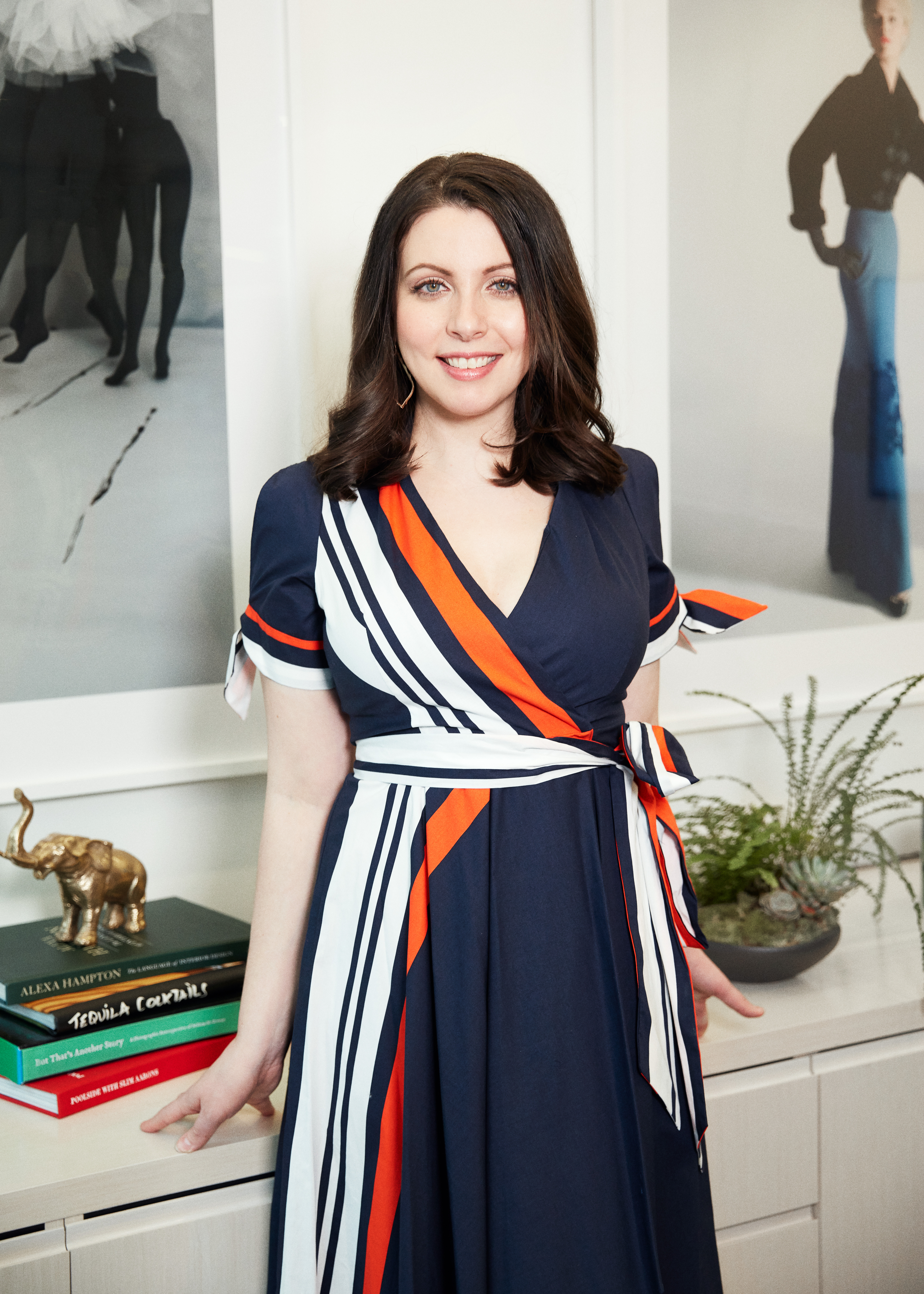
The brand’s editor in chief, Carolyn Kylstra, said the brand prefers “digital led” to digital-only, and the reason behind that phrase is because the brand still believes in print and in a multiplatform existence, not just a website. In order to continue the meaning behind the brand’s mission, according to Carolyn, which is helping people feel better, being multiplatform is the only way to succeed in today’s marketplace and provide the same factual, entertaining and helpful information the brand has always given to its loyal audience. Print Proud Digital Smart fits Self to a Tee.

So, I hope that you enjoy this conversation with a woman who has come a long way from her days as an entry level employee in this business of magazines and magazine media, just a short 10 years ago, the Mr. Magazine™ interview with Carolyn Kylstra, editor in chief, Self.

But first the sound-bites:

On the transition from digital + print to digital-only: We like to think of it as digital-led, rather than digital-only, because print as a product isn’t something that we’re 100 percent giving up on, we’re just changing the business model. The transition was, obviously, intense, scary and upsetting. It was a big change. I grew up reading Self and it was one of my favorite magazines when I was younger. I got it every single month. I have so much respect for the heritage of the brand and a huge amount of nostalgia.

On whether she thinks changes in digital, such as Snapchat, is helping the platform reinvent itself and in turn is helping digital brands such as Self to sustain and continue: I think again, it’s looking at what the business can sustain, and it’s looking at what makes sense for the audience that you have at that given moment in time. Self has grown. We’ve grown since the print folded. We’ve added people for Snapchat; we’ve added people for social; we’ve added people for video. Obviously, this was a business decision, but it was one that Condé Nast, to their credit, they’ve been incredibly supportive and they’ve given us the resources that we need to be successful in digital.

On whether she ever sees Self following in Wired’s footsteps and charging for its digital content: For Self, it’s something that we’re always talking about. I think paywalls are so smart and so interesting, and I find them really hopeful. They’re just so optimistic, especially in this environment; the media environment right now is so anxiety-inducing. And launching a paywall is just such an optimistic choice because it says that we know that our content is so differentiated and that our audience is so engaged that they are willing to pay for it. And the better our content is, the more willing they will be to pay for it, etc.

On whether the curation and branding process is the same for Self without the print product: The way that I think about it and the way that we talk about it internally is that when we made the decision to no longer publish in print regularly as a subscription product, it forced us to kind of go back to the drawing board. There’s a difference between running a website and running a brand. And the work that we did at the beginning of last year, after the print folded, was figuring out how we take this operation where we were running a website, making sure that we were getting a certain amount of traffic, hitting our KPIs, etc., how do we turn it into something where this is a brand? Where you no longer have that beautiful, incredibly high quality print product that people can hold onto. This is what the brand is and you need something to replace it among your consumers, in the industry; people need to be able to say this is what the brand stands for.

On whether her life is easier now that there are no print deadlines to worry about or she has more deadlines than ever before: That’s a really good question. I came from print originally. I worked at Men’s Health and Cosmo on print before I went fully digital. There are deadlines for everyone. (Laughs) With digital it’s a different type of deadline. Something that we’ve actually been working on this year is, we’ve made the intentional decision, and I think it was February of last year, to stop chasing aggregated news. It was driving a lot of traffic; it was important for the website, but thinking again about what the brand stands for, I kept coming back to the questions, why are we writing about this; what is this serving, in terms of our mission; is this serving our mission?

On whether there was an “A-ha” moment when she knew they had to stop chasing news and treat the website like a brand instead of an aggregated news site: There wasn’t really an “A-ha” moment. One of the things about working in digital, or honestly just working in today’s media environment at all, is that you have to always iterate. You have to look at what’s working, what’s not working; what’s working today isn’t necessarily going to work next week or in two months. (Laughs) Over the first six months, thinking about how we could grow this business, knowing that the realities of today’s media business, what they are, and knowing that the strongest brands are the ones that have the most loyal audiences, it just made sense. It just made sense to make sure that whatever we were putting out there was content, our information, our experiences, our products, or tools that people would find incredibly useful and that they would be emotionally attached to.

On Self’s ability to monitor the audience that may be monetized from their web content and the audience that has no monetary potential at all: We have really wonderful insights and data and analytics. And a lot of information about who we’re talking to and who’s spending time and who’s looking at multiple stories when they’re on the website. Or who’s consuming our content on Instagram or on Snapchat. I think, in a sense, it’s almost easier today than it used to be to understand your audience and understand what resonates with them. And to figure out how to serve them better.

On whether she still feels the same anxiety today as she did when the print component of Self folded: We still exist in the current media environment. I want to clarify that when the magazine folded, I wasn’t worried about the brand. I wasn’t worried that the brand wasn’t an important brand or that people didn’t love it. My main concern was what this said in the marketplace and the fear that our readers might say that since they no longer had the magazine, they weren’t interested. I was quickly disabused of that, because again, our readership has grown. And our engagement has grown and the timespan has grown.

On how her background in print has helped or hindered her since moving to digital: It was so important. I started out at Men’s Health and then I was at Cosmo and I learned so much from really incredible editors at both brands. My first fully digital job, because I did digital things at those brands, I never had a fully print job anywhere because I started in 2008 and it already didn’t make sense to have a fully print anything. And I started at an entry level position, so whatever they told me to do I did. But my experience learning from print editors was absolutely invaluable to my work as a digital editor.

On the advice she would give to future industry leaders: As far as advice, I interview so many entry level people and the things that I always want to say are be enthusiastic for whatever opportunity is coming your way; do the best, be the best that you absolutely can be, and this is going to sound really weird and specific, but format everything you do really meticulously. Everything you turn in, format it really beautifully, because, let’s say you’re an intern and somebody asks you to write a memo outlining what a celebrity has done. An editor is about to interview a celebrity, this is just a completely random example. Make sure that memo is perfect and beautiful and easy to scan and something that the editor will look at and say, this made my life so much easier, this made my job easier and I don’t even have to think when I’m assessing this.

On anything she’d like to add: Other than we’re truly multiplatform and we’re really not digital-only, in the sense that we exist off of digital platforms as well. We have an event series, it’s our Run Club series and it’s not digital; we have products in Target and Bed, Bath & Beyond that’s not digital. And we had an SIP last year; we’re constantly in discussions about other SIPs or other print products, so it’s not just a talking point to say that we’re digital-led, it’s actually true, because again, a brand has to be multiplatform and diversified in order to succeed.

On what someone would find her doing if they showed up unexpectedly one evening at her home: I have a six-month-old, which means my entire life has changed very dramatically in the past year. Before I had the baby, I would stay at work from 6:30 a.m. until 8:30 p.m. on any given night. It was very dependent on the amount of work I had my poor husband just kind of dealt with it. (Laughs) Now, I leave work at 5:30 p.m. on the dot, because I want to make it home in time to put her to bed, so I get home about 6:15 p.m. I give her a bath; I put her to bed. My husband and I have dinner around seven-ish. And then sometimes I’ll finish up the work that I haven’t finished during the day because I’m leaving earlier. But if I’ve been really good and I finished my work for the day, we’ll read on the couch or watch Netflix. It’s really not that exciting.

On what she would have tattooed upon her brain that would be there forever and no one could ever forget about her: I want people to think of Self as the ultimate wellness authority and wellness that they can trust. And that we’re doing everything that we can to make the brand as inclusive and as helpful as possible. I want people to think that we’re doing really meaningful, powerful work that reaches people.

On what keeps her up at night: Politics. I’ll wake up in the middle of the night and I’ll be so angry because my baby is actually sleeping through the night, and I finally have the opportunity to get a solid eight hours, and things that have happened politically, the state of our discourse in this country, fake news and just how mean and toxic people are. And the discourses and how people are talking to each other and the way that so many people don’t have access to healthcare or having their healthcare access threatened, and how so many immigrant families are being threatened right now with being split up or deportation. I feel incredibly, emotionally anxious about the state of our politics right now.

And now the lightly edited transcript of the Mr. Magazine™ interview with Carolyn Kylstra, editor in chief, Self.

With Carolyn Kylstra, editor in chief, Self at the Condé Nast’s office in NYC.

Samir Husni: You came to Self simultaneously as the print edition folded.

Carolyn Kylstra: I was actually here for a little over a year before that. So, I have been at Self for the past two and a half years, but about one year ago they folded the print edition.

Samir Husni: And that’s when you became editor in chief.

Carolyn Kylstra: Yes.

Samir Husni: Tell me about that transition from a print + digital to a digital-only entity.

Carolyn Kylstra: We like to think of it as digital-led, rather than digital-only, because print as a product isn’t something that we’re 100 percent giving up on, we’re just changing the business model. The transition was, obviously, intense, scary and upsetting. It was a big change. I grew up reading Self and it was one of my favorite magazines when I was younger. I got it every single month. I have so much respect for the heritage of the brand and a huge amount of nostalgia.

And then on top of that, when a company or business makes a decision like this, that means that there’s obviously major upheaval and change within the organization internally. And so we were very sad to no longer be working with so many of our colleagues and afraid of what the future would hold, and concerned about what the message might be in the marketplace. I think there’s been a kind of assumption that when a brand folds its print publication that’s the first step before it folds altogether. So, when Condé Nast made the decision to change our business model back in December 2016, this is what was on all of our minds. It was not a happy day.

But it was a really big opportunity for the brand and I feel like it really gave us the flexibility that we needed to make the changes that we needed to make in order to succeed in this media environment. And I’m thrilled with how it’s actually turned out. And I feel incredibly hopeful and positive looking to the future, and so proud of the team. And I’m just really excited about what we’re working on now and what we’re going to be working on in the future.

And again, just to bring it around full circle, I started out answering this question by saying that we call ourselves digital-led rather than digital-only because our approach to the brand is, what do we need to do to provide our audience, to provide our readers and viewers and the people who care about us with the products they need that will help them the most? And then the business can sustain. The truth is a print product is not out of the picture in the future, whether it’s in the form of an occasional SIP or something more regular; it’s something that we need to consider. There’s always going to be a place for print within the brand at some point.

Samir Husni: You weren’t being far-fetched when you said that, historically speaking, any brand that kills its print edition, it’s like the kiss of death, it’s over, but the brand was going to live online. And until recently, no digital brand has lived more than 16 months after the print component was killed. Then came Snapchat. Do you think the change in digital is helping the brands continue, that digital is reinventing itself, or is it something else?

Carolyn Kylstra: I think again, it’s looking at what the business can sustain, and it’s looking at what makes sense for the audience that you have at that given moment in time. Self has grown. We’ve grown since the print folded. We’ve added people for Snapchat; we’ve added people for social; we’ve added people for video. Obviously, this was a business decision, but it was one that Condé Nast, to their credit, they’ve been incredibly supportive and they’ve given us the resources that we need to be successful in digital.

So, it wasn’t just, we’re going to cut all of these people and then you’re just going to have to make do. It was, let’s look at this business holistically and think about what makes the most sense right now, given the resources that we have and the resources that we can provide. We expanded our health team, we went from one to four people. In health, we have a big Snapchat team. And Snapchat is absolutely one way that we’ve expanded and grown the brand digitally, but it’s only one platform of many that we’re operating on. Our video views have skyrocketed because we’ve been able to focus a little bit more on video and video strategy.

Our traffic is higher than it’s ever been and that’s because we’ve been able to focus on what we need to be doing digitally, and that’s just on the website. Again, with Snapchat, that basically doubles our audience and we’re reaching a whole new group of people who may not have ever heard of Self before because we’re talking about a younger demographic.

And so, we’re doing what we need to do with the brand in order to get it to a place where it’s really healthy, although that’s what we were doing last year; right now we’re doing great. We’re in a really healthy position, so this year is really about expanding and increasing engagement on all of the platforms that we’re on.

Samir Husni: As you attempt to increase that engagement; you know, Wired just recently announced the paywall, yet the majority of the magazines are still on this welfare information society system, that they don’t charge for content. Do you see that ever changing?

Carolyn Kylstra: For Self?

Samir Husni: Yes, for Self.

Carolyn Kylstra: For Self, it’s something that we’re always talking about. I think paywalls are so smart and so interesting, and I find them really hopeful. They’re just so optimistic, especially in this environment; the media environment right now is so anxiety-inducing. And launching a paywall is just such an optimistic choice because it says that we know that our content is so differentiated and that our audience is so engaged that they are willing to pay for it. And the better our content is, the more willing they will be to pay for it, etc.

I think for Self, we’re constantly talking about what do we do in this space that is different from what everyone else is doing in this space and how can we find products that are so specialized that our audience will be excited to pay for them. We’re still working on that, but it’s a conversation that we’re definitely having.

Samir Husni: You’ve seen how the print magazine was produced when you were working; how has that changed your thinking as a digital-only-for-now editor? Do you go through the same process of curation to create an issue or you feel like you’re on a treadmill and there’s no stopping?

Carolyn Kylstra: (Laughs) The way that I think about it and the way that we talk about it internally is that when we made the decision to no longer publish in print regularly as a subscription product, it forced us to kind of go back to the drawing board. There’s a difference between running a website and running a brand.

And the work that we did at the beginning of last year, after the print folded, was figuring out how we take this operation where we were running a website, making sure that we were getting a certain amount of traffic, hitting our KPIs, etc., how do we turn it into something where this is a brand? Where you no longer have that beautiful, incredibly high quality print product that people can hold onto. This is what the brand is and you need something to replace it among your consumers, in the industry; people need to be able to say this is what the brand stands for.

But at the same time we have the resources that we have in order to hit our KPIs and all of that stuff, so it was a matter of really looking at who do we have, who’s on the team, what skills do they have; what do we need to do to hit our goals? What do we need to do to meet the needs of the business and then how can we adjust to make sure we’re also keeping the brand as established as it is, as that sort of flagship product.

And so the way that we’ve addressed that is we have our daily grind and then we also have our special projects. I separate the team into two groups in my mind. The truth is everyone is working on everything all of the time, but you have your editors who are working on producing the content that people want to read every day, and we think of that as keeping the website afloat and doing what you need to do for the website.

And then you have your loftier, more ambitious stuff that are the packages that you want to do. We have our challenges; we do three fitness/wellness challenges per year roughly, where we engage the community around a month-long experience. And we have a Facebook group that’s devoted to it and its daily newsletters, and it’s a big photo shoot and there are videos attached to it. And that’s just one example of one of the tent poles that we do to make this brand stand for something. And we have community-based experiences and it’s the high quality work that people are used to seeing from the brand.

Samir Husni: Releasing yourself from the print deadlines, is your life now much easier or you have more deadlines than ever before?

Carolyn Kylstra: That’s a really good question. I came from print originally. I worked at Men’s Health and Cosmo on print before I went fully digital. There are deadlines for everyone. (Laughs) With digital it’s a different type of deadline.

Something that we’ve actually been working on this year is, we’ve made the intentional decision, and I think it was February of last year, to stop chasing aggregated news. It was driving a lot of traffic; it was important for the website, but thinking again about what the brand stands for, I kept coming back to the questions, why are we writing about this; what is this serving, in terms of our mission; is this serving our mission? Is it actually, beyond driving traffic, which is obviously important for the business, but beyond driving traffic, is this helping us distinguish ourselves as a brand? Is it helping people understand? When they click on one of these stories, do they know that it’s Self? Do they care that it’s Self? Do we have a particular point of view?

And so what we did was we looked at our mission and decided our mission is wellness you can trust. Self has always been a health and wellness brand. We were launched in 1979 and it was one of the first health and wellness magazines, it was long before wellness became the buzzword that it is today, and the whole point was to help people feel better. So, we kind of circled back to that. We are wellness that you can trust; we have that historical authority, so what does that mean and how do we accomplish that?

We established that we have three underlying values for every piece of work that we create; inclusivity, because people will only be helped by your content and your products and your experiences when they can see themselves in your world. Accuracy, because it’s only helpful if it’s true. And empathy, because we’re all trying our hardest, and no one is perfect, and there’s a lot of pressure and anxiety, and we’re here to help people feel good. They won’t feel better if we don’t make them feel good.

From there, I looked at the news that we were doing, at the aggregated news that we were doing, and decided that it didn’t make a ton of sense for what the brand is. So, we really shifted our editorial strategy in that regard. And to answer your original question about deadlines, that made it a lot more manageable, in terms of work/life balance, because we were no longer constantly online trying to report on things that just happened, trying to write about it.

We had a piece about the Super Bowl halftime show that went up right after, but in a previous year we would have probably had people on call, all that day, writing little pieces all day long. This year we only contributed to the conversation in a way that made sense for the brand. And so the deadline element of it, weirdly enough, has gotten a lot more manageable now that we’re focusing on brand over website.

Samir Husni: What you’re talking about with the web and the brand is common sense. I always say that the word newspaper is an oxymoron, you can’t have news on paper anymore. When was that “A-ha” moment when you knew you had to stop chasing news and treat the website like a brand instead of an aggregated place to put every piece of health and wellness news that was out there?

Carolyn Kylstra: There wasn’t really an “A-ha” moment. One of the things about working in digital, or honestly just working in today’s media environment at all, is that you have to always iterate. You have to look at what’s working, what’s not working; what’s working today isn’t necessarily going to work next week or in two months. (Laughs)

S. I. Newhouse launched the brand in 1979 because when he was growing up his mother always talked about how she needed her “me” time. And so he thought it was so important that there was a brand for women that would help them kind of reclaim their time and practice self-care, even though we weren’t necessarily as a mass culture talking about self-care back then. That’s something that I’ve known and once I was entrusted with the brand became really important to me that I honor this legacy.

So, over the first six months, thinking about how we could grow this business, knowing that the realities of today’s media business, what they are, and knowing that the strongest brands are the ones that have the most loyal audiences, it just made sense. It just made sense to make sure that whatever we were putting out there was content, our information, our experiences, our products, or tools that people would find incredibly useful and that they would be emotionally attached to.

Samir Husni: The founding editor of Self back in 1979, Phyllis Starr Wilson, was reported as saying, as long as we have a willing audience who is capable of paying the price for the magazine, we will have a magazine. Today, you have a big audience, they’re all over the place; how do you determine which is your genuine audience, the ones that are able to be monetized, and the “trash audience,” as Bob Garfield defines those people who receive your website’s content in, say China, and aren’t able to buy your products at all?

Carolyn Kylstra: We have really wonderful insights and data and analytics. And a lot of information about who we’re talking to and who’s spending time and who’s looking at multiple stories when they’re on the website. Or who’s consuming our content on Instagram or on Snapchat. I think, in a sense, it’s almost easier today than it used to be to understand your audience and understand what resonates with them. And to figure out how to serve them better.

Something else that we do is that we’re constantly doing our own version of market research. And we’re constantly soliciting feedback from the people who we reach. After every Challenge, for instance, we send out a survey among the Challenge participants to ask them for their feedback. What did they like; what did they dislike? Did they think the workouts were too hard or too easy? Did they like the recipes? What do they want to see more of, less of? Just things like that. And we take that information and we apply it to the next time that we do it.

We do the same thing on Snapchat to some degree. We put in quizzes and polls that people like to fill out because they like talking about themselves. People love answering quizzes about themselves, but it also gives us really valuable information about what they’re looking for and what they want. We can also tell, based on what people are reading, how long they’re spending on different stories and what kind of content resonates with them. And taken altogether, we know that certain content performs on one platform and certain content performs better on another platform. And how we can make sure that we’re optimizing for the different audiences and the different platforms that exist.

Samir Husni: To quote you about the anxiety: led and fed media environment. Are you now at peace with yourself and with Self as it is a brand today? Do you have the same anxiety as when they folded the print edition? Are you now sailing in calm seas, or just a momentary lull?

Carolyn Kylstra: (Laughs) We still exist in the current media environment. I want to clarify that when the magazine folded, I wasn’t worried about the brand. I wasn’t worried that the brand wasn’t an important brand or that people didn’t love it. My main concern was what this said in the marketplace and the fear that our readers might say that since they no longer had the magazine, they weren’t interested. I was quickly disabused of that, because again, our readership has grown. And our engagement has grown and the timespan has grown.

And what we found with Snapchat was that the content resonates with so many people, and we’re not changing the content to put it on Snapchat; we’re just adjusting it based on what the platform demands. We’re putting it in a certain format, but it’s all the same. It’s all the same message; it’s all the same values; it’s all the same mission. So, in that sense, I feel incredibly excited and optimistic about our future in a way that…I was optimistic about our future last year, but I was anxious that other people weren’t going to be as optimistic as I was.

Samir Husni: How has your print background helped or hindered you since you’ve moved to digital?

Carolyn Kylstra: It was so important. I started out at Men’s Health and then I was at Cosmo and I learned so much from really incredible editors at both brands. My first fully digital job, because I did digital things at those brands, I never had a fully print job anywhere because I started in 2008 and it already didn’t make sense to have a fully print anything. And I started at an entry level position, so whatever they told me to do I did. But my experience learning from print editors was absolutely invaluable to my work as a digital editor.

My first full-time digital job was running a site, being site director at Women’s Health. And I couldn’t have done it without my experience in print, because I knew how to edit; I knew how to write; I knew how to think about the brand and what the brand messaging was. When I was at Men’s Health, I always remember the question for every single thing that we ever created was, where is the service? Because Men’s Health was all about service journalism. And that really drove into my head that you have a brand mission and every arm of that brand needs to fulfill that mission. So, I think I couldn’t have been as successful as I have been without that background in print.

Samir Husni: You’ve come a long way in 10 years, which is almost unheard of in this industry. If you were going to advise future industry leaders, how should they prepare as they enter this field, because we have more students coming to journalism and integrated marketing communications than ever before?

Carolyn Kylstra: I think it’s obvious why. It’s a terrifying time to be in media, but it’s also an incredibly exciting time, because there’s so much going on and there’s so many different ways to reach people, so many different ways to talk to people and make an impact. It just looks different than it used to. The business, obviously, needs to settle down a little bit. But I completely understand why people want to go into the field, it’s more exciting than it was even when I started out.

As far as advice, I interview so many entry level people and the things that I always want to say are be enthusiastic for whatever opportunity is coming your way; do the best, be the best that you absolutely can be, and this is going to sound really weird and specific, but format everything you do really meticulously. Everything you turn in, format it really beautifully, because, let’s say you’re an intern and somebody asks you to write a memo outlining what a celebrity has done. An editor is about to interview a celebrity, this is just a completely random example. Make sure that memo is perfect and beautiful and easy to scan and something that the editor will look at and say, this made my life so much easier, this made my job easier and I don’t even have to think when I’m assessing this.

And it’s so trivial-sounding and it’s so shallow-sounding, but make sure you bold your subheads, make sure you put bullet points, make sure you’re writing in complete sentences with grammatically correct sentences. The little things like that will really make you stand out, which will open up other opportunities for you down the line. That’s really not that helpful, in terms of how to navigate the media industry, but it makes a difference.

Samir Husni: It’s good to hear people like you bringing back those common sense factors to the industry.

Carolyn Kylstra: The other obvious stuff is make yourself a website and put all of your clips on your website; use Squarespace or use WordPress, it doesn’t matter, just make a pretty website that shows what you’ve done and make it easy to contact you, be active on social media, and create a LinkedIn profile. I use LinkedIn constantly to recruit people, just searching different editors or people who have different, specific backgrounds. And that’s how I find a lot of people. Share your work on Twitter, so that you’re easy to find, just things like that.

It’s also common sense, but one of the things that’s frustrating to me is colleges and universities and even grad school programs don’t necessarily teach students how to apply for jobs. And I think that’s just a horrible waste and doing them a huge disservice and people are spending so much money and going into so much debt to attend these colleges and universities and they’re not teaching them the basics about how to be a good entry level applicant. I get so many resumes and so many cover letters where I’m wondering why didn’t anyone tell these people how to write this appropriately to market themselves. I don’t know how to give that advice, but to me, that’s one of the things that is so important. Read as much as you can online about how to write a good cover letter before you send one.

Samir Husni: And don’t copy it. (Laughs)

Carolyn Kylstra: Yes, don’t copy it. It’s little things like that, but it’s also not the students’ fault. I think the colleges and universities really ought to make an effort to do better by their students in this way.

Samir Husni: Is there anything else you’d like to add?

Carolyn Kylstra: No, other than we’re truly multiplatform and we’re really not digital-only, in the sense that we exist off of digital platforms as well. We have an event series, it’s our Run Club series and it’s not digital; we have products in Target and Bed, Bath & Beyond that’s not digital. And we had an SIP last year; we’re constantly in discussions about other SIPs or other print products, so it’s not just a talking point to say that we’re digital-led, it’s actually true, because again, a brand has to be multiplatform and diversified in order to succeed.

Samir Husni: If I showed up unexpectedly at your home one evening after work, what would I find you doing? Having a glass of wine; reading a magazine; cooking; watching TV; or something else?

Carolyn Kylstra: I have a six-month-old, this was something else that happened last year. I found out I was pregnant and then a week later the magazine folded. (Laughs) And my executive editor was in the hospital having just given birth to her first child, so basically the top two people in the brand both took three months off last year for maternity leave. It was a very exciting year.

Anyway, I have a six-month-old, which means my entire life has changed very dramatically in the past year. Before I had the baby, I would stay at work from 6:30 a.m. until 8:30 p.m. on any given night. It was very dependent on the amount of work I had my poor husband just kind of dealt with it. (Laughs) Now, I leave work at 5:30 p.m. on the dot, because I want to make it home in time to put her to bed, so I get home about 6:15 p.m. I give her a bath; I put her to bed. My husband and I have dinner around seven-ish. And then sometimes I’ll finish up the work that I haven’t finished during the day because I’m leaving earlier. But if I’ve been really good and I finished my work for the day, we’ll read on the couch or watch Netflix. It’s really not that exciting.

Samir Husni: If you could have one thing tattooed upon your brain that no one would ever forget about you, what would it be?

Carolyn Kylstra: I want people to think of Self as the ultimate wellness authority and wellness that they can trust. And that we’re doing everything that we can to make the brand as inclusive and as helpful as possible. I want people to think that we’re doing really meaningful, powerful work that reaches people.

Samir Husni: My typical last question; what keeps you up at night?

Carolyn Kylstra: Politics. I’ll wake up in the middle of the night and I’ll be so angry because my baby is actually sleeping through the night, and I finally have the opportunity to get a solid eight hours, and things that have happened politically, the state of our discourse in this country, fake news and just how mean and toxic people are and the discourses and how people are talking to each other and the way that so many people don’t have access to healthcare or having their healthcare access threatened, and how so many immigrant families are being threatened right now with being split up or deportation. I feel incredibly, emotionally anxious about the state of our politics right now.

Samir Husni: Thank you.

h1

The Magic Wand Behind Bonnier’s Secret Of Creating Better Quality Content With Less Workforce… The Mr. Magazine™ Interview With Eric Zinczenko, CEO, Bonnier Corporation…

March 5, 2018

“To Answer Your Question Regarding Print Versus Digital, I Also Believe With The Proliferation Of Fake News, I Do Believe That Quality Printed Stories Have An Opportunity To Maintain Or Grow Audience.” Eric Zinczenko…

“The notion that print is dead is not accurate. I think print isn’t dead, it’s just different. Gone are the times where you can operate with an inflated rate base or 12 times per year as a standard. And I think gone are the days too where you were just concerned with whether there was enough fax paper in the machine where you got all of your signed insertion orders back. Those days are behind us. But print for many companies, Bonnier included, is still profitable. It’s just not at the margins that we once enjoyed. And I feel strongly that brands that sit one or two in a category or vertical can thrive if managed correctly.” Eric Zinczenko…

“For companies that are evolving, in challenging their orthodoxies of the way legacy media companies have operated, for the companies that are evolving, those are companies that are seeing opportunity in front of them. And I think maybe companies that are more stuck in the way that we’ve done things for decades, I think it could end up being the worst of times for them. I do feel that the only thing predictable is that disruption is going to continue.” Eric Zinczenko…

When you talk about legacy media, one name that cannot be left out is the Swedish-born Bonnier Corporation. For over 200 years, Bonnier has been in the publishing business in one facet or another. The United States presence of this heritage company formed in 2007 when the American office opened for business. Today, its brands range from Field & Stream to the award-winning Popular Science, with many, many more in between.

And the man heading up this heritage company and all of its robust titles is CEO, Eric Zinczenko. Eric has been successfully progressing the journey and holding the ship steady-as-she-goes since 2015. Before taking on the CEO leadership role, he served as executive vice president of the company, coming from Time Inc. in 2007 as a part of Bonnier’s original management team.

With Eric’s guidance and vision, Bonnier has seen record financial growth and its strongest operating margins. Under his leadership, the company has broadened its capabilities outside traditional media by diversifying into new revenue-growth areas in licensing, agency services, content syndication, digital and events.

I spoke with Eric recently and we talked about his vision for the company and his successes so far. From the record financial growth to the new revenue streams (all of which he has done with a 36 percent decrease in workforce since taking on the role of CEO in 2015), it would appear that legacy media companies can do more with less. Eric credits a lot of the company’s success and his own ability to visualize those strategies for improvement to Bonnier’s ownership, saying that for a media family who has seen everything from wars to disruption in the over 200 years they’ve been in the business, they’re not easily moved. Being patient and not panicking and keeping the lines of communication open only enhances the company’s success.

So, I hope that you enjoy this conversation with a man who “subscribes to the ethic of constant improvement” in all he does and revels in the “privilege of leading (Bonnier) and his colleagues through incredible and complex times” – the Mr. Magazine™ interview with Eric Zinczenko, CEO, Bonnier Corporation.

But first the sound-bites:

On whether he thinks this is the best of times, the worst of times, or somewhere in between for magazine media: I think it’s somewhere in between. For companies that are evolving, in challenging their orthodoxies of the way legacy media companies have operated, for the companies that are evolving, those are companies that are seeing opportunity in front of them. And I think maybe companies that are more stuck in the way that we’ve done things for decades, I think it could end up being the worst of times for them. I do feel that the only thing predictable is that disruption is going to continue.

On what his life has been like for the last three years as CEO of Bonnier U.S.: I think I’d start with something you mentioned, and it’s a quote that I think of often: today will be the slowest rate of change that we’ll experience in our lifetime. From this point on, disruption, technology, and media consumption habits will only be changing and accelerating. And I believe that has had a profound effect. So to your point, I have 25 years in the media business, 12 of those at Bonnier; I’ve worked for all of the major publishing companies, I’ve had time at Time Inc., I’ve had time at Condé Nast, I’ve had time at Rodale, and then the last three years as CEO. And what I’m still adjusting to is how complex these businesses are and how complex these times are, so coming to the office every day, and I said this in a past presentation, it feels like every day Jenga, where our businesses are constantly under pressure.

On moving their CMS system to Arc: We moved to a new platform with our digital and that platform is Arc, which is owned by the Washington Post. We moved to Arc because here at Bonnier we’ve spent the last five years trying to move everyone to a proprietary CMS system that we had. And that CMS system was called Sandcastle. So, we made a decision based on economic factors, based on how we wanted to operate, and the CMS of Arc would be stronger than our own proprietary CMS, so it would have more of a suite of opportunities for us from a digital perspective. So, that was seen as not only an efficiency measure, but actually an opportunity.

On whether he sees a value in print in today’s digital age: I do. The notion that print is dead is not accurate. I think print isn’t dead, it’s just different. Gone are the times where you can operate with an inflated rate base or 12 times per year as a standard. And I think gone are the days too where you were just concerned with whether there was enough fax paper in the machine where you got all of your signed insertion orders back. Those days are behind us. But print for many companies, Bonnier included, is still profitable. It’s just not at the margins that we once enjoyed. And I feel strongly that brands that sit one or two in a category or vertical can thrive if managed correctly.

On whether he feels paywalls, such as Wired has implemented, and other forms of payment for digital will be an accelerated trend: I hope it’s an accelerated trend, but I do feel firmly it will be a trend. I think the newspaper industry has done a pretty inspirational job of getting people to pay for their content, and I think the magazine industry has lagged behind the newspaper industry. But I really do believe there’s opportunity there. You mentioned Wired and I think they’re an inspiration too. So, this is something that we’re absolutely taking interest in at Bonnier and we’ve talked to some consultants that can help us unlock the potential there.

On whether 2016, since he said it was one of the best years of his career, was a walk in a rose garden for him, or there were challenges along the way: It wasn’t a walk in a garden, I don’t think. (Laughs) You know it’s funny, I say today, there are no gifts in our industry. There are no gifts. So, everything that you do is earned today. And 2016 was difficult. I think the biggest challenges for that year were to get people to believe. At the time, when we talked about diversifying and shifting away from our sole reliance on print and digital media, I think that raised some eyebrows. But here we are a few years later and the strategy is taking hold.

On the positives and negatives of a company like Bonnier that has a presence on both sides of the Atlantic: Well first, the positive is we’re lucky to have wonderful ownership. We’re a 200-year-old media company with a media family that has seen it all. They’ve seen disruption; they’ve seen wars and more, therefore they have a very patient, respectful, Scandinavian perspective on everything. So, the pressure is absolutely there to deliver on what you promise, if you say it, it better happen, but they also understand market factors, and they never panic. I mentioned that I am preparing for a board meeting now and I can tell you that my presentations look different today than when I started, where there was just numbers and here’s the strategy.

On the magic wand he uses to do more and better with less workforce: I will not speak for any other company, but I think the experience here is that we had areas of improvement where we could have been more financially disciplined. And the magic wand has been to maximize shareholder value and do it in a smart way. And I think when you make changes like the changes we have made since 2015, it’s very important to communicate those changes and explain why we’re changing and how we’re going to change. Communication is a big factor.

On what he would have tattooed upon his brain that would be there forever and no one could ever forget about him: He subscribed to the ethic of constant improvement in all he did.

On what someone would find him doing if they showed up unexpectedly one evening at his home: Reconnecting with my family and hearing of my kids’ day is the quickest way for me to separate from my work. If work stress is near a high and requires more, I’m a wine enthusiast so I will settle with a great glass of wine and break out my bass guitars and play some music.

On what keeps him up at night: I know most answers from CEO’s are funny. (Laughs) They say they don’t worry and sleep just fine, but truth be told, sleep is difficult for me sometimes. My mind races for what’s next to be done; what could we be doing different; is there enough urgency in our approach; am I giving enough to the office and to my family. The good news is I care about my personal fitness and health to make sure I get a pretty exhaustive workout every day, so the body has no choice but to sleep. I do go to bed early each night and I’m an early riser to be available for communication with Stockholm if necessary.

And now the lightly edited transcript of the Mr. Magazine™ interview with Eric Zinczenko, CEO, Bonnier Corp.

Samir Husni: In magazine media as a whole, it has been the best of times, it has been the worst of times. What’s your view on the industry? Has it been the best of times, the worst of times, or somewhere in between?

Eric Zinczenko: I think it’s somewhere in between. For companies that are evolving, in challenging their orthodoxies of the way legacy media companies have operated, for the companies that are evolving, those are companies that are seeing opportunity in front of them. And I think maybe companies that are more stuck in the way that we’ve done things for decades, I think it could end up being the worst of times for them. I do feel that the only thing predictable is that disruption is going to continue.

Samir Husni: Disruption, as you said, has been moving even faster. June 2018 will be three years for you as CEO of Bonnier in the U.S. What can you tell me about those three years of your very busy life? You’ve been in the media business for years, but as you move toward your third anniversary in June, tell me about those years.

Eric Zinczenko: I think I’d start with something you mentioned, and it’s a quote that I think of often: today will be the slowest rate of change that we’ll experience in our lifetime. From this point on, disruption, technology, and media consumption habits will only be changing and accelerating. And I believe that has had a profound effect. So to your point, I have 25 years in the media business, 12 of those at Bonnier; I’ve worked for all of the major publishing companies, I’ve had time at Time Inc., I’ve had time at Condé Nast, I’ve had time at Rodale, and then the last three years as CEO. And what I’m still adjusting to is how complex these businesses are and how complex these times are, so coming to the office every day, and I said this in a past presentation, it feels like every day Jenga, where our businesses are constantly under pressure.

For a company like Bonnier, we’re not about to just bolt through acquisition, many times we have to manage with what we have. The questions that I have asked each day coming to work have been are we pivoting aggressively enough to new business opportunities? Are we trying to preserve what we have and are the skills and the years of experience, not only in my role, but the roles of many of my colleagues, and the way we think, is it even relevant for the way change is headed? We know that legacy problems and legacy issues can become increasingly destructive, yet we’re still managing a legacy business, so are we doing all we can to position ourselves for success? Those are the things that I think about.

When I took over the role in 2015, the financial situation for the company was a bit different and it required urgency. We ended the year 2015 where we needed to be. And for me, 2016 could be considered maybe the best moment of my career, where in 2015 I stood in front of my board and shared our plans of how we were going to diversify the company, and then in 2016 we delivered on everything we had promised, and then some. We were able to triple our ad year in 2016; we were able to grow new revenue streams, and we did it with 18 percent less workforce than the year prior.

Then here comes 2017 with its own set of challenges and I’m preparing for a board meeting where 2018 looks different. So, to summarize, I just think it’s been a time of accelerated change and it’s important and a leadership moment for me to try and get the company to think differently, break our orthodoxies and move into new areas of growth.

Samir Husni: And 2018 has witnessed some of that accelerated change, you’ve closed some titles, and recently the announcement was made that you’re moving to a new publishing platform, Arc, with Bonnier’s digital channels. Can you tell me about those changes?

Eric Zinczenko: We moved to a new platform with our digital and that platform is Arc, which is owned by the Washington Post. We moved to Arc because here at Bonnier we’ve spent the last five years trying to move everyone to a proprietary CMS system that we had. And that CMS system was called Sandcastle. So, we made a decision based on economic factors, based on how we wanted to operate, and the CMS of Arc would be stronger than our own proprietary CMS, so it would have more of a suite of opportunities for us from a digital perspective. So, that was seen as not only an efficiency measure, but actually an opportunity.

And in terms of our brands, we are tracking the vitality of each of our brands and what we’re finding is the brands in print that are in leadership positions in their particular vertical are the ones that are thriving or doing well. And then some of our other brands that sit maybe two, three, or four in a vertical, those are the ones that are being challenged. And in the case of some of our other brands, we’re just taking them out of print, but still operating them digitally.

Samir Husni: For someone who has been in this business for a quarter of a century or more, do you see a value in print in today’s digital age?

Eric Zinczenko: I do. The notion that print is dead is not accurate. I think print isn’t dead, it’s just different. Gone are the times where you can operate with an inflated rate base or 12 times per year as a standard. And I think gone are the days too where you were just concerned with whether there was enough fax paper in the machine where you got all of your signed insertion orders back. Those days are behind us. But print for many companies, Bonnier included, is still profitable. It’s just not at the margins that we once enjoyed. And I feel strongly that brands that sit one or two in a category or vertical can thrive if managed correctly.

And I think an example of that would be Popular Science, where back in 2010 the late Steve Jobs, if you remember he held up the first iPad and presented Pop-Sci as the first magazine on the iPad. At the time we had over one million print subscribers and we had about 70,000 digital subscribers. Now you would think if there were any infinity group that would switch to digital it would be the readers of a technology product like Popular Science, but fast forward a decade to the end of 2017, we had one million print subscribers. So, I think Pop-Sci still has the strongest circulation economics of any of our brands too. It’s clear that readers still want Popular Science in print.

To answer your question regarding print versus digital, I also believe with the proliferation of fake news, I do believe that quality printed stories have an opportunity to maintain or grow audience. And I think that the magazine printing process, which is still viewed as maybe a detriment, in terms of time to market, I still is an opportunity because it allows time to fact check; I think it allows time to make sure that the story is accurate and they can try for a more timeless perspective. And I believe that.

Samir Husni: As you do this balancing act between print and digital, when do you think you’re going to see that turnaround where people are paying for digital, whether through paywalls or something else, instead of the welfare information society that has, for the most part, existed since the digital explosion? We see brands like Wired, New York Magazine, and The New Yorker having paywalls; do you see this as an accelerated trend?

Eric Zinczenko: I hope it’s an accelerated trend, but I do feel firmly it will be a trend. I think the newspaper industry has done a pretty inspirational job of getting people to pay for their content, and I think the magazine industry has lagged behind the newspaper industry. But I really do believe there’s opportunity there. You mentioned Wired and I think they’re an inspiration too. So, this is something that we’re absolutely taking interest in at Bonnier and we’ve talked to some consultants that can help us unlock the potential there.

Samir Husni: You mentioned that 2016 was one of the best years of your career after achieving what you promised the board in 2015. Was it a walk in a rose garden for you to attain that achievement, or did you have some major challenges along the way?

Eric Zinczenko: It wasn’t a walk in a garden, I don’t think. (Laughs) You know it’s funny, I say today, there are no gifts in our industry. There are no gifts. So, everything that you do is earned today. And 2016 was difficult. I think the biggest challenges for that year were to get people to believe. At the time, when we talked about diversifying and shifting away from our sole reliance on print and digital media, I think that raised some eyebrows. But here we are a few years later and the strategy is taking hold.

I used an example back in 2015 that we need to operate this company just as a portfolio manager would operate a retirement account or a mutual fund, where the ideas are to diversify your revenue and the profit coming in. In 2015 we had 50-something percent of our revenues coming from traditional print; we had 28 percent coming from digital media; and then we had about 20 percent coming from ancillary. And we’re looking to, by 2020, be in a situation where we’re more like 33 percent in those three areas. So, it’s much like future-proofing a retirement account, that’s the way we’re trying to run Bonnier. And that has been a challenge.

Since that time we have had to go through restructures and realignment of the company, and hire new competency in these areas like events and licensing and in some of our marketing services and agency work. And that’s competency that we have to find from outside the office. And that’s been a challenge, the realignments and the restructures.

Samir Husni: Correct me if I’m mistaken, but you are the only surviving company that is still based in Europe, but with a presence in the United States, in terms of the magazine media. Hachette was bought by Hearst, G&J left. What are the positives and negatives of being on both sides of the Atlantic?

Eric Zinczenko: Well first, the positive is we’re lucky to have wonderful ownership. We’re a 200-year-old media company with a media family that has seen it all. They’ve seen disruption; they’ve seen wars and more, therefore they have a very patient, respectful, Scandinavian perspective on everything. So, the pressure is absolutely there to deliver on what you promise, if you say it, it better happen, but they also understand market factors, and they never panic. I mentioned that I am preparing for a board meeting now and I can tell you that my presentations look different today than when I started, where there was just numbers and here’s the strategy.

So, the positive is we have a patient board, a privately-held company, and on the flip side we have a geographic challenge, where my days are a bit different. I’m up many times at 4:30 or 5:00 a.m. to make sure that I’m available for communications with Stockholm. And there’s plenty of travel between Scandinavia, Stockholm and here in New York. But they’ve been patient and they believe in our diversification strategy.

Samir Husni: I hear from almost every CEO that I interview that they’re doing more with less. You told me earlier that your workforce is now 18 percent less than it used to be, yet you’re doing more.

Eric Zinczenko: Let me make a correction, it was 18 percent from 2015 to 2016. Then we had our recent restructure too, so it’s a 36 percent reduction in workforce since I became CEO, and many industry peers would state the quality of Bonnier content didn’t slip, but is actually the strongest yet, as evidenced by the numerous National Magazine Awards and the most recent nominations of General Excellence for Saveur and Popular Science.

Samir Husni: So, what’s that magic wand you’re waving at work that you can produce better and more with 36 percent less workforce? Was the industry spoiled, printing money, that it didn’t care how many people it hired? What’s your magic wand?

Eric Zinczenko: I will not speak for any other company, but I think the experience here is that we had areas of improvement where we could have been more financially disciplined. And the magic wand has been to maximize shareholder value and do it in a smart way. And I think when you make changes like the changes we have made since 2015, it’s very important to communicate those changes and explain why we’re changing and how we’re going to change. Communication is a big factor.

Culture is very important here, and it’s something that I take seriously. And I think culture remains a challenge. I believe it’s an enormous challenge for any media company right now, to keep everyone motivated and leading through the unprecedented disruption. When an organization is going through constant restructures, at times it’s like juggling eggs. It’s impressive when you can pull it off, but it becomes a real mess when it’s done in the wrong way. And we really do try. The approach has been a transformation here at Bonnier of more of a startup approach.

I think most legacy media companies start with the idea of cutting. So, they speak to the manager and find out who on their staff that they can reduce by one or two. And then the next year comes along and they have to cut more. They go back to that manager and that manager picks two more people. But I believe what companies really need to do is start from a zero base, in more of a startup mode. So, it starts with the CEO; who does the CEO need next, it’s the CFO. After the CFO, who’s next? And that’s really how we’ve tried to organize the company and that was part of our big realignment that we just did a month ago.

It’s interesting, there’s other principles we try and speak about here, and again, it’s to break these orthodoxies of the way that we’ve done things, but my view is we have these wonderful brands at this company, if it makes money it makes sense. Imagine an Amazon employee back in the ’90s saying, wait a minute, we ship books, that’s what we do. Or Google back in the ’90s; wait, we’re a search engine company and that’s what we do. There are opportunities everywhere if you just stay true to the brand and you understand your audience and your customer. There’s a lot of opportunity out there.

Samir Husni: If you could have one thing tattooed upon your brain that no one would ever forget about you, what would it be?

Eric Zinczenko: He subscribed to the ethic of constant improvement in all he did.

Samir Husni: If I showed up unexpectedly at your home one evening after work, what would I find you doing? Having a glass of wine; reading a magazine; cooking; watching TV; playing with your two children; or something else?

Eric Zinczenko: Reconnecting with my family and hearing of my kids’ day is the quickest way for me to separate from my work. If work stress is near a high and requires more, I’m a wine enthusiast so I will settle with a great glass of wine and break out my bass guitars and play some music.

Samir Husni: And my typical last question; what keeps you up at night?

Eric Zinczenko: I know most answers from CEO’s are funny. (Laughs) They say they don’t worry and sleep just fine, but truth be told, sleep is difficult for me sometimes. My mind races for what’s next to be done; what could we be doing different; is there enough urgency in our approach; am I giving enough to the office and to my family. The good news is I care about my personal fitness and health to make sure I get a pretty exhaustive workout every day, so the body has no choice but to sleep. I do go to bed early each night and I’m an early riser to be available for communication with Stockholm if necessary.

Samir Husni: Thank you.

h1

Mr. Magazine™ Launch Monitor: February Arrived And So Did 20 New Titles To The Marketplace…

March 3, 2018

The month of love brought us 20 new titles to keep close to our heart. From the French fashion magazine, L’Officiel, which delivered two magazines (albeit, with the same content) to American shores, to the once online-only Scandinavian fashion, art, and design title, Nordic Style, that now, according to the magazine’s editor in chief who writes in the premier issue’s editor’s letter, exists in the real world, the month of February was a chocolate heart wrapped in shiny red foil for magazine lovers. Seeing another example of Print Proud Digital Smart brought to life does a heart good, namely Mr. Magazine’s™. What a Valentine’s gift!

And Mr. Magazine™ would be remiss if he didn’t call to attention Food Network’s own, Valerie Bertinelli, who joins the ranks of other celebrities to bring her culinary talents to the pages of a new magazine. Valerie’s Home Cooking takes the wonderfully successful television show by the same name to ink on paper and allows fans to have Valerie with them 24/7. Print has that amazing quality of permanence that just doesn’t happen with any other medium. While the magazine is labeled a “Special Edition,” Mr. Magazine™ has little doubt that we will see more of these popular verticals in the marketplace. Could Mr. Magazine™ have coined a new phrase – a “special frequency” title? Hmm, we shall see.

Then there’s the new title, Jez, by photographer and entrepreneur, Ezequiel De La Rosa, proving yet again, that dreams do come true in the world of magazines. And these are just a few of the very special treats the month of February has for us.

Now, we look forward to a magnificent March! But first enjoy our beautiful February covers. See you next month…or at the newsstands.

******And please remember, if Mr. Magazine™ can’t physically hold, touch and purchase the magazine, it does not enter the monthly counts. And counts now include only the titles with a regular frequency that are either new or arriving to the national newsstands for the first time.

For previous months’ launches click here.

h1

Food & Wine Magazine: Celebrating 40 Years With A Fresh New Approach To The Deliciously Appetizing Content – The Mr. Magazine™ Interview With Hunter Lewis, Editor In Chief…

March 1, 2018

“I think you create for audience first and platform first, so the intention for this issue was to celebrate print for print’s sake, and to celebrate how print as a medium can frame photography. So, absolutely, this is a celebration of print and we’ll continue to embrace and celebrate print as this year evolves. In this age of multiplatform brands, you have to honor print and you have to celebrate print, because it is very much the opposite of Google. When people are typing in a recipe or an ingredient they’re looking for, they’re trying to solve a problem. When people are coming to print, sure, they’re looking for dinner tonight, but they’re also looking for points of discovery. And they’re looking for an escape and to lose themselves and to learn. And that’s what a magazine in the print format can do best.” Hunter Lewis…

Food & Wine has been tantalizing us with delicious recipes, decadently robust wines, cooking tips, restaurant reviews, and some of the best chefs around and those that are up and coming, for 40 years now. And with its 40th anniversary this year, Editor in Chief, Hunter Lewis, has a few delicacies up his sleeve when it comes to a fresh new approach for the legacy brand and for all of us eaters and drinkers out here who love the magazine and the brand.

I spoke with Hunter recently and we talked about the March issue, which is dedicated to honoring and celebrating food photography and its creators, and is dubbed “The Photography Issue.” According to Hunter, it’s also a testament to print and how the medium can frame photography beautifully. So, while the March issue celebrates food in all its framed glory, it’s also a celebration of the ink on paper that complements those glorious frames so wonderfully.

Hunter is leading two of the country’s top food magazines, Food & Wine and Cooking Light. And while the two are both epicurean delights, Hunter said they’re also totally different when it comes to focus, which makes his job as editor in chief of both of them a tremendous amount of fun. So, as Hunter gives credit where credit is due, his teams in both New York and in Food & Wine’s newest home, Birmingham, the brand continues to flourish and spread its culinary and wine-wonderful wings. It’s a tale of two cities, maybe, but mostly it’s a tale of one great brand, celebrating 40 years of excellence.

And now, please enjoy the Mr. Magazine™ interview with Hunter Lewis, editor in chief, Food & Wine magazine.

But first the sound-bites:

On being the editor in chief of both Cooking Light and now Food & Wine and how he shuffles the two titles: Frankly, I’m still learning how to shuffle the two. Certainly, Cooking Light is now a well-oiled machine and so I’ve been spending a lot more time behind the scenes with Food & Wine over the past few months as we staff up and as we have created the base of our operations here in Birmingham. We have an awesome team here and in New York, so it’s really about learning how to communicate in two cities and how to create and collaborate with the team.

On creating in two different cities and whether that makes for the best of times or the worst of times: No, it’s to our advantage. In regards to our New York City-based talent, I want to iterate strong the team is. When we moved some of our editors and staff and the base of operations to Birmingham, we were strategic about keeping a core group of editors in New York City to maintain our presence there and proximity to the digital edit team, the Food & Wine test kitchen, and the sales, marketing, and events teams. The power of the new Food & Wine is that we’re in two cities. We’ve got our finger on the pulse of the new and the next via New York, and in Birmingham, we shop, cook, and entertain more like our readers. Tapping into both will create a product that better serves sophisticated food and drink consumers everywhere.

On the 40th anniversary of Food & Wine, the March photography issue, and his vision for the title moving forward: We are very fortunate in that this is the 40th anniversary year and we’re going to take advantage of that and celebrate that. And so we’ve keyed this year and this March issue with the 40 photos that changed the way we eat. You’ll see a story in the April/Spring wine issue, which is 40 wines that changed the way we drink, and you’ll see this in the way that we cover recipes in the future. So, we’re playing with the number 40 to create big, impactful lists that can run across both print and Food & Wine dotcom and generate evergreen traffic. So, it’s really about maximizing the moment four decades into this awesome brand.

On whether he can imagine a Food & Wine issue like March’s without a print component: I think you create for audience first and platform first, so the intention for this issue was to celebrate print for print’s sake, and to celebrate how print as a medium can frame photography. So, absolutely, this is a celebration of print and we’ll continue to embrace and celebrate print as this year evolves. In this age of multiplatform brands, you have to honor print and you have to celebrate print, because it is very much the opposite of Google. When people are typing in a recipe or an ingredient they’re looking for, they’re trying to solve a problem. When people are coming to print, sure, they’re looking for dinner tonight, but they’re also looking for points of discovery.

On why he decided to start the 40th celebration with the March photo issue: I think it starts with wanting to do something different and wanting to make a statement to our readers that we’re heading in a different direction, And if you think about the covers in particular, using a cover to make a visual statement in a way that expands beyond your print readership, something that is a branding of the magazine, but also something that is highly social and shareable and that looks really good on Instagram and can be shared to more and more people.

On whether the March issue was a walk in a rose garden to create or there were some challenges along the way: This issue was a total blast, because we threw out a lot of conventions and departments for just this one special issue, and made it more about the process of creation and more about the process of shooting and cooking in the moment. And that’s why Eric Wolfinger was our guest editor for this edition, because he does that very well. And I write about that in the editor’s letter. Eric came down for a week and we all collaborated together and we kicked it off with a meal at my house, where we cooked together and shot some photos.

On whether he thinks food is the new sex when it comes to the fact that food magazines are the largest category in the marketplace today, compared to the 1980s when sex magazines were the largest: Food is certainly very sensual, but I think what it really speaks to is the rise of interest in the American food culture. And how many people out there love food and how many people out there are finding different entry points into cooking dinner or eating out. I think it speaks to the rise of our drink culture. So, it’s absolutely about a national hunger for more information about food.

On the food culture in America today: Look at the ingredients on the American supermarket shelf. Look at the quality of our restaurants. Look at the quality of our chefs, and look at what’s happening on television. Look at Instagram as a medium and how we consume food through social media. There’s been this explosion in the past four years, so it makes sense that there would be more publications, be they digital, social, video-first or print, than ever before.

On the wine culture in America today: I think we’re in a new era. And that’s going to be part of the new Food & Wine, of building on the expertise and the DNA of Food & Wine, of expanding Executive Editor Ray Isle’s role at Food & Wine. And to really capture and to cover and hold a mirror up to this new modern wine culture. We’re moving past the snobbery around wine and realizing that it’s not about how much you know, it’s not about being exclusive; it’s more about bringing wine to the center of the table and building experiences and stories around it.

On a litmus test for either magazine when it comes to content: If you look at it, about 85 percent of Cooking Light is recipes and our mission at Cooking Light is to empower people to cook more at home for good health. So we’re absolutely looking at potential content, and looking at Cooking Light on every platform, through the lens of what healthy means now. When it comes to Food & Wine, we can go as broad or as narrow as we want. The brand name gives us an amazing license to go deep on any topic. And that’s a lot of fun.

On when he has time to edit with everything that’s going on around him with the brand and all its platforms: Well, the editing is the most fun part. You make time for that. That used to be one of the central duties and now it’s gravy. So, you enjoy the gravy when it comes.

On what he enjoys the most as an editor: What I enjoy the most as an editor is recruiting a team, helping to shape the team, finding out what makes people tick, working with them to get the best work out of them, and then shifting into second and third gears with that team and really finding out what we can do together. And I think the words creativity and collaboration, as we figure out what we can do together, is the most important thing. We’re just now shifting into second gear as a team with the new Food & Wine, and I’m really thrilled about what we can do together down the road.

On whether he still hears any negative comments about Food & Wine moving to Birmingham: Not lately. It’s still bubbles up here and there on social media. I spent eight years in New York and some of that was working in restaurants and some of that was working food media. I know what it’s like to create food media in New York. I’ve spent about five and half years here in Birmingham, and I can tell you that it’s an advantage doing this in Birmingham. And I think the naysayers are thinking too provincially about the media bubble that is New York. We have the best of New York at 225 Liberty Street and we have the best in Birmingham.

On his favorite food: My favorite food is whatever is at the Farmer’s Market on Saturday morning. And thankfully, spring in Alabama is coming and what I’m looking forward to most is strawberries, asparagus, and rhubarb. I just got a call from my fish guy up the road and he said that the shad roe is starting to come in. So, that means spring is coming and that’s what I’m most excited about right now.

On his favorite wine: My favorite wine is probably the one I most recently had for dinner. And that’s one of the things I’m most excited about with Food & Wine; I get a daily education from Ray Isle. My favorite wine this week, because it changes every week, is an Etna Rosso from Valenti Winery, Norma Opera V. Bellini.

And now the lightly edited transcript of the Mr. Magazine™ interview with Hunter Lewis, editor in chief, Food & Wine magazine.

Samir Husni: You’re now the editor in chief of Food & Wine and the editor in chief of Cooking Light, does that cause any conflict for your brain, deciding what goes where? How do you shuffle the two? Or is it easy because they’re two separate entities?

Hunter Lewis: Frankly, I’m still learning how to shuffle the two. Certainly, Cooking Light is now a well-oiled machine and so I’ve been spending a lot more time behind the scenes with Food & Wine over the past few months as we staff up and as we have created the base of our operations here in Birmingham. We have an awesome team here and in New York, so it’s really about learning how to communicate in two cities and how to create and collaborate with the team.

Samir Husni: Since you mentioned collaborating in two cities, is it like a “Tale of Two Cities” a “Tale of Two Magazines?” Is it the best of times or is it the worst of times?

Hunter Lewis: No, it’s to our advantage. In regards to our New York City-based talent, I want to iterate strong the team is. When we moved some of our editors and staff and the base of operations to Birmingham, we were strategic about keeping a core group of editors in New York City to maintain our presence there and proximity to the digital edit team, the Food & Wine test kitchen, and the sales, marketing, and events teams. These talented editors include Melanie Hansche, our new deputy editor, executive wine editor Ray Isle, restaurant editor Jordana Rothman, associate restaurant editor Elyse Inamine, and culinary director Justin Chapple, along with digital director Danica Lo, senior engagement director Meg Clark, and deputy digital editor Alison Speigel and their team.

The power of the new Food & Wine is that we’re in two cities. We’ve got our finger on the pulse of the new and the next via New York, and in Birmingham, we shop, cook, and entertain more like our readers. Tapping into both will create a product that better serves sophisticated food and drink consumers everywhere.

Samir Husni: As you look at Food & Wine specifically, as we are now in March, which is the 40th anniversary of when the magazine was born as an insert in Playboy magazine back in 1978, what can we expect for this 40th anniversary year? Is the photo issue, the March photography issue, is that a hint of things to come; is it a change in direction? What’s your vision for Food & Wine moving forward?

Hunter Lewis: We are very fortunate in that this is the 40th anniversary year and we’re going to take advantage of that and celebrate that. And so we’ve keyed this year and this March issue with the 40 photos that changed the way we eat. You’ll see a story in the April/Spring wine issue, which is 40 wines that changed the way we drink, and you’ll see this in the way that we cover recipes in the future. So, we’re playing with the number 40 to create big, impactful lists that can run across both print and Food & Wine dotcom and generate evergreen traffic. So, it’s really about maximizing the moment four decades into this awesome brand.

So, this is not the anniversary issue per se, that will come with the September issue, where we’ll celebrate the 40th anniversary in a big and bold way, but more than anything this issue is a celebration of photography and food photography. And absolutely it marks a change in the visual direction of the brand.

Samir Husni: Can you imagine or do you think it’s possible to do what you’ve done with the March photography issue without a print component, if the magazine was digital-only? Can you bring that same food-for-the-eye impact with pixels on a screen or is this where you think print still plays a crucial role?

Hunter Lewis: I think you create for audience first and platform first, so the intention for this issue was to celebrate print for print’s sake, and to celebrate how print as a medium can frame photography. So, absolutely, this is a celebration of print and we’ll continue to embrace and celebrate print as this year evolves. In this age of multiplatform brands, you have to honor print and you have to celebrate print, because it is very much the opposite of Google. When people are typing in a recipe or an ingredient they’re looking for, they’re trying to solve a problem. When people are coming to print, sure, they’re looking for dinner tonight, but they’re also looking for points of discovery. And they’re looking for an escape and to lose themselves and to learn. And that’s what a magazine in the print format can do best.

Samir Husni: Why did you decide to start this 40th celebration with the photo issue?

Hunter Lewis: I think it starts with wanting to do something different and wanting to make a statement to our readers that we’re heading in a different direction, And if you think about the covers in particular, using a cover to make a visual statement in a way that expands beyond your print readership, something that is a branding of the magazine, but also something that is highly social and shareable and that looks really good on Instagram and can be shared to more and more people.

And also, when it comes to the photography, I’ve been in this business for about 10 years now and I got into the business through the kitchen door, when I ran the test kitchen at Saveur. And in those 10 years, I’ve had the great opportunity to work with dozens of incredible photographers and food stylists, prop stylists recipe testers and developers. The aim for this issue was to honor them and to celebrate the work that they do, as we celebrated the best of food photography. So, this issue is very much a tribute to those makers, to those creators.

Samir Husni: Was creating this issue a walk in a rose garden or there were some challenges or opportunities along the way?

Hunter Lewis: This issue was a total blast, because we threw out a lot of conventions and departments for just this one special issue, and made it more about the process of creation and more about the process of shooting and cooking in the moment. And that’s why Eric Wolfinger was our guest editor for this edition, because he does that very well. And I write about that in the editor’s letter. Eric came down for a week and we all collaborated together and we kicked it off with a meal at my house, where we cooked together and shot some photos.

And I think that helped set the tone to say, look, this is not all about shot counts and creative briefs and emails, and making 100 different plans ahead, let’s also build in some moments here and some time and flexibility to catch some magic. When it comes to shooting food, you can say you’re going to shoot these six shots and you can say that you’re going to do them at these different angles and you’re going to use these different props and backgrounds, but until you get that food on set and that food is alive, you don’t quite know how it’s going to act. You don’t quite know what the best angle is going to be.

So, part of the point of this issue was to say that while of course we have deadlines and of course we have to plan ahead, let’s just relax for a week, let’s chill out, and let’s tell a story through the lens in a fun way.

Samir Husni: And needless to say, I’m not telling you anything that you don’t know, but food magazines have become the largest category of magazines on the marketplace. If we look back at the ’80s, sex magazines were the largest category of magazines on the marketplace. Now it’s food. Do you feel that food is the sex of the 21st century?

Hunter Lewis: Food is certainly very sensual, but I think what it really speaks to is the rise of interest in the American food culture. And how many people out there love food and how many people out there are finding different entry points into cooking dinner or eating out. I think it speaks to the rise of our drink culture. So, it’s absolutely about a national hunger for more information about food.

Samir Husni: Can you expand a little on the food and drink culture in America today? And since you have a magazine that covers both food and wine, how are you striking that balance and making sure that the DNA of the magazine is different than what’s out there?

Hunter Lewis: If you look at 40 years ago, it took the Batterberrys, the founders of the magazine, about three years to create Food & Wine, and the final push was to convince Hugh Hefner to publish it as an insert in 1978. Hefner himself was by no means a gourmand, but he understood the rise of this epicurean set, this audience, and smartly decided to help the Batterberrys publish. So, you’ve got 40 years, four decades.

And look at the ingredients on the American supermarket shelf. Look at the quality of our restaurants. Look at the quality of our chefs, and look at what’s happening on television. Look at Instagram as a medium and how we consume food through social media. There’s been this explosion in the past four years, so it makes sense that there would be more publications, be they digital, social, video-first or print, than ever before.

Samir Husni: What about the wine part; the wine culture?

Hunter Lewis: I think we’re in a new era. And that’s going to be part of the new Food & Wine, of building on the expertise and the DNA of Food & Wine, of expanding Executive Editor Ray Isle’s role at Food & Wine. And to really capture and to cover and hold a mirror up to this new modern wine culture. We’re moving past the snobbery around wine and realizing that it’s not about how much you know, it’s not about being exclusive; it’s more about bringing wine to the center of the table and building experiences and stories around it.

A good example of this is we sent Ray Isle to four different bottle shops around the country and he sold hundreds of bottles as an undercover wine salesperson. He got to know what these consumers were looking for in a better way and he got to teach them along the way. I think he learned as much as he taught. And that’s something different, that’s something different that we did, that we hadn’t done before. It’s listening more for what the consumer is asking or looking for and delivering them that information in a premium way. And that will be in an upcoming issue.

Samir Husni: Getting inside the head of Hunter Lewis; do you have any kind of litmus test for content when it comes to either magazine, Food & Wine or Cooking Light? How do you deal with that?

Hunter Lewis: If you look at it, about 85 percent of Cooking Light is recipes and our mission at Cooking Light is to empower people to cook more at home for good health. So we’re absolutely looking at potential content, and looking at Cooking Light on every platform, through the lens of what healthy means now. When it comes to Food & Wine, we can go as broad or as narrow as we want. The brand name gives us an amazing license to go deep on any topic. And that’s a lot of fun.

What’s great about Food & Wine right now is that the brand DNA is strong. We’ve got a ton of opportunity. We’ve got the 40th anniversary to celebrate; we’ve got a redesign coming up that will refresh the look of the brand. We have Restaurants of the Year, which is a major franchise for us and that’s coming out in the May issue. We have the 30 year anniversary of Best New Chefs, which is coming out this summer. And we also have the Food & Wine Classic in Aspen coming up, and our first-ever festival in Venice, Italy. So, what this is all about this year is really capitalizing on every opportunity and maximizing the potential of every franchise in every anniversary moment to build the brand.

And then as we go, make the print product more fun and more easy to use. Bring food and drink a bit more to the center of the brand. And celebrate the joy of cooking and the joy of being at the table.

Samir Husni: With everything that’s going on, the move from being a magazine to being a brand that exists everywhere, on all of the platforms, when do you have time to edit?

Hunter Lewis: Well, the editing is the most fun part. You make time for that. That used to be one of the central duties and now it’s gravy. So, you enjoy the gravy when it comes.

Samir Husni: Is the “gravy” still your favorite part? Or are you enjoying the events, the digital, the print, as much as everything else?

Hunter Lewis: What I enjoy the most as an editor is recruiting a team, helping to shape the team, finding out what makes people tick, working with them to get the best work out of them, and then shifting into second and third gears with that team and really finding out what we can do together. And I think the words creativity and collaboration, as we figure out what we can do together, is the most important thing. We’re just now shifting into second gear as a team with the new Food & Wine, and I’m really thrilled about what we can do together down the road.

Whereas the Cooking Light team; I’ve been with that team for three and a half years, I know what they can do. I know when we need to apply more pressure or put our foot on the gas, and I know when we might need to take our foot off the gas a little bit. And so I think that team sync and that group sync is such a major part of the job, because what makes a really good product is a really good team. And it sounds obvious, but if that team is emanating a sense of joy; if that team is emanating a sense of passion for the subject matter, then you’re going to see that and you’re going to feel that on the page. You’re going to see and feel that on the screen. You’re going to see that through the videos. And that’s important and that’s what we’re working on and what we’ve been working on for the past few months.

Getting back to where the brand is going, where Food & Wine is going, as much as we’re focusing on creativity and collaboration, we’re also focusing on the words service and hospitality. As somebody who has worked in restaurants and as the editor of a brand, it complements restaurants to have unique relationships with chefs, unlike any other food brand. I understand that we’re not a restaurant, but how can we deliver better service to our customers, meaning how can every page have some kind of takeaway or some kind of tip that will make our audience become a better cook or pour a better wine or be a better host at a dinner party or be a better guest at a dinner party?

And when it comes to the hospitality, how do we make our customers feel in that interchange? As we’re delivering service, is there a sense of warmth? And that sense of warmth and that hospitality, combined with better service, is what will broaden our audience and keep them coming back for more. With Food & Wine, I very much look at it like serving your customers with warmth and hospitality.

Samir Husni: When the magazine moved to Birmingham, there was a tornado of media coverage, many of which wondered what the powers-that-be were doing to Food & Wine. Do you hear anymore comments like that about Food & Wine being based in Birmingham, Ala. or that’s history?

Hunter Lewis: Not lately. It’s still bubbles up here and there on social media. I spent eight years in New York and some of that was working in restaurants and some of that was working food media. I know what it’s like to create food media in New York. I’ve spent about five and half years here in Birmingham, and I can tell you that it’s an advantage doing this in Birmingham. And I think the naysayers are thinking too provincially about the media bubble that is New York. We have the best of New York at 225 Liberty Street and we have the best in Birmingham.

What I am thrilled about right now is tapping into both studios and that one larger staff. And I think it’s to our advantage. We are now much closer to the sophisticated food and drink consumer than we ever have been as a brand.

Samir Husni: What’s Hunter’s favorite food?

Hunter Lewis: My favorite food is whatever is at the Farmer’s Market on Saturday morning. And thankfully, spring in Alabama is coming and what I’m looking forward to most is strawberries, asparagus, and rhubarb. I just got a call from my fish guy up the road and he said that the shad roe is starting to come in. So, that means spring is coming and that’s what I’m most excited about right now.

Samir Husni: What’s your favorite wine?

Hunter Lewis: My favorite wine is probably the one I most recently had for dinner. And that’s one of the things I’m most excited about with Food & Wine; I get a daily education from Ray Isle. My favorite wine this week, because it changes every week, is an Etna Rosso from Valenti Winery, Norma Opera V. Bellini.

Samir Husni: Thank you.

h1

Jez Magazine: Fashion, Beauty, Culture & Entertainment, With A Special Focus On Philanthropy – The Mr. Magazine™ Interview With Ezequiel De La Rosa, Founder & Editor In Chief…

February 28, 2018

“I think it’s still the romance of it; the romance of holding something. And seeing it, as opposed to just looking at your computer. I work at the computer 24/7 when I’m not shooting, things like that, and I don’t want to sit down and look at a magazine on the computer.” Ezequiel De La Rosa (On why he thinks print is still important in this digital age)…

A Mr. Magazine™ Launch Story…

From photographer to editor in chief, philanthropist to entrepreneur, Ezequiel De La Rosa is a man with a passion and its name is Jez. The new quarterly magazine, which highlights what’s new and best in fashion, beauty, culture and entertainment and has a special focus on philanthropy, is Ezequiel’s labor of love, something his editor’s letter in the premier issue states comes from his heart and reflects who he truly is.

Recently, I spoke to Ezequiel, or EZ as he is known to some, and we talked about his latest endeavor, Jez. About its title, which he said comes from his faith and simply means “Christ before me,” and about his life and the many hats he’s worn throughout and continuing forward. He’s been a designer, store owner, makeup artist, photographer (which he still is, photographing many of the images between the covers of the magazine) and now magazine creator. The man is a talent unto himself and one of the nicest people I have ever had the pleasure of speaking with.

His idea to honor and showcase the “Supermodel” is obvious as the beautiful Carol Alt graces one side of the first issue’s cover, while the handsome actor and activist, Ian Bohen, is on the second cover. It’s a beautifully done premier and one that Mr. Magazine™ is looking forward to seeing again.

So, I hope that you enjoy this Mr. Magazine™ interview with a man who made the conversation “EZ” and entertaining, Ezequiel De La Rosa, founder and editor in chief, Jez magazine.

But first the sound-bites:

On whether he thinks it’s crazy that he started a print magazine in this day and age: It’s been a passion of love and I’m trying to create a sort of different magazine, because I want a magazine that will do things. And I started it in reverse, because everybody starts somewhere like Instagram and on social media. And I did not. I am starting in reverse now. So, I have to step it up and I’m learning every day. My thing is I also wanted to bring back the supermodels because right now we have so many Instant-Famous, which is fine, it’s the new way of the world and we all have to basically adapt and change our model. But there’s something about experience that is amazing. I find nowadays that we have interchangeable models and things like that. Before we had models that commanded the stage. So, of course, I glorify that. And then also put the new models in as well.

On his premier issue being devoted to “Good People”: It’s always going to be devoted to good people, because I believe in philanthropy. And I’m trying to create, now that I’m working on the web, I’m trying to create a way of awareness and also of revenue, of creating revenue to different organizations that are doing good. Right now my focus is on Together1heart and they are going to be doing an event on May 7. And I’m working on creating things that will generate money for the event and also for the future. And from there, I will pick another foundation that are doing good and that I can associate myself with, so that I’m always highlighting a good organization that’s doing something.

On whether he considers himself a photographer, an editor, a publisher, or all of the above: Right now I have to consider myself everything. (Laughs) Creating a magazine in this day and age is not the easiest thing. I’m trying to create a magazine in a world where magazines are closing right now. So, I have to be very wise on how I create everything and how I do it. And it’s a lot of hard work, because it’s not like you can create and have 20 million in staff nowadays. I don’t think that’s the way that things are going now. I don’t think there’s enough revenue to go around at the moment.

On what he thinks is the number one ingredient for his magazine’s success: I think by the grace of God. I can’t guarantee anything. I am trying to do my best to create something that people will love, sales will tell. I am happy that in my first edition that I was able to cover everything through ads. I think that itself is an achievement. So now, I have to start meeting with ad sales people, because basically I did everything myself.

On where he came up with the name Jez for the magazine: Jez is because of my faith. I’m not a religious person, but I am a believer. I’m a Christian, non-denominational, and basically Jez means “Christ before me.” And it’s as simple as that. I was trying to come up with a name and that came to mind with a friend of mine, and I said well, that’s what I’m going to call it. And it’s also sort of like saying “yes” in a different way, with an accent, you know? Hopefully, it’ll open up doors. I’m very happy that I’m in Barnes & Noble, and I’m hoping that it sells out. That would be amazing. We’ll see. But it’s also about learning and seeing what works and what doesn’t work.

On what he thinks will be his biggest stumbling block in getting the magazine to succeed: I’ve gotten some great feedback, people really love it. So, it’s about trying to get people to invest, to do advertising in the magazine, because there are a lot of magazines and they all want money. And then also getting people involved with a good cause. This was a real stumbling block, as far as me getting pneumonia. (Laughs) I have never had pneumonia before and then being put in the hospital, but I guess it was God’s way of telling me I needed to take things a little bit slower, and really plan and organize.

On the days when the same models would appear over and over again on the covers of magazines: Well, because at that time there was a different way of measuring the success of a girl. At that time, whether it was an editorial or catalogs, they had a system, they would do it on sales. For example, like a Niki Taylor, who’s modeling again, if she wears something, she’ll sell it out. And it’s a proven fact. Like Carol Alt, who I have on the cover of my first edition. Also, it’s such a pleasure when you work with them because they know what they’re doing. I’m not saying that the girls today don’t, because there are a lot of amazing models.

On the magazine not being limited to female models: No, not at all. It’s all genres. I live my life as a very open person, and I love people. And I love featuring people. I always say it’s 80 percent women and 20 percent men. And I also like the celebrity aspect, which I think will help sell the magazine. And I’m working that angle quite well.

On if there is one article or picture in the first issue that he is most proud of and would like readers to go to first: I’m very proud of the magazine. Is it perfect? No. But I would love them to see everything, and I would love them to give me comments. One thing that I would ask a reader is what are their favorites, because the only way that you learn and can fix something is if you listen to people and ask them what was appealing to them, because I’ve already put out what I like. So, now it’s about listening so that I can better myself and better the magazine.

On the plan of being a quarterly magazine and currently working on the website: Yes, we’re working on the website and the app right now. And quite honestly, they told me that I have to take it easy for six weeks. So, I’m trying to figure out how much work that I’m going to be able to do.

On if he thinks it’s still important to have a printed publication in this digital age: I think it’s still the romance of it; the romance of holding something. And seeing it, as opposed to just looking at your computer. I work at the computer 24/7 when I’m not shooting, things like that, and I don’t want to sit down and look at a magazine on the computer. It’s nice to have. Does everybody feel that way? No. Now listen, am I going to be printing hundreds of thousands of copies of the magazine? I don’t think so. I think I’ll get it to a certain number and then the rest will be online, because I know the power that the online has. But there’s a romance about having a printed issue.

On being a photographer for the magazine and whether he prints out the images or simply uses the digital ones: I love seeing them printed. It’s funny, because what I do is I print two or three full copies in New York before I send them out because I want to double and triple check everything. And it is such a feeling when you get it back and you see it, and it looks really good. When the colors match, it’s just something that’s incredible.

On anything he’d like to add: The important thing is it’s a magazine that wants to reach a multitude of people and wants to help put. I think that’s the most important thing, but I don’t want to have a magazine just to have a magazine. I want to have a magazine that’s going to do something that helps new designers and have them help different organizations.

On what he would have tattooed upon his brain that would be there forever and no one could ever forget about him: That I’m a good person.

On what someone would find him doing if they showed up unexpectedly one evening at his home: It depends on the day, but I would say you would find me cooking and having people over for dinner. I love to cook and I have a great kitchen. And that’s something I like doing.

On what keeps him up at night: I would say, making sure that I do right.

And now the lightly edited transcript of the Mr. Magazine™ interview with Ezequiel De La Rosa, founder & editor in chief, Jez magazine.

Samir Husni: As I understand it, you were in the hospital, you came out, and as an epiphany of sorts, you decided to launch a magazine.

Ezequiel De La Rosa: (Laughs)

Samir Husni: Are you out of your mind starting a print magazine in this day and age?

Ezequiel De La Rosa: I actually went into the hospital after the magazine was already published. (Laughs) I missed my own launch party. I ended up getting pneumonia, which is rather crazy, and had surgery. But it’s been a passion of love and I’m trying to create a sort of different magazine, because I want a magazine that will do things. And I started it in reverse, because everybody starts somewhere like Instagram and on social media. And I did not. I am starting in reverse now. So, I have to step it up and I’m learning every day.

My thing is I also wanted to bring back the supermodels because right now we have so many Instant-Famous, which is fine, it’s the new way of the world and we all have to basically adapt and change our model. But there’s something about experience that is amazing. I find nowadays that we have interchangeable models and things like that. Before we had models that commanded the stage. So, of course, I glorify that. And then also put the new models in as well.

My logic is mending the two together, because I was very surprised to learn that before, the fashion business was very private; it was very elitist and things like that. You didn’t see people posting things because they wanted to keep everything hush-hush. And now it’s like your posting 24/7, because the more followers you have, the bigger it is. And I was shocked at seeing some of the supermodels that I know have followers that amounted to nothing compared to a little girl who’s posting at home that hasn’t done anything, yet has millions of followers.

Samir Husni: You decided to start with print and your first issue is devoted to “Good People.”

Ezequiel De La Rosa: Yes, and it’s always going to be devoted to good people, because I believe in philanthropy. And I’m trying to create, now that I’m working on the web, I’m trying to create a way of awareness and also of revenue, of creating revenue to different organizations that are doing good. Right now my focus is on Together1heart and they are going to be doing an event on May 7. And I’m working on creating things that will generate money for the event and also for the future. And from there, I will pick another foundation that are doing good and that I can associate myself with, so that I’m always highlighting a good organization that’s doing something.

Samir Husni: Tell me a little bit about you. Do you consider yourself a photographer, an editor, a publisher, or all of the above?

Ezequiel De La Rosa: Right now I have to consider myself everything. (Laughs) Creating a magazine in this day and age is not the easiest thing. I’m trying to create a magazine in a world where magazines are closing right now. So, I have to be very wise on how I create everything and how I do it. And it’s a lot of hard work, because it’s not like you can create and have 20 million in staff nowadays. I don’t think that’s the way that things are going now. I don’t think there’s enough revenue to go around at the moment.

Samir Husni: What do you think will be the number one ingredient that will ensure that your magazine will succeed?

Ezequiel De La Rosa: I think by the grace of God. I can’t guarantee anything. I am trying to do my best to create something that people will love, sales will tell. I am happy that in my first edition that I was able to cover everything through ads. I think that itself is an achievement. So now, I have to start meeting with ad sales people, because basically I did everything myself.

Samir Husni: Tell me about the name of the magazine. Does Jez stand for the “Journal of Ezequiel” or what does Jez mean?

Ezequiel De La Rosa: Jez is because of my faith. I’m not a religious person, but I am a believer. I’m a Christian, non-denominational, and basically Jez means “Christ before me.” And it’s as simple as that. I was trying to come up with a name and that came to mind with a friend of mine, and I said well, that’s what I’m going to call it. And it’s also sort of like saying “yes” in a different way, with an accent, you know? Hopefully, it’ll open up doors. I’m very happy that I’m in Barnes & Noble, and I’m hoping that it sells out. That would be amazing. We’ll see. But it’s also about learning and seeing what works and what doesn’t work.

Samir Husni: What do you think will be your biggest stumbling block and how will you overcome it?

Ezequiel De La Rosa: I’ve gotten some great feedback, people really love it. So, it’s about trying to get people to invest, to do advertising in the magazine, because there are a lot of magazines and they all want money. And then also getting people involved with a good cause. This was a real stumbling block, as far as me getting pneumonia. (Laughs) I have never had pneumonia before and then being put in the hospital, but I guess it was God’s way of telling me I needed to take things a little bit slower, and really plan and organize.

And that’s what I’m actually doing, organizing and planning and taking some time to listen. And really getting the web component working, working on the Instagram, and trying to get all of these pieces together.

Samir Husni: You mentioned how everybody can be a model now. And you and I probably both remember the days where you could count the models out there on one or two hands, and it was guaranteed that those would be the models appearing on this magazine or that one, over and over again, from Gisele to Cindy Crawford. People used to count how many times they would appear on the cover of magazines.

Ezequiel De La Rosa: Well, because at that time there was a different way of measuring the success of a girl. At that time, whether it was an editorial or catalogs, they had a system, they would do it on sales. For example, like a Niki Taylor, who’s modeling again, if she wears something, she’ll sell it out. And it’s a proven fact. Like Carol Alt, who I have on the cover of my first edition. Also, it’s such a pleasure when you work with them because they know what they’re doing. I’m not saying that the girls today don’t, because there are a lot of amazing models.

But the fact of Instagram, they’re people who are commanding more money than a gorgeous girl, a girl who is simply striking. But they’re more interested in the followers. It’s hard today. Girls have to have a following. And some may have to do sexier pictures to get more followers. It’s sort of working in that manner.

Samir Husni: I see the magazine isn’t limited to female models.

Ezequiel De La Rosa: No, not at all. It’s all genres. I live my life as a very open person, and I love people. And I love featuring people. I always say it’s 80 percent women and 20 percent men. And I also like the celebrity aspect, which I think will help sell the magazine. And I’m working that angle quite well. And it’s really a pity, because when I was sick I missed several shows that I could have gone to and taken pictures with celebrities. Recently, was the first time that I could go to some shows and mingle. Although I’m still not myself. I still have to give myself time to mend.

Samir Husni: Is there one article or picture in the first issue that you are most proud of and would love for the reader to start with?

Ezequiel De La Rosa: I’m very proud of the magazine. Is it perfect? No. But I would love them to see everything, and I would love them to give me comments. One thing that I would ask a reader is what are their favorites, because the only way that you learn and can fix something is if you listen to people and ask them what was appealing to them, because I’ve already put out what I like. So, now it’s about listening so that I can better myself and better the magazine.

Samir Husni: The plan now is that you’re publishing the magazine quarterly, four times per year and you’re working on the website.

Ezequiel De La Rosa: Yes, we’re working on the website and the app right now. And quite honestly, they told me that I have to take it easy for six weeks. So, I’m trying to figure out how much work that I’m going to be able to do. I can’t fly for about five more weeks now, so I have to wait on all of that before I can really start.

Samir Husni: With everything that’s happening today in magazines and magazine media, do you think it’s still important to have a printed publication in this digital age?

Ezequiel De La Rosa: I think it’s still the romance of it; the romance of holding something. And seeing it, as opposed to just looking at your computer. I work at the computer 24/7 when I’m not shooting, things like that, and I don’t want to sit down and look at a magazine on the computer. It’s nice to have. Does everybody feel that way? No. Now listen, am I going to be printing hundreds of thousands of copies of the magazine? I don’t think so. I think I’ll get it to a certain number and then the rest will be online, because I know the power that the online has. But there’s a romance about having a printed issue.

Even though the magazine is in Barnes & Noble, I have had people to email me and ask for a couple of copies. So, people still care about the printed magazine.

Samir Husni: As a photographer, and I’ve noticed your byline in a lot of the images in the magazine, do you still print the pictures out and hold them in your hand and think, wow? Or do you simply use the digital images?

Ezequiel De La Rosa: I love seeing them printed. It’s funny, because what I do is I print two or three full copies in New York before I send them out because I want to double and triple check everything. And it is such a feeling when you get it back and you see it, and it looks really good. When the colors match, it’s just something that’s incredible.

In my background, I’ve worn many hats throughout my career. From the early ages, I used to design womenswear. And when I’m talking early ages, I’m talking from 14-years-old and on. Then I had a store at an early age; I did some modeling and someone asked me could I apply makeup to men and women and I asked how much did it pay, and that’s how I became a hair and makeup guy. And I did that for many years and worked and traveled all over the world. I got covers of Vogue, Harper’s, Cosmo, you name it.

And then I became a photographer and I didn’t even want to be a photographer, then I ended up falling in love with it. And one of the biggest thrills was going to the lab and of course, you’re going to do a test clip and then you say, just run it normal. And people would ask me why I was doing a test clip, because I was just going to run it normal. I just always had to. I went into digital later and the reason I went into digital was because of my rental studios. A company was doing an event and they rented one of my spaces and they sent some equipment over and I started using it. Then suddenly, a digital photography magazine wanted to run it on the cover and then I found myself in the digital world. And that’s how I basically got into digital.

And I got into late, but if you know the fundamentals, and the fundamentals are so important to know how film and lighting works, the it doesn’t matter. It’s awful nowadays that you have some people who don’t know much and they ruin the business because they’re more of a painter than they are a photographer. The photo is retouched more than anything, it’s like a painting. And that’s something I don’t agree on.

Samir Husni: Is there anything else you’d like to add?

Ezequiel De La Rosa: The important thing is it’s a magazine that wants to reach a multitude of people and wants to help put. I think that’s the most important thing, but I don’t want to have a magazine just to have a magazine. I want to have a magazine that’s going to do something that helps new designers and have them help different organizations.

Samir Husni: If you could have one thing tattooed upon your brain that no one would ever forget about you, what would it be?

Ezequiel De La Rosa: That I’m a good person.

Samir Husni: If I showed up unexpectedly at your home one evening after work, what would I find you doing? Having a glass of wine; reading a magazine; cooking; watching TV; or something else?

Ezequiel De La Rosa: It depends on the day, but I would say you would find me cooking and having people over for dinner. I love to cook and I have a great kitchen. And that’s something I like doing.

Samir Husni: My typical last question; what keeps you up at night?

Ezequiel De La Rosa: I would say, making sure that I do right.

Samir Husni: Thank you.

h1

Traditional Home’s Publisher, Beth McDonough to Samir “Mr. Magazine™” Husni: “I Have Seen More Of An Evolution, In That Myself And My Team Aren’t Selling Just Print, We’re Really Selling Integrated Solutions To Our Advertising Partners.” The Mr. Magazine™ Interview…

February 26, 2018

“A lot of our readers are planning renovations and so for them it goes back to the old-school, tear sheeting as they flip through and see spaces with ideas or colors or patterns that resonate. Something that they may want to consider for their upcoming decorating project or renovation project in the case of a kitchen or bath; it really enables them to either tear sheet or dog-ear the page and bring it to their kitchen designer or interior designer to share what they really love and may want to consider for their own home. And I think print allows them to do that.” Beth McDonough…

“From a team perspective, I’m looking from a marketing side and hiring members of the team who have an understanding of how all of the pieces work together and can really bolster one another, because we would never advocate that somebody shouldn’t be doing digital or shouldn’t be doing social. But what we look to do is figure out how we can come up with a program where the print and the digital and the video and the experiential can all combine together to be successful and to support the various aspects of the overall program.” Beth McDonough…

Traditional Home magazine has been connecting home décor and affluent consumers for almost three decades. The brand today reinterprets classic elegance, but in contemporary and cutting-edge style. So, what began as a special interest title for Meredith has grown into a legacy of beautiful design and a shoppable resource for its readers.

Publisher Beth McDonough comes from the marketing side of the business, so transitioning into the role of publisher seemed like a natural next step for her. I spoke with Beth recently and we talked about the ink on paper magazine and how important that facet was to the brand, while also combining those integrated solutions, digital, video and experiential, to be successful and support the various aspects of the overall program. It was a Print Proud Digital Smart conversation that uplifted all parts of marketing and sales, to not only benefit the brand, but the advertising and consumer customer as well.

So, I hope that you enjoy this conversation with a publisher who believes in keeping the “Traditional” side-by-side with the “Digital,” enabling her brand to move confidently forward into the next 30 years, the Mr. Magazine™ interview with Beth McDonough, publisher, Traditional Home magazine.

But first the sound-bites:

On how she would define the word “traditional” in this day and age: That’s a great question. In the research that we’ve done, when we ask 10 readers or 10 designers what traditional design is, we kind of get 10 different answers, but we do see certain adjectives come to the top all of the time. And we hear things like authenticity, craftsmanship and high quality. Those are all things that editorially have always been incredibly important, but I think to define traditional for us is really looking at design that’s rooted in great classic design, but reinvented or reimagined for the way that consumers live today.

On what she attributes the longevity of Traditional Home to and why the print magazine and the brand keeps clicking with readers: We are a millennial; we’re about 28-years-old, as I like to joke. (Laughs) I think the longevity of Traditional Home can be attributed to our editorial point of view in that our readership, when we look at the geographic diversity, we really touch the home enthusiast from coast-to-coast. So, we see a very strong following for our readers in affluent suburbs, places like Grosse Pointe, Michigan and Lake Forest, Illinois. And I think our editors do a very good job and this is a conscious effort on their part to ensure that the homes and the design talent that they’re featuring in the magazine also represents that geographic diversity. They understand that there’s amazing design in Oklahoma and Colorado, and that it’s not just New York and L.A. that are the epicenters of great design.

On whether her job today selling the magazine to advertisers is easier, the same, or harder: Good question. Well, I guess it depends upon who I’m talking to in the advertising community, obviously. (Laughs) If it’s somebody in New York who thinks that the sun rises and sets on the Big Apple, it’s harder to get them to understand a Midwest or a Southern mindset potentially, but I think the numbers help us paint the picture of how popular Traditional Home is and continues to be. We recently met with our circ team to look at the latest AAM (Alliance for Audited Media) publisher’s statement; we’ve seen a six percent growth year over year, looking at December 2017 versus 2016.

On why she thinks people still want a Traditional Home in print: It’s twofold. One I think is the category. We hear from our readers that they love to sit and look at the full bleed images of these gorgeous interiors. A little bit of it is escapism, like any magazine reader, it’s a moment of relaxation for them. It’s a little bit of a luxury for some to have that quiet time for themselves to really enjoy the journey of going through these other people’s homes and understanding the story behind each one of them.

On whether Meredith’s many “Home” titles have helped to nourish Traditional Home or created competition within the company: Honestly, within Meredith I think Traditional Home really does have a unique position. Certainly, there is healthy competition for certain accounts with our brands like Better Homes & Gardens, but if you use the comparison between those two brands, Better Homes & Gardens is just so much bigger, and I think so much more of a reach vehicle, that an advertiser looking to go into Better Homes & Gardens, even in the home category, may have different goals and objectives than somebody coming into Traditional Home, where among the upscale shelter category we are still the largest circulation.

On whether she thinks the acquisition of Time Inc. by Meredith will open new doors for the Traditional Home brand: That’s a great question, but I think it’s too soon to tell. We’re hopeful from a Traditional Home brand perspective that joining our brethren in what I would call the affluent group of Food & Wine and Travel + Leisure could potentially introduce us to some new brands in the affluent category that would be non-endemic to us. Those affiliated products like wine or wonderful travel destinations, because we know entertaining is such a core passion point and we know travel is a passion point.

On how her job as publisher has changed over the last few years: I don’t know if you’re aware, but this is my first role as publisher. I have been in the industry for over 20 years, but I have always come up through the marketing side of things, so I am an imposter in the sales role. It will be three years in April that I have served as publisher of Traditional Home. I think that in this role I have seen more of an evolution, in that myself and my team aren’t selling just print, we’re really selling integrated solutions to our advertising partners. For me, it’s not just getting somebody in the magazine so we can hit our numbers on the next issue. It’s really about working with them as a partner to hopefully develop a long-term relationship that can evolve and grow as their business challenges and needs change. And that we can be a trusted and dedicated partner with integrated solutions that help them achieve their goals.

On whether she’s hiring different types of people to help with those “integrated solutions” when it comes to marketing and sales: From a team perspective, I’m looking from a marketing side and hiring members of the team who have an understanding of how all of the pieces work together and can really bolster one another, because we would never advocate that somebody shouldn’t be doing digital or shouldn’t be doing social. But what we look to do is figure out how we can come up with a program where the print and the digital and the video and the experiential can all combine together to be successful and to support the various aspects of the overall program.

On what she would hope to tell someone that she’d accomplished one year from now: That’s a great question. I would like to still see us as something that’s valued in print, but that we’d been able to embrace new technologies. First, to always continue to experiment, I think that’s what’s really fun about this ever-evolving marketplace. All of these new digital technologies give us the opportunity to see how we can take our amazing content from the print product and push it out to attract new audiences.

On any stumbling blocks she’s had to face in her role as publisher: I’d have to say that it’s been a pretty smooth transition. And again, I think because before I made the transition into my new role, marketing and sales are so intertwined, and prior to me sitting in this specific seat I was always involved in conversations with clients in understanding what they were looking for in a partner before we put ideas and proposals and presentations together for them. So overall, it’s been a pretty seamless transition.

On anything she’d like to add: The only thing I might add is that our new editor in chief, Jill Waage, is doing an amazing job. She’s been in her role close to 10 months now and she has accomplished so much with her team. She’s a great collaborator, she’s not somebody to come in and tell everybody how it’s to be done. She has done a good job listening to not only her team, but to the challenges of sales and marketing, meeting designers and clients; it’s just been an absolute pleasure working with her.

On what she would have tattooed upon her brain that would be there forever and no one could ever forget about her: I think being calm, because this is always an industry where challenges will come up along the way. And individuals who know me, know that I’m a thoughtful person who is always looking to find a solution that works for all parties involved. So, I think if I were to leave something, that would be it; to stay calm and to find a positive solution.

On what someone would find her doing if they showed up unexpectedly one evening at her home: Honestly, it would be cooking. My husband and I finally just redid our kitchen. We bought the “money pit” 11 years ago, and we have slowly been lovingly restoring an old Victorian; it’s about 110-years-old. So, last year we tackled the kitchen and I have to say it’s the one room that we spend the most time in when we’re not sleeping and we kind of treated ourselves to a really lovely space. So, ever since we finished our kitchen, I would say we cook in it non-stop.

On what keeps her up at night: Other than my children? (Laughs) I would say how to keep my team energized and curious, because everybody is so busy with the daily demands of life and the job. What keeps me up at night is how do I give them the motivation and the time to read about new things, to get out of the daily grind so they can be inspired? And to learn about new things that potentially we could incorporate into our business model and continue to keep the brand healthy and growing.

And now the lightly edited transcript of the Mr. Magazine™ interview with Beth McDonough, publisher, Traditional Home magazine.

Samir Husni: Being the publisher of Traditional Home in this new day and age, how would you define the word “traditional” in the 21st century?

Beth McDonough: That’s a great question. In the research that we’ve done, when we ask 10 readers or 10 designers what traditional design is, we kind of get 10 different answers, but we do see certain adjectives come to the top all of the time. And we hear things like authenticity, craftsmanship and high quality. Those are all things that editorially have always been incredibly important, but I think to define traditional for us is really looking at design that’s rooted in great classic design, but reinvented or reimagined for the way that consumers live today.

And I think you see that with so many heritage brands, not only in the home design space, but also in fashion, where they’re legacy brands, they’ve been around for decades; a lot of them have been founded as family businesses and many of them are still family-run.

We’ve talked to different textile companies where some of their bestsellers today were literally introduced 50 years ago. Their designers have gone back in and either recolored those patterns or maybe played with the scale of the patterns just to give them a little more of a modern-day edge or feel. And again, it’s looking to the past and reimagining for today.

Samir Husni: Mentioning the past, what do you attribute the longevity of Traditional Home to and the reason it keeps on ticking and clicking after all of these years as a print magazine and as a brand?

Beth McDonough: We are a millennial; we’re about 28-years-old, as I like to joke. (Laughs) I think the longevity of Traditional Home can be attributed to our editorial point of view in that our readership, when we look at the geographic diversity, we really touch the home enthusiast from coast-to-coast. So, we see a very strong following for our readers in affluent suburbs, places like Grosse Pointe, Michigan and Lake Forest, Illinois. And I think our editors do a very good job and this is a conscious effort on their part to ensure that the homes and the design talent that they’re featuring in the magazine also represents that geographic diversity. They understand that there’s amazing design in Oklahoma and Colorado, and that it’s not just New York and L.A. that are the epicenters of great design.

Our readership resonates when they see projects in their regions because while there are always design trends every year that make the headlines, I think there are always geographic variations from a design perspective. And so, I think our longevity can be attributed to the fact that what the editors are putting out, either in print or on our social and digital channels, really resonates with our readers across the country.

Samir Husni: Do you think your job today selling the magazine to advertisers is easier, the same, or harder?

Beth McDonough: Good question. Well, I guess it depends upon who I’m talking to in the advertising community, obviously. (Laughs) If it’s somebody in New York who thinks that the sun rises and sets on the Big Apple, it’s harder to get them to understand a Midwest or a Southern mindset potentially, but I think the numbers help us paint the picture of how popular Traditional Home is and continues to be. We recently met with our circ team to look at the latest AAM (Alliance for Audited Media) publisher’s statement; we’ve seen a six percent growth year over year, looking at December 2017 versus 2016. We have a six percent growth in our paid subscriber base and I think that speaks volumes in this day and age as to the popularity and the wanted-ness of our brand among affluent design lovers.

Samir Husni: You’ve had a six percent increase in paid circulation, so why do you think people still want a print magazine today?

Beth McDonough: It’s twofold. One I think is the category. We hear from our readers that they love to sit and look at the full bleed images of these gorgeous interiors. A little bit of it is escapism, like any magazine reader, it’s a moment of relaxation for them. It’s a little bit of a luxury for some to have that quiet time for themselves to really enjoy the journey of going through these other people’s homes and understanding the story behind each one of them.

The other piece of that is a lot of our readers are planning renovations and so for them it goes back to the old-school, tear sheeting as they flip through and see spaces with ideas or colors or patterns that resonate. Something that they may want to consider for their upcoming decorating project or renovation project in the case of a kitchen or bath; it really enables them to either tear sheet or dog-ear the page and bring it to their kitchen designer or interior designer to share what they really love and may want to consider for their own home. And I think print allows them to do that.

Samir Husni: Traditional Home is one of the titles that Meredith started as a special interest publication, as a bookazine before the term was ever used. Then it became a frequency magazine, in line with what Meredith has done over the years. Today, Meredith is one the largest magazine publishing companies around. Do you think that environment of Better Homes & Gardens and all of the other “Home” magazines have helped nourish Traditional Home or created a set of competitors within the company?

Beth McDonough: Honestly, within Meredith I think Traditional Home really does have a unique position. Certainly, there is healthy competition for certain accounts with our brands like Better Homes & Gardens, but if you use the comparison between those two brands, Better Homes & Gardens is just so much bigger, and I think so much more of a reach vehicle, that an advertiser looking to go into Better Homes & Gardens, even in the home category, may have different goals and objectives than somebody coming into Traditional Home, where among the upscale shelter category we are still the largest circulation. We have the largest rate base at 850,000 when you look at us against the Hearst Design Group titles and Architectural Digest.

So, within our upscale shelter category we’re still the largest, but I think that an advertiser coming to us is maybe looking for a slightly more affluent consumer who most likely is working with a professional designer. We carry a lot of the “To The Trade” accounts where you can only access those products through a design professional.

Samir Husni: Do you feel that the acquisition of Time Inc. by Meredith is going to open new doors for you?

Beth McDonough: That’s a great question, but I think it’s too soon to tell. We’re hopeful from a Traditional Home brand perspective that joining our brethren in what I would call the affluent group of Food & Wine and Travel + Leisure could potentially introduce us to some new brands in the affluent category that would be non-endemic to us. Those affiliated products like wine or wonderful travel destinations, because we know entertaining is such a core passion point and we know travel is a passion point.

We hear stories about how our readers go to Europe or Asia and come back with beautiful pieces from their travels that they then present in their home and it gives them the opportunity to tell the story of where they found them or the artists they met. And then having that storytelling aspect incorporated into their home.

So, back to your question, it would be great if we could potentially put some programs together that would help us in those categories, but I think time will tell as to whether that will be possible.

Samir Husni: How has your job as publisher in the last few years changed? Are you still doing the same thing you did three years ago or has the whole job of publisher changed dramatically like the role of an editor has?

Beth McDonough: I was thinking about this question and I don’t know if you’re aware, but this is my first role as publisher. I have been in the industry for over 20 years, but I have always come up through the marketing side of things, so I am an imposter in the sales role. It will be three years in April that I have served as publisher of Traditional Home. Prior to that I have always been in a dedicated marketing role, obviously working closely with the sales team and the publisher.

So, to answer your question, I think that in this role I have seen more of an evolution, in that myself and my team aren’t selling just print, we’re really selling integrated solutions to our advertising partners. For me, it’s not just getting somebody in the magazine so we can hit our numbers on the next issue. It’s really about working with them as a partner to hopefully develop a long-term relationship that can evolve and grow as their business challenges and needs change. And that we can be a trusted and dedicated partner with integrated solutions that help them achieve their goals.

Samir Husni: Well, as a very good imposter who has done a great job…

Beth McDonough: Thank you.

Samir Husni: …are you hiring different types of people to help you with the marketing and sales? You said that you are no longer just selling print, you’re selling integrated solutions. Does that need a different type of people than just salespeople?

Beth McDonough: From a team perspective, I’m looking from a marketing side and hiring members of the team who have an understanding of how all of the pieces work together and can really bolster one another, because we would never advocate that somebody shouldn’t be doing digital or shouldn’t be doing social. But what we look to do is figure out how we can come up with a program where the print and the digital and the video and the experiential can all combine together to be successful and to support the various aspects of the overall program.

So, from a marketing perspective I do look to individuals who may have come up through print, but who have had experience on the digital and social side and still have that holistic view and understanding of how each serves its own particular role within an integrated program.

And it’s the same for the sales side. I love working with seasoned professionals and I would say the majority of them have spent most of their years in print, but some of them have done stints on a more digital-centric property. So again, I think I really look to individuals who still have a passion for print, because that’s where our brand is rooted first and foremost, but understand how all of the pieces can work together to create a successful integrated approach.

Samir Husni: If you and I are talking one year from now, what would you hope to tell me that you’d accomplished in 2018?

Beth McDonough: That my home looks a lot nicer. (Laughs)

Samir Husni: (Laughs too).

Beth McDonough: That’s a great question. I would like to still see us as something that’s valued in print, but that we’d been able to embrace new technologies. First, to always continue to experiment, I think that’s what’s really fun about this ever-evolving marketplace. All of these new digital technologies give us the opportunity to see how we can take our amazing content from the print product and push it out to attract new audiences.

So, I think if we were to look to the future I would like to say that we’d grown our audience even more and that we’d demonstrated to these new generations that beautiful design is still something that is attainable. But also at the end of the day is something that’s very personal and meant to create a wonderful environment for your family where hopefully you can make memories and have wonderful moments.

Samir Husni: Having come from the marketing side of things, has your role as publisher been like a walk in a rose garden for you, where you said to yourself, wow, I love this, or have there been a few stumbling blocks here and there?

Beth McDonough: I’d have to say that it’s been a pretty smooth transition. And again, I think because before I made the transition into my new role, marketing and sales are so intertwined, and prior to me sitting in this specific seat I was always involved in conversations with clients in understanding what they were looking for in a partner before we put ideas and proposals and presentations together for them. So overall, it’s been a pretty seamless transition.

I will say with some of the Excel grids on the financial side; I have gotten glasses (Laughs), so we’re spending more time with Excel grids. But overall, knock on wood, it’s been pretty smooth sailing overall. And I love the challenge. I think it’s been a really nice next step for me professionally to move into this new role and to continually challenge myself, personally and professionally.

Samir Husni: Is there anything else that you’d like to add?

Beth McDonough: The only thing I might add is that our new editor in chief, Jill Waage, is doing an amazing job. She’s been in her role close to 10 months now and she has accomplished so much with her team. She’s a great collaborator, she’s not somebody to come in and tell everybody how it’s to be done. She has done a good job listening to not only her team, but to the challenges of sales and marketing, meeting designers and clients; it’s just been an absolute pleasure working with her.

So, she too, should be credited with putting a lot of wind into the sails of the brand. I love having her as a partner in crime and I really look forward to what the future holds for the brand under her leadership.

Samir Husni: If you could have one thing tattooed upon your brain that no one would ever forget about you, what would it be?

Beth McDonough: I think being calm, because this is always an industry where challenges will come up along the way. And individuals who know me, know that I’m a thoughtful person who is always looking to find a solution that works for all parties involved. So, I think if I were to leave something, that would be it; to stay calm and to find a positive solution.

Samir Husni: If I showed up unexpectedly at your home one evening after work, what would I find you doing? Having a glass of wine; reading a magazine; cooking; watching TV; or something else?

Beth McDonough: Honestly, it would be cooking. My husband and I finally just redid our kitchen. We bought the “money pit” 11 years ago, and we have slowly been lovingly restoring an old Victorian; it’s about 110-years-old. So, last year we tackled the kitchen and I have to say it’s the one room that we spend the most time in when we’re not sleeping and we kind of treated ourselves to a really lovely space. So, ever since we finished our kitchen, I would say we cook in it non-stop.

Samir Husni: My typical last question; what keeps you up at night?

Beth McDonough: Other than my children? (Laughs) I would say how to keep my team energized and curious, because everybody is so busy with the daily demands of life and the job. What keeps me up at night is how do I give them the motivation and the time to read about new things, to get out of the daily grind so they can be inspired? And to learn about new things that potentially we could incorporate into our business model and continue to keep the brand healthy and growing.

Samir Husni: Thank you.

h1

Brides Magazine: Making The “I Do’s” More Real & The Magazine More Human With Its Recent Re-Imagination – The Mr. Magazine™ Interview With Lisa Gooder, Executive Director, Editorial, Brides Magazine…

February 22, 2018

“This is such a moment for brides and they’re spending a lot of money and really kind of obsessed with this project. So, I think print for Brides is incredibly important. Digital for us is also very strong. They’re checking our website all of the time and reading our newsletters, engaging with us on social media, but I still think that the big, beautiful, aspirational photos and the fantasy of a wedding is something that print can deliver.” Lisa Gooder…

“I think content is whatever audiences respond to. We’re creating content all over the place. We’re creating video content; we’re creating content especially for Instagram stories; we’re creating content in the magazine that is in the form of well stories, as well as a back page that’s become a very different thing than it has been in the past.” Lisa Gooder…

In a move toward a more contemporary, realistic and authentic approach to showcasing weddings and all that the event can entail, Brides magazine has undergone a re-imagination of the brand. Instead of models and choreographed weddings, the Condé Nast title is featuring real weddings with real photos of actual brides and grooms, be they celebrity, such as the magazine’s first revamped issue with Serena Williams on the cover, or people less in the public eye. It’s a bold move, but one that Executive Director of Editorial, Lisa Gooder, feels sure will make a major difference with brides-to-be.

I spoke with Lisa on a recent trip to New York and we talked about the new direction the brand is taking, in both the print and digital platforms. Lisa’s background is in digital, as she was Digital Content Director for the Brides brand for many years, but print has always been something that she also believes in, especially when it comes to a brand surrounded by the imagery of beautiful dresses and weddings. Being Print Proud Digital Smart is second-nature to Lisa. Something Mr. Magazine™ can certainly say “I Do” too as well.

So, I hope that you enjoy this Mr. Magazine™ look into the world of modern weddings, with more destinations, more diverse couples, and many more beautiful joining’s of love and affection, the Mr. Magazine™ interview with Lisa Gooder, executive director, editorial, Brides magazine.

But first the sound-bites:

On why she thinks there is still a need for a printed Brides magazine in this day and age: This is such a moment for brides and they’re spending a lot of money and really kind of obsessed with this project. So, I think print for Brides is incredibly important. Digital for us is also very strong. They’re checking our website all of the time and reading our newsletters, engaging with us on social media, but I still think that the big, beautiful, aspirational photos and the fantasy of a wedding is something that print can deliver.

On what drove her to reengineer the magazine: I have been the digital director here for the last five years and I’ve worked in weddings for some time; I spent 10 years at another wedding publication. I really feel like our audience, this millennial audience, is so interested in the authenticity and the emotional side of getting married. It felt like to do fashion shoots with models was pretending with a wedding, when in fact there are so many beautiful wedding images out there that show so much emotion. We can’t fabricate the look on a woman’s face as she walks back down the aisle after having said “I do.” So, we just decided that we would turn to photos that were taken in the moment, in a very spontaneous and authentic way. And then create service around those, which is, here’s how you can get the look and here are dresses inspired by this wedding or cakes and flowers, things like that.

On the changes that seem to humanize the magazine more and how she thinks that will work: You know, I think it was very inspired. Our social media channels are very successful and have really high engagement, and a lot of it has been inspired by what we’re seeing the audience respond to. Some of those photos, particularly the last page, which we call “The Moment” is very inspired by Instagram and the moments that are real and being inside them.

On coming from a digital background and suddenly having both print and digital to direct and whether there were any adjustments she had to make: One of the lucky things for me at a place like Condé Nast is that there are people here who are so experienced in print, who have so much knowledge and years behind them, who’ve been able to help me. So, this is really a partnership with our creative director, Yolanda Edwards, she is also the creative director for Condé Nast Traveler. The creative team and many of our editors are very skilled, in terms of creating print.

On whether she has an “a-ha” moment when she sees or hears an idea that helps her decide what content goes print and what content goes digital: As I said, there have been some stories that have been inspired by what we’ve seen in digital. We have a ring story that’s coming out in our next issue that is about rings that are inspired by the Royal Wedding. It was such a big thing for us, so all of the rings were inspired by the members of the Royal Family, and that’s not something that we would do online, but something that we loved to do and that we knew our readers would like. So, it’s been fun to have another platform for that.

On having to reinvent her audience after every wedding that takes place: This is an audience that’s turning all of the time and I think it’s a mindset that we’re used to. I’ve worked in weddings for a long time, so I think of that every year. We have the new crop of brides who come to us; many of them get engaged around the holidays and through Valentine’s Day. And that’s our time when we are refilling the coffers and focusing on the planning of the events and all of that. We hope that we do a wonderful job with them and that they refer us to their friends. The one nice thing, the one easier thing, about the churn is that most people who are getting married have friends who are also getting married next. So, those people turn to their sisters or cousins or whomever and ask, okay, what do I do? And if they’re engaged with your brand, they’re very likely to pass it on.

On how they decide on a cover that will jump from the newsstands: In this past issue we chose to feature Serena Williams’ wedding and we really felt like Serena was for our audience. For this new redesign, we felt that she was a statement of being a strong, powerful, independent woman, and I think that’s important to our audience. That this girl hasn’t pined to be a bride her whole life, she’s joining in an equal partnership and is strong and empowered.

On how she defines content today: I think content is whatever audiences respond to. We’re creating content all over the place. We’re creating video content; we’re creating content especially for Instagram stories; we’re creating content in the magazine that is in the form of well stories, as well as a back page that’s become a very different thing than it has been in the past. In fact, the photo on the back page of our next issue is one of our most engaged-with Instagram photos.

On whether she ever envisions the print edition of Brides going away: I don’t know; we’ll have to see what the future brings. As I said, I think our audience, this specific audience, is a very motivated audience. It’s not “should I pick up a magazine this month or not.” She has a task to do and she’s pretty focused. Just like she’s going to book a honeymoon and she’s going to buy a dress, she needs the research and the information. And she’s spending a tremendous amount of money. So, I think for a while, we currently have her audience. And our advertisers continue to be pretty committed, because a lot of them have dollars that are earmarked toward this specific market.

On whether she feels her job now is more of a curator than a creator: I think we are curators, and with weddings, probably always have been. This is to bring our bride the best of the best of inspiration, images and ideas that are out there. And I think that’s what she wants to see. She maybe sees herself reflected in many of these weddings. My biggest gauge of success with a piece of content is if someone wants to rip a page out or take a picture with their cellphone and say this is an element that I want; I’d like to do that too. So, we’re trying to bring the audience a lot of ideas and a lot of inspiration. But for sure, we are curating.

On whether, as an editor, she likes it or hates it when she hears some readers say they only buy Brides magazine for the ads: (Laughs) I actually love it. I’m not a traditional editor, I love it. And I understand the business of what we do, but I also think that this woman is looking for as much information as possible. As you said, some of those issues can be quite thick because they have 100 pages of wedding dress ads in them, and for me, I think that’s great. We’re giving her resources, both editorially while we’re telling the story, and providing our trend report for the fashion. And there’s also tons of information for her to use for her own shopping and planning.

On whether she thinks the Brides brand offers credibility through its advertising pages: I do; I do. And I think that our new positioning, our new strategic outlook, is very much based in credibility. I mean, these are real people. These weddings happened this way and they’re being reported the way they happened, which is a bit different that our sort of staging weddings, as we may have done in the past. I’m looking forward to doing some more interesting things with integrating some of our advertisers in certain ways, but we’re pretty careful in how we disclose that and let people know.

On any stumbling blocks she faced during the reengineering of the magazine or was it a walk in a rose garden for everyone: No, not a walk in a rose garden. (Laughs) Our biggest stumbling block was, we shipped the first issue of the magazine on a Friday in November. And Serena was married on Thursday night, the night before we shipped. So, we had about 12 hours; the photos were being taken at 6:00 p.m. that night, during the wedding, and being edited overnight. We had editor on the ground; they were being edited overnight and sent to us while we were quickly laying out those last few pages.

On why they had two covers with the tight deadline of that first re-imagined issue: We had two covers because we felt like her fashion choices were pretty important, and Serena wore two dresses. One she wore during the ceremony and one she wore during the party. And so we wanted to highlight both of them.

On whether there will ever be a cover line that refers to a bride at any age: Possibly. That’s interesting. We’ve been talking, certainly recently, about some celebrities who are a bit older. Because we only have one issue out in the magazine, we haven’t done that yet, but on digital we have shown a lot of weddings of various couples with grown children and different ages. But sure, absolutely.

On why she thinks magazines about the “second” wedding didn’t last: I think these days if people are going to actually have a wedding, as opposed to just going and getting married, I think they’re excited and view the wedding like they did the first one. I don’t think that people distinguish anymore. We’re seeing as many brides wearing long-way dresses and having large weddings and things like that, for the second time. So, to speak to them in a way that says this is a wedding again, that’s probably not what they’re looking for. They are celebrating this relationship and this beginning.

On anything she’d like to add: Just that our redesign isn’t only about the magazine. It’s about the brand at large. The way we position ourselves to be a more modern spot for somebody who is planning weddings is pretty important. These days, and we talk about this a lot, the first thing that I did, in terms of taking over this role, was to think about why people get married in 2018. All of the reasons that people used to get married for, you don’t need to be married to do any of those things anymore, whether it’s to live together, have children, have financial support, or even societal expectations. So, we really wanted to get to the bottom of what drives somebody to get married.

On what someone would find her doing if they showed up unexpectedly one evening at her home: Probably helping someone with homework. (Laughs) I have an eight and twelve-year-old and a husband. Yes, having a glass of wine, but probably simultaneously making sure someone has finished their homework. I do get sucked into social media on my phone sometimes, which is great. We live in Manhattan, so some nights we’re out. But I usually try to go home in between and see my children before that.

On what she would have tattooed upon her brain that would be there forever and no one could ever forget about her: This is what I remember: remember why you started, every day. To be as excited about it as I was once, when I first began. And that I love what I do.

On what keeps her up at night: Juggling it all.

And now the lightly edited transcript of the Mr. Magazine™ interview with Lisa Gooder, executive director, editorial, Brides.

Samir Husni: Why is there still a need for a printed Brides magazine in this day and age?

Lisa Gooder: This is such a moment for brides and they’re spending a lot of money and really kind of obsessed with this project. So, I think print for Brides is incredibly important. Digital for us is also very strong. They’re checking our website all of the time and reading our newsletters, engaging with us on social media, but I still think that the big, beautiful, aspirational photos and the fantasy of a wedding is something that print can deliver.

Samir Husni: Since you became editor in chief of Brides, what drove you to reengineer the magazine?

Lisa Gooder: I have been the digital director here for the last five years and I’ve worked in weddings for some time; I spent 10 years at another wedding publication. I really feel like our audience, this millennial audience, is so interested in the authenticity and the emotional side of getting married. It felt like to do fashion shoots with models was pretending with a wedding, when in fact there are so many beautiful wedding images out there that show so much emotion. We can’t fabricate the look on a woman’s face as she walks back down the aisle after having said “I do.” So, we just decided that we would turn to photos that were taken in the moment, in a very spontaneous and authentic way. And then create service around those, which is, here’s how you can get the look and here are dresses inspired by this wedding or cakes and flowers, things like that.

And as well, I think it was important to me to bring the brand into a modern sensibility that really depicts the way women are getting married today. We’re showing all different types if weddings. In the February/March issue, there is a wedding in Marfa, Texas with teepees and a trailer, like an Airbnb and really fun and different. And also a wedding in a chateau. Couples are getting married in many different types of ways and we’re showing them all. As well as different cultures and different ethnicities. We’re showing more same sex in some future issues and many other type weddings.

Samir Husni: When I flipped through the pages of the Feb./March issue, it felt like you had humanized the magazine.

Lisa Gooder: Thank you.

Samir Husni: How do you think humanizing print in this day and age will work? I remember the old Brides from years ago. I have one issue that came with a heavy lifting belt because the magazine was so very thick. The role of print has changed, so when you have this human touch, how does that work?

Lisa Gooder: You know, I think it was very inspired. Our social media channels are very successful and have really high engagement, and a lot of it has been inspired by what we’re seeing the audience respond to. Some of those photos, particularly the last page, which we call “The Moment” is very inspired by Instagram and the moments that are real and being inside them.

And then also some of our stories, for instance, our honeymoon story, we’re looking at what’s performing well online and creating a print version of that. That was a story about where to honeymoon for each month, because that’s how people should plan, right? Is there a hurricane here; is there snow there? Where should I go in June versus October? And that is one of our top performing stories that we decided to expand the research on and design it for print.

Samir Husni: I’m having our ACT 8 Experience here at the University of Mississippi in April and the theme this year is Print Proud Digital Smart. You came from a digital background; were there any adjustments that you had to make when you suddenly had both print and digital to direct? Was it like you should wear your print hat here and your digital hat there?

Lisa Gooder: (Laughs) One of the lucky things for me at a place like Condé Nast is that there are people here who are so experienced in print, who have so much knowledge and years behind them, who’ve been able to help me. So, this is really a partnership with our creative director, Yolanda Edwards, she is also the creative director for Condé Nast Traveler. The creative team and many of our editors are very skilled, in terms of creating print.

One of the things that we’ve done on the editorial side is make many of our editors be across platforms. So, they’re helping on social media and they’re creating blog posts online, and they’re editing a section in the magazine, just so that it feels very cohesive. So, for me, there’s the catching up with that, but there’s also many people here who, obviously, are experts in that area as well. I’ve spent five years here in this office running the website and so I’ve been very much around the pages routing and things like that.

Samir Husni: Is there an “a-ha” moment for you when you see or hear a story idea that helps you decide what content goes where, such as this story would be good for the print edition, this one for digital?

Lisa Gooder: As I said, there have been some stories that have been inspired by what we’ve seen in digital. We have a ring story that’s coming out in our next issue that is about rings that are inspired by the Royal Wedding. It was such a big thing for us, so all of the rings were inspired by the members of the Royal Family, and that’s not something that we would do online, but something that we loved to do and that we knew our readers would like. So, it’s been fun to have another platform for that.

Samir Husni: Many people pick up every bridal magazine out there when they’re planning a wedding, yet once they get married you have to reinvent that audience. How do you do that?

Lisa Gooder: This is an audience that’s turning all of the time and I think it’s a mindset that we’re used to. I’ve worked in weddings for a long time, so I think of that every year. We have the new crop of brides who come to us; many of them get engaged around the holidays and through Valentine’s Day. And that’s our time when we are refilling the coffers and focusing on the planning of the events and all of that.

We hope that we do a wonderful job with them and that they refer us to their friends. The one nice thing, the one easier thing, about the churn is that most people who are getting married have friends who are also getting married next. So, those people turn to their sisters or cousins or whomever and ask, okay, what do I do? And if they’re engaged with your brand, they’re very likely to pass it on. So, it’s just the nature of the beast and we’re used to it.

And also we’ve been incorporating into the new issue a lot more lifestyle content. Some content about entertaining; we have a new feature that you’ll see in the rest of the issues that we’re introducing this month called “Marry Your Style,” which is about how to blend your lives in décor, entertaining and things like that. So, I think there’s going to be more for people post-wedding, and digitally for sure, there will be a lot of that type of content.

Samir Husni: But the bread and butter of the magazine is still single-copy sales?

Lisa Gooder: Absolutely.

Samir Husni: But as we know the newsstands have not been the best of the best of late. When you meet with your creative director and say let’s create a cover that will jump from the newsstands, that the bride will see from a distance, how do you do that?

Lisa Gooder: In this past issue we chose to feature Serena Williams’ wedding and we really felt like Serena was for our audience. For this new redesign, we felt that she was a statement of being a strong, powerful, independent woman, and I think that’s important to our audience. That this girl hasn’t pined to be a bride her whole life, she’s joining in an equal partnership and is strong and empowered. And I think there are interesting stories behind the weddings that people respond to.

Samir Husni: How do you define content today?

Lisa Gooder: I think content is whatever audiences respond to. We’re creating content all over the place. We’re creating video content; we’re creating content especially for Instagram stories; we’re creating content in the magazine that is in the form of well stories, as well as a back page that’s become a very different thing than it has been in the past.

In fact, the photo on the back page of our next issue is one of our most engaged-with Instagram photos. And we thought, let’s put this in the magazine, because this is something in the dress issue and it’s very heavily engaged with, and we’re going to dig deeper and interview the woman who took the photo and tell her story, which is something that we didn’t do on another platform. So, I think content takes many forms.

Samir Husni: Magazines have a life cycle, as we all know, just like everything else in life. There’s a time to be born and a time to die. Condé Nast launched Goop last year, and yet they folded the print edition of Teen Vogue and Self. Do you ever see the print edition of Brides going away?

Lisa Gooder: I don’t know; we’ll have to see what the future brings. As I said, I think our audience, this specific audience, is a very motivated audience. It’s not “should I pick up a magazine this month or not.” She has a task to do and she’s pretty focused. Just like she’s going to book a honeymoon and she’s going to buy a dress, she needs the research and the information. And she’s spending a tremendous amount of money. So, I think for a while, we currently have her audience. And our advertisers continue to be pretty committed, because a lot of them have dollars that are earmarked toward this specific market.

Samir Husni: Do you feel as though your job now is more of a curator than a creator?

Lisa Gooder: I think we are curators, and with weddings, probably always have been. This is to bring our bride the best of the best of inspiration, images and ideas that are out there. And I think that’s what she wants to see. She maybe sees herself reflected in many of these weddings. My biggest gauge of success with a piece of content is if someone wants to rip a page out or take a picture with their cellphone and say this is an element that I want; I’d like to do that too. So, we’re trying to bring the audience a lot of ideas and a lot of inspiration. But for sure, we are curating.

Samir Husni: As an editor, do you like it or hate it when some of the readers say they buy the magazine for the ads? Or they buy Brides simply to look at the wedding dresses?

Lisa Gooder: (Laughs) I actually love it. I’m not a traditional editor, I love it. And I understand the business of what we do, but I also think that this woman is looking for as much information as possible. As you said, some of those issues can be quite thick because they have 100 pages of wedding dress ads in them, and for me, I think that’s great. We’re giving her resources, both editorially while we’re telling the story, and providing our trend report for the fashion. And there’s also tons of information for her to use for her own shopping and planning.

Samir Husni: With the Brides brand, it offers credibility within its editorial pages, but do you think it also offers that through the advertising pages?

Lisa Gooder: I do; I do. And I think that our new positioning, our new strategic outlook, is very much based in credibility. I mean, these are real people. These weddings happened this way and they’re being reported the way they happened, which is a bit different that our sort of staging weddings, as we may have done in the past. I’m looking forward to doing some more interesting things with integrating some of our advertisers in certain ways, but we’re pretty careful in how we disclose that and let people know.

Samir Husni: As you were reengineering the magazine, were there any stumbling blocks that you had to overcome, or was it just a walk in a rose garden for everyone?

Lisa Gooder: No, not a walk in a rose garden. (Laughs) Our biggest stumbling block was, we shipped the first issue of the magazine on a Friday in November. And Serena was married on Thursday night, the night before we shipped. So, we had about 12 hours; the photos were being taken at 6:00 p.m. that night, during the wedding, and being edited overnight. We had editor on the ground; they were being edited overnight and sent to us while we were quickly laying out those last few pages.

And then Anna Wintour, who’s been very involved in the re-imagination of the brand, was also on hand to take a look at them. So, we shipped the issue at 9:00 p.m. on Friday night, hoping that everything would work out. And it did. It was definitely not the easiest first issue we could have done. (Laughs) But it was worth it in the end.

Samir Husni: But even in that rush to meet the deadline, you had two covers. Why?

Lisa Gooder: We had two covers because we felt like her fashion choices were pretty important, and Serena wore two dresses. One she wore during the ceremony and one she wore during the party. And so we wanted to highlight both of them.

Samir Husni: Will we ever see a cover line that reads: A Bride At 20, 30, 40, 50, 60, 70, 80, 90, like a cover line on Vogue?

Lisa Gooder: In terms of ages?

Samir Husni: Yes.

Lisa Gooder: Possibly. That’s interesting. We’ve been talking, certainly recently, about some celebrities who are a bit older. Because we only have one issue out in the magazine, we haven’t done that yet, but on digital we have shown a lot of weddings of various couples with grown children and different ages. But sure, absolutely.

Samir Husni: Sometimes we forget that there are just as many baby boomers as there are millennials.

Lisa Gooder: That’s true. And it’s not always a one-time thing for people. (Laughs) There are certainly people who do it later in life, but there are also people who do it more than once. And I think we’re here to talk to them all.

Samir Husni: Why do you think all of the Brides-again magazines that have come and gone never lasted? The ones about the second wedding or the divorced couple; why do you think those magazines didn’t last?

Lisa Gooder: I think these days if people are going to actually have a wedding, as opposed to just going and getting married, I think they’re excited and view the wedding like they did the first one. I don’t think that people distinguish anymore. We’re seeing as many brides wearing long-way dresses and having large weddings and things like that, for the second time. So, to speak to them in a way that says this is a wedding again, that’s probably not what they’re looking for. They are celebrating this relationship and this beginning.

Samir Husni: Is there anything else you’d like to add?

Lisa Gooder: Just that our redesign isn’t only about the magazine. It’s about the brand at large. The way we position ourselves to be a more modern spot for somebody who is planning weddings is pretty important. These days, and we talk about this a lot, the first thing that I did, in terms of taking over this role, was to think about why people get married in 2018. All of the reasons that people used to get married for, you don’t need to be married to do any of those things anymore, whether it’s to live together, have children, have financial support, or even societal expectations. So, we really wanted to get to the bottom of what drives somebody to get married.

I think in many ways to this millennial audience that a wedding is even a bigger deal and more important than it was years ago. And they really want to use this to express who they are and their love for each other. So, that was the driving force on much of this and made us go back to a more authentic and emotional thing. It’s really important to me that this brand feel very celebratory and joyous. It’s a happy, exciting time and I want to make sure that comes through in all of the imagery and the copy that we’re using.

Samir Husni: If I showed up unexpectedly at your home one evening after work, what would I find you doing? Having a glass of wine; reading a magazine; cooking; watching TV; or something else?

Lisa Gooder: Probably helping someone with homework. (Laughs) I have an eight and twelve-year-old and a husband. Yes, having a glass of wine, but probably simultaneously making sure someone has finished their homework. I do get sucked into social media on my phone sometimes, which is great. We live in Manhattan, so some nights we’re out. But I usually try to go home in between and see my children before that.

Samir Husni: If you could have one thing tattooed upon your brain that no one would ever forget about you, what would it be?

Lisa Gooder: This is what I remember: remember why you started, every day. To be as excited about it as I was once, when I first began. And that I love what I do.

Samir Husni: My typical last question; what keeps you up at night?

Lisa Gooder: Juggling it all.

Samir Husni: Thank you.