Archive for the ‘News and Views’ Category

h1

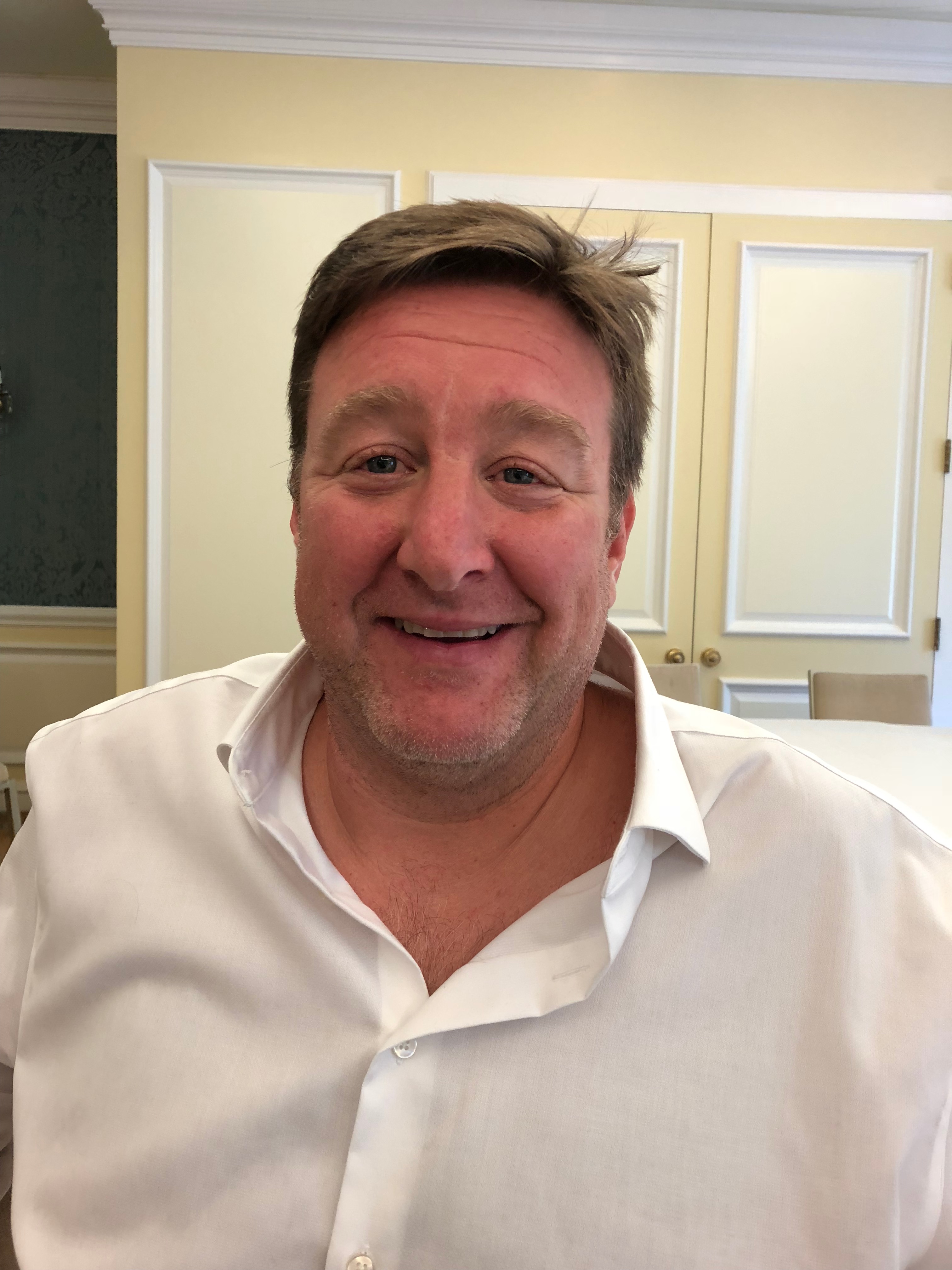
Michael Clinton To Samir “Mr. Magazine™” Husni: 2019 Will Be The Flight Back Year To Quality, Quality Brands, Quality Environment, Safe Environments, And Obviously, Our Magazine Brands Represent That. The Mr. Magazine™ Interview with Michael Clinton, President, Marketing & Publishing Director, Hearst Magazines.

January 2, 2019

The Real Influencers Of The Marketplace : The Brands Themselves 

“I think credibility is a real issue right now because there was that moment in time where influencers were viewed as an important platform. Well, I think the market has learned that many people who set themselves up as influencers really are not influencers. They’re just people trying to set up a business and when you’re coming through the Cosmo lens or the Elle lens or the Good Housekeeping lens, that’s influence.” Michael Clinton…
CSV28622A

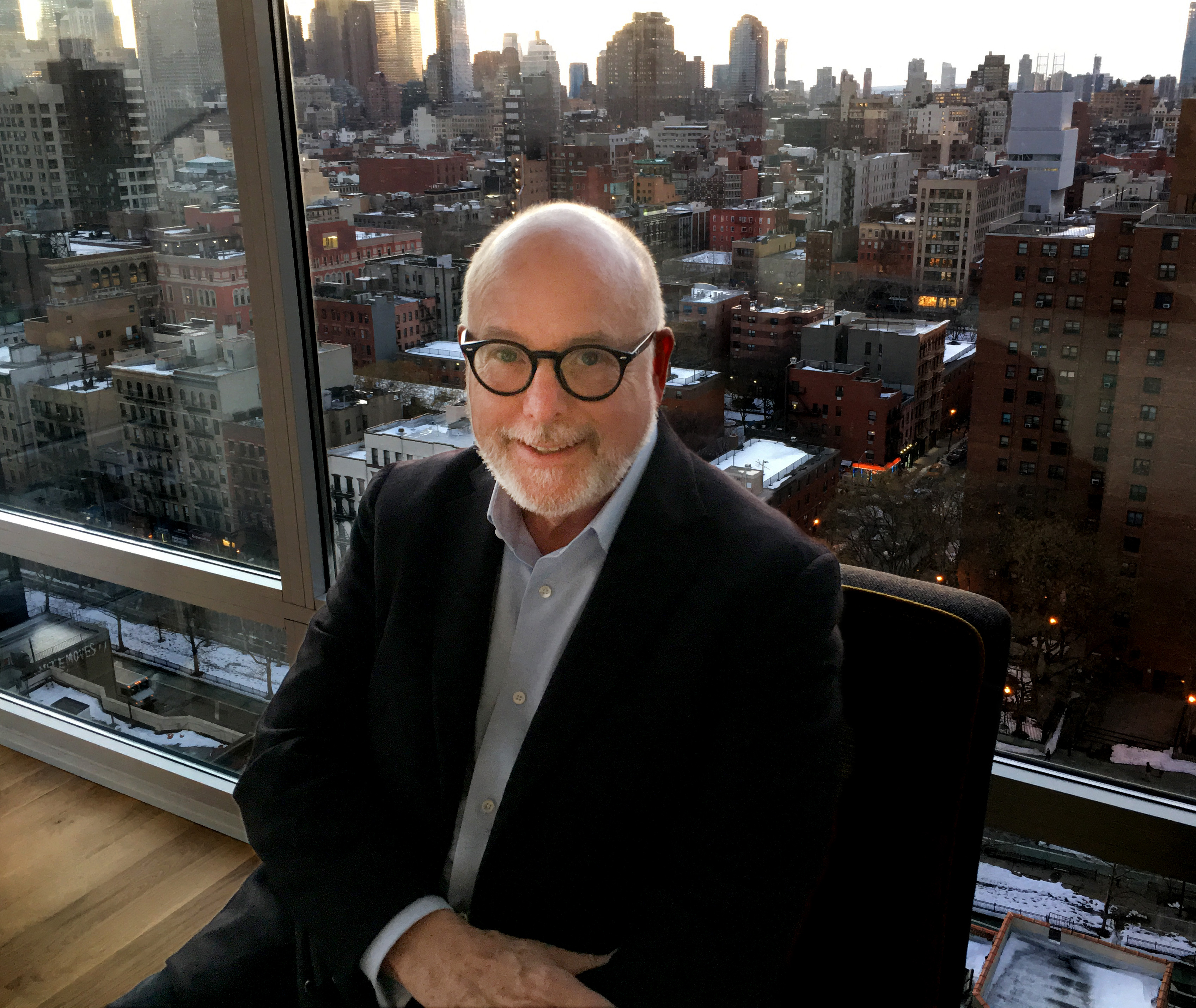
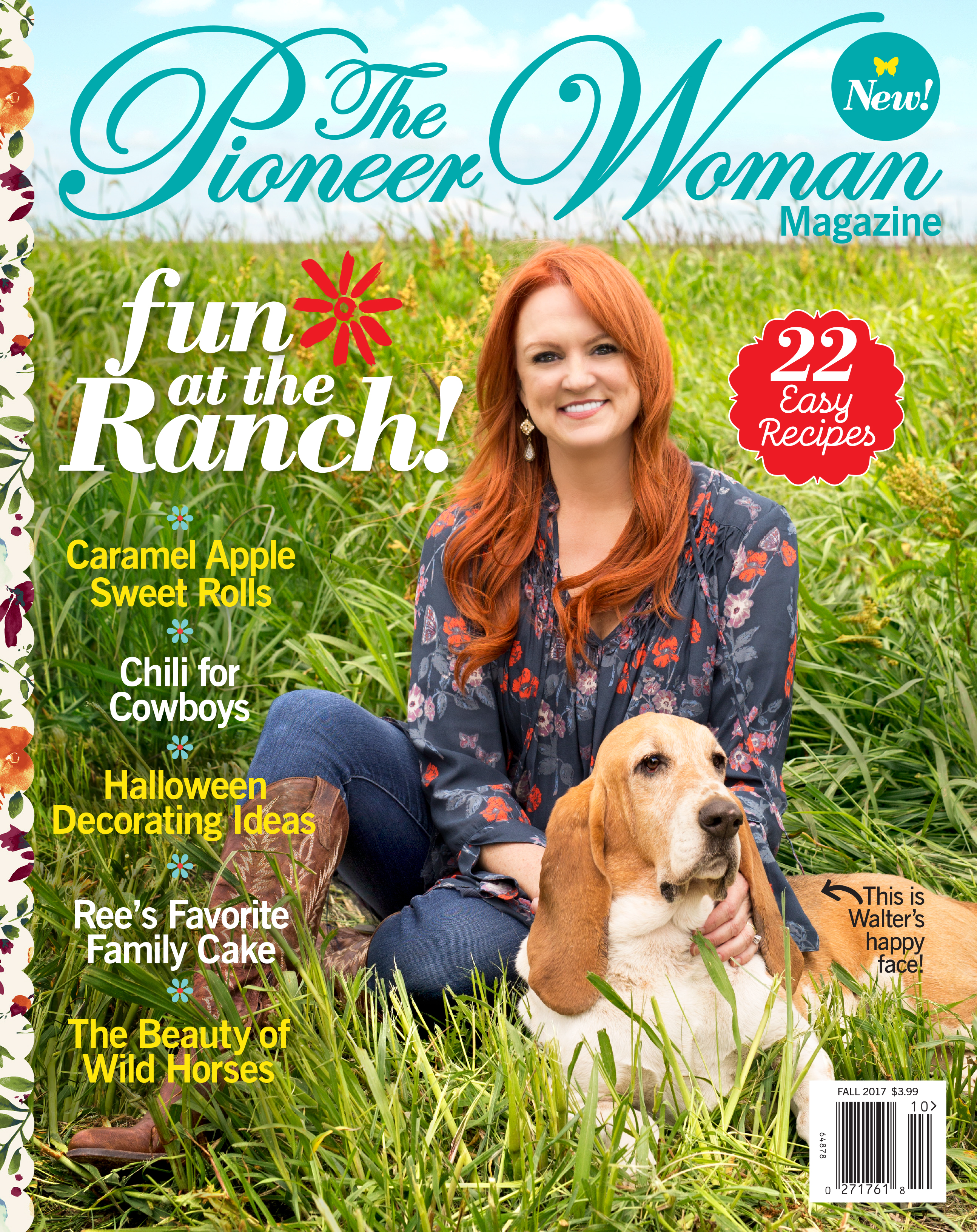
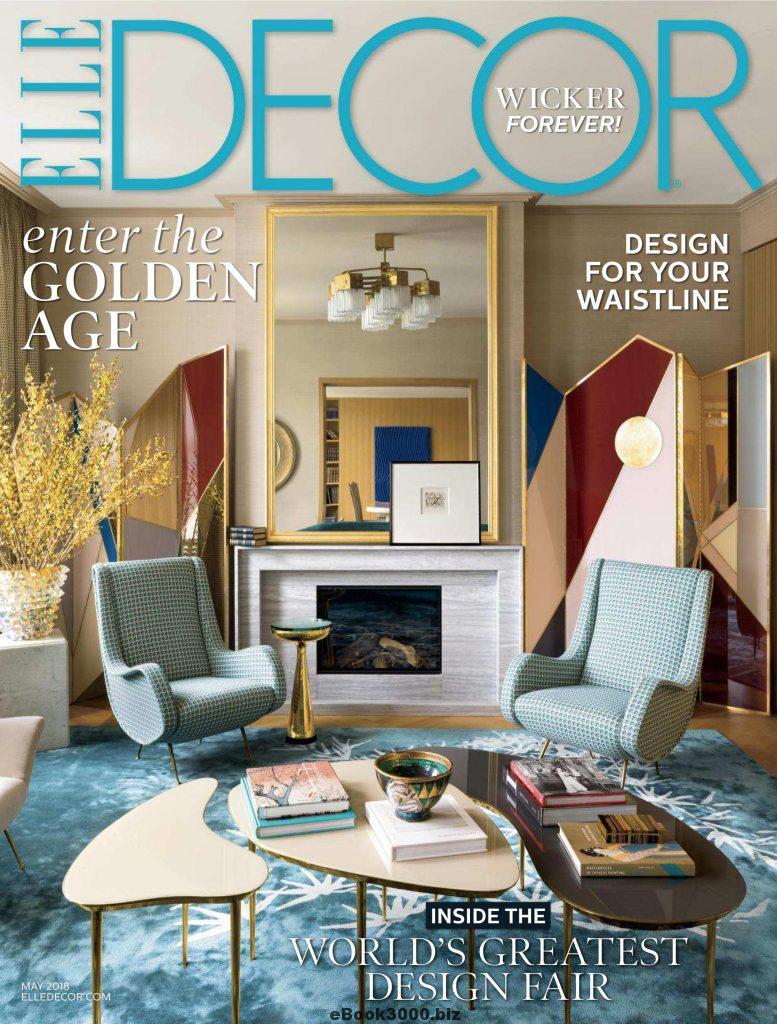
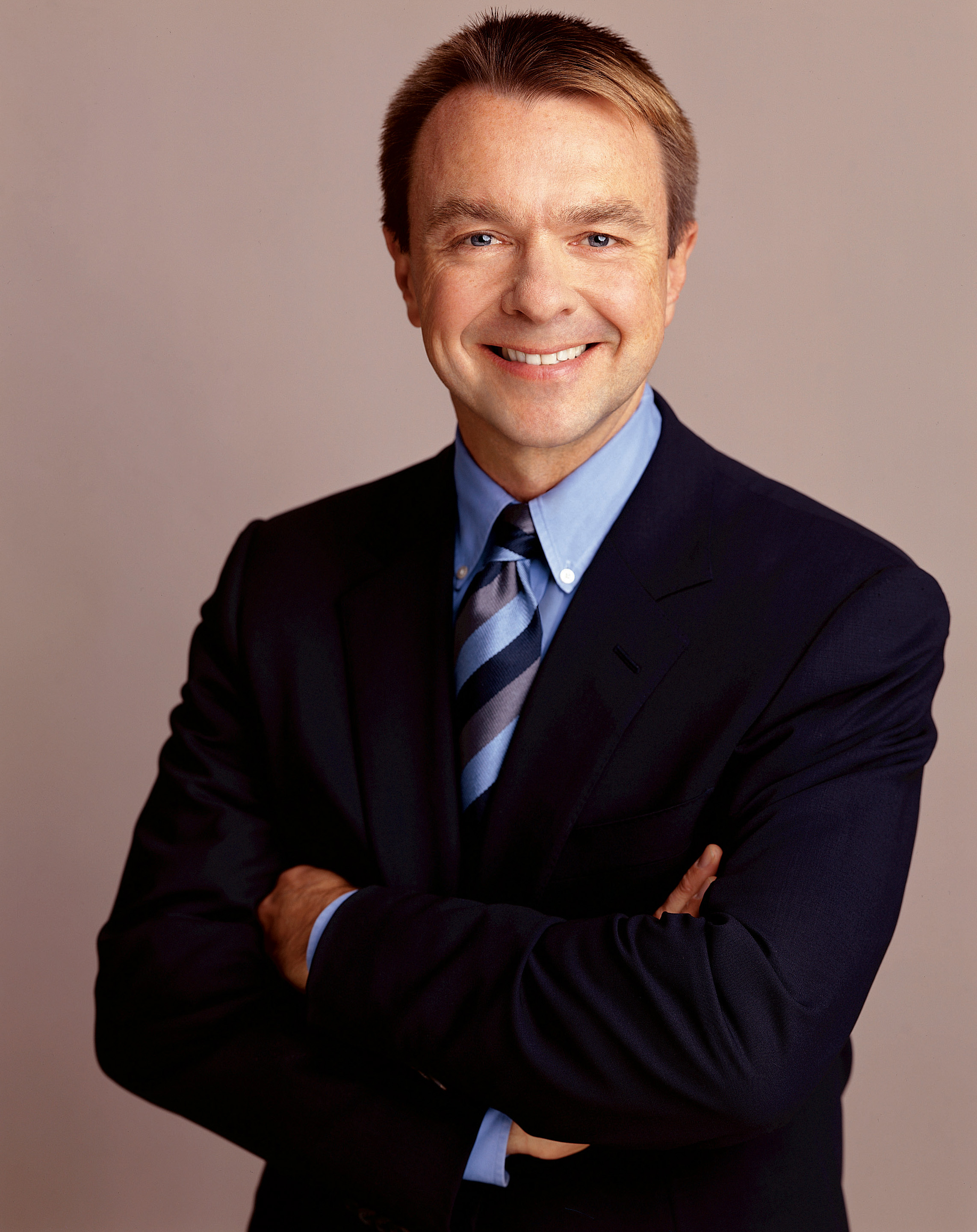
 Michael Clinton is a confirmed believer in the trust factor of magazines and magazine brands. In fact, according to Michael, it’s all about the brands; everything. The brands are the trust factor and that spans the entire multiplatform existence of each and every Hearst product, from the legacy titles, such as House Beautiful and Town & Country, to the latest mega-success stories, such as Pioneer Woman and Airbnb, the brands are the key to consumer trust and creditability, from print product to pixel.

I spoke with Michael recently and we talked about the trust factor of the brands and the legacy titles of Hearst that continue to grow audience and gain new readers, even after 100 years of service to the consumers. Michael said that evolvement is a big reason that Hearst products continue to flourish and grow, and that innovation has always been a part of their magazines’ DNA and will continue to be so. From the year of “Data,” which is what Michael said 2019 will be, with data working for companies in a much larger way, to “Content with Purpose,” Hearst’s new editorial mission, innovation and evolution are key.

This first Mr. Magazine™ interview of 2019 was such an eye-opening and interesting way to start the magazine New Year off. Michael Clinton is optimistic, but totally aware of the challenges that the latest “shiny new thing” of 2019 could bring to the world of magazines and magazine media. However, the passion and strong faith that he has for and in the Hearst brands is palpable and always uppermost in his mind as you will tell immediately from our conversation.

And now without further ado, the Mr. Magazine™ interview with Michael Clinton, President, Marketing & Publishing Director, Hearst Magazines.

But first the sound-bites:

On his predictions for 2019 where magazine media is concerned:I think one thing that we’re seeing is a flight back to quality, quality brands, quality environment, safe environments, first-party environments, and obviously, our magazine brands represent that. And I think there is a lot of concern about context and I think a lot of CMOs are really beginning to step back and rethink things and I believe that plays well for magazine brands. So, I would say that’s one.

On how Hearst keeps growing audiences with its numerous legacy titles, many of which are over 100-years-old:What has to happen with the print magazine is that it obviously has to evolve with the culture. And so, it has to represent what is happening in the culture at any given point in time. If you go back to Town & Country in the 1980s; the eighties had a very different affluent market than today’s affluent market. So, you have to reflect the contemporary times and you have to move the reader along as well. I think it’s the magic of our editors who are constantly evolving the product.

On how he conveys that message of evolvement to advertisers:It’s all in the product; you walk them through the product and show them how the product is evolving and how the product will evolve. Brands want to align themselves with contemporary messaging. And they’re doing the same thing, they’re always taking their brand message and their brand packaging and they’re evolving it and they’re changing it, and they’re changing their message points based on the culture at the time to make it relevant for both their existing customer and new customer. So, I think they’re always looking for the environments in which we can pro-message together.

On print advertising and whether that same trust factor carries over into all of the platforms:First of all, it’s all about the brands, right? The brand is the trust factor. So, if I’m a Cosmopolitan reader, I have the trust factor in print, in digital, in social, on Snapchat, because I trust the brand. And that gets into the context discussion. I think that if you’re seeing something that is on Cosmo.com, you know that it’s been produced by professional editors; it’s authoritative; it’s been vetted properly; as opposed to some pure play digital site or some influence, it has a real credibility.

On how print can be used in today’s digital age to its own best advantage:That’s a great question. Hearst today is the dominant player in the fashion/luxury market; with our brands we produce more content in that space, in print, digital and in social. So, we now dominate. That’s been an evolution and we’re proud of that position we have now with the global luxury brands. One of the things that we’ve done is we’ve really believed in the production values of all of our luxury books: Bazaar, Marie Claire, Elle, Town & Country; they’re all oversized; they’re a luxe presentation. The amount of time, energy, and money that is put into beautiful photography and amazing representation of the luxury market; well, the editorial grit behind all of that really allows us to have those great connections with the consumer.

On whether his job today has become more difficult or easier than it was 10 years ago:I would say that it’s become more complex. What is exciting is that our brands now live in many different places. So, 10 years ago, you were basically selling a print platform, right? Today you’re selling a print platform, a web platform, a video platform, a social media platform, and an experiential platform. So, where the excitement lies is in the fact that the brands have been unleashed and we now have consumers interacting with our brands in so many different places, knitting all of that together to create a community  and that’s what’s really exciting.

On what he feels is a big challenge facing the industry today:I would say two things to that. One is there is within the buy-side of the world, there is oftentimes, the chase for the shiny, new thing. And the shiny new thing is not necessarily what’s going to move the consumer to action. So, the pessimism I would have is the lack of appreciation for the broader view of the media world, the media mix. There needs to be more of an investment in educating and training on the buy-side for what all of the different mediums represent. So, that’s one.

On what he thinks will be the “buzzword” or important one word that will define 2019 as the year of what:It’s the year of data. It’s the year of really putting our data to work in a much bigger way and so that data is both print data and digital data. And we’re doing lots of work on the data front, not just for our own content creation, and Troy (Young) may have touched on this, but our new editorial mission is what we call “Content With Purpose,” and when I say content with purpose it doesn’t necessarily mean socially conscious, although that could be a part of it. But it’s content that we know through our data that our readers really respond to.

On any new titles that may be coming in 2019:Possibly. But first let me say that Pioneer Woman has been a huge success for us, it just broke half a million rate base, as you may know. Airbnb will move to six times frequency in 2019 and it will have a rapid circulation growth. So, that’s good. We’re always looking at new products, both print and digital. There’s nothing that’s eminent, but we always have something in the kitchen. Nothing eminent now.

On the biggest misconception he thinks people have about him:That I’m a New York Mets fan. (Laughs) I’m actually a Yankees fan, but that’s beside the point. I do have a reputation of being a bit of a workaholic, but I would argue that I have an extremely well-balanced life. And you have to nurture both sides. While I work hard, I also have lots of interests outside work.

On whether he ever feels as though he’s running in a magazine marathon:That’s a great question and I would just make the response that life is not a sprint, it is a marathon. When you take the long-term view, like in marathon running, you always have stamina and you always have a good Zen-like view of the future, because it is a long play.

On what he hopes is the first thing that comes into people’s minds when they hear the name Michael Clinton: That he respects all people, that he believes in service to people, so as you may know, I have a foundation that some friends and I started eight years ago called Circle of Generosity and it is our commitment to have service to others. And I think that’s just a really important part of how we should live our lives.

On how he decides what to retweet:I think it’s about the optimism of our business. And you’re self-included. I think it’s important to get the positive news out there about our business and about our industry and about media. As you know, parts of the media are under siege these days, and I think what we do is an incredibly important service. And while our magazine company is not in the news business, it’s really important what we do, because we inform people and educate them and entertain them. And so the Retweets are something that are either positive about the business or something that’s really innovative and unique that one of our brands is doing or that I see in the marketplace that is an innovative idea in terms of how you can use magazine brands.

On what keeps him up at night:I’m a good sleeper, but the only thing that keeps me up is when my puppy jumps on my head in the middle of the night. (Laughs)

 

And now the lightly edited transcript of the Mr. Magazine™ interview with Michael Clinton, President, Marketing & Publishing Director, Hearst Magazines.

Samir Husni: Michael, put your fortunetelling hat on for a moment if you would, and tell me your three major predictions for what is going to happen in magazine media in 2019.

Michael Clinton: I think one thing that we’re seeing is a flight back to quality, quality brands, quality environment, safe environments, first-party environments, and obviously, our magazine brands represent that. And I think there is a lot of concern about context and I think a lot of CMOs are really beginning to step back and rethink things and I believe that plays well for magazine brands. So, I would say that’s one.

The second thing that I would add to that is, the addiction of too much bottom of the funnel performance-based media has sent shockwaves through a lot of brands, which have begun to see meaningful erosion of their brand equity or consideration. And we’re seeing, if you will, a rebalance of the media mix. And with that is an appreciation for all of the things that magazines represent, print magazines in particular, in terms of brand equity. And I think that race to the bottom has eroded a lot of brand equity, so I would say that’s the second.

And then on the third, I would say that the magazine brands’ digital platforms have a very special sauce to them, because we have very engaged users who are around our subject areas, so whether it’s fashion, beauty, or home, high levels of engagement, high levels of first-party engagement, safe environments, all of this is kind of connecting back to number one. And also in the world of content and context, that plays really well for us.

So, we continue to see huge growth on our digital platforms. I think you know that Cosmopolitan is at 38 million uniques. We just launched Oprahmag.com, and within two or three weeks we’re at 1.3 million uniques. Obviously, what Oprah and Oprahmag.com represents has great connection with consumers. So, I think all of these things bode well for both our print platforms and our digital platforms.

Samir Husni: I have been looking at and researching magazines from 1919 for the MPA’s 100thanniversary, and quite a few of the titles are from Hearst and are still being published today, 100 years later, whether it’s House Beautiful or Town & Country, Harper’s Bazaar or Popular Mechanics. You publish more legacy magazines than any other media company. Tell me, how do you keep growing audiences with these legacy magazines? You just shared that Cosmopolitan had 38 million uniques, yet it’s a title that’s over 100-years-old. How do you do that?

Michael Clinton: What has to happen with the print magazine is that it obviously has to evolve with the culture. And so, it has to represent what is happening in the culture at any given point in time. If you go back to Town & Country in the 1980s; the eighties had a very different affluent market than today’s affluent market. So, you have to reflect the contemporary times and you have to move the reader along as well. I think it’s the magic of our editors who are constantly evolving the product.

I believe the sign of a great magazine is when you go to a particular magazine and you pick up an issue from two years ago, forget 100 years ago, just two years ago and you say: wow, that magazine was very different then than it is today, because the editors are constantly evolving the content, the relevance, the stories, and that’s what keeps it modern and fresh. And I think we have lots of great examples of that in the house.

Samir Husni: When you work with the other customer, the advertiser, how do you convey that message of evolvement to them?

Michael Clinton: It’s all in the product; you walk them through the product and show them how the product is evolving and how the product will evolve. Brands want to align themselves with contemporary messaging. And they’re doing the same thing, they’re always taking their brand message and their brand packaging and they’re evolving it and they’re changing it, and they’re changing their message points based on the culture at the time to make it relevant for both their existing customer and new customer. So, I think they’re always looking for the environments in which we can pro-message together.

It’s really the high-touch selling. I think one of the things is that print has always been a high-client touchpoint medium, and so, while we obviously work with our agency partners, clients have always been very, very interested in the print medium. So, there’s a lot of that high-touch human contact that goes with selling the print medium.

CSV28622A

Samir Husni: One of the points that I’ve noticed when looking at the legacy magazines from 100 years ago is there was always that guarantee that all of the advertising in the magazine was true and honest, guaranteed, there was a certain trust factor. Today, if I see that trust factor in print, can I take that promise with me to the digital? Or is it based on the brand?

Michael Clinton: First of all, it’s all about the brands, right? The brand is the trust factor. So, if I’m a Cosmopolitan reader, I have the trust factor in print, in digital, in social, on Snapchat, because I trust the brand. And that gets into the context discussion. I think that if you’re seeing something that is on Cosmo.com, you know that it’s been produced by professional editors; it’s authoritative; it’s been vetted properly; as opposed to some pure play digital site or some influence, it has a real credibility.

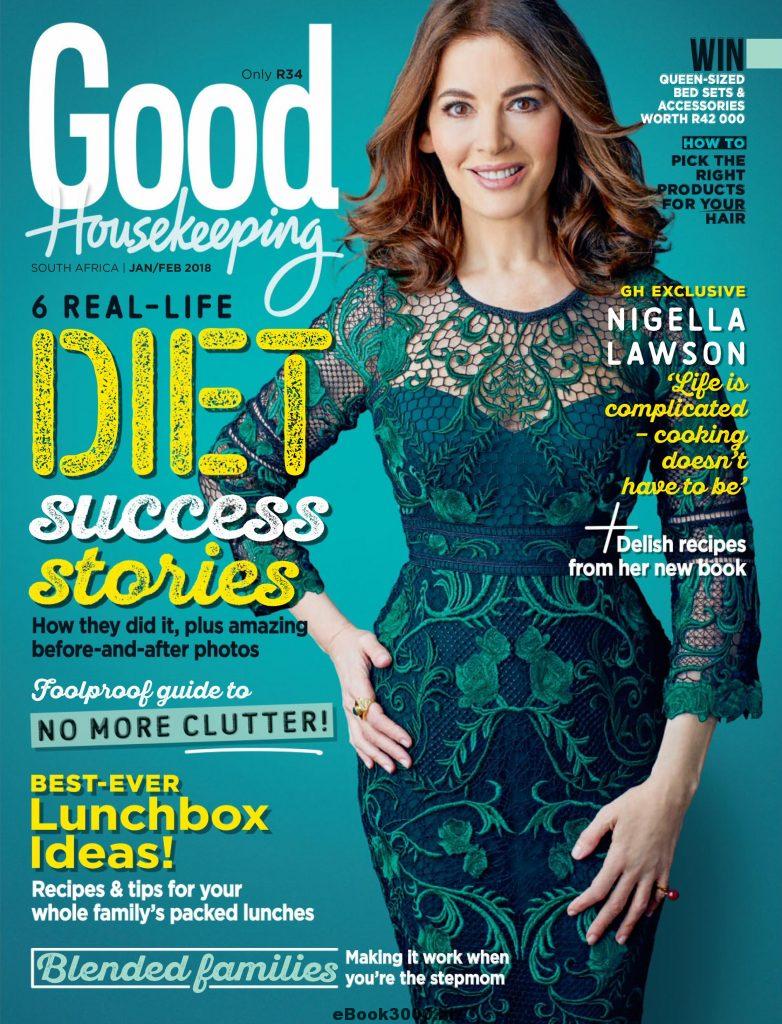
And I think credibility is a real issue right now because there was that moment in time where influencers were viewed as an important platform. Well, I think the market has learned that many people who set themselves up as influencers really are not influencers. They’re just people trying to set up a business and when you’re coming through the Cosmo lens or the Elle lens or the Good Housekeeping lens, that’s influence.

Samir Husni: How can you use print to its own best advantage in this digital age?

Michael Clinton: That’s a great question. Hearst today is the dominant player in the fashion/luxury market; with our brands we produce more content in that space, in print, digital and in social. So, we now dominate. That’s been an evolution and we’re proud of that position we have now with the global luxury brands. One of the things that we’ve done is we’ve really believed in the production values of all of our luxury books: Bazaar, Marie Claire, Elle, Town & Country; they’re all oversized; they’re a luxe presentation. The amount of time, energy, and money that is put into beautiful photography and amazing representation of the luxury market; well, the editorial grit behind all of that really allows us to have those great connections with the consumer.

A lot of it is production value and execution by the editors. And then of course, that rolls into the digital platforms as well. One of our fastest growing sites this year has been Harper’s Bazaar. I don’t have a stat in front of me, but Harper’s Bazaar, its luxe presentation in print and its digital execution has helped to drive huge digital growth for us this year.

So, when you look at the production values that those brands have on their websites and also on their social media, it also reflects that. And don’t forget, there are global brands and also don’t forget that we have, aside from global print brands, we now have the capability to work with our luxury partners globally across Elle.com globally or Bazaar.com globally. And that’s a big differentiator for us. So, we’re doing a lot of business with global luxury brands that want that kind of global footprint .

I would use those as a few examples, but we’re really proud of the fact that we’re now the leading fashion/luxury publisher in the world.

Samir Husni: If you reflect back 10 years ago at the dawn of digital, the Smartphone, the iPad, etc., has your job today, looking toward the future, has it become easier or more difficult?

Michael Clinton: I would say that it’s become more complex. What is exciting is that our brands now live in many different places. So, 10 years ago, you were basically selling a print platform, right? Today you’re selling a print platform, a web platform, a video platform, a social media platform, and an experiential platform. So, where the excitement lies is in the fact that the brands have been unleashed and we now have consumers interacting with our brands in so many different places, knitting all of that together to create a community  and that’s what’s really exciting.

So, today you have the women’s health community. And the women’s health community has exponentially grown because the user and the reader live in lots of different places. And that’s been very exciting for magazine brands because we were never able to live in multiplatform the way we do today.

But with that comes complexity, because the different platforms require different content; you get different analytics; you get different measurements, and so you have to knit all of that together for the marketing partner, but that’s the fun of it today.

Samir Husni: Someone reading this interview might say that you’re the eternal optimist, but what is something that you’re afraid is going to be a big challenge as the industry moves forward?

Michael Clinton: I would say two things to that. One is there is within the buy-side of the world, there is oftentimes, the chase for the shiny, new thing. And the shiny new thing is not necessarily what’s going to move the consumer to action. So, the pessimism I would have is the lack of appreciation for the broader view of the media world, the media mix. There needs to be more of an investment in educating and training on the buy-side for what all of the different mediums represent. So, that’s one.

And I think that leads to a lack of an appreciation for what the magazine media represents on all of its platforms. So, that’s our day-to-day job, to make sure we’re out there telling that story. So I think that’s the biggest, sort of pessimistic view that I would have.

But fortunately, we have a great team at Hearst and that’s what they do all day long  and they change perceptions and they put together great programs that have great metrics and great numbers. So, the proof is always in the pudding.

Samir Husni: For the last several years when I speak with people they’re always saying this is the year of “voice,” or this is the year for “video;” is there one word for 2019? It will be the year of…?

Michael Clinton: It’s the year of data. It’s the year of really putting our data to work in a much bigger way and so that data is both print data and digital data. And we’re doing lots of work on the data front, not just for our own content creation, and Troy (Young) may have touched on this, but our new editorial mission is what we call “Content With Purpose,” and when I say content with purpose it doesn’t necessarily mean socially conscious, although that could be a part of it. But it’s content that we know through our data that our readers really respond to.

A great example of that is that we know that the Good Housekeeping reader is passionate about the television show “This Is Us.” They watch it live; it is an appointment viewing for them; they’re passionate about that show. So, how did that express itself then in the content that we created. Creating content that had purpose for the Good Housekeeping reader is that there might be stories or covers about the “This Is Us” cast, because we know there is a high level of interest.

So, how do you take your data, connect it to content creation, and then connect that content creation and that data to advertiser partnerships for both advertising and ecommerce. Data-informed content, data-informed advertising partnerships, that’s what we’re really excited about for 2019.

Samir Husni: In 2018, you didn’t launch any new magazines, what with all of the changes that were taking place. Anything up and coming for 2019? Will we see any new titles based on partnerships or just from scratch?

Michael Clinton: Possibly. But first let me say that Pioneer Woman has been a huge success for us, it just broke half a million rate base, as you may know. Airbnb will move to six times frequency in 2019 and it will have a rapid circulation growth. So, that’s good. We’re always looking at new products, both print and digital. There’s nothing that’s eminent, but we always have something in the kitchen. Nothing eminent now.

Samir Husni: What’s the biggest misconception you think people have about you?

Michael Clinton: That I’m a New York Mets fan. (Laughs)

Samir Husni: (Laughs too.)

Michael Clinton: I’m actually a Yankees fan, but that’s beside the point. I do have a reputation of being a bit of a workaholic, but I would argue that I have an extremely well-balanced life. And you have to nurture both sides. While I work hard, I also have lots of interests outside work.

Samir Husni: What was the latest marathon that you ran?

Michael Clinton: Albuquerque.

Samir Husni: How many marathons have you ran so far?

Michael Clinton: 15. And the next one will be in Anchorage in June.

Samir Husni: If you were to rank them, which one would be the number one, the one in the Artic, or where?

Michael Clinton: I would have to say Antarctica because it was such a surreal experience and it was my seventh continent and there are less than 1,000 people in the world who have run all seven continents, so I feel like I’m part of a very special club.

Samir Husni: Do you compare your work with magazines to your marathons? Do you feel as though you’re running in a magazine marathon?

Michael Clinton: That’s a great question and I would just make the response that life is not a sprint, it is a marathon. When you take the long-term view, like in marathon running, you always have stamina and you always have a good Zen-like view of the future, because it is a long play.

Samir Husni: When people hear the name Michael Clinton, what do you hope is the first thing that comes into their minds?

Michael Clinton: That he respects all people, that he believes in service to people, so as you may know, I have a foundation that some friends and I started eight years ago called Circle of Generosity and it is our commitment to have service to others. And I think that’s just a really important part of how we should live our lives.

Samir Husni: How do you decide what to Retweet, because every now and then I see you Retweeting something.

Michael Clinton: I think it’s about the optimism of our business. And you’re self-included. I think it’s important to get the positive news out there about our business and about our industry and about media. As you know, parts of the media are under siege these days, and I think what we do is an incredibly important service. And while our magazine company is not in the news business, it’s really important what we do, because we inform people and educate them and entertain them. And so the Retweets are something that are either positive about the business or something that’s really innovative and unique that one of our brands is doing or that I see in the marketplace that is an innovative idea in terms of how you can use magazine brands.

Samir Husni: My typical last question; what keeps you up at night?

Michael Clinton: I’m a good sleeper, but the only thing that keeps me up is when my puppy jumps on my head in the middle of the night. (Laughs)

Samir Husni: Thank you.
h1

The 2019 Mr. Magazine™ Manifesto: “Quotes of Wisdom.” A 2018 Rearview Mirror Look.

December 31, 2018

“The first step toward success is taken when you refuse to be a captive of the environment in which you first find yourself.” Mark Caine…

It’s a brand new year and Mr. Magazine™ for one is excited and focused on all of the good things 2019 can and will bring to magazines and magazine media. And for anyone who may not know or remember where Mr. Magazine™ stands when it comes to the ONLY definition of a magazine: if it isn’t ink on paper, it’s not a magazine, but the magazine is only one platform of the brand that the magazine is named after. Can I get an amen? And if we’re all being honest and looking beyond the PC-ness of today’s thought processes, we know it’s true that relying on digital-only to bring in the bucks in today’s media environment would not only be dangerous, but very presumptuous as well. In today’s world, it is Mr. Magazine’s™ staunch opinion that unless you have a valid footprint in both realms of publishing, the success rate of any publication is slim indeed. It would occupy this entire space if I were to list the publications that said they were quitting their print business and were no longer in business, or became just a figment of what used to be both, in terms of audience reach and revenue.

But in this year’s manifesto, I decided that instead of waxing poetic on what my take on this world we call magazines and magazine media is, I would instead let you learn from the experts, the leaders and visionaries of the publishing industry itself. I have had the honor and the pleasure of interviewing many of those said dignitaries throughout 2018 and their wisdom and thoughts cannot be taken lightly, they must be reiterated and studied so that the industry that we all love so much can thrive and move forward into this new year of 2019.

And it is with this in mind, that I give to you 18 of the best and most eloquent quotes that Mr. Magazine™ had the privilege of garnering from the sources themselves over the course of the last 12 months. These quotes come from publishing CEOs, presidents, vice presidents, editors in chief, publishers, and a few mavericks who believed in their entrepreneurial dreams. And while the opening quote from above by analyst and strategist, Mark Caine, is not one given directly to Mr. Magazine™, the 18 below most definitely are. But it is with Mr. Caine’s mentality that I present to you this manifesto and tidbits of industry wisdom from the experts.

For if magazines and magazine media had succumbed to the environment that each had found itself in several years ago; if the industry had refused to innovate and trail blaze new paths to success; if digital and print had not realized the amniotic fluid of ink and pixels that they were both destined to share from the beginning of the creative cyber revolution, the chances that Mr. Magazine™ would be here today talking about all of this would be very slight.

So, without further ado, here are 18 quotes from 18 of the most prominent and visionary leaders of the publishing, digital, and magazine media industry.  The titles used are those they had when interviewed in 2018 and the quotes are in alphabetical order.

And Happy New Year to all!


Michael Biggerstaff – Owner/CEO, Nxtbook Media:

“We look at publishing like a three-legged stool, you have websites, you have print, and you have digital. And they should all support each other. And one shouldn’t be shortchanged or you’re going to have a rocky stool. We look at that as an opportunity from a print standpoint to support the print product and the website. And the website can support print and digital, but we also look at it like you need to be providing something different in a digital edition. You don’t have the constraints that you do in print.” Michael Biggerstaff, Owner/CEO, Nxtbook Media…

Roger Black – Editor in Chief, Type Magazine:

“I believe that’s the real problem and that’s the second part of what we’re going to talk about at this conference, what do we do; how do we recreate the magazine experience in the digital era? And how do we do it digitally? I will be the first to admit that I have not succeeded in figuring out digital formats for magazines that have the same compelling feeling, the same attraction, the same experience where you sit down with a good print magazine and you enjoy it. And then you get to a finish; you feel like you’ve completed it and you put it down. And that’s not true with the websites or the apps. They’re never finished. And it’s a very tangential and short experience. You dive in and read part of an article and you’re gone. You don’t even know where the article came from some of the time.” Roger Black, Editor in Chief, Type Magazine…

 Agnes Chapski – President, NewBeauty Magazine:

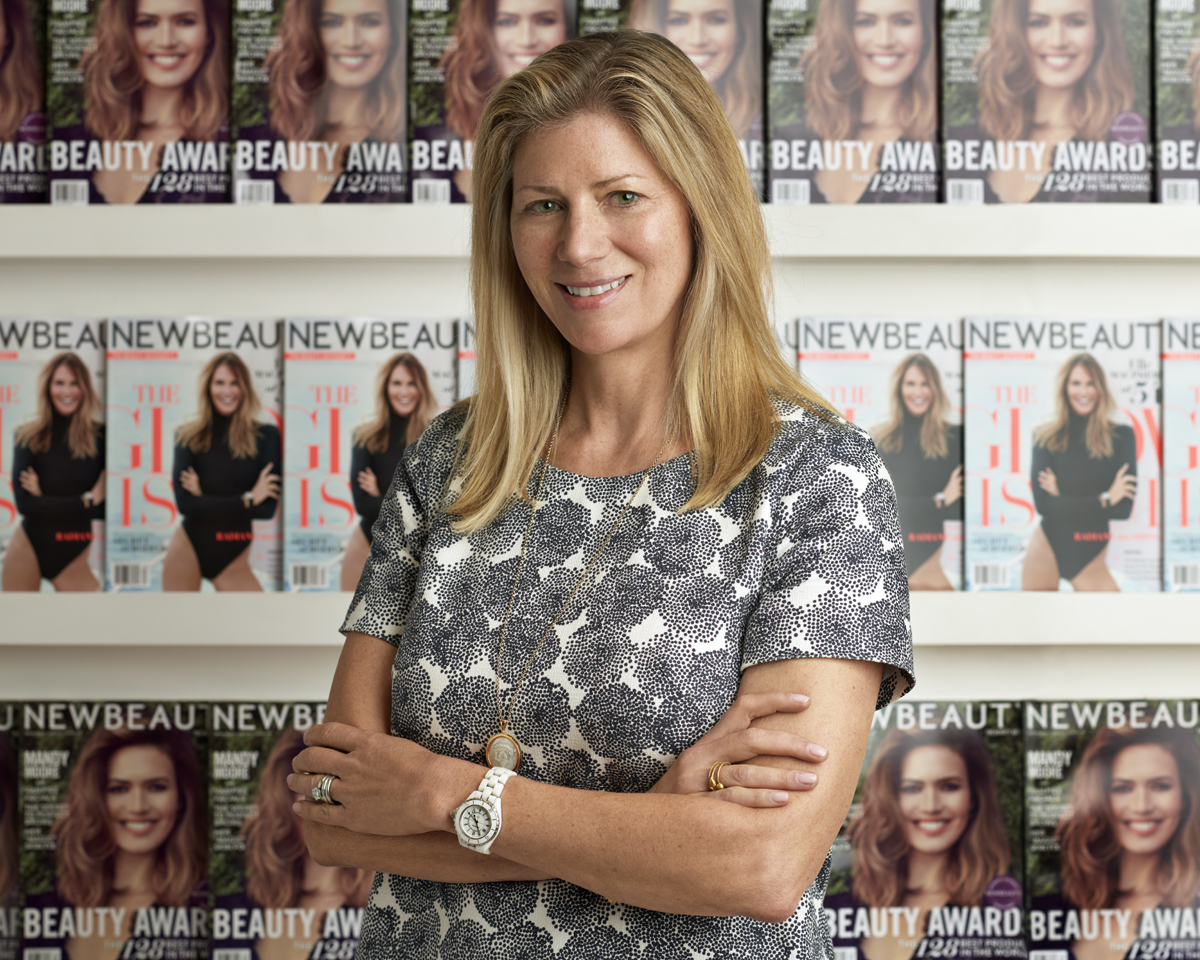
“It’s a huge population and a very affluent audience. They actually have more spendable income and more money. In the beauty space, it’s completely underserved, so when you think about it, to me, it’s an amazing opportunity to speak to women who are hungry to have this kind of information. No one is really intelligently speaking to them, so that is a strong business reason.” Agnes Chapski, President, NewBeauty Magazine…(On Why Baby Boomers & Gen Xer’s Are So Important To NewBeauty)…

 Steve George – Vice President – Content, Kalmbach Media:

“Coming back to some fundamentals that we who love magazines have been talking about for years. I think there’s a physical, tangible reality to magazines that you don’t get online. There’s a durability there in a print product and to a certain extent, there’s a promise that the time and effort that would go into creating and editing and vetting that content in a more durable form, whereas I think online, and we’re seeing this, it’s a voracious beast, where you have to constantly be cranking out new content.” Steve George, Vice President – Content, Kalmbach Media…

William R. Hearst III – Editor & Publisher, Alta Journal of Alta California:

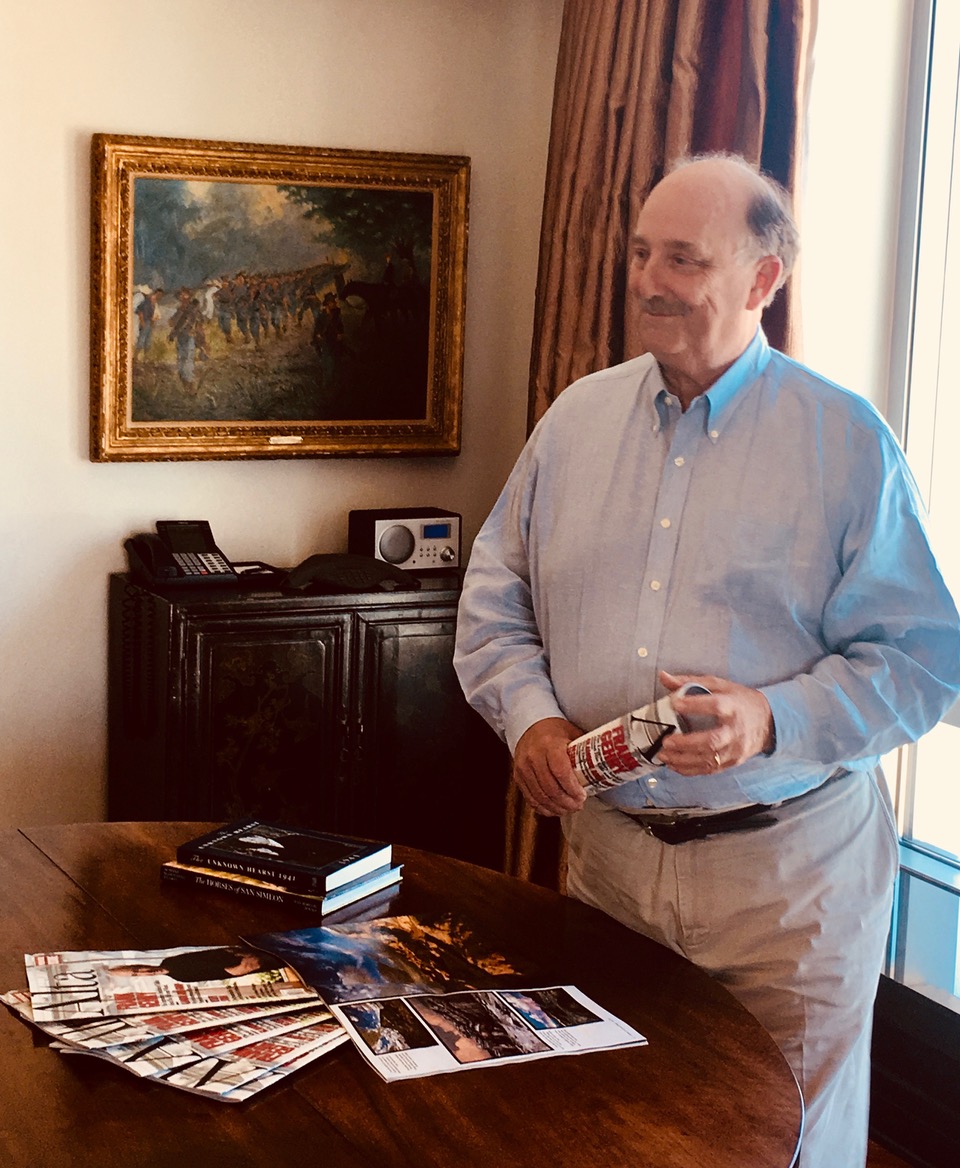
“I wanted to deal with things that last a little bit longer. I was thinking about the people that I know: writers, photographers, editors; these are people who often write books, that take some time to write something. I was less interested in immediacy; I wanted things that had a lasting quality.” William R. Hearst III, Editor and Publisher, Alta Journal of Alta California. …

 James Hewes – CEO, FIPP:

“I think it’s going to be a pretty good year, actually. It’s funny you know, ever since I took this job I’ve been hearing more and more people telling me about the resurgence of print magazines and how print magazines are coming back as a medium, and I think 2018 might be the year when you start to see some signs of that filtering through into the numbers, because, obviously, the numbers that are released by the publishing companies have been pretty bad in 2017.” James Hewes, CEO, FIPP…

Brian Hart Hoffman – President & Chief Creative Officer, Hoffman Media:

“We want to continue making our print-brand publications better and brandier. And updated in line with what people expect and where we see revenue success today…” Brian Hart Hoffman, President & Chief Creative Officer…

 JJ Hornblass – President & CEO, Royal Media:

“An organization has to have a core competency, several actually. So, what is the core competency that we’ve developed? There are a few, but one of the central core competencies is that we’re in constant change mode. So, in fact, if I looked at what we’ve done since 2010 when we made that acquisition to now, probably if I was 10 years before that, all of these things were going on, but now it’s kind of par for the course. And we’re trying to continue to change. So, the walk in the rose garden, is just one that has many twists and turns, but if you know that they’re coming then it’s not so surprising.” JJ Hornblass – President and CEO, Royal Media…

Chuck Howell – Vice President of Strategic Sourcing, Newsstand and Production Operations, Meredith Corporation:

“I don’t think it will be Newsstands 101. I think it needs to be educating the buyers. It’s the readership that’s looking for that content at newsstand that will ultimately carry the message. We just need to make sure that we stay viable at the front end long enough for that message to be had, because to your point, I think the younger buyers out there who don’t have an intrinsic knowledge of what the magazine brings and that lean-back experience, they traditionally get their information and their news off the Internet, but the buyers aren’t necessarily there yet. Eventually, that will evolve.” Chuck Howell (on educating buyers on the importance of magazines and that lean-back experience)…

Joe Hyrkin – CEO, Issuu:

“The reason we’re doing it is because, one – it’s near and dear to our hearts, of course. And at the end of the day we believe strongly that it’s through the telling of stories in a high quality, curated, published way that people are really able to share their passions, to share the area’s ideas and content that moves them, and there’s a huge audience to connect with around that.”Joe Hyrkin, CEO, Issuu…(On why Issuu held the Generators Summit on December 4, 2018.)…

Steven Kotok – CEO, Bauer Media Group USA:

“The women’s service readers definitely like the experience of buying something in print. As much as they love the product and as proud of the product as we are, the buying experience is a big part of it as well. We’re growing our subscriptions, but the physical act of making the purchase from the supermarket and giving yourself a treat after a long day, that is part of the pleasure of these products. Even if some of the information is available online, it’s that retail experience that ultimately excites our consumers.”Steven Kotok, CEO, Bauer Media Group USA…

Jeremy Leslie – Owner & Curator, Mag Culture:

“I’ve always had a fundamental belief in it (print), but what encourages me to continue that deep belief is the wave after wave of new magazines with fantastic ideas and fantastic values; just the good stuff that’s being made is what continues to inspire and excite me.” Jeremy Leslie, Owner & Curator, Mag Culture…

Simon Leslie – Joint CEO & Cofounder, Ink Travel Media:

“We support print because print works. People still love that ephemeral moment of picking up the magazine and flipping through it; that lean-back experience rather than lean-forward. Sometimes it’s nice to get off the screen and have that moment to yourself.” Simon Leslie, Joint CEO & Cofounder, Ink Travel Media…

Sandra Long – Publisher & Editor in Chief, Rosa Magazine:

“I am partial to print magazines, I still think there is a market for them. And when we had women pick it up, the look and feel of Rosa resonated with people and to be able to turn that page was important. Women still buy magazines, whether it’s fashion or, as we hope, political, they’re still buying magazines. I was firm that it had to be print. We will transition to do a little bit online, just to be able to feed that marketplace. But we’ll do print as long as they are supporting it.”…Sandra Long, Publisher & Editor in Chief, Rosa Magazine…

Adam Moss – Editor in Chief, New York Magazine:

“The cover is no longer really to sell magazines on newsstand. As newsstands have become so much less important to all of us, the cover has a different function. It is basically the brand statement of what we make. It declares what we think is important or interesting; it declares our voice. Also, it’s an amazing document for the purposes of social media. Social media takes your cover and distributes it all over the place and it becomes an advertisement for the magazine that’s actually more important than it was originally meant to be when it was to stimulate newsstand sales.” Adam Moss, Editor in Chief, New York Magazine.…

 Doug Olson –President, Meredith Magazines:

“We’ve made a pretty big bet that magazines are not going out of style with our acquisition of the Time Inc. portfolio of brands. We continue to be very excited about the future of these brands in all platforms, whether it’s in print or digital or social. Allrecipes is a perfect example of one of the brands that we took from digital and turned it into print, so obviously it has a very large footprint in digital, but the print continues to grow.” Doug Olson, President, Meredith Magazines…

Vicci Rose – Vice Presdent & Chief Revenue Officer, Us Weekly:

“I’m a great fan of digital and I’m a big supporter. Us Weekly has a very sizeable print footprint with just under two million copies, 1,968,000 per week is our most recent AAM (Alliance For Audited Media) statement for the six months ending December 2017, so of course, we’re big believers in print. And I am incredulous with the number of conversations that I have with agencies and clients in acknowledging that their own research with media-mix modeling, etc. will point to a strong ROI, but it’s not in fashion, so the industry is often plagued with people who are concerned for their jobs because they’re not forward-thinking enough.” Vicci Rose, Vice President & Chief Revenue Officer, US Weekly…

Troy Young – President, Hearst Magazines:

“I would say that in all mediums we have to serve the customers and understand how we are serving those customers. And I call that content with purpose. And I think we just have to be incredibly mindful, whenever we’re delivering a magazine into someone’s home or we are engaging that consumer on YouTube, why we’re there and how we make someone’s life better. Print is heavily edited and curated and it’s like a celebration or an event that happens once a month. And there’s something really wonderful about that. And it’s a lean-back experience that I think gives a consumer a break from the intensity of the digital world. And I think increasingly that people are going to look for that. So, print plays a really important role in saying this is important and this has a place in culture, and take a moment to think and read about this and consume it. And I think our magazines are going to play an important role in how we do that for a long, long time.” Troy Young, President, Hearst Magazines… (On the role of print today)…


h1

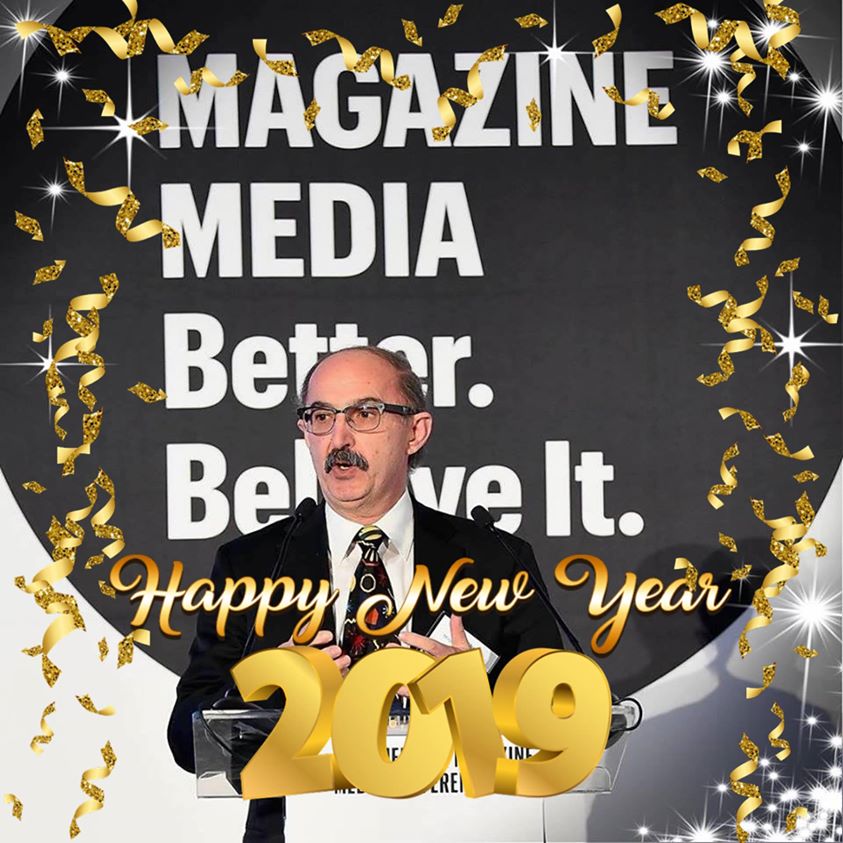
A Happy And Prosperous New 2019 Magazine Year…

December 27, 2018

To all my friends and colleagues in the magazine and magazine media industry, I wish you a very happy and prosperous new magazine year.  May all your plans come to fruition in the coming year and may the magazine and magazine media industries continue to be the most trusted media ever.  Magazine Media. Better. Believe It.

h1

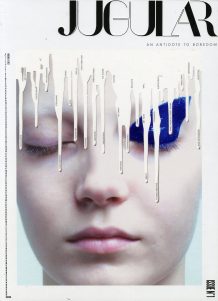
Jugular Magazine: “An Antidote For Boredom” Where The Passionate Connection Between The Brain & The Heart Can Flow – The Mr. Magazine™ Interview With Max Zambelli, Co-Founder & Co-Editor In Chief, Jugular Magazine…

December 18, 2018

A Mr. Magazine™ Launch Story…

 With our idea, the paper for us was unbelievably magical. If you’re doing something on paper, I have an opportunity for you to touch and discover my magazine page by page. Today, there is every resource available, from Instagram to all things digital, but for us, for the message we want to give, it would be impossible on anything other than paper. Paper is expensive, but we believe that this is the way for us.” Max Zambelli (On why they chose print for Jugular in this digital age)…

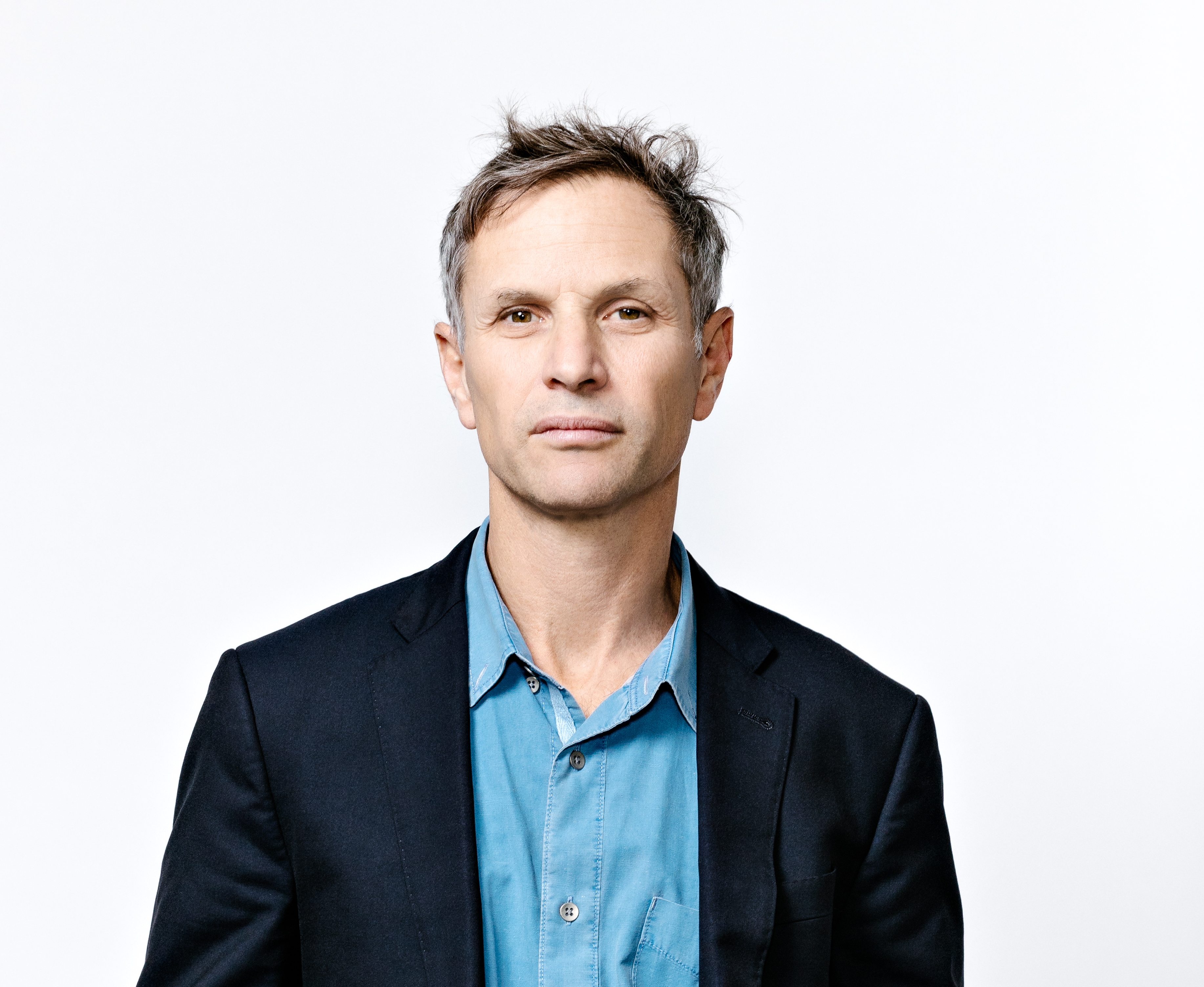
 Jugular Magazine is an editorial project, a flat screen “Manifesto,” a mammoth idea characterized by a special and innovative layout. Co-founder and Co-Editor in Chief Max Zambelli said Jugular was born out of the desire to tell real and uncontaminated stories filtered through one of the keywords of the 21st century: DESIGN. Design as the perfect balance between shape, content and substance; where products and experiences merge to convey harmony, beauty, curiosity and emotions at sight, at touch and to the soul.

I spoke with Max recently via Skype from Milan, Italy,  and we talked about this beautiful project that was born out of the passion of people who wanted to go deeper into the story, deeper into the design, and hit that “jugular” where the blood flows passionately between the brain and heart. And just speaking with Max, I could hear his passion for this project, that by the way, already has a death date of 09/15/2023. Unique certainly, as the magazine is. Max said the death date is to remind them to always be different and to remember that the moment now is all that’s important. Be different, be unique and do it now, in the moment. And being a photographer himself, Max feels the creativeness of each image and story that goes into the magazine.

So, I hope that you enjoy this very passionate look into the Jugular and that you feel that flow of uniqueness that runs between mind and heart that touches deeply into each story and image that the magazine brings to its pages. And as a photographer first and an editor second, Max brings total beauty to those depths. And now the Mr. Magazine™ interview with Max Zambelli, co-founder and co-editor in chief, Jugular Magazine.

 But first the sound-bites:

On the concept of Jugular:The Jugular concept arrived because of two people meeting, Lucia Braggion, an interior photographer and Maurizio Marchiori, who comes more from the business side, so two people with a completely different mindset, completely different thinking, with one, more on the production of the image, and Maurizio more on the marketing side. We met in New York, even though we’re both from Italy, and we started talking about why today’s editors are so commercial and they become so poor about ideas. Maybe the new generations of magazines they became very specialized and you can find a fantastic magazine maybe for a skateboarder or a surfer, but specialty in the arts, in design, in architecture; we want Jugular to go a little bit deeper.

On why they have already decided to close the magazine in five years:We want to be very clear and very respectful for the people in Jugular, because the world changes so fast and we’re thinking in five years that maybe the project will be perfect for this period. In five years, maybe I can close my eyes, and I can send to you in the mail or walk in the city and maybe advertising can be on my body and maybe I can make a choice without even using the computer. So, how can I say, especially for our clients, for the people reading, we want to do something interesting now.

On why they chose print as the best vehicle for Jugular:With our idea, the paper for us was unbelievably magical. If you’re doing something on paper, I have an opportunity for you to touch and discover my magazine page by page. Today, there is every resource available, from Instagram to all things digital, but for us, for the message we want to give, it would be impossible on anything other than paper. Paper is expensive, but we believe that this is the way for us.

On the biggest challenge they faced when starting Jugular:To make something completely different. I can do a beautiful story about the City because it’s so beautiful and full of energy, and I can use 40 artists to capture the beauty, and then send it to a magazine. And then someone will be glad to buy it and you can read and see it between one advertising page and another. But we want to give to every artist good space to explain what they do. All the artists we worked with were so surprised, no one magazine gives that space. They all wanted copies to send to everyone, agents, everyone. So, doing this is the real challenge.

On creating an interactive print magazine:I tried to explain, even when people ask why did you create this magazine, and I tell them that I love being the editor, that I want them to relax with the magazine, dedicate one hour to themselves maybe every two or three days to enjoy and go deeper and see all of the stories and enjoy the touch of the paper, the different paper we use. So, it’s something that you dedicate to yourself that you will enjoy. Like spending one hour in the spa.

On anything he’d like to add:What the younger people are thinking about Jugular, they’re saying that in this moment of Facebook, Instagram, or whatever, in all of this, even the Internet, it’s very difficult in this fast moment to give a message. So, what we try to do with Jugular is whatever is the age, young or old, we try to do a product where you will enjoy and discover. The feeling about touching something nice, reading something good, it can be food for your eyes.

On what he would have tattooed upon his brain that would be there forever and no one could ever forget about him:This has already happened, because people are surprised about me when they say, you do a magazine? Why? And I say, why? Because unfortunately, at a certain point I was so boring and I put so much energy to a client of mine because I am a photographer and I was working with a magazine on some interiors. And my work is not just to take a picture, my work is my gift to that brand, that magazine. Something more that only Max can do, can give that magazine. And if that magazine treats me like every photographer is the same photographer, it fails my job, my job would be done.

On what keeps him up at night:I have just one word: passion. The passion for my work; the passion I have for Jugular, because through Jugular I am a different photographer. I have changed completely. Four years ago, I was just a commercial photographer. And I was working to make money. Now I am a different photographer and especially during this period, I think I make very good quality. And  a very high quality picture is not easy. And the image in this moment has to be very strong. And sometimes I can’t sleep because of this and I am always looking for something new and something right for Jugular.

And now the lightly edited transcript of the Mr. Magazine™ interview with Max Zambelli, co-founder and co-editor in chief, Jugular Magazine.

Samir Husni: Congratulations on this mammoth magazine. I had to pay extra weight coming back from New York after buying it on the newsstand. (Laughs)

Max Zambelli: I am so sorry. (Laughs too)

Samir Husni: But it is a gorgeous idea. Everyone who knows me knows that I always say that we were born to die, and you have put those words into action by actually giving the death date of this magazine: 09/15/2023, which is five years from now. So, tell me about the concept of Jugular.

Max Zambelli: The Jugular concept arrived because of two people meeting,one,an interior photographer, and then Maurizio Marchiori, who comes more from the business side, so two people with a completely different mindset, completely different thinking, with one, more on the production of the image, and Maurizio more on the marketing side. We met in New York, even though we’re both from Italy, and we started talking about why today’s editors are so commercial and they become so poor about ideas. Maybe the new generations of magazines they became very specialized and you can find a fantastic magazine maybe for a skateboarder or a surfer, but specialty in the arts, in design, in architecture; we want Jugular to go a little bit deeper.

We couldn’t find a very exclusive eye-level, quality magazine, because most of the time the very famous, if you will, people – I’ll give you an example, if you’re thinking about décor or if you’re thinking about ideas, they miss a little bit because they want to be a bit more facial, they want to be a bit more architectural, they want to be everything, but they lose their way. So, what we are doing when we think of doing something completely different, the phrase “an antidote to boredom” can be a little bit spoiled, as though we are the best and the rest are nothing, but it’s not that. We have a very big respect for all of the magazines, but we’re thinking again in this space, put the human being in the middle of the project, this was our first thought, because in this digital moment we are so fast and so furious, a lot of people don’t have time to discover a store or catch things at the end, such as in the music business, now they have discovered the LP because of the sound. Maybe to some this is old, but it’s not a question of being old, it’s that it’s more deep, deepening the concept.

So, with Jugular, the first value we would like to bring is to be very deep, to dedicate to every artist we are going to have the good space to evolve all of the art and what it does, because for us we get emotional. And an editor would like to transmit that emotion to our topic and maybe people will discover the magazine and they will open it. That’s why even the word “Jugular” is the very important vein that connects the brain to the heart, and you have a very big emotion. Your heart pumps very hard and the jugular vein carries that blood. It’s not just a question of passion, but it’s a connection of the brain and the heart. We call the magazine Jugular because we want to give to that passion to our readers.

To be a magazine right now, you have to be a bit ignorant, but curious. Because you can get everything new in your life, but the attitude today is for the magazine to explain its heart, explain its concept. And being an editor for me is to listen to people. I am a born photographer who will die a photographer, maybe I won’t die an editor, (Laughs) but every time I begin a job – a lot of photographers get started because they have a creativity, their own style; I don’t carry my own style because if I have to do a job or a story and I have to get the best of you, first of all, I have to listen to you. What is your concept; what is your idea; why do this when I should do that? And Jugular has that base.

First of all, it has the passion to put on the paper and we’re a very high quality, high level of print. It’s not just a good visual thing, but a concept, because when we’re looking around, so many times we say, every six months we come out and maybe we are to give an idea  of the name of the story we put inside, but on the other hand, we have the feeling, all of the people working for Jugular, they came together and they’re all under a beautiful umbrella called Jugular, because they are unique. We respect the arts. We don’t want to take someone and change them into a Jugular artist. Jugular became Jugular because of the respect of four different people who are involved in Jugular. It’s a feeling. We are in this moment, 2018, we are the mirror of whatever moment we are in.

Samir Husni: Why are you stopping after five years? Why are you exciting me so much with this new magazine (Laughs) and then telling me at the same time that your death date is already known?

Max Zambelli: We want to be very clear and very respectful for the people in Jugular, because the world changes so fast and we’re thinking in five years that maybe the project will be perfect for this period. In five years, maybe I can close my eyes, and I can send to you in the mail or walk in the city and maybe advertising can be on my body and maybe I can make a choice without even using the computer. So, how can I say, especially for our clients, for the people reading, we want to do something interesting now.

All the big companies maybe 20 years ago their project was due in five years, maybe three years ago it was three years, now the project is one year. It’s all short, so even for us. We want to give the best on this five years, do the best project that we can do, so we can be a collectible book, because in 10 years you may see another Jugular and you will enjoy it again. We try to do a unique magazine in the world. And we’re trying to find our way, and our way is very clear. We started a year and a half ago and we came out after some very deep thinking about what we wanted to be. The first number is out now. But in the number two, we have already changed completely because Jugular changes when it meets people. We go so much deeper into the story of the people. And we change our ideas.

From the beginning I said that a magazine has to be like a volcano, because our magma can find people globally, can incorporate this idea, this mindset, and Jugular can become bigger and more beautiful. This is our idea. And the people who read Jugular will open it up and say wow. And maybe someone will say I have a friend, a story that will be perfect for Jugular. I want all people to find something in Jugular that’s interesting. This is our goal, so that’s why we’re so different.

I was at a college in London recently, and I’m Italian, and my English is so-so, as you can tell. (Laughs) I was thinking about our community with Jugular, and a professor after seeing the magazine told me, it’s not correct to say community, because community means a bunch of people who are all the same. And Jugular is not that, because Jugular contains a very elaborate and talented group of people, but completely different. So, for us right now that was the best compliment for us. Under the Jugular umbrella, they can survive and they can stay completely different artists, architects, designers or whatever and Jugular can make a very high-level magazine with these different people. They can speak different languages and have very different thinking. And that is a very big compliment for us.

Samir Husni: In this digital age, why did you decide that print would be the best vehicle for Jugular?

Max Zambelli: With our idea, the paper for us was unbelievably magical. If you’re doing something on paper, I have an opportunity for you to touch and discover my magazine page by page. Today, there is every resource available, from Instagram to all things digital, but for us, for the message we want to give, it would be impossible on anything other than paper. Paper is expensive, but we believe that this is the way for us.

Samir Husni: What was the biggest challenge that you and your partner faced when starting Jugular and how did you overcome it?

Max Zambelli: To make something completely different. I can do a beautiful story about the City because it’s so beautiful and full of energy, and I can use 40 artists to capture the beauty, and then send it to a magazine. And then someone will be glad to buy it and you can read and see it between one advertising page and another. But we want to give to every artist good space to explain what they do. All the artists we worked with were so surprised, no one magazine gives that space. They all wanted copies to send to everyone, agents, everyone. So, doing this is the real challenge.

And we love it when the artists we put in the magazine are discovered by readers, it’s one of the best compliments we get to hear people in Miami say they saw the magazine in New York and maybe the shop they saw it in has three to five copies and they sold out in just one month. This is the best compliment that could be given to us.

Samir Husni: You’ve managed to create an interactive printed magazine, you can’t just sit down and read it, you have to get involved with the pages.

Max Zambelli: Yes, I tried to explain, even when people ask why did you create this magazine, and I tell them that I love being the editor, that I want them to relax with the magazine, dedicate one hour to themselves maybe every two or three days to enjoy and go deeper and see all of the stories and enjoy the touch of the paper, the different paper we use. So, it’s something that you dedicate to yourself that you will enjoy. Like spending one hour in the spa.

Samir Husni: Is there anything you’d like to add?

Max Zambelli: What the younger people are thinking about Jugular, they’re saying that in this moment of Facebook, Instagram, or whatever, in all of this, even the Internet, it’s very difficult in this fast moment to give a message. So, what we try to do with Jugular is whatever is the age, young or old, we try to do a product where you will enjoy and discover. The feeling about touching something nice, reading something good, it can be food for your eyes.

Samir Husni: If you could have one thing tattooed upon your brain that no one would ever forget about you, what would it be?

Max Zambelli: This has already happened, because people are surprised about me when they say, you do a magazine? Why? And I say, why? Because unfortunately, at a certain point I was so boring and I put so much energy to a client of mine because I am a photographer and I was working with a magazine on some interiors. And my work is not just to take a picture, my work is my gift to that brand, that magazine. Something more that only Max can do, can give that magazine. And if that magazine treats me like every photographer is the same photographer, it fails my job, my job would be done.

I believe in creativity. You have to do it for money, because you have to survive and pay your bills, but it’s completely different if you have a dream and you get the money through your dream. Jugular is a valuable product because I am doing it with my heart and with my passion and that is unique. And being an editor is completely different. I was just saying that in the last year and a half I did so many things, I learned about marketing and selling advertising and presenting a concept. Being an editor is something completely different.

I can tell you a story about when I received the first copy of Jugular in my hand, the printer gave it to me and I opened it up and I saw every single page and after I had finished, I went into the corner and cried for five minutes because of the attention to detail, and I had been so stressed and so tired because it had been an unbelievable amount of work. And after five minutes I started thinking, okay now I have the product, what was I going to do next, because if you print only 3,000 copies, the world is so big and even if you say it’s a very special project, how can Jugular be in this world? So, we started thinking we would do a communication platform with this. So, it’s not just a good product, but it has to be a good platform for communication, because without that we cannot survive. It’s just too small of a project. I want people to enjoy Jugular and to have more and more people under our umbrella.

Samir Husni: My typical last question; what keeps you up at night?

Max Zambelli: I have just one word: passion. The passion for my work; the passion I have for Jugular, because through Jugular I am a different photographer. I have changed completely. Four years ago, I was just a commercial photographer. And I was working to make money. Now I am a different photographer and especially during this period, I think I make very good quality. And  a very high quality picture is not easy. And the image in this moment has to be very strong. And sometimes I can’t sleep because of this and I am always looking for something new and something right for Jugular.

Samir Husni: Thank you.
 

h1

House Beautiful Magazine Brings “Open House” To Its Pages, Beckoning One & All To Come Inside To Learn & Enjoy The Beauty And Importance Of Design – The Mr. Magazine™ Interview With Joanna Saltz, Editor In Chief…

December 14, 2018

“I am truly, staunchly against telling the same story on all platforms. There’s a reason that a video exists and we should use that platform to the best of its ability. But there is also a reason that print exists, and it should be all about beautiful and sumptuous photos, and it should be about great stories and great storytelling. The one and the other should influence each other, but never copy.” Joanna Saltz…

 “With House Beautiful, for me this brand has stayed around for so long because people trust it. They trust it and they believe in it, they know it has great taste, great advice and great service. And what I’d like to do with House Beautiful is show how that can really play out in a video space. Show great detail, show great artisanship, show amazing skill, but also great service. For me, House Beautiful can play beautifully on both platforms. I still care deeply about the print product, because that is the thing that invades people’s homes every month and I want to make sure that we earn that space in people’s houses. But I also feel like House Beautiful, taking that trust and building a brand on the digital side is going to be such an extraordinary adventure.” Joanna Saltz…


At more than 120 years old, House Beautiful magazine is an interior design staple in the world of home design. It is a well-trusted and treasured brand that people have turned to for design tips and inspirational ideas for generations. And it is still a growing and thriving publication that has a strong digital footprint as well, proving that print and digital together can certainly manifest as a force to be reckoned with.

Joanna Saltz is the editor in chief of both the print and digital faces of the brand. Hired originally as the  editorial director of the brand’s website, where she oversaw the development and relaunch of the site in June, she is now guiding the vision of all of its platforms and loving every minute of the exciting longevity of the legacy brand.

Joanna’s first print issue will be the January/February 2019 edition, which hits newsstands in early January. I spoke with Joanna recently and we talked about the new “Open House” concept of the brand that she has created and her new editors letter concept, where she had a roundtable with five designers, a talented group of people who spoke openly and honestly about the world of design and its importance.  Joanna said her vision for House Beautiful was a warm, welcoming place where all people were invited inside, not just the designer elite. And she added that the January/February issue will speak to how they are trying to create more intimacy within the pages, but also more actionable advice and learning.

It’s exciting times for the legacy brand and exciting times for its editor in chief. And now without further ado, the Mr. Magazine™ interview with Joanna Saltz, editor in chief, House Beautiful.

But first the sound-bites:

On how it feels to be editor in chief of a brand more than 125 years old: I think the best word is overwhelming, but exciting. I feel an extraordinary responsibility to carry this brand forward. For so long House Beautiful has been a beacon of great design. Over the years it has launched great careers; it has reported on amazing trends; it’s really been the touchstone of interior design for so many people. And I would love for my chapter to speak to those real tent poles of this brand.

On whether she thinks digital has the same staying power as some of the print brands, such as House Beautiful, that has been around for generations: For me, it’s less about the medium and more about the relationship that you have with your audience. I have been a print editor for a long time; I was a print editor for 17 years and then I took over Delish. And what I wanted to create for Delish was, I wanted to make it a comforting, fun place for people to learn how to get to know food. I wanted to create recipes that felt engaging; I wanted to invite people in that didn’t fancy themselves chefs.With House Beautiful, for me this brand has stayed around for so long because people trust it. They trust it and they believe in it, they know it has great taste, great advice and great service. And what I’d like to do with House Beautiful is show how that can really play out in a video space. Show great detail, show great artisanship, show amazing skill, but also great service.

On what readers can anticipate from the Jan./Feb. issue, her first editorially led issue of House Beautiful: I want House Beautiful to be a place where great design ideas meet. And what I mean by that is, engaging interior designers  in conversation, getting advice from them, making people understand the importance of interior designers in this universe. You will see great, beautiful service. I think that there is a lot to be learned in the home design space right now. We assume a lot of knowledge in our reader, but frankly, I think there is a lot of bad information out there in the universe about what you should be investing in your home. About how furniture is made or what makes a great quality carpet or why you should spend a little bit more on X, Y, and Z.  You save a little bit here, but you could spend a little bit more here. So, you’ll see a lot more beautiful service come to life on the pages.

On her role as editor in this digital age: To be honest with you, for House Beautiful, I feel like my job is host, in that I am inviting people of all opinions, of all aesthetics, of all design styles and ideals, to come in and talk about what makes their point of view different, important, engaging, interesting, and adventurous, all of those things. House Beautiful will not, and should not be, Joanna Saltz’s ideas for how you should design your home. This is an open forum for great ideas and influencers.

 On her first Letter From the Editor: My editor’s letter, starting with the first issue, will be what I’m calling an Open House, which is a roundtable of me and five designers, designers who frankly have very different points of view, very different client bases, very different aesthetics, to talk about a topic. Our first issue, we talk about change and why it’s so scary, why it’s so loaded, why it’s so overwhelming to some people, but also how do you know it’s time to change. How do you know the change is the right move you made or how do you know you should change some things and not others?For me, hearing the conversation is so fascinating and is something that you don’t normally get  to see in interiors magazines. Again, because I truly believe that stories can travel farther than pictures. A story is something that I can share with you over the dinner table.

On how she is going to translate the print stories into digital: What I love about the different platforms is the way they tell the story differently. For me, the digital side comes to life through process or through craftsmanship; it comes to life through seeing spaces with a different sort of perspective. The example that I keep using is this extraordinary wallpaper company, Phillip Jeffries, and how they make this amazing grass cloth. It’s made in Japan and these men hand weave this grass literally into grass cloth. And then they lay it out, they dry it; they just have the whole process. And when you see it come to life on video, no form of print could show what this video can show. That said, print shows these pictures in the most beautiful and exceptional way, so you see this extraordinary video of this stuff coming together on the video and then you see the way it’s applied, the way an amazing interior designer applies it to someone’s bedroom, that to me is the connection of  the two.

On her biggest challenge: There are a few different challenges, I’ll be honest. The attention span is something to definitely be aware of. I left print three and a half to four years ago, and frankly, it’s not the same as it was. And that’s a very short while ago. (Laughs) But I feel like the reader has changed dramatically. And so even now, as I’m pulling together the House Beautiful issue, I can tell that display copy can’t be the same, that we have a different tolerance for the way that we need to invite people into the pages.So for me, one challenge is making sure that every page has an entry point and a way to draw people in. That’s something that is super important.

On whether she feels more at ease being over both print and digital or she enjoyed it more when she was just in charge of House Beautiful’s digital space: It’s easier to control a brand’s whole vision when you’re managing both platforms or all of the platforms. So, on the one hand I do feel like I can send a more unified, 360 degree message about the brand this way. I will say that I am building a fully integrated team and teaching the digital people print and teaching the print people digital is a very fun activity. (Laughs) If my boss is listening, it’s a very fun activity. It’s a great exercise in understanding the best of all of the platforms and using the best of both platforms on either side, I have to say.

On whether it was easy or hard to balance both print and digital: No, it was extremely hard. Actually, it’s funny because I used to think it was hard to go from print to digital, and that was the step I took from my former job to Delish. Day one of Delish was like, can someone tell me where the unique view is? Literally, I was walking around with that deer in the headlights look. Going back from digital to print, it’s almost harder, because certainly with print you have a finite amount of space, you need to make every inch of that page count; you have a lot more pressure engaging your audience, because as you said, things are very distracting. And you are in charge of directing the reader around the page; you as the editor are in charge of that.

On whether her brain finds itself splitting thought processes between House Beautiful and Delish: No, because the two are so different. But they’re so not different too. And a lot of people ask me about working on a food brand and how that positioned me to now work on a home design brand. And it’s funny, there was so much that we used with Delish that were tactile experiences, it was cheese pulls and we used fun music to draw people in and fun little sound-bites at the ends and the beginnings of the videos, but it was always about that experience that you have with food. Home design is no different and the tricks that we’ll need to use to draw people in will be different from Delish, but they’re still tricks. They’re still media tricks that we use to engage audience.

On anything she’d like to add: You asked me the most challenging thing; I think that another challenge is the stakes are higher now than they were when I started Delish. And with Delish, we had nothing. We started with nothing, it was like one million uniques. And we had no real brand identification in the universe and we had nothing to lose. With House Beautiful, this is 120 years of history, there are people who have been reading this magazine for 60 years plus. You have an industry that is so passionate and cares so deeply about the brands within it, but also about each other. And so for me, I just want to do right by all of that. I want House Beautiful to not just survive this shift in media, but to grow and thrive and be influenced, but also to influence. And I am super-excited to get my hands in there. And that’s what keeps me up at night to be honest.

On what she thinks is the biggest misconception people have about her: Well, assuming that people think about me, I think people relate my personal tastes to what my editorial output is. Certainly with Delish, I think everyone thought that I went home and ate cheese and took Jell-O shots all night. (Laughs) Not that there is anything wrong with that, I’m not judging. My editorial strengths lie in communication and service, and helping make difficult concepts easier. And so a lot of what I do here is curate, but also position the content for the audience, and to sometimes try to throw in a couple of things that might surprise and delight, but also try to teach them things, which is a lot of what I’ve been talking about. I think people would be surprised to learn that I care deeply about really healthy food and I don’t actually eat a lot of junk. I love ice cream and drink a lot of Diet Coke, those are my two vices.

On what she would have tattooed upon her brain that would be there forever and no one could ever forget about her: I think I want people to think of me as – what’s that phrase: don’t ask for permission, ask for forgiveness. That’s my mantra. And I think that Troy Young would agree with that statement. So much of what has made me successful, particularly in the Delish space, is just taking a chance, trying something new, trying to be as enterprising as possible, not really having any misconceptions or assumptions about how things are going to work out, be okay with failure, and thankfully I haven’t had to ask for forgiveness that much. (Laughs)

On what someone would find her doing if they showed up unexpectedly one evening at her home: If you’re not catching me yelling at one of my kids, which my daughter brought a bottle of Slime into the living room recently and got it all over the couch, so if you’re not catching me yelling at one of my children, I have three, I love to make things. And it used to manifest itself in baking, I was really into baking for a long time, and I still am a baker, but of late I’ve been changing light fixtures in my bathroom (Laughs), and I made a side table for my living room the other day, and I turned this old pot that my grandmother left me into a planter. I like to get my hands dirty.

On what keeps her up at night: Honestly, I’m a born and bred and deeply rooted people-pleaser. I don’t like to let people down. And with my job here, I don’t want to let the people down who have signed on to join my mission, and I don’t want to let the audience down either. So, that keeps me up at night. Just making sure that I’m doing everything that I possibly can to not let all of the invested parties in this new adventure down.

And now the lightly edited transcript of the Mr. Magazine™ interview with Joanna Saltz, editor in chief, House Beautiful.

Samir Husni: How does it feel to be editor in chief of a brand that’s more than 120 years old?

Joanna Saltz: (Laughs) I think the best word is overwhelming, but exciting. I feel an extraordinary responsibility to carry this brand forward. For so long House Beautiful has been a beacon of great design. Over the years it has launched great careers; it has reported on amazing trends; it’s really been the touchstone of interior design for so many people. And I would love for my chapter to speak to those real tent poles of this brand. The pressure that I feel when I say it often is, “This is my chapter and I’m going to hold it for a little while and then, God willing, someday I’ll pass it along to someone else who will make it their own chapter.” But this brand has always really truly reflected what design is in the United States at that very moment. And I want to continue that tradition.

Samir Husni: And with your background mix of both digital and print, do you envision any digital brand ever being with us 125 years? Do you think digital has the same staying power as some of those print publications?

Joanna Saltz: For me, it’s less about the medium and more about the relationship that you have with your audience. I have been a print editor for a long time; I was a print editor for 17 years and then I took over Delish. And what I wanted to create for Delish was, I wanted to make it a comforting, fun place for people to learn how to get to know food. I wanted to create recipes that felt engaging; I wanted to invite people in that didn’t fancy themselves chefs.

And what I think I’ve done is create a brand that people feel connected to. They feel like they know who we are, they know what our mission is, they understand our perspective on food. And they want to visit us on all of the different platforms. They want to come to our site, they want to go to the Instagram and they want to see our stuff on YouTube.

With House Beautiful, for me this brand has stayed around for so long because people trust it. They trust it and they believe in it, they know it has great taste, great advice and great service. And what I’d like to do with House Beautiful is show how that can really play out in a video space. Show great detail, show great artisanship, show amazing skill, but also great service.

For me, House Beautiful can play beautifully on both platforms. I still care deeply about the print product, because that is the thing that invades people’s homes every month and I want to make sure that we earn that space in people’s houses. But I also feel like House Beautiful, taking that trust and building a brand on the digital side is going to be such an extraordinary adventure.

Samir Husni: If I’m reading page one of chapter one of your House Beautiful, what can I expect to see? The Jan./Feb is your first issue; what can we anticipate?

Joanna Saltz: I want House Beautiful to be a place where great design ideas meet. And what I mean by that is, engaging interior designers  in conversation, getting advice from them, making people understand the importance of interior designers in this universe. You will see great, beautiful service. I think that there is a lot to be learned in the home design space right now. We assume a lot of knowledge in our reader, but frankly, I think there is a lot of bad information out there in the universe about what you should be investing in your home. About how furniture is made or what makes a great quality carpet or why you should spend a little bit more on X, Y, and Z.  You save a little bit here, but you could spend a little bit more here. So, you’ll see a lot more beautiful service come to life on the pages.

But frankly, the thing that I’m most anxious and excited about is bringing intimacy to the pages. I love looking at interiors, but more than looking at interiors, I love hearing the stories behind those interiors. A lot of these interiors start from a place that a lot of us have connections to, they start with a change of a family life, they start with a move or it starts with a problem they need to solve. I have more kids now, I need to have more space. And that’s something that we can all relate to. So, I want to hear what those backstories are.

It’s funny, someone said to me that your relationship with your interior designer is one step below a therapist. And every time I say that story back to a designer, every designer is convinced they’re closer than a therapist. (Laughs) They believe they’re closer to being marriage counselors, so they’re extremely dialed in with their clients and they’re really working around their lives. And that’s something that me, as someone who just wants a beautiful home, that’s something that I can learn from. So, I want to hear those stories.

I heard two stories recently. One was an extraordinary story from a designer, who was creating a space for a woman who had 17 percent lung capacity. And the details that he was giving me about the kinds of work he was having to do around her life experience was so moving and that connection that he has to his client was so beautiful that whether or not you like that interior, that interior connects with every one of us on a thousand levels. And frankly, whether you can walk away from that story with an actual piece of information, you’ll walk away with a story that you want to tell.

I heard another one too; I was meeting with an extraordinary company recently and they were telling me about how they just built a closet for a blind woman and how it was all about the tactile experience of building the closet.

Now, this is not to say that every single story is going to pull on the heartstrings in that way, but when you hear the detailed information that goes into these design decisions, suddenly this offers an entry point for everyone to get in. I want House Beautiful’s doors to be wide open and I want people of all different walks of life to find solace on these pages, because I really do feel that design right now is at such a peak moment. Design is now what food was three or four years ago, we all want to talk about design.

And whether or not I approve of your taste or your design decisions, if you’re willing to talk to me about design, we’ll be good. We can have this conversation, we have an entry point in and now maybe we can teach you a few things or show you a few things that will surprise you or include you.

Samir Husni: How do you see yourself, as a storyteller, a creator, a curator; what’s your job as an editor in this digital age?

Joanna Saltz: To be honest with you, for House Beautiful, I feel like my job is host, in that I am inviting people of all opinions, of all aesthetics, of all design styles and ideals, to come in and talk about what makes their point of view different, important, engaging, interesting, and adventurous, all of those things. House Beautiful will not, and should not be, Joanna Saltz’s ideas for how you should design your home. This is an open forum for great ideas and influencers.

It’s important for me for this brand to include people, because to me design is not just for the creative elite; design is for everyone. And I feel extremely lucky to be able to show people, and give people access to things that maybe they wouldn’t have necessarily have had access to before.

Samir Husni: I heard that you’re doing something with your Letter From the Editor, that you’re putting your words into action. Can you tell me a little bit about that?

Joanna Saltz: My editor’s letter, starting with the first issue, will be what I’m calling an Open House, which is a roundtable of me and five designers, designers who frankly have very different points of view, very different client bases, very different aesthetics, to talk about a topic. Our first issue, we talk about change and why it’s so scary, why it’s so loaded, why it’s so overwhelming to some people, but also how do you know it’s time to change. How do you know the change is the right move you made or how do you know you should change some things and not others?

For me, hearing the conversation is so fascinating and is something that you don’t normally get  to see in interiors magazines. Again, because I truly believe that stories can travel farther than pictures. A story is something that I can share with you over the dinner table. A photo, if I have it on my phone or if I have to describe it to you…but a story can engage people on every platform. So, if I can invite people in and get those stories out of them, then I feel like I will have done my job.

Samir Husni: And how are you going to translate those stories  outside of print, on the digital scale?

Joanna Saltz: What I love about the different platforms is the way they tell the story differently. For me, the digital side comes to life through process or through craftsmanship; it comes to life through seeing spaces with a different sort of perspective. The example that I keep using is this extraordinary wallpaper company, Phillip Jeffries, and how they make this amazing grass cloth. It’s made in Japan and these men hand weave this grass literally into grass cloth. And then they lay it out, they dry it; they just have the whole process. And when you see it come to life on video, no form of print could show what this video can show.

That said, print shows these pictures in the most beautiful and exceptional way, so you see this extraordinary video of this stuff coming together on the video and then you see the way it’s applied, the way an amazing interior designer applies it to someone’s bedroom, that to me is the connection of  the two. This is the storytelling here, you see the beautiful process. And the storytelling in the magazine is, and here’s how you put it into practice. That to me is how you tell the story.

I am truly, staunchly against telling the same story on all platforms. There’s a reason that a video exists and we should use that platform to the best of its ability. But there is also a reason that print exists, and it should be all about beautiful and sumptuous photos, and it should be about great stories and great storytelling. The one and the other should influence each other, but never copy.

Samir Husni: What do you think is your biggest challenge today? Is it your readers’ attention span, or is all just a walk in a rose garden for you?

Joanna Saltz: No, not at all. There are a few different challenges, I’ll be honest. The attention span is something to definitely be aware of. I left print three and a half to four years ago, and frankly, it’s not the same as it was. And that’s a very short while ago. (Laughs) But I feel like the reader has changed dramatically. And so even now, as I’m pulling together the House Beautiful issue, I can tell that display copy can’t be the same, that we have a different tolerance for the way that we need to invite people into the pages. So for me, one challenge is making sure that every page has an entry point and a way to draw people in. That’s something that is super important.

From a House Beautiful perspective, this brand has done an extraordinary job of speaking to designers and design files, people who are really knowledgeable and get a lot of inspiration from these pages. My challenge will be to continue to engage them with ideas and concepts and visuals that a design file would be surprised by. But also on the other side, engage a new audience of people who maybe didn’t feel super-comfortable dancing in House Beautiful before.

Opening those doors up, as I said before, to people who maybe have a little bit of an active interest in design, and maybe they come in here and see some things that make them feel comfortable and maybe see some things that make them feel overwhelmed, but all in the name of learning about what a good design is.

So, my challenge will really be to balance those two sides of the scale, and hopefully I think we can all learn something from design. I am always skeptical of people who don’t think they have something to learn. Knowledge to me is currency. And it’s the way I’ve driven myself through my career. I’ve taken lateral moves because I feel like the new job that I wanted to take on was teaching me something new and experiential. And I just believe that House Beautiful can be such a place of educating the consumer on a lot of levels, surprising people who have a lot of experience, but also just make it a warm, welcoming place for people who love design.

Samir Husni: Mentally speaking, do you feel more at ease being the editor in chief over both digital and print, or your fun days were when you were the digital person only and now you have the responsibility of both?

Joanna Saltz: It’s easier to control a brand’s whole vision when you’re managing both platforms or all of the platforms. So, on the one hand I do feel like I can send a more unified, 360 degree message about the brand this way. I will say that I am building a fully integrated team and teaching the digital people print and teaching the print people digital is a very fun activity. (Laughs) If my boss is listening, it’s a very fun activity. It’s a great exercise in understanding the best of all of the platforms and using the best of both platforms on either side, I have to say.

I do think that digital people generally know how to write headlines that engage audiences, print people are extraordinarily good at creating content with such depth and precision and beauty. And I think that both sides have a lot to learn from each other. And that is the one thing that we’re all coming together around. It’s creating amazing content and using the best of all of the platforms to create that content.

Samir Husni: Judging by your experience, was it an easy thing to do, balancing those two, or was it difficult?

Joanna Saltz: No, it was extremely hard. Actually, it’s funny because I used to think it was hard to go from print to digital, and that was the step I took from my former job to Delish. Day one of Delish was like, can someone tell me where the unique view is? Literally, I was walking around with that deer in the headlights look. Going back from digital to print, it’s almost harder, because certainly with print you have a finite amount of space, you need to make every inch of that page count; you have a lot more pressure engaging your audience, because as you said, things are very distracting. And you are in charge of directing the reader around the page; you as the editor are in charge of that.

On a phone or a computer screen, there’s one direction to go, it’s up and down and that’s it. On a page, there’s a million directions, a million ways that we can go, so teaching a digital editor to understand the real estate of a print page, the way your audience enters and exits a page, it’s a much more nuanced lesson. And frankly, I am kind of having to reteach myself in a lot of ways.

My experience at Seventeen taught me a lot about that, because in a lot of ways teenaged girls who were reading the magazine were reading a magazine for the first time, they were young. So, you were really sort of creating pages and stories where you were almost giving them a roadmap. Every story had to be a roadmap and you had to very clearly mark where to enter and then direct them where to go next. I think that experience has really helped me with this, because I think that digital editors are fantastic and digital editors at Hearst, they have special talents here. But crafting storytelling and crafting storytelling for the page is a challenge.

Samir Husni: Do you find yourself thinking about House Beautiful and then another part of your brain is thinking about Delish?

Joanna Saltz: No, because the two are so different. But they’re so not different too. And a lot of people ask me about working on a food brand and how that positioned me to now work on a home design brand. And it’s funny, there was so much that we used with Delish that were tactile experiences, it was cheese pulls and we used fun music to draw people in and fun little sound-bites at the ends and the beginnings of the videos, but it was always about that experience that you have with food. Home design is no different and the tricks that we’ll need to use to draw people in will be different from Delish, but they’re still tricks. They’re still media tricks that we use to engage audience.

And whether that’s through a gorgeous blanket or a rug or wallpaper or something, or through an amazingly funny and charming interior designer who has great responses, or through a beautiful story that touches your heart, we’re going to use all of those same touchstones through all of our different platforms, they’re just manifesting themselves differently. So, the brain is the same, it’s the execution and the output that’s really the difference. It just comes down to how you communicate with your audience.

Samir Husni: Is there anything else you’d like to add?

Joanna Saltz: You asked me the most challenging thing; I think that another challenge is the stakes are higher now than they were when I started Delish. And with Delish, we had nothing. We started with nothing, it was like one million uniques. And we had no real brand identification in the universe and we had nothing to lose. With House Beautiful, this is 120 years of history, there are people who have been reading this magazine for 60 years plus. You have an industry that is so passionate and cares so deeply about the brands within it, but also about each other. And so for me, I just want to do right by all of that. I want House Beautiful to not just survive this shift in media, but to grow and thrive and be influenced, but also to influence. And I am super-excited to get my hands in there. And that’s what keeps me up at night to be honest.

Samir Husni: What do you think is the biggest misconception people have about you?

Joanna Saltz: Well, assuming that people think about me, I think people relate my personal tastes to what my editorial output is. Certainly with Delish, I think everyone thought that I went home and ate cheese and took Jell-O shots all night. (Laughs) Not that there is anything wrong with that, I’m not judging. My editorial strengths lie in communication and service, and helping make difficult concepts easier. And so a lot of what I do here is curate, but also position the content for the audience, and to sometimes try to throw in a couple of things that might surprise and delight, but also try to teach them things, which is a lot of what I’ve been talking about.

I think people would be surprised to learn that I care deeply about really healthy food and I don’t actually eat a lot of junk. I love ice cream and drink a lot of Diet Coke, those are my two vices. But I don’t tend to eat all of the things you see on Delish all of the time. And certainly on the design side, I care deeply about quality in the home and spending money where I need to spend money there. So, I would say that the tastes they see on all of my different platforms directly correlate to my own personal tastes at home. I’m just a storyteller.

Samir Husni: If you could have one thing tattooed upon your brain that no one would ever forget about you, what would it be?

Joanna Saltz: I think I want people to think of me as – what’s that phrase: don’t ask for permission, ask for forgiveness. That’s my mantra. And I think that Troy Young would agree with that statement. So much of what has made me successful, particularly in the Delish space, is just taking a chance, trying something new, trying to be as enterprising as possible, not really having any misconceptions or assumptions about how things are going to work out, be okay with failure, and thankfully I haven’t had to ask for forgiveness that much. (Laughs)

Thankfully I work in an environment where that kind of entrepreneurship is extremely valued. I’ve always said this about Troy Young, that a lot of bosses say they want innovation, but are too afraid to take chances. And I would say that Troy is someone who appreciates people who are thinking outside of the box. He cultivates a culture of that here. He doesn’t want to know why something didn’t work out, he wants to know what your thought process was behind trying it in the first place. And I love that about working for him.

Samir Husni: If I showed up unexpectedly at your home one evening after work, what would I find you doing? Having a glass of wine; reading a magazine; cooking; watching TV; or something else? How do you unwind?

Joanna Saltz: If you’re not catching me yelling at one of my kids, which my daughter brought a bottle of Slime into the living room recently and got it all over the couch, so if you’re not catching me yelling at one of my children, I have three, I love to make things. And it used to manifest itself in baking, I was really into baking for a long time, and I still am a baker, but of late I’ve been changing light fixtures in my bathroom (Laughs), and I made a side table for my living room the other day, and I turned this old pot that my grandmother left me into a planter. I like to get my hands dirty. I’m not a DIY’er, I would not say that about myself. I can see things in my head much clearer than anything ever turns out, but I like to tinker. So, if I’m not cooking, I’m making something.

Samir Husni: So, can we say through osmosis the pages of House Beautiful and Delish are coming alive through you? (Laughs)

Joanna Saltz: They’re coming through my hands. (Laughs too) And that is basically what’s happening. I have access to so much incredible stuff in this position, so many amazing design ideas, but even suddenly in that conversation that I had with the interior designers, one of them had said something amazing about how everybody’s rugs were too small, stop using small rugs. So, now I’m on this crazy hunt for bigger rugs. (Laughs) You’ll catch me running around the house making and doing and my husband rolling his eyes as though saying please stop turning the house upside down. And the designer is completely accurate, every rug in my house is too small.

Samir Husni: My typical last question; what keeps you up at night?

Joanna Saltz: Honestly, I’m a born and bred and deeply rooted people-pleaser. I don’t like to let people down. And with my job here, I don’t want to let the people down who have signed on to join my mission, and I don’t want to let the audience down either. So, that keeps me up at night. Just making sure that I’m doing everything that I possibly can to not let all of the invested parties in this new adventure down.

I don’t sleep that well, and there have been quite a few nights where I’ve been thinking a lot of things through. It’s humbling to see the people who have taken a leap of faith to join me on both brands. It’s humbling to see the leap of faith that the executives of this company have taken with me. And I want the audience  to believe in me. And that’s something that I don’t stop thinking about truthfully.

 Samir Husni: Thank you.
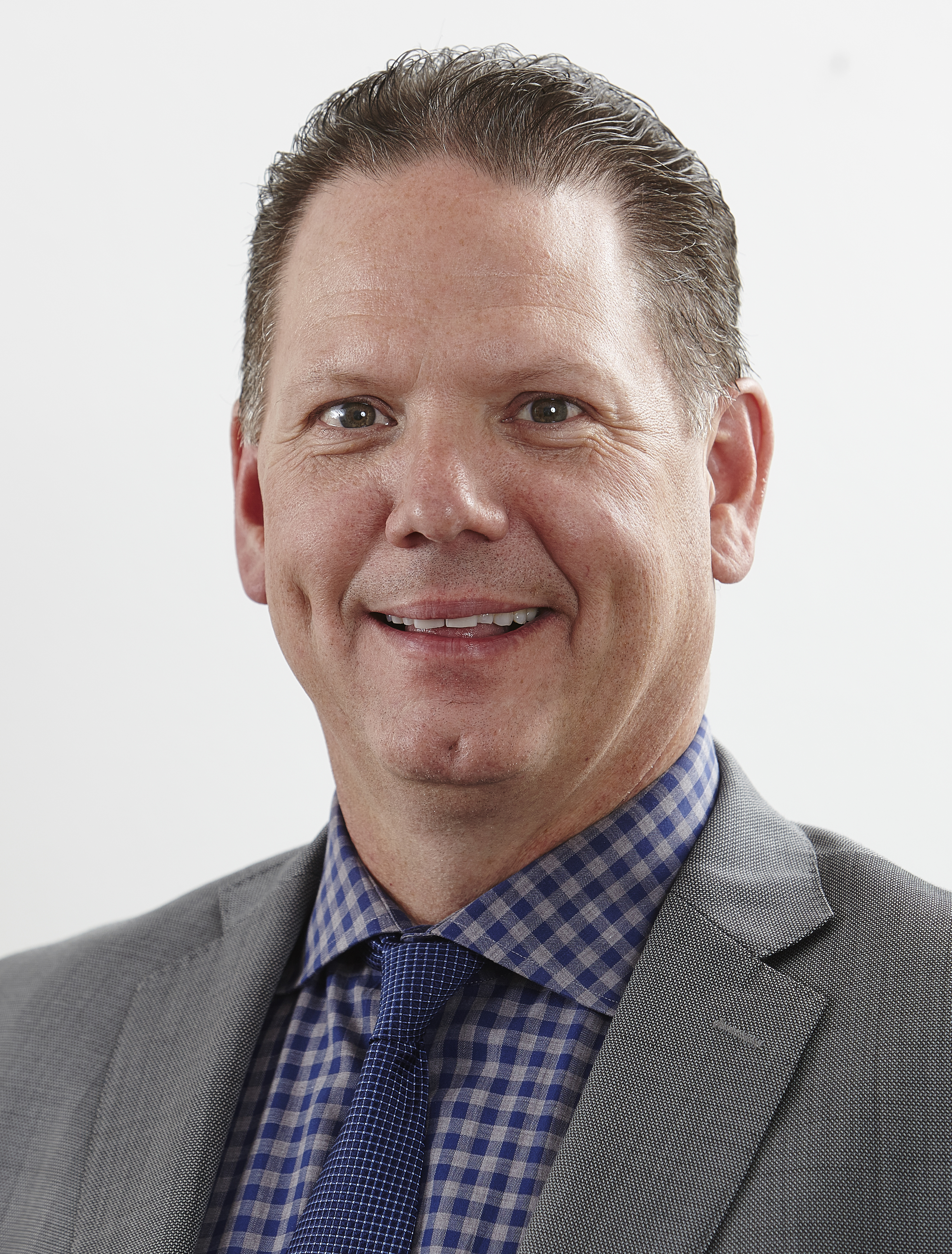
h1

Strung Magazine: For Both The Armchair Adventurer & The Seasoned Outdoor Enthusiast, Strung Magazine Takes You to “Life At The Treeline” And Captivates You Into Staying There – The Mr. Magazine™ Interview With Tyler Justice Allen, Editor In Chief…

December 10, 2018

A Mr. Magazine™  Launch Story…

“We decided to go with a print publication because we wanted to create something that would leave a lasting impression on the reader. We went with an oversized format, Strung is 9.5 x 12 inches, so it’s a full inch taller and wider than you’ll find most publications. And it’s printed on heavy grade, not finished paper. So, we wanted to create something that was almost akin to a coffee table book.”… Tyler Justice Allen on why they chose print in a digital age.


Strung Magazine* is a new title from the same people who brought you Tail Fly Fishing Magazine, only Strung is dedicated to considerably more outdoor activities and sports than just fly fishing. As its tagline entices, Strung shows you that passionate, yet slightly dangerous “life at the treeline” and begs you to glance down from those lofty heights, throwing caution to the wind as you follow your outdoor passions. From hunting to fishing, rock climbing to snowboarding, Strung takes you on that ultimate adventure with beautiful photography and great storytelling.

For truth in reporting purposes, Mr. Magazine™ would just like to mention that I have worked with the publisher of Strung, Joseph Ballarini, on Tail Fly Fishing Magazine, so I am familiar with the passion that the people behind this magazine have. And Strung is definitely about passion, and according to editor in chief, Tyler Justice Allen, that passion for many outdoor endeavors is what makes the magazine stand out from all the others.

I spoke with Tyler recently and we talked about this new title that aims to put another option in the outdoor space when it comes to untamed adventure. Tyler said they chose print for their new magazine because they wanted to leave an impression upon their readers, and what better way to do that than with the feel and texture of the oversized book that would look so fantastic on anyone’s coffee table. It’s an experience-filled publication that also gives its readers an unforgettable experience, and it’s exactly what print should be about in this day and age.

So, join me for an exciting glimpse at “life at the treeline” as we get good and “Strung” on wild, outdoor adventure with Tyler Justice Allen, editor in chief, Strung Magazine.


But first the sound-bites:

On how Strung began:A little over a year ago, Joseph Ballarini and I were talking about creating a new magazine that was focused primarily on freshwater fishing, but also brought in other elements of the outdoor lifestyle. In that Strung was born. And we were able to create a publication that was targeting folks that pursue more than one outdoor activity. And in the case of Strung, we ended up going after the people who may engage in fly fishing, responsible hunting, rock climbing, alpine climbing, paddle sports, be it rafting or kayaking, as well as having a strong focus on wildland stewardship and conservation.

On the name Strung:I was trying to come up with a name that pertained to a variety of different outdoor endeavors, and we stuck with Strung because it pertained, one – to fly fishing, if you think about stringing up a fly rod, it pertained to bow hunting, a bow is strung, and also when you’re rock climbing and you are between pieces of protection, it’s referred to being “strung out,” so it’s related to three of the things that we’re focusing on.

On the magazine’s unique tagline:“Life at the treeline.” That was something that Joe and I developed when we were first coming up with the concept of Strung. For us, life at the treeline is living life right on the edge, right where things start to change. And up on a mountain, the treeline signifies the boundary between the safer, lower slopes and the more dangerous exposed areas in the Alpine area. So, it seemed fitting for our audience and with what we were doing.

On why they decided on a print publication in this digital age:We decided to go with a print publication because we wanted to create something that would leave a lasting impression on the reader. We went with an oversized format, Strung is 9.5 x 12 inches, so it’s a full inch taller and wider than you’ll find most publications. And it’s printed on heavy grade, not finished paper. So, we wanted to create something that was almost akin to a coffee table book.

On what differentiates Strung from the rest of the outdoor magazines on the market:And what makes Strung a bit different from the other outdoor magazines out there is we are tackling such a variety of outdoor endeavors that we’re unique just in that right. Most magazines are covering one or two different sports, you have large fly-fishing publications that are focused exclusively on that sport; you have hunting publications; then you have publications similar to Outside Magazine, for example, that does look at a variety of outdoor sports and recreation, but they don’t bring a fly fishing or responsible hunting component into the fold. And that’s where you find us. We’re trying to bring all of these together and I haven’t seen another publication that is really trying to tackle all of them.

On what he thinks the fascination with magazines and with print is for his magazine publisher, Joe Ballarini, since he is an emergency room doctor first:That’s a great question and I can only speculate, but I think it offered a great outlet for Joe’s creative side. Being an emergency room doctor you’re looking at things that may be very black and white, and you’re not necessarily able to utilize the creative side of your brain and utilize any sort of creative agency that you might want. So, being able to create these two publications, Strung and Tail Fly Fishing Magazine, it really gives him a chance to flex that side of his brain and do something a little bit different.

On the most pleasant moment for him in launching Strung:The most pleasant moment honestly has come in probably the last seven or eight days when our contributors, advertisers, and VIP’s started to receive the magazine and the feedback that we have begun to get. We had a pretty good idea that we had created a quality publication, but we weren’t entirely sure how it was going to be received. And as people are getting it, we’ve heard nothing but wonderful feedback. And that has definitely been validating for us.We’ve been working on this initial issue for almost a year now, and to have it finally come to fruition and be as attractive and of this caliber of quality as we could possibly imagine, has been very fulfilling. And it’s good to know that we were able to create something of this quality and to know that we’re just going to get better from here.

On if it took them a year to create the first issue, how long will it take to create the second issue: I’m actually almost finished with our second issue. I have been working on multiple issues at a time, just trying to get ahead of the game and make sure that we have adequate content moving forward. Content collection is not always the easiest thing and I’m a bit of a stickler for ensuring what we put into the magazine is the highest quality content that we could have and that means time, so if I’m able to work on two or three issues at a time and collect content along the way it just means we’re going to have a better final product.

On anything he’d like to add:I hope that folks are willing to give Strung a try. It’s a beautiful magazine and hopefully people will enjoy the variety of content that we’ve been able to include. We have some wonderful well-known contributors, incredible photographers that we have working with us, as well as newer players, newer folks who are just getting established and that I can guarantee you are going to be big names as they get their foot in the doors.

On the biggest misconception he thinks people have about him:I think people may assume that all I typically do with my time is fish and work, but I do other things. I made a little bit of a name for myself  in the fly fishing world and have worked in a variety of roles in the fly fishing industry over the past eight or nine years. But as much as I love to fish, there are other things that I do just as much if not more frequently. I consider myself to be a hunter as well as a rock climber, as well as an alpine climber, as well as a snowboarder, as well as a kayaker; I’m not a one trick pony. I try and do a lot of things with my time.

On what he would have tattooed upon his brain that would be there forever and no one could ever forget about him:That whatever he undertakes to do is going to be done with maximum effort. My personal mantra is anything worth doing is worth doing right. And I don’t want to do anything halfheartedly. I would rather not do it at all than do something halfheartedly. So, if it’s coming from my hands or from my brain, you can be assured that it was my best effort.

On what someone would find him doing if they showed up unexpectedly one evening at his home:You still might find me fly tying or more commonly, hanging out with my dog and my wife. I do enjoy cooking. I cooked professionally for a number of years after I got into the fly fishing industry, because I needed to do something to make ends meet and I still very much enjoy cooking for my family, fly tying, reading, and brewing beer when I can.

On what keeps him up at night:Deadlines; in the end, it’s deadlines. There are a lot of things to be concerned about in the world right now, with the current state of political affairs and everything else, but really in the end just making sure that I am doing my personal best to continue to create and to put new ideas out into the world.


And now the lightly edited transcript of the Mr. Magazine™ interview with Tyler Justice Allen, editor in chief, Strung Magazine.

Samir Husni: Tell me the story of Strung Magazine.

Tyler Justice Allen: A little over a year ago, Joseph Ballarini and I were talking about creating a new magazine that was focused primarily on freshwater fishing, but also brought in other elements of the outdoor lifestyle. In that Strung was born. And we were able to create a publication that was targeting folks that pursue more than one outdoor activity. And in the case of Strung, we ended up going after the people who may engage in fly fishing, responsible hunting, rock climbing, alpine climbing, paddle sports, be it rafting or kayaking, as well as having a strong focus on wildland stewardship and conservation.

Samir Husni: Tell me about the name; how did you end up with a name like Strung?

Tyler Justice Allen: I was trying to come up with a name that pertained to a variety of different outdoor endeavors, and we stuck with Strung because it pertained, one – to fly fishing, if you think about stringing up a fly rod, it pertained to bow hunting, a bow is strung, and also when you’re rock climbing and you are between pieces of protection, it’s referred to being “strung out,” so it’s related to three of the things that we’re focusing on.

Samir Husni: You also have a unique tagline.

Tyler Justice Allen: Yes, “life at the treeline.” That was something that Joe and I developed when we were first coming up with the concept of Strung. For us, life at the treeline is living life right on the edge, right where things start to change. And up on a mountain, the treeline signifies the boundary between the safer, lower slopes and the more dangerous exposed areas in the Alpine area. So, it seemed fitting for our audience and with what we were doing.

Samir Husni: You’re an editor and I’m sure you’ve seen your share of print magazines come and go, so why did you decide to do a print magazine in this digital age and what differentiates it from the rest of the outdoor magazines out there?

Tyler Justice Allen: We decided to go with a print publication because we wanted to create something that would leave a lasting impression on the reader. We went with an oversized format, Strung is 9.5 x 12 inches, so it’s a full inch taller and wider than you’ll find most publications. And it’s printed on heavy grade, not finished paper. So, we wanted to create something that was almost akin to a coffee table book.

It’s 128 pages and what we wanted is something that included such high quality content and that was visually appealing enough that folks might actually leave it out. Hopefully, it’s not something that they’re going to immediately put in the recycle bin or put onto the shelf, but something that they might leave out on their coffee table to go back to or for their guests to read when they come by. But we certainly have a digital presence as well, Strung is available digitally and a digital subscription comes with the print subscription or the digital version can also be purchased separately. We really wanted something with some staying power and something that people would come back to and read time and again.

And what makes Strung a bit different from the other outdoor magazines out there is we are tackling such a variety of outdoor endeavors that we’re unique just in that right. Most magazines are covering one or two different sports, you have large fly fishing publications that are focused exclusively on that sport; you have hunting publications; then you have publications similar to Outside Magazine, for example, that does look at a variety of outdoor sports and recreation, but they don’t bring a fly fishing or responsible hunting component into the fold. And that’s where you find us. We’re trying to bring all of these together and I haven’t seen another publication that is really trying to tackle all of them.

And there are more and more readers, especially folks of a younger generation, who aren’t necessarily focused on just one sport, they’re not just fly anglers, they’re not just snowboarders, they’re not just climbers; they’re doing a variety of things  depending on the season. And that’s who Strung is for.

Samir Husni:  And for truth in reporting, I’d like to mention that I’ve worked with Joe (Ballarini) before on his other magazine Tail.  And since you worked with Joe on this new venture, this new magazine, what do you think is the fascination with magazines and with print for him, since he is an emergency room doctor first?

Tyler Justice Allen: That’s a great question and I can only speculate, but I think it offered a great outlet for Joe’s creative side. Being an emergency room doctor you’re looking at things that may be very black and white, and you’re not necessarily able to utilize the creative side of your brain and utilize any sort of creative agency that you might want. So, being able to create these two publications, Strung and Tail Fly Fishing Magazine, it really gives him a chance to flex that side of his brain and do something a little bit different.

And also to create two unique publications the likes of which you don’t find out on the market, Tail being unique in that it is the only fly fishing magazine dedicated to saltwater, and Strung being what it is, focusing on this variety of different outdoor activities, it just gave him the chance to do something unique and creative.

Samir Husni: What has been the most pleasant moment in your experience launching Strung?

Tyler Justice Allen: The most pleasant moment honestly has come in probably the last seven or eight days when our contributors, advertisers, and VIP’s started to receive the magazine and the feedback that we have begun to get. We had a pretty good idea that we had created a quality publication, but we weren’t entirely sure how it was going to be received. And as people are getting it, we’ve heard nothing but wonderful feedback. And that has definitely been validating for us.

We’ve been working on this initial issue for almost a year now, and to have it finally come to fruition and be as attractive and of this caliber of quality as we could possibly imagine, has been very fulfilling. And it’s good to know that we were able to create something of this quality and to know that we’re just going to get better from here.

Samir Husni: If it took you a year to create this issue, how long will it take you to create the second issue? 

Tyler Justice Allen: I’m actually almost finished with our second issue. I have been working on multiple issues at a time, just trying to get ahead of the game and make sure that we have adequate content moving forward. Content collection is not always the easiest thing and I’m a bit of a stickler for ensuring what we put into the magazine is the highest quality content that we could have and that means time, so if I’m able to work on two or three issues at a time and collect content along the way it just means we’re going to have a better final product.

Samir Husni: Is there anything you’d like to add?

Tyler Justice Allen: I hope that folks are willing to give Strung a try. It’s a beautiful magazine and hopefully people will enjoy the variety of content that we’ve been able to include. We have some wonderful well-known contributors, incredible photographers that we have working with us, as well as newer players, newer folks who are just getting established and that I can guarantee you are going to be big names as they get their foot in the doors.

So, I hope folks will give us a try and to keep checking back to see what new things we’re creating and putting into the magazine.

Samir Husni: What do you think is the biggest misconception people have about you?

Tyler Justice Allen: I think people may assume that all I typically do with my time is fish and work, but I do other things. I made a little bit of a name for myself  in the fly fishing world and have worked in a variety of roles in the fly fishing industry over the past eight or nine years. But as much as I love to fish, there are other things that I do just as much if not more frequently. I consider myself to be a hunter as well as a rock climber, as well as an alpine climber, as well as a snowboarder, as well as a kayaker; I’m not a one trick pony. I try and do a lot of things with my time.

Samir Husni: If you could have one thing tattooed upon your brain that no one would ever forget about you, what would it be?

Tyler Justice Allen: That whatever he undertakes to do is going to be done with maximum effort. My personal mantra is anything worth doing is worth doing right. And I don’t want to do anything halfheartedly. I would rather not do it at all than do something halfheartedly. So, if it’s coming from my hands or from my brain, you can be assured that it was my best effort.

Samir Husni: If I showed up unexpectedly at your home one evening after work, what would I find you doing? Having a glass of wine; reading a magazine; cooking; watching TV; or something else? How do you unwind?

Tyler Justice Allen: You still might find me fly tying or more commonly, hanging out with my dog and my wife. I do enjoy cooking. I cooked professionally for a number of years after I got into the fly fishing industry, because I needed to do something to make ends meet and I still very much enjoy cooking for my family, fly tying, reading, and brewing beer when I can.

Samir Husni: My typical last question; what keeps you up at night?

Tyler Justice Allen: Deadlines; in the end, it’s deadlines. There are a lot of things to be concerned about in the world right now, with the current state of political affairs and everything else, but really in the end just making sure that I am doing my personal best to continue to create and to put new ideas out into the world.

Samir Husni: Thank you.
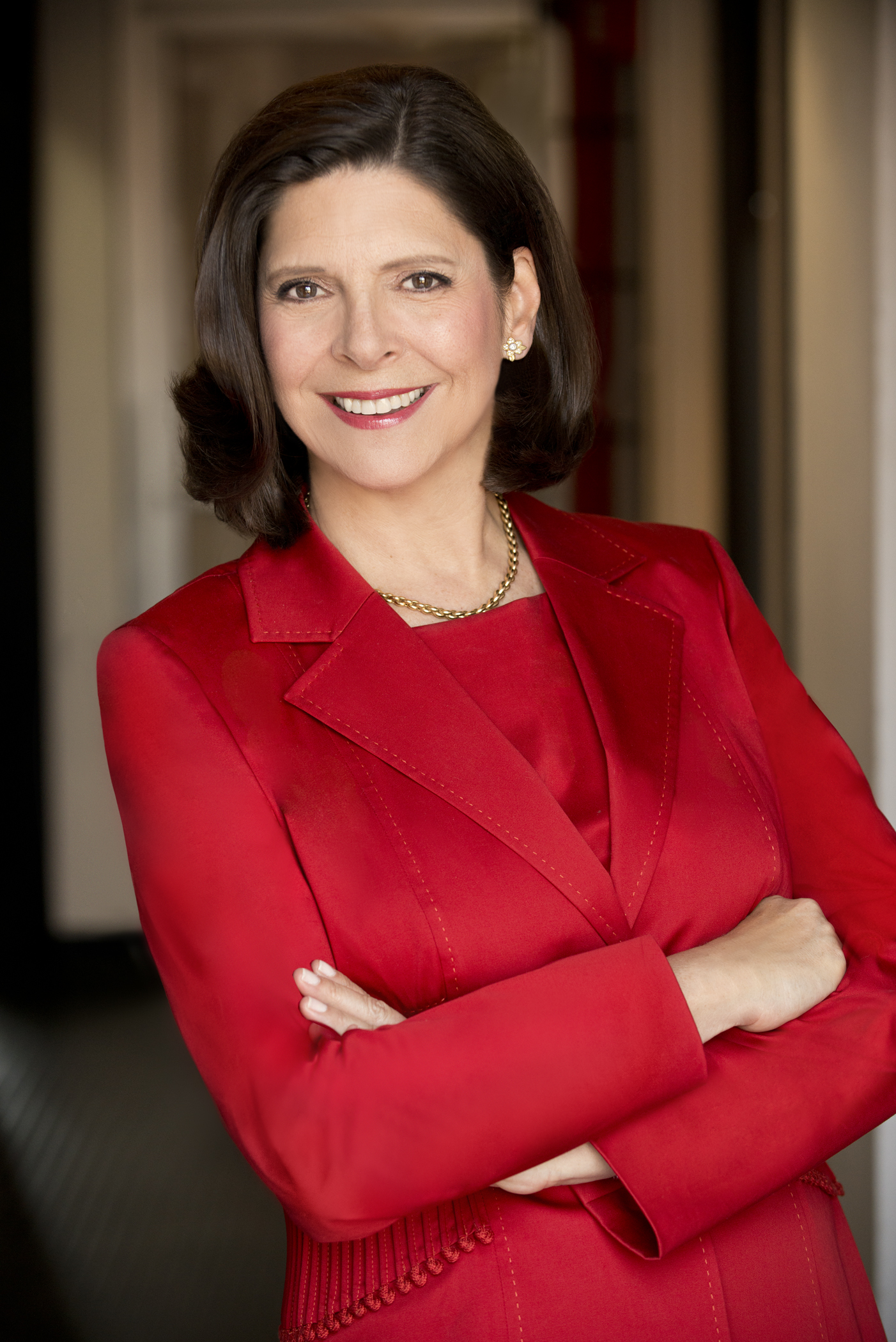
* Truth in Reporting:  I have consulted with the publisher of Strung on his previous magazine Tail and discussed the plans for the launch of Strung.  However, although my name is listed as publishing consultant on Strung, I have not worked or received any money for the listing of my name on the masthead.


h1

John L. Walters: The Editor Who Keeps An “Eye” On Graphic Design Worldwide. The Mr. Magazine™ Interview.

December 5, 2018

A Behind the Scenes Look at Eye Magazine: The International Review of Graphic Design…

“I think what we’ve seen throughout the maturing of web publishing is we have had to rediscover what we like about the magazine format. If you go back to 1920s when you see the magazine form come into focus with the idea of the double-page spread and the drama of the big picture across two pages, or the way you can use type to animate the page and excite the reader. That’s been developed and refined and changed for nearly 100 years and it’s what you would call a mature medium, whereas, because online technology and the actual devices used changes all of the time and it keeps getting updated and reengineered, that hasn’t had a chance to settle.” John L. Walters…

Eye Magazine is a beautiful and collectable graphic design journal, published quarterly for professional designers, students and anyone interested in critical, informed writing about design and visual culture. Eye, the international review of graphic design, shows the design disciple the latest and most arresting visual displays and the importance of fusing all of the elements, from the editorial to the typographical, together to create the most powerful design possible.

John L. Walters is the editor of Eye, and also an author, composer, and music writer. I spoke with John recently and we talked about the power of design in a magazine and the inimitable magazine format that complements design so brilliantly. It was an absolutely delightful conversation and one that opened up an extraordinary insight into the world of design and all of its components.

So, I hope that you enjoy this glimpse into Eye Magazine and many of the aspects of graphic design that may or may not have been known to you. I think you will enjoy becoming a pupil of Eye (yes, pun intended). And now the Mr. Magazine™ interview with John L. Walters, editor, Eye Magazine.


But first the sound-bites:

On two special issues of Eye Magazine that covers the subject of magazines themselves:Yes, two special issues. It’s a subject that has always interested the magazine, before my time and since I’ve been editor. And regularly we cover the subject of editorial design in magazines, because I think there is an aspect of graphic design that is constantly being renewed. The subject matter, the content, is always changing. And then the way magazines are designed is constantly evolving and the technology with which we put magazines together is also constantly changing.

On whether the changes going on today cause publishers to have to do something differently with print than digital:Well, it’s something that you referred to once, magazines have always been competing with other forms of communication, whether it’s radio or TV, newspapers, and now we have all of the myriad means of distributing information online, some of which resemble magazines, however work in totally different ways than magazines. So, I think what we’ve seen throughout the maturing of web publishing is we have had to rediscover what we like about the magazine format. If you go back to 1920s when you see the magazine form come into focus with the idea of the double-page spread and the drama of the big picture across two pages, or the way you can use type to animate the page and excite the reader. That’s been developed and refined and changed for nearly 100 years and it’s what you would call a mature medium, whereas, because online technology and the actual devices used changes all of the time and it keeps getting updated and reengineered, that hasn’t had a chance to settle.

On how he would define Eye:We have a phrase that we use on the masthead: we’re an international review of graphic design, and we try to stick to that. It’s a magazine for all graphic designers. We’ve really stuck to that all the way through the magazine and as you know, we’ve maintained exactly the same format all the way through. If you have  a shelf with copies of Eye from number one to 97, the present one, they line up precisely.

On magazines being about the experience and not just content:I think you’re right, the magazine format gives a certain kind of authority to the things that you write about. And it gives you a chance to look at what’s been happening. If it’s an overview, you’re looking at what’s happening with a particular area that connects together. If you’re doing a profile, such as the one about Michele Outland in the new issue, you’re looking at the person and you’re looking at the work, and in her case, you’re looking at two different magazines. So, that provides a way of showing that content is equal in a way that’s more than a blogpost a little news item, or a thing that focuses on just one aspect of that.

On what advice he would give someone who was thinking about starting a new magazine:It always pays to be realistic and of course, you have to look at all of the financial challenges of putting a magazine together, from paying contributors, writers and photographers, to dealing with the print bills and the distribution, and dealing with the way you promote and advertise your magazine. There are lots and lots of aspects of magazine making that can be a little hidden behind the shelves of magCulture or whatever your favorite independent mag store is. But I don’t think I’d discourage anyone from going into magazines. One of the editors I worked for used to say it’s the best job in the world.

On what he thinks is the biggest challenge facing the magazine industry today:I don’t know if I can speak in general about that subject, because I know people who work at very different magazines, they work on newspaper magazines, smaller mainstream magazines, and my wife, who’s a magazine journalist, and also works in a very mass market area of women’s publishing, which has definitely transformed in the last two years. So, I think each of those titles, each of those sectors, faces its own challenges, which are quite different. I think it’s very good that magazine people get to talk to each other to sort of find out what’s going on, because I think there’s a lot that the mainstream sector can learn from the Indie sector.

On what he thinks is the biggest misconception people have about him:The biggest misconception is that I will see someone’s email if they assign it to the editor. It’s one of the great worries of an editor, that you will just miss a great story from a great new writer, because it’s the first time they’ve emailed you and it might end up in your junk mail; it might not even look like a serious proposal and of course, as you probably know, we are always very pleased to have new contributors. Each copy of Eye Magazine, I would say, has four or five, even more, writers who are new to magazines. So, that’s one of the ways that we aim to keep it fresh and find new voices and find new experts. I’m always very keen to find new writers and hear from them.

On what he would have tattooed upon his brain that would be there forever and no one could ever forget about him:My job, really. I’m the editor of Eye Magazine and I’m very proud to do that. And it’s also a great responsibility, and if I go to give a talk – recently we did a film night, a  presentation, and it was very good to be able to introduce the magazine. Going back to my earlier point, it was very good to be able to introduce the magazine in a social setting, where we were showing some short documentaries about graphic design.

On what someone would find him doing if they showed up unexpectedly one evening at his home:It varies, because I do end up going out quite a few evenings because there’s some event going on to do with design or sometimes to do with music. I still occasionally write about music as well as design, typography and digital content. When I’m at home my wife and I like to chat and we both like to read. My wife is also an editor and writer and she’s an expert in children’s books and children’s literature, so she has a new project that she’s been working on. So, a lot of our evening activities rotate around design, literature and music.

On what keeps him up at night:(Laughs) Reading about Donald Trump and Manafort and the whole crew.


And now the lightly edited transcript of the Mr. Magazine™ interview with John L. Walters, editor, Eye Magazine.


Samir Husni: Why two special issues on magazines from a magazine?

John L. Walters: Yes, two special issues. It’s a subject that has always interested the magazine, before my time and since I’ve been editor. And regularly we cover the subject of editorial design in magazines, because I think there is an aspect of graphic design that is constantly being renewed. The subject matter, the content, is always changing. And then the way magazines are designed is constantly evolving and the technology with which we put magazines together is also constantly changing.

And as you probably know, the whole independent sector has reaped benefits from the fact that you can now make a magazine of very high standards and it’s much easier. You don’t have the massive startup costs that you had back in the day; all of the old methods of publication – we can now produce very good quality pages in our studios, in our bedrooms, if that’s what we want.

As magazine makers, we have taken advantage of those changes in order to change what we do and improve the quality of what we do, and it seemed like a subject that was worth paying attention to.

Samir Husni: As you look at all of the changes, the innovation that took place say 100 years ago, whether it was in the type of paper or the type of presentation or design, how do you think the changes that are taking place today, changes with the presentation, with the design of the magazine affect print? Is there something that you have to do differently with print than digital? Maybe something that says: we’re not trying to compete with digital, but here’s what we can do in print.

John L. Walters: Well, it’s something that you referred to once, magazines have always been competing with other forms of communication, whether it’s radio or TV, newspapers, and now we have all of the myriad means of distributing information online, some of which resemble magazines, however work in totally different ways than magazines.

So, I think what we’ve seen throughout the maturing of web publishing is we have had to rediscover what we like about the magazine format. If you go back to 1920s when you see the magazine form come into focus with the idea of the double-page spread and the drama of the big picture across two pages, or the way you can use type to animate the page and excite the reader. That’s been developed and refined and changed for nearly 100 years and it’s what you would call a mature medium, whereas, because online technology and the actual devices used changes all of the time and it keeps getting updated and reengineered, that hasn’t had a chance to settle.

I think what we’re seeing now is a kind of interesting golden age of magazine design where really good design is in collaboration with the writers and editors and all of the other parts of the team. They can produce something very strong and powerful that may be hitting a smaller section of the market, but it’s serving that smaller market really well. And that makes it an exciting area to still be in. Ten years ago when we went independent with Eye, the future seemed very uncertain, but right now there are things to worry about, but it feels like we’re in a very strong area of activity.

Samir Husni: If someone asked you to define Eye, what would be your elevator pitch about the magazine today?

John L. Walters: We have a phrase that we use on the masthead: we’re an international review of graphic design, and we try to stick to that. It’s a magazine for all graphic designers. We’ve really stuck to that all the way through the magazine and as you know, we’ve maintained exactly the same format all the way through. If you have  a shelf with copies of Eye from number one to 97, the present one, they line up precisely.

I would also say that it’s a magazine of design and visual culture, because designers by their very nature, in fact our readers who are graphic designers, are not just interested in design, they’re interested in aspects of the visual world that help them do their job, help them understand what’s going on, and maybe inspire them to do new things. There are things that are not strictly graphic design that we put in and that interest our readers. Of course, there’s also a big focus on typography, so every four issues we do a typography special issue, recognizing that type, design and typography lies right at the heart of graphic design.

Samir Husni: One of the things that I’ve always advocated is that magazines are much more than content, that if the magazines were all about nothing but content, then they would be dead in this digital age. Magazines are more about the experience. As an experience maker or an experience creator, can you define the process that you go through with Eye to create that experience?

John L. Walters: I think you’re right, the magazine format gives a certain kind of authority to the things that you write about. And it gives you a chance to look at what’s been happening. If it’s an overview, you’re looking at what’s happening with a particular area that connects together. If you’re doing a profile, such as the one about Michele Outland in the new issue, you’re looking at the person and you’re looking at the work, and in her case, you’re looking at two different magazines. So, that provides a way of showing that content is equal in a way that’s more than a blogpost a little news item, or a thing that focuses on just one aspect of that.

And that goes with regular things that we do in Eye, such as the “Reputations” interview, that gives us a chance to give a really meaty appraisal of someone’s work, which might go back generations, as it does in the case of David Driver. And also gives us the opportunity, with a very articulate interview, to really understand how they tick and how they think and do the job of graphic designer/art director.

Samir Husni: With your experience and background, if someone came to you and said they were thinking about starting a new magazine, what advice would you give them? Or would you tell them to just forget about it?

John L. Walters: (Laughs) It always pays to be realistic and of course, you have to look at all of the financial challenges of putting a magazine together, from paying contributors, writers and photographers, to dealing with the print bills and the distribution, and dealing with the way you promote and advertise your magazine. There are lots and lots of aspects of magazine making that can be a little hidden behind the shelves of magCulture or whatever your favorite independent mag store is. But I don’t think I’d discourage anyone from going into magazines. One of the editors I worked for used to say it’s the best job in the world.

You get to deal with such a lot of interesting people and collaborators, and the creative rapport you have with your fellow writers and assistant editor, art director/designer – it’s such a great way of collaborating and putting things together, the pages become a feature and it becomes a part of the magazine and you feel very proud. So, I think that experience, whether you’re young, old, or somewhere in between, it’s still one that’s worth trying. It’s been our observation with the Indie magazines that some magazines just come out for two or three issues, it’s a kind of testing ground for the makers. They learn about what they’re interested in and maybe learn then how to design, how to make a design work, which isn’t as easy as in some instances it may look in our pages. It takes a great deal of very deep thinking about material that goes on for a long time before text and images are assembled on the page.

We’ve also seen over the years that a magazine can also be a Launchpad for other things. It may be that the young magazine makes it now, but will be inheriting a very different media world in the next 20 years, and be able to use those magazine skills to make something that we can only dream about.

Samir Husni: What do you think is the biggest challenge facing the magazine industry today?

John L. Walters: I don’t know if I can speak in general about that subject, because I know people who work at very different magazines, they work on newspaper magazines, smaller mainstream magazines, and my wife, who’s a magazine journalist, and also works in a very mass market area of women’s publishing, which has definitely transformed in the last two years. So, I think each of those titles, each of those sectors, faces its own challenges, which are quite different. I think it’s very good that magazine people get to talk to each other to sort of find out what’s going on, because I think there’s a lot that the mainstream sector can learn from the Indie sector.

Going back to the personal view of Eye Magazine, obviously the biggest challenge is just getting your magazine out into the market to the widest possible range of people who will enjoy it. And distributing it in a subscription base and then be able to distribute without too much hassle, things getting lost, and also getting out to shops, so that someone who has never heard of the magazine can walk into a magazine store, find it on the shelves, and decide that they like it and become one of our most ardent supporters, you know that moment when you find a magazine and it’s just right for you and you fall in love with it and you start following it. And that’s more difficult to do now that there are fewer mag stores. So, I think we need some brave new Indie mag stores to make that possible for a new generation of readers.

Samir Husni: What do you think is the biggest misconception people have about you?

John L. Walters: (Laughs) The biggest misconception is that I will see someone’s email if they assign it to the editor. It’s one of the great worries of an editor, that you will just miss a great story from a great new writer, because it’s the first time they’ve emailed you and it might end up in your junk mail; it might not even look like a serious proposal and of course, as you probably know, we are always very pleased to have new contributors. Each copy of Eye Magazine, I would say, has four or five, even more, writers who are new to magazines. So, that’s one of the ways that we aim to keep it fresh and find new voices and find new experts. I’m always very keen to find new writers and hear from them.

Samir Husni: If you could have one thing tattooed upon your brain that no one would ever forget about you, what would it be?

John L. Walters: My job, really. I’m the editor of Eye Magazine and I’m very proud to do that. And it’s also a great responsibility, and if I go to give a talk – recently we did a film night, a presentation, and it was very good to be able to introduce the magazine. Going back to my earlier point, it was very good to be able to introduce the magazine in a social setting, where we were showing some short documentaries about graphic design. The finale of the evening was a film we’d made about Eye – number 94, which is the Type Special Issue we did with 8,000 different numbers, covers, which has won awards and it’s probably drawn more acclaim and attention than any other issue of the magazine.  We haven’t had the opportunity to show the documentary in the United States, but we’re hoping to make that available next year.

Samir Husni: If I showed up unexpectedly at your home one evening after work, what would I find you doing? Having a glass of wine; reading a magazine; cooking; watching TV; or something else? How do you unwind?

John L. Walters: (Laughs) It varies, because I do end up going out quite a few evenings because there’s some event going on to do with design or sometimes to do with music. I still occasionally write about music as well as design, typography and digital content. When I’m at home my wife and I like to chat and we both like to read. My wife is also an editor and writer and she’s an expert in children’s books and children’s literature, so she has a new project that she’s been working on. So, a lot of our evening activities rotate around design, literature and music.

Samir Husni: My typical last question; what keeps you up at night?

John L. Walters: (Laughs) Reading about Donald Trump and Manafort and the whole crew.

Samir Husni: Thank you.
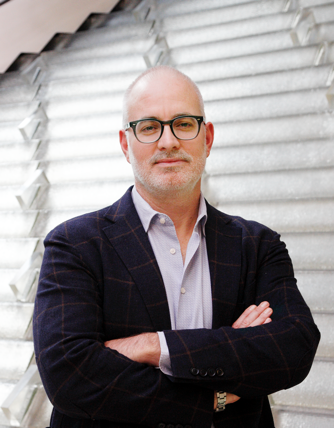
 

h1

The 2018 Issuu Generators Summit: A New Age of Storytelling – The Mr. Magazine™ Interview With Joe Hyrkin, CEO, Issuu…

November 30, 2018

“The reason we’re doing it is because, one – it’s near and dear to our hearts, of course. And at the end of the day we believe strongly that it’s through the telling of stories in a high quality, curated, published way that people are really able to share their passions, to share the area’s ideas and content that moves them, and there’s a huge audience to connect with around that.” Joe Hyrkin (On why Issuu is holding the Generators Summit)…

In today’s magazine and magazine media world if you haven’t heard of Issuu, you’ve probably been in some kind of self-induced sleep for the last 10 or so years. So, in case you just woke up, Issuu is a digital discovery and publishing platform that enables anyone — from independent creators to global brands — to distribute, measure and monetize their digital content. Issuu strives to offer the best digital reading experience possible and provide you with tools to easily upload, share and sell content online. Joe Hyrkin is CEO of Issuu and truly believes that connecting people to content is the most important thing his company can do. And it is with that in mind that Issuu will be hosting its second Generators Summit in New York on December 4, 2018.

The 2018 Issuu Generators Summit is a one-day event for content leaders to discuss the role of stories and discover innovation in the digital narrative. I spoke with Joe recently about the event and he said there will be thought-provoking panels with content generators: change makers, student activists, and game changing brands that are creating the movements and moments that inspire breakthrough stories. It’s sure to be an exciting and innovative experience; a meeting of the minds that can bring print and all formats together to bind them ever closer together. And you know that Mr. Magazine™ wouldn’t miss it for the world, so I plan on being in the audience.

Joe said the Summit brings together businesses, tech, brands, journalists, and non-profits and creatives in the content space. Speakers include Joe himself, Lauren Alexis Fisher, Digital Editor, Harper’s Bazaar; Tavi Gevinson, Actress and Founder, Rookie Mag and current lead in the world premiere of Steven Levenson’s play “Days of Rage”; Jen Tolentino, Director of Policy and Civic Tech, Rock the Vote, and many, many more. And Mr. Magazine™ can’t wait!

So, I hope that you enjoy this enlightening Mr. Magazine™ interview with Joe Hyrkin, CEO, Issuu, and who knows, maybe Mr. Magazine™ will see you in New York. Until then, enjoy the interview!

But first the sound-bites:

On why he is holding the 2018 Issuu Generators Summit: A couple of things about it; the first is last year we launched this event called the Issuu Generators Summit and we did it in San Francisco. This year we’re doing it in New York and the reason we’re doing it; it’s not an Issuu user’s group, it’s about a conference where we’re bringing together real thought leaders in the area of storytelling, publishing, content creation, and design, of course all wrapped around technology. The reason we’re doing it is because, one – it’s near and dear to our hearts, of course. And at the end of the day we believe strongly that it’s through the telling of stories in a high quality, curated, published way that people are really able to share their passions, to share the area’s ideas and content that moves them, and there’s a huge audience to connect with around that.

On where he sees that intersection of visual storytelling, video storytelling, audio storytelling, and print storytelling: When I think about stories, there are a couple of things to keep in mind. One is I think that the story format is one that everybody is jumping onboard with: Snapchat, Facebook, Instagram, even LinkedIn is rolling out stories. We’re seeing Reddit start to play with new ways of doing stories and articles and advertising. So, we’re seeing the large platforms who attract people to consume content are embracing the story format, because it provides enough depth to be interesting and engaging, but not overwhelming. And then you can go deeper into that content. So, I think it’s established as a format, but what’s happening for the most part is stories are confusing, as you just said, is it an image, is it a video, is it an article; what is it? And everybody is piling on with their capital S story format.

On being very bullish about the industry’s future and what he knows that others don’t: People always think I’m too bullish. (Laughs) This notion of the story; the breakthrough of the story is that it’s no longer just snippets of stuff; people are starting to put together a narrative of content, and that’s getting engaged with. Look at the engagement data that’s happening around people reading stories on Snapchat and Instagram and Facebook and all of these platforms, it’s accelerating rapidly because it has captured people’s attention more than just sort of the boring old viral stuff. There is a specificity and almost a personality that’s available. And I think we saw that with video and I think we’re going to see it here. The other piece is that I think we’re seeing these platforms are starting to embrace the availability of content that they hadn’t before. They’re recognizing in order for them to drive engagement, they have to provide good quality content.

On Issuu’s deal with Apple News: Earlier this year, we rolled out the Issuu Story Generator, and again what that does is it automatically pulls in articles from publications and turns that into a mobile optimized format. And we are now facilitating the distribution and access of that content. So the first partnership we rolled that out with was Apple News. We have our own Apple News channel and all of that content that’s in there is from publishers who are all recognized as the publisher and the content creator. They’re able to have their articles show up in Apple News through the Issuu channel.

On whether Issuu has had any breakthroughs with any of the major publications: It’s been interesting. We have always built our business on the massive scale of mid-tier, long tail enthusiast content. We haven’t started to take this to the largest 250 subscription publications, I like to call them the Texture publications. But where we have had a tremendous amount of success is in really high quality magazines that are on the independent side

On anything he’d like to add:
The people who are actually speaking at the conference and are actually attending is really exciting. We’re kicking off with a panel from XO Group, Quoted, Hypebeast and also Patrick Janelle, who is just a pure Instagrammer, he will also be on that panel. We’re really going to be weaving together creative publishers from simply Instagram through to large independent-minded folks like Quoted, to much larger publications that are global like Hypebeast and XO.

And now the lightly edited transcript of the Mr. Magazine™ interview with Joe Hyrkin, CEO, Issuu.

Samir Husni: Why are you doing the 2018 Issuu Generators Summit?

Joe Hyrkin: A couple of things about it; the first is last year we launched this event called the Issuu Generators Summit and we did it in San Francisco. This year we’re doing it in New York and the reason we’re doing it; it’s not an Issuu user’s group, it’s about a conference where we’re bringing together real thought leaders in the area of storytelling, publishing, content creation, and design, of course all wrapped around technology. The reason we’re doing it is because, one – it’s near and dear to our hearts, of course. And at the end of the day we believe strongly that it’s through the telling of stories in a high quality, curated, published way that people are really able to share their passions, to share the area’s ideas and content that moves them, and there’s a huge audience to connect with around that.

We, of course, as a platform, started off in making magazines digitally available and just a whole range of content digitally available. When we started our whole idea was: what we think the world needs and what we think businesses need is the ability to make that longer-form, quality content digitally available in a whole range of formats. So print, standard distribution, digitally for the whole publication, and then ways to take advantage of distributed social platforms to share elements of that content as well.

And so that’s what this conference is about. We’re bringing together a whole set of people who are focused around telling stories. At the end of the day it’s relatively simple, but I think profound is our world, our culture is evolve and move and transform through strengthening.

And the really interesting thing is what you do; magazines have always been, for generations, at the heart of how people are telling stories. Whether it’s a huge mainstream magazine like People or some of the more independent publications that cater to a particular interest. As we’ve talked about before, I believe there’s nothing wrong with the publishing industry, there are just radical changes happening. More content is being created than ever before, but the ways to share and distribute and get that out there is sort of a new set of challenges.

Samir Husni: Since the last time that you and I chatted, we had talked about how the digital world was more like the Amazon Jungle compared to the print world. You’re bringing people who have print magazines; people who are digital-only, to this conference on Dec. 4. I know storytelling is the cornerstone, but where do you see that intersection of visual storytelling, video storytelling, audio storytelling, and print storytelling?

Joe Hyrkin: Let’s go back to the Amazon analogy for a moment, because I love it. If you use the Amazon analogy, what I think happens related to stories is we are now identifying the specific species of plant, or the specific kind of crocodile, or the specific animal in the Amazon and allowing that to be the content by which people can start to go deeper into the Amazon itself. To let me see the thing that I care most about and then use that as an entrée into the larger universe of related content. And that’s what we’re seeing and that’s what we’re doing as a company on the story level.

So, when I think about stories, there are a couple of things to keep in mind. One is I think that the story format is one that everybody is jumping onboard with: Snapchat, Facebook, Instagram, even LinkedIn is rolling out stories. We’re seeing Reddit start to play with new ways of doing stories and articles and advertising. So, we’re seeing the large platforms who attract people to consume content are embracing the story format, because it provides enough depth to be interesting and engaging, but not overwhelming. And then you can go deeper into that content.

So, I think it’s established as a format, but what’s happening for the most part is stories are confusing. As you just said, is it an image, is it a video, is it an article; what is it? And everybody is piling on with their capital S story format.

Samir Husni: Including advertisers.

Joe Hyrkin: Including advertisers with the story ad now. So, here’s what’s happening, and this is what is super exciting for the industry as a whole, particularly for the magazine industry. I believe that the story format is established and I think most of the content is user-generated, inconsistent, not necessarily brand-friendly, user-created images and videos that are kind of strung together as a story. It’s very similar to the idea of a cat video back in the early days of YouTube.

But what is established is as a format it’s enough content to engage people and get them interested and then you have to do more. So, what we’re starting to see increasingly happen and we’ve seen it repeatedly in many content industries before, is there will now start to be this level of semi-professional and professionally created content that revolves around the story format. And there will be two forms of it, there will be video stories and there will be article stories that people are going to read. And we’re seeing that happen increasingly. We look at Snapchat Discover, they have video content and they have article content. I think they have to revise that and create more, but that’s one piece.

The second thing that’s going to happen is we will start to see ads that are designed for the story format. Again, professionally and quality-created ads instead of just dumping a 30-second video spot into the middle of a whole bunch of images, we’ll actually start to see story ads, if you will, get created.

The exciting thing is who has the most content? Who has the best stuff available? Well, it’s the magazines, because the magazines already have full-page, spread-format ads. They already have relationships with advertisers who have brochures and marketing material and all of those things, which can be turned into paginated, page-oriented ads within the context of a story that gets created.

So, what we’re seeing is, you can now, as a magazine of any topic or any size, you can start to just take the articles from the magazine, turn those into a story for distribution as an A&P story or an Instagram story or a Snap story or whatever the platform happens to be. And then use that as a way, in its fullest it can be a story or an article that someone wants to read on its own in that story format, or it can be the thing that drives you deeper into the depth of that full publication itself. So, it’s enabling magazine publishers, in particular, the ability to start to connect with a much broader audience around content that matters most to them and then use the fullness of the publication to draw them in even more.

I believe that what we’re going to start to see will be a new business model that won’t just be relying on poorly-placed banner ads and 10-cent, one dollar CPM banner ads on top of really high quality content; we’re going to start to see a whole new industry evolve around story-oriented ads and that to me is super exciting.


Samir Husni: You seem too bullish about the future of the industry; why?

Joe Hyrkin: People always think I’m too bullish. (Laughs)

Samir Husni: (Laughs too) What do you know that others don’t?

Jow Hyrkin: Here’s what I know, I’ve been looking at this stuff for a long time. I remember in 1999, I was with a company called Virage, we did software for publishing/managing video content, and we rolled out the first video search engine. We actually did a deal with C-SPAN in 1999, where we got access to all their coverage of the presidential campaign and we created this thing called the “Truth Tracker.” You could see video clips of anything any candidate said, anywhere, on any subject. So, you could see what George W. Bush said about gun control in Texas as opposed to when he was in California, or wherever he happened to be. It was really cool.

And then we syndicated that out to 40 different sites, all the NBC O&O’s, and the Wall Street Journal, and I think we had 40 or 50 different sites using this same kind of content. And it was early days. There were a whole set of streaming providers, most of whom were really expensive, banner ads; YouTube didn’t exist yet. It was really early days for this. And we started to see that premium content, video content, had a place in the Internet, just not in the format that people were used to watching television then. In those days, you weren’t going to watch a full, half-hour, news content yet, because it was too expensive to stream and there wasn’t enough advertising rev.

So, we started to break that content up, and we provided video search capabilities. And one of the big things we rolled out after the “Truth Tracker” thing, is we did a deal with major league baseball, where we captured every pitch of every game and on MLB.com, users could go search for Derek Jeter homerun at night and see all of Derek Jeter’s homeruns in clips of video content.

Fast forward, six or seven years later, maybe 10, MLB.com is now streaming full major league baseball games. And Twitter is streaming football games. So, we went from atomizing the contents so that people could engage with it and we could build new business models, to making the full content available again.

I think we’re seeing the same thing with magazines and long-form content. This notion of the story; the breakthrough of the story is that it’s no longer just snippets of stuff; people are starting to put together a narrative of content, and that’s getting engaged with. Look at the engagement data that’s happening around people reading stories on Snapchat and Instagram and Facebook and all of these platforms, it’s accelerating rapidly because it has captured people’s attention more than just sort of the boring old viral stuff. There is a specificity and almost a personality that’s available. And I think we saw that with video and I think we’re going to see it here.

The other piece is that I think we’re seeing these platforms are starting to embrace the availability of content that they hadn’t before. They’re recognizing in order for them to drive engagement, they have to provide good quality content.

Another thing that’s important here, the big challenge, and again, similar to video, in this early stage, there is a huge cost involved in creating this content. I think it was Spanish Vogue that announced about two months ago that they were going to have a team creating stories in Spanish for a Snapchat channel. They mentioned that they were going to have a team of five people creating one story a week, which is insanely expensive. One of the reasons that things aren’t moving as quickly is because publishers are having to choose between having a Snapchat story creation team or an Instagram story creation team or a Google App story creation team and on and on. But they’re doing it, they’re actually investing in creating these things.

So what we’re doing, and in fact what we’re going to show in a lot more detail next week, is we’re refining the Issuu story engine, which enables us to automatically identify the elements of any article in a publication and turn that into a story that can be shared on multiple platforms. So you can upload your publication into Issuu, giving you the tools to automatically turn any of the articles into a Snap story or an Instagram story or any A&P story, wherever you want to share it. And we’re not alone, there will be others who will be doing this too.

And this is part of the reason I’m so bullish, we’re going to start to see increasingly more tools. Adobe has this thing called Spark, which is trying to do this as well for their own customers. The big issue right now is that many of these tools require pretty significant technical skills to be able to use them. I think the growth that’s going to happen here will be in how those tools and the monetization elements automated for use and distribution.


Samir Husni: You have been in the news lately, with your deal with Apple News. Tell me a little about that.

Joe Hyrkin: Earlier this year, we rolled out the Issuu Story Generator, and again what that does is it automatically pulls in articles from publications and turns that into a mobile optimized format. And we are now facilitating the distribution and access of that content. So the first partnership we rolled that out with was Apple News. We have our own Apple News channel and all of that content that’s in there is from publishers who are all recognized as the publisher and the content creator. They’re able to have their articles show up in Apple News through the Issuu channel.

Up to this point, Apple News has been pretty limited, in terms of the number of publishers that have access to make their content available. What we’re doing now is, in partnering with Apple, publishers can now use their Issuu integration to start to publish that content into Apple News. So, it gives them a lot more exposure; it gives them larger connectivity to an audience, and then consumers can actually go and find their content wherever it happens to be, whether it’s in a print format on newsstands or a subscription format or they come back into Issuu to get the full publication themselves.

We also have on the Issuu App Issuu stories, so any publisher now can automatically create Issuu stories and that content can be consumed in the Issuu App. And when you read an Issuu story in Issuu, embedded into the mobile optimized story itself is the full publication, so you can actually then go directly to that story in the publication and see everything else in and around it.

Samir Husni: Are you having any breakthrough with the major publications or you’re still dependent on a lot of entrepreneurs?

Joe Hyrkin: It’s been interesting. We have always built our business on the massive scale of mid-tier, long tail enthusiast content. We haven’t started to take this to the largest 250 subscription publications, I like to call them the Texture publications. But where we have had a tremendous amount of success is in really high quality magazines that are on the independent side.

So, publications that are well-known: Mad, Culture and Stacks, and a lot of magazines that you feature as well, they are starting to use us, both for the digital sales product that we rolled out last year, and for stories and for the ability to start distributing and sharing that content initially through Apple News and other content as well.

It’s interesting, we’re going to roll out next week with a new way to see Issuu stories, essentially a new cover and experience around it. And we’re working with a range of folks, from XO Group, which is now private, but was publicly traded, with The Knot and The Bump, and various other family magazines. We’re going to roll out with them. This really cool magazine called Quoted, it’s a magazine dedicated to stories of New York City, and actually run by a Norwegian guy. It’s awesome stuff. There is great photography and stories.

And then we’re also featuring Hypebeast, they have like eight million followers on Instagram and they’re a trendsetting, hipster magazine plus website. So, we’re finding more and more of those kinds of growing publishers who are using us pretty significantly.

Now that we’ve got the ability for stories to be distributed and for digital sales, we’ll start to work with some of the larger folks. We’ve had way more interesting conversations with them than we ever used to have. We just don’t have a sales force that goes and works with them at that.


Samir Husni: Is there anything else you’d like to add?

Joe Hyrkin: The people who are actually speaking at the conference and are actually attending is really exciting. We’re kicking off with a panel from XO Group, Quoted, Hypebeast and also Patrick Janelle, who is just a pure Instagrammer, he will also be on that panel. We’re really going to be weaving together creative publishers from simply Instagram through to large independent-minded folks like Quoted, to much larger publications that are global like Hypebeast and XO.

Then we’re moving into a panel led by one of the editors from Harper’s Bazaar, Lauren Fisher, and she’s going to be interviewing, and we did this on purpose, she’s a magazine person but she will be interviewing execs from CBS, the guy who actually runs all of CBS’s reality TV, which is includes “Carpool Karaoke” and all these kinds of things. So, it’s all about different ways of leveraging digital and tell stories. And also someone from Pixar.

And one of the most exciting components is going to be the afternoon session where we’re going to be diving into the future of journalism and the First Amendment. We have Melissa Falkowski, who is the journalism instructor from Marjory Stoneman Douglas High School, and was actively involved in protecting kids during the shooting and then turned everything that was happening into a journalistic experience. It’s amazing what she has done. She’s a hero and she is amazing. And she has really used it, such as she is training the next generation of journalists. And Rebecca Schneid, who is a senior at Marjory Stoneman Douglas this year and the managing editor for their publications, and she will be on that panel as well.

And then Neha Madhira, who is the managing editor from the Prosper High School magazines and newspapers, who kind of fought her principal to be able to get her First Amendment rights to publish Op-Eds is also speaking. She just spoke at Ten Women recently. I’m really excited about that.

The afternoon wraps up with Grace Bonney leading a session and she just started this new magazine called Good Company.

Samir Husni: I interviewed Grace about her new magazine.

Joe Hyrkin: She’s great. She’ll be running one of her podcasts from the conference, where she’ll be interviewing, speaking too, but also interviewing Tavi Gevinson from Rookie Magazine. And then the director from Rock the Vote, who will be talking about how they have been using publishing and digital and content to drive voter engagement, which is very much tied to the journalism experience of the Marjory Stoneman Douglas folks. And from the New York Art Week, one of their senior directors will be joining us and they’re all about distributing content-related art and they actually use Issuu as well.

So, we’re excited about the way we’re weaving together large, mid-tier, and magazine publishers as well as some of the other platforms that are being used.

Samir Husni: Thank you.
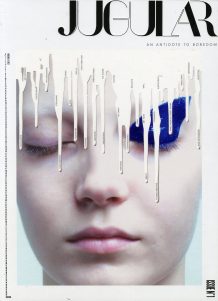
h1

Troy Young, President, Hearst Magazines, On Creating Content With Purpose And Making Life Better For Customers. An Exclusive In-Depth Interview with Samir “Mr. Magazine™” Husni.

November 18, 2018

Troy Young On The Role Of Print In A Digital Age; The Role Of Digital In Today’s Magazine Media; Legacy Brands and Digital; Hearst Global; Data & Research; Magazine Launches & Closures; And On Troy Young Himself. The Mr. Magazine™ Interview

“I would say that in all mediums we have to serve the customers and understand how we are serving those customers. And I call that content with purpose. And I think we just have to be incredibly mindful, whenever we’re delivering a magazine into someone’s home or we are engaging that consumer on YouTube, why we’re there and how we make someone’s life better. Print is heavily edited and curated and it’s like a celebration or an event that happens once a month. And there’s something really wonderful about that. And it’s a lean-back experience that I think gives a consumer a break from the intensity of the digital world. And I think increasingly that people are going to look for that. So, print plays a really important role in saying this is important and this has a place in culture, and take a moment to think and read about this and consume it. And I think our magazines are going to play an important role in how we do that for a long, long time.” (On the role of print today) Troy Young…

“I think digital performs a different role in that it’s about being relevant in the moment and responding to the news cycle, as well as reinforcing a very clear point of view that the brand has. There is a very complementary role that they play to each other. And I would actually add that video is largely an entertainment medium. Obviously, also useful or valuable as a service delivery mechanism, helping people do things.” (On the role of digital) Troy Young…

Troy Young was president of Hearst Magazines Digital Media since 2013 and this past summer was named president of Hearst Magazines, succeeding David Carey, who stepped down as president and is now chairman of the division. In his new role, Troy will oversee Hearst Magazines’ global business, encompassing more than 300 print editions and 240 digital brands. In the U.S., Hearst publishes 25 magazine brands in print and 6 additional digital-led brands, and of course in January, the company also acquired Rodale, the health and wellness publisher, with brands including Men’s Health, Women’s Health and Runner’s World.

It’s certainly a diverse and wide array of both print and digital brands that might be a daunting task for just anyone to oversee, but not for Troy, who is a man that knows what’s important in today’s magazine media world: research, data, and an all-encompassing conjoining of print + digital across all platforms. There is nothing more important, in Troy’s opinion, than having the data needed to serve the reader and deliver content with purpose and excellence in the ways in which the audience wants to consume that content.

I spoke with Troy recently and we talked about his new role at Hearst magazines and the concept of content with purpose. And how an even more prominent print + digital role can complement an already solid foundation of success, such as Hearst has. It was an informative and most pleasant conversation with a man who says he is not defined by digital, even though he has spent a portion of his career studying the ins and outs of it, but instead, he’s a lover of all media. And one who realizes that a successful magazine media company in the 21st century must have a vastness of both. And now the Mr. magazine™ interview with Troy Young, president at Hearst Magazines.

But first the sound-bites:

On some of the pleasant moments he’s had so far since becoming president of Hearst magazines: It’s a great privilege to have this job and it’s a great privilege to follow David Carey, who did so much for Hearst and built such a solid foundation for me to build on. I love the job because there are so many amazing people here and I think when you go to work every day, a big part of it is laughing and enjoying your time with smart people. So, that part of it is incredibly rewarding.

On what have been some of the challenges or stumbling blocks that he’s had to deal with: To be quite honest, it’s a really complicated time. It’s a very complicated business because we operate in many markets around the world, because we have in general businesses like CDS. and it’s complex simply because we produce basically every media type for multiple distribution endpoints. And that means you have to be an incredibly agile, nimble company.

On whether it’s easier or harder for a legacy brand to move into digital: I think it’s an advantage. You know, creating a new brand has its advantages, but the great advantage of a legacy brand is the trust that it has with the consumer. I think that you can evolve your voice and point of view while still being true to what made the brand great. Media trust matters and that trust is built over a long period of creative time, so having a 100-year-old brand as a starting point is a really good opportunity.

On how he would define the role of print in this digital age: I would certainly be broad in answering that question and I would say that in all mediums we have to serve the customers and understand how we are serving those customers. And I call that content with purpose. And I think we just have to be incredibly mindful, whenever we’re delivering a magazine into someone’s home or we are engaging that consumer on YouTube, why we’re there and how we make someone’s life better.

On his reaction to naysayers who say or think that because decisions were made to, for example, close Redbook or change Seventeen, the entire industry is going to hell in a handbasket: Well, it’s definitely not going to hell. Seventeen will continue being published, but we will always evolve as a company. And we’ll always evaluate the strengths and weaknesses of our brands across channels and figure out what the best mechanism is to deliver that brand and that content to the target market. We’ll invent new products and we’ll look at how to best deliver existing brands.

On the new research team of 12 and which area of the business this team will focus on: I won’t comment on the specific numbers, but I think that our ability to turn data into insight and to augment that with research is incredibly important across all aspects of the business, not the least of which is our editorial team. As I described a minute ago, this notion of content with purpose is supported by the idea of pulling a lot of the insight and knowledge out of our readers. I think that for a long time there has been the research practice in magazines that really involved face-to-face dialogue with readers, now we have so much data because we’re connected with consumers every day that we need a group that can help take that information and make it really actionable by editors.

On any new magazines or products that are up and coming that he can talk about: Nothing that I can really talk about. I think we have deep, deep expertise in how to create an incredible print product and get that out to people. And so to the extent that that’s relevant to building a new brand in partnership with someone else, we’ll look at that. I think in all cases now we want it to have some kind of digital companion and really understand how digital and print will work together in a really complementary way. But absolutely, new products are really important. And our work on Pioneer Woman and Airbnb are the two most recent indications that we’re really open to partnering and creating new print products.

On whether Hearst Global in the magazine media world is going to be reflective of all of the changes that are taking place at Hearst Tower: I think that the mechanics of the business in every market are very similar. The timing of what’s important or urgent in any of those markets is a bit different. The big difference between where we are today and where we were when we started those companies is that there’s no difference really in the relevancy and importance of these brands or types of content in those markets, but increasingly media is becoming a platform-driven business and there’s a lot of complexity on the tech and data side that is harder for smaller markets to master. And I would say that if you were to do it all again, you would roll out your international markets, it would be no less important, but you would do it on the back of a single, global platform.

On what he thinks is the biggest misconception that people have about him: You’d have to ask them that, but I’d say that maybe I’m cast narrowly as a digital guy, and I think of myself as a media executive, so I’m not defined by digital. I have spent a lot of my career thinking about how the pieces fit together in the digital world, but I’m more of a media person and a media lover and someone who really appreciates media brands and how they meet consumer’s needs.

On what he would have tattooed upon his brain that would be there forever and no one could ever forget about him: Let me answer this in a different way; I did tattoo something on my body and it wasn’t a message to other people, it was a message to me. It was a sticky note on my body. And it says that faith is greater than fear. And I think that fear often gets the best of us and I think having faith in ourselves, that we can solve complex problems, that we can do things that we might not imagine. Having faith in other people, that they can do things that are remarkable. And having faith that people are fundamentally good was something that I wanted to remind myself of every day, because again, when people start from a place of fear it’s never good.

On what someone would find him doing if they showed up unexpectedly one evening at his home: That’s a good question. I would say I’m a voracious media consumer so you’d likely find me, if I wasn’t having dinner with my family, you’d likely find me – I have a room that has incredible stereo equipment and vinyl records and I would probably be sitting down there reading my iPad or a magazine and I might have a Scotch.

On what keeps him up at night: I would go back to how I answered one of the previous questions. What keeps me up at night is how do I make Hearst Magazine media a better culture for creators, and everybody who supports the process of creating media? So, how do I create a culture of excellence is something that I think about a lot because it’s a big company. And how do I get to a new time of stability in this category of media? What’s it really going to take to find that stability? And I think closely related to that is what can we do to simplify the business and empower all of the people who work here to make better decisions to grow our business?

And now the lightly edited transcript of the Mr. Magazine™ interview with Troy Young, president, Hearst Magazines.

Samir Husni: Congratulations are in order, I haven’t had a chance to congratulate you since you became president of Hearst Magazines. You’ve been on the job for a few months now; what have been some of the most pleasant moments where you were extremely glad you took this job, and what have been some moments where you maybe wondered “why” you took this job, if any?

Troy Young: It’s a great privilege to have this job and it’s a great privilege to follow David Carey, who did so much for Hearst and built such a solid foundation for me to build on. I love the job because there are so many amazing people here and I think when you go to work every day, a big part of it is laughing and enjoying your time with smart people. So, that part of it is incredibly rewarding.

Obviously, the brands that we have are incredible, and are foundations on which to build a lasting media company upon and to navigate these channel-ships. And the leadership of the Hearst Corporation is incredible as well, and it’s a company built on evolutions, so all of that makes it an exciting, supportive place to continue to reinvent the magazine business.

Samir Husni: What have been some of the challenges or stumbling blocks that you’ve had to deal with?

Troy Young: To be quite honest, it’s a really complicated time. It’s a very complicated business because we operate in many markets around the world, because we have in general businesses like CDS. and it’s complex simply because we produce basically every media type for multiple distribution endpoints. And that means you have to be an incredibly agile, nimble company.

On the positive side, I have the great privilege of starting to integrate our business more. And what that means to me is, take the great things that existed historically in the print world, that really made our brands so important and famous, and that is the authority of editors and the insight they bring to creating content, and balancing that with what is the virtue of a digital organization, which is, they live in the moment, they’re incredibly nimble; it balances editorial expertise with technical and data expertise. And it’s a highly iterative, more data-led business. So, you bring those two things together and I think you have an incredible competency in which to navigate through the new world of magazine media.

Samir Husni: You’re the president of a company that has at least five titles that are over 100 years old; is it easier or harder for a legacy brand to move into digital?

Troy Young: I think it’s an advantage. You know, creating a new brand has its advantages, but the great advantage of a legacy brand is the trust that it has with the consumer. I think that you can evolve your voice and point of view while still being true to what made the brand great. Media trust matters and that trust is built over a long period of creative time, so having a 100-year-old brand as a starting point is a really good opportunity.

I think that you have to continually make a media brand relevant and make it relevant for the time and for the medium in which people discover and consume it. And there are lots of examples in our world of how we evolved brands that have a legacy, whether that’s Cosmo, which has an incredible legacy, but it evolves all of the time. And clearly environments like Snapchat and Instagram and our dot com has examples of how we stay relevant to a young woman and I think we’ve done that incredibly well.

Cosmo, again, is an example, it has a bigger audience than it ever has. And that audience extends across every digital touchpoint and in print, so I think it was a good starting point. You know, we’ve taken our fashion and luxury brands, like Elle and Bazaar, and made them part of the daily dialogue. And being daily and being in the moment with brands like that changes what you cover; you’re thoughtful about what underpins the brands and how that shapes what you do moment to moment.

I like where we are and I like what positions our brands have. If you look at a brand in a different category like Good Housekeeping, its reputation through the seal as a symbol of trust and the rigor it brings to testing products, is incredibly valuable when consumers are trying to make decisions. And I would say that’s also true for many of our other brands, whether that’s Car and Driver, Road & Track, or Elle Décor.

I think you use your position and you try to invest in how you keep it relevant for a new distribution environment and that’s what we’ve done.

Samir Husni: How do you define the role of print in this digital age? And tell me a little more about that integration; what’s the role of print and what’s the role of digital, especially with your legacy brands as you move forward?

Troy Young: I would certainly be broad in answering that question and I would say that in all mediums we have to serve the customers and understand how we are serving those customers. And I call that content with purpose. And I think we just have to be incredibly mindful, whenever we’re delivering a magazine into someone’s home or we are engaging that consumer on YouTube, why we’re there and how we make someone’s life better.

Print is heavily edited and curated and it’s like a celebration or an event that happens once a month. And there’s something really wonderful about that. And it’s a lean-back experience that I think gives a consumer a break from the intensity of the digital world. And I think increasingly that people are going to look for that. So, print plays a really important role in saying this is important and this has a place in culture, and take a moment to think and read about this and consume it. And I think our magazines are going to play an important role in how we do that for a long, long time.

I think digital performs a different role in that it’s about being relevant in the moment and responding to the news cycle, as well as reinforcing a very clear point of view that the brand has. There is a very complementary role that they play to each other. And I would actually add that video is largely an entertainment medium. Obviously, also useful or valuable as a service delivery mechanism, helping people do things.

But we look at all of those mediums in very different ways. What do those mediums need to do to be purposeful? And underneath that is, how are you establishing whether or not something is doing its job, whether it’s pleasing a consumer, whether it’s bringing delight. And that’s where data insight and research become really important in the modern media world.

And I look at it really simply; there’s a huge amount of media in our world, we are awash in media. We produce literally hundreds and hundreds of pieces of content every day in the Hearst Tower and we distribute those to fifteen different imports, whether that’s in newsstand or Instagram. And so the company that is able to do that in a very nimble way and in a way that is informed by insight from the consumer is going to do really well.

We sit in a different place in the media ecosystem than pure news, so we focus on passions and we focus on point of view and we focus on things that people do in their lives that are not just defined by the news of the day. And I think as such we play a really vital role in the media ecosystem and if we can get the different channels working together in a way that is complementary it’s a powerful mix.

Samir Husni: When you hear people in the media talking or writing about the fact that, for example, Redbook was just killed or Seventeen is changing, what’s your response to people who are very reactionary to one or two decisions that may have had to be made and now the entire industry is going to hell in a handbasket?

Troy Young: Well, it’s definitely not going to hell. Seventeen will continue being published, but we will always evolve as a company. And we’ll always evaluate the strengths and weaknesses of our brands across channels and figure out what the best mechanism is to deliver that brand and that content to the target market. We’ll invent new products and we’ll look at how to best deliver existing brands.

That kind of criticism doesn’t really bother me. I think that we are very visible as a media business and people are going to look at us and comment on what we do. I look at it like that’s just going to work, we have to keep inventing. And if I were to summarize what I think is really important to us as a business, in terms of how we operate, is that our goal is to bring a new stability to this type of media, one that existed for many, many years when it was a print-only business. And to continue to create and grow a culture of excellence in the business or in the content that we create. Now we have different tools and we have to look at that differently than we used to.

And I think in all cases what I really try to do is find the fastest way to feedback. To me that means that we live in a world where it’s pretty easy to get data signals back from the market. And so our goal in anything that we create is to ask, how do we get the water flowing? How do we understand that what we’re doing is working quickly? Or if it’s not working we move on.

So, I think that’s the kind of culture we’re trying to create, one that’s rooted in excellence, but one that is good at listening. And we’re highly critical of why we do things. I think that if we can do all of that and we can learn how to work together more closely across the print and digital world, we’ll keep evolving and we’ll have a really healthy business.

Samir Husni: There is talk of this new “team of 12,” a research team. Is this going to be for editorial, for the business side, or for launching new products? Can you expand a little on this research team of 12?

Troy Young: I won’t comment on the specific numbers, but I think that our ability to turn data into insight and to augment that with research is incredibly important across all aspects of the business, not the least of which is our editorial team. As I described a minute ago, this notion of content with purpose is supported by the idea of pulling a lot of the insight and knowledge out of our readers.

I think that for a long time there has been the research practice in magazines that really involved face-to-face dialogue with readers, now we have so much data because we’re connected with consumers every day that we need a group that can help take that information and make it really actionable by editors. I would say that at the same time our advertisers have never been more hungry for data and they’re looking at how we help them understand their audiences better. From cosmetics to luxury fashion, they’re all becoming more CRM-driven. And they want to understand more about their audiences. And our goal is to help them do that. The role of data science and analysts and researchers is just becoming more important in our business and I think that comment was a reflection of that.

Samir Husni: Hearst has gotten us accustomed to seeing one or two new magazines coming out for the last decade or so, is there anything up and coming or on the backburner that you can talk about?

Troy Young: Nothing that I can really talk about. I think we have deep, deep expertise in how to create an incredible print product and get that out to people. And so to the extent that that’s relevant to building a new brand in partnership with someone else, we’ll look at that. I think in all cases now we want it to have some kind of digital companion and really understand how digital and print will work together in a really complementary way. But absolutely, new products are really important. And our work on Pioneer Woman and Airbnb are the two most recent indications that we’re really open to partnering and creating new print products.

Samir Husni: You just came back from Europe, and I heard that the CEO of Hearst Magazines in Spain just resigned or retired. There are so many changes taking place; do you think that Hearst Global in the magazine media world is going to be reflective of all of the changes that are taking place at Hearst Tower?

Troy Young: I think that the mechanics of the business in every market are very similar. The timing of what’s important or urgent in any of those markets is a bit different. The big difference between where we are today and where we were when we started those companies is that there’s no difference really in the relevancy and importance of these brands or types of content in those markets, but increasingly media is becoming a platform-driven business and there’s a lot of complexity on the tech and data side that is harder for smaller markets to master. And I would say that if you were to do it all again, you would roll out your international markets, it would be no less important, but you would do it on the back of a single, global platform.

And that’s really what we’re working on. How do we connect all of these countries so that they can innovate at the same pace as the U.S. market that’s had more investment. If you look at the customer, the advertiser, what you’ll see is – I was just in Milan last week and the luxury advertisers want our help to connect real storytelling and brand-building expertise with performance advertising. And they all appreciate our literacy and data and they want those solutions rendered in multiple markets. And they can come to us through our team in London or our team in Milan and get a single solution from any international market. So, I think to the extent that those clients drive a big part of our business, they’re global and they’re thinking globally and they want global solutions.

Samir Husni: What do you think is the biggest misconception that people have about you?

Troy Young: You’d have to ask them that, but I’d say that maybe I’m cast narrowly as a digital guy, and I think of myself as a media executive, so I’m not defined by digital. I have spent a lot of my career thinking about how the pieces fit together in the digital world, but I’m more of a media person and a media lover and someone who really appreciates media brands and how they meet consumer’s needs.

Samir Husni: If you could have one thing tattooed upon your brain that no one would ever forget about you, what would it be?

Troy Young: Let me answer this in a different way; I did tattoo something on my body and it wasn’t a message to other people, it was a message to me. It was a sticky note on my body. And it says that faith is greater than fear. And I think that fear often gets the best of us and I think having faith in ourselves, that we can solve complex problems, that we can do things that we might not imagine. Having faith in other people, that they can do things that are remarkable. And having faith that people are fundamentally good was something that I wanted to remind myself of every day, because again, when people start from a place of fear it’s never good.

So, that’s how I remind myself. In terms of what other people might think – I have to tell you the first thing that comes to mind is remember to laugh. That would be it.

Samir Husni: If I showed up unexpectedly at your home one evening after work, what would I find you doing? Having a glass of wine; reading a magazine; cooking; watching TV; or something else? How do you unwind?

Troy Young: That’s a good question. I would say I’m a voracious media consumer so you’d likely find me, if I wasn’t having dinner with my family, you’d likely find me – I have a room that has incredible stereo equipment and vinyl records and I would probably be sitting down there reading my iPad or a magazine and I might have a Scotch.

Samir Husni: And my typical last question; what keeps you up at night?

Troy Young: I would go back to how I answered one of the previous questions. What keeps me up at night is how do I make Hearst Magazine media a better culture for creators, and everybody who supports the process of creating media? So, how do I create a culture of excellence is something that I think about a lot because it’s a big company. And how do I get to a new time of stability in this category of media? What’s it really going to take to find that stability? And I think closely related to that is what can we do to simplify the business and empower all of the people who work here to make better decisions to grow our business?

Samir Husni: Thank you.
h1

Our/Los Angeles Vodka: Taste. Listen. Read. Building The Brand Through The Immersive Experience Of Voice & Print – The Mr. Magazine™ Interview With Anton Van Der Woude, Managing Partner, Our/Los Angeles Vodka…
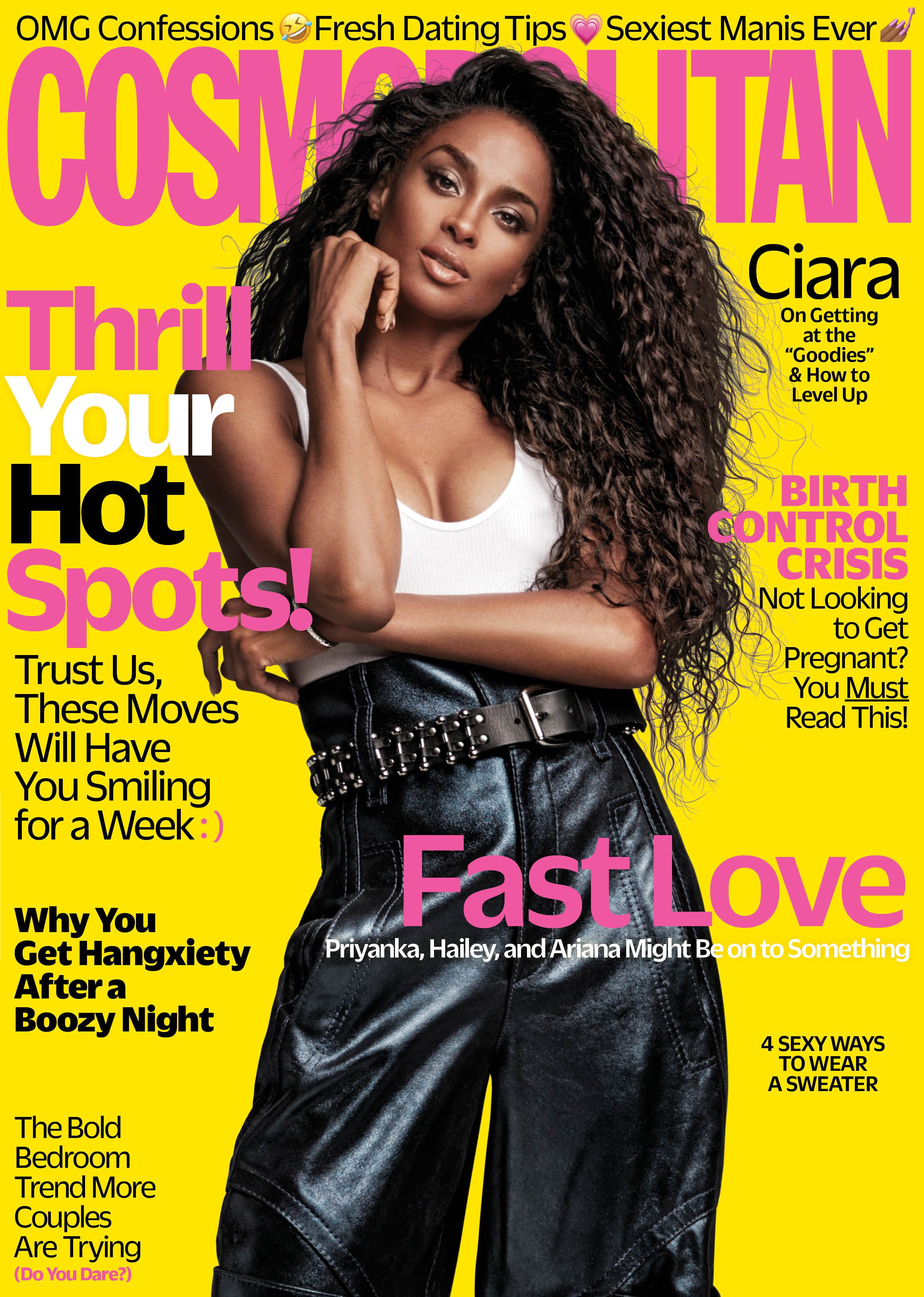
November 15, 2018

“We felt that it completed the package. It’s another way of collaborating and tying in links with local artists. The local zine artist is pretty well-respected. Also with the three, we have the taste – the vodka; we have the listen – the podcast; and we have the read – the zine. So, it’s full circle really. Taste, listen and read.” (Anton Van Der Woude on why he felt in this digital age he needed a zine and voice to build the brand)…

Our/Los Angeles, a distillery in Los Angeles, California, has created a unique concept to build, promote and elevate their brand using taste – the vodka, listen – a podcast they have launched about their beloved L.A., and read – a zine that is illustrated by local artists and that accompanies each episode of the podcast. Taste. Listen. Read. A first for the spirits industry and something that Managing Partner, Anton Van Der Woude, feels sets them apart from other liquor brands out there.

Anton has spent the last 10 years in the alcohol industry, working on different brands in various countries. Today he is thankful to be working on his own brand: Our/Los Angeles. I spoke with Anton recently and we talked about the global/local aspect of building the brand. Our/Los Angeles has several micro distilleries in the Our/Vodka family, from New York to London to Berlin, and this global/local identity serves to further their ties within the communities of each city’s distillery, giving the brand that warm, fuzzy feeling of closeness with local ingredients used in each location, while remaining international and a player within the spirits industry.

Anton said that using voice and the zine to connect with the people, either locals or visitors to L.A., to help them understand the creativeness and beauty that lives within the City of Angels, is just another leg of the stool that connects the brand to L.A. and its various cultures. And while Our/Los Angeles is the only one of the micro distilleries using the concept of taste, listen and read for now, Anton said who knows what the future may bring for all if the unique idea becomes a huge success.

Mr. Magazine™ will keep an eye out on this emerging brand – and be “taste buds” ready for the possible expansion. Who knows – Our/Oxford may be on the horizon.

So, I hope that you enjoy this fascinating Mr. Magazine™ interview as we take a trip to Our/Los Angeles and immerse ourselves in the Our/Vodka culture with Anton Van Der Woude.

But first the sound-bites:


On what he is trying to do with his Our/Vodka, Our/Los Angeles brand and its podcasts and zine:
Our/Los Angeles is the name of our brand and it’s really a celebration of the city and the people in it. Given the fact that the name of our brand is Our/Los Angeles, we’re doing a lot of things to further our ties with the city. And really, we want to be synonymous with everything that’s iconic to L.A. And there are so many weird and wonderful, crazy things going on in this city and everyone is so different here, but the one thing that everyone shares is a love of this wonderfully crazy city.

On whether they plan to expand the concept into more cities: Right now it’s just the focus on L.A. We do have a distillery in New York and we have a distillery in London, and although we’re part of the same family, each distillery is run independently. They’re the same brand; the same P&L with the same positioning. But right now Los Angeles, we’re the only one that has developed this concept of the podcast and the zine. If we have tremendous success with it, the other cities may pick it up and follow a similar concept, but for now it’s just us.

On whether he feels he is a content marketer, content provider or just someone who loves L.A. and its many cultures: This is more of a celebration of the city. Myself personally, I have a sales background and a commercial background. And that’s the part of the business that I run. My business partner is the marketer, he’s had a long distinguished career in the world’s top agencies. He ran Vista Innovations for Leo Burnett and opened several of their American offices. And this was his idea. One of the reasons that we decided to go this route as well is no alcohol brand has ever used voice as a medium to build their brand. So, given that we’re called Our/Los Angeles, we can turn this into not being just about vodka. And we feel that there is a really good opportunity to use voice to build the brand.

On why he felt in this digital age he needed a zine to go along with the voice: Because we felt that it completed the package. It’s another way of collaborating and tying in links with local artists. The local zine artist is pretty well-respected. Also with the three, we have the taste – the vodka; we have the listen – the podcast; and we have the read – the zine. So, it’s full circle really. Taste, listen and read. And we felt that was the complete local package for hotels.

On what he would hope to tell someone the brand had accomplished a year from now: I would like to say that it would be a staple for all major hotel groups in the Los Angeles area. I would like to feel that’s what we are known for. This package is pretty different; there’s nothing else out there like it, no alcohol brand has used voice as a medium to build their brand. And so we think it’s pretty exciting and innovative. And for us, there’s no reason why it shouldn’t be in every single major hotel in Los Angeles.

On what reaction he is aiming for with his audience: It’s to help them understand this city and what’s going on here. And all of the wonderful things they can enjoy when they’re visiting it. Also, the rich, creative culture of Los Angeles; it’s pretty incomparable to anywhere else in the world. One in every six jobs is creative in this city and people come from all over the world, specifically, for that very reason. There’s just a lot going on and we really want to expose that, and to associate our brand with everything that’s going on in the city. And we want to educate and to share.

On anything he’d like to add: The concept of the brand itself is very unique. Again, this is the first time it’s ever been done before in the history of the spirits industry. It’s been done in other industries, but not in liquor. We are the first brand ever to have both a global and local identity at the same time. What I mean by that is earlier I referred to us as having sister distilleries in London and New York and we have one in Berlin; we’re all micro distilleries and we all run independently, as I said. However, we all distill to the same uniform global recipe, but we use local ingredients at every distillery. So, Our/New York tastes different from Our/Los Angeles. The branding looks the same, the bottle looks the same, it’s just says Our/New York or Our/Berlin instead of Our/Los Angeles on the label.

On what he would have tattooed upon his brain that would be there forever and no one could ever forget about him: For me, I would like it to be the success of Our/Los Angeles. I’ve worked on a lot of brands all over the world and I’ve been in the alcohol industry now for over ten years and I finally have one of my own. I’ve always worked for other brands, and one of the reasons this opportunity is so exciting for me is because I get a chance to build my own from scratch. It takes years to build a brand; it’s a very saturated market. There’s not a lot to differentiate each of the brands out there. I would hope that, in years to come, my name will be associated with the success of the brand along with the rest of the team.

On what someone would find him doing if they showed up unexpectedly one evening at his home:
Given the nature of the business, for the first part of the evening, almost every evening, I’m out, picking up relationships, visiting cocktail bars, etc., so that when I get home, I live in a little bit of a zoo. I have 10 animals and animals are very important to me, and so when I get home I tend to the zoo.

On what keeps him up at night: When you’re starting out, and this goes back to the fact that it takes a long time, it takes years to build a brand, and you can be working 24 hours a day and things can be going brilliantly well, but it takes a little bit of time for those successes to be reflected in the P&L of the business. And of course there are moments that can be disheartening, that you’re working so hard and you essentially feel that you’re making so much progress when it comes to the P&L and making money; but it takes a while for those day-to-day wins to be reflected. So really, I guess if I’m ever up at night it’s due to lack of management on my part on that front. I just occasionally get a little impatient and worried that there will be difficulties with all of this.

And now the lightly edited transcript of the Mr. Magazine™ interview with Anton van der Woude, managing partner, Our/Los Angeles Vodka.

Samir Husni: Give me that combination of Our/Vodka brand, with the podcast, and with the zine; what are you trying to do with these entities?

Anton van der Woude: Our/Los Angeles is the name of our brand and it’s really a celebration of the city and the people in it. Given the fact that the name of our brand is Our/Los Angeles, we’re doing a lot of things to further our ties with the city. And really, we want to be synonymous with everything that’s iconic to L.A. And there are so many weird and wonderful, crazy things going on in this city and everyone is so different here, but the one thing that everyone shares is a love of this wonderfully crazy city.

And we’ve designed a local package essentially; it was originally designed as an idea for a hotel and an in-room package for hotels. And the idea was our little .375 bottle really lends itself to portability, gift-ability and share-ability. It has won design awards and it’s great in the rooms. We really wanted to further the local package, so we came up with the idea of podcasts. And the podcast is not about vodka, it’s about Our/Los Angeles. And we’ve had a wonderful range of speakers, everything from local politicians to music venue owners; we even had the Drag Queen of L.A.; we had a white witch, we’ve just had everything under the sun, in terms of guest speakers.

And we also created a little physical zine to accompany the podcasts and the idea is that in the room you can taste, read and listen to something local. It appeals to locals and tourists alike. If you want to tune in to a little bit of culture, little bit of history, you can do that. Or if you’re simply looking for the latest cool hotel roof to go and have a drink at on your trip, there’s information on that.

And the zine accompanies the podcast; we have a zine for each episode. It’s done by a local artist who is well known in that world. As I said earlier, we really want to be synonymous with everything that’s iconic to L.A. and there are so many creative things going on here that we felt this was a good way of furthering our ties with the city without just being about a vodka brand. This isn’t just about vodka; it’s about the love for Los Angeles.

Samir Husni: So, is it about the love of Los Angeles today; maybe tomorrow it’s the love of New York and San Francisco; do you plan on expanding this into more locations than L.A.? Or are you L.A. bound and kept?

Anton van der Woude: Right now it’s just the focus on L.A. We do have a distillery in New York and we have a distillery in London, and although we’re part of the same family, each distillery is run independently. They’re the same brand; the same P&L with the same positioning. But right now with Los Angeles, we’re the only one that has developed this concept of the podcast and the zine. If we have tremendous success with it, the other cities may pick it up and follow a similar concept, but for now it’s just us.

Samir Husni: Do you consider yourself a content marketer or a content provider now, or is it simply because you’re in love with L.A. and its culture that you’re doing this?

Anton van der Woude: This is more of a celebration of the city. Myself personally, I have a sales background and a commercial background. And that’s the part of the business that I run. My business partner is the marketer, he’s had a long distinguished career in the world’s top agencies. He ran Vista Innovations for Leo Burnett and opened several of their American offices. And this was his idea. One of the reasons that we decided to go this route as well is no alcohol brand has ever used voice as a medium to build their brand. So, given that we’re called Our/Los Angeles, we can turn this into not being just about vodka. And we feel that there is a really good opportunity to use voice to build the brand.

Samir Husni: In this digital age that we live in, why did you feel that in addition to voice you needed to have a zine to go along with the voice?

Anton van der Woude: Because we felt that it completed the package. It’s another way of collaborating and tying in links with local artists. The local zine artist is pretty well-respected. Also with the three, we have the taste – the vodka; we have the listen – the podcast; and we have the read – the zine. So, it’s full circle really. Taste, listen and read. And we felt that was the complete local package for hotels.

Samir Husni: If you and I are having this conversation a year from now, what would you hope to tell me that you’ve accomplished in 2019?

Anton van der Woude: I would like to say that it would be a staple for all major hotel groups in the Los Angeles area. I would like to feel that’s what we are known for. This package is pretty different; there’s nothing else out there like it, no alcohol brand has used voice as a medium to build their brand. And so we think it’s pretty exciting and innovative. And for us, there’s no reason why it shouldn’t be in every single major hotel in Los Angeles.

Samir Husni: How will the vodka be allocated, in the minibars?

Anton van der Woude: Yes, it will be in the minibars in the rooms. The bottles of vodka are small .375 bottles.

Samir Husni: You have the concept of taste, listen and read and it has been tried before with craft beer. I have a magazine from Australia that was published with the help of the craft beer industry, where with every beer you read an article. After people have experienced those three elements, taste, listen and read, what do you expect their reaction to be? What are you aiming for?

Anton van der Woude: It’s to help them understand this city and what’s going on here. And all of the wonderful things they can enjoy when they’re visiting it. Also, the rich, creative culture of Los Angeles; it’s pretty incomparable to anywhere else in the world. One in every six jobs is creative in this city and people come from all over the world, specifically, for that very reason. There’s just a lot going on and we really want to expose that, and to associate our brand with everything that’s going on in the city. And we want to educate and to share.

Samir Husni: Is there anything you’d like to add?

Anton van der Woude: The concept of the brand itself is very unique. Again, this is the first time it’s ever been done before in the history of the spirits industry. It’s been done in other industries, but not in liquor. We are the first brand ever to have both a global and local identity at the same time. What I mean by that is earlier I referred to us as having sister distilleries in London and New York and we have one in Berlin; we’re all micro distilleries and we all run independently, as I said. However, we all distill to the same uniform global recipe, but we use local ingredients at every distillery. So, Our/New York tastes different from Our/Los Angeles. The branding looks the same, the bottle looks the same, it’s just says Our/New York or Our/Berlin instead of Our/Los Angeles on the label.

What this means is that people can resonate with the brand around the world, but drink locally in each city. And that’s genius. It’s the way the market is going, with globalization, today the world is so small, everyone has roots everywhere. People want to be able to drink under and recognize a trusted name, but yet drink locally in each place with individual characteristics. And until now, you’re a cross distillery or you’re a big national and there’s no one who has this global/local identity, and for me, it’s the way the market is going. And one of the reasons that I’m a part of this project.

Samir Husni: What do you think is the biggest misconception that people have about you?

Anton van der Woude: Maybe that I’m British and I don’t know L.A. as well as I claim to. (Laughs) Apart from that, the biggest misconception about me…I’m not sure. I guess that would be my answer.

Samir Husni: If you could have one thing tattooed upon your brain that no one would ever forget about you, what would it be?

Anton van der Woude: For me, I would like it to be the success of Our/Los Angeles. I’ve worked on a lot of brands all over the world and I’ve been in the alcohol industry now for over ten years and I finally have one of my own. I’ve always worked for other brands, and one of the reasons this opportunity is so exciting for me is because I get a chance to build my own from scratch. It takes years to build a brand; it’s a very saturated market. There’s not a lot to differentiate each of the brands out there.

And again, this is one of the reasons that we’re trying to do things really differently, like launch the podcast. I have a marketing campaign that’s – you know, alcohol is always traditionally done inside and because of our little .375 and its’ portability, we’ve got a whole marketing campaign about the short trip space. We’re really trying to do things a little differently and innovate, and the only way to survive in this market is to be constantly innovating and be one step ahead. I would hope that, in years to come, my name will be associated with the success of the brand along with the rest of the team.

Samir Husni: If I showed up unexpectedly at your home one evening after work, what would I find you doing? Are you drinking Our/LA; reading a magazine; cooking; watching TV; or something else? How do you unwind?

Anton van der Woude: Given the nature of the business, for the first part of the evening, almost every evening, I’m out, picking up relationships, visiting cocktail bars, etc., so that when I get home, I live in a little bit of a zoo. I have 10 animals and animals are very important to me, and so when I get home I tend to the zoo.

Samir Husni: My typical last question; what keeps you up at night?

Anton van der Woude: When you’re starting out, and this goes back to the fact that it takes a long time, it takes years to build a brand, and you can be working 24 hours a day and things can be going brilliantly well, but it takes a little bit of time for those successes to be reflected in the P&L of the business. And of course there are moments that can be disheartening, that you’re working so hard and you essentially feel that you’re making so much progress when it comes to the P&L and making money; but it takes a while for those day-to-day wins to be reflected. So really, I guess if I’m ever up at night it’s due to lack of management on my part on that front. I just occasionally get a little impatient and worried that there will be difficulties with all of this.

Samir Husni: Thank you.