Magazine covers from Vogue, Time and Der Spiegel that have captured the public’s attention, despite the shift to a digital-first media world.
Magazine covers are in the news again. Vogue’s cover of Vice President Kamala Harris is just the latest to capture widespread audience attention. It won’t be the last. The power of the magazine cover in print has always been significant.
The editors I speak with regularly say that when politicians or celebrities are interviewed, they never fail to ask if they’re cover material. They don’t care about being featured on the web, on social media, on an app, on in any kind of digital space. All they care about is whether they will be on the cover of the printed magazine.
High-profile people, it’s clear, know the power of the magazine cover.
The publisher of People en Español, Monique Manso, recently told me that the promise of a print cover was key to getting access to important people. “It’s the print piece that makes them want to give that exclusive,” she said.
The magazine’s editor-in-chief, Armando Correa, described a celebrity exclusive where the person’s child would be photographed publicly for the first time, but being on the printed cover of the magazine was a precondition.
But as I told Scarlet Fu on Bloomberg’s Quicktake, the decision of what goes on the cover is still the editor’s prerogative, though the audience may not like it.
Vogue’s choice of cover photos for its February 2021 edition, with Harris wearing jeans and sneakers, was met by a tsunami of comments on social media accusing the magazine of “whitewashing” the vice president and showing disrespect for her by publishing such a casual, informal image.
In my interview with Fu, she asked why Vogue didn’t do a split cover — publishing different covers for the same issue — with the vice president. (Her question came before Vogue announced it would print a limited edition split cover featuring another photo that they had previously slated only for digital.)
Split covers are not a novel idea. I have a collection of magazines dating back to 1963 with split covers. They were used to test different names, images, cover lines — you name it. In other cases, magazines produced multiple covers as collectible items. For example, TV Guide issued collectors’ covers celebrating Star Trek’s 35th anniversary.
In its heyday, Redbook would have different covers — one for subscribers and one for the newsstands. For the newsstand edition, people would get a cover line with the word “sex” in it. For subscribers, that word would be changed to “love.” Same cover line, but different wording.
A newsstand edition of Redbook, left, and a subscriber edition, right.
Men’s Health often did the same, highlighting sex and secrets for building abs on the single-copy sales covers.
A newsstand edition of Men’s Health, left, and a subscriber edition, right.
The thinking in both cases was that the word “sex” would grab the attention of the newsstand buyers and lead them to pick up the magazine. That extra emphasis is not needed for subscribers, who already have a relationship with the magazines.
And the trend continues today. InStyle magazine is a perfect example. Look at its February issue — subscribers get one cover with minimal cover line treatment, a title that you can barely see, and a full-body shot of actress and director Regina King. Newsstands get another cover with a very large and bold cover line and a large, close-up shot of King.
A newsstand edition of InStyle, left, and a subscriber edition, right.
In January, InStyle featured former President Barack Obama on the subscriber cover, while the newsstand featured actress Jodie Comer.
A newsstand edition of InStyle, left, and a subscriber edition, right.
But a new question may be emerging. Does there have to be another cover to tame the social media beast?
Look at former first lady Melania Trump, who certainly knows the power of the magazine cover as she was a professional model for many years. From Vogue to British GQ, Trump graced the covers of many top fashion magazines. But as first lady, she had no such exposure. In her four years in the White House not once did she pose for a cover. Many other first ladies were offered that cover privilege: Michelle Obama and Laura Bush, to name two, but not Trump.
Were editors making a political statement by ignoring her? Or were they afraid of the social media pushback the audience isn’t shy to dole out?
The magazine cover is still a powerful tool. Just look at the Jan. 25 cover of The New Yorker, or the January cover of New York magazine.
Recent covers from The New Yorker, left, and New York Magazine, right.
Or compare the cover of Time magazine and its editorial statements. When they chose former President Donald Trump as Person of the Year in 2016, the cover line read “President of the Divided States of America.” Yet when they chose President Joe Biden and Vice President Harris as the Person of the Year 2020, the cover line read “Changing America’s Story.”
Time Person of the Year covers featuring President Joe Biden and Vice President Kamala Harris, left, the 2020 selection, and former President Donald Trump, right, the 2016 selection.
One wonders, is the country less divided today than it was four years ago?
Social media is now a battering ram that can force editors to change their minds and produce covers to placate those on social platforms. My question is, are those people commenting on social media actually customers of the magazine?
There is a danger that the power of editing may be surrendered to masses that are not reflective of the magazine audience at all. When everybody is an editor, nobody is an editor.
New Magazines: The Life Blood Of The Magazine Industry
At Least 4,730 New Magazines Launched In The Last 20 Years…
In any industry or profession, without new birth, products, ideas, or people, there is no growth. If you’re not growing, if you’re not introducing new blood to the mix of what you have, you’re dying incrementally. And the lifecycle and growth of magazines aren’t any different than any other lifecycle. Yes, magazines come and magazines go, but just because one magazine folds it doesn’t mean the entire print medium is dying.
And while in the last 20 years the number of consumer magazines in this country aimed at the general public has remained steady, averaging at around 7,000 titles, it should be noted that in those same 20 years we had at least 4,730 new magazines coming into the marketplace. And the reason I say at least, is because those were the ones that I was actually able to buy and collect ink on papers copies from. My definition was and is still is, “if it is not ink on paper, it is not a magazine.” And if I don’t have a physical copy of the magazine, it does not get added to the data on new magazines. There has always been an influx of new print hitting mailboxes and newsstands nationwide, ranging from a yearly high of 450+ to a low of 60 due to the onset of the pandemic in 2020.
Those new titles are the life’s blood of the magazine industry. And even if 70 percent of those magazines have died, which is the survival average of new magazines after four years of publishing, the remaining provide a good chuck of the magazines in the marketplace.
Why am I talking about new magazines and the need to launch new titles aimed at different audiences? Mainly because people have been asking me about it, many have called and interviewed me about whether there is still room today for new magazines? My answer is there’s always room. To me, magazine publishing is like the digital sphere. There is no end for digital and there is no end for ideas and launching new magazines.
What does it take to launch a new magazine and what are some of the steps to make sure it’s successful?
The most important aspect, based on my research, is that you have to find an audience. That’s number one. An audience who is willing and capable to pay the price of the magazine and the advertised goods in the magazine. The average cover price of a new magazine is inching toward the $10.00 figure. You have to be in the business of selling relevant, engaging content to an audience who one, can afford the price of your magazine and two, can benefit from what’s inside that magazine. The old business model of selling the audience to an advertiser to make money is slowly but surely heading to the history books. You must be in the business of selling content and creating experiences with the audience.
Nobody needs a magazine. Magazines are like chocolate. Nobody needs chocolate but once you start eating it you get addicted to it and you want more. Same thing with magazines. You have to create this relationship. And number two, you have to provide me with something different. Something unique. If I can Google a question and find its answer, it doesn’t belong in your magazine.
So the process of starting a new magazine begins with an idea. The very first thing you need to do if an idea comes to your mind is put it in writing. Ideas come by the dozen and are worth a dime. It’s the execution of the idea that sets it apart. So once you get the idea, once you boil it down to a very specific one sentence “this is what the magazine is going to be all about,” find the means and ways to reach that audience. Because the best ideas in the world, if they don’t have an audience, they are never going to go anywhere.
And believe in yourself. The sky is not the limit. No, you are the limit! Believe in yourself because everyone is going to tell you “this will never work.” And all the successful magazines in history were published based on ideas that folks were told their ideas would never work or no one would ever buy them.
For the last 20 years, new magazines have continued coming into the world just like their predecessors before them. For a glimpse at how the numbers fell in any given year, here is a chart that myself and my team put together of new launches that have frequency from 2001 until 2020.
As you can see, the numbers have been strong (stronger in some years), but even in 2020 with a pandemic raging, we had 60 new magazines to hit newsstands. Nothing short of amazing.
And many of these from the last twenty years are still going strong as you can see from the different titles scattered in this blog.
And these are just some of the titles still engaging the audiences with excellent experience making and good content providing. The longevity of these magazines prove they still have viable, relevant, necessary and sufficient content that audiences want.
So what are you waiting for? Start putting your ideas on paper and let the fun begin. Magazine publishing, as one friend from The Netherlands once told me, “is believing.” And I do believe.
On Feb. 1, 2021, Peter Houston from Media Voices in the United Kingdom interviewed me. Humbled and honored to share my views about magazines and the magazine industry both via the Media Voices PODCAST and the transcript of that interview that appeared later on the Media Voices website, I have asked Peter for permission to repost the interview on my blog and he graciously accepted. The link to the podcast and interview is at the end of the blog.
“Magazines are not going anywhere. The magazines of today are not like the magazines of two years ago. That’s the beauty of magazines, they are a changing platform. I always laugh when people tell me “New Media,” I tell them that every time I get a new copy of a magazine it’s new media.” Samir Husni…
Peter Houston: That quote is from my interview with Dr. Samir Husni, founder and director of the Magazine Innovation Center at the University of Mississippi’s School of Journalism and New Media. You probably know him better as “Mr. Magazine™.” We talked about his 37-year career in teaching, teaching magazines specifically, the wild ride that was magazine publishing in 2020, his print evangelism, the benefits that digital brings and his favorite magazine.
Chris Sutcliffe: That is an exclusive. It has to be like winning the Oscar.
The Sound Bites:
On becoming Mr. Magazine™: Simply put, I’m the man who loves magazines. I fell in love with magazines when I was 11 years old, when I bought my first copy of Superman when it came to my original home country, Lebanon, when I walked from our apartment to the shop and picked up a copy.
On being a print evangelist for many years: Indeed. And actually the vindication came back in 2016. I believe that the Columbia Journalism Review wrote an article about how print is the new new media. They mentioned that this guy, Samir Husni, at the University of Mississippi started this Magazine Innovation Center in ’09, and he believed that print is always going to be there.
On things changing, yet remaining the same in magazines: The more things change, the more things remain the same. The beauty of all of this is that the art of storytelling, the art of magazineship, putting a magazine together, is still an experience. That’s what I tell people, when people say, ‘you’re not a big believer of magazines online’. I say ‘no, because a magazine is an experience. A magazine is much more than content.’
On last year being a big year for subscriptions and whether the lack of outside experiences may have caused it:One, there were very few experiences, and two, most of the experiences that people were subjected to were negative experiences. We were bombarded by bad news on our television screens or our mobile phones. We had the pandemic, then we had the social unrest, then we had the killing of George Floyd. Everything that was coming our way was a bombardment of negative, depressing information.
On whether there has been real social change in magazines concerning inclusion and diversity: It was a major, major change. After the killing of George Floyd and after I read a piece in one of the UK magazines, Love Magazine, that, because we were staying at home, because we were fixated with the television screens, fixated on that video of the killing of George Florida, eight minutes and 52 seconds, there was an awakening in the magazine field.
On whether he thinks this change will last: Magazines, all of a sudden, are listening to their audiences and to their readers more, because they are going to be the major source of revenue. Look at what happened with Vogue, with the Kamala Harris on the cover of Vogue, when the social media erupted, saying that it’s not a good cover. Vogue was forced to go back to print, and put the digital cover on a print edition.
On digital media changing print media: The best thing that digital media has done is that it helps the audience directly tell the editors what they’re feeling, even before the magazine hits the stands. Once they see that cover on the website, or they see that cover on social media, people are voicing their opinions.
On whether editors and publishers having a hard line to draw between the audience and being influencers: The era of those celebrity editors is reaching an end. I think we have very few celebrity editors left. We are seeing a major return to the brand as the influencer, rather than the person behind the brand.
On still being optimistic about print: I am more optimistic, because when I hear that the established magazines, almost with no exceptions, have witnessed an increase of 25, 30% in subscriptions, and people using digital and direct marketing to order more magazines, that gives me hope for the multitude of newcomers to the field as well.
On his favorite magazine: As I started, I told you that I’m the man who loves magazines. Magazines to me are like my children. I will never tell you which child I love more than the other, because I love all my kids the same. However, anytime I get my hands on a Volume One Number One, that’s my favorite magazine for that moment. I have a lot of one-night stands with Volume One Number Ones that I enjoy and cherish – until the second one comes along.
And now the Mr. Magazine™ interview with Peter Houston, Media Voices.
Peter Houston asks about becoming Mr. Magazine™.
Dr Samir Husni: Simply put, I am the man who loves magazines. I fell in love with magazines when I was 11 years old, when I bought my first copy of Superman, when it first came to my home country, Lebanon. I walked from our apartment to the shop and picked up a copy of the first issue of Superman.
As I was crossing the street, flipping the pages, something happened to me. I just fell in love with the art of storytelling, flipping the pages, having a hero, having a villain, all-in-one. For the first time in my life, I felt like I was in control of the pace of the story, in control of the movement of the story. I wasn’t depending on my father or grandfather, to read me a story from the Bible, which was the only book we had at home.
From that moment, I’ve never looked back. I’ve now been teaching for 37 years at the University of Mississippi. In 2009, I created the Magazine Innovation Center to help amplify the future of print in a digital age. Because as you recall, in 2009, everybody was saying, print is dead. We had the iPhone in ’07, then we had the iPad in ’09, and everybody was saying this is the future.
Most people looked at me like, ‘this guy is so in love with magazines, he can’t see straight. He’s starting a center to amplify the future of print, in a digital age? He must have lost his mind’. What nobody knew back then is that I was still continuing my hobby.
It became my education, then became my profession. I tell my students every single day, I have never worked a day in my life. I’m doing the exact same thing I did: collecting magazines, designing magazines, reading magazines, researching magazines, ever since that first day, when I bought that copy of Superman.
I started the Center here and continued the research. The main goal for the Magazine Innovation Center is to help amplify the future of print in the digital age. Anybody that comes and visits me and sees the amount of magazines and boxes of magazines in my office would become a faithful follower of the premise that print is not going anywhere and magazines are not going anywhere.
Peter Houston: For a very long time, you’ve been one of the leading evangelists for print. Do you feel a little bit vindicated that print clearly hasn’t gone away, but actually, we’ve just had probably one of the best years for print subscriptions in a very long time?
Indeed. And actually the vindication came back in 2016. I believe that the Columbia Journalism Review wrote an article about how print is the new new media. They mentioned that this guy, Samir Husni, at the University of Mississippi started this Magazine Innovation Center in ’09, and he believed that print is always going to be there.
With all the interviews I did last year, even during a pandemic, it was amazing to see how people returned to print, because of all the screen fatigue that they had. Almost every publisher I spoke with has seen an increase in his or her print orders and in their subscriptions to their magazines. Like you mentioned, magazines are not going anywhere. They are changing.
Definitely, the magazines of today are not like the magazines of two years ago, or not even like the magazines of 100 years ago. That’s the beauty of magazines, that they are a changing platform. That’s when I laugh when people tell me about new media. I say, every time I get a new copy of a magazine, it’s new media.
It’s funny that you mentioned magazines 100 years ago, because I know on your blog, you wrote about a magazine article around Christmas 100 years ago. I think one of the things that was so interesting about that is that so much has changed – and yet nothing has changed. You talk about innovation but you’re also a magazine historian. Do you find that those things that you can trace all the way back?
The more things change, the more things remain the same. I’m working on a new book now, on all the magazines that were published in the United States in March 1953, the month I was born. I said, “Look, Mr Magazine was born in March 1953, let me take a look.”
I was able to collect and find more than 600 magazines from that month. When I look at them, and when I see some of the stuff that they covered, there was a cover story on a magazine from 1952 called Focus, about why the Russians are interfering with our presidential election. This is 1952!
And then, of course, you saw the ones that I posted on the blog about ‘let’s tell the truth’ from 1918. Or ‘let’s move from me to us’ from 1916. All these topics, you use today. Folks, have we learned anything, or is history just repeating itself and repeating itself?
The beauty of all of this is that the art of storytelling, the art of magazineship, putting a magazine together, is still an experience. That’s what I tell people, when people say, ‘you’re not a big believer of magazines online’. I say ‘no, because a magazine is an experience. A magazine is much more than content.’
If we are only in the content-providing business, we would have been dead a long time ago. But magazines as a whole, the art of putting the magazine altogether, is the art of experience-making. If you cannot create an experience with your magazine, you are not going to be in this business for long.
Do you think that’s why last year was such a big year for magazine subscriptions, and ultimately magazine sales, that there were so few experiences otherwise?
One, there were very few experiences, and two, most of the experiences that people were subjected to were negative experiences. We were bombarded by bad news on our television screens or our mobile phones. We had the pandemic, then we had the social unrest, then we had the killing of George Floyd. Everything that was coming our way was a bombardment of negative, depressing information.
And there comes the magazine in your mailbox, there comes the magazine on the newsstand, saying, ‘cheer up, life can still be good. Make this recipe, relax a little bit, read this piece of fiction. Have fun.’ It’s all positive. That’s the thing that was so important for the great editors and successful magazine folks, is that they did not deviate from the mission of their magazine.
I spoke with one publisher, for the Farmer’s Almanac, a magazine that has been published for more than 200 years. She told me that the magazine had lived through the pandemic of 1980, lived through the civil war in this country, but they never deviated from the focus of the magazine. You were not going to find articles about the Civil War. They leave that to the newspapers.
It’s the same thing with the pandemic now, we leave it to to the digital media. You are going to find what the magazine promised you when you subscribed to that magazine. This is the experience you are going to find: forecasting about the weather, you are going to find good farming things, you are going to find good stories, uplifting things.
Good editors, even during a pandemic and during social unrest, want to stay the course. That’s what I’ve learned from all the interviews I did last year. The one common theme among all of them was ‘stay the course’. Stay true to your audience.
Stay true to that agreement that you had with the audience, what we promised you when you subscribed, when you invited us to your home. We promise you we are going to deliver A, B, and C, and we are delivering A, B, and C. We are not deviating from that.
I know you did quite a lot of work last year around Black Lives Matter and the diversity that was being brought into magazines. Looking back and looking forward, do you think there was a real change?
It was a major, major change. After the killing of George Floyd and after I read a piece in one of the UK magazines, Love Magazine, that, because we were staying at home, because we were fixated with the television screens, fixated on that video of the killing of George Florida, eight minutes and 52 seconds, there was an awakening in the magazine field.
All of a sudden, they discovered that they’ve really not been mainstream. They were magazines that did not cover all races everywhere, whether they are Black or Hispanic, you name it. But mainly, it was the celebration of Blackness, that appeared like never before in the history of magazines.
I have found so far, just from the last six months of 2020, 336 magazines that have Black subjects on their covers. This is almost five times more than we had in the last century combined. It’s amazing. These magazines have never had a Black subject on the cover. This is an amazing, amazing change, where we see that we’re truly going mainstream.
Some may say, we are probably overcompensating, but to me, there is no such thing as overcompensating, because people who buy magazines, they buy them for the experience. Editors used to tell me, if we put a Black subject on the cover of the magazine, our sales will go down. Those were the days where magazines were cheap, those were the days when magazines were more like an impulse buy, because there were only like $1 or 95 cents.
Now, buying a magazine is intentional, because the average cover price of a magazine is almost $8. With some magazines reaching as high as $30, you are not going on an impulse to buy a magazine and pay $30 for the cover price. So the cover is not as essential, it’s still a conversation starter, but it’s not going to make or break your magazine, because you are buying it for the content.
That’s the major shift that we are starting to see, that now we are in the business of selling our content to our audience, not selling our audience to our advertisers, because the business model is changing. Advertisers now have so many platforms to reach us, including direct reach.
I get direct messages from people who want to reach me. They don’t need a magazine to reach me. But when I go and buy the magazine, I’m buying it for its content, the content that is vetted, curated, fact-checked. When I have the magazines in my hand, I’m saying, ‘wow, look at those people, they’ve done so much work for me, to save me time, to save me energy. To give me this Me Time, so I can sit down and relax and forget about everything else that’s taking place.’
Do you think that the editors and the publishers of these magazines looking back are thinking, ‘well, there was no commercial imperative?’ Now, what they’re looking at is a social imperative. Do you think it’ll last because of that lack of commercial imperative?
Even when I did my dissertation at the University of Missouri back in 1983, I talked about the role magazines play in any country. There’s the commercial role. They are a money-making business. If you are not making money, you are going to go out of business.
They are also a marketing tool, marketing for advertisers, for goods, for products, you name it, But there’s also an important social role that the magazines play, which is either an educational role, informational role, reflector of society, and initiators to society.
Magazines used to initiate a lot of stuff. They were always also literature purveyors. Who would have known about Ernest Hemingway, if it was not for the Old Man in DC and Life Magazine? Even this month, Wired Magazine, their February issue just came out with an entire novel, about the next war of 2034. The entire issue of the magazine is one story, one novel, which is, again, reminding us of the role magazines play.
Back in the 60s, after the assassination of Robert Kennedy and Martin Luther King Junior, Esquire Magazine led the campaign to ban gun advertising, because of the violence that was taking place. But we’ve never seen as big a massive change in the social responsibility for all magazines as the one that we’ve seen starting in June of 2020. And it’s still continuing.
Magazines, all of a sudden, are listening to their audiences and to their readers more, because they are going to be the major source of revenue. Look at what happened with Vogue, with the Kamala Harris on the cover of Vogue, when the social media erupted, saying that it’s not a good cover. Vogue was forced to go back to print, and put the digital cover on a print edition.
Of course, they are going to make a lot of money from selling both covers. But again, we are witnessing this massive change where magazine editors and publishers have their ears to the masses now, rather than ‘I am the editor and I can do anything I want to do, and if you don’t like it, tough.’
Do you think in that sense, that’s where digital media is changing print media?
The best thing that digital media has done is that it helps the audience directly tell the editors what they’re feeling, even before the magazine hits the stands. Once they see that cover on the website, or they see that cover on social media, people are voicing their opinions.
People love to give immediate, instant feedback. We live in an age of instant feedback. That’s the danger and the beauty. It’s like a double-edged sword. On one hand, yes, I am listening to you, and on the other hand, you can have a very vocal minority, that will also derail your job and derail what you are doing as an editor.
One time, I was in Bratislava and the editor of the paper there told me that he came up with what I thought was a genius idea, that you can access all our content for free on the web. But if you want to comment, you have to pay €1. You have to pay for every comment. Knowing how much people love to run their mouths and say stuff, they were making more money from the comments than from actually selling the content.
Do you think that editors, and also publishers, have a difficult line to draw, on one hand listening to the audience, but on the other hand, leading the audience and being tastemakers?
The era of those celebrity editors is reaching an end. I think we have very few celebrity editors left. We are seeing a major return to the brand as the influencer, rather than the person behind the brand.
Take an example: if you read anything in the Economist, can you ever tell me who wrote that thing? Or are you going to tell me I read this in the Economist? There are no bylines in the Economist, and the same thing at Home and Gardens. There were a lot of magazines that were based on selling their brand and presenting their brand as the human side, as if that ink on paper is the human coming to visit you and engage with you and your conversation.
You are not going to say, so and so wrote this article in The Economist, or so and so wrote this article in Bon Appetit. You are going to say that, I read this in Food and Wine. We are going to start seeing the celebrity editors taking a step back. This is the major difference between now and what we’ve seen in the 90s, where editors became bigger names than the magazines themselves.
The folks that were writing for Time Magazine, Newsweek, like Fareed Zakaria or Jon Meacham, all these people becoming bigger than the brand, did not help the case for magazines as experience-makers. We are going to see this return to the magazine as the experience-maker and to the brand as your influencer friend, that’s not only reflecting what you are doing, listening to what you are doing, but also helping you, guiding you, setting the roadmap for you as you move forward.
Looking at last year and looking forward, are you still as optimistic as you were about print?
I am more optimistic, because when I hear that the established magazines, almost with no exceptions, have witnessed an increase of 25, 30% in subscriptions, and people using digital and direct marketing to order more magazines, that gives me hope for the multitude of newcomers to the field as well.
Technology has made it so easy to launch a new magazine. It used to be, if you are going to do a magazine was less than 10,000 copies, the printer will throw you out. They said, we can’t do anything less than 10,000 copies. Now I’m getting first editions with 500 copies, limited editions of 500 copies.
Technology has made it possible for anyone who can afford some money to publish a magazine can actually publish the magazine. That’s why we’re seeing a lot of new magazines coming from folks who’ve never published a magazine before.
Still, you have companies like Meredith, who launched a lot of magazines last year during the pandemic, and continue to do so. But also we’ve seen a lot of magazines coming from individual entrepreneurs, who feel like they have an idea to share, they have an experience they want to share, and they’re going to do it.
When it comes to what we’re going to see in 2021, I’ll say my traditional talk about the future, that only two people can tell you the future: God and a fool. I know I am neither God and hopefully I’m not a fool. But we are going to see more magazines, more specialized magazines, more niche titles, that are aimed at a very, very specific aspect of every part of our daily living.
The other reason, I believe, that we are going to see a good return to print is because the freedom of the press, the freedom of speech, belongs to those who own the press, as AJ Liebling once said. When you put all your eggs in one basket, and you don’t own the basket, i.e. social media, Twitter, Facebook, you name it. If they decide to pull the plug, then you have no protection, you’re gone.
But if you own a magazine and publish a magazine, that sense of ownership, which to me is one of the three ships that cruise through all human beings, is one major aspect. You have the sense of membership, like a membership card that you are going to get every month or every week. It’s a reminder that you belong to this community.
You have showmanship: we love to show things. Nobody is going to come to my house and ask what I’m reading on my iPad. But they are going to look at my magazines on my coffee table and pick them up, whereas nobody’s going to touch my iPhone or my iPad and say, ‘hey, let me see what you’re reading’.
Those three ships, ownership, membership, and showmanship, are what gives me hope that we will always have print, we will always have that physical attraction. I joke with my students the whole time: you can have as many virtual girlfriends and boyfriends as you want. But until you try the real thing, trust me, it’s not the same.
I’m going to ask you the impossible question. What is your favorite magazine?
As I started, I told you that I’m the man who loves magazines. Magazines to me are like my children. I will never tell you which child I love more than the other, because I love all my kids the same. However, anytime I get my hands on a Volume One Number One, that’s my favorite magazine for that moment. I have a lot of one-night stands with Volume One Number Ones that I enjoy and cherish – until the second one comes along.
“That’s why I feel there is a life for print, but it’s just a question of what is so valuable that we have to print it? And that’s where we search for stories. Automotive Industries clients do not invest good money after a bad story. So we find if they’re willing to invest in the story, the technology is valuable…it’s worth it.” John Larkin…
Automotive Industries (AI) is the world’s oldest continually published trade publication covering the auto making business. It was founded in November 1895 as “The Horseless Age,” the first magazine created to cover the world’s transition from horse-drawn conveyances to those powered by the new internal combustion engine. The magazine’s present name was established in November 1917.
Automotive Industries is devoted to providing a global coverage on all aspects of the automobile marketplace, with an emphasis on the people, products and processes that shape the industry. Automotive Industries provides manufacturers and suppliers with in-depth news, information, insight and analysis on the global events that affect the auto industry.
John Larkin is the brand’s publisher and enjoys a 16-year connection with the magazine. His passion and excitement for the brand and all that entails is prominent throughout our conversation. This interview is with a man who firmly believes his product’s firm foundation in print, the magazine is 125-years-old, integrates quite nicely with its digital extensions.
I spoke with John recently and we talked about the past, present and future of Automotive Industries. It was a delightful conversation from his home base in Jerusalem. John says he is just passing the torch for the next generation to carry on the traditions of AI and to bring on even more innovations in print partnerships and growth.
Indeed. Mr. Magazine™ would have to agree with John’s optimism and vision. The longevity of the brand stands strong.
So please enjoy the Mr. Magazine™ interview with John Larkin, publisher, Automotive Industries magazine.
But first the sound-bites:
On the direction he sees the 125-year-old magazine heading: The way I see her future, including her print future, is that everything we do in print, of course we do in all formats. So today I feel that the print side is only one percent of the distribution, even less than one percent. However, I use the print side as the key to everything else.
On where the most revenue comes from, print or digital or both: We use the advertising revenue, one purchase, one advertisement, which is in print, we use that to trigger pretty much all of our revenue. We have subscription revenue from collectors, from universities, from libraries, this may transition as we get more knowledge, at the moment we allow one advertisement purchase. this gives our customers print exposure, it gives them web banners, and it gives them an opportunity for an editorial partnership. So we just ask for one purchase, one ticket to the party and we give them full exposure.
On where he would like the magazine to be on its 128th anniversary: The dream is a 24-hour operation. Of course it has to be in English, but then bringing in second languages for the auto industry, whether the principle second language is German, then Spanish, then Chinese. But let’s just think about the English language as a trading language first. So a 24-hour operation publishing news around the clock. A 24-hour channel, whether it’s a Zoom channel or just “a” channel, a digital channel, 24 hours, serving designers and engineers around the globe. That would be the right future and present for Automotive Industries.
On whether he envisions only a green light up ahead, no red or yellow: Our responsibility is to share. To receive information and then to share it. Mobility is a beautiful thing. It’s a dream. From the time the caveman and cavewoman were sitting under the stars around their campfire, we’ve always dreamt about mobility, getting from A to B, whether it’s going to Mars with the Tesla and Elon Musk, mobility is a dream. I love it when a carmaker brings out the most amazing vehicle and he displays it at one of the trade shows. Yet seconds later, the designers and engineers are already working on the next idea. It’s without end.
On why people comes before product and process in the magazine’s tagline: I can’t take credit for that, I wish I could. When I took over Automotive Industries I did not try to change the model because it was already very successful with some of the biggest publishing houses in the world, Cahners & Reed Publishing, for example, and when we acquired Automotive Industries that was already their tagline: People, Product, Process. I didn’t want to change anything. I knew these guys had got it right. She’s such a premier brand in the industry; she’s an iconic brand in automotive design, and I felt if I touched it, I didn’t want to break it. (Laughs)
On why there is a bicycle on the current cover of Automotive Industries: (Laughs) And why did we do that? That interview is an interesting personality Ernst Prost, CEO of Liqui Moly, who took an opposite approach during the pandemic. He hired extra staff, he published more news; I’m not sure about his investments, but he probably invested more in opportunities and their turnover went up 38 percent year over year, when everybody else was going down. And we wrote about that.
On what makes him get out of bed in the morning: I wake up optimistic. I like to wake up with the sun. I love growth. I love ideas that have been born, that are coming to fruition. Maybe the seed of the idea was a while ago, but I love it when it comes together. The greatest satisfaction is when a customer sends me a testimonial or sends me a note saying that they love what we did for them. Getting that feedback gives me joy.
On how he unwinds in the evenings: I like to meditate. And then I like to do a little bit of non-automotive news in the evening. And music; I like some gentle classical music just to soothe the day. I like to work to the point of being tired and then make a nice meal and then fall asleep. (Laughs)
On what keeps him up at night: Not a lot. As long as my family are healthy, I’m comfortable. I just want them to be healthy and then I can sleep well. I can deal with challenges in the morning. I get up very early. I kind of like to be half exhausted, especially after my evening meal and then go to bed relatively early. As long as my family are healthy, then I can sleep.
And now for the lightly edited Mr. Magazine™ interview with John Larkin, publisher, Automotive Industries magazine.
Samir Husni: As publisher of a magazine that’s almost 125 years old, in what direction do you see the future of Automotive Industries heading?
Larkin: The transition for Automotive Industries and yes, she’s 125-years-young; I like to say that she is the grandmother dancing at the wedding. She’s full of energy. She a 125-year-old startup. In a way, I feel that we’ve been preparing for the digital age from probably 2000 onward.
I wasn’t with Automotive Industries in 2000, but I did take over as publisher 16 years ago. I constantly have the mentality that we should be virtual as an organization, that our costs should be principally toward the magazine, so if a client spends X to advertise with us, then as much of their cost is toward the magazine and toward the cost of sale. Very little cost needs to be indirect cost, so therefore the advertiser is getting a bigger bang for his buck.
How we achieve that, my office is my home. So any fixed costs are at a minimum. That has made us light as an organization. The pandemic only accelerated our journey to digital, but not full digital because I feel that Automotive Industries has been 125 years in print, so my goal is to pass the torch to the next publisher. I feel I’m only holding the torch. And I’ve always had that mentality since my beginning with AI (Automotive Industries).
The way I see her future, including her print future, is that everything we do in print, we publish in all formats. So today I feel that the print side is only one percent of the distribution, even less than one percent. However, We use the print side as the key to everything else. So when we do a story with a client or any contact within industry, we create a front cover for them and we broadcast that front cover. We print that edition with their front cover; we’ll give them as many print editions as they need, but we will then broadcast that front cover edition to tens of thousands, even hundreds of thousands of automotive industry professionals through various social media platforms.
It’s an interesting question, the life of print, for me, the answer is very simple. If something is important enough, it will have life in print. Everybody will print their marriage certificate; everyone will print their birth certificate; photographs of special memories of their family, and so on. Into the future my feeling is if something is important enough, it will have a print life.
So my goal with Automotive Industries is that we go in the direction of collectible print; go in the direction of a souvenir editions, even a hardback edition, where people will own that particular edition without end, for an eternity. So I feel there is the collectible element and the social media element, which is also unlimited in numbers.
I want Automotive Industries to be in print for many, many years into the future, but also of course, relevant in print, which I feel is in the direction of collectible, souvenir, celebrating anniversaries, such as a 100 year anniversary of a car-making company, a 100 year anniversary of a supply company, an amazing new model or innovation that people are so excited about that they want a print collectible version. We use that print cover to broadcast to potentially millions of people.
Samir Husni: Is most of the revenue coming from print or digital or both?
Larkin: We use the advertising revenue, one purchase, one advertisement, which is in print, we use that to trigger pretty much all of our revenue. We have subscription revenue from collectors, from universities, from libraries, but at the moment and this may transition as we get more knowledge, at the moment, we allow one advertisement purchase, that gives our customers print exposure, it gives them web banners and it gives them an opportunity for an editorial partnership. So we just ask for one purchase, one ticket to the party and we give them full exposure in all formats.
Our goal is to reintroduce Automotive Industries to a bigger publishing organization, that can obviously go in the direction post-pandemic of conferences and events because of her brand equity. She has readers in various supply companies around the world and in the United States who have been reading trusted editorial content from AI generation to generation.
So the easy answer is all of our revenue is from print advertising, because we just bundle it into the same package.
Samir Husni: Where do you want to see the magazine for its 128th anniversary?
Larkin: The dream is a 24-hour operation. Of course it has to be in English, but then bringing in second languages for the auto industry, whether the principle second language is German, then Spanish, then Chinese. But let’s just think about the English language as a trading language. So a 24-hour operation publishing news around the clock. A 24-hour channel, whether it’s a Zoom channel or just “a” channel, a digital channel, serving designers and engineers around the globe. That would be the right future and present for Automotive Industries.
Why? Because that reflects the automotive industry. General Motors is not a North American operation. General Motors is a 24-hour operation. So is Ford Motor Company, all the German makers, the Chinese makers, all the Asian makers, it’s a 24-hour conversation between professionals in the industry. I can see AI being a 24-hour news operation. And then giving designers and engineers the opportunity to plug into Automotive Industries anytime of the day or night with some type of live activity. That live activity could be a news channel around the clock, of course it already exists as a 24-hour print operation.
One of the blessings in disguise during these last 12 months was that we re-broadcast the website a hundred percent, so we moved from our old platform, which was dated from 16 years ago, and then we went with WordPress, an application programming interface which we find very efficient. It’s a bit like driving one of the luxury makers’ vehicles. We used the quiet time during the pandemic to race ahead with our digital platform. As a 24-hour operation, Automotive Industries would reflect the news requirements of the automotive industry today.
Samir Husni: You envision only a green light? There is no red or yellow light ahead?
Larkin: Our responsibility is to share. To receive information and then to share it. Mobility is a beautiful thing. It’s a dream. From the time of the caveman and cavewoman sitting and wondering under the stars around their campfire, we’ve always dreamt about mobility and getting from A to B. Whether it’s going to Mars with Tesla’s creator Elon Musk, it’s mobility, it is a dream. I love it when a carmaker brings out the most amazing vehicle and displays it at one of the trade shows. Yet seconds later, the designers and engineers are already working on the next idea. It’s creativity without end.
So the dream for Automotive Industries is just to reflect that news. It’s not us, it’s the engineers and designers. All we’re doing is being a stage or a platform to let them share their amazing developments. Whether it’s a technology that saves a life or whether it’s a technology that gives greater fuel efficiency so that we’re saving the planet, it just doesn’t stop. It’s beautiful.
We could have 100 times more people than we have and we still couldn’t share all the news. (Laughs) I love the energy of the industry and the innovations in the industry. I’m very lucky that I work with AI which has been sharing those innovations since the birth of the industry and I am looking forward to passing it on to the next person.
Samir Husni: The tagline for Automotive Industries is people, product, process. Usually in most of the trade magazines, the focus is on the trade itself, you put people first. Why is it people before product and process?
Larkin: I can’t take credit for that, I wish I could. When I took over Automotive Industries I did not try to change the model because it was already very successful with some of the biggest publishing houses in the world, Cahners & Reed Publishing, for example, and when we acquired Automotive Industries that was already their tagline: People, Product, Process. I didn’t want to change anything. I knew these guys had got it right. She’s such a premier brand in the industry; she’s an iconic brand in automotive design, and I felt if I touched it, I didn’t want to break it. (Laughs)
But it rings true. And the bottom line is, yes, it is the people who design the cars. It’s the people who come up with a new method for factory automation. The original editors of Automotive Industries called for a society of engineers to make the parts for the cars more common, otherwise inventors from different parts of the world would be coming up with different sized engines and wheels and it would be a big mess.
So, our founding editors helped create the Society of Automotive Engineers. The “Horseless Age,” was founded in 1895, 10 years before Ford Motor Company was started. However, for 10 years before starting Ford Motor Company, Henry Ford was in racing circles whose members would meet every month in a different city to have a racing event. They started publishing a newsletter for their members distributed at these events and by mail. So, I’m confident that Henry Ford was among those professors, inventors, doctors and racing enthusiasts who were among our first readers in 1895.
Samir Husni: I have to ask, the current issue of Automotive Industries, a car magazine, has a bicycle on its cover?
Larkin: (Laughs) And why did we do that? That interview is an interesting personality, Ernst Prost, CEO of Liqui Moly, who took an opposite approach during the pandemic. He hired extra staff, he published more news; I’m not sure about his investments, but he probably invested more in opportunities and their turnover went up 38 percent year over year, when everybody else was going down. And we wrote about that.
We did a cover to celebrate his 30 year relationship with one of the executives in his corporation. And one of the things that he talked about in that conversation was how longevity, loyalty of staff; how many of his workers have been with him 30 years or longer in the company. He was dedicated to relationships, dedicated to investing in his customers. So I loved the bicycle because it was like, “Wait a minute, what’s going on here?” We’re talking about cars and there’s a bicycle on the cover. So it was just to get people to think twice.
That’s a good example where Sebastian Zelger, Ernst’s CEO of Liqui Moly’s operation in the United States shared this edition with a thousand of his contacts, so that’s how we help to get their print story go viral in the social media world. That’s why I feel there is a life for print, but it’s just a question of what is so valuable that we have to print it? And that’s where we search for stories. Automotive Industries clients do not invest good money after a bad story. So we find if they’re willing to invest in the story, the technology is valuable…it’s worth it.
Samir Husni: What makes you tick? What motivates you to get out of bed in the morning?
Larkin: I wake up optimistic. I like to wake up with the sun. I love growth. I love ideas that have been born, that are coming to fruition. Maybe the seed of the idea was a while ago, but I love it when it comes together. The greatest satisfaction is when a customer sends me a testimonial or sends me a note saying that they love what we did for them. Getting that feedback gives me joy.
What wakes me up in the morning? I just feel having all areas of my life fairly balanced, like the spurs of a wheel. Of course, my family and of course, health and Automotive Industries’ growth. I want AI to be in good hands. So I guess it’s a combination of things.
Samir Husni: How do you unwind in the evenings after a long day of work?
Larkin: like to meditate. And then I like to do a little bit of non-automotive news in the evening. And music; I like some gentle classical music just to soothe the day. I like to work to the point of being tired and then make a nice meal and then fall asleep. (Laughs)
Samir Husni: My typical last question; what keeps you up at night?
Larkin: Not a lot. As long as my family are healthy, I’m comfortable. I just want them to be healthy and then I can sleep well. I can deal with challenges in the morning. I get up very early. I kind of like to be half exhausted, especially after my evening meal and then go to bed relatively early. As long as my family are healthy, then I can sleep.
“I would say that having a print magazine gives the readers more ownership of the magazine. It gives them a closer relationship with it. And to be honest, I think a lot of us are tired of our kids staring at screens these days and so we encourage them to read magazines. They should be able to hold the magazine in their hands, flip the pages back and forth easier than scrolling, mark it up if they want. It’s their magazine and they can do what they want with it rather than just looking at it on a screen.” Elizabeth Crooker…
“I can say specifically with our magazine, Faces, they’re used educationally, so especially with the whole remote situation that everyone is in these days, these printed magazines can be used as extra learning materials outside of the classroom. We try to make everything, such as things that can go in teacher’s guides and materials like that. So we keep it educational.” Nicole Welch…
Faces magazine takes young readers to places as far as the other side of the world and as close as the next state to get an honest and unbiased view of how children in other places live. Whether it’s planning a trip or just wanting to learn about faraway places, Faces gives then the information they need to feel like a local. From common customs to rules of the road, unusual foods to animals found in the region, games to housing, Faces uses breathtaking photography and authentic local voices to bring the entire world right to young readers’ mailboxes.
I recently spoke with editor, Elizabeth Crooker and art director, Nicole Welch, about this charming magazine that is one of Cricket Media’s prized possessions. Faces readers are usually between the ages of 9 and 14, and as Elizabeth proudly says, they are never talked down to inside the pages of the magazine. They are treated with sophistication and respect in both content and design. Nicole is as adamant about that in her design methods as Elizabeth is in her editorial talent. It’s a winning combination – Elizabeth and Nicole. They genuinely care about the kids who read their content and they genuinely care about their brand.
Now please enjoy the Mr. Magazine™ interview with Elizabeth Crooker, editor and Nicole Welch, art director, Faces magazine.
But first the sound-bites:
Elizabeth Crooker, Editor, Faces magazine
On what role a printed magazine plays in a digital world (Elizabeth Crooker): I would say that having a print magazine gives the readers more ownership of the magazine. It gives them a closer relationship with it. And to be honest, I think a lot of us are tired of our kids staring at screens these days and so we encourage them to read magazines. They should be able to hold the magazine in their hands, flip the pages back and forth easier than scrolling, mark it up if they want. It’s their magazine and they can do what they want with it rather than just looking at it on a screen.
Nicole Welch, Art Director, Faces magazine
On why they chose to reinvent the magazine now, during a pandemic (Nicole Welch): One of the biggest reasons was that the art director for Faces actually retired and I was taking over the magazine. And when I take over magazines, the first thing I do is sit down with everybody and I see what works and what doesn’t and it’s part of an art director’s job to do so. And we decided that a lot of the pages weren’t templated as well and we just wanted to make something a little more modern-looking and engaging for our readers. So with that, we did a full redesign of the magazine before I took over.
On the biggest challenge Elizabeth faced in 2020 as editor of a children’s magazine (Elizabeth Crooker): Part of the challenge was that we work so far in advance that we didn’t really touch on any of the big changes that were going on in kid’s lives with our 2020 issues. It’s not until now, which we’re working on our February issue, and we’re talking about global health and we’re talking about how vaccines work and how different organizations work together to get vaccines from the factory to places all around the world. So for us, 2020 was almost a wrap. We already had our themes chosen.
On whether she feels a stronger responsibility to her readers as an editor of a print magazine versus online (Elizabeth Crooker): Our audience is from 9 to 14, so we have to take into consideration where these kids are and what they’re learning at school so it can supplement that, but we also need to give the kids the benefit of the doubt and let them come to their own conclusions, present the facts and you come to the conclusion you want.
On the role the audience plays in the magazine’s design (Nicole Welch): I do a lot of research and I look at a lot of magazines. I look for different colors to bring into the magazine; different fonts that are easy to read; stylistically and visually easy to flip through. I try to make it as engaging and interesting for our readers as possible, to draw them in, almost like I’m telling a story, so that they can follow the editorial but they can also look at the pictures and get a good idea by just looking at those pictures what the features are about. And that’s a big part of it.
On whether the job of editor is getting easier or harder as she moves forward into 2021 and beyond (Elizabeth Crooker): Well, I would never admit it if my job were getting easier. (Laughs) It’s definitely evolving. When I first started at Faces we were probably a very different magazine than what a kid would pick up now. We’ve always been a magazine that doesn’t talk down to the kids. And Nicole’s design reflects that too; her design isn’t too young and it’s very sophisticated, which I think the kids appreciate.
On how they put an issue of the magazine together (Elizabeth Crooker): The first thing we do on an annual basis is select our themes. I’ve been doing this long enough that I know which themes we’ve covered recently and what themes we haven’t covered at all. And if there’s something that we haven’t covered in a while, for example we’re doing South Korea again in May and June, which we haven’t done in seven or eight years, so the thought is to add to what we have and update and then with new information, like the global health issue, it will be much different than the global health issue that we did 15 years ago.
On the role diversity and inclusion plays in the brand (Elizabeth Crooker): Because of the nature of Faces, diversity has always been at the top. Even when we do issues that have more of a general theme, I always make sure I have something from all over. If we’re doing music, I have something from Asia, I have something from Africa, something from Europe, South America, North America. It’s always been part of the planning process. And I don’t think there’s anything wrong with making sure the diversity is there, but for Faces I feel like it’s always been there. But there’s nothing wrong with being sure.
On anything they’d like to add (Elizabeth Crooker): I’ve always been Faces biggest fan. And today, when everyone is kind of turning in toward their homes, Faces is a way to still connect with the outside world. So, it’s more important now than ever. I really hope people know that it’s here and a resource for them to use and parents are giving it as gifts.
On what makes them tick and click and get out bed every morning (Nicole Welch): Just the excitement of designing; it’s always something new when I’m designing magazines. It’s like a new story, I’m telling these kids stories and I like to engage them and I like when they engage back with us. So I try and create my magazines in that way so that we have that type of communication, even though it’s on paper. And I like to keep it fun. And like Beth said, we’re always learning something new from our own magazines. We definitely hope the readers keep on reading.
On how they unwind in the evening (Nicole Welch): I do a lot of freelance work on the side as well and I have two small children, so they keep me very busy, making dinner and doing the mom thing. We try to watch movies together at night sometimes just to relax and let my mind sink into something different.
On what keeps them up at night (Elizabeth Crooker): Probably just worrying about my kids. I have a freshman in college and a sophomore, they’re older, but you still worry. Once a mom always a mom.
And now for the lightly edited Mr. Magazine™ interview with Elizabeth Crooker, editor & Nicole Welch, art director, Faces.
Samir Husni: We live in a digital age; there is no doubt about it. What role does a printed children’s or teen magazine play in today’s digital world, whether it’s Faces or Muse or any of the other magazines that your company publishes?
Nicole Welch: I can say specifically with our magazine, Faces, they’re used educationally, so especially with the whole remote situation that everyone is in these days, these printed magazines can be used as extra learning materials outside of the classroom. We try to make everything, such as things that can go in teacher’s guides and materials like that. So we keep it educational. That’s what we do specifically on our end, I’m not sure about teen magazines, but I assume it’s a similar process.
Elizabeth Crooker: I would say that having a print magazine gives the readers more ownership of the magazine. It gives them a closer relationship with it. And to be honest, I think a lot of us are tired of our kids staring at screens these days and so we encourage them to read magazines. They should be able to hold the magazine in their hands, flip the pages back and forth easier than scrolling, mark it up if they want. It’s their magazine and they can do what they want with it rather than just looking at it on a screen.
I have a whole stack of them in my office, so it’s easier for me to go back and look and I hope that’s what the kids are doing too because we’re talking about the world, we have issues that will touchback. We did an issue on birds and then we did an issue on New Zealand where we talk about birds, so you can go back to the bird issue and see that one. And it’s easier when you have them right in front of you rather than on a screen where you have to turn on a device and make sure it’s charged.
Samir Husni: Why did you decide in the midst of a pandemic and during these times of immense unrest in our country to reinvent Faces or reinvent Muse? Did you have so much time on your hands working remotely that it seemed like the right moment for a reinvention?
Nicole Welch: Absolutely not. One of the biggest reasons was that the art director for Faces actually retired and I was taking over the magazine. And when I take over magazines, the first thing I do is sit down with everybody and I see what works and what doesn’t and it’s part of an art director’s job to do so. And we decided that a lot of the pages weren’t templated as well and we just wanted to make something a little more modern-looking and engaging for our readers. So with that, we did a full redesign of the magazine before I took over. But that’s the only reason why, not because I had more time, because trust me, I did not. (Laughs)
Samir Husni: What was the biggest challenge you faced in 2020 as a magazine editor for a publication aimed at children and how did you overcome it?
Elizabeth Crooker: Part of the challenge was that we work so far in advance that we didn’t really touch on any of the big changes that were going on in kid’s lives with our 2020 issues. It’s not until now, which we’re working on our February issue, and we’re talking about global health and we’re talking about how vaccines work and how different organizations work together to get vaccines from the factory to places all around the world. So for us, 2020 was almost a wrap. We already had our themes chosen. We did intersperse – we have a young girl in New Hampshire named Kylie who pen pals, and it kind of seeped in through her organically with her correspondence with people around the world. Talking about wearing masks at soccer and things like that.
Samir Husni: Do you feel a certain responsibility as an editor of a print magazine rather than someone posting on social media or online?
Elizabeth Crooker: Our audience is from 9 to 14, so we have to take into consideration where these kids are and what they’re learning at school so it can supplement that, but we also need to give the kids the benefit of the doubt and let them come to their own conclusions, present the facts and you come to the conclusion you want. And I’m thinking about an article we did on the Amazon and we talked about how the current administration wasn’t supporting legislation so the rainforest was getting cut down at a faster rate. So, we’re just presenting the facts and we’re leaving it up to the kids to draw their own conclusions and hopefully go on and find out more with their own research.
And with print, I feel like it’s going to be around longer. I think if you read a magazine online you’re done with it once you’re finished reading it. With print magazines it might lay around on your coffee table; you might share it with a friend; you might donate it to a library, so it has to have timely information in it as well, you don’t want it to be so current that it becomes useless. It needs to be timely and timeless, and that’s the tricky part. (Laughs)
Samir Husni: What role does your audience play in the design of the magazine?
Nicole Welch: I do a lot of research and I look at a lot of magazines. I look for different colors to bring into the magazine; different fonts that are easy to read; stylistically and visually easy to flip through. I try to make it as engaging and interesting for our readers as possible, to draw them in, almost like I’m telling a story, so that they can follow the editorial but they can also look at the pictures and get a good idea by just looking at those pictures what the features are about. And that’s a big part of it.
I also feel that research is huge. I do a ton of research; I take photos and I sit down and I analyze everything. I do that because I want to keep everything modern and I want to make sure that I’m staying within the guides of what’s going on in the world.
Samir Husni: Based on what’s going on in the world, do you think your job is getting easier or harder as you move forward into 2021 and beyond?
Elizabeth Crooker: Well, I would never admit it if my job were getting easier. (Laughs) It’s definitely evolving. When I first started at Faces we were probably a very different magazine than what a kid would pick up now. We’ve always been a magazine that doesn’t talk down to the kids. And Nicole’s design reflects that too; her design isn’t too young and it’s very sophisticated, which I think the kids appreciate.
But where the challenge comes in is that kids today do have access to all kinds of social media. They get their news from so many different sources, so making sure that we have accurate and unbiased content is important. Like Nicole said, research, research, research, so that we can back up all of our facts, just so that we know what the kids will be reading is true and accurate. That’s probably the biggest challenge. If a child is doing a project for school on Brazil, I hope that they would do more than just google Brazil. I hope that they’re looking at magazines, books and newspapers. So, I would say that my job is definitely evolving and challenging.
Samir Husni: Can you tell me about how you put an issue of the magazine together, from the creation to the birth process?
Elizabeth Crooker: The first thing we do on an annual basis is select our themes. I’ve been doing this long enough that I know which themes we’ve covered recently and what themes we haven’t covered at all. And if there’s something that we haven’t covered in a while, for example we’re doing South Korea again in May and June, which we haven’t done in seven or eight years, so the thought is to add to what we have and update and then with new information, like the global health issue, it will be much different than the global health issue that we did 15 years ago.
That’s the initial thing and then Nicole will make suggestions. She was the one who recommended Costa Rica and Central America because of the vibrant colors and how much fun it would be. Then the education team will make suggestions. We’ve worked with the Smithsonian before on topics. We talk to the editors. Our global issue is coming out at the same time Cobblestone is doing an issue on Clara Barton, so we try and match up with other magazines to expand the type of content that we have across the company.
Then when it comes to deciding what articles to put in it, that’s probably my favorite part of my job, going through the queries, doing the research. And for me it’s just trying to find that wow factor, something that is unique about the culture, but hopefully we’re looking at it in a different way. If we’re going to do an issue on Italy, we’re going to cover the ruins, but we want to do it in a way that’s different from what kids have found other places.
Then Nicole and I will meet and talk about the articles and I’ll suggest photos and art and then which ones I want illustrated. And then she’ll suggest illustrators.
Nicole Welch: At that point we’ll have a design meeting after Beth has done her research. And we sit down and talk about every single feature or department that’s in the magazine. She’ll add a lot of primary source photos for us to use and from there it’s just going into designing. Before designing I read every story and try to get a good feel for it. I do additional research on photos myself if I want to add different elements or maybe I might suggest a sidebar or a fun fact to bring into the feature to kind of elevate it. We work really well together and we’re constantly communicating. And I think that’s what makes our magazine successful.
We have professionals from all over the world adding to our issues, whether they’re illustrators or people who are writing the stories. So we try to just bring in people from the areas to add to it which helps our magazine tell the story that it needs to tell.
Samir Husni: Being a global magazine, you’ve covered social issues. What role does diversity and inclusion play in the brand?
Elizabeth Crooker: Because of the nature of Faces, diversity has always been at the top. Even when we do issues that have more of a general theme, I always make sure I have something from all over. If we’re doing music, I have something from Asia, I have something from Africa, something from Europe, South America, North America. It’s always been part of the planning process. And I don’t think there’s anything wrong with making sure the diversity is there, but for Faces I feel like it’s always been there. But there’s nothing wrong with being sure.
Nicole Welch: I think everybody is making sure there’s more diversity and inclusion, but specifically with Faces, as Beth said, we cover specific areas like New Zealand or Africa, so we’re covering the kids that are within those areas no matter what their ethnicity. It’s not forced with that specific magazine, but yes, we want to make sure everybody is included and that our magazines are accessible and that they feel accessible to everyone.
Elizabeth Crooker: There are times when illustrating or using photos for an activity, we’ll make sure that there is a very diverse group.
Samir Husni: Is there anything either of you would like to add?
Elizabeth Crooker: I’ve always been Faces biggest fan. And today, when everyone is kind of turning in toward their homes, Faces is a way to still connect with the outside world. So, it’s more important now than ever. I really hope people know that it’s here and a resource for them to use and parents are giving it as gifts.
Nicole Welch: We like to say it’s the gift that keeps on giving. (Laughs)
Samir Husni: What makes you tick and click and get out of bed in the morning?
Elizabeth Crooker: Coffee. (Laughs) My favorite part about this job and it sounds really weird, but I feel like doing a research paper every month. I was the nerd in school that always read the book, so for me that’s exciting. I love to learn new things. I am an excellent Jeopardy player. (Laughs again) If you ever want to go on Jeopardy, read our magazines, you’ll learn so much. Learning new things is the exciting part for me.
Nicole Welch: Just the excitement of designing; it’s always something new when I’m designing magazines. It’s like a new story, I’m telling these kids stories and I like to engage them and I like when they engage back with us. So I try and create my magazines in that way so that we have that type of communication, even though it’s on paper. And I like to keep it fun. And like Beth said, we’re always learning something new from our own magazines. We definitely hope the readers keep on reading.
Samir Husni: How do you unwind in the evening?
Elizabeth Crooker: Definitely a book. I read a lot of fiction, because for work I focus mostly on non-fiction. So my escape is fiction, although I love historical fiction, which is a little of both.
Nicole Welch: I do a lot of freelance work on the side as well and I have two small children, so they keep me very busy, making dinner and doing the mom thing. We try to watch movies together at night sometimes just to relax and let my mind sink into something different.
Samir Husni: My typical last question; what keeps you up at night?
Nicole Welch: I’ve had that problem from the very beginning of time, I think. (Laughs) Being in the creative industry, that’s where I get most of my thoughts. There’s a lot going on in the world politically and with the Coronavirus, it’s just been awful. But for me what pops up in the middle of the night is different creative ideas that keep floating into my head.
Elizabeth Crooker: Probably just worrying about my kids. I have a freshman in college and a sophomore, they’re older, but you still worry. Once a mom always a mom.
“There’s a cultural relevancy to magazines and newspapers for Latinos. And because these are multigenerational households, that cultural relationship, that emotional relationship to print is passed down through the generations. And that’s why so much of our story is about readers per copy.” Monique Manso…
“For me, it’s important that everything is connected here. Print is important; the celebrities love to be on the cover of the magazine and they want to be on the website. But when you’re negotiating an exclusive, it’s print. And the loyalty – we have almost half a million subscribers every month.” Armando Correa…
People en Español has been a defining force in the Hispanic magazine market since its inception in 1996. The Spanish-language American magazine published by Meredith Corporation covers the general world of entertainment, articles on fashion and beauty, and human interest stories. And as Editor in Chief Armando Correa says they do it with truth and passion, “Our audience knows that when they go to People en Español everything is true. Everything is confirmed.”
I spoke with Armando and Publisher Monique Manso recently and we talked about this force to be reckoned with, its diversity and inclusive nature, and its passion for celebrities and great covers. And while the magazine is totally and successfully integrated, Monique says that when it comes to their phenomenal celebrity exclusives, “It’s the print piece that makes them want to give that exclusive.”
Indeed. The magazine cover has and always will be a defining force all on its own. And in the case of People en Español, it’s a very intriguing and eye-catching force.
So, please enjoy the Mr. Magazine™ interview with Monique Manso, publisher & Armando Correa, editor in chief, People en Español.
But first the sound-bites:
On the secret of People en Español’s 24-year success (Armando Correa): I think first of all it’s trust. Our audience knows that when they go to People en Español everything is true. Everything is confirmed. The next thing is the emotional connection that we have with our audience. That’s a key thing. And when I talk to the editors and the writers who have been with the magazine since the beginning, this is a long run that we are still here. We create great relationships with the celebrities and the audience.
On diversity and inclusion with the People en Español brand (Monique Manso): It hasn’t always been easy to continue to reinforce with all of our management and our corporate groups in our previous life as Time Inc., it hasn’t always been easy to continue to educate them on the need for this in-language project and to explain to them what we call the “Browning” of America. And how we needed to be ahead of it and that this brand is one way to do that. It’s been an uphill battle for us. But I can happily say, and I think Armando will agree with me, that so much of that has changed with our acquisition by Meredith. We now work with a team that truly does understand and walked through the door embracing multicultural brands.
Monique Manso, publisher, People en Español.
On some of the advertising challenges the brand has had to face (Monique Manso): I would say fear with the pandemic, with the social justice movement, going into an election; fear was the challenge in 2020 because many marketers really wanted to be there for this community, for the multicultural community at large, and Latinos in particular. However, they were afraid of what that messaging should look like so that it was sensitive to those issues and so that it didn’t seem tone-deaf to what was going on.
On how content is created for the magazine (Armando Correa): It’s really hard to understand because for everybody, People en Español is an entertainment magazine. And we are an entertainment magazine, but at the same time, and I remember talking to my bosses at Time Inc., People en Español is a business magazine and a Time magazine, Fortune, Money, InStyle, People; we’re the number one Hispanic magazine. And we need to be, at the same time, connected to the audience and with what’s happening in pour community and with what’s happening in the country.
On where they see the role of the print edition of People en Español compared to its digital footprint (Armando Correa): People en Español, you have to understand the brand is a whole. Print, digital, the website, social media and events; everything is related. Monique is selling the website, the events, social media and print at the same time. And I’m the editor for everything. Sometimes it’s hard to understand that our P&L, our concept, the whole brand has to be understood like that.
Armando Correa, editor in chief, People en Español.
On anything they’d like to add (Monique Manso): Health and wellness is something that’s huge for us right now because there is such a void in the marketplace of trustworthy in-language content for this community. I don’t know if you followed the press when we launched our Point of Care products. Armando has a team that is editing People en Español that goes into the doctor’s offices, but as we got the feedback from our audience and the Point of Care team, we’ve since launched a Salud hub on People en Español.com and we’re focused on health with our contributors such as Dr. Juan Rivera. So, that’s big for us and we believe that we need to fill the void there, certainly around vaccine confidence moving forward.
On what makes them tick and click (Monique Manso): For me, it’s that social responsibility. It is constantly understanding where our community is being underserved and although Armando spoke so eloquently about the fact that we’re entertainment; how do we take this voice of entertainment and use our relationships and our access to celebrities to fill those needs. So feeling that responsibility deeply, then for me, is what makes me tick and click.
On what makes them tick and click (Armando Correa): Every time I wake up in the morning; I’m a news junkie. I’m reading the news and thinking that this will work for our brand. Or I need to deal with an exclusive, talking to a celebrity or PR with the managers, and then working with the whole team and seeing that this is going to work and looking at the numbers, because data for me is an addiction. That makes me tick and click.
On how they unwind at the end of the day (Monique Manso): I’m a Scorpio and I need to be near water. And I’m very blessed; I live in Connecticut about a block from the Long Island Sound, so I walk down to the beach and I figuratively wash the day away with my wine in hand. And then it’s about spending time with my family and I do a lot of cooking.
On how they unwind at the end of the day (Armando Correa): We have a hectic life working with business and everything. We have a family, Monique has two boys and I have a boy and a girl and they’re teenagers. When I finish the day it’s crazy and then for me, I always say that I’m a reader who writes and edits. I need to have my time with my books. I’m a writer, but at the same time on the weekend this is my yoga. Some people go to the gym, or run, or do yoga, for me writing and reading is my meditation. And I need it.
On what keeps them up at night (Monique Manso): Speed keeps me up. Whether or not we’re moving fast enough is something that I really grapple with all the time. As I said earlier, there are so many things – health and wellness, there’s not enough content out there for this community for them to stay healthy and be ahead of the curve. There isn’t enough financial content in-language.
On what keeps them up at night (Armando Correa): What is next for People en Español. And for our 25th anniversary, I said let’s create 25 different covers. I think the future for People en Español is the integration, it’s the only way.
And now for the lightly edited Mr. Magazine™ interview with Monique Manso, publisher & Armando Correa, editor in chief, People en Español.
Samir Husni: People en Español will soon celebrate a quarter century; it’s heading into its 24th year of publishing. What do you think is the secret that keeps People en Español thriving and continuing when so many other magazines have come and gone in the marketplace trying to reach the same audience?
Armando Correa: I think first of all it’s trust. Our audience knows that when they go to People en Español everything is true. Everything is confirmed. The next thing is the emotional connection that we have with our audience. That’s a key thing. And when I talk to the editors and the writers who have been with the magazine since the beginning, this is a long run that we are still here. We create great relationships with the celebrities and the audience.
Monique Manso: To add to that, I don’t know if you’ve looked at the social footprint of People en Español, but it is probably the largest at Meredith, if not one of the top two or three. And it was like that at Time Inc. too, so I truly believe that Armando’s audience and followers, as well as all the other editors, I feel like there’s a two-way dialogue between them and the editorial product. So aside from all the information they’re getting, they feel heard. And I think that’s really been one of the big factors in our success.
When we think about some of those that have not quite made it, and that saddens us in a very big way because we would like to see a really rich and robust slate of content providers, many of those at some point chose to do direct translations or to do English only for this community. And Armando has kept a balance between the product that his team produces for that cross-cultural, bilingual, millennial and Gen Z family member because we truly are a family product, and then the in-language content that he and his team produce.
Samir Husni: Tell me about the journey you’ve had with diversity and inclusion with the People en Español brand.
Armando Correa: I remember when they decided to create People en Español as a monthly magazine with a full-time staff. I was working as a reporter then for the Miami Herald and a friend from The New York Times told me they were looking for a senior writer for People en Español. I flew to New York and had my interview with Angelo Figueroa, who was editor in chief at that time. And Angelo told me he was worried because I was accepting this job, moving to New York from Miami and selling my house, and he wasn’t sure the magazine would last five years. (Laughs) I told him that I was pretty sure that it would last more than five years.
At that moment they created People en Español and Teen People. Five years later, Teen People died and we’re still here. And as you know, People en Español was created when Selena, the singer who was killed, they created a special in People weekly. They did a translation for the West Coast and sold one million copies in one week and they saw they had an audience for it. There were Hispanics in the country who wanted this content.
Monique Manso: And it hasn’t always been easy to continue to reinforce with all of our management and our corporate groups in our previous life as Time Inc., it hasn’t always been easy to continue to educate them on the need for this in-language project and to explain to them what we call the “Browning” of America. And how we needed to be ahead of it and that this brand is one way to do that. It’s been an uphill battle for us.
But I can happily say, and I think Armando will agree with me, that so much of that has changed with our acquisition by Meredith. We now work with a team that truly does understand and walked through the door embracing multicultural brands. And now, by watching everything that has happened during the pandemic, with immigration reform, with Black Lives Matter, has understood the importance of diversity.
But I’m not going to lie, it has been an uphill battle. We’ve faced that from a brand perspective; from a workplace perspective, etc.
Armando Correa: But when People en Español was created, Time was acquired by Warner and became Time Warner. And then AOL acquired Time Warner. They never really knew what to do with People en Español. It then became independent and was a public company. And I remember we had a couple of meetings, Monique and I, and they were thinking that they needed to change People en Español for the English dominant Latinos. Then it was we have to shut down People en Español. And that was on a daily basis then.
But we were acquired by Meredith and we have their full support. Meredith understands that our community, our audience is important for the company.
Samir Husni: What are some of the challenges that you’re facing with advertising during COVID-19 and the social unrest that we’ve all seen this past year? And why are you still selling the magazine with a cover price of $2.99 when the average cover price for a magazine these days is $5 and $6?
Monique Manso: I would say fear with the pandemic, with the social justice movement, going into an election; fear was the challenge in 2020 because many marketers really wanted to be there for this community, for the multicultural community at large, and Latinos in particular. However, they were afraid of what that messaging should look like so that it was sensitive to those issues and so that it didn’t seem tone-deaf to what was going on. So, I would say at the beginning that fear gripping everyone was how do we modulate our messaging so that it is sensitive to what is happening with the community.
The other business challenge right now is that we can’t seem to come out of triage mode, and the current events have certainly shown us that. Every day it’s triage and an emergency, so the way business would normally work for us would be there’s a chain of events, the world changes; we right-side ourselves in terms of content and offerings and everything to fit those needs of the new normal. But we can’t get out of an emergency. So, what is the new normal, fear yet again plays into that. But there are a lot of corporate partners that we have that are working tirelessly every day to make sure that we don’t lose sight of these underserved communities. And I’m hoping that they’re going to serve well for those that aren’t paying attention.
We’ve played around a lot with the cover price and if you were to look at, and I’ll just talk about Meredith and Time Inc., all of the brands in aggregate, you would see that there has been peaks and lows in pricing and it’s something that we continue to evaluate all of the time.
Armando Correa: And part of the DNA of People en Español is dealing with challenges. We’re dealing with the pandemic, and it’s another challenge for us, but it’s not the only one. Every year we have to deal with challenges. And having Monique as a publisher is a wonderful partnership. She’s a publisher, but she thinks like an editor all of the time. And we were talking about money and about the credibility of our stories. So, we think like a couple all of the time.
Samir Husni: With all of the bad news we are bombarded with these days, do you feel that People en Español is comfort food for your readers? And how do you create that content?
Armando Correa: It’s really hard to understand because for everybody, People en Español is an entertainment magazine. And we are an entertainment magazine, but at the same time, and I remember talking to my bosses at Time Inc., People en Español is a business magazine and a Time magazine, Fortune, Money, InStyle, People; we’re the number one Hispanic magazine. And we need to be, at the same time, connected to the audience and with what’s happening in pour community and with what’s happening in the country.
And of course, we’re an entertainment magazine. But with everything that happened at the capitol, we need to cover that at the same time. It’s not the main issue for us, but it has to be present in our social media and in the magazine. And we bring the best of the celebrities to our audience, they don’t go to People en Español to see paparazzi pictures in the magazine. If you’re a fan of Jennifer Lopez, you want to see Jennifer Lopez at her best. Of course, at the same time if she’s getting married, this is part of her story, but you don’t want to see her in a bad position. Readers of People en Español want to see the best of her and the best of the community.
When we want to cover immigration or the border, they don’t want negative stories. We need to cover it, it’s part of it. We did a cover with a Dreamer in a positive way; we showed the best of our community. And they expected that from us.
Monique Manso: And I would just say that we are blessed with the ability to invest time, energy and resources into insights. And so we did very early on at the beginning of the pandemic, the first wave which then turned into 12 subsequent waves, because I believe we’ve done 13 overall, on COVID insights, specific to the Latino community.
We’ve done the same with our Hot Study year after year. We just released our new Hot Study, which is the Hispanic opinion tracker study of where is the Latino woman today. We did a piece on Afro-Latinas and the Black/Latino community at the height of the social justice movement in order to understand how Black Lives Matter was affecting the Black/Latino. We present all of those insights, not only to our marketing partners, but to the editors who tell stories from there.
So he and the team very early on started to roll out new editorial features like “Our Heroes” or “Hashtag Beautiful Heroes” celebrating those Latinos. And what he’s talking about is coming from the findings, which is there’s enough in the news, in the CNN’s of the world, the CBS’s, ABC’s, you name it, of people dragging themselves across borders, being killed trying to climb walls, being disproportionately affected as a Latino by the pandemic, unfortunately. So they see People en Español as a source of pride because People en Español shows the world the contributions and successes of Latinos and the dreams of Latinos. They take as much in that as we do as editors.
Samir Husni: Where do you see the role of the print edition of People en Español compared to the digital footprint of the brand?
Armando Correa: People en Español, you have to understand the brand is a whole. Print, digital, the website, social media and events; everything is related.
Monique Manso: We’re the only fully integrated brand at Meredith. And we sell to the Hispanic audience across the entire company.
Armando Correa: And Monique is selling the website, the events, social media and print at the same time. And I’m the editor for everything. Sometimes it’s hard to understand that our P&L, our concept, the whole brand has to be understood like that. And everybody thought that print was going to die in a couple of years, but nobody kills it. We started with 120,000 copies and we grew and grew. We are a small team and we always want to keep it that way because we can keep control of our P&L.
Monique and I have weekly meetings with the business side of the brand. We love to control our P&L. And I think this is unique for the brand, because it’s a small brand. And for me, it’s important that everything is connected here. Print is important; the celebrities love to be on the cover of the magazine and they want to be on the website. But when you’re negotiating an exclusive, it’s print. And the loyalty – we have almost half a million subscribers every month.
Monique Manso: And it’s the print piece that makes them want to give that exclusive.
Of course, newsstands right now are hard and we’re struggling with that because many things are closed. But at the same time, we’re stable. Since March we have the same numbers, more or less, as selling at newsstands so subscribers are important for sure.
Monique Manso: And there’s a cultural relevancy to magazines and newspapers for Latinos. And because these are multigenerational households, that cultural relationship, that emotional relationship to print is passed down through the generations. And that’s why so much of our story is about readers per copy.
Armando Correa; And I remember when the crisis started and everybody was working from home in the middle of March and then we had an exclusive; I think it was the May issue – the Mother’s Day issue. We had a celebrity exclusive and I said to Monique we need to do this photoshoot in person and follow all the regulations. We need to talk to the company and make sure it is safe for the celebrity and there was a baby. We did it and it was like a celebration. I like doing Zoom, but in person is always better.
Monique Manso: We were the first ones I think to do a live shoot and it was in that celebrity’s home. Since then we’ve done multiple. All of our live event business had to move to virtual events and because of the trust and the relationship with our talent, we had talent actually allow us into their homes with a crew who had all been tested in advance and approved nine people to tape content to go live on our virtual events.
Samir Husni: Is there anything either of you would like to add?
Monique Manso: Health and wellness is something that’s huge for us right now because there is such a void in the marketplace of trustworthy in-language content for this community. I don’t know if you followed the press when we launched our Point of Care products. Armando has a team that is editing People en Español that goes into the doctor’s offices, but as we got the feedback from our audience and the Point of Care team, we’ve since launched a Salud hub on People en Español.com and we’re focused on health with our contributors such as Dr. Juan Rivera. So, that’s big for us and we believe that we need to fill the void there, certainly around vaccine confidence moving forward.
That’s some of the tactical stuff in general. Filling voids is something that we feel incredibly responsible for. And so you’ll see us throughout the year, again, relying heavily on insights and research and our audience’s feedback on where they feel they’re not being served.
Samir Husni: What makes you tick and click and motivates you to get out of bed in the morning?
Monique Manso: For me, it’s that social responsibility. It is constantly understanding where our community is being underserved and although Armando spoke so eloquently about the fact that we’re entertainment; how do we take this voice of entertainment and use our relationships and our access to celebrities to fill those needs. So feeling that responsibility deeply, then for me, is what makes me tick and click.
And also having that support now from Meredith. You can imagine as people of color, and in my case a woman of color, I probably have stories that could make the hair on the backs of people’s necks stand up and what I’ve faced in corporate America. But seeing that shift now at Meredith, that real attention to diversity and inclusion internally and externally of how we serve our followers, users and readers is a tremendous amount of motivation.
Armando Correa: Every time I wake up in the morning; I’m a news junkie. I’m reading the news and thinking that this will work for our brand. Or I need to deal with an exclusive, talking to a celebrity or PR with the managers, and then working with the whole team and seeing that this is going to work and looking at the numbers, because data for me is an addiction. That makes me tick and click.
Samir Husni: How do you unwind at the end of the day?
Monique Manso: Armando is laughing because lots of wine is involved. (Laughs)
Armando Correa: (Laughs)
Monique Manso: I’m a Scorpio and I need to be near water. And I’m very blessed; I live in Connecticut about a block from the Long Island Sound, so I walk down to the beach and I figuratively wash the day away with my wine in hand. And then it’s about spending time with my family and I do a lot of cooking.
Armando Correa: We have a hectic life working with business and everything. We have a family, Monique has two boys and I have a boy and a girl and they’re teenagers. When I finish the day it’s crazy and then for me, I always say that I’m a reader who writes and edits. I need to have my time with my books. I’m a writer, but at the same time on the weekend this is my yoga. Some people go to the gym, or run, or do yoga, for me writing and reading is my meditation. And I need it.
Samir Husni: My typical last question; what keeps you up at night?
Monique Manso: Speed keeps me up. Whether or not we’re moving fast enough is something that I really grapple with all the time. As I said earlier, there are so many things – health and wellness, there’s not enough content out there for this community for them to stay healthy and be ahead of the curve. There isn’t enough financial content in-language.
Speed in that area and then speed on the diversity and inclusion side internally. I love the support we have from Meredith, so I feel personally responsible. I sit on the D&I committee at Meredith and I think it’s really important that we continue to support our diverse talent and show the world that talent grows within the organization as well as attracting new talent.
Armando Correa: What is next for People en Español. And for our 25th anniversary, I said let’s create 25 different covers. I think the future for People en Español is the integration, it’s the only way. And I hope the company sees that because the audience understands that. We are so strong in social media and I respond to all the emails that people send to me. We have an open dialogue. And I hope this year is better and we’re live again, because what I need to do immediately is my cover photoshoots. I need to be there to connect with the celebrities. I need that kind of energy. But if we have to do it online, we’re going to do it online.
As the country celebrates Martin Luther King Jr.’s holiday, the Magazine Innovation Center at the School of Journalism and New Media, The University of Mississippi, finalized the wall poster of the magazines of the second half of 2020 celebrating Black subjects. In the last six months alone, mainstream magazines have featured at least five times more covers with Black subjects than in the last century combined. The poster will be available shortly to be mailed to those who request it from the Magazine Innovation Center. Details will appear on the Center’s website. The magazines are from the collection of the Center’s founder and director Samir “Mr. Magazine™” Husni, Ph.D. and was designed by journalism graduate student MacKenzie Ross.
Magazines then and magazine now: they still play an important role in informing, entertaining, and educating their audiences. From my vault, The Mentor magazine, March 1921, an article revealing what the presidents of the United States did after leaving office. The article covers presidents Washington to Taft. I wonder who will take the task to cover life after The White House since 1921 until today… Enjoy the article:
The Mentor magazine, March 1921
AFTER THE WHITE HOUSE— WHAT?
What shall we do with our ex-presidents? This question comes up regularly in the United States following presidential elections. History shows that some of the ablest national leaders have left the White House impoverished by their devotion to public affairs. From time to time efforts have been made to provide the retiring executive with a pension or some other form of income. These plans, however, have never passed the stage of discussion.
Five of our 27 presidents have died in office. The average life of the rest, after quitting the presidential chair, was 13 years. Two only held office after leaving the White House – John Quincy Adams and Andrew Johnson; the former became a senator from Massachusetts, the latter a senator from Tennessee nine years after ending his term as president. John Tyler became a member of the Confederate Congress, but died before it convened.
Grover Cleveland was the only president to return to the White House after retirement. Andrew Jackson, Martin Van Buren, and Roosevelt sought to and failed.
Martin Van Buren lived the longest of any ex-president – 31 years. John Adams and James Madison lived 25 and 27 years respectively.
John Adams lived long enough to see his son, John Quincy Adams, elected to the highest office; the son had been in office 15 months when his father died, July 4, 1826 at 90 years of age. Thomas Jefferson died the same day; he had been president 17 years before.
Benjamin Harrison’s grandfather, “Tippecanoe” Harrison, died in 1841, one month after he was inaugurated.
Misfortune seemed to follow General Grant from the moment he stepped out of office – financial losses, illness and death.
Following is a record of ex-presidents:
Washington served as commander-in-chief of the army in 1797.
Adams practiced law at Quincy, Mass.
Jefferson refused a third term and devoted the remainder of his life to educational work.
Madison became a gentleman farmer and was a delegate to a constitutional conference.
Monroe became a regent of the University of Virginia, but suffered great financial distress and was enabled to die in peace only after Congress had voted him a gift.
John Quincy Adams served in the House of Representatives after being President.
Andrew Jackson lived in retirement.
Martin Van Buren failed in his effort for re-nomination in 1848 four years after ending his term.
Polk retired to his home at Nashville, Tenn. Taylor died in office. Fillmore failed to win re-nomination in 1856 and retired. Pierce retired after failing to win re-nomination. Buchanan retired. Lincoln was assassinated in office. Johnson completed his term in 1869 and was elected senator in 1875. Hayes occupied himself with educational work until his death. Garfield was assassinated in office. Arthur failed to win re-nomination and retired. Cleveland practiced law in New York City; was reelected in 1892, and lectured at Princeton University after completing his second term. Harrison practiced law, wrote and served as a commissioner in the Venezuela boundary dispute settlement. McKinley was assassinated in office. Roosevelt hunted in Africa, wrote, traveled, explored and participated in public affairs until his death. Taft became a member of the faculty at Yale University
“We very much think that the core print business, consumers want it; it’s an invited friend to their mailbox. It’s a wonderful opportunity when our magazines show up in a world where so many things that we get in our mail we don’t like and don’t want to see or is complete junk.” Eric Hoffman…
Bloom in the Midst of Gloom and Doom … Magazine Media 2021 Part 8: Eric Hoffman, President & Chief Operating Officer, Hoffman Media.
2020 is now behind us with a brand new year finally here. The hope is there for a return to normalcy, a return to sanity, where life doesn’t seem quite as different and complex as we all have recently experienced. With this in mind, Mr. Magazine™ offers up his end of the year interviews with presidents and CEOs of major magazine media companies to get their take on what they feel 2021 holds for each of their companies and magazines in general. Our next magazine media president has arrived. Please enjoy…
Family owned and operated, Hoffman Media is a leading special-interest publisher based in Birmingham, Ala. From Southern Lady to Bake from Scratch, Hoffman Media creates some of the most popular and iconic brands in the marketplace today. But like everyone else in 2020, the company had some major adjustments and shifts to contend with during the pandemic.
I recently spoke with Eric Hoffman, president and chief operating officer of the company, who along with his twin brother, Brian Hart Hoffman, and their mother, founder of the company, Phyllis Hoffman DePiano, runs a tight ship and saw many opportunities and blessings even through this pandemic year of 2020.
So, please enjoy the eighth installment of the Mr. Magazine™ end of the year (2020) interviews with Eric Hoffman, president & chief operating officer, Hoffman Media.
But first the sound-bites:
On the biggest challenge that Hoffman Media faced in 2020 and how the company overcame it: Where we’ve shifted, coming off the challenge of 2020, is we’ve shifted to having a lot more emphasis on video education, paid video, and we’ve done that both within our sewing business and also within brands such as Louisiana Cooking and in a broad way, we’ve done it with Bake From Scratch.
On the roadmap for Hoffman Media into 2021: We believe that with the vaccine and when things reach a certain point, and live events are able to come back, I think there will be an enormous pent up demand for those live experiences. We’re being very cautiously optimistic about the event business coming back, potentially in the second half of 2021. That being said, we’re investing heavily in our video platform. We just announced a renewed partnership with Williams Sonoma for an 11-week program kicking off in January.
On the future of print in this digital age: I oftentimes think that people are scared to say because they somehow think it’s going to drive their valuation and their business down. I could care a little bit less about that. As you know we have a family-owned business; we do not have institutional investors and we frankly think that the print business managed right can still be a remarkable business to be in. Having the quality of the customers rather than the quantity is something that resonates better today than maybe ever.
On the changes he sees on the horizon for magazines and magazine media: In respect to the larger media houses, I do see them making a fundamental shift. Certainly there are several brands and SIPs that have become a meaningful piece of their business and look to be doing quite well. I certainly see them in a leadership role in our industry, both really running that business in the right way to the consumer, but also creating the narrative to the advertiser of why these niche markets actually matter, because changing the conversation with ad agencies can be difficult. And I think you need industry advocates at the top that truly believe that. So, when we see that and I think we are, that’s going to be exciting.
On some of the things Hoffman Media is doing to implement more diversity and inclusion into the company: On the editorial side of the business we certainly have been vocal to that end. Take southern cuisine and food, for example, you go back to the cultural influences that drive the cuisines that we celebrate today, absolutely there’s a voice there and we celebrate that. Hoffman Media is a family business and we love our employees, we love our customers, and we love our clients. And we treat them like family.
On whether he thinks we’re erasing history or trying to learn from history: I’m of the mindset that erasing history is short sided because to celebrate where we are today, it means that much more when you know where we’ve come from. Within the Black community, to have U.S. presidents, to have Supreme Court justices, Fortune 500 CEOs, valedictorians at Princeton University, these are wonderful opportunities to celebrate. When organizations and municipalities choose to completely eliminate history, I question whether it long-term impacts the successes and the achievements that are actually there right in front of us today.
On what makes him tick and click: I’ve been spending a lot more time this past year on things that I would call “on” the business rather than “in” the business. I’ve read several books this year that were exciting to me. I read “Scaling Up,” “The Great Game of Business,” and “Built to Last,” and have really been thinking differently about the way we run our business. I think the intrigue over scaling is interesting and doing it the right way. So, the strategy side of our business is certainly what’s driving my ambition today.
On how unwinds at the end of the day: I’ve gotten into making a really good Old Fashioned. (Laughs) And I love to cook. I spend a lot of time barbequing and I’ve learned to cook a pretty mean gumbo.
On what keeps him up at night: As of recently, I would have to tell you that it’s the political unrest. I was deeply disappointed to see where we are as a country sort of play out on national television. I’m hopeful that as a nation and as a country we can find some unity and find ways to work together on both sides of the aisle. I believe we as a country have never been more divided, at least in recent years. So, I think there is certainly opportunities for us as business leaders in the community to carry that message. To the extent that I have the ability to do that within my role, I hope to do that in my own community.
And now for the lightly edited Mr. Magazine™ interview with Eric Hoffman, president & chief operating officer, Hoffman Media.
Samir Husni: 2020 has been one of the most difficult years for all of us, on all fronts. What has been the biggest challenge that Hoffman Media has had to face this year and how did you overcome it?
Eric Hoffman: For us, as a business, if you go back and look, November 2018 we made a strategic acquisition where we acquired the original sewing and quilting expos from F+W, which is a wonderful business that’s been around for a long time. We have nine markets that we’re in. It’s a fantastic business and has great customer loyalty. We had gone into 2020 with projections of growing the business. Obviously, around March 13, give or take, the live event business was brought to a halt.
We were very fortunate in some other respects in that throughout the year we saw our subscriber base not only stay with us, but grow, so we had a remarkable year on the subscription front. Average customer value increased; retention rates were phenomenal; and direct mail performed at probably the highest level we’ve seen in a long time.
So, the core magazine business, if you think about the consumer first as a business model, a lot of our larger competitors in the marketplace are sort of speaking this narrative of late, that they’re looking at more consumer-driven businesses and less advertising-ended businesses, which you and I have talked now for the better part of a decade or longer that our business model seems to make a lot of sense.
Through the pandemic we saw some things happen and one was that the newsstand held up very well in light of everything taking place. If you think about checkout for example, which drives about 70 percent of magazine volume sales in grocery stores, we originally thought that might be challenged, because standing six feet behind the next person might prevent you from perusing and making a last minute purchase. But we saw the newsstand perform well.
I would say, that while we’re not an ad-driven business, one of the most remarkable things we saw through 2020 was our advertising business and our clients stayed with us. In fact, we were flat on advertising revenue from 2019 to 2020 and if you go back from 2018 to 2019 we grew the business 20 percent. So, we were able to deliver a remarkable year.
And that was driven by CPG (consumer packaged goods) companies that we do business with, they stayed with us. We do a whole lot more than just sell ad space, most of our clients we deal with on a very custom boutique approach, we create a lot of content for our advertising partners. So, we’ve seen a lot of strength in the core business.
We were very fortunate in being eligible for our PPP loan, which I think a lot of people would point to as a great thing to have. We were very fortunate not to have to lay off anybody, including within our event business.
Where we’ve shifted, coming off the challenge of 2020, is we’ve shifted to having a lot more emphasis on video education, paid video, and we’ve done that both within our sewing business and also within brands such as Louisiana Cooking and in a broad way, we’ve done it with Bake From Scratch.
Probably the highlight of the year, and much to my twin brother’s credit who is the face of Bake From Scratch and also our chief content officer, Brian Hart Hoffman, we put together a seven week partnership with Williams Sonoma, where we did Williams Sonoma’s baking academy. It was a live, one hour baking class on Monday nights during the fourth quarter. It was an incredible opportunity for us, for our brand-building, but also a very unique and interesting way to drive profit opportunities in a non-traditional format.
All in all, Hoffman Media was able to thrive on a net-net for 2020 with obviously some misses coming out of some areas of the business and our consumers really carrying us in other areas.
Samir Husni: What’s the roadmap for Hoffman Media as you move toward 2021?
Eric Hoffman: We believe that with the vaccine and when things reach a certain point, and live events are able to come back, I think there will be an enormous pent up demand for those live experiences. We’re being very cautiously optimistic about the event business coming back, potentially in the second half of 2021. That being said, we’re investing heavily in our video platform. We just announced a renewed partnership with Williams Sonoma for an 11-week program kicking off in January.
We have advertising partners like Bob’s Red Mill that we’re doing other baking academies with. We’ve done some Instagram live work with iconic brands like Tabasco with Louisiana Cooking, where we’ve been able to use our chef relationships and do some interesting programs there.
We very much think that the core print business, consumers want it; it’s an invited friend to their mailbox. It’s a wonderful opportunity when our magazines show up in a world where so many things that we get in our mail we don’t like and don’t want to see or is complete junk. I still believe that relationship between our print customer is special and we believe in it and we’re committed to it.
We will follow the consumer in how they want to interact with our business. We’ve seen podcasts as a growing opportunity; our book publishing business has actually grown and is doing quite well and we see that as still a growth opportunity. And then I wouldn’t put it past us to potentially even look at acquisition opportunities during this time. We believe long-term in the live event business to the extent that there are incremental opportunities to expand there. I think we’ll be doing that.
Also, with just more pure play digital opportunities; a business like ours that publishes 11 magazines and has for quite some time, we have an enormous amount of content. So, being able to retool the experience of how perhaps new audiences interact with that content might lend itself to more pure digital opportunities.
Samir Husni: What is the future of print in this digital age?
Eric Hoffman: I oftentimes think that people are scared to say because they somehow think it’s going to drive their valuation and their business down. I could care a little bit less about that. As you know we have a family-owned business; we do not have institutional investors and we frankly think that the print business managed right can still be a remarkable business to be in. Having the quality of the customers rather than the quantity is something that resonates better today than maybe ever.
If you think about print buying from an advertiser perspective, I think that reaching a quality audience over quantity, certainly that business model works better. I would be very nervous if I were running mass-reach brands that were running on a legacy business model that was large rate-based-driven and running sort of as a loss leader. I don’t see that as a viable business long-term.
Samir Husni: In general, what do you see on the horizon for magazines and magazine media? What are some of the changes you see taking place?
Eric Hoffman: In respect to the larger media houses, I do see them making a fundamental shift. Certainly there are several brands and SIPs that have become a meaningful piece of their business and look to be doing quite well. I certainly see them in a leadership role in our industry, both really running that business in the right way to the consumer, but also creating the narrative to the advertiser of why these niche markets actually matter, because changing the conversation with ad agencies can be difficult. And I think you need industry advocates at the top that truly believe that. So, when we see that and I think we are, that’s going to be exciting.
I think there’s also opportunity for a lot of new entrants into the market in very niche ways. Magazines that I’ve seen and that I think are doing quite well: Okra Magazine, I’ve certainly seen them growing and I think it’s an interesting brand. So, the entrepreneurial side of this industry exists and always will exist. I’m an industry guy; I hope more people believe in launching their publications and doing things that serve our industry well.
Samir Husni: Beside COVID, 2020 was a year filled with upheaval. Whether it was social injustices and Black Lives Matter, diversity, equality, or inclusion. And at last count in the past several months there have been over 336 magazines that have had Black subjects on the cover, which is more than there has been in the last 60 years. What are some of the things that you’re doing now to ensure that social responsibility, inclusion, diversity and equality are taking place at Hoffman Media?
Eric Hoffman: On the editorial side of the business we certainly have been vocal to that end. Take southern cuisine and food, for example, you go back to the cultural influences that drive the cuisines that we celebrate today, absolutely there’s a voice there and we celebrate that. Hoffman Media is a family business and we love our employees, we love our customers, and we love our clients. And we treat them like family.
We’re certainly inclusive and we’re accepting of all. And I think that we demonstrate that day in and day out in our business.
Samir Husni: Other companies are having seminars and hiring outside consultants on diversity and inclusion and then there are media companies like Condé Nast that I recently read are looking at their archives and erasing things that could be deemed offensive. Do you think we’re need to erase the history or learn from the history?
Eric Hoffman: I’m of the mindset that erasing history is short sided because to celebrate where we are today, it means that much more when you know where we’ve come from. Within the Black community, to have U.S. presidents, to have Supreme Court justices, Fortune 500 CEOs, valedictorians at Princeton University, these are wonderful opportunities to celebrate. When organizations and municipalities choose to completely eliminate history, I question whether it long-term impacts the successes and the achievements that are actually there right in front of us today.
Samir Husni: What makes you tick and click these days?
Eric Hoffman: I’ve been spending a lot more time this past year on things that I would call “on” the business rather than “in” the business. I’ve read several books this year that were exciting to me. I read “Scaling Up,” “The Great Game of Business,” and “Built to Last,” and have really been thinking differently about the way we run our business. I think the intrigue over scaling is interesting and doing it the right way. So, the strategy side of our business is certainly what’s driving my ambition today.
We are keenly interested in several structural things within the business. Just for reference, we have 12 months left on our lease of 31,000 sq. ft. of office space in Birmingham. We certainly believe that we will have office space that’s collaborative and creative, but what does that look like? We think that there is going to be a lot more emphasis around where the content is created, in terms of remarkable test kitchens and studios and wonderful space for that, but it also presents an interesting opportunity for us to do something maybe more dynamic than we are today.
So, there are some things that I think will come down the pike in maybe the next year or two that I think will be exciting for our employees. At the same time, I also would say what allows me to tick also is the family. It’s been interesting working remotely in a lot of ways, but it’s given, not just myself, but all of our employees the time to do things within the home that they needed to do and still perform. And they have done a wonderful job with that. They have made a remarkable shift and are excited about the ability to still be a vital team member and do it in a new and modified format. I would expect to some extent that will continue long-term.
So, those are the main things. It’s exciting. I believe in our industry and I think that COVID has proven the magazine business is resilient in general. And I think that when you look at our industry relative to a lot of the narrative you’re seeing around programmatic ad buying and some other digital ad tech, we may not be valued in the marketplace as high from your EBITDA multiple or whatever you want to measure us by, but it’s a phenomenal business that has stood the test of time. And I think the consumer, if you listen to them, I think we’ll be here to stay for a while.
Samir Husni: How do you unwind after a day working?
Eric Hoffman: I’ve gotten into making a really good Old Fashioned. (Laughs) And I love to cook. I spend a lot of time barbequing and I’ve learned to cook a pretty mean gumbo.
Samir Husni: My typical last question; what keeps you up at night?
Eric Hoffman: As of recently, I would have to tell you that it’s the political unrest. I was deeply disappointed to see where we are as a country sort of play out on national television. I’m hopeful that as a nation and as a country we can find some unity and find ways to work together on both sides of the aisle. I believe we as a country have never been more divided, at least in recent years. So, I think there is certainly opportunities for us as business leaders in the community to carry that message. To the extent that I have the ability to do that within my role, I hope to do that in my own community.
Happy New Year. As we say goodbye to 2020, here is an article I wrote for Poynter. It was published on Tuesday Dec. 29, 2020. I hope you will enjoy and I hope 2021 will bring health and mental prosperity to all.
100 years ago, magazines were juggling a pandemic, an election and appalling social injustices. Sound familiar?
A century ago, the world had just gone through the first World War; children around the world were starving; the 1918 influenza pandemic had hit; there was about to be a new president sworn in; and James Coyle, a Catholic priest in Birmingham, Alabama, was shot and killed by Klan member named E.R. Stephenson because the priest was presiding over the wedding of Stephenson’s daughter, Ruth, and Pedro Gussman, a Puerto Rican man who was working for her father.
A pandemic, an election and social injustices that are appalling and unbelievable. The historical similarities between the world in 1921 and now are extraordinary.
One more thing hasn’t changed. Audiences still want much the same thing from their magazines, as you’ll see in this analysis.
Magazines with a heart
Love. Labor. Liberty. Three ideals that magazines of 1921 celebrated. Three ideals that the country needed at that time. Three ideals that still offer hope today, with love being the most significant.
From the leader in magazines at that time, The Saturday Evening Post, to probably what was the only African American magazine created at that time, W.E.B. Du Bois’s The Crisis, to a hodgepodge of titles that kept the American family educated, entertained and informed, the magazines of 1921 were an important thread in the tapestry of life.

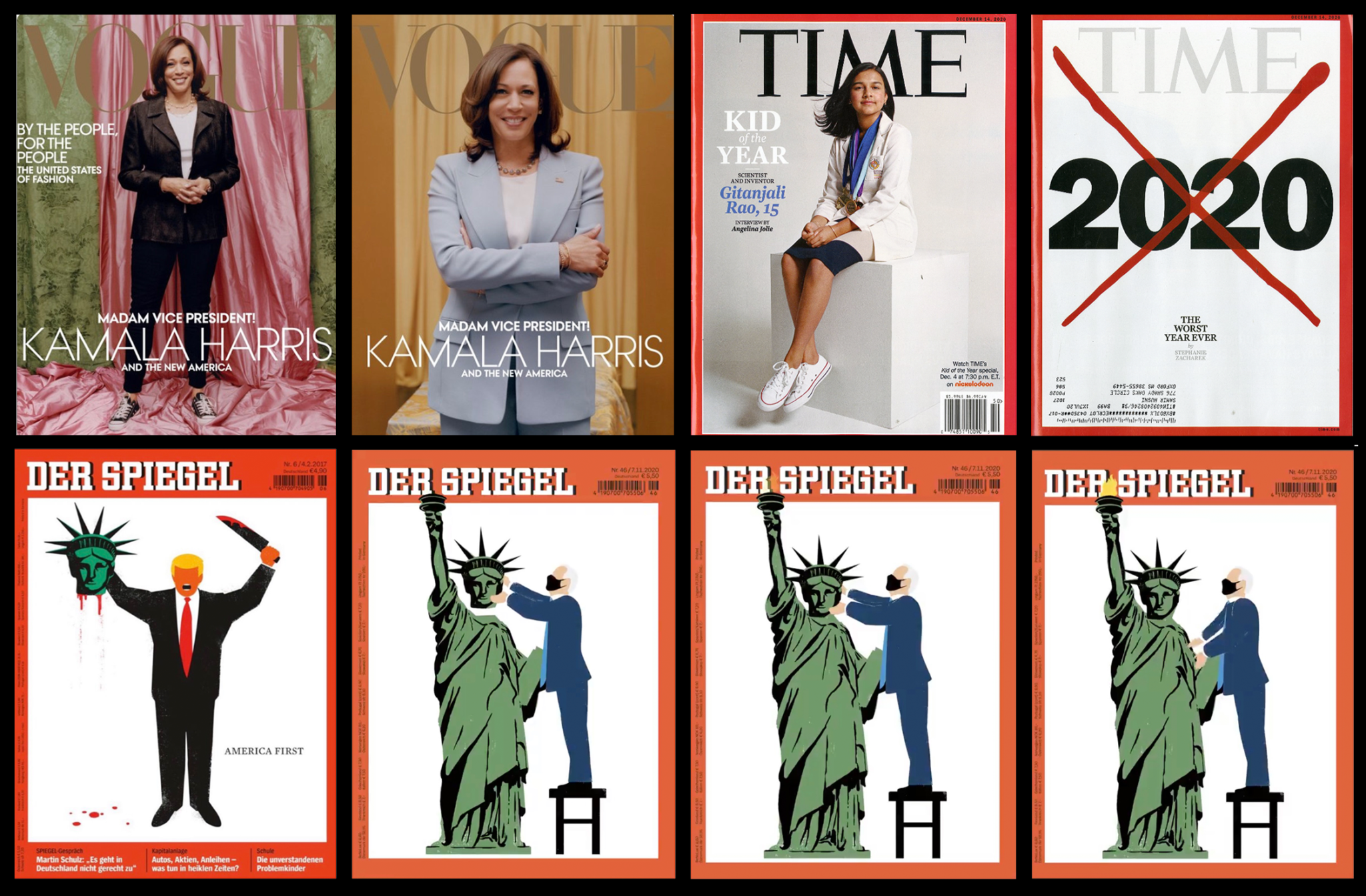
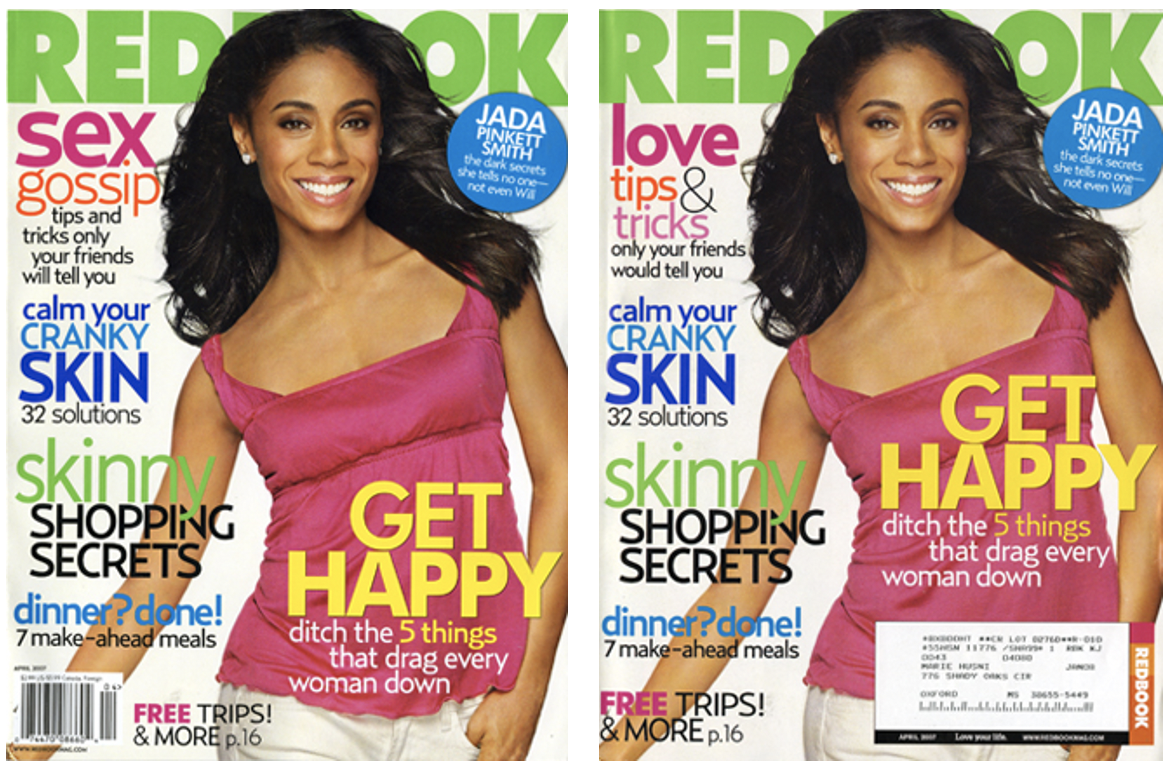
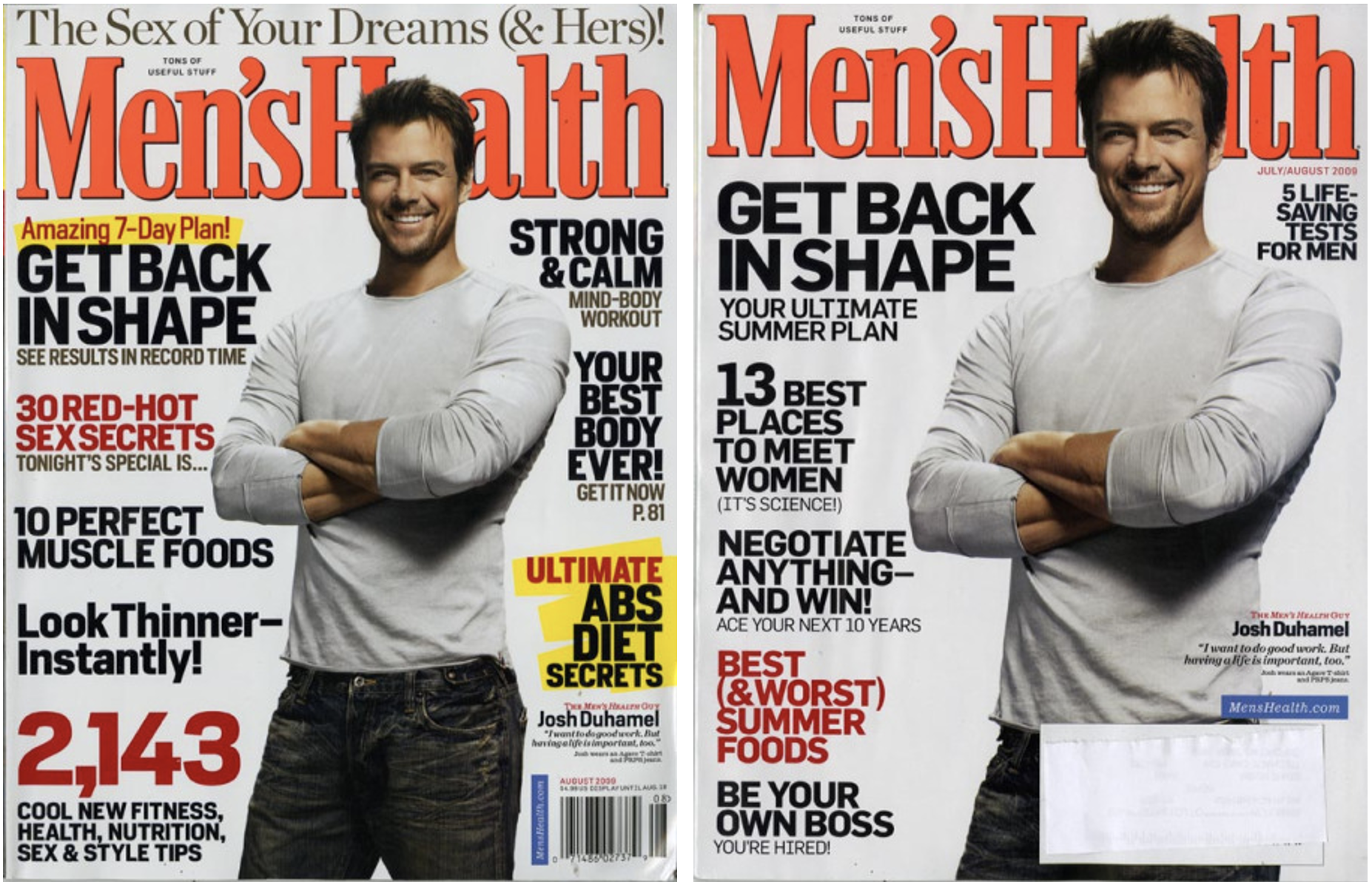
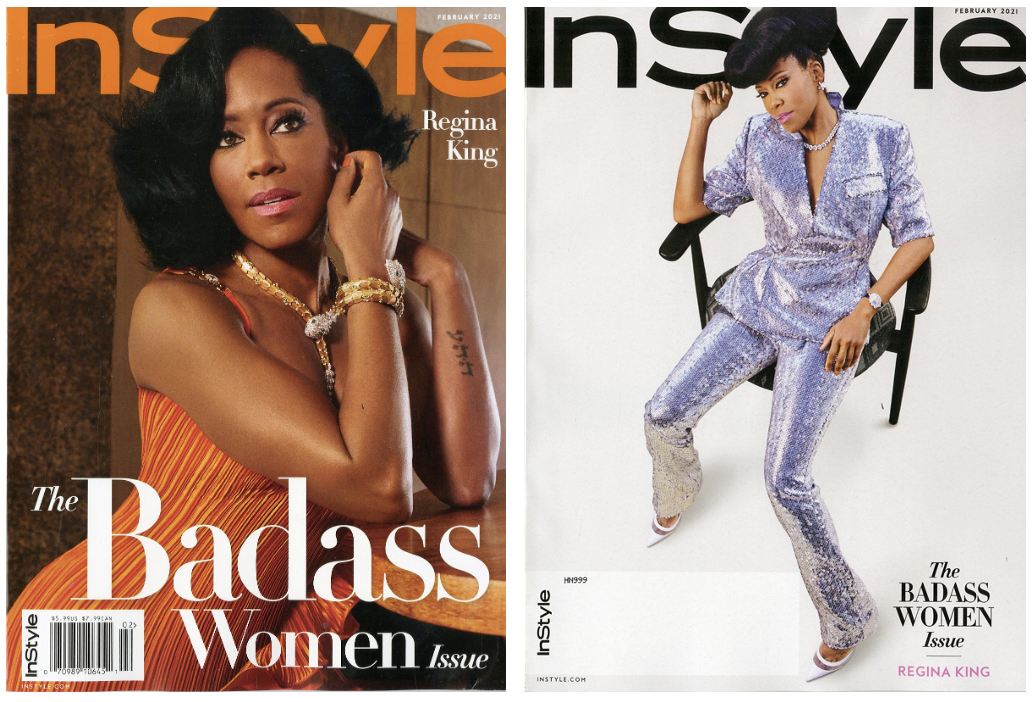
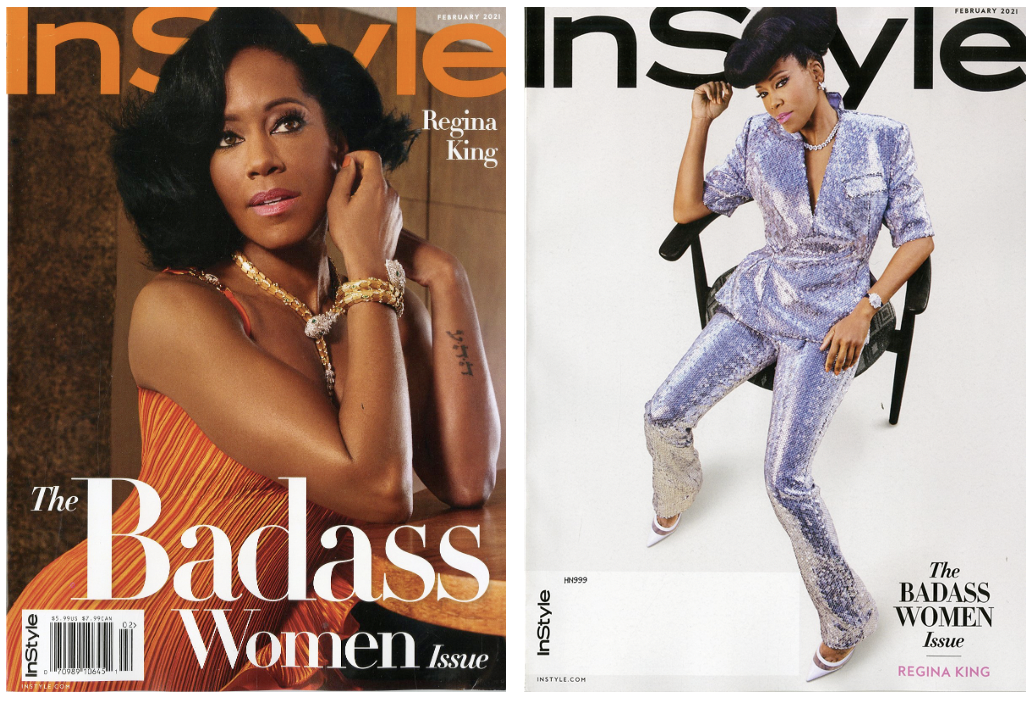
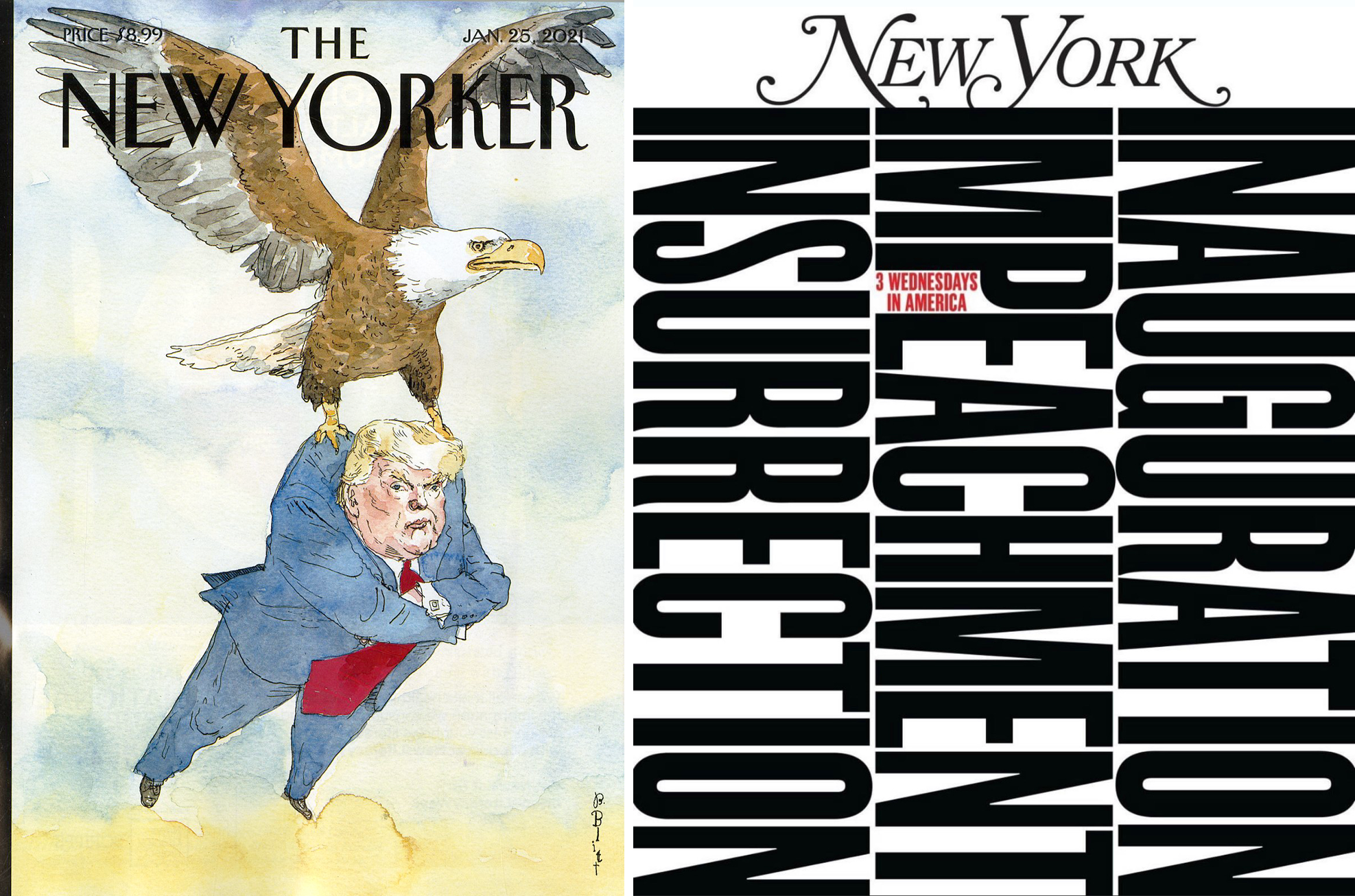
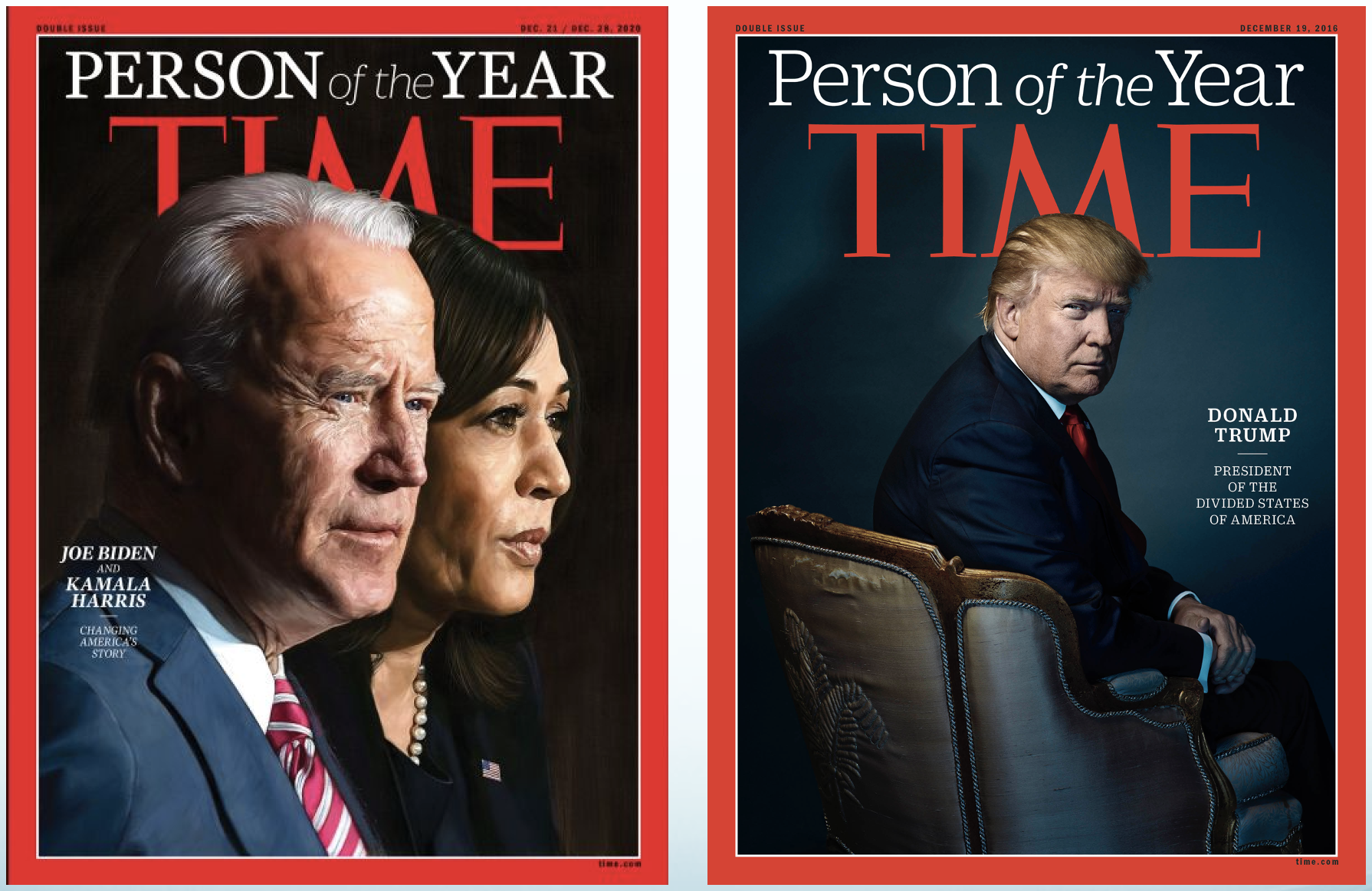
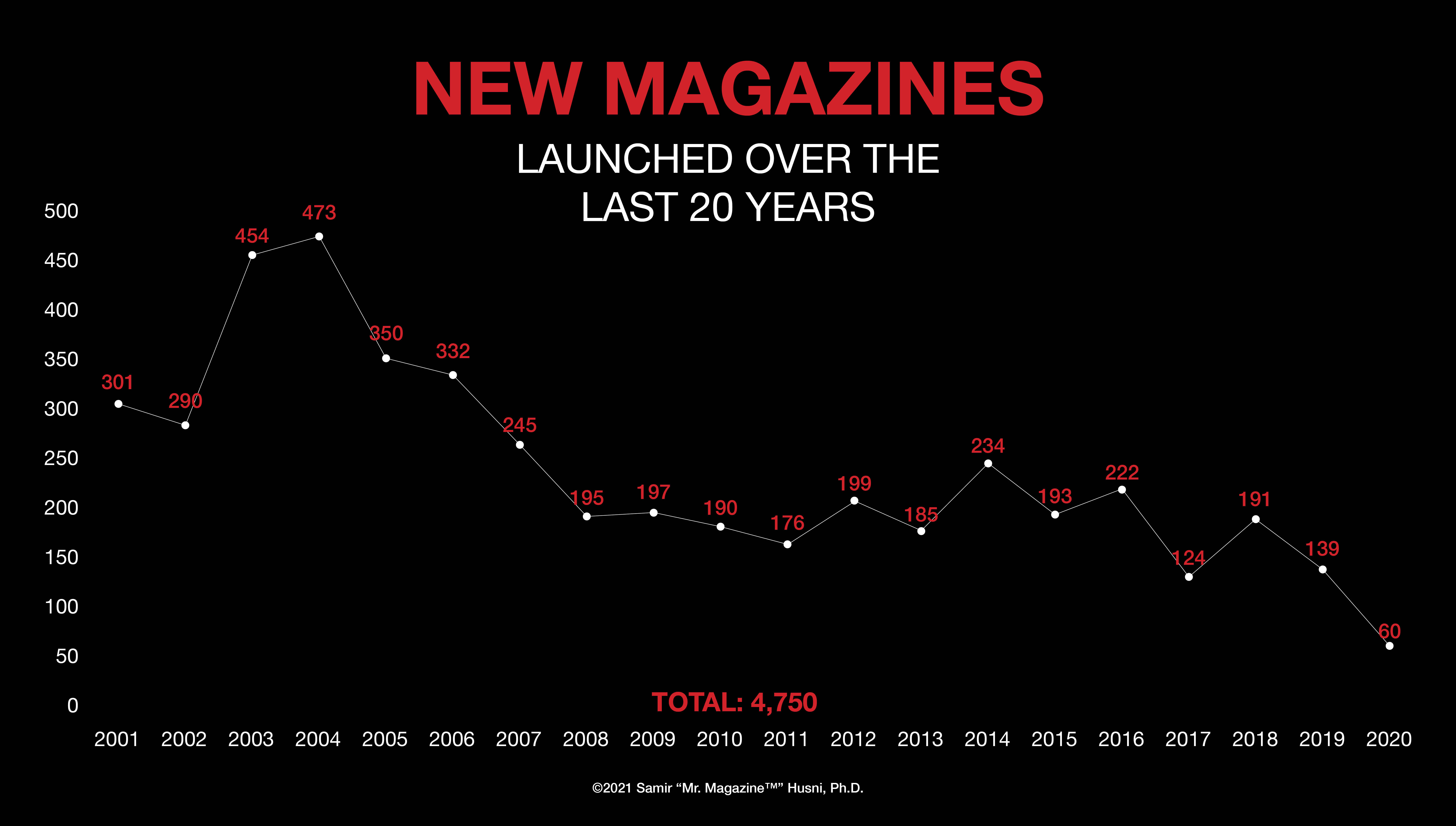


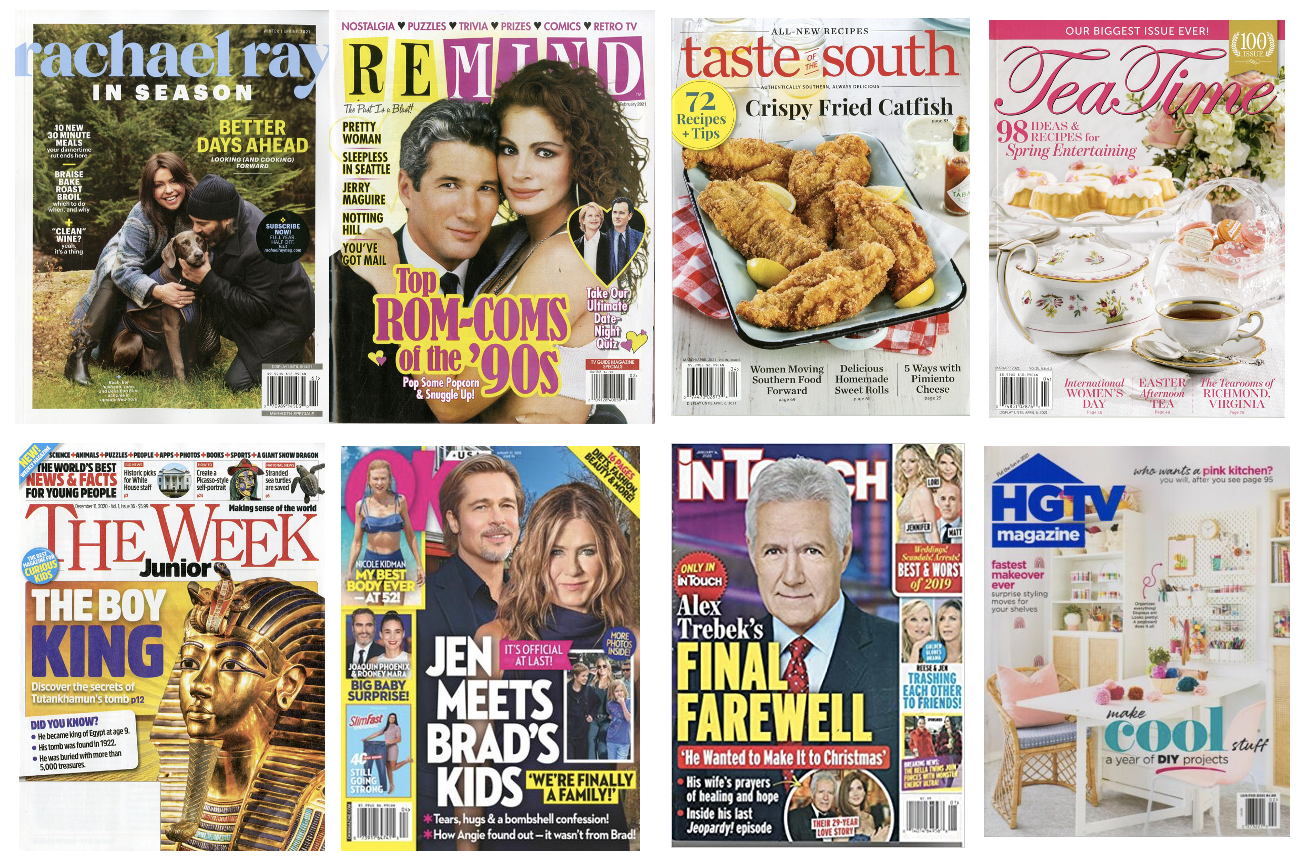



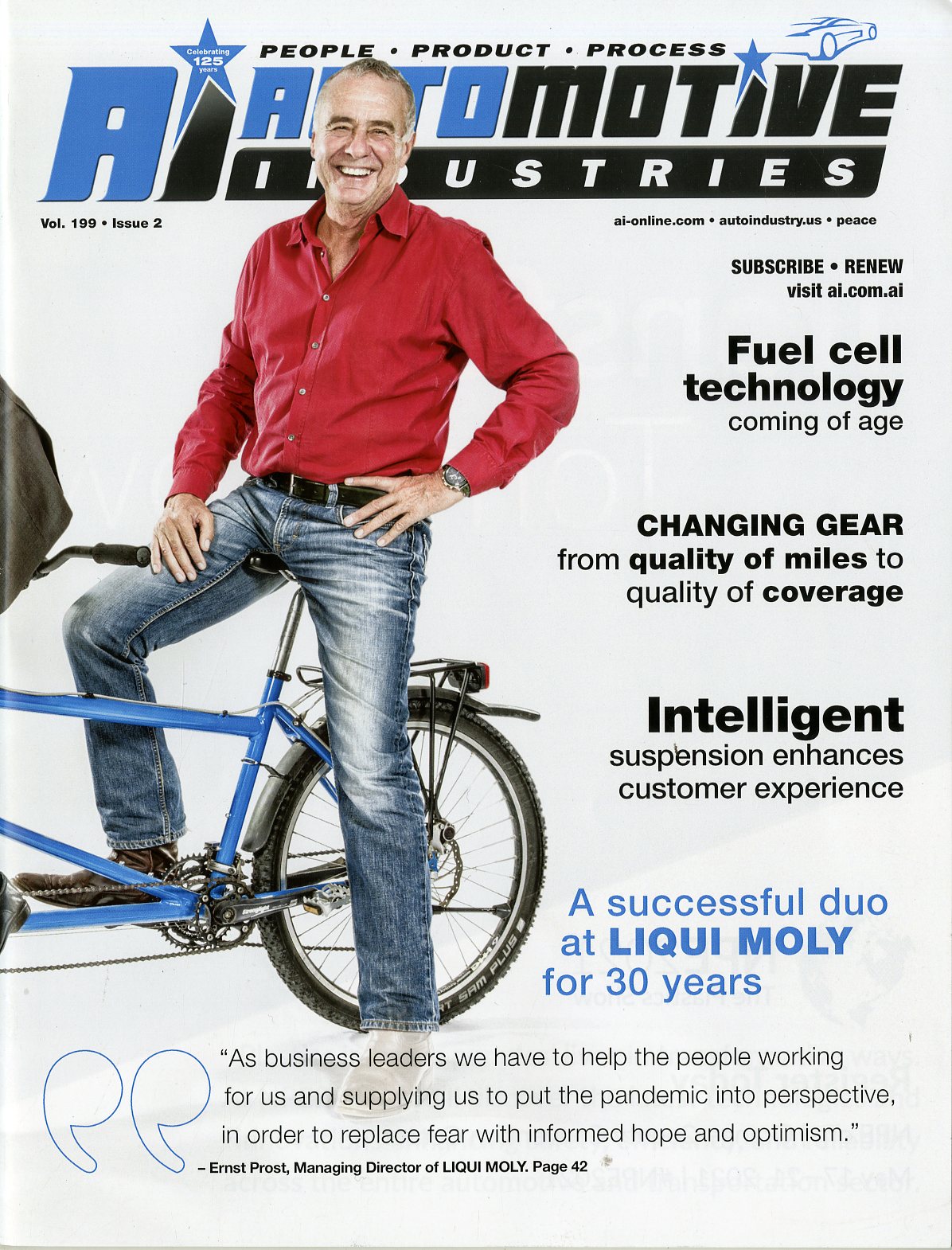

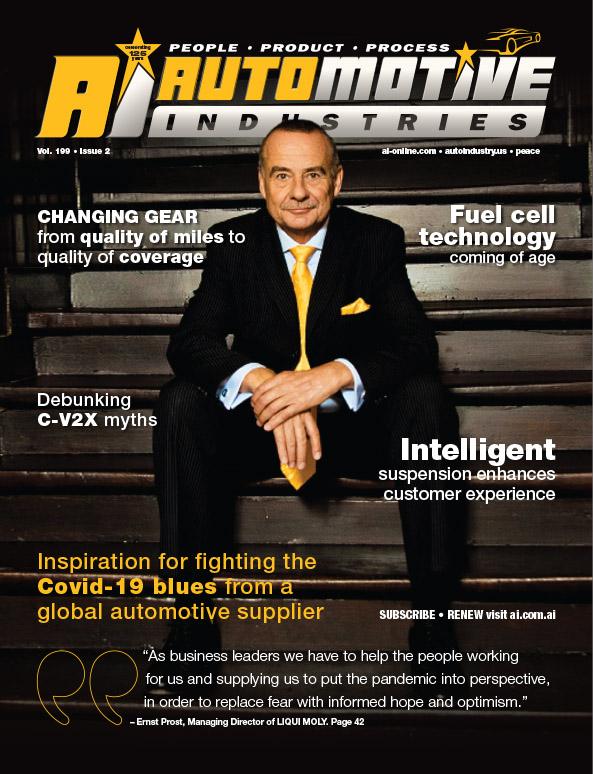
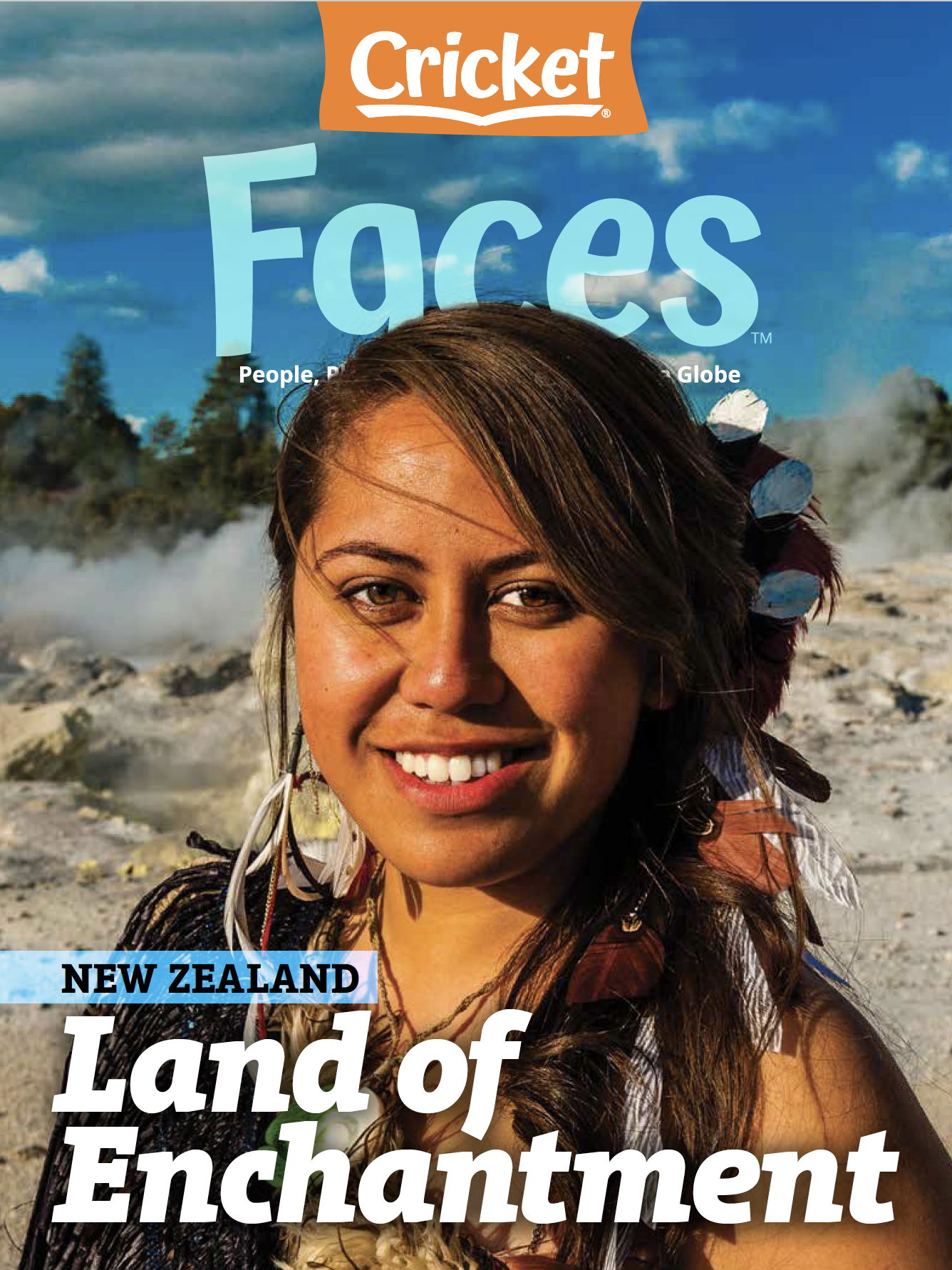
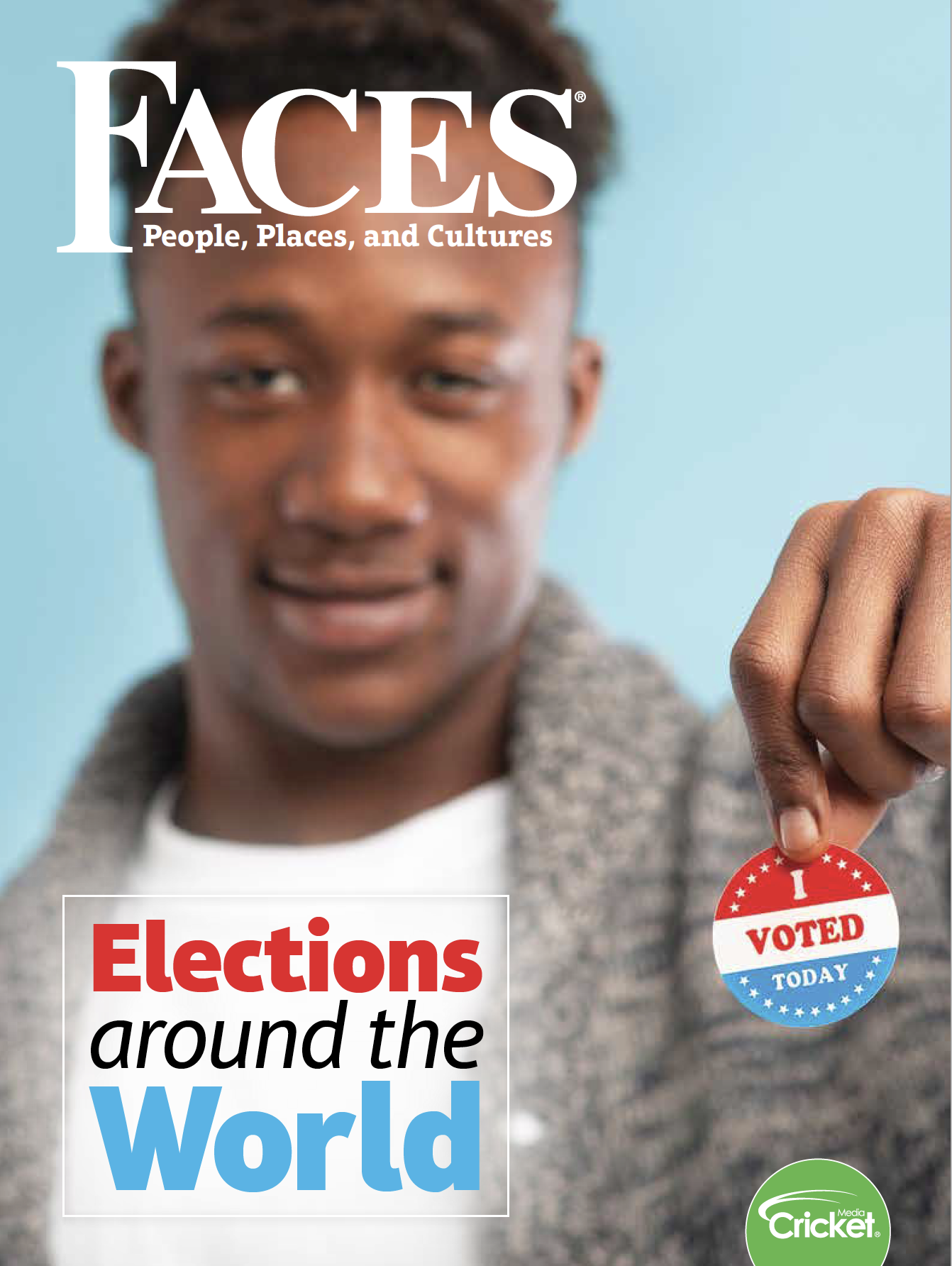
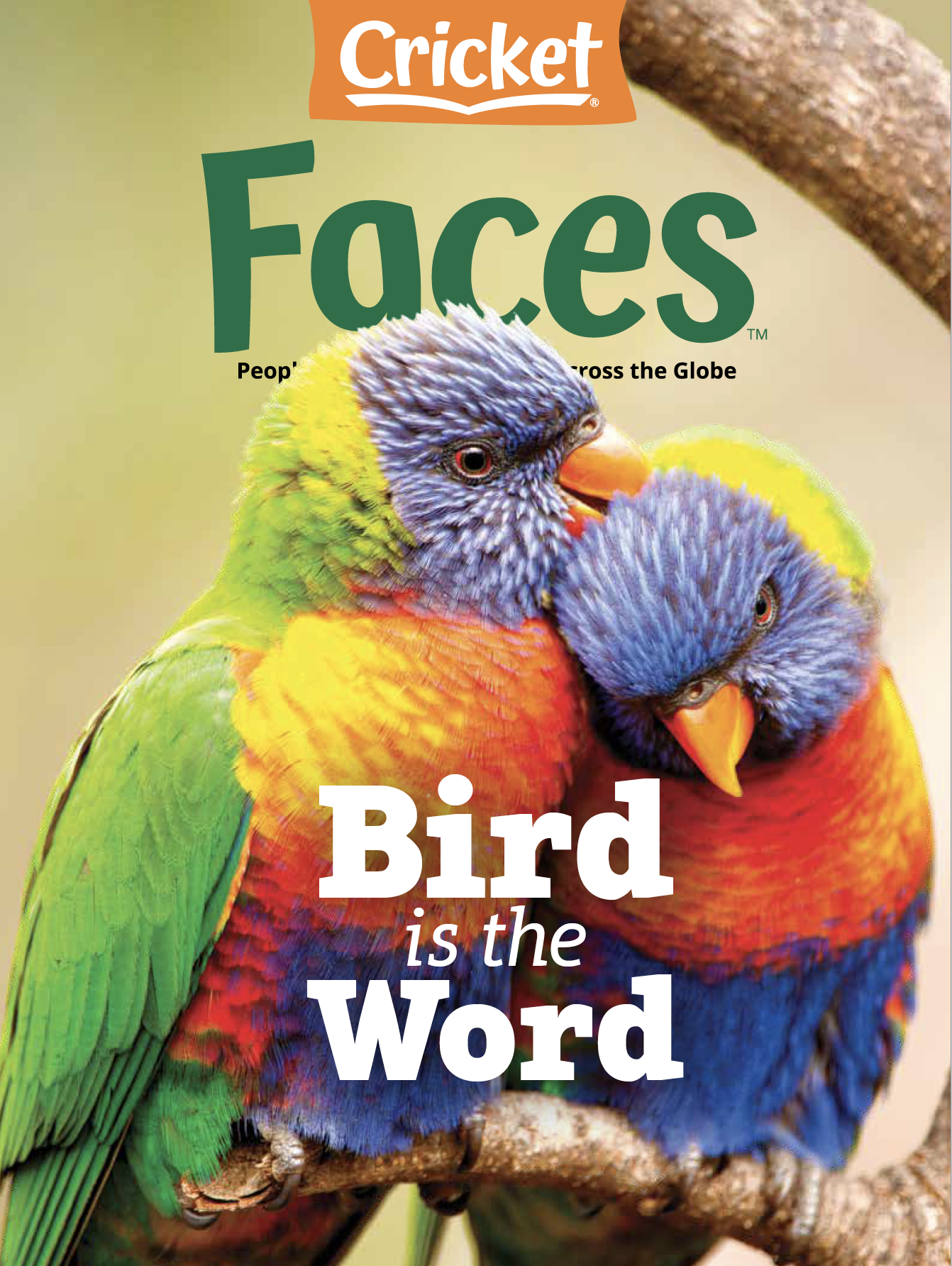
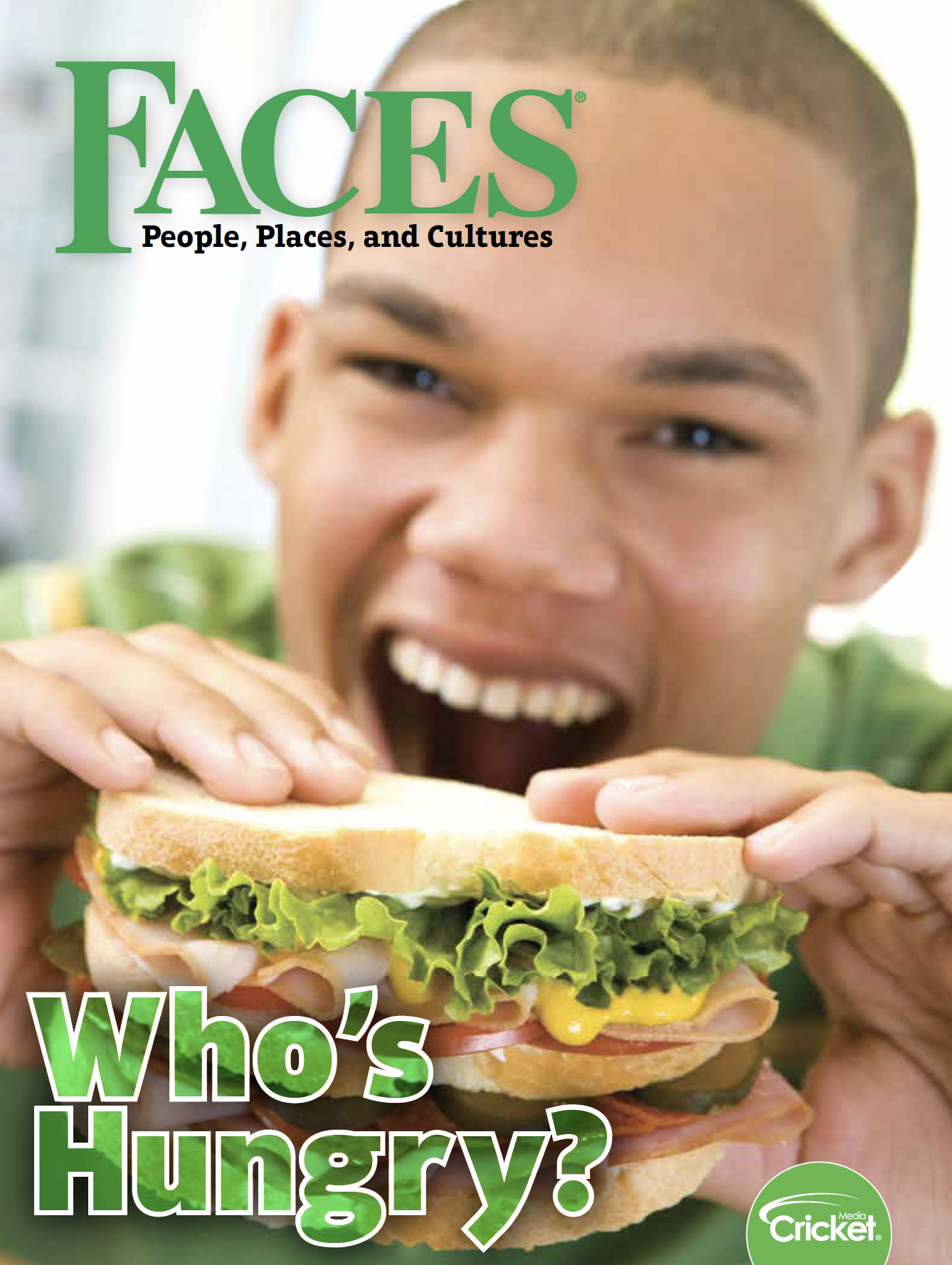
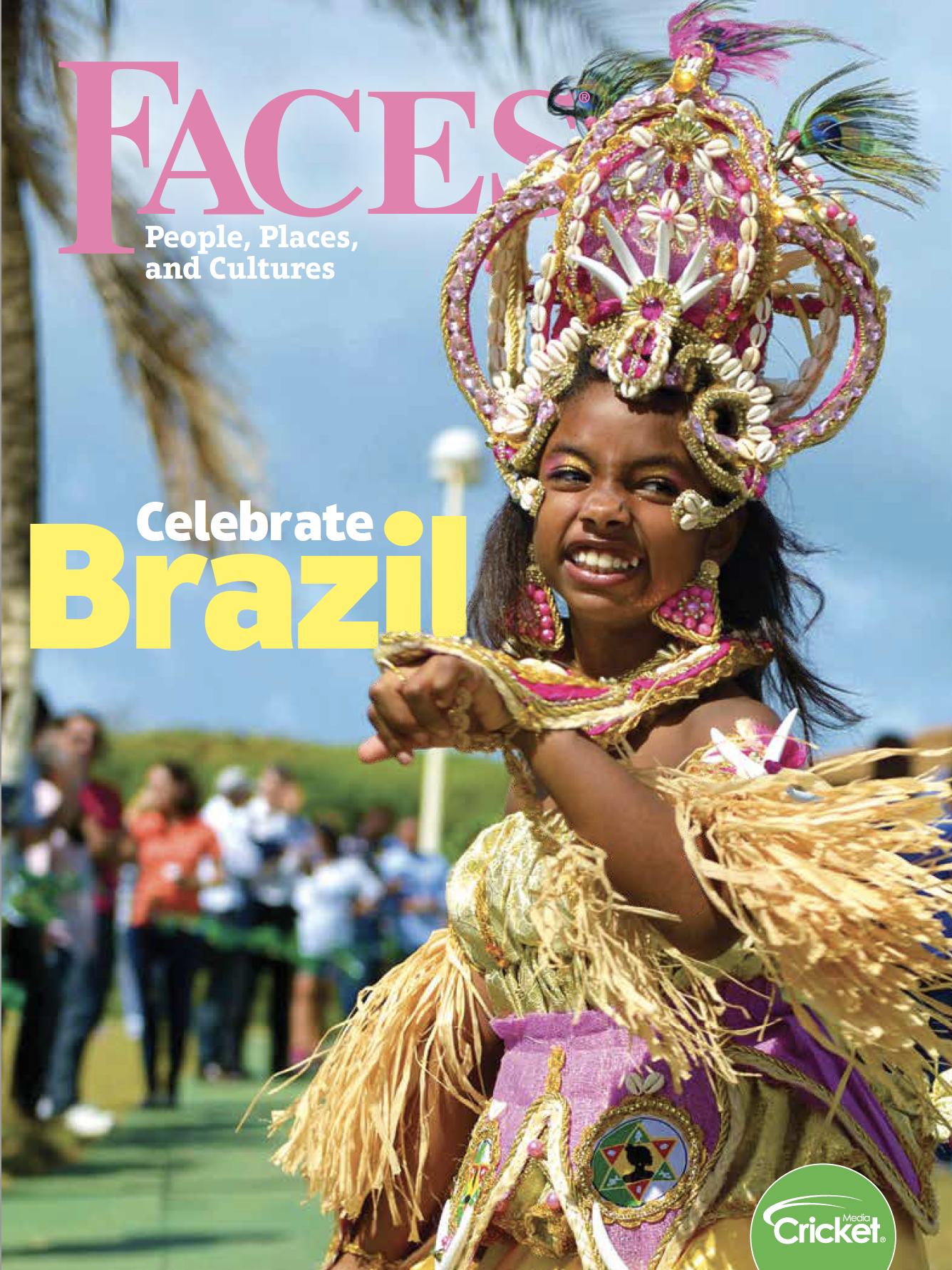

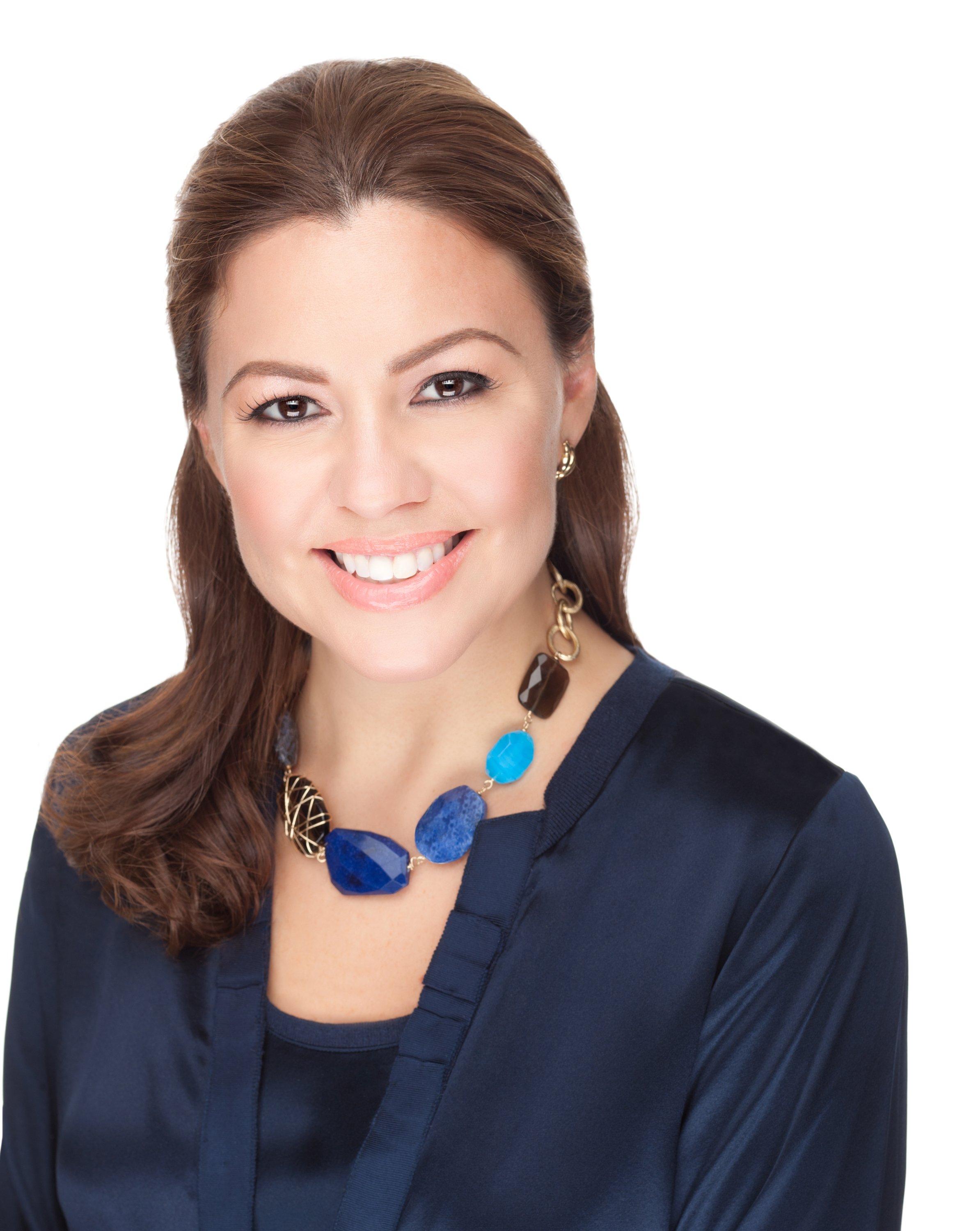
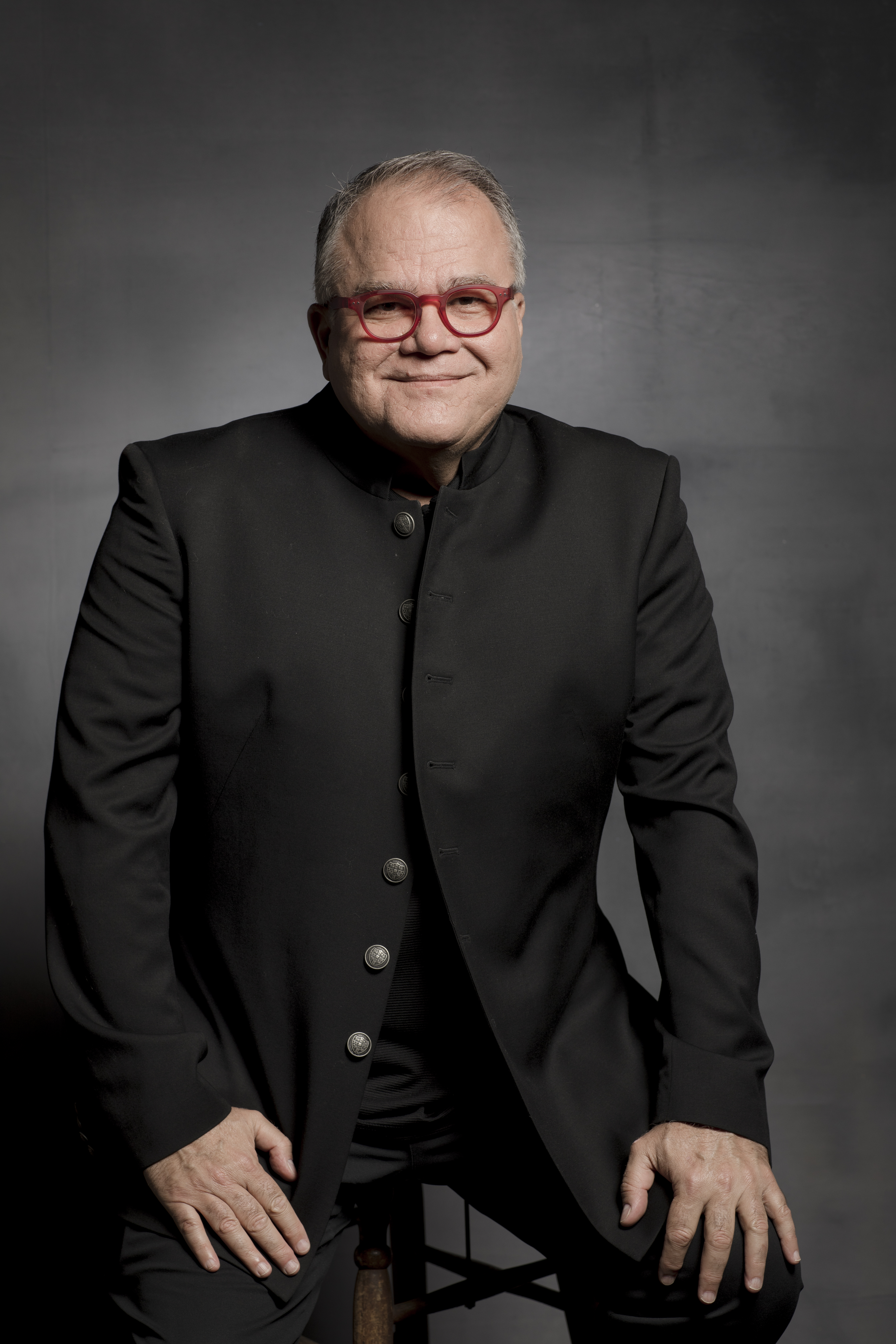
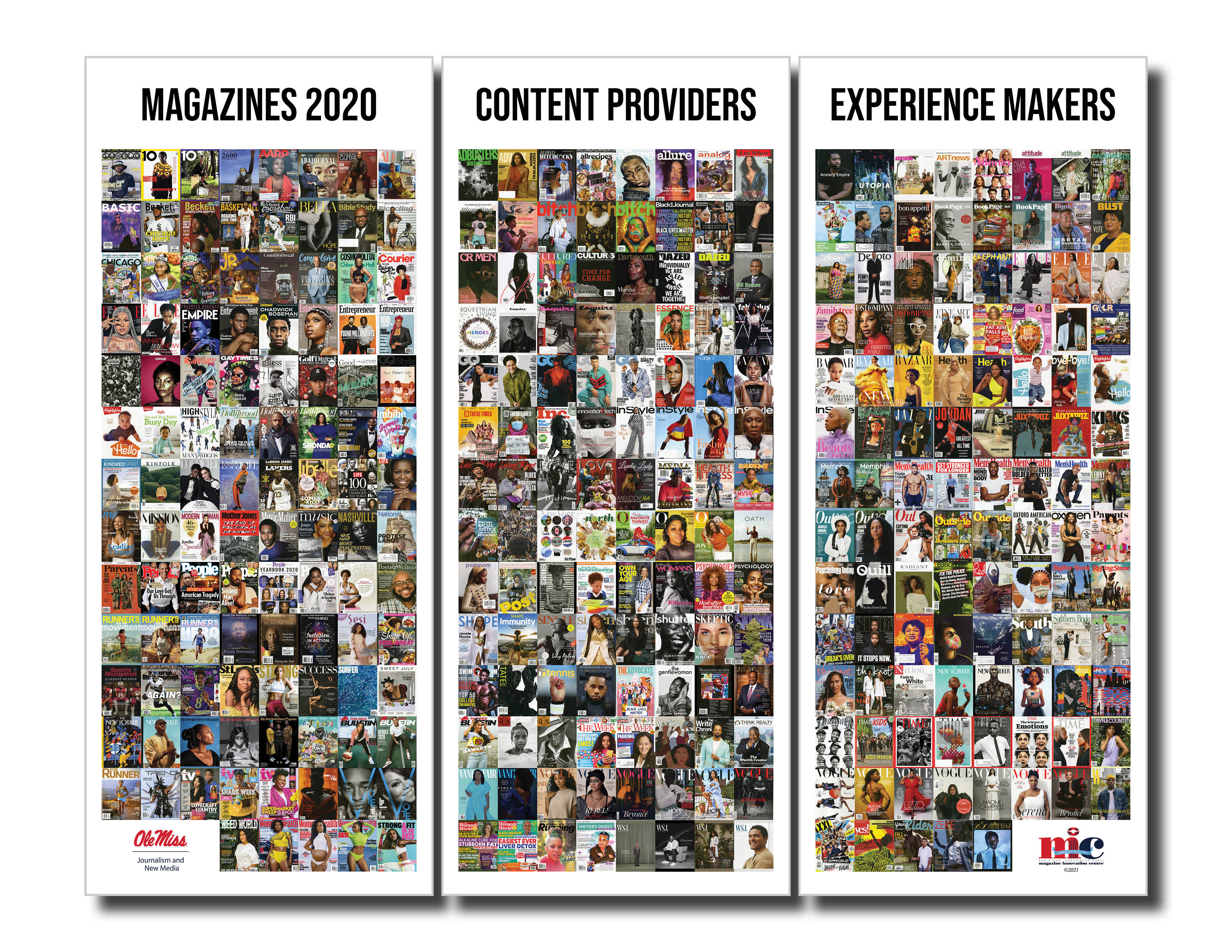

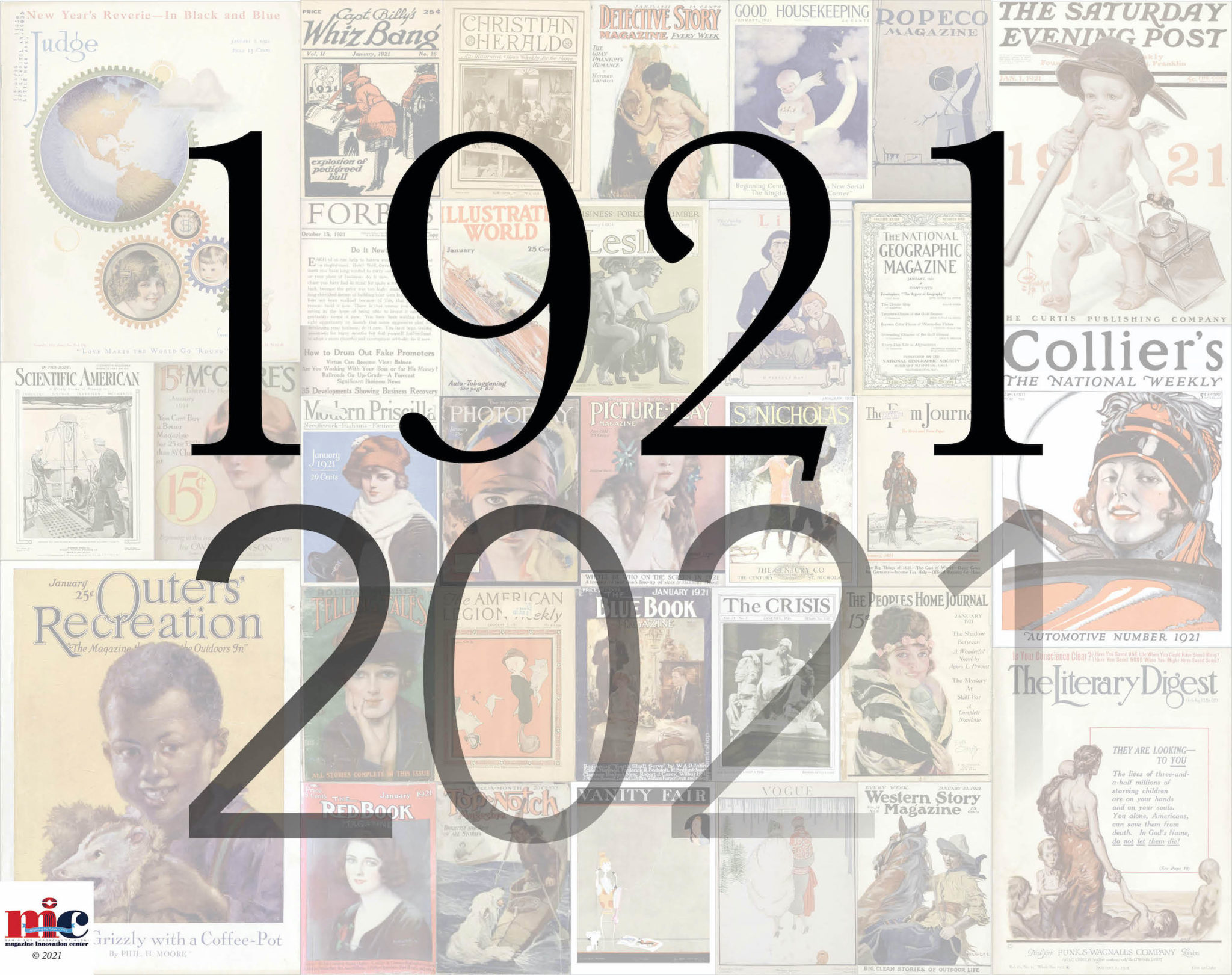


 Mr. Magazine