True, Detective, and Confessions Magazines… is the 8th chapter from the serialized book I am writing on the magazines of 1953, specifically March 1953, the month I was born. This is chapter eight, part three. Feel free to back track for chapters one, two, three, four, five, six, and seven in previous blogs. Enjoy.
TRUE CASES OF WOMEN IN CRIME
Maybe we’re all a little bit obsessed with “true crime” stories. Just look at TV shows like 48 Hours or Dateline NBC. People have watched and kept them on the air for years. But when it comes to “true” crime magazines, especially of the March 1953 era, there was one for every taste. True Cases Of Women In Crime was published by a company called Special Magazines Inc. The March 1953 issue had the illustrated cover of a very voluptuous redhead behind bars, smoking a cigarette and being questioned by police.
Inside the magazine is a disclaimer that reads: The illustrations on the following pages of this magazine were all specially posed by professional models, and it goes on to list the page numbers. The magazine is filled with ads and stories such as “She was fair, she was French, she was deadly.” This magazine is one among many that took the idea of “true crime” and possibly exploited it a bit.
TRUE CONFESSIONS
Beginning in 1922, True Confessions was a Fawcett Publication targeted at young women. During the 1930s, the magazine climbed to a circulation of two million with a readership of females between the ages of 20 and 35. With True Confessions, Fawcett was in direct competition with Bernarr MacFadden who had such titles as True Story and True Romance in his repertoire of titles, and Hillman Periodicals that had Real Story and Real Confessions. These “true” confession magazines soon felt a bit of a slump by 1949 due to the new comic book trend that hit.
The March 1953 issue of True Confessions had the cover story line of “Rendezvous With Shame – A Story For Every Wife Who Feels Love-Starved.” The magazine had special features and a section on “Your Home,” with articles such as Adventures in Food and If Father’s Been Away. It was a magazine that supplied fantasy and adventure for women in the 1950s .
TRUE CRIME DETECTIVE
True Crime Detective magazine was a digest-sized magazine that was published quarterly by Casebook Publications, a division of Mercury Publications which published The Magazine of Fantasy and Science Fiction. The magazine never made it to a monthly frequency and was not one of the most popular of its time, due (according to its publishers) to the lack of diversity in the crimes the magazine presented. Most were murders with no recognition given to lesser crimes. That being said, the magazine folded after one year in publication.
The spring 1953 issue had stories such as The Truth About Lizzie Borden and Death and the Farmer’s Daughter, with a few others thrown in. There were no ads (save one for the magazine itself) and no pictures. The magazine didn’t exactly follow the blueprint of the other “True Crime” magazines and definitely paid the ultimate price.
TRUE DETECTIVE
Another MacFadden title, True Detective (formerly True Detective Mysteries) was a true crime magazine that was published from 1924 to 1995. During its heyday, it sparked many copycats and was an extremely popular read with fans. It started out focusing on mystery fiction, but also mixed it up a little with some non-fiction crime stories. The non-fiction became so important to the magazine, gradually the fiction was phased out and it became True Detective, and the one that all imitators were held up to.
The April 1953 issue had a cover story called Beauty and the Corpse – She Inspired Me To Violent Passion and Violent Death. And with a tagline that read: The Authentic Magazine of Crime Detection, the other stories in that issue were just as dramatic-sounding: Redhead and the Torture Slayer and Manhattan Gun Battle to name a few. These magazines were definitely a bit campy, but an integral part of publishing history nonetheless.
TRUE STORY
Born in 1919, True Story was the first of the confessions magazines and carried the subtitle Truth Is Stranger Than Fiction. It was a prominent title in Bernarr Macfadden’s publishing empire of Physical Culture,True Detective, True Romances, Dream World, True Ghost Stories, Photoplay and the tabloid New York Graphic. True Story had a circulation of two million by the time 1929 rolled around, with most of the stories sent in by readers, purported to be true, only to be rewritten by staffers at the company. Eventually however, submissions by professional freelancers were being used or issues were completely staff-written.
By the 1950s, the magazine was focusing on a younger female audience with stories reflecting teenaged girls and their choices in life. The March 1953 issue had a young lady on the cover, smiling, with cover lines above her head that read: Jail Bait – Story of a Teen Temptress, I Was Wedding Ring Crazy, and Are You Satisfied With Your Husband – Vital Facts About Ideal Marriage. The magazine was filled with ads of all kinds, from hair color to Q-Tips, it was clear MacFadden didn’t discriminate. With over 140 pages, the magazine was a dream-come-true for anyone starving for wild love stories and a serious shopping passion. It was possibly ahead of its time.
After a dose of “truth” magazine style, next up, we take a look at romance and love in the magazines of March 1953. It was a totally different ballgame then as you will soon see…
So, get ready for Chapter Nine – Romance and Love in March 1953.
True, Detective, and Confessions Magazines… is the 8th chapter from the serialized book I am writing on the magazines of 1953, specifically March 1953, the month I was born. This is chapter eight, part two. Feel free to back track for chapters one, two, three, four, five, six, and seven in previous blogs. Enjoy.
FRONT PAGE DETECTIVE
In 1921, George T. Delacorte, Jr., founded the Dell Publishing Company with the intent of entertaining readers dissatisfied with the genteel publications of the time. Known more for puzzle magazines, and Alfred Hitchcock’s Mystery Magazine,Ellery Queen’s Mystery Magazine, Asimov’s Science Fiction, and Analog Science Fiction and Fact, Front Page Detective was still in the mystery genre, but had more of a “true crime” feel and look.
The March 1953 issue offered up a very beautiful redhead on the cover with the line: Necklace of Death for Rosamond. With ads galore and stories as murderously sensational, the magazine fit right in with the crime drama sections of newsstands.
HEADQUARTERS DETECTIVE
Published by Hillman Periodicals, who were also known for their true confession and true crime magazines, and for the long-running general-interest magazine Pageant, Headquarters Detective was another “true” crime title. Competing with MacFadden and Fawcett, Hillman put out titles such as true confessions magazines (Real Story,Real Confessions, Real Romances) and crime magazines (Crime Detective, Real Detective, Crime Confessions).
The April 1953 issue had cover lines such as Honeymoon of Horror and My Girl’s Being Murdered and offered 16 extra pages, with a very voluptuous blonde woman on the cover. A photograph made to look like an illustration, of course, the 1953 cover was striking, while the cover lines were definitely alluring.
INSIDE DETECTIVE
Another Dell publication, Inside Detective fell into step with Front Page Detective and the other “true crime” titles on the market.
The March 1953 issue proclaimed: She Was A Kiss and Tell Killer and had a young woman with a glass of alcohol sitting at her elbow on the cover. The magazine had professional models within the pages, yet had the same sense of “true crime” style throughout.
MANHUNT
Launched in January 1953 as a monthly digest, it played briefly (from March 1957 to May 1958) with a larger format to enhance newsstand sales. However, that wasn’t successful, and it soon went back to its digest size and shortened its frequency to bimonthly. The magazine ran for almost 15 years and brought on a succession of reprints, from the U.K. to Australia.
The March 1953 issue had a fantastic cover with a wide-eyed woman, fear plain in her gaze, and a man’s hand heading for her throat, with no cover lines, but a list of magnificent authors. From Mickey Spillane to Craig Rice and stating every story new, the issue may have been digest-sized, but it was chocked full of great content, including a serial by Mickey Spillane called “Everybody’s Watching Me.”
MASTER DETECTIVE
Master Detective was one of Bernarr MacFadden’s publications and was a sister title to MacFadden’s highly successful True Detective. These titles appealed to the same working class audience as its pulp fiction competitors, and became very popular with audiences. The March 1953 cover of Master Detective has a wide-eyed woman with flaming red hair above a cover line that reads “Beautiful, But Deadly. She had a way with men, a gun to back it up.” Apparently, women were deadly creatures in March 1953. In the world of true crime magazines anyway.
The magazine itself is filled with stories about women with evil intent and the men they intended to bestow that evil upon. True? Possibly. Within the genre, True Detective was regarded as the standard bearer of quality and reliability. Maybe its sister Master Detective followed suit.
STARTLING DETECTIVE
Startling Detective is another Fawcett Publication and makes a play for real life mystery stories by using actual photographs as its illustrations. The March 1953 issue contains 10 true features including Two Telegrams From A Corpse and Fickle Fiancée and Murder. And of course, all the stories lend well to illustration. The actual photographs coupled with the very good illustrations make this magazine a definite standout.
“There is a digital research company called Kantar Millward Brown and we do a lot of convergent partnerships with our partners HGTV and we obviously do a lot of research to see how a campaign does and whenever print was added into the mix, everything went up. Likelihood to buy went up; preference for the brand went up. It happens so often that I literally said to the director who was running this digital research company, I keep noticing that print keeps raising the numbers. And he said that was always true. And I’ve always felt this way, but it continues to be proven by the research. Print adds a lot to the formula.” Vicki Wellington…
“I sometimes take the magazine home and look at it in home-lighting because I know that’s how people are going to look at it, not in an office setting with calibrated fluorescent lights. They’re going to probably have a 60-watt bulb in their lamp. So I ask myself, can you see the type? Can you read it okay? Things like that are fun for me when making the magazine. So, print matters because it makes the experience of seeing a story special.” Sara Peterson…
HGTV Magazine will be celebrating its 10th birthday this year in October. But the magazine is taking a celebratory stance in every issue, according to its Chief Revenue Officer Vicki Wellington. It’s doing so by celebrating phenomenal subscription sales, renewals and newsstand numbers, and by, according to Editor in Chief Sara Peterson, providing the value of insider advice from trusted experts, as well as the enjoyment of taking a look inside real people’s homes with its “decorating truths” and upbeat, friendly content. Even during a pandemic, HGTV Magazine seeks to bring light-hearted and useful content to its loyal readers. And for that colorful continuity, I’m sure we’re all very thankful.
I spoke with Vicki and Sara recently about the 10th birthday and all their celebratory plans for this powerhouse brand. And about the special issue that will showcase why the magazine’s longevity was never in question. It’s a fun interview with two people who have a mutual respect and camaraderie that shines through in their conversation. A conversation that covers the earlier, darker days of the pandemic, yet shows the hope and determination of people who never gave up on their mission: to provide service journalism as heartily and enjoyably as possible, without forgetting what the entire world was going through and showing that compassion accordingly.
So, please enjoy the Mr. Magazine™ interview with Vicki Wellington, Senior Vice President, Group Publishing Director & Chief Revenue Officer, and Sara Peterson, Editor in Chief, HGTV Magazine.
But first the sound-bites:
On how HGTV Magazine is doing during the changes the pandemic brought (Sara Peterson): We’ve always been “change is good” type of people, so we’re good at adapting and keeping on going; it’s so nice to look back on the year of the pandemic, to look back instead of just being in the midst of it. Whenever things are challenging or tough, either in your personal life or in the world in general, I always like to focus on the work and the great distraction and fun of making a magazine. That didn’t change.
On whether the business side of selling is easy to do virtually (Vicki Wellington): It is totally different. But I will say this, one thing that’s positive is now our meetings are super-tight and condensed. So, where we might have had an hour with an advertiser or a client, now it’s much less time but it’s great because we focus in on what we want to talk about. So remarkably, it’s really been fine. We’ve gotten clients on the phone; everybody is open for meetings. I’m amazed with all that’s gone on, HGTV Magazine is having a great year.
On HGTV Magazine being one of the few magazines that did not cut its print frequency during the pandemic (Vicki Wellington): And still has a nice variety of advertisers. Fifty percent are “home” advertisers, but fifty percent are still other things. We get a lot of food, a lot of business and finance. If you’re on Zoom constantly, you love when the magazine arrives and you get to sit back, relax and enjoy it. And in this case, really do something with it. Shop from it and create a new world for yourself inside. And I think business has reflected that as hard as it’s been.
On creating “fun” during the dark days of the pandemic (Sara Peterson): Well, you have fun momentum. You are this brand and I have a lot of adjectives that I can substitute for fun: positive outlook, upbeat, friendly, colorful; that attitude and personality. And the conversational copy that we have in the magazine. I think those are ways that we deliver “fun.”
On Vicki Wellington being the chief revenue officer for both HGTV Magazine and the Food Network Magazine (Vicki Wellington): Yes, I’m a lucky girl, Samir. Who’s luckier than me? I mean, Food Network and HGTV are gigantic global brands. It’s awesome and I love it. And I haven’t been here with Sara for the whole 10 years, I came in about a year and a half ago. So she and her team deserve the credit much more than I do. I’m actually the pandemic publisher for HGTV Magazine. I’m just very lucky to be here.
On the plans for celebrating the magazine’s 10th birthday (Sara Peterson): This was a lot of planning. You can imagine. All the thinking about how you’re going to make this issue special. You only get one 10th birthday to do. I’ve always loved the fact that in magazines, you always get another issue, so you always have another take to do that story you wanted or another cover idea, but the feeling of having a birthday issue, the 10th birthday, and we did have a fifth birthday issue, but 10 is bigger. So the pressure was on, but also the opportunities were there. How were we going to celebrate ourselves and all we’ve done. but also still deliver new ideas and new content in the magazine, not just do a look-back?
On the role print plays in this digital age (Vicki Wellington): People want less time on the computer and we can prove it. Right now our subscriptions are up. They’re purchased digitally, but they’re print subscriptions. Just as an example, our renewals are up. HGTV Magazine happens to have one of the highest renewal rates in the company. And that’s between $30 and $45, so that’s a lot of money as you know for a magazine subscription.
On anything either of them would like to add (Vicki Wellington): Just that HGTV Magazine is having a very strong year. I think the product continues to serve a purpose, part of a major power brand. It’s nice to have such a powerful brand that’s so well-recognized and loved. And it’s safe; it’s not about the pandemic; it’s not about politics. And I think advertising has backed all that up in every category. All my vital signs are good. Subscriptions are good; newsstand is good; renewals are good; advertising is good. Those are all the positives.
On what keeps them up at night (Vicki Wellington): After going through a pandemic, you know what, I don’t worry as much. It really put things into perspective. What am I worrying about? Once we’ve gotten through this crazy time and we don’t have to worry about just going out of our houses or going out without gloves. So honestly for me, I don’t worry about a lot because we’ve lived through this crazy time. The minor things at this point would be just doing a good job and getting my work done.
On what keeps them up at night (Sara Peterson): I find myself thinking how much better I’m sleeping lately. There were times in 2020 where many nights I was wide awake between 2:00 a.m. and 4:00 a.m. I would think about people I missed, work, things I needed to do, was my Amazon order going to arrive on time. Did I get the groceries delivered or should I go there? Should I buy more masks and which masks, that sort of stuff. And having that tone down a little, the anxiety level, that hopefully we’ve all lowered some anxiety, sleeping better and also knowing there’s a plan now for the immediate future, has helped.
And now the lightly edited Mr. Magazine™ interview with Vicki Wellington, Senior Vice President, Group Publishing Director & Chief Revenue Officer, and Sara Peterson, Editor in Chief, HGTV Magazine.
Samir Husni: Change is the only constant in the magazine media business, and with everything that has happened within the last year, between the pandemic and the unrest the country has seen, change has been paramount. So, with those changes, how are things going at HGTV Magazine?
Sara Peterson: We’ve always been “change is good” type of people, so we’re good at adapting and keeping on going; it’s so nice to look back on the year of the pandemic, to look back instead of just being in the midst of it. Whenever things are challenging or tough, either in your personal life or in the world in general, I always like to focus on the work and the great distraction and fun of making a magazine. That didn’t change.
We still had readers that expected a magazine on the newsstand, in the mailbox, and that was like a comfort; it’s always a comfort, but especially in times of enormous change and unknowns. And that’s a constant. We know how many pages we had to fill; every issue we had to plan the stories as usual; we still had to do photo shoots and write stories and do layouts. I found myself especially thankful to have that work that I love and the people who I really enjoy working with to do those things that we know how to do and that we’ve been doing for 10 years now.
Vicki Wellington: And I’m shocked, as I think the world is, that everyone acclimated so quickly. I was one of the last people out of the Hearst Tower. I was packing up my stuff and I found myself thinking, how was all of this going to work? And remarkably, everyone did great. It really is amazing what people are capable of doing and learning and troubleshooting; every one of us had all kinds of IT issues.
Sara Peterson: I had not heard of Zoom; I had never done Zoom.
Vicki Wellington: It’s just amazing. And I’m impressed, to be honest, not only with our team, but with the entire company and the entire country and world. I think we’ve discovered this whole other avenue, the silver lining to the insanity of it all. The ability of people to adjust and adapt because you have to immediately.
Sara Peterson: And it was overnight. Literally, one day we were in the office, another day we were told not to come in. And we didn’t know for how long, but it was literally overnight that we all started working from home. From watching the news and the cases that were popping up, I had the thought in early March that everyone should have a laptop.
Before the pandemic, we didn’t all have laptops. We really collaborated and worked in the office, routing physical paper copies of stories. Sure, we emailed and we had Slack, and we used those tools in the office sometimes, but not anything to the extent of physically sharing and routing in the office. So it was a real shift to virtual work.
Samir Husni: When it comes to the business side, the selling part, was it easy to do that virtually?
Vicki Wellington: It is totally different. But I will say this, one thing that’s positive is now our meetings are super-tight and condensed. So, where we might have had an hour with an advertiser or a client, now it’s much less time but it’s great because we focus in on what we want to talk about. So remarkably, it’s really been fine. We’ve gotten clients on the phone; everybody is open for meetings. I’m amazed with all that’s gone on, HGTV Magazine is having a great year.
You know it’s a birthday year, and of course we’ll talk about that, but we’re up. I don’t know if you’ve seen our most recent issue, which I love, the July/August issue; I just love it. Every issue Sara does I love.
Sara Peterson: Oh, thank you, Vicki. I don’t know if you felt this, but because the whole world was in this together, no one could look ahead that far during this time and that made it kind of easier, because we were all trying to figure it out together. If you’re the only one changing, it can be more difficult. There were moments in the beginning where we would ask ourselves how we wanted to do this, but we adapted very well.
Vicki Wellington: And when all our screens were blank and no one had their cameras on, we put the rule in that our staff show their faces, that’s how we roll. But so many people not on staff had a blank screen, so you’re presenting to clients and you’re excited, but it’s difficult speaking to a blank screen.
But think about what went on this year. Again, this brand, HGTV was also a silver lining, the perfect brand to help the country during this. We played a part and to be a piece of such a big, fun, exciting brand that’s all about the home where everybody is living, what an advantage from my side, the business side, because that’s what was hot and happening. We saw the advantage of that, our subscriptions are way up, everybody has been into their homes, and who does home better than us?
We happened to have been lucky and coincidentally had research out in the field; we worked with a company called MarketCast and had this national research study being done while we were home. So we knew people painted and made things, did things they never did before and they took their money and created rooms for themselves and took on projects and were successful at them. So what an advantage to be at HGTV Magazine during this crazy year.
Sara Peterson: We delivered what we always had, but in an even bigger way because we were doing more. So cleaning, decorating, DIY gardening; all of it, inside and out, but we were also changing rooms into offices, making them dual-functioning. That’s how we touched on the times. We’re all more intimately acquainted with our homes now than we ever were before.
Samir Husni: During the pandemic, HGTV is one of the few magazines that did not cut its print frequency and is still doing very well. Still has the same number of pages.
Vicki Wellington: And still has a nice variety of advertisers. Fifty percent are “home” advertisers, but fifty percent are still other things. We get a lot of food, a lot of business and finance. If you’re on Zoom constantly, you love when the magazine arrives and you get to sit back, relax and enjoy it. And in this case, really do something with it. Shop from it and create a new world for yourself inside. And I think business has reflected that as hard as it’s been.
Sara Peterson: I’m not sure if it was a silver lining, but it was definitely an advantage being HGTV Magazine. I’ve always thought of us as being the magazine that works the hardest at being really relatable, real and authentic about your home. And featuring real people in their homes has always been a thing of ours. In the house tours and the decorating stories, there’s a lot of people in the photos in the magazine; we always photograph the homeowner with their home. And that makes it feel more relatable and real when you see kids and dogs and maybe the cereal and milk is still left out on the counter in the kitchen, these are things you can relate to in real life.
Samir Husni: Sara, I interviewed you when the magazine was first launched 10 years ago and you talked a lot about how much fun HGTV Magazine was going to be. Tell me, how can you create “fun” during a time when fun was not exactly a word people were using?
Sara Peterson: Yes, in an un-fun time. Well, you have fun momentum. You are this brand and I have a lot of adjectives that I can substitute for fun: positive outlook, upbeat, friendly, colorful; that attitude and personality. And the conversational copy that we have in the magazine. I think those are ways that we deliver “fun.”
Maybe we weren’t having parties, but we were still picking out beautiful flowers to look at in our yards and in our homes; we were picking out paint colors and trying different DIY projects that hadn’t been tried before. Making things, but also food and entertaining ways to distract ourselves. We couldn’t go out, so we had to do stuff at home. So that’s how we delivered the fun.
We did have this long-running column from the first issue called “How Bad Is It.” Answers, conundrums and scratch-your-head questions about home life across the board. Things like how bad is it to leave the laundry in overnight, to leave it in the washing machine, just questions you might have about your household things.
But I had seen different magazines talking about how bad is it in terms of the pandemic, with the numbers and all. And I wasn’t worried about how we were going to deliver cheerful, upbeat, fun ideas, but would it seem like we were ignoring some really bad stuff, if we had a column called “How Bad Is It,” and it was about how bad is it to have a conversation with your dog. Was that too superficial or too shallow, that it seemed to be ignoring the big worry?
So we tweaked the design and we had less serious questions and I think, if I’m not mistaken, that we skipped it one or two issues. We just didn’t run it. I did see The New York Times often did “how bad is it” with the pandemic numbers, the stats on everything, so I didn’t think it was always appropriate.
Samir Husni: Vicki, you’re the chief revenue officer for both the Food Network Magazine and for HGTV Magazine.
Vicki Wellington: Yes, I’m a lucky girl, Samir. Who’s luckier than me? I mean, Food Network and HGTV are gigantic global brands. It’s awesome and I love it. And I haven’t been here with Sara for the whole 10 years, I came in about a year and a half ago. So she and her team deserve the credit much more than I do. I’m actually the pandemic publisher for HGTV Magazine. I’m just very lucky to be here.
Samir Husni: As you get ready to celebrate the magazine’s 10th birthday in October, what are the plans?
Sara Peterson: This was a lot of planning. You can imagine. All the thinking about how you’re going to make this issue special. You only get one 10th birthday to do. I’ve always loved the fact that in magazines, you always get another issue, so you always have another take to do that story you wanted or another cover idea, but the feeling of having a birthday issue, the 10th birthday, and we did have a fifth birthday issue, but 10 is bigger. So the pressure was on, but also the opportunities were there. How were we going to celebrate ourselves and all we’ve done. but also still deliver new ideas and new content in the magazine, not just do a look-back?
The biggest section is called the “Giant Birthday Special” and that is a celebration of our Top 10 decorating truths. Now, we don’t really like decorating rules at HGTV Magazine because so many people are creative in their homes and inventive and express their personalities. So imposing rules on decorating isn’t really our style. But our decorating truths – after going into homes and seeing how people live and decorate for 10 years, you pick up on some patterns. And you pick up on things that have worked well for people and designers in every style of home. Small homes, big homes, cottages, ranch-style homes, brick homes, just every style you can imagine.
We’re taking these Top 10 truths and making little chapters in the magazine section about those Top 10. One chapter in the section is “Add a Pop of Color.” We have always loved adding pops of color, so we’re talking about the ideas that we’ve loved, to mix old and new things. I feel that people do that so well. I’ve always been impressed at how people mix old and new things in their homes to tell their story. Things like inherited pieces or some cool flea market finds and then some new pieces throughout your home too. But that mix is always really interesting for the storytelling.
We like to really tell the story of the home as well as the decorating ideas that people can replicate. And the mixing of old and new is really a good one too.
Vicki Wellington: And on the business side, we have a number of things that we’re selling. We’ve got three different levels, silver, gold and platinum, and what’s nice is there’s something special for everybody. Some are native ideas, some are high-impact units. Many will be running in October, but we are celebrating the birthday in every single issue.
Sara Peterson: When Vicki invites me to a client meeting, I always use the word “special,” because it’s true. It is a special issue like no other. And if you want to be in the issue, you’re coming to a party. You’re coming to a birthday party. So, we want to have a celebratory vibe. We’ve been working on native ideas with clients that feel like a celebration. It will feel like a birthday.
We’re also asking a ton of HGTV stars to wish us a Happy Birthday. Stars who have been in the magazine throughout the years and have had photo shoots and fun times with us. And it’s fun to see their quotes and answers, because some have been with us from the beginning too. The Property Brothers were just launching their show on HGTV when we were launching the magazine. So they go way back. And there are a lot of other stars too. And it’s fun to see them all together.
Samir Husni: What role does the print magazine play in this digital age?
Vicki Wellington: People want less time on the computer and we can prove it. Right now our subscriptions are up. They’re purchased digitally, but they’re print subscriptions. Just as an example, our renewals are up. HGTV Magazine happens to have one of the highest renewal rates in the company. And that’s between $30 and $45, so that’s a lot of money as you know for a magazine subscription.
Sara Peterson: And I’m pretty proud of our newsstand numbers.
Vicki Wellington: Yes, we’ve been in the Top 10 forever. And as an example, talking about young people, our millennial numbers have grown. In the past five years, it’s grown over 30 percent. So, what the numbers tell me is that we have people buying and enjoying reading the magazine.
And as another example, there is a digital research company called Kantar Millward Brown and we do a lot of convergent partnerships with our partners HGTV and we obviously do a lot of research to see how a campaign does and whenever print was added into the mix, everything went up. Likelihood to buy went up; preference for the brand went up. It happens so often that I literally said to the director who was running this digital research company, I keep noticing that print keeps raising the numbers. And he said that was always true. And I’ve always felt this way, but it continues to be proven by the research. Print adds a lot to the formula.
And from our circulation numbers, which are all strong, we see that people are buying and reading. They’re being pushed to go online. They love the way Sara and her team curate. They go online and it can be so overwhelming. Sara puts out this beautifully orchestrated, curated product for people first, then they go online and do their shopping.
Sara Peterson: If you ask me to talk to students, they all want to be storytellers. We’re all storytellers. And you can do that well a lot of different ways. You can pick your platform. You can have multiple platforms. You can do videos, blogs, digital; you can do a book, a magazine, a newspaper. There does come a time when you want to pick your medium for how you want to tell your story. Once you do that, what is it about that particular medium that is special and unique that can’t be done by others with your story? And what is the experience you want your readers to have with a magazine?
With me early on, back to college, it was so satisfying to make a product. It is physical. You have this thing that you make. Sometimes I joke about being in the manufacturing business. We have to be aware of things like ink, printing, glue. I can’t tell you how much I know about glue. (Laughs) These things you need to learn about manufacturing your product. There is something so satisfying about having your hands on the thing that you make.
I sometimes take the magazine home and look at it in home-lighting because I know that’s how people are going to look at it, not in an office setting with calibrated fluorescent lights. They’re going to probably have a 60-watt bulb in their lamp. So I ask myself, can you see the type? Can you read it okay? Things like that are fun for me when making the magazine. So, print matters because it makes the experience of seeing a story special.
Samir Husni: Is there anything either of you would like to add?
Vicki Wellington: Just that HGTV Magazine is having a very strong year. I think the product continues to serve a purpose, part of a major power brand. It’s nice to have such a powerful brand that’s so well-recognized and loved. And it’s safe; it’s not about the pandemic; it’s not about politics. And I think advertising has backed all that up in every category. All my vital signs are good. Subscriptions are good; newsstand is good; renewals are good; advertising is good. Those are all the positives.
We continue to work with the brand on convergent ideas and that’s an advantage for this product as well. Not everybody can do that in that kind of major way. We’ve got on-air involved, digital involved.
Samir Husni: My typical last question; what keeps you up at night?
Vicki Wellington: After going through a pandemic, you know what, I don’t worry as much. It really put things into perspective. What am I worrying about? Once we’ve gotten through this crazy time and we don’t have to worry about just going out of our houses or going out without gloves. So honestly for me, I don’t worry about a lot because we’ve all lived through this crazy time. The minor things at this point would be just doing a good job and getting my work done.
Sara Peterson: I find myself thinking how much better I’m sleeping lately. There were times in 2020 where many nights I was wide awake between 2:00 a.m. and 4:00 a.m. I would think about people I missed, work, things I needed to do, was my Amazon order going to arrive on time. Did I get the groceries delivered or should I go there? Should I buy more masks and which masks, that sort of stuff. And having that tone down a little, the anxiety level, that hopefully we’ve all lowered some anxiety, sleeping better and also knowing there’s a plan now for the immediate future, has helped.
We know our summer schedule for work. We know we’re going to phase back to the office starting in September. It’s crucial for magazine editors to have plans; we’re always planning in advance, sometimes a year in advance. And to not have a roadmap is really unnerving. So to have some things on the calendar feels good and I’m sleeping better.
I will say the birthday issue did keep me up because I was thinking this was an amazing chance, and did I get it right? Did I do everything that I could? I had one shot; it was like my Olympics. I had been training for this for 10 issues and I had one shot. All of the issues are important to me, of course, but this one just felt so special and I wanted to be sure to get it right. So yes, that kept me up.
True, Detective, and Confessions Magazines… is the 8th chapter from the serialized book I am writing on the magazines of 1953, specifically March 1953, the month I was born. This is chapter eight, part one. Feel free to back track for chapters one, two, three, four, five, six, and seven in previous blogs. Enjoy.
Confession magazines were a staple of March 1953. And “truth” be told (pun intended) they’re still on newsstands today, just not as plentiful. True Story was the first of the confessions magazine genre, having launched in 1919. With the tagline Truth Is Stranger Than Fiction, the magazine set out to prove just that.
True Story was published by Bernarr MacFadden, of Physical Culture fame. The magazine was actually MacFadden’s wife’s idea. According to Mary MacFadden’s memoir of she and Bernarr’s life together, Dumbbells and Carrot Sticks, “Broken-hearted women sent [MacFadden’s Physical Culture magazine] letters after they had done two hundred knee bends, twice a day, and thrown away their corsets, only to find that the Greek gods wouldn’t give them a tumble. These are true stories…Let’s get out a magazine to be called True Story, written by its readers in the first person.”
Originally, the magazine was just what it professed: true stories sent in entirely by readers. Mary did confess that clergymen were brought in to censor the stories somewhat and give them a sense of decency according to the times. But as far as fact-checking to make sure the stories were in fact “true,” there was no proof of that.
In fact, MacFadden had become embroiled in a feud with Anthony Comstock, who founded the New York Society for the Suppression of Vice because of his “Monster Physical Culture Exhibition” showing men and women exercising in leotards. Mr. Comstock had Bernarr arrested for public indecency. The two men despised each other after that — and True Story became an attempt on MacFadden’s part to demonstrate that he too could be a guiding moral compass.
According to studies done, one by sociologist George Gerbner, there were about forty romance/confession magazines on the market by the year 1950, with a circulation of about sixteen million. These titles were sold for the most part in small southern and Midwestern towns with females of course the target audience. These magazines were the entertainment and sustenance for many of these small town women, dealing with taboo issues such as pre-marital sex, illegitimacy, adultery, unemployment, social relations, and crime, with the occasional still photo of each story’s most dramatic moments, a kiss, a temptation, and then horrible realization of what they had done and a vow to make it right.
MacFadden became so enamored of the confession/romance genre that he garnered his own Women’s Group eventually and expanded it to include: True Story, True Confessions,True Romance, True Experience,Modern Romances, and True Love, and hired writers to keep up with the demand, many male freelancers.
Looking at this genre for March 1953, let’s explore these fascinating magazines that may very well have been one the largest category of the 1950s.
CONFIDENTIAL CONFESSIONS
Confidential Confessions magazine was published under the Periodical House name, but was a part of the Ace Magazines stable. Aaron and Rose Wyn, who had been publishing pulp fiction since 1928, owned Ace Magazines, and were also well known for their comics, which they published between 1940 and 1956. Their romance and confession titles were sensationalistic and spicy, fitting the genre perfectly.
The March 1953 issue had cover lines such as No Chance To Be Good, All-Night Date and Our Marriage Became A Scandal. If a lover of confessions and romance-type magazines couldn’t get into this one, they probably needed to reevaluate the content they liked to read.
CRIME DETECTIVE
Hillman Periodicals was in direct competition with Bernarr MacFadden and Fawcett Publications. With Crime Detectivemagazine they offered up a title that vied for newsstand space admirably. Crime Detective was the longest running of all of Hillman’s “true crime” pulp titles. When it came to the content of the magazine, it was very much like all of the other true crime titles, however the cover was where it differentiated. Each issue featured a cover painting of a woman reacting to an unseen danger. It never varied.
The March 1953 issue offered up a cover line of Who Killed The Redheaded Actress and had a very beautiful woman staring back at you with a question in her brown-eyed gaze. It promised 16 extra pages and didn’t disappoint.
DARING DETECTIVE
A Fawcett Publication, Daring Detective was one among many of the magazines that Wilford Hamilton “Captain Billy” Fawcett had in his stable of titles. From Daring Detective to Dynamic Detective to Cavalier, Fawcett knew how to cater to his readers and put out magazines.
In the March 1953 issue of Daring Detective, the cover story was Sin Slave – Murder of the Betrayed Redhead and had a very seductive redhead on the cover in minimal attire. Features included: The Kiss-Off, Out of the Deep, and The Trooper Played a Hunch. The magazine was published bimonthly and followed along the lines of the other detective titles of its time.
DETECTIVE WORLD
Action, adventure and true crime cases, Detective World magazine put it all on the line. The magazine was published bimonthly and could sometimes ask the burning question: What Makes Gangsters Glamorous? as it did in the March 1953 issue. In this issue the magazine promised seven spectacular new crimes and three shocking exposes. Plus inside features that showed the world how the underworld worked. It was a magazine that knew it had plenty of competition and did what it had to do to remain relevant among its more widely-read counterparts.
Children and Teen Magazines… is the 7th chapter from the serialized book I am writing on the magazines of 1953, specifically March 1953, the month I was born. This is chapter seven, part three. Feel free to back track for chapters one, two, three, four, five and six in previous blogs. Enjoy.
OPEN ROAD
A boys’ magazine encouraging the outdoor life, The Open Road for Boys was published from November 1919 to the 1950s. The title changed to Open Road The Young People’s Magazine in 1950. The magazine was quite the motivator for young boys to get out and explore the open road, so to speak, with adventure, sports and outdoor fun prominent features. By 1949, the magazine was published by Holyoke Publishing in Massachusetts.
The March 1953 issue had a basketball ace on the cover, along with stories about hunting lions in Africa and adventure in Alaska. From swapping ideas to the cartoon contest the magazine became noted for, Open Road was a valuable part of the history of young people’s magazines, especially in the 1950s.
SEVENTEEN
Seventeen was first published in New York City in 1944. Its mission was to provide teenaged girls with impeccable role models and all the information they needed about their own personal growth and development. Hearst Magazines bought the publication in the early 2000s. In November 2018, it was announced that Seventeen’s print editions would be reduced to special stand-alone issues only.
The March 1953 cover was splendidly “springy,” with the cover line “Wake Up, It’s Spring.” It was colorful and featured a young lady resplendent in her best Easter frock, complete with hat and gloves. The articles inside ranged from “What You Wear” to “How You Look and Feel.” There was a section called “Your Mind” for those personal thoughts and feelings; a “Home and Food” section; along with “Having Fun.” Seventeen was and still is a relevant resource for teenaged girls.
STORY PARADE
The advisory board for Story Parade magazine was impeccable. Members from the American Library Association, the U.S. Office of Education, Columbia University, and the list goes on and on, offered their expertise and knowledge on the content of this children’s title. The magazine was issued monthly, except for July and August, and had no advertisements at all, giving it the look and feel of a paperback book. The illustrations were colorful and very complementary to each of the whimsical and educational stories inside.
The March 1953 issue features a cover story about a wonderful little bear named Bruno, “The Awakening of Bruno,” by author Richard Stone. The subsequent stories and poems are just as perfect for holding a young child’s attention, while teaching them something valuable at the same time. The magazine was complete with fun-filled puzzles and games that children could relate to and enjoy.
THE GIRL FRIEND AND THE BOY FRIEND
A magazine for teenaged girls, this title was a predecessor of the dating apps of today. From dating advice to a story titled “Have You Tasted Forbidden Love?” such as the March 1953 issue features, this magazine was certainly focused on the female perspective, but offered “boyfriend” in the title nonetheless. On the March 1953 cover, a young woman with her mouth slightly opened seemed a bit breathless as she pondered the teaser lines for a story called “Love’s Seven Sins” right below her face. It was definitely a romantically-geared publication that could lure itself off the newsstand and right into a teenaged girl’s hands.
TOM THUMB
Another digest-sized children’s magazine, Tom Thumb’s Magazine for Little Folks was published by Universal Publishing and Distribution. The magazine was filled with pages children could color and stories that could teach them without seeming to. The magazine was written and edited by child guidance experts, with vocabulary that was carefully controlled and basic. There was a “How and Why” section, along with games and cartoons for loads of fun.
This 1953 issue was filled with 3-D action pictures and had cut-out glasses that children could use to get the full effect of the 3-D. The cover was bright and colorful and touted the magazine as 130 pages of bewitching fun for little folks.
WEE WISDOM
Wee Wisdom is the name of an American children’s magazine, which was established in 1893 by Myrtle Filmore, one of the two founders of the Unity spiritual teachings. The magazine was published for 98 years, until 1991. The magazine’s philosophy was that children have an inherent nature that is wise and good, and that the purpose of education is to teach them how to shine their light of goodness and wisdom in the world.
The March 1953 issue had three lively-looking children building kites on its cover, complete with a string-wrapped kitten in the middle of them. The content is filled with puzzles, games, vivid poetry and stories that entertain and educate. The activities inside range from drawing to coloring to stamp collecting. It’s a different time, a different era, but fun for children nonetheless.
YOUNG MECHANIC
Young Mechanic magazine was published by Ziff Davis, which was an American publisher founded in 1927 by William Bernard Ziff Sr. and Bernard George Davis as a hobbyist print magazine publisher. Young Mechanic was a magazine that gave young people with mechanical minds an outlet, with stories like “Faster Than Sound,” TV Is Not New,” and “Body Tips For Hot Rodders.” It was a magazine that provided blueprints for things like wastebaskets or diagrams for how to start a car when it won’t. There was a plethora of ideas and creative thinking behind each story and advice article.
The spring 1953 issue featured an illustration of a young man building his own 14-foot boat on its cover, with inside stories such as “Developing and Printing Film,” (remember film) and “How to Solder.” The magazine was a young person with a mechanical brain’s dream.
Up next, the True, Detective, and Confessions magazines of 1953. Stay tuned.
Children and Teen Magazines… is the 7th chapter from the serialized book I am writing on the magazines of 1953, specifically March 1953, the month I was born. This is chapter seven, part two. Feel free to back track for chapters one, two, three, four, five and six in previous blogs. Enjoy.
CHILDREN’S PLAYMATE
The tagline for Children’s Playmate was “The Favorite Magazine of Boys and Girls” and with stories and poems, puzzles and riddles, pages that belonged to the children themselves, one could definitely see why it might be a favorite among children. From fun contests to things to make and do, this gem of a magazine was published monthly by the A.R. Mueller Publishing and Lithograph Company.
The March 1953 issue was a spring edition that had a cover illustration featuring a boy and girl on roller skates, their dog, umbrellas and the ever-present March winds. There were stories dedicated to Irish skits, Irish parties and many other great stories and poems. It was a children’s magazine that offered fun activities and much, much more.
HIGHLIGHTS FOR CHILDREN
Since 1946, Highlights for Children has been creating “Fun With A Purpose” for children of all ages. The very first issue of Highlights sold fewer than 20,000 copies, but 40 years later, Highlights was the most popular children’s magazine in the United States, having close to two million subscribers, with 95 percent of the copies mailed to homes. The magazine accepted no advertising and shied away from single-issue sales, but could be found in most doctors’ and dentists’ offices in the United States.
The March 1953 issue is an extremely “March” issue, with the cover a deep green in color and two inquisitive children staring into a telescope up into the sky. The stories are whimsical, yet have a lesson hidden beneath the magic: “A Bear Scores,” “The Eisenhower Brothers,” and “Knuckle Down,” among many others. There are many “Things To Do,” and great poetry for kids. In usual Highlights style, the March 1953 issue captivates.
HUMPTY DUMPTY’S
Humpty Dumpty’s Magazine for Little Children has been publishing with the mission to promote the healthy physical, educational, creative, social, and emotional growth of children ages 2 to 6. In March of 1953 Humpty Dumpty the magazine was still an infant, it was issue six of this new magazine published 10 times a year by the same folks who were publishing Parents magazine. Now, the magazine is part of the Children’s Better Health Institute, the magazine is another extension of the Saturday Evening Post Society.
The March 1953 issue featured stories for beginning readers, several read-aloud stories, along with drawings and illustrations that would bring smiles to adults, never mind the little ones. The cover featured Humpty himself plus a few of his cohorts. The masthead lists Humpty Dumpty as editor in chief. And indeed the magazine reflects the nursery rhyme character’s tenacity, good spirit and fun nature.
On a different note, the magazine offered its readers an explanation about the type of paper and binding it uses. “Humpty Dumpty’s magazine is printed on what is known as “eye-ease” tinted paper. This light green paper is easier on the eyes than white or any other tinted paper.
Out binding, called the Rumflex Binding, is designed to eliminate the use of staples. As a result, the magazine lies flat when opened, and is easier for children to handle.”
JACK AND JILL
Jack and Jill is a bimonthly magazine for children ages 6 to 12 years old that takes its title from the nursery rhyme of the same name. It features stories and educational activities, along with nonfiction, poems, games, comics, recipes, crafts, and more. The magazine has been continuously published for 80 years, and is one of the oldest American magazines for kids.
As part of the Children’s Better Health Institute, which is a division of the Saturday Evening Post Society Inc., Jack and Jill is nonprofit and has a very important mission that it strives to accomplish even today: to promote the healthy physical, educational, creative, social, and emotional growth of children in a creative way that is engaging, stimulating, and entertaining for children ages 6 to 12.
The magazine was launched in 1938 by Curtis Publishing Company and was the first thing that they had added to their portfolio since Country Gentleman in 1911.
The March 1953 issue features an illustration on the cover of a girl jumping rope, while a young boy swings it up and over for her. It would appear one or both of the children’s mother is looking on with a slight smile. To complement the cover of the magazine, the inside features rhymes for jump roping, titled Rope-Jumping Rhymes and Playground Rimbles. It’s a fun and thoughtful thing to include for the children reading the magazine.
The stories, drawings and pictures are entertaining and educational. It’s a magazine that was a wonderful companion for the children of March 1953 and still is today.
JUNIOR SCHOLASTIC
The Scholastic Corporation was founded in 1920 and has become a top publisher of magazines for children and youth. There are many extensions of Scholastic for children which are attainable through schools, online and retail. Scholastic is an important part of children’s magazines and still very relevant and available today.
Junior Scholastic was and is focused on middle schoolers and offers a wide variety of stories and articles. The entertainment value and the educational facet of the magazine is clear (it is Scholastic, after all) and the March 11, 1953 issue is no exception to the brand’s value. The cover is filled with how people in Vermont work to make maple sugar. It’s filled with more articles explaining interesting and fun things that people from all over the country and the world know how to do. It’s a great magazine and brings back many memories for many people, even today.
MOVIE TEEN
Movie Teen magazine was a bit of a spinoff of “Teen” magazine only about screen stars. All the teenaged stars and starlets could find themselves on the pages of this magazine. And in turn, all the teenaged girls buying it were enthralled with their favorite actors and actresses, dreaming one day of meeting them or possibly even dating them
The March 1953 issue featured actress Pier Angeli on the cover with articles written by Tab Hunter and Piper Laurie, two screen teens of the 1950s, in the cover lines. From a feature about a young Robert Wagner to a fan club registry for all your favorites, this publication had to be a young girl’s dream-come-true when it came to info on the stars of the small and large screens.
Up next part three of the Children and Teen magazines of 1953… Stay tuned.
Children and Teen Magazines… is the 7th chapter from the serialized book I am writing on the magazines of 1953, specifically March 1953, the month I was born. This is chapter seven, part one. Feel free to back track for chapters one, two, three, four, five and six in previous blogs. Enjoy.
Life was very different for children and teens in 1953 than it is for today’s youth. Of course, there was no Internet, no cell phones, no digital devices at all, and television was in its infancy. The effects of World War II could still be felt throughout the nation in some ways. For instance, many goods were still being rationed in the early 1950s. Sugar was rationed until 1953 and meat only came off ration a year later. So the life of a child or teen in 1953 could be viewed as rather difficult by the youth of today; if not difficult, definitely different. But for kids in 1953, it was their golden age. Rock and roll was just around the corner; crusin’ with your best girl/guy, headed for the drive-in in your parents Cadillac was on its way; and most little ones had their favorite toy, and magazines were everywhere.
With nothing else really to entertain the youth of that era, magazines were certainly a part of their lives. Children had magazines like Highlights for Children, Jack and Jill, Child Life and Wee Wisdom, among others, and teens had Seventeen, The Girl Friend and the Boy Friend and Movie Teen, with many more to select from. Magazines were an integral part of young people’s lives, with education and fun activities a major part of each title’s contents. It was a time of fun, yet practicality; education, but also whimsy and interesting stories.
In March 1953, children and teens had a rich array of magazines to choose from. Let’s take a look, shall we.
AMERICAN GIRL
From 1917 until 1979 Girl Scouts published a monthly magazine, originally called The Rally (1917–1920) and then The American Girl, with “The” later dropped (not to be confused with the American Girl Dolls magazine which began publishing in 1992). During one point of its long history, this magazine had the largest circulation of any magazine aimed at teen-aged girls.
The March 1953 issue of the magazine had a very impeccably dressed young teen, complete with hat and gloves, on its cover, displaying what every American teen girl wanted to look like and wear for Easter 1953. The tagline was “For All Girls” and the content ranged from fiction, nonfiction to fashion and good looks. It was a mixture of recipes, patterns and sharp-dressed young ladies promoting and selling many designer’s clothes.
BOYS’ LIFE
Boys’ Life is the monthly magazine of the Boy Scouts of America (BSA), with its target readers boys between the ages of 6 and 18. The magazine was founded and first-published in 1911 and at that time there were three major competing Scouting organizations: the American Boy Scouts, New England Boy Scouts, and Boy Scouts of America (BSA).
The content could be geared toward older boys, but not always (hence the tagline: For All Boys) and included special features, adventure stories, Bank Street Classics, entertainment, environmental issues, history, sports, and Codemaster. Pedro was a fictional burro that was created as a mascot for the magazine.
The March 1953 issue’s cover was one of New Englanders, Ohioans and other maple sugar producers, doing what they do best: making maple sugar. The contents of this issue were many special features on scouting, gifts and gimmicks, and discus throwing, so it was a varied and diversely topical magazine. There were articles and photo features, plus many fun stories. And the magazine is still around today for boys of all ages to enjoy.
CHILD LIFE
Child Life is a children’s magazine begun in 1922. A little something for everyone in this magazine…stories, projects , crafts, puzzles, history , advertisements, the magazine was published monthly (except in July and August) and is notable due to its very vivid stories and poetry.
The March 1953 cover featured good-old Johnny Appleseed himself and his colorful story. It’s fun and whimsical, two things children would notice right away. Poetry such as “The Wind is a Witch,” and stories like “Aunt Dorothy’s Mailbox” and “Guessing Games” surely provided endless reading fun and excitement.
CHILDREN’S ACTIVITIES
Then president, Harry L. Wells writes in the March 1953 issue of the magazine: Children…our greatest asset, our greatest opportunity. Since the conception of Children’s Activities some 20 years before 1953, the Child Training Association, publishers of the magazine, believed that children were our greatest asset, our country’s greatest opportunity. And who could argue with that, even today.
The magazine featured vivid illustrations, stories, and activities parents could enjoy together with their children. The March 1953 issue had cover work by an eminent photographer, Rie Gaddis, who held a degree in Journalism from the University of Iowa. According to the “About the Cover” segment, the image was a completely new look for the magazine, featuring a brother and sister who were on their way to a vacant lot with their homemade kite ready for flight.
The magazine was filled with all kinds of activities and stories and poetry that would keep children entertained for hours. It was an educational title, but created in a way that no child would ever suspect that not only were they being mesmerized by tales and fun activities, they were also learning something at the same time.
CHILDREN’S DIGEST
From Parents’ Magazine, Children’s Digest was a children’s magazine published in the United States from October 1950 to May/June 2009, after which it was merged with Jack and Jill from the same publisher. Parents Magazine Press began publishing the magazine in digest format in its early years (hence the name) until 1980 when it was sold to The Saturday Evening Post Society.
The original idea was that it would be the Reader’s Digest for children, so it republished stories, comics and other features from magazines across the globe. The 1953 issue had an illustration of Pinocchio and his creator on the cover to accompany the story inside the magazine’s pages. There was also a story about Abraham Lincoln, a how-to on devising one’s own secret code, and a poem by Robert Louis Stevenson. The magazine was filled with amazing stories, colorful comics and everything a child might dream about in the throes of kid-dom.
Stay tuned for part 2 of the Children and Teen magazines of March 1953 up next….
Black Magazines… is the sixth chapter from the serialized book I am writing on the magazines of 1953, specifically March 1953, the month I was born. This is chapter six, part two. Feel free to back track for chapters one, two, three, four and five in previous blogs. Enjoy.
OUR WORLD
Our World magazine was a publication founded by John P. Davis for African Americans and was published from 1946 to 1957. Davis co-founded the National Negro Congress, an organization dedicated to the advancement of African Americans during the Great Depression. Along with Our World magazine, he also published the American Negro Reference Book, covering many aspects of African American life, present and past.
Our World was another title that promoted the excellence of African Americans, their achievements and the successful lives that many led. It covered contemporary topics from Black history to sports and entertainment, with regular articles on health, fashion, politics and social awareness. Its covers featured entertainers such as Lena Horne, Marian Anderson, and Harry Belafonte.
The February 1953 issue featured Isabelle Cooley, the beautiful actress, known for Cleopatra (1963), Real Genius (1985) and Parenthood (1989). Along with Ms. Cooley, there was an article on Joey Adams, L.A.’s top platter-spinner, and Solly Walker, St. John University’s first black basketball player. The magazine was large in size and the cover was splashed with bright colors and vivid images. It was another title that proved how important and notable people of color were and the deeply woven threads of pride and promise they made in the nation’s overall tapestry.
SEPIA
Sepia was a magazine that featured fantastic photojournalism. It was styled a lot like Look, but often compared to Ebony. It focused primarily on achievements of African Americans and was founded in 1946 as Negro Achievements by Horace J. Blackwell, an African American clothing merchant from Fort Worth. Blackwell had already founded The World’s Messenger in 1942, which featured romance-true confession type stories of working-class Blacks.
In 1950, George Levitan, a Jewish-American man born in Michigan, bought the magazines and Good Publishing Company (aka Sepia Publishing). Levitan is the one who changed the name of the magazine to Sepia from Negro Achievements, and The World’s Messenger became Bronze Thrills. He also published Heb and Jive for Black audiences as well.
According to the magazine’s history, after Levitan’s death in October 1976, Beatrice Pringle, one of the original publisher/editor team with Blackwell, bought Sepia and continued operations through 1982. The magazine still had a strong circulation of around 160,000 in 1983 when Ms. Pringle closed up shop. Many scholars have supposedly had a difficult time researching the magazine, as its records and building were mostly destroyed after it closed.
THE CRISIS
As mentioned earlier, The Crisis was and still is the official magazine of the National Association for the Advancement of Colored People. Founded in 1910 by W. E. B. Du Bois, who was also a founding member of the NAACP, along with Oswald Garrison Villard, J. Max Barber, Charles Edward Russell, Kelly Miller, William Stanley Braithwaite, and Mary Dunlop Maclean created the magazine to show the injustices and danger that racial prejudice generated. The Crisis has been in continuous print since 1910, and is the oldest Black-oriented magazine in the world. But today, The Crisis mostly operates online via social media outlets such as Facebook, Instagram, and through their website.
With a smaller format, The Crisis relied more on content than aesthetics. The March 1953 issue, while not distinctly eye-catching, definitely makes up for its lack of outer resplendence with the articles within its covers. From “Mugo-Son-Of-Gatheru,” a story about the Kenyan writer who left his home on the Kikuyu Reserve when he was a teenager, to “American-Panamanian Relations,” the articles are on point for the times and substantive. It’s a magazine that shed much light on the plight of people everywhere.
Looking at these great ethnic magazines of March 1953, we see a definite foundation for all of the mainstream titles we have today in the genre. And while many have gone and some have been reborn in different formats, the fact remains that ethnic magazines played a major role in the early history of magazines, especially in March 1953.
Up next, we take a look at the Children magazines of that era. Stay tuned.
Black Magazines… is the sixth chapter from the serialized book I am writing on the magazines of 1953, specifically March 1953, the month I was born. This is chapter six, part one. Feel free to back track for chapters one, two, three, four and five in previous blogs. Enjoy.
Changing the narrative. That’s what Black magazines did in March 1953. From Ebony to Jet, the African American community began to see themselves in the pages of magazines devoted to their culture and their lifestyle. It was an eye-opening time for Black publishing. And the major leader of the movement was the man who started Ebony and Jet, John H. Johnson. Johnson was a man born to a suppressive demographic, but rose above it to become a force to be reckoned with in the world of publishing.
Along with Johnson, a Jewish-American man born in Michigan, who was a plumbing merchant in Fort Worth, came onto the scene in 1950, George Levitan. Levitan bought the magazines Sepia and The World’s Messenger from an African-American clothing merchant from Fort Worth, Horace J. Blackwell. The difference between Levitan and Blackwell? Levitan was white. But could a white man tell the black man’s story during a time of segregation in America? And truth be told, while Blackwell’s mother had been Black, his father was white. So two men on the same journey, but with very different perspectives on the subject matter.
The National Association for the Advancement of Colored People (NAACP) was founded long before March 1953; February 12, 1909 to be exact, but the organization contributed greatly to the world of magazines. W. E. B. Du Bois’s The Crisis was the official magazine of the NAACP, still is as a matter of fact. The magazine has been in continuous print since its inception in 1910.
The publications highlighted display the importance and solidarity of Black magazines in the 1950s, March 1953 specifically. The magazines’ common interest was apparent, no matter what conversation they chose to engage in. From the positivity of a magazine like Ebony, to the call for action, social justice and an end to violence against Blacks as The Crisis often presented, Black magazines brought attention to the lives of African Americans.
Let’s delve into a few of the Black magazines that were in existence in 1953:
EBONY
John H. Johnson’s premier magazine that focused on news, culture, and entertainment for African Americans, Ebony was founded in 1945 in Chicago. The magazine showcased positive stories in a life-affirming manner. From celebrities to politicians to sports figures, the magazine’s format was patterned after Life and sought to show the accomplishments of African Americans more than anything negative going on in their lives at the time.
The magazine flourished for many years, changing its direction during the 1960s to cover more and more of the Civil Rights Movement, even garnering Ebony photographer Moneta Sleet Jr. a Pulitzer with his photograph of Coretta Scott King and their daughter Bernice attending Martin Luther King Jr.’s funeral.
The magazine reached unprecedented levels of popularity, reaching over 40% of the African American adults in the United States during the 1980s. Unfortunately, the publication went bankrupt in July 2020, but was purchased for $14 million by Junior Bridgeman in December 2020. It was reborn digitally on March 1, 2021 with no plans to return in print.
The March 1953 issue featured Nat King Cole and his second wife Maria on the cover asking the question: “Are Second Marriages Better?” The piece was written by Cole himself and had many personal at-home photographs that the singer provided for the story, enriching the piece tremendously for fans.
Along with Cole on the cover, the stories ranged from “Negroes Taught Me To Sing” by Caucasian singer Johnnie Ray to an article about a Park Avenue doctor who was an African American psychoanalyst with some very swanky New York clientele.
The March 1953 issue was epic in size and content and is definitely a collector’s dream. Showcasing these amazing Black achievers was something that Ebony reveled in and did extremely well throughout its long lifespan. It was a magazine that paved the way for many ethnic publications after it, including its sister publication Jet.
JET
Jet was a weekly magazine that was another John H. Johnson publication. It too focused on news, culture, and entertainment related to the African American community, just as Ebony did. The magazine was founded in November 1951 and was originally titled “The Weekly Negro News Magazine.”
The differences between Jet and Ebony, other than the frequency, was their size. While Ebony was a large, coffee table-sized magazine, Jet’s format was smaller and digest-sized and it was printed almost entirely in black and white except for its cover’s background. According to the magazine’s early history, John. H. Johnson called his magazine “Jet” because he wanted the name to symbolize “Black and speed.” Jet covered the Civil Rights movement extensively and gained national attention when it published photographs of Emmett Till’s body after his death in 1955.
Two March 1953 issues, March 5 and March 26 respectively, had singer Jean Parks and singer Dinah Washington on each of its covers. With cover lines such as “Does Liquor Stimulate Sex” and “Has Sugar Hill Gone To The Dogs?” the magazine showed a diversity in subject matter that always intrigued.
In May 2014, the publication announced the print edition would be discontinued and transitioned into a digital format. But Jet and Ebony were sold in 2016, only to be bought again in the $14 million Junior Bridgeman deal with Ebony, with a promise to return digitally in June 2021.
OUR SPORTS
Edited by the great Jackie Robinson, Our Sports magazine was touted as “The Great New Negro Sports Magazine,” and was published in 1953. It ran for a total of five issues. It featured top African American sports stars on the cover, such as Larry Doby, Monte Irvin, Minnie Minoso, Satchel Paige, and George Taliaferro, who was the first black football player drafted into the NFL. Jackie Robinson was proudly credited in large letters on the cover as the editor of the magazine. It was a publication totally devoted to the Black athletes of the time, who were becoming more crucially involved in all major sports.
With stories such as “Will The Yankees Hire A Negro Player?” and “Why Are Negro Stars Still Buried in The Minors?” the magazine offered a different take on sports and athletes and just who made up these important teams.
To be continued…
*Please note that some of the background historical data about the magazines were taken from Wikipedia…
“In the case of Kalmbach, we’ve spent time over the last few years consolidating our brand portfolio. And now we feel we have a strong core business in trains and science. And across our brands in those categories, many of our customers still want the experience of a print magazine. And we’re going to continue to provide high-quality print experiences for those customers.” Dan Hickey…
Print and digital at their best, working together to serve the audience across all platforms. That’s the plan at Kalmbach Media. Kalmbach was founded in 1934 and continues today to delight and inform enthusiasts across many interests, from trains to science to beads and buttons. Through a diverse portfolio of brands that encompasses magazines, digital content, books and related products, Kalmbach has brought its legacy brands into the 21st century with a robustness that is far from shy.
Dan Hickey is CEO of the company and believes in the Kalmbach mission of always putting the customer front and center wholeheartedly. I spoke with Dan recently and we talked about these brands that are very near and dear to many readers’ hearts, and to Dan’s too. Model Railroader, Classic Trains, Garden Railways, just to name a few. And about the new Trains.com website that was launched recently. For train and railroad lovers, it’s a portal to heaven with more than 20,000 pieces of content from all of their train enthusiast brands all in one spot, a massive endeavor that offers an unlimited access membership that Dan feels will excite his audience as much as it does him. With premium content created solely for the website and live video, plus access to 85 years of archives, it’s sure to cause train enthusiasts nationwide to sign up.
In fact, they launched recently and signed up thousands of memberships. Dan said that their expectations for Trains.com is that it will become the number one trains website in the world. “And it’s going to be a recurring revenue model for Kalmbach, it’s a subscription model, it’s premium content, and we expect and plan on it to be very successful.”
Indeed. It’s print and digital at their best. A successful partnership between the ink on paper and the pixels on the screen. And now the Mr. Magazine™ interview with Dan Hickey, CEO, Kalmbach Media.
But first the sound-bites:
On how things have been operating during the pandemic: It has certainly been a challenging time for everyone, but our business is doing very well. We’re having a very good year. Most areas of our business are actually doing better than last year. There has been a bit of a lift, I would say, since the onset of COVID. Some of our customers are people who have return to the hobbies, whether it’s the train category or astronomy or science. Business has done very well.
On whether he subscribes to the theory that the pandemic has been a sort of blessing to the magazine media and publishing industry: I’ve spoken to many CEOs in our peer set and all of them have told me that their businesses have actually improved during COVID, and that has been true of our business as well. I wouldn’t go so far as to call it a blessing, just because of the context of it all, but our businesses have improved.
On the membership business model he is starting for Trains: A lot of publishers are turning to what I would call a new business model for digital, for websites, and for Internet businesses. At Kalmbach, our revenue is probably 90 percent from the customer today and has been for a long time. So the shift for us is just making sure that we are building digital membership products as part of our future strategy. And that’s what Trains.com really is, it reflects in our business the multiyear strategy to serve our audiences through compelling digital subscription products. So, it’s not so much of a new business model, it’s the same business model, but it’s just happening in the digital arena.
On the role of print in this digital migration: In the case of Kalmbach, we’ve spent time over the last few years consolidating our brand portfolio. And now we feel we have a strong core business in trains and science. And across our brands in those categories, many of our customers still want the experience of a print magazine. And we’re going to continue to provide high-quality print experiences for those customers.
On the plans for Trains moving forward: We’ve owned the Trains.com domain for a long time without putting it to good use, so to speak. We wanted to unlock the value of the domain because it’s powerful, for sure. And we knew by looking at our data that there was crossover between brands and we came to the conclusion that optimal value would be building one big site with multiple brands, versus five separate, distinct websites. And that’s what we did.
On what someone can get from Trains.com that they can’t get from the ink on paper publications: They’re going to find exclusive, premium content from all of our Trains brands. That’s Model Railroader, Classic Toy Trains, Garden Railways, then Trains and Classic Trains which serve the enthusiast audience that are interested in big trains. This is exclusive content, created just for them. They’re going to get expert Q&A’s, track databases. The one unique thing that they’ll be able to get is 85 years of archives of all five of our brands. And we know from our experience in data that the archives are very much valued by our customers.
On what he hopes to accomplish with Trains.com within a year: I think a year from now we’re going to tell a very compelling story, in terms of our success building a new digital subscription product and really paving the way for train enthusiasts to interact with digital content in the future.
On Kalmbach’s selling content to the audience mentality instead of selling the audience to advertisers and whether that still fits no matter the platform: Yes it does. We do advertising, but it’s a minor part of our business. It’s not a huge part, but we do it because it’s a service really to our customers, because they’re looking for products and they’re buying products on a continual basis, so they need to be connected to manufacturers and retailers, that’s just a fact of the business.
On whether the membership for Trains.com is digital only or print plus digital: The membership is an unlimited membership for digital, but we have some other products. We know the archives are valuable, so if somebody just wants access to the archives, they can purchase that for $2.99. So we’re allowing subsets of content and we’ll experiment too.
On how important the legacy brand was to this digital membership model: If you’re asking how important are our brands in establishing Trains.com, if you visit the site you’ll see that we took a lot of care, this was a massive effort as you might imagine, bringing more than 20,000 pieces of content from different websites all onto one.
On the role of the print product at Kalmbach: Again, we have a customer base that very much wants a print product. I can tell you that it’s not declining fast by any means, but it’s not growing necessarily either. For us it’s harder to find a print subscriber than it is to find a digital subscriber. The digital universe, as you know, is quite large and provides opportunities for publishers like Kalmbach to find new customers more efficiently than we can through traditional means for print products.
On anything he’d like to add: It was a massive project for our cross functional teams; we had editorial involved; we had our marketing team; our technology team; our design team; third party vendor, and our digital team. It was a year-long project or more and we’re very excited and proud about the product and the results so far. We’re proud of the team that really came together and put Trains.com on the map for us. We’re just very excited at this point.
On being a CEO and handling the social changes that are taking place in the workplace and in the country today:As a CEO, I didn’t shy away from engaging employees in issues of race and social injustice; we had discussions. I actually got involved with employees in focus groups and I didn’t shy away from vulnerable questions about working from home; how is it working with their families, to really try and understand and have empathy for these employees who are facing very challenging times, especially if you’re a parent, with the schools shutting down and opening up.
On what makes him tick and click: Every day I have new questions and I’m a curious person. I always try to explore what might provide answers to those questions.
On how he unwinds in the evenings: I live in Wisconsin on a lake and I like to get a fishing rod in hand and get out on the dock. It’s something that relaxes me the most.
On what keeps him up at night: Thinking about our future, and not just as an industry, but as a company. And about how we’re going to be successful. We’ve been spending a lot of time thinking about acquisitions and what types of companies would make sense for Kalmbach to acquire. It’s a process that requires patience and a great deal of thought.
And now the lightly edited Mr. Magazine™ interview with Dan Hickey, CEO, Kalmback Media.
Samir Husni: How have things been operating during the pandemic?
Dan Hickey: It has certainly been a challenging time for everyone, but our business is doing very well. We’re having a very good year. Most areas of our business are actually doing better than last year. There has been a bit of a lift, I would say, since the onset of COVID. Some of our customers are people who have return to the hobbies, whether it’s the train category or astronomy or science. Business has done very well.
Our employees have moved from pretty much 100 percent in the office to about 90 percent remote work. Our collaboration and communication has been excellent. And surprisingly, our productivity has actually increased, so we’re feeling pretty good about things right now.
Samir Husni: So when people say that the pandemic was a, and I hate to use the word blessing, to the publishing and magazine media industry, do you subscribe to that theory?
Dan Hickey: I’ve spoken to many CEOs in our peer set and all of them have told me that their businesses have actually improved during COVID, and that has been true of our business as well. I wouldn’t go so far as to call it a blessing, just because of the context of it all, but our businesses have improved.
Samir Husni: Can you tell me a little bit more about the membership business model that you’re starting for Trains?
Dan Hickey: A lot of publishers are turning to what I would call a new business model for digital, for websites, and for Internet businesses. At Kalmbach, our revenue is probably 90 percent from the customer today and has been for a long time. So the shift for us is just making sure that we are building digital membership products as part of our future strategy. And that’s what Trains.com really is, it reflects in our business the multiyear strategy to serve our audiences through compelling digital subscription products. So, it’s not so much of a new business model, it’s the same business model, but it’s just happening in the digital arena.
Trains.com is the answer to the question of how Kalmbach is going to serve our customers in the future. In that respect, it really represents our future path. This has been our model, but what I think is new for us is really migrating that business model to digital.
Samir Husni: What is the role of print in this migration? Will we continue to see Trains in print; continue to see the Kalmbach magazines in print as you migrate the business model to digital?
Dan Hickey: I think that will vary publisher by publisher. Larger publishers are going to have an easier time staffing both print products and digital products. Smaller media companies, smaller publishers are going to have to really balance between print and digital.
In the case of Kalmbach, we’ve spent time over the last few years consolidating our brand portfolio. And now we feel we have a strong core business in trains and science. And across our brands in those categories, many of our customers still want the experience of a print magazine. And we’re going to continue to provide high-quality print experiences for those customers.
However, access to new premium digital products will not necessarily be included in those subscriptions. I do see publishers, the small and medium-sized publishers, looking at frequencies. Even the bigger publishers over the last five years have consolidated their portfolios, maybe have sunset some brands. But there are other levers that publishers can use to fund the investment in new digital subscription products, such as circulation and the size of the magazine, how much paper they’re using. Those are the things that Kalmbach looks at as well.
Samir Husni: What are the plans for Trains as you move forward?
Dan Hickey: We’ve owned the Trains.com domain for a long time without putting it to good use, so to speak. We wanted to unlock the value of the domain because it’s powerful, for sure. And we knew by looking at our data that there was crossover between brands and we came to the conclusion that optimal value would be building one big site with multiple brands, versus five separate, distinct websites. And that’s what we did.
Over 86 years, we’ve developed leading brands and we’ve been serving our customers predominantly in print. Our expectations for Trains.com is that it will become the number one trains website in the world. And it’s going to be a recurring revenue model for Kalmbach, it’s a subscription model, it’s premium content, and we expect and plan on it to be very successful.
Samir Husni: What can someone get from Trains.com that they can’t get from the ink on paper publications?
Dan Hickey: They’re going to find exclusive, premium content from all of our Trains brands. That’s Model Railroader, Classic Toy Trains, Garden Railways, then Trains and Classic Trains which serve the enthusiast audience that are interested in big trains. This is exclusive content, created just for them. They’re going to get expert Q&A’s, track databases. The one unique thing that they’ll be able to get is 85 years of archives of all five of our brands. And we know from our experience in data that the archives are very much valued by our customers.
They’ll also get livestreaming video as well. And again, we’re going to be creating premium, new content daily that can only be found on Trains.com. Trains.com was our first digital subscription product that was all video and we had great success with that, in terms of Model Railroader fans. About 20 percent of our audience also chose to purchase the video product, so Trains.com is a continuation of that strategy, but it’s just bigger and better than what we did for Model Railroader Video Plus.
Samir Husni: What would you hope to tell me you had accomplished a year from now with Trains.com?
Dan Hickey: We have a large ingrowing audience on a subscriber base on Trains.com, membership base. We’re creating a lot of video content and we’re reaching new customers through digital channels that we weren’t necessarily invested in previously. And that the Trains.com domain is absolutely powerful.
Just to give you a sense of how powerful, with the launch a few weeks ago, we signed up thousands of members. It was pretty much a rolling launch, with Model Railroader Video Plus being the last to shift and redirect its customers. Our conversion from a 30-day trial membership to a full unlimited membership is around 80 percent. We consider that a very healthy conversion rate.
So, I think a year from now we’re going to tell a very compelling story, in terms of our success building a new digital subscription product and really paving the way for train enthusiasts to interact with digital content in the future.
Samir Husni: You have rarely been in the business of selling the audience to the advertiser, but rather selling content to the audience. As you move more into digital, are you finding that “audience first” mentality still fits, no matter the platform?
Dan Hickey: Yes it does. We do advertising, but it’s a minor part of our business. It’s not a huge part, but we do it because it’s a service really to our customers, because they’re looking for products and they’re buying products on a continual basis, so they need to be connected to manufacturers and retailers, that’s just a fact of the business.
But in terms of Kalmbach, we’re always going to put the customer at the center. It’s been our history to provide expert premium content to those customers, they’re willing to pay a premium per subscription in many cases. The difference for us is great content allows us to charge a premium for that content and we feel that’s going to migrate over easily, based on the conversion rate that I just shared with you, so we feel that will be true for Trains.com as well. And will we provide advertising on Trains.com? Yes, we think we can provide advertising that’s suitable and effective in the digital realm.
Samir Husni: Did I understand you correctly when you said the membership is for digital only? No print plus digital?
Dan Hickey: The membership is an unlimited membership for digital, but we have some other products. We know the archives are valuable, so if somebody just wants access to the archives, they can purchase that for $2.99. So we’re allowing subsets of content and we’ll experiment too.
We’ll experiment with areas where there might be a subset of products that aren’t as expensive as the unlimited membership, but the plan for right now is that a subscriber to the magazine will get all that content, but all the new content that is created on Trains.com, they will have to buy the unlimited membership unless they want just the archives.
Samir Husni: But for the price you can get it all, the print and the digital?
Dan Hickey: Yes, but it’s not a combined membership at this time. You’re just going to buy a subscription for the magazine and then you go online to buy the digital product. So you would buy both products. In the future we’ll look at creating a combined membership, but today with this new product it’s separate. There is a subscription or a digital membership or you can buy both.
Samir Husni: How important is the legacy brand to the success of this membership model?
Dan Hickey: If you’re asking how important are our brands in establishing Trains.com, if you visit the site you’ll see that we took a lot of care, this was a massive effort as you might imagine, bringing more than 20,000 pieces of content from different websites all onto one.
One of our principles was that we wanted to still create and allow for experiences that are brand experiences within Trains.com. So we have technology, but we kept the brands alive on Trains.com. If you go to Trains.com you’ll see a section that’s Model Railroader, one that’s Classic Toy Trains, and so forth with all of our brands.
And as you experience Trains.com, if you were only interested in Model Railroader or Live Trains, Big Trains, we have the technology really to deliver that type of brand experience. That was very important to us in building Trains.com, to make sure we didn’t diminish the brands at all. So if you want to experience three or four different brands, we have the technology and will allow for that as well. And we’ll learn how the audience is interacting with the content.
Samir Husni: And the role for the print product at Kalmbach?
Dan Hickey: Again, we have a customer base that very much wants a print product. I can tell you that it’s not declining fast by any means, but it’s not growing necessarily either. For us it’s harder to find a print subscriber than it is to find a digital subscriber. The digital universe, as you know, is quite large and provides opportunities for publishers like Kalmbach to find new customers more efficiently than we can through traditional means for print products.
We’re going to continue to serve our customers who want print experiences for as long as they want those products and it’s economically feasible for us to do so. And because we are niche publications in these enthusiast categories, we have options that other publishers may not have. People are very accustomed to paying premium prices for our products.
Samir Husni: Is there anything you’d like to add?
Dan Hickey: It was a massive project for our cross functional teams; we had editorial involved; we had our marketing team; our technology team; our design team; third party vendor, and our digital team. It was a year-long project or more and we’re very excited and proud about the product and the results so far. We’re proud of the team that really came together and put Trains.com on the map for us. We’re just very excited at this point.
Samir Husni: As a CEO, what initiatives have you taken or how have you handled all of the social changes that are taking place today in the workplace and in the country?
Dan Hickey: As a CEO, I didn’t shy away from engaging employees in issues of race and social injustice; we had discussions. I actually got involved with employees in focus groups and I didn’t shy away from vulnerable questions about working from home; how is it working with their families, to really try and understand and have empathy for these employees who are facing very challenging times, especially if you’re a parent, with the schools shutting down and opening up.
As a senior leadership team member, I really encouraged patience and empathy and really tried to listen more to our employees. And that has worked for us. We over-communicated and we were constantly surveying our employees, in terms of how things were going and did they have the tools and the resources to do their jobs. What were their views on returning to the office? What were their views on vaccinations? This was all done as a way of listening to what was happening. And we feel pretty proud of the way that we’ve engaged with our employees and that we’ve supported them and it seems to have influenced the results for the company.
Samir Husni: What makes you tick and click and motivates you to get out of bed in the mornings?
Dan Hickey: Every day I have new questions and I’m a curious person. I always try to explore what might provide answers to those questions.
Samir Husni: How do you unwind in the evenings?
Dan Hickey: I live in Wisconsin on a lake and I like to get a fishing rod in hand and get out on the dock. It’s something that relaxes me the most.
Samir Husni: My typical last question; what keeps you up at night?
Dan Hickey: Thinking about our future, and not just as an industry, but as a company. And about how we’re going to be successful. We’ve been spending a lot of time thinking about acquisitions and what types of companies would make sense for Kalmbach to acquire. It’s a process that requires patience and a great deal of thought. During the pandemic, it’s been even more challenging to evaluate businesses — it is a time of uncertainty and there are question about what the future, or new normal, will look like post-pandemic. It’s challenging, but we’ll continue looking.

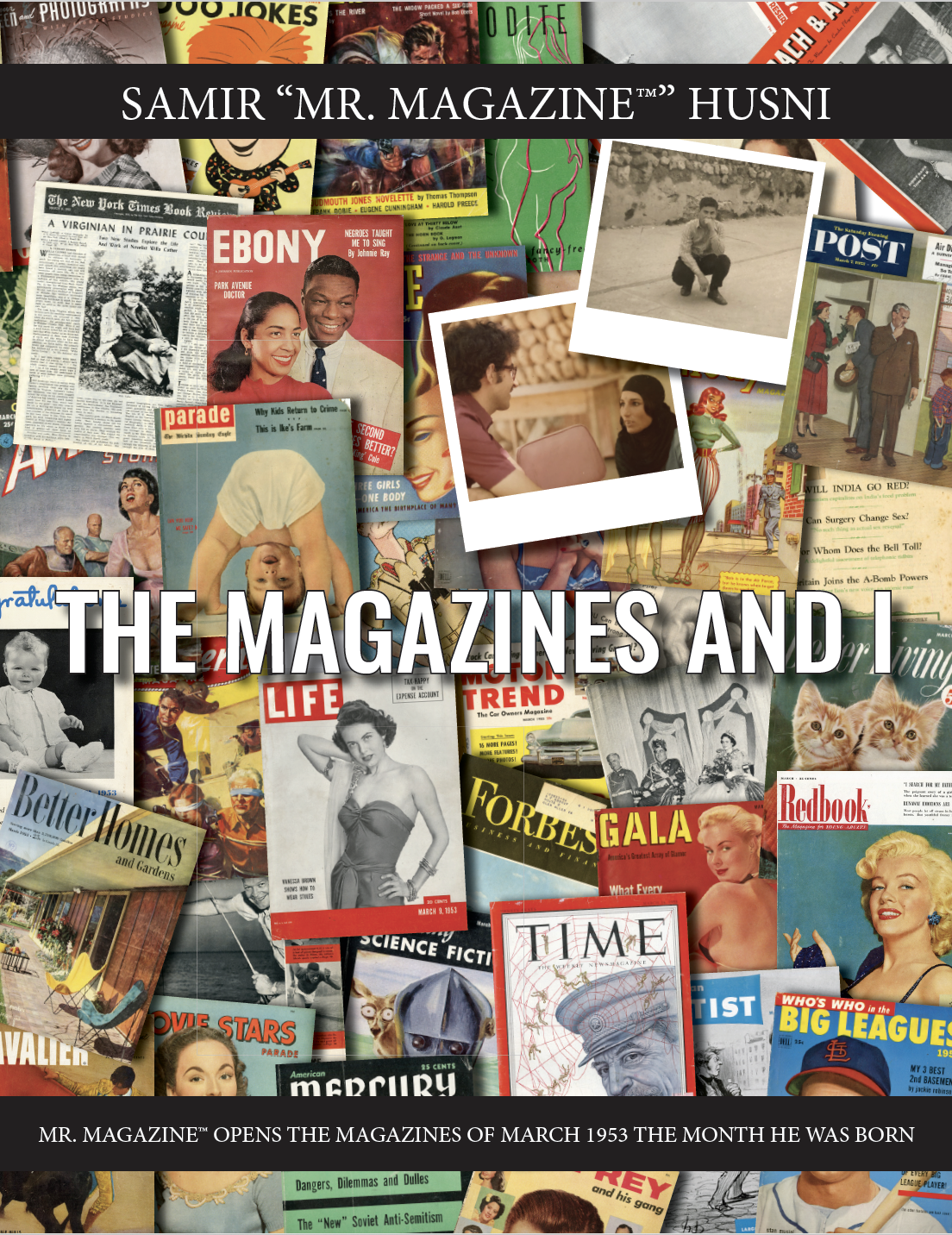


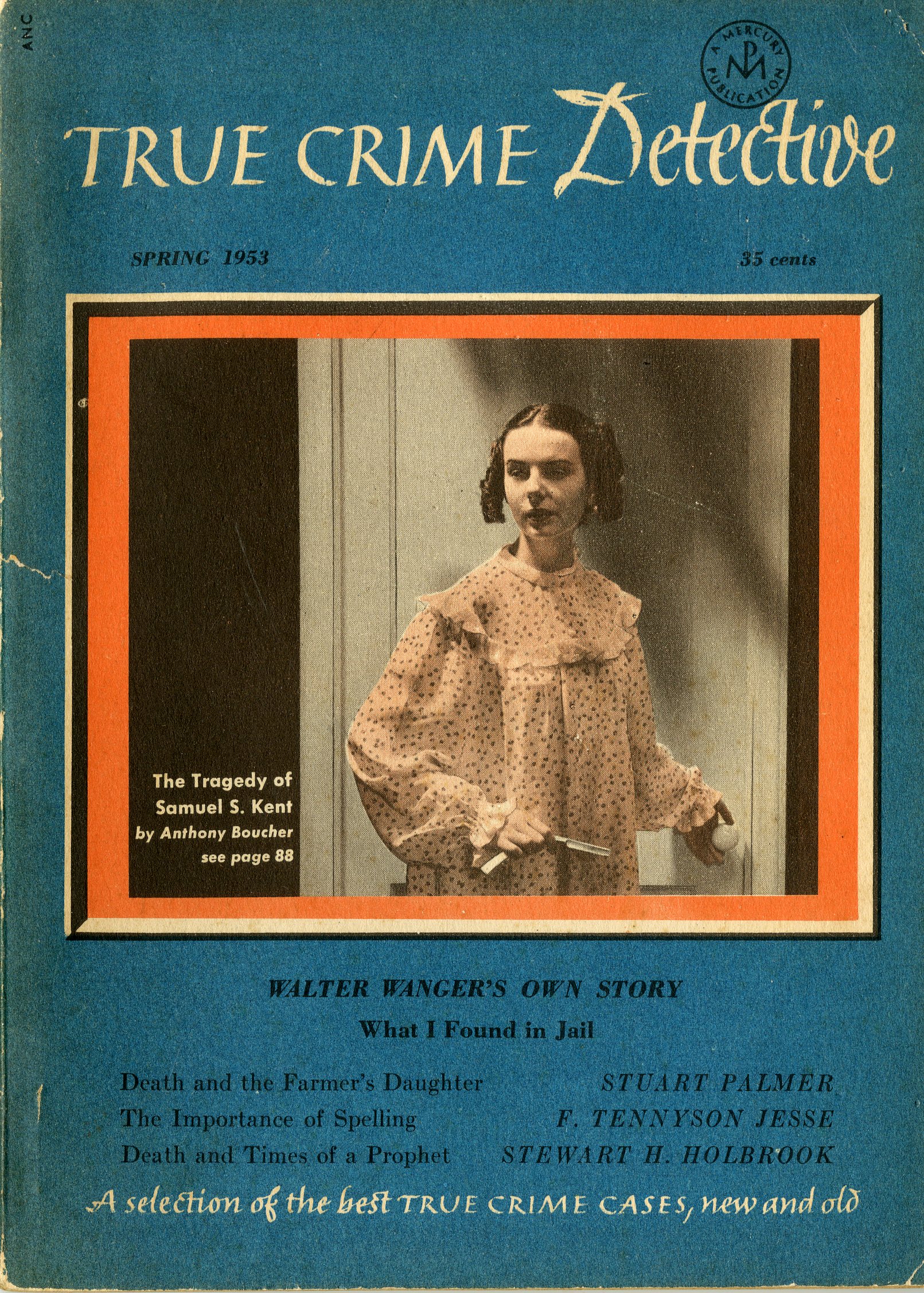
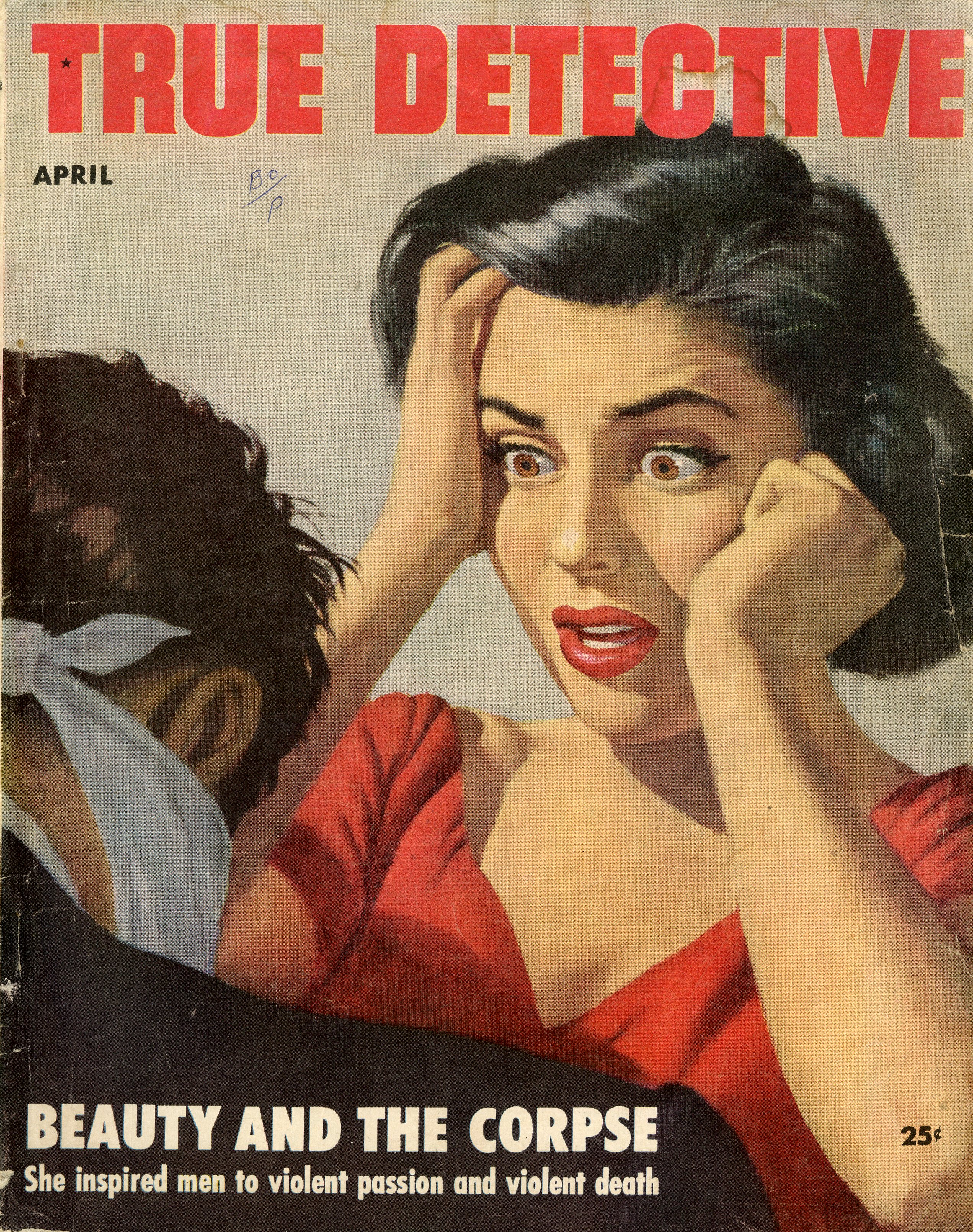
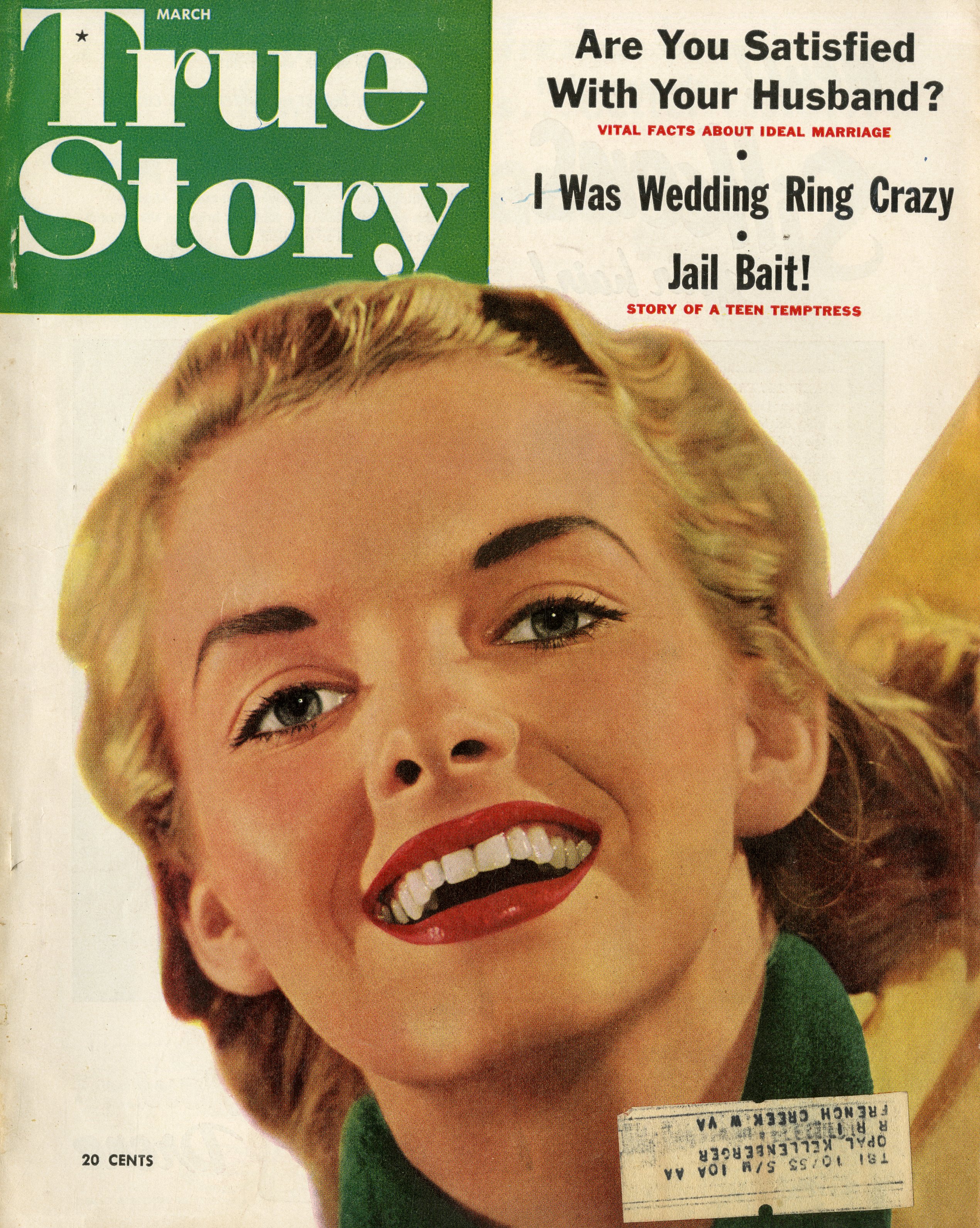
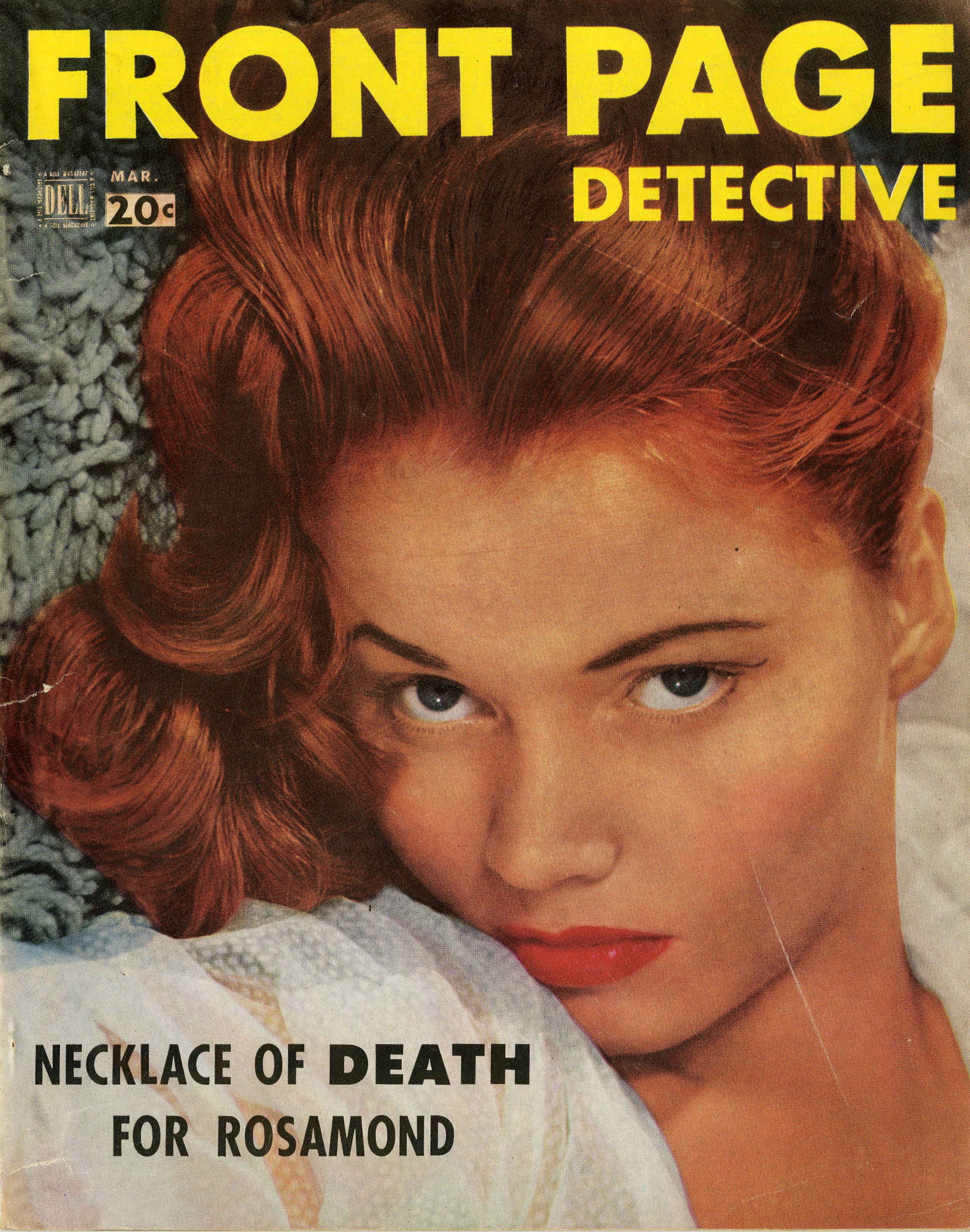
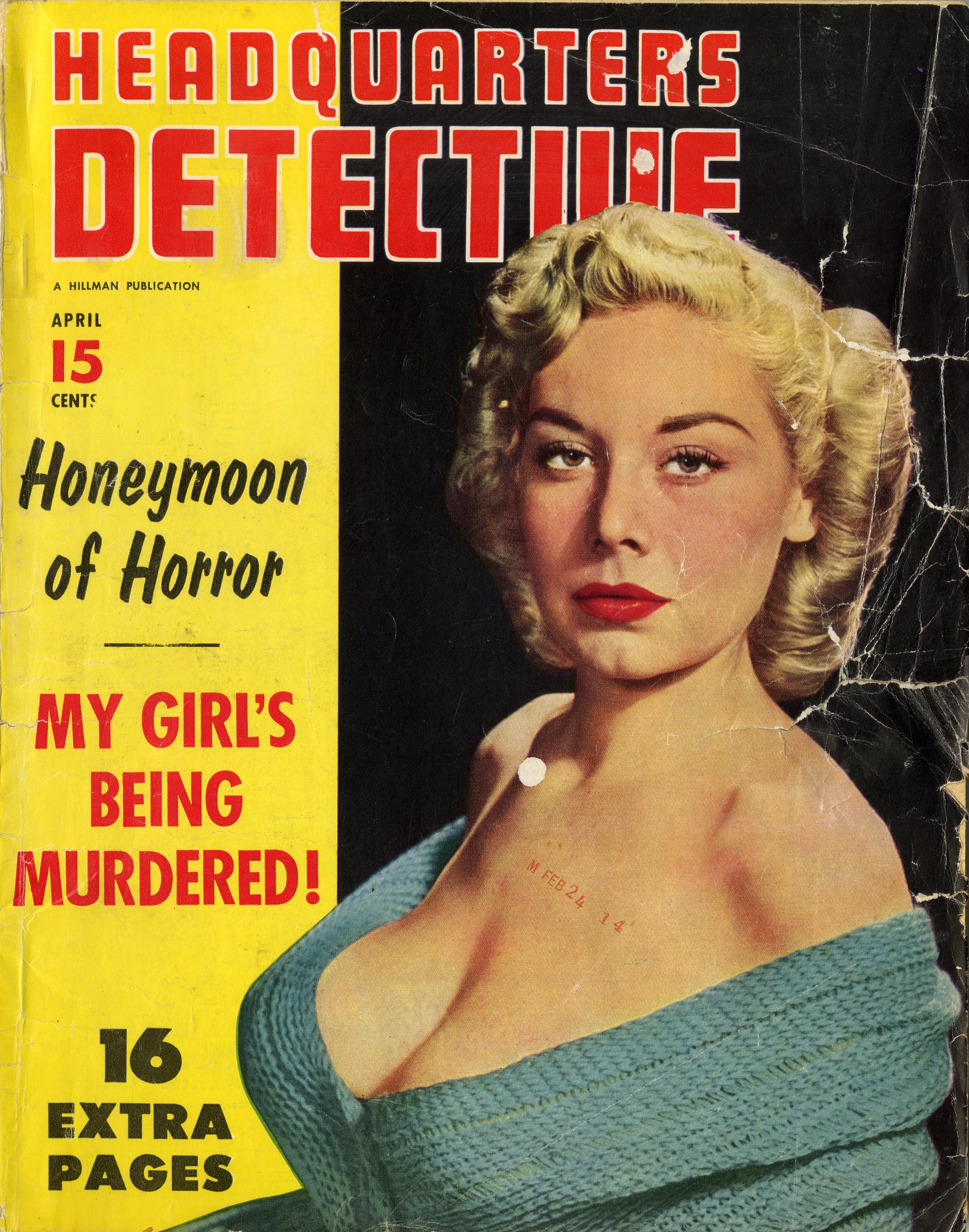
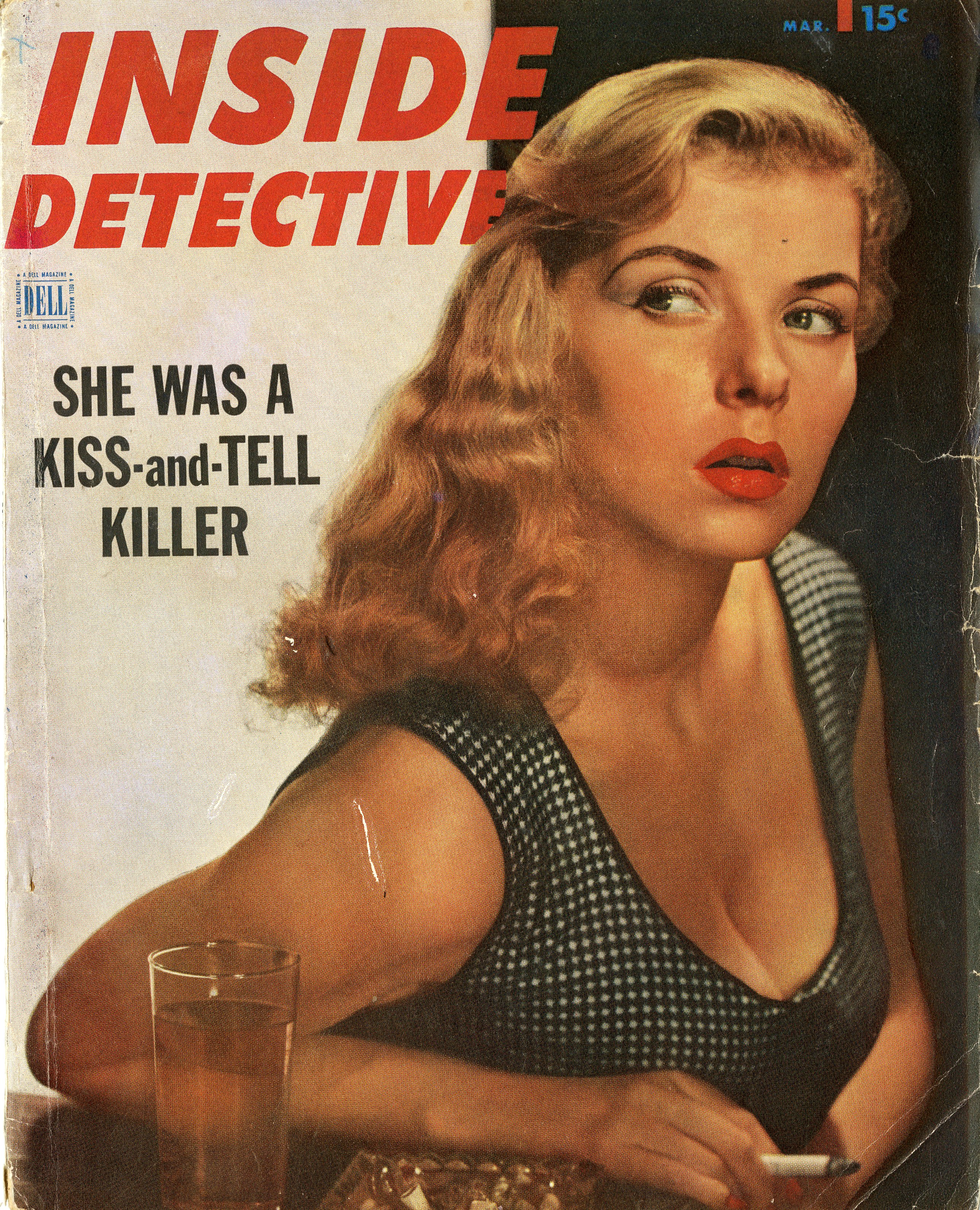
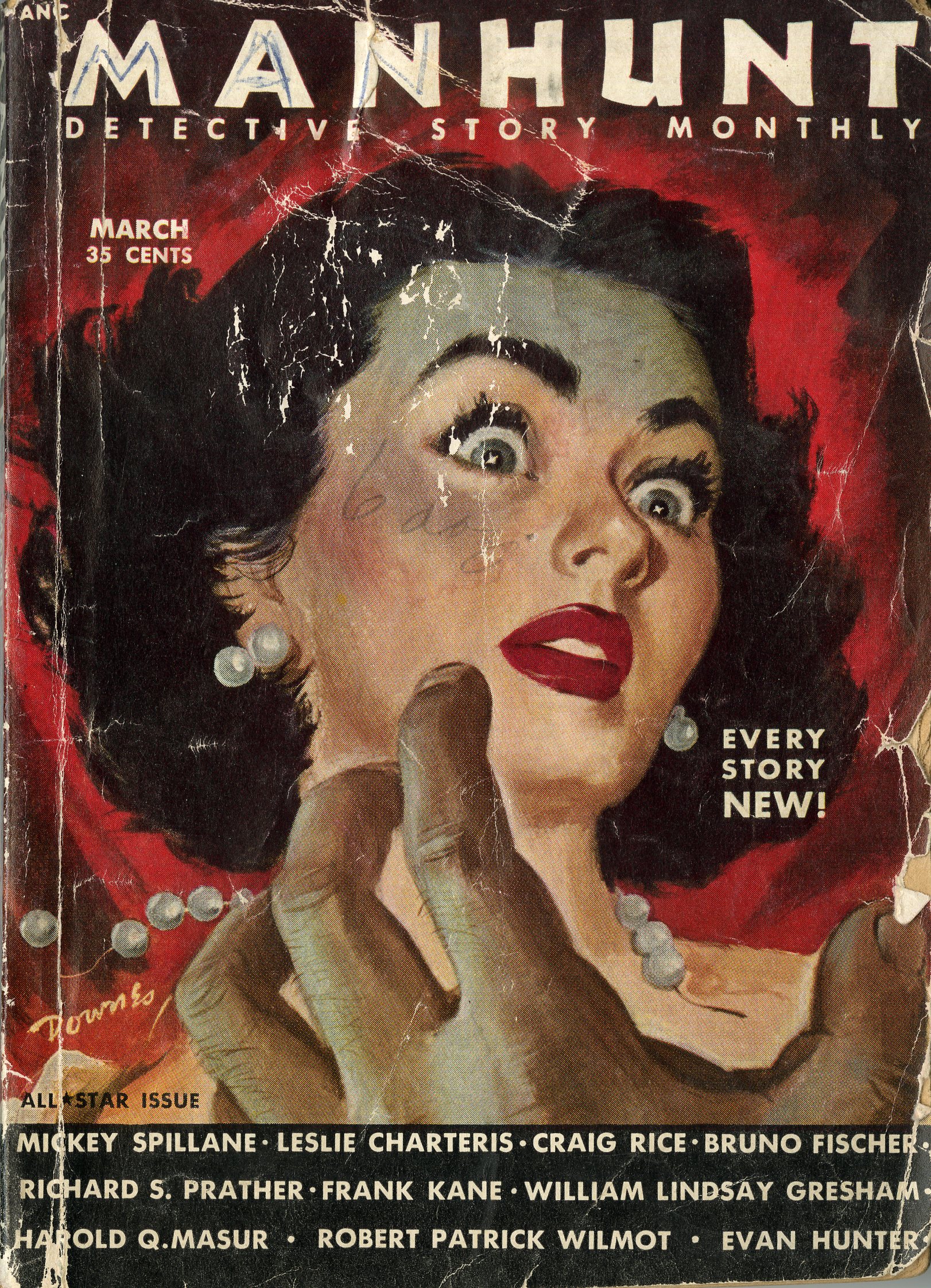
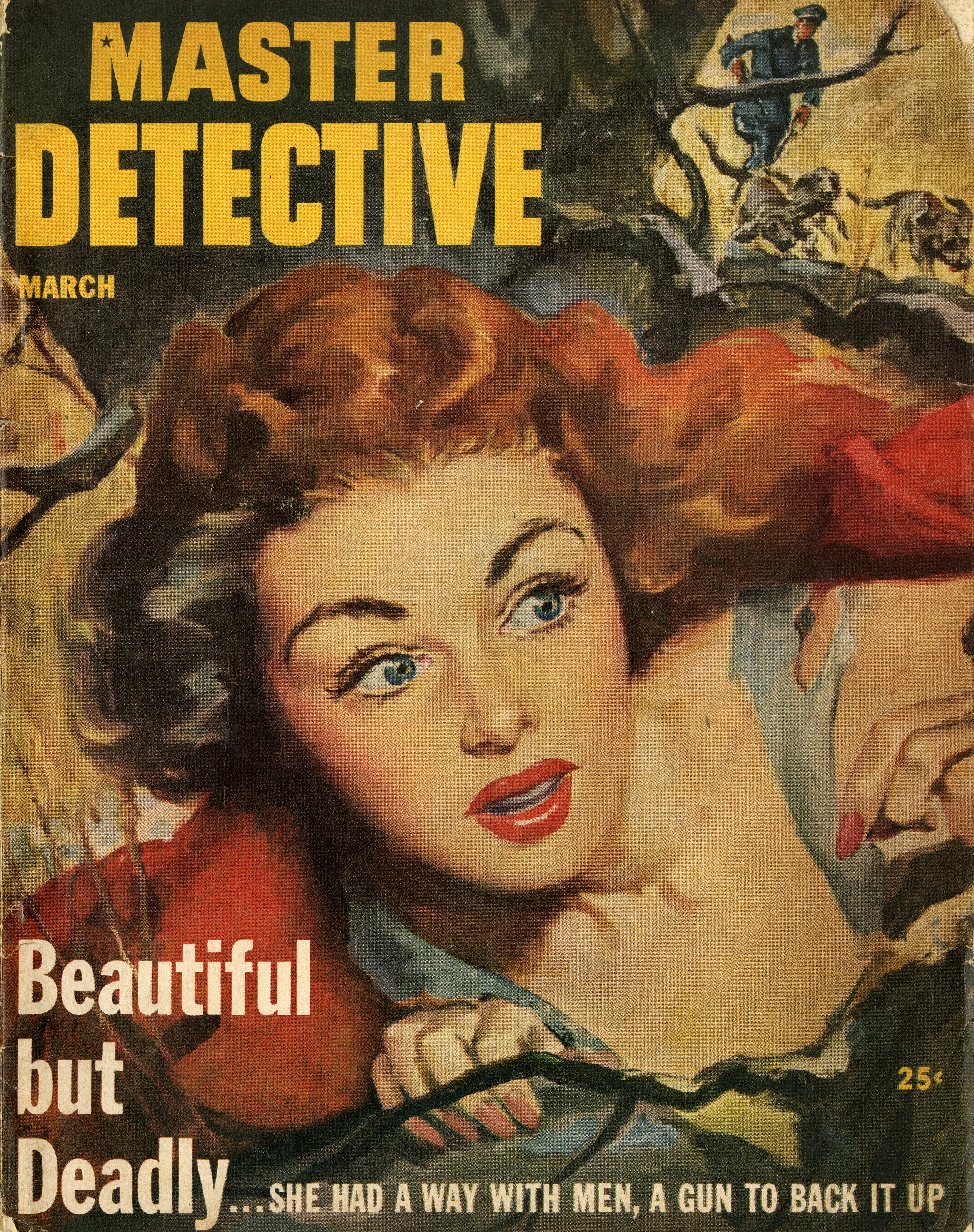
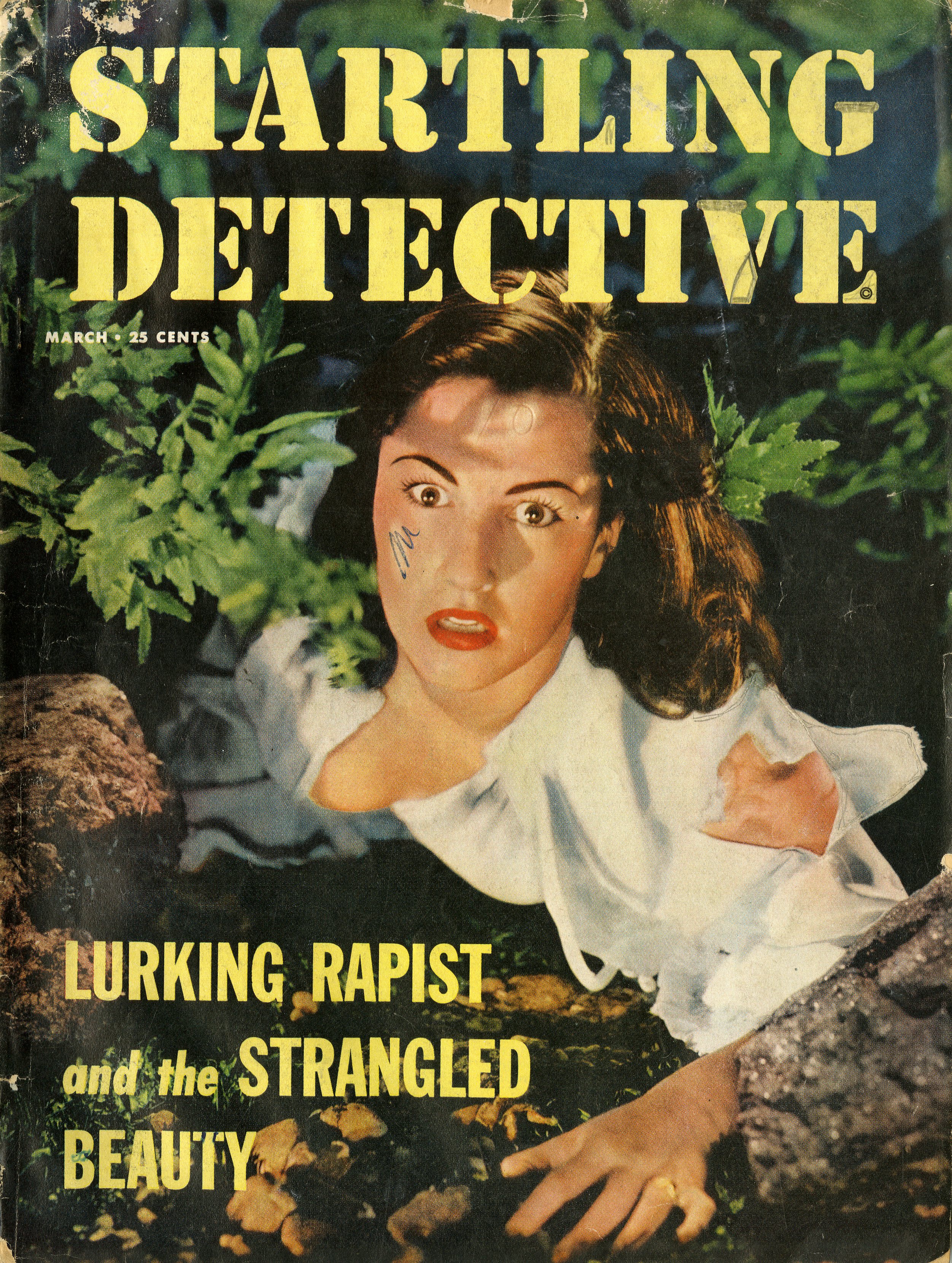





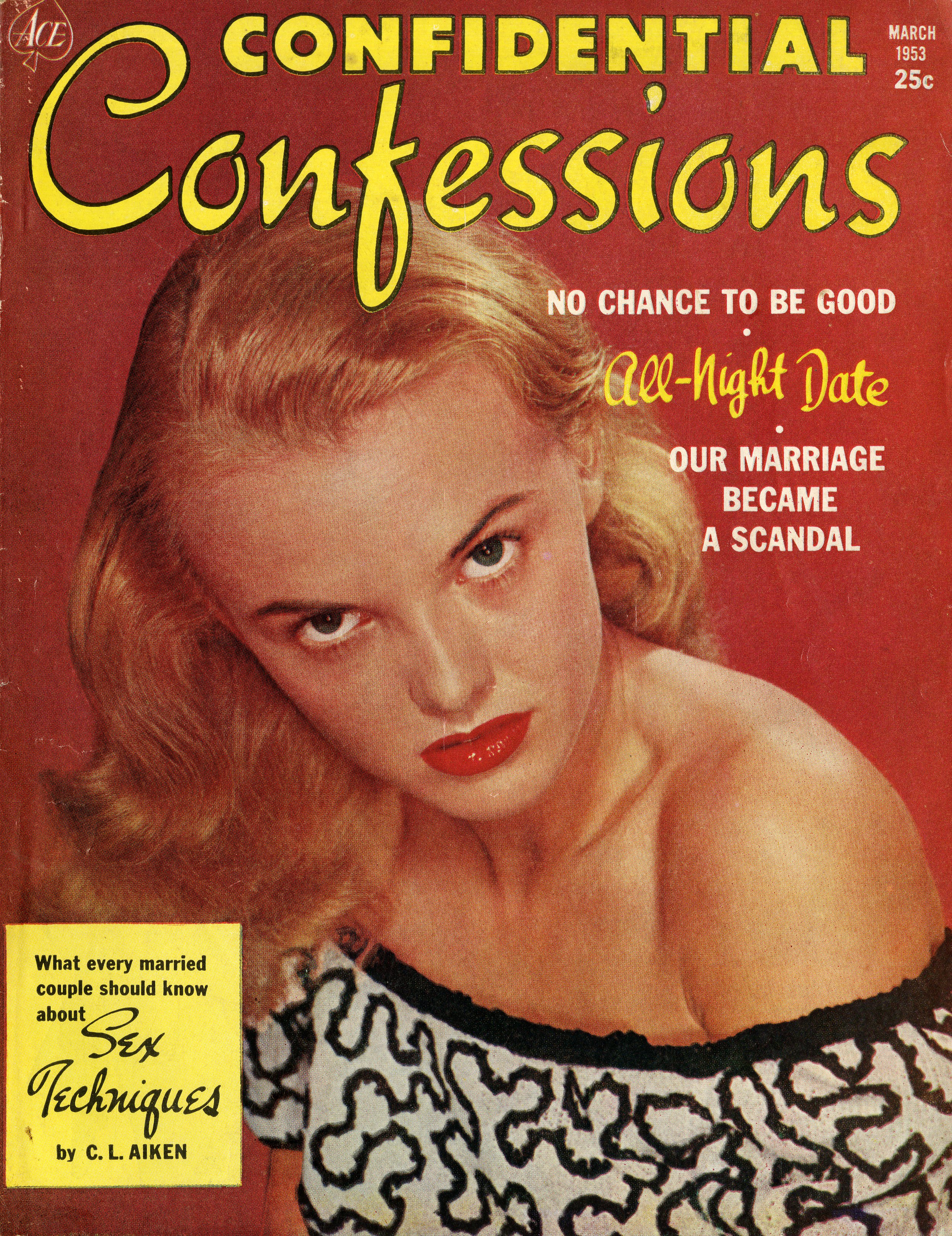
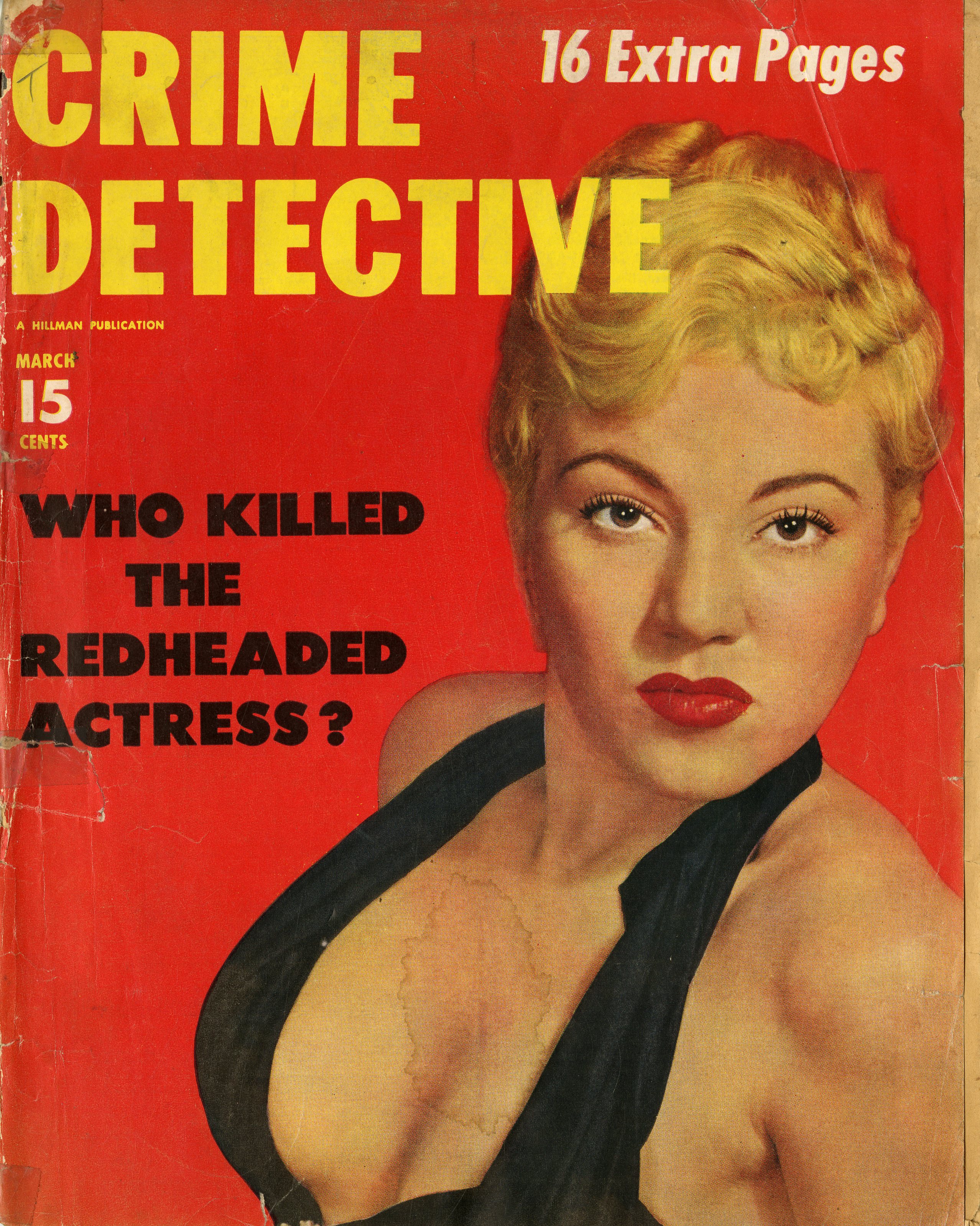
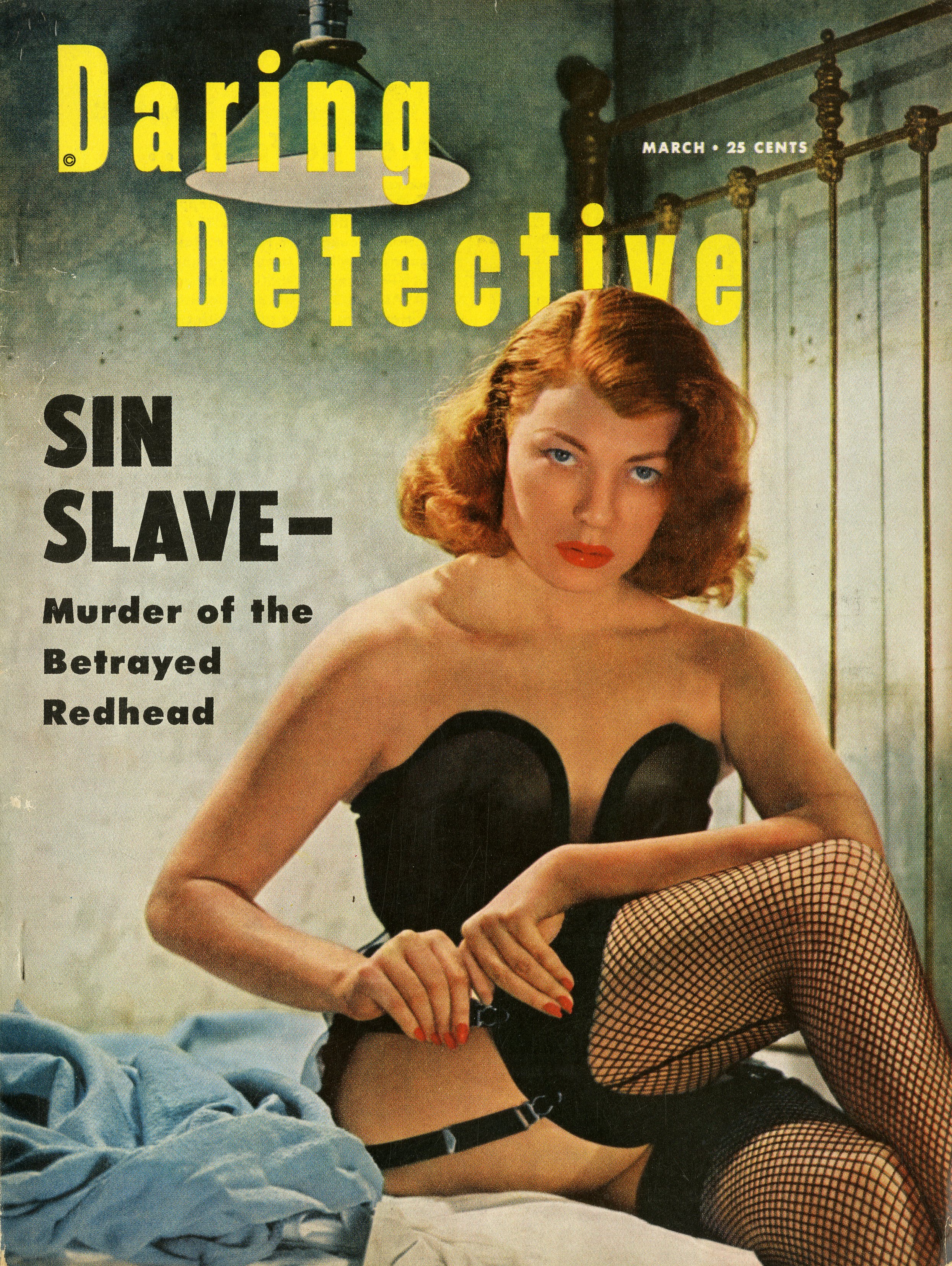
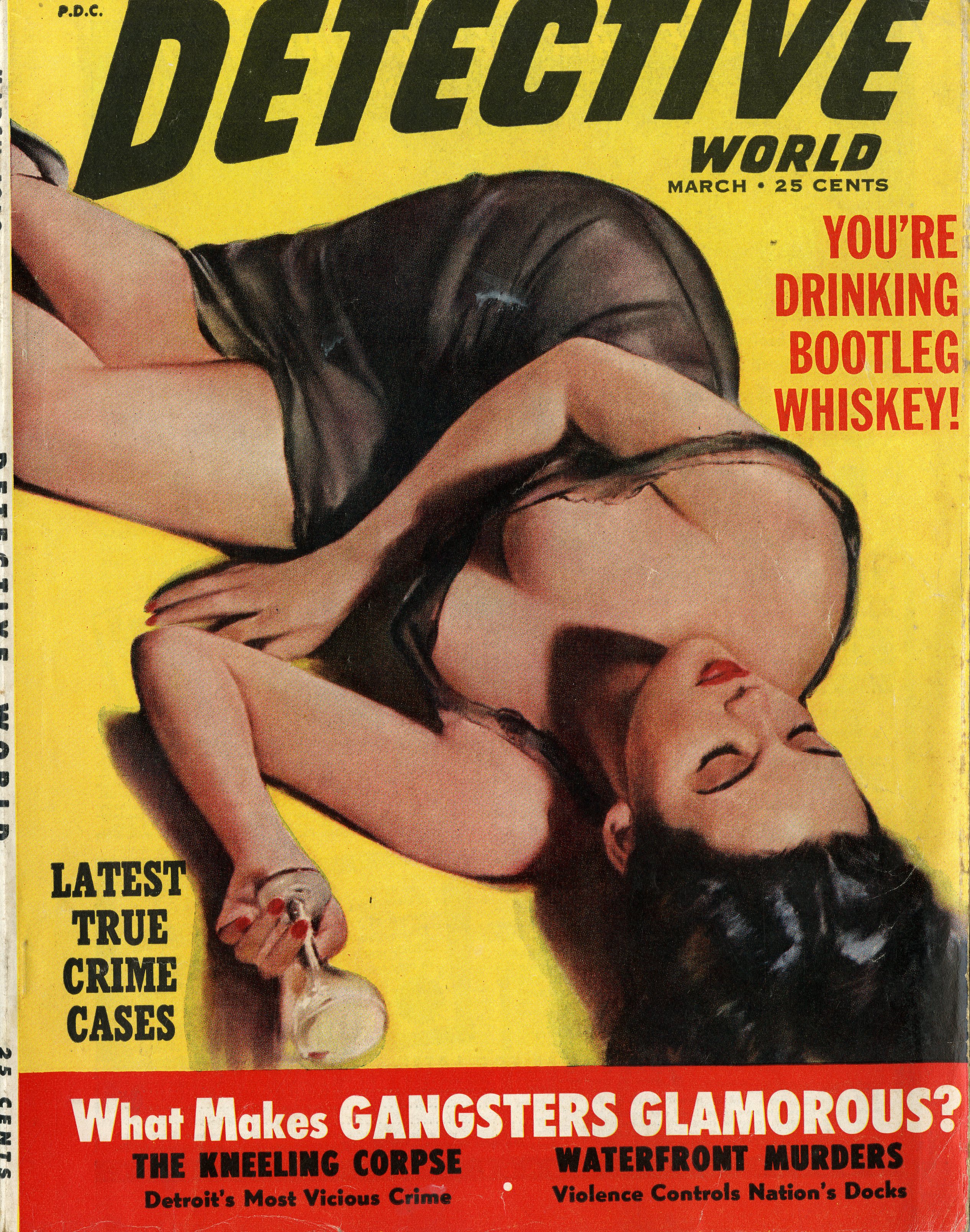
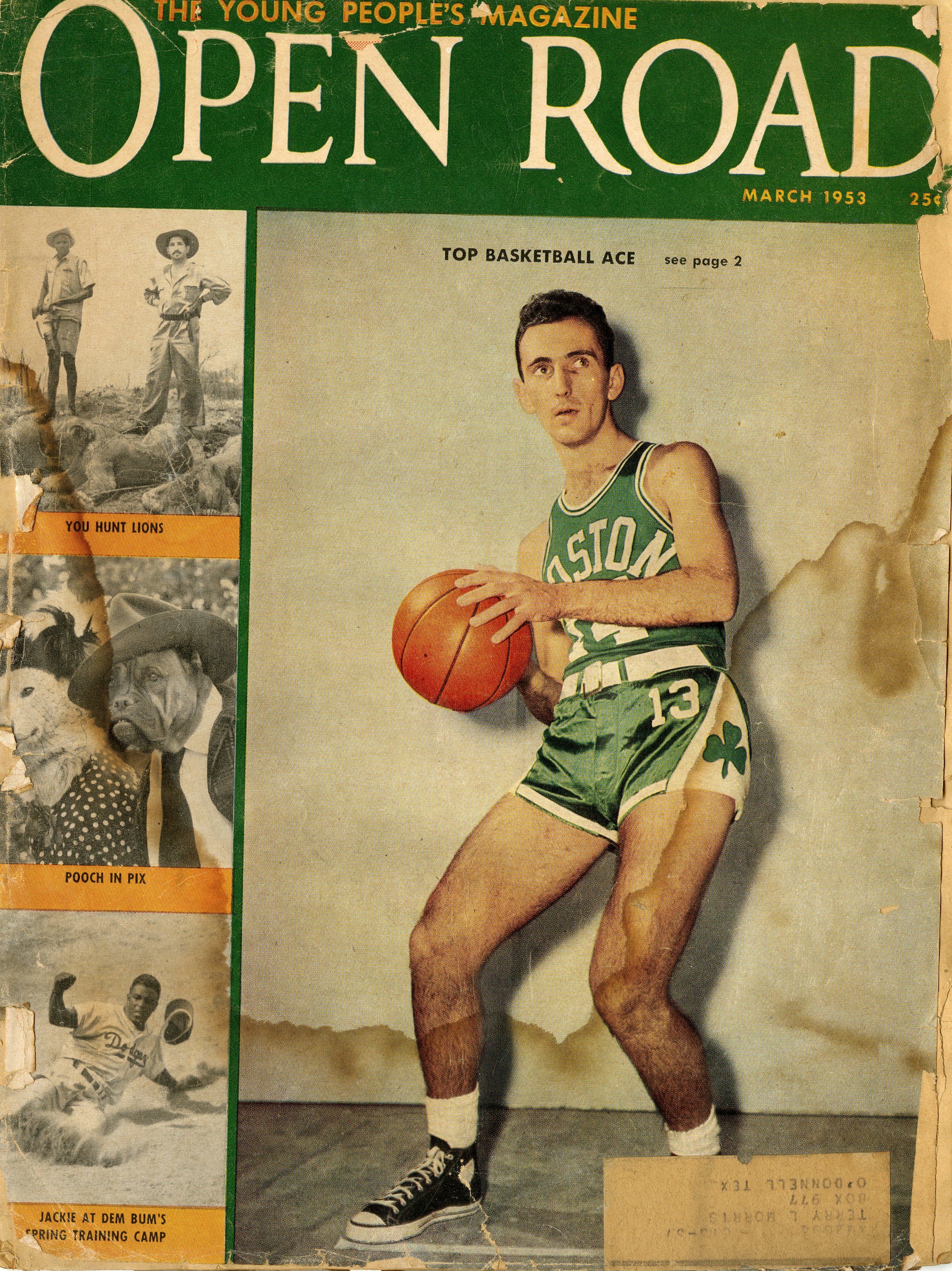
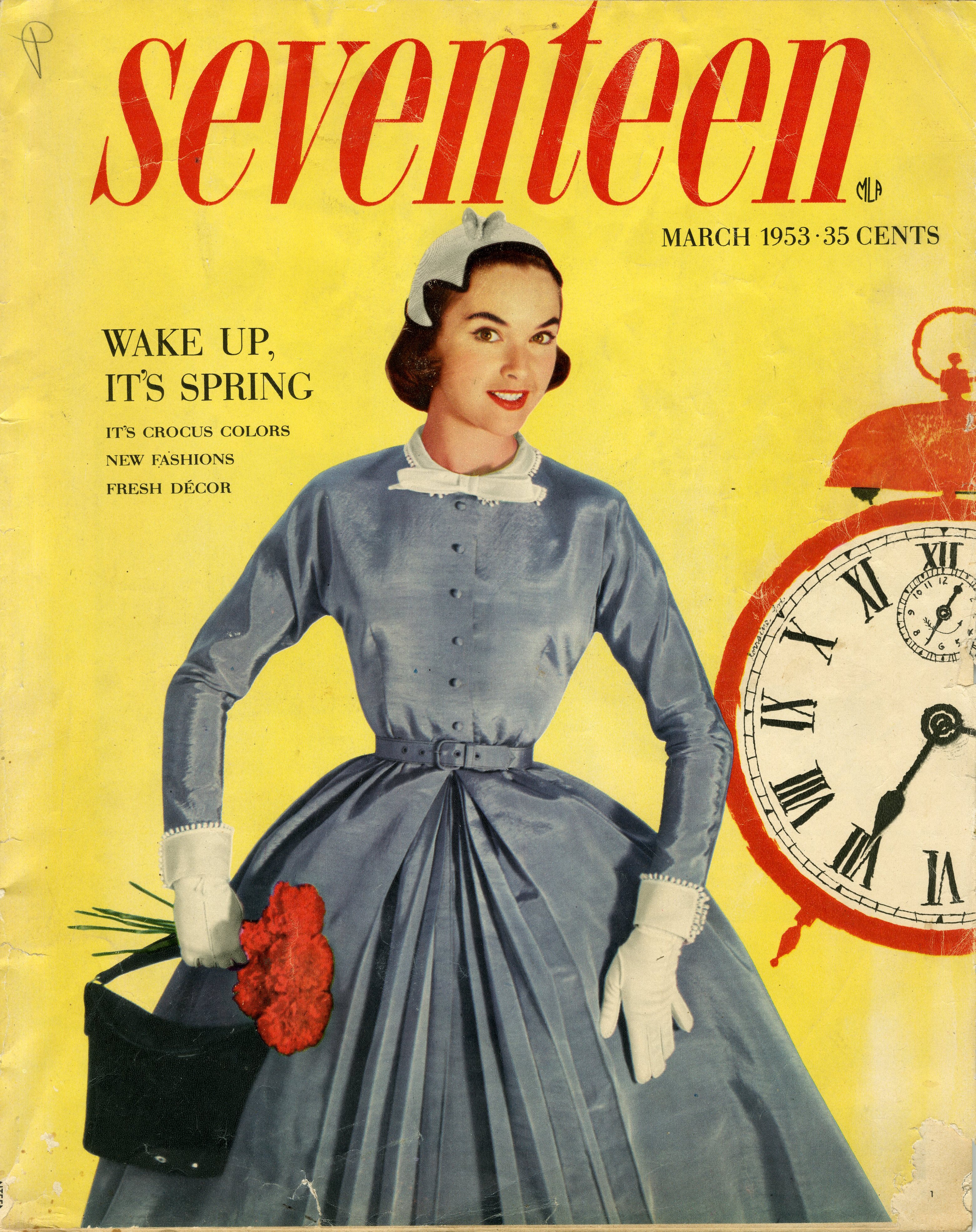
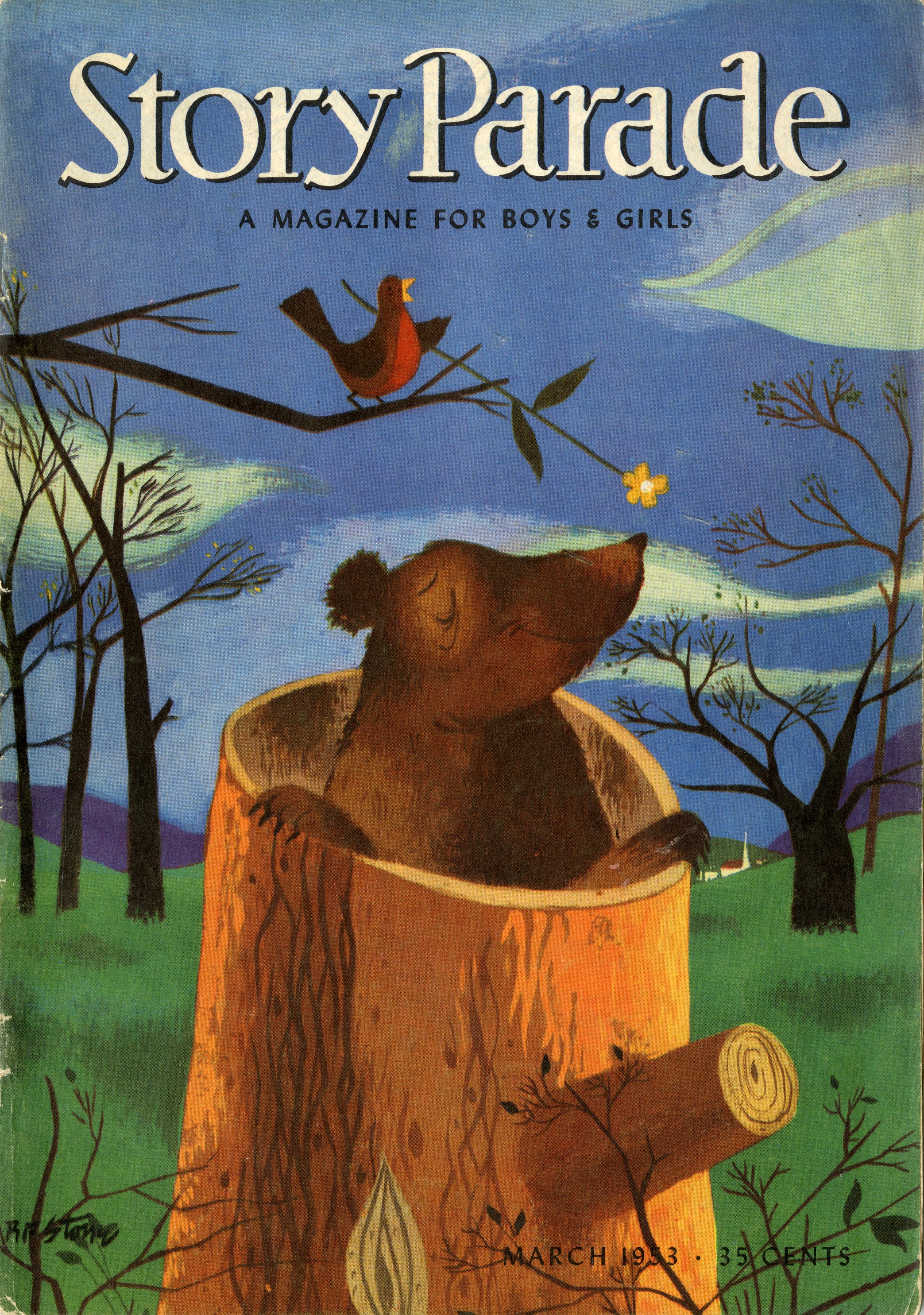

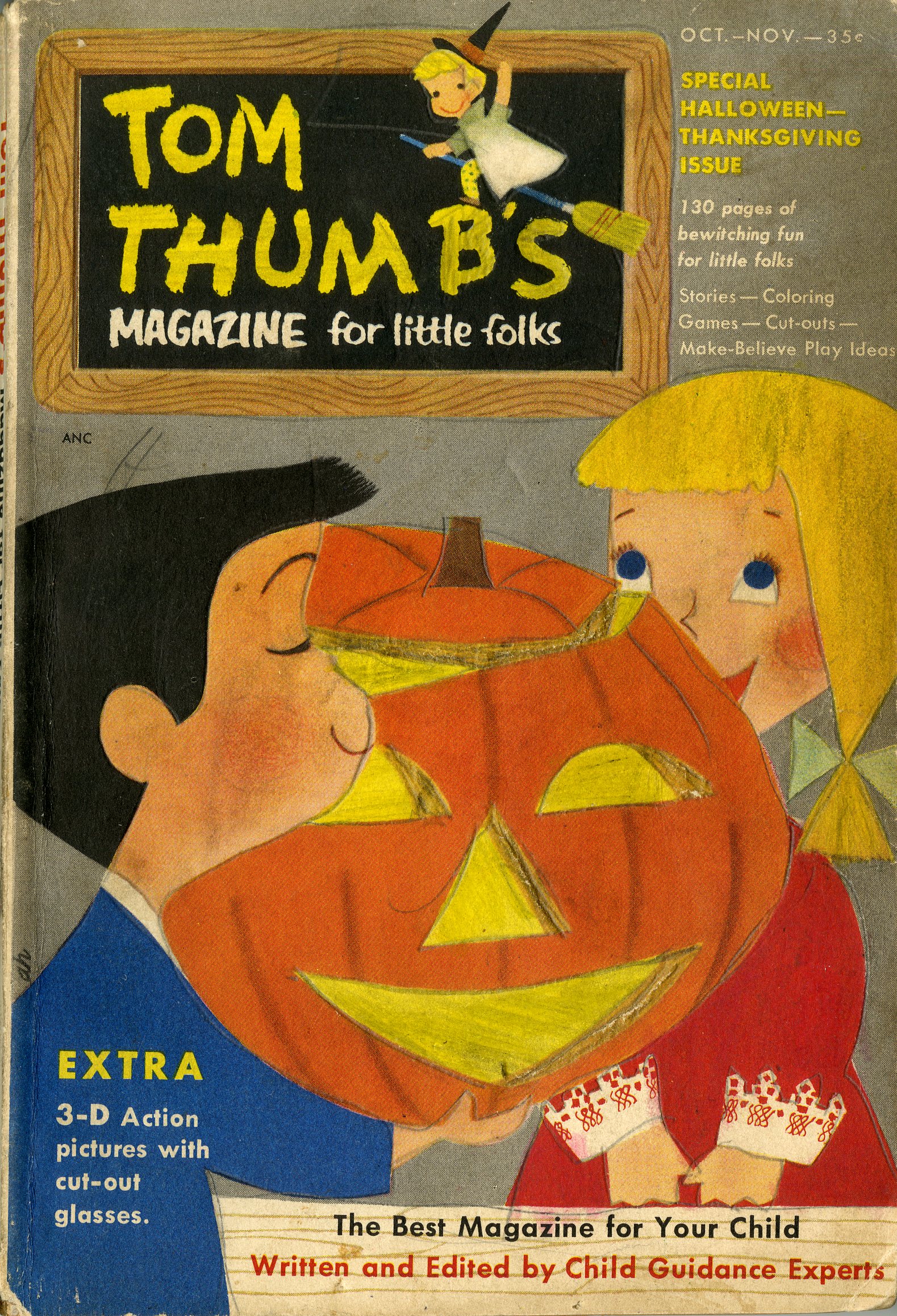
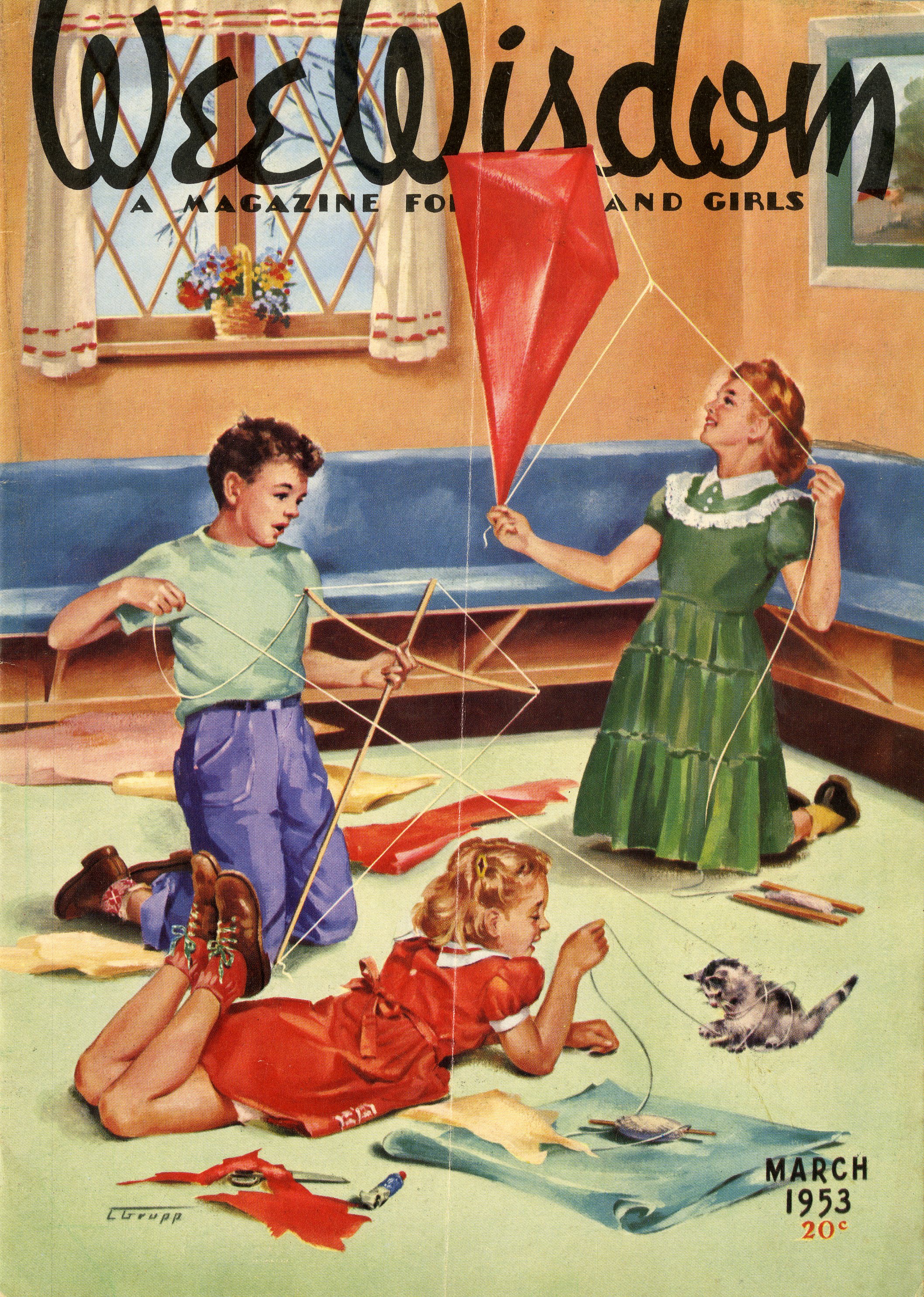
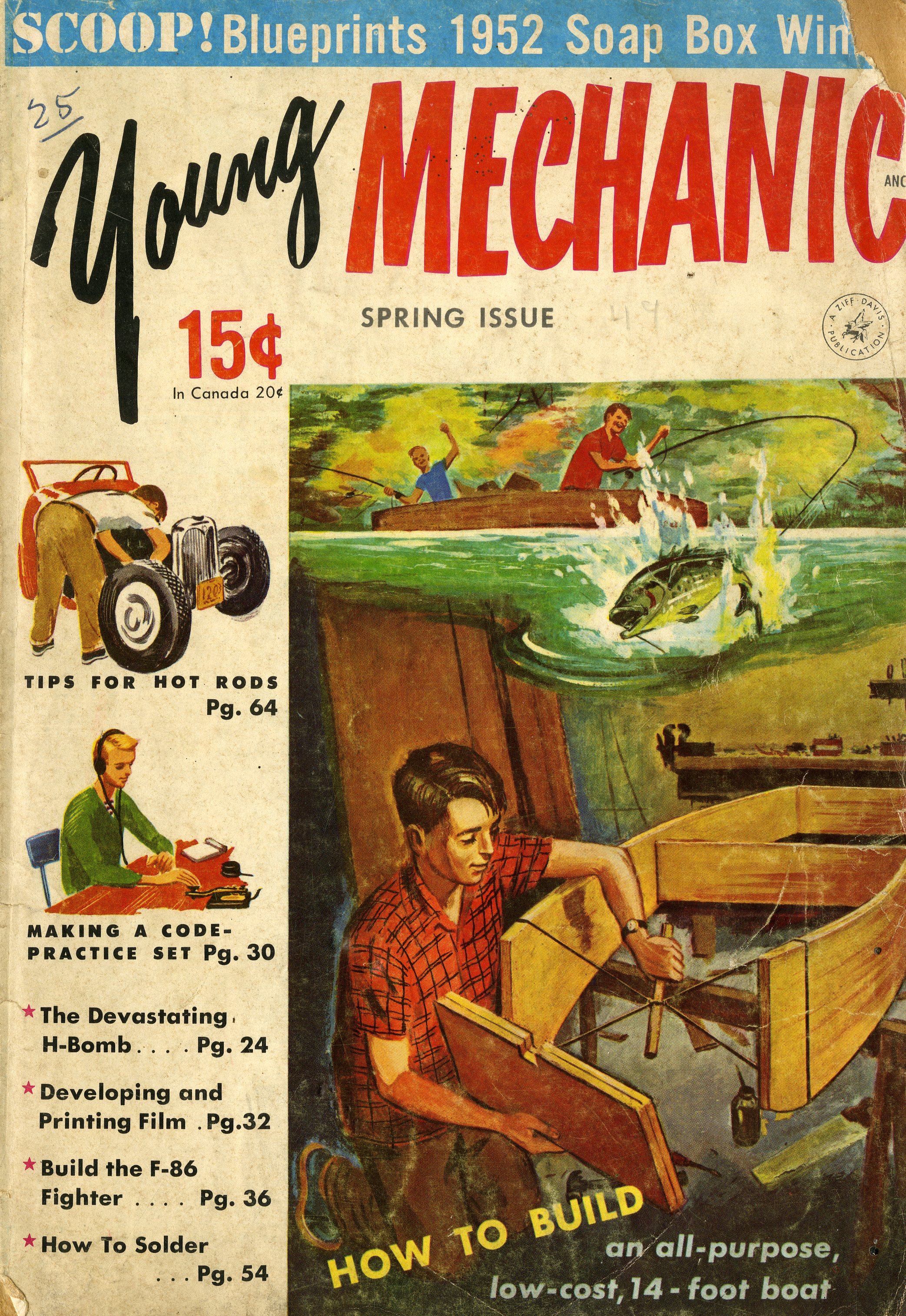

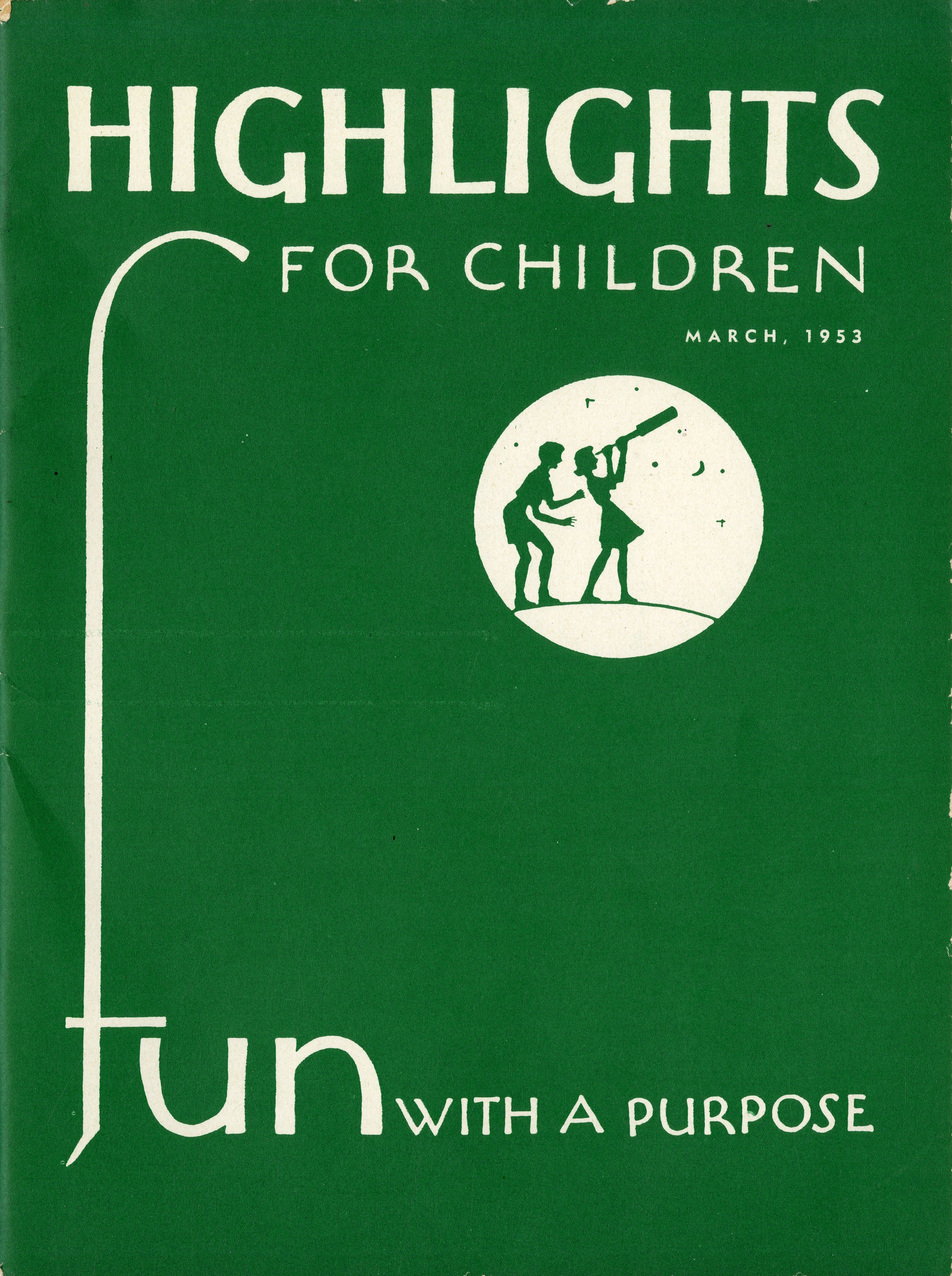
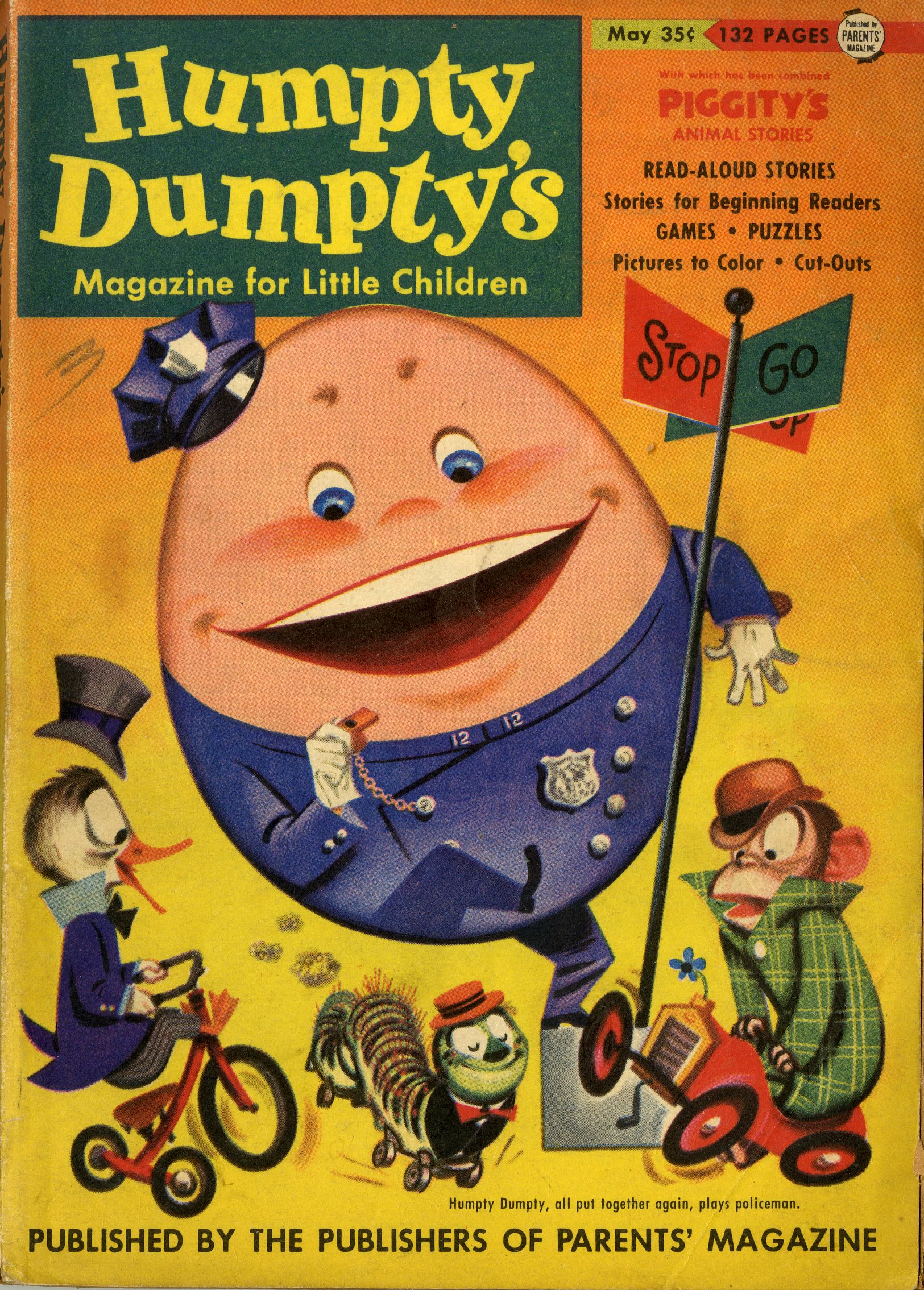
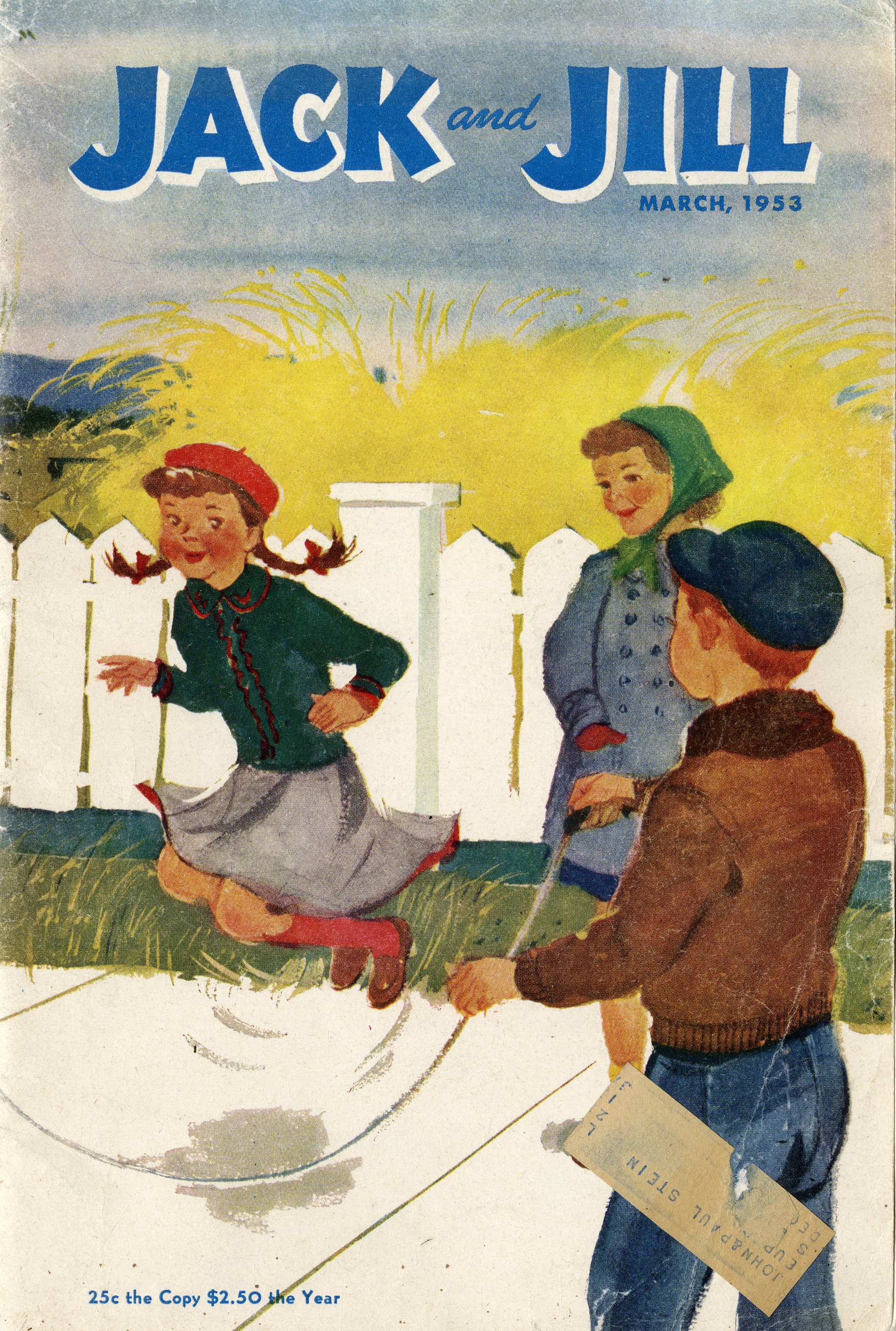
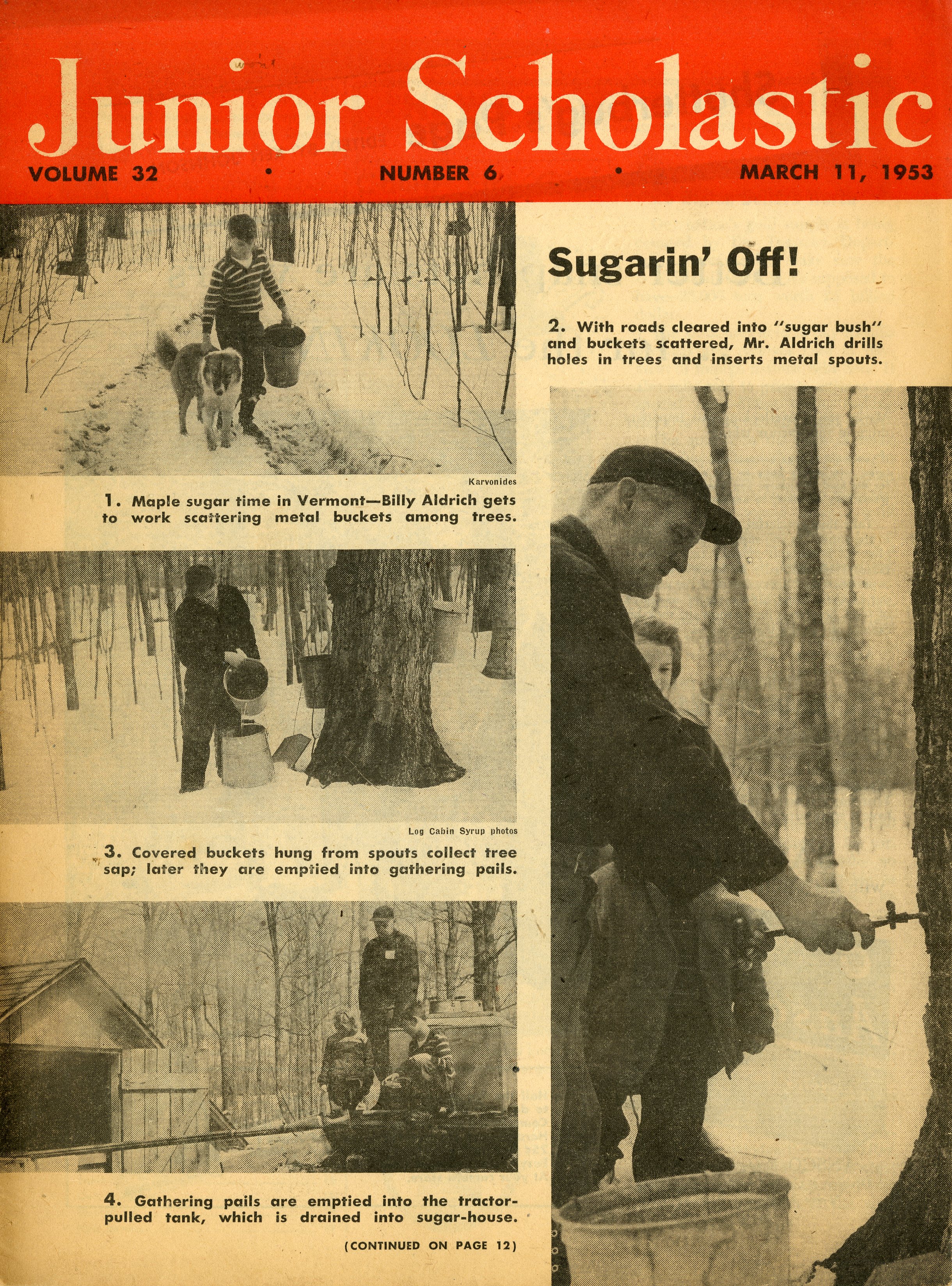
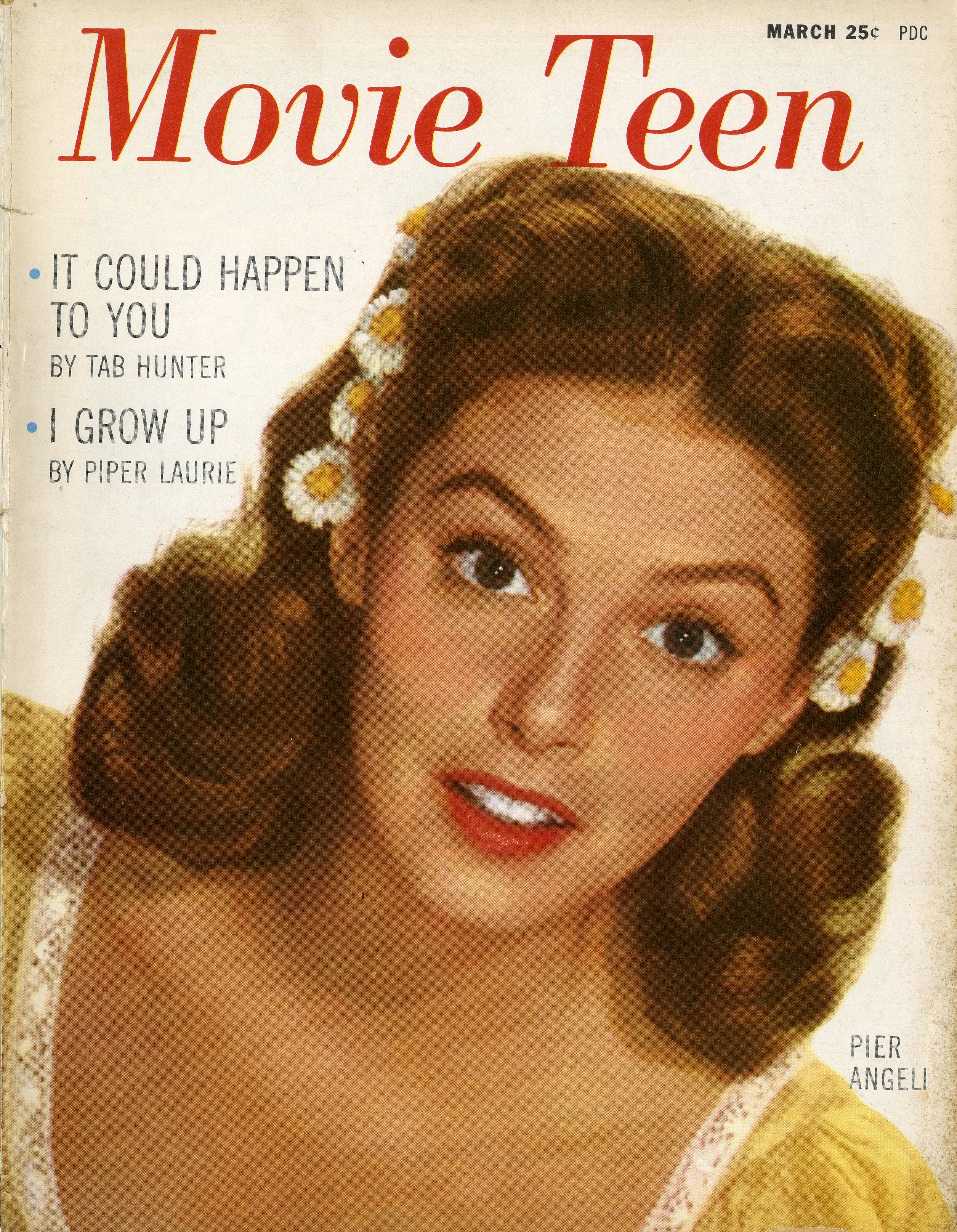
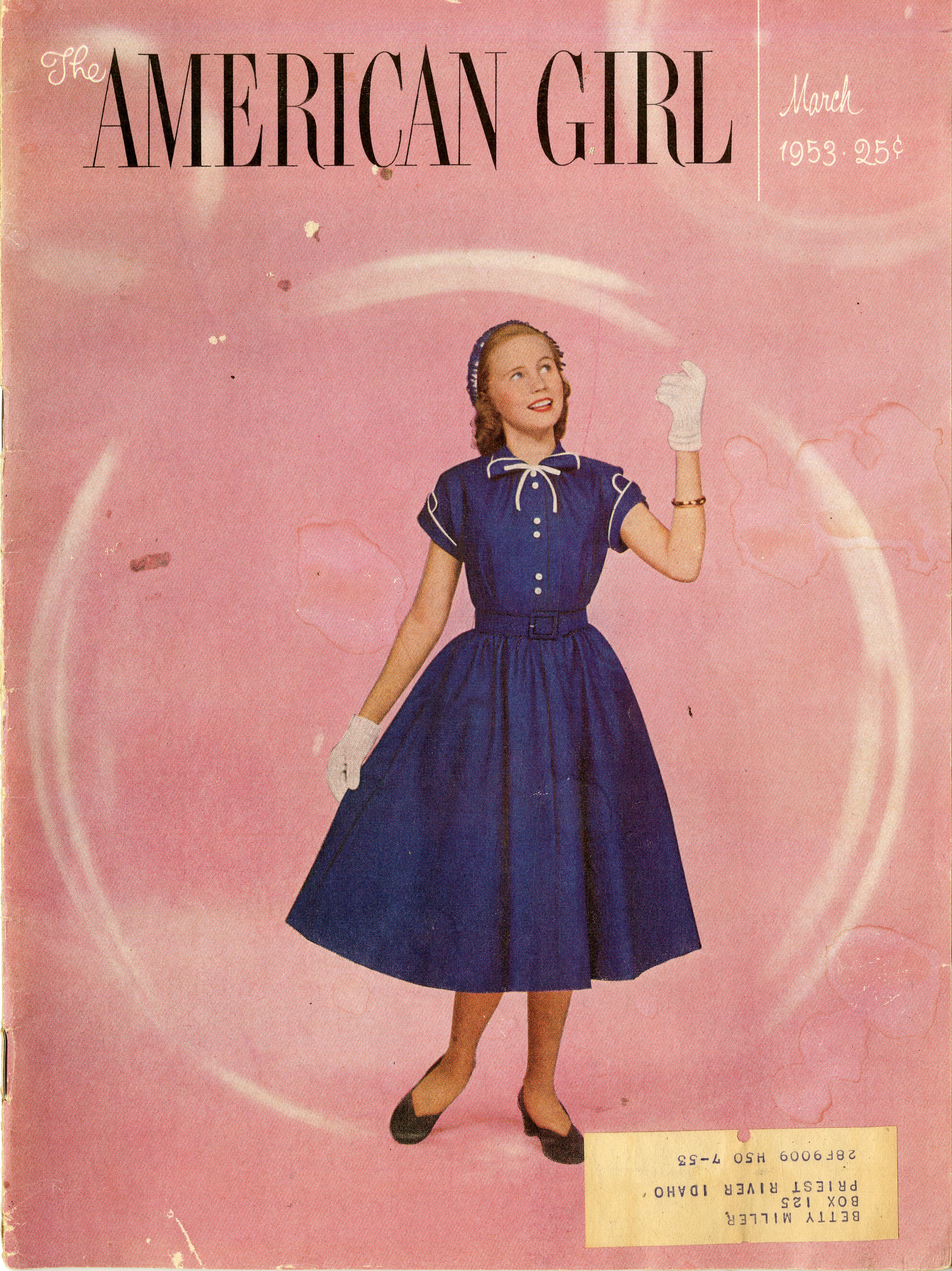
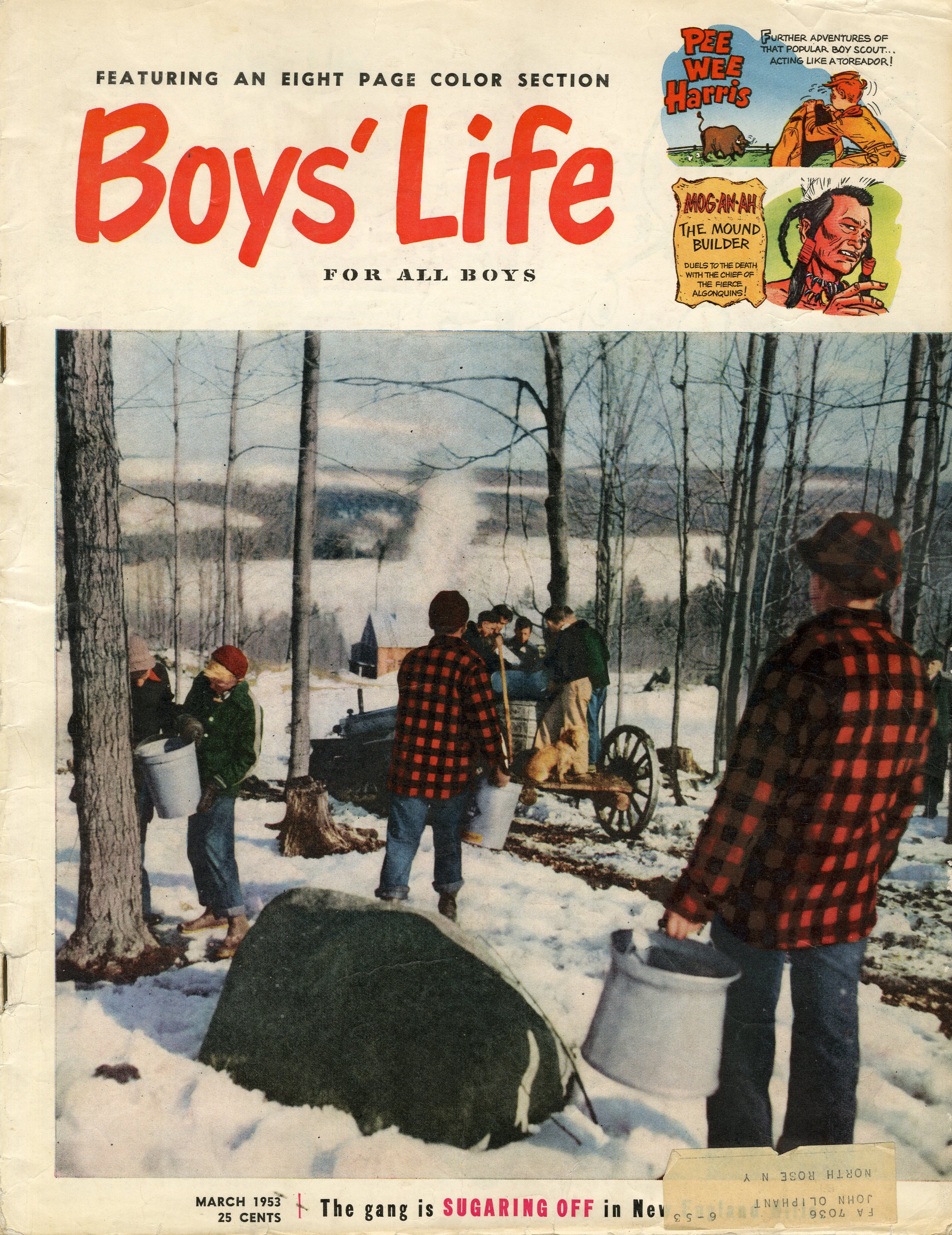
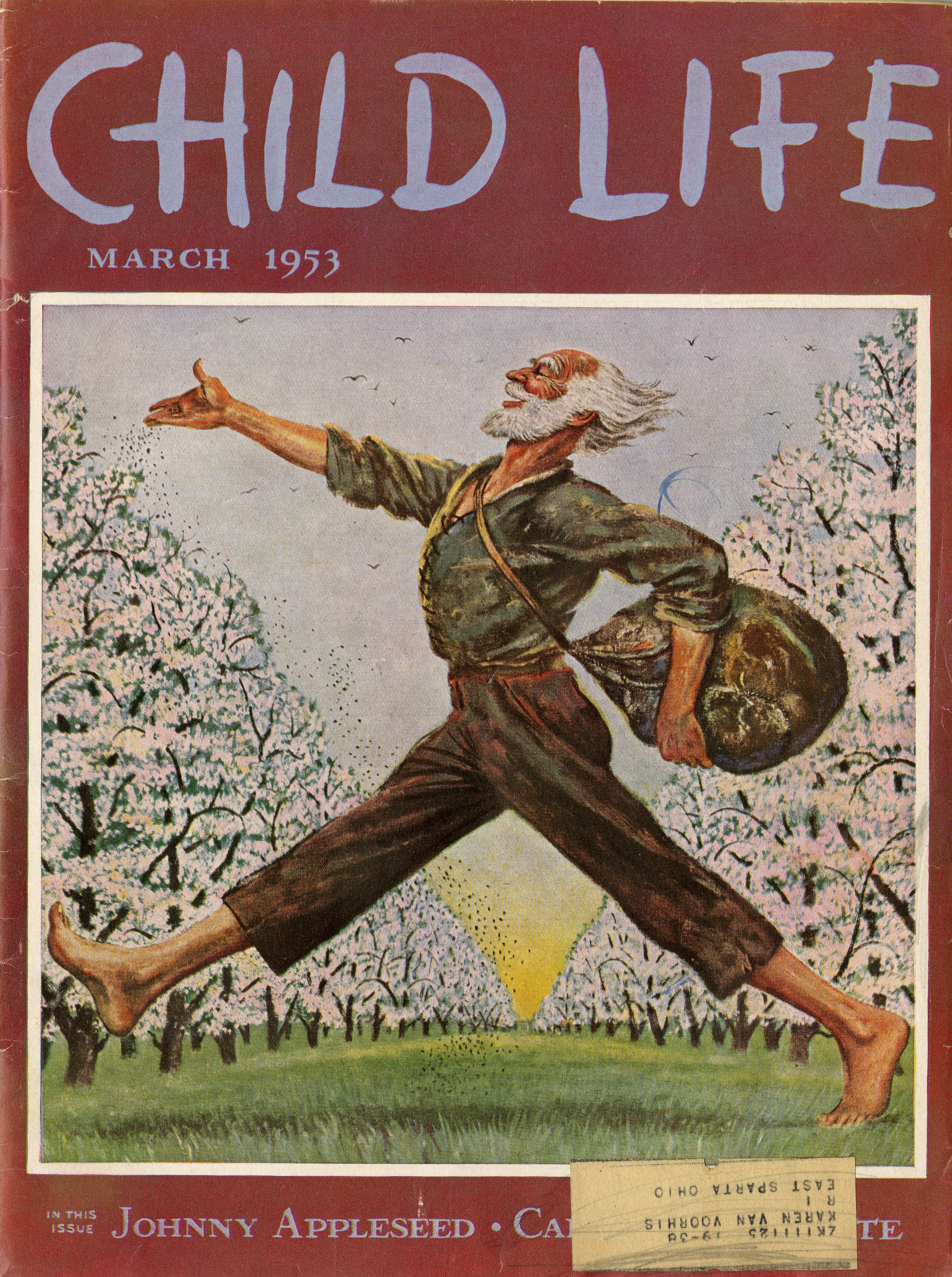
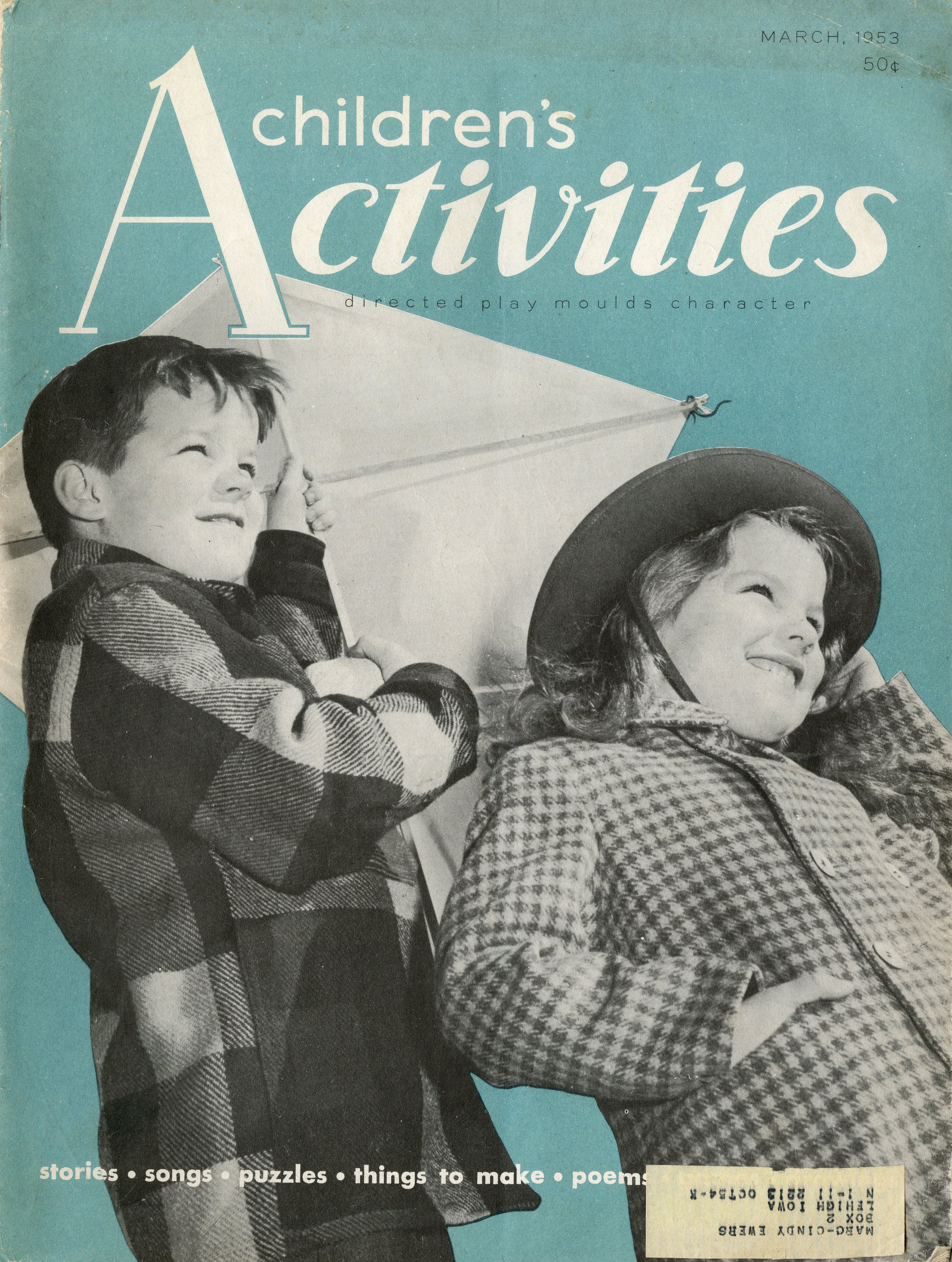
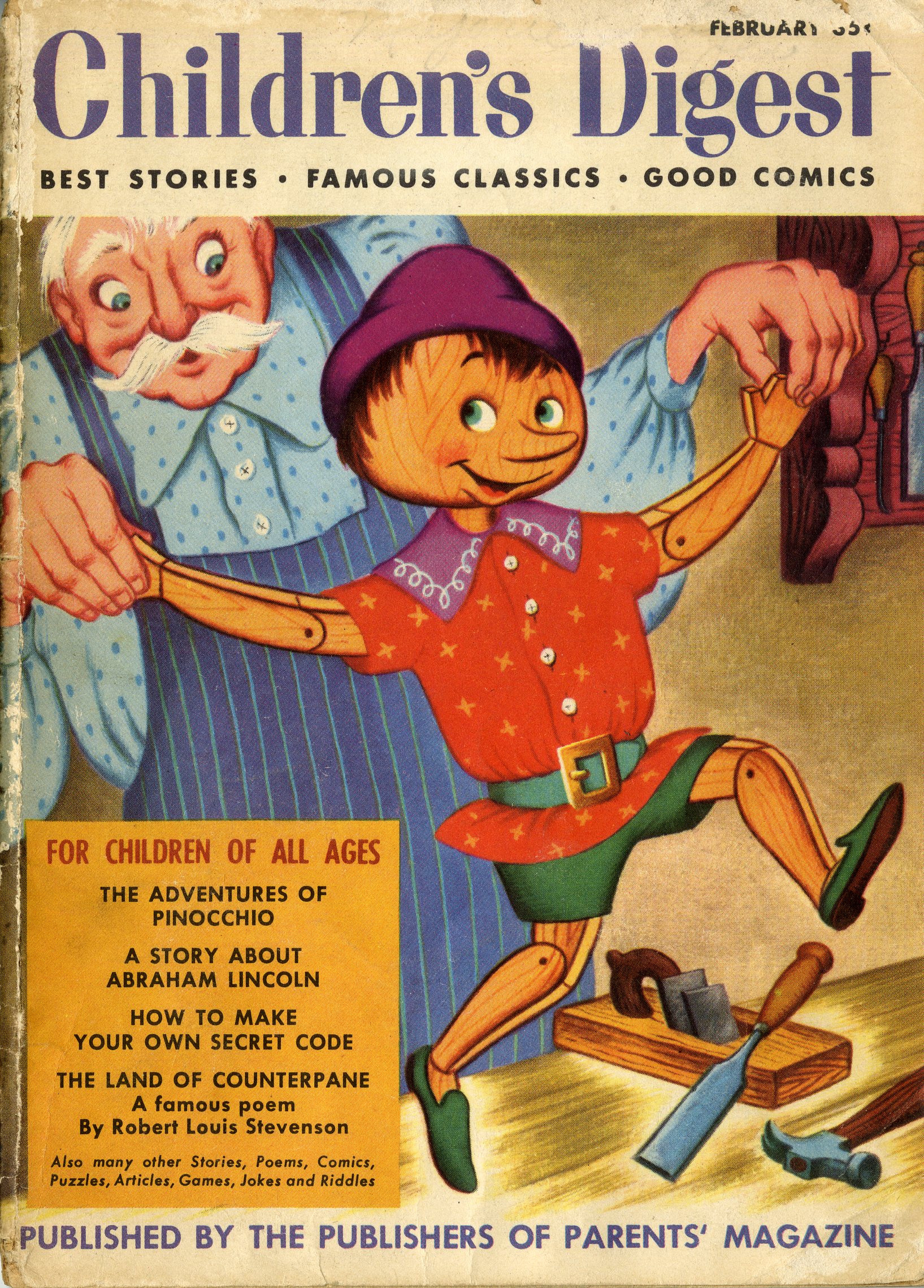
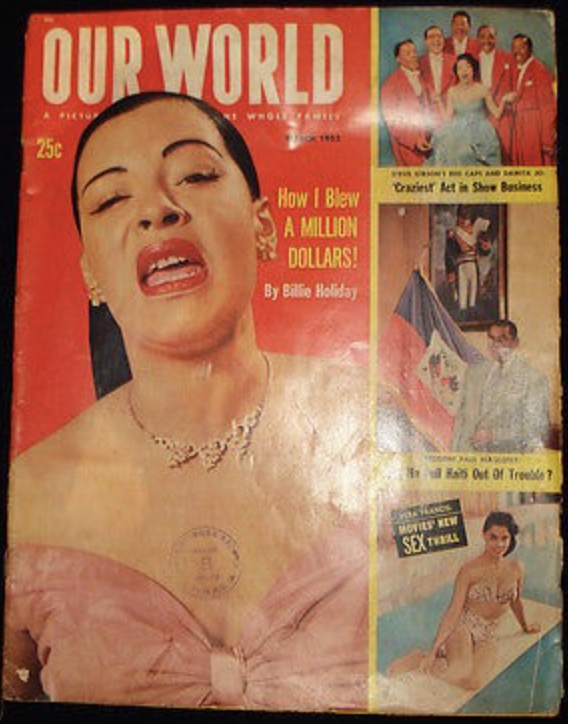
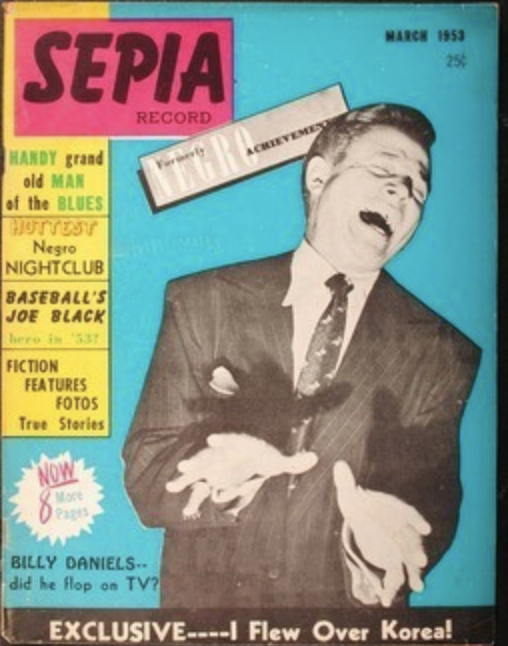
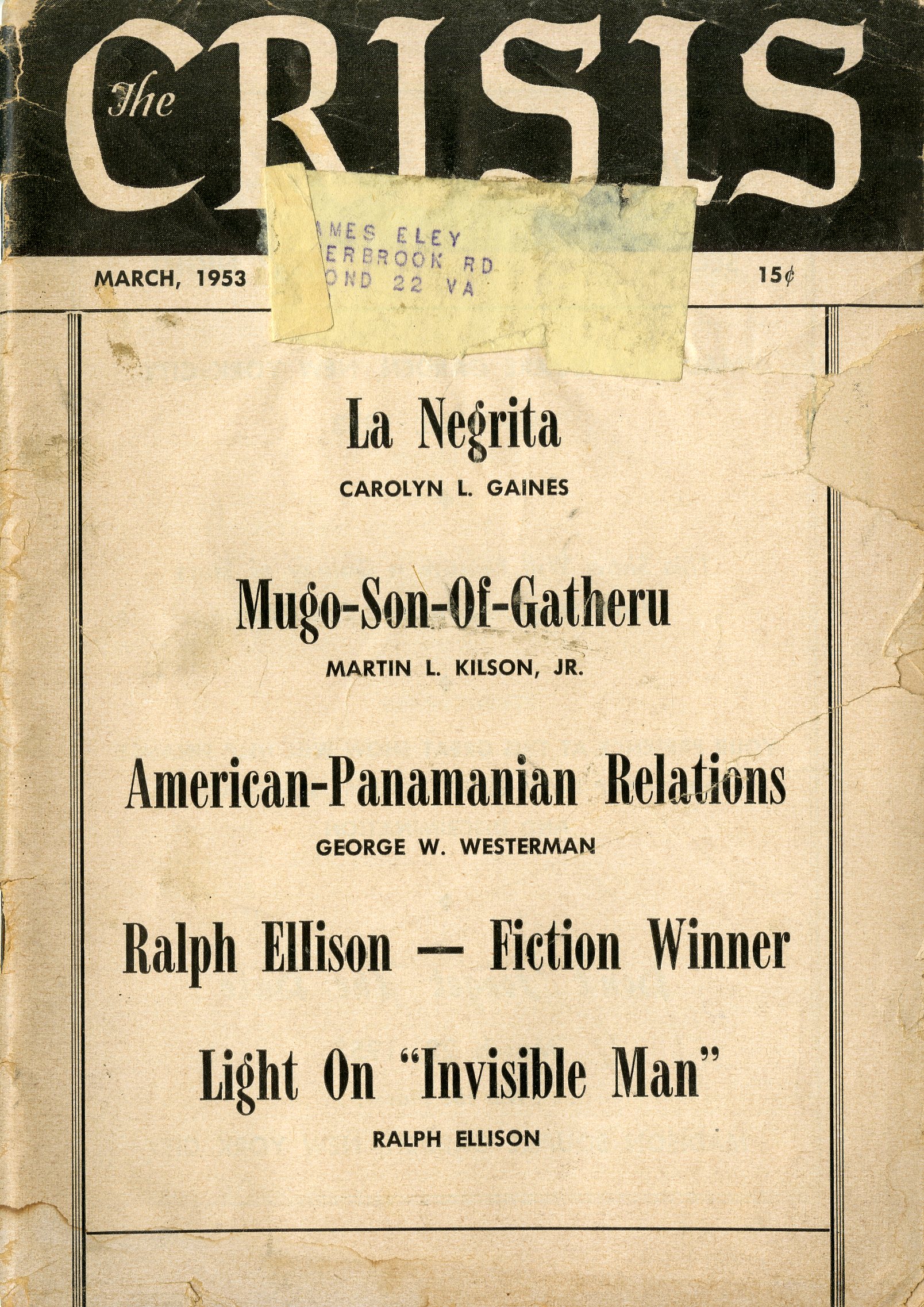
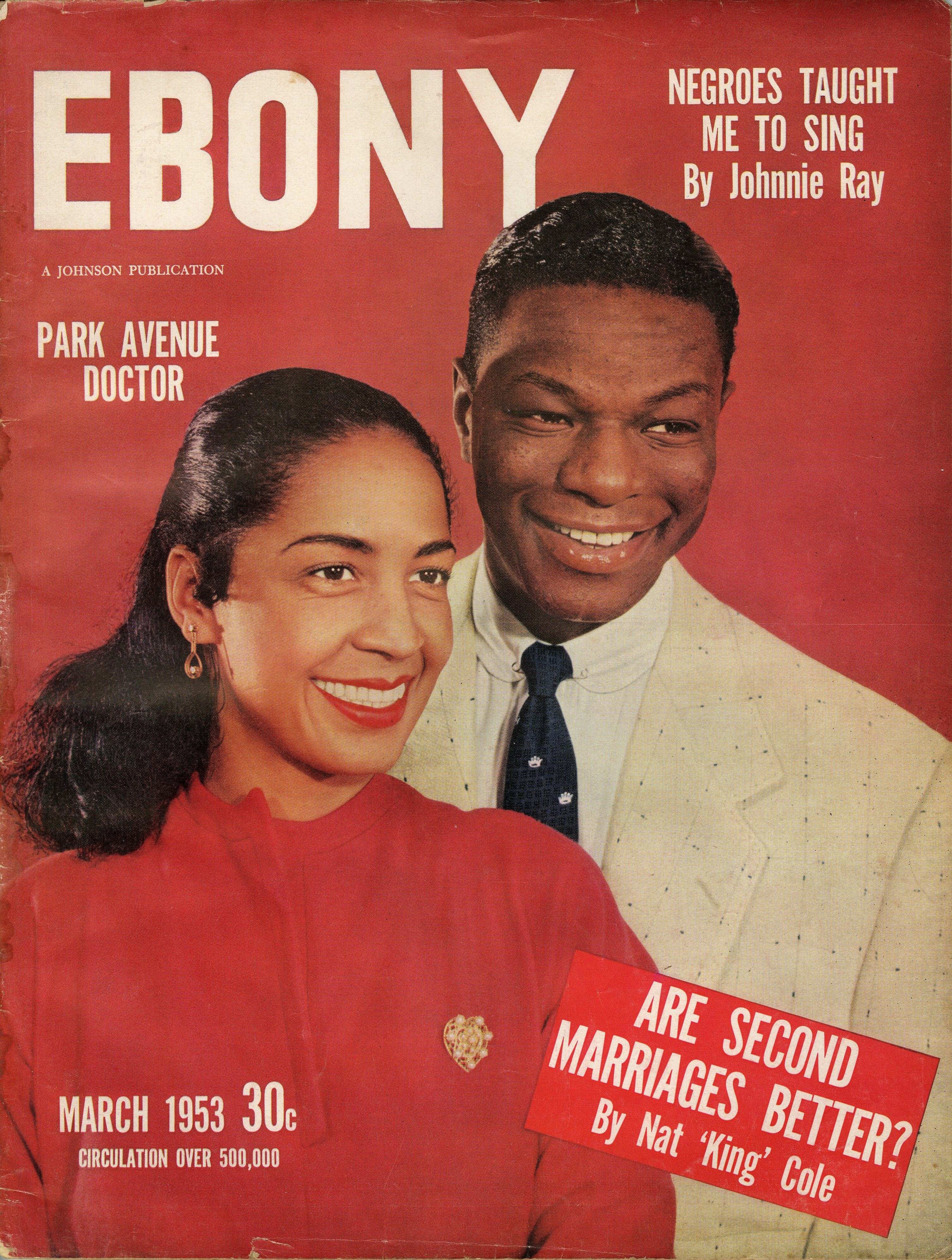
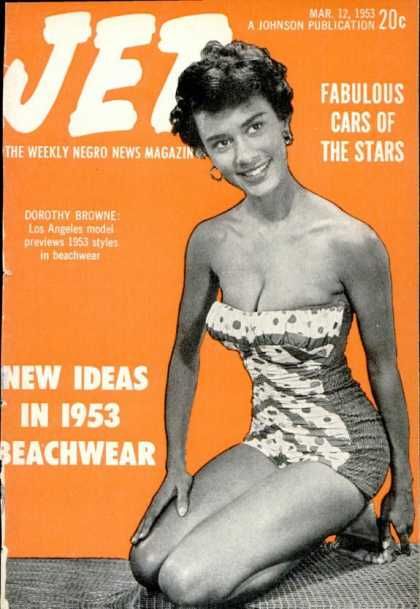
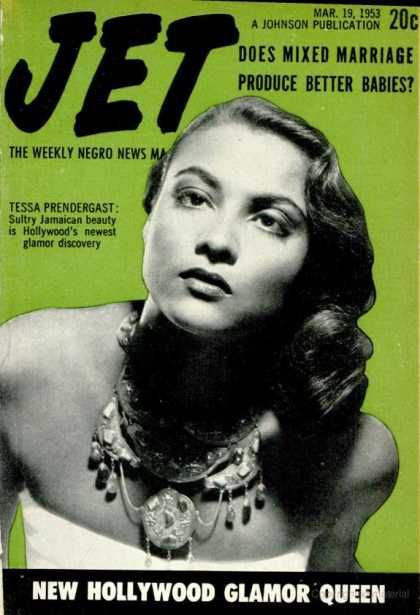
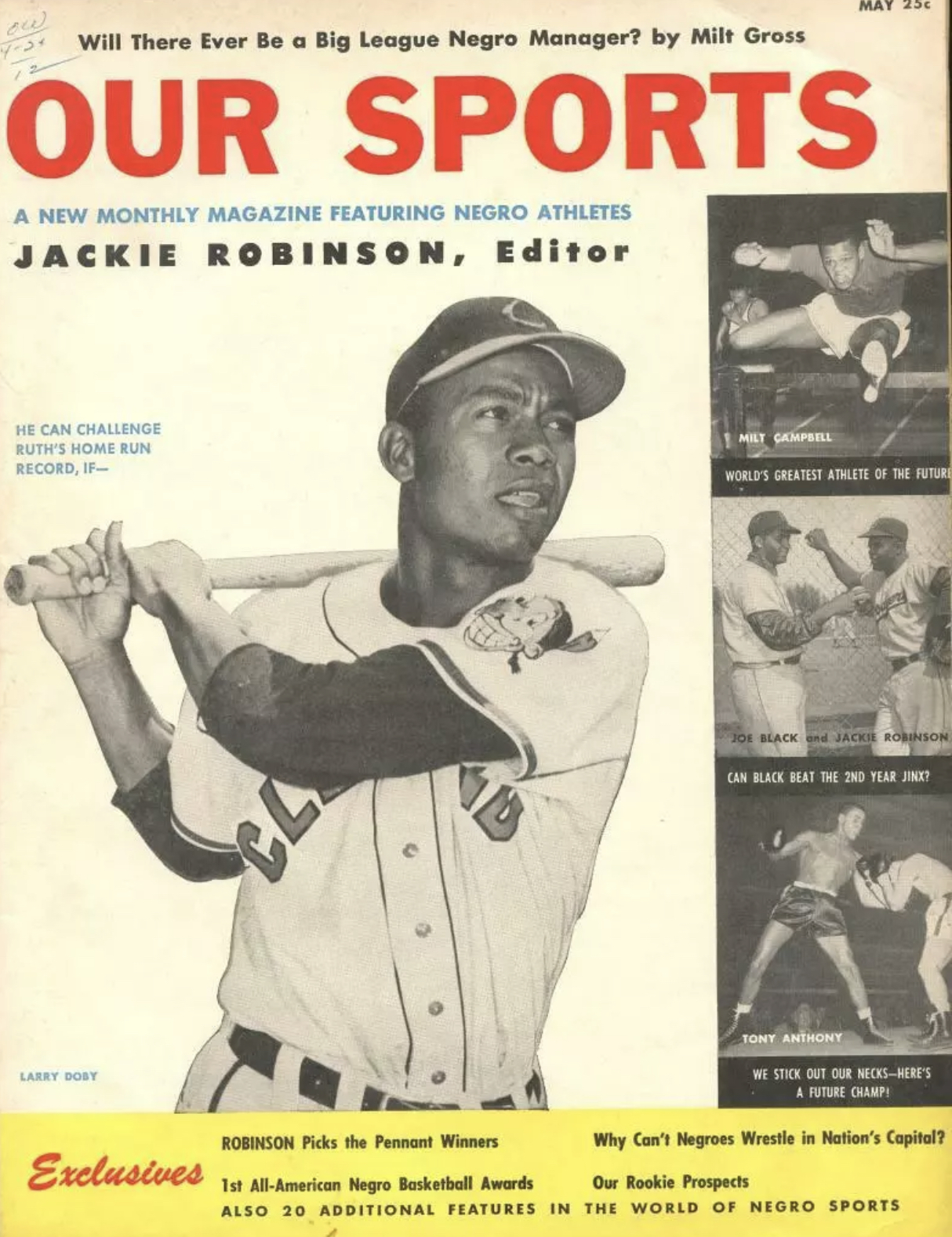
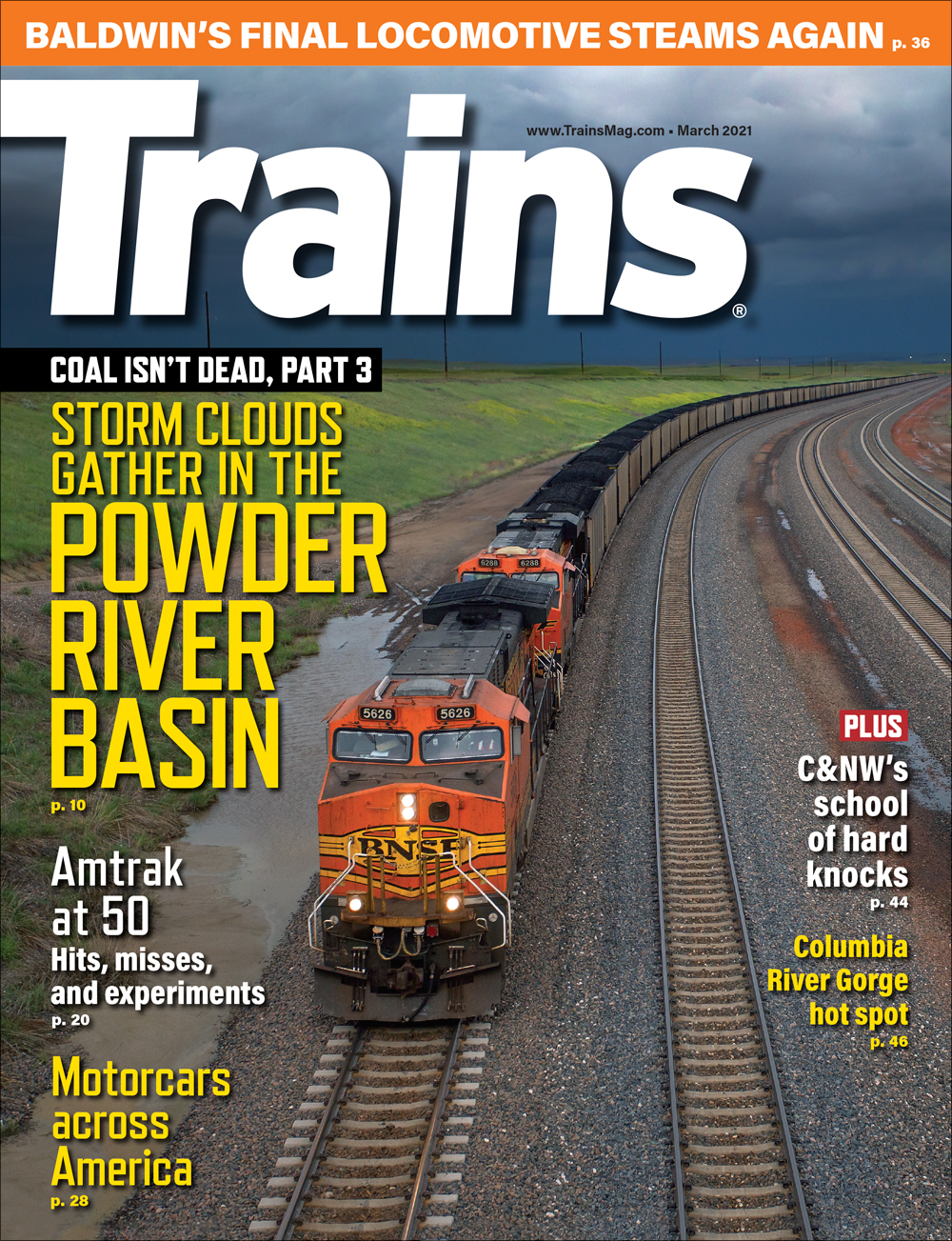



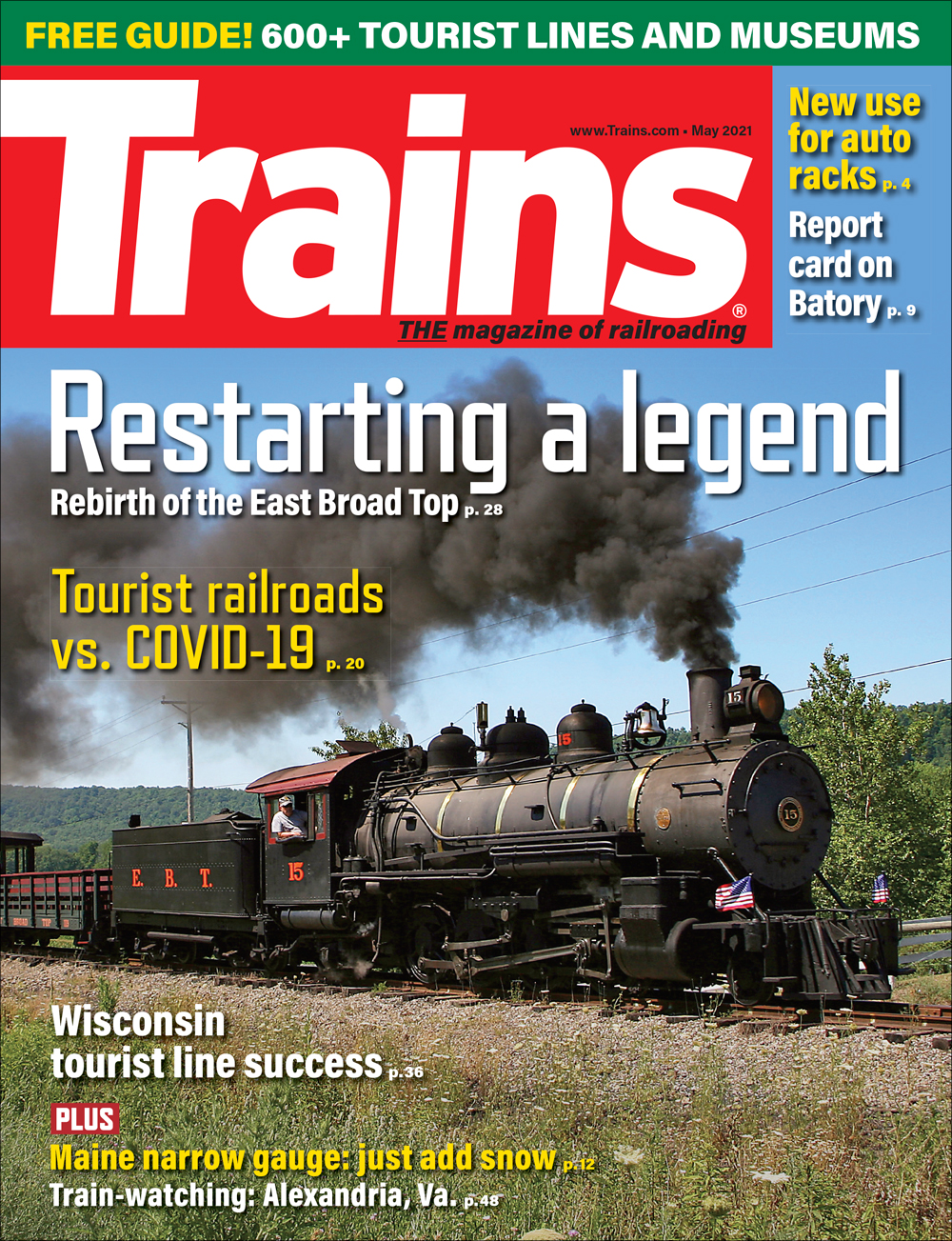


 Mr. Magazine