Archive for the ‘News and Views’ Category

h1

The Past, The Present, And The Future: Everything Will Change Except The Experience And Ink On Paper…

October 5, 2021

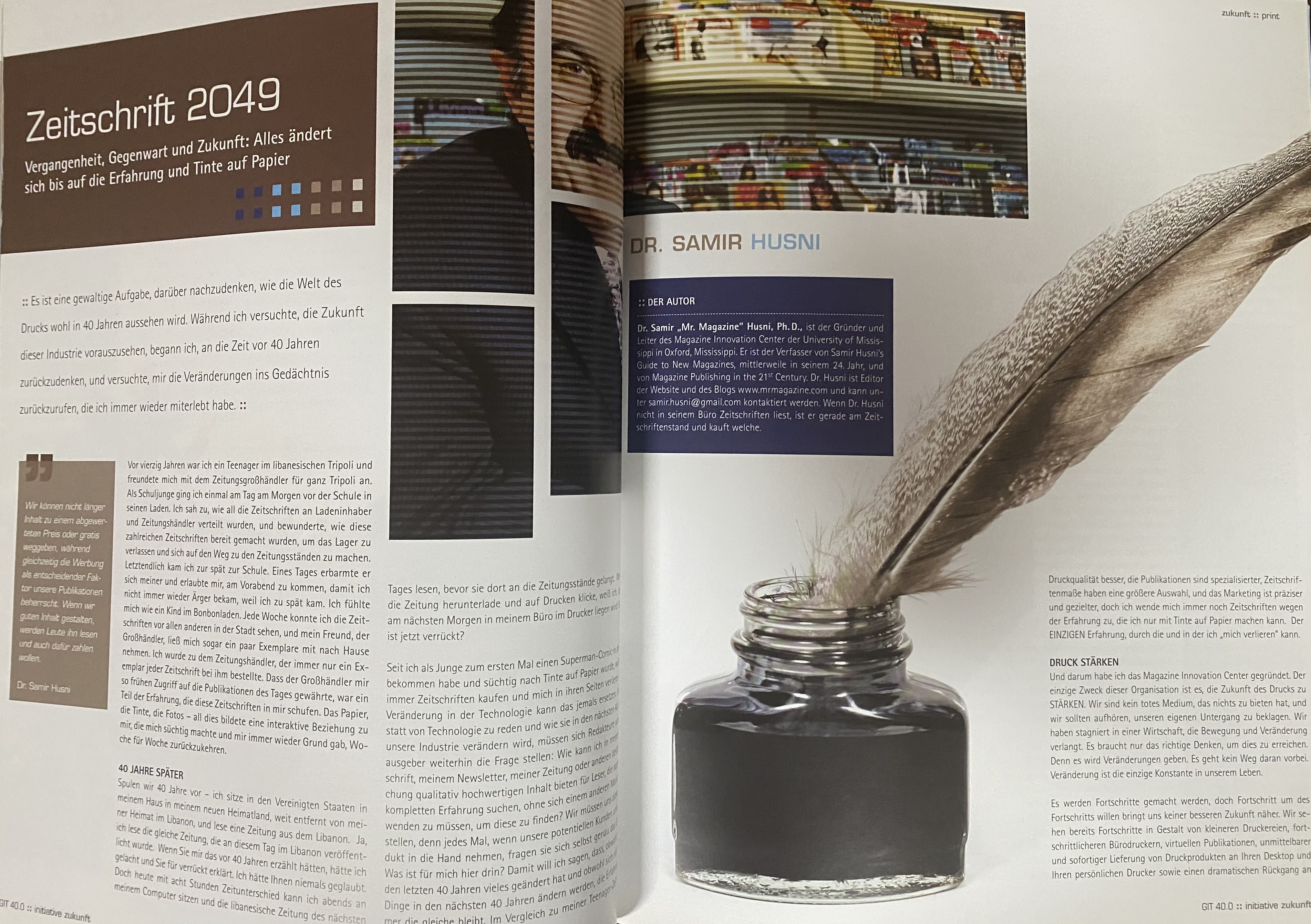
In 2009 I was asked to write an article for the German magazine GIT VERLAG in celebration of their 40th anniversary. My article focused on magazines in 2049. Here is, for the first time, the English version of the article that appeared in the German magazine… Keep in mind this article was written in 2009 and is published here with no editing or changes. Hope you enjoy this journey through memory lane.

Magazines 2049

It’s a daunting task to try and think about what the world of print will look like in 40 years. While trying to see the future of this industry I began to think back to 40 years ago and tried to imagine the changes I have seen happening all over again.

Forty years ago I was a teenager in Tripoli, Lebanon when I befriended the wholesaler for all of Tripoli. As a schoolboy I would go by his shop once a day in the morning before school. I would look at all the magazine’s being distributed to shop owners and news- agents and admire the many magazines getting ready to leave the warehouse and head to the stands. Ultimately this would make me late for school. One day he decided to take pity on me and told me to come by the night before so that I wouldn’t get in trouble at school for being late over and over again. 

I was a kid in a candy store. Each week I would be able to see the magazines before anyone else in town, and my friend the wholesaler would even let me take copies home with me. I became his newsagent who will order only one copy of each magazine. The wholesaler allowing me early access to the day’s publications was a part of the experience that those magazines created with me. The paper, the ink, the photos; all of it formed an interactive relationship with me that got me hooked and kept giving me reasons to return week after week after week. 

Fast forward 40 years, I am in the United States sitting in my house in new home country, far away from my home in Lebanon, and reading a paper from Lebanon.  Yes, reading the same paper published in Lebanon on the same day of publication.  If you told me that 40 years ago, I would have laughed at you and accused you of being crazy. I never would have believed you.  But today, with the eight-hour time difference I can sit at my computer in the evening and see the next day’s newspaper from Lebanon before it hits newsstands over there.  Once I download the paper, hit print, I know it will be sitting in the printer at my office the next morning. Whom are you calling crazy now?
Since I first picked up a copy of a Superman comic book when I was a boy and got hooked on ink on paper, I have always wanted to pick up a magazine to lose myself in its pages. No changes in technology can ever replace that. So instead of talking about technology and how it will change our industry over the next 40 years, editors and publishers need to continue to ask the question how can I provide quality content in my magazine, newsletter, newspaper or other publication for those readers who are looking for a complete experience without having to travel to another medium to get it all. We have to ask that question because each time our prospective customers pick up our product they ask themselves the exact same thing: what is in this for me?

All this is to say that while many things have changed in the last 40 years, and while many things will change over the next 40, the experience will always stay the same. Compared to when I was a teenager, printing quality is better, publications may be more specialized, magazine dimensions have greater range and marketing may be more exact and targeted, but I still go to magazines for the experience I can only have with ink on paper.  The ONLY experience that I “lose myself” through it and in it.

And this is why I have created the Magazine Innovation Center. The sole purpose of this organization is to AMLIFY the future of print. We are not a dead medium with nothing to offer and we should stop bemoaning our own demise. We have become stagnant in an economy that calls for movement and change. It just takes the right thinking to get there. Because there will be changes. There is no way around it. Change is the only constant in our lives. 

Progress will be made, but progress for the sake of progress moves us no closer to a better future. We are already seeing progress in the forms of smaller printers, more advanced office printers, virtual publications, immediate and instant delivery of printed products to your desktop and personal printer and even a drastic decline in waste in the printing and distribution world. With all of this our industry can stay current with technology and the like, but it still doesn’t change the fact that we are based off of experiences our customers have with us, and when we lose sight of that we can’t regain ground with gimmicks on the internet or special inks on our covers. 

One of the biggest changes will be a change in our mentality about everything. We will change the way we think about how we do publications and how we conduct business. I have been saying for quite some time now that the way we do business is outdated and acting as an anchor for our industry. We cannot continue to give content away for a devalued price or for free while advertising reigns as the make or break factor in our publications. If we create good content, people will want to read it and also want to pay for it. 

For the last 60 years  in the United States of  America we have relied on a publishing model that devalued subscribers and focused heavily on the customers supplying the advertising, but not the customers we were actually supposed to reach: the readers themselves. 

I know it may be disappointing to some of you that my forecast for the next 40 years is based on the last 40 years, but would I have believed when I was walking to the wholesaler in Tripoli that 40 years later I would be reading magazines and newspapers from thousands of miles away in the exact same way today?  

There are three things that the future will benefit from if we constantly consider. First, we must make sure we focus on the present. For all the talk about tomorrow and next year, there is no point planning for the future if we can’t survive today. 

Second, we must create the complete experience. As everything changes around us, our publications must provide a total package. We don’t need to create something that relies on another medium to finish our job. Readers shouldn’t have to go to another outlet or source to get the rest of our stories. Henry Luce recognized this 80 some years ago when he started Time magazine. With over 20 newspapers in New York City at the time, he saw that readers wanted a one-stop alternative to get their news in less time and less space.

Third, there will be more need to know our readers. With increased technology, it is becoming easier and easier to know more and more information about out readers. We have to start treating them like customers: know what they want, who they are, what the like to read and what they like to buy. The more we let technology help us learn about our readers, the better we can serve them as customers. 

I know you expected me to write about the future and create a vision of the next 40 years, but as I have said before, there are only two people who can tell the future: God and a fool. I know I am not God, but if you want to read it, here is a future scenario of a fool. Everything I have written to this point I can guarantee, but feel free to read the rest at your own risk.

In 2049 I will receive a box in the mail. I place the box on my desk, open it and find a magazine called Samir’s, the magazine about my lifestyle. The cover has a striking image of exactly what I am wearing except in a different color. It is trendy, hip and relevant. In big type below the title is a tagline that screams “The magazine you can read, listen to and watch.” I open the cover and turn to the first of the 90 high quality glossy pages. As I open it I am greeted by a screen in the middle of the pages, a disposable screen with a menu that allows me to interact with the magazine in different ways unique to the articles I have flipped through. After I have read a great review about the latest Britney Spears Golden Oldies music collection, I have the option of bringing up the interactive screen to view videos from her years gone by. The paper provides me with the experience I have always loves and cherished. I am able to touch and feel the pages while the disposable, interactive screen hooks me with its multimedia experience. With all the benefits of this publication it still remains under 15 dollars ensuring that I won’t feel guilty leaving the magazine behind somewhere after I have enjoyed it, exactly like a chocolate bar I am able to eat and leave the wrapper when I’m done. Inside the magazine are subscription offers for Samir’s sister publication Elliott, the magazine for grandchildren

Time to wake up.  Forty years from now I will be still reading the magazines the same way I read them today and the same way I read them 40 years ago.  Others maybe engaged in other types of new media, but as for me the past, the present and the future are all summed in that wonderful “lose myself” experience while reading the printed magazine. You don’t have to take my word for it, just see me 40 years from now and we will see if my present is still my future.  
h1

Sports Magazines 1953: The Magazines And I. Chapter 11, Part 3.

September 30, 2021

Sports Magazines … is the 11th chapter from the serialized book I am writing on the magazines of 1953, specifically March 1953, the month I was born.  This is chapter 11 part three.  Feel free to back track for chapters one, two, three, four, five, six, seven, eight, nine, and ten in previous blogs.  Enjoy.

In the 1950s, sports was still at the top of many people’s priority list. Two of the most popular were baseball and boxing, and of course, football was coming around. And in 1953 there was no Sports Illustrated (1954) or any ESPN (1990s), but there was plenty of other sources to cover America’s favorite pastime game, baseball. The 1950s saw college football a lot more celebrated than pro ball, much like it is today, at least in the world of the SEC. Most southerners will plan weddings, anniversaries, and even funerals around SEC games. It’s just something we do. And yes, Mr. Magazine™ is most definitely a transplanted southerner having lived in the South since he was 30 years old. Pro football really took off in the 1960s when games began to be televised. 

These “spectator” sports, as opposed to the more individually relaxing sports such as fishing and hunting, were games that people wanted to attend. Events that many had to watch in person. And of course, they wanted to read about them in their favorite sports magazines.

This era saw a variety of different sports magazines and even a newspaper as The Sporting News (established in 1886 as a print magazine) held the proud tagline of being “The Baseball Paper of the World” when covering these very important and exciting topics. From baseball to boxing to wrestling to basketball, sports was a very large category of publications during the 1950s, and especially in March 1953. In Chapter Eleven, we take a look at some of Mr. Magazine’s™ personal accumulation, magazines that have a crucial place in the vast vault of his collection.

Welcome to the wonderful world of sports, March 1953… part three.

SPORT

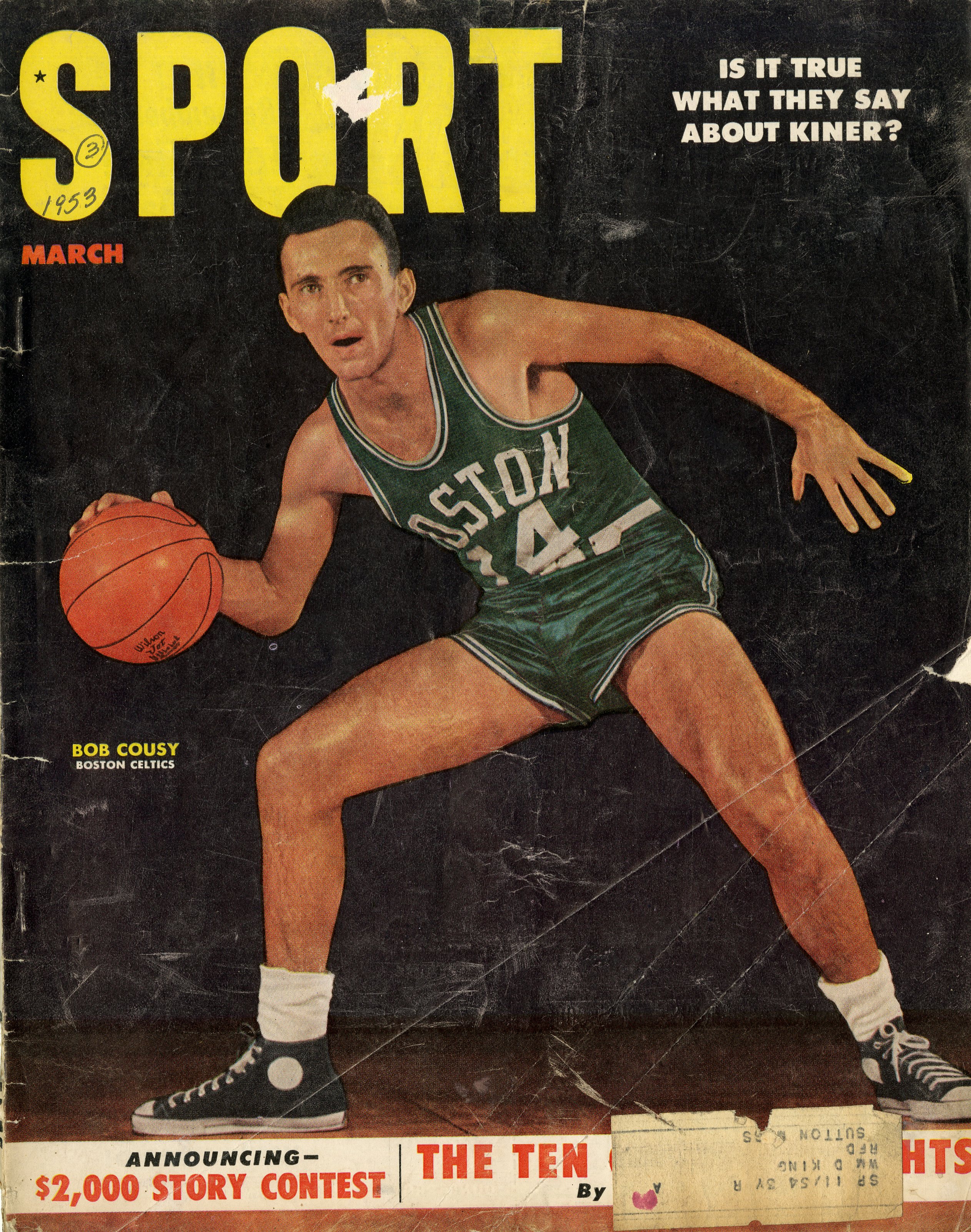
Macfadden Publications brought monthly Sport magazine to life. It was one among many titles in Bernarr Macfadden’s publishing empire of Physical CultureTrue DetectiveTrue RomancesDream WorldTrue Ghost StoriesPhotoplay and the tabloid New York Graphic, along with True Story. The magazine was launched in 1946 and is especially notable because it created the 1955 Sport Magazine Award, which was awarded to the most valuable player in the World Series. The award was expanded over the years to include the outstanding post-season performer in all four major team sports, as sanctioned by the leagues.

The March 1953 cover is electric, especially if one was a basketball fan, since Bob Cousy of the Boston Cletics graced its front in a most eloquent in-action pose. Showing that the magazine covered all sports, The Ten Greatest Fights by Nat Fleischer (who founded The Ring magazine) was a cover line. It was another coup for already king of the publishers, Bernarr Macfadden. 

SPORT LIFE

Martin Goodman was a very busy publisher as he brought to life yet another great sports title, this one called Sport Life. Goodman was determined to have as many different titles as possible in the marketplace as this one covered the “sport” life, the entire view of all your favorite sports, from football to baseball to boxing.

February/March 1953 had content about football, boxing, baseball, along with a Sport Life exclusive all about America’s 10 Greatest Sports Heroes. The cover was phenomenal as it featured the Crimson Tide’s Bobby Marlow smack-dab in the center with other great players surrounding him, such as Joe Black from the Brooklyn Dodgers and Rocky Marciano. A great addition to Goodman’s already pulsating group. 

SPORTS STARS

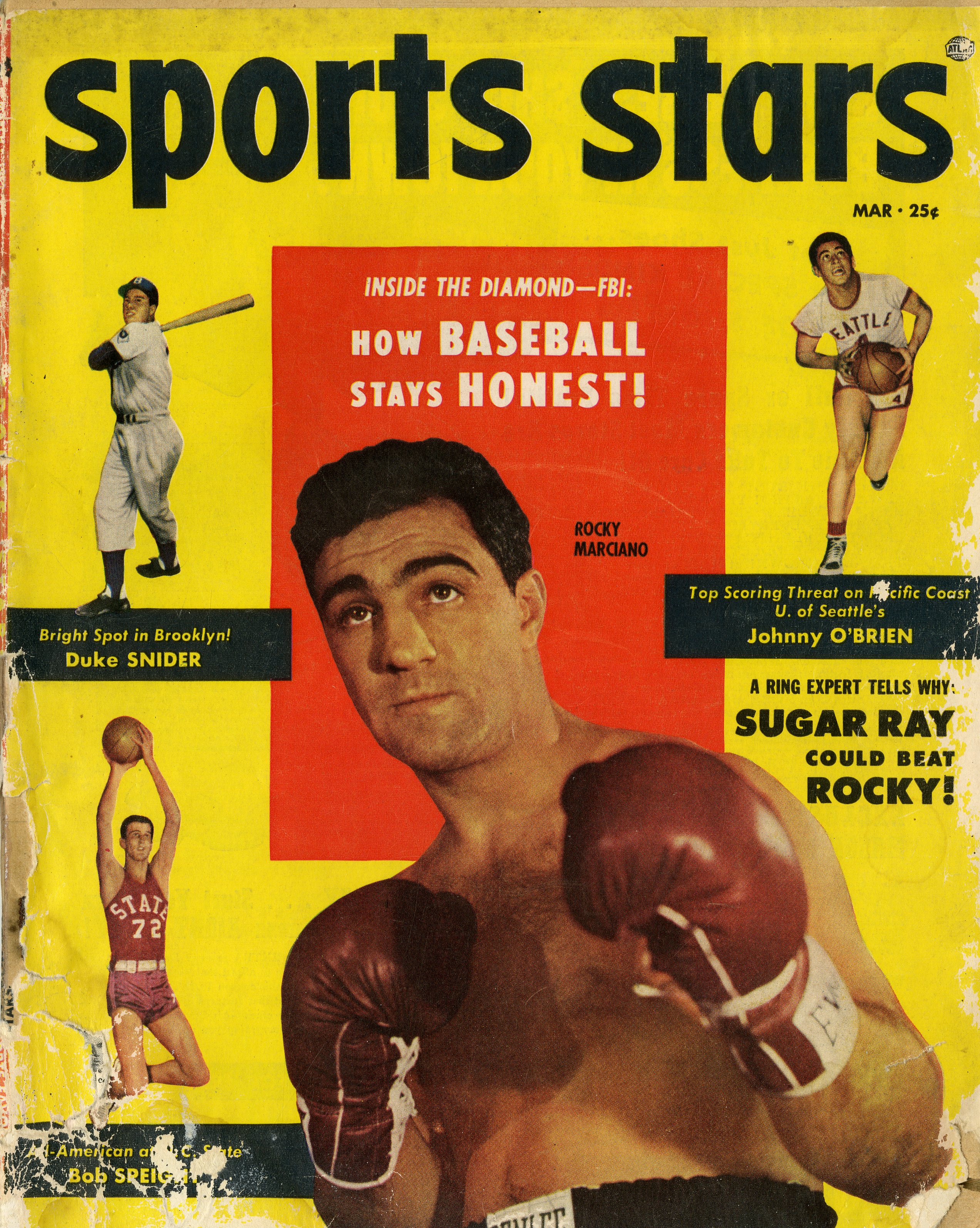
Martin Goodman strikes again with Sports Stars magazine. This title was all about the players (the stars) rather than the actual games. From boxing to baseball, notable players were highlighted and talked about. Sugar Ray and Satchel Paige, Horatio Alger and Duke Snider, this magazine covered all the important stars of the era. And not just the pros, college athletes were also included.

March 1953 highlighted University of Seattle’s basketball stand-out Johnny O’Brien and Sugar Ray on the cover, along with Duke Snider of the Brooklyn Dodgers fame and All-American basketball player Bob Speight from North Carolina State. Stories from Inside the Diamond and others that spotlighted great players from all sports. This bimonthly had all the info a fan could want about their favorite professional or college player. 

SUPER SPORTS

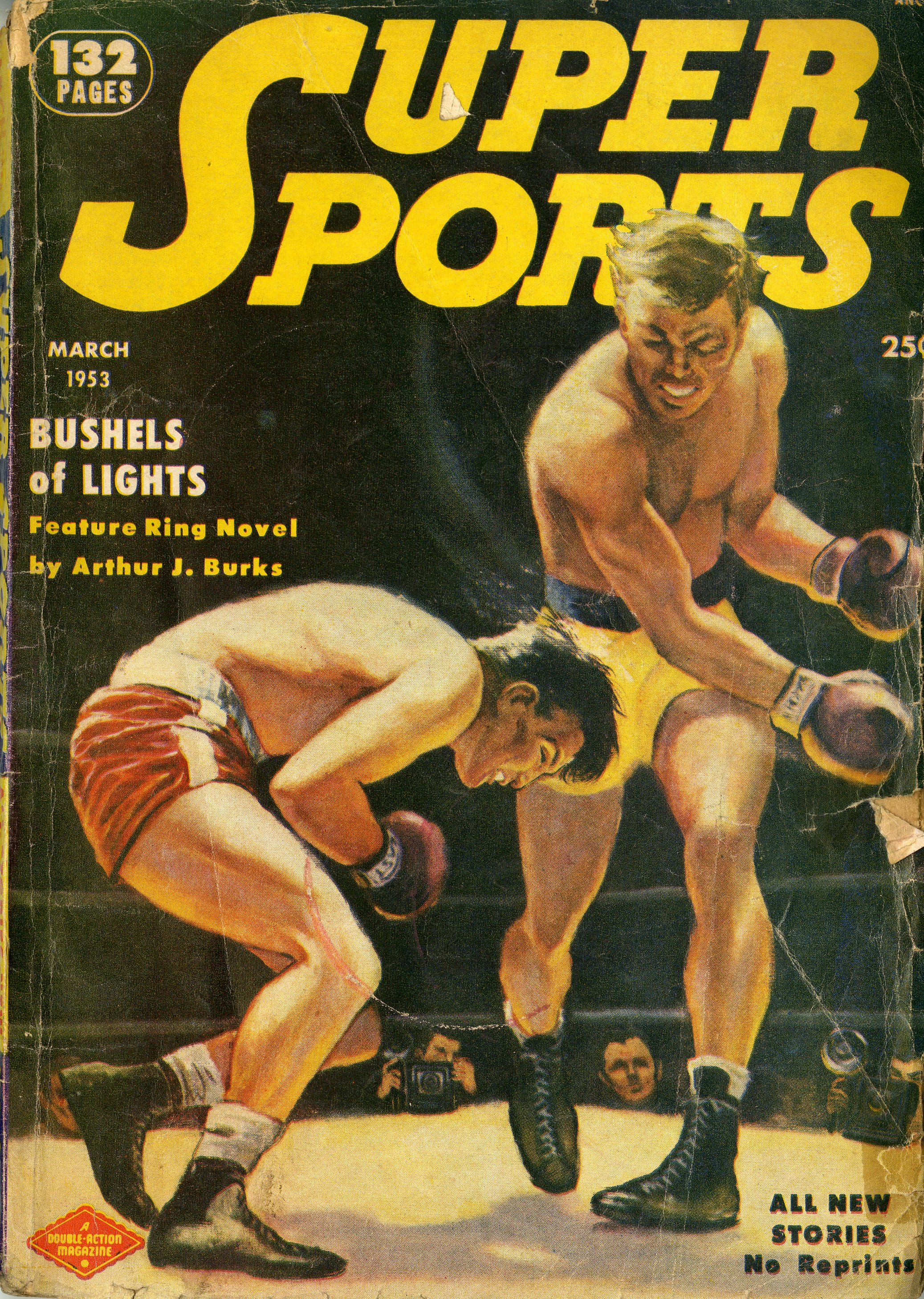
This pulp magazine was a combination of sports fiction and fun facts that covered many sports, from boxing to baseball to football. Published by Columbia Publications, which consisted of Louis Silberkleit and Maurice Coyne, who started publishing many pulp titles in 1934 with different imprints, the two men started Columbia Publications in late 1937. 

The March 1953 issue had 132 pages of content with a cover that depicted a boxing match, complete with a devastating blow sending one of the men to the mat. From short stories like In This Corner and Curling Isn’t For Cowards. The illustrations weren’t in color, but the writing was engaging and the stories were plentiful, so it was a great title for sports fans who wanted an escape. 

THE ATHLETIC JOURNAL

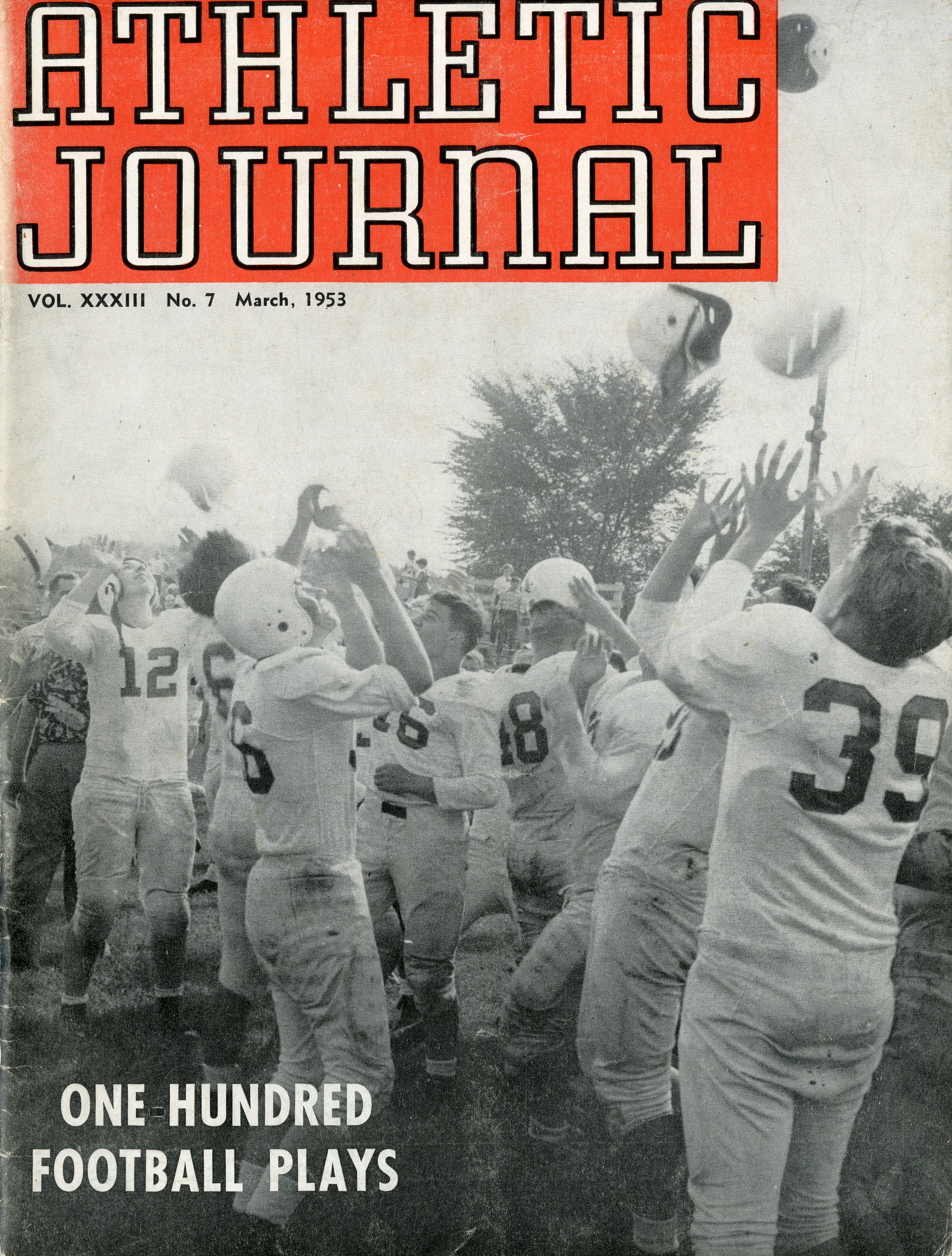
This magazine was published by The Athletic Journal Publishing Company which was founded by Major John L. Griffith, a name many may not recognize, but should be noted when it comes to collegiate sports history. Griffith was the Big Ten’s first commissioner in 1922 until his death in 1945. He was an advocate for fitness in athletics and elevated and professionalized college coaching to the next level. In his opinion, fitness was vital when it came to sports and life in general. 

The March 1953 issue of the magazine, which was Volume 33, Number 7, still carried his name on the masthead, with information editors galore. There were articles on track, baseball, football, gymnastics, golf, and tennis. The magazine’s tagline was “Nation-wide Amateur Athletics,” and even had stories on some high school football. It was a very informative title that paid quiet tribute to the man who founded its belief in collegiate sports.

THE RING

The Ring, which was self-proclaimed as the World’s Foremost Boxing Magazine, was first published in 1922 as a boxing and wrestling magazine, but eventually shifted to boxing only. It was founded by Nathaniel Fleischer, who was a noted boxing writer and collector. Today, the magazine is owned by Oscar De La Hoya, the former “Golden Boy” of boxing and is still going strong. In its heyday, the magazine sported a disclaimer that read “a magazine which a man may take home with him. He may leave it on his library table safe in the knowledge that it does not contain one of matter either in the text or the advertisements which would be offensive.” 

The issue dated March 1953 featured story after story that portrayed the exciting world of boxing, with an illustration of welterweight boxer, Chuck Davey on its cover. Stories about Rocky Marciano, then heavyweight champion of the world, and Jersey Joe Walcott, Chuck Davey and Kid Gavilan. It was an issue that took you into the boxing world of March 1953 and immersed you in the fights. Just a great read. 

WHO’S WHO IN THE BIG LEAGUES

Who’s Who in the Big Leagues was published annually by Dell Sports Group, a division of Dell Publishing that was started by George T. Delacorte Jr. in 1921. While Delacorte had humble beginnings, the company became a powerhouse in magazine publishing, including pulp magazines, paperbacks and its dip into sports. 

In March 1953, the annual title chose St. Louis Cardinals and Hall of Famer Stan Musial for its cover, with stories by Jackie Robinson and Jimmy Dykes to tempt the palates of sports fans everywhere. It was a large, colorful magazine that had more statistics and information than you could read in one sitting, with no ads at all. It’s a step above many annuals of its day and certainly a keeper for collectors of anything “baseball.”

Chapter Twelve is up next and if you listen very closely you can hear a preview of it now from the open door of Mr. Magazine’s™ vault….music & entertainment – March 1953 style!

h1

Sports Magazines 1953: The Magazines And I. Chapter 11, Part 2.

August 26, 2021

Sports Magazines … is the 11th chapter from the serialized book I am writing on the magazines of 1953, specifically March 1953, the month I was born.  This is chapter 11 part two.  Feel free to back track for chapters one, two, three, four, five, six, seven, eight, nine, and ten in previous blogs.  Enjoy.

In the 1950s, sports was still at the top of many people’s priority list. Two of the most popular were baseball and boxing, and of course, football was coming around. And in 1953 there was no Sports Illustrated (1954) or any ESPN (1990s), but there was plenty of other sources to cover America’s favorite pastime game, baseball. The 1950s saw college football a lot more celebrated than pro ball, much like it is today, at least in the world of the SEC. Most southerners will plan weddings, anniversaries, and even funerals around SEC games. It’s just something we do. And yes, Mr. Magazine™ is most definitely a transplanted southerner having lived in the South since he was 30 years old. Pro football really took off in the 1960s when games began to be televised. 

These “spectator” sports, as opposed to the more individually relaxing sports such as fishing and hunting, were games that people wanted to attend. Events that many had to watch in person. And of course, they wanted to read about them in their favorite sports magazines.

This era saw a variety of different sports magazines and even a newspaper as The Sporting News (established in 1886 as a print magazine) held the proud tagline of being “The Baseball Paper of the World” when covering these very important and exciting topics. From baseball to boxing to wrestling to basketball, sports was a very large category of publications during the 1950s, and especially in March 1953. In Chapter Eleven, we take a look at some of Mr. Magazine’s™ personal accumulation, magazines that have a crucial place in the vast vault of his collection.

Welcome to the wonderful world of sports, March 1953… part two.

COMPLETE BASEBALL

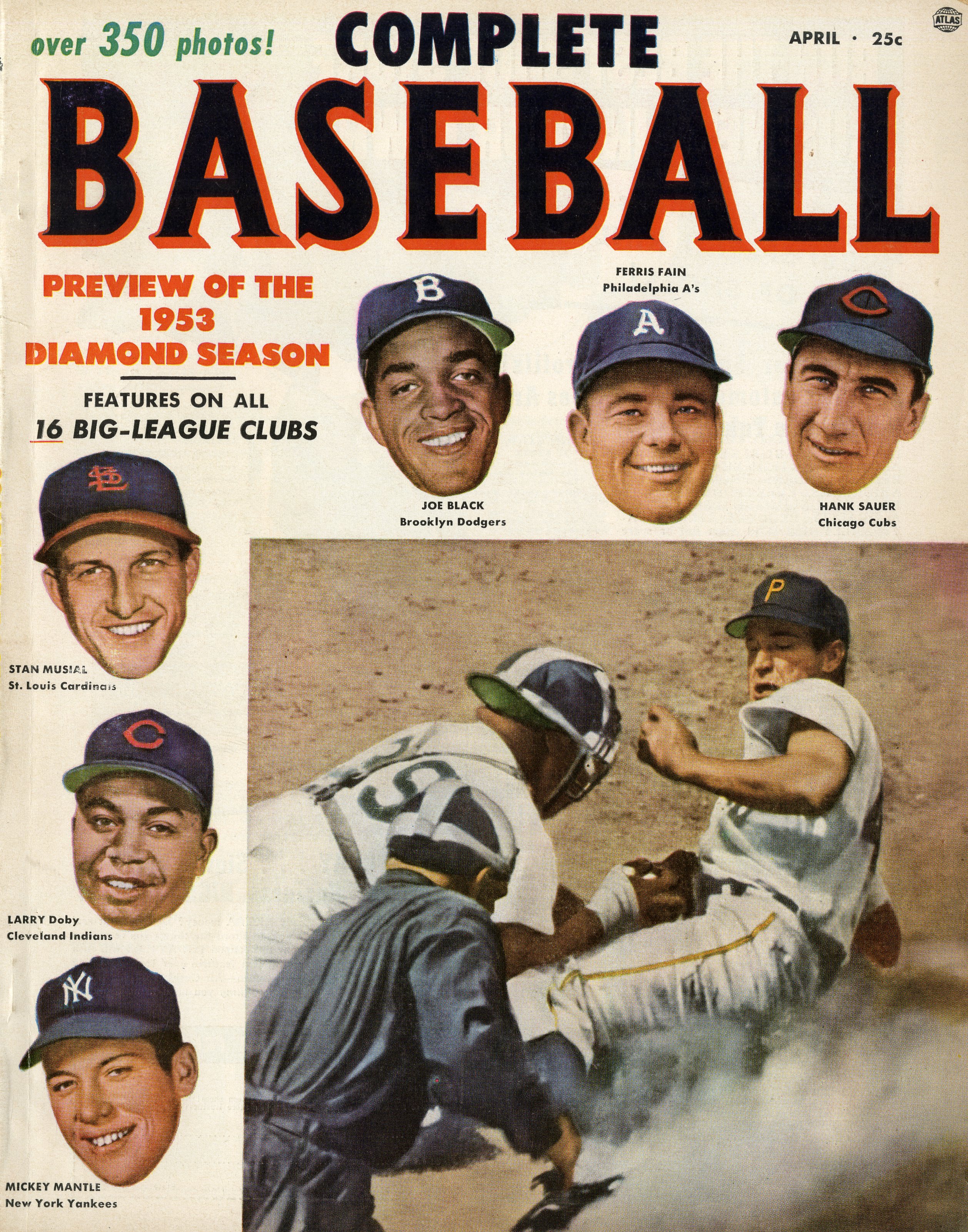
Another Martin Goodman publication, Complete Baseball, was just that – all about the game of baseball, from the first page to the last. It was another sports title that Goodman added to his collection of titles. 

The March/April 1953 issue of Complete Baseball had a preview of the 1953 diamond season and features on all 16 big league clubs. From Stan The-Man Musial to Joe Black of the Brooklyn Dodgers, the bimonthly’s cover was definitely “complete baseball.” This issue was filled with previews of every big league team, along with a couple of short articles that fans would not want to miss. Another great baseball publication.

INSIDE BASEBALL

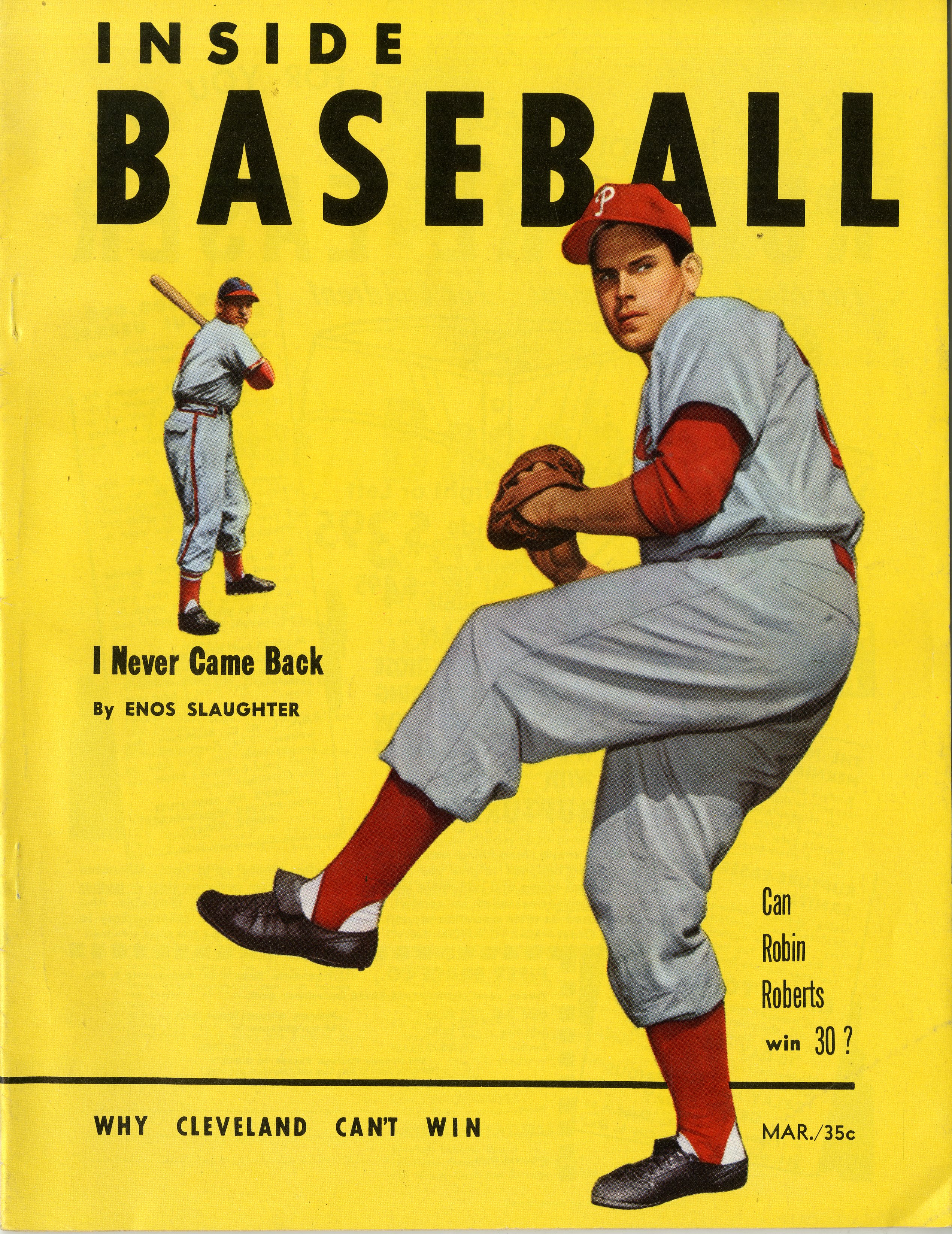
Inside Baseball, another title from Canadian bodybuilder and entrepreneur, Joe Weider, was a monthly that gave readers the “inside” scoop on the great American sport of baseball. Touted as the Big League magazine, it offered a Gallery of Baseball Stars, along with stories that were sure to have readers buying the next month’s issue or subscribing if they wanted it in their mailbox ASAP. 

The March 1953 issue was filled with stories such as Around the Bases by Bob Cutter and Why Cleveland Can’t Win by Frank Gibbons, along with many, many more great baseball tales. The March 1953 cover was engaging and beckoned the baseball fan to “come inside and read,” with a story by Hall-of-Famer Enos Slaughter called I Never Came Back. The magazine was another win for Joe Weider in his vast world of publications.

INSIDE SPORTS

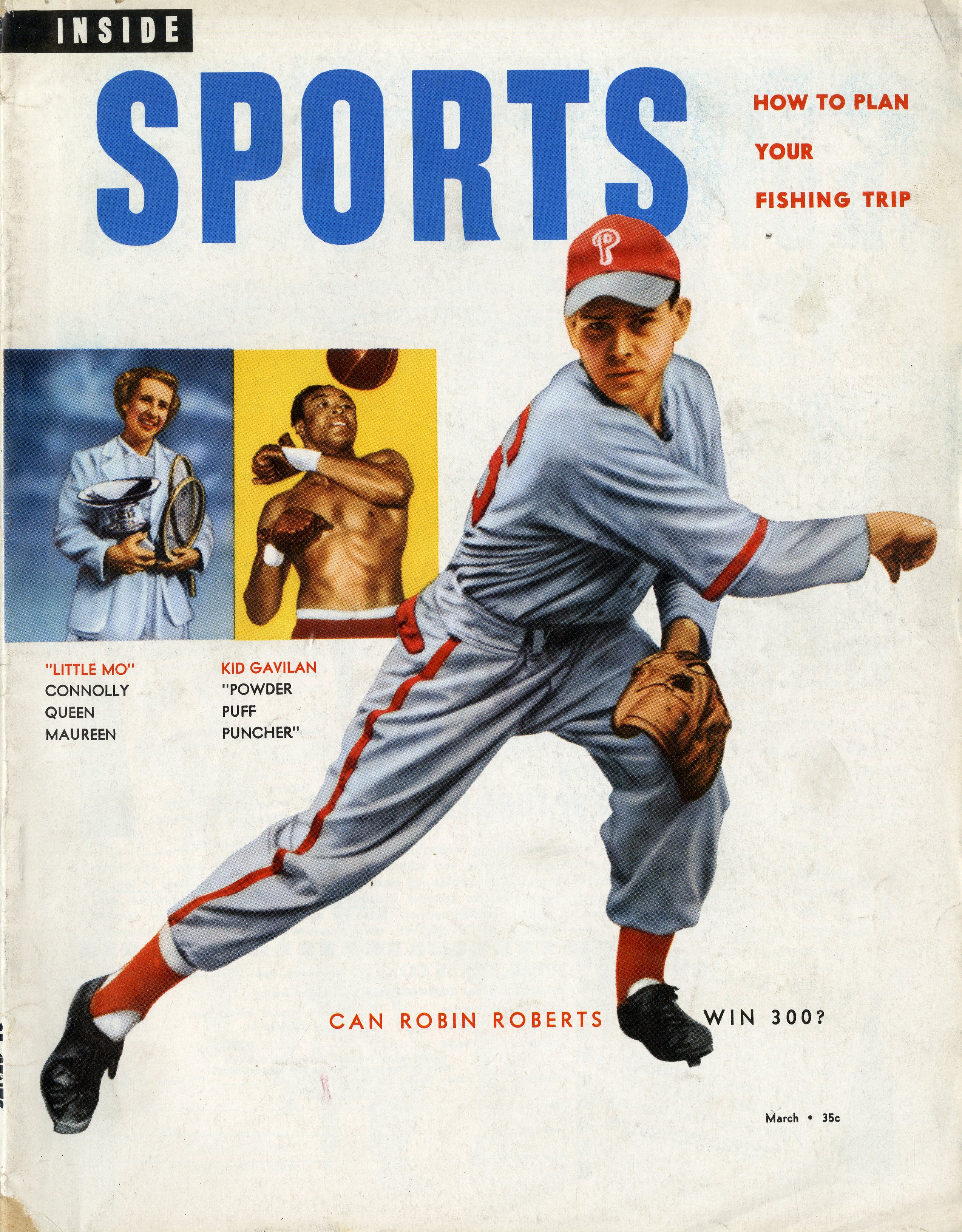
Another monthly title founded by Canadian bodybuilder and entrepreneur, Joe Weider, Inside Sports was an all-sports magazine. It featured stories on baseball, basketball, boxing, golf, hockey, tennis, racing and some off-the-beaten sports trail activities. The advertisements inside the pages were mainly bodybuilding and muscle-enhancing type ads. (No surprise there, considering the magazine’s founder).

The March 1953 issue had articles about all of the sports of the time, along with several special features and photo spreads. While the cover was in full-color, the pictures inside the magazine were in black-and-white. But even though Joe Weider had a plethora of different titles under his belt, Inside Sports was a really well-done title that did justice to the arena of sports in March 1953. A fan favorite, to be sure. 
OFFICIAL JUDO

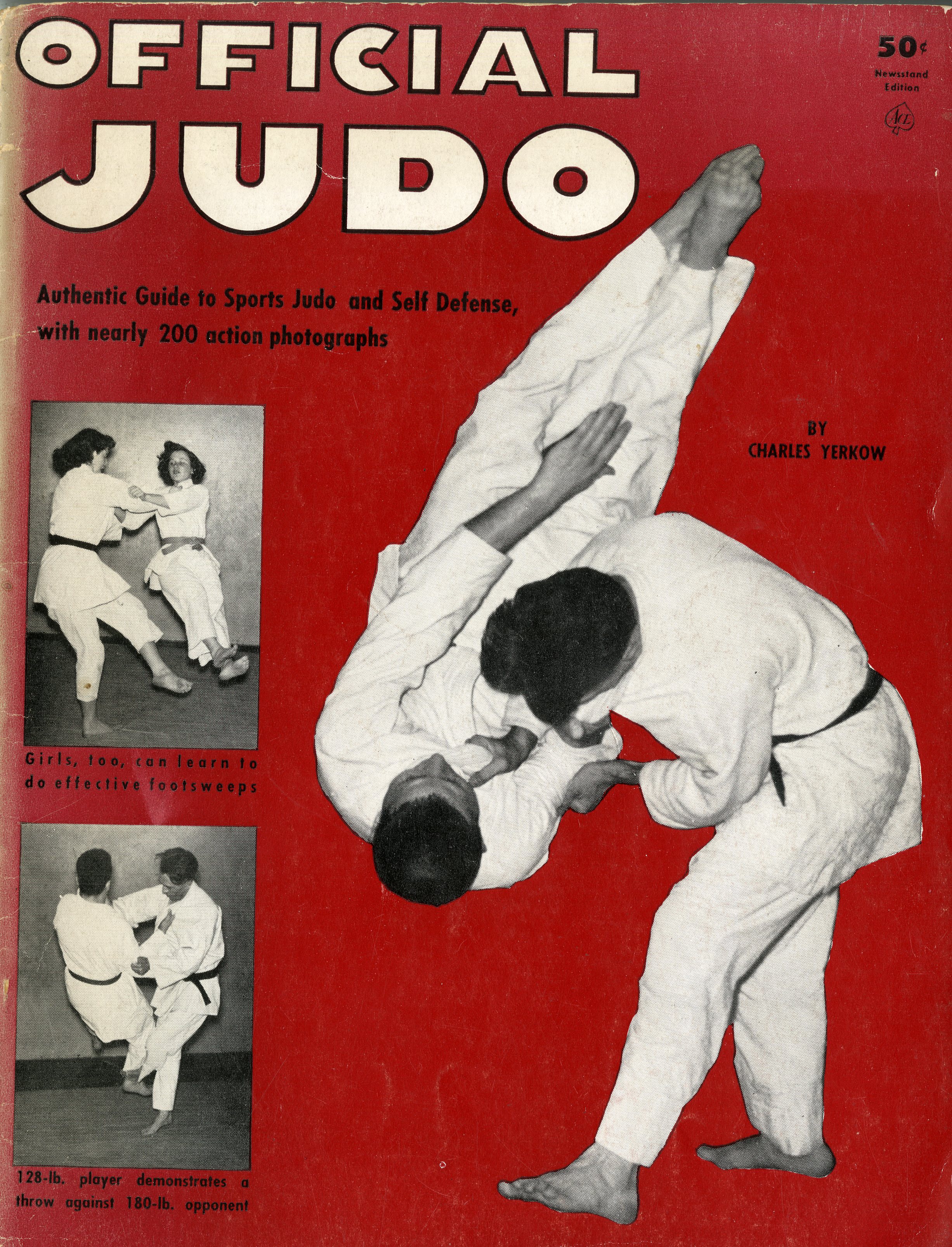
Official Judo (Authentic Guide to Sports Judo and Self Defense) was a magazine/book written by author Charles Yerkow who was also one of the best jiu jitsu and close combat experts active before, during, and after WW2, and chairman of the National A.A.U. Judo Committee and Amateur Judo Association of U.S.A. The March 1953 issue of Official Judo was only one among many publications that Yerkow wrote entirely. The military applications of his techniques were highly regarded and with the many manuals and guidebooks he wrote, the man was much more than an icon in the world of judo. This magazine was not a regular publication, it was more like a book with 14 complete chapters and a foreword from the man himself. For judo aficionados, it was a must-have. 

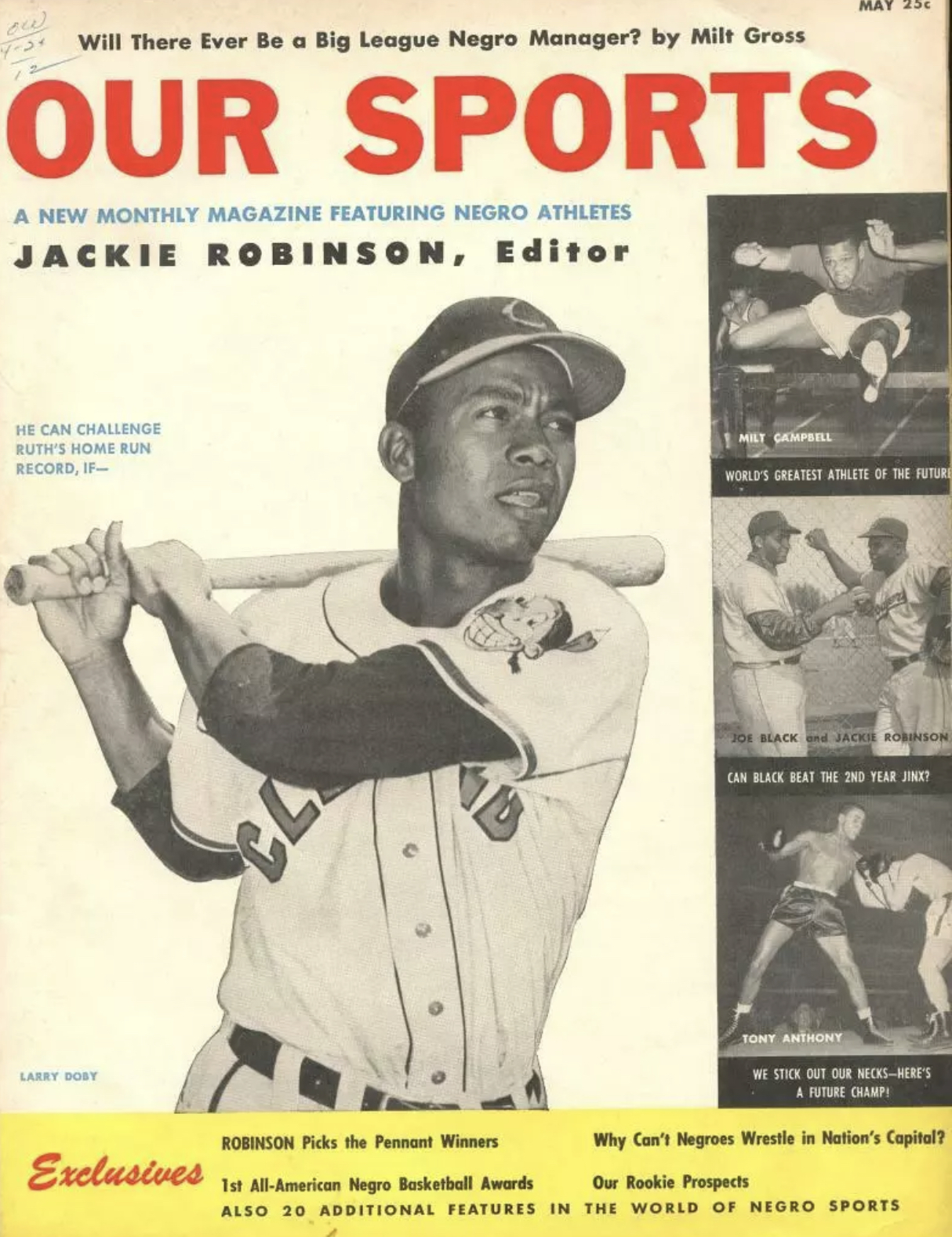
OUR SPORTS

Edited by the great Jackie Robinson, Our Sports magazine was touted as “The Great New Negro Sports Magazine,” and was published in 1953. It ran for a total of five issues. In lieu of being repetitive, I will refer you to Chapter Seven and our March 1953 Black magazines as Our Sports was covered in that chapter.

To be continued…

h1

Sports Magazines 1953… The Magazines And I Book. Chapter 11, Part 1.

August 19, 2021

Sports Magazines … is the 11th chapter from the serialized book I am writing on the magazines of 1953, specifically March 1953, the month I was born.  This is chapter 11 part one.  Feel free to back track for chapters one, two, three, four, five, six, seven, eight, nine, and ten in previous blogs.  Enjoy.

In the 1950s, sports was still at the top of many people’s priority list. Two of the most popular were baseball and boxing, and of course, football was coming around. And in 1953 there was no Sports Illustrated (1954) or any ESPN (1990s), but there was plenty of other sources to cover America’s favorite pastime game, baseball. The 1950s saw college football a lot more celebrated than pro ball, much like it is today, at least in the world of the SEC. Most southerners will plan weddings, anniversaries, and even funerals around SEC games. It’s just something we do. And yes, Mr. Magazine™ is most definitely a transplanted southerner having lived in the South since he was 30 years old. Pro football really took off in the 1960s when games began to be televised. 

These “spectator” sports, as opposed to the more individually relaxing sports such as fishing and hunting, were games that people wanted to attend. Events that many had to watch in person. And of course, they wanted to read about them in their favorite sports magazines.

This era saw a variety of different sports magazines and even a newspaper as The Sporting News (established in 1886 as a print magazine) held the proud tagline of being “The Baseball Paper of the World” when covering these very important and exciting topics. From baseball to boxing to wrestling to basketball, sports was a very large category of publications during the 1950s, and especially in March 1953. In Chapter Eleven, we take a look at some of Mr. Magazine’s™ personal accumulation, magazines that have a crucial place in the vast vault of his collection.

Welcome to the wonderful world of sports, March 1953…

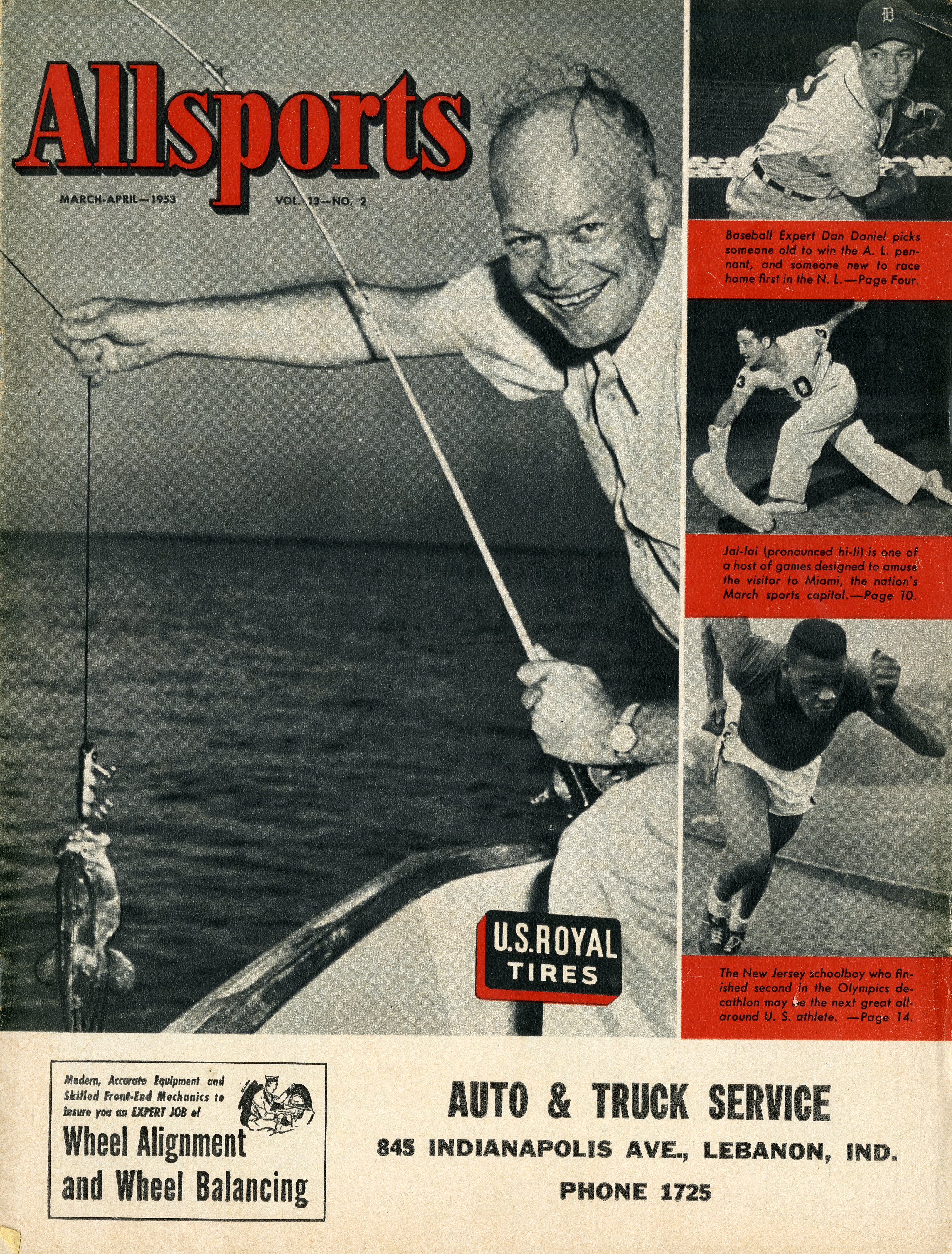
ALLSPORTS

Published and distributed complimentary by the U.S. Tire Distributors, Allsports was a magazine that was offered through local auto service and tire dealers. It featured a thin offering (14 pages total) of content on all sports (just as the name suggests). Baseball, fishing, the Olympics, football and other spectator events were covered, complete with photos and many tire ads. 

The March/April 1953 issue that Mr. Magazine™ procured is from an auto and truck service in Indiana. Then President Dwight D. Eisenhower was on the cover showing off his fishing skills, along with baseball picks by baseball expert  Dan Daniel. It was a great little magazine, especially considering it was free, for sports fans around the country. 

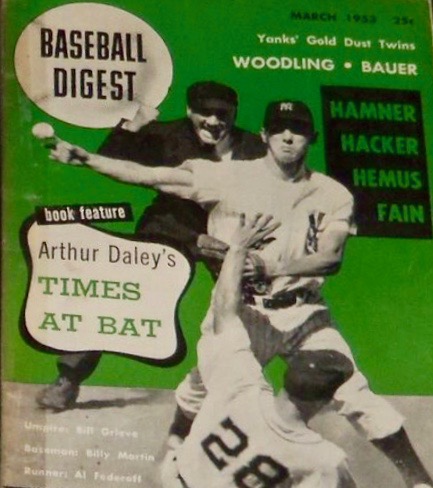
BASEBALL DIGEST

The First issue of Baseball Digest came out in August 1942 and was created by a sportswriter who worked for the Chicago Daily Times, Herbert F. Simons. He knew Reader’s Digest was a great success, so he figured why not one about baseball, hence Baseball Digest was born. And today it’s the nation`s longest-running baseball magazine. In the beginning, it was a small black-and-white publication, but today it’s a full-sized, full-color magazine. The magazine is a resource for all things baseball with statistics and data that brought everything together for the fan. It is a must for the hard-core fan. 

The March 1953 issue had a book feature by sports journalist, Arthur Daley, called Times At Bat and had feature articles such as Pitchers Toughest To Hit: Lemon, Hacker, Raschi, Rush by Harold Sheldon and Blood Money For The Dodgers by Michael Gaven. It gave the 1953 baseball fan everything that was going on in the month of March and offered so many more articles than just the three mentioned. The content was massive for its then digest size. 

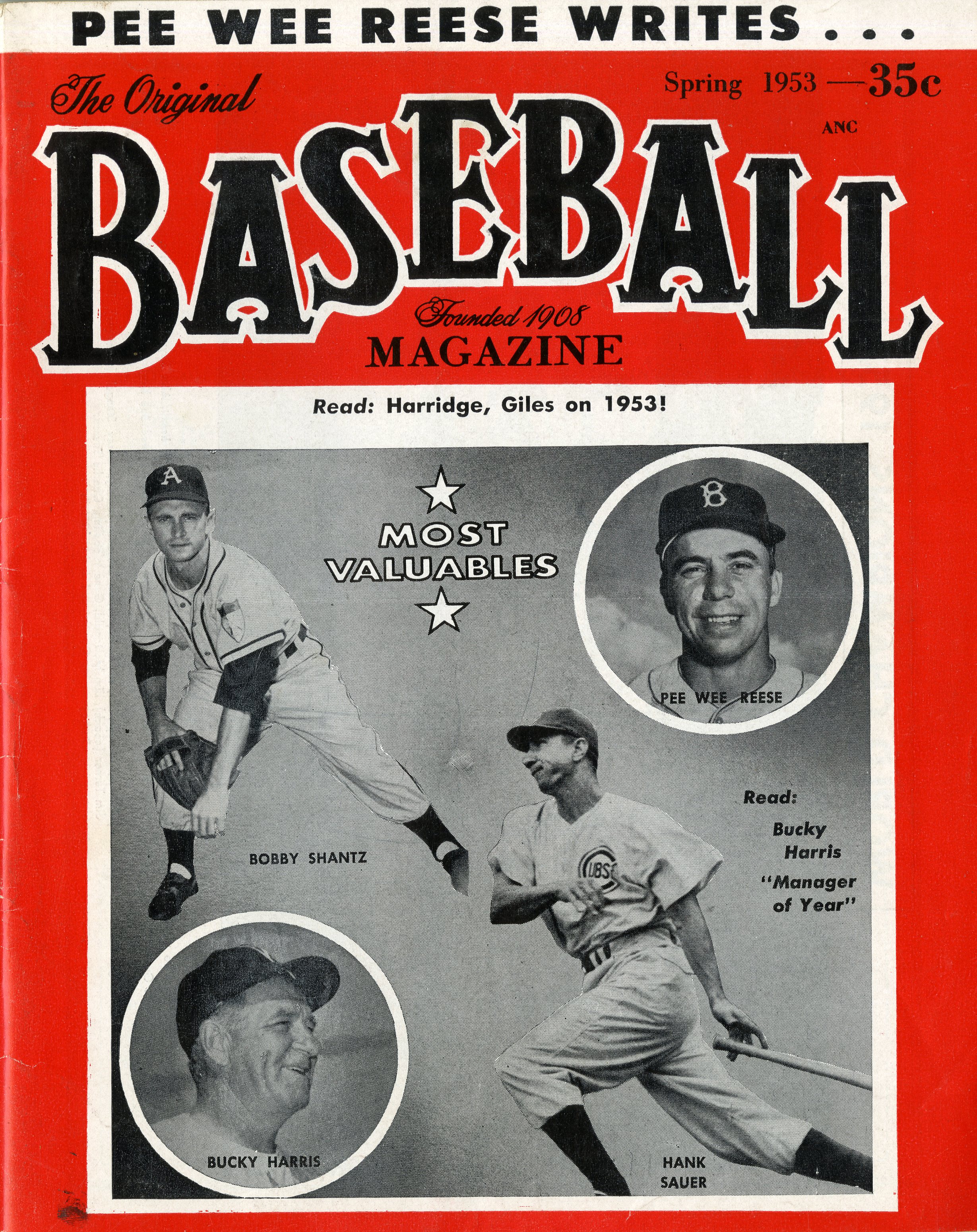
BASEBALL MAGAZINE

Baseball Magazine was the first monthly baseball magazine published in the United States. Jake Morse, an influential Boston Herald sportswriter, founded the magazine before the 1908 season. A monthly magazine for baseball was unprecedented for the times, and allowed for more lengthy, in depth stories and reporting. It definitely filled a desire and a need in readers ravenous for their baseball updates and behind-the-scenes news. 

By the time March 1953 rolled around, the magazine was published eight times a year and with the Spring issue offered up a cornucopia of fantastic baseball articles by writers such as Harold (Pee Wee) Reese, Harold Rosenthal from the New York Herald Tribune and a number of other amazing sportswriters. There was a section on Rookies of the Year and a Baseball Game Photo Quiz. It was fun and informative, but unfortunately went defunct in 1957 in its original form. It was briefly revived a few years later, but to no avail.

BOXING AND WRESTLING

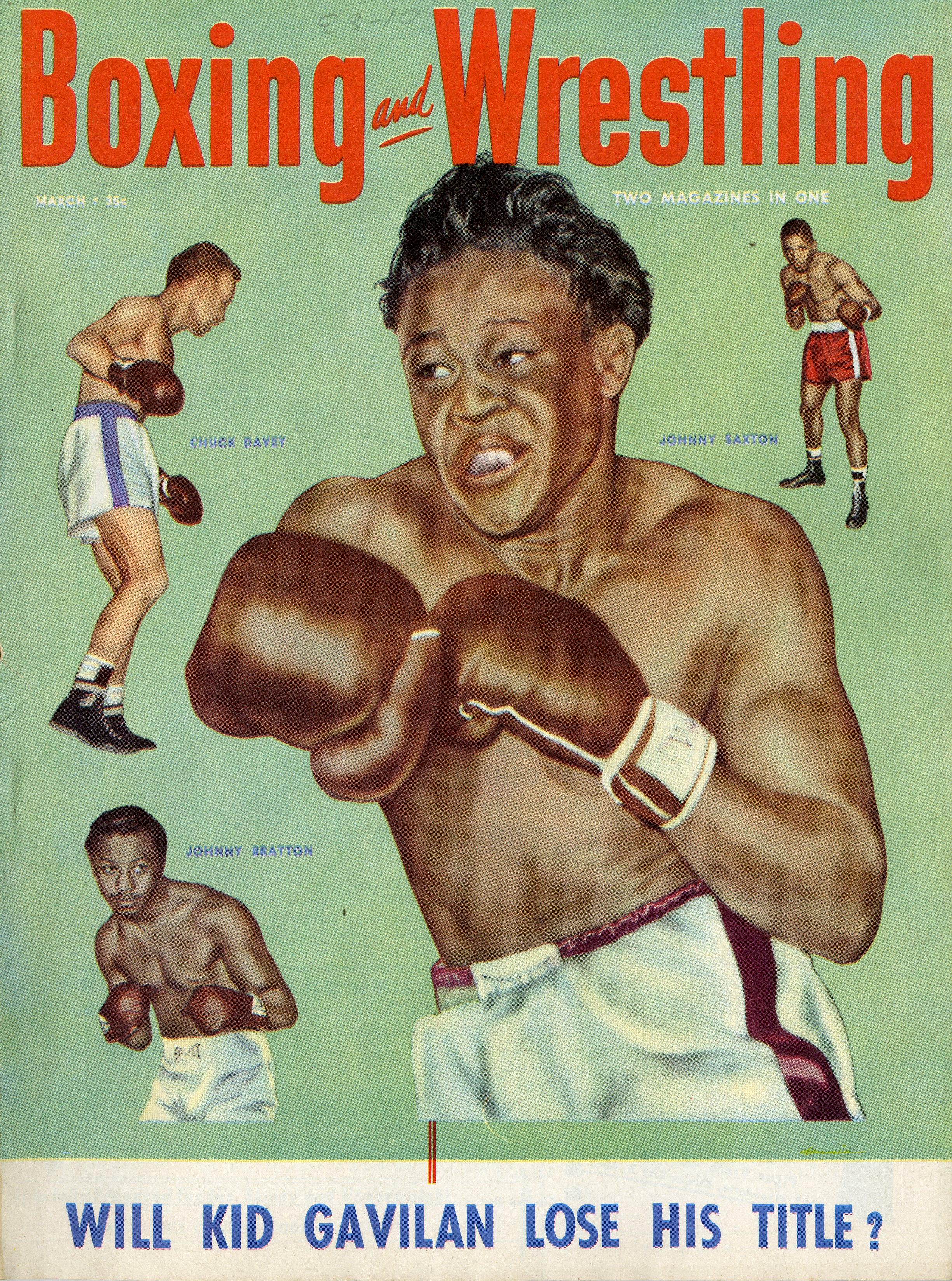
This magazine was touted as “two magazines in one” with its boxing content and its wrestling features. The magazine also had a tagline that read The Magazine For Combat Fans, since of course boxing and wrestling were considered combat sports. The title was founded by Canadian bodybuilder and entrepreneur, Joe Weider, who had a publishing empire that basically consisted of “physique-building”  or muscle magazines, except for a couple of “skin” titles. Weider was considered a pioneer in the world of bodybuilding and physical sports.

March 1953 saw boxers Chuck Davey, Johnny Bratton, Johnny Saxton and Kid Gavilan on its cover, with the all-important question: Will Kid Gavilan Lose His Title as the cover line. With stories on boxing and wrestling, the magazine was sure to please all fans of these very physical sports. The content was divided into two sections and very easy to navigate for individual fans. Entertaining and informative to say the least.

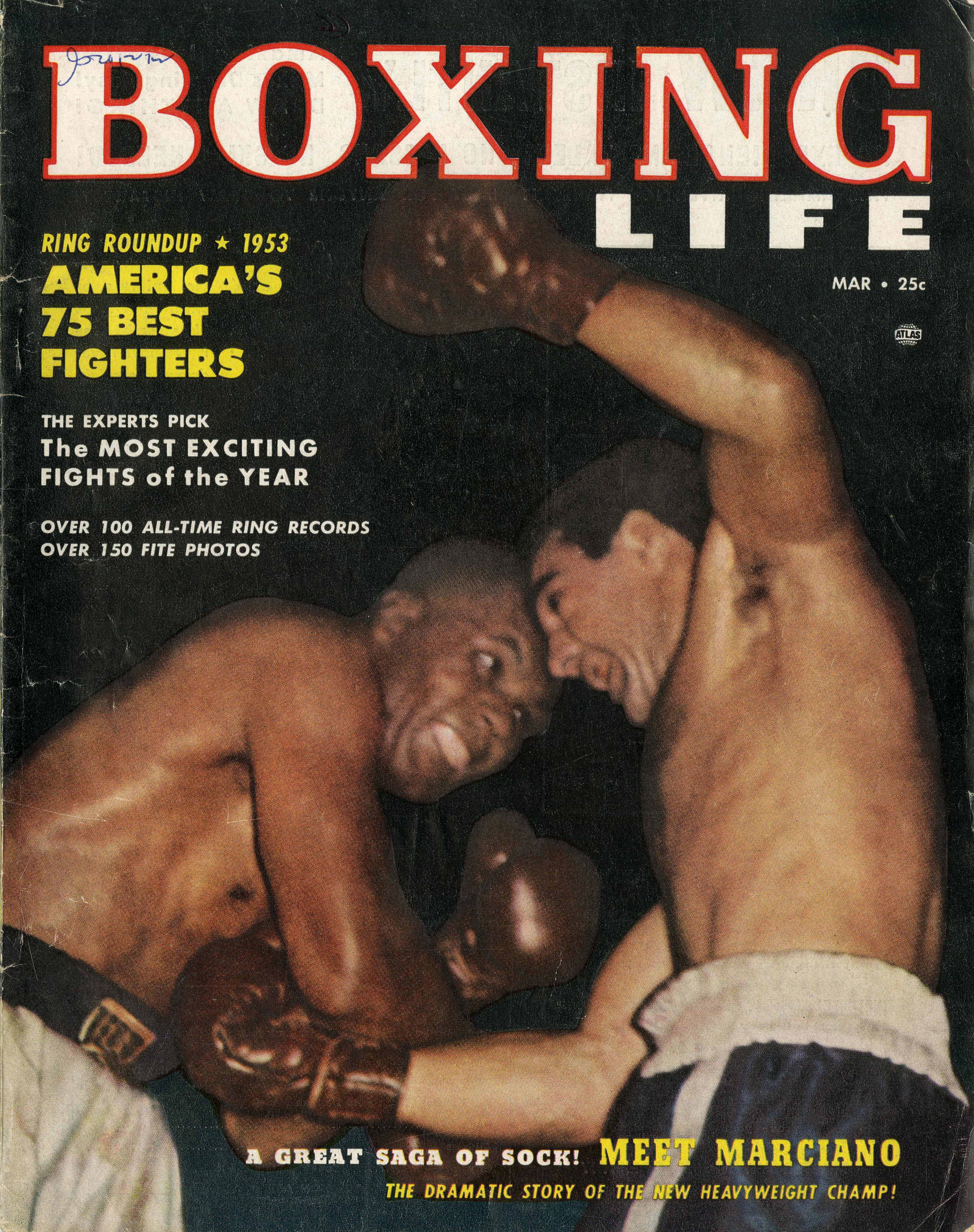
BOXING LIFE

Another pulp publisher, Martin Goodman, who went on to launch the company that would become Marvel Comics, created this boxing magazine that called itself Boxing Life. Goodman, who was reported to be the oldest son of 17 children, traveled the country during the Great Depression when he was a young man, living in hobo camps as he went. He fell into publishing through future Archie Comics cofounder Louis Silberkleit. Goodman went on to publish many genres of magazines, from sports to romance to general interest.

March 1953 saw Rocky Marciano on the cover fighting Joe Walcott. There was a Ring Roundup consisting of America’s 75 Best Fighters, according to the cover line and experts picking the most exciting fights of the year, with over 150 fight photos inside the covers. What boxing fans got from this magazine was an experience, as with most of the magazines from March 1953. The writing was tight and the statistics many. 

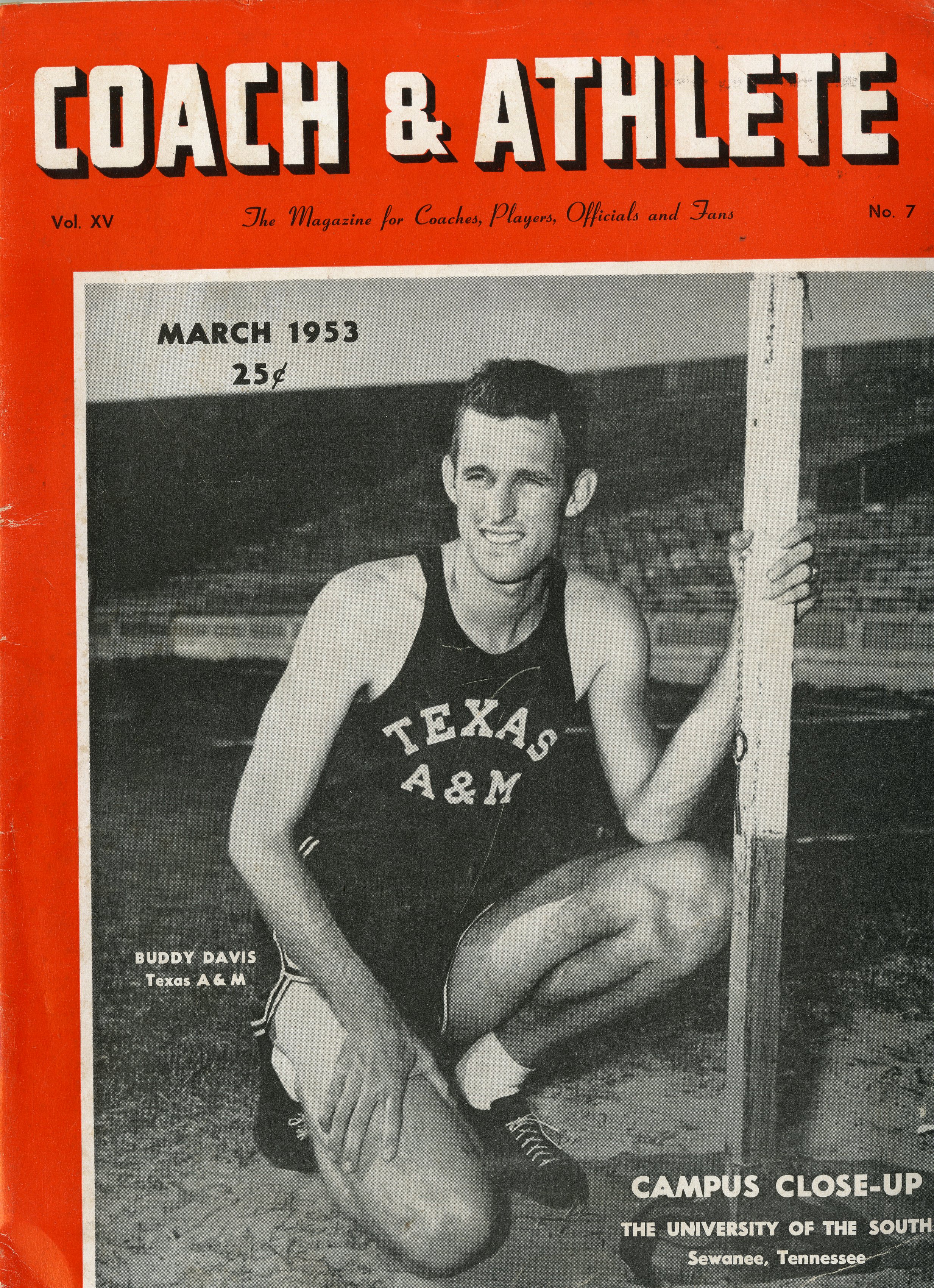
COACH & ATHLETE

This magazine came from many of the southern and Gulf States coaches and official associations in the United States. From Georgia to Florida to Louisiana and even that state’s high school coaches and their associations, it was a combined effort to promote coaches and athletes around the country. You could subscribe or buy single copies. The tagline said it all: “The Magazine for Coaches, Players, Officials and Fans.”

The March 1953 issue was filled with campus close-ups and stories on how to plan and promote high school track. It covered high schools, colleges, and of course had all the latest SEC news. Buddy Davis, a letterman in track & field and basketball in 1950-52, from Texas A&M was featured on the cover. It was a very good attempt at bringing college and high school level sports to the forefront for old and new fans. 

To be continued…

h1

Men’s Adventures Magazines 1953: The Magazines And I. Chapter 10 Part 4.

July 22, 2021

Men’s Adventures Magazines … is the 10th chapter from the serialized book I am writing on the magazines of 1953, specifically March 1953, the month I was born.  This is chapter ten, part four.  Feel free to back track for chapters one, two, three, four, five, six, seven, eight, and nine in previous blogs.  Enjoy.

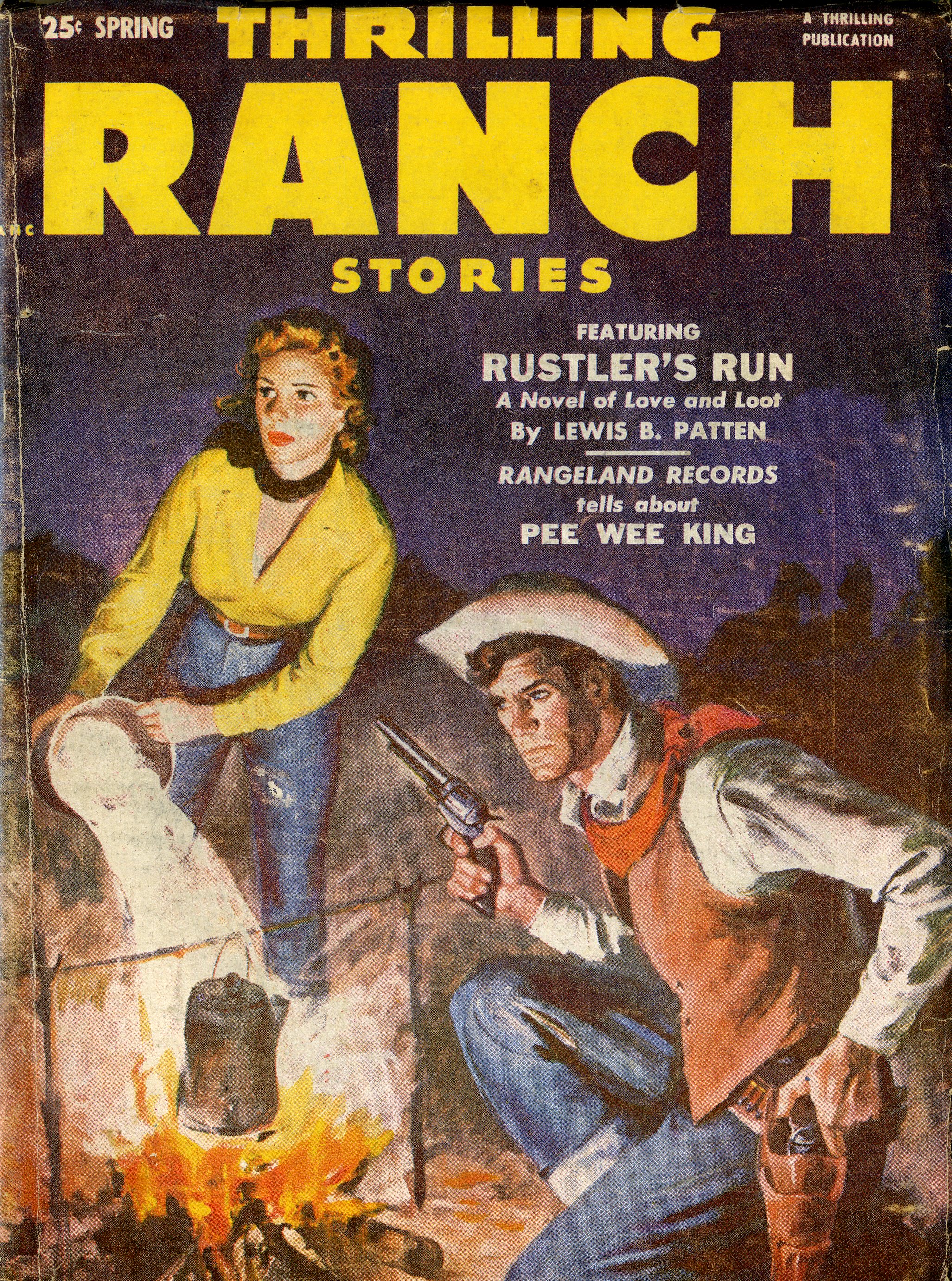
THRILLING RANCH STORIES

Another magazine published by Thrilling Publications, Thrilling Ranch Stories offered just that – thrilling stories set with a ranch backdrop. The magazine was a quarterly that held readers enthralled with stories about rustlers and rangelands. The covers were almost always colorful illustrations of a handsome cowboy with his equally attractive heroine by his side. 

The March 1953 issue was an over-the-top edition with over 100 pages of stories such as Rustler’s Run and To Wed An Oregon Man. Between the western excitement and the ever-present romance that filled the pages, the magazine was a great addition to the flock.

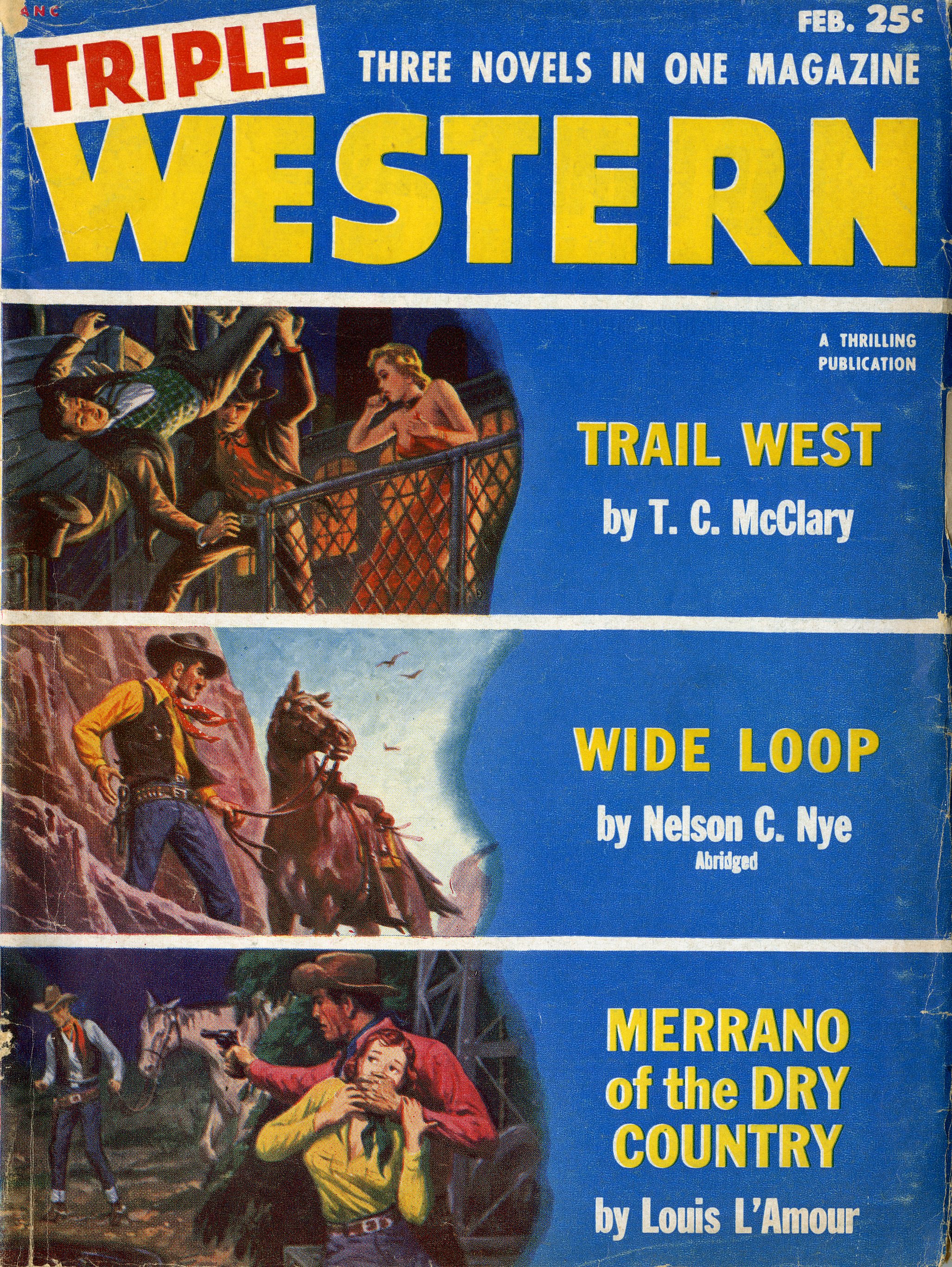
TRIPLE WESTERN

With three novels loaded into one magazine, Triple Western was sure to captivate even the most hard-to-please Western fan. The magazine was true-to-form in that it offered western adventure on a large scale. Published by Best Publications, another umbrella of the Thrilling Group, the title proves that good things can also happen in threes.

The February/March 1953 issue of the magazine is complete with a novel called Trail West, one entitled Wide Loop and one called Merrano of the Dry Country. And while they all fit the bill of the 1950s era western story, each is a stand-alone piece of content that really shines with vivid characters and rich backgrounds.

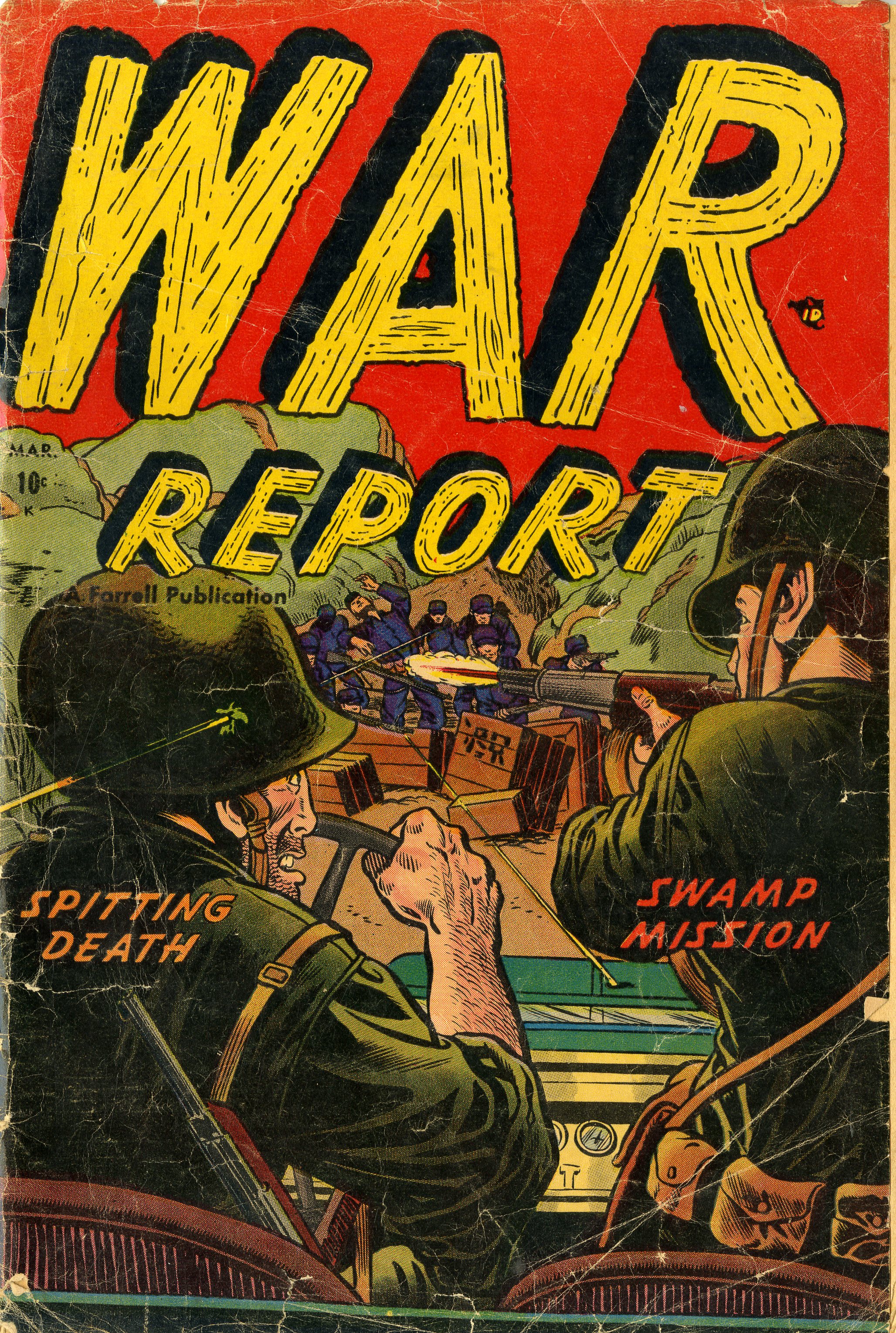
WAR REPORT

War Report is a comic book all about the complexities of war and its travesties, rolled into a compilation of two different stories. Published by Farrell Publications under the umbrella of Excellent Publications, the company was founded and operated by Robert W. Farrell in the 1940s and 1950s. Farrell also published romance, adventure, superheroes, and funny animal comics.

The March 1953 issue had stories about U.S. soldiers facing combat action as the Korean War heated up and promised military adventure in a big way. It was adventure done comic book style and it was vastly popular.  

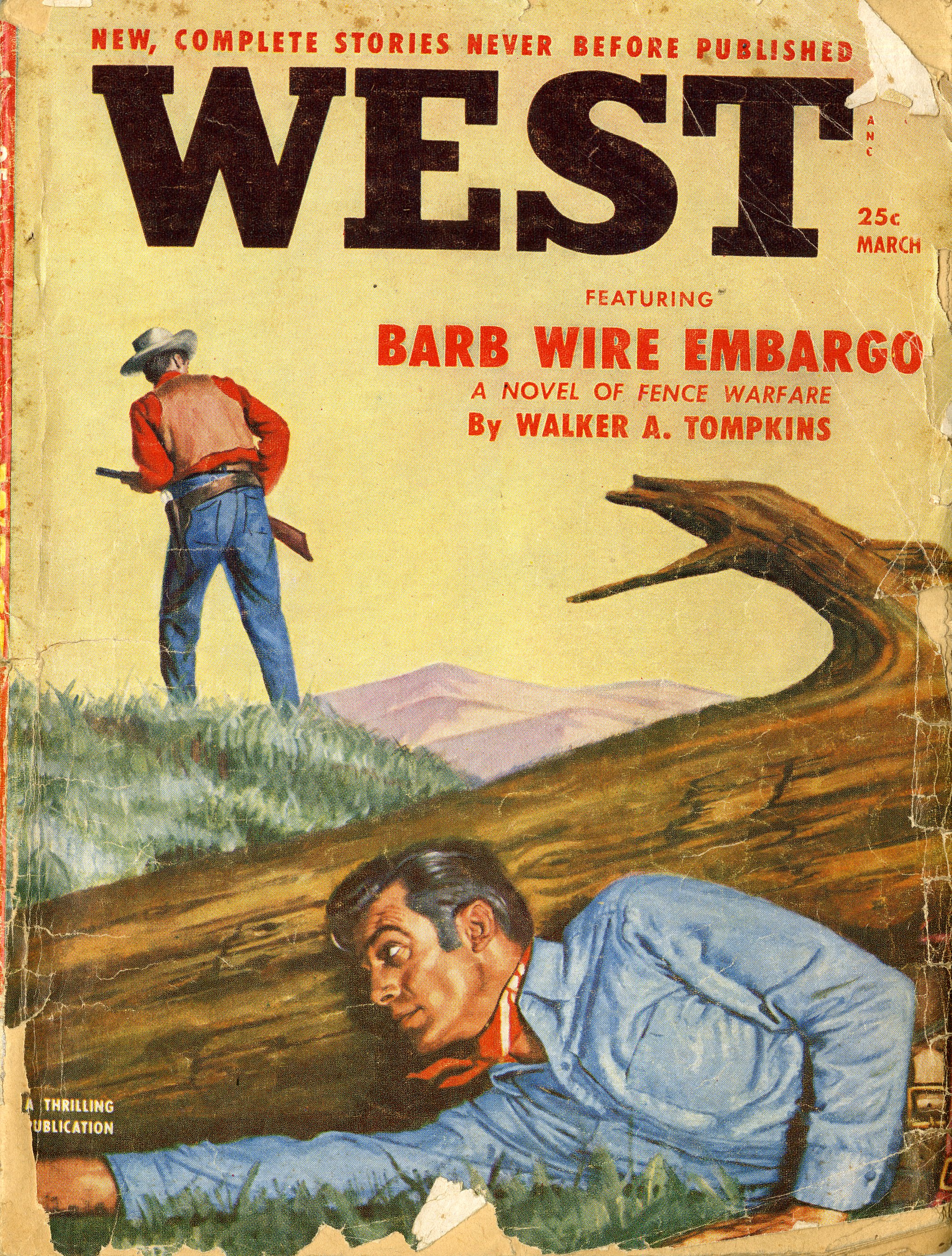
WEST

West magazine was in the Thrilling Publications stable of titles and continued to follow the highly successful course that their other pulp publications did. Published every other month, the magazine offered complete novels and a variety of short stories and special features.

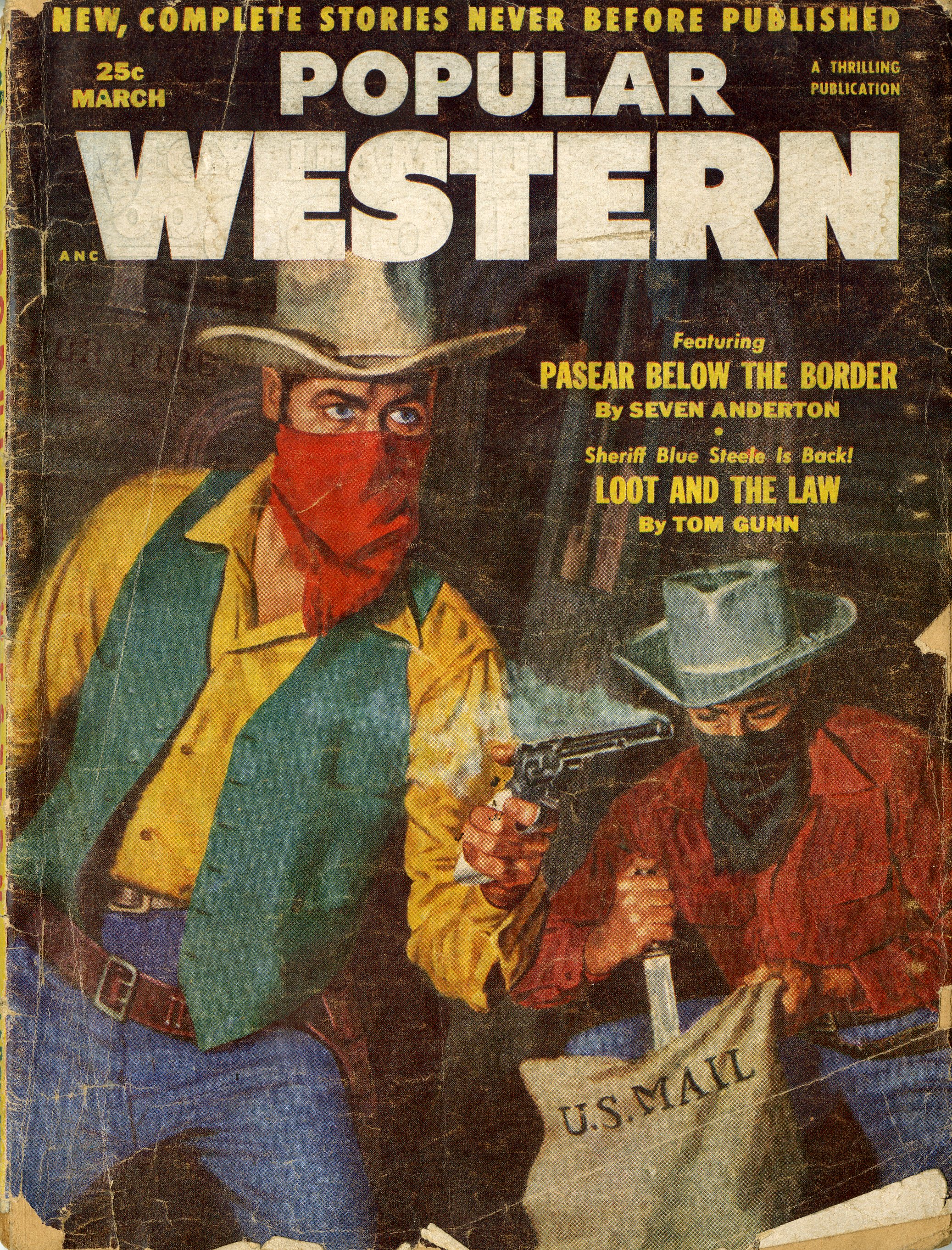
The March 1953 magazine was filled with stories such as Good Smoke, Ruthless Return and a novel by Walker A. Tompkins called Barb-Wire Embargo. The cover illustration had a cowboy hid behind a fallen log, trying to evade another cowboy with a long-necked rifle in his hand. Above the title reads: New, Complete Stories Never Before Published. An excellent title to add to the repertoire. 
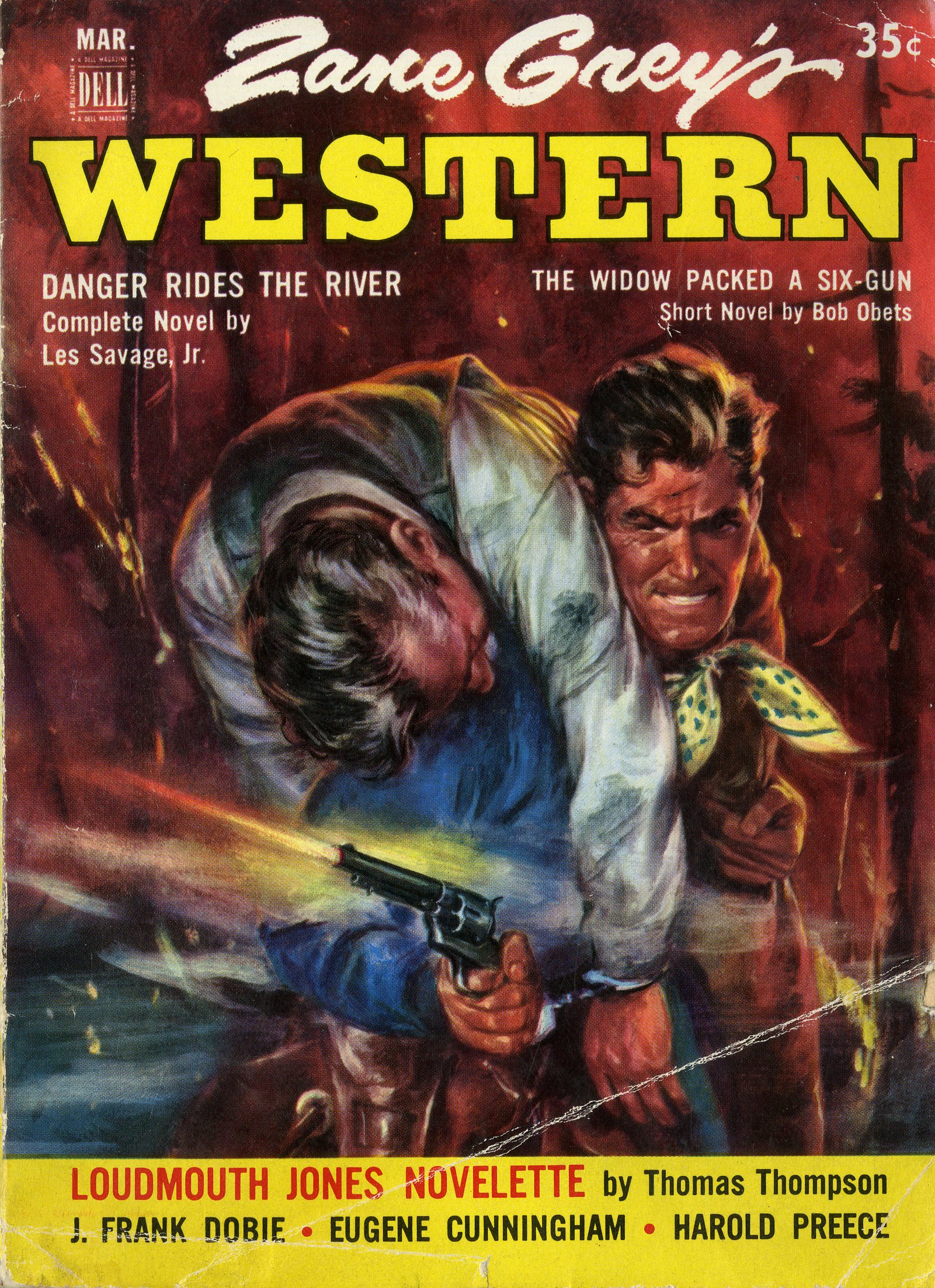
ZANE GREY’S WESTERN

Zane Grey, of course, had a very successful career writing western novels. So it’s no surprise that the pulp fiction Western adventure magazines that Dell published bearing his name were also a big success. Grey was a complicated man who led an unusual life, but his somewhat odd idiosyncrasies in life seemed to play a major role in his writing, prompting him to continue churning out bestsellers.

The March 1953 issue of Zane Grey’s Western magazine provided loyal fans with stories that even the master would read. While in this issue nothing was actually written by Grey, it seemed to be a given that he placed his stamp of approval on each piece. From Danger Rides The River to The Widow Packed A Six-Gun, the stories were typical Western adventure and the public loved them.
Now that we’ve revisited adventure in the jungles, the Wild West and explored many oceans around the globe, it’s time to see what the world of Sports had to offer in March 1953. So, let us cheer on our favorite team sports as we open the door on Chapter Eleven… Stay tuned.

h1

Men’s Adventures Magazines 1953: The Magazines And I. Chapter 10 Part 3.

July 20, 2021

Men’s Adventures Magazines … is the 10th chapter from the serialized book I am writing on the magazines of 1953, specifically March 1953, the month I was born.  This is chapter ten, part three.  Feel free to back track for chapters one, two, three, four, five, six, seven, eight, and nine in previous blogs.  Enjoy.

SAGA

Another Macfadden publication, Saga magazine claimed to be “True Adventures for Men.” The stories were filled with testosterone and an overabundance of danger, but they were just what the doctor ordered when it came to men’s adventure in the 1950s. 

The March 1953 edition of this monthly title was complete with stories such as Knives in the Night and Death Speaks Loudly. There were guns, blood, guts, and glory – to some degree, and a huge amount of thrills. Fans of the genre had to be pleased. 

STAG

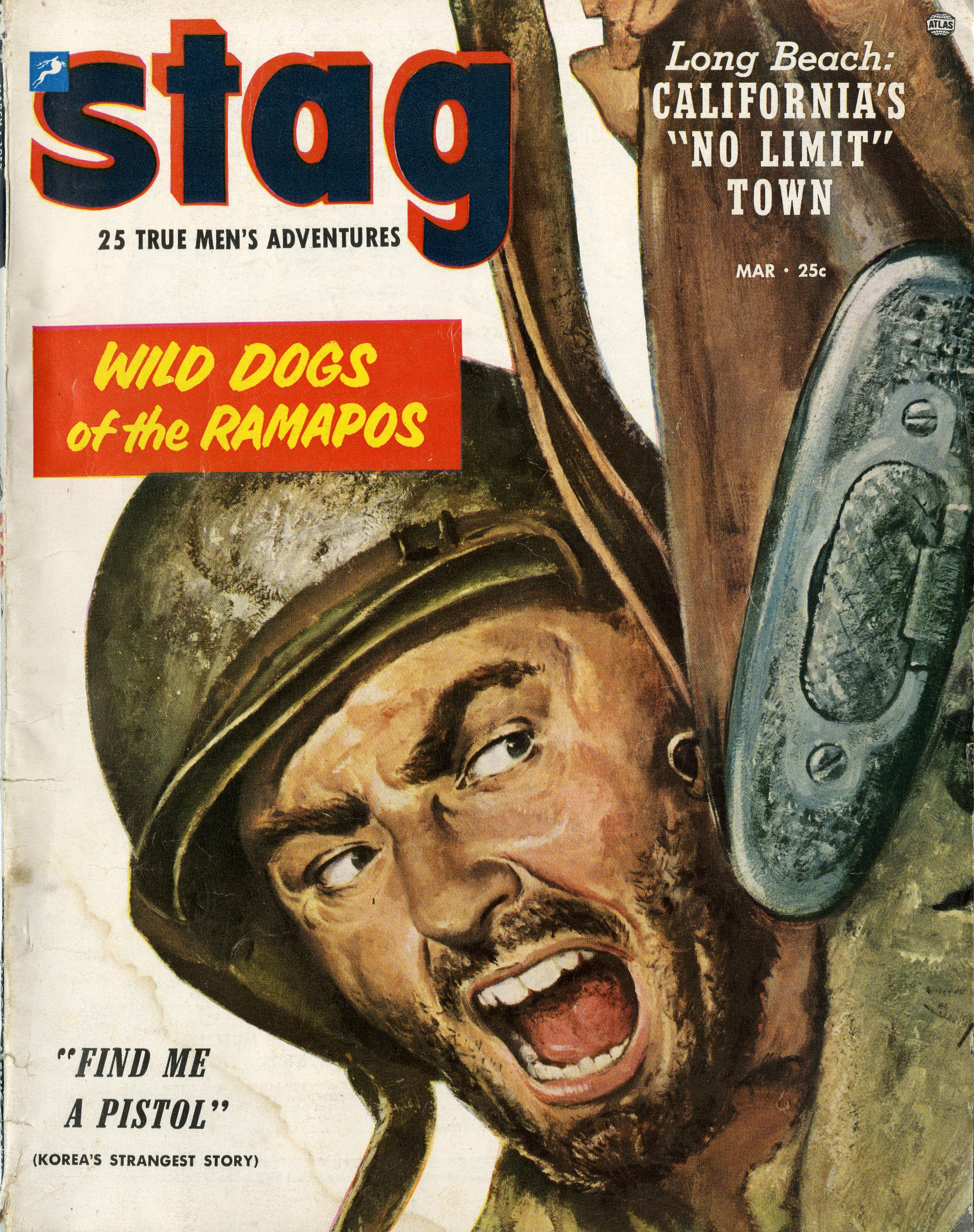
There were various men’s adventure magazines published from the 1930s through around 1960 or so with the name Stag. This version is the second rendition published by Official Magazine Corporation. It appeared on the scene around 1951 and was eventually taken over by Martin Goodman of Marvel Comics fame. The magazine offered “true-life” fiction in an adventurous setting. Oddly enough, Mr. Goodman had threatened fledgling publisher Hugh Hefner with a lawsuit in those days due to a trademark infringement issue of Hef’s up and coming magazine he planned to call Stag Party. No problem, Hefner just changed his title’s name to Playboy and let it roll.

The March 1953 issue of Stag spurred excitement through stories of war and mayhem. From Find Me A Pistol to Wild Dogs of the Ramapos, the magazine was not lacking in adventure and larger-than-life situations that many men would run from. But not our story characters. The content was exceptionally well-written and often had that “true” feeling, which the magazine claimed in its words 25 True Men’s Adventures. Whether they were actually true or not, they were exciting to read.

TALES OF THE SEA

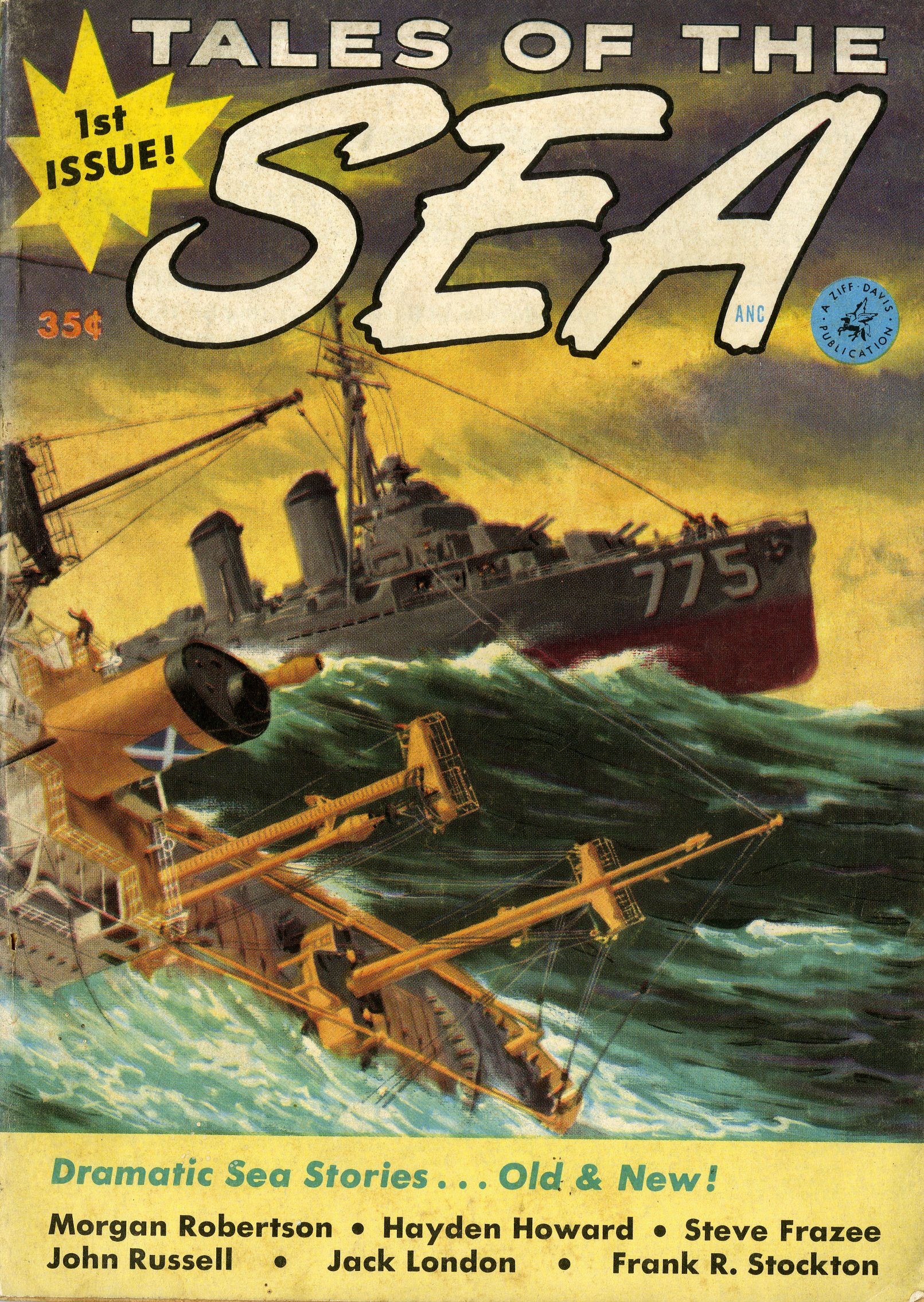
Tales of the Sea was published by Ziff-Davis Publishing Company and fell into the group of men’s adventure fiction that the company published during the early 1950s  along with their comic books. The magazine was a digest-sized title that was published quarterly. The Ziff half of the publishing company, William B. Ziff, had been interested in publishing high-quality magazines with art and photography as their focus, he’d really had no interest in fiction. But his partner Bernard G. Davis had other ideas when they acquired Amazing Stories in 1938. 

The March 1953 issue, which was the very first, featured dramatic sea stories such as The Unsinkable Ship That Sank and Are You A Weekend Sailor. For 35 cents, one could satisfy their need for sea-faring adventure from writers like Nobel Prize winning author Ivan Bunin and his story The Gentleman From San Francisco. In short, it was an admirable first issue.

TEXAS RANGERS

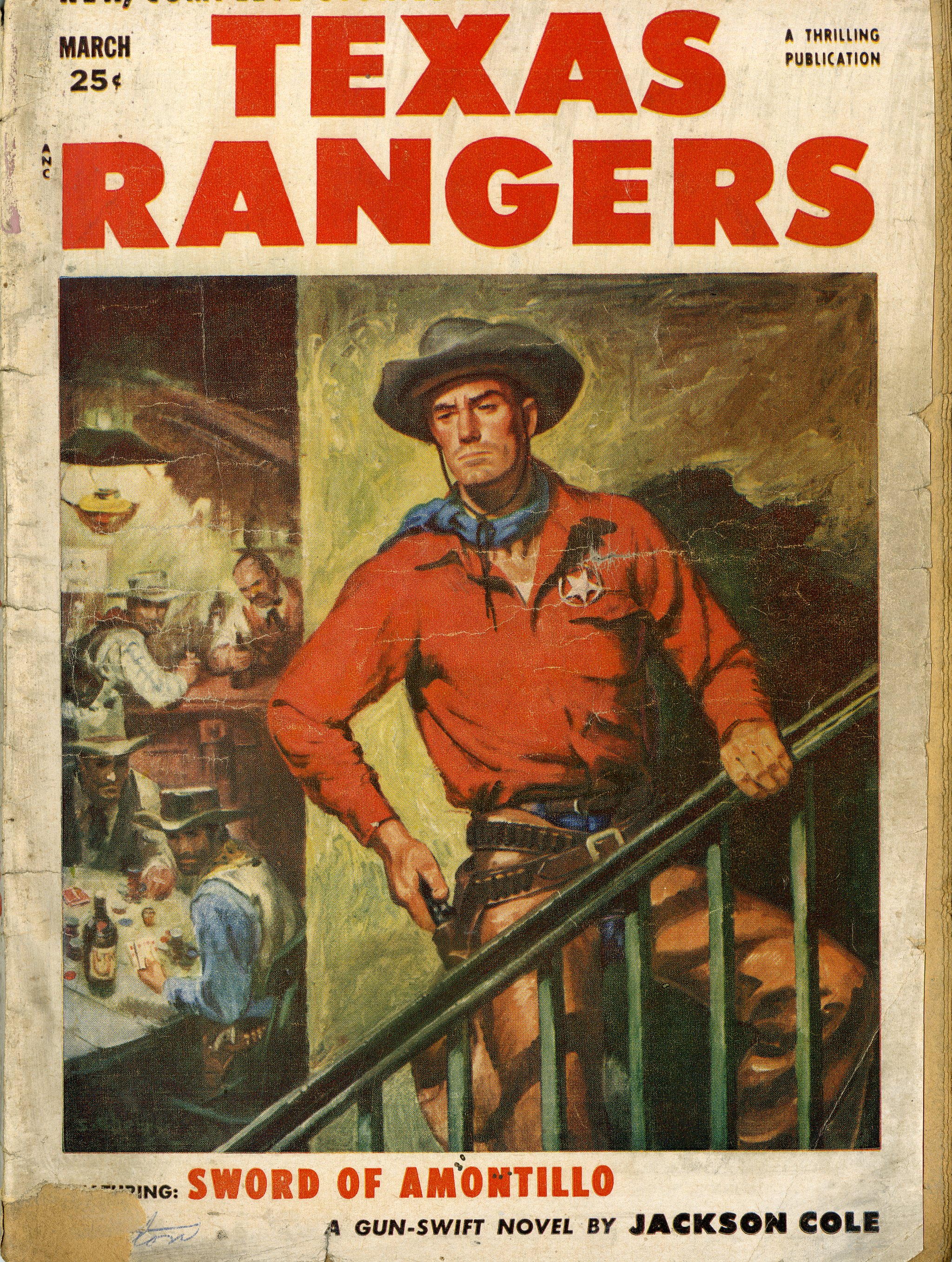
Texas Rangers also belonged to the Thrilling Publications family. It was a title that fit in wonderfully with all their other pulp Westerns, offering fans a glimpse into the exciting world of lawmen in the Wild West. 

The March 1953 issue featured an illustration of a very capable-looking Texas ranger on the cover, hand on the butt of his gun, which was strapped securely around his hips. The magazine offered Sword of Amontillo, which was a gun-swift novel by Jackson Cole, an alias for a number of different Western authors writing for Better Publications, the umbrella that this particular magazine was written under. An interesting time for men’s adventure stories when many different authors wrote under the same pseudonym. 

TEXAS WESTERN

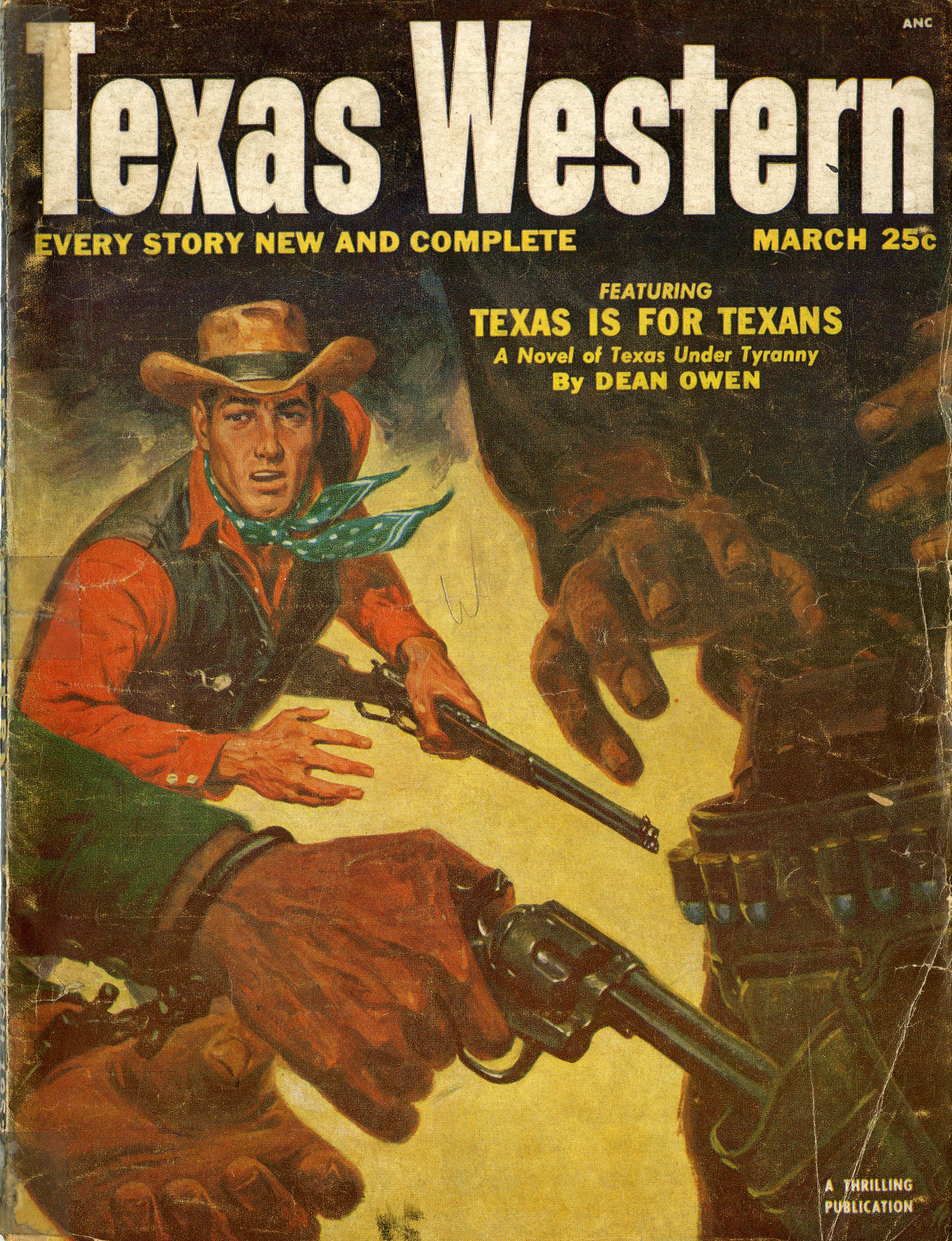
It seemed to be  a given that Thrilling Publications knew what their readers wanted, with another Western title that offered the Wild West, Texas-style. Texas Western magazine had it all: adventure, brave Texans, unlawful activities and the men and women who had to deal with the nefarious creatures wreaking the unlawful havoc. 

The March 1953 issue offered up Texas Is For Texans and many other new and complete stories, as the magazine’s cover promised, to tantalize its readers. Once again, there was minimal advertisement and content that did not apologize for being formulaic. It definitely made the cut. 

Stay tuned for more Men’s Adventures magazines of March 1953

h1

Men’s Adventures Magazines 1953: The Magazines And I. Chapter 10 Part 2.

July 15, 2021

Men’s Adventures Magazines … is the 10th chapter from the serialized book I am writing on the magazines of 1953, specifically March 1953, the month I was born.  This is chapter ten, part two.  Feel free to back track for chapters one, two, three, four, five, six, seven, eight, and nine in previous blogs.  Enjoy.

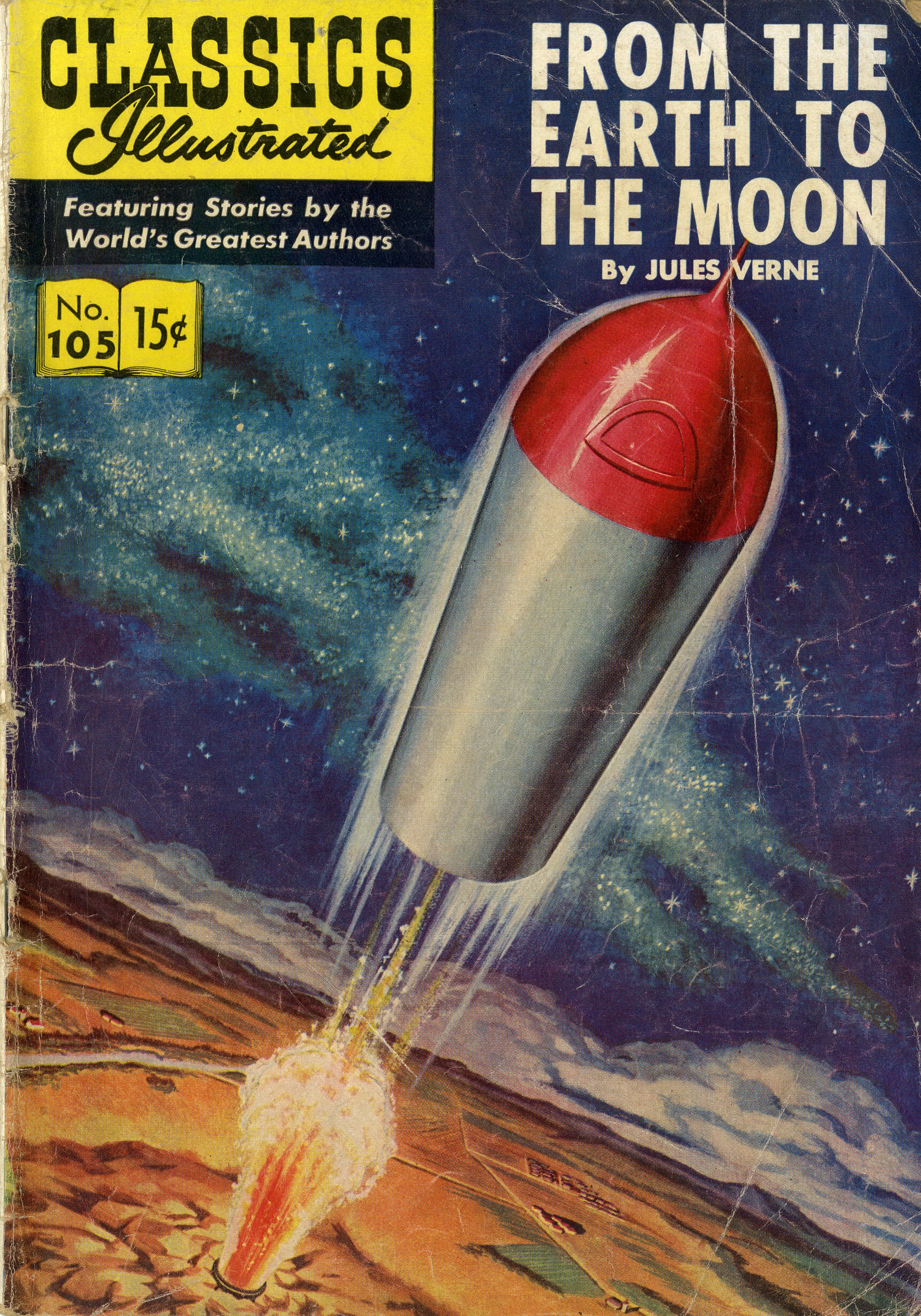
CLASSICS ILLUSTRATED

Classics Illustrated was a comic book/magazine series that proclaimed “Stories By The World’s Greatest Authors” and was created by Albert Kanter. Known for its adaptations of literary classics such as Les MiserablesMoby-DickHamlet, and The Iliad, the magazine evolved many times over throughout its lifespan, which ran from 1941 to 1969. The magazine started out as Classic Comics, but changed its name to Classics Illustrated in 1947 and became more standardized in the 1950s. 

The March 1953 issue features a very ferocious-looking tiger on its cover with the cover line Bring ‘Em Back Alive above the animal’s head. The cover art was effective and the stories within did not disappoint: Giant Jungle Man, Two Rhinos and Elephant Temper to name a few. The comic book magazine took readers on a wild adventure that many probably thought they might not return from. 

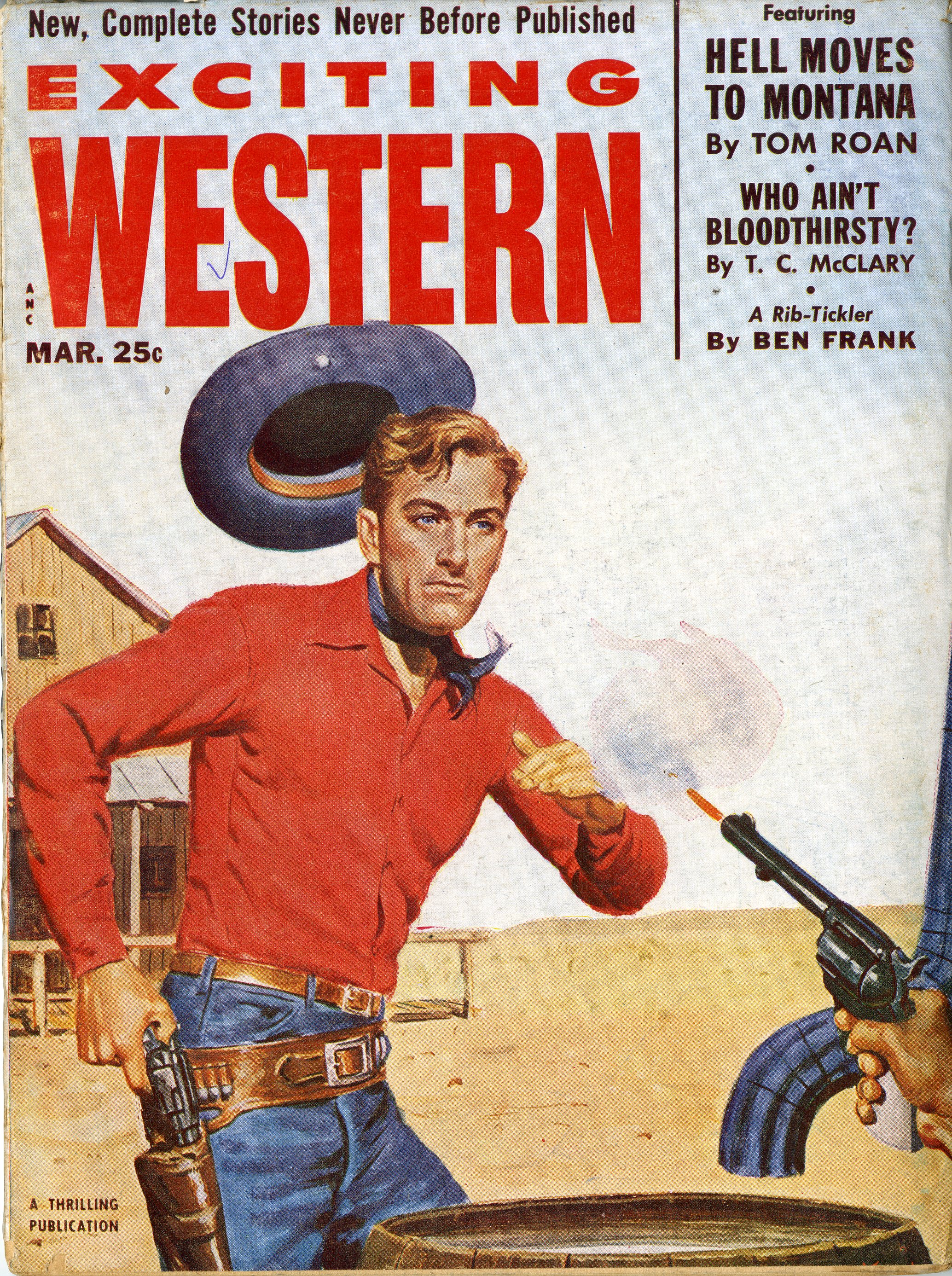
EXCITING WESTERN

This magazine was published by Thrilling Publications, also known as Beacon Magazines (1936–37), Better Publications (1937–43) and Standard Magazines (1943–55) and was operated by Ned Pines, who was known for publishing many pulp titles. Between Pines and a young man named Leo Margulies, they came up with what became known as the “Thrilling Group” of which Exciting Western was a part. 

In March 1953, the magazine showcased stories such as Hell Moved To Montana and Who Ain’t Bloodthirsty? The cover art was apropos of the stories and inside the pages was minimal advertising and offered over 100 pages of adventurous content. It was a very good read.

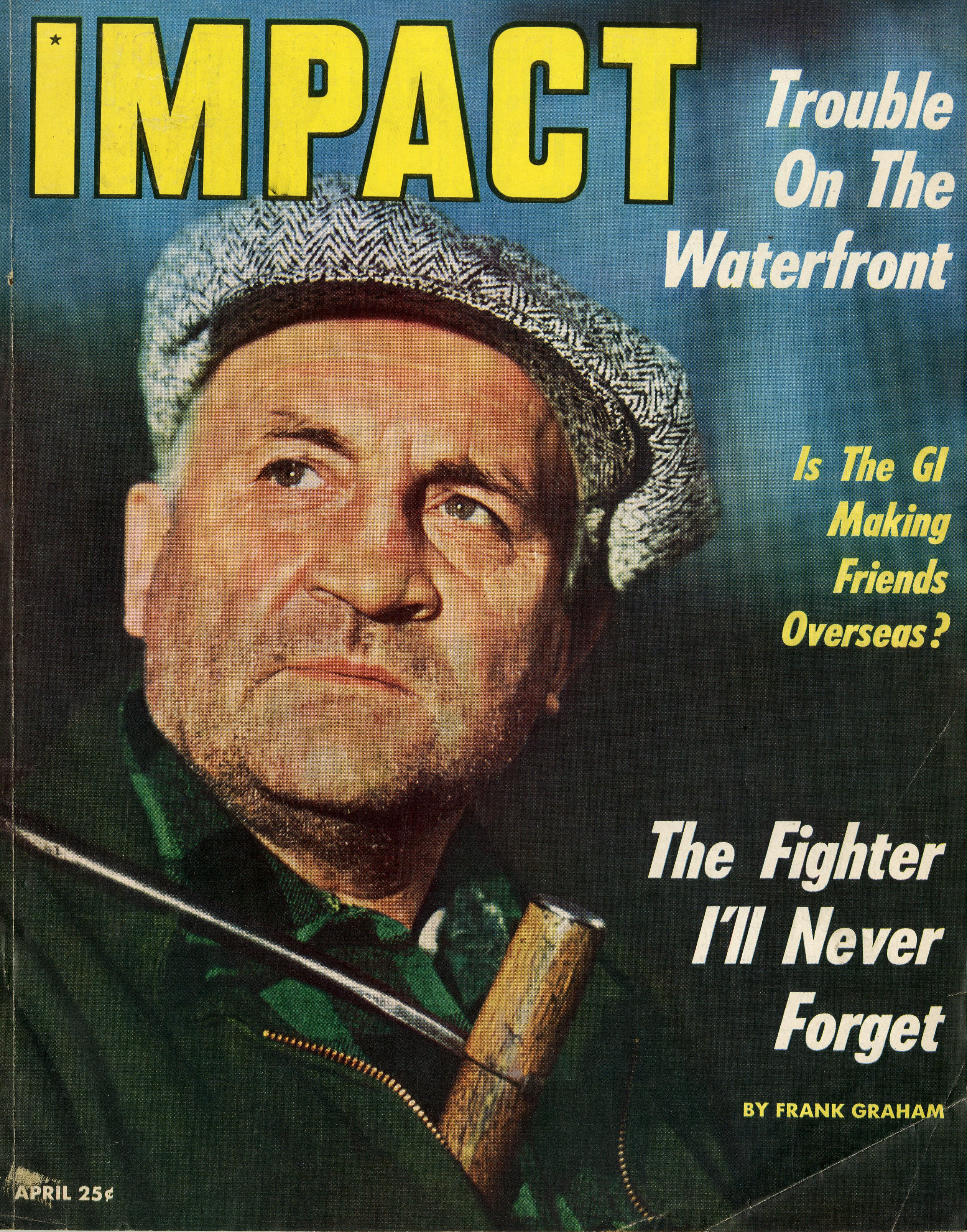
IMPACT

Macfadden Publications brought this magazine to life. It was one among many titles in Bernarr Macfadden’s publishing empire of Physical CultureTrue DetectiveTrue Romances, Dream World, True Ghost Stories, Photoplay and the tabloidNew York Graphic, along with True Story. The magazine was touted as the title for “He-Men,” a read for men who liked their reading rough and ready, tough and tense, powerful and provocative. Macfadden was nothing if not original. 

The March/April 1953 issue was jam-packed with fast-paced adventure and spine-tingling thrills – the publication’s description, not exactly mine. However, I would agree that the stories were both entertaining and heady, in an intriguing way. There were great images inside the covers of the magazine of both men and a few scantily-clad ladies. But even without all the hype, the magazine was a good read. 

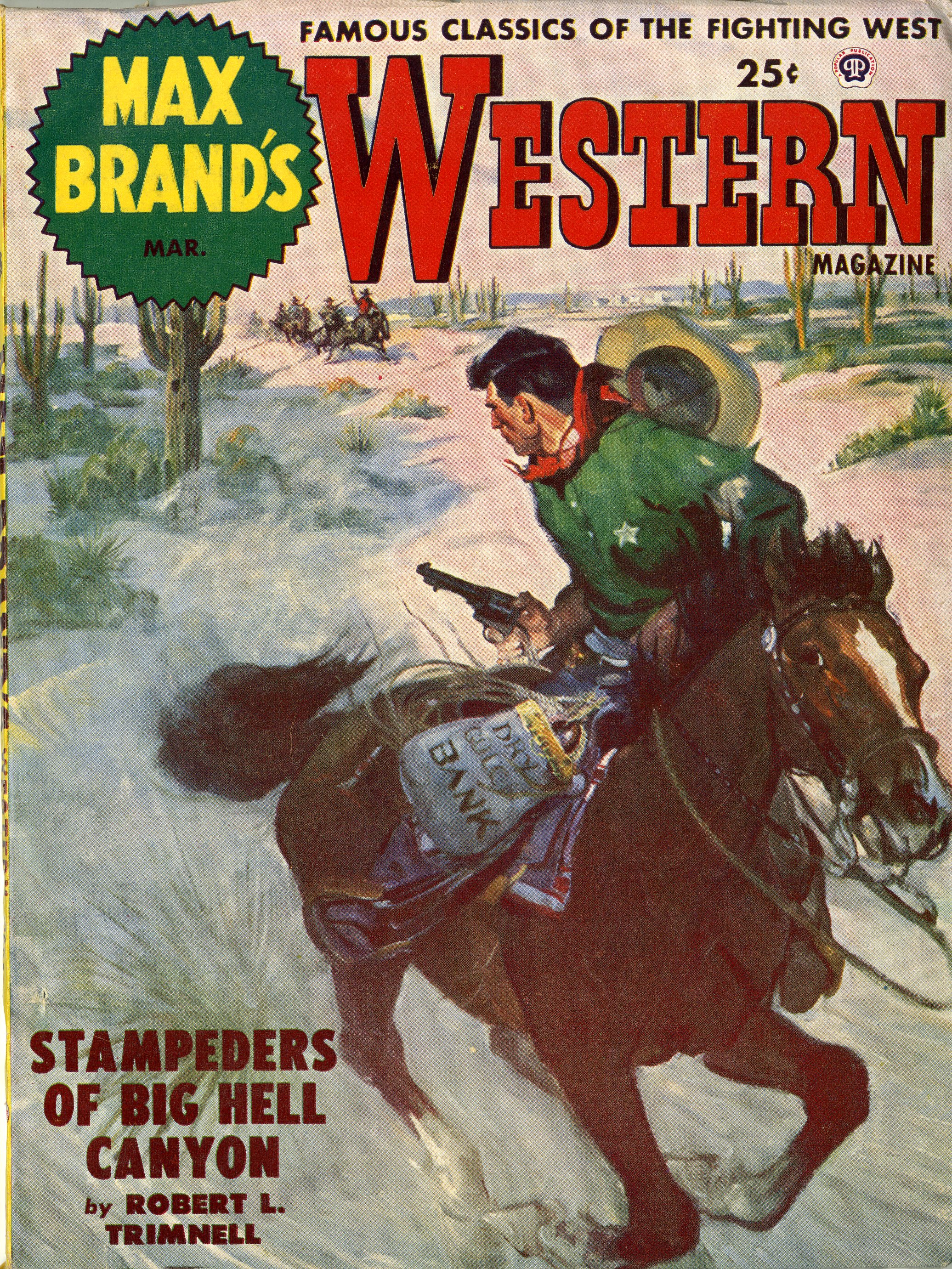
MAX BRAND’S WESTERN MAGAZINE

Popular Publications was at it again when they “branded” a Western title with the “King of Action Western’s” moniker across the top of the magazine’s cover. It was then that Max Brand’s Western Magazine was born. With one of the most successful Western pseudonyms ever created, “Max Brand” who was really Frederick Schiller Faust, became a household name in the world of Western fiction. And Popular Publications made good use of that.

The March 1953 issue did the man justice. Stampeders of Big Hell Canyon was the cover story and had the illustration to match. The magazine touted itself as a producer of Famous Classics Of The Fighting West. And with Mr. Brand’s renowned  moniker attached, the magazine was a sure-fire success. In March 1953, everyone was happy with the content.

NEW WESTERN MAGAZINE

New Western Magazine also belonged to Popular Publications and offered the same type of Wild West content. The magazine fell into step beside its many counterparts and rolled with the powerful punches this genre tended to dole out to its competition. During the 1950s, Western adventure had many players on the frontier, so it was always a constant battle to stay at the head of the herd.

March 1953 saw an issue that was both familiar and different, in that the stories seemed to be more diverse, yet within the Western formula that was so successful at the time. From The Rider From Wind River to Blind Canyon Manhunt, the bimonthly magazine brought another Western dish to the table.

More Men’s Adventures magazines of 1953 to come… stay tuned….

h1

Men’s Adventures Magazines 1953: The Magazines And I. Chapter 10 Part 1.

July 13, 2021

Men’s Adventures Magazines … is the 10th chapter from the serialized book I am writing on the magazines of 1953, specifically March 1953, the month I was born.  This is chapter ten, part one.  Feel free to back track for chapters one, two, three, four, five, six, seven, eight, and nine in previous blogs.  Enjoy.

From exotic jungle locales to wartime feats of derring-do, with a bevy of pin-up beauties thrown in for good measure, men’s adventure was a genre of magazines that reigned supreme during the 1950s era. 

Western publications that were many times called “Dime Western Magazines” figured into the men’s adventure equation with an impact that cannot be denied. From Zane Grey to Max Brand, these magazines were looped into the “pulp” category, but not so much so that they didn’t do their due diligence when it came to success and magnitude of performance. And how could they miss with the heavy weight of popularity their namesakes brought the titles. Zane Grey is known as the father of the modern American western novel, after all and Max Brand is no less notable.

Looking at these adventure titles that were aimed at men and often offered wild animal conflicts in the far-flung jungles of  some unknown land or the explosive backdrop of a world at war, these publications brought many male readers (and dare I say, female readers as well?) many hours of great escape and dreams of daring exploits. 

Let’s take a look at these larger-than-life adventure magazines that could transport us from lands ravaged with war to dangerous jungle environments that no mere mortal man could survive to the thrilling ranches of the West where romance and danger lived forevermore.

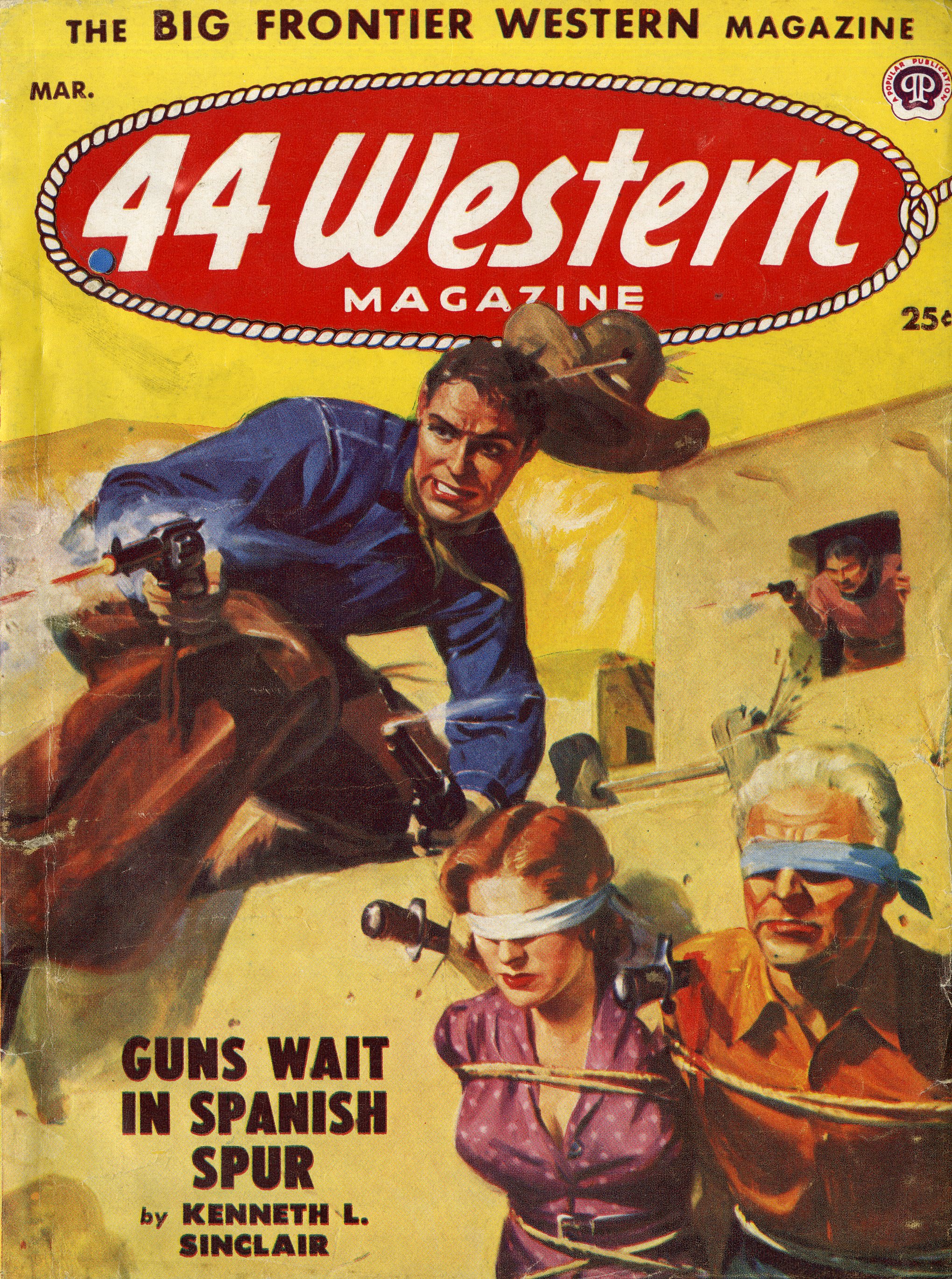
44 WESTERN MAGAZINE

Published by popular Publications, which was a mass producer of pulp titles, 44 Western Magazine was touted as The Big Frontier Western Magazine. Popular Publications was formed in 1930 by Henry “Harry” Steeger during the Great Depression, when escape fiction was at an all-time high. The magazine was a bimonthly that definitely provided an adventurous escape. 

The March 1953 edition was filled with novelettes that lived up to the big frontier theme, with titles like Guns Wait In Spanish Spur,  Stage To Buckhorn, and Hunted Lawman. There was only a modicum of advertisement in the magazine, so for the most part it was strictly content. And content that was sure to enthrall and entertain even the staunchest of Western title fans.

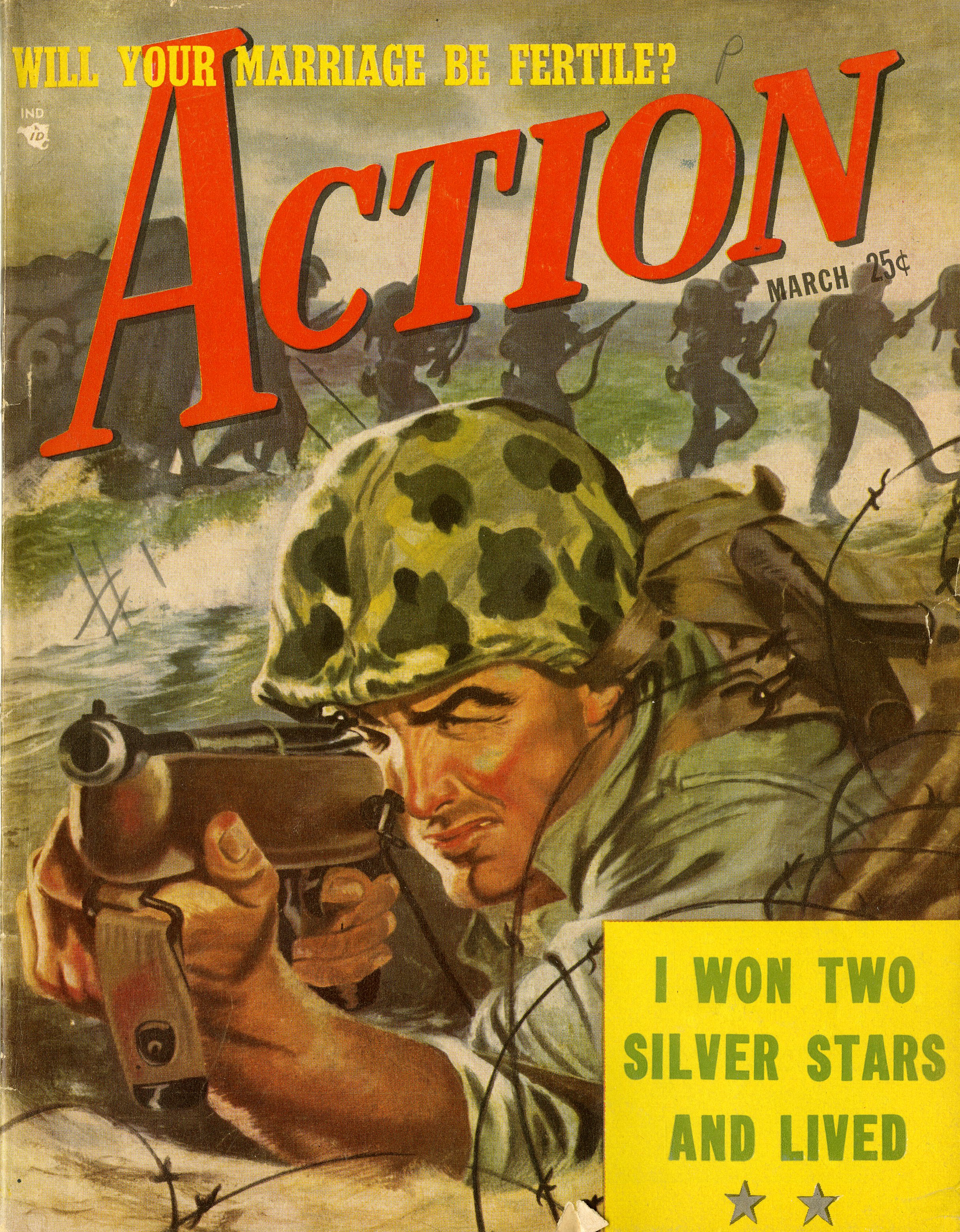
ACTION

The magazine was published by Picture Magazines Inc. and was a title that strove to live up to its name. It was action personified with stories of “true adventure,” exposés, and sports in action, but also articles and features that offered a strong viewpoint and voice. 

The March 1953 issue had features such as The World’s Strongest Bartender and an article on the Male Body, buffered with action stories like The Flag of the Stonewall Brigade and Payoff On Horror Hill. The March 1953 issue was Vol. 1, No. 1, so its premier was a definite attention-grabber.

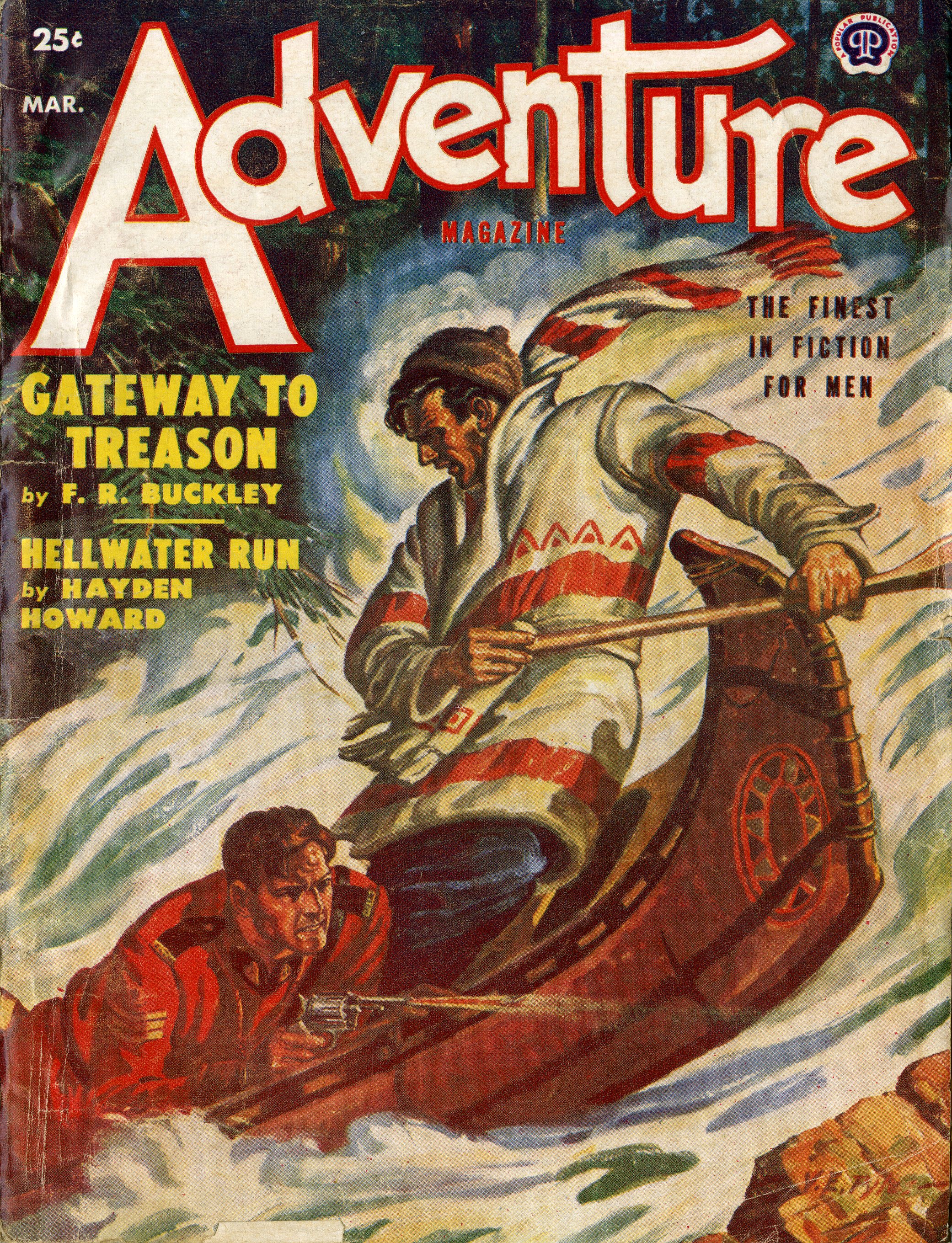
ADVENTURE MAGAZINE

After it was purchased from the Butterick Publishing Company by Popular Publications, Adventure Magazine became one of the most profitable and acclaimed of all the pulp fiction magazines. It drew the reader into a world of larger-than-life adventure and just refused to let them leave. And why would they want to? The magazine shouted to the world that it was the finest in fiction for men. 

The March 1953 issue did not disappoint when it came to that wild adventure theme. Hellwater Run by Hayden Howard was one of the cover line stories and the illustration on the cover matched the title vividly as a wild wave of oceanic proportions had two men fighting it valiantly in a small canoe. An absolutely great read.

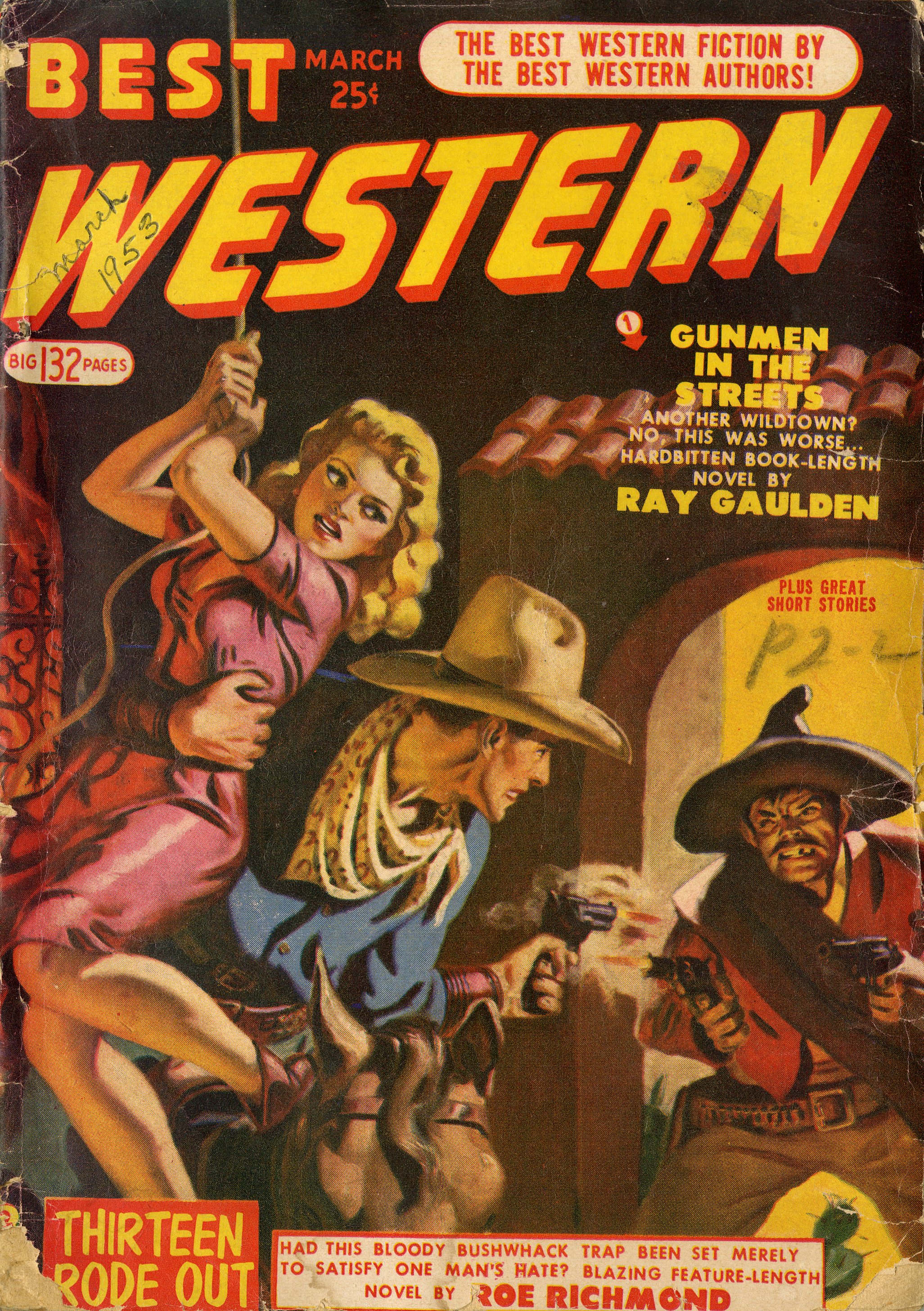
BEST WESTERN

Best Western magazine was a part of Martin Goodman’s plethora of titles. Goodman launched the company that would eventually become Marvel Comics. Goodman’s strategy was to use several different names while publishing whatever genre he deemed popular at the time. Best Western was published under the Stadium Publishing Corporation umbrella. 

With the popularity of western adventure in the 1950s, Goodman saw success waiting to happen and began a stable of western titles, such as Five Western NovelsGunsmoke Western and many others including Best Western

The March 1953 edition held to the traditional, with a cowboy/beautiful woman on its cover, and stories such as Gunmen In The Streets and Thirteen Rode Out. The tales were compelling for the western fan and filled with just enough romance and adventure to balance the stories out.

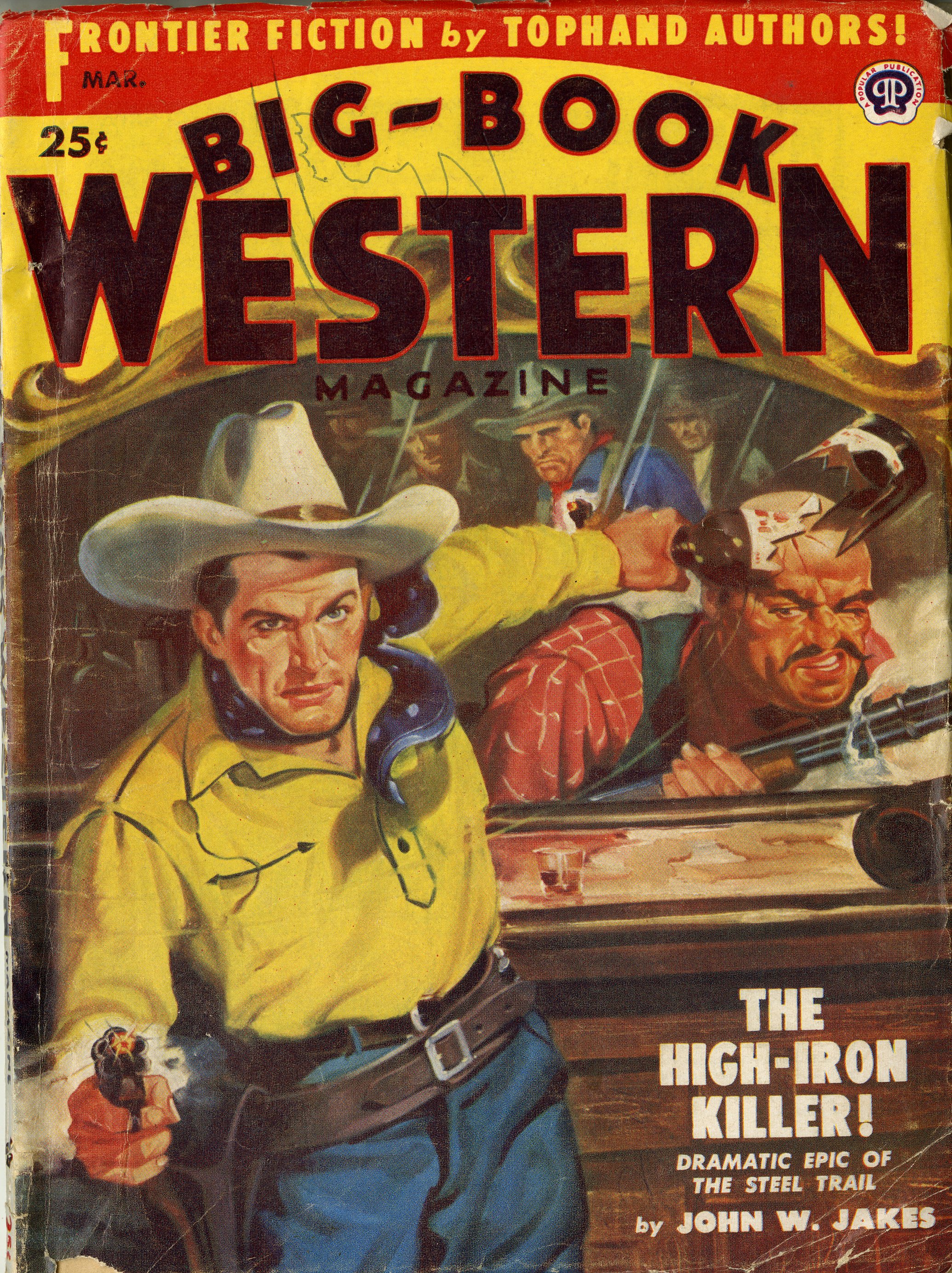
BIG-BOOK WESTERN MAGAZINE

Another title by Popular Publications, Big-Book Western Magazine was one among many western adventures that the company published. 

The March 1953 edition featured the cover story called The High-Iron Killer, a dramatic epic of the Steel Train. And the illustrated cover complemented that title. The magazine had over 100 pages, giving it that “big-book” feel and proclaimed Frontier Fiction by Tophand Authors! 

To be continued…

h1

Love And Romance: The Magazines And I. Chapter 9, Part 2.

July 5, 2021

Love and Romance Magazines … is the 9th chapter from the serialized book I am writing on the magazines of 1953, specifically March 1953, the month I was born.  This is chapter nine, part two.  Feel free to back track for chapters one, two, three, four, five, six, seven, and eight in previous blogs.  Enjoy.

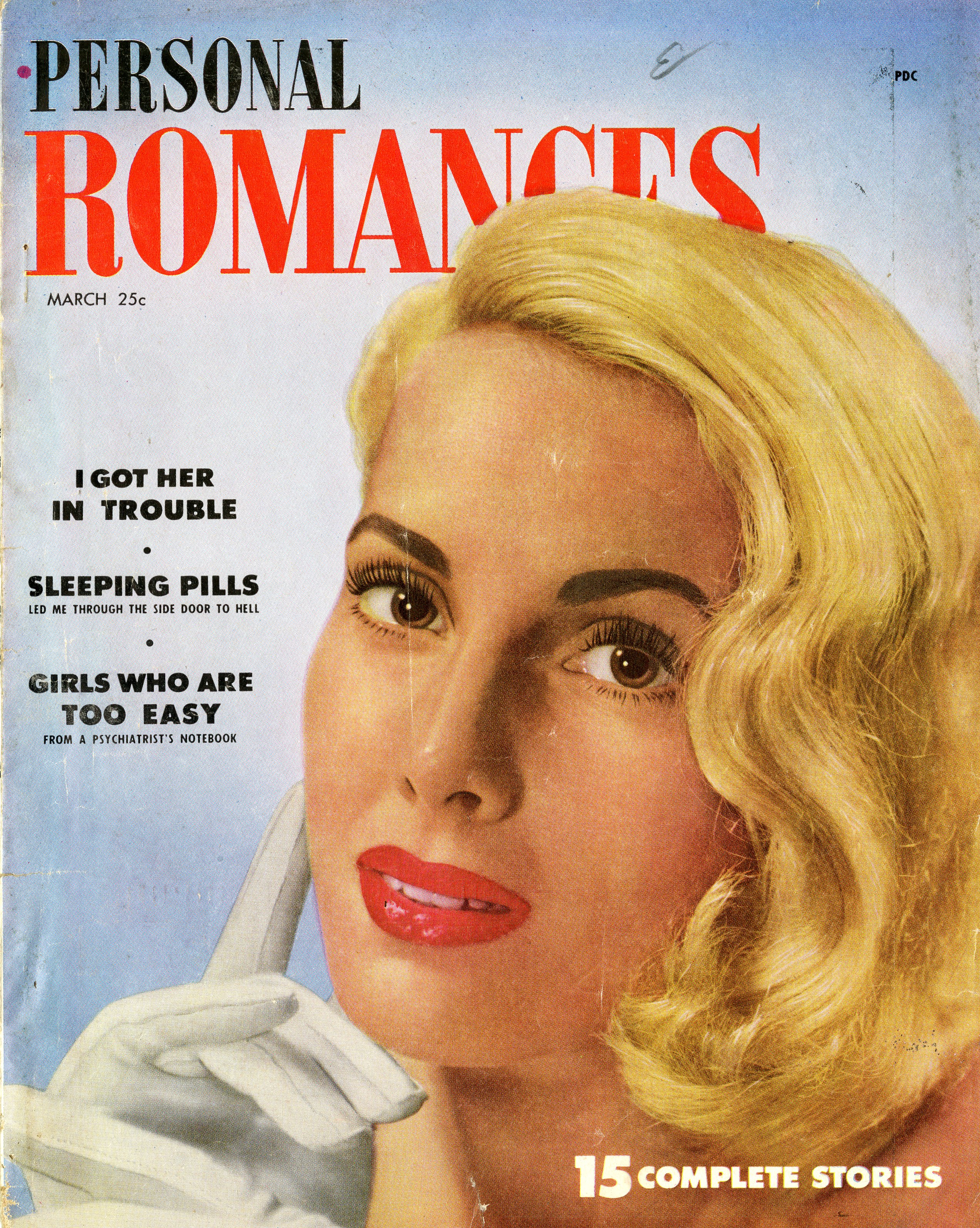
PERSONAL ROMANCES

Published by Ideal Publishing Corp., a very lucrative smaller publisher that loved pulp magazines, Personal Romancesactually began as Personal Adventure, which in turn had begun as Personal Adventure Stories. Publisher William Cotton made it a slick replica of another one of his titles Movie Life. The magazine was somewhat thin for a Love Confessions pulp, but it served the purpose with tantalizing stories of love, lust and mayhem.

The March 1953 issue promised us stories on Girls Who Are Too Easy and I Got Her In Trouble. There was even a homemaking section that taught us how to make a perfect spaghetti dinner. And the ads were plentiful. In short, it did what any good pulp romance should do: it got women reading the stories. 

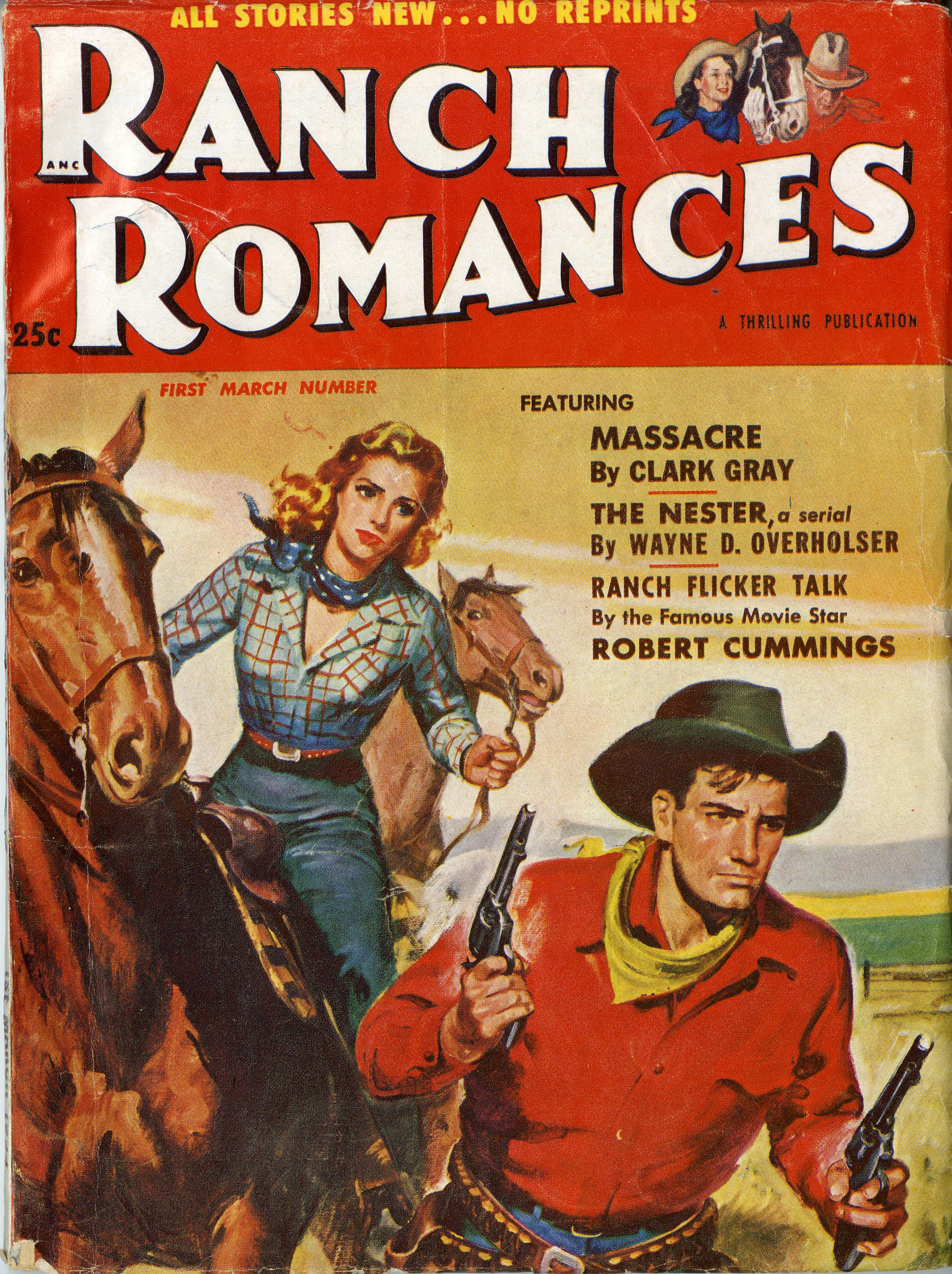
RANCH ROMANCES

Ranch Romances was the last of the original pulps. It was really the most successful titles of the western romance pulp magazines, with a 47-year run and 860 issues published between 1924 and 1971. Fanny Ellsworth edited the title for half its existence and it had three different publishers from 1929 to 1953. Warner Publications took over Ranch Romances in late 1933. It shrank to a 7-by-10, trimmed-edge format in its final decade, but never became a digest.

The March 1953 issue had stories, novels, serials and regular departments, such as Trail Dust and Out of the Chutes. It was a love story magazine with a western backdrop that women (and dare I say, men too) loved to read. 

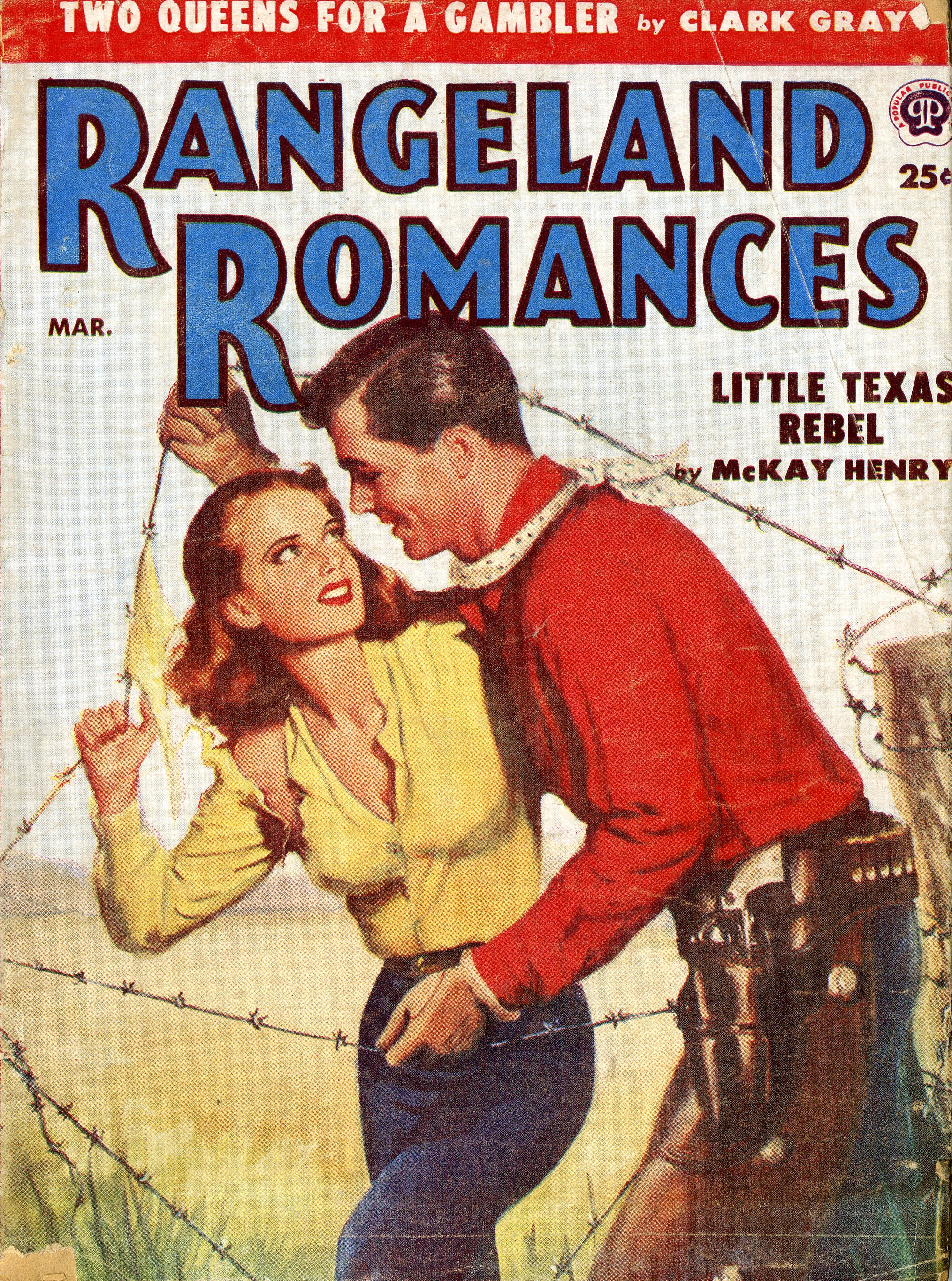
RANGELAND ROMANCES

Another Popular Publications title, Rangeland Romances was its first and longest running title in the western romance pulp genre. It was their main title, even though they launched many others. And it was very successful.

The March 1953 issue had stories like Two Queens for a Gambler and Little Texas Rebel. It was light on advertisements and heavy on western love and commitment, with over 100 pages of content. 

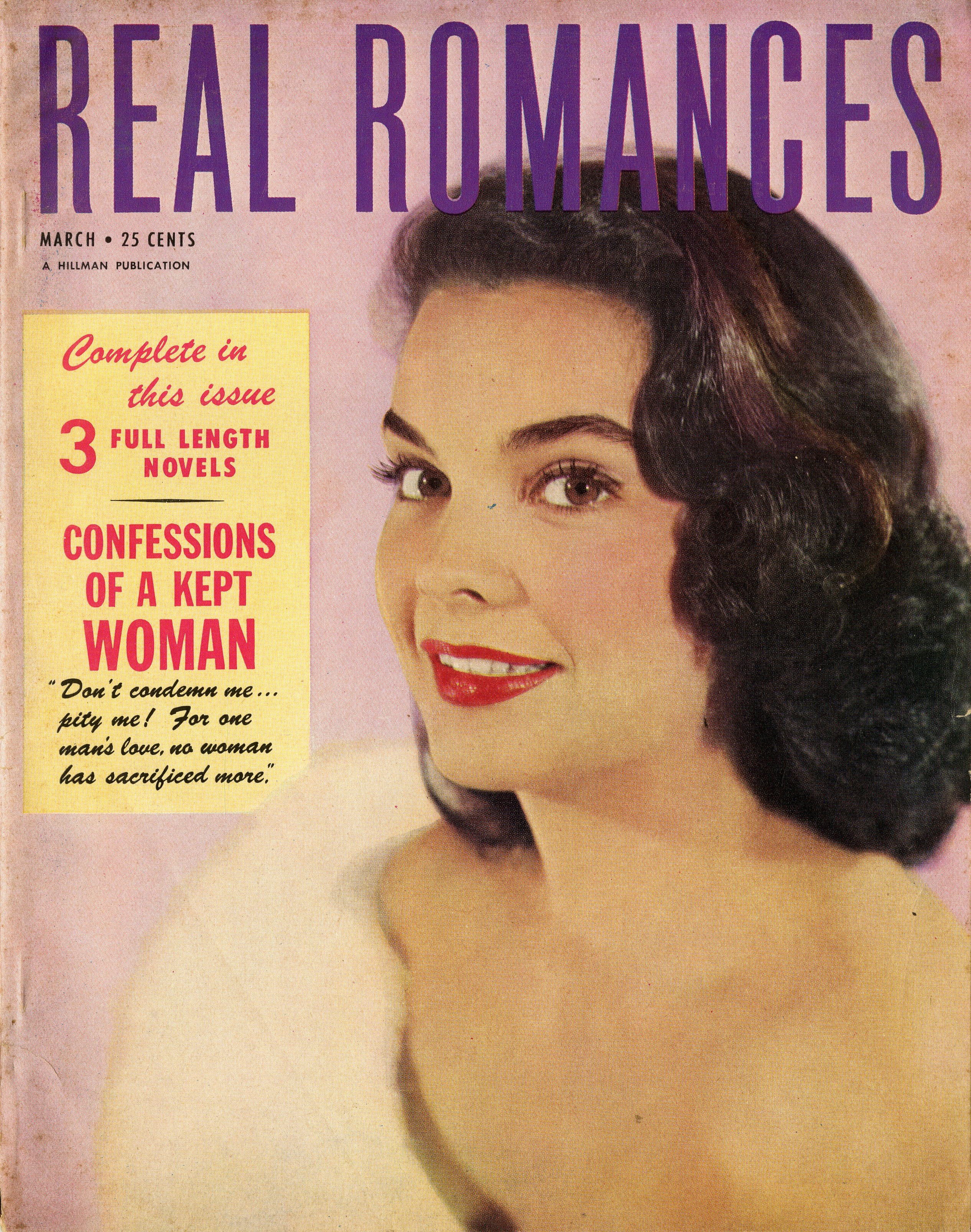
REAL ROMANCES

Real Romances was a Hillman Periodicals publication and the first of the company’s dive into “love pulps.” In fact, Alex Hillman was one of the biggest and longest lasting publishers in the field. By calling this title “Real,” Hillman followed the same path that he had with Real

Detective and Real Story and seemed to lay down the gauntlet to other pulp publishers that his magazines were the real deal, so to speak.

The March 1953 issue featured three complete full length novels: Love Is Not Enough, Invitation To Sin, and Man-Huntress. From the titles of the novels, I’m sure you’re seeing a pattern here for love pulp magazines, but if it ain’t broke, you shouldn’t fix it, and these magazines were definitely not broken. Monthly sales were through the roof and women all across America were scooping them off the stands, especially in March 1953. 

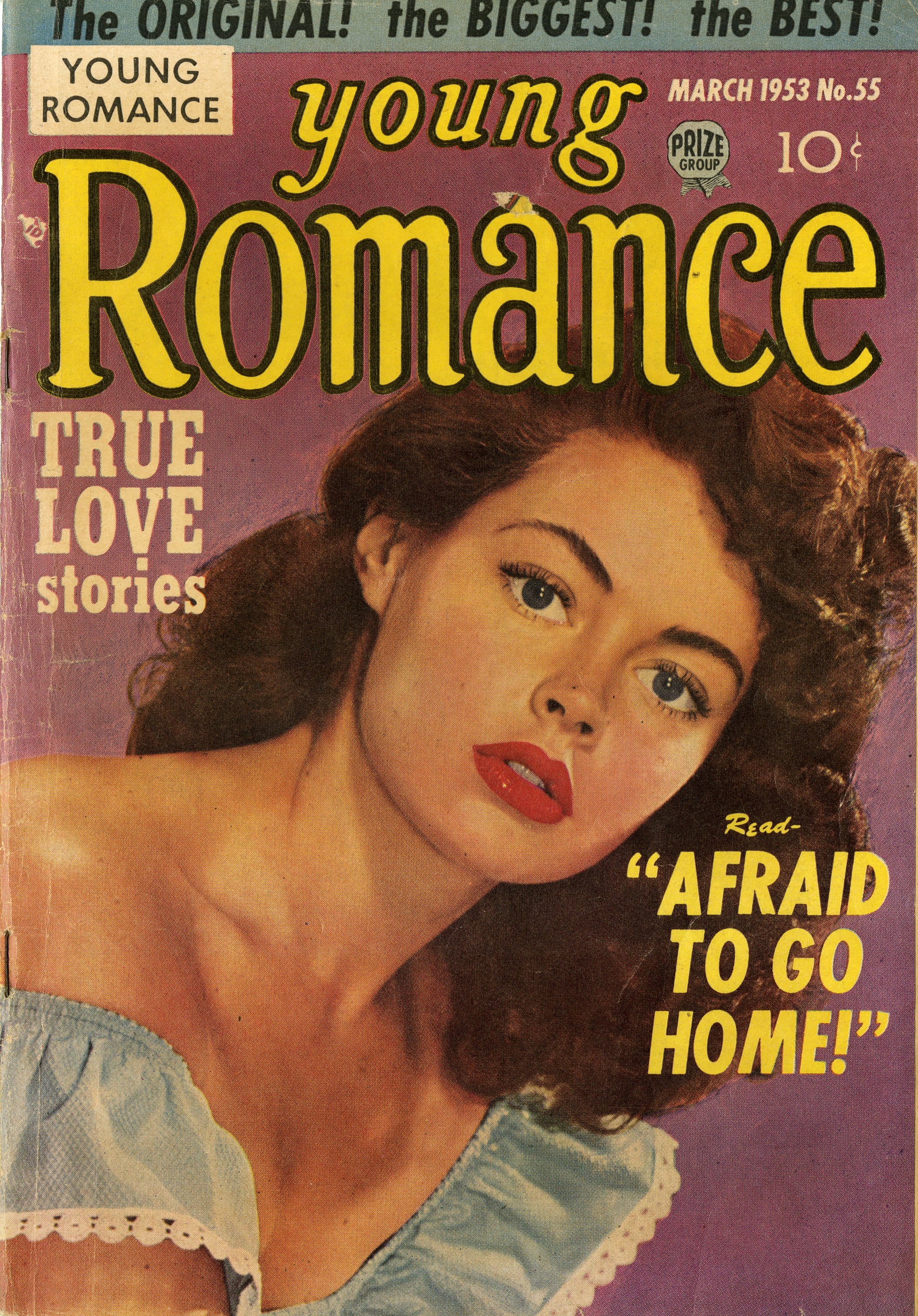
YOUNG ROMANCE

Young Romance was launched in fall 1947 and was told from a first-person perspective. The romantic comic book series was created by Joe Simon and Jack Kirby for the Crestwood Publications imprint, Prize Comics and is considered the first romance comic. It ran for 124 consecutive issues and then 84 more after Crestwood stopped producing comics and DC Comics took it over. It was an instantaneous hit after the first publication, and within the first two years Crestwood was capitalizing on its success by churning out companion titles.

The March 1953 issue was number 55 in the series and featured the Afraid To Go Home, Heartless, and Tell It To The Judge segments. It was artful and creative and had very few ads, just page after page of comic book story with enough romance to fill any young woman’s heart. 

Up next: Chapter 10 Men’s Adventure Magazines… coming soon.

h1

Love And Romance: The Magazines And I. Chapter 9, Part 1.

June 27, 2021

Love and Romance Magazines … is the 9th chapter from the serialized book I am writing on the magazines of 1953, specifically March 1953, the month I was born.  This is chapter nine, part one.  Feel free to back track for chapters one, two, three, four, five, six, seven, and eight in previous blogs.  Enjoy.

Pulp fiction was more than a movie starring John Travolta. It was a breed of magazines that crashed like an inexpensive swell through a variety of categories in the 20th century. From science fiction to adventure to romance, pulp magazines were a force to be reckoned with during the 1940s and 1950s.  

In this chapter, we examine the romance genre of pulp magazines. The inexplicable covers that promised desire, tears, and love, all rolled up into one issue. These titles were the successors of dime novels and short fiction of the 19th century. 

The term “pulp” came from the cheap wood pulp paper that the magazines were printed from. Often they had ragged and untrimmed edges and were in direct contrast to the higher-quality, glossy-type magazines of the same eras.  

But the heartbeat of pulp romance magazines were the many respected writers who wrote for them during their heyday. The most successful of the pulps could sell up to one million copies per issue and were very affordable reads during times of economic hardships, such as during the Great Depression. 

Romance in its many forms was indeed a pulp magazine staple. Pulp publishers were constantly trying to reinvent the wheel by specializing and grafting different genres and types of romantic fiction for their inventory. From the Western Romance to the Modern Romances, love was definitely in the air of pulp.

Let’s take a look at some “pulp” love from March 1953, shall we?

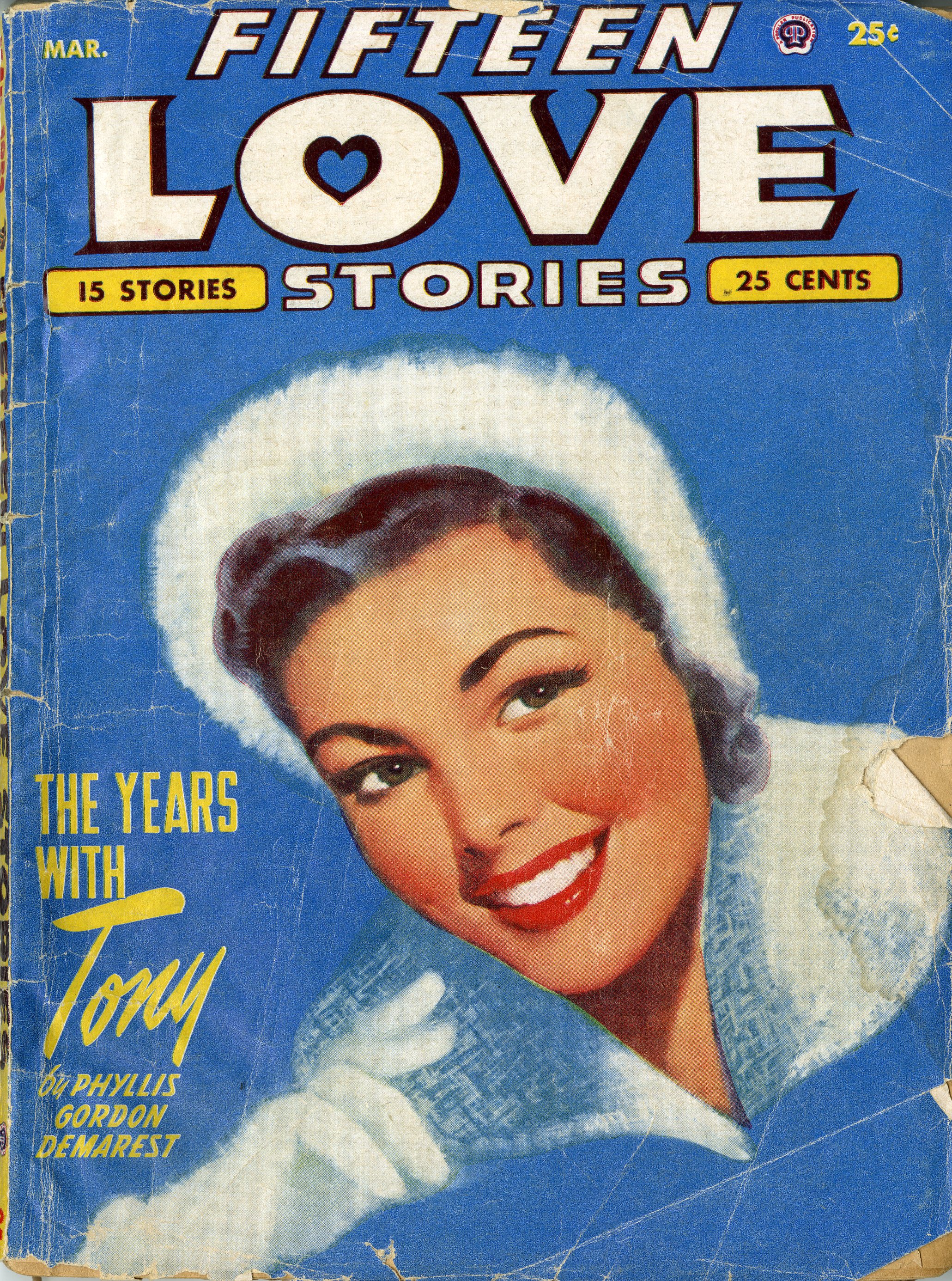
FIFTEEN LOVE STORIES

Popular Publications, the publisher of Fifteen Love Stories, was one of the largest publishers of pulp magazines, having 42 different titles in its repertoire at one point. The company was founded by Henry “Harry” Steeger during the Great Depression. Steeger was a smart businessman and knew that the times called for a bit of escapism and there was money to be made, so he began pumping out pulp fiction fast and furiously. Fifteen Love Stories was one of those moneymakers. 

The March 1953 magazine was filled with just that, novels and short stories on love, with tips on romance and cosmetic cues from some experts. It was non-stop love escapism, fringed with designs on romance and other Cupid-related topics. 

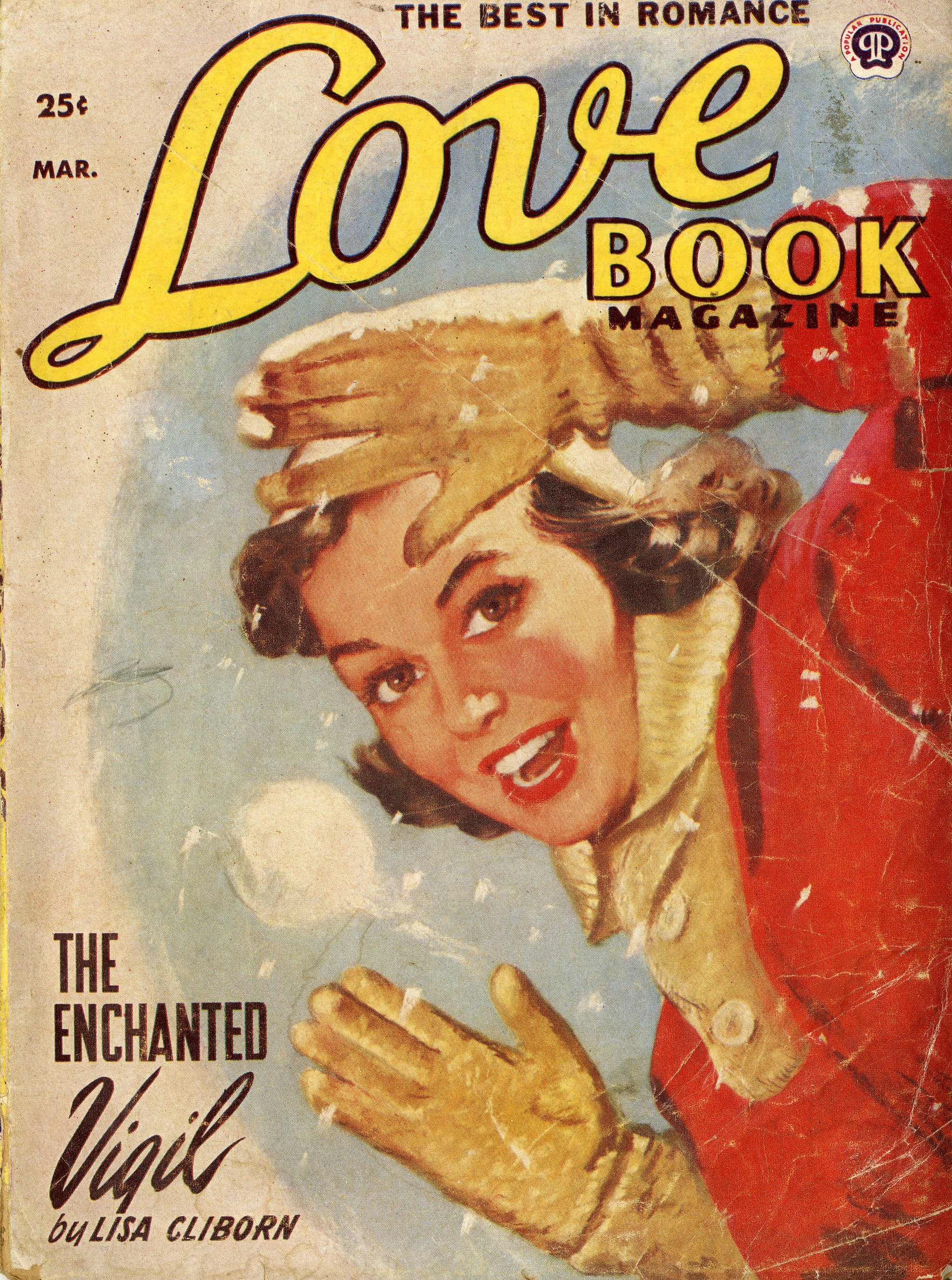
LOVE BOOK MAGAZINE

Love Book Magazine was another Popular Publications title and continued the pulp love trend admirably. It had love stories and features that brought women into the world of romance in a special way, showing them that when love was involved, anything was possible.

The March 1953 issue had seven complete love stories along with feature departments such as Beau Catcher and Pen Pals. It was page after page of content that had very little advertisements and a whole lot of love.

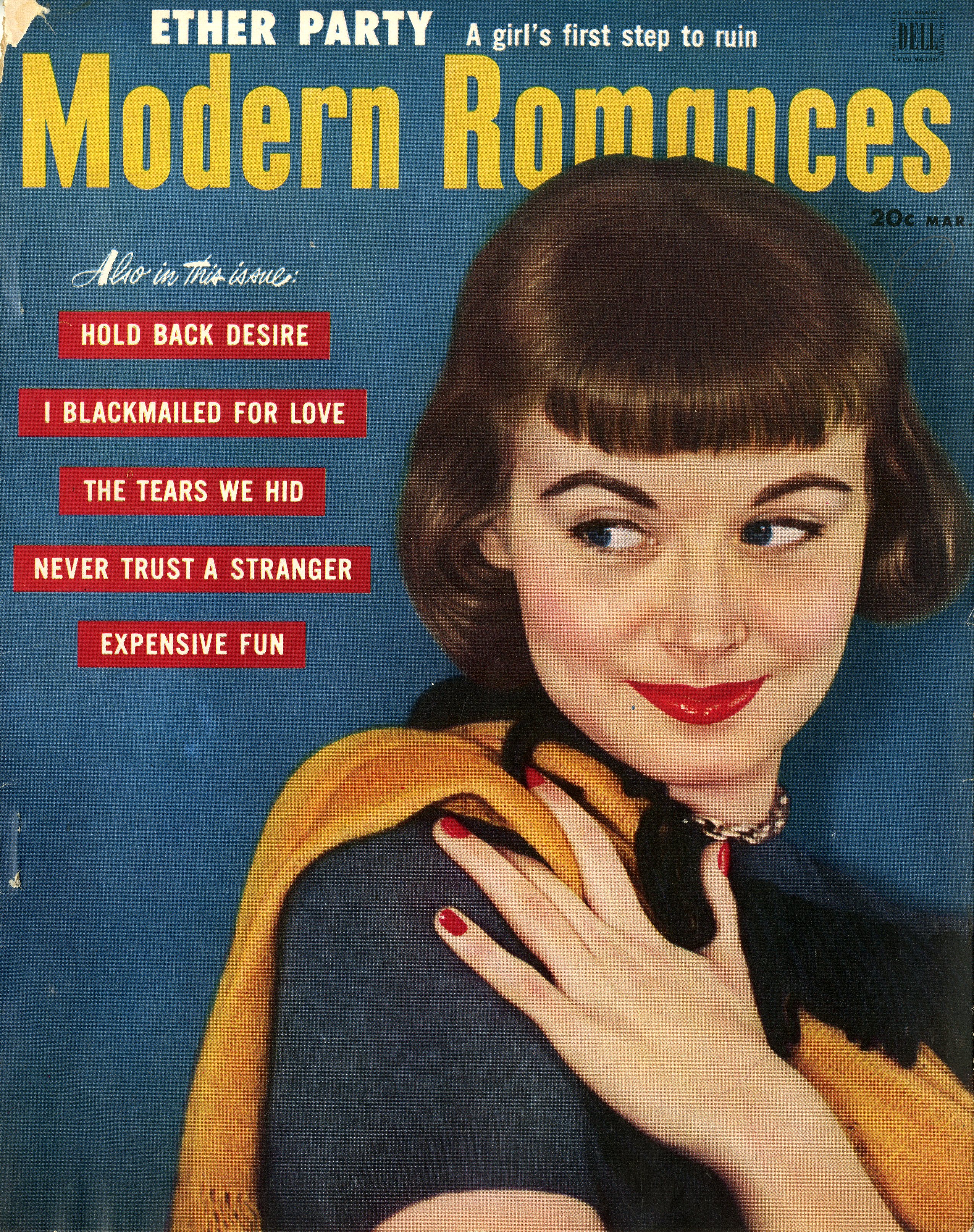
MODERN ROMANCES

Published by Dell, which was one of the largest publishers of magazines, including pulp magazines, Modern Romanceswas a long running true love magazine featuring short stories of love, passion, lust, divorce, and betrayal, usually all in one issue. The magazine was targeted toward “good girls” (don’t shoot the messenger, it was a different time) and showcased stories on how to get a man and keep him.

The March 1953 issue had a cover line that read: Ether Party – A girl’s first step to ruin. (I can only imagine) and I Blackmailed For Love. The magazine was over 100 pages and chocked full of stories such as those, along with ads galore. The tagline below the title on the table of contents page read: Every Family Begins With Romance. 

And it’s hard to argue with that.

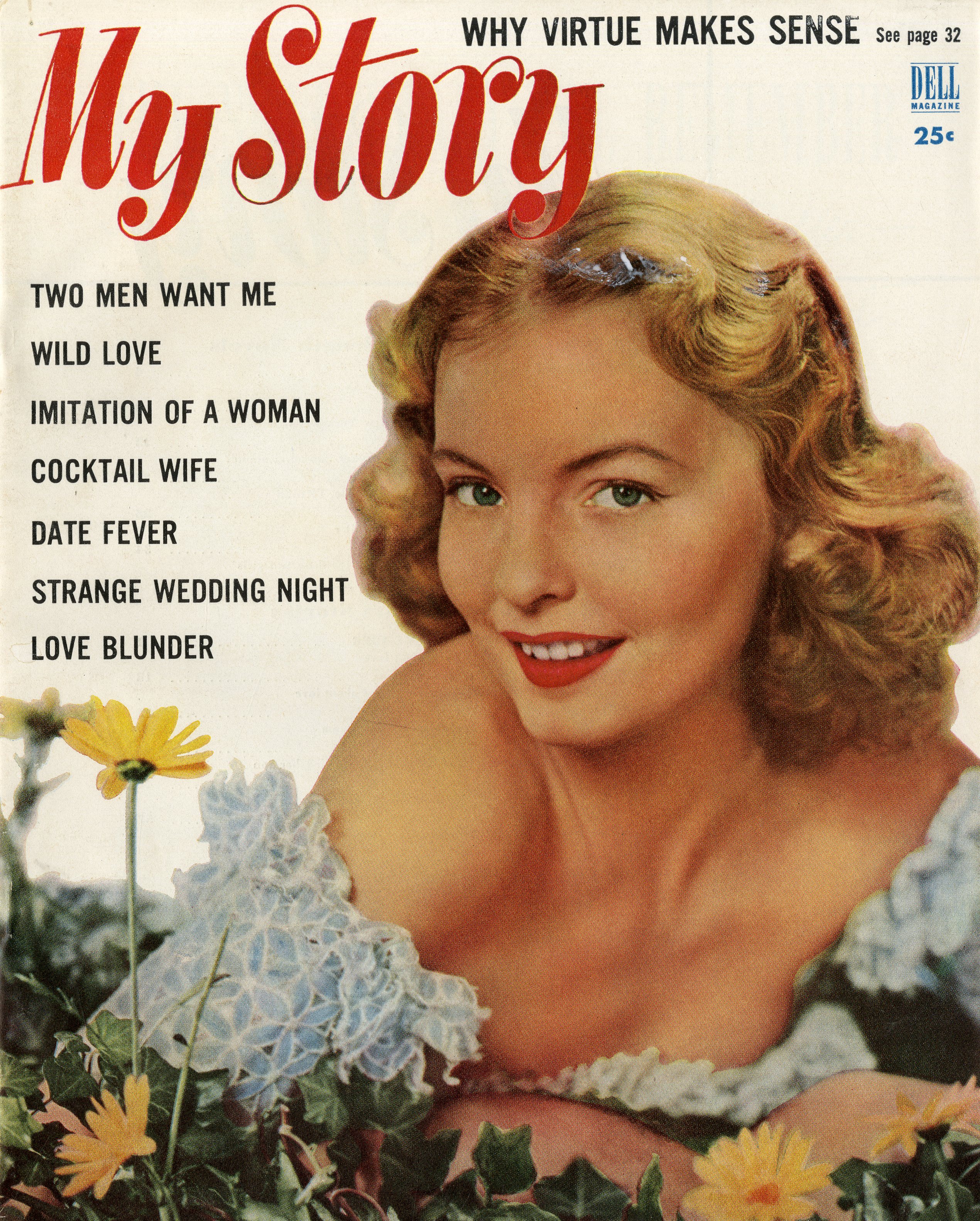
MY STORY

Love stories at their best, My Story was a Dell Publication that offered book length novels and short stories, along with articles that offered women advice on marriage, virtue, and her husband’s finances. It was published annually and had more of a high-quality appeal than the other pulp magazines.

The March 1953 edition had plenty of love stories, along with six complete book length novels. The young woman on the cover had a fresh appealing demeanor next to cover lines such as Cocktail Wife and Strange Wedding Night. The incongruity cannot be ignored.  

To be continued…