Archive for the ‘News and Views’ Category

h1

A Portable Museum Pampered with Serendipity and Loaded with Creativity: The Mr. Magazine™ Interview with Vintage Magazine’s Creator Ivy Baer Sherman

July 30, 2010


Think of Vintage magazine as a portable museum, beautiful, proficient and novel in every way, waiting for the visitors to enter and experience an ink on paper journey pampered with serendipity and loaded with creativity. The brainchild of Ivy Baer Sherman, the twice-yearly magazine was created in ” l’esprit de Flair” the Fleur Cowles legendary magazine that was published from Feb. 1950 to Jan. 1951 and was considered by many to be the showcase of what print should and can do: innovate, engage and experience.

Every page of the magazine is an experience. The ink, the type, the pictures, the illustrations, the paper, the inserts and the binding all combine to take the reader through a breathless journey that cannot be any more captivating, intriguing and of course engaging.

Vintage magazine is the proof positive that innovation in print is still alive, well and kicking. It is the proof positive that Ivy Baer Sherman’s dream of the “extraordinary physical draw of a magazine: the lure of stunning design; the striking sensation of ink on paper; the ravishing commingling of keenly-wrought words and fine art and editorial flair; the tactile quality of the read,” is fulfilled on each and every page of Vintage magazine.

Armed with the first two issues of Vintage magazine in hand, I asked the curator of this portable museum, Ivy Baer Sherman, few questions as I journeyed through the pages of the magazine. What follows are my questions and her answers:

Samir Husni: In a world so consumed with digital, why start a print magazine and not only print, but one that can’t be replicated in any digital form?

Ivy Baer Sherman: Ah, yes, the world is indeed consumed with digital, but people are as concerned with the device providing the digital content. The winding lines wrapping around Apple stores from pre-dawn hours as people wait (WAIT! In this age when an extra second for a download seems interminable) to obtain the latest Apple-phenomenon (no matter the economy) are testament to the fact that the look and touch and feel of an actual object – especially when it is beautiful and proficient and novel in every way – still count.

Thus, though there are those who assert that the day of the print magazine has come and gone, people will take notice if a magazine is beautiful and proficient and novel in every way. This has been the response to Vintage Magazine. The time is ripe to showcase what a magazine can be and do.

SH: Vintage magazine is the Flair of the 21st Century, what made you fall in love with Flair and what inspired you to create a Flair-like magazine?

IBS: I was introduced to Flair at a 2003 retrospective of the magazine, “Fleur on Flair,” at the Pratt Manhattan Gallery. At first glance I was struck by Flair’s beauty …and promptly judged the magazine, as we are taught to never ever do, by its exquisite cover. The distinguishing feature of a Flair cover was a die cut—which offered an artful glimpse onto the world within. Turning the cover revealed further delights—foldouts and fabulous illustrations—by Saul Steinberg, by fashion designer Rene Gruau; riveting writing—Salvador Dali on his search for a gypsy angel, Tallulah Bankhead on Louis Armstrong; short stories by Tennessee Williams.

I left the show acutely attuned to the extraordinary physical draw of a magazine: the lure of stunning design; the striking sensation of ink on paper; the ravishing commingling of keenly-wrought words and fine art and editorial flair; the tactile quality of the read. I knew then and there that I wanted to create a magazine in l’esprit de Flair.

SH: The magazine is very costly to produce, from the sewn binding to the inserts and foldouts. Can you explain the process of “giving birth” to each issue of Vintage.

IBS: A key element of the process is serendipity. I never approach an issue with a pre-calculated theme…rather the personality of each issue gradually evolves during the editing process as articles are honed and begin to share space with each other and with the art pieces. I work closely with the printer (Capital Offset Company) throughout the process, running by him ideas about paper, die cuts, the binding…to assess feasibility. Using the current issue as example – an article about the history of shopping bags was given the title It’s In the Bag…thus why not print the piece as a brochure that pulls out of a little shopping bag? The shopping bag is glued onto a page of the magazine and can be pulled out and used. The piece on typewriters by jazz critic Gary Giddins prompted the use of typewriter-like stock, fonts and the insertion of hand-crumpled pages to bring to mind the old-fashioned “yank paper from the typewriter/crumple/toss” method of pre-computer editing. The open binding, a defining feature of the magazine, shows off the inner workings of a magazine, its spine, its physical foundation – and the binding is a nod to the creative collaboration of printer, graphic designer, and editor.

SH: What are you trying to accomplish with Vintage?

IBS: Vintage Magazine aims to bring to the fore, through the eloquent voices of today’s writers and artists, the impact of history on our present culture. That said, I see the magazine as portable museum, of sorts, offering writers and artists a venue in which to explore and present topics in new ways. In so doing, I hope to provide readers with an informative and truly delight-full reading experience.

SH: What advice you will give someone coming to you and saying ‘I would like to start a new magazine…’

IBS: Go for it! But with a desire to create and not to copy. To stay true to a vision. Blinders are sometimes in order. This is okay.

SH: What about the future? Any plans to increase frequency? Where do you see Vintage five years from now?

IBS: The two issues per year model is deliberate and steadfast. No need for a monthly Vintage… rather readers should sit down with each issue, explore it, feel it, read the articles leisurely, take notice, return to an article or image over the course of time…let the magazine ripen with age.

In terms of five years from now, I plan for the magazine to remain a twice-per year surprise. But I aim to offer a digital presence – not a replica of the print, but another Vintage venue in which to allow artists and writers to explore the possibilities of digital art, design and writing.

SH: Thank you.

h1

The Power of Print: “In Your Face” Cover Forces You to Stop TIME and TIME Again

July 29, 2010

In this “all things digital” age, one have the tendency to forget how powerful print can be if it is used to deliver what it is supposed to deliver: powerful, relevant, necessary and sufficient information. Be it pictures or copy, the lasting impact of a cover image, staring you in the face, on the newsstands, in your mailbox, or on your coffee table, will never be matched with a digital image on a platform that “now you see it, now you don’t.”
Case in point, the cover of TIME magazine this week. In the words of TIME’s managing editor Richard Stengel, “Our cover image this week is powerful, shocking and disturbing. It is a portrait of Aisha, a shy 18-year-old Afghan woman who was sentenced by a Taliban commander to have her nose and ears cut off for fleeing her abusive in-laws.”
Print in general, and magazines in particular are much more than content providers. If created for the purpose they were invented, to be experience makers rather just mere content providers. Readers and customers will not feel the need or the urge to go to other sources to engage in a “powerful, shocking” and even “disturbing” experience. A job well done in print is an experience of a frozen moment in time that you can relive time and time again.
Of course, you don’t have to take my word for it. Pick up a copy of this week’s issue of TIME magazine and let your own experience begins. Trust me, it will be relevant, powerful, and yes, sometimes disturbing, but above all it will create an addictiveness that will leave you asking for more.

h1

Re-imagining the Future While We Still Have Time: Magazine Innovation Center’s First ACT Experience: Coming this October, Three Days of Magazines, Music and Mississippi

July 16, 2010

The Magazine Innovation Center is proud to announce the first ever Magazine Innovation Center Experience. Named ACT for Amplify, Clarify and Testify, the event will be held on the campus of The University of Mississippi in Oxford, Mississippi from October 20 to 22, 2010. The first ACT experience is themed “Re-Imagining the Future While We Still Have Time,” and is slated to be the first “think-and-do” meeting for folks interested in the future of the magazine business. To keep the Experience interactive and engaging–exactly like our magazines–the ACT Experience will be limited to the first 100 people who register for the event.

Thomaz Souto Corrêa, (upper left hand followed by alphabetical order clock-wise) vice president of the Editorial Committee for the Abril Group in Brazil will be the opening keynote speaker for this exciting new annual event. In addition to Mr. Corrêa the following keynote speakers have been confirmed for the first Magazine Innovation Center experience; however, more are sure to be added as well. They include Baird Davis, circulation consultant to the magazine publishing industry; Stephen Duggan, president, Athlon Media and former Chief Executive Officer of Alpha Media Group, publisher of Maxim magazine; James G. Elliott president of the James G. Elliott Company, Inc.

Roger Fransecky
, founder/CEO of The Apogee Group, a global management consulting and leadership development organization, will be the welcoming keynote speaker setting the stage for the entire experience. In addition, John Harrington president and CEO of Harrington Associates; Lisette Heemskerk, managing director, Mood for Magazines, The Netherlands; David McDonald, CEO of Sunshine Media Group; Bob Sacks, founder and president of the Precision Media Group; Haines Wilkerson, Chief Creative Officer of Morris Visitor Publications; and Samir “Mr. Magazine™” Husni, founder and director of the Magazine Innovation Center.

The first ACT experience will include focus on five tracks and will be divided into two and half days of think-and-do activities. On Wed. evening Oct. 20, 2010, a welcoming keynote on “Re-Imaging the Future While We Still Have Time” by Dr. Fransecky will kick off the Experience. The Experience continues on Thursday with presentations by all keynote speakers from morning until mid-afternoon, followed by a trip and tour of the Mississippi Delta, home of the Blues. On Friday, the focus shifts to the tracks of interest among the participants. There will be five tracks to choose from – editorial, consumer marketing, successful magazine launching, advertising and marketing, and the digital future. Participation will be limited to 20 individuals per track. One can register for up to two tracks based on first come and first serve basis. The Experience will conclude at the end of the day Friday with closing remarks from Samir “Mr. Magazine™” Husni.

So, if you are interested in learning and doing something about the future of the magazine industry, now is the time to ACT. Join the Experience and register for three days of Magazines, Music and Mississippi. Click here to start the Experience.

h1

A Must-Have Magazine History Book: The Magazine Century

July 13, 2010

My friend, magazine educator and colleague, David E. Sumner has just released his latest book: The Magazine Century. The book traces the history of American magazines from 1900 until 2000. I had the opportunity to review the book before it was published. It has been a long long time since I had a magazine book in my hands that I was not able to put down until I finished every single word in every single page. What a wealth and depth of the history of American Magazines in the 20th Century. When I say a must-have, I mean must-have.

Here is what I wrote in reviewing and supporting the book and its mission:

Taking a page from the legendary magazine publisher Henry Luce, who termed the twentieth century ‘The American Century.’ David E. Sumner aptly adapts his magazine history book and names it The Magazine Century. The book scans the magazines of the twentieth century and provides the reader with a carefully crafted buffet of historical nuggets — enough to engage its audience with an amazing experience that leaves them satisfied and wanting for more at the same time. The love affair with magazines that this book offers is a historical asset to anyone thinking of starting, studying, or even dreaming about launching a new magazine. It is the cornerstone of our past, from which we can live our present and better prepare for our future. A must-read for anyone who ever doubts the power of magazines and their place in our history.

To order your copy of The Magazine Century by Professor David E. Sumner, click here.

h1

The 25th Edition of Samir Husni’s Guide to New Magazines is Here…

July 10, 2010

The 25th edition of my Guide to new magazines has just arrived and what a wonderful silver wrapped surprise. My printer and sponsor of the Guide Fry Communications, Inc. has done such a wonderful job printing this latest edition of the Guide. Seeing is believing. You have to hold the Guide in your hands to see and behold the power of print and what print and printers can do today to your magazines and books. The picture to your left does not give the Guide or the cover justice whatsoever.
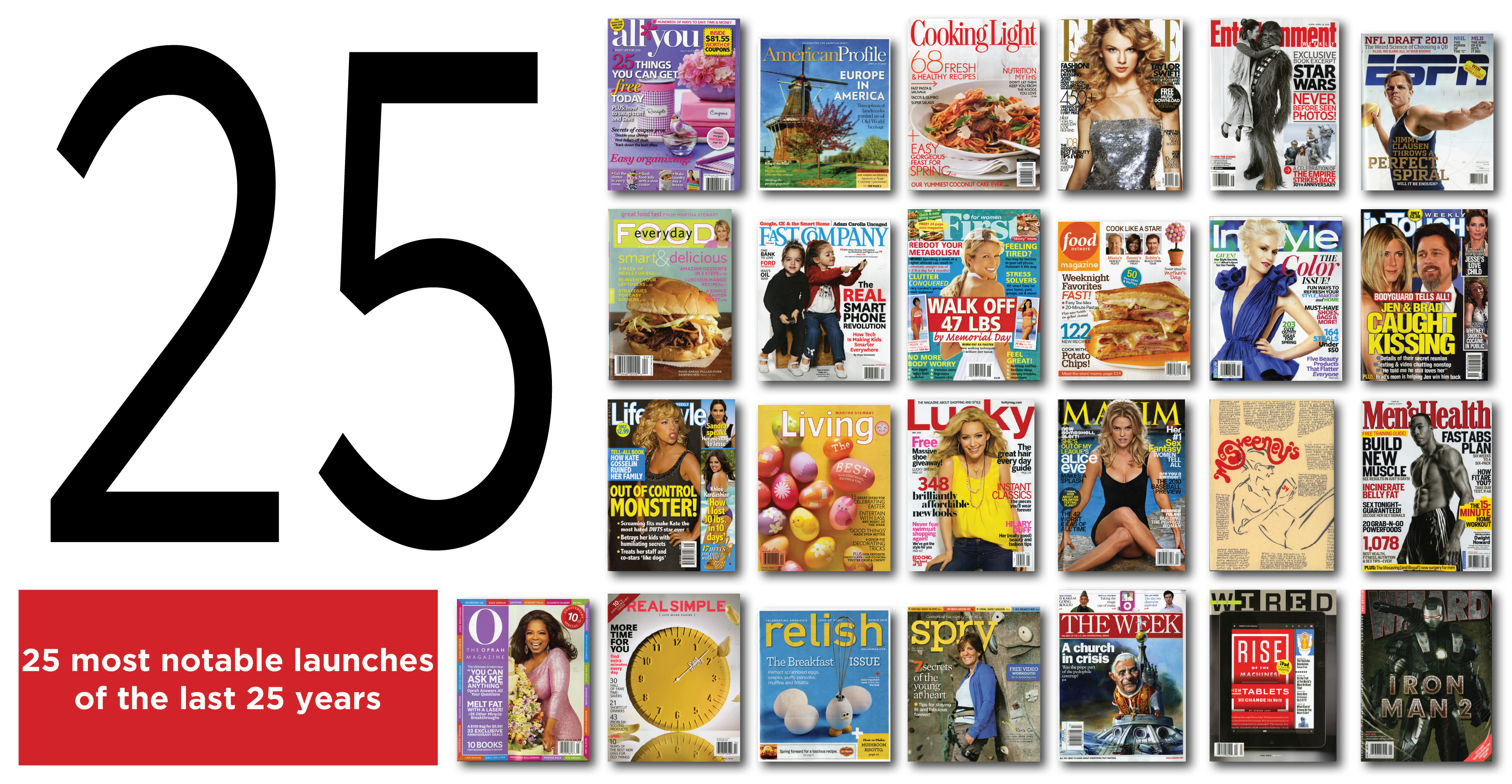
The Guide lists all 704 new magazines that I was able to find, code and classify. It also lists my picks for the 25 most notable magazines from the last 25 years. You can order the Guide here and check the list of the 25 most notable magazines here.
Thank you one and all for a wonderful 25 years of ink on paper magazines. I am looking forward to the next 25 years. All the best.

h1

Mr. Magazine™ on The Magazine Experience, Digital and Technology, and All Things Magazinish! A Blog Post #500 Celebration

July 8, 2010

What impact do technology and the digital world have on magazines as we know them? Is the magazine industry driving technology and digital or is digital and technology driving the magazine industry? What about the future? What about content? Does the platform matter if we are only in the business of delivering content? These and many other questions were posed to Mr. Magazine™ by journalist Mykki Newton who is one of my colleagues at the University of Mississippi and is working on a documentary on Media and the Future. Mykki was gracious enough to allow me to use two parts of the interview to celebrate the Mr. Magazine’s™ 500th blog post.

h1

56 New Regularly Published Magazines and 155 Annuals and Specials, Help 2nd Quarter of 2010 Exceed that of 2009 by 44 Titles

July 6, 2010

Wow, what a second quarter of 2010 for new magazine launches. The marketplace witnessed the birth of 56 new titles with an intended frequency of four times or more in addition to 155 annuals and specials bringing the total for the second quarter of 2010 to 211 new titles arriving at the nation’s newsstands for the first time.

The overall total for the second quarter exceeds that of the second quarter of 2009 by 44 titles. In the second quarter of 2009 there were a total of 167 titles from which 52 had an intended regular frequency of more than four times a year.

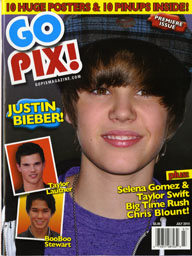
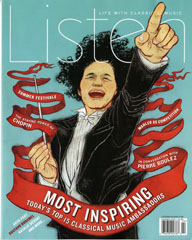
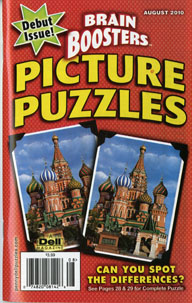
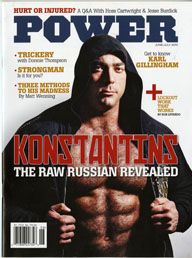
Needless to say that the special interest publications with their hefty cover prices of $10.99 and $11.99 are becoming the norm to the big publishers such as Time Inc. and Reader’s Digest, however quite a few of mid size to small publishing houses still have big belief in the retail marketplace that they continue to bring out monthlies and quarterly magazines covering every topic possible aimed at every age possible from the young to the old as the images of some of the new titles arriving to the marketplace recently illustrate.

By the way, did I fail to mention that all of the above mentioned magazines and numbers are based on ink on paper magazines that I did purchase each and every one of them from the nation’s retail marketplace. Why don’t you do the same and pick up a magazine or two and experience the wonderful world of ink on paper magazines. It is not the same experience as digital. Guaranteed.

(Addendum): And here’s one more stat worth mentioning in response to a friend’s e mail:
So far this year has proven to be the best yet… In the first half of 2007 a total of 356 titles first appeared on the nation’s newsstands, in 2008’s first half 285, 2009’s first half 327 and so far in the first half of this year 380. Amazing and resilient!

h1

Celebrating the new blood of the magazine industry: 25 Notable New Magazines from the last 25 Years

June 28, 2010

New magazines are the new blood that runs through the veins and arteries of our industry. They are what gives our industry the constant pulse that keeps the industry well, alive and kicking. In celebration of my 25th anniversary of Samir Husni’s Guide to New Magazine I revealed earlier today, at the Retail Marketplace Conference that is hosted by the Magazine Publishers of American and the Periodical & Book Association of America in Boston, Ma, the names of 25 notable new magazines published for the first time between 1985 and 2010.

What follows is an adaptation of my presentation at the conference and the list of the 25 notable new magazines of the last 25 years.

25 Notable Magazine Launches from the last 25 Years

Over 25 years I have counted, collected, coded and consulted thousands of magazines. There have been good years, bad years, strange years and frustrating years; but every year has been an enjoyable year. When I started, there were people telling us that magazines were dying, that television was choking their life away. There were folks saying print was dead, and that I hadn’t yet caught on to changing trends.

The following list 25 notable magazines from the last 25 years is dedicated to those individuals who have been saying we are publishing in vain and that magazines are a soon-to-be-extinct medium. They were wrong 25 years ago, and they are still wrong and you will continue to be wrong. To paraphrase Roy Reiman’s famous advice for those who want to start a new magazine, the magazines in this list know how to be different and know how to be better.

The options were endless. A lot of magazines had a great run for years and then changed ownership and with that their days of glory faded. Some were ground breakers, but the copy cats came along and outsmarted and outperformed them. Some continued to be true to their DNA from day one and thus rose to the top of the pile..

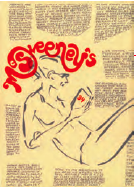
Magazines like McSweeney’s show that the magazine buyers in America are hungry for unique, quality products. You won’t find a more innovative magazine on the newsstands or a more devoted readership. But aside from uniqueness, all of these magazines share three common characteristics: recognition, repetition and addiction.

Magazines like Lucky and Spry recognize who their audiences are and can better address their needs, wants and desires. This recognition is paramount because no magazine can be successful when it doesn’t know who its audience is. All magazine audiences want a level or repetition. They are not looking for the same story issue after issue, but read over the cover lines of Men’s Health for the last year. Men’s Health will always talk about better sex and better abs. This doesn’t make the magazine boring, it helps readers know what to expect at the newsstands. Repetition is all about developing a formula that matches up readers with content and sticking with what works. By sticking with that formula, these magazines have built addictive content. Just like Wizard magazine has done, once readers are addicted to the product you are producing, you have an audience that no economic downturn or increase in paper prices can destroy.

This list has magazines that have shown this is the medium that understands the American people, focuses on the positives in life and seeks to provide service to millions of readers every issue. No other medium can make those claims, and no other medium is as trusted, loved and celebrated as the magazine medium is. Even with such new inventions as the iPad, nothing can take the place of my first love.

Choosing the most notables of the last quarter century was not an easy task. However, when all was reviewed and checked 25 magazines climbed to the top of the thousands plus ladder. They are listed by historical order and they have three things in common: They all are still being published; they all stayed true to their DNA; and they all cared from day one about the customers who count and not counting customers. Readers were the customers of those magazines and this list shows you why.

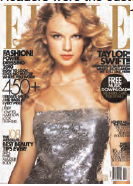
1985 Elle
As a small magazine that challenged the fashion big wigs, Elle soon became the centerpiece of the fashion publishing world. The first import from France whish now shares a brand with 42 other international siblings. It dared to sell an idea rather than a business plan and the dare worked.

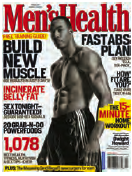
1986 Men’s Health
When you come up with a formula that works, stick with it. That’s what Men’s Health has done for years and it still draws in millions of readers every month.

1987 Cooking Light
If you ever question the viability of print, just take a look at Cooking Light. This magazine hasn’t stopped growing in circulation and advertising since it hit the newsstands almost 25 years ago.

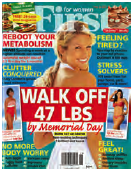
1989 First for Women
Not all business models are created equal. By distributing in shopping carts and not requiring retailers to return cover price revenue for sold magazines, Bauer carved out a section of the magazine industry all for themselves.

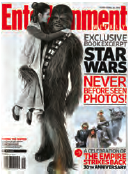
1990 Entertainment Weekly
Despite a slow start, Entertainment Weekly is now the source for all things entertaining. Over the last 20 years, this example of success has followed pop culture and given us great writing and photography.

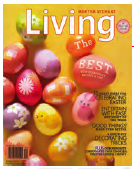
1990 Martha Stewart Living
Martha Stewart Living shows how powerful print can be in branding not just a category of interest but also an individual. As an offshoot of her television show, MSL defined home and home Service magazines.

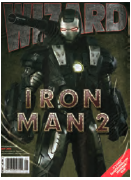
1992 Wizard
Wizard makes you wonder if anyone over there could see into the future. Since before comics were a pop culture craze, Wizard has been dishing out all the information about anything and everything comic related.

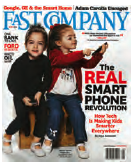
1993 Fast Company
Fast Company proves that the good survives. With its launch before the dot com bust of the 90s, Fast Company has earned its keep by showing that no matter the economy, good content can sell.

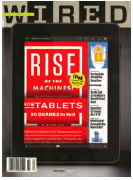
1993 Wired
Wired understands that all things electronic and innovative are a lifestyle–or to be more exact—an obsession for some people. Just like the technology in its pages, there aren’t very many magazines in this category that have survived the test of time, but
Wired has and it is growing.

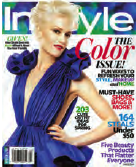
1994 InStyle
Success breeds success they say, and InStyle is a great example. With its start in the pages of People magazine, InStyle has grown into the source for celebrity-obsessed
Americans. The first magazine to humanize celebrities and show them shoeless in its pages.

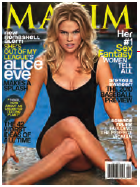
1997 Maxim
Maxim proves there is no such thing as a dumb idea. Despite everyone saying it would never work, Felix Dennis launched Maxim and was soon the owner of a 1 million plus circulation title.

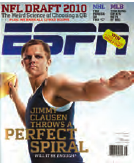
1998 ESPN
As a magazine that was multiplatform before multi-platform was even a term, ESPN the Magazine proved that great writing and photography can allow you to challenge anyone, even the biggest sports magazine on the market.

1998 Timothy McSweeney’s Quarterly Concerns
McSweeney’s is based on innovation from frustration. After roadblocks concerning the current business model, Dave Eggers launched McSweeney’s. There is no denying that this magazine is quite possibly the definition of innovation.

2000 American Profile
Knowing your audience and providing them with great content will always be a successful formula. The Publishing Group of America took this advice to heart and is still benefiting from this 2000 launch.

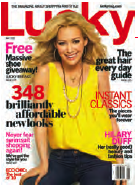
2000 Lucky
Luck had nothing to do with the success of this title all about shopping. By taking a successful trend overseas and adapting it to the American market, Lucky magazine transformed a common activity and made a successful business

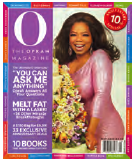
2000 O, the Oprah Magazine
What can you say about Oprah’s magazine? It’s a great extension of an individual who has proven she knows how to market herself and package her brand

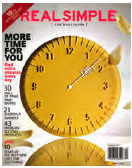
2000 Real Simple
On a newsstand dominated by women’s magazines full of sex, celebrities and chocolate,
Real Simple proved these weren’t necessary for a good launch. Millions of readers and advertisers agree each month.

2001 The Week
The Week is the curator of the best journalism money can buy and the publication that makes even the most ignorant aware of what is going on in the world. It also personifies the Mr. Magazine tagline of more information in less time and less space.

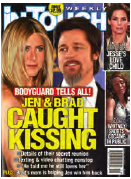
2002 InTouch Weekly
The fast and fun content of InTouch Weekly is perfectly in line with the expectations of the 800,000 weekly readers of this celebrity title. It proves again that knowing your reader is still key to a successful magazine.

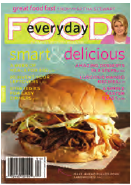
2003 Everyday Food
Everyday Food is the little engine that could of the newsstands. No one thought that Martha Stewart could launch a successful title after her court troubles, but this title showed that Martha still knows this category front to back.

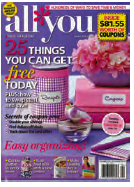
2004 All You
As a great partnership between the country’s largest retailer and one of the country’s largest magazine companies, All You shows that it doesn’t have to be difficult to find customers where they are.

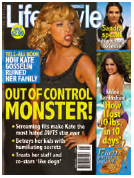
2004 Life & Style Weekly
As another magazine that traces its roots back to its sister InTouch magazine, Life & Style Weekly proves that the successful apple doesn’t fall far from the tree.
It’s a spin-off, but it lacks none of the quality of the original.

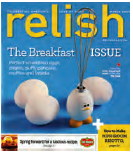
2006 Relish
Circulation of 6 million is a great goal, especially when it’s the initial circulation at launch. But that 6 million is nothing now that you see Relish has a circulation around 15 million.

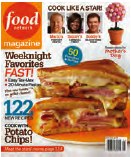
2008 Food Network Magazine
When asked what would make their experience better, hundreds of thousands of Food Network viewers said they wanted a magazine. Now with a circulation of 1.4 million,
Food Network is skyrocketing on the newsstands and mailboxes.

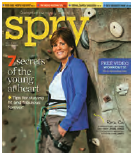
2008 Spry
As a newspaper supplement focusing on health and well-being, Spry quickly found its niche and carves out a spot among its 9 million readers. This is a great addition to America’s hurting newspapers. Maybe the Spry visit will be what the doctor’s prescribed for a healthy newspaper.

I would love to read your comments on the aforementioned selections and which magazine do you think deserves to be THE MOST NOTABLE LAUNCH of the last 25 years. Enjoy.

h1

What is a magazine, really? The debate goes on…

June 25, 2010

My friend Joe Berger who describes himself as “a newsstand sales consultant (single copy sales consultant?), husband, father, recent convert to gardening, sometime avid cyclist” recently took me and Bob Sacks to task regarding our definitions of what a magazine is and is not. He wrote on his blog From the Foredeck of the Titanic an entry under the title: Husni Vs. Sacks: Who’s right? Who wins? Does it matter?

Dr. Samir Husni aka Mr. Magazine, ( mrmagazine.wordpress.com ) has developed a well deserved reputation as a defender of the printed magazine. He loves them, collects them, teaches about them to college students. And in the era of digitized content, declares very eloquently that they are not obsolete. As somebody who is acutely aware of the fact that more than 80% of his income still comes from ink on paper magazines, I applaud Dr. Husni.

On the reverse side of the same coin, Robert Sacks (aka BoSacks.com), a leading publishing industry consultant refers to himself (and apparently Dr. Husni concurs) as Samir’s “very good friend”, but debates him just the same about the future of the printed magazine. Like all good consultants, Sacks opines that the future of the printed magazine is essentially one where it will be niche and pull in significantly less revenue for publishers as the world goes digital. In fact, Sacks is such a forward thinker, that he and his staff came up with a definition of a magazine that does not include paper or ink (or staples, for that matter). I realize that in ten years or so more than 80% of my income might come from this new definition of a magazine, so I applaud BoSacks too (although may be more of a polite golf clap).

To read the rest of Joe’s commentary click here.

h1

25 Years of Samir Husni’s Guide to New Magazines and Still Counting…

June 21, 2010

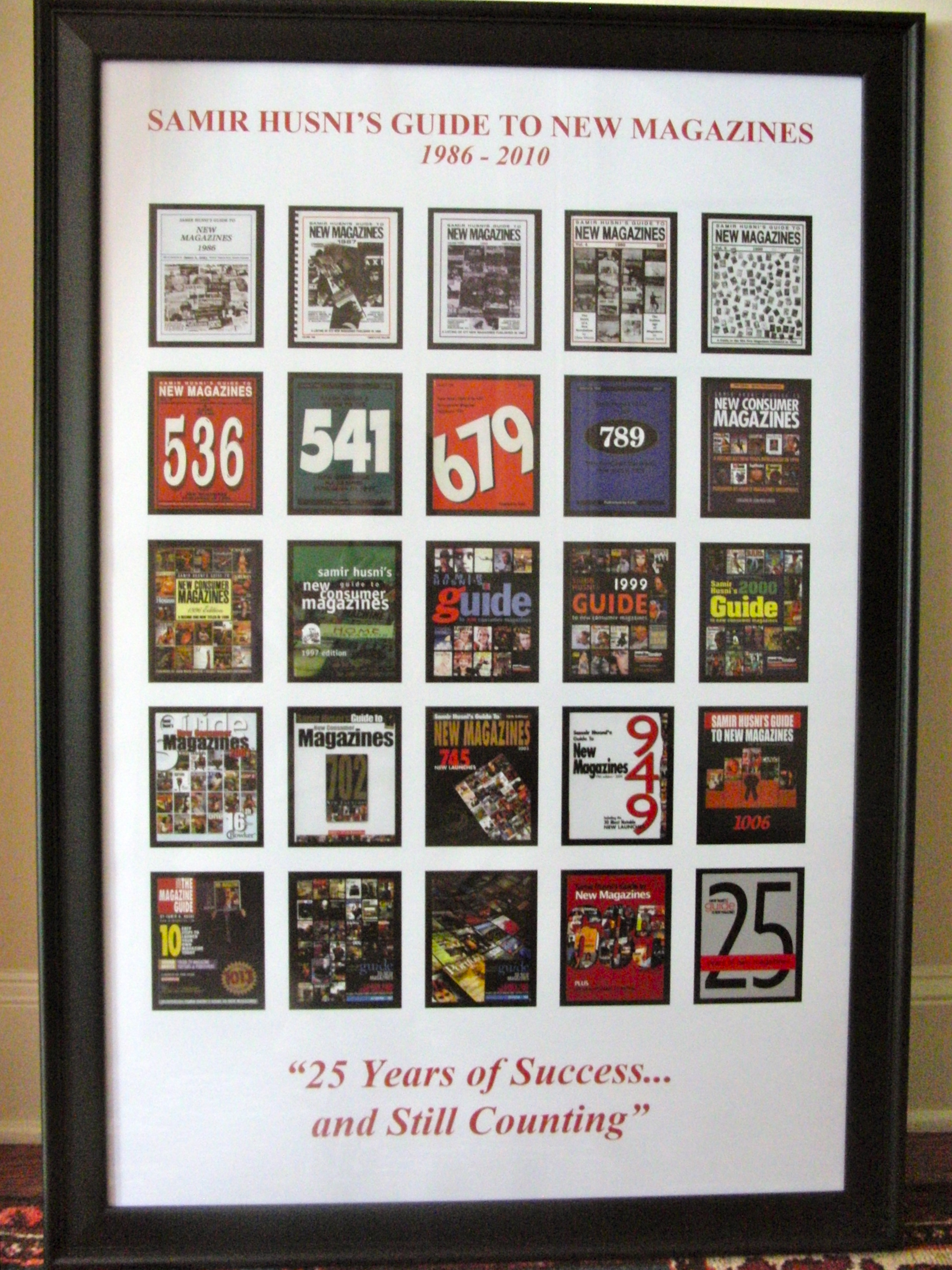
As much as I try to avoid writing about personal stuff in this blog, however the gift I received from my kids (picture on the right) for Father’s Day yesterday forced this blog to be written.

25 years ago, in 1986, I published my first Samir Husni’s Guide to New Magazine listing the 234 new magazines that I was able to find and document in 1985. In few days the 25th Anniversary edition of the Guide will be out listing 704 new magazines that were first launched in 2009.

The Guide has been and continue to be a labor of love. The name came from my wife who suggested calling it Samir Husni’s Guide just in case I missed a magazine launch here or there. My kids, who accompanied me on many many trips to the newsstands and witnessed my love affair with magazines first hand, rewarded me on this 25th anniversary year of the Guide with a poster that they designed, scanned, printed and framed with all the 25 covers of the Guide.

And, so I will not think they are asking me to stop, they wrote on the poster, “25 Years of Success… and Still Counting.” They assured me that the “counting” is a “pun intended!” Thank you Marie for helping give birth to the Guide and thank you Diala, Laura and Afeef for the best Father’s Day gift yet. And for the thousands of publishers of new magazines, thank you for the first 25 years of new magazines and here’s to the next quarter century of new magazine launches… that is ink on paper new magazine launches. Cheers.