From American Frontiersman to the Zombie Nation (a magazine that was first published in May 2012 and re-issued its premier issue again in Dec. with a different on sale date), 2012 was the year for running the gamut on niche magazines. You could be a Modern Woman while admiring the Beautiful You, all with the flick of a page.
For those naysayers who are crying from the rooftops that print is dead, check out these facts:
There were a total of 870 new titles on the newsstands in 2012, with 242 of them publishing with a regular frequency. Not since 2007 have we seen numbers that impressive. In that illustrious year (2007) there were 715 total new magazines, with 248 publishing regularly.
The categories reflect the specificity that publishing today demands; from art to women’s interests, being a niche market was the bulls-eye to aim for. Success fairly oozed from the pointed hit almost each and every time. While the epicurean delights still ruled book-a-zine-land and special interests overall, lifestyles came in at a close second. To see new print titles exceed the numbers from 5 years ago only reinforces my mantra: You can’t keep good ink on paper down; at least, not for long.
My top 5 Most Notable Launches for 2012 could be described as eclectic and controversial as the year itself. But the criteria for a notable launch is based on so many different factors that have absolutely nothing to do with tragedy and horrific events from our world today, yet magazines can’t help being the mirror from which society’s reflections are made visual.
Take the year’s Most Notable Launch overall, there was a tie for 2012:
1. Recoil
2. Highlights Hello
These two magazines go from one end of the spectrum to the other. With Recoil, you have an artfully-done, gun-lifestyle magazine that is selling for as much as $125 an issue on e-bay. Unbelievable, you might say, nevertheless, very true. For the gun enthusiast, this magazine is the answer to a prayer and proudly promotes the Second Amendment without apology.
Controversy surrounds this publication today, in more ways than one, as Recoil’s editor, Jerry Tsai, resigned in Sept. 2012 after basically calling Recoil’s support for the Second Amendment rights into question. It was too late after Tsai said that MP7A1’s were unavailable to citizens and for good reason. No amount of retraction, or good intentions could fix it, so Tsai resigned.
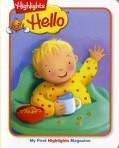
Then you have the other end of the rainbow where bright colors and children’s laughter live: Highlights Hello magazine.
Highlights Hello received the Magazine Innovation Center’s inaugural award for Excellence at the 2012 ACT 3 Experience. Aimed at children aged 0-2, the magazine is filled with things very young children can grasp and grow with. It displays the hope we have for the future through our children.
3. Dujour
4. Howler
5. Cosmopolitan for Latinas
The last three are unique and engaging in their own right.
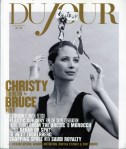
Dujour is a magazine that takes no prisoners and asks for no forgiveness. The upscale magazine targets an audience with a net worth of $5 million or more. That in and of itself, speaks volumes (no pun intended) and shows why it made the top five; for bravery alone, yes, but also because it’s a well put-together magazine that is a joy to read and to simply hold in your hand.
Howler Magazine is a new magazine about soccer, but it’s so much more than that. It’s a completely independent project that promoted itself through social media and word-of-mouth and was publicly and crowd-funded. It’s an amazing endeavor that shows initiative and courage and is a pleasure to read. It’s built on the same principals as this country: if you can dream it and you work hard; you can do it.
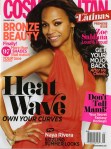
Cosmopolitan for Latinas is a magazine which shows how important diversity and fragmentation are in our country today. We are a melting pot of ethnicities and this magazine takes one section of that pot and works it to good advantage. It is enlightening and ingenious and a welcomed addition to our industry.
So, as we reflect upon the year 2012, and on all its joys and excitements, let’s remember that magazines exist to provide our readers with an experience they’ll never forget. And I believe we can all agree 2012 has provided that and so much more.
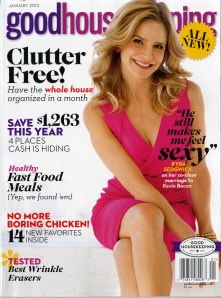
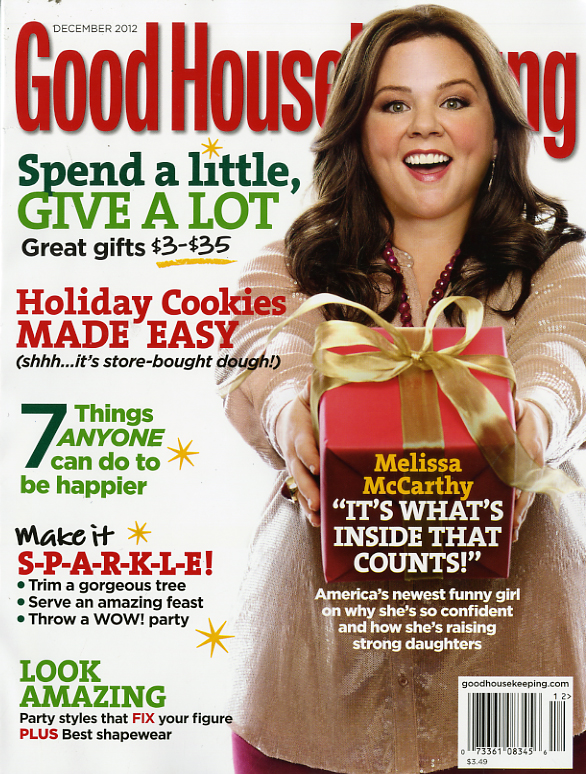
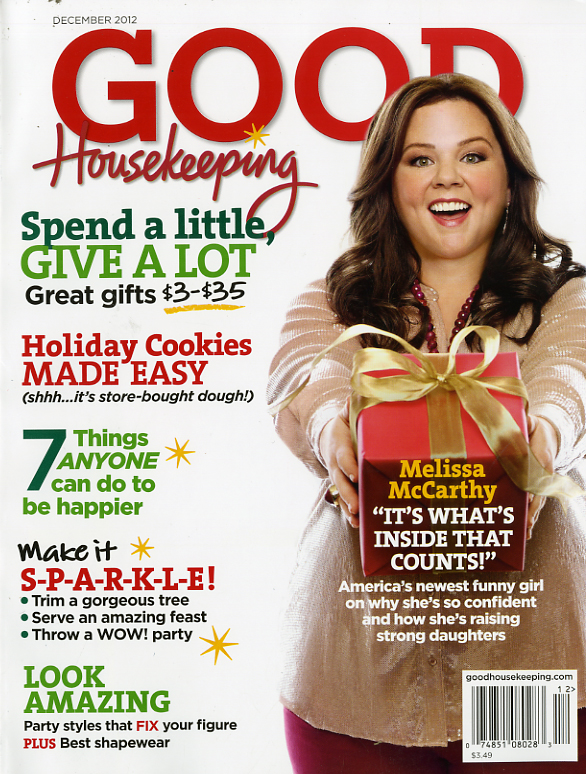
Simply because the technology makes it possible, it does mean that it has to be used. Technological advances in printing have made it possible to stop the presses, change the plates, and have several different covers of the same issue of a magazine, all at a fraction of the cost. Magazines now-a-days are using technology and all the new technological advances as if there is no tomorrow. It is reaching the stage where every magazine, or so it seems, is using different cover images and cover lines between those on the newsstands and those mailed to the subscribers. Magazines are producing more than one cover of the same issue hoping that folks will buy all three, four, or even eight collectors’ covers. They are testing different logos, cover lines and designs in different markets.
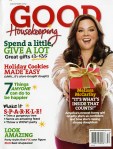
Case in point the January 2013 issue of Good Housekeeping. The magazine, with a lot of fanfare, announced its newly designed and revamped magazine focusing more on GOOD and less on Housekeeping. After few months of testing the magazine settled on a logo that was adopted for use starting with the January 2013 issue. However, to my surprise, I was able to find yet another logo being used on the January issue that was not tested before. So I asked Rosemary Ellis, Good Housekeeping’s editor in chief, “why are you testing more logos after settling on the new one?” Her answer, “We are always testing cover elements, no matter when. We love the new logo and have a lot of confidence in it.” Take a look at the new logo, the new tested logo and the previous logos from December.
The newly adopted and promoted logo:
The “yet-one-more” tested logo
And the December three used logos: the traditional one, the tested one and the newly adopted logo:
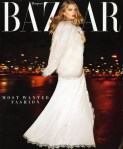
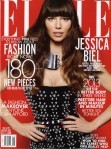
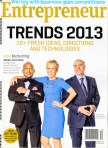
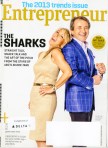
While magazines are always testing different elements on their cover, as Ms. Ellis told me, others have adopted a style that they’ve used for some time now. Harper’s Bazaar, ELLE, and Entrepreneur are three examples of magazines that always offer their subscribers a different cover than that on the newsstands. Take a look:
Harper’s Bazaar (Single copy sales cover followed by subscribers cover):
Elle (Single copy sales cover followed by subscribers cover):
And Entrepreneur (Single copy sales cover followed by subscribers cover):
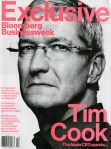
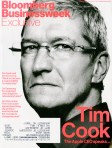
And Bloomberg Businessweek does the same as above, but every now and then (Single copy sales cover followed by subscribers cover):
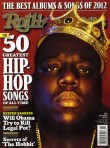
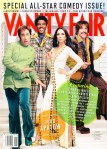
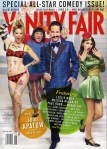
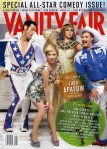
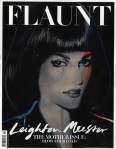
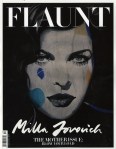
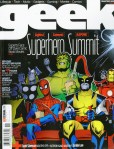
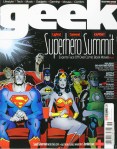
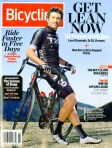
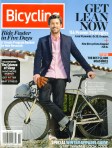
Other magazines are using the technology to offer as many different cover images or cover lines as possible. The purpose, of course, is someone besides me, is going to collect every cover and pay three, four, five and in some cases 20 and 25 times the price of the magazine, so he or she, will be the proud owner of all the “collector’s covers” of the same issue. Take a look:
Rolling Stone’s The 50 Greatest Hip Hop Songs of All Times:
Vanity Fair’s All-Star Comedy Issue:
Flaunt’s The Mother Issue:
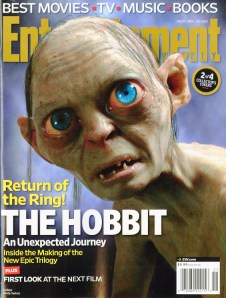
Entertainment Weekly’s The Hobbit Issue:
Geek’s Superhero Summit issue:
Bicycling’s Get Lean Now issue:
And W has four covers in January, Hunger two covers, Thrasher four covers… the list goes on and on… So, my question, do we really need all these covers? Are the customers (readers) really falling for this “collector’s” trick? Or, it is just a “treat” for the editors and art directors to have more than one cover because it was “so hard to choose, so we opted to use all options.”
Either way, it is always fun to see this wonderful world of magazines with all the tricks and treats that it provides day in and day out.
By the way, during this holiday season, why don’t you give the gift that lasts all year long. Buy a magazine subscription to a friend or two. They will be reminded of your gift every time an issue arrives. It is the only gift that keeps on giving! Happy holidays and all the best for the New Year.
Before digital ever took its first breath, in 1937, J.R.R. Tolkien published The Hobbit to critical acclaim. And with the new release today of Director Peter Jackson’s movie version, it’s proof again that print is, even 75-year-old print, the springboard for today’s media. From apps to the web, from television to radio; print has embedded its image into many different forms of media, like fossils into stone. No other medium has had such an impact on communication.
The buzz The Hobbit is generating is palpable. The British magazine, Empire, has 5 different 3-D collectible covers, all $11.99 each. Rolling Stone dedicated an entire collector’s issue to the movie, also priced at $11.99 and so did Topix Media Lab, priced at $7.99. Entertainment Weekly has 4 different collector’s covers at $4.99 each. And Harpercollins has “The Hobbit: An Unexpected Journey,” which showcases art concepts designed by the film’s art directors, priced at $39.99.
While this is not a new phenomenon, it is a simple reminder that print was, is, and will continue to be the trampoline that other media uses to attain their heights of grandeur. Notice I did not say, “delusions of grandeur,” because most certainly there are no delusions that digital and its counterparts are successful in today’s world.
However, print integrated within that success is an important variable.
So as you watch the movie, take a look at what you can bring home, display on your coffee table and relive the adventure time and time again…
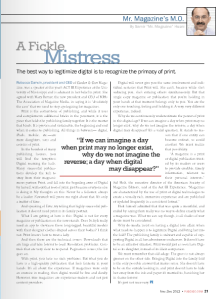
A Fickle Mistress
The best way to legitimize digital is to recognize the primacy of print.
Rebecca Darwin, president and CEO of Garden & Gun Magazine, was a speaker at this year’s ACT III Experience at the University of Mississippi and is adamant in her belief in print. She agreed with Mary Berner, the new president and CEO of MPA The Association of Magazine Media, in saying it is “absolutely the case” that we need to stop apologizing for magazines.
Print is the cornerstone of publishing, and while it uses and complements additional bricks in the pavement, it is the piece that holds the publishing family together. It is the mortar that binds. It is proven and sustainable, the beginning and end when it comes to publishing. All things in between— digital, iPads, mobile, etc.—are mere daughters, sons and cousins of print. In the boudoir of many publishing houses, you will find the temptress Digital roaming the halls.
Many successful publications develop the itch to stray from their magnanimous partner, Print, and fall into the beguiling arms of Digital by herself, without that root of print, just because everyone else is doing it. My thoughts on this: Never be a follower, always be a leader. Newsweek will prove me right about that. It’s only a matter of time. And speaking of Time, try telling that highly successful publication it doesn’t need print in its family portrait.
What I am getting at here is this: Digital is not for every magazine or publication on the newsstands. Does In Style really need an app to showcase those long-legged, beautiful models with their designer clothes draped across their bodies? I think not. Print knows how to treat a lady. And then there are the technical issues: Downloads that are huge and take forever to load. Resolution problems. Controls that are very slow to respond. Pagination issues; the list goes on.
With print, you have no such problems. But what you do have is a high-quality publication that feels fantastic in your hands. It’s all about the experience. If magazines were only an exercise in reading, then digital would be fine and dandy. However, true magazines are experience-makers and not just content providers.
Digital will never give you the same involvement and individual ecstasies that Print will. She can’t, because while she’s seducing you, she’s enticing others simultaneously. But that single copy magazine or publication that you’re holding in your hands at that moment belongs only to you. You are the only one touching, feeling and holding it. A very, very different experience, indeed.
Why do we continuously underestimate the power of print in this digital age? If we can imagine a day when print may no longer exist, why do we not imagine the reverse; a day when digital may disappear? It’s a valid question. It stands to reason that if one entity can become extinct, so could another. We must realize that possibility.
“A magazine is a print or digital publication trusted by its readers or users to provide credible, timely information, relevant to their personal interests,” Sid Holt, the executive director of the American Society of Magazine Editors, said at the Act III Experience. “Magazines are characterized by the use of print or digital technologies to create a visually rich, immersive experience and are published or updated frequently in a consistent format.” Holt himself admitted that that was quite a mouthful, and ended by saying there really was no way to define exactly what a magazine was.
What we can say, though, is all shades of user desire must be considered. Why do media insist on having a digital love affair, when what needs to happen is to legitimize Digital and bring her into the fold? The publishing family is stalwart and capable of supporting Digital in all her adventurous endeavors. It doesn’t have to be an either/or situation. Print would just as soon have Digital as its daughter, instead of its illicit companion. We must remember that old adage: The grass is not always greener on the other side. Bringing Digital into the family fold is the only possible answer that makes sense. She doesn’t have to be on the outside looking in, and print doesn’t have to hide her away from the ink and paper it’s married to, banishing her in shame forever.
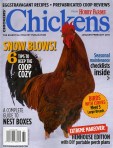
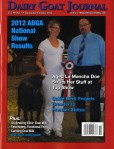
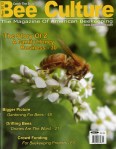
Forget Dogs and Cats: Sheep, Goats, Bees and Chicken…
Just to name a few… pets were and continue to be a good source for magazine content and magazine titles. However most of the magazines used to be aimed at dogs or cats. Well, it seems that a new breed (pun intended) of animal magazines is making its way to the nation’s stands. Now, mind you, that some of those magazines have been published for years, but not until recently they started arriving on the nation’s stands. I guess the success of the “chicken” magazines led the way to the rest of Noah’s Ark animals to enter the single copy market place.
So without any further due, please welcome with me to the nation’s stands the sheep, goat, bees and of course chicken magazines… Who says the magazine business is not a fun one? Enjoy
Too Close for Comfort…
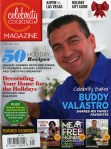
They say imitation is the best form of flattery, but can imitation be too close for comfort when the logos are so close? Celebrity Cooking magazine just redesigned their logo and it looks amazingly similar to another celebrity cooking magazine that happens to be called Food Network Magazine and happens to be one of the most successful magazine launches in the last few years. Judge for yourself: Food Network Magazine and the newly redesigned Celebrity Cooking!
Women’s Health Takes a Page from Men’s Health…
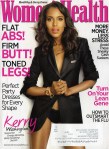
Men’s Health single copy covers always had a “sex” cover line that rarely made it to the subscribers’ copies. Now, its younger sister, Women’s Health, is starting to do the same. Newsstand buyers can enjoy “Hot New Sex Positions…” while subscribers have to forget about the new sex positions and just enjoy the “Perfect Party Dresses for Every Shape.”
And here’s for a happy wonderful world of magazines… one blog at a time! Enjoy.
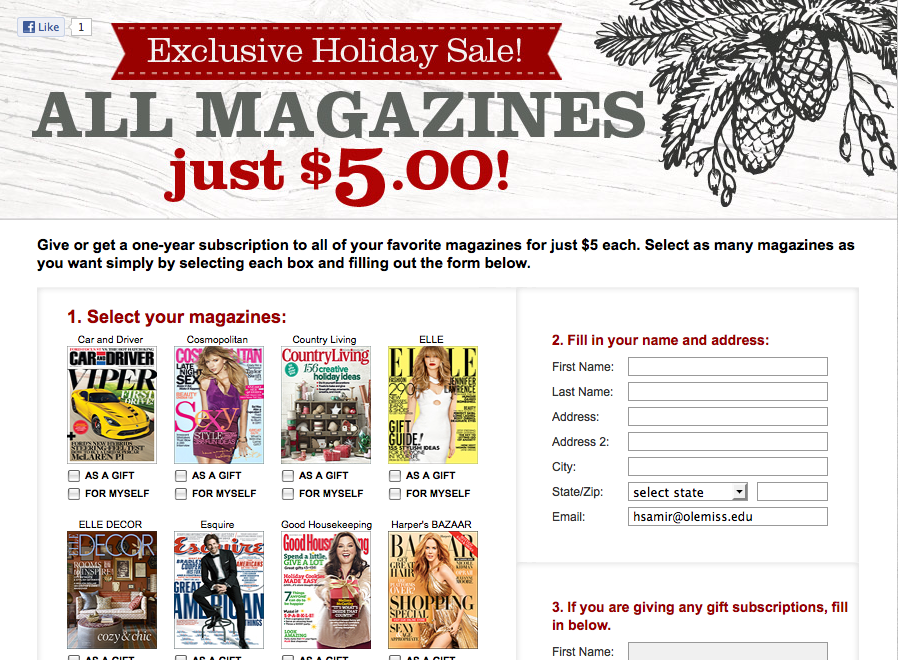
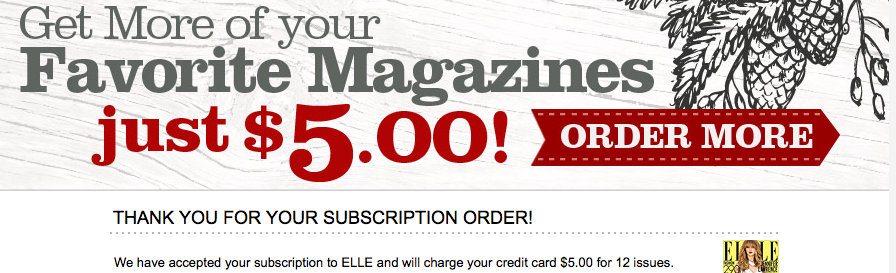
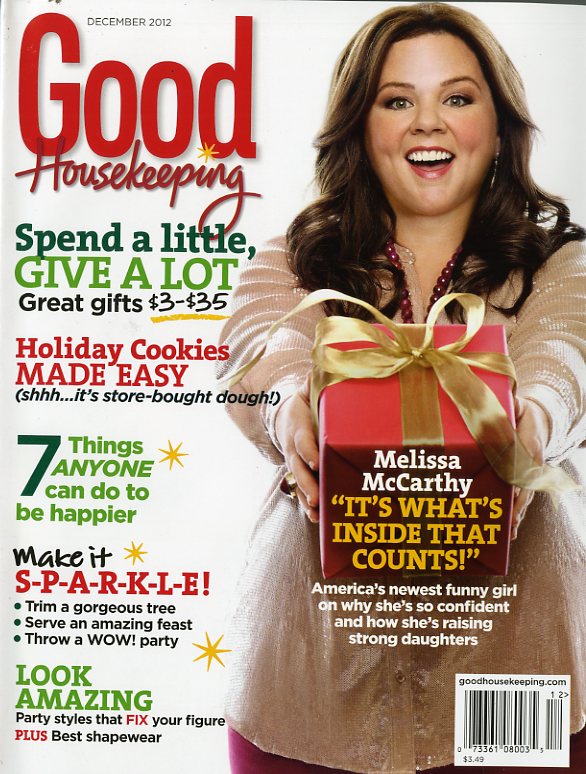
I know it is Thanksgiving Day, but the offer that I just received from the folks at Hearst magazines (which by the way I’ve accepted and responded to) was too good to be true. I know this is not the first year that I receive such an offer and I know that I am not the only one to receive it. The “Exclusive Holiday Sale” offers most of Hearst magazines (Think O, The Oprah Magazine, Good Housekeeping, Esquire, House Beautiful, Cosmopolitan, etc.) in the United States for a mere five dollars a year! That is less than the price of one copy of some of their magazines. Missing from the offer are Hearst’s newest entries Food Network magazine and HGTV magazine. Of course there is a catch, when you sign for the magazines you are signing for automatic renewal for upcoming years at the most current prices at that time. Needless to say that you can cancel at any time and enjoy the five-dollar subscriptions for the whole year until you receive another “exclusive holiday offer” next year.
Doing the math will result in getting 18 titles for $91.99 (I have no idea why I was charged $6.99 for Car and Driver), that is a total of 165 magazines at the average price of less than 18 cents a copy… Wow! I can’t but wonder whether the magazine industry will ever change to an industry that is more of an industry in search of customers who count rather than just counting customers? I am starting to have my doubts about such a change in the magazine world, so maybe the “good ol’ days” are coming back and the industry as a whole, with its old business model, and those ridiculous prices are a sign of an industry on its way to heal and not a desperate sign of an industry that continues to hurt but refuses to change its way. You know how our friends the Chinese define insanity: Doing the same thing over and over again and expecting different results every time.
Interested in getting your own magazine subscriptions for 18 cents a copy click here.
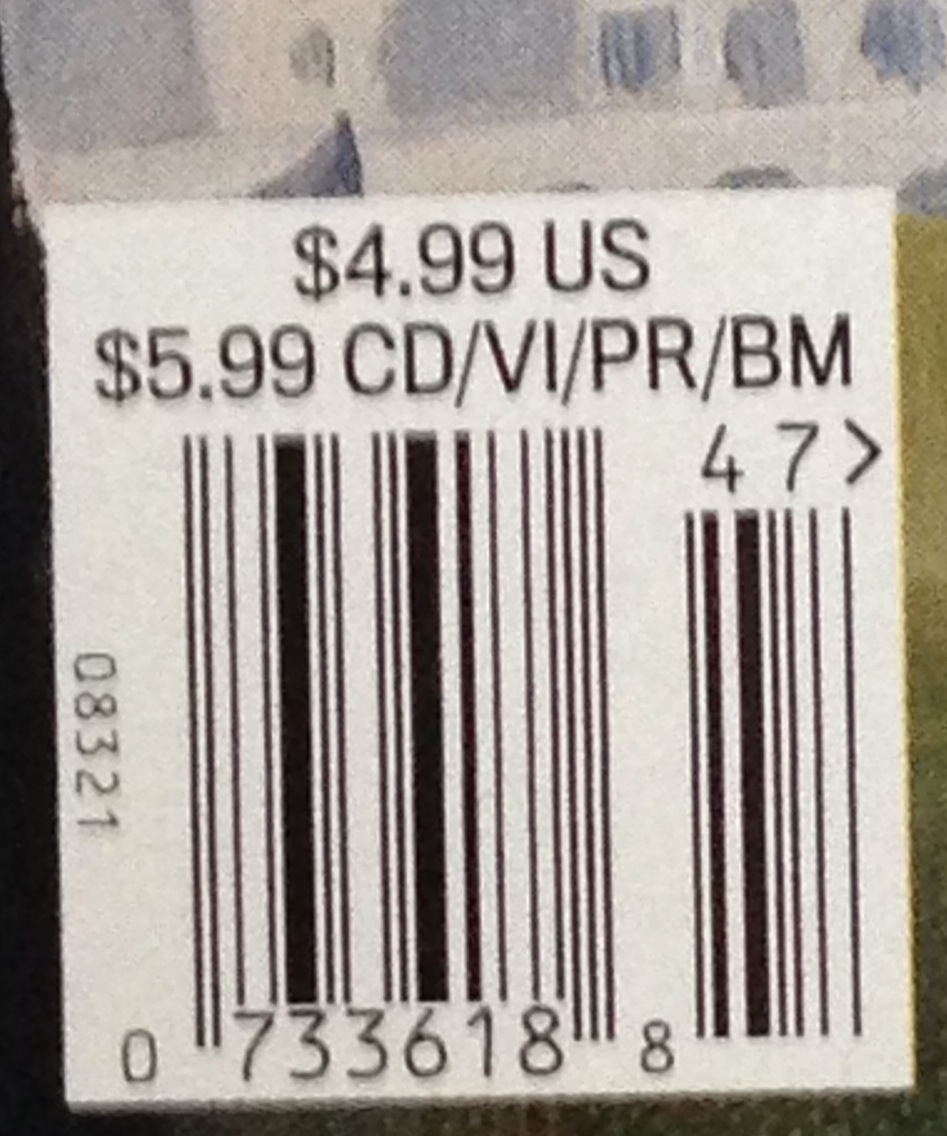
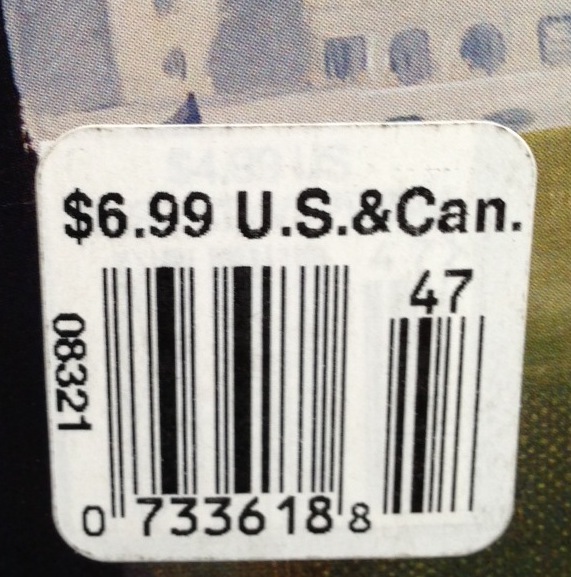
I promise you I am not trying to beat a dead horse, but I was surprised to see a sticker (on most of the copies) of Newsweek’s Nov. 19 “The Obama Conquest” election special issue. As you can see from the image (upper left) the regular price of the magazine on the newsstands is $4.99 (that is how much I paid for my copy at Books-A-Million). However the same issue at Barnes and Noble and Wal-Mart had a sticker on the cover hiding the original price and selling the magazine for $6.99 (upper right) instead of $4.99.
It is yet another sign of the confusion taking place at a magazine that once was part of a good healthy institution of weeklies in these United States of America. In the weeks past and, I am sure, in the weeks to come, more stories and interviews (sorry excuses) will be told and given for the demise of Newsweek in print. Do the audience and the history of such an institution a favor, be merciful and hasten its demise so the poor patient, sorry magazine, may rest in peace! Stop prolonging the agony.
After few months of testing, Good Housekeeping magazine has settled on a new logo that it will usher nationwide with its January issue. The magazine has been testing two new logos emphasizing the word GOOD over the word Housekeeping. Last week, in an ad in The New York Times, Good Housekeeping revealed the logo that seems to have won the test…
Take a look at the three logos available at selected newsstands:
Say goodbye to this logo:
Save this logo, it seems it did not make the cut:
And get used to this logo, that is the new face of Good Housekeeping magazine.
The November/December 2012 issue of SOMA magazine is the Obsession issue.
In its pages there is an article about me, written by Angela Rogalski and a profile picture taken by Ignacio Murillo, (two students of mine who I have nothing but high hopes for a great magazine media future)…
Here is the beginning of the article:
Her name is Magazine and she is irresistible. Her smell is like black, murky ink and her touch is as soft as gloss. Her eyes are taglines of mesmerizing prose that one man can’t deny. Her minions live in the palms of her enticing hands, where they are pulled close and nurtured at the bountiful breasts of her covers. She waits for the one who will love her, the one who will inhale her minions into their very soul, and the one who will carry her name.
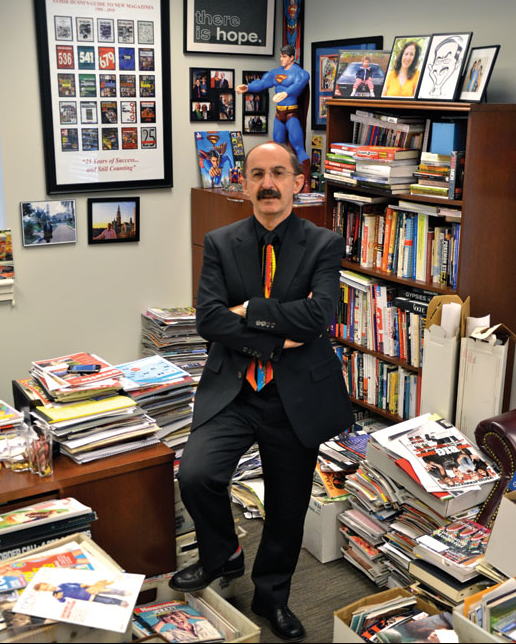
Dr. Samir Husni was born in Tripoli, Lebanon. When he was a boy of nine, he experienced a life-altering transformation; a transfusion, if you will. It was the moment that he bought his first comic book, Superman. He held the magazine in his hands for the first time, ran the pads of his fingers across the shiny cover, and felt a sensation similar to the blood leaving his body begin to take place. In that instant, whether by osmosis, mutation, or a combination of the two, his heart began to pump ink and Mr. Magazine™ was born.
At a time when media folks are consumed with the news of the demise of the ink on paper editions of Newsweek and Smart Money, here is a magazine celebrating 25 years of a very successful run in ink on paper. Cooking Light’s secret ingredient for success is its brand. Scott Mowbray, the magazine’s editor in chief, told me in an interview via Skype, “When you’re a strong brand, your ability to survive is very, very strong.” Mowbray adds that in order to achieve success you have to make “all of these incredibly strong, proactive moves to make sure we could reach people at all of those points of need, because if you don’t then somebody else will.”
In a typical Mr. Magazine™ Interviews style, first the video clips from the interview, followed by the soundbites and then the entire, lightly edited, interview transcript.
And now for the soundbites:
On the success of Cooking Light…
Sometime in the 80’s, Americans had woken up to the fact that they wanted to have good food but also to have healthy food at the same time.
On the successful DNA of Cooking Light…
The interesting thing about the food category to me is there are really two action points, two activities people are involved in: One is just the leisurely part of reading the magazine and fulfilling their desire to think about food and think about cooking. The second is to help them cook.
On the current climate of the newsstand…
Well, the theory behind that is that I regard newsstand as something like a hurricane. You want to be making sure you’re going in the right direction all the time and you want to be listening to your customer.
On the magazine industry as a whole…
I think the opportunity is unbelievable. I think the challenges are extreme. I think that it’s a fun time if you like challenges.
On the importance of magazines having a strong brand…
When you’re a strong brand, your ability to survive is very, very strong.
On the supposed “death of print”…
The thing that I laugh about when I hear about the death of print – and you know this – look at the actual revenue that comes into companies from a successful print magazine and to say that part is dying is sort of preposterous.
And now for the lightly edited transcript of the “Mr. Magazine™ Interviews” with Scott Mowbray, editor in chief, Cooking Light magazine.
Samir Husni: Everybody is talking about the demise of Newsweek in print. The media is saying print is dead because one magazine is dead. And yet you are celebrating 25 years of a food magazine that for years has been one of the top food magazines in the country. And for around 20 years in a row, it’s always been gaining in terms of revenue, circulation, you name it. What’s your feeling about the print market in general today?
Scott Mowbray: You’re the expert in magazines, Samir. You know perfectly well print isn’t dead. But there’s a heck of a lot of interesting things going on with regard to print in certain categories. I take a lot of solace in the fact the food category is huge and the reasons its huge has not as much to do with the food business as it does to do with food in culture. What we’re talking about in America – the most exciting thing – is basically the invention of a new culture. The food culture is changing incredibly fast. You see it in all aspects of media. You see in television. You see it in the Internet. You see it in print. You see what’s going on in supermarkets and restaurants. From that point of view, I’m unbelievably optimistic. What the mix ends up being of how much your revenue comes from print, and how much from digital, and how much from tablet, and how much from mobile, that’s going to take a while to work itself through. That doesn’t happen in a year two. Obviously there are some casualties, but I mean, we’re doing just fine and we’re unbelievably optimistic about the future because of how exciting the food movement itself is within this country.
SH: I know you weren’t there in the beginning in 1987 when the magazine was launched, but could anybody have predicted that change that was going to take place in the food culture and the country as a whole. And here’s a magazine called Cooking Light, with a pecan pie on the cover, with all these fancy, fancy foods. Yet you see the word “light” and you say mmmh. Could you have predicted such a success?
SM: Well, back then, I certainly wasn’t working on the magazine, but I was already starting to work in the food world, and what was very clear was that the country was waking up to the fact that it had some food-related health issues. That had been percolating since the 50’s and 60’s. The statistics were starting to show just not how long you live, but also things like heart disease and other chronic conditions. So I often say that we’re sort of standing on the shoulders of giants here, because as you know, the magazine came out of a column that was in Southern Living, a very, very strong title. They had the vision and the foresight to realize that this wave that we’re surfing was just starting at that time. So, I think, yeah you could – all you had to do was look at the continuing success after launch in terms of growth to recognize that this was an unmet market, this market for healthy eating. Sometime in the 80’s, Americans had woken up to the fact that they wanted to have good food but also to have healthy food at the same time. It made total sense to make a magazine that was serving that audience. It’s always like, “How do you now which horse to bet on?” Well, smart publishing people do and did and happen to know. I think all the people that chose not to launch healthy cooking magazines at that times were probably pretty surprised by the unbelievable success that the magazine had.
SH: You’ve looked at the history of Cooking Light since you’ve been working at the magazine. What are some of the successful DNA elements that you’ve found throughout the years and how true has the magazine been to its DNA?
SM: With all service magazines, the successful DNA lies in your ability to serve the needs of the readers in a very direct and concrete way. The interesting thing about the food category to me is there are really two action points, two activities people are involved in: One is just the leisurely part of reading the magazine and fulfilling their desire to think about food and think about cooking. The second is to help them cook. The great thing about healthy cooking is that it’s essentially new problem solving. If Pad Thai is suddenly a hot dish in restaurants around America, and it was ten years ago, then they can look at us to do a healthy version of Pad Thai. So, we are solving new problems all the time and because the whole interest in food is changing so quickly, the problem solving opportunities are huge. What that means is our unit of exchange with the reader is the trusted recipe. Since I’ve been here in the last three years, we’ve gone from doing about 5 percent of our recipe development in house with our house kitchen to about 50 percent. So, half of the recipes now are developed by our test kitchen. We’ve got a crackerjack test kitchen. And to your point about the strength of the DNA, it’s in the code. The code is the recipe. We know what the code is. We know how to crack it. But there are always new problems. So, that’s why I’ve spent a lot of time building what I think is by far the best healthy kitchen in the country.
SH: Why are you testing different covers? Sometimes I see different cover lines, and sometimes I see different images. What’s the theory behind the testing? SM: Well, the theory behind that is that I regard newsstand as something like a hurricane. You want to be making sure you’re going in the right direction all the time and you want to be listening to your customer. When you put out a cover line about cheesecake and one is healthy indulgence and the other one is holiday indulgence, which of those is going to do better? Which button do you need to press to get a little bit of advantage on a newsstand, because like I said, newsstand is one heck of a volatile environment at the best of times and now more than I’ve ever seen.
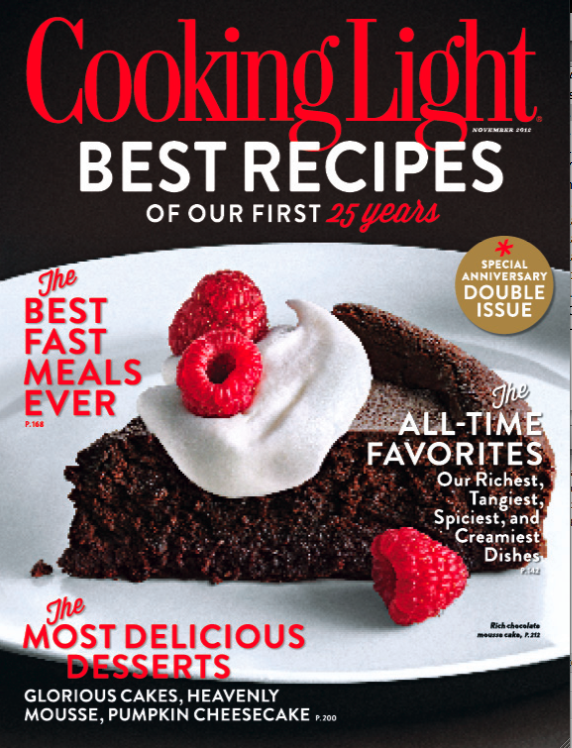
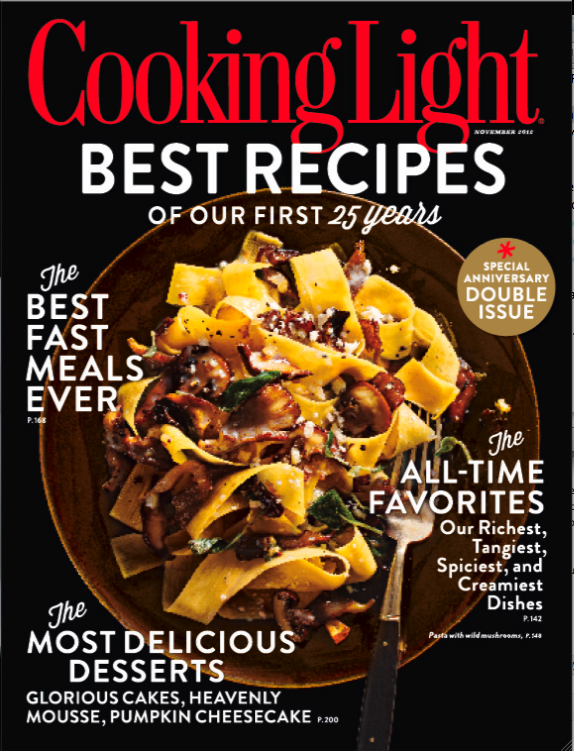
As far as what you’re seeing in November, we actually had two different issues. We have this beautiful chocolate vermouth cake and then 50 percent is this gorgeous mushroom fettuccine. Those are alternating on newsstands. Every time you pick an issue up you’ll see the other one. I was just in the Atlanta airport on Friday – it just came out on Friday – and it was fun to see people picking it up and noticing that there was a different cover. Why did we do that? It’s not a test. It’s everywhere. The answer is there is a yin and a yang. There’s a savory and a sweet to the heart of what we do. We thought to celebrate our best recipes it would be fun to have that little message every time you pick that issue up. This is more to celebrate who we are, but we’re constantly doing testing just to see what the hell is going on with newsstand because it’s, like I said, a hurricane.
SH: Let’s talk a little bit about the industry on the whole. Is the industry’s cup half full, half empty, or three-quarters full?
SM: I think the opportunity is unbelievable. I think the challenges are extreme. I think that it’s a fun time if you like challenges. I can really only speak to our category, but when I was talking earlier about what the needs of the cook are, the needs of the cook happen in all those different places. There’s the leisurely reading place, there’s the final definition, which is the kitchen. In between that, there are the folks who like to sit in Starbucks and think about what they are going to cook this weekend. There are the folks who are sitting at work thinking about what they’re going to cook tonight. There are the folks that are in the supermarket thinking about what they need to cook that dish that they remember but don’t have the magazine with them. If you think about those, and everybody talks about those touch points with the consumer, but I firmly believe in the case of service journalism, particularly daily needs service journalism. You cook at least once a day, and you eat three times a day. The ability to serve a consumer at all those different touch points is critical to brand survival. What we’re working on is making sure we do touch the consumer at each of those points. I think when you’re finished thinking about what that is, and it’s going to be a few years from now, you’re going to find yourself with a very robust mix of iPad and tablet and mobile and print and book and newsstand and all that stuff. That mix of where the customer mix and how many are touching you is going to be different. I’m sure every part of the industry is thinking the same way, and I think the things that I said are more or less true depending on what your topic is, but the one thing that I take a great deal of comfort in is that food is incredibly important in daily lives and the need for information is constant.
SH: Let’s turn personal a little bit. What makes Scott tick and click in this day and age?
SM: What I’m most excited about right now is some of the stuff that I talked about earlier, which is simply what’s going on right now in the larger food culture. If you go to a country like India or Indonesia, where I’ve been many times, or if you go to Japan or Hong Kong, let alone France and Italy, what you see in those cultures is a well-developed food culture. You see that people high and low, rich and poor, know a lot about food and love food. It’s as true in India and Asia as it is in Europe. When you think about that and you think about America, you look at America and go “Wow we’re just in the beginning of that race.” Look what’s happening globally and locally with sustainability and chefs and all this stuff. When you think about how dynamic the food culture in this country is and you look at where it was 40 or 50 years ago, you see these unbelievable changes. So what keeps me both up at night but also eager to get up the next day is how exciting the larger culture is. Because boy, if you’re going to be reflecting a culture and leading a culture you want it to be a dynamic part of the culture. And I often say to people that food is in some ways as dynamic as what’s going on with the Internet. Young kids want to go work in a pickle factory as much as they want to build an iPad app. This is happening in Brooklyn and it’s happening in Portland, Chicago and Austin. This isn’t just happening in the big cities anymore. That’s what gets me going is not only keeping up, but leading in this dynamic food area – and it’s incredibly full of challenges. But I’m fundamentally excited as you can tell.
SH: Ten years from now, how will Cooking Light celebrate its 35th anniversary?
SM: I think it’s going to celebrate what I was describing, which is its ubiquity – it’s ability to reach people across whatever media has yet to be invented in a really, really effective way. I do see tremendous transformation happening in these brands. When you’re a strong brand, your ability to survive is very, very strong. But at the same time, let’s take the digital landscape, look what’s happening with food with things like Instagram and Pinterest or with all the local media that’s happening around restaurants and food. Those are competitors, those are competitive audiences, and those are competitive content producers. So, In 10 years, we had better be able to look back and say “Wow we made all of these incredibly strong, proactive moves to make sure we could reach people at all of those points of need” because if you don’t then somebody else will. That’s the critical thing. We have a huge advantage with the size of our enterprise and our expertise, but at the same time, we have this new generation of food-crazy kids coming along and you better be able to feed them.
SH: One final question, Scott: If somebody comes to you and says, “I want to start a new magazine,” what would you tell them?
SM: What I would say to them is don’t think of starting a new magazine, think of starting a new, and I hate the phrase content brand because I’m an editor, but you know what I mean by that. Start from the very start: How are you going to reach your audiences, whether you start with a magazine or print component or whether you start with a web component, be thinking of all of those needs. The thing that I laugh about when I hear about the death of print – and you know this – look at the actual revenue that comes into companies from a successful print magazine and to say that part is dying is sort of preposterous. Our renewal rates are fantastic at this magazine – we have stunning renewal rates. We have eager print consumers. So, on the other hand, do you want to start in that part of the business or do you want to say, “How do I provide information along this whole web?” Does it have a print element later? Our recipe division is now doing print. So, there are revenue streams. Where you start is sort of up to you. But know what your subject is. That’s as true now as it ever has been. In food, fortunately, as I said, it’s just an incredibly exciting area to be in.
SH: Congratulations again on this milestone and thank you.

 From American Frontiersman to the Zombie Nation (a magazine that was first published in May 2012 and re-issued its premier issue again in Dec. with a different on sale date), 2012 was the year for running the gamut on niche magazines. You could be a Modern Woman while admiring the Beautiful You, all with the flick of a page.
  Controversy surrounds this publication today, in more ways than one, as Recoil’s editor, Jerry Tsai, resigned in Sept. 2012 after basically calling Recoil’s support for the Second Amendment rights into question. It was too late after Tsai said that MP7A1’s were unavailable to citizens and for good reason. No amount of retraction, or good intentions could fix it, so Tsai resigned.
 Then you have the other end of the rainbow where bright colors and children’s laughter live: Highlights Hello magazine.
 Dujour is a magazine that takes no prisoners and asks for no forgiveness. The upscale magazine targets an audience with a net worth of $5 million or more. That in and of itself, speaks volumes (no pun intended) and shows why it made the top five; for bravery alone, yes, but also because it’s a well put-together magazine that is a joy to read and to simply hold in your hand.
 Howler Magazine is a new magazine about soccer, but it’s so much more than that. It’s a completely independent project that promoted itself through social media and word-of-mouth and was publicly and crowd-funded. It’s an amazing endeavor that shows initiative and courage and is a pleasure to read. It’s built on the same principals as this country: if you can dream it and you work hard; you can do it.
 Cosmopolitan for Latinas is a magazine which shows how important diversity and fragmentation are in our country today. We are a melting pot of ethnicities and this magazine takes one section of that pot and works it to good advantage. It is enlightening and ingenious and a welcomed addition to our industry.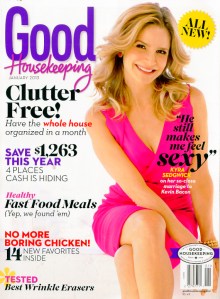
























 Mr. Magazine