Archive for the ‘News and Views’ Category

h1

Newsstands and Retail: What’s On the Mind of Top Magazine Executives? A Panel at the MPA/PBAA Retail Marketplace Provides the Answers.

June 13, 2013

What is on the mind of Stephen M. Lacy, chairman of the board and CEO of Meredith Corp.; David Carey, president of Hearst Magazines; Bob Sauerberg, president of Condé Nast; and Efrem “Skip” Zimbalist III, chairman and CEO of Active Interest Media (AIM) when the questions are all about the newsstands and magazines at retail? Well, I was honored and privileged to moderate this panel of top magazine media executives at the MPA/PBAA Retail Marketplace conference on Tuesday June 11 in Philadelphia.

Karlen Lukovitz, editor of IPDA Daily Publishing & Retail News published an excellent recap of the panel. I hope you enjoy taking a peek inside the magazine media executives as they answer some of the most important questions regarding printed magazines at the newsstands.

By Karlene Lukovitz, IPDA Daily Publishing & Retail News
TOP-EXECS-PANEL-PIX-RESIZED-DOWN
Top Magazine Execs Focus on Retail Channel
Top executives affirmed the critical importance of the retail channel for magazine media, and offered their views on how publishers, retailers and other channel partners can stem sales declines and maximize the category’s performance and profitability. Shown above, from left: Stephen M. Lacy, chairman of the board and CEO of Meredith Corp.; David Carey, president of Hearst Magazines; moderator Samir Husni; Bob Sauerberg, president of Condé Nast; and Efrem “Skip” Zimbalist III, chairman and CEO of Active Interest Media (AIM).

Top executives affirmed the critical importance of the retail channel for magazine media, and offered their views on how publishers, retailers and other channel partners can stem sales declines and maximize the category’s performance and profitability.

The panelists: Stephen M. Lacy, chairman of the board and CEO of Meredith Corp.; David Carey, president of Hearst Magazines; Bob Sauerberg, president of Condé Nast; and Efrem “Skip” Zimbalist III, chairman and CEO of Active Interest Media (AIM). Moderator (center in the photo above): Samir Husni, professor and director of the Magazine Innovation Center at the University of Mississippi’s School of Journalism.

Assessing Trends Going Forward

Asked if the magazine sales declines that commenced with the recession in 2008 will level off going forward, Hearst’s Carey noted that the category has faced several simultaneous issues, including a decline in the frequency of consumer grocery trips as a result of the recession; the “mobile blinder” syndrome (wherein consumers use their mobile devices rather than notice products displayed at checkouts); and the declining draw of most film stars as cover subjects.

“I think there’s an opportunity to address each one, but it’s not so easy,” he said. “Hopefully, the improved economy will translate into increased visits to stores,” and the magazine category needs to work with the retail community to find a solution to the mobile blinder factor. “We have to co-opt that experience at the front of the store” with magazine content and promotional innovations that employ digital and mobile technology, he said.

At the same time, there’s a demand for the new, demonstrated by the combined 700,000 monthly single-copy sales for Hearst’ s recently launched Food Network Magazine and HGTV Magazine, he said. Publishers also need to refurbish magazines that might have “lost their way a bit,” and increase promotional activity on every level, Carey believes. “If we do everything simultaneously, I’m not sure we’re going to reverse the slide, but I think there’s a good chance to moderate it,” he summed up.

Meredith’s Lacy added that consumers who were once in traditional supermarkets three times per week are now often spreading their business to competitive formats like warehouse clubs, which changes the dynamic.

“We’re working very hard on our product,” he said, noting the success of special interest publications (SIPs) and bookazines. “I think certain things will continue to decline, but I think we’ll continue to innovate with new and different types of product and help fill in a consumer need.”

“We have to stop the decline,” declared Condé Nast’s Sauerberg. He acknowledged that “there’s no silver bullet,” and stressed that all supply-chain partners have a role to play. “This industry has brands like no other, it has assets like no other, it has editors and consumer marketers like no other,” he said. “And we’ve all accumulated incredible digital assets that I think will really help us grow. We’ve got to work together to ‘product-ize’ those things, to get to retailers and really move the needle.

“There are hundreds of projects we’re going to need to put in play,” Sauerberg continued. “But it’s so important to us to have this [retail] business be as good as it can be. And our digital assets are the best thing that ever happened, because they’re bringing new people into our brands and ultimately new people into the stores. These people like to consume our content.”

Zimbalist said that AIM has spent a lot of time on its covers and working with partners on selecting the right retail dealers and right in-store locations, but hasn’t spent a lot of time “marketing directly to consumers to come into the store to find the magazine,” as other types of consumer product marketers do.

There’s much that can be done by combining magazines’ databases (built from a variety of sources, including subscriptions and digital) with retailers’ databases to promote directly to consumers and drive them into stores, he pointed out.

Demonstrating the Category’s Full Value at Retail

Lacy pointed out that publishers are developing new mechanisms to prove magazines’ full value to retailers, beyond the magazine sale itself.

He cited Meredith’s new ad sales guarantee, based on work with Nielsen, which demonstrates the high levels of engagement of its magazines’ readers; that they’re inspired to purchase products as a result of seeing ads in the magazines; and that they buy more products than consumers who don’t see the ads.

He also noted Meredith Xcelerated Marketing’s partnership with Lowe’s, in which the retailer’s database is overlaid on Meredith’s to enable driving and measuring sales lifts of their branded products.

Developing such partnerships with retailers and promoting the inevitably positive results about magazines’ impact on sales of other retail products is critical to the magazine category being able to work with retailers to secure the right kind of in-store placement and display, he stressed. In the past, lack of such data has been the “missing link” in decisions about magazines versus other categories’ placements at front of store, he added.

Retail As Crucial as Ever for Publishers

How important is the retail consumer magazine buyer to publishers?
Consumers who buy magazines at retail are “absolutely critical” to the business of Meredith and other publishers looking to reach Gen Y consumers who are enthusiasts in areas including home improvement, cooking and gardening, he said. “They are the lifeblood of our business going forward.”

Carey noted that Hearst sells more than 4 million magazine copies a month at retail, so the channel is clearly economically important to the company. In addition, retail sales are critical in determining whether to roll out a test magazine concept–and as ongoing indicators (akin to Nielsen ratings for TV) of how in-synch the magazines are with consumer needs. “We have our hits, but if we don’t execute well, we really get punished by the marketplace,” he said. “The positive in that [feedback] is that it puts a lot of pressure on us to make sure that every single cover is well-thought-out in terms of its construction and execution.”

“We live in an on-demand world, and retail sales satisfy that need,” he said, although as important as it is, today it must be one of many ways people access magazine brands’ content. “We’re on the same curve as TV and all other media: You have to be ubiquitous with your distribution,” he said.

Condé Nast’s magazines at retail act as “100,000 billboards” all over the country ever month–a “huge lead-gen” source for the company, as well as a highly profitable business in and of itself, said Sauerberg. Retail consumers “are not only engaging with us on a monthly basis; they are our next set of customers–so we love this business,” he said, adding that the company’s editors “agonize” over every issue’s cover and content, including reviewing consumer trends on social media and other factors.

Zimbalist said that retail will continue to be “critically important.” AIM is redoubling efforts to get into specialty retail stores serving the same consumers that AIM titles serve, such as equine and boating–”and if it’s Vegetarian Times, to be in the section where soy is sold.”

He added that retail distribution is excellent for exposing consumers to magazine brands and sampling, and that single-copy purchasers are the most responsive consumers. They typically read a magazine cover-to-cover within 24 hours–which is very important to AIM’s advertisers (most of which are direct response). “It’s the purest form of feedback that you can get,” because the magazine is competing in an open marketplace against many others, and a magazine has just seconds to influence the consumer to choose it, he said.

Prospects for Bookazines

High-priced bookazines are very profitable for both the publisher and the retailer, and Condé Nast will be publishing a growing number of them, reported Sauerberg. “I think this is going to be a big piece of the sales potential over the next few years, and I think the better we get at it, the better the sales and profits for the retailer.”

Zimbalist agreed that bookazines are very important. He said they demonstrate consumers’ willingness to pay high prices for high value, and are a great way to test ideas for new magazines.

Lacy, noting that Meredith has been publishing special interest publications/SIPs since 1938, says these offer the advantage of being able to be expanded or reduced in number based on economic circumstances. When the economy–including home remodeling and decorating–was very robust, Meredith was up to about 200 SIPs per year; currently, it publishes about 130 per year, he reported.

In addition to their profitability and usefulness for testing magazine concepts and how in-synch a magazine is with its readers, he said that SIP’s tend to flow into and support the activities of Meredith’s monthly magazines and digital and ecommerce businesses. SIPs “are a big part of what we do,” he said.

Hearst is using SIPs in a variety of ways, reported Carey. One is accessing new markets. For example, the frequency of Cosmopolitan for Latinas was increased from two issues last year to four this year, and Hearst will be testing an Hispanic edition for another magazine this year, he revealed. He noted that the premium-priced Esquire Big Black Book is in its seventh year, and that Hearst is looking selectively at extensions off its existing brands.

“With the high pricepoint and longer shelf life, [bookazines] have very good economics for us,” and have gotten strong retailer support, particularly in airports, Carey said. He reported that Delish, a digital product in partnership with Microsoft, did a print supplement polybagged with four Hearst magazines at Wal-Mart last year, and saw sales lifts of 10% to 25%, demonstrating consumers’ desire for added value.

Mobile: Pros and Cons

While mobile phones are a serious challenge to checkout impulse categories, the executives agreed that they’ll also be valuable as retail promotional vehicles.

AIM is doing a lot of push messaging through smartphones, because mobile is driving virtually the entire growth of its Web traffic, according to Zimbalist. He points out that phone location devices will enable sending promotions about a new issue at retail when the prospect or existing reader is in the store. “You can’t fight mobile, but you can use it,” he said.

Sauerberg said that within five to 10 years, there will be massive programs offering all kinds of ways to target and promote to consumers in-store, and the magazine business needs to be prepare to leverage these capabilities.

Carey added that, in addition to using mobile messaging, it makes sense to try to design store promotions that reach consumers in parts of the store where they’re likely to be shopping (and attentive to what’s around them) rather than using their smartphones.

Lacy pointed out that Meredith’s recently acquired all-digital brand AllRecipes is an eye-opener, because about a quarter of the 25 million unique visits per month are generated right in store aisles, as shoppers look for recipes and ingredients information. As a test, Meredith took one of its food special interest publications and put the AllRecipes logo on the cover. This yielded a 40% retail sales lift, he reported.

“This is a digital consumer, and she’s also very interested in the print that ties this all together. Our greatest corporate lesson in the last year has been to figure out how to connect those dots and help our advertisers sell product to her when she’s right there in the supermarket. Everything that we’re seeing is that Gen Y is very engaged in these brands on every platform, from mobile to print.”

Innovations, Focus Going Forward

Asked about innovations, Zimbalist said that while it’s early days, “there’s got to be a way for us to partner with retailers to sell digital copies and digital subscriptions” generated by a consumer’s interest being spurred by seeing a magazine in-store.

He also said that events that AIM partners with retailers on, such as clinics in an outdoor retailer helping consumers on a topic like putting a backpack together, bring the magazine to life in the eyes of the consumer and generate substantial sales for the retailer.

Carey said that it’s time that publishers put aside some of the old orthodoxies, when it comes to promotions. “The goal is to move product, and as we partner and use our own covers as promotional tools, we have to continue to push the boundaries,” he said, noting that select retail copies of an upcoming issue of Cosmopolitan will have a visible discount IRC in the “belly button” area of the model.

He also said that publishers should be looking to find ways to do even more to help the retailer tap into the power of the magazine readers who are retailers’ most profitable customers.

Sauerberg stressed that retailers, as well as publishers, should be embracing and pushing to leverage big data/data partnerships on an industrywide basis, to achieve the scale needed to target efficiently to consumers.

Sauerberg also offered comments that summed up many of the themes in this session and others at the conference.

He said that he believes that magazines will continue to be very attractive to retailers from a profitability perspective. “But there are a lot of efforts that need time and support from all channel partners,” he said. “We need to work together to set priorities, create some wins, talk about these and get retailers excited, and make [initiatives] work financially for all parties. [As a publisher], we’re going to do all we can with content, innovation and putting digital assets on the table, but we’re all going to have to [collaborate] to think about the potential we have, rather than just manage decline.”

You can follow the publishing and retail news on a daily basis at the IPDA home page here.
h1

An Industry that Continues to Give Birth is NOT a Dying Industry…Examining the Retail Records of 25 New Magazines of 2012 (Amended)

June 12, 2013

Screen shot 2013-06-11 at 4.46.18 PM From a historic and naturalistic perspective, any entity that doesn’t give birth becomes extinct. That’s just a fact.

So when people say that print is dead or is going the way of the dinosaur, my gut reaction is to laugh out loud and then show them the numbers of new births that are being born every day in the delivery rooms of the nation’s newsstands.

I really don’t understand why it has always been acceptable for individuals who have killed products that don’t sell, don’t work or don’t have readership or viewership, to blame an entire industry for the demise of specific products. It is like saying television is dead because M.A.S.H. is no longer on.

Back in the late 70s when I first came to America, there were 3 major TV networks and three major magazines which distributed over 10 million copies: TV Guide, Reader’s Digest and National Geographic.

Then along came cable TV and the magazine industry went the way cable went. Magazines became “cable-lized.” The more cable added life and variety to the national psyche, the same happened with the magazine industry.

New magazine launches moved from the 50-100 titles per year, to the 700-800 mark. And the more new titles that have arrived, the more specialized they’ve become. Gone are the days of the 10 million circulations of one magazine, and hello to the present where there are hundreds of magazines with an over- all total of 10 million.

So what role new magazines play in the life of the industry? Now the definition of “new” is as lucrative and fluid as the titles coming and goings themselves. Some new magazines came out with new names, but old bipads. Some used different bipads based on various retail outlets. And some were nothing more than a name change or a test. For example, when Quilty magazine was published, it came under the bipad Paper Crafts SIPs, or when Revolucion came out, it did so under the SIM Cycle series.

Screen shot 2013-06-11 at 4.45.47 PM

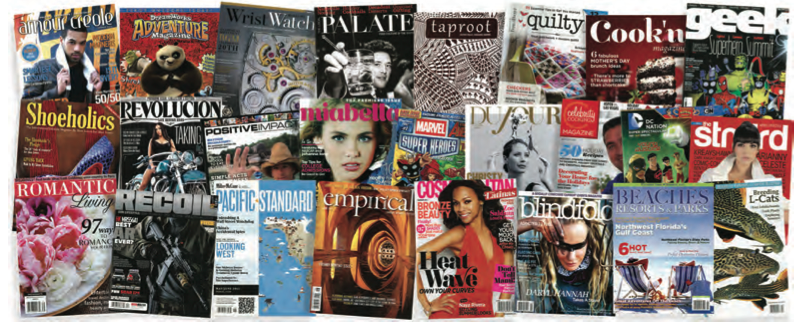
So in order to maneuver through the new maga- zines maze, I reached out to the folks at MagNet to help me identify and clarify the identity of 25 new magazines from 2012. I gave them the names of 25 new titles that appeared on the newsstands for the first time in 2012. MagNet provided me with the circulation numbers of the first issue and the last issue of 2012 of the said titles. The numbers are revealing to say the least.

The 25 magazines (see below) had a total draw of their first issues of 926,281 copies, barely shy of the one million mark. While the average draw of a first issue was 37,051, the more revealing number is the median of those magazines: 9,019. Cosmopolitan For Latinas led the crowd with a draw of 299,823 for the first issue and Tap Root had the least number with a draw of 1,182.

The sell-through numbers reveal yet more interesting numbers. The average or mean sale through numbers was 23.58% while the median was 19.2%. Leading the pack was Recoil magazine with a sale-through number of 69.7% for the first issue and the teen-age new title Miabella scoring the lowest sell-through number of a mere 3.4%.

By the time 2012 was coming to a close, the total draw of 24 of the 25 magazines (Romantic Living did not have a second issue in 2012) had a total draw of 1,090,259 with an average or mean draw of 45,427 and a median draw of 7,636. Leading the pack was Cosmopolitan for Latinas with a draw of 300,983 and WristWatch* (see note below) magazine had the least number with a draw of 684.
While the draw of the final issues of 2012 showed a slight increase, the opposite was true with the sell- through numbers. The sell-through numbers showed few percentage points decrease both on an average and with the median numbers as well. The mean sell- through number was 21.05% while the median was 18.4%. Leading the pack was Beaches, Resorts, & Parks magazine with a sell-through of 57.8% and Empirical magazine scoring the lowest sell-through of 4.7%.

So what do all those numbers mean? One thing and one thing for sure, the magazine industry continues to be as vibrant as it can be, with new titles coming to the market, outselling established ones in some cases, and selling below, way below some ones in other cases.

Magazine publishing is just like gambling, the odds are always against you, but once you hit the jackpot, the rest is history.

Go gamble, or for that matter, launch a magazine.

The data below shows the magazines’ first issue and last issue of 2012 together with their sale efficiencies. (All numbers are from MagNet)

Amazonas
First issue: Draw: 5,181 Sold: 17.3% Last issue: Draw: 2,966 Sold: 31.5%
Amour Creole
First issue: Draw: 1,943 Sold: 6.1% Last issue: Draw: 1,927 Sold: 19.8%

Beaches, Resorts & Parks
First issue: Draw: 7,446 Sold: 40.5% Last issue: Draw: 4,780 Sold: 57.8%
Blindfold
First issue: Draw: 4,077 Sold: 38.3% Last issue: Draw: 8,609 Sold: 6.6%

Celebrity Cooking
First issue: Draw: 11,611 Sold: 8.9% Last issue: Draw: 25,092 Sold: 12.8%
Cook’n
First issue: Draw: 9,019 Sold: 16.3% Last issue: Draw: 2,251 Sold: 42.3%

Cosmopolitan for Latinas
First issue: Draw: 299,823 Sold: 24.7% Last issue: Draw: 300,983 Sold: 20.1%
DC Nation
First issue: Draw: 97,458 Sold: 13.5% Last issue: Draw: 109,872 Sold: 21.3%

DreamWorks Adventure Magazine
First issue: Draw: 3,778 Sold: 23.6% Last issue: Draw: 6,663 Sold: 16.7%
Dujour
First issue: Draw: 16,329 Sold: 19% Last issue: Draw: 17,021 Sold: 17.9%

Empirical
First issue: Draw: 8,416 Sold: 7.1% Last issue: Draw: 4,764 Sold: 4.7%
Geek
First issue: Draw: 94,073 Sold: 31.5% Last issue: Draw: 112,452 Sold: 30.2%

Marvel Super Heroes
First issue: Draw: 150,717 Sold: 21.6% Last issue: Draw: 116,300 Sold: 11.8%
Miabella
First issue: Draw: 18,013 Sold; 3.4% Last issue: Draw: 6,380 Sold: 7.9%

Pacific Standard
First issue: Draw: 4,160 Sold: 7.5% Last issue: Draw: 5,005 Sold: 10.1%
Positive Impact
First issue: Draw: 10,467 Sold; 17.1% Last issue: Draw: 5,193 Sold: 13.5%

Quilty Magazine
First issue: Draw: 57,935 Sold: 41.2% Last issue: Draw: 58,015 Sold: 33.3%
Recoil
First issue: Draw: 34,489 Sold: 69.7% Last issue: Draw: 182,722 Sold: 46.9%

Revolucion
First issue: Draw: 64,839 Sold: 17.1% Last issue: Draw: 64,896 Sold: 19.2%
Romantic Living
First issue: Draw: 5,894 Sold: 22.4% No second issue in 2012

Shoeholics
First issue: Draw: 3,331 Sold: 20.3% Last issue: Draw: 5,086 Sold: 9.5%
Taproot
First issue: Draw: 1,182 Sold: 19.2% Last issue: Draw: 1,154 Sold: 41.1%

The Local Palate
First issue: Draw: 4,359 Sold: 17.5% Last issue: Draw: 36,496 Sold: 26.7%
The Stndrd
First issue: Draw: 9,355 Sold: 29% Last issue: Draw: 10,948 Sold: 15.6%

WristWatch* (see note below)
First issue: Draw: 2,386 Sold: 56.7% Last issue: Draw: 684 Sold: 18.9%

Screen shot 2013-06-11 at 9.22.36 AMNote: The above article appeared in the magazine program for the 2013 MPA/PBAA Retail Marketplace conference in Philadelphia.

Important Note: I have received an email from Michael Gerardo, a newsstand consultant whose Wrist Watch magazine is one of his clients. He noted that the numbers used in the article above are not correct. After further investigation, I discovered that the data included two magazines with the same name one with the word magazine after it and the other without. The magazine referenced above has a bipad number of 01144 and is not the same magazine as WristWatch Magazine with the bipad number 01466. I have offered Mr. Gerardo the opportunity to further explain the numbers. As soon as I hear from him I will post his response below.

h1

More Magazines are Sold on Friday, Saturday and Sunday and 13 Other Fun Facts About Magazines at the Newsstands…

June 11, 2013

Screen shot 2013-06-11 at 9.22.36 AM

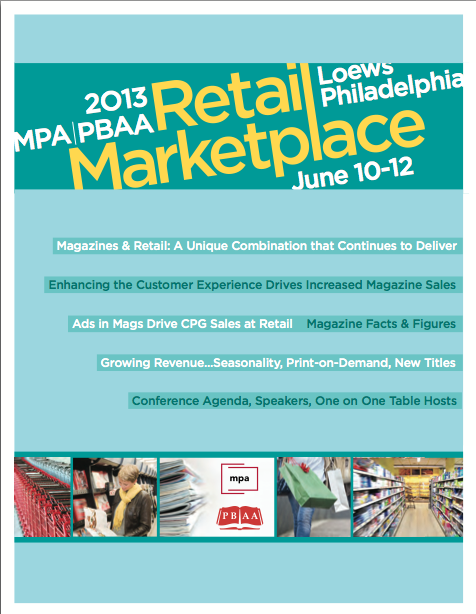
At the MPA/PBAA Retail Marketplace conference in Philadelphia, Gil Brechtel, from the Magazine Information Network (MagNet) presented 14 fun facts about the magazine business at retail outlets in the United States. His fun facts, all based on research and analysis from MagNet, were so intriguing, I asked him for permission to post them on my blog… so here are 14 fascinating and educating fun facts about the magazine business at the newsstands:

1. About 50% of all magazine copies are sold on Friday, Saturday and Sunday. The lowest selling day of the week is Wednesday, with only about 11.5% of the total sold on an average week.

2. November is the weakest month for magazines sales, even though the day before Thanksgiving is among the best magazine sales days each year.

3. Bookazine sales typically spike during the first few weeks of July, where the average cover price of all magazines sold during that period has ballooned by about 12% in recent years.

4. Average monthly sales in June, July and August are 7% higher than the rest of the year, helped by a spike in teen and children magazine title sales!
December is a good month for those categories also.

5. On average, the biggest week to week sales gain comes during week 13, around the last week of March, where sales are consistently 8-10% higher during this week compared to week 12.

6. Friday, followed by Sunday, are the two best days for magazine sales in airport terminals.

7. Although Saturday is generally the best magazine sales day of the week, in July, Sunday sales outpace Saturday sales by almost 8%.

8. In the fall, celebrity title sales usually dip, while titles in the Food, Health and Automotive categories spike during the 4th quarter.

9. The computer category has the highest overall cover price of copies sold. The average cover price peaked at about $10.70 in Dec 2012. That is a 20% increase over 2010 prices.

10. Sales tails matter! Bookazines and other SIPS on sale for 2 months or longer sell nearly 20% of their copies after they’ve been on the shelves more than 6 weeks.

11. Supercenters show strong seasonal magazine sales increases in the summer, experiencing up to a 50% average surge in sales in the first three weeks of July!

12. Based on MagNet’s sample of non-bookstore retailers, 20% of all books sold in 2012 were sold on Saturdays. Friday is the second highest sales day.

13. Only 10% of Newsstand COT sales occur on Saturday, as opposed to nearly 20% at Bookstores.

14. How important to the industry are celebrity titles? Celebrity magazines sell more copies than the total sales of titles in the Food, Games, Health, Automotive, Home, Lifestyle and Teen categories combined.

h1

Around the World in 21 Days: Magazine Power and Reach Are NOT a Figment of the Imagination…

June 5, 2013

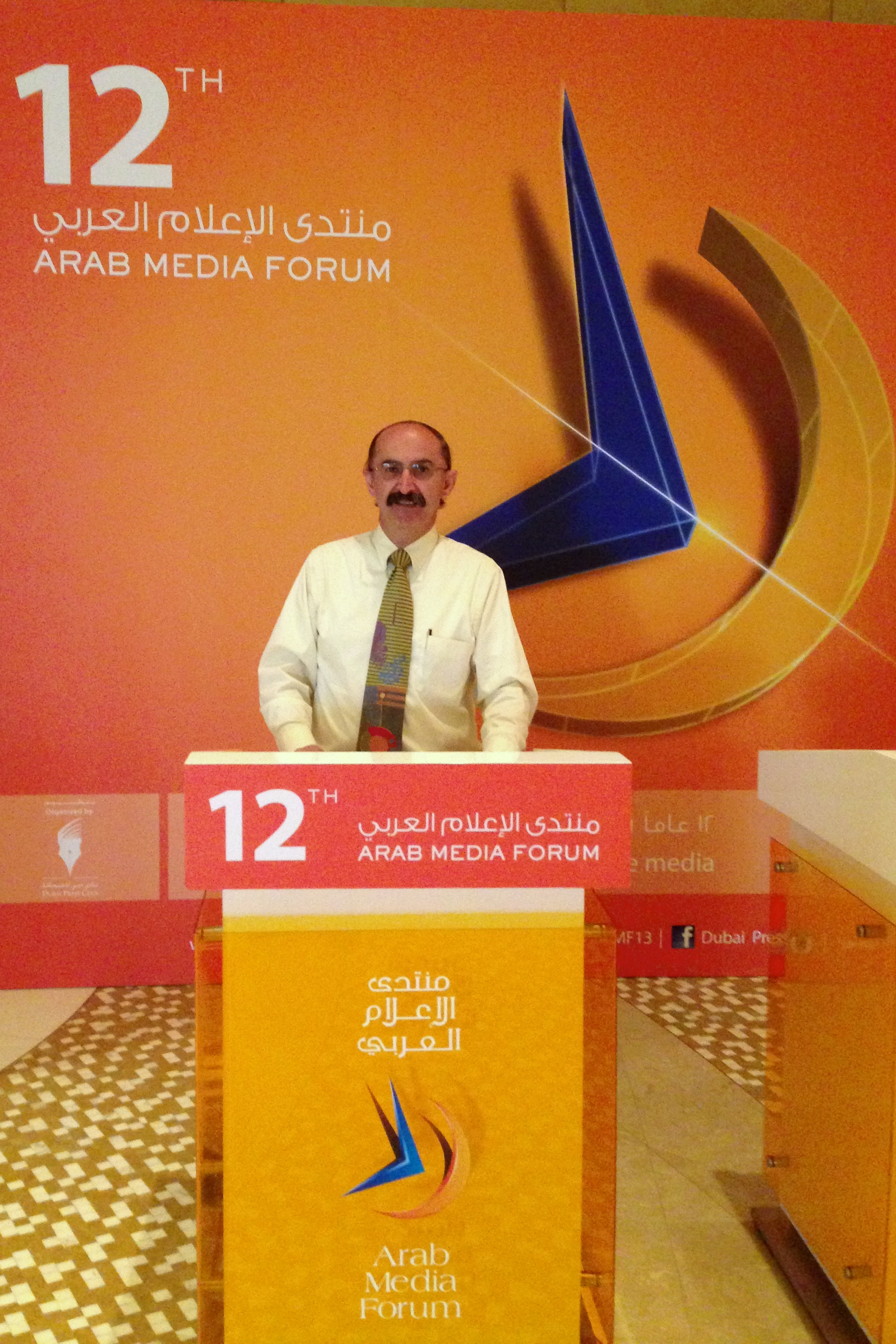
at Arab Media ForumWhen it comes to magazines and magazine media we are not lacking the research that shows the effectiveness of print and its reach. We are lacking people who are willing to translate that research and put it into practice. What profit do we gain if magazine companies ask their researchers and research departments to conduct all kinds of research and then ignore it?

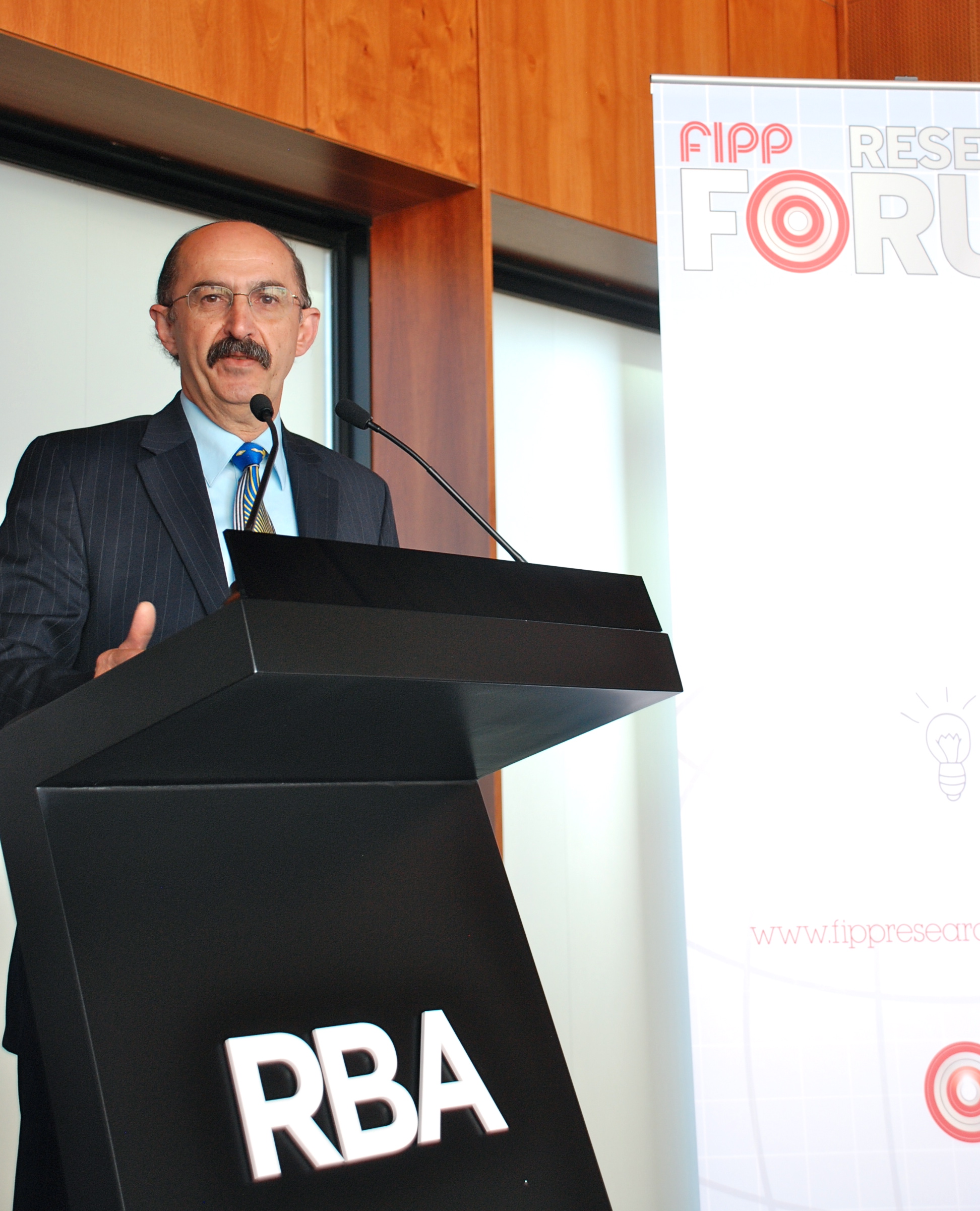
I have been traveling the world in the last three weeks. I have attended and spoke at four different “research gatherings” in Lisbon, Portugal(The IMMAA Conference); Dubai, United Arab Emirates (The Arab Media Forum) ; Barcelona, Spain (The FIPP Research Conference); and Amsterdam, The Netherlands (Sanoma). Most of the readers of my columns and blogs know my views on print in this digital age. However, what I learned from those international meetings is that I am not alone. I learned that what I have been preaching is not a figment of my imagination or the fact that I am, in the words of John Harrington, a “print passionista.” I learned that print is still alive and kicking worldwide and researchers are showing the evidence for that statement on a daily basis.

at FIPPStudy after study is showing what print can deliver to advertisers and to readers at the same time. The return on the investment is great for both customers. To say I was relieved to hear that and to see all the research would be an understatement, but to say I was not bewildered as to why the leaders of those media companies are not following up on their own findings would be ludicrous on my part.

I asked the media researchers at one of the conferences, “Why after all this data, do your CEOs and publishers continue to push ‘Digital First” and not apply the findings of your research?” The simple answer I heard was that they’ve closed their eyes and ears and are determined that the only future is the digital way. They, in fact, are not only ignoring the research but also ignoring reality and common sense. I wonder if that is the effect of the “virtual” world we live in today that makes us forget about anything and everything that is physical and tangible.

National Geographic overseas-26None of the researchers, including myself, deny that we live in a visual, digital, mobile age; however, that does not mean that print should play second fiddle to digital in today’s market place. All agreed that, yes, some magazines are struggling, some others are dying, but a lot more are coming to the market place. When visiting Dubai for example, to speak and attend the 12th Annual Arab Media Forum, I visited one of the many newsstands at the Mall of Dubai. You name the magazine it was there. Marie Claire in Arabic, Esquire, the Middle East edition with a promise of a weekly print Esquire coming soon to the market place. Forbes Middle East in both languages, English and Arabic, Men’s Fitness Middle East, National Geographic in Arabic, etc. etc.

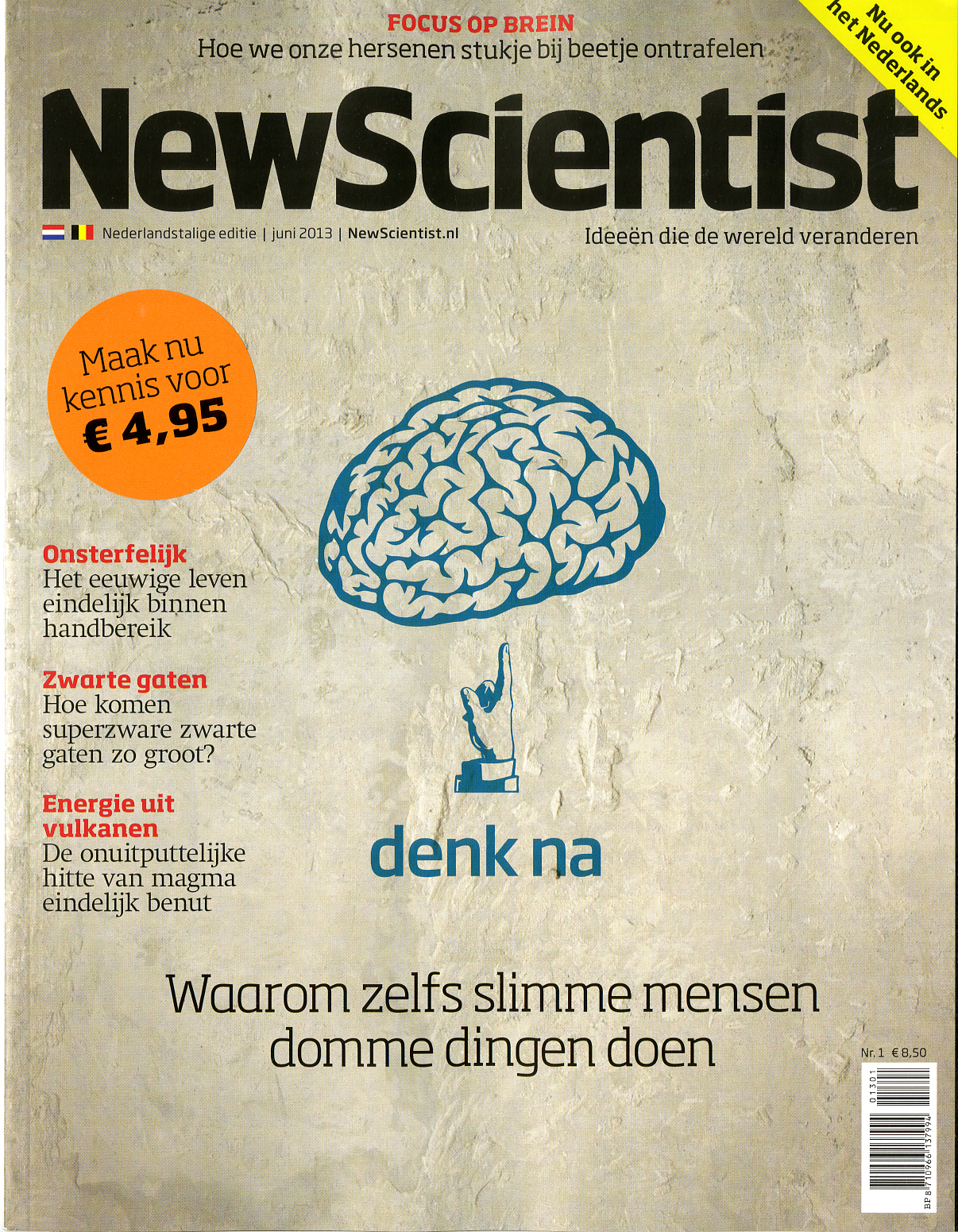
Women's Health-20Women's Health-14New Scientist-15
In Lisbon I picked up several new magazines, and in Barcelona I picked up the first issue of Women’s Health that appeared on the newsstands the day I was leaving… By the time I landed in Amsterdam the first issue of Women’s Health in Dutch was welcoming me at the airport. New magazines are aplenty and there is no shortage of them.

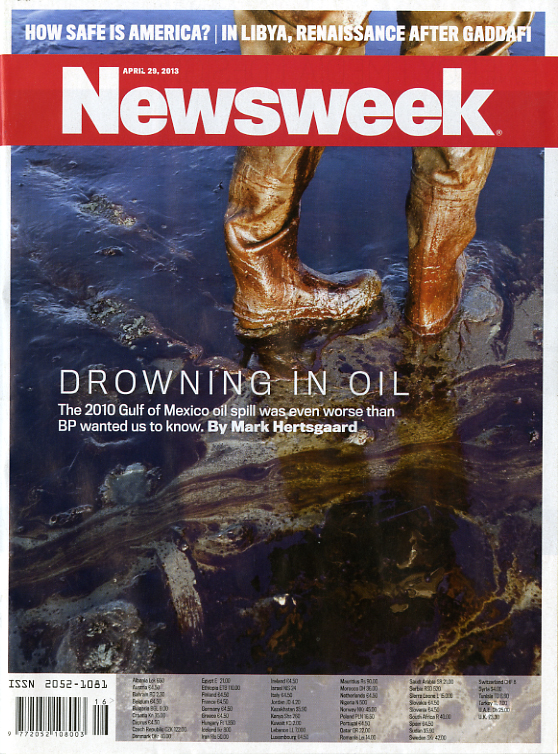
Newsweek And that joke about the #last print issue of Newsweek is only alive and well in these United States of America; the rest of the world is still enjoying a printed Newsweek. Needless to say the recent news about the possible sale of Newsweek is no joke. I could easily say I told you so, but I am resisting this temptation since there are a lot of folks who are offering their opinions about the past, present and future of Newsweek.

So, why the doom and gloom you may ask in the magazine business? Well, for one, the magazine industry is not making as much money as it used to make. Other non-media platforms are making more money than in ad revenues than the entire print industry. None of the media entities have figured a way, a good way, to make dollars and not pennies from their digital ventures. And above all, our institutional memories are so in need of a crash course in learning the past and how it applies to the present.

Did you know that Radio advertising revenues exceeded all of print ad revenues in 1934? Did you know that Television advertising revenues exceeded all of print and radio advertising revenues in 1955? The mere fact that someone else, some other medium, media related or not, is making more money than the magazine or print industry, does not mean that print or magazines are dead. If my neighbor is making more money than I am, it definitely does not mean that I am pushing up daisies in some serene cemetery on the backside of nowhere!

It is about time to wake up and focus on our customers, the readers/viewers and advertisers. If we are going to survive we better listen to our customers and follow their wants and desires. Research is showing that customers in this digital age still love and utilize magazines and other print entities. Why is it print and magazines leaders are not listening to their own research and studies? I do not know, but what I know for sure is that it is funny when less than 25% of iPad owners tell researchers that they prefer to read magazines on digital devices and media reporters spread the news of the digital success of reading… Folks, read that aforementioned statement one more time, less than 25% of iPad owners enjoy reading their magazines on the tablet… What about the 75% that don’t? Since when is 25% a much bigger deal than 75%? I do not know.

In closing, maybe all the naysayers of the magazine industry and the future of print in a digital age, need to take a trip or few trips overseas. Well, forget about overseas, maybe a trip to Des Moines, Iowa and see what Meredith is doing and the guarantees it is offering their advertising clients. Where there is a will and a vision, there is a way. Print and magazines are not dead; some folks wish they were to fulfill their own prophecies. False prophets start believing their own divinations and they work hard to fulfill them. Well, I have two words for them, go fish.

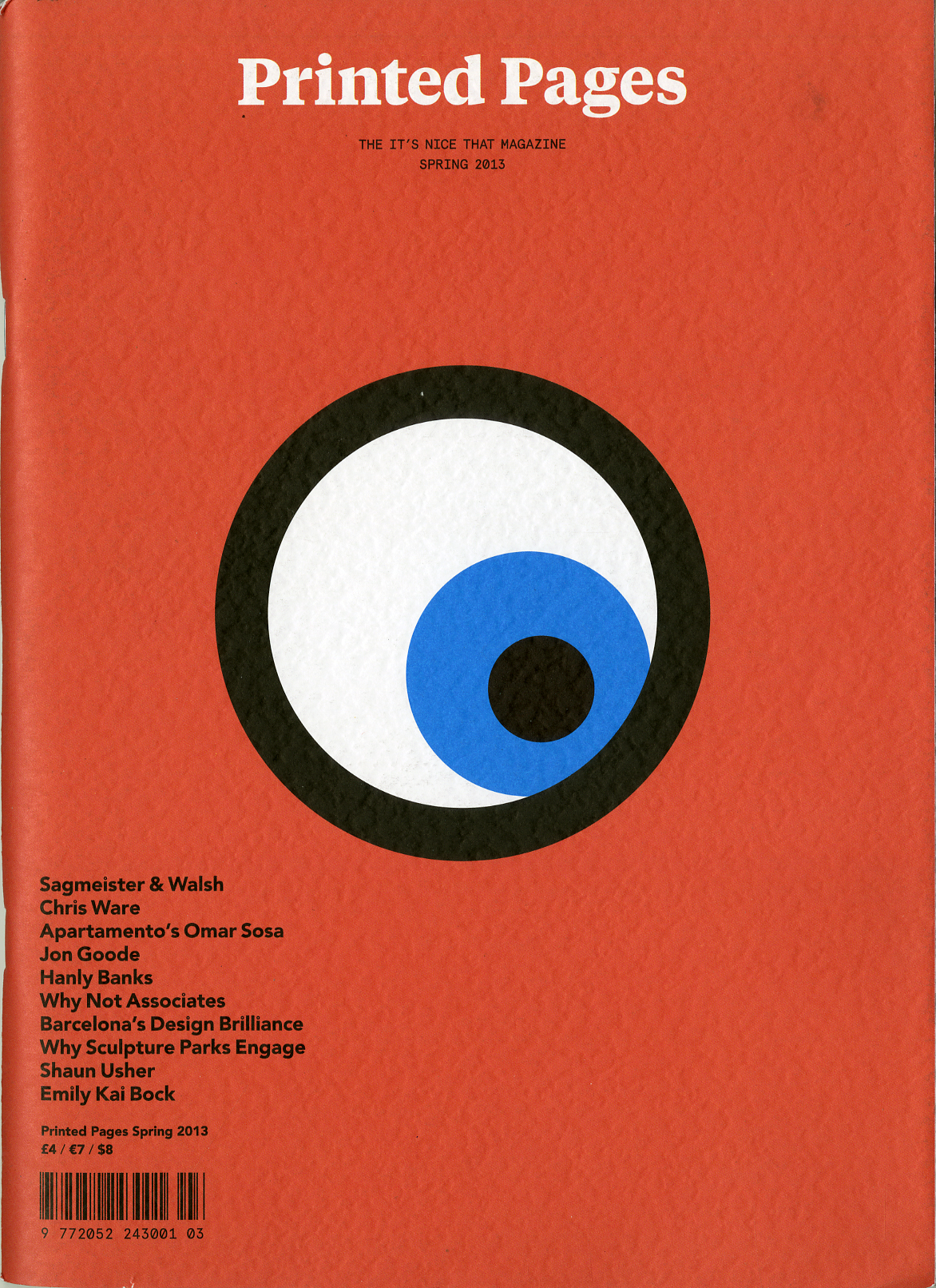
Printed Pages-9Print is well, alive and kicking. Today’s print is not your father’s print. Today’s magazines are not your father’s magazines. But in both cases they are still print and they are still magazines. Like it or not, they are here to stay. So, to the gloom and doom zealots: go fish in another pond!

h1

What If Print Was Created After Digital? A Fair Question That Is “Fully Booked”…

May 26, 2013

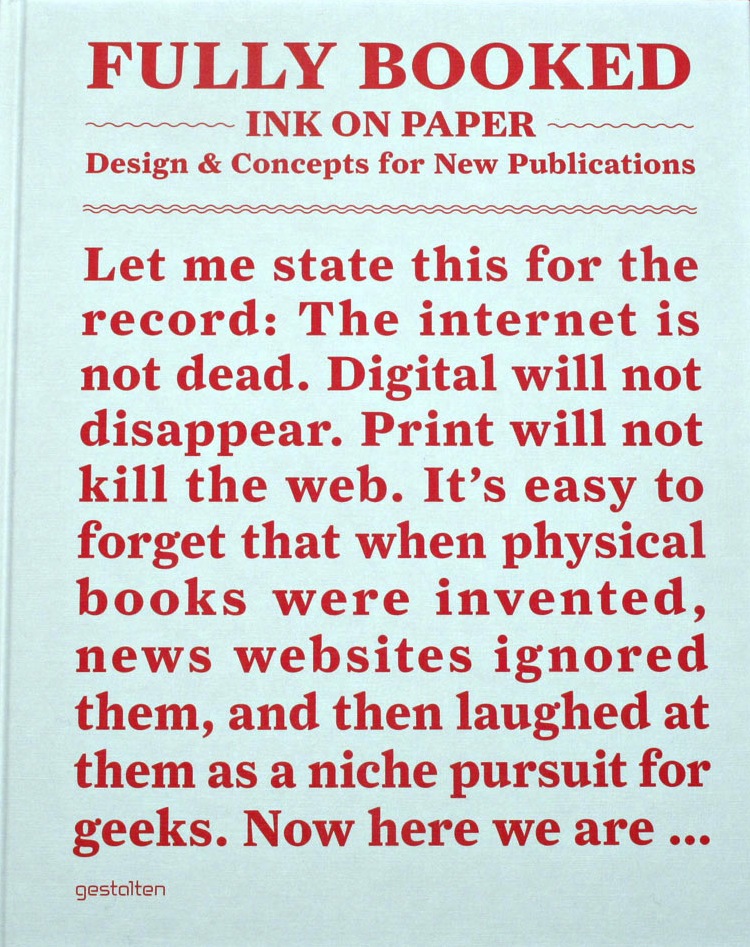
fully_booked_gestalten_motto_01Close your eyes and imagine a world with no print. No books or magazines in print formats. Ink on Paper has not been invented yet. Just imagine that we live in a digital age and all our reading materials and all our knowledge arrives to us via digital screens, some are tiny like an iPhone and some are big like an iPad.

Now imagine you are holding a book that begins with, “Let me state this for the record: The internet is not dead. Digital will not disappear. Print will not kill the web. It’s easy to forget when physical books were invented, news websites ignored them, and then laughed at them as niche pursuit for geeks. Now here we are… and the same journalists are declaring the death of the Internet, as the hype and excitement surrounding print and paper travels inexorably around the world…”

Well, the aforementioned book introduction is not a figment of the imagination. It is the introduction written by Andrew Losowsky to the book he co-edited for the German publisher Gestalten called Fully Booked: Ink on Paper.

So, as I flip the pages of my recently bought copy, I can’t help but think, what if print was introduced as a new medium? After all, I’ve always said that every time a new copy of the newspaper lands in my driveway, and every time a new issue of the magazine arrives in my mail box, they are new media.

Just think about the possibilities.

The ending of Andrew’s introduction is as good as the beginning, but I am not going to spoil the surprise for those who are going to buy a copy of the book and read all about this new medium: ink on paper books… I just may add the word “magazines” to books.

Long live the newly discovered medium: ink on paper, or as Andrew said, “long live print!”

h1

“A Tale of Two New Magazines:” Mr. Magazine’s™ First “Minsider” Column…

May 20, 2013

Screen shot 2013-05-18 at 6.21.24 AM

Screen shot 2013-05-18 at 6.21.01 AM It was the best of times, it was the worst of times, it was the age of wisdom, it was the age of foolishness, it was the epoch of belief, it was the epoch of incredulity…

Not only is this the first line of one of the classics; it is the opening scene of a drama we sometimes witness in the magazine media world.

Hearst recently announced that rate bases were jumping again on two of its titles: Food Network Magazine and HGTV Magazine. This will be the 11th consecutive rate base increase for Food Network Magazine since launching in 2009 and the 3rd increase for HGTV Magazine since the first official issue in June 2012.

It is the best of times for Food Network Magazine. Yet it was the worst of times for another culinary magazine that had been around for almost 70 years: Gourmet.

In 2008, when the economy busted and technology burst upon the scene, some major publishers, like Condé Nast, struggled to keep their footing. So Gourmet was sacrificed and Condé Nast concentrated all of its life-giving oxygen on Bon Appétit.

Condé Nast also drove the nails into the coffin of Domino Magazine, the last print issue hitting the stands in March 2009. Yet, just four short years later HGTV is going strong.

So has the economy improved that much in four or five years that the magazine media industry can expect the amazing growth that titles like Food Network and HGTV are realizing? Or is there more to the story? Perhaps we have finally learned a very important lesson: that as long as we integrate and communicate to our audience the relevant message, via the relevant platform, we can see our numbers grow once again.

Some people will argue that Food Network and HGTV magazines are just riding on the coattails of their TV networks; I say that’s just foolish drivel out of the mouth’s naysayers. Remember Lifetime magazine?

In the cases of Food Network and HGTV, stories are rarely repeated between the pages of the print magazines and those that come to life on the television screen. Both magazines are substantial and are their own unique experiences, apart from their broadcast counterparts.

What I believe that we can take away from this is two things:

One, you have to be willing to listen to your customers, bottom line. Paying just lip service to your customers is not going to work. It doesn’t matter what you as an editor or publisher want, you can’t self-support your own magazine; it’s going to take a community of loyal readers to do that for you.

Two: We need to learn from the old business model, take from it what still works and be willing to sacrifice what does not. Doing the same thing time and time again won’t fly in 2013. Take the best from the past, focus on the present, and always keep an eye on the future, that’s where your business model should be headed.

This column first appeared on min online May 17, 2013.

h1

A Digital Native, Jade George, Editorial Director of The Carton Magazine, Talks About the “Power and Glow” of Print. The Mr. Magazine™ Minute

May 17, 2013

photo-1

Food and culture awaken all five senses best in print and not on the screen. Jade George, the founder and editorial director of The Carton magazine, just celebrated the first anniversary of the English language magazine that is published in Dubai, United Arab Emirates and printed in Beirut,Lebanon.

I had the opportunity to meet with Jade George while attending and speaking at the 12th Annual Arab Media Forum in Dubai.

I asked Ms. George, a digital native, why did she choose print as her venue for the The Carton. Her answer below:

More about the story of the birth of The Carton later on this blog.

h1

No eDreams here… The Realities of the “The Hopeless Romantic Mr. Magazine™”

May 9, 2013

405891_10151599573381187_2128293329_nCall me the hopeless romantic, but be ready to prove it. Talk is cheap and print is expensive, and guess what, I am ready to prove it.

Every time I go overseas, I come back with this energy that fuels my passion, my soul, my inner-self. I fill my suitcase with magazines, all kinds of magazines, and cross the Atlantic with my spirits soaring as high as the plane can take me.

New magazines, established magazines with new twists, newspapers that have reinvented themselves, all in different languages, different paper styles and weights, different sizes, some are big, some are small, some are thick and some are thin. It makes no difference to me. It is just another reality that somehow seems to escape a lot of people in this digital age. Magazines (and mind you I only use this word for my objects of affection that are printed, as in ink on paper) are aplenty. If they are not printed, they are Magazine Media. Magazines are everywhere, they are about everything, but above all they add “soul” to the “body” of paper. Magazines are one of the best forms of “living” technology ever created. They are not just ink on paper; they are living, moving, and breathing objects of desire, my desire and everyone else’s desires.

Magazines are still big money generators. Research continues to show that the vast majority of income for magazine media companies is still coming from the printed word and its derivatives. But this blog-entry is not about money or revenues, although magazines propagate both, but rather about the love affair a magazine generates with its audience through that touchy, feely approach that only print, good print for that matter, let’s you experience.

Join me on this brief stroll through the magazine world as you and I travel with some recently acquired titles which boarded the plane with me coming back from Lisbon, Portugal after attending and presenting at the International Media Management Academic Association 6th Annual Conference. (A quick side note here regarding the image to the upper right which I captured in Lisbon… eDreams. My dreams were, are and will always continue to be virtual, with or without an e. That’s why I love real things, touchable things, things that remind me that I am still a real human being surrounded by real stuff, real people and yes, real magazines…)

NewsweekLife after death – Newsweek reborn
. Seeing this magazine, which received so much hoopla and attention for its “#last print issue” in the U.S., sitting on European newsstands just really did my heart good. To think that a magazine with so much history, and roots that ran so deep in the forest of the magazine industry; to think that such an established brand as that, could be cut off from the print world and delegated to “digital only” was such a shock to those of us out here who knew better, who knew that it could still survive in print. It just took the right publishing individuals behind it to believe it too.

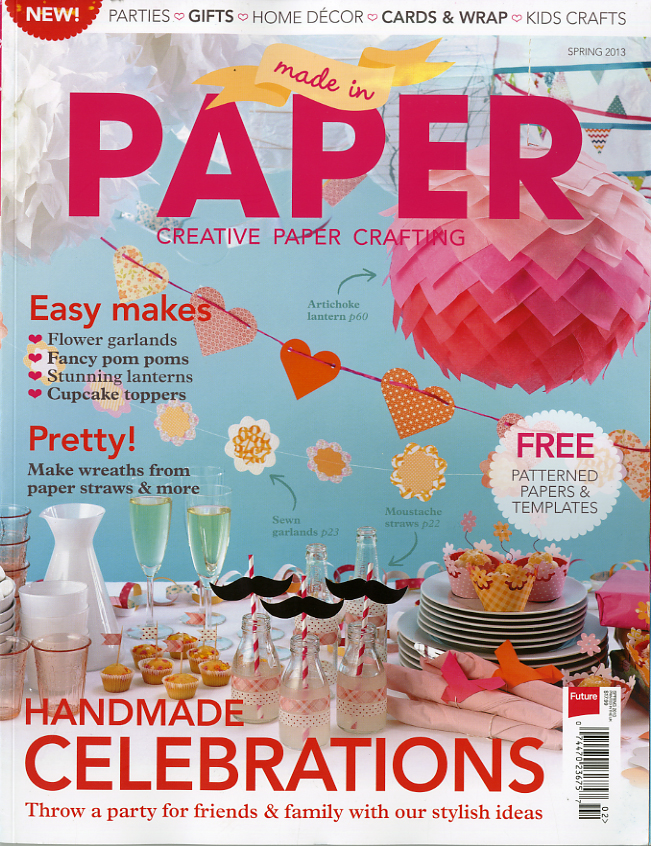
Made in PaperMade In Paper – The size, the feel, page after page of imaginative crafts; it’s all here in this magazine to produce an experience for the reader. Whether you actually make any of the crafts, or simply enjoy dreaming about trying your hand at some of them, Made in Paper is meaty and substantial, chock full of colorful explosions that come together to form exciting and beautiful designs. It’s an uplifting magazine.

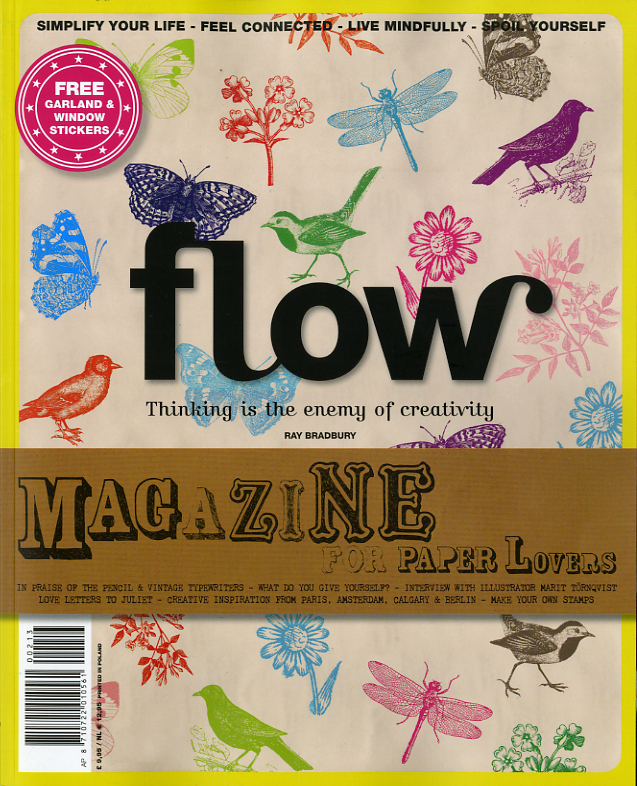
FlowFlow – Magazine for Paper Lovers – After few years being published only in Dutch, an international English edition of Flow has been published. This is a magazine that celebrates “Do it Yourself” and believes nothing beats paper to do it with. And with a Ray Bradbury quote on the cover: “Thinking is the enemy of creativity,” you know imagination abounds between the covers. The pages of the magazine tempt your fingertips and beckon to your senses. The magazine asks you to slow down and consider your own needs, to take the time to care about yourself first for a minute. And choose Flow to do it with.

MoodieZMoodiez – A magazine for young teens that want to know about themselves and the world around them. And by the way, it’s the first Dutch mind style magazine for young people out there. The first issue of the magazine features each sign of the zodiac and has pullout posters, which accompany each mystical zodiacal realm. Very creative and unique.

Happi FoodHappi-food – A magazine that is simply a delight of delicious dishes that states: “Bring Soul into your Kitchen.” Foods that uplift as well as produce healthy results, a magazine full of zesty recipes that nurture your body, your soul, and your spirit.

From these magazines, you will find no cookie cutters; each one has its own unique spirit and personality, unique size, unique skin feel and color, in short, a unique persona, one of a kind. What I discovered on this particular trip abroad is how much easier I can rest when it comes to relevant print, for that relevant audience, with that relevant message. Talk about target marketing.

My spirit has been rejuvenated! What about yours?

h1

Dick Porter, President, Media Sales, Meredith National Media Group: That is the Power of Print. The Mr. Magazine™ Minute

April 29, 2013

Do you have any doubts that advertising in magazines increases product sales at retail? Well, if you are Meredith, “the nation’s leading female-focused media and marketing company,” the answer is NO, with a capital N and a capital O. I asked Dick Porter, president, Media Sales, Meredith National Media Group, about the power of magazine advertising and their sales guarantee program at Meredith. Click on the video below to hear his answer:

And for those who want to know more, here is the first three paragraphs from today’s Meredith press release:

The nation’s leading female-focused media and marketing company with an audience of 100 million American women – today announced that it was expanding the Meredith Sales Guarantee program following a very successful inaugural year.

Brands participating in the first year of the Meredith Sales Guarantee experienced an average return on investment (ROI) of $7.81 for every $1 invested in advertising in Meredith magazines, proving that advertising in Meredith magazines increases product sales at retail.

Meredith’s $7.81 ROI, incorporating the impact of both annualized consumer response and total households, was far better than the average $2.79 ROI for campaigns run on digital portals/ad networks as measured by Nielsen Catalina Solutions over the last five years.

h1

Audience First and Other Secrets on How Dwell Magazine Has “Out-Dwelled” Them All and Proven that this Shelter Magazine Knows How to Survive and Thrive – Mr. Magazine’s™ Interview with the President of Dwell Media – Michela O’Connor Abrams

April 29, 2013

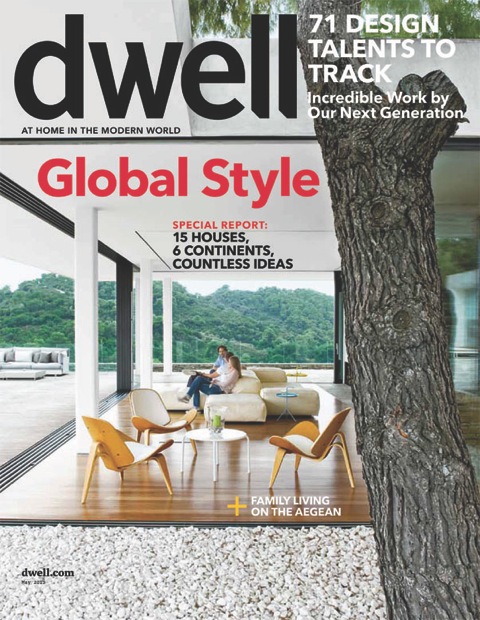
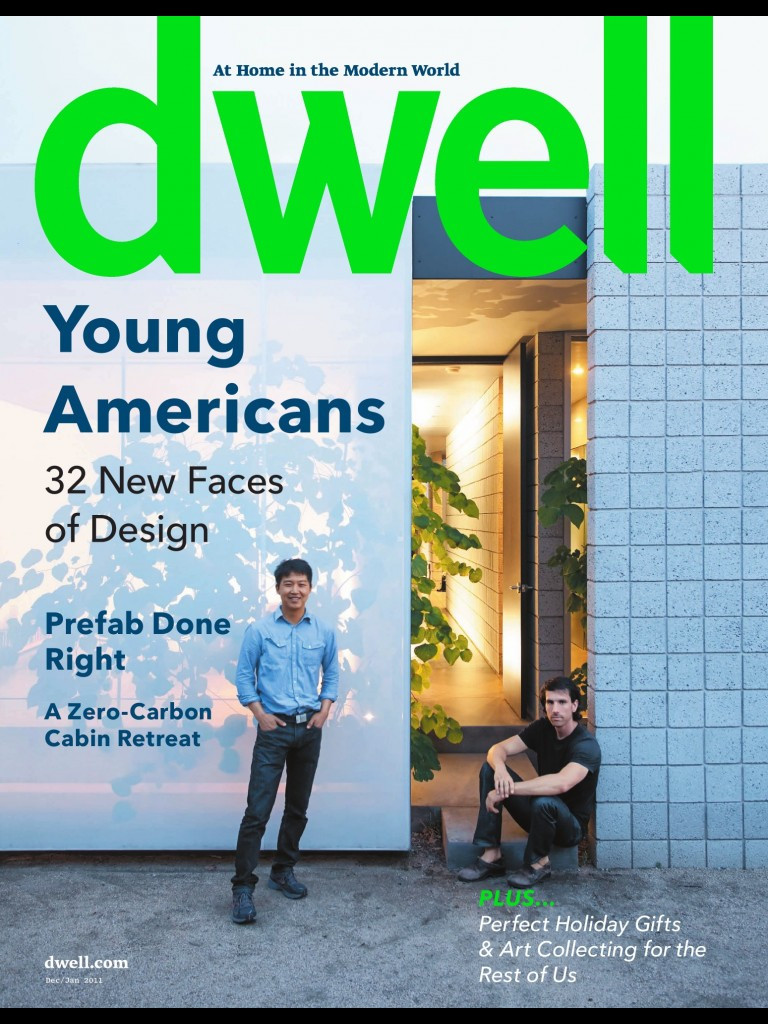
Screen shot 2013-04-29 at 7.58.58 AMAudience first, and not platforms, is the number one secret behind the success story of Dwell magazine media. In the shelter magazine industry, no new (if you can call a ten-plus-year-old, new) publication is more revered and respected than Dwell, and for more than a decade, Michela O’Connor Abrams has steered the wheel of this visually-driven design ship with foresight, skill and downright gut-instinct, guiding her vessel across unknown waters successfully. Between Dwell the magazine, and the powerhouse events the media company hosts, Dwell has stood the test of time and proven itself to be a bulwark against the downturns of the magazine media business.

-1The reasons O’Connor Abrams gives for the company’s continued success: her background in technology media and the focus on the audience and the communities Dwell has built and serves faithfully.

With their cornerstone of print and O’Connor Abrams’ supreme belief in digital integration and innovation, Dwell Media’s future looks as bright as any sun reflected in their rear-view mirror.

And when you’re known as the “pornography of interior design” among top designers, well, that’s when you know your visual panoramas are beyond stunning and border on the sublime.

So grab your imagination and let your creativity flow freely as you prepare to enjoy Mr. Magazine’s™ interview with the woman behind the driving success of a shelter magazine that takes the visual to unbelievable levels and proves that with courage and backbone a magazine can sustain more than a decade in an industry that can sometimes be as uncertain as the future it strains to see – Michela O’Connor Abrams – President of Dwell Media.

But first a Mr. Magazine™ Minute with Michela Abrams, followed by the sound-bites and the lightly edited transcript of the full interview.

The Mr. Magazine™ Minute with Michela O’Connor Abrams, president, Dwell Media

And now for the sound-bites:

On Dwell being much more than a print product and whether the future lies with such print/digital integration: Yes. We now have 10 platforms at Dwell Media. The magazine is about 55% of the business and four years ago it was 94% of the business. But the magazine and the SIP’s for the newsstand remain very healthy. I’m happy to say this is turning out to be an incredible year.

On the reason Dwell has “Out-Dwelled” the other magazines that were launched at the same time: Because everybody else was putting the magazine in the middle with all these ancillary products hanging off of it. I remember seeing a very senior executive at TIME Inc. put the magazine in the middle with all of these different, and he called them “arteries of revenue.” I had probably been here, maybe two years. So it was 2004 and I’m thinking, ‘That’s crazy!’

On the main focus of Dwell Media:
The magazine is a platform and the audience is who you should concentrate on. And we had done that; we had adopted that in 2002. The driving mission was bringing modern design to everyone, anywhere, anytime, anyplace and in any form.

On how Dwell is using their cornerstone of print to expand their empire: The print vehicle – because we are a design brand, the paper we’re printed on, the quality of the photography, just everything about that experience is very tactile. And that helps to really spur the excitement and the growth on other platforms, because the magazine still sets expectations for the greater audience, not just the subscribers, but the newsstand buyer and the pass-along reader.

And now for the lightly edited transcript of the Mr. Magazine™ Interview with the President of Dwell Media – Michela O’Connor Abrams.

Samir Husni: After 10+ years with Dwell and Dwell media, your director of communications said that print was still your cornerstone, but that Dwell was much more than print. Is this the future?

Michela O’Connor Abrams: Yes. We now have 10 platforms at Dwell Media. The magazine is about 55% of the business and four years ago it was 94% of the business. But the magazine and the SIP’s for the newsstand remain very healthy. I’m happy to say this is turning out to be an incredible year. Last year was better than the previous, and this one is wonderful.

We have continued to develop the brand on all these platforms. Dwell on Design, which is our large conference and exhibition, is now the largest design event in America. It is at the end of June and we expect a little more than 30,000 people. We have about a 1,000 brands that take up 220,000 square feet at the L.A. Convention Center and the city has declared it Dwell Design week for the entire week. The event is huge, and digitally we would have spent a long year, meaning fiscally, from about March 2012 until now, migrating off of an arcane content management system that served us just fine about 7 or 8 years ago, but was no longer terribly helpful in the growth of digital for Dwell for the last two years.

So we migrated to Drupal and we have begun to see the fruits of the efforts of the team. We have tablet and mobile. I haven’t announced this to anybody, but we have just recruited a very senior executive out of Yahoo to be the EVP of digital for Dwell Media. He has done 4 start-ups in digital pure plays and run content and commerce for Yahoo. And he starts May 1st. It’s very exciting. And that is to digitally transform the whole company, not only to continue to grow our commerce platform, which has been a partner strategy for the last three years, but to really step up our game. You will be able to fundamentally shop Dwell so it is contextualized commerce. It’s not a flash sale. It’s not trying to sell Chach-Keys and every little widget known to man. It’s still highly-curated, just as you would expect to find from Dwell. So he is coming in to lead that entire effort, as well as work on the digital transformation of the company.

Digital and events are the future of Dwell Media and yet because, thankfully, we have always had a profitable circulation model with Dwell, I don’t expect print to be gone in five years, ten – a different story.

This is a very exciting time for us. We’ve been taking digital very seriously for years now, but not really able to do the kinds of things that we wanted to do. If you just look at what’s available to publishers on the tablet; the promise of enhanced digital versions on the tablet, from years ago, is just now really becoming a reality in the sense of a profitable business model. It’s not that we couldn’t use the technology to enhance the digital experience of the tablet, but now we can really maximize the opportunity in a fundamental way.

Samir Husni: When Dwell was started, there were so many other magazines of a similar genre launching too; however, Dwell is the lone survivor of all those other entities. What’s the secret of success behind Dwell?

Michela O’Connor Abrams: Three things. I think that my background in technology media for all those years, which was way ahead of consumer publishing at that time, made sure that the model that we adopted 10 years ago was one of understanding the audience that we serve and almost behaving like a research company, and believing that the community that you serve, the audience, subscriber, and the newsstand buyer, add them all up, were in the center of the business model. And everybody kind of said, “Isn’t that a nuance?” And I said no, it’s not a nuance.

Because everybody else was putting the magazine in the middle with all these ancillary products hanging off of it. I remember seeing a very senior executive at TIME Inc. put the magazine in the middle with all of these different, and he called them “arteries of revenue.” I had probably been here, maybe two years. So it was 2004 and I’m thinking, ‘That’s crazy!’

The magazine is a platform and the audience is who you should concentrate on. And we had done that; we had adopted that in 2002. The driving mission was bringing modern design to everyone, anywhere, anytime, anyplace and in any form. With that as your guiding principle, then you not only know how to serve the reader in print, but you understand how to serve them digitally, at events, and with research, because of that mission statement. And we sell homes; I mean we have ten platforms.

Another reason that I believe we weathered everything others didn’t, was because I knew enough, again from my technology media background, to sustain the audience that we served that was affluent, was 50/50 male-female, 40% trade, 60% consumer, and that was unique. Everybody else in our category was largely 80% female, lower income, and very low trade.

So I thought in order to preserve that very thing that makes us unique, if we put the circulation to half a million or more, and everybody wanted me to, the advertisers in Detroit who said we’re not going to look at Dwell until you pass that 500,000 mark, and I said, “Well, we’re not going there.” I knew that 300,000 was my goal, and this was when we were at 150,000. We went to 325,000 and it was still a profitable circulation, it still maintained that composition I just spoke about.

And that is what fundamentally happened to the people who started those other businesses: the House & Garden, the Met Home, and the Dominos; they were so dependent on advertising; the model was to push circ as far and as fast as you could. Then when advertising fell apart, there was nothing to hold them up. Because they were losing so much money having circulation at those levels, that when advertising went down, the house of cards fell.

Thankfully, we kept the model, we’re still profitable there, the composition is still what I wanted it to be and it’s been a saving grace for so many reasons.

Samir Husni: I hear so much chatter about offers that have come your way, but it’s always, “No, thank you.” Are you happy being an independent blip on this big media company screen, or can you see yourself one day as part of a TIME Inc. or a Meredith Corporation?

Michela O’Connor Abrams: I can only see Dwell Media being a part of one of the very large, still traditional publishing houses. I don’t think anybody in that realm of that size has really turned themselves into a media company yet. They’re huge; they’re battleships. So they’re turning diligently and obviously very smart people run those companies, but you can only turn so far in so much time. I don’t see being a part of that until we would be convinced that they really understood the opportunity and that fundamentally they saw why focusing on communities of people and serving them on multiple platforms makes the most sense.

I would say Hearst is making the most progress and is the company that we see making the greatest strides there.

But honestly, I’ll tell you, people ask me this all the time; does it really make sense to continue this quest by yourself? Well, I don’t know. Here we are almost 12 years into our founding and we’ve continued to grow, we’ve certainly had to stay scrappy to do it, but at the same time, we’ve innovated faster than any of our colleagues. So, who knows? I wish had that crystal ball to tell you. We love partnerships and we do it often. I think that we would want to probably form some kind of joint venture and date before we married anybody.

Samir Husni: One of the secrets that I hear from people about the success of Dwell is a lot of interior designers refer to it as “pornography for interior design.” The magazine, from its very beginning, has been very visually appealing and visually driven. In this ever-changing business model; what do you see the role of print today, and no one knows the future, five or ten years down the road. But how is that visual appeal of the magazine, the paper you print on, the entire physical aspect; how are you using that cornerstone, as your director of communications called it, to expand the empire?

Michela O’Connor Abrams: The print vehicle – because we are a design brand, the paper we’re printed on, the quality of the photography, just everything about that experience is very tactile. And that helps to really spur the excitement and the growth on other platforms, because the magazine still sets expectations for the greater audience, not just the subscribers, but the newsstand buyer and the pass-along reader. There’s still this great fuel, if you will, at the print level expectation for people to experience this brand online, on the tablet and mobile at Dwell in Design. It still remains a really fundamental part of that experience.

This house-porn of which you speak, yes, we’ve been known by that for a long time. And what’s true is that the digital media and the technologies that enable the experience will clearly continue to get better, more refined, more portable, more extensible and more immersive. And as that happens, then of course the role of print continues to evolve. I don’t think it will devolve. I truly think it will evolve. Will it grow and go back to anytime like we knew in the late 90s or the mid-2000s: no, I don’t think so.

It’s important to note that the reason I don’t think so is not because technology hasn’t caught up, it’s because the rest of our model is so arcane and so broken; we have the post office being propped up by the government to the tune of, I don’t know, I’ve lost track – $15 billion now, we’ve excused? The newsstand economy is a joke. The wholesalers are going broke, the distributors are feeling held hostage by the wholesaler, the retailers are being marginalized and yet, they aren’t ever creating a good reading experience or place to buy a magazine. Our bookstores are going out of business, so all those things are conspiring to have a much harder impact than anything to do with the technology.

Samir Husni: In 2008, when the economy busted and technology burst, the traditional American magazine business model completely died. If someone came to you and asked what they should do today, in 2013, to have a sustainable business model, or if Dwell is the working example; could they start as a print entity like Dwell did and then expand, or would they have to start everywhere right from the beginning?

Michela O’Connor Abrams: I don’t think you have to start everywhere. And I do have people calling me all the time. I’m always, I don’t know, humored that people are dying to start a magazine. And my advice always starts with the question, “Well, do you really want to start a magazine? Or are you interested in creating a brand and an opportunity for an audience that you believe is somehow underserved in a particular area, an enthusiast category, a news category” – doubtful, but…

So I keep pushing people back to focus on the audience, not the platform. And the truth of the matter is you see digital pure plays starting magazines. And there’s no doubt in my mind Fab is now raising money at a billion dollar evaluation and all they do is sell stuff. Not curated, just stuff. They’re going to start a magazine. Net-A-Porter, brand new magazine. Guilt was about to start a magazine and I think they didn’t because they have other problems.

So you’re going to see a lot of print fueled by digital pure plays because the role that print can play, which is still going to be partnered with technology, is very important. We published an augmented-reality-infused, if you will, magazine, small, but with our partner AHAlife. You downloaded the app off the cover and you could shop everything. Not a QR-code, you literally just put your iPhone there and clicked buy.

So these kinds of embedded technologies that use print for a different purpose, and as I said, contextualize the experience, so content and the creation of it is still king, but the context of course is what creates the financial model, is alive and well.

So I say to people, if you know you’re dying to tell an audience something that you think they can’t get someplace else, and you’ve got the right brand to do it, then go ahead and make sure that you’ve got a web strategy with a complementary print component, and you should have some kind of events that if for anything, are good for press and market-makers.

You really do have to have a mission that is first, the name of the brand, what it is that brand is to do and it follows with anywhere, anytime, anyplace and in any form. To start a media brand in this day and age and not have that as your driving principal is frankly a death knell. It would be a mistake.

DwellMagazine7286Samir Husni: Can you recreate the success of Dwell should you start a new publication today?

Michela O’Connor Abrams: Yes, I believe we could. I absolutely believe we could. Now, would we start just as a magazine and wait two or three years to do anything else? Absolutely not.

So it would be this concurrent strategy because I have a technology that I didn’t have 10 years ago. I’ve got a forum for events that we didn’t have in the way that we now produce Dwell in Design. I very much believe that there is a strategy that if I thought there was, again – a message, an area that was really underserved by anybody else, or maybe it was being served, but not very well, I would take it on.

I mean, think about it. There were 341 magazines in the home-design, broadly-speaking, shelter category when I started. So who needed another home magazine? Was modern enough of a differentiator to really make a big company that would be alive twelve years later? I would argue yes, but not without all of the other business principles in place because if we had followed a traditional publishing model and many times Laura would say to me, “Are you sure you’re not just happy being publisher of this magazine?” And I’d say I love the magazine, I’m a print person. But it isn’t about what I’m satisfied with, it’s what the opportunity is that we have with this brand and we will be successful if we follow this and focus. And we did.

Whereas, as I say, Domino, House & Garden, Met Home and the whole list didn’t have a chance because of the model. And Domino is the best example of one that was totally a mistake on the part of Condè Nast to close it. That was just ridiculous. They had a voice online, they had a rabid community of fans and followers, they had a chance to be doing commerce, and they had a great chance to do events. But they blew it up because it didn’t match the old model of pump up the circ to 900,000 and lose money there in order to get a $40,000-$70,000 ad page.

Samir Husni: What keeps you up at night?

Michela O’Connor Abrams: Wow, just one thing? It’s a very good question and I should be able to answer it so easily, but honestly I feel so good about where we are in the industry and how we are executing. And that doesn’t mean I think we’re doing everything perfectly, or have all the answers at all. But we’ve been so diligent in following this model of focusing on the community that we serve that we’ve got a model that is resilient, that I won’t say is economy-proof, but we’ve proven during some downturns that we can make it through. And now with the hiring of the gentleman from Yahoo, we complete a phenomenal executive team that I am so privileged to work with, and it’s so exciting.

I guess I would have to say the answer to the question is that the market rewards digital pure plays with no business model and no profitability in any future time, just as they did in the dot com boom and we saw what kind of disaster that was. We’ve created artificial markets and artificial, kind of irrational exuberance that I fear is another bubble. Now, the silver lining may be that we’re certainly not there and that is not who we are and we will prove that being rooted in real assets with real IP and value will win out. But, also making sure that innovation is constantly at the root of everything that we do.

Samir Husni: Do you consider print as the real IP address or is it the events, the shows, the people? You said you have a real IP address; are you saying that digital is not real, or it’s not felt? So far no one is making money on digital.

Michela O’Connor Abrams: I’m saying that the real IP is the audience and the content, but the opportunity, of course, is the context on all these platforms. And if you look at the digital pure plays, what are they trying to do? They’re trying to engage an audience with content. And hiring editors and syndicating content and buying content so that they will remain an engaging brand and build their own communities.

And up until now the unbelievable and truly inexplicable, in my mind, behavior on the part of the largest publishing companies has been to just freely license and syndicate content without thinking about the brand that they have that is relevant on these other platforms. Go figure.

Hearst spent $458 million on iCrossing, which is in our building, right below us, and hasn’t executed their own commerce strategy. The common sense part would be if we could understand that millions of people still love to read and we have cleansed the retail experience of any meaningful, engaging reading place, except the rare exception of your local coffee house. The bookstores are beleaguered; wholesalers take a pound out of your skin every time you turn around and they want you to pay them more just to put your magazine front or forward. It’s a joke, an absolute joke.

I keep thinking if there was a separate delivery system where you bypass the post office, put a separate magazine box outside a house, start a great franchise chain of great reading places, we would fix a whole lot of problems.

Samir Husni: Thank you.