Archive for the ‘New Launches’ Category

h1

In the New Magazines’ Launch-World, November 2010 is NOT a Cold Month

December 12, 2010

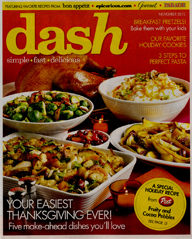
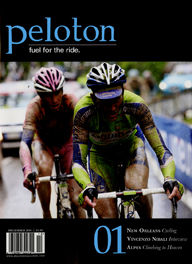
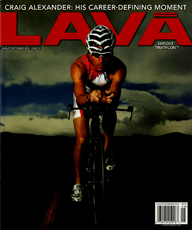
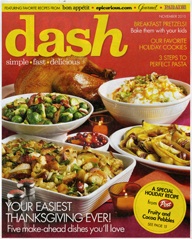
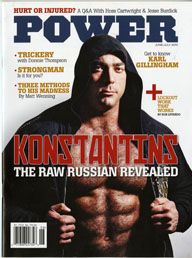
Unlike the cold cold weather of the winter, the November 2010 in the world of magazine launches has been a hot one. Indeed the number of launches has almost doubled in comparison is that of 2009. A total of 71 new launches appeared on the nation’s stands compared with 44 in November of last year. The sudden increase in the number of launches is yet another sign of the vitality of the magazine business that has been seeing quite a bit of good news lately on both advertising and circulation fronts.

From the 71 new titles 18 were published with an intended frequency of four times or more, double than the eight that were started with the same frequency in 2009.

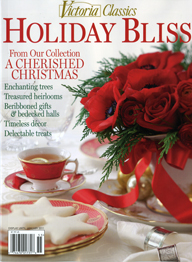
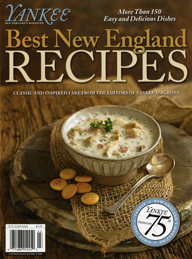
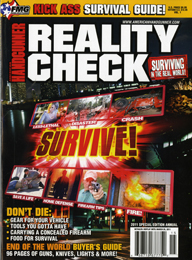
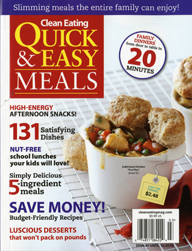
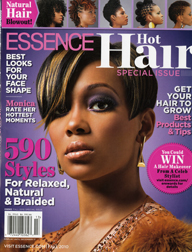
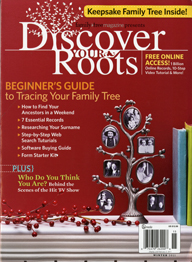
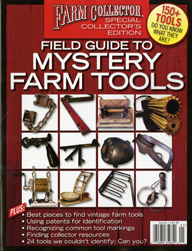
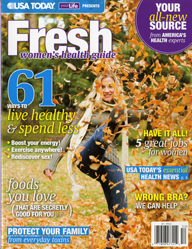
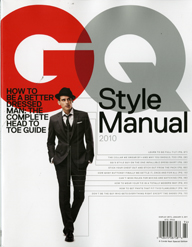
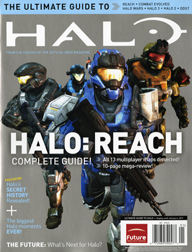
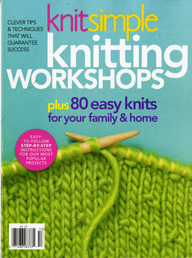
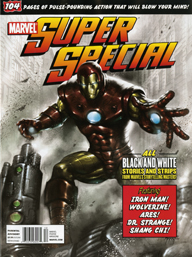
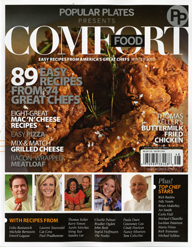
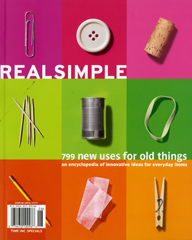
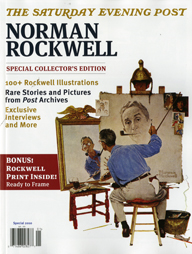
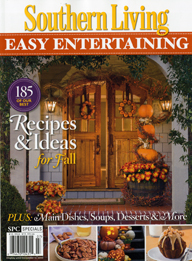
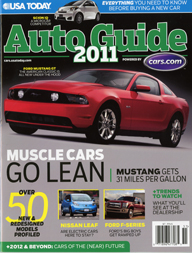
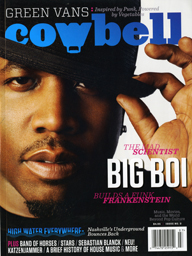
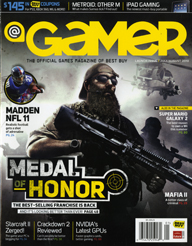
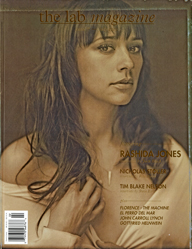
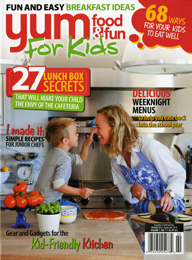
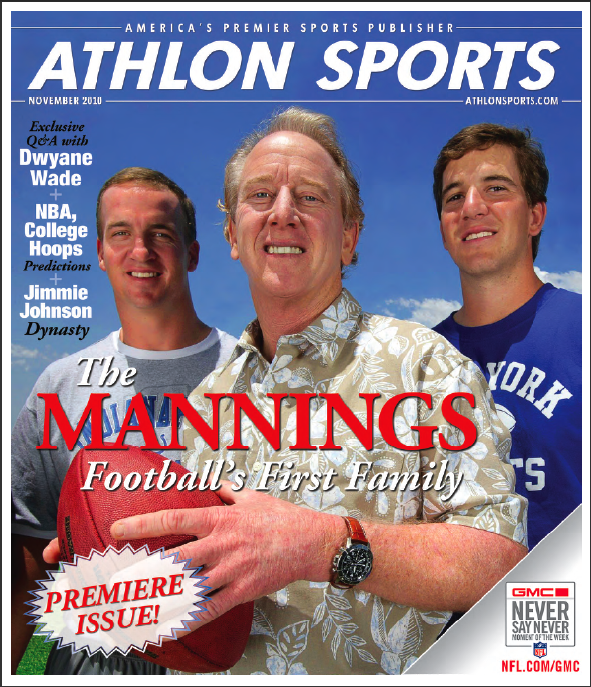
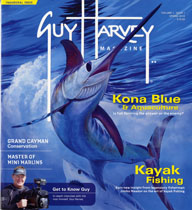
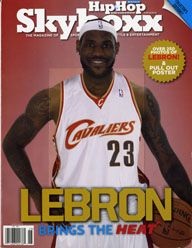
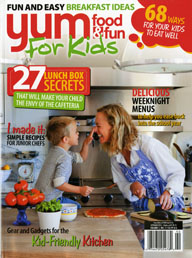
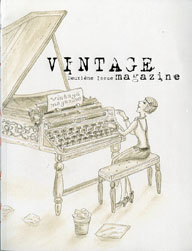
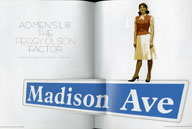
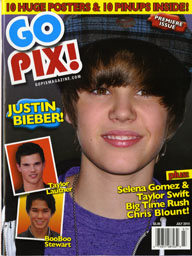
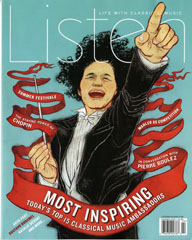
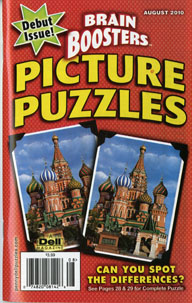
November launches follow a very strong October. In October the total number of new magazines launched reached 95 with 20 magazines published with an intended frequency of four times or more. The above featured four magazines are nothing but a little representation of the quality of titles arriving at the marketplace lately.

All in all the total number of new magazines this year, so far, is almost the same as the last year. My expectations is this year’s total launches is going to exceed the 700 mark as a total number and the 200 mark as those published four times or more. Stay tuned!

h1

The Doctor Is In(teractive)… Bonnier’s Tom James on the Future, Magazines, Tablets and the Good Old Desktop Computer. The Mr. Magazine™ Interview

November 21, 2010

With the growing popularity of electronic tablets like the iPad, it seems that every publisher is doubling down on the future of publishing based on the “apps on a tablet” hand of cards. Publishers are rushing to get their own mag-apps on the market (if they don’t already have one) so as not to get left behind in this latest “as in today’s” digital revolution (no time for even calling it a trend, since tomorrow may bring another revolution). Of course, it’s all too easy to forget that consumers have been using digital content for years from their own desktop or laptop computers, not to mention those who haven’t yet jumped on the e-reader bandwagon.

Bonnier’s Skiing
debuted Skiing Interactive this month, a fully interactive, Flash-based web publication which provides viewers with a unique and personalized reading experience. Using colorful infographics, geo-targeted mapping, videos and engaging articles readers can personalize to their wants and needs, skiing enthusiasts now have a brand-new way of hitting the slopes from the comfort of their own computer.

Creating the right content for the right medium is the philosophy of Tom James, who has been with Bonnier Corporation (formerly World Publications) since 1986 and is now editorial director for Bonnier’s Enthusiast Group. Last week I had the chance to converse with Mr. James, via the old reliable land line phone, regarding how magazines can move away from making digital replicas of their print titles and move toward creating compelling digital experiences.

To say Tom James is optimistic about the future of content delivery will be an understatement. He sees the publishing cup 90% full. Mr. James offers the industry a simple, yet very effective prescription to its problems. “Break out of the issue concept and the print paradigm and then everything becomes in place,” he says. As I have said time and time again, as long as we are thinking replicas (no matter how many plus plus plus you are willing to add) we are not innovating. We have to break the mold and think innovation rather than renovation.

The idea of engaging Mr. James in a conversation about the future of our industry germinated last summer when I met him in Denver, Colorado at the Association for Journalism and Mass Communications’ summer convention. He showed the magazine division of the association a preview of what Bonnier introduced this month: Skiing Interactive, an interactive publication that is not a replica for anything they have in print. After the launch of Skiing Interactive I felt it was necessary to check back with the interactivity doctor at Bonnier to try to understand, first hand, what are his innovation plans and where the future of publishing is taking us.

What follows, is the full, lightly edited, Mr. Magazine™ Interview with Tom James:

Samir Husni: What is Skiing Interactive?

Tom James: It’s our first launch into what I think is a new style of delivering content, really. The fact that we did it with skiing, it’s one of our titles and one of many that we’re considering to do it with, the style of delivering content which is more appropriate for the digital desktop format than what has previously been done for digital desktop magazines.

It’s really about all the digital magazines in the last two years, certainly the last year have been focused on the iPad and the apps and the way their app works. I’m more focused about the way the content is consumed by the consumer, the way the ads relate to the reader and the frequency. It’s a totally different strategy than, “Oh, can we make a cool app?” We’ve shown we can make a cool iPad app. I think our Mag Plus app is one of the most innovative iPad apps out there, but I still don’t think that’s the only thing that can be done with digital magazines.

SH: If we consider ourselves the most creative people in this industry, why can’t we think outside the focus of developing replicas of printed magazines? We have a new medium out there. Why can’t we just create a message for that specific medium, rather than creating a replica?

TJ: That’s my philosophy exactly. But you can’t deny everyone (who is) swept up in the romanticism of having something for the iPad. It was kind of heralded as a savior for the magazine industry and I just don’t think the magazine industry is that broke. We still know how to make great content that connects with the user. We just have to make the right content for the right medium. That’s not that tricky.

SH: You’re now the black sheep who’s doing that. You’re not following the masses. Steve Jobs has not lit a candle for you.

TJ: I consume a lot of magazines on the iPad, probably just like you do. It’s easy to carry them around that way. But, you can’t deny there’s a billion desktops and laptops in circulation being used right now as compared to under 10 million tablets, and we as publishers can get our content onto that medium in a better way. We can’t abandon that. We can’t just let our website be the way that we reach people through the desktop and laptop. I want to give them slices of content in a finite, digestible form that is pushed to them rather than a website (where) the user actively searches for what he’s looking for.

SH: How are you going to be able to take what I call our “welfare information society” we’ve created in the last 10 years, and find a way to charge and make money?

TJ: First off, I believe that we will make money from ads because we’re putting a huge focus on making the ads just as engaging and entertaining and as on target as the editorial content. A lot of our focus has been making our ads exceptional.

As a media person, I’m kind of embarrassed that the only media form where the ads are as important as the content is the Super Bowl. That’s one little thing that the ads are important on and I think we can make the ads just as important in our digital push of content. So, I think that by making better ads, we have a better business model, but I really don’t have the answer to that subscription problem. There’s a lot of really smart people working on that and it’s kind of a conundrum. People don’t seem to want to pay for digital products. I think over time they will, but I don’t know when or how we’re going to reach that tipping point.

SH: Tell me how you will respond to those who will say, “Now you are mixing church and state.” Is it our job as media folks to create better ads?

TJ: It’s certainly not mixing church and state. We are very definitive and emphatic about which screens are advertising and which screens are editorial. What we’ve done is we’ve created a new engaging form of media that tells stories in interactive, lean-forward ways. We think our advertisers should do the same. Now, because we created this form of media, we’re helping our advertisers learn how to create ads for that form of media.

We are sort of seeding the ideas at first. Like, “Hey, you can do a ‘Which ski suits me best’, a personalized interactive ad, versus just a pitch of a message.“ We’re just helping them learn that this is possible now. If you invented a billboard and no one had ever seen a billboard, you’d also have to create the first billboard ad, wouldn’t you? No one would know that format of advertising. That’s kind of the era we’re in right now. I think that advertisers will quickly catch on, and this is by no means merging “church and state.”

SH: When I buy a magazine, I’m buying it for the ads and the articles. I don’t like separating the two.

TJ: You’ve been an editor, and as an editor, I’m always embarrassed when the advertisements aren’t as on target or as good as my content. I feel like it’s wasting or interrupting my reader’s time. The time that the reader is in my world, so to speak, I feel responsible and I don’t want to insult him or her with crummy ads, just like I don’t want to insult him or her with crummy editorial.

SH: As a visionary in this field, where do you think we went wrong in this business? Were we swept away because the newspaper industry is hurting and they took all of print together? Or were we so in love and romanced with the iPad?

TJ: I don’t know if we went wrong yet. It was so good for a while that we considering this more challenging era problematic. I think there’s areas we’re going wrong. I think as content producers we have to get out of the mindset that content should be delivered to consumers when we want to deliver it. I think we should deliver it more or less when they want to get it, which might be every day, for all I know. It might be every half-hour. I think that’s an area where we’re going wrong, but I think being stuck in a print-centric mindset where it’s a monthly frequency and the editorial’s great and the ads suck, I think that’s an area we’re going wrong.

I just think it’s relative. You know how good the magazine industry was for a long, long time and I think that now we’re challenged a little more; there’s people who are doomsayers about it, but it’s just a little more challenging now.

SH: You’re the doctor. What’s the prescription? How do we face this challenge now?

TJ: I think it’s pretty simple, which is remarkable to say. You’ve got these different mediums. You have to deliver the right type of content for each medium. For example, on television, if we’re going to have apps that reside on your television, we should stream video to those apps. If we’re going to do the things we’re doing on desktops and laptops, I believe interactive infographics are the best. I think in print: good long reads, long-form journalism might be great, and great photos. I think from a content perspective, making sure you don’t force the wrong kind of content onto certain mediums.

From an advertising prospective, I think it’s working with your advertisers to do the same. When you look at the ads that are in the magazine apps in the iPad, they don’t touch the potential that they could have. They’re still pitches. I think once we get our content right for the medium and then help our marketers get their ads right for the mediums, we’ll be in a fine place. Does that work as a prescription?

SH: It sounds like a good start. Like you said, it’s such a simple prescription. Why aren’t we following it?

TJ: Because we do print so well. It’s hard to get out of that mindset. Editors are in love with the great read and their contacts are really great at creating great reads, all our contributors. So, the people we know create print media. So, we try to force those people’s skills and our skills into the other mediums which I don’t think works.

Other than maybe the New York Times, who has a great infographic department, we’re still very word-centric and that’s not the right form of content for the different mediums. We’re probably going to see some kind of Renaissance in the types of people that we’re hiring. People who know how to work with data better, who are more interested in information management than words and words telling a great story. That’s what I believe. I believe it’s a form of our context and our knowledge base.

SH: If someone said, “OK, Tom. Here is your crystal ball. What’s the future of print?”

TJ: Are you talking next three years, next 10 years, or the next 50 years? To me, print has a great future for our business until it become psychologically unsustainable. I don’t know if the world is always going to want to be cutting down trees and driving boxes of magazines around the country or world. But other than that, people love having a print product on their coffee table and I think that’s good news for us.

SH: What’s the future of the Internet? Is the Internet dead?

TJ: The future of the Internet? If I could answer that question, I would be in the penthouse of this hotel (where he was staying when we spoke via the phone). I don’t know. Delivering great content that’s easily accessible, whenever the user wants it, and helping our marketers reach those users with equally great content.

SH: It seems to me you’re betting more on the desktops and on the laptops than you’re betting on the tablets, for now.

TJ: For now, I go with the numbers. You know what, there’s not an iPad owner who doesn’t have a desktop and laptop, or very few. I love the tablets; I think they’re going to be a great supplement to how we consume media, but I believe this, and I hate to say this, but I believe people consume a lot of media at work while they’re screwing around between spreadsheets or whatever and that doesn’t just have to be Facebook. It can be our magazine content or our company’s content and it’ll be on the computer they’re using at work, which is probably a desktop or laptop. Desktops and laptops, those are dirty words. Those are great ways to consume content.

SH: You’re one of the few folks that I’ve spoken to who is really talking about the need to educate the advertiser. If we are going to make money, you can’t just tell them to do it by themselves, and you’re getting out of that replica world that everybody is talking about.

TJ: Skiing Interactive, for one, doesn’t relate to the Skiing print product in any way other than to DNA, perhaps, but not in the content. The content that we do in print is not as dynamic as the content we do in Skiing Interactive for the desktop and laptop. I’m really interested in helping and bringing the advertisers along with us. I don’t know if they are aware of everything the magazine industry is trying to do, and if we create something great, we have to help them create something great along aside it.

SH: One of the reasons I created the Magazine Innovation Center is to help amplify the future of print, because I feel like we use print so much to amplify the future of technology and digital and the web. Do you think it’s a lost cause? Can we use digital to amplify the future of the printed Skiing Magazine? Or is that necessary?

TJ: I think we can really help keep the brand in front of users with the digital product and then I do believe, especially in enthusiast products, whether you’re a cook or a snow skier, you like that product lying around your coffee table, so that when someone comes to visit you, it says, “Look, I’m into food” or “I’m into skiing.” So, I think that by keeping the brand important, which is in front of people everyday in their digital lifestyles and their digital habits that will create a continuing existence for a great print product.

Now, I’ve read on your site, “Is the future of magazines the book-a-zines?” and that might be. Maybe as we increase frequency digitally, we will decrease frequency and quality on the print product. The important thing is the brand is still going to be strong.

SH: Some companies are starting to think about the web and its interactivity as a good source of subscription models and direct marketing. Do you see that as a legitimate part of the deal?

TJ: I think that ultimately subscriptions might come as a package where you get a few print products, you get access to enhanced versions of the website and you get this pushed interactive product delivered to you on a regular basis. And getting back to one of your original questions, that might be how you monetize the subscription side of it, by packaging it into a multimedia, cross-platform situation where you just get everything that the brand offers for a certain price. I hope and want there to be print in that mix. But I know that there is going to be digital in that mix.

SH: What about the reader? The more mass and general the magazine is, the less specific the knowledge about the readers. How important is it for our future to go back to the old premise of knowing your audience?

TJ: That’s probably never going to change; as far as the primary importance and what the Internet era has created, more fractionalized and specific audiences. Then it’s even more important to know your audience. If I’m a skier in Colorado, I might be different than a skier in New Hampshire, and we probably are going to need to address those specific subsets. For those big generalized magazines, I don’t know how they’re going to do it. If People magazine wants to cover everything from music celebrities to soap opera celebrities, I’m not sure how they’ll do that. I like to deal with enthusiasts and people who are very passionate about specific things, and I think our company has always addressed, as our slogan says, “Connecting people with their passions.” General interest stuff, I don’t really know.

SH: What are some of the steps to fill the prescription you mentioned earlier?

TJ: I think it’s the same stuff we’ve talked about before; making sure that you don’t force one medium’s content inappropriately onto another medium, making sure that you pay attention to helping your marketers create equally engaging content across the mediums you are entering in. I think if your product is on target with the audience, appropriate for the medium, advertising is equally that way, and then your frequency is such that it’s available when the user more or less wants it, I think those would be the steps. The No. 1 step: break out of the issue concept and the print paradigm and then everything becomes in place, so to speak.

SH: What’s your next big project?

TJ: I’m just working on helping our company forge its way into the new media landscape. I wish I were in total control of my destiny. I want to work with all the groups that are working with, making media work for the future. I know we make great content; we just have to reach the people with it and in the correct way.

SH: Do you see the cup half full, half empty, three-quarters full?

TJ: I think the cup is 90 percent full. I think we learned a lot about efficiency in this era and we have an unbelievable amount of opportunities, and that’s a pretty good formula for being profitable.

SH: That’s great. You are the first person ever who goes above the 50 percent mark. I love it.

TJ: That feels pretty good. Why would anyone be in this industry if we thought it didn’t have a good future? It’s like people living in Detroit. They say, “Look, Detroit’s dying. I’m moving.” I think if you’re going to stay in this industry, you gotta make it work, and I think we can make it work.

SH: Thank you.

h1

8.2 Million Copies in a Dash! The Strategy Behind the New Food Magazine Launch

November 16, 2010


2010 will probably be best remembered as the year of magazines-distributed-via-newspapers. The year that the little kid came to the aid of its big sibling by adding an infusion of blood and livelihood. In October 2010, the new Athlon Sports, aimed at a male audience, was launched with a 7 million circulation inside America’s newspapers. Last week the new Dash magazine was also launched via newspapers with a female audience in mind and a 8.2 million circulation.

Both are attempting to serve the 100 million daily newspaper readership (yes, you read that right, 100 million folks still read the printed newspaper every day in these United States of America). Athlon Sports is going after the 55 million male readers and Dash magazine is going after the remaining 45 million female readers. Read here what I wrote about the launch of Athlon Sports last month.

Dash is the new magazine from Parade, the granddaddy of all newspaper-magazines with a circulation of 32.5 million every week. Dash bills itself as the “go-to source for putting quick and delicious meals on the table during the week. It has a mix of fun, a bit of inspiration using America’s best-loved food brands and always a back-to-basics sensibility.” The magazine is aimed at women who balance work and home and are between the ages of 25 and 54. The November pre-launch issue is the first of what will become a monthly-frequency-publication starting in February of next year. It is the second newspaper magazine launched by Parade after their two-year-old Parade Healthy Style.

“If you know the reader, you can figure out the edit,” Maggie Murphy, Dash’s editorial director told me. And boy, do they know the reader! They have studied and researched their readers inside out. Women newspaper readers, while not big on buying food magazines, read the food section in the newspaper on a regular basis. They want food content that will help them put the food on the table in a “simple, fast and delicious” manner, as Dash’s tagline says.

Ms. Murphy joined Parade in June as editor of the weekly and editorial director of Parade Publications. Her first assignment was to create the prototype issue of Dash magazine in four weeks. Drawing in on the vast wealth of food content from sister company Condé Nast’s bon appétit, Gourmet and epicurious.com, in addition to Parade magazine itself, Ms. Murphy and her team were able to create a down-to-earth food magazine for that “dashing moment in the life of the busy women who have to put that meal in the oven and get it done in the time the kids are done with their homework.”

“The uniqueness of Dash is evident in three areas,” Tracy Altman, senior vice president of special projects at Parade, told me. “One is the lack of duplication from other food magazines; two is the unique audience that we are reaching; and three, the Condé Nast relationship.” Ms. Altman should know. She was the publisher at the Publishing Group of America’s Relish magazine, another mega-launch newspaper-magazine that was launched five years ago. ” We all had such a great time putting together the strategy for Dash,” Ms. Altman said. And the “We” of course refers to the many folks behind the launch of Dash, including Ms. Murphy and Allison Werder, senior vice president of business development under the leadership of Jack Haire, chief executive officer of Parade.

The Dash strategy includes the monthly magazine distributed on Wednesdays (best food day) mainly in the B and C county newspapers. In addition to the printed edition, Dash introduced dashrecipes.com, a daily digital offering that includes a recipe database in partnership with Epicurious.com. Also, a retail distribution plan is part of that strategy which includes a public placement program that will make the magazine available at local markets and food festivals nationwide.

So the next time you are dashing out of the world of print, take a look at Dash and the rest of the national magazines distributed via newspapers; you will be glad you did. It will reassure you that the printed medium is still very well and alive. The problem is not with the medium, as I have said time and time again; it is with the message. So, for a change, stop dashing out of print and stop and study the Dash strategy to launch a new magazine… there are plenty of lessons to be learned. On that note, you can dash out of this blog and go pick yourself up a copy of Dash, lighting a candle in the print tunnel rather than cursing the dark.

h1

DECEMBER 9 IS min’s MORNING OF INTRIGUE: Most Notable Launch of the Last 25 Years and the Hottest Launches of 2009 – 2010

November 7, 2010

25 years ago, Steve Cohn was the first media reporter to write about a new publication born at The University of Mississippi called Samir Husni’s Guide to New Magazine. Steve, who has been editing min (media industry newsletter) since then, turned the coverage of my first Guide into an annual review of the hottest and most notable launches every year. Each December he devotes a page in min in which he and I review and preview the hottest and most notable launches of new magazines.

Well, this year, on the occasion of the 25th anniversary of the Samir Husni’s Guide to New Magazines, I will be honoring the 25 most notable launches of the last 25 years from a list of more than 18,000 new launches. The event will take place on December 9 at min‘s Most Intriguing People in Media breakfast in New York City. At the event I will reveal the MOST notable launch from among the 25 notable launches since 1985. Also at the event I will honor the 15 hottest launches of 2009/2010 (with a Sept. 30 cutoff date for the 2010 launches) including the hottest launch of the year, the hottest editor, publisher and art director. Also three magazines that reinvented themselves this year will be honored at the min event. Click here for more details about the min event.

What follows is what Steve wrote in minonline and in this week’s issue of min newsletter:

min’s Most Intriguing & Hottest Launches Set for Dec. 9
By Steve Cohn

We launched min’s Most Intriguing People in Media list in 2003 because there were many who made a difference in media but were not necessarily “hot” in an obvious sense. We wanted to recognize people who are making waves or embarking on a big adventure or facing a stiff challenge. Our Dec. 9 breakfast at New York’s Grand Hyatt continues the tradition in citing five executives who were new to their jobs in 2010—Prometheus Global Media president/CEO Richard Beckman, Next Issue Media president/CEO Morgan Guenther (see right), Sports Illustrated VP/corporate sales Kim Kelleher, ABM president/CEO Clark Pettit and Condé Nast president Bob Sauerberg—and, for each, “the best is yet to come” applies. As it does to the remaining 16.

University of Mississippi journalism professor Samir Husni—aka “Mr. Magazine”—will preside over two other celebrations on the program: the Hottest Launches of the Year and the 25 Most Notable Launches of the Last 25 years. At the event Samir will announce the hottest recent launch and the hottest launch of the last quarter century. We invite you to join us. Click here for more information.

h1

Is the Book-a-Zine the New Magazine?

October 13, 2010

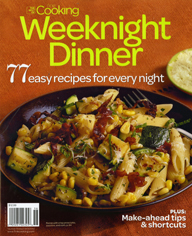
If the future is now, then today’s definition of a magazine may well be a book-a-zine. In the last ten days I was able to find and buy 26 new launches that fit the definition of a book-a-zine. A book-a-zine can be defined as a line extension of a known or established brand in which, in most cases, better quality paper is being used and the majority of the content is recycled from older issues of that brand. The new titles that I found were on the newsstands and most of them at the check out counters. Almost every magazine and every major brand are producing those book-a-zines and placing them on the racks. The newsstands are starting to look like the paperback bookshelves at the bookstores.

The majority of those book-a-zines deal with food and crafts, and some even combine food and crafts in one publication thus creating gifts from food or vice versa. From Holiday Cheer to Quick & Easy Meals, from Gluten-Free Holiday Guide to a Field Guide To Mystery Farm Tools, the cover prices range from a low of $4.99 (one out of 26) to a high of $14.99 (also one out of 26). I paid a total of $262.62 for my collection of book-a-zines in the first ten days of October.

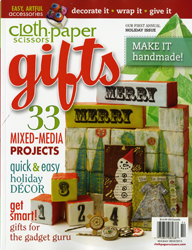
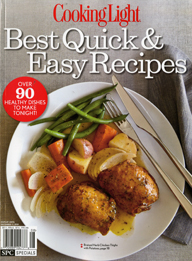
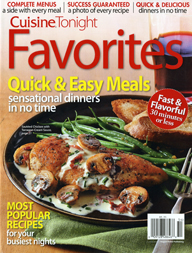
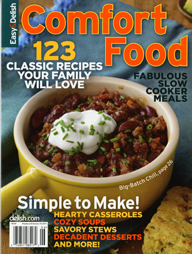
Here is, for the fun of it, the names of all the book-a-zines that I have bought including the brands behind the names and the cover prices. Also, for your visual delight, the covers of all the book-a-zines. Enjoy.

Farm Collector Field Guide To Mystery Farm Tools $7.99
Living Without’s Gluten-Free Holiday Guide $6.95
Marvel Super Special $9.99
American Handgunner Reality Check $9.95
Clean Eating Quick & Easy Meals $9.99
Real Simple 799 new uses for old things $13.99
Better Homes and Gardens Special Interest Publications Food Gifts $9.99
Essence Hot Hair $4.99
Future Ultimate Guide to Halo $9.99
Cloth.Paper Scissors Gifts $14.99
The Saturday Evening Post Norman Rockwell $9.99
Cooking Light Best Quick & Easy Recipes $11.99
Victoria Holiday Bliss $7.99
USA Today Fresh Women’s Health Guide $7.99
Southern Living Easy Entertaining $10.99
Cuisine Tonight Favorites $9.95
Family Tree Discover Your Roots $12.99
Delish.com Easy & Delish Comfort Food $9.99
Knit Simple Knitting Workshops $9.99
Fine Cooking Weeknight Dinner $12.99
Wild Bird Hummingbirds $10.99
Cars.com USA Today Auto Guide $7.99
GQ Style Manual $10.99
Popular Plates Comfort Food $8.99
Good Housekeeping, Redbook & Country Living Holiday Cheer $9.99
Yankee Best New England Recipes $9.99

h1

New Launches Slow Down in Q 3… but Book-a-Zines Are Getting Stronger

October 8, 2010

New magazine launches slowed down in the third quarter of 2010 compared to that of 2009. The total number of new launches was 186 compared with 211 in 2009. The net result was a negative 25 titles. Add to that the number of magazines published with an intended frequency of four times or more dropped by seven titles. In the third quarter of 2010 a total of 42 new launches made their way for the first time to the nation’s newsstands compared with 49 in 2009.

One thing of note is that during the last three months an average of 45 book-a-zines arrived on the newsstands every month. With an average price tag of $10.99 and a frequency of one and a half title every day, those book-a-zines are starting to occupy a major chunk of the newsstands’ space including that at the checkout counters. It seems that what used to be referred too as SIPs (Special Interest Publications) is now the book-a-zines that offer a higher quality paper weight and a sense of a “keeper” rather than a “disposable” item.

One theory behind this change is the fact that as newspapers become more like daily magazines (I know we are still far away from that in the United States, but no so far in Europe), the weekly magazines have to become more like the monthly glossies, and the monthlies must become more of a paperback book. That is why I said, and will continue to say, that the print problem is not in the medium but rather in the message that it carries. The message must and should be relevant, necessary and sufficient. The times are changing, and the message must change to be relevant to the medium. The medium is NOT the message anymore. But, that is the subject of a future blog. Stay tuned.

h1

7,000,000, Yes SEVEN Million is the Launch Circulation of the New Ink-on-Paper Sports Magazine: Athlon Sports

October 6, 2010

I had to spell it out. 7,000,000 is the total circulation figure for the first issue of the new sports magazine Athlon Sports. The newspaper-inserted-magazine’s first issue, sporting the First Family of Football (The Manning Family) will make its debut inside ink on paper newspapers on Oct. 18. Athlon Sports is one of two new publications arriving to the nation’s news(stands)papers this fall. Dash, a food monthly published by the granddaddy of newspaper-inserted-magazines Parade, will make its debut in November.

Althon Sports will be the largest launch this year and the magazine will be one leg of a multi-layered stool that includes a three weekly “Athlon Sports Extra Innings” sports pages distributed and ready to print in the host newspapers in addition to a web feed and presence. The goal of the Extra Innings is to “enhance current sports editorial in print and drive readers online.” Extra Innings will focus on Inside College Football, Inside Pro Football and Inside NASCAR for now.

Athlon Sports is the first newspaper-distributed-magazine aimed mainly at a male audience. The others such as Parade, USA Weekend, American Profile, Relish, Spry and Healthy Style are all aimed mainly at a female audience.

Stephen Duggan, CEO of Athlon Sports is going to be one of the featured keynote speakers at the Magazine Innovation Center’s first ACT Experience during which he will answer the question “7 Million Circ Launch — Why Now?” Three of the talking points of his speech will be, “Go big or go home,” “Crazy? I hope not,” and “Newspapers… A growth story.”

Mr. Duggan will be joined by 13 other keynote speakers at the three day event held on the campus of The University of Mississippi at the Meek School of Journalism and New Media. For more details on all the speakers and the schedule of the ACT Experience events click here.

h1

It has been a HOT HOT July… That is in the New Magazine Launches World

August 3, 2010

July was indeed nothing but hot, temperature wise and in the world of new magazine launches. Would you believe me if I told you that there were more new magazines arriving for the first time on the nation’s newsstands in July more than 2009, 2008 and 2007 respectively?

The hot month of July witnessed the birth of 68 new titles, from which 21 magazines were published with the intention of having a frequency of four times or more per year. Compare that with 58 titles in 2009, from which only 12 had the intention of publishing four times or more per year. And if you think July 2009 was a bad year in comparison to 2010, look at the numbers from 2008 and 2007: A mere 34 titles were launched in July 2007, from which only 10 had the intention of publishing four times or more. In July 2008 54 magazines were launched and only 13 had the intention of publishing four times or more.

The ink on paper magazines pictured above are but a sample of the vibrant and resilient power of new magazines that continue to arrive to the marketplace regardless of what new platforms are invented, being invented or yet to be invented. Every new magazine is a new invention worthy of being checked out, and at the price you pay for such inventions, you will have plenty to be thankful for and happy about. Pick up a hot magazine today; it is guaranteed to cool you down. Enjoy.

By the way, check out the Magazine Innovation Center’s first Magazine Experience this coming October here.

h1

A Portable Museum Pampered with Serendipity and Loaded with Creativity: The Mr. Magazine™ Interview with Vintage Magazine’s Creator Ivy Baer Sherman

July 30, 2010


Think of Vintage magazine as a portable museum, beautiful, proficient and novel in every way, waiting for the visitors to enter and experience an ink on paper journey pampered with serendipity and loaded with creativity. The brainchild of Ivy Baer Sherman, the twice-yearly magazine was created in ” l’esprit de Flair” the Fleur Cowles legendary magazine that was published from Feb. 1950 to Jan. 1951 and was considered by many to be the showcase of what print should and can do: innovate, engage and experience.

Every page of the magazine is an experience. The ink, the type, the pictures, the illustrations, the paper, the inserts and the binding all combine to take the reader through a breathless journey that cannot be any more captivating, intriguing and of course engaging.

Vintage magazine is the proof positive that innovation in print is still alive, well and kicking. It is the proof positive that Ivy Baer Sherman’s dream of the “extraordinary physical draw of a magazine: the lure of stunning design; the striking sensation of ink on paper; the ravishing commingling of keenly-wrought words and fine art and editorial flair; the tactile quality of the read,” is fulfilled on each and every page of Vintage magazine.

Armed with the first two issues of Vintage magazine in hand, I asked the curator of this portable museum, Ivy Baer Sherman, few questions as I journeyed through the pages of the magazine. What follows are my questions and her answers:

Samir Husni: In a world so consumed with digital, why start a print magazine and not only print, but one that can’t be replicated in any digital form?

Ivy Baer Sherman: Ah, yes, the world is indeed consumed with digital, but people are as concerned with the device providing the digital content. The winding lines wrapping around Apple stores from pre-dawn hours as people wait (WAIT! In this age when an extra second for a download seems interminable) to obtain the latest Apple-phenomenon (no matter the economy) are testament to the fact that the look and touch and feel of an actual object – especially when it is beautiful and proficient and novel in every way – still count.

Thus, though there are those who assert that the day of the print magazine has come and gone, people will take notice if a magazine is beautiful and proficient and novel in every way. This has been the response to Vintage Magazine. The time is ripe to showcase what a magazine can be and do.

SH: Vintage magazine is the Flair of the 21st Century, what made you fall in love with Flair and what inspired you to create a Flair-like magazine?

IBS: I was introduced to Flair at a 2003 retrospective of the magazine, “Fleur on Flair,” at the Pratt Manhattan Gallery. At first glance I was struck by Flair’s beauty …and promptly judged the magazine, as we are taught to never ever do, by its exquisite cover. The distinguishing feature of a Flair cover was a die cut—which offered an artful glimpse onto the world within. Turning the cover revealed further delights—foldouts and fabulous illustrations—by Saul Steinberg, by fashion designer Rene Gruau; riveting writing—Salvador Dali on his search for a gypsy angel, Tallulah Bankhead on Louis Armstrong; short stories by Tennessee Williams.

I left the show acutely attuned to the extraordinary physical draw of a magazine: the lure of stunning design; the striking sensation of ink on paper; the ravishing commingling of keenly-wrought words and fine art and editorial flair; the tactile quality of the read. I knew then and there that I wanted to create a magazine in l’esprit de Flair.

SH: The magazine is very costly to produce, from the sewn binding to the inserts and foldouts. Can you explain the process of “giving birth” to each issue of Vintage.


IBS: A key element of the process is serendipity. I never approach an issue with a pre-calculated theme…rather the personality of each issue gradually evolves during the editing process as articles are honed and begin to share space with each other and with the art pieces. I work closely with the printer (Capital Offset Company) throughout the process, running by him ideas about paper, die cuts, the binding…to assess feasibility. Using the current issue as example – an article about the history of shopping bags was given the title It’s In the Bag…thus why not print the piece as a brochure that pulls out of a little shopping bag? The shopping bag is glued onto a page of the magazine and can be pulled out and used. The piece on typewriters by jazz critic Gary Giddins prompted the use of typewriter-like stock, fonts and the insertion of hand-crumpled pages to bring to mind the old-fashioned “yank paper from the typewriter/crumple/toss” method of pre-computer editing. The open binding, a defining feature of the magazine, shows off the inner workings of a magazine, its spine, its physical foundation – and the binding is a nod to the creative collaboration of printer, graphic designer, and editor.

SH: What are you trying to accomplish with Vintage?

IBS: Vintage Magazine aims to bring to the fore, through the eloquent voices of today’s writers and artists, the impact of history on our present culture. That said, I see the magazine as portable museum, of sorts, offering writers and artists a venue in which to explore and present topics in new ways. In so doing, I hope to provide readers with an informative and truly delight-full reading experience.

SH: What advice you will give someone coming to you and saying ‘I would like to start a new magazine…’

IBS: Go for it! But with a desire to create and not to copy. To stay true to a vision. Blinders are sometimes in order. This is okay.

SH: What about the future? Any plans to increase frequency? Where do you see Vintage five years from now?

IBS: The two issues per year model is deliberate and steadfast. No need for a monthly Vintage… rather readers should sit down with each issue, explore it, feel it, read the articles leisurely, take notice, return to an article or image over the course of time…let the magazine ripen with age.

In terms of five years from now, I plan for the magazine to remain a twice-per year surprise. But I aim to offer a digital presence – not a replica of the print, but another Vintage venue in which to allow artists and writers to explore the possibilities of digital art, design and writing.

SH: Thank you.
h1

56 New Regularly Published Magazines and 155 Annuals and Specials, Help 2nd Quarter of 2010 Exceed that of 2009 by 44 Titles

July 6, 2010

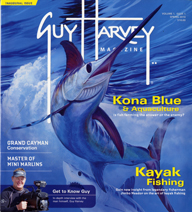
Wow, what a second quarter of 2010 for new magazine launches. The marketplace witnessed the birth of 56 new titles with an intended frequency of four times or more in addition to 155 annuals and specials bringing the total for the second quarter of 2010 to 211 new titles arriving at the nation’s newsstands for the first time.
The overall total for the second quarter exceeds that of the second quarter of 2009 by 44 titles. In the second quarter of 2009 there were a total of 167 titles from which 52 had an intended regular frequency of more than four times a year.

Needless to say that the special interest publications with their hefty cover prices of $10.99 and $11.99 are becoming the norm to the big publishers such as Time Inc. and Reader’s Digest, however quite a few of mid size to small publishing houses still have big belief in the retail marketplace that they continue to bring out monthlies and quarterly magazines covering every topic possible aimed at every age possible from the young to the old as the images of some of the new titles arriving to the marketplace recently illustrate.

By the way, did I fail to mention that all of the above mentioned magazines and numbers are based on ink on paper magazines that I did purchase each and every one of them from the nation’s retail marketplace. Why don’t you do the same and pick up a magazine or two and experience the wonderful world of ink on paper magazines. It is not the same experience as digital. Guaranteed.

(Addendum): And here’s one more stat worth mentioning in response to a friend’s e mail:
So far this year has proven to be the best yet… In the first half of 2007 a total of 356 titles first appeared on the nation’s newsstands, in 2008’s first half 285, 2009’s first half 327 and so far in the first half of this year 380. Amazing and resilient!