Archive for the ‘Mr. Magazine™ Minute’ Category

h1

Eric Hoffman To Samir “Mr. Magazine™” Husni: We’re Fundamental Believers In The Power Of Our People, Our Creativity, Our Brands Being Authentic.”

July 28, 2025

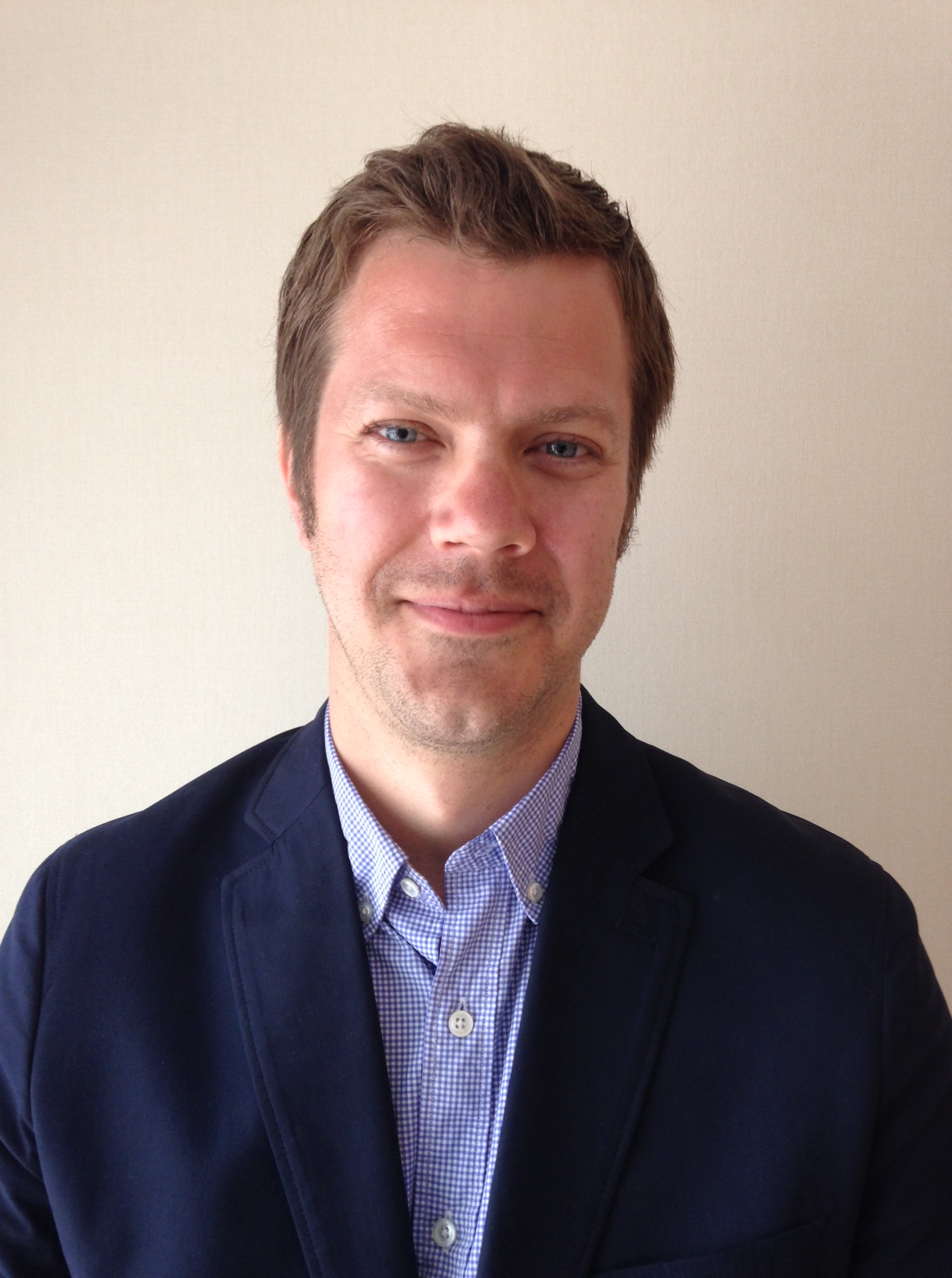
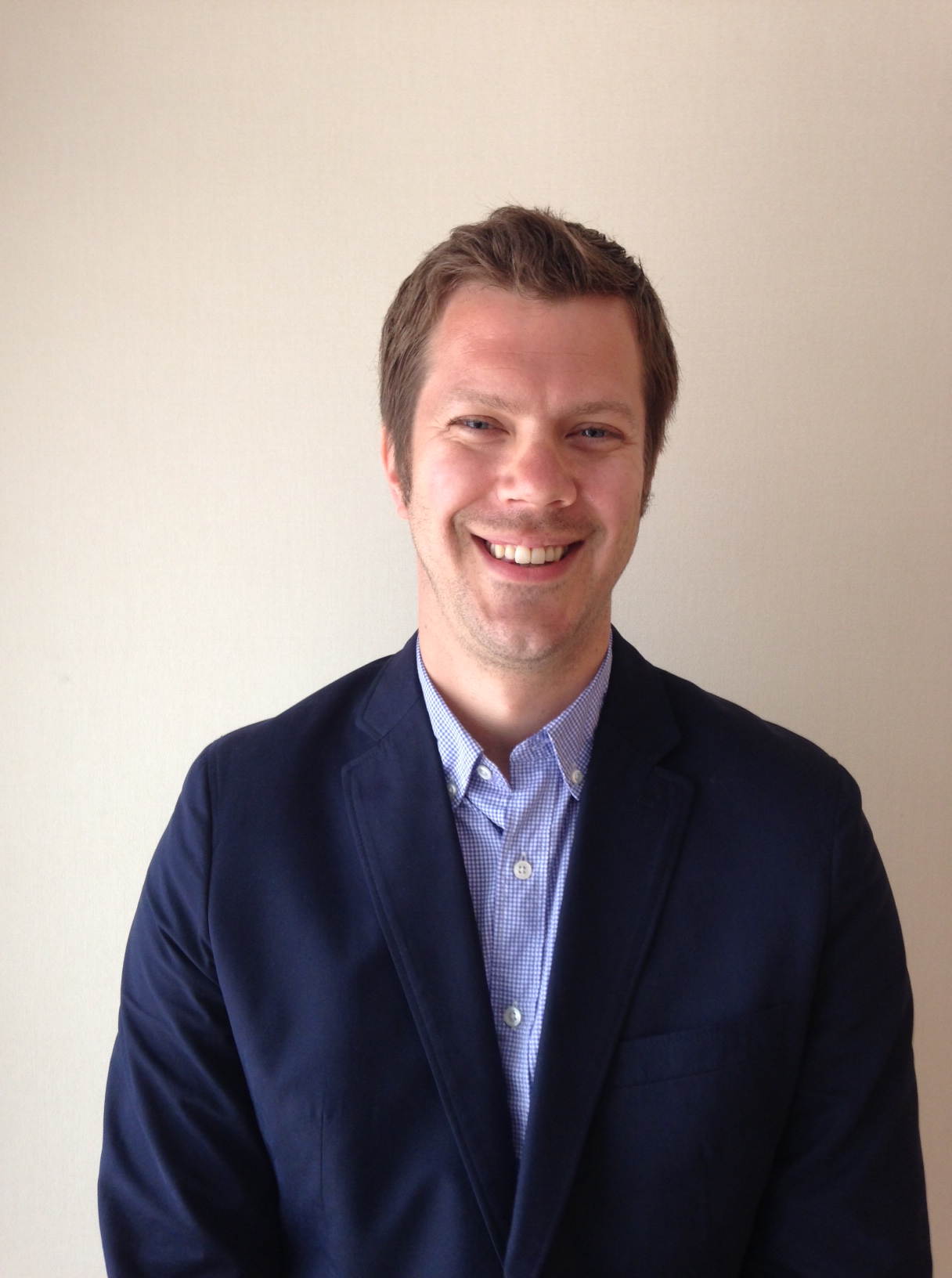
Honoring their mom’s legacy, Eric Hoffman and his twin brother Brian Hart Hoffman, are leading Hoffman media to new heights, two years after Hoffman Media founder Phyllis Hoffman DePiano died.  Eric is the CEO of the company and Brian is the COO.  Eric brought the business to new heights and Brian brought the content to new heights.  Between the two of them, Hoffman Media is a thriving magazine, video, events and book publishing business.

I had the opportunity to interview Eric Hoffman who is determined on focusing the business.  We talked about the new book publishing venture, the new business model for the magazines, the events and retreats that Hoffman Media is hosting, and the video shows and programs.

Eric is very optimistic about the future of the business and places the biggest bet on his people.  He places, in his words, “a lot of emphasis on our people and values our company culture, being a family business.”  He is both happy and proud that it is a family business and that they have no outside investors.   He told me, “Being family owned and being private and not having outside investors, it gives you a lot of latitude that, unfortunately, our industry, so many along the way, have been bought, sold, bankrupt, shut down, relaunched.”

As for AI, Eric is joining The Magazine Coalition in an advisory capacity and is working with Michael Simon to ensure that magazines receive what they deserve from the AI companies.  Eric is quick to mention that “100 percent, we will never be creating content with AI.”

So, without further ado, please join me in reading what Hoffman Media is up to and enjoy my interview with Eric Hoffman, CEO, Hoffman Media.

But first, the soundbites:

On the new book publishing business: “Our imprint, 83 Press, 83 as a nod to 1983 when she (Phyllis Hoffman DePiano) started the company.”

On the event business: “For example, Bake from Scratch magazine alone will do over 15 events all around the world.”

On the magazine business: “In the core magazines, you’ll see that we still very much value print. We value our print media. But magazine revenue is only about 50% of the company’s total revenue now. Much in part to subscription, it’s still a very stable business.”

On the new offices in downtown Birmingham: “The creative center that we have now really does lend itself to thinking about the future of the business with digital, with video. Our test kitchens are second to none.”

On what should AI companies offer the magazine companies: “I do think that there are some clear opportunities for the publishing industry to flex that muscle and have the proper representation to let the AI world properly compensate but also let publishers then have a true path to partner.”

On a major highlight of his tenure at Hoffman Media: “I would say that 83 Press, our book publishing side.”

On the role his twin Brian plays: “What he’s done is taking his passion for travel and his passion for baking and really build something that harnesses all that.”

On what keeps him up at night: “What keeps you up at night is the several places in this business that can scale, well beyond where we are today.  We are about 33 million in revenue and, my brother and I’ve set the target that we can reach to 50 million in the next five years.”

And now for the lightly edited conversation with Eric Hoffman, CEO, Hoffman Media:

Samir Husni: It has been a little bit over two years since your mom died and you and your brother, took the lead and moved Hoffman Media into new grounds. I know you’re a private company, but imagine you are reporting to a shareholder meeting. What would you tell them? What have you done in those two years?

Eric Hoffman: Sure. First, we very much honor her legacy. We place a lot of emphasis on our people and value our company culture, being a family business. I would say that the biggest thing that we’ve tackled over the last couple of years is focusing the business. We had 11 magazine brands.

We consolidated a couple of them, so we have eight magazine brands today. But what we found is that there’s significant growth opportunities in our book publishing business. Our imprint, 83 Press, 83 as a nod to 1983 when she (Phyllis Hoffman DePiano) started the company.

Our book publishing will be approaching close to 30% of our revenues this year. Then the event side of the business is just amazing. For example, Bake from Scratch magazine alone will do over 15 events all around the world.

We’ve got events in France, Sweden, Italy. We’ve got two next year in Japan. We’re seeing an amazing way to take the core magazine brands and build out the other revenue streams in a significant and very intentional way.

Going through the journey of losing her, it allowed Brian and I to really challenge the business model and figure out where do we want to focus going forward. In the core magazines, you’ll see that we still very much value print. We value our print media.

But magazine revenue is only about 50% of the company’s total revenue now. Much in part to subscription, it’s still a very stable business. We’ve pulled back a lot on the newsstands.

Newsstand used to be, as you know, a very large piece of our business. It’s not even 10% of the revenues now. We’re focusing a lot more on subscription.

Then on the digital side, we’re doing a lot more with video. We’re in our fourth year of a wonderful partnership with Williams-Sonoma. In fact, it’s Monday, so today is Baking School. Monday nights at seven, we do a live baking class. We film it right out of our studios in Birmingham and have several hundred attendees participate online.

It’s become a great brand builder. If I was to say, what have we done the most, I think focus keeps coming to mind. With that, 2024, we produced revenue growth and profitability growth, which is exciting.

Coming into 2025, we’re feeling great about the pipeline that we’ve got. I will say that even just in the core business, what we found is advertising is growing. We were up double-digit last year.

I think we’re tracking to beat that number again, probably up another 10%. We’re seeing advertisers are valuing the quality of the readership, which you and I have talked about for the better part of 18 years now. We’re seeing that shift to where people want high quality, they want engagement.

One of the things that Hoffman Media can bring to our clients is we’re great at the content business. We’ve been producing content for over 40 years. Now we’re able to turn the power of the publisher to the benefit of the client.

We’re doing a lot of interesting things like developing cookbooks for our advertising food brand clients. We’re doing video where we’re leveraging our test kitchens and our video teams. It’s been really exciting to see that shift.

I told this story the other day, and you’ll really appreciate this. When I joined Hoffman Media in 2007, the business was about the same size as we are revenue-wise today. Think about that.

We were 100% magazine, and probably 30% to 40% of the business was newsstand. But in totality, Cooking with Paula Deen magazine was over 80% of our revenues. We had private equity owners that owned half the business.

If you look at the 18-year progression of being with the company, not only Cooking with Paula Deen’s magazine sunset last year, so it’s not even in the business. We’ve shifted the business entirely to offset that. Along the way, we ended up buying out our private equity investors in 2012.

It’s just been a long but exciting journey. I must get you to Birmingham. One of the things we did coming out of COVID, we bought a building downtown Birmingham right in the heart of the city and redeveloped it.

The creative center that we have now really does lend itself to thinking about the future of the business with digital, with video. Our test kitchens are second to none. We’re using that.

We do a lot of consumer events in our space. We host advertisers in our space. It really gave us that thrust forward to lean into where we think the future of the business is going.

It’s been exciting. Mom got to see that project come to the finish line. We keep her office for her there every day. My brother and I, keep a lamp on her desk. It’s still there. Can’t touch it. Don’t turn it off.

Samir Husni: That’s great. You’re keeping up with the change. Change is happening faster than any time in our lifetime.

Where does AI fit in all the change that’s taken place? Do you use it? Is it a thief? Is it a helper? Where does AI fit in the equation of what you’re doing?

Eric Hoffman: I would say one is, I think we’re early in thinking about AI. 100 percent, we will never be creating content with AI. We’re fundamental believers in the power of our people, our creativity, our brands being authentic.

We always want that to be a pillar by which we stand on. But if you think about processes and things that can be automated, sure. There’re some things that we’re looking at.

But again, I would say we’re early in it. I have followed closely, in terms of the industry, just what’s going on. I know that Michael Simon and his team with the Magazine Coalition is certainly resonating very well with us.

We’re joining the Magazine Coalition. I’ve asked to help Michael in an advisory capacity to really get some momentum because I do think that our industry needs to have the proper representation. I think that the AI companies must accept that they’ve done things to violate copyright and learn off the backs of publishers.

I would say, I think enthusiast publishers that have very niche content that’s very deep in nature. I think there’s some things that will play out there. I think there’s been precedent with a lot of the larger publishers have already had settlements and licensing agreements put in place.

Gaining some traction there for the rest of the industry is important. I chaired IMAG back in the day when all the independent magazines association was together. I got to see it very young in my career, the cohesiveness of our industry, enthusiast publishers, independent publishers from across the country coming together and sharing in our learnings and having that representation.

I would say that some of that’s not as in place as it used to be with some of the consolidation with associations and everything else. I do think that there are some clear opportunities for the publishing industry to flex that muscle and have the proper representation to let the AI world properly compensate but also let publishers then have a true path to partner. That’s still early, but there’s something coming there.

I’m excited to help Michael and his team there.  I think there’s a lot of action there.

Samir Husni: Is Bake from Scratch now the cornerstone of Hoffman Media? It just celebrated its10-years anniversary.

Eric Hoffman: Yes, Bake from Scratch is our most profitable brand. It is by far and away our most followed digitally on social media. I would say that when you think about just the quintessential enthusiast magazine brand that started with a newsstand special, we tested it, saw that we had something there, got the subscription side going. I give 100% credit to Brian.

He came up with this idea truly from scratch.  He’s just plowing his passion and energy into that brand. It’s very reminiscent of how my mother started the business with her own interests and her own hobbies.

We have an annual cookbook. We have these events around the globe. We’ve got this Monday night video partnership with Williams-Sonoma, that is a real revenue generator, and the magazine. It’s the model by which we think about on a go-for basis, and how can we get our other magazine brands to replicate that. It’s incredible.

Kudos to Brian, Brooke Bell, our test kitchen, and our video team. Really the organization, everyone that touches that magazine has just done a fantastic job. It’s quality in everything we do. It’s truly every recipe, every video, every event, every page. It’s intentional and there’s a lot of good people that are spending time thinking about it and how to continually improve.

We’ve got seven other magazine brands, so I’m not going to say it’s the cornerstone, but it is our perfect business model and how we want to continue to grow the rest of the business.

Samir Husni: Are you continuing to shuttle between New Orleans and Birmingham?

Eric Hoffman: Yes. My wife and I and kids, we just hit eight years living in New Orleans, a city that we absolutely love. I’ll be in Birmingham next week, and then again, the following for a few days. So, I do make it back.

One of the benefits coming out of COVID is our people, we really wanted them to enjoy the flexibility of being able to do what we’re doing right here. So, we’ve embraced the meeting cadence and a lot of our communication away to where we can do video. When we do have in-person, it’s very intentional around strategic planning and kind of getting the whole team together. It’s great.

It’s not that far away.  I love getting back. But yes New Orleans is home. Been here eight years. It’s a wonderful city. There’s no other place in the world like it.

Samir Husni: It sounds that the last two years has been a walk in a rose garden. Did you have any challenges, or it was smooth sailing?

Eric Hoffman: No, we had a lot of challenges. Unfortunately, mom passed away in July of 2023.

And frankly, the business was having a bad year. Our labor was running too high, cost in general coming out of COVID. We saw enormous pressure.

One of the hardest things I had to do that fall is to do the company’s first ever reduction in force, which you hope, as an owner and as an executive, you never have to go through that. I would tell any executive that. But it forced us to focus the company. We had to do some things to get the business profitable and having the right people in the right places doing the right things.

Systematically going through that, while it was tough, it positioned the business and in going into 2024 to enjoy the benefits of that and then be able to make investments in the growth side of the business. So, yes, certainly had some challenges.

Samir Husni: And what if you can pinpoint one highlight that was like the this is the best we’ve done in the two years? What will that be?

Eric Hoffman: I would say that 83 Press, our book publishing side, we were doing some amount of book publishing on a one-off basis.

Coming out of pandemic, we started doing some custom, authored work, mainly with social media influencers. Brenda Gantt Cooking with Brenda Gantt is an amazing business partner and she took a bet on us to be her book publisher. That jumped the business full into book publishing.

We followed that, by doing the Cajun Ninja’s book, social media guy out of Louisiana, saw great success there. Then as we kept looking at how we could grow, it finally became obvious that we needed an executive to own and run that that business. And so, we added Kristy Harrison to our team. She is a 20-plus year veteran of Time Inc. She joined us as a C-level executive to run the book business.

Back to my point on focus, now that we have that focus, we’ve got business development, outside sales and the pipeline is great.

We’ve got amazing projects coming out this fall and we’ve already got our 2026 pipeline well underway. That’s been fun to watch.

Samir Husni:  I know you don’t travel as much as your twin brother Brian.  I follow Brian on Facebook and he’s a jet setter. Last week he was flying back from Japan. He was in Paris a few weeks ago. And then before that, Italy and Sweden. Is it all for Bake from Scratch or he’s promoting the entire Hoffman media?

Eric Hoffman: The entire business for sure.

Several of our other magazines we have, are doing these tours as well. What’s great about all the countries you named is he’s going into these markets, capturing content that’s feeding the upcoming issue that is themed.

It could be Irish baking issue, or it could be French baking, whatever it is. But then we’re allowing that content to lead into releasing a retreat the following year.

Samir Husni: So, there is a system to what he’s doing. A method to the madness.

Eric Hoffman: Yes, exactly. But again, back to channeling that passion. What he’s done is taking his passion for travel and his passion for baking and really build something that harnesses all that.

We’ve thought about do we get into television? He’s got the personality. He’s got the opportunity. Are there longer show formats? Are there other retreats that we can do? When you look back, you think we’ve done like San Miguel, Mexico, we’ve done Paris, we’ve done Sweden, we’ve done Italy, and we are doing Japan next. It really is amazing to think about a business like ours right from Birmingham, Alabama, that’s doing these tours on a global basis. So it’s exciting to watch.

Samir Husni: My typical last two questions are, if I come to visit you one evening unannounced, what do I catch you doing? Cooking, watching TV, having a glass of wine.

Eric Hoffman: Well, Samir, today is Monday. In the Hoffman house, we have Monday night, steak night. It’s a family tradition we started probably three years ago and do just about every Monday night. Have a couple of ribeyes we share as a family, maybe one good glass of wine.

We love to cook. So, if you caught me at home, I’d be doing something in the kitchen for sure.

Catch me on a weekend, probably go out to dinner somewhere. New Orleans has obviously no shortage of restaurants here. Amazing food.

So, but yes, that’s tonight. Tonight’s steak night.

Samir Husni: And my final question is, what keeps you up at night these days?

Eric Hoffman: What keeps me up? I keep going back to focus. Being in a in a creative business, you must decide if you’re looking at the next big, great idea or if you’re looking at a shiny object.

Being good at saying no to things can get you further down the road. We’ve tried to do is. Get more intentional about where we’re going to place our bets and where we’re going to push for growth.

We’re way ahead of where we would have been otherwise. Trying a lot of things are good, being able to do it a calculated way.

What keeps you up at night is the several places in this business that can scale, well beyond where we are today.  We are about 33 million in revenue and, my brother and I’ve set the target that we can reach to 50 million in the next five years. There’re certainly some places where we look and see that opportunity.

Scaling the advertising, the event business, the book publishing business. We’re looking at digital memberships to some of our brands. And so. It’s a good problem to have, but what keeps me up at night is how to focus the organization and do it the right way and how do you fund it? How do you do that?

We love the business. We got a long view of what we’re doing. And I think it’s great. Being family owned and being private and not having outside investors, it gives you a lot of latitude that, unfortunately, our industry, so many along the way, have been bought, sold, bankrupt, shut down, relaunched.

We’re fortunate that we, in some form or fashion, made it this long. And I think scale is important.

Buying power and having marketing teams, dedicated advertising teams, production and procurement and all the stuff that comes with it, it’s a good thing and we’ve got a lot of longevity, too, which I think is fantastic. My chief operating officer, for example, Greg Baugh, started at the company in 2004 and he has taken on a lot and helped execute in so many ways.

Then we hired Missy Polhemus, who is our first ever chief marketing officer, came back to us. She worked at Hoffman from 2008 to 2013, and then she spent the better part of 10 years in the tech space with some startups and then had a chief marketing officer job at a really big company. It was the perfect timing to join the business, not too long after my mother passed.

Also, we had never had someone fully sitting on top of our digital experiences, allocating marketing dollars beyond some of the traditional direct mail and insert cards. Now we’ve probably got half our budget going into new channels that she’s driving.

I guess it’s the focus and opportunities in front of me that keep me up at night.

Samir Husni: Thank you.
h1

From The Archives: On Playboy and Esquire… A Mr. Magazine™ Moment

March 25, 2020

From the archives, a Mr. Magazine™ 2019 moment on video about Playboy and Esquire. Both magazines were in the news this week, Playboy folding its print edition and Esquire reducing its frequency to 6X a year.

h1

The Magazine Innovation Center Presents: The ACT 9 Experience — Print Smart Digital Proud! April 23, 24, & 25, 2019

March 14, 2019

Don’t miss the magazine experience of a lifetime taking place this Spring, April 23-25, on the beautiful University of Mississippi campus in Oxford, Miss. The Magazine Innovation Center and Mr. Magazine™ present the ACT 9 Experience, where industry leaders and future industry leaders will meet once again to Amplify (A), Clarify (C), and Testify (T) about the power of print in a digital age.

Daniel Dejan
Print Creative Manager, North America, Sappi Paper

Linda Thomas Brooks
President & CEO
MPA: The Association of Magazine Media


For nine years, the Magazine Innovation Center has brought industry leaders together for a two and a half day think-and-do experience. However, there is one major difference between the ACT Experience and other magazine and magazine media conferences: student involvement. For those two and a half days students from across campus can connect and engage with magazine media CEO’s, publishers, editors and many other media professionals. There are one-on-one connections, group sessions and just overall camaraderie between these future industry leaders and the people who rock the magazine and magazine media world today. It’s a once-in-a-lifetime chance to have all of these professionals under one roof together, connecting with students and connecting with each other to share inspiration and ideas about the future of magazines and magazine media.

The South in the springtime is magical in and of itself, but when you get all of these creative minds together, the mental chemistry dial is set to enchantment! Along with three days of magazine informational bliss, there is a trip to the Mississippi Delta, for Blues & Barbeque such as you have never experienced, a Fish Fry Extraordinaire, set up right onsite for a traditional Southern take on catfish, hush puppies & all the fixins’.

And on top of the great food and great ambience, the ACT 9 Experience has some of the most prestigious people in the industry sharing their time and wisdom with everyone and is shaping up to be the most exciting magazine event of the year!

Jo Packham
Creator/Editor In Chief
Where Women Create Series

Stephen Orr
Vice President/Group Editorial Director, Meredith Corporation, Editor In Chief, Better Homes & Gardens


The confirmed speakers so far are (in alphabetical order):

David Adler: CEO & Founder, BizBash Media

Donnyale (Doni) Ambrosine: Founder & Publisher, Culturs Magazine & Faculty Staff Member At Colorado State University

Jay Annis: Vice President, Business Manager, Hello & Hola Media, Inc.

Marta Ariño Barrera: CEO, Zinet Media, Spain

Nicole Bowman: Founder and principal of Bowman Circulation Marketing

Linda Thomas Brooks: President & CEO, MPA: The Association of Magazine Media

Andréa Butler: Founder & Editor In Chief, Sesi Magazine

Daniel Dejan: Print Creative Manager for North America, Sappi Paper

Jimmy Dean: Southeast U.S. Sales Representative, Trend

Jim Elliott: President, James G. Elliott Co.

Alan English: Vice President, Communications, Military Officers Association of America

Will Estell: Chief Creative Officer, Travel South Media LLC, Editor In Chief, Beaches Resorts, & Parks Magazine

Dennis Hecht: Vice President for Business Intelligence, Farm Journal magazine

Dan Heffernan: Vice President, Sales, Marketing & Product Planning, Advantage CS

James Hewes: President & CEO, FIPP

Rob Hewitt: Founder, Oh-So Magazine

Mona Hidayet: Executive Director, Clients & Products, Advantage CS

Samir Husni: Founder and Director, Magazine Innovation Center

Joe Hyrkin: CEO, Issuu

Michael Kusek: Publisher, Different Leaf Magazine

Jeremy Leslie: Founder & Curator, MagCulture, The United Kingdom

Jerry Lynch: President, Magazine & Books Retail Association

Michael Marchesano: Managing Director, Connectiv/SIIA/AM&P

John Mennell: Founder, Magazine Literacy

William Michalopoulos: Vice President, Retail, Sales & Marketing, PubWorX

Mindy Abovitz-Monk: Founder & Publisher, Tom Tom Magazine

Lori Oglesbee: Former Journalism Instructor, Prosper High School

Will Norton: Dean, School of Journalism and New Media

Stephen Orr: Vice President/Group Editorial Director, Meredith Corporation, Editor In Chief, Better Homes & Gardens

Jo Packham: Creator/Editor In Chief, Where Women Create, Where Women Cook, Where Women Create Work, & What Women Create Magazines

Monique Reidy: Publisher & Editor In Chief, Southern California Life Magazine & Weekend Escapes Magazine

Bo Sacks: President, Precision Media

Darren Sanefski: Associate Director, Magazine Innovation Center

Kevin Shirin: Media Publishing, Focus on the Family

Tony Silber: President, Long Hill Media

John Walters: Editor, Eye Magazine, The United Kingdom

Noel Wilkin: Provost, University of Mississippi

Pam Woody: Editor In Chief, Brio Magazine

A must attend event for those in the magazine and magazine media industry and for those who plan to be in the magazine and magazine media industry!

Register today. Click here to register. Registration is limited to 100 guests only! Do it today!

h1

Magazines And Music: Long Live Vinyl And Ink On Paper…

February 15, 2017

Mr. Magazine™ Video Minute…

When you’re the founder & editor at large of a new magazine called “Long Live Vinyl,” which is the actual size of a record album, and you’re immersed in two of your life’s biggest passions, music and magazines, when Mr. Magazine™ asks you the question: what are the differences and the similarities between those two passions, and your name is Ian Peel, this is what you answer:

Stay tuned for the full interview tomorrow on the Mr. Magazine™ blog…

h1

Joe Ripp, Time Inc.’s CEO, To Samir “Mr. Magazine™” Husni, “We Are Putting Emphasis On Wherever The Customer Wants The Content…” The Mr. Magazine™ Interview

October 15, 2015

CN Tower photo by Samir Husni

The Mr. Magazine™ Reports from the FIPP 40th Congress in Toronto, Canada.

“We’re going to put emphasis on wherever the customer wants to consume content. If customers like our print products, we’ll continue to sell them. Print isn’t going away; it’s going to be around for the next 50 years. It’s still a very significant part of our business and it will be for the next 25 years.” Joe Ripp


When Joe Ripp speaks, media people listen. After all, he is the head of the largest magazine media company in the United States and the United Kingdom.

Joe was the keynote speaker at the the 40th FIPP World Congress in Toronto, Canada, and in typical Joe Ripp style he told the audience that when folks at Time Inc. were questioning him about what the company founder Henry Luce would think about all the changes he is making at Time Inc., Mr. Ripp had one answer, “Who cares, Henry Luce is dead.” It was the the new style of forward-looking leadership and full-steam ahead attitude that the leader of Time Inc. has in place as he surges ahead with the new and improved Time Inc. after its separation from Time Warner.

After his keynote, Joe and I discussed the great success of Time Inc.’s bookazine titles and the fact that the magazine division is opening up its portals and looking at the many platforms that Time Inc. offers to its many brands. Audience first has always been paramount with Time Inc., but never more so than now as the company is determined to offer the consumption of its content on whatever platform its readers want.

So, first is my Mr. Magazine™ minute with Joe after his speech and later my interview with him about some new exciting information that was released later in the day. So sit down and relax and watch this Mr. Magazine™ Minute with Joe Ripp and then read the transcript of the interview, plus the additional questions-and-answers with Mr. Ripp at the later part of the blog entry.

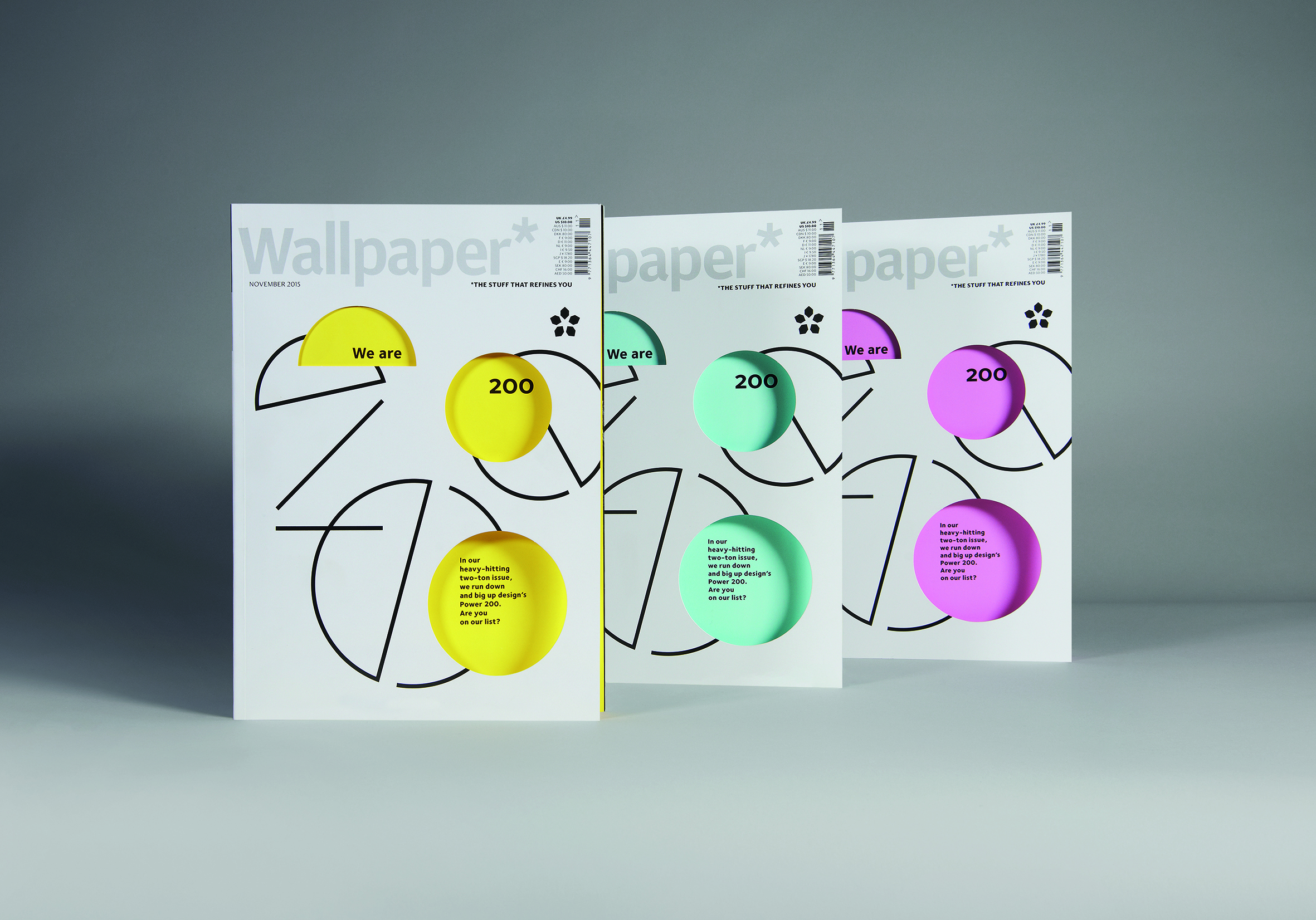
We also talked about the news that Wallpaper* Magazine is moving across the Atlantic and making its debut in the United States, with the launch of a U.S. bespoke edition of Wallpaper* which will significantly increase U.S.-related content to Wallpaper.com.

The launch of Wallpaper* U.S. Bespoke Edition on November 1 coincides with the 200th issue of the international design, fashion and lifestyle title. The new print edition will be delivered four times a year to 250,000 young, affluent consumers in major markets throughout the United States. Digitally, Wallpaper.com reaches 500K consumers each month and has a social following of more than 2 million. With the launch of the U.S. edition, that reach is expected to grow significantly.

And now the Mr.Magazine™ interview with Joe Ripp, CEO, Time Inc.

But first, the sound-bites:

On plans to bring Wallpaper* Magazine from the U.K. to the United States: Yes, we’re very excited about that. It’s the first crossover from our British compatriots.

On why the selection of Wallpaper* with so many other titles the company has in the U.K.: Wallpaper* has a very large international following; people around the world follow it and love it.

On the enormous volume of bookazines that Time Inc. puts out each month: I believe we have 182,000 pockets out there in supermarkets where we sell bookazines. Bookazines are highly profitable for Time Inc. We publish them for many other publishers; we work with National Geographic, for instance and other publishers, creating content around them. They’re highly-priced; they help the distribution chain and the distributors love them because it’s helping to fuel profitability there.

On why he thinks bookazines sell so well: They sell because of the richness of our archives. We have the most incredible content in our archives. And for the most part the bookazines can come from that. However, we recently did one on the Pope’s visit to the United States. I actually gave a copy to the Pope.

On where he sees the future distribution of Time Inc.’s content heading: As a platform agnostic company, Time Inc. is really heading for distribution of its content to whatever platform is available. Our audiences have not had any lack of interest in what we produce, there’s more interest in our content than there’s ever been before.

On whether the company is going to place less emphasis on print or will it be equal attention to all of its platforms: We’re going to put emphasis on wherever the customer wants to consume content. If customers like our print products, we’ll continue to sell them. Print isn’t going away; it’s going to be around for the next 50 years. It’s still a very significant part of our business and it will be for the next 25 years.

On why, if media people are supposedly the most creative people around, it took five or six years for the industry to recognize the credibility of his plan for the future of Time Inc.’s content: I don’t think it had anything to do with the media people; I think it was the structure of Time Inc. within Time Warner. At Time Warner there was a video division and there was a division that dealt with the Internet, and so Time Inc. was told: you’re the magazine division. It’s that label that was the problem, because once you define yourself by your distribution vehicle, then you’re stuck with that vehicle. So, when Time Inc. said that it wanted to grow its websites, the response was, well, you don’t really need to do that, you’re a magazine company.

And now the lightly edited transcript of the Mr. Magazine™ conversation with Joe Ripp, CEO, Time Inc.

Samir Husni: I just learned that there are plans to bring Wallpaper* to the United States.

Wallaper_200th_CMYK2-1 Joe Ripp: Yes, we’re very excited about that. It’s the first crossover from our British compatriots. Wallpaper* is a great magazine, and as you know, it was started in the U.K. and now we’re bringing it in to the United States and we’re going to be talking about that very shortly.

Samir Husni: From all the titles that you have in the U.K., why Wallpaper*?

Joe Ripp: Wallpaper* has a very large international following; people around the world follow it and love it. And we think there’s a great opportunity for U.S. advertisers to reach the audiences who love it in the U.S. and we’ll distribute it even further here now.

Samir Husni: May we talk a little bit about bookazines? Time Inc. is putting out, by last count, at least 15 or 20 titles every month…

Joe Ripp: I believe we have 182,000 pockets out there in supermarkets where we sell bookazines. Bookazines are highly profitable for Time Inc. We publish them for many other publishers; we work with National Geographic, for instance and other publishers, creating content around them. They’re highly-priced; they help the distribution chain and the distributors love them because it’s helping to fuel profitability there. They’re also very profitable for the retail establishments, the supermarkets and other venues where they’re sold. And consumers love them because they have great content produced from our archives for the most part, about particular topics of importance.

Samir Husni: And why do you think they’re selling so well? I looked at the numbers and one of the highest selling ones was Time: D-Day, which actually used the same cover that was used on TIME Magazine on the 60th anniversary of D-Day.

Joe Ripp: They sell because of the richness of our archives. We have the most incredible content in our archives. And for the most part the bookazines can come from that. However, we recently did one on the Pope’s visit to the United States. I actually gave a copy to the Pope.

So, the reality is there’s a tremendous number of things, pop cultural events and others, which we can create content around, because we can come up with a bookazine within three days. When Robin Williams died, three days later we had on the newsstand two bookazines about his life, his movies and his death. And that sold very, very well because there was a huge interest in that subject.

Samir Husni: Where do you see the future of distribution with Time Inc.’s content heading?

Joe Ripp: As a platform agnostic company, Time Inc. is really heading for distribution of its content to whatever platform is available. Our audiences have not had any lack of interest in what we produce, there’s more interest in our content than there’s ever been before. There’s just less people interested in printed pages. So, by growing our digital audiences and by growing our video output, by growing our conferences and events, there’s more ways for consumers who love the things that we produce, to interact with us and that’s what we’re doing.

Samir Husni: Does that mean you’re going to put less emphasis on print or all platforms will be equal?

Joe Ripp: We’re going to put emphasis on wherever the customer wants to consume content. If customers like our print products, we’ll continue to sell them. Print isn’t going away; it’s going to be around for the next 50 years. It’s still a very significant part of our business and it will be for the next 25 years. But the reality is there are other areas of growth for us and we’ve ignored those for years and we’re going into those areas right now and that’s why our digital audiences are growing substantially; our video and mobile audiences are growing substantially, because we are recognizing the fact that our print product has incredible content that can be distributed quite easily in other formats for distribution.

Samir Husni: Supposedly, the most creative people on the face of the earth are media people. If that’s true, why do you think it took us five or six years to discover this fact that you’re preaching now?

Joe Ripp: I don’t think it had anything to do with the media people; I think it was the structure of Time Inc. within Time Warner. At Time Warner there was a video division and there was a division that dealt with the Internet, and so Time Inc. was told: you’re the magazine division. It’s that label that was the problem, because once you define yourself by your distribution vehicle, then you’re stuck with that vehicle. So, when Time Inc. said that it wanted to grow its websites, the response was, well, you don’t really need to do that, you’re a magazine company. When we wanted to get involved in video projects, the response was, well, you’re not the video department, go talk to the studios; they’ll do that for you.

The reality is we were a content company. It was the definition of ourselves by a distribution vehicle that was what limited our ability to distribute across multiple formats.

Samir Husni: Thank you.

h1

Robyn Peterson Reveals the Secret Sauce that Makes Mashable Thrive and Survive. The Mr. Magazine™ Interview.

June 20, 2014

“I think the secret sauce for a digital publishing company to survive is to try and reinvent the game.” Robyn Peterson, Chief Technology Officer, Mashable

robyn peterson 2 Tech start-ups and media companies; and never the two shall part, at least, not at Mashable where CTO Robyn Peterson has done some amazing things with the marriage of the duo. After leading the development of the new Mashable.com in 2012, which saw a 100% increase in mobile page views, pages-per-visit and ad engagement, and the development of Velocity, a technology that predicts and measures audience response of content across the web, Robyn is a force to be reckoned with when it comes to digital publishing and how to make it more accountable and successful.

I spoke with Robyn recently during a visit to Lisbon, Portugal where the two of us were keynote speakers at the WoodWing Xperience. Our conversation was about Mashable, the Velocity Platform and digital publishing in general. My main questions related to how to make digital much more than just a click of the mouse and bring engagement and connection to the audience. I even asked him if Mashable is going to follow other digital platforms that discovered print as a new outlet to their digital sites.

So sit back and discover Robyn Peterson’s answers in this lively Mr. Magazine™ conversation with Mashable’s Chief Technology Officer.

But first a Mr. Magazine™ minute with Robyn Peterson, CTO, Mashable on what makes a digital platform survive and thrive in today’s marketplace.

And now the sound-bites…

On why it’s hard for legacy media to achieve and do what some digital-only companies have done in the media world: I think to really excel on the digital side you have to really operate aggressively. You need to be OK with risk and really take some chances. It’s a different mindset.

On any similarities between legendary risk-taking journalism of yesterday and today’s digital entities: I would say there is something in common with companies that risked it all to succeed. And when you’re a digital-only company trying to make it in digital, you need that to survive; you need that success or you go away.

On the DNA that makes up Mashable: I would say the real secret to Mashable is that we listen to our readers as much as we talk to them and we have even from the very beginning.

On how the Velocity Platform works: The Velocity Platform is a platform that predicts the viral potential of a piece of content. It will watch a particular piece of content and listen across social networks and try to get a good figure of how viral a piece of content will become.

On his most challenging moment at Mashable: I would say it was actually developing this Velocity Platform. I’ve been in the media business and text startups before and it was fun to really merge those two pieces of my identity together.

On the secret sauce of Mashable’s digital staying power: I think the secret sauce for a digital publishing company to survive is to try and reinvent the game.

On what keeps him up at night: I would say that one thing we believe strongly in is that you need to make big bets. And in order to really get ahead of market, those big bets have to pay off at some percentage.

And now the lightly edited transcript of the Mr. Magazine™ interview with Robyn Petrson, Chief Technology Officer, Mashable…

Samir Husni: You’ve been involved with Mashable now for over three years; why do you think it’s so hard for legacy media to achieve and do what digital-only companies have been doing in our media world?

robyn peterson1 Robyn Peterson: I think to really excel on the digital side you have to really operate aggressively. You need to be OK with risk and really take some chances. And when you talk about legacy media, I’d have to assume you’re talking about companies that have been doing what they’ve been doing quite successfully for many years, but it’s been a very similar recipe. And the digital world requires a completely different mindset.

You really need to think about how your brand adapts to a different use case; a use case where your readers don’t come to you or you don’t go to your readers once a month or once a week. Your readers will actually come to you and you want them to come to you on a very regular basis, many times a day is ideal.

To get to that place, you need to rethink who you are. You need to step back to the core of your brand and say: OK, in print I publish this much and this is the use case whether I’m once a month and I want to be on coffee tables and be that flag of identity which helps so many brands or I now want to be the place that everyone goes to or this target market goes to in order to get XY and Z. It’s a different mindset.

Samir Husni: What’s amazing to me is if you look at the early 20th century and all the journalists who started magazines, they were risk takers and when they had an idea for a new magazine they weren’t thinking about the statistical analysis of that product or the money. Whether it was Henry Luce or DeWitt Wallace, they were journalists first and businessmen later. Do you see that there are any similarities between the new digital entities today and the historical others?

Robyn Peterson: I have to profess, first of all, that I’m not an expert on some of the earlier publishing history. But I would say there is something in common with companies that risked it all to succeed. And when you’re a digital-only company trying to make it in digital, you need that to survive; you need that success or you go away. And a lot of us like our jobs and don’t want them to go away.

When you’re in an existing business and trying to branch into a new business, it’s hard to have that level of aggression, for lack of a better word, the ability to take a risk. And in a new start-up, you need to take that risk in order to survive. And there’s no safety in staying still or in being conservative.

Samir Husni: Can you define the DNA of Mashable?

Robyn Peterson: I would say the real secret to Mashable is that we listen to our readers as much as we talk to them and we have even from the very beginning. When Peter Cashmore first started the blog, he was constantly on social networks like Twitter listening to how people were reacting to what he was saying or what other people were saying that they wanted to see written about. So he was always listening.

And as Mashable grew from a blog to a media company over the last few years, I would say that we’ve just accelerated that and continued to listen to what our readers are saying. And by doing that we’ve managed to build an audience of people that like to share. They share with us and more importantly than that, they share with each other and with new people who haven’t heard about us.

So I guess if you sort of dial back to what is Mashable’s DNA; it’s listening and talking to a connected audience.

Samir Husni: So you don’t think in those early stages that Pete Cashmore (Mashable founder and CEO) was sitting around looking at statistical analyses and seeing how much money he was going to make developing this blog?

Robyn Peterson: No, not then, although we are now. We run a lot of data stats out of Mashable. Within my engineering team I have an artificial intelligence team and a data science team, both of which are working on our Velocity Platform.

Samir Husni: Tell me a little bit more about the Velocity Platform and how you’re actually able to monetize digital?

Robyn Peterson: Sure. The Velocity Platform is a platform that predicts the viral potential of a piece of content. It will watch a particular piece of content and listen across social networks and try to get a good figure of how viral a piece of content will become. We’ll take all the data we get from listening and plug it through statistical models and make predictions some number of hours out.

And what that helps us to do is figure out which content is winners and the ones that we’ll want to promote more highly and aggressively. We’ve used the Velocity System internally for about a year.

robyn peterson 2 Internally, we use it for a couple of different things. First, we’ve created an intelligence dashboard that our editorial team can look at and at any given second they can find out either the viral potential of our content, content that we’ve published, or the viral potential of content that’s out there at large on the Internet. And then that way they can make a decision on themes they want to cover.

Mashable.com itself has a large component of Velocity built into it. The System makes recommendations and moves content around dynamically; makes recommendations to editors who manage our home page and the editors can then decide which pieces of content to highlight in top positions and the algorithm can manage the rest of the page. The algorithm can manage the right side of articles and what comes below articles. And once again, it helps us promote the stories that are our winners.

We also use the Velocity Platform to inform our marketing team as to which pieces of content should be discussed on social networks, Facebook for instance. With social networks and a story, timing is critical. So knowing which piece of content to promote and exactly when to promote it is something that’s really critical knowledge for our marketing team and that’s what Velocity internally provides to them.

With this announcement that we’re partnering with 360i and giving them exclusive access to Velocity, we’re going to start exploring how Velocity can help an agency, especially an agency that’s so good at social already for the brands that are in their portfolio, from Oreo to HBO and many others; it’ll be interesting to see how our use cases apply to 360i and we’ll see how that evolves as our partnership goes on.

Samir Husni: As you were talking about this I was thinking why can’t the print magazine business have some kind of Velocity Platform to predict things about their covers? Like which ones will go viral? In this digital age; is it possible for print to learn from some of these techniques?

Robyn Peterson: It’s an interesting idea. To be honest, I haven’t thought about it before. If there’s data to collect, there’s velocity to be observed and predicted. If those components are there then there’s a recipe for print as well.

Samir Husni: What has been the most challenging moment in your career with Mashable?

Robyn Peterson: That’s a really good question. I would say it was actually developing this Velocity Platform. I’ve been in the media business and text startups before and it was fun to really merge those two pieces of my identity together, to try and evolve into this media company/technology company hybrid that Mashable is today.

And I think just the evolution of that created some challenges, but of course a lot of positives too. Then with respect to Velocity itself being the result of that sort of evolution, or one of the results, we didn’t know what we built with Velocity would be possible. We thought it would be in our heart of hearts. We thought we could predict, but we weren’t a 100% sure it would be as good as it is, let’s put it that way.

We spent some time developing out a proof of concept and got it out there and sure enough it actually worked and that was a pretty thrilling moment.

Samir Husni: And was that the most pleasant moment in your job?

Robyn Peterson: That was. It was a very fun moment, although we have a lot of exciting stuff in store for the next few years. I hope we beat that.

Samir Husni: Is there a recipe that can be duplicated from Mashable? We have some out there like Huffington Post, Media Post and others; is there some kind of secret ingredient that goes into all of these companies that are surviving? I think the death rate on digital is even higher than print, in terms of how many companies have started and are now gone. What’s the secret sauce?

Robyn Peterson: I think the secret sauce for a digital publishing company to survive is to try and reinvent the game. So it’s not to be exactly how the print media companies are bringing publishing to the web, but to actually step back and say: How should I create this digital business; what’s at the heart of my brand? A – what is my brand? B – what kind of operating model fits my brand? And then to execute on that plan.

For us at Mashable, we’re such a social company that if we were to follow classic media rules we wouldn’t have tried to develop a lot of product expertise in house, we wouldn’t have tried to build out an artificial intelligence team and a data science team and all those sorts of things to build platforms that listen and predict social behavior.

We stepped back and kind of flushed all the old media history out of our minds and asked: How can we do this differently? If we’re starting right now from scratch, and again that’s important for any company, to try and reinvent itself and we did that, I believe, at Mashable a couple years back, we feel like we’re a new company. How should we actually attack this problem and come to a solution? For us the thought was let’s build this technical expertise, this product expertise in house and A – not leave all the fun to the tech startups, but B – create something that’s completely differentiated and although it doesn’t fit nicely into this is just a media company or this is just a tech company, it’s a hybrid between those two, but it’s really shown great results for us.

Samir Husni: Can you imagine a mix between innovation and renovation or it must be all innovation?

Robyn Peterson: I guess to some degree innovation brings renovation, doesn’t it? If you’re trying to do something new, you have to mold the existing organization to fit that. So I think one brings the other.

Samir Husni: Any other words of wisdom?

Robyn Peterson: For media companies in particular, think about how you’re utilizing your technology team. In too many media companies, the technology team have been relegated to simply being assigned tickets and executing on those tickets and not really having a seat at the table to decide the strategy of the company.

And that’s where new media companies or digital-only media companies have a leg-up on some of the existing companies that made it to their prime during the print era; not that we’re out of the print era by any means. I think digital-only companies recognize the importance of technology and digital product and things that go along with that like user experience. And it’s so critical to not only keep that in mind, but to have the folks who actually run those groups at the table deciding where to go next. Because when you’re in a world dominated by engineering and technology, you need an engineer and a technologist at the table when you’re deciding where to go.

Samir Husni: Do you think there will ever be a print magazine from Mashable?

Robyn Peterson: I’m not sure. We have no imminent plans to launch one, I’ll say that.

Samir Husni: My typical last question; what keeps you up at night?

Robyn Peterson: Too much caffeine. It’s a great question and I would say that one thing we believe strongly in is that you need to make big bets. And in order to really get ahead of market, those big bets have to pay off at some percentage. And I guess when you’re making big bets; sometimes you can lose some sleep over them. But when they pay off it’s fun. And I feel like a lot of our big bets have been paying off lately.

Samir Husni: Thank you.

© Samir “Mr. Magazine™” Husni, Ph.D., All Rights Reserved.
__________________________________________________________________________________________
Rights to excerpts and links to the blog are hereby permitted with proper credit. Copying the entire blog is NOT permitted and is a violation of the copyright laws.

h1

John Puterbaugh, CEO, Nellymoser: Mobile Is The Best Amplifier of Print. The Mr. Magazine™ Minute

June 16, 2014

John Puterbaugh,Ph.D., founder and CEO of Nellymoser, the company that specializes in mobile computing, shares with Samir “Mr. Magazine™” Husni his views on why mobile is the best amplifier of traditional media in this Mr. Magazine™ Minute.

© Samir “Mr. Magazine™” Husni, Ph.D., All Rights Reserved.
____________________________________________________________________________________________
Rights to excerpts and links to the blog are hereby permitted with proper credit. Copying the entire blog is NOT permitted and is a violation of the copyright laws.

h1

Eric Hoffman, EVP & COO, Hoffman Media: This Is The Secret To Our Success. The Mr. Magazine™ Minute

June 11, 2014

It was once described as the little engine that could. Hoffman Media, the Birmingham, AL based magazine media company has grown over the last 30 years to become a major player in the magazine field. Eric Hoffman, the executive vice president and COO of the company is now the chairman of the IMAG (Independent Magazine Media Group) and a member of the board of the MPA: The Association of Magazine Media.

I asked Eric what is Hoffman Media secret of success? His answer in the following Mr. Magazine™ Minute.


© Samir “Mr. Magazine™” Husni, Ph.D., All Rights Reserved.
___________________________________________________________________________________________
Rights to excerpts and links to the blog are hereby permitted with proper credit. Copying the entire blog is NOT permitted and is a violation of the copyright laws.

h1

Joe Ripp, CEO, Time Inc.: We Are Going to Invest Big in Our Future…

June 10, 2014

On the day after Time Inc. became its own publicly traded company, Joe Ripp, CEO of Time Inc., shares with Samir “Mr. Magazine™” Husni his views on the future of Time Inc. in this Mr. Magazine™ Minute.

© Samir “Mr. Magazine™” Husni, Ph.D., All Rights Reserved.
___________________________________________________________________________________________
Rights to excerpts and links to the blog are hereby permitted with proper credit. Copying the entire blog is NOT permitted and is a violation of the copyright laws.

h1

Believing in Print and the Cohesiveness of Their Membership, Association Media & Publishing’s New President, Erin Pressley, Talks about the Future of Associations and the Importance of Quality Content – The Mr. Magazine™ Interview with Erin Pressley…

May 28, 2014

IMG_5346

“We did a reader survey last year and I was convinced that digital has been around for a long time, we have mobile apps, digital editions, social media; I thought for sure more of our membership was really going to express a preference for those digital platforms as a way to get their information. And it was almost 40% of the members who said that they really just wanted print.” Erin Pressley

Membership and content are two very important facets for the new president of Association Media & Publishing, Erin Pressley. The AM&P is the premier membership organization that serves the needs of association publishers, business operation executives, communications professionals, designers, and content generators and the media they create.

And while digital is an important part of their business, Erin is extremely pleased by the love and loyalty their members have for their print products, especially since she pleaded ink on paper’s case in front of her CEO and the board of directors.

And her entreaty for print has really paid off since a large part of their membership still revel at the feel of a magazine in their hand and the investment for that tangibility is proving most successful.

So get ready to learn a lot about association media and the points that make it tick as you enjoy the Mr. magazine™ interview with Erin Pressley – President of AM&P.

But first The Mr. Magazine™ Minute with the newly installed president of the Association Media & Publishing Erin Pressley and listen to her dream and mantra for AM&P.

And now the sound-bites:

On the current status of the Association Media & Publishing: Association Media right now I think is really undergoing an evolution. There’s a tremendous amount of opportunity that’s out there, but there’s also a lot of choices to be made.

On the platforms Associations prefer when it comes to their content: It depends on the association. I think some are a little more thoughtful and progressive than others. I know some have experimented by dropping print altogether. We still invest in our print and we still believe it’s a valuable member benefit.

On her most pleasant surprise when it comes to her career with the AM&P: I thought for sure more of our membership was really going to express a preference for our digital platforms as a way to get their information. And it was almost 40% of the members who said that they really just wanted print.

On her biggest stumbling block: A stumbling block? I think it’s the same with many associations; it’s resources. It’s financial resources to invest in new innovations and properties, it’s human resources to have the team to really execute on a lot of what we need to really get done.

On what keeps her up at night: I’m well aware of the resources that we have at our organization and that gap seems to be getting wider and wider. And so my struggle is to figure out how I can lessen that gap.

And now the lightly edited transcript of the Mr. Magazine interview with Erin Pressley, President of the Association Media & Publishing…

Samir Husni: You’re the new president of the AM&P and your background is in editorial. Can you briefly tell me about the current status of the Association Media?

Erin Pressley: Association Media right now I think, as I’ve heard many people speak today at the conference, is really undergoing an evolution. There’s a tremendous amount of opportunity that’s out there, but there’s also a lot of choices to be made. And I think that most associations are headed in the right direction, but there are too many tools to choose from and too many paths to go down and I think what most association publishers need to do is really sit back and think more strategically, develop a content eco-system, learn who their members are and what they want, do an audit of the communication resources that they have and really be more strategic before they continue to go down the road.

I think a lot of associations are just so used to doing the work, getting the work done, pumping the work out; it’s all tactics. And I think when you have few resources, whether it’s budget or human resources, you just get in this mode of status quo and whatever is the easiest. And it’s just hard to sit back and think more strategically about what you need to do. But I think that’s the only way associations are going to stay relevant in the years ahead.

Samir Husni: Is there a divide in the associations about whether they should go print, digital or both? Or is there a united front when it comes to platforms?

Erin Pressley: It depends on the association. I think some are a little more thoughtful and progressive than others. I know some have experimented by dropping print altogether. We still invest in our print and we still believe it’s a valuable member benefit, but I had to get up in front of our board of directors and in front of my CEO and really defend that proposition.

There are so many options out there and I think the breadth of membership that we have in our association and what we call the male-stale-and-pale, the old guys who have been around a long time and who still their love print, is strong. But we want to be in business for the next hundred years, if not more. So we want to make sure we’re bringing these millennials and these other folks in.

So there is a sense that you need to be on all platforms, be everything to all people and I think again it goes back to the strategy of really thinking through what your members want and where you want to go. It might mean a lot in print and a little in digital, it might mean a little more in digital and I think it’s different for every association.

Samir Husni: What has been the most pleasant surprise in your experience when it comes to Association Media?

Erin Pressley: For my association we did a reader survey last year and I was convinced that digital has been around for a long time, we have mobile apps, digital editions, social media; I thought for sure more of our membership was really going to express a preference for those digital platforms as a way to get their information. And it was almost 40% of the members who said that they really just wanted print. They knew that we had digital options; they knew we communicated that way, but they really loved having the magazine in their hands.

That’s very heartening to me and I’m also talking to advertisers, it’s good information to share with them. We’ve had advertising growth over the last few years, small, but it’s growing. And we’ve actually had circulation growth with our print publication too.

So there’s a lot of organic growth and loyalty around the print publication. And it’s really easy to fall prey to the myths that are out there or colleagues who are in the publishing sphere who talk about the death of print, advertisers who say they just want digital, but to have that kind of concrete numbers showing that our members still really love print, I think was really surprising. And I was very thankful to see that too.

Samir Husni: What has been the biggest stumbling block and how did you overcome it?

IMG_5346 Erin Pressley: A stumbling block? I think it’s the same with many associations; it’s resources. It’s financial resources to invest in new innovations and properties, it’s human resources to have the team to really execute on a lot of what we need to really get done.

The way I’ve tried to overcome within the organization is just to really get more people to understand what we’re up against and the importance of content. And I think more and more if you can draw that content up to the strategic level: how it can help drive membership, how it can help influence events, how it can advance advocacy in legislative things that you’re doing; I think then more people in your organization see the value of that content and then they’re willing to kind of join you in the content crusade. So I’ve really tried to work on that internally.

Samir Husni: What is your Association? What is NACS?

Erin Pressley: NACS is formerly the National Association of Convenience Stores. But over the years we have developed an international presence and we’re also fuel as well, so we’re the Association for Convenience and Fuel Retailing and we’re also convenience stores and gas stations.

Samir Husni: My typical last question; what keeps you up at night?

Erin Pressley: What keeps me up at night, again, is really resources. I know who my competitors are; I see them as these for-profit publications and websites that are out there and I know even though we’re an association publication that’s where I want to be. And that’s very far-off in the distance.

I’m also well aware of the resources that we have at our organization and that gap seems to be getting wider and wider. And so my struggle is to figure out how I can lessen that gap.

© Samir “Mr. Magazine™” Husni, 2014. All Rights Reserved.