Archive for the ‘Inside the Great Minds of Magazine Makers’ Category

h1

Riverdale Avenue Books Acquires Circlet Press: Publisher Lori Perkins Still Believes In The World Of Book Publishing, Both Print & Digital, Just In An Innovative Way – The Mr. Magazine™ Interview With Publisher, Lori Perkins…

March 16, 2020

“The plus is that creative things come out of chaos, so we have some really great art coming out now. Complacency makes you just keep on doing the same thing and difficulties make you see things in new ways. There is some incredible print out there, but also visual, music and many other different formats, it’s an incredibly creative time. The negative is that people get distracted by things that they can’t control and a lot of creative people are depressed.” … Lori Perkins

The innovative hybrid publisher, Riverdale Avenue Books, has just acquired the assets of independent publisher Circlet Press. Riverdale Avenue Books will obtain the complete backlist and republish Circlet’s catalogue under Riverdale’s new Circlet imprint.

Publisher Lori Perkins, owner of Riverdale Avenue Books said she is thrilled to be acquiring Circlet Press and can’t wait to reposition and relaunch the over 170 titles Circlet has. Cecilia Tan, founder of Circlet, will remain on staff to edit Circlet’s upcoming titles and Circlet’s entire backlist will remain in print.

I spoke with Lori recently and we talked about this bold move and how excited she is to bring Circlet under her wing:

“I’ve known Circlet and I’ve known the books. They’ve had their life and they’re good books, but they were marketed specifically to the science-fiction, fantasy and erotic reader. And some of these books have a wider audience. And we’re going to reposition and relaunch them and see if we can find that. And it’s really exciting.”

So, please enjoy this Mr. Magazine™ interview with a woman who knows her way around the world of publishing and is determined to prove that books and reading will never go away – the Mr. Magazine™ interview with Lori Perkins, publisher, Riverdale Avenue Books.

But first the sound-bites:

On why she’s buying when many other book publishing companies are trimming down or even closing: We’re a small, boutique publishing company. We have very low costs. Every single one of our books makes back the money that we put into it, so it’s fine for us to keep on publishing. We’ve bought another company, so these books already exist. We cover and promote them, but it’s not like we’re doing it from scratch. I know these books well, Cecilia (Tan) and I have been colleagues for probably two decades.

On why she decided to buy a book publishing company in this digital age: I’ve been in publishing for 30 years. The cost for entry used to be exorbitant. And once digital books came along it was possible to start a publishing company with a tenth of what it used to cost. And because I know publishing, like I said, I’ve been in it for a long time, it’s not a new business for me. There are parts of publishing that I felt was too expensive. I had been a newspaper editor-publisher decades before and one of the changes that happened with digital was that publishing could go from being a 9-5, Mon.- Fri. business to basically being a 24 hr. business and you could do things quicker, get books out sooner, almost like newspapers.

On whether she feels publishing more niche titles is the future of print and digital book publishing: That’s part of it, but there’s now two distinct publishing markets. The big publishers really need books that will sell 25,000 copies and more in order to break even because their overhead is so high. And you can see they’re doing these big, splashy celebrity books that kind of come with an audience. And then there’s self-publishing or small publishing, easy publishing, where the cost is much less. If it costs you $2,000 to do a book, then you could sell 200 copies and break even. And that’s what’s happening.

On where the money comes from for her: Well, there’s really multiple SKU’s of revenue. We have bookstores; we have digital platforms, and it’s not just Amazon. There’s iTunes,  Smashwords, Overdrive and Hoopla are library sales, which is a completely different kind of reader. We have audio sales; there are foreign rights, film rights; there are multiple streams of revenue for a book.

On why she decided to go specifically into the science fiction, erotica, romance genre: It’s a very large selection. We do fiction and non-fiction. We are the leading LGBT publishing company in the country. We do sports, memoir and lifestyle. We have an imprint specifically for women over 35, so it’s not just genre. We have a pop culture imprint and we just started the Bingewatchers Guide in print, which is a pop culture line to guide you through binging through TV shows and movie series. And we have a mystery line too. These are things that we know does have a niche audience, that’s really what it comes down to.

On whether she feels the reading experience differs when you read a book in print, digital or hear it on audio: Not really. When I read the very large Stephen King novel, 11/22/63, it was 1,100 pages and I don’t have a lot of free time. I bought it in print; I had it on CD for driving; and I had it on my Kindle. I would go from device to device to device to get through the book. And I don’t think it changed the experience. I preferred to read it on the Kindle because the physical book was so big I couldn’t read it in bed. Actually, I would love if a publisher had a bundle with a discount where I could buy the hardcover, the Kindle and the audio for the book all at once so that I could go through the different ways of reading it.

On whether she has any concerns that certain audiences prefer material on certain platforms: Over the spectrum of the 13 imprints, certain books do better in print than other books. Romance is a very digital audience. So, we don’t sell that many copies in print, but they’re there for people who want to read them or collect them. The LGBT audience is very print oriented, so we sell more copies in print. It’s the same thing with the sports audience; it’s also a very print audience. It’s easy for us to publish both books simultaneously, both formats.

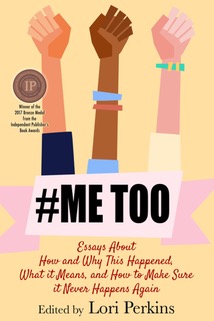
On that “wow” moment she’s had since launching her own publishing company: I don’t think it’s happened yet. (Laughs) We’re like a magazine, we publish 50 books a year. With the Me Too book, it was actually the culmination of my publishing skills, I had been speaking to various women in publishing that I knew and was encouraging them to write essays about Me Too. One of them said to me, Lori, you own a publishing company, why don’t you do a book? And it made me think. So, I contacted all of these authors I knew and I contacted people who had recently done essays and I asked my staff if they would be willing to basically work 24 hrs. to get a book out in eight days, and they said yes. So, we published a book eight days after the Harvey Weinstein story broke. And we published it for free, so it’s available for free.

On why media people aren’t as open to change as they maybe should be: Well, you have to change money. (Laughs) Look at your sales; if your sales are down you have to figure out how to change things, but the wonderful thing about this particular incarnation of publishing is you really can reinvent the wheel every 30 days. There is always a different way because there are so many different and multiple streams of revenue. You can figure out which one to work on and improve it.

On which hat she enjoys wearing the most, that of publisher, corporate head or author: Well, they’re very different skills. I love editing. I was a professor at NYU on and off for 20 years too, so that mentoring is a very important part of who I am. I love getting people published. I love taking something that’s good and making it really better and knowing that I was part of the process of getting it there. It’s a very different experience than writing something from scratch, which I also love. I haven’t been doing quite as much of that; running this company has really taken a lot of my creative energy. I’ve been writing for three decades too, I think I’ve published something like 35 books. But I haven’t published anything in the last year. I know that when I have a story that won’t let go, I’ll sit down and figure out how to make the time to write it and I’ll go to work. But not full-time. (Laughs)

On whether the current editorial environment is a plus or minus for creativity: It’s both. The plus is that creative things come out of chaos, so we have some really great art coming out now. Complacency makes you just keep on doing the same thing and difficulties make you see things in new ways. There is some incredible print out there, but also visual, music and many other different formats, it’s an incredibly creative time. The negative is that people get distracted by things that they can’t control and a lot of creative people are depressed.

On how she provides an escape with the books she publishes: What kind of books can I do to make a change? What kind of books can I do to give people an escape? That’s what I do to throw myself into the pop culture. I’m very excited about the Bingewatcher’s Guide. I have wanted to do this book for 20 years. As a literary agent, I sold a lot of non-fiction books about science fiction and fantasy. I represent Paul Sammon, who wrote the definitive Blade Runner book called Future Noir. He’s made a fortune off of it and it’s still selling 20 years later.

On touching on many pop culture themes: No, only pop culture things that I can edit (Laughs), because if I don’t know the material or the editors that I work with can’t tell me they really know the material, I cannot market it. And marketing is so important to publishing.

On what someone would find her doing if they showed up unexpectedly one evening at her home: All of that. The publishing company is truly an outgrowth of things that I’m interested in. Some more passionately than others, we haven’t done a cooking book.  And art, I have an art history degree, so I love going to art museums. But all of that. I love to read, I still read for pleasure. Travel, but travel is also work-related. I go to about 13 conferences a year. I went to Cuba last year before it was closed. It was on my bucket list and I’m so glad I did, because that was such an incredible experience.

On the biggest misconception she thinks people have about her: I think people know that I love books and that I’m trying to make this new way of publishing work, which it is for me, but on a small scale. Perhaps, they think the company is bigger than it is. It’s a good boutique publishing company, but yes, some people often compare me to Simon or Shuster and I’ll tell them, I’m eight years old. Yes, Simon and Shuster could do that, but Lori Perkins at Riverdale Avenue books can’t do that.

On what keeps her up at night: The economy and the changes in our democracy. Those are the things that really keep me up, especially the threats to the First Amendment and from that, if that happens, are we going to be able to continue to publish the books we want to publish or are we going to have to worry about that too.

And now the lightly edited transcript of the Mr. Magazine™ interview with Lori Perkins, publisher, Riverdale Avenue Books.

Samir Husni: Other publishing companies are trimming down, even closing, yet you’re buying. What gives?

Lori Perkins: We’re a small, boutique publishing company. We have very low costs. Every single one of our books makes back the money that we put into it, so it’s fine for us to keep on publishing. We’ve bought another company, so these books already exist. We cover and promote them, but it’s not like we’re doing it from scratch. I know these books well, Cecilia (Tan) and I have been colleagues for probably two decades.

We’re a more traditional publishing company than Circlet was, so we’ll actually be taking these books and hopefully improving their income. It’s a very calculated business decision. And I love the books. I really feel it’s a compatible editorial joining. Our readers know this market and they kind of expect this from us.

Samir Husni: In 2012 you started Riverdale Avenue Books, which was smack dab in the middle of the digital revolution. Why did you decide to buy a book publishing company in this digital age?

Lori Perkins: I’ve been in publishing for 30 years. The cost for entry used to be exorbitant. And once digital books came along it was possible to start a publishing company with a tenth of what it used to cost. And because I know publishing, like I said, I’ve been in it for a long time, it’s not a new business for me. There are parts of publishing that I felt was too expensive. I had been a newspaper editor-publisher decades before and one of the changes that happened with digital was that publishing could go from being a 9-5, Mon.- Fri. business to basically being a 24 hr. business and you could do things quicker, get books out sooner, almost like newspapers.

Traditional publishing has a lead time of 18 months, that’s too long. To make a book relevant or trendy you need a much smaller window. Traditional publishing had too many people and too much time off to really meet the need of a reader in that way. It used to be they would tell popular authors like Nora Roberts and Stephen King just write a book a year. Well, we’ve shown that readers will read 20 books by an author if they can write 20 books during that time. Now I’m not saying Stephen King and Nora Roberts should do that, but many of these romance authors do indeed write a book a month because they also see writing as a job where they’re working 40 hours per week writing. As a journalist, if you’re good, with 40 hours a week, you’re going to produce more than one book per year.
Samir Husni: Do you feel that the future of books, both in print and in digital, is going to be very niche, such as with magazines? In your case, with Riverdale, you have 13 different imprints and it would appear the more specialty titles you have, the better. Do you feel that’s a glimpse of the future?

Lori Perkins: That’s part of it, but there’s now two distinct publishing markets. The big publishers really need books that will sell 25,000 copies and more in order to break even because their overhead is so high. And you can see they’re doing these big, splashy celebrity books that kind of come with an audience. And then there’s self-publishing or small publishing, easy publishing, where the cost is much less. If it costs you $2,000 to do a book, then you could sell 200 copies and break even. And that’s what’s happening.

But I was between being a newspaper publisher and being a publisher of a small publishing company and I’ve been a literary agent. And one of the things that I’ve always told my office is if you write a book; if you feel there’s an audience for a book, it may only be 50 people, but that’s 50 people who would like what you’re doing. And that’s where self-publishing and indie publishing comes in. If you’re not trying to reach 25,000 people and if you can break even at 200, 600, or 2,000, it becomes viable.

Samir Husni: And with this age of digital printing, you can afford to print 500 or 1,000 copies.

Lori Perkins: Absolutely. Reading is never going to disappear and both fiction and non-fiction have a place in our society. It’s just how we get it and how many copies we get that’s going to change. We see fluctuation in how people read and get information. When digital came there was a big boom in digital, but we’ve seen a return to indie publishers and indie bookstores, so that part of the business has gone back up a little bit. And audio is booming because more people are listening to books that way. So, I think we’ll continue to grow and evolve, but I don’t see book publishing disappearing. I just don’t know about breaking even on 25,000 copies for everything that’s published. I think that model is hard.

Advertising is very difficult now and that used to support the newspaper and magazine business. Today, it’s evolved. And subscriptions have also evolved. There’s so much free content that people don’t want to pay if they can get it free and they expect to get it free. So, where does the money come from?

Samir Husni: Can you answer that for me? In your case, where does the money come from? Unlike the newspaper business, you have one source of revenue.

Lori Perkins: Well, there’s really multiple SKU’s of revenue. We have bookstores; we have digital platforms, and it’s not just Amazon. There’s iTunes,  Smashwords, Overdrive and Hoopla are library sales, which is a completely different kind of reader. We have audio sales; there are foreign rights, film rights; there are multiple streams of revenue for a book.
Samir Husni: When you put your newspaper career on the shelf, why did you specifically decide to go into the science fiction, erotica, romance genre?

Lori Perkins: It’s a very large selection. We do fiction and non-fiction. We are the leading LGBT publishing company in the country. We do sports, memoir and lifestyle. We have an imprint specifically for women over 35, so it’s not just genre. We have a pop culture imprint and we just started the Bingewatchers Guide in print, which is a pop culture line to guide you through binging through TV shows and movie series. And we have a mystery line too. These are things that we know does have a niche audience, that’s really what it comes down to.

And how I went from newspapers to book publishing; I’ve actually always been a word person, so I’ve explored all the different ways of getting words to the public.

Samir Husni: Do you think it differs if I read a book as a print, digital or audio experience?

Lori Perkins: Not really. When I read the very large Stephen King novel, 11/22/63, it was 1,100 pages and I don’t have a lot of free time. I bought it in print; I had it on CD for driving; and I had it on my Kindle. I would go from device to device to device to get through the book. And I don’t think it changed the experience. I preferred to read it on the Kindle because the physical book was so big I couldn’t read it in bed. Actually, I would love if a publisher had a bundle with a discount where I could buy the hardcover, the Kindle and the audio for the book all at once so that I could go through the different ways of reading it.

Samir Husni: You are a publisher; are you offering that bundle?

Lori Perkins: (Laughs) We sell the audio rights, so we’re not in charge of the audio price. We have in the past done the bundle through Amazon with the print and digital, but people don’t seem to want that. They haven’t ordered it from us that way yet.

Samir Husni: Do you have any concerns that certain audiences prefer certain platforms: print over digital or vice versa?

Lori Perkins: Over the spectrum of the 13 imprints, certain books do better in print than other books. Romance is a very digital audience. So, we don’t sell that many copies in print, but they’re there for people who want to read them or collect them. The LGBT audience is very print oriented, so we sell more copies in print. It’s the same thing with the sports audience; it’s also a very print audience. It’s easy for us to publish both books simultaneously, both formats.

Samir Husni: Since you launched your publishing company what was that “wow” moment that happened and made you sit up and take notice?

Lori Perkins: I don’t think it’s happened yet. (Laughs) We’re like a magazine, we publish 50 books a year. With the Me Too book, it was actually the culmination of my publishing skills, I had been speaking to various women in publishing that I knew and was encouraging them to write essays about Me Too. One of them said to me, Lori, you own a publishing company, why don’t you do a book? And it made me think. So, I contacted all of these authors I knew and I contacted people who had recently done essays and I asked my staff if they would be willing to basically work 24 hrs. to get a book out in eight days, and they said yes. So, we published a book eight days after the Harvey Weinstein story broke. And we published it for free, so it’s available for free.

The book has been course adopted and it has won a bunch of awards, but it’s more about being able to get a book out that quickly. I always said that one of the great things about digital publishing is that if we ever had the Pentagon papers it would be out in 24 hrs. And it was wonderful to have the Me Too book out in eight days.

Samir Husni: People in the media love to talk about change, yet they are the last folks to usually change.

Lori Perkins: Well, you have to change money. (Laughs) Look at your sales; if your sales are down you have to figure out how to change things, but the wonderful thing about this particular incarnation of publishing is you really can reinvent the wheel every 30 days. There is always a different way because there are so many different and multiple streams of revenue. You can figure out which one to work on and improve it.

Samir Husni: You are a publisher, head of a company, and an author; which hat do you enjoy wearing the most?

Lori Perkins: Well, they’re very different skills. I love editing. I was a professor at NYU on and off for 20 years too, so that mentoring is a very important part of who I am. I love getting people published. I love taking something that’s good and making it really better and knowing that I was part of the process of getting it there. It’s a very different experience than writing something from scratch, which I also love. I haven’t been doing quite as much of that; running this company has really taken a lot of my creative energy. I’ve been writing for three decades too, I think I’ve published something like 35 books. But I haven’t published anything in the last year. I know that when I have a story that won’t let go, I’ll sit down and figure out how to make the time to write it and I’ll go to work. But not full-time. (Laughs)

Samir Husni: Do you think that the current climate we’re living in is a plus or a minus to the creative ability of people to sit down and write?

Lori Perkins: It’s both. The plus is that creative things come out of chaos, so we have some really great art coming out now. Complacency makes you just keep on doing the same thing and difficulties make you see things in new ways. There is some incredible print out there, but also visual, music and many other different formats, it’s an incredibly creative time. The negative is that people get distracted by things that they can’t control and a lot of creative people are depressed.

Samir Husni: How do you provide an escape with your books?

Lori Perkins: What kind of books can I do to make a change? What kind of books can I do to give people an escape? That’s what I do to throw myself into the pop culture. I’m very excited about the Bingewatcher’s Guide. I have wanted to do this book for 20 years. As a literary agent, I sold a lot of non-fiction books about science fiction and fantasy. I represent Paul Sammon, who wrote the definitive Blade Runner book called Future Noir. He’s made a fortune off of it and it’s still selling 20 years later.

And I would go around to the various mainstream publishers and say you should have a line of non-fiction books about science fiction and fantasy, from movies, interviews; how to write, just all sorts of stuff. And they would always say to me, oh Lori, you’re so funny, nobody wants to read that. But these books do very well. I couldn’t get anybody else to invest in it, so I did it myself for people who want to stay home and binge-watch.

Our first book was Dr. Who; we’re actually doing 11 books on Dr. Who because Dr. Who is a 50-year-old or so show and there’s a lot of material. The next book we’re doing is the films of Harry Potter; we’re doing The Addams Family, Friends, Golden Girls and Downton Abbey. If you’re going to sit home and binge these shows, here’s a book you can read before and after to see all the metaphors and gossip associated with them. And that will bring people tremendous pleasure. This is a very creative project that we’ve invested in.

Even taking on Circlet Press. As I said, I’ve known Circlet and I’ve known the books. They’ve had their life and they’re good books, but they were marketed specifically to the science-fiction, fantasy and erotic reader. And some of these books have a wider audience. And we’re going to reposition and relaunch them and see if we can find that. And it’s really exciting.

Samir Husni: It seems you have almost touched on every pop culture theme out there.

Lori Perkins: No, only pop culture things that I can edit (Laughs), because if I don’t know the material or the editors that I work with can’t tell me they really know the material, I cannot market it. And marketing is so important to publishing.

We started the mystery line and we worked with someone who had been a mystery editor and swore that he would be able to market them. And when the books came out he couldn’t market them to this new audience, and basically said you do the marketing and I told him, I don’t know the mystery market. And that was hard. That was when I realized I had to make a commitment to the material; I personally have to be able to go and sell it on the streets. (Laughs) And if I can’t do that then the book or the series isn’t for me.
Samir Husni: If I showed up unexpectedly at your home one evening after work, what would I find you doing? Having a glass of wine; reading a magazine; cooking; or something else? How do you unwind?

Lori Perkins: All of that. The publishing company is truly an outgrowth of things that I’m interested in. Some more passionately than others, we haven’t done a cooking book.  And art, I have an art history degree, so I love going to art museums. But all of that. I love to read, I still read for pleasure. Travel, but travel is also work-related. I go to about 13 conferences a year. I went to Cuba last year before it was closed. It was on my bucket list and I’m so glad I did, because that was such an incredible experience.

Samir Husni: What do you think is the biggest misconception people have about you?

Lori Perkins: I think people know that I love books and that I’m trying to make this new way of publishing work, which it is for me, but on a small scale. Perhaps, they think the company is bigger than it is. It’s a good boutique publishing company, but yes, some people often compare me to Simon or Shuster and I’ll tell them, I’m eight years old. Yes, Simon and Shuster could do that, but Lori Perkins at Riverdale Avenue books can’t do that.

Samir Husni: My typical last question; what keeps you up at night?

Lori Perkins: The economy and the changes in our democracy. Those are the things that really keep me up, especially the threats to the First Amendment and from that, if that happens, are we going to be able to continue to publish the books we want to publish or are we going to have to worry about that too.

Samir Husni: Thank you.
 

h1

The New Republic: The Legacy Brand Debuts A Redesign That Integrates Authority With Intellectual Playfulness – The Mr. Magazine™ Interview With Chris Lehman, Editor & Pentagram Design Firm Partner, Eddie Opara…

March 11, 2020

“With this redesign, what Eddie Opara and his team at Pentagram understood were the key, defining qualities of The New Republic as a media property. He has highlighted a sense of authority; a sense of intellectual playfulness, incisiveness, and broadly speaking, what The New Republic has represented over the past century-plus. And I do think because of the destabilizing points such as what you mentioned, fake and alternative news, there is a greater need than ever for publications that can speak to an intellectually engaged and politically positive audience with some wealth of experience, a commitment to politics as a form of ideas.”… Chris Lehman

“I knew of The New Republic previously and of course that it is 106-years-old. When we started looking at the magazine from a redesign perspective, it obviously had so much heritage. There were certain degrees of change over the course of time, as it moved from different publishers and owners. And at one particular point, multiple hands had worked on it and molded it into a design that didn’t salute to where it came from, from a visual standpoint or in its sense of global engagement. We wanted to go back through history, look at all the values that The New Republic held then and now, and make sure it aligned today with how we look toward the future.” … Eddie Opara

When it comes to legacy brands the 106-year-old magazine, The New Republic, certainly qualifies. Over the years the title has seen many incarnations, from progressiveness to conservatism to what it is today under the guidance of its editor Chris Lehmann, a reinvention of feisty political commentary that leans decidedly to the left.

With Chris celebrating a little over a year at the helm, and the magazine back in its place of political journalistic authority, it became obvious it was also time for a redesign of everything New Republic: the magazine, a new metered paywall for its website and  the launch of a politics-focused podcast. And when it came to the actual design of the redesign, Chris turned to Eddie Opara, a partner in the independent design firm, Pentagram, and a man who could see everything Chris had in mind visually for The New Republic. (TNR)

I spoke with Chris and Eddie recently and we talked about this new redesign and the web relaunch where they will be launching a series of online verticals that focus coverage on what’s going on today, from climate change to national politics and culture. And with a new logo, typography, layout, photography and illustrations, the brand has been given a complete and total facelift that offers readers a new view into the heritage that is The New Republic and the politics and subject matter going on in our world today.

So, without further ado, Mr. Magazine™ gives you Chris Lehmann, editor, The New Republic and Eddie Opara, Pentagram Design firm partner with a glimpse into the “new” The New Republic.

But first the sound-bites:

On the significant achievements Chris Lehmann feels he’s accomplished since becoming editor of The New Republic (Chris Lehmann): The obvious one is the redesign; the web relaunch, where we’re going to be launching a series of online verticals to focus coverage on what’s going on today, climate change, inequality and identity, national politics and culture. So, I’m very excited to see those online and up and running.

On what he feels is the role The New Republic plays in maintaining the necessity of journalism today (Chris Lehmann): With this redesign, what Eddie Opara and his team at Pentagram understood were the key, defining qualities of The New Republic as a media property. He has highlighted a sense of authority; a sense of intellectual playfulness, incisiveness, and broadly speaking, what The New Republic has represented over the past century-plus. And I do think because of the destabilizing points such as what you mentioned, fake and alternative news, there is a greater need than ever for publications that can speak to an intellectually engaged and politically positive audience with some wealth of experience, a commitment to politics as a form of ideas.

On what was the first thing Eddie Opara thought of when redesigning The New Republic (Eddie Opara): I knew of The New Republic previously and of course that it is 106-years-old. When we started looking at the magazine from a redesign perspective, it obviously had so much heritage. There were certain degrees of change over the course of time, as it moved from different publishers and owners. And at one particular point, multiple hands had worked on it and molded it into a design that didn’t salute to where it came from, from a visual standpoint or in its sense of global engagement. We wanted to go back through history, look at all the values that The New Republic held then and now, and make sure it aligned today with how we look toward the future.

On whether Chris Lehmann feels The New Republic would be considered the inflight magazine of Air Force One today as it has been in the past (Chris Lehmann): I think we have to start by electing a president who actually reads. I have lived and worked in Washington for two decades now, and the quest for maximum access in the sanctums of power can be a tough proposition. And the reasons for that is, not just at TNR, but journalism across the board in Washington made that point. Obviously, you do want access and you do want it to be from others who hold power and authority within Washington, but our politics is changing in a very fundamental way right now.

On whether the political content affected the new design of The New Republic or was the design based more on the historical legacy of the magazine (Eddie Opara): I think it’s both of those elements, it has to be both of them. I would say that it’s the values that are manifested within The New Republic that allowed it to develop, the visual framework that TNR can actually utilize, on a month to month basis. And it’s really important that a person like myself and the team are readers and digest info that is liberal orientated to see that this is a magazine that is elevated by its writing, and that offers a truer understanding of the American landscape politically.

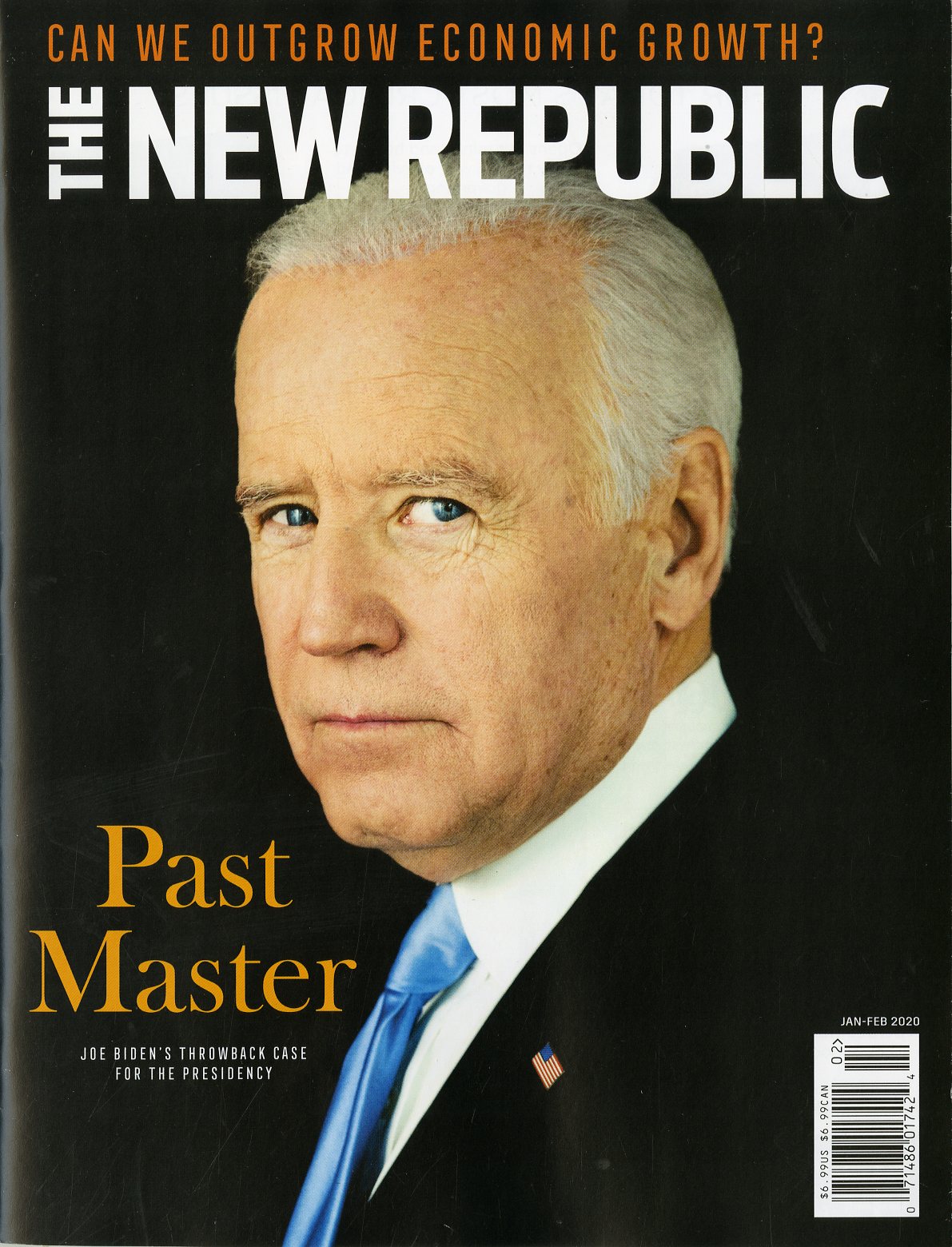
On designing that first new cover (Eddie Opara): So, the choice of the cover was an editorial one, not viewed through the lens of our work as a branding and design house. But we had set a specific framework about the types of covers that we need to see over the course of the new design. So, from that the cover came from editorial, from Chris, and also Win, and the decision that the covers would be more forceful in what they are trying to say and more iconic in their approaches. They were always going to be engaging and dramatic, but there’s also this sort of wit as well and how to marry that at certain times.

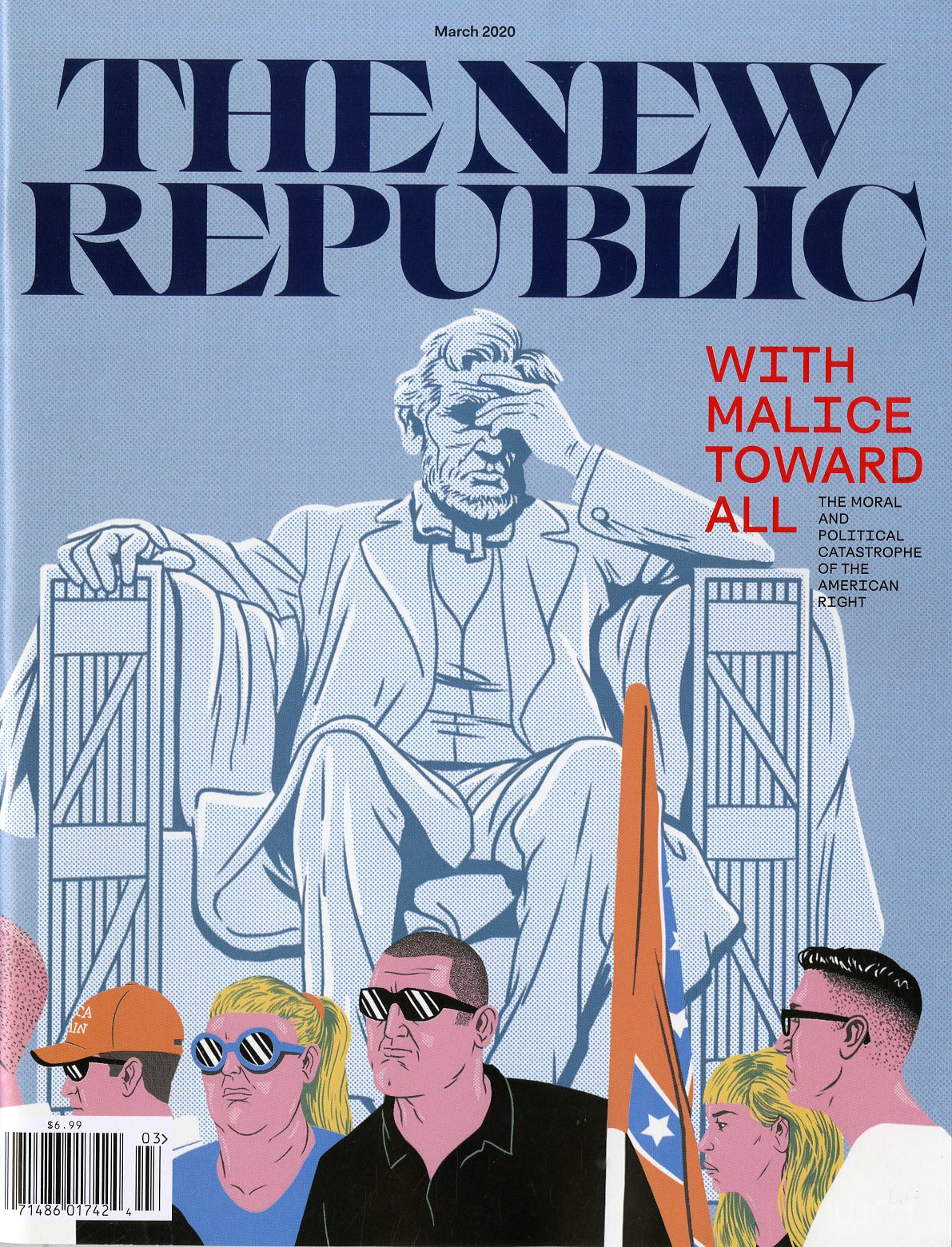
On whether the new cover is the climax of pinpointing an idea in print (Chris Lehmann): I think as Eddie was saying earlier; it’s sort of a both/and proposition. The challenge in any redesign is to integrate the new visual identity that’s being put forward as an expression of the magazine’s sensibility and outlook. So I don’t see it as a climax per say, I see it as a very powerful welcome mat for the reader – here is a really strong set of arguments about the abysmal state of right wing politics in America, and the image very effectively captures that message and the treatment that Pentagram has put forward for the cover reinforce that message really effectively.

On whether the audience will see Pentagram’s footprints in all the formats of The New Republic (Chris Lehmann): Yes, I am happy to report  that you will. Eddie and his team have put together a really exciting… it’s still a work in progress, but the web redesign is going to be dynamic, visually really inviting to readers. We not only have the new nameplate on the cover, but we have a new logo which is the wordmark of the magazine’s acronym, which will replace the old ship, which we decided was ready to be mothballed. The Pentagram wordmark is going to be pretty much on everything, branded as The New Republic.

On how hard it was to design for all the platforms, from print to online to podcasts (Eddie Opara): You definitely have to have a team that is platform agnostic, that can leap from print matter to digital matter and back again. But as you know, these are two different spaces, and what we’ve tried to develop in the use of this typography, is that when you migrate them over the mediums, they will still work. Of course, you have to reconfigure them based on the context of the medium that you’re in, and you must make sure that it works fully loaded, and that it’s well-equipped to deal with the different mediums that you’re working across.

On whether Chris has any preconceived ideas about success with this new redesign (Chris Lehmann): (Laughs) It’s been my experience that if you start editing for an imagined constituency, your work will suffer. I think the same holds true on the visual side of things too. It’s important that you have the highest possible standards for yourself. And you know internally when you’ve achieved something worthy and when you’ve fallen short. The product should speak for itself. And I feel very strongly that it does.

On whether there is a role for an opinion publication to bring this country together or just enhance the divide (Chris Lehmann): I think those are questions that are or should be put to political campaigns – we are in the business of airing out intellectually honest arguments. There is a piece in this new issue that is making a straightforward case – it is a provocative case, but a case that the Republican party is a menace.  And we have to start thinking about ways to start over. And that’s not to say we are advocating that we abolish a conservative presence but this party has become, as we’ve seen – in the wake of impeachment, and in the daily news cycle – it has become a corrupt cult of personality that is dangerously lawless, that is unaccountable to basic separation of powers, provisions to curb authoritarian access in our democracy, so we have to put that argument out. Not for the sake of dividing the country or uniting the opposition, but for the sake of asking at a basic level, what is happening in our political order and how do we as engaged citizens address it honestly?

On how you take that journalistic mission and translate it onto the pages of a print publication or into pixels on a screen (Eddie Opara): It’s the idea of being visceral and provocative, but stating the truth. And being as transparent as possible. Coming back to the cover and being iconic and stating what’s there, and no more than what’s there, so people can react.

On anything they’d like to add (Chris Lehmann): It’s an exciting time to be doing the work we do at TNR. The stakes could not be higher, and I feel really gratified to be working with this team of amazing writers we put together, and to be working on a product that is, in visual terms, a really strong, elegant, platform for our central ideas that we’re putting out into public discourse. So, even though I’m a lobbying Democrat in Trump’s America and I am prone to long bouts of despair, I could not feel more engaged and excited by the work we’re doing at TNR.

On anything they’d like to add (Eddie Opara): We just posted a few images on Instagram just overnight from the redesign, and the reaction from the design community has been absolutely spot on. There’s one person in the comments that says “Oh hell yeah” – this is next level awesome.

On what keeps Chris up at night (Chris Lehmann): The typical family and house concerns. I mean, you know, all too obviously I am a political journalist who lives in Washington and cares deeply about liberal politics. So, the Democratic primaries keep me up at night, the politics of the Trump administration keep me up at night, the somewhat authoritarian leanings of William Barr keep me up at night. I could go on and on – I’m not getting a ton of sleep.

On what keeps Eddie up at night (Eddie Opara): In that vein, the manic aspects of the media, delivering information at every second. I have an “Eddie-ism,” as one of my mentees calls it: “Slow the fuck down.” We have to do that. We need to take a step back and look back at what we’re all trying to do and achieve here.

And now the lightly edited Mr. Magazine™ interview with Chris Lehmann, editor and Eddie Opara, Pentagram Design firm partner, The New Republic.

Samir Husni: Not too long ago, we chatted about your plans for The New Republic and it doesn’t take a genius to see that part of the plan is starting to be unveiled as we look at the March issue and April on the online side. What would you consider your significant achievements since you became editor of The New Republic?

Chris Lehmann: The obvious one is the redesign; the web relaunch, where we’re going to be launching a series of online verticals to focus coverage on what’s going on today, climate change, inequality and identity, national politics and culture. So, I’m very excited to see those online and up and running.

The other achievement would be just keeping up with the insanity of the Trump era and the great unknowable beast called the Democratic Primary. (Laughs) Off the top of my head, that’s what I got.

Samir Husni: In this age of fake and alternative news, what role do you think a 100 + year-old opinion publication plays in maintaining the necessity of journalism today?

Chris Lehmann: With this redesign, what Eddie Opara and his team at Pentagram understood were the key, defining qualities of The New Republic as a media property. He has highlighted a sense of authority; a sense of intellectual playfulness, incisiveness, and broadly speaking, what The New Republic has represented over the past century-plus. And I do think because of the destabilizing points such as what you mentioned, fake and alternative news, there is a greater need than ever for publications that can speak to an intellectually engaged and politically positive audience with some wealth of experience, a commitment to politics as a form of ideas. I think the role we have to play is more vital than ever and I’m really happy that Pentagram understood that at the outset of this project and executed it artfully and powerfully.

Samir Husni: With the redesign, Eddie, when Win (McCormack – editor in chief) and Chris approached you with the idea of redesigning a century-plus-old publication, what was the first thing that came to your mind?

Eddie Opara: I knew of The New Republic previously and of course that it is 106-years-old. When we started looking at the magazine from a redesign perspective, it obviously had so much heritage. There were certain degrees of change over the course of time, as it moved from different publishers and owners. And at one particular point, multiple hands had worked on it and molded it into a design that didn’t salute to where it came from, from a visual standpoint or in its sense of global engagement. We wanted to go back through history, look at all the values that The New Republic held then and now, and make sure it aligned today with how we look toward the future.

Samir Husni: When I was in school my professors used to refer to The New Republic as the Air Force One Inflight publication. (Laughs) Do you imagine the new The New Republic being the Air Force One Inflight publication today?

 Chris Lehmann: I think we have to start by electing a president who actually reads. I have lived and worked in Washington for two decades now, and the quest for maximum access in the sanctums of power can be a tough proposition. And the reasons for that is, not just at TNR, but journalism across the board in Washington made that point. Obviously, you do want access and you do want it to be from others who hold power and authority within Washington, but our politics is changing in a very fundamental way right now. And it’s not the kind of support of political elites that it formerly was, so as journalists we have to recognize that fundamental fact and work within the audience constraints imposed by political journalism. You have to be mindful of those changes as you go forward.

Samir Husni: Eddie, when you look at the political content of The New Republic, did that impact or affect the design or the design was based more on the historical role The New Republic played?

Eddie Opara: I think it’s both of those elements, it has to be both of them. I would say that it’s the values that are manifested within The New Republic that allowed it to develop, the visual framework that TNR can actually utilize, on a month to month basis. And it’s really important that a person like myself and the team are readers and digest info that is liberal orientated to see that this is a magazine that is elevated by its writing, and that offers a truer understanding of the American landscape politically. And so, when designing you have to then say ok, this is written incredibly and is well crafted – it has authority and is an asset. How do we visually determine that authority? How do we bring that well-made craftsmanship back into the covers and pages that adorn this particular magazine?

And so that’s what we’re trying to do – we’re trying to align that. The elements were always there, but they were not as overtly visualized as they are now, and hopefully they will mature in the months to come.

Samir Husni: When you look at the first cover, the new design with the March issue, it’s definitely a very specific point of view. Was that helpful for you in designing that cover? Did it make it easier having a specific point of view immediately, or did you just reflect the editorial aspect of the magazine?

Eddie Opara: So, the choice of the cover was an editorial one, not viewed through the lens of our work as a branding and design house. But we had set a specific framework about the types of covers that we need to see over the course of the new design. So, from that the cover came from editorial, from Chris, and also Win, and the decision that the covers would be more forceful in what they are trying to say and more iconic in their approaches. They were always going to be engaging and dramatic, but there’s also this sort of wit as well and how to marry that at certain times.

So, when someone goes to a newsstand or a Barnes and Noble and they’re looking for  a political magazine, they see this as more of a presence than they had seen previously.

Chris Lehmann: One thing that stuck with me in one of our meetings – Eddie had said apropos of this idea of honing in on a singular, iconic image for the cover – that you in a general way were reconceiving the magazine cover as almost a poster. And that is a very effective way to think. It certainly helped us in making this choice for the March cover, and in going forward of asking ourselves “What is the single strongest image?” – and this is a cover package of three features – so it is a talent to take the voices of the argument of three very distinct writers and marshal them into a single image and I think it was a very beneficial discipline for us. It is a strong and arresting image and you don’t mistake it for something that is noncommittal, certainly.

Samir Husni: Chris, you said 10 months ago or so that you still believe that print is one of the natural and preferable mediums for ideas. Is this the climax of your ideas with the new cover: the Lincoln Memorial , the Confederate flag; is this the climax of pinpointing an idea in print?

Chris Lehmann: I think as Eddie was saying earlier; it’s sort of a both/and proposition. The challenge in any redesign is to integrate the new visual identity that’s being put forward as an expression of the magazine’s sensibility and outlook. So I don’t see it as a climax per say, I see it as a very powerful welcome mat for the reader – here is a really strong set of arguments about the abysmal state of right wing politics in America, and the image very effectively captures that message and the treatment that Pentagram has put forward for the cover reinforce that message really effectively.

Samir Husni: How are you going to take that fresh approach to typography, layout, photography and illustration to the new website, the podcast; will we see Pentagram’s footprints in all platforms?

Chris Lehmann: Yes, I am happy to report  that you will. Eddie and his team have put together a really exciting… it’s still a work in progress, but the web redesign is going to be dynamic, visually really inviting to readers. We not only have the new nameplate on the cover, but we have a new logo which is the wordmark of the magazine’s acronym, which will replace the old ship, which we decided was ready to be mothballed. The Pentagram wordmark is going to be pretty much on everything, branded as The New Republic.

Samir Husni: How is easy or hard is it to design for all platforms, from print to online to podcasts? You basically have to be platform agnostic, so that wherever and whenever people see it, they know this is The New Republic brand.

Eddie Opara: You definitely have to have a team that is platform agnostic, that can leap from print matter to digital matter and back again. But as you know, these are two different spaces, and what we’ve tried to develop in the use of this typography, is that when you migrate them over the mediums, they will still work. Of course, you have to reconfigure them based on the context of the medium that you’re in, and you must make sure that it works fully loaded, and that it’s well-equipped to deal with the different mediums that you’re working across.

That’s what we found across the board with TNR – it is visually consistent, and we know that print and online are entirely different in their structures, but our visual identity still works in the same way.

Samir Husni: Do you have a yardstick that measures success? Do you have any preconceived ideas, such as if you get 500 emails from subscribers and readers that the new design is great, you have achieved success? Or if you get 100 emails from people asking what have you done to their New Republic, you might take that as a no? 

Chris Lehmann: (Laughs) It’s been my experience that if you start editing for an imagined constituency, your work will suffer. I think the same holds true on the visual side of things too. It’s important that you have the highest possible standards for yourself. And you know internally when you’ve achieved something worthy and when you’ve fallen short. The product should speak for itself. And I feel very strongly that it does.

I understand that other users’ mileage may vary, but that is the nature of the business that we do. It’s a public business and I don’t dismiss criticism by any means, but after a very long collaborative effort with Pentagram I feel very strongly that this is a look and feel for a new The New Republic that is speaking in urgent ways to a new political moment.

Samir Husni: With this new political moment, do you feel this new The New Republic will increase or help divide our nation? Is there a role for an opinion publication to bring this country together or just enhance the divide?

Chris Lehmann: I think those are questions that are or should be put to political campaigns – we are in the business of airing out intellectually honest arguments. There is a piece in this new issue that is making a straightforward case – it is a provocative case, but a case that the Republican party is a menace.  And we have to start thinking about ways to start over. And that’s not to say we are advocating that we abolish a conservative presence but this party has become, as we’ve seen – in the wake of impeachment, and in the daily news cycle – it has become a corrupt cult of personality that is dangerously lawless, that is unaccountable to basic separation of powers, provisions to curb authoritarian access in our democracy, so we have to put that argument out. Not for the sake of dividing the country or uniting the opposition, but for the sake of asking at a basic level, what is happening in our political order and how do we as engaged citizens address it honestly? I always find discussions of journalistic vision or political agenda off-putting. The best summary of the mission of journalism in my mind, is George Seldes, who said the job of the journalist is “to tell the truth and run.”

Samir Husni: How do you take that journalistic mission and translate it onto the pages of a print publication or into pixels on a screen?

Chris Lehmann: That could make for a good cover actually.

Eddie Opara: It’s the idea of being visceral and provocative, but stating the truth. And being as transparent as possible. Coming back to the cover and being iconic and stating what’s there, and no more than what’s there, so people can react.

Samir Husni: Is there anything either of you would like to add?

Chris Lehmann: It’s an exciting time to be doing the work we do at TNR. The stakes could not be higher, and I feel really gratified to be working with this team of amazing writers we put together, and to be working on a product that is, in visual terms, a really strong, elegant, platform for our central ideas that we’re putting out into public discourse. So, even though I’m a lobbying Democrat in Trump’s America and I am prone to long bouts of despair, I could not feel more engaged and excited by the work we’re doing at TNR.

Eddie Opara: We just posted a few images on Instagram just overnight from the redesign, and the reaction from the design community has been absolutely spot on. There’s one person in the comments that says “Oh hell yeah” – this is next level awesome.

And so, for designers or design lovers too,  it seems to be working.

Samir Husni: My typical last question; what keeps you up at night?

Chris Lehmann: The typical family and house concerns. I mean, you know, all too obviously I am a political journalist who lives in Washington and cares deeply about liberal politics. So, the Democratic primaries keep me up at night, the politics of the Trump administration keep me up at night, the somewhat authoritarian leanings of William Barr keep me up at night. I could go on and on – I’m not getting a ton of sleep.

Eddie Opara: In that vein, the manic aspects of the media, delivering information at every second. I have an “Eddie-ism,” as one of my mentees calls it: “Slow the fuck down.” We have to do that. We need to take a step back and look back at what we’re all trying to do and achieve here.

Samir Husni: Thank you both.


h1

A Magazine And Magazine Media Extravaganza: 46 CEOs, Presidents, Publishers, And Editors Converge On Oxford, Mississippi For 2 ½ Days Of Everything Magazines & Magazine Media: The ACT 10 Experience. Register Today. Space Is Limited. Registration Fee Underwritten By Quad.

February 19, 2020

Register today… Registration fee underwritten by Quad.  Space limited to 100 attendees.

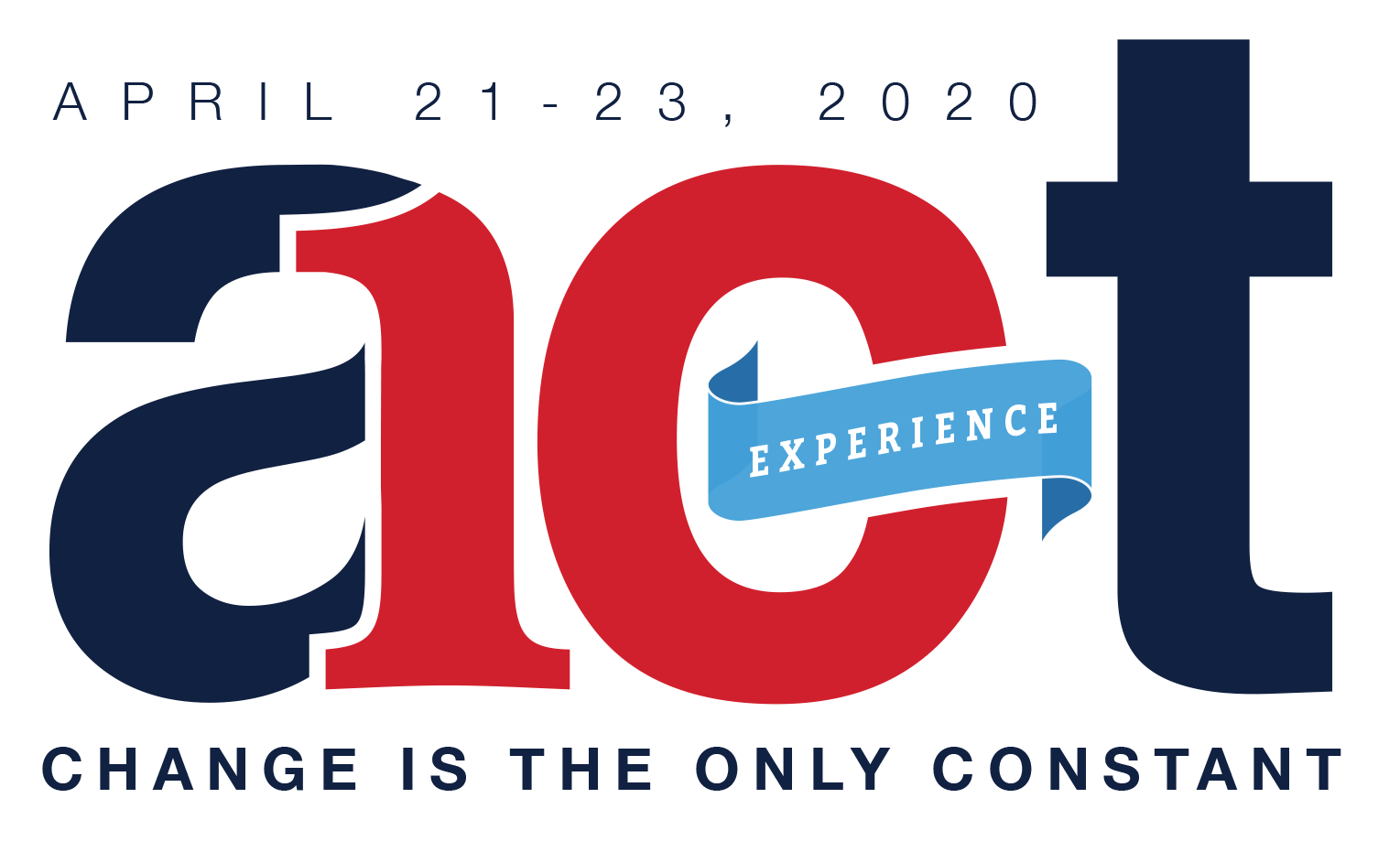
The movers & shakers of the magazine and magazine media world, which includes 46 experts that are either CEOs, publishers, editors, printing authorities, digital professionals, distribution and marketing virtuoso’s and many others are descending upon Oxford, Miss. at the Magazine Innovation Center’s ACT 10 Experience between April 21-23, 2020 and it’s going to be explosive!

Samir “Mr. Magazine™” Husni, the Magazine Innovation Center’s founder and director, is calling in all the national and international magazine giants available to a summit in Oxford. Miss. This call to arms will address the topical theme: Change Is The Only Constant, in typical magazine fashion: head-on and straight up, the only way to face any elephant in the room.

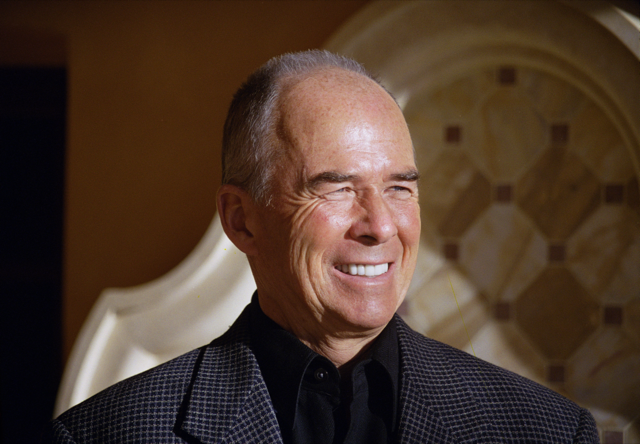
Bonnie Kintzer

Vicci Rose

Daren Mazzucca

Andy Clurman

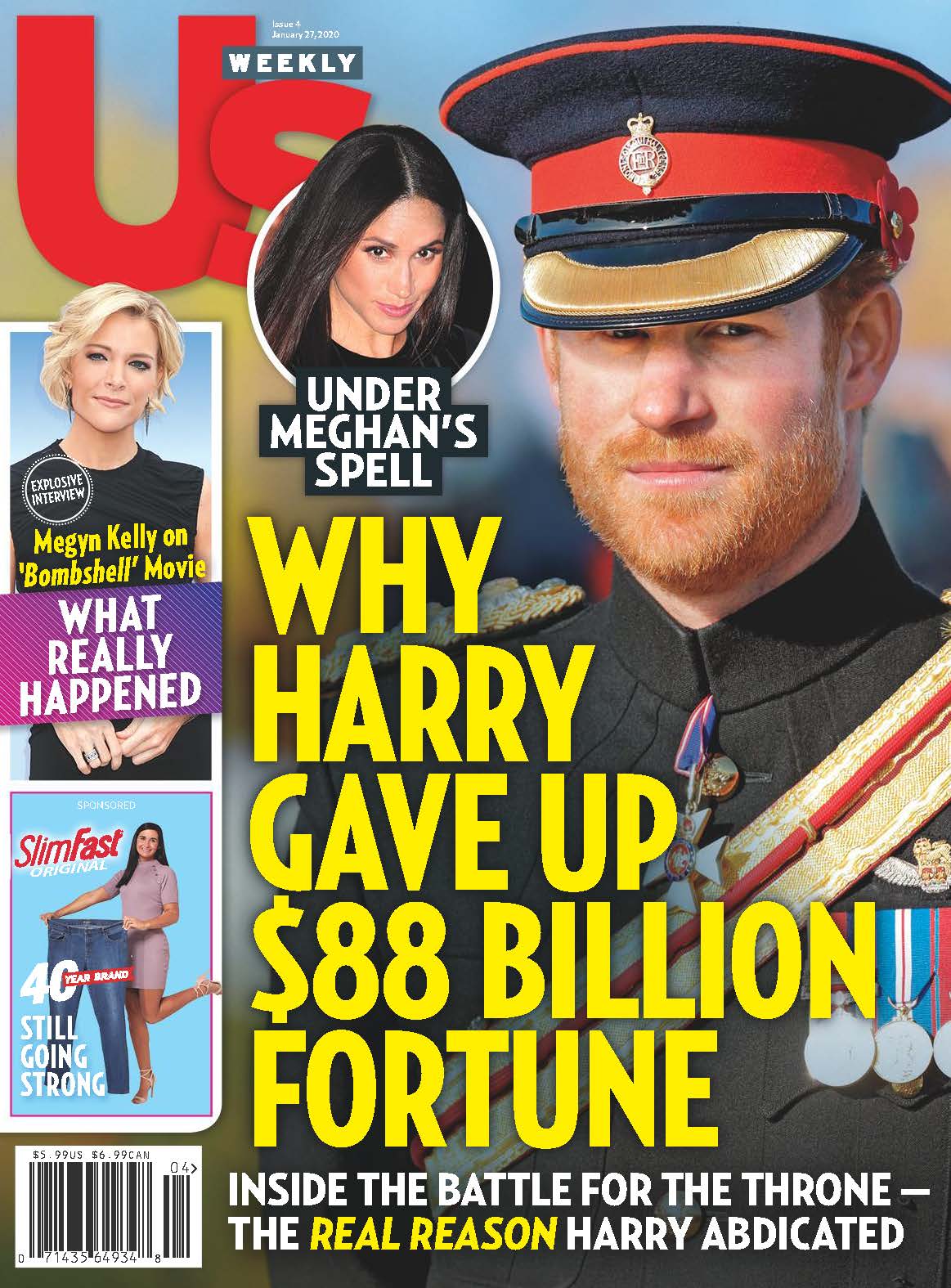
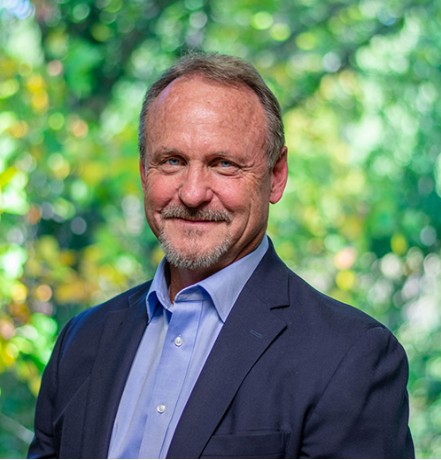
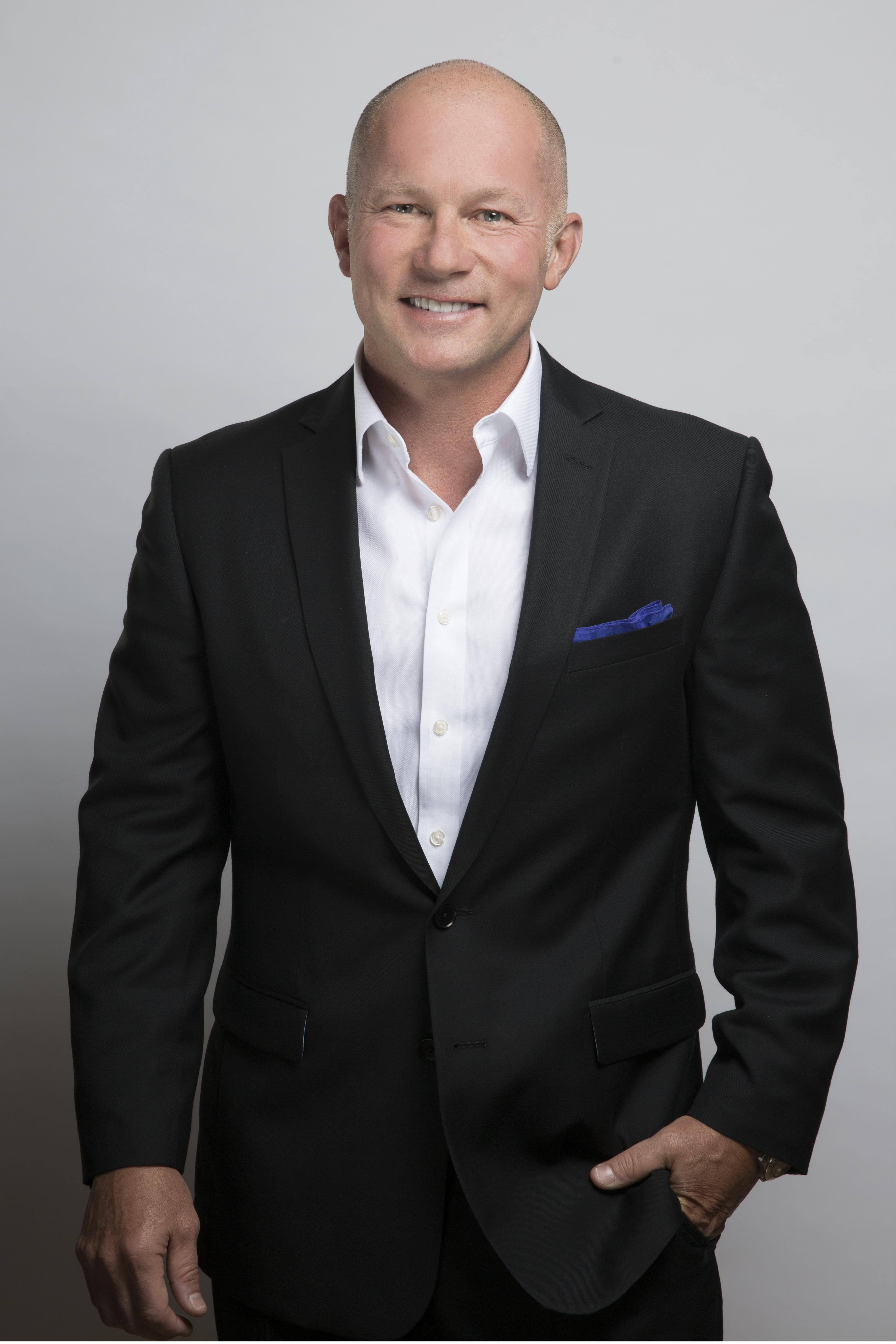
Bonnie Kintzer, president & CEO, Trusted Media Brands will be there to answer Mr. Magazine’s™ call; Andy Clurman, president & CEO, Active Interest Media will also be in full outdoor battle gear, ready to take on any challenge; Vicci Rose, executive vice president & CRO, Us Weekly, will fly in from the East Coast with all the celebrity power she can bring with her; Daren Mazzucca, senior vice president & group publisher, Meredith Corp. will also come from the East, Martha Stewart Living and Real Simple each sending a big thumbs-up along with him. And speaking of the power of the thumbs (digital), Joe Hyrkin, CEO of issuu, and Karolyn Hart, founder & CEO, InspireHub., Canada, will also be on hand to share those integrated digits of importance as both print and digital continue to work together to rein in this monumental challenge called “change.”

Simon Leslie

Sue Holt

Also from across the pond, Simon Leslie, CEO & cofounder, Ink, will be hopping over from the U.K. Rumor is, he may bring Excalibur! Sanne Groot Koerkamp from The Netherlands will also be there and Sue Holt, director, ITP Consumer, United Arab Emirates was thrilled to be on Mr. Magazine’s™ team, as he was as thrilled to have her there.

Rebecca Darwin

Krifka Steffey

Then, fellow southerners from Garden & Gun Magazine, Rebecca Wesson Darwin, president & CEO and David Di Benedetto, senior vice president & editor in chief, will be onsite as well, so it may get a bit rowdy! Us Southerners know how to throw a party, whether we’re born down south or transplanted there.

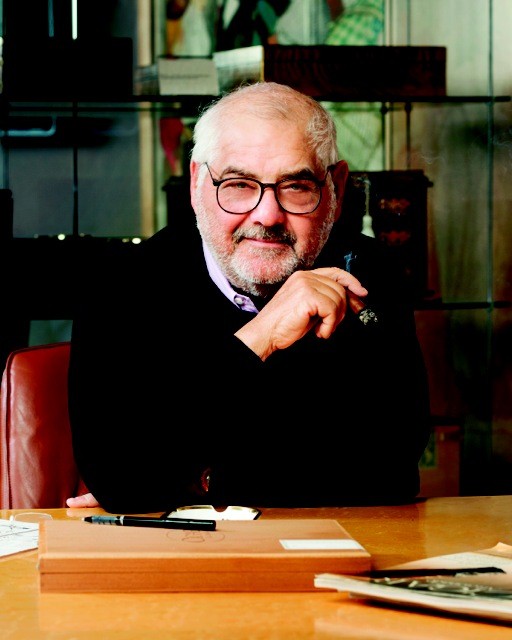
Dan Heffernan, vice president & chief product manager, Advantage CS, will be onboard for the summit and Krifka Steffey, director, Merchandise & Newsstand, Barnes & Noble, definitely wanted to be there, plus the usual suspects, Bo Sacks, president, Precision Media, Tony Silber, president, Long Hill Media, & James G. Elliott, president, James G. Elliott Co. Without the latter three nimble magazine and magazine media cohorts, the ACT Experiences would never go off as smoothly as they do, and that’s also thanks to our official ACT scribe, Linda Ruth, PSCS Consulting.

Doni Ambrosine

Tyler Nacho

And of course, those upstart entrepreneurs wouldn’t dare miss a Mr. Magazine™ call: Tyler Nacho, publisher and editor in chief, Kill Pretty Magazine, Andréa Butler, editor in chief, Sesi Magazine, and Doni Ambrosine, editor in chief, Culturs Magazine, Chris Walsh, founder & editor in chief, Fifty Grande Magazine, and John Thames, CEO/publisher, Covey Rise and Bourbon+ Magazines.

Plus, we will have six panels of epiphanies that you won’t want to miss, which explores the mainframe topic of:

Transformation of magazines from pure ink on paper entities to multi-magazine media platforms!

It’s going to be amazing! So, don’t wait, space is limited and registration, thanks to our Leadership Sponsor, Quad, the registration fee is underwritten by Quad. But you must register to attend. Click here to register.

Click here to see the entire list of  ACT 10 Experience speakers.

See you at The ACT 10 Experience – April 21-23, 2020!!

h1

The ACT 10 Experience Welcomes IMAG. Complimentary Registration Courtesy Of Quad. Space Is Limited, So ACT NOW.

February 10, 2020

Change is the Only Constant.

The Magazine Innovation Center is pleased to announce Quad as a Leadership sponsor of this year’s ACT 10 Experience. We also welcome the MPA: The Association of Magazine Media’s IMAG to Oxford, Miss. and to the School of Journalism and New Media at the University of Mississippi, where the two events will come together to celebrate all things magazine and magazine media. The Quad partnership will underwrite the cost of attendee registrations, making this year’s conference free to attend.  We thank them, and our Diamond (Advantage CS, Democrat Printing & Lithography, Hearst Magazines, Meredith Corporation), Platinum (issuu), Gold (Active Interest Media, Bonnier USA, LSC Communications), and Silver (Advantage Circulation Specialist, Bauer Media USA, Delta Magazine) sponsors for their continued support of our industry and their investment in the future industry leaders, our students.

The theme for the ACT 10 Experience is: Change is the Only Constant. And today, with magazines and magazine media, never has that statement been truer. ACT 10 Experience will explore all of the ins and outs, possibilities and impossibilities that await everyone who is a part of this amazing industry or who simply love it from a different perspective, perhaps.

Thanks to our partners and sponsors, The ACT 10 Experience will bring together under one roof, magazine and magazine media notables from around the world. From CEOs to publishers, editors in chief, to printers and paper companies, digital to social, rest assured, this is no ordinary conference. And scattered among these elite and renowned people are the students who we perpetuate with this experience, giving them each and every one an opportunity to get to know the best of the best in the industry, from journalism to marketing. ACT 10 Experience provides something no other conference has: the ability for a student with fresh ideas and innovative creativity to sit down and have a conversation with the CEO of a major magazine or magazine media company.

Quad will also sponsor the gala event for the IMAG Recognition Award – IMAG will recognize an individual for their expertise and service to the magazine media industry, and also the Mr. Magazine™ Launch of the Year for 2019 and the Student-Created Magazine Launch as well.

We are thankful to all of our sponsors (see list below) for their continued and very appreciated support of our efforts here at the Magazine Innovation Center on the campus of the University of Mississippi, where our focus is always on the future industry leaders.

For a list of confirmed speakers, please click here 

And once again, millions of thanks to our ACT 10 Experience sponsors:

Leadership Sponsor

Quad

Diamond Sponsors

Advantage CS

Democrat Printing & Lithography

Hearst Magazines

Meredith Corporation

Platinum Sponsors

issuu

Gold Sponsors

Active Interest Media

Bonnier USA

LSC Communications

Silver Sponsors

Advantage Circulation Consulting

Bauer Media USA

Delta Magazine

To visit the sponsor page for your own opportunity to support our future industry leaders, please click here 

And click here to register for this phenomenal event today! There is a limit of 100 registrants on a first-come, first-serve basis.

h1

Us Weekly Executive Vice President & CRO, Vicci Rose, To Samir “Mr. Magazine™” Husni: “I Think Our Future Is Really Bright…” The Mr. Magazine™ Interview…

February 5, 2020

“As someone in the business for multiple decades and who is extremely enthusiastic about where we are today and about the future, I have to say that as long as good content is developed and we have a willing and excited audience on the receiving end of that, I think our future is really bright, whether the form function is in print, digital or social, I think the quality content will really continue to compel a worthy community of highly coveted readers.” … Vicci Rose

Vicci Rose is Executive Vice President and Chief Revenue Officer of Us Weekly and its digital properties. Shortly after the publication’s March 2000 re-launch to a weekly frequency, Rose became one of the chief architects of the magazine’s turnaround and its impressive growth for nearly two decades. When someone says weekly magazines aren’t viable in this day and age, I always think of Vicci and the success she has brought to Us Weekly.

I spoke with her recently and we talked about the American public’s almost insatiable desire for celebrity news and entertainment. It’s a part of the magazine world that has never really gone away. It may have waned for a while, but people have always been very faithful to the genre.

Vicci has been a vibrant part of the magazine world for decades and believes in being positive, upbeat and hopeful about the future. She’s not wearing blinders by any stretch of the imagination, she just knows what pleasure and indulgences magazines bring their audiences. And indulgence is certainly the decided term she uses. Vicci said that while we may not allow ourselves many indulgences in our busy worlds of today, magazines may just be the only one we deem worthwhile to allow.

So, I hope that you enjoy this Mr. Magazine™ interview with Vicci Rose, Executive Vice President and Chief Revenue Officer of Us Weekly and its digital properties.

But first the sound-bites:

On her assessment of the future of magazines and magazine media: As someone in the business for multiple decades and who is extremely enthusiastic about where we are today and about the future, I have to say that as long as good content is developed and we have a willing and excited audience on the receiving end of that, I think our future is really bright, whether the form function is in print, digital or social, I think the quality content will really continue to compel a worthy community of highly coveted readers.

On whether she believes that magazines are more of a luxury item today, rather than an impulse buy, and based more on their individual value to the consumer: The term luxury; what does that mean? Is it a small luxury? Perhaps. I would say that we’re talking about indulgences; is it a candy bar that someone says, I have to have my piece of chocolate every day? I do feel that today with the economy being what it is for the average American, despite the health and wellness of the stock market, I do think we have very little indulgences and magazines may be that indulgence.

On the biggest challenge she thinks magazines and magazine media are facing: While there are so many challenges facing us in terms of the overall business, but thinking about my own point of view and how our business is affected, it’s been over a decade or more, and it’s not a new phenomenon, but I do think that the role of procurement and the need for businesses to increase their cost efficiency across the board, whether it’s my business or your business, there is this emphasis on prioritizing efficiency and sometimes sacrificing productivity.

On magazines being the original influencers: There is no question that social media has become part of our daily lives. But each one of these channels plays a role for each of us in varying degrees. You might be an Instagram follower; I might rely more on Twitter; one of us might read more magazines; we might take our newspapers in the digital format today. So, I do think the idea of personalization is also playing a greater role, which does make our jobs difficult, but I’m very optimistic about the future as long as consumers remain curious, as long as they remain passionate, and I don’t know about you, but every consumer I know has extended their day well beyond the 24 that seems to be the criterion today. (Laughs)

On whether she believes social media in all its platforms is friend or foe to magazine media: I think social media partners that are committed to quality content are absolutely our partners. We have benefited, and initially we had an audience that was really early adoptive, first to the digital landscape, mobile, and then Facebook and Twitter. And today we still see really rapid growth in Instagram and Instagram Stories and Instagram TV, so we believe very strongly in social media as a real advocate for our content.

On anything she’d like to add: I would say to keep the emphasis on good, quality journalism. I believe that will keep the lights on for all of us.  That rallying cry that is hopefully on the tip of everyone’s tongue, behind all of this is the importance of good quality journalism. The journalism has to survive in whatever form it’s in. We need to have a society that allows reporters, honesty and principles to be governing what we do and we need to have a society that believes in it, and that believes in truth.

On what keeps her up at night: You know I don’t sleep. (Laughs) I would say again, it’s back to the challenge of the corporate consolidation. Our industry is being consolidated, has been consolidated in terms of the big publishing companies, where there were once many and diversification, now there are a handful. And that’s happening now in the digital landscape. As you know, almost every one of my primary digital competitors, within the last three or four months before the holidays, consolidated as well.

And now the lightly edited transcript of the Mr. Magazine™ interview with Vicci Rose, Executive Vice President & CRO, Us Weekly, American Media.

Samir Husni: What is your assessment of the future of magazines and magazine media?

Vicci Rose: As someone in the business for multiple decades and who is extremely enthusiastic about where we are today and about the future, I have to say that as long as good content is developed and we have a willing and excited audience on the receiving end of that, I think our future is really bright, whether the form function is in print, digital or social, I think the quality content will really continue to compel a worthy community of highly coveted readers.

And what I mean by that is, of course, there is a lot of argument as to whether we should be targeting millennials or Gen X or Gen Z, but the bottom line is, we exist in a population in a community of consumers who are still very curious, very eager to learn more. The Royals are a fascination for the public, of course. People have a consuming passion that is still unsatisfied. The more we can give them, the more they can connect.

So, I do see that the future remains bright, but it is not without its challenges. I do believe that an environment where we continue to provide content with open borders, so to speak, on the digital platform, that puts the emphasis on those of us who are charging for our content to really focus in on those qualities that will command a price for that content.

For example, for our magazines, Us Weekly and many of the other titles here at American Media, we are charging premium prices at the newsstand. For our 52 issues per year, we’re charging $5.99 at the newsstand. So, in order for that consumer to feel justified for that purchase at retail, and by the way we’re competing with an average of 35 or 40,000 individual products for that shopper’s basket each week she goes into the store, we better have something of true value when she picks up that magazine, brings it home, and then sits down and consumes it. I believe the pressure continues to mount on us to make sure that the value to price equation is at an all-time high.

Samir Husni: I was speaking with the director of marketing and newsstand at Barnes & Noble, and she said that she looks at magazines today as luxury items. Do you believe with that high cover price, $5.99, on a weekly basis, that magazines are no longer just an impulse buy, but instead the consumer finds true value in them?

Vicci Rose: The term luxury; what does that mean? Is it a small luxury? Perhaps. I would say that we’re talking about indulgences; is it a candy bar that someone says, I have to have my piece of chocolate every day? I do feel that today with the economy being what it is for the average American, despite the health and wellness of the stock market, I do think we have very little indulgences and magazines may be that indulgence.

And they bring great joy to their audiences, whether you’re talking about the reader who picks up The New Yorker and is immersed in that editorial environment and again, the magazine may also have a very healthy digital business, but to that reader there’s nothing like picking up that magazine and sitting down as an avid reader of The New Yorker and doing so in print.

I do think that we would use the term indulgence as we sit down and really enjoy these physical experiences. And while we all have audiences that are intensely engaged with our digital, mobile and social properties, I don’t think the same adjectives are used when someone is explaining their connection to our digital content. There isn’t that same passion, that same indulgence, when you’re talking about the physical experience.

The short-term, near-term future for the next couple of years looks like magazines will continue to connect with the consumer. In fact, our audiences that are younger, the 18-34 year olds and the 18 to 49 year olds, are still quite strong in the magazine business. Of course, the need for a healthy and committed ad community has been one of our greatest challenges, as you well know. In 2019, and I don’t want to speak for other competitors, but I would say the rationale behind a number of very healthy and iconic editorial properties, the rationale for them to cease publication was not a lack of readers or a lack of committed audiences, it was a moving away by advertisers. And personally I think that’s one of the greatest challenges, not a loss of readership per se, but a loss of advertising support.

Samir Husni: What do you think is the biggest challenge for magazines and magazine media? The loss of advertising support?

Vicci Rose: While there are so many challenges facing us in terms of the overall business, but thinking about my own point of view and how our business is affected, it’s been over a decade or more, and it’s not a new phenomenon, but I do think that the role of procurement and the need for businesses to increase their cost efficiency across the board, whether it’s my business or your business, there is this emphasis on prioritizing efficiency and sometimes sacrificing productivity.

So, I believe more and more corporate consolidation and more and more emphasis on ROI and again, productivity efficiency, has hurt brand equity; our brand equity, as well as our client brand equity. When you look at the landscape, and again this brings in other elements of our business, do we in an error of urgency and immediacy and immediate gratification, do we have brands and marketers who are able to take a longer-term view of the health of their businesses? We’re all under the idea that in order to do something we need to see an immediate return on investment. And I absolutely think that has changed the mentality of opportunities in the marketplace.

And I think some of the change in our business has been to take highly productive businesses supporting print, and as you know there are mechanisms like media-mixed modeling, which is obviously a very important component of our marketers and our advertisers’ research to allow them to assess the success of their dollars in each media channel.

But I hear frequently about how print works. But the idea is they’re under pressure to explore new channels of innovation and so, even though they know print works for them, the idea of innovating and moving their businesses forward and exploring new channels is more important to the company than really reinvesting in what they perceive to be a “traditional,” even using the word “antiquated” medium. And I think for the magazine media industry, that’s one of our greatest challenges, because for every client that tells me that, that’s a client who is walking away from a tried-and-true mechanism for productivity into the unknown.

In fact, there was a recent article I read about the huge emphasis and continued emergence of influencer marketing and yet, there is no real trusted mechanism to measure the true ROI. There was a survey in the marketplace that this journalist quoted as 84 percent of the marketers that he queried admitted that there was absolutely no proof that their dollars had any kind of ROI, that they were investing in influencer marketing, yet they felt that it was working for them.

So, the question is, why is there still this double standard? And as long as there is that double standard, that will continue to be our biggest challenge on the magazine media side.

Samir Husni: I recall Linda Thomas Brooks , when she was the CEO of the MPA, I heard her speak once and she said something like: magazines are the original influencers.

Vicci Rose: (Laughs) We talk about that all the time, as you can imagine, with the earlier conversation we had about celebrities. Whether it’s Ariana Grande or Selena Gomez competing with each other, I think the current number is well over 180 million Instagram followers for one of the two of them, so you can’t dispute that social media impact of those individuals.

And we recognize that. There is no question that social media has become part of our daily lives. But each one of these channels plays a role for each of us in varying degrees. You might be an Instagram follower; I might rely more on Twitter; one of us might read more magazines; we might take our newspapers in the digital format today. So, I do think the idea of personalization is also playing a greater role, which does make our jobs difficult, but I’m very optimistic about the future as long as consumers remain curious, as long as they remain passionate, and I don’t know about you, but every consumer I know has extended their day well beyond the 24 that seems to be the criterion today. (Laughs)

Samir Husni: Do you think social media, in all of its many platforms, is a friend or foe to magazine media?

Vicci Rose: I think social media partners that are committed to quality content are absolutely our partners. We have benefited, and initially we had an audience that was really early adoptive, first to the digital landscape, mobile, and then Facebook and Twitter. And today we still see really rapid growth in Instagram and Instagram Stories and Instagram TV, so we believe very strongly in social media as a real advocate for our content.

We see our celebrities when they are covered in the magazine or on our website, reposting their photographs and their articles, and it brings back another huge community of readers and visitors. So, when the properties are committed to responsible journalism and responsible content; yes, we see them as a symbiotic partner and an advocate for our content and for what we do.

I think they’re, for the most part, the leading social media sites, and I do think that consumers value them. And we have to respect and recognize those properties that our consumers value. We approach our audiences as a community. And as you know our property, entertainment and celebrity journalism, especially through Us Weekly’s purview, which is very much about lifestyle through the lens of celebrity, is editorial content that is shared, relied upon and trusted, and those are very important attributes that are also part of the trusted social media properties.

So I think that we have everything to gain from a good and solid relationship with them. In fact, something that we’re very excited about and that we made a commitment to in the latter half of 2019, is a renewed commitment to YouTube. Our friends over at YouTube are working very closely with us to make sure that our new commitment across the portfolio, not just Us Weekly and J-14, but also OK! and In Touch Weekly; all of our properties, really understand how we can best navigate that flank to truly add value to our audiences.

And it’s not just going to be a repurposing of content; we’ve never believed in that from print to digital or from digital to mobile, we really see these various channels as opportunities to take the information and translate it in unique ways that particular population needs and we’re very excited about this new flank.

Samir Husni: Is there anything you’d like to add?

Vicci Rose: I would say to keep the emphasis on good, quality journalism. I believe that will keep the lights on for all of us.  That rallying cry that is hopefully on the tip of everyone’s tongue, behind all of this is the importance of good quality journalism. The journalism has to survive in whatever form it’s in. We need to have a society that allows reporters, honesty and principles to be governing what we do and we need to have a society that believes in it, and that believes in truth.

At Us Weekly, it’s a very important key tenant of our editorial and it’s important to us in the marketplace and it has also allowed us to trade on that with other elements of our story, whether it’s taking the material that we produce on a daily and weekly basis into a very productive email newsletter business, which we’ve been doing for almost two decades for our opt-in subscribers, roughly about 700,000 per day, and we’re almost on our second anniversary of a very healthy podcast business.

And while we’re still very committed to the almost two million copies of the magazine that goes into the hands of our consumers on a paid basis every week, we are continuing to thrive by adding new channels into the mix. And I do think it’s the diversification which will allow us to continue to thrive for the next 20 years. We just celebrated our 20th anniversary as a weekly and I’m hoping that these new flanks will allow us the next 20 and beyond.

Samir Husni: My typical last question; what keeps you up at night?

Vicci Rose: You know I don’t sleep. (Laughs) I would say again, it’s back to the challenge of the corporate consolidation. Our industry is being consolidated, has been consolidated in terms of the big publishing companies, where there were once many and diversification, now there are a handful. And that’s happening now in the digital landscape. As you know, almost every one of my primary digital competitors, within the last three or four months before the holidays, consolidated as well.

So, the challenge that I mentioned a few minutes ago about the marketing community looking for that efficiency concerns me. I want to engage with clients that are interested in talking about ways to further their brand equity. To really design programs for them that capitalize on the strong relationships between their consumer and potential consumers and their brands, and the potential consumers that we have in common that look to our content to make the match. So, that’s what keeps me up at night because I see that potential audience of marketers who are willing to pursue brand and brand equity shrinking. That does keep me up at night.

Samir Husni: Thank you.
 

h1

Marvin Shanken, Editor & Publisher, Wine Spectator, Cigar Aficionado & Whisky Advocate In A Rare & Exclusive Mr. Magazine™ Interview: “I Consider Myself More Of An Editor Than Anything Else. It’s No Accident That Our Magazines Are Great.”

January 27, 2020

“The experience is an extension of the magazine to feed and reward people that have a passion for wine, whisky and cigars.” Marvin Shanken on being an experience maker in addition to a content provider

People think of me as a businessman or an entrepreneur, I’m really an editor. I spend more time thinking about, planning and working with my editors to execute each issue, in terms of everything from selecting the cover topic to the content, shaping the stories, to getting the photography, to making sure it’s right. That’s where my fingerprint is, but nobody necessarily knows that. I consider myself more of an editor than anything else. It’s no accident that our magazines are great.”… Marvin Shanken

One of the mavericks of publishing, that rare breed of individual who hasn’t sold out to the larger companies and has kept his own vision and business strategies in place for over 40 years, Marvin Shanken has three admitted passions: wine, cigars and whisky. And that trio has carried him successfully throughout his professional career. From print to digital to events, Wine Spectator, Cigar Aficionado, & Whisky Advocate have become the manifestations of Marvin’s passions.

I spoke with Marvin recently and we talked about his humble beginnings back in 1972 all the way until his present successes, opportunities and honors today. The MPA: Association of Magazine Media named Marvin the 2019 recipient of the Lifetime Achievement Award, an honor that was well-deserved. And he has also taken his brands into a new direction, the WS New York, a private dinner club in Hudson Yards, where his passions can have full rein. Along with two other partners, Marvin is tackling this new endeavor like he does with everything: positively and determinedly.

And while many people think of Marvin as a very astute businessman and bold entrepreneur, that’s not how he sees himself, “ I’m really an editor. I spend more time thinking about, planning and working with my editors to execute each issue…” he told me.

And now for this very special exclusive Mr. Magazine™ interview with the man who rarely gives interviews, Marvin Shanken, editor and publisher, Wine Spectator, Cigar Aficionado, & Whisky Advocate.

But first the sound-bites:

On being among that rare breed of independent publisher who started their own magazine media company and why there aren’t more entrepreneurs such as him today: When I started publishing, it was around 1972. I didn’t know what I was doing; I didn’t have any experience, but I was passionate about wine. All the rest came many years later. I would say that the first five years I starved to death and the next five years I began to make a living, but not a very good living, and then things kept progressing. The reason there are so few individual publishing entrepreneurs left is pretty obvious, the lifespan of individuals, the temptation to cash out and sell, the efficiencies of being part of a bigger company to bring down your costs, the pressure in the last decade to be very profitable, family issues; it’s endless and the industry, for the most part, has been struggling.

On his daughter assuming more responsibilities in the company: She is a vice president and involved in business development. She’s also involved in the digital and social areas. When I’m gone, it’s really my wife and my daughter, it’s going to be theirs. And they know my wishes, but it’s really going to be how they feel about it. I don’t necessarily know if my daughter is the heir apparent, she just had her first son and she’s going to raise a family. She’s a great daughter, very smart and very hardworking, but it’s an awful lot of pressure to have the kind of responsibility I have. I’m not sure that she wants it; I’m not sure that I want it for her, but we have a great team in the company. I’m not around all the time, the winters I’m in Florida and the summers I’m in The Hamptons, so we have a great team of people, what you’d call professional management, who can certainly carry on.

On publishing in both the B to B world and the consumer world: I started B to B. Before Wine Spectator, my first publication was a trade newsletter called “Impact,” which is research and analysis for executives in the wine/spirits industry and I still have that and it’s read all over the world. And that’s the one the sponsors the Impact seminar, which we’ve been doing for 44 years. One thing you can say about the company is it’s a little unique in the publishing world in that it’s so diversified. And it has been for most of its history. I started with a trade newsletter, then did a trade seminar; eventually moved into consumer with the Wine Spectator and that grew and then other things after that. So, I have a portfolio of trade newsletters and magazines in the trade division, and then I have the consumer division, which is Wine Spectator, Cigar Aficionado, Whisky Advocate, and that provides a nucleus. And then we do a lot of events and a lot of digital and new products.

On the event business, which is fairly new to most publishers, yet his company has been doing it for over 40 years: This year we celebrated our 40th anniversary of the New York Wine Experience, which is a weekend where we have 6,000 people come to taste hundreds and hundreds of wines and have sit-down seminars for a thousand, and so forth. The Impact Marketing seminar is in its 44th year. We do these Big Smokes, this year we did our annual one in Vegas, we had 4,000 in attendance who love cigars. We do Whisky Fests all over America, where we get 1,500 to 2,000 in each city.

On being more than just a content provider, on being an experience maker: It wasn’t by design. The categories that I chose to go into are areas in which I have  a passion for, so it’s very easy for me to want to do wine-tasting events for readers who share their love and interest in discovering wine like I do. Events became a natural extension. The experience is an extension of the magazine to feed and reward people that have a passion for wine, whisky and cigars.

On his assessment of the future of print magazines and magazine media: The future of magazines… this is a hard topic because most magazines depend on newsstand for their circulation, but we don’t. A dominant portion of our circulation has always been subscribers, so while you enjoy newsstand, it’s expensive, because a lot of them demand a fee to go in and then what you don’t sell you have to eat from a production standpoint. But it’s very clean when you have a subscriber, he pays you up front, you deliver the product and everybody is happy. I don’t want to say the percentage, but a very large percentage of what we do is subscribers. That makes the pressure on us from a circulation standpoint to be fairly negligible.

On whether or not he’s thinking of launching a cannabis newsletter: We did. I have a product called Shanken News Daily for the wine and spirits industry, which I started about five years ago. It’s a very successful trade newsletter that goes out daily. So, wanting to gain experience in cannabis, but not wanting to make a full commitment, we started a cannabis edition, which comes out once a week and is free to our subscribers. So, we’re gaining a lot of knowledge; we’re covering the industry and we’re waiting to see what happens with the federal government, in terms of whether or not they legalize it. If and when the industry becomes legalized on a national basis, we will then consider the next step in covering cannabis.

On anything he’d like to add: There are a number of new efforts in various stages of development. One thing that is fairly significant to us, but not something we’ve broadcast, is after three or four years of development we launched, in a partnership, a private club in New York in conjunction with a restaurant open to the public. It’s really two separate enterprises. This is a new direction for us that is very unique. For those that may be curious, there’s a development in New York City called Hudson Yard, which is the largest private development in the world, $26 billion. And it’s millions and millions of sq. ft. of office space for major companies; all the great luxury retailers; a lot of condominiums; it’s the first Neiman Marcus in the city; 25 or so restaurants of different levels.

On the biggest misconception he thinks people have about him: People think of me as a businessman or an entrepreneur, I’m really an editor. I spend more time thinking about, planning and working with my editors to execute each issue, in terms of everything from selecting the cover topic to the content, shaping the stories, to getting the photography to making sure it’s right. That’s where my fingerprint is, but nobody necessarily knows that. I consider myself more of an editor than anything else. It’s no accident that our magazines are great.

On what keeps him up at night: You hit a sore point because I haven’t slept through a night in probably 30 years. I think it’s part of the Shanken biology. But what keeps me up at night is I can’t turn off my brain. I’m constantly thinking about what I need to do tomorrow; what I didn’t do today; what I should have done today to keep the peanut rolling forward, keeping my brain calendar up to date.

And now the lightly edited transcript of the Mr. Magazine™ interview with Marvin Shanken, editor & publisher, Wine Spectator, Cigar Aficionado and Whisky Advocate.

Samir Husni: Jann Wenner from Rolling Stone, Larry Burke from Outside, Hugh Hefner, and yourself were and are a rare breed of independent publisher who started magazine media companies on their own and continued on their own throughout the years. Why do you think that kind of publishing entrepreneur is hard to find these days?

Marvin Shanken: When I started publishing, it was around 1972. I didn’t know what I was doing; I didn’t have any experience, but I was passionate about wine. All the rest came many years later. I would say that the first five years I starved to death and the next five years I began to make a living, but not a very good living, and then things kept progressing. The reason there are so few individual publishing entrepreneurs left is pretty obvious, the lifespan of individuals, the temptation to cash out and sell, the efficiencies of being part of a bigger company to bring down your costs, the pressure in the last decade to be very profitable, family issues; it’s endless and the industry, for the most part, has been struggling.

And you have to really love what you’re doing to resist the temptation to sell out when offers come along. Personally, I have never sat down with a buyer and I get calls and letters all the time. That doesn’t mean forever, but one of the things I realized is whoever buys my company, if I were to sell it, one of the first things they would do is look at my overhead, look at what I pay my people, and probably make some decisions to cut a significant part of the organization’s staff, because I have a lot of people that have been with me their whole life. I view the company as a family and the family may be ruined with a new owner who’s looking at it strictly as a business.

I also know that I’m not going to live forever and I will probably leave that decision up to my family when I leave.

Samir Husni: Your daughter, Jessica, has been assuming a lot of responsibilities in the company, correct?

Marvin Shanken: She is a vice president and involved in business development. She’s also involved in the digital and social areas. When I’m gone, it’s really my wife and my daughter, it’s going to be theirs. And they know my wishes, but it’s really going to be how they feel about it. I don’t necessarily know if my daughter is the heir apparent, she just had her first son and she’s going to raise a family. She’s a great daughter, very smart and very hardworking, but it’s an awful lot of pressure to have the kind of responsibility I have. I’m not sure that she wants it; I’m not sure that I want it for her, but we have a great team in the company. I’m not around all the time, the winters I’m in Florida and the summers I’m in The Hamptons, so we have a great team of people, what you’d call professional management, who can certainly carry on.

Samir Husni: You manage to publish both for consumers and for the business side. In fact, it seems you wear several hats, publishing between B to B and the consumers. How are you able to juggle between the two spaces?

Marvin Shanken: I started B to B. Before Wine Spectator, my first publication was a trade newsletter called “Impact,” which is research and analysis for executives in the wine/spirits industry and I still have that and it’s read all over the world. And that’s the one the sponsors the Impact seminar, which we’ve been doing for 44 years. One thing you can say about the company is it’s a little unique in the publishing world in that it’s so diversified. And it has been for most of its history. I started with a trade newsletter, then did a trade seminar; eventually moved into consumer with the Wine Spectator and that grew and then other things after that. So, I have a portfolio of trade newsletters and magazines in the trade division, and then I have the consumer division, which is Wine Spectator, Cigar Aficionado, Whisky Advocate, and that provides a nucleus. And then we do a lot of events and a lot of digital and new products.

We have faced the challenges of the new economy, which everyone predicted would happen and has happened, but we still operate fairly successfully because of the diversity of our portfolio, in terms of products and services. There are a lot of things that we do that people don’t even know about because there are layers and layers that are niche products for different groups, without going into great detail, which would be much too much. Our event business has been going on now for 44 years.

Samir Husni: Almost all the CEO’s, everyone that I have been interviewing lately are discovering the event business, they are saying that magazine media has to be in the event business, they have to do events. And you’ve been doing them for 44 years. What’s your secret sauce?

Marvin Shanken: This year we celebrated our 40th anniversary of the New York Wine Experience, which is a weekend where we have 6,000 people come to taste hundreds and hundreds of wines and have sit-down seminars for a thousand, and so forth. The Impact Marketing seminar is in its 44th year. We do these Big Smokes, this year we did our annual one in Vegas, we had 4,000 in attendance who love cigars. We do Whisky Fests all over America, where we get 1,500 to 2,000 in each city.

We’re trying something new in Florida in April; we’re doing our first Whisky Fest meets Big Smoke, where we’re combining two events to see if one + one equals three. Everybody who smokes cigars loves whisky and a lot of people who love whisky smoke cigars, not everybody, but a lot. So, we’re putting then all together at Hard Rock Casino & Hotel in the Ft. Lauderdale area in early April.

We innovate a lot; we do a lot of trade events. For the most part, everything we do is profitable. We have a strong events team. Some of the things that we do, I would describe as small and uninteresting to a big company, but very interesting to us, because we’re not a big company. We have around 150 full-time people, with two main offices in New York and in Napa Valley. We continue to operate very profitably and we continue to face challenges, particularly in the area of advertising.

It just so happens that this year our consumer advertising is down a little bit, but our trade advertising was up. Sometimes consumer is up and trade is down. And it may hang on one or two companies. If one of your major advertisers cuts back, that has an impact. And vice versa. Someone that wasn’t a major advertiser becomes one, then that changes things too. We operate very long-term. And we don’t make decisions based on budgets for next year and things like that. And I take enormous pride in having such a great group of people, especially young people who have made our company their career, as opposed to people who come here for a job.

Samir Husni: From your humble beginnings in 1972 to today, until you were inducted into the MPA: The Association of Magazine Media’s Hall of Fame, you’ve provided much more than content. You’ve been more of the experience maker, engaging your audiences with experiences, rather than just content. Why do you think that’s also a rare occurrence today, being more than just a content provider?

Marvin Shanken: It wasn’t by design. The categories that I chose to go into are areas in which I have  a passion for, so it’s very easy for me to want to do wine-tasting events for readers who share their love and interest in discovering wine like I do. Events became a natural extension.

Same thing happened with cigars. And although it was very unpopular at the time when I did this cigar magazine; it has been a huge success. There was a time when we were doing 10 cities a year with the events. But the economics didn’t work, we would get a thousand people in Denver or in Boston or wherever, that sounds like a lot of people, but when it comes to making money, I realized that you can only do fewer events that are larger so that once you cover your costs, you really start to make serious money.

Now we do this one event in Vegas where we get 4,000 that is a huge success. It’s basically our readers coming out every year and we’ve been doing one in Florida. We used to do it in New York and a lot of other places, but in New York we used to do it at the Marriott, but they eliminated smoking. Then we did it at one of the piers over the Hudson River, but I didn’t like the accommodations, they weren’t upscale enough.

And of course, these whisky events, which are enormously successful because since I developed Whisky Advocate, the market for whisky has just skyrocketed. And every year, the industry is introducing many new blends, reserves, and vintages of whisky similar to the wine market, and consumers are dying to try it. So, we’ll do Whisky Fests and we’ll have 300 or 400 whiskies that consumers can try, they’re not going to be able to try them all, but they’re there if you want them.

The event experience is an extension of the magazine to feed and reward people that have a passion for wine, whisky and cigars. Most magazines don’t review consumable products, so to speak. It’s design or art or sports, this, that or the other thing. So, I’m in a very special area and if you were to go to any of my events and walk around and look at people’s faces, they think that they’re at Disneyland for adults when they go to a cigar dinner or whisky dinner or wine event. It’s like a fantasy. It’s making people happy. It’s very rewarding to us as well, seeing the people’s satisfaction of producing what we do.

Samir Husni: Recently, I interviewed the director of merchandising from Barnes & Noble, Krifka Steffey, and she said that printed magazines are becoming a luxury item and that’s how she’s treating them in her stores. And you have the luxury items. What is your assessment of the future of print magazines and magazine media as we move farther into this new decade?

Marvin Shanken: That’s very interesting. Barnes & Noble is a perfect example. When you go to a Barnes & Noble, I don’t believe there’s any location anywhere that offers the breadth of magazines for sale that they do, however, I don’t think they take advantage of it. They sell everything. I never knew there was so many magazines until you look at what they sell. Yet, they don’t promote that. They promote their books, but they could carve out a greater niche for themselves if they were to promote the fact that virtually any magazine you could ever want is at Barnes & Noble.

The future of magazines… this is a hard topic because most magazines depend on newsstand for their circulation, but we don’t. A dominant portion of our circulation has always been subscribers, so while you enjoy newsstand, it’s expensive, because a lot of them demand a fee to go in and then what you don’t sell you have to eat from a production standpoint. But it’s very clean when you have a subscriber, he pays you up front, you deliver the product and everybody is happy. I don’t want to say the percentage, but a very large percentage of what we do is subscribers. That makes the pressure on us from a circulation standpoint to be fairly negligible.

In the last 10 years, I don’t have to tell you what’s happening with magazines, but basically we charge a lot of money for a subscription and our ABC audited circulation numbers, in Wine Spectator they have been fairly flat, which is an achievement, Cigar Aficionado has been pretty flat, which is also an achievement, and Whisky Advocate has probably tripled in the last 10 years. And we’ve raised our prices, which hasn’t seemed to hurt. Wine Spectator is around 400,000 in circulation, not total audience. I think Cigar is around 250,000, and I know Whisky Advocate is over 100,000 and growing rapidly. And they all have extensions, both digitally and events and other things.

Samir Husni: During the Hall of Fame event, there was talk of you launching a cannabis newsletter; is that in the works?

Marvin Shanken: We did. I have a product called Shanken News Daily for the wine and spirits industry, which I started about five years ago. It’s a very successful trade newsletter that goes out daily. So, wanting to gain experience in cannabis, but not wanting to make a full commitment, we started a cannabis edition, which comes out once a week and is free to our subscribers. So, we’re gaining a lot of knowledge; we’re covering the industry and we’re waiting to see what happens with the federal government, in terms of whether or not they legalize it. If and when the industry becomes legalized on a national basis, we will then consider the next step in covering cannabis.

But right now we’re just in a holding pattern while my editors are gaining knowledge and experience and providing very specific news on cannabis to the wine and spirits industry, a number of which have invested in cannabis companies. And read by constellation the wine and spirits company, which made a four billion dollar investment in Canopy Growth Company, which is the largest cannabis company, and many others. So, we are dipping our toe and are on the sidelines ready to pounce when the time is right.

Samir Husni: Is there anything you’d like to add?

Marvin Shanken: There are a number of new efforts in various stages of development. One thing that is fairly significant to us, but not something we’ve broadcast, is after three or four years of development we launched, in a partnership, a private club in New York in conjunction with a restaurant open to the public. It’s really two separate enterprises. This is a new direction for us that is very unique. For those that may be curious, there’s a development in New York City called Hudson Yard, which is the largest private development in the world, $26 billion. And it’s millions and millions of sq. ft. of office space for major companies; all the great luxury retailers; a lot of condominiums; it’s the first Neiman Marcus in the city; 25 or so restaurants of different levels.

And the developer is a company called Related, which is Steve Ross, who also owns the Miami Dolphins, Equinox, SoulCycle and many other companies. He and I have been very close friends for years. He asked me to be involved with him with restaurants when he did the Time Warner Center 15 years ago. And I said no and he said why not. I said because I don’t want to do it. And he came back to me four years ago and asked me about Hudson Yards, which I had never heard of. And after he explained to me kind of what it was, I said no and he said why not. And I said the same reason as 15 years ago. And then he said something, which probably tells you a little bit about my personality, he said you’re 73 and I’m 76, let’s have fun before we die. And I thought about it and I said okay.

So, we have created this extraordinary private club that is above and beyond anything that most people have ever seen in their lives, designed by David Rockwell. Spectacular space, unbelievable food from a great chef who was the number two to Thomas Keller for more than a decade, incredible wine list, unbelievable whisky list. Every week there are events for the members with great chefs, great winemakers, great whisky makers, and cultural people. The club is called WS New York, which is short for Wine Spectator. It’s a collaboration between Steve, Ken Himmel, his partner, and myself.

And it’s very significant. There are over 150 people who work there, there are five sommeliers, it has a great art collection on the wall; it has fireplaces and bars. It’s an incredible space. It was set up as a place for friends of ours, the three of us, to go and friends of our friends. It has only been opened for two months and we have already gotten over 400 members and we think before the end of the year, we’ll be completely sold out.

The people who have joined are the Who’s Who of New York from all different walks of life, as well as people from around the country. And they have one thing in common: they all love food, wine, whisky and events. So, it’s really a culmination of all the things I’ve been doing  these past 45 years. My art collection is on the wall; you sit there and you pinch yourself because you can’t believe how breathtaking it is. There are private dining rooms where they do a lot of private events. And it’s just starting to live its life, because it opened November 6. It’s something that’s very exciting and I think this will complement and expand everything we’re doing in the publishing and event business because once again, I’m making my community bigger and offering more options to people who are interested in food and wine, whisky and cigars.

And it’s not as expensive as people might think. I won’t say what it is, but when one of the CEO’s of a major corporation saw the club and became a corporate member, he said, WS New York is the cherry on top of Hudson Yards. So, a lot of the companies that are there have joined; a lot of the luxury retailers, their CEOs have joined. Right now there’s a building under construction, three million square feet, it won’t be ready for about another year or so, a million and a half square feet was taken by BlackRock, the largest money managing firm in the world. And the other million and a half was taken by Facebook.

So, all the office space is all sold out. The only thing really left are the condominiums. The building I’m in, which is in the center, next to the Vessel, is a 100-story building where the first-ever Equinox Hotel is located. Then there are 150 condominiums.

This is a new direction for us. It’s been a Black Hole, in terms of sucking up a lot of my time, but it’s something that rewards me because all my passions are integrated into what we’re creating and this club will live a lot longer than I will. And it will be something where people can come and really enjoy themselves immensely.

Samir Husni: What do you think is the biggest misconception people have about you?

Marvin Shanken: I’m not really out there. Really, it’s all about my brands; my magazines and my events. So, I don’t think people really know that much about me, because I don’t show my hand very much. But those that see me probably, hopefully, think of me as a dedicated and successful businessman, entrepreneur. And I know that a lot of people respect the quality of my content and that’s really how I breathe. It’s all about making each issue better than the last.

People think of me as a businessman or an entrepreneur, I’m really an editor. I spend more time thinking about, planning and working with my editors to execute each issue, in terms of everything from selecting the cover topic to the content, shaping the stories, to getting the photography, to making sure it’s right. That’s where my fingerprint is, but nobody necessarily knows that. I consider myself more of an editor than anything else. It’s no accident that our magazines are great.

And we talk about it all the time. And we also talk about how we can guarantee that we never mislead our readers. That we maintain the objectivity and the truthfulness that has escaped from journalism to a very large degree in the world. And I’m constantly asking questions of my editors to make sure that our readers know that what they read is the truth.

Samir Husni: My typical last question; what keeps you up at night?

Marvin Shanken: You hit a sore point because I haven’t slept through a night in probably 30 years. I think it’s part of the Shanken biology. But what keeps me up at night is I can’t turn off my brain. I’m constantly thinking about what I need to do tomorrow; what I didn’t do today; what I should have done today to keep the peanut rolling forward, keeping my brain calendar up to date.

In the early years, I’m sure I was worried about whether or not I could pay the rent or pay my people, but over the last 20 years that has been less of an issue. I’ve realized that I’m not going to live forever. That sounds a little poetic maybe, but I’ve had two serious health issues over the last five years, both of which I’ve successfully gotten through. I’m playing a lot of golf and I would never know I was sick, I feel great. But I realize that every life has a term. I still have a lot to do and I’m hoping that God allows me the time to finish my work.

Samir Husni: Thank you.

h1

Outside Magazine’s, Larry Burke, To Samir “Mr. Magazine™” Husni: “I’m Bullish, And It May Sound Crazy To Some, But Personally, I Love Print.” The Mr. Magazine™ Interview…

January 23, 2020

“We’ve actually had a very good print year. Our audience grew by an astounding 41 percent in print alone, not even including our digital growth, which across the board has been very strong. I’m speaking from a very narrow perspective, our own view of our brand and its opportunities and the opportunities that the brand has presented us year in and year out, both with advertisers and the reader and consumer side as well. I’m bullish. I’m bullish, and it may sound crazy to some, but personally, I love print and I think that we’ve had absolutely strong consumer retention on the print side, and a strong growth story on the print audience side, as evidenced by MRI’s recent results in the last study they did.” …Larry Burke

Outside is the world’s leading active lifestyle media brand. For 43 years, the Outside brand has covered travel, sports, adventure, health and fitness, as well as the personalities, environment and lifestyle of the world Outside. The magazine is the only publication to win three consecutive National Magazine Awards for General Excellence.

Larry Burke is chairman and editor in chief of Outside and it was his vision of health, robust fitness and just overall fun and physical wellness that brought Outside to life. Larry is the founder and has been with the magazine since its inception, making him one of the longest-serving magazine editors of a single brand and in a club of peers that includes the likes of Hugh Hefner, Jann Wenner, and Marvin Shanken.

I spoke with Larry recently and we talked about his affinity toward print, (actually, he used the word bullish) and we talked about the fact that he is a one-brand man and he is convinced that has made Outside, in all its formats and platforms, a very successful business.

Outside reported a 41 percent growth in its total print audience, which is the third highest increase, according to MRI’s Fall 2019 study. You certainly can’t argue with that particular success. And Outside reaches over 3.4 million active readers with every issue. Another confirmed success story.

So, please enjoy reading about many more of the brand’s successes in the Mr. Magazine™ interview with Larry Burke, chairman and editor in chief, Outside magazine.

But first the sound-bites:

On his assessment of the future of print magazines and magazine media: It’s no secret that with the proliferation of other media channels that print is viewed as traditional media and therefore is subject to all the pressures and competition from other platforms. In our particular case, and the industry in general, I think that the strongest brands that dominate their specific space, their specific lifestyle or market as the case may be, are in a great position to grow from their heritage. That’s certainly the case with us; we happen to dominate in a very active lifestyle marketplace as a media brand. And it has given us a lot of opportunities . Of course, there are a lot of challenges that go along with that, but personally, I’m very bullish on our ability to keep pounding away with our print platform, as well as all of our other platforms.

On his secret sauce of success: Let me just say this; when the two teams are going to play in the Super Bowl, and if a sports journalist calls them up and asks them what’s your game plan? They’re not going to tell you. And our secret sauce is a “secret sauce.” But I can tell you this much; Outside has been in the making for forty three years now and it has an incredible legacy of journalism. And we basically view ourselves as a content creator and a content distributor. And with that in mind, we position ourselves to provide that content to our consumers in any way they want to consume it. And in as many ways that they could possibly consume it. So, we want to be in all the channels of distribution with what has been a tremendous legacy of great journalism and storytelling.

On how he is breaking the stigma of if the magazine is an outdoors publication, it’s for a male audience: I never started in this business with a market research study. I had an idea about the way I thought people should live their lives as often as possible, giving consideration to their jobs. But on their personal time it was always about how we felt people should spend as much time as possible. And that was in an active lifestyle outside. There was no demographic; there was no male or female target. It was all about an attitude toward life. It just so happened that originally it was predominantly a male audience and it was always historically somewhere in the 70 percent male and somewhere in the 30 percent female.

On the biggest challenge he faced in 2019: There are challenges every year and we certainly have a lot of them. One of our biggest challenges is converting more online readers into habitual users. It’s a huge challenge, but it has a lot of opportunity associated with it. It’s difficult to get readers to come back habitually for a host of reasons. The biggest one might be that the majority of online readers consume media in 2020 through various umbrella platforms, from social media to news aggregators, than they do through a single source or a brand. As a result, it’s much harder to get readers to come directly to a singular website than it is to draw them in through Facebook or Flipboard or something like that, because that’s where all their eclectic interests are covered.

On the Outside Experience event: We love the event side because we get to be up close and personal with our readers, our users, our television viewers, our listeners, our podcast listeners. We get to meet these people at an actual live event. So, we’re very high on that side of our business and it’s a really fun kind of exhibition. Of course, we partner with Reed Exhibitions, which is the largest event organizer in the world, and they do a lot of the activations and stuff for us. It’s a terrific way to connect with the actual consumer as opposed to just looking at them through other marketing efforts that are in the traditional sense.

On being an independent company and whether he’s becoming a rare breed in the magazine industry: We are an independent company. One of the few that is recognized as a national and international brand. I really haven’t given myself much time to look behind me; look at the past and see what happened to all of those magazine titles that started at the same time as Outside. I really try to focus on what’s ahead of us, I don’t like to look in the rearview mirror often, unless it’s helpful in seeing the future. I do have to pinch myself now and then. Malcolm Forbes told me one time when I asked him a question about expanding the Outside brand and expanding the business, and this was back when it was still a juggernaut, I was real high on all these other ways to grow the business. And he looked up at me from his newspaper and said, “Just stick to your knitting.” (Laughs)

On the biggest misconception he thinks people have about him: (Laughs) I’m not sure I know what the perception of me is that people have. Frankly, I haven’t actually sought a lot of publicity. Whenever it comes by, I try to accommodate journalists or media, if they want to talk about Outside or myself personally, but really over 43 years, I haven’t had a lot of media exposure personally. So, I don’t know what the perception out there is, I honestly don’t. I’ve never even looked myself up on Google. (Laughs) I just don’t do that.

On what someone would find him doing if they showed up unexpectedly one evening at his home: You would find me taking my dogs out on my ranch, then I will go down and check on the horses, making sure they’re all well taken care of. You may also find me down at my tennis court, practicing my tennis game. I might be taking a hike with my wife, having a good husband and wife catch-up conversation on the day’s activities. You might also find me unloading my car with all my ski gear in it, because hopefully I’ve spent a day on the mountain.

On what keeps him up at night: I actually wake up almost to the minute at 3:00 a.m. every morning. And at that time, I go to bed no later than 10:00 p.m., I wake up at 3:00 a.m. and I’m immediately thinking about anything and everything in the world. No matter how small; no matter how large; it can enter my consciousness and that always includes something about Outside. Some opportunity that I want to remember to follow up on, some conversation I had with one of the staff people that I need to finalize. Some strategy that I think we need to employ in a certain area of the business. That goes on for approximately two hours and then I sleep for another hour before I get up at 6 or 6:30 a.m. religiously, every morning, no alarm clock necessary. (Laughs) And that’s how that goes.

And now the lightly edited transcript of the Mr. Magazine™ interview with Larry Burke, founder, chairman and editor-in-chief, Outside magazine.

Samir Husni: What is your assessment of the future of print magazines and magazine media?

Larry Burke: It’s no secret that with the proliferation of other media channels that print is viewed as traditional media and therefore is subject to all the pressures and competition from other platforms. In our particular case, and the industry in general, I think that the strongest brands that dominate their specific space, their specific lifestyle or market as the case may be, are in a great position to grow from their heritage. That’s certainly the case with us; we happen to dominate in a very active lifestyle marketplace as a media brand. And it has given us a lot of opportunities . Of course, there are a lot of challenges that go along with that, but personally, I’m very bullish on our ability to keep pounding away with our print platform, as well as all of our other platforms.

We’ve actually had a very good print year. Our audience grew by an astounding 41 percent in print alone, not even including our digital growth, which across the board has been very strong. I’m speaking from a very narrow perspective, our own view of our brand and its opportunities and the opportunities that the brand has presented us year in and year out, both with advertisers and the reader and consumer side as well. I’m bullish. I’m bullish, and it may sound crazy to some, but personally, I love print and I think that we’ve had absolutely strong consumer retention on the print side, and a strong growth story on the print audience side, as evidenced by MRI’s recent results in the last study they did.

And we’re going to take that forward into this year. It’s based on a lot of things, of course. Our overall market is growing, for one thing, people participating in an active, outside lifestyle and that just keeps growing. The outdoor industry is now an $877 billion goliath. So, from the broader market perspective in the space that we exist in, it looks very positive. And across the board, on all of our platforms, we’re talking about television, online, digital, newsletters, podcasts, events; all of those platforms are doing very well.

Samir Husni: What’s your secret sauce; your magic formula? Is it the blue stones in New Mexico? (Laughs) What differentiates you?

Larry Burke: Let me just say this; when the two teams are going to play in the Super Bowl, and if a sports journalist calls them up and asks them what’s your game plan? They’re not going to tell you. And our secret sauce is a “secret sauce.” But I can tell you this much; Outside has been in the making for forty three years now and it has an incredible legacy of journalism. And we basically view ourselves as a content creator and a content distributor. And with that in mind, we position ourselves to provide that content to our consumers in any way they want to consume it. And in as many ways that they could possibly consume it. So, we want to be in all the channels of distribution with what has been a tremendous legacy of great journalism and storytelling.

Recently, we started a company called Outside Studios, which was created to take our storytelling to an additional level and that’s into film, into docuseries or one-off documentaries, and theatrical releases, scripted or unscripted. So we have these opportunities, again, based on the legacy of the Outside brand and based on our legacy of incredibly-executed journalism and great storytelling. That’s really the essence of it.

Again, in terms of being a content creator and a content distributor, to a very specific, yet very broad market, a global market, that’s basically what we do. And it’s what has allowed us to have so many opportunities beyond what originally was simply one magazine. We are very highly focused on one thing, as Jack Palance said in “City Slicker.” (Laughs) We focus on one thing; we focus on the Outside brand. We don’t have a lot of brands to consider; we try not to have too many distractions that are out of our wheelhouse. Some things come across our transom that represent opportunities that we feel we can connect our consumers with. That could be, as was published not too long ago, an opportunity in the cruise ship business. It could be an opportunity in the hospitality business; it could be an opportunity in a lot of things. Again, going back to the brand, the brand has just developed a reputation over the last 43 years in solid journalism and content creation.

Samir Husni: With the Outside brand, you’ve been reaching the upper-aged millennials. And you’re getting as many females as males in that group. How are you reaching that audience, and breaking the stigma of if it’s an outdoors magazine, it’s for a male audience?

Larry Burke: I never started in this business with a market research study. I had an idea about the way I thought people should live their lives as often as possible, giving consideration to their jobs. But on their personal time it was always about how we felt people should spend as much time as possible. And that was in an active lifestyle outside. There was no demographic; there was no male or female target. It was all about an attitude toward life. It just so happened that originally it was predominantly a male audience and it was always historically somewhere in the 70 percent male and somewhere in the 30 percent female.

But as the decades wore on, we realized it and the market itself gravitated naturally toward the female gender. We’ve always spent a lot of time covering women, they have been on the covers going all the way back to the late ‘70s and early ‘80s. Women are a huge force in our world, but it wasn’t really recognized as much as it is today. They represent at least 50 percent of the population that is employed in our market and more and more people are flooding in to this market all the time. It just so happens that there’s an equal representation of women across other cultural disciplines as well.

It was quite natural when a couple of years ago we decided to have one issue totally edited, written, photographed, designed and the subjects, all women. All women on both sides of the equation, executing the issue and as subjects in the issue. I think that was a big eye-opener to a lot of women who individually weren’t subscribing. A lot of them might have been reading their husband’s copy or their boyfriend’s copy, but generally speaking overtime it just evolved into a pretty strong representation in both genres, women and men.

The floodgates have been opened, as evidenced by MRI’s recent study showing our 41 percent growth that came mainly from women, but also in regional areas like the Midwest. We also cover the whole LGBTQ community. We believe everyone should live an outside lifestyle.

That’s at the bottom of it, and that was what the idea of Outside was based on. We think it’s just good for people, good for the planet, good for relationships, business or personal, and that’s our mantra. We don’t exclude anybody; we’re very inclusive. And we’ve learned a lot along the way, over the last 43 years, about our audience and what it’s made up of and what the advertisers need to. Our marketing partners have evolved as well. There never used to be a strong, in our market anyway, there never used to be any strong attention given toward the female market or the children’s market, for that matter. Our world was pretty much, as you said, dominated by a male perception of what an active lifestyle was all about, but that has changed over the decades and it has really come to fruition now.

Samir Husni: What was the biggest challenge you faced in 2019 and how did you overcome it?

Larry Burke: There are challenges every year and we certainly have a lot of them. One of our biggest challenges is converting more online readers into habitual users. It’s a huge challenge, but it has a lot of opportunity associated with it. It’s difficult to get readers to come back habitually for a host of reasons. The biggest one might be that the majority of online readers consume media in 2020 through various umbrella platforms, from social media to news aggregators, than they do through a single source or a brand. As a result, it’s much harder to get readers to come directly to a singular website than it is to draw them in through Facebook or Flipboard or something like that, because that’s where all their eclectic interests are covered.

It’s important that we focus on things that will generate habitual use of our site for our readers in any given month. We have a lot of formulas that are on point to do that, which is a close to the vest subject, but we’re very intent on increasing the percentage of online visitors that return more often in a given month. So, that’s a challenge, but it’s also an opportunity because it leads to a lot of affiliate sales, print subs, reader revenue opportunities, advertising revenue opportunities; it leads to a lot of things. So, that’s one challenge.

Another challenge that comes to mind is bandwidth. I was mentioning all the opportunities that come to a brand like Outside; we have so many companies from a variety of fields that want to associate themselves with the Outside brand. And there are a lot of really strong opportunities there, that the bandwidth of our teams gets stretched. And with the huge changes in sales and marketing brought on by the emergence of digital and native, video and event platforms, and a lot of other platforms that we employ; all of that has created an environment where we really need to spend so much time in client service. But the challenge is really to, not only provide our existing clients with very healthy service, but to also prospect for new business and strategize on new markets, and new accounts to approach.

You have to balance the maintenance of existing business, which is critical for renewing that business, with breaking new business and growing our client base. So, there’s always that bandwidth challenge, where how much can we shove through the pipeline and still be effective at what we’re doing. So, it comes down to the economics; how much can you reinvest in growth and do you have more opportunities than you have funds to invest in those opportunities? It gets down to a lot of business modeling and a lot of strategic thinking. And a lot of editing of the opportunities, really.

 Samir Husni: And one of those edited opportunities is the Outside Experience that you started last year and that you’re doing again this year.

Larry Burke: Exactly. We love the event side because we get to be up close and personal with our readers, our users, our television viewers, our listeners, our podcast listeners. We get to meet these people at an actual live event. So, we’re very high on that side of our business and it’s a really fun kind of exhibition. Of course, we partner with Reed Exhibitions, which is the largest event organizer in the world, and they do a lot of the activations and stuff for us. It’s a terrific way to connect with the actual consumer as opposed to just looking at them through other marketing efforts that are in the traditional sense.

Samir Husni: Larry, do you feel that you’re a voice in the wilderness? When you look at all the magazines that were started when Outside began, and with what’s happening today in the industry, you’re one of very few that still owns the magazine and edits the magazine. You may or may not report to a board of some kind, but you’re not continuously looking at the stock market to see how you’re doing. Are you becoming a rare breed in the industry?

Larry Burke: We are an independent company. One of the few that is recognized as a national and international brand. I really haven’t given myself much time to look behind me; look at the past and see what happened to all of those magazine titles that started at the same time as Outside. I really try to focus on what’s ahead of us, I don’t like to look in the rearview mirror often, unless it’s helpful in seeing the future. I do have to pinch myself now and then. Malcolm Forbes told me one time when I asked him a question about expanding the Outside brand and expanding the business, and this was back when it was still a juggernaut, I was real high on all these other ways to grow the business. And he looked up at me from his newspaper and said, “Just stick to your knitting.” (Laughs)

I took that as, okay, if I believe in this idea of Outside; if I believe as I do, and I did then and I do to this day just as much, I believe that the idea of Outside is much more powerful than any particular platform or any vehicle for delivery of our content. It’s the idea behind Outside, that it is, in fact, just a great way to live your life. It’s good for the planet, it’s good for your family and it’s good for people in general. Our consumers, our audiences across all of our platforms, I think they believe that as well. They know that, in fact. They know that is true and all we have to do is create award-winning content and distribute that content through our channels in order to maintain a healthy business and be viable and loyal to our mission. And that’s basically our secret sauce.

I believe in focusing on just the Outside brand. There have been plenty of opportunities to acquire other titles, but I said no, I have my hands full with Outside. If I just stick with this brand, it can take us anywhere that we want to go.

Samir Husni: What do you think is the biggest misconception that people have about you?

Larry Burke: (Laughs) I’m not sure I know what the perception of me is that people have. Frankly, I haven’t actually sought a lot of publicity. Whenever it comes by, I try to accommodate journalists or media, if they want to talk about Outside or myself personally, but really over 43 years, I haven’t had a lot of media exposure personally. So, I don’t know what the perception out there is, I honestly don’t. I’ve never even looked myself up on Google. (Laughs) I just don’t do that.

Samir Husni: If I showed up unexpectedly at your home one evening after work, what would I find you doing? Having a glass of wine; reading a magazine; cooking; or something else? How do you unwind?

Larry Burke: You would find me taking my dogs out on my ranch, then I will go down and check on the horses, making sure they’re all well taken care of. You may also find me down at my tennis court, practicing my tennis game. I might be taking a hike with my wife, having a good husband and wife catch-up conversation on the day’s activities. You might also find me unloading my car with all my ski gear in it, because hopefully I’ve spent a day on the mountain.

In the summer, especially in the evening, you would probably find me swimming some laps in the pool because I try to stay in shape for surfing, which we’re going to Australia and New Zealand soon to do just that, we’re going down there to surf and dive from the Great Barrier Reef, then we’re going to do some sailing and we’re visiting New Zealand to do some bike touring and some rafting on the rivers there. This whole Outside thing came out of my own personal lifestyle.

Samir Husni: My typical last question; what keeps you up at night?

Larry Burke: I actually wake up almost to the minute at 3:00 a.m. every morning. And at that time, I go to bed no later than 10:00 p.m., I wake up at 3:00 a.m. and I’m immediately thinking about anything and everything in the world. No matter how small; no matter how large; it can enter my consciousness and that always includes something about Outside. Some opportunity that I want to remember to follow up on, some conversation I had with one of the staff people that I need to finalize. Some strategy that I think we need to employ in a certain area of the business. That goes on for approximately two hours and then I sleep for another hour before I get up at 6 or 6:30 a.m. religiously, every morning, no alarm clock necessary. (Laughs) And that’s how that goes.

If there’s one thing I think about it’s how can I make sure that Outside is positioned as best as it possibly can be going forward? And what might those opportunities be that Outside can take advantage of? Basically, in a nutshell, that’s it.

Samir Husni: Thank you.
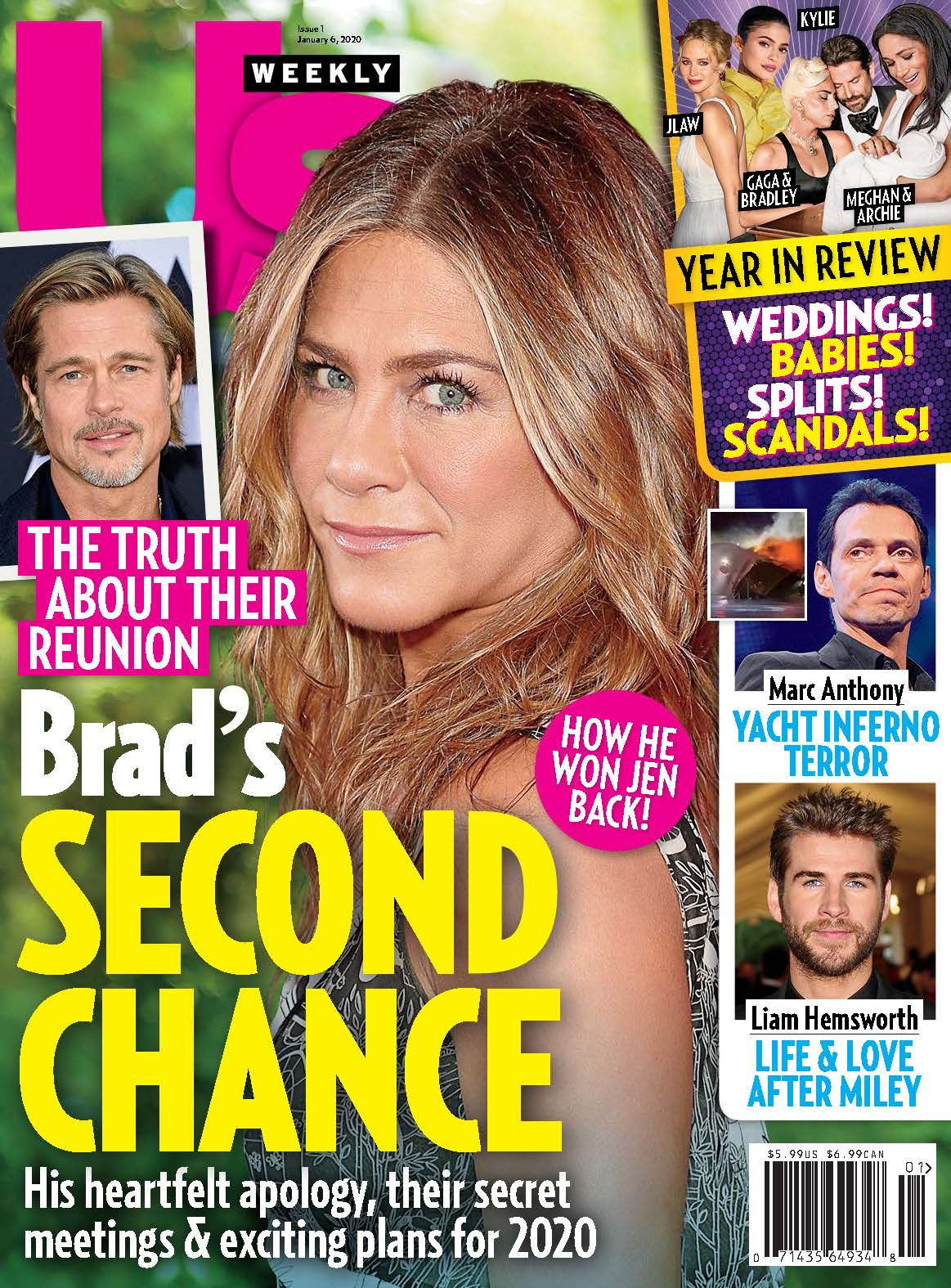


h1

Barnes & Noble’s Director Of Merchandise & Newsstand, Krifka Steffey, To Samir “Mr. Magazine™” Husni: “The Print Magazine Is Becoming A Luxury Item.” The Mr. Magazine™ Interview…

January 15, 2020

Mr. Magazine™ Presents… Conversations With Magazine and Magazine Media Leaders…

Invigorating the newsstand and driving traffic, two things that Krifka Steffey is determined to do in 2020. Krifka is Director of Merchandising for the Newsstand at Barnes and Noble and believes that with continued evolution and the idea that print magazines in today’s digital world are still relevant and are quickly becoming a luxury item for readers, the technology of print will remain a viable one.

Krifka’s advice to industry leaders is let’s look forward instead of backward; let’s promote what’s good about the industry, such as what’s selling, what people are attracted to, instead of always preaching gloom and doom. And most important let’s use social media as a conduit to ignite a better relationship with the audience: “I think social media actually should be giving the publishing industry, certainly magazine publishers, a lot of intelligence on what customers are paying attention to and what they like. And doing that virtually for free.”

It’s great advice from someone who knows the newsstand and the business of magazines at retail. She also works in partnership with publishers to create new and exclusive products, while conducting global searches for new magazines to add to the roster. She’s a busy lady with a head-full of great ideas.

So, please enjoy this lively conversation with, Krifka Steffey, Director, Merchandise & Newsstand, Barnes & Noble, as Mr. Magazine™ brings you the next in his series with the magazine and magazine media executives that make the industry world go-round.

But first the sound-bites:

On her assessment of the future of magazine newsstand and retail: What I foresee is that the evolution that has already started to take place within publishing will continue. And that evolution is moving, certainly, toward higher quality and toward  magazines becoming more of a luxury item, especially those that you would buy at retail versus what you’d receive at home by subscription. We’ve also seen major brands come down in their frequency, while seeing new titles in the bookazine format, where they don’t necessarily have a “next issue,” they’re a very singularly-focused subject or something that’s hot at the time. A lot of what our industry has been doing is looking back instead of looking forward, and asking what does that mean in terms of newsstand and physical retail?

On any particular accomplishments Barnes & Noble achieved in 2019: We have decidedly been creating greater partnerships directly with our publishers, not only bookazine publishers, but also with everyday brands that anyone on the street could name, in terms of giving feedback on trends that we foresee coming. I don’t think anyone could have anticipated the Korean pop band BTS ending up selling a million dollars in products on our newsstand, but that came about through a partnership with various publishers and advising them. We’re seeing these things trending; CD sales increasing; what can we do to get on this trend? And I think that’s a key part of why Barnes & Noble has been doing well with magazines; we’ve really been partnering with those publishers to see what’s coming.

On whether her role today is more collaborative with publishers: With some publishers we’ve moved toward a more collaborative, back and forth relationship, and in some cases, the same with some consultants. But there’s still a pretty large contingent of the business where there is no collaboration between publisher and retailer. And I know there are a lot of other retailers that are involved, but there still feels like there’s a disconnect in sharing trends and looking at data to produce products that customers are looking for.

On whether this new role makes her job easier or harder: I’ve been doing this collaboration with publishers since I started in the business, so I would say it’s probably easier, because we’re aware of what product is coming and we believe in it. And that’s because we have either seen some data that supported it or we’ve seen customer trends, something like that. We’re better able to support that internally and that’s either in emails, displays, or social media. So when we don’t know what is coming and we get surprised by a cover and we sell out, I really feel that we’ve missed a great opportunity. So, I would say those collaborations actually make my job easier, instead of having to react on the backend, I have knowledge on the frontend.

On the variety of magazines Barnes & Noble carries, including international titles with higher cover prices: The U.K. and Australian imports and other areas that we receive from, we also get some things from The Netherlands, these products are very high quality; they’re very unique and they’re perfective in their writing style. If you were to compare a domestic version of some very well-known brands to a U.K. version, they would read very differently. So, our perspective here has been that assortment. Let’s let people and customers choose what they want by what they buy.

On the biggest challenge she faced in 2019: I think we have a supply chain problem. I often describe it as a giant onion with so many layers within it and so much complexity. And we certainly faced challenges in the actual delivery, logistics, data, flow and analysis determining the right number of copies to the right places. But I also think our industry is very restricted in allowing new entries to the market. We tend to have a very consistent and almost, I hate to say aging, workforce within our industry that doesn’t present new opportunities as quickly as we really need.

On whether she is working on changing that: I am. We’ve been looking at various ways that we can, obviously, take in magazines. We also have our own distribution center; should we be distributing our own magazines? Should we be making our own magazines? We have a publisher partner as well, so there are various things we’ve been thinking about. There are lots of opportunities out there, because we certainly see customer demand. So, I think that will probably be the biggest challenge for this year, but it was also a challenge in 2019 too.

On whether she feels magazines are still traffic-generators for the bookstores, bringing  customers in: That’s a great question. I’ve often thought about the different customer types that we have within newsstand. And we definitely have a customer base that’s very loyal to our category. And so we often see two magazines in a basket and we don’t necessarily see a book, so I do think the newsstand on its own has its own traffic. When people look at our mainlines they say: wow, you carry so many magazines, but we sell about 90 percent of our assortment in every store. So when you see those conceivably smaller audience titles, they really do generate traffic to our stores.

On whether the specialty titles are bringing in the most revenue for Barnes & Noble, rather than the regular frequency magazines: I think that kind of goes back to the question about subscriptions. I mean when you really look at what subscriptions and ABC rate-based have done, those titles are really no longer newsstand profit-generators. For a lot of reasons we have those titles in-store because we know customers expect us to carry them, but in terms of newness factor or titles that are not available by subscription, that’s where those bookazines come in.

On whether the shift from Ingram to ANC made her life easier, harder or the same: The supply chain in general out there for everyone has gotten more complicated. We’ve gone through the various changes with UPS rates, and we have trucking from one depot to another. The printers are also an interesting component of all of this as well, so I think this entire thing, from start to finish, has been in a state of flux. Nothing very consistent or reassuring.

On whether she considers social media platforms friend or foe to magazines and magazine media: I actually see social media, especially Instagram, as almost being representative of an online magazine. You’re looking for a great image to support very little text, and then some are obviously longer, but I think social media actually should be giving the publishing industry, certainly magazine publishers, a lot of intelligence on what customers are paying attention to and what they like. And doing that virtually for free. But if we continue to give away content online, then we can’t continue to expect people to pay for that same thing in print.

On anything she’d like to add: I would just suggest to our industry partners that we should speak more positively about what’s happening in our industry and what is working and what’s selling. I think too often we’re still stuck in looking back instead of looking forward and that doesn’t do anybody any favors.

On what keeps her up at night: The challenge that we face with getting the right product that’s on trend at the right time. That aspect, when we have the speed to market challenges, that piece. And also getting the right volume of product into the right stores to service the right customers to avoid sellout. And that’s something that’s very challenging for me, because a sellout to me could be at one copy, could be at 10 copies, and that’s a lost sale opportunity. So, I think that’s the piece that concerns me the most. Less about attracting the millennials, or figuring out the next hot thing; it’s getting the right copy in the right place at the right time, which has always been our industry’s biggest problem.

And now the lightly edited transcript of the Mr. Magazine™ interview with Krifka Steffey, Director, Merchandise & Newsstand, Barnes & Noble.

Samir Husni: From a magazine merchandising perspective, what’s your assessment of the future of magazines and magazine newsstand and retail?

Krifka Steffey: What I foresee is that the evolution that has already started to take place within publishing will continue. And that evolution is moving, certainly, toward higher quality and toward  magazines becoming more of a luxury item, especially those that you would buy at retail versus what you’d receive at home by subscription. We’ve also seen major brands come down in their frequency, while seeing new titles in the bookazine format, where they don’t necessarily have a “next issue,” they’re a very singularly-focused subject or something that’s hot at the time. A lot of what our industry has been doing is looking back instead of looking forward, and asking what does that mean in terms of newsstand and physical retail?

For us, one of the things that we’ve really focused on is looking at the financials and the metrics. We have a very special business in that it’s consignment; it’s very productive per square footage in the retail space, and our customers are very loyal to this product. So, when you add all those things together, not only the math, but if you also look at the frequency of shelf and the loyalty of the magazine reader, it works out.

The industry is certainly going through some troubling times as brick and mortar retail, but I do feel that the customers want to shop in a physical store, especially for physical items like books and paper. So, I’m optimistic. I think we’re just going through a prolonged transition into those different formats.

Samir Husni: Looking back on 2019, what are some accomplishments you feel Barnes & Noble achieved from your perspective as director of Merchandise and Newsstand?

Krifka Steffey: We have decidedly been creating greater partnerships directly with our publishers, not only bookazine publishers, but also with everyday brands that anyone on the street could name, in terms of giving feedback on trends that we foresee coming. I don’t think anyone could have anticipated the Korean pop band BTS ending up selling a million dollars in products on our newsstand, but that came about through a partnership with various publishers and advising them. We’re seeing these things trending; CD sales increasing; what can we do to get on this trend? And I think that’s a key part of why Barnes & Noble has been doing well with magazines; we’ve really been partnering with those publishers to see what’s coming.

The other thing that we’ve done is work very hard internally to maintain our space. So, the fact that we merchandise our own product and our booksellers are familiar with it is also a key component that has been successful for us. But internally as a buyer, it’s always something that we have to continually resell internally.

Samir Husni: Are you more involved with the publishers today and with giving them ideas? In other words, is it more of a two-way street now, as opposed to the publishers publish it, ship it, and then you sell it?

Krifka Steffey: With some publishers we’ve moved toward a more collaborative, back and forth relationship, and in some cases, the same with some consultants. But there’s still a pretty large contingent of the business where there is no collaboration between publisher and retailer. And I know there are a lot of other retailers that are involved, but there still feels like there’s a disconnect in sharing trends and looking at data to produce products that customers are looking for.

And I think that’s the real component we’re missing; we’re not getting a whole lot of big launches. We’re going to see “Reveal,” the Property Brothers’ new magazine from Meredith early in 2020, which is very exciting, but we haven’t had a major launch like that one since The Magnolia Journal. Part of that has to do with perhaps just paying attention to what is trending at retail and what things are trending online that can convert into the magazine format.

Samir Husni: Does this make your job easier or harder?

Krifka Steffey: I’ve been doing this collaboration with publishers since I started in the business, so I would say it’s probably easier, because we’re aware of what product is coming and we believe in it. And that’s because we have either seen some data that supported it or we’ve seen customer trends, something like that. We’re better able to support that internally and that’s either in emails, displays, or social media. So when we don’t know what is coming and we get surprised by a cover and we sell out, I really feel that we’ve missed a great opportunity. So, I would say those collaborations actually make my job easier, instead of having to react on the backend, I have knowledge on the frontend.

Samir Husni: You’re one of the few newsstands that carries a variety of magazines, including a lot of British and Australian titles. What’s the logic or reasoning behind that, especially since the cover prices are extremely high?

Krifka Steffey: The U.K. and Australian imports and other areas that we receive from, we also get some things from The Netherlands, these products are very high quality; they’re very unique and they’re perfective in their writing style. If you were to compare a domestic version of some very well-known brands to a U.K. version, they would read very differently. So, our perspective here has been that assortment. Let’s let people and customers choose what they want by what they buy.

I spend a lot of time looking for new products like that to import. And I think some of these cover prices lend back to that idea that the print magazine is becoming a luxury item. If we’re able to bridge all of these different price points, certainly for the retailer and for the publisher, higher price points can equal a better P&L for everybody.

Samir Husni: What was the biggest challenge you faced in 2019?

Krifka Steffey: I think we have a supply chain problem. I often describe it as a giant onion with so many layers within it and so much complexity. And we certainly faced challenges in the actual delivery, logistics, data, flow and analysis determining the right number of copies to the right places. But I also think our industry is very restricted in allowing new entries to the market. We tend to have a very consistent and almost, I hate to say aging, workforce within our industry that doesn’t present new opportunities as quickly as we really need.

Samir Husni: Are you working on changing that?

Krifka Steffey: I am. We’ve been looking at various ways that we can, obviously, take in magazines. We also have our own distribution center; should we be distributing our own magazines? Should we be making our own magazines? We have a publisher partner as well, so there are various things we’ve been thinking about. There are lots of opportunities out there, because we certainly see customer demand. So, I think that will probably be the biggest challenge for this year, but it was also a challenge in 2019 too.

Samir Husni: Do you still feel magazines are traffic-generators for the bookstores, bringing  customers in?

Krifka Steffey: That’s a great question. I’ve often thought about the different customer types that we have within newsstand. And we definitely have a customer base that’s very loyal to our category. And so we often see two magazines in a basket and we don’t necessarily see a book, so I do think the newsstand on its own has its own traffic. When people look at our mainlines they say: wow, you carry so many magazines, but we sell about 90 percent of our assortment in every store. So when you see those conceivably smaller audience titles, they really do generate traffic to our stores.

Additionally, as to being a complement to a book, we often see when we have major bestsellers like Michelle Obama’s “Becoming,” that a magazine is the number one attached. So, I think different people are coming to our stores for different reasons, they’re either loyalists or they’re coming in and also pairing up with a book.

Samir Husni: When I spoke to the people at ANC, they said that while the bookazines and the specialty titles aren’t selling the biggest units, they are making the biggest chunk of the money. Is it the same for Barnes & Noble? Are all of these specialty titles bringing in the most revenue, rather than the weeklies and the monthlies?

Krifka Steffey: I think that kind of goes back to the question about subscriptions. I mean when you really look at what subscriptions and ABC rate-based have done, those titles are really no longer newsstand profit-generators. For a lot of reasons we have those titles in-store because we know customers expect us to carry them, but in terms of newness factor or titles that are not available by subscription, that’s where those bookazines come in.

So, to me, when you can effectively balance what will be a subscription title and what you’ll have on mainlines, that’s really going to provide more of the stability that the publishers are interested in. But it really hasn’t done that so far, and also conversely managing what they give away online digitally. So, I think that’s probably their biggest challenge is to figure out bookazines versus subscription titles versus digital. For me, I think the newest and most interesting things we’re seeing are bookazines.

Samir Husni: Since the shift from Ingram to ANC, has it made your life easier, harder or the same?

Krifka Steffey: The supply chain in general out there for everyone has gotten more complicated. We’ve gone through the various changes with UPS rates, and we have trucking from one depot to another. The printers are also an interesting component of all of this as well, so I think this entire thing, from start to finish, has been in a state of flux. Nothing very consistent or reassuring.

But I do foresee there to be some opportunities in the future, because certainly, despite what everyone reads about print, customer demand is there, it’s truly amazing when you drill down. I really feel like The Magnolia Journal wasn’t celebrated quite enough for what it was. With one issue, Barnes & Noble sold 47,000 copies, that’s what we really need to be looking at. How do we generate more of that? Because certainly, if we can get the publishers to bring these types of titles out faster, then some of the woes with the supply chain and making money and not making money would be largely fixed.

Samir Husni: Do you think digital, with all its platforms, including social media, is a friend or a foe to magazine media?

Krifka Steffey: I actually see social media, especially Instagram, as almost being representative of an online magazine. You’re looking for a great image to support very little text, and then some are obviously longer, but I think social media actually should be giving the publishing industry, certainly magazine publishers, a lot of intelligence on what customers are paying attention to and what they like. And doing that virtually for free. But if we continue to give away content online, then we can’t continue to expect people to pay for that same thing in print.

And I think there’s a lot to be saved in terms of the upcoming centennial Z-generation, but the millennials themselves are a generation that it almost feels like we skipped. And so pulling them back into the format has been challenging. Why would they pay for something that they’ve been used to getting for free? My team and I have sat down, and they’re all millennials, and we’ve discussed what would they pay for. And it has to be something pretty exceptional and not something you can get online. So, that’s a big challenge.

But with some of the things that we’ve seen selling lately, I mentioned BTS with K Pop, or anything that has Harry Styles on it, practically selling out, we’re obviously making some strides in that direction.

I do think the trend that we’ve seen with mindfulness is representative of understanding that at some point digital is harmful for us. And I was thinking about this recently, at what point will we really disconnect? In Europe, it’s certainly much more trendy to put your phone away and to not carry it around with you, but in the U.S. we’re still very loyal to our phones and to digital. So, at some point though, I do think we’ll start to follow that trend.

Samir Husni: Is there anything you’d like to add?

Krifka Steffey: I would just suggest to our industry partners that we should speak more positively about what’s happening in our industry and what is working and what’s selling. I think too often we’re still stuck in looking back instead of looking forward and that doesn’t do anybody any favors.

Samir Husni: What keeps you up at night?

Krifka Steffey: The challenge that we face with getting the right product that’s on trend at the right time. That aspect, when we have the speed to market challenges, that piece. And also getting the right volume of product into the right stores to service the right customers to avoid sellout. And that’s something that’s very challenging for me, because a sellout to me could be at one copy, could be at 10 copies, and that’s a lost sale opportunity. So, I think that’s the piece that concerns me the most. Less about attracting the millennials, or figuring out the next hot thing; it’s getting the right copy in the right place at the right time, which has always been our industry’s biggest problem.

When you look at a map and truly understand the logistics, complexity is across the United States. It is amazing how quickly packages in general reach some of these areas, considering how long it takes to cross Texas, how many DC’s are located near Arizona, but at the same time I still feel like there are improvements to be made. And customers, they expect when they see a cover pop up on social media, such as Instagram, they expect it to be available at their local retailers.

Samir Husni: Thank you.
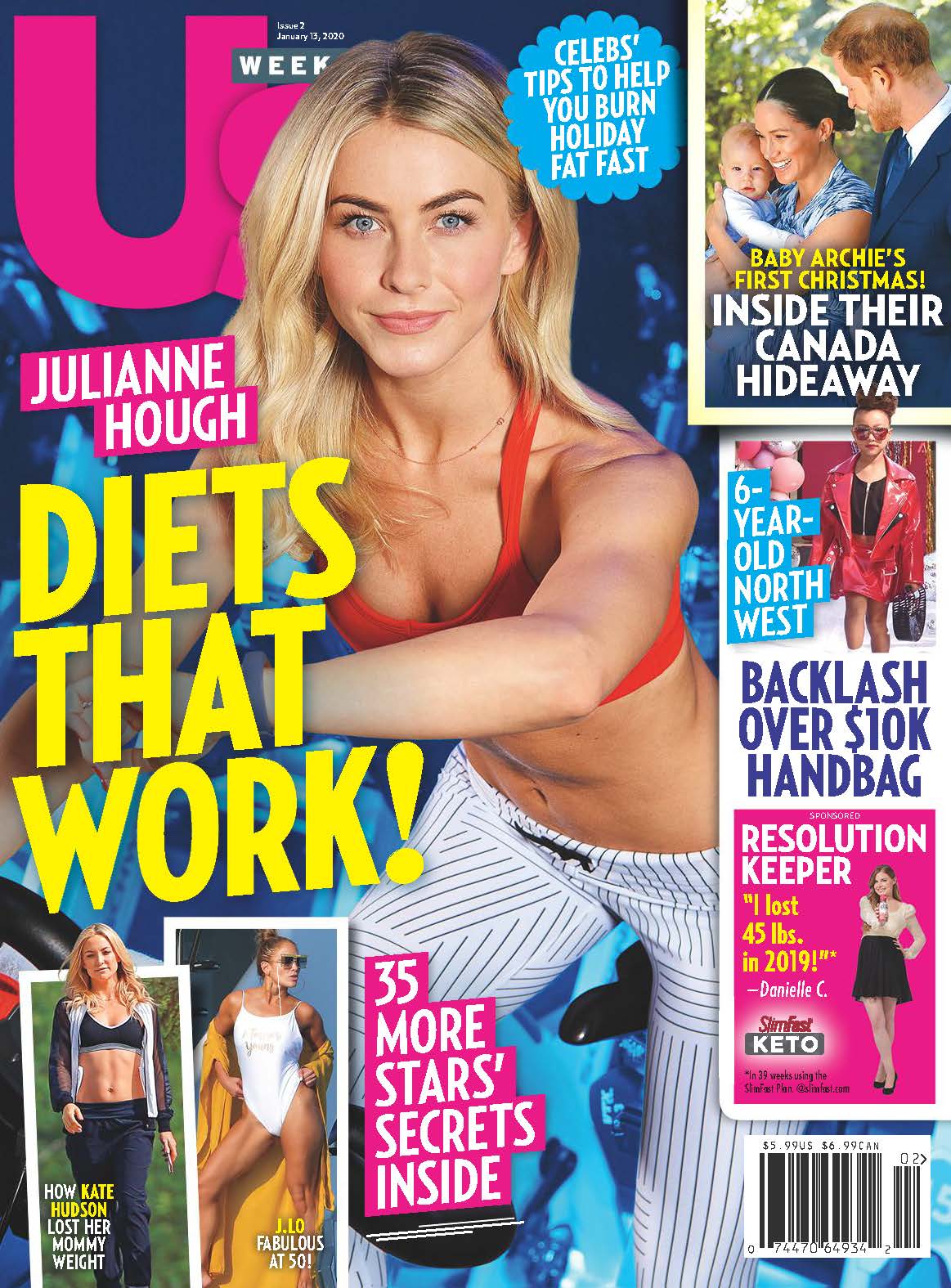
h1

American News Company’s (ANC) President & CEO, David Parry, To Samir “Mr. Magazine™” Husni: “When We Look At It From A Practical Standpoint, We Recognize The Magazine Business Is Anything But Dead.” The Mr. Magazine™ Interview…

January 13, 2020

Mr. Magazine™ Presents… Conversations With Magazine and Magazine Media Leaders…

Building on strong partnerships with retailers, publishers and consumers, the American News Company (ANC), is looking positively toward 2020 and the future of the distribution business and the magazine industry. David Parry is president and CEO of ANC and spoke with me recently about the mergers, acquisitions and overall health of the business.

David was excited about the amount of retail space and placement of magazines that ANC has been able to retrieve and the reformation of his organization. And in his words, while the retail changes might not be gargantuan: “Major changes, probably not, that’s maybe too strong a statement. But I would say a significant change. We have gotten a lot of positive traction at retail in regards to space.” So, that is good news.

With a new, more efficient program called “Drive,” which stands for Distribution Reinvented, about to be in place, David is ready to face 2020 head-on and with clarity.

So, please enjoy this informative conversation with David Parry, president and CEO, ANC, as Mr. Magazine™ brings you the next in his series with the magazine and magazine media executives that make the industry world go-round.

But first the sound-bites:

On his assessment of the future of magazine distribution: That’s a great question. Interestingly enough, the last 12 months have seen, obviously, a lot of change going on within American News Company (ANC) and the reformation of the organization.

On whether he thinks publishers will see a major change in retail space allocation and placement for 2020: Major changes, probably not, that’s maybe too strong a statement. But I would say a significant change. We have gotten a lot of positive traction at retail in regards to space.

On important accomplishments ANC had for 2019: There’s been a lot, however, successes to us may not be successes to the masses. We’ve had the integration of CMG, Genera, MagNet, RS2, and TNG all into one organization, including the Curtis integration, and now including Cowley Distributing.

On the biggest challenge the company faced in 2019: I think, yet again, like a broken record, it’s sales declines. We’re still facing pretty large sales declines and in a business that is a fixed cost business, which is what we have as it relates to warehousing, trucking and so on, it’s very difficult to cut your expenses at the rate of your margin decline associated with the decline of magazine sales.

On whether he thinks there is a need for both a magazine distributor and a wholesaler or are they now one and the same: That’s a great question, a sensitive question, but I’ll do my best to answer it in the proper way. I think we are evolving into a hybrid system. The national distributor’s functions are critical.

On whether he thinks the future of single copy sales will be the high cover-priced bookazines and other higher-end magazines: If we can use history as our guide, and we can see in current history, with this evolution and going back to these bookazines, to these single topic, non-subscription-based products and their success, I think there’s a real place for them.

On if the honeymoon period during all the mergers and acquisitions is over now and he has his own team fully in place: In my opinion it’s never over. It will continue to just transition.

On what keeps him up at night: As it relates to this discussion, what keeps me up at night is trying to figure out the way to mitigate the sales decline and right size the infrastructure to make our segment of the business more variable and less fixed so that we can drive a healthier P&L.

And now the lightly edited transcript of the Mr. Magazine™ interview with David Parry, president & CEO, American News Company (ANC).

Samir Husni: What is your assessment of the future of magazine distribution in 2020?

David Parry: That’s a great question. Interestingly enough, the last 12 months have seen, obviously, a lot of change going on within American News Company (ANC) and the reformation of the organization. But one of the big initiatives that we’ve had as a company has been working with our retail customers to right-size the space that we have. To make sure that we have adequate space for magazines in a proper location.

Samir Husni: Do you think retailers will see a major change in retail space allocation and placement for 2020?

David Parry: Major changes, probably not, that’s maybe too strong a statement. But I would say a significant change. We have gotten a lot of positive traction at retail in regards to space. We welcomed our new publisher clients from Curtis at our publisher summit a month ago, and presented key departmental updates, including the significant traction that our sales team has gained in recapturing checkout space across several key chains.

ANC/CMG has gained traction with Walmart to add 7 ‘B’ sized magazine pockets at the self-checkout area of the store, in 1,500+ stores.  When approved, the self-checkout display will represent a significant enhancement for magazines in this high traffic area, which represents 60% of all Walmart transactions.

Samir Husni: What are some important accomplishments ANC had for 2019?

David Parry: There’s been a lot, however, successes to us may not be successes to the masses. We’ve had the integration of CMG, Genera, MagNet, RS2, and TNG all into one organization, including the Curtis integration, and now including Cowley Distributing. So, I think if you’re looking at a single accomplishment it would be to integrate all of those companies and drive out as much inefficiency as possible and build a stronger base in which to operate from through 2019 and then focusing and going forward into 2020. That was a Herculean effort by our team, to be able to pull that off.

Samir Husni: What was the biggest challenge the company faced in 2019?

David Parry: I think, yet again, like a broken record, it’s sales declines. We’re still facing pretty large sales declines and in a business that is a fixed cost business, which is what we have as it relates to warehousing, trucking and so on, it’s very difficult to cut your expenses at the rate of your margin decline associated with the decline of magazine sales. So, yet again, the biggest hurdle we had to overcome in 2019 was really mitigating those margin reductions from the sales loss and producing a positive result for the organization.

Samir Husni: Do you think there is a need for both a magazine distributor and a wholesaler or are they now one and the same?

David Parry: That’s a great question, a sensitive question, but I’ll do my best to answer it in the proper way. I think we are evolving into a hybrid system. The national distributor’s functions are critical. There are many things that they do and have expertise in that we have not done and don’t have expertise in, and quite candidly, we’re learning from each other as we go through this process.

 Samir Husni: Do you think the future of single copy sales will be the high cover-priced bookazines and other higher-end magazines?

David Parry: If we can use history as our guide, and we can see in current history, with this evolution and going back to these bookazines, to these single topic, non-subscription-based products and their success, I think there’s a real place for them. And I think you’re right, magazines may become more of a specialty product like they have somewhat done on the book side with the move from mass market to higher priced trade.

Samir Husni: Is the honeymoon period during all the mergers and acquisitions over and do you have your own team fully in place?

David Parry: In my opinion it’s never over. It will continue to just transition. It’s still a challenging business. Certainly, there’s a Darwinism effect in all of this from all sides: Distribution, Retail and Publishing. We’re just going to continue to see that.

Samir Husni: What keeps you up at night?

David Parry: As it relates to this discussion, what keeps me up at night is trying to figure out the way to mitigate the sales decline and right size the infrastructure to make our segment of the business more variable and less fixed so that we can drive a healthier P&L.  Our ultimate goal is and has been to build a sustainable distribution company for the industry. That’s what really keeps me awake at night, that’s the genesis of everything for us. It doesn’t matter about changing or diversifying our business model as it relates to this discussion and our overall business strategy. We want to get the primary business right, and that’s the magazine distribution business.

Samir Husni: Thank you.
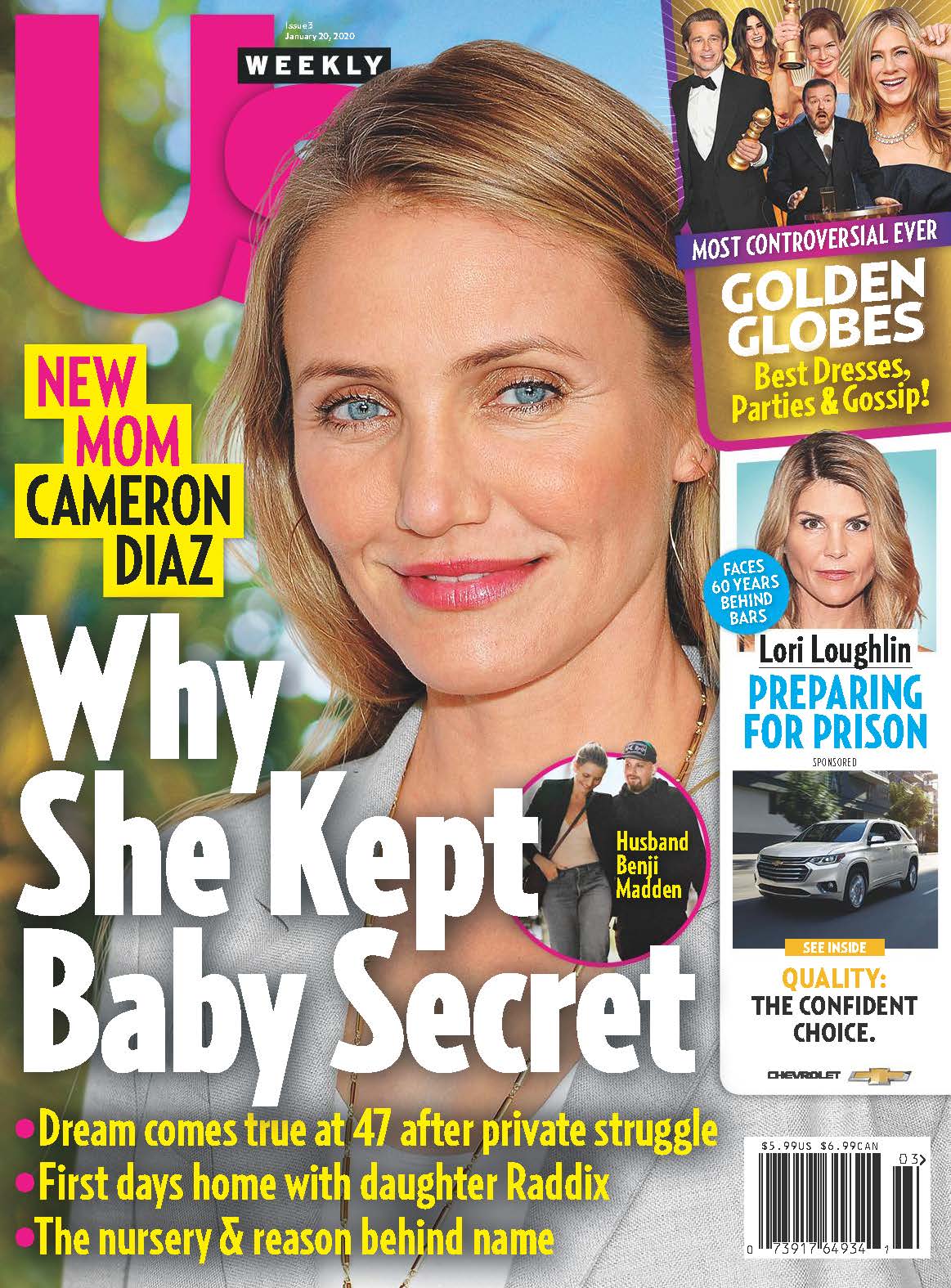
Next up, Krifka Steffey, Director, Merchandise & Newsstand, Barnes & Noble.

h1

Bonnier Corporation’s CEO, Eric Zinczenko, To Samir “Mr. Magazine™” Husni: “Magazine Brands With Strong Equity And Connections To The Consumer Will Always Have Their Place.” The Mr. Magazine™ Interview…

January 9, 2020

Mr. Magazine™ Presents… Conversations With Magazine and Magazine Media Leaders…

Bonnier Corporation is one legacy media company that may have been around for over 200 years, but is definitely not showing its age. In fact, it’s looking forward to 2020 and beyond with steadfast vim and vigor. The USA portion of this heritage company opened its doors in 2007 and under the guidance and leadership of its present CEO, Eric Zinczenko, has enjoyed immense success, creating better quality content with less workforce. And it’s a success that Eric is determined to see continue into the next year and beyond.

Strong magazine brands with consumer engagement and equity are key to Bonnier’s plans for 2020, along with event growth and their many other revenue streams. I spoke with Eric right before the holidays and he shared with me success stories and the many challenges he faced in 2019, the success stories far exceeding any obstacles he may have encountered. And while he admits these are challenging times for magazines and magazine media, they’re also hopeful times and a great season for new opportunities.

So, please enjoy this intriguing conversation with, Eric Zinczenko, CEO, Bonnier Corporation, as Mr. Magazine™ brings you the next in his series with the magazine and magazine media executives that make the industry world go-round.

But first the sound-bites:

On his assessment of magazines and magazine media in 2020: I believe the evidence is in front of us, that the future will be challenging for magazines and magazine media. Changes in media consumption behavior; accelerating technology disruption, giving consumers more control; the proliferation of content on all platforms; the fight for viewership and engagement; I think all of this points to times getting more complex and difficult before getting easier. With that said, I still believe there are magazine brands and smart companies that will be able to weather these challenges and market forces. Magazine brands with strong equity and connections to the consumer will always have their place.

On whether he thinks there are lessons American magazine media can learn from European business models: They’re heavy freelance in Europe, very heavy. And they look to have the smallest organization possible, they’re not reliant on a lot of corporate overhead and corporate allocations. And there is a level of efficiency there that we certainly have learned from having Swedish owners. And at Bonnier Corp. we have reduced our employee headcount over the years, over my tenure as CEO, by about one half in the last five years, of the entire workforce.

On any accomplishments or successes for Bonnier USA that he is proud of in 2019: My fiduciary responsibility as the company CEO is to deliver on expected results and 2019 will be another year where Bonnier Corp. will meet or exceed our financial objectives. We will exceed our targets for consolidated revenues for 2019, and reviewing our financials recently, we should be able to meet our 2019 EBIT budget target. Our current cash position is strong enough for me to make the call now that we will meet or exceed our 2019 cash flow budget as well. Considering the challenges around us, and what I know of our peers in the industry, I’m very proud of this result and our teams should be proud too of this exceptional performance.

On whether 2019 was a walk in a rose garden for him or he had some challenges along the way: No, it wasn’t a walk in a rose garden. (Laughs) It was a challenging year; it was one of my most difficult years, but yet we found a way as a company to still meet our financial obligations and I couldn’t be prouder of that. But the event in Saudi Arabia was extraordinary and the other points that I mentioned here, in terms of accomplishments, helped fill the gaps and the variances coming from media and other places where we had challenges.

On whether he thinks the magazine industry was slow to change when it comes to the traditional advertising business model: I do, but I think everybody now is following this diversified model. But I think the answer to your question is yes, a lot of companies were slow because it’s hard. When you have large organizations built on decades of success under one model and then you’re forced to explore a new future path for sustainability, that gets difficult for an organization; it gets difficult for cultures. And there is a resistance to change, orthodoxies are present and oftentimes people are scared or hesitant. And I think it’s a typical response.

On whether he considers social media platforms friend or foe to magazines and magazine media: I think social media is both a friend and foe. It’s such a powerful medium. The sheer scale and immediacy is so powerful, how can it not be both? Used correctly, magazine brands can reach new audiences, deliver content and news instantaneously. And then there are metrics, so thanks to those metrics we are closer to understanding the consumer more than ever before, and while doing so I think you have a chance to add brand awareness and equity overtime. But used incorrectly, we’ve all witnessed the damage that can be done with social media platforms. They’re so powerful that brand equity and reputations can erode in minutes or even be destroyed with the medium.

On anything he’d like to add: These are challenging times, but I always say that I’m grateful that these are our problems to solve. I think we’re lucky to have this opportunity. I know you have interviewed many of my peers who are doing fantastic work in tough times, and watching their companies and our industry evolve over the last few years has been inspiring. I think 2019 will go down as one of our more difficult years at Bonnier Corp. and yet again, we will have another year of exceeding expectations. So, I feel fortunate for how our company is going into the holiday break here and look forward to our work in 2020.

On what keeps him up at night: With five years in this role, the nights are getting easier. But still there are some nights where a fair amount of second-guessing happens overnight. Are we moving fast enough? Did I make the right call? What did the Board really think of this or that? And I think this is pretty common for the job. Where I do lose some sleep is when there are internal operational issues where I believe we are making the task in front of us harder than we should. That’s when nights get restless and anxious and I just want these issues resolved, which we seem to somehow find a way to do.

And now the lightly edited transcript of the Mr. Magazine™ interview with Eric Zinczenko, CEO, Bonnier Corporation.

Samir Husni: As we approach 2020, what’s your assessment of the future of magazines and magazine media?

Eric Zinczenko: I believe the evidence is in front of us, that the future will be challenging for magazines and magazine media. Changes in media consumption behavior; accelerating technology disruption, giving consumers more control; the proliferation of content on all platforms; the fight for viewership and engagement; I think all of this points to times getting more complex and difficult before getting easier.

With that said, I still believe there are magazine brands and smart companies that will be able to weather these challenges and market forces. Brands with strong equity and connections to the consumer will always have their place. For companies to be successful, I believe all business models and the organizational structures of the past built around exploiting advertising and media must be replaced by new models around content, commerce, affiliate membership and more. And I think this all has to be done with the smallest and most nimble organizational structures to be able to move more urgently to innovate and explore.

Samir Husni: You mention a smaller and more nimble organizational structure, this has been the case in Europe for years. Do you think there are lessons we can learn from the Europeans or lessons that we can apply to magazine media in the United States?

Eric Zinczenko: They’re heavy freelance in Europe, very heavy. And they look to have the smallest organization possible, they’re not reliant on a lot of corporate overhead and corporate allocations. And there is a level of efficiency there that we certainly have learned from having Swedish owners. And at Bonnier Corp. we have reduced our employee headcount over the years, over my tenure as CEO, by about one half in the last five years, of the entire workforce.

Samir Husni: Can you name three accomplishments or successes for Bonnier USA in 2019 that you’re proud of?

Eric Zinczenko: My fiduciary responsibility as the company CEO is to deliver on expected results and 2019 will be another year where Bonnier Corp. will meet or exceed our financial objectives. We will exceed our targets for consolidated revenues for 2019, and reviewing our financials recently, we should be able to meet our 2019 EBIT budget target. Our current cash position is strong enough for me to make the call now that we will meet or exceed our 2019 cash flow budget as well. Considering the challenges around us, and what I know of our peers in the industry, I’m very proud of this result and our teams should be proud too of this exceptional performance. So, that’s number one.

Number two and a big driver to our financial success is our Bonnier Events. In 2019, our Bonnier Events business unit was hired by the Kingdom of Saudi Arabia to produce and manage a five-day automotive festival in the capital city of Riyadh in November. And it was an ambitious initiative; it’s a first-year event, a new venue, a foreign country; you could call it an “away” game (Laughs), and we were still able to meet our deliverables. By most metrics the event was a success, but more importantly, the success we had in Saudi Arabia now proves to international venue organizers that Bonnier Corp. is clearly capable of producing and managing events globally.

And number three for 2019 is that our diversification strategy for the company is ahead of target. And this is where we have revenues from our other business units outside of media growing, and we are nearing an inflection point where our three business units, which are events, consumer products and working mother group, will combine for revenues that will be higher than that of media.

I just mentioned events and our international growth, our consumer products and brand licensing business unit now has three Bonnier brands under license: Outdoor Life, Saveur and Popular Science. Our working mother business unit also had a successful year launching Culture At Work, which is their new consulting arm, and that’s adding solid revenue and margin to the group. And then they have year-over-year growth coming from their Diversity Best Practices membership group. So, all of this is exciting and energizing to see, the diversification strategy coming together.

Samir Husni: So, was 2019 a walk in a rose garden for you, or you had some challenges along the way?

Eric Zinczenko: No, it wasn’t a walk in a rose garden. (Laughs) It was a challenging year; it was one of my most difficult years, but yet we found a way as a company to still meet our financial obligations and I couldn’t be prouder of that. But the event in Saudi Arabia was extraordinary and the other points that I mentioned here, in terms of accomplishments, helped fill the gaps and the variances coming from media and other places where we had challenges.

Samir Husni: With Bonnier, you have a sort of three-legged stool business model, with events and other revenue units, do you think that the magazine industry was slow to change when it comes to that traditional advertising business model?

Eric Zinczenko: I do, but I think everybody now is following this diversified model. But I think the answer to your question is yes, a lot of companies were slow because it’s hard. When you have large organizations built on decades of success under one model and then you’re forced to explore a new future path for sustainability, that gets difficult for an organization; it gets difficult for cultures. And there is a resistance to change, orthodoxies are present and oftentimes people are scared or hesitant. And I think it’s a typical response.

The harder response is to lean into disruption and I always say don’t adjust, but disrupt and go for bold, and you’re beginning to see companies do that. I know you’ve interviewed other peers who are beginning to make bold decisions and move as quickly as they can.

Samir Husni: Do you think digital, with all its platforms, including social media, is a friend or a foe to magazine media?

Eric Zinczenko: I think social media is both a friend and foe. It’s such a powerful medium. The sheer scale and immediacy is so powerful, how can it not be both? Used correctly, magazine brands can reach new audiences, deliver content and news instantaneously. And then there are metrics, so thanks to those metrics we are closer to understanding the consumer more than ever before, and while doing so I think you have a chance to add brand awareness and equity overtime. But used incorrectly, we’ve all witnessed the damage that can be done with social media platforms. They’re so powerful that brand equity and reputations can erode in minutes or even be destroyed with the medium.

But I know you asked this question because you understand that this relationship between publisher and platform is complex, which it is. Social media platforms have their own interests and they constantly change the rules, the algorithms; really anything that will tilt the field of play in their favor to protect their business interests, as they should. Obviously, it makes things more difficult for publishers and content producers, but these platforms with their sheer scales and social influence, their impact, they’re just too big to ignore.

Therefore I think it’s our responsibility as business leaders to be relentless in finding ways to explore the power of the platforms for our interest and business objectives.

Samir Husni: Is there anything you’d like to add?

Eric Zinczenko: These are challenging times, but I always say that I’m grateful that these are our problems to solve. I think we’re lucky to have this opportunity. I know you have interviewed many of my peers who are doing fantastic work in tough times, and watching their companies and our industry evolve over the last few years has been inspiring. I think 2019 will go down as one of our more difficult years at Bonnier Corp. and yet again, we will have another year of exceeding expectations. So, I feel fortunate for how our company is going into the holiday break here and look forward to our work in 2020.

Samir Husni: What keeps you up at night?

Eric Zinczenko: With five years in this role, the nights are getting easier. But still there are some nights where a fair amount of second-guessing happens overnight. Are we moving fast enough? Did I make the right call? What did the Board really think of this or that? And I think this is pretty common for the job. Where I do lose some sleep is when there are internal operational issues where I believe we are making the task in front of us harder than we should. That’s when nights get restless and anxious and I just want these issues resolved, which we seem to somehow find a way to do.

One thing that helps me sleep at night, if I’ve learned anything over my time at Bonnier Corp., is that we have strong brands, great people, and a supportive and understanding Board and ownership. And I think it’s an enviable position to work from. And I’m grateful for that.

Samir Husni: Thank you.  
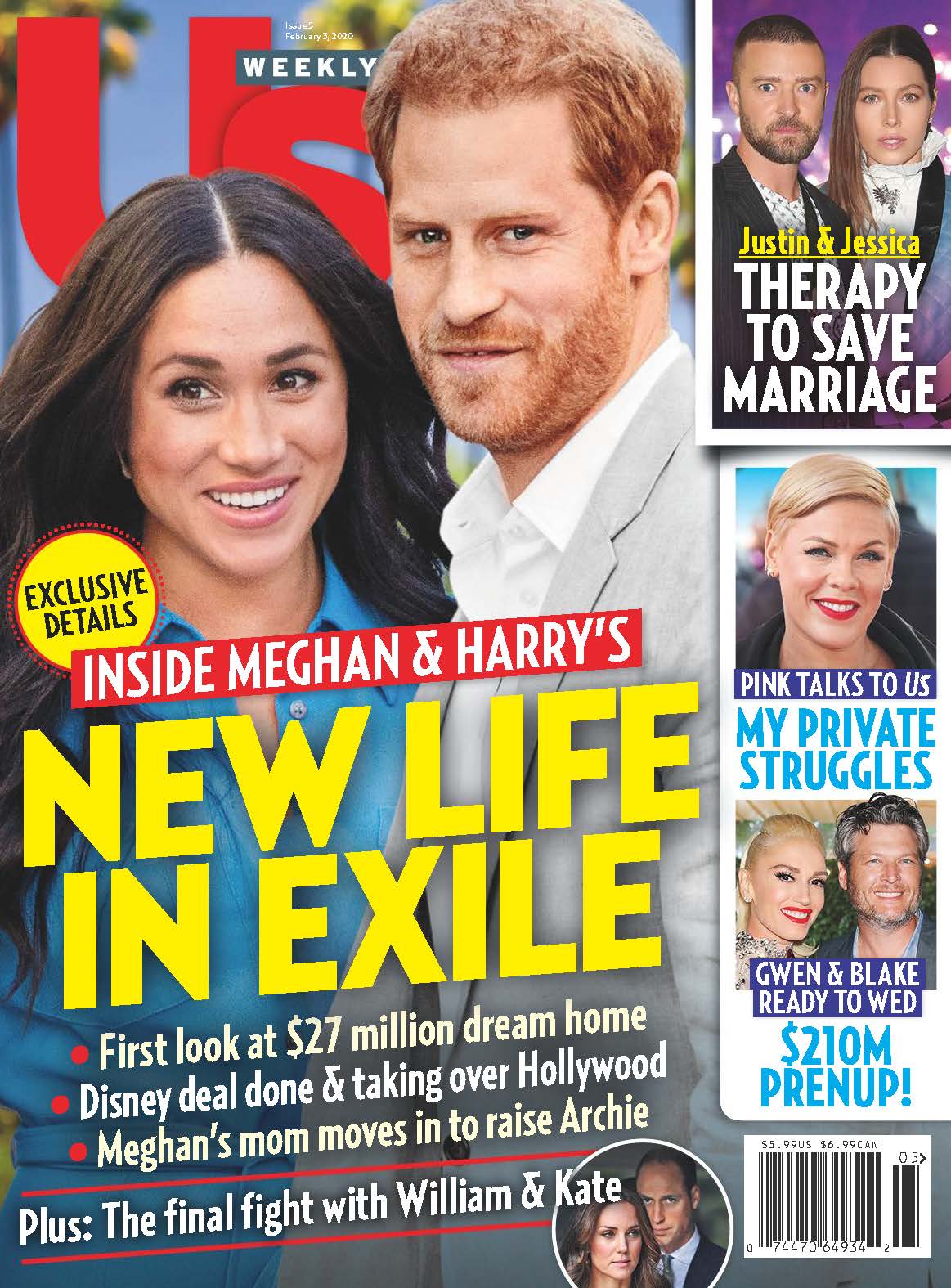
Next Up, David Parry, president & CEO, American News Company (ANC).