“We are tactile beings and from my experience people love immediate gratification of holding, feeling, smelling, reading the product that we hand out.” Dan Collins
“I like to take the stress out of the distribution and circulation for the publisher and we work hard to ensure our publishers are calm and can carry on with producing the magazines we all love.” Dan Collins
Every industry needs a hero or two, and the magazine industry is no different. That’s why Dan Collins, from the United Kingdom, decided to launch Magazine Heroes seven years ago. “Over those years I have worked with so many great publications and brands getting publications and products into the hands of their target market,” he wrote on his LinkedIn page. He continued, “We’ve sampled not only magazines and newspapers but crisps, yoghurts, alcohol free beer, chocolate on hot sunny days and Ice Cream in the snow! We have worked across the UK, Europe, North America and Hong Kong. We have not just sampled but we have sold products too, advised on subscription strategy, audited and helped to launch a few magazines along the way.”
I was intrigued by the idea of Magazine Heroes and decided to reach out to Dan to ask him some question about the genesis of the idea, the plans for the future and the role of samples, as in real stuff, in the future of the industry.
Here is the Mr. Magazine™ question and answer with Dan Collins, founder, Magazine Heroes:
Samir Husni: Would you please explain to me the genesis of the Magazine Heroes? Any description about its beginnings, the reasons behind it, etc. would be great…
Dan Collins: Having worked in Distribution and Marketing for several years in the Media World, I started working for Time Out London Magazine. During my tenure at Time Out I worked with the magazine to change the distribution Model from paid to free. Overnight the magazine went from distributing 30k a week to distributing 300k a week bringing new readers for both the magazine and its website together with new advertising streams. We then repeated this in New York, Hong Kong and many other cities. There had been much interest in this new distribution model and having been asked for advice many times – I decided to take the Leap and start a Magazine Distribution Consultancy – and so Magazine Heroes was born.
S.H. : In addition to the Magazine Heroes, you use the term We Know Footfall, do you mind expanding?
D.C. : The last few years have been game changing. Commuting has changed, shopping has changed and the flow of people into cities, offices, shopping malls has all altered. What we knew before about peoples travel habits, and took for granted, is not true anymore. Footfall is the flow of people and when sampling to a target audience it is important to understand the consumer and their behaviours in order to distribute at the highest traffic times, to gain maximum exposure at a cost-efficient price. With many people still working from offices only 2/3 days per week and tourists only just coming back to cities, this is important to monitor.
S.H. : The main thrust of your business is sampling, real samples, magazines, beauty products, newspapers, etc., why do you believe in the power of a real sample and not a digital coupon or such?
D.C. : There is no getting away from digital and it is a useful tool but there is nothing better than receiving a product in your hand as a free gift. We are tactile beings and from my experience people love immediate gratification of holding, feeling, smelling, reading the product that we hand out. Yes, we could send a digital token but unless you have bought in to the brand you probably won’t use it – real samples give you inspiration and the opportunity to try something that you may not have thought about.
S.H. : Since you established Magazine Heroes 7 years ago, what have been some of the major hurdles you had to overcome and what are some of the pleasant surprises you faced?
D.C. : Setting up by yourself is a solitary thing and not for the faint hearted. I missed the buzz of the office and people to bounce ideas off. I countered this by forming a strong group of partner companies and freelancers who very quickly became part of the team.
I also had to learn from my mistakes – I learnt not to give away too much information without agreeing a contract. Covid was a huge struggle for the company as our main workflow relied on footfall out and about on the streets and human interaction. Whilst it was hard we monitored where people were allowed to go and worked with unmanned stands, supermarkets and also started to work with online retailers to insert copies of magazines into likeminded shoppers purchases. I would say that pleasant surprises come from being recommended by word of mouth and working on projects for most of my past employers it’s been nice to work with them again.
S.H. : What is in store for 2023? I know you are based in the UK but have done work in the USA too, any plans to expand?
D.C. : 2022 saw us working across Europe and we are hoping for more this year. The world is such a small place, and we have contacts across the globe. As the world opens up again, we will be here ready to take on whatever challenges may call us.
S.H. : What makes Dan the Magazine Hero? And what makes you tick and click on a daily basis? That is what drives you to get out of bed every day?
D.C.: I have always loved the challenge and working in this industry has certainly been a roller-coaster ride. I also strive to give my clients a great experience. I don’t always tell them what they want to hear and I believe that by setting realistic goals and expectations I gain their trust. What makes Dan the Magazine Hero? I always like to go the extra mile – for each project we will try to go beyond expectations with clear communication and enthusiasm and most importantly we always try to keep the costs as low as possible
S.H. : Anything else you would like to add or anything I failed to ask about? This is your chance to ask yourself a question and answer it. LOL.
D.C. : What other areas of the magazine world do you work in? I like to take the stress out of the distribution and circulation for the publisher and we work hard to ensure our publishers are calm and can carry on with producing the magazines we all love. Not only do we work with free distribution, but we can run paid distribution for niche titles and can source nontrade for unusual avenues for sale. We also can look after ABC and AAM submissions for magazines when the magazine does not have a circulation department anymore. Lastly, we always like to say in distribution that nothing is impossible – we will always think up a solution even if you are hitting a brick wall!
S.H. : My typical last question is what keeps Dan up at night these days?
D.C. : The cost of paper, print, transportation are all worrying factors in our world, but I have seen a growth of targeted, niche magazines that speak to selected audiences and I am constantly thinking how we can get their great work to a wider audience – where is that audience and what would hook them into being a regular reader.
”The pandemic brought the world to a halt, but not Embrace Magazine. I decided to launch anyway, keeping all unpaid ads intact to allow LGBTQ+ owned businesses and their ally businesses a chance to bring awareness to their products and services during the pandemic while launching the magazine as it was intended…” John Sotomayor
“Publishing Embrace will always be a labor of love akin to the quote by Mark Twain, “find a job you enjoy doing, and you will never have to work a day in your life,” however, it is definitely a business venture…” John Sotomayor
What happens when you mix in a blender a creative person at heart, with a strong business sense and enjoys the aesthetic appeal of magazine design, along with the intellectual application of the editorial content that can have an outward impact on the world around us? This person also adds every personal and educational experience of his life into the mix. And did I fail to mention he is gay, and also Roman Catholic? This and all is John Sotomayor, the publisher, editor-in-chief, and executive producer of the Florida based Embrace Magazine and Media.
I met John last year at the annual conference of the Florida Magazine Association where I was speaking. His love for magazines and specifically for what he was doing with magazines, was evident in every single word he told me. I could feel the passion, the love, the excitement, but at the same time the fear of the future. How can one survive in this marketplace and how can a great magazine (my words, not his) survive in the midst of all the headwinds?
I have decided to interview John and ask him a few questions about him and Embrace magazine and Embrace media. What follows is my Q and A with John:
Samir Husni: Two years ago, you single handedly launched Embrace, tell me the story of that launch and your memories of that period…
John Sotomayor: After the success of a previous brand magazine, I decided I wanted to launch an LGBTQ+ magazine, which was more inline with my identity. I decided to make my formal announcement on June 28, 2019, the 50th anniversary of the Stonewall Riots in my native New York City, which signified the start of the LGBTQ+ civil rights movement. I used the next few months on market research and development. Prepared to launch in January 2020, I had some delays that occur naturally with a startup. I was ready to launch next quarter, April 2020 when the world had other plans. The pandemic brought the world to a halt, but not Embrace Magazine. I decided to launch anyway, keeping all unpaid ads intact to allow LGBTQ+ owned businesses and their ally businesses a chance to bring awareness to their products and services during the pandemic while launching the magazine as it was intended. It paid off. We received public engagement. Emergency relief funds provided us the financial assistance we needed to get the first three issues published.
S.H. : As you reflect on the launch, what are some of the most pleasant moments that you can recall?
J. S. : The most pleasant moments involved working with the contributors and our supporters toward developing the vision and content I desired to achieve the level of publication I sought Embrace to be. Everyone brought their A game. Many contributed at a fraction of their worth, and some contributed for free. Where some might have thought print publishing was on a downturn at best, and a thing of the past at worst, those around me saw this as an opportunity to achieve a next level platform for the LGBTQ+ community. Then, there was the reveal. The premiere issue exceeded all expectations. Minds were blown, and new engagement began instantaneously. My former employer, Kendra Akers, publisher for Akers Media Group publications I wrote for, sent the following message, “Hi John, WOW, you have outdone yourself with this publication. Great job! I wish you the best of luck with this new endeavor! I think people will really love it and appreciate it.” She was right. Many others shared similar sentiments. On competition level, judges awarded us with the highest honors in every competition we entered for various journalism organizations throughout Florida and the nation.
S.H. : What are the biggest hurdles you faced and how did you overcome them? In case you did not overcome them, what are the plans to do so?
J. S. : The largest hurdle we faced so far was the COVID-19 pandemic that saw a worldwide shutdown and isolation for almost two years. As we all know, businesses were closed from most of 2020 – 2021. Even when they reopened, for their own survival, they had to drastically reduce their operating budgets. The first for most to go was advertising. That was our bread and butter. We managed to stay afloat by publishing three issues per year rather than four. We planned to publish quarterly. We also kept our operational costs extremely low, again, thanks to the generosity of our contributors. Not only did I not make any earnings for the first three years, but I also contributed financially from my personal savings. It is unwise but necessary. This leads to the next hurdle, becoming sustainable, and even profitable. The solution I am currently negotiating is an acquisition deal with a major media group that sees value in our branding. They have a vast umbrella of luxury brand magazines, but none solely devoted to the lucrative LGBTQ+ audience. Embrace is that asset. If the deal goes through, they will handle all operations — circulation, distribution, advertising, expansion — and I will retain creative control as managing partner, publisher, and editor-in-chief. We will retain our status as a certified LGBTBE (LGBT Business Owned Enterprise), granted to us by the NGLCC (The National LGTB Chamber of Commerce). That status as an LGBTQ+ owned business helps us enormously to attract businesses, including Fortune 500 companies, that wish to do business with a supplier diversity business.
S. H. : The magazine was well received by the magazine community in the state of Florida and in fact it won the magazine of the year in its first year from the Florida Magazine Association. What’s next?
J. S. : Thank you, that was a major moment for us! To give the full effect of winning Magazine of the Year by the Florida Magazine Association in 2021, we need to add that Embrace Magazine won Charlie (first place) for Best New Magazine, Best Overall Magazine, and won Magazine of the Year, all in the magazine’s inaugural year. That has never happened before and some say, may never happen again. Also, we took top honors in all four Best Overalls, including Charlie for Best Overall Writing and Best Overall Magazine, and Silver (second place) for Best Overall Design and Best Overall Digital Innovator, the latter a new category. No other magazine has ever accomplished that either yet. In total, we were honored with 22 awards, the highest any startup magazine has ever garnered. We also made history at the FMA as the first ever LGBTQ+ magazine member in 2021, the organization established in 1953, and the highest awarded startup. We made history with the Associated Church Press, being the first LGBTQ+ magazine member in 2020 of that Christian-based journalism organization, established in 1916. This year, we added a national award from the NLGJA: Association of LGBTQ Journalists for Photo-journalism Excellence, and a national board position for me, as publisher, with the NLGJA as well. Both occurred in Chicago. The FMA also added me as a board member. As a result of these achievements, Embrace Magazine was approached by the Poynter Institute of Media Studies to do a profile on us as a successful startup LGBTQ+ magazine. That by itself, is a high honor given the status in media the Poynter Institute carries. What’s next in 2023? I have already entered us in the GLAAD Media Awards. We should know the results in early 2023. If we are a finalist, I will attend the ceremony in either Los Angeles or New York City. If we win, anything is possible, as that will indeed be a high honor.
S. H. : Is publishing Embrace still a labor of love or more of a business venture now?
J. S. : Publishing Embrace will always be a labor of love akin to the quote by Mark Twain, “find a job you enjoy doing, and you will never have to work a day in your life,” however, it is definitely a business venture. Embrace is designed by Em Agency, owned by my good friend and long-time colleague, Jamie Mark. With them, we work on ads together. Our website, embracemedia.us was designed by A Great Idea, owned by my new close associate, Shane Lukas, who also contributes content to our online resource blog. We added Embrace Media, which in addition to the magazine, includes Embrace On-Air, our radio show broadcast out of 93.6 FM/1370 AM WOCA The Source, in Ocala. We create video content inhouse but are also in negotiations with Gardner Productions based in Toronto, Canada and New York City to create video advertisements. Hopefully, the acquisition deal with the media group goes through. We should see regional distribution grow to include Barnes & Noble for print, then eventually expand to other regional markets, applying national content to regional advertising. Ultimately, I hope Embrace Magazine and Embrace Media take me to a comfortable retirement, while leaving a lasting legacy.
S. H. : What makes John tick and click?
J. S. : I am creative at heart, with a strong business sense. I enjoy the aesthetic appeal of magazine design, along with the intellectual application of the editorial content that can have an outward impact on the world around us. I also apply every personal and educational experience of my life. I am gay, but I am also Roman Catholic. I made it a point to include a Religion department alongside Issues + Politics, International News, Art + Culture, and Activism + Charity. We have made many major advancements socially, politically, and culturally as a community. However, if the LGBTQ+ community is to ever be completely free of oppression, then we need to confront and unify with our largest oppressors, which are religious groups. I would like to be a catalyst of real change. I also am diversely educated. I studied mechanical engineering but have a dual bachelor’s degree from the University of Rochester in Economics and Political Science with a certification in Marketing and Finance. I studied law at Howard University School of Law in Washington, DC but did not complete my JD degree due to complications from being outed as gay. I am also a natural, self-trained artist with the ability to draw. I apply all of my education and artistry to my magazine. I am hands on with every editorial and design decision in Embrace. I have been told by the COO of the media group I am negotiating with that in essence, I am the magazine. What you see within the pages are all a reflection of me.
S. H. : What are the plans for 2023 and beyond?
The immediate plans are to lock the negotiations with the media group and Gardner Productions. Then hopefully become a finalist at the GLAAD Media Awards and hopefully win. Either way, the plan is to attend the GLAAD Media Awards in LA or NYC and continue to network and bring awareness to Embrace Magazine and Embrace Media. If the deal with the media group goes through, Embrace Magazine will grow regionally, starting with states that have large LGBTQ+ communities, then expand outward. Ultimately, I would like to see a European version of Embrace, and a Spanish language version called Abrazo. There are still many areas in South and Central Americas that do not embrace the LGBTQ+ community yet. When a person comes out to their family, the family either shuns them or tries to have them institutionalized until they denounce being LGBTQ and reassimilate as straight. We need to reach those areas to promote and assist change. From there, assist those in need in other repressed areas of the world for LGBTQ+ people in Asia, Africa, and the Middle East. Looking further into the future, I would like to see Embrace Magazine have its own televised programming, maybe even a network, like National Geographic. Imagine the potential outreach Embrace could produce then.
S. H. : Anything you’d like to add that I failed to ask, or you’d like to mention?
J. S. : When I am asked to improvise, I see an opportunity to add my shameless plug. As a startup, Embrace Magazine still needs financial support. We welcome investors, and of course advertisers. Our 2023 Media Kit is available on our website, embracemedia.us. I also welcome story ideas. Please reach me at john@sotomayormedia.com. Finally, I welcome new contributors: writers, columnists, photographers, illustrators, and graphic artists. Two-thirds of our contributors are LGBTQ+, the remaining third are allies. One of my goals was to provide a platform for talented LGBTQ+ artists to showcase their writing, photography, and design skills toward LGBTQ+ related subjects. They may not have the opportunity elsewhere. Allies are welcomed. Why would I not include the best writer or photographer simply because he or she or they are not gay? So long as they support the mission of the magazine, their talent is welcomed in our pages. We are all inclusive, diverse, and unifying.
S. H. : And my typical last question, what keeps John up at night these days?
J. S. : I have two answers. First, I am concerned for all of our LGBTQ+ community, that our hard-earned civil rights are not torn away by the political mechanism that seems hellbent on doing so. Being from Florida, I see that already being enacted on the state level by our current governor, who has his eyes on the presidency in 2024. I have seen and heard the hate spewed by the Proud Boys who meet in rural bars to plan their next protest. They are getting louder, and forceful. They are no longer satisfied with disruption, they seek destruction. We at Embrace exist to counter, using intellect, compassion, and love to persuade people so that peace and prosperity win. These are the nightmares that keep me up at night.
Second, I am always thinking three steps ahead, as I always have played my favorite game, chess. I do not compete against others. I compete against myself. However high I set the bar previously, I focus on how I can raise the bar even higher. I think, what theme or concept can we come up with to excite our audiences? The photo-essay that won our national award in photo excellence was world renown and revered drag photographer, and Embrace Magazine contributor, Magnus Hastings’ brilliant concept for his book, “Rainbow Revolution” which we used as the foundation for “Thinking Outside the Box.” We collaborated on the July 2022 Arts issue, “Icons Gone Wild” which featured popular LA drag queens reenacting iconic Hollywood actresses in well-known scenes, with a twist. The result will surely garner more awards, as it has received world-wide attention. We have come up with another concept I will keep secret, for now. I can tell you it will be published in our summer Travel issue, and it will be our campiest drag photo-essay yet! These are the thoughts that keep me up at night, that eventually turn to dreams.
As the shift continues at the nation’s newsstands from regularly published magazines to book-a-zines, one can see as we enter 2023 that the future of ink on paper is going to be with those single topic, high-priced publications. They are everywhere: at the checkouts and at the mainlines. They cover every conceivable topic from Inside the Mind of Your Dog to Inside the Mind of Your Cat and everything in between. The cover price of these publications ranges between a low of $9.99 to a high of $14.99. Some of these publications are second, third and even fourth printing. All returning to the newsstands by “popular demand.”
So can the aforementioned be the reason for the drop in the total of new magazines published with a regular frequency? Well, the simple and short answer is YES. A crowded marketplace combined with the three headwinds (paper shortage, printing cost, and postage rates) publishers had to deal with in 2022, kept the major remaining publishers from entering the new magazine field (in fact just the opposite happened for the major publishers, they folded some of the existing magazines that they have), and those publishers focused more on the book-a-zine market.
My sources tell me that the two major publishers Dotdash Meredith and a360 media now control 60% of the book-a-zine marketplace. Well, for those of us who recall the “golden age of magazines” in the 1980s and 1990s, you will remember that Meredith used to be a leader in publishing what was called back then SIPs or special interest publications. Those SIPs were used as a test before that SIP was changed to a regularly published magazine. Country Home comes to mind as one of those SIPs later becoming a magazine with frequency. a360 media is doing now the same with their book-a-zines such as Feel Free, Steam+ and Gold Buckle (all introduced as new magazines in 2022).
So here is a recap of what I wrote in an earlier blog late last year:
The new magazine launches of 2022 were as cold as the arctic weather that hit the nation in the last few days of December. In 2020 the number of new magazines dropped to 60 titles, but then we had COVID 19 to blame. In 2021 the number of new launches doubled and some more to 122. But in 2022 the number of the brave souls who launched new titles, or brought old ones back to life stopped at 74 new titles.
I asked Doug Olson, the president of a360 Media, about his reaction to the aforementioned news. His answer, “2022 was a year of perseverance for the magazine industry. Through hard work, leadership, and continued innovation, the industry navigated input costs, advertiser supply chain issues, labor shortages, and unprecedented consumer inflation in ways that position the industry for a successful 2023!”
Whether 2023 will see an improvement in the number of new title launches or not is yet to be seen. What is for sure is that the so called book-a-zines or special interest publications have taken over the nation’s newsstands squeezing out both the established regularly published magazines and the arriving newbies.
Never in my recent memories have I walk into a newsstand and left empty handed. Twice in 2022 that happened, to the surprise of my wife. “You mean you did not find a single new magazine,” she asked with honest surprise on her face.
But, enough of the doom and gloom, let us concentrate on the bright side of the new magazine world and on the brave souls who still believe in ink on paper in addition to all things digital. Those brave souls were led by Alan Katz and his The Mountains magazine. The Mountains is an example of how a print magazine is and should be done. High quality writing, photography and design, The Mountains: From The Catskills To The Berkshires, deserves to be the 2022 Launch of the Year. Although it is a regional magazine, its content is one of the best I have seen in some time. Whether you live in the mountains or in the valleys, The Mountains and its team is the magazine for those who enjoy a lean back and relax kind of read with pages of experiences and not mere content.
As for the rest of the new magazines of 2022, here is the breakdown of the categories of the new magazine launches of last year:
Total US Print Magazines LaunchedBy Category In 2022*
16 Special Interest
10 Sex
08 Women’s
07 Arts & Literary
05 Metro & Regional
05 Home
05 Crafts/Games/Hobbies
05 Black/Ethnic
04 Auto, Motorcycle, & Bikes
03 Food
02 Children’s
01 Travel
01 Music
01 Men’s
01 Hunting & Fishing
*A total of 74 new magazines were launched in 2022 compared to 122 in 2021 and 60 in 2020.
The Mountains magazine is the Launch of the Year, plus 9 Most Notable Launches of 2022.
The new magazine launches of 2022 were as cold as the arctic weather that hit the nation in the last few days of December. In 2020 the number of new magazines dropped to 60 titles, but then we had COVID 19 to blame. In 2021 the number of new launches doubled and some more to 122. But in 2022 the number of the brave souls who launched new titles, or brought old ones back to life stopped at 74 new titles.
I asked Doug Olson, the president of a360 Media, about his reaction to the aforementioned news. His answer, “2022 was a year of perseverance for the magazine industry. Through hard work, leadership, and continued innovation, the industry navigated input costs, advertiser supply chain issues, labor shortages, and unprecedented consumer inflation in ways that position the industry for a successful 2023!”
Whether 2023 will see an improvement in the number of new title launches or not is yet to be seen. What is for sure is that the so called book-a-zines or special interest publications have taken over the nation’s newsstands squeezing out both the established regularly published magazines and the arriving newbies.
Never in my recent memories have I walk into a newsstand and left empty handed. Twice in 2022 that happened, to the surprise of my wife. “You mean you did not find a single new magazine,” she asked with honest surprise on her face.
But, enough of the doom and gloom, let us concentrate on the bright side of the new magazine world and on the brave souls who still believe in ink on paper in addition to all things digital. Those brave souls were let by Alan Katz and his The Mountains magazine. The Mountains is an example of how a print magazine is and should be done. High quality writing, photography and design, The Mountains: From The Catskills To The Berkshires, deserves to be the 2022 Launch of the Year. Although it is a regional magazine, its content is one of the best I have seen in some time. Whether you live in the mountains or in the valleys, The Mountains and its team is the magazine for those who enjoy a lean back and relax kind of read with pages of experiences and not mere content.
In addition to The Mountains other magazines rising to the top of the ten most notable launches of 2022 like the froth of a good cup of espresso are in alphabetical order:
Al Hayya: Al Hayya is a magazine that publishes literary and visual content on the works, interest and strife of women, bilingually in Arabic and English.
Bavual: The African Heritage Magazine.
Britannica Magazine: The ultimate guide for curious young minds!
Creem: America’s Only Rock ‘n’ Roll Magazine.
Feel Free: Leanne Ford’s Magazine.
Raised Southern: Inspiration from the heart and soul of the South.
So Flo Habitat: For what it means to live in South Florida.
The Home Edit: Feel-Good Organizing from the Stars of the Netflix series.
Western Life Today: Designed to honor and celebrate the heritage of the West while simultaneously embracing the latest trends.
Here’s to a successful 2023 filled with new magazine launches and great experience making…
All the best,
Samir “Mr. Magazine™” Husni, Ph.D.
Founder and Director
Magazine Media Center
Preserving the Past, Present and Future of Magazine Media
As most of you know, I have retired from the world of academia after 37 years of teaching. Earlier in 2021 I started the Magazine Media Center with the goal to preserve the past, present and future of the magazine media. I am delighted to announce the release of The Magazine Century, a book published by Peter Lang Publishing Inc., New York, NY. The book is the second edition of Professor David Sumner’s The Magazine Century that was published in 2010. Professor Sumner asked me to team up with him to update the book and to write the last few chapter bringing the history of the American magazines through 2020.
Here is an excerpt from the book’s introduction:
At the time of this writing, American magazines are 280 years old. Andrew
Bradford’s The American Magazine or a Monthly View of the Political State of the
British Colonies was first published in Philadelphia on February 13, 1741. Four days
later, Benjamin Franklin published The General Magazine and Historical Chronicle.
Subsequently, the number of American magazines steadily increased for the next
160 years but really began to mushroom at the beginning of the 20th century.
From 5,500 magazines at the beginning of the century, the number reached more
than 18,000 by the end. It was, indeed, a magazine century…
No current books about American magazine history cover the entire 20th
century or 21st century. We acknowledge our debt to Frank Luther Mott of the
University of Missouri, who wrote the five- volume series, A History of American
Magazines, which covered magazine history until the 1930s. Mott’s Pulitzer- Prize
winning series remains the “gold standard” for research on American magazines.
Theodore Peterson’s Magazines in the Twentieth Century covered through the early
1960s and has also been useful in our research. William H. Taft of the University
of Missouri published American Magazines for the 1980s in 1982. Tebbel and
Zuckerman’s work, The Magazine in America 1741 to 1990 was an overview of
250 years of magazine history but limited in detail…
The editors at Peter Lang Publishing in New York invited me to write a
second edition of The Magazine Century, and I invited Professor Samir Husni at
the Magazine Media Center to be a co- author. For 44 years, he has tracked and
published annual books about new magazine launches.
He is the best- known magazine expert in America in the industry.
Besides new information he has written
about the years 2000 to 2020, the book contains a considerable amount of fresh
material about earlier magazines not included in the first edition…
People are generally more interesting to read about than “things.” Therefore,
we have tried to tell this story focusing on the stories of the writers, editors, and
publishers of the best- known magazines and the circumstances behind their
origins. These men and women were a colorful and controversial bunch. Some
became millionaires while many went bankrupt. Some became celebrities, others
were hated, and most were relatively obscure. They fought each other, sued each
other, and occasionally married each other. We hope you enjoy reading their stories.
“We expect to be in digital, maybe through acquisitions, maybe through launches, but we certainly aren’t doing it because we need to make up for print losses. The print business is a very successful business with very loyal readers, but if there is more we can do with our expertise in another market, that’s great too.”
“If people are missing out on print or digital because of some preconceived notion, I think they’re missing the plot anyhow. You have to follow your consumer. It doesn’t start with what you want to do or what you want to make or the format you want to make it in. It starts with consumer need and then grows out of that.”
Steven Kotok, president and managing director of North America of the Keesing Media Group with his 2.5 years son Theodore
Bringing more than 25 years of experience to his new position, Steven Kotok joined the Keesing Media Group on September 6, 2022 as president and Managing Director of North America, which includes their latest acquisition of Kappa Books and Publishing. He will be responsible for guiding the strategic direction for Keesing in the North American markets and focus on further expanding the company’s footprint since the acquisition of Kappa in March. As former president and CEO USA for the Bauer Media Group, Steven knows a thing or two about the ever-changing markets of the media world.
Steven moved recently back to New York State and lives in Nyack with his wife Karina and their 2.5 years son Theodore. I spoke with Steven and we talked about this European company that he says is both humble and extremely efficient in the world of puzzle entertainment. And how excited they are to be expanding their growth to the United States. Steven said that with Kappa they were seeking to grow by reaching new readers. And as with everything in the business, it all starts with great product.
“Our team is working hard to refresh and expand our product offerings, and take advantage of winning products from other Keesing territories, so that we can expand our footprint in current retailers and break into new retailers,” Steven said.
And Mr. Magazine™ says excellent, and welcome to the United States, Keesing.
And now the Mr. Magazine™ interview with Steven Kotok, President & Managing Director of North America For Keesing Media Group.
But first the sound-bites:
On his career penchant for working at European companies: It’s funny, I used to joke that I was a European’s idea of an American guy. (Laughs) I started at Dennis in 1994, so other than my time at the Wirecutter, which the founder was actually in Hawaii, I’ve worked 26 of the last 28 years for European companies. And it’s super, super simple really; I’m a consumer guy. I’m a reader-focused, consumer-revenue guy. And that’s really the European magazine model.
On the Dutch company, Keesing and its plans for the future: Keesing has pretty rapidly made acquisition after acquisition in Europe, where they are by far the largest puzzle magazine publisher in Europe with very significant market share in a lot of their territories. They really have excellent focus; they know what they’re good at and they have a really impressive, kind of backend CMS that drives it, so they’re technologically driven.
On the growth potential for Kappa Books & Publishing (a company Keesing acquired) for 2023: A few things. First of all, Kappa has significantly run pretty lean over the years. They’ve cut about half their editorial group in the last five years, so the initial plan is really investing. We just hired two new editors, one started last week and one starts tomorrow. We’re recruiting an editorial director; we’re going to be significantly expanding our marketing retail sales side, so we think we can invest more in the products and invest more in getting those products to market. And we expect to see year-on-year growth.
On who his major competitor is in the marketplace: It’s really a two-player market; Penny Press runs an excellent business. They are the dominant player. They have more market share than Kappa does. And I think over the years they’ve invested more into the market. And Kappa, in some ways, is playing catch-up there. So it’s a two-player market and we see our ability to grow by putting more into it.
On how he plans on facing some of the challenges that 2022 has seen: First of all, there’s always headwinds in this market, so I think your perpetual question of what keeps you awake at night; I think at this point if people in this market can’t sleep now, they’re never going to be able to sleep because we’ve had every single thing thrown at us. And yes, the latest one is paper prices.
On whether he feels print magazines have become more of an habitual buy than an impulse buy: I think you saw a lot of impulse buying in the peak of the pandemic, because people were looking for more activities. But yes, I do think that a lot of print has become more of an habitual buy. It’s no surprise that before the Internet print may have served a hundred percent of the population and now it may be serving a smaller portion or a smaller portion of the population in a regular way.
On where he sees the future heading, in terms of the relationship between ink on paper and pixels on a screen: But in terms of the future, I think one of the biggest kind of fallacies is the idea that people are migrating from print to digital; when a print publisher tries to migrate people to a digital product or something. I think people are kind of moved like they’re going through a maze. There are hundreds of millions of people making billions of choices of what they want and what they don’t want.
On why Keesing is interested in the United States market: Keesing has really become the dominant publisher in Europe and this is where the next stage of growth is for them. The scale of the U.S. is so vast, individual retailers here that we work with are larger… it’s like they say, if California was its own economy it would be the fourth largest in the world. If a Walmart or a Kroger were its own country for puzzles, it would be the fourth largest territory in the world for puzzles. It’s just a great opportunity.
On whether he thinks he is one of the last remaining presidents, CEO’s of a magazine media company who believes in the printed word: I hate to put myself there, because I’ve never thought of myself as printed word or not printed word. I think this category, the ability to scribble on a page your crossword or something, your Sudoku, is a unique experience. But I don’t want to say that I don’t care because I really love printed products, but for me, I don’t get excited making a printed product. I get excited making something a consumer loves.
On what keeps him up at night: I’d say the new, more interesting thing is really employee engagement. What keeps me up at night is am I giving my employees a path for growth, especially the people newer to the business. And that’s something that wasn’t as much of a concern 10 or 20 years ago, but when you’re competing with VC backed startups and what not, you’re ability to make this an exciting job for your employees and let them know when we’ve won and what winning is and orienting them toward being excited about winning is something I think people in media need to spend a lot more time on.
And now the lightly edited transcript of the Mr. Magazine™ interview with Steven Kotok, President & Managing Director of North America For Keesing Media Group.
Samir Husni: This is your third overseas company; somehow you’re a magnet for those companies, whether it’s Dennis, Bauer, and now Keesing from the Netherlands. What’s the attraction; what’s the allure?
Steven Kotok: It’s funny, I used to joke that I was a European’s idea of an American guy. (Laughs) I started at Dennis in 1994, so other than my time at the Wirecutter, which the founder was actually in Hawaii, I’ve worked 26 of the last 28 years for European companies. And it’s super, super simple really; I’m a consumer guy. I’m a reader-focused, consumer-revenue guy. And that’s really the European magazine model.
The American magazine model is overwhelmingly less traditional now on the advertising side. And if it wasn’t for a Dennis or a Bauer or a Keesing, I probably would have ended up in the book business honestly. It only means something to me if the reader and the consumer are getting excited. Getting a million people to buy something and then buy it again because they liked it, really excites me. Getting one person to sign on the dotted line for an ad schedule just doesn’t excite me in the same way. I just think the European business model is just a fit for me; not just for my tastes, but probably also for my skills.
Samir Husni: Tell me a little bit more about the Dutch company Keesing. I know they acquired Kappa Publishing & Books and that they are in the braintainment business. Tell me a little more about them and their plan for what’s ahead.
Steven Kotok: Keesing has pretty rapidly made acquisition after acquisition in Europe, where they are by far the largest puzzle magazine publisher in Europe with very significant market share in a lot of their territories. They really have excellent focus; they know what they’re good at and they have a really impressive, kind of backend CMS that drives it, so they’re technologically driven.
But everywhere they’ve acquired a puzzle business they’ve invested in new editorial product and in their retail relationships. So the track record was just too attractive to pass up; just their level of focus and their level of success in this market.
The puzzle market in the U.S. is a very stable market with a high degree of consumer wanted-ness. You’re not trying to push something onto the consumer; you’re really trying to produce something that there is a really great consumer demand for, so it’s really rewarding in that way. So it really is a good fit of market and company. And Kappa just has a lot of growth potential.
Samir Husni: As we approach 2023, what’s the growth potential for Kappa?
Steven Kotok: A few things. First of all, Kappa has significantly run pretty lean over the years. They’ve cut about half their editorial group in the last five years, so the initial plan is really investing. We just hired two new editors, one started last week and one starts tomorrow. We’re recruiting an editorial director; we’re going to be significantly expanding our marketing retail sales side, so we think we can invest more in the products and invest more in getting those products to market. And we expect to see year-on-year growth.
Samir Husni: So in a way you’re going to be competing with your former job, because when you were at Bauer you also introduced a lot of puzzle magazines.
Steven Kotok: They’ll be competing with us.
Samir Husni: (Laughs) So who’s your major competitor now in the marketplace?
Steven Kotok: It’s really a two-player market; Penny Press runs an excellent business. They are the dominant player. They have more market share than Kappa does. And I think over the years they’ve invested more into the market. And Kappa, in some ways, is playing catch-up there. So it’s a two-player market and we see our ability to grow by putting more into it.
We have a lot of new product introductions coming down the line in 2023, introducing new products into the market. And we’re going to make a lot of tweaks to our existing product.
Samir Husni: I just recently read a report that paper prices have gone up 250 percent, postage is also soaring. Of course, Kappa’s product is more single-copy sales than subscription, but how are you going to face those headwinds that have been prevalent in 2022?
Steven Kotok: First of all, there’s always headwinds in this market, so I think your perpetual question of what keeps you awake at night; I think at this point if people in this market can’t sleep now, they’re never going to be able to sleep because we’ve had every single thing thrown at us. And yes, the latest one is paper prices.
It certainly reduces margins and you’ve seen that inflation in everything. If you’ve eaten in a restaurant lately, or just about everywhere. In every consumer good, unfortunately, the input inflation results in kind of a price inflation for the end user. And you’ve certainly seen that in magazines, but as long as there is that want. You know, we’d love to have lower paper prices and we’d love to have lower cover prices, I think everyone would be happier. It’s way more fun to sell more stuff at a lower price.
But as long as that consumer want exists; we have a very loyal group who have stuck with us through price increases and that allows us to continue doing what we’re doing in a solvent, sustainable way.
So, it certainly hurts, but it’s long past time for publishers to be complaining about their market. We’ve been living that, and it’s something unlike a lot of the other challenges this market has faced, this is one that every single market and every single category faces. We’re not alone. You just have to adjust, and you don’t want to price out your long-time, loyal customers. You just need to charge a price that enables you to be a sustainable business.
Samir Husni: You mentioned that the puzzle business has been a stable business with the audience. I can understand it when the puzzle magazine used to be .99 cents or $1.99 or even $2.99; it could still be described as an impulse buy. But now you’re looking at $4.99 and $5.99 per copy. Is there a change in the single-copy sales from being that impulse buy to more of an habitual buy or a wanted-ness buy?
Steven Kotok: I think you saw a lot of impulse buying in the peak of the pandemic, because people were looking for more activities. But yes, I do think that a lot of print has become more of an habitual buy. It’s no surprise that before the Internet print may have served a hundred percent of the population and now it may be serving a smaller portion or a smaller portion of the population in a regular way.
So yes, I think a lot of puzzle buyers are habituated, but on the same side that gives you a level of brand loyalty that a lot of other consumer products would really love to have. But even if we enter a recession, four or five bucks is an impulse buy. I think that’s something that people know that they’re going to get a lot of value from.
We have 160-page products that we’re selling for $5. I don’t know about you, but 160 pages of crossword puzzles is going to last me quite a long time. It’s probably one of the best bangs for your bucks in publishing compared to a 100-page book of photos that, while maybe it’s a keepsake, you’re going to browse through it and then it has sort of served its purpose. I think that’s why some of the more timely types of products are challenged.
The puzzle market has really evergreen products and people really engage with them. It’s back mail restaurant days, there’s nothing you want to see more than an empty plate come back from the dining room. And there’s nothing you want to see more that one of your magazines scribbled
up every page with the crosswords, or the Word Search, or the Sudoku’s. So yes, I think we provide a ton of value because this is something that’s really used. It’s an interactive product.
Samir Husni: You mentioned the word interactive, which digital stole from print. (Laughs) If you could put your futuristic hat on for a moment; we’ve seen some companies swear they’re going to be online because everyone is online, yet you mention that the puzzle market is stable. Where do you see the future heading, in terms of the relationship between ink on paper and pixels on a screen?
Steven Kotok: My first job in magazines was digital, so I probably don’t think in terms of the print/digital divide as much as other people because I’ve always gone back and forth; my job before Bauer was digital. From a user perspective, there’s all different business models, but you’re producing a product you want to engage a user with. Whether it’s print or digital, I don’t think is really the biggest factor in thinking about that business versus say the business model, is it consumer or advertising?
But in terms of the future, I think one of the biggest kind of fallacies is the idea that people are migrating from print to digital; when a print publisher tries to migrate people to a digital product or something. I think people are kind of moved like they’re going through a maze. There are hundreds of millions of people making billions of choices of what they want and what they don’t want.
And if you launch a digital product, you should be planning on winning wholly new consumers. If your brand recognition or the free advertising that you can provide, if that gives you a leg up with some people who are reading a print product, that’s great, but you really have to be competing out there just like launching a new magazine. Sure, there are brand extensions, People en Español probably had a better shot than some other celebrity title in español, but really there are no side projects in this business. You have to be competing just as hard as anyone.
I think these print products have a very loyal audience. Kappa can definitely grow its market share. And as we saw during the pandemic, total puzzle purchases went up and the market share of the puzzle category has been growing within the print magazine category.
But yes, you see something like Wordle; Wordle is a genius digital puzzle. And it really uses the digital medium. The fact that it’s a feedback of what you did in the first turn and the second turn and the third turn, so I expect there will be more innovation in digital and more great digital puzzle products. I don’t think it takes anything away from the print puzzle business any more than dessert takes away from dinner. They are just different categories with different purposes and whether you’re making the best dessert you can make or the best hamburger you can make, you really better be able to compete, not just because of your brand name or some free advertising.
So, we expect to be in digital, maybe through acquisitions, maybe through launches, but we certainly aren’t doing it because we need to make up for print losses. The print business is a very successful business with very loyal readers, but if there is more we can do with our expertise in another market, that’s great too. But the idea of making up something that’s lost; no one ever really wins that way. You have to create something awesome, whether you’re building on success or building on decline. The consumer doesn’t care. The consumer just wants value for their money.
Samir Husni: I know Keesing Media Group is acquiring companies, but why the United States market?
Steven Kotok: Keesing has really become the dominant publisher in Europe and this is where the next stage of growth is for them. The scale of the U.S. is so vast, individual retailers here that we work with are larger… it’s like they say, if California was its own economy it would be the fourth largest in the world. If a Walmart or a Kroger were its own country for puzzles, it would be the fourth largest territory in the world for puzzles. It’s just a great opportunity.
And when you’re as good at something as Keesing is at the puzzle business, both on the production backend and on their ability to connect with consumers and understand them, you’d be crazy to not go for it. And that’s for any publisher; my old friend, Felix Dennis. The U.S. market is the big time. You really want to make it here both for pride and for the scale of opportunity. Keesing was humble and they really owned what they did in Europe and had enough for repeated success that they really made sure they can come into this market as the best in the world at what they do.
Samir Husni: Are you one of the few remaining presidents, CEO’s of magazine media companies that believe in a future for the printed word?
Steven Kotok: I hate to put myself there, because I’ve never thought of myself as printed word or not printed word. I think this category, the ability to scribble on a page your crossword or something, your Sudoku, is a unique experience. But I don’t want to say that I don’t care because I really love printed products, but for me, I don’t get excited making a printed product. I get excited making something a consumer loves.
At Wirecutter, we really provided a great service that people got a lot out of and I’m just as happy to do that in digital as in print. Maybe I’m just agnostic about it; it’s where I see opportunity. And I think business model-wise, when you’re selling a physical product it facilitates the consumer revenue stream which is my affinity, expertise and interest.
But you look at The Athletic, fabulous idea. I saw those guys and I thought wow, how bold. Subscription, my own little passion. They’re really providing something that, as a fan of Buffalo and Minnesota sports teams, my ability to get news and information was declining and they provide a great service.
So if people are missing out on print or digital because of some preconceived notion, I think they’re missing the plot anyhow. You have to follow your consumer. It doesn’t start with what you want to do or what you want to make or the format you want to make it in. It starts with consumer need and then grows out of that.
If there is a huge consumer demand for printed puzzle products, I want to be the best at it. But the day people want it in a different format or something, I’m very happy. I’m not going to be the last guy on the island defending it. It’s only fun for me to make stuff people like. I don’t need to make museum pieces just because I’m a loyalist to one way or another.
Samir Husni: My typical last question; what keeps you up at night these days?
Steven Kotok: What has always kept me up at night has been can we create something that a consumer wants and can we get in front of that consumer? In previous interviews I’ve always said that anyone who gets between you and your consumer, whether it’s Google or a wholesaler, should keep you up at night because just give me a fair shot with the consumer, but that’s kind of perpetual.
I’d say the new, more interesting thing is really employee engagement. What keeps me up at night is am I giving my employees a path for growth, especially the people newer to the business. And that’s something that wasn’t as much of a concern 10 or 20 years ago, but when you’re competing with VC backed startups and what not, you’re ability to make this an exciting job for your employees and let them know when we’ve won and what winning is and orienting them toward being excited about winning is something I think people in media need to spend a lot more time on.
And it’s not just print; in digital it’s just as hard. You talk to people, maybe some of your former students, where they’re kind of on the hamster wheel, churning out content, it’s hard to ever feel that kind of victory dance the way you could once upon a time. I really think helping your teams understand why you’re doing what you’re doing and what success looks like is more important than it has ever been in this business.
I was interviewed by The Outsourcing Guys Mike Obert and Kevin Thompson for their The Outsourcing Guys podcast. Click here to watch the entire interview.
“We are definitely a different company from the one you knew in the past. We’re a digital and video forward company in all that we do. We have more brands and we’re about expanding those brands into the different platforms where our consumers are.”
“Reader’s Digest is still a very valued brand in all mediums. It’s still extremely strong in print; we’re really pleased with the performance of the magazine, but we’re equally thrilled with the digital performance which has been excellent.”
Meeting your audience where they are is the prime focus of president and CEO Bonnie Kintzer of TMB. It doesn’t matter whether that consumer wants you in print, digital, video or social, Bonnie is determined to bring TMB’s brands to the people they’re created for.
I spoke with Bonnie recently and we talked about this new and improved TMB, with its digital and video-forward thinking all across its brands. It was an enlightening chat that brought her vision into perfect view, showing a CEO who is still a strong believer in print done right, but in all facets of the magazine industry, including every outlet a consumer might be utilizing.
Now, please enjoy the “Mr. Magazine™” interview with Bonnie Kintzer, president and CEO, TMB.
But first the sound-bites:
On what is happening at TMB today: We are definitely a different company from the one you knew in the past. We’re a digital and video forward company in all that we do. We have more brands and we’re about expanding those brands into the different platforms where our consumers are.
On whether she ever questioned the light at the end of the tunnel as being an actual train: I’ve been here eight and a half years now, and it has obviously felt like much more than just one job during that period, and at the beginning there were definitely dark days. But I never stopped believing, because I believe in the power of brands and I knew that we would get through it.
On whether legacy brands such as Reader’s Digest are still important in this digital-video first environment:Reader’s Digest is still a very valued brand in all mediums. It’s still extremely strong in print; we’re really pleased with the performance of the magazine, but we’re equally thrilled with the digital performance which has been excellent.
On TMB’s most profitable brand: Our biggest brand is actually Taste of Home; it’s a powerhouse as you know. I still remember coming to the University of Mississippi and lo and behold, in no time Taste of Home magazines were gone. So, it didn’t matter whether you were a student or not, Taste of Home has a great fondness in people of all ages. So of course, the site is doing extremely well too. Taste of Home is our number one brand and our most profitable from a margin percentage as FailArmy.
On anything that hasn’t met her expectations: Obviously, the economy weighs heavy on all of us. And seeing some of the challenges that affect us now; we’re more ad-driven than we used to be. And that changes the kind of challenges that you have. I think the cost structure on the print side is terrifying; it’s obviously affecting the industry. I don’t think that there are any challenges that we have that the entire industry isn’t facing. I look at the minutes watched; I look at the audience online, things that show our content is still working and it’s still working. We’re definitely meeting the needs of the audience.
On the price of paper and the increased cost of printing and postage and how she’s handling these headwinds:Paper is less of an issue for us. Postage is a problem and also the supply chain, in terms of envelopes and things like that. We’re being very careful about what we spend our money on. We’re ordering things earlier than we used to just to cover ourselves for delays.
On whether she feels bookazines are changing the definition of what a magazine is: I feel like a bookazine is more akin to a book; it has its own cover and it’s in the magazine channel, but it’s something that people save forever. And I think that’s why the consumer is willing to spend the money for it, because it’s a soft-cover recipe book or whatever, so that works for us. Taste of Home is the only brand that we have in the bookazine market, because we believe that people really want these fine keepsakes.
On the ceiling for cover prices in these inflationary times: They will definitely let us know when we hit the ceiling, as they always do. (Laughs) But I think so far, consumers see a lot of value in the bookazines and that’s a real tribute to the editors and the art directors and what we’re creating and delivering to the consumer. It’s a very beautiful product.
On the future of some of their other brands: I think Birds & Blooms and Reader’s Digest in particular, would do well on the newsstand. We don’t have the kind of newsstand power that some other companies have, but I do believe they would do well because they both have very strong book businesses and I think the book and the bookazine businesses have commonality.
On the rumors that Country and Reminisce are folding: It’s not a rumor; we already announced it months ago. The last issues will come out in December and January. Having small titles with the economics is virtually impossible. So, we’re focusing on where the audiences are. We have huge audiences with Reader’s Digest, Family Handyman, Taste of Home and Birds & Blooms, so we will continue in print with those four brands and they all four have book businesses, and that’s very important to us.
On the advice she would give someone who wanted to launch a brand or a magazine: I don’t think you can launch a brand with only a magazine, that’s not possible. Perhaps if you could charge $60 per year, but that’s not our business model. If a magazine is going to work, I think that it has to be a part of a much broader digital and video strategy, certainly that’s what we’re seeing and what we’re committed to.
On any challenges she sees on the horizon and how she plans to overcome them: We just finished our three-year plan and we’re highly focused on critical areas of growth, which is more direct ad sales, which we’re doing very well with this year. We want to have more consumer revenue, particularly driven by affiliate. We saw a 40 percent increase in our October Prime Day, Amazon Prime Day, versus July. We absolutely beat the market and actually beat how Amazon did as a whole. So we believe our brands, because of the trust they hold, will yield a lot, in terms of affiliate revenue.
On whether her people are working back in the office or remotely: I’m in the office today in Manhattan and there’s one other person here, so that probably answers your question. (Laughs) We do have more people in Milwaukee and in L.A., and of course in Milwaukee we have the test kitchen and the photographers and video. And in L.A. we have our production studios for our streaming and our social, so those offices tend to have more people, but New York is definitely on an as needed basis.
On where she thinks the magazine industry as a whole is heading: I think there will be no such thing as a magazine company. I think magazines will be a wonderful part of our mix, but we will be media companies and we’ll be brand companies. All of those companies you mentioned care about their brands and consumers care about brands, so I think that we can all do extremely well as long as we focus on the audience. And we’ve said that from the beginning of time and the rest will follow.
On whether she feels TMB today is operating on a solid foundation: We’re absolutely on a solid foundation. We run a very disciplined business. My goal is to grow us, both organically and through acquisition. I think we have always been very honest about the challenges and have dealt with them head-on. I think anyone who looks at our record over the last eight years would agree with that. And we’ll continue to do that; to let data and discipline guide us and our consumer. So, I know we’re healthy and I think there’s a lot more upside for us.
On anything she’d like to add: Looking at us as a really well-rounded company, I think when you consider the hundreds of millions of consumers that we reach now through all these different mediums it’s actually very inspiring and exciting to realize that brands can go into all of these places and that we should support that kind of growth. And we should always be looking at the new opportunities because there is just so much out there for our brands to jump into.
On any surprises up and coming for 2023: I hope that we’ll have another acquisition in 2023, I really do. I just met with a company this morning. It’s hard work finding the right acquisitions, but I hope that we’ll have something else to announce in 2023. That would make me very happy.
On what keeps her up at night: It’s always speed; are we moving fast enough? I think it’s a constant challenge of how much faster can we move and be sure that we’re doing all the right things. We want people to be engaged and to have great experiences, and I think those things will all move together, but I do always wonder if we could move faster while being sure we’re doing the best and most that we can.
And now the lightly edited transcript of the Mr. Magazine™ interview with Bonnie Kintzer, president and CEO, TMB.
Samir Husni: Many things have been happening with Trusted Media Brands, or as they’re called now, TMB, can you give me an update about what’s going on today?
Bonnie Kintzer: We are definitely a different company from the one you knew in the past. We’re a digital and video forward company in all that we do. We have more brands and we’re about expanding those brands into the different platforms where our consumers are.
If you think about the acquisition of Jukin one year ago, it was a major transformational acquisition. We’ve had an excellent integration of the two companies, definitely far exceeding my goals. And we are looking at growing the Pet Collective and FailArmy; we just launched Family Handyman in streaming with “At Home with Family Handyman.” So we’re really taking the assets of each company and bringing it to bear on the other brands. And it’s working quite well.
Samir Husni: When you look at the accomplishments since you took over the company, was there ever a moment where you questioned whether the light at the end of the tunnel was a train or not?
Bonnie Kintzer: (Laughs) I’ve been here eight and a half years now, and it has obviously felt like much more than just one job during that period, and at the beginning there were definitely dark days. But I never stopped believing, because I believe in the power of brands and I knew that we would get through it.
I obviously took over a company that was very broken, but those days are in the past. I don’t forget them, but we paid up all of our debt in 2015 and I feel like ever since then it’s just been very exciting to have the top line growth and the bottom line growth and to be entering new businesses and have a much more diversified business than when I first got here.
Samir Husni: You have brands that have celebrated 100 years, such as Reader’s Digest; what is the future of such legacy brands? Or are brands still that important in this digital and video first venture?
Bonnie Kintzer: Reader’s Digest is still a very valued brand in all mediums. It’s still extremely strong in print; we’re really pleased with the performance of the magazine, but we’re equally thrilled with the digital performance which has been excellent.
So we look at the brands across all platforms and yes, print is a smaller percentage of our business, but we have a lot of print readers, just like we have a lot of people coming to our sites; we have over 100 million visits to our sites every month, so we have a lot to be proud of and it goes across all brands. On the social side; we have over 215 million social followers across all of our brands. We have over 10 million newsletter subscribers; we have 10 billion minutes watched per year on our streaming, so we are reaching audiences where they are and so it’s not about looking backward, it’s very much about looking forward.
Samir Husni: In the hierarchy of things, is it Reader’s Digest, Taste of Home…
Bonnie Kintzer: I love all my children equally. (Laughs) But our biggest brand is actually Taste of Home; it’s a powerhouse as you know. I still remember coming to the University of Mississippi and lo and behold, in no time Taste of Home magazines were gone. So, it didn’t matter whether you were a student or not, Taste of Home has a great fondness in people of all ages. So of course, the site is doing extremely well too. Taste of Home is our number one brand; our most profitable from a margin percentage as FailArmy.
FailArmy is such a beloved brand; it’s very funny and well-watched on streaming and social. And close behind that is the Pet Collective, which the world needs to look at more fun and silly animals; it makes you feel good. So, they’re all important.
Samir Husni: Has there been anything that hasn’t met your expectations? Any pitfalls on the horizon?
Bonnie Kintzer: Obviously, the economy weighs heavy on all of us. And seeing some of the challenges that affect us now; we’re more ad-driven than we used to be. And that changes the kind of challenges that you have. I think the cost structure on the print side is terrifying; it’s obviously affecting the industry. I don’t think that there are any challenges that we have that the entire industry isn’t facing. I look at the minutes watched; I look at the audience online, things that show our content is still working and it’s still working. We’re definitely meeting the needs of the audience.
On the revenue side, of course we’re seeing some hits because of the CPM’s, but certain things are out of our control. We have to move forward with the things that are within our control and make sure that we continue to deliver the right content to the right people at the right time.
Samir Husni: You still have large circulation magazines in print and of course the headwinds of 2022 were the price of paper and the increased cost of printing and the postage; how are you handling those headwinds?
Bonnie Kintzer: Paper is less of an issue for us. Postage is a problem and also the supply chain, in terms of envelopes and things like that. We’re being very careful about what we spend our money on. We’re ordering things earlier than we used to just to cover ourselves for delays.
And we’re really transparent with our staff of what those challenges are and we’re addressing whatever is within our power, but it is a real challenge. The market conditions for print are a real challenge, but you have to keep your eyes opened and make tough decisions and that’s what we’re doing, much like our competitors are.
Samir Husni: If you go to a newsstand today, it looks as though the bookazines or SIP’s are driving the newsstands. And with Taste of Home, you have the fall collection, the holiday issue, I mean, you name it, they’re out there. Are bookazines changing the definition of what a magazine is? Do you consider them magazines or something else?
Bonnie Kintzer: I feel like a bookazine is more akin to a book; it has its own cover and it’s in the magazine channel, but it’s something that people save forever. And I think that’s why the consumer is willing to spend the money for it, because it’s a soft-cover recipe book or whatever, so that works for us. Taste of Home is the only brand that we have in the bookazine market, because we believe that people really want these fine keepsakes.
Samir Husni: Do you feel the cover prices of some of these bookazines are too much in these inflationary times? Where is the ceiling?
Bonnie Kintzer: They will definitely let us know when we hit the ceiling, as they always do. (Laughs) But I think so far, consumers see a lot of value in the bookazines and that’s a real tribute to the editors and the art directors and what we’re creating and delivering to the consumer. It’s a very beautiful product.
Samir Husni: What about the rest of the brands you have?
Bonnie Kintzer: I think Birds & Blooms and Reader’s Digest in particular, would do well on the newsstand. We don’t have the kind of newsstand power that some other companies have, but I do believe they would do well because they both have very strong book businesses and I think the book and the bookazine businesses have commonality.
With Birds & Blooms, we do an annual hummingbird book that does very well; we do annual collections that also do very well, so I think that if we could find a way to make the economics of the newsstand work, we could in fact do well with consumers for Reader’s Digest and Birds & Blooms.
Samir Husni: What about the rest of the titles? Are the rumor mills correct when they hint that you are folding titles like Country and Reminisce?
Bonnie Kintzer: It’s not a rumor; we already announced it months ago. The last issues will come out in December and January. Having small titles with the economics is virtually impossible. So, we’re focusing on where the audiences are. We have huge audiences with Reader’s Digest, Family Handyman, Taste of Home and Birds & Blooms, so we will continue in print with those four brands and they all four have book businesses, and that’s very important to us.
We look for brands that are in multiple streams of business and that’s what we’re focusing on. Family Handyman is of course our poster child now, with magazines, books, digital site and streaming, so that’s our first brand to be in all four of those businesses. Taste of Home doesn’t have a streaming channel yet, but obviously it’s very big digitally and socially, and in magazines and books. And it’s the same for Reader’s Digest. So we look for where the opportunity is and the consumer tells us where that opportunity is.
Samir Husni: What advice would you give someone today whocame to you with an idea for a brand or a magazine?
Bonnie Kintzer: I don’t think you can launch a brand with only a magazine, that’s not possible. Perhaps if you could charge $60 per year, but that’s not our business model. If a magazine is going to work, I think that it has to be a part of a much broader digital and video strategy, certainly that’s what we’re seeing and what we’re committed to.
Samir Husni: You’ve always been a believer in print done right. As we move toward 2023, what are some of the challenges you see on the horizon and how will you overcome them?
Bonnie Kintzer: We just finished our three-year plan and we’re highly focused on critical areas of growth, which is more direct ad sales, which we’re doing very well with this year. We want to have more consumer revenue, particularly driven by affiliate. We saw a 40 percent increase in our October Prime Day, Amazon Prime Day, versus July. We absolutely beat the market and actually beat how Amazon did as a whole. So we believe our brands, because of the trust they hold, will yield a lot, in terms of affiliate revenue.
And lastly, but we always start with it, is more content and more distribution outlets to more people. We’re a content company, so we want to get our stuff out there. The three things that we say we need to do right in order to be successful with those three goals are:
Number one, data. Making sure that we have the right data and we know how to use it, which is hard work. Number two, we call it our wheel, but how content goes across the wheel of all of our businesses and how audience goes across that wheel. If you think about our business, we own our websites and we own our magazine relationships, but we don’t own social or streaming. And yet, we want to have a relationship with consumers all across that wheel, so that’s very important, in terms of just our success. And then lastly, it’s the people; it’s all about the people and making sure that we attract and retain the right people and we do spend a lot of time on that.
Samir Husni: Speaking of people, are your people back in the office or still working remotely?
Bonnie Kintzer: I’m in the office today in Manhattan and there’s one other person here, so that probably answers your question. (Laughs) We do have more people in Milwaukee and in L.A., and of course in Milwaukee we have the test kitchen and the photographers and video. And in L.A. we have our production studios for our streaming and our social, so those offices tend to have more people, but New York is definitely on an as needed basis.
Business is going well, so we’re not mandating it, but I certainly hope people will start to come up soon. We’re having a couple of reunion days soon in all of our offices, trying to woo people back with free massages and cocktails. So I think we’ll have a couple of days with a lot of people.
Samir Husni: If you look at the magazine media scene as a whole, you can count the major companies now on one hand. Where do you think the industry is heading?
Bonnie Kintzer: I think there will be no such thing as a magazine company. I think magazines will be a wonderful part of our mix, but we will be media companies and we’ll be brand companies. All of those companies you mentioned care about their brands and consumers care about brands, so I think that we can all do extremely well as long as we focus on the audience. And we’ve said that from the beginning of time and the rest will follow.
Audiences dictate decisions of what platforms we’re on and how much money we spend, so I have confidence in all of those companies to do that.
Samir Husni: Do you think TMB today is on a solid foundation adding to the future or there are some cracks here and there?
Bonnie Kintzer: We’re absolutely on a solid foundation. We run a very disciplined business. My goal is to grow us, both organically and through acquisition. I think we have always been very honest about the challenges and have dealt with them head-on. I think anyone who looks at our record over the last eight years would agree with that. And we’ll continue to do that; to let data and discipline guide us and our consumer. So, I know we’re healthy and I think there’s a lot more upside for us.
Samir Husni: Is there anything you’d like to add?
Bonnie Kintzer: Looking at us as a really well-rounded company, I think when you consider the hundreds of millions of consumers that we reach now through all these different mediums it’s actually very inspiring and exciting to realize that brands can go into all of these places and that we should support that kind of growth. And we should always be looking at the new opportunities because there is just so much out there for our brands to jump into.
Samir Husni: Anything in the hopper; any surprises for 2023?
Bonnie Kintzer: I hope that we’ll have another acquisition in 2023, I really do. I just met with a company this morning. It’s hard work finding the right acquisitions, but I hope that we’ll have something else to announce in 2023. That would make me very happy.
Samir Husni: My typical last question; what keeps you up at night these days?
Bonnie Kintzer: It’s always speed; are we moving fast enough? I think it’s a constant challenge of how much faster can we move and be sure that we’re doing all the right things. We want people to be engaged and to have great experiences, and I think those things will all move together, but I do always wonder if we could move faster while being sure we’re doing the best and most that we can.
Magazines: United We Stand; Television, Internet, And Social Media: Divided We Sit. Part Three
Lessons from the past for today’s magazine editors and publishers… “Whoever has ears, let them hear.” Matthew 13:9
Not all the magazines of July 1942 carried the American flag on the cover, however each magazine, in its own way, paid tribute to the United We Stand campaign and the war efforts. In this third installment of Magazines: United We Stand, Social Media: Divided We Sit, we look at three magazines from 1942, Hit!,Liberty Laughs, and Liberty. To read part one click here and to read part two click here.
Hit! magazine, July 1942
In what reads like dry humor today, Hit magazine, in an article on pages 4-5 about the model displayed on that spread, wrote:
I GAVE MY GIRDLE FOR NATIONAL DEFENSE
You mustn’t use rubber, you can’t get zippers, so what can a poor girl do about a girdle? Confidentially, she shrinks. No fooling, brother, the answer to girdle shortage in the near future will be bend down, sister, bend down. If your girl can’t afford the ritzy reducing salons, give her the turkish towel workout at home. Dancer Movita of the Havana-Madrid night club in New York says it’s a lulu. As soon as she finishes her morning shower, Movita goes into action. Her technique is a combination of the rhumba, conga and the Susie-Q. Movita’s theme song is rub-a-dub-dub and she plans to roll the excess poundage away with a turkish towel, thus eliminating the need for a two-way-stretch. After she’s perfected her form (and frankly we can’t see a thing wrong with it now) she’ll turn in her girdle in the interests of National Defense. And then the only rubber not available for defense will be you, you rubberneck!
Liberty Laughs magazine, December 1942
This brand new magazine with a tag line Best War Cartoons, Jokes and Anecdotes premiered with its December issue with a back cover cartoon supporting the United We Stand campaign and screaming “every BOND is a STEP in the right direction.” The magazine published by Dell Publishing Co., was the brainchild of Frances Cavanah and Ruth Cromer Weir, who were listed as the Compilers of the content.
Liberty Laughs first issue started with AN OPEN LETTER
Members of the Chicago North Shore Alumnae Chapter of Theta Sigma Phi, National Honorary and Professional Fraternity for Women In Journalism, have compiled this magazine as a contribution toward the war effort. We pledge to turn over all the royalties from its sale to Army Emergency Relief.
We believe that a nation that can laugh is a nation that can take it, and we have attempted to bring together some of the best war humor published to date.
Without the generous cooperation of AMERICAN, COLLIER’S, ESQUIRE, NEW YORKER, PARADE, SATURDAY EVENING POST, THIS WEEK and other magazines and newspapers, this project would not have been possible. We are grateful to the artists and authors who have allowed us to use their material without fee. No one represented in this magazine has received one cent of compensation…
Liberty magazine, February 14, and October 3, 1942
The Macfadden publication, in its Feb. 14 issue, had a painting of Miss America 1942 draped with an American flag adoring the cover of the issue. In an editorial under the heading of Remember Pearl Harbor the magazine asked WHY NOT USE THESE ABLE MEN? And went on to answer:
TO win this war, we need all the brains that America can supply. Not only New Deal brains but all constructive minds. No party in this country has a monopoly on ability. The administration has been telling us that politics must be adjourned. When do we start?…
Now is no time to hold old grudges. Now is no time for discrimination. Now is a time to use all our resources for victory… These resources, these brains, these great and patriotic Americans should be allowed to help win the war!
In the same issue of Liberty magazine an advertisement for Texaco read: Helping make America strong:
HIGHER, FASTER, FARTHER!
Right now it is good to know our aviation designers are at work on the greatest fighting airplanes the world has ever seen. Working side by side with them on the gasoline and lubrication problems of these new planes are the research men of the oil industry. In the Texas company alone are more than 1000 skilled scientists and technicians — working and planning — helping make America strong.
An ad on the inside front cover of the October 3 issue, Liberty magazine offers an Emblem of the Statue of Liberty with the words WE ARE MAKING WINNING THE WAR OUR JOB.
The ad goes on to state: The Emblem of Liberty WEAR IT ON YOUR COAT Americans will never stop fighting for those principles of liberty that have made this country great!
Wherever you see the Liberty Emblem – in a coat lapel, in a window, on a counter or in a store – you will know that an American is saying: “I Am Making Winning The War My Job”
An editorial in the aforementioned issue under the title THE U.S.A. IS OURS reads:
THE U.S.A. is ours – the individual possession of every mother’s one of us.
THE U.S.A. is not just a name to be applauded patriotically, not just a land, not just a country. The U.S.A. is factories turning out beds and cars, cereals and cosmetics, medicines and clothes, tanks and airplanes and guns. It is capital contributing its money and brains, and labor contributing its muscle and skill. It is farms producing food. It is cities housing millions and villages warm with friendliness. It is roads leading to work and to pleasure. It is schools and churches and hospitals and homes. It is song and laughter and love and children and the good satisfaction of a day’s work…
And, more than all this, it is the mighty sinews of freedom, weaving through every least citizen’s affairs, giving him the right – and the opportunity – to be part of this great whole, to co-operate, contribute, and pridefully share in its priceless gift – liberty…
Remember, the U.S.A. is all of us. It belongs to all of us. It is our hearth and our home. It is our opportunity – and our obligation…
Don’t let any of us put any personal interest before this one – and we’ll keep it ours – the magnificent U.S.A.
To be continued…
Samir “Mr. Magazine™” Husni, Ph.D.
Founder and Director
Magazine Media Center
Preserving the Past, Present, and Future of Magazine Media
“I’m very optimistic about magazines. The part of the magazine business that has grown, up until the headwinds everybody faced in 2022, has really been the specials and bookazines part of the business.” Doug Olson…
“I think that people still like that lean-back experience and some of these topics just lend themselves to be enjoyed through the magazine medium and not necessarily through what we get on the screen.” Doug Olson…
“The consumer is facing so much inflation. Do they have enough disposable income to spend on their hobby or their enthusiast brands? So we worry about the consumer.” Doug Olson…
Doug Olson, President & Chief Media Officer of a360media
There’s no one in the top echelons of the magazine industry who knows the business like Doug Olson. Stepping down as president from the magazine division at Meredith last October, Doug retired for a bit and now currently serves as President & Chief Media Officer of a360media, the media division of accelerate360.
Between dynamic acquisitions of Bauer and Centennial Media, Doug is leading a360 into a sharply-focused future of weeklies, specials and powerhouse bookazines, the potential wave of the future when it comes to the magazine format, according to the man himself. Doug is unwavering in his determination and belief in magazine media, without any false facades or rosy pictures of a predestined future. He knows the odds and the headwinds he faces, yet he also knows what that lean-back experience still means to consumers.
So without further ado, please enjoy this exclusive Mr. Magazine™ interview with Doug Olson, President & Chief Media Officer of a360media.
But first the sound-bites:
On the acquisition of Bauer and Centennial Media and how he feels about magazines and magazine media: As you know, I’m a big fan of brands in general and certainly brands on all platforms, but specifically when we did the acquisition of Bauer earlier in 2022, we got ourselves into the women’s lifestyle part of the business, which with my background, I have a lot of experience in the women’s lifestyle market, so picking up Woman’s World and First For Women helped to broaden the portfolio. I’m very optimistic about magazines.
On whether he thinks specials and bookazines are the “new” magazines of the newsstands: I call them bookazines; I know a lot of people call them specials, but it’s really people who are into enthusiast-type topics. Some people call them participation brands, which I love that term, because if you’re really into something you’re willing to pay for it if it’s a quality product. So we’re going to focus on putting out a good, quality product that consumers want to buy and I really think this is the part of the magazine business that is definitely the future of magazines. Smaller, passionate groups around something that they have a high interest in that they’re willing to pay for.
On titles like “Stream +” or “Feel Free,” is he committed to more than just one issue: To me, you have to do at least two of something. You can’t do a one-and-done or do one and make a big bet on it in today’s world. So we’ve committed to a few issues on both of those titles, for example. But really, finding an audience out there is what we’re trying to do.
On whether bookazines that cost $14 or $15 can still be called impulse buys: I think it’s less of an impulse buy than it used to be because of that high cover price on these beautiful magazines, but that’s one of the things that we’re trying to solve when we put Centennial Media and what we acquired from Bauer earlier this year together, is not only to have a big newsstand presence in your traditional retailers, but also help the consumer find something that they hear about. Because that’s the number one complaint I get about these specials or bookazines. I’ve heard about “Stream +” and it’s right up my alley, but I went to my local store and I couldn’t find it.
On where he is positioning a360media compared to the other publishing entities out there: To be honest, I’m sure it’s very similar. But what my strategy is and what my management team has been working on very hard since I arrived 11 months ago, is a digital and consumer-first strategy. What that means is we know we have to digitize these businesses and we’re doing a good job of that as well, we have a very good digital team that has been busy the last couple of years here doing just that, but at the same time we want a consumer-first business.
On whether he believes we still need five or six different celebrity weeklies: I think the consumer will decide that. That’s one thing that we look at very carefully. We own several of those and they’re all doing well. Obviously, the newsstand environment has been trending down for many years. We responded to that by putting out the best product that we can. We have some really efficient editors who work on those titles and they have great contacts and they do a good job. I guess the consumer will decide that.
On the partnership with Darwin CX as Media Fulfillment Partner and whether partnerships in general are the future for magazine media: Yes, I think we look at it as a competitive advantage to be very nimble and be able to pivot very quickly. Darwin is one that really came with the acquisition of Bauer. Bauer had already transitioned its fulfillment business to Darwin and they were in the middle of the implementation. We took a look at it and at first we thought it’s newer and it’s definitely more of a self-service from a reporting standpoint. Software is a service so it’s very flexible and probably where all of this is going.
On whether it’s easier for him now working for a company that also owns the distribution: (Laughs) I wouldn’t say easier, I would say there are certainly advantages and there are also disadvantages, but really at the end of the day our distribution team does a great job in a really tough market. There are all kinds of cost pressures and competitive pressures at the front end of the store. It’s great to hear their perspective on things, so you have that one more input.
On moving forward, what does he think the biggest challenge for the company will be: One is the consumer is facing so much inflation. Do they have enough disposable income to spend on their hobby or their enthusiast brands? So we worry about the consumer.
On whether he thinks there is a limit or a cap on how high a magazine can be priced: I think whatever the consumer decides on that as well. We’re getting in the territory where it’s going to be hard to justify many more price increases, unless something from the trim size or the amount of content also increases. But it’s right in the neighborhood now of some less expensive books and I guess time will tell. But I also would have answered the question the same way five years ago when we were at about $10 and didn’t see $14 or $15 as being a reachable price, but we’ve obviously proven that wrong.
On anything he’d like to add: I just believe, once again, in brands and in what we’re going to do with them moving forward. And in what place in the brand spectrum that magazines play; it’s definitely shifting, as we’ve seen. But at the end of the day, I think that people still like that lean-back experience and some of these topics just lend themselves to be enjoyed through the magazine medium and not necessarily through what we get on the screen.
On life after Meredith: I have a lot of friends there that I still talk to all the time and I wish them nothing but the best. We had a special place there for many, many years. I think we all enjoyed working together, challenged ourselves to get through this tough business cycle that magazines have been in, but at the same time digitize that business as well. And now it’s in different owners’ hands and hopefully they’ll do the best job they can with it, because there are a lot of great people who work there.
On any advice he would give someone launching a magazine: There are a lot of great ideas out there, but not all of them are meant to be in the magazine format. I think we’ve seen in the past, even with some really popular personalities, that it doesn’t guarantee a successful magazine moving forward. I think everybody can do one, it’s when you get to the second and third one when it gets tough, because you put all of your best ideas into the first one.
On what keeps him up at night: You know, I sleep pretty good these days, because I retired once. (Laughs) Just making sure that we have a really fun place to work where people give it their all. I want to make sure as we’re coming out of this pandemic; you know, we’re still virtual, we have some people who go into the office, but a lot of people found they were very productive at home. So just finding that right balance is one of the things that keeps me up at night.
And now the lightly edited transcript of the Mr. Magazine™ interview with Doug Olson, President & Chief Media Officer of a360media, the media division of accelerate360.
Samir Husni: You’ve been in an acquiring mode lately. You bought Bauer and now you’ve bought Centennial Media; may I assume that you have a really good feeling about magazines and magazine media?
Doug Olson: As you know, I’m a big fan of brands in general and certainly brands on all platforms, but specifically when we did the acquisition of Bauer earlier in 2022, we got ourselves into the women’s lifestyle part of the business, which with my background, I have a lot of experience in the women’s lifestyle market, so picking up Woman’s World and First For Women helped to broaden the portfolio.
And then we ended up with some digital upside out of that because the Bauer folks hadn’t done a lot with the digital platforms on those brands so we saw a lot of upside there. The secret sauce in the deal for me was that we got their specials and bookazine platform, which several people who were running that business actually were at Time Inc. back in the day and then were acquired through Meredith, but unfortunately left Meredith, but I was able to get those folks back on my team with this acquisition.
I’m very optimistic about magazines. The part of the magazine business that has grown, up until the headwinds everybody faced in 2022, has really been the specials and bookazines part of the business. With Bauer, we got a nice base platform and now with Centennial Media, that’s all they do, we feel like we have a substantial part of market share that has shown a lot of growth in the last five years.
We need to get through all of these headwinds first with high paper prices and high petroleum prices with freight, all the surcharges and things that we’ve been facing, but we feel really good about our platform on the specials and bookazines as we move forward.
Samir Husni: Do you think the specials and the bookazines are the “new” magazines for the newsstands?
Doug Olson: Oh yes, we’ll definitely come out with some new things there. We’ve got a lot of things on the drying board. The beauty of that business is that if something works, you do more of it. If something doesn’t work, you just stop doing it and you pivot.
I call them bookazines; I know a lot of people call them specials, but it’s really people who are into enthusiast-type topics. Some people call them participation brands, which I love that term, because if you’re really into something you’re willing to pay for it if it’s a quality product. So we’re going to focus on putting out a good, quality product that consumers want to buy and I really think this is the part of the magazine business that is definitely the future of magazines. Smaller, passionate groups around something that they have a high interest in that they’re willing to pay for.
Samir Husni: When I see titles like “Stream +” or “Feel Free,” are you waiting to see the results of the first volume to see if you’ll go with more or with “Feel Free,” do you have the go-ahead to publish it as a quarterly? Is the jury still out on “Stream +?”
Doug Olson: To me, you have to do at least two of something. You can’t do a one-and-done or do one and make a big bet on it in today’s world. So we’ve committed to a few issues on both of those titles, for example. But really, finding an audience out there is what we’re trying to do.
We think there are a lot of people that have all of these streaming services but really don’t know what they offer. They hear about the big ones obviously, the Bridgerton’s and the Game of Thrones that exist, everyone has heard about those, but there is all kinds of quality content out there that people just don’t know about. So we’re trying to bridge that gap with “Stream +.”
Then with “Feel Free,” Leanne Ford is quite the personality and she’s really good at what she does. And with my history, I really have an affinity and a passion for some of the HGTV celebrities that we’ve helped launch magazines with in the past. Leanne has a very passionate audience and we’re going to see where we can take that, but there is just no guarantee in this world anymore. You have to give consumers what they want and what they’re willing to pay for.
And that’s what I love about this bookazine business, you try things and if it works, you do more of it.
Samir Husni: It used to be said that buying magazines on the newsstands was more of an impulse buy than anything else, but with a cover price of $14 or $15 today, can they still be called impulse buys?
Doug Olson: I think it’s less of an impulse buy than it used to be because of that high cover price on these beautiful magazines, but that’s one of the things that we’re trying to solve when we put Centennial Media and what we acquired from Bauer earlier this year together, is not only to have a big newsstand presence in your traditional retailers, but also help the consumer find something that they hear about. Because that’s the number one complaint I get about these specials or bookazines. I’ve heard about “Stream +” and it’s right up my alley, but I went to my local store and I couldn’t find it.
So we’re going to make it really easy for the consumer. They’re going to be able to go to our magazineshop.us and we’re going to expand that out and do a lot more promoting of it and people are going to be able to buy that same title that they would get at retail online of they can’t find it and it will be the same price, including shipping, it’ll just be a few days later. Obviously, it’s a big advantage if you can find it at your local store because you can get it instantaneously, but if it’s something you’re really passionate about and you can’t find it, we’ll make it available to you there.
Samir Husni: As you look at the big picture, the entire magazine media platforms out there, where do you see a360media compared to Dotdash Meredith, Hearst, Condé Nast; we are seeing less and less companies left. Where are you positioning a360media compared to the other publishing entities out there?
Doug Olson: To be honest, I’m sure it’s very similar. But what my strategy is and what my management team has been working on very hard since I arrived 11 months ago, is a digital and consumer-first strategy. What that means is we know we have to digitize these businesses and we’re doing a good job of that as well, we have a very good digital team that has been busy the last couple of years here doing just that, but at the same time we want a consumer-first business.
And that’s where these bookazines and specials enter into the equation. Again, if you’re willing to spend $15 on something, you believe in it. It’s something that you really want to be a part of. At a360 we’re trying to be digital and consumer-first, but we also believe that the value end of the market are the weeklies that we sell. We have a lot of weekly titles including Woman’s World, which I mentioned earlier, US Weekly, Closer, In Touch, just to name a few. And there is still a market for those too.
It’s not breaking news like it used to be, obviously, with production schedules and all the digital competition that’s out there, the social platforms especially, but the story behind the story and some of the adjacent stories, there is still an audience out there that likes that, the weekly cadence. So we believe that’s the value end of the market and of course the premium end of the market are the bookazines. It’s the stuff in the middle that’s shifting one way or the other, mostly to quarterly or less frequent.
There are less examples in the industry of big brands that are no longer in the print form or magazine form and there are also many of them that are now less frequent and very subject matter specific. I think you’re going to see more of that. It’s the middle stuff, the 10 times or the 12 times type of magazines that are all heading toward less frequency.
Samir Husni: It’s good to hear that you still believe in the weeklies, but do we really need five or six celebrity weeklies?
Doug Olson: I think the consumer will decide that. That’s one thing that we look at very carefully. We own several of those and they’re all doing well. Obviously, the newsstand environment has been trending down for many years. We responded to that by putting out the best product that we can. We have some really efficient editors who work on those titles and they have great contacts and they do a good job. I guess the consumer will decide that.
If we have less overtime, that’s something that we’ll have to deal with, but right now we’re good. We did transition OK Magazine; it was a weekly earlier this year and now it’s a quarterly. So you’ll see a yearend review coming out under the OK brand, it’s one of the quarterly offerings for that title. But it’s something that we keep a very close eye on. And at the end of the day, if the consumer wants the product we’ll keep putting it out there.
Samir Husni: You’re doing quite a lot of partnerships. I noticed it even with the bookazines. You’re using a lot of freelance outfits to create the bookazines and you just partnered with Darwin CX as Media Fulfillment Partner. Do you see partnerships as a vehicle for the future when it comes to saving costs and creating more products?
Doug Olson: Yes, I think we look at it as a competitive advantage to be very nimble and be able to pivot very quickly. Darwin is one that really came with the acquisition of Bauer. Bauer had already transitioned its fulfillment business to Darwin and they were in the middle of the implementation. We took a look at it and at first we thought it’s newer and it’s definitely more of a self-service from a reporting standpoint. Software is a service so it’s very flexible and probably where all of this is going.
Because again, I’m a brand person and our organization believes in brands. And part of that is when you digitize your business, what is it going to look like from a paid products perspective? Or what does the subscriptions look like into the future? And I think Darwin has thought through all that and has a lot of flexibility. So we’re not only going to be able to do traditional and a subscription to a magazine, but on the digital end or the future end of this thing, a lot of different approaches that they’re already set up and ready to go on. So we’re very excited about that partnership. I think it’s transformational for us and that’s the kind of partnerships we’re looking for.
Back to the content partnerships or some of the freelancers, we want to find experts. We want people who really know their stuff when we do a bookazine or a special, to make sure it’s a high quality product that someone is going to buy.
Samir Husni: Is it easier for you now, working in a company that also owns the distribution?
Doug Olson: (Laughs) I wouldn’t say easier, I would say there are certainly advantages and there are also disadvantages, but really at the end of the day our distribution team does a great job in a really tough market. There are all kinds of cost pressures and competitive pressures at the front end of the store. It’s great to hear their perspective on things, so you have that one more input.
But at the same time, I think they have high expectations for our product too. So our parent company wants to have the best product out there and sell the most, so we may be part of the team, but there are high hurdles they want us to get over the top of. But overall, I think it’s a nice fit. It’s just a different world right now.
When I grew up in this business, there was a lot of advertising focus, not as much on the consumer, and that has completely flipped. There’s a lot of focus on the consumer now. And you hope you can put together an audience that the advertisers want to be a part of, and we’ve seen a nice rebound in the magazine advertising here in the middle of 2022 and we hope that continues on. When people ask me what it’s like at a new organization, I tell them I have a great team here and we’ve had super opportunities with the acquisitions to bring more professionals into the organization and make our leadership team even stronger.
But we’re much more like a startup from a staffing perspective than back in the days when big media companies had a lot of people running around doing a lot of tasks. There are a lot less people running around doing the work right now.
Samir Husni: As you approach the end of 2022 and look forward to 2023, what do you think will be the largest headwind you’ll have to face and how will you handle it?
Doug Olson: I think there are two. One is the consumer is facing so much inflation. Do they have enough disposable income to spend on their hobby or their enthusiast brands? So we worry about the consumer.
But once we get past some of these inflationary things, the number one input cost that we’ve been dealing with in the last 12 months has been the cost of paper. The cost of paper was at historical lows and in the last 12 months, depending on how efficient and how much scale you have, I think you’re looking at a 25 to 30 percent increase.
And we’re not hearing that that’s coming down soon. As a matter of fact it may go up substantially again in 2023. So it’s put a lot of strain on all the publishers and all these great products that are out there that are in the form of a magazine. We’re hoping that we can be creative. One of the things that I always do is go to the mills and ask them what is their most efficient grade and weight? And could I move our products to their sweet spot, if you will. But we’ve done that with a lot of them and we’re still facing pretty large increases.
But if the consumer isn’t facing eight or nine percent inflation; if they can get that down to two or three, or something that’s more reasonable, I do believe that we have some quality products that they’re going to want to buy at the same pace that they did prior to all of this inflationary situation that we’re currently facing. But at the end of the day, I do really worry about paper. And we’re keeping a close eye on that and trying to stay as creative as possible to keep that down.
Samir Husni: Do you think there is a limit or a cap on how high a magazine can be priced?
Doug Olson: I think we’re there. I truly believe we’re in that neighborhood already. Unless it’s something that’s extremely popular.
I’ll tell you a story… back in the day when I first started at Meredith, I didn’t know anything about publishing and I walked into one of the pub director’s offices and they happen to do houseplants, sold a lot of houseplants back in the day. So I was building a new house and I walked into his office and I asked, hey, is there any chance I could get one of those houseplant magazines? He said, for free? And I said yes, I work at the company, can I get one of those houseplant magazines? He looked at me and said, how much is your house going to cost? And I told him it was a big investment for me, and then I told him how much the house was. He said, let me get this straight, you’re spending hundreds of thousands of dollars on a brand new house, but you want me to give you a $9.95 magazine for free? (Laughs) And I said, yeah, that’s exactly what I’m asking.
I think whatever the consumer decides on that as well. We’re getting in the territory where it’s going to be hard to justify many more price increases, unless something from the trim size or the amount of content also increases. But it’s right in the neighborhood now of some less expensive books and I guess time will tell. But I also would have answered the question the same way five years ago when we were at about $10 and didn’t see $14 or $15 as being a reachable price, but we’ve obviously proven that wrong.
Samir Husni: Is there anything else that you would like to add or tell my audience when it comes to magazines and magazine media?
Doug Olson: No, I think you’ve been very comprehensive. I just believe, once again, in brands and in what we’re going to do with them moving forward. And in what place in the brand spectrum that magazines play; it’s definitely shifting, as we’ve seen. But at the end of the day, I think that people still like that lean-back experience and some of these topics just lend themselves to be enjoyed through the magazine medium and not necessarily through what we get on the screen.
You can’t ask me what’s life like after Meredith. (Laughs) I get that question a lot.
Samir Husni: Oh, is there life after Meredith? I didn’t realize. (Laughs too)
Doug Olson: I have a lot of friends there that I still talk to all the time and I wish them nothing but the best. We had a special place there for many, many years. I think we all enjoyed working together, challenged ourselves to get through this tough business cycle that magazines have been in, but at the same time digitize that business as well. And now it’s in different owners’ hands and hopefully they’ll do the best job they can with it, because there are a lot of great people who work there.
But I’ve got a great team now at a360media and it just keeps getting better as we are rolling up some of these acquisitions. I believe that at the end of the day if you have a really good team that is committed to what they’re doing, you’ll find good solutions that the consumers want to pay you for. And so far that has been the case.
Samir Husni: If I tell you that I have a great idea for a magazine, what advice would you give me?
Doug Olson: There are a lot of great ideas out there, but not all of them are meant to be in the magazine format. I think we’ve seen in the past, even with some really popular personalities, that it doesn’t guarantee a successful magazine moving forward. I think everybody can do one, it’s when you get to the second and third one when it gets tough, because you put all of your best ideas into the first one. I think we could all do that and come up with something pretty interesting, it’s after you put all of your best ideas; what does it look like after that? That’s what I tend to ask people who are interested in launching a magazine.
Plus, it’s hard. Even with big social media audiences and things like that, it doesn’t necessarily guarantee that everyone is going to run out and buy it. But I think if you keep at it long enough and do a lot of testing and learning, you can find things that people are very passionate about and are willing to pay for. And that’s why we’re here.
Samir Husni: My typical last question; what keeps you up at night?
Doug Olson: You know, I sleep pretty good these days, because I retired once. (Laughs) Just making sure that we have a really fun place to work where people give it their all. I want to make sure as we’re coming out of this pandemic; you know, we’re still virtual, we have some people who go into the office, but a lot of people found they were very productive at home. So just finding that right balance is one of the things that keeps me up at night.
And then making sure that these great products are put out in the right spots in the stores so that consumers can find them is the other thing that keeps me up. Because we know we have great products, we just have to make sure that they’re put in front of the consumer at the right time. And if they can’t find it at their store, we have to make it easy for them to log onto our website and order it and get it a couple of days later.

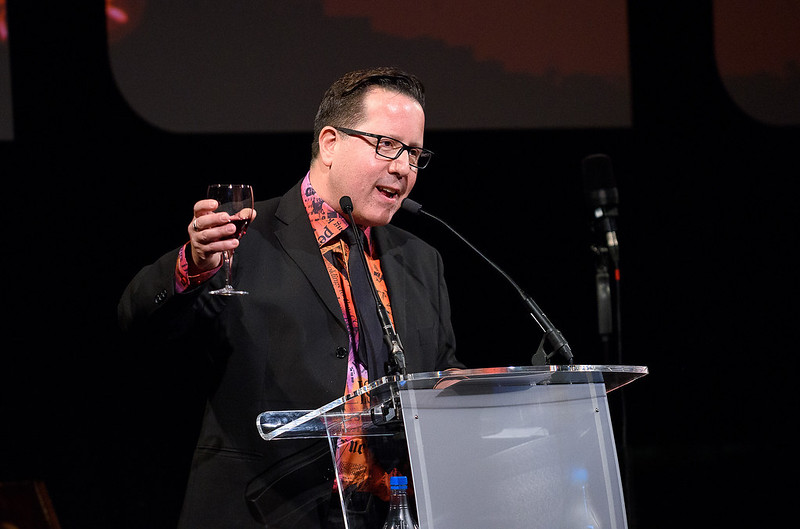
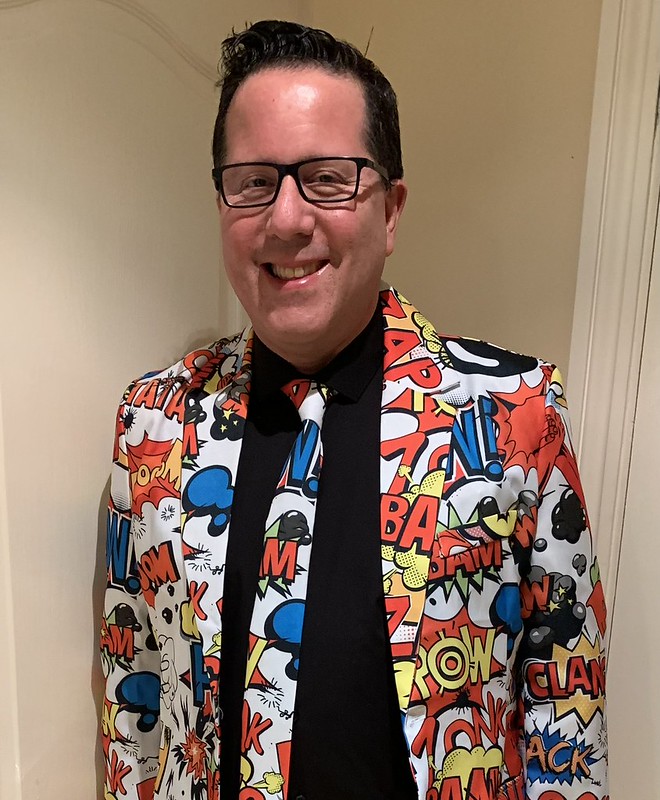
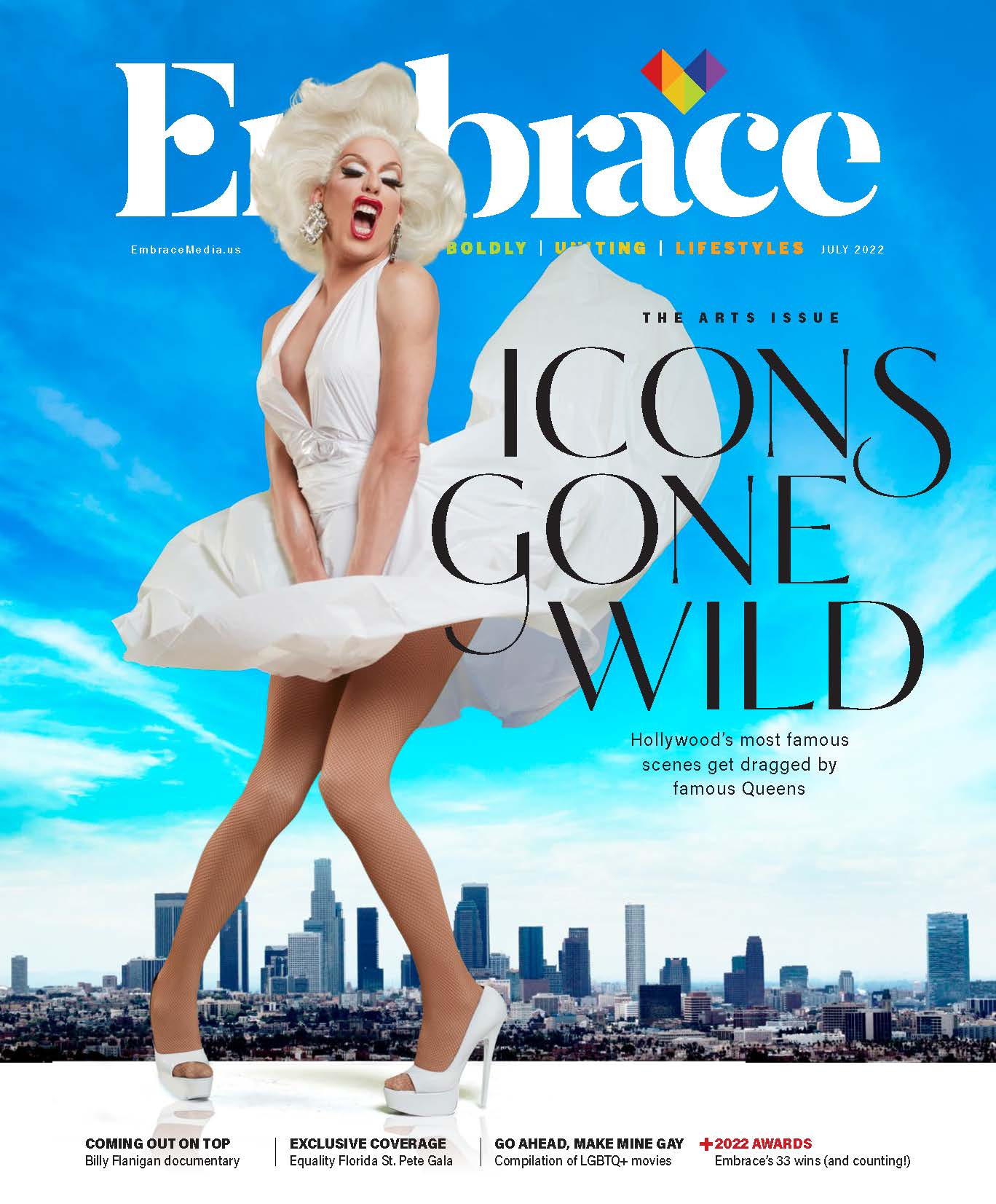
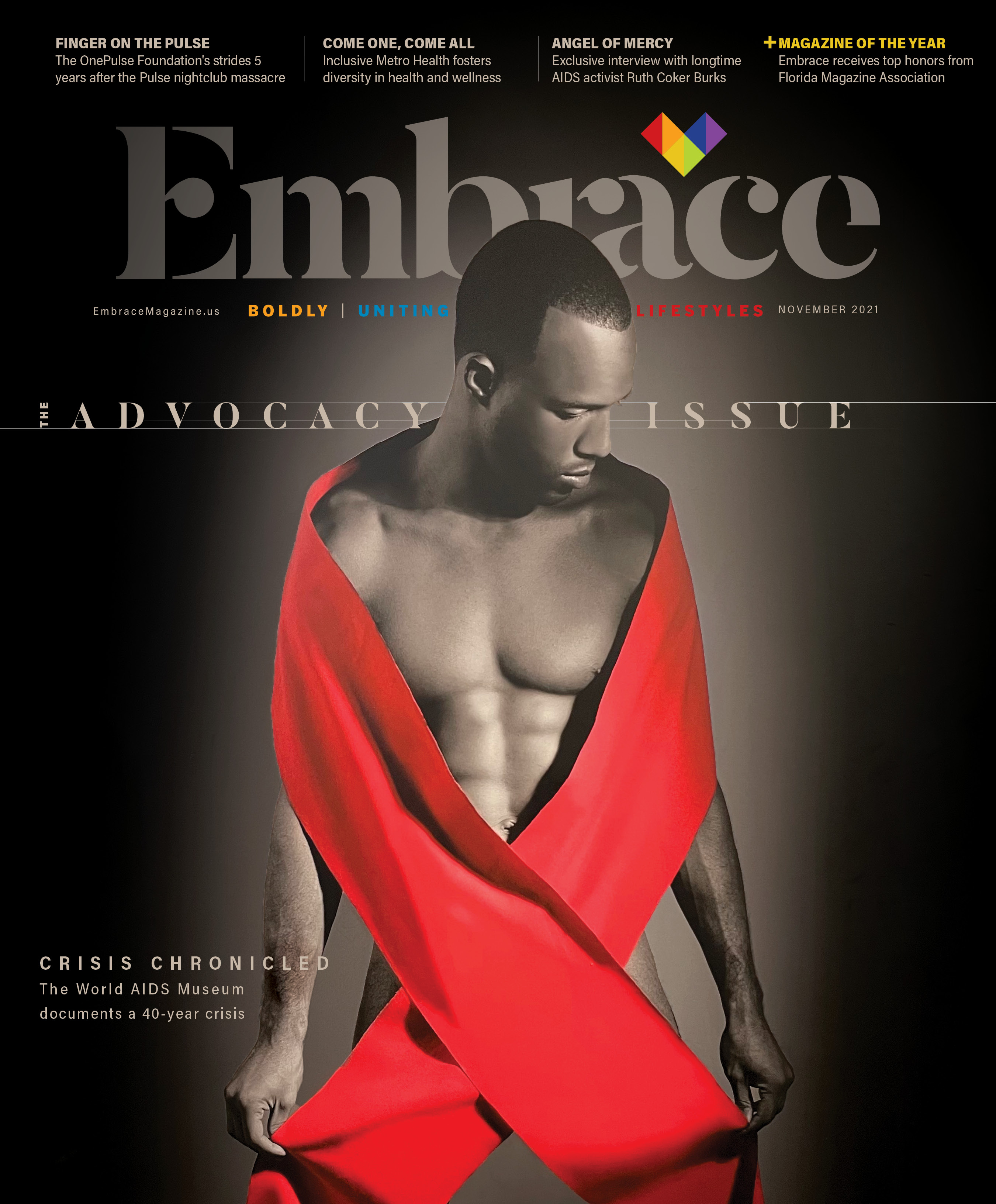
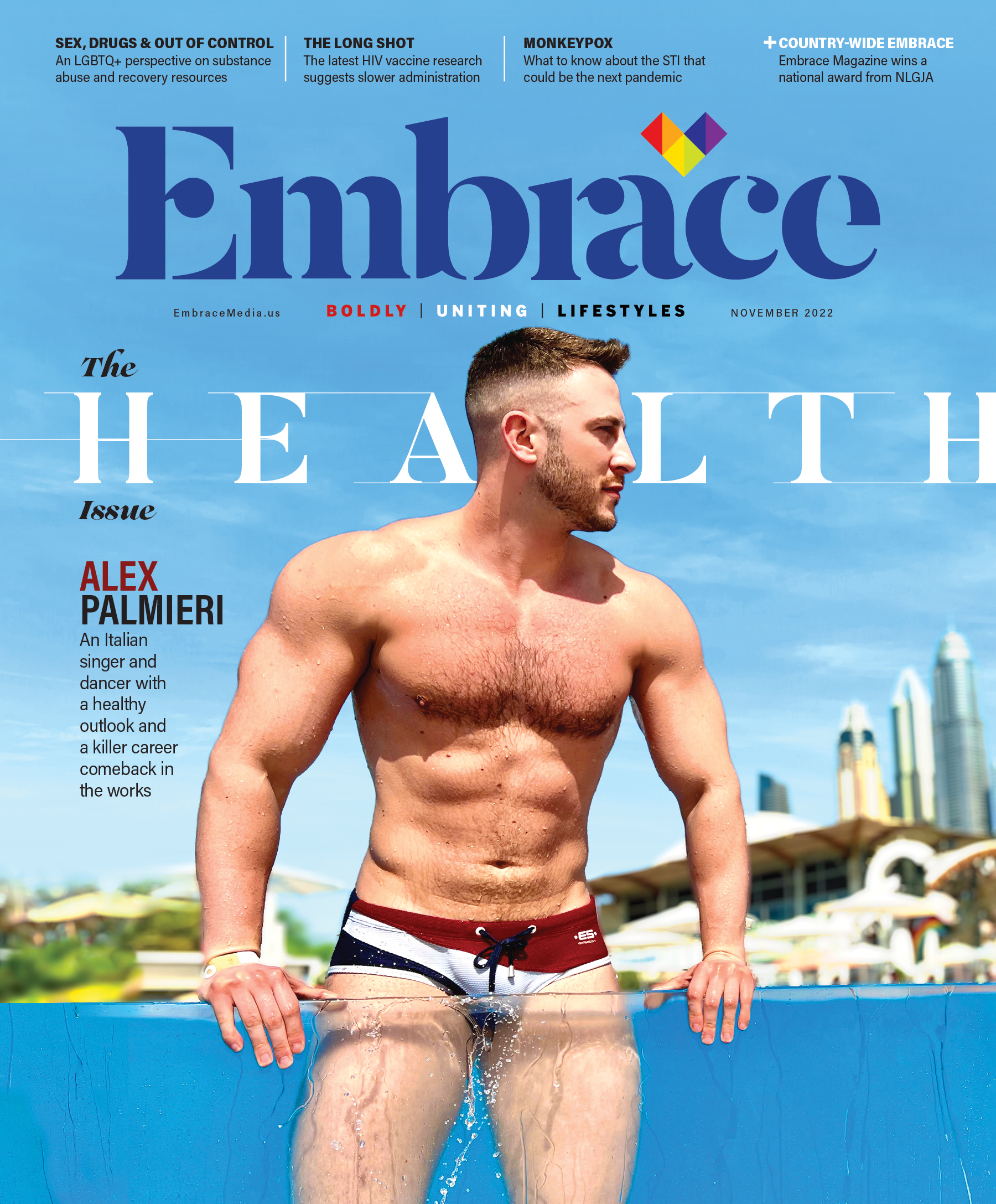
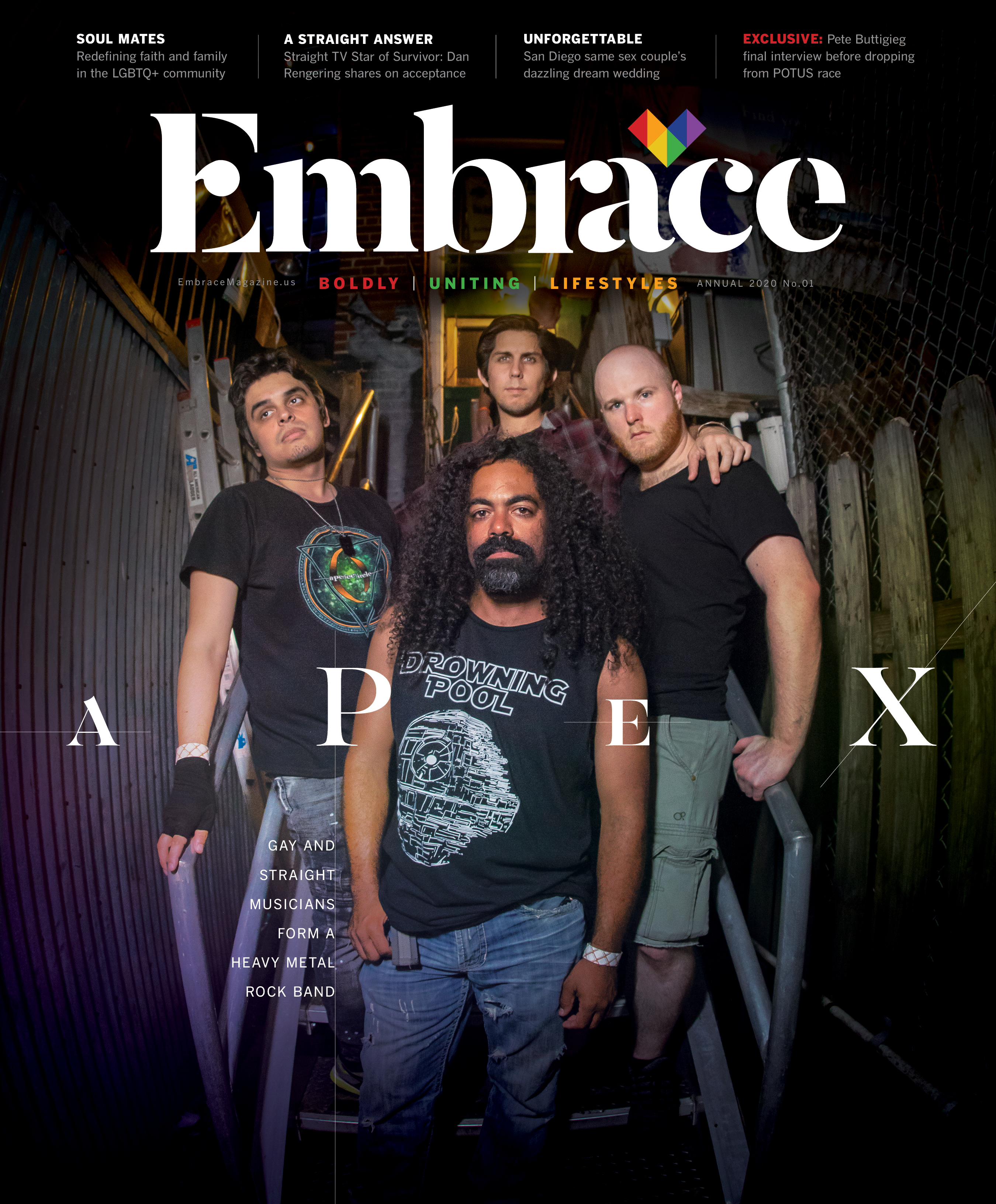
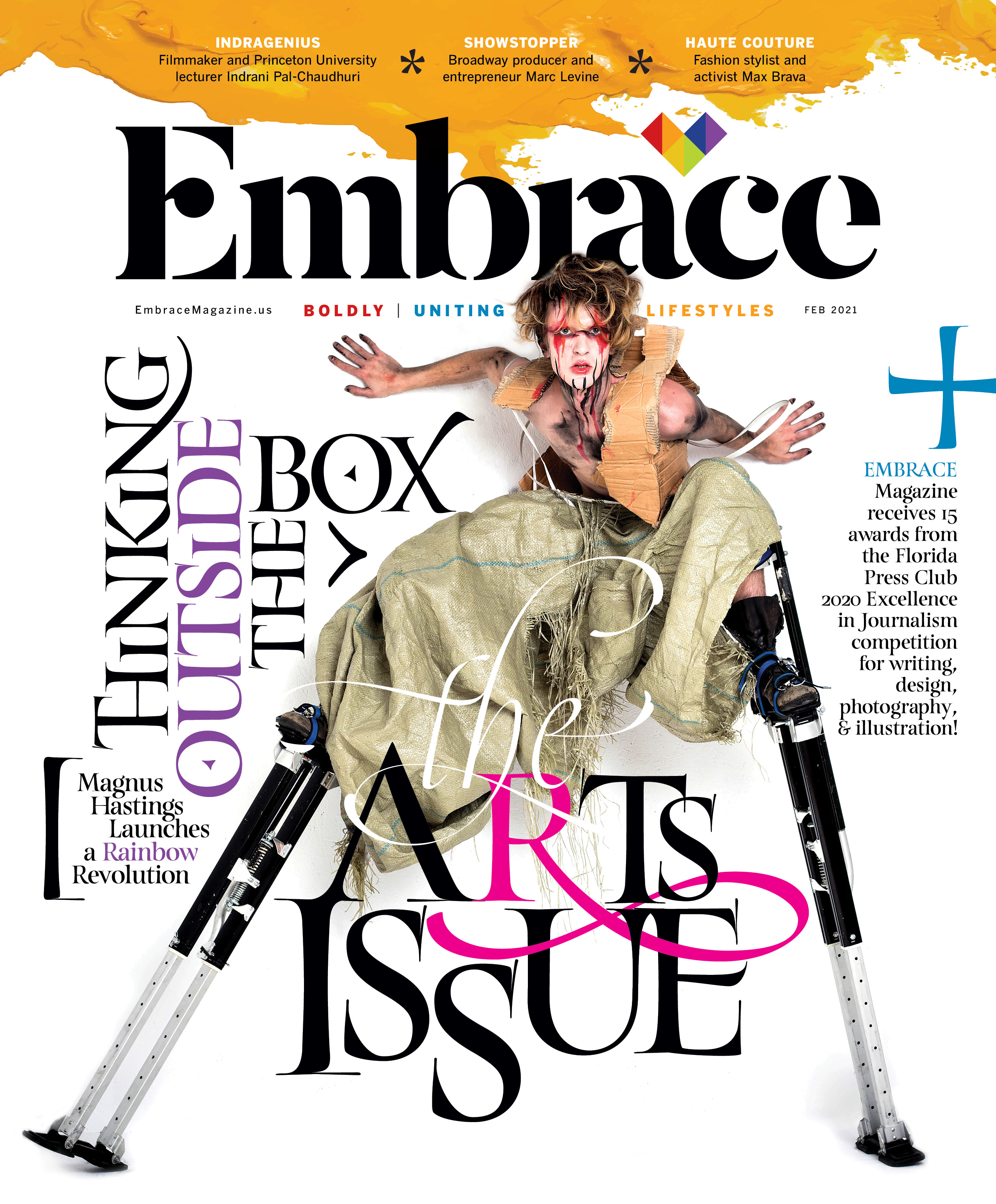


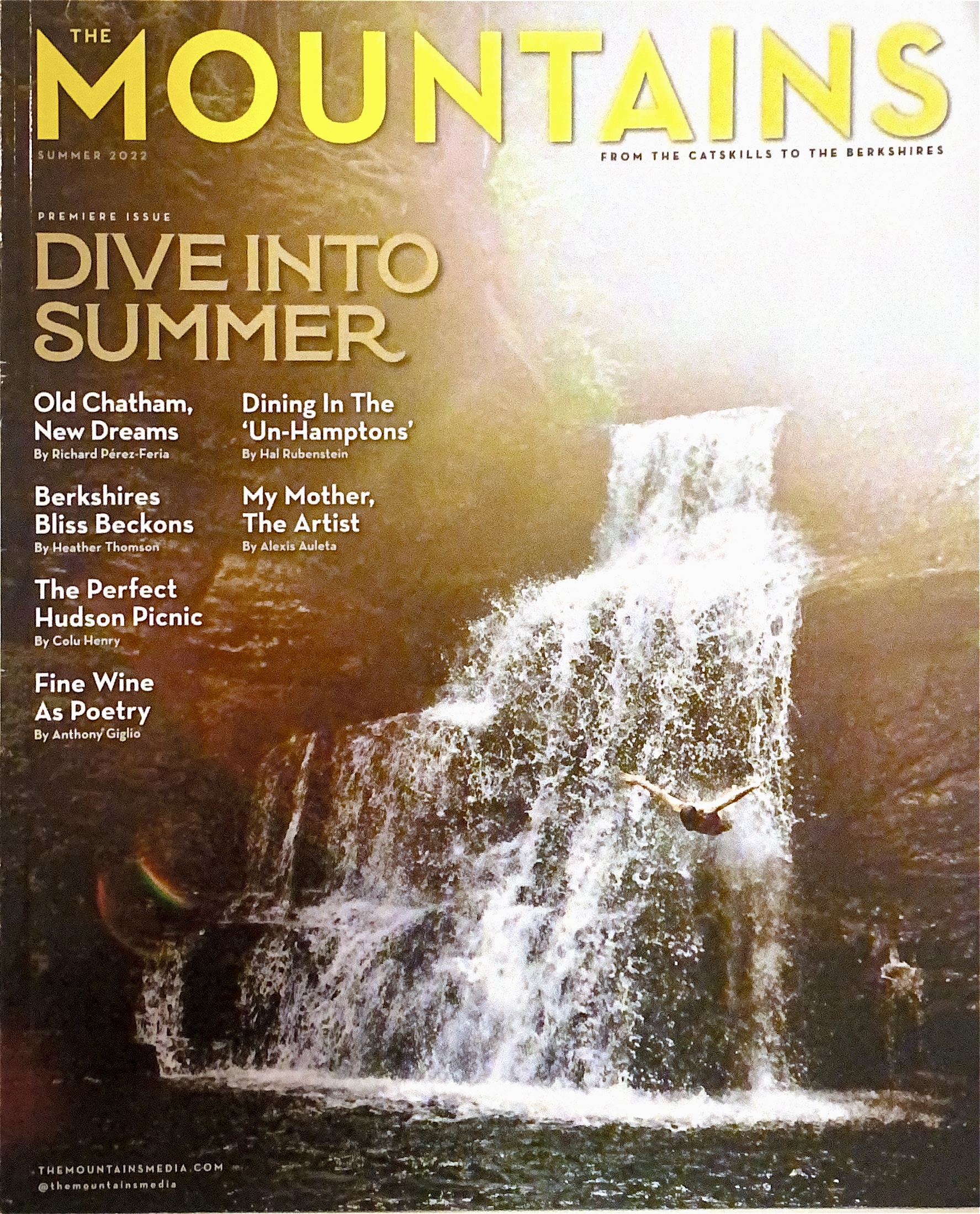

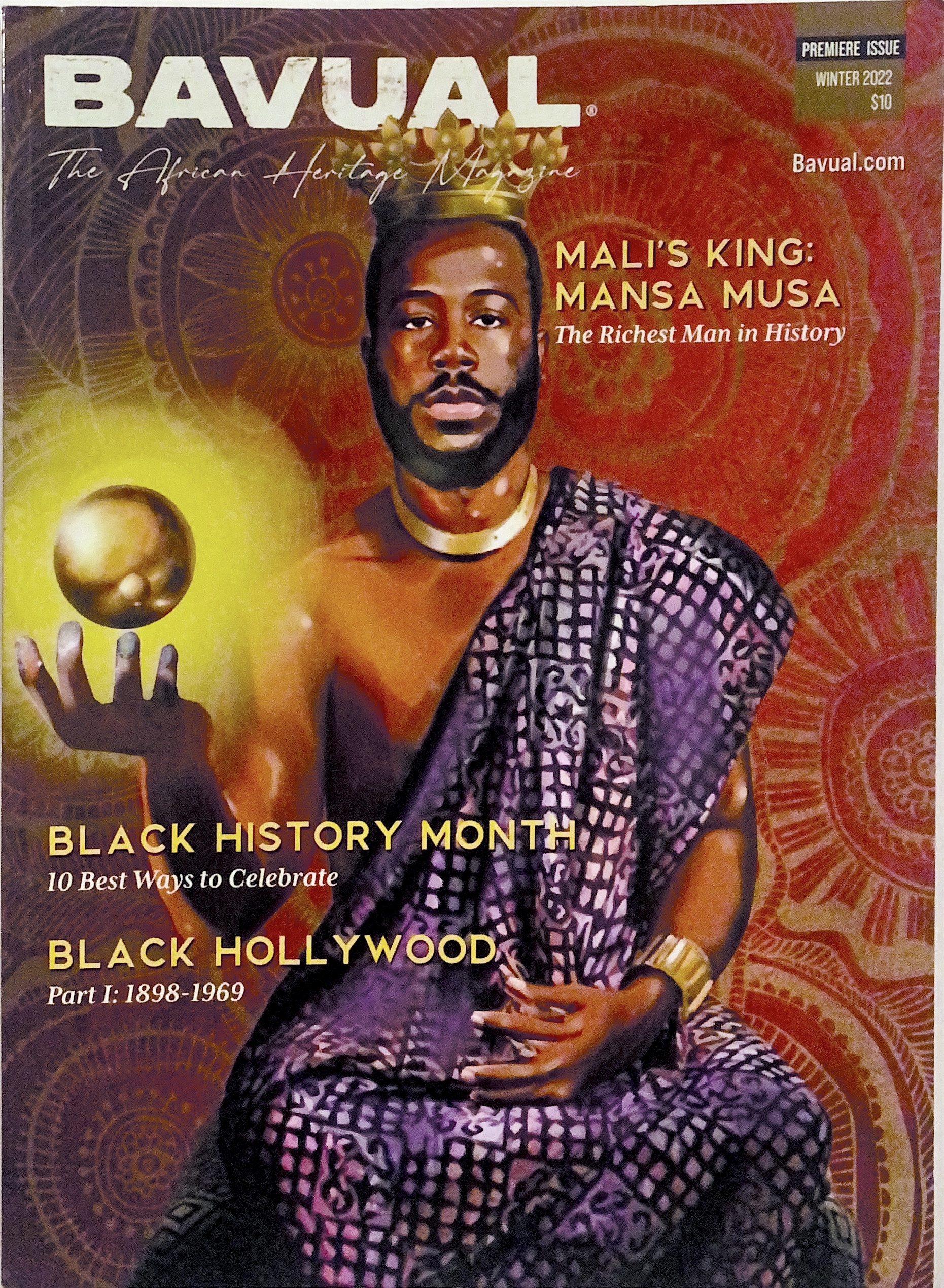
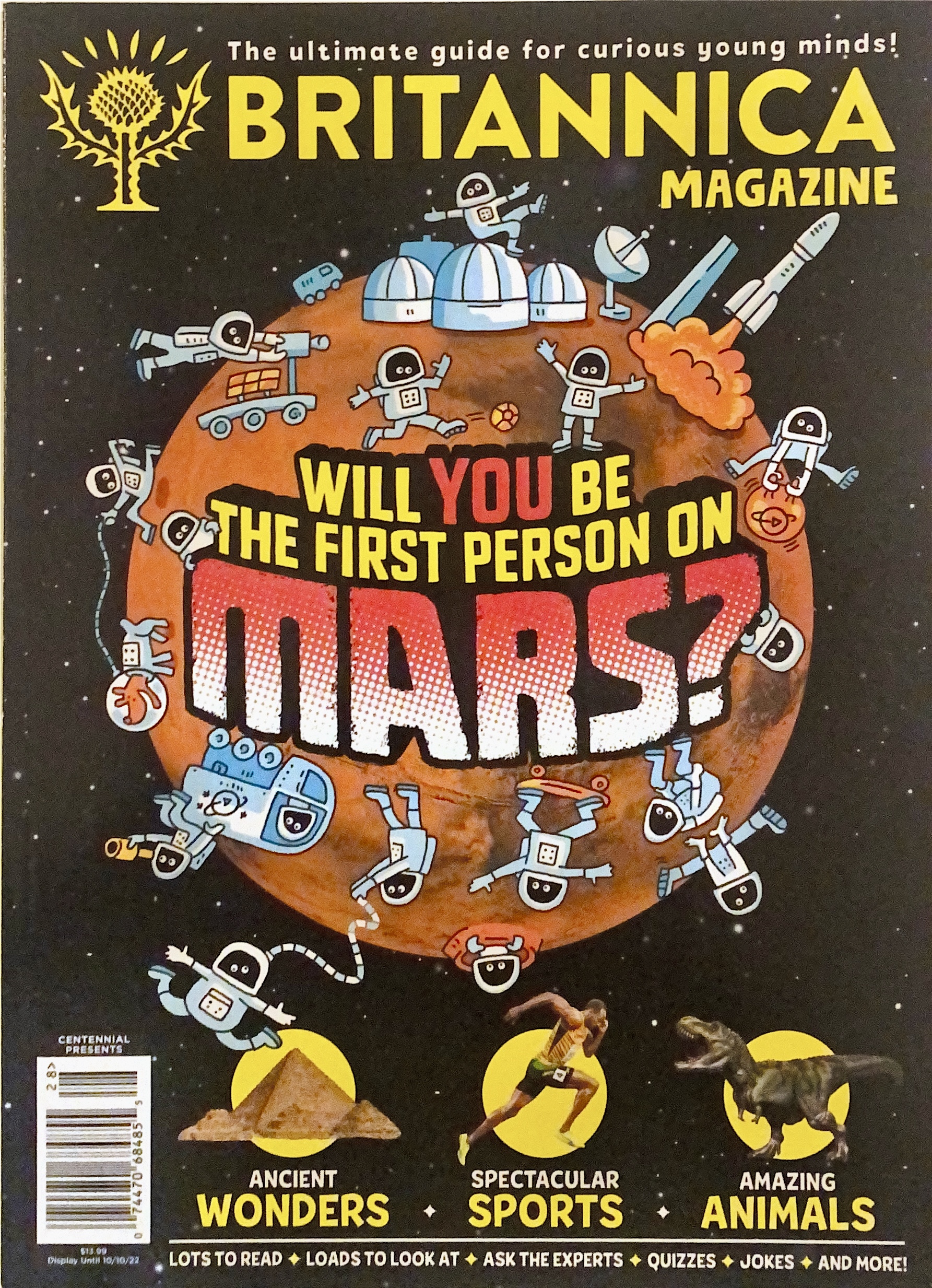
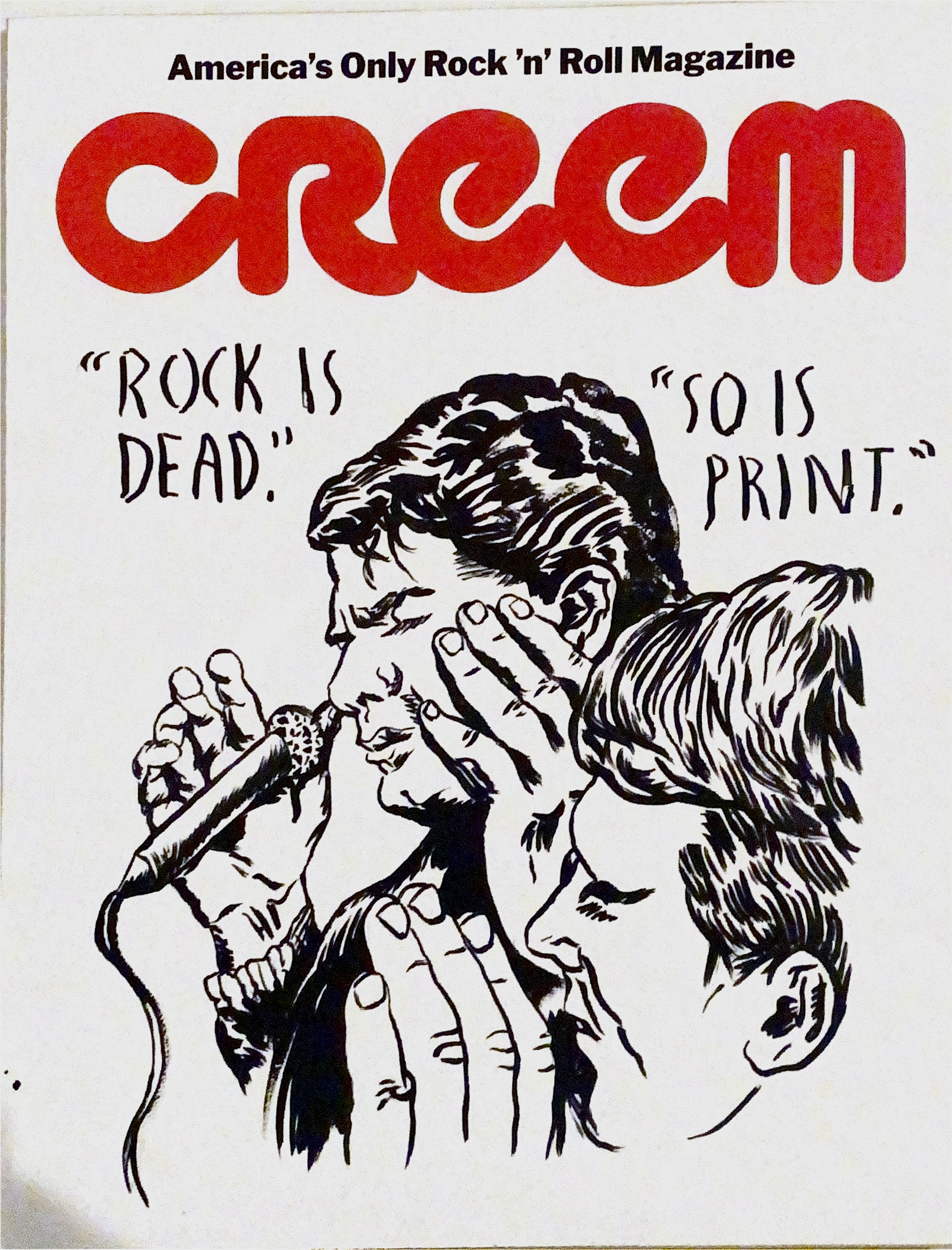

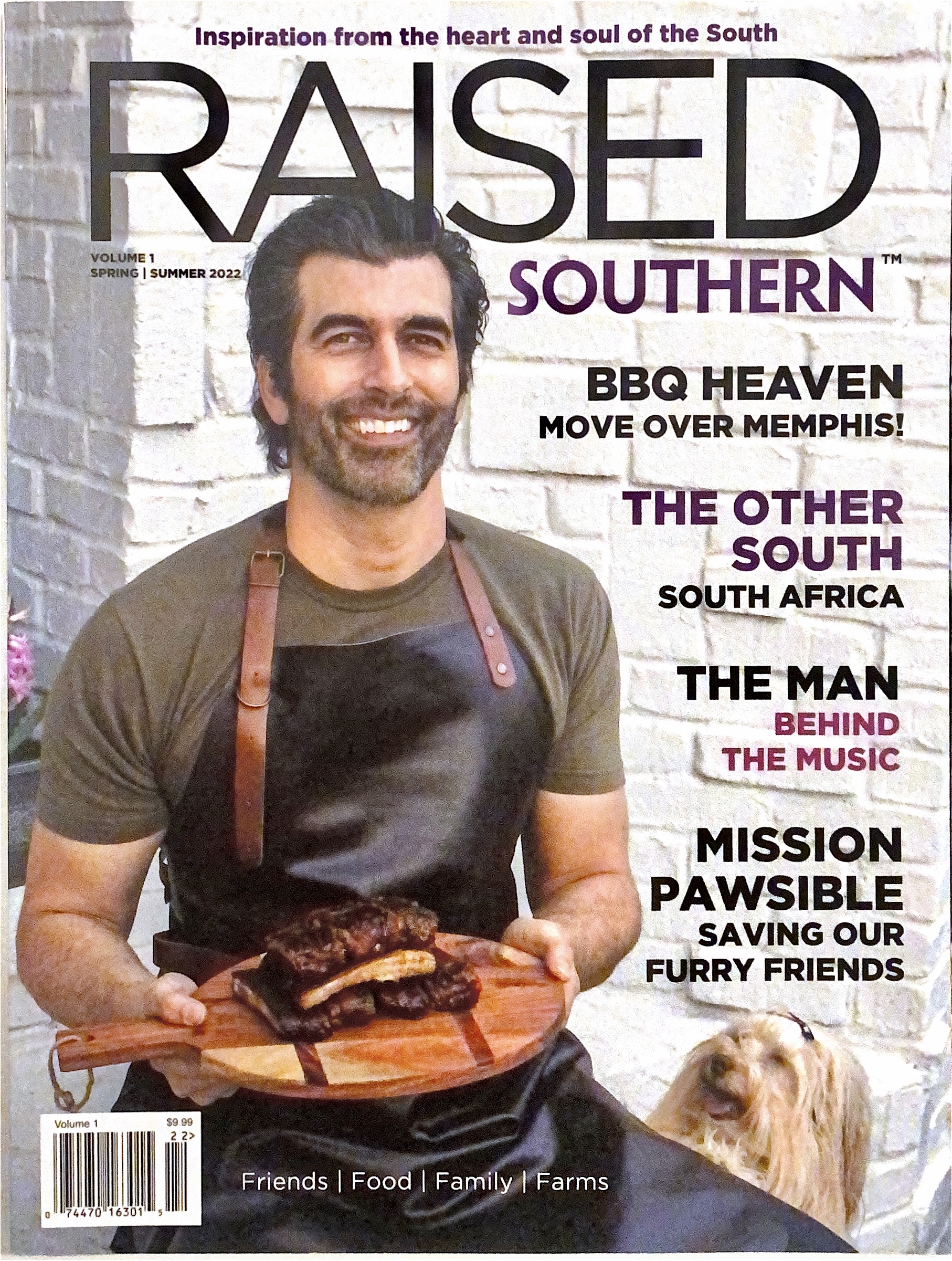
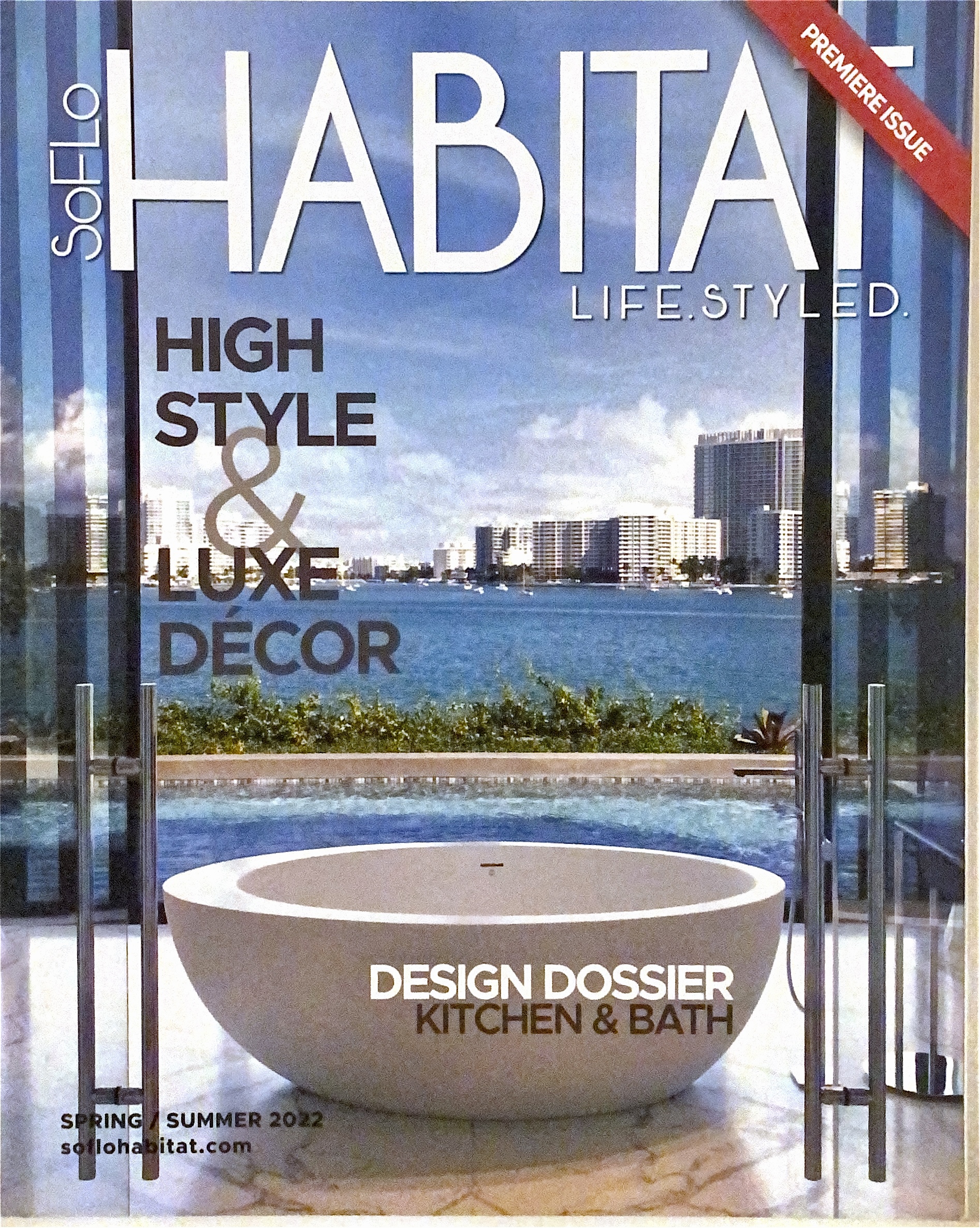
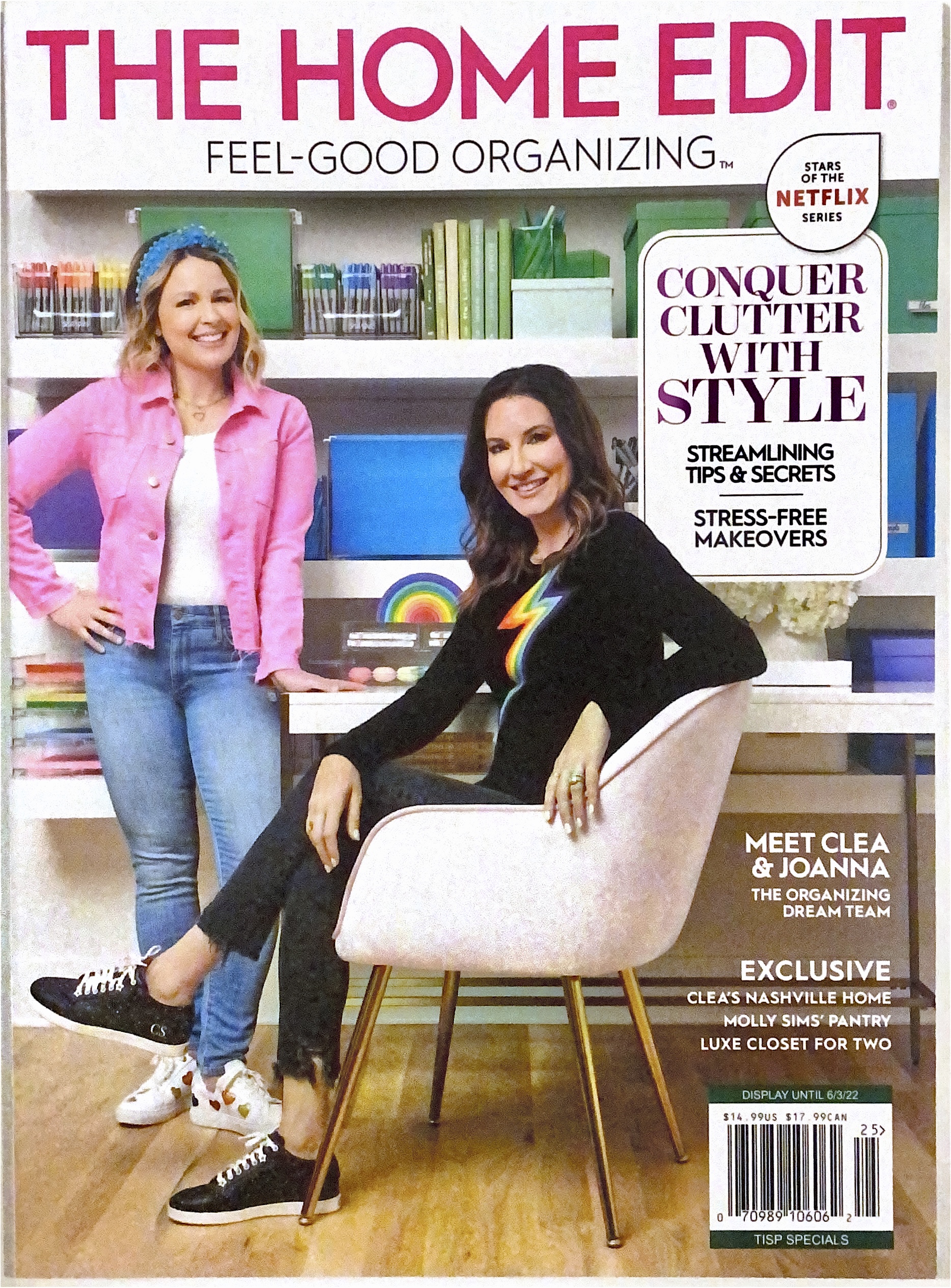
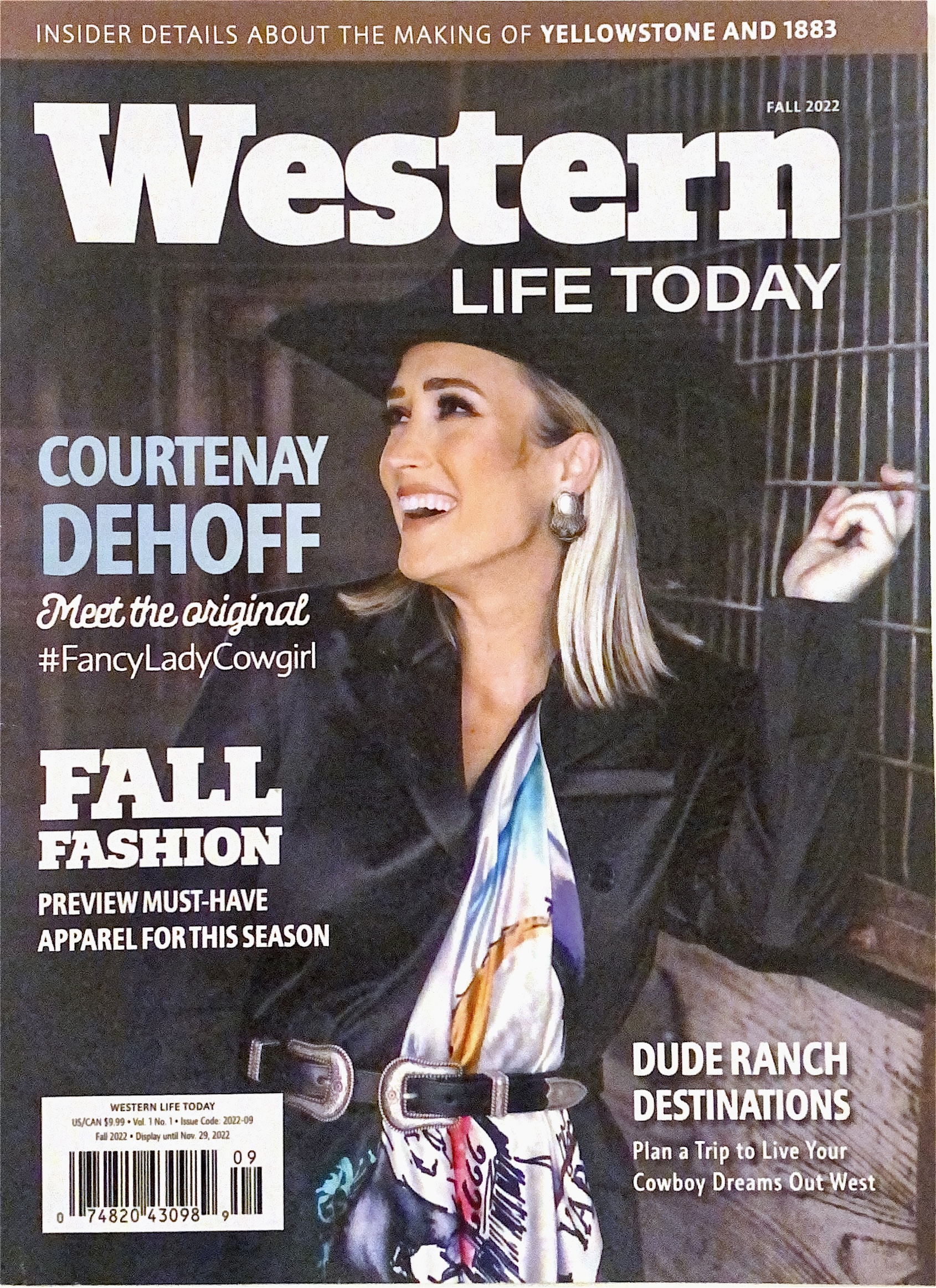
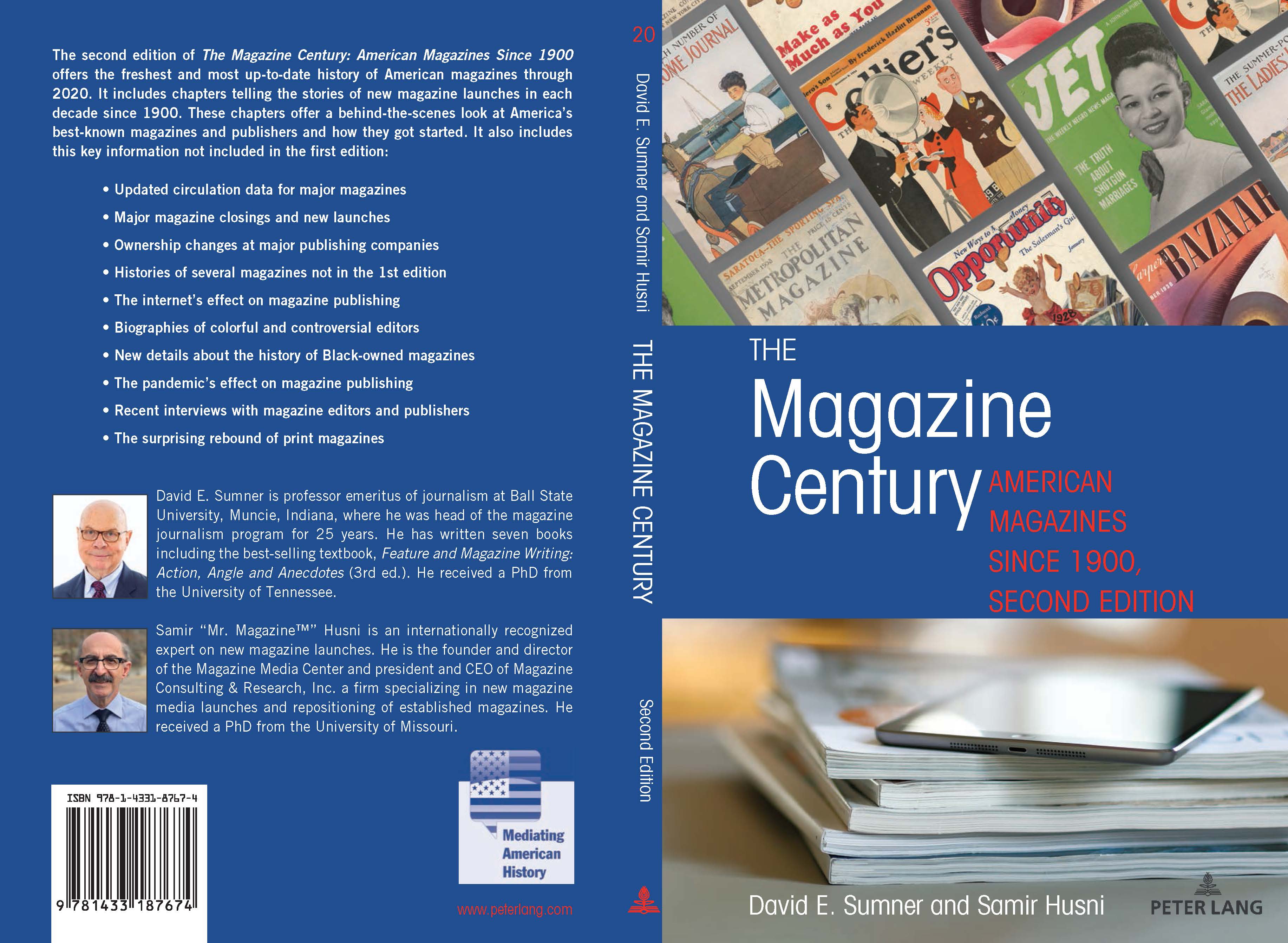
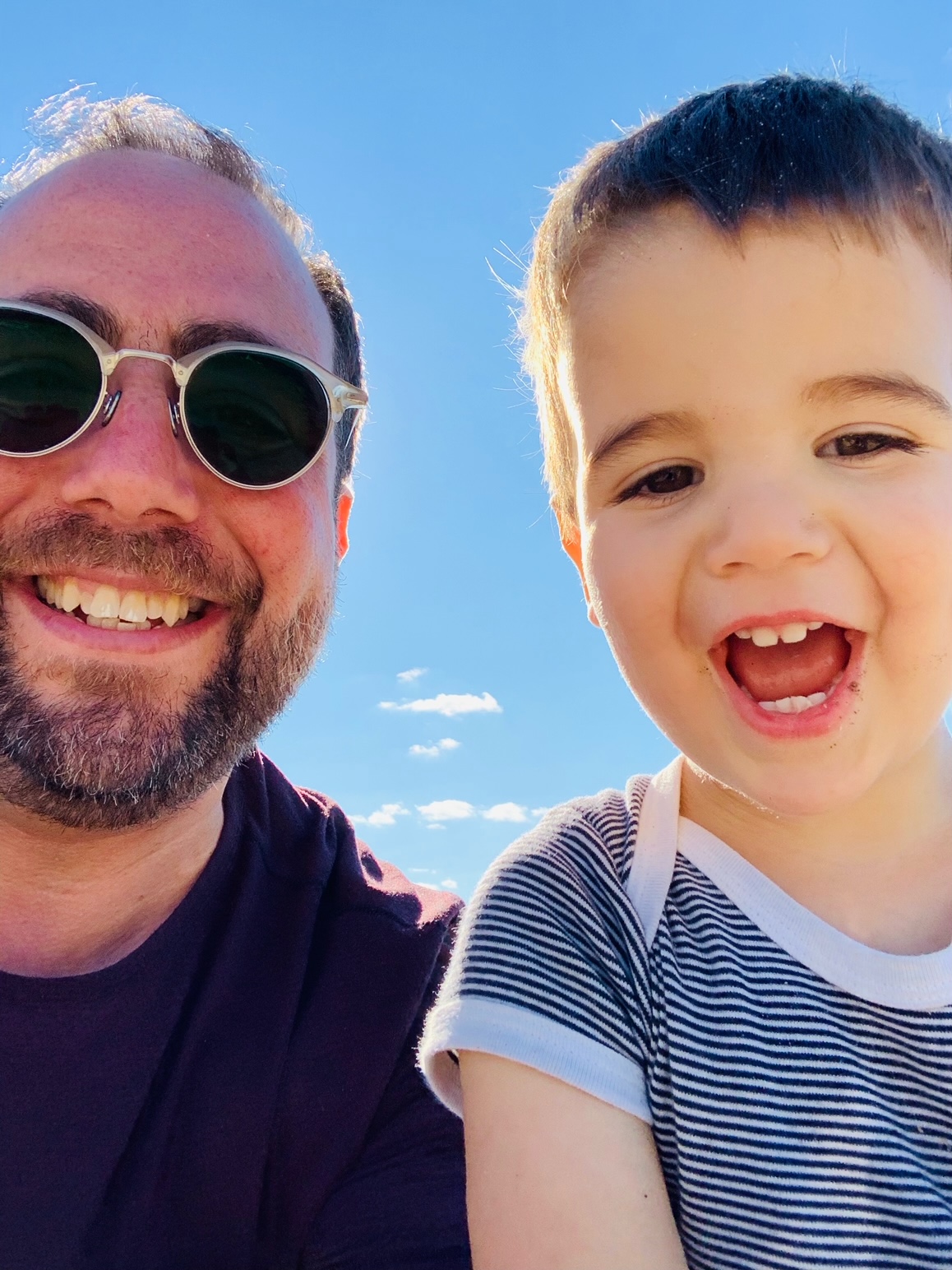
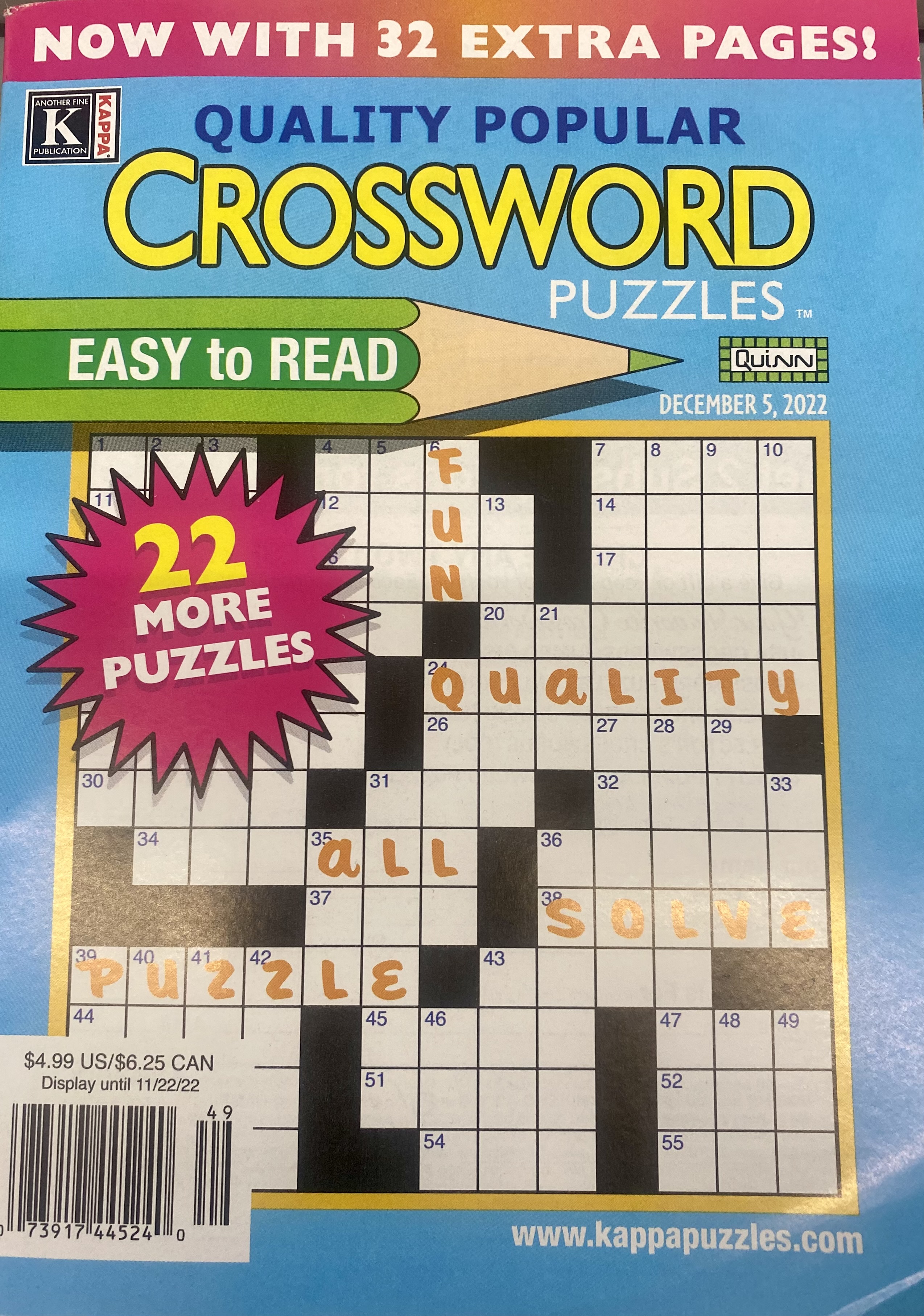
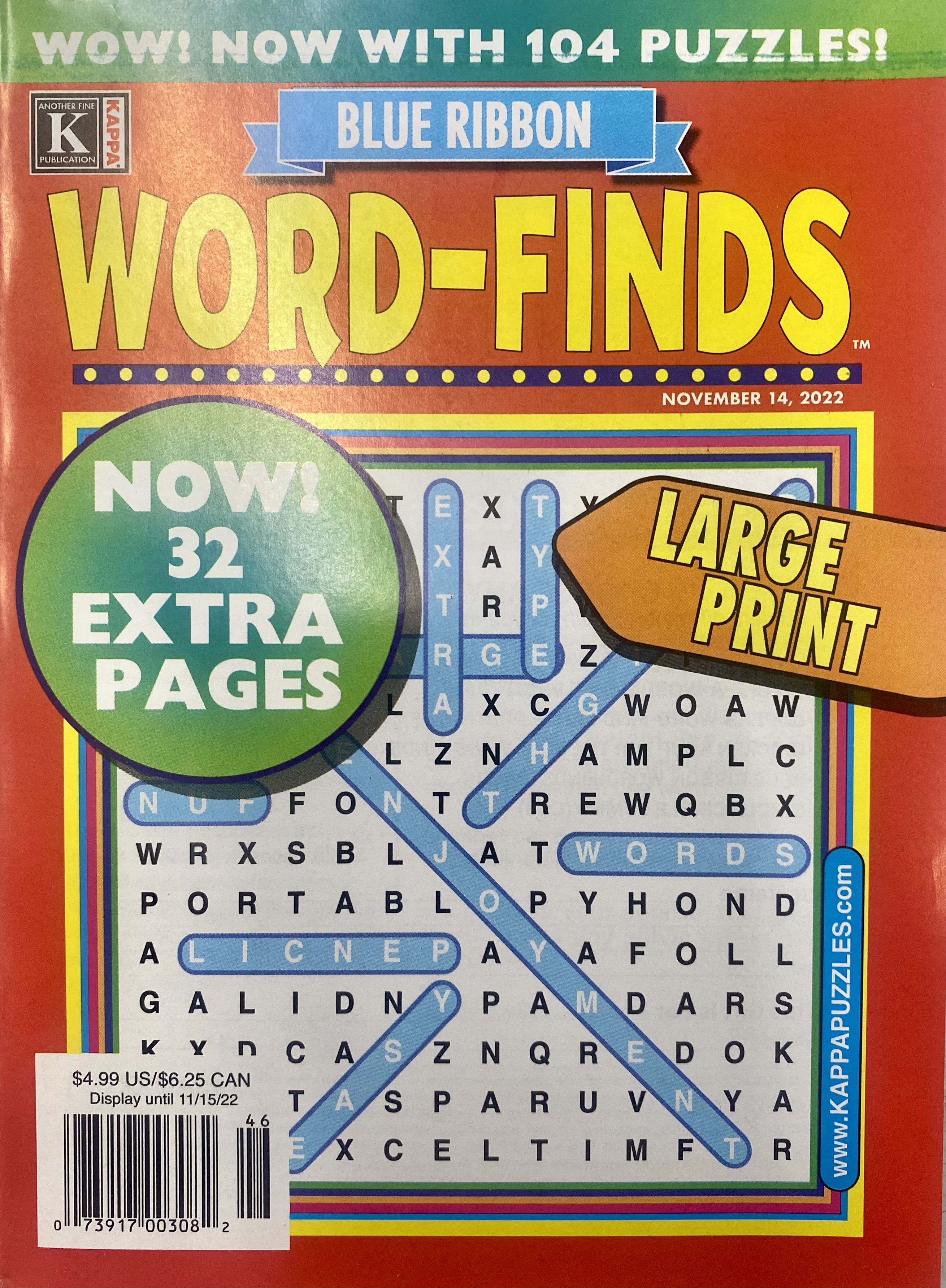
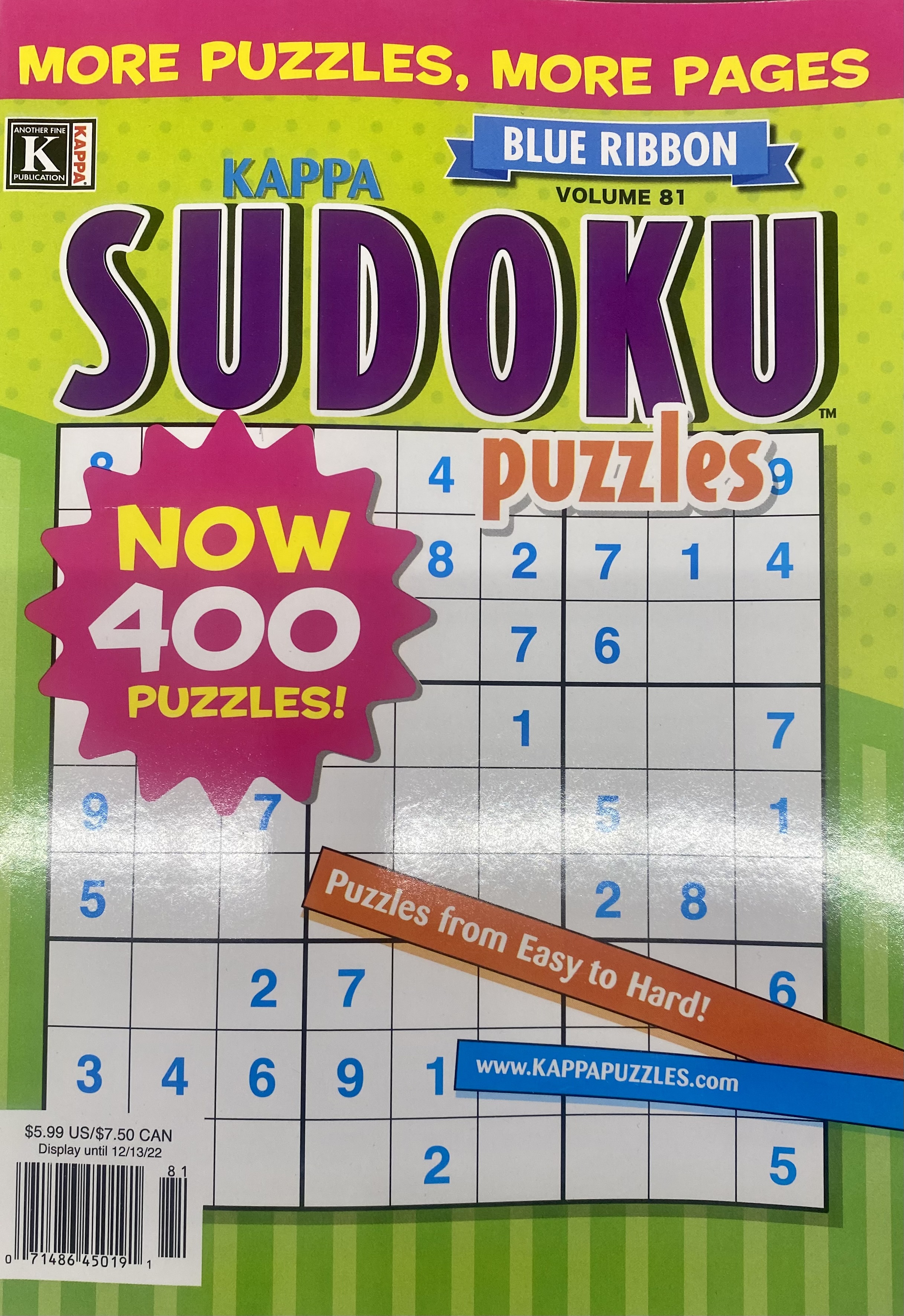
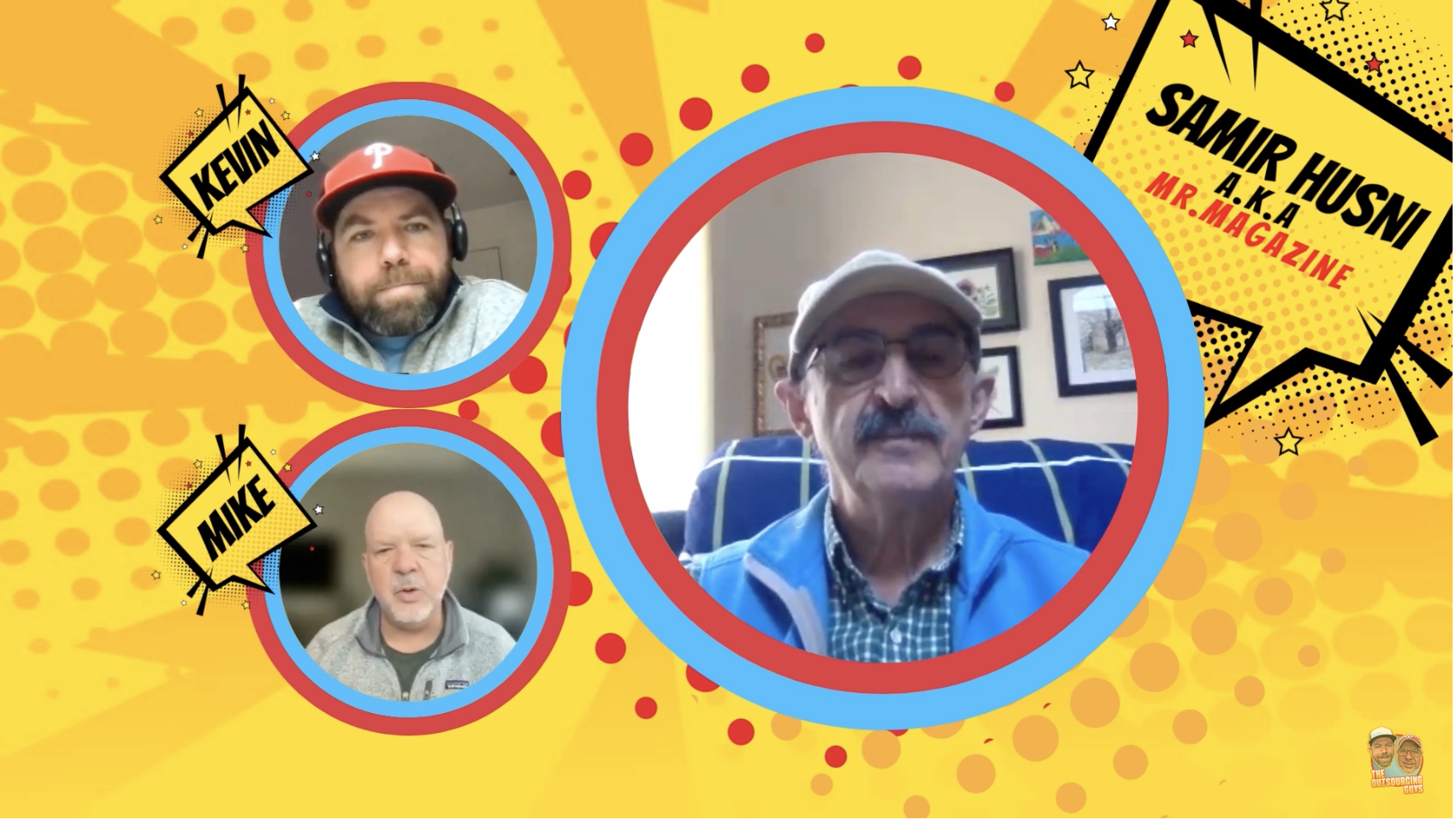

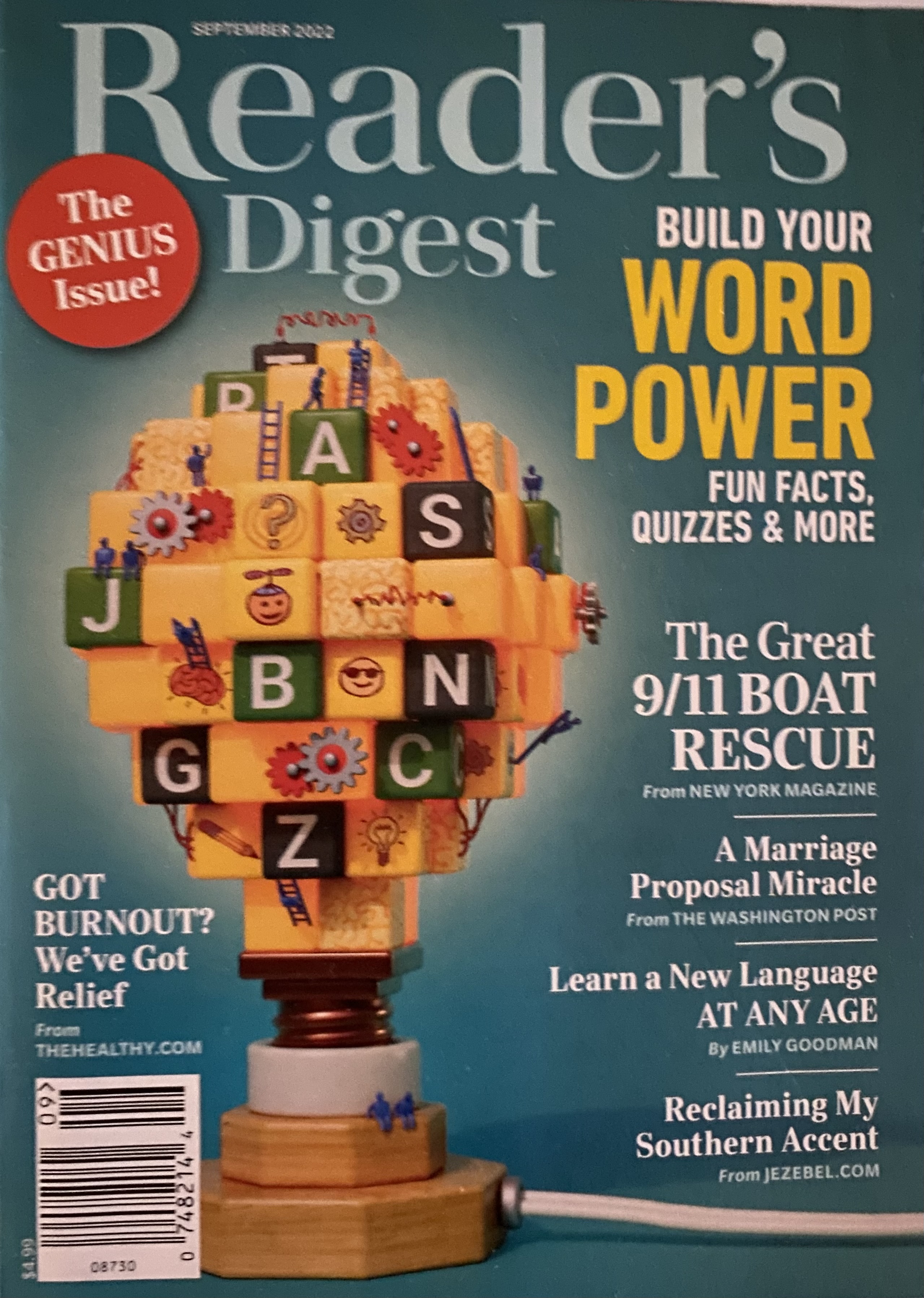
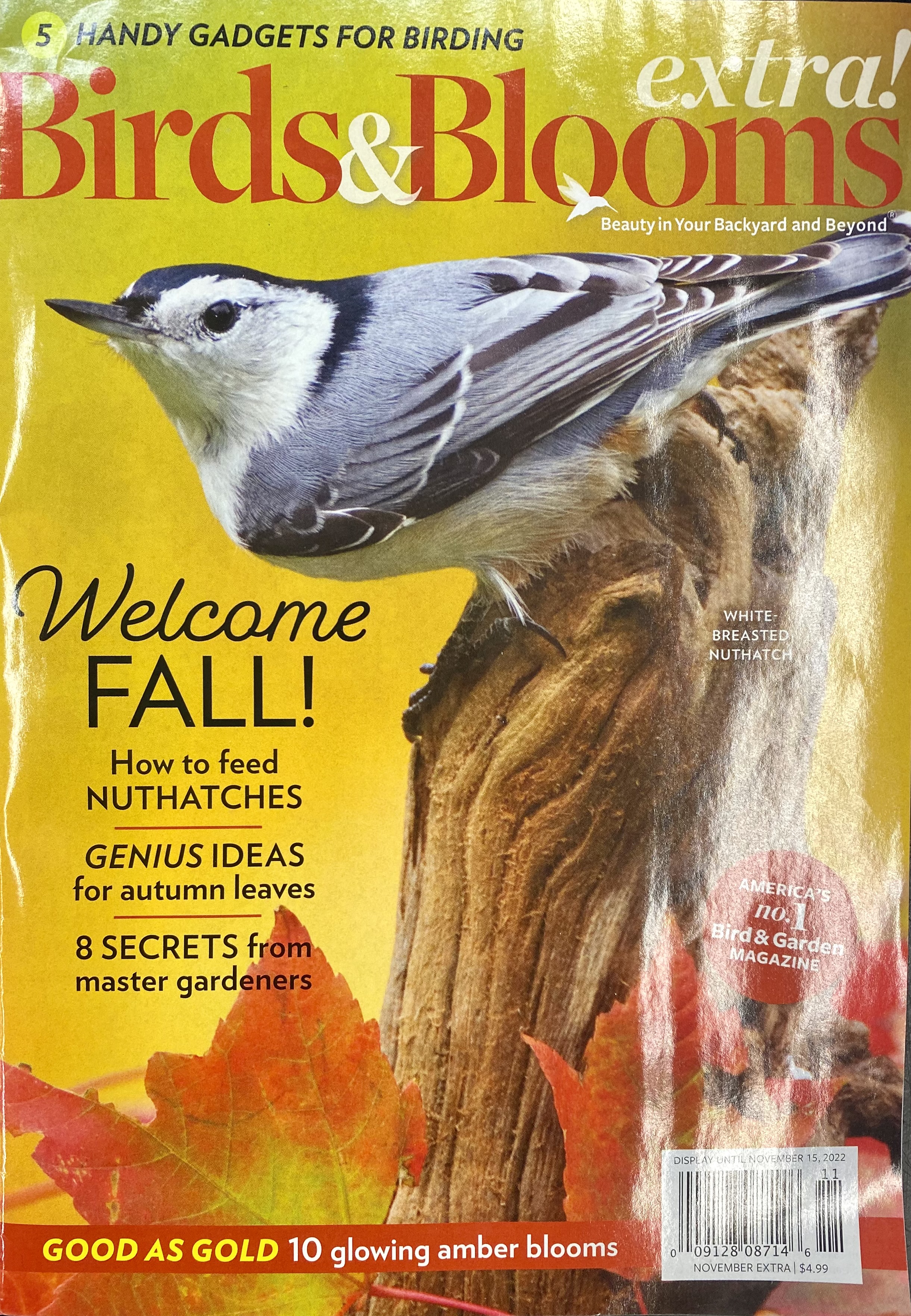



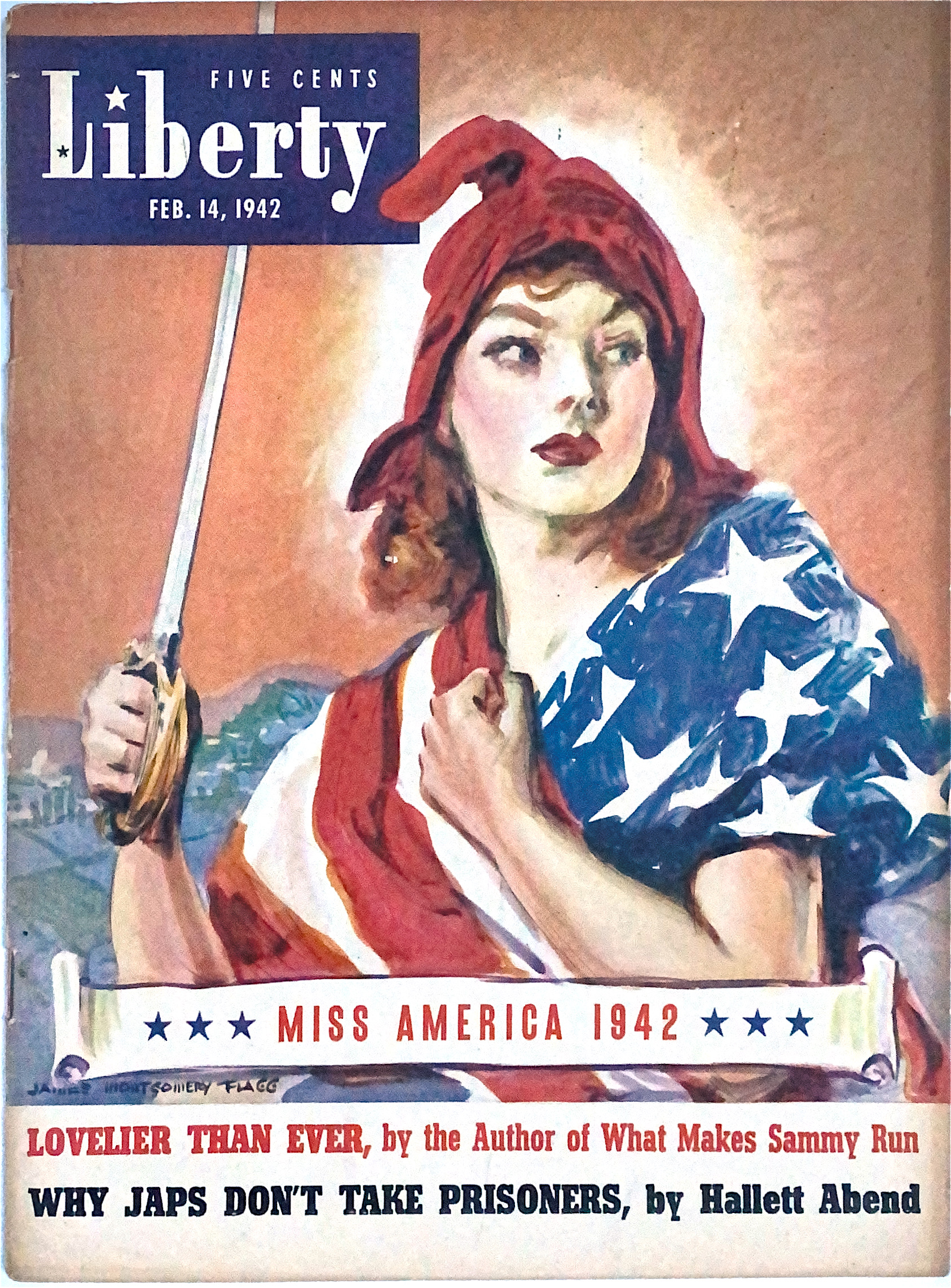
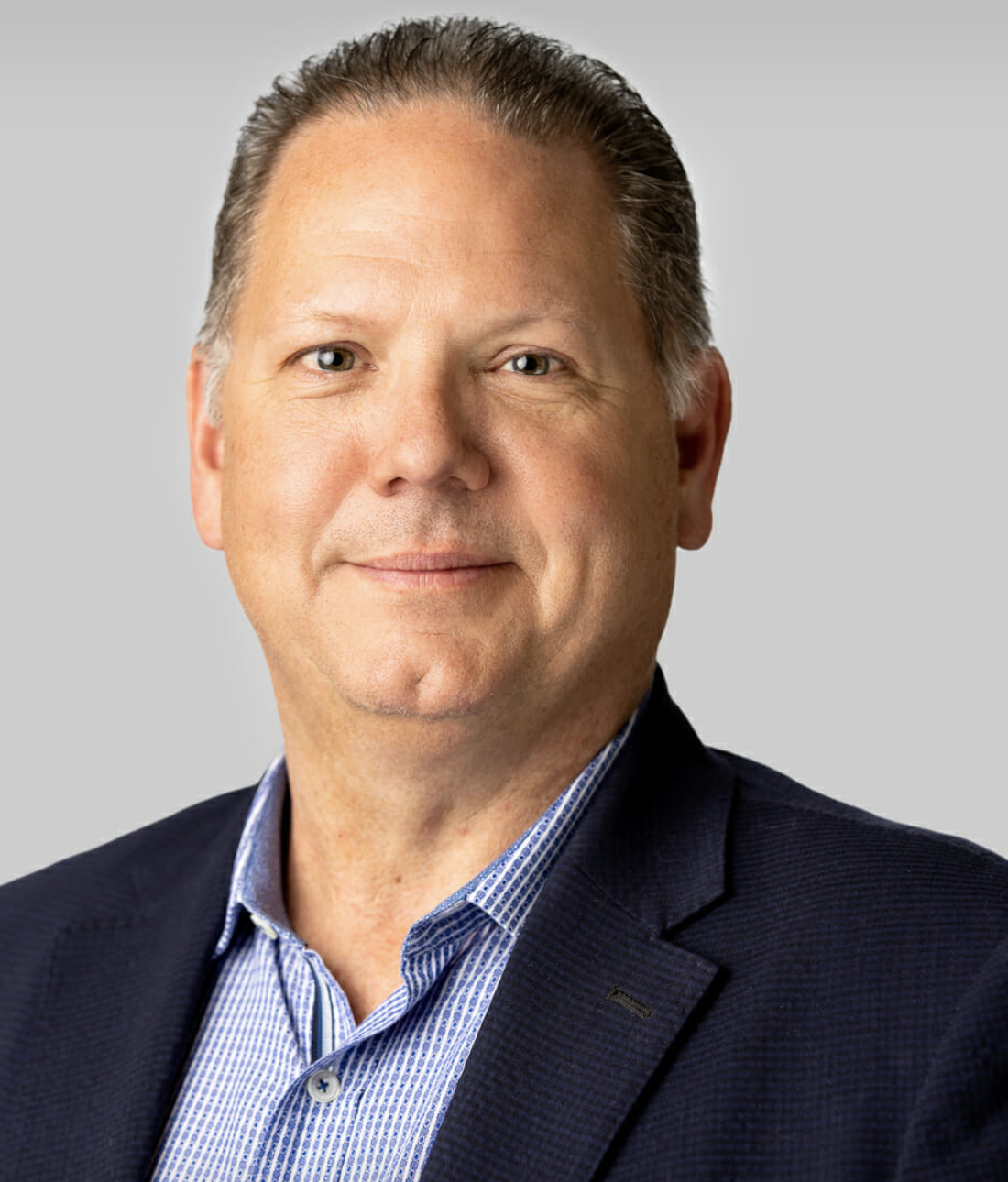
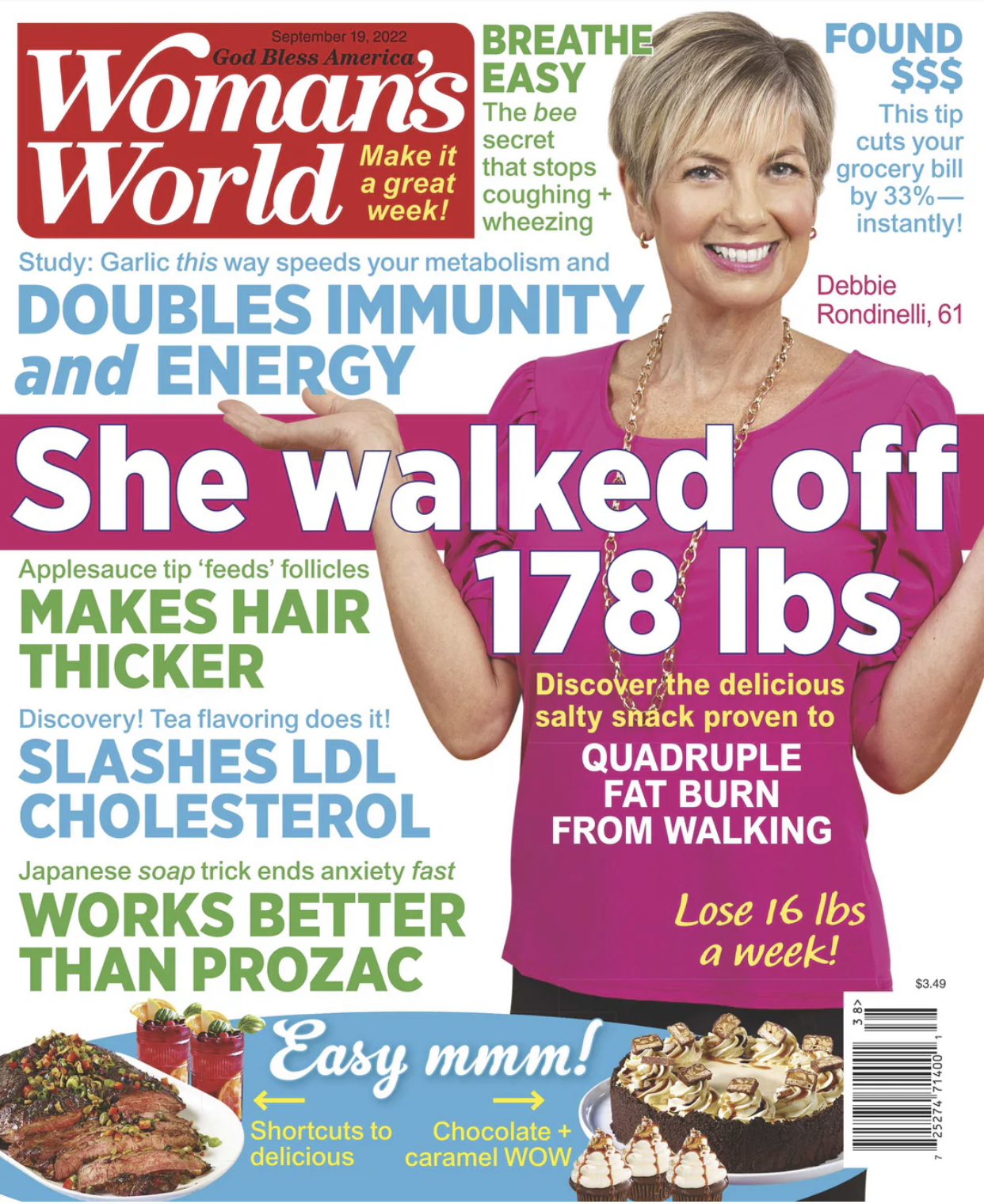


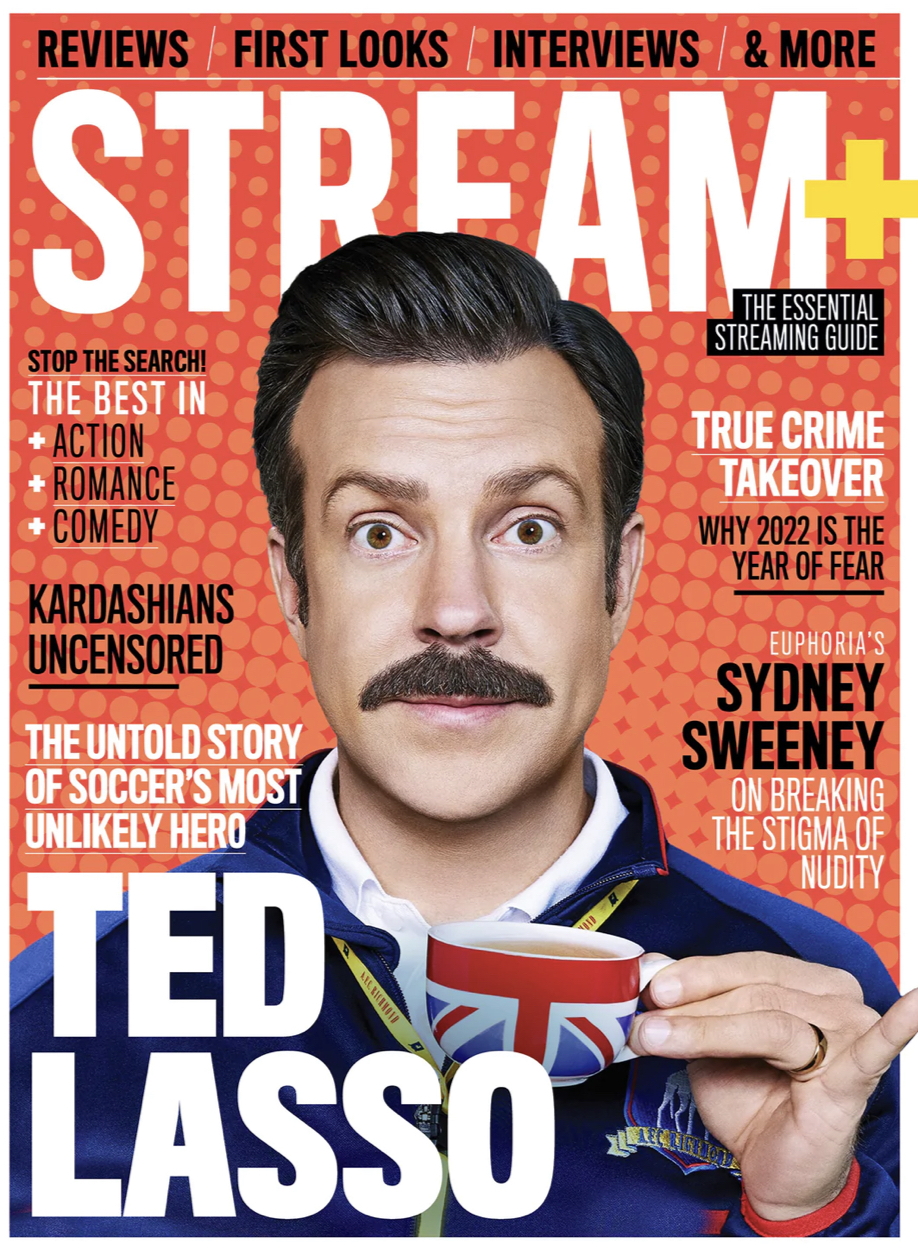



 Mr. Magazine