I recently was heard on Steve Tarter’s podcast, Read Beat (… and Repeat). What follows is what Steve wrote followed by the link to the podcast. Hope you will enjoy and thank you Steve Tarter:
Show Notes
Samir Husni has the distinction of being known as “Mr. Magazine,” a title bestowed on him by a grateful student in 1986. Having made magazines his focus as a professor at the University of Mississippi for 37 years before retiring last year, Husni is now the founder and director of the Magazine Media Center. Husni told Steve Tarter that he picked up his love for magazines in his native Lebanon as a child, developing a love for publications involving ink and paper that has never wavered. Husni recently donated his extensive collection of magazines–two truckloads worth–to his alma mater, the University of Missouri where they will be stored and maintained to serve students and those with an interest in media, he said. Magazines, like newspapers, have gone through numerous changes in the digital age, said Husni. Consolidation of the companies that publish magazines has resulted in fewer titles coming to press, he noted. While 535 new magazines hit the market in 1996, only 74 new titles appeared in 2022, noted Husni, pointing out that newsstands are also disappearing from the American scene. Husni wrote the obit for the old-fashioned newsstand in 2014. That was the place that usually sold tobacco products along with magazines and newspapers. At that time he pointed to the new newsstands springing up in groceries and bookstores. Now those outlets are shrinking while the average price of an individual magazine (now at $11) continues to climb, he said. While the pandemic wiped out reading material in waiting rooms and airline magazines, subscription sales for a number of periodicals went up during that time, he said. One of the trends in magazine publishing today is the bookazine, said Husni. “This is a book made to look like a magazine,” he said. Subjects are chosen to grab public interest. It might be the Titanic or a rock group like Journey, anything that people might be willing to spend $14.99 on, Husni added.
My friend and co-panelist on the Pandemic Round Table Joe Berger, who is founder and president of Joseph Berger Associates Magazine Marketing and Consulting, also publishes a weekly newsletter every Tuesday. Included in this week’s edition there was an interview with me. Thank you Joe, and thank you for giving me permission to repost the interview. You can find a link to the entire newsletter at the end of this blog.
But now, for Joe Berger’s interview with Samir “Mr. Magazine™” Husni:
Five Questions With: Samir Husni, Ph.D. AKA, “Mr. Magazine™”
It’s the second Tuesday of the month so let’s go and meet someone in the magazine media world that you should know. Who is Samir Husni and why should you know him?
The Chicago Tribune called Samir “Mr. Magazine™” Husni, Ph.D. the “man who loves magazines.” What started as a hobby at the age of 10 turned into an education and later, a profession. Samir is an expert in the field of magazine publishing and has extensively traveled the world preaching the love and importance of magazines in a digital age. Fun fact: Husni has spoken and consulted on six of the seven continents. He’s still waiting to go to Antartica to help launch Ice Quarterly.
Samir is an expert on new magazine launches and re-launches. His experience is based on years of studying the magazine industry and collecting publications. In fact, his hobby led to a collection of more than 40,000 first edition magazines and over 125,000 other notable publications that he recently donated to his alma mater, The University of Missouri-Columbia.
When Samir is not in his home office studying magazines, he’s out at the newsstands buying them.
Note: This conversation was lightly edited for clarity and brevity.
Samir Husni (Photo by Robert Jordan)
Here’s our conversation with Samir Husni
#1: When and how did you begin working with magazine media? Did you have any specific training that helped to prepare you for your first job?
I started working with magazine media at a very young age. As far as I recall it was as early as the age of 10. I fell in love with the art of storytelling after purchasing the first issue of the Arabic edition of Superman in my birthplace Tripoli, Lebanon in 1964. The idea that you can capture a story on the pages of a magazine, illustrate it, and read it at your pace was a transforming moment for me. The powerful impact that had on me at that young age, led me to start my own magazines with the concept that I later used in my consulting career, “the audience of one.” I would create a magazine, using sheets of paper, crayons, pens and pencils, write, edit, and design, and at the end of the day sit down and read it. I was the publisher, editor, designer and reader all in one. All my training came from imitating other magazines, studying their content, their design, their audience. Magazines were my candy and any time I visited a newsstand, I was the kid in a candy store. So when I applied to my first job, I had a lot of passion to add to my resume, and that passion with my resume gave me the opportunity to work in the field that 60 years later I still love and practice.
#2: What are some of the big challenges you see the industry tackling this year? What do you foresee as the big challenges coming at us over the next few years?
The magazine media industry is an industry of challenges, big and small. This year is not any different. Finding a willing and capable audience who wants to and can afford the price of the magazine. Ensuring that you can find a way to put the magazine in front of its intended audience is still a major challenge.
With the disappearance of many newsstands and the shrinking of available space to display your magazine, it is harder than ever to find the title of your choice. Simply stated, if you can’t see it you can’t buy it.
#3: Do print magazines have much of a future over the next decade? Will there be print magazines twenty years from now?
I always say: There are only two people who can tell you the future: God and a fool. I know, for sure, I am not God, so here we go…
Print magazines are here to stay. And, by the way, I do not believe there is any other kind of magazine. If it is not ink on paper it is not a magazine. Folks must find a new name for all these fancy digital entities, maybe “telezines” or such. We never call television radio with pictures. We created a new word for it. So, are we going to have magazines 20 years from now? Yes we are is the simple answer. As long as we have human beings, we are going to have magazines that people can hold, touch, flip through, relax with and enjoy their “me time” with. Human beings thrive on three ships that cruise through them: ownership (you can’t own virtual), showmanship (you can show off what you own and carry) and membership (a sense of belonging that you know has its benefits, think AARP).
#4: If you hadn’t had a career in magazines (or journalism), what would you have wanted to do? Is that still something you’d want to do?
When your hobby turns into your education, into your profession, you never work a day in your life. I can’t see myself outside the world of magazines. That’s why after I retired from teaching, I did not retire from my studying and working with magazines. In addition to magazines, I always enjoyed photography and taking pictures (needless to say, an essential part of magazines), so I am now honing my skills in taking pictures and focusing on God’s beautiful creatures: birds.
#5: Did you have a mentor when you started out in your career? What was a good piece of advice that they gave you?
I was blessed to have too many mentors in my life. Almost every professor in my undergrad and grad school was a mentor. But two, way back in my days in Lebanon were truly my mentors. My editor in chief of the first newspaper I worked for in Beirut, Walid El-Husaini, who took me under his wings and showed me the art of making sense of what you write and design. Also, my university professor Walid Awad, who was a practicing journalist who helped nourish my career and asked me to work with him on many projects. There are too many to name, but one advice from them all: always remember your audience and remember you are never the audience.
Samir regularly publishes a blog with incredible interviews of magazine leaders. You can find it here.
To read or subscribe to Joe Berger’s newsletter please click here
“”While some may view print magazines as a luxury item, we believe that AARP The Magazine is a necessity for our readers and a net value add to their lives. Many of our readers rely on AARP The Magazine for guidance on health, finances and wellbeing, and they appreciate the depth and quality of our content.” SDM
At a time where everything is aimed at generation Z or the millennials, AARP The Magazine, is doing just the opposite. You have to be at least 50 to access this mass-circulated publication that makes no apologies for its print prowess and passionate nature regarding ink on paper. The magazine is the largest-circulation publication in the United States with over 38 million readers and its AARP Bulletin reigns supreme with almost 33 million in readership. Combine the two together and the numbers are a staggering testament to the power of print and its relevant audience, while never ignoring the reach and information the brand’s digital extensions offer.
I thought it was time to revisit with Shelagh Daly Miller the Vice President, Group Publisher, AARP Media Advertising Network who has been with the brand for 23+ years. Coming from a background rich in advertising and publishing, she is a woman very much at home in the world of magazines and magazine media.
I interviewed Shelagh and asked about AARP and the world of magazines and magazine media. As always, the insights you will read about this 50+ audience are as intriguing and exciting as the content of the publications. So, I hope that you enjoy this very inspiring and print-positive Mr. Magazine™ interview with a woman and her brand that make no apologies for their faith and commitment to all platforms, print included, Shelagh Daly Miller, Vice President, Group Publisher, AARP Media Advertising Network.
But first the sound-bites:
On AARP The Magazine: AARP The Magazine is America’s #1 most-read magazine. It celebrates key 50+ life stages and lifestyles through three demographic editions, tailored to readers in their 50s, 60s and over 70+ years.
On diversity, equality, and inclusion: We understand that the experience of aging is universal, affecting people of every background.
On challenges facing AARP The Magazine: Many large print magazines are facing challenges with declining readership and engagement. We’ve been fortunate, however, to see all-time highs in readership and engagement, giving our advertisers confidence in our publications.
On magazines becoming luxury products: While some may view print magazines as a luxury item, we believe that AARP The Magazine is a necessity for our readers and a net value add to their lives. Many of our readers rely on AARP The Magazine for guidance on health, finances and wellbeing, and they appreciate the depth and quality of our content.
On goals for 2024: To empower 50+ Americans to live their best lives and help them make sure their money, health and happiness live as long as they do.
On the 50+ demographics: 50+ adults continue to be the financially dominant demographic. Over the past five years, 50+ households have contributed $1.8 trillion more to the U.S. economy than younger households.
On what keeps her up at night: One thing that keeps me up at night is the need to educate more marketers around the critical importance of the 50+ audience to their brands.
And now the lightly edited transcript of the Mr. Magazine™ interview with Shelagh Daly Miller, Vice President, Group Publisher, AARP Media Advertising Network.
1. AARP is better known as a lobbyist association on behalf of its members, the over 50 population, yet they publish the largest circulating magazine in the country today. Tell me more about AARP the magazine: its concept, mission and audience. Also what about its sister publication: The Bulletin…
Both AARP The Magazine and AARP Bulletin are part of the AARP Media Advertising Network, which also includes AARP.org, special publications, native content, newsletters and more. Our network delivers an average of 151 million monthly in-home and digital impressions.
AARP The Magazine is America’s #1 most-read magazine. It celebrates key 50+ life stages and lifestyles through three demographic editions, tailored to readers in their 50s, 60s and over 70+ years. Its contextual relevance drives high engagement and its massive audience of 38+ million readers is more influential than any other.
AARP Bulletin spotlights the news and policy-driven content that matters most to the lives of Americans age 50+. Its timely focus on critical information ignites a sense of urgency and consumer action among 32.6 million readers.
2. Since we last spoke (2016) lots have happened in the country: what impact did the pandemic have on the publications?
AARP Media Advertising Network was ahead of the curve in understanding the changing behaviors of the 50+ audience. Having already established a relationship built on trust with our members, we were perfectly positioned to provide them guidance and information during the pandemic. Every issue of AARP The Magazine in 2021 was among the top 10 for all time reader satisfaction, and AARP The Magazine had the largest gain in readers among the top 10 magazines according to MRI Simmons Fall 2021 data.
3. What about diversity, equality and inclusion? Almost every media company has tried to play catch up. What about AARP?
At AARP we understand that the experience of aging is universal, affecting people of every background. Across the organization, we work to combat ageism in society, including research we continually conduct to make sure we understand the needs of our members and are providing those insights to advertisers to give them the opportunity to be inclusive in their marketing.
4. What are some of the challenges facing a large print magazine?
Many large print magazines are facing challenges with declining readership and engagement. We’ve been fortunate, however, to see all-time highs in readership and engagement, giving our advertisers confidence in our publications.
AARP The Magazine, for example, saw readership reach a new all-time high of 38.7 million last year, up 3.2% – more than 1.2 million new readers – from six months prior (MRI-Simmons spring and fall 2022 data). That’s the highest six-month gain in the magazine’s history. We’ve increased readership across all our demographic editions.
Readers turn to us for the information they need to fuel every aspect of their lives – including trusted information to help them make purchase decisions. Eight of ten readers (78%) tell us they’re doing more research than they were just five to ten years ago, according to our 2022 AMAN Purchase Path Study. Nine of ten readers (89%) say that AARP’s media properties help them research new products and services they are interested in buying.
Greater reach and engagement among the powerhouse 50+ demographic – which drives more than half (53%) of all consumer spending each year – means a stronger value proposition for advertisers.
5. Some say print magazines are now a luxury item, you and I may disagree that AARP The Magazine is a luxury item, what say you?
While some may view print magazines as a luxury item, we believe that AARP The Magazine is a necessity for our readers and a net value add to their lives. Many of our readers rely on AARP The Magazine for guidance on health, finances and wellbeing, and they appreciate the depth and quality of our content.
AARP has built a reputation around connecting members to incredible discounts and benefits – ranging from travel to insurance – and our publications are a great guide for members to learn about those benefits. Our members look forward to receiving AARP The Magazine and many readers have developed a strong emotional connection to our informative and inspirational coverage.
6. As we look towards 2024, what are your goals and thoughts for the publications?
Our goal across our publications and the larger organization is to empower 50+ Americans to live their best lives and help them make sure their money, health and happiness live as long as they do. Providing that insight and direction has always been our north star and it’s the reason AARP The Magazine and our other publications aren’t facing the same kind of challenges other print publications are.
7. Is there anything you would like to add?
Many brands are finally starting to realize just how massive and dominant the 50+ demo is. 50+ adults continue to be the financially dominant demographic. Over the past five years, 50+ households have contributed $1.8 trillion more to the U.S. economy than younger households. They represent 53% of all annual consumer expenditures and generate 51% of all annual household income.
8. My typical last question, what keeps you up at night?
One thing that keeps me up at night is the need to educate more marketers around the critical importance of the 50+ audience to their brands. Marketers have historically focused on younger demographics, but the 50+ demo is powerful and growing, and brands that neglect them risk losing out on a substantial portion of potential revenue.
Our job is to connect the dots between our 50+ readers and the value they offer brands. Print ads in particular lend themselves to the delivery of more information, ensuring everything consumers need to get started on the purchase journey is right there in the publication. This helps brands move millions of prospects into the purchase funnel and achieve a meaningful return on their advertising investment.
“I think print is so unique. I’d love to tell you that we’ve grown our readership and we’re bigger than ever, but the truth is our readership has stayed boutique and that has really worked for us. We decided it would be better to serve a loyal, smaller group of people, a specific lane of humans who want to be talked to in a certain way than to try and go spend money everywhere, because shelves are so hard.”
“I think it’s about meeting the audience where they are. And what that looks like to me is not saying that one is harder than the other; it’s just knowing your audience and serving them in the right way.”
From Good Grit magazine to Good Grit Creative Agency, Good Grit the brand is going strong and promises to continue that upward swing. Laura Quick is the founder and CEO of the business and believes that the print version of the brand has the Southern niche in inspirational and aspirational storytelling.
I spoke with Laura recently and we talked about the magazine and how the creative agency ties perfectly into the brand. She is an admirer of Garden & Gun and Southern Living and believes that Good Grit falls easily into the same Southern culture type read with an emphasis on great storytelling.
According to the website, Good Grit is using ink on a page to give a voice to the people and places and things that most closely articulate ‘The Character of the South.’ Now without further ado, the Mr. Magazine™ interview with Laura Quick, founder and CEO, Good Grit.
But first the soundbites:
On how she’s still publishing today, even after the naysayers thought she’d never make it: Well, I’ve always said you have to be a little bit crazy to be in this business. (Laughs) You probably agree with that. The main thing that’s happened over the last eight years is I have learned to be a student of this industry and I had to do that because I didn’t come in with a vast knowledge of it. I really knew nothing about the industry. But I felt there was a hole in the market place.
On some of the challenges she’s faced and how she overcame them: Well, the pandemic was a huge challenge, obviously. And if I’m being honest, I think we were on the cusp of needing to make some hard decisions in 2019 going into 2020. We were already thinking of ways to evolve the brand. To make it more like a brand and less like a magazine.
On what she thinks the role of print is in her brand: I think that print plays the role of telling the story of Good Grit, who we are as a company and our value. How we see our value is that we are damned good storytellers. We love what we do and we’re really good at it. We feel that the unique position that we bring to the marketplace shows that we consider ourselves students of the clients; students of the brands that we get to serve, and I think people see that in print first. And they say why wouldn’t we at least consider hiring them for our branding agency.
On how she wants to celebrate her 10th anniversary: We haven’t thrown any really big parties in a long time, but we plan to. (Laughs) We’re probably do popups in our biggest cities. We’ll do a popup on 30 A. Obviously 30 A has been a huge supporter of our brands since the very beginning. We have a lot of loyal subscribers there and a lot of loyal partnerships there. So doing something really cool down on 30 A; doing something big in Birmingham as our flagship, where we started and were founded. I think we’ll do something in Atlanta as we have, and possibly Nashville.
On whether it’s easier to tell a story digitally or in print: I think it’s about meeting the audience where they are. And what that looks like to me is not saying that one is harder than the other; it’s just knowing your audience and serving them in the right way.
On letting go of things now that she has people working for her: I’m proud to say that I have let go and what that looks like is getting to a place of profitability where you can hire great talent and trust them. We’re an all-female core team at Good Grit and our initiative is that every female on our core leadership team makes over six figures by 2025. And we are 80 percent of the way there. When you can invest in great people with high capacities and who believe what you believe, you can do anything. I’m convinced of it.
On whether diversity and inclusion is a part of her brand: We didn’t set out to be an all-women’s team, but it happened over time. And we have great chemistry. And we have over 200 freelancers that are very diverse. We have men and women, people of all races and color.
On anything she’d like to add: This is really hard work and it’s a very difficult business. But it is not impossible. I believe there are still meaningful jobs to be had. I do think you have to be well-rounded. Once every two or three months I have somebody reach out to me if I can go to lunch or for coffee to talk about a magazine they want to start. And I reserve 30 minutes per week for just that. Anyone that asks me to coffee or lunch, I’ll go with them because I think about the Sid Evans’ and the Marshall Mckinney’s and the Kristen Paine’s of the world who would take my calls and pull me back off a cliff. (Laughs)
On what keeps her up at night: I sleep pretty good. (Laughs) There’s not really one thing. I think if I’m ever stirring and don’t have peace, I can typically point back to not living within the habits that really work and keep me on track. Because if you’re staying up at night it means that you’re probably not on track or someone you know or work with.
And now the lightly edited transcript of the Mr. Magazine™ interview with Laura Quick, founder and CEO of Good Grit.
Samir Husni: We haven’t talked since 2016. And the first year after you published, people were saying there was no way you could make it, you’re crazy, etc. Now, eight years later and through a pandemic, you’re still publishing. What gives? How are you still doing it?
Laura Quick: Well, I’ve always said you have to be a little bit crazy to be in this business. (Laughs) You probably agree with that. The main thing that’s happened over the last eight years is I have learned to be a student of this industry and I had to do that because I didn’t come in with a vast knowledge of it. I really knew nothing about the industry. But I felt there was a hole in the market place.
I think over the years the reason that we’ve survived has been primarily because we’ve stayed and maintained our ability to be nimble. But we’ve also been compelled to evolve, to give people what they want, not what we think they want. So, we’ve stepped a little further into that hole that we thought existed and people have resonated with that.
I mean, we know that Garden & Gun is so good at helping us with aspirations, where we aspire to go. And Southern Living has done a great job of being a constant of ‘this is the place where you’re learning about the best recipes you need to be making.’ From Grandma’s Church Cookbook to what they see as quintessential Southern. And we felt like there was a progressive lane for Southern culture and we could really own inspirational storytelling. How do we tell a story that can inspire you to know that if you have failed or fallen down, you can get back up and you can come out of this thing with something good.
And that’s what we’ve been focusing on and we still feel like we don’t have it quite where we want it to be. When I talked with you before, I was so hell-bent that I wasn’t going to have any coffee on the cover. It was going to be this clean, beautiful cover with great imagery. I was so convinced that we wouldn’t be sponsored content, which is so laughable now because there is absolutely no way to survive this industry in my opinion without doing some creative, sponsored content. You can live inside of your brand and do it really well and invite clients and partnerships into that. And that’s what we’ve done.
So those are the big changes. I have implemented sponsored content and I definitely have copy on my covers. (Laughs)
Samir Husni: If you look at the status of magazines today, very few new magazines are launched like they used to be. Almost everything that’s launched is like a bookazine, with a $15 cover price. Yet in our Southern region, you gave the examples of Garden & Gun and Southern Living, and of course, there’s Hoffman Media. So there’s quite a bit of Southern magazines still being published on a regular basis. What are some of the challenges you’ve faced and how did you overcome them?
Laura Quick: Well, the pandemic was a huge challenge, obviously. And if I’m being honest, I think we were on the cusp of needing to make some hard decisions in 2019 going into 2020. We were already thinking of ways to evolve the brand. To make it more like a brand and less like a magazine.
So how do we become more of a household name than just a magazine that publishes six times per year? We had already made the decision prior to the pandemic that we would go from six issues to four issues. That felt logical to us; it felt easy; it felt seasonal; which we really loved to speak to our community in a seasonal way, because we want to be a tastemaker in that inspirational lane.
We walked into 2020 knowing we were going to four issues, had already made that announcement, had already presold half the year, and then the pandemic hit. Every one of them, not some, but every single advertising partner that we had said they were out. That wanted to leave. They were calling and wanted to pull.
Something we did in that moment as a proactive measure, knowing that was coming, was we made a decision to tell every sponsor and advertiser that we had to not pay us, but don’t pull out, to stay. Number one, the only way you make it in this business is by forging incredible relationships with partners and advertisers that believe similarly to you. And there are lots of them out there who want to tell a great story and have great stories to tell that we’ve been able to do and they have partnered with us in a purely advertising way.
We went to them proactively and said please don’t pull out, just don’t pay. Stay and you don’t have to pay if you don’t have the money. We understand. Most of our advertising partners are tourism-driven, so they get paid because of heads and beds tax. If they don’t have heads and beds in hotel rooms, then they don’t have money to advertise with.
And it was tricky. We had intentional conversations with every advertiser on what is the message? Are you curating a message; do you have one; do you need help with one? How can we help you tell the story of what is true in your area; what are the laws where you are; what are the mandates? How can people still come to your city or your town and enjoy it in a safe way? So we went to work. That was our main job during that season.
The interesting thing that happened in 2019 was we had already made the decision to launch a storytelling, branding, and creative agency that would go along with what we were doing. We have had this expertise that we’ve proven. We’ve definitely had more than 10,000 hours of telling powerful stories and we thought there was a lane in that. We did these incredible stories in the magazine for advertising partners and we looked at their branding and marketing and see the opportunity to take the momentum they had to the next level.
So we launched a creative agency in 2019. My first paying client was Southern Living, they hired us. One of my mentors is was the vice president for Southern Living on partnerships and sponsorships and she became my first client. And she hired us to do something really cool.
In March 2020 when the pandemic hit, the creative agency had already outgrown the magazine in six months. And so we had momentum. I think in those moments, people believed that our message mattered more than ever and they were more likely to spend marketing dollars because of a sense of urgency that they had to communicate with their audience whoever they were.
And this happened: the creative agency was going to the stars, which was awesome and all of our partners deeply valued the fact that we were proactive when it was to support them. We were saying we’ll put skin in the game; don’t pull out; create consistency; just don’t pay us. And they all paid; they all ended up paying. And none of them left. We retained 100 percent of our advertisers during that time.
I feel like the pandemic did act somewhat as a driver and gave us some momentum to rethink everything we were doing, tear down anything that wasn’t working and rebuild it in a way that would better support ad dollars and sponsorships and what those look like. In short, I believe that’s why we survived the pandemic, but it was also a jump off point for us. And we’re so grateful.
Samir Husni: What role does print play in the scheme of things concerning your brand?
Laura Quick: I think print is so unique. I’d love to tell you that we’ve grown our readership and we’re bigger than ever, but the truth is our readership has stayed boutique and that has really worked for us. We decided it would be better to serve a loyal, smaller group of people, a specific lane of humans who want to be talked to in a certain way than to try and go spend money everywhere, because shelves are so hard. You’re not making money, you’re losing money. I don’t know anyone in the business that I have a relationship with that’s just killing them on shelves.
The truth is that the group of people we serve is under 20,000 copies. We have strategic partnerships with about 30 high-end hotels around the South and we have a really good subscriber base. The thing that we’ve learned is that they love print. And as long as it’s not a bad guy on my P&L, we’ll stay in print.
When I say we own a creative agency called Good Grit Agency and people ask, what, the magazine, it’s great. Just the fact that people know our name is a huge deal and I am so grateful. It is the number one marketing collateral that we have and when I say we are expert storytellers, we have eight years of data in print to prove that. Everybody still wants to be in print. If you have a business or a nonprofit, or you have something you’re launching, whatever the case may be, getting a print story is still a really big deal. And now maybe more than ever because that slice of real estate is getting smaller and smaller, not just with Good Grit, but with everyone.
I think that print plays the role of telling the story of Good Grit, who we are as a company and our value. How we see our value is that we are damned good storytellers. We love what we do and we’re really good at it. We feel that the unique position that we bring to the marketplace shows that we consider ourselves students of the clients; students of the brands that we get to serve, and I think people see that in print first. And they say why wouldn’t we at least consider hiring them for our branding agency.
Samir Husni: How do you want to celebrate your 10th anniversary?
Laura Quick: We haven’t thrown any really big parties in a long time, but we plan to. (Laughs) We’re probably do popups in our biggest cities. We’ll do a popup on 30 A. Obviously 30 A has been a huge supporter of our brands since the very beginning. We have a lot of loyal subscribers there and a lot of loyal partnerships there. So doing something really cool down on 30 A; doing something big in Birmingham as our flagship, where we started and were founded. I think we’ll do something in Atlanta as we have, and possibly Nashville. We have five big date markets, but those are our top four.
So we’ll do some popups there and probably boutique dinners. And really invite subscribers to that. We do have a lot of people who buy off the shelves too, but who usually find out it’s cheaper to subscribe, but there’s something about standing in front of magazines in a grocery store or a bookstore and choosing one resonates with a lot of people. We want to invite all of those people to come and celebrate telling the stories.
We’re also considering doing an awards ceremony there where we talk about contributors. We are nothing without the people who share their gifts with us: the writers, photographers; the cinematographers, and social influencers that really believe in our brand. We’re already talking about how we want to celebrate 10 years and honestly, I can’t believe it will happen. And I really do believe it will happen and it will happen with us having a print publication still.
Samir Husni: Is it easier to be a storyteller on the digital sphere or the print sphere?
Laura Quick: That’s a great question. I think they’re different. How you tell a story digitally is so dynamically unique from how you tell one in print. It’s odd, but with print you have someone who says, hey, I want to take this journey with you and I’m willing to invest the time, I’m willing to take time to sit down with you and read a 12 or 13 hundred word story.
What we know to be true with digital is we have about nine seconds at the most to grab someone’s attention. I think from a digital perspective, stories are different and they’re shorter. You have someone who is saying to you because of the platform you’re meeting them on that may not have as much time as they might on the swing on their porch.
I think it’s about meeting the audience where they are. And what that looks like to me is not saying that one is harder than the other; it’s just knowing your audience and serving them in the right way.
Samir Husni: When you first started you did everything at the magazine; you were that founder, the editor, etc. Today you have people working for you; you have an editor in chief. How does it feel to let go a little bit? Or have you let go?
Laura Quick: I’m proud to say that I have let go and what that looks like is getting to a place of profitability where you can hire great talent and trust them. We’re an all-female core team at Good Grit and our initiative is that every female on our core leadership team makes over six figures by 2025. And we are 80 percent of the way there. When you can invest in great people with high capacities and who believe what you believe, you can do anything. I’m convinced of it.
I would put my team up against anyone. They’re the most impactful and incredible humans that I’ve ever met and worked with. If I’m being perfectly honest, I don’t touch the magazine, those women run it and I focus solely on the creative agency and forging relationships with current partners and future partners. We don’t even want to do work on the agency side that wouldn’t be a good fit for the magazine. We’re looking for people who equally believe what we believe to do work with.
My confession is that the greatest gift that I’ve ever been given was the ability to let go and let people who are even better at it than I am take the lead and go with it. And they have far surpassed any work that I have ever done on my own.
I have a mentor who always said my ceiling is another woman’s floor. I always say that. My goal for these women is that in the next several years they’re making more money than they could make anywhere else and they don’t want to leave. And that they feel like they’re impactful and that we are busting through some glass ceilings that exist so that our ceilings may be other women’s floors eventually.
Samir Husni: Is diversity and inclusion a part of the tapestry of your brand?
Laura Quick: We didn’t set out to be an all-women’s team, but it happened over time. And we have great chemistry. And we have over 200 freelancers that are very diverse. We have men and women, people of all races and color.
One of the big initiatives we made in 2019 that we’re really proud of was to diversify our content. It’s really easy to be a white person who makes content about other white people because they are in your sphere. And so it takes some intentionality to really think about how we diversify; how do we really represent the South?
We’re proud to say that 60 percent of our content, creatives and contributors are diverse. They are not white. It was a big deal for us to do that and it took a lot of hard work because it’s just easier to do business and think about things through the lens in which you see the world. It takes extra effort to be intentional and invite other people into share how they see the world, and to say this is cool, pitch content into us. We want to do that type of work.
And that has been a big deal and a big accomplishment and I’m really proud of our team for making that an initiative and then doing it.
Samir Husni: Is there anything you’d like to add?
Laura Quick: This is really hard work and it’s a very difficult business. But it is not impossible. I believe there are still meaningful jobs to be had. I do think you have to be well-rounded. Once every two or three months I have somebody reach out to me if I can go to lunch or for coffee to talk about a magazine they want to start. And I reserve 30 minutes per week for just that. Anyone that asks me to coffee or lunch, I’ll go with them because I think about the Sid Evans’ and the Marshall Mckinney’s and the Kristen Paine’s of the world who would take my calls and pull me back off a cliff. (Laughs)
I think about those people and try to be really generous with my time. And when I sit down with people who want to get into the magazine industry, whether it be for career’s sake or they want to start one themselves, I try to be as brutally honest as I can because I wish someone would have done that with me even though I was crazy and didn’t ask anyone.
But I always admire people who are willing to ask questions and I’m as brutally honest as I can be in telling them that this is really freaking hard. (Laughs) And there is a reason why not very many people make it. But it can be done. I just believe you have to have a niche. The more niche you can be, the better.
And we’re constantly thinking about the filters in which we’re building content in and making sure it makes sense because lifestyle is really hard. It’ a hard lane to own. It isn’t as niche as you’d like it to be. We try and niche it down, with progressive Southern culture and storytelling being two of the ways that we do that. We’re willing to talk about things that not everyone who would say they’re Southern would be willing to talk about.
So, I like to have those candid conversations. I would say to anyone thinking about starting a magazine, you need to know really why the hell you want to do it and be willing to give a big portion of your life for it. And that’s most entrepreneurship. I would say that about almost any business. Now I own three businesses and between my husband and I think we own 15 or something. So, we’re a very entrepreneurial family. But this is hard work. I gave up a lot pf things for this brand. A lot of time with my son; a lot of money I could have been making working for someone else. I was almost living in my car the first two years. It was scary.
Samir Husni: My typical last question, what keeps you up at night?
Laura Quick: I sleep pretty good. (Laughs) There’s not really one thing. I think if I’m ever stirring and don’t have peace, I can typically point back to not living within the habits that really work and keep me on track. Because if you’re staying up at night it means that you’re probably not on track or someone you know or work with.
I’ll be 40 in a couple of months and I have learned is that you have to find habits and rituals that work for you and you have to live within them. Truly, the only thing you can control is yourself. And if you model great behavior as a leader, people with usually go with you if they’re the right people.
“Culturs activates 21st century cultural diversity because it’s important. We embrace the cultural “in-between,” because everyone should feel like they matter.” Doni Aldine, Founder and CEO, Culturs
In 2019 I wrote, “A globally mobile Afro-Latina and first-generation American who has lived on five continents and identified with seven cultures by the age of 19, Doni Aldine, is passionate about creating community for cross-cultural populations. She has presented around the globe as a Keynote, at conferences, universities and in media as a lifestyle expert focused on entrepreneurship, marketing, branding and cross-cultural identity.” With this background, she developed university curricula for global culture identity at Colorado State University, where she was on faculty.
And Doni has also created a brand Culturs, a global multicultural magazine that celebrates the unique perspectives of cross-cultural people. Global Nomads, Third Culture Kids, and racially-blended and culturally-blended people can read lifestyle articles and research from their point of view. One that shows a new-world order — a new normal that affects not only our lives, but the lives of those around us.
The first time I spoke with Doni was five years ago and a lot happens in five years. So I decided to follow up on her progress and the progress of the magazine. Doni told me that now “Culturs has a team of about 80 people in 17 countries. Last year, we began our 5th anniversary celebration with a 5 continent world tour through 29 countries in Europe, Asia, Africa, and North and South America. We continue the celebration by launching our updated podcast (season 3 this fall/winter), product offerings and memberships.”
And now for the lightly edited interview with Doni Aldine, founder and CEO of Culturs:
But first for the soundbites:
On how she defines Culturs: We now sport a full global multicultural lifestyle network and have developed a membership model that focuses on the award-winning media (print, digital, web, mobile, podcast and video), products (tools to activate global diversity) and experiences (culturally immersive global travel, expert speakers, multicultural consulting, masterclasses) that provide multiple avenues for our community and those who love them to acquire our resources in the manner and frequency that best suits them.
On her business model: We were a philanthropic organization with 100% of proceeds going to support organizations that fit our culturally “in-between” audience… With tremendous growth, however, came growing pains and need for capital, so in 2023 we began operating more as a business than a philanthropic organization.
On the new things for 2023: The most exciting item to-date is our new membership program. As we plan to launch an app late 2023 into early ’24, we are proud of the media, products and experiences that give our audience a global experience from the comfort of wherever they call home.
On the biggest challenge and her pet peeve: The biggest challenge I see — and my true pet peeve — is people and/or organizations being performative in their support of diversity, equity and inclusion–not to mention, belonging.
On diversity, equality and inclusion:Culturs activates 21st century cultural diversity because it’s important. We embrace the cultural “in-between,” because everyone should feel like they matter.
And now for the lightly edited interview:
Samir Husni: Last time we spoke in 2019 Culturs was one year old in print and five year on the digital sphere. Would you please give us an update.
Doni Aldine: Sure! We are now in our fifth year of print and have been featured in thousands of retail stores — from Barnes and Noble, to Kroger, Whole Foods, Books-a-Million, Army and Air Force Exchange, University Bookstores and Independent Bookstores. Retail over COVID was brutal, however we’re excited to reach almost 2 million monthly in 200 countries and territories on digital, in print and web. We’ve launched a podcast that’s finishing up its second season: the DESTINATIONS Podcast with Doni Aldine. Looking forward to promoting our video content on YouTube. We’ve won several awards and have been featured on dozens of podcasts and in media including The Kelly Clarkson Show, Good Morning America online, PBS, NBC and many more. And I’m thrilled that we recently appointed Judy Howard Ellis, my former editor at The Denver Post (when I was a features columnist) as Editor-in-Chief of Culturs.
The most exciting item to-date is our new membership program. As we plan to launch an app late 2023 into early ’24, we are proud of the media, products and experiences that give our audience a global experience from the comfort of wherever they call home.
S.H.: Covid has been a major pandemic that impacted the magazine media, what effect did it have on Culturs?
D. A.: It did– it has us reconsidering our distribution model and leaning into strategies that we developed at our onset. We were a philanthropic organization with 100% of proceeds going to support organizations that fit our culturally “in-between” audience. With tremendous growth, however, came growing pains and need for capital, so in 2023 we began operating more as a business than a philanthropic organization. However, we still are committed to content first and with this in mind, currently cap advertising at 5% of the publication.
We now sport a full global multicultural lifestyle network and have developed a membership model that focuses on the award-winning media (print, digital, web, mobile, podcast and video), products (tools to activate global diversity) and experiences (culturally immersive global travel, expert speakers, multicultural consulting, masterclasses) that provide multiple avenues for our community and those who love them to acquire our resources in the manner and frequency that best suits them.
S.H.: How did the magazine change after 2020?
D.A.: In 2020, we were at press when George Floyd was killed. We pulled back and revamped an issue that typically takes 3-6 months to produce and were back on press with new content in 10 days. “Blackness Around the Globe” examined the many ways Black people see themselves and shared their myriad experiences. It showed that the diversity of the diaspora while focused on our multiethnic, multicultural, mixed-race and geographically mobile population beautifully. We produced two different covers — it’s often interesting to see who chooses which. After selling out, we went into a second run and have maybe 2-5 commemorative copies squirreled away in the office.
S.H.: What are some major challenges you are facing and how do you plan to overcome them?
D.A.: I’ve got to take a moment to thank people like Linda Thomas Brooks – President of the Public Relations Society of America and former President of the Magazine Publishers Association for her tireless effort, advice and attention. She has been an amazing believer and champion, and the world would be a much better place with people like her in it! Her intention, her goodness, her willingness to put herself out there have been invaluable for us, and for the people we serve.
The biggest challenge I see — and my true pet peeve — is people and/or organizations being performative in their support of diversity, equity and inclusion–not to mention, belonging. Talking big game and maybe taking a step or two in order to stay out of “harm’s way,” but with no intention to effect true change. Not doing the hard work, not following up their words with real action. Keeping business as usual but acting as if they are a champion for change. Supporting people of color and businesses of color means doing things differently — and learning the steps necessary to do so. We at Cultursused to do the hard work to try and assist those people and organizations. Now we only do so if they ask, truly mean it, and intend to compensate for the high-quality time our award-winning team provides, rather than becoming overwhelmed with organizations that ask for more work at a lesser rate or waste our time to “assist” with no follow through.
Beyond that, is growth. The decision to prioritize my and my team’s mental health by focusing on those who truly want to see change is fueled by the fact that our growth constantly threatens to outpace our resources. It’s imperative that we allocate resources wisely to continue to serve our audience well while increasing our distribution and reach to become a household name.
S.H.: You are now a full time magazine person, why did you make the decision to leave the university and stick to the magazine?
D.A.: I see the need for our publication. The direct messages, calls, emails and feedback of those who often feel “unseen” in today’s world that explain this is the first time someone feels as if they belong — that kept me going during the toughest days. Now I’m committed to it full time. Culturs activates 21st century cultural diversity because it’s important. We embrace the cultural “in-between,” because everyone should feel like they matter.
Unfortunately, so much work needs to be done in marginalized spaces, that the marginalized of the marginalized (our population of multiethnic, multicultural, mixed-race and geographically mobile people like immigrants, refugees and Third Culture Kids) often have to assimilate to even feel a part of minoritized spaces. So I now focus on this, while also supporting the important work done at Universities. Through Culturs’ speaking and consulting arms, we still support Colorado State University’s Inclusive Excellence efforts, as well as speak at Universities like Columbia and currently are working on partnerships with two other Universities. Our experts also lend their knowledge and skill to universities, corporations and organizations around the world.
S.H.: Anything else you would like to add?
D.A.: I’m excited for the ways Culturs has been able to navigate this industry. We’ve taken experts in traditional magazine and newspapers, the gift industry, technology, marketing and social sciences, and developed an organization that’s mailable and innovative in today’s marketplace. It is interesting to me when giants in the industry compare our strengths using traditional measurements–like number of ads or mass distribution. We’re creating an entirely new space that’s different from what’s come before. As a newspaper veteran who had a front row seat when the internet came careening in, it was a lesson on what not to do when working to stay relevant. Never get too cocky, always remember change comes, keep your eyes open and think critically — prepare as you watch the trends, because no industry is too big to fail. We are the first mainstream-focused organization to amplify this particular audience, which includes people of color — and, as I continually strive to keep up with the industry, It’s validating to know some of the biggest companies in our sphere are planning some of the same activities: membership, products, events, etc. that have been on our radar since we began.
S.H.: My typical last question is what keeps you up at night today?
D.A.: Nothing keeps me up at night! However, in terms of what concerns me? I’d reiterate the lackluster efforts toward truly pushing our society forward. We are lucky enough to have stellar partners, AND I often wonder if they would be as stellar if we, as an organization, weren’t as prepared, knowledgeable and innovative as we are. There is still a lot to learn to fit mainstream needs, however. There are pressures put upon our organization and actions requested that I know many small organizations or those sometimes led by diverse people who may have cultural nuances that do not lend to the typical multinational corporation’s way of doing business. How many are ignored because they cannot or do not know how, or do not want to conform? Meanwhile, we are grateful for those who give us grace as we work with them, and thankful for the team of experts we’ve assembled who are both versed in our audience’s needs, and the needs of our partners and advertisers. It’s a tough balance, but one I’m happy to work through when provided the opportunity.
“I’m sure some people will say these guys are crazy for launching a new title, but we feel very strongly there is a need for us, for our expert guidance on all things streaming. People today watch shows on various platforms – mobile phones, tablets , computers and tv screens. They want too know what to stream next. And this is what you get with TV Insider; the best and most comprehensive guidance to the world of streaming.”TV Insider president, Tony Frost.
“The future for us is TV Guide magazine maintaining its presence as a relevant guide for traditional TV while TV Insider grows over the next three to five years as a relevant guide for everyone who streams. Because streaming is everything these days. If you watch TV streaming is it.” Tony Frost.
Today streaming is one of the most important ways to watch your favorite shows, be they on a specific streaming service or a primetime network. But the need for a guide to what streaming has to offer has become something we may all need.
Enter Tony Frost and TV Insider. This great new print magazine features streaming in its complete form. And talking to Tony I have found another human being as bullish about print as I am. He believes strongly in it. In fact, the entire company – NTVB Media – feels there is a need for this new printed magazine with a direct link to their successful digital entertainment website, tvinsider.com.
First issue of TV Insider on the newsstands today….
The first steps to creating TV Insider, a monthly title, came last April after TV Guide Magazine carried out its biggest-ever reader survey. Seventy-four per cent of respondents said they now streamed. Soon after Neilsen reported that viewers were spending more time steaming than watching cable or broadcast programming.
At a business meeting in New York City, Tony presented the idea for a streaming magazine independent of the regular TV Guide Magazine to NTVB owners Andy DeAngelis and Larry Mckenzie. After discussions with subscriptions guru Ed Fones, the project was green-lighted.
“Ed was very bullish,” says Tony. “He felt it could attract a significant number of subscribers.”
After several mock covers using the instantly recognizable TV Guide logo for the “special Streaming Edition” failed to impress, , fast-forward to September when TV Guide EIC Michael Fell came up with the idea of calling the new title tvinsider magazine.
DeAngelis and Frost loved it and the tvinsider website team gave it their seal of approval.Thus tvinsider monthly was born.
So, I hope that you enjoy this great conversation with a man who really knows his way around a television. Without further ado, the Mr. Magazine™ interview with Tony Frost, president, TV Insider magazine.
But first the soundbites:
On the story behind TV Insider: TV Guide readers have doubled their interests in streaming. And we decided to do something about it. We had various meetings with the owners of the company, Andy DeAngelis and Larry McKenzie who fly in once a month from Michigan for executive meetings, and managed to convince them that there is a marketplace for a streaming magazine. And we talked about how it would look; how it would affect TV Guide magazine, and we tried various iterations of the TV Guide logo, which is one of the most recognizable logos in America and still a very strong brand.
On why they didn’t just change TV Guide instead of launching a new magazine: Michael Fell, the editor in chief of TV Guide magazine, asked why didn’t we call it TVInsider? We have a very successful website called tvinsider.com that we own and Michael’s idea was let’s spin off the title of our website with all the obvious advantages and synergies. But on the first cover we locked up we used the TV Guide logo close to the UPC stating From The Publishers of….., The TV Insider logo, created by our Creative Director Paul Aarons is very different and distinctive in its own right.
On whether he feels there’s a need for a printed publication about streaming: You hear many people tell you there’s so much to watch on TV these days, but what do I watch? What’s worth watching? And the slogan of our magazine is “Know what to stream next.” That slogan comes from Barb Oates who runs our custom publishing unit in Milwaukee. She’s overseen our industry-related TV magazines for a number of years. And she believes the one thing regular streamers want to know to know is what to stream next. So yes, we really do believe that there’s a market for this.
On the shrinking newsstand today: Obviously, the newsstand today has shrunk. Not just for TV Guide magazine but for every title. We’ve been putting out less than a 100,000 copies of TV Guide on newsstands and we’re there will be approximately the same number of copies for TV Insider. They will be at the newsstand side by side and readers will have a choice between the TV Guide magazine or TVInsider. Some hopefully will want both! Maybe streamers who buy TV Guide magazine use TVInsider as a companion guide.
On launching the magazine monthly: It’s a monthly, yes. TV Guide remains biweekly and TV Insider will be monthly. It’s larger than TV Guide with an 80lb cover with pages and pages of advice on all things streaming: articles, interviews, features and more highlighting the newest shows specials and movies. It’s a very nice-looking book, which Michael Fell and the TV Guide editors have put together, designed by Paul Aarons, who is our creative director, with uncut from Barn Oates in Milwaukee and Marcie Waldrup, NTVB’s marketing director in Troy, Michigan. It’s been real teamwork and we’ve had great support from Samantha Westfall, chief content director at tvinsider.com. You know, Samir, it’s really great when it all comes together!
On today’s magazine ownership being people with really no interest in magazines at all: That’s a very good point. The fact is that Andy and Larry, who own the company, and myself the president of it; we all have a huge and sustained interest run print and magazines and love magazines. We’re not going to walk away from print when there is still great opportunity like this.
On whether their belief in print is their age or their convictions that it’s still necessary: We think print is viable to so many people. TV didn’t kill the radio, did it? Radio adapted and so will we. We have one million TV Guide magazine subscribers. TV Insider can be successful with 100,000 subscribers. You talk about venture capitalists and hedge finders owning media, well they would want to see a million dollar return in the first couple of months. We don’t expect that. We are realists and know it is going to take time to build the audience and to make consumers aware of this excellent product. And that’s what we’re doing now..
On the magazine Stream + and any other competition: That’s encouraging in itself, the fact that a360 believes there’s a market for this type of magazine. Stream + is a nice magazine, but it’s not a guide, it’s an entertainment magazine. We’re a guide. We’re the experts and we provide the expert knowledge and utility. From my standpoint, it would be great to think that a360’s title and TV Insider could co-exist at the newsstand. Nothing would please me more.
On his biggest fear with the launch of this new magazine: I don’t think fear plays into it. We want to remain relevant in 2023 and in going forward. TV Guide has been relevant for 70 years. Let’s hope tour new title heralds the start of another 70 year cycle.
Tony Frost, president, TV Insider.
On the future of magazines in print: The future for us is TV Guide magazine and maintaining its presence as a relevant guide for traditional broadcast TV. And TV Insider growing over the next three to five years and becoming a relevant guide for everyone who streams. Because streaming is everything these days. Practically everything on regular TV ends up on a streaming service eventually.Streaming is it.And we feel that this guide is both vital and relevant in this day of the streaming revolution. People can read it leave in their coffee tables, pick it up again several times during the month and keep finding something fresh to watch.
On TV Insider having no grids or listings: The grids and listings still appear in TV Guide. There are still a lot of people who love the grids and listings. They’ll continue to get those. The audience for TV Insider are those people who perhaps rely less on grids today, but are frustrated because they can’t find anything to watch. And they channel surf for two hours without finding anything worthwhile. With TV Insider magazine they will be getting plenty of options
On what keeps him up at night: I go to bed at 10pm most nights but if Arsenal – my favorite English Premier League football team – lose it takes me a while to get to sleep. I get up at 5:30 most mornings and my staff see a lot of early morning emails from me. I read the pages – headlines, full text and photo captions – of all the magazines we produce. I’m invested in making sure TV Guide, our SIPs, Puzzler magazine and now TV Insider are the best they can be.That’s why I sleep so well.
And now the lightly edited transcript of the Mr. Magazine™ interview with Tony Frost, president TV Insider.
First issue of TV Insider….
Samir Husni: It’s one month away from 70 years and the launch of TV Guide. So tell me the story behind TV Insider.
Tony Frost: The story is that last April 2022, TV Guide magazine carried out its largest reader survey ever. And we had thousands of replies, both online and by mail. And most of them were loads of interesting information. One of the most fascinating discoveries was that at that time, a year ago, 74 percent of TV Guide readers were now streaming. And that compares to our previous TV Guide survey in 2018, where 35 percent were streaming.
So in that four years, TV Guide readers have doubled their interests in streaming. And we decided to do something about it. We had various meetings with the owners of the company, Andy DeAngelis and Larry McKenzie who fly in once a month from Michigan for executive meetings, and managed to convince them that there is a marketplace for a streaming magazine. And we talked about how it would look; how it would affect TV Guide magazine, and we tried various iterations of the TV Guide logo, which is very important still. It’s one of the most recognizable logos in America and it’s still a very strong brand.
We have one million TV Guide magazine subscribers still and as you correctly said we’re about to celebrate our 70th birthday and we decided that this would be an opportune time to launch the new title. It will launch very soon.
Samir Husni: Why didn’t you just change TV Guide instead of launching a new magazine?
Tony Frost: TV Guide will continue to exist just as it is right now. What we did was try the TV Guide logo and TV Guide streaming, etc., but we needed to work on that. And we felt that, especially at newsstand, it would be hard to differentiate between TV Guide magazine, regular issue and the streaming issue if we used the logo in the same way.
So Michael Fell, the editor in chief of TV Guide magazine, suggested and asked us why didn’t we call it IV Insider? We have a very successful website called tvinsider.com that we own and Michael’s idea was let’s spin off the title of our website with all the obvious advantages and synergies. So we locked up a cover and as you can see, that’s the traditional TV Guide logo, so the TV Insider logo, we decided to make different.
But on the cover you will still see the TV Guide logo on TV Insider magazine. It’s telling people that it’s from the publishers of TV Guide magazine; it’s from the editors of TV Guide magazine. They are getting expert guidance on streaming from TV experts.
Samir Husni: As you launch this new magazine, do you still feel there’s a need for a printed publication to tell people what to stream and what to watch on TV?
Tony Frost: We’ve promoted this magazine in our publications; in TV Guide already and other publications that the company owns and we already had several thousand subscribers before it’s even launched. So the answer is, yes we do feel there’s a need for a printed magazine.
You hear many people tell you there’s so much to watch on TV these days, so what do I watch? What’s worth watching? And the slogan of our magazine is “Know what to stream next.” That slogan comes from Barb Oates who runs our custom publishing unit in Milwaukee. She’s been responsible for our industry magazines for a number of years. And she agreed that people want to know what to stream next. So yes, we really do believe that there’s a market for this. The tears were there to put out a magazine that is different from TV Guide and doesn’t confuse TV Guide readers, and one that maybe TV Guide readers will want to buy and subscribe to as a companion to TV Guide magazine.
Samir Husni: The days that TV Guide used to sell 12 million copies on the newsstand are gone.
Tony Frost: Obviously, the newsstand today has shrunk. Not just for TV Guide magazine but for every title. We’ve put out less than a 100,000 copies of TV Guide on newsstands right now and we’re putting out approximately 100,000 TV Insider, so they’ll be at the newsstands side by side and readers will have a choice between the TV Guide magazine or the average streamers who buy TV Guide magazine; will they switch to TV Insider or buy it as a companion guide.
It’s interesting that we’re launching this magazine as TV Guide’s 70th birthday approaches, but it’s even more interesting that it’s at this time when many magazines are closing and going to digital, we’re going from digital back to a magazine.
Samir Husni: Are you crazy, or is there something behind the craziness?
Tony Frost, president, TV Insider.
Tony Frost: I’m sure some people will say these guys are crazy for launching a new magazine, but we feel very strongly that there is a need for us, for guidance; for all things streaming. And this is what you get with TV Insider; all things streaming.
Samir Husni: And you’re launching it as a monthly magazine instead of a weekly.
Tony Frost: It’s a monthly, yes. TV Guide remains biweekly and TV Insider will be monthly. It’s larger than TV Guide and has 40 lb. stock for the inside pages. It’s a very nice-looking book, which Michael Fell and the TV Guide editors put together. It’s been designed by Paul Aarons, who is our creative director and he’s done a great job. We’ve worked very closely together.
We have another traditional TV magazine called TV Weekly, which is produced in Troy, Michigan. And the team at TV Weekly came up with ideas for the streaming magazine. In fact, the index look on the right side of the cover with the titles of the major streaming services, that was given to us by Marci Waldrup, who is marketing director for TV Weekly. Barb Oates, our custom publisher in Milwaukee came up with a slogo: What to stream next. Michael Fell, the TV Guide editor in chief, came up with the idea of calling the magazine TV Insider, which leads you directly to our website.
Samir Husni: You’ve sort of done some reverse engineering by taking the digital to print.
Tony Frost: You can call it reverse engineering; you can call it crazy; you can call it what you want, but the good thing about our company is we have no debt. We have Andy and Larry who own the company and they don’t have investors, they don’t have banks breathing down their necks; they don’t have to go to quarterly meetings with BS projections. When we do something, we do it slowly and steadily and we will grow this publication in a slow and steady way.
Samir Husni: Back a century ago, when magazines like TV Guide, Time and Reader’s Digest all came onto the scene, there were individual entrepreneurs behind them. Nowadays it’s more of a venture capitalist endeavor. The two largest magazine companies, Meredith and A360 Media, are both technically owned by digital capitalist folks who have no interest in magazines.
Tony Frost: That’s a very good point. The fact is that Andy and Larry, who own the company, and I’m the president of it; we all have huge interests in magazines and love magazines. We’re not going to walk away from print when there is still great opportunity like this. And this is an extension of what we do. This is something that became a natural progression for us as we worked on it. And we realized just how much knowledge the team has. And how quickly this crazy idea became a reality. And a very good one.
Samir Husni: Forgive my question, but is the love of print by Andy, Larry and yourself, is it your age or is it because you still feel print is necessary in this day and age?
Tony Frost: We think print is viable to so many people. TV didn’t kill the radio, did it? Radio adapted and so will we. We have one million TV Guide magazine subscribers. TV Insider can be successful with 100,000 subscribers. You talk about venture capitalists, venture capitalists will see a million dollar return in the first couple of months. We don’t. We know this is going to take time to build the audience and to make the consumer aware of this excellent product. And that’s what we’re doing.
Our internet marketing director is starting a marketing campaign very soon. It’ll be pretty extensive and we feel that with TV Guide and our other in-house titles and with tvinsider.com and our marketing and promotion plan, we can get word out pretty widely that this is an excellent product for everyone who loves streaming. And that’s practically everything now, everything is streaming. Even the traditional broadcast shows end up on streaming.
Samir Husni: Other than Stream +, which is published by a360 Media, is there any competition out there for your magazine?
Tony Frost: That’s encouraging in itself, the fact that a360 believes there’s a market for this type of magazine. Stream + is a nice magazine, but it’s not a guide, it’s an entertainment magazine. We’re a guide. We’re the experts and we provide the expert knowledge. From my standpoint, it would be great to think that a360’s title and TV Insider could exist close to each other on the newsstand. Nothing would please me more.
Samir Husni: As you launch this new magazine, what is your biggest fear?
Tony Frost: I don’t think fear plays into it. We want to remain relevant in 2023 and in going forward. TV Guide has been relevant for 70 years. Let’s hope this is the start of another 70 year cycle with a new title.
Samir Husni: I noticed that you’re giving away free streaming for up to 10 years.
Tony Frost: It’s a promotion, which we feel we have to offer. And we’re doing a sweepstakes. It’s just an add-on; an added value to our readers.
Samir Husni: You have been with TV Guide for years and you’ve seen the changes in the marketplace, in the industry and with the wholesalers and distributors. What do you believe is the future of magazines in print?
Tony Frost: I think it wouldn’t hurt if there were more people like Andy DeAngelis and Larry McKenzie, myself and Michael Fell, who are commissioned to the future of magazines. We believe in them and can’t imagine a world without them.
The future for us is TV Guide magazine and maintaining its presence as a relevant guide for traditional TV. And TV Insider growing over the next three to five years and being a relevant guide for everyone who streams. Because streaming is everything these days. If you watch TV streaming is it.
And we feel that this guide is relevant in this day and age and is needed by people to read from the coffee table, pick up again and see what they can watch tonight, and pick it up next week to see what’s on. It gives people options and you can’t spend your whole life glaring at a screen, whether it’s your workplace computer, mobile phone or tablet or your TV. You have to have something to read in print. And this as a guide for giving you the best advice on how to spend two hours watching something that appeals to you. There’s nothing better than TV Insider.
Samir Husni: You opted with TV Insider not to have any grids.
Tony Frost: The grids and listings still appear in TV Guide. There are still a lot of people who love the grids and listings. They’ll continue to get those. The audience for TV Insider are those people who perhaps rely less on grids today, but are frustrated because they can’t find anything to watch. And they channel surf for two hours without finding anything to watch. With TV Insider magazine hopefully they can find something to watch.
Samir Husni: Anything I failed to ask you?
Tony Frost: The interesting thing is that on the cover of TV Guide is Kiefer Sutherland who’s star of the new espionage drama on Paramount Plus. He’s the cover and we have an exclusive interview with him. He has graced 19 TV Guide magazines. But the timing was right to choose him. TV Guide magazine is one of the most important brands in the entertainment world today 70 years after it was launched.
Samir Husni: Anyone ever ask you to be on the front page of a digital product?
Tony Frost: We have a very robust website, tvinsider.com. It has 8 to 9 million users per month. And we think we can transport material from TV Insider print to tninsider.com. And readers may like the magazine and may well become subscribers.
Samir Husni; My typical last question, what keeps you up at night?
Tony Frost: I get up at 5:30 most mornings. My staff sees a lot of emails from me at 5:30 in the morning. I look at the pages, make suggestions, because we’re all invested in making TV Insider the best product possible. I run Central Park twice a week, which means that noting keeps me up at night. (Laughs)
Pierre de Villiers from FIPP Connecting Global Media interviewed me regarding the second edition of The Magazine Century. You can find the interview here and you can order the book here.
“Sesi doesn’t merely put Black girls on our covers. We create content specifically for Black teen girls in every, single issue.” Andréa Butler
“Putting more than one or two Black people on covers each year and having maybe one or two more articles that may relate to Black people inside a magazine isn’t ‘doing a good job covering that market.’” Andréa Butler
Three years ago I wrote the following introduction to my interview with Andréa Butler, founder and publisher of Sesimagazine: “Enthralled with magazines since she was a teenager, but frustrated by the lack of diversity when it came to the mainstream magazines she saw on newsstands as a girl, Andréa Butler vowed one day to start her own title for young black girls. Girls who really couldn’t relate to the pages of Seventeen and Teen People that they were forced to read by default then. So, when she went to grad school for magazine journalism, her seriousness and long-time vow became more of a reality. But after graduation she strayed from her course for a few years, teaching and then editing for someone else, only to come back strong, creating her own title: Sesi Magazine.
On a mission to fill that void in the mainstream media, one in which Andréa felt Black girls were virtually invisible, Sesi(a quarterly, print magazine for Black teen girls) celebrates them.”
A lot of things have changed since that original interview in 2019 and against all odds, and a pandemic, Sesi (and Andréa, I may add) toughed it out and is now celebrating the magazine’s 10th anniversary. On that occasion I reached out to Andréa again and asked her few questions about the magazine, the status of Black magazines, and the changes taking place in the magazine industry.
So, I hope that you enjoy this conversation with Andréa Butler, editor in chief and founder, Sesi Magazine.
Andréa Butler, founder and editor-in-chief, Sesi magazine.
Samir Husni: Sesi is celebrating ten years of publishing, how do you describe the journey of the first decade?
Andréa Butler: First of all, I can’t even believe we can say “decade” — it’s been quite the journey, and I’d liken it to a roller-coaster. There’ve been many highs (landing cover interviews, getting on B&N and Books-A-Million newsstands, and meeting lots of amazing people) and many lows (funding/lack of advertising, mainly — we’ve almost shut down two or three times, and we actually couldn’t print our summer 2022 issue, the first time that’s ever happened). It’s also been a complete joy! Even through all the rough and stressful times, I’ve loved working with our team to put together what is still the only print magazine for Black teen girls that’s based in the U.S.
S. H. : What has been the biggest stumbling block in the last decade and how were you able to overcome it?
A. B.: Our biggest stumbling back has been (and continues to be) lack of funding/advertising. We haven’t exactly overcome it, but to keep the magazine going, we ask for donations (just $5 a month can help), and I work three freelance editing and writing jobs to help pay for magazine things. It’s definitely a lot to juggle, but I make it work the best I can.
S. H.: What has been the most pleasant moment in the last decade?
A. B.: I’ve had many favorite moments over the past decade, but if I have to pick one, I’d probably say finally getting on newsstands — after six years of trying. Besides that, meeting readers at meet-and-greets and even locally sometimes when I’m running errands, as well as meeting librarians at conferences have been some of my favorite moments. Librarians have always understood the need for Sesi and have been soooo supportive.
S. H. : The mainstream media have increased its coverage of African Americans in the last two years, has that helped or hindered Sesi and why?
A. B.: This has neither helped nor hindered Sesi. Mainstream media may have put more Black people on their covers in recent years (which wasn’t too hard, since before they were only doing one or two a year), but Sesi doesn’t merely put Black girls on our covers. We create content specifically for Black teen girls in every, single issue. We don’t do it for performative purposes or because Black people are trending. We cover the Black girl’s mainstream all year long. Mainstream magazines will never be able to do what Sesi does; they aren’t niche.
S. H. : Some say there is no need anymore for a separate black magazine since the mainstream media is doing a good job covering that market. What say you and is there room for a black magazine in the time that such biggies as Ebony and Jet are gone?
A. B.: I actually started laughing at “since the mainstream media is doing a good job covering that market.” Putting more than one or two Black people on covers each year and having maybe one or two more articles that may relate to Black people inside a magazine isn’t “doing a good job covering that market.” I stand by what I said earlier: Mainstream magazines will never be able to do what Black magazines do, as Black magazines are specifically geared toward Black people and cover nothing but Black people. There will always be room for Black magazines like Sesi — especially when racism, et al continue to run rampant in this country and the world.
S. H. : What are the plans for the second decade of Sesi?
A. B.: Our plans for decade two are to keep growing and finding new ways to bring in money in order to do that; we’ll also be adding new columns and departments to the mag, as well as working more on our social media presence. Overall, though, we’re going to keep doing what we’ve been doing: covering the Black girl’s mainstream.
S. H. : Please ask yourself a question and answer it…
A. B.: Q: Besides subscribing, how can people ensure Sesi sticks around for another 10 years?
A: You can purchase copies at Barnes & Noble or Books-A-Million, donate, or help spread the word by telling your friends and family about the mag! And, if you represent a brand that provides services or products relevant to Black teen girls, you can advertise with us. 🙂
S. H. : Any additional information you would like to add…
A. B.: It’s been an honor and a blessing to be able to publish Sesi for the past 10 years, and I pray we can continue for many decades to come. The magazine means so much to our readers — they tell us mainstream media doesn’t do enough to cover them, they tell us how Sesi has helped them be more comfortable in their own skin and hair, they submit their poetry and short stories to us and are excited when they’re published, and they tell us, in general, how much it means to them to see girls who look like them on our covers and inside the magazine. Oh, and they make it known that they prefer print. Let me say that one more time: Our teen readers PREFER PRINT by 97%.
S. H. : My typical last question, what keeps you up at night these days?
A. B.: These days, I’d say the funding aspect is definitely what still keeps me up at night. Thinking about the hundreds of brands (non-Black-owned and Black-owned) that I’ve reached out to multiple times over the past decade that have told me they don’t pay for advertising but “could we just write about them” and other such responses has been disappointing and frustrating. So, I do lie awake sometimes thinking up other ideas to raise funding that’s ongoing from people and/or brands that truly value our readers and Sesi‘s mission to those readers. (You can find ads from the three brands that currently do those things in our current issue.)
S.H. : Thank you and all the best for the next decade of Sesi.
Q and A with Co-author David Sumner by Co-author Samir “Mr. Magazine™” Husni
The Mr. Magazine™ Interview
The New Yorker said of magazines: “And yet it’s notable that what made magazines appealing in 1720 is the same thing that made them appealing in 1920 and in 2020: a blend of iconoclasm and authority, novelty and continuity, marketability and creativity, social engagement and personal voice.” David Sumner
“Yes, magazines originate when new interests emerge. When people become interested in something new, a magazine pops up to serve those interests.” David Sumner
“The histories of individual magazines are micro-histories, and The Magazine Century is a macro-history.” David Sumner
This is a first for me: an interview with the co-author of my new book The Magazine Century, second edition. The book is published by Peter Lang. You may say, but isn’t this a conflict of interest, and I will be quick to say, no. In this day and age of overload information and fake truths, I have learned that if you are the best person to promote what you believe is your best work, just do it. Let alone the work of David E. Sumner, Ph.D., who wrote, alone, the first edition of The Magazine Century. David is professor emeritus of journalism at Ball State University where he taught magazine journalism for 25 years. Two other books he co-authored are Magazines: A Complete Guide to the Industry (2006) and Feature and Magazine Writing: Action, Angle and Anecdotes (3rd ed., 2013). He has also written two football biographies.
David asked me to co-author the second edition of The Magazine Century and I thought that would be the perfect start for my newly established Magazine Media Center that focuses on preserving the past, present and future of magazine media. A giant first step in preserving the history and role of American magazines in the last 120 years, from 1900 to 2020. More steps are to come, but for now, let us hear from David himself on the ins and outs of The Magazine Century, second edition in this special Mr. Magazine™ interview:
Professor David E. Sumner
Samir Husni: In a nutshell, what is The Magazine Century?
David Sumner: Henry Luce, founder of Time Inc., wrote in a Life editorial on Feb. 7, 1941: “The world of the 20th century, if it is to come to life in any nobility of health and vigor, must be to a significant degree an American Century.” The idea for The Magazine Century title came from Luce’s famous quote because the 20th century was a magazine century and an American magazine century. Magazines were the first medium capable of reaching a nationwide audience until radio became popular in the 1920s. By the end of the century, the U.S. published three times as many magazines as any other country. Even accounting for population growth, the typical American read three times as many magazines at the end of the century as he or she did at its beginning.
S.H. : The 20th Century may have been the golden century of magazines; is this reflected in the book, and do you agree with that statement?
D.S. Magazines will never again prosper and flourish as they did in the 20th century. Some top print magazines have closed or reached their circulation peak before declining But we have seen a rebound since 2000 and overall magazines remain much stronger in circulation and profitability than newspapers. Newspapers have tried to be all things to all people, and their public trust has increasingly declined. Since the 1950s, magazines have increasingly focused on offering specialized, curated content to targeted demographic groups. That is the reason for their enduring strength. In a 2021 article, The New Yorker said of magazines: “And yet it’s notable that what made magazines appealing in 1720 is the same thing that made them appealing in 1920 and in 2020: a blend of iconoclasm and authority, novelty and continuity, marketability and creativity, social engagement and personal voice.”
S.H. : I, for one, believe that magazines are the best reflectors of society; is this reflection echoed in the book?
D.S. : Yes, magazines originate when new interests emerge. When people become interested in something new, a magazine pops up to serve those interests. The Magazine Century reflects those changing interests throughout the 20th century. Each chapter in the book is focused on a decade. In the 1950s, magazines competed with television for advertising revenue and this chapter explains how that happened. In the 1980s, personal computers were introduced, and so this chapter describes the rise (and fall) of computer magazines. As the women’s movement gained strength, a group of women started Ms. magazine in the 1972. African Americans sought more career opportunities in the 1970s, so Earl Graves, Sr. started Black Enterprise in 1975. Every new magazine began with a new trend or interest.
Professor Sumner and his wife Elise during a visit to Dotdash Meredith’s test gardens in Des Moines, Iowa.
S.H. : There have been many books written about the history of individual magazines from the 20thCentury; how is this book different?
D.S. : The histories of individual magazines are micro-histories, and The Magazine Century is a macro-history. Probably 100,000 magazines came and went during the 20th century, so it can’t cover all of them. The book mostly focuses mostly on the best-known magazines that are still being published–who founded them, the interests they met, and their evolution to the present day. The book also tells a broader story of trends and how they affected magazines—such as the Great Depression in the 1930s, World War II in the 1940s, television in the 1950s, and the “New Journalism” movement of the 1960s. Early chapters contain short profiles of leading publishers of their era, such as Edwin T. Meredith, Condé Nast, Harold Ross, Henry Luce, William Randolph Hearst, Cyrus Curtis, DeWitt and Lila Wallace, John H. Johnson, and J.I. Rodale. Later chapters have short profiles of well-known editors in the 1980s and 1990s, such as Martha Stewart, Tina Brown, Grace Mirabella, and Anna Wintour.
S.H. : Who is the intended audience for this book?
D.S. : The first is audience is magazine professionals who want to understand the history of their industry and the major magazines. The second is media historians, especially those who teach in universities. Many journalism schools have media history courses, and The Magazine Century makes an excellent supplementary text. I was quite surprised to learn how many scholars and doctoral students around the world are interested in U.S. magazines. According to Google Scholar, the first edition of The Magazine Century was cited in more than 150 books, journals, and dissertations by scholars in more than 15 countries.
S.H. : This is a history book about American magazines; how can it be helpful with understanding the current and future status of magazines?
D. S. : Magazines and newspapers made many mistakes when the internet first became popular during the 1990s. First, they gave away all their content, then they begin to experiment with pay walls and revenue models, which they are still doing. At the same time, publishers discovered that the internet offered an excellent way to reach new audiences and attract potential subscribers to their print and online products.
Chapter 13 contains a table comparing the 1990 and 2021 circulations of 25 leading magazines. Only six of those lost print circulation, while the remaining 19 gained. Martha Stewart Living, Men’s Health, Health, Entertainment Weekly, and The New Yorker doubled their circulation during those 30 years. Readers can look at these leading magazines to discover what they’re doing right.
S.H. : Anything else you would like to add?
D.S.: The Magazine Century is the only book containing information about the history of American magazines in the last 30 years. Those have been turbulent years and understanding what happened is crucial to understanding the state of publishing today. I am proud of the work we did, and I think it will become a standard magazine reference for many years.
S.H. : My typical final question is, what keeps David up at night these days?
D.S.: On New Year’s day: I wrote on my Facebook page: “I am not making any resolutions this year. I’ve done most of the things I wanted to do in life, and what I haven’t done, I don’t care anymore.” Of course, I stay busy with writing projects; I go to the gym to run and work out; I’m active in my church; I’m always reading a book on Kindle, usually about American history. But there’s not much that keeps me up at night. I’m very fortunate.


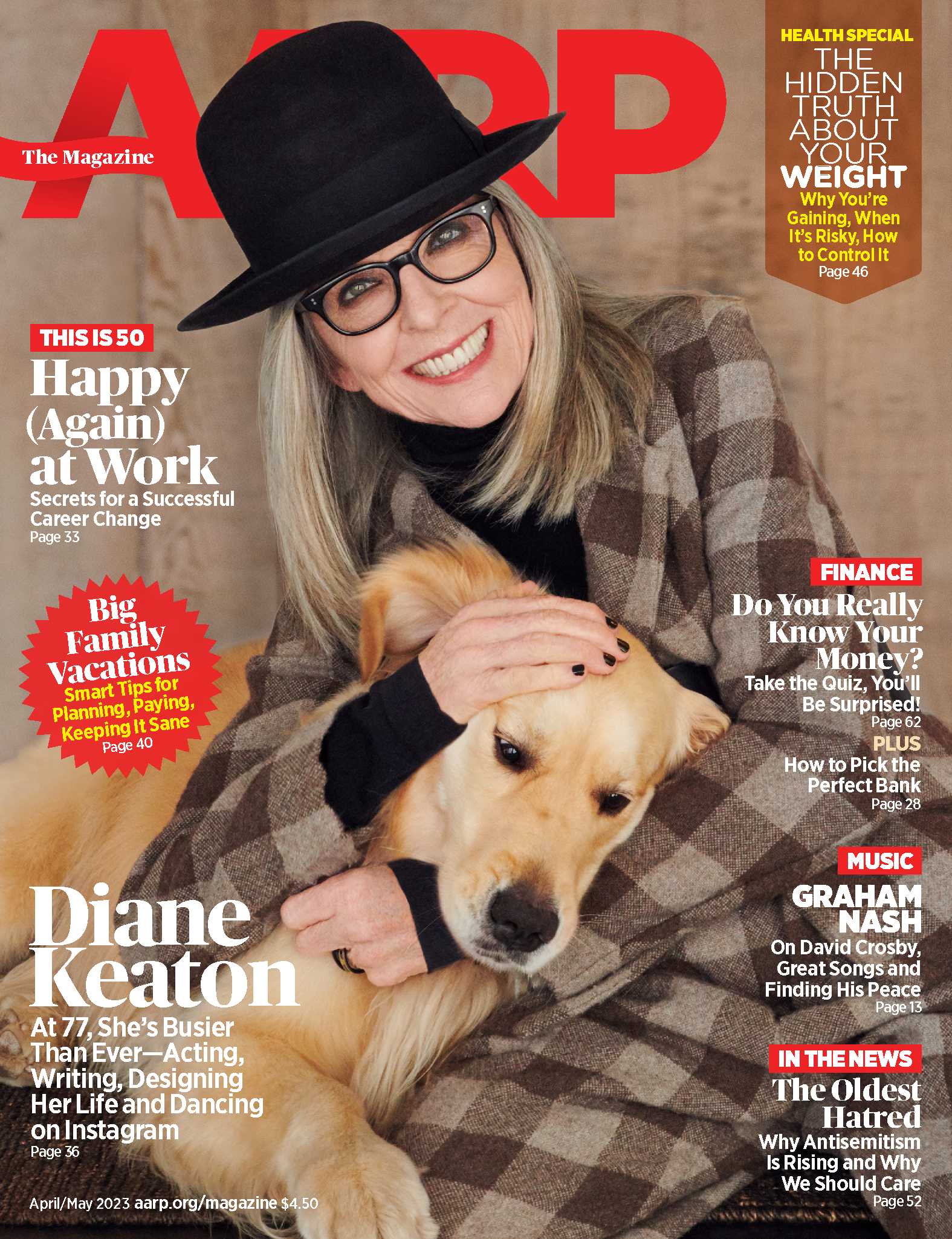


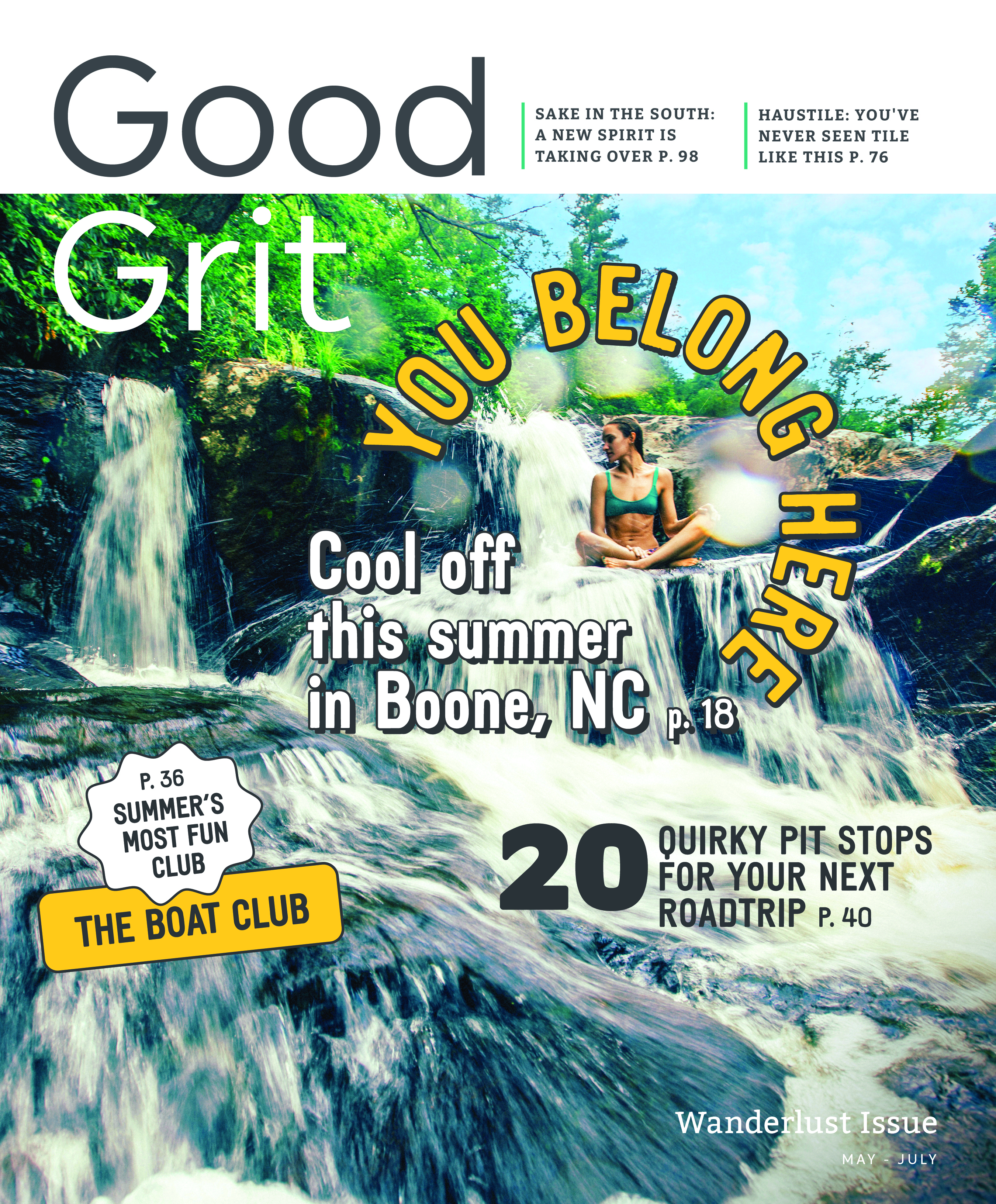


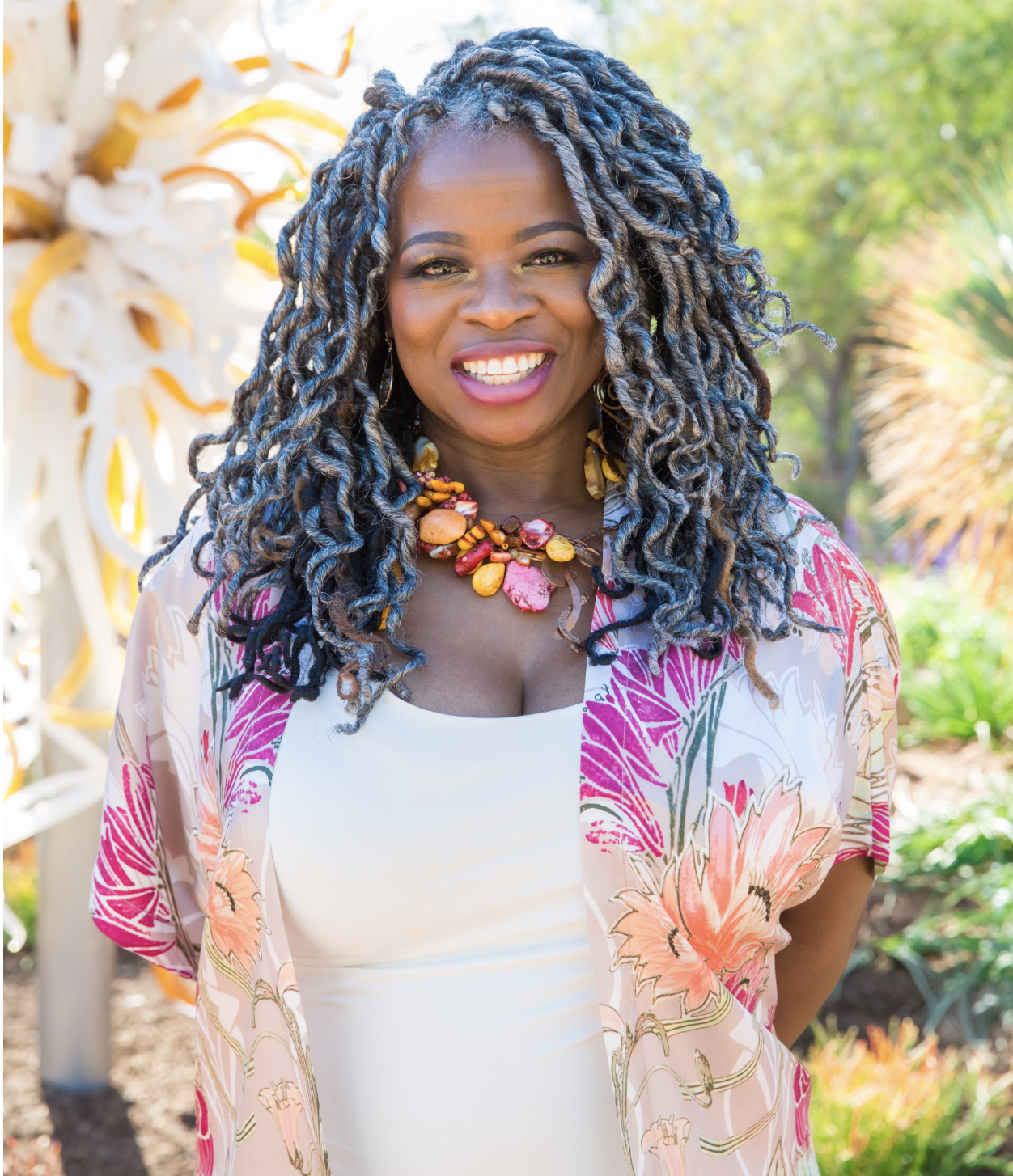
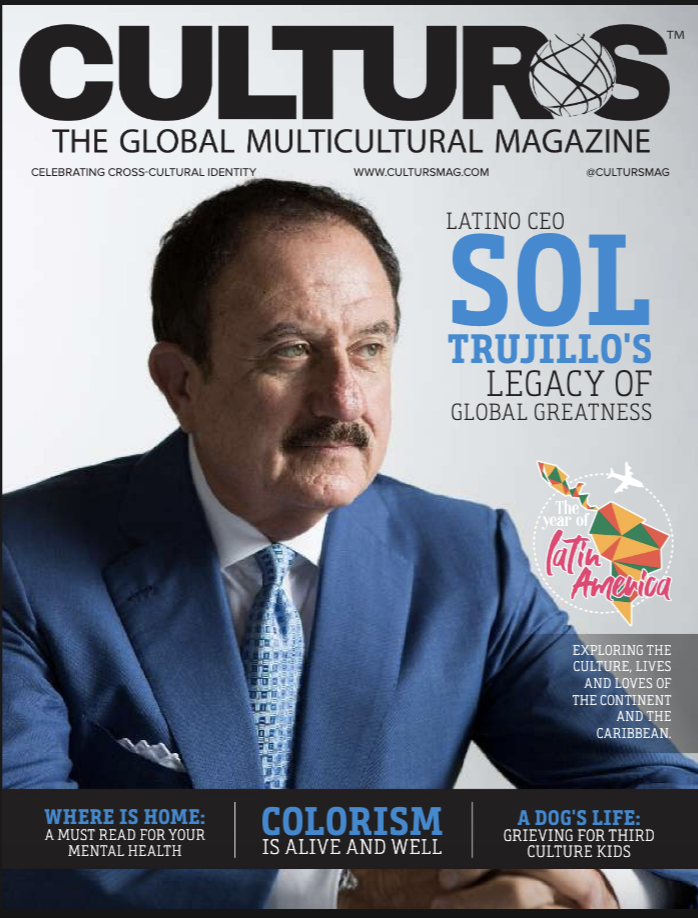

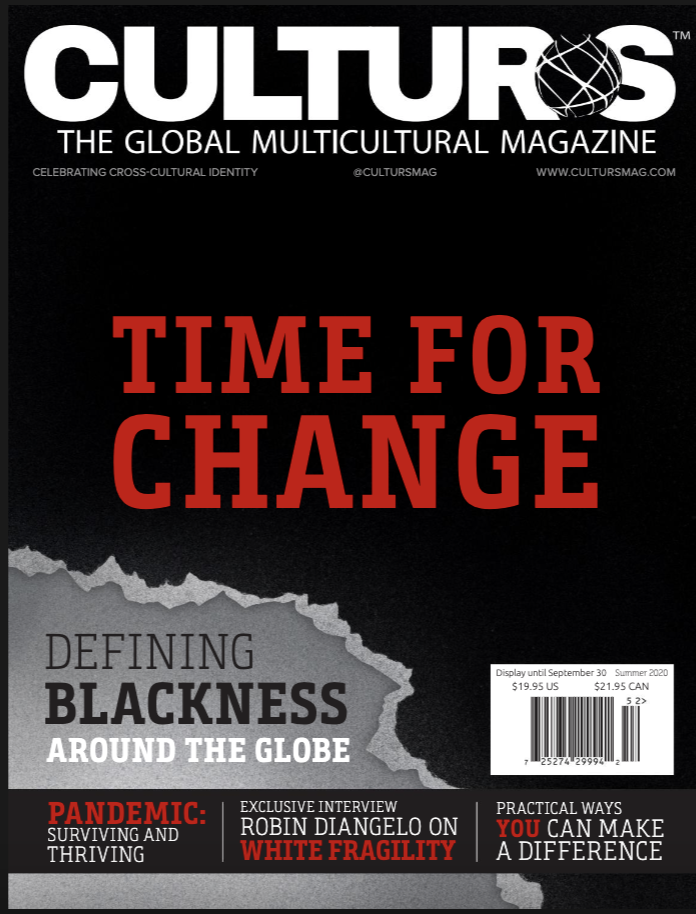
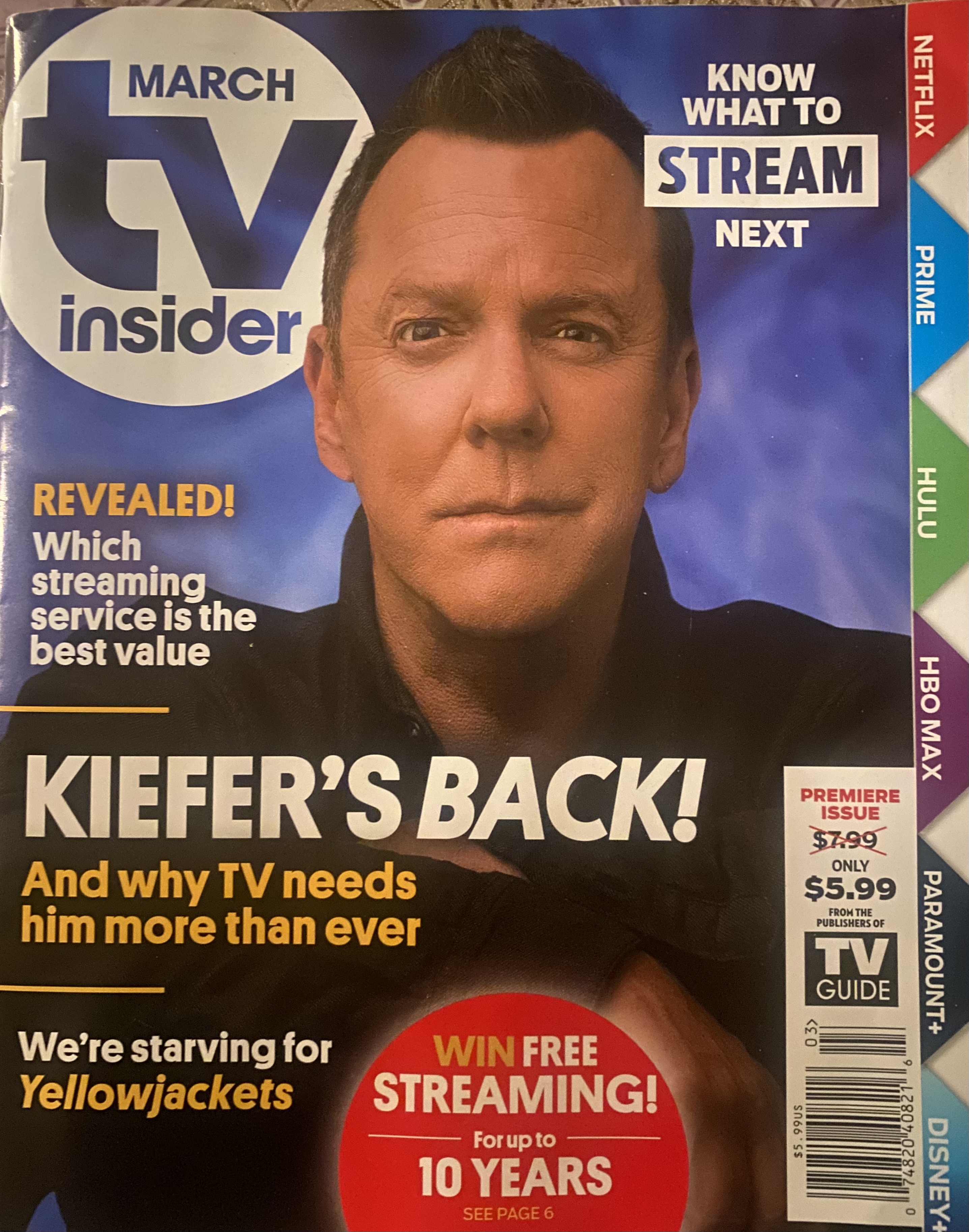
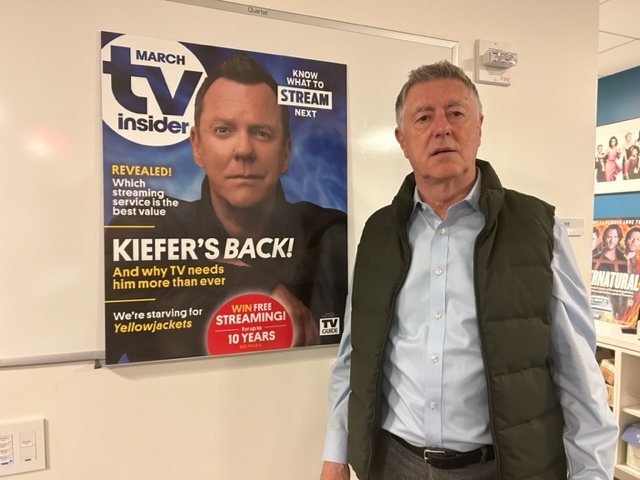
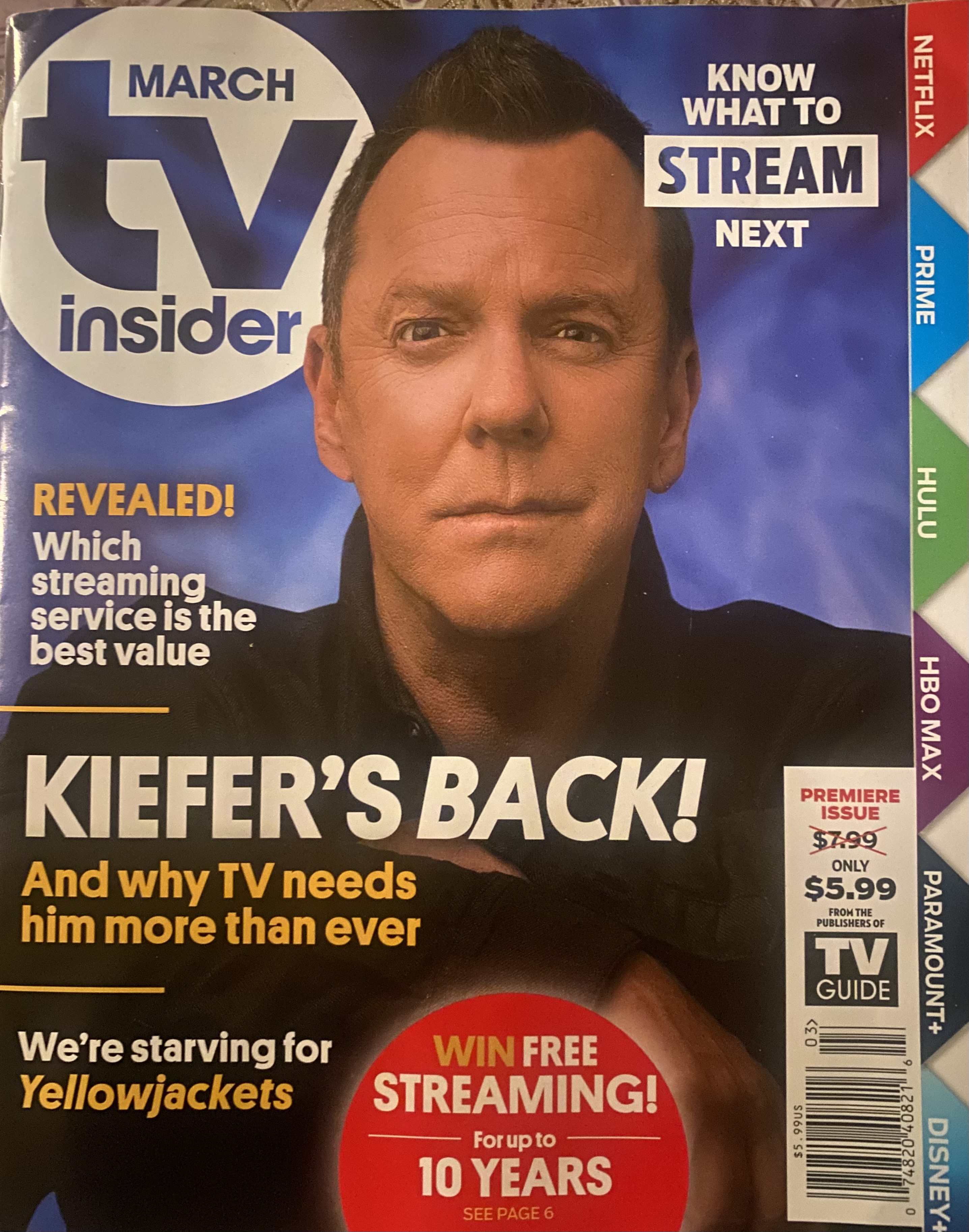
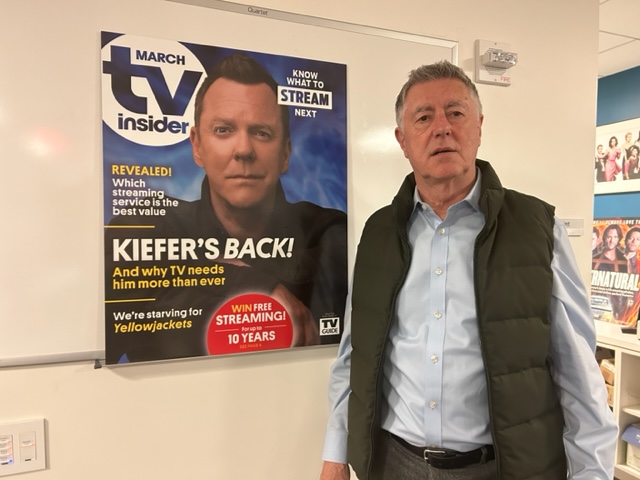
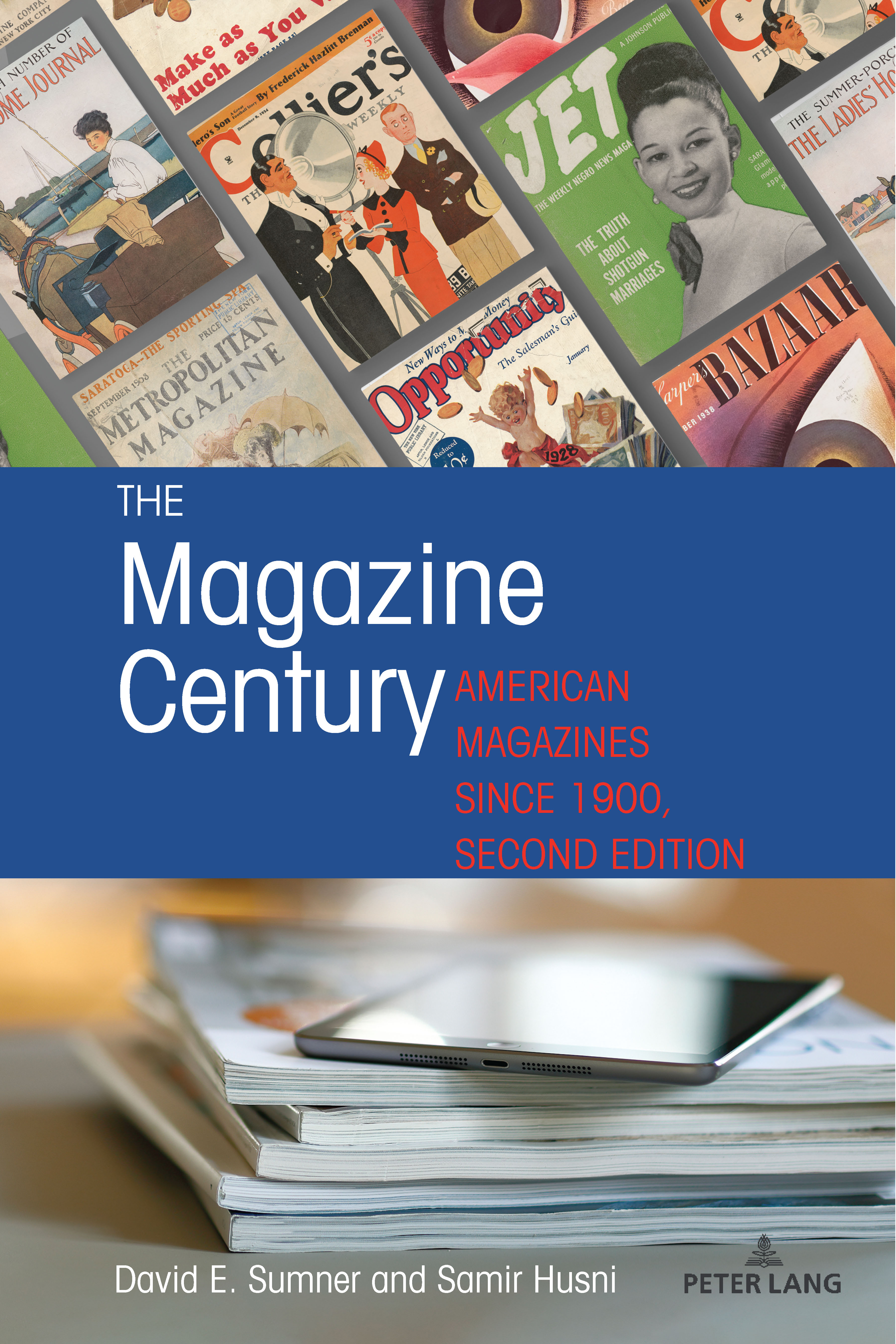

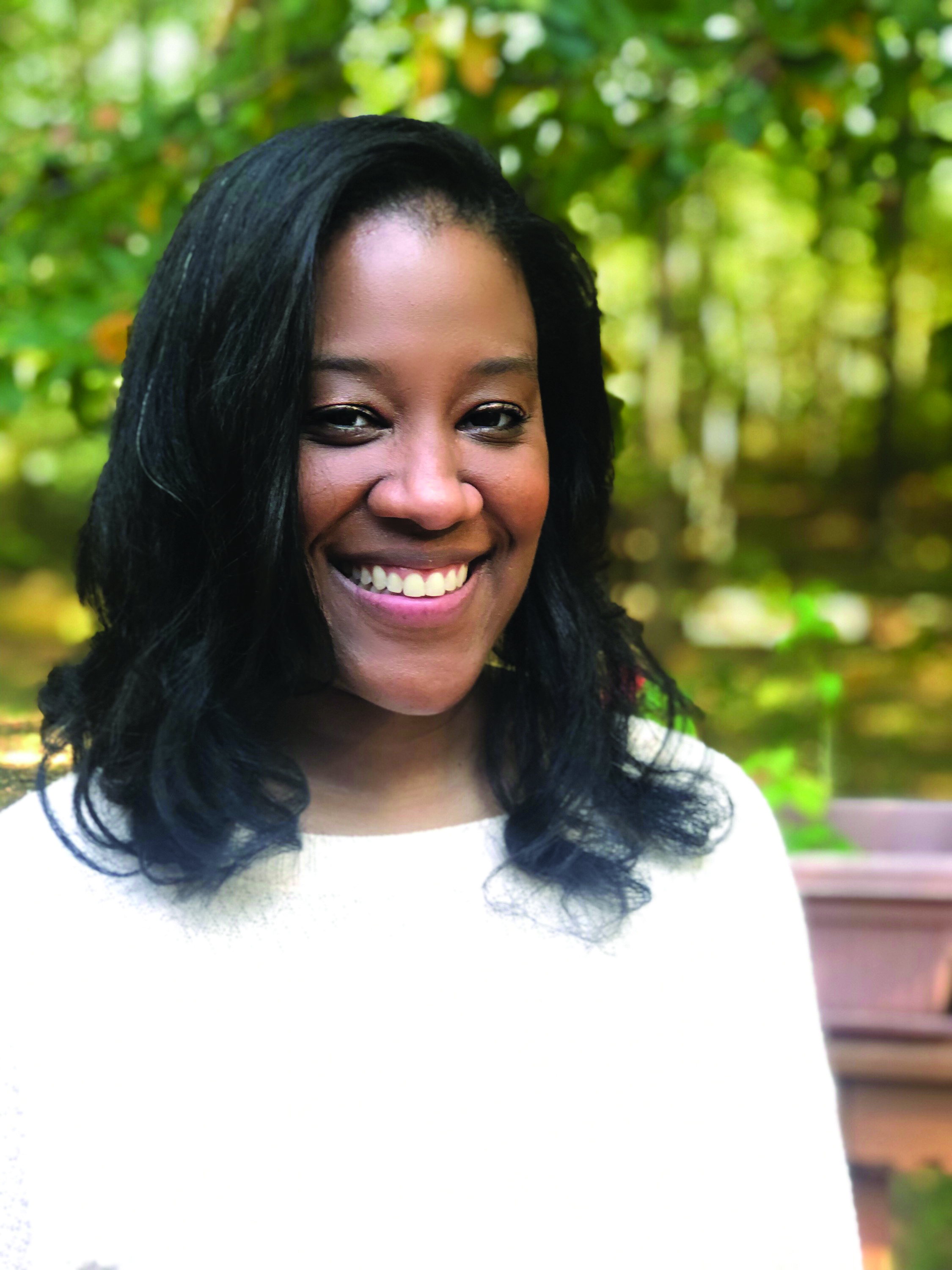


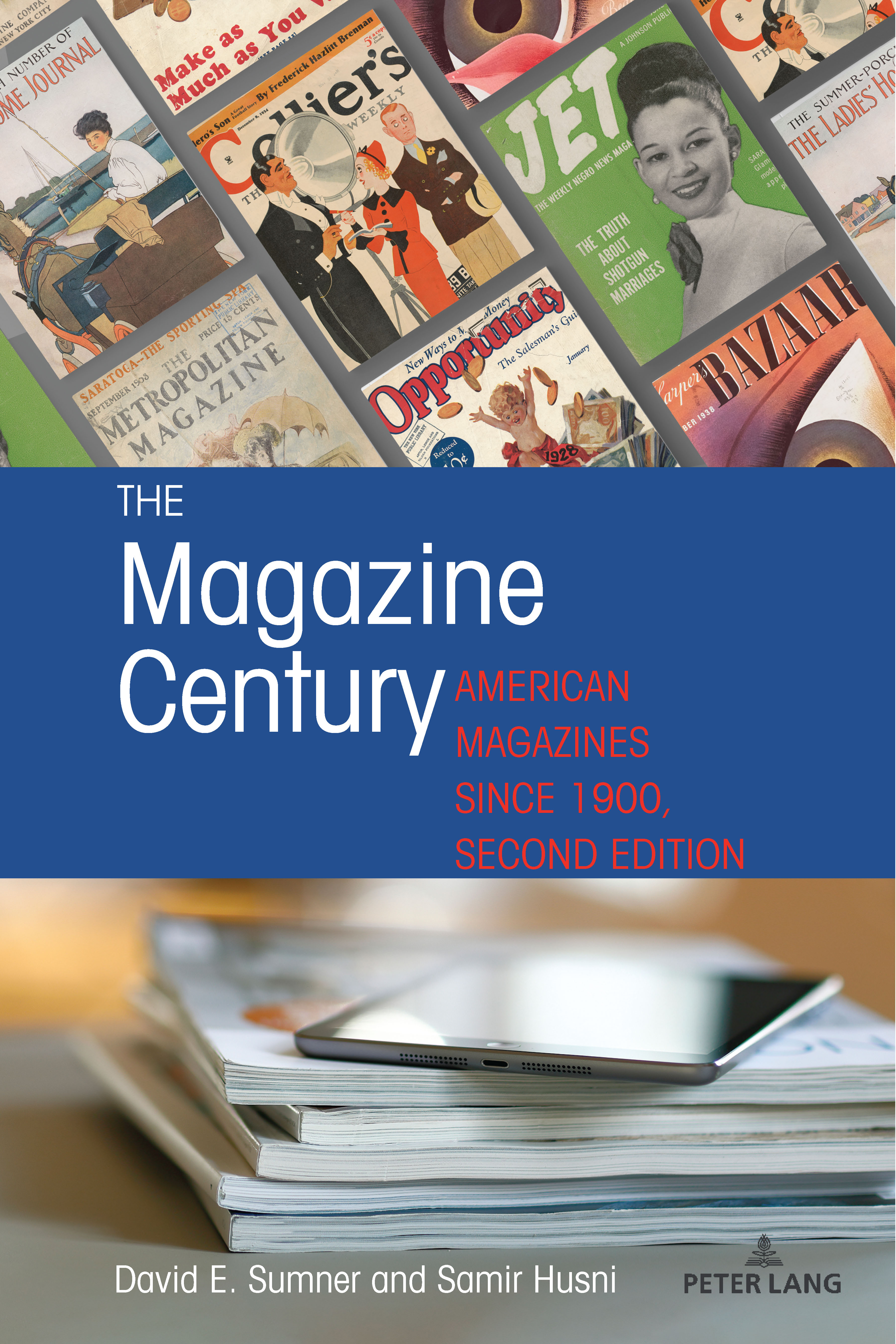



 Mr. Magazine