Archive for the ‘Innovation in print’ Category

h1

Marianne Howatson: Swimming Against The Current And Doing Very Well… The Mr. Magazine™ Interview With The CEO & Publication Director Of C&G Media Group.

March 15, 2025

Don’t you dare tell Marianne Howatson that the magazine advertising model is dead.  The CEO and Publication Director of the C&G Media Group disagrees completely with you. Her magazines are doing well, very well indeed, thankfully to the advertising driven magazine publishing model. Her mission, “to deliver the finest design media to the residents of America’s most prestigious communities.”

Ms. Howatson, the former publisher of Self and Travel & Leisure magazines, jumped into the fury of magazine ownership when she bought the Collages and Gardens titles in 2009.  Yes, you read that correctly 2009:  It was a depressing year for magazines and the economy as a whole.  But she took a big chance on those titles, and her gamble paid off and it continues to do so.

In fact she added to the three titles, Hamptons Cottages and Gardens, Connecticut Cottages and Gardens, & New York Cottages and Gardens, her newest title Palm Beach Cottages and Gardens that the former owner of the magazines ceased its publication in 2008.  The first issue is a beauty to behold and is loaded with what you expect to see similar to the rest of the magazines in the family of Cottages and Gardens.

Ms Howatson is very optimistic about the future of the new title and the rest of the publications that she owns. Her only worry is, “Are we going to keep doing as well as we’re doing?” she told me when I asked her what keeps her up at night these days.

She is a firm believer in magazines and their future, as long you have a niche audience that is not reached by any other medium or platform, a community spirit, and you are involved in all the major events in the area.

So, without any further ado, here is my lightly edited conversation with Marianne Howatson, CEO and publication Director of C&G Media Group. 

But first the soundbites:

On the reason she bought the magazines: “I thought to myself, if the day comes in the United States that we don’t have wealthy people building beautiful houses, we probably won’t even have a planet.”

On if her gamble paid off: “Yes, yes.”

On why Palm Beach Cottages and Gardens now: “When I came on in 2009, hasn’t a week gone by without someone saying, when are you going back to Palm Beach? And it’s only taken us 16 years.”

On the future of print in a digital age: “I think that the future of print in the digital age is very niche groups of people.”

On her favorite magazine in her company: “And so each time we launched a new magazine, it’s like children, you just love them all.”

On her advice for someone starting a new magazine: “I would ask them to make sure that they have a niche audience that very few other people have, and be prepared to just live in the marketplace, work with your readers, work with the advertisers.”

On the magazine publishing advertising driven model: “I think that advertising revenue will be here to stay. It’s very difficult for magazines to only make money on their circulation.”

On what she does at home in the evenings: “We publish 30 editions a year, and that’s more than any other group, it’s an enormous amount of editorial. So I’m doing 30 columns a year, editing, it just keeps going on. But I absolutely love it.”

And now for my lightly edited conversation with Marianne Howatson, CEO and publication director of C&G Media Group:

Samir Husni: Thank you for taking the time to chat with me. My first question to you is an easy one. Back in 2009, when everybody was folding magazines and the country was going into a recession, you bought the Cottages and Gardens publications. What were you thinking?

Marianne Howatson: Several things. One is Connecticut Cottages and Gardens was one of my favorite magazines, and I was in New York City all week working in publishing, and I’d come up to Connecticut on the weekend and I would love the magazine. Then I heard it was for sale. At that point that we were in a major recession.

I thought to myself, if the day comes in the United States that we don’t have wealthy people building beautiful houses, we probably won’t even have a planet. I also thought the designers and these people want to look at big, glossy pages so that their work is shown, the photographers love it. So, those were the reasons.

Samir Husni: Did your gamble pay off?

Marianne Howatson: Yes, yes. I closed it in October 2009. And within the next few months, we started going up, because obviously the company had been impacted by the recession at that point until I bought it, and then we started to climb out.

Samir Husni: It seems that you continue this drive to bring luxury publications to the most luxurious communities. I mean, that’s one of your goals.

Marianne Howatson: Yes.

Samir Husni: So, tell me about the recent launch of the Palm Beach Cottages and Gardens.

Marianne Howatson: Actually, Palm Beach Cottages and Gardens was published between 2004 and 2008 with the old company and the old owner. They had folded that because of the recession, and Palm Beach was very badly hit during that recession.

So, they had stopped publishing it. And when I came on in 2009, hasn’t a week gone by without someone saying, when are you going back to Palm Beach? And it’s only taken us 16 years. But for the last few years, a lot of our clients and our advertisers and designers have come down to Florida, and they’re saying, why don’t you come with us? Come with us.

So we eventually decided that last year we were going to do it.

Samir Husni: I know you’re a luxury publications publisher and CEO. Do you think this is the future of print in this digital age, luxury?

Marianne Howatson: I think that the future of print in the digital age is very niche groups of people.

It may not just be wealthy home design. There could be others. And I think that having a really niche audience, which can’t be reached by anyone else, would be very good for the magazine industry.

Samir Husni: Do you think your magazine media journey has been a walk in a rose garden?

Marianne Howatson: No, I think that I’m used to say that my days were filled with a mixture of horror and elation. And I’ve been trying to change that ratio to have less horror and more elation as I’ve moved on.

Samir Husni: That’s good. Can recount for me what was the biggest stumbling block since you acquired the magazines and how did you overcome it?

Marianne Howatson: Not sure that we had a stumbling block. I think that we’ve been really very fortunate. And one of the things that I think we did was that we isolated very early on.

When I first came on, I saw in research that 95% of our readers worked with design professionals, as architects, designers, builders. And our research showed that 40% of our readers were design professionals. When we recognized that and zeroed in on that, I think it made a big difference because we’re one of the few magazines that has a mixture like that, so that we have lots of architects and designers who advertise with us, as well as, of course, wonderful products.

Samir Husni: Do you have a favorite among the four magazines now?

Marianne Howatson: I love them all. Well, I still love Connecticut as well. But, you know, the Hamptons was the first magazine.

I remember when it was launched in 2002, it was really very well received. It was spectacular. It was very different in the Hamptons.

And so each time we launched a new magazine, it’s like children, you just love them all.

Samir Husni: Well, let me ask you,  your magazines are still advertising driven. Yes. And we hear a lot about that the advertising driven model is dead. How come you’re surviving?

Marianne Howatson: Well, I don’t think the advertising driven model is dead, because, well, A, it’s a major revenue stream. And we did not fall into the challenges of having subscriptions.

Most magazines are not able to make money on their subscriptions. And that would have been a drag on the company. We have a very select way of reaching our readers.

So I think that advertising revenue will be here to stay. It’s very difficult for magazines to only make money on their circulation.

Samir Husni: If you look like at the new launch, the first issue of the Palm Beach Cottages and Gardens, how do you compare this relaunch experience after the magazine ceased publication in 2008? What was your message?

Marianne Howatson: The message was that we’re coming back. And a lot of people in the market remembered us.

We told everyone we’re following that same pattern we decided for our magazines. They have the same format, the same size, and the same type of photography, etc. We told everyone we’re following that same pattern. And because their knowledge of Hamptons, Connecticut and New York, they responded to it.

Samir Husni: I hear a lot from people that magazines in Florida can flourish, but magazines in California will not. Is that the reason all your magazines are on the East Coast?

Marianne Howatson: I haven’t heard that. Florida, it’s very concentrated. It’s really exciting. I think California has a lot of space.

It’s a different market. Here, we have an exodus of people coming down here.  Also the real estate group Related Ross has 24 buildings going up in West Palm Beach, right now over the next few years. So that is an awful lot of units for people to live in.

And they’re going to need to have them decorated. Does they need the magazines? Yes.

Samir Husni: With all the experience under your belt, if somebody comes to you and said, I want to publish a new magazine, what advice do you give them?

Marianne Howatson: I would ask them to make sure that they have a niche audience that very few other people have, and be prepared to just live in the marketplace, work with your readers, work with the advertisers. We have very much of a community spirit, and we are involved in all the major events and the areas that we’re in.

We support the charities, we’ve launched quite a few of them. So I would say that don’t go into it if you’re going to be an absentee manager. You really need to have that passion, and that’s what your community will respond to.

Samir Husni: Good advice. In addition to your magazines, you publish a lot of special publications, can tell me a little bit more about that.

Marianne Howatson: Yes, we have the New York Design Guide, the Connecticut Design Guide, and the Hamptons Design Guide, and because of this relationship between design professionals and our readers, we felt that there was so much information that they wanted, so we created these design guides, and they’re smaller than our big magazines. They’re made of paper that would last all year, and the idea is anyone who lives in these towns, if they want to find an architect, or they want to look for some wallpaper, it should be in that design guide.

So it’s a very different publication.

Samir Husni: Excellent, and before I ask you my typical last two personal questions, is there any question I failed to ask you you’d like me to ask, and or you’d like to add?

Marianne Howatson: No, I think you did terrifically.

Samir Husni: So if I come uninvited one evening to your house, what do I catch Marianne doing? Cooking, watching TV, having a glass of wine?

Marianne Howatson: Sad to say, I would probably be reading the dummy of one of our issues.

We publish 30 editions a year, and that’s more than any other group, it’s an enormous amount of editorial. So I’m doing 30 columns a year, editing, it just keeps going on. But I absolutely love it.

You probably find me doing that or just relaxing in the house. And if I’m outside, I’m looking at shops and looking at antique shops and design shops.

Samir Husni: And what keeps you up at night these days?

Marianne Howatson: Worrying about, are we going to keep doing as well as we’re doing? Exactly the question you asked me.

Samir Husni: Thank you.

h1

Mountain Gazette: Magazine Making At Its Best.  The Mr. Magazine™ Interview With Mike Rogge, Owner & Editor

March 8, 2025

I have a confession to make.  When my mailman delivered issue 201 of Mountain  Gazette to me at 3:00 pm, I did not put it down until 9:00 pm that evening.  Six hours of magazine heaven.  Total bliss and experience unlike any other.

I was determined to interview the experience maker behind Mountain Gazette: Mike Rogge.  He is the owner and editor of the magazine and his wife Meghan Forbes Rogge is the vice president of Mountain Gazette. 

The year was 2020 when Mike bought Mountain Gazette and decided to relaunch it after an eight year hiatus.  As his wife likes to say, “when others were learning how to make sourdough starters and bread during the pandemic, we were learning how to make a magazine again.”  And making a magazine they did with a tagline for the ages, “When in Doubt, Go Higher.”

Mike and Meghan Rogge
Mike Rogge, owner and editor, with his wife Meghan Forbes Rogge, vice president, Mountain Gazette

An oversized magazine measuring a little bit less than 11 X 17 gives you the feeling that you, the reader, is a giant holding a billboard between your hands.  Marvelous stories, beautiful pictures, and a great design sets Mountain Gazette apart from the competition, if there is any to be found.

I had the pleasure of interviewing Mike Rogge, the owner and editor of Mountain Gazette, and found him to be the perfect imperfect experience maker.  So please feel free to be mesmerized with this Mr. Magazine™ interview, but first the soundbites:

On the drive behind the relaunch of Mountain Gazette: “I just thought if we made something that was big and beautiful, it would work.”

On the reason he bought the magazine: “I’m a pretty community-oriented person and I really care about what we put out into the world. So I felt like outdoor culture, the outdoor community deserved a print title like this.”

On his business model: “Our business model is simple, we have subscribers, we make the magazine for our readers and nobody else.”

On his advertisers: “We always put ads in the front and in the back of the magazine. Never in the middle, ever. We’ll never do that.”

On Mountain Gazette’s audience: “We have a highly engaged, sophisticated audience that’s becoming rarer and rarer to reach on the Internet. So that’s the way we work with our partners.”

On the team producing the magazine: “Our journalists are vetted. They’re award winning. They’re what I would call exceptional people and creators.”

On the role AI plays in magazine making:  “Our magazine is made by people. And I think that as good as AI is, AI has never been hurt. AI has never been in love. It can fake that. AI has never been given a cancer diagnosis. AI has never been told that they’re cancer free. AI has never watched their child be born. And above all,  I believe in the human experience because it’s not clean. It’s messy. And messy looks good in our pages.”

On his journey with Mountain Gazette: “My wife describes me as a duck. I’m cool on the surface and underneath I’m paddling like crazy.”

On which role he enjoys most from all his roles: “So far, being editor has felt the most natural position for me to have.”

On the mission of the magazine: “We look at the world through an outdoor lens. We have this strong belief at the magazine that going outdoors anywhere in the world…  has the ability to change your life.”

On what keeps him up at night: “That is such a timely question to me. I’m concerned about our ability to print in Canada, totally dependent on these tariffs.”

And now for the lightly edited interview with Mike Rogge, owner and editor, Mountain Gazette magazine:

Samir Husni:  Mike, while others were killing magazines in 2020, you bought Mountain Gazette and you were  the forerunner of relaunching magazines as we are seeing this year and last year. What gives?

What gave you the idea to buy a magazine that has been dead for almost eight years and to bring it back to life in print and all the surroundings of the print that you’ve done?

Mike Rogge: Well, I have worked for magazines for a long time.

I worked for a newspaper when I was 19 and I’ve worked for blogs. I think one of the things you learn when you work for a lot of media companies is know what to do and what not to do. There’s good practices and bad practices and I thought what if we started a media company and we tried to do things the right way, knowing we would make mistakes along the way and learn from them and we’ve been pretty adamant about learning from our mistakes. I just thought if we made something that was big and beautiful, it would work.

Samir Husni: Besides being a journalist, a filmmaker, now you are also an owner and editor, what’s the drive that makes you create such a beautiful, upscale, large publication in ink on paper in this digital age?

Mike Rogge: I’m a pretty community-oriented person and I really care about what we put out into the world. So I felt like outdoor culture, the outdoor community deserved a print title like this. And I think one thing is respecting creators, respecting writers, photographers, artists, having respect for them, having respect for our readers was paramount to us being able to create something special.

So my drive is, I try to make the next issue better than the last one. This is our 10th issue that we’re putting out and it’s getting harder to do that, but we are having a good time trying to warm up ourselves up here.

Samir Husni: You wrote that the old magazine business model is dead and you are introducing a new business model. Can you expand a little bit on that?

Mike Rogge: I think the model of going out and saying to advertisers, this is how many readers we have and printing an exorbitant amount of magazines just to say that you did print an exorbitant amount of magazines and not sell them at all. Our business model is simple, we have subscribers, we make the magazine for our readers and nobody else. You can’t buy it on the newsstand.

We rarely sell single copy issues. We are doing our best just to keep this like a closed ecosystem where our readers pay us a fee per year to get two issues. In return, we protect that content from the magazine and make sure that it’s exclusive to them.

They only get it. We don’t republish online or anything like that. And that’s that.

Samir Husni: But you’re still accepting advertising? And how do you treat the advertisers in this community of Mountain Gazette?

Mike Rogge: The first thing that our subscribers and our ad partners know is that we don’t do advertorials. And I think that’s a benefit to both. Our readers are never questioning, is this an ad or is this a story? If it’s in the magazine and it’s not clearly an ad, it’s a story.

We always put ads in the front and in the back of the magazine. Never in the middle, ever. We’ll never do that.

What I think is interesting is we have a highly engaged, sophisticated audience that’s becoming rarer and rarer to reach on the Internet. So that’s the way we work with our partners. We tell them we don’t write about gear. We don’t write about jackets. We don’t rank ski resorts. So you have an opportunity to be in our magazine and tell our readers what’s great about your ski area or your jackets or your ski boots or whatnot.

They’ve found it to be really beneficial to date. We hear a lot from our ad partners. It’s the only place that they ever get compliments on their ads. They get people on the street that I saw the Solomon ad or the Fly Low ad in the last issue of Mountain Gazette. It looks really great. I think that’s because of our large format. The magazine really lends itself to great photography.

Samir Husni: You mentioned that most of what’s on the Internet and social media is trash, quote, unquote. How do you define the role of print in this digital age?

Mike Rogge: I think we have to understand that we’ve got a copy editor, a managing editor, myself, we have fact checkers. Our journalists are vetted. They’re award winning. They’re what I would call exceptional people and creators. So I think if anything, like our content, it’s curated and it’s vetted and you can’t say that about most things on the Internet.

We’re not in this to look for a fight. It’s not to say that we’re just going to let people steamroll us. But like, we do some reporting. We do some trip stuff. We do some first descent, cool stuff. We do aspirational stuff. We do inspirational stuff. We have humor. And I think that’s more reflective of how the real world actually is.

If you go on the Internet, you would think the world is falling apart every single day, every single minute. And certainly the world is not in a great place right now. But I think we can all agree that the world’s also not on fire right now, either.

The print magazine is based in reality, and that’s where we want to keep it.

Screenshot

Samir Husni: Mike, especially when it comes to photography,  and you have gorgeous photography in the magazine. But now with AI, we are seeing so much fake pictures on the Internet. I can create even fake pictures saying, Samir is on Mount Everest and I’m here in Oxford, Mississippi. Do you have any fear from AI or is it a friend or foe?

Mike Rogge: I love it. I love AI.

I think it’s great.  I went to college for English literature and writing. So when I have business questions, you know, I can ask AI, I want you to pretend you’re an MBA, and this is a business problem I have.

It’s just kind of bouncing ideas off it. I think it’s great for that. There’s a lot of promise for medical use.

But our magazine is made by people. And I think that as good as AI is, AI has never been hurt. AI has never been in love. It can fake that. AI has never been given a cancer diagnosis. AI has never been told that they’re cancer free. AI has never watched their child be born. And above all,  I believe in the human experience because it’s not clean. It’s messy.

And messy looks good in our pages. Here’s what I know. Samir on top of Everest, that would be really, really cool. I know people that have climbed Everest. And I can tell you that what makes their Everest journey important is not getting to the top, but how they got to the top, the challenges they face in their lives. And that, to me, is part of the human experience.

I don’t know that a robot will ever be, certainly can try to fake it, right? I do say this often, though. It makes me think of the scene in the movie Good Will Hunting, where Matt Damon and the late Robin Williams, are sitting on a bench. And he goes, sure, you can tell me everything about the Sistine Chapel, when it was built,  when it was painted, everything.

But you can’t tell me what it feels like to be there. You can’t tell me what it smells like to be there with the woman you love. And it’s like this trip you dreamed of.

I do think that nuance is often overlooked. And on a final note on AI, don’t you think it’s so interesting that the first thing they asked AI to do, these creators, quote unquote, these people that have no artistic ability, was to try to mimic being an artist. That makes me kind of sad.

I don’t know how to tell Sam Altman this, but like, your painting is good enough, buddy. If it came from your heart, it’s good enough.

Samir Husni: Good. Tell me, has your journey with Mountain Gazette been a walk in a rose garden?

Mike Rogge: No. No. No. My wife describes me as a duck. I’m cool on the surface and underneath I’m paddling like crazy.

One thing that has been challenging is the notion that I might have all the answers because of our success. And the truth is, I have the answers for our title when we face problems or challenges because I’m deeply involved. This is what I do. This is my work. This is my life. In some senses, for better or worse, it’s part of my identity as being the editor of Mountain Gazette.

Obviously, there’s been way more good times than bad. Currently we’re printing our magazine in Canada and we’re dealing with a tariff issue and that’s a challenge. But I’m inspired by some of the athletes who do climb Everest and fail. They don’t make it to the top. And what they do the next year is they return. That’s kind of our thing, we may get punched, but we’re going to get back up.

The last five years have offered me some opportunities that I could have never dreamed of. And mostly that’s working with contributors.

Samir Husni: You wear too many hats with Mountain Gazette. Which one do you prefer? Is it the owner, the editor, the publisher?

Mike Rogge: I like a little bit of all of them. So far, being editor has felt the most natural position for me to have.

I don’t necessarily prefer being the trash guy who takes out the trash at our office, but that’s one of my hats too. But I like being the editor of Mountain Gazette. That’s by far my favorite.

I guess my favorite part of the publishing side has been trying to get to know some of the men and women and people who actually physically make our magazine. They’re craftspeople. They essentially work in a factory and they take a lot of pride in their work.

And I’m inspired by that.

Samir Husni: Is there anything you would like to add before I ask my final two personal questions?

Mike Rogge: We relaunched Mountain Gazette in 2020, in the midst of a pandemic, and my wife likes to say that when others were learning how to make sourdough starters and bread during the pandemic, we were learning how to make a magazine again. So that what we did. When I bought the magazine, my original ambition for it was to try to get to a thousand subscribers.

I felt like that would be a good four or five year goal. We hit that in six months. We say this that this magazine is not for everyone, but obviously anyone can subscribe to it.

We don’t limit anyone in wanting to look at it. But we’ve certainly found people that accuse us of being too liberal or too conservative. And we don’t see it as a political act.

We see it as an artistic expression. I suppose you could view the entire world through a political lens. It’s not how we look at it.

We look at the world through an outdoor lens. We have this strong belief at the magazine that going outdoors anywhere in the world, whether it’s Missouri or Manhattan or Mount Everest or wherever, it could change your life. It has the ability to change your life.

Those are the stories that we seek. In our next issue, we have first descent of a mountain in Pakistan that no one’s ever heard of. But truly, like I think maybe 300 people in the history of the world have ever even been in its presence.

Well, and the following story is about fly fishing in the 1980s on the New Jersey coastline. I find that those stories equally tell the story of the outdoor experience. And these experiences are  our mission, they allow us to have a lot of different voices in our magazine, a lot of different perspectives.

I don’t expect everyone to like every single article at the Mountain Gazette, but I can tell people that every single piece at the Mountain Gazette comes from somebody’s heart. No one is weighing up their Mountain Gazette story. They’re putting everything they have into it.

Samir Husni: So tell me Mike, if I come unannounced visiting you one evening at home, what do I catch you doing? Having a glass of wine, cooking, eating dinner?

Mike Rogge: Depending on what time, you will find me playing with our two sons that are six and two. We’ve got two dogs. We live a pretty quiet life here in Tahoe.

My wife and I tend to go out and see some outdoor films. North Lake Tahoe is sort of like Avengers Tower. If you’re into outdoor recreation, we have several first descent, first to do this in the outdoor recreational world.

We run into them in the grocery store. I’ve always joked, it’s like being a non-superhero and living in Avengers Tower and Iron Man to pass the cream, the coffee. We live a pretty quiet life.

We’re a family of four with two dogs, and we’re just really enjoying our kids being young. We go to a few fundraisers here and there, catch a movie. But we spend a lot of time outdoors.

Samir Husni: My typical last question, what keeps you up at night these days?

Mike Rogge: That is such a timely question to me. I’m concerned about our ability to print in Canada, totally dependent on these tariffs. And what upsets me is that our printing partner, Hemlock, has nothing to do with it.

The fact is a 25% tax on our print bill. We’re a sheet-fed magazine, a large format, sheet-fed. It’s 160 pages, but we’re probably using, on a standard magazine size, close to 300 pages of paper per issue.

We chose to do it that way because we wanted to offer our readers a high-quality product, and we felt like magazine stories deserved to be put in a high-quality format. I worry about it in part because, again, this is a non-political statement. It’s just fact.

The idea around these tariffs changes sometimes hourly, daily, weekly. News happens on the weekends. So I’m a little concerned about that.

I want to make sure that we can keep printing, high-quality products, whether it’s in Canada or we have to move to the U.S.

And what keeps me up at night? I worry about AI infringing on our creators’ rights, only because, we have a standard licensing agreement, and it really puts the creator front and center. And, we have this reputation. There’s a reason why we’re able to work with creators like, Harry Bliss and the comedian Steve Martin in every issue for the last two years, because we have a reputation.

I just worry about people taking advantage of that or taking advantage of our creators in an effort to try to earn a quick payday. We keep our head above water. We’re profitable, but I feel like in the magazine industry, you have to constantly be preparing for, not just rainy days, but snowy days and typhoons and everything.

It’s a medium that a lot of people have forgotten about. We obviously haven’t. And my hope is through these tariffs and everything, that some of the magazines that have arrived alongside us or after us, can also survive, because, saving for a rainy day is expensive.

Samir Husni: Thank you Mike and all the best.

h1

Magazine TM 2: Ray Seebeck’s Encore Introduction To The Ink On Paper World.  The Mr. Magazine™ Interview

February 13, 2025

This is a first for me: Interviewing the same person within six months from the first interview.  But, Ray Seebeck’s (28 years) love and dedication to print and magazines is unlike any I have seen among this age group, with regard to passion and zeal for the printed product.

Ray is the founder, publisher, and editor-in-chief of Magazine TM.  The first issue of the magazine (to refresh your memory, I am reprinting the first interview at the end of this interview) was amazing both in size, content , and binding.  The second issue promises to be a state-of-the-art curation of more than 50 writers and artists plus five in depth interviews.

Magazine TM is a testament of Ray’s desire to create a curated permanent display for artists and writers that makes flipping every page of the 230 pages second issue a walk in museum fresh with ideas and art.

So please join me in this conversation with Ray Seebeck about issue 2 of Magazine TM, but first few soundbites:

On the reason to reduce the size of the magazine: “It was just a little bulky to bring around… to bring it on a train and read on the train, and it was just too big to read.”

On why print?: “What I feel print does, print is not trying to necessarily count your views, it’s more of a read at your own pace, it is a different type of experience.”

On the goal of the second issue: ‘Something I really wanted to make sure that I kept up that excitement with the second issue.”

On the creation of issue 2: “Magazine TM has 50 artists and writers, and it was designed and curated over a two year process.”

And now for the lightly edited conversation with Ray Seebeck, founder, publisher and editor-in-chief, Magazine TM:

Samir Husni: From an oversized magazine to a digest size magazine. Why did you do that?

Ray Seebeck: So the reason for the change of size was mainly because of the feedback of the first issue.

One of the people who got it, who’s an artist, mentioned it was just a little bulky to bring around. She wanted to bring it on a train and read on the train, and it was just too big for her to read. That was the main reason why I made it smaller, for readability and for people to bring it places. It makes more easy to read. Another reason is the cost to print. It costs a lot to print 11 by 17.

Samir Husni: You are 28, the question begs itself, why a person your age is interested in print?

 Ray Seebeck: I remember last time you asked me why print? And I don’t feel like I really had a good answer. But related to this question, why is someone my age interested in print? Just reflecting about a little more, I feel in today’s age, we have everything digital, right?

We have social media companies, Instagram, TikTok, Facebook, and publishing companies like The New York Times, they all monitor how long we read, how long we view videos, they try to get us to read, to watch their content for as long as possible. What I feel print does, print is not trying to necessarily count your views, it’s more of a read at your own pace, it is a different type of experience.

That’s something that I’m interested in, if that makes sense.

Samir Husni: It has been a year plus since the first issue came out. What was the reaction?

Ray Seebeck: I received a lot of very positive reactions to the first issue. People were really excited about the accordion bind, about the size of it, and just the design of it. So that was something I really wanted to make sure that I kept up that excitement with the second issue.

Despite a lot of challenges, I wanted to make sure it is as much of a success as the first one. So I’ve been trying to do a lot of things to do that. Another piece of feedback was people wanted to learn more about artists and their process.

And because of that, I did two things: One is I started interviewing artists. I interviewed five artists to provide more of an insight of their process, what they make and why they make that has gone into the magazine.

If you remember the first one, it was mostly just the artwork and poetry. It didn’t have much content from the artist. So that was one thing is interviewing people and putting that into the magazine.

Two: we started asking artists to basically write on note cards about the story behind their art process or the pieces they made, just to make it even more interesting to read. There’s probably like five or six of those note cards in the release.

Samir Husni: Is the second issue going to use accordion binding or it’s going to be perfect bound?

Ray Seebeck: It’s going to be perfect bound.

Samir Husni: Give me the elevator pitch for Magazine TM.

Ray Seebeck: Magazine TM has 50 artists and writers, and it was designed and curated over a two year process. It’s very thoughtfully curated, very thoughtfully designed. Magazine TM is supposed to give you more of an insight into artists and writers process and their work.

Also it tells you the story behind their art (through curator notes) because people care about the story. That’s what matters to people. The story about an art piece, not necessarily just the art piece by itself.

People want to learn more about it. And that’s what I’ve tried to put into the magazine. It is telling you how it was made, telling you the unique techniques that artists use. And hopefully, it’s a place where people can discover artists that they could collect their work.

Samir Husni: If you and I are having this conversation a year from now, what would you tell me about Magazine TM?

Ray Seebeck: I’m going back closer to the first issue format with the next one.

That’s my plan is to do accordion binding again. So I’m going to go backwards in a way, go backwards to go forwards, if that makes sense. And another way I’m looking at the magazine is I’m trying to almost make it more of an art, a document of events and conversations with artists.

Through different video content and different collaborations with artists, the magazine hopefully is going to become more like a document of those experiences. This is how I’m thinking about it now.

Samir Husni: Anything I didn’t ask you about issue two you’d like to add?

Ray Seebeck: Yes. In the last question, I was telling you I want the next one to be almost more like a an archive or a document of different events or different conversations.

I’m trying to keep up that excitement from the first issue because it was like large format, accordion bind, and it was pretty successful. I’m working on an installation with one artist named Chelsea Bighorn, who  makes these really big textile pieces inspired by her Native American heritage that are canvas and really colorful. They use traditional dye techniques and have beading in them.

I went to her studio recently, and she’s making six new banners that are dyed with canvas and really beautiful with beading in them. Two really large pieces that are going to be at the release party in March. So we’re going to have her pieces there.

Our goal is selling her work. It’s like a show to sell her work and make it an exciting release party.

The two big pieces are going to be interactive. So basically, when you walk through the elevators, you’ll have her two pieces there.

You’ll actually walk through her artwork, the canvas. Hopefully that will create some excitement. Then a document of that will go into the next release.

Samir Husni: How can people get issue 2 of Magazine TM?

Ray Seebeck: It’s on my website and it’s available for sale through February 28, which is the last day to buy it.. It’s available for $35  until February 28. It has 50 artists and writers, almost 230 pages, and five interviews.  To reserve yourself a copy of Magazine TM issue 2 click here.

Samir Husni: Thank you.

And for those who want to know more about Ray Seebeck and Magazine TM, here is an encore of my first interview with Ray:

Ray Seebeck , The Twenty Something Young Person* Behind The Unique Print Magazine “Magazine TM” The Mr. Magazine™ Interview

September 28, 2024

“There’s something different about holding something in your hand and looking at it to actually create that experience that we want to create.” Ray Seebeck, Founder and Editor

They say Gen Z is the digital generation, and print is their parents and grandparents’ medium.  However, one twenty something young person from Chicago begs to differ from that adage. They are the founder and editor of  the print “Magazine TM” which they launched last year. 

The oversized, accordion bound magazine, is a beauty to view and a delight to flip through its pages. Ray wants the magazine to be an experience for artists and the audience. An experience it is. It is a very pleasant experience that ends with a series of pages that looks like a wall mural.

To say Ray is passionate about print, would be an understatement, but they are also very digitally oriented.  They use online for their research and searches for anything and everything beautiful. They hope to invest in that passion to create a profitable magazine that will hopefully make a living for them and those who work with them.

So please enjoy my conversation with a print fanatic, Ray Seebeck, founder and editor of “Magazine TM,” but first the soundbites:

On the role of print in a digital age: “For me the end solution is print. Part of what I’m trying to do is make that finished product.”

On the binding method for Magazine TM: “I wanted to do something that was memorable, that was unique for the first issue. We settled at the accordion bound method.”

On the magazine audience: “Right now, it’s mostly people in the art community is who I want to reach.”

On their vision of the magazine: “It’s more an experience of actually viewing art through how it’s designed.”

On their goal for the magazine: “I’m trying to make a model where it’s positive for the artists. It’s building community for the artists.”

On their aim to help artists: “It’s really important for the artists to have their work published. It’s huge. And then just to be doing something that I love is hopefully showing people and inspiring them in a small way.”

On the TM in Magazine: “The answer is no. It’s a play on letters… it’s not actually a trademark, but what it means is TM stands for The Magazine. So it’s basically Magazine, The Magazine is what it stands for.  And TM is like abbreviation.”

On what keeps them up at night: “It’s just the idea of the keeping the magazine running. That’s a big one.”

And now for the lightly edited conversation with Ray Seebeck, the founder and editor of Magazine TM:

Samir Husni: My first question to you is, you’re a young man in his 20s, and you launched and produced a print magazine unlike any other print magazine that I’ve seen in a long time. What’s your fascination with print?

Ray Seebeck: It probably started when I was a young kid. I did collect some magazines. I collected National Geographic, and we had Life Magazine running around the house, and Sports Illustrated.

I was a big Sports Illustrated fan, but I really got into print as an art form in college at the School of the Art Institute of Chicago. I had some really great experiences there where I learned from teachers screen printing, lithography, and letterpress as well. So I really just developed. It was a great opportunity where I was able to chart my own education, and so I studied in the print media department at SAIC, where you were able to take the classes you want to take, and I was able to take a lot of classes related to printmaking and try to develop a lot of skills in that field.

Samir Husni: People will tell you we live in a digital age. What makes print so attractive to you? You’re so passionate about print, you produced a magazine called Magazine. What’s in you that makes you feel print is essential today as it was yesterday?

Ray Seebeck: It’s kind of a tough question to answer, but I feel print is just the answer, it’s the solution.

There’s no other solution for me. There’s no other possible route, like the end product. For me the end solution is print. Part of what I’m trying to do is make that finished product. There’s something different about holding something in your hand and looking at it to actually create that experience that we want to create. So printing is sort of a solution for that.

Samir Husni: Why did you choose this format for magazine? It opens up like an accordion and it becomes like a mural.

Ray Seebeck: I worked with, I worked with a few people to make it.

We had five meetings as we were preparing to make the magazine and as I was gathering submissions. And so one friend from New York, one of my classmates from college, and a friend’s friend from college. We had a few Zoom meetings.

My friend Christiaan, who’s a designer, the print designer, who works with me to design print, put together this like Pinterest board with different print and different binding ideas. We talked through what were the design details we wanted to have for the magazine. We discussed different binding formats.

We all kind of came to a decision together. I wanted to do something that was memorable, that was unique for the first issue. We settled at the accordion bound method. That opened up so many possibilities for the actual design of it, which was really exciting.

Then one of the people who I was working with asked what size we wanted to make it and we decided large format would also be very memorable. We went by the 11X17 size. Those are the two key elements as we decided accordion bound and large format.

Christiaan and I  had some book binding skills from our college days, so we were able to figure out how to do that.

I definitely want to turn it into a business and hopefully make a living off it and help other people make a living off it.

Samir Husni: Who’s your audience? Who do you want to reach with this magazine?

Ray Seebeck: Right now, it’s mostly people in the art community is who I want to reach.

I would love to reach art collectors. It is an audience I want to grow to. Anyone who’s like interested in art and artists. So I’m hoping to expand the audience. But right now it’s mostly people in our community.

Samir Husni: Give me the elevator pitch the magazine?

Ray Seebeck: I would say there’s a few things that are really important: I’m really trying to create a different kind of publication, something that’s different than what most people have seen before. A magazine that’s more an art experience. It’s a simple magazine. It’s more an experience of actually viewing art through how it’s designed. That’s one huge aspect is trying to do something really creative.

The second aspect is that I’m trying to create a better experience for the artists. So there are a few art magazines they make artists pay them to get involved in their magazine. I’m trying to make a model where it’s positive for the artists. It’s building community for the artists. And it’s something that artists want to be a part of and they can themselves grow through being involved in it. So those are the two key probably aspects, I would say.

Samir Husni: Is the magazine a mirror reflection of you? Are you the magazine?

Ray Seebeck: I would say yes and no. I put so much of myself into it. So in one way, it’s a lot of the artists in the magazine are artists, that I’ve had the pleasure of experiencing at art shows or events. I’m kind of reinterpreting the art that I’ve taken in through the magazine. So in that way, it’s sort of a reflection of me. And then also, I would say, being it’s not meant to be super loud. It’s not meant to be super loud and showy.

It’s meant to be reserved. Once you start looking at it, it’s kind of an amazing experience. In that way, it’s maybe a reflection of my personality maybe kind of a reach. I definitely put a lot of myself into it. But at the same time, I feel like it is something totally different. Just like an end product of a lot of hours of work.

Samir Husni: It sounds like you have a love affair with this publication. Do you ever or would you consider it to be also a business? Is your dream to make money from this or just to do a magazine and say, hey, I have a magazine?

Ray Seebeck: No, I definitely want to turn it into a business and hopefully make a living off it and help other people make a living off it.

That’s the dream. So I’m trying to take small steps every month to achieve that. So in terms of  producing the magazine, I have to figure out how much each issue costs and how much I’m selling each issue.

And then packaging and mailing is a huge thing I’m working on trying to reduce the cost of. Then just trying to create more revenue by expanding to new areas such as a podcast I started, which is basically just interviews for the next issue of the magazine.

I’m trying to create new ways to maybe make money off it. I have some like possible goals for the future. But right now it’s a passion project.

So I work on it whenever I can. A lot of times late nights and things like that. But my dream is to definitely turn into business.

Samir Husni: Good luck on that.

Ray Seebeck: Thank you.

Samir Husni: What are you looking for to work in print?

Ray Seebeck: I’m really looking to just to keep the magazine going. That’s the main goal.

So if I can keep it afloat, and not losing money on it. At the end of the day, if I’m what’s most important to me, is to put something out into the world and to have it mean something to people. That’s a big part of it.

It’s really important for the artists to have their work published. It’s huge. And then just to be doing something that I love is hopefully showing people and inspiring them in a small way.

Samir Husni: So Because you have limited distribution, how can people get the magazine?

Ray Seebeck: So I did, with the first issue and also will do with the second issue coming out next March, a presale for them, probably the month of February. I’ll have a presale online and that determines how big the edition is going to be for the next issue. Basically print however many copies we sell for the limited edition.

Samir Husni: And your website is?

Ray Seebeck: It’s rayseebeck.com backslash magazine dash tm.

Samir Husni: Okay. Were you able to register magazine as a trademark?

Ray Seebeck: That’s a good question. The answer is no. It’s a play on letters.  So it’s slightly misleading, which I understand because it’s not actually a trademark, but what it means is TM stands for The Magazine. So it’s basically Magazine, The Magazine is what it stands for.  And TM is like abbreviation.

Samir Husni: Is there any question that I should ask you that I didn’t ask you? Or anything you would like to add.Ray Seebeck: I would say I have done a lot of market research, not necessarily market research, but read research on different publications and podcasts that has really informed me in the evolution of the magazine, the design evolution for especially for this next issue. So I could talk about that a little bit, if you wanted me to.

So have you ever heard of Esopus magazine? It’s no longer published.

There was a show at the Colby College Museum of Art about Esopus magazine. I learned about it because of that show. I actually found a copy at a bookstore in Chicago. That was really cool to see that magazine because they do a lot of similar things in terms of creatively, making creative layouts, interviewing artists, and having different formats in the magazine. That was pretty cool. It’s something to look up to.

But it’s definitely not the perfect model of what I’m trying to do. But it was cool to see. I’ve gained a lot of research by going to libraries and looking through old magazines, or print design inspirations.

I also have gotten a lot of inspiration from different art books, too. I just wanted to share that I’ve done a lot of research of looking through magazines and also art podcasts. I’ve been listening to a lot of art podcasts in the last year or so.

Samir Husni:  Let me ask you my typical last questions. If I come uninvited to visit you one evening at your home or apartment, what do I catch Ray doing? Watching TV, cooking, having a glass of wine?

Ray Seebeck: So to be honest, most nights, what I’m doing is after I’ve done everything I need to do that day, I’m generally pretty busy.

I generally will like take a shower, change into like a comfortable t-shirt and shorts and make dinner. I will turn on the TV basically every night. I watch a lot of different television shows.

Right now I’m watching like the Great British Bake Show. And RuPaul’s Drag Race is a big show that I like.  I watch a lot of TV shows. I’m currently watching Only Murders in the Building.

I like to decompress. I know the  magazine is very print oriented, but I’m also a very digitally oriented person. So I do a lot of online research and look through a lot of photographs all the time. That’s generally what I’m doing at night.

Sometimes I’ll… If I have something to work on for the magazine, I will work on that at night. That’s kind of my exception is that because I love doing it. If I have like if I have a submission from an artist, I will like organize all the content or work on the design layout at night.

Samir Husni: My typical last question is what keeps you up at night these days?

Ray Seebeck: I’m worried about the magazine falling apart. I would say that keeps me up. It’s just the idea of the keeping the magazine running. That’s a big one. There’s a lot of things that goes into that. Making money for the magazine also sometimes will keep me up. And just like diversifying.

Samir Husni:  Thank you and good luck.

  • Ray is a non-binary and they use they/them pronouns.
h1

Hiii is the Magazine Launch Of The Year and Field & Stream is the Magazine Re-Launch Of The Year.  New Magazines 2024 Wrap Up…

January 5, 2025

Quantity was down, but quality was up,” Samir “Mr. Magazine™” Husni

The aforementioned statement sums up the status of new magazine launches in 2024.  Thirty-nine new launches and nine re-launches arrived on the marketplace together with more than 1,000 bookazines and mini-zines.

Leading the launches was Hiii, For People Who Partake, magazine, the brainchild of Rob Hill and Pam Patterson.  Hiii floated to the top of the pack deserving the title the New Magazine Launch of the Year.  It is one of the best new magazines to come to the marketplace in a long time.  “Simply put, the weed genie will never be put back in the bong,” Rob wrote in the first issue’s introduction.  Pam wrote, “This magazine is not just about marijuana. It’s about freedom, creativity, exploration, and supporting those who truly honor cannabis for its power and potential.” Hiii is excellent on all fronts: content, design, and photography.

Another great new magazine is Ori.  The brainchild of Kade Krichko is a travel magazine from the source.  Slow journalism at its best.  Definitely a different, much needed, travel magazine that depends on writers and photographers from the countries it covers. “Travel is a form of connection,” reads the intro to the magazine, “not only with places and experiences, but with friends around the world.” Ori deserves to be the First Runner Up of New Magazine Launches.

The Second Runner Up of New Magazine Launches is RISE from A360 Media.  The “Women in Sports” magazine adds a much needed platform for a sports platform dedicated to a large population of female sports players, led by Caitlin Clark, and spectators, both women and men.  The magazine’s motto is a quote from Serena Williams, “The success of every woman should be the inspiration to another. We should raise each other up. Make sure you’re very courageous: Be strong, be extremely kind and above all, be humble.”

There are two other magazines worthy of note. New Christian Makers, a museum in a magazine, featuring the work of Christian makers from all fronts of life.  “New Christian Makers is an in-print juried exhibition featuring the best in contemporary Christian making.”  Highlights for Children continued its belief that children, even the under-two children, still enjoy a print magazine, thus they introduced their newest monthly mini magazine: Highlights CoComelon, “packed with all the CoComelon charm your little one adores, plus a sprinkle of extra learning fun.” 

As for those magazines who opted to return to print after halting publication for few years, Field & Stream led the pack and earns the title the Re-Launch Magazine of the Year.  Hands down, it is the best relaunch I have seen in my years of following and tracking the magazine industry.  The magazine, established in1871 (yes, you read that right, 1871), is back in print through two “Legacy Stewards”: Country music superstars, Eric Church and Morgan Wallen. Editor-in-Chief Colin Kearns writes in the first relaunch issue, “One of the things I’ve missed most about producing a print edition of F&S has been the connection to you, our readers. Back in our print-magazine days, I’d get notes from readers all the time. But during these past few years, when there wasn’t a physical magazine, I never heard from you.”

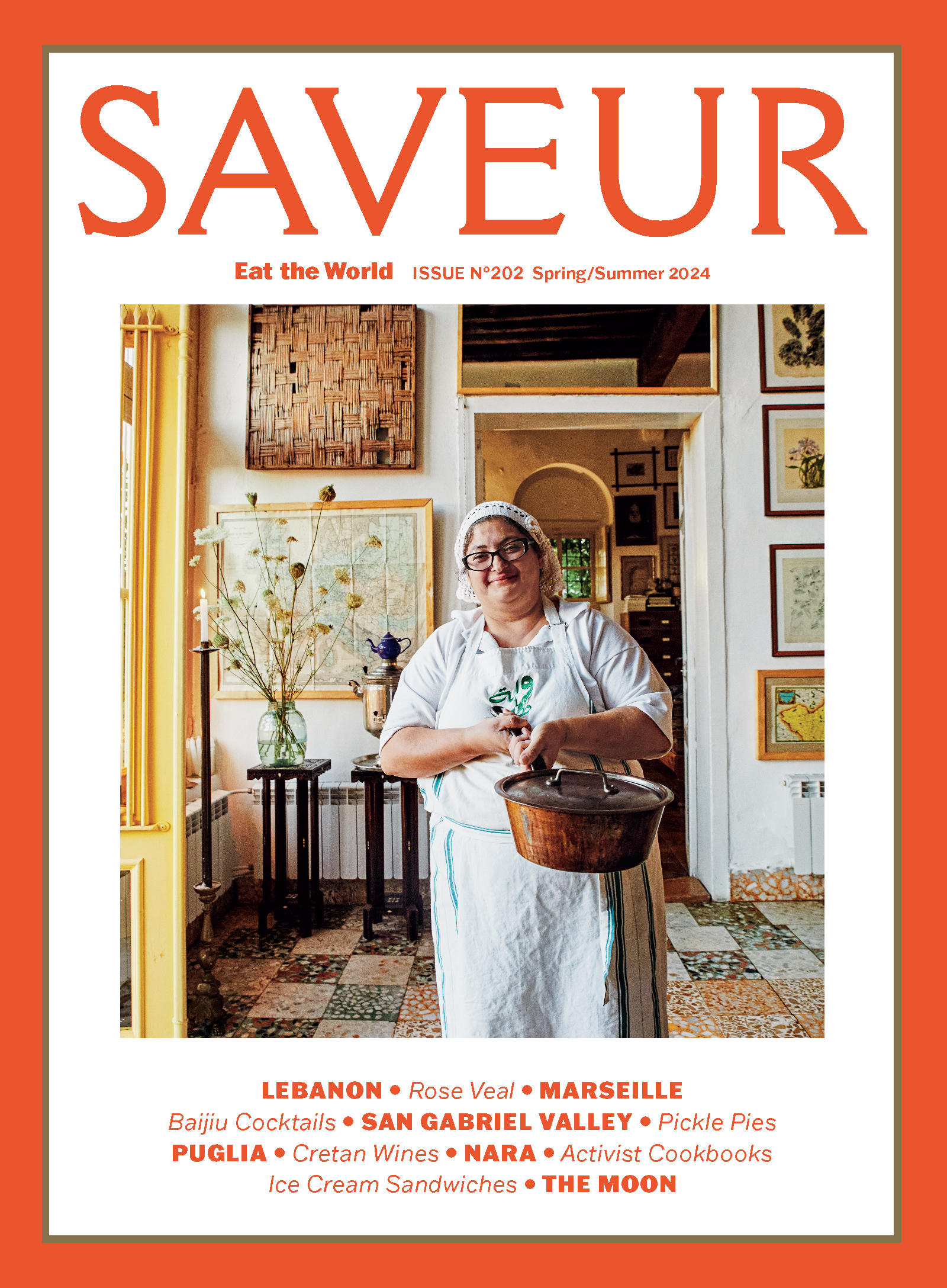
Having said that, there were also two re-launches that were very well done, both in terms of content and design: SAVEUR and SpinSAVEUR with its tag line, “Eat the World,” is back. “ It’s been four years since, remotely and in masks, we printed our last issue,” wrote EIC and CEO Kat Craddock in the return to print issue. She added, “But while corporate boardrooms posit print is dead, SAVEUR is one of a growing number of publications that have decided to prove them wrong.”

SPIN, “Well, it’s been a while,” writes editor Bob Guccione, Jr. in the relaunch issue, “A while since SPIN last printed an issue (12 years) and it’s then owner – I had no idea who that was, this magazine, like a haunted house, has changed hands a lot…”  He added, “Then along came Jimmy Hutcheson and his Next Management Partners and they bought SPIN from its last owner, and set about revitalizing it…”  This SPIN, writes Bob, is “the Phoeix-like rise from long cold magazine ashes.”

I started this blog by saying the quality was up and the aforementioned magazines are a testament for this. 

Two other re-launches are worthy of note: Flow and Nylon.  The Dutch import, FlowThe Magazine That Takes Its Time. Celebrating A Conscious, Slow And Creative Life,” is back on the newsstands.  Nylon celebrated its 25th Anniversary by returning to print. “ I like to think of this 25th anniversary issue, our triumphant return to print…” ,” writes editor-in-chief Lauren McCarthy.

As long as there are new magazines launched and relaunched, regardless of the numbers, print is alive and well… Here’s to a healthy and wealthy print 2025.  Cheers.

Samir “Mr. Magazine™” Husni, Ph.D.

P.S.:  Thinking of launching or relaunching a magazine?  Be sure to send me a copy to include the crop of 2025.  Samir “Mr. Magazine™” Husni, 776 Shady Oaks Circle, Oxford, MS 38655.  Thank you.

h1

Spacely: A New Platform To Help Sustain Print & Out-of-Home Media.  The Mr. Magazine™ Interview With Founder and CEO David Coker and Co-Founder and COO Beth Mach.

December 11, 2024

What if there were a platform that lets you buy an advertising page in a magazine as easily as buying an airline ticket? Well, there is an answer in one word: Spacely.

You will ask, what is Spacely? In the words of its founder and CEO, David Coker,“Spacely is a two-sided market for offline media. It was born from the idea that it should not be any more difficult to buy a page in a magazine or even a billboard ad than buying an airline ticket.”

David shared the idea of Spacely with me almost a year ago and I fell in love with the idea that someone planned to create a digital platform to help magazines and billboards find, access, and place advertising pages in the magazines and on the billboards.  I loved the platform so much that when David asked me to join the advisory board of Spacely I did not hesitate to say yes.

Spacely is still in its infancy but has grown in a way that even surprised its founder. “We thought we’d launch with 20 or 30 publications and grow it from there,” David told me in a recent interview,  “but now we’re at over 600 media partners in more than 40 countries.”

I took the opportunity to chat with David and his COO, Beth Mach, to learn more about Spacely and provide my audience with an in-depth look at a platform that is created to help them sustain their business in these difficult times.

So, please enjoy my interview with David Coker, Founder and CEO, and Beth Mach, COO, of Spacely.  But first the soundbites:

On what is Spacely: “Spacely is a two-sided market for offline media. It was born from the idea that it should not be any more difficult to buy a page in a magazine or even a billboard ad than buying an airline ticket.”

On why creating a platform to help print in a digital age: “We could see that the print industry was an underserved market. A lot of innovation was happening on the digital side.”

On the ease to use Spacely: “The platform is built is also very intuitive and familiar in the way that somebody would buy toothpaste or clothes or an airline ticket.”

On how Spacely works: “As Spacely is a tool for print and out-of-home, there are different mechanisms for making this possible for both. The ultimate goal is to make it transactable to the extent that it can be.”

On the early reaction to Spacely: “Early reaction is a lot of excitement. People are very excited for the opportunity to have their content discovered — easily discovered — and to be able to connect directly with media buyers.”

On the most important factor in Spacely’s platform: “We know that this industry is built on relationships, and this is truly to help encourage deeper, more valuable relationships.”

On the goals of Spacely: “We would be remiss if we didn’t say that Spacely helps everybody achieve a positive upside, whether it’s efficiency or sales, as well as create a really positive environment between both the seller and the buyer.”

On challenges facing Spacely: “Our challenge is how much do we get done in a short period of time to be truly viable and to be the product we envision for our customers and for our clients and users.”

On the role they envision Spacely plays: “Spacely certainly gives us an opportunity to play a role in the positive growth and resurgence of the print environment and print industry.”

On whether Spacely is selling content or space?: “Honestly, Spacely is not selling anything. We’re helping your sales team to do the selling. And sometimes there are advertisers who want as much space as they can get, and sometimes there are advertisers who want to be next to certain content.”

On how is Spacely different than other platforms: “Digital has become easy to buy, even programmatically bought in many cases. We’re careful to point out that Spacely is not programmatic, but our platform lends itself very nicely to other offline media.”

And now for the lightly edited interview with David Coker, founder and CEO, and Beth Mach, COO of Spacely:

Samir Husni: Tell me, what is Spacely?

David Coker: That’s the best question to start off with. Spacely is a two-sided market for offline media. It was born from the idea that it should not be any more difficult to buy a page in a magazine or even a billboard ad than buying an airline ticket.

Samir Husni: We live in a digital age. Why are you trying to help print?

David Coker: Number one, we believe in the value of print media, and beyond that, we believe in the value of the talents of print journalists and the necessity to continue to sell local and personal stories in print media.

We could see that the print industry was an underserved market. A lot of innovation was happening on the digital side. There are hundreds of DSPs and SSPs, and different tools for selling digital media. But those tools really had not been created yet for helping print media to be able to be sold as easily as digital media is to be sold and bought. So, it appeared to be a white space.

Candidly, I thought this was already being done. I thought, Surely this has been done, it’s been tried, and someone else is perfecting it right now. When I was at the BBC, I went to Beth and said, “Hey, does this thing exist already?”

Beth Mach: I was like, “Nope, it doesn’t. And it needs to.”

I will say, too, that bringing digital to both print and out-of-home — but in this discussion today for print — this is how people buy everything online. There shouldn’t be any reason why you couldn’t also in our industry buy these two channels online. It’s very familiar.

And the way the platform is built is also very intuitive and familiar in the way that somebody would buy toothpaste or clothes or an airline ticket, like David said.

Samir Husni: Can you briefly explain how it works?

David Coker: As Spacely is a tool for print and out-of-home, there are different mechanisms for making this possible for both. The ultimate goal is to make it transactable to the extent that it can be.

We connect directly into a publisher’s layout via proprietary technology, pulling through the issue architecture, so partners are able to see what positions are available, what positions are taken, and what the adjacent content is. So, if an advertiser wants to be next to an article on a summer concert series, or if they want to specifically find people who are writing about Harry Styles or Rihanna, they would simply search for that content on our platform and see what is upcoming. 

It is not historically, “Who does typically write about pop culture,” “Who does typically write about female fashion,” but, “Who is going to be writing about New York Fashion Week in the winter,” “Who is going to be writing about a new art exhibit opening in May,” “Who is going to be writing about Harry Styles’ new album,” and knowing where that content is going to be within the magazine and being able to advertise within the proximity to it that they want to be.

Samir Husni: So, you’re working with the publishers and the advertisers?

David Coker: Yes. As a two-sided market, we’ve actively over the past year or so been recruiting partners on both the supply and the demand side.

On the demand side, we’re fortunate to have a number of early partners who we’re already working with and transacting with as the site continues to move through our launch phase.

On the supply side, we thought we’d launch with 20 or 30 publications and grow it from there. But now we’re at over 600 media partners in more than 40 countries. Some of these are really well-known titles like Nat Geo, Fortune magazine, Rolling Stone, and other major national titles.

But then, a lot of them are regional, local, and niche titles like San Diego Magazine, Hour Detroit, Cherry Bombe, and all the Edible titles. We’ve been fortunate to have had a ton of traction with our partners.

Samir Husni: How is the reception from the publishers? Are they happy with what they are getting? What’s the early reaction?

David Coker: Early reaction is a lot of excitement. People are very excited for the opportunity to have their content discovered — easily discovered — and to be able to connect directly with media buyers.

Right now, it’s often a challenge to get in front of the right media buyer at the right time. Spacely eliminates a lot of the friction points, allows you to easily be discovered, and allows your sales team to cover more ground than they would have otherwise.

We often say that the Spacely platform makes a team of five perform like a team of 15. What our platform is meant to do is create a virtuous cycle between the publishers and the buyers. So, the more the publishers use the platform, the more valuable it becomes to the buyers, and vice versa.

What our platform cannot do is make a team of zero perform like a team of five. We’re very careful to say that this is not a programmatic solution. This is not something you flip on the switch and flip off your day-to-day relationships.

The platform is meant to give your team more time for the relationships, so they spend less time doing manual work, less time doing data entry, automating the tasks that can be automated, allowing them to do higher-value work, managing relationships, and presenting high-value, high-concept ideas for proposals.

Beth Mach: The big thing that David hit on is about the relationships. We know that this industry is built on those relationships, and this is truly to help encourage deeper, more valuable relationships. And at the end of the day, people want to move a bit faster, and people want to make a little bit more money all while feeling like they are connected with people they trust.

We would be remiss if we didn’t say that Spacely helps everybody achieve a positive upside, whether it’s efficiency or sales, as well as create a really positive environment between both the seller and the buyer.

Samir Husni: What’s in it for Spacely?

David Coker: A couple things. Obviously, there is a massive financial upside and obtainable market here. Our business model is transactional, kind of like Airbnb. 

There’s a small transaction fee on both sides — the supply side and the demand side — but it’s not an overstatement to say that we certainly have a goal of enabling and creating sustainable business models for local, regional, and niche publications. We think that’s important.

We believe that the erosion of local journalism imperils our overall national discourse, so supporting local journalism — making local journalism a sustainable business model — was very much at the core of our intentions.

Beth Mach: I will also say, we would be remiss, again, if we didn’t mention that we want to build something that helps create an environment of economic stability for the print side, but we’re also not a charity. We do want to make sure we’re creating a positive upside for everyone involved.

Yes, there is an exit plan at some point, but we’ll know what that looks like over the course of time. We’re here to drive positive economic growth for the print industry.

Samir Husni: Are you working with media agencies, ad agencies, or you’re working directly with advertisers?

David Coker: Primarily with the ad agencies. We do have some relationships with advertisers directly. Mostly those have been advisory relationships. We have an advisory relationship with LVMH. We have an advisory relationship with Marriott International, as well as L’Oréal.

Then, we have a handful of other brands that we have friendly relationships with, and they don’t have agencies. So, we’re happy to work with either, but the agencies are really a key part of our overall focus. We want to help the agencies be efficient in their media buys, have transparency in their media buys, and be able to service their clients.

Beth Mach: We also found a new cohort of agencies, meaning digital agencies who don’t have this capability in-house.

There are a lot of advertisers who want the capability of a really smart digital-first agency, but also have print and out-of-home needs, and don’t want to have to go to multiple agencies to be able to do this work.

We’ve found that there’s a bit of a niche of some of the digital agencies coming to us, where they are now with their current business, and with Spacely’s help, have the capability to go in market for existing clients as well as win new business.

Samir Husni: Since the inception of the concept of Spacely and then the actual platform itself, has it been a walk in a rose garden, or have you had some challenges?

David Coker: Like any start-up, there are challenges.

I come from a start-up background, so I’m not unfamiliar with the high highs and the low lows, which is a pretty common story across the founders Beth and I speak with all the time. I tell people, every week is a net positive, and we’re really blessed to have a product that has had such really incredible traction.

I can say in modesty, it’s rare that we hear someone say, “No, this isn’t for us.” It just simply doesn’t happen. Are there things to figure out? Certainly, but almost uniformly, people are excited to use our platform.

People see the promise of Spacely, and we move pretty quickly to an agreement. But candidly, every week is five steps forward and three steps back. We just don’t know from one week to the next what the next challenge is going to be.

Beth Mach: We have a really incredible team, honestly, and that’s been crucial to being able to navigate any challenges.

Every morning, we get together with the leadership team, which I call the Core Four, and our dev team. We debate internally. We debate with the dev team and our business analysts about what should be done, how it should be done. We ask for outside counsel from folks who are in our cohort.

There are challenges. Timing is a challenge. Investment is a challenge. But like David said, we’ve had such a great response. I don’t think we can move fast enough. Our challenge is how much do we get done in a short period of time to be truly viable and to be the product we envision for our customers and for our clients and users.

Samir Husni: What would you consider the major stumbling block, if there is any?

Beth Mach: Money, money, money. Yeah. We’re largely bootstrapped.

David Coker: We’ve been fortunate to raise a nice round among our friends and family, and right now, we’re in the middle of an angel raise, and that’s tricky. A lot of VCs we speak to like us, but we’re too early on in our traction to have a case for VCs to fit their theses.

Almost always, we end up going back to angel investors, who, for us, are former agency leadership, former global publishing house leadership, and people who are within out-of-home currently.

Continuing to raise, finding the right people, finding the right timing, all in the right balance — that’s been a challenge.

I would also say, there’s not just one major stumbling block. It’s a two-sided market. The phrase herding cats gets overused, but what we’ve created is an extremely complicated piece of software. It would not make sense for any one publisher to build it for themselves. It would hardly make sense for one global publishing house to build it for only their titles.

We often compare our platform to Kayak, like the travel booking engine. While it certainly makes sense for Delta Airlines to have its own booking engine on its own site, there’s still need for a third party that sees across the market. We’re that third party that gives macro-market data across the industry, both print and out-of-home.

Our ambitions, let’s say, are grand. Our vision for the product is robust. Getting there, I think our Spacely:Transact product is far more advanced than what we even expected an MVP would be.

We’re very happy with the work. We’re constantly surprised every day at the level of complexity that we can achieve and that we can solve for. That’s quite frankly essential.

Samir Husni: Does it make a difference — working with a large company, large magazine publisher, or an individual local niche magazine?

David Coker: To an extent, it does. I think both have different wants out of Spacely, and we’re able to accommodate both.

A large publisher has existing relationships and they want to maintain those relationships; they want to make the process of working with them efficient, and they want to support their print products.

The local companies, sometimes their print product is their main source of revenue and they want to find incremental revenue. They want to be able to be discovered by Pepsi or Chevrolet, which would normally have a lot of trouble even finding out that they existed, let alone that the content they’re writing is the perfect content for the upcoming Chevrolet campaign. Discoverability is a major factor for the local publishers.

The national publishers, I don’t think they feel like they have to be discovered. To an extent, they do though, because a sales team can only make so many calls and have so much reach, but they don’t feel like that discoverability is a major problem for them. Efficiency is what they are constantly striving for.

Beth, would you say that sounds right?

Beth Mach: Yes, and uniformity.

As David mentioned earlier, our platform gives a team of five the ability to work as a team of 15. You have to have process, you have to have some level of uniformity in the process, but then also in how people are trained.

Using our tool gives them the ability to do that without a ton of training, without a ton of preparation. They can start using Spacely almost immediately.

Samir Husni: So, are you in the business of selling content or filling space?

David Coker: What an interesting way to phrase that question. I would actually say both.

I say that because everybody’s approaching this — each advertiser and each seller is approaching this a little bit differently. If we said we were selling only space, we would be overlooking the benefit of what print brings to a reader.

We would also not be looking at a business in a way that content creates more readership, that it attracts more advertisers, and again, creates that goodwill and the opportunity for us to help stabilize an industry.

Again, I say “help” — it’s not that we’re coming to save the day, but Spacely certainly gives us an opportunity to play a role in the positive growth and resurgence of the print environment and print industry. I would say, the number one bit of feedback we get is, “Why doesn’t this exist already?” We get it from the demand side; we get it from the supply side.

Beth Mach: You asked, “Are we selling content or space?”

Honestly, Spacely is not selling anything. We’re helping your sales team to do the selling. And sometimes there are advertisers who want as much space as they can get, and sometimes there are advertisers who want to be next to certain content.

I think we’re all surprised that a solution that seems as simple and intuitive as what we’re creating has not really existed yet in the way that we’ve built it out.

Samir Husni: Before I ask you my typical personal questions, is there any question that I failed to ask you or anything you would like to add?

David Coker: We touched briefly on out-of-home as part of our business. We often refer to Spacely as the Kayak for offline media — offline being print and out-of-home media. But there are other products on our road map, products that are shown to be necessary by our conversations and discovery with our agency partners — anything that’s necessarily not digital.

Digital has become easy to buy, even programmatically bought in many cases. We’re careful to point out that Spacely is not programmatic, but our platform lends itself very nicely to other offline media, and you’ll see some of that coming to the fore in the not-too-distant future.

One other thing I always like to touch on is this, it’s important to know that while we have products, Spacely is a machine-learning platform. Our system works 24-7, understanding the demand-side patterns and supply-side behavior of our users.

Some of our products include inventory management products, as well as the transaction product, Spacely:Transact itself. But I always consider — and I think Beth would agree — that our number one product is our culture. It’s the culture of our team, and how we work with each other, and how we work with our partners that we’re proudest of.

We really rely on two core values, and those are curiosity and kindness. And valuing disagreement is a key part of our everyday process. So, I always like to call out that who we are as a company is very much a product of wonderful people, and not just the products that we’re creating.

Beth Mach: Well said. Thank you.

Samir Husni: So, Beth, tell me, if I come uninvited one evening to your home, what do I catch you doing? Reading a book, watching TV, cooking?

Beth Mach: My husband is the chef of the house, and I am a great sous-chef. So, a little bit of cooking, but lots of conversation and hanging out with my husband.

We don’t see each other all that much, because we both travel quite a bit. So, an evening of cooking and drinking a nice bottle of wine is always welcome. And we always welcome strangers and friends to our homes for dinner. It’s a lot of fun. It’s kind of a bit of our love language here.

Samir Husni: And David?

David Coker: So, any night of the week, you’ll definitely find me working late.

If you walked in, you’d see me lounging with my cats, playing chess, and answering emails. My wife will have something on the TV. She’s an entertainment writer and editor, so she’ll have two or three different things on various screens and a movie playing on the main TV here.

So, cats, chess, and cranking out correspondence almost with 100% certainty. That’s my routine.

Samir Husni: Beth, what keeps you up at night these days?

Beth Mach: Well, I would actually like to reframe that a little bit. I like to talk about what gets me up in the morning.

I think what energizes me — and we talked about it a little bit — no two days are the same in start-up land, right? You’re faced with something different every day. That is very exciting to me.

And I know this sounds a little Pollyanna, but figuring out how to make the world of advertising exciting and enjoyable, and figuring out ways to create more space and time and deep opportunities to think beyond what’s in front of you — Spacely gives me that opportunity. I just look forward to it.

I’m also part of some other start-ups and roundtables, and getting energy from each one of those and applying it in ways that make the world a little bit more enjoyable is super fun to me.

Samir Husni: And David?

David Coker: Caffeine, full stop. That’s what keeps me up at night.

Samir Husni: Thank you.

h1

Flow Magazine: A Dutch Favorite Returns To The United States.  The Mr. Magazine™ interview with Irene Smit, Co-Founder and Creative Director.

November 17, 2024

Flow, the magazine that was born in an attic in the Netherlands in 2008, gained the world’s attention for its beauty, elegance, and giving its audience a time for themselves in a very slow but conscience and creative presentation. 

What can easily be described as a magnet to paper lovers, returns to the shores of the United States and another 20 English speaking countries after suspending publication in English following COVID 19 in 2020.

The articles in the magazine, the photography, and the illustrations are all printed on paper that corresponds to the nature of the article or illustration.  The genius idea of Irene Smit, the cofounder and creative director of Flow, with business partner Astrid van der Hulst, cofounder and former editor in chief of the magazine.

When the magazine arrived on the newsstands in the Netherlands, the skeptics who doubted a “me time magazine,” will survive were stunned by the sales numbers.  Flow continued to grow in the Netherlands and beyond.  Now in four languages(Dutch, German, French and English) and multiple international editions, the magazine is back on the United States newsstands.

I had the pleasure of chatting with Irene Smit, the cofounder and creative director of Flow via Zoom in her office in the Netherlands.  What follows is the lightly edited interview with Irene Smit, but first the soundbites:

On the elevator pitch of Flow: “Flow is about slowing down and living a conscious life.”

On the challenges that forced the suspension of Flow in 2020: “The challenges brought by COVID-19 proved insurmountable. Skyrocketing paper prices and exorbitant distribution costs, combined with widespread shop closures worldwide, made continuing the magazine untenable.”

On the timing of the return of the English edition of Flow: “Last year, Flow Magazine was sold to another publishing house, Roularta Media. They were enthusiastic about restarting the international edition, which was exciting for us.”

On the feedback during Flow’s suspension: “What’s truly heartwarming is that even during the years we were away, we continued to receive letters and messages on platforms like Instagram and Facebook.”

On Flow’s target audience: “In a time of increasing polarization, many found comfort in Flow’s community—people who cherish crafting, paper, and positivity.”

On the genesis of the Flow idea: “People were growing tired of the “more, better, quicker” mentality. Instead, they seemed to crave a simpler, more authentic way of life.”

On the power of print in a digital age: “After years dominated by digital devices like iPhones and iPads, people are rediscovering the value of paper. It resonates particularly with Gen Z and millennials, who are increasingly seeking ways to step away from their screens.”

On Flow’s mission: “Flow has always been about: nurturing your mind through creativity and incorporating positive psychology into everyday life.”

And now for the lightly edited conversation with Irene Smit, cofounder and creative director of Flow magazine:

Irene Smit

Samir Husni:  What’s the elevator pitch of Flow? 

Irene Smit: Flow is about slowing down and living a conscious life.

When we started Flow (myself and business partner Astrid van der Hulst) in 2008 magazines weren’t about those topics. They were all about more, better, like what social media is now. We already knew what the world wanted before the world wanted it, a place to slow down and to live a conscious life, and that’s what we still offer in the magazine.

Samir Husni: You publish several international editions. You have one in France, you have one in Germany, and you brought an edition to the States.  Because of COVID, you had to suspend the International edition. Now you are bringing it back. Why now? And what are some of the reasons for this relaunch? 

Irene Smit: Shortly after launching the Dutch version, we began receiving numerous letters from people who had come across it at the airport. They all praised the magazine, saying it looked stunning and had a unique tactile appeal due to the variety of papers used. However, many added, “We don’t really understand what it’s about.” This feedback prompted us to create an English-language edition in the Netherlands.

At its peak in 2020, just before the onset of COVID-19, the magazine was published and distributed in 34 countries. We had licensed German and French editions, while the English edition was produced in-house. This version was developed in the Netherlands with support from English-speaking translators and editors.

However, the challenges brought by COVID-19 proved insurmountable. Skyrocketing paper prices and exorbitant distribution costs, combined with widespread shop closures worldwide, made continuing the magazine untenable. A new publishing company had just acquired us and we decided to stop producing the English issue, and unfortunately weren’t able to start it up again.

But last year, Flow Magazine was sold to another publishing house, Roularta Media. They were enthusiastic about restarting the international edition, which was exciting for us. This summer, we finally made it happen. The magazine will now be published twice a year and distributed across 20 countries. This allows us to gradually grow and adapt to modern distribution methods.

What’s truly heartwarming is that even during the years we were away, we continued to receive letters and messages on platforms like Instagram and Facebook. Our Facebook group for Paper Lovers has been especially active. Fans would often ask, “Can you please bring back the English edition? You’re my paper inspiration, my ‘Paper porn.’ I miss you so much!” Some even joked about learning Dutch or French just to stay connected with us. Whenever we posted updates, our many international followers would respond, urging us to return to the U.S., New Zealand, or Australia.

Last year, more and more people were expressing that the world truly needs Flow. They emphasized the importance of spreading a positive message of hope and offering ways to care for ourselves in this fast-paced, often overwhelming world. Flow Magazine has always been about fostering a sense of community, bringing people together, and celebrating creativity. In a time of increasing polarization, many found comfort in Flow’s community—people who cherish crafting, paper, and positivity.

With so many asking for Flow’s return, we realized that now is the perfect time to bring it back.

Samir Husni: If you can go back to 2008, tell me a little bit about how you and your business partner came up with the idea and how did you start this magazine? My understanding that you were in your attic? 

Irene Smit: Yes, we were. We were both working for Marie Claire, a glossy magazine that was part of Sanoma Publishers.

One day, we were on the attic when Anita Mooiweer, the new business manager of Sanoma, mentioned, “We feel there’s a need for a different kind of magazine, but we’re not sure what. Could you help us think of a new concept?” Inspired, Astrid and I gathered a variety of paper goodies—things we loved, like stationery and notebooks—from children’s bookstores and sat down to brainstorm.

Both of us shared a deep love for paper. After years of working on glossy magazines, we felt that by 2008—just before the economic crisis—society was shifting. People were growing tired of the “more, better, quicker” mentality. Instead, they seemed to crave a simpler, more authentic way of life.

We noticed that people no longer yearned for more designer clothes or extravagant vacations. Instead, they valued meaningful gestures, for example, like a homemade apple pie from a friend. Those personal, heartfelt moments held more worth than expensive luxuries. Inspired by this, we set out to create a magazine that we would want to read ourselves—something entirely different from what was already available.

At the time, we had just completed a mindfulness-based stress reduction course. It taught us profound life lessons: letting go of perfectionism, accepting ourselves, cultivating a beginner’s mind, and appreciating the little things in life. We realized our magazine should reflect these principles. It should celebrate life’s small joys and offer guidance on navigating lessons that traditional schooling never taught us.

We wanted to learn and share these life lessons with others. That idea became the heart of our magazine. It combined everything we loved—poems, stories about inspiring women, history, and articles that helped us better understand the world and ourselves better.

Samir Husni: And you decided to use a variety of paper in the magazine. It was not one paper stock. The magazine is known for the variety of paper from tissue paper to glossy paper?

Irene Smit:  Yes.

Samir Husni: Why do you think this was the choice and what’s the power of print today in this digital age? 

Irene Smit: We decided to use a variety of papers because paper is so much more than just a medium for printing text. The tactile feel, the scent—it evokes emotions and can transport you to a different state of mind. For instance, when presenting an article filled with images, glossy paper is ideal. Its shiny, eye-catching quality adds a sense of indulgence, almost like visual candy.

On the other hand, if the article is about confronting personal challenges or pitfalls, a rougher paper feels more appropriate. The texture itself mirrors the subject matter—it’s a bit raw, a bit tough—adding a layer of depth that complements the article’s tone and content.

Today, paper has re-emerged as a luxury product. After years dominated by digital devices like iPhones and iPads, people are rediscovering the value of paper. It resonates particularly with Gen Z and millennials, who are increasingly seeking ways to step away from their screens. Many of them feel the need to reclaim their time and reduce their reliance on phones, often spending hours daily glued to their devices.

This reconnection with paper is beautiful. Younger generations, who grew up immersed in the digital world, are finding joy in treating themselves to offline moments. Whether it’s reading a magazine, journaling, or crafting a mood or vision board, they’re rediscovering the simple pleasures of print. It’s akin to the resurgence of vinyl records; just as people have fallen in love with playing records again, I believe the next step will be a revival of magazine reading.

Samir Husni: That’s good. So, tell me, was it more like a walk in a rose garden or you had some challenges you had to overcome? 

Irene Smit: We had a lot of challenges. I wish it was a walk in a rose garden.

In the beginning, it was almost amusing how few people believed in our potential for success. Critics scoffed, claiming we could only fill two or three issues with content. Many doubted it would work long-term.

Some even complained about the empty pages, saying they weren’t willing to pay for blank space. But we stayed true to our vision, deciding to do things our own way.

To our delight, the magazine sold exceptionally well. To all the skeptics, we simply said, “It’s fine to doubt us, but the numbers speak for themselves.” After the first decade of success, while many other magazines started to decline, we remained stable and even thrived.

We were thrilled to still be riding that wave of positivity. However, the past five or six years have been more challenging. The pandemic forced us to pause the English edition, and switching publishers twice added further complications. Creating this product is incredibly time-consuming, and downsizing our team has made the process even more demanding.

Despite these hurdles, we continue to pour our hearts into this magazine. We believe in crafting the best product possible, and we think our audience can feel that passion. This connection is why so many people are eager for its return.

It’s heartwarming to see such enthusiasm. In fact, the English edition seems to have gained an almost mythical status during its absence. People are eager to bring it back, and our Book for Paper Lovers has been equally beloved—it’s a magazine without articles, filled solely with beautiful paper.

We’ve collaborated with Workman Publishing in the U.S. to produce various projects, such as A Book That Takes Its Time, along with stationery and puzzles. Now, as we prepare for our return, Workman Publishing has expressed interest in new books featuring stickers and stationery.

It hasn’t been an easy journey, but we’re on the upswing. With the English edition back on newsstands, we’re hopeful it will be warmly received. Our message of comfort, compassion, and care for one another feels more relevant than ever. We believe this is the perfect moment for our comeback.

Samir Husni: When you launched the magazine, you were all alone. What was your feeling when you saw all those competitors sprouting like mushrooms on the newsstand worldwide? 

Irene Smit: Yes, it was challenging. I think in the Netherlands, the situation was manageable. However, in Germany, there were times when we faced competition from 10 or 15 rivals simultaneously. That was definitely frustrating.

Even so, I believe people can recognize when something is created with genuine passion and originality. We’ve always aimed to innovate and bring fresh ideas to the table. Over time, people continued to view Flow as the original, standing out with its unique products. I don’t think the imitations are as good as ours, and I believe people can sense that.

Samir Husni: Who’s your target audience? Whom are you trying to reach with Flow? 

Irene Smit: It’s funny, we always said we have a very broad audience, everybody that likes our topics is welcome.

These days, many young people are deeply interested in our topic. From the very beginning, Flow has been about mental health, although we didn’t use that term back in 2008. At the time, nobody really talked about mental health. Instead, we focused on mindfulness and caring for your mind.

It wasn’t until after COVID that mental health became a common topic of conversation. That’s when I realized—this is what Flow has always been about: nurturing your mind through creativity and incorporating positive psychology into everyday life.

Now, many young readers turn to Flow specifically for its mental health articles. At the same time, we continue to have a large audience of readers in their 50s and 60s, making it a truly broad and diverse community.

Samir Husni: That’s good. So what’s your motto now? Is it like “Go with the Flow?” 

Irene Smit: Yes, it’s still “Go with the Flow”. We just keep going with the Flow.

We try to sense what people want to read, what they want to hear, and how we can help them in life. Every day feels different, as the world changes so quickly.

We aim to keep up with all these changes, but we go with the flow, embracing the opportunities that come our way—like restarting the English edition. I think that approach works best for Flow.

Samir Husni: Before I ask you my last two typical questions, is there any question I failed to ask you that I should ask you or anything you would like to add? 

Irene Smit: You should have asked, “Where is Astrid?” She left. She’s now a primary school teacher. It was very sad because we started this together.

We’re still both parents of Flow, but she’s found something else that suits her life better. She loves teaching and doesn’t want the pressure of all these deadlines anymore. Now, she has found the right balance—she’s a teacher, but still writes articles for the magazine.

I’m happy she’s still involved with Flow.

Samir Husni: If I would come uninvited one evening to your house, what would I catch Irene doing, reading a book, watching TV, having a glass of wine, cooking?

Irene Smit:  I’m always striving to improve my life, just like everyone who reads this magazine.

Recently, I started the course The Artist’s Way by Julia Cameron, and as part of that, I’ve been making an effort to spend less time on my phone. Last night, I worked on creating a vision board.

I cut out images from old Flow magazines—both the German and French editions—because it’s difficult for me to cut out from the Dutch edition. I still find that challenging. So, I used illustrations from the French and German versions to create a vision board focused on my future—on what I want to achieve and the experiences I’d like to have with Flow.

I continue to make an effort to stay connected with paper as much as possible, but sometimes, I admit, I get caught up in my phone or the television. Hopefully, you’ll find me engaged with paper when the moment is right.

Samir Husni: My typical final question, what keeps Irene up at night these days? 

Irene Smit: I am deeply committed to supporting young people with their mental health. It’s tough to see how much they struggle, and I always try to find ways to help. 

Whether through the magazine or collaborations like the one of Flow with the Museum of the Mind in Haarlem, the Netherlands, where we have a permanent Flow Slow Art Tour, I focus on providing programs that support their mental well-being.

Samir Husni:  Thank you.

h1

The Other Magazine:  The Latest Launch To Take You “High” Up The Hudson Valley & New York City: The Mr. Magazine™ Interview With Peter Shafran, Founder and Publisher.

November 11, 2024

The legacy of cannabis and the legacy of magazines collide to introduce The Other magazine: A magazine devoted to cannabis, its dispensaries, and the customers who partake in enjoying the plant that for years has been the forbidden fruit.  With more states legalizing cannabis for recreational use, magazines devoted to the once forbidden plant are sprouting across the nation. 

The Other is the latest entry into the cannabis consumer magazines serving the audience of the Hudson Valley in New York State and New York City.  Peter Shafran, the founder and witty publisher, has high (pun intended) hopes for The Other.  His wit is evident in the cover of the first issue.  Take a look at the cover and read what he had to see about it:

“So if you look closely at the mountains, you’ll see that they’re not really mountains. It’s all cannabis. And the bridge, the base of each of the bridges are bongs, or at least the big bridge in the back is.

And this is all based on a real photograph. The big bridge is the Bear Mountain Bridge, which goes over the Hudson River, but the two boats floating on there, one is just a pipe, and the other one is a pipe, it is a boat with a puff on it.

The small bridge in the front, which is the bridge that takes you over the Taconic State Parkway, all those little side things, those are all joints. So when I bring this into the dispensary and I tell people, you know, so do you like the mountains? And they’re like, oh yeah, I like the mountains. I was like, do you really like the mountains?”

I had the opportunity to interview Peter, and his strategic communications consultant, magazine veteran, Stu Zakim.  But first the soundbites:

On the name of the magazine: “The title of the magazine hearkens back to a newspaper that came out in 1968 called the East Village Other. It was one of the first underground countercultural newspapers in the country.”

More on the name of the magazine: “But the reason we chose that name is because we as cannabis consumers have always felt that we were on the outside, we’re the others.”

On the reasons the magazine is regional: “We felt that the regional way was the way to go, because especially in the cannabis industry, much of the industry is vertically aligned in terms of the growing, the processing, the distributing and the retail is all contained in New York.”

On why The Other is in print: “Well, tactile. It really is. In other words, cannabis has its legacy. So do print magazines. And I think there’s a marriage there.”

On the mission of the magazine: “The conversation has changed so that we’re focusing more on the lifestyle, the alternatives, the education, the normalization and destigmatization.”

On the status of the cannabis industry: “The cannabis industry is so much mainstream now that they’re providing a portion of the revenue to these towns and villages that they never saw before, or at least haven’t seen since manufacturing was here.”

On the future plans of the magazine: “I really have no desire to go into California, Colorado, Massachusetts, or any of those places. What I’m looking for is a place like New Jersey, which has two or three years of growth. There is no magazine in New Jersey that does what we do.”

On the role of The Other: “It’s a wonderful place to be in because we’re past what we used to call the wild, wild West. But now it is a functioning, growing economy, and we’re able to be there at the ground level and helping make it flourish.”

And now for the lightly edited interview with Peter Shafran, founder and publisher of The Other:

Samir Husni: Congratulations on the launch of The Other.

Peter Shafran: Thank you.

Samir Husni: Would you please give me the elevator pitch of The Other and tell me what’s the idea behind the name?

Peter Shafran: Oh, sure. The magazine is a countercultural lifestyle magazine for people in the Hudson Valley, in New York City, for people who enjoy cannabis and other lifestyle things like psychedelics and the whole lifestyle. The magazine is a consumer magazine.

Unlike most of the magazines that are out there in the community, which are B2B magazines, this is a lifestyle consumer magazine. Though there is a little bit of a space here for another business magazine. So we’re going to add some industry focus on there as well.

I live in the Hudson Valley, which is why we started here and I grew up here. The title of the magazine hearkens back to a newspaper that came out in 1968 called the East Village Other. It was one of the first underground countercultural newspapers in the country, which spurred on the development of other countercultural magazines in Berkeley and Chicago and a couple of other places.

That became the beginnings of the underground movement in the 60s. The people who wrote for the East Village Other were all the top minds and writers of the 1960s and the anti-war and revolutionary writers. So we hearken back to that to give them some props.

But the reason we chose that name is because we as cannabis consumers have always felt that we were on the outside, we’re the others. And even in terms of where we are today in the industry, probably not before a year or two ago was cannabis really discussed among real people, among my friends. I’ve been living in this village for 18 years and people did not discuss cannabis openly, definitely because of the stigma attached to it. We are all parents and we don’t want our kids to talk about it and stuff like that.

So it really has only been in the last couple of years where that openness, and of course, the legalization in New York and the opening up of cannabis dispensaries has changed the whole landscape. It has changed the conversation. We felt there was a vacuum here and we’re hoping to fill it.

Samir Husni: Why did you decide to fulfill that vacuum via ink on paper in this digital age?

Peter Shafran: Well, basically, because I’m insane. Nobody in their right mind would do this, but the reality is that the regional magazines and local magazines are actually flourishing. The national magazines, especially in fringe areas, have a hard time in attracting advertisers and attracting money. We felt that the regional way was the way to go, because especially in the cannabis industry, much of the industry is vertically aligned in terms of the growing, the processing, the distributing and the retail is all contained in New York.

The New York focus was really helping us to find that we want to make a regional magazine. But the eventual goal that “if we can make it here, we can make it anywhere,” to quote Frank Sinatra.

Samir Husni: Besides the fact that regional magazines are doing well, what do you think is the power of print in this digital age? What do you offer your readers, your customers?

Peter Shafran: (Holding the magazine in both hands) Well, tactile. It really is.

The response has been unbelievable. I’ve been driving around to dispensaries within a half hour, 45 minute radius. The magazine’s been out a week.

Every place I go, I wear my shirt or I wear my hat (with the magazine name on them). I walk into the dispensary and one of the workers in the dispensary says, I know that logo. Where did I see it before? Is this where you saw it? And every single bud tender, every single person in the dispensary is like, wow, this is really cool.

Why hasn’t somebody done this before? We’re seeing that from across the spectrum, from the readers to everybody we’ve seen. We went to, Stu and I, and a couple of members of the team went to Reveille Buyers Club a couple of weeks ago when we started talking about the magazine. The magazine hadn’t even been out yet, and the buzz around it was huge because nobody else is doing it.

Stu: There’s another cannabis title out here, but it’s newsprint. Unlike Peter’s point of a tactile and the beauty.  A slick, glossy, four-color publication in an era where, to your earlier point, things living digitally is amazing, number one.

It’s an emotional attachment, which I think we all have. The newsprint book has never taken off. You know, it’s not well designed.

It looks like a high school project.  When people see The Other at the retailers, at the point of sale, where they pay for the products, curiosity will definitely attract them. They’ll see this gorgeous cover, which in itself has a little gimmick built into it.

Peter, I don’t know if you’ve explained that or not. And, you know, the demographics of the cannabis consumer are me and Peter. And, you know, not that we’re old men, but we grew up in the, we grew up with magazines and the role they played in all of our lives was very central.

So it’s, in other words, cannabis has its legacy. So do print magazines. And I think there’s a marriage there. That’s one thing that’s going to work to their advantage.

But the reality is that community with a big C is really what we are looking forward to becoming the community focus for this region.

Samir Husni: How is The Other different than the cannabis magazines of the 70s and 80s, such as High Times, Inside Dope, The Weed Journal and all these titles that were published before it became legal?

Peter Shafran: Very easy answer. Before we didn’t have dispensaries. So the curiosity, ooh, let’s see what cannabis looks like.

And you’ve got these beautiful pictures, now we call it cannabis, but the whole industry has become such that the curiosity to see something in a magazine, first of all, you can see anything you want on the web. So you don’t need to see beautiful pictures of a bud. Now, of course we have, but I have buds in my background of my pictures, more of a joke than anything else.

The realization is that we have evolved from that point where we’re curious about what bud looks like, because you can walk into any dispensary and see exactly what bud looks like. The conversation has changed so that we’re focusing more on the lifestyle, the alternatives, the education, the normalization and destigmatization.

Also one of the things that New York has going for it that some other states don’t have, is a very strong social justice part of the industry where specifically it was designed to let mom and pops come into the dispensaries and to the growers and the processors and not the multi-states which are coming in, but the mom and pops have the stronghold.

They’re already in here. They’ve been nurtured and they’re growing and developing. So it’s a lot different than it was in the seventies.

Samir Husni: You mentioned in your magazine introduction that the Hudson Valley have changed from what used to be a pumpkin growing area to a cannabis growing area. What’s the reaction of the consumers? Has it been accepted now? Is it just a matter of fact?

Peter Shafran: Number one, New York has the highest use of cannabis than any other place in the world, in terms of per capita. Number two, growing up in the Hudson Valley, my father was a home builder. And the three things that they used to say are going to bring this area back is an international airport.

Well, we have that in Newburgh. High-speed rail, we don’t have it. Casino gambling, we don’t really have it. There’s one or two places around here, but all the things that they promised were going to happen to revitalize the economy in New York, never really happened in those terms.

What’s going on now in cannabis in New York is just incredible. Between the processes and the growers and everybody else that’s coming in here, the jobs and the local towns, the villages, the municipalities, the development corporations, they’re seeing real growth.

It’s not just the dispensaries. They’re employing 500 people at a facility when nobody else is putting these shovels in the ground to build processing plants, to build grow houses and things like that. So even the most right-wing conservative politicians and people who follow them are saying, well, wait a second, you’re building construction jobs, permanent jobs, money coming into the community, both in terms of sales and retail, but also in terms of taxes.

The cannabis industry is so much mainstream now that they’re providing a portion of the revenue to these towns and villages that they never saw before, or at least haven’t seen since manufacturing was here. But going back to the pumpkins and apples, there are still plenty of pumpkins and apples, but several of the smart people in agriculture, like the Hepworths, for example, realized that this is coming and had the foresight to say, let’s start growing. So people who were worried about surviving in the agricultural field now have a secondary and sometimes a primary source of income that is not related to pumpkins and apples.

There’s a company called Ayrloom, which started out as an apple grower, one of the most successful apple growers. And still is. They make delicious apple cider. Well, now they make really good apple cider with a little bit of a hint inside. And I’m a fan.

I happen to love their honey crisp apple cider, which is just absolutely delicious. But here’s a company who been growing apples for a hundred years, and all of a sudden grew into one of the major players in the region. So from the economic standpoint, it’s fantastic for the Hudson Valley. It’s fantastic for the state of New York.

Samir Husni: Do you envision seeing more of lifestyle advertisement or are you on purpose sticking to the advertisement from the cannabis industry?

Peter Shafran: No, we’re actually going about 50-50. That’s our focus now.

We’re hoping to do that in the next round of advertising. But we’re looking at our magazine as more of a lifestyle magazine rather than a cannabis magazine. And the difference is that we’re talking to advertisers and saying, we have a base of probably 250,000 readers geographically in this region.

And that’s not to mention New York City, but just 250,000 people who can read the magazine in the area. And guess what? They buy cars. And guess what? They buy cookies, and they buy candy, and they buy all kinds of things that they want to eat after they smoke.

So we’re approaching the snack companies, the insurance agencies. I mean, we are a niche lifestyle brand, but the numbers are just too hard to ignore.  

Stu Zakim : If you look at the other categories, Samir, for advertising, one of the biggest growth areas as an ancillary to the cannabis is cannabis tourism, where they’re taking people from the city or wherever.

They pay a lot of money to go on this tour bus. They come up. They check out the farm. They get to see the fields. And there’s hospitality. There’s hotels that are, since it is legal, welcoming this new population for them because it’s a new customer base.

And rather than having a chocolate on your pillow at night, you may have an infused chocolate on your pillow. And they can serve infused beverage. All this stuff is an offshoot of what Peter’s been talking about with the growth in the industry.

And the other categories, to his point, if we just restricted ourselves to dispensaries and farms, there won’t be any revenue. It’s these ancillary categories that are more normal to regular publications that are actually, as the consumer, it’s not cheap to be a cannabis consumer. So you have to have a lot of extra income, which is the same logic when Rolling Stone transitioned from their newsprint and they became a slick glossy, they went after cars and autos and fashion and beauty and other lifestyle categories who felt more comfortable living in a magazine that had that feel to it and also the kind of customer readership that they had.

Samir Husni: Peter, before I ask you my typical personal last questions, is there any question I failed to ask you or anything you would like to add?

Peter Shafran: Good question.

The growth model that we see here is, you know, in answer to one of your previous questions about why we go regional, I think that this model can be replicated in other areas. I’m not looking to become a national magazine. I’m looking to make The Other something that can be duplicated in certain areas, especially in new growth areas.

I really have no desire to go into California, Colorado, Massachusetts, or any of those places. What I’m looking for is a place like New Jersey, which has two or three years of growth. There is no magazine in New Jersey that does what we do.

There are very few places that do this kind of magazine, which is why I go back to the point of being insane. Maybe I shouldn’t be doing this, but the reality is the buzz around the magazine has been huge. And we’re just seeing fantastic replies and the growth in just in our Instagram page in the last couple of days has just been explosive.

Our model was providing free magazines and putting them in every single dispensary in our region. So we distributed 5,600 magazines in one week to dispensaries and ancillary places. And in one week, we’re already getting responses: We need more magazines.

In addition to being a magazine, we have realized that what we can become and what we’re really launching towards is becoming the backbone of a community. There are groups out there that have networking events and they have little things in here, but there is nothing here that is really containing in terms of the lifestyle and the advertising and the culture for this region.

What we’re finding is when we talked to a couple of dispensary owners in the last couple of weeks, and I floated the idea about starting a dispensary owners roundtable. Every single one that I spoke to said, I’m in, tell me when you want to do it. And last week, in bringing the magazine to different places, I said to the bud tenders, what do you think about having a bud tender event of the month? Like, yeah, you want to do it? If you’re going to be providing something free, we’ll all come.

But the reality is that community with a big C is really what we are looking forward to becoming the community focus for this region.

Samir Husni: Excellent. Well, my typical last two questions are if I come to visit you unannounced one evening, what do I catch Peter doing? Smoking a joint, drinking a glass of wine, watching TV, reading a book?

Peter Shafran: Well, so the easy answer is that I have become over the last year or two, more of a, maybe not a connoisseur, but I’m learning how to become a connoisseur.

But what I found is that prior to my involvement in the magazine, and prior to probably two years ago, I used to have a glass of wine with dinner every night. I haven’t opened up a bottle of wine unless company is coming for about six months, maybe more. I’ve had a sip of beer just to taste it in the last couple of months.

So one day I’ll roll a joint and smoke it. And the next day I’ll smoke out of a pipe or a bottle or I’ll do a gummy. The wonderful thing is that we live in a society right now where choice is unbelievable. It was whatever the guy had is what you got for 40 bucks. You got an ounce of whatever he had, whether it was terrible or not, it was what you got.

And now you go in for to any dispensary and you got two, three, 400,  a thousand skews of products and it’s dizzying. That’s one of the things that we can provide is that benefit to say, we’ll give you reviews. We’ll show you what’s out there.

It’s a wonderful place to be in because we’re past what we used to call the wild, wild West. But now it is a functioning, growing economy, and we’re able to be there at the ground level and helping make it flourish.

Samir Husni: My typical last question to you is what keeps Peter up at night these days?

Peter Shafran: Well, of course keeping the magazine funded. We wanted to get the business of the magazine up so that that could be our tent pole to be able to use in other areas. We have a newsletter coming out, an online presence, and the live events, which will provide streams of income to be able to fund everything together. But until that happens, it’s hard to go to sleep at night. But I just take a gummy and I’m fine.

Samir Husni: Thank you very much. I really appreciate your time.

StuZakim: But as a hardcore magazine person, you know, the, the role of this format has been diminished over time. And here, I think it takes courage in this rather tough market to break out a new title. To your point about the earlier titles of High Times and all that shit that’s another generation.

We’re in a new world now. And if not only educate people about it to help eradicate the stigma against cannabis, educate people about the beauty of the magazine format and why photography jumps off the page. I mean, look at that cover.

You’ll never see that in a newspaper where it catches your attention as you walk by and bringing this to a whole new group of people who haven’t really grown up with it the way we did. So, you know, whenever you get to it, it’s fine. I would appreciate the, the forum, the platform, and as you know, I’m, I’m just really thrilled that this conversation is taking place.

Samir Husni: Thank you

h1

There Is Nothing Basic About BASIC Magazine And The Woman Behind It: Viktorija Pashuta. The Mr. Magazine™ Interview.

October 10, 2024

Viktorija Pashuta, the founder, CEO,  and editor in chief of  BASIC magazine, left her home country, Latvia, with a little book that she started writing her ideas in it at age 11. Her dream was that one day she would create all the ideas in that book.  One of the ideas must have been BASIC magazine: an upscale magazine that is anything but basic.

Also an award-winning director and film maker, Viktorija Pashuta launched BASIC magazine seven years ago in Los Angeles as “a print platform for artists from all over the world to express themselves and give them the opportunity to share their artwork and their passions on the pages of the print magazine.”

I was so impressed by the quality of the magazine and the way it has progressed since its launch. Flipping through the pages of BASIC was like taking a first-class trip around the world, luscious photography accompanied by imaginative design and complemented by beautiful typography. It is a delight for both the eye and the brain.

A photographer by profession, Ms. Pashuta is also a writer who combines the art of audio-visual writing to her editorials that introduce every issue of the magazine.  She is a dreamer and she is more than willing to share her dreams with you. When I asked her what she would be doing if I stop by unannounced, she told me that, “sometimes you could catch me doing something weird like I imagine I’m a batman and I’ll go outside in the dark streets and just walk around at night and there would be someone who needs my help randomly.”

It was hard to separate her drive for life and adventure from her passion and zeal for BASIC magazine.  So, please join me with this wonderful conversation with Viktorija Pashuta, founder, CEO and editor in chief of BASIC magazine.  But first, the soundbites:

On why print: “I’m really proud that BASIC is actually in print, not in digital…It was really important to create a physical product, a magazine that has the presence in the physical world.”

On how to do print today: “The idea was to invest in the quality of the paper, invest in the quality of binding, invest in talent, create content that is timeless and you wouldn’t easily find online.”

On the challenges of creating a magazine: “If I knew then what I had to go through, I’d probably think twice if I should start a print magazine…it’s not enough just to have the funds. You also have to be extremely passionate about it and live with it.”

More on challenges of creating a magazine: “There were definitely challenges creating content that would resonate online and also would be relevant in print because these are two complete different platforms.”

On sources of revenue: “I created different avenues with the product placement that we utilize the smaller brands and provided them additional value by creating unique organic content for them within the pages of the magazine.

On appearing on the cover of the magazine: “That actually was very unplanned and I’m a person that would never put myself on a cover because I thought that’s sort of abusing your power.”

More on appearing on the cover of the magazine: “I thought if you use yourself as the main inspiration I think it will give inspiration for other people to believe in themselves and keep going with whatever ventures they enter.”

On finding the BASIC DNA: “We’re trying to shape our own voice which I think was the hardest thing and I think for any brand it’s really hard to stand out in the crowd so that’s kind of our goal been to find our DNA, to find BASIC  DNA and to really stick to it and be authentic.”

On her life’s philosophy: “The most talented people are very humble and they don’t really want to push themselves. The loudest people on social media are usually the least talented.”

More on her life’s philosophy: “I’m a hardcore fan of the cat woman, so I believe being behind the scenes and being that savior for those who cannot speak for themselves and elevate people. I would love to do more charity work. I would love to help more people.”

And now for the lightly edited conversation with Viktorija Pashuta, founder and editor in chief of BASIC magazine:

Samir Husni: As I told you in my email BASIC is anything but BASIC. Tell me the elevator pitch. What is BASIC magazine?

Viktorija Pashuta: Well, BASIC, first of all, it’s my passion project.

This is something I’ve been craving and wanted to do since I was in high school. And pretty much it’s a platform that provides opportunity for artists from all over the world to express themselves and to give them that opportunity to share their artwork and their passions on the pages of print magazine. And I’m really proud that BASIC is actually in print, not in digital.

So we take pride creating such a publication that became sort of a coffee table book and collectible edition. So yeah, like you said, absolutely right. BASIC is everything but BASIC.

Samir Husni: You wrote that while others are abandoning print and are going digital, and with the high increase of paper costs, mailing costs, you name it. Why is this print drive that you have?

Viktorija Pashuta: Well, I think I believe that nowadays there is such a high demand for interpersonal connections, for physical products, for physical touch, especially in our modern age of technology and of desensitization of the society, of people not being willing to connect in person or they really craving to have personal interpersonal experiences. So for me, it was really important to create a physical product, a magazine that has the presence in the physical world.

Besides that, I believe that the pages transcend the experiences that we go through creating the magazine. What’s really important is being on set, creating a community, working with passionate people with the same interests and sharing those passions with the world through the print publication. I’ve noticed that trend, especially being myself constantly on social media, that you have those two, three seconds to look at the post, like the post and you forget about it.

But the beauty about print publication, it’s something you look through, but then you put it in a shelf, you can get back to it later. You can look through it and you have this connection that digital can never substitute.

I always have a comparison. Would you like to have a digital kiss or a physical, actual kiss? And the same with print. We want that interpersonal connection. It’s very similar to the luxury sector where we want to have luxury products, luxury experiences, and the same with print.

The idea was to invest in the quality of the paper, invest in the quality of binding, invest in talent, create content that is timeless and you wouldn’t easily find online. So that was the goal. And for me, it was extremely important to create a physical product and have basic in print.

Samir Husni: It sounds like you have had in the last seven years since you launched BASIC, a walk in the old garden, or was there some challenges, there were some thorns across the road?

Viktorija Pashuta: Oh, absolutely. I mean, every step of the way, there was a challenge starting from the fact that when I was getting myself into print, I had zero knowledge in publishing, zero knowledge in printing, zero knowledge in logistics.

All I knew is photography since I started to be a fashion photographer and experience in writing since I was writing back in my country for another smaller magazine. That’s all I had. And then if I knew then what I had to go through, I’d probably think twice if I should start a print magazine.

I thought, oh my God, it’s so easy. I’m going to do it. But then once you start doing it and you realize how huge of an undertaking it is from looking for clients and advertisers, looking for cover stars, being on top of current affairs and finding the budgets for the productions and finding the right team, the passionate, loyal team that would have the same vision as you have or be willing to bring your vision to life.

So all of these things are very, very complex. Even people and companies with unlimited budget would consider having a print magazine quite an undertaking. So it’s not enough just to have the funds.

You also have to be extremely passionate about it and live with it. So I live BASIC. I live 24-7 with the publication, with the ideas, with the concepts, with the things we need to do with the project.

Definitely there were some challenges. There were challenges on many levels, on the production level, to really build the team, to have the right team to support me, to support the vision, to find the funds to run the publication since the magazine is fully self-funded. And I can talk a little bit more about that,  and different avenues, how we monetize the publication, how we keep it alive.

There were definitely challenges creating content that would resonate online and also would be relevant in print because these are two complete different platforms. And something that goes for print would necessarily go viral online and vice versa. If you take an influencer that has millions of followers online and put them in print, it’s going to completely contradict itself and not going to resonate with the audience who loves the fresh print, who loves to read something more meaningful and in-depth with the in-depth research.

Those are two different things were really hard to blend, but I managed to do it. I started it with the viral project, blending my photography and having a concept that resonated both online and in print. That concept was what if cars were supermodels.

I took different types of cars like a Tesla, a Toyota,  and a Ferrari. I imagined what they would look like if they were supermodels. So that concept went viral right away. We got so many, like almost billion impressions online and so many different magazines picked it up and translated to different languages. And for print, it also was a really good artistic series. So things like that are used to sort of be relevant in the digital time, but also print relevant, you know, in modern times.

Samir Husni:  How do you monetize BASIC?

Viktorija Pashuta: Very interesting question, because in my mind, the traditional advertising didn’t work. Something that worked maybe 10, 15 years ago when you have a full page of  a luxury brand, it wouldn’t work for BASIC because  we didn’t have the right numbers for the advertisers.

We didn’t have the right quantities in the beginning. We didn’t have enough celebrity power at the time. So in order to survive, we had to be creative. We had to be resourceful.  I created different avenues with the product placement that we utilize the smaller brands and provided them additional value by creating unique organic content for them within the pages of the magazine.

So we started to get that product and integrate the product within our editorials, within our articles, within the special projects that we were creating, at the same time, giving the brand so much more value than they would have gotten in a digital, I mean, in the traditional media, just having a one page ad, they would get traction, they would get word of mouth, they would get new original content that they in turn would use on their social media pages.

That was one of the things that we utilize is the product placement.
Secondly, we started to create specific targeted projects for brands that would increase the brand awareness and create content that will resonate with the image of the brand. So we take a suitcase company brand and we create a series of imagery that would support that brand.

For example, we work with a Taiwanese brand of suitcases called Desenio and their series were based on the Marvel Comic-Con heroes like Hulk and Captain America and Black Panther. We took those suitcases and I reimagined them as a female superheroes because traditionally in the Comic-Con world, all these characters were played by male characters. So I took a female Black Panther, I took a female Hulk, I took a female Captain America and then we utilized through fashion a series of works for them holding the suitcase in the photo shoot series that also became viral and we actually got the word of the ads of the world website for that campaign also printed and that both got viral digitally.

In addition, we diversified our revenue streams by utilizing additional activations that supported the magazine non-directly like organizing events, creating a production company that would create social media content for brands. We created a fashion showroom that represents fashion designers and provide press placements for those designers.

We had different revenue streams also connected to entertainment, fashion and content creation but non-directly they all were supporting BASIC magazine and all under the Basic Media Company umbrella and that really helped us to keep going and help us to succeed. That doesn’t mean we don’t want traditional advertising, we want it but at the same time that challenge pushed us to be more creative and find new non-traditional ways to monetize our operations.

Samir Husni: It sounds like more than a love affair with BASIC for you,  yet at the same time it’s one of the rare moments that I see the editor-in-chief herself on the cover of the magazine. Tell me about that.

Viktorija Pashuta: Yes, that actually was very unplanned and I’m a person that would never put myself on a cover because I thought that’s sort of abusing your power.  But for that specific issue it was very challenging to find a cover star.  It was the 20th issue of BASIC. The stars that were suggested to us from publicists didn’t really match my aesthetic or they didn’t really were in line with the grandeur of the matter because it was a 20th issue. I wanted to do something special, none of the stars really kind of match that idea .My sister suggested, “that since it’s our 20th issue why don’t you put yourself on a cover and have your team inside of the magazine.”

I said no.  I mean that would be too much. I would never really do that.  Why would I do this? She said well it makes sense because you  are the only photographer and the editor in chief. You are the visioner of the magazine that’s out there.  Even Anna Wintour editor in chief of Vogue didn’t invent Vogue but you did. So I thought maybe that is something interesting to explore and also with my own story I can inspire other people specifically other women because I do have a quite big female following that always admire my journey and admire my tenacity and they know how difficult it is so that was a testament to the team and to myself.  I thought okay if you cannot inspire yourself how can you inspire the world.  I thought if you use yourself as the main inspiration , it will give inspiration for other people to believe in themselves and keep going with whatever ventures they enter.

Samir Husni: Well, your sister was right.

Viktorija Pashuta: I hope so. She’s always my secret advisor and, to have a little confession, most of the time she helps me with my editor’s letter.  She has a very interesting perspective on things.

Samir Husni: You and I are having the same conversation in 2025. What would you tell me you’ve accomplished in the 24-25 year for BASIC?

Viktorija Pashuta: I think we made such a huge leap even right now. Look back at the first issues of the magazine. I’ve seen how different we’ve transformed since issue one and I also think it’s deeply connected to my own personal transformation. Certain things that interested me seven years ago no longer interested me now. As far as I grow personally and I transform personally so does the magazine. I feel we’ve done so much but also so little in my mind within the seven years. I always had these grand goals. I thought by this time we would become such a huge media company with huge following and it would have a very huge impact, but we’re not there yet. At the same time

I learned that no matter how big you become or no matter how successful you become you will never truly be satisfied with what you have and I think that’s a good thing that will always keep you pushing because once you feel like you’ve done it all and if you accomplish it all this stagnation period starts and you kind of start degrade and I always say the same about Oscar winning actors I feel like when DiCaprio won that Oscar he kind of slowed down. I always kind of wanted him not to win that Oscar because you know he’s going to push more, do more movies, do something more mind-blowing and keep growing as an actor so the same thing for me. I feel like even though I’m so close of being big but at the same time it always keeps pushing me to do better.

Looking back if we’re talking in 2025  I think we’ve done some really great accomplishments. We had quite a few renowned stars from Megan Fox to David Guetta to Michelle Rodriguez to Bebe Rex. All these really amazing personalities in music, film, and art world. So it’s been really great to have those celebrities.

I think we did quite a shift, especially for the past few issues, having more written content as before. In the beginning stages of BASIC we started highly as a visual publication. We had a lot of editorials, a lot of artworks, but we didn’t have a lot of articles. Right now we started to have more in-depth interviews. A little more articles, a little more research, a little more data, that we’re trying to get a little bit more a point of view, and trying to shape that BASIC identity.

We’re trying to shape our own voice which I think was the hardest thing and I think for any brand it’s really hard to stand out in the crowd so that’s kind of our goal been to find our DNA, to find BASIC  DNA and to really stick to it and be authentic

 I have a lot things to share but looking back I think we’ve done a lot of immersive projects, a lot of interesting events, which right now is my priority. My goal is to not also have a beautiful publication, but to create a community outside of the magazine, and that’s been my focus.  As of right now I want to involve more projects supporting artists, supporting female founders, supporting emerging musicians, emerging student designers. For me I really want to be the voice for those who cannot really speak.

The most talented people are very humble and they don’t really want to push themselves. The loudest people on social media are usually the least talented. I want to shift that dynamic and give the platform for the truly talented people who don’t really have crazy presence on social media but they have something to say and they have some beautiful artwork that they’ve been working the whole life.

That’s my goal, that’s my passion, and looking back I feel we’ve done a lot, but I want to do more.

Samir Husni:  Before I ask my typical last two questions is there any question I failed to ask  or anything you would like to add.

Viktorija Pashuta: Interesting question. If you allow me just to kind of philosophize, I always feel that I want to judge myself . I feel, as any artist, there is always an internal struggle and sometimes people became too much consumed by consuming things right there’s so much choice and there’s so much pressure to be successful and to create, create, create and sometimes we kind of lose ourselves in that process and we lose ourselves. Why are we doing these things, what’s the purpose?

For me, it’s been a continuous journey to find myself and to find my voice, but also to be silent and listen more to those who have something to say so with the magazine. Maybe the question would be how individuals, who stand behind this smaller passionate project, how do they really keep that positive mindset that allows them to keep motivating themselves every day and keep continuing doing what they do because it’s not easy.  

It’s always challenging. You always have this black and white stripes every day, you want to give up one day and the another day like no I’m doing something right. I want to continue because you feel there’s a feedback, and another day just like why am I doing all this.  There’s so much already out there I just might just stop and get an eight to five job and just be happy and travel.  But this is what I think really makes it so different for BASIC because despite all these challenges and the pains and the hurts you still persevere and still keep moving, still keep creating, because you know that’s through these pains you create something new, you make a difference, you inspire someone else and keep the planet going.

You keep grinding that wheel and you are not willing to settle and just take the easy path. I guess that would be my comment to your question,

Samir  Husni:  If I come to visit Viktorija one evening unannounced, what do I catch you doing cooking, watching tv, reading a book, reading a magazine?

Viktorija Pashuta: A good question. It depends on the day. I taught myself on the thought that I do live in my own bubble. I don’t know if it’s a good or bad thing to be so disconnected from the rest of the world.  If you come into my house you probably will see me doing either two things: one either watching a super dark bloody thriller or a documentary. I really love dark documentaries and research about unsolved crimes and cold cases.  I’m really passionate about that mystery and that enigma of those cases and trying to find what happened and who done it.

The second thing you may find me doing is spending time in silence. Having some candles on, having some essential oils, and just maybe dancing in the dark. I love dancing, I love connecting to myself through movement and I think it’s very important to move in general in your life with your mind physically emotionally being out there.

Sometimes you could catch me doing something weird like I imagine I’m a batman and I’ll go outside in the dark streets and just walk around at night and there would be someone who needs my help randomly. It happened to me a few times.  I just was at the right place at the right time to help somebody like an older person falling. Minor little things where I was just there at the right time to help them.

Samir Husni: Were you fascinated with the black cat back home in Latvia?

Viktorija Pashuta: Oh yeah.  I’m a hardcore fan of the cat woman so I believe being behind the scenes and being that savior for those who cannot speak for themselves and elevate people. I would love to do more charity work. I would love to help more people.  I’ve been trying to find something meaningful that connect with me, especially in the long term. I want to work more with kids and do more of the educational talks where I can inspire young people to find their passions.  I was really grateful having really great mentors in my life and I want to pass it on and give back and be that mentor for someone else down the line.

Samir Husni: My typical final question is what keeps Viktorija up at night these days?

Viktorija Pashuta: What keeps me up at night usually some obsessive idea that I will never do. I had so many obsessive ideas that I see them so vividly but they never come to life. I roll them over back and forth in my head and I’m just thinking yes that’s exactly what I’m going to do but at the end of the day never do them, so that keeps me up at night.

Some kind of concepts,visions, and dreams that I feel stuck in my brain but would never materialize and that really drives me crazy I want this magic one where, well,  maybe like a utopia thing where one day I would be like saying Viktorija, you have all the wealth in the world now, you can do anything you want. I actually had a little notebook that I’ve been writing since age 11. It contains all of the amazing cool concepts and ideas I want to do one day. Right now, that little book is full with ideas from books, shows, and restaurants.

I mean anything in the world that I could have created in that little book. So one day maybe if I have so much free time and unlimited wealth probably will bringing my crazy ideas to life.

Samir Husni: May all your wishes come true and thank you.

h1

Ray Seebeck , The Twenty Something Young Person* Behind The Unique Print Magazine “Magazine TM” The Mr. Magazine™ Interview

September 28, 2024

“There’s something different about holding something in your hand and looking at it to actually create that experience that we want to create.” Ray Seebeck, Founder and Editor

They say Gen Z is the digital generation, and print is their parents and grandparents’ medium.  However, one twenty something young person from Chicago begs to differ from that adage. They are the founder and editor of  the print “Magazine TM” which they launched last year. 

The oversized, accordion bound magazine, is a beauty to view and a delight to flip through its pages. Ray wants the magazine to be an experience for artists and the audience. An experience it is. It is a very pleasant experience that ends with a series of pages that looks like a wall mural.

To say Ray is passionate about print, would be an understatement, but they are also very digitally oriented.  They use online for their research and searches for anything and everything beautiful. They hope to invest in that passion to create a profitable magazine that will hopefully make a living for them and those who work with them.

So please enjoy my conversation with a print fanatic, Ray Seebeck, founder and editor of “Magazine TM,” but first the soundbites:

On the role of print in a digital age: “For me the end solution is print. Part of what I’m trying to do is make that finished product.”

On the binding method for Magazine TM: “I wanted to do something that was memorable, that was unique for the first issue. We settled at the accordion bound method.”

On the magazine audience: “Right now, it’s mostly people in the art community is who I want to reach.”

On their vision of the magazine: “It’s more an experience of actually viewing art through how it’s designed.”

On their goal for the magazine: “I’m trying to make a model where it’s positive for the artists. It’s building community for the artists.”

On their aim to help artists: “It’s really important for the artists to have their work published. It’s huge. And then just to be doing something that I love is hopefully showing people and inspiring them in a small way.”

On the TM in Magazine: “The answer is no. It’s a play on letters… it’s not actually a trademark, but what it means is TM stands for The Magazine. So it’s basically Magazine, The Magazine is what it stands for.  And TM is like abbreviation.”

On what keeps them up at night: “It’s just the idea of the keeping the magazine running. That’s a big one.”

And now for the lightly edited conversation with Ray Seebeck, the founder and editor of Magazine TM:

Samir Husni: My first question to you is, you’re a young man in his 20s, and you launched and produced a print magazine unlike any other print magazine that I’ve seen in a long time. What’s your fascination with print?

Ray Seebeck: It probably started when I was a young kid. I did collect some magazines. I collected National Geographic, and we had Life Magazine running around the house, and Sports Illustrated.

I was a big Sports Illustrated fan, but I really got into print as an art form in college at the School of the Art Institute of Chicago. I had some really great experiences there where I learned from teachers screen printing, lithography, and letterpress as well. So I really just developed. It was a great opportunity where I was able to chart my own education, and so I studied in the print media department at SAIC, where you were able to take the classes you want to take, and I was able to take a lot of classes related to printmaking and try to develop a lot of skills in that field.

Samir Husni: People will tell you we live in a digital age. What makes print so attractive to you? You’re so passionate about print, you produced a magazine called Magazine. What’s in you that makes you feel print is essential today as it was yesterday?

Ray Seebeck: It’s kind of a tough question to answer, but I feel print is just the answer, it’s the solution.

There’s no other solution for me. There’s no other possible route, like the end product. For me the end solution is print. Part of what I’m trying to do is make that finished product. There’s something different about holding something in your hand and looking at it to actually create that experience that we want to create. So printing is sort of a solution for that.

Samir Husni: Why did you choose this format for magazine? It opens up like an accordion and it becomes like a mural.

Ray Seebeck: I worked with, I worked with a few people to make it.

We had five meetings as we were preparing to make the magazine and as I was gathering submissions. And so one friend from New York, one of my classmates from college, and a friend’s friend from college. We had a few Zoom meetings.

My friend Christiaan, who’s a designer, the print designer, who works with me to design print, put together this like Pinterest board with different print and different binding ideas. We talked through what were the design details we wanted to have for the magazine. We discussed different binding formats.

We all kind of came to a decision together. I wanted to do something that was memorable, that was unique for the first issue. We settled at the accordion bound method. That opened up so many possibilities for the actual design of it, which was really exciting.

Then one of the people who I was working with asked what size we wanted to make it and we decided large format would also be very memorable. We went by the 11X17 size. Those are the two key elements as we decided accordion bound and large format.

Christiaan and I  had some book binding skills from our college days, so we were able to figure out how to do that.

I definitely want to turn it into a business and hopefully make a living off it and help other people make a living off it.

Samir Husni: Who’s your audience? Who do you want to reach with this magazine?

Ray Seebeck: Right now, it’s mostly people in the art community is who I want to reach.

I would love to reach art collectors. It is an audience I want to grow to. Anyone who’s like interested in art and artists. So I’m hoping to expand the audience. But right now it’s mostly people in our community.

Samir Husni: Give me the elevator pitch the magazine?

Ray Seebeck: I would say there’s a few things that are really important: I’m really trying to create a different kind of publication, something that’s different than what most people have seen before. A magazine that’s more an art experience. It’s a simple magazine. It’s more an experience of actually viewing art through how it’s designed. That’s one huge aspect is trying to do something really creative.

The second aspect is that I’m trying to create a better experience for the artists. So there are a few art magazines they make artists pay them to get involved in their magazine. I’m trying to make a model where it’s positive for the artists. It’s building community for the artists. And it’s something that artists want to be a part of and they can themselves grow through being involved in it. So those are the two key probably aspects, I would say.

Samir Husni: Is the magazine a mirror reflection of you? Are you the magazine?

Ray Seebeck: I would say yes and no. I put so much of myself into it. So in one way, it’s a lot of the artists in the magazine are artists, that I’ve had the pleasure of experiencing at art shows or events. I’m kind of reinterpreting the art that I’ve taken in through the magazine. So in that way, it’s sort of a reflection of me. And then also, I would say, being it’s not meant to be super loud. It’s not meant to be super loud and showy.

It’s meant to be reserved. Once you start looking at it, it’s kind of an amazing experience. In that way, it’s maybe a reflection of my personality maybe kind of a reach. I definitely put a lot of myself into it. But at the same time, I feel like it is something totally different. Just like an end product of a lot of hours of work.

Samir Husni: It sounds like you have a love affair with this publication. Do you ever or would you consider it to be also a business? Is your dream to make money from this or just to do a magazine and say, hey, I have a magazine?

Ray Seebeck: No, I definitely want to turn it into a business and hopefully make a living off it and help other people make a living off it.

That’s the dream. So I’m trying to take small steps every month to achieve that. So in terms of  producing the magazine, I have to figure out how much each issue costs and how much I’m selling each issue.

And then packaging and mailing is a huge thing I’m working on trying to reduce the cost of. Then just trying to create more revenue by expanding to new areas such as a podcast I started, which is basically just interviews for the next issue of the magazine.

I’m trying to create new ways to maybe make money off it. I have some like possible goals for the future. But right now it’s a passion project.

So I work on it whenever I can. A lot of times late nights and things like that. But my dream is to definitely turn into business.

Samir Husni: Good luck on that.

Ray Seebeck: Thank you.

Samir Husni: What are you looking for to work in print?

Ray Seebeck: I’m really looking to just to keep the magazine going. That’s the main goal.

So if I can keep it afloat, and not losing money on it. At the end of the day, if I’m what’s most important to me, is to put something out into the world and to have it mean something to people. That’s a big part of it.

It’s really important for the artists to have their work published. It’s huge. And then just to be doing something that I love is hopefully showing people and inspiring them in a small way.

Samir Husni: So Because you have limited distribution, how can people get the magazine?

Ray Seebeck: So I did, with the first issue and also will do with the second issue coming out next March, a presale for them, probably the month of February. I’ll have a presale online and that determines how big the edition is going to be for the next issue. Basically print however many copies we sell for the limited edition.

Samir Husni: And your website is?

Ray Seebeck: It’s rayseebeck.com backslash magazine dash tm.

Samir Husni: Okay. Were you able to register magazine as a trademark?

Ray Seebeck: That’s a good question. The answer is no. It’s a play on letters.  So it’s slightly misleading, which I understand because it’s not actually a trademark, but what it means is TM stands for The Magazine. So it’s basically Magazine, The Magazine is what it stands for.  And TM is like abbreviation.

Samir Husni: Is there any question that I should ask you that I didn’t ask you? Or anything you would like to add.Ray Seebeck: I would say I have done a lot of market research, not necessarily market research, but read research on different publications and podcasts that has really informed me in the evolution of the magazine, the design evolution for especially for this next issue. So I could talk about that a little bit, if you wanted me to.

So have you ever heard of Esopus magazine? It’s no longer published.

There was a show at the Colby College Museum of Art about Esopus magazine. I learned about it because of that show. I actually found a copy at a bookstore in Chicago. That was really cool to see that magazine because they do a lot of similar things in terms of creatively, making creative layouts, interviewing artists, and having different formats in the magazine. That was pretty cool. It’s something to look up to.

But it’s definitely not the perfect model of what I’m trying to do. But it was cool to see. I’ve gained a lot of research by going to libraries and looking through old magazines, or print design inspirations.

I also have gotten a lot of inspiration from different art books, too. I just wanted to share that I’ve done a lot of research of looking through magazines and also art podcasts. I’ve been listening to a lot of art podcasts in the last year or so.

Samir Husni:  Let me ask you my typical last questions. If I come uninvited to visit you one evening at your home or apartment, what do I catch Ray doing? Watching TV, cooking, having a glass of wine?

Ray Seebeck: So to be honest, most nights, what I’m doing is after I’ve done everything I need to do that day, I’m generally pretty busy.

I generally will like take a shower, change into like a comfortable t-shirt and shorts and make dinner. I will turn on the TV basically every night. I watch a lot of different television shows.

Right now I’m watching like the Great British Bake Show. And RuPaul’s Drag Race is a big show that I like.  I watch a lot of TV shows. I’m currently watching Only Murders in the Building.

I like to decompress. I know the  magazine is very print oriented, but I’m also a very digitally oriented person. So I do a lot of online research and look through a lot of photographs all the time. That’s generally what I’m doing at night.

Sometimes I’ll… If I have something to work on for the magazine, I will work on that at night. That’s kind of my exception is that because I love doing it. If I have like if I have a submission from an artist, I will like organize all the content or work on the design layout at night.

Samir Husni: My typical last question is what keeps you up at night these days?

Ray Seebeck: I’m worried about the magazine falling apart. I would say that keeps me up. It’s just the idea of the keeping the magazine running. That’s a big one. There’s a lot of things that goes into that. Making money for the magazine also sometimes will keep me up. And just like diversifying.

Samir Husni:  Thank you and good luck.

  • Ray is a non-binary and they use they/them pronouns.
h1

They Don’t Make Magazine Like They Used to! Do They?  A Mr. Magazine™ Musing

September 26, 2024

Magazine making is an art.  It was, is, and always will be.  However, there is great art, mediocre art and just plain bad ugly art.  To each its own.  Continuing my journey into the magazines from years gone by, let alone a century, I happened to come across the first issue of Horizon magazine from September 1958.  It is a hard back that is encyclopedic in look and content.

The editors wrote in the foreword (two full pages) to the first issue: “We take for our title the word horizon because it is here, where earth and sky meet, that one may observe those jagged interruptions in the landscape that are the words of man: the squat mud houses of ancient Sumer;”  The editors continued, “the gleaming statuary of the isles of Greece; the stately sky line of Venice when “she did hold the gorgeous East in fee”; a perfect bridge in Peking; our own soaring, protean civilization; all that moved Milton to write that

         Towered Cities please us then,

          And the busie humm of men.

I wonder if today’s reader would need a translation of the above.  Remember, this is just part of the foreword of the magazine.  The editors continue, “Culture, the concern of this new magazine, is both achievement and dream, a work of hands and a movement of the spirit, the special property of man since the great miracle of the Sixth Day – since Darwin’s hairy quadruped dropped from his tree and (how many millennia later?) first lifted up his gaze to seek something beyond mere food and drink.”

If that’s not enough of pure excellent prose, read on and say how magazines were made and how they were meant to be.  The editors of Horizon continued, “ Culture is art and ideas, past and present, taken in sum as a guide to life.  It is history too, the science which Dionysius tells us is “philosophy teaching by examples,” with philosophy suspended between the I-believe of theology and the I-know of science.”

The editors added, “ This magazine in any case is commenced in the belief that some better guide than now exist in America is needed to the house of culture, with all its thousands of rooms.”  In conclusion, the editors wrote, “We invite all those whose interests lie in this broad field, whether as contributors or readers, to join us in this venture.”

When was the last time you read something like this? Something that makes the magazine a piece of art to keep and collect?  Are the magazines of today worth keeping?  Are they a “better guide than” what exists in America today? You be the judge and the jury. 

Would love to read your comments. As always keep in mind that if you would like to take a dive into the “oldies but goldies” magazines of the past, feel free to reach to John Henry at the Specia Collections division of The University of Missouri Libraries and ask for the Samir Husni Magazine Collection.

Until the next musing, stay tuned …

All the best

Samir “Mr. Magazine™” Husni