Archive for the ‘Innovation in print’ Category

h1

Bavual: The New Magazine With An Afrocentric Viewpoint. The Mr. Magazine™ Interview With Earl A. Birkett, Editor & Publisher.

February 1, 2022
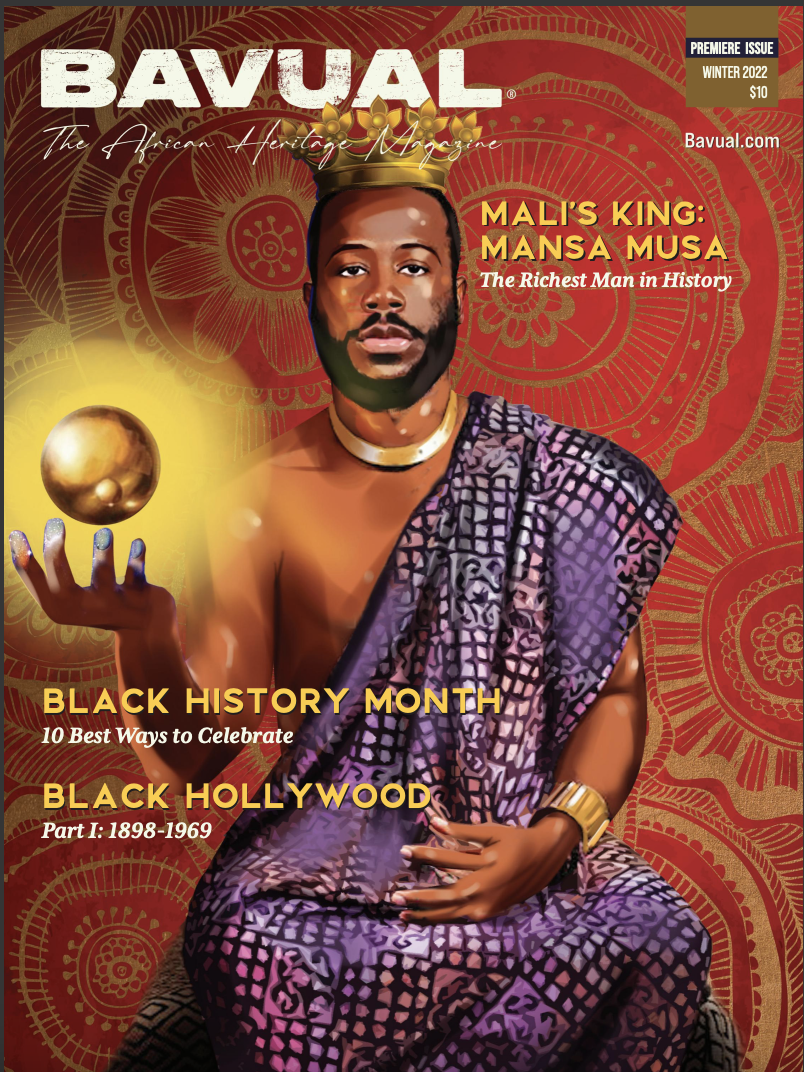
The premiere issue of Bavual magazine.

“Given the divisive and misinformed times in which we live, Bavual just seemed like the right concept for this time.” Earl A. Birkett, Editor & Publisher, Bavual   magazine

“Bavual is a forceful and clear reteller of history from the Afrocentric viewpoint, and explainer of how that heritage interplays with today’s world. My belief is that knowledge is gained through understanding, and understanding is gained through truth.”  E.A.B.

Not too many times do I find myself at a loss of words when I am interviewing an editor or a publisher about his or her magazine.  But after hearing Earl A. Birkett’s story, I was indeed at a loss of words.  His passion to magazines and magazine media is evident in the way he talks about the magazine and on every page of the magazine that will hit the newsstands nationwide shortly.  

Bavual is a powerful forceful magazine with a very lucid focus. The timing can’t be any better, yet the content is timeless. Bavual and the man behind the magazine are both a force to reckon with. This is their story as told in this Mr. Magazine™ Q and A.

Eleven years ago, Mr. Birkett fell critically ill and lost both his legs and kidneys. He told me that he “narrowly survived, thanks to the grace of God and excellent medical treatment. Coming so close to my Maker forced me to re-arrange my priorities and concentrate on leaving a legacy for good. Part of that legacy, I hope, is Bavual.”

And thus the interview is about both Bavual and Mr. Birkett and the legacy that they are creating. So, without any further delay, here is the Mr. Magazine™ interview with Earl A. Birkett, editor and publisher of Bavual.    Enjoy.
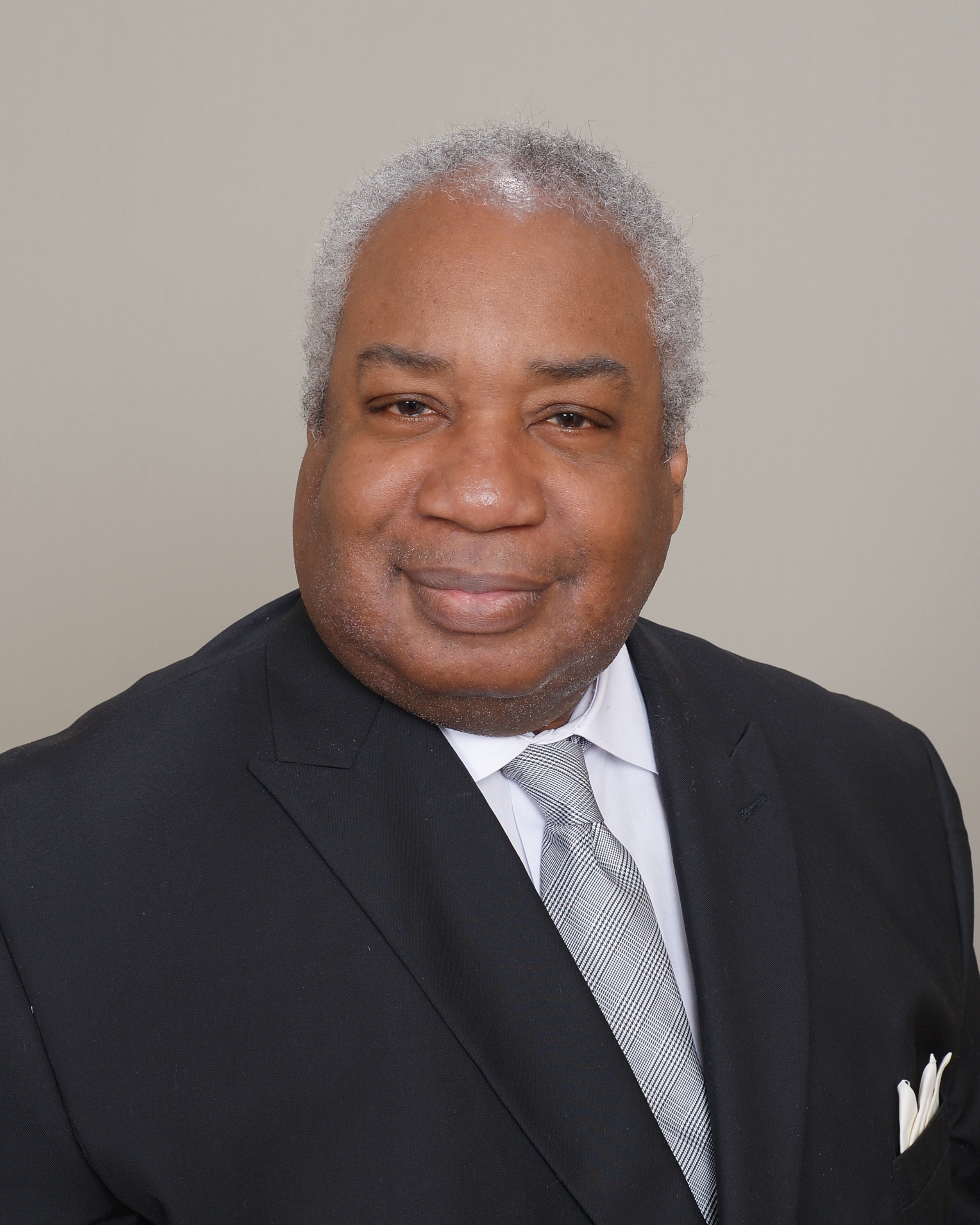
Earl A. Birkett, editor and publisher of Bavual.

Samir “Mr. Magazine™” Husni: Congratulations on the launch of Bavual.  My first question is, “what Bavual, the magazine, is and what does the name mean?

Earl A. Birkett: “Bavual” is a popular name for a male child in many parts of Africa. The name is Swahili for “power, strength, force.” The fictional character I concocted to stand as the magazine’s muse is Bavual   Adisa, a perpetual 25 year old from Tanzania but who could live anywhere on Earth. His last name is Yoruba for “one who is clear, or lucid.” Those two names adequately describe what Bavual is: a forceful and clear reteller of history from the Afrocentric viewpoint, and explainer of how that heritage interplays with today’s world. My belief is that knowledge is gained through understanding, and understanding is gained through truth.

S.H.:  Tell me a little bit about your background and why did you decide to make the move to print after working for years with Time Warner?

E.A.B.: Actually, my background with Time Warner is limited and long ago. I worked in their cable tv division as a salesman in New York’s Outer Boroughs back in the late 80s and early 90s. It started out as a way to supplement my meager income as a high school social studies teacher and surprisingly grew into a lucrative affair for me. After the stint at Time Warner I continued in the business world, eventually becoming a real estate broker.

I have been in love with the magazine publishing business since I was eight years old; I have been a student of the industry ever since. Until now I never quite found the right moment to jump in as a publisher. Given the divisive and misinformed times in which we live, Bavual just seemed like the right concept for this time.

S.H.:  You seem very passionate about this project, yet we know with passion alone success could not be achieved.  What is your plan for success for this new venture?

E.A.B.: It’s true, I am very passionate about Bavual, it is almost a calling for me. Fortunately for me, I am not alone in this feeling. For whatever reason, divine intervention, luck or what have you, I have been able to assemble an editorial staff of nine very talented and dedicated people to help me in this quest. They come from both genders, several races, from diverse regions of the U.S. – including from some places you would not normally think would be attracted to a magazine like Bavual  – and even one from India.

Due to financial limitations, I cannot grow Bavual ‘s circulation as fast as I would like, so I have opted to build an audience the old-fashioned way: make each issue a masterpiece and put it before the public online, in retail outlets and in mailboxes, and let them vote yay or nay. If you build it they will come, right?

S.H.:  In the midst of hundreds of magazine titles out there, where do you see Bavual  fitting and whom do you view as its competitive set?

Ever since the demise of Ebony and Jet (in print) about a decade ago, Bavual is completely alone in the consumer magazine category that caters to the Afrocentric lifestyle. Essence fits only a portion of this market. As for magazines that focus on African heritage, it has been many more decades since. Its closest editorial descendant is a magazine called Encore that was published in the 70s by Ida Lewis, which covered Afrocentric news. I remember it from my teenage years and was captivated by it. 
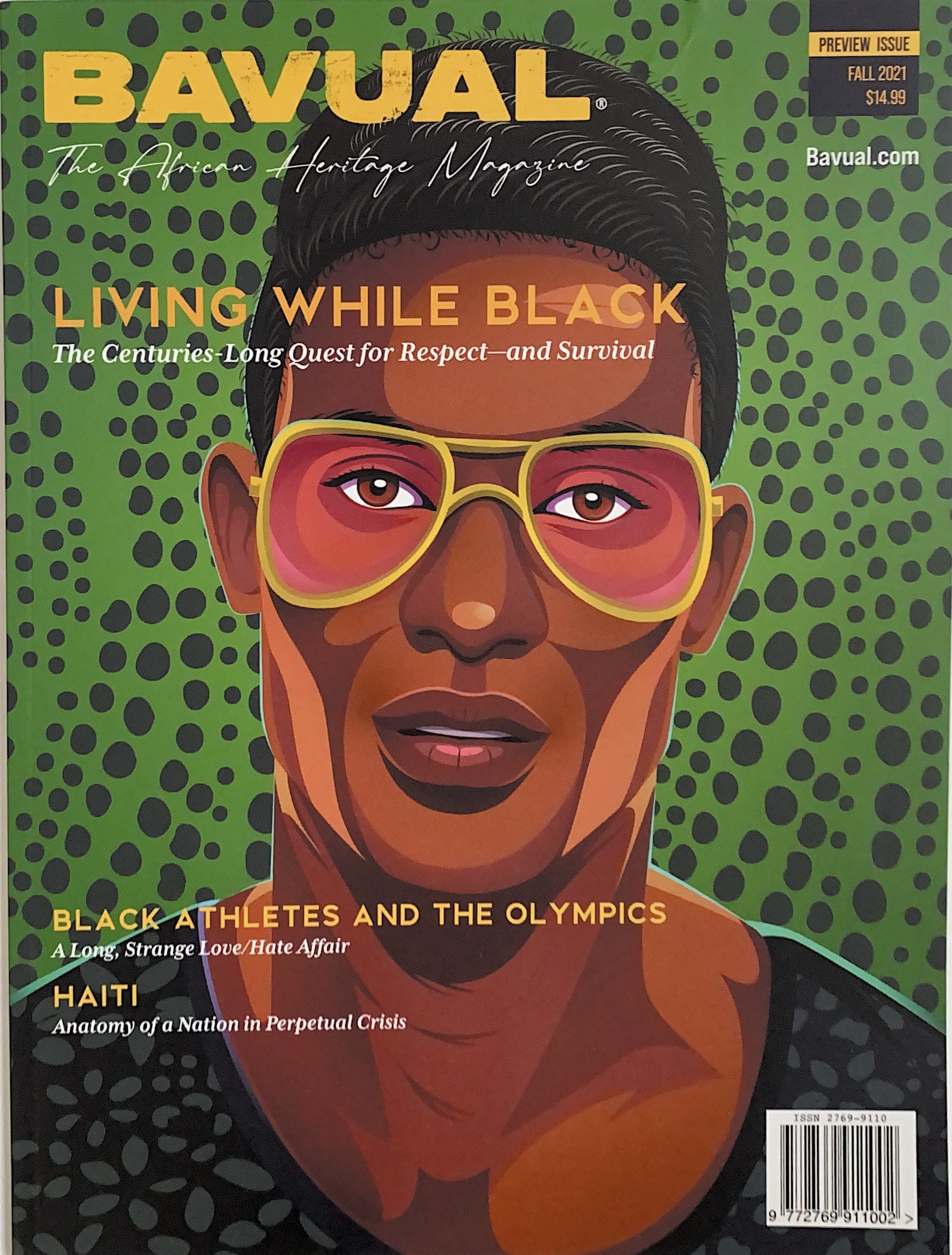
The preview issue of Bavual magazine.

Bavual is designed to be a feast for the eyes and the mind, a reminder of what the great picture magazines like Life and Look were like combined with the relevance of, say, The Atlantic or The New Yorker

S.H.:  Who is the audience of this feast for the eyes and mind?

E.A.B.: Contrary to its name and focus, Bavual is not a “black” magazine, that is, published by black people for black people. It is inclusive, meaning that it is produced by a multicultural, international staff for ANYONE who wants to know the truth about the world’s past from one point of view, in this case, the Afrocentric one, warts and all, and how it relates to the present.

S.H.:  What has been the most difficult challenge so far and how did you overcome it?  What was the most pleasant surprise so far?

E.A.B.: The most difficult challenge was putting out both a Preview Issue last fall and the Premier Issue this winter. Like I said, we had to work on a shoestring, but you know what? We did it, and I think we did it very well.

The biggest surprise thus far is the broad appeal of Bavual. We have been picked up by retail outlets on the West Coast, the Midwestern heartland and the Southern Bible Belt. The biggest fun is finding out who reads us.

S.H.:  Before I ask you my typical last question, is there anything you’d like to add?

I don’t often like to talk about myself, but I think it important in this instance. There is one other motivating factor for starting Bavual, besides the obvious one of wanting to contribute to the public dialogue on race right now, and that is my health. Eleven years ago I fell critically ill, the victim of an unknown disease that is vaguely traced to complications from diabetes. I narrowly survived, thanks to the grace of God and excellent medical treatment, however it cost me both my legs (amputated below the knee) and my kidneys, which are failing (I am on dialysis), and a reduced energy level. Coming so close to my Maker forced me to re-arrange my priorities and concentrate on leaving a legacy for good. Part of that legacy, I hope, is Bavual. I also want to convey to people that having a disability is not the end of the world. I may not have a great body but I still have a great mind, thank God.

S.H.:  Amen to that.  My typical last question is what keeps you up at night these days?

E.A.B.: I think about the state of the world a lot, particularly the state of the most powerful country in the world, my homeland, the U.S.A. It pains me that a country that has been so good to me in so many ways has decided in many cases to travel down the road of ignorance, intolerance and selfishness. I am constantly reminded that good does not necessarily triumph over evil without constant vigilance.

S.H.:  Thank you and all the best in this new venture.
h1

“This Magazine Idea Will Never Work… And Other Myths…” Reader’s Digest At 100. A Mr. Magazine™ Musing.

January 28, 2022

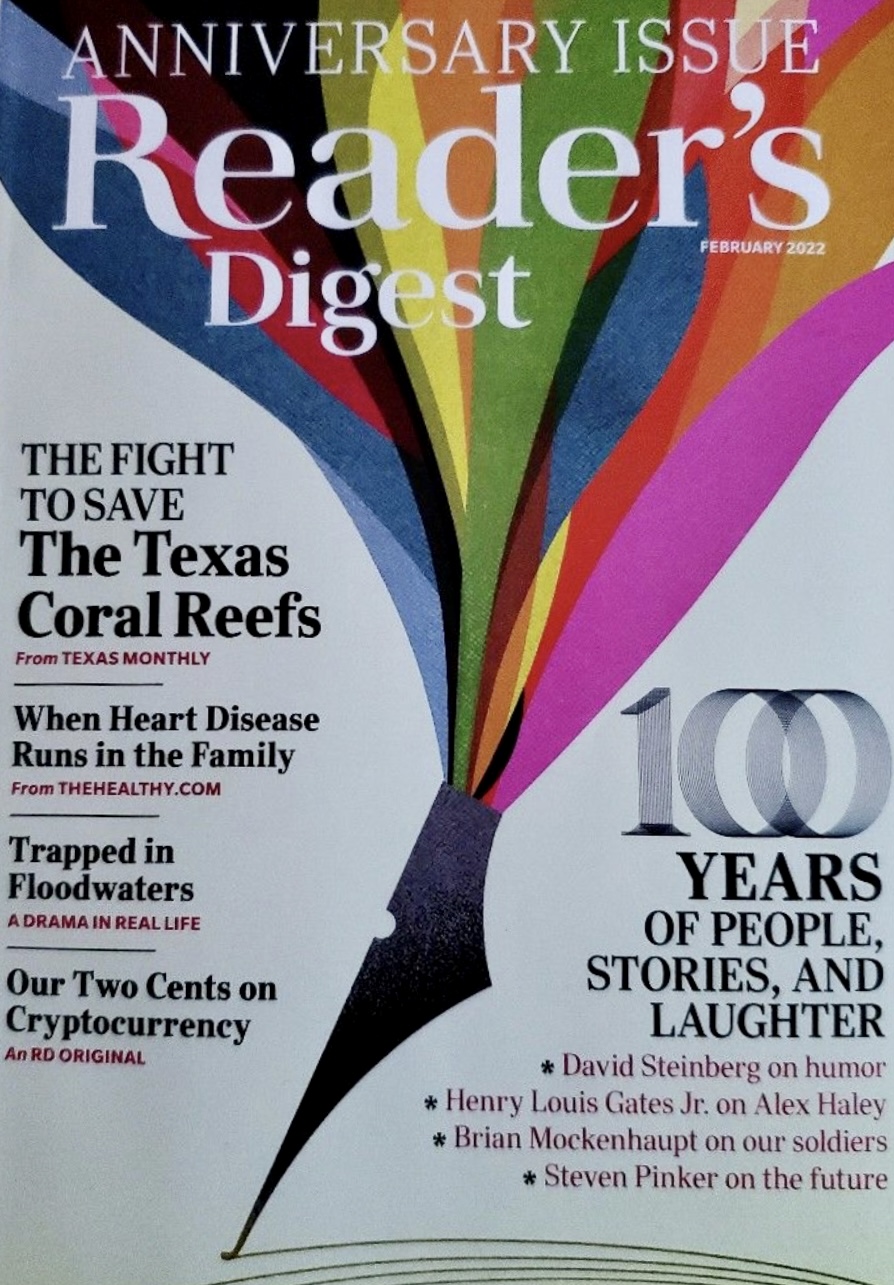
After more than two years of hearing that his magazine idea The Reader’s Digest will never work, DeWitt Wallace, with the help of his wife Lila Bell Acheson, launched the magazine in February 1922. Today the magazine is celebrating its centennial year with the February 2022 issue… and as Paul Harvey used to say, “and now you know the rest of the story.” Enjoy

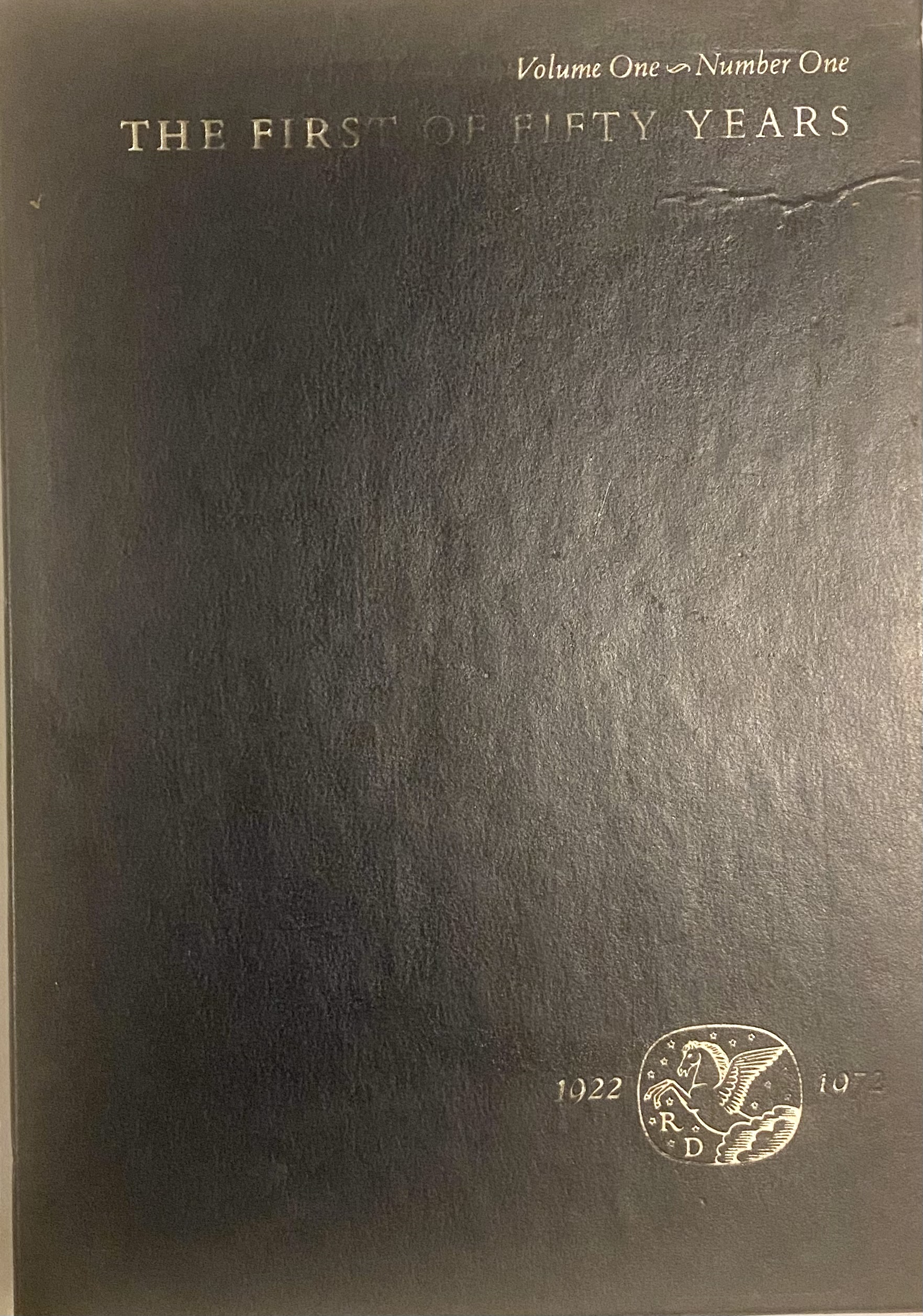
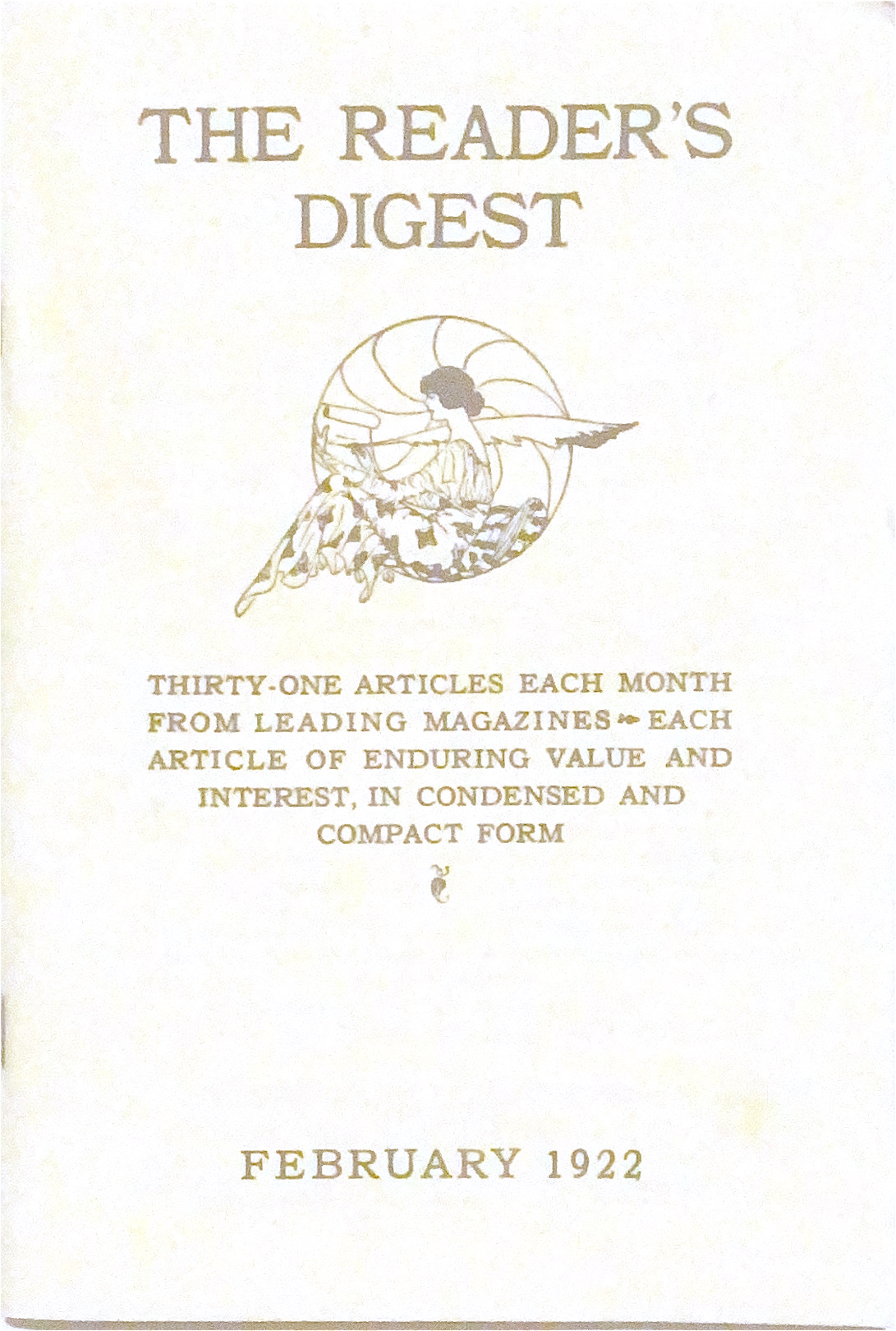
A replica of the February 1922 issue of Reader’s Digest that was produced in 1972 to celebrate the magazine’s 50th anniversary. From the Samir “Mr. Magazine™” Husni magazine collection.

Reader’s Digest is 100, or should I say The Reader’s Digest is 100.  In reality, The Reader’s Digest is 102 years old.  The founder, DeWitt Wallace produced his first issue in January of 1920 and shopped it around with all the major magazine publishers in New York City.  The response was, with no exception, this magazine will never work.  

The mission of The Reader’s Digest, as he called it back then, was summed up on the cover of the magazine and in his very first editorial.  On the cover of the January 1920 issue the concept of the magazine was stated clearly:  

“31 articles each month from leading magazines.  Each article of enduring value and interest. In condensed and permanent form.”

A replica of the January 1920 issue of Reader’s Digest that was produced in 1972 to celebrate the magazine’s 50th anniversary. From the Samir “Mr. Magazine™” Husni magazine collection.

The manifesto of the magazine was published on the very first page of the magazine.  It read:

The Reader’s Digest:

  1. The easiest way in which to learn something really worth while every day.
  2. Because of its “boiled down” interest and pocket size – the most practical and pleasant means of utilizing old moments.
  3. The one magazine containing articles only of such permanent and popular interest that each issue will be of a great value a year or two hence, as on the date of its publication.
  4. The Magazine of 100% Educational Interest – no fiction, no advertisements, no articles on purely transient topics and no articles of limited or specialized appeal.
  5. The Reader’s Digest in condensing its articles, eliminates the unessential and less interesting “filler” which is found in many magazine articles—often simply that reading matter may accompany the advertisements.
  6. The one magazine that is preeminently worth keeping—and binding—for future reference and enjoyment. If it is desired to remove any article, this is an easy matter, there being but one article on a page.
  7. The biggest magazine value – regardless of price – on the market. You find one or two articles, perhaps, of enduring interest in the ordinary magazine.  The Reader’s Digest contains 31 such articles in each issue – “one a day” – each one a “feature” article digested from some periodical.
  8. The Reader’s Digest believes that a thing really worth reading is worth remembering – which is possible in most cases only if the article is kept for occasional reference in the future.  For this purpose, the numbered sub-heads at the beginning of the articles will be found helpful.  Many of the “popular” magazines are too bulky to preserve – and not worth it for the little good matter which they contain.

Needless to say, all the aforementioned reasons to why The Reader’s Digest is a good proposed magazine, did not convince the major publishing houses in New York City to give it the green light.  Disappointed, DeWitt Wallace decided to give up his idea and shelved the January 1920 issue of the magazine.

In 1921 he married Lila Bell Acheson, a sister of one of his college classmates, and she happened, as the story goes, to see the copy of The Reader’s Digest DeWitt produced.  She loved the idea and convinced her newly married husband to publish the magazine on their own with some financial help from her brother.  The first regularly published issue of The Reader’s Digest came out in February 1922.  A new tag line was added to the magazine, “The Little Magazine.” 

Instead of DeWitt Wallace as Editor alone, the masthead carried four names as editors in the following order:  Lila Bell Acheson, DeWitt Wallace, Louise M. Patterson, and Hazel J. Cubberley.  The issue carried an editorial signed by Lila Bell Acheson in which she showed her skills of condensing the eight points DeWitt Wallace wrote in that preview issue to only four points.  She wrote under the heading A Word of Thanks:

“The Reader’s Digest has been made possible by you, and by other charter subscribers who have responded during the past four months to a letter telling of our proposed plan.

            In behalf, not only of ourselves, but of all those who have felt that the fulfillment of our plan would fill a very general need, we thank you.  Without your advance support – and that of other charter subscribers – this magazine could not have materialized.

            We believe you will find The Reader’s Digest of even greater value and interest than you had anticipated. These features will no doubt appeal particularly:

  1. Thirty-one articles each month – “one a day” – condensed from leading periodicals.
  2. Each article of enduring value and interest – today, next month, or a year hence; such articles as one talks about and wishes to remember.
  3. Compact form; easy to carry in the pocket and to keep for permanent reference.
  4. A most convenient means of “keeping one’s information account open” – of reading stimulating articles on a wide variety of subject.

In 1972, The Reader’s Digest, in celebration of its 50th anniversary reprinted both first issues of the magazine and housed them in a nice blue box with gold ink touting The First Of Fifty Years.   Today Reader’s Digest celebrates its Centennial Issue celebrating the “first of 100 years” with many more to come.

I guess the moto of this story is when someone tells you this idea will never work, take that as a good sign that this idea will not only work, but it work very well indeed.

The Centennial issue of Reader’s Digest Feb. 1922

Congratulations Reader’s Digest and here’s to the next 100 years.

h1

“Cover Testing” Is Nothing New In The Magazine Media World… A Mr. Magazine™ Musing

January 24, 2022

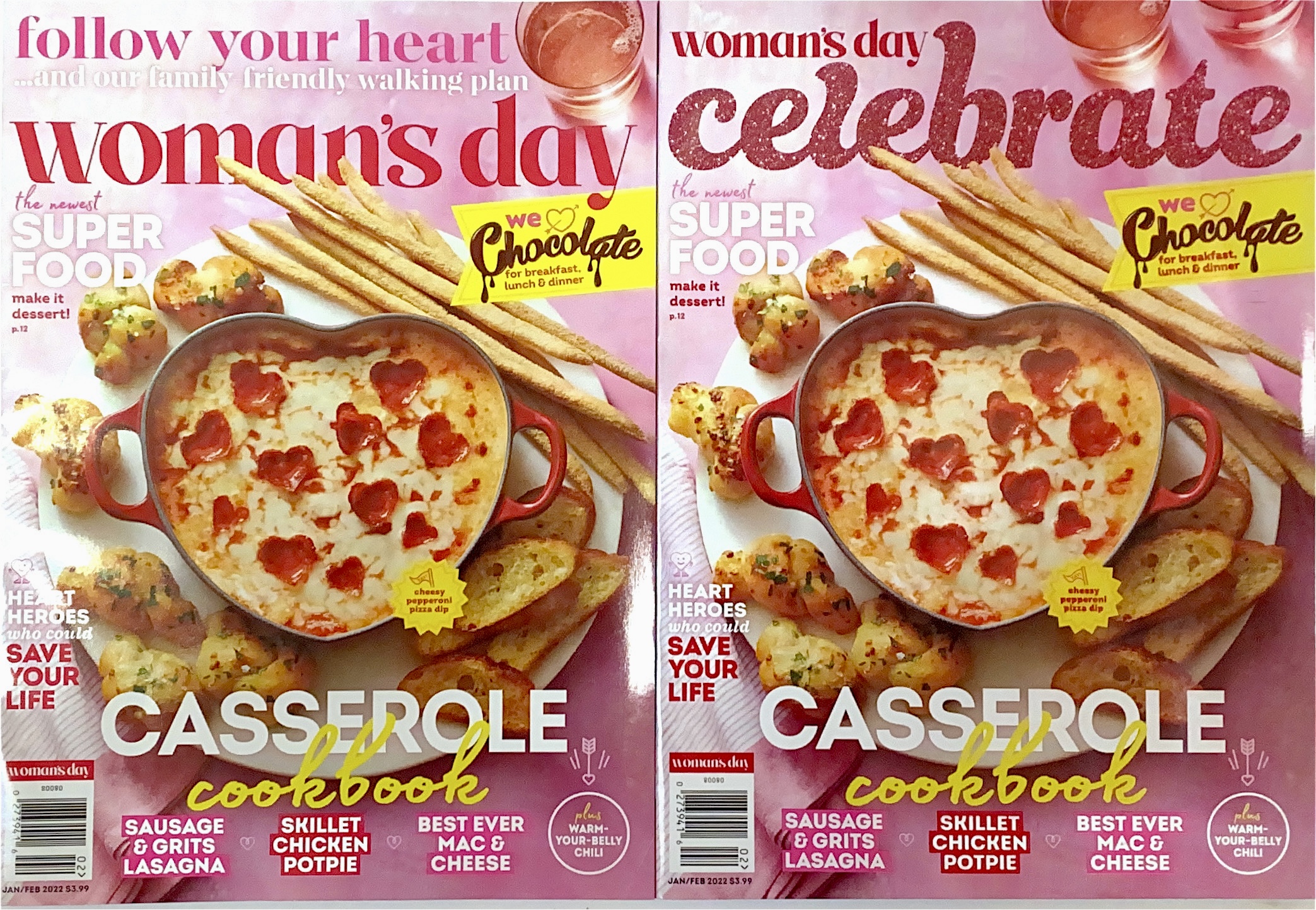
In the 1990s I wrote a column for Folio: magazine entitled Double Vision: The Split Covers Trend. Little I knew then, that the split cover trend was anything but new at that time. I was reminded of my column when I saw Woman’s Day utilizing a split cover with its most recent issue.

For its Jan/Feb issue the magazine utilized a split cover. One with the traditional nameplate and the other with a very small Woman’s Day and a big Celebrate nameplate. In addition, a skyline cover line is missing from one of the two covers. Take a look:

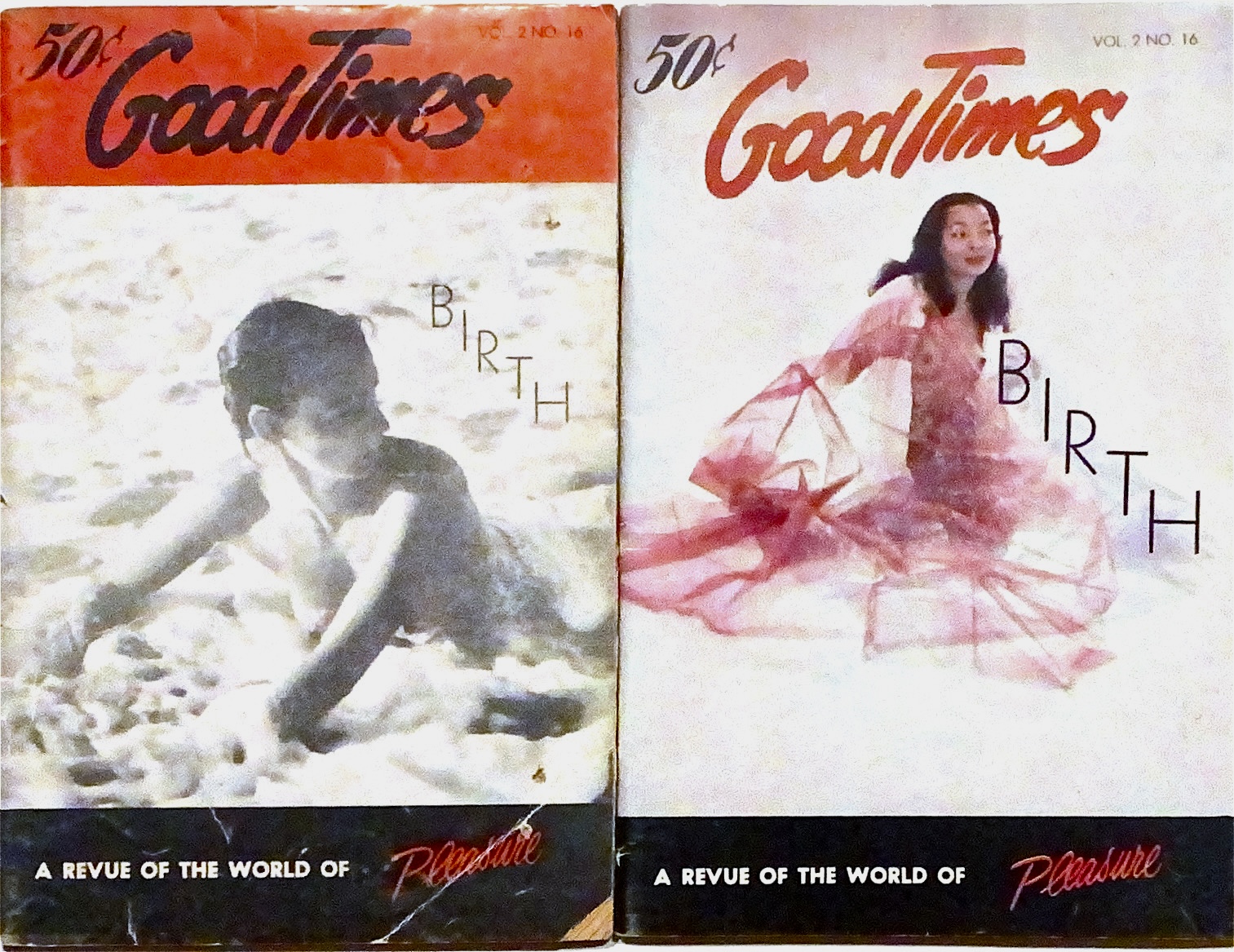
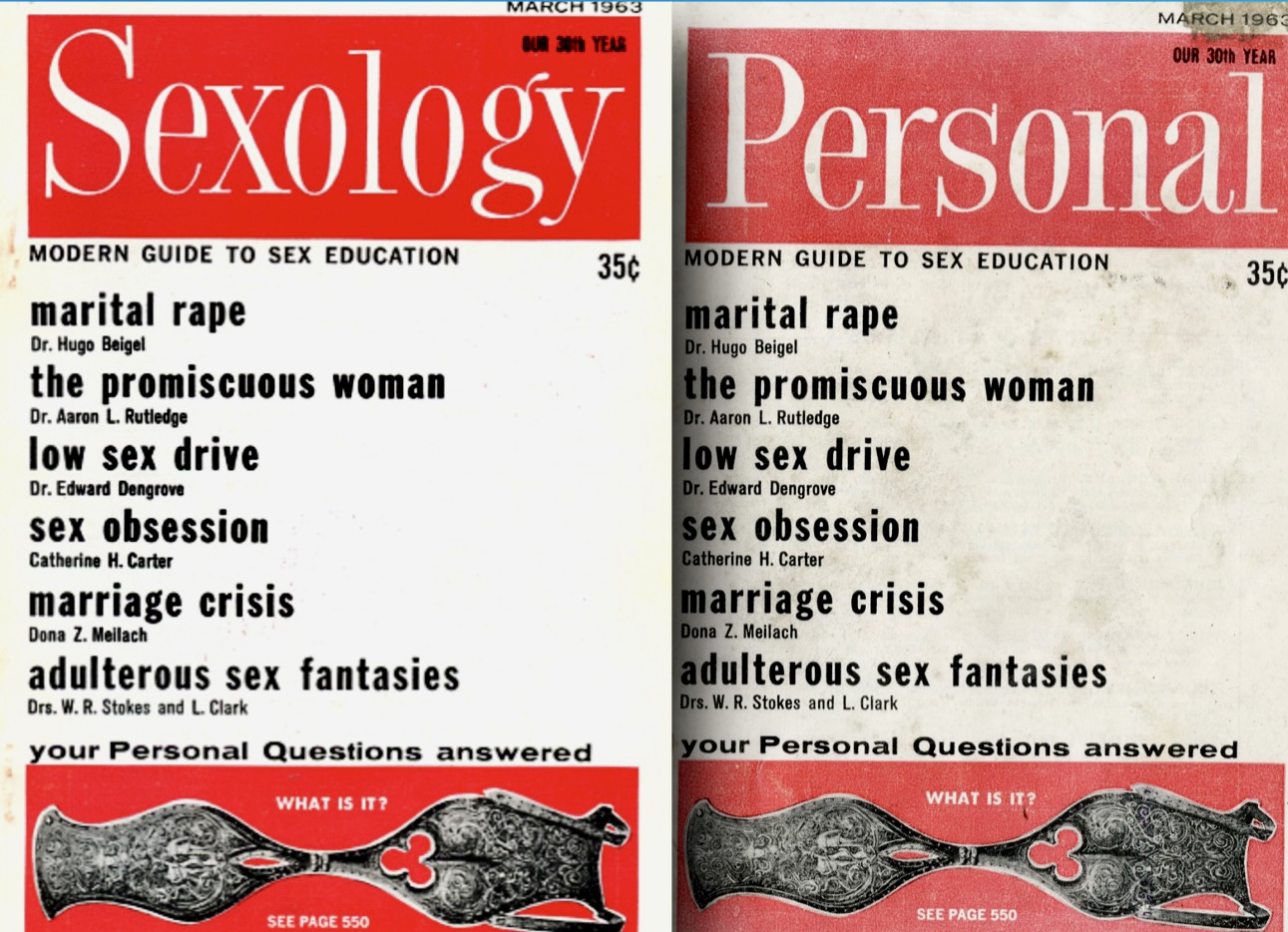
But, as I mentioned earlier, cover testing I found out, is nothing new. Digging through my magazine collection I found two examples dating as far back as 1955 and 1963 respectively. Good Times, the Samuel Roth magazine, tested two different cover pictures with the same cover line, while Sexology magazine tested a new name Personal with the exact same cover lines. Take a look:

In short, there is nothing new under the sun when it comes to magazines and magazine media. What’s new is the ability to dig through the treasure of those printed magazines and show case them to help preserve the past, present and future of the magazine media (more on that at a later date).

As always, I welcome any comments, corrections, additions to this blog entry or any other blog entires on the Mr. Magazine’s™ blog or website. Until the next entry, go buy a magazine or two and enjoy the experience that only magazines can provide. All the best,

Samir “Mr. Magazine™” Husni, Ph.D.

samir.husni@gmail.com

h1

Reader’s Digest, The Ring, Better Homes & Gardens, Harvard Business Review & The Magazine Antiques Join The Magazine Media Centennial Club. A Mr. Magazine™ Musing

January 17, 2022

Celebrating The Magazine Media Centennial Club… Mr. Magazine™ Identifies 54 Magazine Media Brands That Are Now 100 Years or Older.

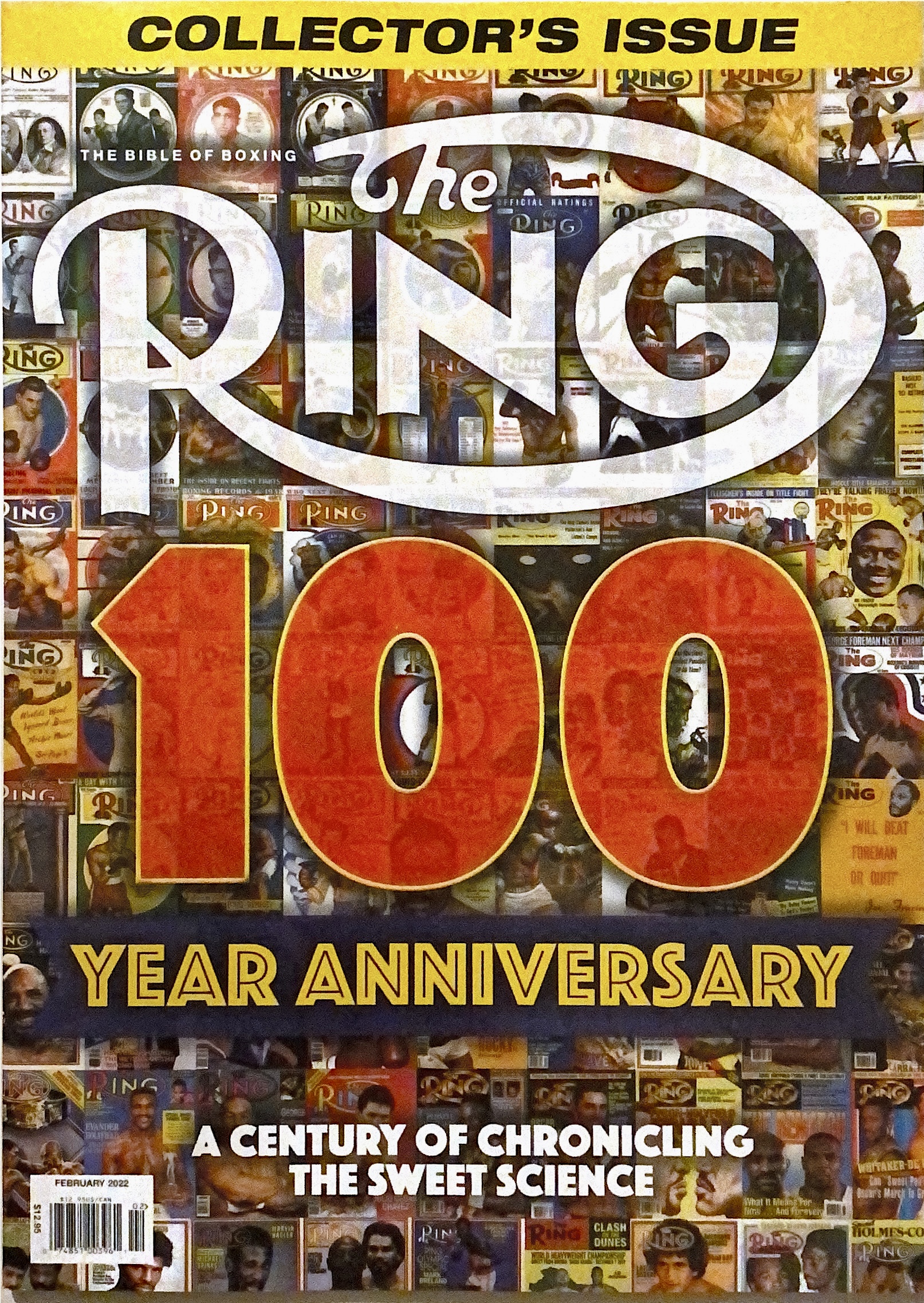
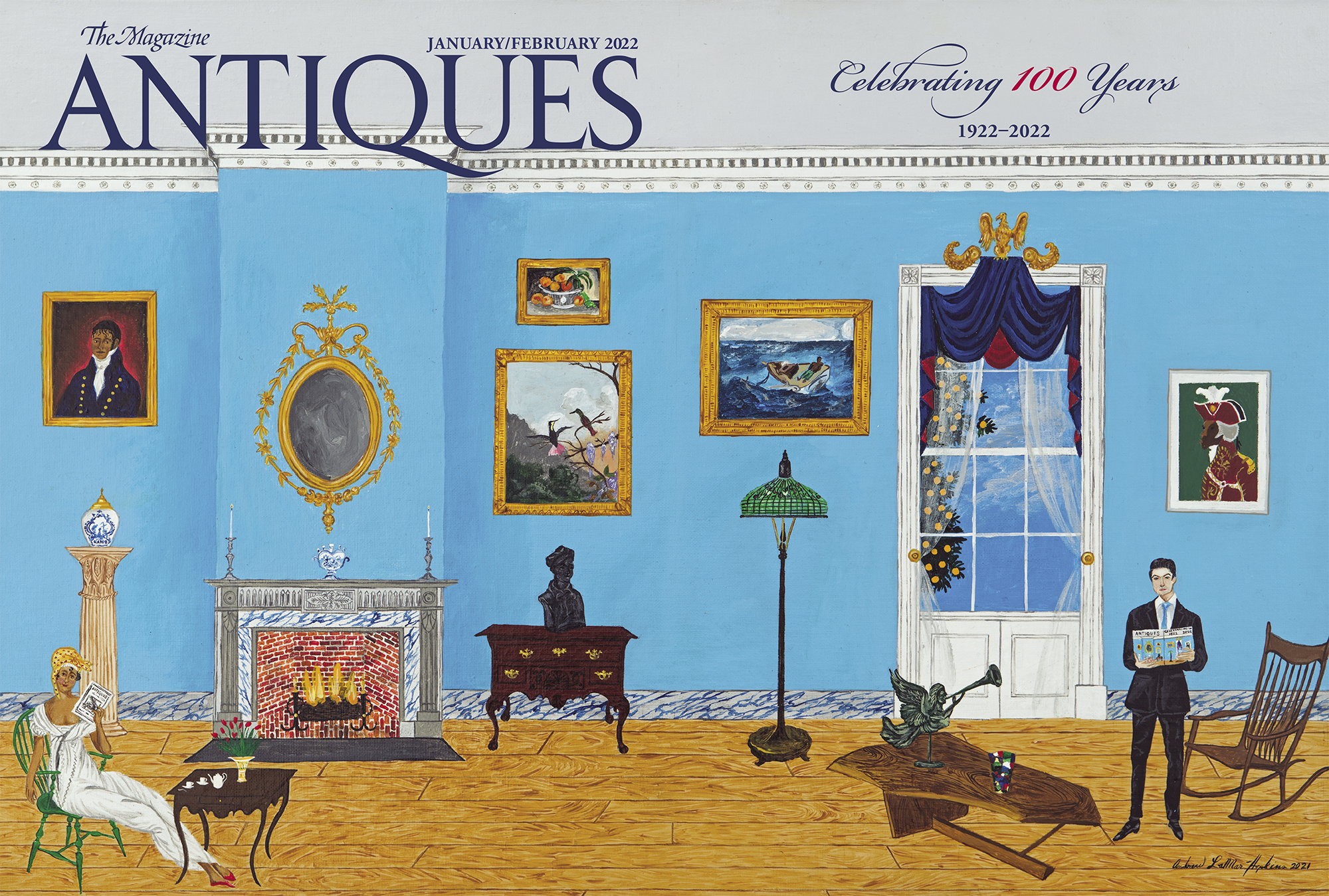
How many media brands you know of are celebrating at least one hundred years of existence? Four magazines join the magazine media centennial club this year: Reader’s Digest (started Feb. 1922), The Ring and The Magazine Antiques that were also started in January of 1922, and Better Homes & Gardens which started as Fruit, Garden And Home in July 1922, and Harvard Business Review that celebrates its centennial in October of this year.

I have compiled a list of 54 magazine media brands that are at least 100 years old. Some are even 200 years plus. To be included in my list the magazine must still be published in print and is still available for the general public to subscribe to it or to buy it on the newsstands. All the magazines listed are United States of American based and published magazines.

Here is what I call the Magazine Media Centennial Club in alphabetical order:

Magazine Name Year It Was Founded

  1. American Cinematographer 1920
  2. American Legion 1919
  3. Architectural Digest 1920
  4. Barron’s 1921
  5. Bed Times 1917
  6. Better Homes & Gardens 1922
  7. Billboard 1894
  8. Bowlers Journal International 1913
  9. Cosmopolitan 1886
  10. Farm Journal 1877
  11. Forbes 1917
  12. Good Housekeeping 1885
  13. Harper’s 1850
  14. Harper’s Bazaar 1867
  15. Harvard Business Review 1922
  16. House Beautiful 1896
  17. National Defense 1920
  18. National Geographic 1888
  19. New Jersey League of Municipalities 1917
  20. Philadelphia magazine 1908
  21. Popular Mechanics 1902
  22. Popular Science 1872
  23. Progressive Farmer 1866
  24. Reader’s Digest 1922
  25. San Diego magazine 1886
  26. Scholastic 1920
  27. Scientific American 1845
  28. Signs of the Times 1874
  29. Scout Life (Boys Life) 1911
  30. Scouting 1913
  31. Success 1897
  32. Successful Farming 1902
  33. Sunset 1898
  34. The Atlantic 1857
  35. The Crisis 1910
  36. The Furrow 1895
  37. The Magazine Antiques 1922
  38. The Nation 1865
  39. The New Republic 1914
  40. The New York Times Magazine 1896
  41. The Old Farmer’s Almanac 1792
  42. The Progressive 1909
  43. The Ring 1922
  44. The Rotarian 1911
  45. The Saturday Evening Post 1821
  46. The Virginia Magazine of History and Biography 1893
  47. The Watchtower 1879
  48. Town & Country 1846
  49. Vanity Fair 1913
  50. Variety 1905
  51. Vogue 1892
  52. Westways 1909
  53. Writer’s Digest 1920
  54. Yachting 1907

I welcome any additions, notes, or corrections regarding my attempt to document the Magazine Media Centennial Club. Feel free to email me at samir.husni@gmail.com Last update Jan. 28, 2022

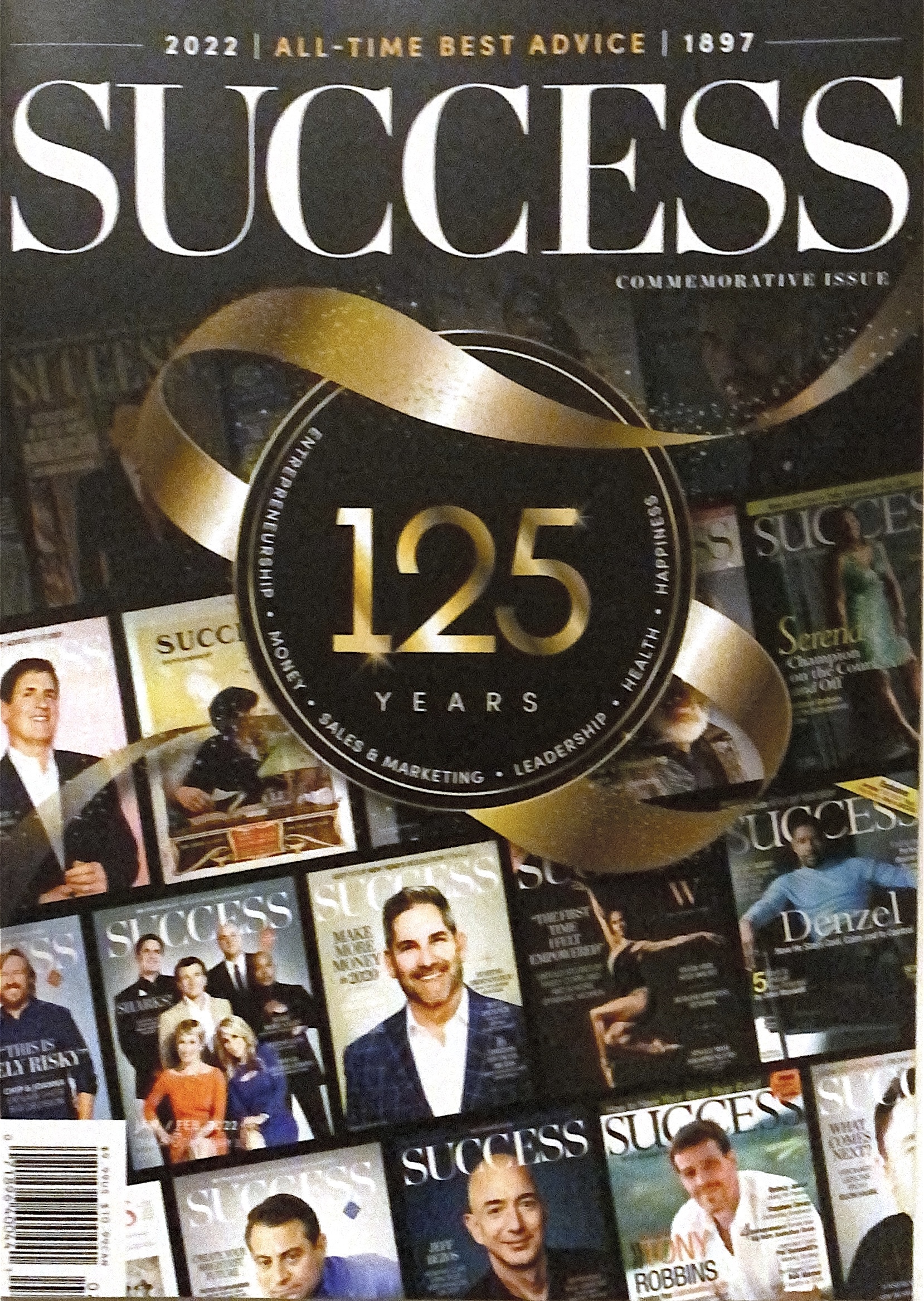
Until next time, join me wishing Reader’s Digest, The Ring, The Magazine Antiques, Harvard Business Review, and Better Homes & Gardens a happy 100th birthday and Success magazine a happy 125th birthday. Onward and forward.

Samir “Mr. Magazine™” Husni, Ph.D.

samir.husni@gmail.com

h1

A Magazine Is Worth 1,000 Websites: A Mr. Magazine™ Celebration Of Martin Luther King Jr.’s Memorial Day. From The Samir “Mr. Magazine™” Husni Magazine Collection.

January 16, 2022
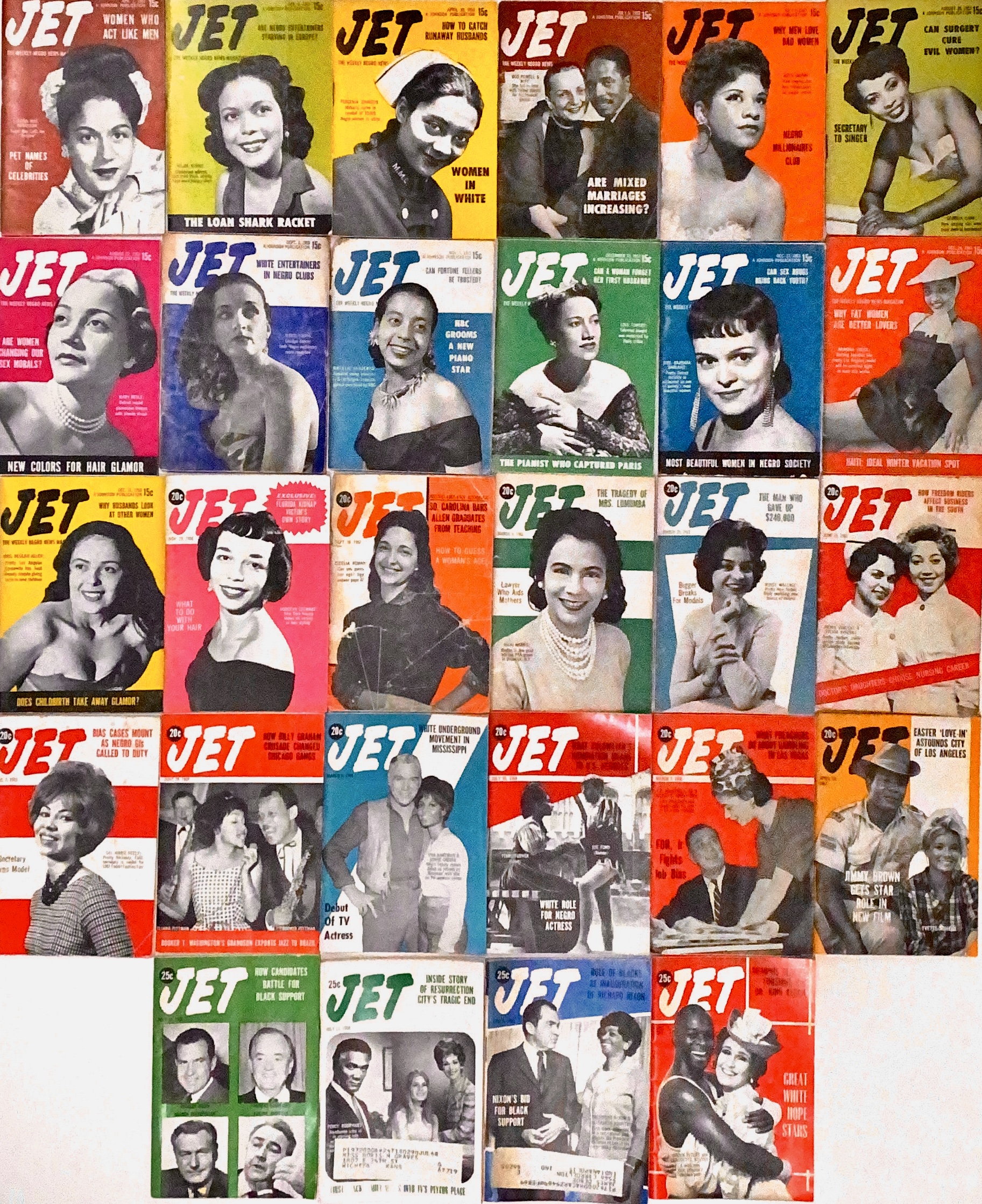
Jet magazine. Issues from 1953 to 1969. From the collection of Samir “Mr. Magazine™” Husni

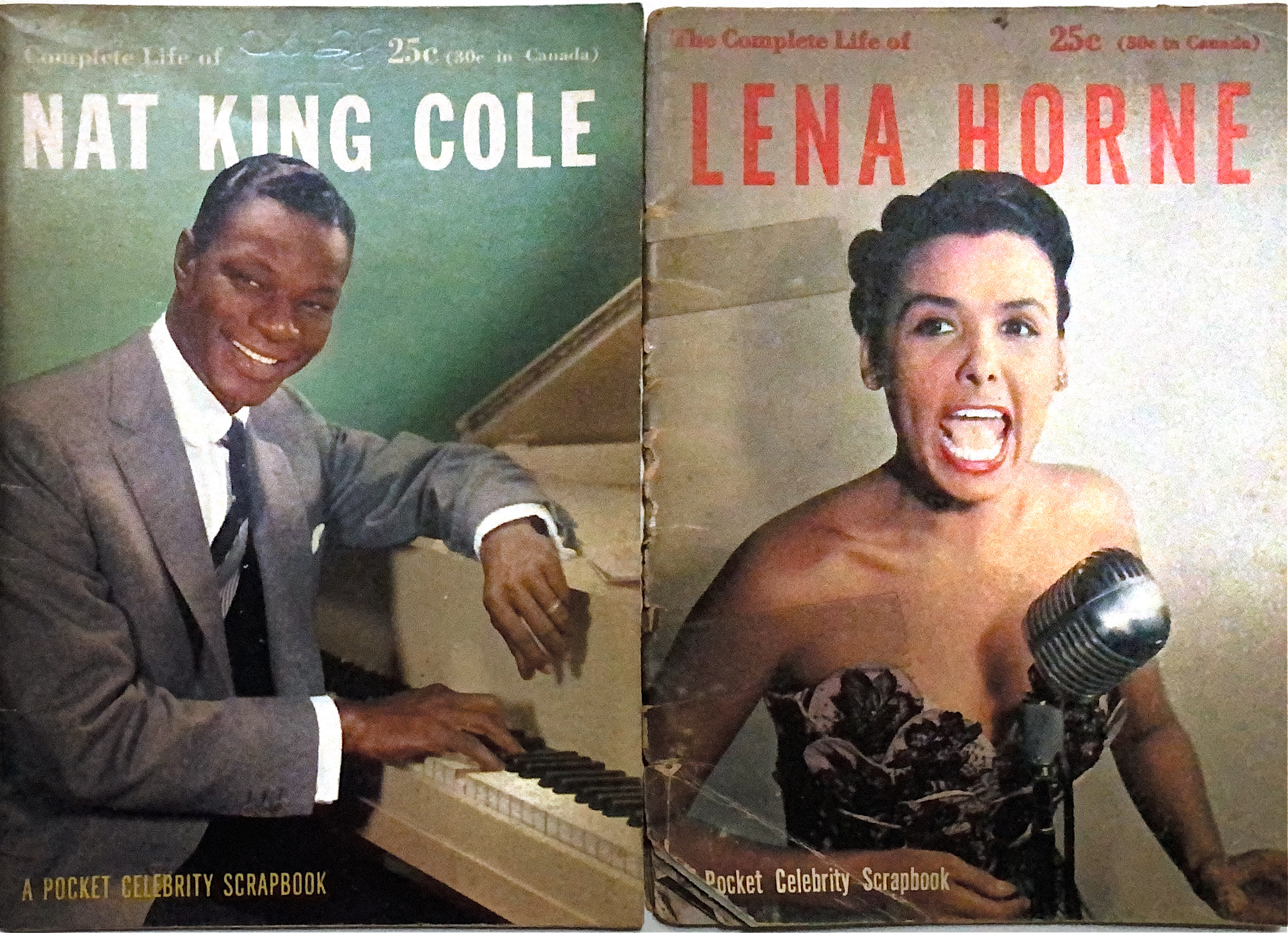
Martin Luther King Jr. Day 2022 will be observed on Monday, Jan. 17. As a magazine person, the only way I know how to celebrate any event, holiday, birthday, is through going into my boxes of magazines and finding reasons to celebrate. MLK’s birthday is no exception. I am working on my collection of pocket magazines of the 40s, 50s, and 60s of the last century. Pocket magazines are the little tiny magazines (4×6) that were inspired by the mini devotional magazines like Daily Word and The Upper Room and were made popular by Fleur Cowles who helped launch Quick magazine in 1949. More than 70 other titles followed Quick, including but not limited to Jet, Tempo, Focus, Picture Week, and many others.

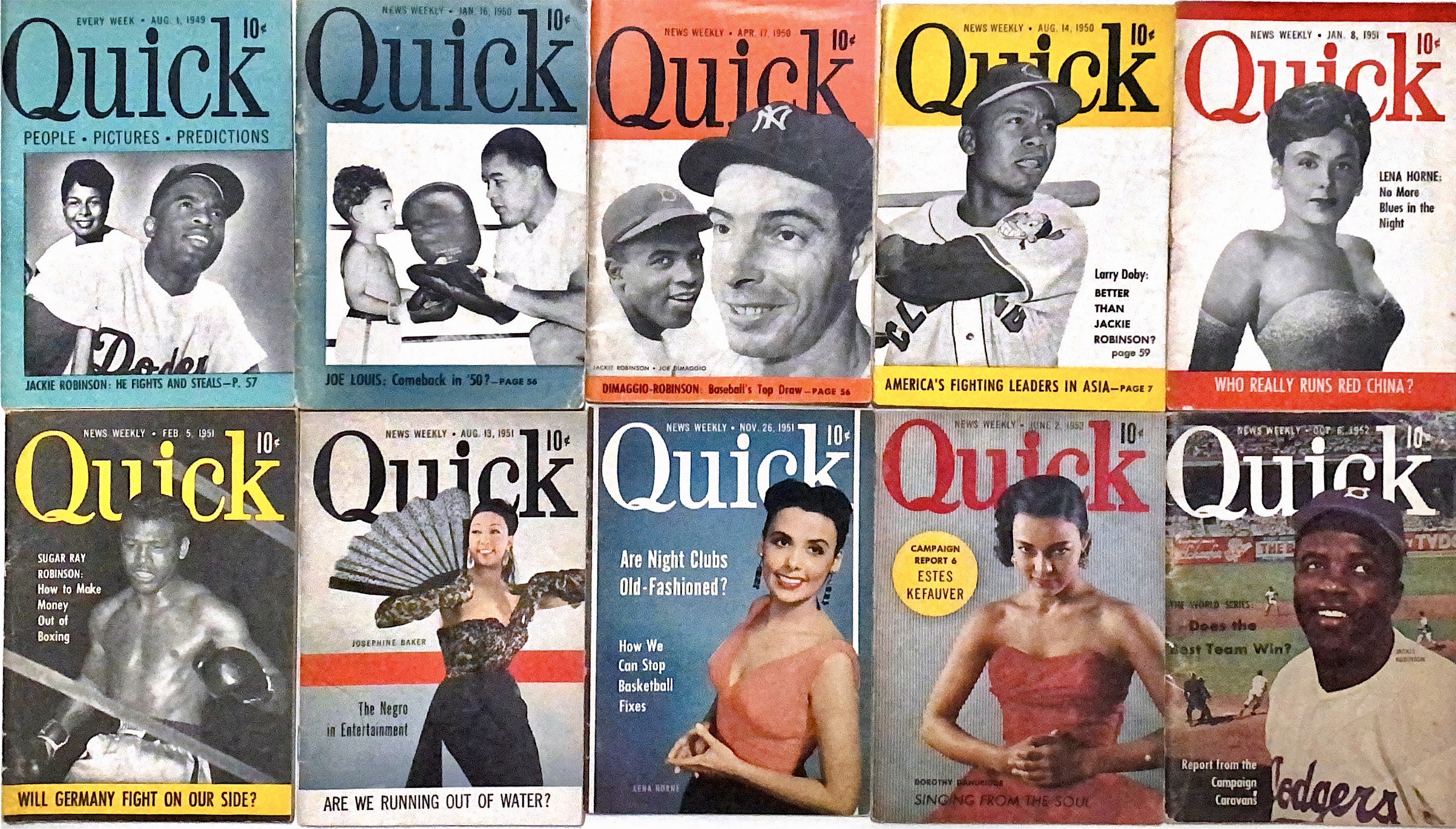
For this blog I searched my collection of pocket magazines and decided to showcase my collection of African American pocket magazines and the magazines that carried African Americans on their covers back in the 40s, 50s, and 60s of the last century. It should be noted that Quick magazine (1949 – 1953) carried 10 covers from its 200+ covers with African American on their front page.

Quick magazine (1949 -1953). The African American Covers. From the collection of Samir “Mr. Magazine™” Husni.

Join me on a pictorial journey in time as we look at those covers and keep in mind if it is not ink on paper, it is not a magazine.

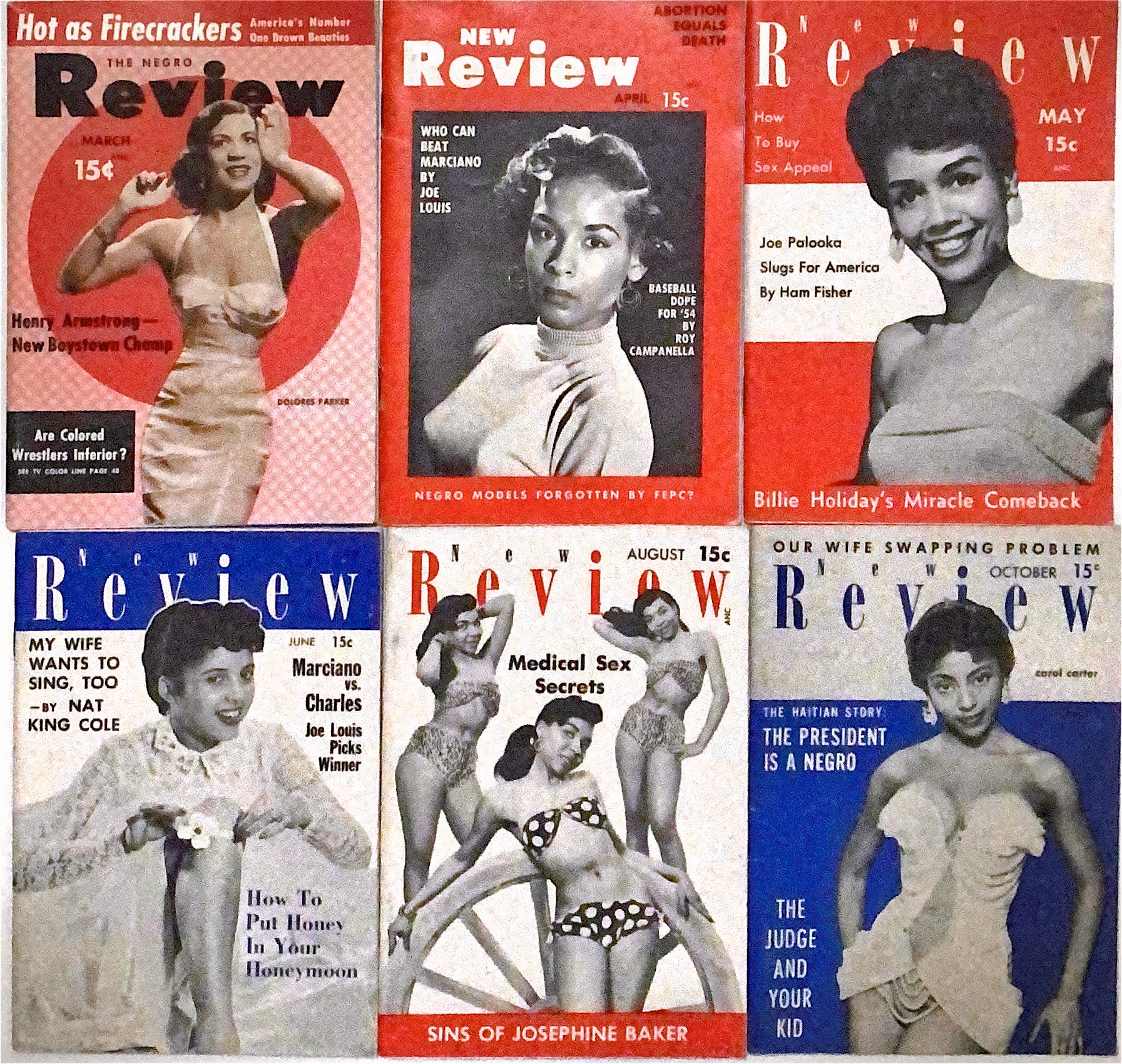
The Negro Review, then the New Review 1954. From the collection of Samir “Mr. Magazine™” Husni
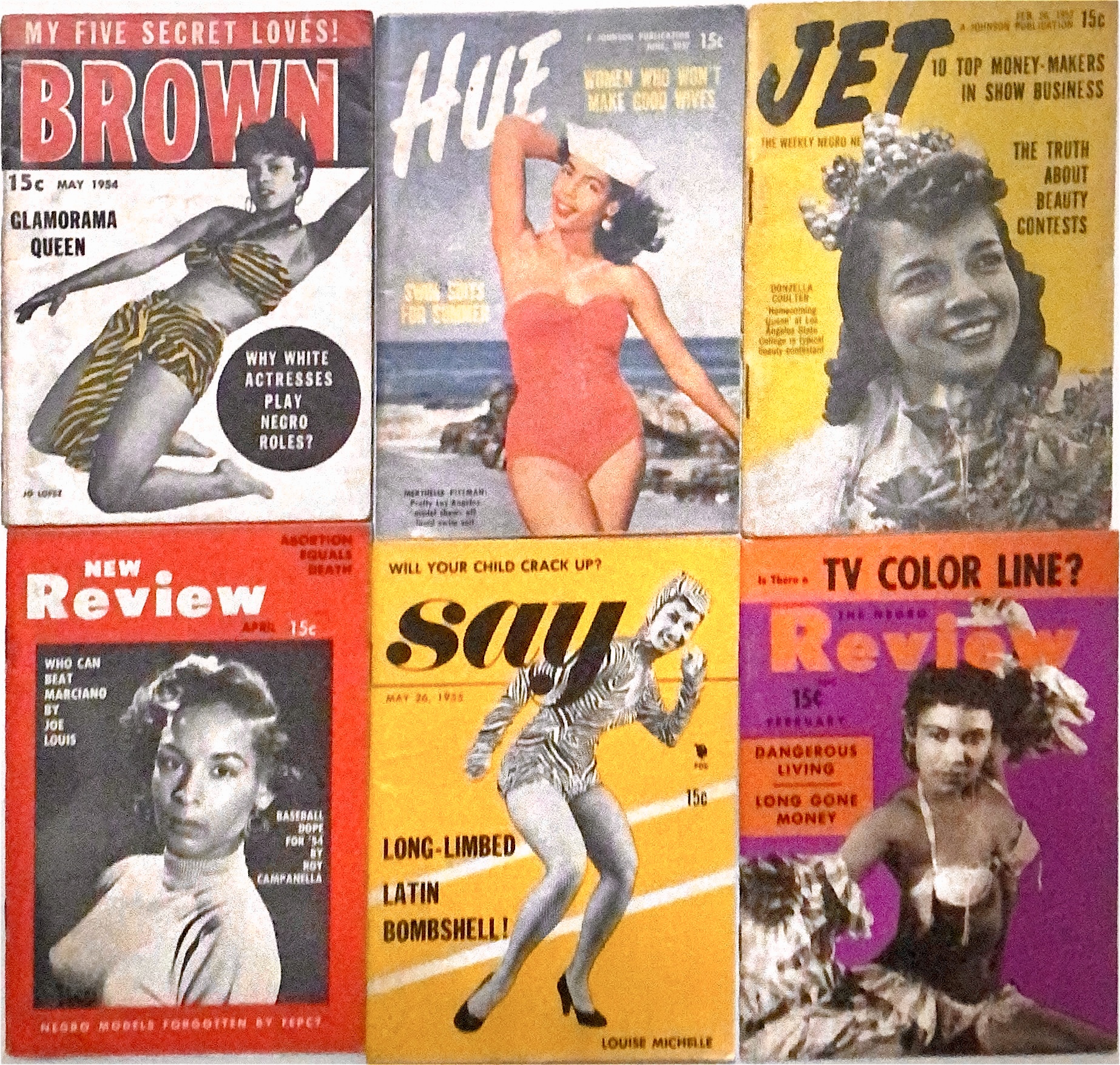
The variety of African American magazines that were published in the 50s. From the collection of Samir “Mr. Magazine™” Husni.
A Pocket Celebrity Scrapbook magazine celebrating Nat King Cole and Lena Horne. From the collection of Samir “Mr. Magazine™” Husni.
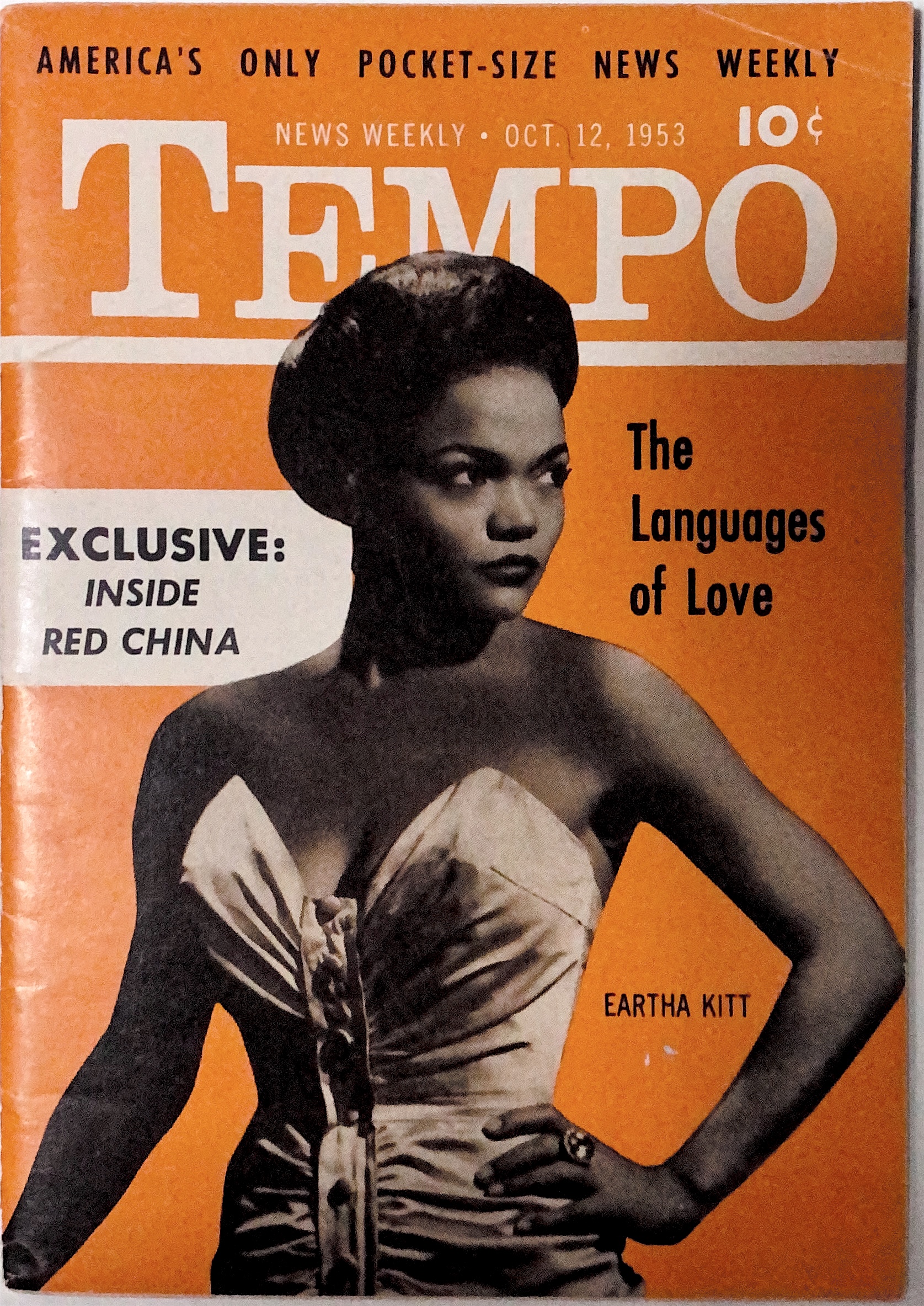
Tempo magazine’s solo African American cover in my collection. Tempo was launched June 8, 1953 that was launched right after Quick stopped publishing on June 1, 1953. From the collection of Samir “Mr. Magazine™” Husni.

Until the next blog, be sure to head to a newsstand near you and pick up a magazine or two. You will be living and holding history in your hands, one magazine at a time. All the best…

Samir “Mr. Magazine™” Husni, Ph.D.

samir.husni@gmail.com

h1

Link2Us Magazine: The Intersection Of Faith And Popular Culture: The Mr. Magazine™ Interview With Editor-in-Chief Judith Manigault.

January 12, 2022

“Although we have an online presence (and our culture does thrive on the immediacy of online engagement), there’s nothing like the print experience: sitting down with a great magazine and being transported via images, various stories, and content that teaches and inspires. Print is altogether a different thing – an actual real experience.” Judith Manigault, Editor-in-Chief, Link2Us.

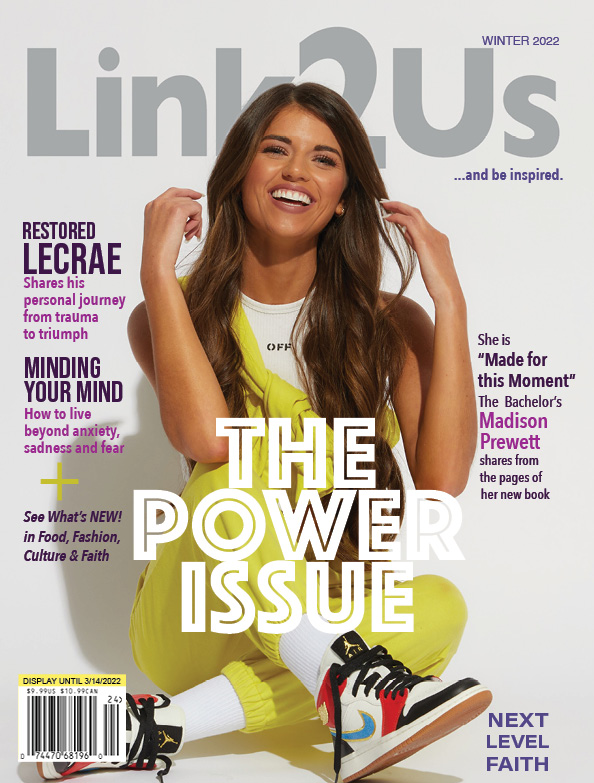
Link2Us Premiere Issue Winter 2022

“At the intersection of faith and popular culture lies Link2Us, a new lifestyle publication providing readers with a blueprint for living their best and most authentic lives. The new magazine delivers fresh and engaging content, including health and wellness news, finance tips, style trends and more, with faith and inspiration at its core,” so says the press release for the last new magazine launch of 2021.  The first issue of the magazine arrived late in December at the nation’s bookstores featuring cover star and ABC’s The Bachelor alum, Madison Prewett. 

The digital entity was launched in 2019 and migrated from the womb of digital to the reality world of ink on paper.  I had the opportunity to chat with Editor-in-Chief, Judith Manigault “who birthed the magazine’s concept while on a quest to find faith-based content that spoke to the issues of everyday life in a contemporary and relevant way.”  Judith noticed a lack in print offerings that filled this faith-based contend, and decided to do something about it.

And thus, Link2Us was born. Please enjoy this conversation with Judith Manigault, founder and editor-in-chief, Link2Us.

Judith Manigault, founder and editor in chief, Link2Us magazine

Samir “Mr. Magazine™” Husni:  Congratulations on the launch of Link2Us newsstands’ debut. Can you please tell me about the idea behind the magazine and why did you decide to launch it in print on the newsstands now?

Judith Manigault : As a new publication, we fill a most overlooked niche: a culture hub for the 70% of adult Americans who consider themselves Christians. Historically, faith-based publications have centered their reach on ALL things spiritual but overlook prominent themes covered in mainstream outlets: note-worthy inspirational personalities, entertainment, food, fashion, travel, and more.

A few years ago, I noticed this missing link as I combed through an airport newsstand. Not one magazine bridged the gap between a world of faith and inspiration (which we all need now more than ever) and the everyday lifestyle topics that make our world a more vibrant place. So, we went to work and created a beautiful hybrid we believe millions will enjoy.

Although we have an online presence (and our culture does thrive on the immediacy of online engagement), there’s nothing like the print experience: sitting down with a great magazine and being transported via images, various stories, and content that teaches and inspires. Print is altogether a different thing – an actual real experience. It has the power to slow us down, make us pause, pay attention—and so we thought, what better time to engage the culture with a physical magazine? 

S.H.: The brand was founded in 2019. How did it evolve and what was the most challenging aspect of creating this brand?

J.M.: Well, the evolution of the brand was relatively seamless. We listened to our readers, expanded on what worked, and took the limits off of what is generally considered faith-based content. We meet the reader where they are and bring a fresh perspective to the conversation. You’d be surprised at how many folks search for a better way of thinking, being, and doing life.

S.H.: What was the most pleasant moment during this experience?

J.M.: As a promotional tactic, we asked our readers around the country to find us at their local Barnes & Nobles, Books-A-Million, and airports. Their posts and videos have been fantastic. Knowing that we have made the leap, and they can now find us across the U.S. – from California to NYC (and now Canada) – is exhilarating!

S.H.: What is the role of print in a digital age, and where does the print edition of Link2Us fit in the brand formula?

J.M.: Print is a media format that will continue to thrive as long as people have stories to tell. Readers everywhere still love to curl up with their favorite book at home, or bring their daily newspaper to their local coffee shop for a skim. Turning the pages to see what’s next (in a story, or what’s next in fashion, for example) is still incredibly exciting. Learning about the next trend or finding inspiration for the weeks ahead, especially at this particular time in our lives, is a basic human need and Link2Us is here to meet it.

S.H.: Your tagline is Link2Us and be inspired… and your motto is Next Level Faith… Can you please expand?

J.M.: “Link2Us and be inspired” was simply a way to convey our mission to inspire the masses. “Next level faith” grapples with how we see ourselves as people of faith in the world, and challenges our readers to reach new heights and create a life of faith that is more dynamic, appealing, and compelling.

S.H.: Is there anything else you’d like to add.

J.M.: While we are living in times marked by cultural, political, and social divides, the reality is that we do need each other to survive. It is my hope that Link2Us will serve as a common ground, where conversations revolve around the things that connect us, and not what separates us.

S.H.: My typical last question is what keeps you up at night?

J.M.: Believe it or not, that would be expansion. For us, the ability to talk to and reach a broader audience is of utmost importance. Launching at retail is a major step in connecting with the masses, and we are thrilled. 

S.H.: Congratulations again and thank you.

h1

Ranger Rick Jr. Magazine: Celebrating Ten Years Of Magic Only Print Can Provide. The Mr. Magazine™ Interview With Lori Collins, Editor in Chief.

January 6, 2022

“So, with our birthday edition, we’re trying to blur the lines between print and digital rather than to make them choose between them. Our hope is that kids will find it a richer, more engaging experience than any single medium can provide.” Lori Collins, EIC, Ranger Rick Jr. magazine

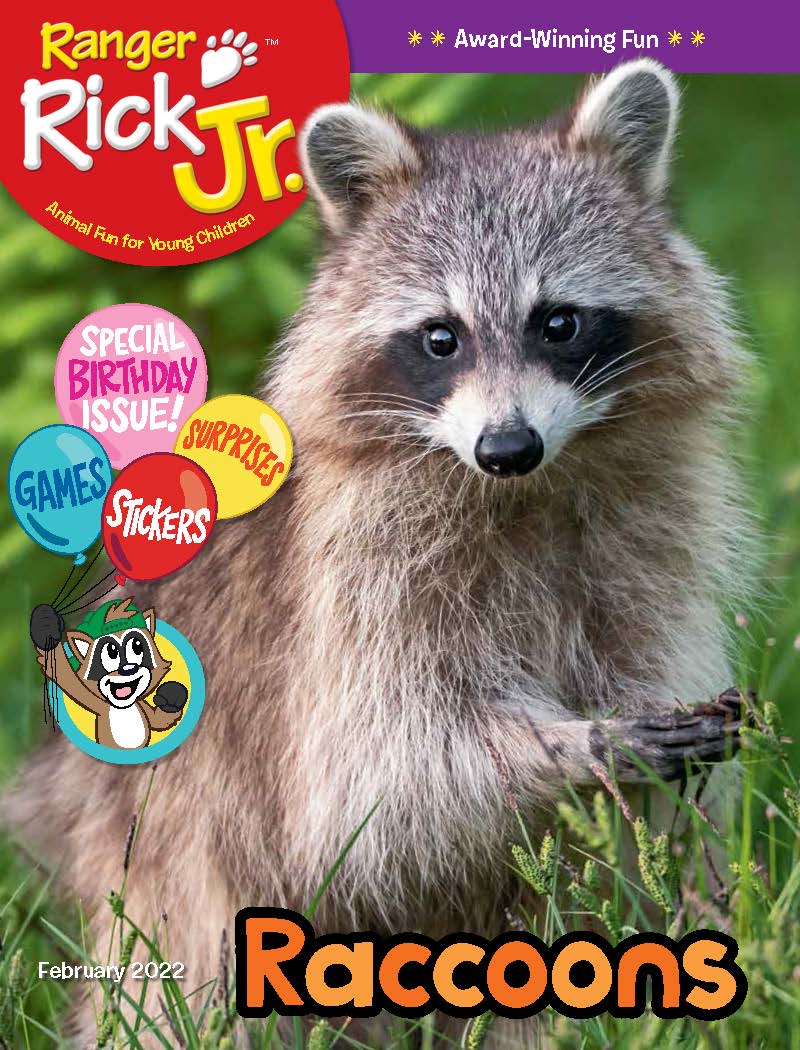
Ranger Rick Jr., the magazine published by the National Wildlife Federation, is  celebrating its 10thanniversary this year. To commemorate this milestone, NWF is making the February 2022 issue of the magazine a special birthday edition of the magazine.  

Ranger Rick Jr. has its origins in Your Big Backyard magazine that was established in 1979 before becoming Ranger Rick Jr. ten years ago. The magazine now shares a host of publications from the NWF from its older sibling Ranger Rick (aimed at children ages 7 + ) and younger sibling  Ranger Rick Cub (aimed at children ages 0 -4) and Zoobooks.

I reached out to Lori Collins, editor in chief of the Early Childhood Publications at the National Wildlife Federation, and asked her seven questions regarding the tenth anniversary of Ranger Rick Jr.  My questions and her answers follow:

Lori Collins, Editor in Chief, Ranger Rick Jr.

Samir “Mr. Magazine™” Husni: Ten years ago you launched RR Jr. in the height of the digital revolution.  Why did you decide to do that and what role does print play in this digital age when it comes to the younger generation?

Lori Collins: Both kids and adults love technology, no question about it. They like the bells and whistles. But kids, especially young ones, love the simple magic only a print product can provide. Our readers look forward to getting mail each month that is not only addressed to them, but also made just for them. It makes them feel special.

More importantly, young children like the quiet time they spend curled up with a parent, mostly at bedtime, going through the pages, looking at the pictures and reading the stories. Most parents cherish those hours with their child as well. 

S.H.:Now that the magazine is ten, what’s in store for the tenth anniversary?

L.C.: When I realized Ranger Rick Jr. was turning 10, I wanted to do something special to mark the occasion. Most importantly, I wanted whatever we chose to do to be fun for our readers. Ultimately, we took a two-pronged approach:

— For the first time ever, we included a sheet of stickers in the magazine. But the stickers aren’t meant to be decorative. Kids are asked to use them to complete features scattered throughout the issue. It’s designed for those kids that are very tactile. The activity will be fun, but it is also designed to reinforce the learning.

—Second, in addition to all the usual content you’ll find in an issue of Ranger Rick Jr. magazine, we’ve included a digital scavenger hunt. When children find and scan any of the ten birthday QR codes we’ve hidden among the pages, they’ll be taken to special web pages that feature unique, bite-sized digital activities related to content in the February issue. The only way to get to any of this online fun is through the print magazine.

S.H.: It seems that you are going beyond the content providing into the experience making, can you elaborate?

I don’t think kids make distinctions between print or digital in the same way that some adults do. Kids just want things to do—regardless of platform—that are designed specifically for them and that are fun. So, with our birthday edition, we’re trying to blur the lines between print and digital rather than to make them choose between them. Our hope is that kids will find it a richer, more engaging experience than any single medium can provide.

S.H.: How are you reaching your audience?  The traditional direct marketing pieces, online, email, etc…

L.C.: Like every publisher, our marketing team relies on multiple methods—direct mail, online ads, email blasts— to get new subscribers. It’s surprising to me—and a little disappointing given the costs—but direct mail still brings in the bulk of our orders.

Nine years ago, I was approached by the founder of the Prekindergarten Reading Encouragement Project (PREP) in Wilmington, Delaware. He asked if we would sell them copies of Ranger Rick Jr. at a reduced rate to distribute in pre-school classrooms in underserved communities in the city. Every month, children in the program receive the magazine and a Parent Reading Guide—in English and Spanish—with tips for sharing the magazine with their children. Thanks to PREP, several thousand families that didn’t previously know Ranger Rick Jr. existed now know and love it. I’m constantly looking for opportunities to replicate the success of PREP in other communities.

S.H.:  What was the major challenge you’ve faced in the last ten years and how did you overcome it?

L.C.: I get paid to write stories about animals for six-year-olds, so I feel like I have the best job in the world. My biggest challenge has been dealing with the grown-ups. It’s expensive to produce and distribute the magazine. The cost of paper and postage continue to rise. Creating digital content is not cheap. So, there’s almost constant pressure to cut corners. But I have too much respect for my young audience to make compromises that will undermine the product we deliver. That often means rethinking how we do some things. It’s OK, for example, to cut pages, providing we can find ways to make the remaining pages more fun and engaging than they were before.  

S.H.: What was the most pleasant moment in those ten years?

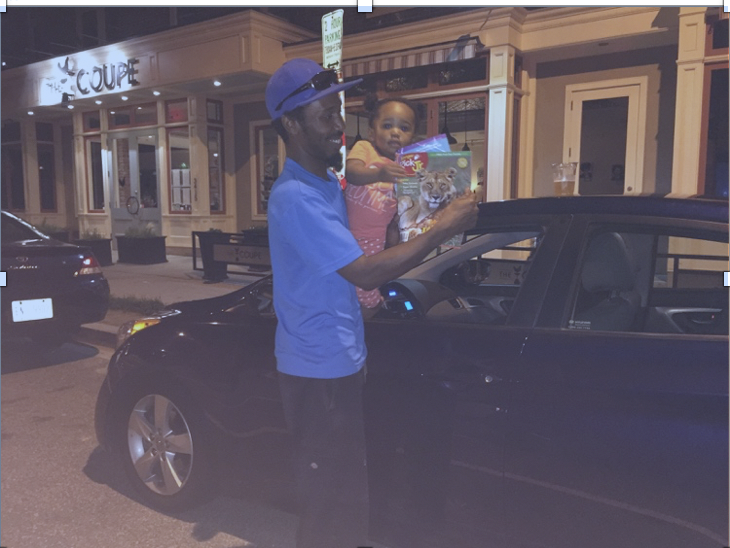
L.C.: Late one night about six years ago, I had a chance encounter with a fan. As I was getting in my car, I looked up and saw a man standing outside the car in front of mine flipping through a magazine. When I looked more closely, I noticed Ricky Raccoon on the back cover. 

I pulled up next to him, I rolled down my window, and asked if he liked the magazine. He was as startled by my question as I was to see him reading Ranger Rick Jr. on the streets of Washington, DC at 1am. I explained that I was the editor of the magazine and showed him my name in the masthead. He told me that his daughter absolutely loves the magazine and that she brings it with her when she comes to pick up her daddy after work. He agreed to let me take a quick picture, providing I signed their copy of the magazine. 

The encounter was completely random and unexpected and genuine. It made my night. And it may sound silly, but in all my years working at NWF, I think it was my proudest moment. 

S.H.: My typical last question, what keeps you up at night these days?

L.C.: I can honestly say, “nothing.” I’ve never been one to sweat the small stuff. 

S.H.: Again, congratulations on the tenth anniversary and thank you.

h1

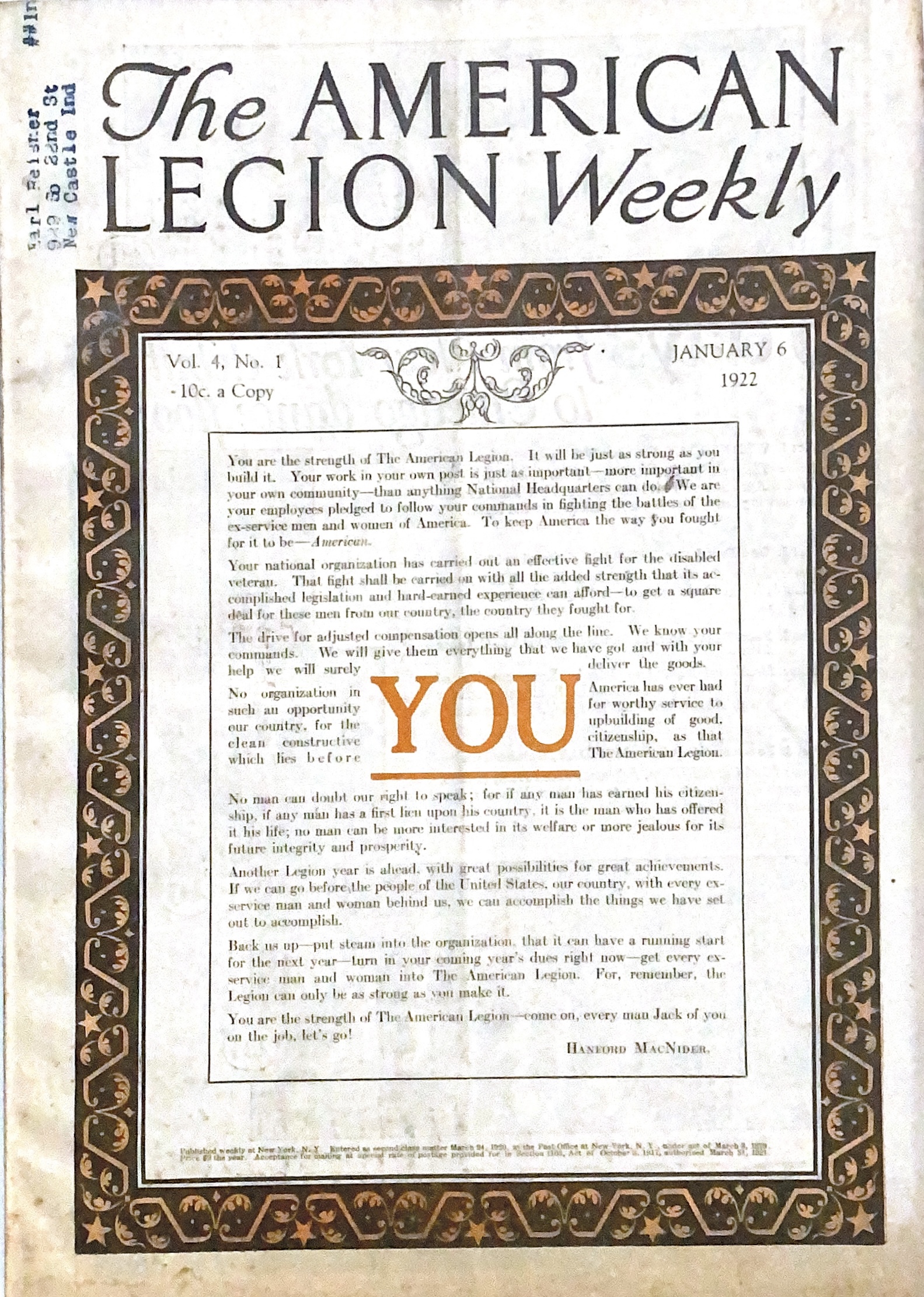
A Century Of Treasures And A Call For Action: The American Legion Weekly Jan. 6, 1922. From The Mr. Magazine™ Vault…

January 5, 2022

On this day, Jan. 6, 1922, The American Legion Weekly magazine, then starting its fourth year in publishing, carried an amazing call for action on its cover with the word YOU centered and bold. In it was an urgent call to the ex-service men and women. It stated: “You are the strength of The American Legion. It will be just as strong as you build it… To keep America the way you fought for it to be — America.”

From the collection of Samir “Mr. Magazine™” Husni collection. The American Legion Weekly, Vol. 4, No. 1, January 6, 1922.

The call for action continues, “No man can doubt our right to speak; for if any man has earned his citizenship, if any man has a first lien upon his country, it is the man who has offered it his life; no man can be more interested in its welfare or more jealous for its future integrity and prosperity.”

Treasures only found in ink on paper magazines… enjoy, reflect, and ponder.

Until my next blog, all the best…

Samir “Mr. Magazine™” Husni

samir.husni@gmail.com

h1

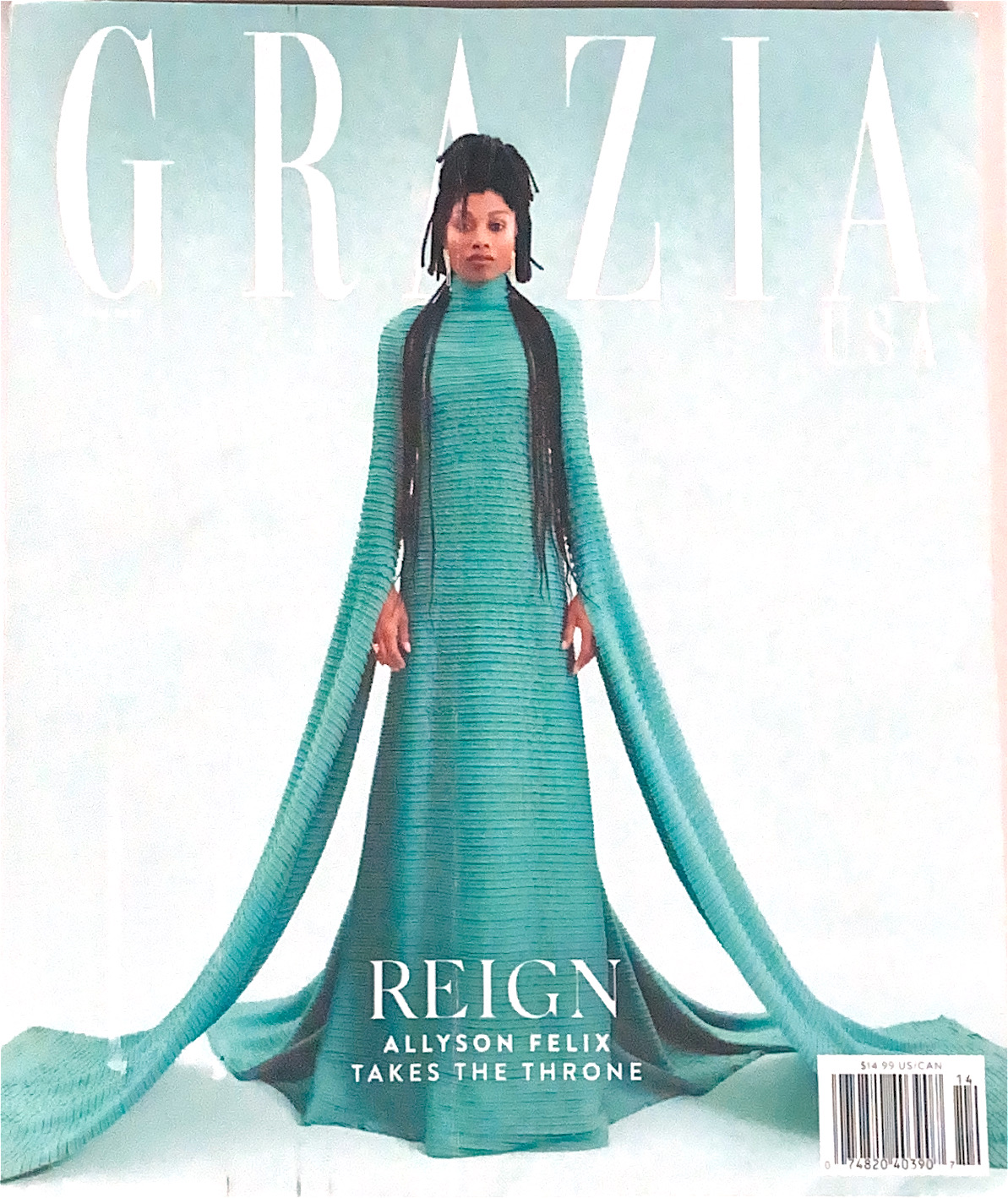
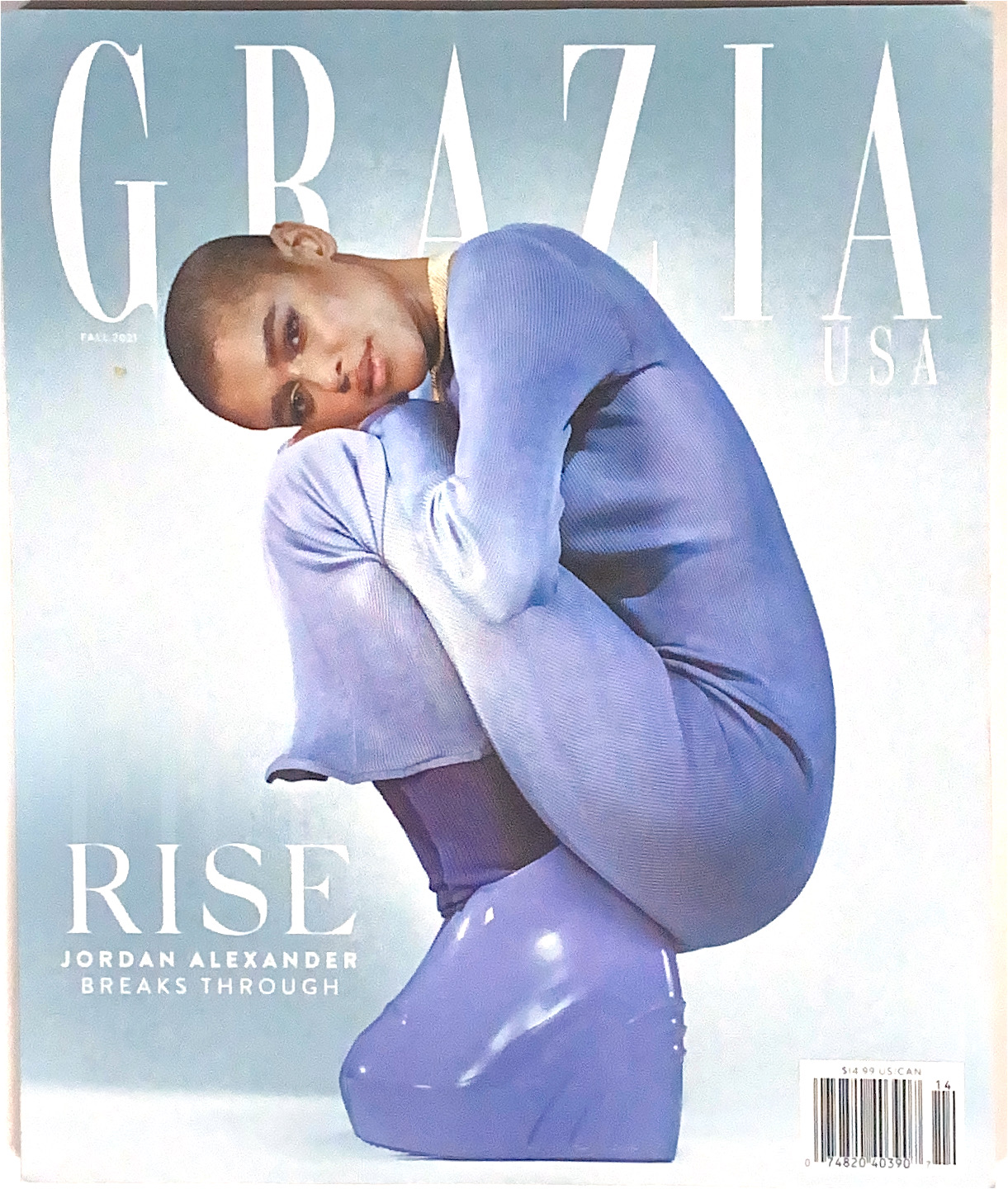
Grazia USA: The Most Notable Launch of 2021. The Mr. Magazine™ Conversation With Dylan Howard, Chairman, CEO & Publisher…

December 30, 2021

We live in a digital led environment so our company slogan is ‘stories matter, especially how they are told,’…” Dylan Howard, Chairman and CEO, Pantheon Media

That is the biggest challenge, to constantly bear the cutting edge of how best to tell stories whilst also remembering that there is something beautiful about print…” Dylan Howard

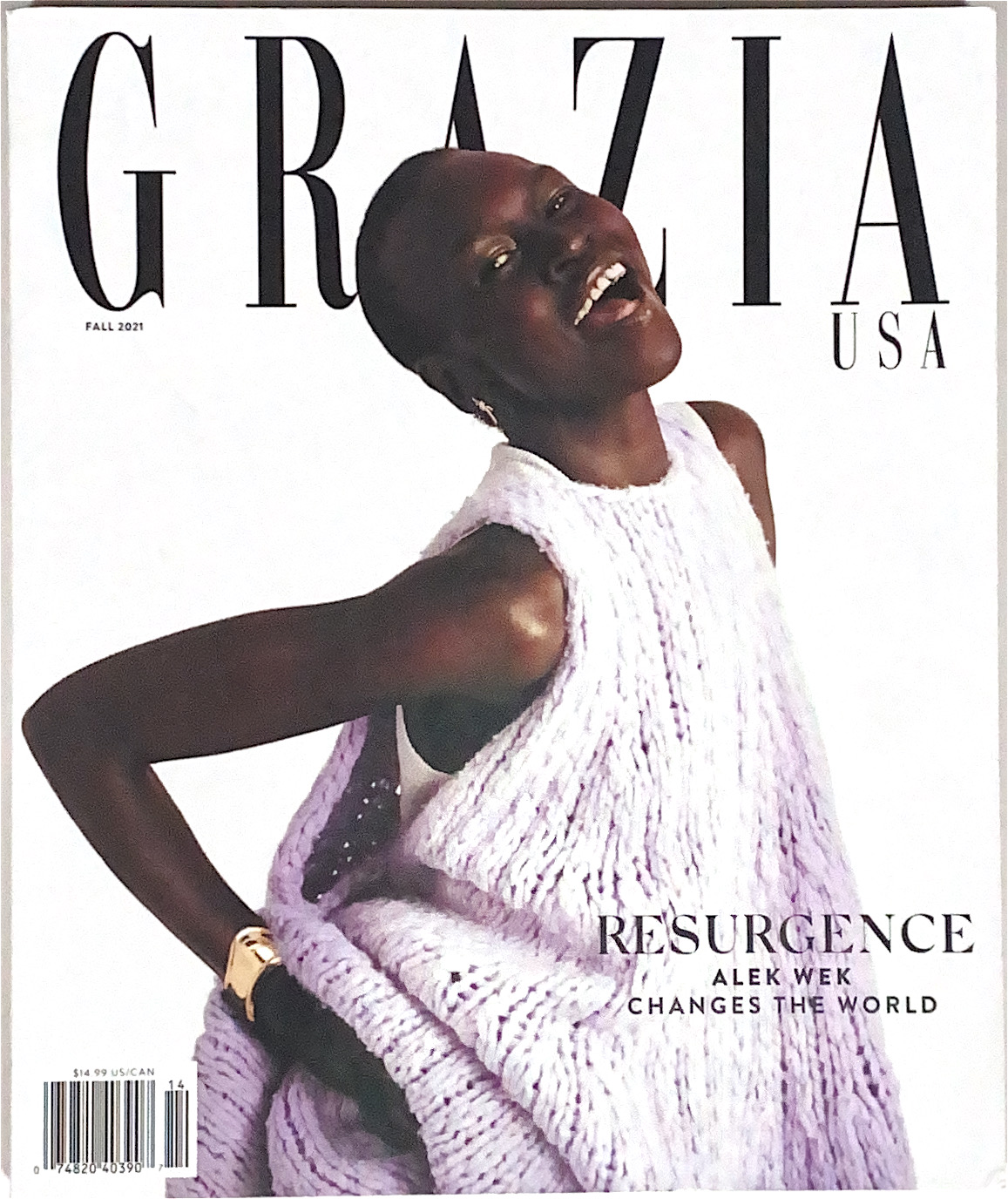
If you told me early in 2021 that someone would launch a print magazine with 400 pages and lots of advertising, I would have told you that you are out of your mind. Bringing Grazia to the U.S.A. is not only an act of faith and belief in the way print can be handled successfully, it is an experience unlike any on the market today combining both quality content, gorgeous photography, and above all a touch of class.

A much needed infusion to the world of magazines in general and the fashion magazine sector in particular. It was not a hard decision for me to choose Grazia USA as the most notable launch of 2021 because it rose to the top of the 122 titles launched that year exactly like the foam rises to the top of an excellent espresso.

To learn more about Grazia USA’s launch, I reached out to Dylan Howard, Chairman, CEO of Grazia USA’s parent company Pantheon Media Group and we engaged in a Mr. Magazine™ conversation about the story behind the launch of the magazine and his role in bringing it to the United States.

Mr. Howard was quick to point out that the launch of Grazia USA was a team effort led by media and business folks he assembled from leading media entities including The New York TimesThe Wall Street Journal, Condé Nast, Tatler AsiaWWD, Reuters, Men’s Journal, Meredith, IAC, Cheddar, News Corp., Refinery29, and a360 Media.

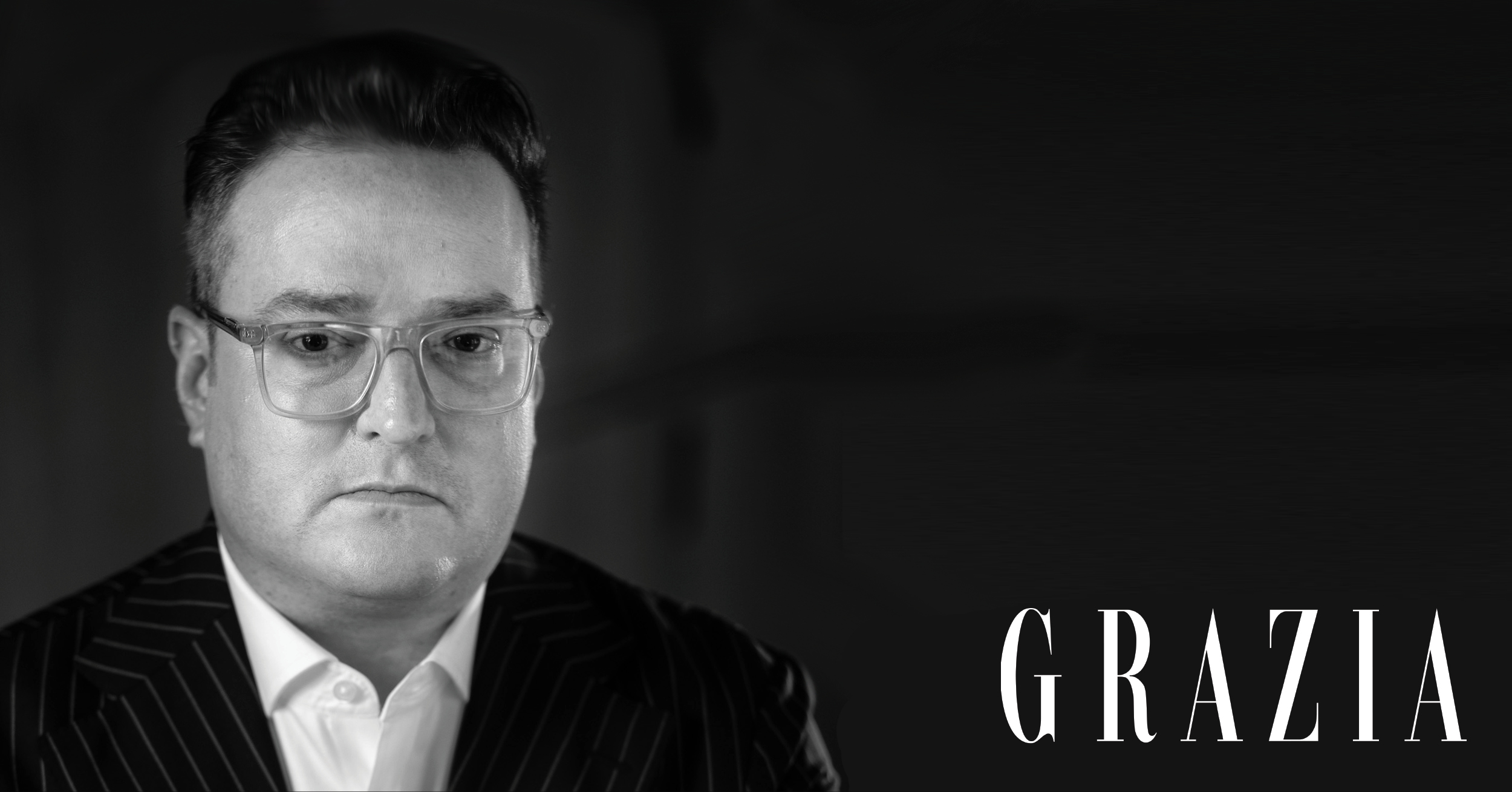
Dylan Howard, Chairman& CEO, Pantheon Media Group

So, here’s my lightly edited casual conversation with Dylan Howard, Chairman & CEO, Pantheon Media Group publisher of Grazia USA:

Samir “Mr. Magazine™” Husni: As the publisher of Grazia USA, the most notable launch of 2021, can you please tell me how you were able to bring into the market in this day and age, an almost 400 page magazine, loaded with advertising among other things…

Dylan Howard: Samir, when COVID hit America, I had a lot to consider about what my next step was going to be, and I decided that I wanted to start another media company and I wasn’t content with it being an independent small player. I wanted to bring to America brands that have flourished internationally but have not reached these shores. And in putting together on the back of an envelope, some brands, one of the first brands that came to mind was Grazia, because close to 20 years ago, I actually wrote for Grazia when it was a weekly magazine in Australia, which is where I am from. So I opened discussions with Mondadori Media in Italy, and it had been Mondadori’s dream to launch a United States version of their flagship fashion and luxury property and just never found the right partner. In me fortuitously, they saw someone who was prepared to actually back it, someone who has an entrepreneurial flair, someone who has gladly no fashion sense, I leave that to the editors, and someone who was prepared to innovate on the brand. 

That innovation has meant more to digital covers, so we launched Kim Kardashian in October of 2020 as our first digital cover in the United States, then in February for New York Fashion Week we did three more digital covers which featured Elizabeth Olsen, Keke Palmer, and supermodel Kate Bosworth, and then in between that and the launch of our September issue, we published seven Grazia Gazettes, which is a first of its kind newspaper/luxury magazine-type publication- five here in the Hamptons, one in Art Basel in Miami, and one for New York Fashion Week, and that allowed us to create a sense of establishment in the industry. Next will be the Rodeo Drive edition in January. People immediately recognized the Grazia name, and they saw that we were doing things differently, and that led obviously up to our September issue, our fall issue, which as you said is almost 400 pages. I personally believe it is one of the best products in the marketplace, in the category. I believe that its editorial is stronger than its competitive set, and that is a tribute to the editor in chief David Thielebeule and Casey Brennan the executive editor, and many others (In fact Mr. Howard mentioned almost everyone who worked on the launch of the magazine), and I think that there is some hype around it. Again you mentioned almost 400 pages, loaded with advertising, content in my view, best in class, and three print runs. We had three separate covers. So this is a commitment to fashion, a commitment to luxury. This is not me saying I want to get back in the industry. This is charting a new course and establishing Grazia for the future because our audience is younger than everyone else. 50 percent of our readers are age 18-34 and you don’t find that anywhere in publishing today. 

SH: The publishing model, you are distributing some as a control circulation, you have the newsstand, you have subscriptions, Grazia is known as a weekly, tell me more about your business model.

D.H.: So Grazia is just one of the tenets in my business, we have near on twenty brands now. We have the digital version of OK magazine, Radar. We did three start up brands. Front Page Detectives which actually picks up on the 1920s pulp magazines- so we relaunched that as a digital website. We have a Royals website. We have a female inspiration website. This year we will announce, we have How it WorksHistory of WarAll About Space, and we are going to announce another 4 or 5 print productions that will launch in 2022. But for Grazia, it is our flagship, we will do four issues per year. We will continue with The Grazia Gazette newspaper which I refer to as the traveling newspaper. We go where people are, much attended events, is where you will find The Grazia Gazette like Art Basel in Miami. We will continue to do our digital covers, but we have a commitment to printGrazia worldwide is in various shapes and forms, as you pointed out, it is a weekly in some countries. In other countries, it is a monthly. In Australia and here in the United States, it is a quarterly, which allows us the time and resources required to put out a publication that is best in class. Instead of flooding the market with more of the same, we can take a considered approach to what it is we are publishing. Likewise, that enables us to work closely with our advertisers to ensure that we are capturing what it is that they want to market and when they want to market. I think we would all agree that the industry is flooded with product and it is not necessarily the highest quality product because of the frequency in which they print. 

S.H.: Did anyone tell you when you came up with the idea that you are going to launch Grazia in the U.S., are you losing it? Are you out of your mind?

D. H.: I’ll tell you about The Grazia Gazette, I mean, I’ve never published a newspaper. I’ve worked at newspapers before. I was sitting on a couch one night and I said what if we were to create a 56 page luxury newspaper and distribute it to 40k households in the Hamptons in 2021 and I called my Chief Operating Officer, Melissa Cronin, who joined me from A360 Media, and she said, this is a brilliant idea, and within days, we were in production. So, I’m sure people like to say behind my back, he’s crazy. They don’t necessarily say it to my face, but I tell you what there is a sense of pride and accomplishment when my editorial staff and my business staff are able to put together a publication like this and for me as a CEO to be able to see that my investment in hiring the best of the best has paid off. So for example, our Global Brands Officer is Brendan Monaghan, who has a strong lineage across the media industry from The New York Times to Vogueand GQ, Tanya Amini who comes from Conde Nast, W Magazine, our CFO Andrew Lee is a 22 year veteran of Conde Nast. Melissa Cronin who is the ying to my yang, a brilliant, insightful smart strategist, she is the COO and president of the company. Also, Casey Brennan who has worked with me for ten years and as I mentioned our editor in chief David Thielebeule who joined us from The Wall Street Journal, and many others. We also had Kevin Sessums as an editor at large. He was the former executive editor of Interview magazine and a host of other contributing editors. It’s interesting before I was a very hands-on content guy in my past role. With this I’m not, I’ve had to take a back seat which is a little different and a little discomforting at times, but when we put out the three issues and we see that a market is reacting the way it has, I could not be more proud of my staff.

S.H.: If you are going to look back at those one and a half years, what do you consider, the most pleasurable, the AHA moment, the I’ve made it…

D.H.: I don’t subscribe to the notion that you’ve ever made it. You are only as good as the last issue and the challenge is on us to produce an issue for March that will again set us apart from the competitive set. This is not a sprint, this is a marathon for our businessWhile those other publications will age out of the category in my opinion, I hope and I believe, and Mondadori also believes that Grazia will be the last one standing. In order for that to occur, we need to continue to invest in fashion and luxury and we need to continue to invest in the product. So whilst 2021 was great and we had enormous success and we are all very proud of what we are able to put out, 2022 is only a few days away and we are looking at a very strong line up already of products that we will distribute to the marketplace whether it be a quarterly, the newspaper, or other news formats to tell stories. We are just really excited about it. To be able to bring a brand that is 83 years young to the United States, with a legacy that it has from Italy to London to France to Germany and now in 21 other countries, is truly passing on the baton to us and we have to do our founding editors proud and I think we did with the launch of the first issue.

S.H.: I remember when Didier Guerin came from France trying to launch Elle magazine in the U.S., the naysayers said this will never work…

D.H.: I think it was the great Theodore Roosevelt who said something that has just sat with me about publishing. Theodore Roosevelt in his speech, The Man in the Arena, he said, “It is not the critique who counts, not the man who points out how the strong man stumbles or where the doer of deeds could have done them better, the credit belongs to the man who is actually in the arena, whose face is marred by dust and sweat and blood, who strives valiantly, who errs who comes short again and again, because there is no effort without error and shortcoming, but who does actually strive to do the deeds, who knows great enthusiasms, the great devotions, who spins himself in a worthy cause, the best knows in the end the triumph of high achievement and who at the worst, if he fails, at least fails while daring greatly, so that his place shall never be with those cold and timid souls who neither know victory nor defeat.”  And that hangs in my office here (in the Hamptons)  and hangs in my office in Manhattan as well.

S.H.: You are the man in the arena. What’s the biggest challenge that’s facing you? 

The biggest challenge is continually innovating. We live in a digital led environment so our company slogan is “stories matter, especially how they are told” It is constantly innovating, looking for the next method or model in which to be able to showcase content, be it through the intersection of QR codes in a magazine pointing back to video, creating premium podcasts that can traverse the United States into Europe and other areas. That is the biggest challenge, to constantly bear the cutting edge of how best to tell stories whilst also remembering that there is something beautiful about print. I think our model of doing a quarterly with a brand offshoot as The Grazia Gazette is not only industry leading, it’s a sign of what should happen moving forward for the industry to sustain itself. 

S.H.: I have to ask you since you were an editorial person, a reporter, a writer, you name it, is there part of your brain that misses that now that you are a CEO and you have to deal with the business side and ensure the business is working and the money is coming in…

D.H.: I am far too busy focused on what is next than I am meddling in what others are achieving with their work, and the premiere issue is tantamount to that. I wasn’t involved in the issue. Our COO and President Melissa Cronin, who I mentioned, was. From a business side, she and Brendan Monaghan lead it. I’m far too busy looking for what the next move for the company is and we have some big things lined up ready to announce in 2022.

S.H.: Before I ask my typical last question, is there anything else I failed to ask you, anything else you’d like to add?

D.H.: No, just that I’ve always viewed myself as a historian and I think I told you this previously of media, I always like to understand the masthead, its history, the people involved, and I think that those that believe the industry is at the crossroads need to sit back and analyze how to continue to operate in this climate. I believe the future lies in topic specific or knowledge based journalism. In order to do that, instead of cutting costs, maybe we need to be a little bit less frugal about that in order to create a product to introduce to customer so that we can convert them into ongoing customers and repeat customers. I would implore others in the industry to do that because the industry cannot survive with few, it has to survive with many. 

S.H.: My typical last question, what keeps you up at night these days?

D.H.: The next deal keeps me up at night.

S.H.: Thank you…

Editor’s Note: To read Tony Silber’s interview with me, for MediaPost’s Publishers Daily, about the magazine launches of 2021 including the launch of the year, the relaunch of the year, and the reinvention of the year please click here.

h1

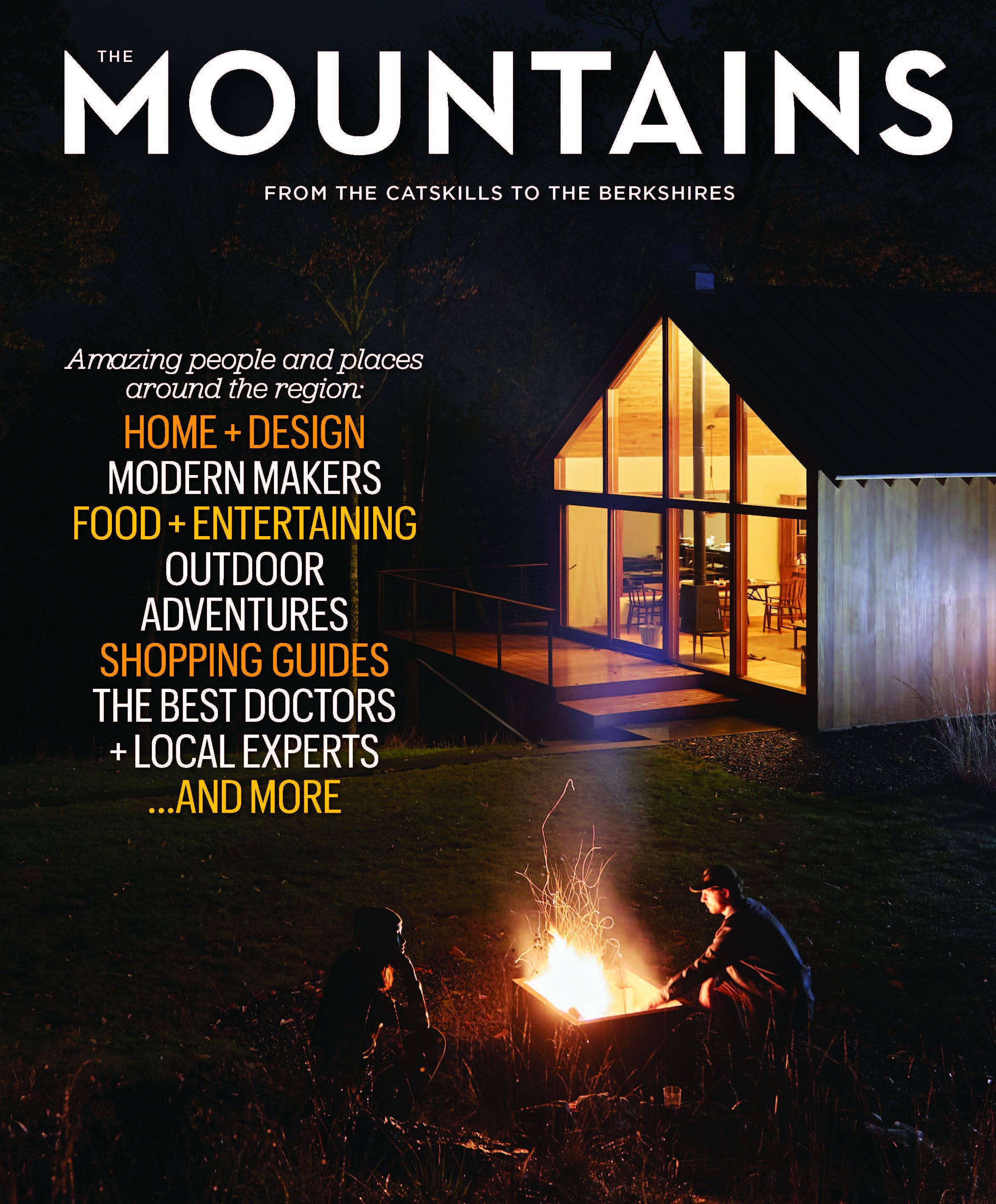
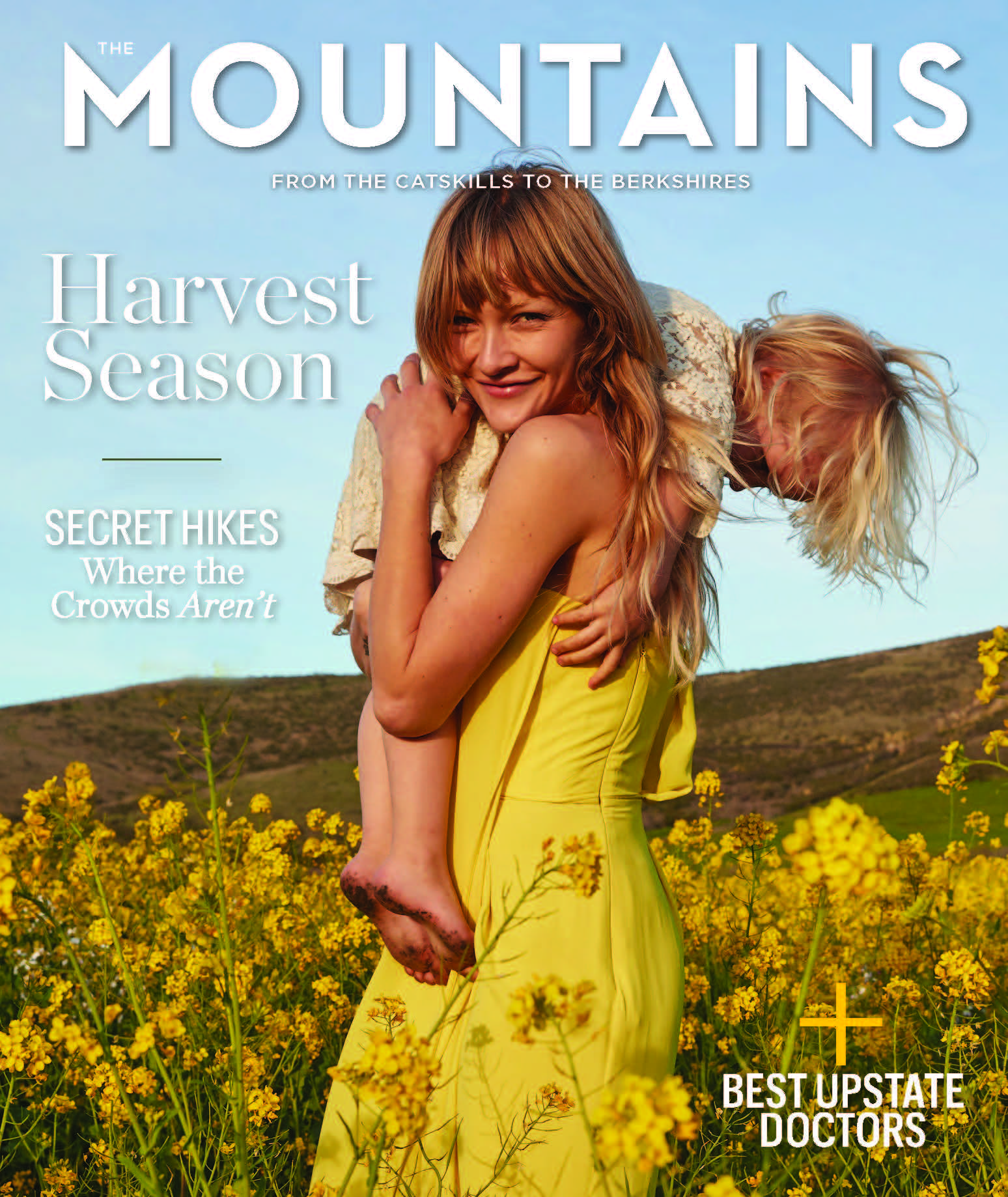
Alan Katz Heads To The Mountains…Seven Questions With The Mountains’ Founder & CEO. The Mr. Magazine™ Interview…

December 21, 2021

With The Mountains, we’re bringing world-class photography and service journalism to an audience that has “decentralized luxury” and is tricky for advertisers to reach.” Alan Katz, Founder and CEO, The Mountains.

Then in my adult life, I gave the Hamptons a shot, but it wasn’t my vibe. Pun intended, I just thought it was so much cooler in the mountains!” Alan Katz

What can a “dynamic, highly connected sales and marketing executive with over 20 years experience driving growth and developing new businesses and brand extensions across diverse media platforms — from print to digital to e-commerce,” do next? Well, for the man who held top executive jobs in the magazine media world for almost a quarter century, there is nothing else to do but head to The Mountains, (pun intended). Alan Katz, the former publisher of Cargo, Vanity Fair, Interview, and New York magazines, and the former CEO of AKA Media and Chief Revenue Officer of DuJour Media, is ready to be his own boss and ready to launch a new venture called, you guessed it, The Mountains: the magazine that tags itself as the magazine “from to the Catskills to the Berkshires.”

I had the opportunity to ask Alan seven questions regarding his new venture, so without any further ado, here is the Mr. Magazine™ Interview with Alan Katz, Founder and CEO, The Mountains.

Samir “Mr. Magazine™” Husni:  The late Steve Florio once described entrepreneurs launching magazines as “terribly naive about what it takes to make a magazine successful,” yet he was kind enough to call this group of future publishers “the romantics.”  As a former Condé Nast executive and publisher, do you consider the entrepreneurial launch of your new magazine The Mountains a romantic affair or a genuine new media business?

Alan Katz, Founder and CEO, The Mountains

Alan Katz: Both. Steve hired me in 2003 to launch Cargo, a terrific men’s magazine. It was both a romantic notion and a genuine new media business–as is The Mountains.  

To me, the word “mountains” itself is romantic; it’s what my parents called the Catskills back in the day. A magical oasis from the big city, where you could find fantastical hotels and retreats.

I chose the name both for its nostalgia and because it’s so relevant to our mission: to be the exciting new resource for the residents, weekenders and visitors of the region from the Catskills to the Berkshires. What’s more romantic than that? We all LOVE this region. It’s gorgeous, bucolic, adventure-filled, rooted in community.

But make no mistake…this is a genuine business. The region is BOOMING—4 of the top 10 zip codes in the U.S. with the biggest growth in net migration 2019 to 2020 were in our geography. Real estate and new businesses are off the charts. The pandemic fueled a “rebalancing” between cities and more rural areas that was already underway. The result is a more sophisticated audience not being served by the existing media in the area. 

With The Mountains, we’re bringing world-class photography and service journalism to an audience that has “decentralized luxury” and is tricky for advertisers to reach. 

S.H.:  How do you approach the launch of The Mountains as opposed to the launch of Cargo?

A.K.: Back to Steve, he famously said at my first team meeting, “There’s nothing like a Condé Nast launch,” and in 2003 he was so right!

The main difference is fundraising. We’ve chosen to seek investment from strategic partners who care about the community and want to support fantastic writers and creative talent that will help bring this region to life, uncover hidden gems and inspire new discovery. 

S.H.:  What is the genesis of The Mountains?

A.K.: I’ve always loved the area. In my childhood, I experienced it all: a bungalow colony, sleepaway camp and fine hotels, all in the Catskills. I even had my prom at Grossinger’s. From “A Walk on the Moon” to “Dirty Dancing: to “Meatballs” (and these day, “The Marvelous Ms Maisel”), I’ve enjoyed it all!!

Then in my adult life, I gave the Hamptons a shot, but it wasn’t my vibe. Pun intended, I just thought it was so much cooler in the mountains! 

So after 25 years as a weekender and homeowner in Columbia County, traveling  around the Catskills and Berkshires and randomly seeing the various media, I was often left wanting more. More original photography. More insightful writing. More useful advice. I’d worked at New York MagazineCargoVanity FairAndy Warhol’s Interview and DuJour, to name a few. My standards were understandably high, but I believed someone should attempt to deliver the best for the market. Then one day, I finally realized that person should be me.

S.H.:  You are launching both in print and digital, what is the plan?

A.K.: Yes, the plan is to launch with both seasonal print and daily digital in Spring 2022. This is a market that doesn’t have the best digital or cable service. It’s a thing. Hopefully that will improve, but until then, a high-quality magazine is what business owners and consumers want and need. They like to lean back and enjoy great writing and cool finds. Print has a certain credibility and luxury, plus it’s power outage-proof!

Our readers come to the mountains to be disconnected, yet want to stay connected, so we’ll fill in the timely facts with daily digital, email newsletters, social media and future video series and podcasts.

S.H.:  Tell me about the team working with you and the goals you expect to achieve prior to the Spring 2022 launch.

A.K.: We’ve hit the ground running with super-talented and connected editors, writers, designers, sellers, marketers and financial folks. They have deep roots in the community and have worked at some of the best brand in the business such as; New York MagazineUS Weekly,Vanity Fair, Apple, AirbnbArchitectural Digest, 1stdibs, Complex, Travel & LeisureDepartures and The New Yorker.

Prior to 2022 we are building the team and the content strategy, uncovering the fun facts and relationships that will enhance our platforms. And seeking advertising support from local and national businesses, brands and service providers, as well as financial and strategic investment partners.

I’m thrilled to say, both are going exceedingly well!

S.H.:  Anything else you’d like to add…

A.K.: I can’t express how much fun this has been, and how welcoming and collaborative the community has been. Everyone says it’s a long time coming, and appreciates our bringing the counties together under The Mountains moniker. Some of our first advertisers are signing on for 2-year schedules!

S.H.:  My typical final question, what keeps you up at night these days?

A.K.: What keeps me up at night these days is two kids in college, one just starting her first great job and the uncertainty of this global pandemic.

As per The Mountains, every aspect of the business tends to keep me up–my mind is racing with new ideas and ways to improve the media landscape for our audience and marketing partners. I mean it. Let’s go!!

S.H.: Thank you and good luck.