Please join The Forum on the BBC worldwide service as I and two other colleagues discuss the history of magazines. What follows is what the BBC wrote for the introduction to The Forum. To listen to the podcast please click here.
“When magazines first emerged, they were the preserve of an elite who could afford to pay for them. But as time went on, the cost of paper fell, printing technology became more streamlined, literacy improved and would-be publishers spotted an opportunity to connect with audiences hungry for information and entertainment.
Magazines found a place to appeal to all types of interest, in the same way that the internet does today. In their heyday they attracted some of the best writers such as Charles Dickens and Ernest Hemingway, sometimes acting as a vehicle to establish literary careers. Later magazines were to become the go-to place for quality photography and design.
Falling advertising revenues have largely contributed to the decline of printed magazines, as well as editions moving online. However some titles have found a way of reinventing themselves in the 21st century.
Iszi Lawrence is joined by a panel of guests to discuss the rise and evolution of magazines. Usha Raman is a professor in the Department of Communication at the University of Hyderabad in India, who began her career in magazines, writing and editing a variety of publications. She’s also the owner and editor of a specialist magazine for teachers.
Samir Husni is the founder and director of the Magazine Media Centre in the United States. He’s also written many books, including Inside the Great Minds of Magazine Makers.
And Tim Holmes is a former magazine editor, writer and until his retirement, leader for many years of the magazine journalism course at the University of Cardiff in the UK. We’ll also hear from a variety of Forum listeners from around the world, who share their thoughts on magazines.
Flow, the magazine that was born in an attic in the Netherlands in 2008, gained the world’s attention for its beauty, elegance, and giving its audience a time for themselves in a very slow but conscience and creative presentation.
What can easily be described as a magnet to paper lovers, returns to the shores of the United States and another 20 English speaking countries after suspending publication in English following COVID 19 in 2020.
The articles in the magazine, the photography, and the illustrations are all printed on paper that corresponds to the nature of the article or illustration. The genius idea of Irene Smit, the cofounder and creative director of Flow, with business partner Astrid van der Hulst, cofounder and former editor in chief of the magazine.
When the magazine arrived on the newsstands in the Netherlands, the skeptics who doubted a “me time magazine,” will survive were stunned by the sales numbers. Flow continued to grow in the Netherlands and beyond. Now in four languages(Dutch, German, French and English) and multiple international editions, the magazine is back on the United States newsstands.
I had the pleasure of chatting with Irene Smit, the cofounder and creative director of Flow via Zoom in her office in the Netherlands. What follows is the lightly edited interview with Irene Smit, but first the soundbites:
On the elevator pitch of Flow: “Flow is about slowing down and living a conscious life.”
On the challenges that forced the suspension of Flow in 2020: “The challenges brought by COVID-19 proved insurmountable. Skyrocketing paper prices and exorbitant distribution costs, combined with widespread shop closures worldwide, made continuing the magazine untenable.”
On the timing of the return of the English edition of Flow: “Last year, Flow Magazine was sold to another publishing house, Roularta Media. They were enthusiastic about restarting the international edition, which was exciting for us.”
On the feedback during Flow’s suspension: “What’s truly heartwarming is that even during the years we were away, we continued to receive letters and messages on platforms like Instagram and Facebook.”
On Flow’s target audience: “In a time of increasing polarization, many found comfort in Flow’s community—people who cherish crafting, paper, and positivity.”
On the genesis of the Flow idea: “People were growing tired of the “more, better, quicker” mentality. Instead, they seemed to crave a simpler, more authentic way of life.”
On the power of print in a digital age: “After years dominated by digital devices like iPhones and iPads, people are rediscovering the value of paper. It resonates particularly with Gen Z and millennials, who are increasingly seeking ways to step away from their screens.”
On Flow’s mission: “Flow has always been about: nurturing your mind through creativity and incorporating positive psychology into everyday life.”
And now for the lightly edited conversation with Irene Smit, cofounder and creative director of Flow magazine:
Irene Smit
Samir Husni: What’s the elevator pitch of Flow?
Irene Smit: Flow is about slowing down and living a conscious life.
When we started Flow (myself and business partner Astrid van der Hulst) in 2008 magazines weren’t about those topics. They were all about more, better, like what social media is now. We already knew what the world wanted before the world wanted it, a place to slow down and to live a conscious life, and that’s what we still offer in the magazine.
Samir Husni: You publish several international editions. You have one in France, you have one in Germany, and you brought an edition to the States. Because of COVID, you had to suspend the International edition. Now you are bringing it back. Why now? And what are some of the reasons for this relaunch?
Irene Smit: Shortly after launching the Dutch version, we began receiving numerous letters from people who had come across it at the airport. They all praised the magazine, saying it looked stunning and had a unique tactile appeal due to the variety of papers used. However, many added, “We don’t really understand what it’s about.” This feedback prompted us to create an English-language edition in the Netherlands.
At its peak in 2020, just before the onset of COVID-19, the magazine was published and distributed in 34 countries. We had licensed German and French editions, while the English edition was produced in-house. This version was developed in the Netherlands with support from English-speaking translators and editors.
However, the challenges brought by COVID-19 proved insurmountable. Skyrocketing paper prices and exorbitant distribution costs, combined with widespread shop closures worldwide, made continuing the magazine untenable. A new publishing company had just acquired us and we decided to stop producing the English issue, and unfortunately weren’t able to start it up again.
But last year, Flow Magazine was sold to another publishing house, Roularta Media. They were enthusiastic about restarting the international edition, which was exciting for us. This summer, we finally made it happen. The magazine will now be published twice a year and distributed across 20 countries. This allows us to gradually grow and adapt to modern distribution methods.
What’s truly heartwarming is that even during the years we were away, we continued to receive letters and messages on platforms like Instagram and Facebook. Our Facebook group for Paper Lovers has been especially active. Fans would often ask, “Can you please bring back the English edition? You’re my paper inspiration, my ‘Paper porn.’ I miss you so much!” Some even joked about learning Dutch or French just to stay connected with us. Whenever we posted updates, our many international followers would respond, urging us to return to the U.S., New Zealand, or Australia.
Last year, more and more people were expressing that the world truly needs Flow. They emphasized the importance of spreading a positive message of hope and offering ways to care for ourselves in this fast-paced, often overwhelming world. Flow Magazine has always been about fostering a sense of community, bringing people together, and celebrating creativity. In a time of increasing polarization, many found comfort in Flow’s community—people who cherish crafting, paper, and positivity.
With so many asking for Flow’s return, we realized that now is the perfect time to bring it back.
Samir Husni: If you can go back to 2008, tell me a little bit about how you and your business partner came up with the idea and how did you start this magazine? My understanding that you were in your attic?
Irene Smit: Yes, we were. We were both working for Marie Claire, a glossy magazine that was part of Sanoma Publishers.
One day, we were on the attic when Anita Mooiweer, the new business manager of Sanoma, mentioned, “We feel there’s a need for a different kind of magazine, but we’re not sure what. Could you help us think of a new concept?” Inspired, Astrid and I gathered a variety of paper goodies—things we loved, like stationery and notebooks—from children’s bookstores and sat down to brainstorm.
Both of us shared a deep love for paper. After years of working on glossy magazines, we felt that by 2008—just before the economic crisis—society was shifting. People were growing tired of the “more, better, quicker” mentality. Instead, they seemed to crave a simpler, more authentic way of life.
We noticed that people no longer yearned for more designer clothes or extravagant vacations. Instead, they valued meaningful gestures, for example, like a homemade apple pie from a friend. Those personal, heartfelt moments held more worth than expensive luxuries. Inspired by this, we set out to create a magazine that we would want to read ourselves—something entirely different from what was already available.
At the time, we had just completed a mindfulness-based stress reduction course. It taught us profound life lessons: letting go of perfectionism, accepting ourselves, cultivating a beginner’s mind, and appreciating the little things in life. We realized our magazine should reflect these principles. It should celebrate life’s small joys and offer guidance on navigating lessons that traditional schooling never taught us.
We wanted to learn and share these life lessons with others. That idea became the heart of our magazine. It combined everything we loved—poems, stories about inspiring women, history, and articles that helped us better understand the world and ourselves better.
Samir Husni: And you decided to use a variety of paper in the magazine. It was not one paper stock. The magazine is known for the variety of paper from tissue paper to glossy paper?
Irene Smit: Yes.
Samir Husni: Why do you think this was the choice and what’s the power of print today in this digital age?
Irene Smit: We decided to use a variety of papers because paper is so much more than just a medium for printing text. The tactile feel, the scent—it evokes emotions and can transport you to a different state of mind. For instance, when presenting an article filled with images, glossy paper is ideal. Its shiny, eye-catching quality adds a sense of indulgence, almost like visual candy.
On the other hand, if the article is about confronting personal challenges or pitfalls, a rougher paper feels more appropriate. The texture itself mirrors the subject matter—it’s a bit raw, a bit tough—adding a layer of depth that complements the article’s tone and content.
Today, paper has re-emerged as a luxury product. After years dominated by digital devices like iPhones and iPads, people are rediscovering the value of paper. It resonates particularly with Gen Z and millennials, who are increasingly seeking ways to step away from their screens. Many of them feel the need to reclaim their time and reduce their reliance on phones, often spending hours daily glued to their devices.
This reconnection with paper is beautiful. Younger generations, who grew up immersed in the digital world, are finding joy in treating themselves to offline moments. Whether it’s reading a magazine, journaling, or crafting a mood or vision board, they’re rediscovering the simple pleasures of print. It’s akin to the resurgence of vinyl records; just as people have fallen in love with playing records again, I believe the next step will be a revival of magazine reading.
Samir Husni: That’s good. So, tell me, was it more like a walk in a rose garden or you had some challenges you had to overcome?
Irene Smit: We had a lot of challenges. I wish it was a walk in a rose garden.
In the beginning, it was almost amusing how few people believed in our potential for success. Critics scoffed, claiming we could only fill two or three issues with content. Many doubted it would work long-term.
Some even complained about the empty pages, saying they weren’t willing to pay for blank space. But we stayed true to our vision, deciding to do things our own way.
To our delight, the magazine sold exceptionally well. To all the skeptics, we simply said, “It’s fine to doubt us, but the numbers speak for themselves.” After the first decade of success, while many other magazines started to decline, we remained stable and even thrived.
We were thrilled to still be riding that wave of positivity. However, the past five or six years have been more challenging. The pandemic forced us to pause the English edition, and switching publishers twice added further complications. Creating this product is incredibly time-consuming, and downsizing our team has made the process even more demanding.
Despite these hurdles, we continue to pour our hearts into this magazine. We believe in crafting the best product possible, and we think our audience can feel that passion. This connection is why so many people are eager for its return.
It’s heartwarming to see such enthusiasm. In fact, the English edition seems to have gained an almost mythical status during its absence. People are eager to bring it back, and our Book for Paper Lovers has been equally beloved—it’s a magazine without articles, filled solely with beautiful paper.
We’ve collaborated with Workman Publishing in the U.S. to produce various projects, such as A Book That Takes Its Time, along with stationery and puzzles. Now, as we prepare for our return, Workman Publishing has expressed interest in new books featuring stickers and stationery.
It hasn’t been an easy journey, but we’re on the upswing. With the English edition back on newsstands, we’re hopeful it will be warmly received. Our message of comfort, compassion, and care for one another feels more relevant than ever. We believe this is the perfect moment for our comeback.
Samir Husni: When you launched the magazine, you were all alone. What was your feeling when you saw all those competitors sprouting like mushrooms on the newsstand worldwide?
Irene Smit: Yes, it was challenging. I think in the Netherlands, the situation was manageable. However, in Germany, there were times when we faced competition from 10 or 15 rivals simultaneously. That was definitely frustrating.
Even so, I believe people can recognize when something is created with genuine passion and originality. We’ve always aimed to innovate and bring fresh ideas to the table. Over time, people continued to view Flow as the original, standing out with its unique products. I don’t think the imitations are as good as ours, and I believe people can sense that.
Samir Husni: Who’s your target audience? Whom are you trying to reach with Flow?
Irene Smit: It’s funny, we always said we have a very broad audience, everybody that likes our topics is welcome.
These days, many young people are deeply interested in our topic. From the very beginning, Flow has been about mental health, although we didn’t use that term back in 2008. At the time, nobody really talked about mental health. Instead, we focused on mindfulness and caring for your mind.
It wasn’t until after COVID that mental health became a common topic of conversation. That’s when I realized—this is what Flow has always been about: nurturing your mind through creativity and incorporating positive psychology into everyday life.
Now, many young readers turn to Flow specifically for its mental health articles. At the same time, we continue to have a large audience of readers in their 50s and 60s, making it a truly broad and diverse community.
Samir Husni: That’s good. So what’s your motto now? Is it like “Go with the Flow?”
Irene Smit: Yes, it’s still “Go with the Flow”. We just keep going with the Flow.
We try to sense what people want to read, what they want to hear, and how we can help them in life. Every day feels different, as the world changes so quickly.
We aim to keep up with all these changes, but we go with the flow, embracing the opportunities that come our way—like restarting the English edition. I think that approach works best for Flow.
Samir Husni: Before I ask you my last two typical questions, is there any question I failed to ask you that I should ask you or anything you would like to add?
Irene Smit: You should have asked, “Where is Astrid?” She left. She’s now a primary school teacher. It was very sad because we started this together.
We’re still both parents of Flow, but she’s found something else that suits her life better. She loves teaching and doesn’t want the pressure of all these deadlines anymore. Now, she has found the right balance—she’s a teacher, but still writes articles for the magazine.
I’m happy she’s still involved with Flow.
Samir Husni: If I would come uninvited one evening to your house, what would I catch Irene doing, reading a book, watching TV, having a glass of wine, cooking?
Irene Smit: I’m always striving to improve my life, just like everyone who reads this magazine.
Recently, I started the course The Artist’s Way by Julia Cameron, and as part of that, I’ve been making an effort to spend less time on my phone. Last night, I worked on creating a vision board.
I cut out images from old Flow magazines—both the German and French editions—because it’s difficult for me to cut out from the Dutch edition. I still find that challenging. So, I used illustrations from the French and German versions to create a vision board focused on my future—on what I want to achieve and the experiences I’d like to have with Flow.
I continue to make an effort to stay connected with paper as much as possible, but sometimes, I admit, I get caught up in my phone or the television. Hopefully, you’ll find me engaged with paper when the moment is right.
Samir Husni: My typical final question, what keeps Irene up at night these days?
Irene Smit: I am deeply committed to supporting young people with their mental health. It’s tough to see how much they struggle, and I always try to find ways to help.
Whether through the magazine or collaborations like the one of Flow with the Museum of the Mind in Haarlem, the Netherlands, where we have a permanent Flow Slow Art Tour, I focus on providing programs that support their mental well-being.
“I think there’s a lot of red flags when it comes to starting a print publication right now, but I would almost argue that not as many as three or four years ago,” Kade Krichko
Ori “is a word that started out of convenience, but it’s really turned into something very representative of what we’re trying to do with the magazine, which is connecting east, west, north, south, all of it. And it shows. I mean, I glanced through the first issue, and you get that global feeling within the pages, which I can call like a coffee table magazine.” Kade Krichko
Kade Krichko, Founding Editor, Ori magazine
Call it love of print, love for travel, love for storytelling, love for going national and global… or, for short, call it Ori. The new magazine for travel from the source.
Kade Krichko is the man behind Ori. His love for print, travel, storytelling, and going global is manifested in the first issue of a beautiful coffee table type magazine.
I reached out to Kade and chatted about Ori, its origin, its concept, and its roadmap for the future. What follows is the lightly edited interview with Kade, but first the soundbites: On the name Ori: That was our travel from the source idea that we built this magazine on, and then Ori, the name is kind of funny, but Ori is short for origin, also for original, for orient, all these ideas of direction, right?
On role of print in a digital age: For us, it was the idea of, again, this antidote of this digital scrolling world that we live in, where everything moves so fast. And we, even magazines, are moving so fast.
On what else besides the magazine they are doing: But, yeah, we want this to be a community that’s represented. And so, part of that is having some merchandise that people can wear and that will, you know, bring up some questions at the dinner party. Like, oh, what is Ori? That’s interesting.
On the action the magazine will generate: When that curiosity is piqued, people want an action step. So, when they’re excited about traveling and they like the way that we see the world and travel the world, why not travel with us and go have these experiences with us?
On the biggest challenge he is facing: So I think, you know, establishing a path forward, not being afraid to adjust that path, and then explaining and bringing people along that journey with you has been the biggest challenge, but also one of the greatest creative challenges I’ve had in my career.
On the most pleasant moment: I think hearing from creatives and their feedback has been the most rewarding element of my career, maybe even my life.
On his expectations for 2025: I hope that we have launched one to two more trips that are associated with some of our content and that we have a group of curious travelers that are not only reading our magazine but are offering feedback and that are letting us know what parts of the world they want to know more about.
On what keeps him up at night: Besides typos? I go to bed at night full of ideas and anxious to wake up the next day and implement them or explore them.
And now for the lightly edited conversation with Kade Krichko, founding editor, Ori magazine:
Screenshot
Samir Husni: First, congratulations on the new magazine.
Kade Krichko: Thank you so much.
Samir Husni: Are you out of your mind to start a print publication in a digital age?
Kade Krichko: I am the right kind of out of my mind, I think. Yes, I think there’s a lot of red flags when it comes to starting a print publication right now, but I would almost argue that not as many as three or four years ago. So, yes, there were some warning signs, and obviously some of these bigger companies have had a very, very tough time of late. And I think what we’re seeing is a rebirth, or maybe a safety valve that is the independent magazine. So, in that respect, I feel like I have entered a completely different lane than some of these other publications that are struggling right now. But, yeah, obviously a little bit scary to start a print publication in the age of digital, right?
Samir Husni: So, tell me a little bit more about Ori. I mean, it’s a travel from the source and the name, the origin. How did you come up with this idea to have a travel from the source magazine?
Kade Krichko: I think you kind of nailed it a little bit in the question. Because Ori, for me, not only did I never think I’d start a print publication, I never thought I’d start a travel print publication. But what Ori is, is kind of an antidote to what we’ve been seeing in the travel industry, which is this idea of, we are a travel magazine, but I’m almost explaining as we are a magazine for travelers, because the travel magazines of old were going to these places, they were talking about their experiences, and they were coming home and explaining what these places were like, but really from the perspective of parachuting in and then parachuting out.
So, this idea of traveling from the source is actually reaching out to the source, being the people who live in these destinations, the people who live in these countries, the people who live in these towns, that work as journalists, that work as storytellers, that work as teachers, that work in restaurants, and having them explain what makes their home so great, or so interesting, or so dynamic. So, in that sense, it’s not a total shift, but a little bit of a pivot, and the idea of getting stories from the people who are living it.
That was our travel from the source idea that we built this magazine on, and then Ori, the name is kind of funny, but Ori is short for origin, also for original, for orient, all these ideas of direction, right? Originally, I started with Origen, I like speaking Spanish, I’ve spent a bunch of time in Spanish-speaking countries, and all of my friends told me they wouldn’t read my Spanish travel magazine.
I was like, come on guys, humor me a little bit, but ultimately they won out, and I decided, you know what, you’re right, Origen only represents part of the world. If we cut that in half, we have a base word, Ori, which is Latin, which, you know, Origem is Portuguese, I’m not sure what origin is in Italian, so I’m not going to mispronounce it, but it also starts with Ori. And we have all these Latin words that Ori itself means to begin, to rise, to appear.
But then we look at Japanese and we have origami, and Ori there means opportunity. So, that was beautiful and something that I was like, wow, that’s potent, that’s, you know, east to west crossing over. And then I had another friend tell me that, wow, I didn’t know you spoke Hebrew, and I said, well, I don’t. And he’s like, well, Ori means light in Hebrew. I was like, oh, wow, now we’re connecting, you know, this is a word that’s connecting. And I was at an event this weekend in Brooklyn, we had a magazine launch party in Brooklyn, New York, and I had someone come up to me and be like, did you know Ori in Nigeria is actually a very important metaphysical force that is associated with destiny? And this idea that when your Ori is in line that you are living your best life and this whole thing that I had no idea about, you know.
So, it’s a word that started out of convenience, but it’s really turned into something very representative of what we’re trying to do with the magazine, which is connecting east, west, north, south, all of it. And it shows. I mean, I glanced through the first issue, and you get that global feeling within the pages, which I can call like a coffee table magazine.
But at the same time, I mean, it’s like you said, it’s travel from the source.
Samir Husni: So, tell me, when you came up with the idea and finally determined on the name of Ori, and why twice a year?
Kade Krichko: That was another creative risk we took. We have some modeling with other publications that have done this recently, especially in the independent space.
You have, you know, the Mountain Gazette, which is a mountain lifestyle magazine. You have some more niche mountain and sports publications that are doing a victory journal in Brooklyn, New York. There’s Sports Culture Magazine.
For us, it was the idea of, again, this antidote of this digital scrolling world that we live in, where everything moves so fast. And we, even magazines, are moving so fast. You see The New Yorker, which is ultimately the pinnacle of a lot of what we do as journalists.
And they’re publishing so frequently that people don’t have time to finish that magazine before the next one shows up. And for us, we really wanted people to sit with our magazine. We wanted them to read it cover to cover, hopefully because they enjoy it, but if not, because they have the time to do it at the very least.
And maybe they find enjoyment when they actually have to slow down and read it. So, we figured, you know, people are going to get angry either way. And if people get a little frustrated that there’s not another magazine for them to read, we’re creating our own demand in that sense.
We want people to be excited for the next magazine and have it show up and then be ready to consume and to learn and to experience what we’ve been putting together.
Samir Husni: And I’ve noticed not only you launched a magazine, but you launched also like a store with goods that people can order and buy. And tell me about the whole brand.
I mean, what’s the goal in 2024?
Kade Krichko: I think, yeah, in 2024, you need to offer a little bit more than just the publication. And if we’re not, we aren’t releasing anything digitally. We do have a blog that will have, you know, useful travel information and fun stories.
But, yeah, we want this to be a community that’s represented. And so, part of that is having some merchandise that people can wear and that will, you know, bring up some questions at the dinner party. Like, oh, what is Ori? That’s interesting.
And then also, yeah, just that idea of representation. And then also something we’re doing recently is we’ve launched trips that are in association with the magazine. Because we feel like the magazine is about piquing curiosity.
When that curiosity is piqued, people want an action step. So, when they’re excited about traveling and they like the way that we see the world and travel the world, why not travel with us and go have these experiences with us? So, we have kind of tied this into the full circle experience. Read with us, then come see the world with us idea.
So, in the spring, we’re going to Basque Country, Spain, a place that I lived for a number of years, connecting with some friends there. And kind of living this mantra that we’re pushing in the magazine, this idea of going to the source to learn about things. We’re going and interacting with local businesses, with local wineries, with local restaurants, with local guides, and trying to emulate what we do in the pages out in the real world.
And, you know, I think the shop connects with the magazine, connects with the trips. We want to create this ecosystem, this community, rather, that once you’re kind of bought into it, you really can be a part of it. And you can help, you know, you can help us spread the word, but you can also use it to connect with other folks, including the people who put the magazine together.
Myself, I’m an email away. I mean, we’re super small. Our staff is two, maybe three, depending on the day, because sometimes our designer is working with us, but most of the time he has a real job. Good for him. But yeah, we want this to be approachable. And we thought that having, you know, some merchant some connection to the product was part of that.
Samir Husni: So tell me, Kade, what was the most challenging moment you faced from the moment you came up with the idea to the launch of the magazine?
Kade Krichko: Well, that is a great question, because it all kind of molds into one massive mountain that I’ve been climbing. I think the challenge has been turning. The vision is very clear for me of what I would like to do with Ori and what we would like to do as a community.
But it has been hard to translate that in today’s landscape, that I feel like there’s a set of boxes that people are comfortable with, and we rest comfortably outside of that box. So trying to show people that there are multiple ways to consume this information, to enjoy this experience, has been the most difficult. These conversations help. I think you and I getting to talk, you know, helps you understand what we’re doing and hopefully some others to understand what we’re doing. But I don’t, I’m not able to have that conversation with everybody every day. So I think, you know, establishing a path forward, not being afraid to adjust that path, and then explaining and bringing people along that journey with you has been the biggest challenge, but also one of the greatest creative challenges I’ve had in my career.
Something I really enjoy. Get me talking and I won’t stop, because I really do believe in this product, but I also believe in this platform. I think what we’re doing is somewhat innovative in our space, as far as, you know, supporting storytellers and yeah, something I can go on and on about.
That’s been the challenge, is doing something a little bit different, believing in it and then translating it.
Samir Husni: And what was the most pleasant moment you had?
Kade Krichko: I think hearing from creatives and their feedback has been the most rewarding element of my career, maybe even my life. And when I say creatives, I mean writers, I mean photographers, I mean illustrators and artists. I’ve had so many people that I’ve worked with in just the short amount of time reach out and say thank you, and that this was something that they’ve been waiting for, and that they never thought it would come, and that they wish us the best. When somebody wishes you the best, you feel a responsibility to keep going and to make sure that you make them proud. So when the magazine did come out this past November, our first issue, to then get a second round of thank yous and wows and this is better than we imagined, that’s a great feeling. And part of the thank you is this creative grant that we’ve built into our magazine, which again, when I speak of innovation, I didn’t think this was something innovative, and it’s not innovative in the nonprofit space, but perhaps in the publishing space.
Every subscription we get, we take a portion of that subscription revenue and we put it into a safe bank account, and we watch that grow as we gain subscribers. And then once our issue comes out, we go back to our subscribers, folks like you and me, who have read the magazine, and we ask them, what was your favorite piece from this magazine? What really resonated with you? And we basically have a vote, and when that vote is tallied, we award that money that we’ve been saving to a creative team, so a photographer and a writer, to fund their next project.
We don’t ask them what their next project is, we don’t tell them it has to be with us, we give it to them and we say, we believe in you. And to have that belief, I’ve been on the other side as a writer, to have that belief from an editorial staff, you feel like you can move mountains. You feel like you can do anything if somebody’s like, I believe in you. It’s not just me saying that, it’s all of our subscribers saying, we believe in you, your storytelling, and we want to see what you do next, and we’re following along. And so as far as gratification goes, we just awarded our first creative grant, and actually you’re one of the first people to officially know this, but we awarded it to a creative team out of Mexico City, a female writer and a female photographer, Tamara de Anda and Eunice Adorno. And so they will be receiving our first creative grant this week, and we’ll be able to use that for whatever they want moving forward.
And we’re excited to see where they go, and I think a lot of people will be following along now because they want to see where their money goes, right?
Samir Husni: That’s great. So you and I are talking in January of 2025, what would you tell me you’ve accomplished in 2024?
Kade Krichko: I love this. We should hire you on our business side of things to keep us focused. By 2025, I hope we have three magazines out the door. I hope that our creative grant has grown into something that people in the media industry cannot ignore, that this is a new way of doing things in publishing, that at this point, I hope multiple magazines are copying us because I don’t want to be the only one that’s rewarding creatives in our small space. I hope that we have launched one to two more trips that are associated with some of our content and that we have a group of curious travelers that are not only reading our magazine but are offering feedback and that are letting us know what parts of the world they want to know more about.
Hopefully that’s not just in the U.S. and North America, we hope that that is all over the world. Our first issue went to 13 different countries. We’ve only really done marketing in the U.S. and very limited marketing. Marketing being reach out to my friends and say, hey, this is pretty cool. t’s something we’ve been working on. You should check it out.
So, yeah, to be a little more global as a global magazine, I think would be absolutely amazing.
As a pipe dream of mine is to offer this in different languages. But that might be a 2026 conversation.
Samir Husni: If I come unannounced to visit you one evening at home, what would I catch you doing?
Kade Krichko: I would probably be trying to put my laptop down, but I would be doing so while cooking and listening to music. I think those are the two things that help me recenter myself in the evening time and also continue learning while relaxing. I think cooking and music are both really fluid and imperfect, similar to language, similar to some kinds of storytelling.
So yeah, I’d probably be playing some music from some part of the world that I hadn’t heard yet and cooking a dish with what I have in the kitchen, hopefully with more than one person in the apartment, but I’ll do it for myself and for a new friend too.
Samir Husni: Excellent. And what keeps Kade up at night these days?
Kade Krichko: Do we really want the answer to that? Besides typos? I think that Ori has ignited an energy in me that I haven’t felt in a long time.
I go to bed at night full of ideas and anxious to wake up the next day and implement them or explore them. I wish I was getting more sleep because it does keep me up at night, but that is a fire I feel really gifted to have, that every day I wake up very motivated to make this thing better and to see where it can go. And I’m sure you get that a lot from, especially like self-starters and people in the independent space, but I do think it’s true.
I think the people who hang around the longest have that. And I think finding satisfaction in that is often the hard part, but when you do align those two things, it’s intoxicating. It’s an incredible feeling.
Samir Husni: Thank you and good luck on the future of Ori.
“People want and need information and entertainment from trusted sources. Magazines and credible journalism have made magazine media arguably more relevant in the current landscape.” … Sue Holt
“Initially we struggled with this as there is a fine line between us still wanting to do business and generate revenue, but also being sympathetic to our clients who have been deeply impacted. We learned very quickly which clients wanted to discuss creative ways to still operate and promote themselves during this time, and which ones didn’t want to have a discussion now, and which ones are still planning for an upturn in Q4-2020.” … Sue Holt
Magazines fall under the umbrella of “Credible Journalism” very easily. Just ask Sue Holt Managing Director of ITP Media Group (ITP), the Middle East’s largest publisher of international multi-platform magazine brands. She manages a team of over 250+ editorial, digital, advertising, marketing and event team members including Time Out Dubai, Harper’s Bazaar Arabia, GQ Middle East, ArabianBusiness.com, Condé Nast Traveler and Cosmopolitan ME. During this pandemic, Sue says that credible journalism is more important than ever.
“People want and need information and entertainment from trusted sources. Magazines and credible journalism have made magazine media arguably more relevant in the current landscape.”
I reached out to Sue recently to ask her how the company and she and her team were operating during these uncertain times. She answered that while ITP had reduced its hours, they were still producing quality content and hosting many important and innovative digital content with relevance to the world we live in today.
And now the 23rd Mr. Magazine™ interview in the series of Publishing During A Pandemic with Sue Holt, Managing Director, ITP Consumer, ITP Live and ITP Gaming (UAE).
But first the sound-bites:
On how ITP Consumer (UAE) is operating during the pandemic: ITP has reduced its working hours to 3 days a week or 25 hours per week across shifts for editors/digital content team. This was in order that we could ensure no losses and our teams would receive some pay at least. We have also deployed our events team (as there are no events expected until September 2020) and they are learning new skills such as digital marketing, content creation, research etc.
On how easy, hard or disruptive the move to working from home was: Easy in terms of most things can now be done digitally such as meetings, co-ordination of schedules etc. Difficult regarding content creation and keeping the content fresh and exciting.
On the impact so far on the publishing frequency, printing, events, etc. of the company: We have cancelled all of our events until September 2020 and now reformatting these as online conferences, forums etc. We have reduced the print cycle of most of our print publications as the print distribution and printing has been effected with printers closed for now in Qatar and Saudi Arabia. We have also offered ‘at home’ subscriptions so people still receive the physical magazines.
On whether she had ever thought of working during something like a pandemic and if she thinks someone could prepare for something like it: No. I’m not sure what we could’ve done to be prepared aside from arranging the tech side for more flexibility working from home. This was, however, done quite quickly (2-3 days and the whole company of 500 people had it set up).
On what message she is communicating with her readers during these uncertain times: To our readers we just want to say that we have one of the largest business magazine news-sites in the region – ArabianBusiness.com – and we are ensuring that we are correctly and responsibly reporting the Covid-19 facts and how they relate to the region, plus what other businesses are doing to get through this. From other magazines, such as women’s lifestyle, we are hosting digital retreats with relevant subjects, such as mental health, wellness and cooking. Positive messages and how we are all in this together are particularly important.
On what makes magazine media relevant today: People want and need information and entertainment from trusted sources. Magazines and credible journalism have made magazine media arguably more relevant in the current landscape.
On any additional words of wisdom: As an industry we may be suffering due to the loss in advertising revenue but this is short term and the increased digital readership and engagement is something we should be extremely proud of and focus on the retention of once we come out of this.
On what keeps her up at night: Nothing. We can get through this and will.
And now the lightly edited transcript of the Mr. Magazine™ interview with Sue Holt, managing director, ITP Consumer, ITP Live and ITP Gaming.
Sue Holt
Samir Husni: How is ITP Consumer, United Arab Emirates operating during the pandemic?
Sue Holt: ITP has reduced its working hours to 3 days a week or 25 hours per week across shifts for editors/digital content team. This was in order that we could ensure no losses and our teams would receive some pay at least.
We have also deployed our events team (as there are no events expected until September 2020) and they are learning new skills such as digital marketing, content creation, research etc.
Everyone is mainly working from home, however on occasion our production managers or photography team will go into the office with government passes for exceptions.
Samir Husni: How easy, hard, or disruptive was the move to working from home?
Sue Holt: Easy in terms of most things can now be done digitally such as meetings, co-ordination of schedules etc. Difficult regarding content creation and keeping the content fresh and exciting. Obviously, also pages such as photoshoots with models etc. are proving challenging operationally.
Samir Husni: What is the impact so far on the publishing frequency, printing, events, etc.?
Sue Holt: We have cancelled all of our events until September 2020 and now reformatting these as online conferences, forums etc. We have reduced the print cycle of most of our print publications as the print distribution and printing has been effected with printers closed for now in Qatar and Saudi Arabia. We have also offered ‘at home’ subscriptions so people still receive the physical magazines.
Samir Husni: Did you ever imagine that you would be working during a pandemic and do you think anyone could ever prepare for something like this?
Sue Holt: No. I’m not sure what we could’ve done to be prepared aside from arranging the tech side for more flexibility working from home. This was, however, done quite quickly (2-3 days and the whole company of 500 people had it set up).
Samir Husni: What message are you communicating with your staff, advertisers, and readers during these uncertain times?
Sue Holt: To our readers we just want to say that we have one of the largest business magazine news-sites in the region – ArabianBusiness.com – and we are ensuring that we are correctly and responsibly reporting the Covid-19 facts and how they relate to the region, plus what other businesses are doing to get through this. From other magazines, such as women’s lifestyle, we are hosting digital retreats with relevant subjects, such as mental health, wellness and cooking. Positive messages and how we are all in this together are particularly important.
To our advertisers, initially we struggled with this as there is a fine line between us still wanting to do business and generate revenue, but also being sympathetic to our clients who have been deeply impacted. We learned very quickly which clients wanted to discuss creative ways to still operate and promote themselves during this time, and which ones didn’t want to have a discussion now, and which ones are still planning for an upturn in Q4-2020.
And to our staff, we are in constant communication with our teams and are trying to keep them motivated during this time. We have organized a ‘Creative Challenge’ across all the offices (UAE, Saudi, U.K., India, Qatar, LA) where people work with people they don’t normally work with to generate interesting creative commercial solutions for now and post-crisis with prizes such as free Deliveroo, online supermarket shopping vouchers etc. This is something we had always spoken about but never had time for previously and has been well received as an initiative.
Samir Husni: What makes magazines and magazine media relevant today?
Sue Holt: People want and need information and entertainment from trusted sources. Magazines and credible journalism have made magazine media arguably more relevant in the current landscape.
Samir Husni: Any additional words of wisdom?
Sue Holt: As an industry we may be suffering due to the loss in advertising revenue but this is short term and the increased digital readership and engagement is something we should be extremely proud of and focus on the retention of once we come out of this. In the Gulf region we are also heavily reliant on advertising / sponsorship revenue – we need to diversify our business and this situation has now made this a bigger priority.
Samir Husni: And my typical last question; what keeps you up at night?
Sue Holt: Nothing. We can get through this and will.
“Our message is we’re going to come back stronger; we’re going to come back more energetic, more positive, more enthused. We’re going to do everything we can to grow and use this as an opportunity, while others are shattering and closing and stuttering, we’re going to be prepared, ready and able to take advantage of the opportunities.” … Simon Leslie
“We don’t have to reinvent anything; we can just get better at what we do and improve our products and improve our way of doing business. Improve our communication with both our readers and our clients to make sure we’re giving them much more value, because I think that’s what we’ll end up doing during this period, showing people how much we care, because ultimately, this is about who cares. The companies that are shown to care about their employees, their clients, their advertisers, will come out of this much stronger that people who’re just after having the least impact on their bottom line.” … Simon Leslie
Ink travel media was founded in 1994 and has grown from six offices around the globe to 300. They’re storytellers and sellers of advertising to some of the largest brands in the world today, such as American, Qatar, Etihad and Virgin Airlines and also sells digital media space to airlines. The company’s Co-CEO and Founder, Simon Leslie, is remaining totally positive during this pandemic. While the world may see this tragedy as an enormous enemy to the magazine media industry, Simon prefers to see the possible opportunities it presents.
I spoke with Simon recently and we talked about how basically the entire world has come to a standstill, but also how he has chosen to see the potential this pandemic offers to the world of business, rather than the detriments. And how caring about people and your company is paramount to the continued success of your business.
My conversation with Simon was upbeat, positive and a delightful one to have during a time when those attributes are hard to come by.
So, now here is the 20th Mr. Magazine™ interview in the series of Publishing During A Pandemic with Simon Leslie, Co-CEO & Founder, Ink.
But first the sound-bites:
On how Ink is operating during the pandemic: We’ve gone from six offices to 300, and we don’t have many landlords. So, it’s a whole new world that we’ve created. It’s been a little bit challenging in terms of being an office-based business to a work-from-home environment, but actually I think we’ve adapted quite well and quite quickly. We’re doing things to keep people entertained and to learn and grow during this period.
On whether the work-from-home transition was smooth or difficult: With the technology we had, we were already set up to do most things. The technology was quite adaptable, we had to buy a lot of headsets and setups and landlines so people could work from home. We had to buy a few extra printers, but it wasn’t a huge shift.
On how the pandemic has impacted business as usual for Ink: It’s business very much unusual, most of our carriers are grounded. The only airline that’s continued publishing all the way through is American. Obviously, as the biggest airline in the world, they haven’t stopped. The others have stopped and when they’re going to be back at reasonable levels of passengers, we’ll start publishing again. We basically lost most of April, May, and maybe a little bit of June as well.
On whether he ever imagined working during a pandemic, where basically the entire world shut down: I’ve always thought about something like this, where we could switch off for a couple of months. I’ve been working flat-out for 33 years and the ability not to have to worry about a target, a budget, and hitting some sales numbers is quite pleasant. So, it’s not a perfect scenario, but we’re going to make the best of it. And we have to go back when this finishes and make sure that we did something that was productive in this period, that we don’t just waste it and fritter it away.
On what he thinks magazines and magazine media may learn after the pandemic is over: I think what has been interesting, and I’ve been watching and observing some of the things people have been saying to you, for example; I’m not sure anyone is learning anything, they’re just trying to reinvent the wheel. And some of them are trying to reinvent it as a square. And I believe that’s wrong. This is an opportunity where we have to look at everything we do and figure out the most sensible way we can stay in business.
On what message he is communicating with his employees, clients, advertisers and readers during these uncertain times: Our message is we’re going to come back stronger; we’re going to come back more energetic, more positive, more enthused. We’re going to do everything we can to grow and use this as an opportunity, while others are shattering and closing and stuttering, we’re going to be prepared, ready and able to take advantage of the opportunities.
On whether he sees any negative things about what’s happened to the magazine industry during this or is he thinking strictly positive: I think it’s just going to be different. People are still going to behave, and I keep challenging myself on this point, which is are we not going to want to go to a football match and sit next to somebody, are we not going to go to a bar and get a drink? Are you going to go into the most popular bar in whatever city you’re in and everyone is going to stay at six-foot intervals? That’s not how we behave as humans. So, I just think for a short period of time we’re going to be a bit more germophobic, but after that we’ll just go back to normal. And I think that the normality will come.
On looking at the pandemic as an opportunity: I certainly love opportunity and I love when people get scared and I love it when they start panicking because it’s not a time to panic. It’s not like a war where something is broken and the infrastructure is gone or like when the banking system broke in 2008. This is a situation where we’ve all been hit by the same wave and it’s no one’s fault, nobody caused it. We’re all going to come out of it relatively at the same time, most of us pretty much scarred by it, but nothing is fundamentally broken.
On why he thinks print media is relevant today: I’m going to let you in on a little secret, for the first time in I don’t know how long, I bought a newspaper yesterday. I wanted to read something, I wanted to have an opinion and I wanted to see what people were saying. The letters to the editors were interesting. And the paper was still thick and full of advertising and full of great content, trustworthy content. I’m sick of watching the news. I’m sick of watching the press briefings. They’re all saying what they want to hear, they have their own hidden agendas.
On what keeps him up at night: We had a speaker once who came on and told us that we have to think about the next day the night before, so we’re excited when we wake up. And I was so excited I couldn’t actually get to sleep, so that has always kept me up a little bit. Nothing is really worrying me right now. I’m excited about the opportunities that are going to present themselves, I really am.
And now the lightly edited transcript of the Mr. Magazine™ interview with Simon Leslie, Co-CEO & Founder, Ink.
Samir Husni: How is Ink operating during this pandemic?
Simon Leslie: We’ve gone from six offices to 300, and we don’t have many landlords. So, it’s a whole new world that we’ve created. It’s been a little bit challenging in terms of being an office-based business to a work-from-home environment, but actually I think we’ve adapted quite well and quite quickly. We’re doing things to keep people entertained and to learn and grow during this period.
Our teams are doing creative work for our clients, so we’re helping them with their social, outreach, messaging and their videoing. We’re keeping everyone busy and we’re going to come back in a good way. We certainly have our sales team on high alert, so when the doors open again they’re going to be rushing back out.
Samir Husni: You said you moved from six offices to 300, how was the move to work-from-home? Was it a smooth transition?
Simon Leslie: With the technology we had, we were already set up to do most things. The technology was quite adaptable, we had to buy a lot of headsets and setups and landlines so people could work from home. We had to buy a few extra printers, but it wasn’t a huge shift.
And maybe some people are asking why we even have to go back to the office, why can’t we just work from home continuously, but I don’t think any of my team is asking that, they’re looking forward to getting back to the office. Our culture is very much about being together, celebrating and doing stuff together. While we do have a lot of meetings while we’re working from home, it’s not the same as just walking up to someone and chatting in the office.
Samir Husni: How has this impacted the current status of publishing the magazines; is it still business as usual or are you cutting some of the frequencies or suspending some of the publications?
Simon Leslie: It’s business very much unusual, most of our carriers are grounded. The only airline that’s continued publishing all the way through is American. Obviously, as the biggest airline in the world, they haven’t stopped. The others have stopped and when they’re going to be back at reasonable levels of passengers, we’ll start publishing again. We basically lost most of April, May, and maybe a little bit of June as well.
Samir Husni: Did you ever imagine that you would be working during a pandemic, where the entire world was grounded?
Simon Leslie: I’ve always thought about something like this, where we could switch off for a couple of months. I’ve been working flat-out for 33 years and the ability not to have to worry about a target, a budget, and hitting some sales numbers is quite pleasant. So, it’s not a perfect scenario, but we’re going to make the best of it. And we have to go back when this finishes and make sure that we did something that was productive in this period, that we don’t just waste it and fritter it away.
I’ve been through every single challenging situation since 1988 and there’s never been anything where you can’t go and pray, you can’t fly anywhere, you can’t do anything; all the things we love to do have been taken away from us. But then again, we’re all in the same situation. And no one is going to look at us in five years’ time and say, you had a terrible 2020, what did you do wrong? We’re all going to have a blip on our balance sheets, on our profit and loss this year, with the exception of the toilet roll and hand sanitizer producers. (Laughs)
Samir Husni: Once this pandemic is over, what do you think the magazine and magazine media industry will have learned?
Simon Leslie: I think what has been interesting, and I’ve been watching and observing some of the things people have been saying to you, for example; I’m not sure anyone is learning anything, they’re just trying to reinvent the wheel. And some of them are trying to reinvent it as a square. And I believe that’s wrong. This is an opportunity where we have to look at everything we do and figure out the most sensible way we can stay in business.
Also, at the same time, we don’t have to reinvent anything; we can just get better at what we do and improve our products and improve our way of doing business. Improve our communication with both our readers and our clients to make sure we’re giving them much more value, because I think that’s what we’ll end up doing during this period, showing people how much we care, because ultimately, this is about who cares. The companies that are shown to care about their employees, their clients, their advertisers, will come out of this much stronger that people who’re just after having the least impact on their bottom line.
Samir Husni: What message are you communicating with your employees, clients, advertisers and readers during these uncertain times?
Simon Leslie: Our message is we’re going to come back stronger; we’re going to come back more energetic, more positive, more enthused. We’re going to do everything we can to grow and use this as an opportunity, while others are shattering and closing and stuttering, we’re going to be prepared, ready and able to take advantage of the opportunities.
Over the last year I’ve been craving a recession, because there are so many good businesses out there which are being poorly run, and I would love to get my hands on some of these brands that seem to be underappreciated and uncared for by the people who own them. If I can use this as an opportunity to pick some of those up, I will be doing that.
Samir Husni: Do you see any negative things about what’s happened to the magazine industry during this, other than the blip on your P & L, or you’re thinking strictly positive?
Simon Leslie: I think it’s just going to be different. People are still going to behave, and I keep challenging myself on this point, which is are we not going to want to go to a football match and sit next to somebody, are we not going to go to a bar and get a drink? Are you going to go into the most popular bar in whatever city you’re in and everyone is going to stay at six-foot intervals? That’s not how we behave as humans. So, I just think for a short period of time we’re going to be a bit more germophobic, but after that we’ll just go back to normal. And I think that the normality will come.
If there are three businesses that have been affected by this it’s travel, advertising and publishing. And I have all three of those right in my sweet spot. So, I don’t think I could have been hit any harder, and yet I’m standing here and I’m actually grateful for this opportunity. I’m grateful that we’ve had this time and I promise you the people who have stuck with me, clients, staff and advertisers, I will do whatever I can to repay that support.
Samir Husni: So, you’re looking at the pandemic as an opportunity more than a negative?
Simon Leslie: I certainly love opportunity and I love when people get scared and I love it when they start panicking because it’s not a time to panic. It’s not like a war where something is broken and the infrastructure is gone or like when the banking system broke in 2008. This is a situation where we’ve all been hit by the same wave and it’s no one’s fault, nobody caused it. We’re all going to come out of it relatively at the same time, most of us pretty much scarred by it, but nothing is fundamentally broken.
How people will behave will depend how quickly and completely this is over. I think having been locked down for 12 to 16 weeks, most people will be dying to go to a restaurant or a bar to sit and relax, just do things they haven’t been able to do. And especially get on a plane.
Samir Husni: What makes print magazines and print magazine media relevant today? Will print play a different role after the pandemic is behind us?
Simon Leslie: I’m going to let you in on a little secret, for the first time in I don’t know how long, I bought a newspaper yesterday. I wanted to read something, I wanted to have an opinion and I wanted to see what people were saying. The letters to the editors were interesting. And the paper was still thick and full of advertising and full of great content, trustworthy content. I’m sick of watching the news. I’m sick of watching the press briefings. They’re all saying what they want to hear, they have their own hidden agendas.
This is a crisis of communication. If there was ever a time when people needed to go back to trusted sources of information, this is it because our leaders are telling us something different, there’s inconsistencies in countries, and there are inconsistencies even within governments. And we’re supposed to believe a load of people who, quite frankly, haven’t ever managed this type of situation in their lives either.
Samir Husni: My typical last question; what keeps you up at night?
Simon Leslie: We had a speaker once who came on and told us that we have to think about the next day the night before, so we’re excited when we wake up. And I was so excited I couldn’t actually get to sleep, so that has always kept me up a little bit. Nothing is really worrying me right now. I’m excited about the opportunities that are going to present themselves, I really am.
If there are people out there who are in media and are frustrated with their current employees, or they’ve been taught to go and do something else, tell them to reach out and talk to us, because we’re going to grow after this, we’re going to take on more people. We have lots more inventory that we’re creating and I genuinely believe that if you want to be in an industry that’s going to bounce back, travel is definitely going to be part of it.
“This situation will change things for good: redo content planning to serve the audience in the current mental atmosphere, connect with co-workers digitally just to see how everyone is doing, don’t waste energy on things you cannot change. And to the readers: try to make the best of this, go out and focus on quality time at home. We’re re-packaging content for the audience to make the best of time spent at home.” … Katriina Kaarre
“Knowing the reader, anticipating his/her behavior. Giving content that serves them well at the right time, in the right channel, in the right package. Trusting in trustworthy quality content that the readers are willing to pay for it.” … Katriina Kaarre (On the relevancy of magazines)
A leading player among Finnish magazine publishers, Otavamedia Ltd. is part of the Otava Group and publishes a total of 25 magazines in Finland and more than 30 websites. Katriina Kaarre is publishing director for the company and is dealing with the pandemic much like her American counterparts, as best she can.
I reached out to Katriina recently and asked her about this “new normal” the magazine and magazine media industry are having to adjust to for now: working from home, social distancing and anticipating a truly uncertain future. Katriina is staying positive and said, “Corona will help the quality media thrive, the hunger for good (quality) content is stronger than ever, which can be seen in our figures, especially on the web. The power of legacy brands is stronger than ever.”
Indeed, quality content is always needed, especially through times such as today.
So, now the 19th Mr. Magazine™ interview in the series of Publishing During A Pandemic with Katriina Kaarre, publishing director, Octavamedia.
But first the sound-bites:
On how Octavamedia is operating during this pandemic: Otavamedia has been doing fairly well through this so far. However, our print media sales are down and anticipated to drop even more toward the end of the year; online is doing a lot better (but will not be enough to cover for the print loss). We thought that single copy sales would take a stronger blow but they haven’t (since people go to grocery stores less frequently). By far our biggest sales channel, subscription sales, is down by five percent.
On how easy, hard, or disruptive the move to working from home was: Luckily, we renewed the tech when moving to our new offices the end of February and all the connections have worked well. The move from office to homes has been easier than expected (so many Finns are introverts anyhow). For people with small kids at home, it has been a lot harder.
On the impact so far on the publishing frequency, printing, events, etc.: There has not been any changes to frequencies of publications so far. Also, we print almost all of our magazines in Finland, so we haven’t had problems on that front either. Events have been cancelled, so we’re expecting big losses of sales in that. The year’s biggest event called “Housing Fair” is still in the works, but the prospect is that it will at least be moved to a later date or cancelled.
On whether she ever imagined she would be working during a pandemic: There had been a few stories about the next possible pandemic in the past years, but we never imagined anything on this scope. Finland has basically had the same problems that other countries have had: insufficient resources to test the virus, the lack of respirator masks and scarcity of respirators. Finland is coping rather well with the situation, all in all, and the percentage of people deceased is still quite moderate.
On what message she is communicating with her employees, clients and readers during these uncertain times: This situation will change things for good: redo content planning to serve the audience in the current mental atmosphere, connect with co-workers digitally just to see how everyone is doing, don’t waste energy on things you cannot change. And to the readers: try to make the best of this, go out and focus on quality time at home. We’re re-packaging content for the audience to make the best of time spent at home.
On what makes magazines and magazine media relevant today: Knowing the reader, anticipating his/her behavior. Giving content that serves them well at the right time, in the right channel, in the right package. Trusting in trustworthy quality content that the readers are willing to pay for it.
On any additional words of wisdom: Corona will help the quality media thrive, the hunger for good (quality) content is stronger than ever, which can be seen in our figures, especially on the web. The power of legacy brands is stronger than ever.
On what keeps her up at night: The economical state of Finland and the world, the speed with how fast it is getting worse. At least we can comfort our readers and give them advice on how to get through these crazy times.
And now the lightly edited transcript of the Mr. Magazine™ interview with Katriina Kaarre, publishing director, Octavamedia.
Samir Husni: How is Octavamedia in Finland operating during this pandemic?
Katriina Kaarre: Otavamedia has been doing fairly well through this so far. However, our print media sales are down and anticipated to drop even more toward the end of the year; online is doing a lot better (but will not be enough to cover for the print loss). We thought that single copy sales would take a stronger blow but they haven’t (since people go to grocery stores less frequently). By far our biggest sales channel, subscription sales, is down by five percent. Since nobody knows how long the situation will last, we’re making estimations every month of the whole. All this means is that we will not able to make the budget for this year and have had to cut some costs.
However, we are not cutting development cost of the digital, which has been on a significant rise, both in media sales and in subscription sales.
The staff of Otavamedia is of course worried about the situation, but are working conscientiously, getting the work done as well as possible.
Samir Husni: How easy, hard, or disruptive was the move to working from home?
Katriina Kaarre: Luckily, we renewed the tech when moving to our new offices the end of February and all the connections have worked well. The move from office to homes has been easier than expected (so many Finns are introverts anyhow). For people with small kids at home, it has been a lot harder. Also, developing things (bouncing ideas, testing reactions etc.) hasn’t been easy, but we’re getting better at it.
Samir Husni: What has been the impact so far on the publishing frequency, printing, events, etc.?
Katriina Kaarre: There has not been any changes to frequencies of publications so far. Also, we print almost all of our magazines in Finland, so we haven’t had problems on that front either. Events have been cancelled, so we’re expecting big losses of sales in that. The year’s biggest event called “Housing Fair” is still in the works, but the prospect is that it will at least be moved to a later date or cancelled.
Samir Husni: Did you ever imagine that you would be working during a pandemic? And can you ever be prepared for something like this?
Katriina Kaarre: There had been a few stories about the next possible pandemic in the past years, but we never imagined anything on this scope. Finland has basically had the same problems that other countries have had: insufficient resources to test the virus, the lack of respirator masks and scarcity of respirators. Finland is coping rather well with the situation, all in all, and the percentage of people deceased is still quite moderate. People gathering together is strictly forbidden, but people can move outdoors quite freely (in a party of only a few people).
Samir Husni: What message are you communicating with your employees, clients and readers during these uncertain times?
Katriina Kaarre: This situation will change things for good: redo content planning to serve the audience in the current mental atmosphere, connect with co-workers digitally just to see how everyone is doing, don’t waste energy on things you cannot change. And to the readers: try to make the best of this, go out and focus on quality time at home. We’re re-packaging content for the audience to make the best of time spent at home. Besides corona stories (which do still really well on the web), do-it yourself, gardening, grilling, knitting tips are well read now. Also, we’re constantly developing new native concepts for advertisers that adapt to the current situation. Print advertisers are particularly cautious and we’re expecting at least a 30-50 percent drop by the end of the year. Digital sales and single copy sales are doing okay (people have time to read) so far.
Samir Husni: What makes magazines and magazine media relevant today?
Katriina Kaarre: Knowing the reader, anticipating his/her behavior. Giving content that serves them well at the right time, in the right channel, in the right package. Trusting in trustworthy quality content that the readers are willing to pay for it.
Samir Husni: Any additional words of wisdom?
Katriina Kaarre: Corona will help the quality media thrive, the hunger for good (quality) content is stronger than ever, which can be seen in our figures, especially on the web. The power of legacy brands is stronger than ever.
Samir Husni: And my typical last question; what keeps you up at night?
Katriina Kaarre: The economical state of Finland and the world, the speed with how fast it is getting worse. At least we can comfort our readers and give them advice on how to get through these crazy times.
“My products are in a place where we haven’t got as much digital interference as some of the other people have. And readers don’t have to get out there and buy it, it’s right there in front of them. They have to spend $300 or $400 on an airline ticket, but the magazine is there and it gives them stuff they didn’t know they needed to know, and I think that’s why they’re still engaged with it and still excited by it, still inspired by it. And because of that, we find brands that want to be associated with that. The biggest challenge that the other brands are having is they have stopped investing in their product, they have stopped believing in their product, they have stopped loving their product. They have listened to what the naysayers have told them, as opposed to believing in why they existed in the first place.”… Simon Leslie
Motivational speaker, motivational writer and author, Simon Leslie, is a man who defies defeat, yet accepts it when it comes and learns from it. He is a believer in the print product, but knows the advantages of digital and doesn’t write off either. He is also seeing growth and optimism in the future of his company, Ink.
Simon heads up Ink’s global commercial operations, overseeing the media sales teams in six of its offices around the world. A natural-born seller, he began his career in door-to-door insurance sales at the age of 17. Today, Simon is responsible for Ink’s global sales and business strategy. He is also instrumental in defining Ink’s unique sales culture, of which he believes in motivating his team to believe in themselves and the products they’re selling wholeheartedly, along with helping the brands they represent to reach and help more people.
In fact, the help factor is so strong in Simon that he has written a new book, “There Is No F In Sales,” that offers many tips and advice, and his unique and successful approach to selling, to people who are just starting out or those who are in the thick of it today.
I spoke with Simon recently about the new book and about the ever-growing success of Ink, the inflight travel brand that has more than 30 print publications for its travel partners. The book is a culmination of the knowledge he’s learned over the last 33 years in sales. And if Ink’s success story is any indication of his expertise, salespeople from around the globe may want to pick up a copy as soon as possible. By the way, all the proceeds from the sales of the book goes to charity, Simon informed me.
But until then, I hope that you enjoy the Mr. Magazine™ interview with Simon Leslie, cofounder and co-CEO, Ink.
But first the sound-bites:
On why he wrote the book: I wrote the book because I wanted to share some of the things that I’ve learned and accumulated over the last 33 years of being in sales. I wanted to write the book because I wanted to generate money for charity, all the profits from the book are going to charity. And I wanted to help people, who I think, are going through some of the same struggles as I’ve been through, to maybe not make the same mistakes that I’ve made along the journey. If they’re starting out, they can learn something from it; if they’re halfway through their career, they can learn how to accelerate, and if they’re getting to the end of their career and thinking about what to do next, there are bits of advice in it for that as well. It’s giving a full list of ideas of how to deal with certain situations, and hopefully people won’t make as many mistakes as I did.
On what he would say about the book if he were writing a review: I would say it’s not a difficult read; it’s written in short chapters with tips at the end of each chapter. It’s funny, the author is incredibly funny, and there is some great advice for people going through different phases. And it’s delivered in a conversational way. A lot of books give you lots of ideas, but those ideas may have never been done at all. These are real life situations that I have encountered and then I tell you how I dealt with them.
On why he thinks his company Ink is flourishing while many others are not: The answer is going to be timely. Recently somebody ran a sub-2 hour marathon for the first time and I love that. I love the fact that they went through every little detail to make sure they performed and everybody did what they needed to do, and that got them the result they wanted. And I think that sums up how I operate. I look at all the details, I work out what we need to do, how we need to do it, and we work together, and that’s mostly coming from the team. I have a great team. And they believe what I believe and together we’re all rowing in the same direction. We believe in our media and we believe in our product.
On his secret sauce of why his advertising revenue-based business model still works for Ink: (Laughs) My magic formula. I can only tell you it’s a good team and a 100 percent belief in our product. We spend a lot of time training, and in personal development, working on mindsets of how do we get these people performing at the level they want to perform at. How do they deal with all the excuses and reasons why people don’t want to work with us? And how do they come up with better stories? It’s a story, life is one big story. And it’s encapsulated in the book: the ones who can tell a better story are the ones who succeed. And if you tell good stories, if people believe your stories and they believe in what you’re doing, that’s important.
On whether his business has felt more like a speedboat, such as the one in the ad he tore out when he was only 21, propelling him to do more than dream: The example of me tearing out Sunseeker ads from The Sunday Times goes along with what the ad actually read: Many dream and few achieve. That really inspired me and I was trying to explain how much that did for me in my career. It was so motivating, but that’s not necessarily what Sunseeker wanted; they wanted to sell boats. And sometimes you don’t realize the correlation between the message that you put out there and what it does for people.
On what position he places Ink when he goes out to sell for the magazines: Today we are focused on travel media, and it’s more space. I’m spending nearly every waking hour looking at how I can be better in that space. At the moment I have airports, I have people at home, I have people who, before they check in, I inspire them before they even decide where they’re going to go. I then get them on the airplane and I can talk to them about where they’re going, where they should go or might go, where they should think about going. And then I get them on the way back, and I have a different message for them. So, I am interested only in the traveler. And that traveler has a high propensity to spend money. They’re agile, opportunistic, and they don’t think twice about spending money.
On whether he differentiates between selling the traveler to the advertiser or selling the stories to the traveler: I have to make sure that I inspire the traveler. I have to keep the new content fresh and well-researched pieces of editorial to make sure they pick that magazine up and that they’re excited, which is what they continue to do. In our research we did the Harris poll about six weeks ago, and the recall and pickup was getting close to 90 percent. It was unbelievable. Then I have to make sure that the airlines love their products as much as we do, because they have to carry this around the universe and their customers have to be engaged and inspired, and have to do great feedback.
On whether he’s had to face any challenges along his journey: I’ve had more challenges in 25 years than anyone should have. When we started in 1994 it was a recession, then we had the dotcom boom and bust, then we had 9/11, we had 7/7, we had the Great Recession; we had countries going bust. Then we had our own growing pains; when you’re private equity-backed, there’s never-ending growth, so you have to keep growing and making decisions. And sometimes you make wrong decisions and you live with the consequences of those as well. And there will be another 20 challenges in the next 20 years. The thing that I really do want to get across is that I’m super-excited. Probably more excited than I’ve ever been.
On mentioning in his book that he doesn’t admit defeat unless he’s tried every single, possible path: Well, sometimes you have to lose. I question if I prefer losing to winning, because I’ve learned more from losing than I have winning. You do have to keep going, it’s a hurdle race and sometimes you’ll fall over and sometimes you’ll jump beautifully. Or you’ll get to the hurdle and you’ll refuse. And that’s the art, you have to keep racing and the opportunities will present themselves.
On Ink’s expectations for 2020: We’ve just went into Ethiopian, so we’re getting back into Africa. I’m really excited about that. With this business, one of the first airlines we had was in Africa, so it’s going back to where we started, which is quite exciting. Ethiopian Airlines is the largest airline on Africa and we’re launching a new magazine, which will come out this month. And that will get bigger and bigger next year.
On whether this year will be a financially bountiful year: I think we’ve had records in about a dozen titles and that’s not records for this year, that’s the best ever. I have to say, we’re not seeing a downturn, if anything we’re seeing optimism. Our U.S. operation is up 24 percent from last year. The problem with that is, next year we’ll expect that again, but we keep doing it, we keep finding growth. And what’s exciting about the growth is that we’re helping companies at the same time reach new customers that they weren’t reaching.
On what motivates him to get out of bed: I’m getting more and more excited by watching the team grow, I’ve seen them develop. The pace that we are seeing some of the youngsters come through at is just incredible. They’re 19, 20, 25, 30 years old and they’re just doing things that even they didn’t believe were possible for them to achieve. And we’re just excited by that. Every time we have success, we also have some that don’t succeed, but we’re doing more and more to improve our ratio of making them absolutely great salespeople, with great customers.
On if he ever believed he would become a motivational speaker, writer and author from his days of clipping ads from the Sunday Times years ago: Some days, as you may have seen in the book, I have to pinch myself to actually believe what I’m allowed to do, what I’m making happen, and it’s incredibly rewarding.
On the biggest misconception he thinks people have about him: I only see positive; I don’t worry about what people say about me, everyone is entitled to their opinion. (Laughs) When I started out, people said I’d be bankrupt, and I use those statements from my younger years to motivate me, I was going to prove them wrong. In the last 10 years, how many times has someone told us that print was going to die, that there is no place for print and they’re wrong. And they’ll continue to be wrong.
On what someone would find him doing if they showed up unexpectedly one evening at his home: You’ll probably listen to a podcast with me. You’ll find me with my earphones in and working on my brain, working on my knowledge, working at how I can learn to get better, and relaxing, I do meditation. It’s really important to me to give my family time as well, so I’m making sure that I’m sharing my knowledge with them and that we’re all growing together. I’m the father of four boys and I’m incredibly proud of the way they’re all developing. And that’s good, because for a long time I was an absent father, but I’m very proud of them.
On what keeps him up at night: Normally indigestion. (Laughs) No, it’s very rare that I get up at night, I sleep really well.
And now the lightly edited transcript of the Mr. Magazine™ interview with Simon Leslie, cofounder & co-CEO, Ink.
Samir Husni: You’ve just written a book “There Is No F In Sales,” tell me, why did you write the book?
Simon Leslie: I wrote the book because I wanted to share some of the things that I’ve learned and accumulated over the last 33 years of being in sales. I wanted to write the book because I wanted to generate money for charity, all the profits from the book are going to charity. And I wanted to help people, who I think, are going through some of the same struggles as I’ve been through, to maybe not make the same mistakes that I’ve made along the journey. If they’re starting out, they can learn something from it; if they’re halfway through their career, they can learn how to accelerate, and if they’re getting to the end of their career and thinking about what to do next, there are bits of advice in it for that as well. It’s giving a full list of ideas of how to deal with certain situations, and hopefully people won’t make as many mistakes as I did.
Samir Husni: The book reads as though you and I are sitting and having a conversation. I can hear you talking throughout the book, telling me it’s okay to not be okay, that challenges will be faced and this is what I do with them. I am going to have successes and I am going to have failures. If you were to write a review on Amazon about the book, what would you write?
Simon Leslie: I would say it’s not a difficult read; it’s written in short chapters with tips at the end of each chapter. It’s funny, the author is incredibly funny, and there is some great advice for people going through different phases. And it’s delivered in a conversational way. A lot of books give you lots of ideas, but those ideas may have never been done at all. These are real life situations that I have encountered and then I tell you how I dealt with them.
Samir Husni: I know you have encountered many of those real life experiences on both sides of the Atlantic, if not all over the world. Once, in an email, you asked me why all of these people were closing magazines or selling them, your company, Ink, was doing very well. Why do you think Ink is thriving during a time many others are not prospering?
Simon Leslie: The answer is going to be timely. Recently somebody ran a sub-2 hour marathon for the first time and I love that. I love the fact that they went through every little detail to make sure they performed and everybody did what they needed to do, and that got them the result they wanted. And I think that sums up how I operate. I look at all the details, I work out what we need to do, how we need to do it, and we work together, and that’s mostly coming from the team. I have a great team. And they believe what I believe and together we’re all rowing in the same direction. We believe in our media and we believe in our product.
Of course, we get people telling us that they have no print agenda, telling us that magazines aren’t important, but we just don’t believe it and we don’t accept it. It’s like when there was a recession, I said to my team, we’re just not participating. Let it carry on. Some of the biggest companies are formed during recessions. Some of the brightest stars were created when times were tough. I’m actually looking forward to a recession, because that’s going to bring so many opportunities that haven’t been here. People aren’t doing anything at the moment, they’re just sitting and waiting, and you actually need a shakeup from time to time to bring opportunity and fresh ideas.
Samir Husni: You’re results are more than just fiction or a dream or a belief. Your entire business is based on advertising revenue, and yet you’re succeeding where many who have that same business model are failing. What’s your secret sauce?
Simon Leslie: (Laughs) My magic formula. I can only tell you it’s a good team and a 100 percent belief in our product. We spend a lot of time training, and in personal development, working on mindsets of how do we get these people performing at the level they want to perform at. How do they deal with all the excuses and reasons why people don’t want to work with us? And how do they come up with better stories? It’s a story, life is one big story. And it’s encapsulated in the book: the ones who can tell a better story are the ones who succeed. And if you tell good stories, if people believe your stories and they believe in what you’re doing, that’s important.
My products are in a place where we haven’t got as much digital interference as some of the other people have. And readers don’t have to get out there and buy it, it’s right there in front of them. They have to spend $300 or $400 on an airline ticket, but the magazine is there and it gives them stuff they didn’t know they needed to know, and I think that’s why they’re still engaged with it and still excited by it, still inspired by it. And because of that, we find brands that want to be associated with that.
The biggest challenge that the other brands are having is they have stopped investing in their product, they have stopped believing in their product, they have stopped loving their product. They have listened to what the naysayers have told them, as opposed to believing in why they existed in the first place.
Samir Husni: Do you think your business has been more like that speedboat ad that you were tearing out and falling in love with at age 21, rather than a more relaxing and slower sailboat that others may have admired?
Simon Leslie: The example of me tearing out Sunseeker ads from The Sunday Times goes along with what the ad actually read: Many dream and few achieve. That really inspired me and I was trying to explain how much that did for me in my career. It was so motivating, but that’s not necessarily what Sunseeker wanted; they wanted to sell boats. And sometimes you don’t realize the correlation between the message that you put out there and what it does for people.
Samir Husni: What message, in general, does Ink have now? As we approach 2020, where would you put Ink as a company that publishes several titles, websites and video? What position do you place Ink as you go out and try to sell even more ad pages?
Simon Leslie: Today we are focused on travel media, and it’s more space. I’m spending nearly every waking hour looking at how I can be better in that space. At the moment I have airports, I have people at home, I have people who, before they check in, I inspire them before they even decide where they’re going to go. I then get them on the airplane and I can talk to them about where they’re going, where they should go or might go, where they should think about going. And then I get them on the way back, and I have a different message for them. So, I am interested only in the traveler. And that traveler has a high propensity to spend money. They’re agile, opportunistic, and they don’t think twice about spending money.
When you’re on holiday and when you’re traveling, that’s a time when that credit card gets used far more than when you’re sitting in an office or at home. So, I have this affluent consumer who’s a different face than most consumers and I’m just saying this is my customer; this is what he or she or they look like, and this is what they’re going to deliver over the next 12 months. The art for me is to get more and more granular into where they’re spending their money, how they’re spending their money, why they make certain decisions, so understanding their behavior. The portfolio that we have is really exciting right now.
Samir Husni: Do you differentiate between selling that traveler to the advertiser or selling the stories to the traveler?
Simon Leslie: I have three customers. I have to make sure that I inspire the traveler. I have to keep the new content fresh and well-researched pieces of editorial to make sure they pick that magazine up and that they’re excited, which is what they continue to do. In our research we did the Harris poll about six weeks ago, and the recall and pickup was getting close to 90 percent. It was unbelievable. Then I have to make sure that the airlines love their products as much as we do, because they have to carry this around the universe and their customers have to be engaged and inspired, and have to do great feedback.
I don’t know if you remember, but a couple of years ago I launched something called #Hemigram on social media and I talked about how people want to see their face in print. We just relaunched it, we produced a 200 page book on all these pictures that people have sent us with a copy of United magazine in the most unbelievable locations around the world. And I think sometimes people forget how important this media is and how much it means to people on their journeys. So, I have to please everybody.
Samir Husni: Have you had to face any challenges on your own journey, and if so, how did you overcome them?
Simon Leslie: I’ve had more challenges in 25 years than anyone should have. When we started in 1994 it was a recession, then we had the dotcom boom and bust, then we had 9/11, we had 7/7, we had the Great Recession; we had countries going bust. Then we had our own growing pains; when you’re private equity-backed, there’s never-ending growth, so you have to keep growing and making decisions. And sometimes you make wrong decisions and you live with the consequences of those as well. And there will be another 20 challenges in the next 20 years.
The thing that I really do want to get across is that I’m super-excited. Probably more excited than I’ve ever been. I have an opportunity to affect certain people who work for inflight, to enhance it and help them improve. And I have a chance to inspire a generation of travelers.
Samir Husni: You mention in your book that you don’t admit defeat unless you’ve tried every single, possible path. Keep on going and going and going. Is that your motto in life, your motto in selling, or is that just nice talk?
Simon Leslie: Well, sometimes you have to lose. I often question if I prefer losing to winning, because I’ve learned more from losing than I have winning. You do have to keep going, it’s a hurdle race and sometimes you’ll fall over and sometimes you’ll jump beautifully. Or you’ll get to the hurdle and you’ll refuse. And that’s the art, you have to keep racing and the opportunities will present themselves.
It’s really funny, I watch all of these viewers on Instagram every day telling people the seven things they need to do to be successful and the 10 things that can help them become a multibillionaire. And I think to myself: I didn’t know any of those things and yet I’ve had some nice success. So, sometimes what people think will make them successful is not necessarily what actually creates the success. What creates the success is the failings, the challenges, and the things that don’t go as planned and you having to adapt.
Samir Husni: What are Ink’s expectations for the year 2020? Will there be any new magazines coming up?
Simon Leslie: We’ve just went into Ethiopian, so we’re getting back into Africa. I’m really excited about that. With this business, one of the first airlines we had was in Africa, so it’s going back to where we started, which is quite exciting. Ethiopian Airlines is the largest airline on Africa and we’re launching a new magazine, which will come out this month. And that will get bigger and bigger next year.
We have a few more airlines on the backburner ready to come over to our stables. We are now going into airlines and doing so much more than just magazines. We do partnerships; we bring brands to vend to help them grow. We just launched a new program called “Clubhouse TV,” which is a dedicated channel for airlines to have their own TV network within the clubhouse, which is starting really well.
We’ve just acquired ReachTV, which is the fastest growing airport network and is available at 90 airports in the U.S., and we’re going to grow that across the rest of the world. So, I have things that I need to do, and I promise you that we won’t slow down. If you’re talking to me around New Years’ time, and you ask me have I achieved all those things that I set out to do, I think the answer will be a resounding yes, because I’m bringing in even more coaches, even more trainers. people who are going to help my people get better. One that I am quite proud to have added is a young lady who is an Ultraman, she participates in Ultraman races, which is 520 km over three days. And she beats the guys at it. So, she has the most incredible mindset. And if I can get her to share that mindset with the people here, dealing with the old naysayers won’t be a problem anymore.
Samir Husni: As Thanksgiving approaches, I see on your website that you have a turkey made out of dollars, will you be having a financially bountiful Thanksgiving?
Simon Leslie: I think we’ve had records in about a dozen titles and that’s not records for this year, that’s the best ever. I have to say, we’re not seeing a downturn, if anything we’re seeing optimism. Our U.S. operation is up 24 percent from last year. The problem with that is, next year we’ll expect that again, but we keep doing it, we keep finding growth. And what’s exciting about the growth is that we’re helping companies at the same time reach new customers that they weren’t reaching.
People were spending a lot of money on digital and it’s getting harder and harder to get anything set, the noise is so loud. And for you to be able to understand that with all of the different changes and all the algorithms, sometimes something as simple as having a magazine on an airplane is rendering sharper returns than where they’ve been over the last couple of years.
Samir Husni: What makes you tick and click these days and motivates you to get out of bed in the mornings?
Simon Leslie: I’m getting more and more excited by watching the team grow, I’ve seen them develop. The pace that we are seeing some of the youngsters come through at is just incredible. They’re 19, 20, 25, 30 years old and they’re just doing things that even they didn’t believe were possible for them to achieve. And we’re just excited by that. Every time we have success, we also have some that don’t succeed, but we’re doing more and more to improve our ratio of making them absolutely great salespeople, with great customers.
And it’s really important that we’re spending time making sure that they understand what the customer needs and wants, because sometimes they don’t always know what they need and want, but we give them good advice, which doesn’t mean they always take it, but we’re getting better and better at understanding what brands need to do.
Samir Husni: Since you clipped that ad in the Sunday Times those years ago, did you ever think you would not only become a salesperson, but also a motivational speaker, writer and author?
Simon Leslie: Some days, as you may have seen in the book, I have to pinch myself to actually believe what I’m allowed to do, what I’m making happen, and it’s incredibly rewarding.
Samir Husni: What’s the biggest misconception you think people have about you?
Simon Leslie: You tell me.
Samir Husni: (Laughs)
Simon Leslie: I only see positive; I don’t worry about what people say about me, everyone is entitled to their opinion. (Laughs) When I started out, people said I’d be bankrupt, and I use those statements from my younger years to motivate me, I was going to prove them wrong. In the last 10 years, how many times has someone told us that print was going to die, that there is no place for print and they’re wrong. And they’ll continue to be wrong.
Samir Husni: If I showed up unexpectedly at your home one evening after work, what would I find you doing? Having a glass of wine; reading a magazine; cooking; or something else? How do you unwind?
Simon Leslie: You’ll probably listen to a podcast with me. You’ll find me with my earphones in and working on my brain, working on my knowledge, working at how I can learn to get better, and relaxing, I do meditation. It’s really important to me to give my family time as well, so I’m making sure that I’m sharing my knowledge with them and that we’re all growing together. I’m the father of four boys and I’m incredibly proud of the way they’re all developing. And that’s good, because for a long time I was an absent father, but I’m very proud of them.
Samir Husni: My typical last question; what keeps you up at night?
Simon Leslie: Normally indigestion. (Laughs) No, it’s very rare that I get up at night, I sleep really well.
“I think people like having The Spectator on their coffee tables at home, and I believe they like the physicality of a printed product. People are tired of looking at screens. You know, we used to talk about “lean back and lean forward” with publications. Lean forward with things like The Economist, lean back with things like Vanity Fair, but I’ve always thought The Spectator was both. We’re informative and we’re entertaining, something that you can read at home and relax with.”…Freddy Gray
The Spectator, one of the world’s oldest, continuously published magazines (since 1828), is launching a U.S. monthly print version of the magazine on October 1 after starting a U.S. digital presence last year. Freddy Gray is the editor of the new American edition, and deputy editor of its British bulwark, The Spectator, a weekly which features politics, culture, and current affairs.
The Spectator’s brand of journalism is unique and doesn’t strive to have its readers agree with them. In fact, according to Freddy, he would prefer a little dissension between the content and the reader, it makes for a richer relationship.
I spoke with Freddy recently and we talked about this new American version of the British magazine that’s been around for almost two centuries. Freddy said the powers-that-be at The Spectator were very pleased with how the U.S. website had done here in the states in the year since it began. But why print? Well, the ink on paper magazine has performed excellently in the U.K. for the past three years, no reason to think it won’t here as well.
And while The Spectator is trying to do something unique, Freddy said if he had to compare it to another magazine here in the states, its competition, it would have to be a title like National Review, but they don’t really see themselves as strictly a political magazine, since they have a big focus on books and art, and life in the realm. “We have a whole life section, which is about living life. And I think that makes us unique,” Freddy shared.
His perspective is they aren’t publishing stories in order to tell readers how to think. They aren’t politics bores. They aren’t interested in shaping the conservative or any other movement. They are The Spectator: their highest priority is to provide readers with engaging, beautifully written and entertaining copy.
So, I hope that you enjoy this tale from across the pond that is landing on our American shores soon, the Mr. Magazine™ interview with Freddy Gray, editor, The Spectator (U.S.).
But first the sound-bites:
On why he feels in this digital age there is a need for another print publication, especially one where there are conflicting opinions on the content: The reason we are encouraged by what The Spectator has done so far in the U.S., is that the website has done so well in the last year from scratch. And we know that print works for us in the U.K., it’s been doing really well for the last three years. And I think The Spectator’s USP is “don’t think alike.” We like to publish different opinions in the same magazine. In a world that’s increasingly tribal and polarized, I think people quite enjoy that. Readers like to be challenged.
On how the print edition will be different from the website: The print edition’s features will be more durable, obviously the website is a daily take on the passing scene, but the print edition is a monthly thing.
On what he feels will be the audience’s expectation after reading the first issue and what will be the “wow factor” making them want more: The idea is to challenge and entertain. The Spectator has kept a sense of fun, although I’m a great admirer of American magazines like the National Review and I used to work for The American Conservative. So, I think they’re all great magazines, but I think something that happened with American publications is they stopped having fun. And The Spectator has always kept a sense of humor and that is sorely lacking in these rather stiff and puritanical times.
On whether he feels working for The American Conservative magazine in the past will help him create this new political magazine now: Yes, I think so. The American Conservative is a very interesting publication and a very great publication, because it was set up to kind of oppose the war in Iraq when the rest of the conservative media were thundering toward the invasion of Iraq. It gave me an insight into the Conservative movement, such as it is, that perhaps other British people don’t quite have.
On the biggest challenge he thinks the magazine will have here in the States: The biggest challenge is going to be finding our audience, though we’re starting to do that now. I suppose the biggest challenge is in not falling into these sort of tribal impulses and the nature of these culture wars.
On the rather hefty subscription price of $24 per quarter after the initial first three months for $10: I think you’ll find a higher quality of writing and a higher quality of thinking. And that’s worth paying for.
On this combination of writing and thinking in The Spectator: I’m not exactly sure how much you know about The Spectator, but we’ve always published the greatest English writers. You can look back: Chesterton, Evelyn Waugh, Graham Greene, and many more. We also published quite a few great American writers: Michael Lewis, for example, we published his first-ever piece in The Spectator. We’ve always had this ability to focus on good writing and good writing is a product of good thinking. And that’s something we specialize in.
On how he balances his job between being deputy editor of the mother ship, The Spectator, and editor of the newborn The Spectator in the U.S.: With great difficulty. (Laughs) My editor back in London has been extremely kind and generous and has allowed me to focus on this project, certainly for the last couple of months, almost exclusively. At the moment, I’m pretty much focused on the American title.
On who is his competition in America: I think we’re trying to do something unique, but I suppose the natural competition would be the other conservative magazines like National Review, but I think we’re actually trying to do something a bit different. We sort of see ourselves as not really a political magazine, everybody obsesses over politics in America, and it is fascinating; we’re fascinated by politics, but we also have a big focus on books and art, and life in the round. We have a whole life section, which is about living life. And I think that makes us unique.
On why he thinks, in this digital age, The Spectator has seen this resurgence in print in the U.K. for the last three years: There is a combination of things. I think people like having The Spectator on their coffee tables at home, and I believe they like the physicality of a printed product. People are tired of looking at screens. You know, we used to talk about “lean back and lean forward” with publications. Lean forward with things like The Economist, lean back with things like Vanity Fair, but I’ve always thought The Spectator was both. We’re informative and we’re entertaining, something that you can read at home and relax with.
On what he would hope to tell someone he had accomplished with the magazine in one year: We want to get a foothold in the American magazine market. And I’m confident that we’ll do that.
On whether they’re in it for the long run: We are in it for the long run, our owner is very supportive. And I think they’re going to back us.
On how he would introduce The Spectator to his American audience: The story I would tell people is when I was starting The Spectator there was a letter in it from a reader and it said, I’ve just read the latest issue of The Spectator and I agreed with every article, therefore I’d like to cancel my subscription. And I’ve always thought that’s the great appeal of The Spectator, is that every magazine should have something that you profoundly disagree with or something that irritates you. We can challenge you, but you have to read it and enter into our world, which is a world of challenging what you think and being amusing.
On his opinion of today’s journalism being a bit hard to pinpoint: I think there’s an interesting difference, isn’t there, between the American approach to journalism and the British approach. Americans tend to take journalism a bit too seriously, I think. And it can become a bit stiff and a sort of civic duty. The British probably have the reverse problem of not really caring what’s true and just banging out anything anyway. (Laughs) I think The Spectator is a happy medium between the two.
On anything he’d like to add: I don’t know if you’ve seen our first editorial about our link to America. I think the history of The Spectator in America is quite interesting. The fact that we supported the North in the Civil War and that the former editor was invited to the White House by Teddy Roosevelt when he came over to work on The Spectator. I can’t say that I’ve been offered the same hospitality. (Laughs) But I am happy to be here.
On the biggest misconception he thinks people have about him: (Laughs) I think there are many conceptions about Freddy Gray, so I don’t know if there are many misconceptions, I try not to talk about myself. (Laughs again) I suppose people might think that I’m a bit more rightwing than I am. I’d like to think that a bit like The Spectator, I’m quite heterodox, I have different opinions about different things. I’m not informed by one particular ideology. I like to think differently.
On what someone would find him doing if they showed up unexpectedly one evening at his home: I would almost certainly be drinking a glass of wine and I like reading books, and seeing friends and family, that’s what I do most of the time.
On what keeps him up at night: The time difference between America and Britain. (Laughs)
And now the lightly edited transcript of the Mr. Magazine™ interview with Freddy Gray, editor, The Spectator.
Samir Husni: In the middle of everything that’s taking place in the magazine industry today, why do you feel there is a need for yet another publication, one where half of the readers may agree with the content and the other half may not?
Freddy Gray: The reason we are encouraged by what The Spectator has done so far in the U.S., is that the website has done so well in the last year from scratch. And we know that print works for us in the U.K., it’s been doing really well for the last three years. And I think The Spectator’s USP is “don’t think alike.” We like to publish different opinions in the same magazine. In a world that’s increasingly tribal and polarized, I think people quite enjoy that. Readers like to be challenged.
Samir Husni: How do you think the print edition will be different from what you’ve created on the web?
Freddy Gray: The print edition’s features will be more durable, obviously the website is a daily take on the passing scene, but the print edition is a monthly thing.
Samir Husni: Once I flip through that first issue, what is the expectation from the audience, whether they’re familiar with your website or not? What are you going to offer them and me that is going to wow us to want more?
Freddy Gray: The idea is to challenge and entertain. The Spectator has kept a sense of fun, although I’m a great admirer of American magazines like the National Review and I used to work for The American Conservative. So, I think they’re all great magazines, but I think something that happened with American publications is they stopped having fun. And The Spectator has always kept a sense of humor and that is sorely lacking in these rather stiff and puritanical times.
Samir Husni: You mentioned that you worked at The American Conservative magazine, you were the literary editor there, do you think your background will help you create this new political magazine that has a bit of a twist, so to speak?
Freddy Gray: Yes, I think so. The American Conservative is a very interesting publication and a very great publication, because it was set up to kind of oppose the war in Iraq when the rest of the conservative media were thundering toward the invasion of Iraq. It gave me an insight into the Conservative movement, such as it is, that perhaps other British people don’t quite have.
Samir Husni: The first American issue of The Spectator is coming out on Tuesday, October 1. What do you think is going to be your biggest challenge?
Freddy Gray: The biggest challenge is going to be finding our audience, though we’re starting to do that now. I suppose the biggest challenge is in not falling into these sort of tribal impulses and the nature of these culture wars.
Samir Husni: I see that the magazine is going to be rather expensive, you can get the first three months for $10, but then it’s going to be $24 for every quarter after that. In comparison to most of the American magazines that’s a hefty price to pay. What’s the philosophy behind that?
Freddy Gray: I think you’ll find a higher quality of writing and a higher quality of thinking. And that’s worth paying for.
Samir Husni: Tell me more about that combination of the writing and the thinking.
Freddy Gray: I’m not exactly sure how much you know about The Spectator, but we’ve always published the greatest English writers. You can look back: Chesterton, Evelyn Waugh, Graham Greene, and many more. We also published quite a few great American writers: Michael Lewis, for example, we published his first-ever piece in The Spectator. We’ve always had this ability to focus on good writing and good writing is a product of good thinking. And that’s something we specialize in.
Samir Husni: How do you balance your job between being deputy editor of the mother ship, The Spectator, and editor of the newborn The Spectator in the U.S.?
Freddy Gray: With great difficulty. (Laughs) My editor back in London has been extremely kind and generous and has allowed me to focus on this project, certainly for the last couple of months, almost exclusively. At the moment, I’m pretty much focused on the American title.
Samir Husni: Who’s your competition in America?
Freddy Gray: I think we’re trying to do something unique, but I suppose the natural competition would be the other conservative magazines like National Review, but I think we’re actually trying to do something a bit different. We sort of see ourselves as not really a political magazine, everybody obsesses over politics in America, and it is fascinating; we’re fascinated by politics, but we also have a big focus on books and art, and life in the round. We have a whole life section, which is about living life. And I think that makes us unique.
Samir Husni: You said that in the U.K. The Spectator has had great success in print for the last three years, and needless to say, it is one of the oldest, continuously published magazines in the world. Why do you think, in this digital age, it has seen this resurgence in print for the last three years?
Freddy Gray: There is a combination of things. I think people like having The Spectator on their coffee tables at home, and I believe they like the physicality of a printed product. People are tired of looking at screens. You know, we used to talk about “lean back and lean forward” with publications. Lean forward with things like The Economist, lean back with things like Vanity Fair, but I’ve always thought The Spectator was both. We’re informative and we’re entertaining, something that you can read at home and relax with.
Samir Husni: Do you have any set goals? If you and I are having this conversation one year from now, what would you hope to tell me you had accomplished with The Spectator?
Freddy Gray: We want to get a foothold in the American magazine market. And I’m confident that we’ll do that.
Samir Husni: We both know it takes deep pockets to start a magazine. Is there a dedicated investor who is going to keep this going even if you hit some stumbling blocks along the way? Are you in it for the long run?
Freddy Gray: We are in it for the long run, our owner is very supportive. And I think they’re going to back us.
Samir Husni: How would you introduce The Spectator to your American audience? What’s your elevator pitch?
Freddy Gray: The story I would tell people is when I was starting The Spectator there was a letter in it from a reader and it said, I’ve just read the latest issue of The Spectator and I agreed with every article, therefore I’d like to cancel my subscription. And I’ve always thought that’s the great appeal of The Spectator, is that every magazine should have something that you profoundly disagree with or something that irritates you. We can challenge you, but you have to read it and enter into our world, which is a world of challenging what you think and being amusing.
Samir Husni: I’ve read your editorial about the uniqueness of the brand of journalism, and in this day and age, where even as a professor of journalism we are sometimes at a loss for what to teach students, is journalism good or bad…
Freddy Gray: I think there’s an interesting difference, isn’t there, between the American approach to journalism and the British approach. Americans tend to take journalism a bit too seriously, I think. And it can become a bit stiff and a sort of civic duty. The British probably have the reverse problem of not really caring what’s true and just banging out anything anyway. (Laughs) I think The Spectator is a happy medium between the two.
Samir Husni: Is there anything else you’d like to add?
Freddy Gray: I don’t know if you’ve seen our first editorial about our link to America. I think the history of The Spectator in America is quite interesting. The fact that we supported the North in the Civil War and that the former editor was invited to the White House by Teddy Roosevelt when he came over to work on The Spectator. I can’t say that I’ve been offered the same hospitality. (Laughs) But I am happy to be here.
Samir Husni: As we look at the role of the journalist today, what do you think is the biggest misconception people have about you?
Freddy Gray: (Laughs) I think there are many conceptions about Freddy Gray, so I don’t know if there are many misconceptions, I try not to talk about myself. (Laughs again) I suppose people might think that I’m a bit more rightwing than I am. I’d like to think that a bit like The Spectator, I’m quite heterodox, I have different opinions about different things. I’m not informed by one particular ideology. I like to think differently.
Samir Husni: If I showed up unexpectedly at your home one evening after work, what would I find you doing? Having a glass of wine; reading a magazine; cooking; gardening; watching TV; or something else? How do you unwind?
Freddy Gray: I would almost certainly be drinking a glass of wine and I like reading books, and seeing friends and family, that’s what I do most of the time.
Samir Husni: My typical last question; what keeps you up at night?
Freddy Gray: The time difference between America and Britain. (Laughs)
In today’s digital world, many people think print magazines, both new and established, are barely hanging on by the hair of their inky chin chins. I assure you, that is not the case. From the west coast to the east coast, north to south, new magazines in the United States are being loaded onto newsstands daily, and the ink of legacy print, for the most part, still smells as strongly today as it did years ago; albeit, often in a totally different way.
But what about international titles, what is the health status of magazines in other countries? Well, Mr. Magazine™ is happy to report life in the wonderful world of magazines would appear to be flourishing around the globe.
Here are 12 new titles from all over the world, proving that ink on paper is alive and well everywhere. And please take note of the abundance of “me time” titles: Declutter Your Life, Dream Journal, and Wellness, to name a few. People everywhere are beginning to realize the importance of stepping away from those screens every once in awhile.
In alphabetical order):
Aww is a new magazine from Hong Kong that’s first issue is the “Meow & Woof” issue and has more than 200 illustrations from many different artists, along with great content on the topic of pets. The illustrations are wonderful and the content is diverse and has everything from recipes to travel, with animal elements. The Zen is amazing.
Bellissimo is from two London-based photographers, Paolo Zerbini and Ivan Ruberto, and according to its creators: it is dedicated to glorify the understated. The first issue takes us on a hidden tour of the beach of Rome, Ostia, and showcases photographs of places not commonly known, but amazingly unique. It’s a great new title.
Cacao Magazine is the first international print magazine fully dedicated to craft chocolate. And much like the chocolate making process itself, the layout of the magazine follows the “bean-to-bar” sequence. This new title was born in Berlin and its first issue is dedicated to the craft chocolate enthusiasts of Germany. Mr. Magazine™ is looking forward to issue two. Yummy.
Citizen is a new quarterly magazine for everybody engaged in the challenge of creating the future city. Published by the London School of Architecture, the magazine’s mission is to allow people living in cities to have more fulfilled and more sustainable lives. It’s beautifully well done and very well received here in Mr. Magazine’s™ world.
Creative Journeys is a new title from the creators of Project Calm magazine, our friends over in the U.K., and is filled with creative ideas and craft projects inspired by travel. It’s packed with artistic inspiration from around the world and you can read about art, music, mindfulness, maps, photography and prints.
Dream Journal is another new magazine from Future pic, a global multi-platform media company based in the U.K., but with offices in Australia in the U.S. The magazine was born to guide you on a path to reflection, self-evaluation and being more mindful. Learn more about what dreaming is and use the dream diary to record and reflect on your dreams.
Learn How to Declutter Your Life is from the same folks who brought you the Dream Journal and is an interactive decluttering guide created to help one organize and simplify their life. And don’t we all need that?!
Recharge magazine is the third new title from Future pic and teaches us that it’s all too easy to get caught up in the busyness of our everyday lives and the demands placed upon us, whether by family members, friends, colleagues or clients. We have to Recharge, else we burn out.
Simply Lettering is another British title for anyone interested in modern calligraphy, from complete beginners to seasoned experts. The first issue comes complete with a brush lettering starting kit and practice sheets and templates. Some more me-time is waiting.
Take Care magazine is a collection of creative responses to the U.K. housing crisis, ranging from art and literature to journalism. Five friends who were between London and Glasgow created the magazine: Sarah Bethan Jones, Charlotte Fountaine, Frances Gordon, Lewis Gordon and Romany Rowell. It came to life through Kickstarter and the niche title is only shipping to the United Kingdom for now.
Tortoise Quarterly is a new magazine from Tortoise Media in England. Tortoise Media was another Kickstarter success story and was started to slow down the news. They do no breaking news; just what drives today’s news stories. The launch issue of its magazine is called “Journeys,” and is very proud of its slow news ways – translation – Tortoise Quarterly loves its print format.
(A Journal for) Wellness is one more new title from the same folks across the pond that gave us Creative Journeys and Project Calm. This beautiful journal covers some key areas in your day-to-day living – Eat, Sleep, Move, Relax, Think, Grow and Create – to help you improve, develop or just explore your wellbeing.
And there you have it! Magazines are sprouting everywhere, from one corner of this big beautiful world to another. Mr. Magazine™ is very happy to bring you this glimpse of international beauty when it comes to new print titles.
Keep an eye out for more from Mr. Magazine’s™ Wonderful World of Magazines. You never know what I may find out there, or where I’ll find it!
Until the next time…
I’ll see you at the newsstands, here and across the pond…
In a career spanning over 40 years, Didier Guérin has launched over 40 magazines and websites. In his new book, From Front Row To Front Cover, he sums up those 40 years in a captivating 230 pages. And believe me, once you open the first page you can’t put the book down until you are finished.
Didier asked me to write the introduction to his book and I was more than delighted to do so. What follows is the introduction that I wrote.
From Front Row to Front Cover: Inside the Business of International Fashion Magazines
Introduction by Samir “Mr. Magazine™” Husni
Spellbinding And Intoxicating Like A Fine Glass Of Red Wine
To me there are three types of books that are published: the book with the cover that attracts you, but not enough to motivate you to read it; the book that you pick up because of the cover and you start reading it, but then you lose interest; and finally, the book that you pick up not just for the cover, but for the content as well, and you can’t put it down, you start reading and you absolutely have to finish it, cover to cover. Didier Guérin’s “From Front Row to Front Cover – Inside the Business of International Fashion Magazines” is most definitely the latter, once you start reading it you can’t put it down.
I first met Didier Guérin through the pages of Elle magazine, when he brought the publication to the United States on behalf of the Hachette Filipacchi-News Corp joint venture. As I vividly remember him telling me, I was the first person to send him a letter congratulating him about Ellecoming to the U.S.
With Didier Guérin and The University of Mississippi’s Chancellor Gerald Turner in 1987.
It wasn’t long after that, I invited Didier to come to the University of Mississippi in 1987 and he very graciously accepted my invitation. He came and he spoke to my students here and that began a journey for him that was parallel to my own in the magazine world, yet he was on the inside looking out, while I was always on the outside looking in.
I was so impressed by Didier’s passion for the magazine world and his business acumen when he came to speak to my students. I felt his struggles were so similar to my own struggles, trying to understand what makes a magazine work; what makes a magazine fail; what are the processes of launching a magazine. He was just coming out of the strife of spending almost two years trying to launchEllein the United States and facing all of the obstacles from every magazine media company back then until the magazine was launched in 1985, and then later he launched Premierein 1987.
So, to me Didier Guérin is much more than a magazine maker, he is an experience maker. He experienced the magazines that he made and that’s why if you read his book, “From Front Row to Front Cover,” while he wasn’t on the cover of any magazine, he was the cover of the magazine. His new book is an intimate journey through the life of someone who for 40 years has not only followed the magazine industry, but was immersed in it, both as an idea-maker and a business-maker. The combination of those two gives the book an authenticity and realism that is unparalleled.
After we met in 1987, I asked him to write the introduction to my book, “Samir Husni’s Guide to New Magazines,” the 1988 edition. And one of his most memorable lines in that missive was, “Launching a magazine is such a seductive idea for so many people, that it beats even racing cars, a dream that every boy and some girls in America have had at least once.” And for Didier, and myself, that seduction is very real.
“From Front Row to Front Cover” takes us through Didier’s childhood and university days in Paris, to his time with Hachette Filipacchi and launchingEllein the United States. It is an exciting and often gut-wrenching tale of one young man’s foray into the world of magazines and magazine making, while searching for his own personal happiness within the realms of love and finding that “right” person. I thoroughly enjoyed it.
Didier relives leaving Hachette and moving to Condé Nast in 1995, and the angst that decision caused him. Then the launches of VogueTaiwan and GlamourKorea, preparing for VogueChina and launching Vogue Japan, and ultimately his firing from Condé Nast with no warning or reason.
The book is one man’s intimate and powerful journey through the ups and downs, power plays, and often hard decisions made within the higher echelons of the magazine publishing business. It is a read that will keep you spellbound and intoxicated without benefit of your favorite glass of wine.
When Didier asked me to write this introduction I was at once both honored and humbled to be able to return his own large favor to me all those years ago. But after receiving “From Front Row to Front Cover – Inside the Business of International Fashion Magazines,” I can’t imagine not writing it. It made a compelling impact on me and gave me such a deeper insight into the magazines that I have spent my life in love with. So for this, thank you, Didier. Thank you for the opportunity to do for you what you did for me, but thank you more for the amazing read.
To learn more about From Front Row To Front Cover click here and to order a copy of the book click here.





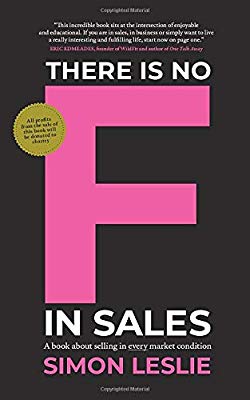
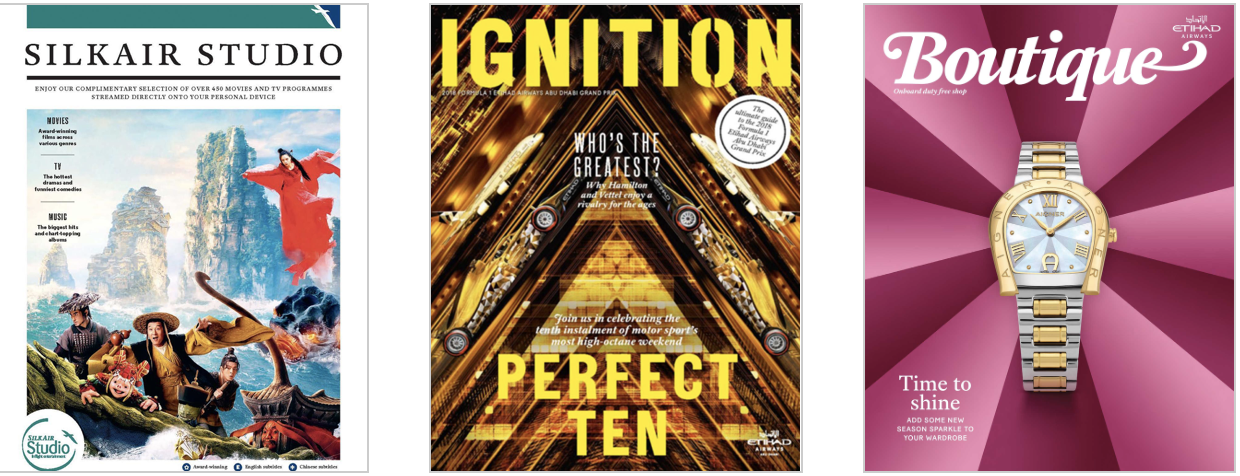
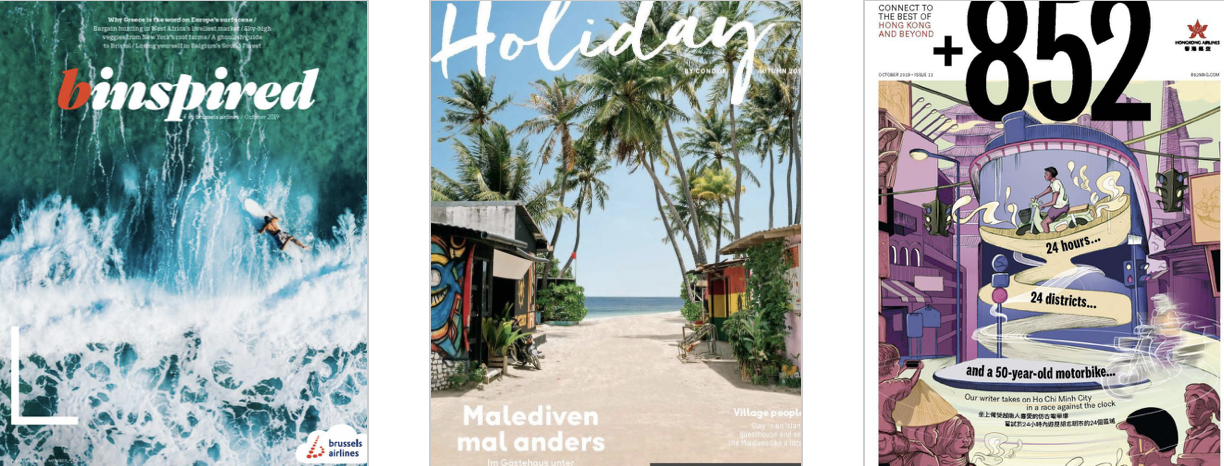
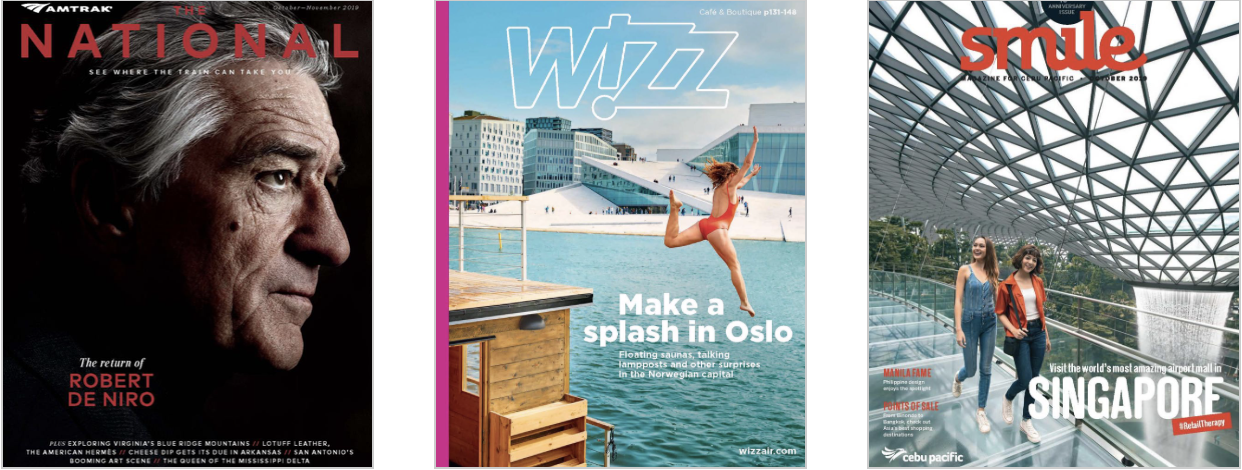
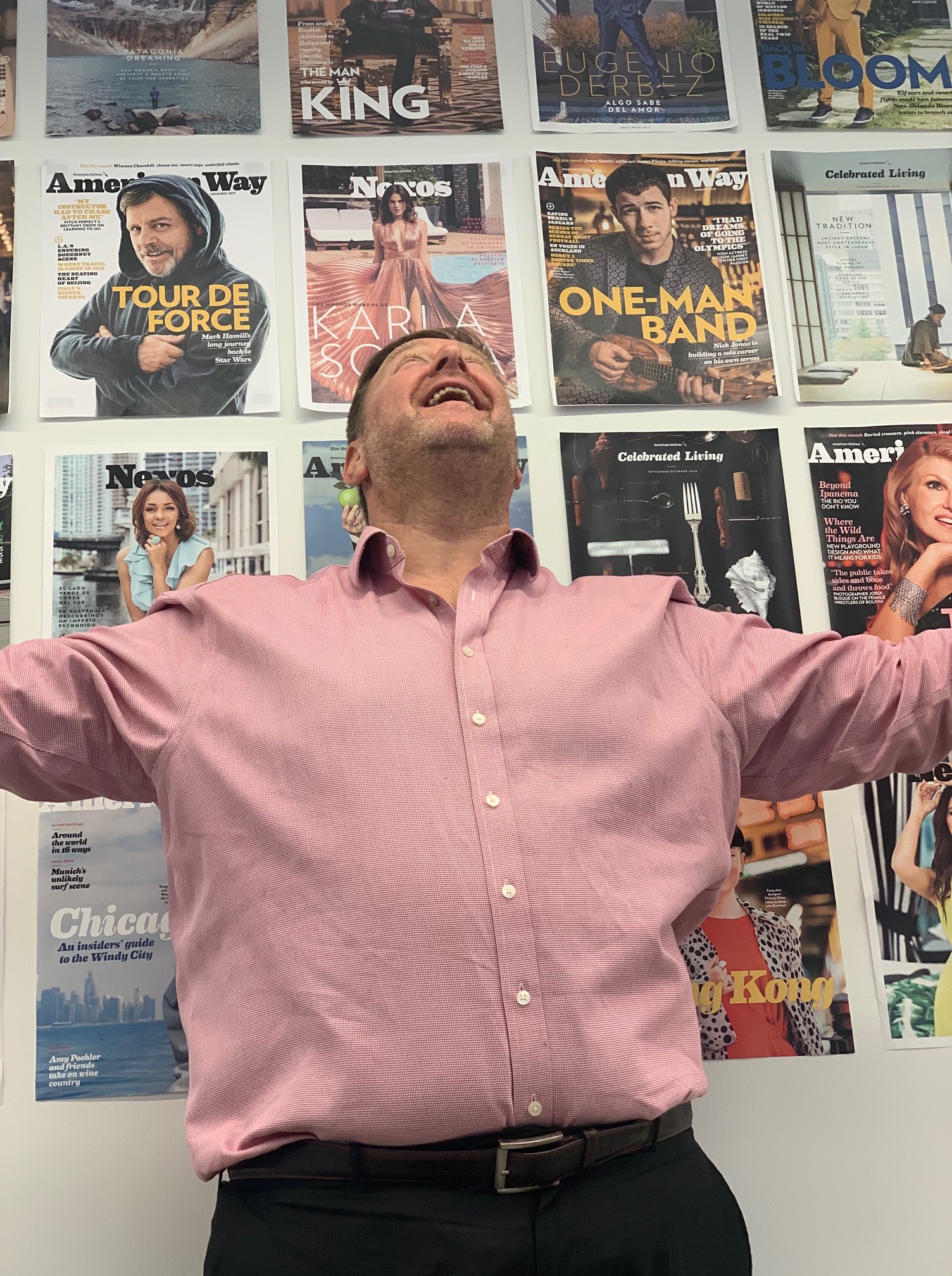
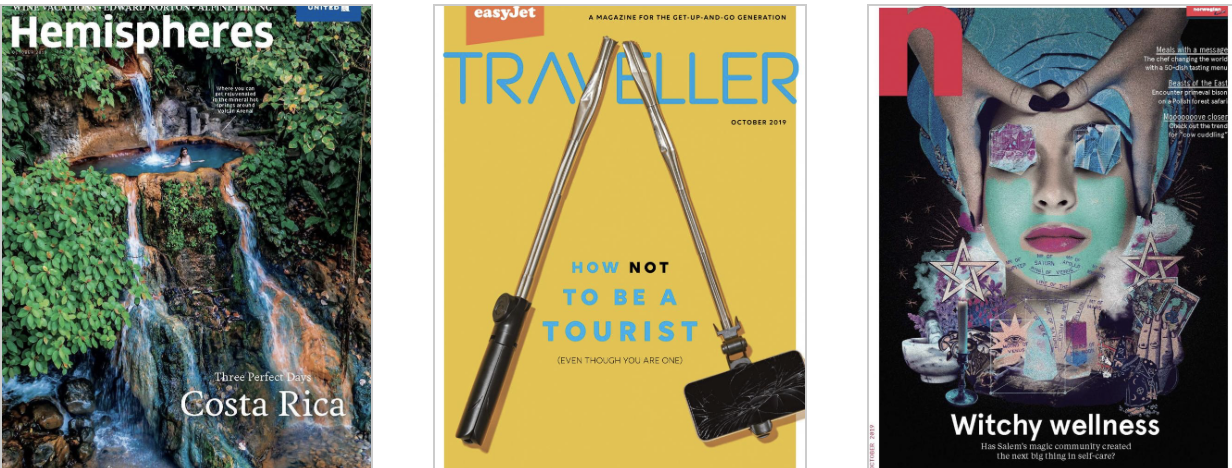
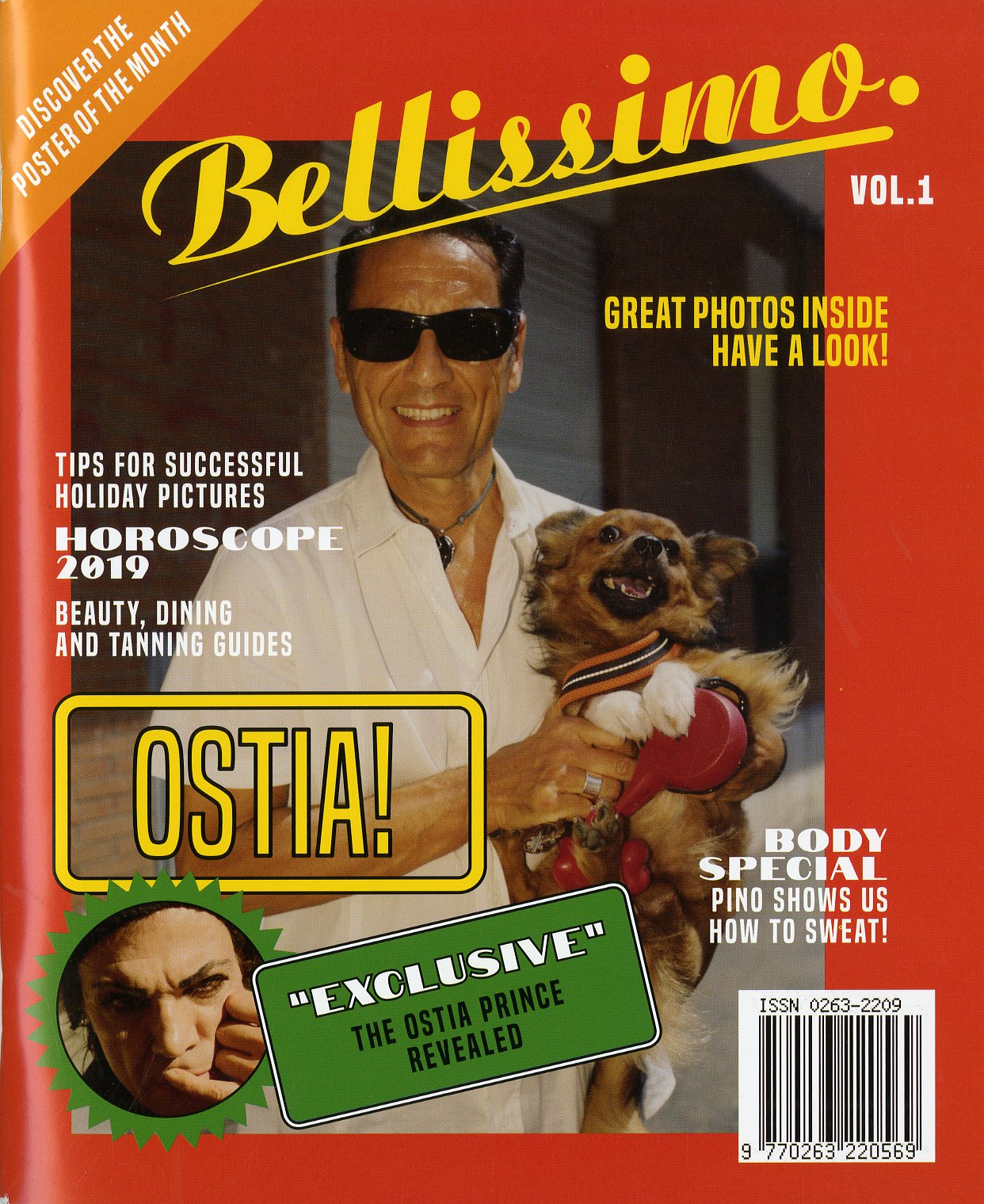
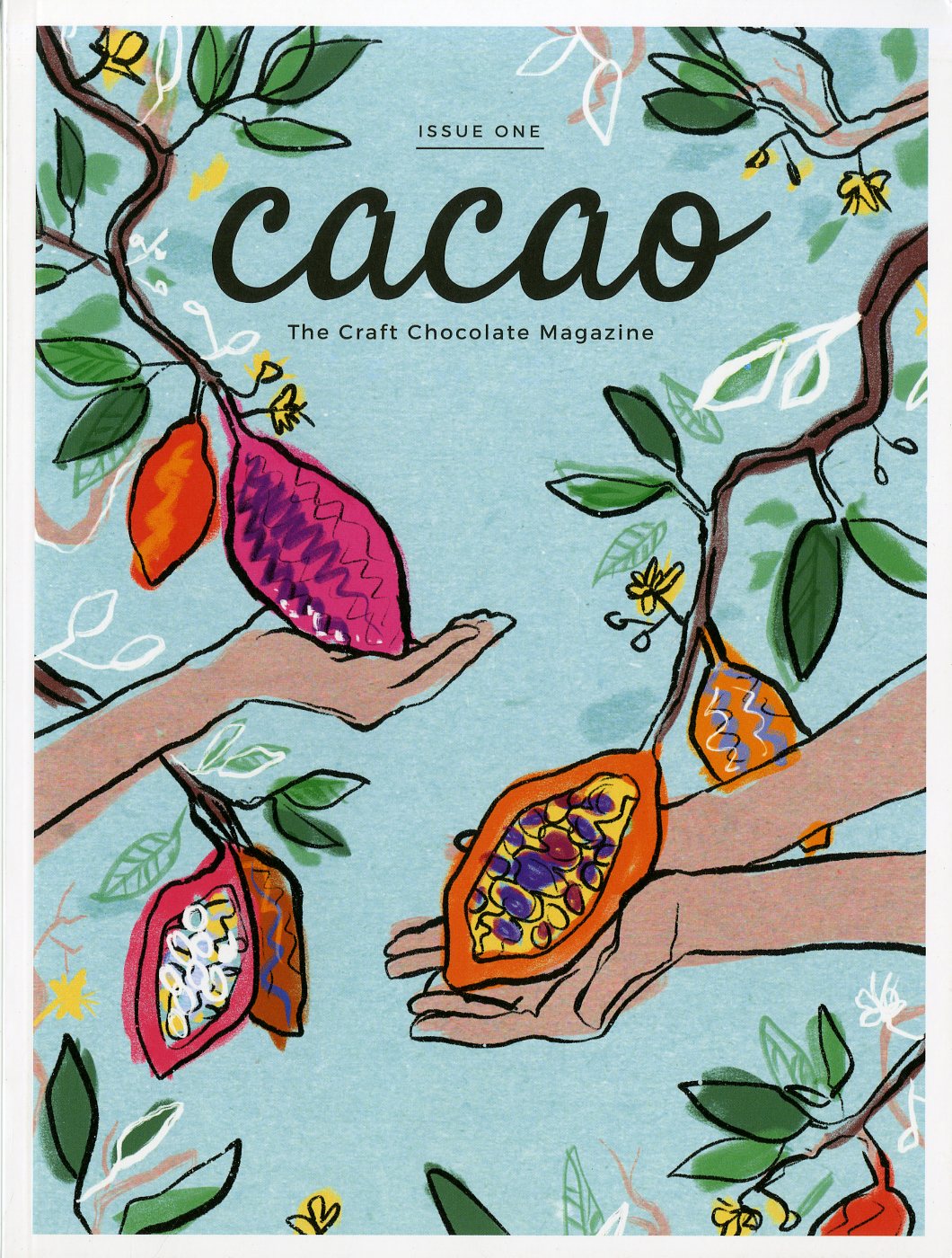
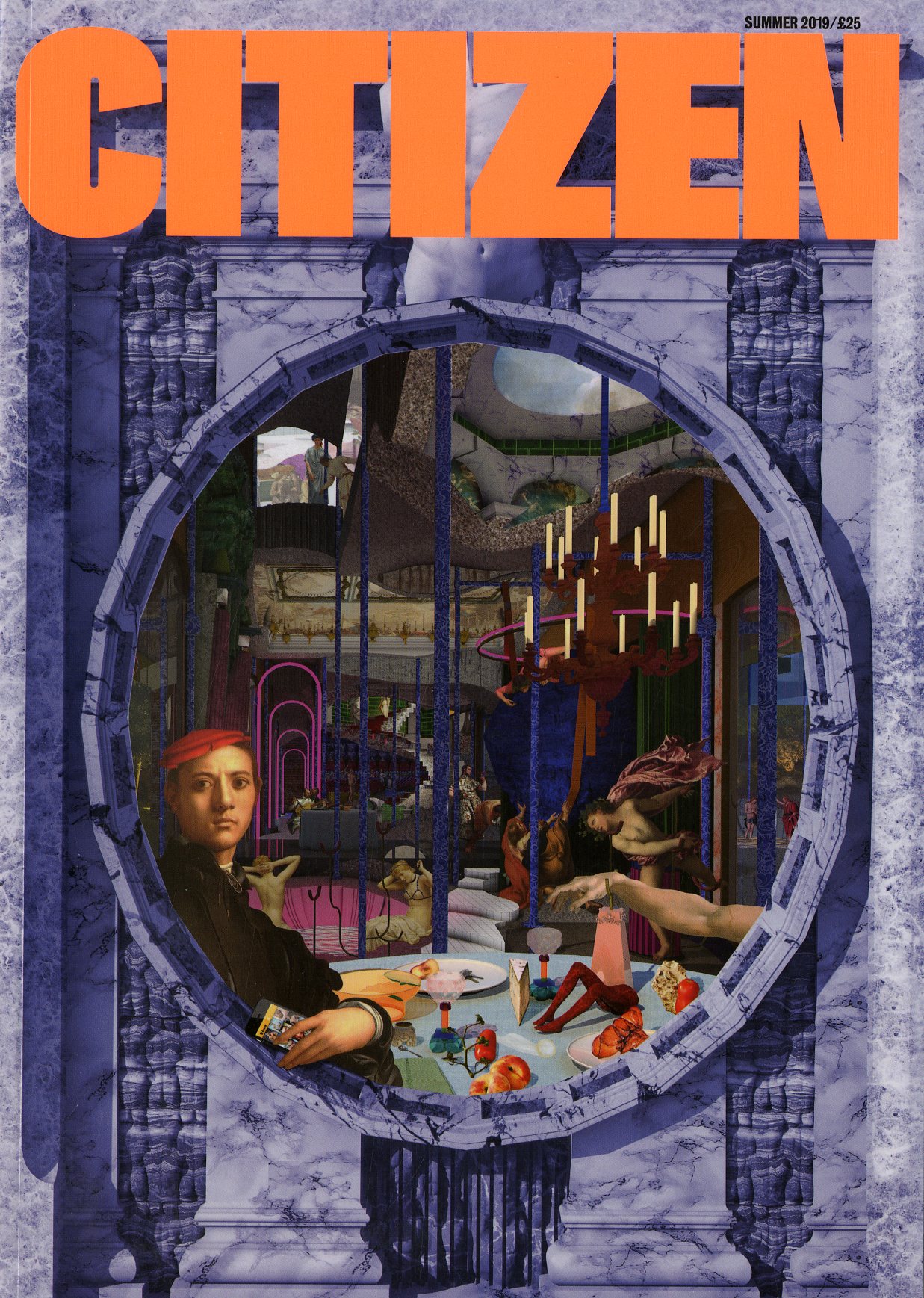
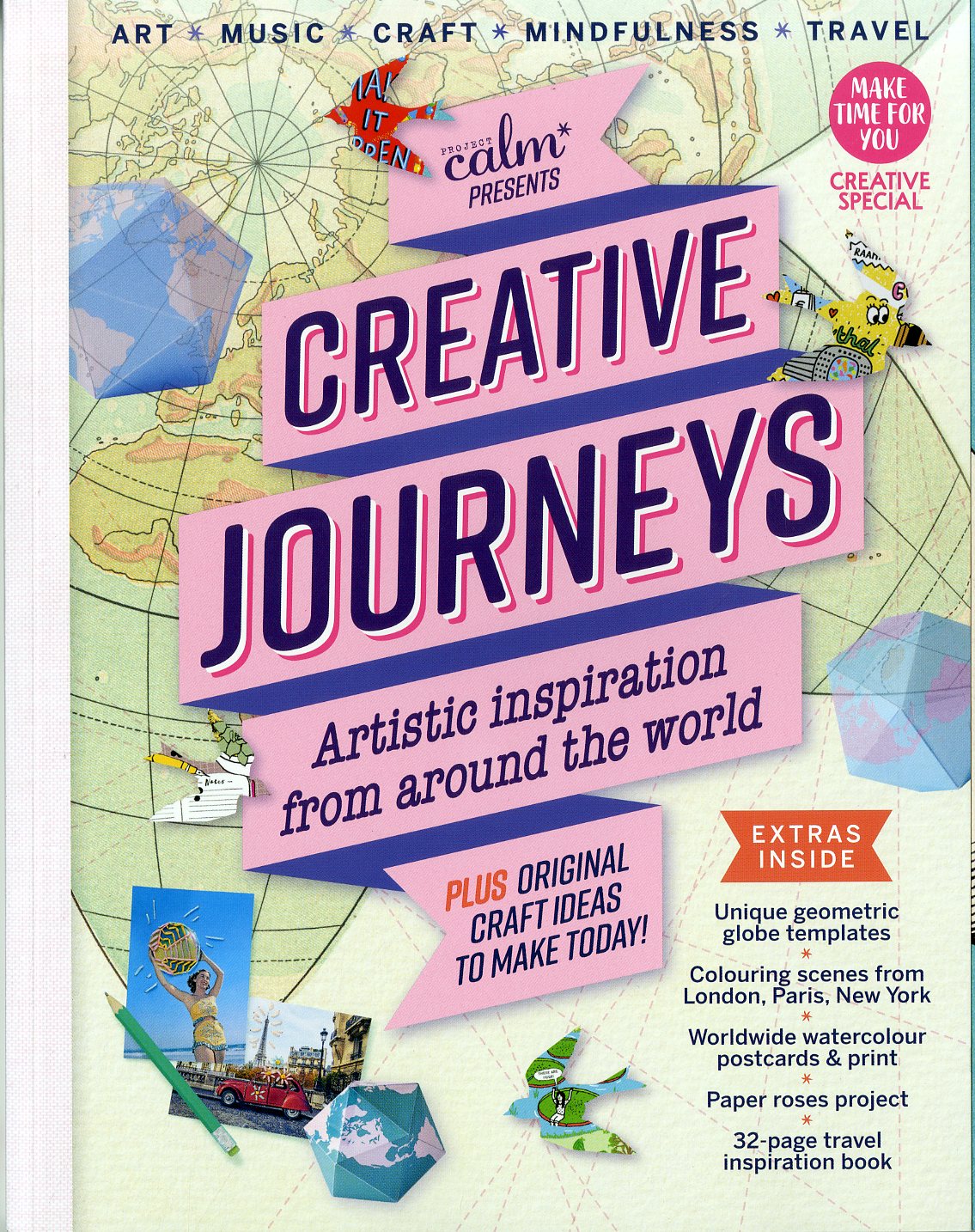
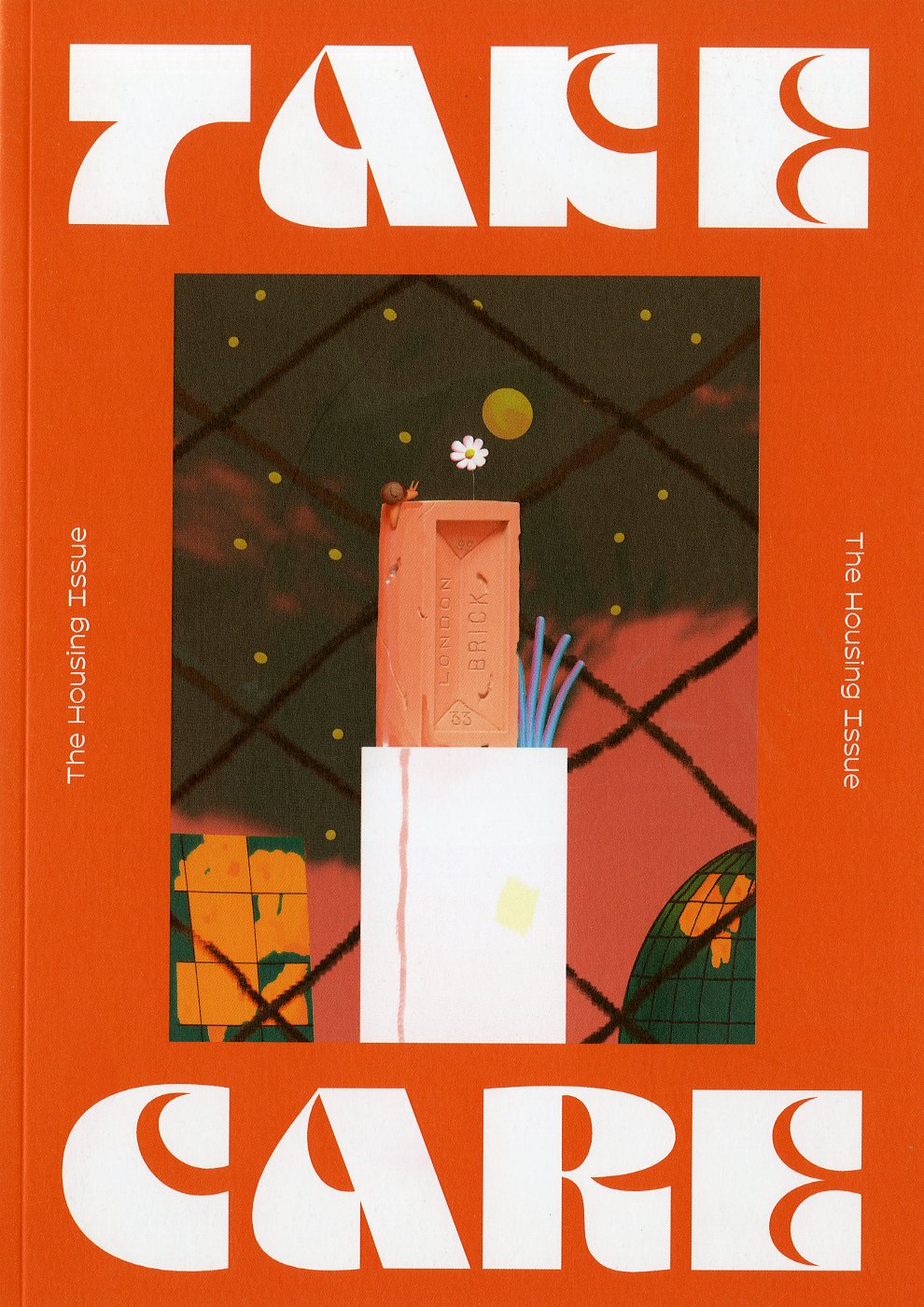
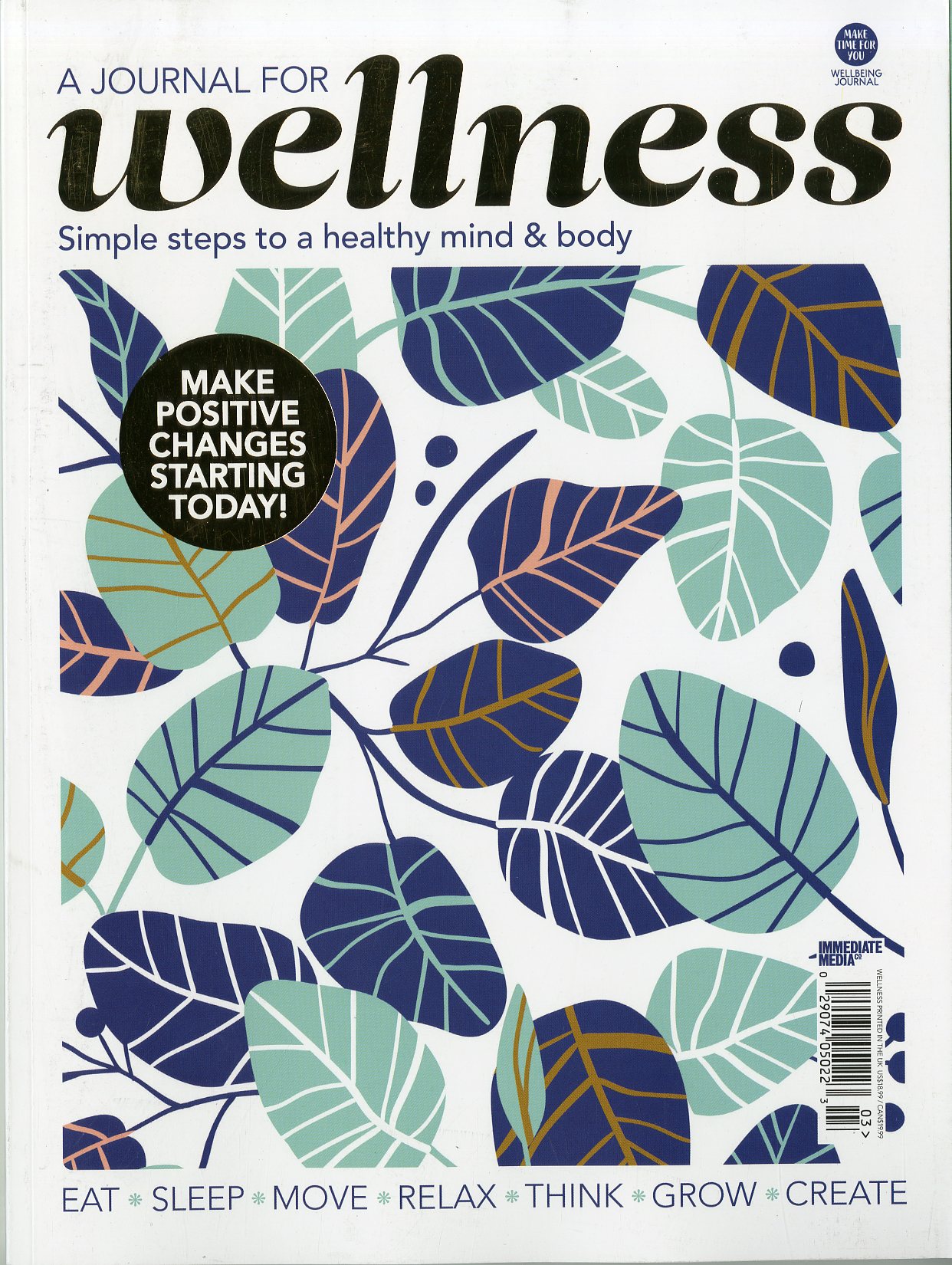
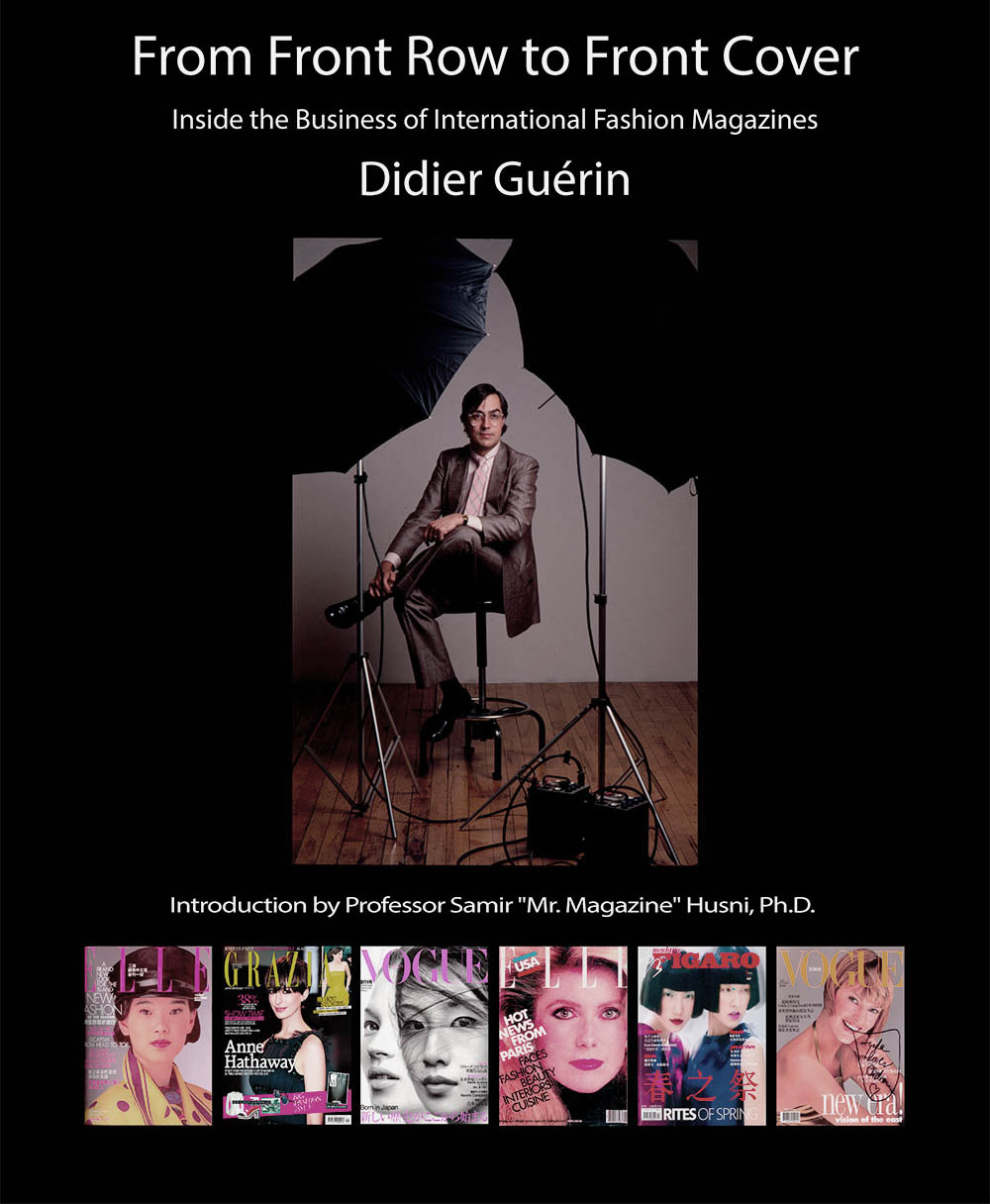


 Mr. Magazine